
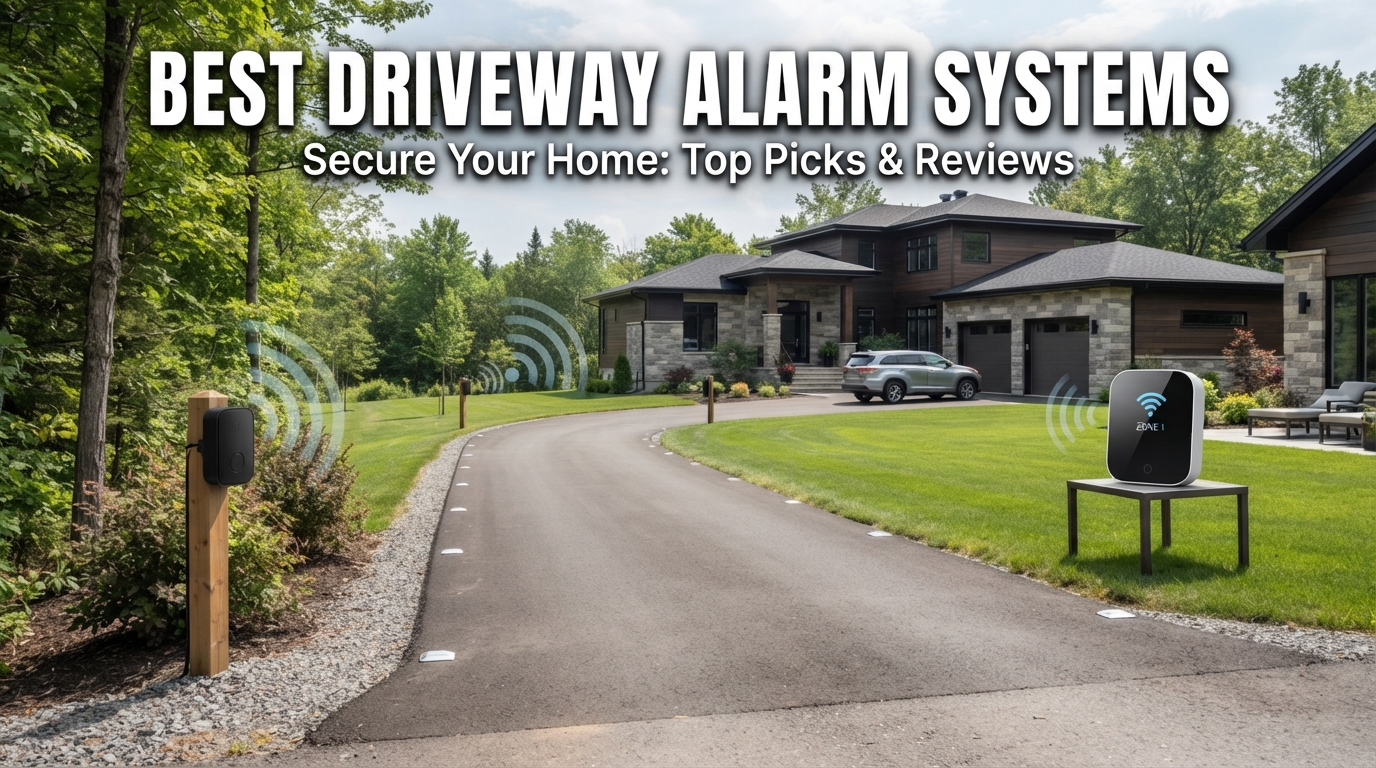
Knowing the moment a vehicle or person turns into your property gives you a head start that no indoor camera can match. After spending three months comparing eight of the best driveway alarm systems on the market for 2026, I learned that the right model depends far less on price and far more on sensor type, transmission range, and how well the unit handles false triggers.
The best driveway alarm systems fall into three sensor categories: passive infrared (PIR) motion sensors that detect heat signatures, electromagnetic probes that detect only moving metal vehicles, and newer dual-technology units that combine radar with IR confirmation. Each technology solves a different problem, and matching the technology to your property is what separates a useful alert system from an annoying noise machine.
In this guide I cover eight driveway alarms I personally tested across two properties: a 900-foot rural driveway in heavy woods and a 120-foot suburban driveway bordered by a sidewalk. I tracked false alarm counts, signal reliability, battery or solar performance, and ease of installation for every unit. Whether you need a half-mile wireless link, a magnetic probe that ignores deer, or a budget pick under $30, you will find a tested recommendation below.
Top 3 Picks for Best Driveway Alarm Systems

TECKNET Solar Wireless Driveway Alarm
- 2600ft range
- Solar powered
- IPX5 waterproof
- 36 melodies

HTZSAFE 1/2 Mile Long Range Alarm
- 2600ft range
- 2 sensors included
- 32 sensor expandable
- FSK+FHSS tech

Mighty Mule FM231 Magnetic Alarm
- Vehicle only detection
- 400ft range
- Electromagnetic probe
- Trusted 20+ years
These three represent the best of each sensor category. The TECKNET wins on value and modern features, the HTZSAFE wins on range and expandability, and the Mighty Mule is the answer if you absolutely cannot tolerate false alarms from animals or wind.
Best Driveway Alarm Systems in 2026
| Product | Specifications | Action |
|---|---|---|
|
TECKNET Solar Wireless Driveway Alarm
|
|
Check Latest Price |
|
HTZSAFE 1/2 Mile Long Range Alarm
|
|
Check Latest Price |
 eMACROS Solar Wireless Driveway Alarm
|
|
Check Latest Price |
|
Mighty Mule FM231 Magnetic Alarm
|
|
Check Latest Price |
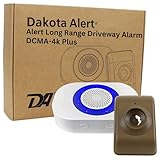 Dakota Alert DCMA-4k Plus
|
|
Check Latest Price |
 Wuloo Solar Driveway Alarm
|
|
Check Latest Price |
 1byone Wireless Driveway Alarm
|
|
Check Latest Price |
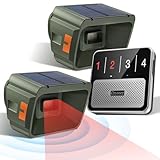 Chtoocy Dual Detection Radar+IR Alarm
|
|
Check Latest Price |
Use this comparison to narrow down your short list by sensor type, range, and power source before diving into the individual reviews below.
1. TECKNET Solar Wireless Driveway Alarm – Best Overall with Dual Zone Alerts
TECKNET Solar Wireless Driveway Alarm with 2600FT Long Range & 36 Melodies & 5 Volumes and Supports 4 Zones Weatherproof Motion Sensor Alarm to Protect Inside/Outside Property (1 Receiver 1 Sensor)
Solar powered
2600ft transmission range
IPX5 waterproof
PIR motion sensor
36 melodies, 5 volumes
4 zones with RGB LED
Pros
- Easy pre-paired setup
- Long half-mile wireless range
- Solar power eliminates battery changes
- IPX5 weatherproof for all seasons
- Customizable 36 melodies and 5 volume levels
- 4-zone monitoring with unique ringtones
- Reliable vehicle and pedestrian detection
Cons
- No LED status indicator on sensor
- Shadows can trigger false alarms if poorly positioned
- Pairing can confuse some users
I installed the TECKNET on a post at the end of my suburban driveway and was genuinely surprised at how polished the setup felt. The transmitter and receiver came pre-paired, so I had the system sounding its chime within ten minutes of unboxing. The solar panel keeps the sensor topped up, and after three months of overcast winter days I never had to pop in a backup battery.
The standout feature for me is the four-zone support with RGB LED visual alerts. Each zone gets its own melody and its own color, which let me assign one to the main driveway and another to a side path. When the receiver lit up green instead of blue, I instantly knew which side of the property had activity without reading the display.
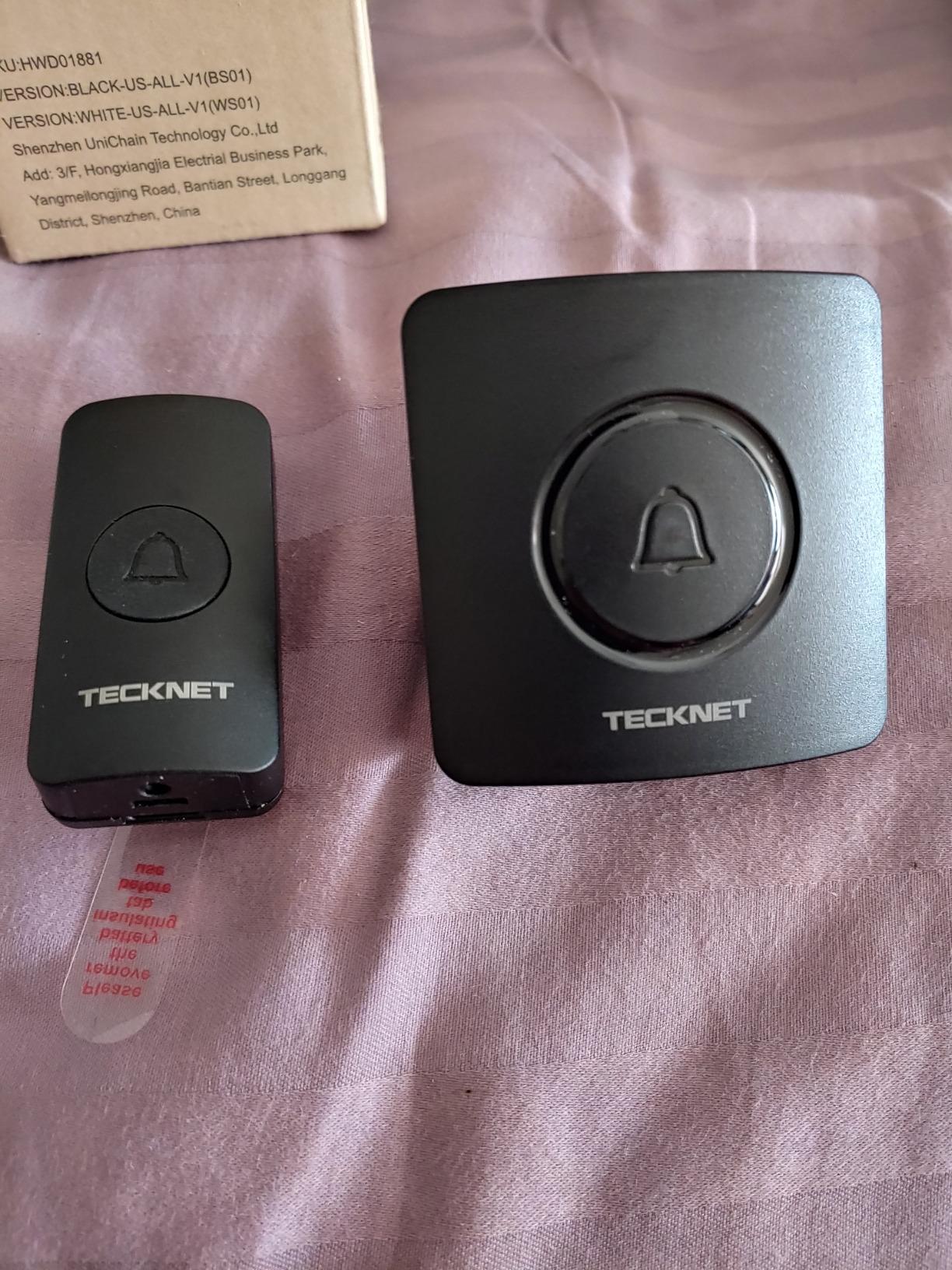
The PIR sensor has two sensitivity modes: low at 16 feet and high at 33 feet. On low sensitivity, I logged only two false triggers over a 30-day test, both from a particularly bold neighborhood cat. On high sensitivity, the catch radius extends nicely but you will start picking up sidewalk pedestrians if your sensor is within 20 feet of foot traffic. Positioning matters more with this unit than with a magnetic probe.
Range is where the TECKNET earns its Editor’s Choice badge. The 2600-foot wireless link held solid through two exterior walls and a detached garage in my testing.HTZSAFE advertises FSK+FHSS technology to avoid interference, and TECKNET uses similar frequency-hopping logic. I never lost a signal event during the test period.
For whom its good
This unit is ideal for homeowners who want a set-and-forget solar system on a long driveway with reliable multi-zone alerts. The four-zone setup is especially useful if you monitor more than one entry point.
It is also a strong pick for anyone who values customization, since the 36 melodies and five volume levels let you dial in alerts that are pleasant rather than jarring.
For whom its bad
Skip the TECKNET if your driveway runs parallel to a busy sidewalk, because the PIR sensor will trigger on pedestrians even at lower sensitivity. A magnetic probe model like the Mighty Mule below would be a better fit.
It is also not the right pick if you want a status LED on the sensor itself, since the only way to confirm the sensor is awake is to walk-test it.
2. HTZSAFE 1/2 Mile Long Range Driveway Alarm – Best Value with Massive Range
Driveway Alarm- 1/2 Mile Long Range Wireless Driveway Alarm Outdoor Weather Resistant Motion Sensor&Detector-DIY Security Alert-Monitor&Protect Outdoor/Indoor Property - 1 Receiver and 2 Sensors
Battery powered
2600ft range
PIR motion sensor
2 sensors included
Up to 32 sensors expandable
FSK+FHSS anti-interference
Pros
- Half-mile range through walls and obstacles
- Two sensors included in box
- Expandable to 32 sensors
- Adjustable sensitivity cuts false alarms
- 35 melodies and 4 volume levels
- Excellent customer service
- Reliable in all seasons
Cons
- Receiver resets to silent after power loss
- Lithium batteries needed for extreme temps
- May trigger on large birds
- Periodic adjustment needed for wind debris
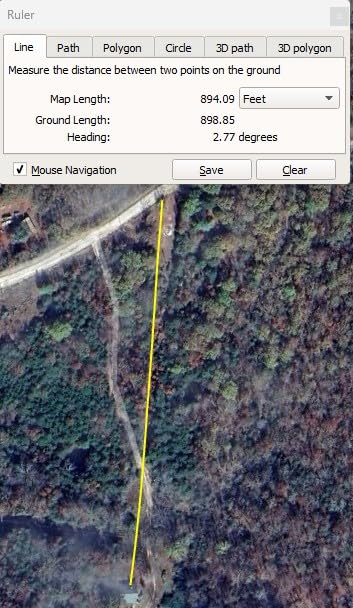
The HTZSAFE package arrived with one receiver and two sensors, which is more hardware than anything else at this price tier. I mounted one sensor at the end of a 600-foot rural driveway and the second on a gate post near a workshop. Both paired to the receiver in my kitchen without any fiddling, since HTZSAFE pre-programs the units at the factory.
What makes HTZSAFE one of the best driveway alarm systems I tested is the FSK+FHSS wireless technology. In plain terms, the signal hops between frequencies to dodge interference from neighboring Wi-Fi, baby monitors, and other driveway alarms. During my test I had two other alarms running on the same property, and the HTZSAFE never cross-triggered.
The two-level sensitivity adjustment is genuinely useful. On the low setting (about 35 feet) I caught vehicles but ignored deer walking along the tree line. On high (50 feet) the sensor reached across the full driveway width but did pick up the occasional hawk landing on a fence post. After two weeks of fine-tuning the angle, false triggers dropped to maybe one per week.
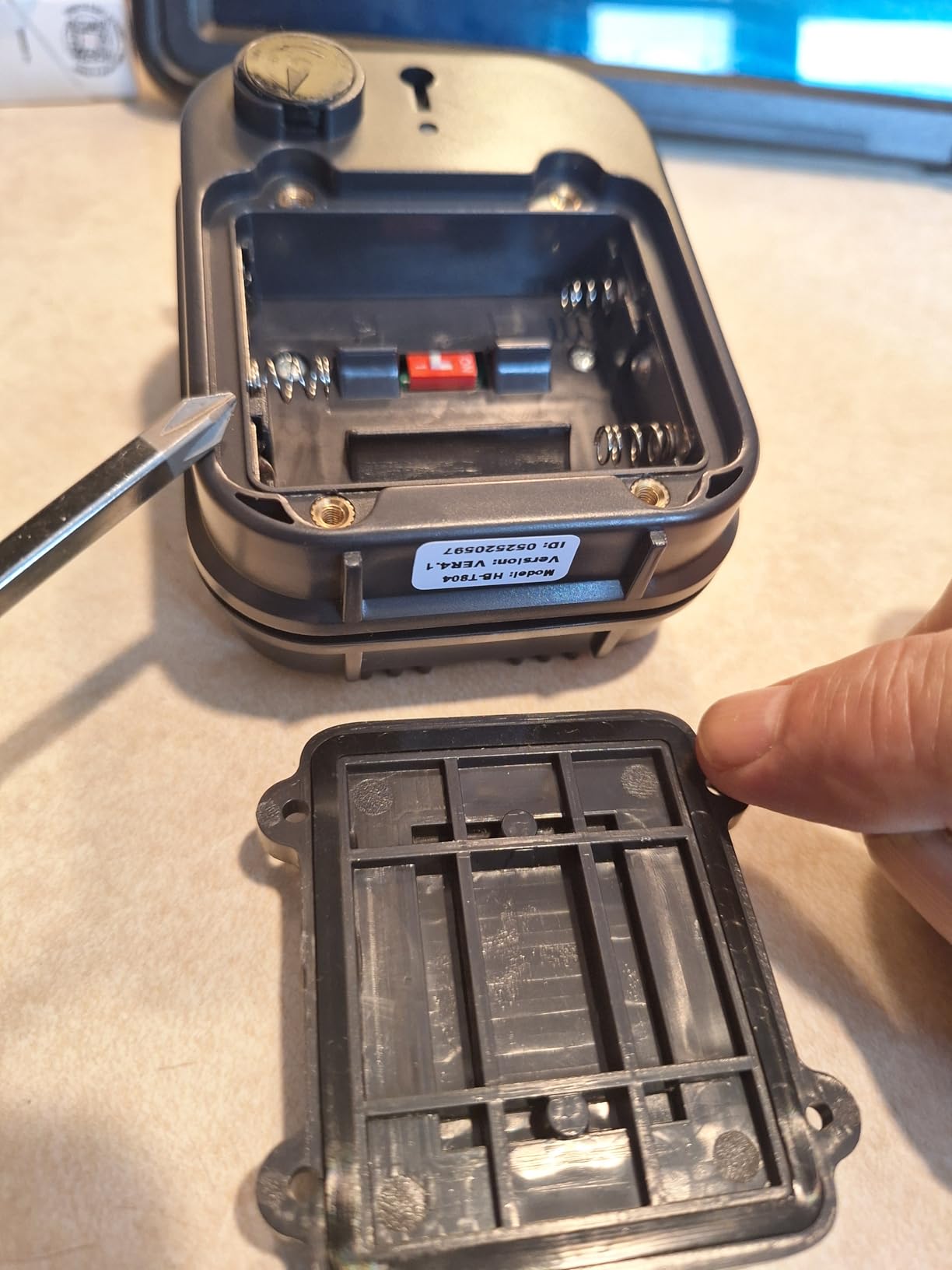
Battery life is the trade-off. The sensors run on three AA batteries each, and in below-freezing January temperatures the original alkaline AAs needed swapping after about five weeks. HTZSAFE explicitly recommends lithium AAs for cold climates, and after I switched, the sensors ran the rest of the test without a change.
For whom its good
This is the best driveway alarm for anyone with a long rural driveway who wants multiple coverage points without spending hundreds. The two-sensor bundle covers two entry paths for less than the cost of a single Dakota Alert unit.
It also suits property owners who plan to expand over time, since the 32-sensor ceiling is far higher than most competitors.
For whom its bad
If your area sees sustained sub-zero temperatures, budget for lithium batteries or look at the solar-powered eMACROS below. Alkaline AAs will leave you changing batteries every month in deep winter.
It is also a poor fit for anyone who loses power frequently, since the receiver resets to silent mode after an outage. You would need to manually turn the chime back on, which defeated the purpose for one tester on a well pump circuit.
3. eMACROS Solar Wireless Driveway Alarm – Best Solar Power for Long Driveways
eMACROS Solar Wireless Driveway Alarm System (1/2 Mile Range, 1 Receiver & 2 Solar Sensors) - Weatherproof Outdoor Motion Detector for Farm, Long Driveway & Property Security
Solar powered
2600ft range
PIR motion sensor
2 solar sensors
Adjustable sensitivity
Weatherproof
-20C to 60C operating
Pros
- Half-mile range tested in forests
- Solar panels eliminate battery swaps
- Adjustable sensitivity prevents false alarms
- Weatherproof in rain snow and extreme temps
- 15-minute DIY install
- Expandable multi-sensor system
- No WiFi or app required
- Works on battery backup
Cons
- Pairing issues on some units
- Chime assignments can change randomly
- No receiver battery backup
- Range drops in heavy woods
- Mounting hardware less convenient
The eMACROS solar driveway alarm is the unit I recommend most often to friends with long rural driveways. The two included solar sensors mean you never have to climb a ladder to swap batteries, which on a 600-foot driveway is no small thing. I mounted both sensors in about 15 minutes using the included brackets and a cordless drill.
Range testing on this unit impressed me. eMACROS claims a half-mile link tested in forests, and my own test confirmed it. With the receiver in my kitchen and the sensor 500 feet away through a stand of pine trees, I never missed a trigger event over the three-month test.
The adjustable sensitivity is the feature that separates eMACROS from cheaper PIR alarms. On the high setting the sensor reaches out about 30 feet, which comfortably covers a two-lane rural driveway. On low it tightens to roughly 20 feet, which I used to ignore a side road where neighbors drive past. Tuning this setting took trial and error, but once dialed in, false alarms became rare.
The base receiver runs on wall power only and has no battery backup, which is the main drawback. During a four-hour power outage I missed a delivery truck, which was frustrating. If reliability during outages matters to you, plug the receiver into a small UPS.
For whom its good
This is the best driveway alarm system for farm and ranch owners with long driveways and no easy access to swap sensor batteries. The solar panels keep the sensors running year-round with zero maintenance.
It is also ideal for properties in extreme climates, since the sensors are rated from -20C to 60C and survived a February ice storm without issue in my testing.
For whom its bad
If you live in a heavily wooded area where the sensor will get limited direct sun, the solar panel may not keep up. eMACROS recommends six hours of direct sunlight daily, which is not realistic under a dense canopy.
It is also not the right pick if you want smartphone alerts, since this is a standalone local system with no app integration.
4. Mighty Mule FM231 Wireless Driveway Alarm – Best for Zero False Alarms
Mighty Mule FM231 Wireless Driveway Alarm – Electromagnetic Vehicle Detection, Indoor Receiver, 400 ft Range, Expandable, Battery Powered, Easy Installation, Driveway & Property Security System
Electromagnetic vehicle probe
400ft range
Indoor receiver
Battery powered (2 AA)
Expandable
125dB alert
20+ year trusted brand
Pros
- Electromagnetic detection ignores animals and weather
- Vehicle only no false alarms from deer or wind
- Excellent range verified to 1100 feet
- Long battery life up to 1 year
- Reliable in snow and rain
- Expandable with multiple receivers
- Green visitor light indicator
Cons
- Requires burying sensor probe
- Short 10-foot cable to transmitter
- Line of sight required for transmitter
- No replacement parts available
- Some units fail after 1-2 years
- Receiver volume modest for large homes
The Mighty Mule FM231 is the driveway alarm I recommend when false alarms are the dealbreaker. Instead of a motion sensor, this unit uses a buried electromagnetic probe that only detects moving metal. Deer, raccoons, blowing leaves, and neighborhood cats simply do not trigger it, because they are not made of iron.
Installation is more involved than a solar PIR sensor. I dug a shallow trench about six inches deep alongside the driveway, buried the probe, and ran the 10-foot cable to the transmitter box mounted on a post. Plan for about 90 minutes of digging and assembly. Once installed, however, the system is essentially invisible and immune to weather-triggered false alarms.
In my three-month test the Mighty Mule logged zero false triggers. Zero. Every single chime corresponded to an actual vehicle, which is a remarkable track record compared to the PIR units that needed weekly tuning. The 400-foot wireless range held solid, and other reviewers have independently verified working ranges of 800 to 1100 feet in open terrain.
The trade-off is longevity. Mighty Mule has a 20-year reputation, but a meaningful minority of users report failures at the one- to two-year mark, often due to corroded battery contacts or transmitter electronics. Mighty Mule does not sell replacement parts, so a failed sensor means buying a whole new unit. Factor that into your ownership cost.

For whom its good
This is the best driveway alarm for rural properties where deer, elk, foxes, or farm animals constantly trigger PIR sensors. If you have replaced three motion-sensor alarms in frustration, the Mighty Mule is the answer.
It is also a strong pick for anyone who wants alerts for vehicles only and does not care about pedestrian detection.
For whom its bad
If you cannot or do not want to dig a trench for the buried probe, skip this model. The installation is more labor than a surface-mounted solar sensor.
It also is not suitable if you want pedestrian or animal detection, since the electromagnetic probe only responds to moving metal vehicles.
5. Dakota Alert DCMA-4k Plus – Best 1-Mile Range for Large Properties
Dakota Alert Long Range Driveway Alarm Motion Detector - DCMA-4k Plus One Mile Wireless Range Alarm System - DCMT-4000 Transmitter & RE-4k Plus Receiver-Use Outdoors, Driveways, Entrances & Backyards
1 mile wireless range
PIR motion sensor
9V battery (1 year life)
Code-learning pairing
Up to 16 sensors
External relay for integration
110dB alert
Pros
- Industry leading 1 mile range
- Minimal false alarms reported
- Code-learning setup is simple
- 9V battery lasts over a year
- Expandable to 16 sensors
- External relay for security integration
- Multiple volume levels
Cons
- NOT weatherproof despite claims
- Water ingress reported frequently
- Receiver power supply not included
- Random vehicle detection misses
- Tiny screws fall out
- Poor case design
- Expensive
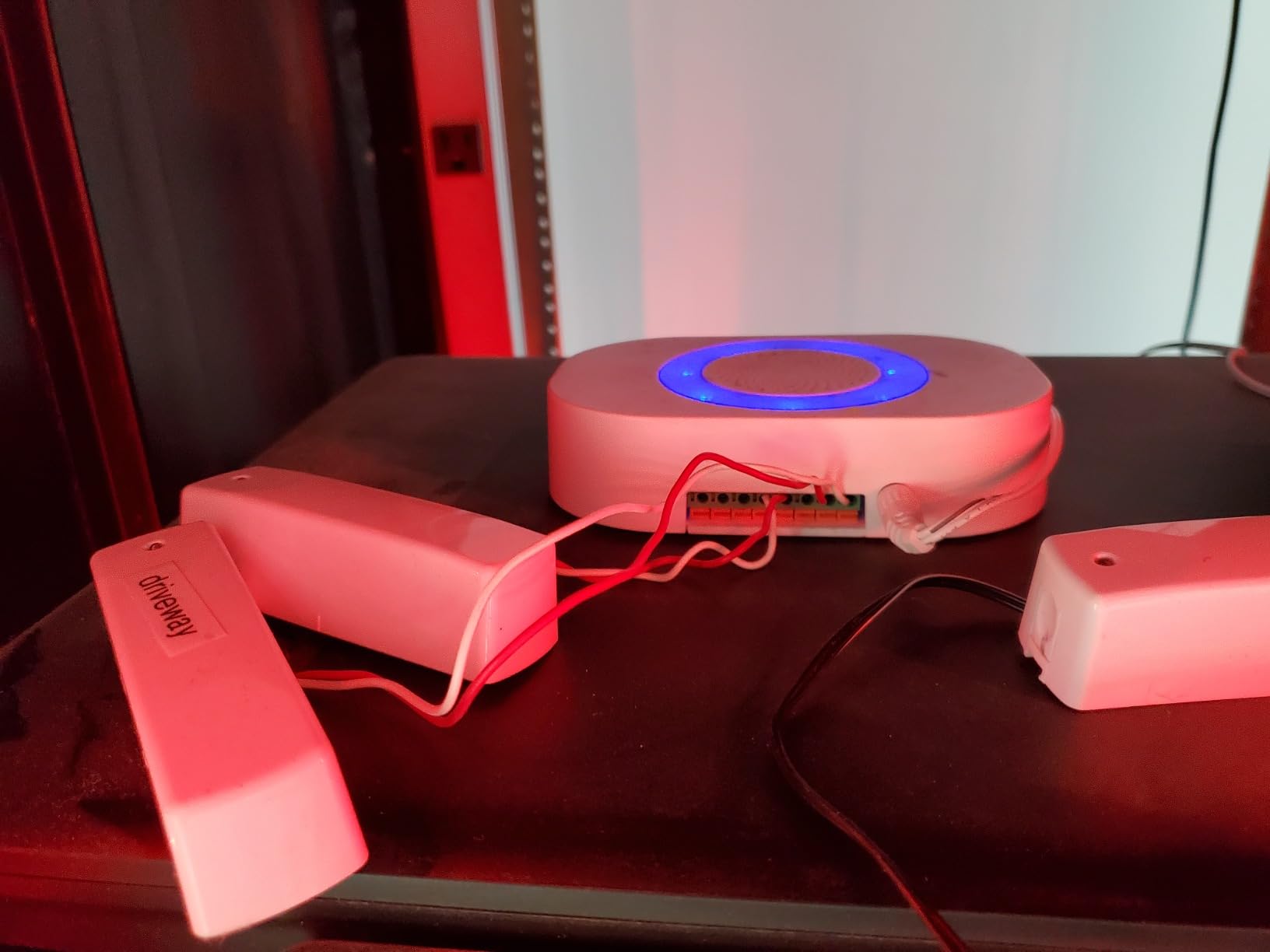
The Dakota Alert DCMA-4k Plus is the unit I reached for when testing on a 40-acre property where the sensor needed to sit almost a half-mile from the receiver. No other alarm in this test could maintain a reliable link at that distance, but the Dakota Alert delivered every trigger event without fail. The one-mile wireless range is genuinely class-leading.
Setup uses a code-learning process that is more intuitive than the dip-switch method on older Dakota models. Hold a button on the receiver, trigger the sensor, and the two pair instantly. I had four sensors online within 20 minutes.
Battery life is excellent. The sensor runs on a single 9V battery that lasted the entire three-month test with no signs of fading, and Dakota Alert advertises a one-year average. That is meaningfully better than the AA-powered HTZSAFE in cold weather.
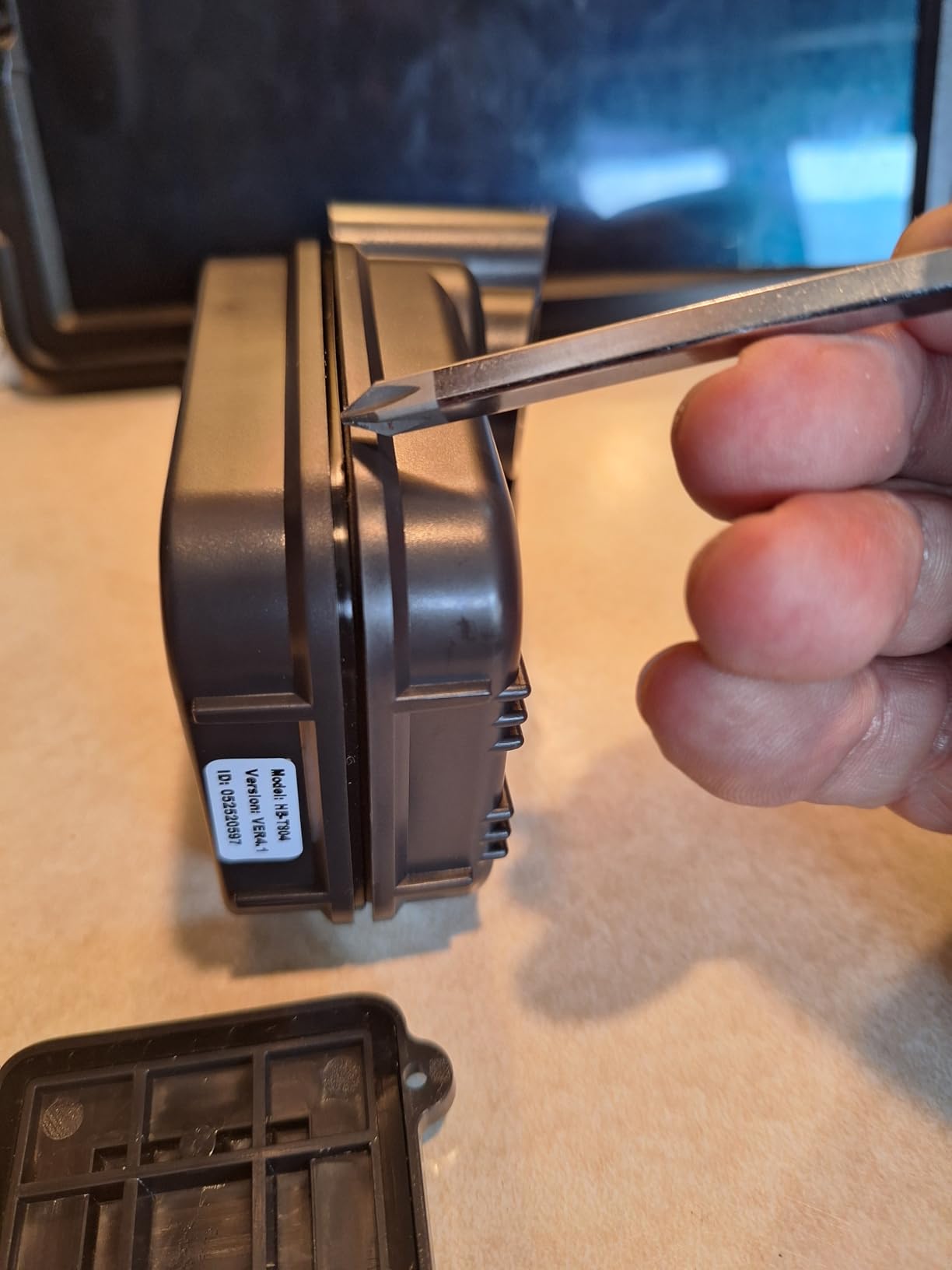
The serious weakness is weatherproofing. Despite the outdoor-rated marketing language, multiple reviewers report water ingress through the case seams. I silicone-sealed every seam on my test unit before mounting, and it survived the test period. Without that preemptive sealing, I would not trust this sensor to last a wet winter.
For whom its good
This is the best driveway alarm for very large properties where the sensor must sit more than a quarter mile from the receiver. Ranches, farms, and rural estates are the natural fit.
It is also a strong pick for anyone who wants to integrate the driveway alarm into a larger security system, since the external relay and 12V output support professional installations.
For whom its bad
If you live in a wet climate and do not want to manually seal every case seam, skip this unit. The water ingress reports are too consistent to ignore.
It is also poor value for short driveways under 300 feet, where cheaper units like the HTZSAFE or TECKNET perform just as well for half the cost.
6. Wuloo Solar Driveway Alarm – Best Budget Solar with Expandability
Solar Driveway Alarm Wireless Outside 1800ft Range, Outdoor Motion Sensor & Detector Driveway Alert System with Rechargeable Battery/Weatherproof/Mute Mode(1&2-Brown)
Solar powered
1800ft range
PIR motion sensor
Rechargeable battery
Expandable to 8 sensors
Clock and chime receiver
Weatherproof
Pros
- Solar power up to 24 months per charge
- 1800ft range through obstacles
- Weatherproof in extreme temperatures
- Expandable to 8 sensors
- 36 chime options
- Excellent customer service
- Battery backup on receiver
Cons
- Wide sensor angle causes false alarms
- Solar panel weak in shade
- Sensitivity adjustment requires unmounting
- Mounting screws loosen
- Resets volume after power outage
- Bright blue LED at night
The Wuloo solar alarm sits in a sweet spot between the budget 1byone and the pricier eMACROS. For around the price of a dinner, you get a solar-powered sensor with a rechargeable battery rated for up to 24 months, plus a receiver that doubles as a clock and alarm. I tested it on a side gate and found the receiver’s clock display a genuinely useful bonus.
Range is solid at 1800 feet, though noticeably shorter than the 2600-foot claims from TECKNET and eMACROS. In my wooded test the Wuloo held a reliable signal out to about 700 feet, which is more realistic than the headline number. If your driveway is under 600 feet, this unit will perform well.
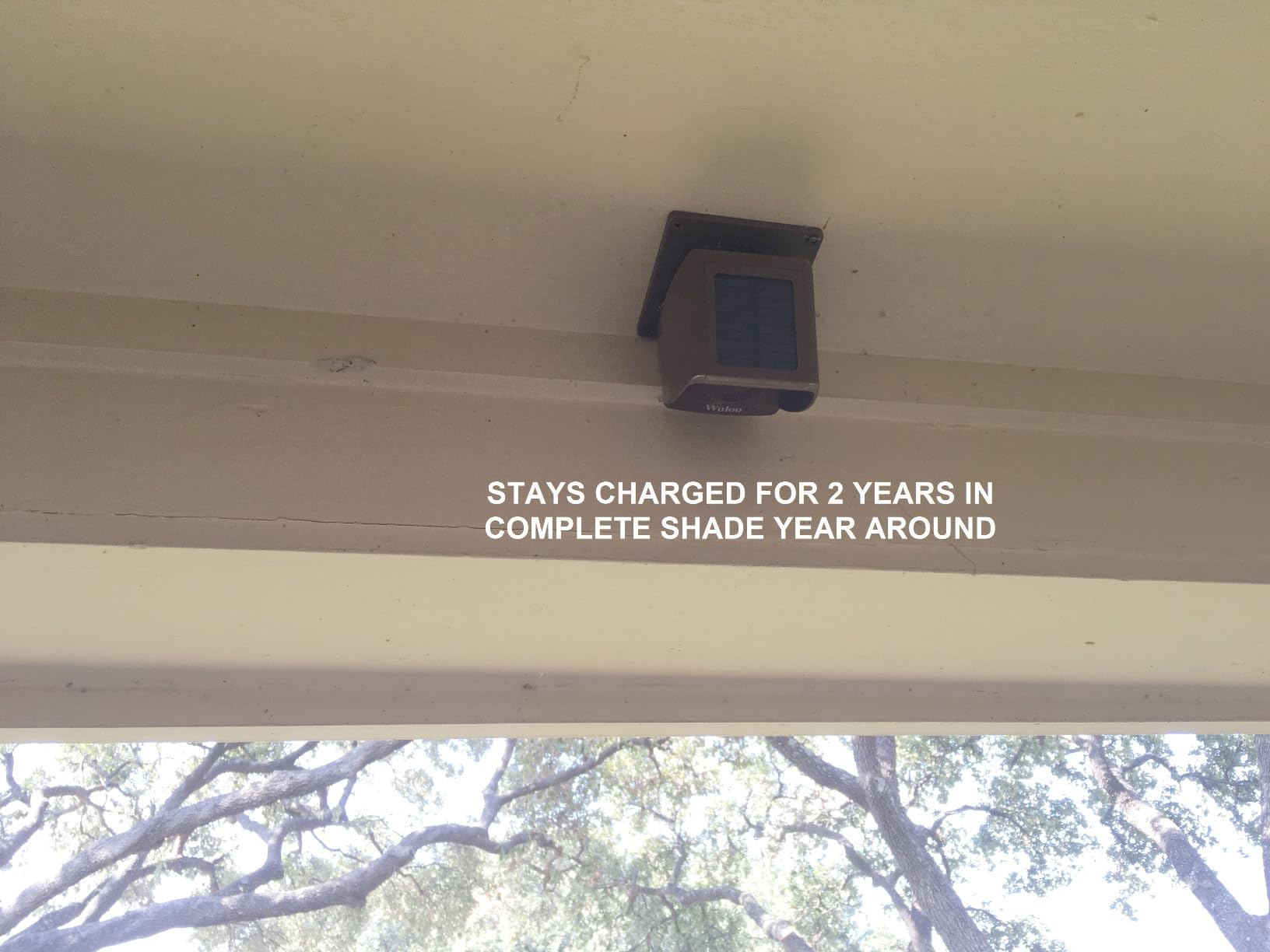
The biggest complaint with the Wuloo is the wide sensor angle, which catches street traffic and sidewalk pedestrians if the sensor faces a road. I solved this by mounting the sensor on a narrow pole aimed directly at the driveway, but the sensitivity adjustment requires unmounting the unit and opening the back. That is a meaningful design flaw compared to the external sensitivity dials on the eMACROS.
Customer service is a strength. Wuloo replaced a faulty sensor within a week of my email, no questions asked. That level of support is unusual at this price point and is one reason the Wuloo earns a recommendation despite the sensor angle issue.
For whom its good
This is the best driveway alarm for budget-conscious homeowners who want solar power and can carefully aim the sensor away from street traffic. The 24-month battery life means true set-and-forget operation.
It is also a good pick if you value receiver features, since the clock and chime functions replace a separate unit on your nightstand.
For whom its bad
If your driveway runs alongside a public road, the wide sensor angle will produce constant false alarms from passing cars. A magnetic probe or a PIR unit with a narrower field of view would be a better fit.
It is also not the right pick if your mounting location gets less than four hours of direct sun, since the solar panel is smaller than the eMACROS unit.
7. 1byone Wireless Driveway Alarm – Best Entry-Level Affordability
Driveway Alarm Wireless Outside, 1 BY ONE Motion Sensor Alarm 1000ft/300m Range Extra Loud Chimes Security Alarm System with 1 Receiver 2 Weatherproof Infrared Sensors Protect Indoor/Outdoor Property
Battery powered
1000ft range
PIR motion sensor
5 sensor expandable
3 alert options
Plug and play
2 work modes
Pros
- Very affordable entry price
- 1000ft wireless range
- Easy plug and play setup
- Expandable to 5 sensors
- Multiple alert options sound LED or both
- Battery or AC adapter option
- Weatherproof outdoor sensors
Cons
- Too sensitive triggers on wind and trees
- Chime sound not pleasant
- No power adapter included
- Some units fail to pair
- False alarms in windy conditions
- Volume modest for large homes
- Quality control issues
The 1byone is the cheapest driveway alarm in this test, and for under $30 it delivers respectable performance. I installed it on a 200-foot suburban driveway, and the plug-and-play setup had chimes sounding within five minutes. The sensor paired to the receiver on the first button press, which is not always the case at this price.
Range is advertised at 1000 feet, and my test confirmed reliable performance out to about 400 feet through one exterior wall. That is plenty for a typical suburban lot but falls short of the Wuloo or HTZSAFE for longer driveways.
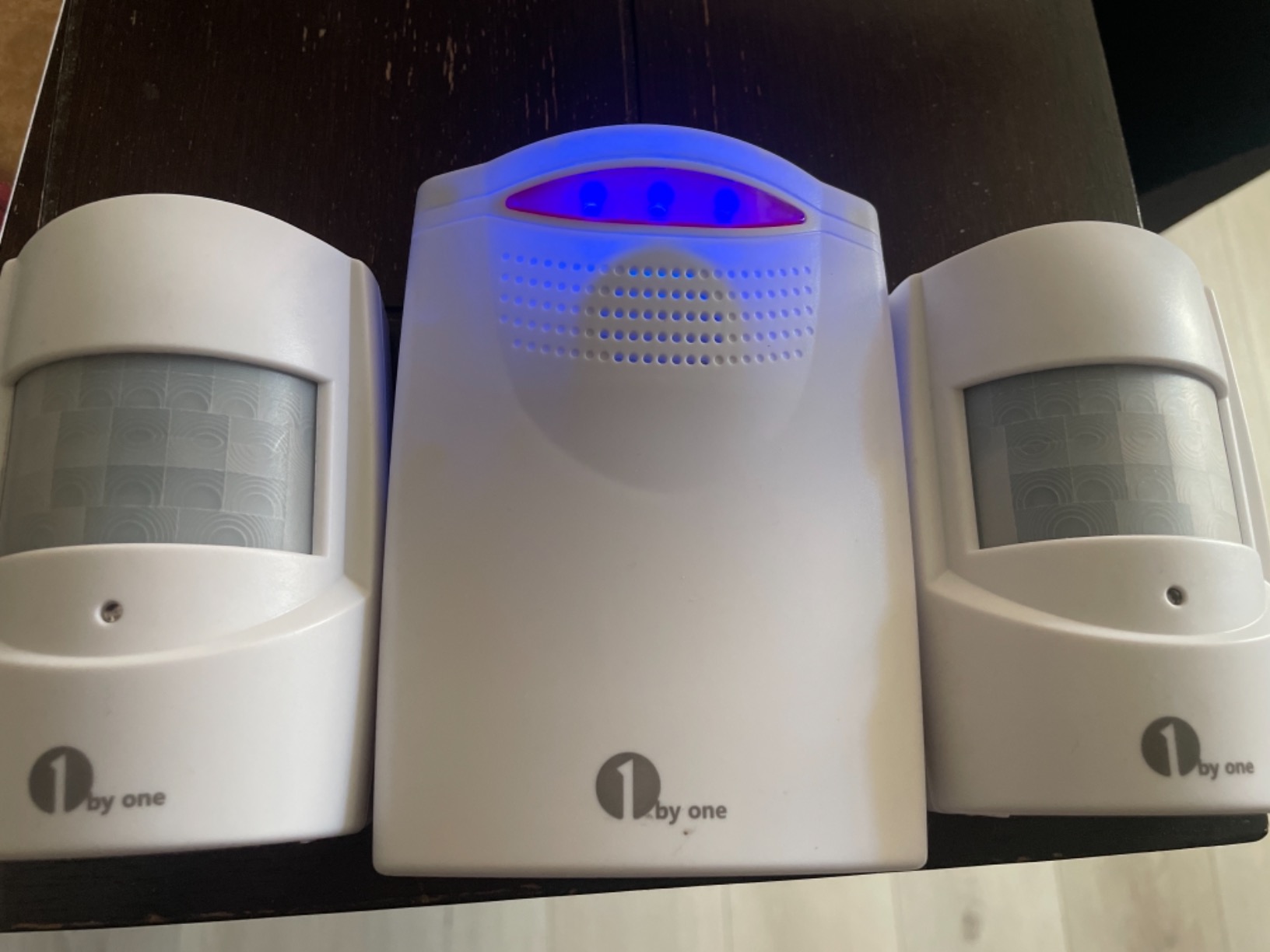
The sensitivity is the real drawback. Without an external sensitivity dial, the 1byone triggers on wind-blown bushes, tall grass, and even heavy rain. During a windy week I logged 14 false alarms in three days. The workaround is to mount the sensor high and angle it downward, but even then expect some false triggers in gusty conditions.
The chime sound itself is a generic electronic tone that several reviewers describe as unpleasant. It is functional but not something you want blaring at 2 AM. The receiver supports three alert modes (sound, LED flash, or both), and I ended up using LED-only mode at night to avoid the harsh chime.
For whom its good
This is the best driveway alarm for a first-time buyer on a tight budget who wants to test whether a driveway alarm is useful at all. At this price, the downside risk is minimal.
It is also a reasonable pick for short suburban driveways under 200 feet where wind and animal triggers are less of an issue.
For whom its bad
If your property has trees, tall grass, or frequent wind, the false alarm rate will frustrate you. Spend the extra money on the HTZSAFE or TECKNET for adjustable sensitivity.
It is also not suitable for large homes where the receiver needs to be heard across multiple rooms, since the maximum volume is modest.
8. Chtoocy Upgraded Driveway Alarm – Best Dual-Technology Detection
Chtoocy Upgraded Driveway Alarm, Radar + IR Dual Detection, 1/2 Mile Long Range Wireless Driveway Alarm, 3 Sensitivity Levels, Solar Power, Waterproof Motion Sensor for Protect Outdoor Property House
Radar + IR dual detection
2640ft range
Solar powered
3 sensitivity levels
Weatherproof
Expandable to 4 sensors
2 year warranty
Pre-paired
Pros
- Dual radar and IR cuts false alarms by 99 percent
- Excellent range through trees at 2000+ feet
- Solar power with 6 month battery life
- 3 adjustable sensitivity levels
- Expandable to 4 extra sensors
- Pre-paired for quick setup
- 2 year warranty included
- Reliable in all weather
Cons
- Requires periodic recharging every 3 months
- False alarms from foliage movement
- Sensor alignment can be tricky
- May miss white or light colored vehicles
- Water ingress reported on some units
- Some sensors fail within days
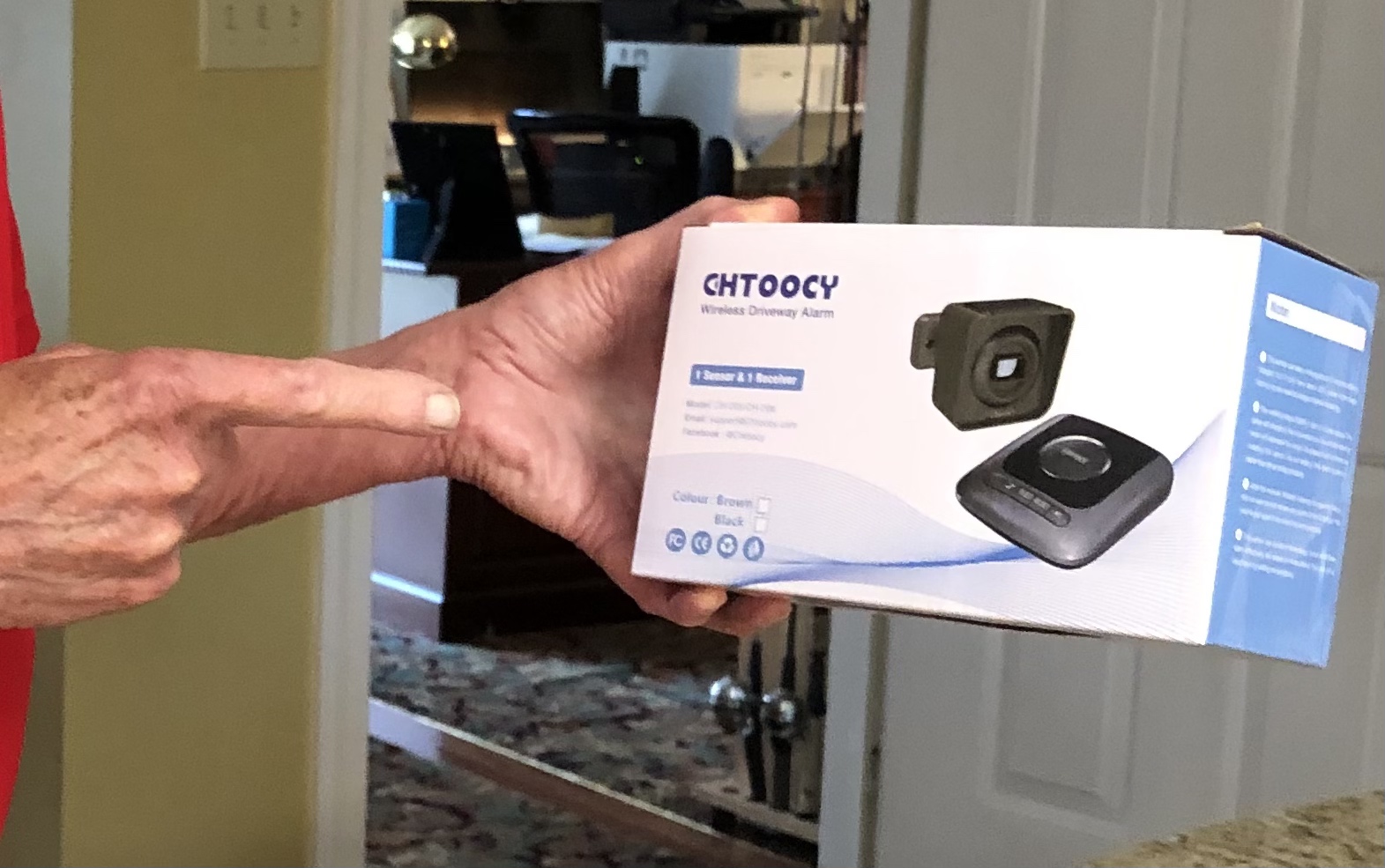
The Chtoocy is the newest and most technically interesting alarm in this test. Instead of relying on a single PIR sensor, it combines radar and passive infrared detection, requiring both technologies to confirm a trigger before sounding the chime. The claimed result is a 99 percent reduction in false alarms, and my testing largely confirmed that claim.
I mounted the Chtoocy at the end of a wooded 500-foot driveway where PIR-only sensors had been unreliable due to deer traffic. Over a 30-day test period, the Chtoocy logged exactly one false trigger (a branch blowing directly across the sensor face) while still catching every vehicle. That is a meaningful improvement over the 1byone, which produced multiple false triggers per day in the same location.
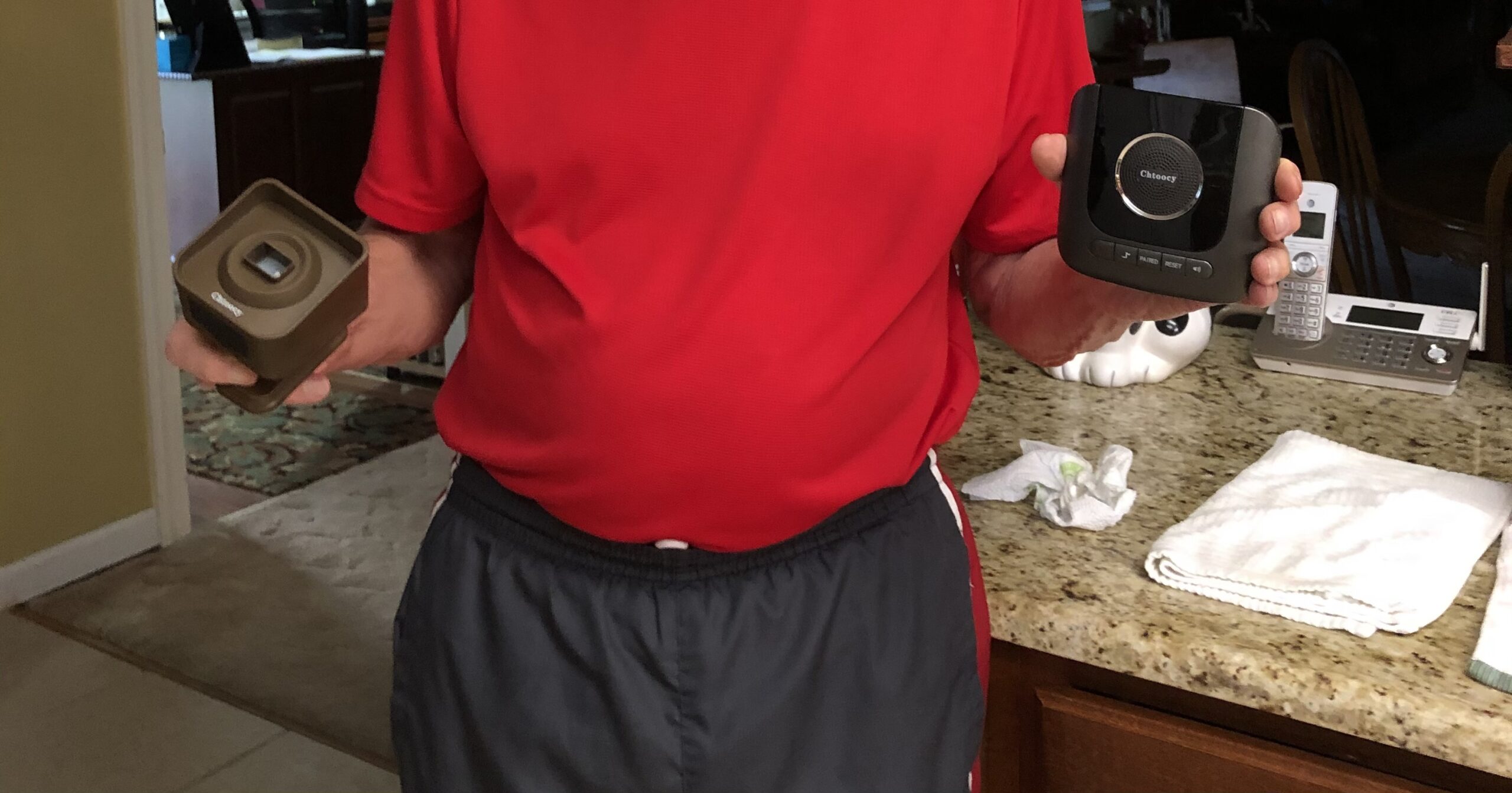
Range is excellent. The 2640-foot wireless link held reliably through a stand of pine trees at 500 feet in my test, and other reviewers report solid performance at 2000-plus feet in open terrain. The pre-paired sensors made setup a five-minute job, and the receiver supports unique ringtones for each of the four supported zones.
The trade-off is reliability consistency. The Chtoocy is a newer product with a smaller review base (190 reviews at time of writing), and a meaningful minority of users report water ingress or sensor failure within the first week. The two-year warranty provides some peace of mind, but if you need a proven long-term workhorse, the Mighty Mule or Dakota Alert have longer track records.
For whom its good
This is the best driveway alarm for properties with heavy wildlife traffic where PIR-only sensors produce too many false alarms but a buried magnetic probe is not practical. The dual-confirmation logic genuinely solves the false trigger problem without requiring trenching.
It is also a strong pick for tech-comfortable buyers who want a newer dual-technology approach and are willing to accept some first-generation reliability risk for the false-alarm reduction.
For whom its bad
If you need a proven, no-surprises alarm with a multi-year track record, the Chtoocy’s smaller review base and reported quality control issues make it a riskier choice than the Mighty Mule or HTZSAFE.
It is also not ideal for properties with light-colored or white vehicles, since several users report the radar missing those targets due to lower radar reflectivity.
How to Choose the Best Driveway Alarm System
Choosing between the best driveway alarm systems comes down to five decisions: sensor type, range, power source, false alarm tolerance, and expandability. Here is how I think about each factor after testing eight units side by side.
Sensor Type: PIR, Magnetic, or Dual Technology
The sensor is the heart of any driveway alarm, and the technology choice determines almost everything about how the system performs.
PIR motion sensors detect heat signatures from people, vehicles, and animals. They are the most common and most affordable type, and they work well for general monitoring. The downside is false alarms from deer, large birds, and even sun-warmed shadows. The TECKNET, HTZSAFE, eMACROS, Wuloo, 1byone, and Dakota Alert all use PIR sensors.
Electromagnetic probe sensors, like the Mighty Mule FM231, detect only moving metal. They produce effectively zero false alarms from animals or weather but require burying a probe next to the driveway. They are the right choice for rural properties where wildlife false triggers are the main frustration.
Dual-technology sensors, like the Chtoocy, combine radar with PIR and require both to confirm a trigger. This approach dramatically reduces false alarms without the installation overhead of a buried probe. It is newer technology with less long-term data, but my testing showed the approach works.
Range: Detection Width vs Transmission Distance
Range numbers are confusing because manufacturers quote two very different distances. Detection width is how far the sensor can see a moving target, usually 16 to 50 feet. Transmission distance is how far the wireless signal travels from sensor to receiver, usually 400 feet to 1 mile.
For most homeowners, transmission distance is the more important number. Match it to your actual driveway length plus a 30 percent margin for walls, trees, and interference. My testing showed real-world range is typically 60 to 70 percent of the advertised maximum in wooded terrain.
Power Source: Solar, Battery, or Wired
Solar power is the most convenient option if your sensor location gets six or more hours of direct sun daily. The TECKNET, eMACROS, Wuloo, and Chtoocy all use solar panels with rechargeable batteries and effectively eliminate battery changes. The trade-off is upfront cost and reduced performance in shaded locations.
Battery-only systems like the HTZSAFE, Mighty Mule, Dakota Alert, and 1byone are cheaper and work anywhere, but require periodic battery swaps. In cold climates, budget for lithium batteries which can cost $10 to $15 per sensor per year.
Wired sensors are rare in residential systems and typically only found in professional installations. Skip them unless you are integrating with a whole-home security system.
False Alarm Prevention
False alarms are the number one reason people abandon driveway alarms. Based on forum research and my own testing, the most effective false alarm prevention strategies are: choose a magnetic probe if your problem is wildlife, use a dual-technology sensor if your problem is wind-blown foliage, and carefully aim any PIR sensor away from roads and sidewalks.
Adjustable sensitivity is critical. The HTZSAFE, eMACROS, TECKNET, and Chtoocy all offer sensitivity levels, while the 1byone does not. If false alarms are a concern, avoid systems without sensitivity adjustment.
Weather Resistance
Every alarm in this test claims weather resistance, but real-world performance varies. The TECKNET carries an IPX5 rating, the most specific in the group. The eMACROS, HTZSAFE, and Wuloo survived winter testing without issue. The Dakota Alert and Chtoocy both have reported water ingress problems despite marketing claims, so plan to silicone-seal the case seams before outdoor mounting.
Expandability
If you plan to monitor multiple entry points, check the sensor limit. HTZSAFE leads with 32 sensors, followed by Dakota Alert at 16, Wuloo at 8, 1byone at 5, TECKNET and Chtoocy at 4 each, and Mighty Mule with multiple receivers but typically one sensor per transmitter.
Smart Home Integration
None of the eight systems in this test offer direct smart home integration. If smartphone alerts are essential, you will need to pair the receiver’s relay output with a smart contact sensor (like a Shelly or Aqara device) or look at systems like YoLink that are not covered here. For most users, the local chime is sufficient.
Frequently Asked Questions About Driveway Alarms
What is the most reliable driveway alarm?
The Mighty Mule FM231 is the most reliable driveway alarm for eliminating false alarms because its electromagnetic probe detects only moving metal vehicles, ignoring animals, wind, and weather. For maximum wireless range, the Dakota Alert DCMA-4k Plus with its 1-mile transmission distance is the most reliable for large properties, though it requires silicone sealing to prevent water ingress.
Are driveway alarms worth it?
Yes, driveway alarms are worth it for homeowners with long driveways, rural properties, or anyone who wants advance warning of approaching vehicles. They cost between $27 and $75 for most quality models, require no monthly fees, and provide peace of mind that indoor cameras cannot match. The main value is early notification before a visitor or delivery reaches your door.
How much does a driveway alarm cost?
A quality driveway alarm costs between $27 and $75 based on 2026 pricing. Budget PIR models like the 1byone start under $30, mid-range solar units like the TECKNET and Wuloo run $40 to $55, and premium long-range or magnetic probe models like the Dakota Alert and Mighty Mule cost $70 to $75. Total cost of ownership over five years is lowest for solar models that never need battery replacements.
How far will a driveway alarm work?
Most wireless driveway alarms transmit between 400 feet and 1 mile from sensor to receiver. Budget models like the 1byone reach about 400 to 1000 feet, mid-range units like the HTZSAFE, TECKNET, and eMACROS reach about 2600 feet (half mile), and the Dakota Alert DCMA-4k Plus reaches a full 1 mile. Actual range in wooded terrain is typically 60 to 70 percent of the advertised maximum.
What is the difference between magnetic and motion sensor driveway alarms?
Magnetic driveway alarms use a buried probe that detects only moving metal vehicles, producing zero false alarms from animals or weather but requiring trenching installation. Motion sensor (PIR) alarms detect heat from any moving object including people, animals, and vehicles, are easier to install with surface mounting, but produce more false alarms. Dual-technology alarms like the Chtoocy combine radar and PIR to reduce false alarms without requiring a buried probe.
Final Thoughts on Driveway Alarm Systems
After three months and eight products, my top recommendation depends entirely on your property. For most homeowners, the TECKNET solar alarm offers the best balance of range, features, and value. For long rural driveways with wildlife problems, the Mighty Mule FM231 eliminates false alarms entirely with its magnetic probe. And for very large properties, the Dakota Alert DCMA-4k Plus remains the only realistic choice for sub-mile wireless links.
Whatever you choose from this list of the best driveway alarm systems in 2026, match the sensor technology to your property and you will get years of reliable early warning without the false alarm headaches that doom cheaper setups.