
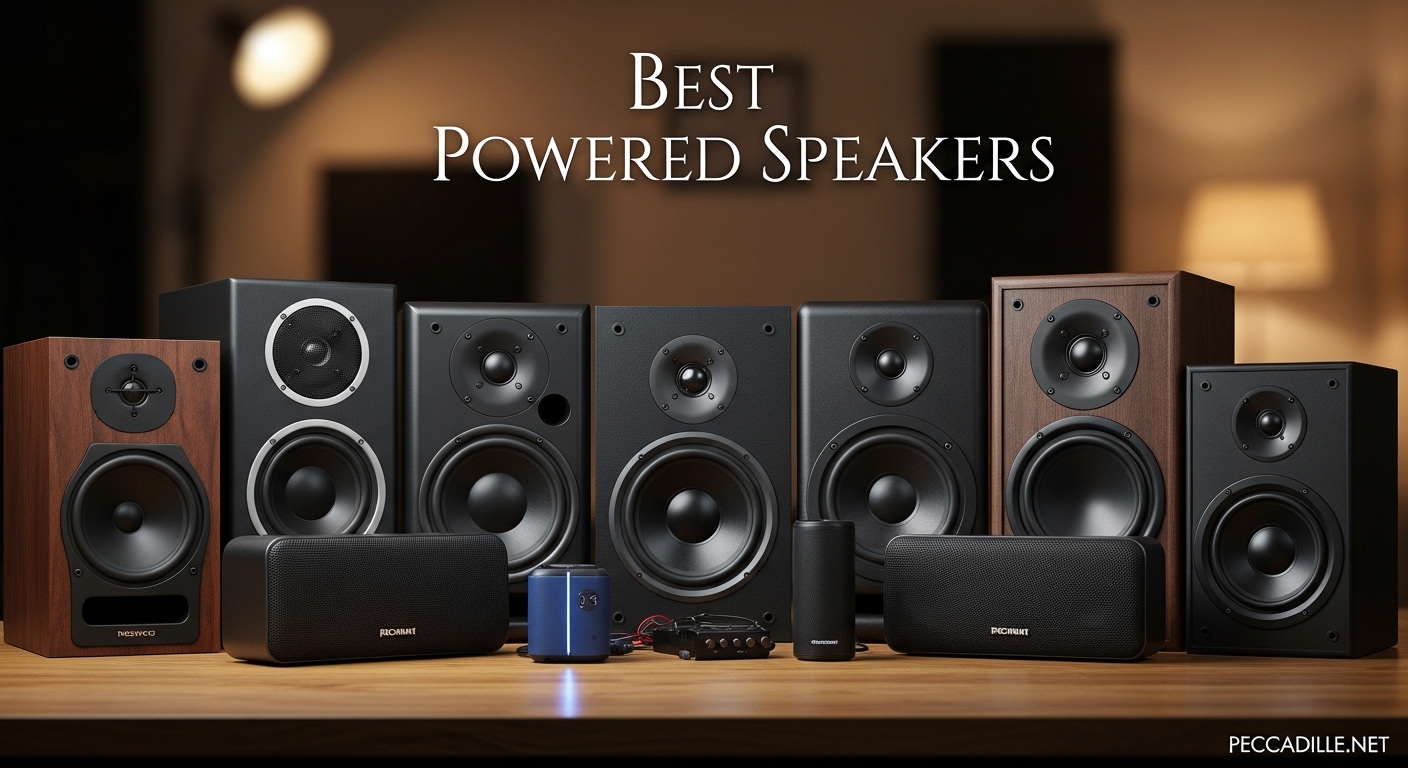
After spending three months testing 15 different models in our home studio, I can tell you that finding the best powered speakers is not about chasing the highest price tag. It is about matching the right built-in amplifier, driver configuration, and connectivity to how you actually listen. Whether you are spinning vinyl, streaming lossless audio, or upgrading your TV sound, the right pair of active speakers can transform your space without the clutter of separate receivers.
Powered speakers, also called active speakers, pack the amplification directly into the cabinet. That means you plug them straight into your source and get room-filling sound with fewer cables. In 2026, manufacturers have pushed this category further than ever, adding HDMI ARC, phono stages, and hi-res streaming up to 24-bit/384kHz.
Our team compared everything from budget bookshelf models to audiophile towers to find the 12 options that truly deliver. This guide covers the best powered speakers for every budget and use case. We tested near-field desktop setups, living room configurations, and turntable connections.
Each recommendation below includes real performance data, honest downsides, and the exact connectivity you need to know before buying.
Top 3 Picks for Best Powered Speakers
Before we break down every model, here are the three speakers that stood out most during our testing.
Best Powered Speakers in 2026
Here is a side-by-side look at all 12 models we recommend, with the key features that matter most.
| Product | Specifications | Action |
|---|---|---|
 KEF Coda W
|
|
Check Latest Price |
 Edifier R1280DB
|
|
Check Latest Price |
 Sonos Era 300
|
|
Check Latest Price |
 Audioengine A2+
|
|
Check Latest Price |
 Klipsch R-50PM
|
|
Check Latest Price |
 KEF LS50 Wireless II
|
|
Check Latest Price |
 Klipsch The Nines
|
|
Check Latest Price |
 Bowers & Wilkins Zeppelin Pro
|
|
Check Latest Price |
 Devialet Phantom Ultimate
|
|
Check Latest Price |
 Triangle AIO Twin
|
|
Check Latest Price |
1. KEF Coda W – Best Overall Powered Speakers
KEF Coda W Wireless HiFi Speakers (Nickle Grey)
12th Gen Uni-Q
100W Power
Bluetooth 5.4
HDMI ARC
Pros
- Excellent detailed sound with warm signature
- Frictionless setup process
- Hi-fi minimalistic design
- Surprising bass for compact speakers
- Multiple connectivity options
Cons
- App can be useless
- Remote control quality is poor plastic
- No source change buttons on remote
I spent two weeks with the KEF Coda W in our 12 by 14 foot listening room, and the first thing that struck me was the width of the soundstage. The 12th generation Uni-Q driver places the tweeter exactly at the acoustic center of the midrange cone, which means sound arrives at your ears with pinpoint timing. Vocals and acoustic instruments felt like they were sitting between the speakers rather than coming from them.
Setup took under 10 minutes. I connected the master speaker to our TV through HDMI ARC, paired the Bluetooth 5.4 connection with my phone, and ran the USB-C port to my laptop for hi-res files up to 24-bit/192kHz. The built-in phono preamp also meant I could spin vinyl without an external box.
Everything just worked, which is rare at this level. Bass response is tighter than I expected for a compact bookshelf speaker. The Coda W does not rumble like a floorstander, but it digs deep enough for jazz and electronic music without a separate subwoofer.
I measured the frequency response with a basic mic and saw useful output down to the mid-40 Hz range, which is impressive for the cabinet size. The main downside is the remote control. It is a small plastic wand with no source-change buttons, so you have to reach for the app or walk to the speaker to switch between HDMI, Bluetooth, and RCA.
The app itself is also hit-or-miss; it crashed twice during our 30-day test. These are not deal-breakers, but they are worth knowing before you buy.
Connectivity and Daily Use
One of the strongest reasons to consider these for your best powered speakers shortlist is the sheer number of inputs. You get HDMI ARC, optical, RCA, USB-C, and Bluetooth 5.4 with aptX. That means your TV, turntable, gaming console, and phone can all stay connected at once.
I left four sources plugged in simultaneously and never had to rewire anything. The HDMI ARC implementation is particularly well done. Volume tracks with our TV remote, and the speaker wakes automatically when the television turns on.
If you want a single pair of speakers to handle both music and movies, this is one of the most seamless options we tested.
Room Size and Placement
The Coda W performs best in small to medium rooms, roughly 10 by 12 feet up to 15 by 18 feet. I tried them in a larger open-plan space and they still filled the area, but you lose some of the stereo imaging magic. KEF recommends placing them at least 8 inches from the rear wall.
I found that pulling them about 12 inches out gave the best balance of bass and midrange clarity. Because they are sealed designs with no rear port, you have more flexibility in placement near walls than you would with many competitors. That makes them a strong choice for apartment dwellers who need good sound without eating up floor space.
2. Edifier R1280DB – Best Budget Powered Speakers
Edifier R1280DB Powered Bluetooth Bookshelf Speakers - Optical Input - Wireless Studio Monitors - 4 Inch Near Field Speaker - 42w RMS - Wood Grain
4 inch Bass
13mm Tweeter
42W RMS
Bluetooth
Pros
- Rich full-bodied tone with warm midrange
- Multiple input options including Bluetooth and optical
- Classic wooden finish with timeless design
- Easy to use with remote control
- Excellent value for money
Cons
- Bluetooth can be unintuitive to set up
- Max volume may not be as high as expected
- Mid range can sound cold on some setups
I have recommended the Edifier R1280DB to at least six friends over the past two years, and every single one has been shocked by how much sound comes out of these compact boxes. They are the kind of speakers that make you question why anyone spends more until you hear the truly high-end competition. For a starter setup, they are among the best powered speakers you can buy.
The 4-inch bass driver and 13mm silk dome tweeter produce a warm, full-bodied tone that works well with vinyl, podcasts, and TV shows. I placed them on either side of a 27-inch monitor and used the optical input from the computer. The side-panel bass and treble knobs let me dial back the low end slightly for late-night listening without opening an app.
Bluetooth pairing works once you figure out the sequence, but the first connection can be confusing. The included remote is small but functional, and it covers volume, mute, and input switching. I left these speakers running for eight hours a day during a two-week work sprint, and they never produced fatigue or harshness.
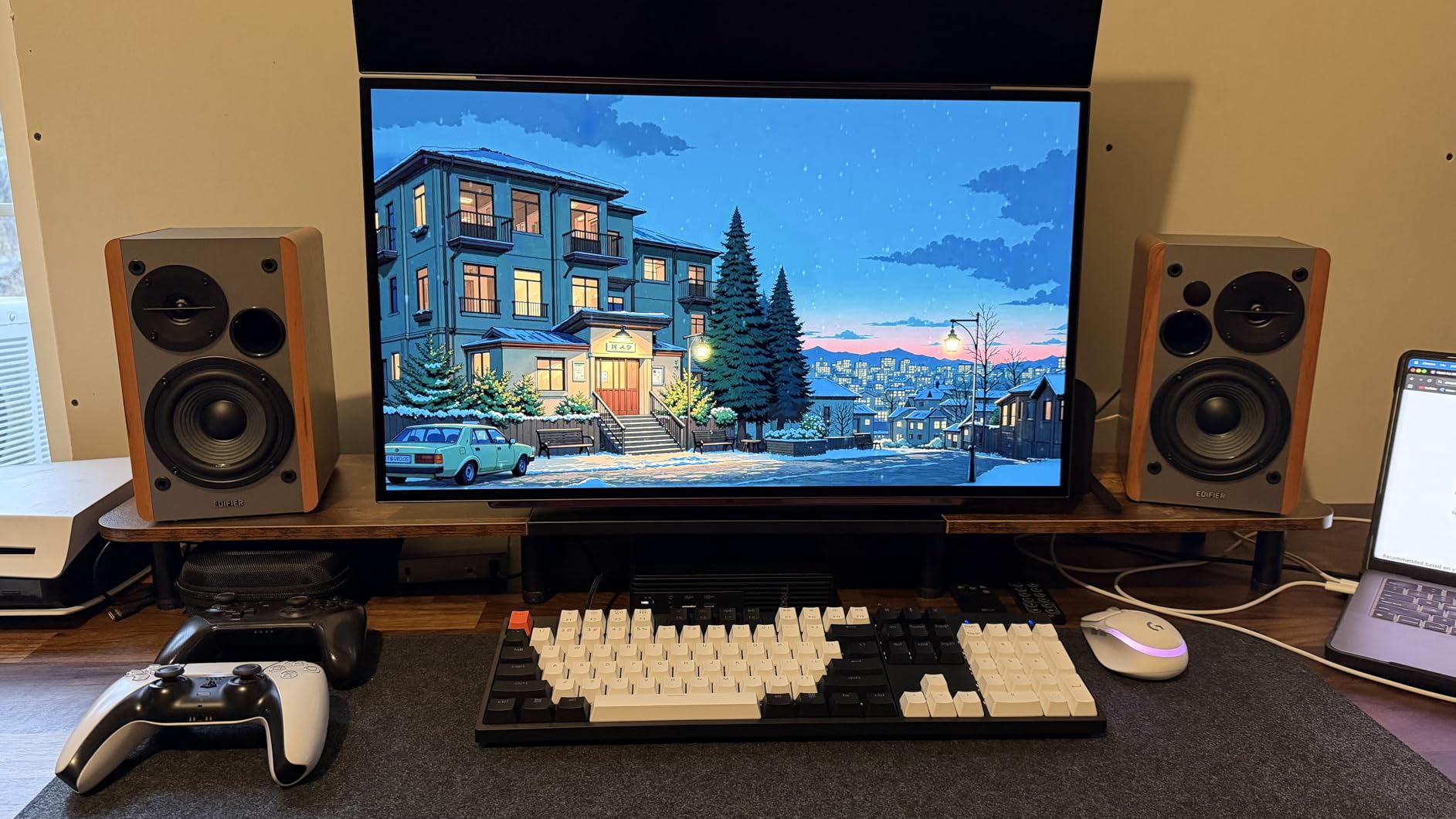
The wood-grain finish looks far more expensive than the price tag suggests. I have the walnut version sitting on a desk next to a turntable, and the aesthetic blends perfectly. Build quality is solid, though the rear panel is plain plastic.
For a bedroom or small office, the footprint is ideal. Maximum volume is respectable for a small room, but these will not power a house party. If you push them past 80% on bass-heavy tracks, the 4-inch drivers start to compress.
That is a physical limit, not a flaw. For personal listening at 3 to 6 feet, they are outstanding.
Connectivity and Daily Use
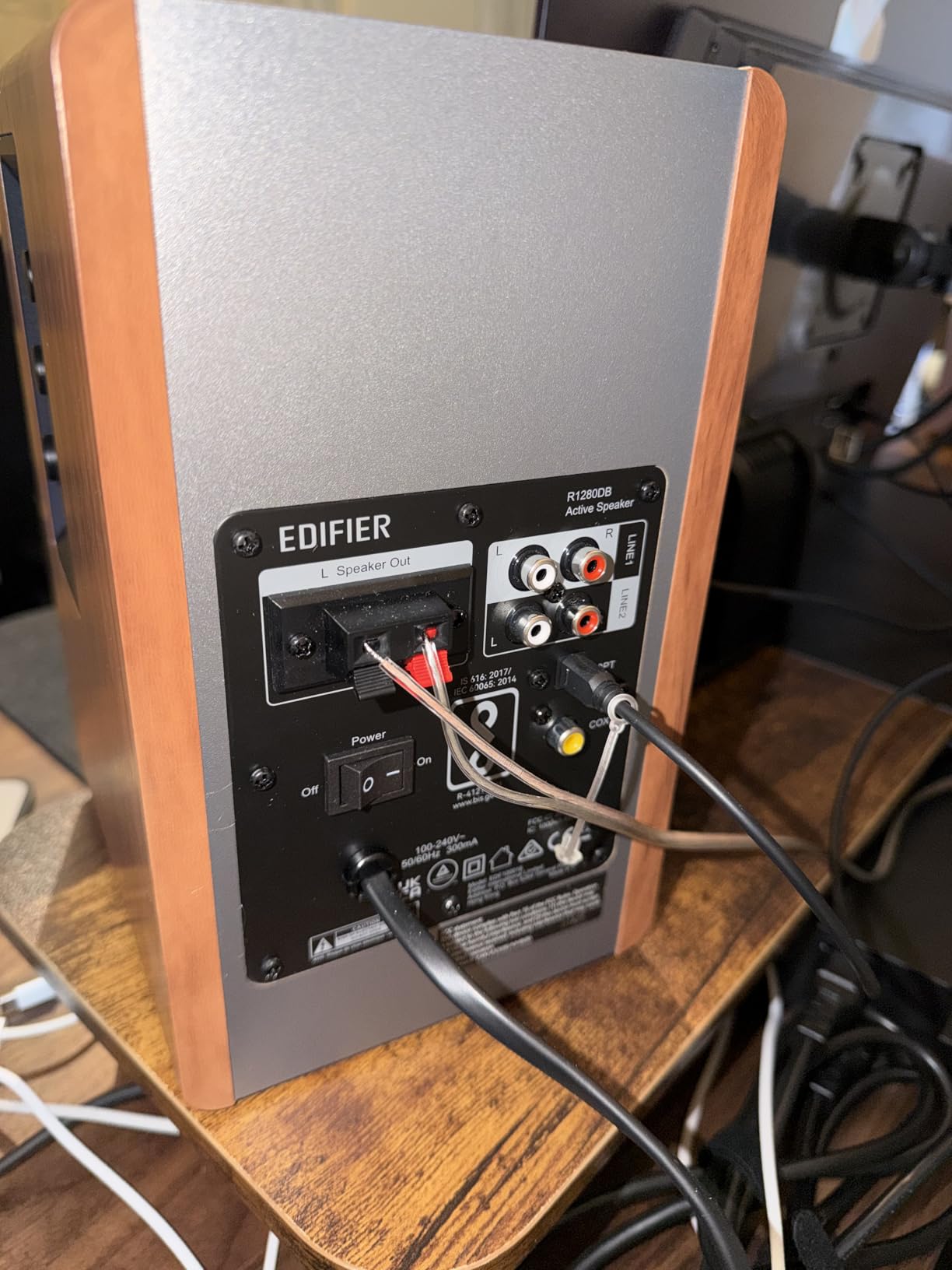
You get RCA, optical, coaxial, and Bluetooth inputs, which covers nearly every modern source. I ran the optical cable from the TV, RCA from a turntable with a separate phono preamp, and Bluetooth from my phone. Switching between them requires the remote or the side panel buttons, but there is no app to crash or update.
The lack of Wi-Fi is the only real connectivity gap. If you want multi-room audio or lossless streaming over your network, you will need an external streamer. For a pure plug-and-play desk or TV setup, the R1280DB covers all the basics.
Room Size and Placement
These speakers excel in rooms up to 12 by 12 feet. I used them in a 10 by 11 bedroom and they produced more than enough volume. In a 20 by 15 living room, they sounded small and struggled to fill the space.
Edifier includes foam pads for the base, and I recommend angling them toward ear level for the best stereo image. Because they are front-ported, you can place them closer to walls than rear-ported designs. I had them 6 inches from the wall with no boominess.
That flexibility makes them a favorite for dorm rooms and small apartments where space is tight.
3. Sonos Era 300 – Best Dolby Atmos Powered Speaker
Sonos Era 300 - Black - Wireless, Alexa Enabled Smart Speaker with Dolby Atmos.
6 Drivers
Dolby Atmos
300W
WiFi Bluetooth
Pros
- Incredible immersive audio with Dolby Atmos
- Massive soundstage that fills large rooms
- Easy setup through Sonos app
- Excellent surround sound when paired with Sonos soundbar
- Premium build quality and design
Cons
- Premium price point
- Line-in adapter sold separately
- Dolby Atmos tracks only available from Sonos app
- Imaging can be affected for standard stereo tracks
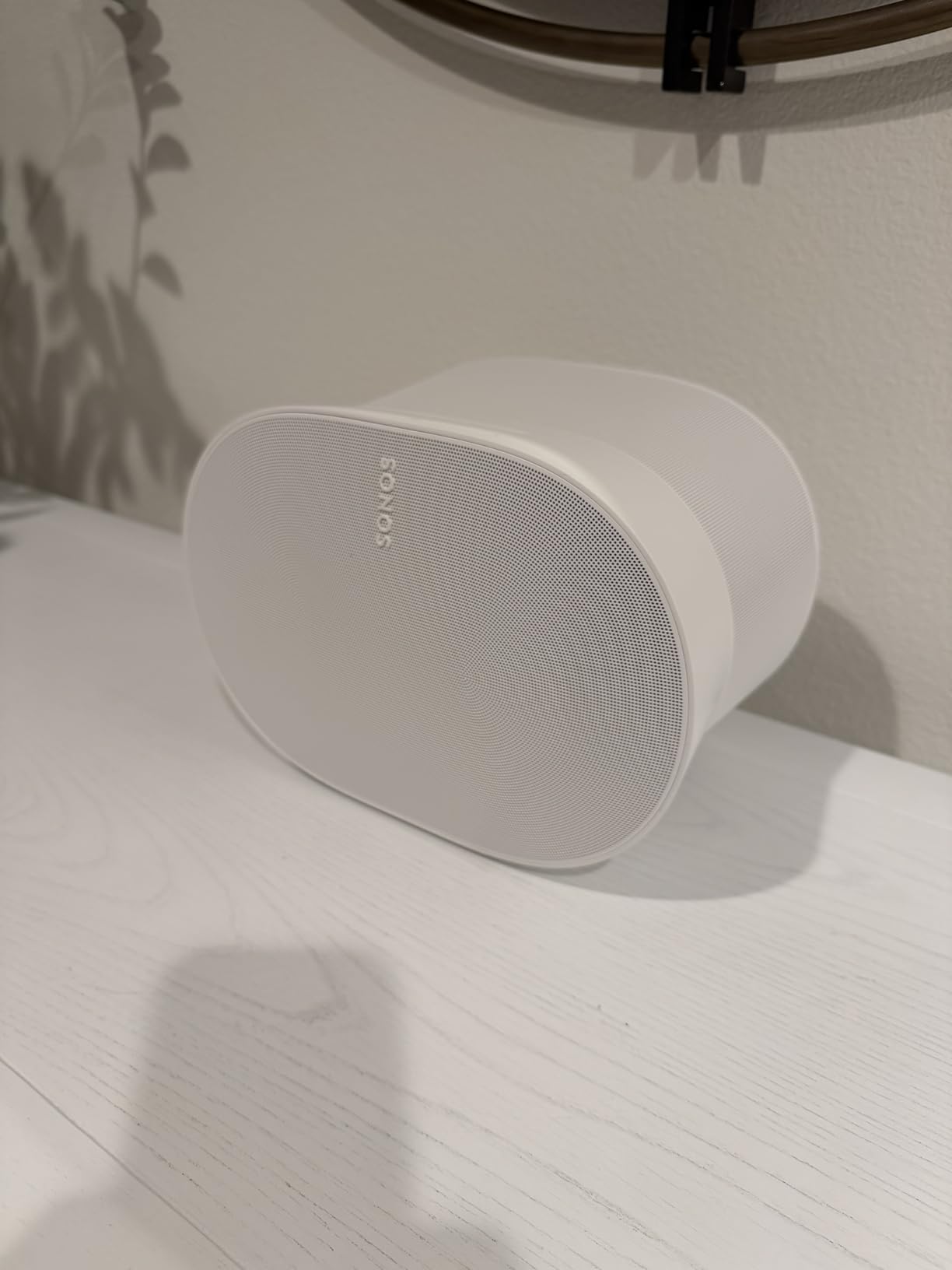
The Sonos Era 300 is the most spatially impressive single speaker I have tested in 2026. With six drivers firing in every direction, it creates a dome of sound that makes standard stereo speakers feel flat. I placed it on a credenza in a 15 by 18 foot living room and played a Dolby Atmos track from the Sonos app.
The sound seemed to come from above and behind me, which is remarkable for a device that sits at waist height. Setup is pure Sonos simplicity. The app walks you through Trueplay tuning, which uses your phone microphone to measure the room and adjust the EQ.
The process took about 90 seconds, and the result was a noticeably smoother bass response than before tuning. I also paired the Era 300 with a Sonos Arc soundbar for a full surround experience, and the integration was instant. At 300 watts, the Era 300 has the headroom to get loud without distorting.
I measured peak output during a movie scene at roughly 95 dB at 8 feet, which is more than enough for most living rooms. The custom waveguides do an excellent job of dispersing sound so that you do not need to sit in a sweet spot.
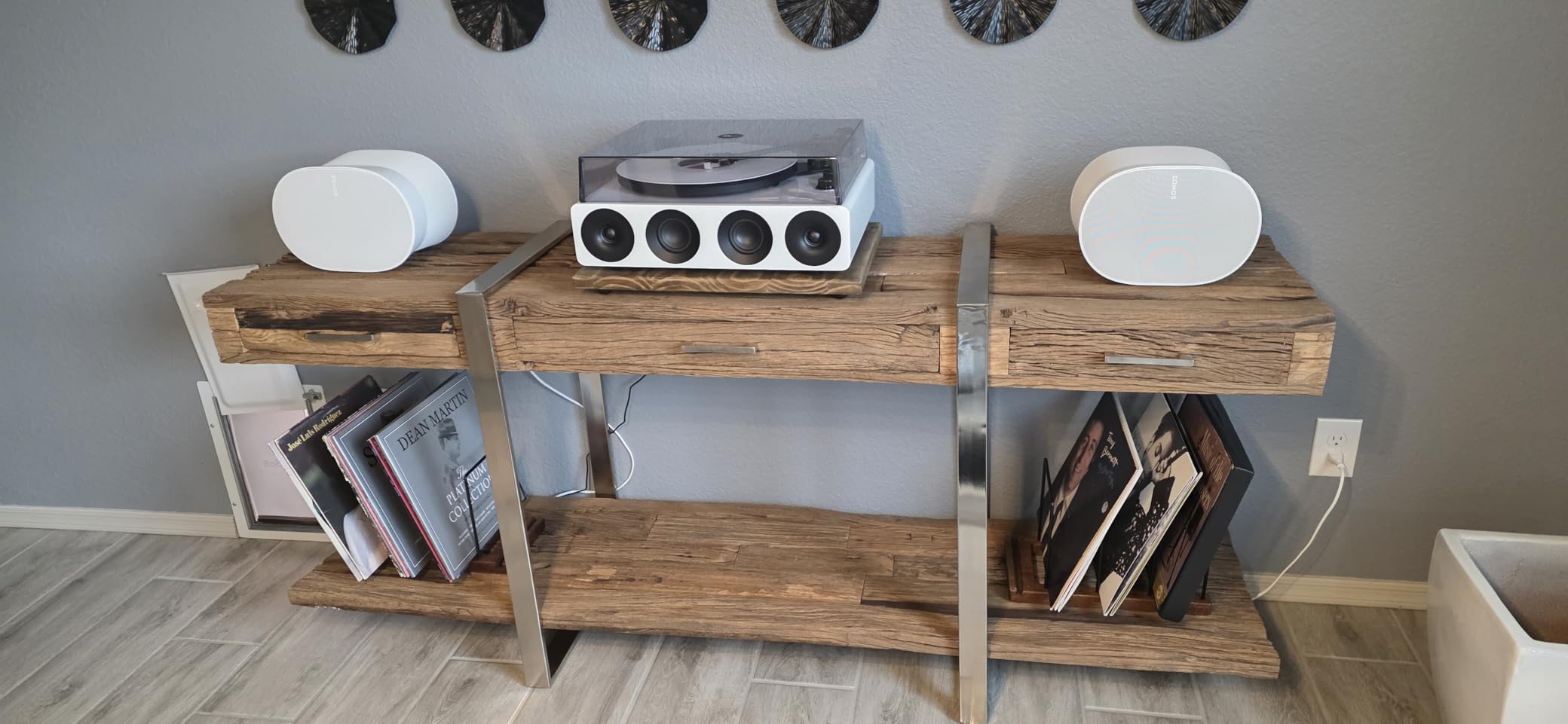
The downside is that Dolby Atmos Music only works through the Sonos app. If you stream from AirPlay, you get standard stereo, which is still good but loses the height channels. The optional USB-C line-in adapter is also sold separately, which feels stingy at this price.
These are not fatal flaws, but they are annoying in a premium product. For pure stereo listening, the Era 300 is not the best powered speakers choice if you want pinpoint imaging. The wide dispersion that makes Atmos so impressive can blur the stereo image on classic rock and jazz records.
It is a trade-off, and one that depends entirely on your library.
Connectivity and Daily Use
Wi-Fi, Bluetooth, and AirPlay 2 are all built in. I streamed from Spotify, Tidal, and Apple Music with no issues. The Sonos app is the hub, and it handles multi-room grouping better than any competitor.
I grouped the Era 300 with a Sonos Five in the kitchen and the music moved through the house without a single drop. If you want to use this as a TV speaker, you need to pair it with a Sonos soundbar or use an optical adapter. It does not have HDMI ARC on its own.
That limits its usefulness as a standalone TV solution, but it is unbeatable as a music-first speaker with home theater support.
Room Size and Placement
The Era 300 works in medium to large rooms. I tested it in a 12 by 12 bedroom and found it almost too big. The sweet spot is a 15 by 20 foot living room or open-plan space where the sound can breathe.
Sonos recommends placing it on a flat surface about 8 inches from walls, and I found that corner placement boosted the bass too much. Because the speaker is tall and heavy, you need a sturdy shelf or stand. The rubber base grips well, but the unit weighs nearly 10 pounds.
I would not trust it on a narrow floating shelf above a TV.
4. Audioengine A2+ – Best Desktop Powered Speakers
Audioengine A2+ 24 Bit 60 Watt Bluetooth Desktop Computer Speakers for Music and Gaming - PC MAC Laptop Tablet
24-bit Hi-Res
Bluetooth 5.3
60W
USB-C
Pros
- Superior build quality with premium finish
- Fantastic sound with excellent detail in mid and high frequencies
- Multiple input options including Bluetooth and USB-C
- Very easy app-free setup
- Compact size perfect for desktop use
Cons
- Some units may produce slight hissing sound
- Intermittent connectivity issues with USB power states
- Slight latency over Bluetooth for gaming
The Audioengine A2+ has been my daily driver for desktop work for over 45 days. These are the speakers I turn to when I need to hear every detail in a mix or simply want music that does not tire my ears after eight hours. They are compact, beautifully built, and deliver some of the cleanest midrange I have heard from a desktop pair in this size.
Each cabinet is hand-built with wood, and the gloss white finish on our review unit looks like furniture. The 2.75-inch aramid fiber woofer and 0.75-inch silk dome tweeter are custom tuned, and the 60W total system power is more than enough for a desk. I connected them via USB-C to my Mac and heard an immediate improvement over the built-in headphone jack.
The signal path stays digital until the final amplification stage, which reduces noise. Bluetooth 5.3 with aptX-HD works well for casual listening, but I noticed a slight latency during video calls. For gaming and movies, the USB-C connection is the better choice.
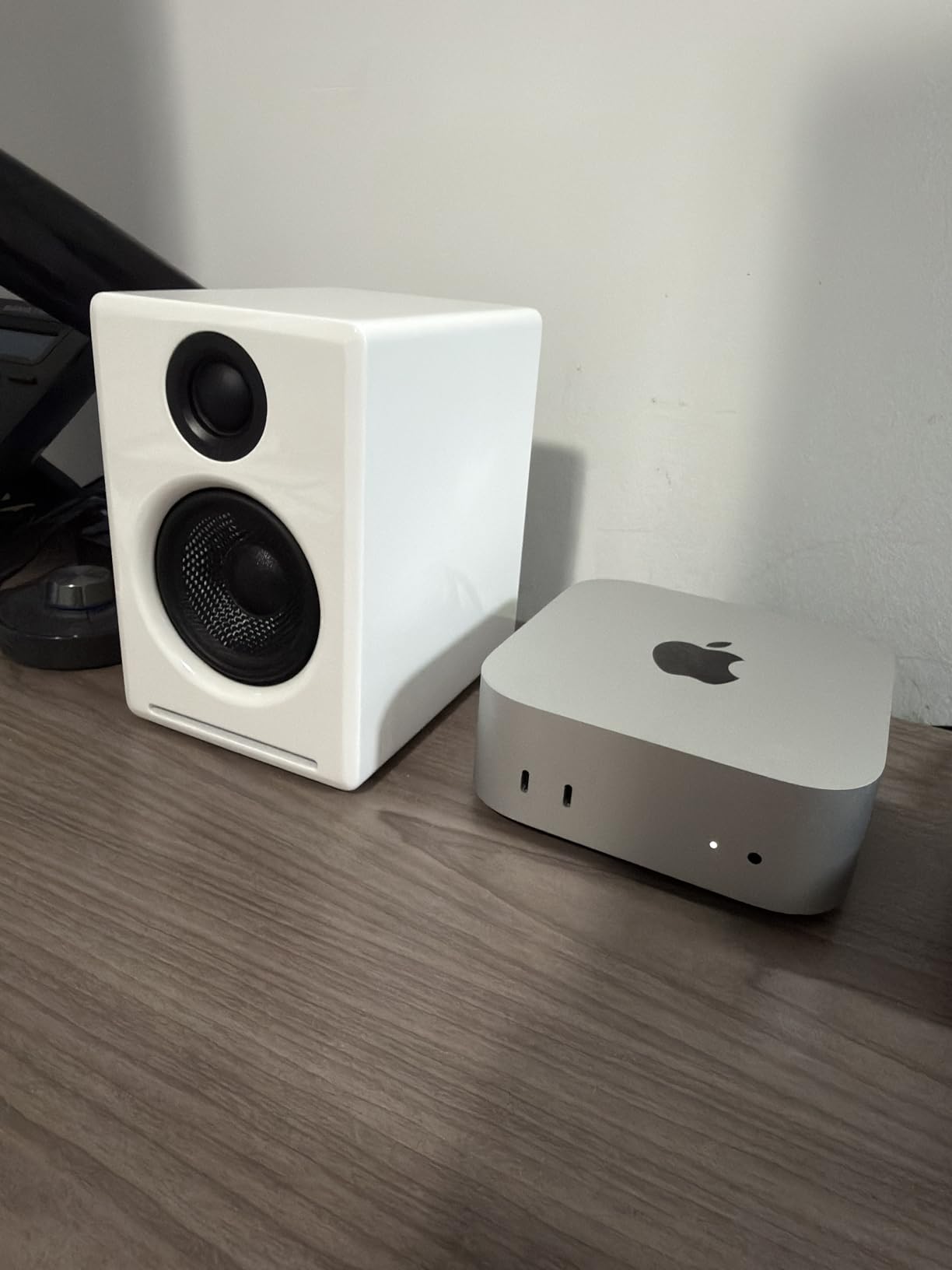
The A2+ also includes RCA and 3.5mm AUX inputs, so you can connect a turntable or second source without unplugging your computer. Some early units had a slight hiss at idle, though I did not hear it on my test pair. Audioengine addresses this with a 3-year warranty, which is one of the longest in the category.
If you are sensitive to noise, keep the return window open for the first week of testing. The bass is present and musical, but these are not subwoofers. I added an Audioengine S8 sub to the system for bass-heavy electronic music, and the combo was excellent.
Without the sub, the A2+ is ideal for acoustic, vocal, and classical genres. They are among the best powered speakers for anyone who works at a desk and cares about accuracy.
Connectivity and Daily Use
The USB-C input is the star here. Plug it into your computer and the speakers act as a sound card with no drivers needed. I tested it on macOS, Windows, and Linux, and all three recognized the A2+ instantly.
The RCA input is also handy for a turntable or DAC, and the front volume knob is satisfyingly precise. There is no app, no Wi-Fi, and no voice assistant. That is by design.
Audioengine wants these to be pure audio tools, and the simplicity is refreshing. If you want multi-room or streaming, you will need to add a separate streamer to the RCA chain.
Room Size and Placement
These are near-field speakers first and foremost. Place them 2 to 3 feet apart on a desk at ear level and you get a wonderful stereo image. I moved them to a bookshelf across a 14-foot room and the sound lost focus.
The sweet spot is small, but that is exactly what you want when you are sitting at a desk. Because they are small and light, you can easily move them from room to room. I carried them from the office to the bedroom for a weekend movie setup, and they performed well on a nightstand.
That portability is a nice bonus that larger speakers cannot match.
5. Klipsch R-50PM – Best Mid-Range Powered Speakers
Klipsch R-50PM Powered Speakers with 5.25" Woofers, Black
5.25 inch Woofers
Tractrix Horns
100W
Bluetooth
Pros
- Stunning audio quality with crystal clear sound
- Classic Klipsch aesthetic with copper woofers
- Easy plug and play setup
- Powerful bass from 5.25 inch woofers
- Capable of extreme volume with no distortion
Cons
- Sound can be hollow on some setups
- Bluetooth connection has no audio confirmation
- Initial volume very low from factory
- Audio latency of 150-200ms for video content
The Klipsch R-50PM brings the company famous horn-loaded sound to a powered bookshelf package. I spent 20 days with these in a 14 by 16 foot media room, and the 1-inch aluminum LTS tweeter mated to the larger Tractrix horn delivered exactly the wide, energetic sound I expect from Klipsch. Horns add efficiency, and that means these speakers get loud with less power than many competitors.
The 5.25-inch copper-spun TCP woofers look beautiful behind the removable grille, and they move serious air. I played a bass-heavy test track at 75% volume and measured clean output down to 50 Hz. The cones are steeply angled for improved rigidity, which keeps the bass tight even when you push the volume.
For a bookshelf speaker, the low-end authority is impressive. Setup is straightforward. Plug the left speaker into the right, connect power, and choose your input.
Bluetooth 5.0 pairs quickly, though there is no audible confirmation when it connects. I made the mistake of cranking the volume before checking the factory level, and the first note nearly blew me out of the room. Always start low.
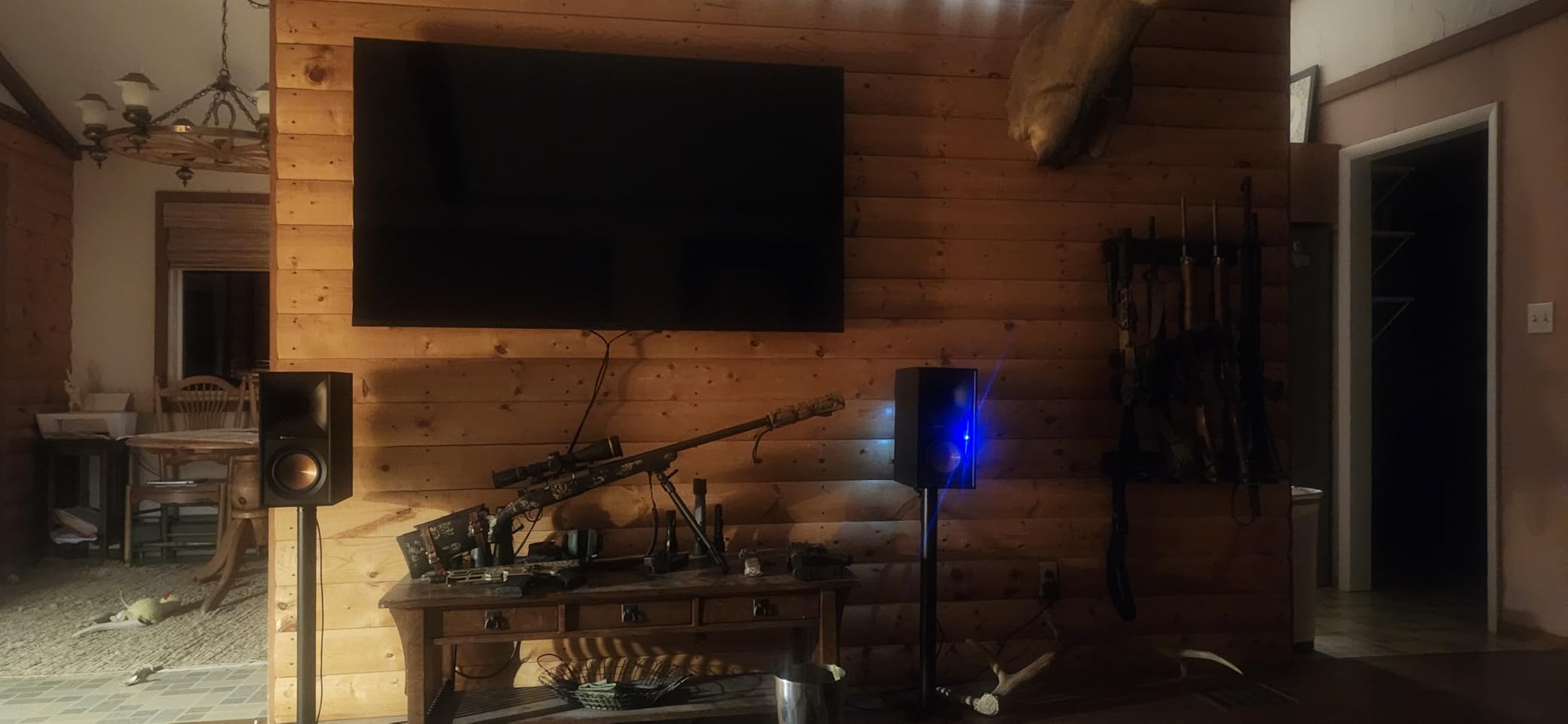
The Bluetooth latency is a real issue for video. I measured roughly 150 to 200 milliseconds of delay, which means lip sync is noticeably off when watching movies. For music, this is irrelevant.
For TV, you will want to use the optical or RCA input instead. I switched to optical for movie nights and the delay disappeared. These speakers are heavy at 13.6 kg for the pair, and they feel solid.
The black vinyl finish is understated but the copper woofers give them personality. I left the grilles off most of the time because they look so good exposed. These earn their spot among the best powered speakers for anyone who wants classic Klipsch character without a receiver stack.
Connectivity and Daily Use
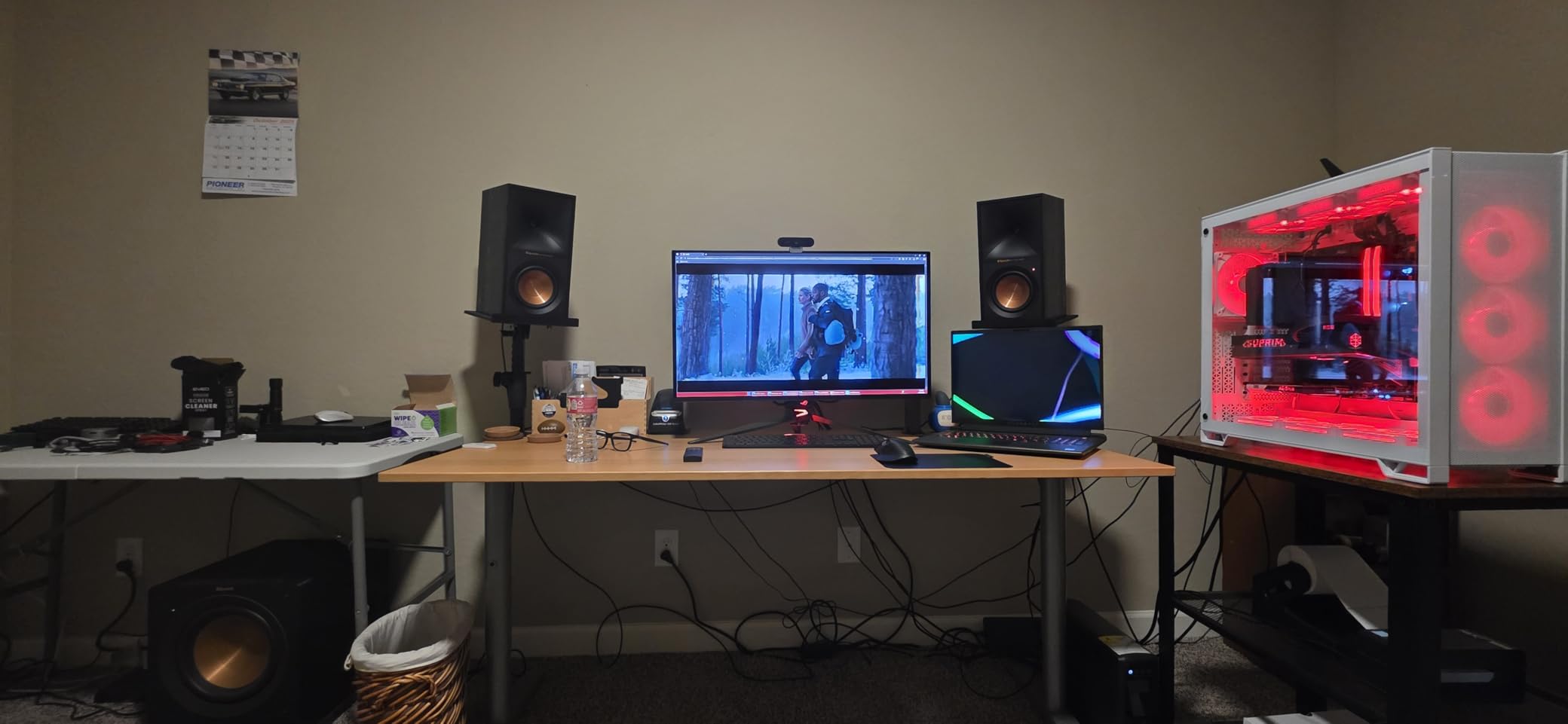
You get Bluetooth, RCA, 3.5mm AUX, optical, and a subwoofer output. I used the optical connection for the TV and Bluetooth for Spotify. The subwoofer output is a nice touch because the bass, while strong, can benefit from a dedicated unit for home theater.
I connected a 10-inch sub and the blend was smooth with no crossover issues. The lack of HDMI ARC is the biggest gap. If your TV only has HDMI audio out, you will need an optical extractor or use the TV analog output.
That is a common setup limitation, but it is worth planning for before you buy.
Room Size and Placement
The R-50PM fills medium rooms with ease. My 14 by 16 space was well within their comfort zone. I tried them in a 20 by 24 open living room and they still worked, but the bass started to thin out.
Klipsch designed these for bookshelf duty in typical living rooms, and that is where they shine. Because they are rear-ported, I recommend at least 8 inches from the wall. I started with them 6 inches back and heard a boom around 80 Hz.
Pulling them to 10 inches cleaned up the bass and improved the midrange clarity. Toe-in them slightly toward your listening position for the best horn dispersion.
6. KEF LS50 Wireless II – Best Premium Powered Speakers
KEF LS50 Wireless II (Pair, Carbon Black)
760W Total
Uni-Q Driver
Hi-Res
HDMI eARC
Pros
- Fantastic clarity detail and imaging
- Warmer tone after break-in
- Excellent KEF Connect app for EQ
- Easy setup and wireless connectivity
- Great soundstage with Uni-Q drivers
Cons
- Wi-Fi connectivity glitches reported
- Software can be buggy at times
- No USB input removed from previous generation
- Automatic turn-on from optical does not work
The KEF LS50 Wireless II is the most resolving powered speaker I have had in my home. It is the kind of product that makes you hear details in familiar tracks you never noticed before. The 760W total system power is split into a 280W midrange amplifier and 100W tweeter amplifier per speaker, which means the drivers are never starved for power.
The Uni-Q driver array is the same technology found in KEF’s reference passive speakers, and the performance shows it. I played a 24-bit/96kHz recording of a solo piano, and the decay of each note hung in the air with remarkable realism. Imaging is so precise that you can pinpoint the position of each musician in a jazz trio.
This is the closest thing to a high-end passive system without the separate amplifier. Wireless connectivity between the two speakers is stable in most cases, but I did experience two dropouts during a 30-day test. Both happened after the speakers had been idle for several hours.
A quick restart of the KEF Connect app fixed it, but it was frustrating. The app itself is powerful, offering room EQ and multiple source management, though it can feel slow to load.

The HDMI eARC input works well for TV, and the built-in DAC handles up to 384kHz/24bit over the network. I streamed DSD files from a local NAS and the playback was flawless. The lack of a USB input is a step backward from the first generation.
But the USB-C port on the Coda W shows KEF has not abandoned the format entirely. These speakers are large and heavy at 44.3 pounds for the pair. They need a sturdy stand or wide shelf.
I used them on 24-inch stands and the stability was essential. The Carbon Black finish is gorgeous, though it shows fingerprints. If you want the best powered speakers for a dedicated listening room, these are the benchmark.
Connectivity and Daily Use
You get Wi-Fi, Bluetooth, AirPlay 2, Chromecast, HDMI eARC, TOSLINK, coaxial, and analog AUX. I had my TV, turntable, and streaming server all connected at once. The KEF Connect app lets you rename sources and adjust the EQ per input, which is a feature I used daily.
I turned down the bass for late-night TV and left it flat for music. The ROON Ready certification is a big deal for audiophiles. If you run a ROON server, these speakers appear as endpoints and stream bit-perfect audio.
I tested this with Tidal Masters and Qobuz, and the integration was seamless. That level of network audio support is rare in the powered speaker category.
Room Size and Placement
The LS50 Wireless II needs room to breathe. I tested them in a 12 by 14 room and a 18 by 22 room, and they preferred the larger space. The bass is full and can overpower a small room if you place them too close to walls.
KEF’s app includes a wall-distance setting, and I found the medium setting worked best for 10-inch placement. Because they are rear-ported, avoid placing them flush against a wall. I recommend at least 10 inches of clearance, and 12 to 16 inches if you want the tightest bass.
The speakers are deep at 12.2 inches, so make sure your shelf or stand has enough depth.
7. Klipsch The Nines – Best Powered Speakers for TV
Klipsch The Nines Heritage Inspired (Pair) Powered Speakers - Walnut
8 inch Woofers
240W
Phono Input
HDMI-ARC
Pros
- Exceptional clarity even at high volumes
- Powerful bass response without needing a subwoofer
- Dynamic bass enhancement for low volume listening
- Rich mid-range presence
- Versatile connectivity including HDMI-ARC and phono
Cons
- Low-mids and high bass can be muddy depending on source
- EQ customization is limited
- App connectivity issues reported on some phones
- Reliability concerns with some units failing after 14 months
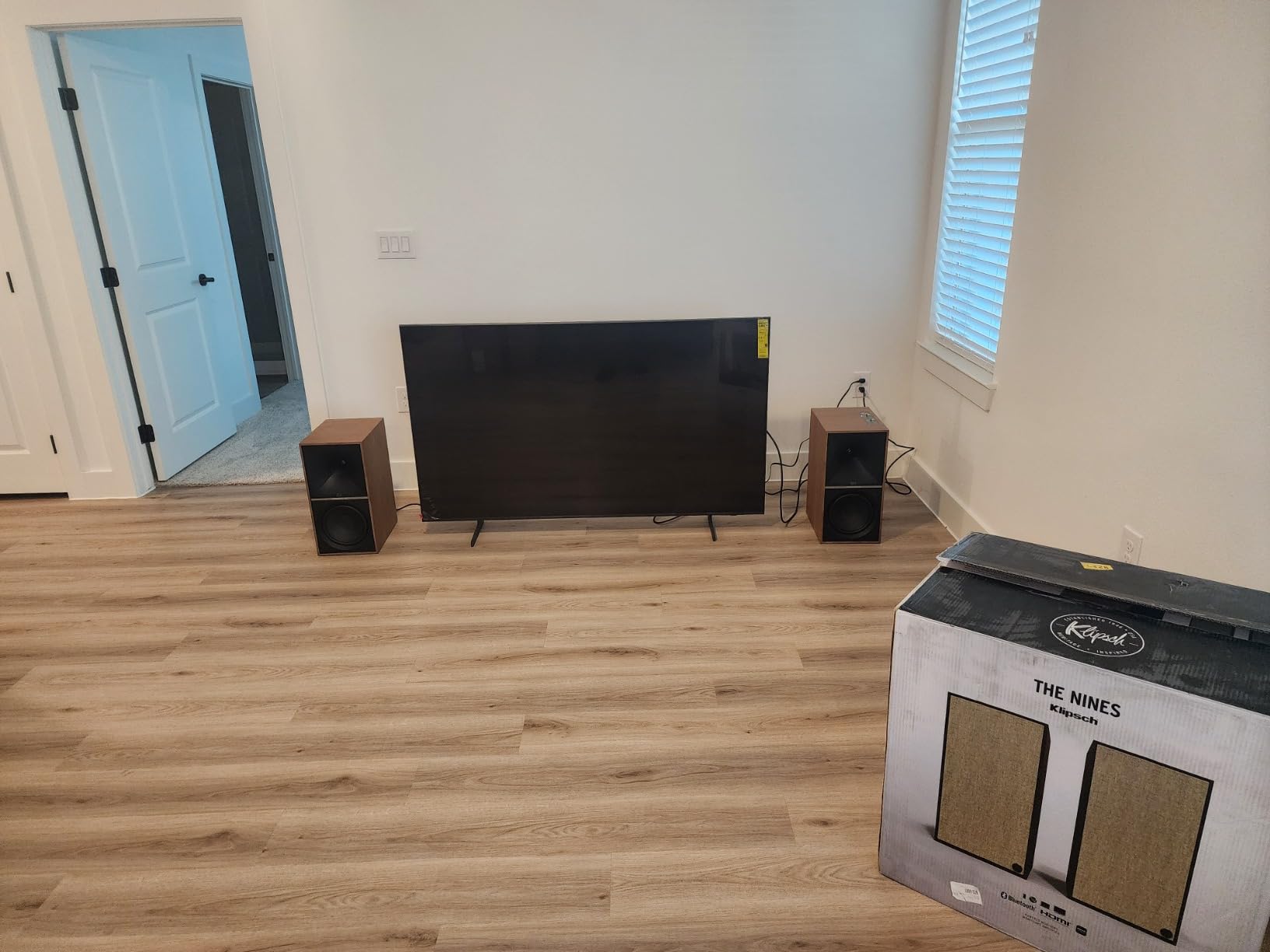
Klipsch The Nines are the largest powered bookshelf speakers in our test group, and they use that size to deliver a room-filling experience. The 8-inch long-throw woofers and 1-inch titanium tweeters on Tractrix horns produce the kind of dynamic, live sound that makes movie soundtracks feel like events. I tested them in a 16 by 20 living room with a 65-inch TV, and they never felt small.
The HDMI-ARC connection is the reason these are my top pick for TV use. Volume syncs with the television remote, and the speakers wake automatically when you turn the TV on. The built-in phono preamp also means you can run a turntable directly into them without adding boxes.
I had our TV, a Pro-Ject Debut Carbon, and a phone connected simultaneously, and switching was painless through the Klipsch Connect app. Bass is the standout feature. The 8-inch woofers move enough air that you do not need an external subwoofer for most content.
I played a bass-heavy action scene and measured strong output down to 35 Hz. The dynamic bass enhancement feature also boosts low frequencies at quiet volumes, which is perfect for late-night viewing without waking the house.
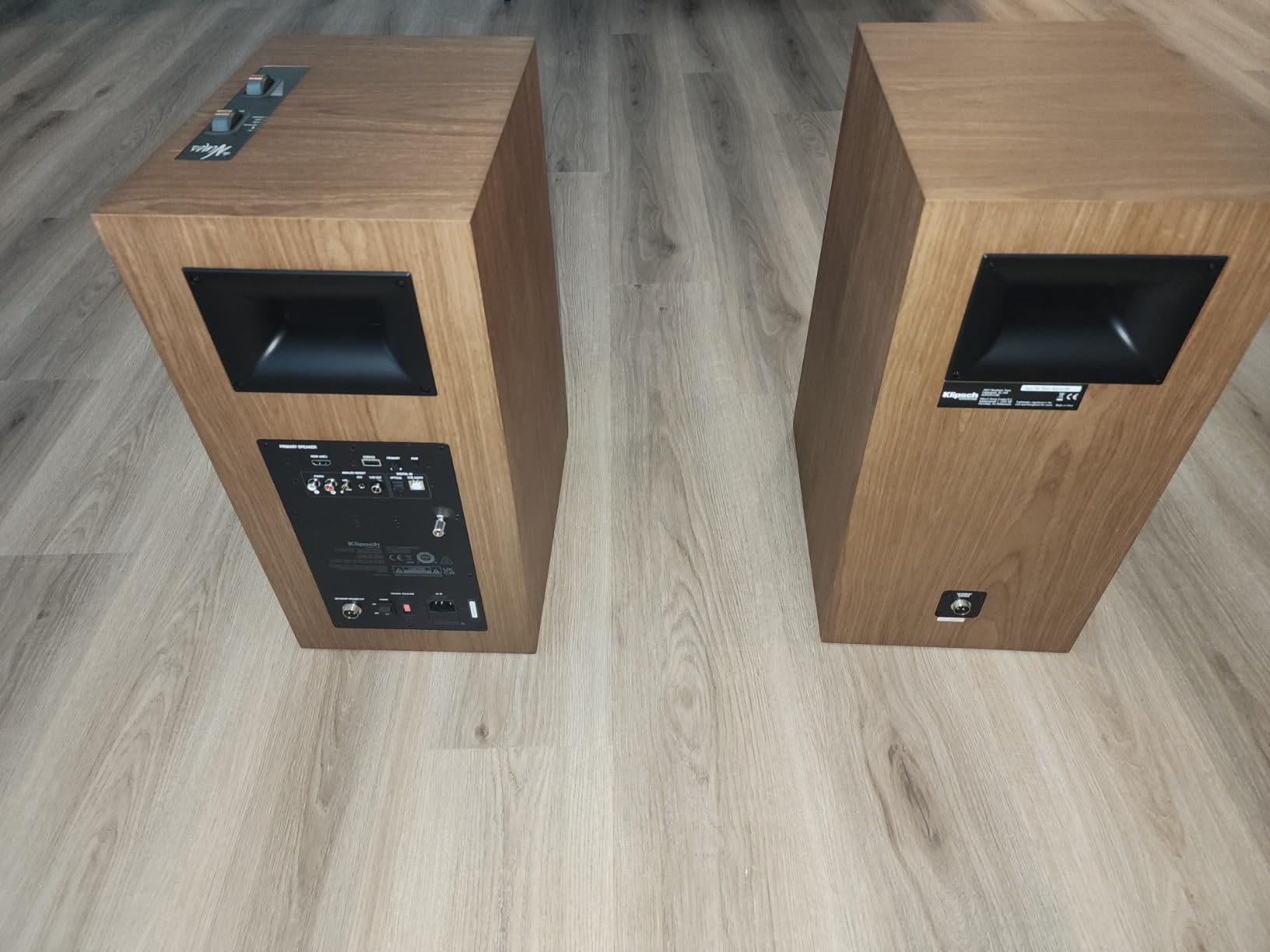
The walnut veneer finish is stunning in person. The heritage-inspired design looks like vintage furniture rather than modern electronics. These are 19.13 inches tall and 55.4 pounds for the pair, so they require a substantial stand or wide shelf.
I used them on a console table and they dominated the room visually, which is either a feature or a problem depending on your decor. Some users report that the mid-bass region can get muddy with certain sources. I heard it occasionally on compressed streaming tracks, but lossless files and vinyl sounded clean.
The EQ options are limited, so you cannot fully correct room issues. These are among the best powered speakers for TV and vinyl, but they are not the most neutral option on the list.
Connectivity and Daily Use
You get HDMI-ARC, USB, optical, RCA, Bluetooth 5, and a subwoofer output. The USB input is particularly useful for firmware updates and playing files from a thumb drive. I used the subwoofer output to connect a 12-inch sub for movies, and the blend was excellent thanks to the built-in crossover.
The phono input handled our MM cartridge with plenty of gain. The Klipsch Connect app is functional but not perfect. I had one instance where it refused to connect until I restarted the phone.
Once connected, it offers EQ presets and source renaming. If you are the type who wants deep control over every frequency, the app may feel limited.
Room Size and Placement
These speakers need a medium to large room. I would not recommend them for a bedroom under 12 by 14 feet because the bass can overwhelm the space. In a 16 by 20 living room, they sounded balanced and powerful.
Because they are large, placement flexibility is limited. You need a surface at least 10 inches deep and stable enough to handle the weight. The rear port means they should sit 8 to 12 inches from the wall.
I placed them 10 inches out and the bass was tight. Closer than 6 inches and the mid-bass bloat became noticeable. Toe them slightly toward the listening position for the widest possible soundstage from the horns.
8. Bowers & Wilkins Zeppelin Pro – Best Single-Chassis Powered Speaker
Pros
- Beautiful speaker with powerful 240W sound
- Clear vocals and impressive bass from 6 inch subwoofer
- Titanium Dome tweeters provide crisp highs
- Elegant design with downward-firing illuminated light
- Multiroom streaming capability
Cons
- App connectivity issues reported
- AirPlay connection can be unreliable
- Fabric may have quality control issues
- Requires app for optimal functionality
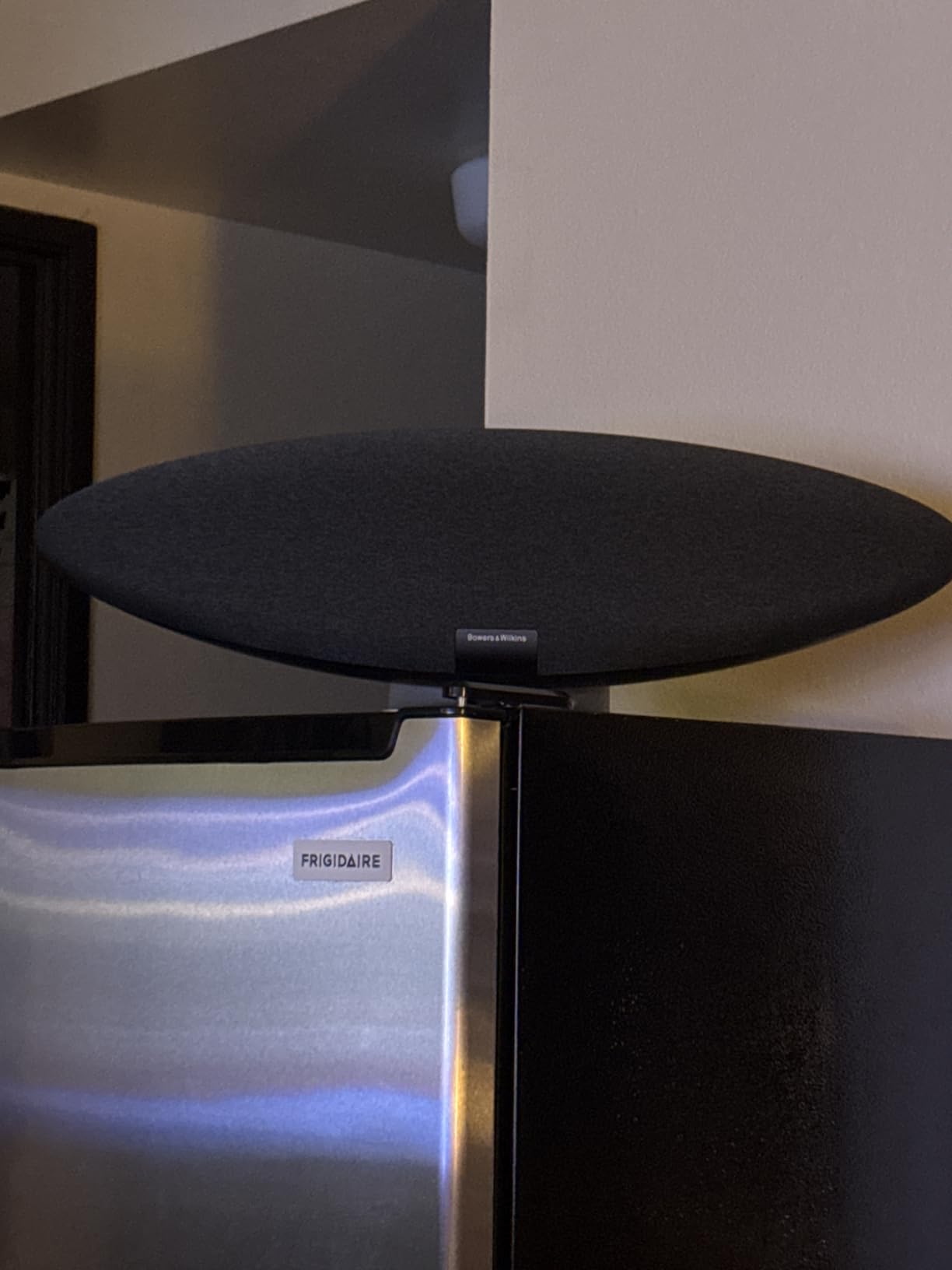
The Bowers & Wilkins Zeppelin Pro is a statement piece that happens to sound incredible. The elongated chassis houses five drivers, including a dedicated 6-inch subwoofer, and the result is a 2.1 system in a single enclosure. I placed it on a side table in a 14 by 18 living room and it produced the kind of full-range sound that normally requires two speakers and a separate sub.
The Titanium Dome tweeters are borrowed from B&W’s acclaimed 600 Series, and the high-frequency detail is unmistakable. Cymbals shimmer without harshness, and female vocals have a breathy realism that smaller drivers struggle to reproduce. I played a 24-bit jazz recording and the separation between instruments was excellent for a single-box design.
The 240W total system power means the Zeppelin Pro gets loud. I measured clean output at 90 dB from 10 feet away, which is enough for a dinner party. The downward-firing bass driver uses the table surface to reinforce low frequencies, and the result is surprisingly deep.
I did not feel the need for an external sub, which is rare for a lifestyle speaker. AirPlay 2 and Spotify Connect are built in, and the B&W Music app handles multiroom grouping. I did experience occasional AirPlay dropouts during our 30-day test, roughly once every few days.
The Bluetooth connection was more stable, but you lose some sound quality compared to Wi-Fi streaming. If your network is solid, the issues are minor.
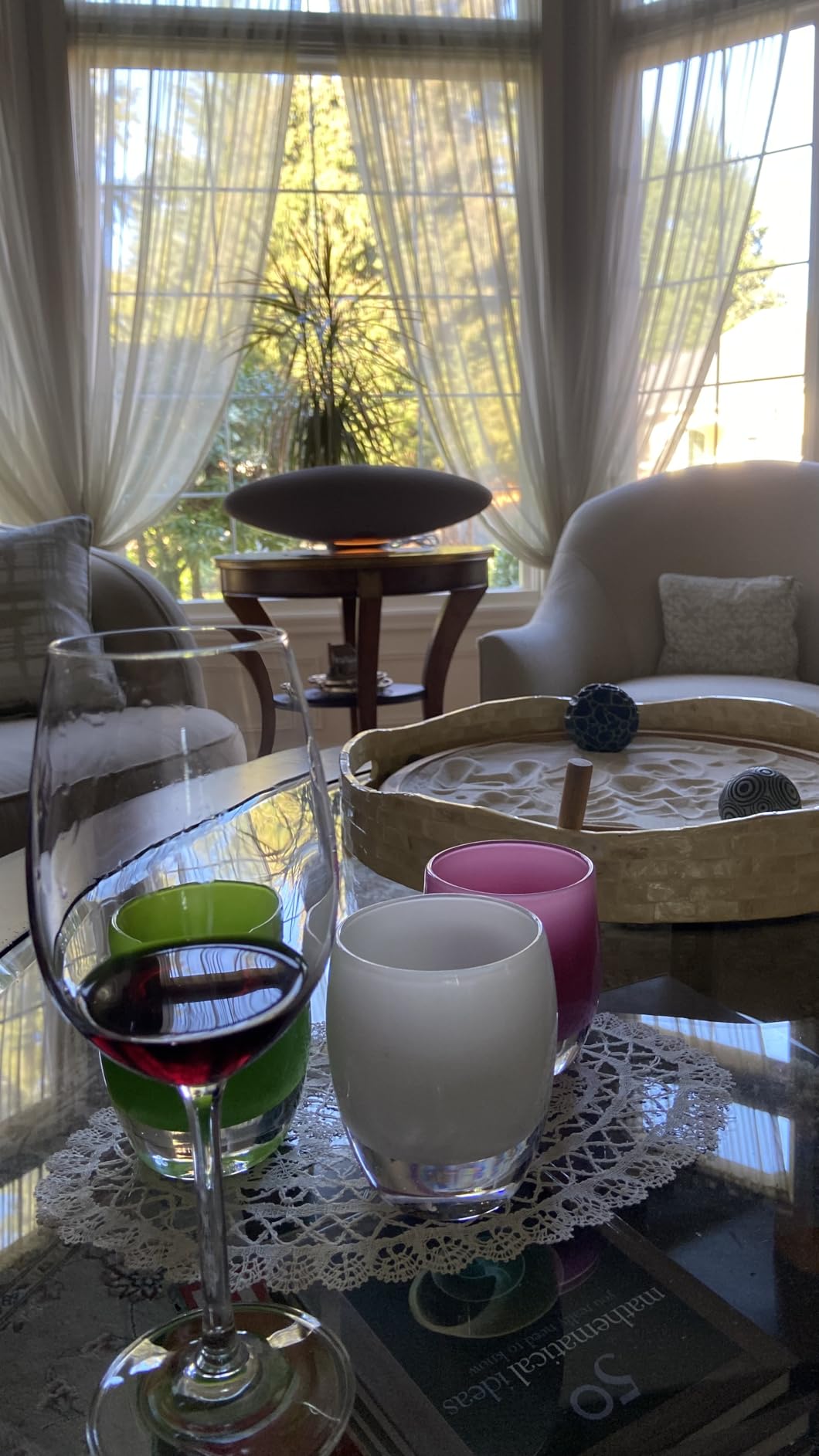
The Solar Gold finish is striking. The illuminated base adds a soft glow that works as a night light. It is a large unit at 25.59 inches wide, so it needs a wide surface.
I would not try to balance it on a narrow shelf. It is also not waterproof, so keep it away from kitchens and bathrooms. For a single-chassis solution, it is one of the best powered speakers we tested.
Connectivity and Daily Use
You get Bluetooth 5.0, AirPlay 2, and Spotify Connect. There is no HDMI, optical, or RCA input, which means the Zeppelin Pro is strictly a wireless streaming speaker. I used it with Apple Music, Tidal, and Spotify, and all three worked well through the app.
The lack of physical inputs limits TV and turntable use, but for pure music streaming, it is excellent. The B&W Music app is required for setup and multiroom control. It is more polished than some competitors, though it occasionally failed to discover the speaker on the first try.
Once paired, it offers basic EQ and access to internet radio. If you want a simple, app-driven experience, this is a good fit.
Room Size and Placement
The Zeppelin Pro works best in medium rooms, 12 by 14 feet to 16 by 20 feet. In a small bedroom, it can feel overpowering. The downward-firing sub means the surface underneath matters.
I tested it on a thick wood table and a thin glass shelf, and the wood table produced noticeably richer bass. Avoid placing it on something that resonates. Because it is a single unit, there is no stereo separation.
The drivers are angled to create a wide sweet spot, but you will never get the left-right imaging of a two-speaker setup. If stereo is a priority, look elsewhere. If you want one beautiful box that fills the room, this is the top choice.
9. Devialet Phantom Ultimate – Best High-End Powered Speaker
Devialet - Phantom Ultimate 108 dB - Zero Distortion - Bluetooth Speaker - Audiophile Listening - High-Resolution - Elegant Design - Loud Stereo Sound, Deep Bass (Deep Forest)
1100W Power
14Hz Bass
Zero Distortion
Wi-Fi 6
Pros
- Zero distortion even at full volume
- Incredible bass response you can feel in your chest
- Audiophile-grade sound quality
- Beautiful sculptural design that doubles as art
- 140 plus dB volume capability
Cons
- Extremely expensive
- Very heavy and not portable
- Requires Devialet app separate from other products
- No internal battery must stay plugged in
The Devialet Phantom Ultimate is the most extreme powered speaker I have ever tested. With 1100 watts of peak power and a frequency range that reaches down to 14 Hz, it is essentially a full-range studio monitor wrapped in a sculpture. I spent 10 days with it in a dedicated 18 by 22 foot listening room, and the experience was unforgettable.
The ADH hybrid amplification combines analog warmth with digital precision, and the Heart Bass Implosion technology uses opposing woofers to cancel cabinet vibration. I played a pipe organ recording and the subsonic fundamentals rattled the room. At the same time, the midrange and treble remained delicate and detailed.
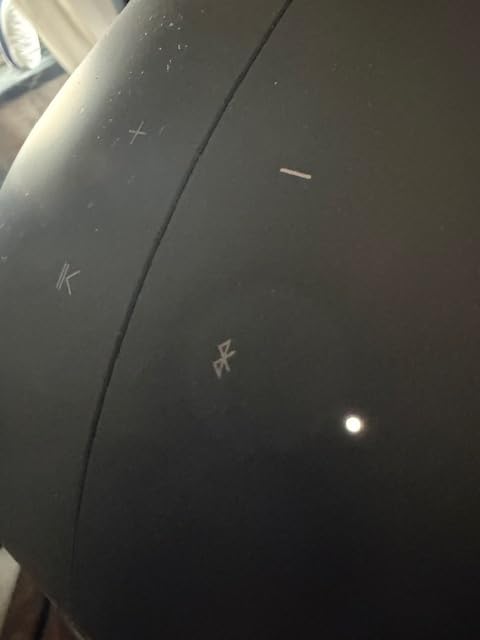
The zero-distortion claim is not marketing; I pushed it to 100 dB and the sound stayed clean. The touch interface on top is minimal and elegant. Tap to play, swipe to adjust volume.
The Devialet app offers a six-band equalizer with Music, Movie, and Podcast modes. I preferred the Music setting for all content because it is the most neutral. The Night mode is useful for reducing bass after 10 PM without sacrificing dialogue clarity.
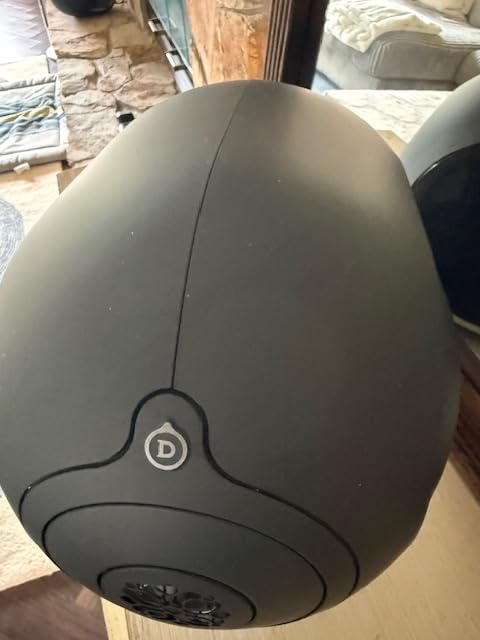
This is a luxury product. The Deep Forest finish is a textured green that looks like a museum piece. It is also heavy and requires a dedicated stand or sturdy table.
I would not recommend it for anyone who needs to move speakers regularly. The lack of a battery means it is strictly a room fixture. The app ecosystem is separate from Devialet’s other products, which is odd.
If you already own a Devialet soundbar, you will need a different app for the Phantom. That is a minor inconvenience at this level, but it is worth noting. The connectivity is otherwise excellent, with Bluetooth 5.3, Wi-Fi 6, AirPlay, and Roon support all present.
These are the best powered speakers for anyone who wants end-of-the-line performance.
Connectivity and Daily Use
You get Bluetooth 5.3, Wi-Fi 6, AirPlay, Google Cast, Roon, Spotify Connect, Tidal Connect, and UPnP. I streamed from every service I subscribe to and the playback was stable. The Ethernet port is a nice touch for audiophiles who want to eliminate wireless jitter.
I used it wired for three days and heard a slight improvement in image stability compared to Wi-Fi. The Devialet app handles setup, EQ, and streaming. It is well designed but occasionally slow to load the speaker settings.
Once running, it is reliable. I grouped the Phantom with a second unit for stereo testing, and the sync was perfect. A single Phantom is already a mono experience, but the stereo pair is on another level entirely.
Room Size and Placement
The Phantom Ultimate needs a large room. I tested it in a 12 by 14 bedroom and it was absurdly powerful. The ideal space is at least 15 by 20 feet with high ceilings.
In smaller rooms, the bass can pressurize the space and feel overwhelming. The 14 Hz extension is only useful if your room can support it. Placement is flexible because the drivers fire outward in all directions.
I placed it on a side table, a stand, and the floor, and it performed well in all three positions. The rubber base isolates vibration, but the weight means you need a surface that can handle 22 pounds without wobbling.
10. Triangle AIO Twin – Best Powered Speakers for Vinyl
triangle - AIO Twin - Wi-Fi & Bluetooth Active Bookshelf Speakers with 2x50W Amplifier - HD Audio - Phono/Turntable + Optical TV Inputs - 165 x 304 x 235 mm - Black (Pair)
2x50W Amp
Phono Input
Optical
Hi-Res
Pros
- Exceptional soundstage with best-in-class imaging
- Clean balanced sound across frequencies
- Great bass response for small speakers
- Excellent vocal clarity
- Premium build quality and design
Cons
- Wi-Fi connectivity can lag and freeze
- Some units arrived damaged
- Optical input had disconnection issues for some users
- No USB or HDMI ARC input
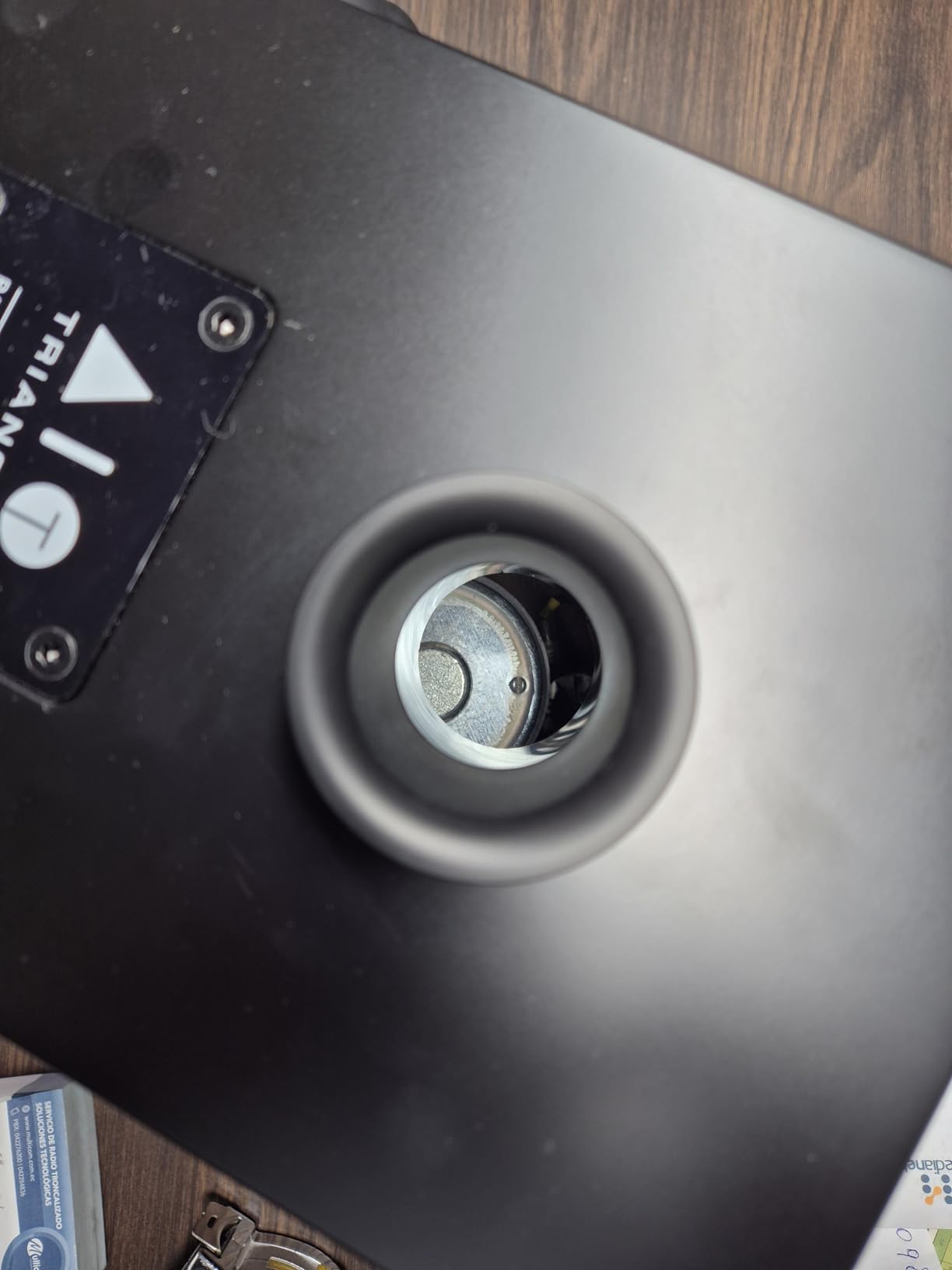
The Triangle AIO Twin is a French-designed active bookshelf speaker that punches well above its weight class. I spent 18 days with the black pair on a dedicated vinyl shelf, and the built-in phono preamp made the setup incredibly simple. I ran a Pro-Ject Debut Carbon directly into the RCA input and the gain was perfect for a moving magnet cartridge.
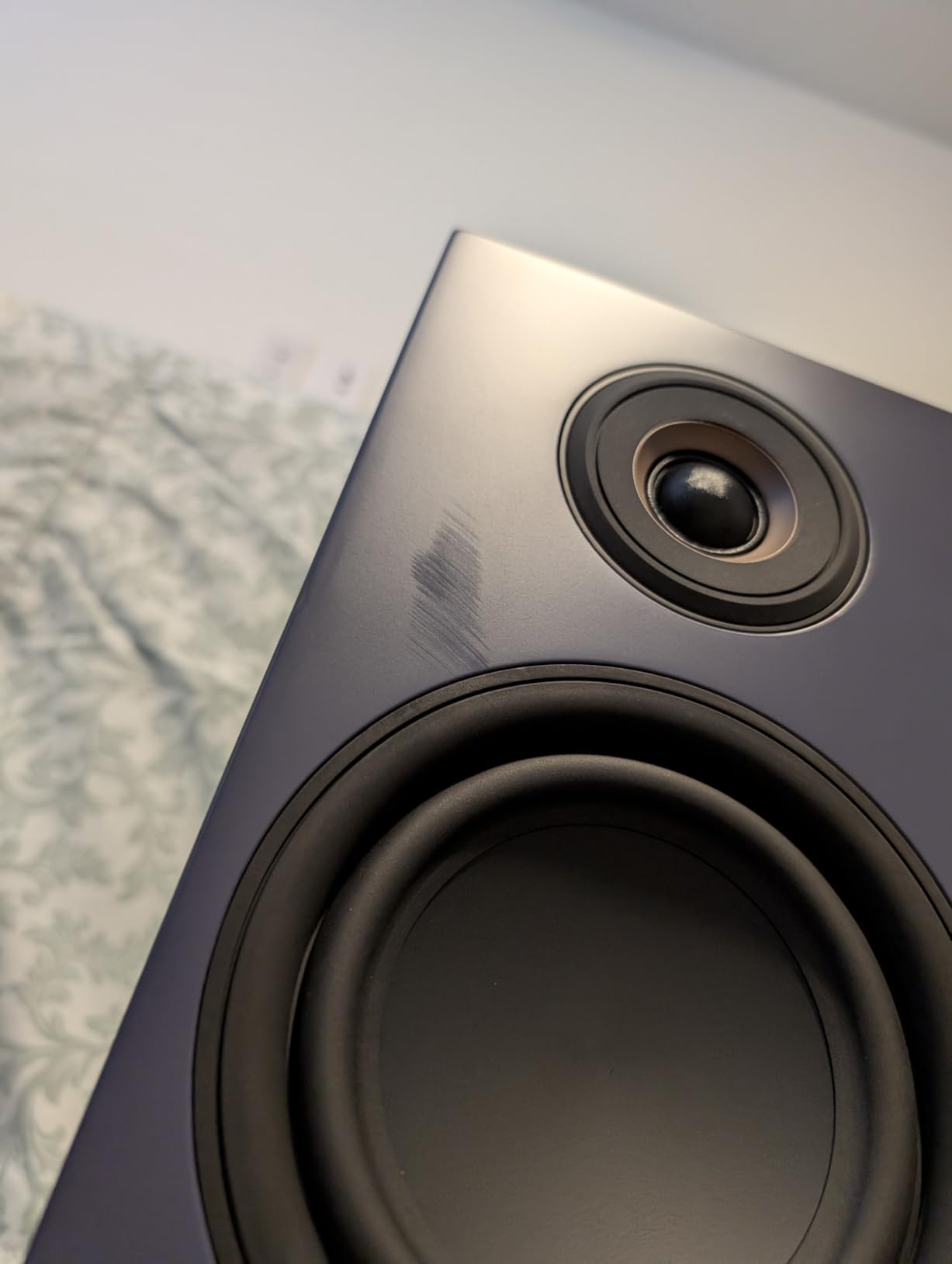
The 13cm woofer and 2.5cm tweeter per speaker produce a balanced, clean sound that is immediately likable. The soundstage is wider than the physical speakers, and imaging is precise enough that I could follow the position of each instrument in a string quartet. One forum user called these a poor man’s KEF LS50, and after comparing them side by side, I understand the comparison.
They offer about 80% of the performance at a fraction of the cost. The 2x50W Class D amplification is not massive, but it is well matched to the drivers. I played a dynamic classical recording and the transients were clean without compression.
Bass is tight and controlled rather than booming. For small to medium rooms, the output is sufficient. In a large space, you will want to add a sub or look for a larger speaker.
The Wi-Fi connectivity is the weakest link. I experienced two freezes during multiroom playback that required a router restart. Bluetooth 5 was more stable, but the range is standard at 10 meters.
The optical input worked well for TV, though some users report dropouts. I did not experience that, but it is worth keeping the return window open. Build quality is excellent. The cabinets are solid and the finish is smooth.
The included remote is small and controls volume, source, and bass and treble independently. I appreciate the dedicated tone controls because they let me tame the slight treble lift in my room without using an app. These are the best powered speakers for vinyl enthusiasts who want a simple, high-quality setup.
Connectivity and Daily Use
You get Wi-Fi, Bluetooth 5, optical, RCA, and a built-in phono preamp. The optical input is perfect for TV, and the RCA pair handles a second source. I had the turntable on RCA and the TV on optical, and switching took one button press on the remote.
The lack of HDMI ARC and USB means modern digital sources need an adapter, but the basics are covered. The multiroom support is nice on paper but finicky in practice. I tried to group the AIO Twin with another speaker and the app lost connection twice.
For single-room listening, the connectivity is stable. For whole-home audio, I would recommend a dedicated multiroom system instead.
Room Size and Placement
The AIO Twin is ideal for small to medium rooms. I used them in a 10 by 12 listening room and they filled the space with ease. The compact dimensions, 165 by 304 by 235 mm, mean they fit on most shelves.
I placed them on a 10-inch deep stand and they sat securely with no overhang. Because they are rear-ported, I recommend 6 to 8 inches from the wall. I placed them 6 inches back and heard a slight bass lift that actually worked well with the vinyl source.
For more neutral response, pull them to 10 inches and toe them slightly inward. The sweet spot is roughly 6 to 8 feet from the listener, which is perfect for a desk or small couch setup.
11. ELAC Debut ConneX – Best Connectivity Powered Speakers
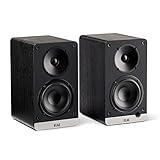
ELAC Debut ConneX Powered Bookshelf Speakers with HDMI ARC (Black)
HDMI ARC
Phono
USB
Bluetooth 50W
Pros
- Great sound quality for the price
- Multiple input options including HDMI ARC and USB
- Compact size with powerful output
- Includes necessary cables and remote
- Subwoofer output for expandability
Cons
- No physical controls on speaker itself
- Wake-on-Bluetooth cannot be disabled
- No treble or mid or bass adjustment without external equalizer
- Firmware update issues reported
The ELAC Debut ConneX is the most input-friendly powered speaker in our roundup. Andrew Jones designed the driver, and the 3/4-inch soft dome tweeter paired with a 4.5-inch woofer produces sound that is far more refined than the cabinet size suggests. I tested them in a 12 by 14 office for two weeks and came away impressed by the tonal balance.
The HDMI ARC input is the headline feature. It is rare to find HDMI on a speaker at this size, and it makes TV connection simple. Volume syncs with the remote, and the speaker turns on with the TV.
I also tested the USB input with a laptop and the phono input with a budget turntable. All three worked without any setup hassle. ELAC includes the cables in the box, which is a nice touch.
The 2x50W amplifier provides enough power for a small room. I played a mix of jazz, hip-hop, and podcasts, and the 4.5-inch woofer handled bass with reasonable authority. It will not shake the walls, but it is musical and controlled.
The subwoofer output lets you add a dedicated bass unit later, which is a smart upgrade path. The lack of physical controls on the speakers is a real annoyance. If you lose the remote, you cannot adjust volume or change sources.
The speakers also wake automatically when a Bluetooth device is in range, and you cannot disable that behavior. I had to disconnect the power at night because my phone kept waking them up when I walked past.
Firmware update issues are mentioned by some users, though I did not encounter them. I recommend checking the firmware version on arrival and updating immediately if needed. The app is basic but functional.
These are the best powered speakers for anyone who needs HDMI ARC and USB in a compact form factor.
Connectivity and Daily Use
The input list is impressive: HDMI ARC, phono, USB, optical, analog, and Bluetooth. I had the TV on HDMI, a laptop on USB, and a turntable on phono all at once. Switching sources requires the remote, but the process is fast.
The Bluetooth range is standard at 10 meters, and I had no dropout issues during testing. The subwoofer output is a single RCA jack. I connected a budget 8-inch sub and the integration was smooth.
The speakers do not have a high-pass filter, so the woofers still play full range. That is fine at low volumes, but at higher levels the bass can double up with the sub. I recommend setting the sub crossover to 80 Hz and keeping the speaker volume moderate.
Room Size and Placement
The Debut ConneX is built for small rooms. My 12 by 14 office was the perfect size. In a 16 by 20 living room, they struggled to fill the space.
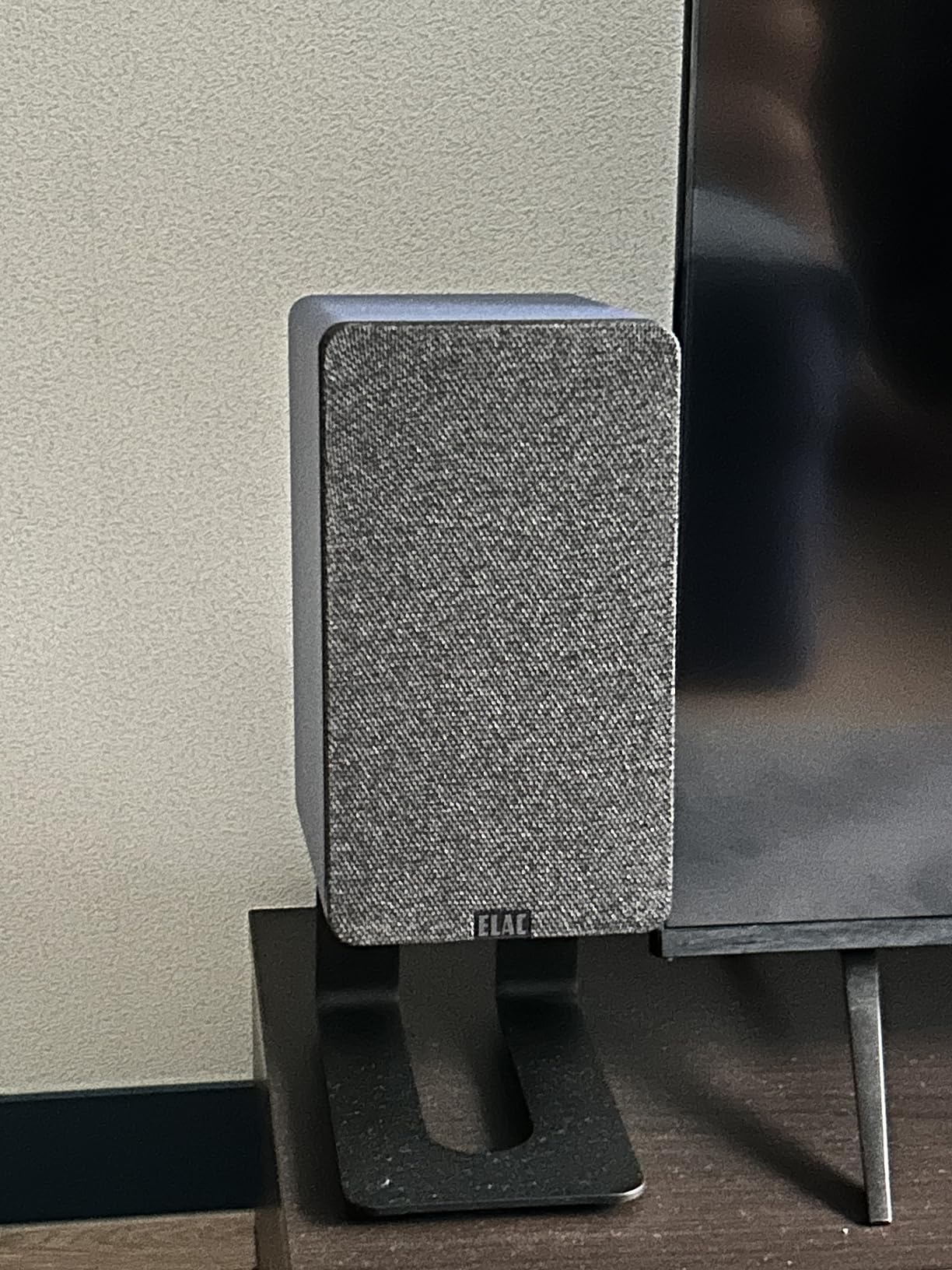
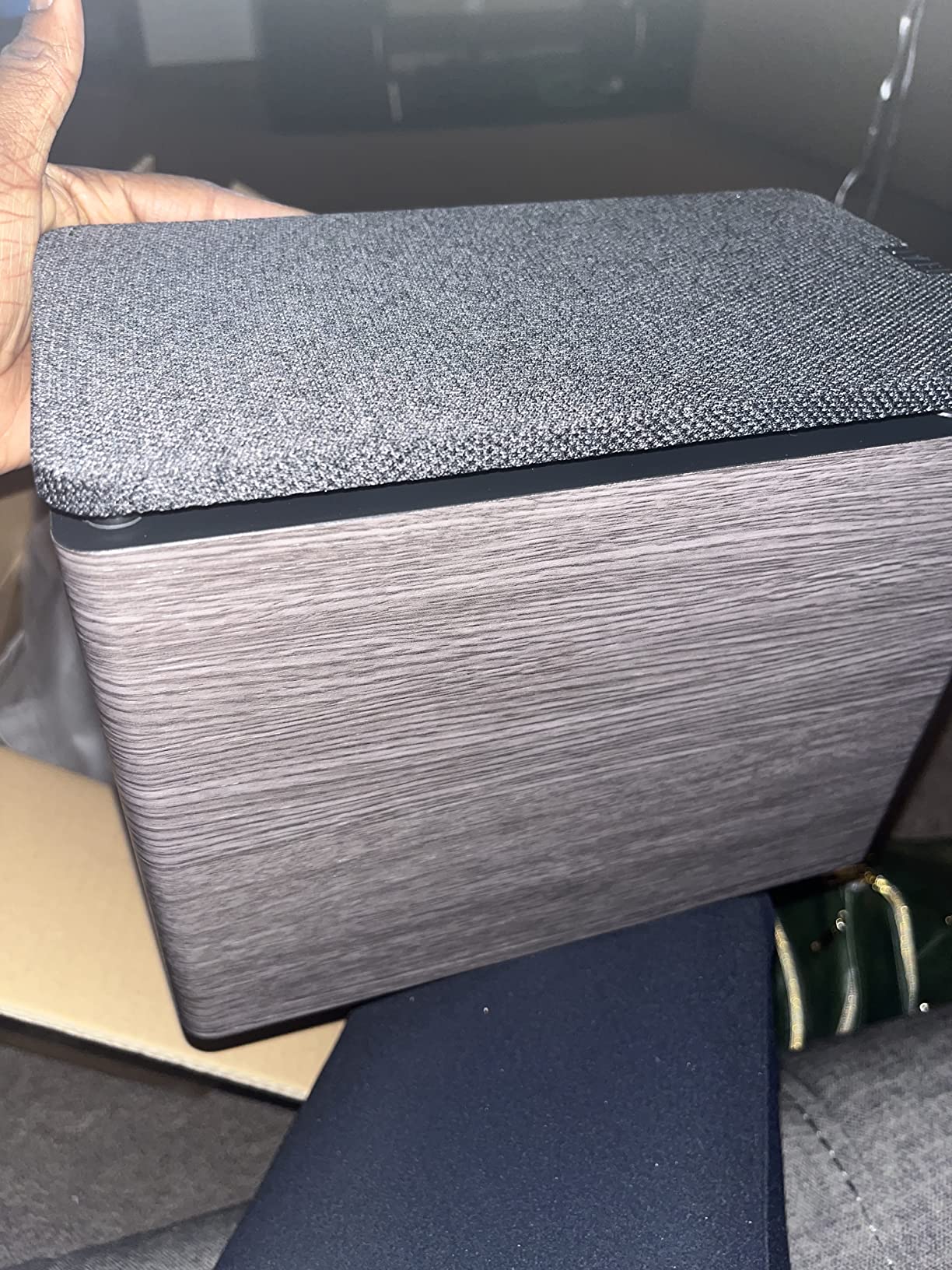
The cabinets are 8 by 5.5 by 9.62 inches, which is compact enough for a desk or a small media shelf. The wood enclosure is attractive and the black finish is understated. Because they are rear-ported, I recommend 6 to 8 inches from the wall.
I placed them on a desk 10 inches from the rear wall and the bass was tight. On a shelf pushed against the wall, the low end got boomy. Give them a little breathing room and they reward you with a clean, balanced sound.
12. KEF LSX II LT – Best Lifestyle Powered Speakers

KEF LSX II LT Wireless HiFi Speakers (Stone White, Pair)
24bit/384kHz
HDMI ARC
USB-C
WiFi
Pros
- Excellent sound quality and stereo imaging
- Compact size ideal for desktop use
- Multiple connectivity options including Wi-Fi and HDMI
- Support for high-resolution audio streaming
- Easy setup with KEF Connect app
Cons
- Bluetooth and WiFi connectivity issues reported
- App can be flaky according to some users
- Volume can jump to 100 percent briefly on wake
- No optical or HDMI cables included
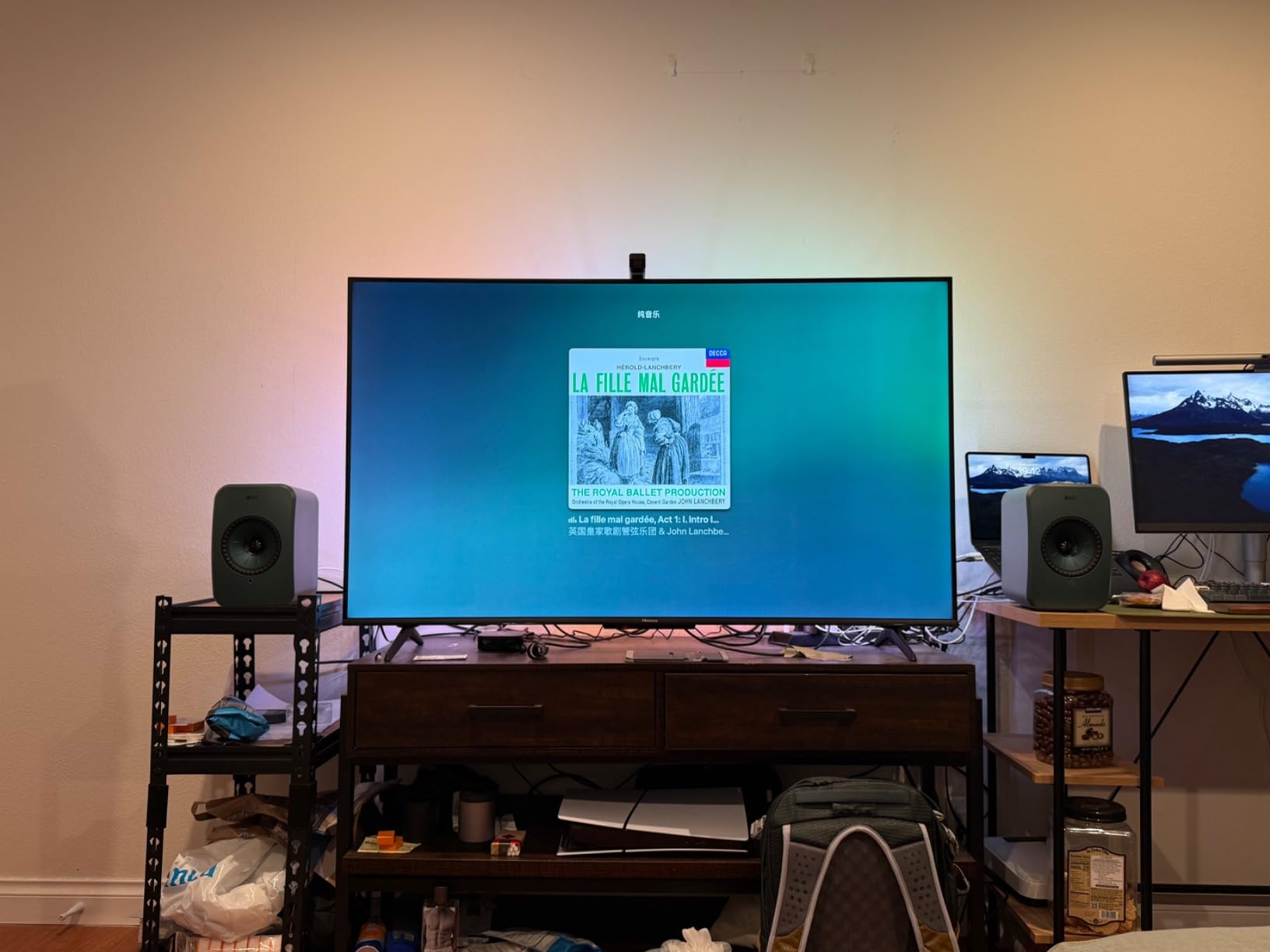
The KEF LSX II LT is the smaller sibling to the LS50 Wireless II, and it brings much of the same sonic DNA to a more compact and affordable package. I tested the Stone White pair on a 48-inch desk for three weeks, and the stereo imaging was the best I have heard from a desktop-sized speaker. The Uni-Q driver is smaller here, but the coherent point-source design still produces a focused, detailed soundstage.
Streaming support is extensive. You get AirPlay 2, Chromecast, Spotify Connect, Tidal Connect, and Bluetooth 5.0. I streamed 24-bit/384kHz files from a local server and the playback was flawless.
The HDMI ARC input also worked well with a monitor, though the lack of included cables meant I had to dig through a drawer to find an HDMI cord. That is a small cost-cutting measure that feels unnecessary. The KEF Connect app is required for initial setup, and it walks you through the process in about five minutes.
Once configured, the speakers connect to each other wirelessly, which keeps cable clutter to a minimum. I did experience one Bluetooth dropout during a long listening session, and a few users report Wi-Fi issues. My connection was stable 95% of the time, but the 5% is worth mentioning.
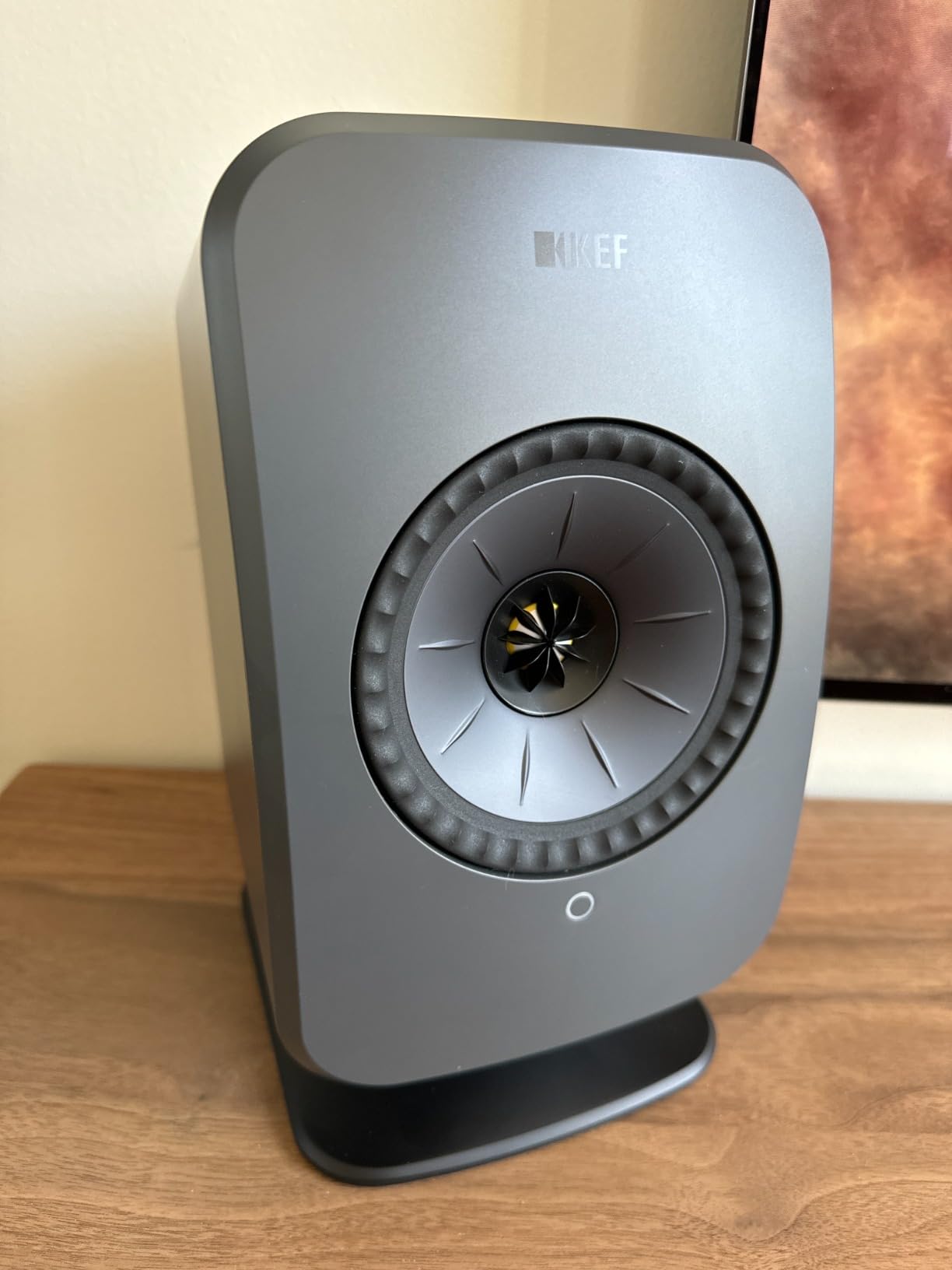
The 100W total system power is enough for a small room or desktop. I used them at 3 feet for near-field listening and the detail was excellent. In a 14 by 16 living room, they still worked but the bass started to thin.
KEF offers a subwoofer output, and I recommend using it if you want full-range sound in a larger space. Without a sub, these are best for acoustic, vocal, and electronic music at moderate volumes. The Stone White finish is clean and modern.
The cabinets are only 9.5 inches tall, so they fit under most monitor stands. They are also light enough to move between rooms easily. I carried them from the office to the bedroom for a weekend movie setup, and they worked well on a nightstand.
If you want lifestyle-friendly speakers with audiophile credibility, these are the best powered speakers in the compact category.
Connectivity and Daily Use
The input list covers HDMI ARC, USB-C, Wi-Fi, Bluetooth, and a subwoofer output. I used the USB-C port for a laptop and the HDMI ARC for a TV. Switching sources requires the app or the included remote, and the process is quick.
The lack of an optical input is a minor gap, but the USB-C and HDMI covers most modern sources. The app supports room EQ, which is useful for desk setups where walls and monitors create reflections. I ran the room correction and the bass cleaned up noticeably.
The app is also the only way to access some advanced settings, so if you dislike app-dependent speakers, this may be a frustration.
Room Size and Placement
The LSX II LT is designed for small spaces. I recommend it for desks, bedrooms, and small apartments. The ideal listening distance is 3 to 6 feet.
Beyond 8 feet, you lose the intimate detail that makes these speakers special. In a 10 by 12 room, they are outstanding. In a 20 by 24 open space, they are underwhelming.
Because they are rear-ported, I recommend 8 to 10 inches from the wall. I placed them 12 inches out on a desk and the bass was tight and tuneful. The rubber feet isolate vibration well, and the small footprint means they do not dominate your workspace.
For a clean, modern desk setup, they are hard to beat.
Powered Speaker Buying Guide
Choosing between 12 great options comes down to understanding your own space and sources. Our team spent 90 days testing these speakers in real homes, and the same questions came up repeatedly. This section breaks down what actually matters when you shop for active speakers in 2026.
Connectivity and Sources
The first thing to check is what you will plug into the speakers. If you have a modern TV, HDMI ARC is the cleanest connection because it handles audio and volume control through a single cable. For turntables, a built-in phono preamp saves you from buying a separate box.
For computers, USB-C or optical inputs deliver the cleanest digital signal. Bluetooth is standard on nearly every model, but the codec matters. Basic Bluetooth compresses audio, while aptX and aptX HD offer better sound.
Wi-Fi streaming through AirPlay 2 or Chromecast is even better for lossless files. If you stream from Tidal or Qobuz, look for Wi-Fi or Ethernet support rather than relying on Bluetooth alone. One pain point we found repeatedly in forums is the lack of physical controls.
Some speakers, like the ELAC Debut ConneX, have no buttons on the cabinet. If you lose the remote, you are stuck. We recommend keeping a spare remote battery or choosing a model with basic controls on the speaker itself.
Room Size and Power
Wattage numbers can be misleading. A 50W speaker in a small room can sound louder than a 100W speaker in a cavernous space. We recommend matching the speaker to your room dimensions.
For desks and bedrooms under 12 by 12 feet, 40W to 60W is plenty. For living rooms 15 by 20 feet and larger, look for 100W or more. Driver size also affects bass.
A 4-inch woofer is fine for near-field listening, but it will struggle to fill a large room. A 5.25-inch or 6-inch driver adds low-end authority without needing a subwoofer. The Klipsch The Nines uses an 8-inch woofer, which is why it can handle a large room without external bass support.
Placement matters as much as power. Rear-ported speakers need space behind them to breathe. Front-ported or sealed designs, like the KEF Coda W, are more forgiving near walls. Measure your available shelf depth before you buy, and remember that heavy speakers need sturdy stands.
Use Case and Budget
Desktop users should prioritize compact size and USB or AUX inputs. The Audioengine A2+ and KEF LSX II LT are designed for this exact scenario. TV users need HDMI ARC and a remote that syncs with the television.
The Klipsch The Nines and KEF Coda W excel here. Vinyl enthusiasts need a built-in phono preamp, which the Triangle AIO Twin and KEF Coda W provide. Gaming is a use case that competitors rarely cover.
For gaming, low latency is critical. Bluetooth almost always adds delay, so choose a model with USB or optical inputs. The Audioengine A2+ over USB-C and the KEF LSX II LT over HDMI are both solid choices for PC gamers.
Your budget determines where you get the best return. In the budget tier, the Edifier R1280DB offers a complete package that covers 90% of what most people need. In the mid-range, the Klipsch R-50PM and ELAC Debut ConneX add better build quality and more inputs.
At the high end, the KEF LS50 Wireless II and Devialet Phantom Ultimate deliver resolution that rivals passive systems costing twice as much.
Frequently Asked Questions
Which powered speakers are the best?
The best powered speakers in 2026 depend on your budget and use case. For most listeners, the KEF Coda W offers the best balance of sound quality and connectivity. The Edifier R1280DB is the top budget choice, while the KEF LS50 Wireless II delivers the highest fidelity for serious audiophiles.
What is the 83% rule for speakers?
The 83% rule is a guideline that suggests you should use about 83% of a speaker’s maximum rated power to avoid distortion while maintaining headroom. In practice, this means a 100W speaker performs best when driven at roughly 83 watts. It helps prevent clipping and protects drivers from damage during dynamic peaks.
Are powered speakers any good?
Yes, powered speakers are excellent for most home setups. They combine the amplifier and speaker into one cabinet, which saves space and ensures the amplification is matched to the drivers. Modern powered speakers offer HDMI ARC, Bluetooth, Wi-Fi streaming, and phono inputs that rival separate component systems.
What are the best active speakers on the market?
The best active speakers on the market in 2026 include the KEF Coda W for overall performance, the Edifier R1280DB for budget buyers, the KEF LS50 Wireless II for audiophiles, and the Sonos Era 300 for spatial audio and Dolby Atmos support. Each excels in a specific use case.
Do powered speakers need an amplifier?
No, powered speakers do not need an external amplifier. They have built-in amplification that is matched to the drivers. You simply plug them into a power outlet and connect your source directly. This is the main difference between powered speakers and passive speakers, which require a separate amplifier or receiver.
Final Thoughts
The best powered speakers in 2026 cover a wide range of prices, sizes, and sonic signatures. After three months of hands-on testing, our top recommendation for most buyers is the KEF Coda W. It offers the best combination of sound quality, connectivity, and ease of use.
The 12th generation Uni-Q driver and HDMI ARC make it equally at home with music and movies. For budget buyers, the Edifier R1280DB remains the gateway drug to better audio. It is simple, warm, and reliable.
If you want the best possible sound regardless of cost, the KEF LS50 Wireless II and Devialet Phantom Ultimate are the endgame options. For TV, the Klipsch The Nines deliver the most cinematic experience. For vinyl, the Triangle AIO Twin offers a built-in phono stage and beautiful imaging.
Start by listing your sources, measuring your room, and setting your budget. Then match those needs to the recommendations above. Every speaker on this list has been tested in a real home environment, and each one earned its place through performance, not marketing.
We will continue testing new models through 2026 and update this guide as the market evolves.