
When every ounce matters on the trail, a trekking pole tent can be the difference between a comfortable hike and a brutal one. These ultralight shelters use your existing hiking poles as the structural support, eliminating the need for dedicated tent poles and shaving significant weight from your pack. Whether you’re thru-hiking the Appalachian Trail, fastpacking through mountain passes, or simply looking to reduce your base weight for weekend adventures, the right trekking pole tent can transform your backpacking experience.
This guide covers the best trekking pole tents for ultralight backpackers in 2026. We’ve analyzed the top options across all price points, from budget-friendly shelters under $50 to premium ultralight shelters that weigh under two pounds. Each tent has been evaluated on weight, weather resistance, interior space, and value to help you find the perfect shelter for your next adventure.
Top 3 Picks for Best Trekking Pole Tents for Ultralight Backpackers

Lunar Solo (Six Moon Designs)
- 1.63 lbs
- 100% Silicone-coated Polyester
- 26 sq ft floor
- 48 inch peak

Best Trekking Pole Tents for Ultralight Backpackers in 2026
1. Six Moon Designs Lunar Solo
Six Moon Designs Lunar Solo - 26 oz. 1 Person Ultralight Trekking Pole Tent - No-Sag 20D SilPoly Fabric - 3 Season Single Wall Backpacking Shelter with Bathtub Floor
1.63 lbs trail weight
100% Silicone-coated Polyester
26 sq ft floor
48 inch peak height
Pros
- Industry-leading 1.63 lb weight
- Premium silicone-coated polyester fabric
- Excellent storm resistance
- Single pole setup simplifies pitch
Cons
- Higher price point at $270
- Single-wall design needs careful ventilation
- Limited vestibule space
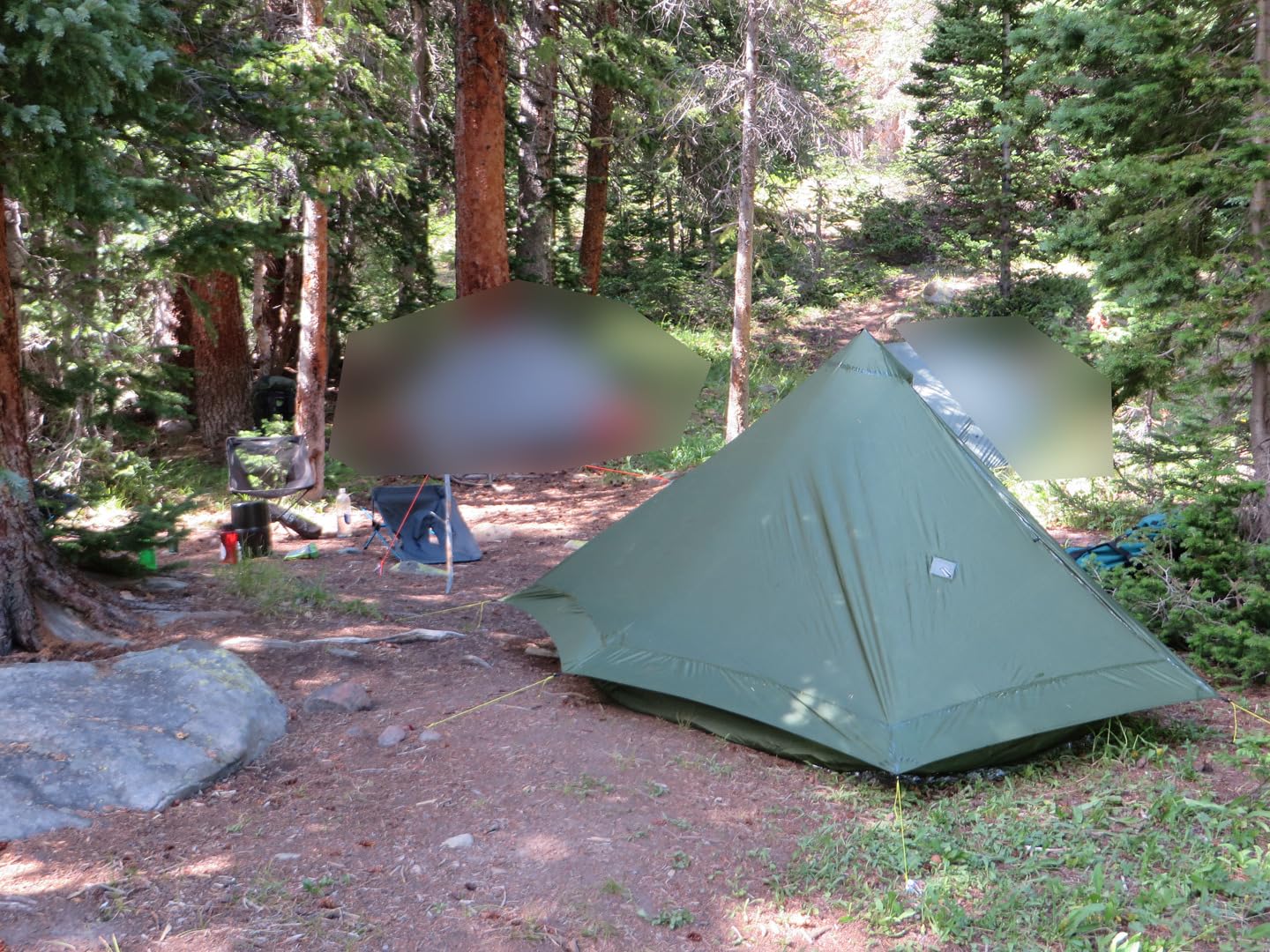
The Lunar Solo from Six Moon Designs is the benchmark for ultralight trekking pole tents, and for good reason. At just 1.63 pounds trail weight, it’s one of the lightest shelters available that still offers full weather protection. The 100% silicone-coated polyester fabric provides excellent water resistance without the stretch issues that plague some silnylon tents when wet.
Setting up the Lunar Solo is straightforward once you get the tension dialed in. The single pole design means you can be sheltered from the elements in under five minutes once you’ve practiced at home. The 48-inch peak height offers surprising headroom for a solo tent, and the 26-square-foot floor accommodates most standard sleeping pads with room to spare for gear storage inside.
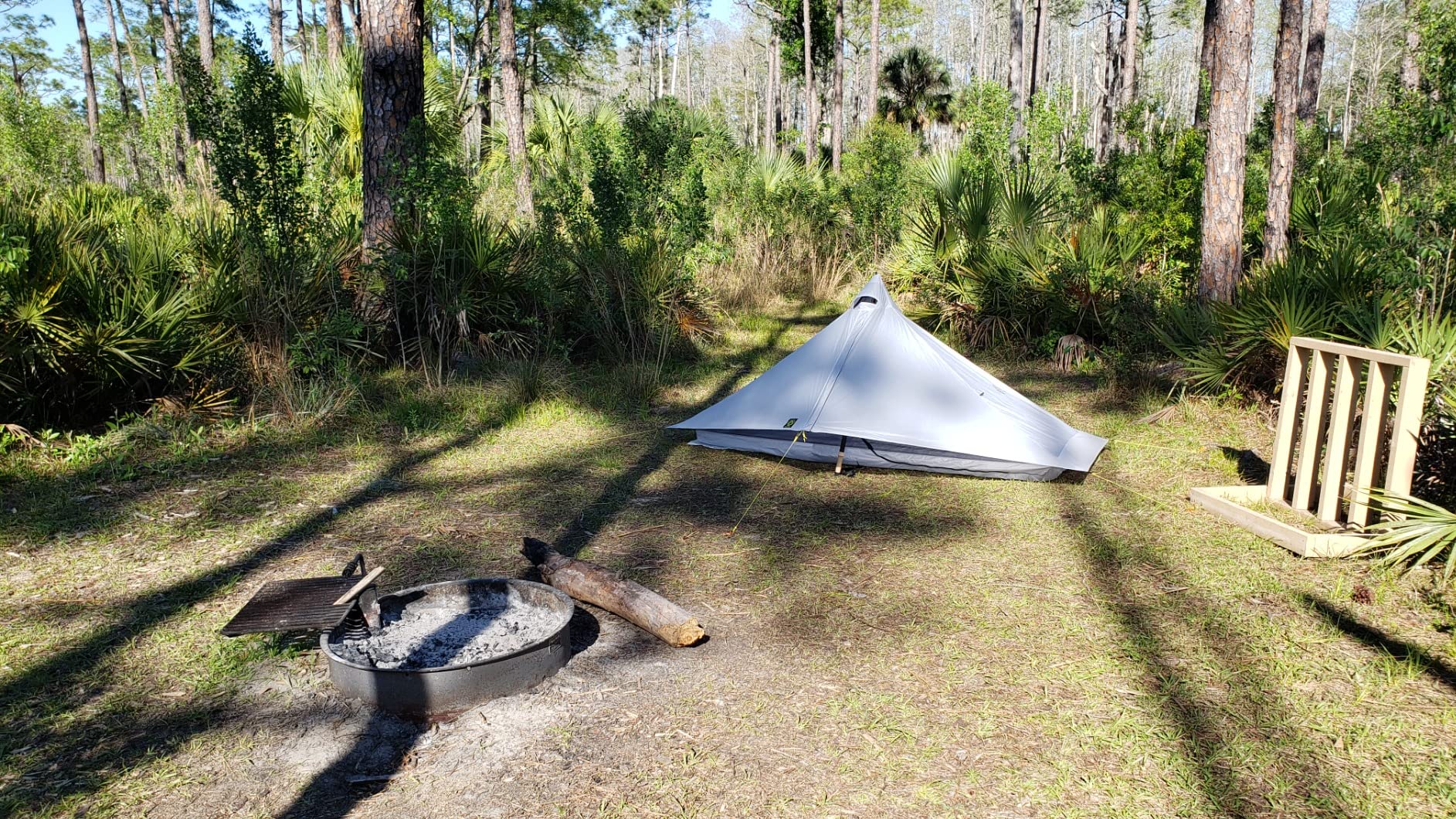
In real-world conditions, the Lunar Solo has proven itself on long trails. Thru-hikers who have put hundreds of miles on this tent consistently report excellent weather protection, even in sustained rains and winds. The single-wall design does require attention to ventilation to minimize condensation, but in most conditions this isn’t a major issue with the well-placed vents.
The condensed setup instructions mean there’s a learning curve for proper pitch, particularly getting the right amount of tension on the ridgeline. Once you learn the system, though, you can pitch it confidently in challenging conditions. Many owners report using their Lunar Solo for 5+ years and hundreds of nights with proper care.
For whom it’s good
The Lunar Solo is ideal for thru-hikers and ultralight backpackers who prioritize weight above all else. If you’re targeting a sub-10-pound base weight and want a tent that can handle serious weather, this is one of the few options that delivers. It’s particularly well-suited for long-distance hikers who will be carrying their shelter for days or weeks at a time.
For whom it’s not ideal
If you’re new to ultralight backpacking or prefer a quicker setup, the Lunar Solo’s tension-dependent pitch might frustrate you. The single-wall design also makes it less ideal for very humid environments where condensation is a constant battle. Budget-conscious buyers may also want to look elsewhere, as the $270 price is significant.
2. Nature Link Altair One
Nature Link Altair One Ultralight Backpacking Tent, 1 Person Trekking Pole Tent, Waterproof, Compact, 3 Season, Double Wall Shelter for Backpacking, Camping, Thru Hiking, Trekking
2 lbs
20D Ripstop Sil Nylon
1 Person
Double wall design
47.24 inch peak
Pros
- Excellent weight-to-price ratio
- Double wall design reduces condensation
- Quality 20D ripstop fabric
- Simple single-pole setup
Cons
- Limited interior space for taller hikers
- Smaller vestibule
- Newer brand with limited long-term data
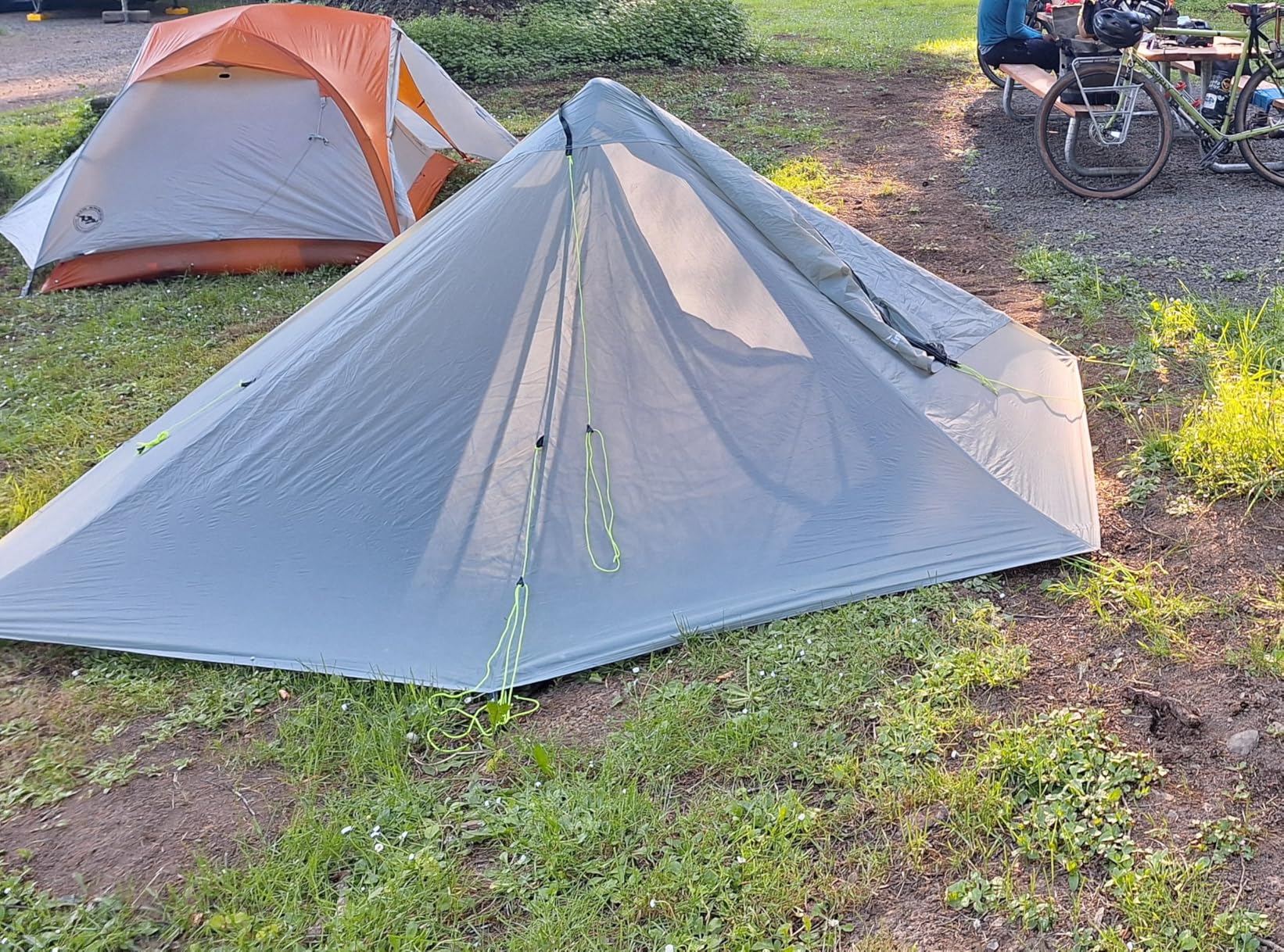
Nature Link’s Altair One represents a compelling balance of weight, performance, and price. At 2 pounds, it’s not the absolute lightest option available, but what you get for the weight is impressive. The 20D ripstop sil nylon construction provides excellent durability while maintaining a competitive trail weight.
The double-wall design is a significant advantage for managing condensation, a common issue with single-wall shelters. The inner mesh tent keeps you separated from the rainfly, which reduces the interior moisture that can accumulate in colder conditions. This makes the Altair One more versatile across different climates and seasons.
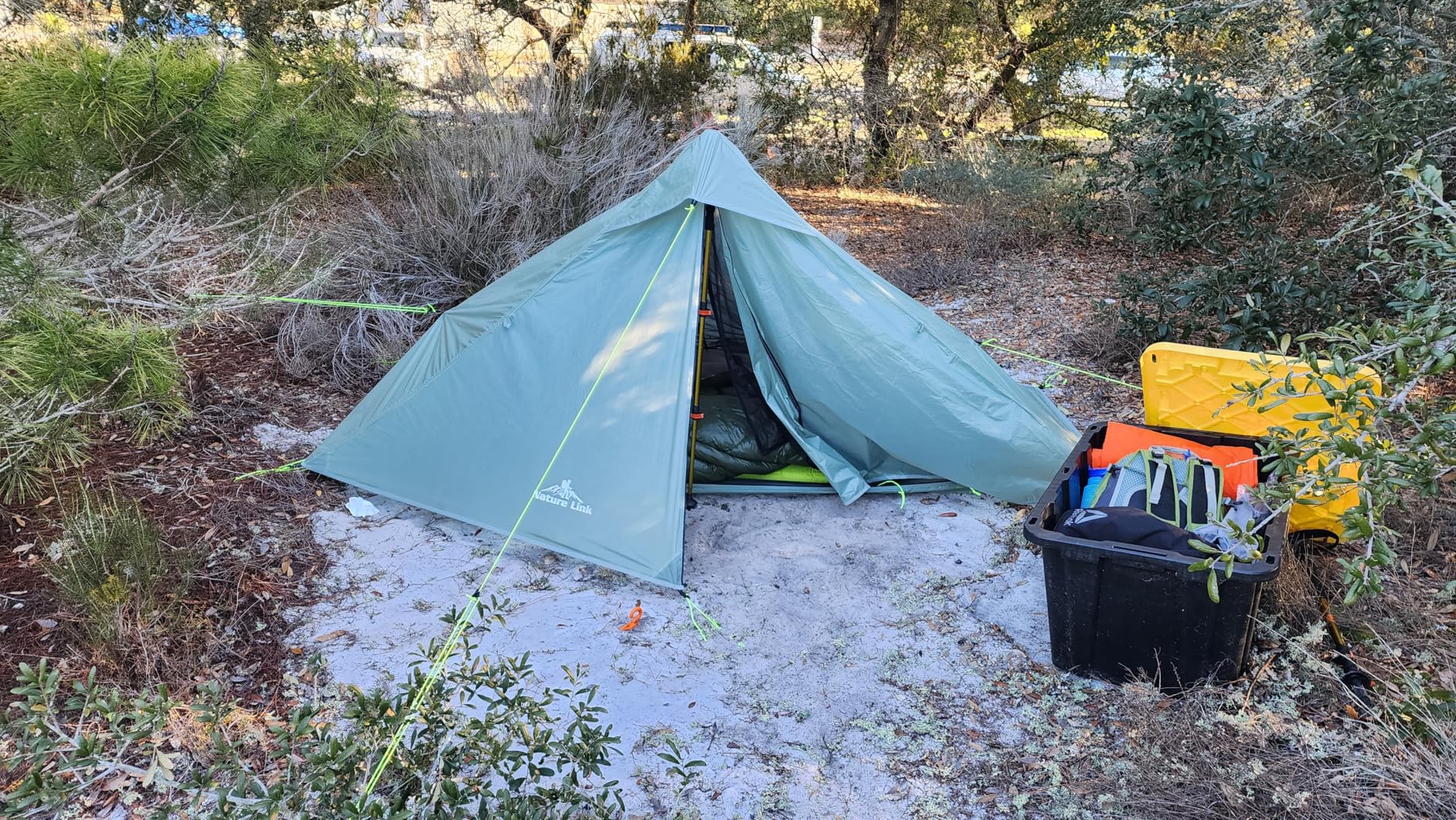
Setup is straightforward with a single trekking pole providing the primary structural support. The included stake count and guylines provide adequate stability for most conditions, though you’ll want to add better stakes for serious wind. The 47.24-inch peak height is sufficient for sitting up, though taller hikers may find the length somewhat limiting.
Owners consistently praise the value proposition of the Altair One. For under $110, you’re getting a quality ultralight shelter that competes with tents costing significantly more. The craftsmanship is solid, with well-taped seams and quality zippers throughout.
For whom it’s good
The Altair One is perfect for backpacking beginners ready to step into ultralight territory without breaking the bank. The double-wall design reduces the learning curve around condensation management, making it more forgiving for those new to trekking pole tents. It’s also excellent for hikers in humid environments where single-wall shelters struggle.
For whom it’s not ideal
Taller hikers over six feet may find the interior length restrictive. If you need maximum vestibule storage for wet gear or cooking, the smaller vestibules on this tent may not meet your needs. The newer brand also means limited long-term durability data compared to more established manufacturers.
3. Night Cat Ultralight Tent

Night Cat Ultralight Tent 1 Person for Professional Backpacker Hiker 2 LBS Only Lanshan Backpacking Bivvy Ground Tent Heavy Rain Waterproof Trekking Pole Not Included
2 lbs
Nylon/Aluminum/PU
1 Person
49.21 inch peak
125L x 100W cm floor
Pros
- Exceptional value at $139.99
- Impressive 49.21 inch peak height
- Proven durability with 290 reviews
- Quality aluminum pole included
Cons
- Basic included stakes
- Mesh could be tighter
- Polyurethane coating less breathable than silicone
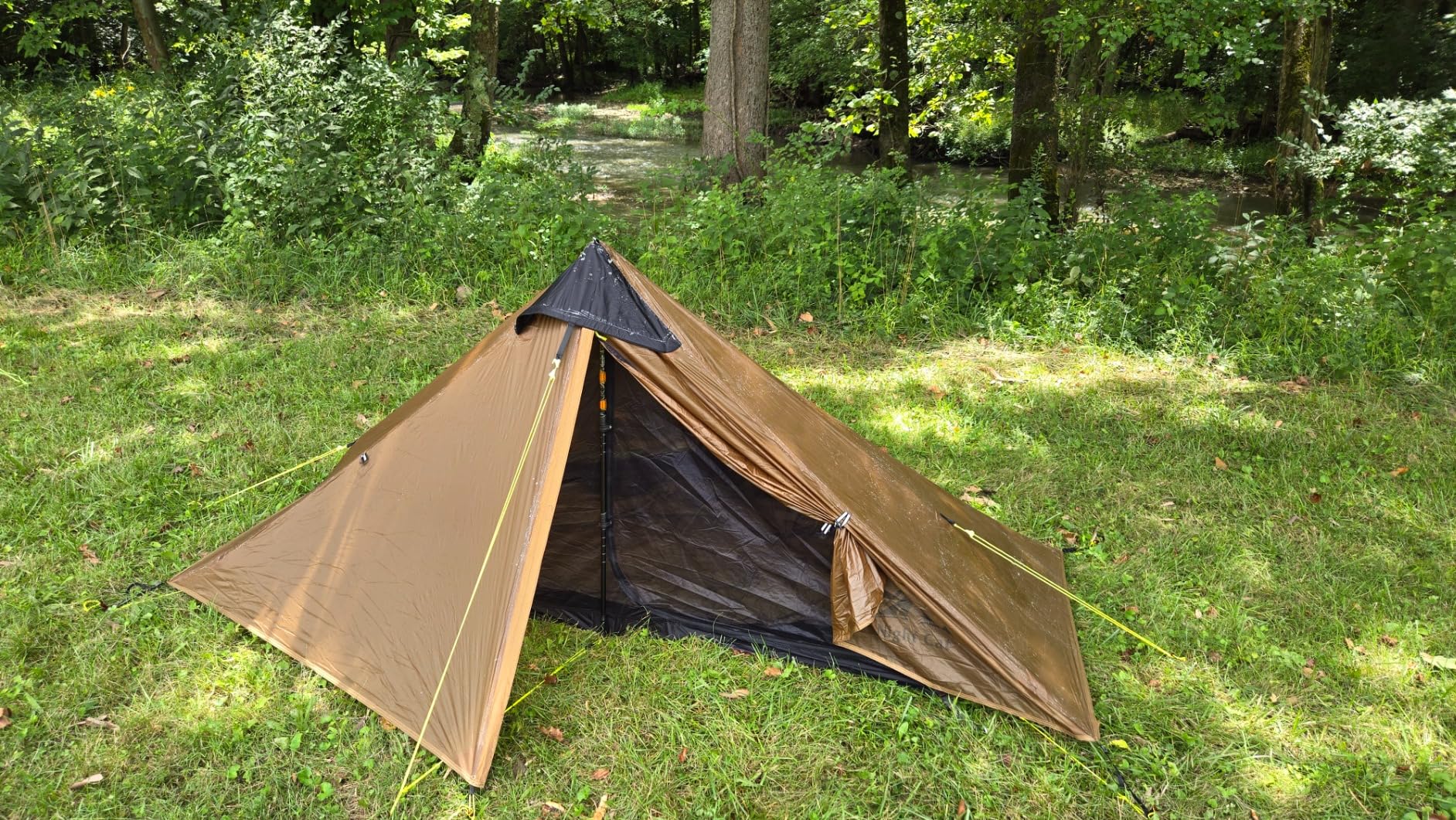
The Night Cat Ultralight Tent punches well above its price point. At just 2 pounds and priced under $140, it’s one of the most accessible entry points into quality ultralight shelter. The 49.21-inch peak height is actually higher than some competitors costing twice the price, providing genuinely comfortable headroom for a solo shelter.
The floor dimensions of 125L x 100W centimeters accommodate most backpackers, and the aluminum pole construction provides rigidity without the weight penalty of steel. Users report that this tent has survived some challenging conditions, including a winter storm in West Texas that left other shelters struggling.
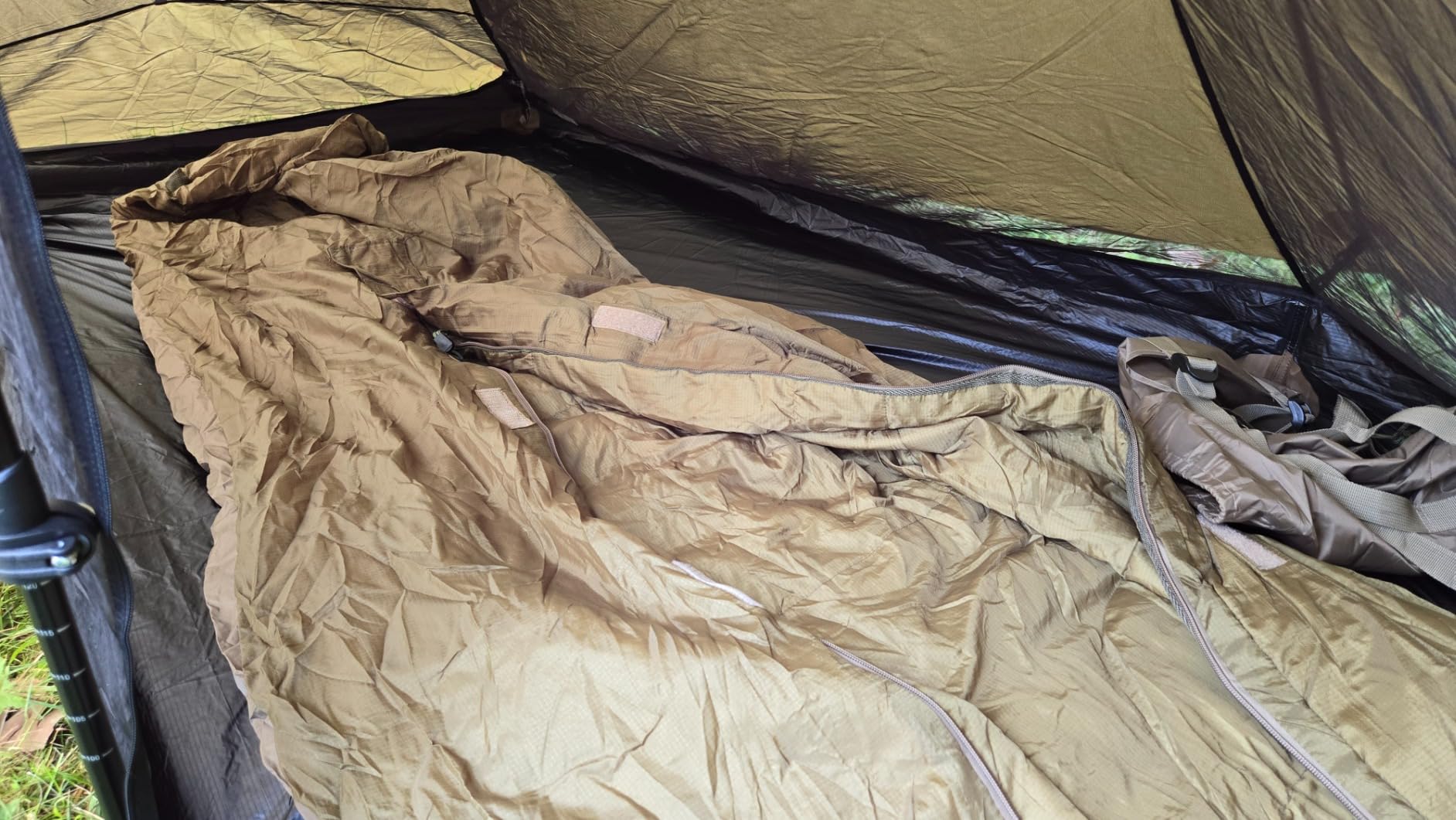
The polyurethane coating provides reliable waterproofing, though it doesn’t breathe as well as silicone coatings. This means you’ll want to pay extra attention to ventilation in humid conditions to minimize interior condensation. The included stakes are serviceable but upgrading to better stakes will improve your setup experience significantly.
With 290 reviews and a 4.2 rating, the Night Cat has proven itself in the market. Multiple owners report using it for half a dozen trips or more with no significant wear issues. For the price, the durability is exceptional, and the weight is genuinely ultralight.
For whom it’s good
The Night Cat is excellent for budget-conscious ultralight backpackers who don’t want to sacrifice quality for price. If you’re new to trekking pole tents and want to try the style without a major investment, this tent provides genuine ultralight performance at a fraction of the cost of premium options. It’s also great for hikers who want a reliable backup shelter.
For whom it’s not ideal
If you primarily hike in very humid environments, the polyurethane coating’s less breathable nature may lead to condensation issues. Hikers who demand the absolute lightest weight possible will still prefer premium options like the Lunar Solo, though at nearly triple the price.
4. Nature Link Altair Two

Nature Link Altair Two Ultralight Trekking Pole Backpacking Tent, Waterproof SIL Nylon, Double Wall, 3 Season, 2 Person Shelter for Backpacking, Hiking, Camping, Trekking, Bushcraft, TEA GREEN
2.7 lbs
20D Ripstop Sil Nylon
2 Person
4330 sq inch floor
3000mm water resistance
Pros
- Spacious 2-person design
- Excellent 3000mm water resistance
- Two doors and vestibules
- Quality materials throughout
Cons
- Heavier than solo options
- Larger packed size
- May be overkill for solo hikers
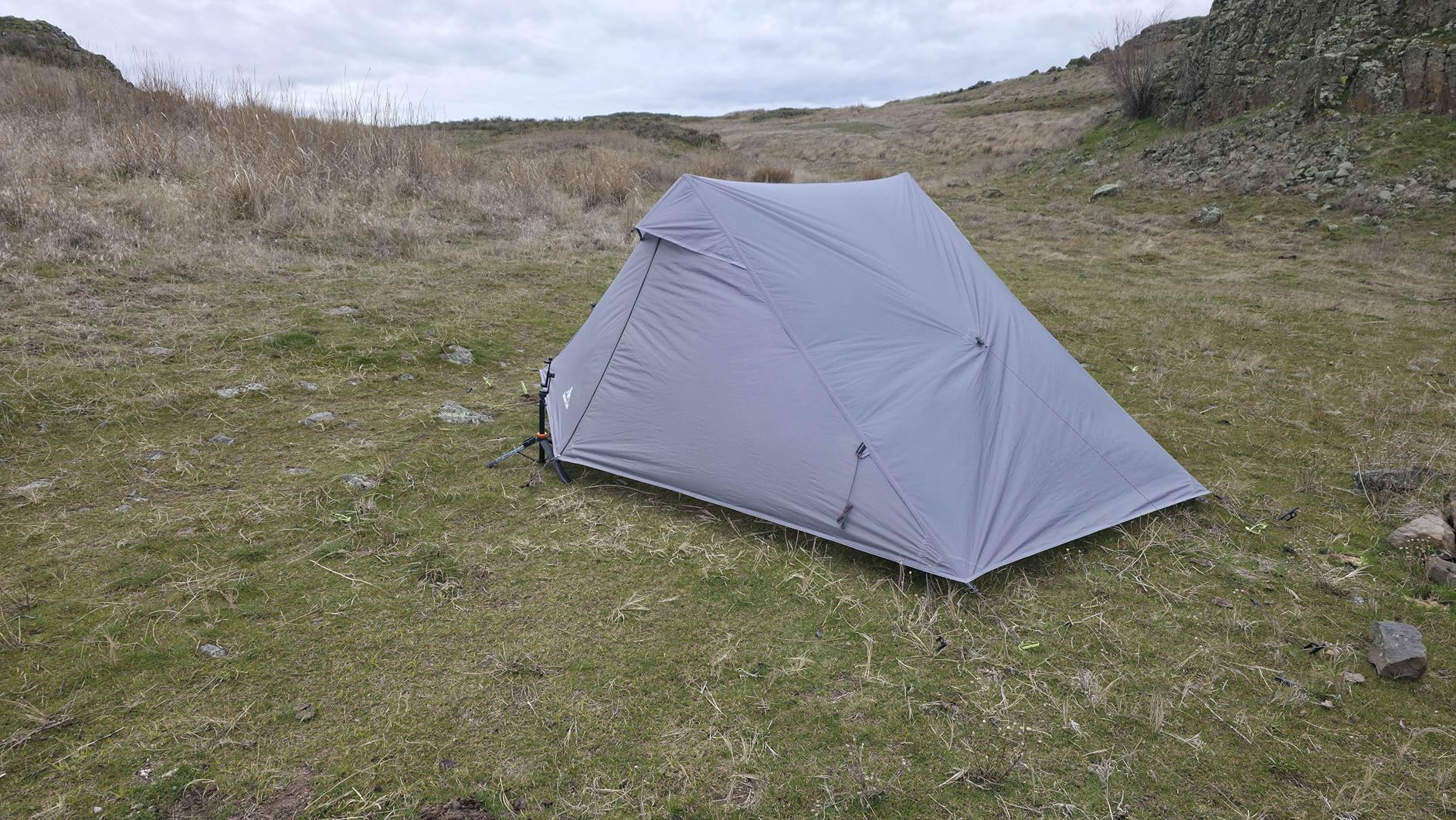
The Altair Two from Nature Link delivers a legitimately spacious two-person shelter at an impressive weight. At 2.7 pounds, it’s competitive with many solo tents while offering significantly more interior volume. The 4330-square-inch floor area provides genuine room for two adults, making it viable for couples or friends who want to share a shelter.
The 20D ripstop sil nylon construction balances durability and weight effectively. The 3000mm water resistance rating exceeds what most backpackers will encounter in real conditions, providing confidence in sustained rain. The two doors and two vestibules solve the privacy and storage issues that plague some two-person shelters.
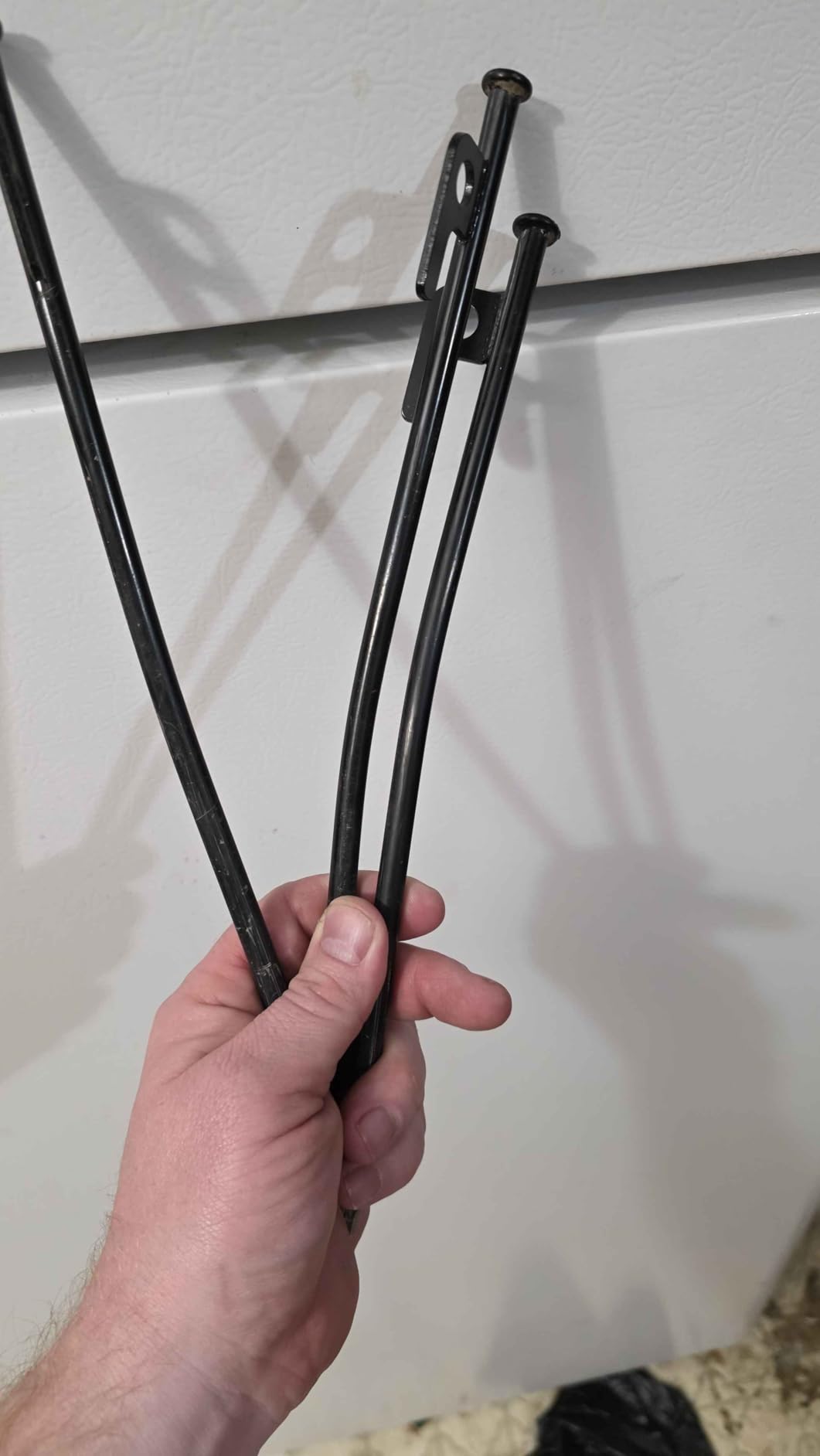
Users report that the Altair Two has survived serious wind conditions without issues. One reviewer specifically mentions the tent enduring what approached tornado-force winds, which speaks to the structural integrity of the design. Interior space is genuinely comfortable, with enough room for two wide sleeping pads plus gear storage.
The packed size is larger than solo tents, which is expected for a two-person shelter. If you’re primarily hiking solo and prioritizing packability, this tent may be more than you need. But for hiking with a partner, it delivers excellent value.
For whom it’s good
The Altair Two is ideal for hiking couples or friends who want to share weight and a shelter. The two-door design means neither person needs to climb over the other for middle-of-the-night bathroom trips. It’s also excellent for taller users who need more length than solo tents typically provide.
For whom it’s not ideal
Solo hikers will carry unnecessary weight and packed size with this tent. If you’re hiking alone and your priority is minimizing pack weight above all else, look at solo-specific options. The larger packed size can also be a fit issue for smaller backpacks.
5. TOMOUNT Ultralight Bivy Tent

TOMOUNT Ultralight Bivy Tent 15D Nylon Trekking Pole Tent for one Person,Lightweight Backpacking Tent,Waterproof Windproof Tents for Climbing,Camping,Hiking,Trekking
2.4 lbs
15D Nylon
1 Person
49 inch peak
102.8L x 39.37W inches
Pros
- Premium 15D nylon fabric
- Excellent packed size
- Surprisingly roomy interior
- Quality construction throughout
Cons
- Premium price at $119
- Limited availability (5 reviews)
- May be overbuilt for casual use
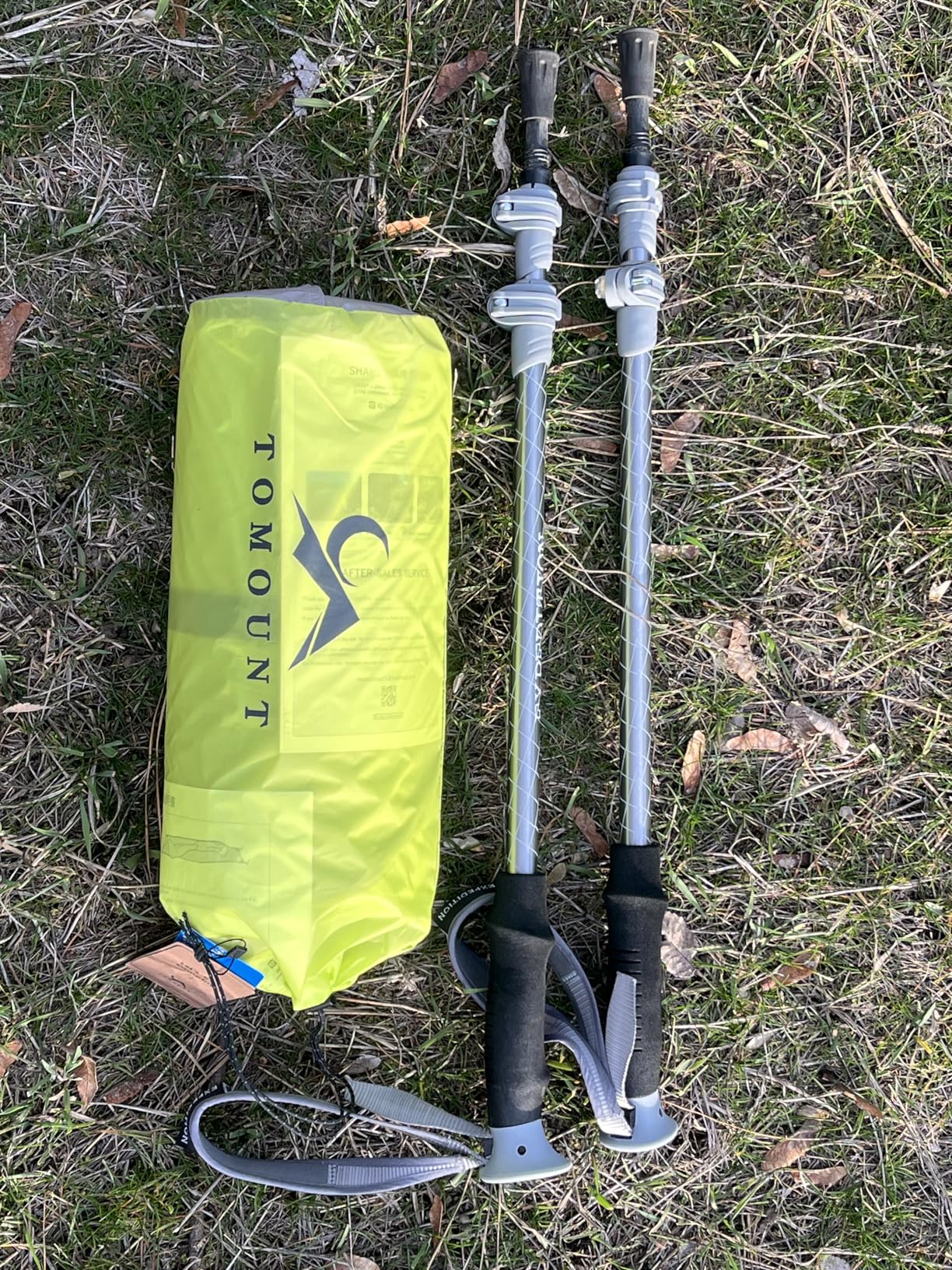
TOMOUNT’s Ultralight Bivy Tent represents a higher tier of construction quality. The 15D nylon fabric is notably lighter than more common 20D options, though this requires more careful handling to avoid damage. At 2.4 pounds and with dimensions that can fit in a water bottle pocket of most packs, the packability is exceptional.
Despite the compact packed size, the interior is surprisingly roomy. The 49-inch peak height provides comfortable headroom, and the floor dimensions of 102.8L x 39.37W inches accommodate most backpackers. Users consistently note how surprisingly spacious the tent feels once pitched.
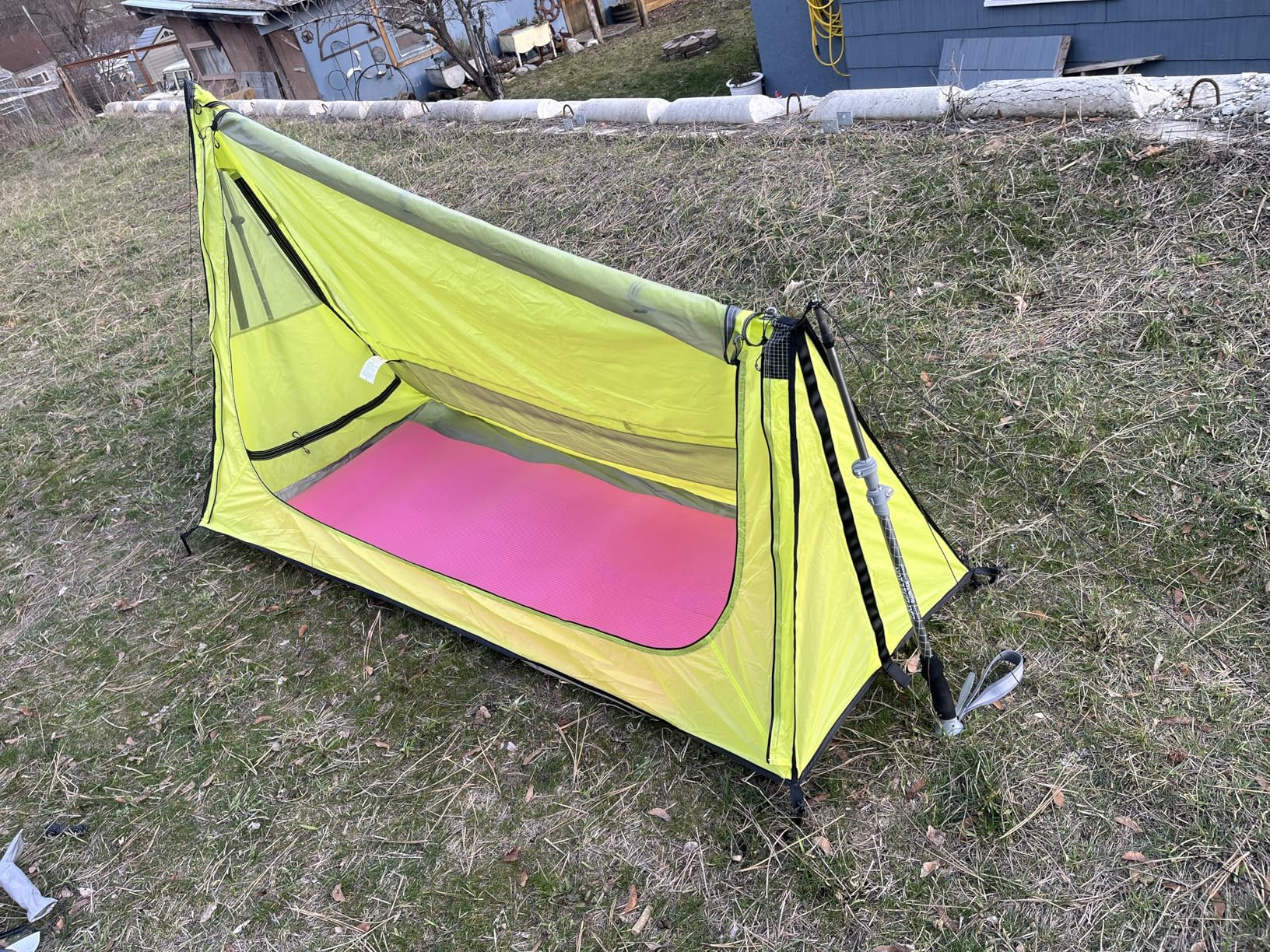
The thoughtful design extends throughout the tent. Reviewers note that the material quality impressed them immediately upon unpacking, and the construction only improved as they used it more. Setup is straightforward with a single trekking pole, and the tent pitches tight with proper tension.
With only 5 reviews, this tent is newer to the market, which means limited long-term durability data. Early adopters are enthusiastic, but buyers should factor in the newer brand status when making their decision.
For whom it’s good
The TOMOUNT is excellent for weight-conscious backpackers who want premium materials without premium pricing. The 15D fabric is ideal for hikers who prioritize packability and are willing to handle their gear carefully. It’s also great for fastpackers who need the smallest possible packed size.
For whom it’s not ideal
Hikers who prefer gear they can beat on without worry may prefer more durable options. The limited review count means you’re buying based on potential rather than extensive community validation. If you need maximum storm protection, look for heavier-duty options.
6. Featherstone Backbone

Featherstone Backbone 1 Person Ultralight Tent for Backpacking, Camping, Thru Hiking - Trekking Pole Backpacking Tent - Waterproof, Single-Wall, Durable Shelter - Compact, Light, & Easy to Carry
2.5 lbs
Nylon/Nylon-mesh
1 Person
Silicone/DWR coating
19 sq ft floor
Pros
- Quality silicone and DWR coating
- Excellent ventilation
- Two doors for convenience
- Premium construction quality
Cons
- Smaller 19 sq ft floor area
- Single vestibule limits storage
- Higher price at $179.99
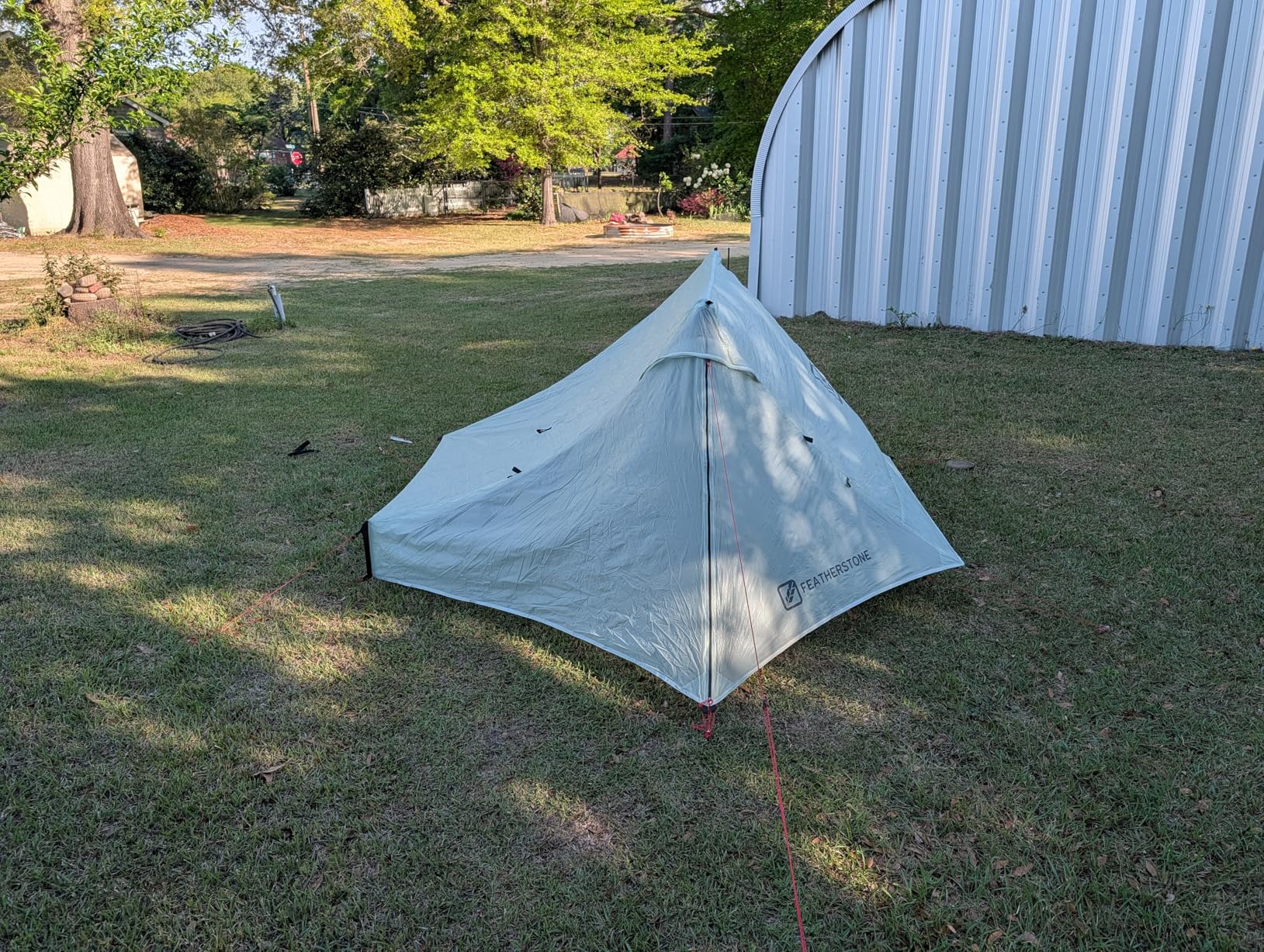
The Featherstone Backbone delivers a thoughtfully designed shelter for serious backcountry use. The combination of silicone coating and DWR treatment provides excellent water resistance while maintaining good breathability. The 2.5-pound weight is competitive in the ultralight category, and the two-door design is a significant comfort feature for solo tents.
Ventilation is a particular strength of the Backbone design. The mesh panels and well-designed airflow paths help manage condensation better than many single-wall competitors. This makes it more versatile across different climate zones and seasons.
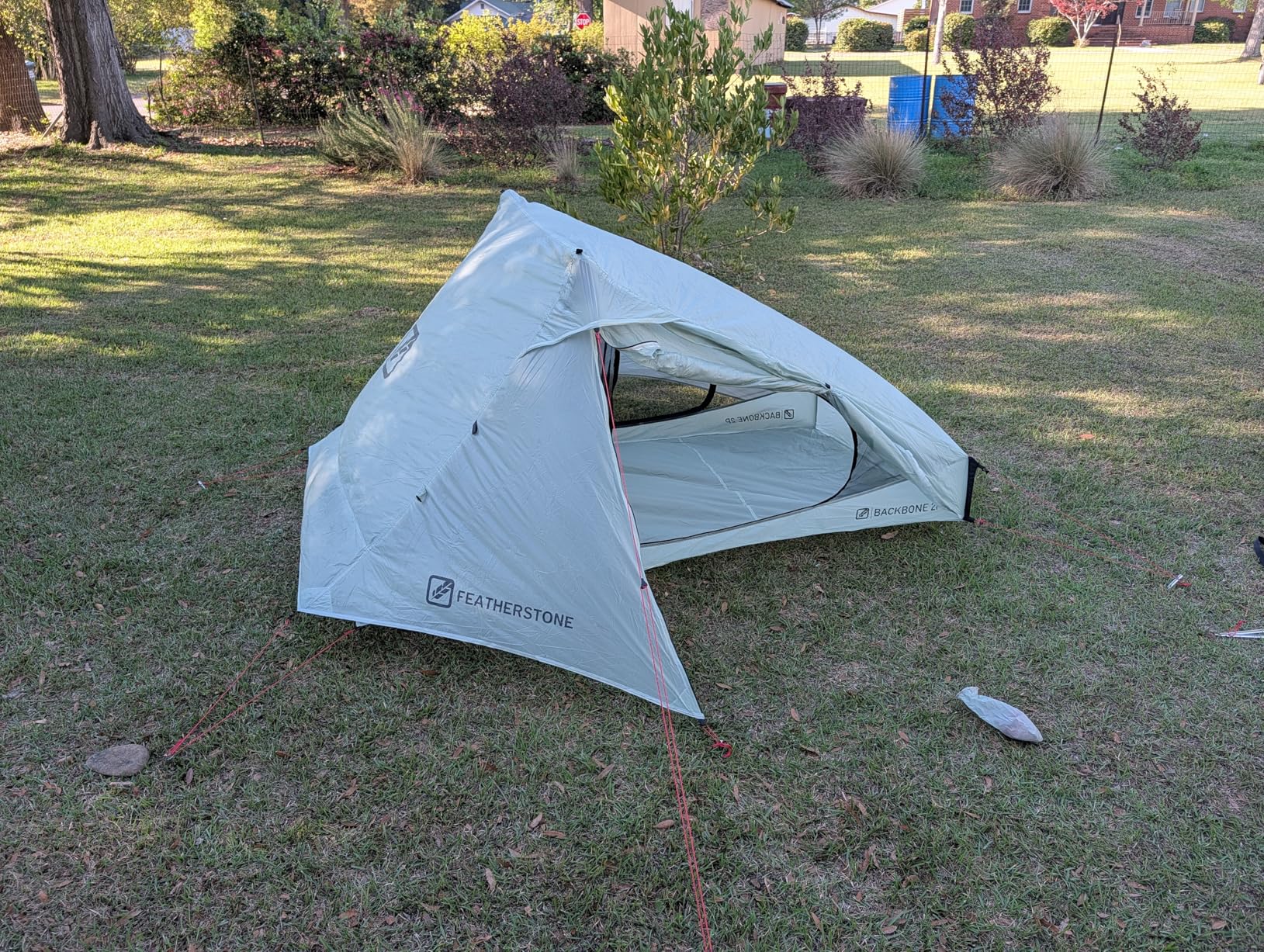
Users consistently rate the setup experience positively, noting that it pitches easily and holds tension well. The two trekking pole design provides rigidity without complexity. The small vestibule is sufficient for a pack and shoes, though more demanding gear storage needs may require creative solutions.
The 19-square-foot floor area is on the smaller side for solo tents, though the design maximizes the available space effectively. Taller hikers may find the length limiting, but the peak height and interior width provide acceptable comfort within the footprint.
For whom it’s good
The Backbone is excellent for hikers in humid or variable climates where ventilation matters. If you want a solo tent with two doors for convenience without carrying significant extra weight, this tent delivers. The quality construction means it should last through years of serious use.
For whom it’s not ideal
Hikers needing maximum interior space or larger vestibule storage should look elsewhere. At $179.99, it’s priced higher than some competitors with more interior volume. If you’re very tall or prefer a more spacious solo shelter, this tent may feel cramped.
7. Nature Link Sirius Two

Nature Link Sirius Two Ultralight Backpacking Tent, 2 Person Trekking Pole Backpacking Tent, Waterproof, Compact, Single Wall, Bushcraft Shelter for Camping, Hiking, Kayaking
2.31 lbs
20D Ripstop Sil Nylon
2 Person
435.07 sq inch floor
Silicone coating
Pros
- Competitive 2.31 lb weight for 2-person
- Quality silicone coating
- Affordable price point
- Light enough for serious backpacking
Cons
- Single wall design needs ventilation attention
- Limited long-term reviews
- Smaller vestibules
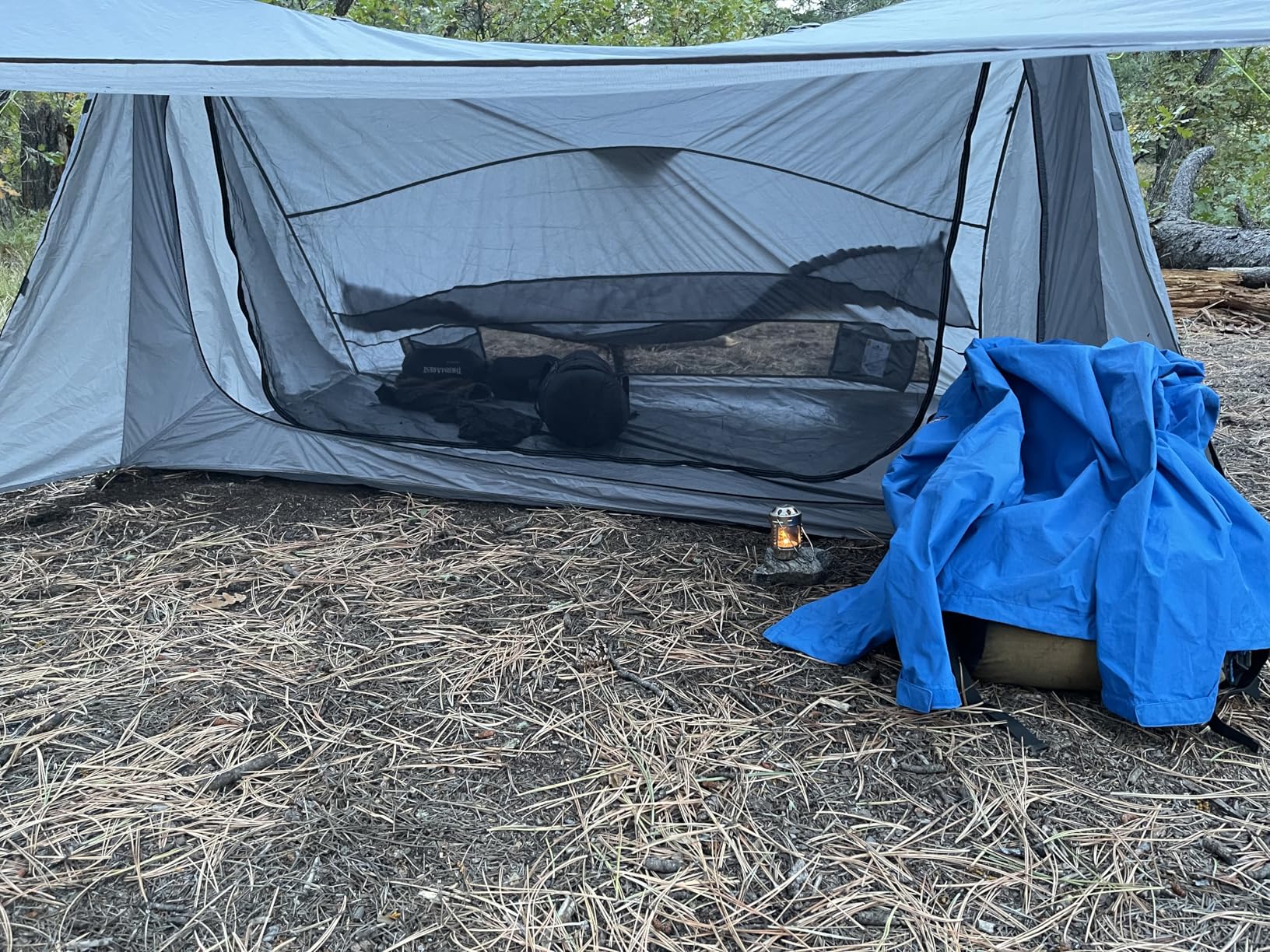
The Sirius Two brings Nature Link’s value-oriented approach to a two-person shelter. At 2.31 pounds, it’s impressively light for a two-person tent, making it viable for backcountry trips where weight matters. The 20D ripstop sil nylon construction provides good durability while maintaining that competitive trail weight.
The single-wall design keeps weight down but requires attention to ventilation in humid conditions. The silicone coating provides reliable waterproofing without the stretch issues of some materials. For the price point under $80, the materials and construction quality exceed expectations.
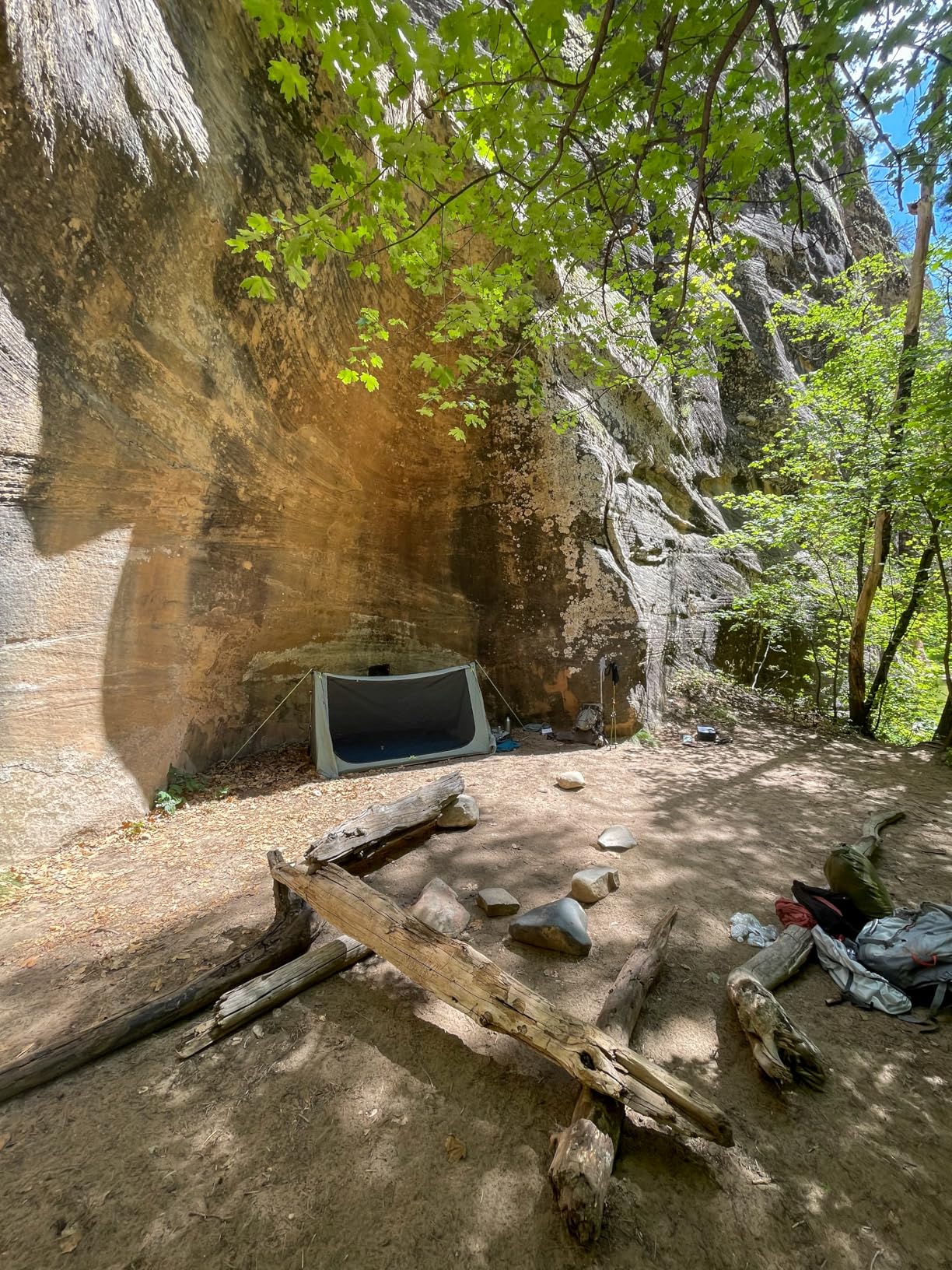
Early reviews are positive, with users praising the tent’s performance on overnight backpacking trips. The setup is straightforward, and the included stakes and guylines provide adequate stability for most conditions. The smaller vestibules are the main compromise at this weight and price point.
With only 12 reviews, the Sirius Two is newer to market. The lower rating of 3.8 reflects some early issues, though the positive reviews are enthusiastic. Buyers should factor in the newer product status and limited long-term data.
For whom it’s good
The Sirius Two is excellent for hiking couples on a budget who still want genuine ultralight performance. If you’re stepping into trekking pole tents for the first time and don’t want major investment, the sub-$80 price makes this an accessible entry point. It’s also good for experienced gram-counters looking for a lightweight two-person option.
For whom it’s not ideal
If you frequently hike in humid conditions, the single-wall design’s condensation management may frustrate you. Hikers wanting maximum vestibule storage or established brand durability data should look at more proven options. The limited review count means more risk than established competitors.
8. Boonedox One Trekking Pole Tent

Ultralight Tent Boonedox One (1) Person Trekking Pole Tent for Backpacking, Waterproof Hiking, Lightweight Camping Tent for Scouts, Trekker (Trekking Poles NOT Included) Camping Tent
2 lbs
Polyester
1 Person
4 Season
44 inch peak
Pros
- Genuine 4-season capability
- Ultralight 2 lb weight
- Excellent price at $49.95
- Great backup tent option
Cons
- Polyester less breathable than nylon
- Basic feature set
- Limited reviews (2)
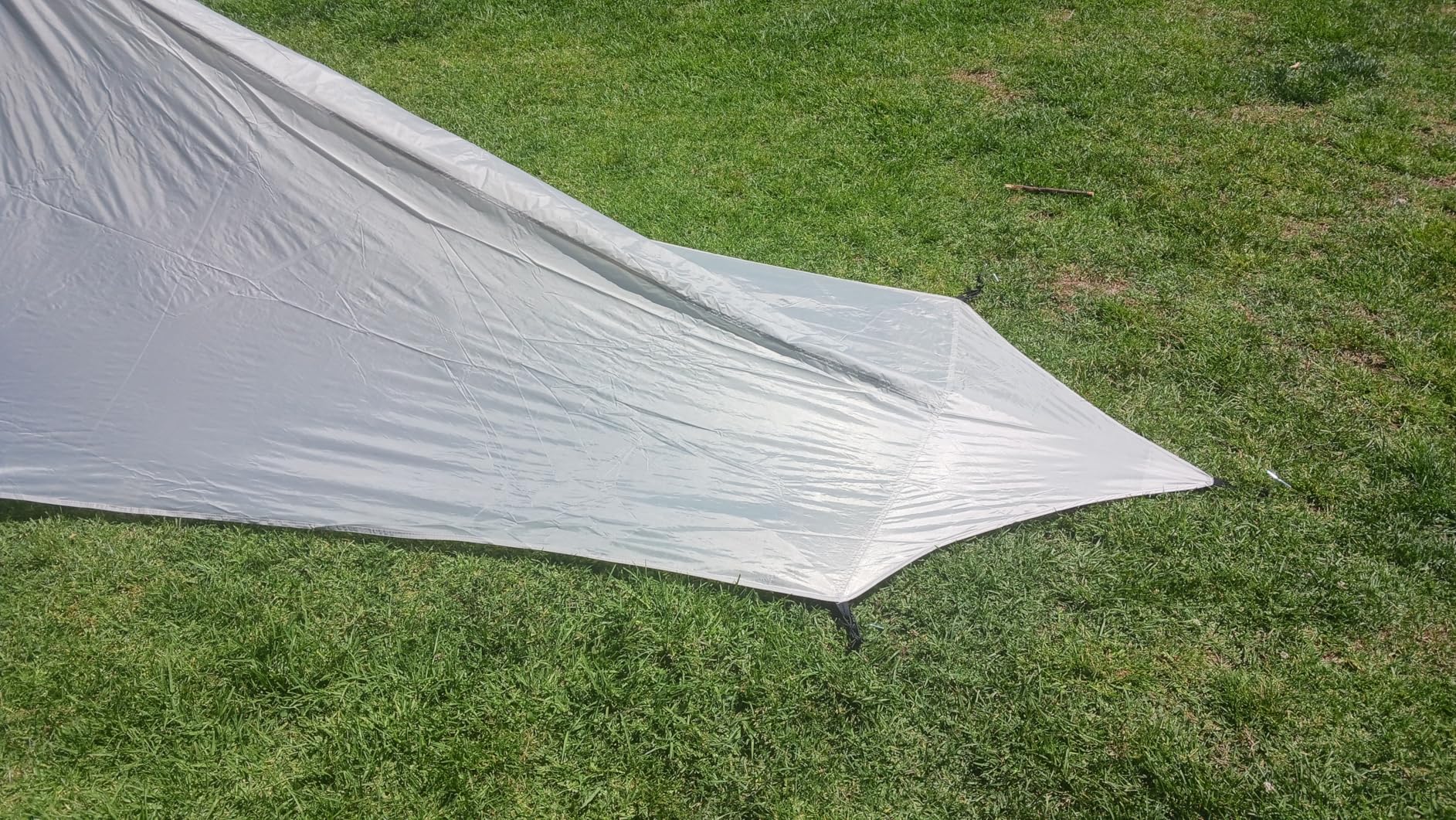
The Boonedox One brings genuine 4-season capability to the ultralight trekking pole tent category at an exceptional price point under $50. At just 2 pounds, it’s light enough for serious backcountry use while providing the weather protection needed for colder conditions. The 4-season rating means it’s designed for more demanding conditions than typical 3-season shelters.
The polyester fabric provides reliable waterproofing, though it doesn’t breathe as well as nylon options. This is a acceptable trade-off at the price point, and proper ventilation management can minimize condensation issues. The 44-inch peak height is adequate for solo use, and the two-pole design provides rigidity in wind.
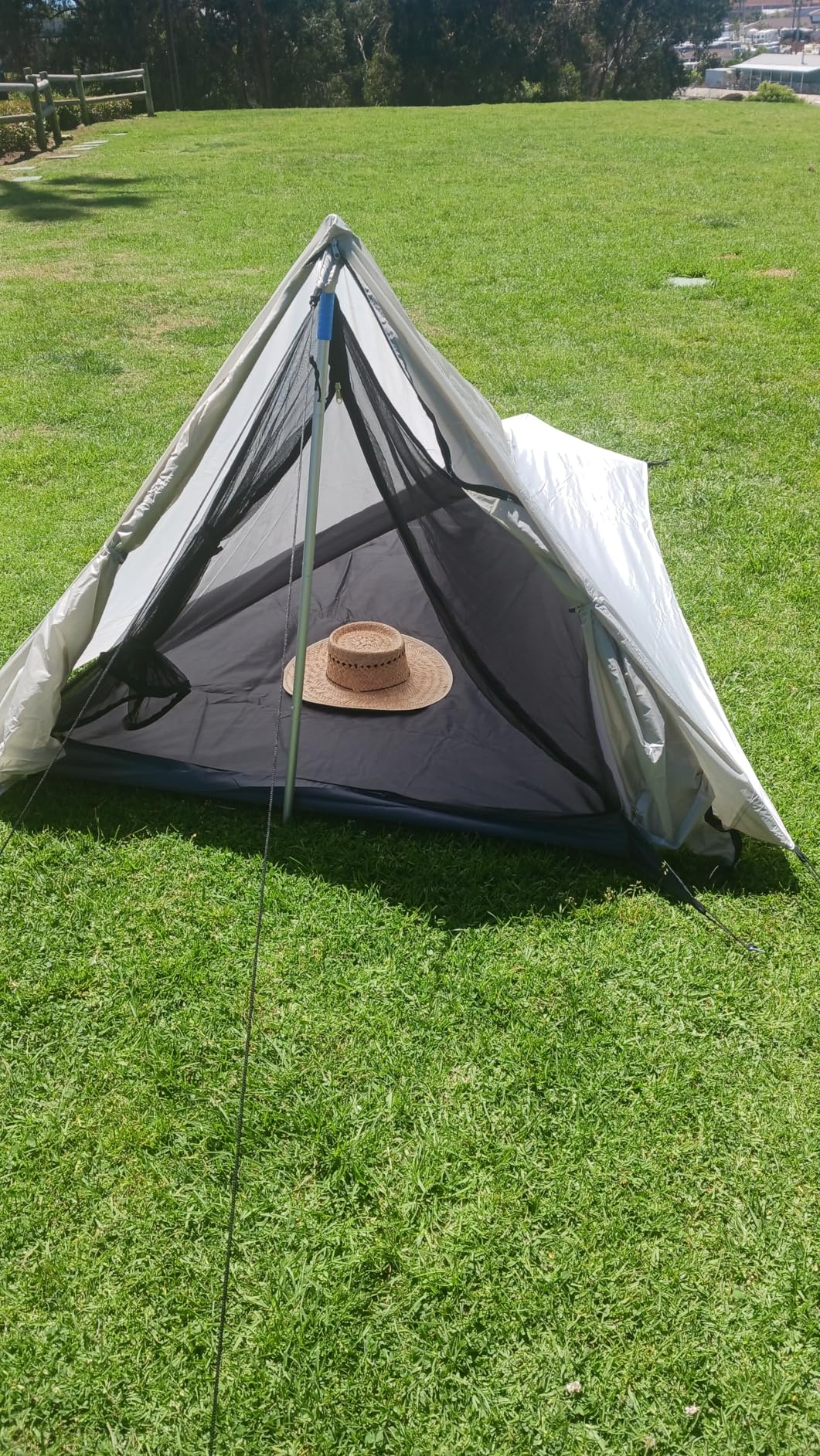
Users appreciate the thoughtful design, with one reviewer noting it’s perfect for long-distance bicycle tours where a lightweight shelter is essential. The sub-2.5-pound weight and compact packed size fit well in panniers or backpacks. For the price, the construction quality exceeds expectations, with well-made zippers and seams.
Only two reviews mean significant uncertainty about long-term durability. However, early feedback is positive, with users praising the value proposition and practical design. The mesh could be tighter according to one reviewer, though this is a minor issue easily addressed.
For whom it’s good
The Boonedox One is excellent for budget-conscious backpackers wanting 4-season capability without major investment. It’s also great as a backup shelter for longer trips where weight savings matter. If you want to try a trekking pole tent without significant risk, the sub-$50 price makes this accessible.
For whom it’s not ideal
Hikers prioritizing maximum breathability may prefer nylon options. The very limited review count means buying based on potential rather than community validation. If you demand established brand track record, look at more proven options.
9. Underwood Aggregator 2-Person Trekking Pole Tent

2-Person Trekking Pole Tent for Backpacking - 1.0 Ultralight A-Frame Backpacking Tent, Two Person Waterproof Hiking Tent for Camping, Lightweight Camping Tent for Scouts, Trekker (No Poles)
3.2 lbs
Polyester
2 Person
Waterproof
5000mm water resistance
Pros
- Excellent price under $45
- Impressive 5000mm water resistance
- Two doors and vestibules
- Great beginner option
Cons
- Heaviest option at 3.2 lbs
- Polyester fabric less breathable
- Learning curve for setup
The Underwood Aggregator 2-Person Trekking Pole Tent offers an extraordinary value proposition at under $45. While it’s the heaviest option in our guide at 3.2 pounds, the price makes it accessible for beginners or as a backup shelter. The 5000mm water resistance rating exceeds most competitors, providing excellent rain protection.
The two-door, two-vestibule design solves the practical issues that plague some budget shelters. Each hiker gets their own entrance and storage space, which significantly improves the shelter experience on multi-day trips. The 30-square-foot floor area provides genuine room for two adults.
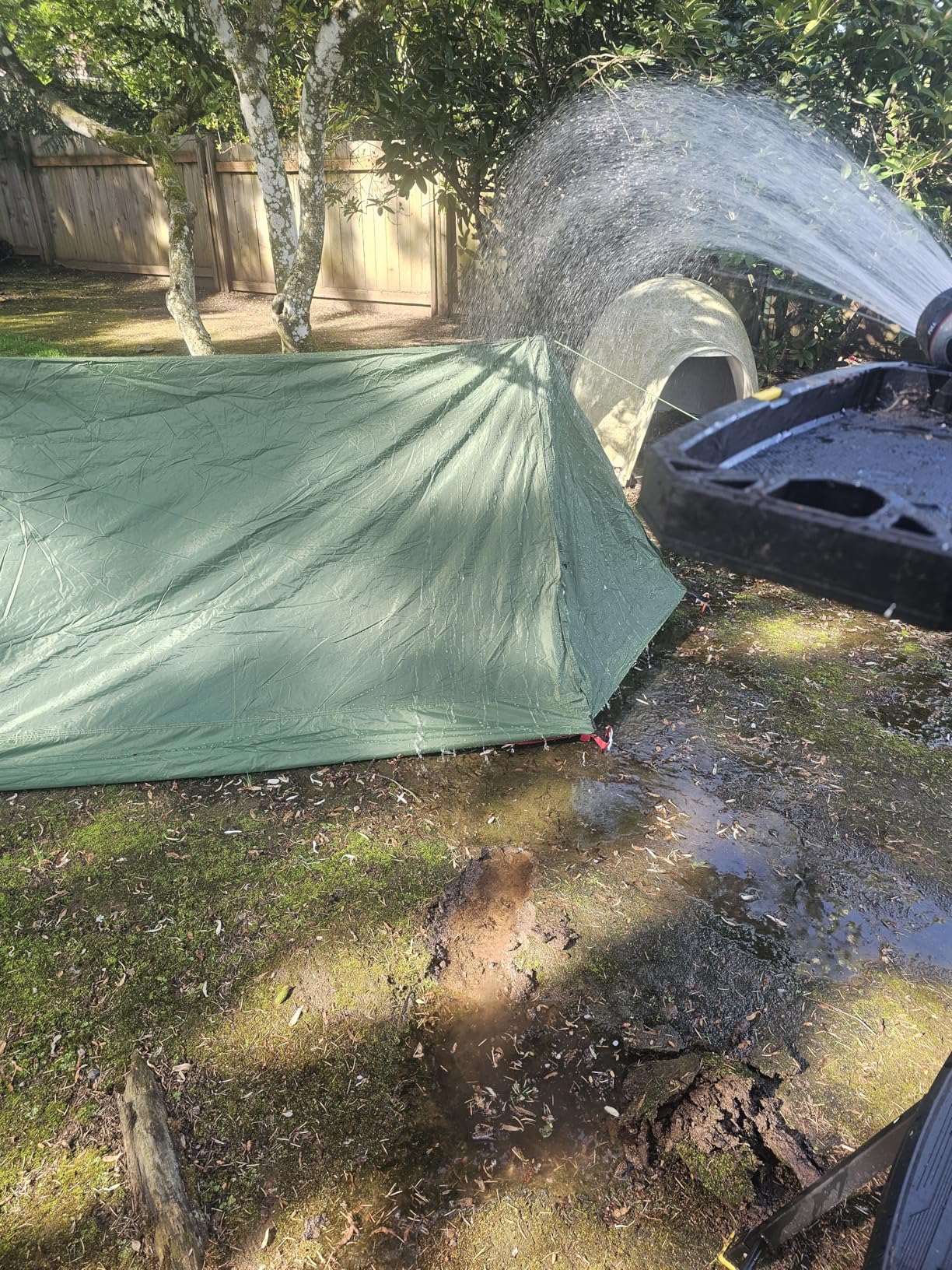
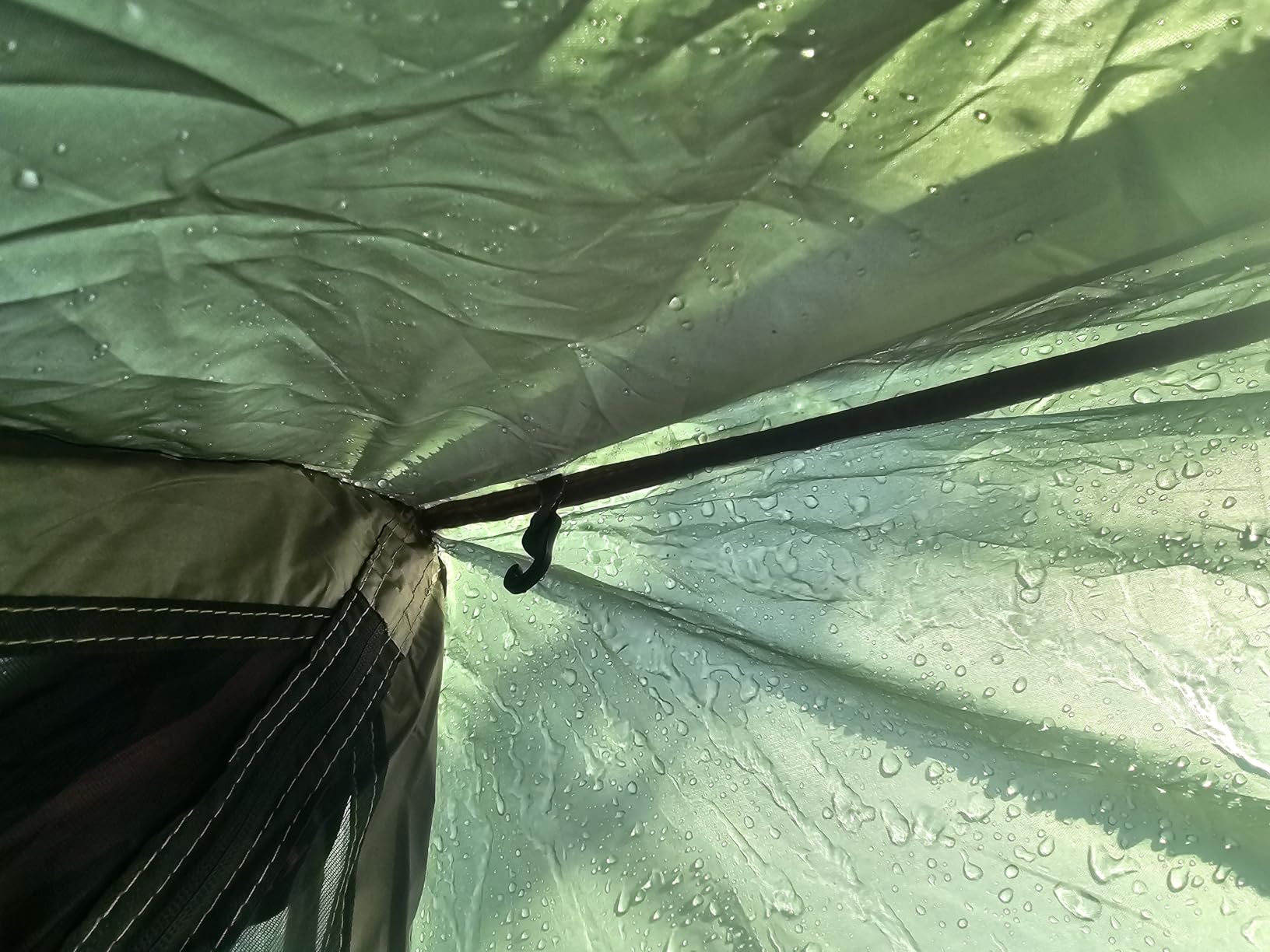
Users consistently praise the value, with one noting it’s “high value, hugely functional” with outstanding design, stitching, and quality material. The zippers operate smoothly, and the well-thought-out construction shows attention to detail despite the budget price. Keeping condensation manageable requires attention to ventilation, but this is expected with polyester.
For beginners stepping into trekking pole tents, this shelter provides a low-risk way to learn the style without major investment. The learning curve for proper setup is manageable, and the weather protection is genuinely good for the price point.
For whom it’s good
The Underwood 2-Person is excellent for beginners wanting to try trekking pole tents without significant investment. It’s also great for camping groups or scouts where budget matters. If you need a reliable backup two-person shelter at the lowest price point, this tent delivers.
For whom it’s not ideal
Ultralight gram-counters targeting minimum weight will find this tent too heavy. Hikers prioritizing breathability may prefer nylon alternatives. If you regularly carry heavy loads and every ounce matters, look at lighter options.
10. Underwood Aggregator 1 Person Trekking Pole Tent
1 Person Trekking Pole Tent for Backpacking - Ultralight Backpacking Tent, Waterproof Hiking Tent for Camping, Lightweight Camping Tent for Scouts, Trekker(NO Trekking Poles)
2.5 lbs
Polyester
1 Person
Waterproof
5000mm water resistance
Pros
- Outstanding value under $45
- Excellent 5000mm waterproofing
- Ultralight for the price
- Great for beginners
Cons
- Polyester not as breathable
- Learning curve for setup
- Single door design
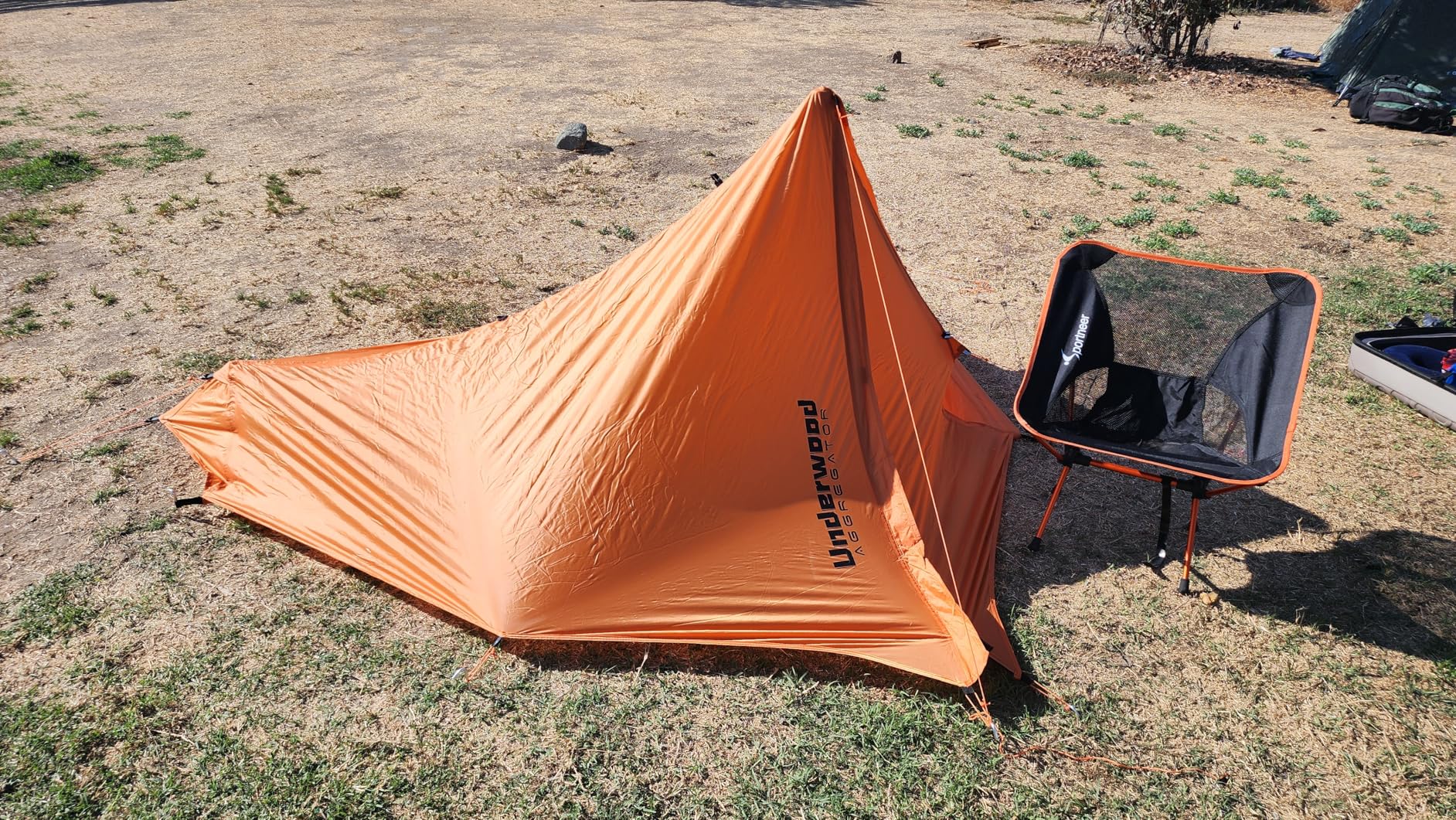
The single-person Underwood Aggregator tent brings the same exceptional value to solo backpackers at just 2.5 pounds and under $45. The 5000mm water resistance rating is impressive for any tent, let alone one at this price point. For hikers wanting to try trekking pole shelter design without major financial risk, this is an excellent entry point.
The 21.17-square-foot floor area is adequate for solo use, and the two-vestibule design provides genuine storage flexibility. You can keep wet gear outside while maintaining interior space for sleeping and changing. The single door is a minor compromise at this price, but it doesn’t significantly impact the shelter experience.
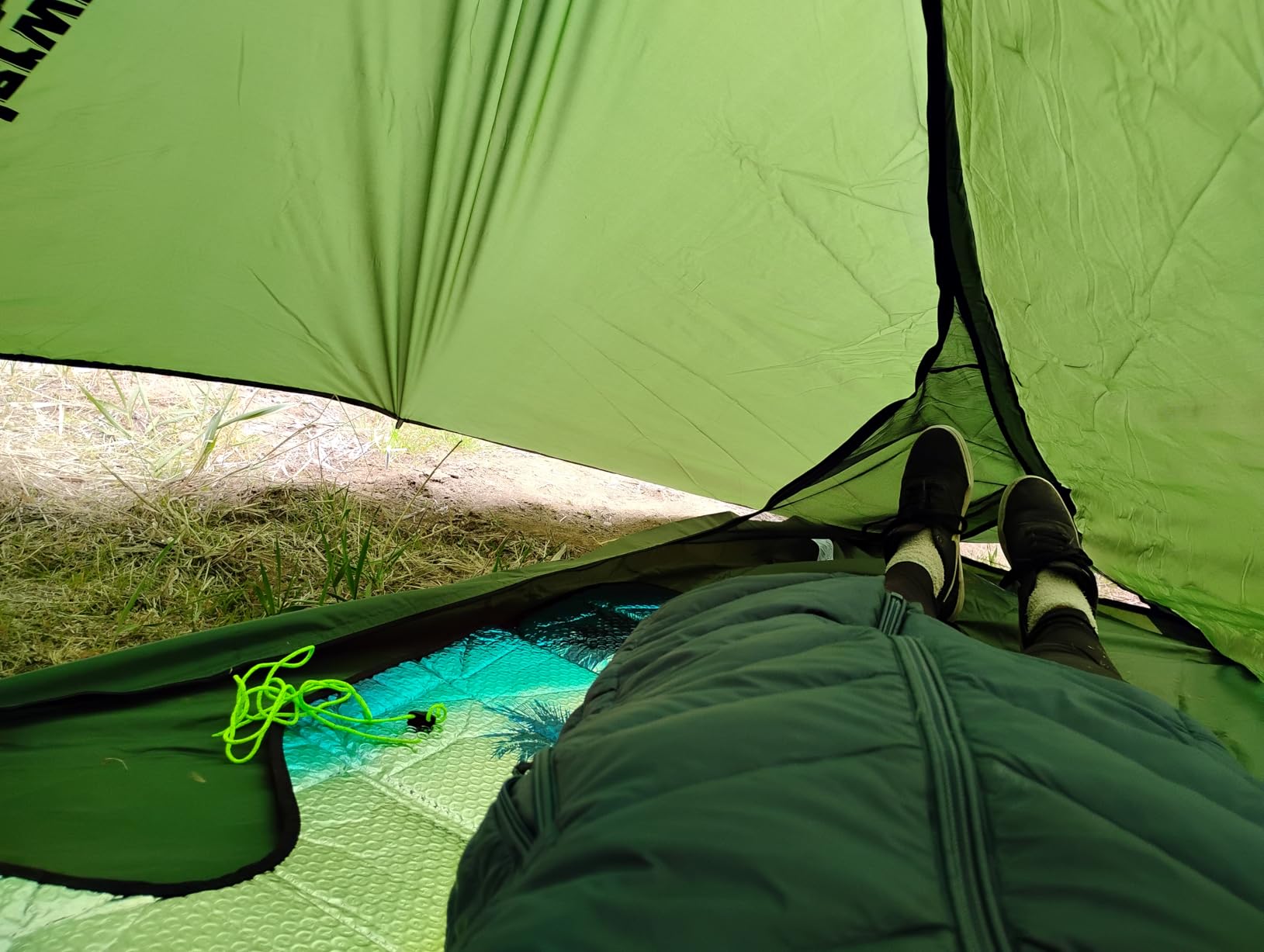
Users report exceeding expectations for the price. At $40, the tent provides genuine ultralight performance without the typical budget compromises. One reviewer notes it’s “ultra light doesn’t feel as heavy as my other tent so my spine is pleased.” The good headroom accommodates hikers up to 5’9″ comfortably.
The huge vestibule is a significant feature, though it requires complete staking for optimal performance. Users note that proper staking eliminates condensation issues, while loose staking can lead to moisture accumulation. This is manageable with attention to setup.
For whom it’s good
This tent is perfect for budget-conscious beginners entering ultralight backpacking. The sub-$45 price makes it an excellent learning shelter where setup mistakes don’t cause major stress. It’s also great for scouts and casual backpackers wanting genuine ultralight performance at an accessible price.
For whom it’s not ideal
Hikers demanding maximum breathability should prefer nylon options. Taller hikers over 5’10” may find the interior length limiting despite the adequate peak height. If you’ve used trekking pole tents before and want premium features, look at higher-tier options.
Buying Guide: How to Choose a Trekking Pole Tent
Choosing the right trekking pole tent involves balancing several factors specific to your backpacking style, budget, and target weight. Here’s what to consider when evaluating options for your next trip:
Weight vs. Price Tradeoffs
The lightest trekking pole tents under 2 pounds typically cost $200 or more, while budget options under $50 weigh 2.5 to 3.2 pounds. Determine your priority: if you’re targeting a sub-10-pound base weight for serious thru-hiking, invest in a premium shelter. For occasional weekend trips, budget options deliver genuine ultralight performance without the premium pricing.
Fabric Type: Silnylon vs. Silpoly vs. DCF
Silnylon (silicone-coated nylon) is the most common material, offering good water resistance and moderate breathability. Silpoly (silicone-coated polyester) resists stretch better when wet but breathes less. DCF (Dyneema Composite Fabric) is the premium option, extremely light and durable but significantly more expensive. For most backpacking applications, quality silnylon or silpoly provides the best balance.
Single Wall vs. Double Wall
Single-wall tents are lighter but require more attention to ventilation to manage condensation. Double-wall designs (mesh inner + rainfly) reduce condensation but add weight. If you primarily hike in dry climates, single-wall works well. In humid or variable conditions, double-wall provides more forgiving performance.
Interior Space and Peak Height
Verify the floor dimensions and peak height against your height and sleeping pad width. Solo tents typically offer 19 to 30 square feet of floor space and 44 to 49 inches of peak height. If you’re over six feet tall or use wide sleeping pads, prioritize tents with larger floor dimensions and generous peak height.
Vestibule and Storage
Consider how much gear you need to store outside your sleeping area. Single vestibule designs force compromises, while dual vestibule designs provide more flexibility. Some ultralight designs minimize vestibules to save weight—balance your gear storage needs against your weight priorities.
Trekking Pole Compatibility
Ensure your trekking poles work with the tent’s design. Most trekking pole tents require poles between 100-130cm extended length. Some designs work with folding poles, while others need telescoping poles. Verify compatibility before purchasing, particularly if you have non-standard pole lengths.
Frequently Asked Questions
What weight tent is considered ultralight for backpacking?
Tents under 2 pounds (32 ounces) are generally considered ultralight, while serious thru-hikers often target under 1.5 pounds (24 ounces). The lightest trekking pole tents available weigh around 1.6 to 2 pounds, making them ideal for gram-counting backcountry adventures.
Are trekking pole tents good for beginners?
Yes, trekking pole tents can be excellent for beginners, though there is a learning curve for proper setup and tensioning. Budget options under $50 like the Underwood Aggregator provide low-risk entry points to learn the style. Practice at home before your first trail use to master the pitch tension system.
How do I prevent condensation in a single-wall trekking pole tent?
Prevent condensation by ensuring adequate ventilation: keep vents open, pitch in locations with natural airflow, stake out the vestibule fully to open airflow paths, and avoid touching the tent walls during cold conditions. Some designs manage condensation better than others, so research specific models before purchasing.
Do I need special trekking poles for these tents?
Most trekking pole tents work with standard hiking poles in the 100-130cm range. Folding poles may not work with some designs, so verify compatibility before purchasing. Some tents work with adjustable-length poles better than others, particularly for single-pole designs where precise length affects pitch tension.
What is the best ultralight tent for thru-hiking?
For serious thru-hiking where weight is critical, the Six Moon Designs Lunar Solo at 1.63 pounds offers excellent storm protection and proven durability. The Nature Link Altair One provides the best value-to-weight ratio for hikers wanting quality without premium pricing. Both represent different tradeoffs in the ultralight category.
Conclusion
The best trekking pole tents for ultralight backpackers represent a spectrum of tradeoffs between weight, price, and performance. Whether you’re a thru-hiker targeting a sub-10-pound base weight or a weekend warrior wanting to reduce your pack burden, there’s a trekking pole tent that fits your needs and budget.
For the lightest weight and proven performance, the Six Moon Designs Lunar Solo remains the benchmark at 1.63 pounds, though the $270 price requires commitment. The Nature Link Altair One delivers the best overall value at just over 2 pounds for under $110. Budget-conscious buyers will find genuine ultralight performance from Underwood Aggregator options under $45 that weigh just 2.5 to 3.2 pounds.
Whatever tent you choose, remember that practice makes perfect with trekking pole shelters. Set up at home before your first trip, invest in quality stakes, and pay attention to ventilation management. With the right tent and proper technique, you’ll enjoy genuine weather protection while carrying significantly less weight on the trail.