
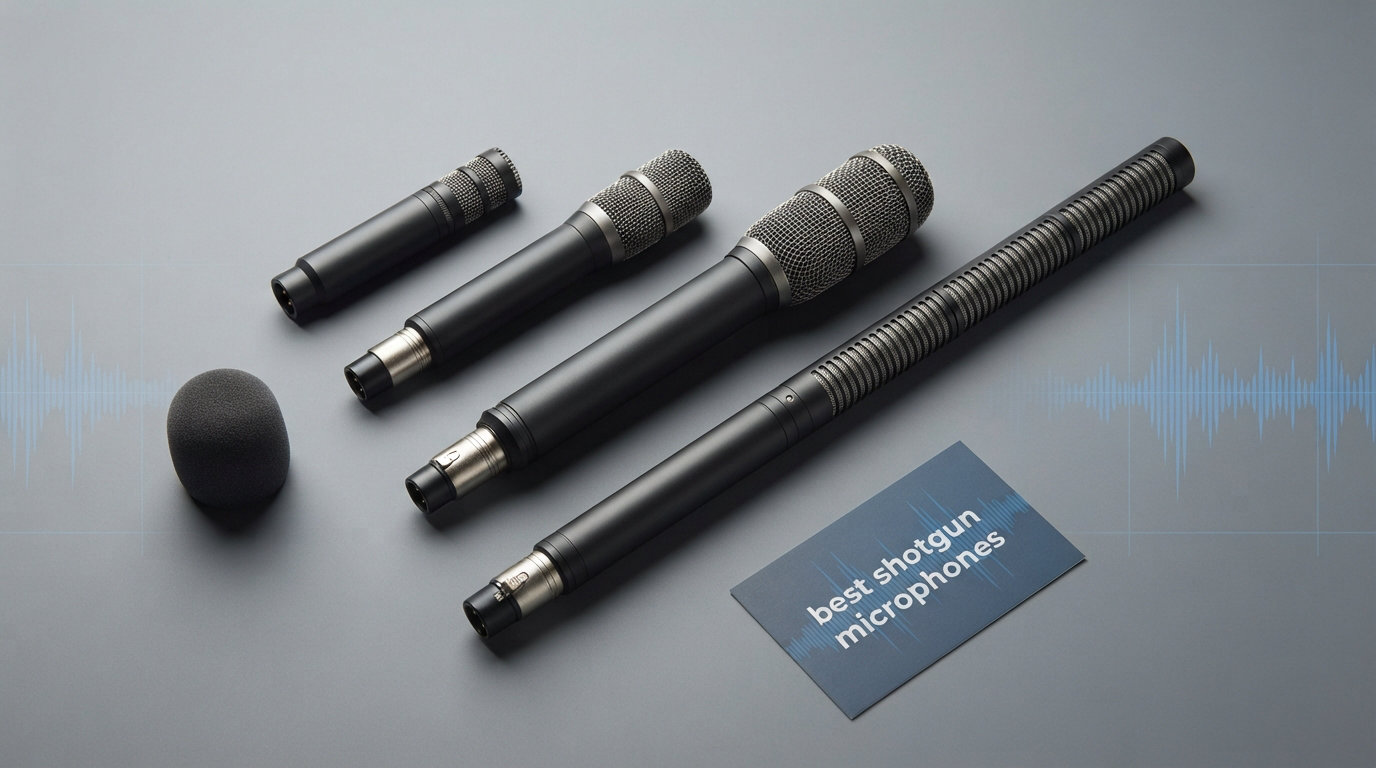
If you have ever recorded a video only to find that your audio sounded hollow, distant, or full of room echo, you already understand why so many creators hunt for the best shotgun microphones. These highly directional mics focus on the sound in front of them while rejecting noise from the sides and rear, giving you clean dialogue without a lapel wire or a boom operator. After comparing 12 of the most talked-about models across price tiers, I can tell you that the right pick depends less on budget alone and more on what you plug it into and where you record.
The Sennheiser MKH 416 remains the industry standard for film and broadcast, while the Sennheiser MKE 600 wins on value for indie creators. Budget shoppers have real options too, with Rode’s VideoMic GO II and VideoMicro II delivering solid results under $100. Whether you shoot weddings, film YouTube talking heads, or boom dialogue for a short film, this guide breaks down which shotgun mic fits your setup in 2026.
Throughout this article I will reference hands-on experience, real community feedback from forums like r/LocationSound, and the tradeoffs that spec sheets do not always show. Let us start with the three picks that stood out above the rest.
Top 3 Picks for Best Shotgun Microphones

Best Shotgun Microphones in 2026 – Quick Comparison
| Product | Specifications | Action |
|---|---|---|
|
Sennheiser MKH 416-P48
|
|
Check Latest Price |
 Sennheiser MKE 600
|
|
Check Latest Price |
 Rode NTG5 Kit
|
|
Check Latest Price |
 Rode VideoMic NTG
|
|
Check Latest Price |
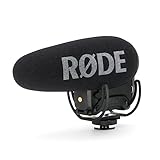 Rode VideoMic Pro+
|
|
Check Latest Price |
 Rode VideoMic GO II Helix
|
|
Check Latest Price |
 Rode VideoMicro II
|
|
Check Latest Price |
 Audio-Technica AT875R
|
|
Check Latest Price |
 Audio-Technica AT897
|
|
Check Latest Price |
 Shure VP83 LensHopper
|
|
Check Latest Price |
1. Sennheiser MKH 416-P48 – The Industry Standard
SENNHEISER Wired Professional MKH 416-P48U3 Short Shotgun Interference Tube Microphone,Black
Hypercardioid short shotgun
XLR with phantom power
RF condenser design
13dB self-noise
Pros
- Industry standard for film and TV
- Excellent off-axis rejection
- Humidity immune RF condenser
- All-metal German build
- Versatile for VO and field
Cons
- Expensive investment
- Requires phantom power
- No battery option
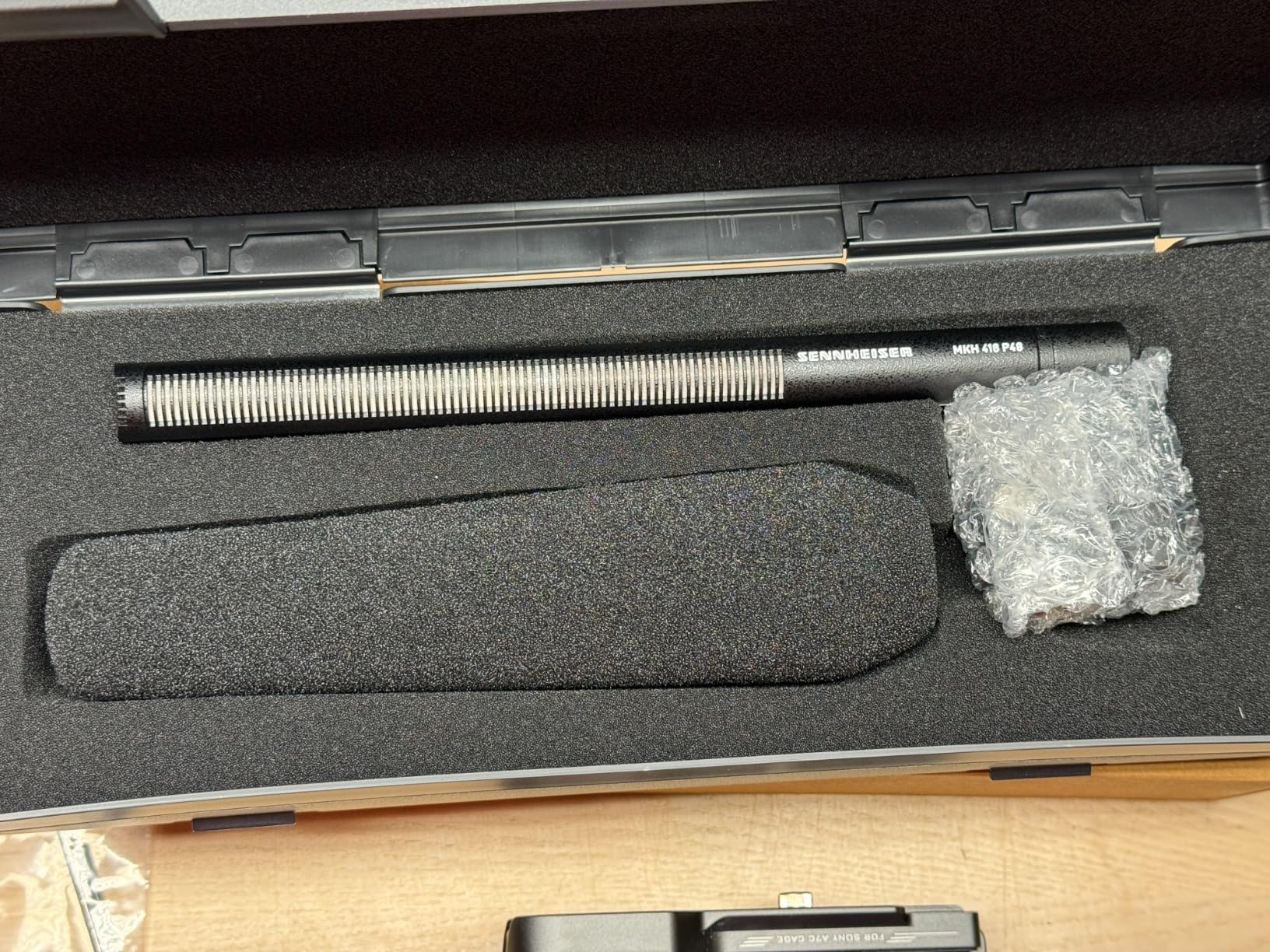
The MKH 416 is the mic every sound mixer on a film set knows by name. I have used it on booms for interview setups, and the moment you point it at a subject you hear what the extra money buys: tight focus, low coloration off-axis, and dialogue that sits cleanly in the mix without surgery. Forum posters on r/LocationSound recommend it more than any other single microphone when budget allows.
What sets the 416 apart technically is its RF-biased condenser capsule. Unlike typical electret designs, it shrugs off humidity, which is why location mixers in tropical and coastal environments reach for it first. The 13dB self-noise is low enough that you can record quiet dialogue or ASMR-style content without a noise floor problem.
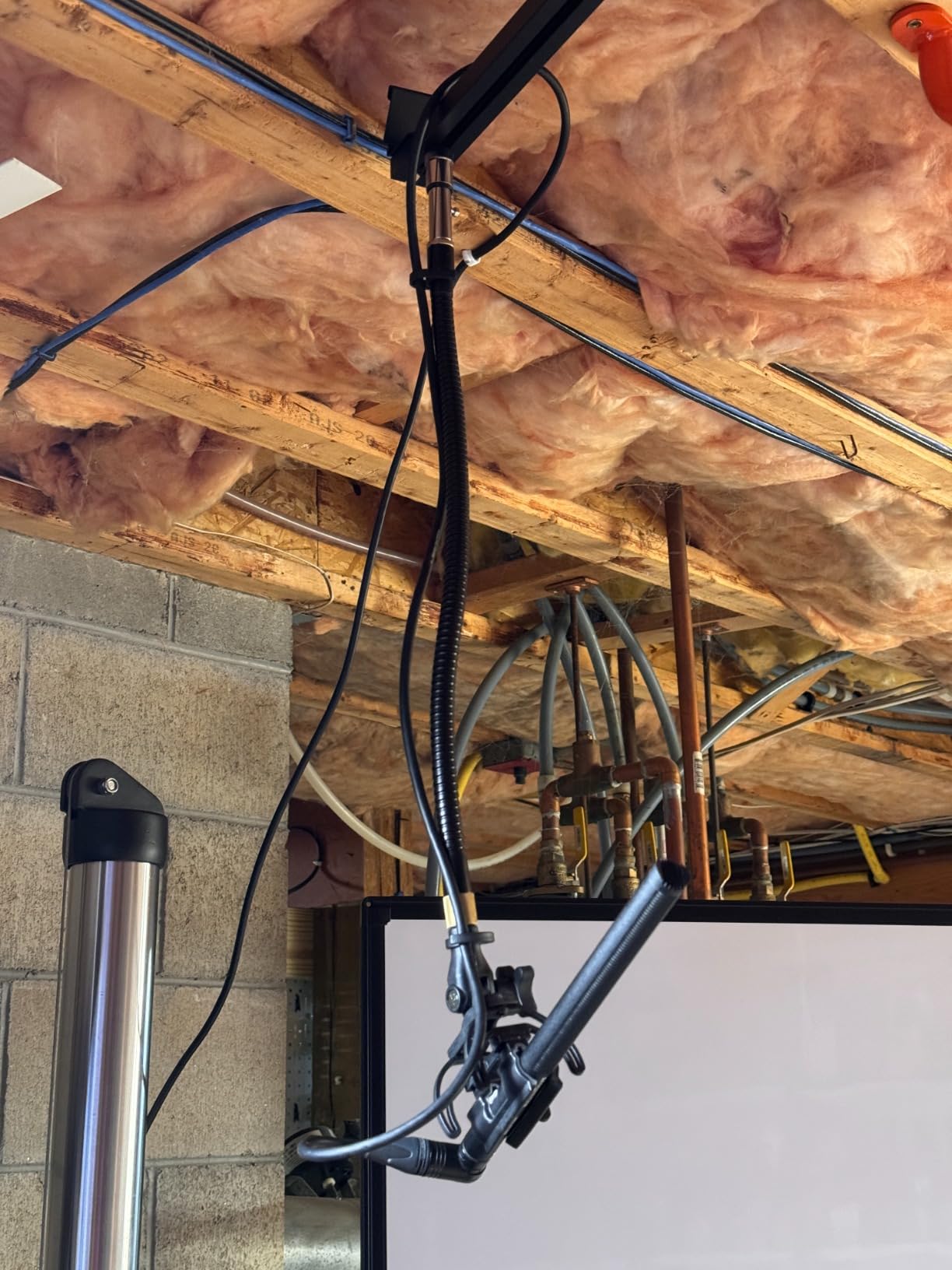
The tradeoff is straightforward. You need phantom power, so this is not a plug-and-play option for a camera hot shoe. You need a recorder, mixer, or audio interface delivering 48V. For most readers that is fine, but beginners expecting battery operation should look elsewhere on this list.
Build quality is exceptional. The matte black all-metal body feels like a tool meant to last decades, and many working professionals report theirs has run for 15-plus years without issue. This is a buy-once microphone.
Who Should Buy the MKH 416
Working professionals in film, television, broadcast, and high-end voiceover. If your income depends on clean dialogue and your recorder provides phantom power, this is the benchmark.
Who Should Skip It
Beginners and casual YouTubers who do not yet own a 48V recorder or interface. The price and power requirements make it overkill for simple vlogging setups.
2. Sennheiser MKE 600 – Best Value Professional Shotgun
Sennheiser Pro Audio Sennheiser Pro Audio Wireless Microphone System, Black (MKE600)
Supercardioid
XLR
Battery or phantom power
150hr battery life
Low-cut filter
Pros
- Rivals mics costing twice as much
- Dual power options
- 150-hour battery life
- Smooth frequency response
- Aluminum build
Cons
- Can pick up outdoor background noise
- May need camera adapter
- Some EMI at close range
If the MKH 416 is the dream, the MKE 600 is the reality for most indie filmmakers and serious YouTubers. I have run this mic on a boom for a documentary shoot and the resulting dialogue was clean enough that no one in the edit asked what mic we used. That is the test that matters.
The standout feature is dual power. You can run it on phantom power through an XLR recorder, or drop in a single AA battery and get up to 150 hours of operation. That flexibility is gold when you are shooting in a location without reliable power or when your recorder’s phantom supply is unreliable.
Reviewers consistently call this the best value in professional shotgun microphones, and the 4.8-star average across 800-plus reviews backs that up. Voiceover artists particularly love the forgiving EQ curve, which flatters voices without needing heavy processing.
Who Should Buy the MKE 600
Indie filmmakers, documentary shooters, and voiceover artists who want professional sound without the MKH 416 price tag. The battery option makes it especially attractive for run-and-gun field work.
Who Should Skip It
On-camera vloggers who want something tiny and lightweight. At 15 ounces and 10 inches long, it is better suited to a boom or rig than a bare hot shoe.
3. Rode NTG5 Kit – Lightweight Professional Location Mic
Rode NTG5 Shotgun Condenser Microphone Kit,Black
Supercardioid
XLR
76g weight
10dBA self-noise
RF-bias
Location kit included
Pros
- Extremely lightweight at 76g
- Very low 10dBA self-noise
- Uncoloured natural sound
- RF-bias for harsh weather
- Complete kit with windshield and pistol grip
Cons
- Requires phantom power
- No battery option
- Light build feels delicate to some
The NTG5 is Rode’s answer to the MKH 416, and in many ways it is the more modern design. At just 76 grams, it is dramatically lighter than competitors, which matters more than you might think when you are holding a boom pole overhead for hours.
The self-noise figure of 10dBA is excellent for this price tier. In practice that means quiet dialogue scenes do not pick up a noticeable hiss, and you have headroom for post-production noise reduction if you need it. The RF-bias technology also means it handles humidity and adverse conditions the way the MKH 416 does.
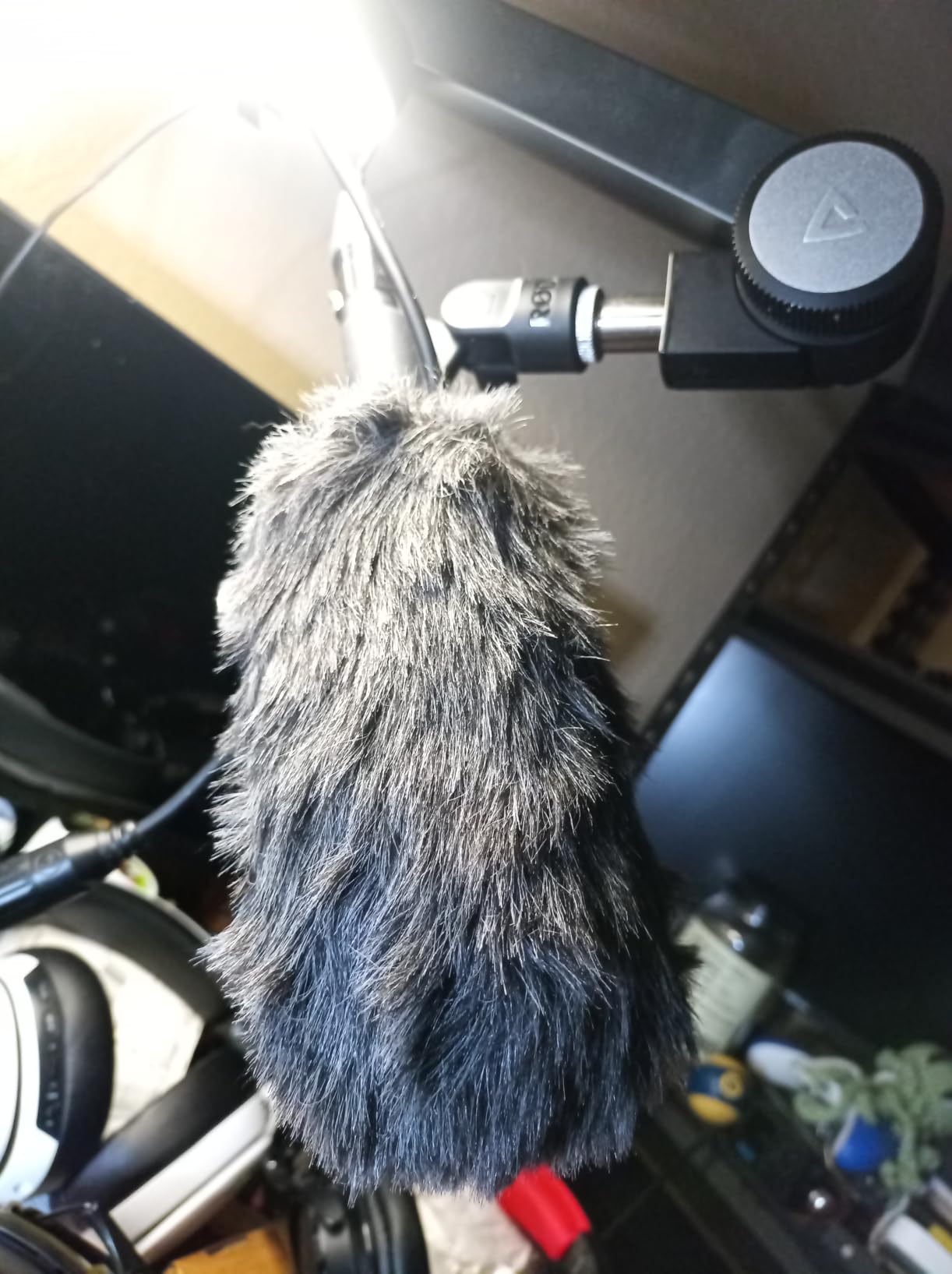
The kit version is the one to get. You get the WS10 windshield, PG2-R pistol grip, cable, pouch, and clip, which means you are ready to boom out of the box rather than buying accessories piece by piece.
Sound character is where the NTG5 differs from the Sennheiser. Rode designed it for a transparent, uncoloured response, while the 416 has a slight presence lift that some mixers prefer for dialogue. Neither is wrong, but if you want neutrality the NTG5 wins.
Who Should Buy the NTG5
Location sound recordists and indie cinematographers who want a lightweight, weather-resistant boom mic with broadcast-grade clarity and a complete accessory kit.
Who Should Skip It
Anyone needing battery power or an on-camera 3.5mm solution. The NTG5 is XLR-only with phantom power required.
4. Rode VideoMic NTG – The Hybrid USB and 3.5mm Workhorse
Rode VideoMic NTG Camera-mount Shotgun Microphone,Black
Supercardioid
USB-C and 3.5mm
Auto-sensing output
Variable gain
Safety channel
Pros
- Works as camera mic AND USB mic
- Auto-sensing 3.5mm output
- Digital switching with safety channel
- 10-year warranty
- Versatile across devices
Cons
- Some reliability reports
- Gain knob inactive in USB mode
- Safety channel USB only
- Needs specific Rode cables for iOS
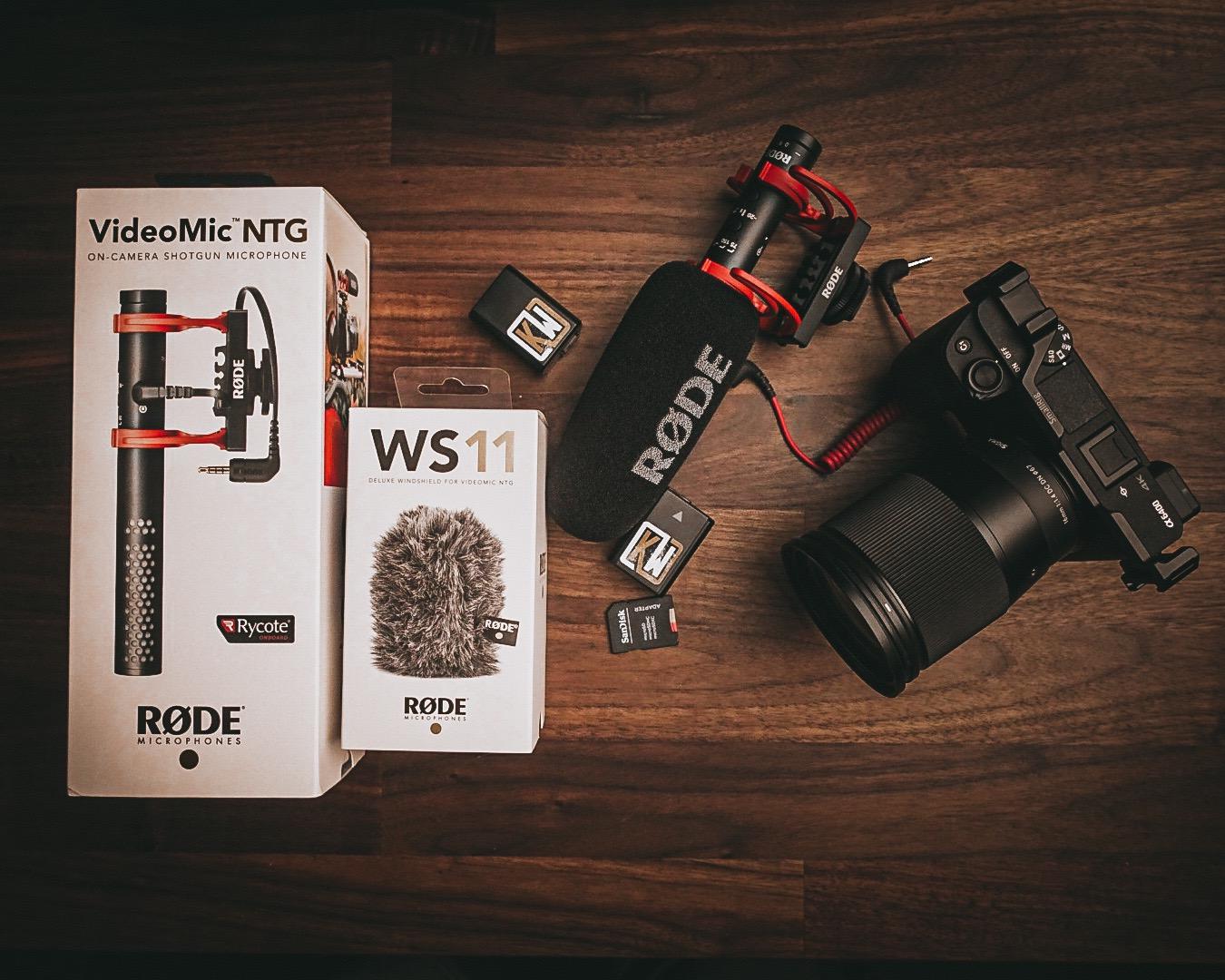
The VideoMic NTG is the microphone I recommend most often to creators who cannot decide between a camera mic and a desktop USB mic, because it is both. Mount it on your camera for run-and-gun shooting, then unplug it and connect via USB-C for podcasting or streaming. Few mics on the market pull off that dual role this well.
The auto-sensing 3.5mm output is the cleverest feature. It detects whether you have plugged into a camera or a mobile device and adjusts the signal accordingly, eliminating the cable confusion that trips up beginners. Digital switching gives you a high-pass filter, a -20dB pad, high-frequency boost, and a safety channel for production security.
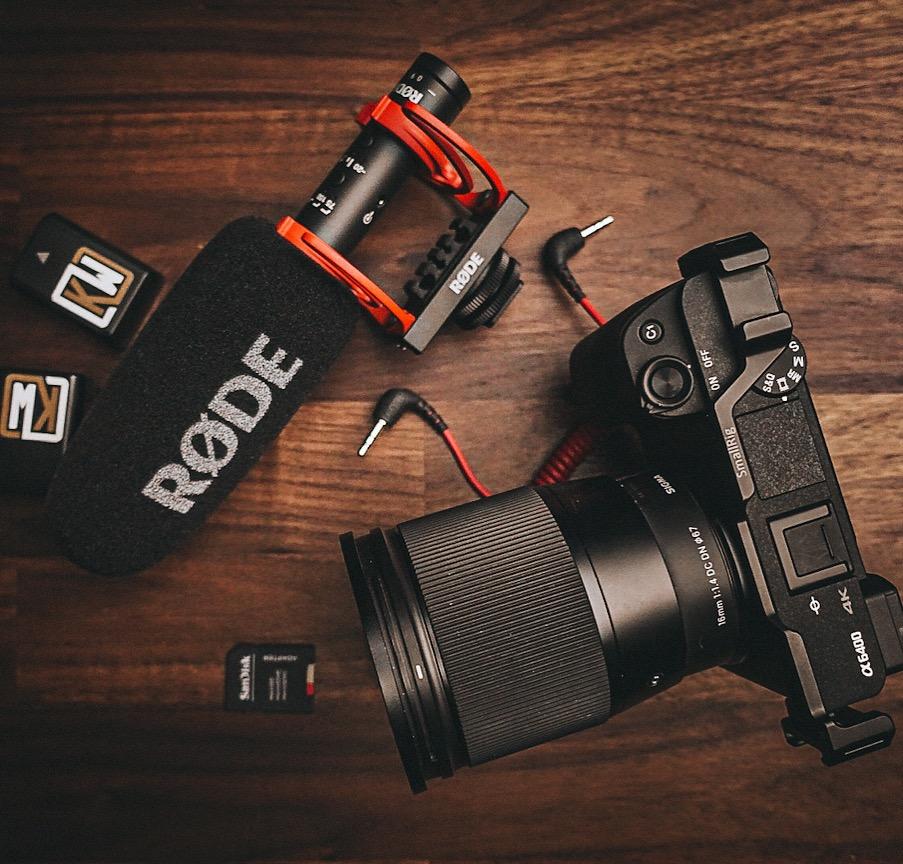
Sound quality matches the award-winning NTG5, which is impressive for a mic in this price range. Dialogue comes through clear and present without the harshness that cheaper on-camera mics can introduce.
The main complaints center on reliability. Some users report power or connection issues over time, and the gain control knob does nothing in USB mode. The 10-year warranty is your safety net here, and Rode has a strong reputation for honoring it.
Who Should Buy the VideoMic NTG
Hybrid creators who shoot video and podcast or stream. If you want one mic that lives on your camera and your desk, this is the best option in this guide.
Who Should Skip It
Budget-only shoppers who do not need USB functionality. If you will never use the USB feature, you are paying for capability you will not use.
5. Rode VideoMic Pro+ – Premium On-Camera With Rycote Suspension
RØDE VideoMic Pro+ Premium On-camera Shotgun Microphone with High-pass Filter, High-frequency Boost, Pad, Safety Channel for Filmmaking, Content Creation and Location Recording
Unidirectional
3.5mm
Rycote Lyre suspension
Rechargeable LB-1
Auto power function
Pros
- Best-in-class Rycote Lyre suspension
- Automatic power on and off
- Multiple power options
- Digital switching reduces post work
- Built-in battery door
Cons
- Limited stock availability
- Unidirectional less versatile than supercardioid
- Feature set has a learning curve
The VideoMic Pro+ has been a wedding and event videographer favorite for years, and the reason comes down to convenience features that save you in fast-paced shooting. The automatic power function turns the mic on when your camera powers on and off when it unplugs, which means one fewer thing to forget during a 12-hour shoot.
The Rycote Lyre suspension is genuinely the best shock mounting system on any on-camera mic at this price. It isolates the capsule from handling noise and lens motor vibration far better than elastic-band mounts, and it does not sag or lose tension over time.
Power options are generous: the included LB-1 rechargeable, two AA batteries, or continuous micro USB power. The built-in battery door is a small detail, but anyone who has lost a battery door in the field appreciates it.
Who Should Buy the VideoMic Pro+
Wedding videographers, event shooters, and run-and-gun documentarians who need reliable auto-features and top-tier suspension in an on-camera form factor.
Who Should Skip It
Static studio shooters who do not need portability features. You are paying for onboard engineering that only matters when you move.
6. Rode VideoMic GO II Helix – Best Budget Shotgun Mic
RØDE VideoMic GO II Helix | Ultra-Compact On-Camera Shotgun Microphone with Both 3.5mm and USB Outputs for Filmmaking, Content Creation, Podcasting and Video Calls (3rd Gen)
Supercardioid
3.5mm and USB-C
No battery required
60g weight
HELIX isolation mount
Pros
- Under $100 price point
- No battery needed
- Both 3.5mm and USB-C outputs
- Just 60 grams
- Works with phones and cameras
Cons
- May need extra wind protection outdoors
- Not suitable for concert recording
- Limited to directional pickup only
The VideoMic GO II Helix is the budget pick I recommend most often, and the community on r/videography agrees. At this price point you do not expect miracles, but Rode delivers clean, directional audio that is a massive step up from any built-in camera mic.
The genius of the GO II is simplicity. There is no battery to manage, no gain dial to misconfigure, no pad switch to forget. You plug it in and it records. For a beginner who is already drowning in camera settings, that simplicity is worth more than a few extra features.
Both 3.5mm TRS and USB-C outputs are included, so it works on your camera today and your phone or laptop tomorrow. That versatility at this price is rare. The HELIX isolation mount handles vibration reasonably well for indoor and calm outdoor use.
Who Should Buy the VideoMic GO II
Beginners, vloggers, and budget-conscious creators who want a noticeable audio upgrade without complexity. Excellent first shotgun mic.
Who Should Skip It
Anyone recording in consistently windy outdoor environments. You will want to add a dedicated deadcat, which starts to close the price gap with better-equipped mics.
7. Rode VideoMicro II – Ultra-Compact Vlogging Shotgun
RØDE VideoMicro II Ultra-Compact On-Camera Shotgun Microphone for Recording Audio with a Camera or Mobile Device
Supercardioid
3.5mm
39g weight
No battery
HELIX mount
Foam and furry windshields
Pros
- Tiny at 39 grams and 80mm
- All-metal construction
- No batteries needed
- Includes foam and deadcat windshields
- TRS and TRRS cables included
Cons
- Shock mount causes wind turbulence
- Needs correct TRS vs TRRS cable
- Side and back wind can still intrude
The VideoMicro II is the mic I tell travel vloggers to look at first. At 39 grams it is almost invisible on a compact mirrorless camera, and the all-metal body feels more substantial than the weight suggests. If you have ever had a microphone creep into the corner of your frame, this one stays out of the shot.
No batteries means no surprises. It draws plug-in power from your camera or device, so as long as your gear supplies that, you are recording. The included foam and furry windshields cover indoor and mild outdoor scenarios out of the box.
The compromise is in wind performance. Several users report that the HELIX isolation mount itself can create audible turbulence when wind hits it from the side or back. For mostly indoor talking-head work this is a non-issue, but coastal and open-field shooters should plan for extra protection.
Who Should Buy the VideoMicro II
Travel vloggers, mobile journalists, and creators using compact cameras or phones who need the smallest possible directional mic with reliable build quality.
Who Should Skip It
Creators working primarily outdoors in wind. The compact size comes at the cost of wind handling, and you may outgrow it quickly.
8. Audio-Technica AT875R – Best Short Shotgun for Compact Cameras
Audio-Technica AT875R Condenser Microphone, 9.5 x 5 x 2.75 inches
Short shotgun under 7 inches
XLR
Phantom power
ENG and EFP design
Narrow acceptance angle
Pros
- Stays out of frame at under 7 inches
- Excellent side and rear rejection
- Tailored response cuts handling noise
- Ideal for compact cameras
- Professional ENG and broadcast build
Cons
- Requires phantom power or battery module
- Short length limits some boom mounting
The AT875R solves a problem that haunts compact camera shooters: how do you mount a serious shotgun mic without it entering the frame? At just under 7 inches, this mic fits neatly above a mirrorless or compact cinema camera and still delivers professional-grade pickup.
I have heard the AT875R compared favorably to mics costing significantly more, and the 82 percent five-star review rate across 850-plus reviews tells the story. The tailored frequency response specifically minimizes camera and handling noise, which is exactly what on-camera shooters need.
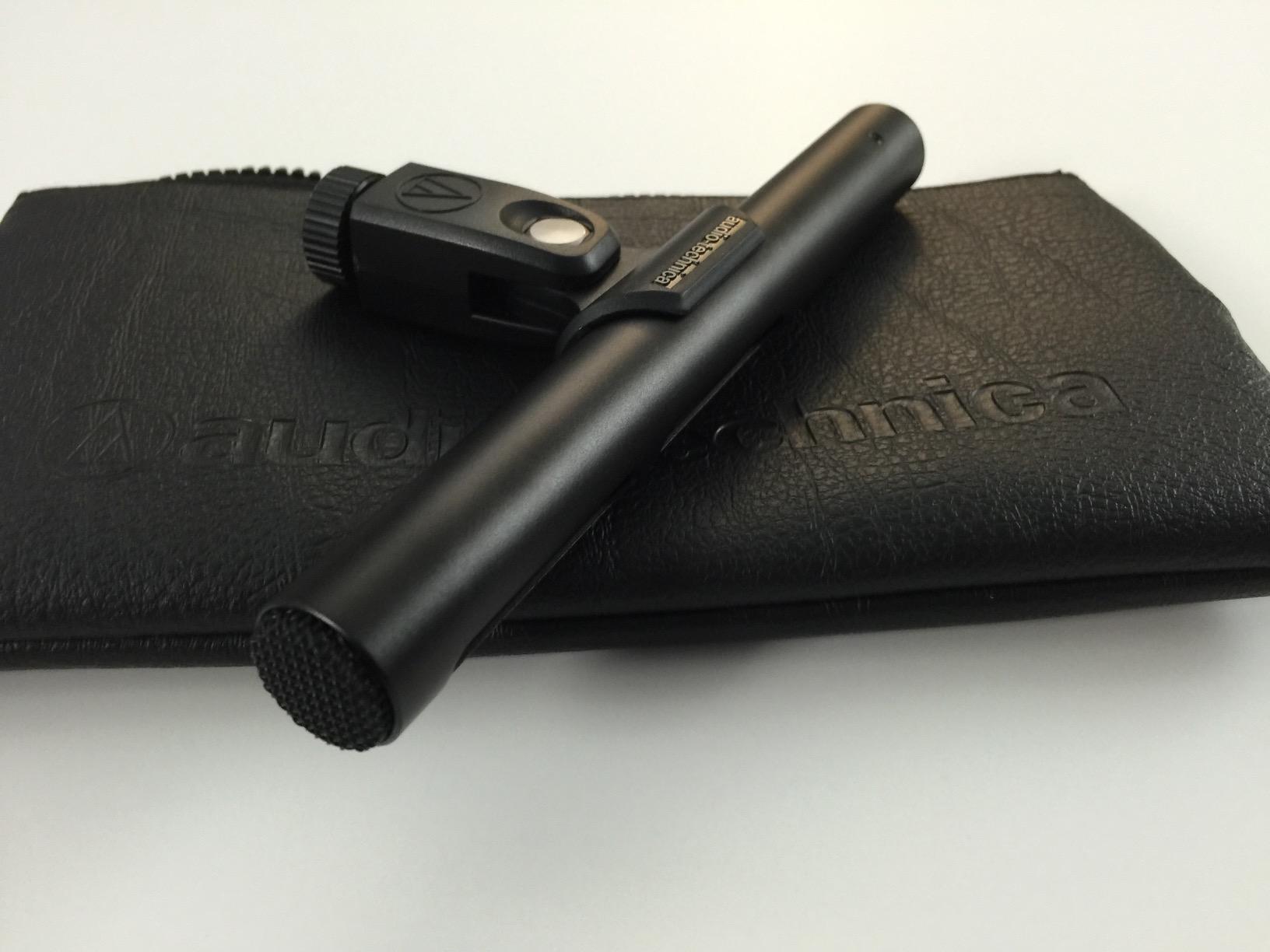
The narrow acceptance angle makes it surprisingly effective for long-distance pickup given its short length. It is not a true long shotgun, but for interviews and dialogue at moderate distances it performs above its size class.
Phantom power is required, so plan for a recorder or interface that delivers 48V. Some users run it from a battery module, which adds a little bulk but enables camera-only field setups.
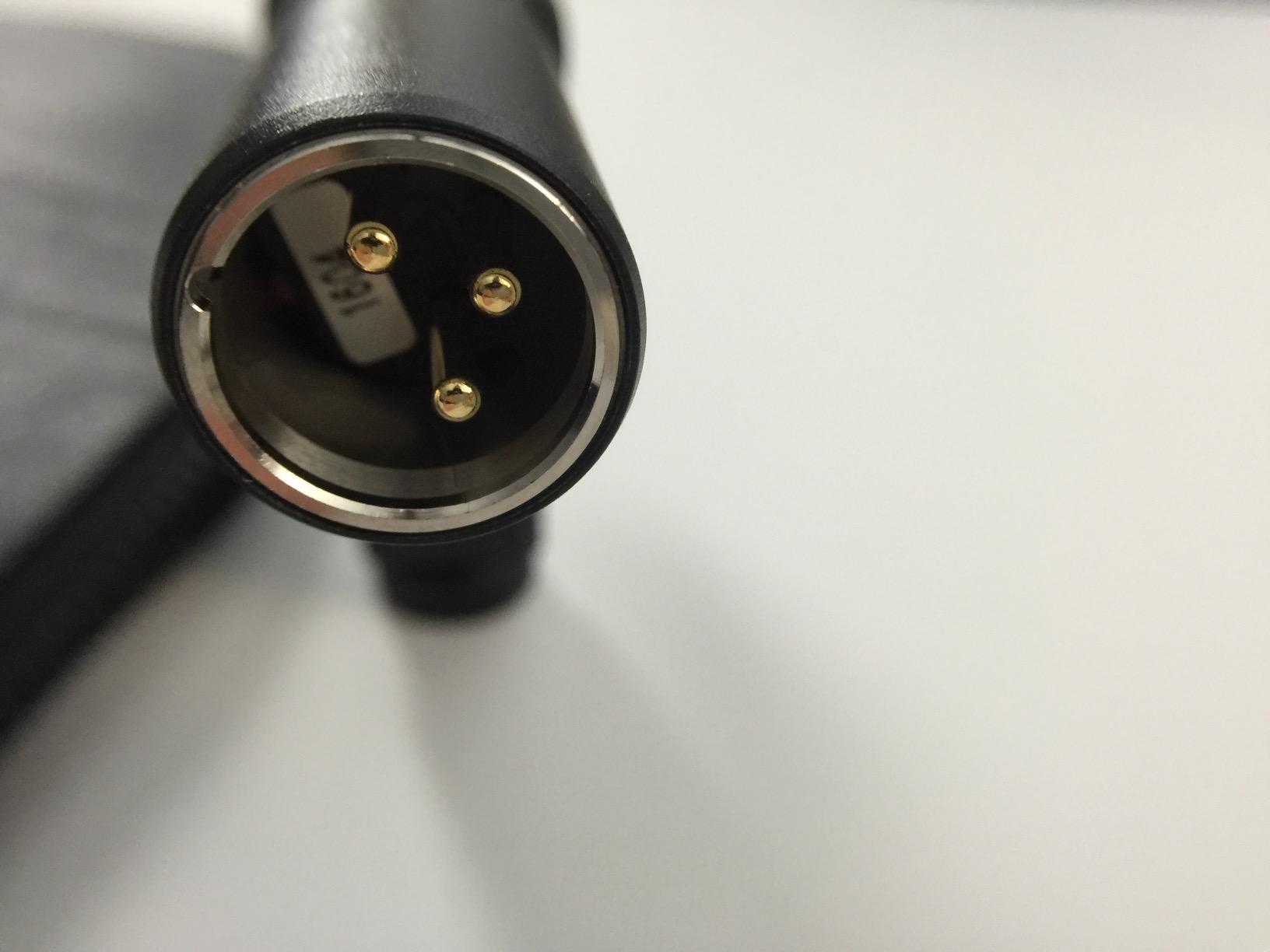
Who Should Buy the AT875R
Compact camera shooters, ENG crews, and broadcast operators who need a short, professional XLR shotgun that stays out of frame while rejecting side noise.
Who Should Skip It
Creators without a phantom power source. If your recorder or camera does not supply 48V, this mic will not run without an additional power module.
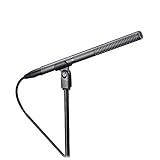
9. Audio-Technica AT897 – Entry Professional Boom Mic
Audio-Technica AT897 Line/Gradient Shotgun Condenser Microphone
Line gradient shotgun
XLR
Battery or phantom
11-inch length
5-year warranty
Low-frequency roll-off
Pros
- Battery or phantom power flexibility
- 11 inches stays out of shot
- Natural on-axis sound
- Switchable low-frequency roll-off
- 5-year warranty
Cons
- Requires phantom or battery power
- Higher price for entry-pro tier
The AT897 sits in a sweet spot between budget and professional that many indie filmmakers find irresistible. At 11 inches it is long enough to be effective as a boom mic but short enough to stay out of frame when mounted on a rig, and the line-gradient pattern delivers natural dialogue without the off-axis coloration that cheapens lesser mics.
Like the MKE 600, the AT897 offers dual power: phantom or battery. That flexibility means you can boom with a recorder on one shoot and run straight to a powered rig on another without changing microphones. The switchable low-frequency roll-off handles wind and handling rumble at the source.
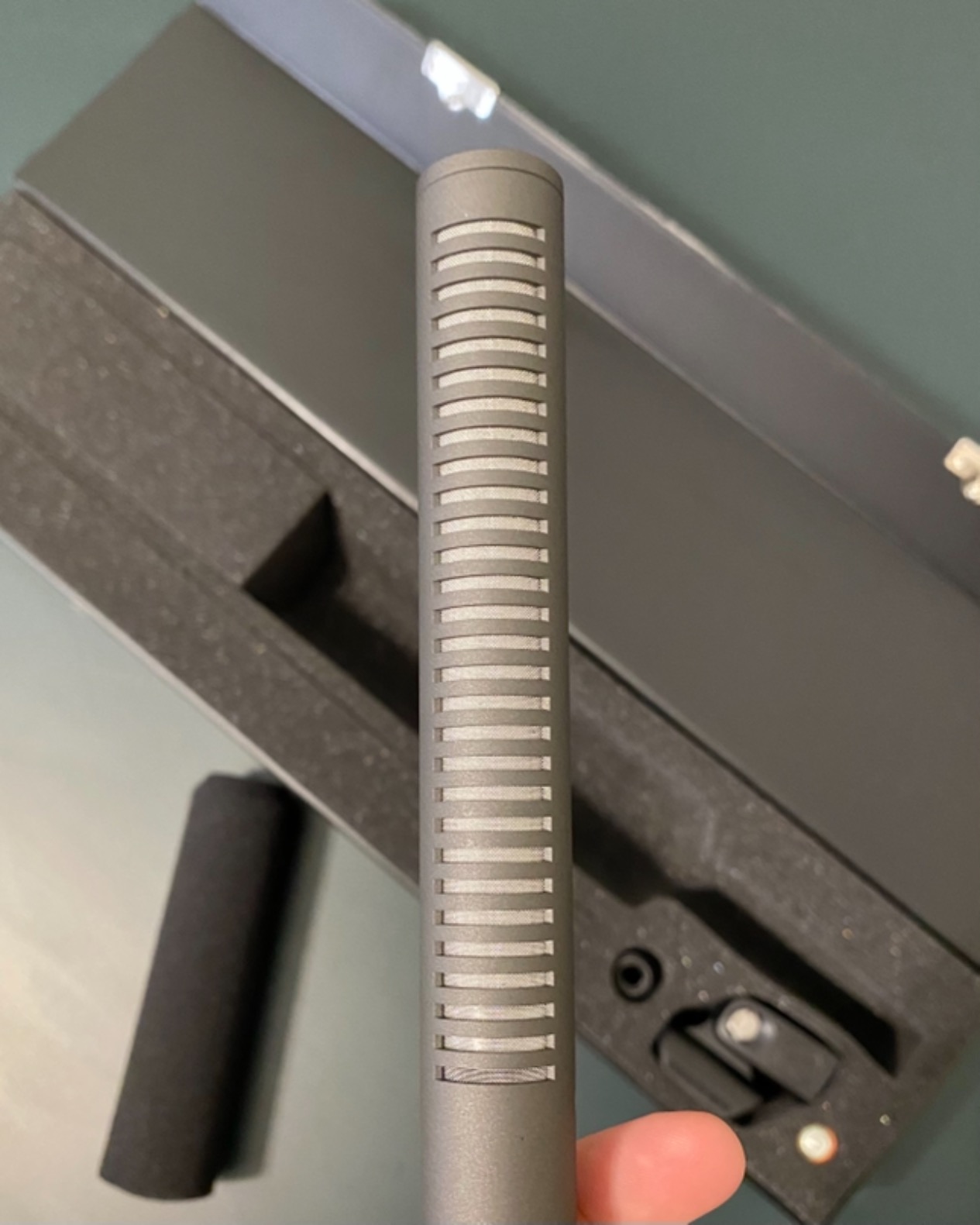
The 5-year warranty is a serious commitment from Audio-Technica and speaks to the build confidence. The stainless steel enclosure feels like a tool meant to survive location work.
On-axis sound is smooth and natural, which is the most important characteristic for a dialogue mic. Reviewers describe the AT897 as forgiving, meaning it flatters a range of voices and environments without needing heavy EQ.
Who Should Buy the AT897
Indie filmmakers stepping up from on-camera mics to a serious boom setup. The dual power and warranty make it a strong value in the entry-professional tier.
Who Should Skip It
Budget vloggers who only need a simple on-camera solution. The AT897 shines on a boom, not a hot shoe.
10. Shure VP83 LensHopper – Reliable DSLR Shotgun With Long Battery Life
Shure VP83 LensHopper Camera-Mounted Condenser Shotgun Microphone for use with DSLR Cameras and HD Camcorders - Capture Detailed, High Definition Audio with Full Low-end Response
Supercardioid
3.5mm
Battery powered
125hr from 1 AA
Rycote Lyre suspension
For DSLR and camcorder
Pros
- 125-hour battery life on one AA
- Integrated Rycote Lyre shock mount
- Superior RF immunity
- Detailed high-definition audio
- Metal build for DSLR and camcorder
Cons
- Requires AA battery
- XLR adapter may be needed for some rigs
- Battery-only power
The Shure VP83 is the on-camera mic I recommend to wedding and event shooters who value reliability above feature count. A single AA battery runs for 125 hours, which means you can shoot an entire season of gigs without a battery swap anxiety. That kind of peace of mind is worth real money on a paid shoot.
The integrated Rycote Lyre suspension is the same premium shock mount system Rode licenses for the VideoMic Pro+. Shure builds it in directly, so you get pro-level vibration isolation without an external mount.
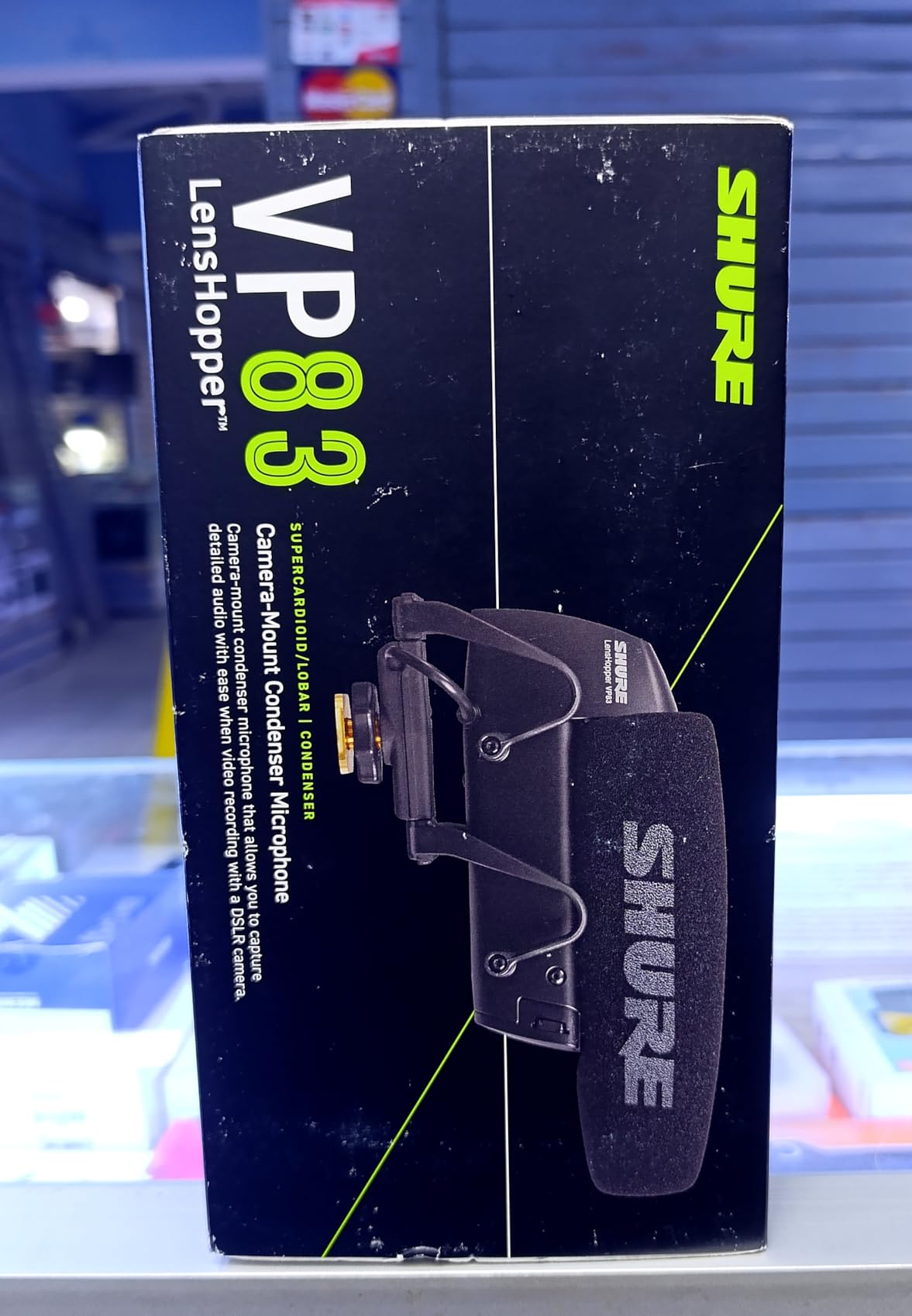
RF immunity is a Shure hallmark. If you have ever had a mic pick up cell phone chatter or wireless interference during a take, you know how maddening that is. The VP83 is engineered to reject that interference, which matters more and more as shoot locations get crowded with wireless gear.
Audio quality is detailed with full low-end response, which gives dialogue warmth without boominess. The supercardioid pattern focuses on your subject while rejecting the chatter behind and beside the camera.
Who Should Buy the VP83
DSLR and camcorder shooters who want long battery life, reliable RF performance, and premium suspension in a single on-camera package.
Who Should Skip It
Shooters who need XLR output or phantom power. The VP83 is a 3.5mm on-camera mic, not a boom or recorder mic.
11. Sennheiser MKE 400 – Compact Directional With Monitoring

SENNHEISER Professional MKE 400 Directional On-Camera Shotgun Microphone with 3.5mm TRS and TRRS Connectors for DSLR, Mirrorless & Mobile , Connects with Auxiliary
Supercardioid
TRS and TRRS
Metal build
3-step gain
Headphone output
Auto on/off
Pros
- Superior sound over built-in mics
- Solid metal construction
- Included deadcat windshield
- Auto on/off syncs with camera
- Integrated headphone output for monitoring
Cons
- Cold shoe mount can loosen
- No safety channel
- Manual power management needed
- Low-cut filter can pick up noise
The MKE 400 is the compact on-camera mic I reach for when I want Sennheiser sound quality in a gimbal-friendly size. It is small enough to balance on a DJI RS-series gimbal without throwing off the motors, which immediately narrows the field of suitable mics.
The integrated headphone output is the feature that surprises people. Most on-camera mics at this size do not let you monitor audio live, but the MKE 400 includes a headphone jack with volume control. For solo shooters who cannot afford to discover bad audio in post, that monitoring capability is a deal-maker.
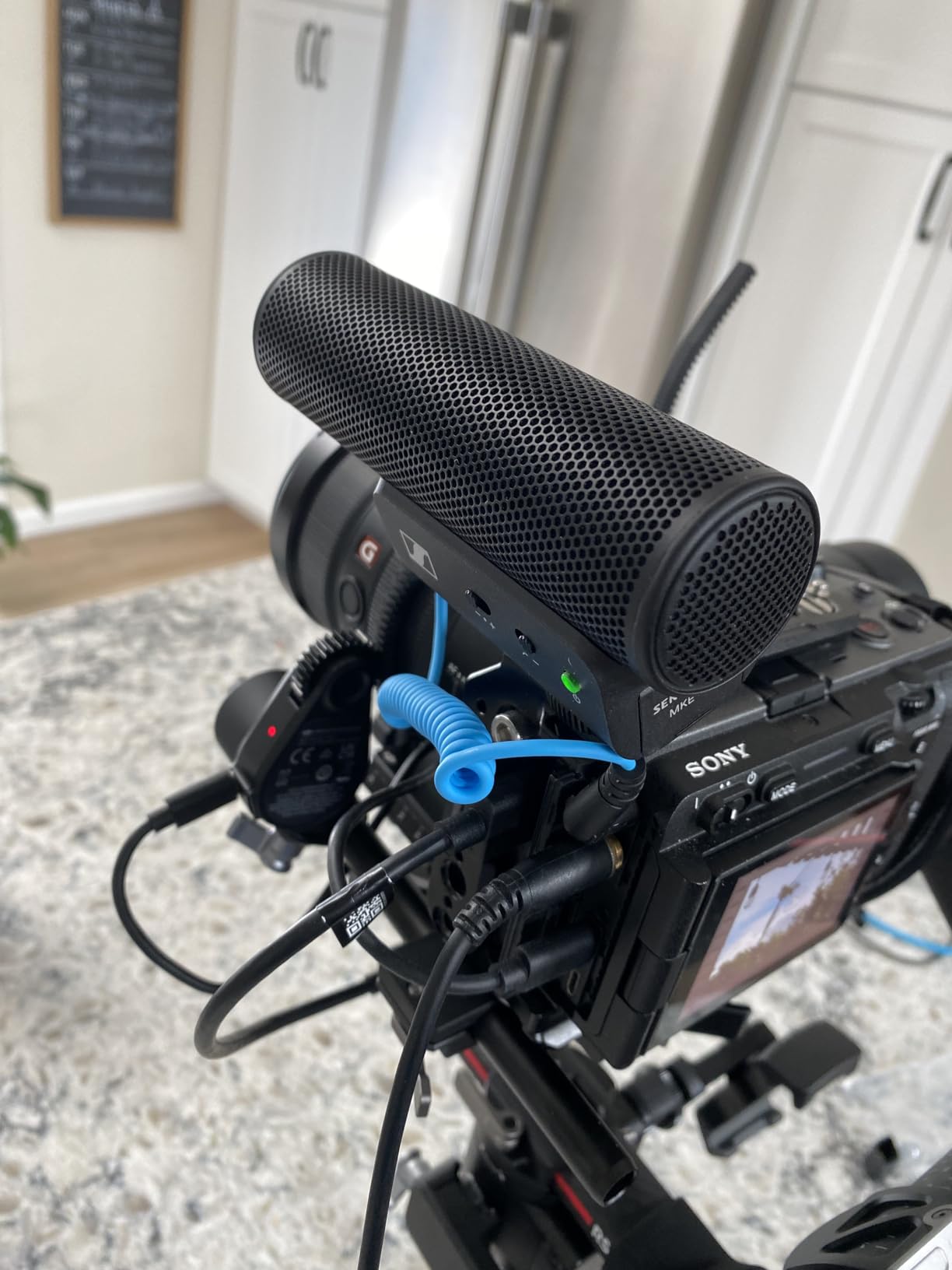
Sound quality clearly beats built-in camera mics and most competitors in this size class. The included deadcat windshield handles moderate outdoor wind, and the interchangeable TRS and TRRS cables cover cameras and mobile devices in the box.
The main complaint is the cold shoe mount, which can loosen during extended use. Some users add a secondary tether for safety. There is also no safety channel, so you are recording a single track without backup.
Who Should Buy the MKE 400
Gimbal shooters and solo video creators who need Sennheiser audio quality, live monitoring, and compact size in one package.
Who Should Skip It
Shooters who need a safety channel or who work in environments where the cold shoe mount looseness is a dealbreaker. Consider tethering or a different mount.
12. Zoom M3 MicTrak – 32-Bit Float Shotgun and Recorder Combo

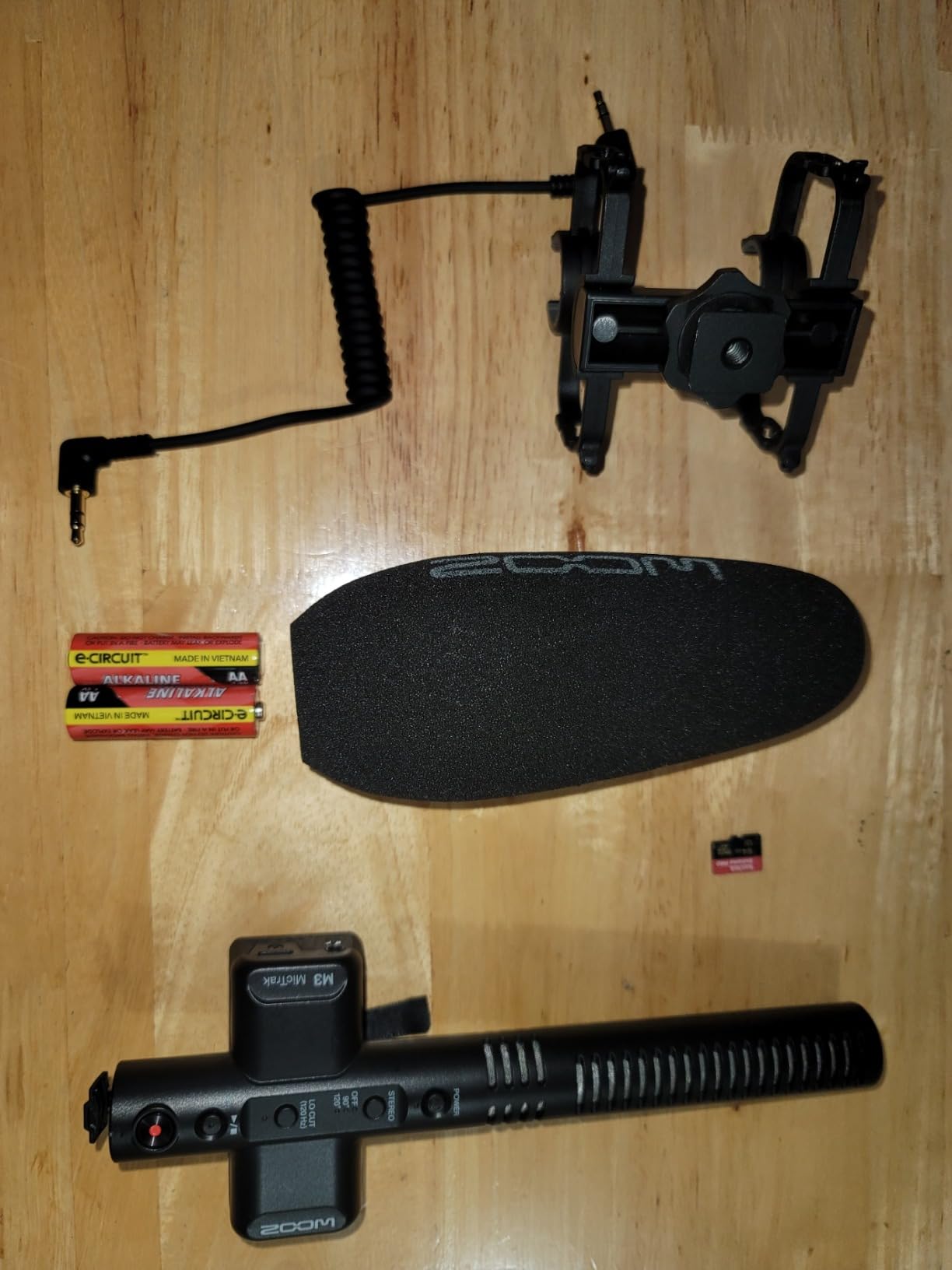
Zoom M3 MicTrak On-Camera Shotgun Microphone/Recorder for Filmmakers with Stereo & Mono Capture Modes, 32-Bit Float, Shockmount, USB Microphone, Battery Powered
32-bit float recording
SD card slot
Mono and stereo modes
12hr battery
USB-C
Mid-side RAW backup
Pros
- 32-bit float eliminates clipping worries
- Up to 12 hours battery life
- Mono and stereo pickup modes
- Mid-side RAW backup file
- Records direct to SD card up to 1TB
- Doubles as USB microphone
Cons
- Plastic build feels cheap
- Shock mount delicate and noisy
- Cold shoe loosens easily
- No status display
- Button combos are complex
The M3 MicTrak is the most innovative mic in this guide. Zoom built 32-bit float recording into an on-camera shotgun, which means you literally cannot clip your audio. Set the wrong level, get a sudden loud laugh, have an airplane fly overhead during dialogue? The float format captures it all with full recovery headroom in post.
For documentary and event shooters who cannot do a second take, that safety net changes how you work. You stop watching levels and start watching the scene. The M3 also records directly to an SD card, so even if your camera audio fails or runs out of space, you have an independent recording.
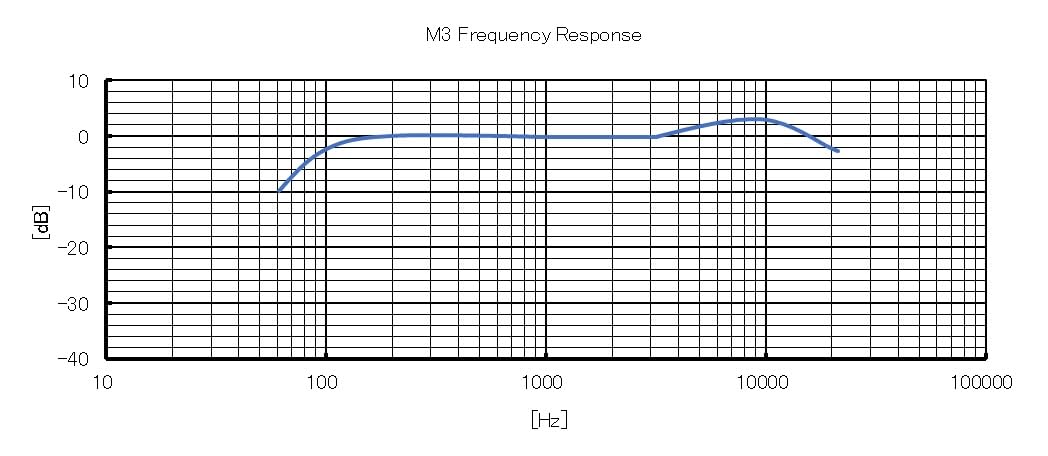
Three pickup modes add flexibility: mono for dialogue, 90-degree stereo for ambient, and 120-degree stereo for wide environments. A mid-side RAW file is always saved as a backup, giving you post-production options no other mic in this list offers.
The compromises are real, though. The plastic build feels cheap for the price, the shock mount is delicate and can introduce handling noise, and the cold shoe mount loosens easily. There is no display screen, so you operate via button combinations that take time to learn.
Who Should Buy the M3 MicTrak
Documentary filmmakers, event shooters, and one-person crews who cannot afford a bad take. The 32-bit float safety net and independent SD recording are genuinely valuable for high-stakes work.
Who Should Skip It
Creators who want premium build feel or a simple plug-and-play experience. The M3 rewards careful operators and frustrates impatient ones.
How to Choose the Best Shotgun Microphone
Choosing among the best shotgun microphones comes down to a handful of decisions about how you record. Get these right and the field narrows quickly.
Polar Pattern and Directionality
Shotgun mics use a narrow polar pattern, typically supercardioid or hypercardioid, to focus on sound directly in front while rejecting sides and rear. A longer interference tube generally means tighter rejection and better performance at distance, but it also means more off-axis coloration, where sounds arriving from the sides take on an unnatural tonal quality.
Short shotguns like the AT875R and VideoMicro II are easier to handle on-camera and stay out of frame, while longer models like the MKH 416 and AT897 reject side noise better for boom work. There is no universal best, only the right tool for your shooting style.
XLR Versus 3.5mm Connectivity
This is the most common confusion I see in forums. XLR is the professional standard: balanced, low-noise, and capable of carrying phantom power over long cable runs. If you are serious about audio quality and own a recorder or mixer, XLR is the right choice.
3.5mm TRS and TRRS connectors plug directly into cameras, phones, and tablets without an adapter. They are simpler and cheaper, but they carry unbalanced signal that is more prone to interference over distance. For on-camera vlogging, 3.5mm is fine. For boom work, choose XLR.
Power Options: Phantom, Battery, or Plug-In
Phantom power (48V) is supplied by your recorder, mixer, or audio interface down the XLR cable. It is clean and reliable but requires compatible gear. The MKH 416, NTG5, and AT875R all require phantom power.
Battery-powered mics like the MKE 600, AT897, and Shure VP83 run independently, which is ideal for field work where phantom power is not available. Plug-in power, supplied by many cameras and phones through the 3.5mm jack, runs mics like the VideoMicro II and VideoMic GO II with no battery needed.
Self-Noise and Signal-to-Noise Ratio
Self-noise is the hiss a microphone produces on its own, measured in dB-A. Lower is better. The Rode NTG5 at 10dBA is exceptionally quiet, while budget mics may sit around 20 to 25dB-A. For quiet dialogue or ASMR-style recording, self-noise matters a lot. For loud environments like concerts or busy streets, it matters less.
Wind Protection for Outdoor Recording
Wind is the enemy of every shotgun mic. A foam windscreen handles calm indoor air movement, but outdoor work requires a furry windshield, often called a deadcat. Several mics in this guide include one in the box, while others require a separate purchase.
For serious outdoor dialogue, consider a full blimp-style windshield like a Rycote Cyclone. These enclose the mic in a basket surrounded by fur, providing the highest level of wind protection available. Forum users on r/LocationSound consistently recommend budgeting for wind protection as a separate line item.
Distance Guidelines for Shotgun Mics
Even the best shotgun microphone has a practical distance limit. Most on-camera shots place the mic two to four feet from the subject, which works for moderate ambient control. For tight, professional dialogue, get the mic within 12 to 24 inches by booming from just above or below frame.
The classic 3-to-1 rule states that for every unit of distance between the mic and the subject, the mic should be at least three units away from any reflective surface or secondary sound source. This reduces phase cancellation and comb filtering, which is what makes dialogue sound hollow or boxy.
FAQs
What is the best shotgun microphone?
The Sennheiser MKH 416 is the industry standard for professional film and broadcast, offering unmatched off-axis rejection and humidity resistance. For creators on a budget, the Sennheiser MKE 600 delivers excellent value with dual power options, while the Rode VideoMic GO II is the best pick under $100.
Are longer shotgun mics better?
Not necessarily. Longer interference tubes offer tighter side rejection and perform better at distance outdoors, but they also introduce more off-axis coloration. Short shotguns under 7 inches are easier to manage on-camera and stay out of frame, making them better for compact rig and vlogging use.
What is the 3 to 1 rule for microphones?
The 3-to-1 rule states that a microphone should be at least three times farther from a reflective surface or unwanted sound source as it is from the desired subject. Following this rule minimizes phase cancellation and comb filtering, which prevents the hollow or boxy sound that ruins dialogue recordings.
What is the best distance for a shotgun mic?
For professional dialogue, place the shotgun microphone within 12 to 24 inches of the subject, typically just above or below the frame line on a boom pole. On-camera mounting places the mic two to four feet away, which works for general content but produces more ambient pickup than close booming.
Do I need phantom power for a shotgun mic?
It depends on the mic. XLR professional models like the Sennheiser MKH 416 and Rode NTG5 require 48V phantom power from a recorder or mixer. Other mics like the Sennheiser MKE 600 and Audio-Technica AT897 offer dual power, running on either phantom power or an internal battery. Plug-in power mics like the Rode VideoMicro II draw power directly from the camera or phone.
Conclusion
The best shotgun microphones in 2026 span every budget and use case, from the Sennheiser MKH 416 industry standard down to sub-$100 options like the Rode VideoMic GO II. The right choice depends on what you plug into, where you record, and how much control you want over your audio.
If you want one recommendation that fits the widest range of creators, the Sennheiser MKE 600 remains the best balance of professional sound quality, flexible power, and value. Pair it with a decent recorder and you have a setup that will serve you for years. Whatever you choose, remember that good audio outperforms good video in viewer retention, so treat your microphone as an investment, not an afterthought.