
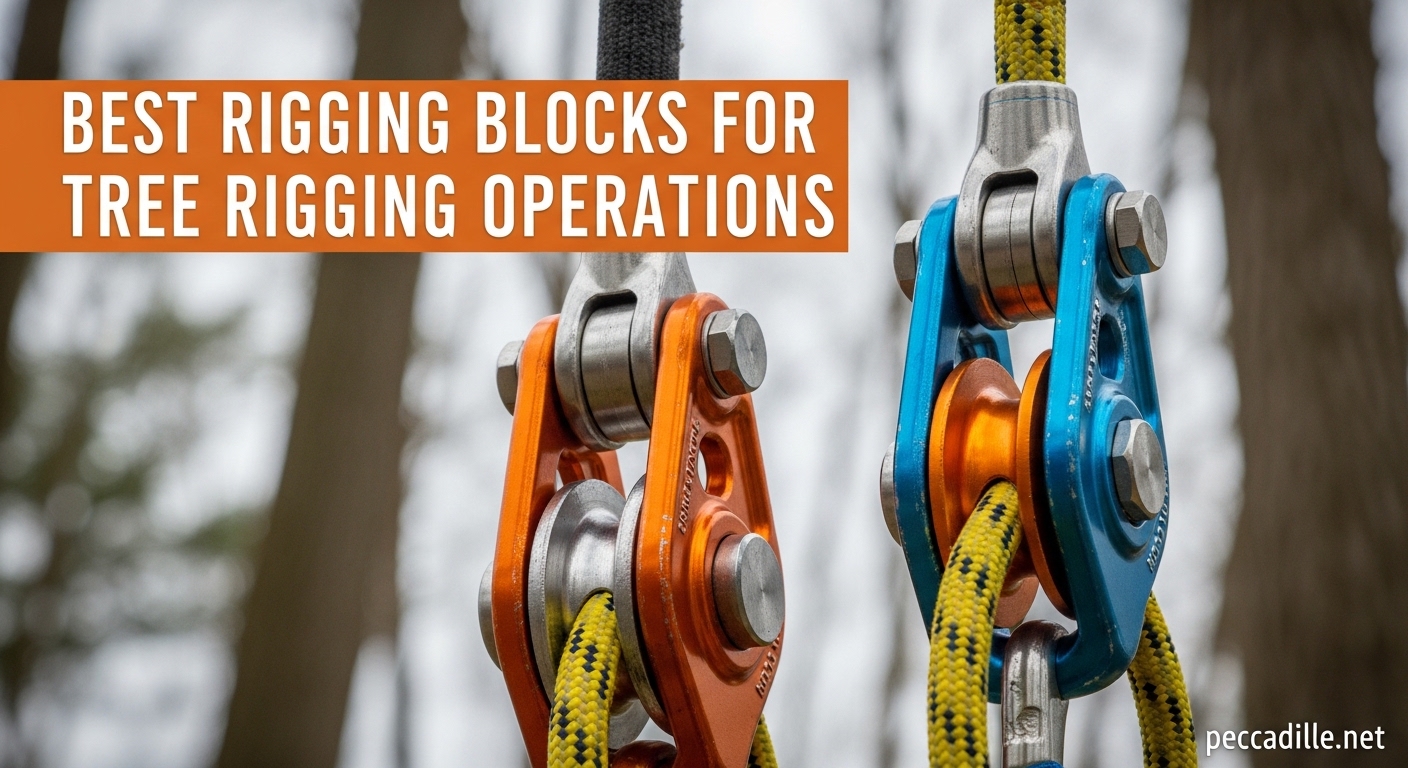
When you are 60 feet up a white oak, swinging a 200-pound limb over a glass conservatory, the last thing you want to worry about is your rigging block failing. I have been in that exact spot, and I can tell you that having the right block between your rope and that anchor point makes all the difference between a clean drop and a very bad day. The best rigging blocks for tree rigging operations are purpose-built tools engineered to handle extreme dynamic forces that would shred standard pulleys in seconds.
This guide covers 10 arborist rigging blocks we have researched and compared, ranging from compact micro blocks to heavy-duty impact blocks rated for 33,000+ lbs. Whether you are a seasoned climber looking to upgrade your kit or a newer arborist choosing your first block, we break down the specs, real-world performance, and honest pros and cons of each option. Every product here is one we would trust on our own crew.
Tree rigging is inherently dangerous work. The forces generated during negative rigging and shock loading can exceed static loads by three to five times, so understanding the difference between MBS (Minimum Breaking Strength) and WLL (Working Load Limit) is not optional — it is what keeps you and everyone on the ground safe. We cover that and more in our buying guide below.
Top 3 Picks for Best Rigging Blocks for Tree Rigging Operations


Best Rigging Blocks for Tree Rigging Operations in 2026
| Product | Specifications | Action |
|---|---|---|
|
Notch 3/4 inch Rigging Spring Block
|
|
Check Latest Price |
|
Rock Exotica Omni-Block Swivel Pulley
|
|
Check Latest Price |
|
GM CLIMBING Large Rescue Pulley
|
|
Check Latest Price |
 CMI Micro Arborist Block RP162
|
|
Check Latest Price |
 Fusion Climb Double Pulley 32kN
|
|
Check Latest Price |
 CMI Arborist Pulley 5/8 inch
|
|
Check Latest Price |
 GM CLIMBING 40kN Micro Double Pulley
|
|
Check Latest Price |
 ISC 3/4 inch Aluminum Arborist Block
|
|
Check Latest Price |
 CMI Zinc-Plated Steel Arborist Block
|
|
Check Latest Price |
 ISC 1/2in Compact Rigging Block
|
|
Check Latest Price |
1. Notch 3/4″ Arborist Rigging Spring Block – Best Overall for Heavy Rigging
Notch 3/4" Arborist Rigging Spring Block with Precision CNC Machined Aluminum Sheaves, WLL: 6,744 lbs. lbs. MBS: 33,720lbs. Use with Lines up to 3/4” (19mm) (56130)
MBS: 33,720 lbs (150kN)
WLL: 6,744 lbs (30kN)
Rope: Up to 3/4 inch (19mm)
Pros
- Hot forged aluminum side plates
- Precision CNC machined sheaves
- Two-stage captive spring pin lock
- Lifetime warranty
Cons
- Limited stock availability
- Low review count
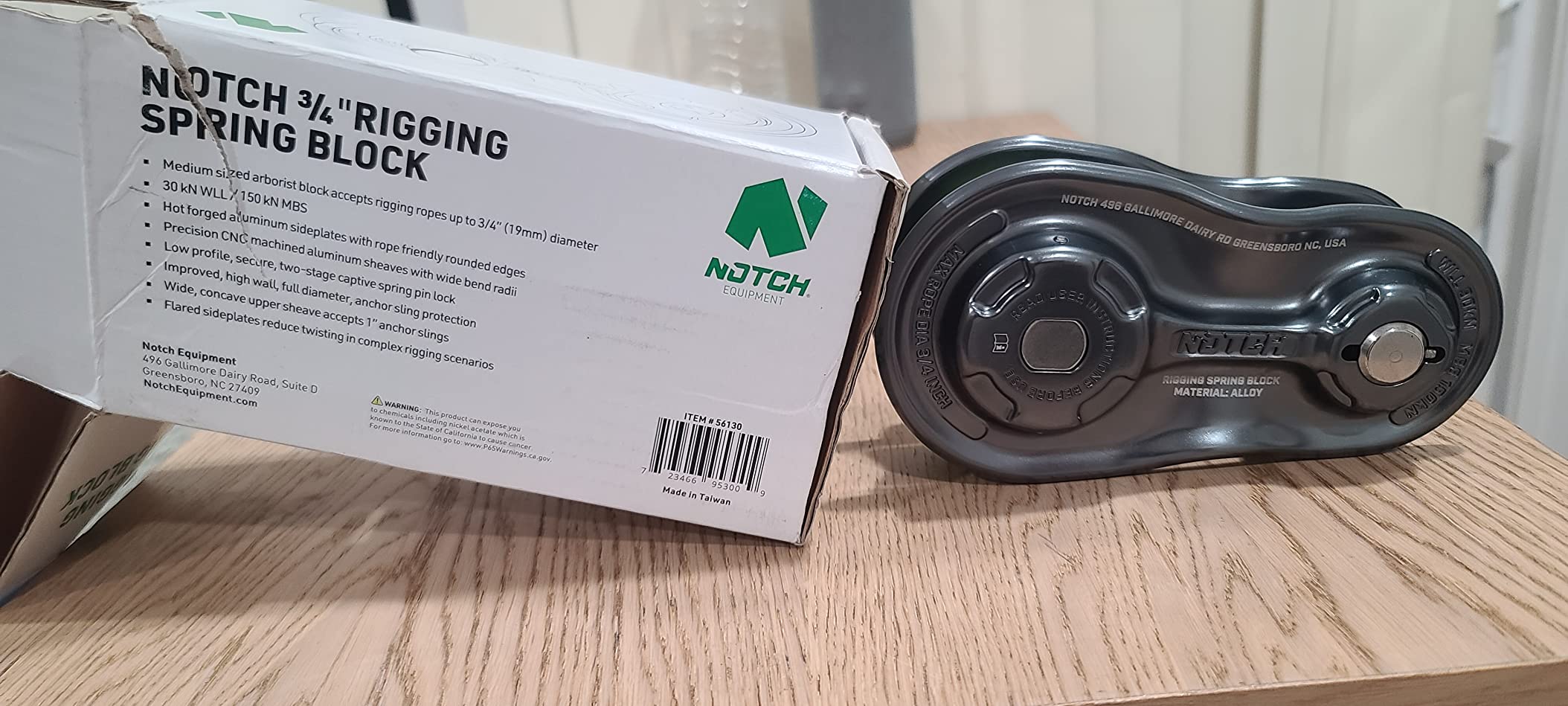
The Notch 3/4″ Rigging Spring Block is the block I reach for when the job involves serious load management. With an MBS of 33,720 lbs and a WLL of 6,744 lbs, it handles the kind of dynamic forces you generate during negative rigging on large removals. The hot forged aluminum side plates are thick and beefy, with rounded cheeks that will not abuse your rope.
What really sets this block apart is the two-stage captive spring pin lock. I have used blocks where the pin can back out under vibration, and that is a terrifying moment when you are depending on it. The Notch captive design keeps the pin exactly where it should be, even under heavy shock loads. The wide concave upper sheave also accepts 1-1/8″ anchor slings, which makes setup faster when you are working with whoopie slings or loop runners.
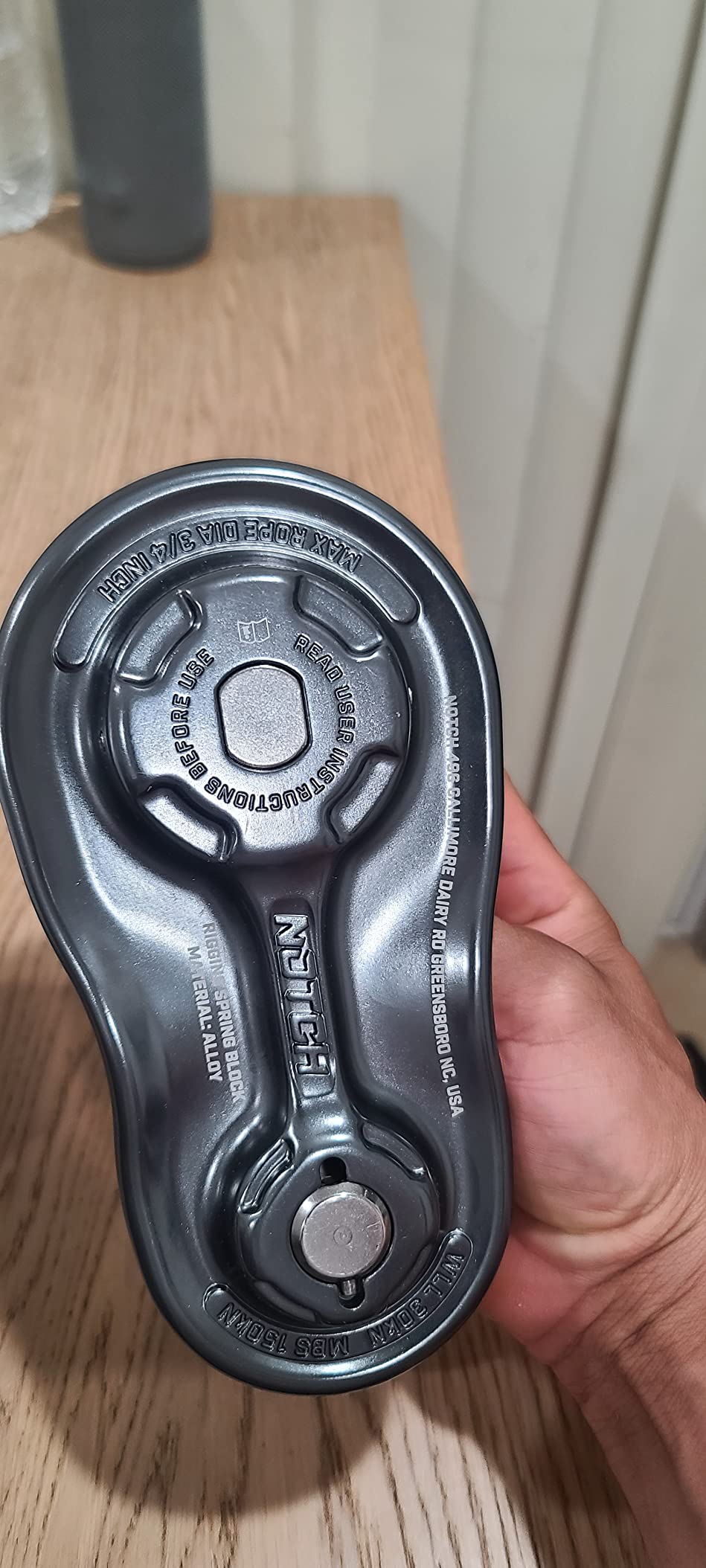
The precision CNC machined aluminum sheaves run smooth and keep friction low, which matters when you are lowering heavy wood sections. Less friction means more control, and more control means safer operations on the ground. At 3.65 lbs, it is not the lightest block on this list, but the weight is a fair trade for the strength and rope capacity it delivers.
Who Should Buy This Block
This is the right choice for professional arborists doing regular removal work with ropes up to 3/4 inch. If your daily operations involve lowering heavy limbs and trunk sections, the Notch Spring Block gives you the strength margin and rope capacity to handle it safely. The lifetime warranty against defects shows Notch stands behind their manufacturing quality.
When to Consider Alternatives
If you primarily work with 1/2 inch rope on smaller residential jobs, this block is more than you need. It is also worth noting that availability can be limited — the block often runs low on stock, so plan ahead if this is your go-to choice. For lighter-duty work, the CMI Micro or ISC Compact block may be a better fit.
2. Rock Exotica Omni-Block Swivel Pulley – Most Versatile Rigging Block
Rock Exotica Omni-Block 2.0" Single Pulley (Orange) - Swivel Pulley for Climbing and Rigging Systems – Made in The USA
MBS: 36kN
WLL: 8kN
Rope: Up to 13mm (1/2 inch)
Pros
- Swivel and pulley combined in one
- Sideplate opens while attached
- Prusik minding edge
- Made in USA
Cons
- Smaller size limits rope capacity
- Heavier than expected for its size
The Rock Exotica Omni-Block is one of those tools that earns a permanent spot on my harness. It combines a swivel and a pulley into a single compact unit, which means the block self-orients under load and eliminates the twisting that can happen with fixed pulleys. That self-orientation keeps your rope running clean, especially in complex rigging scenarios where the load angle changes during the drop.
The sideplate access design is what makes this block special. You can open the sideplate while the pulley remains attached to your anchor point. That means no more fumbling with carabiners and dropped gear at height. The prusik minding edge is another feature I appreciate — it allows you to build progress capture systems without adding a separate prusik minder. Forum discussions on r/arborists consistently praise the Omni-Block for its versatility and smooth operation.
Available in sizes from 1.1″ to 2.6″, with single and double sheave options, the Omni-Block line covers a wide range of applications. The 2.0″ version is the sweet spot for most tree rigging work with 1/2 inch rope. The 36kN MBS rating is strong for its size, and the USA manufacturing gives confidence in quality control.
Who Should Buy This Block
This is the ideal choice for arborists who want one block that can do many things well. If you need a block for mechanical advantage systems, progress capture, redirecting ropes, and general rigging — and you want it to swivel automatically — the Omni-Block is hard to beat. It is also a great option if you frequently change ropes mid-job because the sideplate opens without removing the block from its anchor.
When to Consider Alternatives
If you regularly run rope larger than 13mm (roughly 1/2 inch), the Omni-Block will not accommodate it. For heavy removal work with 5/8″ or 3/4″ rope, you need a dedicated arborist block like the Notch Spring Block or the CMI Steel Block. Also, if your rigging is strictly heavy lowering with no need for swivel or midline attachment, a simpler dedicated block may serve you better at a lower cost.
3. GM CLIMBING Large Rescue Pulley 32kN – Best Budget Pick
GM CLIMBING Red Large Rescue Pulley 32kN Single Sheave with Swing Plate CE UIAA Certified One Unit
MBS: 32kN (7,100 lbs)
Sheave: 2.28 inch
Rope: Up to 16mm
Pros
- Smooth ball bearing operation
- Swing side plate for easy rope changes
- CE and UIAA certified
- Excellent value
Cons
- Some play in sheave reported
- Not rated for life-safety climbing by some users
The GM CLIMBING Large Rescue Pulley delivers professional-level specs at a price that makes it accessible to arborists who are building out their first rigging kit. With a 32kN (7,100 lbs) breaking strength, CE and UIAA certification, and a smooth ball bearing mechanism, this pulley punches well above its weight class. Over 500 reviewers agree, with 82% giving it five stars.
I have recommended this pulley to newer crew members who need reliable gear without a massive upfront investment. The 2.28-inch sheave diameter is large enough to keep rope bending stress low, and the swing side plate makes rope installation quick and easy. You do not have to thread the rope through — just open the plate, set the rope, and close it. That saves real time when you are setting up multiple rigging points throughout the day.
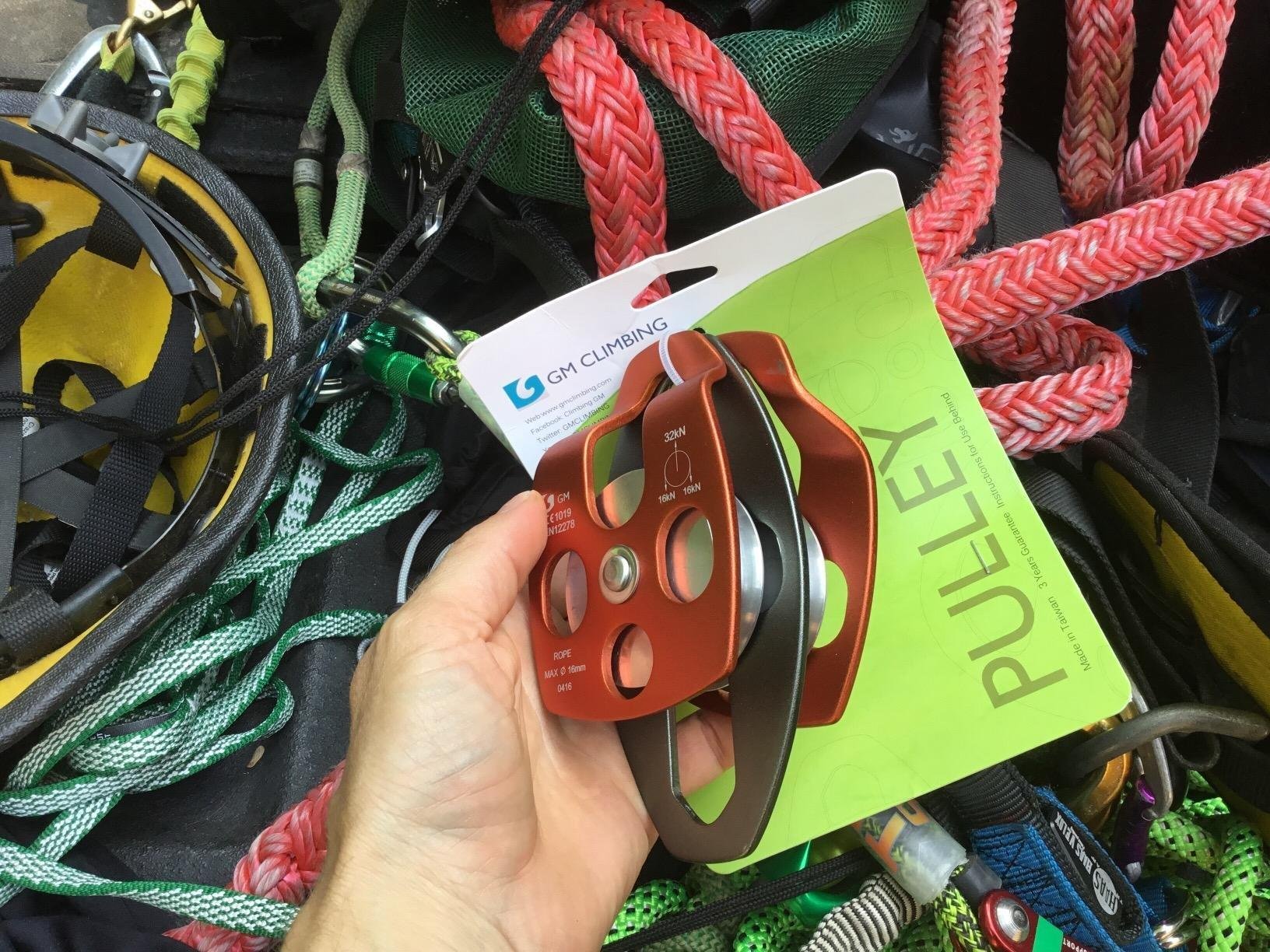
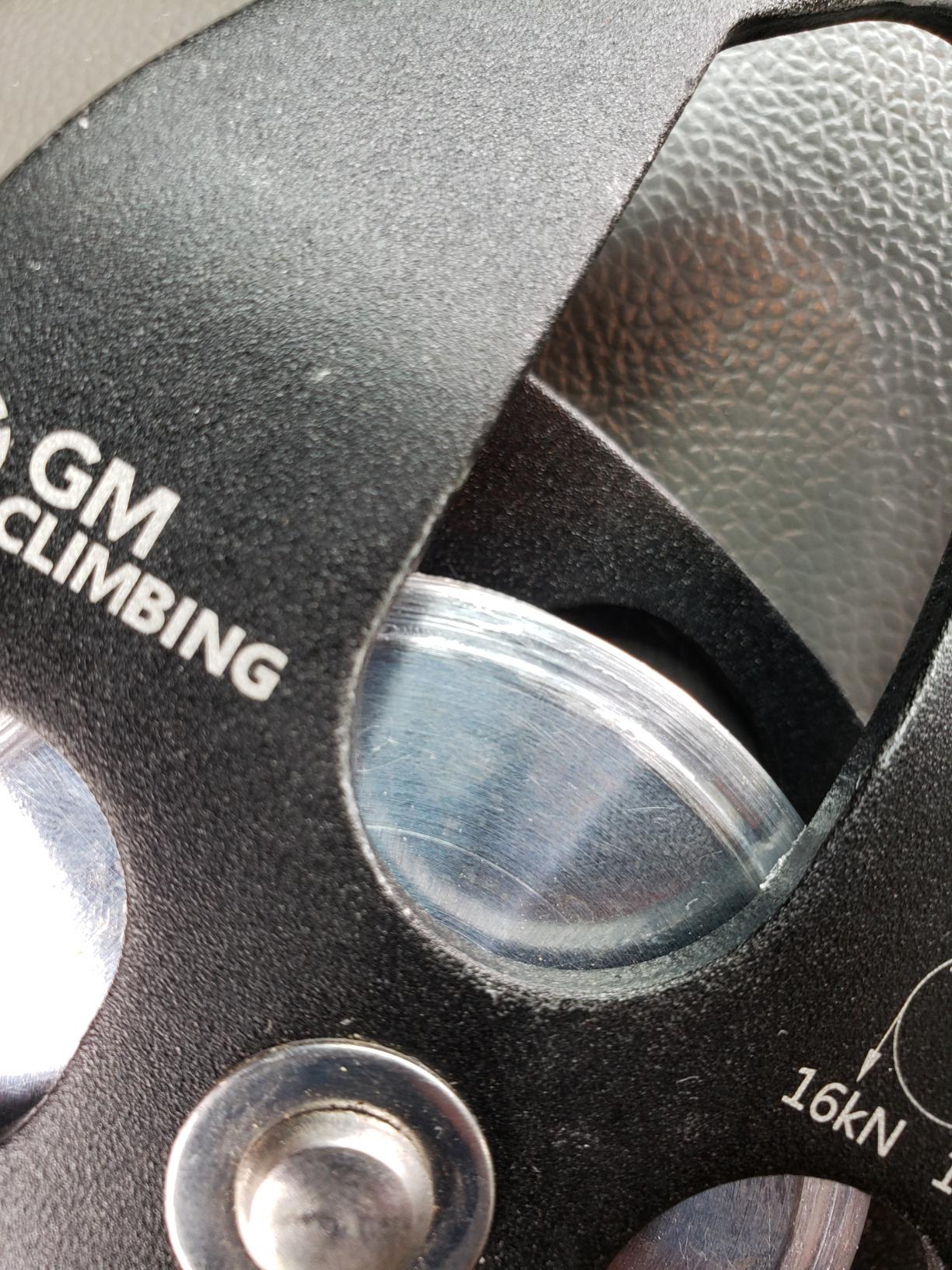
The ball bearing runs smooth under load, which translates to less friction and better control when lowering. At just 0.54 lbs, it is lightweight enough to carry on your harness without noticing it until you need it. The red anodized finish also makes it easy to spot when you are packing up at the end of a job.
Who Should Buy This Pulley
This is the best starting point for arborists on a budget who still want certified, reliable equipment. If you are doing residential tree work, medium-sized removals, or building mechanical advantage systems and want CE/UIAA certification without the premium price tag, the GM CLIMBING Rescue Pulley is the smart choice. It also works well as a secondary block in a multi-point rigging setup.
When to Consider Alternatives
For heavy-duty removal operations involving large trunk sections and 3/4 inch rope, this pulley lacks the sheer capacity of dedicated impact blocks. A few users have also noted slight play in the sheave over time, so if you are running it hard every day, a more robust dedicated arborist block from CMI or Notch will hold up better long-term.
4. CMI Micro Arborist Block RP162 – Compact Powerhouse
CMI Micro Arborist Block - RP162
MBS: 21,900 lbs
Rope: Up to 1/2 inch
Weight: 1 lb
Pros
- Extremely compact for duty rating
- Very lightweight
- Screw action lock for remote setting
- Made in USA
Cons
- Bearings less smooth than ISC alternatives
- Color change made older models sought after
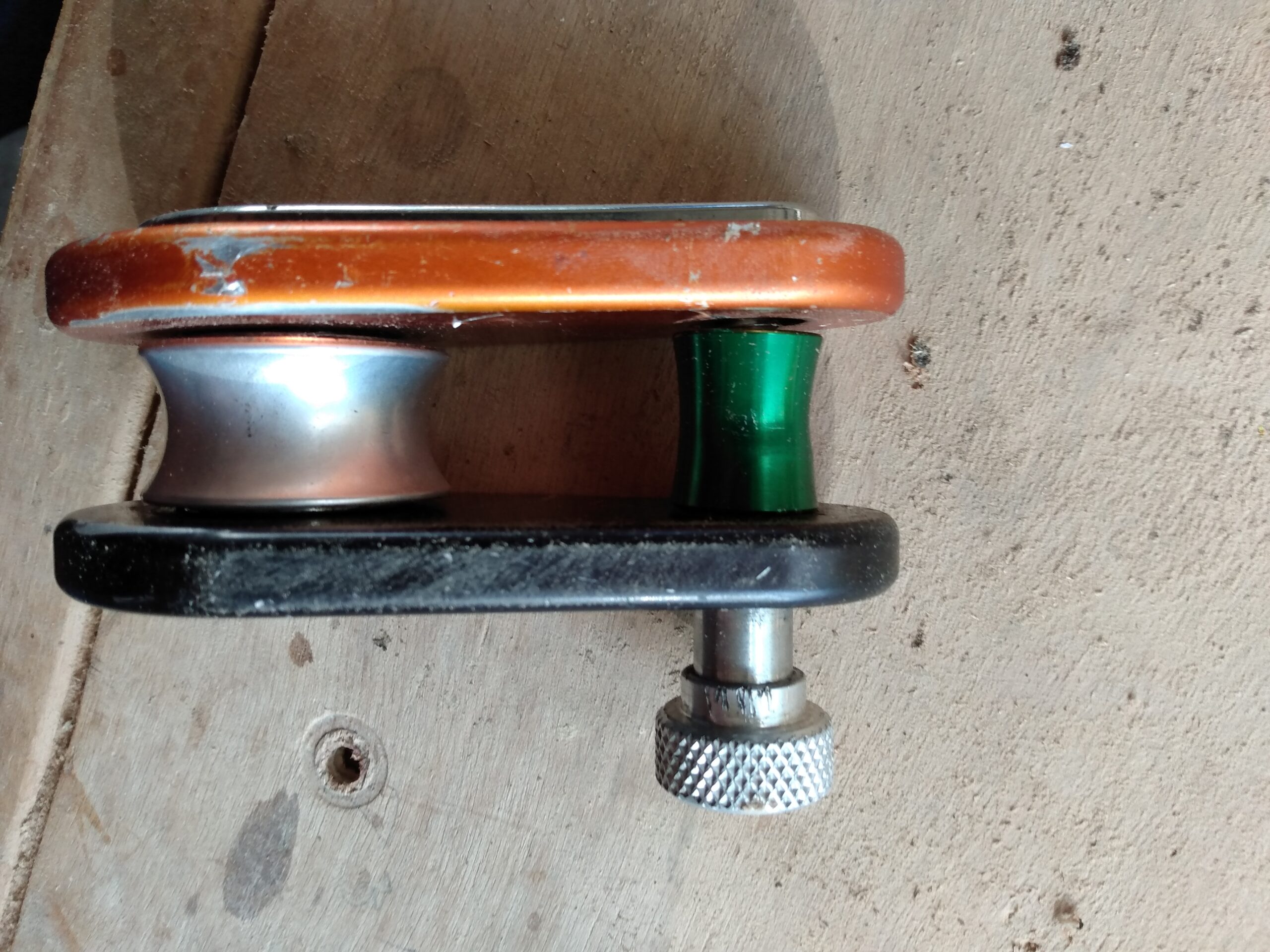
The CMI Micro Arborist Block RP162 is a favorite among climbers who want serious strength in a small package. At just 1 lb with an MBS of 21,900 lbs, the strength-to-weight ratio is remarkable. I have seen climbers carry two of these on their harness for complex rigging setups without feeling weighed down. The compact size also means less swing weight when the block is hanging in the tree.
The screw action lock is one of those features you do not fully appreciate until you use it. Unlike spring-loaded pins that can be tricky to operate with gloves, the screw mechanism lets you lock and unlock the block remotely using a simple twist. This is especially handy when you are setting a block from below or from an awkward position in the canopy. Made in the USA by Colorado Mountain Industries, the build quality is consistent and solid.
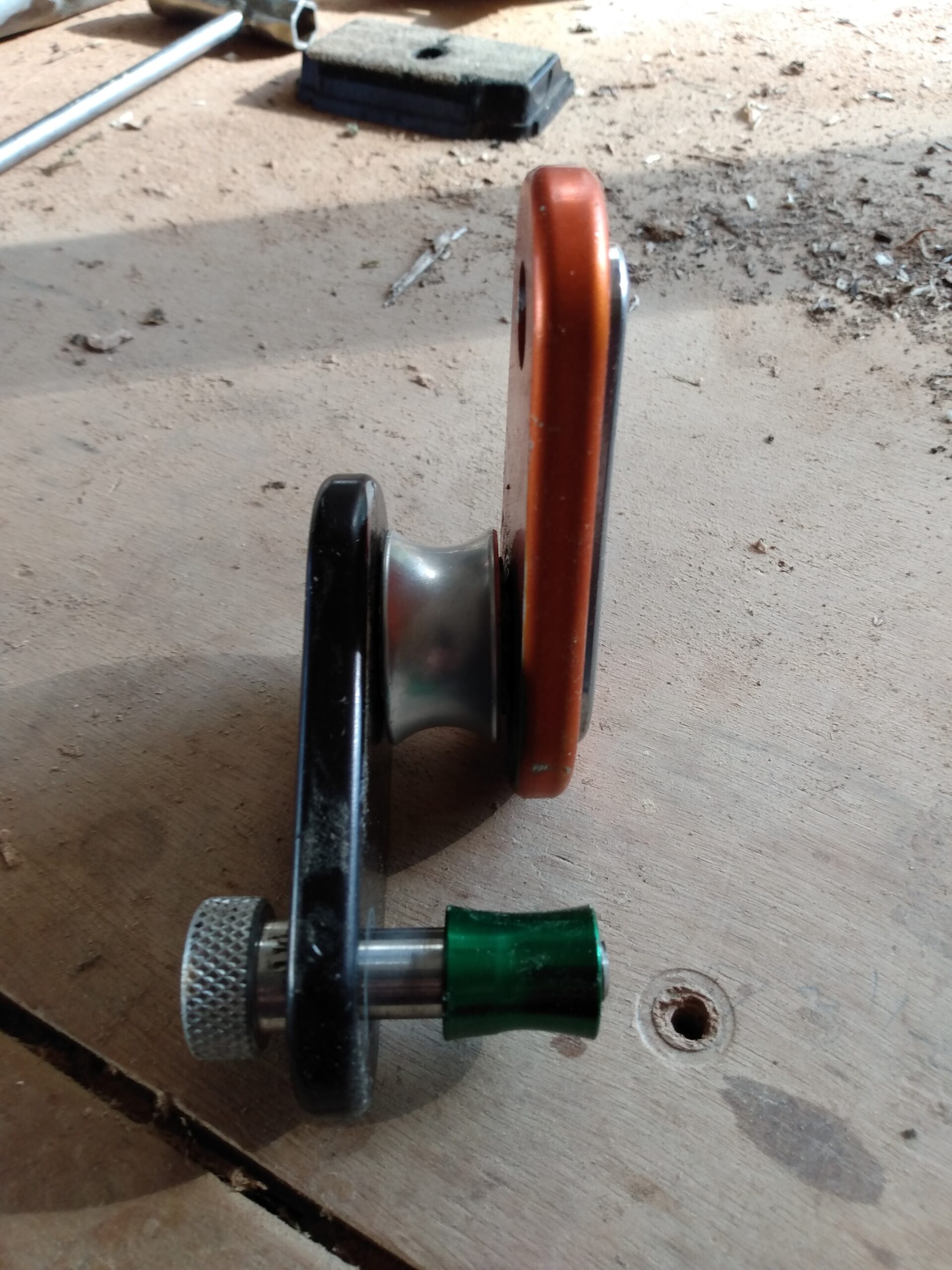
The aluminum construction keeps the weight down while the 21,900 lbs MBS gives you plenty of safety margin for typical residential and commercial tree work with 1/2 inch rope. With 82% of reviewers giving it 5 stars, the field reputation speaks for itself. This block has been in production since 2017 and has proven itself across thousands of jobs.
Who Should Buy This Block
This is the go-to choice for arborists who primarily run 1/2 inch rope and want a lightweight, compact block for everyday tree work. If you do a mix of pruning, small removals, and lighter rigging operations, the CMI Micro gives you professional strength without the bulk. It is also an excellent choice for climbers who like to carry a block on their harness for impromptu rigging scenarios.
When to Consider Alternatives
The 1/2 inch rope capacity limits this block for larger operations. If your standard rigging rope is 5/8 inch or 3/4 inch, you need to step up to a larger block like the CMI RP130 or the Notch Spring Block. Additionally, some users report that the bearing smoothness is not quite on par with ISC blocks, which matters if you are doing a lot of fine-controlled lowering where every bit of friction matters.
5. Fusion Climb Double Pulley – Best Budget Double Pulley
Fusion Climb Lightweight and Durable Aero Space Aluminum Alloy Double Pulley Swing Plate 32kN for Progress Capture System Rigging Hauling Rescue Arborist Tree Climbing
MBS: 32kN
Double Sheave
Rope: Up to 15mm
Pros
- Lightweight aerospace aluminum
- Easy rope installation via swing plate
- Great price
- 1 year warranty
Cons
- Lateral wobble on some frames
- 32kN rating is across both pulleys
- Uses bushing not ball bearing
The Fusion Climb Double Pulley offers a double-sheave solution at a price point that makes building mechanical advantage systems affordable. With 334 reviews and an 84% five-star rating, it is one of the most popular pulleys in its category, and for good reason. The aerospace aluminum alloy construction keeps the weight to just 15.68 ounces while still delivering a 32kN breaking strength.
The side swing cheeks make rope installation straightforward — open the plate, lay in your rope, close the plate. For arborists building 4:1 mechanical advantage systems for controlled lowering or hauling, having a double pulley at this price means you can set up complex systems without breaking the bank. The bushing design does reduce rope wear compared to bare rivets, though it is not as smooth as a ball bearing setup.
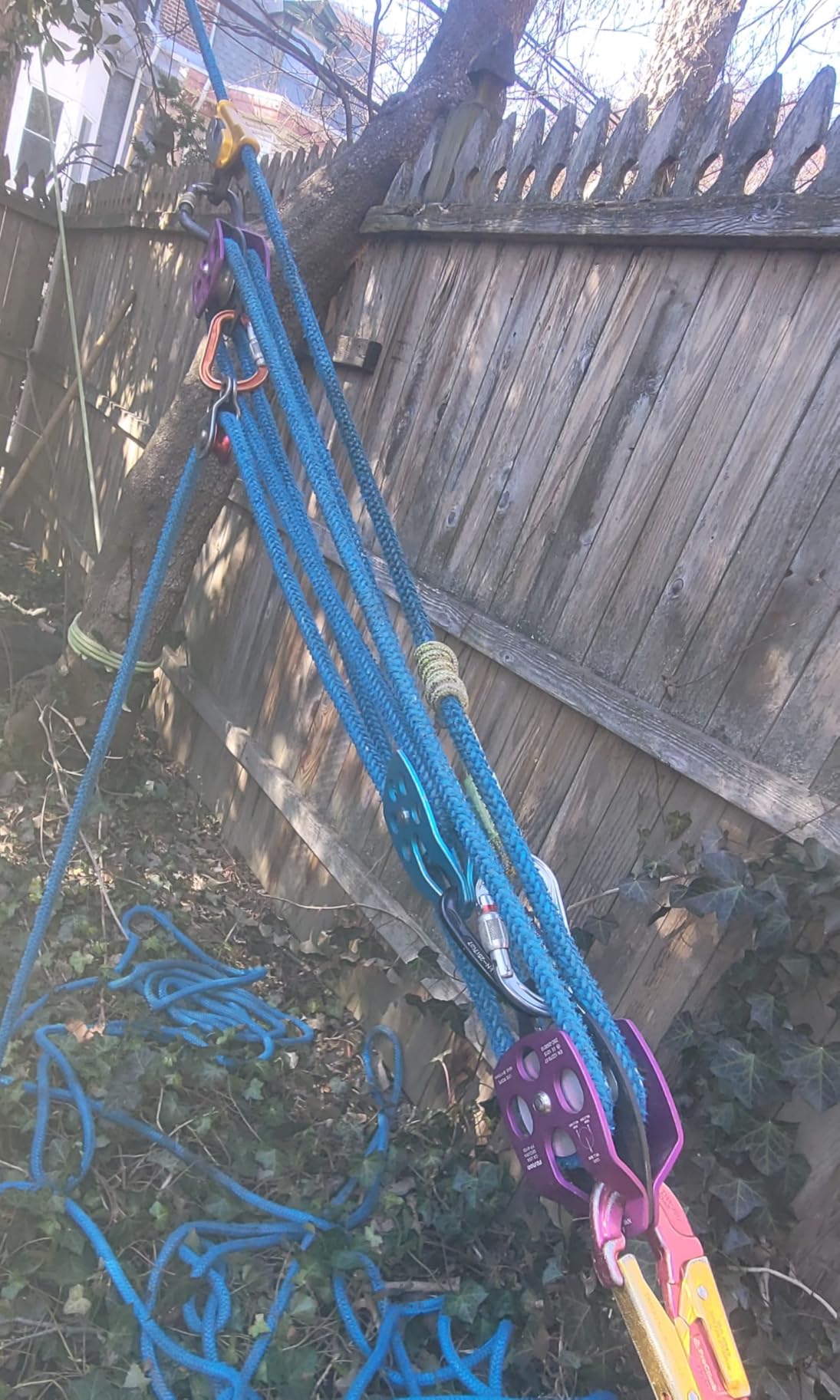
I have seen crew members use this pulley for everything from tree rigging to setting up tensioned speed lines. The purple anodized finish is distinctive and easy to identify in a gear bag. The TAA approval and 1-year manufacturer warranty add some peace of mind, though the long-term durability is not quite on the level of premium blocks from CMI or ISC.

Who Should Buy This Pulley
Arborists who want to build 4:1 or higher mechanical advantage systems on a budget will get the most value from this double pulley. If you need two double pulleys for a complete setup, buying two Fusion Climb units is still far less expensive than a single premium double block. It is also a good choice for lighter rigging tasks, speed line setups, and non-critical hauling operations.
When to Consider Alternatives
Keep in mind the 32kN rating is the combined strength across both pulleys — the frame itself is rated at 18kN per direction. For heavy negative rigging with shock loads, you want a dedicated arborist impact block with a higher individual rating. Also, if smooth operation under heavy continuous load is critical, the bushing mechanism will not match the efficiency of a ball bearing pulley like the GM CLIMBING options.
6. CMI Arborist Pulley 5/8″ Rope – Heavy-Duty Stainless Steel
CMI Arborist Pulley 5/8" Rope
MBS: 28,000 lbs
Rope: 5/8 inch
Weight: 2.3 lbs
Pros
- Very high 28
- 000 lbs MBS
- Stainless steel side plates
- Durable bushing mechanics
- Proven since 2005
Cons
- Older design without modern features
- Bushing not as smooth as bearing
- Low review count
The CMI Arborist Pulley RP130 has been a workhorse in the tree care industry since 2005, and it is still going strong. With an MBS of 28,000 lbs, it is one of the strongest blocks in this lineup, built for arborists who regularly run 5/8 inch rope on demanding removal jobs. The stainless steel side plates resist corrosion and hold up to years of hard use in all weather conditions.
This is the kind of block that shows up on a crew truck and stays there for a decade. It does not have the fancy features of newer designs — no spring-loaded pin, no CNC-machined sheave, no captive lock mechanism. What it does have is a simple, overbuilt design that just works. The bushing mechanics are reliable, and with zero ratings below 4 stars across 24 reviews, every single user who has reviewed it recommends it.
Who Should Buy This Pulley
If you run 5/8 inch rope and need a block that can handle heavy removal work day in and day out, the CMI RP130 is a proven performer. This is the block for arborists who prioritize raw strength and durability over modern convenience features. It is also a strong choice if you work in coastal or wet environments where corrosion resistance matters.
When to Consider Alternatives
The bushing mechanics mean more friction under load compared to ball bearing alternatives. For operations where fine friction control is critical — like precision lowering over obstacles — the ISC blocks with their smoother bearing systems may give you better results. The design is also dated compared to newer blocks with features like midline attachment and captive pins.
7. GM CLIMBING 40kN Micro Double Pulley – Best for Mechanical Advantage
GM CLIMBING 40kN Micro Double Pulley Prusik Minding Ball Bearing UIAA CE for Progress Capture System Rigging Hauling Rescue Arborist Tree Climbing (Pack of 2)
MBS: 40kN
Double Sheave
Rope: Up to 12mm
Pros
- High 40kN breaking strength
- Prusik minding design
- CE and UIAA certified
- Smooth ball bearing
Cons
- May be too tight for ropes over 11mm
- Small size limits rope diameter options
The GM CLIMBING 40kN Micro Double Pulley is built specifically for building compact mechanical advantage systems. With a 40kN breaking strength and both CE and UIAA certification, it is one of the strongest double pulleys available in this size class. The prusik minding design means you can set up progress capture systems without needing additional hardware — the flat bottom blocks keep your prusik from getting sucked into the sheave.
The ball bearing mechanism delivers smooth rotation under load, which translates to efficient mechanical advantage. When you are building a 4:1 system for lifting or controlled lowering, every bit of efficiency matters. The moving side plates make rope installation quick, and the bottom becket provides an extra attachment point for building complex systems. At just 0.3 lbs for a pack of two, you can carry multiple setups without adding significant weight.
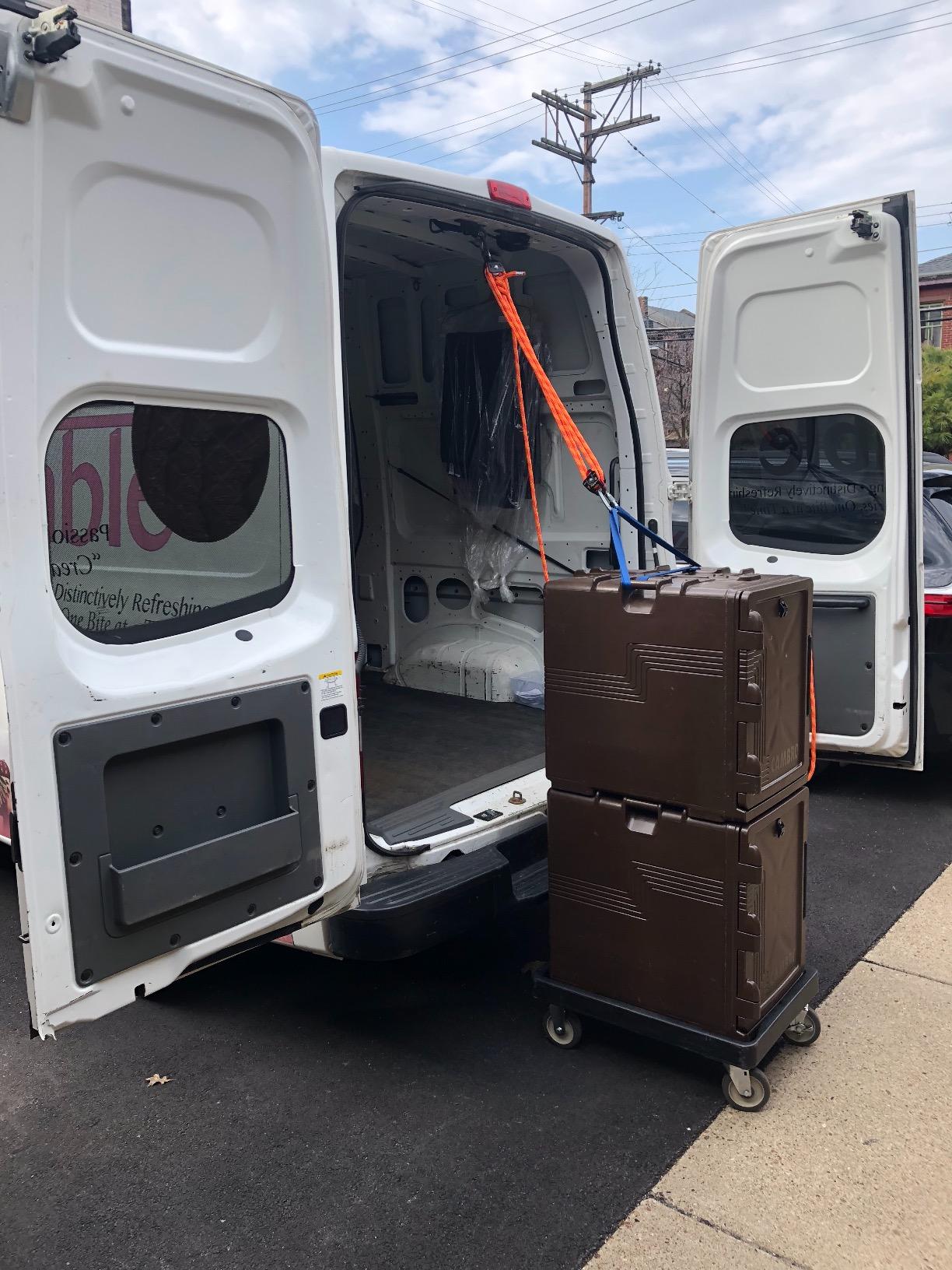
With 331 reviews and a 4.6 average, the user feedback is extensive and overwhelmingly positive. Arborists, rescue workers, and climbers all report solid performance. The compact size does mean you are limited to 12mm rope, so be realistic about your rope diameter before committing to this pulley.
Who Should Buy This Pulley
Arborists who regularly build 4:1 or higher mechanical advantage systems with 1/2 inch (12mm) or smaller rope will get the most from this pulley. If you do a lot of hauling, progress capture, or need compact double pulleys for portable rigging kits, the GM CLIMBING 40kN is an excellent value with the safety backing of CE/UIAA certification.
When to Consider Alternatives
The 12mm rope limit is the biggest constraint. If your standard rope is 1/2 inch True Blue, Sterling, or similar 12.7mm lines, it may fit tightly. Anything larger simply will not work. For arborists running 5/8 inch or 3/4 inch rigging rope, the Notch Spring Block or CMI RP130 are better suited to the larger diameters.
8. ISC 3/4″ Aluminum Arborist Block RP055 – Professional Workhorse
Isc, 3/4" Aluminum Arborist Block, #rp055
Sheave: 3/4 inch
Material: Aluminum
Weight: 5.58 lbs
Pros
- Extremely durable construction
- Professional arborist grade
- High load capacity
- Trusted ISC brand
Cons
- Premium price point
- Heavy at 5.58 lbs
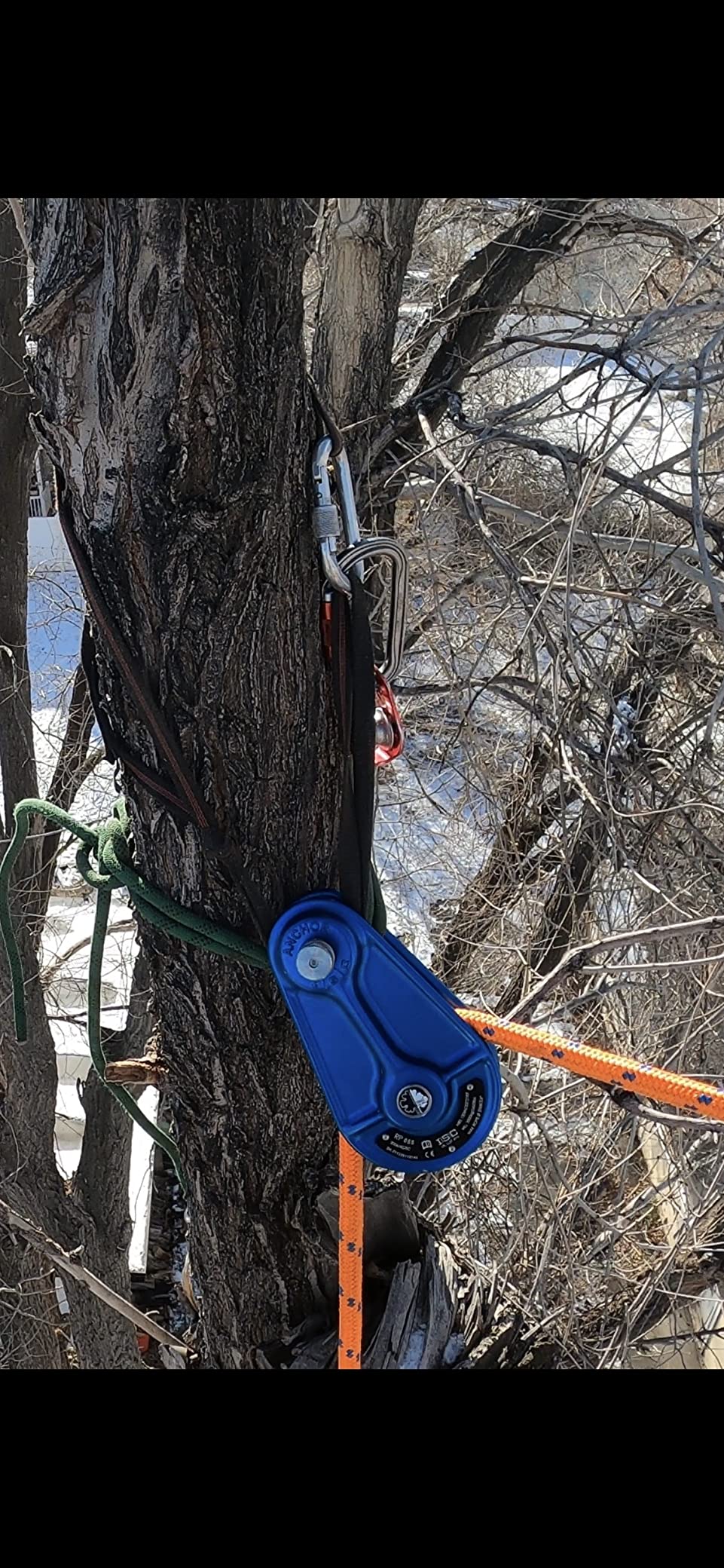
ISC is one of the most trusted names in arborist rigging hardware, and their 3/4″ Aluminum Arborist Block RP055 shows why. This is a professional-grade block built for crews that do heavy tree removal work day in and day out. The aluminum construction keeps the weight somewhat manageable at 5.58 lbs while delivering the durability and load capacity that ISC is known for in the tree care industry.
Experienced arborists on forums consistently recommend ISC blocks for their build quality and longevity. The RP055 is designed specifically for arborist applications, with a 3/4 inch sheave that handles the larger rope diameters common in heavy rigging. The aluminum construction provides an excellent balance of strength and weight — it is heavy enough to feel solid but light enough to manage in the tree.
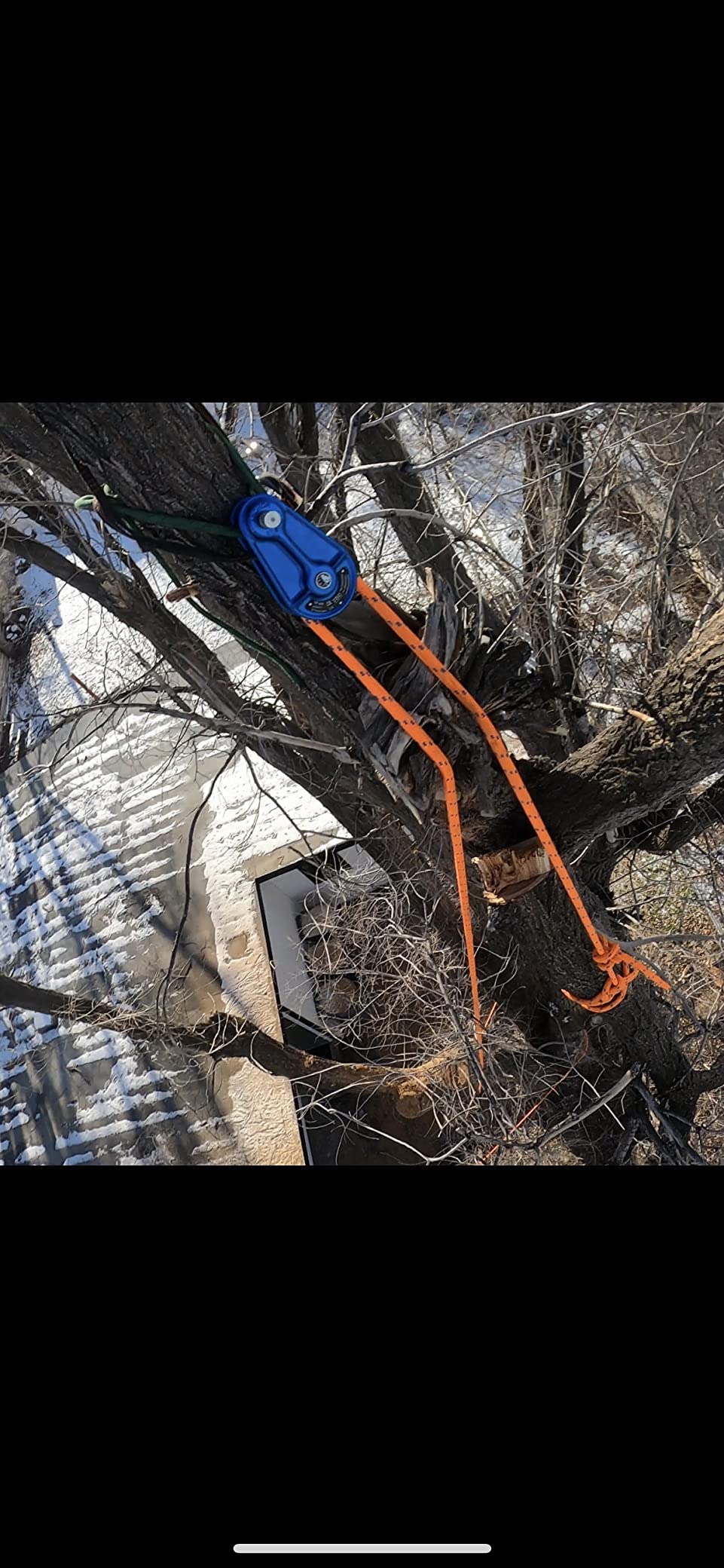
With 85% five-star ratings from professional users, the feedback is clear: this block performs. It is the kind of gear that professionals invest in once and rely on for years. The premium price reflects the professional-grade construction, and in my experience, arborists who buy ISC blocks rarely regret the investment.
Who Should Buy This Block
Professional tree care crews who run 3/4 inch rope and need a block that can handle daily heavy rigging operations are the ideal match for the ISC RP055. If you are doing large commercial removals, municipal tree work, or any job where your rigging block is subjected to serious forces every day, this block is built for exactly that workload.
When to Consider Alternatives
At 5.58 lbs, this is one of the heavier blocks on the list. If you are working on smaller jobs where weight matters more than maximum capacity, the CMI Micro or Notch Spring Block offers similar quality at a lower weight. The premium price also means it is a significant investment, so casual users or hobbyists may want to consider the GM CLIMBING or Fusion options instead.
9. CMI Zinc-Plated Steel Arborist Block – Classic Steel Reliability
CMI Zinc-Plated Steel Arborist Block for 3/4-inch Rope
MBS: 25,000 lbs
Rope: 3/4 inch
Weight: 3.6 lbs
Pros
- Made in USA with outstanding quality
- Clean and quiet under load
- Extremely durable
- Excellent value for forestry work
Cons
- Newer design differs from classic version
- Zinc-plating may wear over time
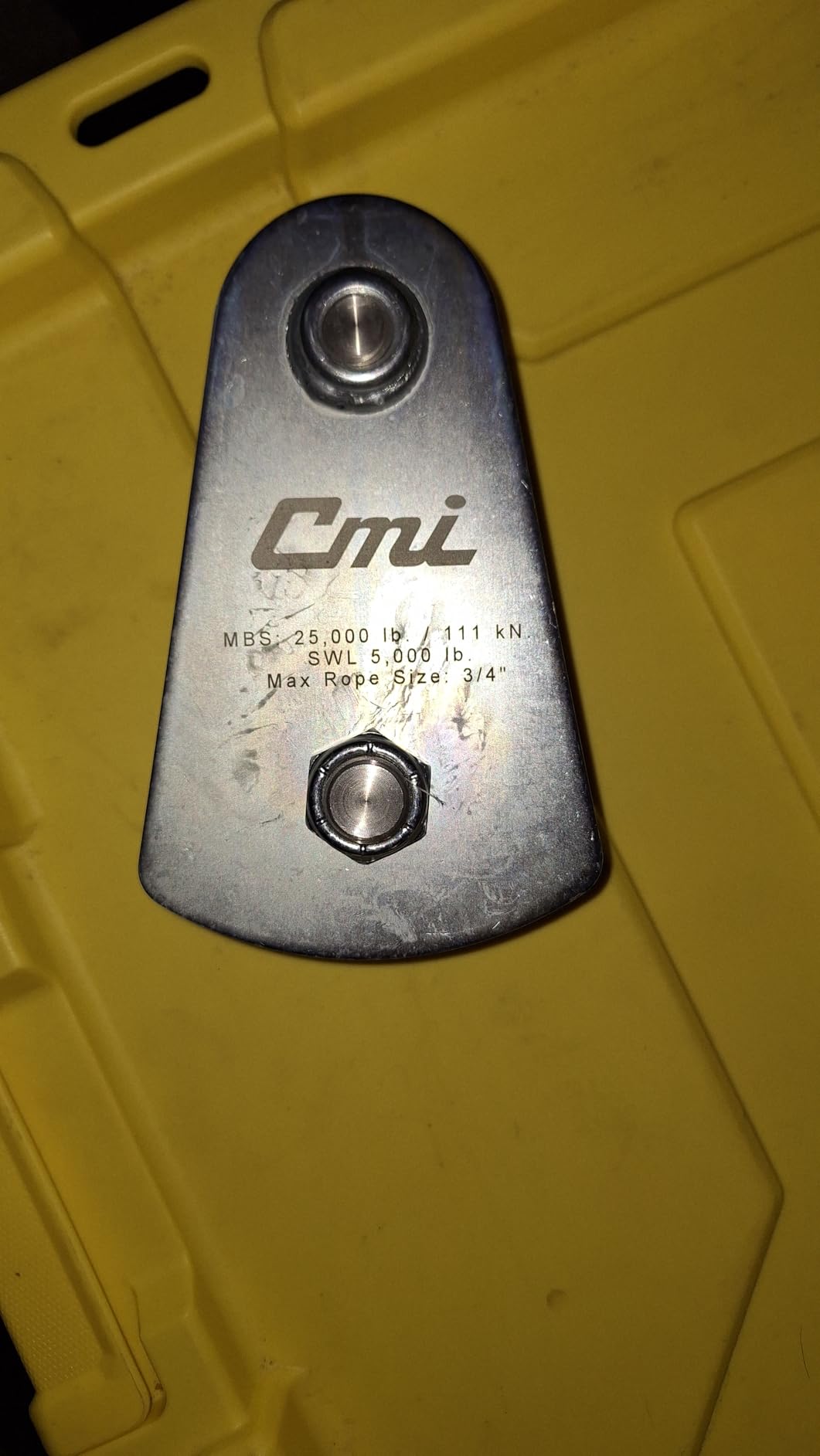
The CMI Zinc-Plated Steel Arborist Block SH103 is a classic in the tree care industry, and for good reason. With an MBS of 25,000 lbs and a 3/4 inch rope capacity, this block handles the big stuff. The zinc-plated steel construction and stainless steel hardware give you a block that can take abuse from weather, impacts, and daily hard use without complaint.
What I appreciate about this block is how quiet it runs under load. Some steel blocks rattle and clang, which can be distracting when you are focused on a controlled drop. The CMI SH103 operates clean and smooth, which is something you notice after using it alongside noisier alternatives. The 3/4 inch rope capacity makes it versatile for larger rigging setups, and the alloy steel construction with stainless hardware means rust is not a concern.
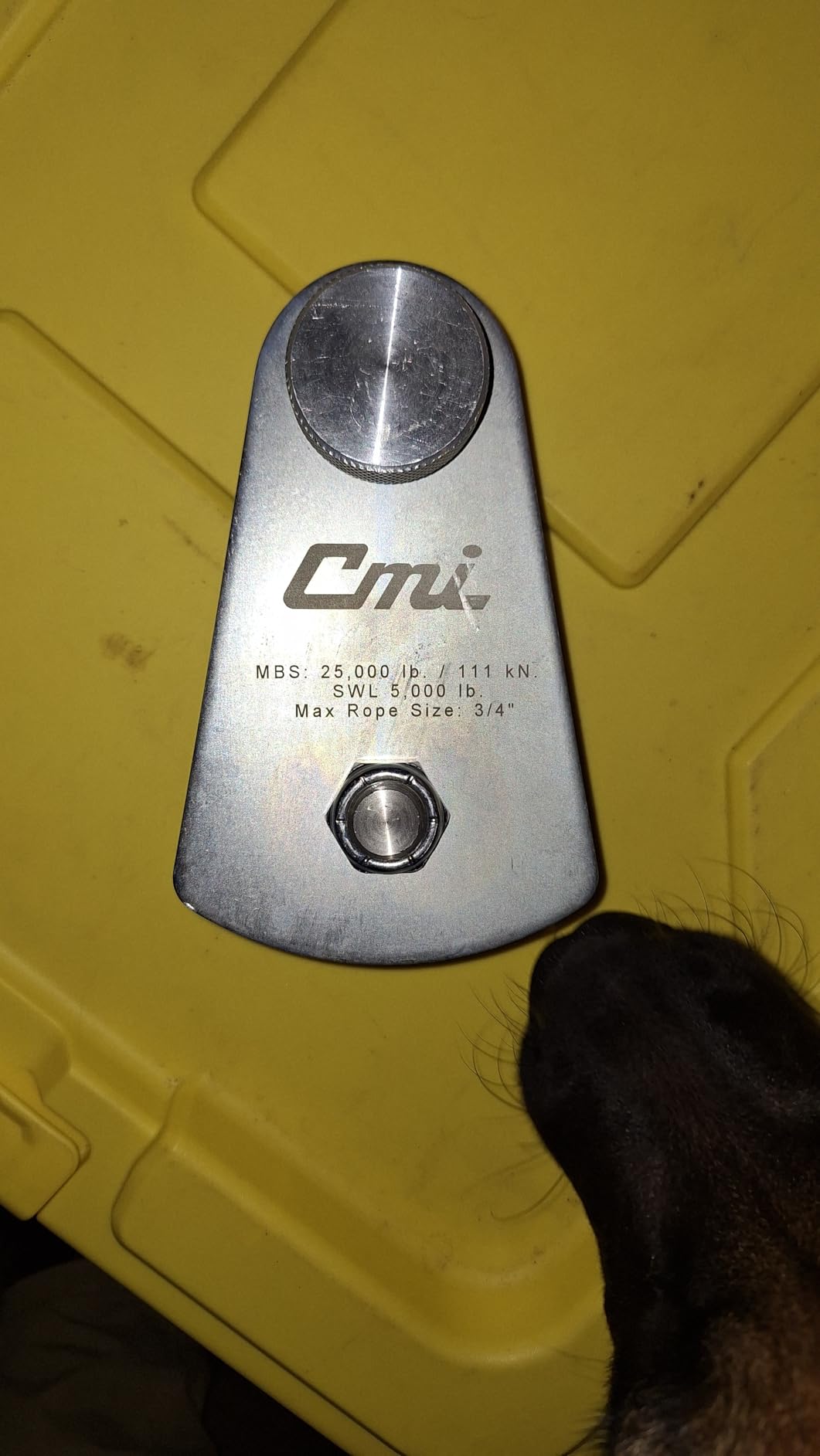
Made in the USA by CMI, this block has earned its 4.6-star rating through consistent performance. Some long-time users note that the newer production differs slightly from the classic version, particularly around the pin mechanism. However, the quality of construction remains high, and at its price point, it represents strong value for professional-grade equipment.
Who Should Buy This Block
Arborists who prefer the durability and heft of steel construction will find the CMI SH103 to be a reliable workmate. If you run 3/4 inch rope and want a block with a proven 25,000 lbs MBS rating at a reasonable investment level, this is one of the best values in professional arborist blocks. It is also ideal for crews that work in harsh conditions where aluminum might get dinged up.
When to Consider Alternatives
At 3.6 lbs, this block is heavier than aluminum alternatives with similar specs. If you are climbing with your block and weight matters, the Notch Spring Block delivers a higher MBS at a similar weight. Also, if you prefer a block with modern features like a spring-loaded captive pin, the CMI SH103 uses a more traditional locking mechanism that some users find less convenient in the tree.
10. ISC 1/2in Compact Rigging Block – Compact Professional Grade
ISC Compact Arborist Rigging Block (1/2" Rope) RP048
Rope: 1/2 inch
Compact Design
Weight: 16 oz
Pros
- Professional ISC quality
- Compact and efficient
- Strong construction
- Ideal for tree service
Cons
- Premium pricing for compact size
- Limited color options
The ISC 1/2in Compact Rigging Block is built for arborists who want ISC quality in a smaller package designed for 1/2 inch rope. At just 16 ounces, it is one of the lightest professional-grade blocks available, making it an easy addition to your climbing kit. The green color provides high visibility in the tree, which sounds minor until you have spent time searching for a camouflaged block in dense foliage.
ISC’s reputation in the arborist community is well-earned, and this compact block carries that same standard of quality. With 80% five-star ratings, professional users report strong performance in tree service applications. The compact design makes it efficient for residential tree work, pruning operations, and lighter rigging tasks where a full-size block would be overkill.
This block fills a specific niche — it is for the arborist who wants the ISC name and quality but does not need the 3/4 inch capacity of the RP055. For everyday residential work with 1/2 inch rope, it delivers the right balance of size, weight, and professional-grade construction.
Who Should Buy This Block
Arborists who primarily use 1/2 inch rigging rope and want a compact, professional-grade block will find this ISC unit hits the sweet spot. It is ideal for residential tree service, pruning operations, and situations where you want ISC quality without the bulk of their larger blocks. The lightweight design also makes it a great harness-carry block.
When to Consider Alternatives
The 1/2 inch rope limit means this block is not suitable for heavy removal work with larger rope. If your operations range across multiple rope sizes, you may want to invest in a larger-capacity block instead. The premium pricing for a compact block also means you are paying for the ISC brand — the CMI Micro RP162 offers similar specs at a lower price point, though without the ISC reputation for bearing smoothness.
How to Choose the Right Rigging Block for Tree Work
Selecting the right rigging block comes down to understanding five key factors: the forces involved in your operations, the rope you use, the type of rigging you do, the material that suits your conditions, and your experience level. Let me walk through each one.
MBS vs WLL – What the Numbers Actually Mean
This is the single most important concept to understand when choosing rigging hardware. MBS (Minimum Breaking Strength) is the absolute minimum force at which the block will fail. You should never operate anywhere near this number. WLL (Working Load Limit) is typically one-fifth to one-tenth of the MBS and represents the maximum load you should subject the block to during normal operations.
For example, the Notch Spring Block has an MBS of 33,720 lbs but a WLL of 6,744 lbs. That 5:1 safety ratio is there because dynamic forces during negative rigging can spike far above the static weight of the piece you are lowering. A 500 lb limb dropped even a few feet can generate forces two to three times its static weight. Always calculate your WLL needs based on the worst-case dynamic scenario, not just the weight of the wood.
Rope Size Compatibility – Getting the Right Match
Your rigging block must accommodate your rope diameter, but the relationship is not just about whether the rope physically fits through the sheave. The sheave diameter should be at least four times the rope diameter to prevent excessive bending stress that weakens the rope over time. If you run 3/4 inch rope, you want a sheave with at least a 3-inch diameter.
Most dedicated arborist blocks are designed with this ratio in mind, but it is worth checking, especially with smaller pulleys. A block that barely fits your rope will wear the rope faster and generate more friction, reducing your control. Match your block to your rope, not the other way around. Forum users consistently advise buying the block that fits your existing rope rather than switching rope sizes to match a block.
Impact Blocks vs Pulleys – When to Use Each
Impact blocks and standard pulleys serve different purposes. Impact blocks are purpose-built for arborist rigging, with features like wider cheek plates, stronger side plates, and opening mechanisms designed for midline attachment at height. They are built to absorb the shock loads generated during negative rigging and heavy lowering operations.
Standard pulleys like the GM CLIMBING Rescue Pulley work well for mechanical advantage systems, redirects, and lighter rigging tasks. They are generally lighter, less expensive, and available in double-sheave configurations for building compound systems. As a general rule: if you are doing removals with pieces over 200 lbs, use a dedicated impact block. For lighter work, pruning assists, and hauling systems, a quality pulley will serve you well and save weight and money.
Material Considerations – Aluminum vs Steel
Aluminum blocks are lighter and easier to carry in the tree, which matters when you are climbing with your gear. Most modern arborist blocks use aluminum construction with stainless steel hardware for the best weight-to-strength ratio. The Notch Spring Block and ISC RP055 are good examples of aluminum blocks that deliver high strength at reasonable weights.
Steel blocks like the CMI SH103 are heavier but more resistant to impact damage and abrasion. If your block lives on a ground crew truck and gets tossed around, steel holds up better to that kind of treatment. Steel also performs well in extreme temperature ranges and corrosive environments. For most climbing arborists, aluminum is the right choice. For ground rigging setups, steel has its place.
Experience Level Recommendations
If you are new to tree rigging, I recommend starting with a mid-range block rather than the cheapest option. The forum community agrees — a quality mid-range block like the GM CLIMBING Rescue Pulley or CMI Micro gives you reliable performance while you learn the ropes, literally. Avoid the temptation to buy the absolute cheapest hardware you can find, because the safety margin matters most when your technique is still developing.
For experienced professionals, investing in premium blocks from ISC, Notch, or Rock Exotica pays off in durability and features that make daily work more efficient. The screw-action locks, captive pins, and smoother bearings on premium blocks save time and reduce frustration over thousands of operations. Think of it as investing in tools that earn their keep every single day on the job.
FAQs
What is the best rigging rope for tree work?
The best rigging rope for tree work depends on your typical job size, but most professional arborists use 1/2 inch (12-13mm) or 5/8 inch (16mm) double-braid polyester ropes. For general tree work, 1/2 inch rope like Samson True Blue or Yale Poli-double is versatile and compatible with most rigging blocks. For heavy removal operations with large trunk sections, step up to 5/8 inch or 3/4 inch rope for higher strength and heat resistance. Always match your rope diameter to your block’s rated capacity.
What is the 4 to 1 rigging system?
A 4 to 1 rigging system (also called a 4:1 mechanical advantage) is a pulley configuration that multiplies your pulling force by four times. You build it using two double pulleys: one anchored at the rigging point and one at the load or ground. When you pull the rope with 100 lbs of force, the system generates 400 lbs of lifting power at the load. This setup is commonly used in tree rigging for controlled lifting, tensioning speed lines, or assisting with heavy piece removal. It reduces the physical effort needed and gives you finer control over heavy loads.
What are rigging skills for an arborist?
Core rigging skills for an arborist include setting rigging points in the tree, using natural crotches or artificial anchors, operating rigging blocks and pulleys, executing controlled lowers with friction devices, performing negative rigging (dropping pieces below the rigging point), building mechanical advantage systems for lifting, and understanding dynamic force calculations. Additional skills include knot tying for rigging (running bowline, clove hitch, timber hitch), rope management, using port-a-wraps and friction savers, and communicating signals with ground crew during rigging operations.
How to rig a 2 to 1 pulley?
To set up a 2 to 1 pulley system for tree rigging: attach one pulley to your anchor point in the tree using a sling or whoopie sling. Run your rope through the pulley and down to the load. Attach the rope end to the load using a running bowline or appropriate rigging knot. The standing part of the rope goes to your friction device or ground crew. When you pull the standing end, you get a 2:1 mechanical advantage — the load feels half as heavy. This is the simplest mechanical advantage setup and works well for moderate lifting tasks and assisted lowering in tree work.
Final Thoughts on the Best Rigging Blocks for Tree Rigging Operations
After comparing these 10 rigging blocks across strength ratings, rope compatibility, build quality, and real-world user feedback, a few clear winners emerge. The Notch 3/4″ Rigging Spring Block takes our top recommendation for heavy-duty removal work with its 33,720 lbs MBS, CNC-machined sheaves, and lifetime warranty. The Rock Exotica Omni-Block wins for versatility with its combined swivel-pulley design and sideplate access. And the GM CLIMBING Rescue Pulley delivers the best value for budget-conscious arborists without sacrificing CE/UIAA certification.
For arborists building out their first serious rigging kit, I recommend pairing a mid-range block like the CMI Micro RP162 for 1/2 inch rope work with a GM CLIMBING double pulley for mechanical advantage setups. That combination covers most residential and light commercial jobs. For full-time removal crews, investing in the Notch Spring Block or ISC RP055 gives you the capacity and durability that daily professional use demands.
The right rigging block is the one that matches your rope, your workload, and your budget while giving you a comfortable safety margin. Every block on this list has earned its place through real-world performance and positive user feedback. Choose the one that fits your operation, inspect your gear before every job, and always rig within the WLL — not the MBS. Stay safe out there.