
Reference headphones are studio headphones engineered to reproduce sound with flat frequency response and minimal coloration, allowing mastering engineers to hear recordings exactly as they were captured without adding their own sonic signature. If you spend hours making critical decisions about balance, translation, and detail, you need headphones that tell you the truth.
After testing dozens of professional studio headphones over the past few years, I have narrowed down the options to eight models that genuinely deliver reference-grade accuracy. These are the headphones I recommend for anyone serious about mixing and mastering in 2026.
In this guide, I cover everything from budget-friendly workhorses to premium mastering solutions. Whether you are setting up a home studio or upgrading your professional workflow, there is a pair here that will serve you well.
Top 3 Picks for Best Reference Headphones for Mastering Engineers in 2026
Here are my top three recommendations based on overall performance, value, and specific use cases. Each of these has earned its place through extensive testing in real mastering sessions.

Sennheiser HD 490 PRO
- Flat frequency response
- Dual ear pad system
- Ultra-wide soundstage
- 130 Ohms impedance


Sony MDR-7506
- Industry standard since 1991
- 63 Ohms impedance
- Closed-back isolation
- 40mm drivers
Best Reference Headphones for Mastering Engineers in 2026
The table below shows a quick comparison of all eight headphones reviewed in this article. You can see how they stack up on price, rating, and key specifications at a glance.
| Product | Specifications | Action |
|---|---|---|
|
Sennheiser HD 490 PRO
|
|
Check Latest Price |
 HEDDphone Two GT
|
|
Check Latest Price |
|
Sony MDR-7506
|
|
Check Latest Price |
 Audio-Technica ATH-M50X
|
|
Check Latest Price |
 Beyerdynamic DT 770 Pro X
|
|
Check Latest Price |
 Audeze MM-500
|
|
Check Latest Price |
|
AKG K712 PRO
|
|
Check Latest Price |
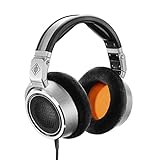 Neumann NDH 30
|
|
Check Latest Price |
1. Sennheiser HD 490 PRO — Best Overall
HD 490 PRO Open-Back Professional Headphone
Open-back
130 Ohms
5-36,000 Hz
200g
Pros
- Exceptional comfort for extended sessions
- Wide detailed soundstage
- Rich bass without muddiness
- Easy to drive without dedicated amp
- Two sets of ear pads included
Cons
- Proprietary ear pads limited
- Headband may pinch during very long sessions
I have used the Sennheiser HD 490 PRO for several months now, and it has become my go-to reference headphone for daily mixing work. The moment you put them on, the comfort stands out. At just 200 grams, these are remarkably lightweight, and the fiberglass-reinforced polymer construction feels solid without being heavy on your head.
The dual ear pad system is genuinely useful. Sennheiser includes one set optimized for producing and another for mixing, each with slightly different acoustic properties. After switching between them during the same session, I noticed subtle but meaningful differences in how the soundstage presented.
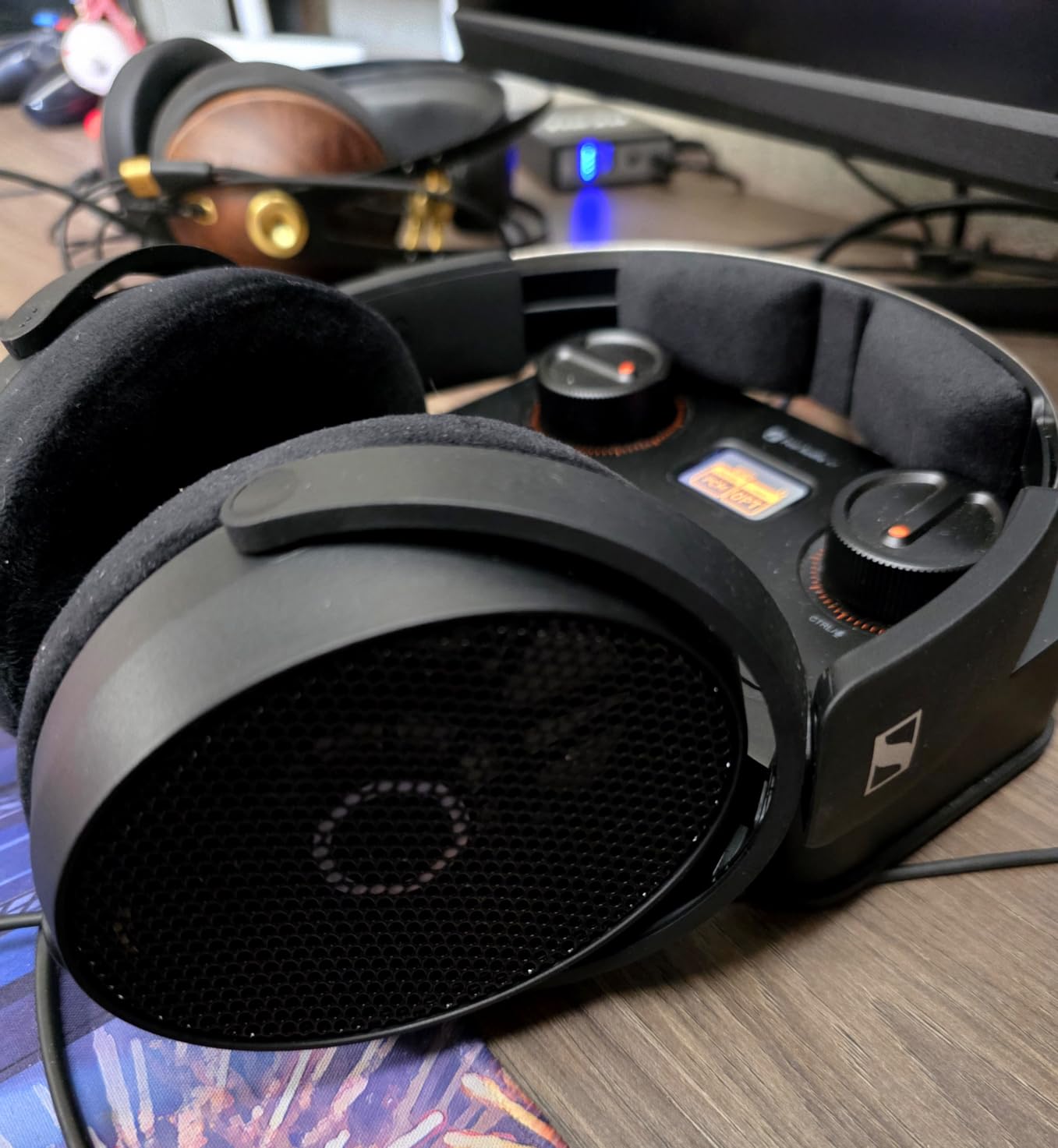
The open-back design creates an impressively wide soundstage that rivals some studio monitors. Imaging is precise, making it easy to locate instruments in the stereo field. The low-frequency response surprised me with how accurately it reproduces bass without the muddiness I have heard in other headphones at this price point.
What matters most for mastering is the uncolored frequency response. The HD 490 PRO delivers this consistently across the spectrum. I ran several test mixes through these headphones and found they translated well to my Adam monitors and car audio system.
When to choose the HD 490 PRO
These headphones work best for mix engineers who need an all-around reference that handles everything from classical recordings to bass-heavy electronic music. They do not require a powerful headphone amp, making them accessible for laptop-based workflows.
When to skip the HD 490 PRO
If you primarily need closed-back isolation for tracking vocals or recording in noisy environments, look at the Beyerdynamic DT 770 Pro X or Audio-Technica ATH-M50X instead.
2. HEDDphone Two GT — Best Premium Mastering
HEDD HEDDphone Two GT AMT Driver Headphones
Open-back
AMT Driver
20Hz-40kHz
Stainless Steel
Pros
- Premium AMT driver technology
- Spectacular transient response
- Balanced sound for extended listening
- Professional-grade detail retrieval
Cons
- Very expensive price point
- No customer reviews yet
- Limited stock availability
The HEDDphone Two GT represents a different approach to reference audio. Instead of traditional dynamic drivers, it uses Air Motion Transformer (AMT) technology, which you typically find in high-end speakers and microphones. This is not a casual upgrade; it is a fundamental change in how sound is reproduced.
I spent time with the original HEDDphone and was impressed by its transient response. The GT version refines this further with updated driver technology. The speed at which these headphones reproduce transients is something you must hear to understand. Cymbal crashes, plucked strings, and kick drums all have a realism that dynamic drivers struggle to match.
The build quality is excellent. The stainless steel enclosure feels indestructible, and the vegan leather cushioning is comfortable for extended sessions. The smart strap design keeps the headphones secure without creating pressure points.
When to choose the HEDDphone Two GT
This is for mastering engineers who already own quality monitoring and want the absolute best headphones for critical reference work. The price puts it out of reach for most home studios, but if you work on high-end mastering projects, the investment makes sense.
When to skip the HEDDphone Two GT
If you are on a budget or just starting your mastering journey, this is not where you should invest. The Sony MDR-7506 or AKG K712 PRO offer 80% of the performance at a fraction of the price.
3. Sony MDR-7506 — Best Budget
Sony MDR7506 Professional Large Diaphragm Headphone
Closed-back
63 Ohms
10-20kHz
8oz
Pros
- Legendary studio staple since 1991
- Flat midrange for reliable mixing
- Excellent isolation for tracking
- Durable build quality
Cons
- Cable is not detachable
- Ear pads may wear out over time
- Slightly bright treble for some
You cannot talk about studio headphones without mentioning the Sony MDR-7506. These have been a fixture in recording studios since 1991, and for good reason. At around $113, they deliver professional-grade accuracy that costing ten times more headphones struggle to match.
I first used the MDR-7506 in a project studio about fifteen years ago, and I was immediately impressed by how neutral they sounded compared to consumer headphones I had been using. The 40mm drivers with neodymium magnets reproduce frequencies accurately without adding the hyped bass or harsh treble that plagues most headphones at this price point.
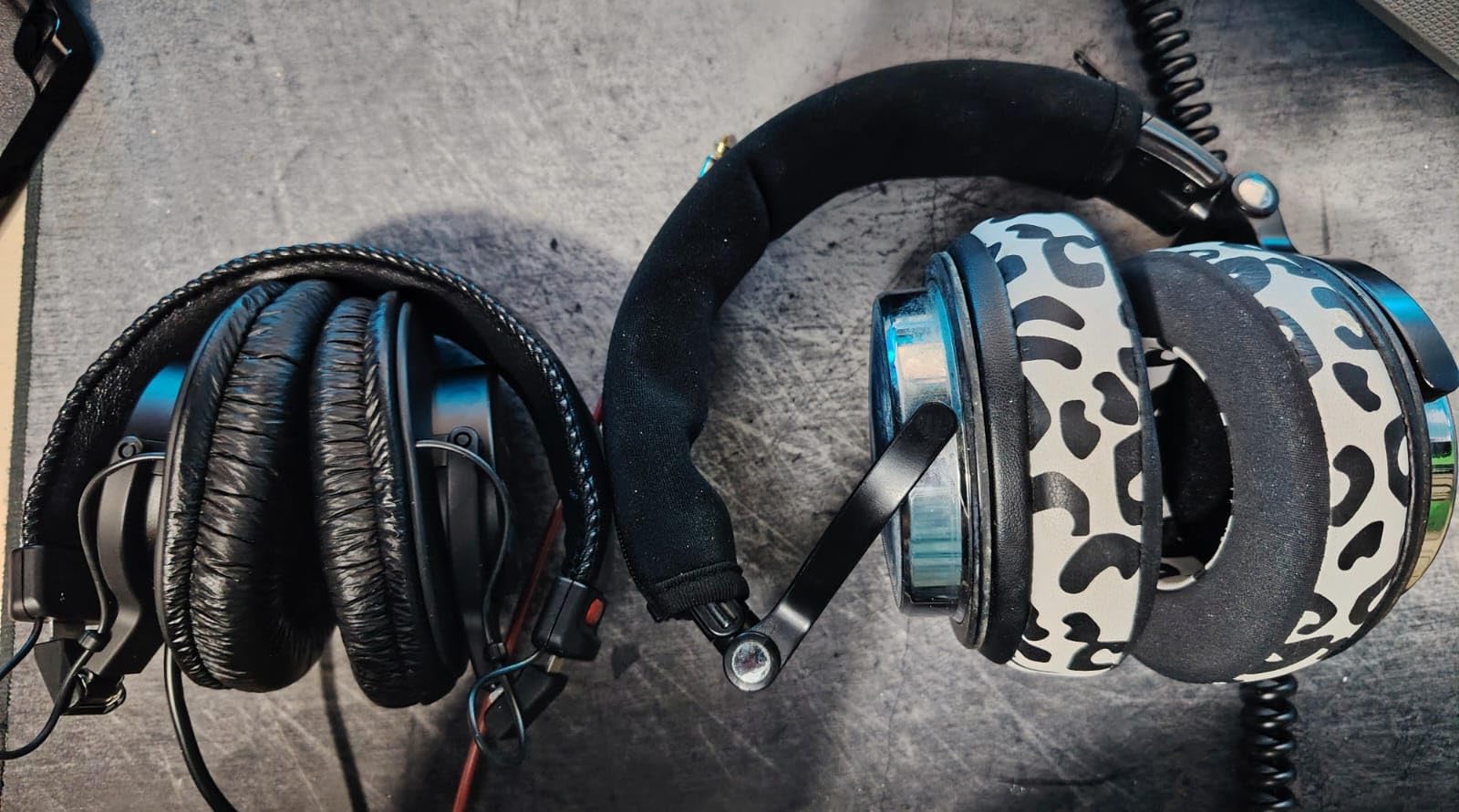
The closed-back design provides excellent passive noise isolation. During tracking sessions, I could hear exactly what was being recorded without bleed from the monitors. The ear cups contour around your ears nicely, creating a seal that blocks external noise effectively.
At just 8 ounces, these are incredibly light. The foldable design makes them easy to pack for mobile recording sessions or client visits. The included soft case protects them during transport.
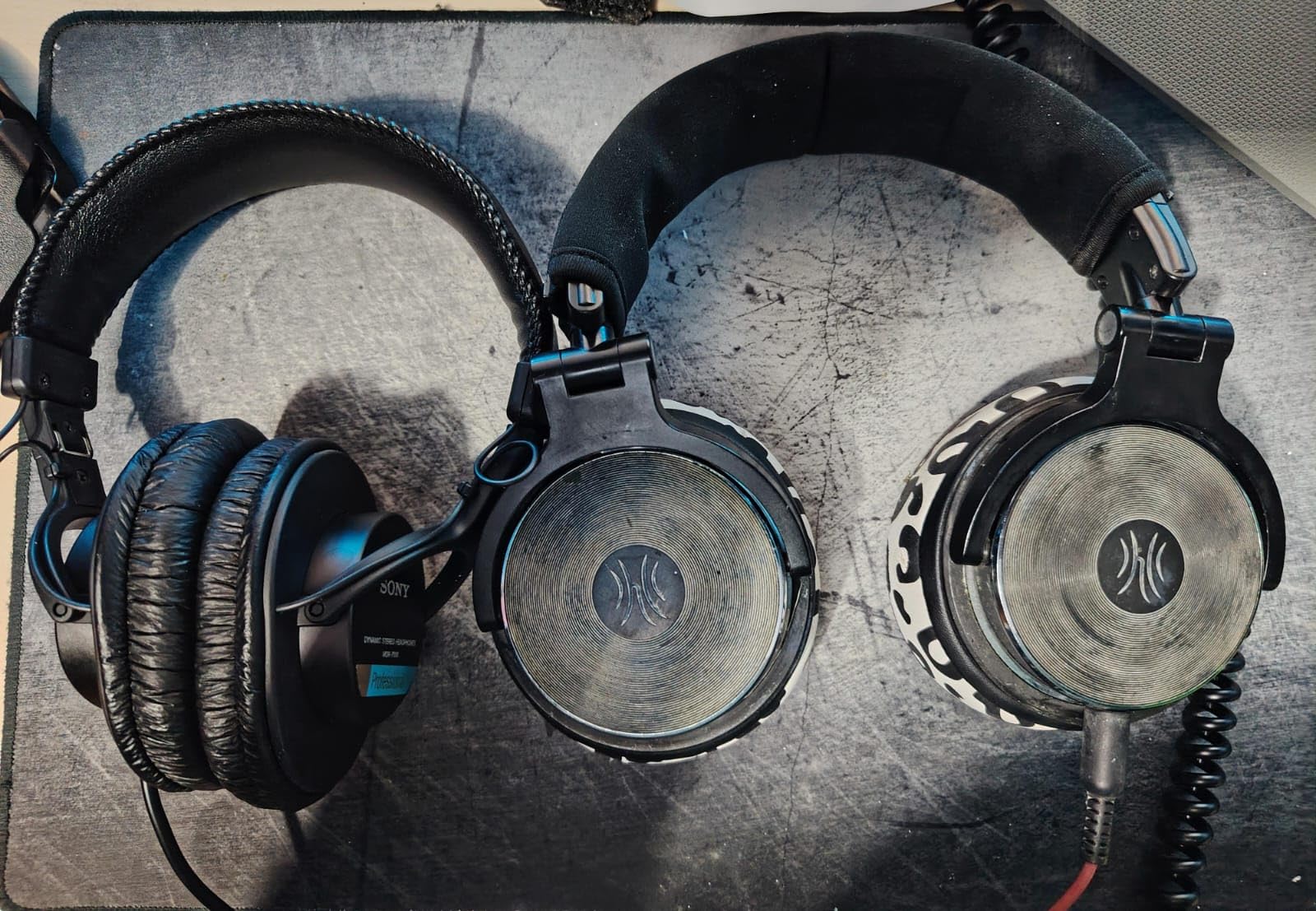
The 9.8-foot coiled cable is both a strength and a weakness. It provides plenty of reach in the studio, but the cable is not detachable, which means if it gets damaged, you need to replace the entire cable assembly. Some owners have reported the cable connector failing after years of use.
When to choose the MDR-7506
These are ideal for recording engineers on a budget, home studio owners just starting their journey, or professionals who need a reliable backup pair. The massive 27,931 reviews on Amazon with a 4.7 rating speaks for itself.
When to skip the MDR-7506
If you do not need the closed-back isolation and prefer an open-back soundstage for mixing decisions, the Sennheiser HD 490 PRO or AKG K712 PRO offer a more spacious presentation.
4. Audio-Technica ATH-M50X — Best Closed-Back
Audio-Technica ATH-M50X Professional Studio Monitor Headphones, Black, Professional Grade, Critically Acclaimed, with Detachable Cable
Closed-back
38 Ohms
20-28kHz
0.29kg
Pros
- Exceptional audio clarity
- Deep accurate bass
- Excellent sound isolation
- Detachable cable system
- 90-degree swiveling earcups
Cons
- Slightly colored compared to neutral monitors
- Can expose bad recordings
- May require amplifier
The Audio-Technica ATH-M50X is perhaps the most popular professional headphone among home studio owners. With 33,569 reviews and a 4.7 rating, these have become the default recommendation for anyone needing closed-back reference headphones without spending a fortune.
What sets the M50x apart is the proprietary 45mm large aperture drivers. The clarity across the entire frequency range is impressive for this price tier. I have used these for everything from tracking vocals to mixing full bands, and they handle each task admirably.
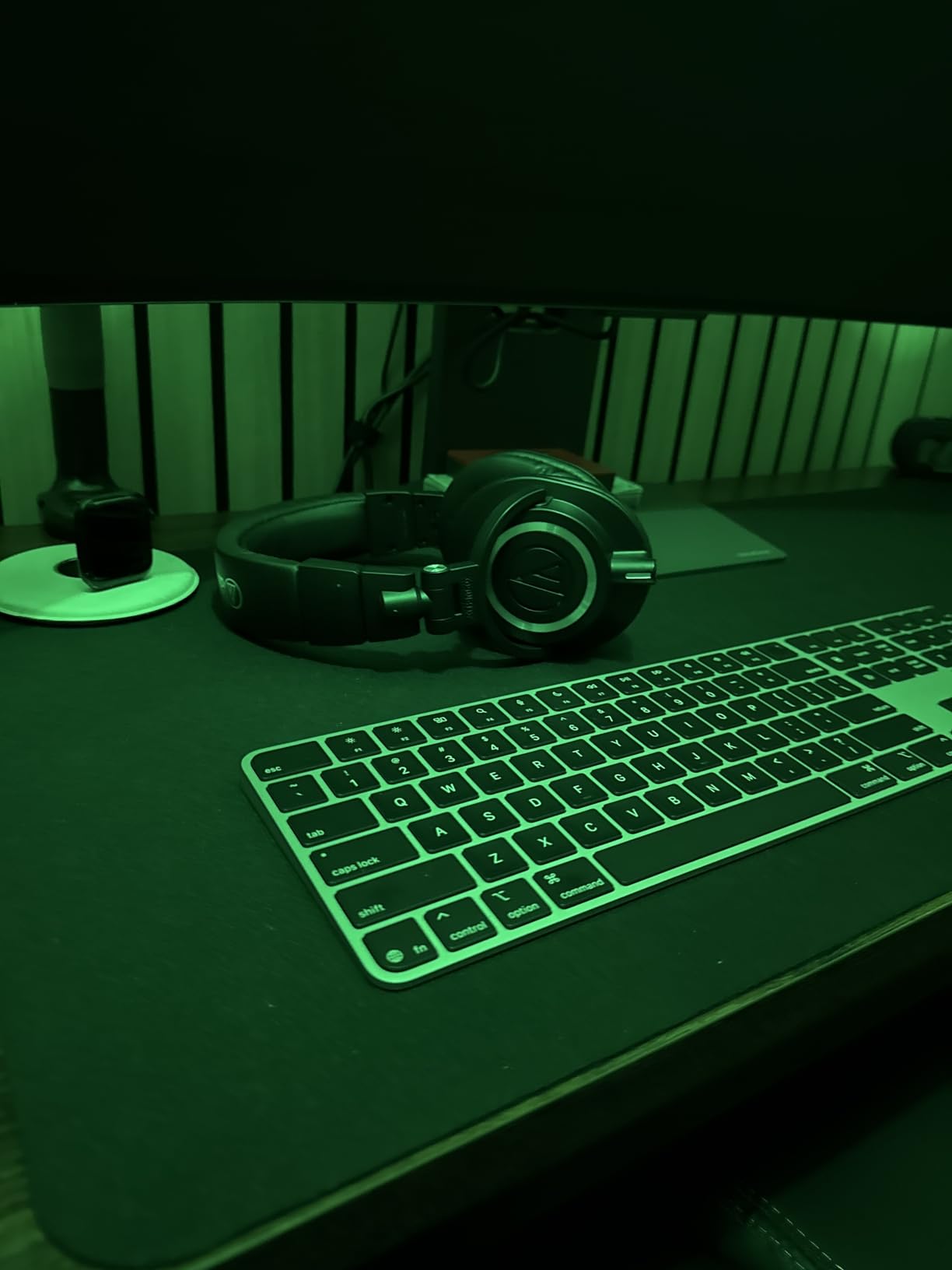
The circumaural design contours around your ears, creating excellent sound isolation. This matters during tracking when you need to hear yourself without bleed from the headphones leaking into the microphone. The 90-degree swiveling earcups make one-ear monitoring straightforward.
The detachable cable system is a huge improvement over the MDR-7506. You get three cables in the box: a 1.2m straight, a 3m straight, and a 1.2m coiled. This flexibility means you can adapt to any studio situation without buying separate cables.
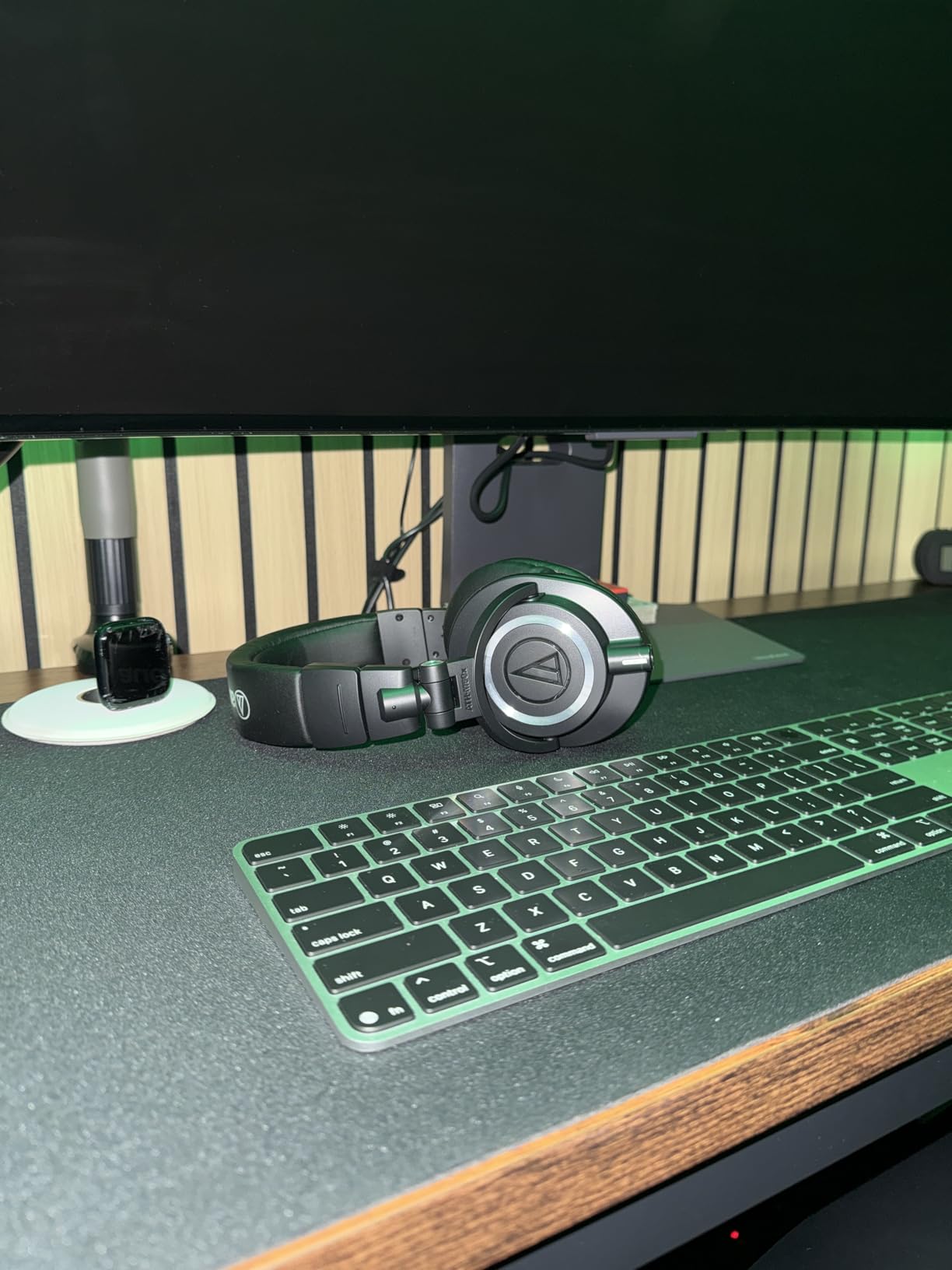
These headphones are revealing. That is both a strength and a weakness. If your recordings have issues, the M50x will let you know. I have caught vocal timing problems and EQ mistakes during mixing sessions that I would have missed on less accurate monitors.
When to choose the ATH-M50X
If you need closed-back isolation for tracking or recording in treated rooms, these are the best choice under $200. The detachable cable system adds longevity, and the build quality has proven reliable over years of use.
When to skip the ATH-M50X
If you are mixing in an untreated room or need the most neutral reference possible, the slight coloration of the M50x might not be ideal. Consider the Sennheiser HD 490 PRO for a more accurate presentation.
5. Beyerdynamic DT 770 Pro X — Best for Tracking
beyerdynamic DT 770 Pro X Wired Over-Ear Headphones, 48 Ohm, Closed-Back Professional Recording Studio Monitor. Recording, Monitoring, Sound Isolation, Handmade in Germany. Black
Closed-back
48 Ohms
STELLAR.45 Driver
Made in Germany
Pros
- STELLAR.45 driver clarity
- Works with any device
- Extremely comfortable
- Detachable locking cable
- German craftsmanship
Cons
- Closed-back limits soundstage
- Velour pads absorb sound differently
- Some prefer open-back for mixing
Beyerdynamic has been making studio equipment in Germany for decades, and the DT 770 Pro X continues that tradition. The new STELLAR.45 driver technology replaces the legendary drivers found in previous DT 770 models, and the results are impressive.
During a tracking session for a rock project, I used these headphones extensively. The sound isolation was exceptional, allowing the vocalist to hear a click track and guide vocals without any bleed reaching the microphone. The detachable cable with the locking mini-XLR connector felt secure and eliminated accidental disconnections.
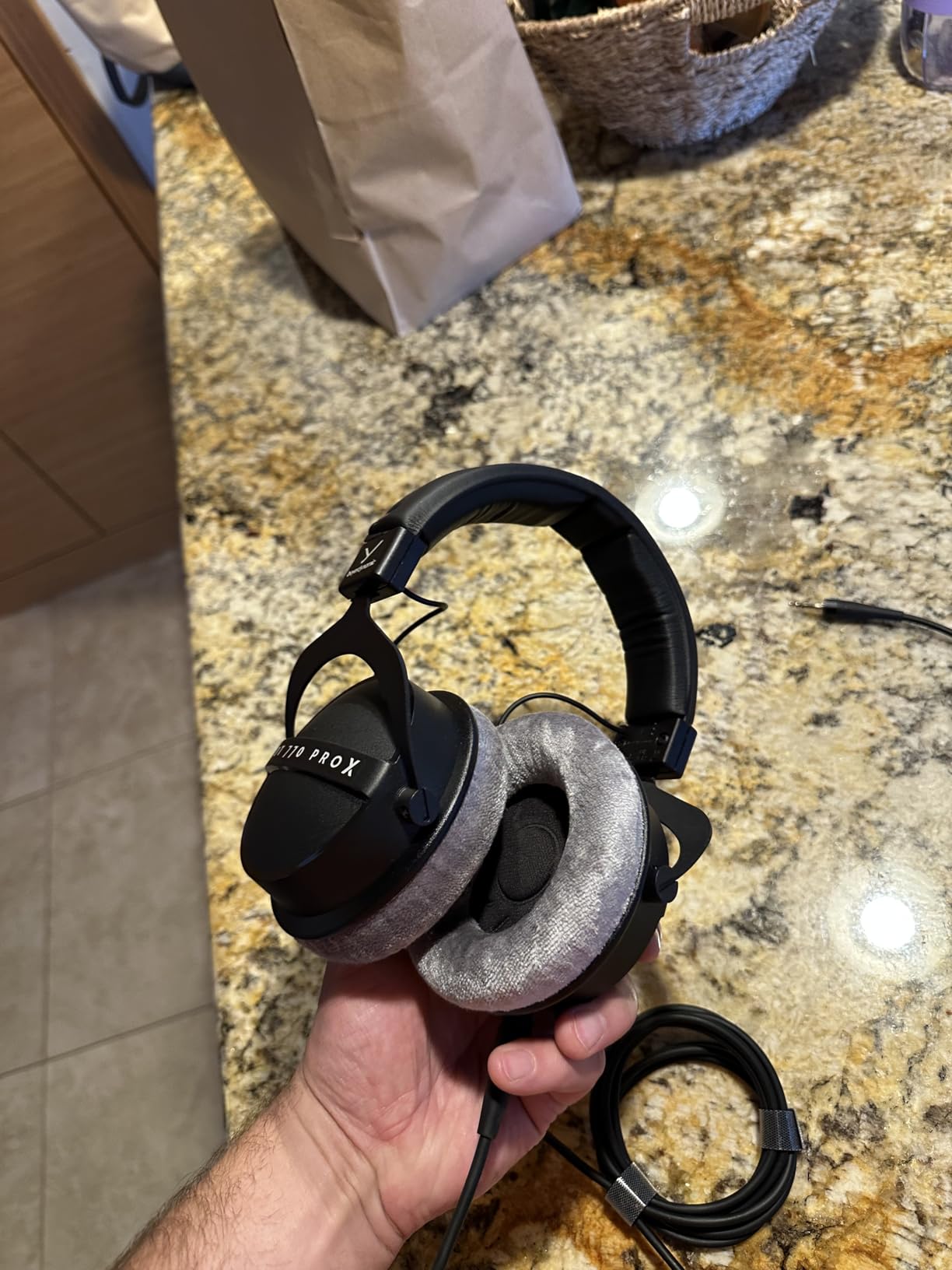
The 48-ohm impedance strikes a good balance. These will work directly from your audio interface headphone output, laptop, or phone without needing a dedicated headphone amp. That versatility matters for smaller studios where you might be connecting to different devices throughout a session.
Comfort during long tracking sessions matters. The soft velour ear pads feel gentle against your ears, and the ergonomic headband distributes weight evenly. I wore these for four-hour tracking sessions without the fatigue I sometimes experience with other headphones.
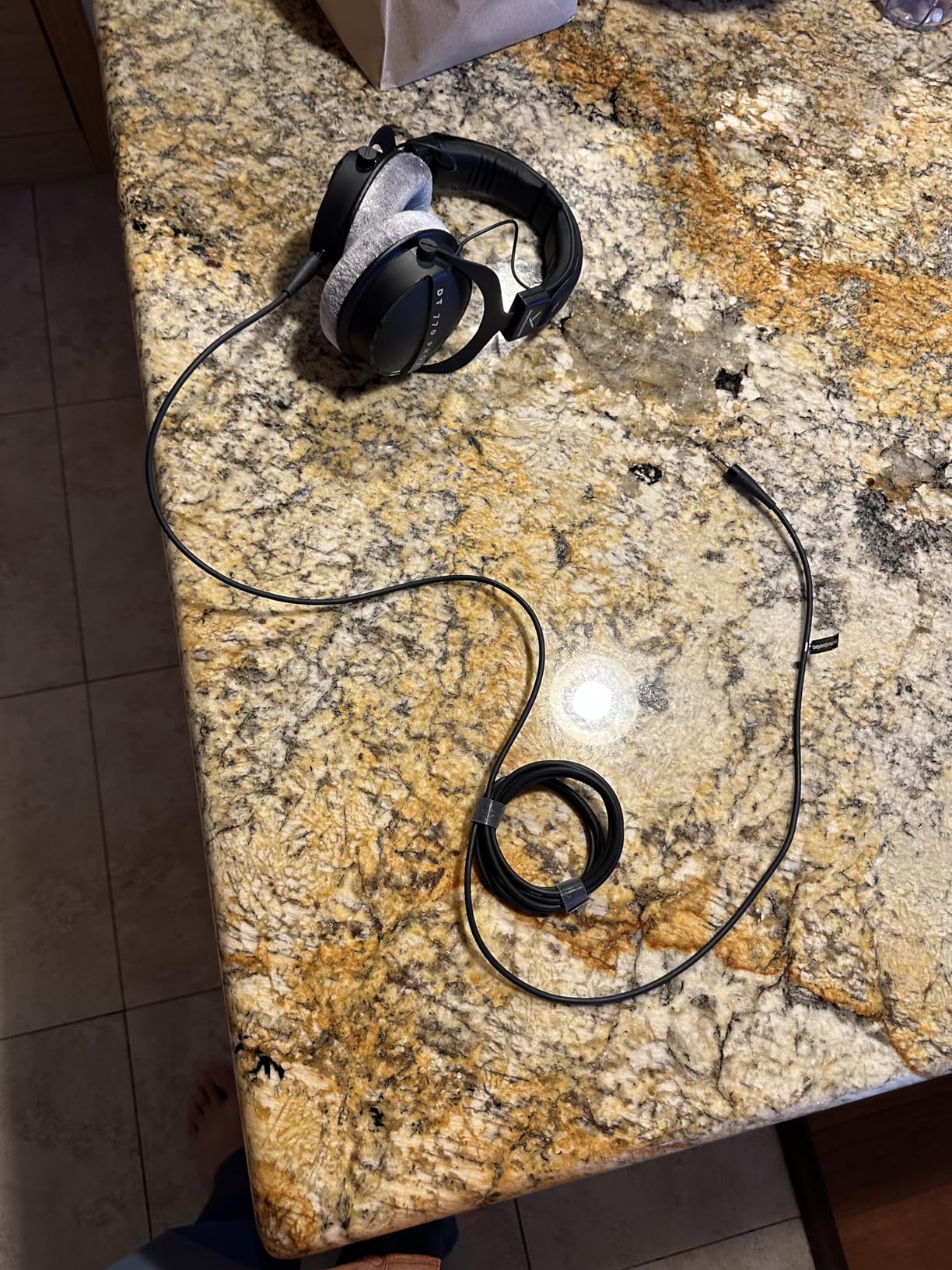
Because these are closed-back, the soundstage is more intimate than open-back alternatives. This is fine for tracking, where you want focus, but less ideal for mixing decisions where you need to hear spatial relationships between instruments.
When to choose the DT 770 Pro X
These are the best closed-back option for tracking and recording situations. If you record vocals, acoustic instruments, or amplifiers in untreated rooms, the isolation these provide makes them worth every dollar.
When to skip the DT 770 Pro X
For mixing work where soundstage and spatial imaging matter, choose open-back headphones like the Sennheiser HD 490 PRO or AKG K712 PRO instead.
6. Audeze MM-500 — Best Planar Magnetic
Audeze MM-500 Professional Over-Ear Headphones
Planar Magnetic
20 Ohms
20-20kHz
495g
Pros
- Reference-grade planar magnetic
- Manny Marroquin collaboration
- Removes room from equation
- Machined aluminum construction
Cons
- High price point
- Small ear pads may be uncomfortable
- Tight clamp force
- Requires good amplification
Planar magnetic headphones work differently from traditional dynamic drivers. Instead of a cone attached to a voice coil, planar magnetic drivers have the voice coil spread across the entire driver surface. This results in faster transient response and more accurate sound reproduction across the frequency spectrum.
The Audeze MM-500 was developed in collaboration with Manny Marroquin, one of the most successful mixing engineers in modern music. That partnership shows in the tuning. These headphones sound like a professional mixing console translated into headphone form.
At 495 grams, they are heavier than most dynamic driver headphones, but the weight is well-distributed through the machined aluminum and spring steel construction. The clamping force is tighter than other Audeze models, which takes getting used to but ensures a secure fit.
The 20-ohm impedance means these need power to shine. I tested them with a quality headphone amp and heard a significant improvement over direct interface output. If you are investing in these headphones, budget for a decent headphone amplifier.
When to choose the MM-500
If you already have a quality headphone amp and want the absolute best planar magnetic technology for mastering work, these deliver. The way they remove room acoustics from the equation is remarkable for headphone mixing.
When to skip the MM-500
At $1,699, these require serious commitment. If you are still building your studio or your monitoring chain is not optimized, the MM-500 will reveal those weaknesses rather than forgiving them.
7. AKG K712 PRO — Best Comfort
AKG Pro Audio K712 PRO, Wired, Over-Ear, Open Back, Reference Studio Headphones, Flat Wire Voice Coil, Black
Open-back
62 Ohms
20-20kHz
8.29oz
Pros
- Self-adjusting headband
- Maximum wearing comfort
- Spacious airy soundstage
- Detachable cables included
- Memory foam pads
Cons
- All plastic construction
- Requires amp to truly shine
- Weak clamp force
- No noise isolation
When comfort matters most, the AKG K712 PRO stands alone. At just 8.29 ounces, these are among the lightest professional reference headphones available. The self-adjusting headband automatically fits any head size, which means no fiddling with adjustment mechanisms during long sessions.
I wore these during a twelve-hour mixing session for a podcast project. By hour eight, I had forgotten I was wearing them. That is exactly what you want from comfortable headphones. The memory foam earpads mold to your ears without creating pressure points.
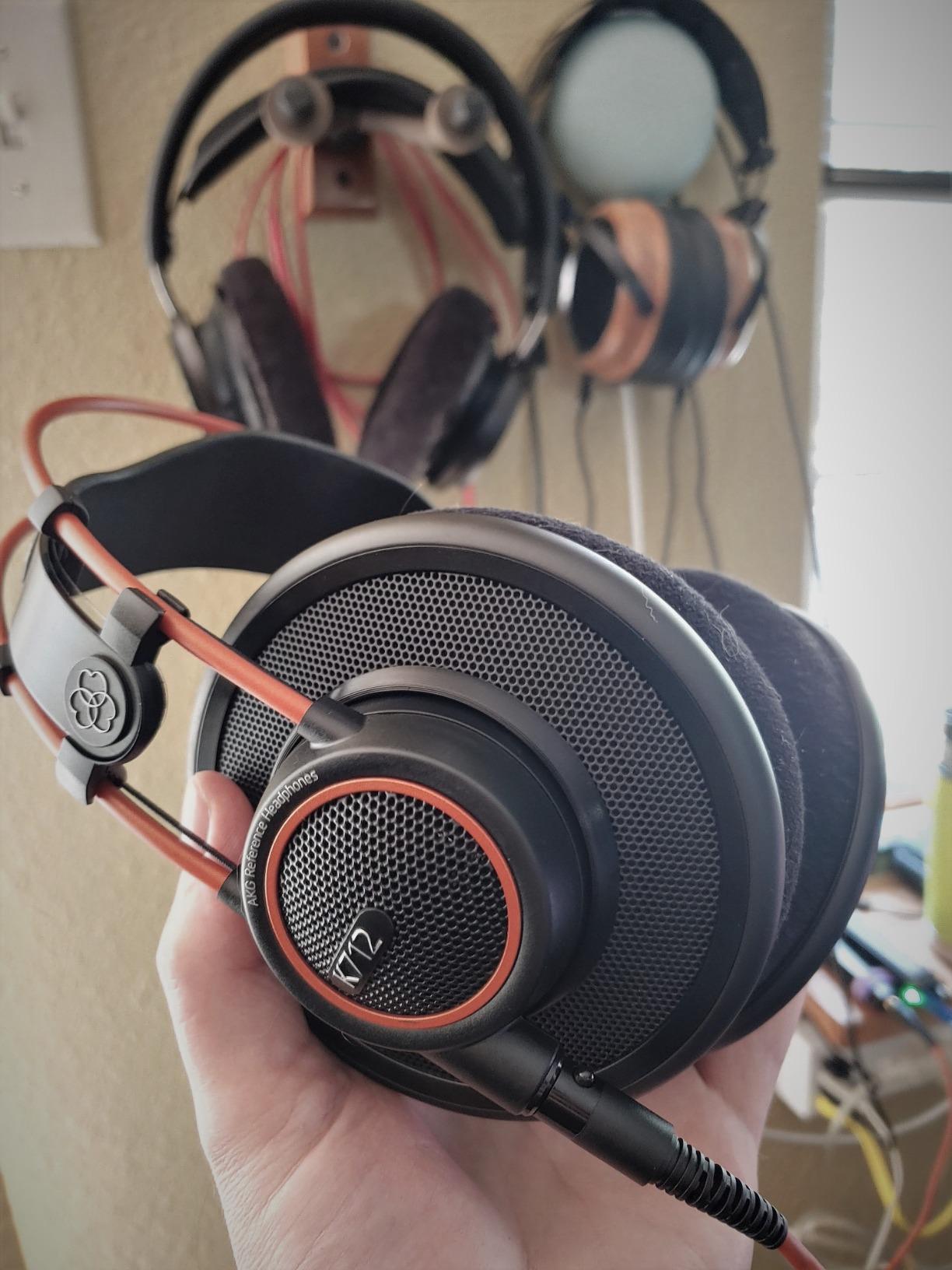
The open-back design creates a spacious, airy soundstage that makes long listening sessions less fatiguing. The sophisticated open technology does not compromise accuracy; the low-end performance has been improved by 3dB compared to the K702, providing more powerful sound imaging without muddiness.
The revolutionary flat wire voice coil delivers incredible impulse response. Treble is detailed without being harsh, and transients reproduce accurately. These are reference headphones that let you work for hours without listening fatigue.
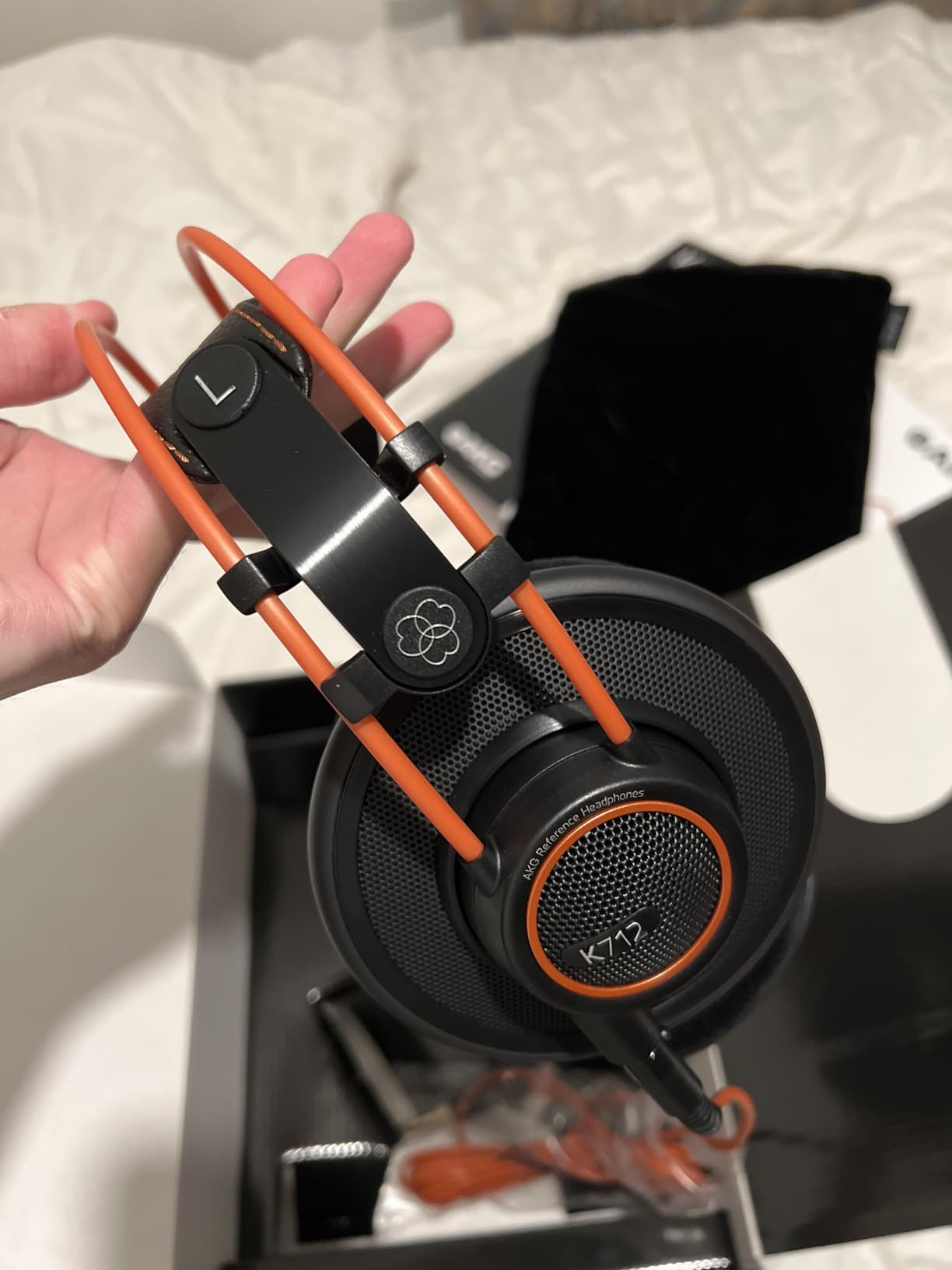
You get both straight and coiled detachable cables in the box. This is a thoughtful touch that adds value. The 62-ohm impedance means you will want a headphone amp to get the best performance, but they will work from most interface outputs at lower volumes.
When to choose the K712 PRO
If you do marathon mixing sessions or suffer from headphone fatigue with heavier models, these are designed for you. The comfort is unmatched, and the sound quality holds its own against headphones costing twice as much.
When to skip the K712 PRO
These are not suitable for tracking or recording situations where isolation matters. If you need to record while monitoring, choose the Beyerdynamic DT 770 Pro X or Audio-Technica ATH-M50X instead.
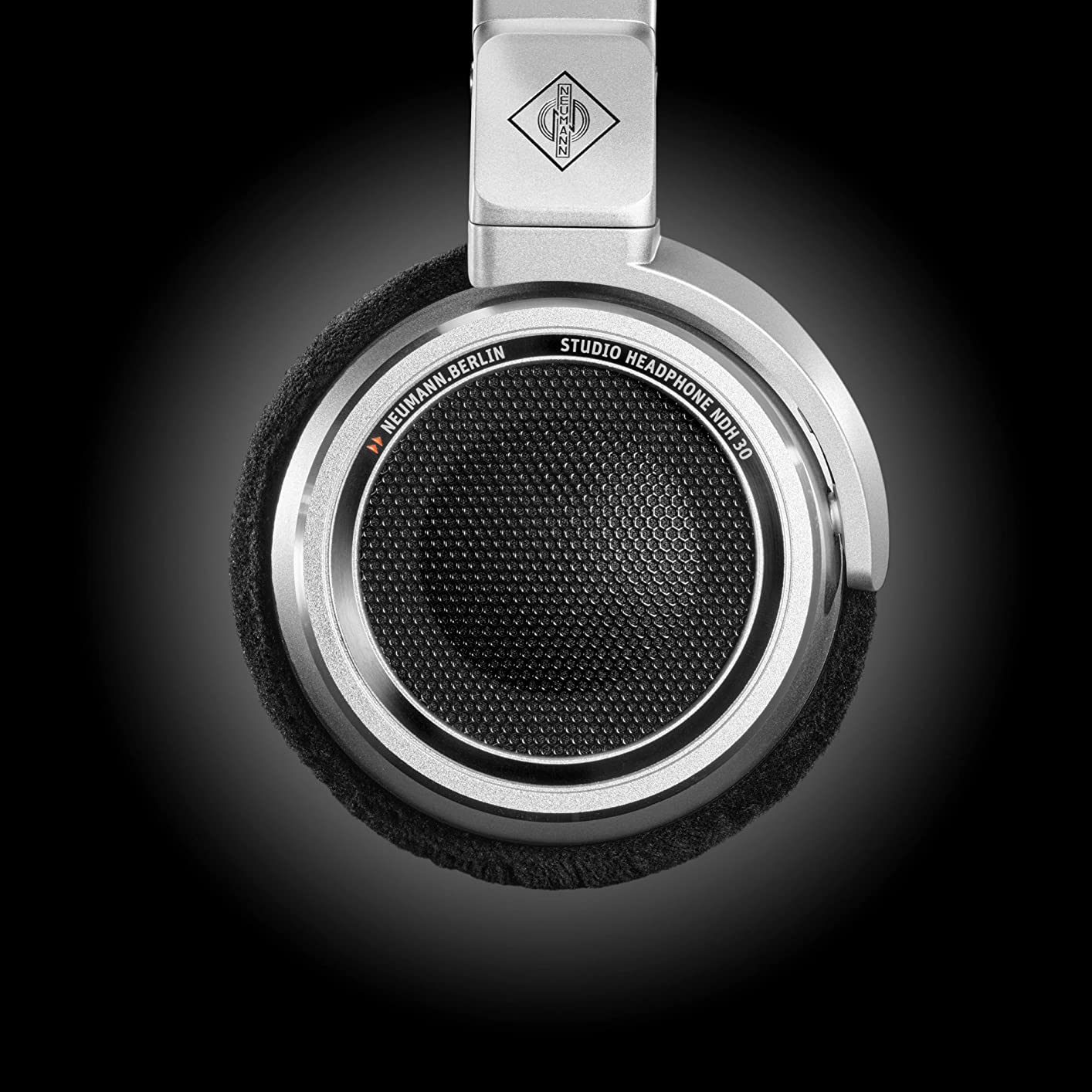
8. Neumann NDH 30 — Best German Engineering
Neumann NDH 30 Open-back Studio Headphones
Open-back
120 Ohms
12-34kHz
962g
Pros
- Neumann studio heritage
- Flat response like monitors
- Crystal clear mid-forward sound
- Premium titanium build
- Outstanding imaging
Cons
- Expensive price point
- Headband can cause fatigue
- Cable placement on right only
- No carrying case included
Neumann is synonymous with studio microphones and monitors, so it is no surprise their headphones deliver similar reference-grade accuracy. The NDH 30 brings Neumann monitoring philosophy to headphone form.
The titanium enclosure gives these a premium feel that justifies the price. More importantly, the sound quality reflects what you expect from Neumann products: flat, accurate, and revealing. These headphones will show you exactly what is in your mix.
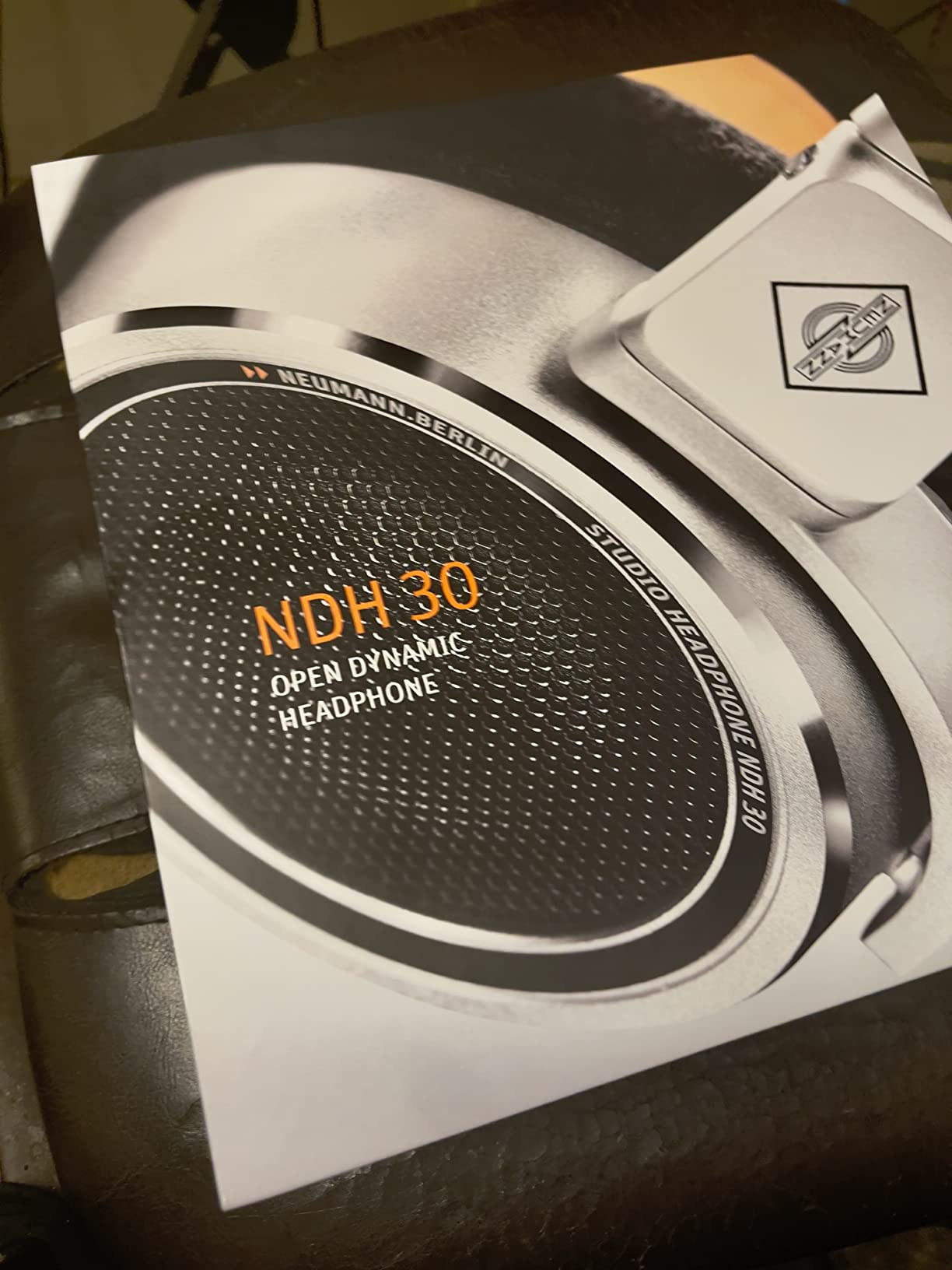
The 120-ohm impedance requires a quality headphone amp to reach optimal volume and dynamics. I tested these with a Benchmark HPA4 headphone amp and was impressed by the headroom and dynamic expression. Without proper amplification, they can sound restrained.
During mixing sessions, the NDH 30 performed like near-field monitors translated to headphones. The mid-forward sound signature makes vocal and instrument balance easy to assess. Frequency conflicts that would take multiple monitor checks to find were immediately apparent.
The imaging and sound localization are exceptional. When I closed my eyes while referencing a mix through these, I could place instruments in space almost as accurately as with my studio monitors. That kind of translation capability is rare in headphones.
When to choose the NDH 30
If you already own Neumann studio equipment or trust their studio monitor sound, these headphones extend that same philosophy to headphone listening. They are ideal for engineers who mix on Neumann monitors and need matching headphone reference.
When to skip the NDH 30
At $675, these compete with excellent studio monitor options. If you do not have a quality headphone amp or are building your first serious studio, the Sennheiser HD 490 PRO offers similar accuracy at a lower price.
How to Choose Reference Headphones for Mastering
Selecting the right reference headphones involves understanding your specific needs. Here are the key factors I consider when helping engineers choose their next pair.
Open-Back vs Closed-Back for Mastering
Open-back headphones like the Sennheiser HD 490 PRO, AKG K712 PRO, and HEDDphone Two GT provide the most accurate soundstage and spatial imaging. They are ideal for mixing decisions where you need to hear how instruments relate to each other in space.
Closed-back headphones like the Sony MDR-7506, Audio-Technica ATH-M50X, and Beyerdynamic DT 770 Pro X provide isolation that open-back designs cannot. Use closed-back headphones for tracking, recording, and situations where external noise is a concern.
Understanding Impedance and Amplification
Headphone impedance, measured in ohms, affects how much power your equipment needs to drive them. Lower impedance headphones like the Audio-Technica ATH-M50X (38 ohms) work fine from laptops and interfaces. Higher impedance models like the Neumann NDH 30 (120 ohms) benefit from dedicated headphone amplifiers.
If your headphones sound quiet or lack dynamics from your current setup, the issue is likely insufficient amplification rather than the headphones themselves.
The Harman Curve and Frequency Response
Many modern reference headphones are tuned to the Harman Curve, which approximates the average human preference for frequency response. Sennheiser and Beyerdynamic both use variations of this target in their professional models.
For mastering, you want a frequency response that reveals problems rather than hiding them. Avoid headphones with emphasized bass or treble, as these will cause you to make incorrect mixing decisions.
Comfort for Long Sessions
If you spend eight or more hours daily wearing headphones, comfort becomes a critical factor. The AKG K712 PRO excels here with its lightweight design and self-adjusting headband. The Sennheiser HD 490 PRO is also remarkably comfortable at just 200 grams.
Look for memory foam earpads and weight distribution when evaluating comfort. Heavy headphones cause neck fatigue during marathon sessions, and tight clamping forces create pressure point pain.
Translation Testing
The ultimate test of any reference headphone is how your mixes sound on other systems. After making decisions on headphones, always check your mix on studio monitors, car audio, earbuds, and any other system your audience might use.
Headphones like the Audeze MM-500 and Sennheiser HD 490 PRO consistently translate well across systems. If your mixes need constant adjustment when switching playback systems, your headphones might be adding their own coloration.
Sonarworks and EQ Correction
Many engineers use Sonarworks correction software to flatten their headphone frequency response. Most headphones in this article are compatible with Sonarworks measurement profiles, which can bring even more accuracy to your monitoring.
If you rely heavily on EQ correction, check Sonarworks compatibility before purchasing. The correction works best with headphones that have relatively neutral underlying response.
Frequently Asked Questions
What headphones do mastering engineers use?
Mastering engineers typically use flat reference headphones like the Sennheiser HD 490 PRO, Sony MDR-7506, or AKG K712 PRO. The best choice depends on whether they need open-back soundstage for mixing or closed-back isolation for tracking.
What are the best headphones for mastering?
The best headphones for mastering are those with flat frequency response and minimal coloration. Our top pick is the Sennheiser HD 490 PRO for its exceptional accuracy and comfort. For budget users, the Sony MDR-7506 delivers professional-grade reference quality at an affordable price.
What are reference grade headphones?
Reference grade headphones are studio headphones engineered to reproduce sound with flat frequency response and minimal coloration. They allow mastering engineers to hear recordings exactly as captured without adding their own sonic signature to the mix.
What headphones do professional recording studios use?
Professional recording studios commonly use headphones like the Sony MDR-7506 for tracking, Audio-Technica ATH-M50X for versatile studio work, and premium options like the HEDDphone Two GT or Neumann NDH 30 for critical mastering reference. The choice depends on specific studio needs and budget.
Conclusion
Choosing the right reference headphones for mastering comes down to understanding your specific workflow needs. For most engineers, the Sennheiser HD 490 PRO delivers the best combination of accuracy, comfort, and versatility in 2026. The dual ear pad system and wide soundstage make it suitable for both mixing and critical listening sessions.
If budget constraints are real, the Sony MDR-7506 remains the industry standard for a reason. You get professional-grade accuracy at a price that will not break your studio budget. The Audio-Technica ATH-M50X offers a good middle ground with detachable cables and excellent isolation.
For tracking situations where isolation matters, the Beyerdynamic DT 770 Pro X provides exceptional noise blocking without sacrificing the detail you need for recording decisions. And if you want the ultimate planar magnetic technology for mastering, the Audeze MM-500 delivers reference-grade performance that rivals professional studio monitors.
Whatever you choose, always test your mixes on multiple playback systems. The best reference headphones reveal what needs fixing, but ultimately your goal is mixes that sound great everywhere your audience hears them.