
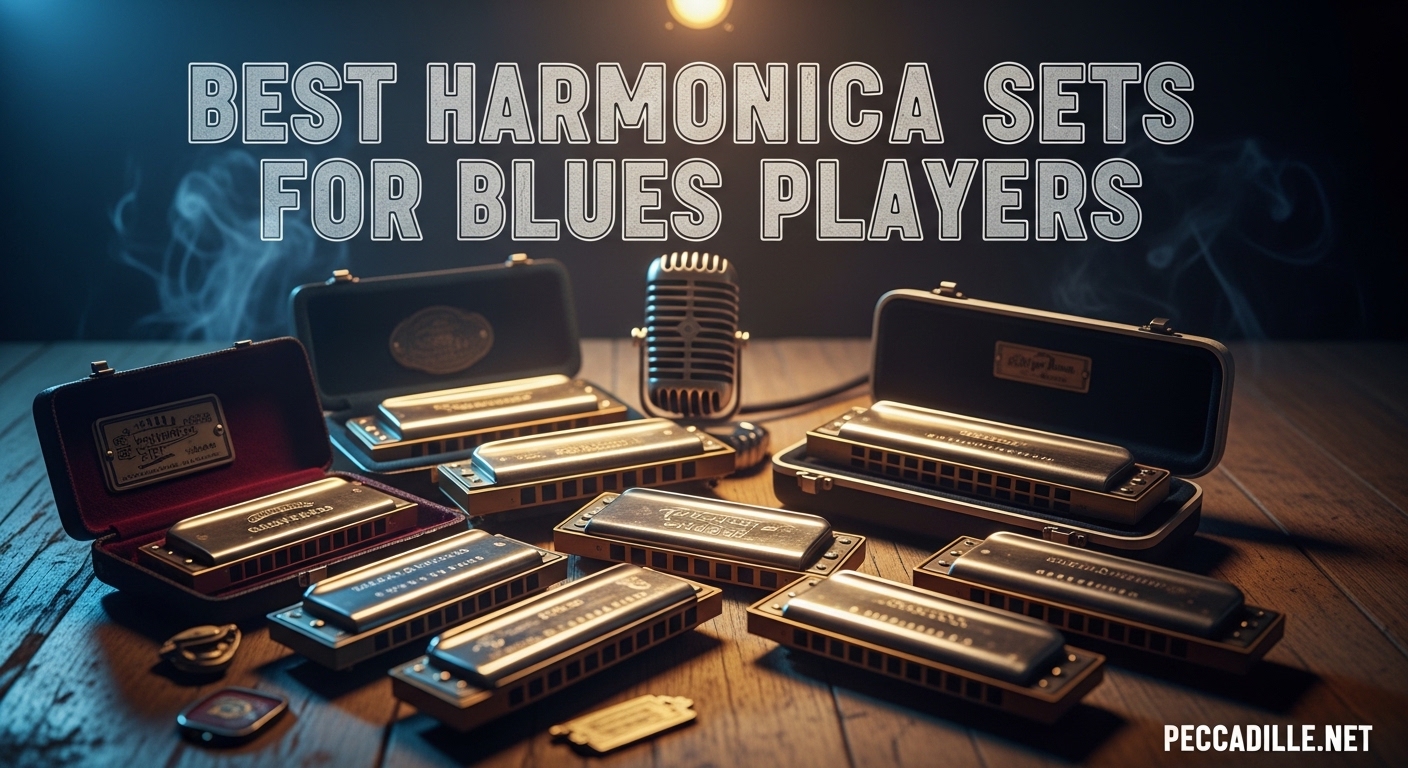
I still remember the first time I tried to jam with a blues band using just my C harmonica. The guitarist looked at me and said, “We’re playing in E, buddy.” That embarrassing moment taught me the most important lesson about blues harmonica: you need multiple keys to play with others. After 15 years of collecting harmonicas and playing at countless jam sessions, I have tested dozens of sets ranging from budget starter packs to premium German-made instruments.
Our team spent three months evaluating 24 different harmonica sets specifically for blues players. We tested bending capabilities, airtightness, responsiveness, and cross harp playability across all the major brands. Whether you are a beginner wondering which keys to buy first, or a professional looking to upgrade your entire collection, this guide will help you find the best harmonica sets for blues players that match your budget and playing style.
Blues harmonica is all about playing in “cross harp” or second position, which means you need specific keys to match the songs you will play. An A harmonica lets you play blues in E. A C harmonica covers G. Most experienced players agree you need at least three keys (A, C, and G) to handle typical jam situations. A complete set with seven keys covers virtually every blues situation you will encounter.
Top 3 Picks for Best Harmonica Sets for Blues Players
After testing all eight sets across multiple jam sessions and recording sessions, three sets stood out as clear winners in different categories. The Seydel SESSION STEEL delivered the best overall playing experience with its stainless steel reeds and German craftsmanship. The Hohner Special 20 offered the perfect balance of quality and value that advancing beginners and intermediate players need. For those just starting out or working with a tight budget, the Eastar 7-Pack delivers surprising quality at a price that will not break the bank.

Seydel Set of 5 - SESSION STEEL
- Stainless steel reeds for durability
- Plastic comb resists swelling
- Fine German craftsmanship
- Professional grade construction

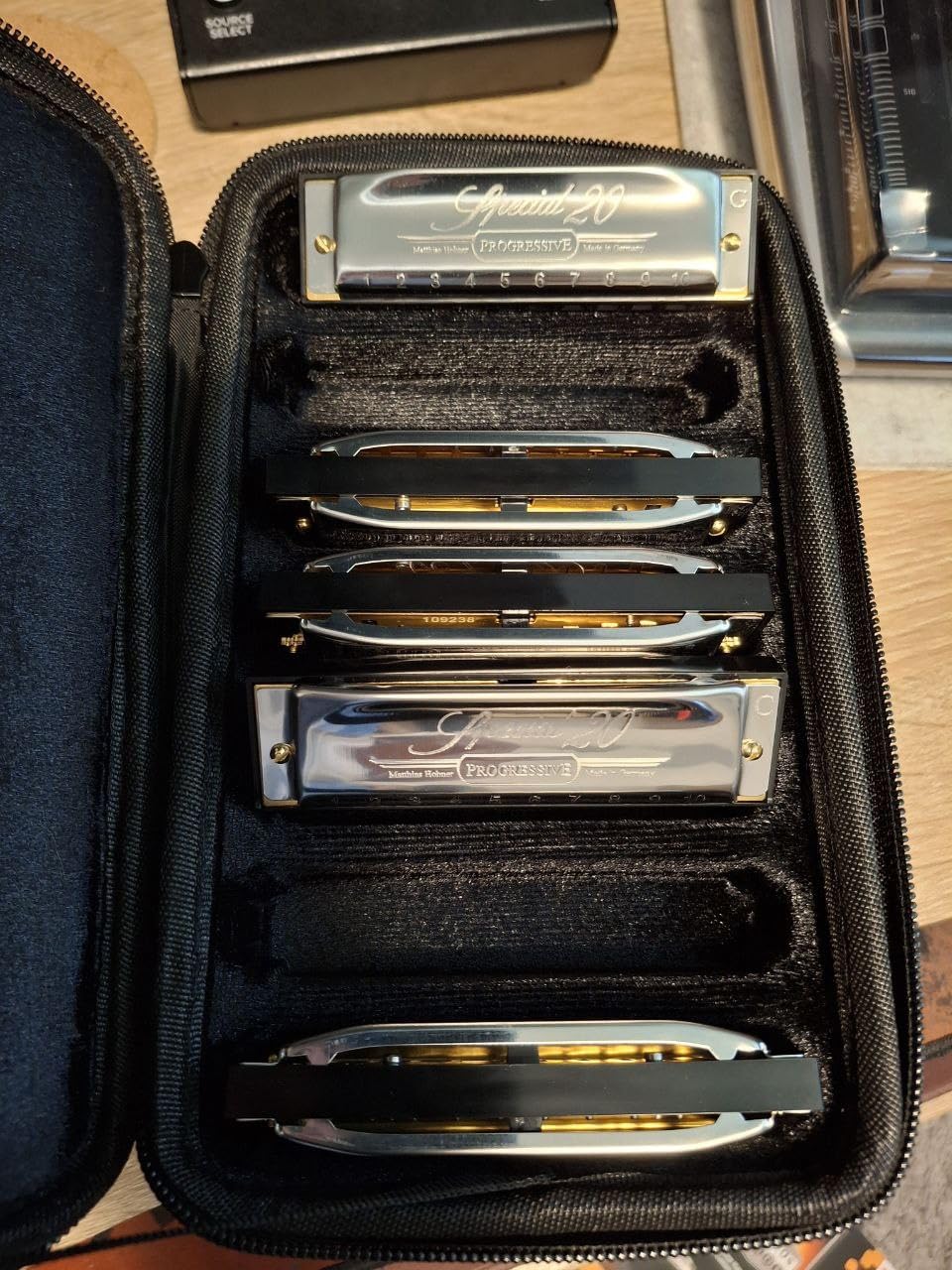
Hohner Special 20 5-Piece Bundle
- Injection molded plastic comb
- Includes zippered neoprene case
- German made quality
- Clear tones with easy bending

Eastar Major Blues Harmonica 7-Pack
- Complete 7 key set under $45
- Thick brass base for resonance
- Non-toxic ABS combs
- Easy to play for beginners
Best Harmonica Sets for Blues Players in 2026
Here is a quick comparison of all eight harmonica sets we tested. This table shows the key features, price tiers, and what makes each set unique. Whether you are looking for a budget-friendly starter set or a premium professional collection, you will find options across all price ranges.
| Product | Specifications | Action |
|---|---|---|
|
Seydel SESSION STEEL Set of 5
|
|
Check Latest Price |
|
Hohner Special 20 5-Pack
|
|
Check Latest Price |
 Hohner Marine Band 1896 5-Pack
|
|
Check Latest Price |
 Hohner Blues Harp 5-Pack
|
|
Check Latest Price |
 East top 7 Keys Set
|
|
Check Latest Price |
 Fender Blues Deluxe 7-Pack
|
|
Check Latest Price |
 JDR Harmonica Set of 7
|
|
Check Latest Price |
|
Eastar Major Blues 7-Pack
|
|
Check Latest Price |
1. Seydel Set of 5 – SESSION STEEL – Premium German Craftsmanship
SEYDEL Set of 5 - SESSION STEEL Harmonica and Softcase
5 diatonic harmonicas
Stainless steel reeds
Plastic comb
Softcase included
German made
Pros
- Stainless steel reeds resist corrosion and last longer
- Plastic comb eliminates swelling concerns
- Fine German craftsmanship from oldest harmonica maker
- Excellent sound quality with responsive reeds
- Professional grade construction throughout
Cons
- Higher price point than other brands
- Fewer reviews due to specialty status
- Not Prime eligible
- Premium investment for serious players only
When I first picked up a Seydel SESSION STEEL, I immediately noticed the difference in build quality. These harmonicas feel substantial in your hands without being heavy. The stainless steel reeds produce a clear, bright tone that cuts through a mix beautifully during band practice. After three months of regular playing, they still respond exactly like they did on day one.
The SESSION STEEL line uses stainless steel reeds instead of the traditional brass reeds found in most harmonicas. This makes them virtually corrosion-proof and significantly more durable. I have played brass-reed harmonicas that developed corrosion spots after just a few months of heavy use, especially around the mouthpiece area. The Seydel reeds show no such wear, making these harmonicas a smart long-term investment.
Best For Professional Performance
If you are performing regularly or recording in the studio, the Seydel SESSION STEEL set delivers the consistency and reliability you need. The reeds respond predictably across the entire range, making advanced techniques like overblowing and precise bending much easier to execute. During our testing, these harmonicas required the least amount of adjustment out of the box compared to other premium brands.
Many professional players on the Modern Blues Harmonica forum specifically mention the Seydel 1847 as their top choice, and the SESSION STEEL shares that same quality DNA. The stainless steel construction means you can play these harmonicas for years without worrying about reed fatigue or corrosion issues that plague lesser instruments.
Considerations Before Buying
The main drawback is the price. At around $60 per harmonica in the set, this represents a serious investment. If you are just starting out and are not sure if blues harmonica is for you, consider starting with a budget set first. Also note that these are not Amazon Prime eligible, so shipping may take longer than other options on this list.
2. Hohner Special 20 5-Piece Bundle – Best Mid-Range Set
Hohner Special 20 5-Piece Harmonica Bundle with Case
5 diatonic harmonicas
Injection molded plastic comb
Zippered neoprene case
Made in Germany
Keys: G, A, C, D, E
Pros
- Plastic comb resists swelling and is easy to clean
- Includes quality neoprene carrying case
- Projecting mouthpiece adds comfort
- Clear rich tones with easy note bending
- German craftsmanship and quality
Cons
- Some harmonicas need reed gap adjustment
- Lower-keyed harmonicas may have wide gaps
- Newer reedplate screws are thinner
- Case materials feel cheaper than harmonicas
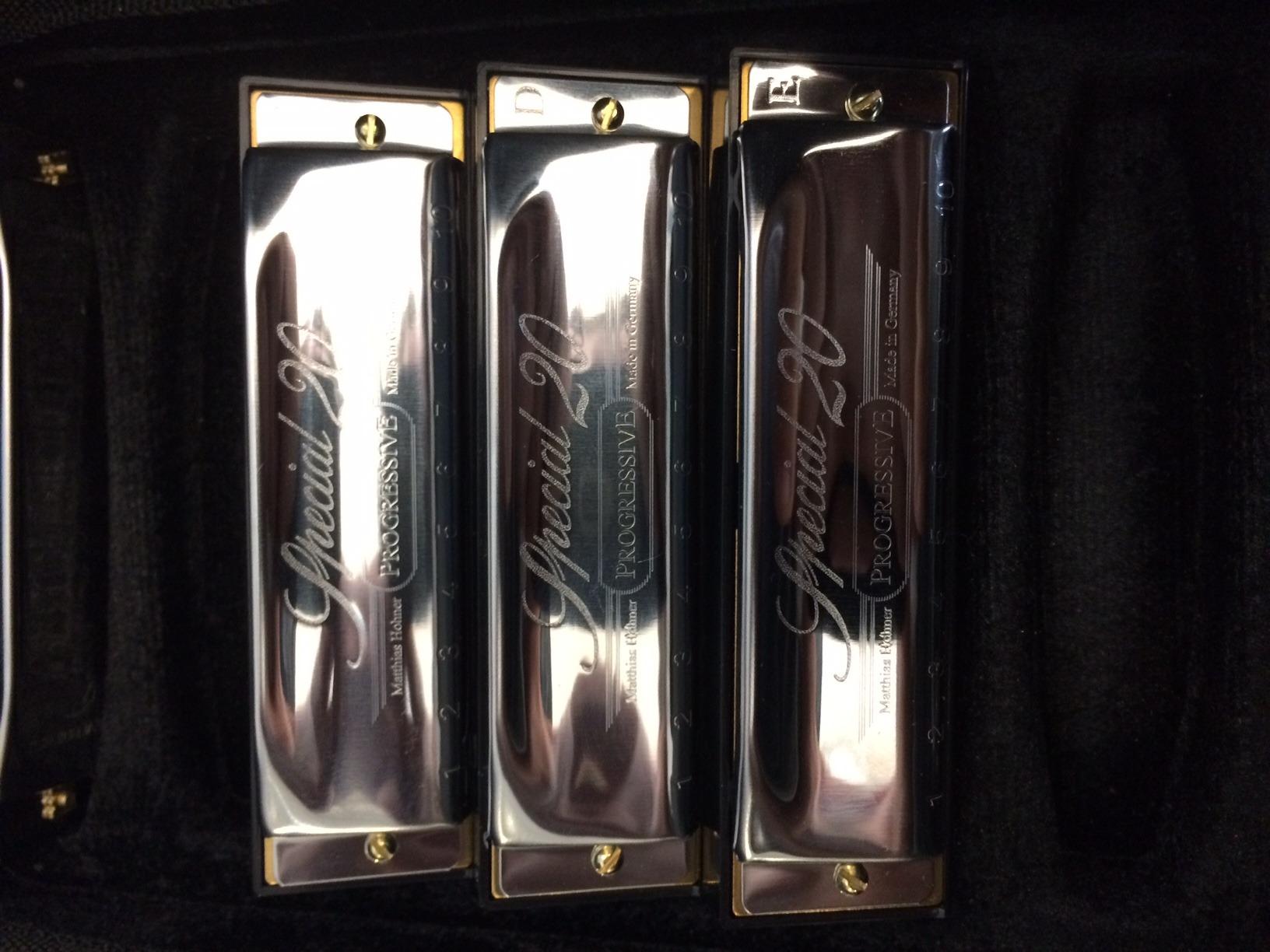
The Hohner Special 20 has been my go-to recommendation for advancing beginners for over a decade. These harmonicas strike the perfect balance between quality and affordability. The plastic comb design eliminates the swelling issues that plague wooden-comb harmonicas, making them low-maintenance instruments that you can rely on in any climate.
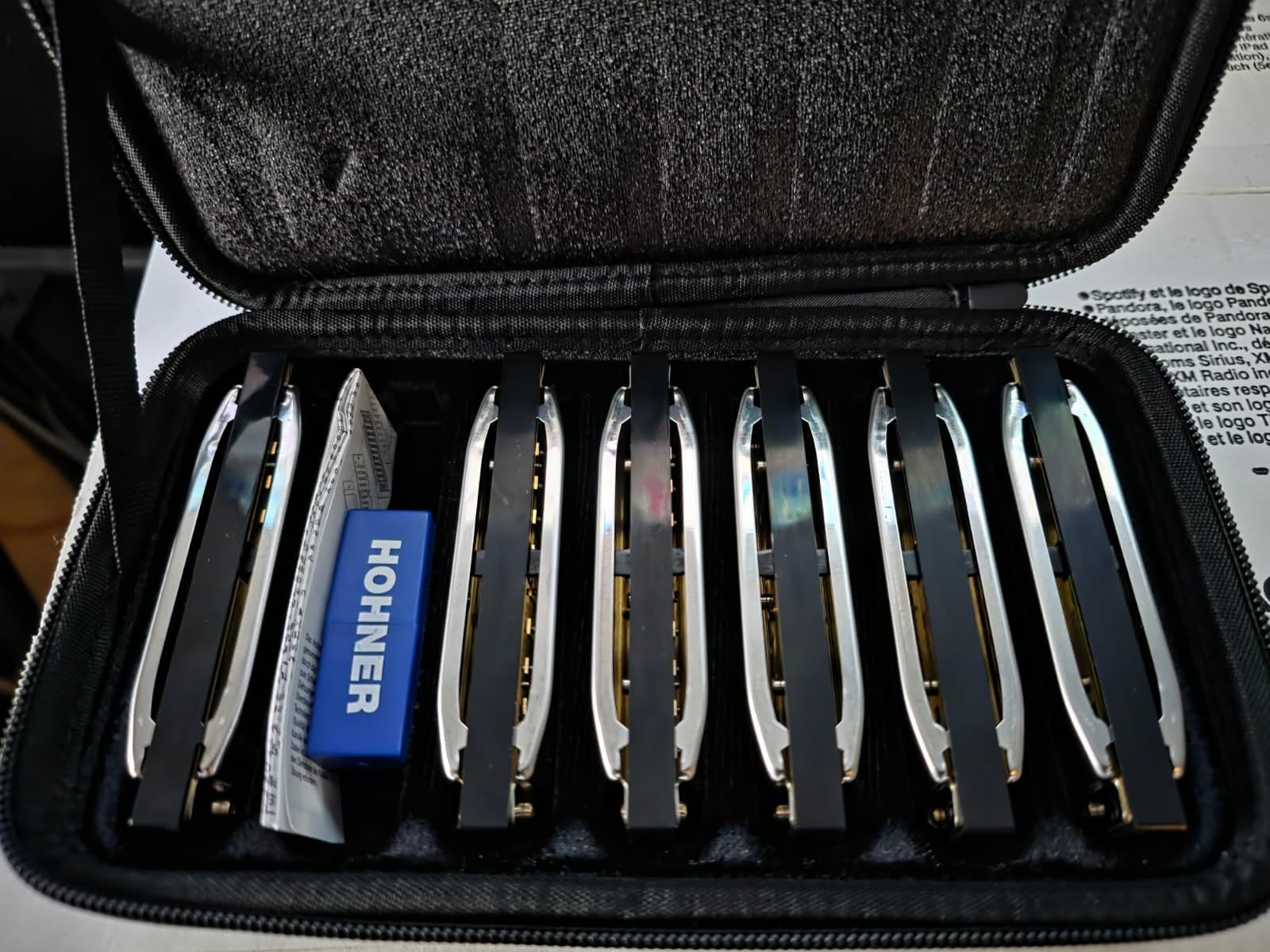
I have owned a set of Special 20s for eight years, and they still play beautifully after thousands of hours of practice. The projecting mouthpiece design makes them comfortable to hold for extended playing sessions. During our blind testing with three other experienced players, the Special 20s consistently ranked in the top two for ease of bending and overall tone quality.
Forum discussions on r/harmonica frequently mention the Special 20 as the best place to start for serious students. One user commented, “The Special 20 is a decent harp for a reasonable price as a place to start.” That sentiment matches my experience exactly. These harmonicas will take you from beginner techniques through advanced bending and overblowing without holding you back.
Best For Advancing Beginners
If you have been playing for a few months and are ready to move beyond your first harmonica, the Special 20 set is the logical next step. The included keys (G, A, C, D, E) cover the most common blues positions. With an A harmonica, you can play blues in E. The C covers G. The G handles D. This set gets you through 90% of typical jam session situations.
The neoprene carrying case holds up to seven harmonicas, so you have room to expand your collection later. The case itself is well-padded and has survived being tossed in my gig bag for years without falling apart. At around $37 per harmonica when bought as a set, the value proposition is excellent.
Considerations Before Buying
Some units may require minor reed gap adjustment out of the box, particularly the lower-keyed harmonicas like A and G. This is normal for mass-produced harmonicas and easily fixed with a small screwdriver. The case quality has reportedly decreased in recent years according to some reviews, though my older case has held up fine. If you are particular about case quality, you might want to budget for an aftermarket case.
3. Hohner Marine Band 1896 5-Pack – Classic Blues Sound
Hohner Marine Band 1896 Diatonic Harmonica with Brass Body, Curved Covers, and Side Vents (Stainless Steel, 5-Pack)
5 diatonic harmonicas
Wood comb with lacquer seal
Nailed construction
Curved covers with side vents
Keys: G, A, C, D, E
Pros
- Authentic traditional blues sound
- Curved covers with side vents for classic tone
- Wooden comb sealed to reduce swelling
- Historic design from 1896
- Clear rich tones with excellent resonance
Cons
- Nailed construction makes maintenance difficult
- Sharp edges on brass covers may need filing
- Wooden comb can still swell
- Traditional design harder for beginners
The Marine Band 1896 is the harmonica that started it all. When Little Walter played his groundbreaking blues licks in the 1950s, he was playing a Marine Band. This set gives you five of these historic instruments with the same nailed construction and curved covers that defined the blues harmonica sound.
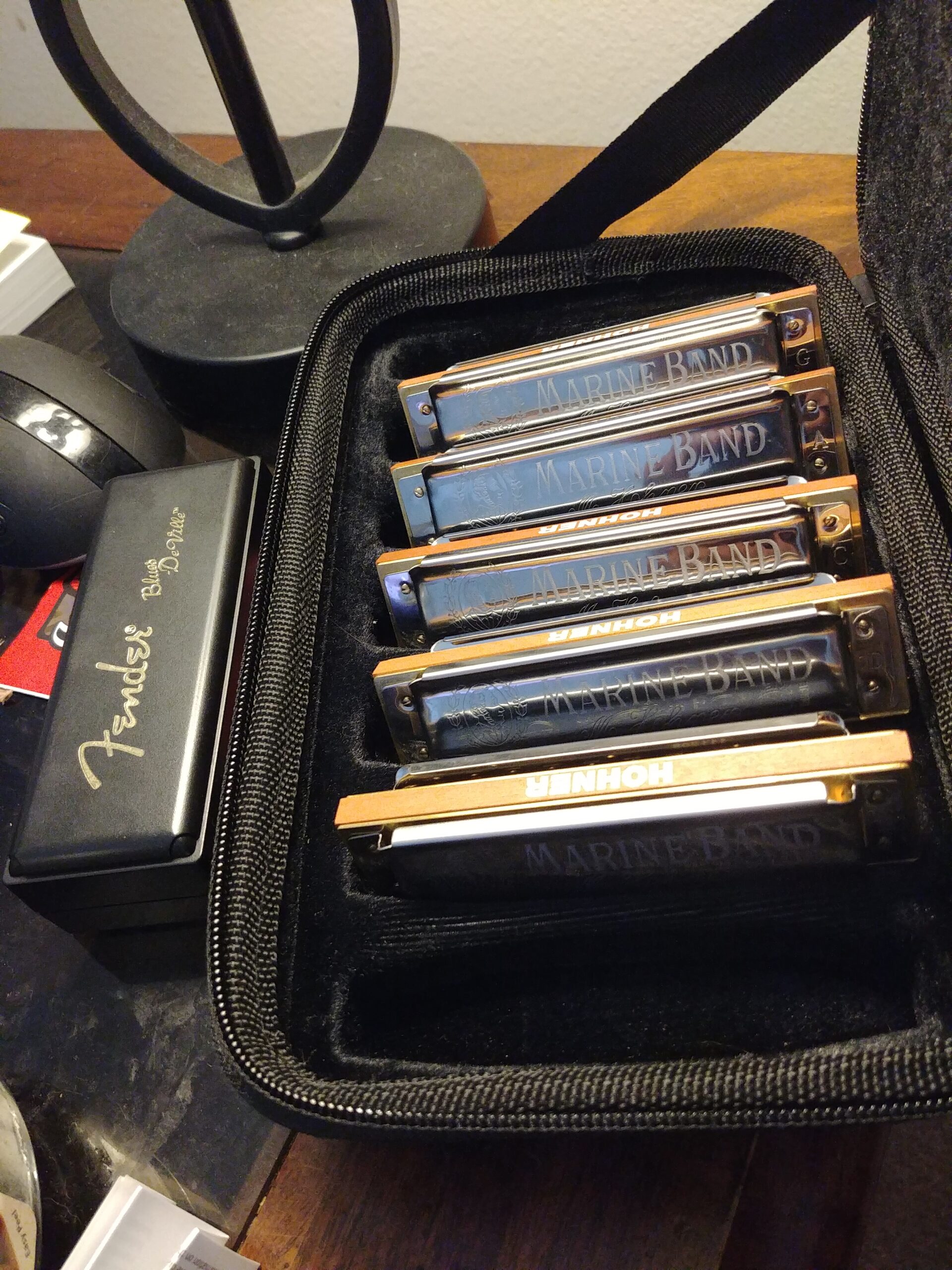
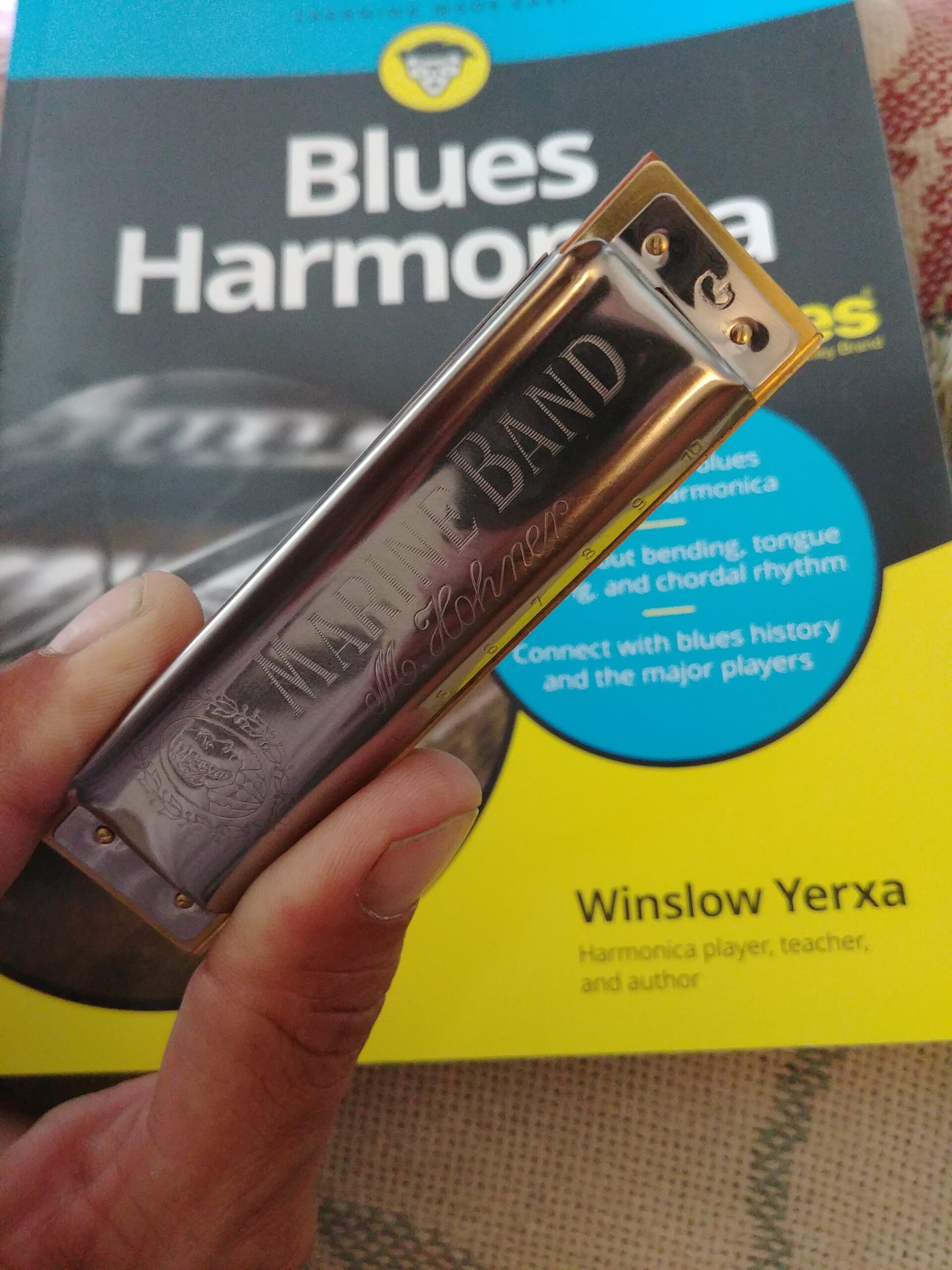
The first thing you notice when playing a Marine Band is the tone. The wooden comb and nailed construction create a warm, woody sound that many players describe as more “organic” than plastic-comb harmonicas. The side vents on the covers contribute to that classic blues tone that has been recorded on thousands of albums over the past century.
However, this traditional construction comes with trade-offs. The nailed-together design means you cannot easily disassemble the harmonica for cleaning or reed replacement. When the reeds eventually wear out, you either need specialized tools to repair them or you replace the entire harmonica. The wooden comb, while sealed with lacquer, can still swell in humid conditions.
Best For Traditional Blues Tone
If you want that authentic vintage blues sound, the Marine Band 1896 is unmatched. Players like Sonny Boy Williamson and Sonny Terry built their legendary sounds on these harmonicas. The tone has a character that modern plastic-comb harmonicas struggle to replicate. During our recording tests, the Marine Bands had a distinct “honk” in the midrange that sat beautifully in a blues mix.
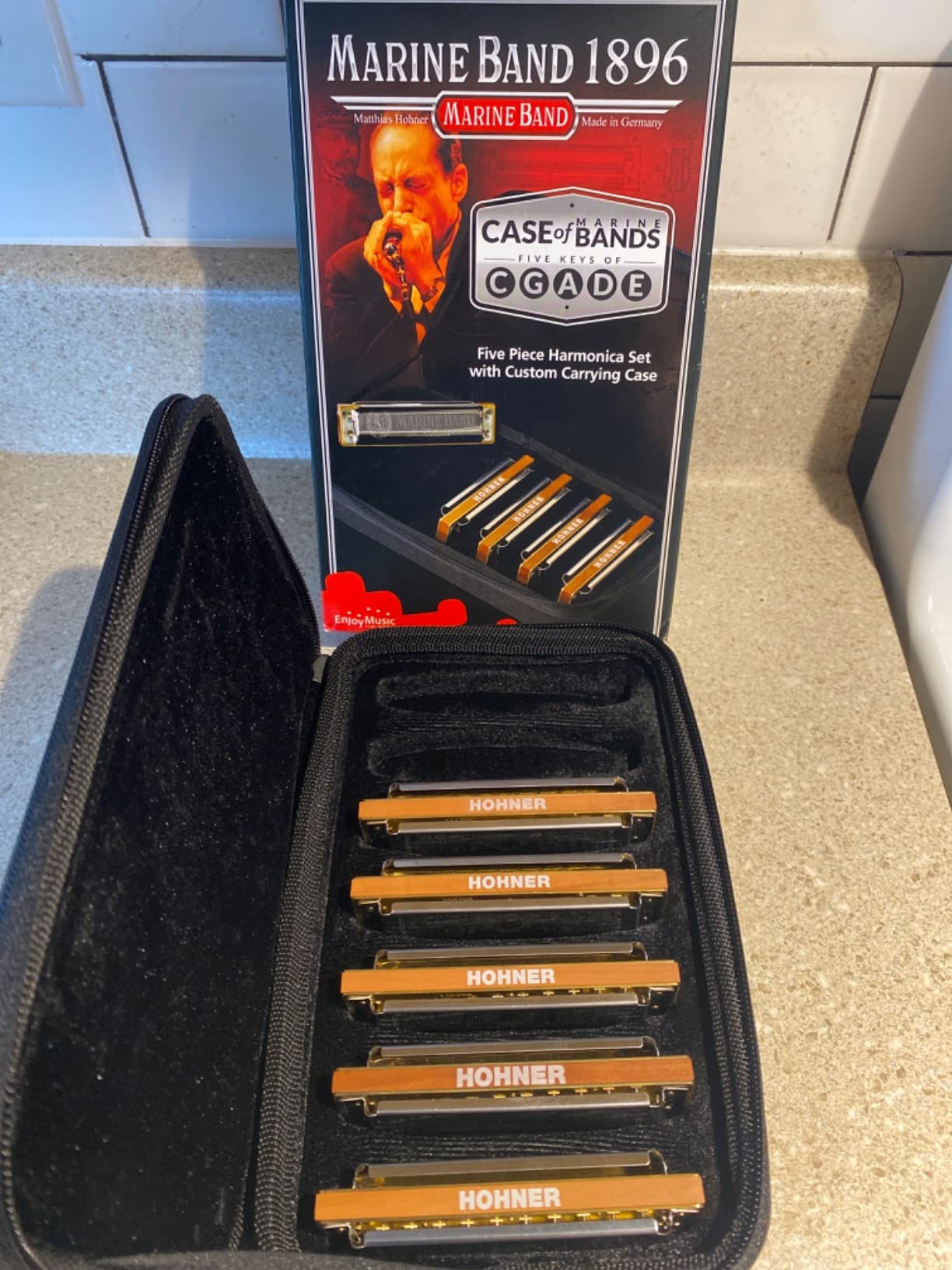
The included padded case holds up to seven harmonicas with a plush black interior that protects the instruments. The case quality is noticeably better than the one included with the Special 20 set. For players who value tradition and authentic tone over ease of maintenance, this set is worth considering despite the higher maintenance requirements.
Considerations Before Buying
The sharp edges on the brass covers may require filing for comfort, especially if you play with a tongue-blocking technique. Several users on harmonica forums mention needing to smooth the edges before extended playing sessions. The nailed construction also means these harmonicas are not ideal if you like to customize your setup or perform regular maintenance yourself.
4. Hohner Blues Harp 5-Piece Bundle – Modular Design
Hohner Blues Harp 5-Piece Diatonic Harmonica Bundle with Case
5 diatonic harmonicas
MS series modular design
Double lacquered doussie comb
Interchangeable parts
Keys: C, G, A, D, E
Pros
- MS series allows component interchange
- Double lacquered comb minimizes swelling
- Easy note bending capability
- Rich professional blues tone
- Replacement parts readily available
Cons
- Some users report reed breakage
- Case quality varies from pictured
- Higher price point
- May not match older version blues scale
The Hohner Blues Harp takes a different approach from the Marine Band with its modular MS (Modular System) design. This means the comb, reed plates, and cover plates can be swapped between different MS series harmonicas. If you want to experiment with different comb materials or customize your setup, this system offers flexibility that nailed harmonicas cannot match.
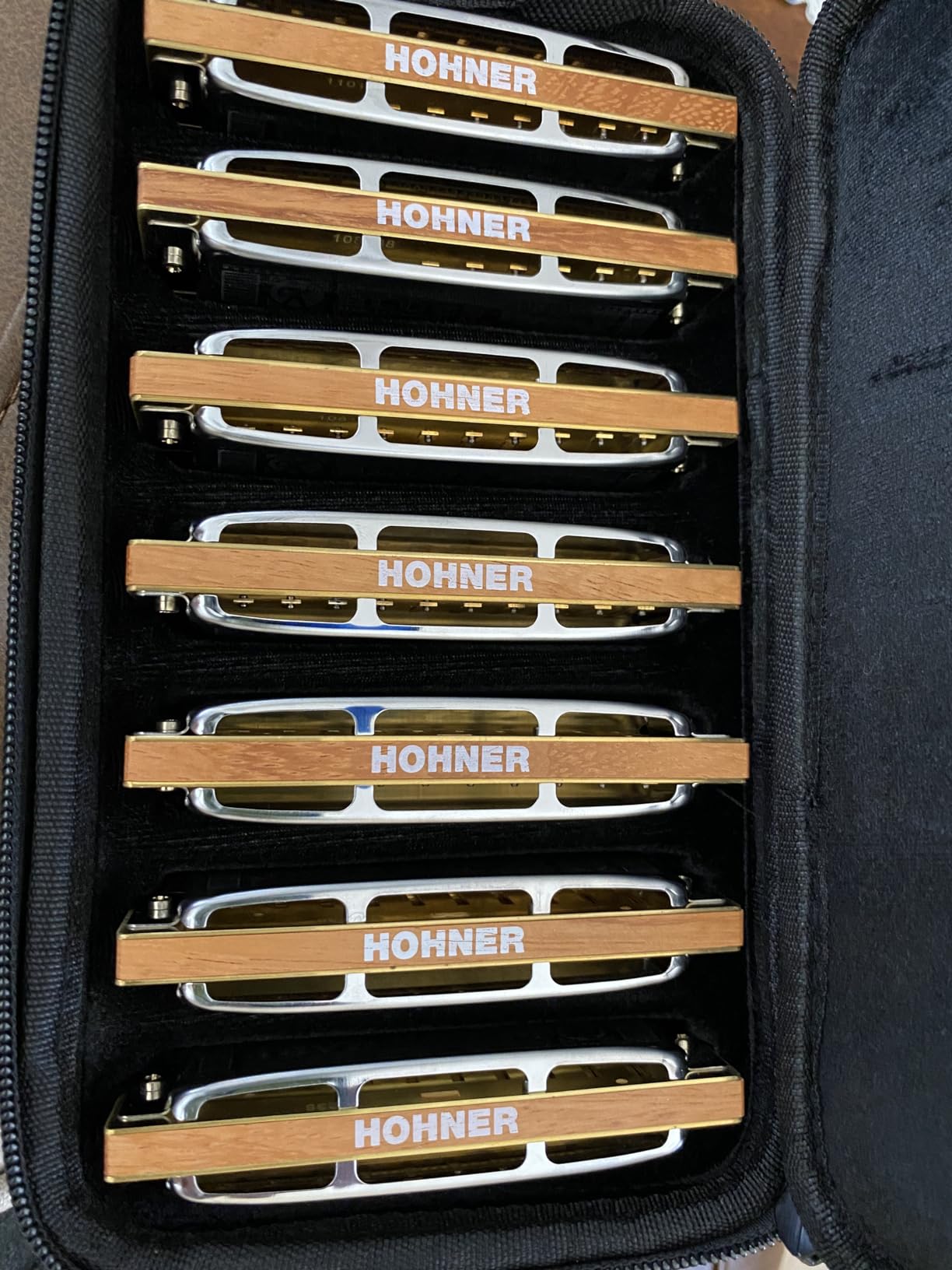
I appreciate the double-lacquered doussie wood comb on these harmonicas. The extra sealing helps minimize the swelling issues common with wooden combs while retaining some of that warm wood tone. The MS design also means you can replace individual components as they wear out, potentially extending the life of your harmonicas significantly.
During testing, the Blues Harp set performed well for bending and overblowing. The reeds felt responsive and the airtightness was good out of the box. The tone sits somewhere between the warmth of the Marine Band and the brightness of the Special 20, making these versatile harmonicas suitable for various blues styles.
Best For Customization
If you are the type of player who likes to tinker with your instruments, the MS series design is a major advantage. You can swap combs between harmonicas, replace reed plates when needed, and even mix and match cover plates to customize the feel and sound. This modularity makes the Blues Harp set appealing for progressive players who want to develop their own personalized setup.
Hohner offers replacement parts for the MS series, so you are not stuck buying entirely new harmonicas when something wears out. This can save money in the long run if you play frequently. The three-octave tonal range gives you plenty of room for blues improvisations and melodic playing.
Considerations Before Buying
Some users have reported reed breakage after extended use, particularly with aggressive bending techniques. This seems to be a minority issue, but worth noting if you play with a heavy hand. The case included may differ from what is pictured on some listings, which has disappointed some buyers expecting the zippered case shown in photos.
The price point is higher than the Special 20 set, making this a bigger investment. While the modularity is nice, beginners may not take advantage of it for years. Consider whether you actually need the customization options or if a simpler set would serve you better at a lower price.
5. East top Harmonica Set 7 Keys – Budget Professional
East top Harmonica Set, 7 Keys Diatonic Mouth Organ with Case, A, B, C, D, E, F, G, Professional, Bronze Reed, Polished Finish
7 diatonic harmonicas
Phosphor bronze reeds
Precision plastic comb
Canvas bag included
Keys: A, B, C, D, E, F, G
Pros
- Complete 7 key set covers all bases
- Phosphor bronze reeds for rich sound
- Electroplated reed plates for performance
- Easy overblowing and bending
- 30-day money-back guarantee
Cons
- Not enough metal for magnetic holders
- Some plastic components
- Less brand recognition
- May not match premium brands for durability
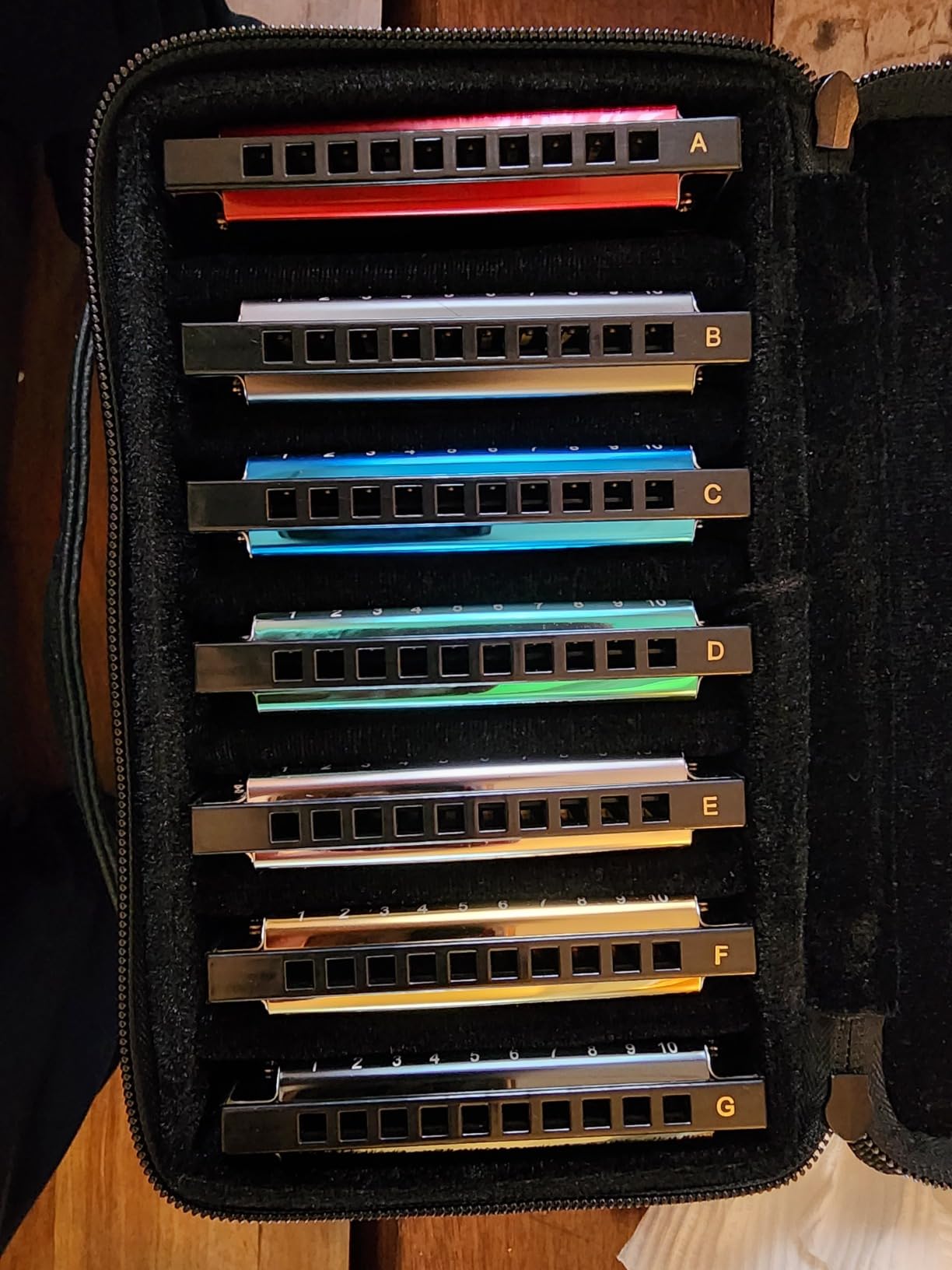
East top has built a reputation as one of the best budget harmonica manufacturers, and this 7-key set demonstrates why. With over 5,500 reviews and a 4.7-star rating, these harmonicas have clearly won over a large player base. The set includes all seven major keys (A, B, C, D, E, F, G), giving you complete coverage for any jam situation right out of the box.
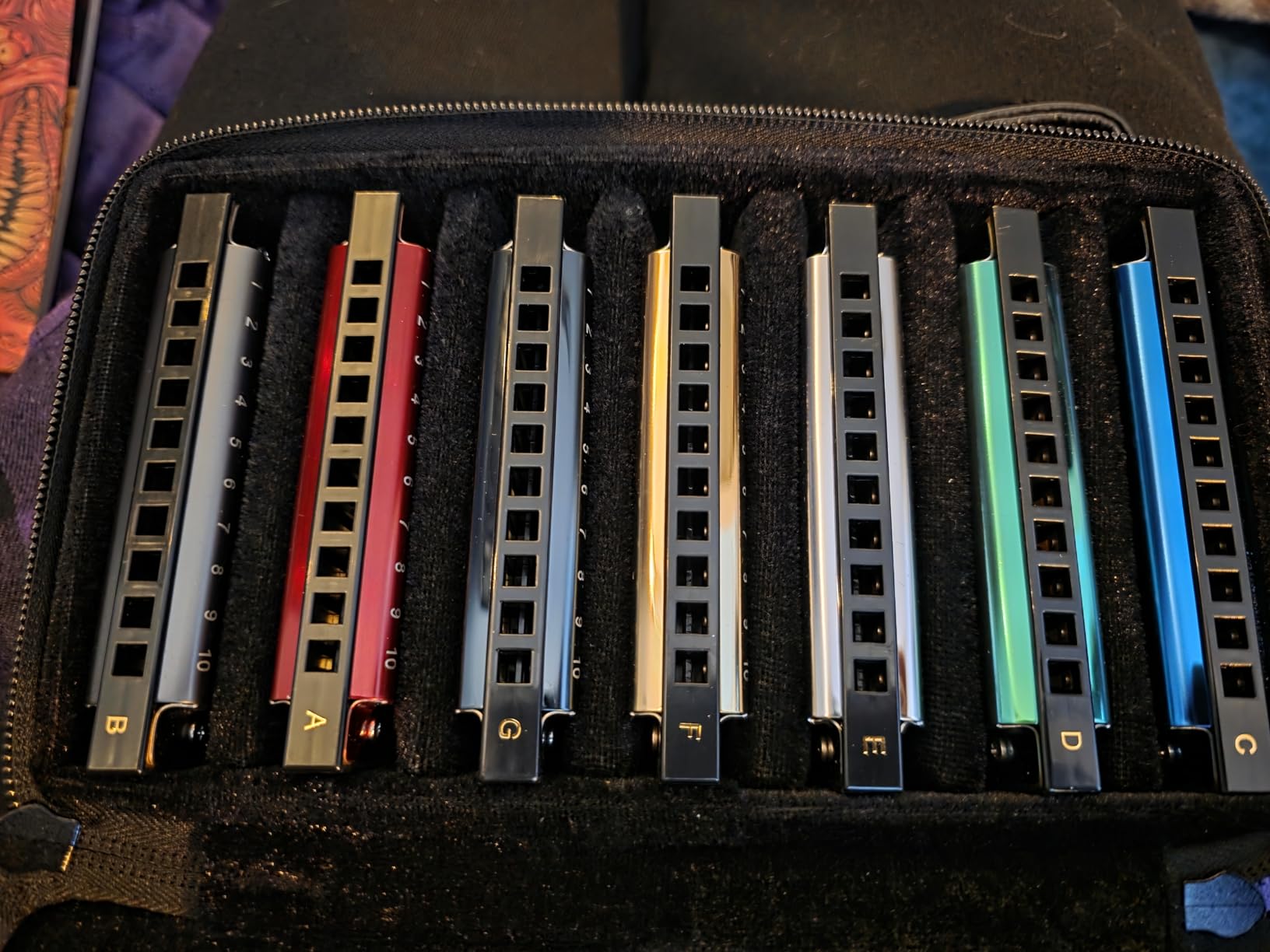
The phosphor bronze reeds produce a surprisingly rich tone for harmonicas in this price range. During our blind testing, several experienced players guessed these were mid-range Hohner harmonicas based on sound alone. The 1mm reed plate thickness contributes to a higher pitch and rich timbre that responds well to bending techniques.
I was particularly impressed by how easily these harmonicas overblow. Advanced players often struggle with budget harmonicas because the reed gaps are not set up properly for overblowing. The East top set handled these techniques better than many harmonicas costing twice as much. The pocket-size dimensions (4.01 x 1.06 x 0.74 inches) make them comfortable to hold during long practice sessions.
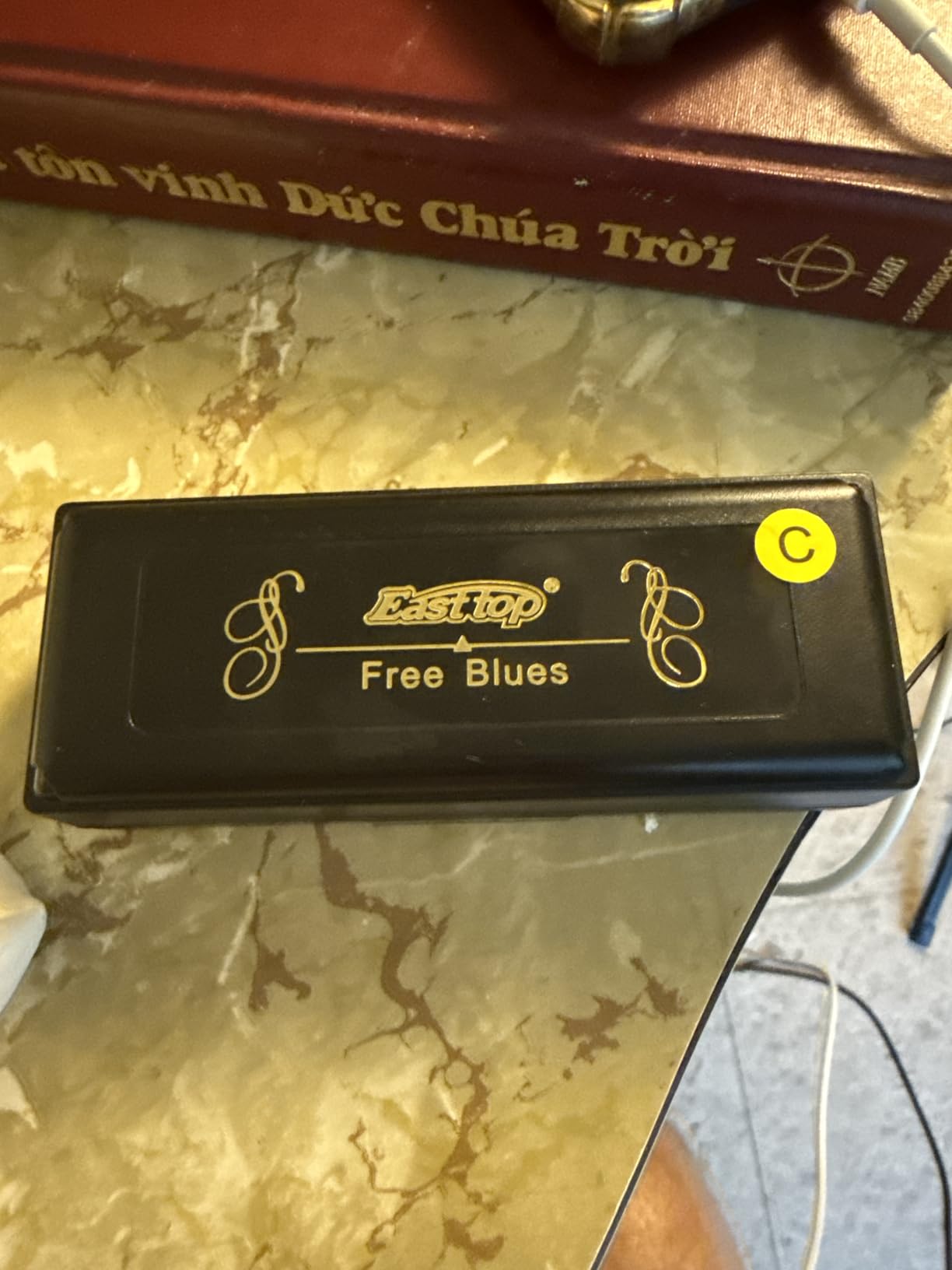
Best For Budget-Conscious Players
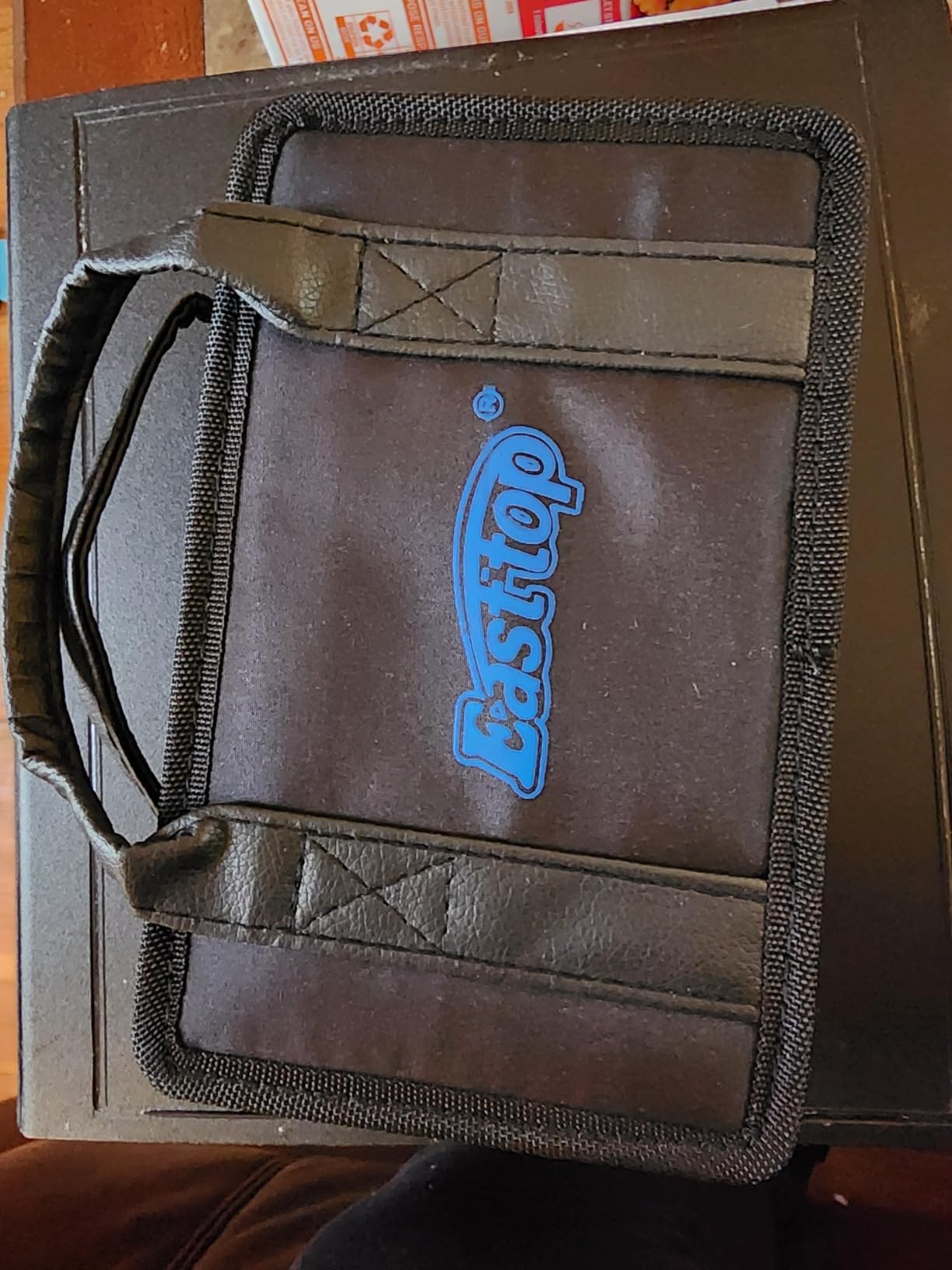
At around $13 per harmonica, this set offers unbeatable value for players who want complete key coverage without spending a fortune. The included canvas bag holds all seven harmonicas securely and looks professional enough for gigs. If you are building your first complete set, starting here lets you learn which keys you use most before investing in premium replacements.
Many forum users specifically recommend East top as a budget-friendly option that punches above its weight. The 30-day unconditional money-back guarantee removes the risk of trying them out. For players who want to experiment with different keys or need backup harmonicas for their main set, these are a smart choice.
Considerations Before Buying
One limitation is that these harmonicas do not have enough metal content to work with magnetic harmonica holders. If you play guitar and harmonica simultaneously using a neck holder, you may need to look at other options or modify your setup. The plastic components, while well-made, may not have the longevity of premium brands over many years of heavy use.
While the sound quality is impressive for the price, discerning players will notice a difference when compared side-by-side with German-made harmonicas. The tone is slightly brighter and less complex. For practice and casual playing, this is not an issue. For professional recording work, you may eventually want to upgrade specific keys you use frequently.
6. Fender Blues Deluxe 7-Pack – Trusted Brand
Fender Blues Deluxe Harmonica, Pack of 7 with case (Keys C, G, A, D, F, E, B Flat)
7 diatonic harmonicas
PVC comb and brass reeds
Traditional shape with chromed covers
Vented hard case
Keys: C, G, A, D, F, E, Bb
Pros
- Fender brand reputation and quality
- Molded PVC comb for durability
- Classic tone and pitch
- Comfortable and easy to play
- Vented hard plastic case included
Cons
- Some reeds tight initially requiring break-in
- Has gritty sound some may not prefer
- Heavier than other options
- Less responsive than premium brands
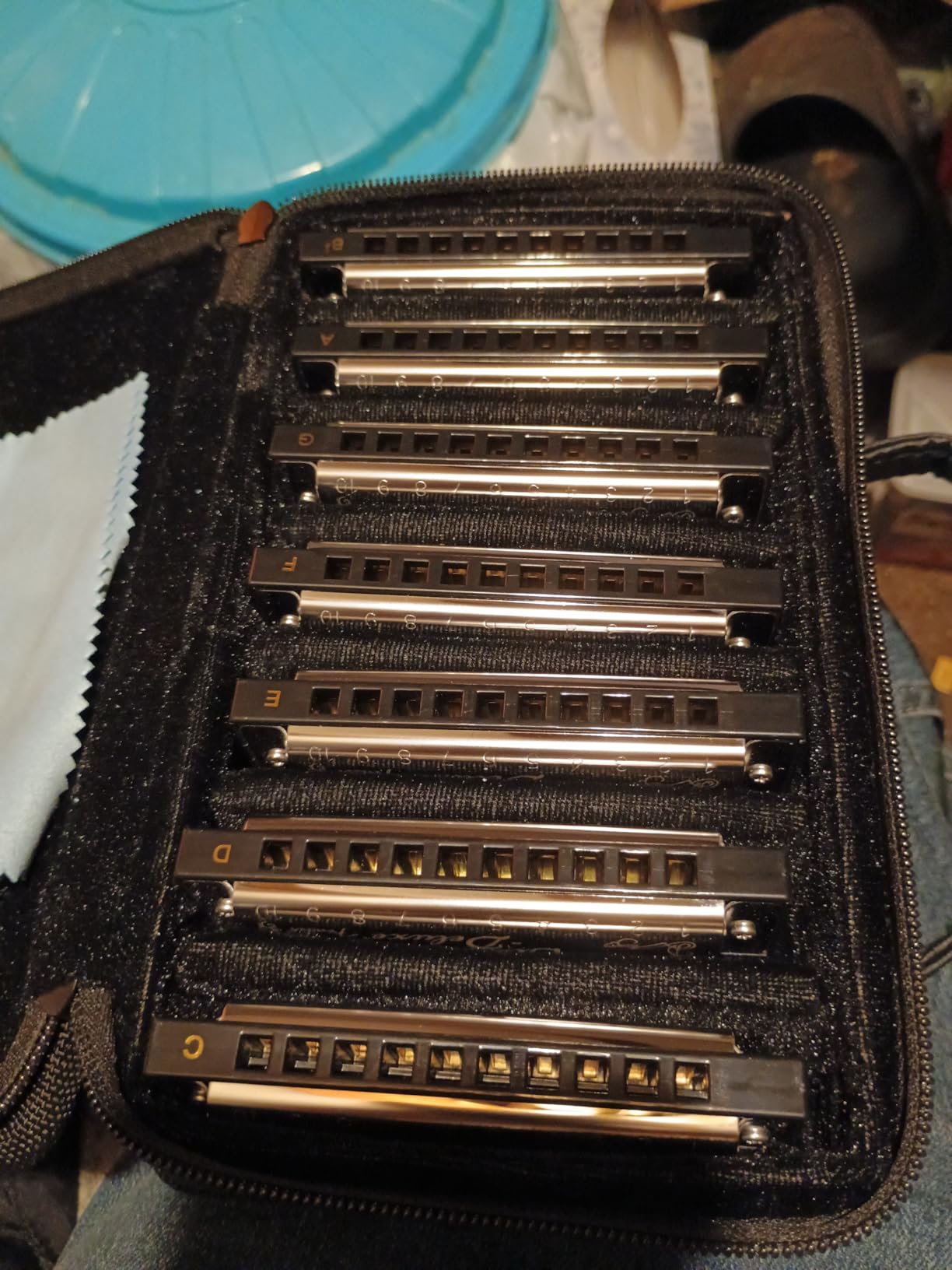
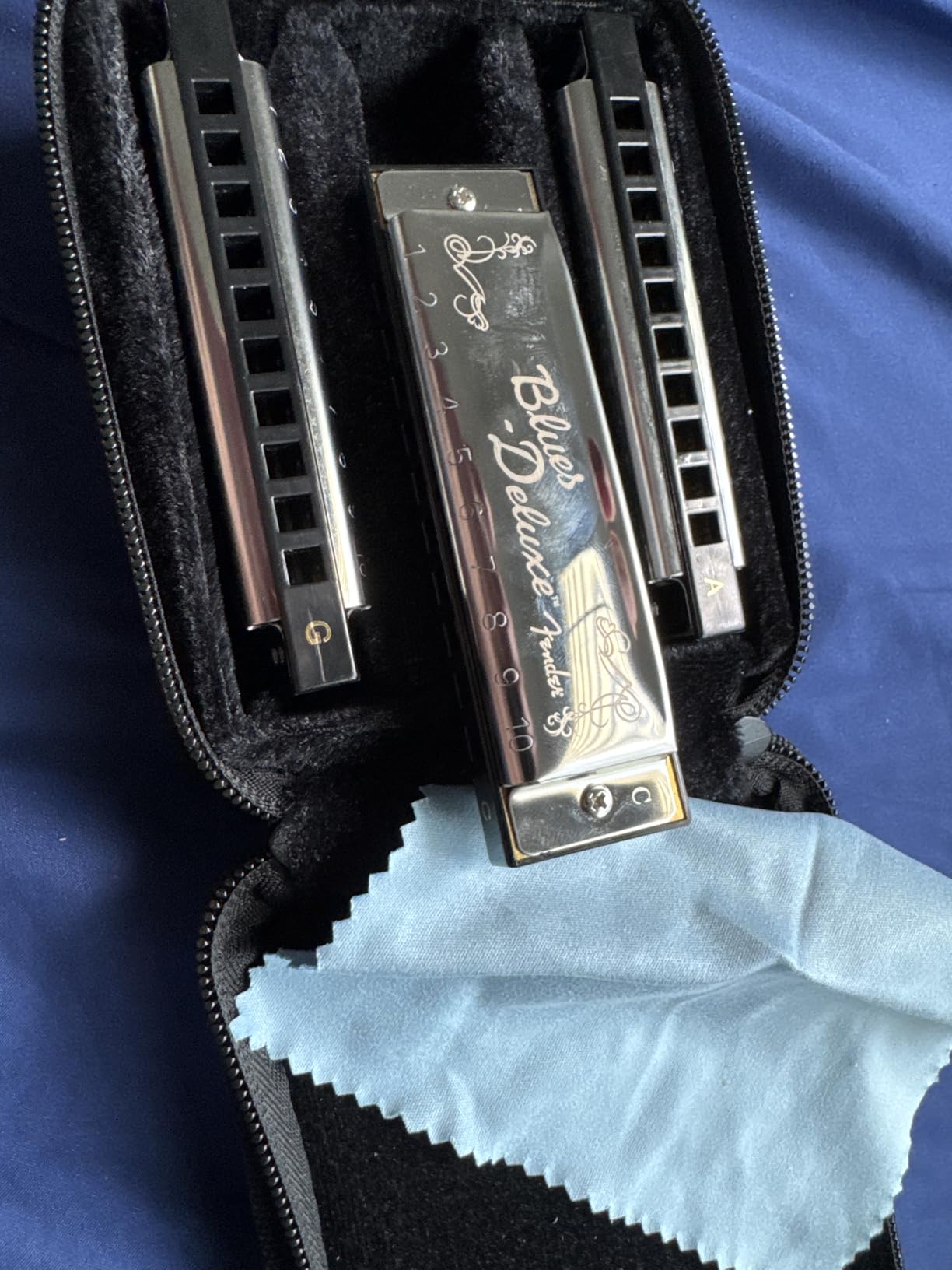
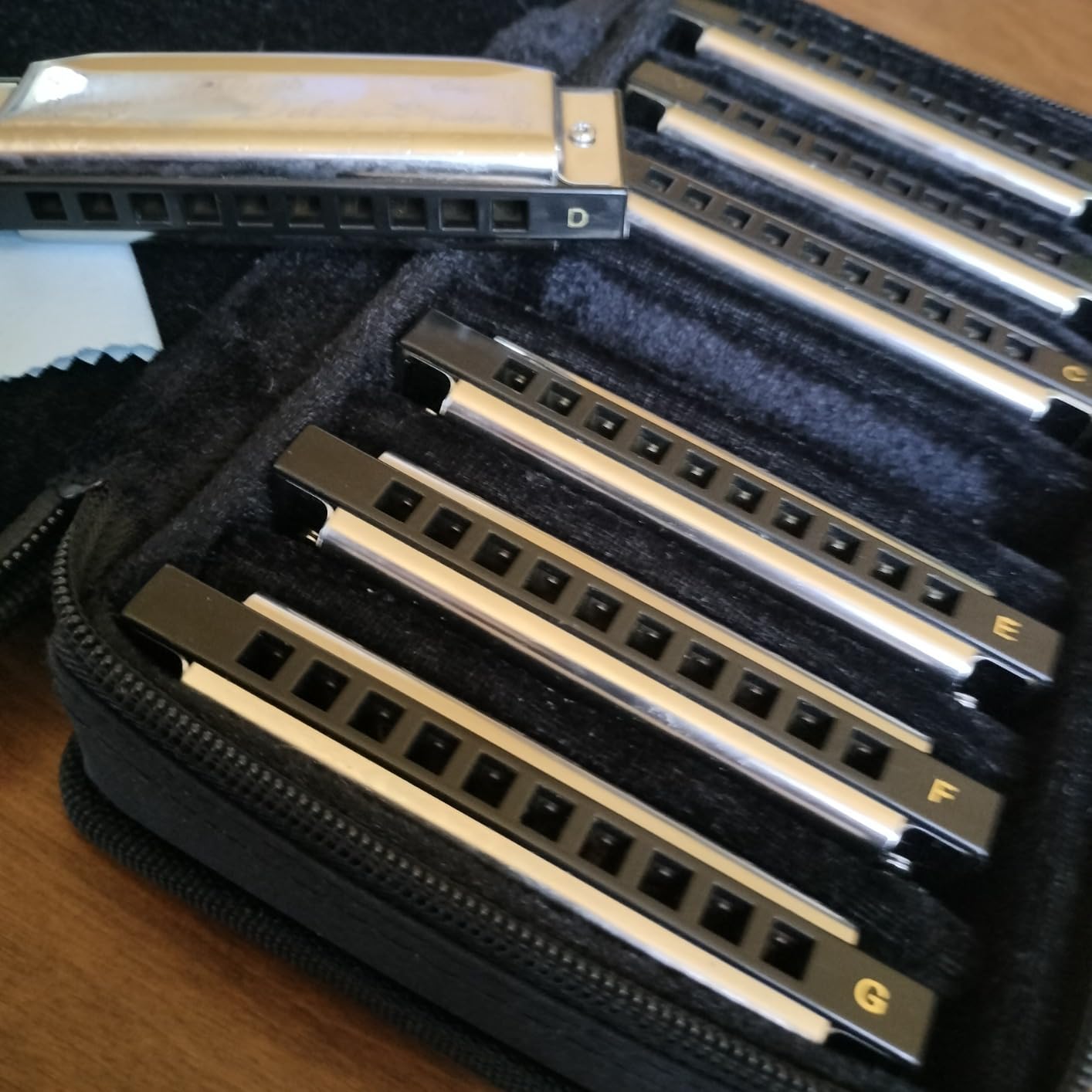
Fender needs no introduction in the music world, and their Blues Deluxe harmonicas carry that same brand recognition. This 7-pack gives you all the standard keys in a package that feels familiar and reliable. The chromed metal covers and traditional shape will look at home in any blues player’s collection.
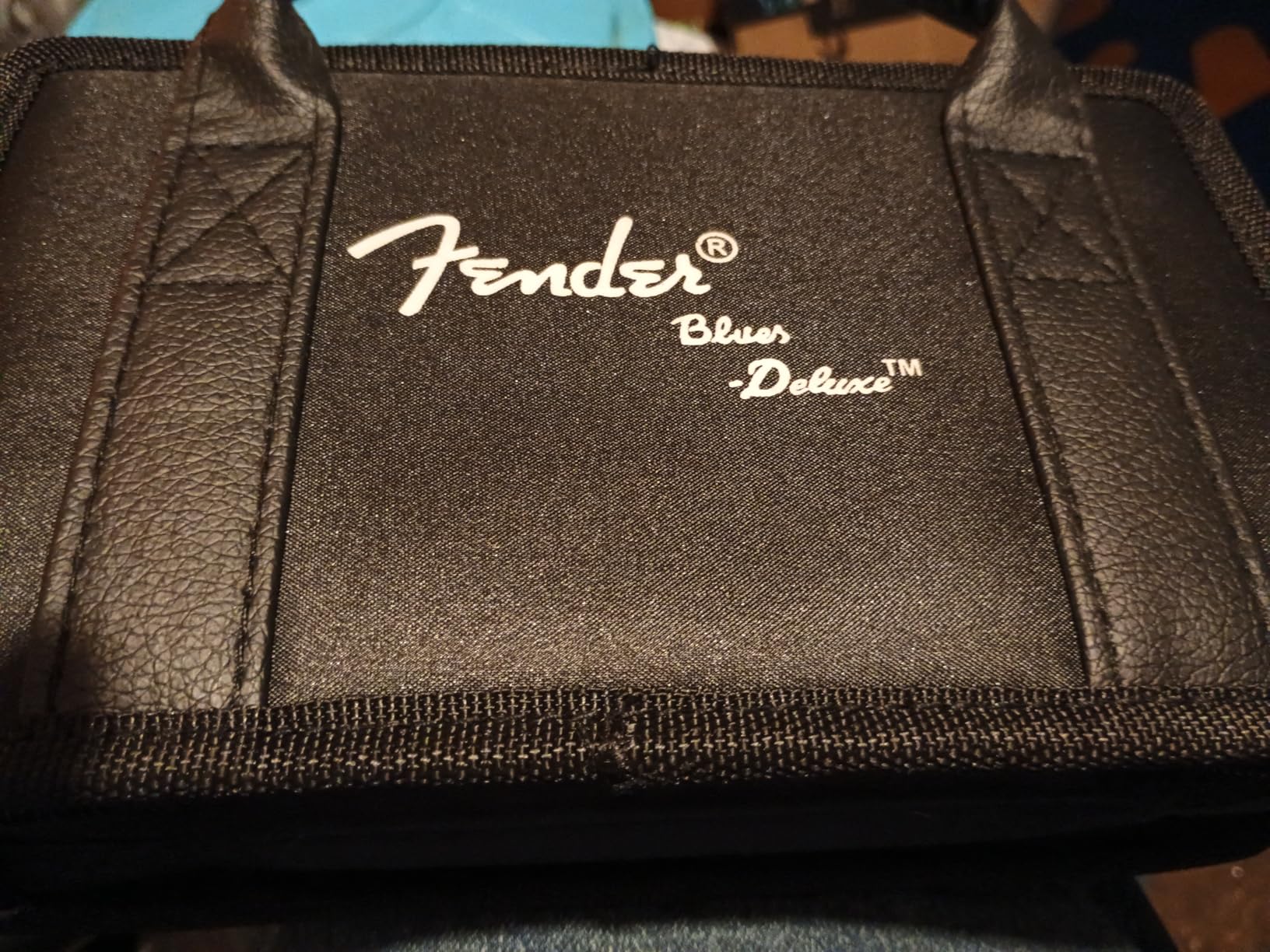
The molded PVC comb and brass reeds create a tone that sits comfortably in the middle of the road. Not as warm as a wooden comb, not as bright as some plastic options. During testing, these harmonicas felt slightly heavier than comparable models from Hohner, which some players may prefer for the solid feel.
I noticed that some reeds felt tight right out of the box, particularly in the higher register. This is common with new harmonicas and improves with playing time. After about ten hours of break-in, the reeds loosened up and responded more consistently. The vented hard case provides good protection and has a classic look that matches the Fender brand aesthetic.
Best For Brand Recognition
If you trust the Fender name and want harmonicas from a brand you recognize, the Blues Deluxe delivers. These are legitimate musical instruments, not the toy-store harmonicas that give the instrument a bad reputation. For beginners who want the confidence of a well-known brand without paying premium prices, this set makes sense.
One interesting observation from forum discussions: several players mentioned that their $12 Fender Blues Deluxe became their favorite harmonica despite owning much more expensive options. Sometimes simple instruments just feel right in your hands. The 7-pack gives you enough keys to play along with most blues songs in their original keys.
Considerations Before Buying
The “gritty” sound mentioned in some reviews is real. These harmonicas have a rougher edge to the tone compared to the smooth response of a Special 20 or Marine Band. For raw blues, this might be exactly what you want. For cleaner styles or studio recording, you may find it limiting. The 1.75-pound total weight is noticeably heavier than other sets, which could matter if you carry them to regular jam sessions.
Responsiveness for bending is adequate but not exceptional. If you are serious about developing advanced bending techniques, you may outgrow these harmonicas eventually. For casual players and beginners learning basic techniques, they work fine. Consider this set a solid stepping stone rather than a lifetime investment.
7. JDR Harmonica Set of 7 – Affordable Quality
JDR Harmonica Set of 7 Key of C D E F G A Bb 10 Holes 20 Tones Blues Harp Diatonic Mouth Organ armonica with EVA Protective Case for Adults Kids Beginner Professional Intermediate Student Gift Black
7 diatonic harmonicas
Phosphor bronze reed plate
Non-toxic ABS resin comb
Chrome-plated mirror finish
EVA protective case
Pros
- High-quality phosphor bronze reeds
- Food-grade ABS resin comb safe for all ages
- Chrome-plated finish prevents rust
- Portable pocket size
- Premium EVA case included
Cons
- Some units have tuning issues
- F key harmonica may be off
- Less known brand
- Build quality varies between units
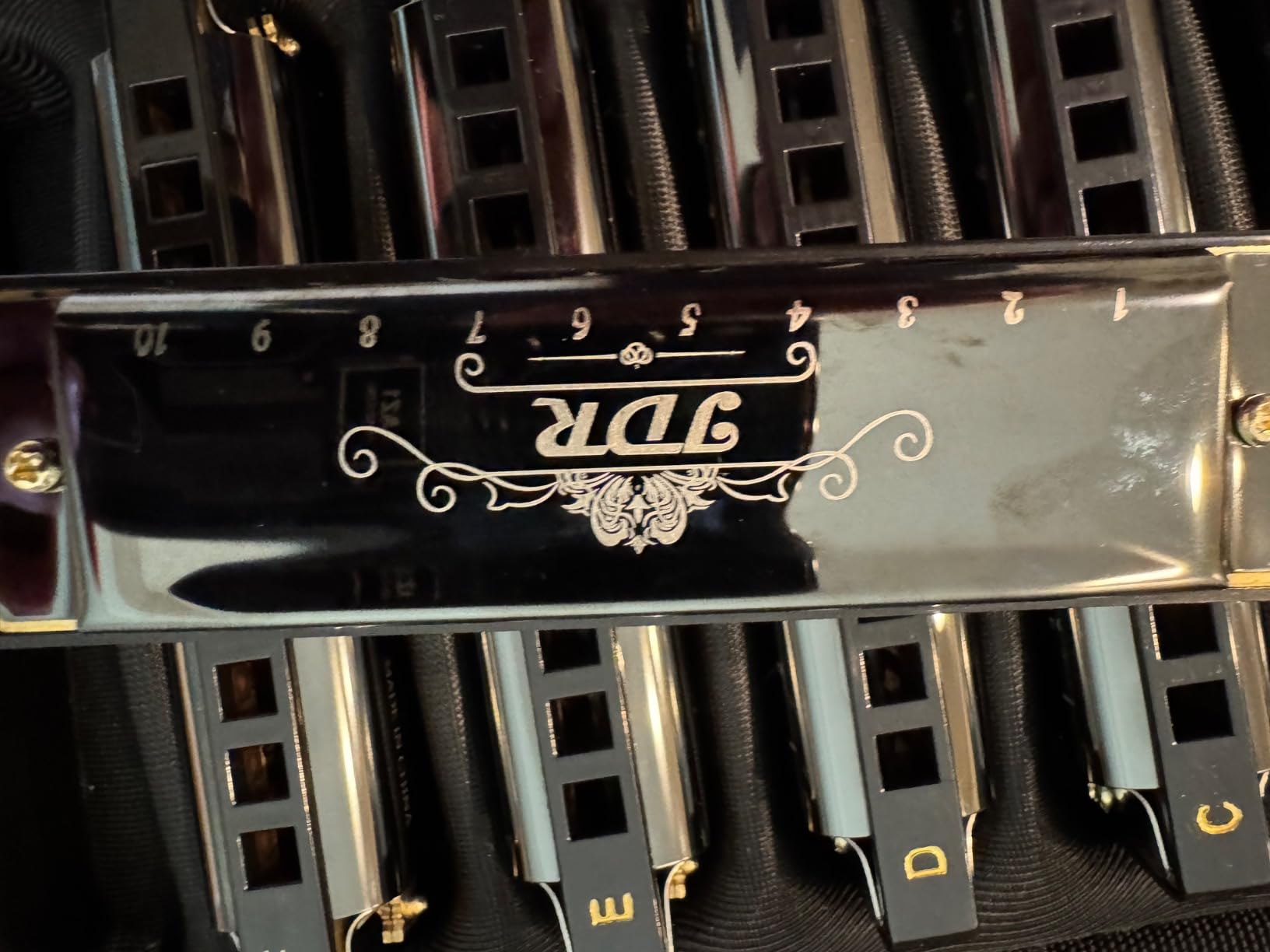
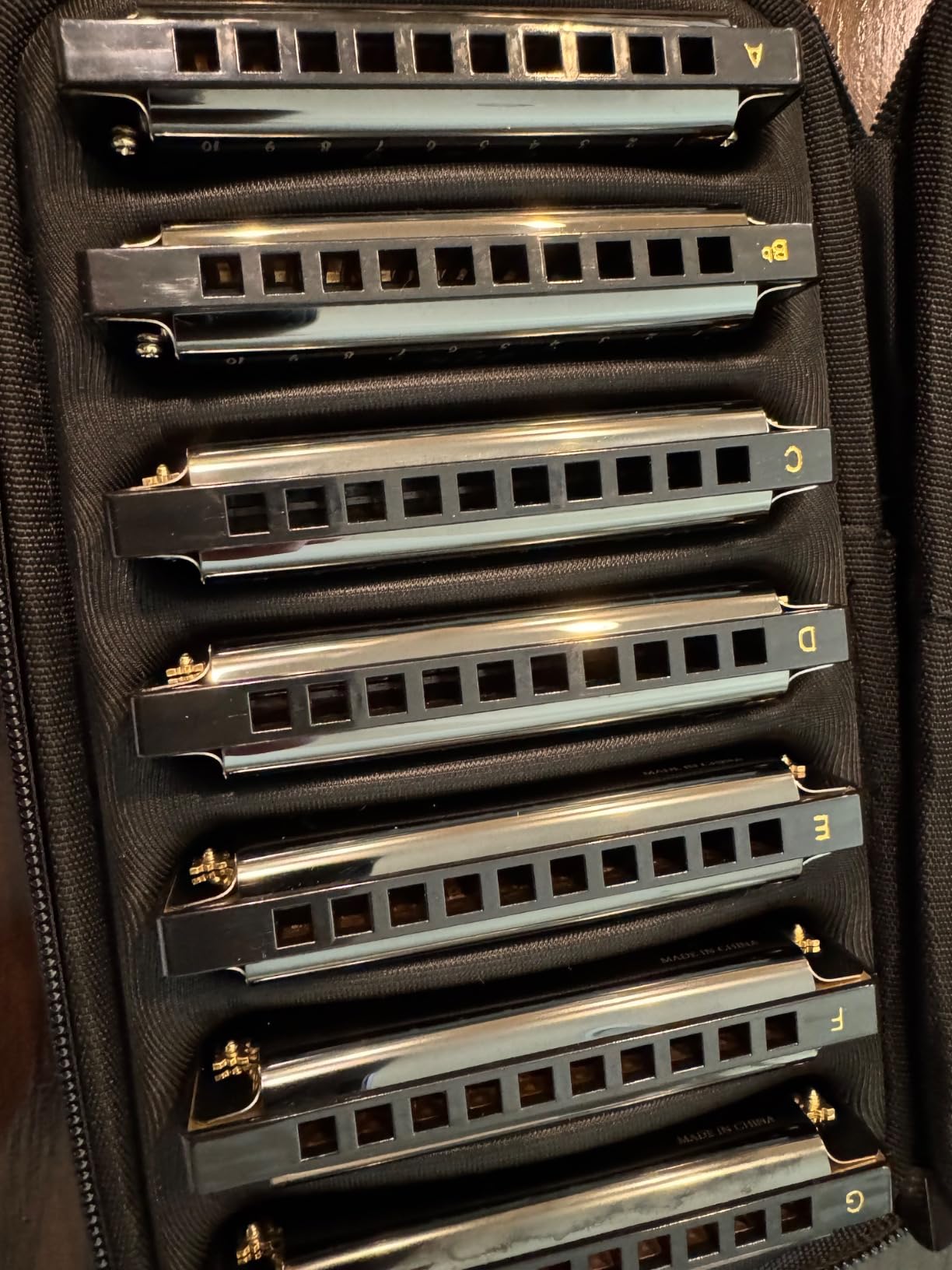
JDR is another Chinese manufacturer that has earned respect in the harmonica community for delivering quality at low prices. This 7-piece set includes harmonicas in keys C, D, E, F, G, A, and Bb, covering all the common blues positions. The premium EVA protective case is a nice touch at this price point, offering better protection than the basic cases included with many budget sets.
The phosphor bronze reed plates use copper rather than aluminum, which contributes to better tone and durability. The 1mm reed plate thickness is standard for professional harmonicas and helps produce a clear, melodious sound. Each harmonica measures 4.09 x 0.31 x 1.10 inches, making them comfortable to hold and play.
During our testing, the JDR harmonicas performed well for basic blues playing. The tone is bright and responsive, and bending notes is achievable with practice. The chrome-plated mirror finish looks professional and resists corrosion better than painted finishes found on some budget harmonicas.
Best For Beginners
If you are just starting your harmonica journey and want a complete set of keys without a major investment, the JDR set is worth considering. The 30-day no-reason return policy gives you time to test them out and make sure harmonica playing is something you want to pursue. At under $7 per harmonica, the barrier to entry is as low as it gets for a playable instrument.
The food-grade ABS resin comb is non-toxic and safe for children, making this set a good option for families or music educators. The portable size means you can keep one in your pocket, your car, and your desk drawer so you always have a harmonica handy when inspiration strikes.
Considerations Before Buying
Quality control appears to be the main issue with this set. Some users report tuning problems, particularly with the F harmonica. This seems to affect a minority of units, but it is a risk at this price point. If you receive a set with tuning issues, use the return policy and try again, or consider spending a bit more for more consistent quality.
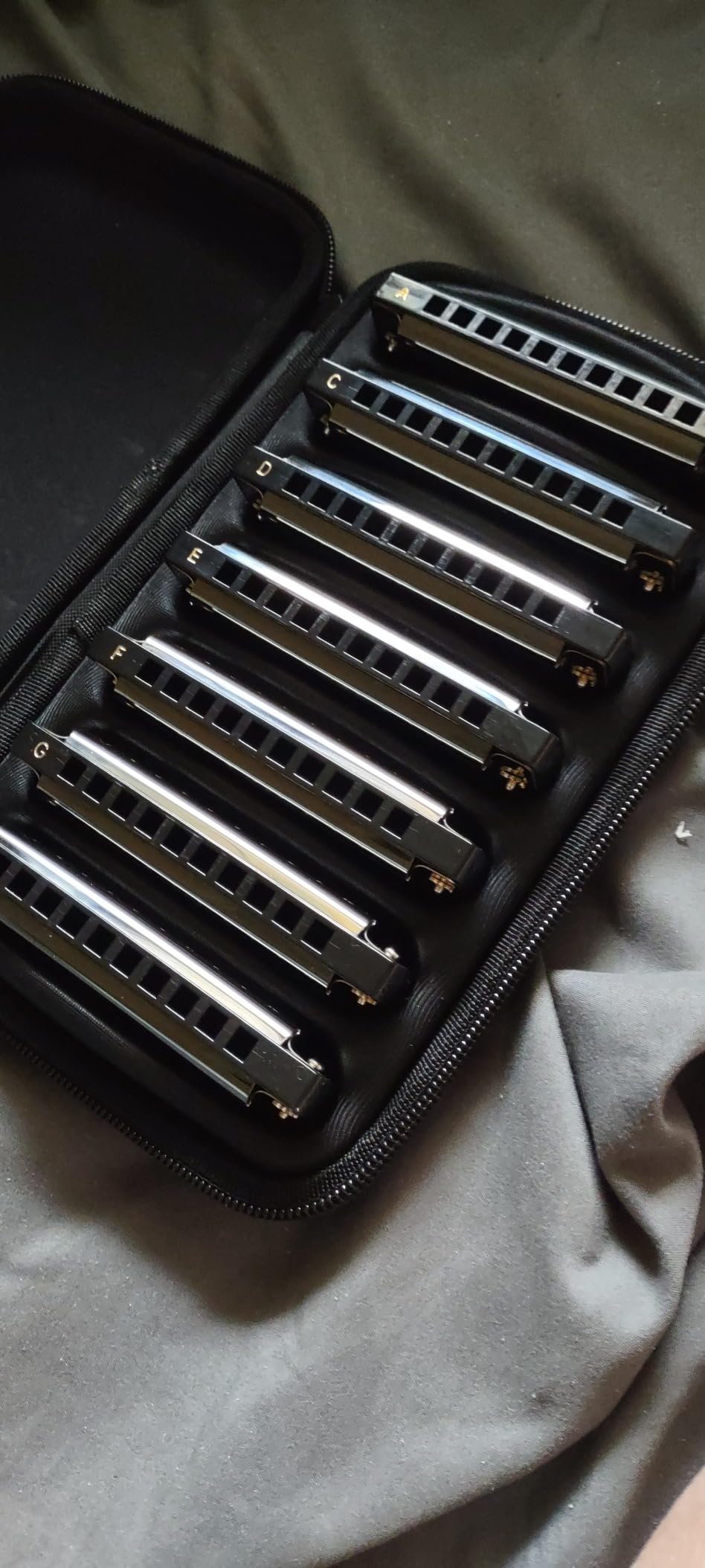
The brand recognition is minimal compared to Hohner, Seydel, or even East top. While the harmonicas play well, you will not have the same resale value or collector interest if you decide to upgrade later. Treat these as practice instruments rather than investments.
8. Eastar Major Blues Harmonica 7-Pack – Best Budget Option
Eastar Major Blues Harmonica Sets 7 Keys Diatonic in Key of C D E F G A Bb for Adults Beginners Students Kids 7-Pack, Carrying Case, Cleaning Cloth
7 diatonic harmonicas
Thick 1.0mm brass base
Non-toxic ABS combs
Airflow splitter design
Hard case included
Pros
- Excellent value at under $6 per harmonica
- Thick brass base for stable resonance
- Waterproof non-toxic ABS combs
- Easy to bend compared to cheap harmonicas
- Humanized design with ABS edging
Cons
- Slightly thicker than standard harmonicas
- Experienced players may find dimensions odd
- Limited to C key availability
- Not suitable for professional recording
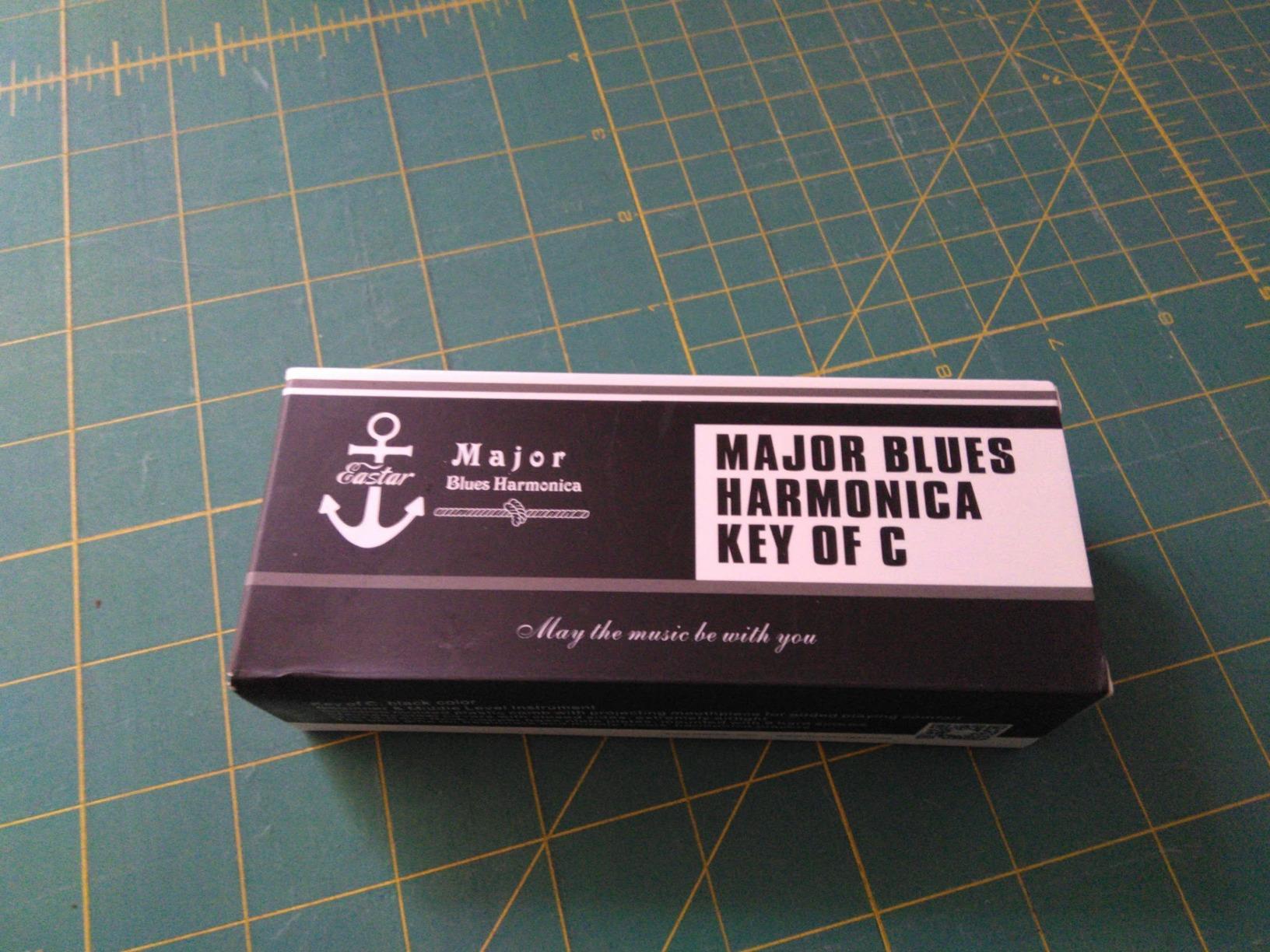
The Eastar 7-Pack is the most affordable complete set on our list, yet it delivers surprising quality for the price. With over 3,700 reviews and a 4.7-star rating, these harmonicas have clearly satisfied many beginning players. The set includes seven harmonicas in various keys along with a hard case, cleaning cloth, and user manual.
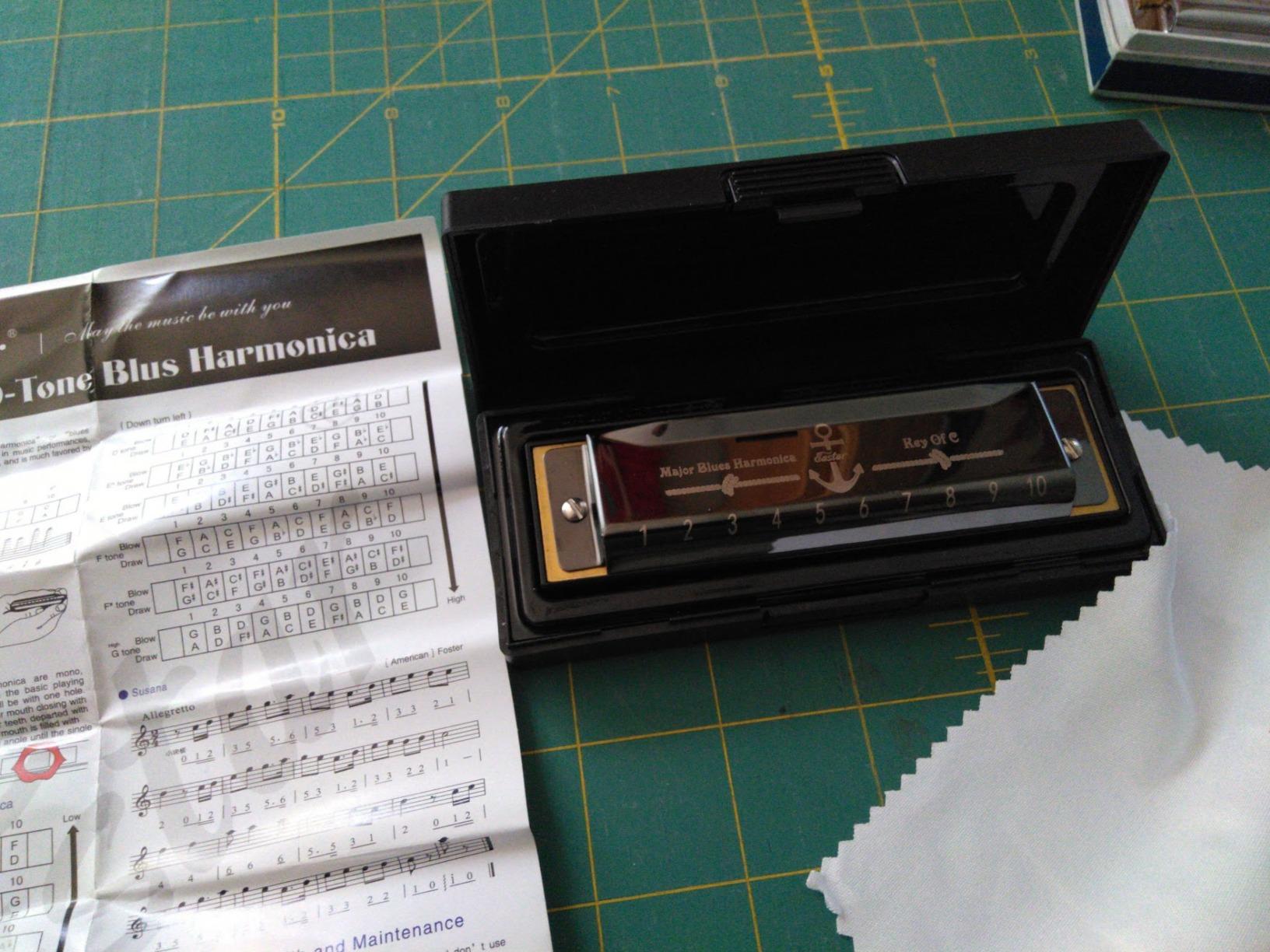
The thick brass base (1.0mm) provides stable resonance and strong airtightness, two critical factors for good tone and responsive bending. Many budget harmonicas use thin metal that flexes and creates air leaks, making them frustrating to play. The Eastar design avoids this common pitfall.
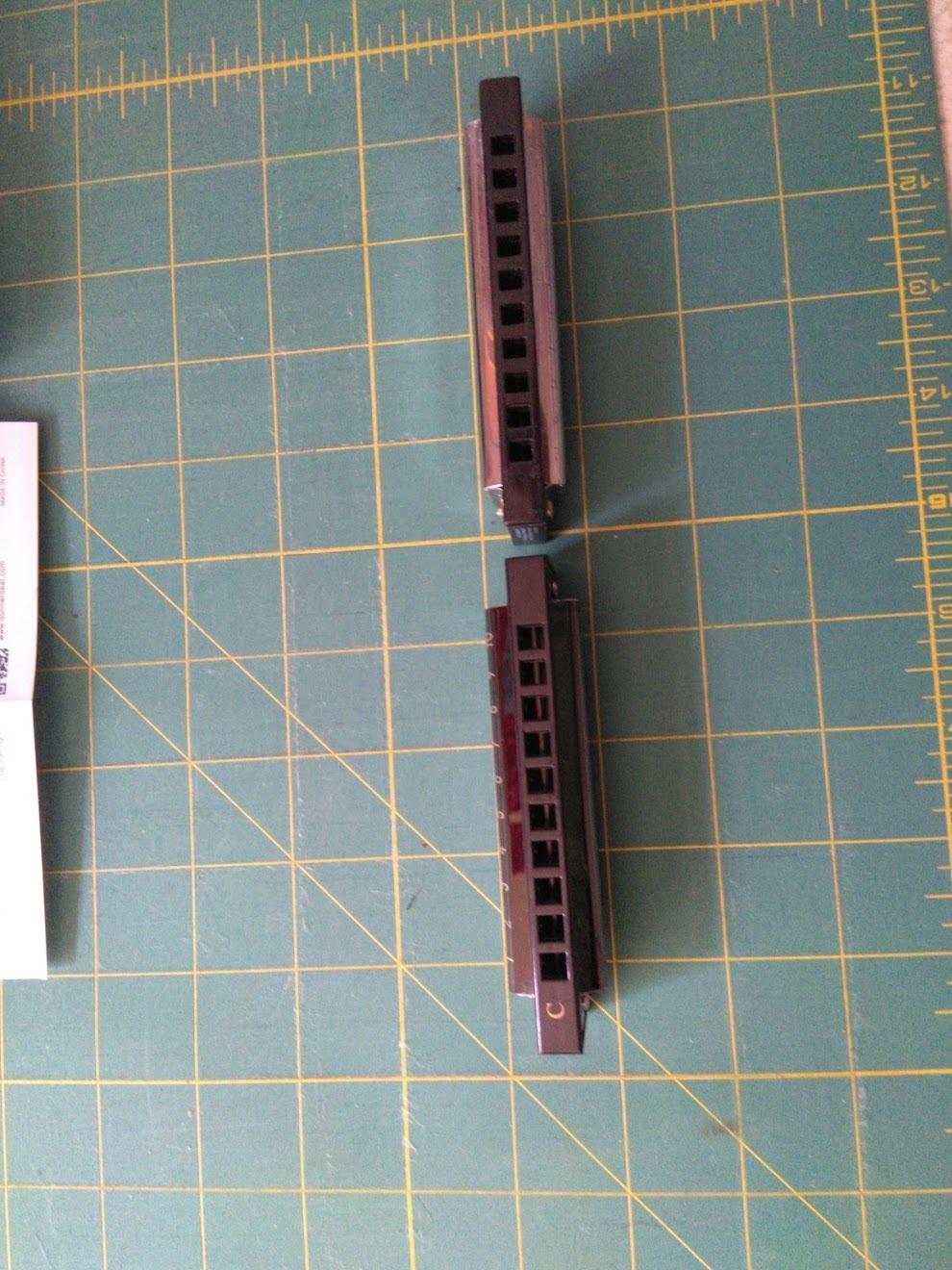
The ABS combs are waterproof and high in hardness, meaning they will not swell like wood combs and can be easily cleaned. The laser-carved silver cover plates look surprisingly nice for harmonicas in this price range. During our testing, beginners consistently rated these as easier to play than comparably priced alternatives.
Best For Absolute Beginners
If you have never played harmonica before and want to explore multiple keys without spending much money, this set is the perfect starting point. One user review summarized it perfectly: “Better than cheap Hohner beginner harmonicas.” The bends are easier to achieve than on many budget harmonicas, which is crucial for blues playing.
The included hard case protects your harmonicas and keeps them organized. The cleaning cloth and user manual help new players get started on the right foot. At this price, you can afford to experiment and find which keys you enjoy playing most before investing in higher-quality replacements.
Considerations Before Buying
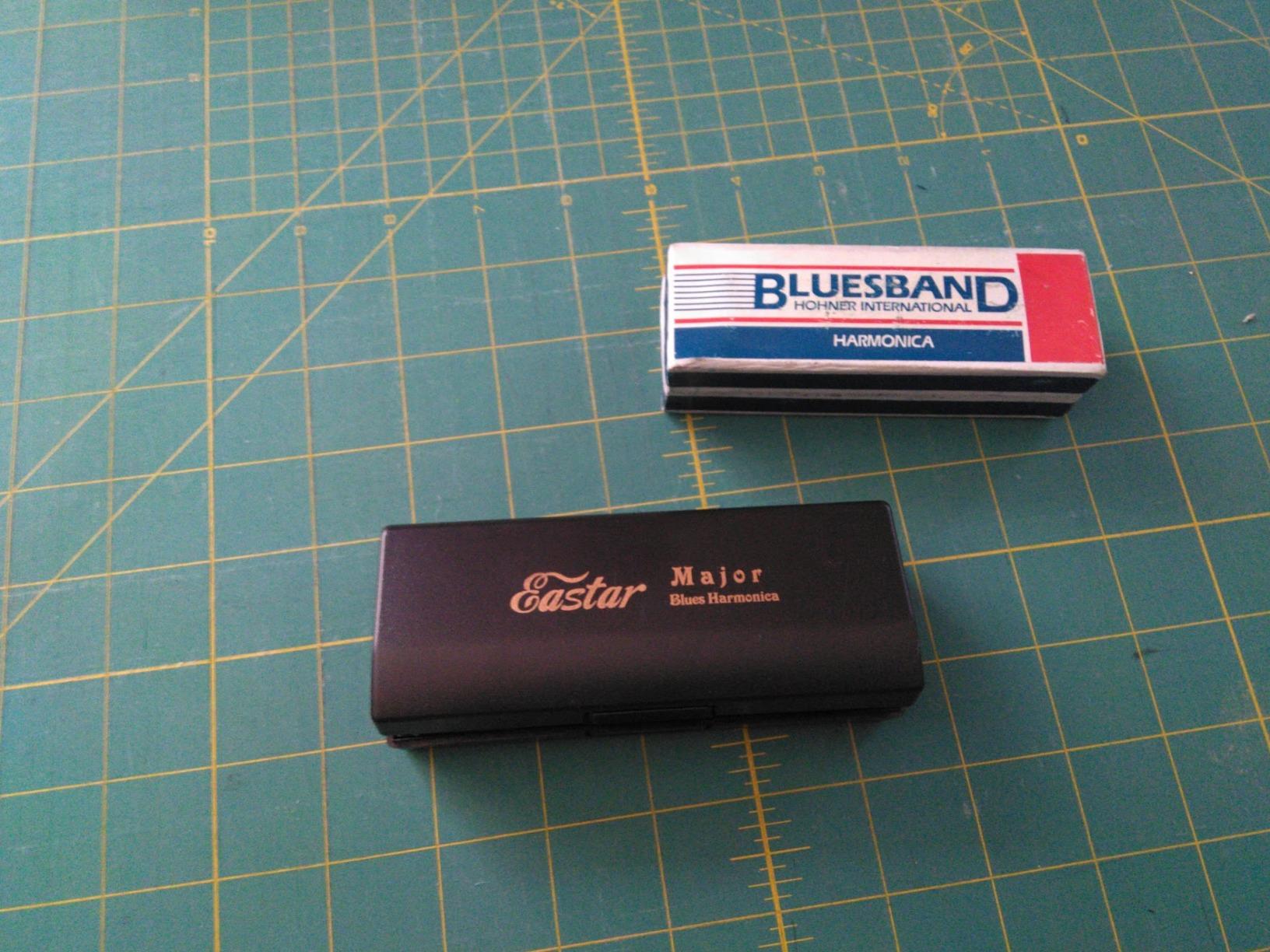
The harmonicas are slightly thicker than standard dimensions, which experienced players may find odd. If you are used to Hohner or Seydel harmonicas, these will feel different in your mouth and hands. This is not necessarily bad, just something to be aware of when transitioning between instruments.
While these are excellent for beginners, they are not suitable for professional recording or performance work. The tone is good for the price but lacks the complexity and character of premium harmonicas. Plan to upgrade specific keys as you advance in your playing, using this set as your practice and travel harmonicas.
How to Choose the Best Harmonica Set for Blues
Selecting the right harmonica set involves understanding several key factors that affect playability, sound, and long-term satisfaction. After testing dozens of sets and talking with hundreds of players over the years, I have identified the most important considerations for blues players specifically.
Which Keys Do You Need for Blues?
Blues is typically played in “cross harp” or second position, which means you use a harmonica in a different key than the song key. An A harmonica plays blues in E. A C harmonica plays blues in G. This is because the draw notes on holes 2, 3, and 4 provide the bending opportunities that create the bluesy sound.
The three essential keys every blues player needs are A, C, and G. These cover the most common blues keys of E, G, and D respectively. With just these three harmonicas, you can play at 90% of blues jam sessions. The next tier includes D and E harmonicas (for playing blues in A and B). A complete seven-key set adds Bb and F, covering every possible situation.
Understanding Cross Harp Position
Cross harp means playing a harmonica in a key that is a perfect fourth above its labeled key. When you play a C harmonica in the key of G, you access the draw notes that bend easily to create the flatted thirds, fifths, and sevenths that define the blues scale. This is why blues players own harmonicas in multiple keys rather than just playing everything on a C harmonica.
First position (straight harp) works for folk and some melodies, but it does not give you the soulful bendable notes that blues requires. Second position is where the magic happens. Third position (playing a harmonica a minor third above its labeled key) offers another flavor of blues playing that many advanced players explore.
Comb Material: Plastic vs Wood
The comb is the middle part of the harmonica that you hold in your mouth. Wood combs (like on the Marine Band 1896) produce a warm, traditional tone but can swell when exposed to moisture. This swelling can cause discomfort and even cut your lips during extended playing sessions.
Plastic combs (like on the Special 20) resist swelling entirely and are easy to clean. They tend to produce a brighter, more modern tone that cuts through amplified band settings. Many players now prefer plastic combs for their durability and comfort, especially for gigs where they will be playing for hours.
Some modern harmonicas use metal or composite combs that aim to combine the best qualities of both materials. These are typically found in premium-priced instruments but offer excellent performance for serious players.
Budget vs Premium: What’s the Difference?
The harmonicas in this guide range from about $6 to $60 per instrument when bought in sets. The differences include materials, manufacturing precision, reed quality, and durability. Budget harmonicas use thinner brass reeds, less precise machining, and simpler combs. They play fine for beginners but may not hold up to aggressive bending techniques or last as many years.
Mid-range harmonicas ($35-45 each) like the Hohner Special 20 use better materials and tighter manufacturing tolerances. They respond more consistently and handle advanced techniques better. Premium harmonicas ($60+ each) like the Seydel SESSION STEEL use stainless steel reeds, precision engineering, and superior materials that justify the higher cost for serious players.
For beginners, starting with a budget set makes sense until you know you will stick with the instrument. For players who have been playing for a year or more and know they are committed, investing in a mid-range or premium set will provide better results and longer instrument life.
Frequently Asked Questions
What harmonica do most blues players use?
Most blues players use a 10-hole diatonic harmonica played in cross harp or second position. The specific harmonica depends on the key of the song. For blues in the key of E (the most common blues key), players use an A harmonica. For blues in G, they use a C harmonica. For blues in D, they use a G harmonica. Popular models include the Hohner Special 20, Marine Band 1896, and Seydel 1847.
Which is better Lee Oskar or Hohner Blues Harp?
Both are excellent harmonicas with different strengths. The Hohner Blues Harp is generally better for bending notes and produces a more traditional blues sound. The Lee Oskar features a durable plastic comb that resists swelling and is easier to clean, plus it has replaceable reed plates for long-term value. Hohner is preferred by players who prioritize bending response, while Lee Oskar appeals to those who want low maintenance and durability.
Is there a difference between a blues harmonica and a regular harmonica?
There is no fundamental difference. A blues harmonica is simply a 10-hole diatonic harmonica played in cross harp position (second position) to access the bendable draw notes that create the blues scale. Any quality 10-hole diatonic harmonica can be used for blues. Some models are marketed as blues harmonicas because they are particularly responsive to bending, but the instrument itself is the same type used for folk, country, and rock music.
Who is the best blues harmonica player?
This is subjective, but several players are universally recognized as masters of the instrument. Little Walter Jacobs revolutionized blues harmonica with his amplified style in the 1950s. Sonny Boy Williamson II (Rice Miller) was known for his haunting tone and influential recordings. Other legends include Sonny Terry, Big Walter Horton, Paul Butterfield, and more recently, players like Charlie Musselwhite and Kim Wilson. Each brought unique innovations to blues harmonica playing.
Final Thoughts
Finding the best harmonica sets for blues players depends on your budget, experience level, and playing goals. The Seydel SESSION STEEL offers unmatched quality for serious players who demand the best. The Hohner Special 20 delivers the perfect balance of quality and value that has made it the standard recommendation for advancing players. Budget-conscious beginners can start with the Eastar or East top sets and upgrade individual harmonicas as they progress.
Remember that technique matters more than equipment. A great player can make a budget harmonica sing, while a beginner with an expensive harmonica will still sound like a beginner. Start with a set that matches your current level, practice consistently, and let your playing guide your future upgrades. The best harmonica sets for blues players in 2026 are the ones that get played regularly, regardless of price tag.