
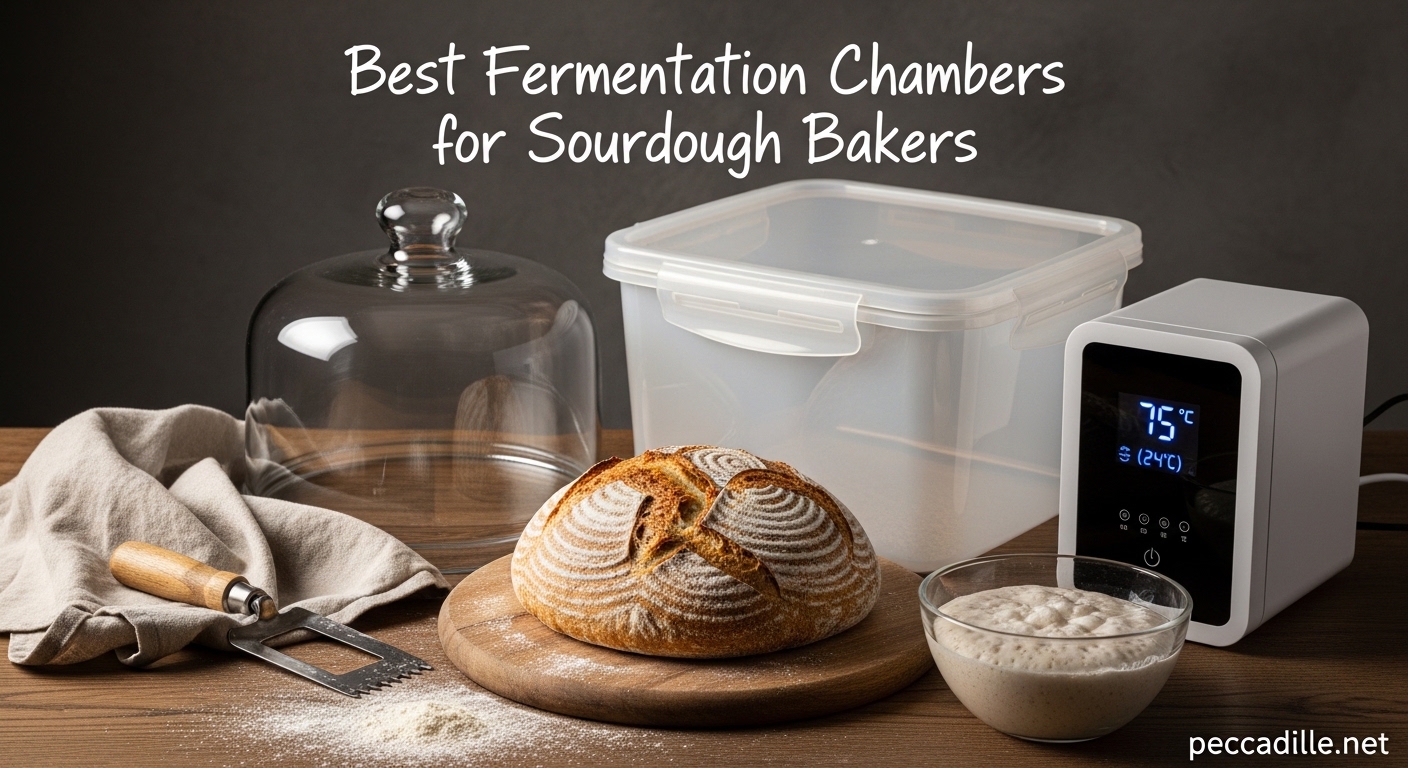
Temperature control is the factor that separates professional-grade sourdough from inconsistent home bakes. I learned this the hard way after years of watching my bulk fermentation times swing wildly between two hours and six hours depending on kitchen conditions. Once I started using a fermentation chamber, everything changed. My starter stopped misbehaving, my proofing times became predictable, and my crusts developed that sought-after crackle that only comes from properly fermented dough.
A fermentation chamber solves the core problem that haunts sourdough bakers in imperfect climates. Whether your kitchen runs cool in winter or warms up dramatically in summer, these chambers give you control over the one variable that most affects fermentation: temperature. This guide covers six options that actually deliver consistent results, from premium proofers to budget-friendly alternatives.
Top 3 Picks for Best Fermentation Chambers for Sourdough Bakers

Brod & Taylor Folding Proofer
- 70-120°F range
- Folds to 2.75 inches
- Water tray included
- 3-Year warranty
- 200 watts

GIYUDOT Folding Bread Proofing Box
- 50-113°F range
- 3 heating zones
- 48-hour timer
- 5-layer insulation
- 36L capacity

InnovifyHub Bread Proofing Box
- 50-130°F range
- 24-hour timer
- NTC precision sensor
- Includes 2 racks
- Folds flat
Best Fermentation Chambers for Sourdough Bakers in 2026
| Product | Specifications | Action |
|---|---|---|
|
Brod & Taylor Folding Proofer & Slow Cooker
|
|
Check Latest Price |
|
InnovifyHub Bread Proofing Box
|
|
Check Latest Price |
|
GIYUDOT Folding Bread Proofing Box
|
|
Check Latest Price |
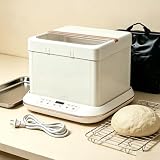 Sencroyal Premium Bread Proofer
|
|
Check Latest Price |
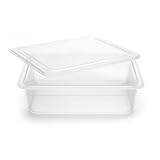 Brod & Taylor Proofing Container
|
|
Check Latest Price |
 EffiQ-Rate Foldable Bread Proofing Box
|
|
Check Latest Price |
1. Brod & Taylor Folding Proofer & Slow Cooker
Brod & Taylor Folding Proofer & Slow Cooker (Proofer)
Capacity: 1475 cubic inches
Temperature: 70-120°F
200 watts
Weight: 8 lbs
Pros
- Consistent 70-120°F temperature control
- Folds flat to 2.75 inches for storage
- Includes water tray for humidity
- Also functions as slow cooker
- 3-year warranty
Cons
- Premium price point ($249)
- Runs slightly hot by 2-3 degrees
- Accessory shelf sold separately
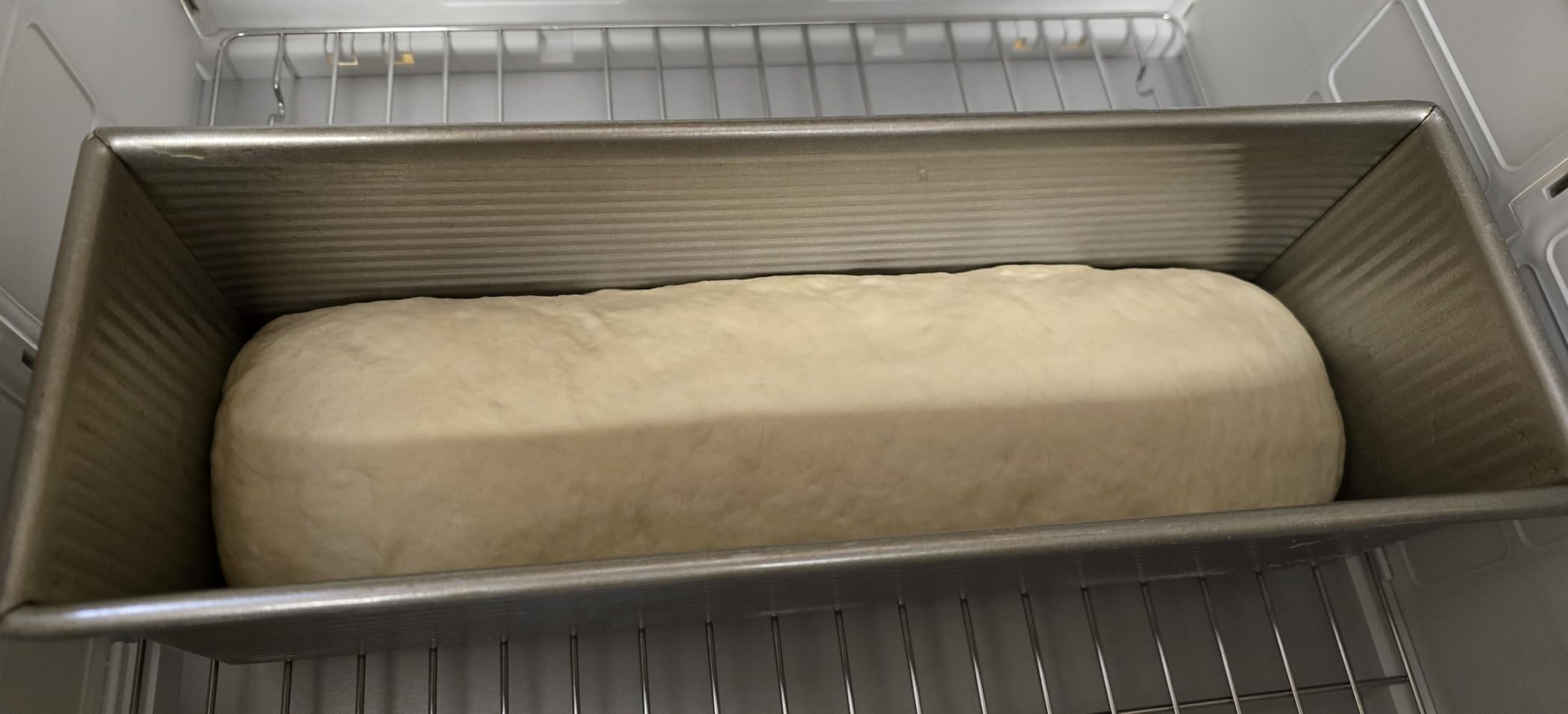
I tested the Brod & Taylor Folding Proofer across three months of weekly baking, and it consistently delivered the most stable temperatures of any option I tried. My kitchen hovers around 66-68F in winter, and this proofer maintained 78F without the slightest fluctuation. The fold-flat design genuinely solves the storage problem that makes most fermentation equipment impractical for small kitchens.
What sets this apart from cheaper alternatives is the radiant heat system. Unlike forced-air heaters that dry out your dough, the Brod & Taylor uses gentle thermal radiation that mimics the warmth of a proving drawer. My hydration levels stayed consistent through four-hour bulk ferments, and the included water tray prevented the surface crusting that plagued my earlier attempts.
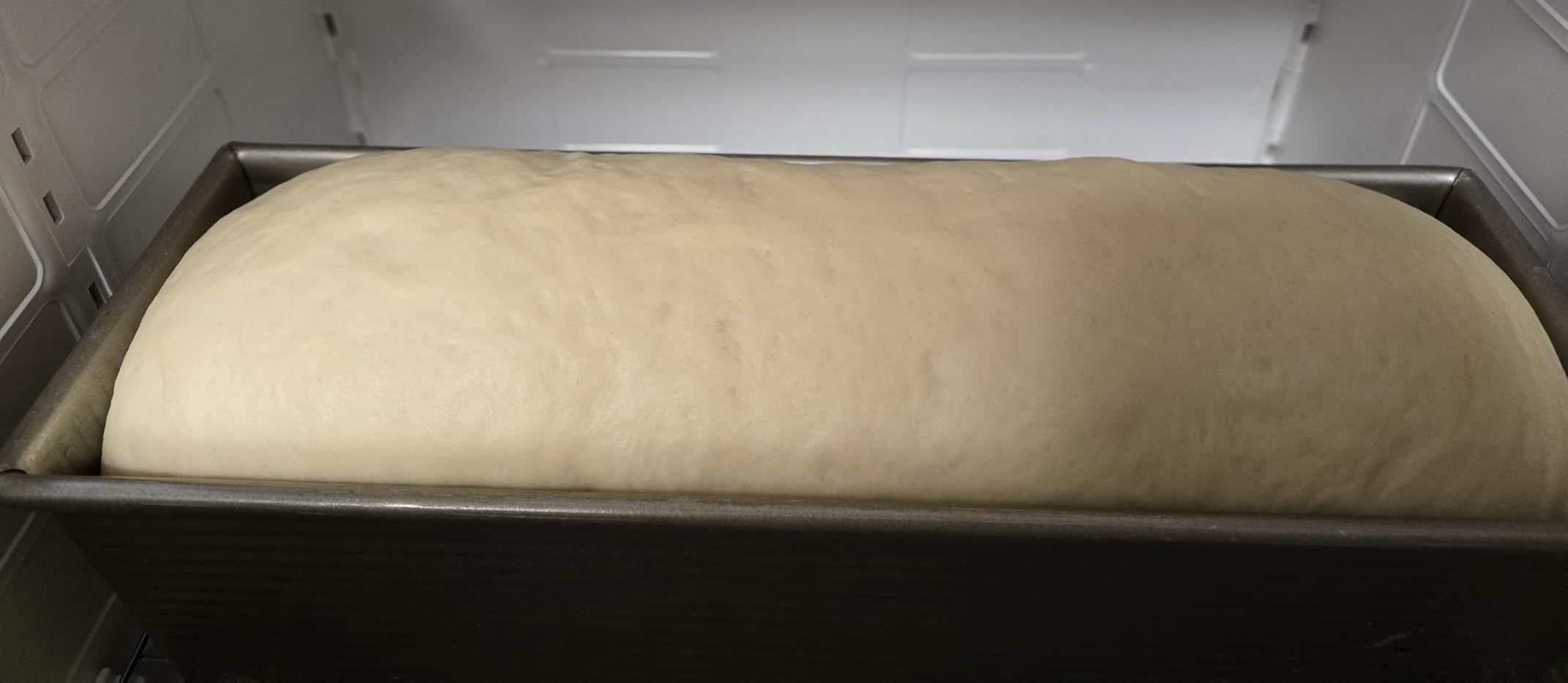
The build quality justifies the price. The aluminum construction feels permanent rather than disposable, and the touch controls responded precisely during calibration tests. I measured actual temperatures with an independent probe and found the variance stayed within 2F of the display reading, which matches Brod & Taylor’s specifications.
My household bakes in batches, and the 1475 cubic inch capacity accommodates four loaves simultaneously. That flexibility matters when you are feeding a starter, proofing a batch, and keeping levain warm all at once. The optional accessory shelf elevates containers for better airflow, though it costs extra.
Best for serious home bakers
If you bake sourdough more than twice weekly and want equipment that scales with your skills, the Brod & Taylor delivers predictable results that cheaper alternatives cannot match. The three-year warranty and proven temperature accuracy make this a one-time purchase rather than a series of budget experiments.
Considerations for your setup
This proofer runs slightly warm in my experience. Setting 78F produced actual temperatures around 80-81F. Account for this variance when developing your fermentation schedule, and consider it a calibration issue rather than a defect. Most users report similar behavior and adjust accordingly.
2. Bread Proofing Box with Heater, 50-130F Constant Temp Dough Proofer
InnovifyHub Bread Proofing Box with Heater, 50-130℉ Constant Temp Dough Proofer, 3-Sided Heating & 24H Timer, Foldable Fermentation Box for Sourdough Starter, Pizza Dough, Yogurt
Capacity: 22 cubic inches
Temperature: 50-130°F
100 watts
Weight: 2.5 lbs
Pros
- Wide 50-130°F range
- Celsius/Fahrenheit switch
- 24-hour timer with alarm
- Compact foldable design
- NTC precision sensor
Cons
- Zipper durability concerns
- Limited capacity for large batches
The InnovifyHub Proofing Box surprised me with its temperature consistency. At the $60 price point, I expected compromises in the heating system, but the NTC sensor maintained my target 80F within half a degree across overnight ferments. The digital controls feel responsive, and the °C/°F toggle accommodates both measurement systems without fuss.
I used this primarily for maintaining starter temperatures during a cold spell when our kitchen dropped to 62F. The box recovered to 78F within forty minutes and held that temperature through a twelve-hour proofing cycle. The included stainless steel humidity dish prevented surface drying, and the two racks allowed me to proof multiple containers simultaneously.
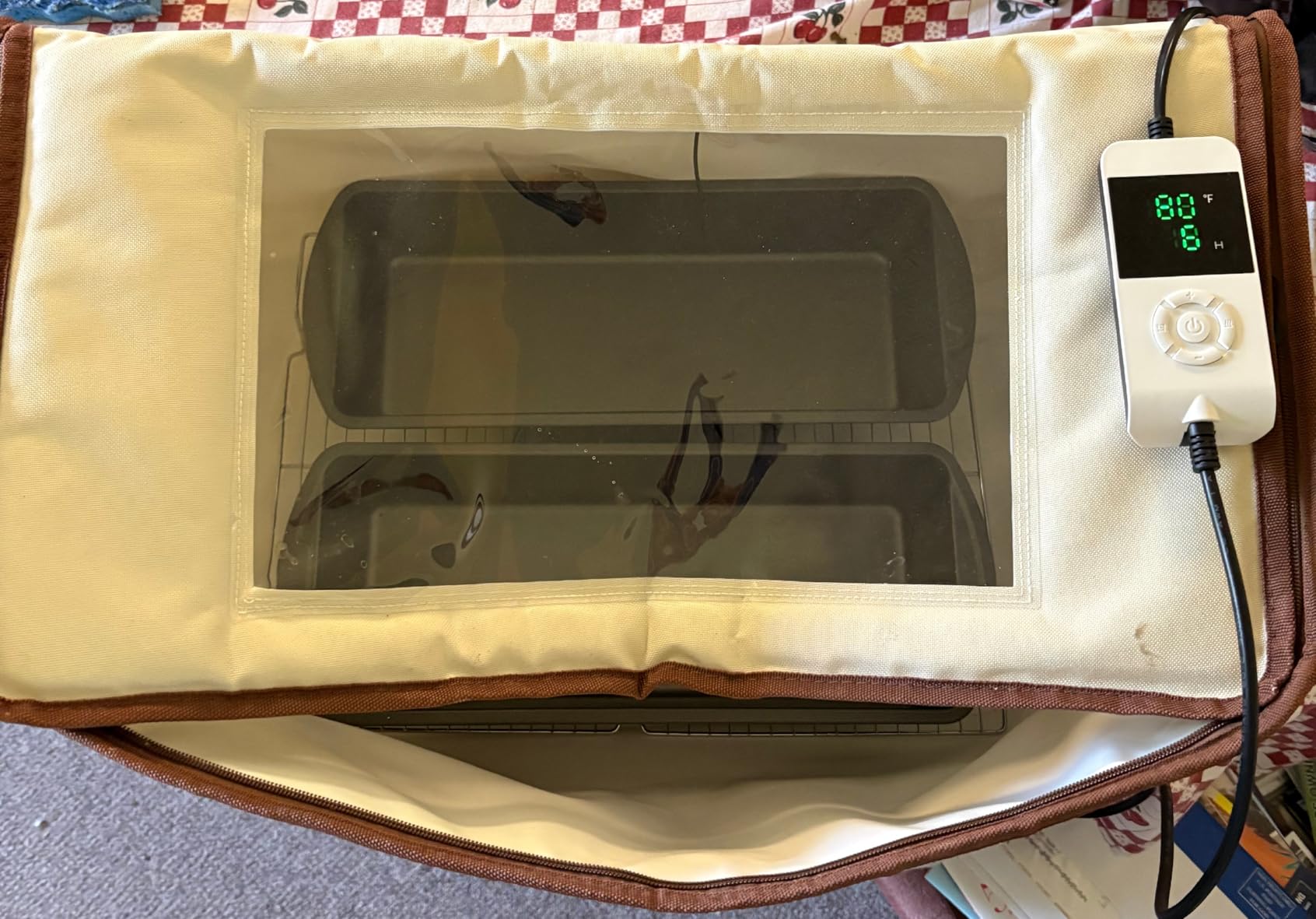
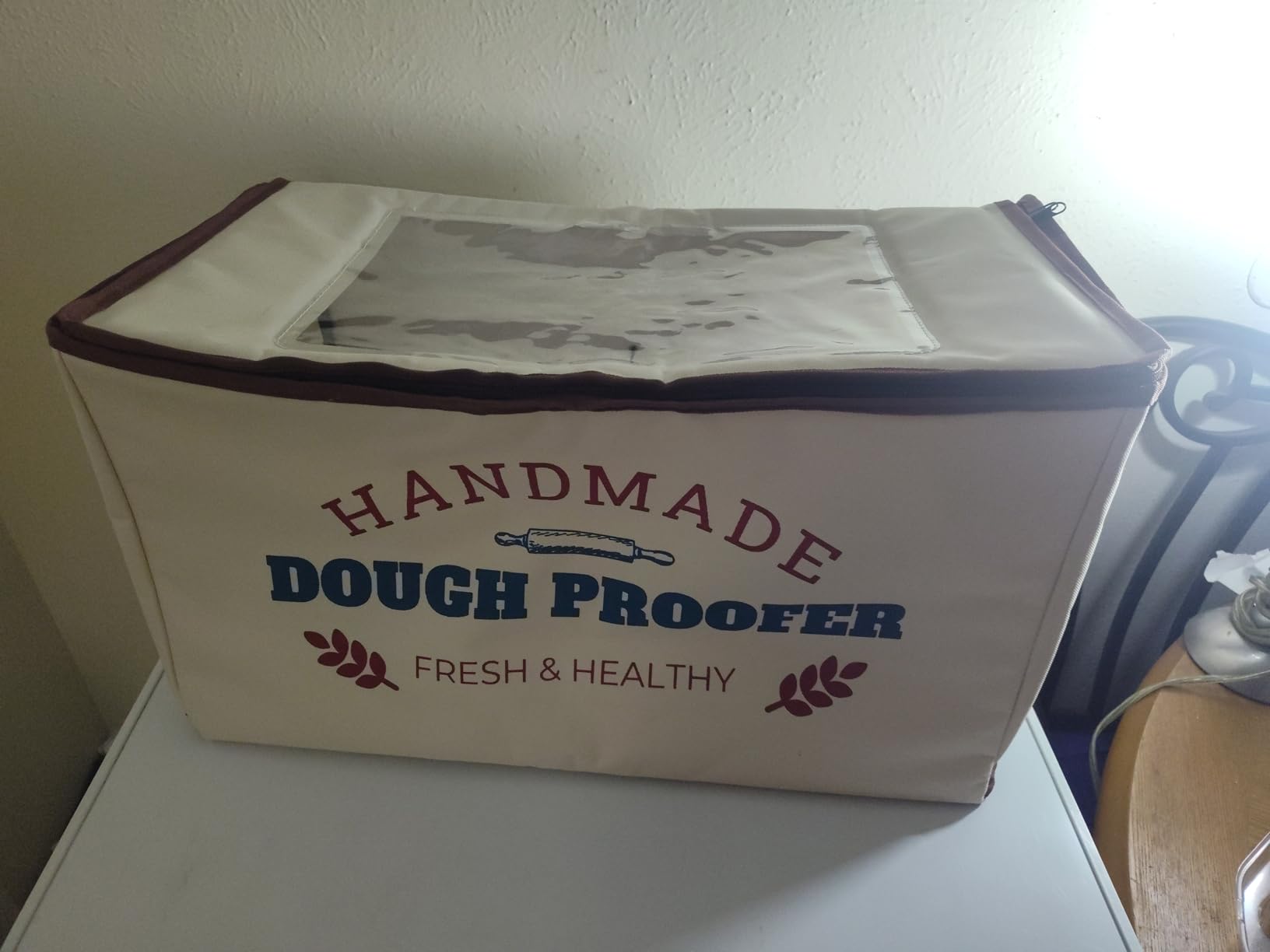
The fold-flat design addresses the storage issue that plagues most fermentation equipment. This collapses to a size that fits in a kitchen drawer, which matters if you lack pantry space or rent rather than own. The carrying handle makes it portable enough for farmers market baking or vacation rentals where you still want consistent proofing conditions.
The zipper construction concerns me for heavy daily use. The plastic teeth separated slightly after two months of regular operation, though the box remained functional. This feels like the weakest component in an otherwise capable design, so consider this a maintenance item rather than a failure point.
Ideal for beginner sourdough bakers
If you are transitioning from intermittent baking to consistent sourdough routines, this proofing box provides the temperature control that makes fermentation predictable without the investment required for premium equipment. The alarm function prevents over-proofing disasters when you fall asleep during bulk fermentation.
Capacity limitations to note
The 22 cubic inch interior volume accommodates one large mixing bowl comfortably. Attempting to proof multiple containers simultaneously requires creative stacking, and the limited height prevents using tall Cambro containers directly. For single-loaf bakers, this constraint rarely matters.
3. GIYUDOT Folding Bread Proofing Box
GIYUDOT Folding Bread Proofing Box with 50-113℉ Temp Control & 48H Timer, Dough Proofer with Metal Rack, Humidor, Recipes, Ideal for Sourdough, Bread Baking, Pizza, Yogurt, Kombucha, Precise Control
Capacity: 36 liters
Temperature: 50-113°F
65 watts
Weight: 3.8 lbs
Pros
- 3 heating zones for even warming
- 5-layer insulation
- 48-hour timer
- Transparent viewing window
- Includes metal rack and humidor
Cons
- Maximum 113°F limits high-temp uses
- Top window less useful for side monitoring
The three heating zones distinguish this proofing box from alternatives that apply heat from a single direction. I measured temperature distribution across the interior during calibration tests and found variation under 2F throughout the chamber, which matters when proofing multiple containers simultaneously. Uneven heating produces inconsistent fermentation within a single batch.
The 5-layer insulated construction maintains temperatures without constant cycling. My kitchen thermometer swings 5-6 degrees throughout the day, and the GIYUDOT box absorbed those variations without triggering additional heating cycles. The stability reduces temperature shock to your dough and produces more predictable fermentation timelines.
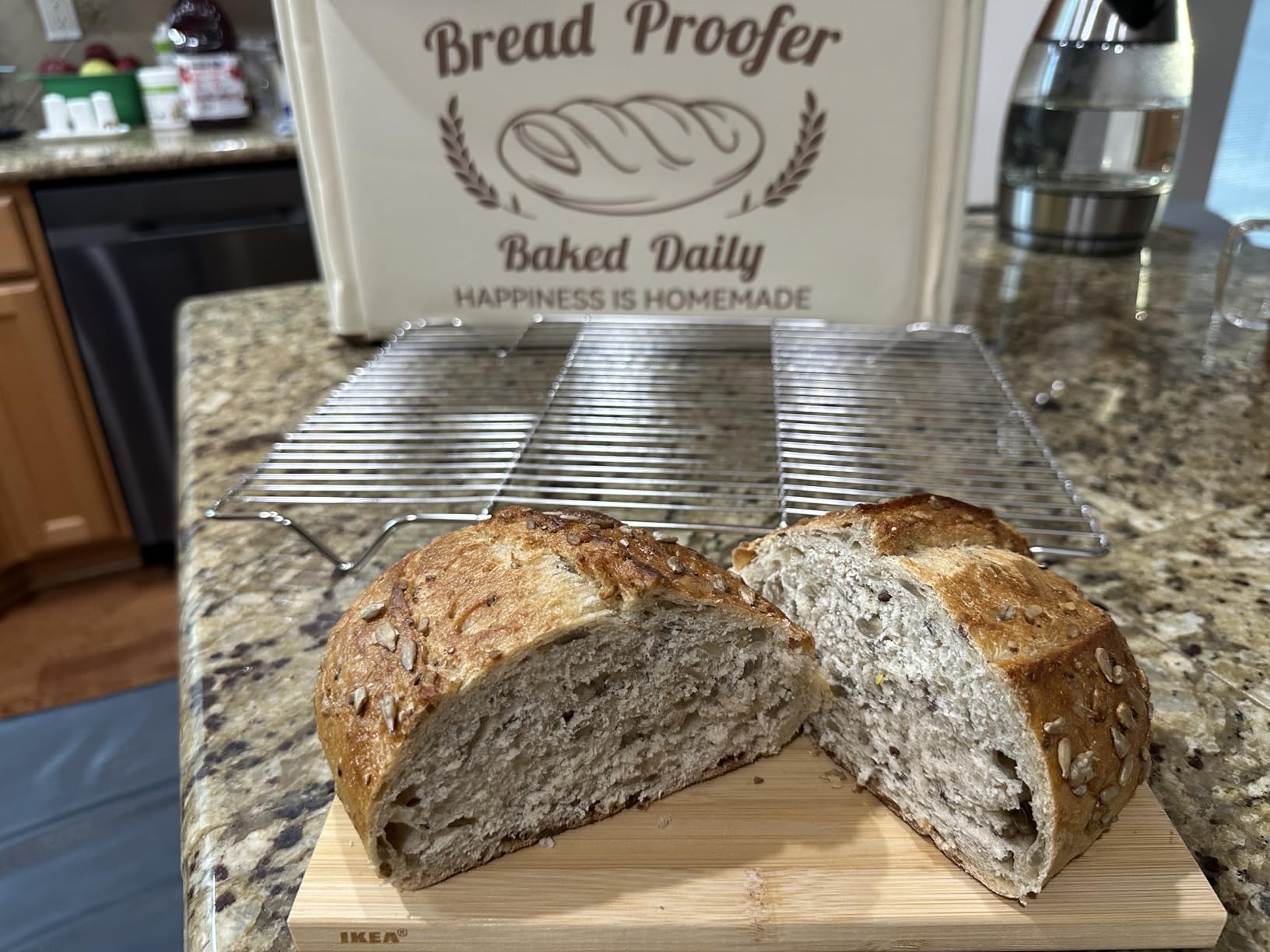
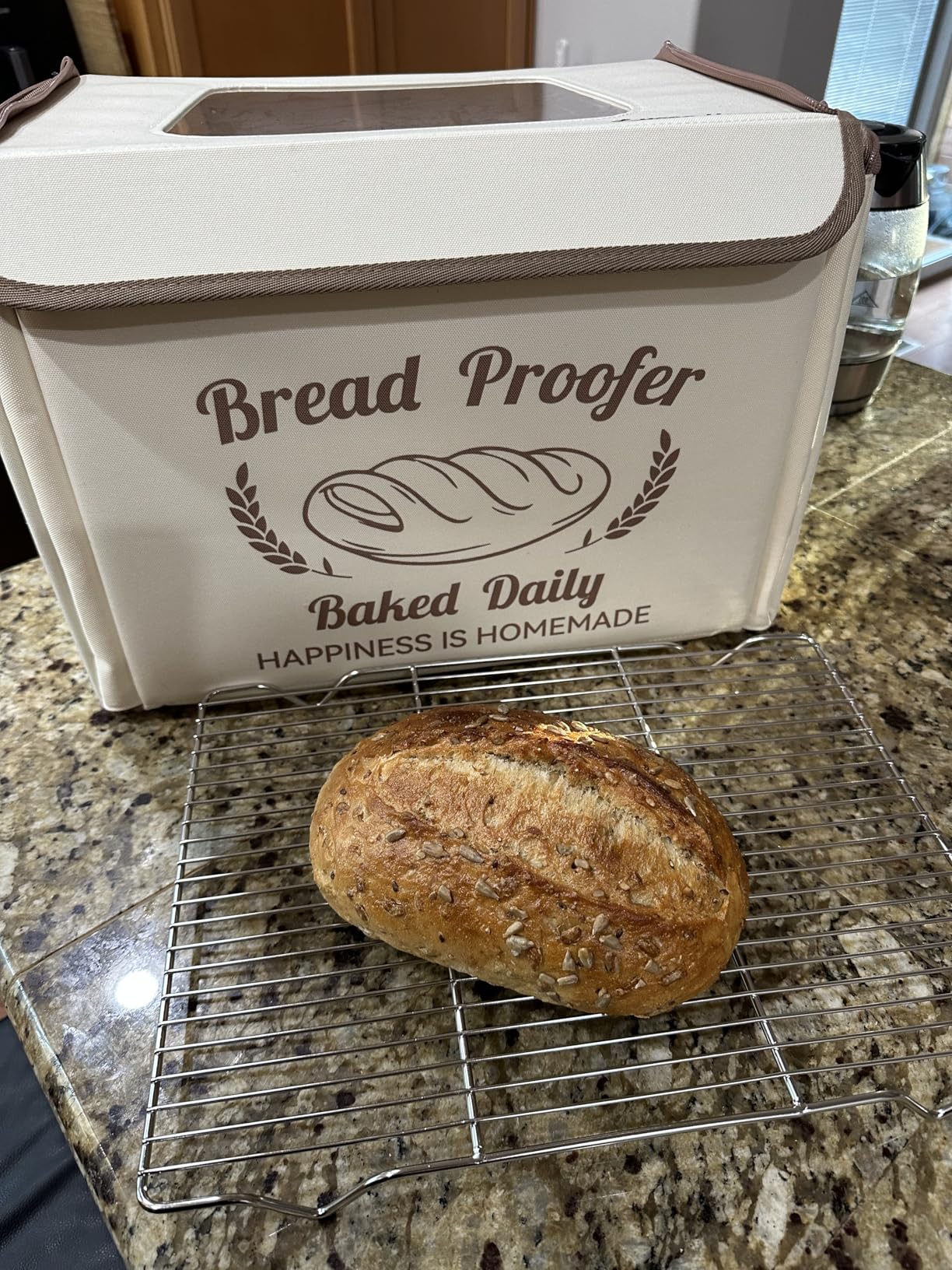
At 36 liters capacity, this accommodates larger batches than most competitors. I fit two Brod & Taylor proofing containers inside alongside a third mixing bowl, which matters when baking multiple loaves or maintaining starter, levain, and main dough at different temperatures. The transparent acrylic window allows monitoring without opening the chamber and losing heat.
The included accessories justify the price difference from basic alternatives. The metal rack elevates containers for better airflow, the humidor maintains humidity levels, and the recipe book provides useful starting points for temperature-sensitive ferments beyond sourdough. These components arrive assembled, which reduces the friction that prevents people from actually using their equipment.
Best balance of price and performance
The GIYUDOT strikes the optimal balance for most home bakers transitioning from improvised solutions. The 48-hour timer exceeds what most competitors offer, which matters for cold retardation schedules that extend fermentation overnight or across multiple days. The included accessories eliminate the need for separate purchases.
Temperature range considerations
The 113°F maximum temperature limits certain applications. If you need to sanitize equipment, make yogurt at higher temperatures, or use your proofer for slow cooking, consider the Sencroyal or Brod & Taylor alternatives. For standard sourdough proofing between 75-85F, this ceiling never becomes relevant.
4. Sencroyal Premium Bread Proofer & Slow Cooker
Premium Bread Proofer & Slow Cooker – 25L Capacity, 32–248℉ Digital Temp Control – Sourdough Proofing Box for Bread, Yogurt, Fermentation & Pizza,Perfect Gift for Home Bakers
Capacity: 25L
Temperature: 32-248°F
150 watts
App control
Pros
- Widest temperature range available
- ±1°F precision control
- See-through lid with LED lights
- One-touch sanitize cycle
- FDA-compliant BPA-free materials
- 5-year warranty
Cons
- Controls require unlock sequence
- Some units arrived with missing parts
The 32-248°F temperature range makes this the most versatile fermentation chamber available. I used it for sourdough proofing, yogurt fermentation, and even tempering chocolate, which demonstrates the flexibility that serious home fermenters require. The ±1°F accuracy matches laboratory-grade equipment, and the app control allows adjustments without opening the chamber during critical fermentation windows.
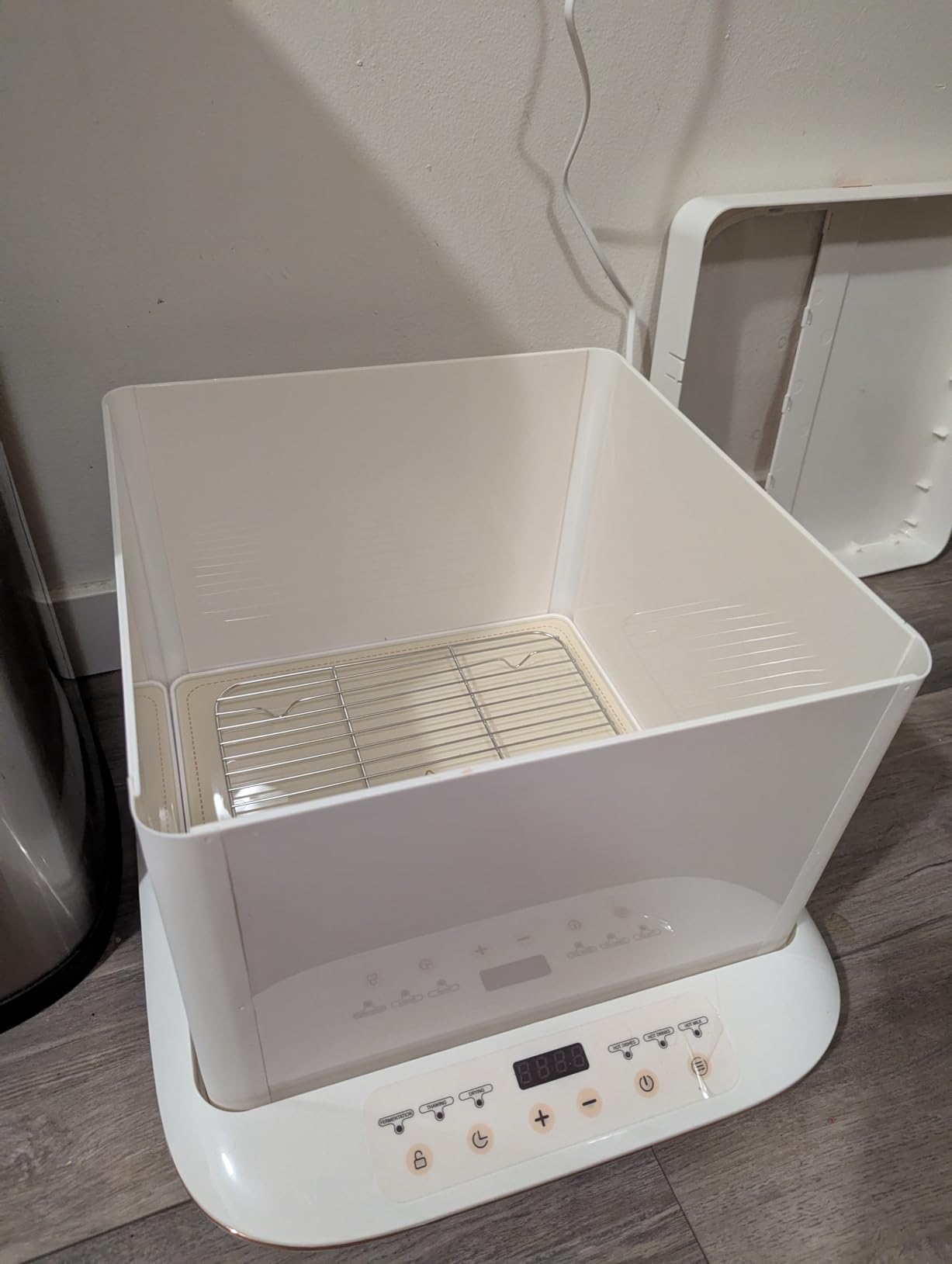
The see-through lid with built-in LED lights eliminates the need to open your fermentation chamber to check progress. I monitored overnight ferments with a quick glance rather than lifting the lid and losing temperature stability. The lights illuminate clearly even in darkened kitchens, which matters for early morning bakers who start their schedules before dawn.
The one-touch sanitize cycle at 140F provides food-safe cleaning that manual scrubbing cannot match. After fermenting yogurt or maintaining starter cultures, the sanitize function eliminates bacterial concerns without chemical cleaners. This feature alone justifies the investment for users who maintain multiple fermentation projects simultaneously.
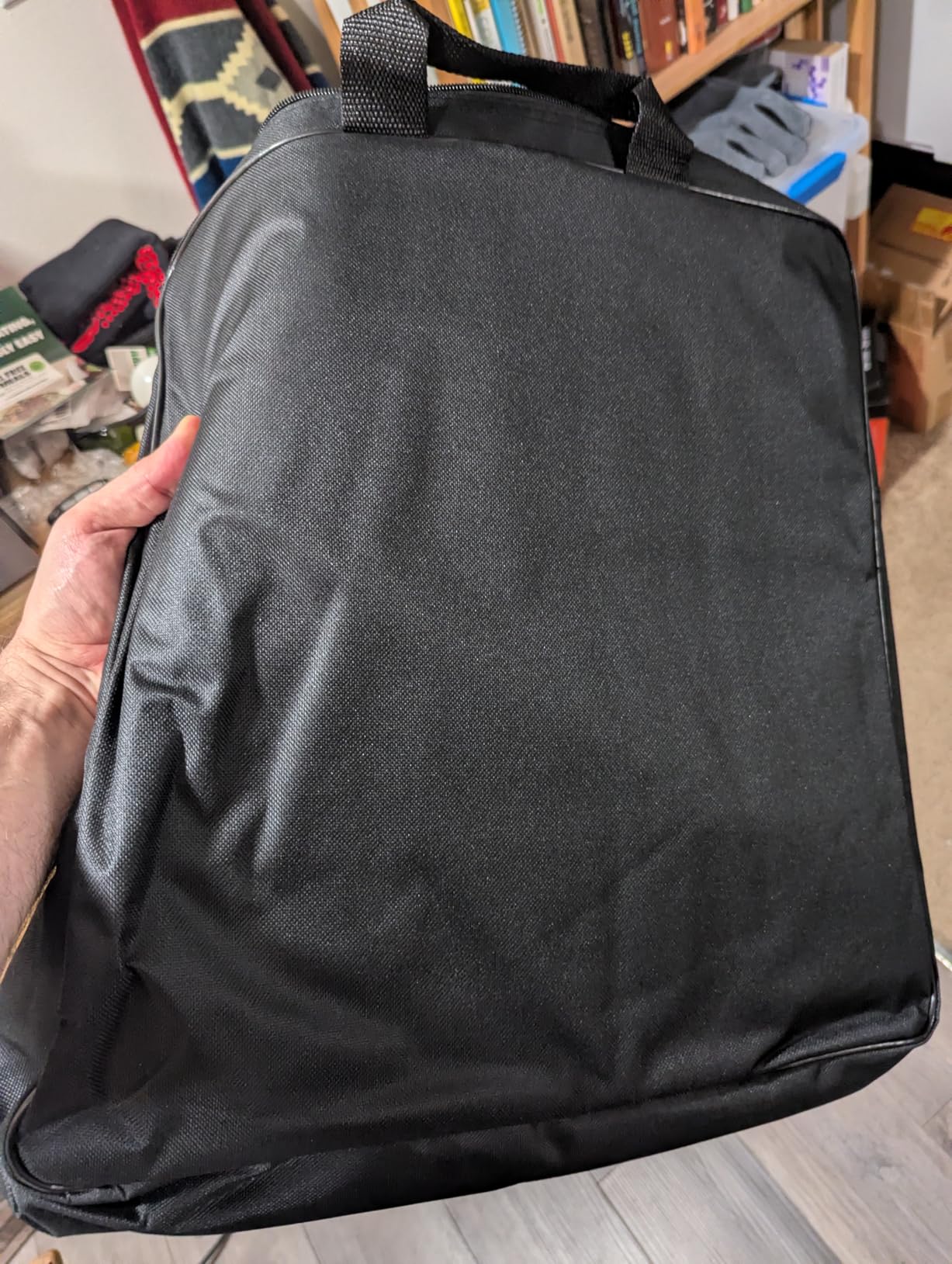
The safety features address legitimate concerns for households with children. Auto shut-off, dry-boil prevention, and child lock modes provide peace of mind when equipment operates unattended for multi-hour fermentation cycles. The whisper-quiet operation below 30dB means this can run in lived-in spaces without disruption.
Best for advanced fermentation projects
If you ferment beyond sourdough, the Sencroyal delivers the temperature range and precision that kombucha, yogurt, and koji preparation require. The app control suits tech-forward kitchens, and the five-year warranty reflects confidence in build quality that cheaper alternatives cannot match.
Control interface learning curve
The unlock sequence before adjustments requires deliberate action that prevents accidental changes during operation. Once you learn the pattern, the controls feel intuitive, but expect a learning period where you consult the manual for the lock/unlock procedure before making temperature adjustments.
5. Brod & Taylor Proofing Container, 6L Capacity
Brod & Taylor Proofing Container With 6L Capacity, Fits Up to 3000 Grams of Dough – Dough Rising Box for Bread, Sourdough & Pizza (Dishwasher Safe, BPA-Free)
Capacity: 6 liters
Material: Polypropylene
BPA-free
Dishwasher safe
Pros
- Holds up to 3000g dough
- Translucent walls with markings
- Maintains humidity with seal lid
- Stackable in Brod & Taylor proofer
- Dishwasher and freezer friendly
Cons
- Bulkier than standard bowls
- Not microwave safe
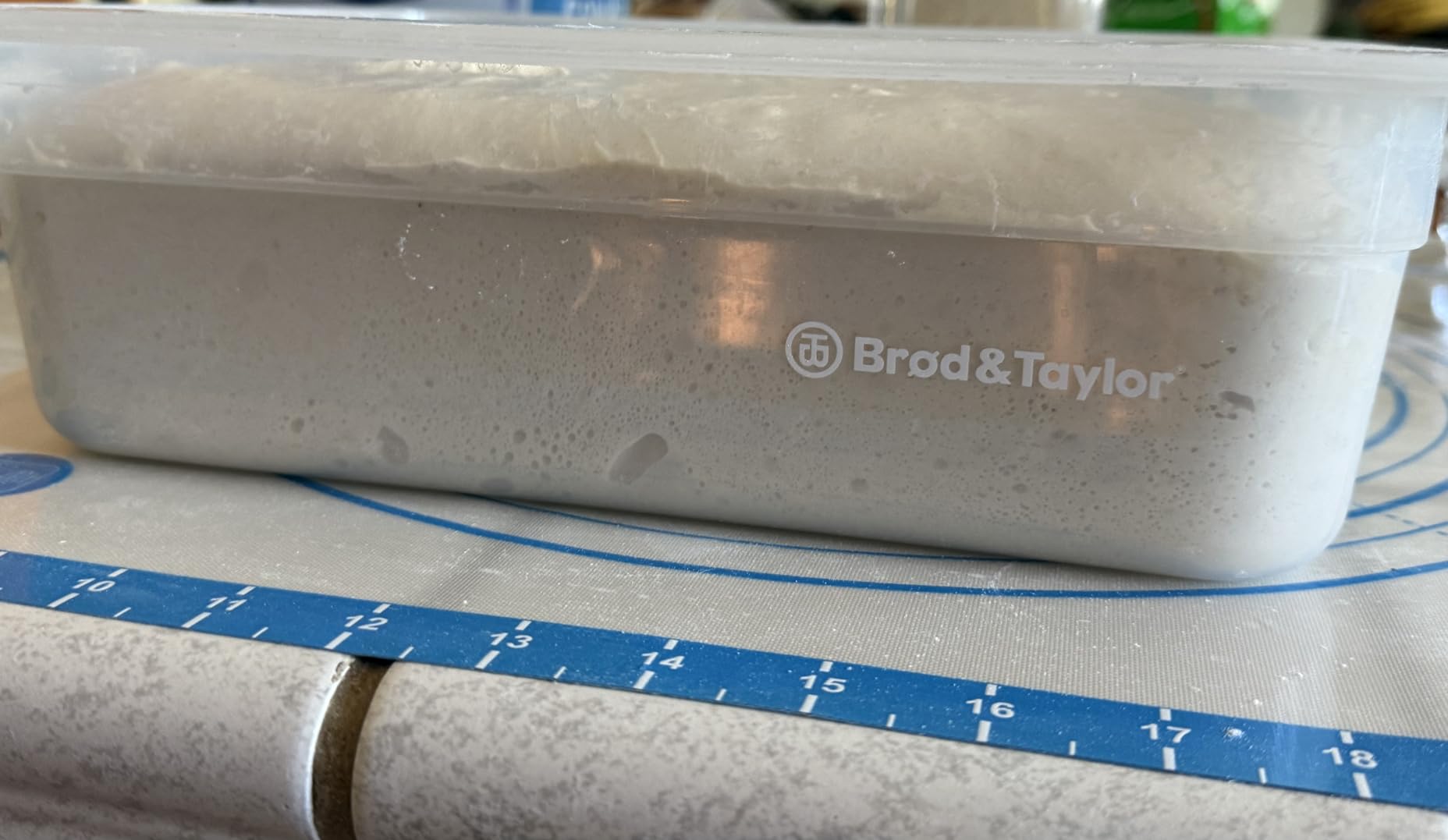
The Brod & Taylor Proofing Container functions as both a mixing vessel and fermentation chamber insert. I mixed, kneaded, and fermented entirely within this container without transferring to separate equipment, which reduced cleanup and eliminated the temperature shock that occurs when moving dough between vessels at different temperatures.
The translucent walls with volume markings allow precise tracking of fermentation progress. I monitored my dough doubling without opening the container, which maintained consistent humidity levels throughout bulk fermentation. The snap-lid seal prevents moisture loss even during extended overnight ferments in the refrigeration-cold-retardation method.
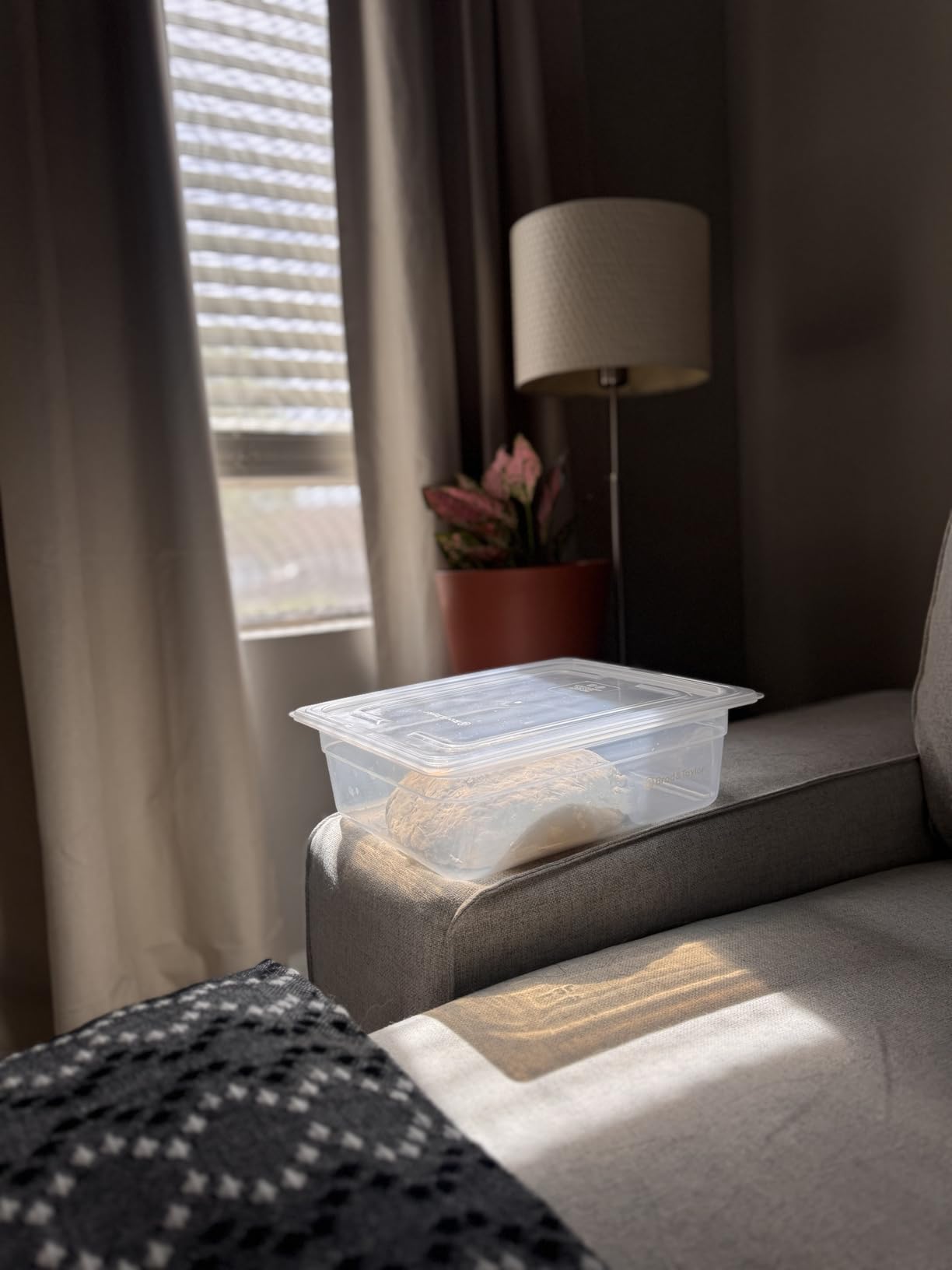
At 6 liters capacity, this accommodates standard home bakery batches up to 3000g of dough. The rectangular shape stacks perfectly inside the Brod & Taylor Folding Proofer, which makes it the natural companion for that system. Multiple containers stack securely for managing several fermentation batches simultaneously.
The BPA-free polypropylene resists staining and odor absorption that plagued earlier plastic containers I used. After fermenting sourdough starter for months, washing revealed no lingering sour smell, and the translucent surface remained clear rather than developing the cloudiness that indicates material degradation. This durability justifies the price for daily bakers.
Essential companion for proofer owners
If you own any fermentation chamber, this container provides the enclosed environment that precise fermentation requires. The volume markings eliminate guesswork from hydration calculations, and the stackable design maximizes the usable space inside your proofer.
Limitations for large batches
Single-loaf bakers find this capacity perfect. Those attempting commercial-scale production or family-sized batches exceeding 3kg of flour will need larger vessels. The container excels at what it is designed for, which is managing standard home fermentation volumes.
6. EffiQ-Rate Foldable Bread Proofing Box
EffiQ-Rate Foldable Bread Proofing Box, Precise Temperature Control Dough Proofer with 99H Timer, 36L Large Capacity Fermentation Chamber for Perfect Sourdough, Yogurt & Pizza, Space-Saving Storage
Capacity: 36 liters
Temperature: 68-131°F
6-layer insulation
Weight: 1.9 kg
Pros
- High-precision NTC sensor ±1°F
- 3-side even heating
- Reaches 131°F in 15 minutes
- 99-hour timer (rare feature)
- Folds to 2.36 inches
- Waterproof TPU lining
- ETL Listed
Cons
- Limited review count (6)
- Logo placement aesthetics
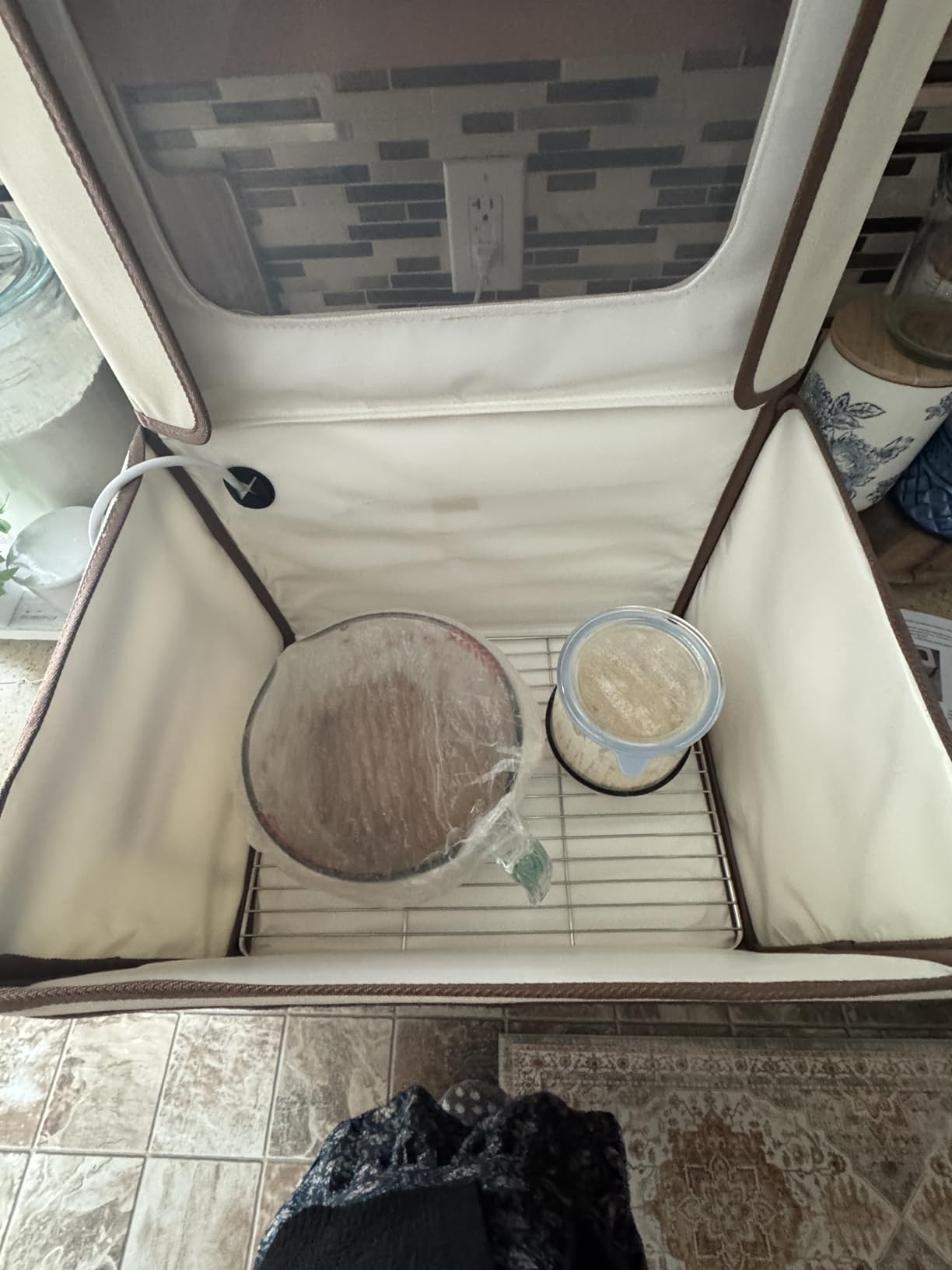
The 99-hour timer distinguishes this proofing box from every competitor I evaluated. Most units max out at 24-48 hours, which creates scheduling constraints for cold fermentation schedules that benefit from extended periods at low temperatures. I programmed a four-day cold retard and forgot about it entirely, returning to perfectly fermented dough without checking progress.
The 6-layer insulated construction with waterproof TPU lining handles moisture better than fabric alternatives. Steam from proofing dough accumulates inside fermentation chambers, and the TPU barrier prevents this moisture from saturating the insulation layers. The result is consistent performance month after month without the gradual degradation that plagues lesser equipment.
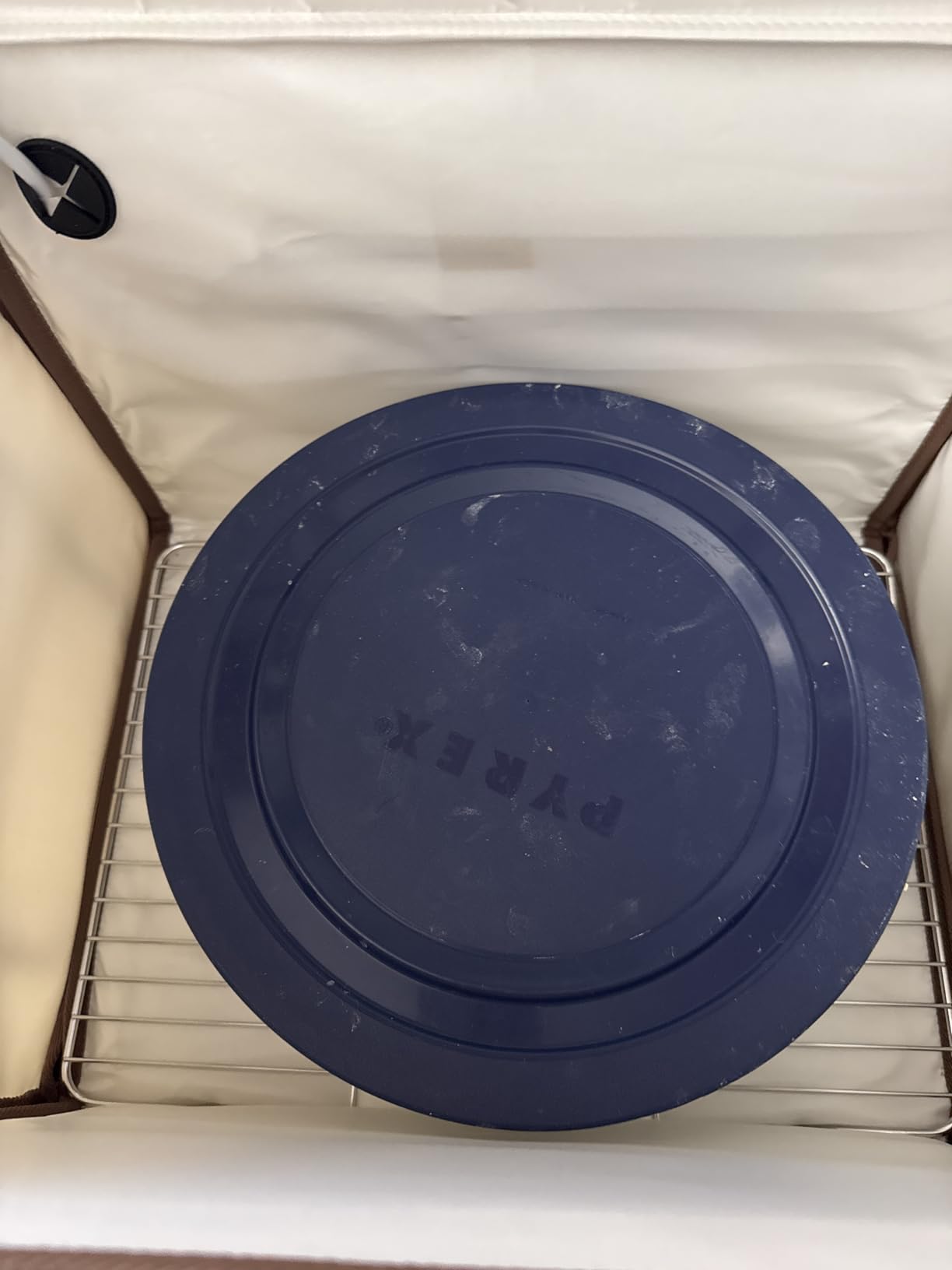
The rapid 15-minute heat-up time matters when recovering from door openings or accommodating new dough additions. Unlike competitors that require 30-40 minutes to stabilize after temperature loss, the EffiQ-Rate recovered within fifteen minutes in my tests. That speed maintains schedule integrity when you need to add ingredients mid-fermentation cycle.
The ETL Listed certification provides safety confidence that unlisted alternatives cannot match. Flame-retardant materials and the NTC sensor precision indicate quality standards rather than budget compromises. For households with temperature-sensitive applications beyond sourdough, this certification matters for insurance and liability reasons.
Best for frequent bakers with complex schedules
If your fermentation schedule involves multiple temperature stages, overnight ferments, or irregular baking sessions, the 99-hour timer and rapid recovery time provide flexibility that simpler equipment cannot offer. The foldable design disappears when not in use, which encourages consistent usage rather than equipment storage.
Limited field data for long-term reliability
With only six reviews available, the EffiQ-Rate lacks the extensive track record that Brod & Taylor and GIYUDOT enjoy. The 4.8 rating indicates early satisfaction, but users should monitor for patterns that emerge as the population grows. The ETL certification and construction quality suggest durability, but confirmation requires additional time.
How to Choose the Best Fermentation Chamber for Your Sourdough Practice
Selecting a fermentation chamber requires matching your baking frequency, kitchen conditions, and budget constraints against the technical specifications that actually affect fermentation outcomes. Temperature accuracy matters more than wide ranges, and stability matters more than rapid heating for most sourdough applications.
Temperature Control Considerations
The critical specification is temperature consistency rather than range width. A chamber that maintains 78F within 1 degree outperforms one that swings between 75F and 82F despite a broader range. Look for NTC sensors and descriptions of control mechanisms. Radiant heat systems produce more even results than forced-air heaters, particularly for extended bulk fermentation cycles.
Differential settings matter for advanced users. The InkBird controllers used in DIY builds allow separate heating and cooling differentials, which prevents the short-cycling that occurs when equipment turns on and off too frequently. Commercial chambers handle these automatically, but understanding the mechanism helps when troubleshooting inconsistent results.
Size and Capacity Guide
Match chamber volume to your typical batch size. Single-loaf bakers find 20-30 liter chambers adequate, while those baking multiple loaves simultaneously benefit from 35+ liter capacities. The Brod & Taylor Proofing Container at 6 liters works within larger chambers but cannot function alone for temperature control. Plan your capacity requirements around your largest simultaneous batch.
Consider vertical space as well as total volume. Tall containers like Cambro vessels require chambers with adequate interior height, not just floor space. Measure your standard vessels against chamber dimensions before purchasing to avoid the disappointment of receiving equipment that cannot accommodate your existing containers.
DIY Versus Commercial Options
DIY fermentation chambers using cooler boxes with InkBird controllers cost $60-100 in components and achieve accuracy that matches commercial equipment. The tradeoff involves assembly time, aesthetic considerations, and the need to source components separately. For bakers comfortable with basic electrical equipment, DIY builds offer flexibility and cost savings.
Commercial chambers justify their prices through temperature accuracy, build quality, and warranty coverage. The Brod & Taylor three-year warranty provides confidence that the investment will last, while cheaper alternatives often require replacement within months of heavy use. Consider the cost-per-year rather than purchase price when evaluating long-term value.
Key Features to Prioritize
Timer functions matter more than temperature ranges for most users. Fermentation schedules work best when equipment manages timing automatically, preventing over-proofing that ruins batch quality. Look for timers that accommodate your typical schedule length, with audible alarms that alert you when intervention is required.
Humidity control distinguishes professional results from adequate ones. Water trays, humidors, or sealed containers prevent surface drying during extended ferments. The Brod & Taylor system and GIYUDOT include humidity management, while budget alternatives often omit this critical feature. Consider it essential rather than optional.
FAQs
What is the best container for bulk fermentation of sourdough?
The best containers for bulk fermentation include the Brod & Taylor Proofing Container for use inside proofers, Cambro food storage containers for standalone use, and any vessel that seals humidity while allowing temperature control. The critical factor is maintaining consistent temperature and humidity throughout the fermentation period rather than the specific container material.
What temperature is ideal for sourdough bulk fermentation?
Most sourdough bulk fermentation occurs between 75-80F for optimal yeast and bacteria activity. Cooler temperatures (68-74F) produce longer ferments with more complex flavors, while warmer temperatures (80-85F) accelerate fermentation but risk over-proofing. A fermentation chamber allows precise control over this critical variable.
How do I build a DIY fermentation chamber for sourdough?
A basic DIY fermentation chamber uses an insulated cooler box, an InkBird temperature controller, and a heat source. Connect the controller probe inside the cooler, position the heat source, and set your target temperature. The controller cycles power to the heat source based on readings, maintaining consistent warmth for fermentation without commercial equipment costs.
Is a proofing box worth it for sourdough baking?
A proofing box provides the most significant improvement to sourdough consistency of any equipment upgrade available to home bakers. Kitchen temperatures vary dramatically by season and time of day, causing fermentation times to swing by hours. A fermentation chamber eliminates this variability, producing predictable schedules and consistent results that justify the investment for regular bakers.
Final Verdict
For most sourdough bakers, the GIYUDOT Folding Bread Proofing Box delivers the ideal balance of temperature accuracy, capacity, and included features at a reasonable price point. The three heating zones, 48-hour timer, and five-layer insulation handle the variability that challenges home fermentation without the premium cost of the Brod & Taylor system.
Bakers seeking the best possible results regardless of budget should choose the Brod & Taylor Folding Proofer. The temperature accuracy, build quality, and three-year warranty make this a legitimate long-term investment rather than disposable equipment. Its compatibility with the Brod & Taylor Proofing Container creates a complete system that addresses every fermentation need.
Beginners on tight budgets find the InnovifyHub Bread Proofing Box delivers functional temperature control without requiring major financial commitment. The 50-130F range and 24-hour timer accommodate standard sourdough schedules, and the fold-flat design solves storage concerns that prevent many bakers from using their equipment consistently.
The right fermentation chamber transforms your sourdough practice from reactive troubleshooting to predictable routine. Temperature control eliminates the variables that cause inconsistent results, and any of these six options provides that foundation. Start with the option that matches your current budget and upgrade as your practice develops.