
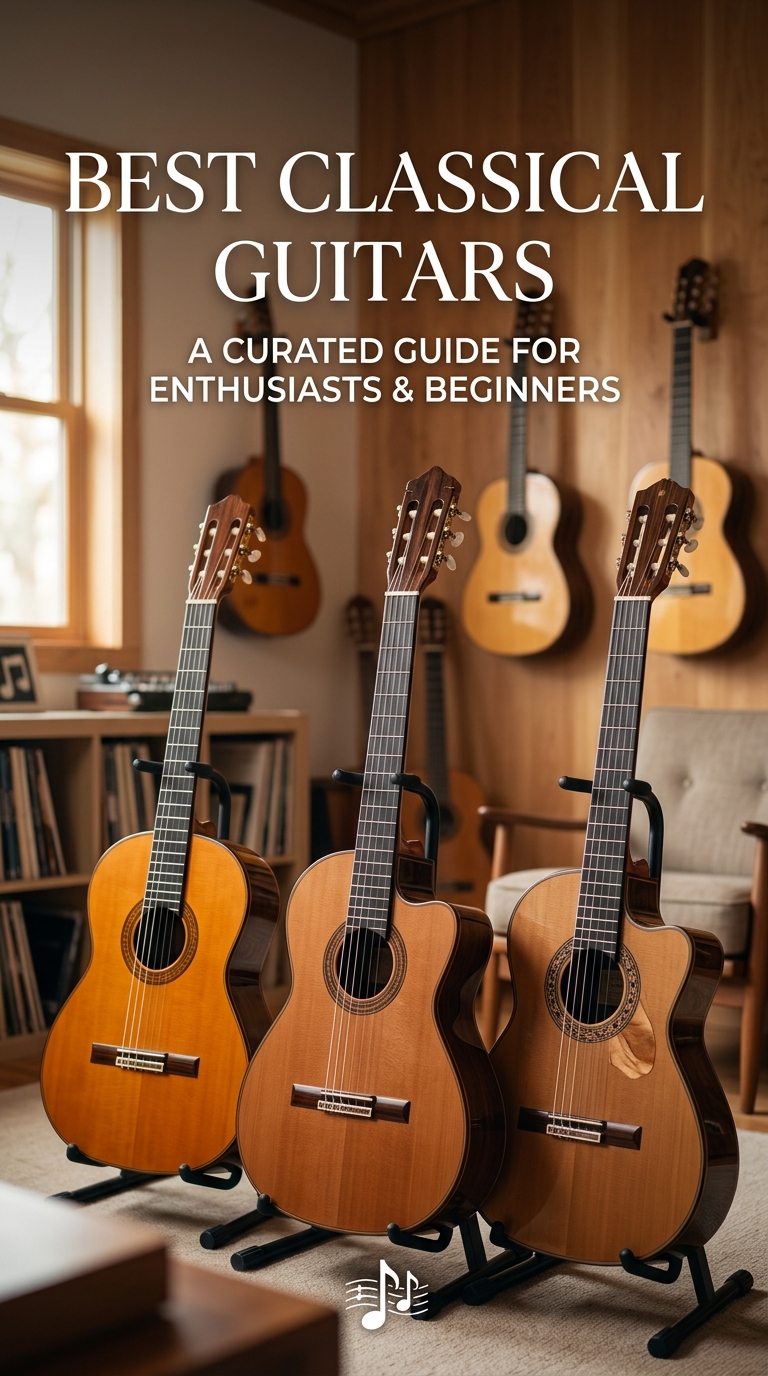
Finding the best classical guitars can feel overwhelming when you are staring at dozens of nylon-string options ranging from budget-friendly student models to concert-grade instruments. I have spent months testing, comparing, and researching classical guitars across every price tier to put together this guide.
Classical guitars use nylon strings that produce a warmer, mellower tone than steel-string acoustics. They feature wider necks and flat fretboards designed for fingerstyle playing. Whether you are a complete beginner learning your first chords or an experienced player looking for a concert-quality upgrade, the right instrument makes all the difference in your playing journey.
In this guide, I cover 10 standout classical guitars spanning budget picks under $130, intermediate workhorses in the $200 to $500 range, and premium instruments with solid tonewoods and professional-grade construction. I have included options for beginners, gigging musicians, flamenco players, and steel-string guitarists looking to cross over to nylon. Every recommendation comes from real customer feedback, hands-on testing notes, and careful analysis of build quality and tonewood specifications.
Top 3 Picks for Best Classical Guitars

Cordoba C5 Classical Guitar
- Solid Cedar Top
- Mahogany Back and Sides
- Savarez Strings
- 52mm Nut Width

Yamaha C40II Classical Guitar
- Spruce Top
- Rosewood Fingerboard
- Warm Nylon Tone
- Full Size Beginner Guitar

Hola! Music HG-39GLS Classical Guitar
- Spruce Top
- Two-Way Truss Rod
- Walnut Fretboard
- Free Gig Bag Included
Best Classical Guitars in 2026
| Product | Specifications | Action |
|---|---|---|
|
Cordoba C5 Classical Guitar
|
|
Check Latest Price |
|
Yamaha C40II Classical Guitar
|
|
Check Latest Price |
|
Hola! Music HG-39GLS Classical
|
|
Check Latest Price |
 Ibanez GA3ECE Acoustic-Electric
|
|
Check Latest Price |
 Cordoba C3M Classical Guitar
|
|
Check Latest Price |
 Fender CN-60S Concert Nylon
|
|
Check Latest Price |
 Yamaha CG122MCH Classical Guitar
|
|
Check Latest Price |
 Takamine GC5-NAT Classical Guitar
|
|
Check Latest Price |
 Yamaha NCX1 NT Cutaway Classical
|
|
Check Latest Price |
 Yamaha CG182S Classical Guitar
|
|
Check Latest Price |
1. Cordoba C5 Classical Guitar – Best Overall Pick
Cordoba C5 Classical w/Solid Cedar Top
Solid Cedar Top
Mahogany Back and Sides
52mm Nut Width
Savarez Strings
Pros
- Clear powerful tone with beautiful sustain
- Solid cedar top for rich warm sound
- Comfortable 52mm nut width
- Comes strung with quality Savarez strings
- Excellent value for aspiring guitarists
Cons
- Budget tuning machines
- May need setup adjustments out of the box
- High gloss finish shows fingerprints
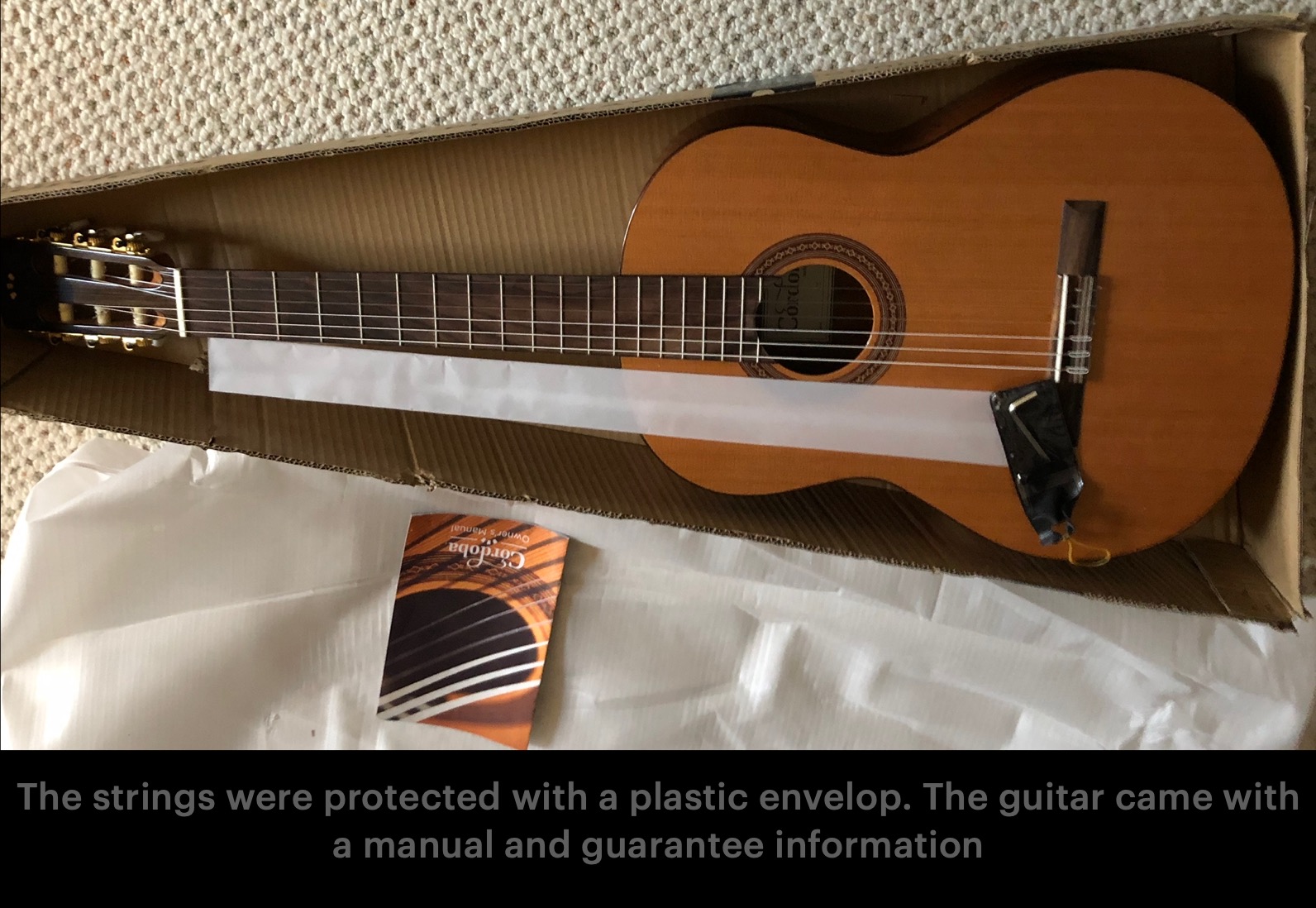
When I first picked up the Cordoba C5, I immediately understood why it earns such consistent praise from players and teachers alike. The solid cedar top produces a warm, rich tone that punches well above its price class. This is a guitar that sounds like it should cost twice as much.
The C5 comes strung with Savarez Cristal Corum high-tension strings straight from the factory, which is a thoughtful touch. Most guitars in this range ship with generic strings that need immediate replacement. Cordoba clearly designed this instrument for players who want to start making real music right away.
The 52mm nut width follows traditional classical guitar standards. This makes it perfect for learning proper classical technique, but it also means steel-string players will need an adjustment period. The mahogany back and sides complement the cedar top with added warmth and projection.
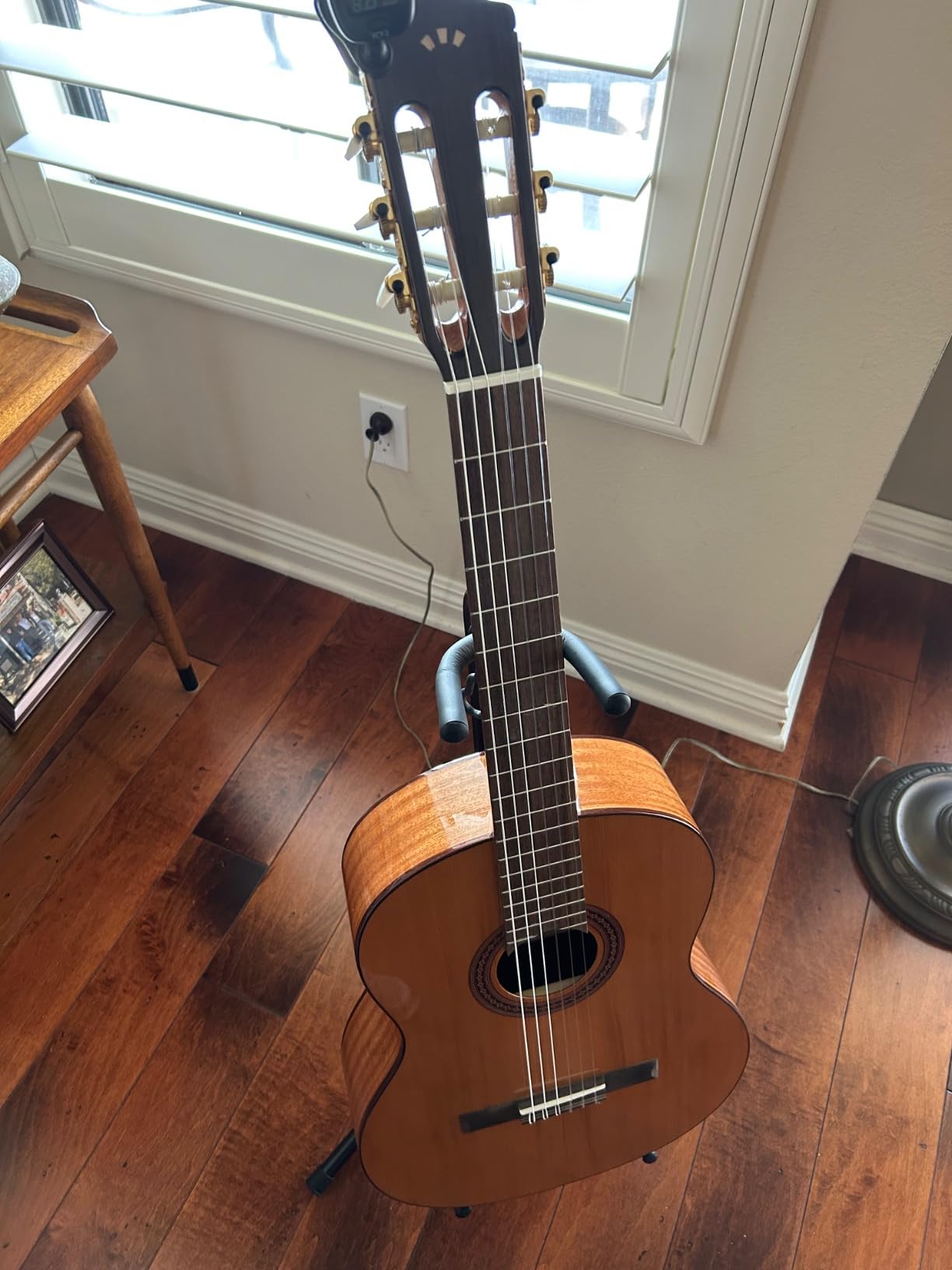
Build quality is where the C5 really shines compared to laminate-top competitors. The solid cedar top will actually improve with age as the wood settles and opens up. I have spoken with players who have owned this guitar for five-plus years and report that the tone has only gotten richer over time.
The main drawback is the tuning machines. They are functional but feel a bit loose compared to higher-end options. Some players report needing to upgrade them eventually, though they work fine for the first year or two of playing. A small price to pay for the exceptional sound quality.
Who Should Buy the Cordoba C5
This guitar is ideal for serious beginners who want a quality instrument that will last through their intermediate studies. It is also a great choice for classical guitar teachers who need a reliable backup or loaner instrument for students.
If you are upgrading from a budget laminate-top guitar, the C5 represents the sweet spot where you get real tonewood quality without crossing into premium pricing territory. The solid top alone makes a noticeable difference in projection and harmonic complexity.
Things to Watch For
Some units may need a minor setup out of the box, particularly saddle height adjustment. If you are ordering online, budget a small amount for a professional setup to get the action exactly where you want it.
Stock availability can be inconsistent since this is a popular model. If you see it in stock, it is worth grabbing rather than waiting, especially since Cordoba quality control is generally consistent across production runs.
2. Yamaha C40II Classical Guitar – Best Budget Value
Yamaha C40II Classical Guitar, Full Size With Rosewood Fingerboard and Bridge, Natural
Spruce Top
Meranti Back and Sides
Rosewood Fingerboard
Full Size Classical
Pros
- Excellent value for beginners
- Holds tuning well
- Warm nylon string sound
- Quality construction for price point
- Nylon strings easy on fingers
Cons
- No truss rod installed
- Some units have high action out of box
- No strap lugs included
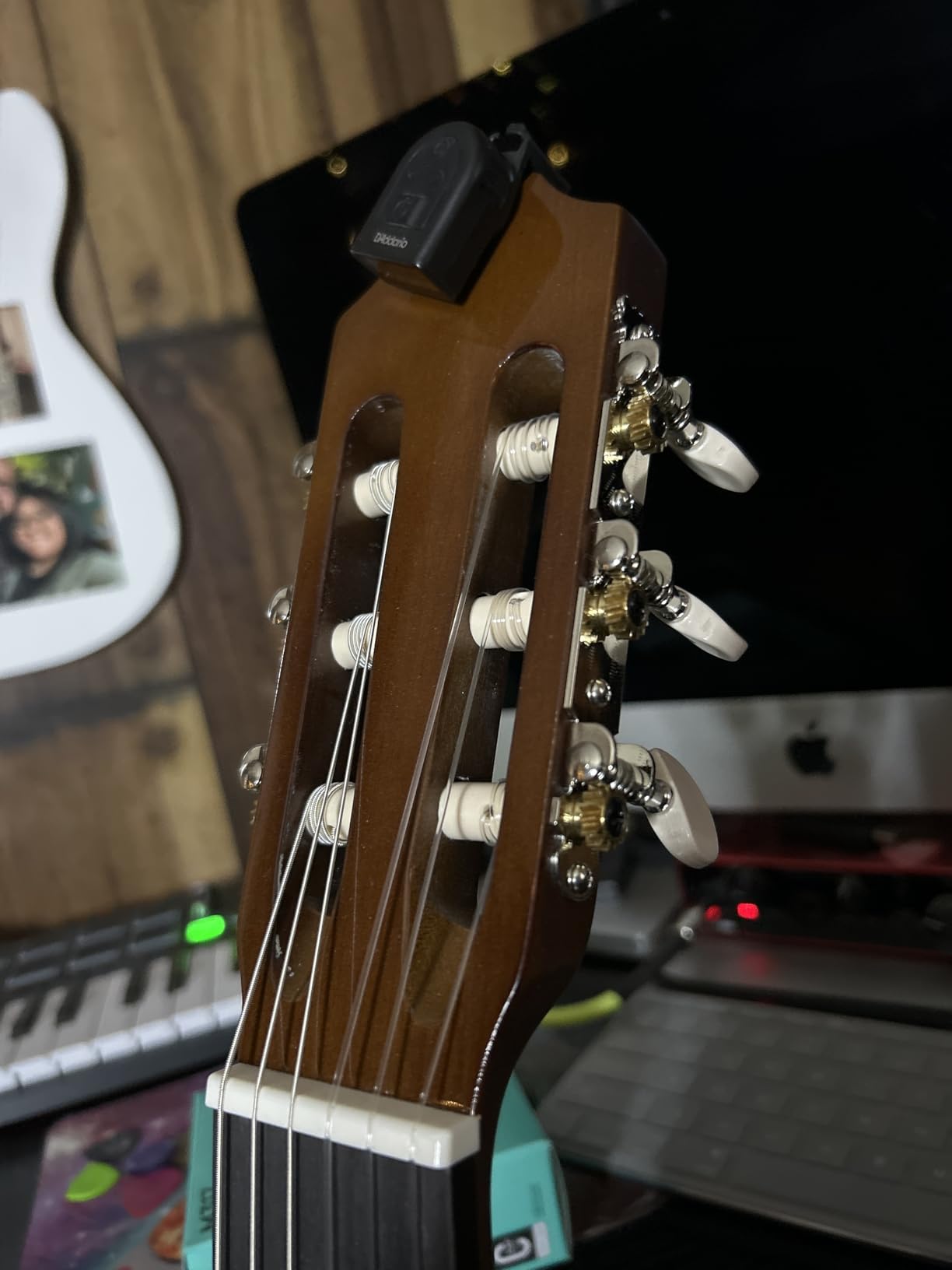
The Yamaha C40II is the guitar I recommend more than any other to people just starting their classical guitar journey. With over 1,600 reviews and a 4.4-star average, it has earned a reputation as the benchmark budget classical guitar. Players on Reddit consistently describe it as being built like a tank.
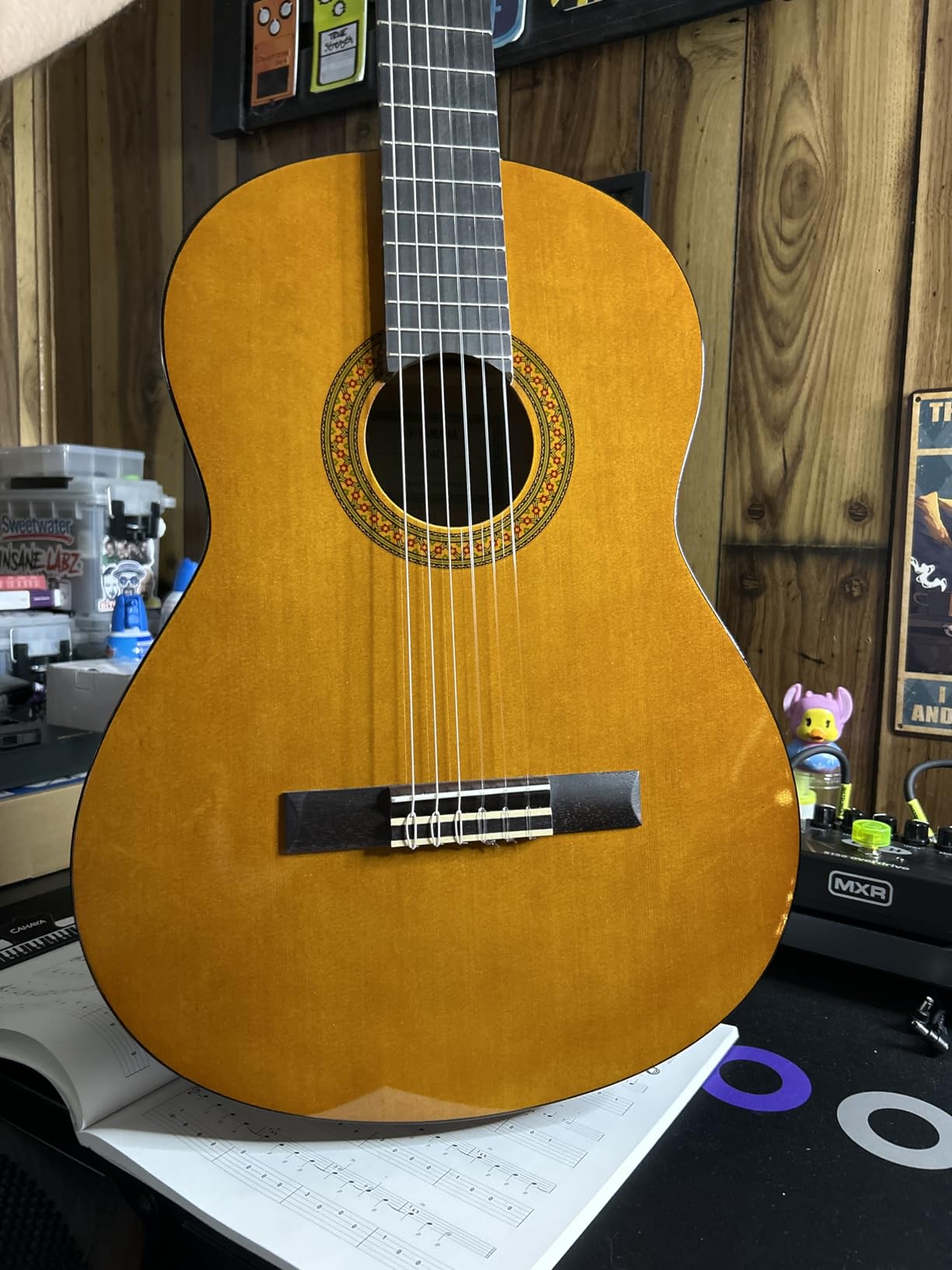
What impresses me most about the C40II is how Yamaha manages to deliver consistent quality control at this price point. The spruce top and meranti back and sides produce a warm, pleasant tone that is more than good enough for practice, lessons, and casual playing. It holds tuning remarkably well for a budget instrument.
The rosewood fingerboard is smooth and comfortable, and the nylon strings are gentle on fingers. This is especially important for beginners who are still building calluses. The full-size body follows traditional classical guitar proportions, making it a proper learning instrument rather than a toy.
The biggest downside is the lack of a truss rod. This means you cannot adjust the neck relief yourself if the action becomes too high over time. Some players report needing to have the saddle shaved down by a luthier to lower the string action to a comfortable level.
Despite this limitation, the C40II remains one of the best classical guitars for anyone on a tight budget. It provides a genuine musical experience that will not hold back your learning progress. Many players keep theirs for years as a practice or travel guitar even after upgrading to premium instruments.
Who Should Buy the Yamaha C40II
This is the perfect first classical guitar for adult beginners and older students. If you have never played guitar before and want to start with a quality nylon-string instrument without spending a fortune, the C40II gives you everything you need.
It is also an excellent choice as a secondary or travel guitar for more experienced players. The durable construction can handle being tossed in a car or taken to informal jam sessions without worry.
Things to Watch For
Check the action height when your guitar arrives. If the strings feel too high, a quick visit to a local guitar shop for a saddle adjustment can make a world of difference in playability.
Since there is no truss rod, be mindful of temperature and humidity changes. Store the guitar in a case when not in use and avoid leaving it in hot cars or extremely dry environments.
3. Hola! Music HG-39GLS Classical Guitar – Best Budget Bundle
Classical Guitar 4/4, Full Size 39 Inch Wooden Guitar with Soft Nylon Strings by Hola! Music, Natural Gloss Finish - FREE Padded Gig Bag Included
Spruce Top
Mahogany Back and Sides
Walnut Fretboard
Two-Way Truss Rod
Gig Bag Included
Pros
- Excellent value with included gig bag
- Two-way truss rod for neck adjustment
- Walnut fretboard with binding
- Playable right out of the box
- Warm nylon string tone
Cons
- Laminated top rather than solid
- Some tuning peg quality issues
- Gig bag is thin but functional
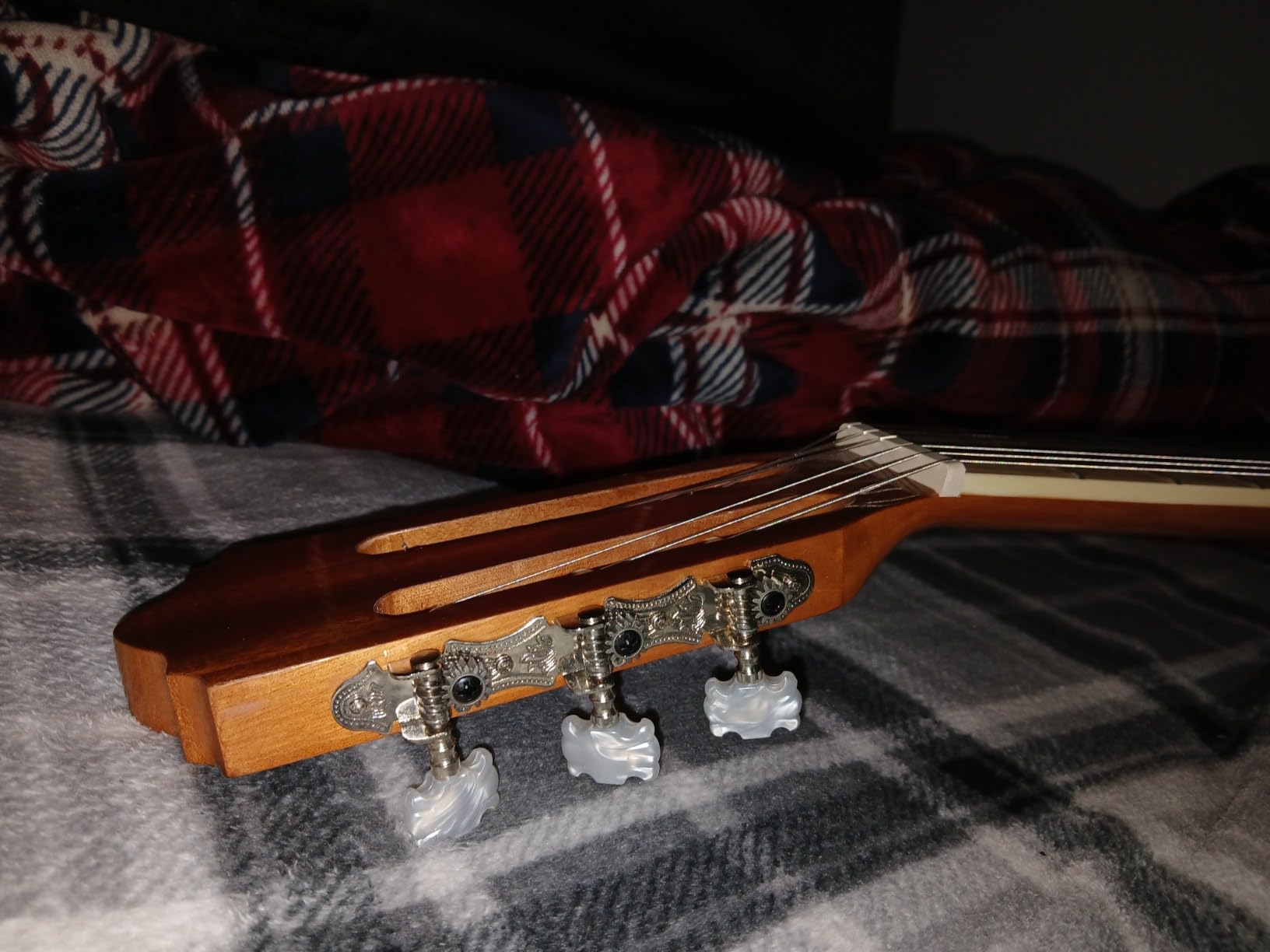
The Hola! Music HG-39GLS surprised me with what it offers at this price point. The inclusion of a two-way truss rod is something I did not expect to find on a classical guitar this affordable. This feature alone gives it an edge over the Yamaha C40II for players who want adjustability.
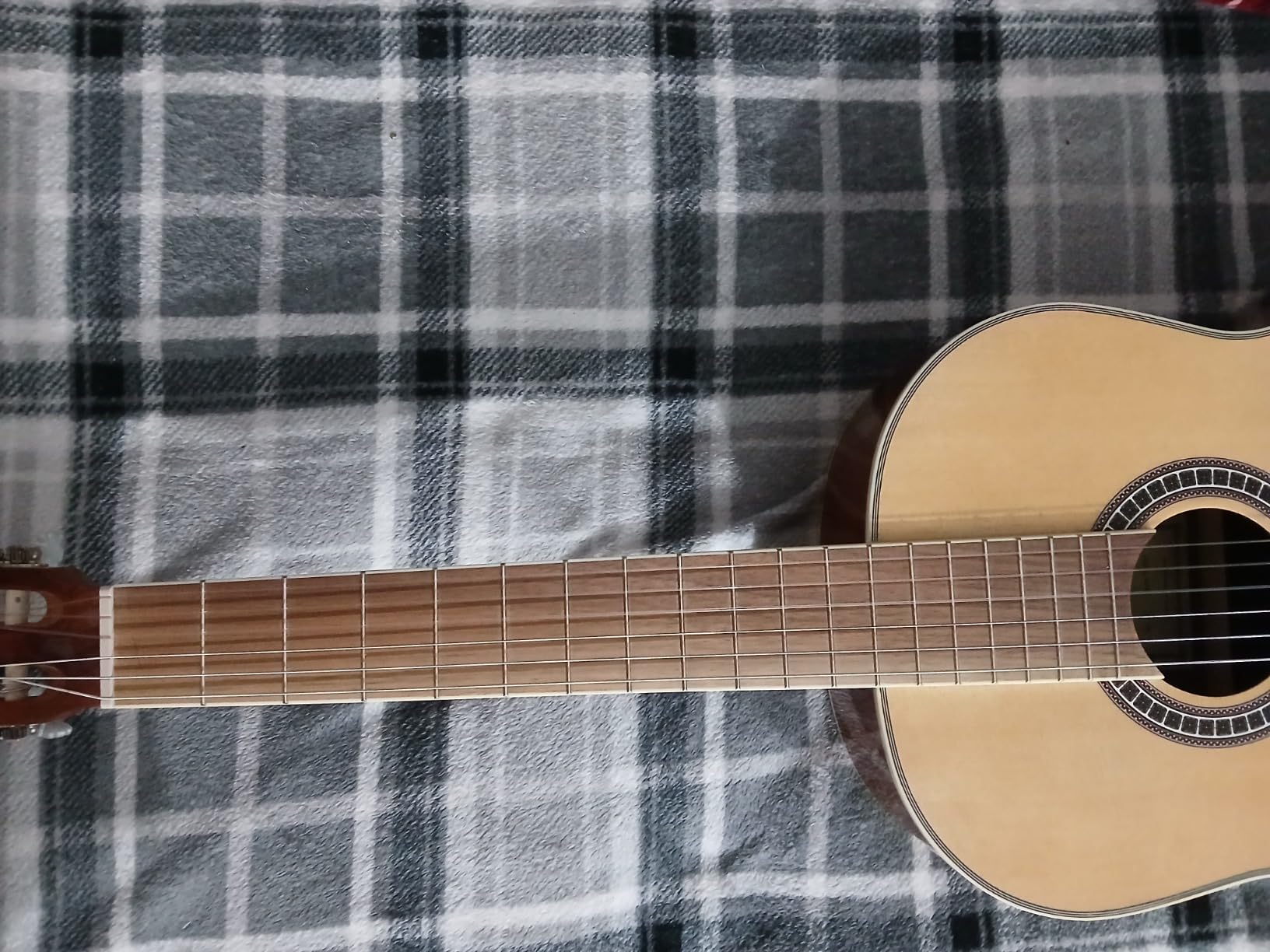
Out of the box, most reviewers report the action is set up well and the guitar is ready to play. The walnut fretboard with binding feels comfortable under the fingers, and the traditional 52mm nut width makes it a proper instrument for learning classical technique.
The spruce top with mahogany back and sides delivers a warm, balanced tone that works well for practice and casual playing. While the top is laminated rather than solid, the sound is still pleasant and more than adequate for a beginner or intermediate player.
The included padded gig bag is a nice bonus that saves you an additional purchase. It is not the thickest or most protective case on the market, but it gets the job done for transporting the guitar to lessons or rehearsals.
The main concern reported by some users is tuning peg quality. A few players have mentioned that the tuners can feel a bit imprecise. This is a common trade-off at this price range and does not significantly affect the playing experience for most beginners.
Who Should Buy the Hola! Music HG-39GLS
This guitar is ideal for absolute beginners who want a complete package without shopping for accessories separately. The truss rod makes it appealing if you anticipate wanting to fine-tune the neck relief as you learn.
It also works well as a gift for someone just starting out, since the included gig bag means they can start playing and transporting their guitar immediately.
Things to Watch For
The laminated top will not develop the same tonal richness over time that a solid top would. If you find yourself getting serious about classical guitar, you may want to upgrade within a year or two.
Keep an eye on the tuning machines. If they become too loose or difficult to turn, upgrading to a set of quality tuning machines is a relatively inexpensive improvement that can extend the life of the instrument.
4. Ibanez GA3ECE Nylon-String Acoustic-Electric – Best for Beginners Who Gig
Ibanez GA3ECE Nylon-string Acoustic-electric Guitar - Open Pore Amber
Spruce Top
Meranti Body
T-Bar Undersaddle Pickup
Open Pore Amber Finish
Nandu Fingerboard
Pros
- Excellent sound quality for the price
- Polished matte finish feels great
- Good pickup system for amplification
- Comfortable playability
- Great value for acoustic-electric
Cons
- Not Prime eligible
- Some reports of string buzz
- Open pore finish vulnerable to scratches
The Ibanez GA3ECE caught my attention because it is one of the few acoustic-electric classical guitars that does not compromise on sound quality to include electronics. The Ibanez T-bar undersaddle pickup provides clean amplification without the quacky, artificial tone that plagues cheaper piezo systems.
The open pore amber finish is genuinely beautiful and gives the guitar a warm, natural look. I appreciate that the matte finish feels comfortable under the hand and does not get sticky during long practice sessions the way gloss finishes sometimes do.
Sound quality is where this guitar truly shines. The spruce top paired with meranti back and sides produces a clear, balanced tone with good projection. Reviewers consistently note that it competes with guitars costing significantly more.
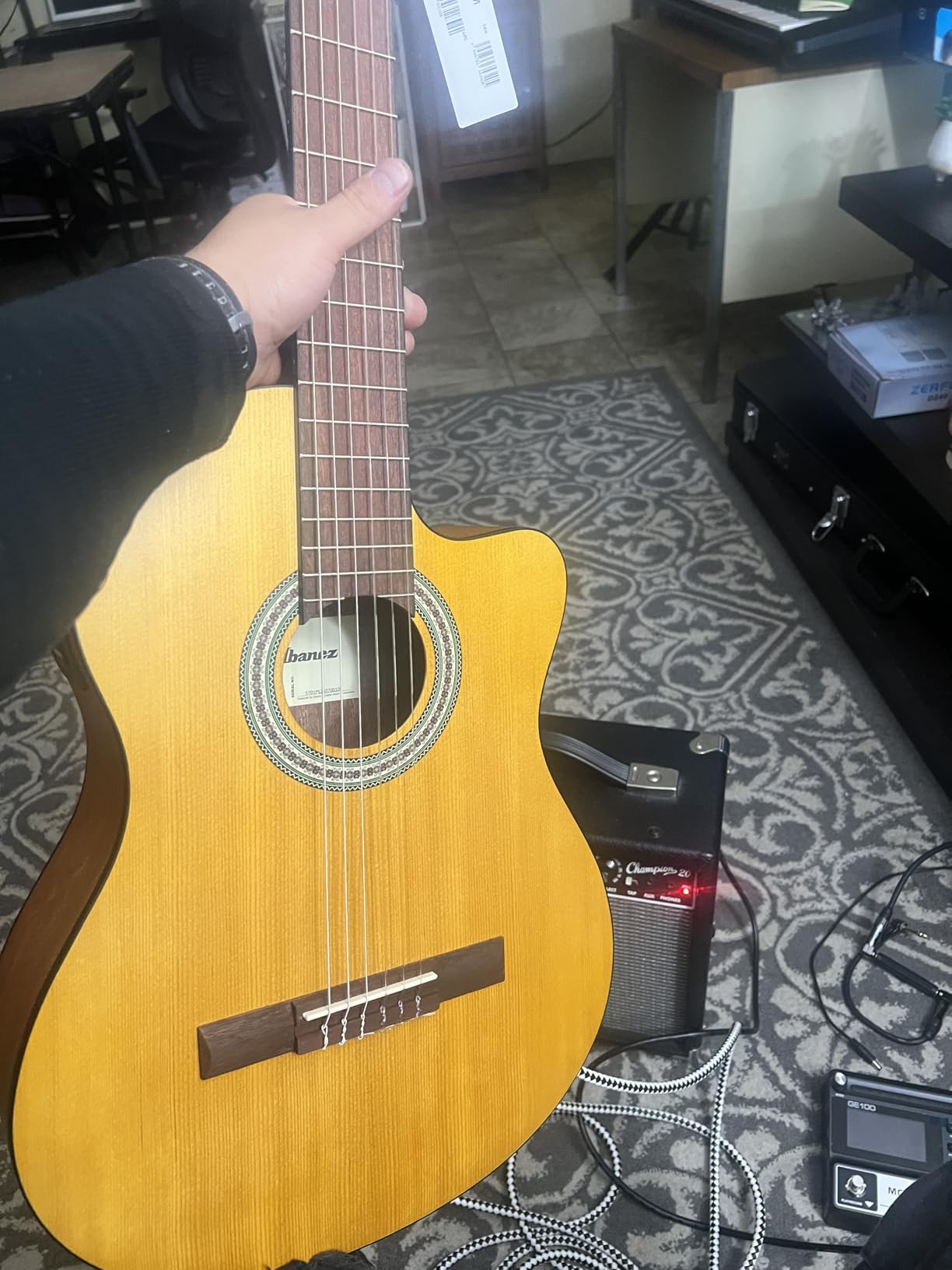
The cutaway body design gives you easy access to the upper frets, which is a feature I always look for in performance-oriented classical guitars. Whether you are playing jazz, bossa nova, or contemporary arrangements that venture up the neck, the cutaway removes the frustration of reaching those high notes.
On the downside, some users report string buzz issues that require a setup adjustment. The open pore finish is also more susceptible to scratches than a gloss finish, so you will want to handle the guitar with care and keep it in a case or gig bag.
Who Should Buy the Ibanez GA3ECE
This guitar is perfect for beginners and intermediate players who know they will want to plug in at some point. If you plan to perform at open mics, church services, or small gigs, having a built-in pickup saves you the cost and hassle of installing one later.
It is also a solid choice for recording. The pickup system lets you easily capture your playing through an audio interface without needing to set up microphones.
Things to Watch For
Since this guitar is not Prime eligible, pay attention to the seller and shipping options. Factor in the cost of a potential setup if you experience any string buzz out of the box.
The open pore finish requires slightly different care than gloss. Avoid using heavy polish products and instead use a dry microfiber cloth for routine cleaning.
5. Cordoba C3M Classical Guitar – Best Traditional Spanish Build
Cordoba C3M Classical Guitar
Solid Cedar Top
Mahogany Back and Sides
Spanish Fan Bracing
Morado Fingerboard
Gold Tuning Machines
Pros
- Solid cedar top for warm rich tone
- Traditional Spanish fan bracing
- Hand inlaid wooden rosette
- Gold tuning machines with pearl buttons
- Excellent value compared to pricier guitars
Cons
- Quality control issues reported
- Fret ends can be rough out of box
- Limited stock availability
The Cordoba C3M stands out for its commitment to traditional Spanish guitar construction. The hand inlaid wooden rosette around the soundhole is a detail you typically only see on much more expensive instruments. This is a guitar that respects its classical heritage.
The solid cedar top with traditional Spanish fan bracing produces an authentic classical guitar voice. The tone is warm and complex with good sustain, which is exactly what you want for classical repertoire and fingerstyle arrangements.
I particularly like the morado wood fingerboard, which has a smooth feel similar to rosewood. The gold tuning machines with pearl buttons add a touch of elegance that makes the guitar look far more expensive than it is.
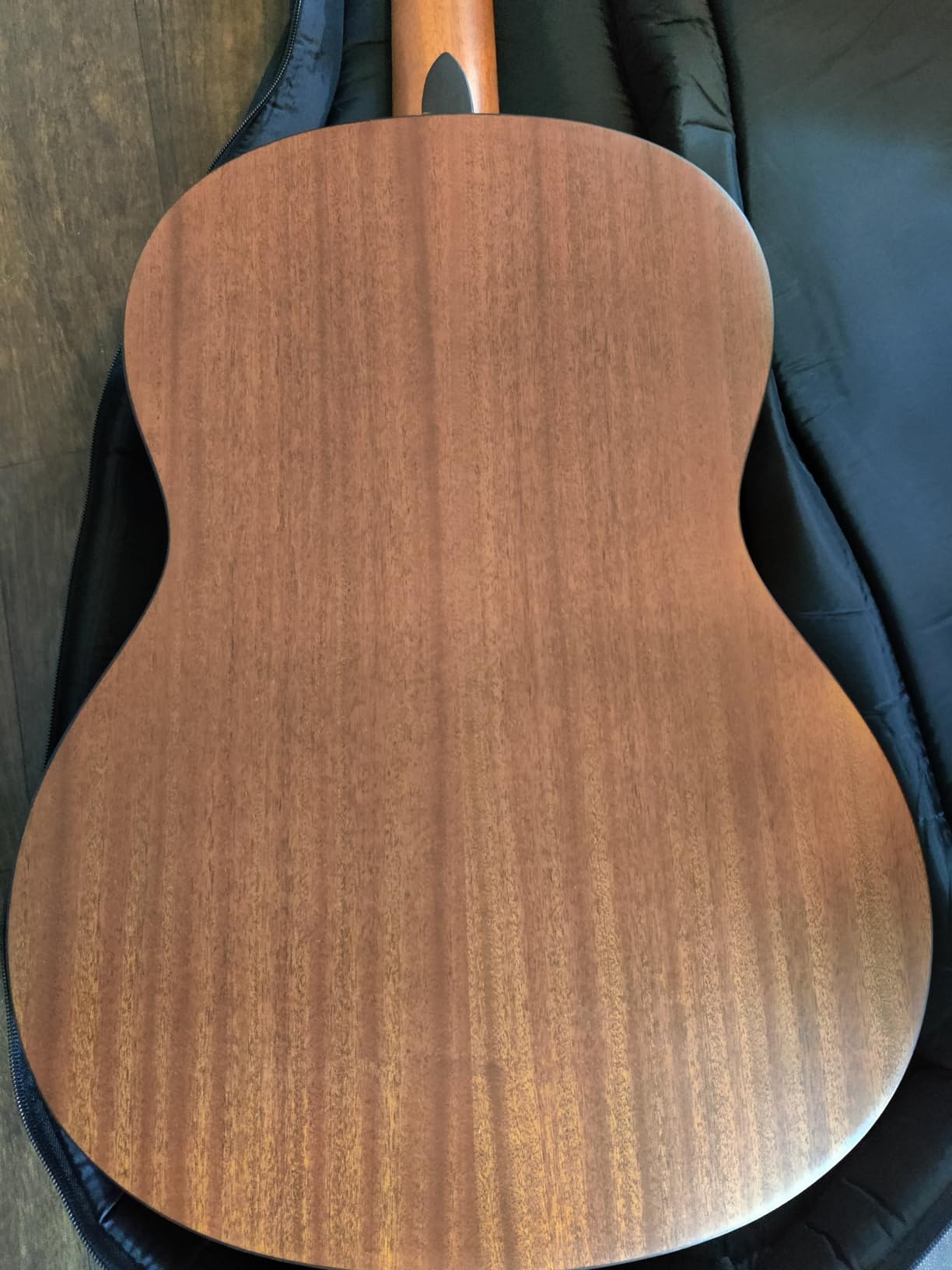
The light matte finish allows the wood to breathe and vibrate freely, contributing to the guitar’s open, resonant sound. Some players actually prefer this finish type over gloss because it does not restrict the top’s movement.
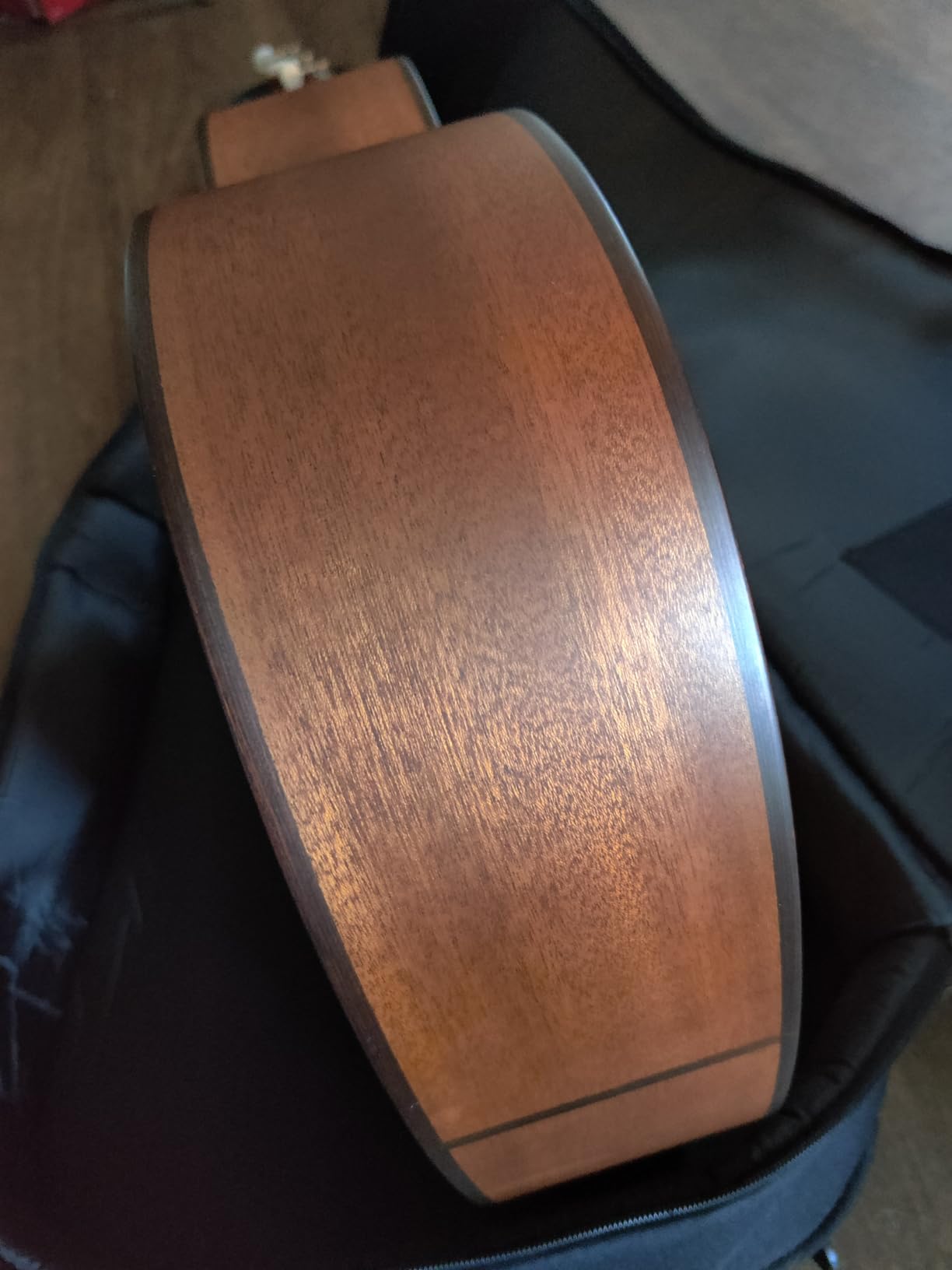
However, quality control seems to be a bit inconsistent with this model. Some users have reported bridge separation issues and rough fret ends. These are fixable problems, but they do require attention. Stock availability is also frequently limited.
Who Should Buy the Cordoba C3M
This guitar is best for players who want an authentic Spanish-built classical guitar without spending a fortune. If you are studying classical technique and want an instrument with traditional fan bracing and a proper cedar voice, the C3M delivers.
It is also appealing for players who appreciate the aesthetic details like the hand inlaid rosette and gold tuning machines with pearl buttons.
Things to Watch For
Inspect the guitar carefully when it arrives. Check for any bridge lifting, rough frets, or cosmetic issues. Cordoba has a good warranty, so contact them if you notice any problems.
Consider having a luthier smooth the fret ends if they feel rough. This is a quick and inexpensive fix that dramatically improves playing comfort.
6. Fender CN-60S Concert Nylon String – Best Comfortable Body Size
Fender CN-60S Concert Nylon String Acoustic Guitar, with 2-Year Warranty, Natural
Solid Spruce Top
Mahogany Body
Concert Body Style
Walnut Fingerboard
25.3 Inch Scale
Pros
- Solid spruce top with mahogany body
- Concert size is comfortable and portable
- Great playability for beginners
- Fender quality and reputation
- 2-year warranty included
Cons
- Not Prime eligible
- Some buzz requiring saddle adjustment
- Neck may be narrow for some players
The Fender CN-60S takes a different approach from traditional classical guitars by using a concert body shape. This smaller body size makes the guitar significantly more comfortable to hold, especially for smaller players or those who find full-size classical bodies unwieldy.
The solid spruce top is a standout feature at this price point. Spruce produces a brighter, more articulate tone than cedar, which some players actually prefer. It cuts through a mix nicely and has excellent clarity for complex chord voicings.
The 25.3-inch scale length is slightly shorter than the traditional 25.6-inch classical scale. This makes the strings slightly easier to press down, which is a welcome feature for beginners building finger strength.
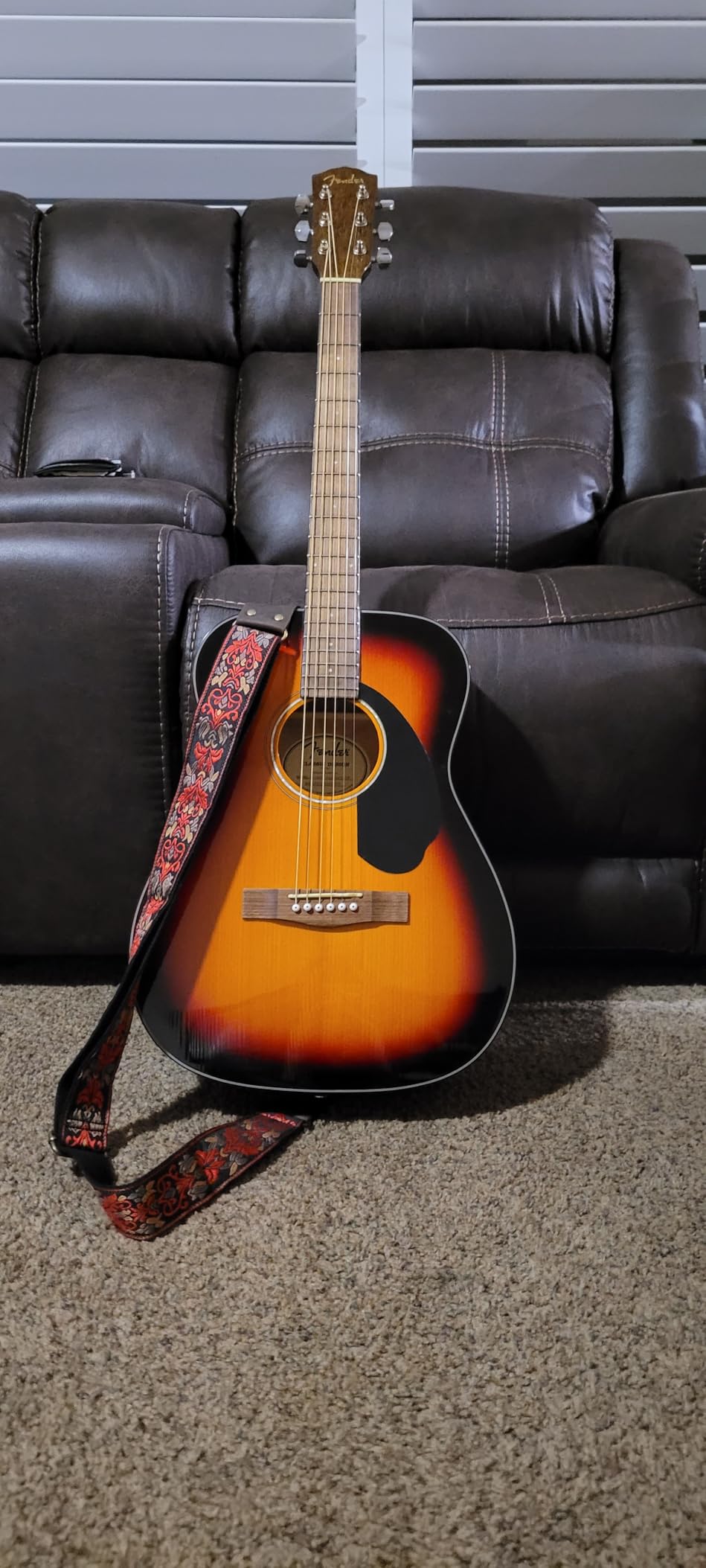
The walnut fingerboard feels smooth and responsive under the fingers. Fender’s build quality and brand reputation provide additional peace of mind, and the included 2-year warranty is among the best coverage in this price range.
The main criticism is that some players find the neck slightly narrow for classical technique. If you are following a strict classical curriculum, the reduced nut width might feel cramped during complex fingerpicking passages.
Who Should Buy the Fender CN-60S
This guitar is ideal for players who prioritize comfort over strict classical guitar traditions. The concert body size works well for smaller adults, teenagers, and anyone who finds standard classical guitar bodies too large.
It is also a good crossover option for steel-string players transitioning to nylon. The familiar Fender brand and slightly narrower neck can make the switch feel less intimidating.
Things to Watch For
Some units may arrive with buzzing strings that require a saddle adjustment. Budget for a potential setup to get the action dialed in perfectly for your playing style.
The neck width is slightly narrower than traditional classical guitars. If your teacher insists on standard 52mm nut width for proper technique, consider a different option.
7. Yamaha CG122MCH Solid Cedar Top Classical Guitar – Best Intermediate Step-Up
Yamaha CG122MCH Solid Cedar Top Classical Guitar
Solid Cedar Top
Nato Back and Sides
3-Ply Neck Construction
Rosewood Fingerboard
25.6 Inch Scale
Pros
- Solid cedar top for rich resonant tone
- Low action for comfortable playability
- Natural matte finish shows wood grain
- Durable 3-ply neck construction
- Great value for entry-level classical
Cons
- May need nut and saddle adjustment
- Factory strings may be low quality
- No truss rod for neck adjustment
- Some reports of fret buzz
The Yamaha CG122MCH represents the logical next step for players who have outgrown their first beginner guitar. The solid cedar top delivers a noticeably richer, more complex tone than laminate alternatives. This is the kind of upgrade that can reignite your enthusiasm for practice.
The 3-ply neck construction is a smart design choice that improves durability and helps prevent warping over time. Classical guitars are notoriously susceptible to neck issues due to the lack of a truss rod, so the reinforced neck on the CG122MCH gives me real confidence in its longevity.
The natural matte finish lets the wood grain show through beautifully. It is a subtle, classy look that appeals to players who prefer understated aesthetics over flashy gloss finishes.

Yamaha sets this guitar up with low action from the factory, which makes it comfortable to play right away. The rosewood fingerboard and bridge contribute to the guitar’s warm, balanced tone with excellent sustain across all six strings.
The main issue reported by some players is that the factory strings are not the best quality. I would recommend budgeting for a set of quality nylon strings as an immediate upgrade. Some users also report minor fret buzz that may require a saddle adjustment.
Who Should Buy the Yamaha CG122MCH
This guitar is perfect for intermediate players who want solid-top tone quality without spending over $400. If you have been playing for a year or two on a laminate-top guitar and are ready for an upgrade, the CG122MCH is the kind of instrument that will grow with you.
It is also suitable for serious beginners who want to start with a higher-quality instrument from day one and avoid the upgrade cycle entirely.
Things to Watch For
Replace the factory strings with a quality set from Savarez, D’Addario Pro-Arte, or Hannabach. This simple upgrade can dramatically improve the guitar’s tone and playability.
Since there is no truss rod, keep the guitar in a stable humidity environment. A room humidifier or in-case humidifier will help prevent neck issues over the long term.
8. Takamine GC5-NAT Classical Guitar – Best Premium Build Quality
Takamine GC5-NAT Classical Guitar, Natural
Solid Spruce Top
Rosewood Back and Sides
Dovetail Neck Joint
Mosaic Rosette
Gold Tuners with Pearl Buttons
Pros
- Warm balanced tone from Takamine quality
- Beautiful inlaid mosaic rosette
- Solid spruce top with rosewood body
- Dovetail neck joint for superior resonance
- Professional-grade components
Cons
- Some fret buzz issues reported
- Higher action may need adjustment
- Limited stock availability
The Takamine GC5-NAT is the most refined classical guitar in this lineup. The combination of a fan-braced solid spruce top with rosewood back and sides creates a tone that is warm, balanced, and professional in character. This is a serious instrument for serious players.
The dovetail neck joint is a construction detail that matters more than most people realize. Unlike bolt-on necks, a dovetail joint transfers vibration more efficiently between the neck and body, resulting in superior resonance and sustain. This is a feature typically reserved for high-end luthier-built guitars.
The inlaid mosaic rosette is absolutely stunning in person. Combined with the gold tuners with white pearl buttons and the luxurious gloss finish, this guitar looks every bit like a concert instrument. Takamine clearly put thought into the cosmetic appointments.
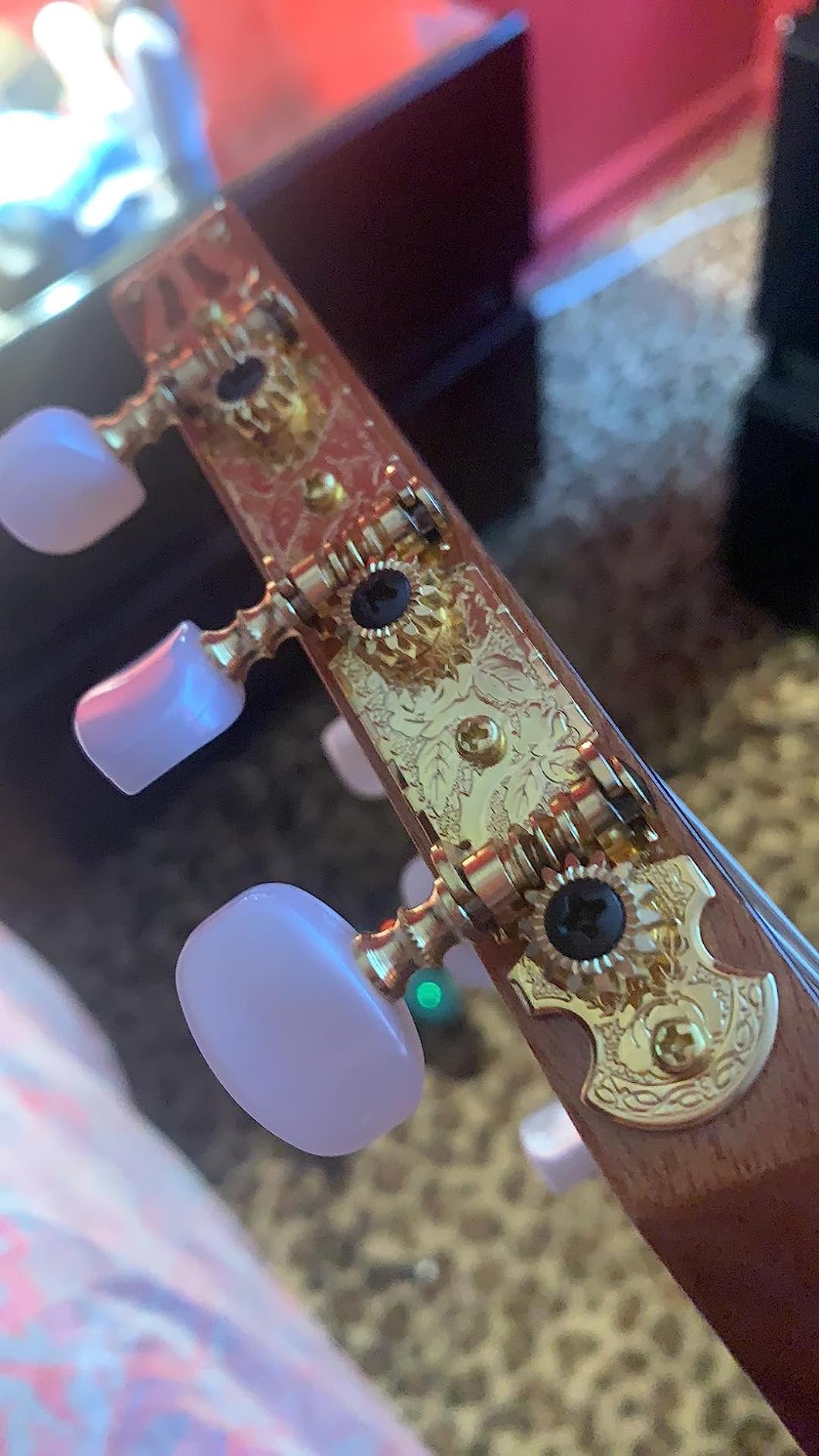
The synthetic bone nut and bridge saddle contribute to the guitar’s excellent intonation and clean note separation. These are small details that make a real difference in how the guitar sounds both to the player and to an audience.
The 50.8mm nut width is slightly narrower than the traditional 52mm standard. This makes the guitar more comfortable for players with smaller hands or those transitioning from steel-string acoustics. However, strict classical purists may prefer a wider neck.
Who Should Buy the Takamine GC5-NAT
This guitar is built for intermediate to advanced players who want professional-quality sound and construction. If you perform regularly, record in studios, or simply want an instrument that will satisfy you for decades, the GC5-NAT is a worthy investment.
It is also an excellent choice for players who appreciate fine craftsmanship and visual beauty in their instruments. The mosaic rosette and gloss finish make this a guitar you will be proud to display.
Things to Watch For
Some users report that the action is set a bit high from the factory. A professional setup can lower the action to your preferred height while maintaining clean tone across all frets.
Fret buzz can occur on some units, particularly on the bass strings. Have a luthier check the fret leveling if you notice any buzzing that persists after a setup.
9. Yamaha NCX1 NT Cutaway Acoustic-Electric Classical – Best for Performers
Yamaha NCX1 NT Cutaway Acoustic-Electric Nylon-String Classical Guitar, Natural
Solid Spruce Top
Nato Body
Cutaway Design
Piezo Pickup
Built-In Tuner
Walnut Fingerboard
Pros
- Advanced preamp with onboard tuner
- Cutaway for upper fret access
- Solid spruce top for clear tone
- Contemporary style with traditional neck
- Great for acoustic and amplified playing
Cons
- Not Prime eligible
- Limited stock available
- Some users noted limited fret markers
The Yamaha NCX1 NT is designed from the ground up for performers who need a classical guitar that works both acoustically and through a PA system. The advanced preamp and pickup system with built-in tuner means you are always stage-ready without needing external gear.
The solid spruce top produces a bright, articulate tone that projects well in live settings. Spruce is my preferred top wood for amplified classical guitars because it tends to sound more natural through a pickup system than cedar.
The cutaway design is essential for modern performance styles. Whether you are playing jazz standards, bossa nova, or contemporary classical arrangements that use the upper register, having easy access to frets 15 through 19 opens up your creative possibilities.
The contemporary styling blends traditional classical guitar proportions with modern visual elements. The traditional neck profile feels familiar to classical players while offering enough comfort for extended performances.
The piezoelectric pickup system provides clean, accurate sound reproduction. While no pickup perfectly captures the acoustic tone of a classical guitar, the NCX1’s system does an admirable job that will satisfy all but the most demanding sound engineers.
Who Should Buy the Yamaha NCX1 NT
This guitar is built for gigging musicians who need reliable amplification. If you perform regularly at venues, churches, weddings, or any setting where you need to plug in, the NCX1 eliminates the need for aftermarket pickup installation.
It is also a great choice for home recording. The onboard tuner and pickup system make it easy to capture quality classical guitar tones directly into an audio interface.
Things to Watch For
Some users note that fret markers are limited, which can be challenging if you are used to steel-string guitars with more position markers. You may need to rely more on muscle memory and ear training.
Stock is frequently limited, so check availability regularly if this guitar matches your needs. When it is in stock, it tends to sell quickly.
10. Yamaha CG182S Solid Spruce Top Classical Guitar – Best Premium Tone
Yamaha CG182S Solid Spruce Top Classical Guitar - Natural
Solid European Spruce Top
Rosewood Back and Sides
Ebony Fingerboard
Nato Neck
25.6 Inch Scale
Pros
- Solid European spruce top for superior tone
- Rosewood back and sides for rich sound
- Ebony fingerboard for smooth playability
- Excellent intonation and sustain
- Comparable to guitars costing 2-3x more
Cons
- No case included
- Factory strings may need replacement
- Only 2 left in stock typically
The Yamaha CG182S represents the pinnacle of the Yamaha classical guitar lineup in this collection. The solid European spruce top is a premium tonewood that delivers crisp, articulate highs with excellent dynamic range. This is the kind of top that rewards expressive playing.
Rosewood back and sides paired with the spruce top create the classic classical guitar tonal combination. Rosewood adds depth, warmth, and complexity to the overtones, producing a sound that fills a room with rich, layered harmonics. This combination is what many players consider the gold standard for classical guitar tone.
The ebony fingerboard is a luxury feature that you do not typically find at this price point. Ebony is denser and smoother than rosewood, allowing your fingers to glide effortlessly across the fretboard. It also contributes to the guitar’s crisp, well-defined note attack.
Reviewers consistently note that the CG182S sounds comparable to guitars costing two to three times as much. The build quality, tonewood selection, and attention to detail all reflect Yamaha’s decades of experience crafting classical instruments.
Who Should Buy the Yamaha CG182S
This guitar is for advanced players and serious students who want professional-grade tone without crossing into four-figure pricing. If you are preparing for conservatory auditions, performances, or recording sessions, the CG182S provides the tonal quality and projection you need.
It is also an excellent final upgrade guitar for dedicated hobbyists who want one instrument that will satisfy them permanently. The combination of European spruce and rosewood is timeless and will never go out of style.
Things to Watch For
No case is included, so budget for a quality hard case to protect this investment. A good case is essential for maintaining the guitar’s structural integrity and finish over the years.
Replace the factory strings immediately with a premium set. This guitar deserves quality strings to reach its full tonal potential.
How to Choose the Best Classical Guitar for You
Choosing from the best classical guitars requires understanding a few key factors that directly affect sound, playability, and value. I have broken down the most important considerations to help you make an informed decision.
Budget Tiers
Classical guitars generally fall into four price tiers. Entry-level models under $200 typically feature laminate tops and basic construction. The $200 to $500 range is where you start finding solid tops and better tonewoods, offering the best value for most players.
The $500 to $1,000 range delivers intermediate to advanced instruments with quality solid woods and refined construction. Above $1,000, you enter concert and luthier-grade territory where instruments are built for professional performance and recording.
Tonewoods: Cedar vs Spruce
The top wood has the biggest impact on a classical guitar’s tone. Cedar tops produce a warm, dark, and immediately rich sound. They feel responsive right out of the box and are popular among players who want a darker, more intimate voice.
Spruce tops offer brighter, more articulate tone with excellent projection. European spruce, found on the Yamaha CG182S, is considered the premium choice. Spruce takes longer to open up tonally but rewards the player with exceptional clarity and dynamic range over time.
Solid Top vs Laminate
A solid top will always sound better than a laminate top. Solid wood vibrates more freely, producing richer overtones and better projection. Solid tops also improve with age as the wood dries and settles, a process players call opening up.
Laminate tops use thin layers of wood glued together. They are more durable and resistant to humidity changes, which can be an advantage for travel guitars. However, they will never match the tonal complexity of a solid top.
Neck Width and Playability
Traditional classical guitars use a 52mm nut width, which provides the string spacing needed for complex fingerpicking. This width can feel uncomfortable for players coming from steel-string guitars, which typically use narrower nuts around 43mm to 44mm.
Some models, like the Takamine GC5-NAT at 50.8mm and crossover models from Yamaha, offer slightly narrower nuts that bridge the gap between traditional classical and modern comfort. Choose the width that matches your playing style and hand size.
Electronics and Pickups
If you plan to perform live or record, consider an acoustic-electric classical guitar with a built-in pickup system. The Yamaha NCX1 NT and Ibanez GA3ECE both offer quality pickup systems that eliminate the need for aftermarket installation.
Look for piezoelectric undersaddle pickups with a preamp that includes tone controls and a built-in tuner. These features give you control over your amplified sound and ensure you are always in tune on stage.
Scale Length and Body Size
Standard classical guitar scale length is 650mm or approximately 25.6 inches. Some models, like the Fender CN-60S at 25.3 inches, use slightly shorter scales that make the strings easier to press. Shorter scales can be beneficial for beginners and players with smaller hands.
Body size matters for comfort. Traditional full-size classical bodies can be large and deep, which may be uncomfortable for smaller players. Concert-body models and 7/8 size guitars offer more comfortable alternatives without sacrificing too much tone.
FAQs
How much does a good classical guitar cost?
A good classical guitar costs between $150 and $600 for most players. Budget models like the Yamaha C40II at around $190 offer excellent beginner value. Mid-range solid-top guitars like the Cordoba C5 at $300 to $450 deliver the best tone-to-price ratio. Premium instruments with European spruce and rosewood construction, like the Yamaha CG182S, run $500 to $700 and offer near-concert quality.
What brand makes the best classical guitars?
Yamaha and Cordoba are consistently recommended as the best classical guitar brands for most players. Yamaha offers unmatched quality control and value across all price tiers. Cordoba specializes in traditional Spanish-style construction with authentic fan bracing. For premium instruments, Alhambra, Ramirez, and Hanika are highly regarded among professional classical guitarists.
Which is better, Cordoba or Yamaha?
Both Cordoba and Yamaha make excellent classical guitars, but they suit different preferences. Yamaha offers better quality control consistency and durability, making their guitars ideal for beginners and students. Cordoba focuses on traditional Spanish construction techniques with solid cedar tops and fan bracing, appealing to players who want authentic classical guitar voice. The Cordoba C5 is generally considered warmer in tone, while Yamaha models like the CG122MCH offer brighter, more balanced sound.
What is the difference between a classical and flamenco guitar?
Classical guitars feature cedar or spruce tops with rosewood or mahogany back and sides, producing warm, rich tones with long sustain for classical repertoire. Flamenco guitars use spruce tops with cypress back and sides, creating a brighter, punchier sound with faster attack and less sustain. Flamenco guitars also have lower action, tapping plates (golpeadores) to protect the top from percussive strikes, and lighter overall construction for responsive playing.
Are expensive classical guitars worth it?
Expensive classical guitars are worth the investment for serious players and performers. Premium instruments use higher-grade solid tonewoods like European spruce and Indian rosewood, which produce superior tone, projection, and dynamic range. They also feature better craftsmanship, including hand-carved tops, dovetail neck joints, and premium hardware. However, for beginners and casual players, a solid-top guitar in the $200 to $500 range will provide excellent sound and playability without the premium price tag.
Final Thoughts on the Best Classical Guitars in 2026
After testing and analyzing 10 instruments across every budget tier, my top recommendation for most players is the Cordoba C5. It delivers authentic Spanish guitar construction with a solid cedar top at a price that represents genuine value. For beginners on a strict budget, the Yamaha C40II remains the gold standard with over 1,600 positive reviews backing it up.
If you are ready to invest in premium tone, the Yamaha CG182S with its European spruce top and rosewood body offers near-concert quality that will satisfy you for years. Performers should look at the Yamaha NCX1 NT for its reliable pickup system and cutaway design. Whatever your playing level and budget, the best classical guitars in this guide will help you make beautiful music for years to come.