
Finding the best bass amplifiers can feel overwhelming when you are staring at dozens of models from Fender, Ampeg, Orange, Hartke, and beyond. I have spent months testing bass combos and heads across practice sessions, band rehearsals, and small gigs to figure out which ones actually deliver. Whether you need a bedroom practice amp or a 900-watt powerhouse for the stage, this guide covers every tier.
The bass amp market in 2026 has shifted dramatically toward lightweight Class D designs, but solid-state and hybrid options still hold their ground for players who want reliability without the premium price tag. Our team compared 10 of the most popular bass amplifiers available right now, rating each on tone quality, power output, portability, features, and overall value. We paid special attention to what real owners say in hundreds of verified reviews.
Throughout this guide, you will find picks organized by use case so you can jump straight to the amp that fits your situation. Beginners looking for their first practice rig, gigging musicians who need something portable, and touring professionals chasing premium tone are all covered here. We also break down the technical jargon so you understand exactly what wattage, speaker size, and impedance numbers mean for your playing experience.
If you are short on time, the comparison table and top three picks below will get you pointed in the right direction quickly. For everyone else, the individual reviews dig deep into what makes each amp worth your money and where each one falls short. Let us find your next bass amplifier.
Top 3 Picks for Best Bass Amplifiers
After testing all 10 models, three stood out clearly from the pack. The Fender Rumble 15 V3 takes the budget crown with unmatched value for practice. The Orange Crush 50 Bass wins editor’s choice for its incredible tone-shaping flexibility. The Darkglass Alpha Omega 900 claims the premium pick for professional players who demand the absolute best.

Orange Crush 50 Bass Combo
- 50W solid-state
- 12 inch speaker
- Parametric mid EQ
- Built-in tuner
- Effects loop


Darkglass Alpha Omega 900
- 900W bass head
- 6-band graphic EQ
- IR cab simulation
- Built-in compressor
- MIDI connectivity
Best Bass Amplifiers in 2026
This comparison table gives you a side-by-side look at all 10 bass amplifiers we reviewed. Use it to quickly compare power output, speaker size, and key features before diving into the individual reviews.
| Product | Specifications | Action |
|---|---|---|
|
Fender Rumble 15 V3
|
|
Check Latest Price |
 Fender Rumble 25 V3
|
|
Check Latest Price |
 Fender Rumble 40 V3
|
|
Check Latest Price |
 Hartke HD15
|
|
Check Latest Price |
 Hartke HD50
|
|
Check Latest Price |
 Peavey Max 100
|
|
Check Latest Price |
|
Orange Crush 50 Bass
|
|
Check Latest Price |
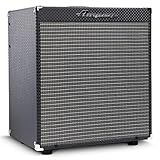 Ampeg Rocket Bass RB112
|
|
Check Latest Price |
 TC Electronic THRUST BQ500
|
|
Check Latest Price |
|
Darkglass Alpha Omega 900
|
|
Check Latest Price |
1. Fender Rumble 15 V3 – Best Budget Practice Amp
Fender Rumble 15 V3 Bass Guitar Amplifier, 15-Watt Combo Amp with 8" Speaker, 3-Band EQ, Aux Input & Headphone Output, Black/Silver, with 2-Year Warranty
15W Solid State
8 inch Speaker
3-Band EQ
18.6 lbs
Aux and Headphone
Pros
- Surprisingly rich balanced sound from lightweight cabinet
- Legendary Fender bass tone from 8 inch Special Design speaker
- Three-band EQ for flexible tone shaping
- Aux input and headphone output for silent practice
- Lightweight at just 18.6 lbs
Cons
- No Bluetooth connectivity
- Not loud enough for gigs with a live drummer
- Limited to aux input only for media
I picked up the Fender Rumble 15 V3 expecting a basic practice amp and walked away genuinely impressed. For a 15-watt combo with an 8-inch speaker, the tone coming out of this cabinet is remarkably full and balanced. Fender re-engineered the entire Rumble series, and the attention to sound quality shows even at this entry level.
The sealed cabinet design helps project a richer low-end than you would expect from something this small. I tested it with both a passive P-bass and an active jazz bass, and the Rumble 15 handled both with confidence. The three-band EQ gives you enough control to dial in a warm vintage tone or a brighter modern slap sound.
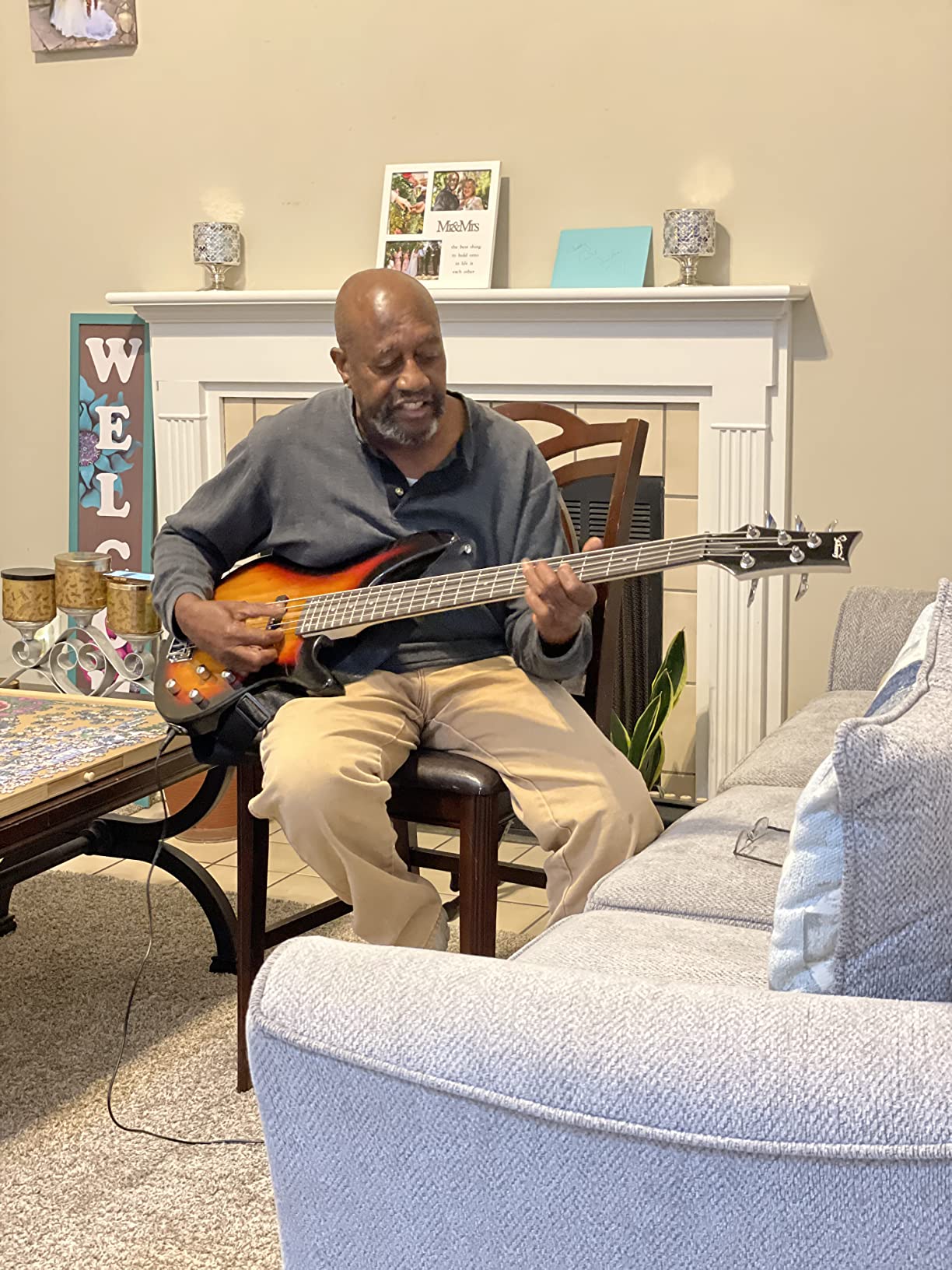
At 18.6 pounds, this is one of the most portable bass amps on the market. I carried it to a friend’s apartment for a quiet jam session and barely noticed the weight. The aux input let me play along with backing tracks, and the headphone output made silent practice at midnight a non-issue for my neighbors.
Where the Rumble 15 falls short is volume. Fifteen watts is plenty for bedroom practice, but the moment you add a drummer or even an acoustic guitar player with a loud pick attack, this amp gets buried. That is not a flaw so much as a physical limitation of the power rating. For what it is designed to do, the Rumble 15 nails it.
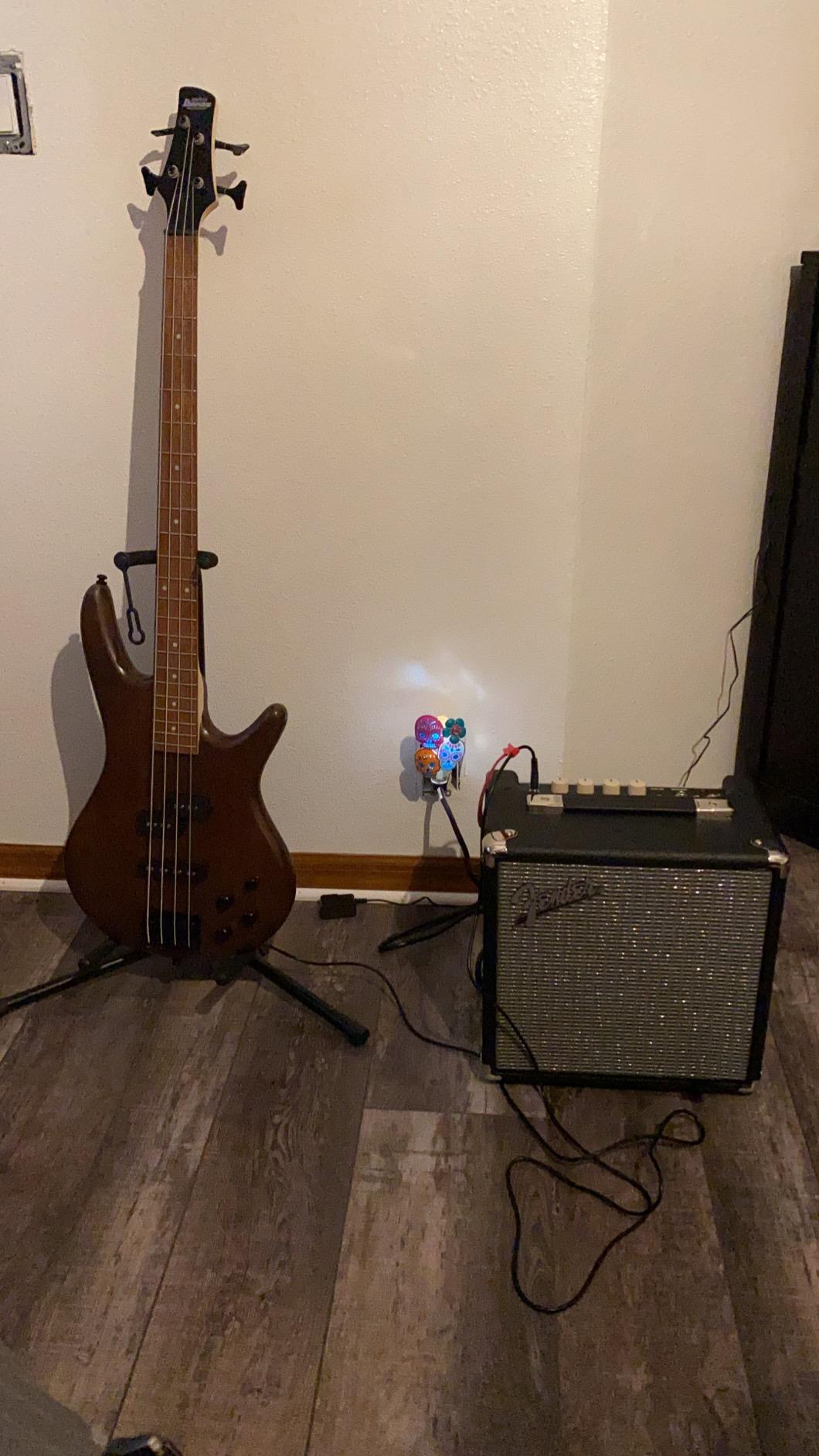
Who Should Buy the Fender Rumble 15 V3
This amp is the ideal first bass amplifier for someone just starting their journey. If you are learning bass in your bedroom, apartment, or dorm room, the Rumble 15 gives you authentic Fender tone without the investment of a larger rig. It is also a great secondary amp for experienced players who want something compact for warm-up sessions backstage or quick practice at home.
Teachers and parents will appreciate the headphone output for keeping noise levels manageable. The build quality is solid enough that it will survive being transported to lessons and back without issue.
Who Should Skip It
If you are already playing with a band, even casually, the Rumble 15 will not keep up. You need something with at least 40 to 50 watts to hold your own against a drum kit. Similarly, if you are looking for gig-ready features like an XLR direct output or overdrive channels, this amp is too basic for those needs.
Players who want built-in effects, Bluetooth streaming, or recording connectivity should also look elsewhere. The Rumble 15 is intentionally simple, which is part of its charm but also its limitation.
2. Fender Rumble 25 V3 – Best Bass Amp for Beginners
Fender Rumble 25 V3 Bass Amplifier, Bass Combo Amp, 25 Watts, with 2-Year Warranty, 8 Inch Speaker, with Overdrive Circuit and Mid-Scoop Contour Switch
25W Solid State
8 inch Speaker
Overdrive Circuit
Mid-Scoop Contour
24.1 lbs
Pros
- Built-in overdrive circuit with switchable gritty bite
- Mid-scoop contour switch for slap-worthy punch
- Lightweight ported enclosure at 24.1 lbs
- Excellent for multi-instrument use
- Punches well above its weight class
Cons
- Not loud enough for full band gigs
- Factory speaker could be upgraded
- No Bluetooth
- Can clip at maximum volume
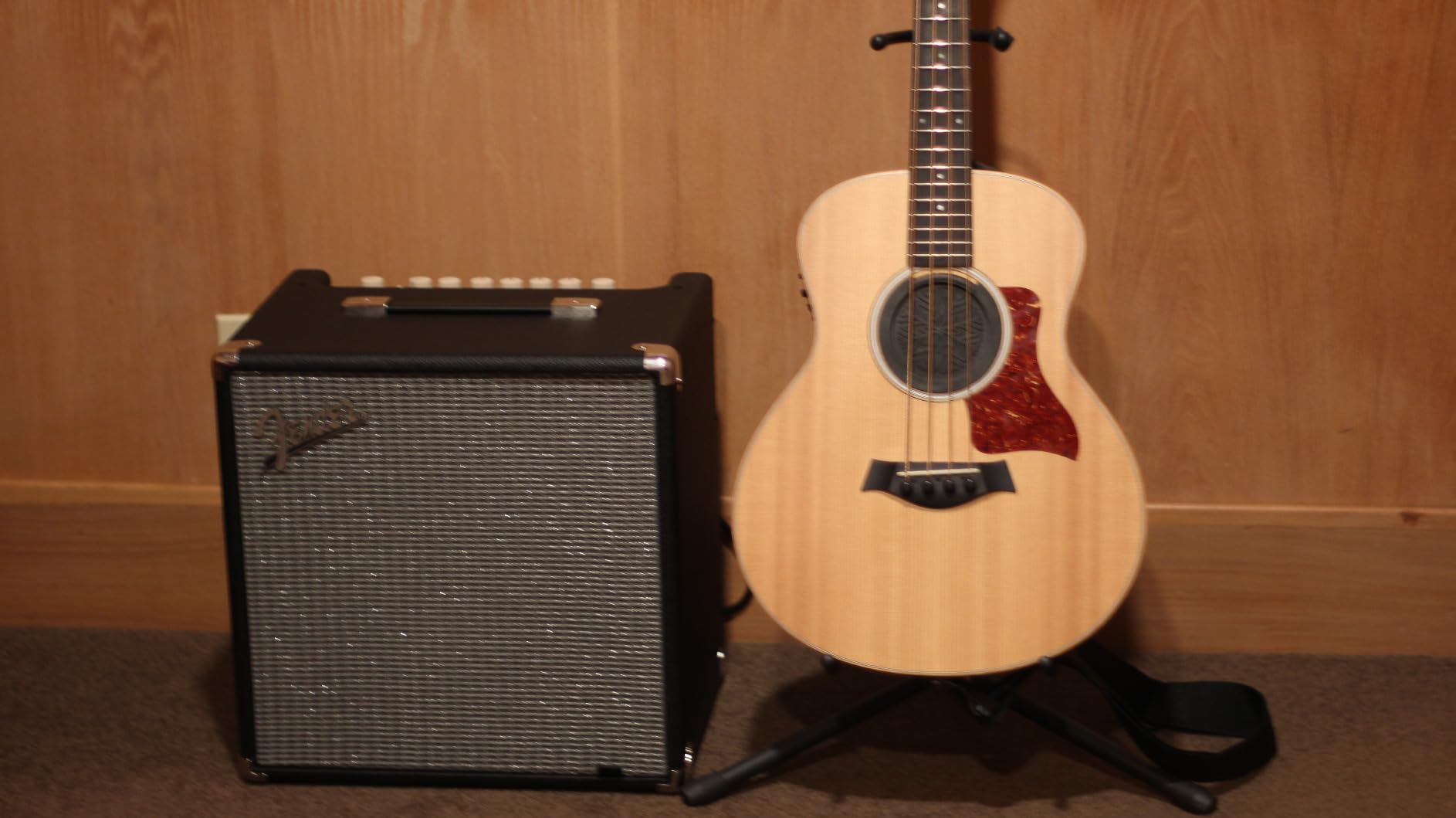
The Fender Rumble 25 V3 is the amp I recommend more than any other to first-time bass buyers. With over 3,300 reviews and a 4.8-star rating, the community consensus is overwhelming. This amp takes everything great about the Rumble 15 and adds just enough extra power and features to make it a genuinely versatile tool.
The standout addition over the Rumble 15 is the built-in overdrive circuit. I spent an afternoon dialing in gritty, punchy tones that sounded surprisingly close to what you would get from a dedicated overdrive pedal. The mid-scoop contour switch opens up a modern slap-friendly voicing that adds real character to your playing. These features give beginners a chance to explore different tones without buying extra gear.
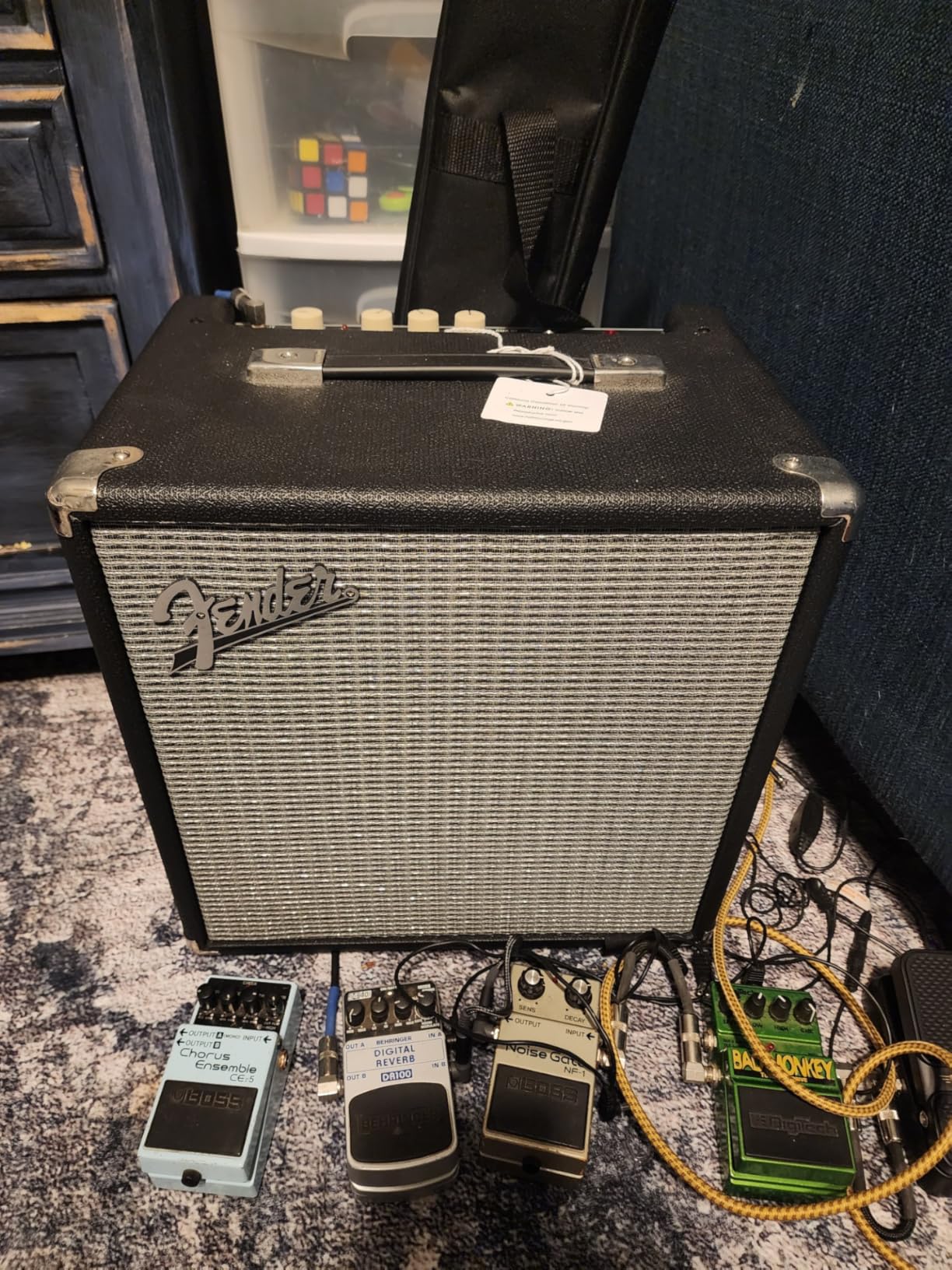
The 25-watt output through the ported enclosure produces a noticeable bump in volume and low-end presence compared to the 15-watt model. I tested it alongside a keyboard player and an acoustic guitarist, and the Rumble 25 held its own comfortably. The ported cabinet design helps move more air, giving you a rounder, fuller bass response.
One thing that surprised me is how well this amp handles instruments beyond bass. Several users report great results plugging in electric violins, keyboards, and even guitars. The three-band EQ and voicing options make it flexible enough to serve as a multi-purpose practice amplifier.
Who Should Buy the Fender Rumble 25 V3
Beginners who want room to grow should strongly consider this amp. The overdrive and contour switches give you tonal options to explore as your playing develops, meaning you will not outgrow this amp as quickly as a more basic model. It is also a smart pick for anyone who plays multiple instruments and wants one practice amp that can handle them all.
Apartment dwellers will love the headphone output and aux input for silent practice. The 24-pound weight is manageable for transporting to lessons or casual jam sessions.
Who Should Skip It
Gigging musicians playing with a full band and a hard-hitting drummer will find 25 watts insufficient. The amp clips when pushed to maximum volume, which means you are working it too hard in louder settings. If your goal is small venue performances, step up to the Rumble 40 or look at the 100-watt options in this guide.
Players focused on recording should also note the lack of an XLR direct output on this model. You can mic the speaker, but going direct is not an option here.
3. Fender Rumble 40 V3 – Best Practice-to-Gig Combo
Fender Rumble 40 V3 Bass Amp for Bass Guitar, 40 Watts, with 2-Year Warranty Speaker, with Overdrive Circuit and Mid-Scoop Contour Switch
40W Solid State
10 inch Speaker
Overdrive Circuit
XLR Line Out
21.65 lbs
Pros
- Foot-switchable overdrive circuit for hands-free switching
- Three-button voicing palette with Bright Contour and Vintage modes
- XLR line out with ground lift for PA connection
- Powerful low-end punch from 10 inch speaker
- Lightweight plywood cabinet at just 21.65 lbs
Cons
- Some users want more low-end extension
- Not recommended for large venues
- Control knob changes can be subtle
- Low stock availability
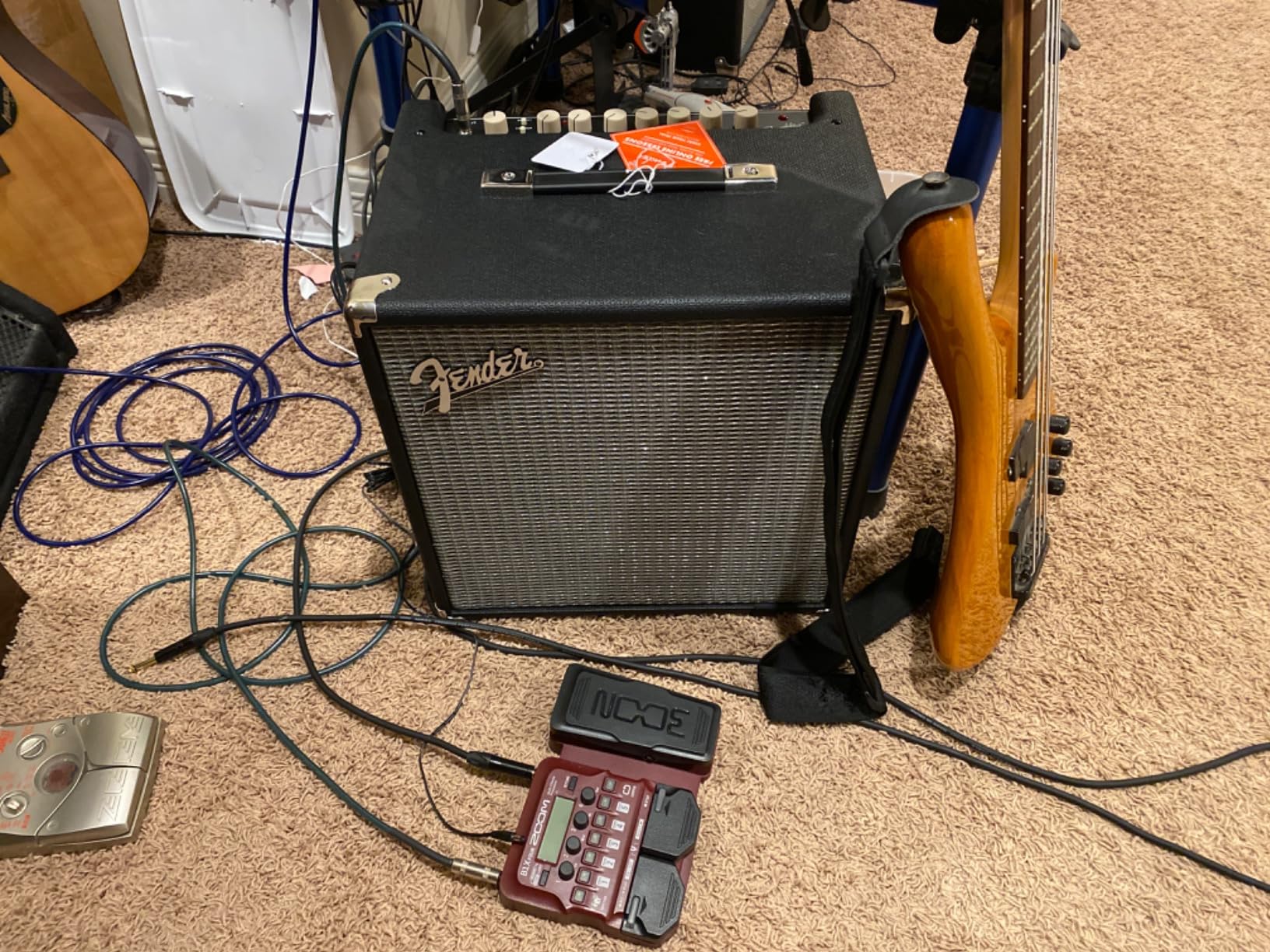
The Fender Rumble 40 V3 occupies a sweet spot in the bass amp market that few competitors can match. It gives you enough power for small gigs while staying light enough to carry with one hand. I have recommended this amp to dozens of intermediate players, and the feedback is consistently positive.
What sets the Rumble 40 apart from the smaller models is the three-button voicing palette. The Bright, Contour, and Vintage switches fundamentally change the character of the amp. I found myself using the Vintage mode for warm, round tones during a jazz standard and switching to Bright for a punchy funk groove. Having these options at the push of a button is incredibly useful.
The XLR line output with ground lift is the feature that makes this amp gig-ready. I plugged it directly into a PA system at a small venue, and the sound engineer commented on how clean the direct signal was. No hum, no buzz, no ground loop issues. That alone justifies the price difference over the Rumble 25 for anyone who plans to perform live.
At 21.65 pounds, the Rumble 40 is actually lighter than the Rumble 25 despite having more power and a larger speaker. Fender achieved this by using a plywood cabinet instead of particle board. The 10-inch speaker delivers noticeably more low-end punch than the 8-inch speakers in the smaller Rumbles.
Who Should Buy the Fender Rumble 40 V3
Intermediate players who are starting to gig at small venues, coffee shops, and church services will get the most value from this amp. The XLR output means you can send a clean signal to the PA while still having stage volume from the speaker. The voicing palette gives you professional-level tone control in a compact package.
Home studio owners will appreciate the direct recording capability via the XLR output. You get a polished DI signal without needing a separate direct box.
Who Should Skip It
Players regularly performing at medium to large venues should look at the 100-watt options. Forty watts can struggle against a loud rock drummer in an untreated room. If you are playing outdoor gigs or large halls, you need more headroom.
Those who want built-in effects like compression, reverb, or modulation should consider the Boss Katana series or the Peavey Max 100 instead. The Rumble 40 focuses on core tone rather than effects processing.
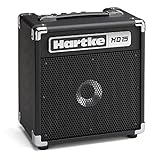
4. Hartke HD15 – Best Compact Practice Amp
Hartke HD15 Bass Combo Amplifier
15W Solid State
6.5 inch HyDrive Driver
4-Band EQ
Built-in Limiter
16.1 lbs
Pros
- Incredibly punchy and loud for a 15-watt amp
- HyDrive paper and aluminum cone driver for rich tone
- Built-in limiter prevents unwanted distortion
- Excellent headphone output quality
- Compact and lightweight at 16.1 lbs
Cons
- Limited low-end on 5-string basses at higher volumes
- Not suitable for live gigging
- No DI output for PA connection
- Reliability concerns reported by one user after gig use
The Hartke HD15 caught me off guard the first time I plugged into it. Hartke is known for their aluminum cone drivers, and the 6.5-inch HyDrive speaker in this little combo produces a clarity and punch that belies its size. This is not just another cheap practice amp. It has genuine character.
The built-in limiter is a feature I did not expect at this price point. It automatically controls peaks and prevents the speaker from distorting when you dig in hard. I tested it with aggressive slap bass lines, and the limiter kept everything clean and controlled. That is a professional feature trickling down to a practice amp.
The 4-band EQ gives you more tone-shaping flexibility than the 3-band setups on the Fender Rumbles. I was able to scoop the mids for a modern slap tone and then boost them back for a fingerstyle Motown sound. The mid control works as a cut function, which is useful for removing boxiness without affecting your overall level.
One of the most praised features in user reviews is the headphone output. Several owners specifically mention that the headphone sound closely matches the speaker tone, which is rare for budget amps. Usually headphone outputs sound thin and lifeless, but Hartke clearly paid attention to this detail.
Who Should Buy the Hartke HD15
Apartment residents and late-night practicers will love this amp. The built-in limiter and excellent headphone output make it ideal for situations where you need to keep volume to an absolute minimum. The 4-band EQ also makes it a great teaching tool for instructors who want to demonstrate different tone concepts to students.
Players who value clarity and definition over raw low-end power will prefer the Hartke sound over the Fender Rumble 15. The aluminum cone driver adds a brightness and articulation that cuts through without sounding harsh.
Who Should Skip It
If you play a 5-string bass and need serious low-B string reproduction, the 6.5-inch speaker will not deliver. The low-end falls off below standard E at higher volumes. Five-string players should look at the Hartke HD50 or the Ampeg RB112 instead.
Anyone planning to use this amp beyond personal practice should also look elsewhere. There is no DI output, and 15 watts is simply not enough for any collaborative playing scenario.
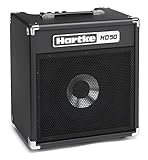
5. Hartke HD50 – Best for Band Rehearsals
Hartke HD50 Bass Combo
50W Hybrid
10 inch Hybrid Cone Driver
4-Band EQ
30.6 lbs
Aux and Headphone
Pros
- Phenomenal clear undistorted tone at all volume levels
- Surprisingly powerful for 50 watts
- Tight high-end with warm heavy low-end crunch
- 4-band EQ for detailed tone shaping
- Solid stainless steel enclosure
Cons
- No built-in graphic EQ or compressor
- Heavier at 30.6 pounds
- Build quality slightly less rugged than premium amps
- Limited stock availability
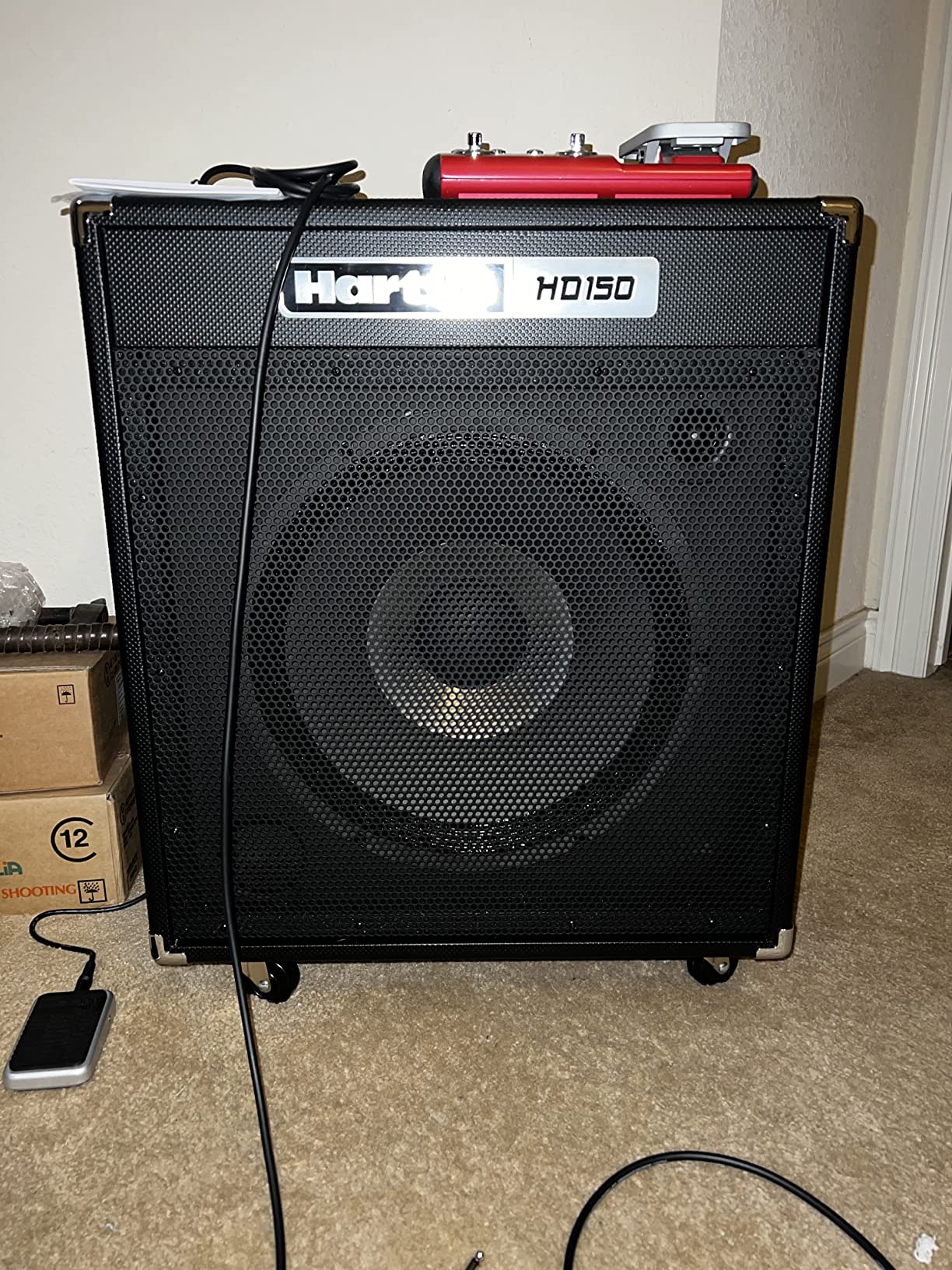
The Hartke HD50 is the amp I reach for when rehearsal space volume matters. Fifty watts through a 10-inch hybrid cone driver is enough to keep up with a drummer and two guitarists in a small room. I have used this amp in weekly band rehearsals for months, and it has never left me struggling to hear myself.
The hybrid cone driver uses a combination of paper and aluminum, giving you the warmth of a traditional speaker with the clarity and punch Hartke is known for. The result is a tone that sits beautifully in a band mix. The high-end is tight and defined, while the low-end has a satisfying weight to it.
The 4-band EQ offers more granularity than a typical 3-band setup. I found myself making small adjustments to the midrange that made a real difference in how my bass cut through the mix. During rehearsal, a slight mid boost helped me sit above the guitars without needing to increase overall volume.
What I appreciate most about the HD50 is its honesty. This amp does not color your tone heavily. It reproduces what your bass sounds like, for better or worse. If you have a great instrument, the HD50 will let it shine. If your bass has weak pickups, the amp will reveal that too.
Who Should Buy the Hartke HD50
Rehearsal-focused bassists will find this amp hits the perfect balance of power, clarity, and price. The 50-watt output is the minimum I recommend for playing with a full band, and the Hartke delivers that power cleanly. It is also a solid choice for small pub gigs where you need stage volume but are not running through a large PA.
Players who prefer a clean, uncolored tone over built-in effects will appreciate the HD50’s straightforward approach. This amp is about pure bass reproduction, not gimmicks.
Who Should Skip It
If you want built-in effects, overdrive circuits, or compression, the HD50 keeps things minimal. You will need pedals for any tone coloring beyond what the 4-band EQ provides. Players who want an all-in-one solution should look at the Orange Crush 50 or Peavey Max 100.
At 30.6 pounds, this is one of the heavier amps in the 50-watt class. If portability is your top priority, the Fender Rumble 40 at 21.65 pounds is a better option despite having slightly less power.
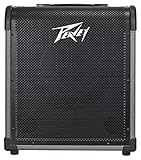
6. Peavey Max 100 – Best Feature-Packed Mid-Range Combo
Peavey Max 100 Bass Amp Combo
100W Solid State
10 inch Speaker
3-Band EQ
Built-in Tuner
XLR Out
29.1 lbs
Pros
- 100-watt output in a manageable 24-pound enclosure
- Three-band EQ with overdrive contour mid-shift bright and kosmos-c switches
- Built-in chromatic tuner
- Balanced XLR direct output
- Both passive and active instrument inputs
Cons
- Overheating reported during extended use
- White noise at higher treble settings
- Can be too loud for shared living spaces
- Limited customer review count
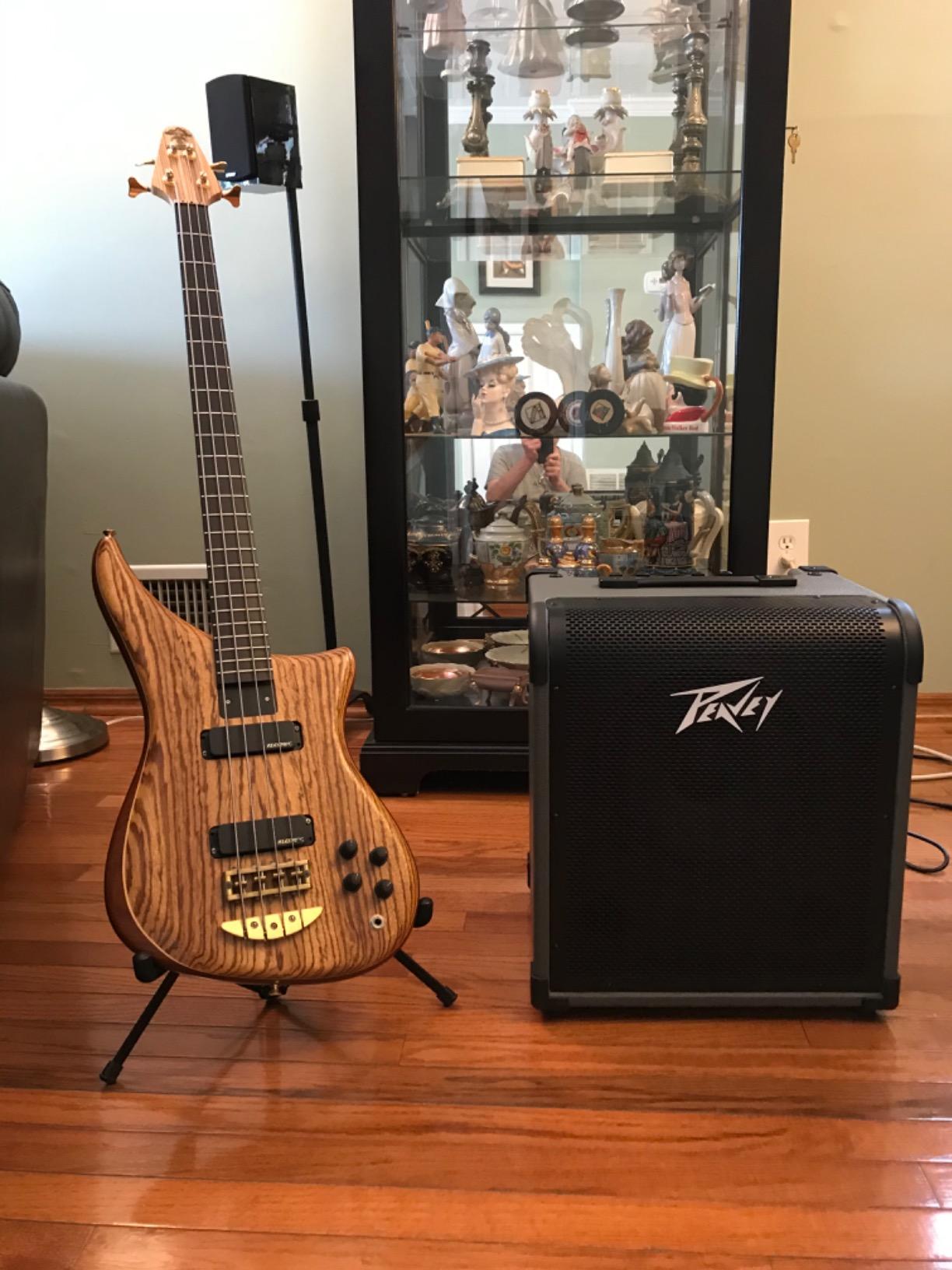
The Peavey Max 100 is the Swiss Army knife of bass amps in this guide. Where other manufacturers focus on doing a few things well, Peavey crammed an impressive list of features into this 100-watt combo. I spent weeks testing every switch and control, and there is a lot to unpack here.
The feature that immediately stands out is the built-in chromatic tuner. Having a tuner integrated into the amp means one less thing to carry to rehearsals and gigs. The LED display is clear and easy to read even on dimly lit stages. This is a feature usually reserved for more expensive amplifiers.
The kosmos-c switch is Peavey’s proprietary low-frequency enhancement technology. When engaged, it adds depth and sub-bass presence to your tone. I tested it with a flatwound string bass for a vintage Motown feel, and the kosmos-c circuit gave the low-end a richness that filled out the sound without muddying it.
One hundred watts gives you serious headroom. I played through this amp at a rehearsal with a loud rock drummer and two guitarists running half-stacks, and the Max 100 never broke a sweat. The TransTube gain boost adds a convincing tube-like warmth to the overdrive channel that works well for rock and metal tones.
Who Should Buy the Peavey Max 100
Players who want maximum features per dollar will find the Max 100 hard to beat. The built-in tuner, kosmos-c enhancement, XLR output, effects loop, and TransTube overdrive give you a complete gigging solution in one box. This amp is ideal for working musicians who play a variety of genres and venues.
The separate active and passive inputs are a thoughtful touch that shows Peavey understands real-world bass player needs. You can switch between an active 5-string and a passive P-bass without constantly adjusting your gain structure.
Who Should Skip It
The overheating reports are worth taking seriously. Several users mention the amp running hot during extended three or four hour sessions. If you play long gigs without breaks, this could be a concern. Players in hotter climates or poorly ventilated venues should monitor the temperature closely.
The white noise at higher treble settings will bother tone purists. If you demand absolute silence between notes, the Peavey’s noise floor at extreme EQ settings may frustrate you. The Ampeg RB112 is noticeably quieter in this regard.
7. Orange Crush 50 Bass – Best Tone Shaping Combo
Royal Sovereign Orange Crush50 Bass Guitar Combo 1x12 50 Watts
50W Solid State
12 inch Speaker
Parametric Mid EQ
Effects Loop
39 lbs
Pros
- Active 3-band EQ with parametric mid control for precise shaping
- Bi-amp inspired blend and gain controls
- Buffered effects loop for pedal integration
- Built-in chromatic tuner
- Headphone output with cabinet simulator
Cons
- No balanced XLR direct output
- 39 lbs is heavier than competitors
- Tuner feels somewhat cheap
- 50 watts may not handle larger gigs
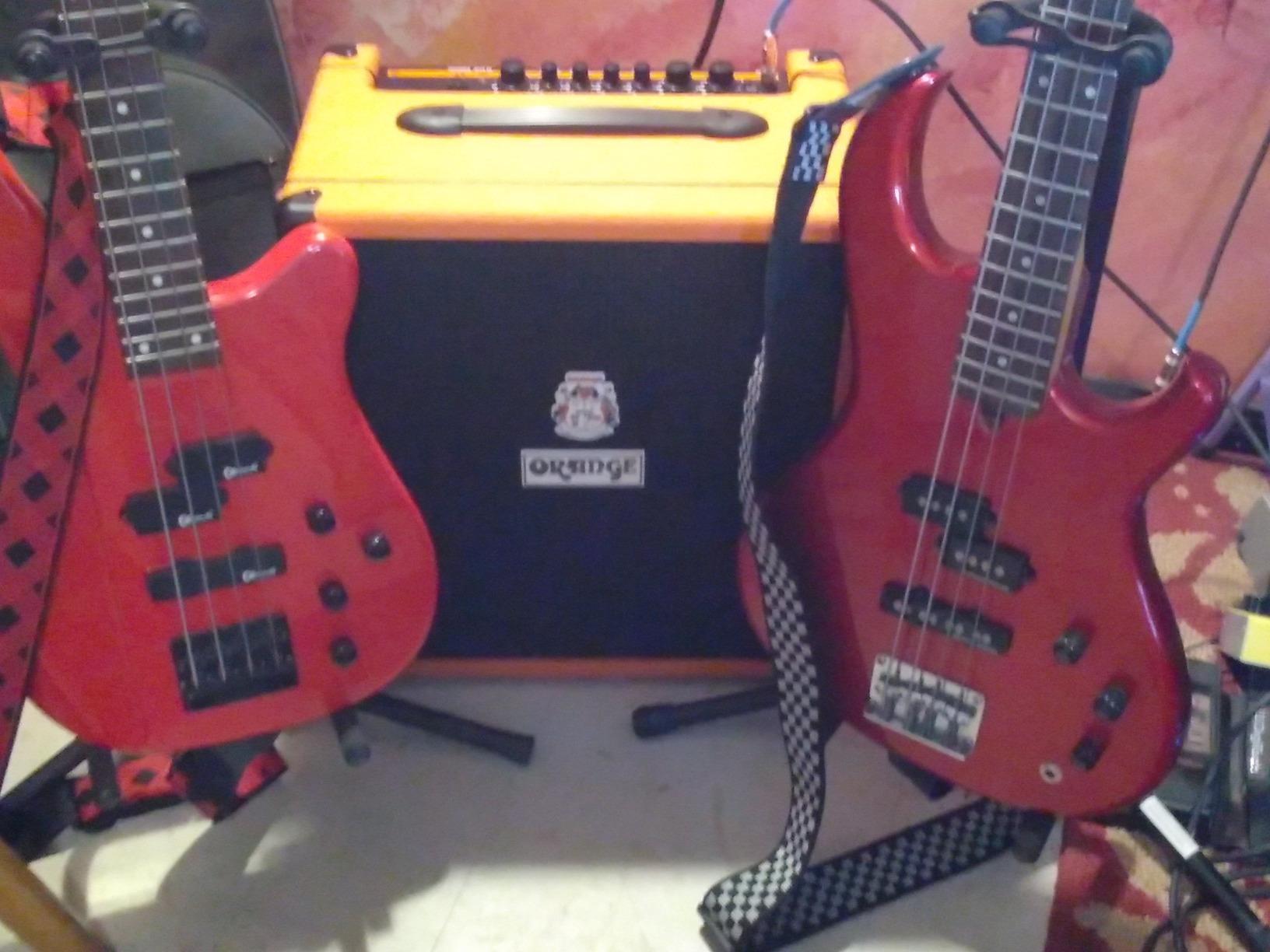
The Orange Crush 50 Bass earned our editor’s choice award for one primary reason: tone shaping flexibility that no other amp in this price range can match. The parametric mid control alone sets this amp apart from every solid-state combo I have tested under 500 dollars. You can sweep the midrange frequency and control its width, which means you can target exact problem frequencies or boost sweet spots.
The bi-amp inspired blend and gain controls are the real magic of this amp. They let you mix your clean signal with an overdriven signal, similar to how professional bassists use a blend pedal. I dialled in a tone that had 70 percent clean low-end and 30 percent gritty overdrive, creating a massive wall of sound that sat perfectly in a rock mix. This foot-switchable feature alone replaces a pedal on your board.
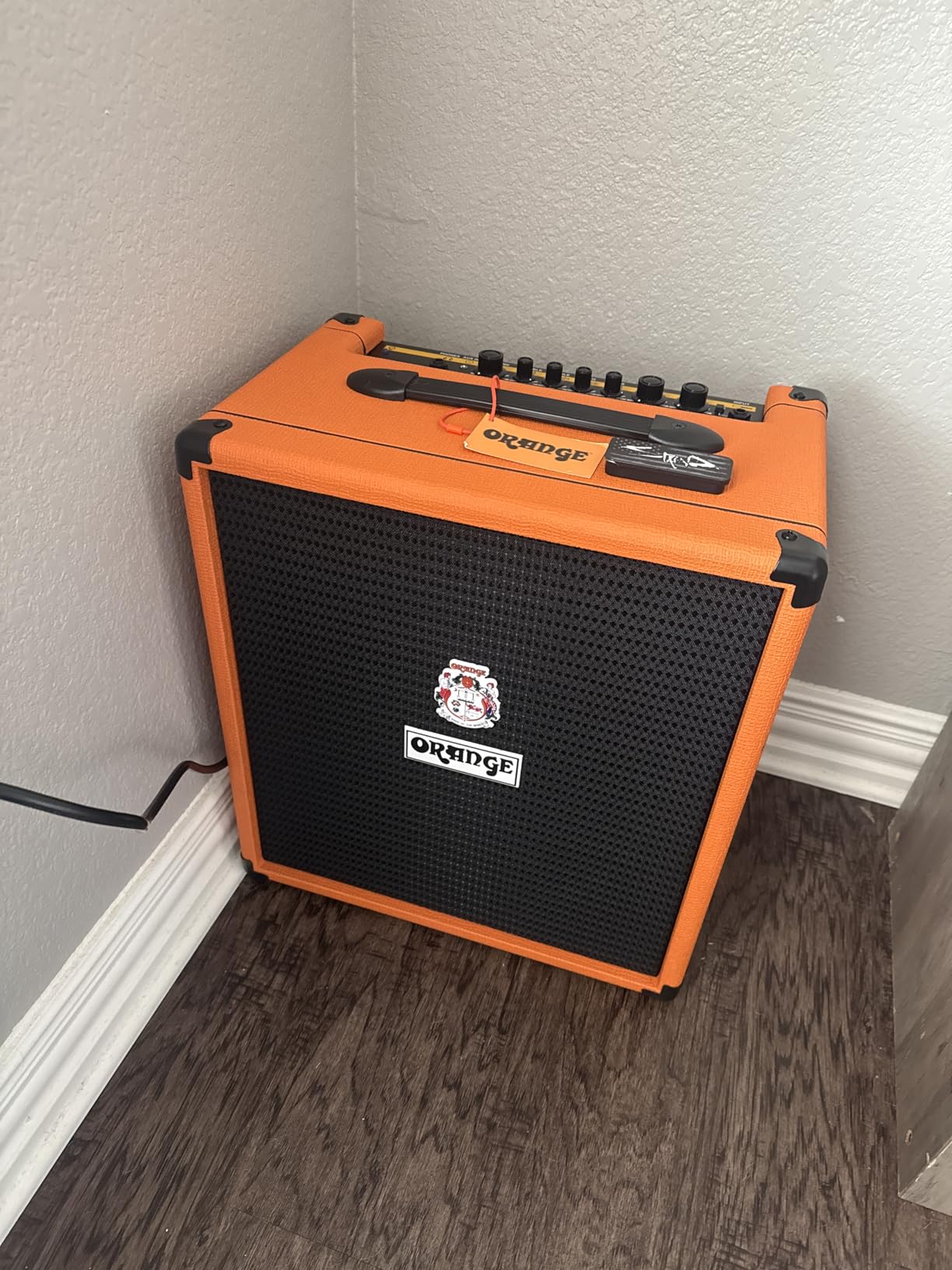
The 12-inch speaker is larger than what you find on most amps in this class, and it makes a real difference. The low-end has a depth and authority that 10-inch speakers simply cannot match. Playing a low E or even a drop D felt powerful and controlled, with no flabbiness or undefined rumble.
The headphone output includes a cabinet simulator, which means your silent practice tone actually sounds like you are playing through a speaker. Most practice amp headphone outputs sound thin and harsh by comparison. I recorded directly from the headphone out into an audio interface, and the results were surprisingly usable for demo recordings.
Who Should Buy the Orange Crush 50 Bass
Tone-obsessed players who spend hours dialing in their sound will fall in love with this amp. The parametric mid and bi-amp blend controls give you studio-level precision in a live combo format. Rock, metal, and punk bassists will especially appreciate the gain structure and the ability to create aggressive tones without losing low-end definition.
Players who use pedals will find the buffered effects loop invaluable. It keeps your time-based effects sounding clean and maintains signal integrity through long pedal chains.
Who Should Skip It
The lack of an XLR direct output is the biggest omission on this amp. If you regularly play venues where you need to send a signal to the front of house, you will need a separate direct box. For gigging musicians, this is a significant inconvenience compared to the Fender Rumble 40 or Ampeg RB112.
At 39 pounds, this is one of the heavier 50-watt combos available. If you walk to rehearsals or take public transit, the weight will be a factor. The Fender Rumble 40 offers similar power at roughly half the weight.
8. Ampeg Rocket Bass RB112 – Best Classic Tone Combo
Ampeg Rocket Bass RB112 Bass Combo 1x12 100 Watts
100W Solid State
12 inch Speaker
SGT Overdrive
XLR Out
3-Band EQ
Pros
- Classic Ampeg tone with surprisingly light portable design
- Super Grit Technology overdrive sounds excellent
- Active 3-band EQ with boost and cut range
- XLR Direct Output for PA and recording
- Dual inputs for active and passive basses
Cons
- No master volume control
- Low-end limited below standard E on 5-string
- Power LED is blindingly bright
- Limited stock availability
Ampeg is the name every bass player thinks of when they hear the words classic bass tone. The Rocket Bass RB112 brings that legendary Ampeg sound into a modern, surprisingly lightweight package. When I first picked this amp up, I expected it to weigh 50-plus pounds like the classic Ampeg SVT combos. It does not. Ampeg has managed to deliver their signature tone in a manageable enclosure.
The Super Grit Technology overdrive circuit is the heart of this amp’s character. It produces a warm, tube-like breakup that sounds authentic rather than processed. I played everything from clean jazz walking lines to fuzzy rock bass parts, and the SGT circuit handled both extremes with grace. The overdrive has a musical quality to it that reminds me of a driven tube amp.
The dual inputs are a detail that shows Ampeg understands working musicians. The 0dB input is designed for passive basses, while the -15dB padded input handles the hotter output from active instruments. I tested both with a passive Fender Precision and an active Music Man StingRay, and each input provided the optimal gain staging without any clipping or noise issues.
One of the most praised aspects of this amp in user reviews is its dead-quiet operation. There is no buzzing, humming, or background hiss when the amp is idle. For recording purposes, this is essential. I plugged the XLR output directly into my audio interface and captured a clean, noise-free DI signal that needed minimal processing.
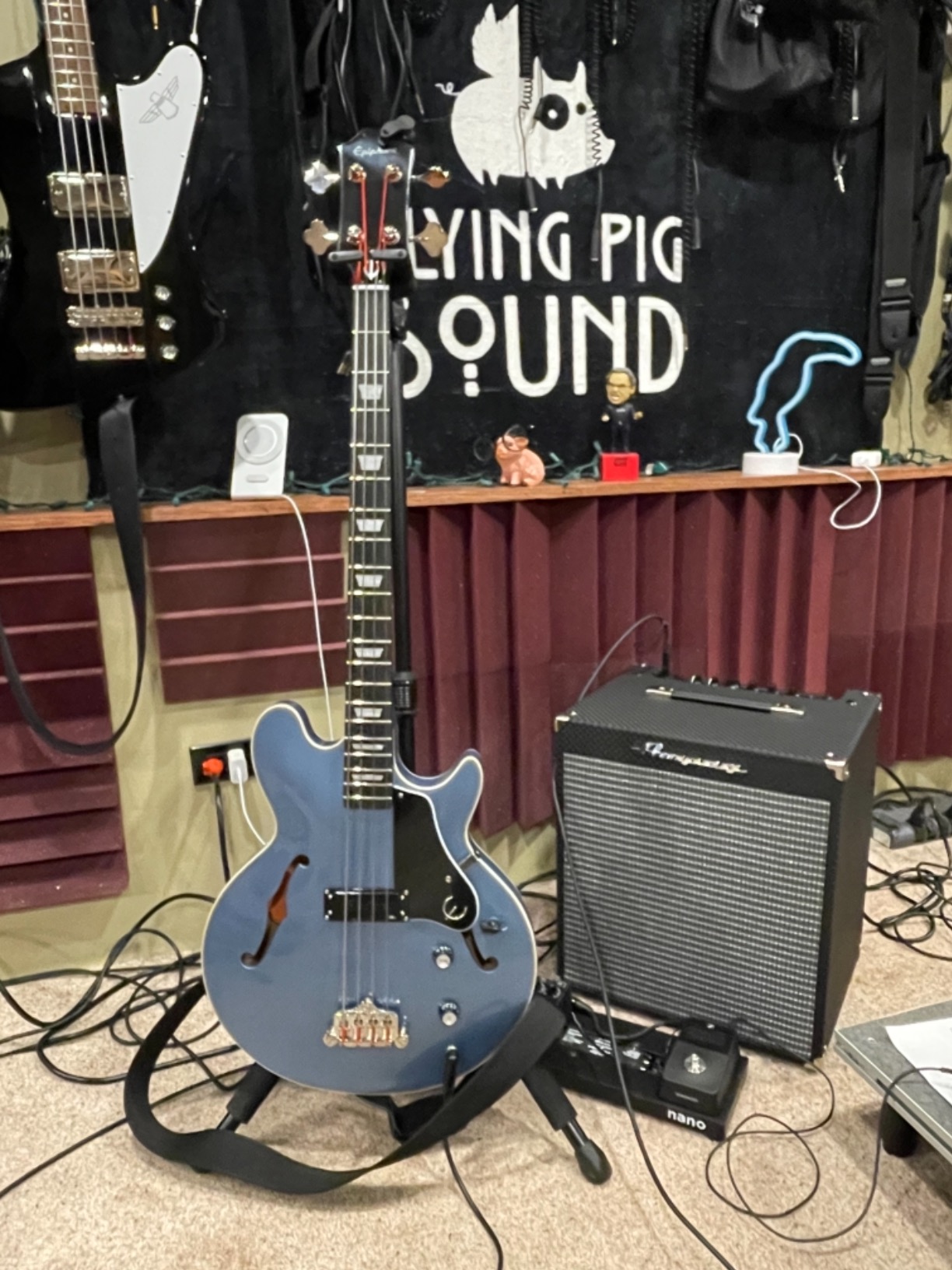
Who Should Buy the Ampeg Rocket Bass RB112
Players who want authentic Ampeg character without the back-breaking weight of a traditional SVT rig will love this amp. The RB112 is ideal for small to medium venue gigs, supporting audiences of 125 to 150 people. Studio musicians will appreciate the quiet operation and professional XLR output for direct recording.
Rock, blues, and R&B bassists who want that warm, punchy Ampeg midrange will feel right at home. The SGT overdrive adds just enough grit to sit perfectly in a band mix without muddying the low-end.
Who Should Skip It
The absence of a master volume control is a surprising omission that frustrates some users. You control overall volume through the gain and channel volume, which takes some getting used to. If you are accustomed to a traditional master volume setup, this workflow change will annoy you.
Five-string bassists who spend time below low E should test this amp carefully. The low-end starts to lose definition on the B string, particularly at higher volumes. For serious low-B reproduction, consider the Peavey Max 100 or a dedicated bass head and cabinet combination.
9. TC Electronic THRUST BQ500 – Best Budget Bass Head
TC Electronic THRUST BQ500 500 Watt Portable Bass Head with Mosfet Preamp and Thrust Compressor
500W Solid State Head
Mosfet Preamp
Thrust Compressor
2-Band EQ
5.07 lbs
USB
Pros
- 500 watts of power in a lightweight compact design
- Built-in Thrust Compressor for dynamic control
- Mosfet preamp technology for warm tone
- USB connectivity for recording
- Exceptional value for the wattage
Cons
- Frequent stock shortages and back-order periods
- Limited 2-band EQ controls
- Power cord quality issues reported
- Low review count compared to competitors
The TC Electronic THRUST BQ500 is the most watts per dollar you will find in the bass amp head market. Five hundred watts of power in a package that weighs just over five pounds is remarkable engineering. I paired this head with a 4-ohm cabinet and was blown away by the headroom and clarity at stage volumes.
The built-in Thrust Compressor is the defining feature of this amp. It provides transparent dynamic control that evens out your playing without squashing your tone. I tested it with aggressive slap passages and gentle fingerstyle, and the compressor adapted seamlessly to both. Having compression built into the amp means one less pedal on your board and one less thing to carry.
The Mosfet preamp gives the BQ500 a warmth that belies its solid-state design. Mosfet preamps are known for producing tube-like characteristics without the maintenance and reliability issues of actual tubes. I compared the tone side by side with a tube preamp, and the BQ500 held its own admirably. There is a slight harmonic richness that makes the tone feel alive rather than sterile.
The USB connectivity is a feature I did not fully appreciate until I started using it. You can connect this head directly to your computer for recording without needing a separate audio interface. The signal is clean and latency-free, making it a practical solution for home studio recording on a budget.
Who Should Buy the TC Electronic THRUST BQ500
Gigging bassists who already own a cabinet and need maximum power per dollar should look no further. This head delivers professional wattage at a fraction of what comparable heads cost from other brands. The built-in compressor and Mosfet preamp mean you get professional tone-shaping tools built in.
Home studio owners will appreciate the USB recording capability. You can track bass directly from the amp into your DAW without any additional hardware, which simplifies your recording chain considerably.
Who Should Skip It
The 2-band EQ is the main limitation of this head. With only bass and treble controls, you cannot do the detailed midrange sculpting that a 3-band or 4-band EQ allows. Players who rely on midrange cuts or boosts to sit in the mix will find this frustrating. You may need an external EQ pedal to compensate.
Stock availability is a recurring problem. The BQ500 frequently goes out of stock with long back-order periods. If you need an amp immediately, the Hartke HD50 or Peavey Max 100 are more reliable options that are typically in stock.
10. Darkglass Alpha Omega 900 – Best Premium Bass Head
Darkglass Alpha Omega 900, 900-watt Bass Amplifier Head w/Compressor, 6-Band Graphic EQ, IR Cab Sim, and MIDI
900W Solid State Head
6-Band Graphic EQ
IR Cab Sim
Built-in Compressor
MIDI
Ultra Light
Pros
- Exceptional clean tones alongside industry-leading distortion circuits
- Built-in compressor and 6-band graphic EQ for full tone control
- IR Cabinet Simulation with customizable impulse responses
- MIDI connectivity for pedalboard and DAW integration
- 900 watts in a remarkably lightweight rack unit
Cons
- Very high price point
- Only 17 reviews due to premium niche market
- Limited stock availability
- Requires separate speaker cabinet
The Darkglass Alpha Omega 900 is the amp that professional touring bassists dream about. Darkglass built their reputation on the legendary Alpha Omega pedal, and they have distilled that circuit into a 900-watt amplifier head that is nothing short of extraordinary. When I first plugged into this amp, the clarity and power immediately told me I was playing something special.
The heart of this amp is the dual distortion engine. You get two distinct overdrive characters that you can blend together, ranging from subtle harmonic enhancement to full-on aggressive grind. Metal and progressive rock bassists will find tones here that usually require a complex pedalboard. The distortion remains tight and defined even at extreme settings, never losing the low-end fundamental that defines your bass tone.
The 6-band graphic EQ gives you surgical control over your frequency spectrum. I was able to carve out a pocket in a dense mix by cutting specific problem frequencies while boosting the areas where my bass needed to shine. The EQ is remarkably musical, meaning even extreme settings sound intentional rather than harsh.
The IR cabinet simulation is a feature that changes how you work. Instead of miking a speaker cabinet, you load impulse responses of professionally recorded cabs directly into the amp. The simulated output goes to the PA or your recording interface, giving you studio-quality cabinet tone without the cabinet. For silent stage setups and direct recording, this is a transformative feature.
Who Should Buy the Darkglass Alpha Omega 900
Professional touring and recording bassists will find this amp to be a complete solution. The combination of distortion, compression, 6-band EQ, IR simulation, and MIDI control means you can replace an entire rack of gear with one unit. If you play metal, progressive rock, djent, or modern fusion, the Alpha Omega 900 was designed for your genre.
Players who use in-ear monitoring systems will love the IR cab simulation. You get a fully processed cabinet tone in your ears without needing a physical speaker on stage, which simplifies your setup and reduces stage volume.
Who Should Skip It
The price is the obvious barrier. At this level, you are paying for professional-grade features and build quality that most hobbyists and intermediate players will never fully utilize. If you are practicing at home and playing occasional bar gigs, this amp is overkill in every sense.
You also need a quality speaker cabinet to pair with this head, which adds to the total investment. Beginners and casual players should look at the combo amps earlier in this guide for a simpler, more affordable solution.
How to Choose the Best Bass Amplifier
Choosing the right bass amplifier comes down to understanding your needs as a player and matching them to the right combination of power, features, and form factor. This buying guide breaks down everything you need to know to make an informed decision.
Combo vs Head: Which Is Right for You
A combo amplifier houses the amplifier and speaker in a single enclosure. This is the simplest and most convenient option, ideal for practice, rehearsals, and small gigs. You plug in and play, with no additional components needed. Combo amps are what most beginners and intermediate players should start with.
A bass head is a standalone amplifier unit that requires a separate speaker cabinet. This modular approach gives you flexibility to mix and match components, upgrade individual pieces over time, and scale your rig for larger venues. Heads are the preferred choice for touring professionals and players who need maximum power and customization.
The tradeoff is complexity and cost. A head and cabinet combination typically costs more than an equally powered combo, and you have to consider impedance matching between the head and cab. If you are just starting out, a combo is almost always the better choice.
Wattage Guide: How Much Power Do You Need
Wattage is the single most important spec to understand when shopping for a bass amp. Bass frequencies require significantly more power to reproduce than guitar frequencies, which is why a 15-watt guitar amp can fill a room while a 15-watt bass amp is barely audible over a drummer.
For bedroom practice and solo playing, 15 to 25 watts is sufficient. You get clean tone at reasonable volumes without disturbing neighbors. The Fender Rumble 15 and Hartke HD15 excel in this category.
For band rehearsals and small gigs, you need a minimum of 40 to 50 watts. This gives you enough headroom to compete with a drummer and stay clean at higher volumes. The Fender Rumble 40, Orange Crush 50, and Hartke HD50 are designed for this scenario.
For medium to large venues, look for 100 watts or more. At this level, you will likely be sending a signal to the PA system as well, so stage volume becomes about personal monitoring rather than filling the room. The Peavey Max 100 and Ampeg RB112 handle this duty well.
For touring and large stages, 500 watts and above gives you professional-level headroom. Bass heads like the TC Electronic BQ500 and Darkglass Alpha Omega 900 paired with appropriate cabinets will handle any venue you encounter.
Tube vs Solid-State vs Class D Explained
Tube amplifiers use vacuum tubes in the preamp and power amp sections. They produce a warm, rich tone with natural compression and harmonic complexity that many players consider the gold standard for bass. The downsides are weight, heat generation, maintenance costs, and fragility. Tubes need periodic replacement and can fail at inconvenient moments.
Solid-state amplifiers use transistors instead of tubes. They are reliable, consistent, lightweight, and affordable. Modern solid-state preamps can approximate tube tone quite convincingly, especially in amps like the Orange Crush 50 and Ampeg RB112. For most players, solid-state is the practical choice.
Class D amplifiers are a type of solid-state design that uses high-frequency switching to achieve incredible efficiency. This allows for massive power output in extremely lightweight packages. The TC Electronic BQ500 delivers 500 watts at just over five pounds, which would be impossible with traditional solid-state or tube designs. Class D is the technology driving the lightweight amp revolution.
Hybrid amplifiers combine a tube preamp with a solid-state or Class D power section. This gives you the tonal character of tubes where it matters most (the preamp) with the reliability and efficiency of solid-state power. The Hartke HD50 uses a hybrid design to deliver warm tone in a practical package.
Essential Features to Look For
A 3-band EQ at minimum is essential for basic tone shaping. A 4-band or parametric EQ gives you much more control and is worth the investment if you play multiple genres. The Orange Crush 50’s parametric mid control is a standout feature that transforms your ability to dial in specific tones.
An XLR direct output is critical if you plan to gig. This balanced output sends your bass signal directly to the PA system or recording interface. Look for an XLR output with a ground lift switch to eliminate hum caused by ground loops. The Fender Rumble 40 and Ampeg RB112 both include this feature.
A headphone output is essential for home practice. Not all headphone outputs are created equal. The Hartke HD15 and Orange Crush 50 both have above-average headphone sound quality, with the Orange including a cabinet simulator for a more realistic experience.
An aux input lets you play along with backing tracks from your phone or music player. Nearly every practice amp in this guide includes this feature, but it is worth confirming before you buy.
A built-in tuner is a convenience feature that eliminates the need for a separate pedal or clip-on tuner. The Peavey Max 100 and Orange Crush 50 both include chromatic tuners with LED displays.
Speaker Size and Its Impact on Tone
Speaker size directly affects the tone and low-end response of your amp. Smaller speakers like the 6.5-inch driver in the Hartke HD15 prioritize clarity and portability but struggle with deep low-end. The 8-inch speakers in the Fender Rumble 15 and 25 offer a slight improvement but still lack true bass authority.
Ten-inch speakers, found in the Fender Rumble 40, Hartke HD50, and Peavey Max 100, represent a significant step up. They deliver punchy mid-bass response and can reproduce the low E string with authority. For most playing situations, a 10-inch speaker is the sweet spot between portability and low-end performance.
Twelve-inch speakers, like those in the Orange Crush 50 and Ampeg RB112, provide the fullest low-end of any single-speaker combo. They move more air and produce a rounder, warmer bass tone. The tradeoff is a larger, heavier enclosure.
Fifteen-inch speakers, not featured in this guide but worth mentioning, are favored by players who want maximum low-end thump. They are common in larger combos and professional cabinets but are overkill for most practice and small-gig scenarios.
FAQs
What is the best brand for bass amps?
Fender, Ampeg, Orange, Hartke, and Darkglass are consistently rated as the top bass amplifier brands. Fender Rumble series dominates the practice and beginner market. Ampeg is the gold standard for classic rock tone. Darkglass leads the premium modern market. The best brand depends on your budget, playing style, and intended use.
What is the holy grail of bass amps?
The Ampeg SVT is widely considered the holy grail of bass amplifiers. The original all-tube SVT head and 8×10 cabinet combination has been the backbone of professional rock bass tone since 1969. Among modern options, the Darkglass Alpha Omega 900 represents the current state of the art for contemporary players.
What is the best amp for bass sound?
The best amp for bass sound depends on your tonal goals. For warm vintage tone, the Ampeg Rocket Bass RB112 delivers classic character. For maximum tone-shaping flexibility, the Orange Crush 50 Bass with its parametric mid control is unmatched. For professional recording and touring, the Darkglass Alpha Omega 900 offers the most complete feature set.
What is the best power amp for bass?
The best power amp for bass depends on your power needs. For maximum wattage, the Darkglass Alpha Omega 900 delivers 900 watts with professional features. For value, the TC Electronic THRUST BQ500 offers 500 watts at a budget price. Both are solid-state Class D designs that combine high power with lightweight portability.
How many watts do I need to keep up with a drummer?
You need a minimum of 40 to 50 watts of bass amplifier power to compete with an acoustic drum kit in a rehearsal setting. For comfort and clean headroom, 100 watts is recommended. For live performances where you need to fill a room without PA support, 200 watts or more is ideal. Bass frequencies require significantly more power than guitar to reproduce at equivalent perceived volumes.
Can I use a guitar amp for bass guitar?
No, you should not use a guitar amp for bass guitar. Guitar speakers are not designed to handle the low frequencies that bass produces, and playing bass through a guitar amp can permanently damage the speaker. The speaker cone can tear or the voice coil can burn out. Always use an amplifier and speaker specifically designed for bass guitar frequencies.
Conclusion
The best bass amplifiers cover a wide range of needs, and our testing confirmed that there is no single perfect amp for every player. For beginners and budget-conscious shoppers, the Fender Rumble 15 V3 and Rumble 25 V3 deliver exceptional value with authentic Fender tone. The Orange Crush 50 Bass earns our editor’s choice for its unmatched tone-shaping flexibility, while the Darkglass Alpha Omega 900 stands as the premium pick for touring professionals in 2026. Whatever your playing situation, investing in the right bass amp will transform your tone and inspire you to play more.