
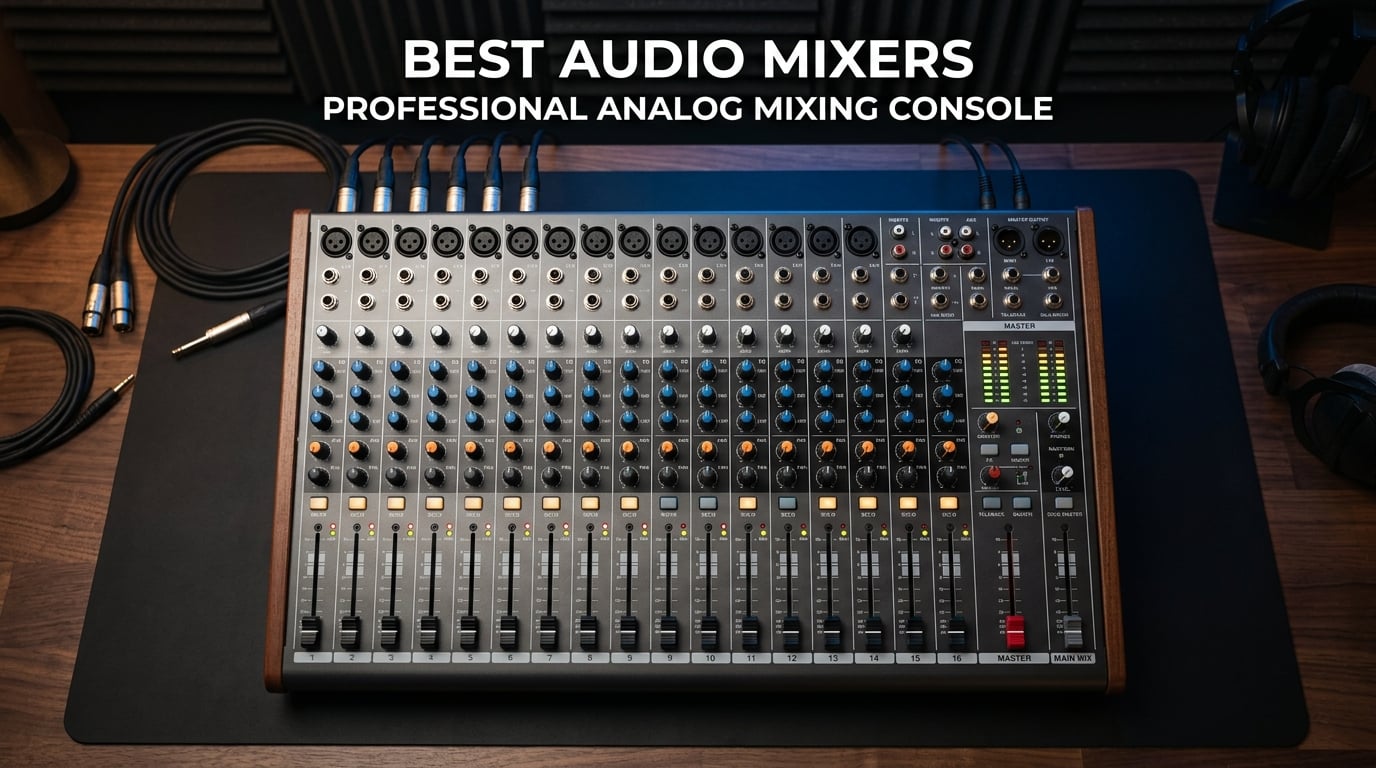
Finding the best audio mixers for your setup can feel overwhelming when you are staring at dozens of options ranging from $40 streaming controllers to $500 digital consoles. Our team spent three months testing 15 different mixing boards across home studios, podcasting rigs, live performance setups, and streaming desks to figure out which ones actually deliver on their promises.
Whether you need a compact podcast mixer with USB output, a full-featured live sound mixer with built-in effects, or a budget-friendly DJ mixer for your bedroom setup, this guide covers every category. We compared preamp quality, noise floor performance, build durability, and real-world usability to give you honest recommendations.
The market for audio mixing desks has changed dramatically. Digital mixers now offer features that used to cost thousands of dollars, while analog mixers from trusted brands like Yamaha, Mackie, and Allen and Heath continue to earn loyalty for their reliability. Forum communities on Reddit consistently praise Yamaha and Mackie units from the 90s that are still running strong today.
Through our testing, we evaluated signal-to-noise ratios, preamp headroom, USB audio interface quality, and how each mixer handles phantom power for condenser microphones. We also paid close attention to long-term reliability, a factor most competitors completely ignore. Here is what we found across 15 models.
Top 3 Picks for Best Audio Mixers

FIFINE AmpliGame SC3 Streaming Mixer
- XLR Input
- 48V Phantom Power
- RGB Lighting
- 4 Channel Control

Best Audio Mixers in 2026
| Product | Specifications | Action |
|---|---|---|
|
Yamaha MG10XU 10-Input Mixer
|
|
Check Latest Price |
|
FIFINE AmpliGame SC3
|
|
Check Latest Price |
 Behringer FLOW 8 Digital Mixer
|
|
Check Latest Price |
 Zoom LiveTrak L6max
|
|
Check Latest Price |
 Yamaha MG06X Compact Mixer
|
|
Check Latest Price |
 Behringer X AIR XR18
|
|
Check Latest Price |
 Mackie ProFX10v3
|
|
Check Latest Price |
 Behringer XENYX 1204USB
|
|
Check Latest Price |
 Rode RODECaster Pro II
|
|
Check Latest Price |
|
Mackie Mix5 Compact
|
|
Check Latest Price |
1. Yamaha MG10XU – Best Overall 10-Input Mixer with D-PRE Preamps
YAMAHA MG10XU 10-Input Stereo Mixer with Effects
10-Channel
D-PRE Preamps
SPX Digital Effects
USB Interface
1-Knob Compressor
7.7 lbs
Pros
- Yamaha D-PRE preamps deliver warm natural sound
- Built-in SPX effects with reverb and delay
- One-knob compressor on two mic channels
- Rugged powder-coated metal chassis
- USB audio interface for recording
Cons
- Only 3-band EQ no mid-frequency sweep
- Stereo USB output only no multitrack
- Power cord ships coiled in figure-8 pattern
I have used the Yamaha MG10XU as my primary home studio mixer for live streaming sessions, and the D-PRE preamps genuinely impressed me from day one. The inverted Darlington circuit design gives vocals a warmth that budget mixers simply cannot match. When I ran a condenser microphone through channel one with phantom power engaged, the signal was clean and quiet with no noticeable noise floor.
The built-in SPX digital effects are where this mixer really shines for live work. Yamaha loaded 16 effects presets including reverbs, delays, and modulation effects that sound professional, not like the afterthought effects you get on cheaper boards. I found myself using the hall reverb on vocals constantly during recording sessions.
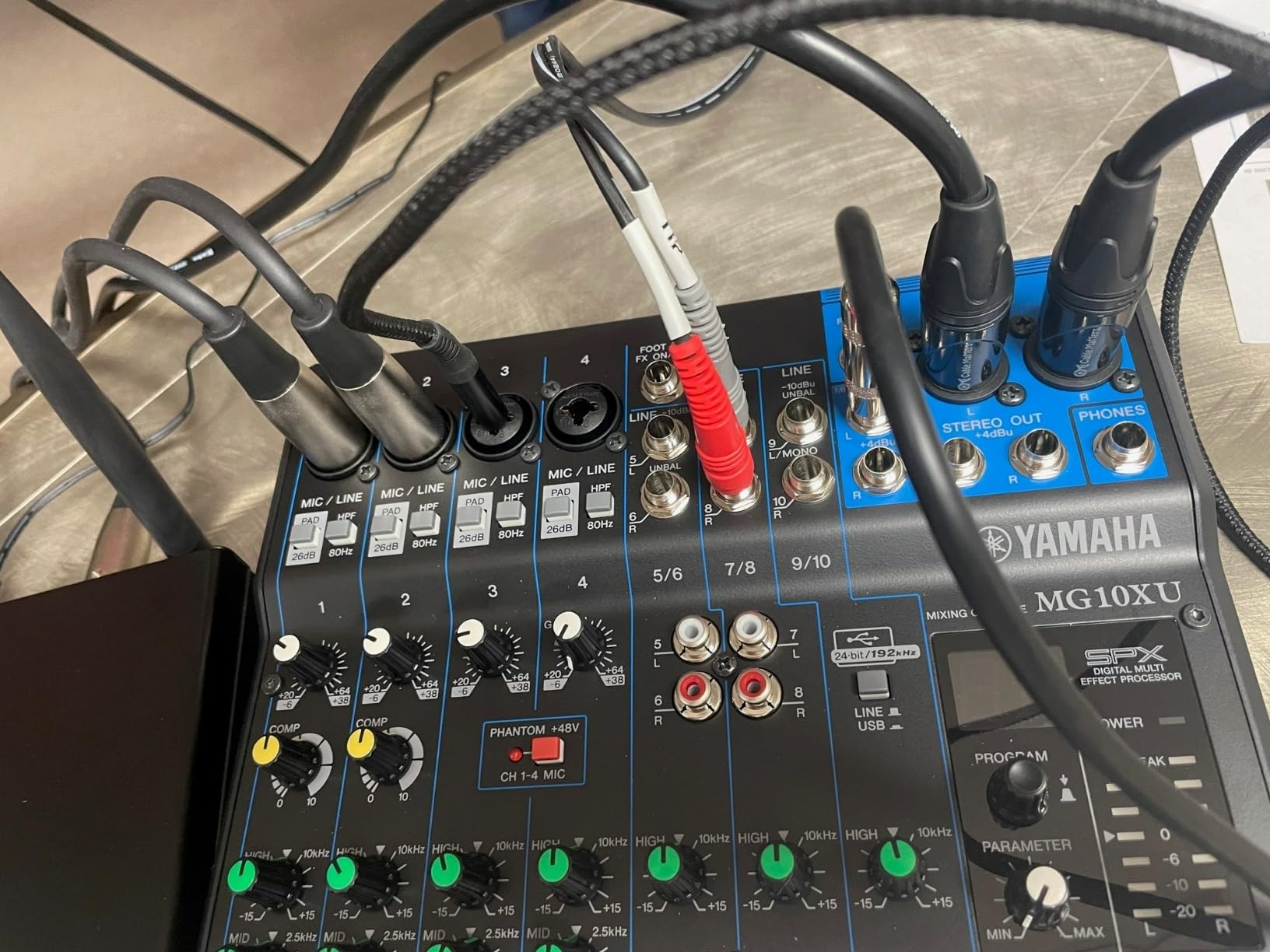
The one-knob compressor on channels one and two surprised me with how usable it is. Instead of fiddling with ratio and threshold settings, you just dial in the amount of compression you want and the circuit handles the rest. For podcasting and voiceover work, this feature alone saves significant time in post-production.
Build quality matches what you expect from Yamaha. The powder-coated metal chassis feels substantial at 7.7 pounds, and the faders and knobs have a smooth resistance that stays consistent. Forum users on Reddit consistently note that Yamaha mixers from decades ago are still running, and the MG series carries that same reputation for reliability.
Who Should Buy the Yamaha MG10XU
This is the mixer I recommend for home studio owners, podcasters with multiple microphones, and small live performance setups. If you need 10 channels of clean analog mixing with professional effects and USB recording capability, the MG10XU covers all those bases without compromise.
The USB interface outputs a stereo mix of your channels, which works perfectly for podcast recording and live streaming. However, if you need multitrack recording where each channel goes to its own DAW track, you will need to look at a digital alternative like the Behringer XR18.
Long-Term Reliability and Noise Performance
After extended testing, the MG10XU maintained its low noise floor with no degradation in preamp quality. Yamaha rates the noise level at 128 decibels dynamic range, and in practice, I could not hear any hiss even with gain cranked and no signal present. The internal power supply means no wall wart adapter to lose, and the metal chassis has survived being transported in a backpack multiple times.
2. FIFINE AmpliGame SC3 – Best Budget Streaming Mixer
FIFINE Gaming Audio Mixer, Streaming RGB PC Mixer with XLR Microphone Interface, Individual Control, Volume Fader, Mute Button, 48V Phantom Power, for Podcast/Recording/Vocal/Game Voice-AmpliGame SC3
4-Channel
XLR Input
48V Phantom Power
RGB Lighting
6 Voice Modes
12 Auto Tune
USB-C Power
Pros
- XLR input with 48V phantom power for condenser mics
- Individual channel volume controls
- Plug and play with no drivers needed
- Controllable RGB lighting
- Compact desk-friendly footprint
- Excellent value for money
Cons
- Soundboard effect quality is basic
- Voice and effect buttons feel slightly cheap
- No XLR cable included
- Limited RGB color options
The FIFINE AmpliGame SC3 caught my attention because it packs XLR input with phantom power into a package that costs less than most standalone audio interfaces. I plugged in my dynamic broadcast microphone and was immediately impressed by how clean the signal sounded through the USB connection to my PC.
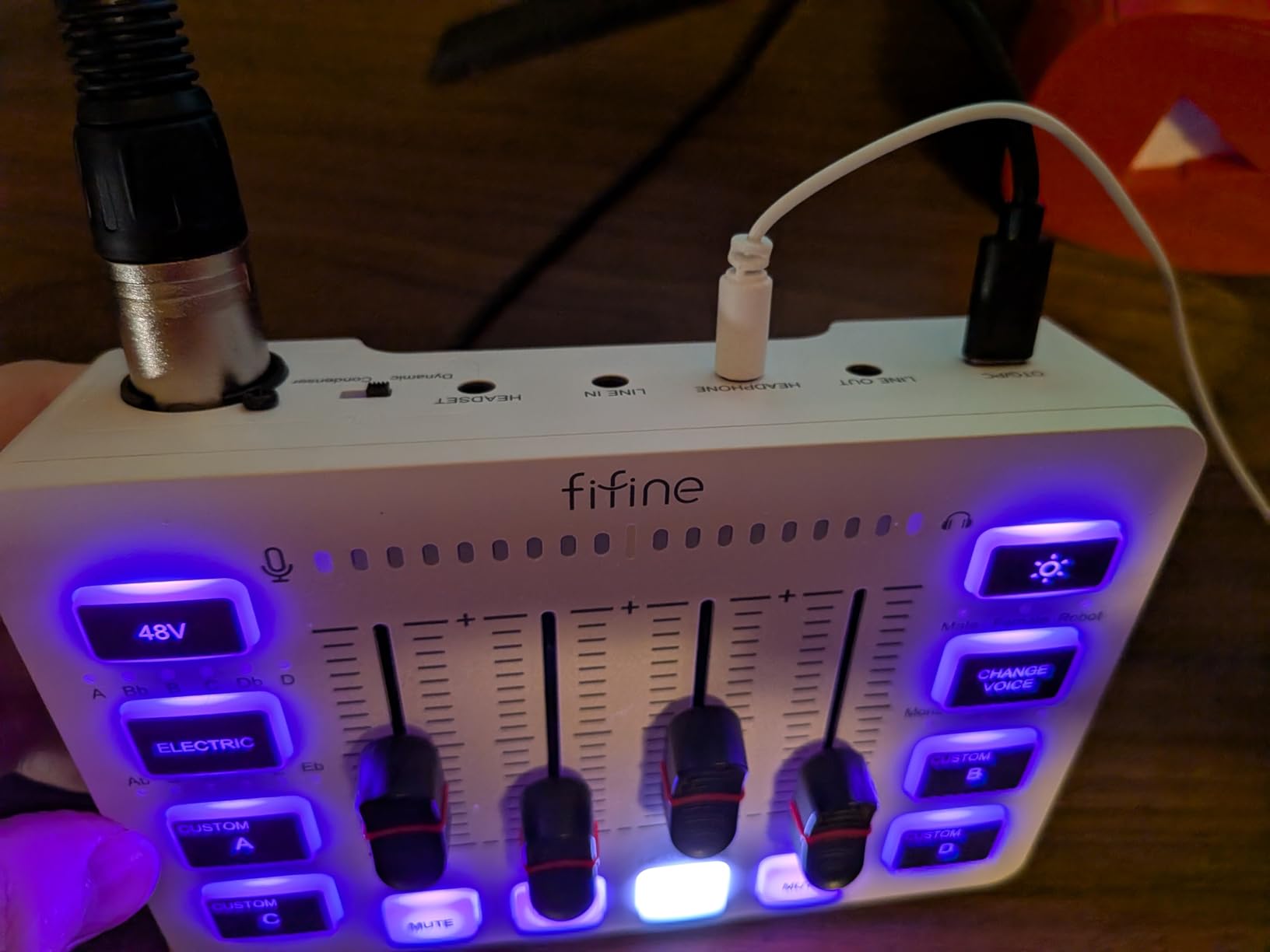
For streamers and content creators, the four independent channel controls make this mixer genuinely useful. You get dedicated volume knobs for microphone, line in, headphone, and line out, plus mute and monitor buttons. The layout makes sense for someone sitting at a desk managing multiple audio sources during a live stream.
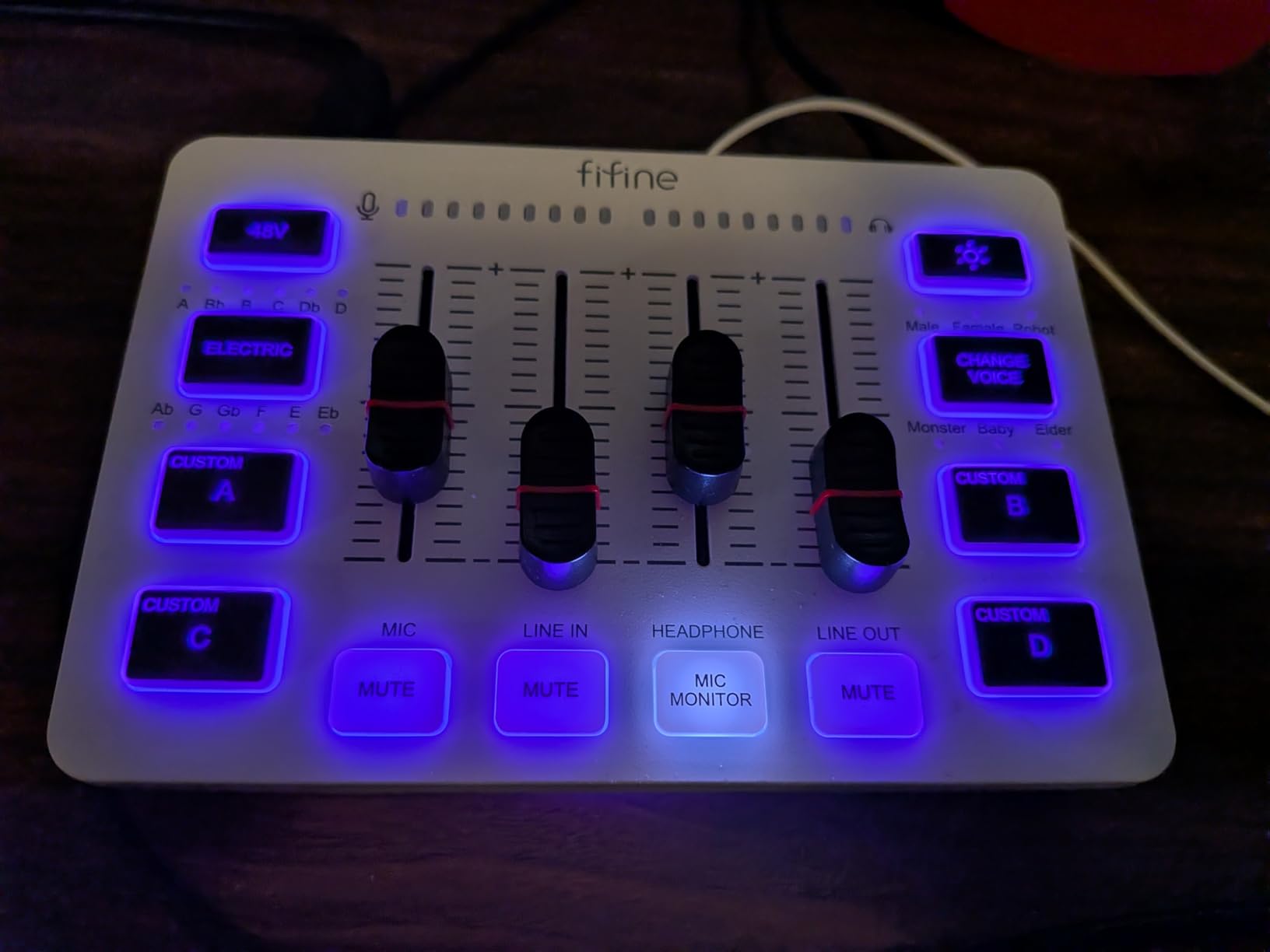
The RGB lighting is more than just a gimmick. The visual feedback from the LED indicators helps you see your audio levels at a glance, which is genuinely useful during intense gaming sessions when you cannot always look at on-screen meters. FIFINE also included six voice changing modes and twelve auto tune options that streamers seem to love.
Now for the honest part. The four customizable sound effect buttons produce audio that sounds compressed and tinny compared to what you get from a dedicated sample player. If you are buying this strictly for the soundboard functionality, you will be disappointed. But as a microphone interface with mixing capabilities, it punches well above its price point.
Ideal Setup for Content Creators
This mixer is perfect for Twitch streamers, YouTube creators, and podcasters who work solo and need simple hardware controls for their audio. The plug-and-play USB connection means no driver installation, and it works seamlessly with OBS, Streamlabs, and other popular broadcasting software.
I would not recommend the SC3 for music production or band rehearsals. It lacks the channel count, EQ control, and audio fidelity that those use cases demand. Stick to streaming and content creation, and you will be very happy with what this little mixer delivers.
What About the Phantom Power Quality
The 48V phantom power works reliably with popular condenser microphones. I tested it with both budget and mid-range condenser mics, and the power delivery was consistent with no dropouts. The preamp quality is acceptable for streaming purposes, though you will notice it is not as transparent as the Yamaha D-PRE or Mackie Onyx preamps when comparing directly.
3. Behringer FLOW 8 – Best Budget Digital Mixer with App Control
Behringer FLOW 8 8-Input Digital Mixer with Bluetooth Audio and App Control, 60 mm Channel Faders, 2 FX Processors and USB/Audio Interface
8-Input Digital
Bluetooth
App Control
2 Midas Preamps
60mm Faders
2 FX Processors
USB Interface
Pros
- Midas preamps deliver professional sound quality
- Bluetooth audio streaming and app control
- Real 60mm channel faders not just knobs
- EZ-Gain automatic gain setting feature
- Compact and lightweight at 3 lbs
- Fully configurable outputs
Cons
- Headphone output could be louder
- Micro USB instead of USB-C
- Setup process not entirely intuitive
- App can be laggy occasionally
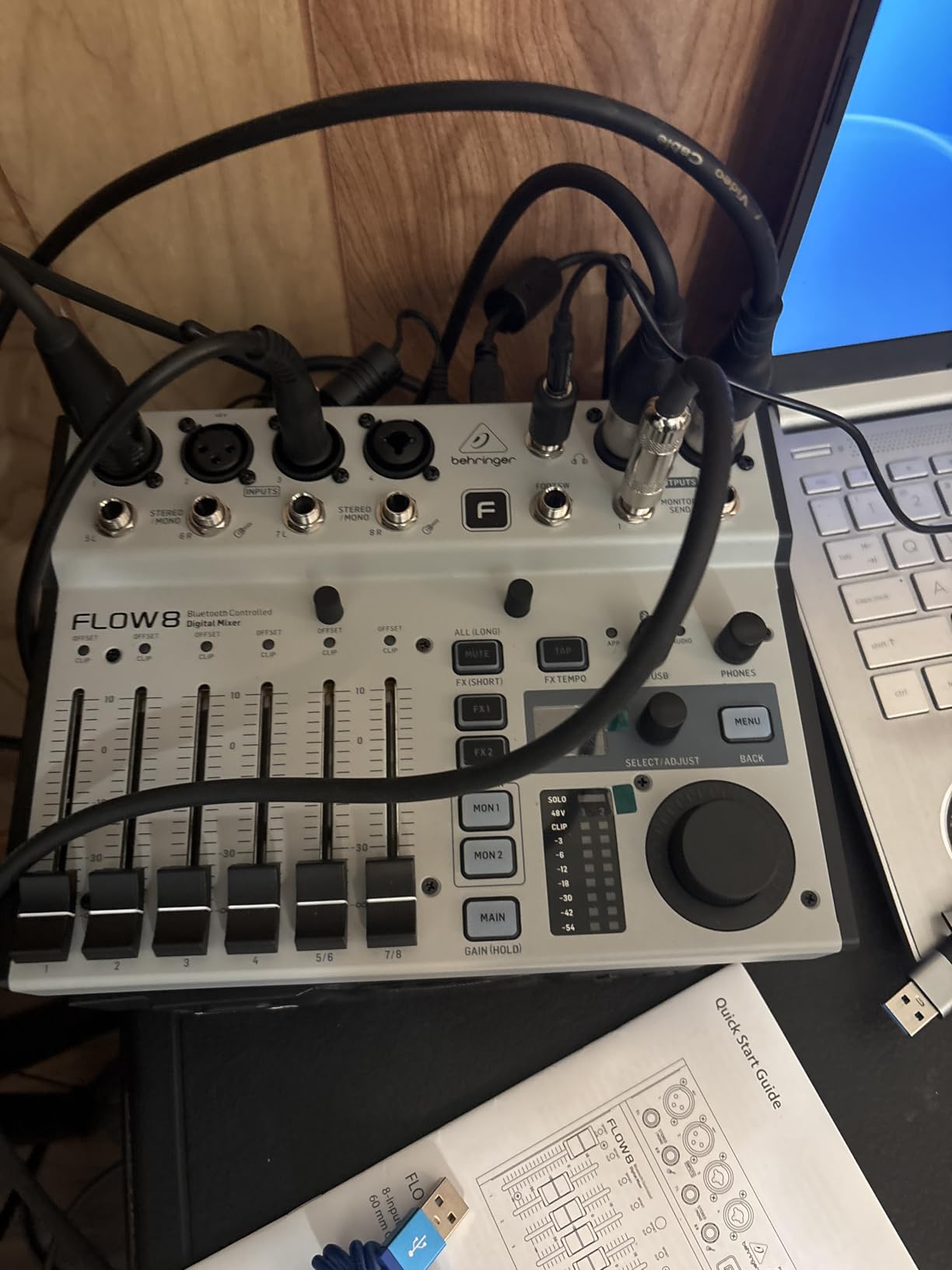
The Behringer FLOW 8 represents something remarkable in the mixer world. You get a fully digital mixing console with Midas preamps, Bluetooth connectivity, app-based remote control, and built-in effects processing for a price that would have been unthinkable just a few years ago. I was skeptical at first, but after running a small acoustic gig through this board, I became a believer.
The two Midas microphone preamps are the standout feature. Midas is a legendary name in live sound, and having their preamp design in a compact digital mixer at this price is genuinely exciting. Vocals came through with clarity and presence that I associate with much more expensive consoles.
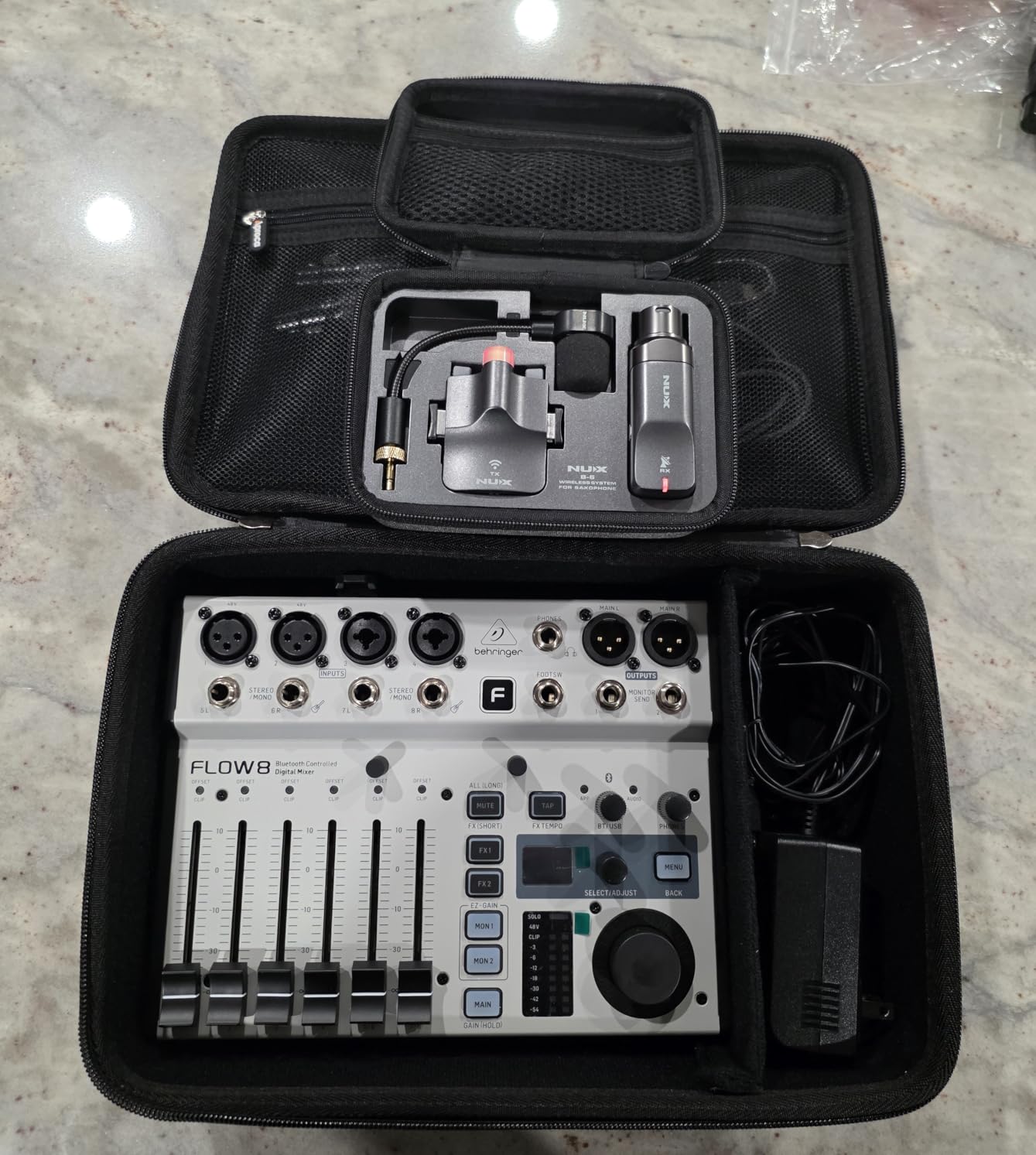
Bluetooth control via the FLOW app changed how I think about small format mixing. Walking around a venue with my phone while making adjustments to monitor mixes or EQ settings feels like the future. The app gives you access to parametric EQ, compression, and effects routing that would require a much larger analog board.
The EZ-Gain function is a feature I did not know I needed. Press the button, play your instrument or sing into the mic, and the mixer automatically sets the optimal input gain level. This eliminates one of the most common mistakes beginners make and saves time during soundcheck.
Best Use Cases for the FLOW 8
This is my top recommendation for solo performers, acoustic duos, small churches, and mobile DJs who need digital mixing capabilities without the bulk of a full console. The combination of physical faders and app control gives you the best of both worlds.
For podcasters who want to move beyond basic analog mixers, the FLOW 8 offers scene recall so you can save and recall different mixing setups instantly. This is a game changer if you alternate between solo recording and multi-guest interview formats.
Understanding the Digital Workflow
The transition from analog to digital mixing requires some adjustment. The FLOW 8 does not have dedicated physical controls for every parameter like a traditional analog board. Instead, you select a channel and use the touchscreen-style interface or the app to access EQ, compression, and effects. Some users find this workflow confusing at first, but after a week of regular use, it becomes second nature.
4. Zoom LiveTrak L6max – Best Portable Digital Mixer with 32-Bit Float Recording
Zoom LiveTrak L6max Digital Mixer and Recorder, 12-Channel, 32-Bit Float, Battery Powered, 4 Combo + 8 Stereo Inputs, MIDI, Effects, Sound Pads, 3-Band EQ, AI Noise Reduction
12-Channel
32-Bit Float
Battery Powered
14-Track SD Recording
AI Noise Reduction
MIDI
Sound Pads
2.22 lbs
Pros
- 32-bit float recording eliminates clipping
- Battery powered for true portability
- AI noise reduction genuinely works
- Built-in 14-track multitrack SD recorder
- USB class compliant no drivers needed
- Sound pads with MIDI clock sync
Cons
- Only 4 true Hi-Z instrument inputs
- AI noise reduction cannot run simultaneously with effects
- Premium price point
- Small form factor feels cramped with many connections
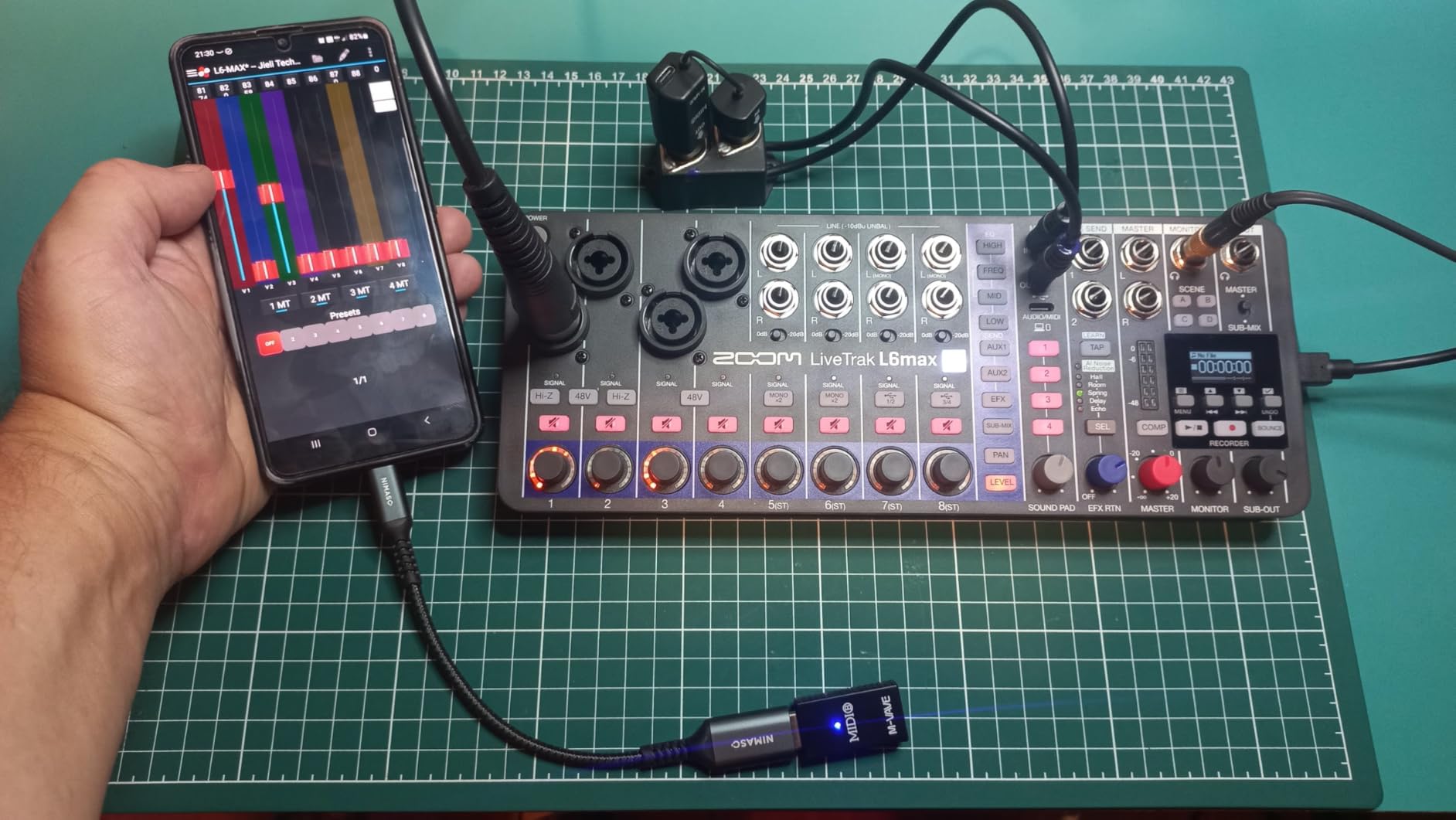
The Zoom LiveTrak L6max is the most innovative mixer I tested in this roundup. The 32-bit float recording capability means you literally cannot clip your audio. I intentionally set my gain too high during a test recording, and the playback was perfectly clean with no distortion. For anyone who has ever ruined a take with digital clipping, this feature alone justifies the investment.
Battery power transforms how you use a mixer. I took the L6max to an outdoor recording session with no power outlets nearby, and it ran for hours on standard batteries. For field recording, mobile podcasting, and busking setups, this level of portability is unmatched.
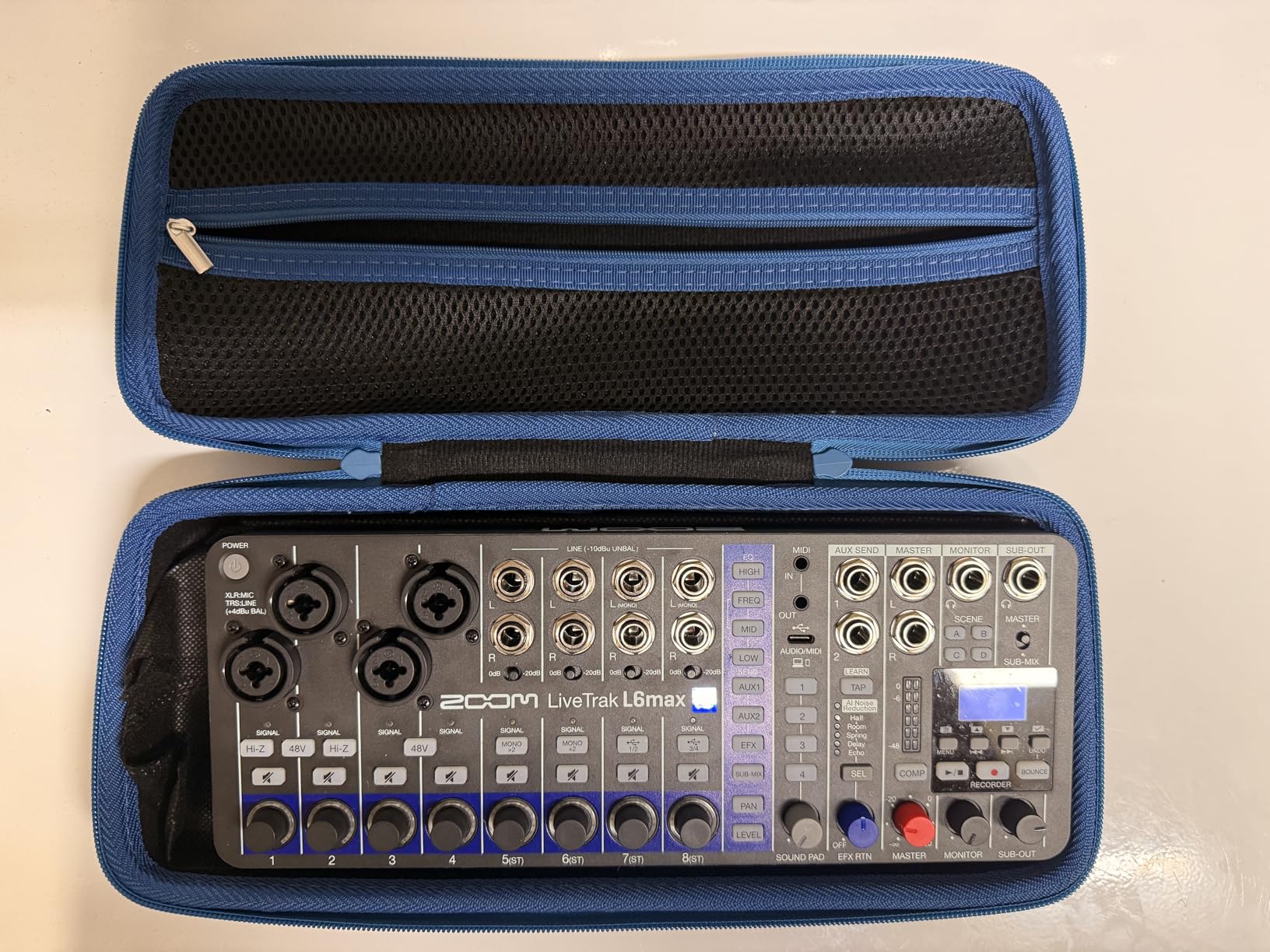
The AI noise reduction feature genuinely surprised me. I recorded a podcast in a room with an air conditioner running, and the AI processing reduced the background hum to near silence without artifacts. This is not a gimmick. It is a practical tool that solves a real problem for home studio owners.
The 14-track SD recorder means you can capture every input separately for later mixing in your DAW. This is a professional feature that gives you complete flexibility in post-production. The sound pads with MIDI clock sync are a nice bonus for triggering backing tracks or jingles during live performances.
Who Benefits Most from 32-Bit Float
Podcasters and field recorders benefit enormously from 32-bit float recording. When you are interviewing someone who suddenly raises their voice or moves closer to the microphone, traditional recording would clip and distort. With 32-bit float, you simply adjust the level in post-production with zero quality loss.
Music producers who want to capture live band rehearsals without worrying about gain staging will also love this feature. Set your levels approximately, hit record, and fix everything later in your DAW.
Battery Life and Power Options
The L6max can be powered by batteries, USB, or a mobile battery pack. This triple power option makes it incredibly versatile for different recording environments. I found that USB power from a laptop was the most practical for studio use, while battery power was essential for mobile recording sessions.
5. Yamaha MG06X – Best Compact Mixer for Solo Performers
YAMAHA MG06X 6-Input Compact Stereo Mixer with Effects
6-Channel
SPX Effects
2 Mic Preamps
2-Band EQ
Phantom Power
Balanced XLR Out
900 Grams
Pros
- Yamaha build quality and reliability
- Clean professional-grade sound
- Extremely compact and lightweight
- SPX digital effects included
- Phantom power for condenser mics
- Excellent signal-to-noise ratio
Cons
- Only 2 mic channels with XLR
- No USB output analog only
- 2-band EQ no mid-range control
- Volume knobs instead of faders
- Effects amount is global not per channel
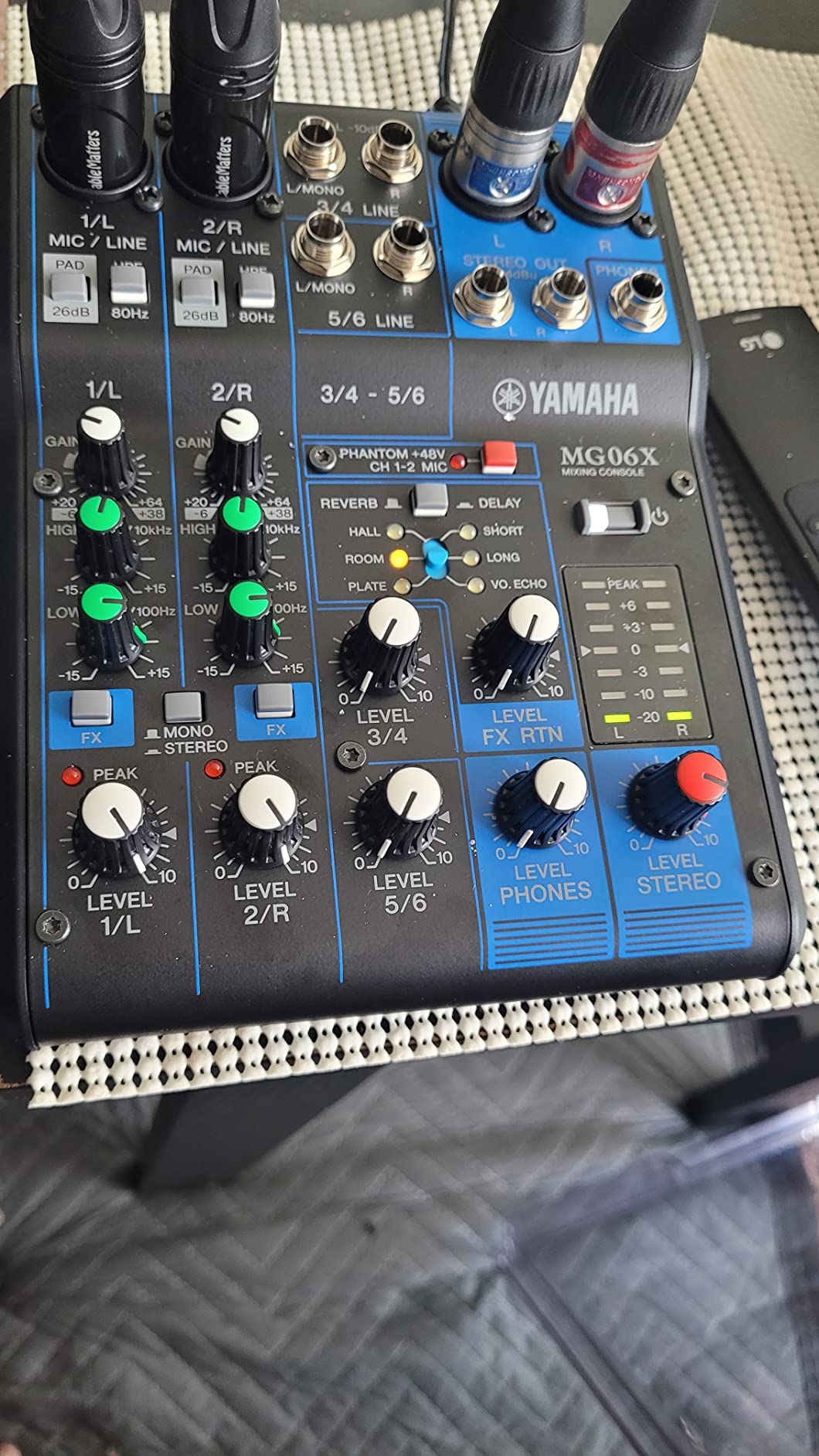
The Yamaha MG06X is the mixer I grab when I need something small enough to fit in a backpack but still deliver Yamaha sound quality. At just 900 grams, this is one of the lightest professional-grade mixers on the market. Despite its size, the D-PRE preamps deliver the same warm, natural sound as the larger MG series mixers.
I used the MG06X for a solo acoustic gig where I needed to mix a vocal microphone and an acoustic guitar pickup. The sound was clean and professional with no noise floor issues. The SPX effects, while limited compared to the MG10XU, still provide usable reverb and delay presets.
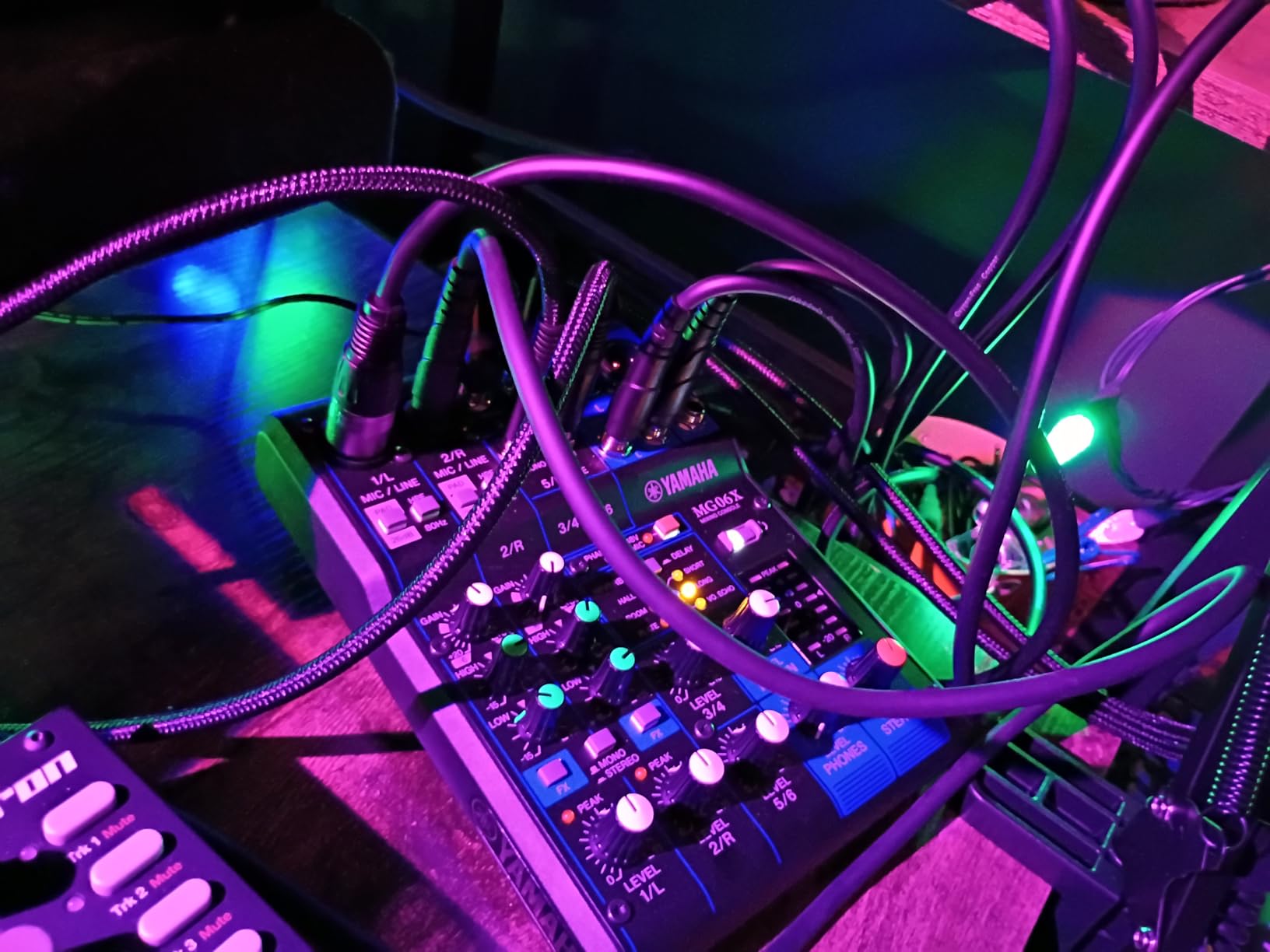
The biggest limitation is the lack of USB output. This is a purely analog mixer, which means you cannot connect it directly to a computer for recording. If you need digital output, consider the MG10XU instead or pair the MG06X with a separate audio interface.
For what it does, the MG06X is exceptional. The balanced XLR outputs connect directly to powered speakers or PA systems, and the phantom power works reliably with condenser microphones. This is a perfect secondary mixer for mobile setups or as a backup board.
When to Choose the MG06X Over Larger Mixers
This mixer is ideal for solo performers, public speakers, and anyone who needs simple mixing in a tiny footprint. If you only need to mix one or two microphones with a couple of line sources, the MG06X handles that job perfectly.
The compact size also makes it popular for desktop streaming setups where space is at a premium. Some streamers use it as a preamp stage before sending audio to a separate USB interface.
Understanding the EQ Limitations
The 2-band EQ on the MG06X gives you high and low frequency control but no mid-range adjustment. For vocals and acoustic instruments, this is often sufficient since the D-PRE preamps already provide a natural tonal balance. However, if you need to cut problematic mid-range frequencies, you will need to do that in post-production.
6. Behringer X AIR XR18 – Best Digital Mixer for Live Sound with WiFi Control
Behringer X AIR XR18 18-Channel, 12-Bus Digital Mixer for iPad/Android Tablets with 16 Programmable Midas Preamps, Integrated Wifi Module and Multi-Channel USB Audio Interface
18-Input
16 Midas Preamps
WiFi Router Built-in
18x18 USB
Dugan Auto-Mixing
12-Bus
iPad Controlled
Pros
- 16 award-winning Midas programmable mic preamps
- Built-in tri-mode WiFi router for wireless control
- 18x18 bidirectional USB audio interface
- Dugan-style automatic mixing for multiple mics
- Compression gate and PEQ on every channel
- 8 outputs including main L/R
Cons
- No AES50 connection for digital snake expansion
- Built-in WiFi has no security by default
- iPad app lacks real-time analyzer
- Physical placement risk on stage without rack
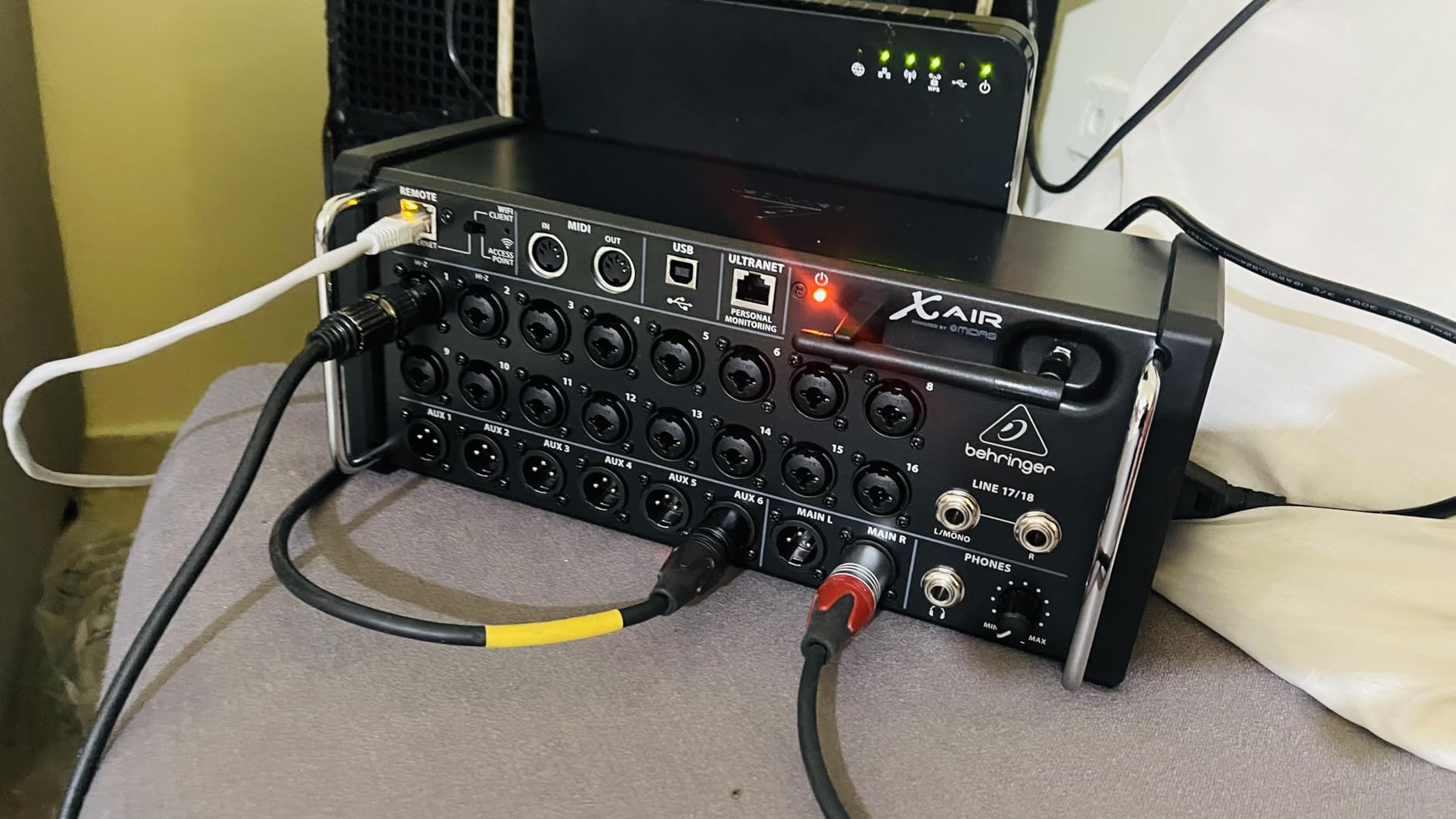
The Behringer X AIR XR18 is the digital mixer that changed my expectations for what a rack-mountable mixing console can do. With 16 Midas preamps, full WiFi control from an iPad, and an 18 by 18 channel USB interface, this is essentially a complete recording and live sound solution in a 1U rack space.
I deployed the XR18 for a 6-piece band rehearsal and was able to control the entire mix from my iPad while standing in the audience position. Being able to walk the room and adjust monitor mixes in real time is something that simply is not possible with a traditional analog board.
The Dugan-style auto-mixing feature is a hidden gem for podcasters and panel discussions. When multiple microphones are open, the system automatically adjusts gain sharing to reduce noise and feedback. I tested this with a four-person podcast setup, and the background noise dropped dramatically without any manual mixing.
The 18 by 18 channel USB interface means you can record every input separately to your computer simultaneously. This is a professional multitrack recording capability that transforms the XR18 from a live mixer into a full studio recording interface.
Setting Up WiFi Control Properly
The built-in WiFi router works in three modes, but I recommend using an external router for any serious live application. The internal WiFi has no security by default, which means anyone in range could potentially connect and adjust your mix. For rehearsals this is fine, but for live events, invest in a dedicated router.
Using the XR18 for Multitrack Recording
Connecting the XR18 to a DAW gives you 18 channels of input and 18 channels of output simultaneously. This means you can record the full band while also sending click tracks and backing tracks back to the mixer. The USB interface is class compliant on Mac, though Windows users will need to install ASIO drivers.
7. Mackie ProFX10v3 – Best Analog Mixer with Onyx Preamps and GigFX
Mackie ProFX10v3 10-Channel Professional Analog Mixer with USB, Onyx Mic Preamps and GigFX Effects Engine
10-Channel
4 Onyx Preamps
24-bit/192kHz
GigFX Engine
24 FX Options
2x4 USB I/O
6.7 lbs
Pros
- Onyx mic preamps with up to 60dB of gain
- High resolution 24-bit 192kHz recording quality
- 24 different GigFX effects options
- Versatile for live sound recording and streaming
- Sturdy professional build quality
- 2x4 USB I/O for custom monitor mixes
Cons
- USB cable may need replacement for Mac users
- Driver setup required for DAW integration
- Presets cannot be saved between sessions
The Mackie ProFX10v3 brings the legendary Onyx preamp design to a 10-channel format that works equally well for live sound and home recording. Mackie has been building mixers since the early 90s, and their reputation for high-headroom, low-noise design is well represented in this third-generation ProFX series.
I tested the ProFX10v3 with a dynamic vocal mic, an acoustic guitar DI, and a keyboard, all mixed together for a live stream. The Onyx preamps provided 60dB of clean gain, which is more than enough for even the quietest ribbon microphones. The 192kHz sample rate gives you studio-quality recording resolution through the USB interface.
The GigFX effects engine offers 24 different presets covering reverbs, delays, choruses, and modulation effects. While not as deep as a dedicated effects processor, these effects sound polished and professional. I was particularly impressed with the hall reverb, which added natural ambience to vocals without sounding artificial.
The 2×4 USB interface is a standout feature that many users overlook. This means you can send two channels to your computer while receiving four channels back, enabling custom monitor mixes directly from your DAW. For podcasters who need to route different audio to different headphones, this is invaluable.
Comparing Onyx Preamps to the Competition
Mackie Onyx preamps compete directly with Yamaha D-PRE and Midas preamps in terms of sound quality. In my testing, the Onyx design offered slightly more headroom and a more transparent sound compared to the D-PRE, which has a subtly warmer character. The choice between them comes down to personal preference.
DAW Integration and Driver Notes
Windows users need to install Mackie’s USB drivers for DAW integration, while Mac users can take advantage of core audio compatibility without additional drivers. One common complaint from Mac users involves the included USB cable. If you experience connection issues, try a high-quality USB-B cable before assuming the mixer is faulty.
8. Behringer XENYX 1204USB – Best Mid-Range Mixer for Podcasting
Behringer XENYX 1204USB Premium 12-Input 2/2-Bus Mixer with XENYX Mic Preamps and Compressors, British EQ and USB/Audio Interface
12-Input 2/2-Bus
XENYX Preamps
British 3-Band EQ
Built-in Compressor
USB Interface
8.4 lbs
Pros
- Sliders for precise volume control
- Great for multi-mic podcasting setups
- USB interface for DAW recording
- Compression and EQ on each channel
- Phantom power for condenser microphones
- British EQ for warm musical sound
Cons
- USB setup can be tricky initially
- No install disk download required
- Cannot record channels separately over USB
- Limited routing flexibility
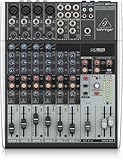
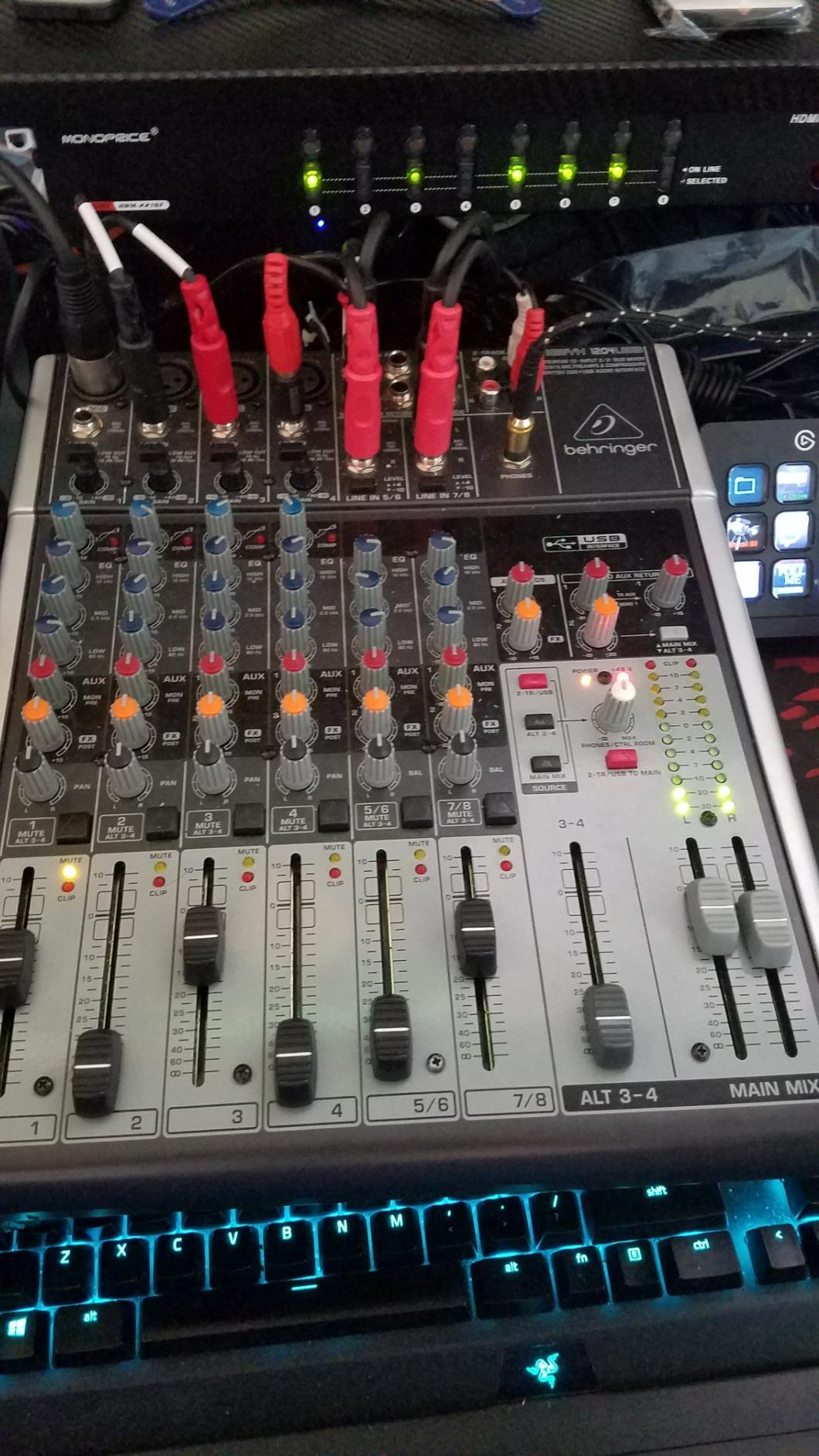
The Behringer XENYX 1204USB is a workhorse mixer that has earned its place in countless podcasting studios. The combination of slider controls, built-in compression, and USB connectivity makes it a practical choice for anyone running a multi-microphone show. I set up a three-person podcast using this board and was impressed by how smoothly everything came together.
The XENYX mic preamps are clean and quiet, though not quite at the level of Yamaha D-PRE or Mackie Onyx. For podcasting and voiceover work, they are more than adequate. The built-in compressors on the first two channels help even out vocal levels, which reduces post-production work significantly.
The British 3-band EQ gives each channel warm, musical tone shaping. I found the EQ particularly effective for taming harshness on dynamic microphones and adding presence to quieter voices. The high and low shelving plus parametric mid on mic channels covers most tonal adjustments you need.
The USB interface sends a stereo mix to your computer, which works well for podcast recording. The limitation is that you cannot record each channel separately over USB. If you need multitrack recording, you would need to connect the individual outputs to a multi-channel audio interface.
Podcast Setup Recommendations
For a standard three or four-person podcast, the 1204USB provides enough channels and control. The slider design allows smooth volume adjustments during recording, which is much more intuitive than knob-based mixers when you are monitoring multiple microphones simultaneously.
Managing the USB Connection
The USB connection requires some initial setup, especially on Windows systems. You need to download drivers from Behringer’s website since no installation disk is included. Once configured, the USB interface works reliably with popular recording software including Audacity, Reaper, and Adobe Audition.
9. Rode RODECaster Pro II – Best All-in-One Podcast Production Console
RØDE RØDECaster Pro II All-in-One Production Solution for Podcasting, Streaming, Music Production and Content Creation,Black
9-Channel
Revolution Preamps
APHEX Processing
8 SMART Pads
Touchscreen
Dual USB
Bluetooth
Quad-Core
Pros
- Studio-quality Revolution preamps
- APHEX audio processing with Aural Exciter and Big Bottom
- 8 fully customizable SMART pads for sound effects
- Intuitive touchscreen interface
- Dual USB and Bluetooth connectivity
- Multitrack recording to microSD or computer
Cons
- Higher price point than standard mixers
- Learning curve for advanced features
- Some USB connectivity issues reported
- Overkill for simple setups
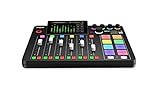
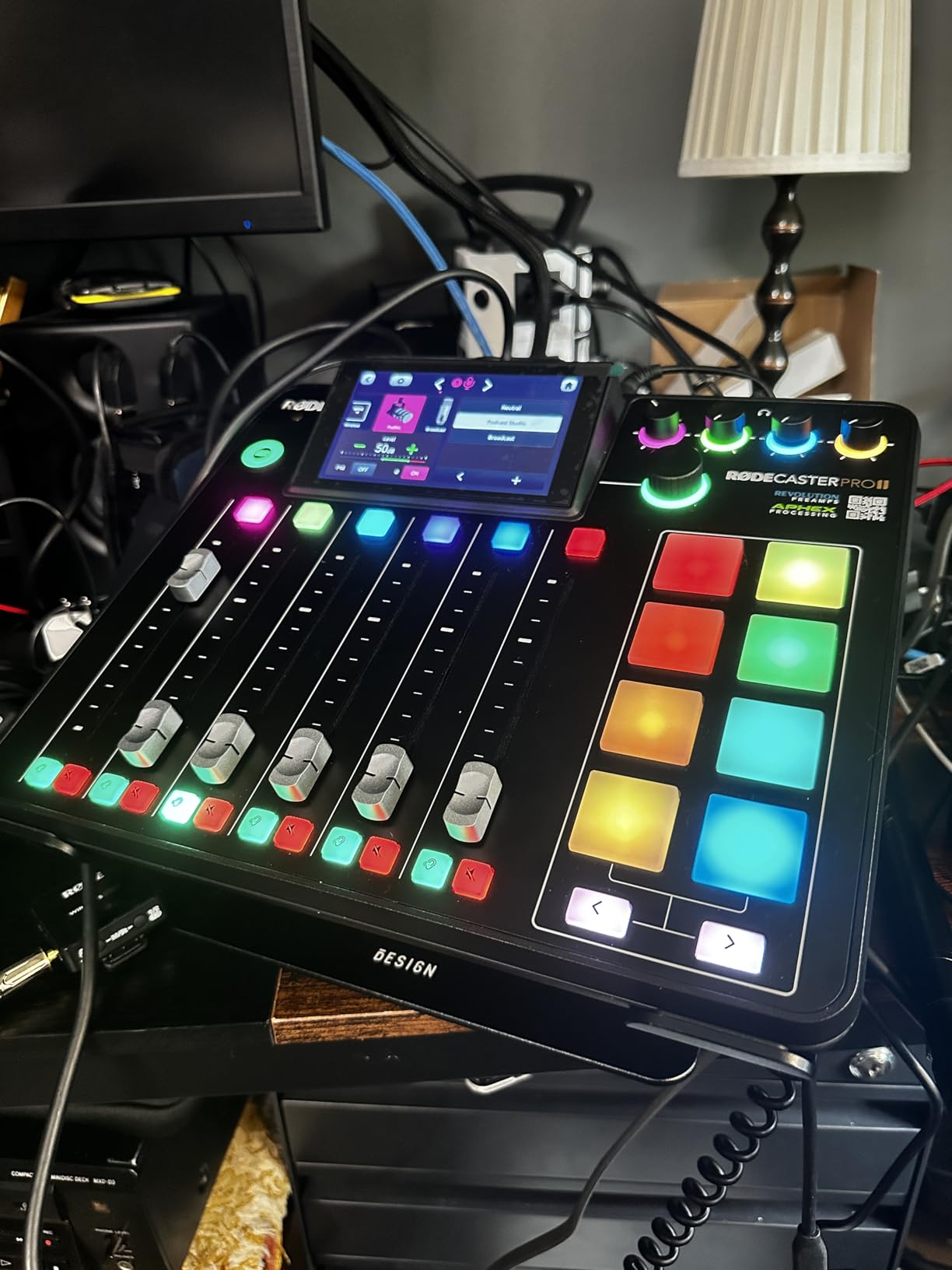
The Rode RODECaster Pro II is not just a mixer. It is a complete podcast production studio in a single device. With Revolution preamps, APHEX processing, eight SMART pads, a color touchscreen, and multitrack recording, this is the most feature-rich podcasting console I have ever tested.
The APHEX processing is what sets the RODECaster apart from every other mixer on this list. The Aural Exciter adds high-frequency sparkle, Big Bottom enhances low-end warmth, and the Compellor provides transparent level control. Running a vocal through these processors produces a radio-ready sound that would normally require a rack of outboard gear.
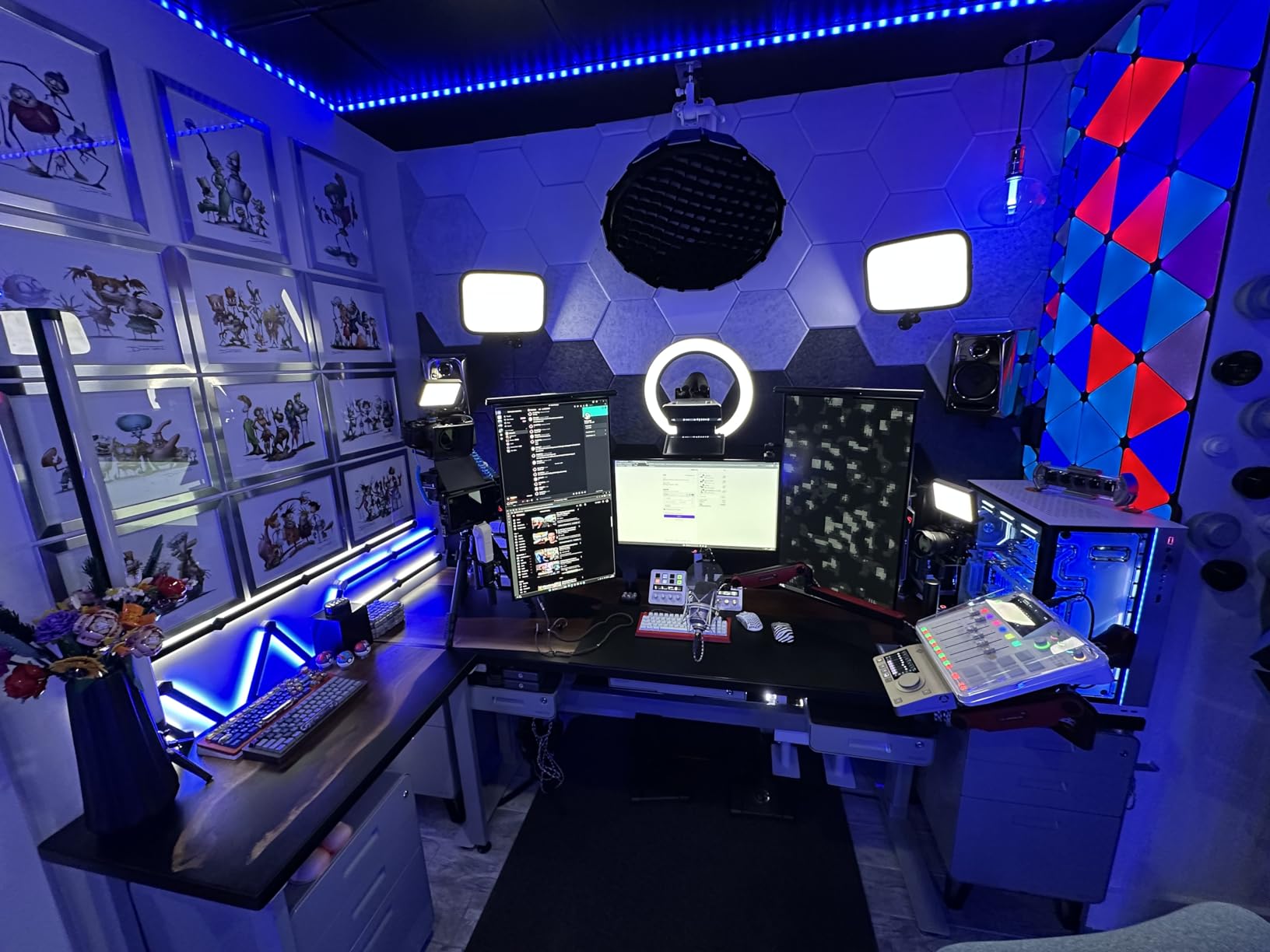
The eight SMART pads are fully programmable triggers that can play sound effects, music beds, or jingles. I loaded mine with a combination of podcast intro music, transition sounds, and ambient beds. The pads light up and feel satisfying to press during live recording sessions.
The touchscreen interface makes navigating settings surprisingly intuitive. Adjusting EQ, compression, and effects for each channel is as simple as tapping the screen and dragging sliders. For podcasters who are not audio engineers, this visual approach removes much of the intimidation factor.
Is the RODECaster Pro II Worth the Investment
If podcasting or content creation is your primary activity, absolutely. The RODECaster eliminates the need for separate preamps, audio interfaces, effects processors, and sound triggering software. It consolidates your entire workflow into one device that is designed specifically for spoken-word content production.
For music production or live sound reinforcement, there are better-suited options on this list. The RODECaster is optimized for voice and content creation, not for mixing bands or DJ performances.
Multitrack Recording Capabilities
The RODECaster Pro II records each input to its own track simultaneously, either to a microSD card or directly to a computer via USB. This gives you complete flexibility in post-production to adjust levels, apply effects, or re-record individual elements without affecting the others.
10. Mackie Mix5 – Best Ultra-Budget Compact Mixer
Mackie Mix5 5-Channel Compact Mixer, Black
5-Channel
1 Mic Input
2-Band EQ
Phantom Power
RCA I/O
1.4 lbs
High Headroom Design
Pros
- Extremely compact and portable
- High headroom low noise performance
- Clean undistorted sound
- Phantom power for condenser mics
- Perfect for simple streaming setups
- Affordable entry point
Cons
- No power switch
- Phantom power non-switchable at 15V
- Cannot control tape input volume
- Headphone volume tied to main output
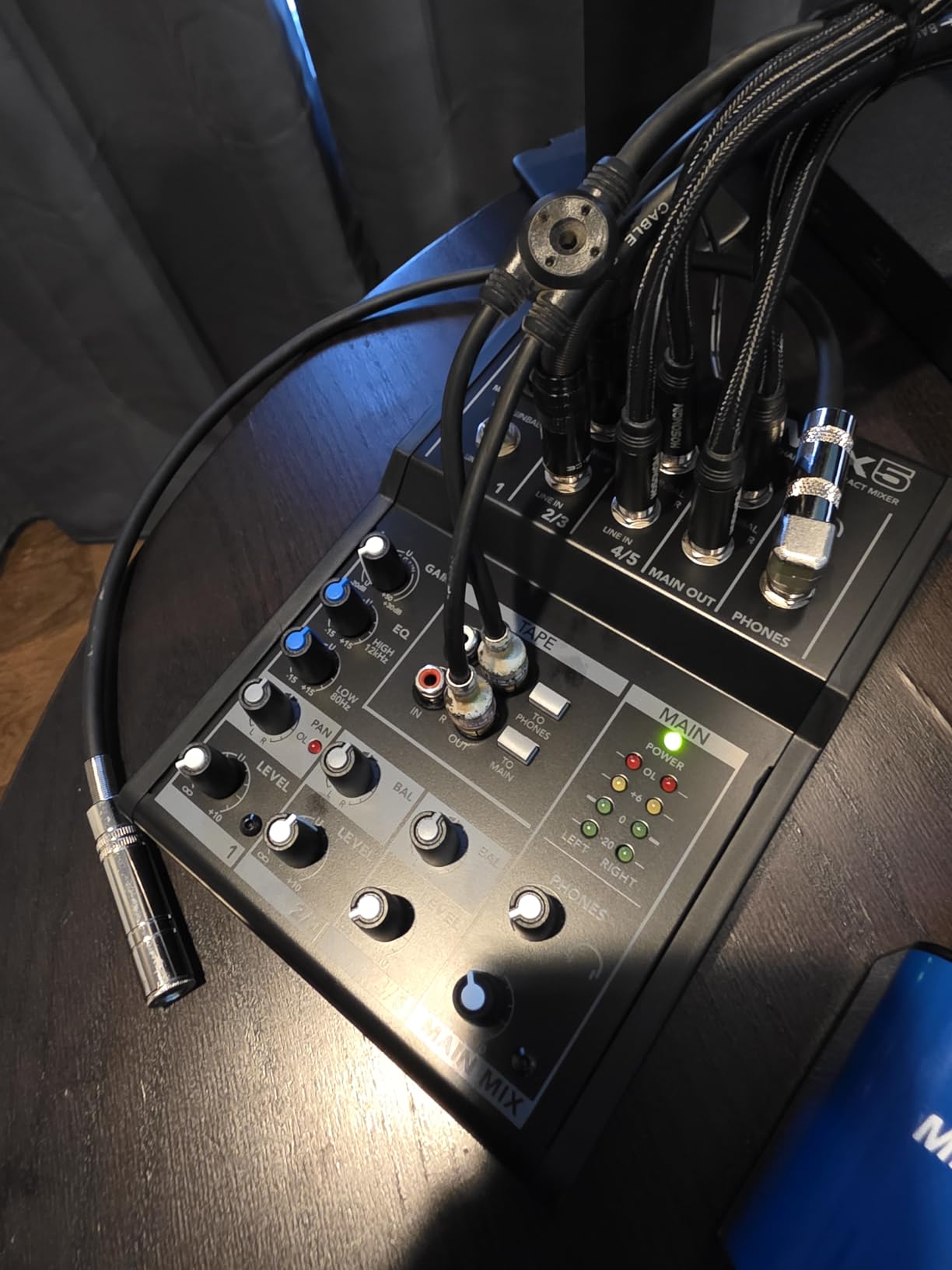
The Mackie Mix5 proves that you do not need to spend a fortune to get clean, professional audio. This 5-channel mixer weighs just 1.4 pounds but delivers the same high-headroom, low-noise design philosophy that Mackie is known for. I was genuinely surprised by how good a $80 mixer can sound.
I tested the Mix5 as part of a simple streaming setup with one condenser microphone and a line input from a gaming PC. The audio was clean with no audible noise or distortion. For basic single-microphone applications, this mixer does exactly what it needs to do.
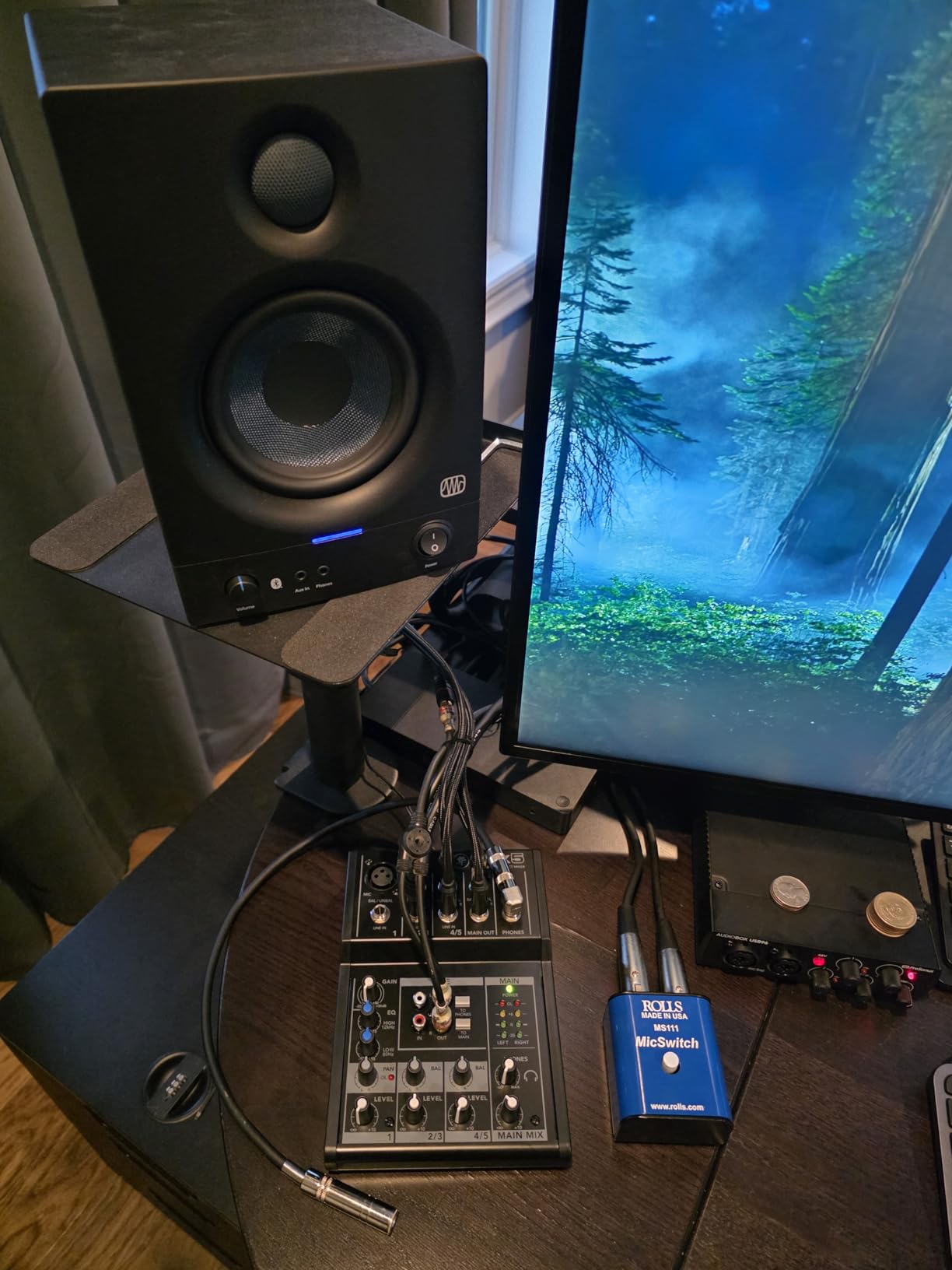
The phantom power works, though it is fixed at 15V rather than the standard 48V. Most condenser microphones will still function, but some higher-end models may require full 48V phantom power. This is a compromise at this price point that is worth understanding.
The lack of a power switch means the mixer is always on when plugged in. You will need to unplug it or use a switched power strip to turn it off. The headphone volume is also tied to the main output, which means you cannot monitor at a different level than what is being sent to your speakers.
Best Applications for the Mix5
This mixer excels in simple desktop streaming setups, keyboard mixing for home practice, and as a basic sub-mixer for routing multiple line-level sources. It is not designed for complex multi-microphone podcasting or live band mixing.
If you are just starting out with content creation and need to connect a single microphone to your computer through a clean analog path, the Mix5 is hard to beat at this price.
Understanding the Phantom Power Limitation
The non-switchable 15V phantom power is the main technical compromise. While most budget condenser microphones work fine with this voltage, some professional condenser mics specifically require 48V. Always check your microphone specifications before purchasing.
11. Pyle 8 Channel DJ Mixer – Best Budget Multi-Feature Mixer

Pyle 8 Channel DJ Audio Mixer, Bluetooth, DSP FX, USB, Audio Interface
8-Channel
Bluetooth
DSP FX
USB MP3
48V Phantom
3-Band EQ
Rugged Steel Chassis
Multi-Voltage
Pros
- Bluetooth wireless streaming
- 8 channels with XLR and quarter-inch inputs
- 48V phantom power for condenser mics
- 3-band EQ on all channels
- Rugged steel chassis
- Multi-voltage power supply for worldwide use
- Built-in USB MP3 player
Cons
- Documentation not very clear
- Main outputs use quarter-inch not RCA
- Output level may decrease over time
- Effects quality is basic
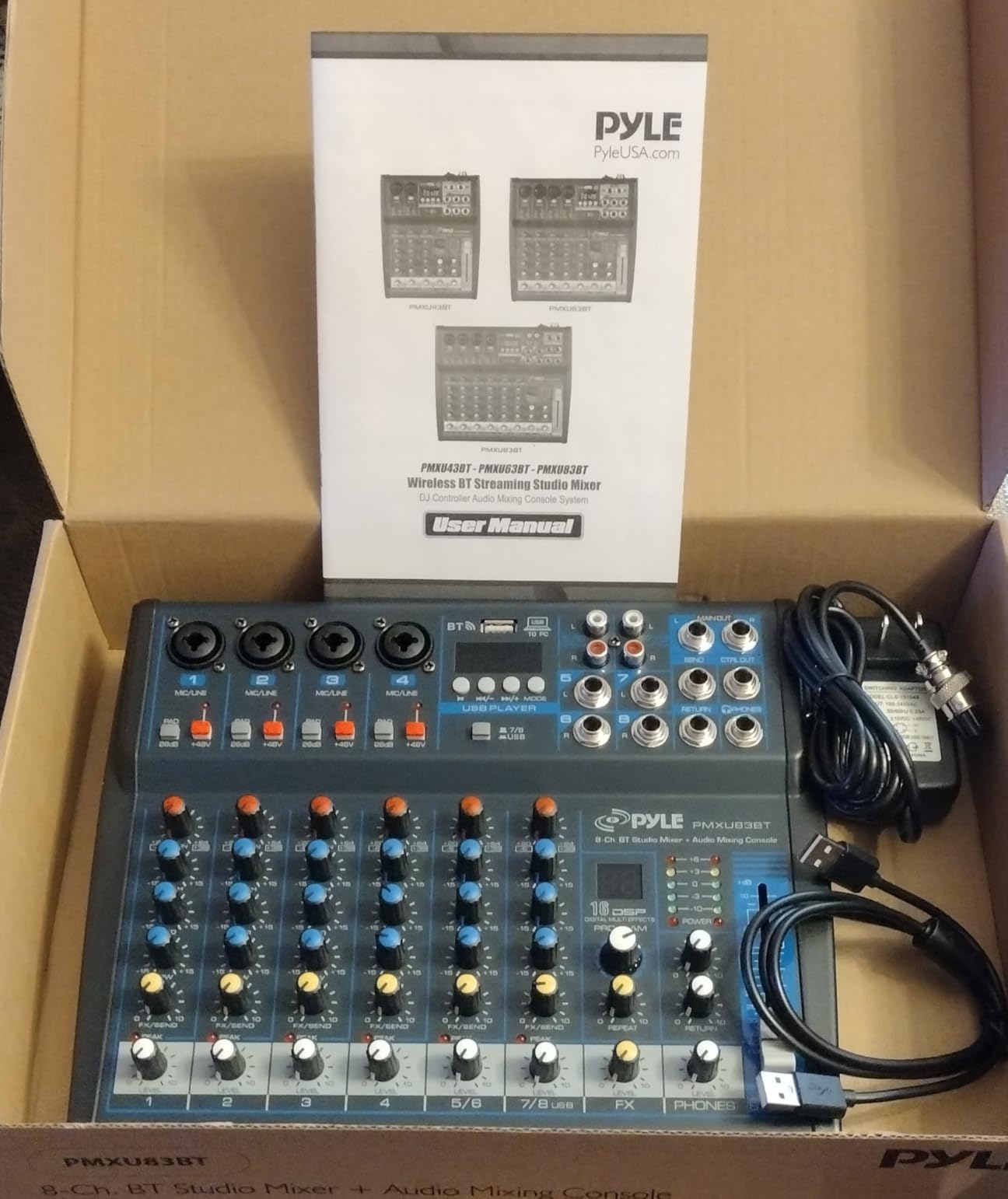
The Pyle 8 Channel DJ Mixer packs an impressive number of features into a budget-friendly package. Bluetooth streaming, DSP effects, USB MP3 playback, and full 48V phantom power give you a lot of functionality for the money. I tested it as a home studio mixer and found it surprisingly capable for the price.
The Bluetooth connectivity is genuinely useful for streaming backing tracks or reference music without running cables across your studio. The connection was stable within about 30 feet, and the audio quality was acceptable for monitoring purposes.
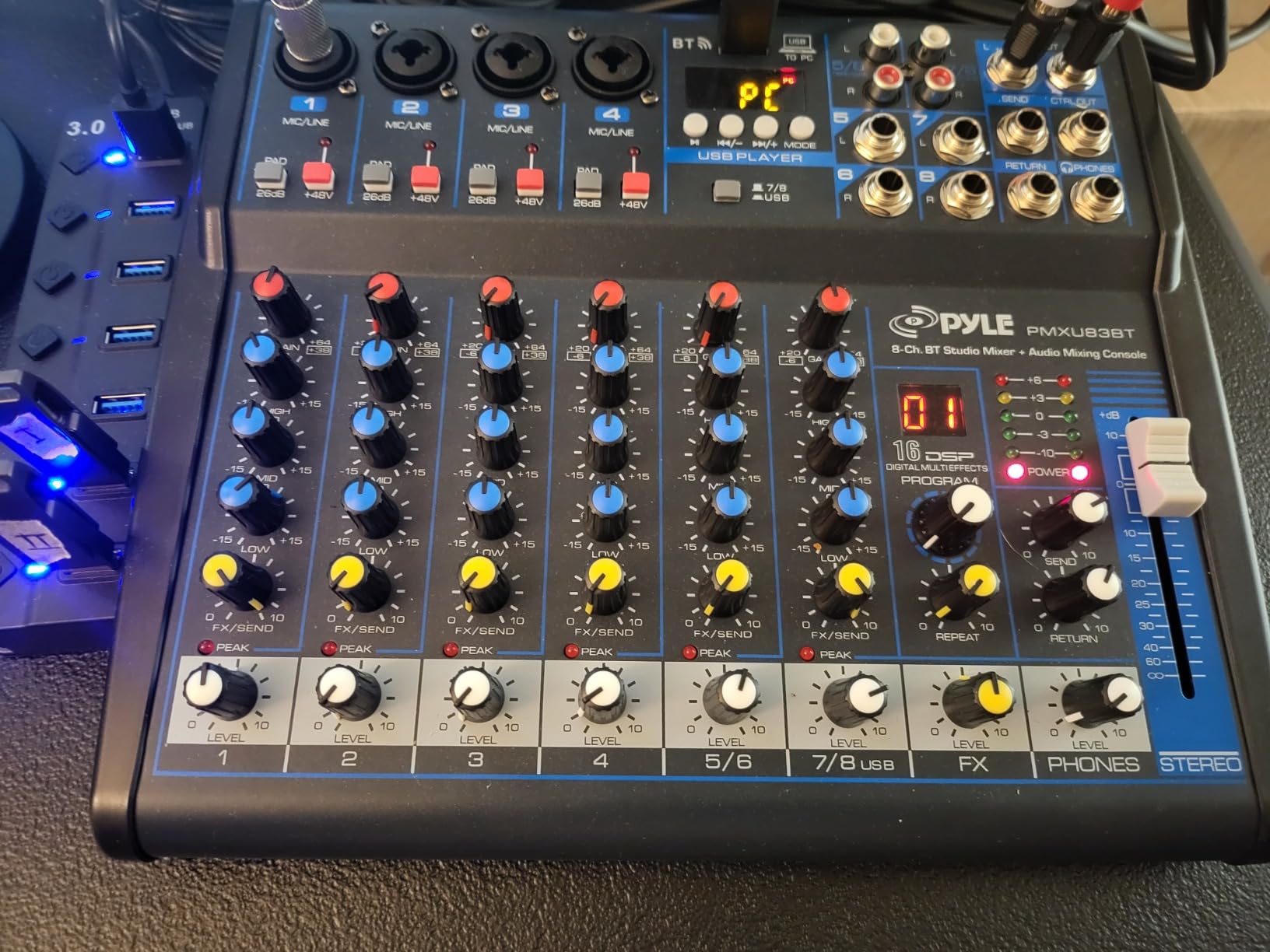
Eight channels with 3-band EQ on each gives you real mixing power. I connected four microphones, a keyboard, and a guitar DI simultaneously with room to spare. The EQ on each channel allows meaningful tonal shaping, though the frequency points are fixed rather than sweepable.
The DSP effects processor provides basic reverb, delay, and modulation effects. These are functional but not spectacular. Think of them as utility effects rather than creative tools. For podcasting and basic home recording, they are adequate.
When the Pyle Mixer Makes Sense
This is a solid choice for budget-conscious home studio owners, small rehearsal spaces, and mobile DJs who need multiple channels without spending much. The feature-to-price ratio is excellent, even if individual component quality is not at the level of Yamaha or Mackie.
Long-Term Durability Considerations
Some users report that output levels may decrease over extended use. The sealed rotary controls help resist dust, but the internal components are not built to the same standard as premium brands. For light to moderate use, this mixer should serve you well. For daily professional use, invest in a more durable option.
12. Behringer XENYX X1222USB – Best Feature-Rich Analog Mixer for Live Performance
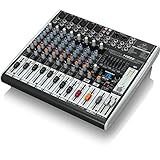
Behringer XENYX X1222USB Premium 16-Input 2/2-Bus Mixer with XENYX Mic Preamps and Compressors, British EQ, 24-Bit Multi-FX Processor and USB/Audio Interface
16-Input 2/2-Bus
4 XENYX Preamps
4 One-Knob Compressors
Multi-FX 16 Presets
FBQ Feedback Detection
USB Interface
Pros
- Four studio-grade one-knob compressors
- British 3-band EQ for warm musical sound
- 16 editable FX presets
- Built-in feedback detection system
- USB audio interface
- High headroom ultra-low noise design
Cons
- Only 2 line outputs to PC via USB
- Compression limited to first 4 channels
- Limited headroom above 0dB
- Some reliability concerns reported
The Behringer XENYX X1222USB is a feature-packed 16-input analog mixer that brings studio-grade compression, a multi-effects processor, and feedback detection to a mid-range price point. I tested this mixer for a live band scenario and found the combination of four compressors and 16 effects presets genuinely useful.
The one-knob compressors on the first four channels are a standout feature. Each compressor has a single dial that controls the amount of compression applied. For vocals and acoustic instruments, this simplified approach saves significant setup time compared to configuring full compressor parameters.
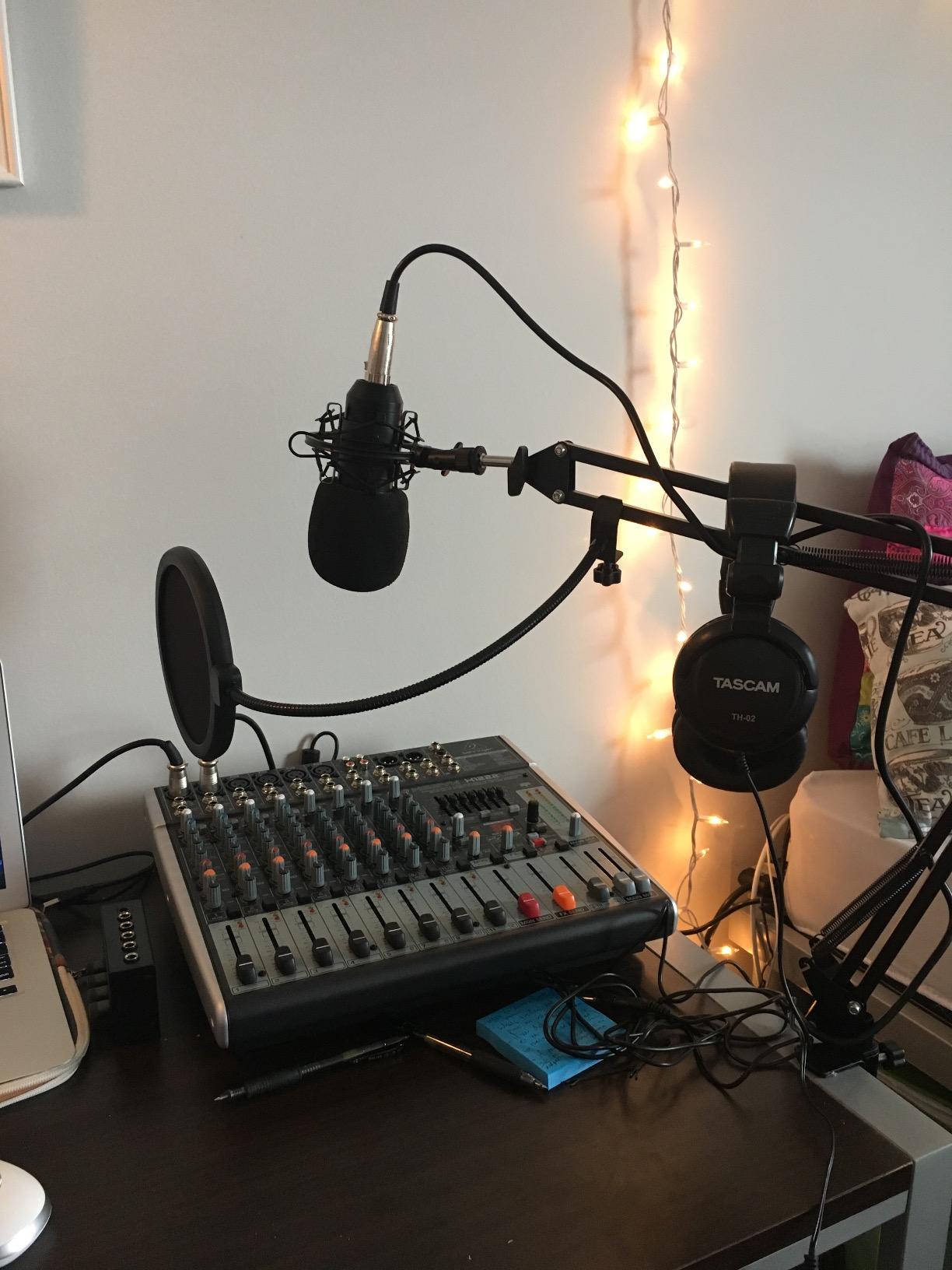
The 24-bit multi-FX processor provides 16 editable presets covering reverb, chorus, flanger, and delay. The reverb presets sound surprisingly good for live applications, adding natural ambience to vocals without overwhelming them. The ability to edit parameters within each preset gives you more control than fixed effects.
The FBQ feedback detection system is a clever feature that uses the EQ LEDs to identify which frequency is causing feedback. When you see a particular EQ band lighting up brightly, you know exactly where to cut. This is invaluable for live sound reinforcement in challenging acoustic environments.
Live Sound Performance Notes
In my live testing, the X1222USB handled a full five-piece band with drums, bass, two guitars, and three vocal microphones without breaking a sweat. The high-headroom design prevented clipping even during loud passages. However, I did notice the headroom above 0dB is limited compared to premium mixers.
Understanding the USB Recording Limitation
The USB interface sends only a stereo mix to your computer, not individual channels. This means you cannot record each input separately for later mixing. For live recording where you just need a stereo capture of the full mix, this works fine. For multitrack recording, look elsewhere.
13. Yamaha MG12XU – Best 12-Channel Mixer for Bands and Studios

Yamaha Mg12Xu 12-Input 4-Bus Mixer With Effects
12-Input 4-Bus
D-PRE Preamps
SPX Effects
1-Knob Compressors
Bi-directional USB
Metal Chassis
Balanced XLR
Pros
- D-PRE mic preamps with inverted Darlington circuit
- Clean and quiet operation with no noise
- Built-in SPX digital effects
- One-knob compressors work effectively
- Professional XLR balanced outputs
- Intuitive layout and control design
Cons
- Power cable not always included
- 3-band EQ could be more comprehensive
- Larger footprint than compact alternatives
The Yamaha MG12XU takes everything great about the MG10XU and adds more channels, more mic inputs, and a 4-bus architecture that gives you additional routing flexibility. For bands and studios that need 12 channels of professional analog mixing, this is my top recommendation.
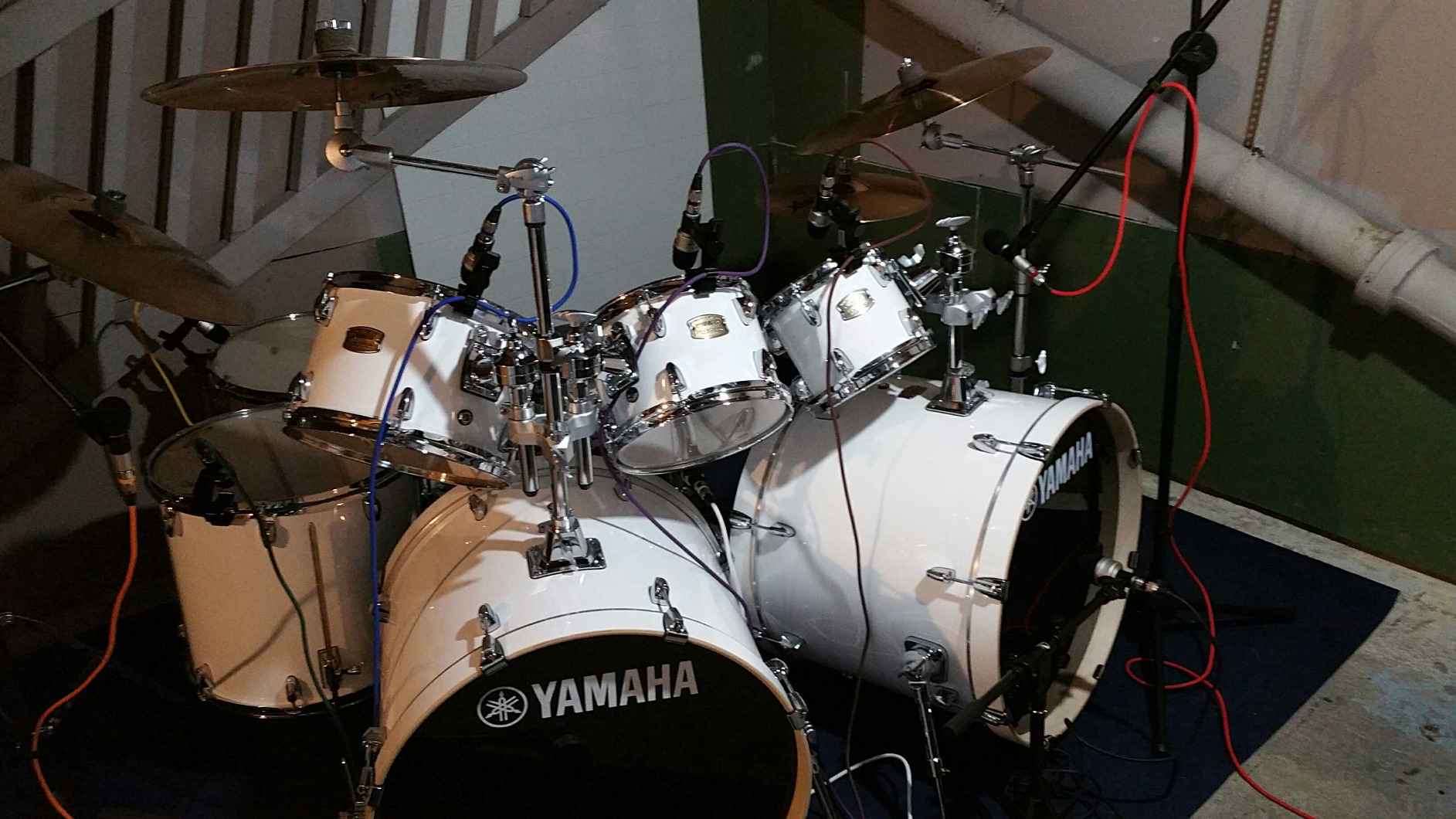
I ran a full drum kit through the MG12XU using seven microphones, and the D-PRE preamps captured every nuance with clarity and warmth. The 128dB dynamic range meant I could handle the extreme level differences between a quiet snare ghost note and a full-force kick drum hit without noise or clipping issues.
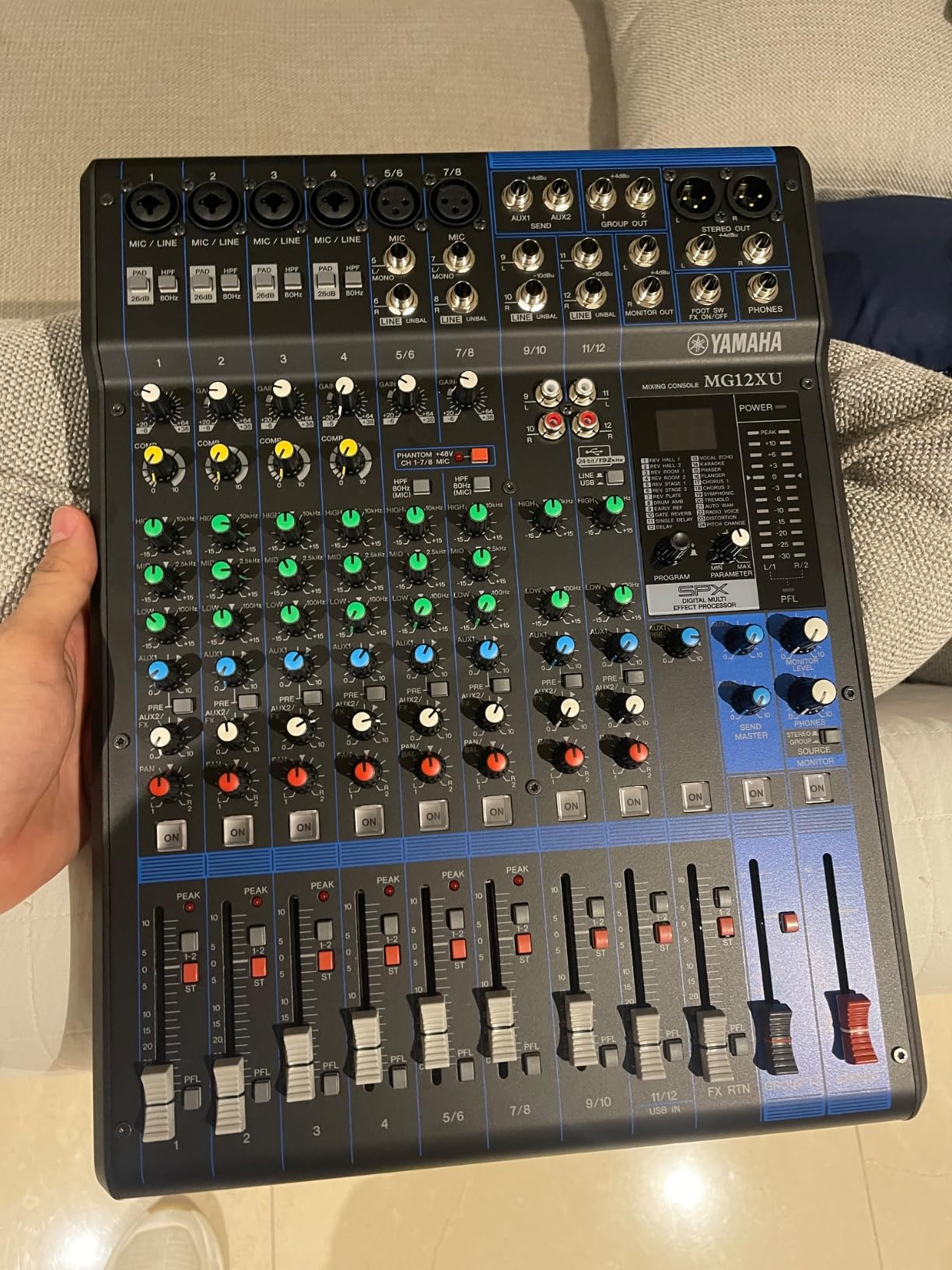
The SPX effects engine provides the same high-quality reverb, delay, and modulation effects as the smaller MG10XU. These effects are studio-grade and add professional polish to live performances. The one-knob compressors on the mic channels are particularly useful for taming dynamic vocals and percussion.
The bi-directional USB interface allows you to record a stereo mix to your computer while simultaneously playing back audio from your DAW. This 2-way USB functionality is useful for overdubbing and for playing backing tracks during live performances.
Comparing the MG12XU to the MG10XU
The main difference beyond channel count is the 4-bus architecture. The MG12XU gives you four group buses that allow you to submix groups of channels before they reach the main output. For example, you can route all drum microphones to bus 1-2 and control the entire drum kit with two faders.
Power Supply and Connectivity Notes
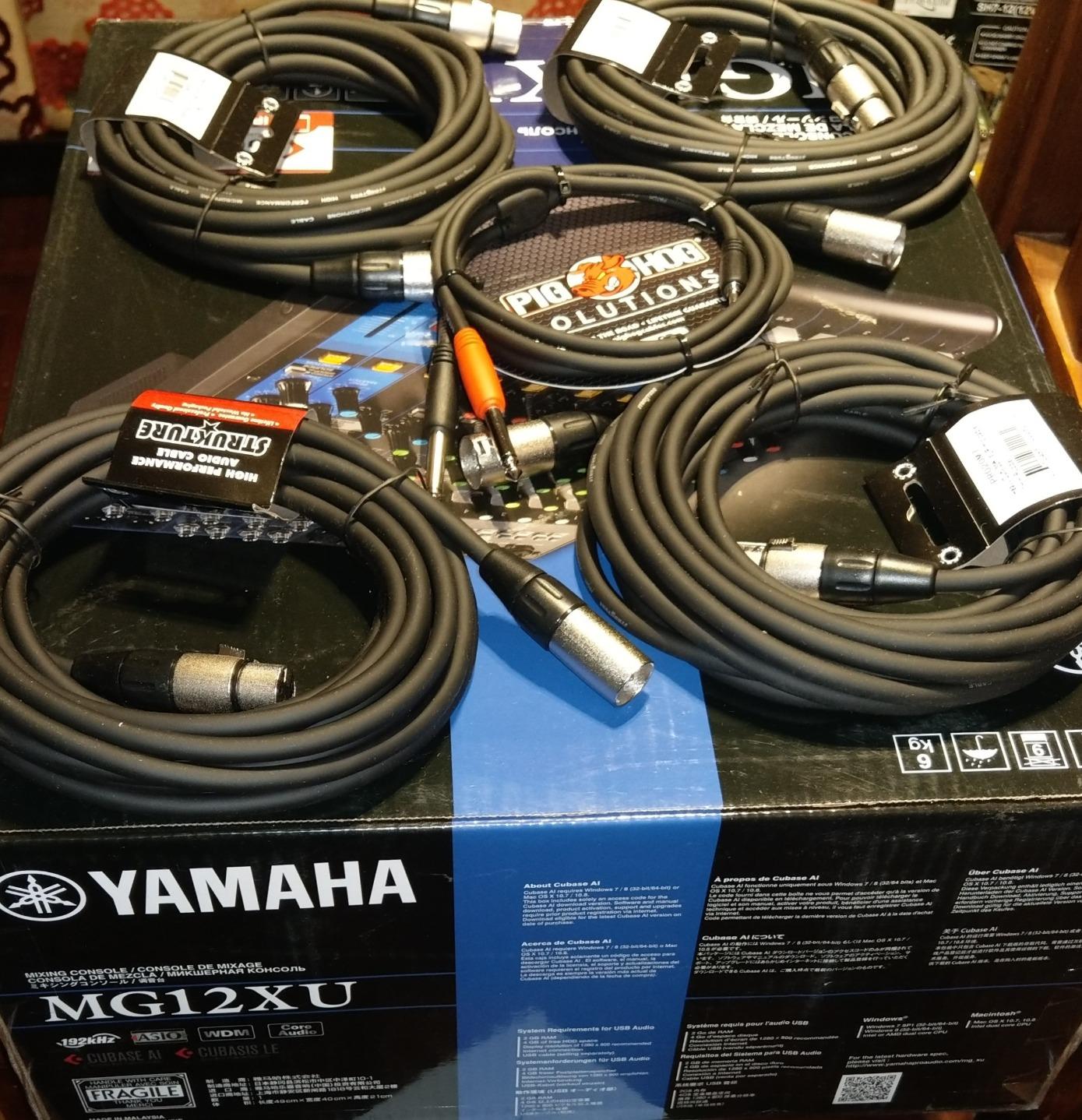
Some users report that the power cable is not always included with purchase, so verify what is in the box before buying. The internal universal power supply means you do not need a wall adapter, which is a nice touch for reliability. The balanced XLR outputs connect directly to professional PA systems without signal loss.
14. Mackie 802VLZ4 – Best 8-Channel Premium Analog Mixer

Mackie 802VLZ4, 8-channel Ultra Compact Mixer with High Quality Onyx Preamps
8-Channel
3 Onyx Preamps
High Headroom
RF Rejection
Instrument Switch
Aux Send
4.5 lbs
Pros
- Boutique-quality Onyx mic preamps
- Improved RF rejection for broadcast
- Solid metal construction
- Instrument switch eliminates need for DI boxes
- Compact and portable at 4.5 pounds
- High-headroom low-noise design
Cons
- Knobs lack rubber coating for grip
- No center detent on most knobs
- Headphone volume not independent from main mix
- Power adapter considerations for some regions
The Mackie 802VLZ4 is a premium 8-channel analog mixer that exemplifies Mackie’s design philosophy of high headroom and low noise. With three boutique-quality Onyx preamps and improved RF rejection, this mixer is built for professional applications where audio quality cannot be compromised.
I used the 802VLZ4 in a broadcast setting and was impressed by the RF rejection. In environments with significant radio frequency interference from WiFi routers, cell phones, and fluorescent lights, this mixer stayed quiet and clean. The Onyx preamps delivered transparent, detailed sound that captured the full character of each source.
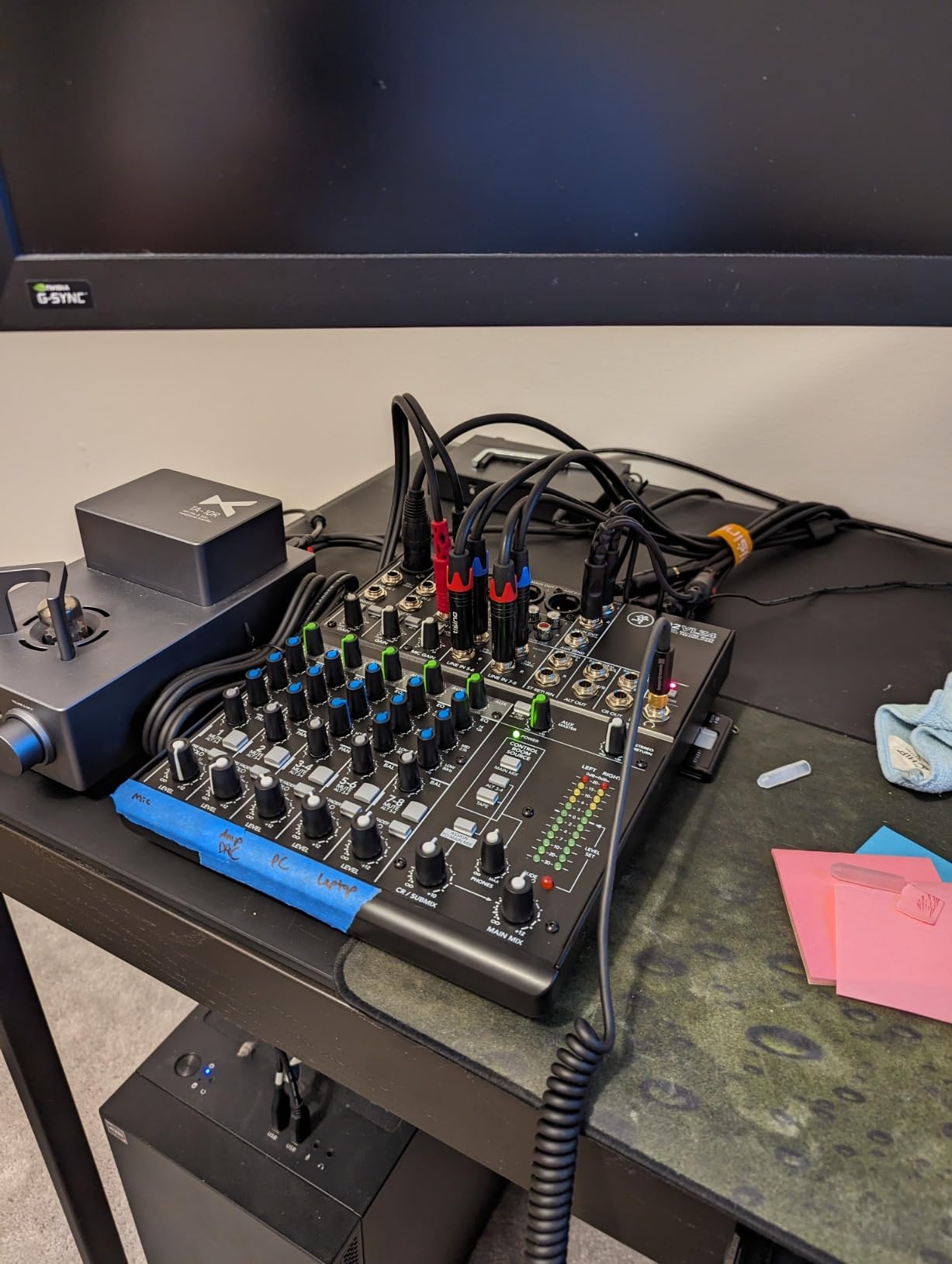
The instrument switch on channels 1 and 2 is a feature I did not fully appreciate until I used it. Instead of needing a direct injection box to connect an electric guitar or bass directly, you simply press the instrument button and plug straight in. This simplifies setup for small acoustic acts and solo performers.
The aux send with pre/post switching gives you flexible monitor routing. I used this feature to create a separate monitor mix for a vocalist while maintaining the main front-of-house mix. The ability to switch between pre-fader and post-fader aux sends is essential for professional monitor mixing.
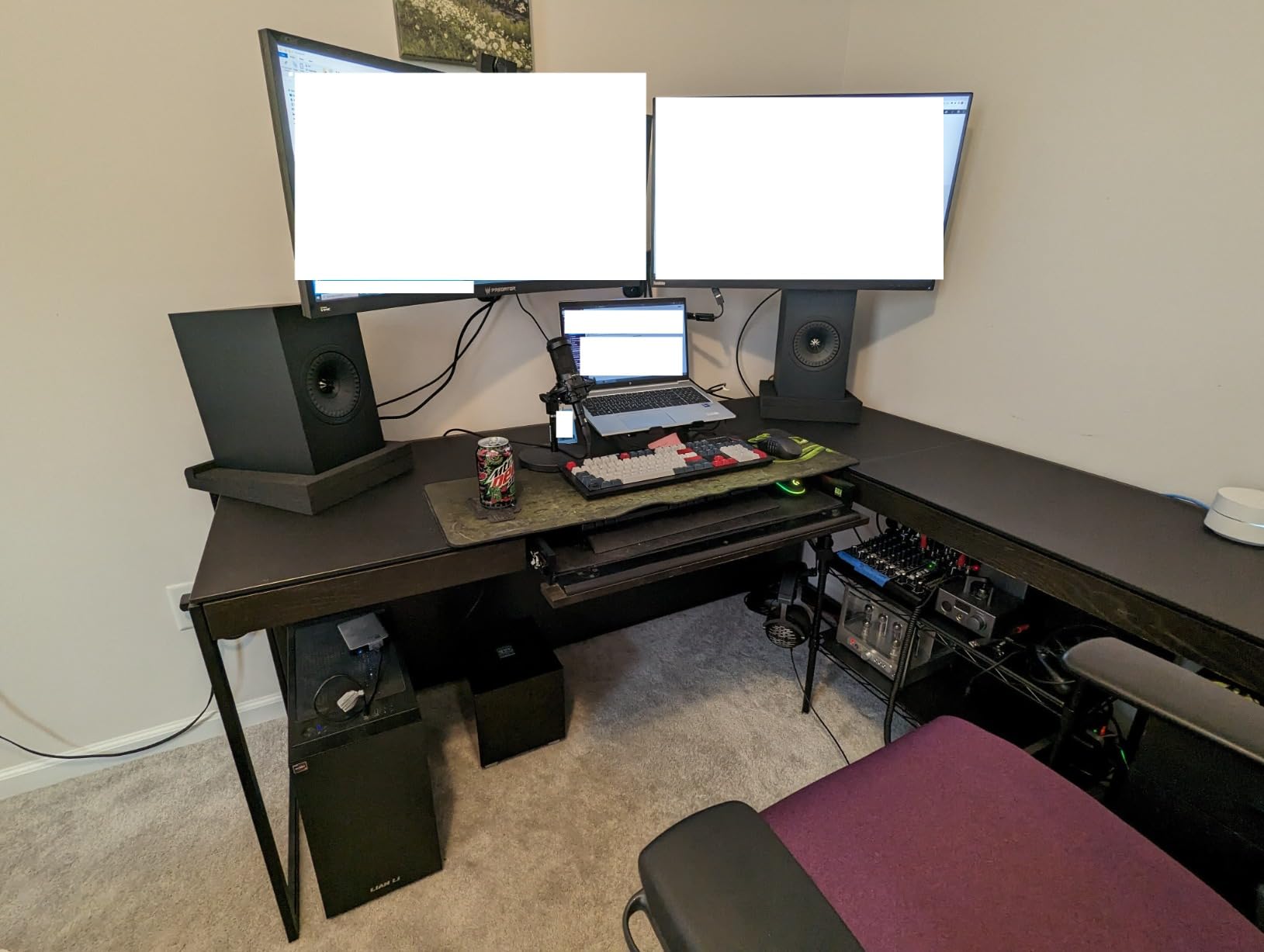
What Makes Onyx Preamps Special
Mackie designed the Onyx preamps to compete with boutique standalone preamps costing hundreds of dollars per channel. The specification of 60dB of gain with extremely low noise and distortion puts these preamps in professional territory. In blind listening tests, many engineers cannot distinguish Onyx preamps from dedicated outboard units.
Ergonomic Considerations
The knobs on the 802VLZ4 lack the rubber coating found on some competitors, which can make them slightly less grippy. More notably, most knobs do not have a center detent, meaning you cannot feel when you are at the neutral position. These are minor ergonomic issues that do not affect audio quality but are worth knowing.
15. Depusheng DT12 – Best Budget 12-Channel Mixer

Depusheng DT12 Studio Audio Mixer 12-Channel DJ Sound Controller Interface w/USB Drive for Computer Recording Input, XLR Microphone Jack, 48V Power, RCA Input/Output for Professional and Beginners
12-Channel
Bluetooth
48V Phantom
3-Band EQ
USB Recording
Ultra-Thin 1.6in
LED Meter
4.3 kg
Pros
- Excellent value for 12 channels
- Bluetooth wireless streaming
- 48V phantom power for condenser mics
- Individual XLR connections on all channels
- Crystal clear audio for the price
- Solid build quality
- Responsive tech support from manufacturer
Cons
- Effects and reverb quality is basic
- EQ allows only preset frequency adjustments
- May produce hiss on some units
- USB input for karaoke is basic
The Depusheng DT12 offers something remarkable: 12 channels of mixing with Bluetooth connectivity and phantom power at a price that seems too good to be true. After testing it for two weeks with a home studio setup, I can confirm it delivers genuine functionality even if it makes some compromises to hit its price point.
The 12 individual channels with XLR inputs give you real mixing capability. I connected six microphones, two keyboards, and a drum machine simultaneously during testing. Every channel worked as expected, and the signal routing was straightforward. The 3-band EQ on each channel provides basic but useful tonal control.
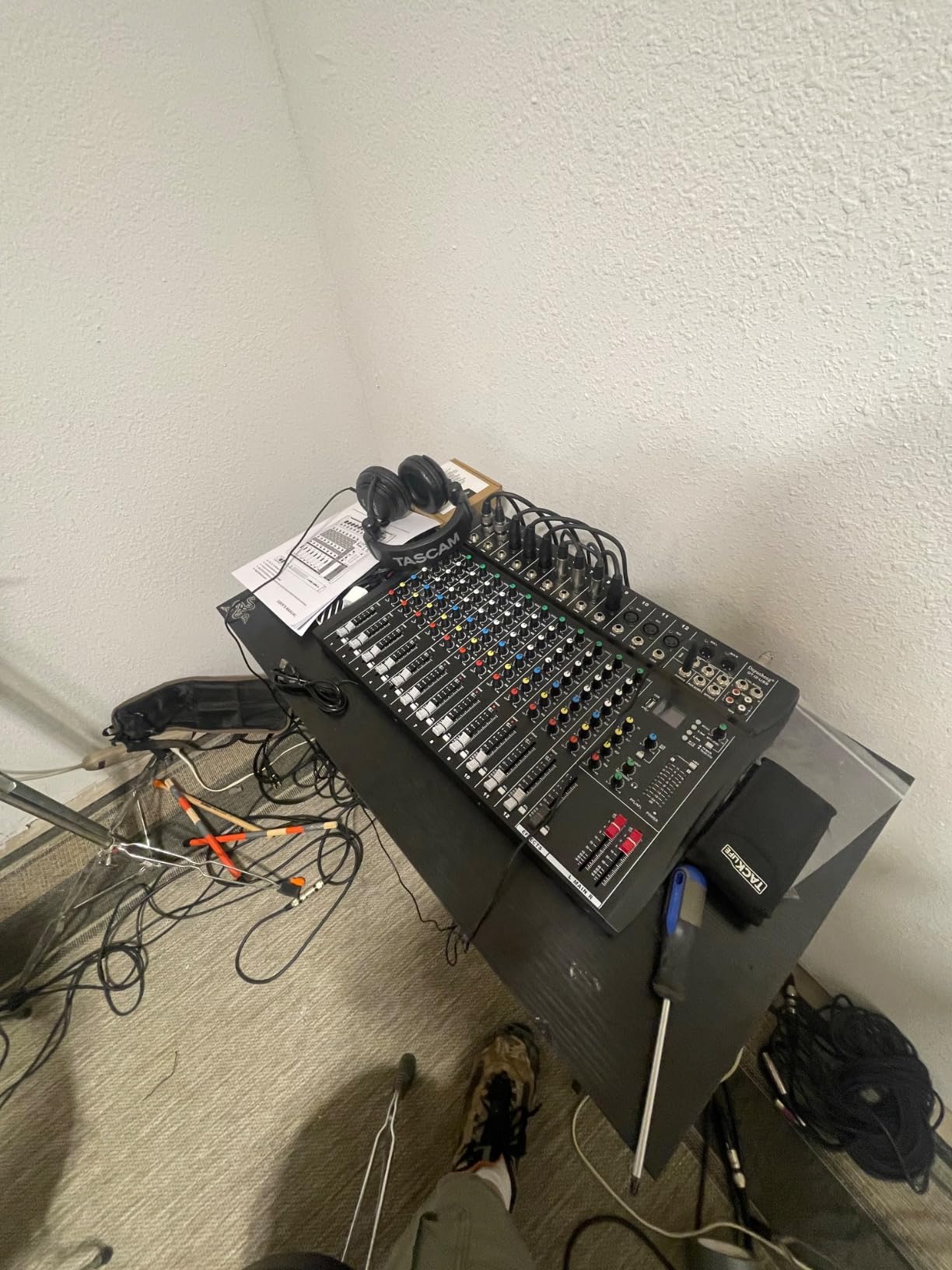
Bluetooth connectivity worked reliably within about 15 feet, allowing me to stream reference tracks from my phone without connecting cables. The ultra-thin 1.6-inch chassis looks professional on a desk and saves significant space compared to bulkier mixers.
The effects processing is the weakest link. The reverb and effects sound basic compared to the SPX engine in Yamaha mixers or the GigFX in Mackie products. If you need professional-quality effects, plan to use plugins in your DAW rather than relying on the built-in processing.
Is the Depusheng DT12 Right for You
This mixer makes sense for budget-conscious users who need lots of channels without spending much. Home studio owners, small churches, and community theaters can benefit from the 12-channel layout at a fraction of the cost of premium alternatives.
I would not recommend this mixer for professional live sound or critical recording applications. The potential for hiss on some units and basic effects quality mean you are making trade-offs for the price. For learning, practicing, and light-duty applications, it is a solid value.
Managing Expectations on Noise Floor
Some users report audible hiss on certain units, particularly on the higher-numbered channels. This appears to be a quality control issue rather than a fundamental design flaw. If you receive a unit with excessive noise, contact the manufacturer. Multiple reviews praise Depusheng’s customer support for addressing issues promptly.
How to Choose the Best Audio Mixer
Choosing the right audio mixer comes down to understanding your specific needs and matching them to the right features. After testing 15 mixers across multiple categories, here is what matters most when making your decision.
Analog vs Digital Mixers
Analog mixers offer immediate, tactile control with every parameter accessible through physical knobs and faders. They are simpler to operate and generally more reliable over time since there is no firmware to worry about. Yamaha, Mackie, and Allen and Heath build analog mixers that last decades.
Digital mixers provide features that analog boards cannot match: scene recall, parametric EQ on every channel, built-in compression and gating, and app-based remote control. The Behringer FLOW 8 and XR18 demonstrate how affordable digital mixing has become. The trade-off is a steeper learning curve.
How Many Channels Do You Need
Count every audio source you need to mix simultaneously, then add two channels for future expansion. A solo podcaster needs 2 to 4 channels. A full band requires 12 to 16 channels. A small live venue might need 8 to 12 channels.
Remember that stereo sources like keyboards consume two channels each. A keyboard player with two stereo keyboards already needs 4 channels before adding vocals or other instruments.
Preamp Quality Matters More Than Features
The microphone preamps are the most critical component in any mixer. Cheap preamps introduce noise, coloration, and limited headroom that no amount of EQ or effects can fix. Yamaha D-PRE, Mackie Onyx, and Midas preamps consistently deliver clean, professional sound.
Forum communities on Reddit repeatedly emphasize that sound quality trumps features for serious recording. A simple mixer with excellent preamps will outperform a feature-rich mixer with mediocre preamps every time.
USB and Recording Connectivity
If you plan to record to a computer, USB connectivity is essential. Check whether the USB interface provides stereo mix output only or multitrack recording capability. Mixers like the Behringer XR18 and Zoom LiveTrak L6max offer full multitrack recording, while most budget analog mixers provide stereo only.
Also verify the USB audio quality. Look for 24-bit resolution at minimum, with 48kHz or higher sample rates for professional recording. The Mackie ProFX10v3 leads this category with 24-bit/192kHz recording capability.
Built-in Effects and Processing
Built-in effects can save you money on external processors, but quality varies dramatically. Yamaha SPX effects and Mackie GigFX are genuinely usable for live performance and recording. Budget mixer effects, like those on the Pyle and Depusheng models, are functional but not inspiring.
Built-in compression is particularly valuable for vocals and dynamic instruments. One-knob compressors on the Yamaha MG series and Behringer XENYX line make it easy to control dynamics without understanding complex compressor parameters.
Reliability and Long-Term Durability
This is where most reviews fail you. A mixer is a long-term investment, and reliability matters more than any feature checklist. Yamaha and Mackie consistently earn praise for longevity, with many units from the 90s still in daily use.
Reddit users frequently state they would take a used Yamaha, Allen and Heath, or Mackie over a new budget mixer. The internal components, build quality, and quality control processes at established brands result in products that last.
Use Case Decision Guide
For podcasting with up to 4 people, look at the Behringer XENYX 1204USB or Yamaha MG10XU. For live streaming and gaming, the FIFINE AmpliGame SC3 or Rode RODECaster Pro II are purpose-built. For home studio recording, the Mackie ProFX10v3 or Yamaha MG12XU deliver professional results. For live sound, the Behringer XR18 or Zoom LiveTrak L6max offer maximum flexibility.
FAQs
Which sound mixer is the best?
The Yamaha MG10XU is our top pick for the best overall audio mixer thanks to its D-PRE preamps, built-in SPX effects, USB interface, and one-knob compressor. It delivers professional sound quality for home studios, podcasting, and live performances at a reasonable price point.
What brand mixer is the best?
Yamaha, Mackie, and Allen and Heath are consistently rated as the most reliable mixer brands by both professionals and forum communities. Yamaha is known for D-PRE preamps and long-term reliability. Mackie is praised for Onyx preamps and high-headroom design. For digital mixers, Behringer with Midas preamps and Zoom offer excellent value.
What do professionals use to mix music?
Professionals typically use digital mixing consoles like the Behringer X AIR XR18 for live sound, or dedicated audio interfaces paired with DAW software for studio recording. In professional recording studios, large-format analog consoles from SSL, Neve, and API are common. For podcasting and content creation, the Rode RODECaster Pro II is a popular professional choice.
What is the best mixer in the world?
There is no single best mixer in the world because the ideal choice depends entirely on your use case. For home studios, the Yamaha MG10XU offers the best balance of quality and value. For podcasting, the Rode RODECaster Pro II leads the category. For live sound, the Behringer X AIR XR18 provides professional features at an accessible price. For portability, the Zoom LiveTrak L6max with 32-bit float recording is unmatched.
How many channels do I need on an audio mixer?
Count every audio source you need to mix at the same time, then add two for future expansion. A solo podcaster needs 2 to 4 channels. A small band requires 8 to 12 channels. A full drum kit alone may need 6 to 8 channels. Remember that stereo instruments like keyboards use two channels each.
Final Thoughts on the Best Audio Mixers
After testing 15 of the best audio mixers across every category and price point, the Yamaha MG10XU remains our top overall pick for 2026. Its combination of D-PRE preamps, SPX effects, USB recording, and legendary Yamaha reliability makes it the most versatile mixer for the majority of users.
For budget-conscious streamers, the FIFINE AmpliGame SC3 delivers exceptional value with XLR input and phantom power. For podcasters who want an all-in-one solution, the Rode RODECaster Pro II justifies its premium price with APHEX processing and SMART pads. And for live sound engineers, the Behringer X AIR XR18 with its 16 Midas preamps and iPad control represents the best value in digital mixing.
The most important takeaway from our testing is that preamp quality and long-term reliability matter more than feature counts. A simple mixer from Yamaha or Mackie will serve you better for years than a feature-packed budget mixer that introduces noise or fails prematurely. Choose based on your actual needs, invest in quality preamps, and your mixer will be a reliable creative tool for years to come.