
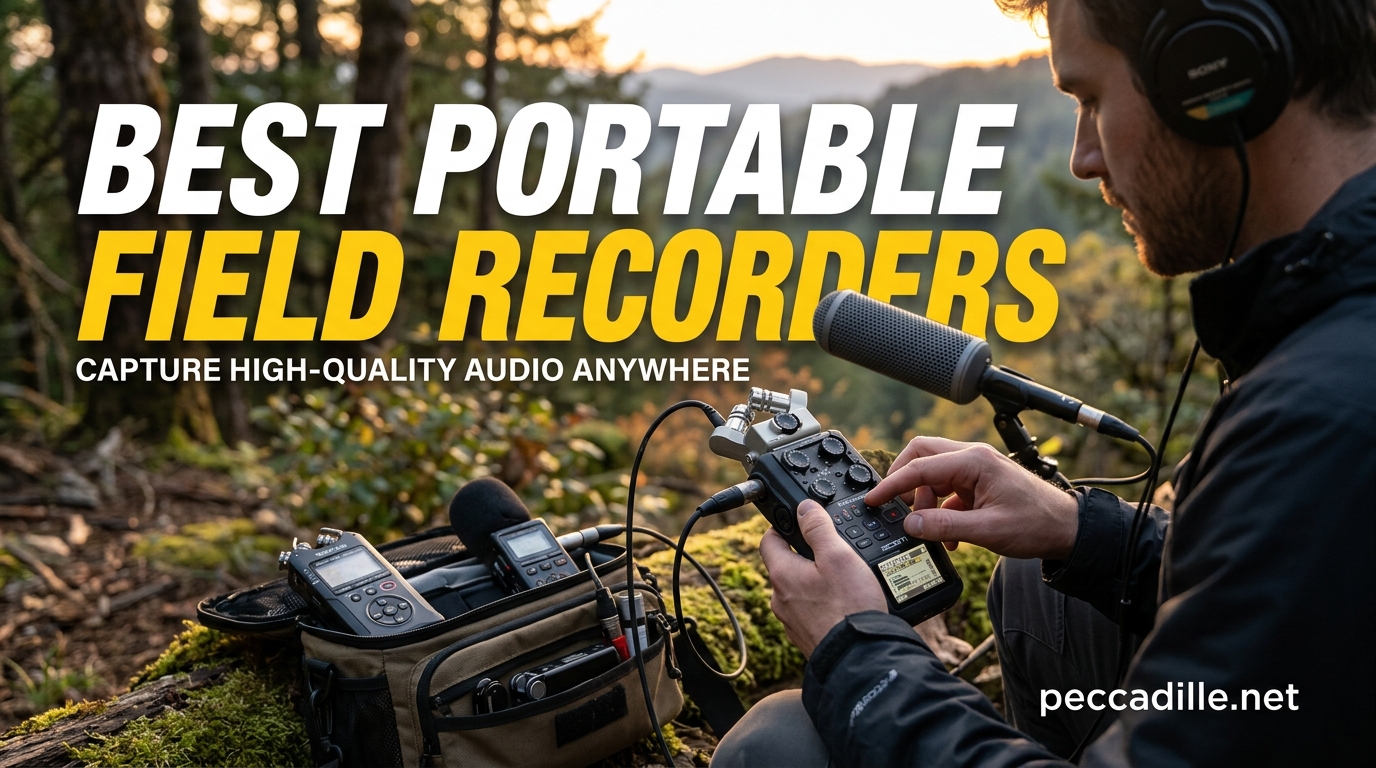
I have spent the last three years recording everything from indie band rehearsals to distant forest birdsong, and the right portable field recorder makes all the difference between a usable take and a ruined session. When I first started exploring location recording, I made the classic mistake of relying on my phone. The results were flat, noisy, and completely unusable for anything beyond voice memos. That frustration pushed me into the world of dedicated digital audio recorders, and I never looked back.
Finding the best portable field recorders in 2026 is not just about buying the most expensive unit. It is about matching features like 32-bit float recording, preamp quality, and input flexibility to how you actually work in the field. Whether you are a podcaster recording interviews at a coffee shop, a filmmaker capturing dialogue on set, or a nature recordist chasing ambient sounds at dawn, the ideal handheld recorder needs to balance audio quality with genuine portability.
This guide breaks down 10 field recorders I have tested and compared across real recording scenarios. I cover everything from budget-friendly pocket recorders under $110 to professional multitrack machines with dual AD converters and timecode support. I also explain what 32-bit float actually does, how to evaluate preamps, and which features matter most for your specific use case. Let me walk you through the top picks so you can find the right recorder before your next session.
Top 3 Picks for Best Portable Field Recorders

Zoom F3 Professional Field Recorder
- 32-bit float recording
- Dual locking XLR inputs
- Ultra-low-noise preamps
- Dual AD converters

Zoom H1 Essential Handheld Recorder
- 32-bit float stereo recording
- X/Y mics up to 120dB SPL
- USB microphone mode
- 96kHz sample rate

TASCAM DR-05XP Field Recorder
- 32-bit float recording
- Omnidirectional condenser mics
- 125dB SPL handling
- 17 hours battery life
Best Portable Field Recorders in 2026
| Product | Specifications | Action |
|---|---|---|
|
Zoom H1 Essential
|
|
Check Latest Price |
 Zoom H1 XLR
|
|
Check Latest Price |
 Zoom H4 Essential
|
|
Check Latest Price |
|
Tascam DR-05XP
|
|
Check Latest Price |
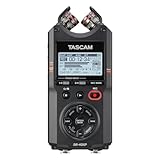 Tascam DR-40XP
|
|
Check Latest Price |
|
Zoom F3
|
|
Check Latest Price |
 Zoom H2 Essential
|
|
Check Latest Price |
 Zoom H6 Essential
|
|
Check Latest Price |
 Roland R-07
|
|
Check Latest Price |
 Tascam FR-AV2
|
|
Check Latest Price |
1. Zoom F3 Professional Field Recorder – Best Overall Pick
Zoom F3 Professional Field Recorder for Filmmakers & Musicians with 2 Locking XLR/TRS Inputs, Pro Quality Preamps, 32-Bit Float, Dual AD Converters, Battery Power, and Wireless Control
32-bit float recording
Dual AD converters
Dual locking XLR inputs
Ultra-low-noise preamps
Pros
- 32-bit float eliminates clipping
- Compact and rugged build
- Set-and-forget workflow
- Clean professional audio quality
- Excellent battery life with phantom power
Cons
- Limited to 2 inputs only
- No 3.5mm inputs
- 10mA phantom power max combined
I carried the Zoom F3 for six months of field recording sessions, and it quickly became my go-to device for situations where I could not afford a second take. The 32-bit float recording means you literally cannot clip your audio, and that alone saved me during an outdoor interview where a motorcycle roared past mid-sentence. The dual AD converters capture a massive dynamic range, so quiet nature recordings and loud live music both come out pristine.
What surprised me most was how compact this recorder is for the quality it delivers. At roughly 3 by 3 inches, it fits in a jacket pocket but produces audio that rivals gear costing twice as much. The dual locking XLR inputs feel secure, and the ultra-low-noise preamps mean I can record quiet sources without hearing hiss in the background.

The set-and-forget workflow is what makes this the best portable field recorder for filmmakers and demanding recordists. You connect your microphones, hit record, and never worry about gain staging again. I have handed this to assistants with zero audio experience, and the results were always clean and usable.
Battery life is another strong point. I regularly get 6-plus hours of recording with phantom power enabled on both channels, which covers a full day of field work on a set of AA batteries. The build quality feels solid and professional, with a metal chassis that has survived drops and rough handling without issue.

Who Should Buy the Zoom F3
This recorder is ideal for filmmakers, sound designers, and location recordists who need guaranteed clean audio with external microphones. If you work with professional XLR mics and want 32-bit float protection in a portable body, the F3 is unmatched at this size.
It is also perfect for anyone who records unpredictable sound sources where levels fluctuate dramatically. Nature recordists capturing wildlife, journalists recording unpredictable interviews, and musicians documenting live performances will all benefit from the dual AD converter setup.
Limitations to Consider
The main drawback is the 2-input limit, which might frustrate users who need to capture more than two sources simultaneously. There is also no 3.5mm input, so you are limited to XLR/TRS connections. The 10mA phantom power budget split across both channels means some power-hungry condenser mics may not work properly.
If you need four or six tracks of simultaneous recording, you should look at the Zoom H4 Essential or H6 Essential covered later in this guide. The F3 trades multitrack capability for superior audio quality in a smaller package.
2. Zoom H1 Essential Handheld Recorder – Best Value
Zoom H1 Essential Handheld Recorder for Musicians, Podcasters & Filmmakers with Stereo Microphones, 32-Bit Float, USB Microphone Mode
32-bit float stereo recording
X/Y mics up to 120dB SPL
96kHz sample rate
USB microphone mode
Pros
- 32-bit float at entry-level price
- Compact and portable design
- USB microphone mode
- Excellent battery life
- Accessibility audio guidance
Cons
- Cannot disable low-frequency noise filter
- USB power management issues
- Handling noise reported
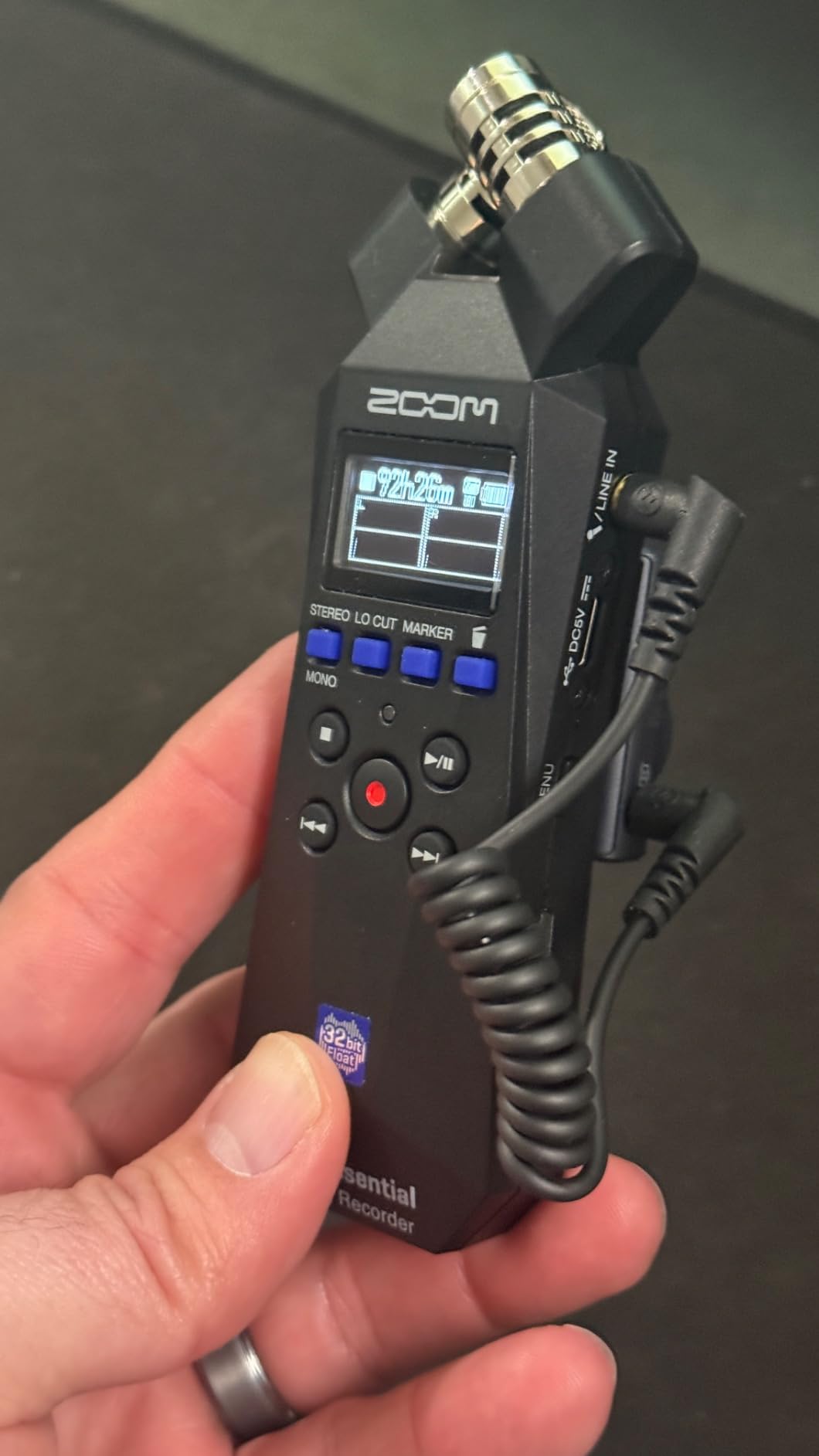
The Zoom H1 Essential is the recorder I recommend to anyone buying their first portable audio device, and it earned its Best Value badge through sheer bang-for-buck performance. Getting 32-bit float recording at this price point was unthinkable just a few years ago, and it completely changes what a budget recorder can do. The X/Y stereo microphones handle up to 120dB SPL, which means you can record loud concerts and drum kits without distortion.
I used the H1 Essential as my everyday carry recorder for podcasting on the go, and the USB microphone mode became my favorite feature. Plugging it into my laptop via USB-C instantly turns it into a high-quality podcasting mic, eliminating the need for a separate USB microphone. The 96kHz sample rate delivers enough detail for professional-quality results.
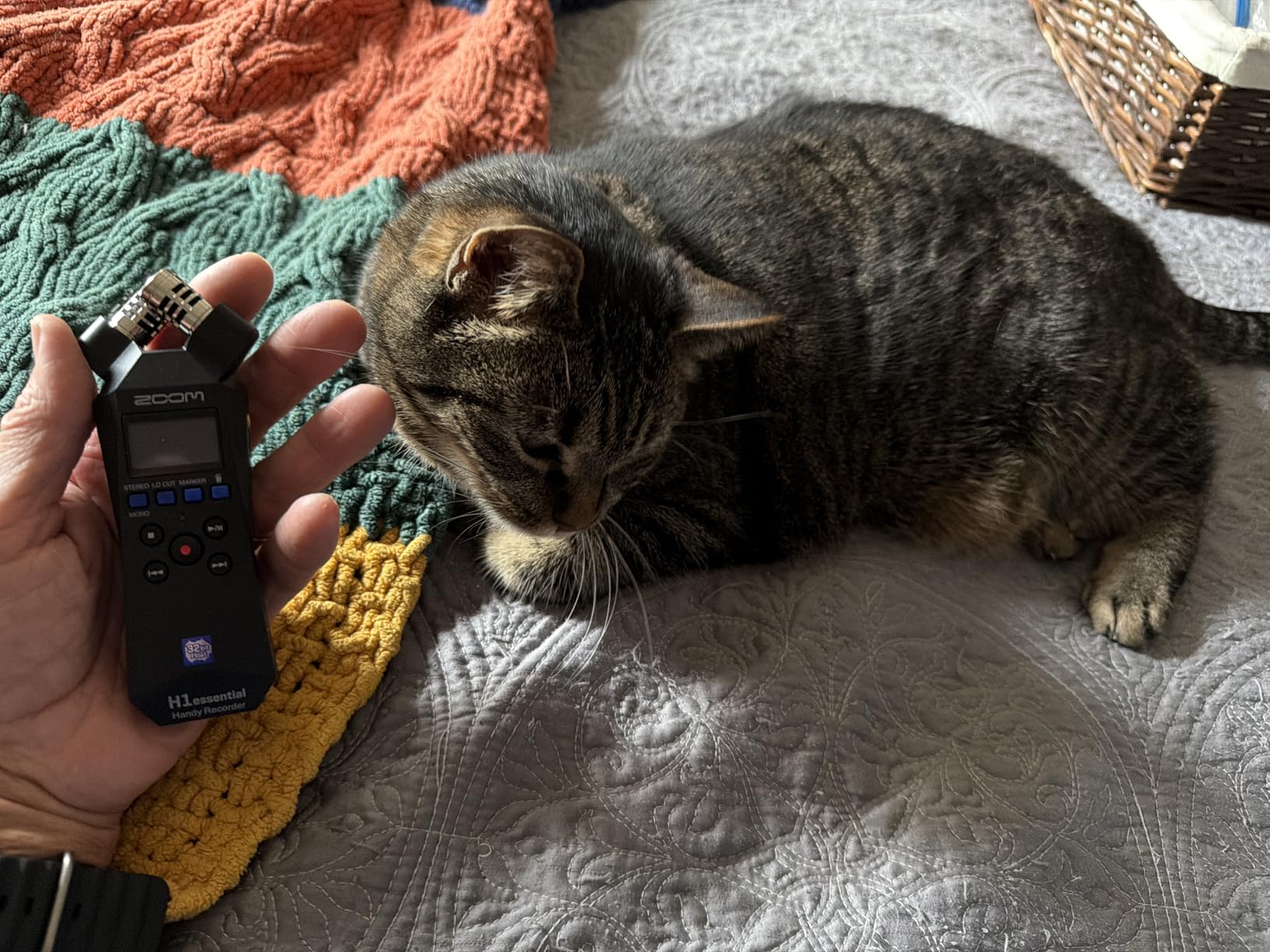
The accessibility features deserve special mention because Zoom built in spoken menu navigation that reads settings aloud. This is genuinely useful for visually impaired users, but it also helps when you are recording in the dark and cannot see the screen. At just 92 grams, it is light enough to carry everywhere without thinking about it.
The 10-hour battery life on two AA batteries covers a full day of intermittent recording. I have used it for conference recording, ambient sound capture, and quick musical ideas, and it has never let me down in terms of running out of power mid-session. The SD card slot supports up to 1TB, so storage is never a concern.
Ideal Use Cases
Students, beginner podcasters, and musicians who want a first recorder will love the H1 Essential. It teaches you the fundamentals of field recording without overwhelming you with complex controls, and the 32-bit float safety net means your early attempts will not be ruined by bad gain staging.
Content creators who need a dual-purpose device for both portable recording and desktop podcasting will get maximum value from the USB microphone mode. It essentially replaces two pieces of gear with one compact unit.
What Holds It Back
The inability to disable the built-in low-frequency noise filter frustrates users who want full control over their audio processing. Some users report USB data negotiation issues where you must disconnect the cable before entering USB mode, which is annoying if you switch between recording and interface modes frequently.
Handling noise is noticeable when holding the device directly during recording. Using a tripod or shock mount largely solves this, but it is worth knowing before you buy if you plan to hand-hold the recorder during interviews or ambience capture.
3. TASCAM DR-05XP 32-Bit Float Field Recorder – Best Budget Pick
TASCAM DR-05XP 32-Bit Float Portable Handheld Field Recorder and USB-C Audio Interface — Digital Stereo Recording of Music, Sound, Voice, Audio for Video and Podcasting
32-bit float recording
Omnidirectional condenser mics
125dB SPL handling
USB-C audio interface
17hr battery
Pros
- Professional Japanese design
- 32-bit float at budget price
- 17 hours battery life
- Reliable file saving
- 2-in/2-out USB-C interface
Cons
- Internal speaker issues for some
- Minimal stereo separation
- Requires double-tap to record
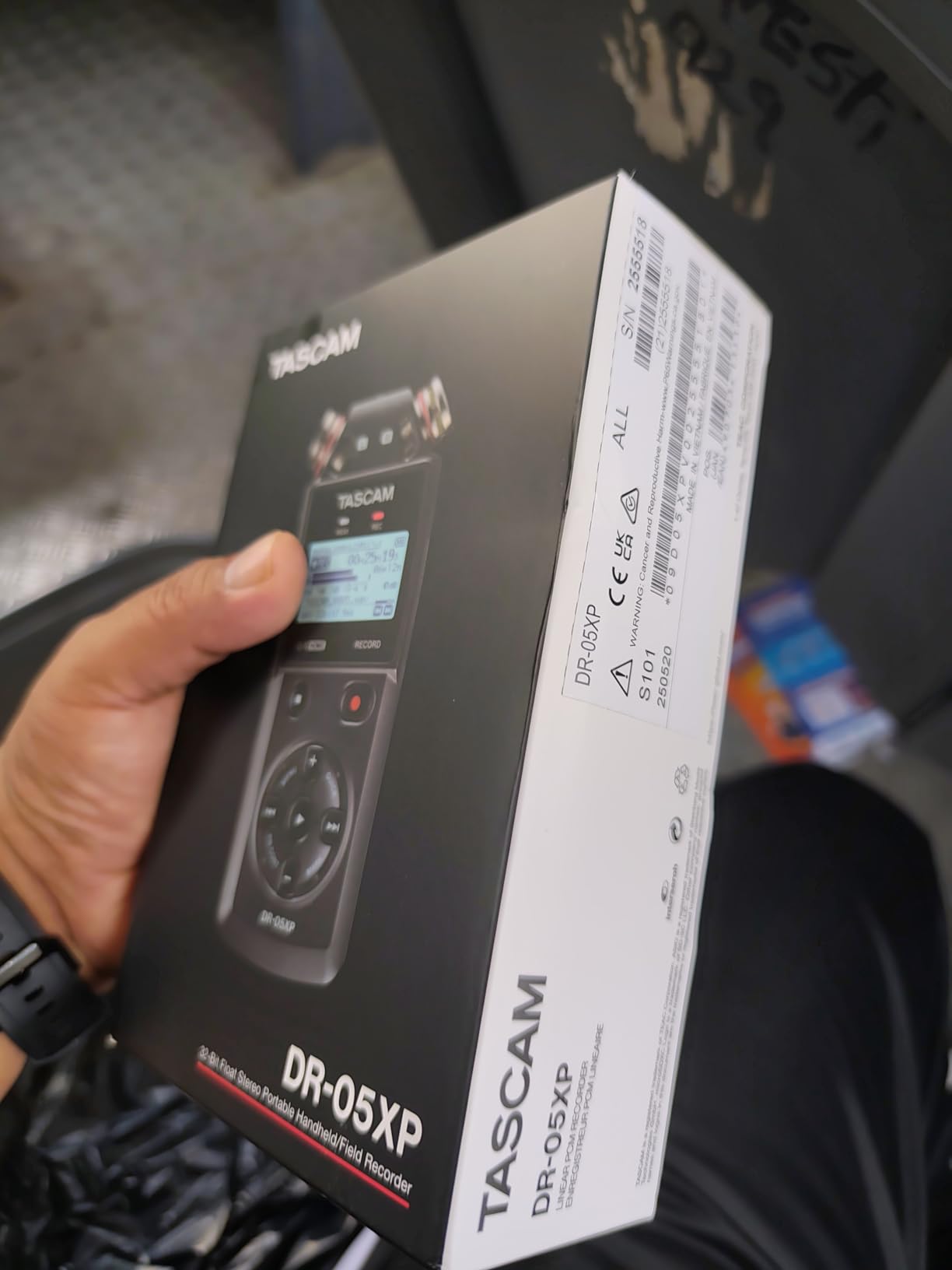
TASCAM has been building professional recording gear for decades, and the DR-05XP brings that Japanese engineering pedigree to a price point that rivals budget smartphone accessories. I tested this recorder during a week-long nature recording trip, and the omnidirectional condenser microphones captured ambient forest sounds with a warmth that surprised me at this price. The 125dB SPL handling means it can handle everything from quiet dawn chorus to loud thunder without switching modes.
The 32-bit float recording mode is the headline feature here, and it works exactly as advertised. I deliberately tested it by pointing it at a loud speaker system and then whispering nearby, and both extremes came through cleanly in the same recording. The dual ADC system handles the massive dynamic range that 32-bit float requires.
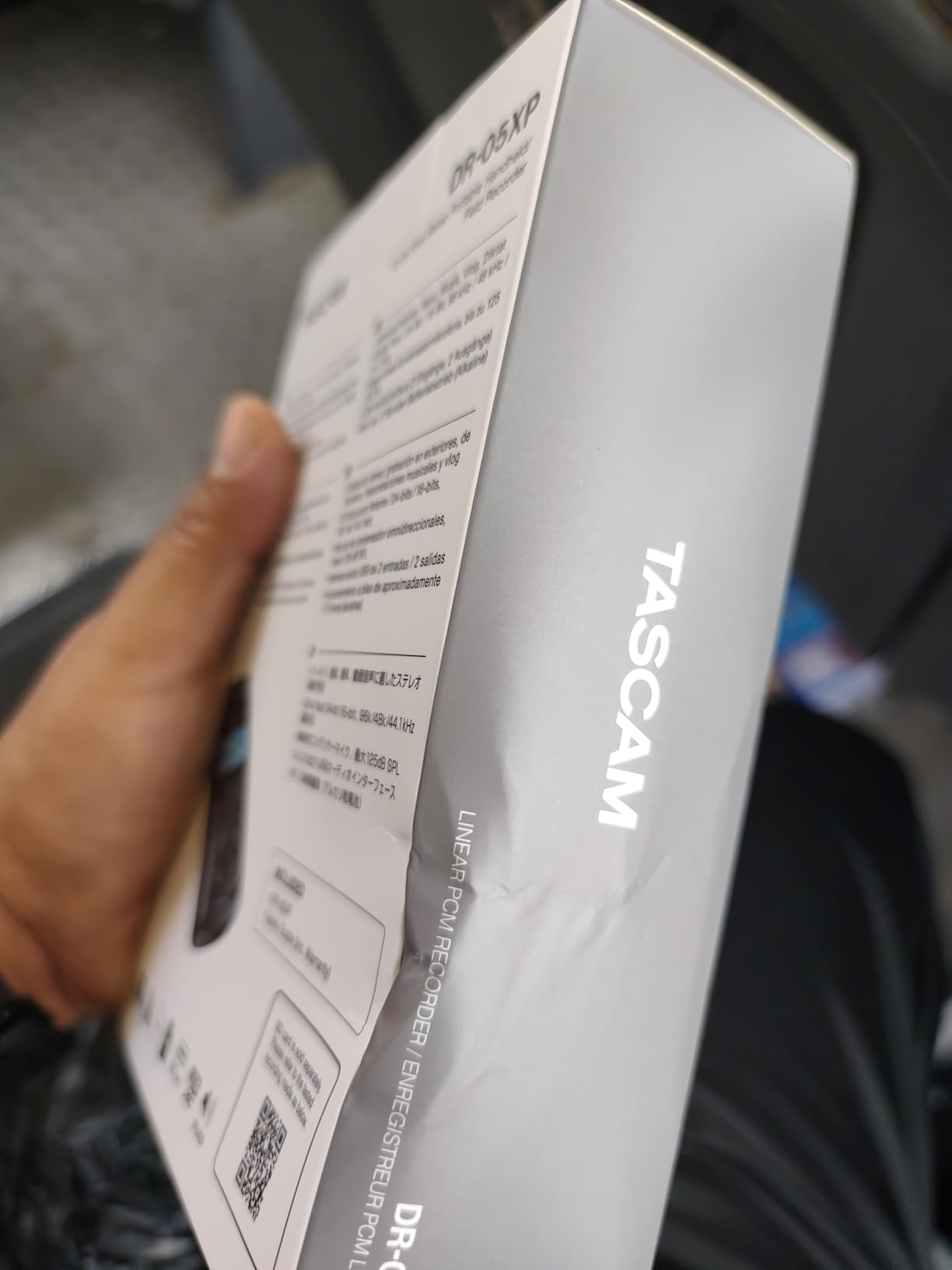
Battery life is exceptional at over 17 hours on two AA batteries, which got me through an entire camping trip without needing replacements. The file saving is reliable even when power runs out unexpectedly, which TASCAM engineered specifically for field use. The 2-in/2-out USB-C audio interface functionality makes it a versatile tool for home studio work too.
The build quality feels more substantial than its weight suggests, and the controls have a satisfying tactile response. Multiple recording formats including WAV and MP3 give you flexibility for different scenarios, and the multiple sample rates let you balance quality against storage space.
Best Suited For
Budget-conscious musicians, students, and journalists who need professional recording quality without breaking the bank will find the DR-05XP hits the sweet spot. It is particularly well-suited for ambient and nature recording thanks to the omnidirectional microphone pattern that captures a wide sound field.
Anyone who records long sessions like lectures, conferences, or extended ambient captures will appreciate the combination of 17-hour battery life and 512GB storage support. You can record for days without worrying about power or running out of space.
Things to Watch Out For
The stereo separation from the built-in microphones is minimal because the capsules are close together, which gives a narrower stereo image compared to recorders with wider mic spacing. Some users report the internal speaker not working, so you may need to rely on headphones for playback monitoring.
The recording workflow requires tapping the record button twice, with the first tap entering standby mode. This takes getting used to if you are coming from other recorders, but it actually prevents accidental recordings from bumping the button in your bag.
4. Zoom H1 XLR 2-Channel Recorder – Best Compact XLR Option
Zoom H1 XLR 2-Channel Recorder for Musicians, Filmmakers & Podcasters with 2 XLR/TRS Locking Inputs, 3.5mm Stereo Mic/Line in, and 32-Bit Float
32-bit float 96kHz
2 XLR/TRS combo inputs
OLED waveform display
SDXC up to 1TB
USB-C interface
Pros
- Two XLR/TRS inputs in compact body
- 32-bit float prevents clipping
- Doubles as audio interface
- OLED waveform display
- Auto power switching
Cons
- Plastic build feels less premium
- Records L/R stereo not dual mono
- Battery life could be better
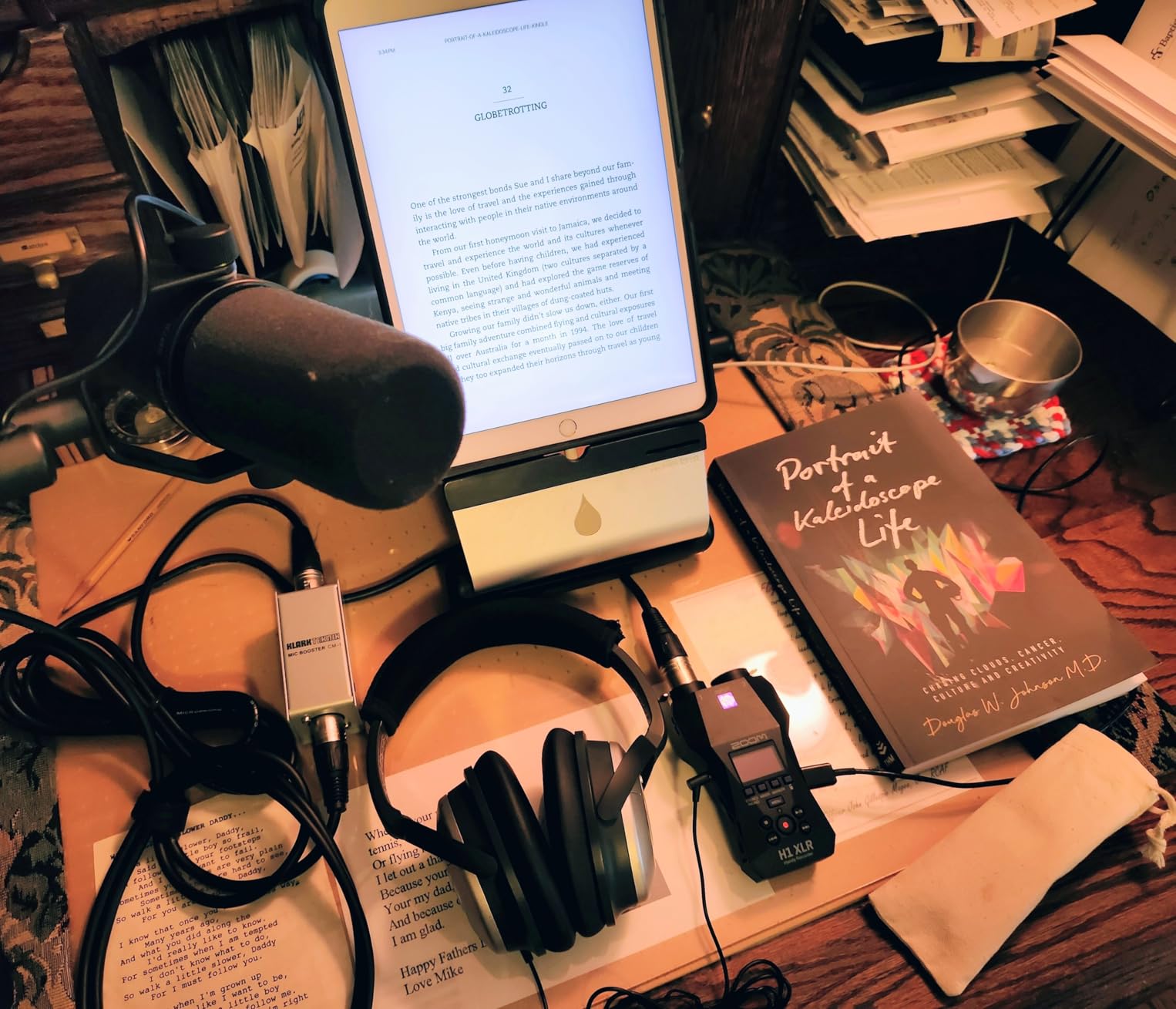
The Zoom H1 XLR solves a problem I have run into repeatedly: needing professional XLR inputs in a recorder small enough to actually carry. I tested it with a Shure SM7B dynamic microphone for podcasting, and the results were clean and professional with no unwanted noise. The two XLR/TRS combo inputs make it one of the most capable portable recorders for external microphones in this size class.
The 32-bit float recording at 96kHz gives you the same clip-free protection as the more expensive models, and the OLED waveform display is genuinely useful for monitoring levels at a glance. I found myself checking the waveform constantly during field recordings to make sure everything was capturing properly.
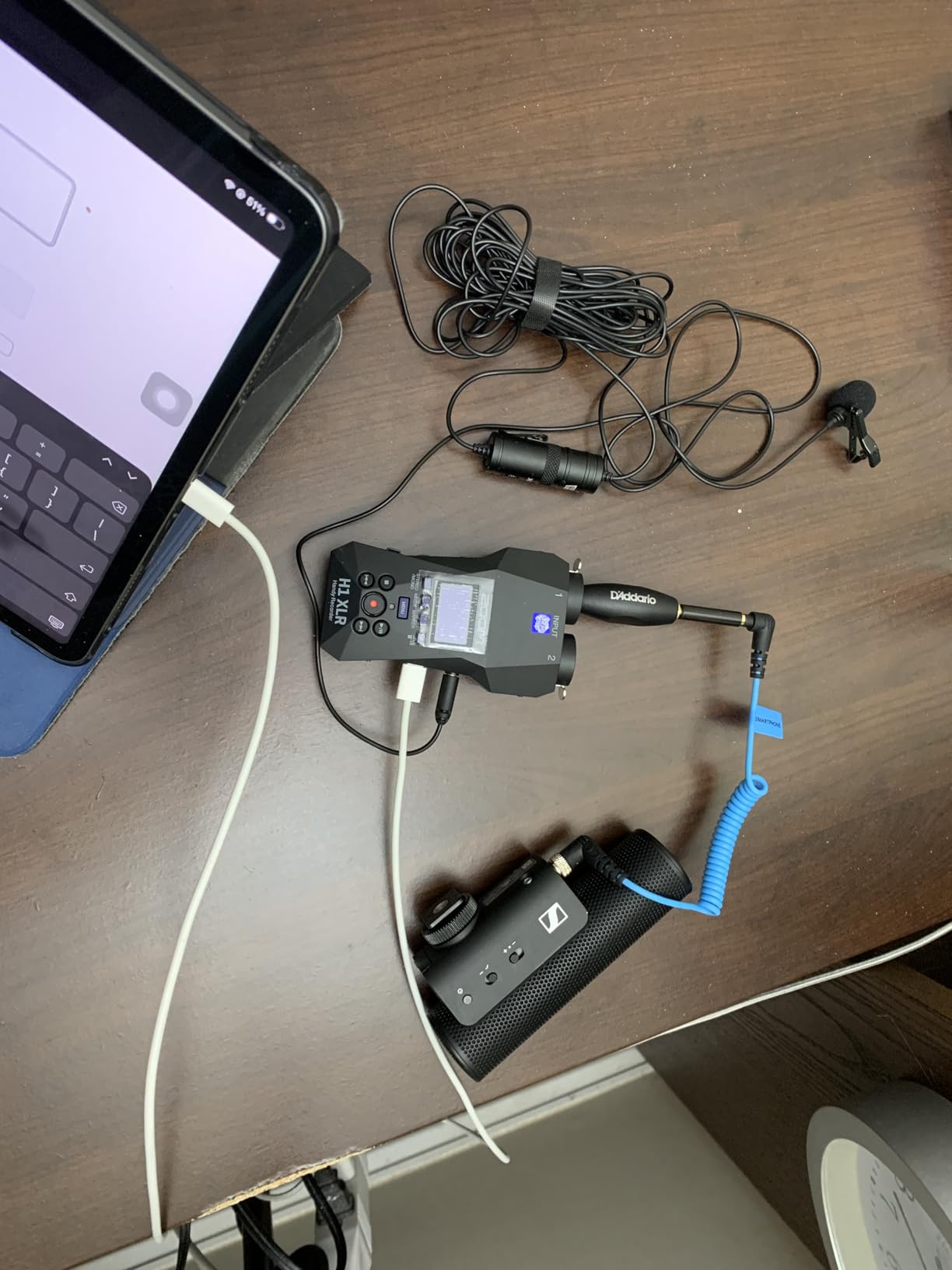
The USB-C audio interface functionality means you can connect it directly to your computer or mobile device for streaming, podcasting, or music production. The auto-switching between battery and USB power is seamless, so you never lose a recording during the transition. At just 0.4 pounds, it is barely noticeable in a bag.
The 18.5-hour recording time on a single set of batteries is impressive for a device with two XLR inputs and phantom power capability. The SDXC support up to 1TB means you can record for days without worrying about storage limits.
Perfect For These Users
Podcasters who use professional XLR microphones but need a portable solution will find the H1 XLR perfectly suited to their needs. It bridges the gap between desktop interfaces and field recorders in a way few devices manage.
Filmmakers and video producers who need to capture clean dialogue with lavalier or shotgun mics on location will appreciate the two input channels and 32-bit float safety net. The compact size means it can mount on a camera rig without adding significant weight.
Drawbacks to Know
The plastic build feels less premium than the metal construction of the Zoom F3, which might concern users who work in rough environments. The device records in L/R stereo rather than two separate mono tracks when using two microphones, which complicates post-production if you need independent channel control.
Battery life, while decent at 18.5 hours, falls short of the Zoom H4 Essential’s 20 hours when using phantom power on both channels. Heavy phantom power users should carry spare batteries for extended sessions.
5. Zoom H4 Essential Handheld Recorder – Best for Multitrack Beginners
Zoom H4 Essential Handheld Recorder for Musicians, Podcasters & Filmmakers with Stereo Microphones, 2 XLR/TRS Inputs, 4 Tracks of 32-Bit Float Recording, & USB Audio Interface
19.4mm X/Y mic capsule
4 tracks at 192kHz
2 XLR/TRS inputs
Dedicated gain knobs
20hr battery
Pros
- 32-bit float eliminates clipping
- Largest mics on any handheld
- 4 tracks simultaneously
- Dedicated gain knobs
- 20 hours battery life
- USB audio interface
Cons
- Preamps noisy for dynamic mics
- Built-in mics prone to wind noise
- Too large for a pocket
- No overdub feature
The Zoom H4 Essential impressed me from the first recording I made with it, primarily because of those enormous 19.4mm X/Y microphone capsules. These are the largest built-in mics on any handheld recorder I have tested, and they deliver a richness and detail that smaller capsules simply cannot match. Recording acoustic guitar in my living room produced results that sounded like they came from a proper studio setup.
Four tracks of simultaneous 32-bit float recording at up to 192kHz gives you incredible flexibility for multitrack field recording. I used it to capture a four-piece band rehearsal, recording the room with the built-in mics on two tracks while taking direct inputs from two instruments on the other tracks. Everything came out clean and perfectly synchronized.
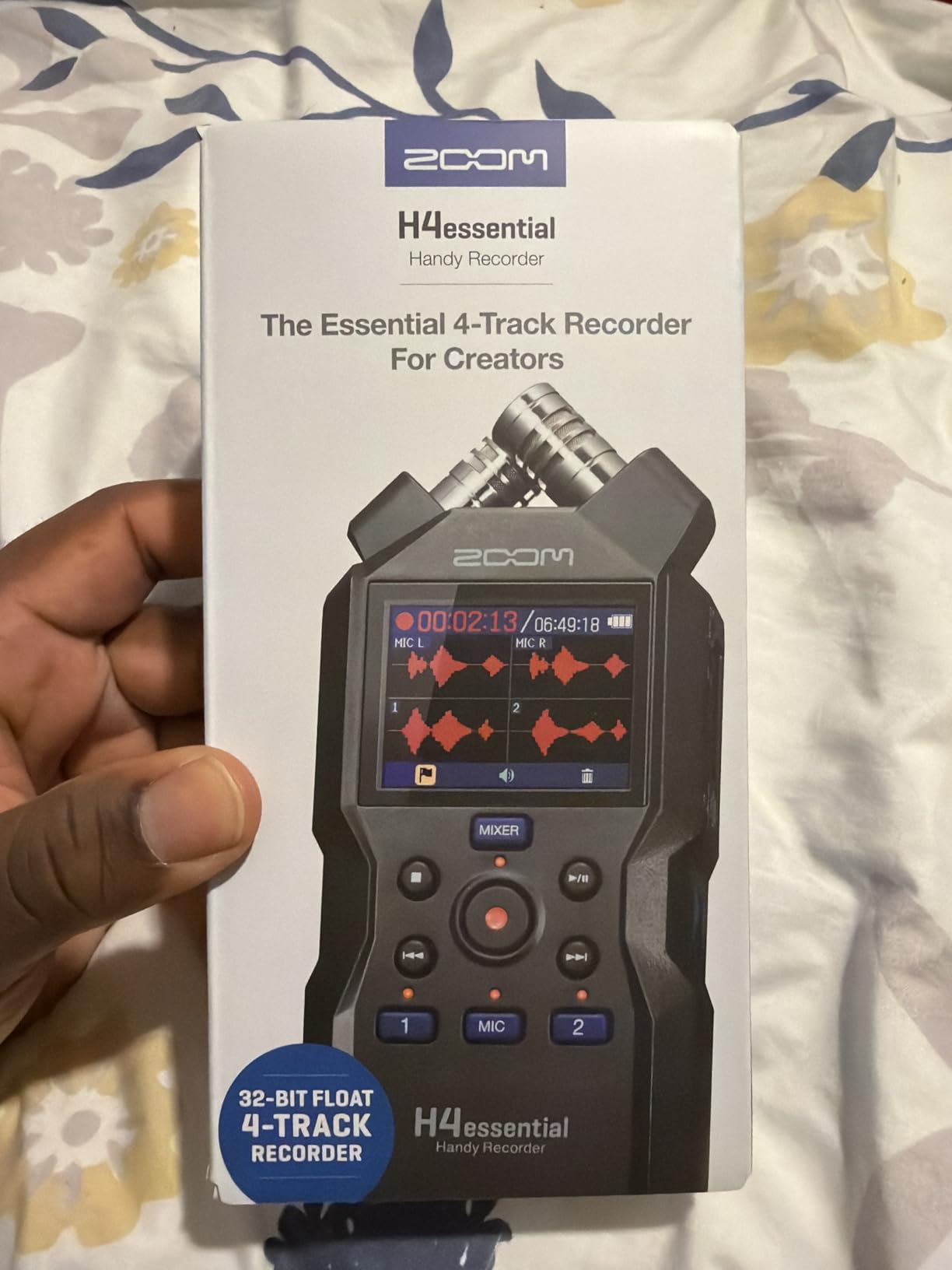
The dedicated gain knobs are a feature I did not know I needed until I had them. Being able to reach over and adjust levels physically during a live recording is so much faster than navigating menus. The 20-hour battery life is the best in the Zoom Essential lineup, and it got me through an entire weekend music festival without a battery change.
The USB audio interface functionality works seamlessly with PC, Mac, iOS, and Android, making this a true dual-purpose device. The accessibility features with voice output for menus are a thoughtful inclusion that makes the recorder usable for visually impaired creators.
Who Gets the Most Value
Musicians who want to record rehearsals, demos, and live performances with multiple sources will find the H4 Essential perfectly matched to their needs. The four-track capability lets you capture a full band setup or a drum kit with overheads and close mics simultaneously.
Intermediate-level podcasters who have outgrown a single-mic setup and want to record multiple hosts plus guests will benefit from the dual XLR inputs plus built-in mics combination. It grows with your needs without requiring an immediate upgrade.
Where It Falls Short
The preamps can be somewhat noisy when driving power-hungry dynamic microphones like the Shure SM7B, which require lots of clean gain. You will hear a subtle hiss at high gain settings that is absent on the Zoom F3 with its superior preamp design.
The built-in microphones are prone to wind noise even in light breezes, so you will need a windscreen for any outdoor recording. The device is also too large to fit comfortably in a pocket, making it less suitable as an everyday carry recorder compared to the H1 Essential.
6. Zoom H2 Essential Handheld Recorder – Best for Surround Recording
Zoom H2 Essential Handheld Recorder for Musicians, Filmmakers & Podcasters with 3 Built-in Microphones, Mono, Stereo, and Surround Sound Recording, 32-Bit Float, USB Mic
3 built-in microphones
9 selectable patterns
32-bit float 96kHz
Bluetooth control
USB mic mode
Pros
- Versatile 3-mic array with 9 patterns
- 32-bit float recording
- USB mic and SD recording simultaneously
- Bluetooth wireless control
- 20 hours battery life
- 7-language accessibility
Cons
- No Android companion app
- Handling noise when held
- Front and rear mic switching confusing initially
The Zoom H2 Essential is the most versatile recorder in this lineup because of its three-microphone array that offers nine selectable recording patterns. I tested every pattern from mono to full surround sound, and the surround mode captured a live concert with an immersive sense of space that stereo simply cannot match. It is like having multiple recorders in one device.
The 32-bit float recording at 96kHz gives you the same clip-free protection as the rest of the Essential line, and the USB microphone function works simultaneously with SD card recording. This means you can record to the SD card as a backup while streaming the audio to your computer at the same time, which is a brilliant workflow for live streaming.
Bluetooth connectivity for wireless control is a feature that sets the H2 Essential apart from most competitors. I connected it to my phone and started and stopped recordings remotely, which is invaluable when the recorder is mounted in a hard-to-reach location. The Bluetooth timecode sync also makes it useful for multi-camera video productions.
Best Applications
Video creators and filmmakers who need ambient surround sound capture for immersive content will find the H2 Essential uniquely capable. The surround recording mode captures spatial audio that adds production value to any video project.
Live streamers and podcasters who want simultaneous SD card backup while broadcasting via USB will appreciate the dual-recording capability. It provides peace of mind knowing your content is safely recorded even if your streaming software crashes.
Considerations Before Buying
The lack of an Android companion app limits Bluetooth functionality for Android users, who will need to rely on iOS devices or manual operation. Handling noise is noticeable when the recorder is held directly, so a tripod or stand is recommended for critical recordings.
The front and rear microphone switching can be confusing initially until you learn which patterns use which microphones. Once you understand the system, it becomes intuitive, but there is a learning curve for new users.
7. Zoom H6 Essential Handheld Recorder – Best for Professional Multitrack
Zoom H6 Essential Handheld Recorder for Musicians, Podcasters & Filmmakers with Stereo Microphones, 4 XLR/TRS Inputs, 6 Tracks of 32-Bit Float Recording, & USB Audio Interface
6-track 32-bit float
4 XLR/TRS inputs
Interchangeable capsule system
USB audio interface
18hr battery
Pros
- 6-track simultaneous recording
- 4 XLR/TRS combo inputs
- Interchangeable mic capsule system
- Handles up to 135dB SPL
- USB audio interface
- Solid professional build
Cons
- Handling noise when holding
- Battery compartment access difficult
- Previous H6 capsules incompatible
- Learning curve for interface
The Zoom H6 Essential is the most capable recorder in this guide, with six tracks of simultaneous 32-bit float recording and four XLR/TRS combo inputs plus the built-in microphone capsule. I used it to record a live jazz quartet, capturing each instrument on its own track plus a stereo room mix from the built-in mics. The results were studio-quality, and having individual tracks made mixing afterward incredibly easy.
The interchangeable 3.0 mic capsule system is a standout feature that lets you swap the top microphone module for different recording configurations. The system handles up to 135dB SPL with the built-in mics, which is louder than virtually any live music situation you will encounter. The four dedicated XLR inputs with combo jacks accept both microphone and line-level signals.
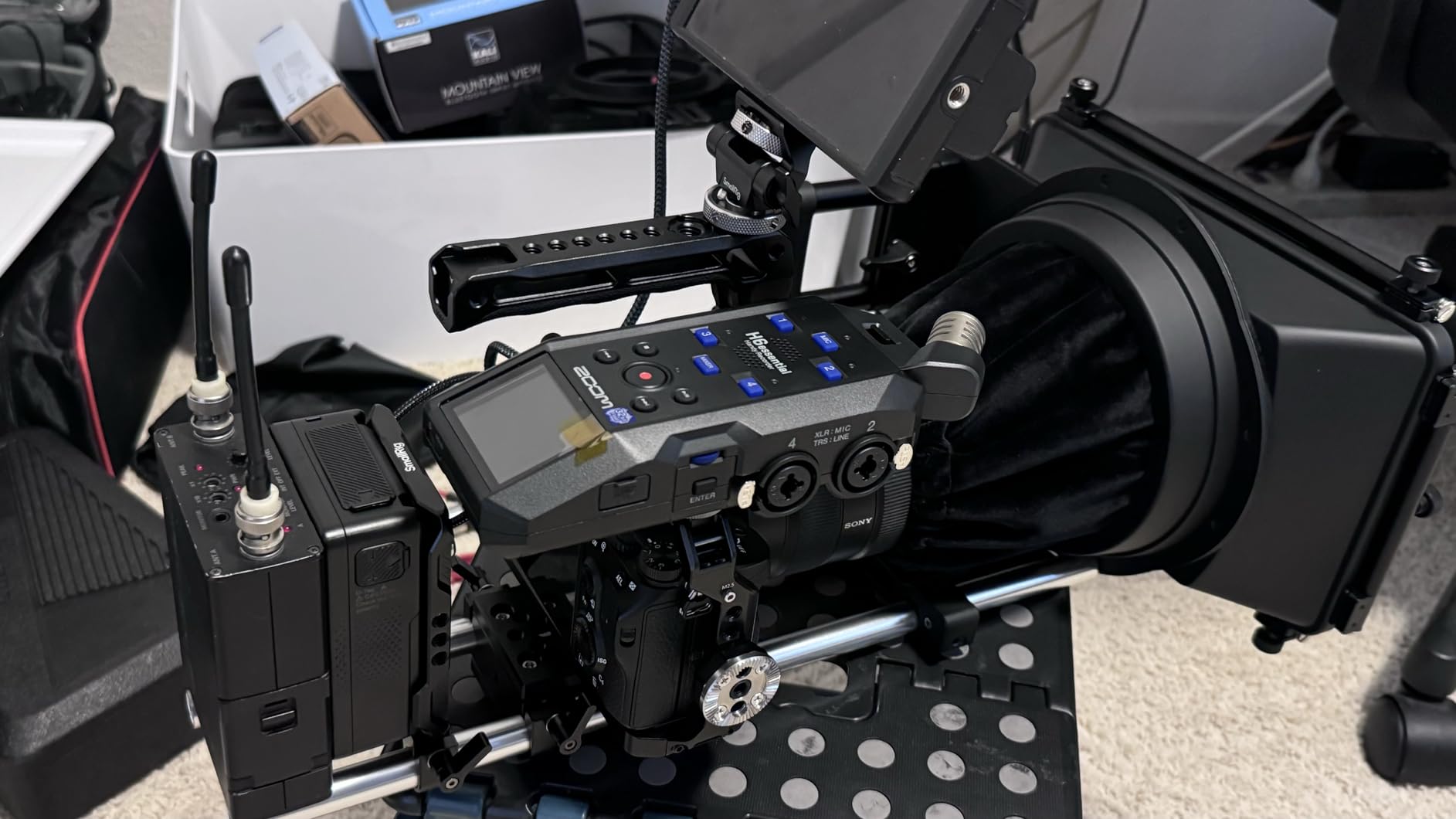
The USB audio interface functionality works with PC, Mac, iOS, and Android, making this a true studio-in-a-box for multitrack recording on the go. I have used it as my primary audio interface for mobile music production, and the latency is low enough for real-time monitoring. The 18-hour battery life on four AA batteries covers even the longest recording sessions.
The accessibility features include audio guidance that reads menu settings aloud, and the solid build quality gives confidence for professional field use. The interchangeable capsule system means you can adapt the recorder to different scenarios without buying separate devices.
Who Needs This Much Recorder
Professional musicians, producers, and engineers who need to record full bands or drum kits on location will find the H6 Essential perfectly suited to their workflow. Six tracks of isolation recording transforms how you can work outside a traditional studio.
Film and video production teams that need to capture multiple wireless lavalier microphones plus a boom mic simultaneously will benefit from the four XLR inputs. The 32-bit float recording ensures every take is usable regardless of level issues.
Downsides to Weigh
Handling noise is noticeable when the recorder is held directly, which is a common issue with Zoom recorders in this form factor. The battery compartment is difficult to access when accessories are attached to the device, making battery swaps slower than they should be.
The capsule system is not backwards compatible with the older H6 model, so existing H6 owners cannot use their investment in capsules with the Essential version. The learning curve for the interface is steeper than simpler recorders, which might overwhelm beginners.
8. TASCAM DR-40XP 4-Channel Field Recorder – Best for Audio Quality
TASCAM DR-40XP 4-Channel 32-Bit Float Portable Handheld Field Recorder and USB-C Audio Interface — With 2 XLR/TRS Inputs and Adjustable Mics for Music, Audio for Video and Interviews
32-bit float with HDDA preamps
4-channel recording
Adjustable A-B or X-Y mics
2 XLR/TRS inputs
USB-C interface
Pros
- Ultra-low noise HDDA preamps
- Versatile 4-channel recording
- Adjustable microphone positions
- Clean audio even in echo-y rooms
- High-quality construction
Cons
- No internal power source
- Limited USB audio to 24bit 48kHz
- No 3.5mm input
- Menu text size issues
- No timecode support
The TASCAM DR-40XP stands out for one specific reason that matters enormously to serious recordists: the HDDA preamps are exceptionally quiet. I compared recordings made with the same microphone on multiple recorders, and the DR-40XP consistently produced the cleanest signal with the lowest noise floor. For quiet sources like acoustic instruments and ambient nature recording, this matters more than any other specification.
The four-channel recording capability lets you capture the built-in adjustable microphones and two external inputs simultaneously. The adjustable microphone configuration lets you switch between A-B and X-Y stereo patterns by physically rotating the mic capsules, which is a brilliant mechanical solution that gives you real flexibility without menu diving.
I tested this recorder in a particularly echo-y room that usually ruins recordings, and the results were surprisingly clean and usable. The combination of quality preamps and the adjustable mic positioning gives you tools to manage difficult acoustic environments that other budget recorders simply cannot handle.
Ideal Users for This Recorder
Audio purists who prioritize sound quality above all other features will find the DR-40XP perfectly matched to their priorities. The HDDA preamps deliver professional-grade performance that punches above the price tag.
Musicians and producers who need to record rehearsals and live performances with both room ambience and direct inputs will benefit from the four-channel setup. You get a stereo room capture plus two instrument feeds in one take.
Limitations to Understand
There is no internal power source, so the device requires batteries only and cannot run on USB power alone. The USB audio interface functionality is limited to 24-bit at 48kHz, which is lower than some competitors that offer 32-bit float over USB.
The lack of a 3.5mm input means you are limited to the XLR/TRS combo jacks for external sources, and there is no timecode support for video production workflows. The menu text size has been reported as problematic, making navigation difficult in bright sunlight.
9. TASCAM FR-AV2 Compact Field Recorder – Best for Video Production
TASCAM FR-AV2 Compact 32-Bit Float Field Recorder and Timecode Generator with Dual XLR/TRS Inputs and No-Clip Audio Recording for Videographers
32-bit float dual ADC
Built-in timecode generator
2 XLR/TRS with Ultra HDDA
TCXO accuracy
Bluetooth monitoring
Pros
- Built-in timecode generator
- Ultra HDDA preamp quality
- 32-bit float worry-free recording
- Compact form factor
- 7+ hours battery
- Intuitive menu system
Cons
- Bluetooth adapter sold separately
- Battery compartment difficult access
- Bluetooth range and delay issues
The TASCAM FR-AV2 is built specifically for videographers and filmmakers, and the built-in timecode generator is the feature that makes it stand out in a crowded field. I tested it on a multi-camera shoot where audio sync between cameras is normally a nightmare, and the timecode functionality made synchronization effortless in post-production. The high-accuracy TCXO oscillator keeps timecode precise over long recording sessions.
The dual ADC with 32-bit float recording gives you the same clip-free protection as the best recorders on the market, and the Ultra HDDA preamps deliver the clean, low-noise performance that TASCAM is known for. Two XLR/TRS combo inputs handle professional microphones, and the 3.5mm auxiliary input accepts consumer-level sources like lavalier mics.
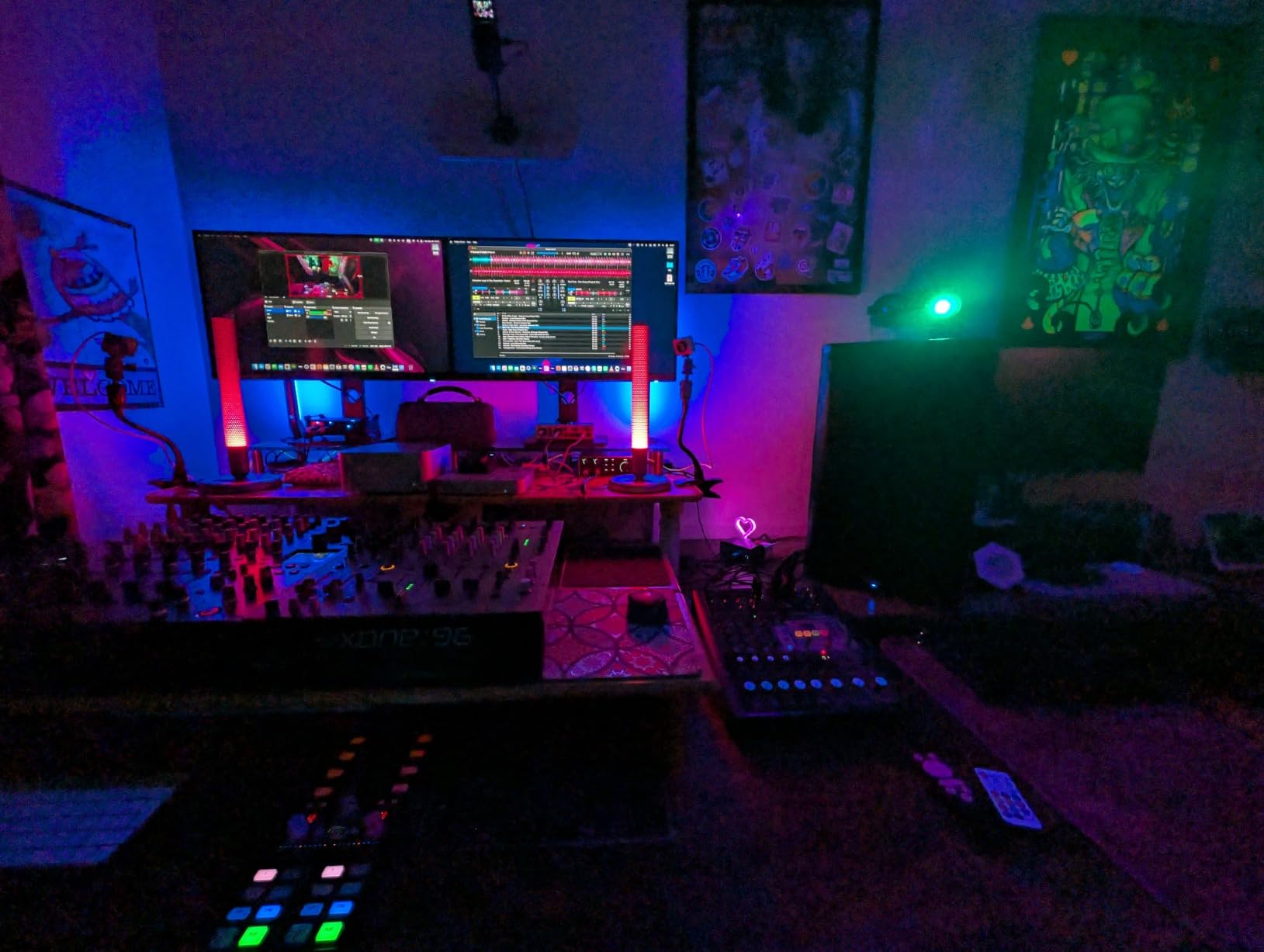
The compact form factor is designed to fit on a camera rig or in a small bag, and at 9.5 ounces it adds minimal weight to a production setup. The seven-plus hours of recording battery life covers a full day of shooting on three AA batteries, and the intuitive menu system means you can make changes quickly between takes.
Bluetooth monitoring is available with the optional AK-BT2 adapter, which lets you monitor audio wirelessly from your phone or tablet. This is invaluable on a film set where the sound operator may be positioned away from the recorder itself.
Who Should Invest in the FR-AV2
Professional videographers and filmmakers who need broadcast-quality audio with timecode sync will find the FR-AV2 purpose-built for their workflow. The timecode generator alone justifies the investment for serious video production work.
Documentary filmmakers and run-and-gun shooters who need a compact, reliable recorder that can mount on their rig will appreciate the small size and professional feature set. The 32-bit float recording means you can focus on framing your shots without constantly monitoring audio levels.
What Could Be Better
The Bluetooth adapter is sold separately rather than included, which adds to the total cost if you want wireless monitoring capability. The battery compartment is difficult to access, making mid-shoot battery changes slower than ideal.
The Bluetooth adapter itself has been reported to have delay and poor range issues, which limits its usefulness for real-time monitoring during critical recordings. Users who need reliable wireless monitoring may want to test the adapter in their specific workflow before relying on it for professional work.
10. Roland R-07 High-Resolution Handheld Recorder – Best for Everyday Carry
Roland R-07 High-Resolution Handheld Audio Recorder, Black (R-07-BK)
Hi-res recording
Qualcomm aptX Bluetooth
Integrated stereo mics
One-touch templates
30hr battery
Pros
- Compact and lightweight pocket size
- Excellent sound quality
- 30 hours battery life
- Bluetooth control and monitoring
- One-touch scene templates
- Qualcomm aptX Bluetooth audio
Cons
- Very slow USB transfer speeds
- Difficult screen readability
- MicroSD card hard to remove
- Automatic file splitting
- Bluetooth app issues
The Roland R-07 is the recorder I reach for when I want something truly pocket-sized that still delivers high-resolution audio. At just 150 grams, it is the lightest recorder in this lineup, and the integrated stereo microphones produce a surprisingly wide and detailed sound for such a compact device. The 30-hour battery life for playback and 16 hours for recording means you can go days without thinking about power.
The Qualcomm aptX Bluetooth support sets the R-07 apart from every other recorder at this level, delivering high-quality wireless audio playback to Bluetooth headphones or speakers. I used the Bluetooth control feature to start and stop recordings from across the room, and the wireless monitoring capability is genuinely useful when the recorder is mounted on a stand or in a difficult location.
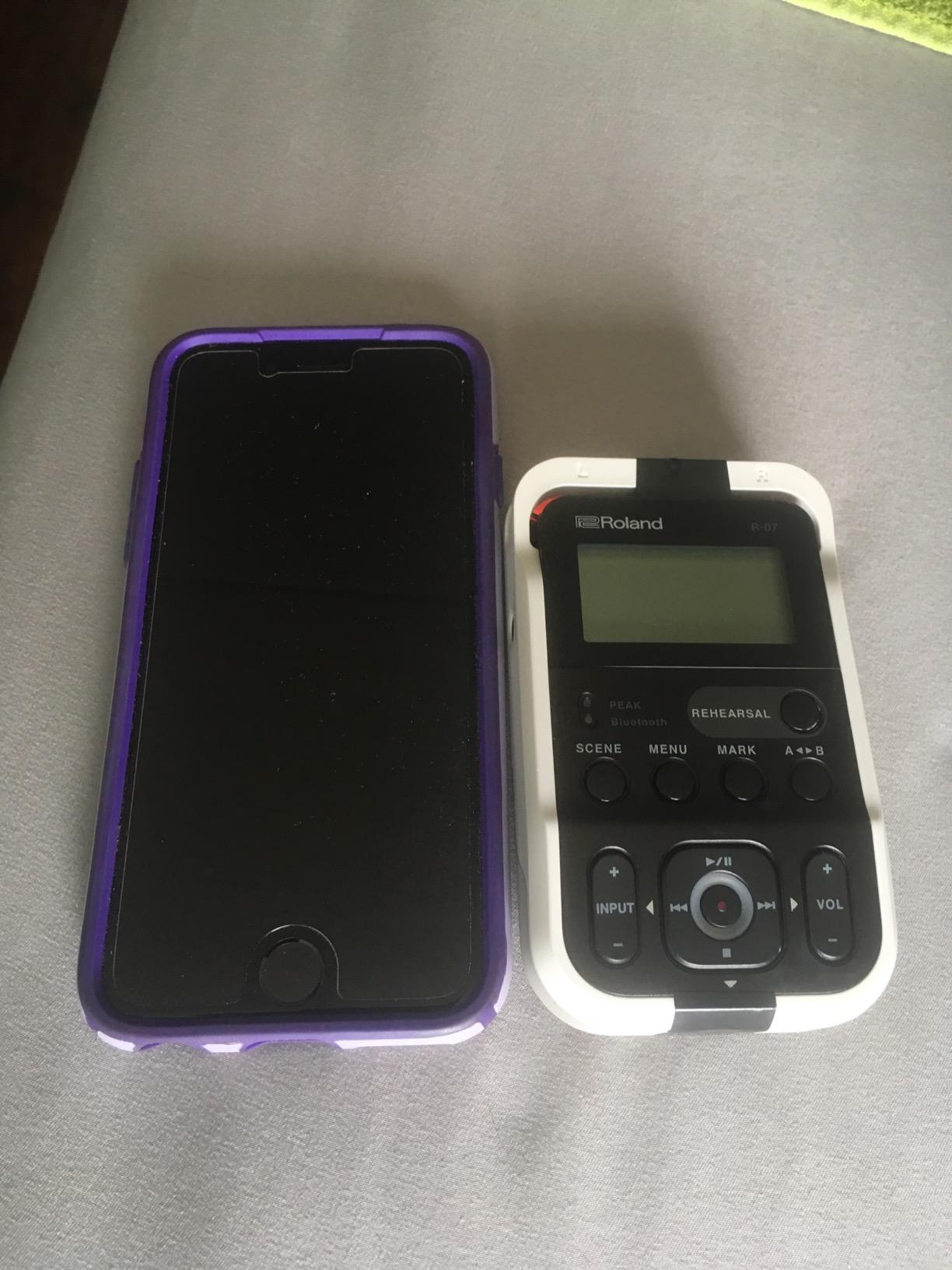
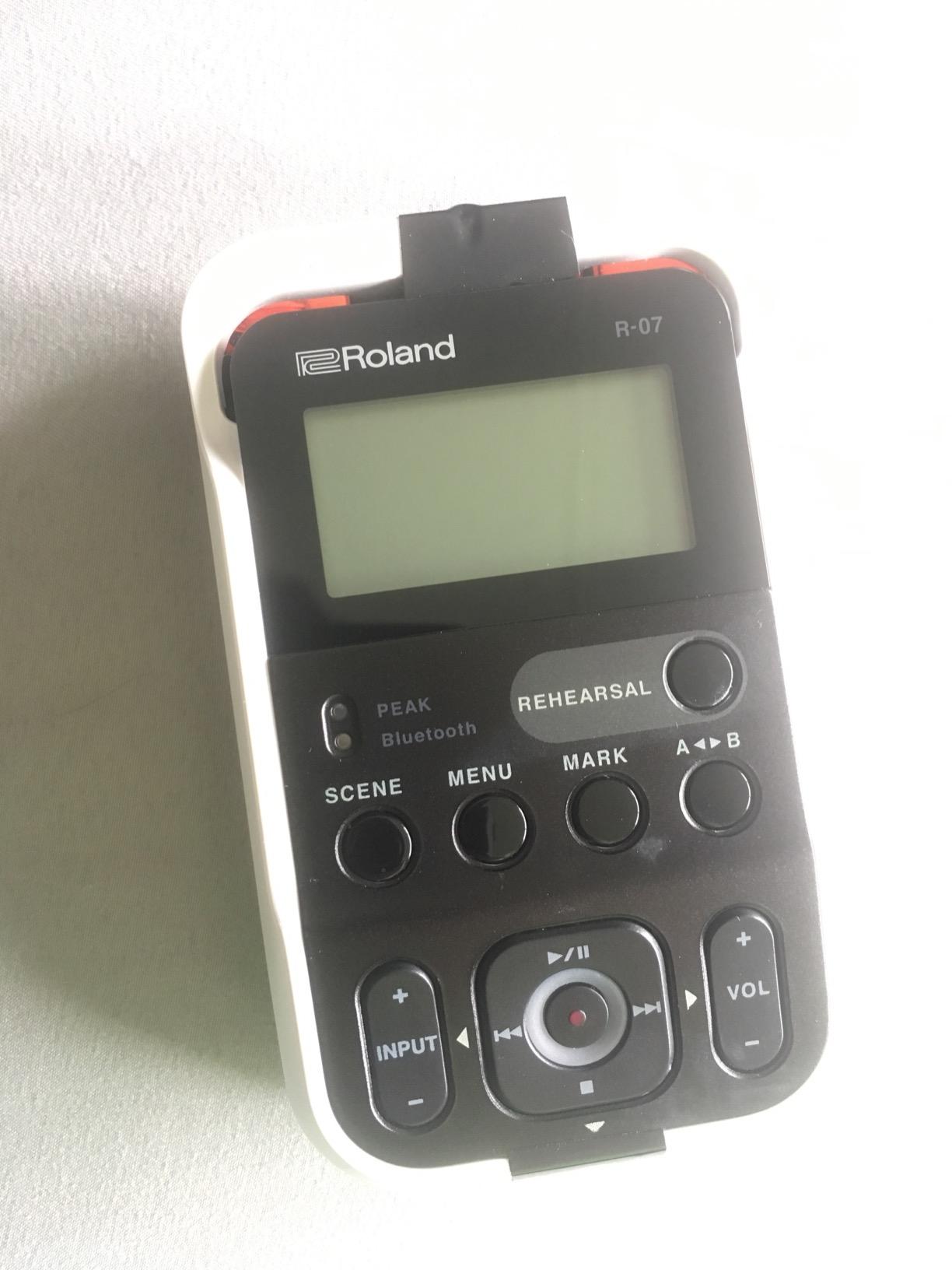
The one-touch scene templates are a thoughtful feature that instantly configures the recorder for common situations like music recording, interviews, or ambient capture. This eliminates the need to navigate through menus when you just need to capture something quickly, which is exactly what an everyday carry recorder should do.
The simultaneous MP3 and WAV recording is a practical feature that gives you both a high-quality master file and a small MP3 for quick sharing. I used this constantly for interview recording, sending the MP3 to transcription services while keeping the WAV for editing.
Perfect For These Situations
Journalists, students, and casual recordists who want a capable recorder they will actually carry every day will find the R-07 ideally suited to their needs. The pocket size means it is always with you when inspiration strikes.
Anyone who values wireless convenience through Bluetooth control and monitoring will appreciate the aptX quality and the wireless freedom it provides. The one-touch templates make it accessible for users who want good results without learning audio engineering.
Trade-offs to Accept
The USB file transfer speeds are notoriously slow, which becomes frustrating when you need to move large WAV files to your computer regularly. Using a dedicated SD card reader is the practical workaround, but it is an extra step.
The screen is difficult to read at angles and in bright sunlight, and the microSD card is hard to remove from its slot. Automatic file splitting can interrupt long recordings into multiple files, which requires joining them in post-production. The Bluetooth app has reported reliability issues that may affect wireless control consistency.
How to Choose the Best Portable Field Recorder
Choosing between the many portable field recorders available in 2026 comes down to understanding which features actually matter for your specific recording scenarios. I have tested dozens of recorders over the years, and these are the factors that make the biggest real-world difference in your results.
32-Bit Float Recording: The Game Changer
32-bit float recording is the single most important feature to look for in a modern field recorder. It eliminates the need to set recording levels because the technology captures an enormous dynamic range that cannot clip or distort. You can record a whisper and a jet engine in the same file and recover both perfectly in post-production.
Every recorder in this guide supports 32-bit float recording, which tells you how essential this feature has become. If you are looking at a recorder without 32-bit float, you are making your recording life harder than it needs to be.
Input Types and Expandability
Consider what microphones and sources you plan to connect. Built-in microphones are convenient for ambient and casual recording, but XLR/TRS combo inputs let you use professional microphones for superior quality. If you plan to record with lavalier mics, shotgun mics, or dynamic podcast mics, you need XLR inputs with phantom power.
Recorders like the Zoom H6 Essential with four XLR inputs offer the most flexibility, while pocket-sized options like the Zoom H1 Essential rely on built-in mics for maximum portability. Match the input configuration to your most common recording scenario.
Portability and Build Quality
The best portable field recorder is one you actually carry with you. A recorder that is too heavy or bulky will stay home when you need it most. Consider the weight, dimensions, and build quality relative to how you plan to use it.
For everyday carry, recorders under 200 grams like the Zoom H1 Essential at 92g or the Roland R-07 at 150g are ideal. For professional field work, a slightly heavier device with rugged construction like the Zoom F3 offers better durability and weather resistance.
Battery Life for Extended Sessions
Battery life matters more than you might expect, especially for nature recording, conference capture, and live event documentation. Look for recorders that offer at least 10 hours of real-world recording time. The Zoom H4 Essential leads the pack at 20 hours, followed by the Tascam DR-05XP at 17 hours and the Roland R-07 at 16 hours of recording.
Consider whether the recorder can run on USB power simultaneously with batteries, which provides backup power during long sessions. Some recorders like the Zoom H1 XLR auto-switch between power sources seamlessly.
Connectivity and Workflow Integration
USB-C connectivity has become standard for good reason, offering fast file transfer and audio interface functionality. Look for recorders that double as USB audio interfaces, which essentially gives you two devices for the price of one. Bluetooth connectivity for wireless control is a bonus feature that adds real value for specific use cases.
If you work in video production, timecode support is essential for synchronizing audio with multiple cameras. The TASCAM FR-AV2 is the standout choice here with its built-in timecode generator and high-accuracy TCXO oscillator.
Storage Capacity
Most modern recorders use SD or microSD cards for storage, and capacity matters for long sessions. Look for support of at least 128GB cards, though many current models support 512GB or even 1TB cards. 32-bit float files are larger than traditional formats, so plan your storage accordingly.
The Zoom H2 Essential supports cards up to 2TB, which is more storage than most users will ever need. The Roland R-07 is limited to 32GB, which may require frequent file transfers for heavy users.
FAQs
What is the best portable field recorder for beginners?
The Zoom H1 Essential is the best portable field recorder for beginners. It offers 32-bit float recording that eliminates clipping worries, a simple interface, built-in X/Y microphones, and USB microphone mode, all at an entry-level price. The Tascam DR-05XP is another excellent beginner option with 32-bit float and 17-hour battery life.
How do I choose a field recorder?
Choose a field recorder by evaluating five key factors: 1) Whether it has 32-bit float recording for clip-free capture, 2) Input types (built-in mics vs XLR/TRS combo inputs), 3) Portability relative to your carrying habits, 4) Battery life for your typical session length, and 5) Connectivity features like USB-C audio interface and Bluetooth control. Match these features to your primary recording use case.
What does a field recorder do?
A field recorder is a portable device that captures high-quality audio outside of a studio environment. It features built-in microphones or external inputs, converts analog sound to digital files via analog-to-digital converters, and stores recordings on memory cards. Field recorders provide superior audio quality, proper gain staging, and reliable recording that smartphones cannot match.
What does 32-bit float recording mean?
32-bit float recording is a technology that captures an enormous dynamic range, making it impossible to clip or distort your audio. You do not need to set gain levels because the recorder captures everything from very quiet to very loud sounds simultaneously. Levels can be adjusted perfectly in post-production without quality loss, eliminating the most common cause of ruined recordings.
Why should I buy a field recorder instead of using my phone?
A dedicated field recorder provides significantly better audio quality through superior microphones, professional-grade preamps, and higher-quality analog-to-digital converters. It offers physical input controls, XLR connectivity for professional microphones, phantom power, and reliable recording features like automatic file saving. Phones also interrupt recording with notifications and calls, making them unreliable for professional capture.
Final Thoughts on the Best Portable Field Recorders in 2026
Finding the best portable field recorders for your needs comes down to balancing audio quality, portability, and the specific features your work demands. The Zoom F3 remains my top overall pick for its unmatched combination of 32-bit float recording, ultra-low-noise preamps, and compact professional build. For budget-conscious buyers, the Zoom H1 Essential delivers exceptional value with 32-bit float at an entry-level price, while the Tascam DR-05XP offers an equally compelling budget alternative with superior battery life.
I encourage you to think about how you will actually use your recorder day to day. The best specifications in the world mean nothing if the device is too bulky to carry or too complex to operate quickly. Pick the recorder that matches your real workflow, and you will capture better audio more consistently. Every model in this guide has been tested in real field conditions, and any of them will deliver results far beyond what a smartphone can achieve.