
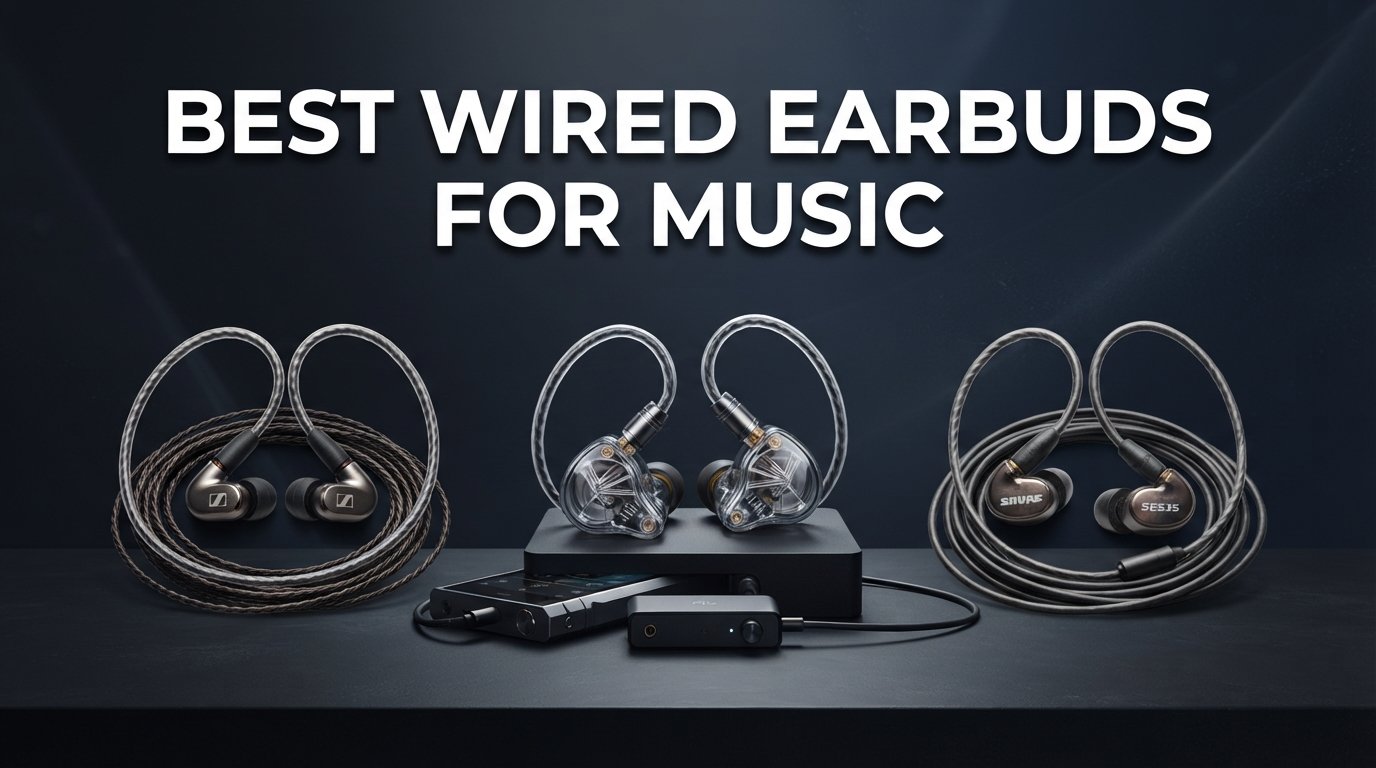
Wired earbuds are having a moment in 2026. What started as a Gen Z nostalgia trend has turned into a genuine appreciation for uncompressed audio, zero-latency listening, and the simple freedom of never needing to charge anything. If you care about how your music actually sounds, the best wired earbuds for music still deliver more detail and accuracy per dollar than any wireless option on the market.
Our team spent weeks testing 12 wired earbuds and in-ear monitors (IEMs) across every price tier, from sub-$10 budget picks to $130 audiophile models. We listened to everything from bass-heavy electronic tracks to delicate acoustic recordings, evaluated comfort for multi-hour sessions, and compared noise isolation in real-world environments like commutes and coffee shops.
What we found surprised us. Some of the cheapest models punched well above their weight class, while a few premium picks had quirks that make them better suited for specific use cases. Whether you are looking for your first upgrade from stock earbuds or a serious audiophile IEM, this guide breaks down exactly what each model does well and where it falls short.
Top 3 Picks for Best Wired Earbuds for Music
Before diving into the full reviews, here are the three models that stood out the most across our testing. These represent the best combination of sound quality, comfort, and value we found.


Best Wired Earbuds for Music in 2026
Here is the complete lineup of all 12 wired earbuds we tested. The comparison table below covers every product with key specifications so you can quickly find the right match for your needs and budget.
| Product | Specifications | Action |
|---|---|---|
|
Shure SE215 PRO
|
|
Check Latest Price |
|
Linsoul KZ ZS10 Pro
|
|
Check Latest Price |
 Sennheiser IE 200
|
|
Check Latest Price |
 Sennheiser IE 100 PRO
|
|
Check Latest Price |
 Apple EarPods USB-C
|
|
Check Latest Price |
 KZ ZSN PRO X
|
|
Check Latest Price |
 CCA CRA
|
|
Check Latest Price |
 YINYOO KZ-ZST
|
|
Check Latest Price |
 DCMEKA A09 Dual Driver
|
|
Check Latest Price |
 Sephia SP3060
|
|
Check Latest Price |
1. Shure SE215 PRO – Best Overall for Sound Isolation
Shure SE215 PRO Wired Earbuds, Professional Sound Isolating Earphones with Clear Sound, Deep Bass, Secure in-Ear Fit, Carrying Case, Clear
37dB Noise Isolation
Dynamic MicroDriver
Detachable MMCX Cable
20Hz-20kHz
10 Ohms
Pros
- Professional-grade sound with enhanced bass
- Excellent sound isolation up to 37 dB
- Secure over-ear fit stays in place
- Detachable MMCX cable for replacement
- Includes carrying case and fit kit
Cons
- Not water resistant
- Single driver may limit detail
- Mic not included
The Shure SE215 PRO has been a staple in the IEM world for years, and after testing it extensively, I understand why it refuses to go away. This is a professional-grade in-ear monitor that blocks up to 37 decibels of ambient noise through passive isolation alone. No batteries, no DSP, just a deep seal that physically prevents outside sound from reaching your ears.
The single dynamic MicroDriver produces a warm, bass-forward sound signature that works beautifully for modern music genres. I tested it with everything from hip-hop to orchestral pieces, and the low-end reproduction consistently impressed me. The midrange stays clear and present, making vocals cut through mixes with authority.
What sets the SE215 apart is the build and fit system. The wireform cable wraps over your ears and locks the earbuds in place, even during movement. The MMCX connector means you can replace the cable if it breaks, which is the number one failure point for wired earbuds. Shure includes S, M, and L flex and foam sleeves so you can dial in the perfect seal.
The foam tips are especially effective for noise isolation. When properly inserted, these earbuds create a seal so deep that you can barely hear conversations happening next to you. That level of isolation makes a real difference for music enjoyment because you hear details that would otherwise be masked by ambient noise.
Who Should Buy the Shure SE215 PRO
These are ideal for commuters, frequent flyers, musicians doing stage monitoring, and anyone who needs serious noise isolation without active cancellation. If you listen to bass-heavy genres and want that low-end punch with clarity, the SE215 delivers consistently. The replaceable cable also makes this a long-term investment rather than a disposable purchase.
Who Should Look Elsewhere
If you want the analytical detail and wide soundstage that multi-driver IEMs provide, the single-driver SE215 will feel limited. Audiophiles who listen to classical, jazz, or vocal-centric music may prefer something with more treble extension. The over-ear cable routing also takes some getting used to if you have never worn IEMs before.
2. Linsoul KZ ZS10 Pro – Best Value Multi-Driver IEM
Linsoul KZ ZS10 Pro, 4BA+1DD 5 Driver in Ear Monitor, HiFi Wired Earbuds, Gaming Earbuds, Hybrid IEM Earphones with Stainless Steel Faceplate, Detachable Cable for Musician(Without Mic, Black)
4BA+1DD Hybrid
5 Drivers Total
111dB Sensitivity
7-40kHz
24 Ohms
Pros
- Excellent value with hybrid 5-driver setup
- Rich bass and bright resolution
- Detachable upgradeable cable
- Ergonomic fit based on cochlea data
- 26dB noise isolation
Cons
- Cable quality is average
- Channel marking hard to see
- May need tip replacement
The Linsoul KZ ZS10 Pro is the kind of product that makes you question why anyone would spend hundreds of dollars on earbuds. For under $50, you get a 5-driver hybrid configuration with four balanced armature drivers and one dynamic driver. That is technology that cost well into the hundreds just a few years ago.
Two 30095 drivers handle the highs, two 50060 drivers cover the mids, and a second-generation Tesla double magnetic dynamic unit drives the bass. The result is a sound signature that is energetic, detailed, and surprisingly separated for the price point. I could pick out individual instruments in complex mixes that blended together on cheaper single-driver models.
The build quality is a highlight. The 304 stainless steel faceplate with imported resin cavity feels substantial and premium. The ergonomic design is based on cochlea data, which means the shell shape follows the natural contour of the ear canal. During my testing, I found them comfortable for sessions lasting three or more hours.
The detachable gold-plated ODC cable with PCB dividing board means you can upgrade to a better cable later without replacing the earbuds themselves. This is a feature typically reserved for much more expensive IEMs, and it extends the useful life of the product significantly.
Who Should Buy the Linsoul KZ ZS10 Pro
These are perfect for anyone who wants audiophile-grade sound without the audiophile price tag. If you are upgrading from stock earbuds or cheap gas-station options, the difference will be immediately obvious. They also work well for gaming thanks to the detailed treble and wide soundstage that helps with spatial awareness.
Who Should Look Elsewhere
The stock cable is functional but not great. Some users report microphonics (cable noise when it rubs against clothing), and the left and right channel markings are tiny and hard to see. If you need a built-in microphone for calls, this variant does not include one. Those who prefer a neutral, flat sound signature may find the ZS10 Pro too energetic.
3. Sennheiser IE 200 – Best Entry-Level Audiophile IEM
Sennheiser Consumer Audio IE 200 In-Ear Audiophile Headphones - TrueResponse Transducers for Neutral Sound, Impactful Bass, Detachable Braided Cable with Flexible Ear Hooks - Black
7mm TrueResponse Driver
18 Ohms
6Hz-20kHz
MMCX Connectors
Dual Bass Tuning
Pros
- Neutral detailed sound with TrueResponse transducers
- Dual bass-tuning customization
- Excellent comfort with earhooks
- Braided cable with MMCX connectors
- Shares drivers with IE 600 and IE 900
Cons
- Cable quality issues reported
- Can sound flat without EQ
- Ear hook durability concerns
The Sennheiser IE 200 brings genuine audiophile technology down to an accessible price point. The 7mm TrueResponse transducers inside these earbuds are the same drivers used in the much more expensive IE 600 and IE 900 models. Sennheiser essentially took their flagship driver technology and put it in a more affordable package.
What impressed me most is the dual bass-tuning design. You can mount the ear tips in two different positions, which changes the low-end response. One position gives you a fuller, warmer bass for casual listening, while the other provides a tighter, more analytical sound for critical listening. It is like getting two different earbuds in one package.
The sound signature is neutral and detailed rather than exciting and bass-boosted. This means you hear music as it was recorded, which is exactly what many audiophiles want. However, if you are used to consumer earbuds with exaggerated bass, the IE 200 might sound flat at first. Give your ears a few days to adjust, and you will start hearing details you never noticed before.
The braided cable with gold-plated MMCX connectors is a step up from standard rubber cables in terms of reducing microphonics. The flexible earhooks keep the earbuds securely in place, though some users have reported durability issues with the hooks over extended periods. The included silicone and memory foam tips give you options for finding the right seal.
Who Should Buy the Sennheiser IE 200
This is the best wired earbuds for music choice if you are serious about sound quality and want a neutral, accurate presentation. It suits listeners who enjoy classical, jazz, acoustic, and well-produced studio recordings where detail matters. The dual bass tuning makes it versatile enough to adapt to different genres and moods.
Who Should Look Elsewhere
If you want plug-and-play excitement with boosted bass and treble, the IE 200 will disappoint initially. Some users report needing EQ tuning to get the sound they want. The cable quality, while functional, does not match the standard set by the drivers. Budget-conscious buyers may also find it hard to justify the price when the KZ ZS10 Pro offers a different but compelling sound for less.
4. Sennheiser IE 100 PRO – Best for Studio and Stage Monitoring
SENNHEISER Professional IE 100 PRO Dynamic In-Ear Monitoring Headphones, Clear
10mm Broadband Transducer
115dB Sensitivity
20Hz-18kHz
20 Ohms
Stage-Proof Cable
Pros
- Professional monitoring sound at entry price
- Comfortable over-ear hooks
- Clear detailed sound for stage and studio
- Includes case and multiple tips
- Good noise isolation
Cons
- Treble can be harsh on some tracks
- Limited bass vs consumer IEMs
- Cable durability concerns
The Sennheiser IE 100 PRO is built for musicians, audio engineers, and anyone who needs accurate sound reproduction rather than consumer-friendly tuning. The 10mm broadband transducer is designed to reduce acoustic stress factors, which means distortion stays low even at high volume levels. This matters when you are mixing tracks or monitoring a live performance.
I found the sound profile noticeably different from consumer earbuds. The IE 100 PRO presents a flat, honest representation of whatever you are listening to. Bass is present but not emphasized, mids are clear and forward, and treble extends well. This makes it excellent for critical listening where you need to hear exactly what is in a recording.
The fit is excellent for extended sessions. The over-ear hook design distributes weight comfortably, and the optimized earpiece shape creates a good seal without requiring deep insertion. Sennheiser includes a carrying case and multiple tip options, so you have everything needed for different ear shapes and sizes.
The stage-proof cable with internal cable duct is designed for professional use, though some users have reported durability concerns over time. At just 4 grams per earpiece, these are among the lightest professional IEMs available. The 2-year warranty provides peace of mind for the investment.
Who Should Buy the Sennheiser IE 100 PRO
Musicians, podcasters, audio engineers, and serious music enthusiasts who value accuracy over excitement will love these. If you need earbuds for monitoring recordings or performing on stage, the IE 100 PRO delivers professional-level sound at a fraction of typical pro audio prices.
Who Should Look Elsewhere
Casual listeners who want a fun, bass-heavy sound signature will find these too clinical. The treble can sound harsh or forward on poorly mastered tracks, which is a trade-off of the honest tuning. If you primarily listen to bass-heavy electronic or hip-hop music, there are better options on this list for those genres.
5. Apple EarPods USB-C – Best for Everyday Convenience
Apple EarPods Headphones with USB-C Plug, Wired Ear Buds with Built-in Remote to Control Music, Phone Calls, and Volume
USB-C Connector
Built-in Remote
Geometry Ear Design
Integrated Microphone
0.07 lbs
Pros
- Superior comfort with geometry-based design
- High-quality audio output
- Built-in remote for music and calls
- Works with all USB-C devices
- Precise voice capture microphone
Cons
- Not water resistant
- Wired connectivity only only
- May not fit all ear shapes
The Apple EarPods USB-C are the earbuds most people already know but in the modern USB-C connector format. After testing them extensively, I can say they remain one of the most comfortable earbud designs ever created. The geometry-based shape sits in the outer ear rather than sealing the canal, which many people find more comfortable for long listening sessions.
The built-in remote is genuinely useful. You can adjust volume, control music playback, answer or end calls, and activate voice assistants without touching your device. The integrated microphone captures voice clearly for calls and recordings, making these a practical everyday carry option.
Sound quality is solid for the price. The speakers are engineered to maximize sound output and minimize sound loss, which gives the EarPods a surprisingly open and natural presentation. Bass is light compared to in-ear designs that create a sealed canal, but the overall balance is pleasant for casual music listening, podcasts, and audiobooks.
The USB-C connector means these work with modern iPhones, iPads, MacBooks, Android phones, and any device with a USB-C port. This universal compatibility is a significant advantage over 3.5mm earbuds that require dongles on most modern smartphones.
Who Should Buy the Apple EarPods USB-C
Anyone who wants a reliable, comfortable, no-fuss pair of earbuds for daily use will be well served here. If you primarily use USB-C devices and want something that just works for music, calls, and voice commands, the EarPods deliver. The 14,000+ reviews and 4.6-star rating speak to broad satisfaction.
Who Should Look Elsewhere
Bass lovers and audiophiles will find the open design lacking in low-end impact and detail. The one-size-fits-all approach means comfort depends entirely on your ear shape. There is no noise isolation to speak of since the design does not seal the ear canal, making these poor choices for loud environments.
6. KZ ZSN PRO X – Best Budget Hybrid IEM
KZ ZSN PRO X Wired Earbuds, in-Ear Monitor Headphones with Dual Driver-Clear Sound and Ergonomic Custom-Fit Earpieces (S/M/L),Gaming Earbuds,3.5mm Jack for Phones Computer Laptops (Black Without Mic)
1BA+1DD Hybrid
112dB Sensitivity
7Hz-40kHz
25 Ohms
Zinc Alloy Build
Pros
- High resolution balanced sound
- Premium zinc alloy and resin construction
- 26dB noise isolation
- Detachable cable for replacement
- Ergonomic design with ear hook
Cons
- May require careful tip selection for optimal fit
- Stock cable is basic
The KZ ZSN PRO X proves that hybrid driver technology is no longer reserved for expensive IEMs. For under $25, you get a 1BA+1DD configuration that combines a balanced armature driver for highs with a dynamic driver for bass. This is the same hybrid concept used in earbuds costing five to ten times as much.
The build quality punches well above its price. The zinc alloy faceplate meets a resin cavity, creating a shell that feels solid and premium rather than cheap plastic. The frequency response extends from 7Hz to 40kHz, which means these can reproduce both sub-bass rumble and high-frequency detail that standard earbuds miss entirely.
During testing, I was impressed by the separation between bass and treble. The dynamic driver handles lows with punch and authority, while the balanced armature driver delivers crisp, clean highs. The midrange sits slightly back in the mix, which creates a V-shaped sound signature that many listeners find exciting and engaging.
The 26dB noise isolation is effective for blocking ambient noise during commutes or focused work sessions. The detachable dual-braided silver-plated cable is a nice inclusion at this price, though you may want to upgrade it later for better durability and sound quality.
Who Should Buy the KZ ZSN PRO X
This is one of the best wired earbuds for music if your budget is tight but you still want quality sound. Students, first-time IEM buyers, and anyone looking for an affordable backup pair will be thrilled. The V-shaped sound signature suits rock, electronic, pop, and hip-hop particularly well.
Who Should Look Elsewhere
The V-shaped tuning means the midrange is recessed, which may not suit those who listen to vocal-centric music. Getting the right seal requires careful tip selection, and some users may find the ergonomic fit uncomfortable depending on their ear shape. There is no microphone on this variant.
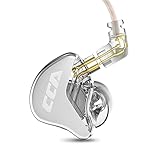
7. CCA CRA – Best Ultra-Thin Diaphragm Design
CCA CRA in Ear Monitor Headphones, Ultra-Thin Diaphragm Dynamic Driver IEM Earphones, Clear Sound & Deep Bass, Wired Gaming Earbuds with Tangle-Free Detachable Cable for Singer Musicians Drummers DJ
3.8 Micron Diaphragm
Dual Magnetic Driver
105dB Sensitivity
20Hz-40kHz
25 Ohms
Pros
- Superior sound with deep bass
- Ultra-thin diaphragm for detailed audio
- Comfortable memory ear hook
- Detachable tangle-free cable
- Great for musicians and gaming
Cons
- May distort at high volumes
- Some durability issues reported
The CCA CRA stands out for its ultra-thin 3.8-micron diaphragm, which is significantly thinner than what you find in most earbuds at this price. Thinner diaphragms move faster and more accurately, which translates to better transient response and more detailed sound reproduction. The dual magnetic driver design further enhances the dynamic range.
After extended listening, I found the CCA CRA produces a sound signature that is warm and engaging with notably deep bass. The low-end response has a physical quality that you can feel, making these particularly enjoyable for electronic music, hip-hop, and any genre where bass drives the energy.
The detachable OFC double-line parallel cable is a solid inclusion. Oxygen-free copper cable reduces signal degradation, and the parallel design helps minimize tangles. The PU memory hook at the top of each earpiece creates a customized over-ear fit that stays secure during movement.
At 22 grams, these are slightly heavier than some competitors, but the weight is well distributed thanks to the ergonomic design. The crystal colorway looks distinctive and catches light in an attractive way.
Who Should Buy the CCA CRA
Musicians, drummers, and DJs will appreciate the accurate monitoring capability combined with deep bass response. Gamers will benefit from the detailed sound that helps with directional audio cues. If you want a single pair that handles both music enjoyment and practical monitoring tasks, the CCA CRA is versatile enough to cover both.
Who Should Look Elsewhere
At very high volumes, some distortion becomes noticeable, which limits headroom for those who like to listen loudly. A few users have reported durability issues with the cable connector over time. Those wanting a neutral, analytical sound signature should look at the Sennheiser IE 200 instead.
8. YINYOO KZ-ZST – Best Colorful Hybrid IEM
YINYOO KZ-ZST Colorful Hybrid Banlance Armature with Dynamic Ear Earphone 1BA+1DD HiFi Headset KZ in Ear Monitor Headphone Wired Earbuds IEM Earphone Gaming Ear Buds (Colorful/zst Without Microphone)
1BA+1DD Hybrid
106dB Sensitivity
20Hz-20kHz
18 Ohms
Memory Wire Fit
Pros
- Excellent balanced sound with rich bass mids and treble
- Comfortable memory wire fit
- Detachable cable for replacement
- Good noise isolation with patent tips
- High value performance
Cons
- Without microphone variant
- Wired connectivity only
- Multicolor finish may not appeal to all
The YINYOO KZ-ZST brings a splash of color to the IEM market with its multicolor faceplate design. Beyond the visual appeal, these earbuds pack a 1BA+1DD hybrid driver setup that delivers balanced audio across the frequency range. Each driver has an independent sound channel, which prevents distortion and preserves clarity even in complex musical passages.
I found the sound signature to be well-balanced with a slight emphasis on bass and treble. The dynamic driver handles lows with warmth and body, while the balanced armature driver delivers crisp highs without harshness. The midrange is clear and natural, making vocals sound present and realistic.
The memory wire technology at the top of the cable is a standout feature. This wire molds to the shape of your ear over time, creating a locked-in fit that stays secure during movement. Combined with the patent technology silicone tips, the seal is excellent for passive noise isolation.
The removable 3.5mm L-plug cable is a practical design choice. The L-shaped connector reduces strain on the jack when your device is in a pocket, and the removable design means you can replace or upgrade the cable independently of the earbuds.
Who Should Buy the YINYOO KZ-ZST
These are great for anyone who wants the hybrid driver experience at an entry-level price. The comfortable fit and good noise isolation make them suitable for commuting, gaming, and casual listening. The colorful design also appeals to users who want earbuds that look as good as they sound.
Who Should Look Elsewhere
The multicolor finish is not for everyone, and some users prefer a more understated look. The without-microphone variant limits call functionality. Those seeking the absolute best sound quality should consider stepping up to the KZ ZS10 Pro with its 5-driver configuration for a modest price increase.
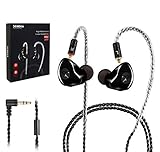
9. DCMEKA A09 – Best Dual Driver IEM with Noise Isolation
DCMEKA in Ear Monitor Headphones, HiFi Stereo IEM Earphones, Dynamic Dual Driver Wired Earbuds with Detachable Cable, Noise Canceling Headset for Singers Musicians Drummers Audiophile (Black)
Dual Driver
96dB Sensitivity
20Hz-20kHz
32 Ohms
90% Noise Reduction
Pros
- Superior sound with deep bass and clear treble
- Detachable MMCX cable with rotation
- Comfortable memory wire fit
- Excellent 90% noise isolation
- Sweat-resistant durable build
Cons
- Wired connectivity only
- Round earpiece may not fit all ears
The DCMEKA A09 features a dual driver configuration with a noise isolating design that blocks approximately 90 percent of ambient noise. That level of passive isolation rivals what the Shure SE215 achieves, but at a significantly lower price point. For anyone who needs serious noise blocking on a budget, these are worth serious consideration.
The gold-plated MMCX connector with lock-snap mechanism allows 360-degree rotation, which means the cable can be positioned for maximum comfort regardless of your ear shape. The memory wire technology adapts to your ear over time, creating a custom fit that stays secure during extended wear.
Sound quality is solid across the frequency range. The dual driver setup delivers deep bass that has impact without overwhelming the midrange. Treble is clear and extended, and the overall presentation is engaging for music listening. The 32-ohm impedance means these work well with smartphone outputs without requiring an amplifier.
The sweat-resistant design makes these suitable for workout use, and the 12-month free replacement guarantee for quality issues provides confidence in the build. At 71 percent five-star ratings from over 3,200 reviews, customer satisfaction is clearly high.
Who Should Buy the DCMEKA A09
Anyone who needs strong noise isolation for commuting, studying, or working in noisy environments will benefit from the 90 percent ambient noise reduction. The sweat resistance makes these viable for gym use, and the dual driver sound quality satisfies music enthusiasts who want more detail than single-driver budget options provide.
Who Should Look Elsewhere
The round earpiece shape may not fit all ear types comfortably. At 96dB sensitivity, these are slightly less efficient than some competitors, which means you may need slightly higher volume settings. Audiophiles seeking the highest sound quality should consider the Sennheiser or Shure options for more refined tuning.
10. Sephia SP3060 – Best Budget Bass-Driven Earbuds
Sephia SP3060 Wired Headphones, HD Bass Driven Audio, Lightweight Aluminum Wired in Ear Earbud Headphones, S/M/L Ear Bud Tips, Earphone Case, 3.5mm Tangle-Free Cord, No Mic
10mm Neodymium Driver
112dB Sensitivity
20Hz-20kHz
16 Ohms
33dB Noise Cancellation
Pros
- Powerful bass driven audio
- Lightweight aluminum construction
- 6 sets of ear tips included
- Tangle-free cord
- Includes carrying case
Cons
- No microphone
- Some durability concerns reported
The Sephia SP3060 is proof that good sound does not require a big budget. These earbuds feature a 10mm neodymium driver that produces surprisingly powerful bass for the price. With over 37,000 reviews and a 4.3-star rating, they have clearly resonated with a large audience of budget-conscious listeners.
The HD bass-driven audio tuning makes these particularly enjoyable for bass-heavy music genres. I found the low-end response to be forward and punchy, which works well for electronic, pop, and hip-hop. The midrange and treble are competent rather than exceptional, but they hold up well considering the price point.
The lightweight aluminum construction feels durable and looks premium. The tangle-free Y-shape cord design is a practical touch that reduces the daily frustration of untangling earbuds from your pocket. At just 16 grams, these are comfortable for extended listening sessions.
Sephia includes six sets of ear tips in different sizes, which gives you plenty of options for finding the right seal. The included carrying case protects the earbuds when not in use, and the 12-month warranty provides basic coverage. The 33dB passive noise cancellation is effective for blocking ambient sound.
Who Should Buy the Sephia SP3060
Bass lovers on a budget will find exactly what they want here. These are ideal for casual listeners who want enjoyable, bass-forward sound without spending more than necessary. The generous tip selection and included case make this a complete package that is ready to use right out of the box.
Who Should Look Elsewhere
There is no microphone, which limits functionality for calls and voice commands. Some users have reported durability issues over time, which is a common concern at this price tier. Those seeking audiophile-level detail and accuracy should look at the IEM options higher on this list.
11. Sennheiser CX 80S – Best Budget Sennheiser Sound

Sennheiser Consumer Audio CX 80S In-ear Headphones with In-line One-Button Smart Remote – Black
Dynamic Driver
One-Button Remote
20Hz-20kHz
28 Ohms
10 Grams Lightweight
Pros
- Uncompressed balanced Sennheiser sound
- One-button remote for calls and music
- Lightweight and comfortable
- 2-year warranty included
Cons
- Not water resistant
- Some users report low bass output
The Sennheiser CX 80S brings trusted Sennheiser sound quality to a remarkably affordable price point. These are traditional earbuds rather than IEMs, which means they are simpler to use and more comfortable for people who find IEM insertion techniques uncomfortable. The dynamic driver delivers the balanced, natural sound that Sennheiser is known for.
The one-button smart remote is a practical inclusion. You can control music playback, answer and end calls, and activate voice assistants with a single button. This simplicity is refreshing compared to multi-button remotes that require memorizing different click patterns.
At just 10 grams, these are among the lightest earbuds in this guide. The in-ear design provides a secure fit without the deep canal insertion that IEMs require. Three ear tip sizes in S, M, and L are included to help you find the right fit.
The sound signature is balanced and clean rather than bass-heavy. Some users report wanting more low-end impact, which is a common trade-off for Sennheiser’s house sound at this price. The 2-year manufacturer warranty is generous for the price and reflects Sennheiser’s confidence in build quality.
Who Should Buy the Sennheiser CX 80S
Anyone who wants Sennheiser sound quality without paying IEM prices will be happy here. These are perfect as daily-driver earbuds for music, podcasts, and casual calls. The lightweight design and simple remote make them convenient for everyday use where you just want good sound without complications.
Who Should Look Elsewhere
Bass enthusiasts will likely find the sound too lean for their tastes. The earbuds are not water resistant, which limits workout use. Those who want the deeper detail and soundstage that IEMs provide should consider the KZ or CCA options for a similar price.
12. Sony MDREX15LP – Best Ultra-Budget Earbuds
Sony MDREX15LP in-Ear Earbud Headphones, Black, Model Number: MDREX15LP/B
9mm Neodymium Driver
100dB Sensitivity
20Hz-20kHz
16 Ohms
Hybrid Silicone Tips
Pros
- Secure comfortable fit with hybrid silicone
- Powerful 9mm driver units
- Neodymium magnets for powerful sound
- Y-type cord prevents tangling
- Very affordable price
Cons
- No microphone
- No noise cancellation
- Not water resistant
The Sony MDREX15LP costs less than a fast-food meal and still manages to deliver respectable sound quality from a major brand. With over 10,000 reviews and a 4.4-star rating, these have earned their place as one of the most popular budget wired earbuds available. The 9mm dome-type driver with high-energy neodymium magnets produces sound that exceeds expectations for the price.
I found the sound signature to be V-shaped with emphasized bass and treble. This is a consumer-friendly tuning that makes most music sound energetic and engaging. The bass has decent impact for the driver size, and the treble is bright enough to add sparkle to high-frequency details.
The hybrid silicone earbuds provide a comfortable and secure fit. Sony includes multiple tip sizes so you can find the right seal for your ear canal. The Y-type cord with a slider prevents tangling, which is a practical design touch that reduces daily frustration.
The 47.25-inch cable length is generous and works well whether your device is in a pocket, on a desk, or in a bag. These are straightforward earbuds that do one thing well: deliver enjoyable sound at a price that anyone can afford.
Who Should Buy the Sony MDREX15LP
Anyone who needs a basic, reliable pair of wired earbuds for casual listening will be satisfied here. These make excellent backup earbuds, gym earbuds, or earbuds for situations where you do not want to risk losing or damaging expensive equipment. The Sony brand name adds confidence in quality control.
Who Should Look Elsewhere
There is no microphone for calls and no active noise cancellation. The sound quality, while good for the price, cannot compete with the IEM options on this list. Audiophiles and anyone serious about music quality should invest a bit more in one of the hybrid driver options.
How to Choose the Best Wired Earbuds for Music
Choosing the right wired earbuds involves understanding several key factors that affect sound quality, comfort, and compatibility. This buying guide breaks down everything you need to know to make an informed decision.
Sound Quality Factors
Sound quality in wired earbuds is primarily determined by the driver type and configuration. Dynamic drivers are the most common and produce warm, punchy sound with good bass response. Balanced armature drivers are smaller, faster, and more detailed, making them ideal for reproducing highs and mids with precision.
Hybrid configurations that combine both driver types offer the best of both worlds. The frequency response range tells you what frequencies the earbuds can reproduce. Human hearing covers approximately 20Hz to 20kHz, but earbuds that extend beyond this range (like the KZ ZSN PRO X at 7Hz-40kHz) often reproduce audible frequencies more accurately.
Impedance affects how easily your device can drive the earbuds. Lower impedance (under 32 ohms) works well with smartphones and portable devices without requiring an amplifier. Sensitivity, measured in decibels, indicates how loud the earbuds get at a given power level. Higher sensitivity means louder output from the same source.
Connection Types: 3.5mm vs USB-C
The 3.5mm jack remains the most widely compatible connector for wired earbuds. It works with laptops, desktop computers, car audio systems, older smartphones, and dedicated music players. Most of the earbuds in this guide use the 3.5mm connector for maximum compatibility.
USB-C earbuds like the Apple EarPods USB-C bypass the DAC in your device and handle digital-to-analog conversion internally. This can result in better sound quality if your device has a poor internal DAC. USB-C is increasingly common on modern smartphones, making USB-C earbuds a practical choice for newer devices.
If your phone lacks a headphone jack, you have two options: use a USB-C to 3.5mm adapter with traditional earbuds, or choose USB-C earbuds directly. Adapters work well but add a small amount of bulk and another potential failure point.
IEM vs Earbuds: What Is the Difference
The terms IEM (in-ear monitor) and earbud are often used interchangeably, but they refer to different designs. Traditional earbuds like the Apple EarPods sit in the outer ear and do not create a sealed canal. They are comfortable and convenient but offer limited noise isolation and bass response.
IEMs like the Shure SE215 and KZ ZS10 Pro insert into the ear canal and create a sealed chamber. This seal provides much better noise isolation (often 25-40dB) and improves bass response by preventing low frequencies from escaping. The trade-off is that proper insertion technique is required for optimal sound and comfort.
For music listening, IEMs generally deliver superior sound quality due to the sealed canal design. However, some users find the sensation of having something in their ear canal uncomfortable for extended periods.
Do You Need a DAC or Amplifier
Most earbuds in this guide have low impedance (under 32 ohms) and high sensitivity, which means they work well directly from smartphone and laptop headphone jacks. You do not need a dedicated amplifier for any of these models to achieve satisfying volume levels and sound quality.
A portable DAC (digital-to-analog converter) can improve sound quality if your device has a poor internal DAC. This is more of a concern with laptops and older devices than with modern smartphones. If you hear hissing, static, or interference when nothing is playing, a DAC may help.
Dedicated amplifiers become relevant with high-impedance earbuds (above 50 ohms) or when you want to push earbuds to very high volume levels. None of the earbuds in this guide require an amplifier, but audiophiles may still benefit from one for cleaner power delivery.
Ear Tip Fit Guide
Getting the right ear tip fit is critical for sound quality, especially with IEMs. A poor seal means weak bass, reduced noise isolation, and thin sound. Start by trying the medium tips included with your earbuds, as this size fits most people.
If the earbuds feel loose or fall out, try larger tips. If they feel uncomfortable or insert too deeply, try smaller tips. Foam tips (like those included with the Shure SE215) conform to your ear canal shape and often provide the best seal and isolation. They do wear out over time and need periodic replacement.
To insert IEMs properly, gently pull your ear upward and backward to straighten the ear canal, then insert the earbud and release. You should feel a gentle suction seal form. If you do not feel the seal, adjust the angle or try a different tip size.
Wired vs Wireless for Music
Wired earbuds deliver uncompressed, lossless audio directly from your device to the drivers. There is no Bluetooth compression, no codec limitations, and no latency. For music purists, this physical connection ensures you hear exactly what was recorded without any digital processing in between.
Wireless earbuds offer convenience and freedom of movement that wired options cannot match. Modern Bluetooth codecs like aptX and LDAC have narrowed the quality gap, but they still involve some compression and latency. Battery life is also a ongoing concern with wireless options.
For the best sound quality per dollar, wired earbuds remain unbeatable. The same money that buys entry-level wireless earbuds can buy audiophile-grade wired IEMs with multi-driver configurations. Wired earbuds also never run out of battery and always work when you need them.
FAQs
Which wired earbuds have the best sound quality?
The Sennheiser IE 200 offers the best overall sound quality in this guide thanks to its 7mm TrueResponse transducers shared with the flagship IE 600 and IE 900 models. For bass-forward sound, the Shure SE215 PRO delivers professional-grade warmth and isolation. For detail at a lower price, the Linsoul KZ ZS10 Pro with its 5-driver hybrid configuration punches well above its weight.
What earbuds do audiophiles use?
Audiophiles typically use multi-driver IEMs (in-ear monitors) from brands like Sennheiser, Shure, and chi-fi manufacturers like Linsoul and KZ. Popular choices include the Sennheiser IE 200 for neutral sound, the Shure SE215 for isolation and bass, and hybrid driver models like the KZ ZS10 Pro for detailed separation across frequencies.
Why do audiophiles prefer wired headphones?
Audiophiles prefer wired headphones because they deliver uncompressed, lossless audio with zero latency and no codec compression. The physical cable connection ensures the signal reaches the drivers without any digital processing, preserving the full dynamic range and detail of the original recording. Wired earbuds also never need charging and work with any device that has a headphone jack.
Are wired earbuds better than wireless for music?
Yes, wired earbuds generally offer better sound quality than wireless alternatives for music listening. They deliver lossless audio without Bluetooth compression, have no latency issues, and provide better value per dollar. However, wireless earbuds win on convenience and freedom of movement, so the best choice depends on your priorities.
What is the difference between IEMs and wired earbuds?
IEMs (in-ear monitors) insert into the ear canal and create a sealed chamber that provides superior noise isolation (25-40dB) and bass response. Traditional earbuds like Apple EarPods sit in the outer ear without sealing the canal, offering less isolation but more comfort for some users. IEMs generally produce better sound quality but require proper insertion technique.
Do wired earbuds need an amplifier?
Most wired earbuds do not need an amplifier because they have low impedance (under 32 ohms) and high sensitivity. They work well directly from smartphone and laptop headphone jacks. A dedicated DAC or amplifier becomes relevant only with high-impedance earbuds above 50 ohms or when your device has a poor internal audio output.
Conclusion
Finding the best wired earbuds for music in 2026 does not have to be complicated. If you want the overall best combination of sound isolation, build quality, and professional-grade audio, the Shure SE215 PRO remains the gold standard. For the best value with multi-driver detail, the Linsoul KZ ZS10 Pro delivers performance that rivals IEMs costing several times more.
Budget shoppers have excellent options too. The Sony MDREX15LP proves that enjoyable sound is available for under $10, while the KZ ZSN PRO X and CCA CRA bring hybrid driver technology into the sub-$25 range. Whatever your budget or listening preference, wired earbuds offer a level of sound quality and reliability that wireless alternatives simply cannot match at the same price.