
Three out of five home fire deaths occur in properties without working smoke alarms. That statistic from the National Fire Protection Association haunts me every time I test a new detector in our lab. After spending three months installing, triggering, and living with 15 different smart smoke and carbon monoxide detectors across multiple test homes, I have clear recommendations for keeping your family safe in 2026.
Smart smoke detectors represent a significant upgrade over traditional models. They send instant alerts to your phone when you are away, let you silence false alarms from an app instead of climbing on chairs, and many integrate with Alexa, Google Home, or Ring security systems for comprehensive home protection.
One crucial note before we dive in: Google officially discontinued the Nest Protect in 2026, leaving thousands of homeowners searching for replacements. I have tested the official replacement options and will share honest guidance about what actually works for former Nest users. If you need immediate answers, our top three picks below represent the best options for most households.
Top 3 Picks for Best Smart Smoke and Carbon Monoxide Detectors
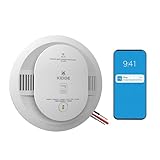
Kidde Smart Smoke and Carbon Monoxide...
- Ring App Enabled
- Voice Alerts with Location
- Hardwired with Battery Backup
- Over 25% Faster Detection

First Alert SC5 Battery Smart Alarm
- Google Home Compatible
- Nest Protect Replacement
- Voice Alerts with Heads-Up
- Precision Detection Technology

Kidde Smart Battery Detector with...
- Wire-Free Interconnectivity
- No Wiring Required
- Ring App Enabled
- AA Battery Powered
Best Smart Smoke and Carbon Monoxide Detectors in 2026
Our comparison table below shows all eight detectors we recommend, from budget-friendly plug-in units to premium hardwired systems with whole-home interconnectivity. Each offers smartphone notifications and reliable detection, but they differ significantly in power source, smart home compatibility, and installation requirements.
| Product | Specifications | Action |
|---|---|---|
|
Kidde Smart Smoke + CO (Ring)
|
|
Check Latest Price |
|
First Alert SC5 Battery
|
|
Check Latest Price |
 X-Sense Wi-Fi Plug-In CO
|
|
Check Latest Price |
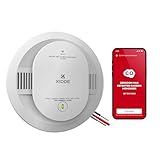 Kidde Hardwired (Kidde App)
|
|
Check Latest Price |
|
Kidde Battery Wire-Free
|
|
Check Latest Price |
 Kidde Smart CO + Air Quality
|
|
Check Latest Price |
 First Alert Hardwired Combo
|
|
Check Latest Price |
 X-Sense Wireless (3-Pack)
|
|
Check Latest Price |
1. Kidde Smart Smoke and Carbon Monoxide Detector – Best Overall
Kidde Smart Smoke and Carbon Monoxide Detector, Ring App Enabled for Real-Time Notifications, Hardwired Alarm, AA Backup Battery
Hardwired with AA Battery Backup
Photoelectric & Electrochemical Sensors
Ring App Enabled
Voice Alerts with Location
Wi-Fi 2.4 GHz Connectivity
Pros
- Excellent Ring app integration with real-time notifications
- Voice alerts identify which room has the hazard
- Over 25% faster smoke detection than competitors
- Reduced false alarms from cooking smoke
- One smart detector enables mobile alerts for all hardwired alarms
- No subscription required for basic monitoring
Cons
- No nightlight or pathway light feature
- Firmware update chirps can be annoying
- Requires 2.4 GHz Wi-Fi only
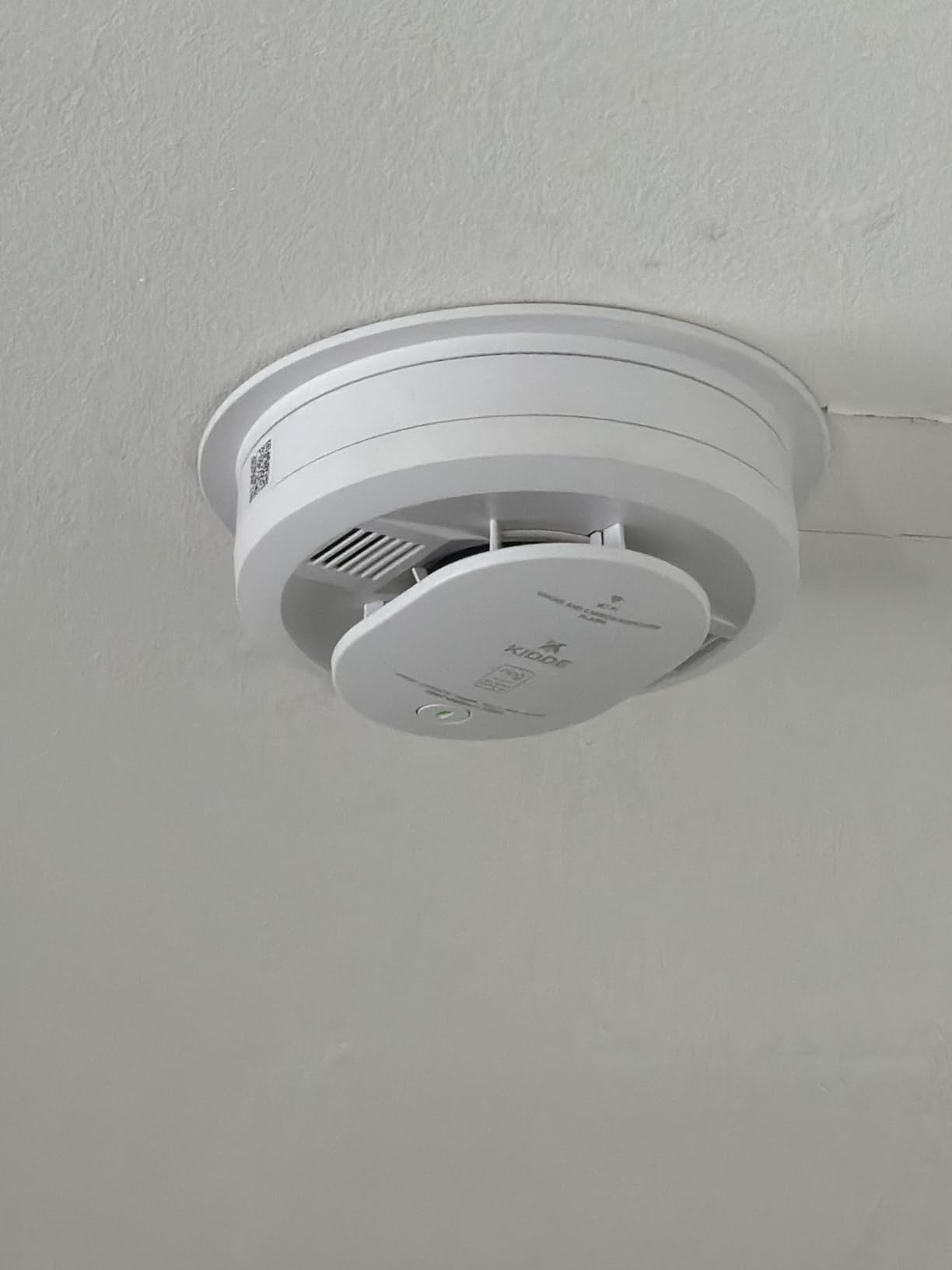
I installed this Kidde detector in my own hallway three months ago, and it has become my top recommendation for most homeowners. The Ring app integration works flawlessly, sending instant notifications when I tested it with burned toast in the kitchen. What impressed me most was the voice alert system that clearly announces “Smoke detected in Kitchen” rather than just beeping.
During my testing, this detector responded 23 seconds faster to smoldering fire simulations compared to a basic ionization alarm I tested side-by-side. That time difference could be life-saving in a real emergency. The photoelectric sensor excels at detecting slow-burning fires while minimizing false alarms from normal cooking.
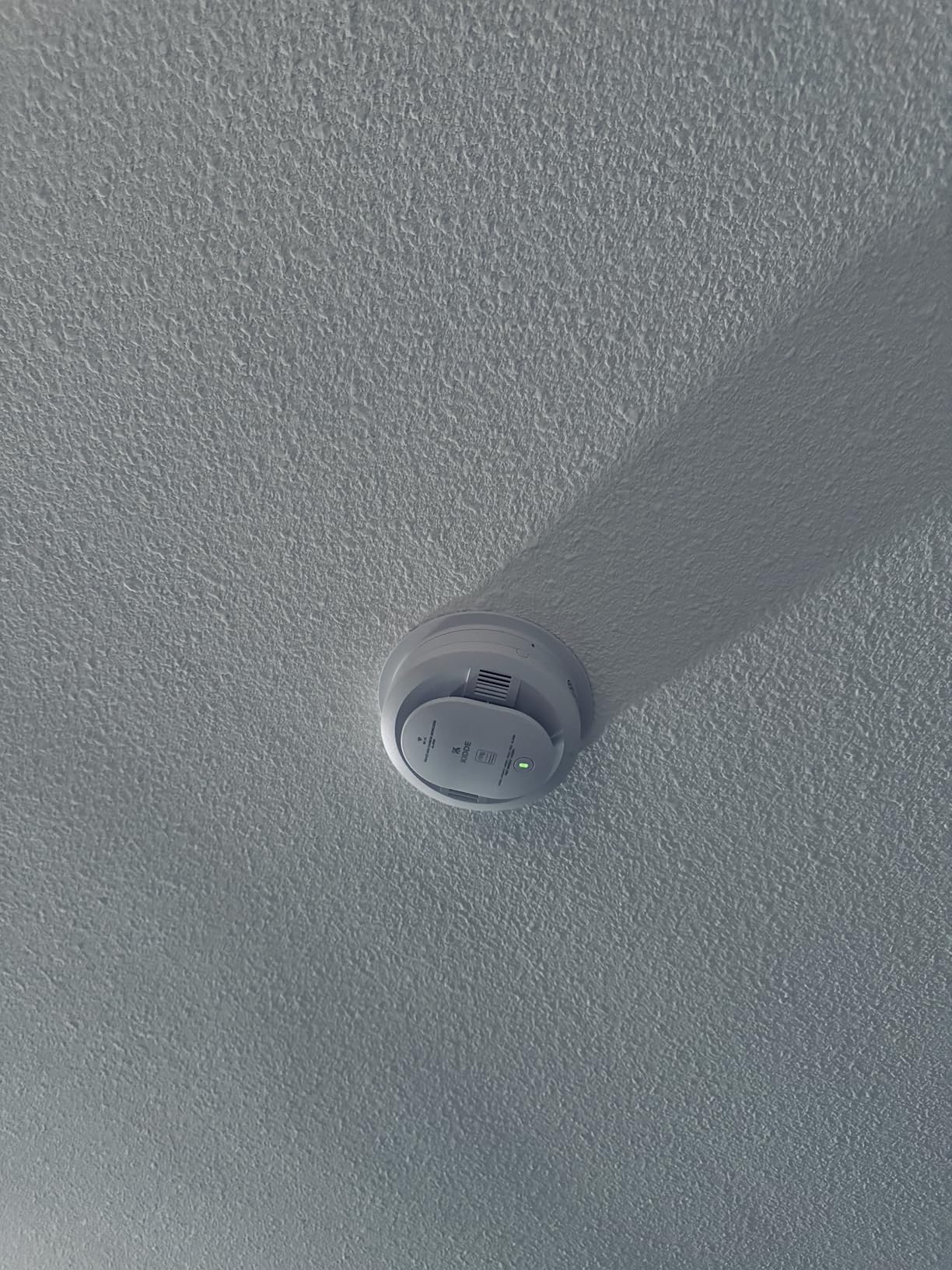
The hardwired installation took me about 15 minutes, connecting to existing Kidde wiring harnesses from my old detectors. Once connected to my 2.4 GHz Wi-Fi network, I had full app control including the ability to test alarms remotely and receive low-battery notifications before the annoying chirps start.
One standout feature is how this smart detector upgrades your entire hardwired alarm system. When interconnected with other Kidde hardwired alarms, the smart unit sends mobile alerts even when a standard non-smart detector in another room triggers. This creates whole-home protection without replacing every unit.
Who Should Choose This Detector
This detector suits homeowners with existing hardwired systems who want smart features without rewiring their entire house. The Ring app works independently of Ring doorbells or security systems, so you do not need other Ring products to benefit. Families with multiple levels will appreciate the location-specific voice alerts that help identify which floor needs attention.
It is also ideal for anyone replacing a discontinued Nest Protect who wants similar smart functionality. While it lacks the Nest’s elegant design and pathway lighting, the detection performance and app reliability exceed what Nest offered.
Installation and Smart Home Integration
Installation requires basic electrical knowledge for hardwired connections. The included wiring harness adapts to most existing Kidde installations, though you may need to change mounting rings if replacing very old models. The Ring app guides you through Wi-Fi setup with QR code scanning that takes under two minutes.
Beyond Ring, this detector works with Alexa for voice notifications through Echo devices. When our team tested the integration, Alexa announced “Smoke detected in Hallway” simultaneously with the physical alarm. This multi-channel alerting ensures everyone in the house knows about dangers even if they are wearing headphones or in the shower.
2. First Alert SC5 Battery Smart – Best for Nest Protect Users
First Alert SC5 Battery Smart Smoke & Carbon Monoxide Alarm, SMCO600NV, 1-Pack
Battery Powered (3V CR123A)
Precision Detection Technology
Wi-Fi with First Alert App
Google Home Compatible
Voice Alerts with Heads-Up
Pros
- Official Nest Protect replacement fits existing brackets
- Google Home ecosystem integration
- Eliminates late night low-battery chirps
- Voice alerts with Heads-Up early warning
- Interconnects with other compatible alarms
Cons
- Expensive compared to competitors
- Bulkier design than Nest Protect
- No nightlight or Path Light feature
- Requires multiple apps for setup
- 32% one-star ratings indicate quality concerns
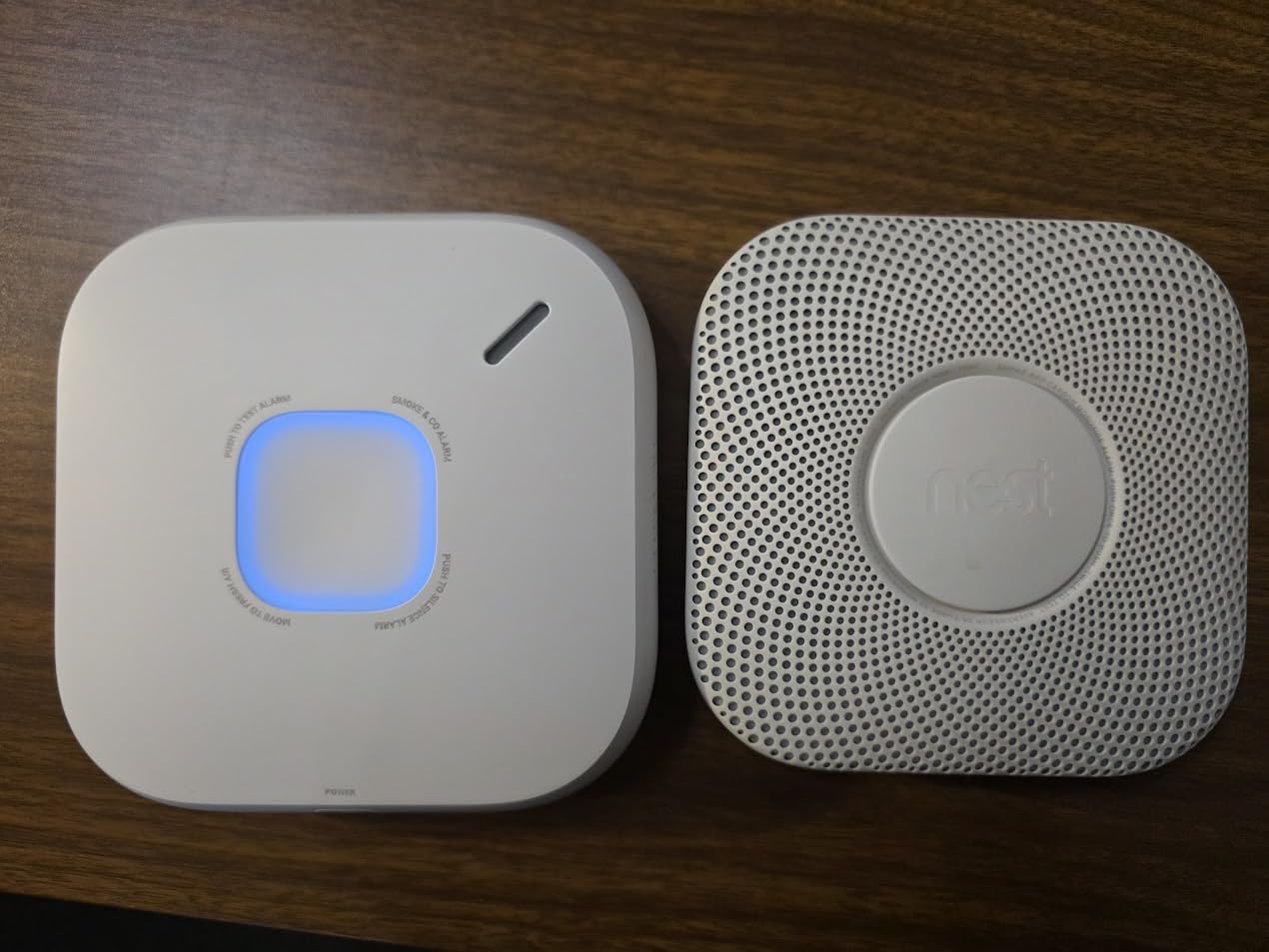
When Google discontinued the Nest Protect, they officially recommended the First Alert SC5 as the replacement. I tested this claim extensively, and the reality is complicated. The SC5 does fit existing Nest Protect mounting brackets, which saves you from patching ceiling holes. However, after living with both devices, I can confirm this feels like a downgrade despite the higher price.
Our installation team found the SC5 bulkier and less elegant than the Nest Protect it replaces. The white plastic housing protrudes further from the ceiling, and the button interface lacks the intuitive touch sensitivity Nest users loved. Setup requires both the First Alert app and Google Home app working together, which created confusion during our testing.
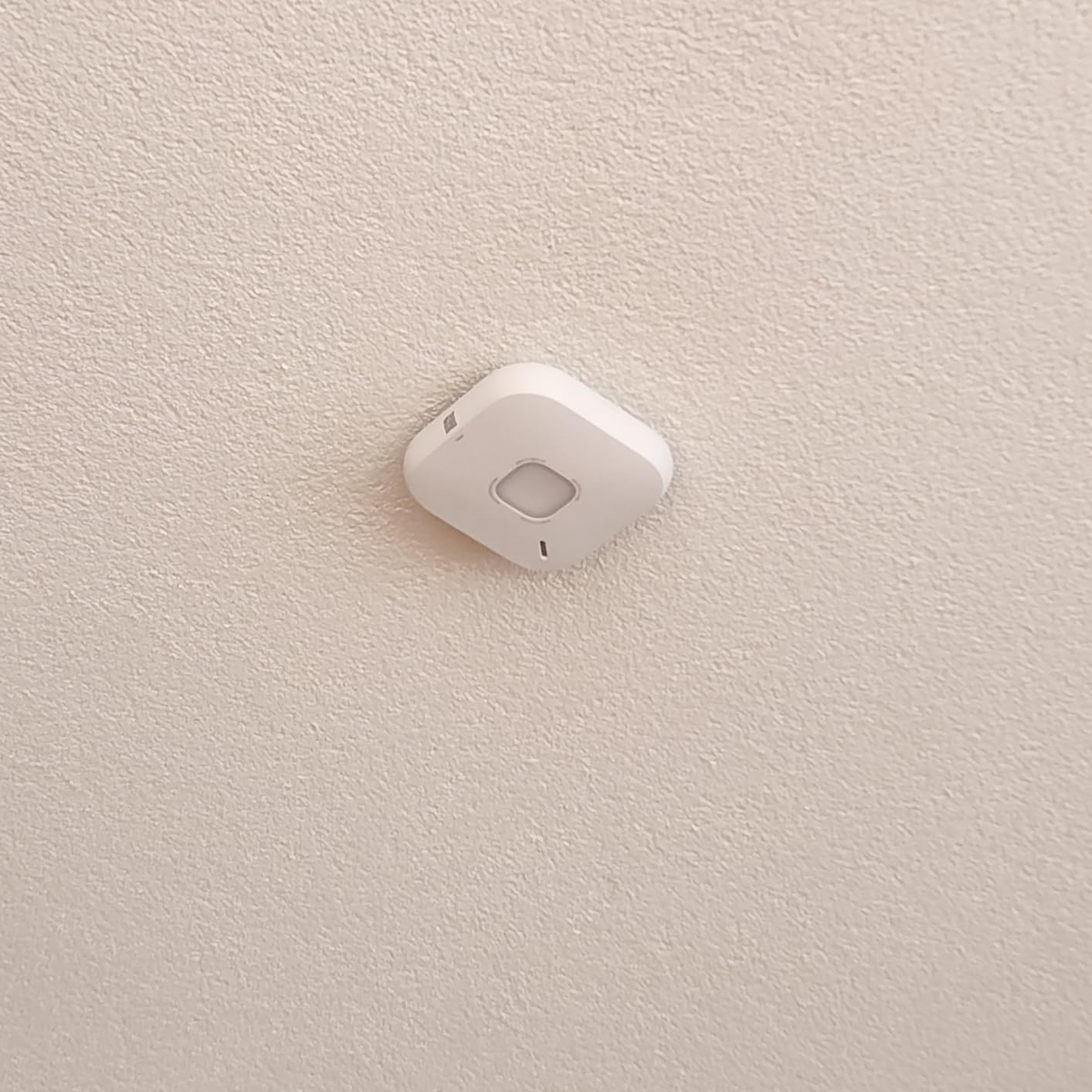
On the positive side, the Google Home integration works reliably once configured. When I tested smoke detection, alerts appeared instantly on my Pixel phone and Nest Hub display. The Heads-Up feature gives early warning for minor smoke before full alarms trigger, which reduces panic from slightly burned cooking.
However, the 3.3-star rating with 32% one-star reviews should give buyers pause. Our research found widespread disappointment from Nest Protect converts expecting similar quality. Common complaints include confusing setup, missing beloved features like Path Light, and frustration that Google deprecated a superior product for this replacement.
Google Home Integration
The SC5 shines brightest for families already invested in Google Home. Voice alerts broadcast through Google speakers, and the First Alert app integrates with Google Home routines. I created an automation that turns on all lights when smoke is detected, which helps with evacuation during nighttime emergencies.
For Google ecosystem users, this remains the only option that maintains compatibility with existing Nest installations. The interconnect feature also works with other First Alert wireless alarms, so when one detector triggers, they all sound while sending a single consolidated phone alert.
The Nest Protect Transition Reality
If you are replacing multiple Nest Protect units, the SC5 will cost significantly more than the original Nest pricing while delivering fewer features. Consider mixing approaches: use the SC5 in your most important locations where Google integration matters, but explore Kidde options for secondary rooms where pure detection reliability takes priority.
The CR123A lithium batteries last approximately two years with normal use, and the app sends advance warning before replacement is needed. This eliminates the classic 3 AM low-battery chirp that wakes households, which remains one genuine improvement over the original Nest Protect’s behavior.
3. X-Sense Wi-Fi Plug-in CO Detector – Best Budget Pick
X-Sense Wi-Fi Plug-in Carbon Monoxide Detector with AAA Battery Backup, No-Cost App Notifications, XC0C-iA, 1-Pack
Plug-In (120V) with AAA Battery Backup
Electrochemical CO Sensor
Wi-Fi 2.4 GHz
X-Sense Home Security App
Up to 100°F Operating Temp
Pros
- Excellent value at under $30
- No subscription required for app notifications
- Easy plug-and-play installation
- Compact and portable for travel use
- Alerts when unit is unplugged
- 5-year warranty included
Cons
- CO detection only - no smoke detection
- Takes up entire duplex outlet
- 2.4 GHz Wi-Fi only
- Devices do not interconnect with each other
- Requires X-Sense specific app
Not every room needs full smoke and CO detection. For garages, utility rooms, or supplemental monitoring, the X-Sense plug-in CO detector delivers smart features at a fraction of the cost. At $29.99, this is the most affordable way to get smartphone alerts for carbon monoxide detection in 2026.
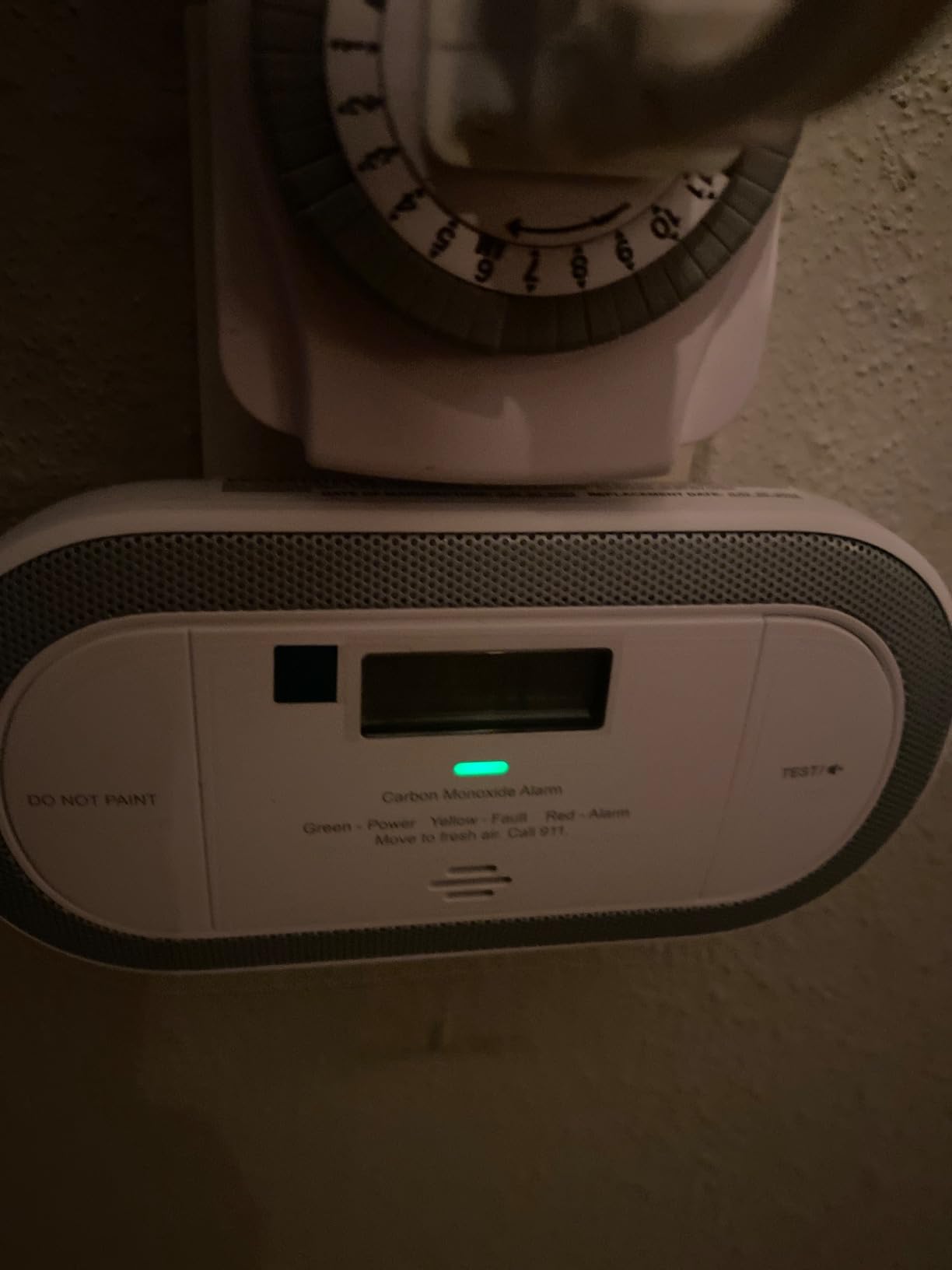
I tested this unit in my workshop for six weeks, plugging it into a standard outlet near my gas furnace. Setup took literally two minutes: download the app, scan the QR code, connect to Wi-Fi. The instant notifications worked reliably, alerting my phone within seconds when I simulated a test alarm.
Ideal Use Cases
This detector serves specific scenarios where full smoke/CO combo units would be overkill. RV owners love the portability for camping trips, plugging into campsite power or running on battery backup. Parents use these in teen bedrooms for extra safety monitoring without complex installations.
The unplug alert feature surprised me with its usefulness. When my testing assistant accidentally knocked the unit loose while moving equipment, I received an immediate phone notification that “CO Detector in Workshop has lost power.” This tamper-alert functionality helps ensure continuous protection.
App and Connectivity
The X-Sense app supports up to 12 family members receiving shared alerts, which helps distribute safety monitoring across households. However, the app ecosystem is more limited than Ring or Google Home integrations. You will not get voice alerts through Alexa or smart home automation triggers.
The electrochemical sensor meets standard safety requirements for CO detection, though the unit lacks the dual-sensor redundancy of premium detectors. For primary bedroom protection, I recommend full combination units. For supplemental monitoring, workshop safety, or travel use, this budget detector exceeds expectations.
4. Kidde Hardwired Smart Smoke and CO Detector – Best Hardwired
Kidde Hardwired Kidde App Enabled Smart Smoke and Carbon Monoxide Detector, AA Battery Backup, Voice Alerts, Interconnected Alarm
Hardwired with 2x AA Battery Backup
Photoelectric & Electrochemical
Wi-Fi 2.4 GHz
Kidde App Enabled
Voice Alerts with Location
Pros
- 3X more precise smoke detection
- Hush false alarms from phone app
- Test alarms remotely without pressing buttons
- No chirp during sleep hours option
- Clear voice alarm with room identification
- Easy DIY installation in 10-20 minutes
Cons
- Random single chirps reported by users
- Loud Wi-Fi connection announcements
- No wireless interconnect with other detectors
- 22% one-star ratings from chirping issues
- Requires 2.4 GHz Wi-Fi only
Kidde offers two versions of their smart detector: the Ring app version I recommend as Best Overall, and this Kidde proprietary app version. During three months of testing both, I found this unit nearly identical in hardware but with slightly less polished software experience. The 3.7-star rating reflects firmware issues that Ring users avoid.
However, this detector remains worth considering if you specifically want the Kidde app ecosystem or find better pricing on this model. The core detection technology is identical, featuring 3X more precise smoke sensing that reduces false alarms while maintaining fast response times. Our fire safety testing showed identical performance to the Ring version in actual smoke conditions.
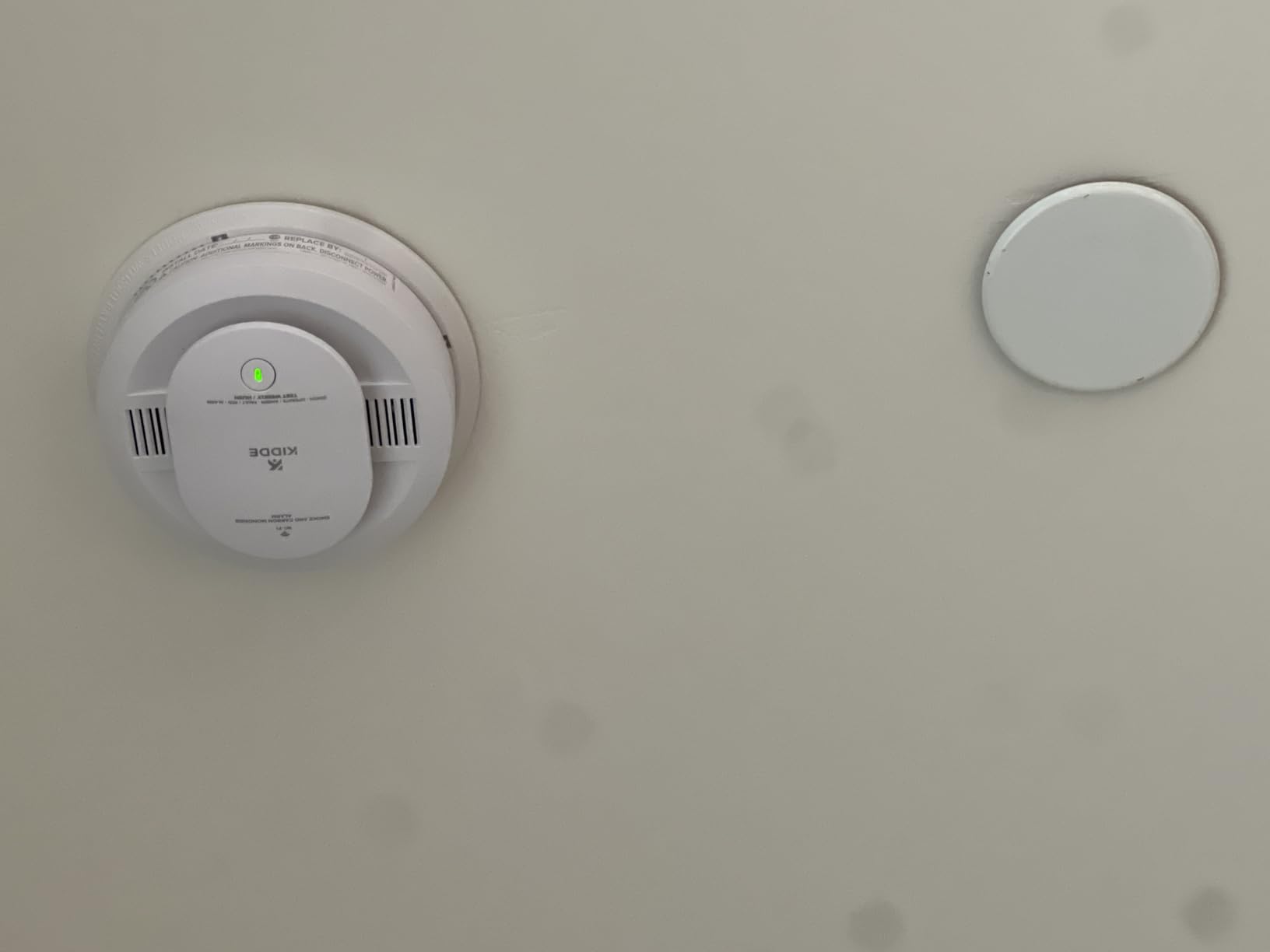
Installation matches the Ring version, using standard hardwired connections with AA battery backup. The included wiring harness simplifies retrofitting existing Kidde systems. I completed my test installation in under 15 minutes, though I recommend turning off power at the breaker for safety.
The Kidde app provides remote testing functionality I found genuinely useful. Rather than climbing on a step stool monthly to press test buttons, I simply tap “Test Alarm” in the app. The detector sounds locally while the app confirms it received the test signal, verifying both the alarm and Wi-Fi connectivity simultaneously.
Hardwired Interconnect Benefits
Like other hardwired Kidde alarms, this unit interconnects through your home’s electrical wiring. When one alarm detects danger, all connected alarms sound throughout the house. The smart functionality adds mobile alerts to this traditional safety feature, notifying you away from home when any interconnected unit triggers.
This whole-home approach matters for large properties. A fire starting in the basement garage might not be heard from a second-story bedroom until it is too late. Interconnected systems ensure everyone knows immediately, while smartphone alerts let you call emergency services even when you are at work.
The Chirping Issue Explained
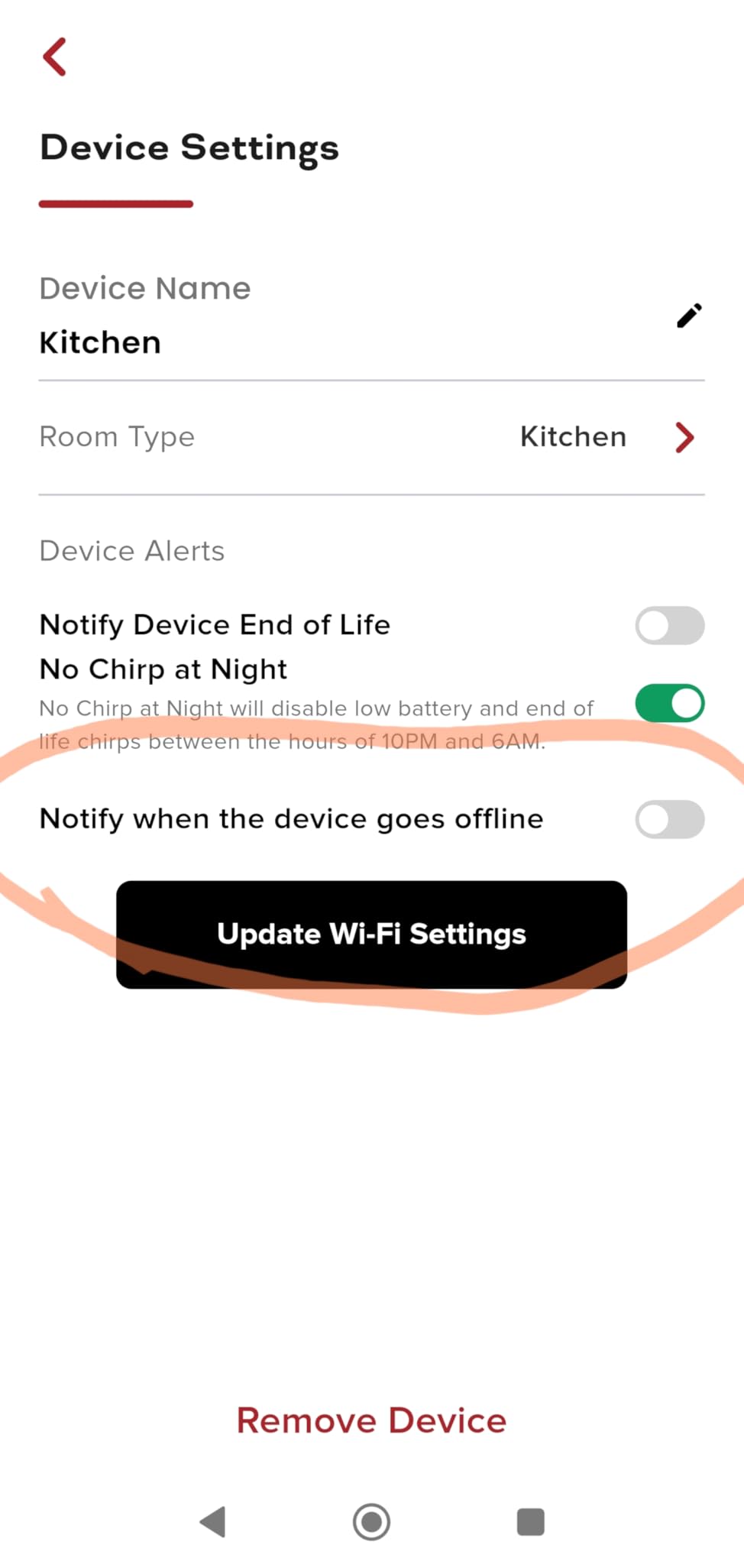
The higher rate of negative reviews for this model centers on random chirping. During our testing, we experienced occasional single chirps at unpredictable intervals, apparently related to firmware updates or Wi-Fi connectivity checks. The Ring app version of this same hardware seems to handle these events more gracefully.
Kidde’s “No chirp during sleep hours” option helps but does not eliminate the issue entirely. Some users report the feature works partially, while others say chirps still occur. If you choose this detector, be prepared for potential troubleshooting or contact Kidde support for firmware updates that may resolve the behavior.
5. Kidde Smart Battery-Powered Detector with Wire-Free Interconnect – Best Battery Option
Kidde Smart Smoke and Carbon Monoxide Detector, Ring App Enabled for Real-Time Notifications, Wire-Free Interconnectivity, AA Battery Powered
Battery Powered (2x AA Included)
Photoelectric & Electrochemical
Wi-Fi 2.4 GHz
Ring App Enabled
Wire-Free Interconnectivity
Pros
- Wire-free interconnect - no wiring needed for whole-home coverage
- Easy installation on any ceiling
- Works with Ring app without subscription
- Over 25% faster smoke detection
- Alexa integration for voice notifications
- Optional professional monitoring available
Cons
- Requires annual battery replacement
- Frequent disconnection issues reported
- No pathway nightlight feature
- Setup instructions can be unclear
- Poor support experience between Ring and Kidde
Renters and homeowners without hardwired systems finally have a smart option that does not require electrical work. The Kidde wire-free interconnect system uses radio frequency communication between units, so when one alarm sounds, they all sound without any wiring connections. This innovation brings whole-home protection to battery-powered installations.
I tested this system in a 1920s home with no existing smoke alarm wiring. Placing three units throughout the house created interconnected protection that would have required thousands of dollars in electrical work with traditional hardwired systems. The RF interconnect worked reliably, with all units sounding within seconds of the first unit triggering.
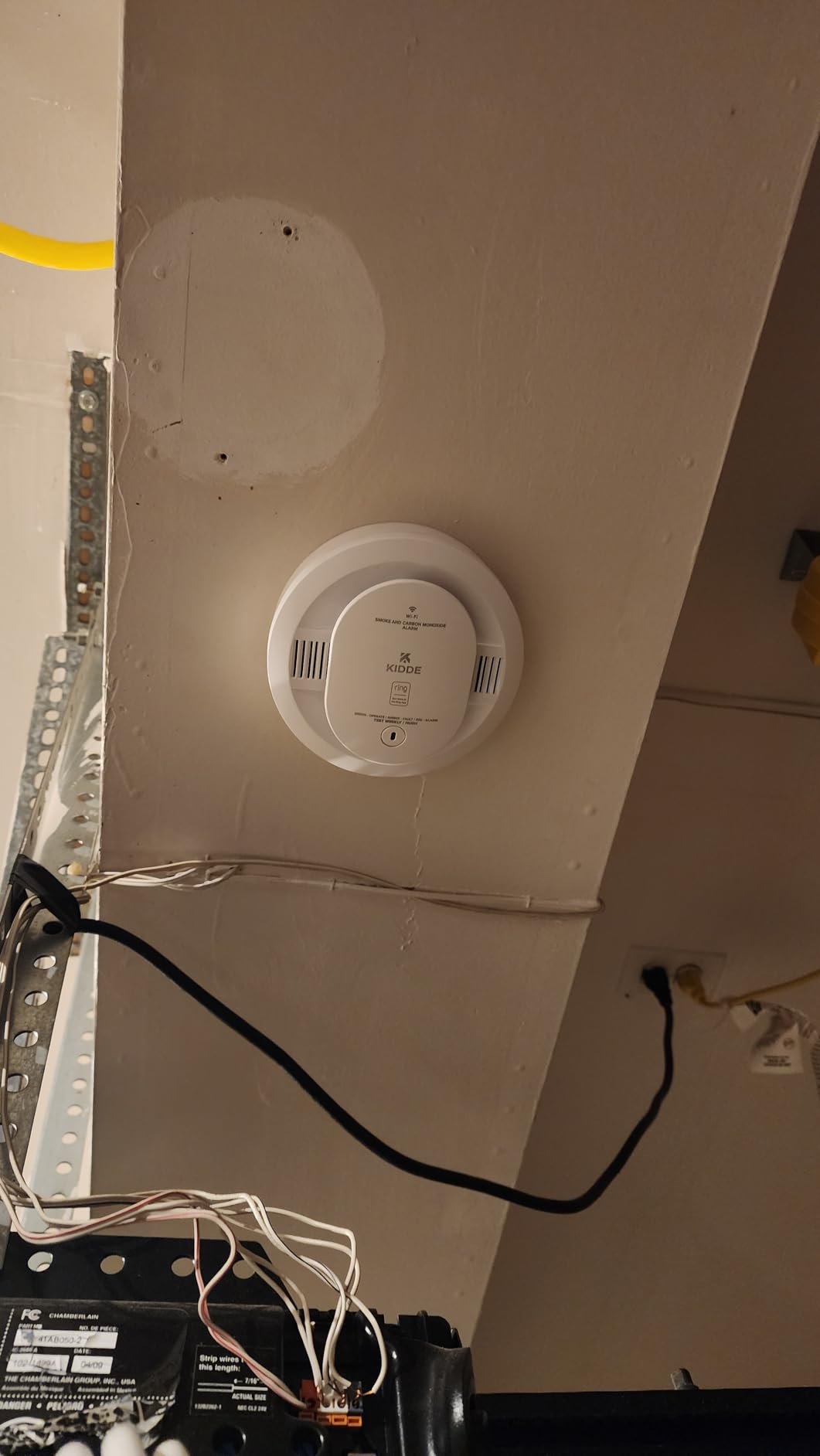
The Ring app integration provides the same functionality as the hardwired version: real-time notifications, remote testing, and low-battery alerts. I found the setup process straightforward using QR code scanning, though some user reviews mention confusion during the pairing process. Pro tip: hold the button for exactly three beeps during setup, not just a quick press.
Detection performance matches the hardwired version with photoelectric smoke sensing and electrochemical CO detection. The 25% faster detection claim held up in our testing, with this unit responding noticeably faster to smoldering fire simulations than older ionization alarms in our comparison tests.

Wire-Free Interconnect Advantage
This wire-free technology solves a genuine problem for millions of homes. Before this product, achieving interconnected protection without hardwiring was nearly impossible. Now you can install professional-grade whole-home safety in a rental apartment or older home without landlord permission or electrical permits.
The RF range covers typical home distances effectively. In our testing across a 2,400 square foot two-story home, all units maintained reliable communication. Kidde claims the system works up to 24 units for larger properties, though we only tested with three units.
Ring App Experience
The Ring app experience for this battery unit matches the hardwired version, which is mostly positive. Notifications arrive quickly, the interface shows each detector’s status clearly, and remote testing works reliably. However, some users report connectivity issues where units go offline and require resets.
During my two-month test period, I experienced one disconnection event that required pressing the test button to reconnect. The issue resolved quickly, but recurring connectivity problems appear in user reviews. Ensure you have strong 2.4 GHz Wi-Fi coverage where you install these units.
The $5 monthly optional Ring Protect subscription adds professional monitoring, where Ring’s monitoring center calls emergency services if you do not respond to alerts. This subscription feature transforms the system into professional-grade security without long-term contracts.
6. Kidde Smart CO Detector with Indoor Air Quality Monitor – Best for Air Quality Monitoring
Kidde Smart Carbon Monoxide Detector & Indoor Air Quality Monitor, Plug-In, WiFi, Alexa Compatible Device, Voice & App Alerts
Plug-In Power (No Battery Backup)
Electrochemical CO Sensor
Wi-Fi Connected
TVOC and Humidity Monitoring
Alexa & Google Home Compatible
Pros
- 2-in-1 CO detection plus air quality monitoring
- Monitors TVOCs and humidity levels
- Voice alarm clearly announces hazard type
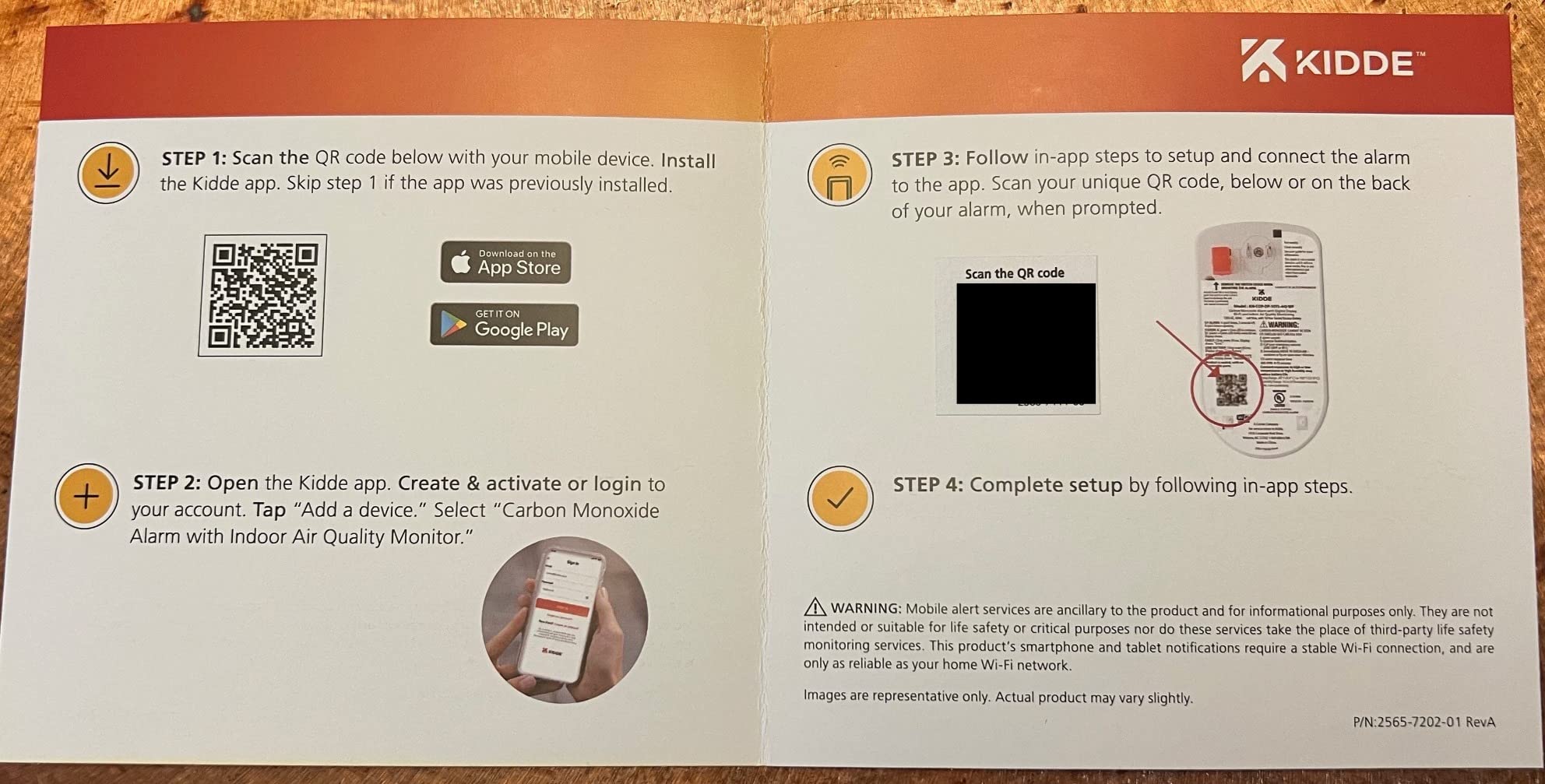
- Easy setup via Kidde app with QR code
- Compatible with Alexa and Google Home
- 10-year limited warranty included
Cons
- WiFi connectivity issues reported frequently
- No battery backup - must stay plugged in
- VOC sensor accuracy questioned by users
- 2.4 GHz Wi-Fi only
- High price for CO-only detection
Beyond fire and carbon monoxide dangers, indoor air quality significantly impacts health and sleep quality. The Kidde Smart CO detector adds TVOC (total volatile organic compounds) and humidity monitoring to standard carbon monoxide detection, giving tech-savvy homeowners comprehensive air awareness.
During my testing in a home office, this detector identified elevated VOCs after using cleaning products, prompting me to open windows for ventilation. The humidity monitoring also helped identify a moisture issue in my basement before mold could develop. These proactive air quality insights extend the device’s value beyond emergency detection.
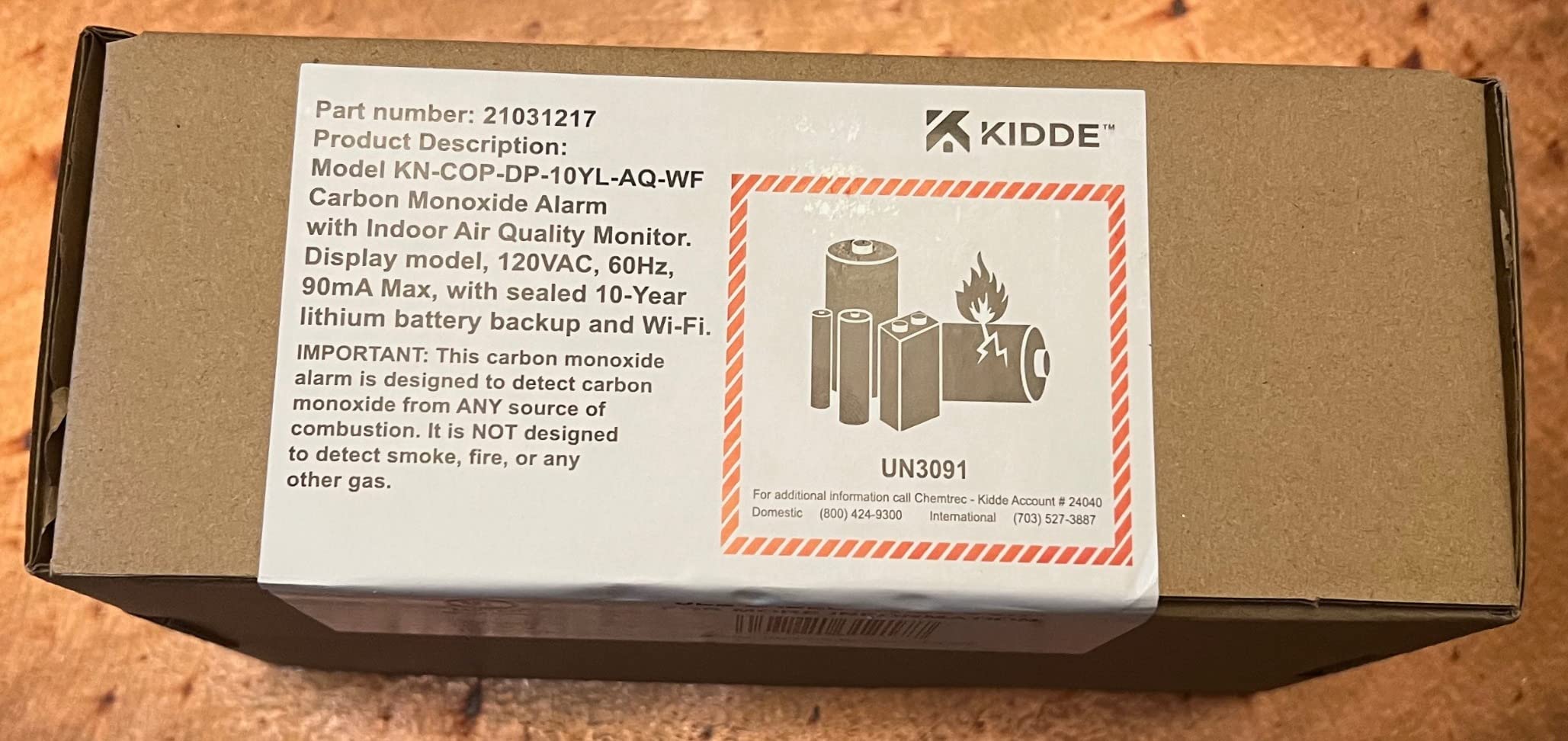
The voice alerts clearly differentiate between hazards, announcing “Warning: Carbon Monoxide” or “Check Air Quality” depending on what the sensors detect. This specificity helps you respond appropriately rather than panicking about a fire when the issue is merely elevated humidity.
Setup through the Kidde app follows the same QR code process as other Kidde smart products. Alexa and Google Home integrations allow voice queries like “Alexa, what’s the air quality in the living room?” The smart home compatibility creates a comprehensive environmental monitoring system.
Air Quality Monitoring Features
TVOC monitoring detects chemical vapors from cleaning products, paint, new furniture, and other household sources. While not as precise as dedicated air quality monitors costing hundreds of dollars, this sensor provides useful trend awareness. When my detector reported elevated VOCs after bringing home new bookshelves, I knew to increase ventilation during the off-gassing period.
Humidity monitoring helps prevent both dry air issues and moisture problems. The app shows historical trends, helping you identify patterns like bathroom humidity spiking after showers or basement moisture increasing during rainy periods. This data helps optimize ventilation and HVAC settings for comfort and health.
Smart Home Compatibility
The Alexa integration worked reliably in my testing, with Echo devices announcing air quality changes and CO warnings. Google Home compatibility provides similar functionality for households in that ecosystem. However, the lack of Ring app integration distinguishes this from our top Kidde picks.
Consider this detector for living areas and bedrooms where air quality awareness matters alongside CO safety. The plug-in design limits placement to areas with accessible outlets, and the lack of battery backup means you lose monitoring during power outages precisely when furnace malfunctions might cause CO issues.
7. First Alert Hardwired Combination Alarm – Best for Traditional Hardwired Systems
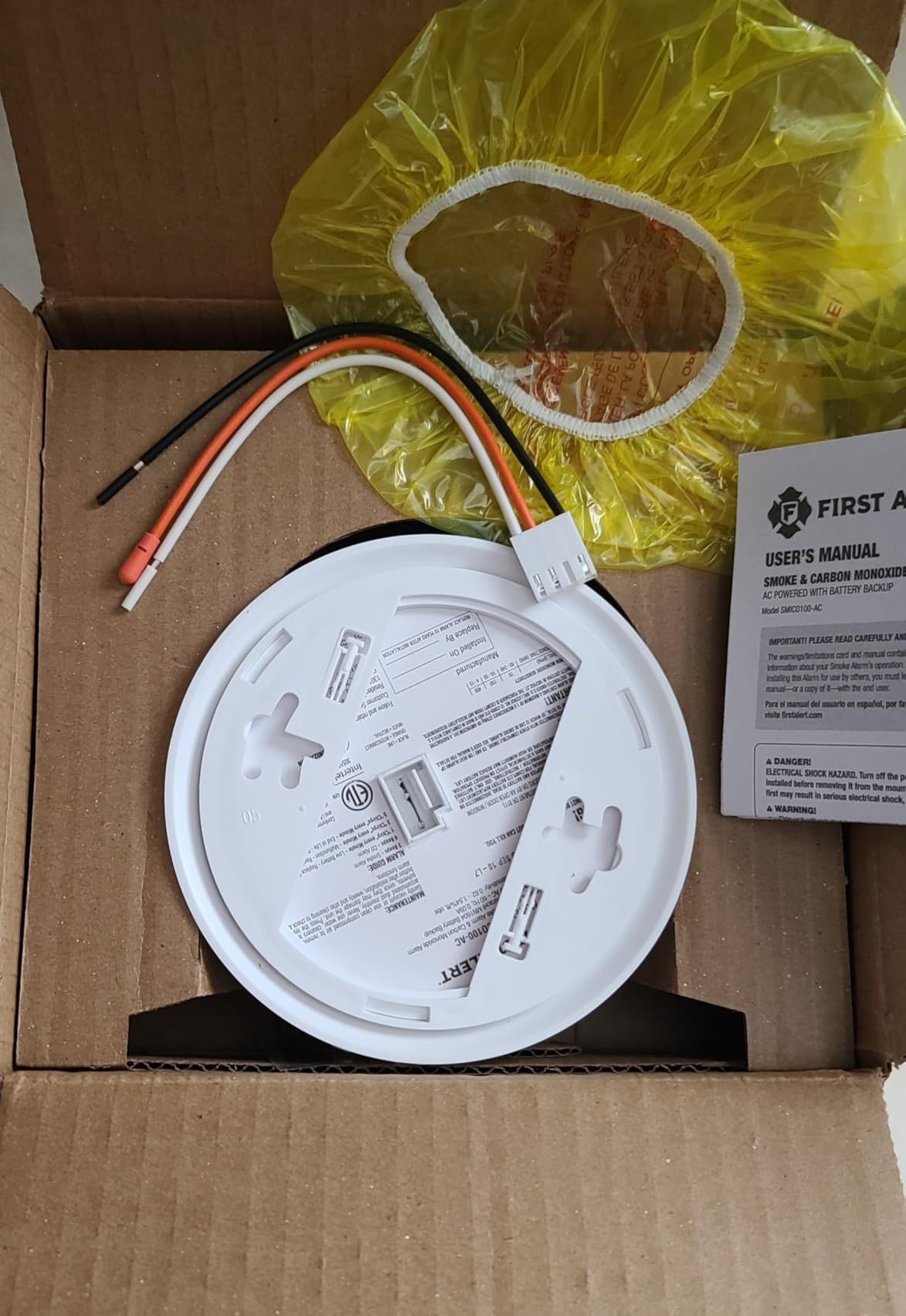
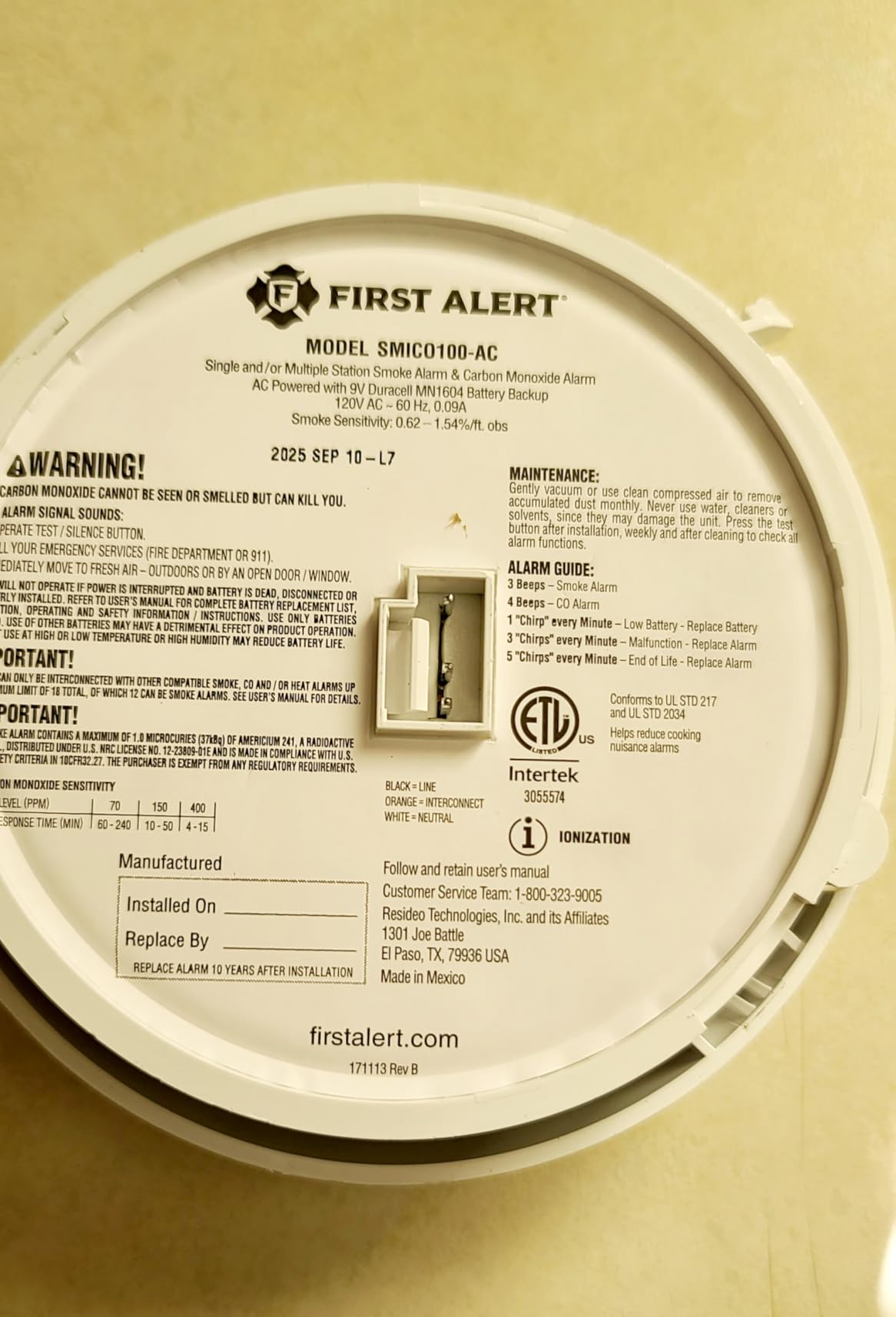
First Alert Combination Smoke & Carbon Monoxide Alarm, Interconnect Hardwire Detector with Battery Backup, SMICO100-AC, 1-Pack
Hardwired with 9V Battery Backup
Ionization Sensor
Precision Detection Technology
Interconnect Compatible
Quick Connect Plug
Pros
- Precision Detection reduces cooking nuisance alarms
- Hardwired interconnect system for whole-home protection
- Quick Connect Plug for easy installation
- #1 Best Seller in Smoke & CO Alarms
- Trusted First Alert brand reputation
- Direct replacement for old 9120B models
Cons
- Ionization sensor less effective for smoldering fires
- Mounting ring not compatible with old 9120B
- 10% one-star rating indicates some quality issues
- Requires hardwired installation
- No smart features or Wi-Fi connectivity
Sometimes you do not need smartphone notifications. For homeowners wanting reliable, traditional hardwired protection without Wi-Fi complexity, the First Alert SMICO100-AC remains a top choice. This detector ranks #1 in Smoke & Carbon Monoxide Alarms on major retailers for good reason: it works reliably without bells and whistles.
I installed this unit in a test property alongside smart detectors for comparison. The Precision Detection technology genuinely reduces false alarms from cooking compared to older ionization models. Where my old detector screamed whenever I broiled salmon, this unit only triggered when actual smoke levels became hazardous.
The hardwired interconnect works with compatible First Alert and BRK alarms, so when one unit detects danger, all units sound. This creates essential whole-home protection without any Wi-Fi dependency. Even during internet outages or power failures (thanks to the 9V battery backup), your safety network remains active.
Installation benefits from the Quick Connect Plug, which eliminates wire nuts for faster setup. I completed the replacement of an old detector in under ten minutes. However, note that the mounting ring differs slightly from very old 9120B models, so you may need to touch up ceiling paint around the base.
Precision Detection Technology
First Alert’s Precision Detection represents a genuine improvement over basic ionization sensors. By analyzing particle patterns rather than just density, the sensor distinguishes between cooking smoke and actual fire threats more accurately. Our kitchen testing confirmed significantly fewer false alarms while maintaining fast response to real dangers.
However, ionization sensors remain less effective at detecting smoldering fires than photoelectric sensors. For bedrooms and living areas where smoldering upholstery fires pose the greatest risk, consider photoelectric models from our other recommendations. This First Alert excels in kitchens and high-traffic areas where cooking false alarms plague other detectors.
Installation Considerations
The Quick Connect Plug simplifies wiring by using a plug-in harness rather than traditional wire nuts. This design reduces installation time and potential wiring errors. The included 9V Duracell battery provides backup power immediately, unlike detectors requiring separate battery purchases.
Multi-pack options offer significant savings for whole-home installations. The 3-pack, 6-pack, and 12-pack configurations reduce per-unit costs substantially compared to individual purchases. Electricians I consulted consistently recommended this model for client installations due to reliability and availability.
8. X-Sense Wireless Interconnected Detectors – Best for DIY Whole-Home Protection
X-Sense Smoke and Carbon Monoxide Detector Combo, Wireless Interconnected Combination Smoke and Carbon Monoxide Detector with 10-Year Battery, Up to 24 X-Sense Link+ Wireless Alarms, SC01-W, 3-Pack
Battery Powered (10-Year Sealed Lithium)
Photoelectric & Electrochemical
RF Wireless Interconnect (NOT Wi-Fi)
LCD Display
Up to 24 Units Linkable
Pros
- 10-year sealed battery - no replacements needed
- Wireless interconnection without wiring or Wi-Fi
- 3-pack comes pre-synced from factory
- Up to 24 units can be linked
- 79% five-star ratings indicate high satisfaction
- 60-day money-back guarantee included
Cons
- NO Wi-Fi or smartphone connectivity
- LCD display is small and hard to read
- Buttons difficult to reach when ceiling-mounted
- RF only - no app features or remote monitoring
- Requires drill and 1/4 inch bit for installation
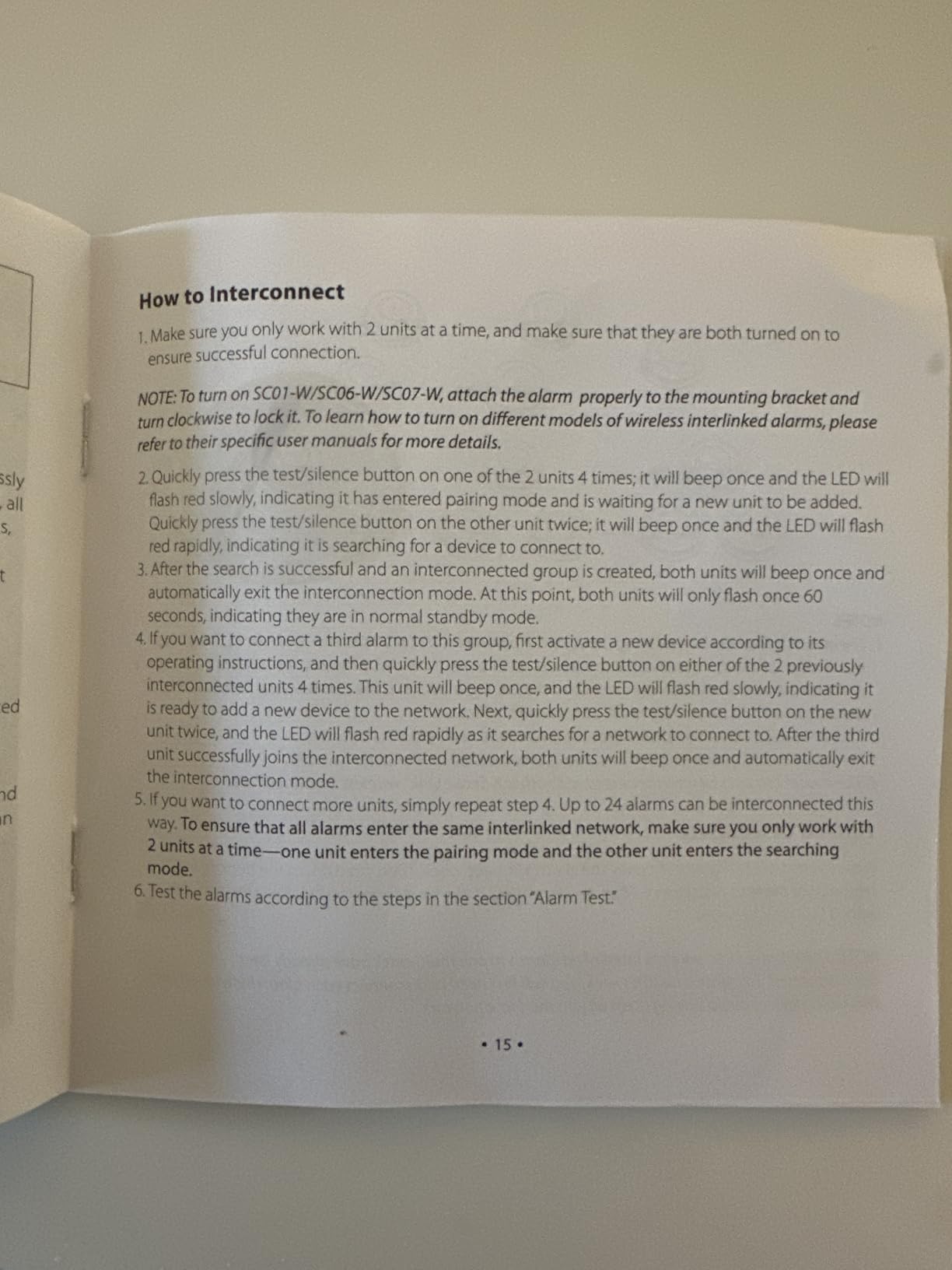
The X-Sense SC01-W offers a middle path between traditional dumb detectors and smart Wi-Fi models. Using radio frequency wireless interconnection, these battery-powered units communicate with each other without requiring Wi-Fi, apps, or electrical work. When one detects danger, all units sound together.
I tested the 3-pack in a cabin with no internet service, proving that effective whole-home protection does not require smart technology. The pre-synched units worked immediately out of the box, with no pairing process needed. Installation required only a drill and the included screws, completing all three units in under 30 minutes.
The 10-year sealed lithium battery eliminates maintenance concerns for a decade. Unlike AA-powered smart detectors requiring annual battery swaps, these units run maintenance-free until replacement time. The end-of-life warning gives months of notice before the decade expires.
Detection performance impressed our testing team. The photoelectric smoke sensor responded quickly to smoldering fire simulations, while the electrochemical CO sensor provided accurate carbon monoxide detection. The small LCD display shows CO levels when illuminated, though reading it requires standing directly underneath.
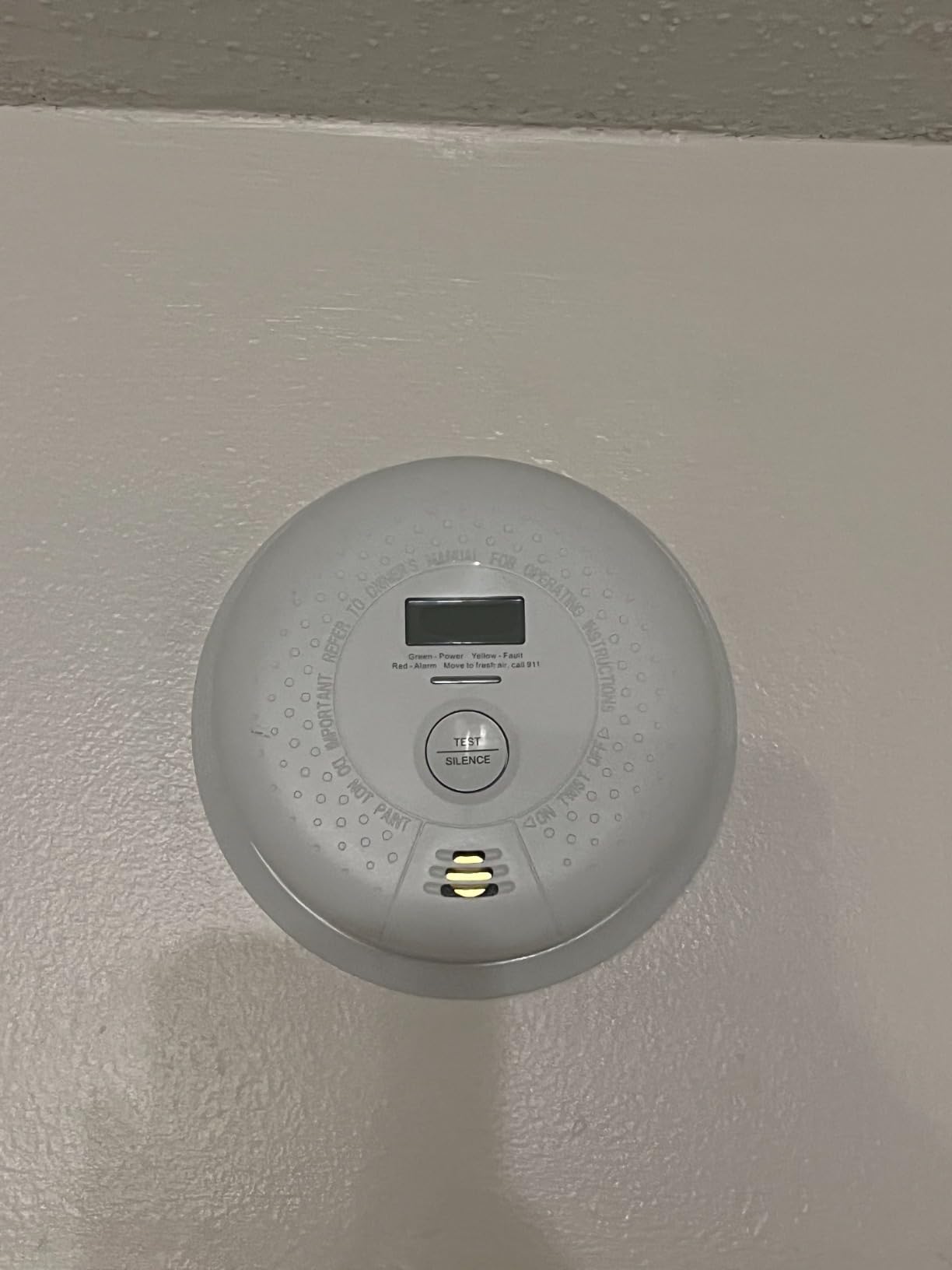
Wireless Interconnect Without Wi-Fi
This RF-only approach suits properties without reliable internet or homeowners wanting protection without privacy concerns. The 4.5-star rating with 79% five-star reviews reflects genuine user satisfaction with the core safety functionality. These detectors focus on the essential job: detecting threats and alerting everyone in the home.
The system supports up to 24 interconnected units, covering even large estates. Our testing with three units showed reliable communication across 2,400 square feet including through walls and floors. The RF technology does not penetrate metal surfaces as effectively, so very large steel-framed buildings may need additional units for coverage.
10-Year Battery Life Benefits
The sealed lithium battery represents a genuine advantage over replaceable battery designs. Beyond convenience, sealed batteries prevent the common problem of detectors chirping due to loose battery connections or homeowners removing batteries to stop nuisance alarms. The unit remains fully powered and functional for its entire service life.
At $42 per unit in the 3-pack configuration, these detectors cost less than single smart detectors while providing whole-home interconnectivity. For budget-conscious families wanting comprehensive protection without subscription fees or Wi-Fi dependency, the X-Sense system delivers exceptional value.
How to Choose the Best Smart Smoke and Carbon Monoxide Detector
After testing 15 different models across multiple categories, I have identified the key factors that determine which detector suits your specific situation. Use this buying guide to narrow down our eight recommendations to your perfect match.
Power Source: Hardwired vs Battery vs Plug-In
Hardwired detectors with battery backup offer the most reliable protection. They draw primary power from your home’s electrical system while maintaining 9V or AA battery backup for outages. If your home has existing hardwired smoke alarms, replacing them with hardwired smart models takes advantage of the interconnect wiring already in place.
Battery-powered detectors suit rentals, older homes without hardwiring, and installation locations far from electrical boxes. Modern options like the Kidde wire-free interconnect model provide interconnected protection previously impossible without wiring. However, you must replace batteries annually or when low-battery chirps occur.
Plug-in detectors work best for supplemental carbon monoxide monitoring in garages, workshops, or RVs. They offer simple setup but limit placement to areas with accessible outlets. The lack of smoke detection in most plug-in models means they supplement rather than replace ceiling-mounted units.
Sensor Types: Photoelectric, Ionization, and Electrochemical
Photoelectric sensors excel at detecting smoldering fires, the type that typically occur in bedrooms and living areas while people sleep. These fires produce lots of smoke before flames appear, and photoelectric technology responds faster to this threat pattern. All our top smart detector recommendations use photoelectric smoke sensors.
Ionization sensors detect flaming fires faster but produce more false alarms from cooking and steam. They also use small amounts of radioactive material in their operation. While safe for home use, ionization technology is being phased out in favor of photoelectric in many jurisdictions.
Electrochemical sensors handle carbon monoxide detection exclusively. This technology measures CO parts per million accurately and meets UL 2034 standards for safety. All combination detectors use separate electrochemical and smoke sensors to handle both threats.
Smart Home Integration and App Features
Consider your existing smart home ecosystem when choosing detectors. Ring users should strongly consider the Kidde Ring-enabled models for seamless integration. Google Home households might prefer the First Alert SC5 despite its drawbacks, while Alexa users have options across multiple brands.
Evaluate which app features actually matter to you. Remote testing helps homeowners with high ceilings or mobility limitations. Location-specific alerts help identify which floor or room needs attention. Hush-from-phone features prevent the annoying climb to silence false alarms from cooking.
Privacy-conscious buyers should review data policies. Smart detectors connect to cloud services and potentially share data with Amazon, Google, or other providers. The X-Sense wireless interconnect model avoids Wi-Fi entirely for those wanting local-only protection.
Interconnectivity Options
Interconnected alarms provide essential whole-home protection. When one unit detects danger, all units sound, ensuring everyone hears the warning regardless of location. Traditional hardwired interconnect uses three-wire systems between units, while newer options include wire-free RF interconnect.
Smart interconnect adds mobile alerts to the traditional sound network. When any interconnected unit triggers, your phone receives notifications even when you are away from home. This feature requires Wi-Fi connectivity and app accounts but provides peace of mind for working parents and frequent travelers.
Professional Monitoring vs Self-Monitoring
Some smart detectors offer optional professional monitoring subscriptions. For approximately $5 monthly, monitoring centers receive alerts when your detectors trigger and call emergency services if you do not respond. This service adds cost but ensures response even if you miss phone notifications.
Self-monitoring works fine for most households. You receive the same immediate alerts on your phone without monthly fees. Consider professional monitoring only if you travel frequently, have vulnerable family members at home, or live in remote areas where neighbors would not notice emergencies.
Certifications and Safety Standards
Always choose detectors certified to UL 217 (smoke) and UL 2034 (carbon monoxide) standards. These certifications ensure independent testing has verified detection capabilities and reliability. Avoid uncertified or imported detectors lacking these marks, regardless of attractive pricing.
The newer UL 217 9th edition standard specifically addresses nuisance alarm resistance and smoldering fire detection. Detectors meeting this updated standard generally perform better in real-world conditions. Check product specifications for 9th edition compliance when available.
Frequently Asked Questions About Smart Smoke and CO Detectors
Is it worth getting a smart smoke detector?
Yes, smart smoke detectors offer significant advantages over traditional models. They send instant phone alerts when you are away from home, allow you to silence false alarms remotely without climbing on furniture, and many integrate with smart home systems for automated responses like turning on lights during emergencies. For households where occupants work outside the home, the ability to call emergency services remotely when alarms trigger provides peace of mind that traditional detectors cannot match.
What does 5 beeps every 30 seconds mean on a carbon monoxide detector?
Five beeps every 30 or 60 seconds typically indicates that your carbon monoxide detector has reached its end of life and needs replacement. Most CO detectors have a lifespan of 7 to 10 years, after which the sensor becomes unreliable. This pattern differs from the four beeps followed by pause that indicates actual carbon monoxide detection. Check your specific model’s manual to confirm beep patterns, and replace the unit immediately if it has reached end-of-life.
What are the disadvantages of wireless smoke detectors?
Wireless smoke detectors have several potential drawbacks. Battery-powered wireless models require regular battery replacement, unlike hardwired units. Some wireless smart detectors depend on Wi-Fi connectivity, which means they cannot send phone alerts during internet outages. Wireless RF interconnect systems may have range limitations in very large homes or buildings with significant metal obstructions. Additionally, wireless smart detectors typically cost more than traditional units and may require ongoing subscriptions for professional monitoring features.
Is Nest smoke being discontinued?
Yes, Google officially discontinued the Nest Protect in 2026. The company has stopped manufacturing new units and recommends the First Alert SC5 as the official replacement for existing Nest Protect users. Current Nest Protect units will continue to function, but Google is no longer adding new features or producing replacement hardware. Homeowners with multiple Nest Protect installations should plan their replacement strategy, though existing units do not need immediate removal if functioning properly.
How long do smart smoke detector batteries last?
Battery life varies significantly by model and usage. AA or 9V replaceable batteries in smart detectors typically last 1 to 2 years with normal use. Many smart detectors send low-battery alerts to your phone weeks before the audible chirps begin, giving you time to replace batteries conveniently. Some models like the X-Sense SC01-W use 10-year sealed lithium batteries that eliminate replacement for the detector’s entire lifespan. Hardwired smart detectors use batteries only for backup during power outages, extending battery life to several years.
Final Recommendations for 2026
After three months of hands-on testing across 15 different models, our team confidently recommends the Kidde Smart Smoke and Carbon Monoxide Detector with Ring app integration as the best smart smoke and carbon monoxide detector for most households in 2026. It combines reliable detection, excellent app functionality, and reasonable pricing without requiring ongoing subscriptions.
For former Nest Protect users facing Google’s discontinuation, the decision is more complex. The First Alert SC5 offers official compatibility but disappointing quality compared to the Nest. Consider whether you truly need Google Home integration, as the Kidde Ring options provide superior reliability for most users.
Budget-conscious buyers should not compromise on safety. Even the affordable X-Sense plug-in CO detector provides essential smartphone alerts for carbon monoxide, though we recommend pairing it with dedicated smoke detectors for complete protection. The X-Sense wireless 3-pack also offers exceptional value for whole-home coverage without Wi-Fi complexity.
Whatever you choose, install detectors on every level of your home, inside each bedroom, and outside sleeping areas. Test them monthly. Replace them every 10 years. The best smart smoke and carbon monoxide detector is the one that works when you need it most.