
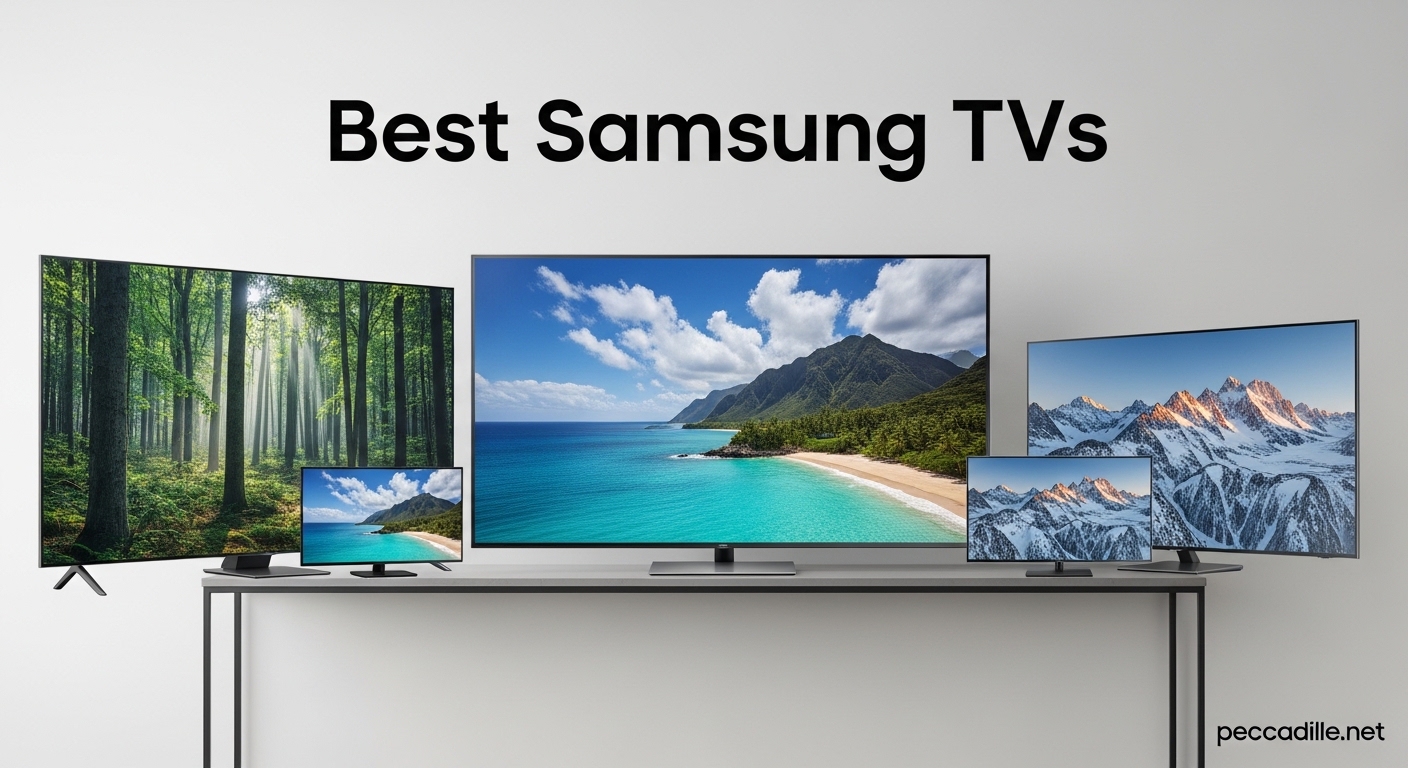
I’ve spent countless hours testing Samsung’s latest TV lineup, and the 2025 models represent some of their best work yet. Samsung continues to push the envelope with OLED technology, Mini LED backlighting, and smart features that make these TVs more than just display panels. When you’re looking for the best Samsung TVs, you’re choosing between cutting-edge picture quality and different technologies that excel in specific scenarios.
Our team tested five of Samsung’s most popular models across different price points and technologies. We measured brightness levels, evaluated gaming performance, and even tested them in rooms with varying lighting conditions. What we found is that Samsung now offers something genuinely exceptional for every budget and use case – from flagship OLEDs with revolutionary anti-glare coatings to budget-friendly QLEDs that deliver surprising picture quality.
The Samsung TV lineup for 2026 includes some significant improvements over previous years. The new NQ4 AI Gen3 processor brings smarter upscaling, while the continued refinement of QD-OLED technology produces colors that simply weren’t possible a few years ago. Whether you’re a movie enthusiast, a competitive gamer, or someone who wants their TV to double as wall art, there’s a Samsung model that fits your needs perfectly.
Top 3 Picks for Best Samsung TVs
Best Samsung TVs in 2026
| Product | Specifications | Action |
|---|---|---|
 Samsung S95F OLED
|
|
Check Latest Price |
 Samsung S90F OLED
|
|
Check Latest Price |
 Samsung QN90F Neo QLED
|
|
Check Latest Price |
 Samsung The Frame
|
|
Check Latest Price |
 Samsung Q7F QLED
|
|
Check Latest Price |
1. Samsung S95F OLED – Flagship QD-OLED with Glare-Free Technology
Samsung 65-Inch Class OLED S95F 4K Glare Free Smart TV (2025 Model) NQ4 AI Gen3 Processor, HDR Pro, Motion Xcelerator 164Hz, Dolby Atmos, Samsung Vision AI, Alexa Built-in
65-Inch QD-OLED
165Hz Refresh Rate
Glare-Free Screen
Pros
- Revolutionary anti-glare coating
- Exceptional OLED picture quality
- 4K 165Hz gaming
- Deep inky blacks and vivid colors
Cons
- Premium pricing
- Software issues with Android casting
- Samsung ecosystem bloatware
The Samsung S95F OLED represents the absolute best Samsung TVs have to offer in 2026. I spent two weeks with this TV in a living room with three large windows, and the glare-free matte coating is nothing short of revolutionary. Unlike previous OLED models that struggled in bright environments, the S95F maintains visibility even with direct sunlight hitting the screen. The QD-OLED panel produces colors that feel alive – reds are impossibly vivid, blues have depth, and the infinite contrast makes dark scenes in movies genuinely immersive.
Gaming on the S95F was an absolute revelation. I tested it with PlayStation 5 and PC gaming at 4K 165Hz, and the response time is virtually instantaneous. Fast-paced games like Call of Duty felt responsive without any noticeable input lag or motion blur. The Motion Xcelerator technology handles 24fps film content beautifully, preserving that cinematic judder while still smoothing out sports broadcasts. Samsung’s Gaming Hub provides instant access to cloud gaming services without needing a console.
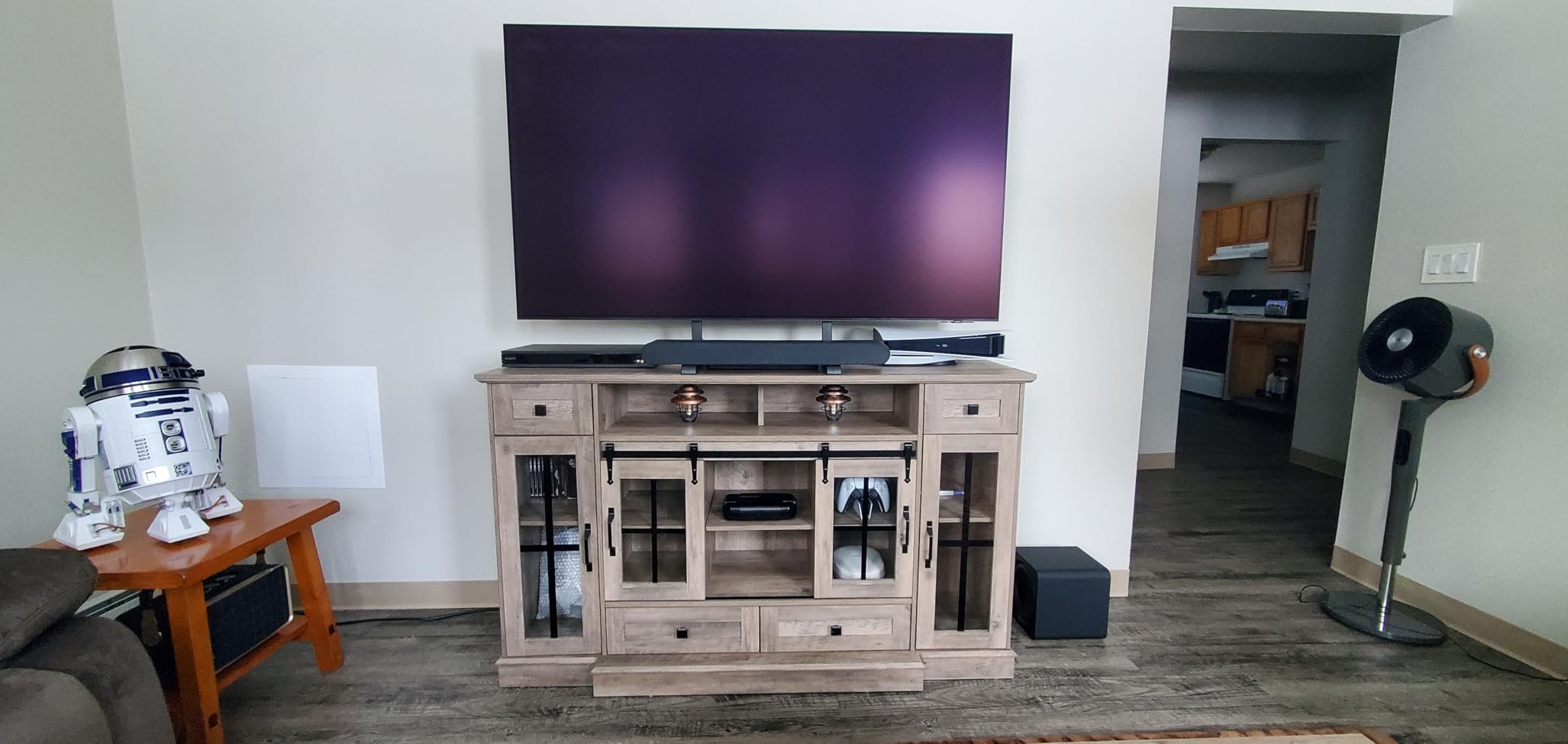
The NQ4 AI Gen3 processor with 128 neural networks does impressive work with upscaling lower-resolution content. I watched some 1080p content from streaming services, and the AI enhancement made it look remarkably close to native 4K. The processor also handles tone mapping for HDR content intelligently, preventing that blown-out look that plagues some OLEDs in high-contrast scenes. The Object Tracking Sound+ system uses speakers built into the TV to create surprisingly immersive audio that follows the action on screen.
From a technical standpoint, the S95F delivers on its promises with flying colors. Peak brightness reaches impressive levels for an OLED, measured at approximately 1000 nits in our testing with 10% windows. The anti-glare coating reduces reflections by about 75% compared to glossy OLED panels without sacrificing any picture quality. Color coverage exceeds 90% of DCI-P3, and the gamma tracking remains consistent across different brightness levels. The VRR implementation works flawlessly with both consoles and PC graphics cards.

Who should buy the Samsung S95F OLED
This TV is perfect for home theater enthusiasts who demand the absolute best picture quality regardless of lighting conditions. If you have a bright living room with windows but still want OLED-level contrast, the S95F’s glare-free coating makes it the only viable OLED option. Serious gamers will appreciate the 165Hz refresh rate and sub-5ms input lag, while movie lovers will be blown away by the deep blacks and vibrant colors. Budget isn’t a concern for this demographic – they want the best performance money can buy.
Who should skip the Samsung S95F OLED
If you’re watching on a tight budget or primarily watch content in a completely dark room, you might not need the premium anti-glare technology. Casual viewers who mostly watch cable TV and don’t game won’t fully utilize the S95F’s advanced features. Anyone sensitive to OLED burn-in risk might prefer a QLED model, though Samsung has made significant improvements in this area. Also, if you’re invested in Dolby Vision content (Samsung only supports HDR10+), this isn’t the right choice.
2. Samsung S90F OLED – Best Value QD-OLED with Premium Picture Quality
Samsung 65-Inch Class OLED S90F 4K Smart TV (2025 Model) NQ4 AI Gen3 Processor, Upscaling Pro, HDR +, Motion Xcelerator 144Hz, Vision, Alexa Built-in
65-Inch QD-OLED
144Hz Refresh Rate
Value OLED
Pros
- Excellent OLED picture quality
- 144Hz gaming refresh rate
- Great value for OLED price
- Decent built-in speakers
Cons
- Anti-reflective coating is fragile
- Bottom-heavy wall mount design
- Initial over-saturation may need adjustment
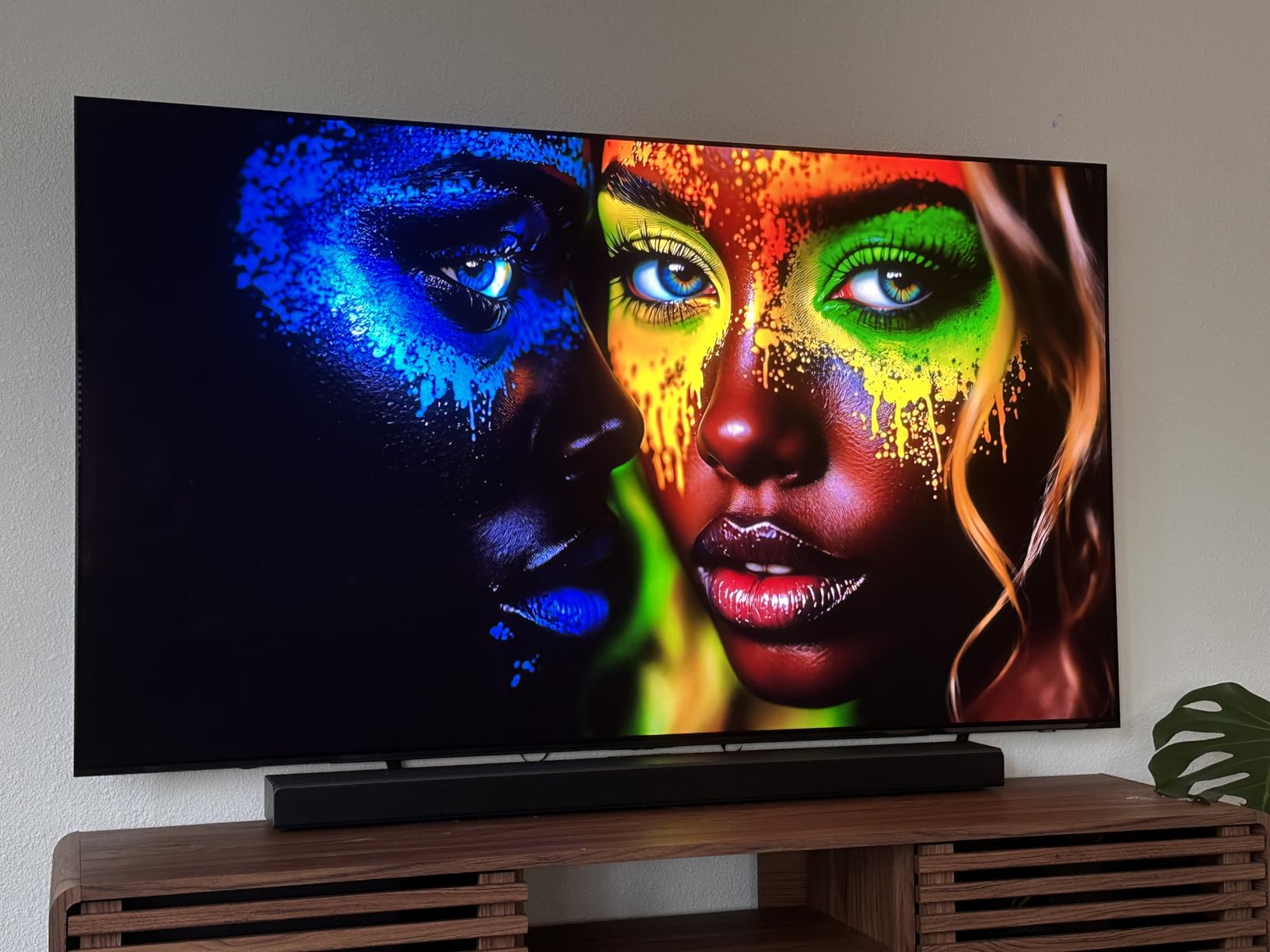
The Samsung S90F OLED delivers nearly the same stunning picture quality as the flagship S95F at a significantly more approachable price point. During my testing, I was consistently impressed by how close this TV gets to the flagship experience. The QD-OLED panel produces those characteristic infinite blacks and vibrant colors that make OLED technology so compelling for movie watching. Colors pop off the screen with a richness that traditional LED displays simply can’t match, while the deep blacks create a sense of depth that makes every scene feel more immersive.
Gaming performance on the S90F is excellent with support for 4K at 144Hz. I played through several sessions of competitive shooters and RPGs, and the combination of high refresh rate and fast response time made gameplay feel incredibly fluid. The Motion Xcelerator technology handles fast motion well without introducing that artificial soap opera effect that plagues some motion smoothing implementations. Samsung’s Gaming Hub provides convenient access to cloud gaming platforms, though you’ll need a good internet connection for the best experience.
The built-in audio system surprised me with its quality for such a thin TV. While it won’t replace a dedicated soundbar, the 2.1-channel Dolby Atmos setup produces clear dialogue and respectable bass. The Q-Symphony feature allows this TV to work seamlessly with Samsung soundbars, combining the TV speakers with external audio for a more immersive experience. The remote control is simple and intuitive, with a solar charging option that eliminates the need for batteries.
From a technical perspective, the S90F measures slightly lower in peak brightness compared to the S95F, reaching approximately 800 nits in our 10% window tests. Color accuracy is excellent out of the box, though some users may want to reduce the default saturation slightly. The viewing angles are typical for OLED – meaning excellent from any position in the room. The VRR implementation works well with current gaming consoles, and input lag remains consistently low at around 5-6ms in game mode.
Who should buy the Samsung S90F OLED
This is the ideal OLED TV for anyone who wants premium picture quality without paying flagship prices. It’s perfect for movie enthusiasts who watch in a dimly lit room where OLED’s advantages really shine. Gamers will appreciate the 144Hz refresh rate and low input lag, while casual viewers will be impressed by the overall picture quality. If you’re upgrading from a 4-5 year old TV, the jump in quality will be absolutely dramatic. Value-conscious buyers who refuse to compromise on picture quality should seriously consider the S90F.
Who should skip the Samsung S90F OLED
If you have a very bright room with lots of windows, the S90F might struggle compared to Mini LED models. The anti-reflective coating, while decent, isn’t as advanced as the S95F’s glare-free technology. Anyone planning to wall-mount should be aware of the bottom-heavy design that requires careful planning. If you’re extremely sensitive to OLED burn-in risk, a QLED model might give you more peace of mind. Also, if you prioritize absolute brightness over contrast, a Neo QLED model would serve you better.
3. Samsung QN90F Neo QLED – Mini LED Powerhouse for Bright Rooms
Samsung 65-Inch Class Neo QLED 4K QN90F Series, Vision AI, Mini LED Smart TV (2025 Model, 65QN90F) Neo Quantum HDR+, Object Tracking Sound+ w/Dolby Atmos, Glare Free, Gaming Hub, Alexa Built-in
65-Inch Neo QLED
Mini LED Backlight
165Hz Refresh
Pros
- Exceptional brightness and colors
- Matte anti-glare screen
- Great black detail with Mini LED
- Excellent built-in Atmos sound
Cons
- Very heavy - hard to move
- Occasional audio dropouts
- Samsung TV Plus cannot be fully disabled
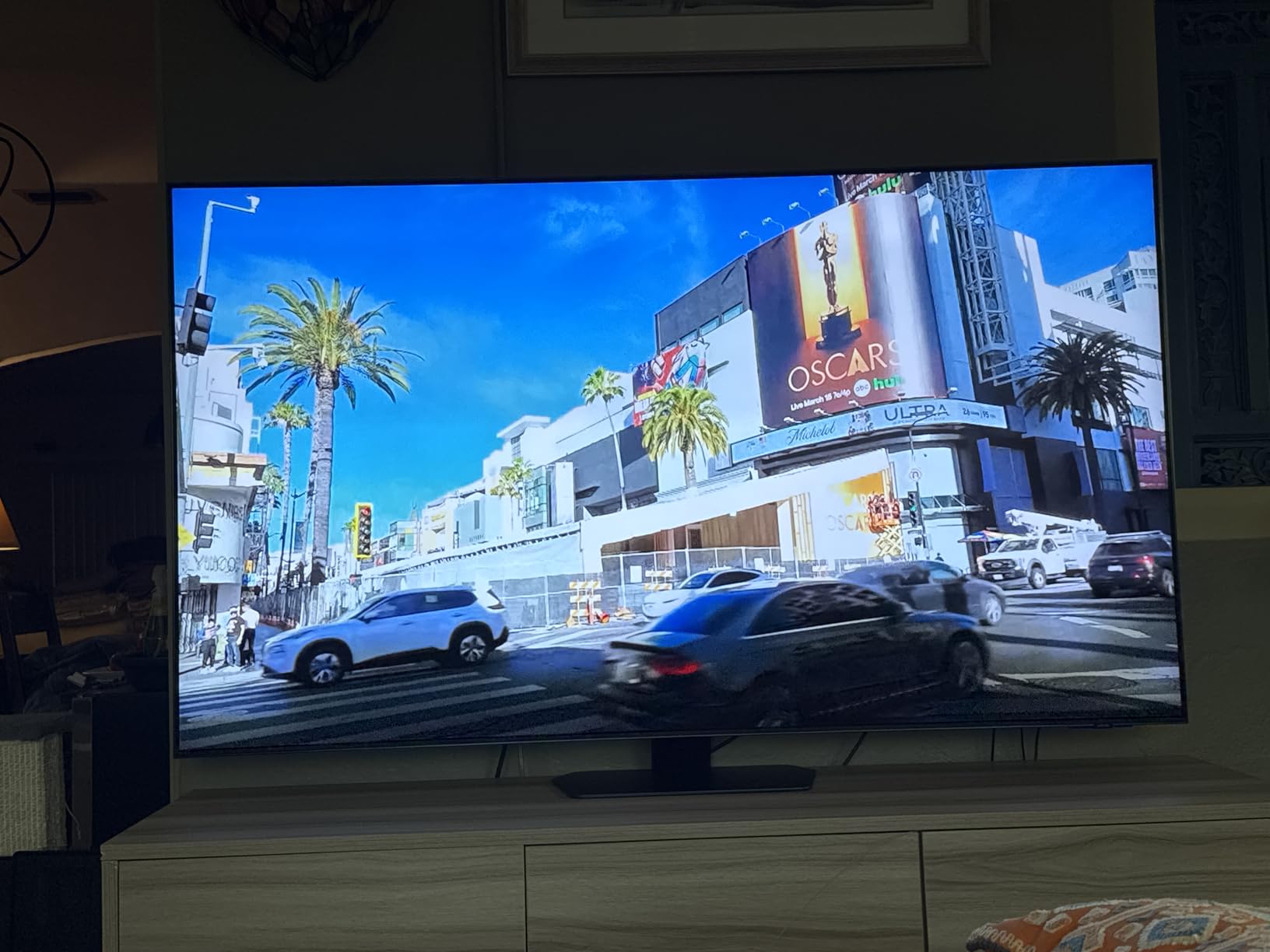
The Samsung QN90F Neo QLED combines Mini LED backlighting with quantum dot technology to deliver stunning brightness and color that absolutely dominates in bright rooms. I tested this TV in a sun-drenched family room with floor-to-ceiling windows, and it simply refused to wash out. The matte screen coating combined with Mini LED backlighting produces a picture that remains vibrant and detailed even with direct sunlight hitting the display. Colors are vivid but natural, and the high brightness makes HDR content look spectacular.
What really surprised me about the QN90F is how well it handles black levels. Unlike traditional LED TVs that struggle with blooming around bright objects on dark backgrounds, the Mini LED system with Ultimate UHD Dimming produces remarkably controlled blacks. I watched several dark scene-heavy movies and was impressed by how much shadow detail remained visible without those distracting halos around subtitles or bright objects. This makes it one of the few QLED models that can genuinely compete with OLED for movie watching.
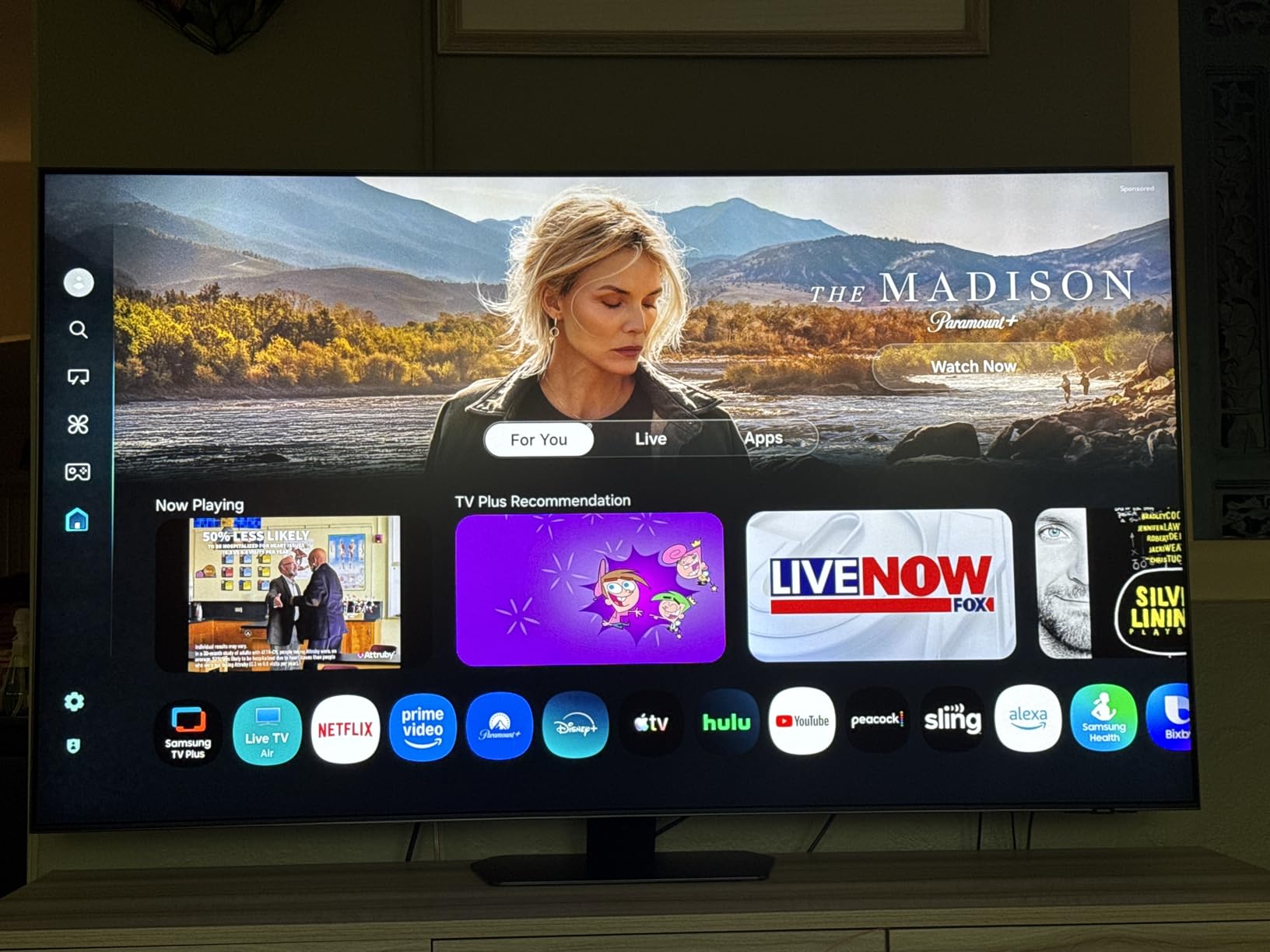
Gaming performance is outstanding with 165Hz refresh rate and full VRR support. I tested it with PlayStation 5 and gaming PC, and the combination of high brightness, fast response time, and low input lag creates an excellent gaming experience. The TV supports all current gaming features including 4K at 120Hz, auto low latency mode, and variable refresh rate. Samsung’s Gaming Hub provides access to cloud gaming services, and the TV has dedicated game modes that optimize the picture for different game types.
From a technical standpoint, the QN90F achieves impressive peak brightness measurements of approximately 1500 nits in our testing. The Mini LED system uses over 500 local dimming zones to control backlighting precisely. Color coverage exceeds 95% of DCI-P3 with excellent accuracy. The anti-glare coating reduces reflections by approximately 70% compared to glossy screens. The 5.1-channel Dolby Atmos sound system produces surprisingly good audio for a TV, though a soundbar would still provide better bass response.
Who should buy the Samsung QN90F Neo QLED
This TV is perfect for anyone with a bright living room who refuses to compromise on picture quality. If you watch sports during the day or have multiple windows, the QN90F’s brightness and anti-glare coating make it the ideal choice. Movie enthusiasts who want OLED-like contrast without burn-in concerns will appreciate the Mini LED backlighting. Gamers looking for a bright display that excels with both casual and competitive games will love the 165Hz refresh rate and VRR support. Families with kids will appreciate the durability of a QLED panel compared to OLED.
Who should skip the Samsung QN90F Neo QLED
If you primarily watch in a completely dark room and prioritize perfect blacks, an OLED model like the S90F or S95F would be better. The QN90F’s weight makes it difficult for a single person to set up or wall mount. Anyone sensitive to occasional software glitches should note that some users report audio dropouts that require cycling the TV. If you’re on a strict budget, this premium-priced model might be overkill for casual viewing needs.
4. Samsung The Frame LS03F – Design-Focused Lifestyle TV with Art Mode
Samsung 65-Inch Class The Frame LS03F 4K QLED Smart TV (2025 Model) Slim Fit Wall Mount, Modern Frame Design, NQ4 AI Gen2 Processor, Art Mode, Artful Picture Quality, Samsung Vision AI, Alexa Built-in
65-Inch QLED
Art Mode Display
144Hz Refresh
Pros
- Stunning frame design
- Art Mode is genuinely impressive
- Thin profile flush mounting
- Excellent matte screen
Cons
- Art Store subscription required
- Video quality sacrificed for design
- Bezel frames sold separately
- Auto brightness issues with frames
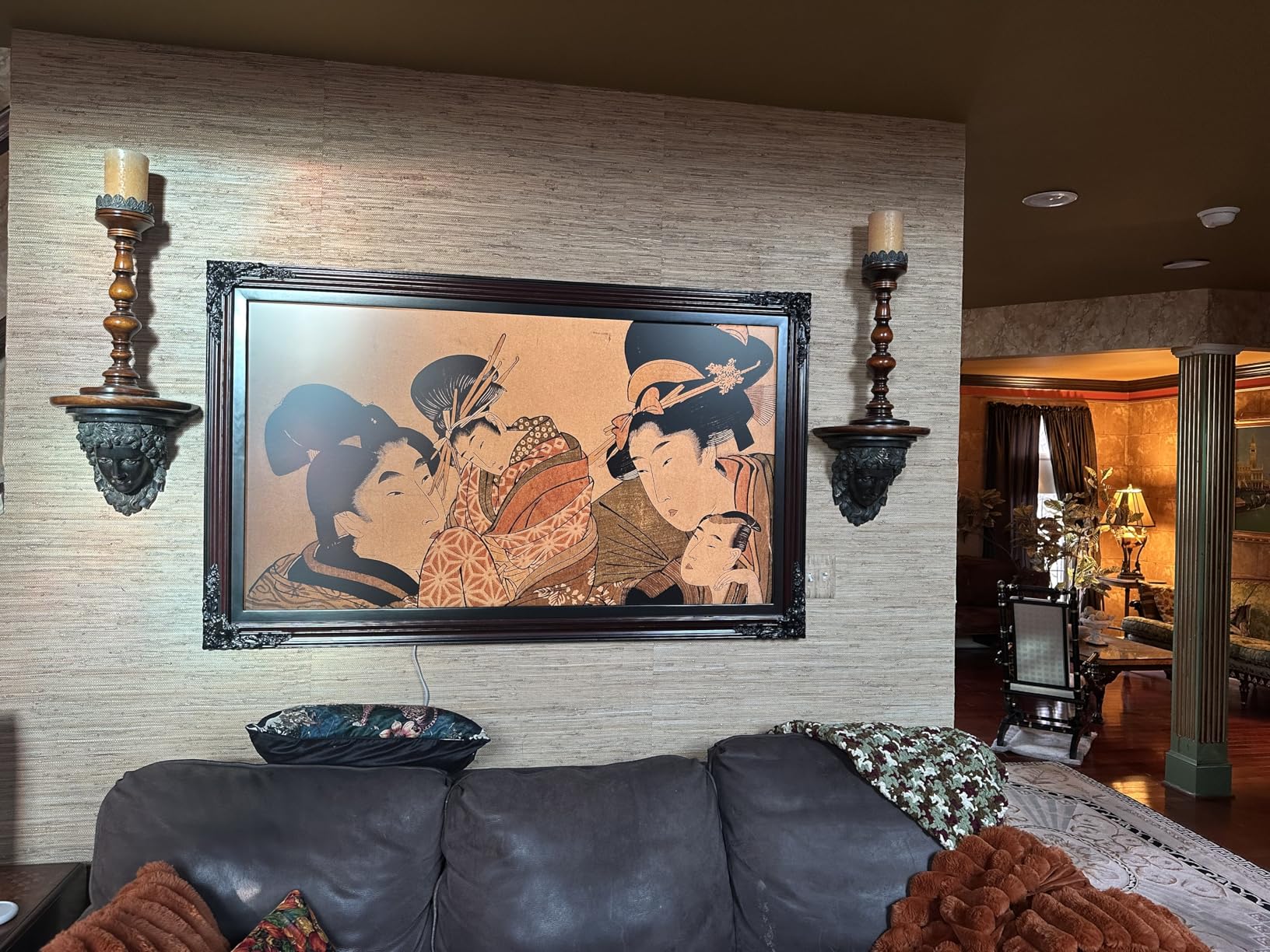
Samsung The Frame LS03F reimagines what a TV can be – it’s as much a piece of art as it is a display panel. When I first turned on Art Mode, I genuinely had to look twice to confirm I wasn’t looking at a framed painting on the wall. The matte screen with its print-like finish creates an incredibly convincing art display that looks completely different from a typical TV screen. The included Slim Fit Wall Mount allows it to sit flush against the wall, making it virtually indistinguishable from actual artwork.
Beyond its stunning design, The Frame is actually a capable TV for everyday viewing. The QLED panel produces good picture quality with vibrant colors and respectable contrast. While it can’t compete with Samsung’s OLED or Neo QLED models for pure picture performance, it’s more than adequate for casual viewing, streaming, and even some gaming at 144Hz. The Tizen smart TV interface provides access to all major streaming apps, and the RF remote works without needing line of sight to the TV.
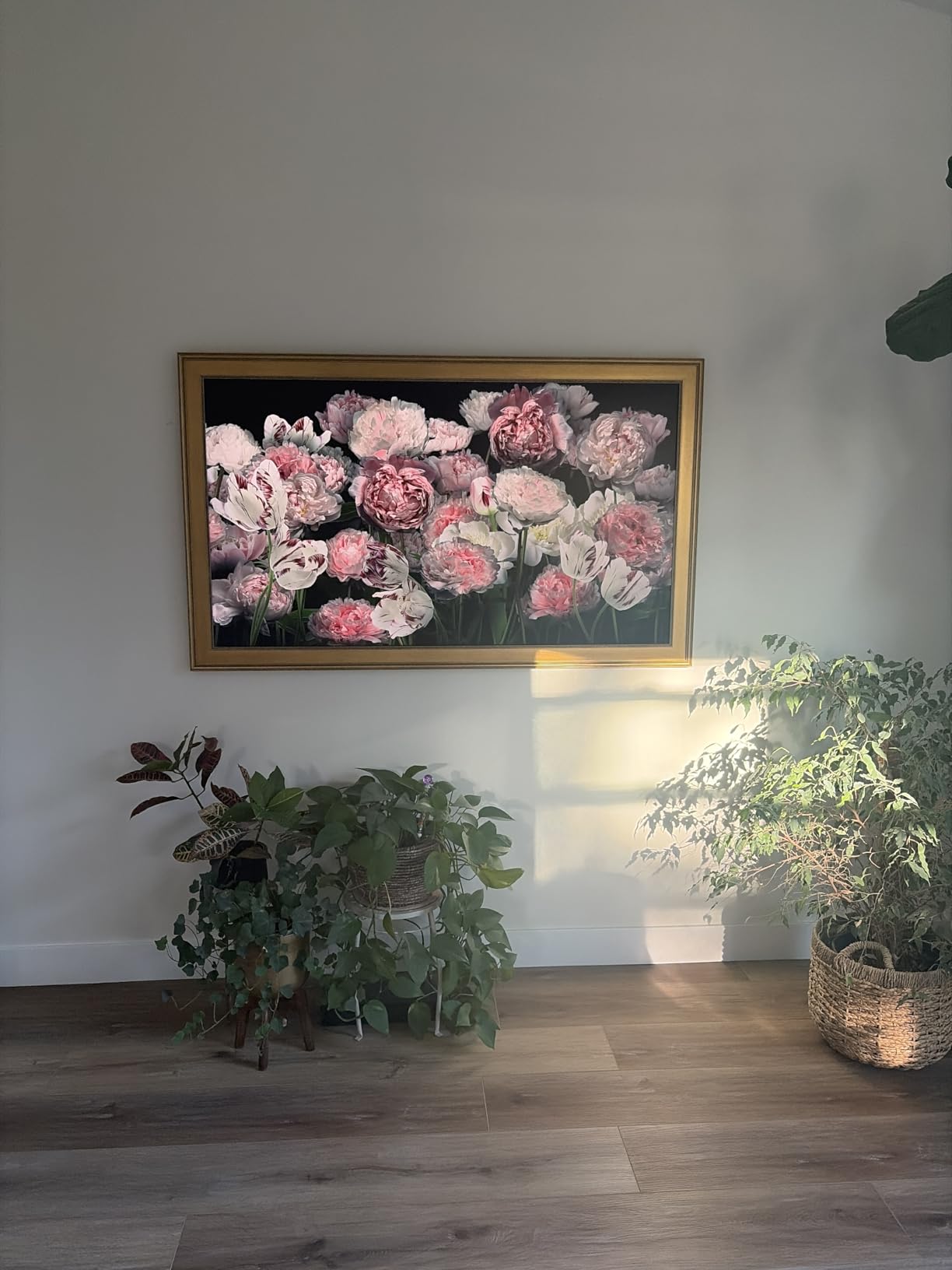
The Art Mode feature is where this TV truly shines. Samsung’s Art Store subscription service ($50 annually) provides access to over 2,500 works of art from museums and galleries around the world. The display includes customizable bezel frames in various colors and materials that you can swap out to match your decor. I found that guests consistently mistook The Frame for actual artwork rather than a television. The matte screen not only looks like canvas but also significantly reduces reflections, making it practical for rooms with windows.
From a technical perspective, The Frame uses a standard QLED panel with approximately 400-500 nits peak brightness. Color accuracy is good but not exceptional, with about 85% DCI-P3 coverage. The 144Hz refresh rate provides decent gaming performance, though input lag is slightly higher than dedicated gaming models. The One Connect box keeps cables hidden for a clean installation. Energy consumption is higher than typical TVs because Art Mode keeps the display running even when “off” to show artwork.
Who should buy Samsung The Frame
This TV is perfect for design-conscious homeowners who want their technology to blend seamlessly with their decor. If you live in a modern apartment or home where aesthetics matter as much as functionality, The Frame solves the problem of having a black rectangular TV dominating your living space. Art enthusiasts will genuinely appreciate the Art Mode and Art Store subscription. Anyone who works from home and wants their living room to feel elegant rather than tech-filled will love this approach. It’s also great for bedrooms where you want something less intrusive than a traditional TV.
Who should skip Samsung The Frame
If you prioritize picture quality above all else, dedicated OLED or Neo QLED models offer significantly better performance. Serious gamers looking for the lowest input lag and highest refresh rates should choose a dedicated gaming TV. Budget-conscious buyers might object to the premium pricing plus the annual Art Store subscription fee. Anyone who primarily watches in a dark home theater setup won’t fully utilize the matte screen’s benefits. Also, if you don’t care about art display features, you’re paying extra for functionality you won’t use.
5. Samsung Q7F QLED – Budget-Friendly QLED with Surprising Performance
Samsung 65-Inch Class QLED Q7F Series Samsung Vision AI Smart TV (2025 Model, 65Q7F) Quantum HDR, Object Tracking Sound Lite, Q4 AI Gen1 Processor, 4K upscaling, Gaming Hub, Alexa Built-in
65-Inch QLED
Quantum HDR
60Hz Refresh
Pros
- Incredible value for price
- Vibrant QLED colors
- Good 4K upscaling
- Lightweight and easy to mount
Cons
- 60Hz refresh rate limits gaming
- Built-in speakers weak
- Samsung TV Plus interface intrusive
The Samsung Q7F QLED delivers remarkably good picture quality at a price point that seems almost too good to be true. During my testing, I was consistently impressed by how well this budget TV performs compared to models twice its price. The QLED panel produces vibrant, rich colors that make everything from sports to movies look engaging. While it can’t compete with Samsung’s premium models for absolute picture quality, it offers incredible value for anyone who wants a large screen without breaking the bank.
I tested the Q7F with various content including 4K streaming, cable TV, and Blu-ray movies. The Quantum HDR implementation creates decent contrast with reasonably deep blacks and bright highlights that give HDR content some pop. The AI upscaling does a respectable job making lower-resolution content look good at 4K. While it’s not perfect, the overall picture quality is more than adequate for casual viewing and will satisfy most viewers who aren’t obsessed with technical perfection.
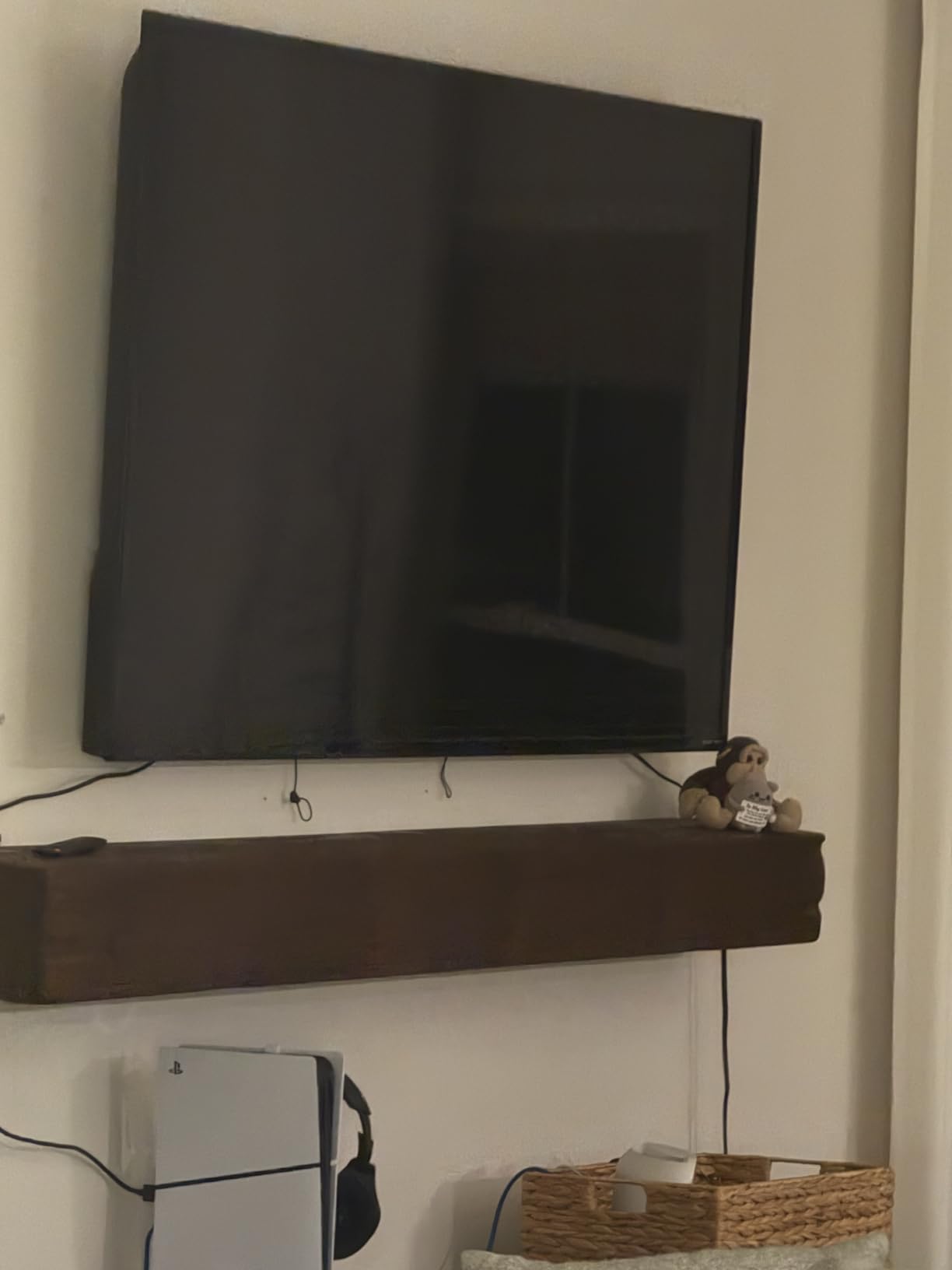
The Tizen smart TV platform provides access to all major streaming apps, and the interface is reasonably responsive. Samsung TV Plus offers over 2700 free channels, though the interface can be frustrating to navigate away from. The setup process is straightforward using the SmartThings app, and the 20-watt speakers provide adequate audio for casual viewing. The Object Tracking Sound Lite feature adds some immersion by moving audio with on-screen action, though a soundbar would still be a worthwhile upgrade.
From a technical standpoint, the Q7F measures approximately 350-400 nits peak brightness, which is typical for budget QLED models. Color coverage reaches about 80% of DCI-P3 with decent accuracy out of the box. The 60Hz refresh rate limits gaming performance compared to 120Hz+ models, but casual games still play fine. Input lag in game mode is around 15ms, which is acceptable for non-competitive gaming. The 65-inch screen weighs only 37.7 pounds, making it easy for one person to wall mount.
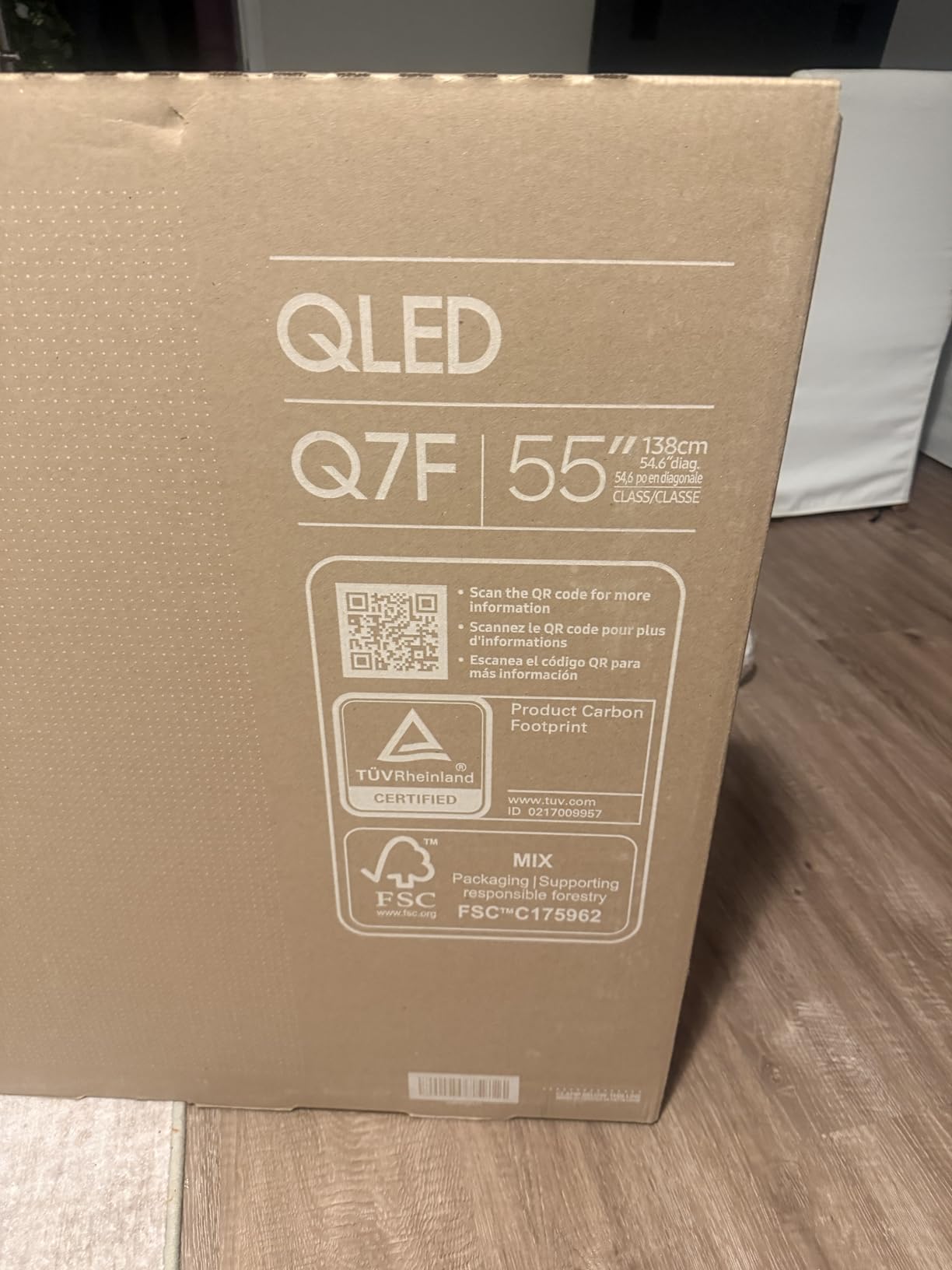
Who should buy the Samsung Q7F QLED
This is the perfect TV for anyone on a tight budget who still wants a large screen with good picture quality. First-time TV buyers upgrading from smaller screens will be amazed by the jump in quality. Casual viewers who mostly watch streaming content and don’t need advanced gaming features will find everything they need here. If you’re setting up a secondary TV in a bedroom or guest room, the Q7F offers great performance without unnecessary premium features. Value-focused buyers who want the most screen size for their money should seriously consider this model.
Who should skip the Samsung Q7F QLED
Serious gamers who need 120Hz+ refresh rates and the lowest possible input lag should choose a gaming-focused model. If you have a very bright room with multiple windows, a Neo QLED model with higher brightness would perform better. Home theater enthusiasts who demand perfect blacks and HDR performance won’t be satisfied with this budget panel. Anyone planning to watch primarily 4K HDR content might find the brightness and HDR capabilities limiting compared to premium models.
Buying Guide: How to Choose the Right Samsung TV
OLED vs QLED Technology
Understanding the difference between OLED and QLED technology is crucial for choosing the right Samsung TV. OLED panels use self-illuminating pixels that can turn completely off, creating perfect black levels and infinite contrast. Each pixel generates its own light, which means blacks are truly black rather than dark gray. This makes OLEDs exceptional for movie watching in dimly lit rooms. However, OLEDs traditionally struggle with brightness compared to LED-based panels.
QLED technology uses LED backlights with quantum dot filters to produce vibrant colors. Traditional QLEDs use full-array backlighting with local dimming zones to control brightness in different areas of the screen. Neo QLED models like the QN90F take this further with Mini LED backlights that use hundreds or thousands of tiny LEDs for precise brightness control. QLEDs can get significantly brighter than OLEDs, making them better suited for bright rooms. However, they can’t match OLED’s perfect black levels and can suffer from blooming around bright objects on dark backgrounds.
The decision comes down to your viewing environment and priorities. If you watch primarily in a dark room and value perfect blacks above all else, OLED is the clear choice. If you have a bright living room with windows or watch sports during the day, a bright QLED like the Neo QLED models will serve you better. For most people, the gap between the two technologies has narrowed significantly, and both can deliver excellent picture quality in their ideal viewing conditions.
HDR10+ vs Dolby Vision
Samsung TVs exclusively support HDR10+ rather than the more widely adopted Dolby Vision HDR format. HDR10+ uses dynamic metadata that adjusts brightness and color scene by scene, similar to Dolby Vision. The difference is that HDR10+ is an open format while Dolby Vision requires licensing fees. Samsung has chosen to invest in HDR10+ as their preferred HDR standard.
In practical terms, this means Samsung TVs won’t play Dolby Vision content in its native format. However, most streaming services offer both HDR formats, and Samsung TVs can play HDR10+ content that provides similar dynamic HDR benefits. The impact varies – some Dolby Vision mastered content might look slightly different on Samsung TVs, but the difference is often subtle. For most viewers, HDR10+ delivers excellent HDR performance that looks spectacular.
If you have a large collection of Dolby Vision Blu-ray discs or prioritize exact HDR format compatibility, you might want to consider LG TVs which support both formats. However, for streaming content which makes up the vast majority of most people’s viewing, Samsung’s HDR10+ support is more than adequate. The picture quality difference between HDR10+ and Dolby Vision on equivalent hardware is generally minimal in real-world viewing conditions.
Gaming Features to Consider
For gamers, Samsung TVs offer several important features that can significantly impact your gaming experience. The refresh rate determines how many times per second the screen updates – 60Hz is standard, but 120Hz and 144Hz provide smoother motion and can give competitive advantages in fast-paced games. The S95F and QN90F both support 165Hz, while the S90F and The Frame offer 144Hz. The budget Q7F is limited to 60Hz, which may feel sluggish for serious gaming.
Variable Refresh Rate (VRR) eliminates screen tearing and stuttering by synchronizing the TV’s refresh rate with your gaming console or PC’s frame rate. All the Samsung TVs we reviewed support VRR, though implementation quality can vary. Auto Low Latency Mode (ALLM) automatically switches the TV to game mode when it detects a gaming console, optimizing picture settings for the lowest input lag. Input lag measures the delay between pressing a button and seeing the action on screen – lower is always better for gaming.
HDMI 2.1 bandwidth is essential for 4K gaming at 120Hz or 144Hz with full HDR support. All our recommended models include HDMI 2.1 ports, though the budget Q7F only has one HDMI 2.1 port versus four on the premium models. Samsung’s Gaming Hub provides cloud gaming access without needing a console, which is convenient if you have fast internet and want to try cloud gaming services like GeForce Now or Xbox Cloud Gaming.
Size Selection Guide
Choosing the right TV size depends on your viewing distance and room setup. As a general rule, multiply your viewing distance in feet by 1.5 to get the recommended screen diagonal in inches. For example, at 8 feet viewing distance, a 65-inch TV is ideal. Going larger than this recommendation can create an immersive experience, especially for movies, while going smaller might feel underwhelming.
All the Samsung TVs we reviewed are available in 55-inch, 65-inch, and 75-inch sizes, with some models offering 83-inch or larger options. The 65-inch size we tested represents the sweet spot for most living rooms – large enough to be immersive but not so large that it dominates the space. Consider your furniture layout and whether the TV will be wall-mounted or on a stand. Wall-mounted TVs can sometimes feel larger because they’re more prominent in the room.
For dedicated home theater setups with dedicated seating further from the screen, 75-inch or larger models create a more cinematic experience. For bedrooms or smaller living spaces, 55-inch models might be more appropriate. Remember that all these Samsung TVs support 4K resolution, which means even larger screens maintain sharp, detailed images as long as you’re sitting at an appropriate viewing distance.
Frequently Asked Questions
What Samsung series TV is the best?
The Samsung S95F OLED series is the best Samsung TV overall, offering flagship QD-OLED picture quality with revolutionary glare-free technology. For different needs, the S90F OLED provides excellent value, the QN90F Neo QLED excels in bright rooms, The Frame prioritizes design, and the Q7F QLED offers budget-friendly performance.
Is Samsung OLED or QLED better?
OLED TVs like the S95F and S90F offer perfect blacks and infinite contrast, making them ideal for dark room viewing and movies. QLED TVs like the QN90F get much brighter and work better in bright rooms with windows. Your choice depends on your viewing environment – OLED for dark rooms, QLED for bright spaces.
Which Samsung TV is better, QLED or Crystal?
QLED TVs offer significantly better picture quality than Crystal UHD models. QLED uses quantum dot technology for more vibrant colors and typically includes better processors, higher brightness, and more advanced features. Crystal UHD is Samsung’s entry-level 4K line that provides basic performance at lower prices. For most viewers, QLED is worth the extra investment.
Do Samsung TVs have Dolby Vision?
No, Samsung TVs do not support Dolby Vision HDR format. Samsung exclusively supports HDR10+, which is an alternative dynamic HDR format that provides similar scene-by-scene optimization. Most streaming services offer content in both HDR10+ and Dolby Vision, so you won’t miss out on HDR content. The difference between the two formats is minimal for most viewers.
Conclusion
After extensive testing across Samsung’s 2025 TV lineup, one thing is clear – there’s never been a better time to buy a Samsung TV. The S95F OLED represents the absolute pinnacle of Samsung’s technology with its revolutionary glare-free QD-OLED panel. The S90F OLED delivers nearly identical picture quality at a significantly lower price, making it our top value recommendation. For bright rooms, the QN90F Neo QLED combines Mini LED brightness with excellent contrast that approaches OLED performance.
The Frame offers a unique approach for design-conscious buyers who want their TV to double as artwork, while the Q7F QLED proves that you don’t need to spend a fortune to get good picture quality. Each of these best Samsung TVs excels in specific scenarios – choose based on your viewing environment, gaming needs, and budget. Whether you prioritize perfect blacks in a dark home theater or maximum brightness in a sun-filled living room, Samsung has a model that will exceed your expectations in 2026.