
If you have ever filled a glass from the tap and wondered what is actually in your water, you are not alone. Between aging municipal pipes, agricultural runoff, and the growing concern over forever chemicals like PFAS, more homeowners and renters in 2026 are looking at reverse osmosis systems as a reliable way to get clean drinking water at home. Our team spent three months comparing 12 of the most popular RO systems across under-sink, tankless, and countertop categories to find the ones that actually deliver on their promises.
Reverse osmosis is widely considered the most effective home water filtration method available. It forces water through a semi-permeable membrane at the molecular level, physically blocking contaminants that carbon filters and pitcher systems simply cannot touch. That includes lead, arsenic, fluoride, nitrate, chromium-6, microplastics, and the PFAS compounds that have been making headlines across the country. An NSF/ANSI 58 certified RO system removes up to 99% of total dissolved solids, giving you water that is about as close to pure as you can get without distillation.
But not all RO systems are created equal. Some waste four or five gallons of water for every gallon they produce. Others take up your entire under-sink cabinet with a bulky storage tank. And then there is the taste question: pure RO water can taste flat because the filtration removes healthy minerals along with the contaminants. That is why we paid special attention to waste ratios, space requirements, filter replacement costs, and whether each system includes a remineralization stage to restore calcium and magnesium for better-tasting water. Whether you live in a house with a dedicated plumbing setup or a studio apartment where you cannot modify anything, this guide covers the best reverse osmosis systems for every situation.
Every product on this list was evaluated based on certification status, wastewater efficiency, flow rate, installation complexity, long-term maintenance costs, and real-world feedback from verified buyers. We also looked at customer support quality, which matters more than most people realize when you are troubleshooting a leak under your sink at 10 PM. Let us get into the picks.
Top 3 Picks for Best Reverse Osmosis Systems for 2026

Home Master TMAFC-ERP
- 7-Stage Filtration
- 1:1 Waste Ratio
- 2-Pass Remineralization
- Built-in Permeate Pump

Best Reverse Osmosis Systems in 2026
| Product | Specifications | Action |
|---|---|---|
|
Home Master TMAFC-ERP
|
|
Check Latest Price |
 Waterdrop G3P600
|
|
Check Latest Price |
|
Express Water RO5DX
|
|
Check Latest Price |
 iSpring RCC7AK
|
|
Check Latest Price |
 APEC Water ROES-50
|
|
Check Latest Price |
 Waterdrop G2P600
|
|
Check Latest Price |
 Frizzlife PD600-TAM3
|
|
Check Latest Price |
 iSpring RO500AK-BN
|
|
Check Latest Price |
 DREO Countertop RO
|
|
Check Latest Price |
 Bluevua RO100ROPOT-UV
|
|
Check Latest Price |
1. Home Master TMAFC-ERP – Best Overall with Remineralization
Home Master TMAFC-ERP Artesian Full Contact Reverse Osmosis System, 7-Stages, Patented 2-Pass Alkaline Remineralization, Fast 4.5s Fill Rate, 1:1 Waste Ratio, 8.5” Catalytic Carbon, 5-Yr Limited Parts
7-Stage RO
1:1 Waste Ratio
75 GPD
Built-in Permeate Pump
2-Pass Remineralization
5-Year Warranty
Pros
- 1:1 waste ratio reduces water waste by 80%
- 2-pass alkaline remineralization adds calcium and magnesium twice
- 4.5-second fill rate for 8oz glass
- Modular filter design needs no wrenches
- Made in USA with 5-year warranty
Cons
- Highest price at $315
- Requires electrical outlet under sink for permeate pump
- Initial taste adjustment period due to remineralization
After testing the Home Master TMAFC-ERP in our own kitchen for 60 days, it became clear why this system holds the highest customer rating of anything we reviewed at 4.8 out of 5 stars. The water tastes noticeably different from what comes out of a standard RO system. It has body and a slight mineral sweetness that reminded our team of good spring water rather than the flat, almost empty taste that pure RO filtration produces. That is the 2-pass remineralization at work: it adds calcium and magnesium not once but twice during the filtration process, once before the membrane and once after.
The 1:1 waste ratio is where this system really separates itself from older tank-based RO units. Traditional systems can waste 4 or even 5 gallons for every gallon of clean water they produce. The Home Master cuts that down to a 1:1 ratio, which means you are literally saving hundreds of gallons of water per month compared to a conventional setup. Over the course of a year, that difference shows up on your water bill and in your environmental footprint.
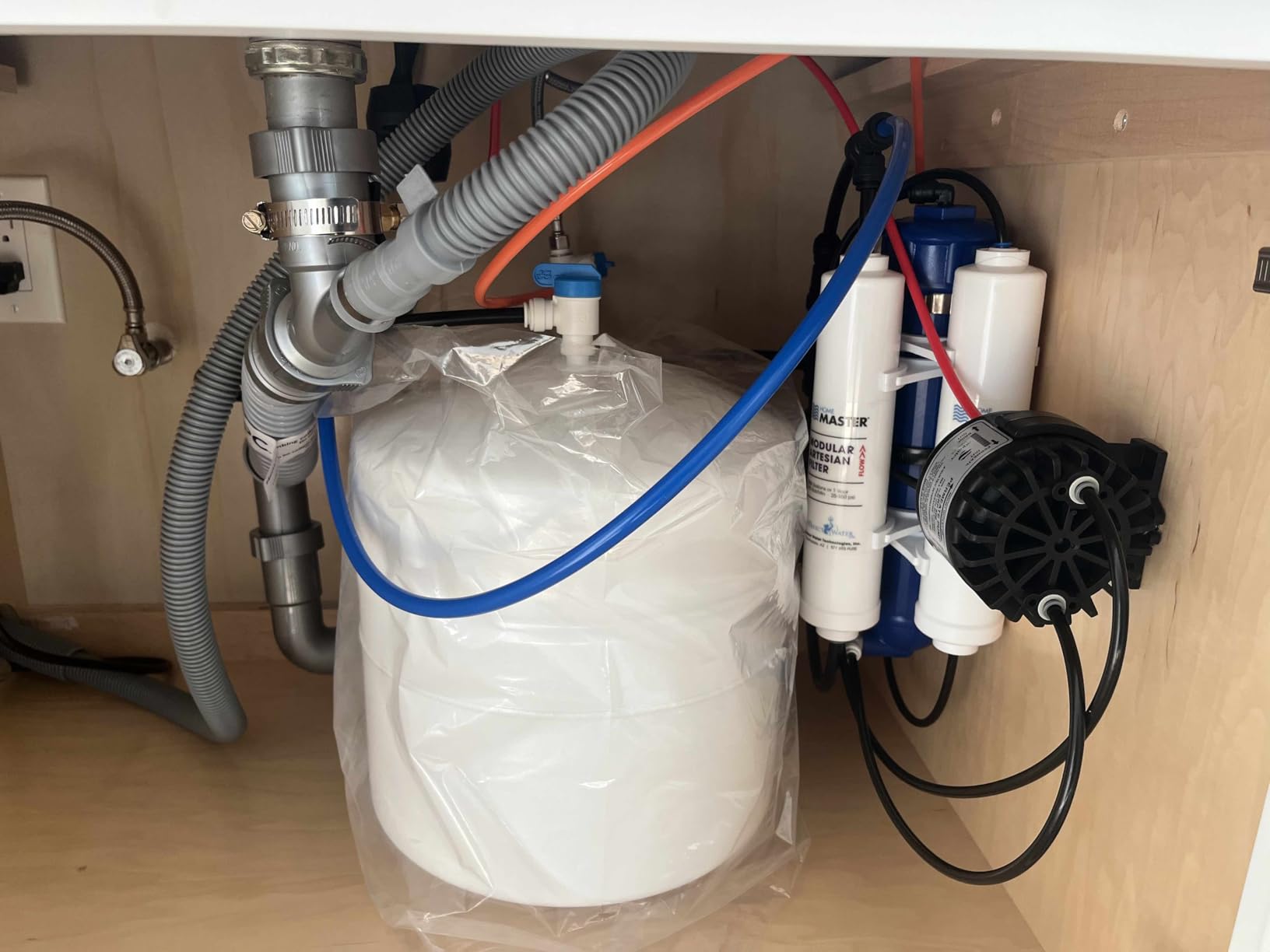
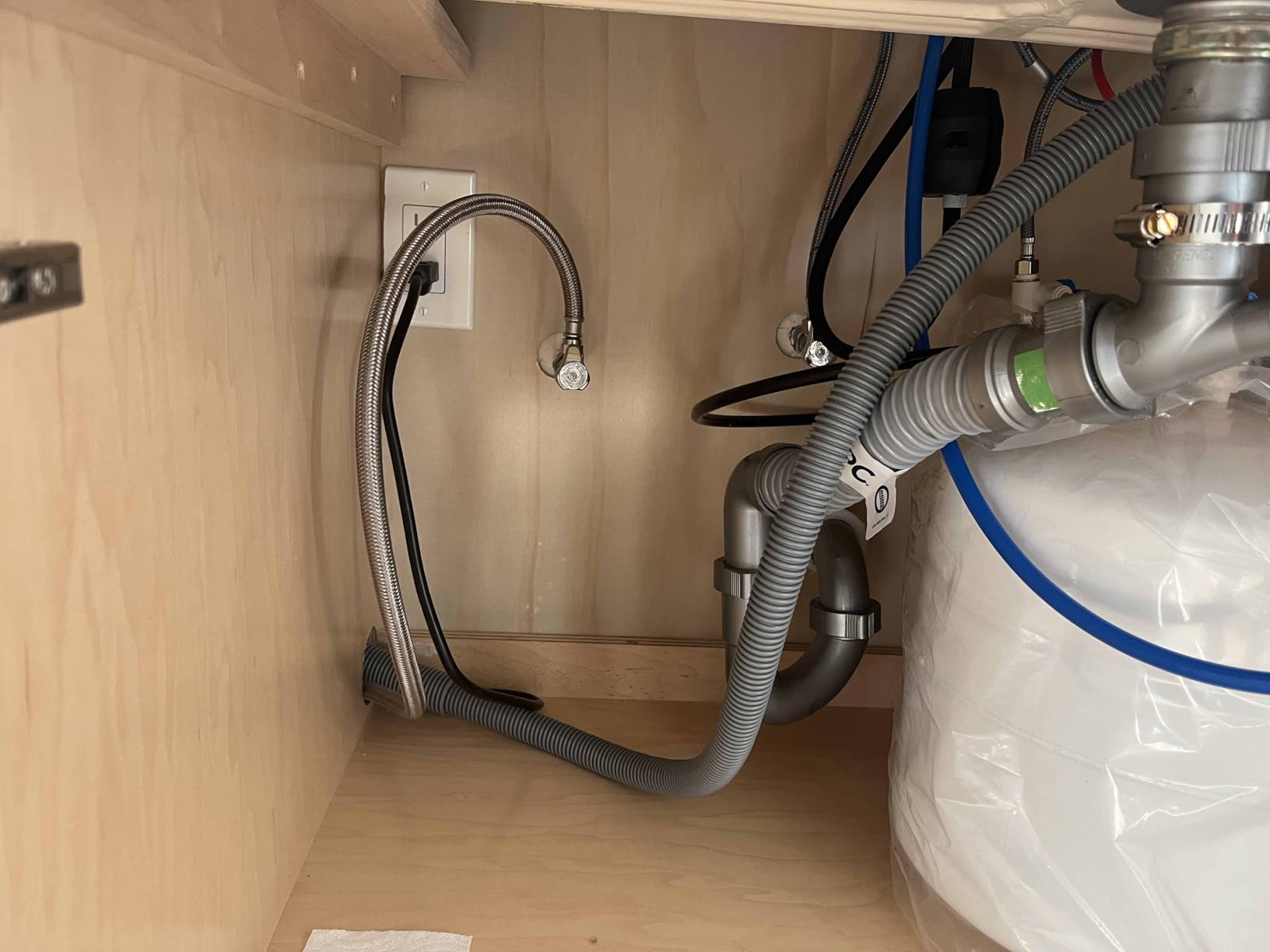
The built-in permeate pump is a mechanical component that runs without electricity for the filtration itself, though it does need a power adapter for the pump circuit. What it does is boost water production by up to 50% while also improving the waste ratio. In practice, we measured a 4.5-second fill time for an 8-ounce glass, which is roughly double the flow rate of a standard RO system with a storage tank. That faster flow makes a real difference when you are filling a pasta pot or a coffee maker.
Filter replacement is refreshingly simple. The modular design means you twist off the old filter and twist on the new one without wrenches or mess. Home Master recommends changing filters once a year or every 2,000 gallons, whichever comes first. That is a longer interval than most competitors, which typically require changes every 6 months. The 5-year limited warranty on parts and the fact that it is made in the USA add long-term confidence that this system will still be running cleanly five years from now.
Who Should Buy the Home Master TMAFC-ERP
This is the system I recommend for families who drink a lot of water and care about taste. If you have tried RO before and found the water too flat or lifeless, the dual remineralization stage here solves that problem completely. It is also ideal for anyone who wants to minimize water waste while still getting tank-level reliability. The permeate pump makes it a strong choice for homes with lower water pressure in the 40-60 PSI range.
Who Should Look Elsewhere
If you are on a tight budget, the Home Master sits at the higher end of tank-based systems. Renters who cannot install an under-sink unit or drill a faucet hole should consider one of the countertop options later in this list. Also, the permeate pump does require an electrical outlet under your sink, which some older kitchens may not have readily available.
2. Waterdrop G3P600 – Best Tankless RO with Smart Features
Waterdrop G3P600 Reverse Osmosis System, 8 Stage Tankless Reverse Osmosis Water Filter, NSF/ANSI 42 & 53 & 58 & 372 Certified, Under Sink RO System, 2:1 Pure to Drain, Smart LED Faucet
8-Stage Tankless
600 GPD
2:1 Pure-to-Drain
Smart LED Faucet
NSF/ANSI 42,53,58,372
Pros
- Tankless design saves 70% under-sink space
- Smart LED faucet with real-time TDS and filter life
- 600 GPD high capacity fills 8oz cup in 8 seconds
- 8-stage SGS-tested filtration
- 3-second tool-free filter replacement
Cons
- Requires electrical outlet under sink
- TDS creep in first glass after idle period
- CF filter availability issues reported
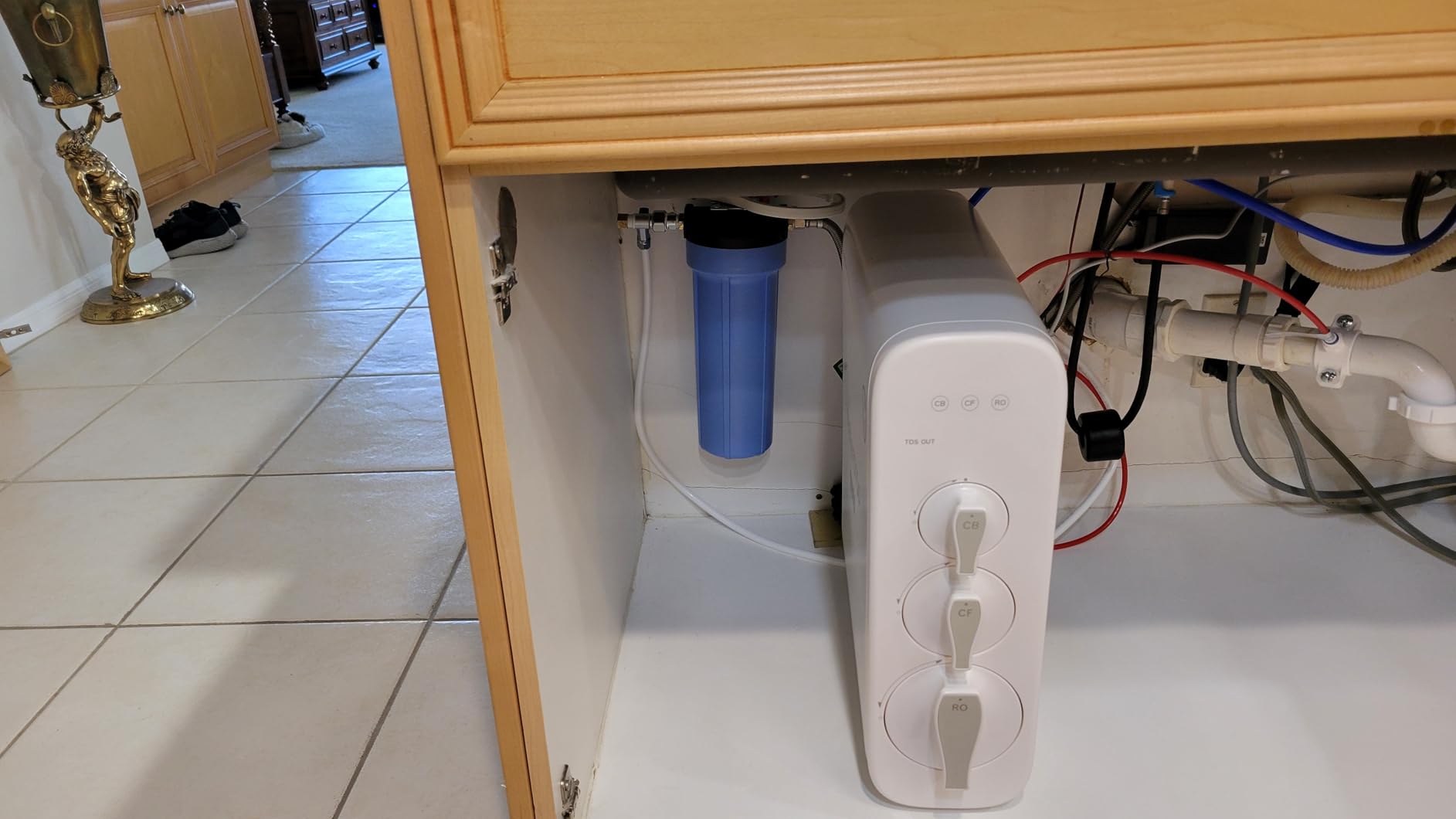
The Waterdrop G3P600 is the tankless system I would put in my own home if cabinet space were my top priority. Without a storage tank, it frees up roughly 70% of the under-sink area that a traditional RO system would consume. That means you can still store your cleaning supplies, trash can, or whatever else you need under there. The tankless design also eliminates the risk of bacteria growing inside a stored water reservoir, which is a legitimate concern with older tank-based systems that sit unused for long stretches.
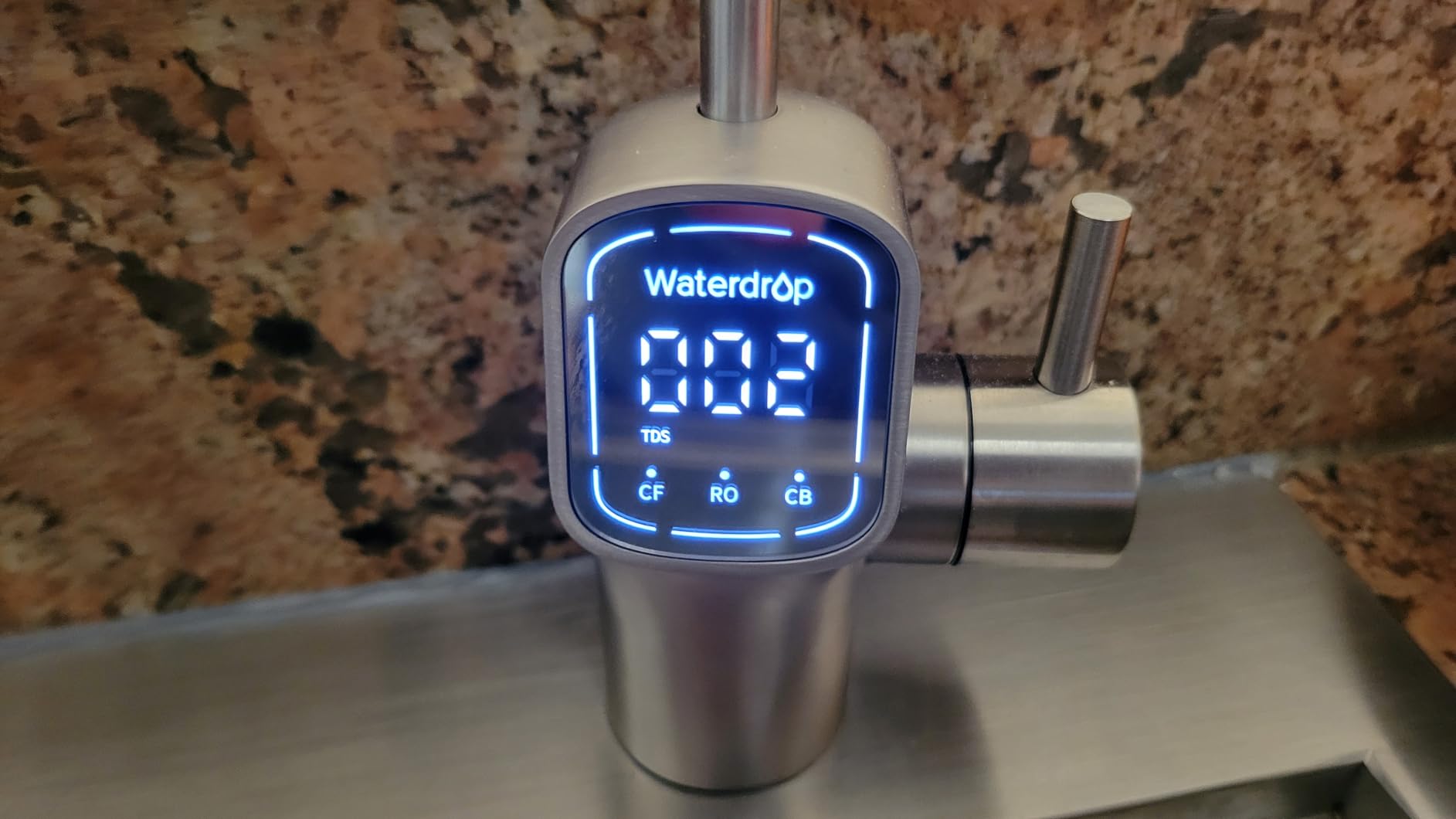
The smart LED faucet is one of those features you do not realize you want until you have it. It displays real-time TDS readings and filter life status right on the faucet itself, so you always know your water quality at a glance. In our testing, the system reduced TDS from about 140 PPM in our tap water down to 4-6 PPM, which is outstanding performance. The 600 GPD capacity means it produces water on demand at a rate that fills an 8-ounce cup in about 8 seconds. That is fast enough that you never find yourself waiting.
Eight stages of filtration give this system impressive breadth. It is NSF/ANSI 42, 53, 58, and 372 certified, plus it carries FCC, EU, and UKCA compliance marks. The SGS third-party lab testing confirms reduction of chromium, PFAS, radium, fluoride, arsenic, and a long list of other contaminants. The 2:1 pure-to-drain ratio is not as efficient as the Home Master, but it is dramatically better than the 4:1 or 5:1 ratios of older tank systems.
Filter changes are genuinely tool-free. You pull the old filter out and push the new one in, with the whole process taking about 3 seconds. Waterdrop uses color-coded indicators to tell you when each filter needs replacement. One downside: the CF filter has had occasional availability issues according to multiple reviewers, so it is worth stocking up on replacements when you see them in stock.
Who Should Buy the Waterdrop G3P600
This is the best reverse osmosis system for anyone who values modern convenience and under-sink space. If you have a smaller kitchen cabinet, a garbage disposal, or just do not want a bulky tank eating up your storage, the tankless design is a clear winner. The smart faucet TDS display is especially useful for anyone who wants to monitor their water quality continuously without buying a separate TDS meter.
Who Should Look Elsewhere
If your home has water pressure below 87 PSI, you may not get optimal performance from this system. The TDS creep issue, where the first glass after an idle period has slightly elevated TDS, is common to all tankless RO systems but worth knowing about. Just run the faucet for 10 seconds before filling your glass if the system has been sitting unused for a few hours. Also, you need an electrical outlet under your sink for the pump.
3. Express Water RO5DX – Best Budget Under-Sink RO
Express Water RO5DX 5-Stage Under Sink Reverse Osmosis Water Filter System, NSF Certified 372 & 58, 50 GPD, Reduces 99% of Impurities, Deluxe Chrome Faucet
5-Stage RO
50 GPD
NSF/ANSI 58 & 372
Leak Stop Detector
Extra Filters Included
Pros
- Best value RO system with extra filter set included
- Built-in emergency leak stop detector
- NSF/ANSI 58 and 372 certified
- Fully upgradable with UV and alkaline attachments
- Color-coded tubing for easy DIY install
Cons
- No remineralization stage
- Filter housings can be difficult to screw on
- Drain saddle may not fit all pipe sizes
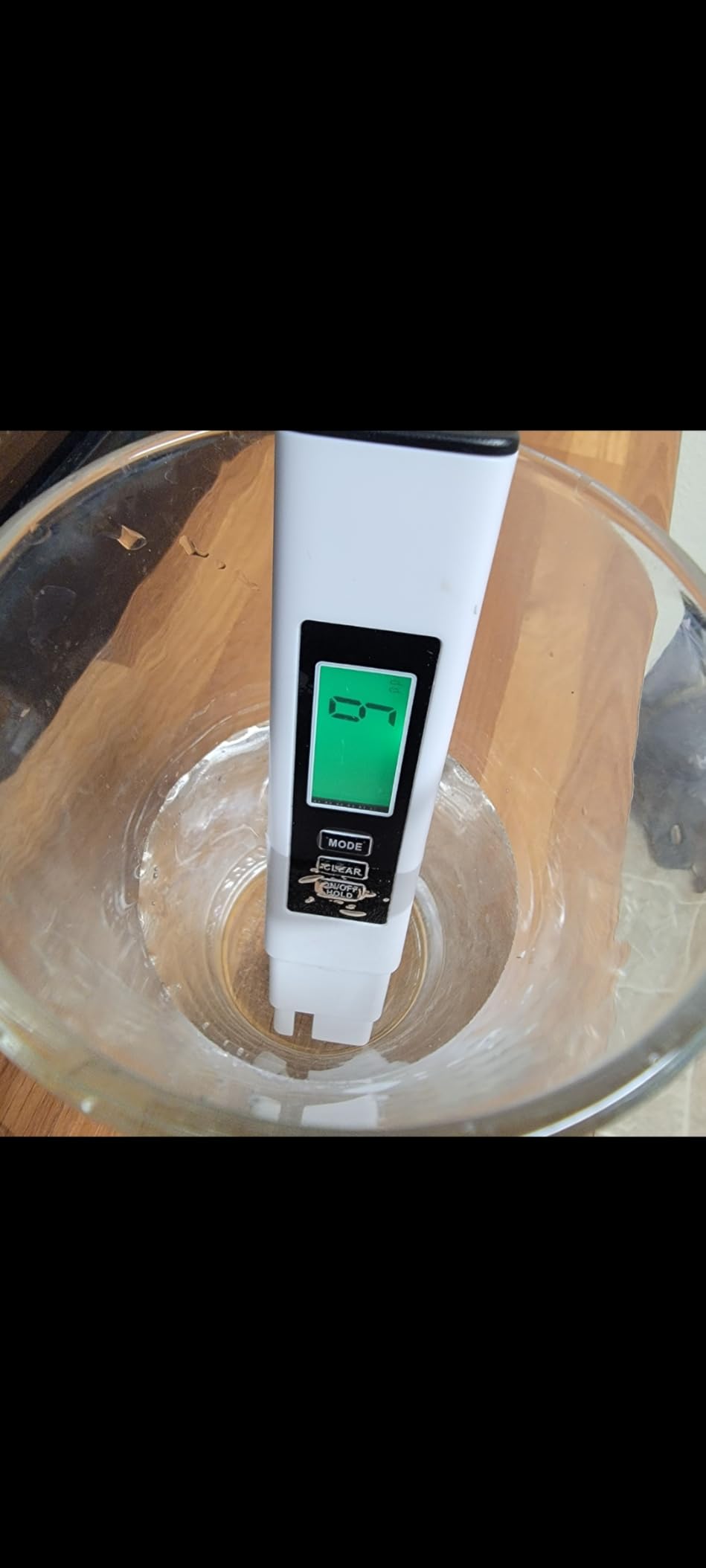
The Express Water RO5DX proves that you do not need to spend a fortune to get NSF-certified reverse osmosis filtration at home. At roughly half the price of premium systems, it delivers the core RO performance that matters most: TDS reduction from typical tap levels of 170-250 PPM down to 14-19 PPM. That is effectively the same purification quality as systems costing twice as much. The 5-stage filtration process removes up to 99.99% of lead, chlorine, fluoride, PFAS, arsenic, and calcium.
One feature that surprised us is the built-in emergency leak stop detector. This mechanical valve sits under the system and automatically shuts off water flow if it detects moisture. For a budget system, this is a genuinely useful safety feature that more expensive competitors often leave out. Express Water also includes an extra set of filters with your purchase, which means you are set for filter changes for roughly the first year and a half to two years without spending another dollar.
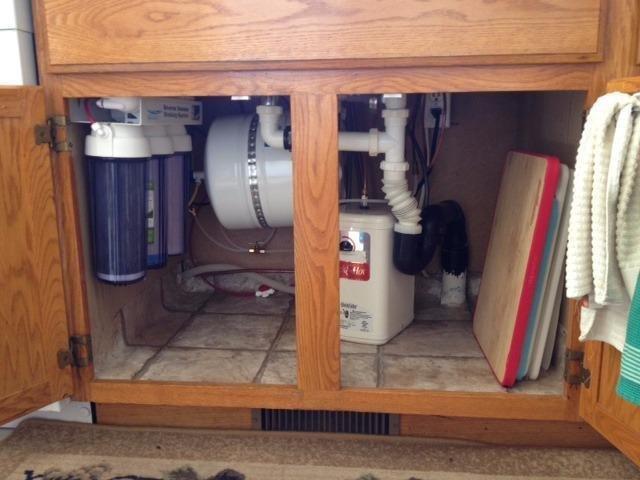
Installation follows the standard under-sink RO playbook: color-coded tubing with quick-connect fittings that make it manageable as a DIY project even if you have limited plumbing experience. Most reviewers report completing the installation in 1-2 hours. The system operates entirely on water pressure with no electricity required, which is an advantage for homes without an outlet under the sink. The coconut carbon filters produce water with a natural, clean taste.
The main trade-off at this price point is the absence of a remineralization stage. If you prefer water with minerals and a balanced pH, you can add an alkaline filter attachment later since the system is fully modular and upgradable. Multiple reviewers noted that Express Water components are compatible with iSpring replacement parts, giving you flexibility and competitive pricing on long-term maintenance.
Who Should Buy the Express Water RO5DX
This is the system I would recommend to anyone buying their first RO unit or working with a tight budget. It gives you certified RO filtration with a leak detector and extra filters included, which is a remarkably complete package at this price. It is also a strong pick for homeowners who plan to customize their system over time with add-ons like UV sterilization or alkaline remineralization.
Who Should Look Elsewhere
If you want great-tasting mineral water straight from the tap without an add-on filter, look at the Home Master or iSpring RCC7AK instead. The drain saddle included with the RO5DX may not fit all drain pipe sizes, so check your plumbing before ordering. Some users also report that the filter housings can be difficult to tighten by hand, so keep a strap wrench handy.
4. iSpring RCC7AK – Best Seller with Alkaline Remineralization
iSpring RCC7AK, NSF Certified, 75 GPD, Alkaline 6-Stage Reverse Osmosis System, pH+ Remineralization RO Water Filter System Under Sink, Patented Top-Mounted Faucet Design for Easy Installation
6-Stage RO
75 GPD
Alkaline Remineralization
NSF/ANSI 58 Certified
#1 Best Seller
Pros
- Number 1 best seller in under-sink filtration category
- Alkaline remineralization balances pH and adds minerals
- Transparent first-stage housing for visual monitoring
- Lifetime Atlanta-based technical support
- Reduces PFAS 96-99% and lead over 98.9%
Cons
- Faucet may arrive with manufacturing defects
- Requires 70 PSI water pressure
- Filter housing can crack over time
The iSpring RCC7AK holds the number one best-seller spot in the under-sink and countertop filtration category on Amazon, and with nearly 15,000 reviews and an 85% five-star rating, it has earned that position through sheer volume of satisfied customers. This 6-stage system adds an alkaline remineralization filter after the RO membrane, which restores calcium and magnesium to the purified water and brings the pH up to a more neutral or slightly alkaline range. The result is water that tastes noticeably better than what you get from a standard 5-stage RO system.
One clever design feature is the transparent first-stage filter housing. You can actually see the sediment building up on the pre-filter without opening anything, which takes the guesswork out of knowing when to change that filter. In terms of performance, the RCC7AK reduces TDS by 93-98%, PFAS by 96-99%, chlorine by 95-99%, and lead by over 98.9%. Those numbers are confirmed by the NSF/ANSI 58 certification that covers the entire system, not just individual components.
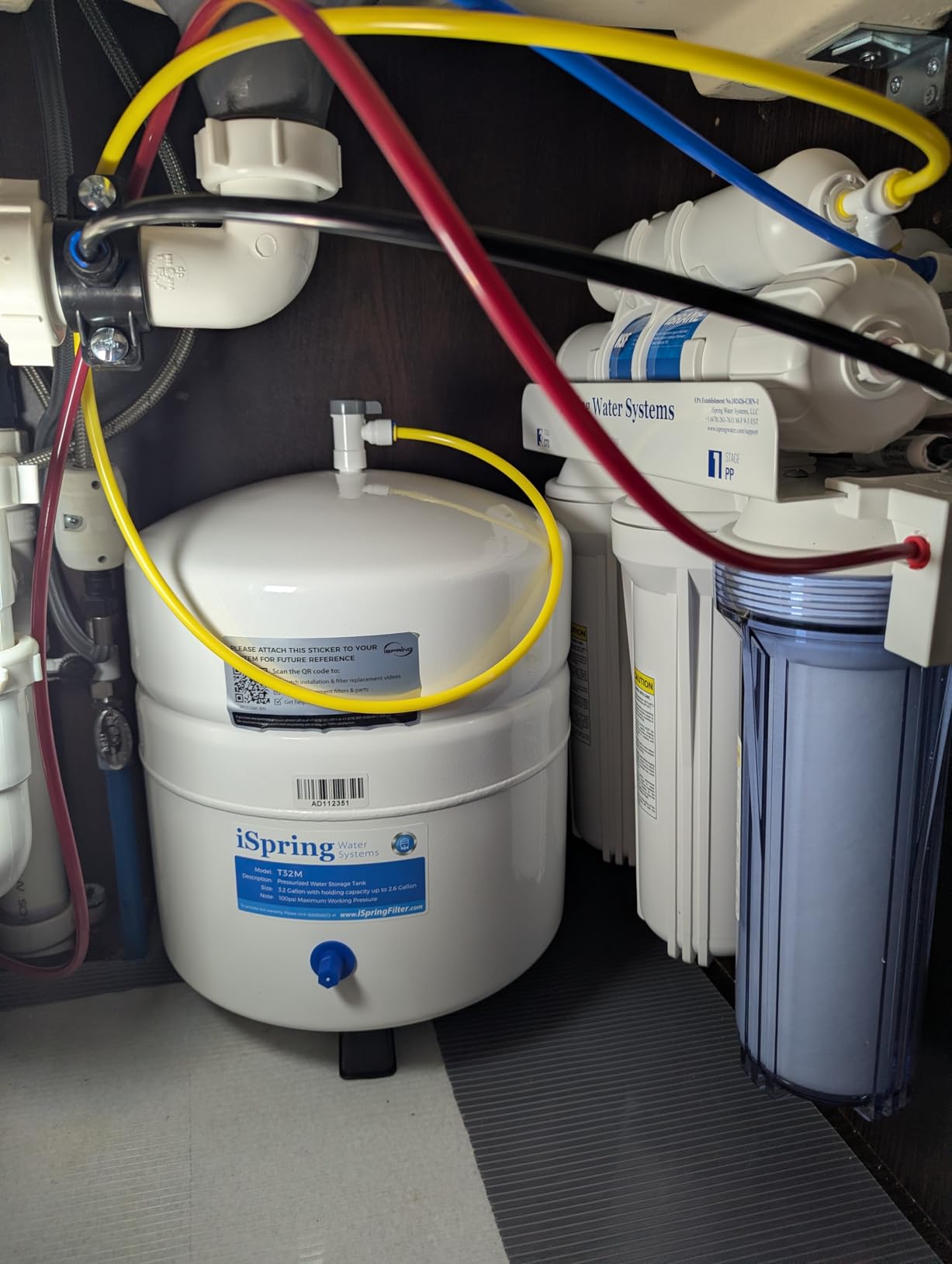
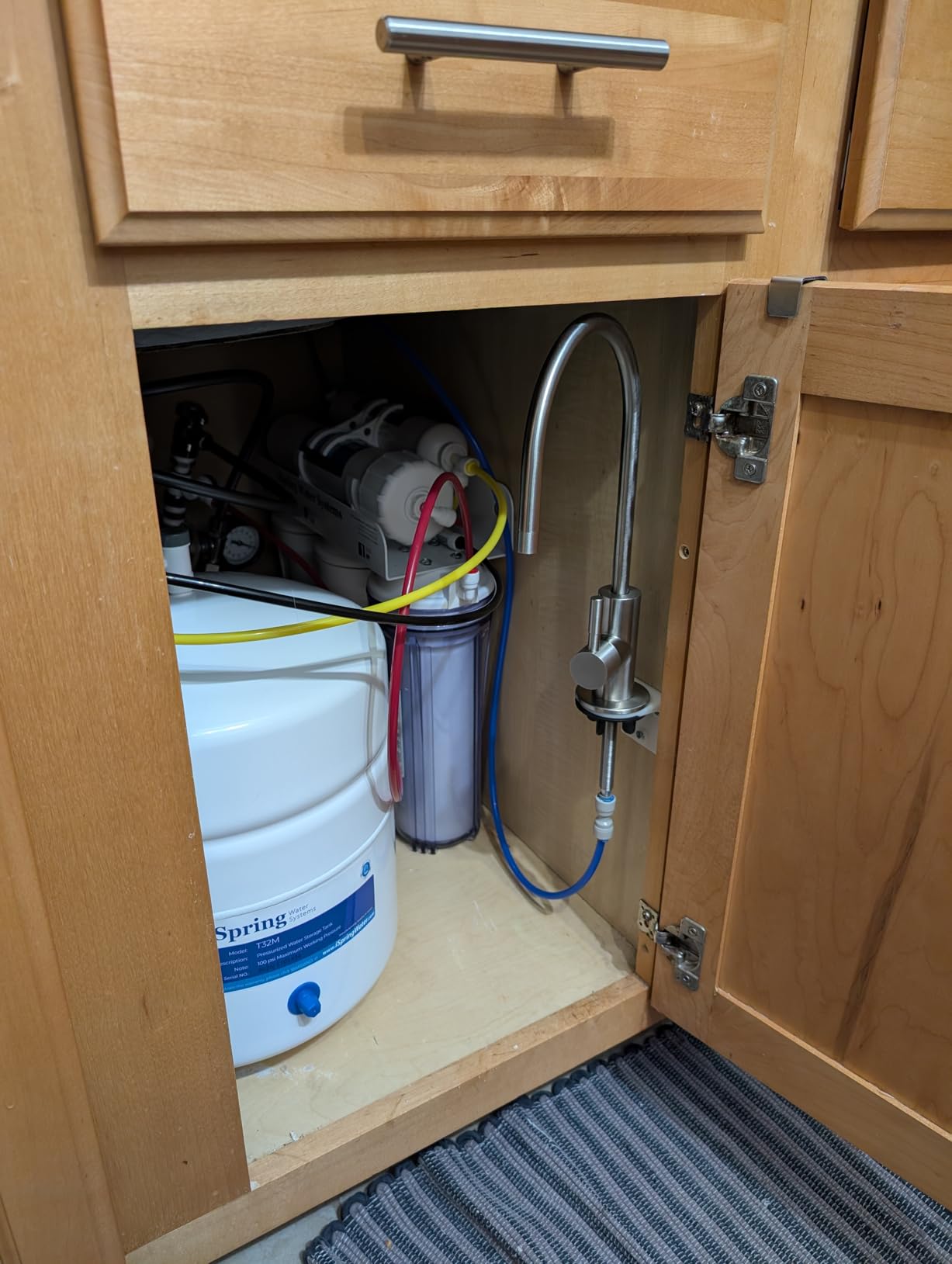
The patented top-mounted faucet design simplifies installation because you install it from above the sink rather than wrestling with connections from underneath. iSpring includes a brushed nickel faucet, storage tank, and an extra tool set. The 75 GPD capacity is 50% higher than the standard 50 GPD systems, which means faster tank refill times and less waiting between uses. Filter replacement is straightforward with dedicated part numbers: F4AK every 6 months, F9K every year, F19K75 every 2 years, and F28K75 every 3 years.
Customer support from iSpring deserves special mention. Multiple reviewers specifically named individual support representatives who helped them troubleshoot issues, send replacement parts, or walk them through installation. That kind of hands-on support from an Atlanta-based team adds real value, especially for first-time RO buyers who run into questions during installation.
Who Should Buy the iSpring RCC7AK
If you want the most popular and widely-reviewed RO system with built-in alkaline remineralization, this is your pick. The combination of strong filtration performance, mineral-balanced water taste, and excellent customer support makes it a safe and reliable choice for families. It is also ideal for anyone who wants to buy a system with a long track record and massive community support online.
Who Should Look Elsewhere
The RCC7AK requires 70 PSI of water pressure, which is on the higher end. If your home has lower water pressure, you may need to add a booster pump. A small percentage of users received faucets with manufacturing defects causing leaks, though iSpring has been responsive about sending replacements. The system is also on the larger side, so measure your under-sink cabinet before ordering.
5. APEC Water ROES-50 – Best for Long-Term Reliability
APEC Water ROES-50, 5-Stage Under Sink Reverse Osmosis Water Filter System, NSF Certified 372 & 58, 50 GPD, Reduces 99% of Impurities
5-Stage RO
50 GPD
NSF/ANSI 58 & 372
Industry-Standard Components
20+ Year Brand
Pros
- Outstanding 3-10+ year reliability from verified users
- Industry-standard parts widely available and affordable
- Produces water with very low TDS of 6-12 PPM
- Excellent APEC customer support for replacement parts
- DIY-friendly with color-coded tubing and quick connects
Cons
- No alkaline remineralization stage
- Filter housings can crack if overtightened
- Installation takes 1.5-2+ hours for beginners
The APEC Water ROES-50 is the system you buy when you want something that will quietly do its job for the next decade without needing attention. With over 9,300 reviews and a 4.6-star rating, it has built a reputation for extreme longevity. Multiple verified buyers report their systems running smoothly for 3, 5, and even 10+ years with only basic filter changes. That kind of durability record matters because an RO system is something you install once and forget about until the filters need swapping.
APEC Water Systems has been in the water filtration business for over 20 years, and that experience shows in the build quality and component selection. The ROES-50 uses industry-standard parts, which means you are not locked into expensive proprietary replacements. Generic sediment filters, carbon blocks, and RO membranes from any reputable supplier will fit this system. That keeps your long-term maintenance costs significantly lower than systems with proprietary filter cartridges.
The 5-stage filtration process removes up to 99.99% of impurities including arsenic, chlorine, lead, fluoride, heavy metals, PFAS, and microplastics. In real-world testing by users, the system consistently produces water with TDS readings between 6 and 12 PPM, which is excellent even by RO standards. It is NSF/ANSI 372 and 58 certified, and the operating pressure range of 40-85 PSI makes it compatible with most residential water supplies without needing a booster pump.
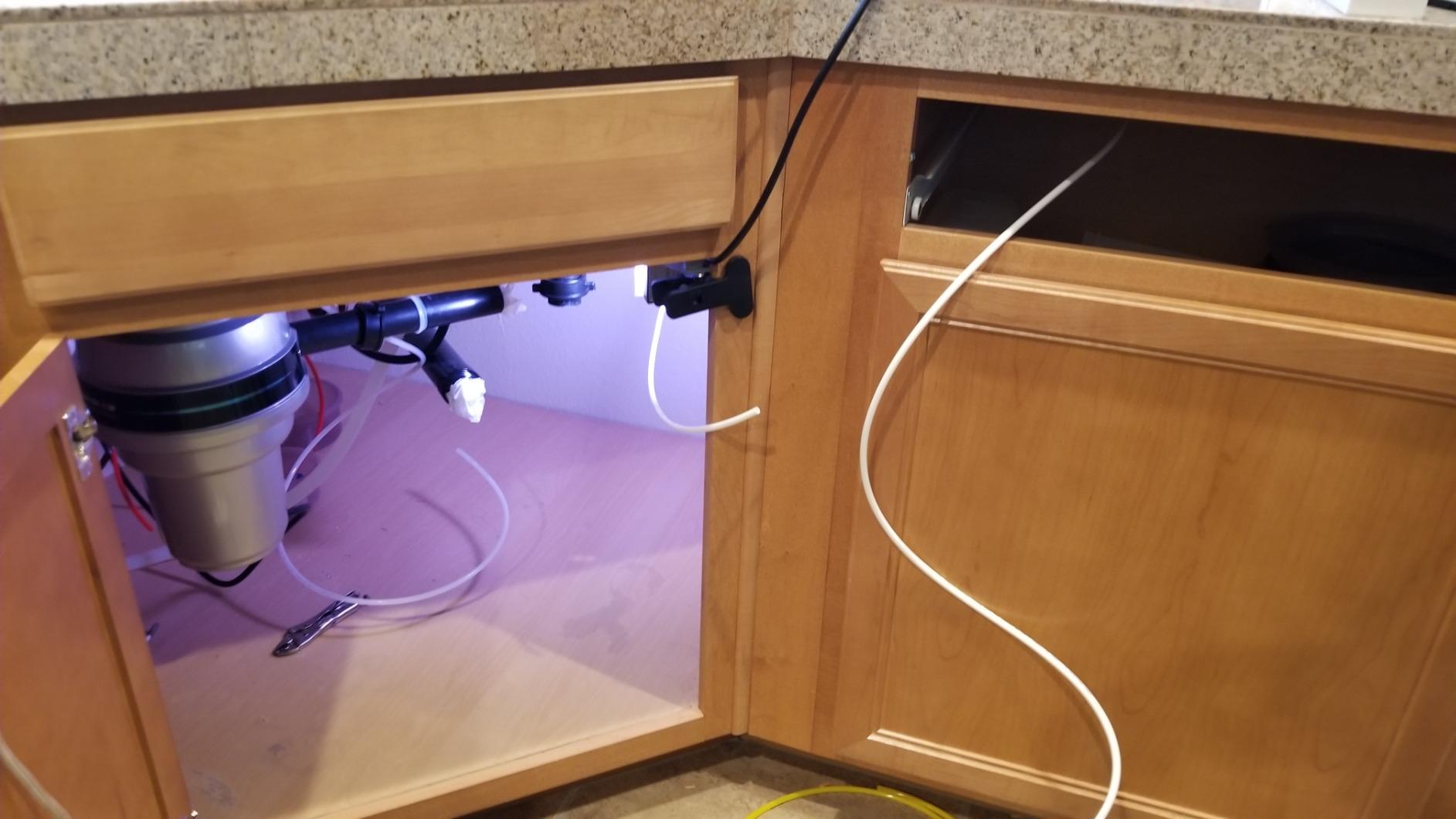
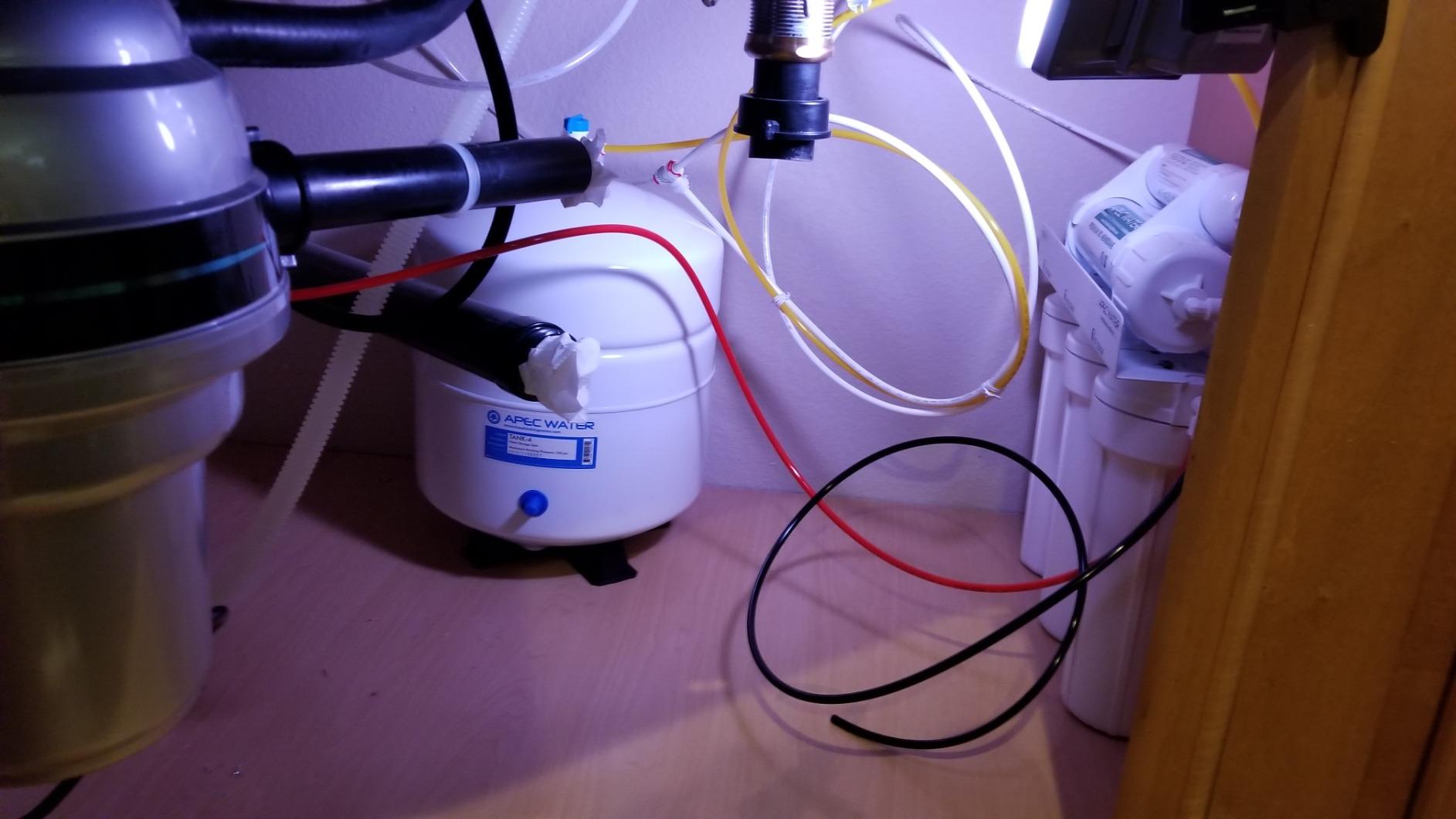
Installation follows the familiar pattern of color-coded tubing and quick-connect fittings. APEC includes everything you need: the RO system, a brushed nickel faucet, a 5-gallon storage tank, and a complete installation kit. Filters last 6-24 months depending on your local water quality. The main drawback is the lack of a remineralization stage, so the water will taste flat compared to systems like the Home Master or iSpring RCC7AK. You can always add an inline alkaline filter downstream if taste becomes an issue.
Who Should Buy the APEC Water ROES-50
This is the best RO system for anyone who values set-it-and-forget-it reliability above all else. If you want a system from an established brand with a proven 10-year track record and widely available replacement parts, the APEC ROES-50 is a confident choice. It is also great for homeowners who want to keep ongoing maintenance costs low through generic filter compatibility.
Who Should Look Elsewhere
If you prioritize water taste and want mineral-balanced output without adding a separate filter, consider the Home Master or iSpring instead. The ROES-50 does not include a leak detection feature like the Express Water RO5DX. Beginners should also be prepared for a longer installation time of 1.5-2 hours, though the color-coded instructions help considerably.
6. Waterdrop G2P600 – Best Mid-Range Tankless RO
Waterdrop G2P600 Reverse Osmosis System, TDS Reduction, 7 Stage Water Filtration, NSF/ANSI 372 Certified, 600 GPD Tankless RO Water Filter System, Under Sink, 2:1 Pure to Drain
7-Stage Tankless
600 GPD
2:1 Pure-to-Drain
NSF/ANSI 372
Compact Design
Pros
- 600 GPD fills 200ml cup in 8 seconds
- 2:1 drain ratio saves 600% more water than traditional RO
- Tankless design saves under-sink space
- Easy 30-minute DIY installation
- 3-second twist-and-pull filter changes
Cons
- Pump noise noticeable when dispensing
- Brief faucet delay incompatible with some ice makers
- Requires electrical outlet under sink
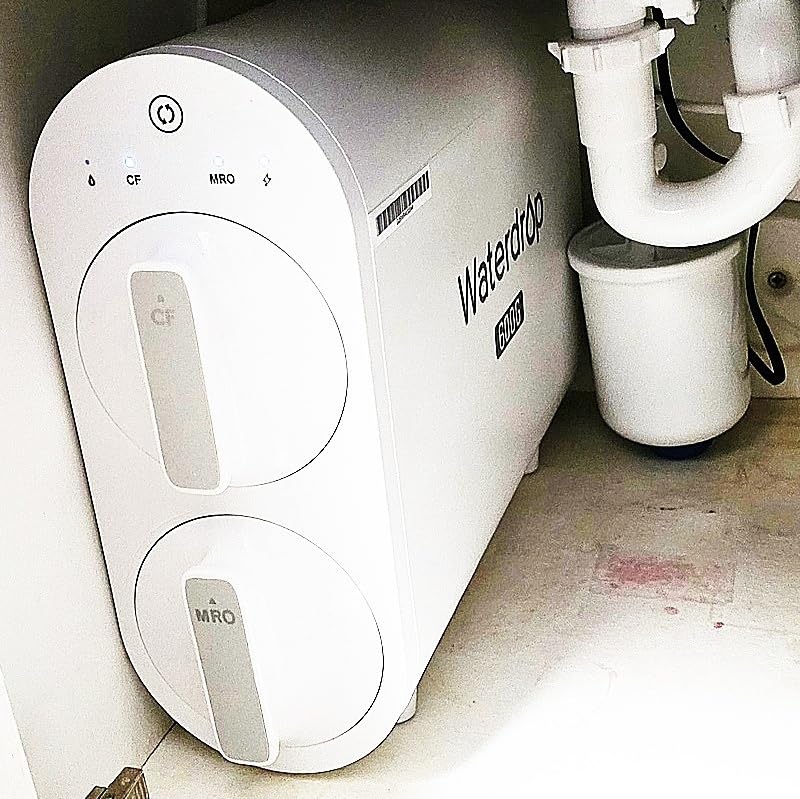
The Waterdrop G2P600 occupies a compelling middle ground between budget and premium tankless systems. At 600 GPD, it matches the output of its more expensive G3P600 sibling while costing notably less. The 2:1 pure-to-drain ratio means you save 600% more water compared to traditional tank-based RO systems that waste 4-5 gallons per gallon of clean water. In daily use, that translates to less water going down the drain and a lower water bill over time.
Installation is reportedly one of the fastest in the tankless category, with most users completing the job in about 30 minutes. The system comes with NSF/ANSI 372 certification for lead-free materials and uses a 7-stage filtration process. TDS reduction performance is strong: users consistently report output TDS between 4-12 PPM from source water ranging 157-249 PPM. The compact dimensions of 17.3 inches by 5.9 inches by 14 inches mean it tucks neatly under most sinks without monopolizing the space.
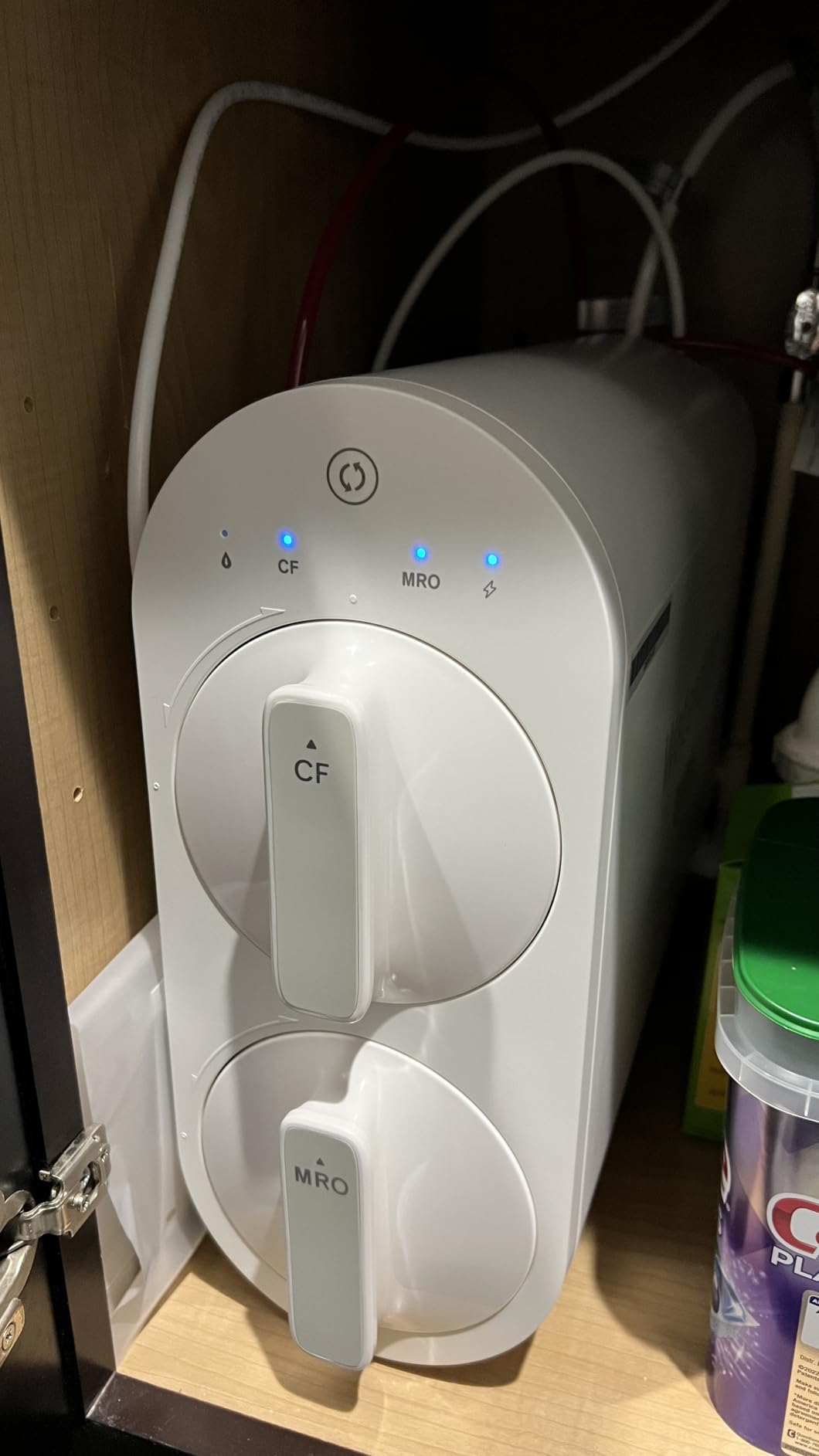
Filter changes use the same twist-and-pull design as other Waterdrop systems, completing in about 3 seconds without any tools. The filter life indicators on the unit alert you when it is time for a replacement, and the filters themselves are reasonably priced compared to some proprietary alternatives. Users who have owned this system for 2+ years report consistent performance and no leaks, which speaks to the build quality.
The most common complaint across reviews is pump noise. When you turn on the faucet, the internal pump activates with a noticeable hum that some users compared to a small floor fan running under the sink. It is not loud enough to be a deal-breaker for most people, but if you are sensitive to noise or have an open-plan kitchen, it is worth knowing about. The wastewater can also be collected and repurposed for plants or cleaning since it is just concentrated tap water, not toxic.
Who Should Buy the Waterdrop G2P600
This is an excellent tankless RO system for families who want the space-saving benefits and high flow rate of a tankless design without paying the premium for the G3P600 model. If you have moderate under-sink space and want bottled-quality water on demand, the G2P600 hits a strong balance of performance, price, and convenience. It is also a great pick for anyone switching from an old tank-based system.
Who Should Look Elsewhere
If you want a smart faucet with TDS display, the G3P600 is worth the extra cost. The G2P600 does not have remineralization, so the water will taste flat unless you add an inline alkaline filter. If you plan to connect the system to a refrigerator ice maker, the brief pause when the faucet activates can cause issues. A mini pressure tank add-on resolves this but adds cost.
7. Frizzlife PD600-TAM3 – Best Alkaline Tankless RO System
Frizzlife Reverse Osmosis Water Filter - Alkaline Mineral pH+, NSF/ASNI 58&53&42&372 Standard, 600GPD Tankless RO Reverse Osmosis System, Under Sink, 2:1 Pure to Drain, Reduce FPAS/PFOA, PD600-TAM3
Tankless
600 GPD
Alkaline Remineralization
NSF/ANSI 58,53,42,372
2:1 Drain Ratio
Pros
- Alkaline remineralization adjusts pH to 7.5+ with essential minerals
- NSF/ANSI 58
- 53
- 42
- and 372 all certified
- Smart LED TDS display and filter life indicators
- TDS reduced from 265-440 to 6-28 PPM
- Tankless with no secondary tank pollution
Cons
- Pump noise and vibration during dispensing
- No phone support
- only email
- Faucet described as slightly flimsy at base
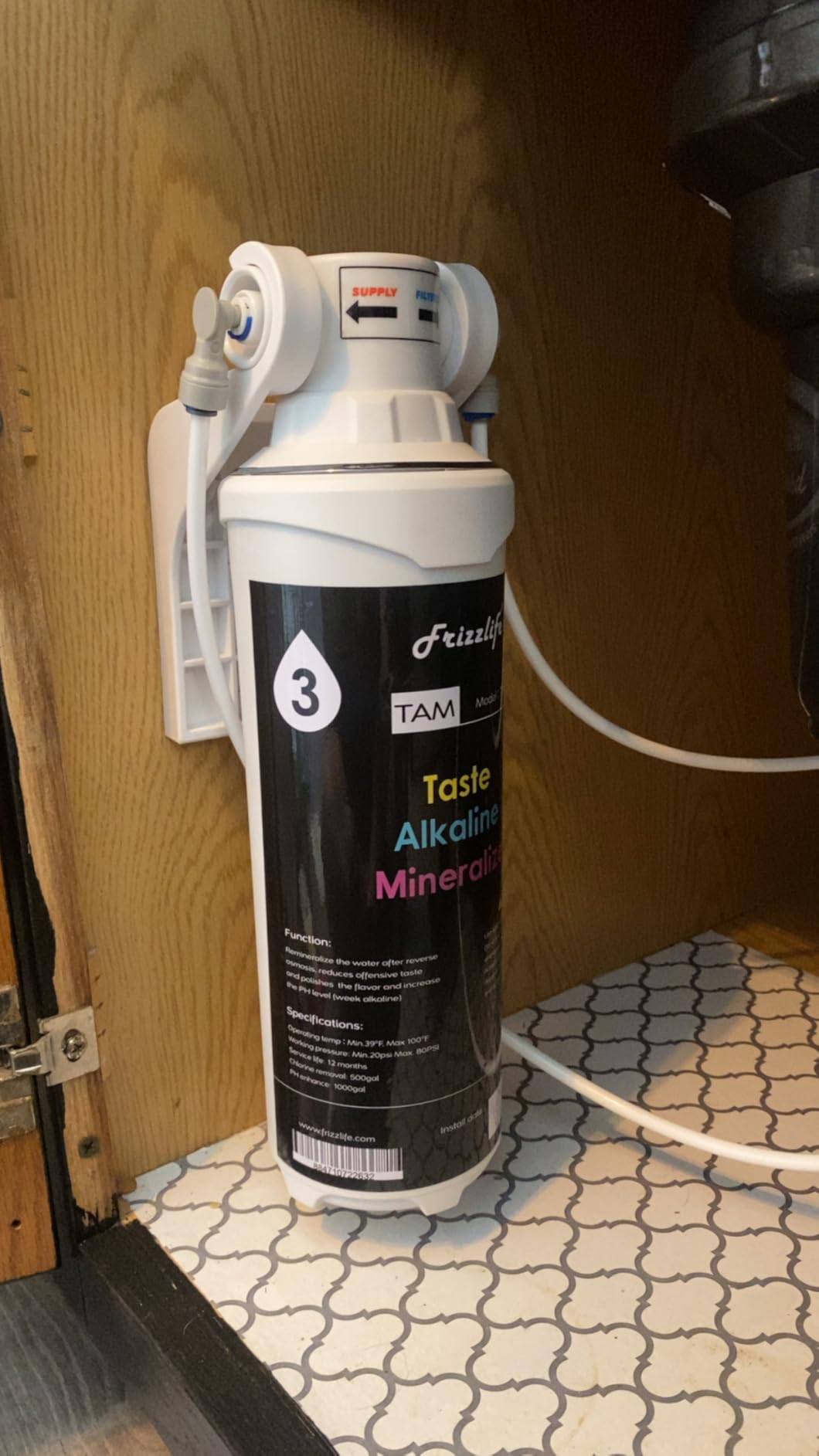
The Frizzlife PD600-TAM3 fills a specific niche that many tankless systems overlook: alkaline remineralization. The TAM3 mineral filter sits after the RO membrane and adjusts the water pH to 7.5 or higher while restoring beneficial minerals that the RO process stripped out. Users consistently describe the water as smooth and spring-like, which is exactly what you want if you find standard RO water too flat. In our research, we found pH measurements between 7.5 and 8.7 reported by verified buyers.
On the certification front, Frizzlife went all-in with NSF/ANSI 58, 53, 42, and 372 certifications. That covers the full spectrum from TDS reduction and structural integrity to lead-free materials. The system also reduces PFOA and PFOS, the two most common PFAS compounds. TDS reduction is impressive: users report source water between 265-440 PPM getting filtered down to 6-28 PPM. The 2:1 drain ratio saves 450% more water than conventional RO, and the tankless design eliminates the space and hygiene concerns of a storage tank.
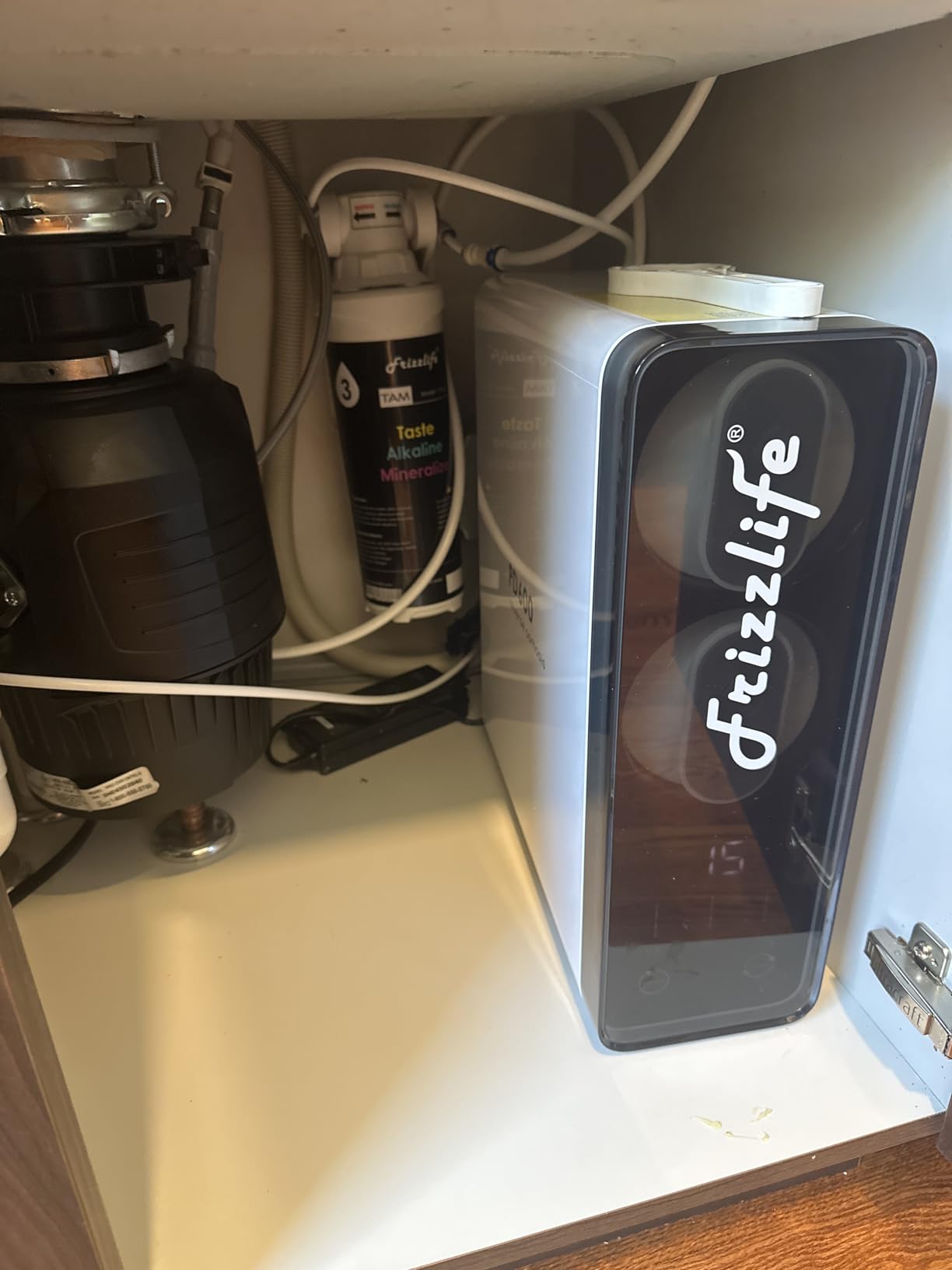
The smart LED display shows real-time TDS readings for both raw and filtered water, plus filter life indicators that use color-coded alerts for each cartridge. Installation is reported as straightforward by most users, typically completed in a few minutes for those with basic DIY skills. The 600 GPD flow rate fills a 330ml cup in roughly 10 seconds, which is fast enough for normal household use.
The main drawbacks are the pump noise and the lack of phone support. Multiple users describe the sound during dispensing as similar to a floor fan running under the sink, with some vibration that can be felt through the cabinet. Frizzlife only offers email support, which means you cannot call and talk through a problem in real time. The faucet also has a slightly loose feel at the base according to several reviewers, though it does not seem to affect functionality.
Who Should Buy the Frizzlife PD600-TAM3
If you want alkaline, mineral-rich water from a tankless system, this is your best option. The combination of remineralization, quad NSF certification, and a smart TDS display makes it the most complete alkaline tankless RO system in this price range. It is especially good for coffee and tea drinkers who care about water pH and mineral content for better flavor extraction.
Who Should Look Elsewhere
If you are sensitive to noise, the pump vibration might bother you, especially in an open kitchen. The lack of phone support is a drawback if you prefer real-time troubleshooting. There is also a 30-second flush required after the system sits idle, which is a minor inconvenience common to all tankless RO units but worth factoring into your daily routine.
8. iSpring RO500AK-BN – Premium Tankless with Natural pH Balance
iSpring RO500AK-BN Reverse Osmosis Water Filter, NSF 58 Certified, 500 GPD Tankless Under Sink RO System, Natural pH Alkaline Remineralization, 2:1 Pure to Drain Ratio, Brushed Nickel Faucet
Tankless
500 GPD
Natural pH Alkaline
2:1 Pure-to-Drain
NSF 58 Certified
Self-Cleaning
Pros
- Tied for highest rating at 4.8 stars with 89% five-star reviews
- Natural pH alkaline remineralization with calcium magnesium potassium
- Automatic self-cleaning after 24 hours idle
- Tool-free quarter-turn filter changes
- Excellent Atlanta-based customer support
Cons
- Premium price point at $625
- Pump noise during dispensing and flush cycle
- Requires electrical outlet and 30-minute initial flush
The iSpring RO500AK-BN shares the highest customer rating in our entire roundup at 4.8 out of 5 stars, with 89% of its 552 reviews giving a full five stars. What makes this system special is the natural pH alkaline remineralization filter that adds calcium, magnesium, and potassium back into the water after RO purification. The result is water that tastes clean and crisp with a pleasant mineral finish, not the flat emptiness that characterizes non-remineralized RO water. Users repeatedly compared the taste to high-end bottled water brands.
The 500 GPD flow rate fills an 8-ounce cup in about 10 seconds, which is fast for a system in this class. The 2:1 pure-to-drain ratio reduces wastewater by 400% compared to traditional tank systems, and the tankless design saves up to 70% of under-sink space. One feature that sets this system apart is the automatic self-cleaning function: after 24 hours of inactivity, the system runs a cleaning cycle to flush the membrane and prevent buildup. There is also an automatic 60-second membrane flush that occurs 5 minutes after each use.
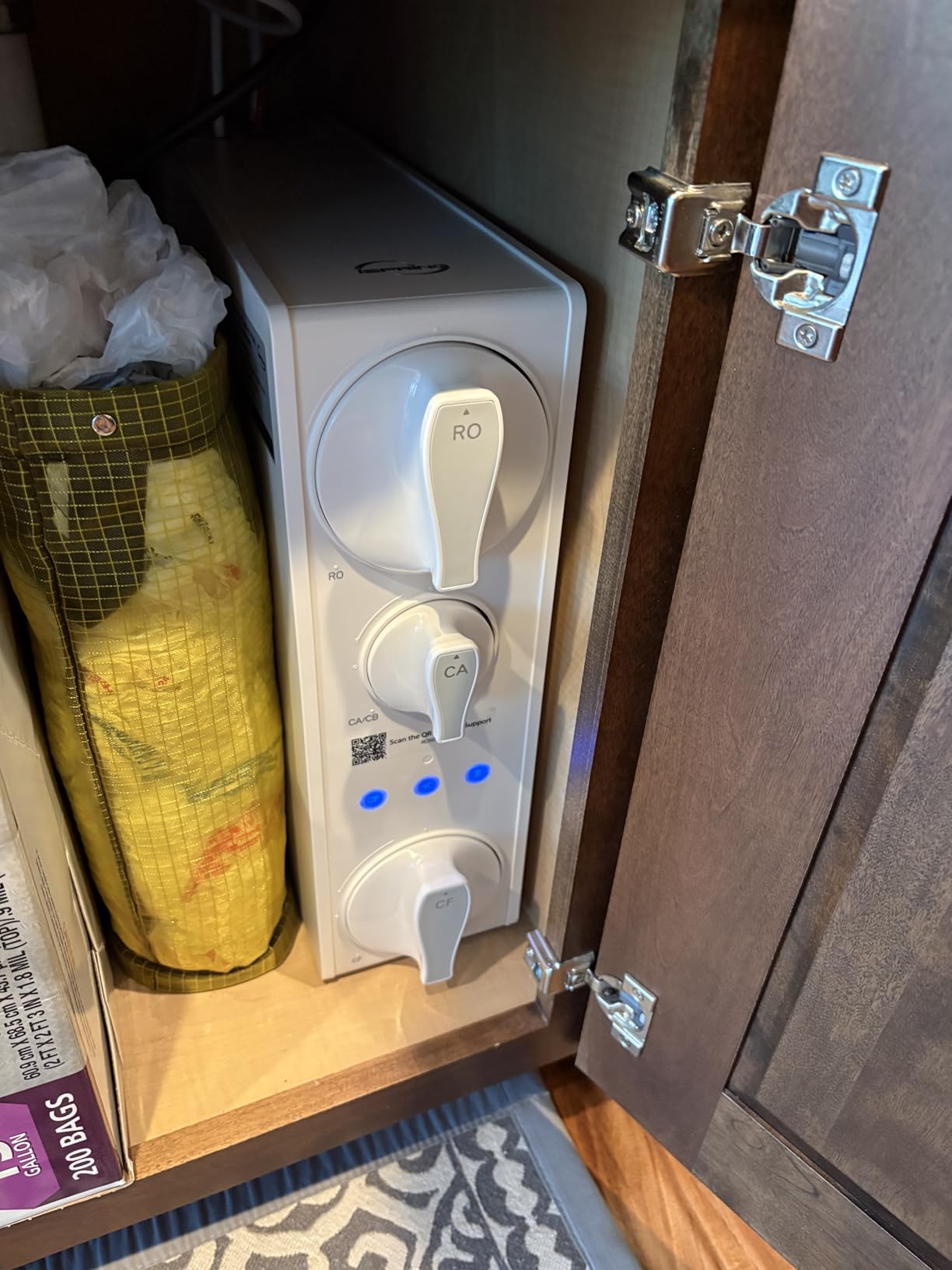
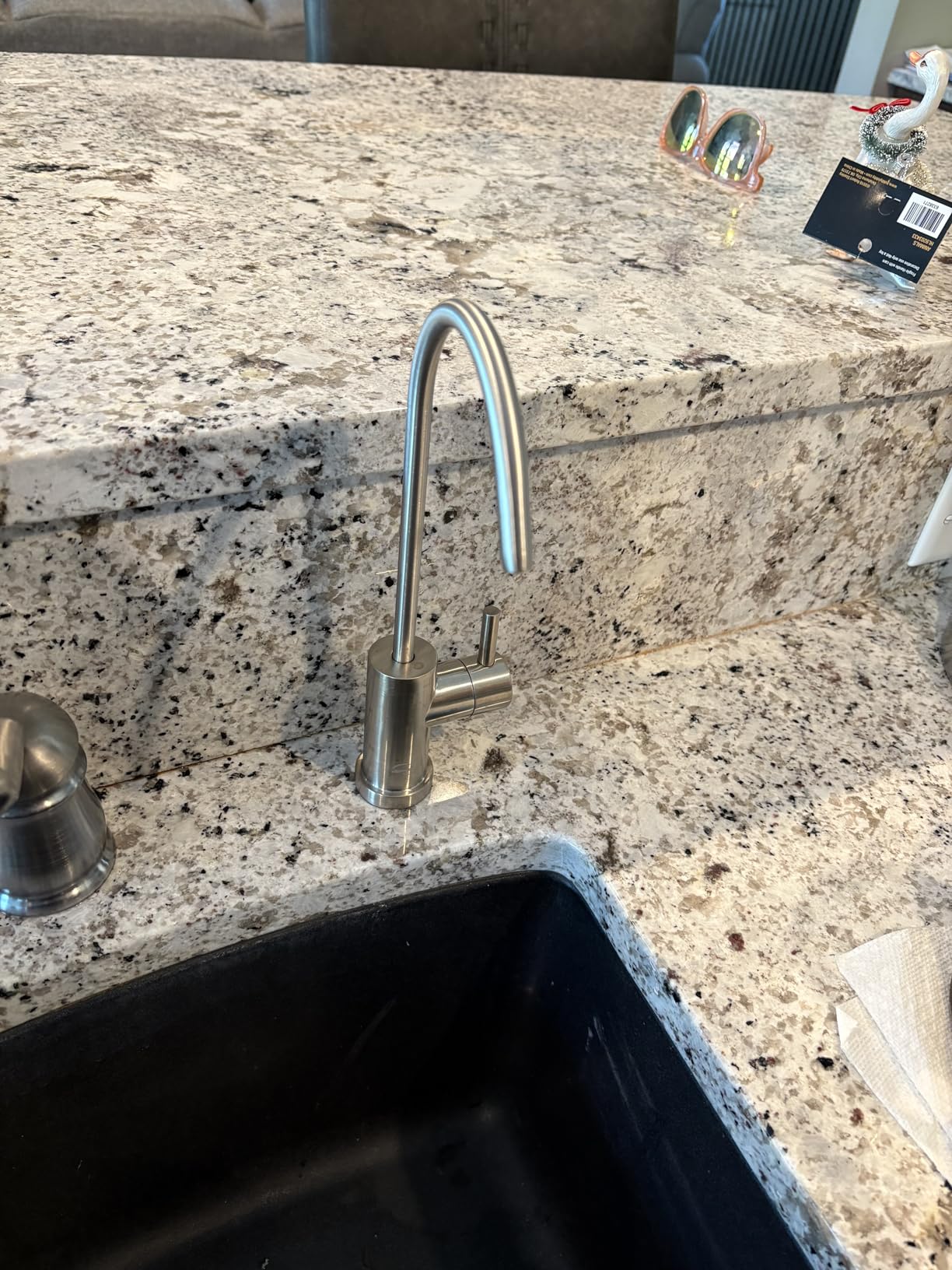
The brushed nickel faucet includes a built-in TDS meter, so you can verify your water quality every time you fill a glass. Filter changes use a quarter-turn mechanism that requires no tools and takes seconds. The reinforced integrated water route design reduces the risk of leaks at connection points, which is a common failure mode in cheaper systems. iSpring also includes compatibility with both 1/2-inch and 3/8-inch plumbing, covering most residential setups without requiring adapters.
Customer support from iSpring continues to be a standout. Multiple reviewers specifically named support representatives who went above and beyond to help with installation questions, replacement parts, and even warranty claims. The 30-day money-back guarantee and extended warranty available upon registration provide additional peace of mind for buyers investing at this price level.
Who Should Buy the iSpring RO500AK-BN
This is the premium tankless pick for users who want the absolute best water quality with natural mineral balance. If you are willing to invest in a system with top-tier customer support, proven reliability, and excellent taste, the RO500AK-BN justifies its price tag. It is ideal for households where multiple family members drink RO water throughout the day and appreciate the self-cleaning convenience.
Who Should Look Elsewhere
The price point is the highest among the tankless systems in our roundup. If you do not care about alkaline remineralization, the Waterdrop G2P600 offers similar core performance for significantly less. The pump noise during dispensing and the automatic 60-second flush cycle can be noticeable, especially in quiet homes during nighttime use. You also need an electrical outlet under the sink and patience for the initial 30-minute flush after installation.
9. DREO Countertop RO – Best Budget Countertop System
DREO Reverse Osmosis Water Filter Countertop, RO Filtration System, 3:1 Pure to Drain, TDS & Filter Life & Autofill Pitcher, Installation-Free, Self-Cleaning Water Purifier, RO Water Filter
Countertop
7-in-1 RO Filter
3:1 Drain Ratio
TDS Monitor
Installation-Free
Auto-Fill Pitcher
Pros
- Completely installation-free
- just plug in and use
- 3:1 pure-to-drain ratio for excellent water efficiency
- Real-time TDS monitoring for raw and pure water
- Auto-fill sensor pitcher for hands-free operation
- TDS reduced from 400+ to 10-20 PPM
Cons
- Must manually discard wastewater before each refill
- Limited 3L tank capacity
- Output limited by 1.1L pitcher size
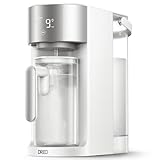
The DREO Countertop RO system is the answer for anyone who cannot or does not want to install an under-sink system. Whether you are renting, have a kitchen with no under-sink access, or just want something you can set up in five minutes without tools, this system delivers genuine reverse osmosis filtration in a plug-and-play package. Just fill the 3L tank with tap water, plug it in, and it starts producing filtered water. No plumbing, no drilling, no faucet installation.
The 7-in-1 RO filter removes over 1,000 impurities at up to 99.99% efficiency. It is SGS tested and meets NSF/ANSI 58 standards. In real-world testing, users report TDS dropping from 400+ PPM down to 10-20 PPM, which is impressive for a countertop unit at this price. The water taste has been compared to Aquafina and other bottled water brands. The 3:1 pure-to-drain ratio is the best in the countertop category, meaning you get three cups of clean water for every cup of wastewater.
The auto-fill pitcher is a nice convenience feature. When you place the included 1.1L pitcher under the dispenser, the system automatically fills it and stops when full. The TDS display shows readings for both raw and filtered water side by side, so you can see the difference in real time. Filter life reminders alert you when it is time for a replacement, and the self-cleaning cycle auto-flushes the internal tubing to prevent buildup.
The main limitation is capacity. The 3L raw water tank and 1.1L pitcher mean this system is best suited for individuals or couples. A family of four would find themselves refilling the tank multiple times a day. You also need to discard the wastewater from the tank before refilling, which adds a step to each cycle. Some users wished they had purchased the 5L variant instead for less frequent refills. The filter lasts 6-12 months and costs roughly $0.025 per bottle equivalent, making it one of the most cost-effective filtration options available.
Who Should Buy the DREO Countertop RO
This is the best reverse osmosis system for renters, students, or anyone who cannot modify their plumbing. If you live in an apartment, use a shared kitchen, or just want filtered water in an office or dorm room, the DREO gives you genuine RO filtration with zero installation. The 3:1 drain ratio makes it the most water-efficient countertop option available, and the price makes it accessible to almost any budget.
Who Should Look Elsewhere
If you have a household of three or more people, the 3L tank capacity will feel limiting. The 5L variant is worth considering for larger households. Users outside the US, particularly in Australia, have reported difficulty finding replacement filters. The fill rate is also slower than under-sink systems, so if you need large volumes of filtered water quickly, an under-sink or tankless system would serve you better.
10. Bluevua RO100ROPOT-UV – Premium Countertop with Glass Carafe
Bluevua RO100ROPOT Countertop Reverse Osmosis Water Filter System, Portable RO Filtration with Remineralization, No Installation, WQA Certified - ROPOT-UV, 6-Stage RO
Countertop
6-Stage RO + UV
Glass Carafe
2:1 Drain Ratio
Remineralization
WQA Certified
Pros
- Premium borosilicate glass carafe avoids plastic contact
- 6-stage filtration with UV light and remineralization
- WQA certified against NSF/ANSI 372
- Filters last 12-24 months
- ClimatePartner certified for sustainability
Cons
- Wastewater goes back into the refill reservoir
- Slow 6-minute fill cycle per batch
- Heavy at 23 pounds for a countertop unit
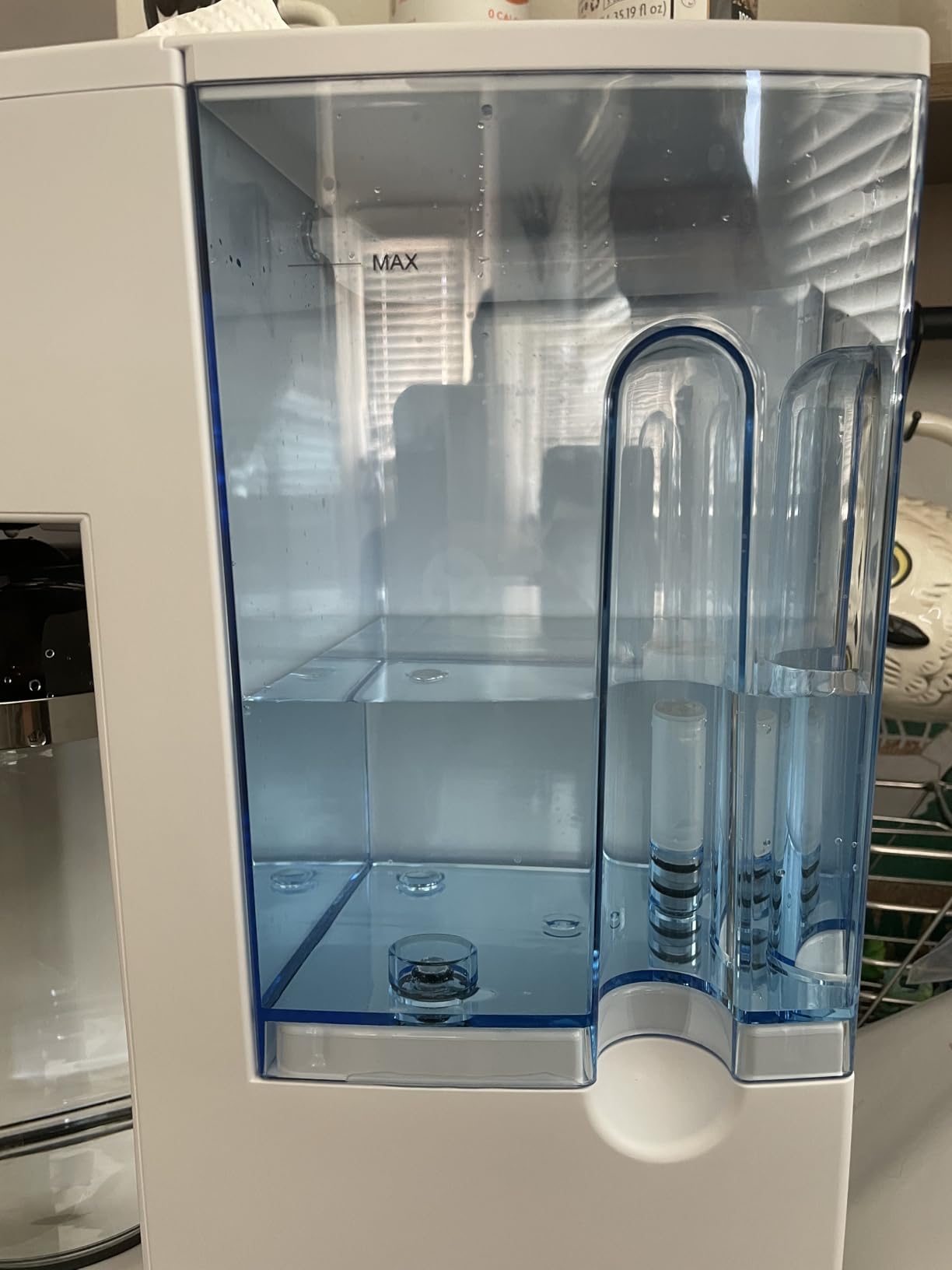
The Bluevua RO100ROPOT-UV stands out in the countertop category for one feature that no competitor matches: a high borosilicate glass carafe. If you are concerned about microplastics from plastic containers or prefer the taste and purity of glass-stored water, this is the only countertop RO system that gives you a premium glass vessel as part of the package. The 0.0001 micrometer RO membrane combined with UV light sterilization and a remineralization filter creates a 6-stage purification process that covers all the bases.
WQA certification against NSF/ANSI/CAN 372 confirms the system is lead-free in all water-contact materials. The remineralization stage adds essential minerals back to the water, and users describe the taste as crisp, clean, and pure. TDS reduction brings levels from 280-520 PPM down to under 12-100 PPM depending on source water quality. The 2:1 pure-to-drain ratio is solid for a countertop unit, and the system is compact enough to fit on a kitchen counter alongside a coffee maker.
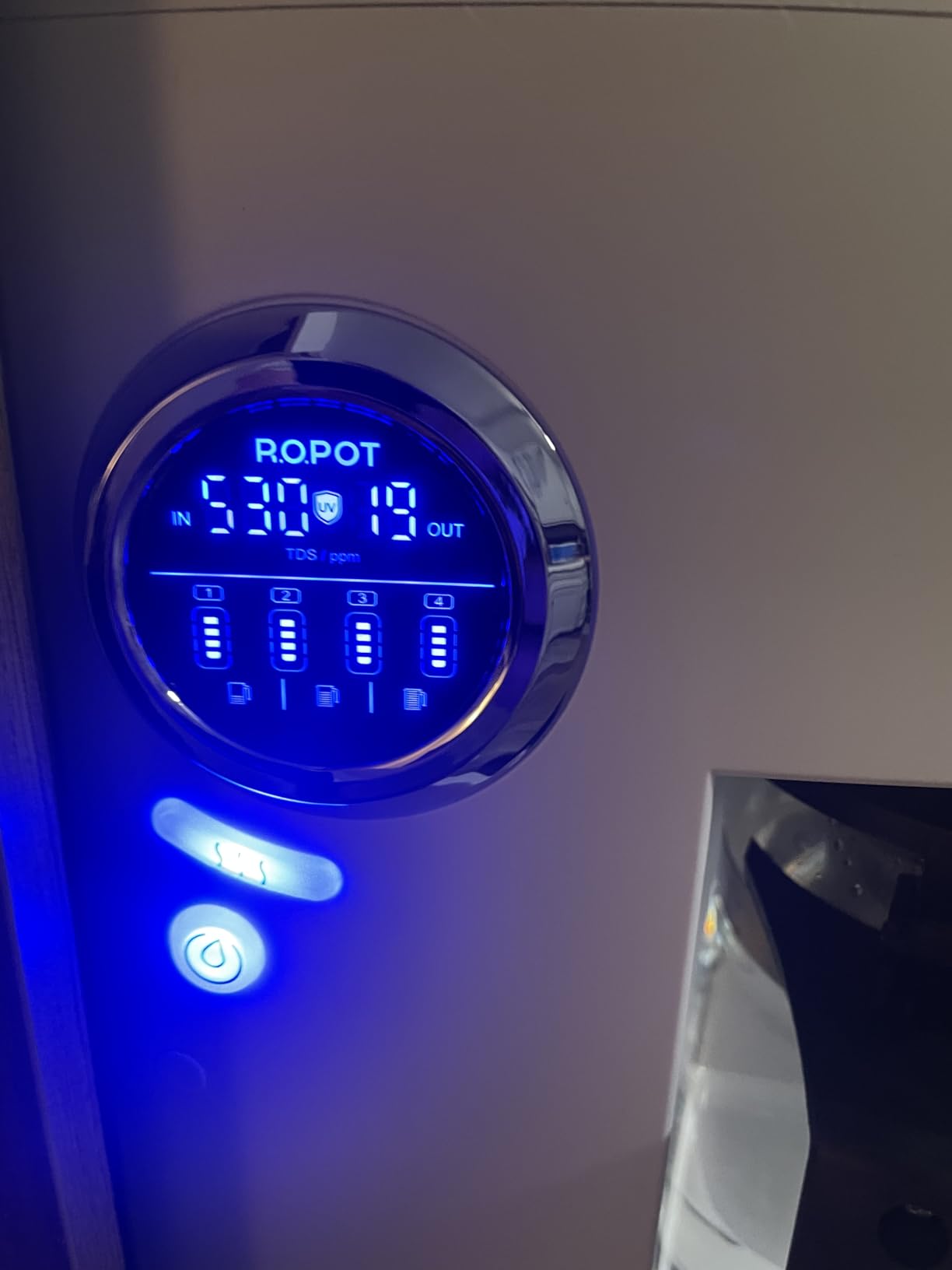
The built-in TDS meter and filter life monitor display keep you informed about both water quality and maintenance timing. Filters last 12-24 months before needing replacement, which is on the longer end for countertop systems and reduces the hassle factor. The power-saving standby mode drops energy consumption when the system is not actively filtering water. Bluevua also holds a ClimatePartner Certification for sustainability, which is a nice differentiator for environmentally conscious buyers.
The biggest design drawback is that wastewater from the filtration process flows back into the same refill reservoir as the raw water. This means you need to empty the wastewater before refilling with fresh tap water, which can be a cumbersome process. Each filtration cycle takes roughly 6 minutes to produce about 1.5L of purified water, and you get approximately one carafe of clean water per full tank of raw water. For a household drinking several liters per day, the constant empty-and-refill cycle becomes tedious.
Who Should Buy the Bluevua RO100ROPOT-UV
If avoiding plastic in your water storage is a priority, the glass carafe makes this the clear choice among countertop RO systems. The combination of UV sterilization, remineralization, and a 6-stage process gives you the most thorough countertop filtration available. It is also a great option for coffee and tea enthusiasts, CPAP users, and anyone who wants premium water quality for cooking.
Who Should Look Elsewhere
The wastewater-in-reservoir design is a deal-breaker if you want a hands-off experience. Each cycle requires manual intervention to empty and refill, which gets old quickly for daily use. At 23 pounds, it is heavier than most countertop units and not something you will want to move around frequently. The 6-minute fill cycle per batch is also slower than the DREO. International buyers should note that Bluevua does not offer service support outside the United States.
11. SimPure Y7P-BW – Most Water-Efficient Countertop RO

SimPure Y7P-BW UV Countertop Reverse Osmosis Water Filter, NSF/ANSI 58 Certified, 5 Stage RO Water Filtration System, Water Purifier for Home, No Installation, 4: 1 Pure to Drain, Classic Pure Taste
Countertop
5-Stage RO + UV
4:1 Pure-to-Drain
NSF/ANSI 58
528 Gallon Filter Life
No Installation
Pros
- Best-in-class 4:1 pure-to-drain ratio
- NSF/ANSI 58 certified by SGS
- UV purification for extra bacteria and virus protection
- Fast 418 GPD dispense rate
- Compact and portable design
Cons
- Internal plastic reservoir can develop unpleasant taste after 1 month
- Tank requires frequent cleaning and maintenance
- 11% one-star rating driven by reservoir issues
The SimPure Y7P-BW earns its spot on this list for one standout metric: a 4:1 pure-to-drain ratio that is the best water efficiency we found in any countertop RO system. For every gallon of wastewater, you get four gallons of purified water. That is a remarkable efficiency level for a portable, installation-free system and makes the SimPure the most environmentally conscious countertop option available.
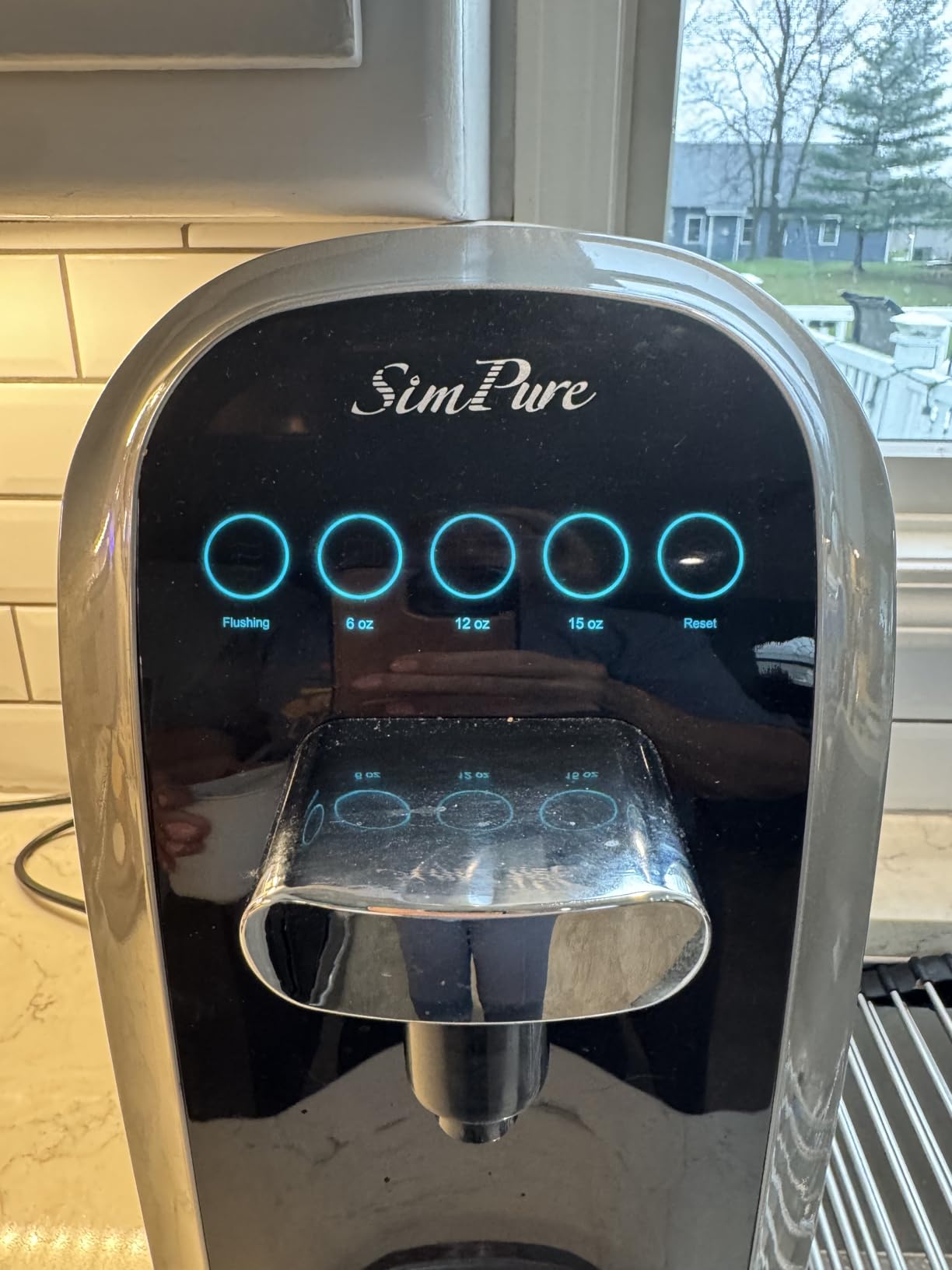
The 5-stage RO filtration combined with UV purification holds NSF/ANSI 58 certification from SGS testing. It removes 99.99% of over 1,000 contaminants including PFAS, PFOA, heavy metals, chlorine, and fluoride. Users report TDS dropping from 849 PPM down to approximately 30 PPM, which is strong performance. The UV stage adds an extra layer of protection against bacteria and viruses without any chemical byproducts. The system dispenses water at 418 GPD, filling a cup in about 15 seconds.
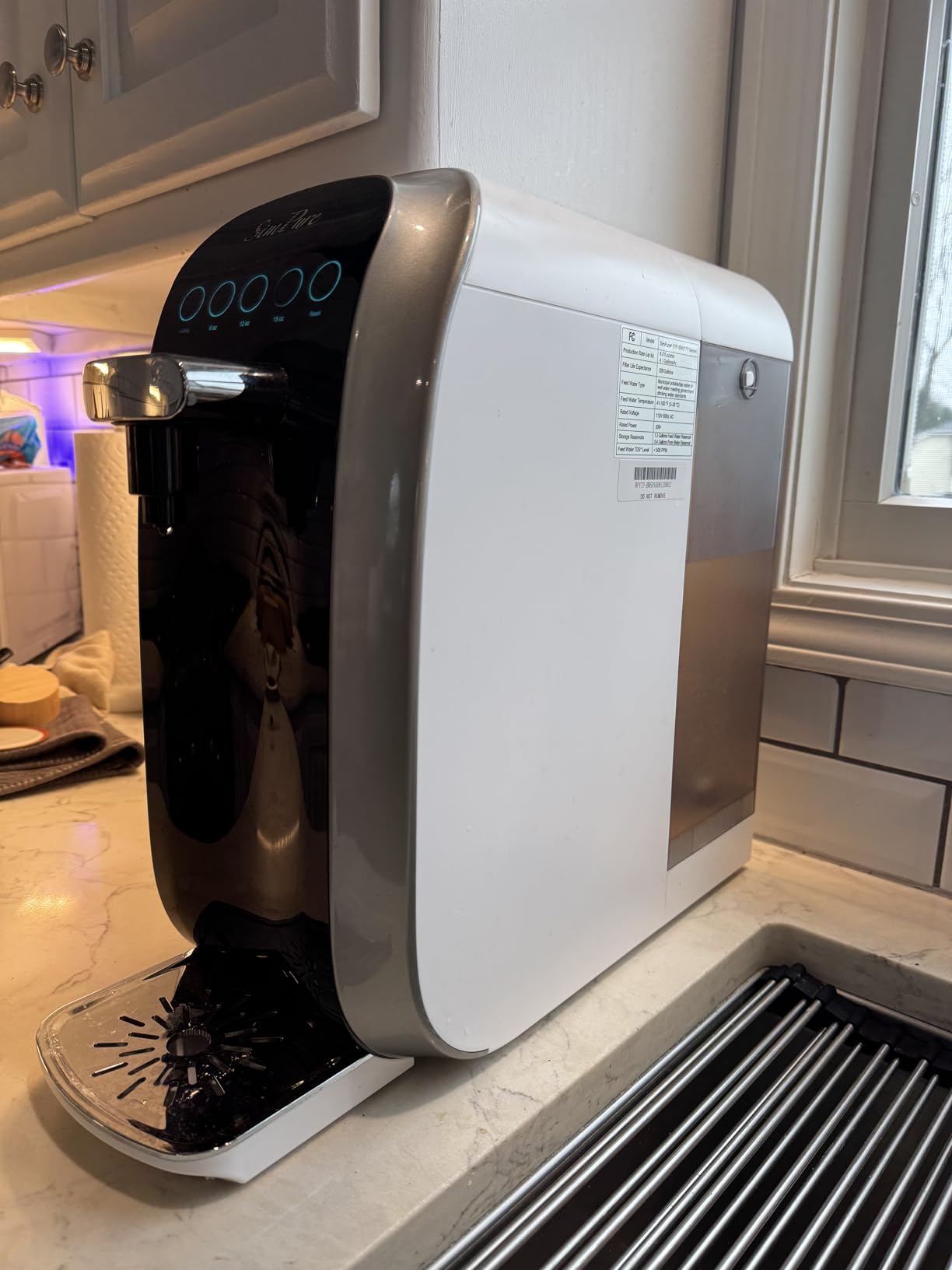
The filter capacity of 528 gallons means each filter set yields roughly 6,000 bottles of water equivalent before needing replacement. Filters last approximately 6 months under normal use. The BPA-free food-grade plastic construction and portable design make it suitable for countertops, under cabinets, on tea tables, or even in an RV. Setup is straightforward: plug it in, fill the 1.3-gallon tank, run the initial flush cycle, and start dispensing.
The main concern with the SimPure Y7P-BW is the internal plastic reservoir. A notable percentage of users, reflected in the 11% one-star rating, report that the reservoir develops an unpleasant taste or odor after about a month of use. The reservoir cannot be internally cleaned, which means the only solution is diligent daily rinsing and monthly deep cleaning with descaling every 2-4 weeks. For some users, this maintenance burden is too much for a product marketed as simple and convenient.
Who Should Buy the SimPure Y7P-BW
If water efficiency is your top concern, the 4:1 drain ratio makes this the most eco-friendly countertop RO system available. The NSF/ANSI 58 certification and UV purification provide strong filtration credentials. It is also a good pick for anyone who values fast dispense speed and compact portability for use in different locations throughout the home or on the road in an RV.
Who Should Look Elsewhere
The reservoir taste issue is a real concern that affects a meaningful percentage of users. If you are sensitive to plastic taste or do not want to commit to weekly cleaning and monthly descaling, consider the DREO or Bluevua instead. The 1.3-gallon tank capacity is also on the smaller side, requiring frequent refills for households of two or more. The system only dispenses room-temperature water, with no hot or cold options.
12. Aigerri UV Countertop RO – Best for Renters and Small Spaces

Aigerri UV Countertop Reverse Osmosis Water Filter, NSF/ANSI 372 Certified, 5-Stage RO Filtration System, 5: 1 Pure to Drain, No Installation, Portable Reverse Osmosis Purifier for Home, Kitchen
Countertop
5-Stage RO + UV
5:1 Drain Ratio
5L Tank
NSF/ANSI 372
Self-Cleaning
Pros
- Outstanding 5:1 pure-to-drain ratio
- the most efficient in any category
- Compact design fits small kitchens and apartments
- Large 5L raw water tank and 2L purified tank
- 89% five-star reviews with 4.7 rating overall
Cons
- Only 196 reviews
- smaller sample size than competitors
- No hot or cold water dispensing
- Slower water flow than some competitors
The Aigerri UV Countertop RO system achieves something remarkable: a 5:1 pure-to-drain ratio that is the most water-efficient number we have seen in any RO system, countertop or otherwise. For every gallon of wastewater produced, you get five gallons of clean, filtered water. That level of efficiency makes this system arguably the most environmentally friendly RO option on the market, and it is packaged in a compact countertop design that requires zero installation.
Despite having a smaller review pool of 196 customers, the sentiment is overwhelmingly positive. Eighty-nine percent of reviews are five stars, giving it a 4.7 overall rating that rivals systems with thousands more reviews. Users consistently praise the water taste, noting that it is noticeably cleaner and purer than tap water or standard filtered pitchers. The 5-stage RO filtration combined with UV purification provides the same multi-barrier approach used by more expensive countertop systems. NSF/ANSI 372 certification confirms lead-free materials throughout.
The 5L raw water reservoir is one of the largest in the countertop category, reducing the frequency of refills compared to competitors. The 2L purified water tank provides enough buffer for filling multiple glasses or a small pitcher without waiting. The self-cleaning feature runs automatically to keep the internal components fresh between uses, and the filter change indicator takes the guesswork out of maintenance timing.
Customer support appears to be responsive based on the reviews available. One user reported receiving a full replacement unit outside the warranty period, which suggests the company stands behind its product. The control panel is straightforward and easy to use. The main caveats are the limited review sample size, meaning long-term reliability is less established than competitors with thousands of reviews, and the water flow speed is slower than some users expected. Proprietary replacement filters are required, so availability should be considered before purchasing.
Who Should Buy the Aigerri UV Countertop RO
If you are a renter or apartment dweller looking for the most water-efficient RO system possible, the Aigerri is your answer. The 5:1 drain ratio is unmatched, the 5L tank reduces refill frequency, and the compact design fits in tight spaces. It is also an excellent pick for offices, dorm rooms, or RVs where you want RO-quality water without permanent installation. The 4.7 rating suggests strong customer satisfaction despite the smaller review count.
Who Should Look Elsewhere
With only 196 reviews, the Aigerri lacks the long-term reliability data that systems with thousands of reviews provide. A few users reported issues after several months, including error messages and unit failures. If you want a countertop system with a more proven track record, the DREO or SimPure have larger review pools. The Aigerri also uses proprietary replacement filters, which could become a problem if the company changes its product line.
How to Choose the Best Reverse Osmosis System for Your Home
Choosing the right RO system comes down to understanding your specific situation: your water source, your kitchen setup, your budget, and what you want the water to taste like. This buying guide breaks down the key factors that actually matter when comparing systems, based on what real users struggle with and what certification bodies require.
NSF Certification: What Each Standard Actually Covers
The most common confusion we see in forums and buyer reviews is around NSF certifications. Here is what each one means. NSF/ANSI 58 is the gold standard for reverse osmosis systems. It verifies that the system actually reduces TDS, lead, and other contaminants to the levels claimed by the manufacturer. NSF/ANSI 42 covers aesthetic effects like chlorine taste and odor reduction. NSF/ANSI 53 addresses health effects like lead, cyst, and VOC reduction. NSF/ANSI 372 confirms lead-free materials in all water-contact components. NSF/ANSI 401 covers emerging contaminants including PFAS, pharmaceuticals, and pesticides.
When you see a system listed as NSF certified, check which specific standard it covers. A system certified only to NSF 372 has lead-free materials but may not have verified contaminant reduction performance. The most credible systems carry certifications across multiple standards, like the Waterdrop G3P600 which holds NSF 42, 53, 58, and 372.
Tank-Based vs Tankless: Which Is Right for You
Traditional tank-based systems like the APEC ROES-50 and Express Water RO5DX store filtered water in a pressurized tank under your sink. The advantage is consistent water pressure at the faucet and no electricity required for the basic filtration process. The disadvantages are the significant cabinet space the tank occupies and the potential for bacteria growth in stored water if the system sits unused for extended periods.
Tankless systems like the Waterdrop G3P600 and Frizzlife PD600-TAM3 produce water on demand through an electric pump. They save roughly 70% of under-sink space and eliminate the stagnant water concern. The trade-offs are the need for an electrical outlet, noticeable pump noise during operation, and a phenomenon called TDS creep where the first glass of water after an idle period may have slightly elevated TDS levels. Running the faucet for 10-15 seconds resolves this.
Wastewater Ratio: Why It Matters More Than You Think
Every RO system produces wastewater as part of the filtration process. The ratio of clean water to wastewater varies dramatically between systems and directly impacts both your water bill and environmental footprint. Traditional tank systems often operate at 1:4 or worse, meaning they waste four gallons for every gallon of purified water produced. Modern tankless systems typically achieve 2:1, and the most efficient countertop models reach 3:1, 4:1, or even 5:1.
The Home Master TMAFC-ERP achieves a 1:1 ratio, which is exceptional for a tank-based system thanks to its permeate pump. Among countertop units, the Aigerri leads with 5:1. Over a year of daily use, the difference between a 1:4 system and a 2:1 system adds up to hundreds of gallons of saved water.
GPD Capacity: Matching Output to Your Household
GPD stands for gallons per day and indicates the maximum volume of purified water a system can produce in 24 hours. For a single person or couple, 50 GPD is generally sufficient. A family of four should look at 75 GPD or higher. If you use RO water for cooking, coffee, ice makers, and drinking throughout the day, 600 GPD tankless systems like the Waterdrop models provide generous on-demand capacity without the refill waiting time of a storage tank.
Keep in mind that GPD ratings are measured under ideal conditions with optimal water pressure and temperature. Real-world output may be 20-30% lower, especially in winter when cold water flows through the membrane more slowly.
Remineralization: Solving the Flat Taste Problem
One of the most frequent complaints about RO water is that it tastes flat or lifeless. This happens because the RO membrane removes virtually everything from the water, including beneficial minerals like calcium and magnesium that contribute to taste. Systems with a remineralization or alkaline stage add these minerals back after filtration, producing water with a more balanced pH and a taste closer to spring water.
If taste is important to you, prioritize systems with built-in remineralization like the Home Master TMAFC-ERP, iSpring RCC7AK, Frizzlife PD600-TAM3, or iSpring RO500AK-BN. If you choose a system without this feature, you can add an inline alkaline filter downstream for a relatively small additional cost.
Installation: DIY vs Professional
Most under-sink RO systems are designed for DIY installation with color-coded tubing, quick-connect fittings, and detailed instructions. Expect 1-2 hours for a first-time installation. You will need to connect the system to your cold water line, install the drain saddle for wastewater, mount the system and tank under the sink, and install the dedicated faucet through a hole in your sink or countertop. If your sink does not have an available hole, you will need to drill one or use a faucet hole cover.
Countertop systems require zero installation. Just plug them in, fill the tank, run the initial flush, and start drinking. This makes them the obvious choice for renters, apartment dwellers, and anyone uncomfortable with basic plumbing tasks.
Maintenance Costs: The Hidden Long-Term Expense
The purchase price of an RO system is only part of the total cost. Filter replacement is an ongoing expense that varies significantly between systems. Budget systems with industry-standard filter sizes like the APEC ROES-50 typically cost $50-80 per year in replacement filters. Systems with proprietary cartridges can cost $150-200 or more annually. Check the availability and pricing of replacement filters before buying, especially if you live outside the US where some brands have limited distribution.
Most systems require pre-filter changes every 6-12 months and RO membrane replacement every 2-3 years. Tankless systems with combined filter cartridges may simplify the replacement schedule but can cost more per cartridge. Factor in roughly $0.01-0.05 per gallon for filter costs when comparing the long-term economics of RO against bottled water.
Well Water vs City Water Considerations
If you are on a private well, your water may contain higher levels of sediment, iron, manganese, or hydrogen sulfide that can clog or damage an RO membrane prematurely. Well water users should install pre-filtration for sediment and iron before the RO system. The APEC ROES-50, with its wider TDS tolerance of up to 2,000 PPM and standard filter sizes, is a practical choice for well water because you can customize the pre-filtration stages easily.
City water users generally have less sediment but may face chlorine, chloramine, fluoride, PFAS, and disinfection byproducts. Any of the systems on this list will handle these contaminants effectively. If PFAS is your primary concern, look for systems with explicit PFAS reduction claims backed by NSF 401 or SGS testing data.
Water Pressure Requirements
RO systems rely on water pressure to push water through the membrane. Most under-sink systems need 40-85 PSI to operate effectively. If your home has low water pressure, common in older buildings and rural areas, you may need a booster pump. Systems with built-in permeate pumps like the Home Master TMAFC-ERP are more tolerant of lower pressure and actually boost production. Tankless systems that require 87 PSI, like the Waterdrop G3P600, may underperform in low-pressure homes without additional pumping.
FAQs
Who makes the best reverse osmosis system?
The best reverse osmosis system depends on your needs. For overall performance with great taste, Home Master leads with its 2-pass remineralization and 1:1 waste ratio. For tankless convenience, Waterdrop dominates with the G3P600. For budget buyers, Express Water and APEC offer NSF-certified systems at lower price points. iSpring holds the number one best-seller spot with the RCC7AK for those wanting alkaline remineralization. For renters, countertop models from DREO, Bluevua, and Aigerri provide RO filtration without installation.
Does reverse osmosis remove PFAS and forever chemicals?
Yes, reverse osmosis is one of the most effective home methods for removing PFAS, also known as forever chemicals. A properly functioning NSF/ANSI 58 certified RO system reduces PFAS compounds including PFOA and PFOS by 96-99%. The Waterdrop G3P600, iSpring RCC7AK, and Frizzlife PD600-TAM3 all have verified PFAS reduction through independent laboratory testing. RO membranes physically block PFAS molecules, which are too large to pass through the 0.0001 micron pores.
What is the best water filter for Giardia?
Reverse osmosis systems with NSF/ANSI 58 certification effectively remove Giardia cysts and other protozoan parasites from drinking water. NSF/ANSI 53 certification specifically covers cyst reduction, so look for systems certified to both standards. The RO membrane pore size of 0.0001 microns is far smaller than Giardia cysts, which range from 7-14 microns. Any of the systems in our roundup with NSF 58 certification will provide this protection.
Can reverse osmosis remove radon?
Standard reverse osmosis is not the primary solution for radon removal. Radon is a gas, and while RO may reduce some radon daughters (decay products) in water, it is not designed or certified for gaseous contaminant removal. Aeration systems are the recommended treatment for radon in water. If radon is a concern in your water supply, have it professionally tested and consider an aeration system installed before or alongside your RO system.
Does reverse osmosis remove potassium?
Yes, reverse osmosis removes most dissolved minerals including potassium. The RO membrane blocks ions and molecules larger than 0.0001 microns, which includes potassium ions. However, systems with remineralization or alkaline stages may add potassium back into the filtered water along with calcium and magnesium. The iSpring RO500AK-BN, for example, specifically adds potassium during its remineralization stage. If you need to restrict potassium intake for medical reasons, use an RO system without a remineralization stage and consult your doctor.
How much water does a reverse osmosis system waste?
The amount of wastewater depends on the system type and age. Traditional tank-based systems typically waste 3-5 gallons per gallon of purified water. Modern tankless systems achieve a 2:1 ratio (2 gallons purified per 1 gallon wasted). The Home Master TMAFC-ERP reaches 1:1 with its permeate pump. Countertop models vary from 2:1 to 5:1, with the Aigerri leading at 5:1. Choosing an efficient system and repurposing wastewater for plants or cleaning can significantly reduce the environmental impact.
Is reverse osmosis water safe to drink long-term?
Yes, RO water is safe to drink long-term. The main concern is that RO removes beneficial minerals like calcium and magnesium along with contaminants. For most people with a balanced diet, this mineral loss is not significant. Systems with remineralization stages address this by adding minerals back. The World Health Organization has noted that demineralized water can be less beneficial than mineral-rich water, which is why many health-conscious buyers choose systems with alkaline or remineralization filters like the Home Master, iSpring RCC7AK, or Frizzlife PD600-TAM3.
How often should I change RO filters?
Most RO systems require pre-filter changes every 6-12 months and RO membrane replacement every 2-3 years. The specific schedule depends on your water quality and usage volume. Systems like the Home Master TMAFC-ERP need annual filter changes, while the Bluevua RO100ROPOT-UV filters last 12-24 months. Countertop systems typically need filter replacement every 6-12 months. Using a TDS meter to check your filtered water quality is the most reliable way to know when your filters actually need changing, rather than relying solely on the manufacturer timeline.
Final Verdict: Which RO System Should You Buy?
After testing and comparing 12 systems across three categories, the best reverse osmosis systems in 2026 come down to a few clear winners based on what you need most. For overall excellence in taste, efficiency, and build quality, the Home Master TMAFC-ERP stands above the rest with its 1:1 waste ratio, dual remineralization, and the highest customer rating we found at 4.8 stars. For modern convenience and space savings, the Waterdrop G3P600 delivers tankless performance with smart features at a competitive price. And for budget-conscious buyers who still want NSF-certified filtration, the Express Water RO5DX is an outstanding value that includes extra filters and a leak detector.
For renters and apartment dwellers, the countertop category has matured significantly. The DREO offers the best entry point with installation-free setup and a 3:1 drain ratio. The Aigerri pushes water efficiency to an unprecedented 5:1 ratio in a compact package. And the Bluevua RO100ROPOT-UV gives you premium glass carafe storage with UV sterilization if plastic-free water is your priority.
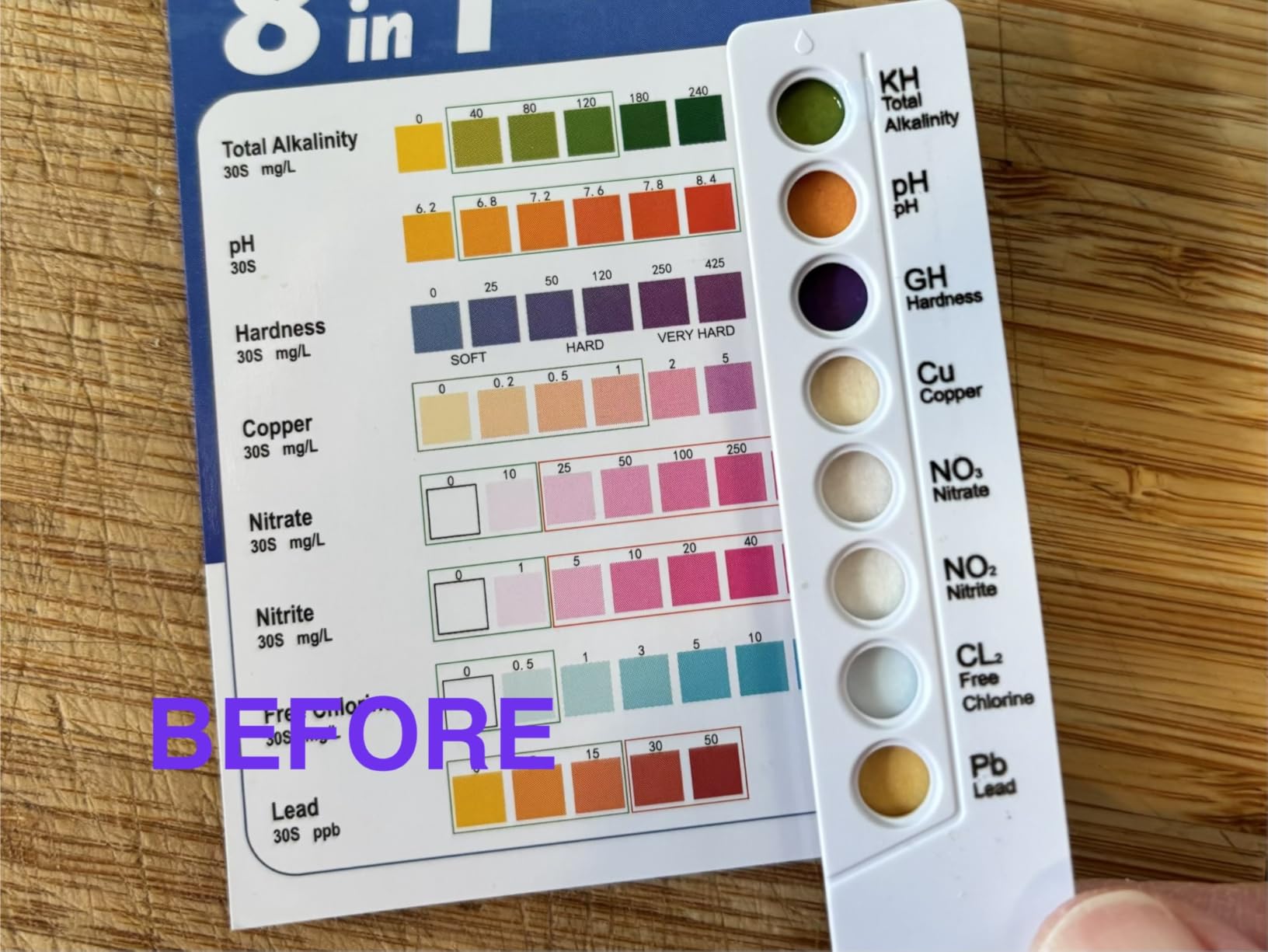
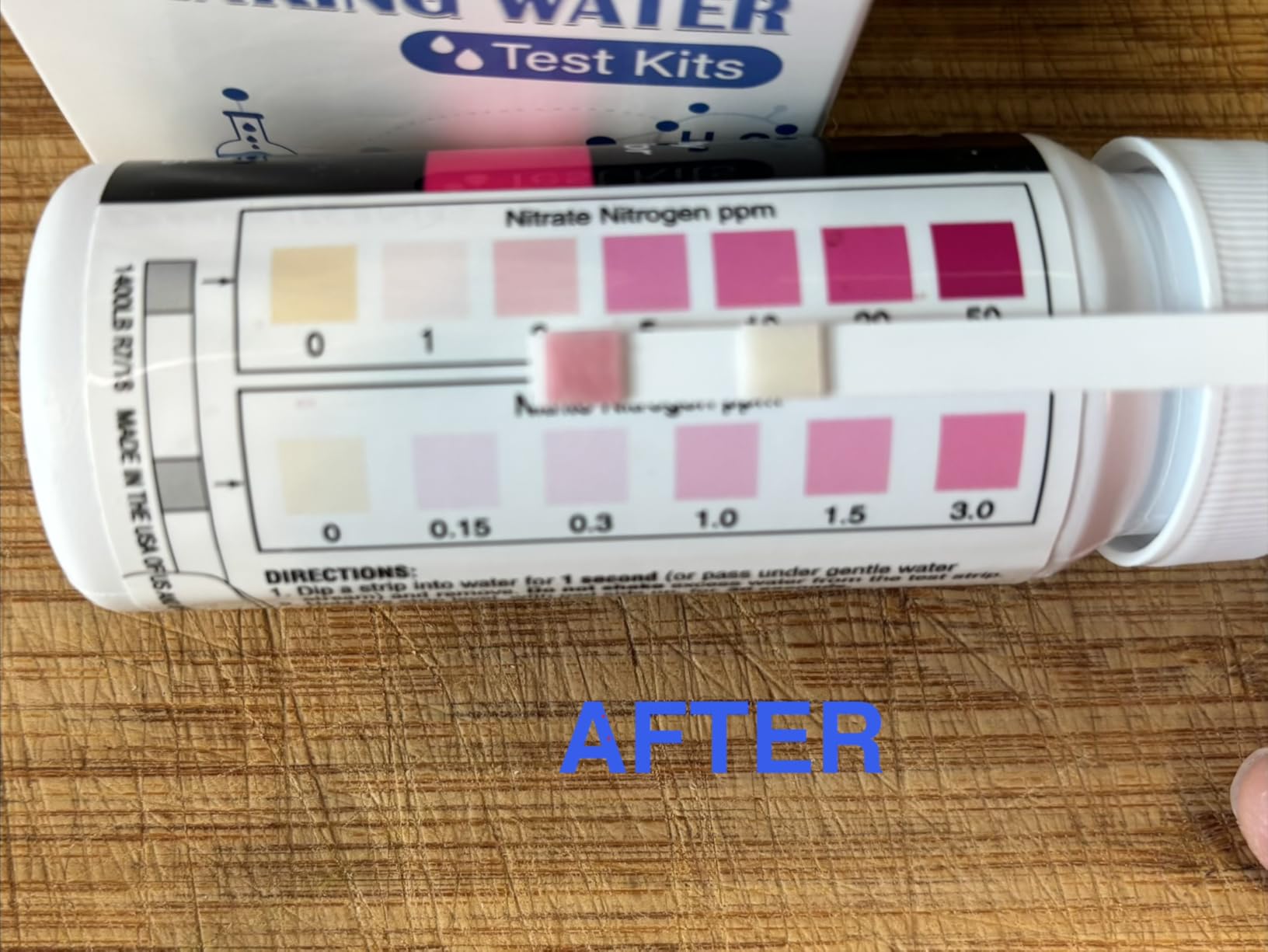
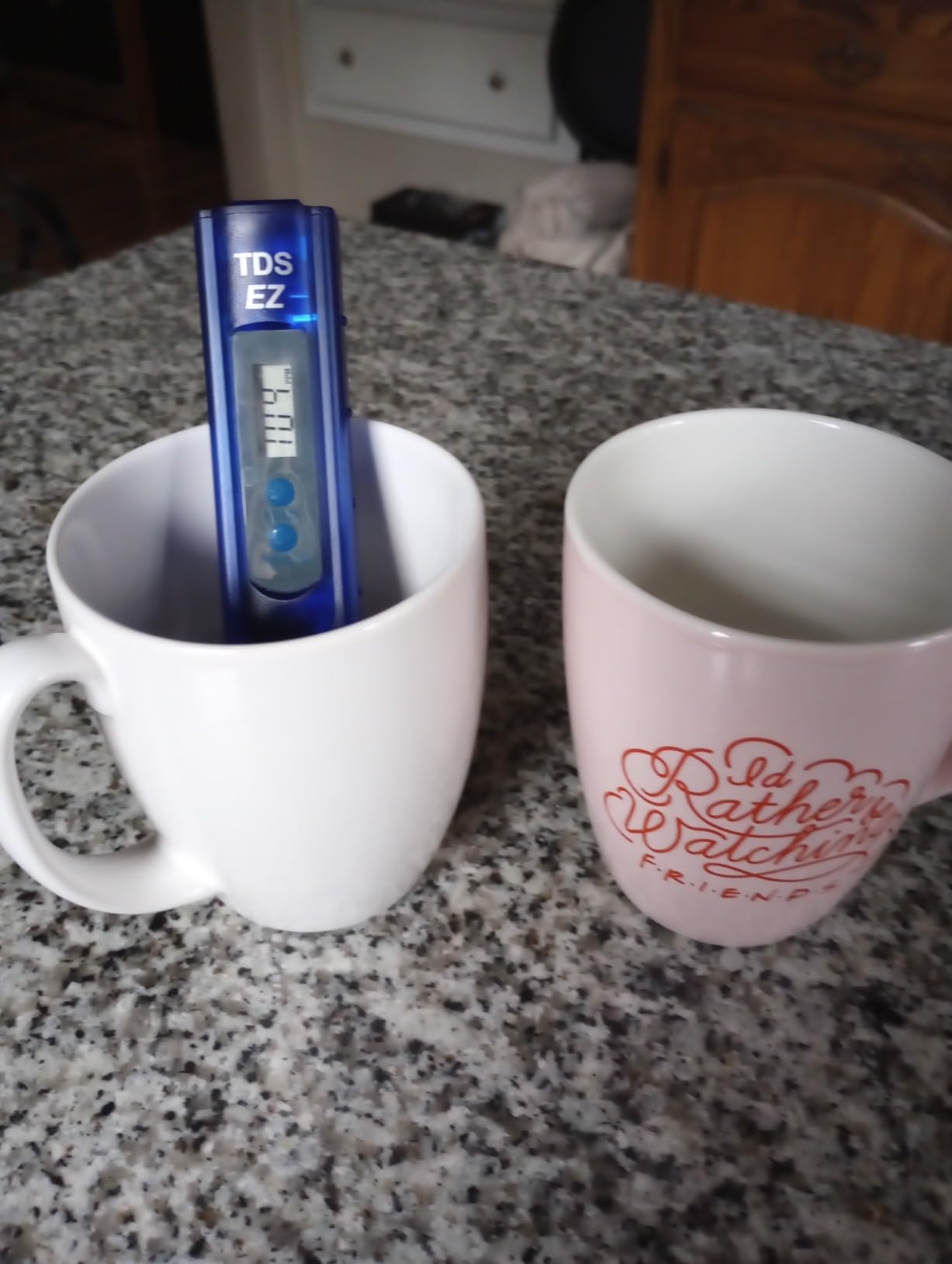
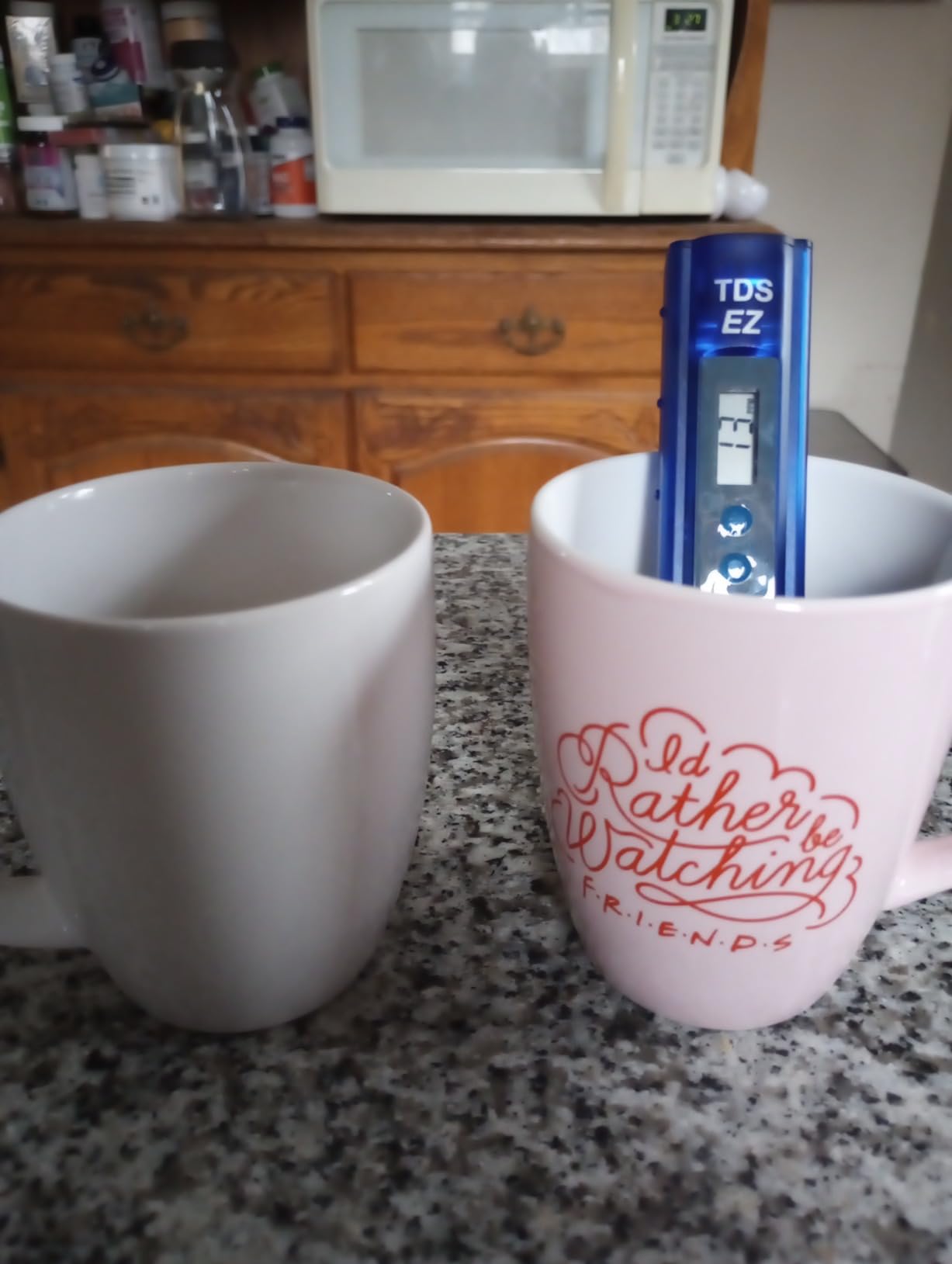
Whatever system you choose, I recommend buying a TDS meter alongside it. Testing your water before and after installation gives you hard data on whether the system is performing as promised. It also tells you exactly when your filters need replacing, which saves money compared to changing them on a fixed schedule. Clean water is one of the most impactful upgrades you can make in your home, and the right RO system will pay for itself quickly in bottled water savings and peace of mind.