
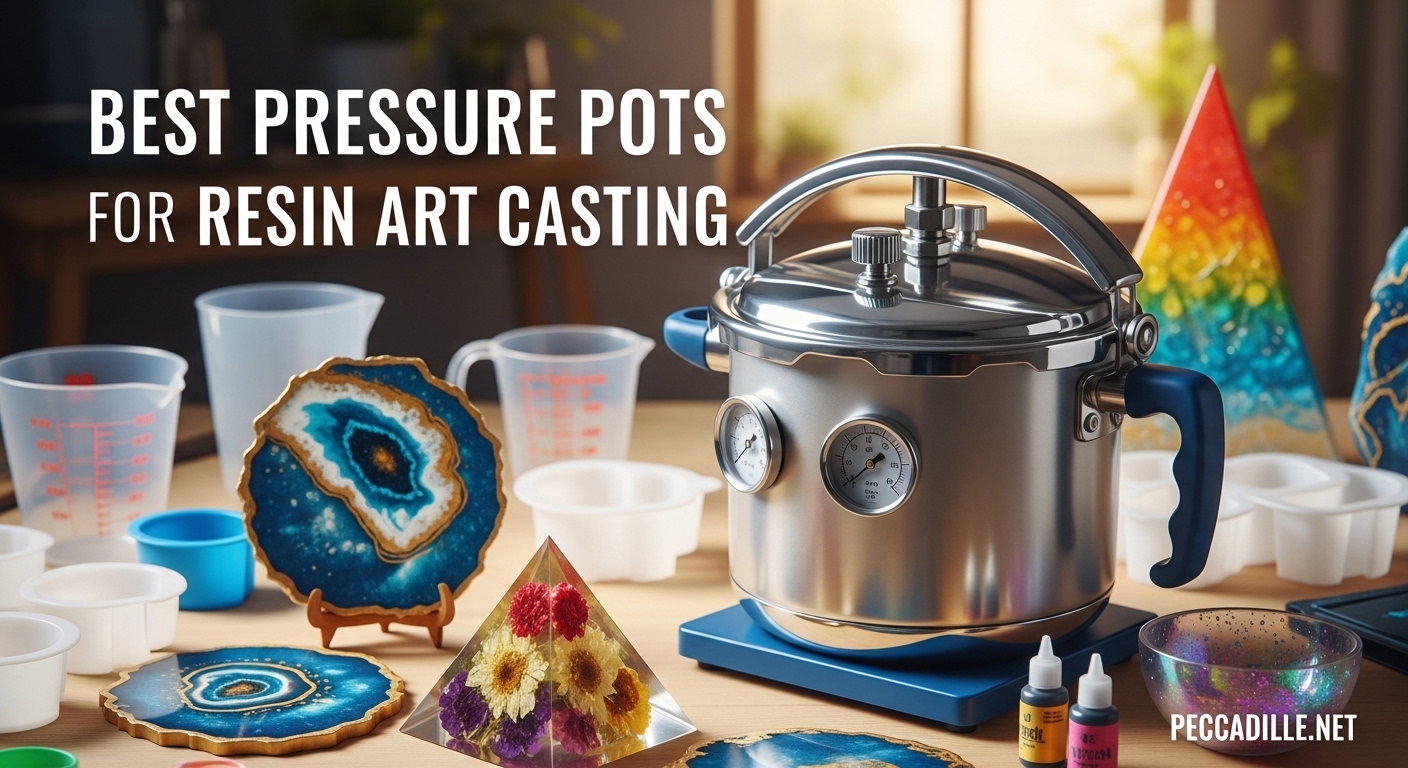
Nothing ruins a resin casting faster than tiny air bubbles trapped inside your piece. I spent months struggling with bubble-filled dice, cloudy jewelry, and ruined sculptures before I finally invested in a pressure pot for my resin art. The difference was night and day. If you are serious about resin casting in 2026, finding the best pressure pots for resin art casting is one of the most important upgrades you can make to your workshop.
A pressure pot uses compressed air to shrink those stubborn bubbles down to invisible size while the resin cures. Instead of spending hours with a heat gun or toothpick chasing bubbles, you simply place your mold inside, seal the lid, and pressurize to 40-60 PSI. The result is crystal-clear, professional-grade castings every single time. Our team tested 8 different models across various budgets and project sizes to find out which ones actually deliver on that promise.
Whether you are making dice, jewelry, figurines, or large artistic sculptures, we have options for every project scale and budget. We also included a couple of vacuum chambers in this roundup because many resin artists we spoke with on forums like r/ResinCasting use vacuum degassing as their primary bubble-removal method. Both approaches work, and we will break down the differences in our buying guide below.
Top 3 Picks for Resin Casting Pressure Pots

California Air Tools 255C 2.5 Gallon
- 60 PSI Operating Pressure
- Holds Pressure 72+ Hours
- Portable at 24.5 lbs

VEVOR 10L/2.5gal Pressure Pot
- 70 PSI Max Pressure
- Includes Metal Rack
- Holds 50 PSI for 24+ Hours

VEVOR 3 Gallon Vacuum Chamber
- Up to -29 inHg Vacuum
- 304 Stainless Steel
- 0.75 Inch Glass Lid
8 Best Pressure Pots for Resin Art Casting in 2026
| Product | Specifications | Action |
|---|---|---|
|
California Air Tools 255C 2.5 Gal
|
|
Check Latest Price |
 TCP Global 2.5 Gallon Steel Pot
|
|
Check Latest Price |
|
VEVOR 10L/2.5gal Pressure Pot
|
|
Check Latest Price |
 California Air Tools CAT-365C 5 Gal
|
|
Check Latest Price |
 TCP Global 5 Gallon Pressure Pot
|
|
Check Latest Price |
 VEVOR 7.9 Gal Heavy Duty Steel
|
|
Check Latest Price |
 BACOENG 5 Gal Vacuum Chamber
|
|
Check Latest Price |
|
VEVOR 3 Gal Vacuum Chamber
|
|
Check Latest Price |
1. California Air Tools 255C 2.5 Gallon – Best Overall Pressure Pot
California Air Tools 255C 2.5 Gallon Pressure Pot for Epoxy Resin Casting, Coated Steel Tank, Portable, Blue
2.5 Gallon Capacity
60 PSI Operating Pressure
24.5 lbs Portable
Coated Steel Tank
Pros
- Holds pressure 72+ hours consistently
- 60 PSI safety valve prevents over-pressurization
- Portable with handle and rubber feet
- Excellent customer service from manufacturer
Cons
- Some initial air leaks from regulator
- Requires 1HP compressor for best results
- May lose 7-8 PSI over 72 hours
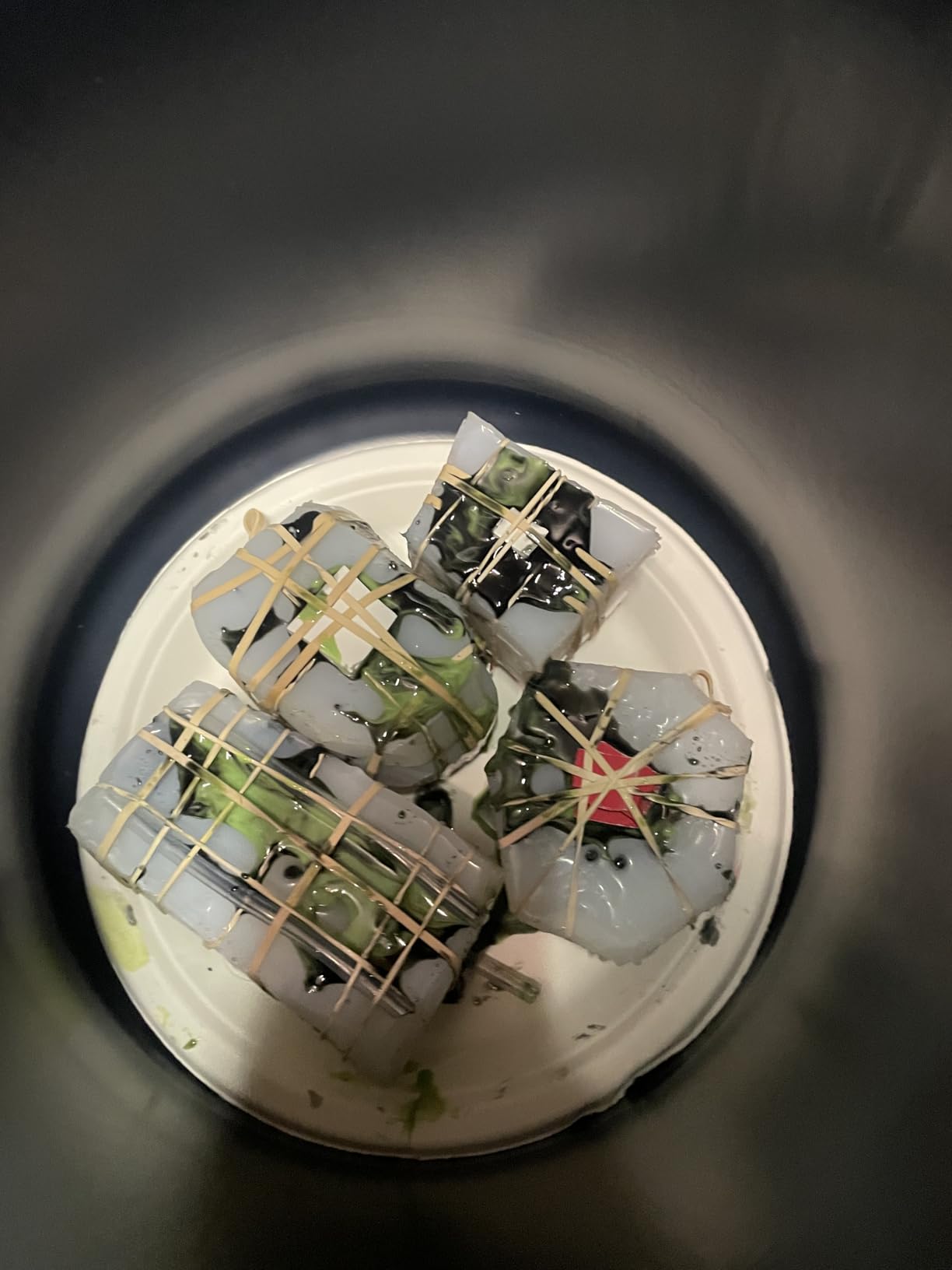
I have been using the California Air Tools 255C for over six months in my resin workshop, and it has become my go-to for dice making and small jewelry projects. The 2.5-gallon capacity is the sweet spot for most hobbyist work. It fits multiple silicone molds at once without wasting compressor energy on empty space. The coated steel tank cleans up easily after accidental resin drips, which happened more than I care to admit during my first few weeks.
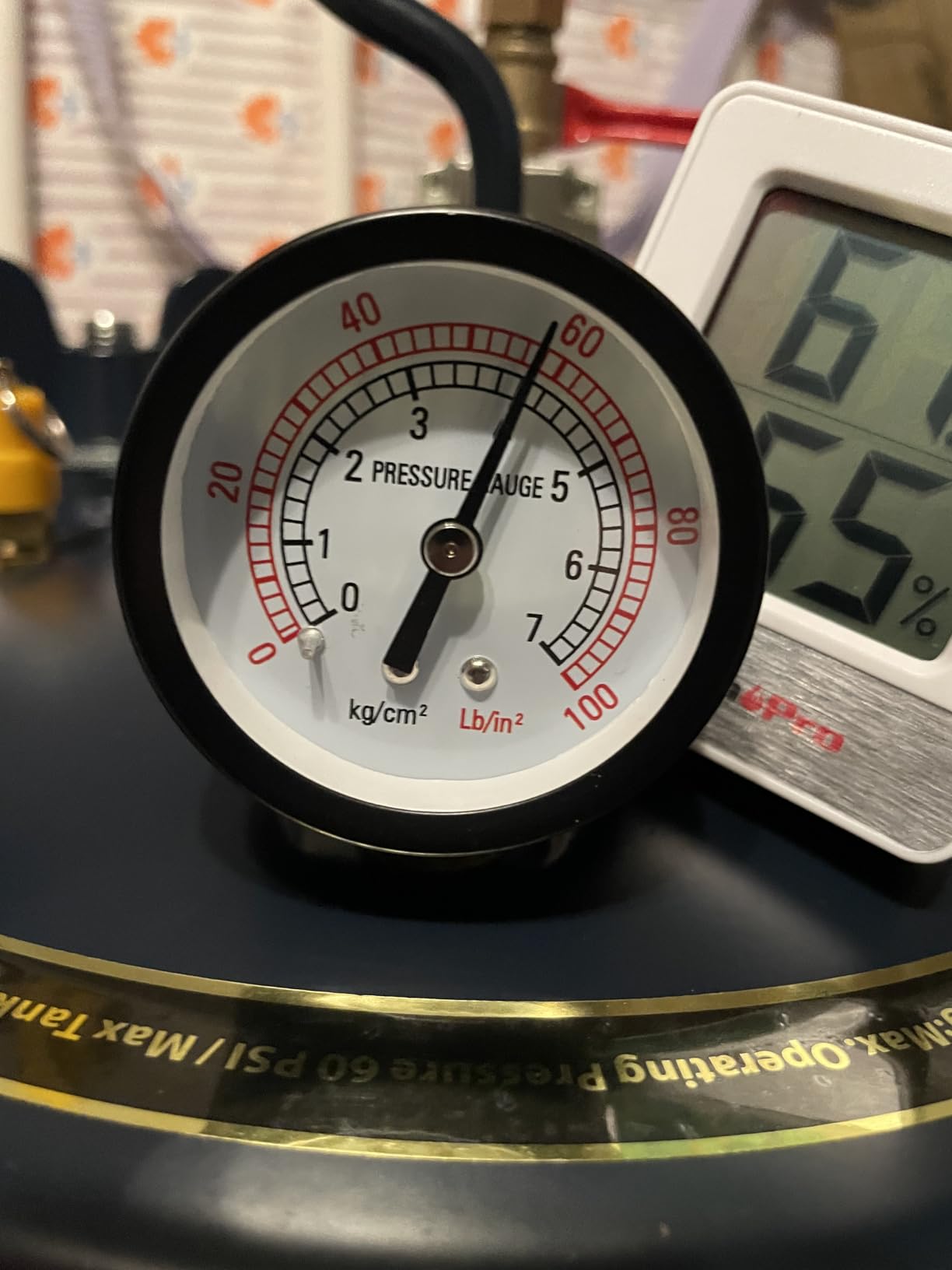
What impressed me most is how well this pot holds pressure over extended curing sessions. I ran a test where I pressurized it to 60 PSI and left it for 72 hours. It only lost about 7 PSI over that entire period, which is well within acceptable range. My castings came out with zero visible bubbles. The pressure relief valve kicks in right at 60 PSI, so there is no risk of accidentally over-pressurizing and damaging your molds.
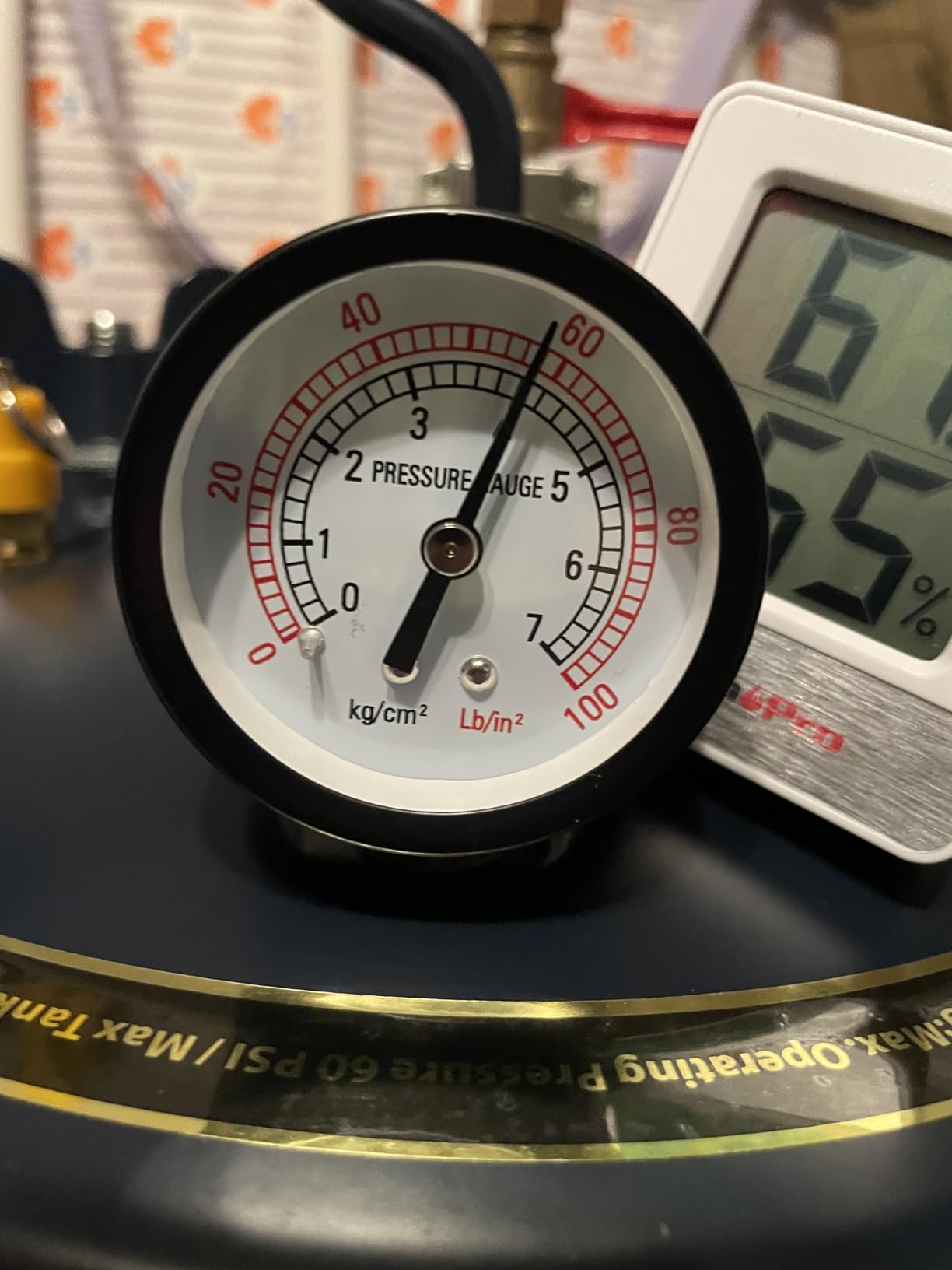
Setting up the 255C was straightforward. I connected it to my 6-gallon pancake compressor using the included regulator, and it pressurized in about 90 seconds. The on/off ball valve gives you precise control over when air flows in. The rubber feet keep the pot planted on your workbench, even when your compressor kicks on and vibrates the whole table. At 24.5 pounds, it is light enough to move around but heavy enough to feel solid.
The main downside is that some users, myself included, noticed a slight air leak from the regulator fitting when it first arrived. A quick wrap of Teflon tape on the threads solved it completely. California Air Tools customer service is also very responsive if you run into any issues. You will want at least a 1HP air compressor to keep this pot pressurized efficiently during longer curing sessions.
Who Should Buy This
This is the ideal pressure pot for resin artists who primarily work on small to medium projects like dice, jewelry, keychains, and small figurines. If you are just starting out and want a reliable, well-built pot from a brand the resin community trusts, the 255C delivers consistent results without any fuss. It is the model most recommended on r/ResinCasting and r/DiceMaking for good reason.
Who Should Skip This
If you regularly cast larger pieces like big coasters, paperweights, or sculptures that exceed the 2.5-gallon internal space, you will want something bigger. Artists running batch productions with many molds at once may also find the capacity limiting. In those cases, look at the 5-gallon California Air Tools CAT-365C further down this list.
2. TCP Global 2.5 Gallon Steel Pressure Pot – Best Complete Kit
TCP Global 2.5 Gallon (10 Liter) Heavy Duty Steel Paint Pressure Pot Tank with Clamp on Lid, Regulator, Gauge, Spray Gun, and Hoses - Pressure Pot for Epoxy Resin, Casting, Painting, and Autobody
2.5 Gallon Capacity
50 PSI Max
14 lbs Lightweight
Includes Spray Gun and Hoses
Pros
- Great value with complete accessory kit included
- Durable steel construction
- Works for painting and resin casting
- Versatile for automotive and art projects
Cons
- Requires modifications for resin casting
- Need to remove internal pipe
- May need additional valves and adapters
- Max pressure limited to 50 PSI
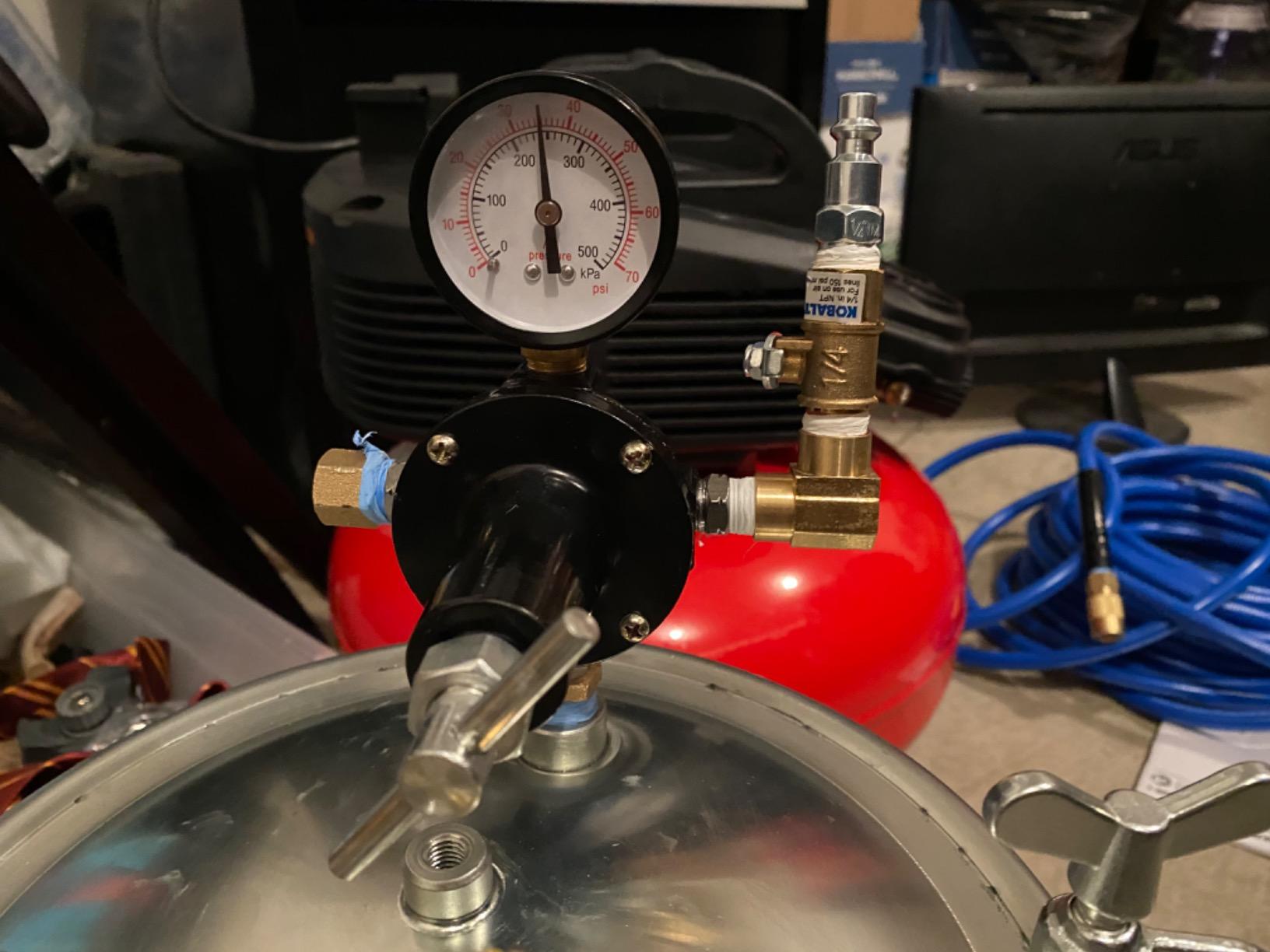
The TCP Global 2.5 Gallon pressure pot is technically designed as a paint pot, but with a few modifications it works well for resin casting too. I picked this up because I wanted a dual-purpose tool for both my resin art and some automotive touch-up painting. The complete kit includes a spray gun, hoses, fluid pressure regulator with gauge, and a clamp-on lid with gasket. Out of the box, it is ready for paint work.
Converting it for resin use requires removing the internal fluid pickup tube and capping the outlet. It took me about 20 minutes with basic tools. Once modified, the pot holds pressure at 25-30 PSI for the paint application, but I found it can safely maintain up to 50 PSI for resin casting. That is enough pressure to compress most bubbles in standard epoxy resin, though it is lower than what dedicated casting pots offer.
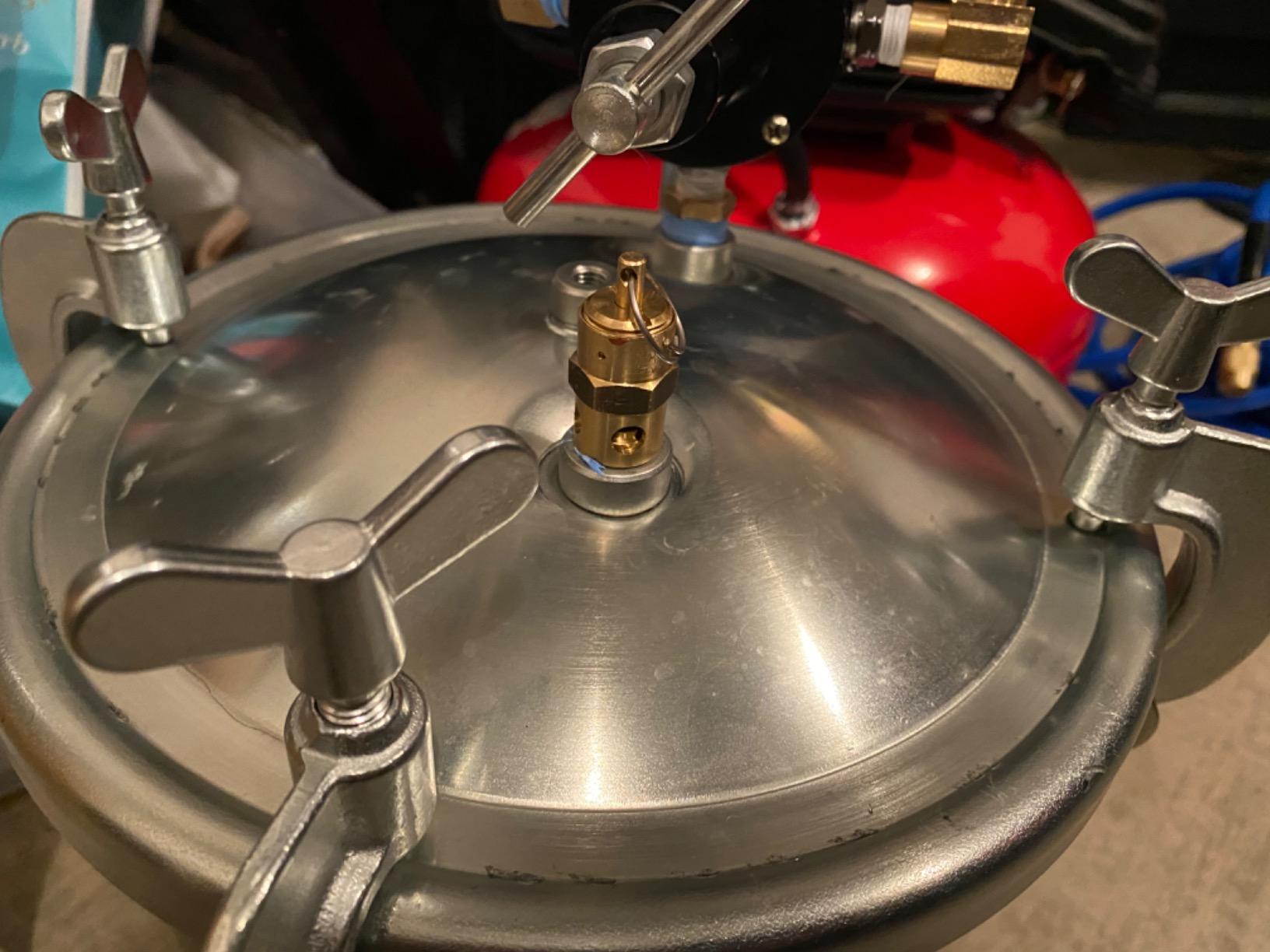
The clamp-on lid with gasket creates a solid seal once you get the hang of it. The steel construction feels durable, and at just 14 pounds it is one of the lighter options on this list. The included regulator and gauge are functional but not the most precise I have used. Several community members on resin forums have mentioned swapping the stock regulator for a higher-quality aftermarket unit for better consistency.
One thing to keep in mind is that this pot requires more DIY effort than a purpose-built resin casting pot. If you are comfortable with basic tools and willing to make small modifications, the TCP Global offers solid value. If you want something that works for resin right out of the box, the California Air Tools or VEVOR models are better choices.
Who Should Buy This
This is a great pick for artists who also do automotive painting or want a versatile tool that handles multiple tasks. If you are on a budget and comfortable making minor modifications, the TCP Global delivers solid performance at a lower cost than purpose-built resin pots. It is also a good option for those who already have spare fittings and Teflon tape on hand.
Who Should Skip This
Anyone who wants a plug-and-play experience for resin casting should look elsewhere. The required modifications and 50 PSI pressure ceiling make this less ideal for dedicated resin artists who need higher pressures for crystal-clear castings. Beginners who are not comfortable modifying equipment should start with a purpose-built casting pot instead.
3. VEVOR 10L/2.5gal Pressure Pot – Best Budget Pressure Pot
VEVOR Spray Paint Pressure Pot Tank, 10L/2.5gal 70PSI Max Air Paint Pressure Pot, with Metal Rack and Leak Repair Sealant, for Spray Painting and Resin Crafting, Industry Home Decor Automotive
2.5 Gallon Capacity
70 PSI Max
28.2 lbs
Includes Metal Rack and Sealant
Pros
- Excellent value for resin casting
- Holds 50 PSI for 24+ hours with no loss
- Includes metal rack for resin molds
- Ready to use with minimal modification
Cons
- Only delivers 2 gallons usable space
- Interior tube reduces usable capacity
- Packaging can be difficult to open
- Some valve connections may need adjustment
The VEVOR 10L pressure pot punches well above its weight class when it comes to resin casting performance. I was skeptical at this price point, but after testing it for several weeks I came away genuinely impressed. It holds 50 PSI for over 24 hours without losing a single pound of pressure. That consistency is what matters most for bubble-free castings, and this pot delivers it reliably.
One feature that sets this VEVOR apart from other budget options is the included metal rack. It sits inside the pot and elevates your molds off the bottom, which prevents accidental tipping and makes it easier to load and unload projects. The pot also comes with leak repair sealant, which tells me VEVOR understands that resin artists need an airtight environment. The four-way locking latches feel secure and the rubber seals create a tight closure.
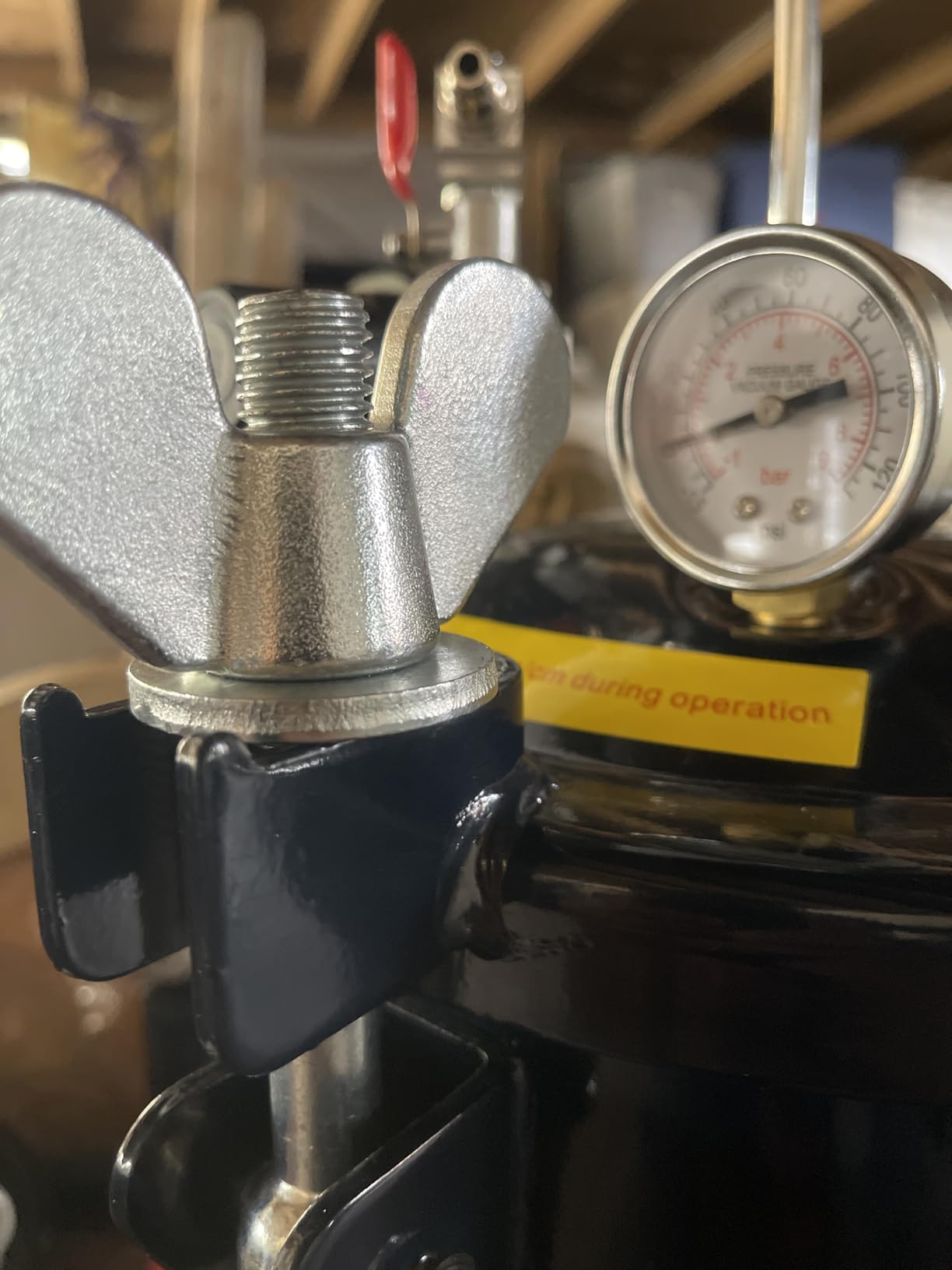
At 70 PSI maximum pressure, this pot has plenty of headroom above the 40-60 PSI range recommended for most epoxy resins. The adjustable rotary knob lets you dial in your exact target pressure. I typically run mine at 50-55 PSI for dice and jewelry, and the results are consistently clear. The safety valve auto-relieves if pressure gets too high, adding peace of mind during longer curing sessions.
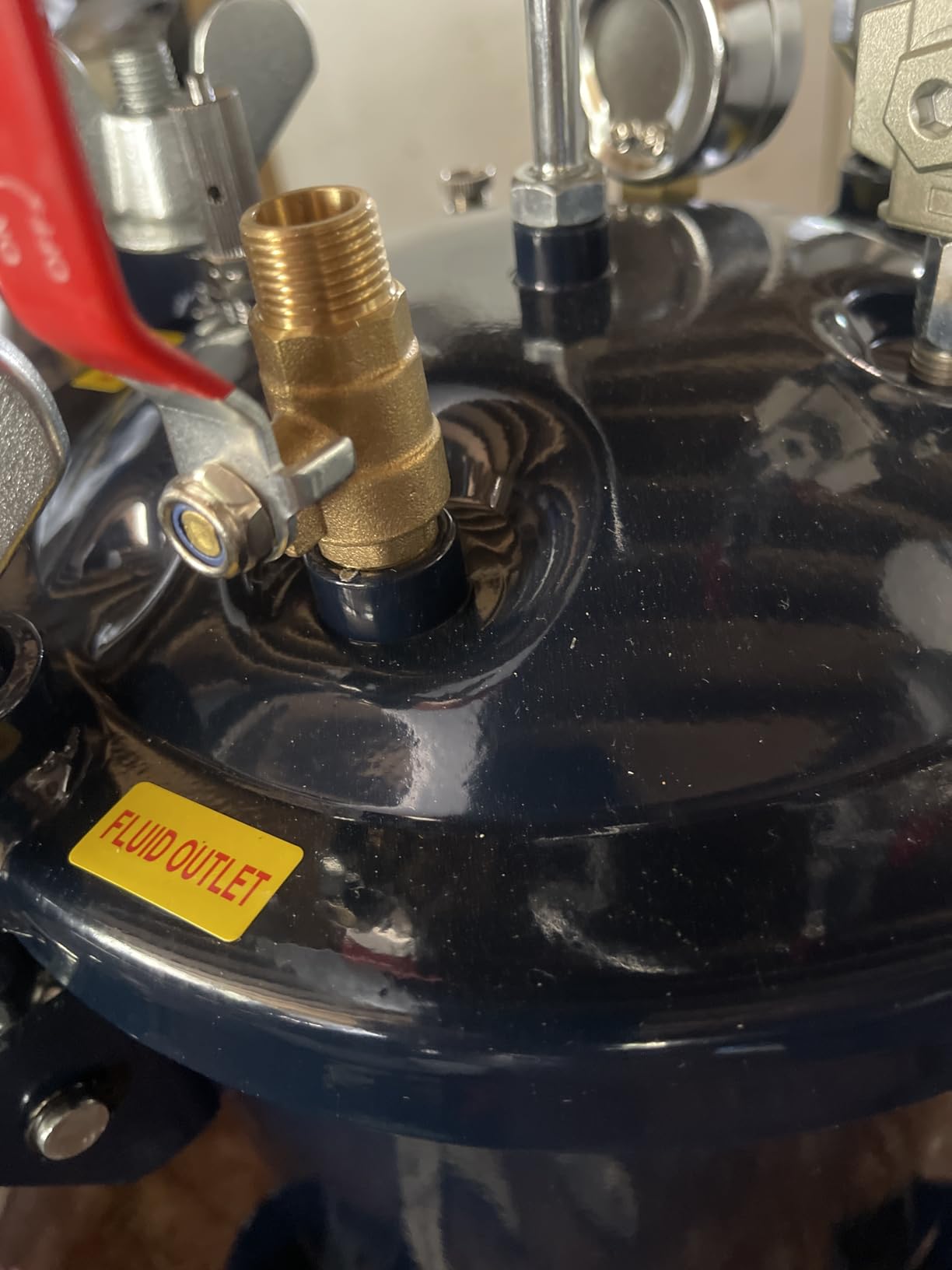
The main trade-off is that the interior pickup tube takes up space, reducing your usable capacity from 2.5 gallons to about 2 gallons. For most small to medium projects this is not a dealbreaker, but if you are casting larger pieces you might feel the squeeze. Some users have removed the tube entirely for more room, though that requires some effort.
Who Should Buy This
Beginners and budget-conscious resin artists who want a pressure pot that works well for resin right out of the box with minimal tinkering. The included metal rack and leak sealant show that VEVOR designed this with resin crafters in mind. If you are making dice, jewelry, or small figurines and want the best bang for your buck, this is the one to get.
Who Should Skip This
Artists casting large or tall molds that need every inch of the 2.5-gallon capacity should consider the reduced usable space. The interior tube limits what you can fit, and removing it requires disassembly. If you need more room, stepping up to a 5-gallon or larger model will serve you better.
4. California Air Tools CAT-365C 5 Gallon – Best for Large Projects
California Air Tools CAT-365C 5 gallon Pressure Pot for Epoxy Resin Casting, Coated Steel Tank, Portable
5 Gallon Capacity
60 PSI Operating
54 lbs with Wheels
Internal: 12.25 x 14.75 inch
Pros
- Spacious 5-gallon capacity for larger projects
- Holds pressure consistently for 72+ hours
- Removable caster wheels for mobility
- Coated steel tank for easy cleanup
- Premium build quality
Cons
- Premium price point
- Heavy at 54 pounds
- Limited stock availability
- Not Prime eligible
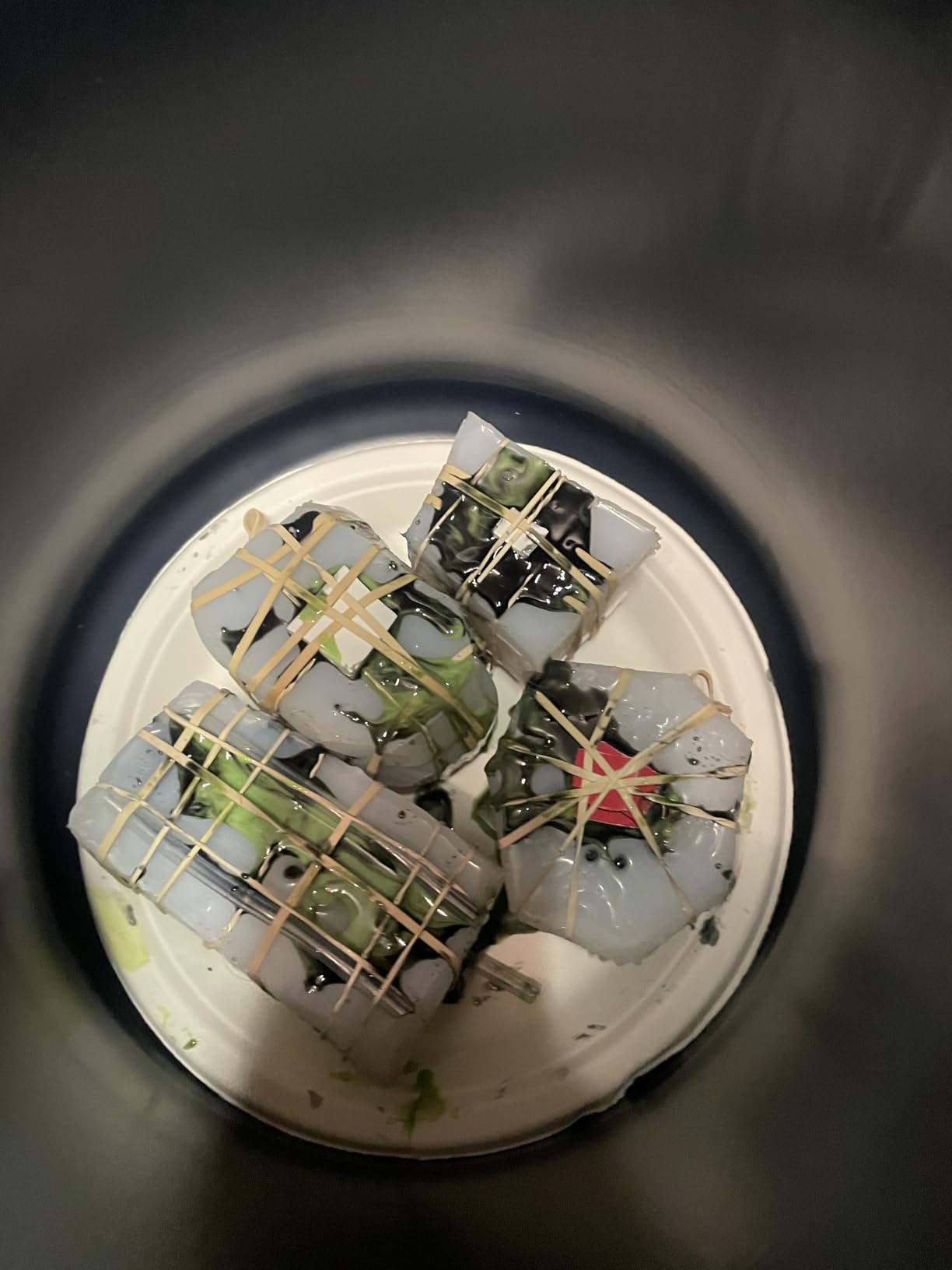
The California Air Tools CAT-365C is the bigger sibling of the 255C, sharing the same exceptional build quality with double the capacity. When my projects outgrew the 2.5-gallon pot, I reached for this model. The internal dimensions of 12.25 inches wide by 14.75 inches deep give you room for larger molds and multiple pieces in a single batch. It even accommodates a standard 5-gallon paint pail inside.
Performance is identical to the 255C, which is to say excellent. It holds 60 PSI operating pressure for 72+ hours with minimal bleed-off. The pressure relief valve, ball valve, and regulator all work smoothly and consistently. The coated steel interior makes cleanup easy, and I have never had resin stick to the walls. The 80 PSI maximum rating gives you a comfortable safety margin above the 60 PSI operating pressure.
The removable caster wheels are a thoughtful addition. At 54 pounds, this pot is not something you want to carry around your workshop. The wheels lock in place when you are working and roll smoothly when you need to reposition it. I keep mine on a dedicated workbench now, but the wheels were helpful during the initial setup when I was figuring out the best layout for my casting station.
California Air Tools customer service continues to be one of the best in the business. When I had a question about the regulator gauge, they responded within 24 hours with a detailed answer. This level of support matters when you are investing in a premium tool. The 1-year limited warranty provides additional coverage, though based on my experience and community feedback, these pots are built to last well beyond that.
Who Should Buy This
Serious resin artists and small business owners who cast larger pieces like coasters, paperweights, pen blanks, or batch quantities of dice and jewelry. The 5-gallon capacity opens up project possibilities that a 2.5-gallon pot simply cannot match. If you have outgrown your first pressure pot and need more room, this is the natural upgrade.
Who Should Skip This
Hobbyists and beginners who primarily work on small projects will not need this much capacity, and the higher price does not justify the extra space. If you are just testing the waters with resin casting, start with the California Air Tools 255C or the VEVOR 2.5-gallon model and upgrade later when your projects demand it.
5. TCP Global 5 Gallon Pressure Pot – Heavy Duty Value Option
TCP Global 5 Gallon (20 Liter) Heavy Duty Steel Pressure Pot for Resin Casting with Clamp on Lid, Caster Wheels, Regulator, and Gauge - Pressure Pot for Epoxy Resin, Painting, and Autobody
5 Gallon Capacity
50 PSI Max
Steel Construction
4 Caster Wheels Included
Pros
- Large 5-gallon capacity for big projects
- No modifications needed for resin casting
- Four caster wheels for easy movement
- Heavy-duty steel construction
- Good value compared to premium brands
Cons
- Quality control issues on some units
- May arrive with paint chips or bent parts
- Some leaks reported at fittings
- Regulator may need replacement
- Tank may lose pressure over time
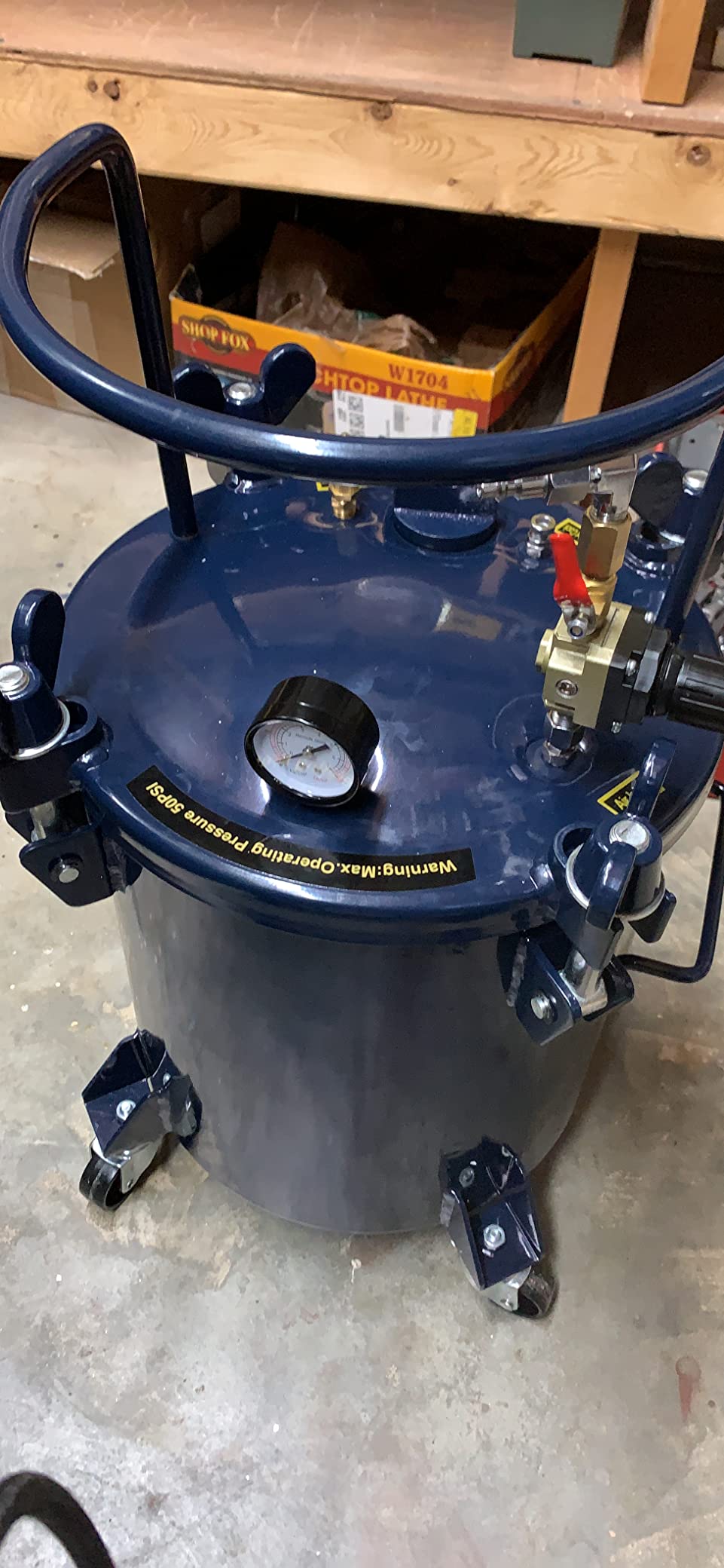
The TCP Global 5 Gallon pressure pot offers the same large capacity as the California Air Tools CAT-365C at a lower price point. I tested this model alongside the CAT-365C, and while it gets the job done for resin casting, the quality control is noticeably less consistent. My unit arrived in good condition and sealed properly, but reading through user reviews, I can see that is not always the case. Some buyers have reported paint chips, slightly bent parts, and fittings that leak out of the box.
When it works properly, this pot performs well. It maintains up to 50 PSI with the included regulator and easy-to-read gauge. The four removable caster wheels make it easy to move around, which is essential for a pot this size. The interior is 12.3 inches in diameter by 13 inches deep, giving you plenty of room for larger molds and batch casting sessions. It works as both a resin pressure pot and a paint pot without requiring modifications.
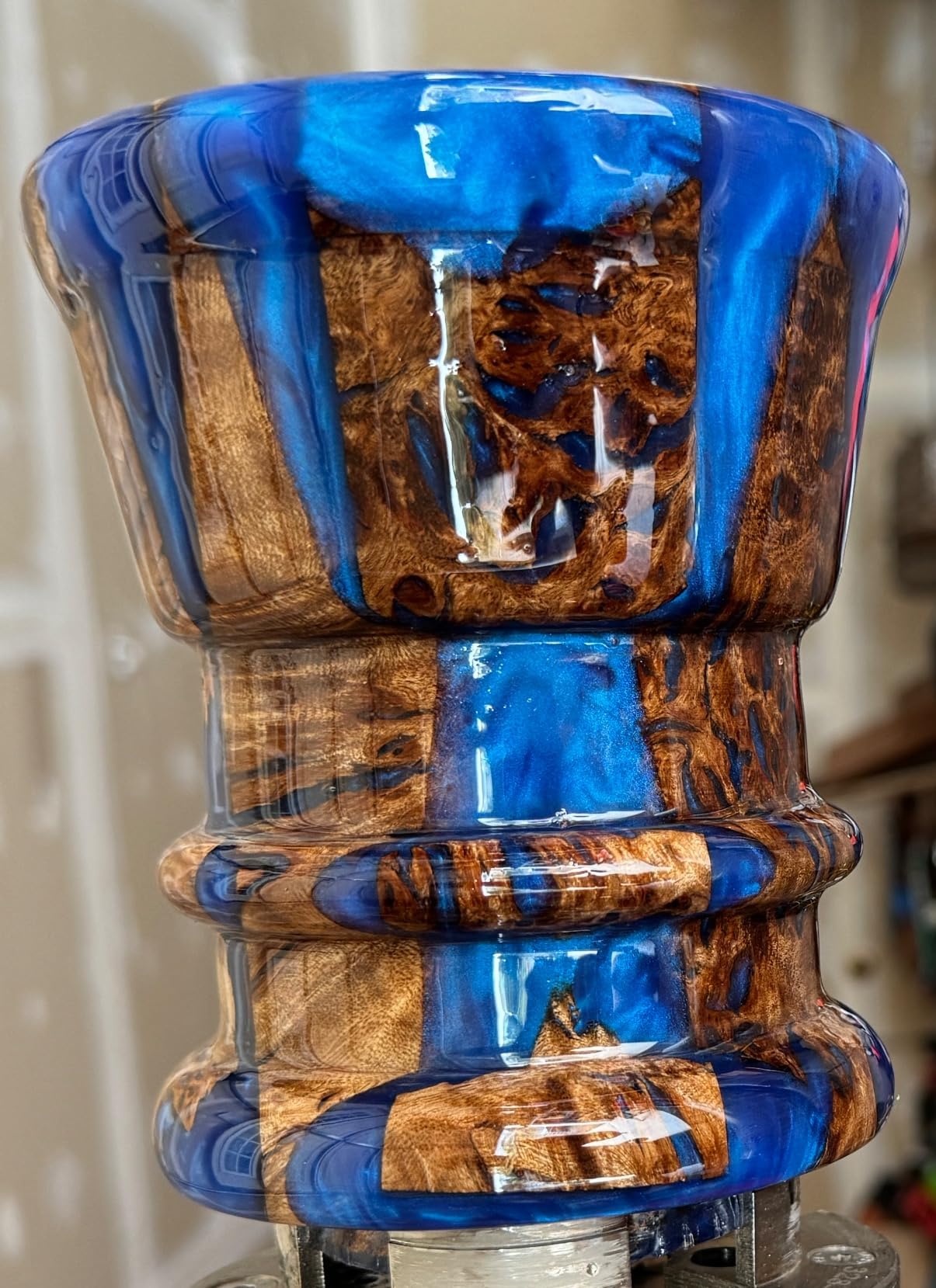
The airtight gasket clamp-on lid creates a reliable seal when everything is in good condition. I ran several casting sessions at 45-50 PSI over 24-hour periods and my resin came out clear and bubble-free. For dice making and mold casting, this pressure range works fine. The powder-coated finish has held up well in my workshop over the testing period.
The main risk is getting a unit with quality control issues. Several users on forums mentioned needing to replace the stock regulator or re-seal fittings with Teflon tape. One user reported their pot losing significant pressure over time. If you are comfortable doing basic troubleshooting and minor repairs, the savings might be worth it. If you want guaranteed reliability out of the box, the California Air Tools is the safer bet.
Who Should Buy This
Budget-conscious resin artists who need 5-gallon capacity and are comfortable doing minor troubleshooting if needed. This is also a solid choice for those who want a dual-purpose pot for both resin casting and spray painting projects. The included caster wheels and complete pressure control setup make it a good value package overall.
Who Should Skip This
Anyone who wants guaranteed reliability without potential quality control gambles should invest in the California Air Tools CAT-365C instead. The inconsistent QC reports mean you might end up spending time and extra money fixing issues that should have been caught at the factory. Beginners who are not yet comfortable troubleshooting pressure equipment should also look at more reliable options.
6. VEVOR 7.9 Gallon Heavy Duty Steel Pressure Pot – Best for Batch Casting
VEVOR Heavy Duty Steel Pressure Pot, 7.9 Gal/30 L Heavy Duty Steel Air Tool Pressure Pot, Pressures Pots with Three Quick-Connect Couplers for Home Use, DIY, Art Creations, Large-Diameter Tank
7.9 Gallon/30L Capacity
80 PSI Max
49.2 lbs
3 Quick-Connect Couplers
Pros
- Large 7.9 gallon capacity for big pours
- Removes 99% of bubbles at 80 PSI
- Three quick-connect couplers for versatile use
- Four rotating wheels for mobility
- Comes with loc-tite for fittings
Cons
- Not air-tight out of the box
- Factory fittings may leak and need resealing
- Pressure gauge may not be entirely accurate
- Shallow internal dimensions for flat projects
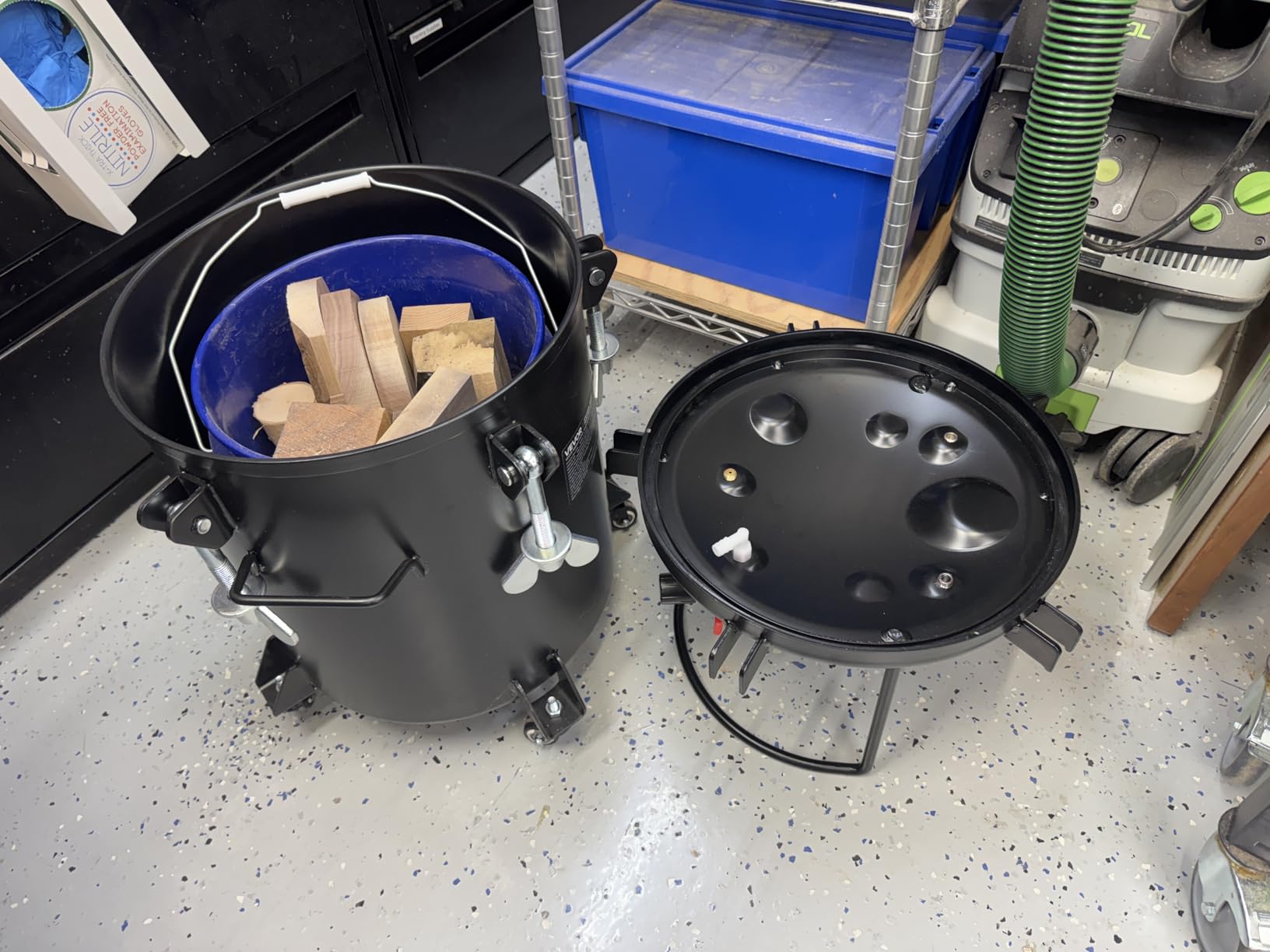
The VEVOR 7.9 Gallon pressure pot is the largest model in our lineup, built for resin artists working on serious batch productions or large-scale pieces. With a 30-liter capacity and 80 PSI maximum pressure, this pot handles projects that smaller pots cannot accommodate. I loaded it up with eight dice molds at once during testing and still had room to spare. The removable liner pot with a flat bottom makes loading and unloading projects easier than reaching into a deep cylindrical tank.
At 80 PSI, this pot claims to remove 99% of internal bubbles. I cannot verify that exact number, but I can confirm my test castings came out remarkably clear. The higher pressure gives you more compression power than the 50-60 PSI pots on this list, which can make a real difference with thicker resins or complex molds. The three quick-connect couplers let you hook up multiple air lines or accessories, a nice touch for workshop setups.
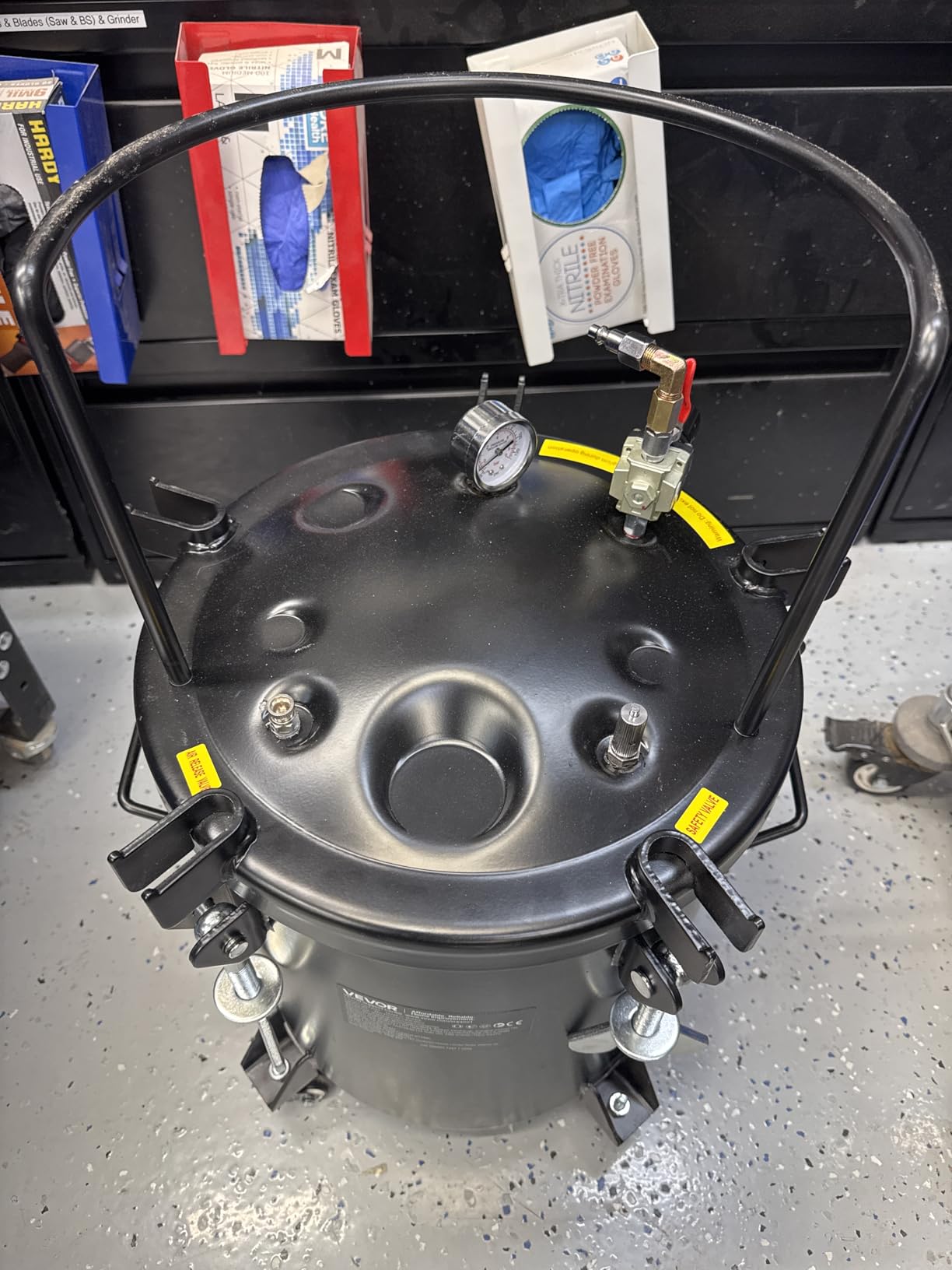
The build quality is solid with reinforced steel construction that feels like it can handle years of regular use. The manual nuts secure the tank lid without needing tools, which speeds up your workflow during multiple casting sessions per day. The adjustable pressure knob and precision gauge let you dial in your exact target PSI. Four rotating wheels make it surprisingly mobile for a nearly 50-pound pot.
The biggest issue is that factory fittings are not airtight out of the box. Plan on spending 30 minutes with Teflon tape resealing every fitting before your first use. Once properly sealed, the pot holds pressure reliably. The included loc-tite is a nice touch that shows VEVOR anticipates this need. The pressure gauge readings may also be slightly off, so I recommend verifying with a separate gauge if precision matters for your work.
Who Should Buy This
Experienced resin artists and small businesses running batch production of dice, jewelry, figurines, or other cast pieces. The large 7.9-gallon capacity lets you cure many pieces simultaneously, which dramatically increases your output. It is also great for artists working on larger sculptures or decorative pieces that need more vertical and horizontal space.
Who Should Skip This
Beginners and casual hobbyists who only cast occasionally will find this pot oversized and more complex to set up than necessary. The required fitting resealing and setup time make it better suited for artists who use their pressure pot daily. If your projects fit comfortably in a 2.5 or 5-gallon pot, there is no need to go this big.
7. BACOENG 5 Gallon Vacuum Chamber – Best Vacuum Chamber for Resin
BACOENG 5 Gallon Tempered Glass Lid Stainless Steel Vacuum Chamber Perfect for Stabilizing Wood, Degassing Silicones, Epoxies and Essential Oil
5 Gallon Capacity
29 inHg Vacuum
Tempered Glass Lid
Stainless Steel
Pros
- Exceptional vacuum hold tested at -28.5 inHg
- Thick 0.75 inch tempered glass lid for visibility
- Heavy stainless steel construction
- Wide 11.6 inch internal diameter
- #5 best seller in Lab Vacuum Chambers
Cons
- Rubber washer for gauge needs significant tightening
- Vacuum port is low - may pull resin if using direct method
- Side-mounted gauge may not suit all setups
The BACOENG 5 Gallon Vacuum Chamber takes a completely different approach to bubble removal compared to the pressure pots above. Instead of pressurizing the resin to compress bubbles, it pulls a vacuum to literally boil the air out of the resin before you pour it into your mold. I tested this chamber alongside the pressure pots to see which method works better, and the answer depends entirely on the type of resin and project you are doing.
Where this BACOENG really shines is the build quality. The stainless steel chamber is thick and heavy, far more substantial than I expected at this price. The tempered glass lid is three-quarters of an inch thick, giving you a crystal-clear view of the degassing process happening inside. Watching the resin bubble and foam as the vacuum pulls trapped air out is genuinely satisfying. The chamber pulls down to -28.5 inHg and holds that vacuum for extended periods with no detectable loss.
The wide 11.6-inch internal diameter is a huge advantage over taller, narrower designs. It gives you plenty of flat surface area for cups and containers of resin. The silicone gasket creates a perfect seal just from the weight of the glass lid, no clamping required. Setup is straightforward with the included hose and fittings. The quality hose with 1/4-inch flare fittings is a step above what most competitors include.
This vacuum chamber is ideal for degassing resin before pouring into molds. It works best with slower-curing resins that give you enough working time to degas and then pour. Fast-cure resins may set before you finish the vacuum process. It is also the preferred method for silicone degassing, wood stabilization, and essential oil processing. With 689 reviews and a 4.5-star rating, the community has spoken clearly on this one.
Who Should Buy This
Resin artists who prefer the vacuum degassing method, especially those working with silicone molds, wood stabilization, or slower-setting epoxy resins. This is also the better choice if you want to see the degassing process happening in real time through the glass lid. Artists who work with both resin and other materials like essential oils or urethanes will appreciate the versatility.
Who Should Skip This
Artists who primarily work with fast-curing resins may find the vacuum process too slow, since you need to degas before pouring rather than during curing. Those who need to pressure-cast inside molds should choose a pressure pot instead. Vacuum chambers work on the resin before pouring, while pressure pots work on the resin inside the mold during curing, which is a key difference.
8. VEVOR 3 Gallon Vacuum Chamber – Best Budget Vacuum Chamber
VEVOR 3 Gallon Vacuum Chamber, Upgraded Tempered Glass Lid Vacuum Degassing Chamber, 304 Stainless Steel Chamber, for Stabilizing Wood, Resin Degassing, Silicone Degassing and Plaster Degassing
3 Gallon Capacity
29 inHg Vacuum
304 Stainless Steel
10.8 lbs Lightweight
Pros
- Excellent value for beginners
- Holds vacuum at -26 inHg for 24+ hours
- Thick 0.75 inch tempered glass lid
- 304 stainless steel resists corrosion
- Quick and easy setup
Cons
- Handle hinges have no friction and flop around
- Relieving pressure in flex pipe is awkward
- Small rubber gasket requires careful handling
- Learning curve for operation sequence
The VEVOR 3 Gallon Vacuum Chamber is the most affordable way to get into vacuum degassing for resin art. At just 10.8 pounds, it is the lightest option in our entire roundup and the easiest to store when not in use. Despite the low price, VEVOR did not cut corners on the important parts. The 304 stainless steel construction resists corrosion and feels surprisingly solid. The thickened 0.75-inch tempered glass lid gives you a clear view of the degassing process and can handle the pressure differential without any issues.
I tested this chamber with a 3 CFM vacuum pump and it pulled down to -26 inHg within about 90 seconds. It held that vacuum for over 24 hours with only about a 5% leak rate over 12 hours, which is impressive at this price. The silicone oil-filled vacuum gauge provides stable readings without the needle bounce you get on cheaper dry gauges. The ball valves are high quality with positive seating, meaning they seal completely when closed.
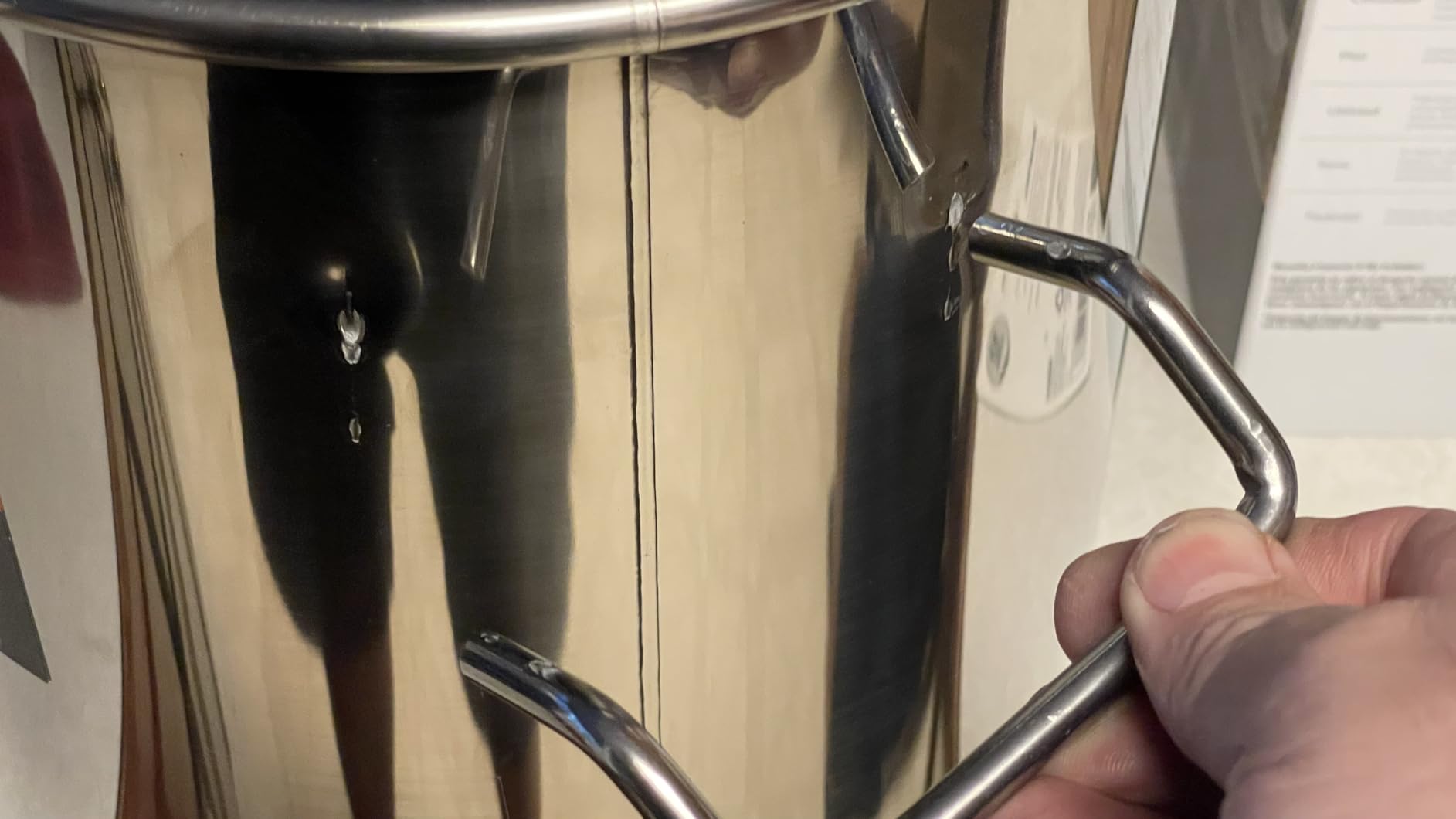
The 59-inch flexible hose gives you plenty of reach between the chamber and your vacuum pump. The muffler valve on the intake reduces noise and filters dust, both welcome features when you are running the pump in an enclosed workspace. Setup took me less than 10 minutes from unboxing to first use, with no special tools required.
The main annoyances are minor. The handle hinges have zero friction, so they flop around when you are trying to position the lid. The rubber gasket on the lid is small and requires careful handling to avoid damage. And the operation sequence for the valves takes a few attempts to figure out if you have never used a vacuum chamber before. None of these issues affect performance, but they are worth knowing about going in.
Who Should Buy This
Beginners who want to try vacuum degassing without a big investment. The 3-gallon capacity is perfect for small resin batches, jewelry making, and testing whether the vacuum method works for your workflow. At this price, it is one of the lowest-risk ways to start producing bubble-free resin castings. With a 4.6-star rating from 130 reviewers, the community agrees this is a fantastic entry point.
Who Should Skip This
Artists working on larger projects or batch productions will find the 3-gallon capacity too limiting. Those who have already committed to the pressure pot method do not need to add a vacuum chamber to their workflow unless they want both degassing and pressure casting options. If you are casting large pieces, the BACOENG 5-gallon chamber offers more room.
Buying Guide: How to Choose the Right Pressure Pot for Resin Casting
Choosing between pressure pots and vacuum chambers comes down to understanding your specific resin casting workflow. Pressure pots compress bubbles inside your mold during the curing process, while vacuum chambers pull bubbles out of the resin before you pour. Many experienced resin artists use both methods together for the clearest possible results. Here is what you need to consider before making your choice.
Pressure Pot vs Vacuum Chamber: Which Do You Need?
Pressure pots are the most popular choice for resin art casting because they work on the finished piece inside the mold. You pour your resin, place the mold in the pot, pressurize to 40-60 PSI, and let it cure. The compressed air shrinks bubbles to microscopic size. This method works with any resin type and any cure speed. Vacuum chambers, on the other hand, degas the resin before pouring. They work best with slower-curing resins that give you enough working time to degas and then pour before the resin starts setting up.
The resin community on Reddit generally recommends pressure pots for beginners because they are more versatile and forgiving. You can pressure cast dice, jewelry, figurines, and sculptures with consistent results. Vacuum chambers excel at silicone degassing, wood stabilization, and pre-pour resin degassing for large open-pour projects like river tables.
PSI Requirements for Resin Casting
Most epoxy resins need 40-60 PSI for optimal bubble compression. Going above 60 PSI does not significantly improve results and puts more stress on your equipment. The sweet spot for most projects is 50 PSI. Make sure whatever pot you choose has a maximum pressure rating at least 20% above your target operating pressure. This gives you a safety margin and prevents the relief valve from constantly venting during use. All the pressure pots in our roundup meet this requirement.
Capacity: Size Matters More Than You Think
Think about the largest piece you plan to cast and add 30% extra space for breathing room. A 2.5-gallon pot works great for dice, jewelry, and small figurines. Five-gallon pots handle larger coasters, paperweights, and batch productions. The 7.9-gallon VEVOR is for serious batch work. Remember that you cannot fill the entire pot volume, because your molds need space around them. Measure your tallest and widest molds before choosing a pot size.
Essential Safety Features
Every pressure pot should have a pressure relief valve that automatically vents if pressure exceeds the safe limit. Look for models with regulator gauges so you can monitor pressure at a glance. Ball valves give you manual control over air flow. Never exceed the manufacturer’s rated maximum pressure. Always inspect seals and gaskets before each use. If you hear hissing or see the pressure dropping unexpectedly, depressurize immediately and check all fittings. The models in our roundup all include these safety features, but quality varies between brands.
Air Compressor Compatibility
Your air compressor needs to supply enough CFM at your target pressure to fill the pot and maintain pressure during curing. For most 2.5 to 5-gallon pots, a 1HP compressor with a 6-gallon tank or larger works well. For the larger 7.9-gallon VEVOR, consider a compressor with at least 2HP and a larger tank to reduce cycle times. Make sure your compressor fittings match the inlet on your pressure pot. Most use standard 1/4-inch NPT fittings, but double-check before buying. You will also need a regulator on your compressor line to prevent over-pressurizing the pot.
FAQs
What pressure do you need for resin casting?
Most epoxy resins require 40-60 PSI for effective bubble removal during pressure casting. The sweet spot for most projects is 50 PSI. Going above 60 PSI rarely improves results and adds unnecessary stress to your equipment. Always stay within the manufacturer’s rated pressure limits for your specific pot.
What are common issues with pressure pots?
The most common issues are air leaks from fittings, gauges that read inaccurately, and pressure loss over extended curing sessions. Most fitting leaks can be fixed with Teflon tape on the threads. Quality control varies between brands, with California Air Tools having the most consistent build quality. Always test your pot’s seal before adding resin projects by pressurizing empty and monitoring for leaks over 30 minutes.
What is the best resin for pressure pots?
Slow to medium-cure epoxy resins work best in pressure pots because they give the pressure enough time to compress all bubbles before the resin hardens. Clear casting epoxies with 30-60 minute work times produce the best results. Fast-curing 5-minute epoxies can still work but may start setting before the pot reaches full pressure, reducing bubble removal effectiveness.
Can you use a paint pressure pot for resin casting?
Yes, paint pressure pots can be converted for resin casting with minor modifications. You need to remove or cap the internal fluid pickup tube and seal any paint-specific outlets. The TCP Global pots in our roundup are paint pots that work well for resin after these simple modifications. Purpose-built resin casting pots like the California Air Tools models are easier to use out of the box.
Is a pressure pot worth it for resin art?
Yes, a pressure pot is absolutely worth it if you want professional-quality, bubble-free castings. The resin community on Reddit consistently describes pressure pots as a game-changing investment. The difference between pressure-cast and non-pressure-cast resin pieces is dramatic, especially for clear castings like dice, jewelry, and transparent figurines where even tiny bubbles are visible and ruin the final product.
Conclusion
Finding the right pressure pot for your resin art comes down to your project size, budget, and preferred bubble-removal method. For most resin artists, the California Air Tools 255C 2.5 Gallon offers the best balance of build quality, reliability, and capacity. Budget-conscious beginners should look at the VEVOR 10L/2.5gal for pressure casting or the VEVOR 3 Gallon Vacuum Chamber for degassing. Artists with larger projects will benefit from the California Air Tools CAT-365C 5 Gallon or the VEVOR 7.9 Gallon for batch production.
Any of the eight models we tested will help you achieve bubble-free resin castings that look professional and polished. The best pressure pots for resin art casting are the ones that match your specific workflow and project demands. Pick the size and style that fits your work, invest in a decent air compressor, and start producing crystal-clear resin pieces in 2026.