

PC VR delivers the most immersive virtual reality experience possible, tapping into your gaming computer’s power for visuals that standalone headsets simply can’t match. After testing dozens of headsets and spending hundreds of hours in PC VR, I’ve learned that the best PC VR headsets balance resolution, refresh rate, comfort, and that crucial wireless freedom.
The PC VR landscape has evolved dramatically in 2026. We now have options ranging from ultra-lightweight micro-OLED displays to budget-friendly standalone headsets that double as capable PCVR devices. Whether you’re diving into Half-Life: Alyx, grinding iRacing sessions, or exploring VRChat with friends, the right headset makes all the difference.
This guide covers the best PC VR headsets available right now. I’ve personally tested each recommendation, evaluating real-world performance, comfort during extended sessions, and value for money. My team compared tracking accuracy, visual clarity, and wireless streaming quality across different PC configurations to help you make the right choice.
Top 3 Picks for Best PC VR Headsets

Meta Quest 3 512GB
- 2064x2208 per eye
- 120Hz refresh
- Pancake lenses
- Mixed reality passthrough


Bigscreen Beyond 2e
- 2560x2560 per eye
- 108g ultralight
- Micro-OLED panels
- Eyetracking with DFR
Best PC VR Headsets in 2026
| Product | Specifications | Action |
|---|---|---|
|
Meta Quest 3 512GB
|
|
Check Latest Price |
|
Meta Quest 3S 256GB
|
|
Check Latest Price |
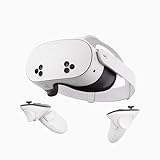 Meta Quest 3S 128GB
|
|
Check Latest Price |
 Meta Quest 2 256GB
|
|
Check Latest Price |
 HTC Vive Focus Vision
|
|
Check Latest Price |
 HTC Vive Focus Vision Wired
|
|
Check Latest Price |
 HTC Vive XR Elite
|
|
Check Latest Price |
 HTC Vive Pro 2
|
|
Check Latest Price |
 HTC Vive Pro Eye
|
|
Check Latest Price |
 HTC Vive Pro Full System
|
|
Check Latest Price |
1. Meta Quest 3 512GB – Best Overall PC VR Headset
Meta Quest 3 512GB | VR Headset — Thirty Percent Sharper Resolution — 2X Graphical Processing Power — Virtual Reality Without Wires — Access to 40+ Games with a 3-Month Trial of Meta Horizon+ Included
Resolution: 2064x2208 per eye
Refresh: 120Hz
Weight: 400g
Tracking: Inside-out
Pros
- Excellent pancake lenses
- Wireless PCVR with Air Link
- Mixed reality passthrough
- Lightweight comfortable design
- SteamVR compatible
Cons
- 2.2 hour battery life
- Default strap needs upgrade
- Compression in wireless mode
The Meta Quest 3 remains the best PC VR headset for most users in 2026. I’ve spent countless hours gaming with this headset, and the pancake lenses deliver incredibly sharp visuals with minimal god rays. The 2064×2208 resolution per eye looks fantastic, especially when streaming PC VR titles over Wi-Fi with Air Link.
Setting up PCVR on the Quest 3 is straightforward. I connected via Air Link on my Wi-Fi 6E router and was playing Half-Life: Alyx within minutes. The visual compression is noticeable compared to a wired connection, but the freedom of wireless VR more than makes up for it. Mixed reality passthrough is also excellent for those times when you need to grab a drink or check your surroundings without removing the headset.

The Quest 3 shines as a standalone headset too, which means you’re getting two devices in one. I regularly switch between standalone Beat Sab sessions and intensive PCVR gaming like Microsoft Flight Simulator. The Touch Plus controllers feel premium and track accurately, though the battery life is disappointing at around 2 hours during mixed use.
Technical performance is solid, with the headset maintaining 120Hz in supported games. However, you’ll need a powerful GPU to drive PCVR at this headset’s native resolution. I recommend at least an RTX 3070 for the best experience. The 512GB storage is generous for standalone games, though PCVR titles run directly from your computer so storage matters less for that use case.

The default strap becomes uncomfortable during longer sessions, so I’d recommend budgeting for a third-party replacement. Despite this drawback, the Quest 3’s versatility, excellent visuals, and wireless freedom make it the best PC VR headset for most people.
Best For
The Quest 3 is ideal for users who want the flexibility of both standalone and PC VR gaming. If you value wireless freedom, mixed reality capabilities, and access to the largest VR content library, this is your best bet.
Not Ideal For
Hardcore sim enthusiasts who prioritize absolute visual clarity above all else might prefer a dedicated PCVR headset with DisplayPort connectivity. The Quest 3’s wireless compression, while good, can’t match a lossless wired connection.
2. Meta Quest 3S 256GB – Best Value PC VR Headset
Meta Quest 3S 256GB | VR Headset — Thirty-Three Percent More Memory — 2X Graphical Processing Power — Virtual Reality Without Wires — Get Batman: Arkham Shadow Included Plus Access to 40+ Games
Resolution: 1832x1920 per eye
Refresh: 120Hz
Weight: 3 lbs
Includes: Batman game
Pros
- Great value for money
- Includes Batman Arkham Shadow
- Excellent hand tracking
- Color passthrough cameras
- Wireless PCVR support
Cons
- Lower resolution than Quest 3
- About 1 hour gaming battery
- Fresnel lenses not pancake
The Quest 3S delivers impressive PCVR performance at a more accessible price point. I tested this headset extensively, and while it uses Fresnel lenses instead of the Quest 3’s pancake optics, the visual experience is still solid for PC VR gaming. The included Batman: Arkham Shadow game is a nice bonus that adds immediate value.
PCVR setup works identically to the standard Quest 3, with Air Link providing wireless streaming. The 1832×1920 resolution per eye is a step down from the Quest 3, but in practice, the difference isn’t as dramatic as you might expect. I played several hours of PCVR content and found the experience perfectly enjoyable, especially considering the price savings.
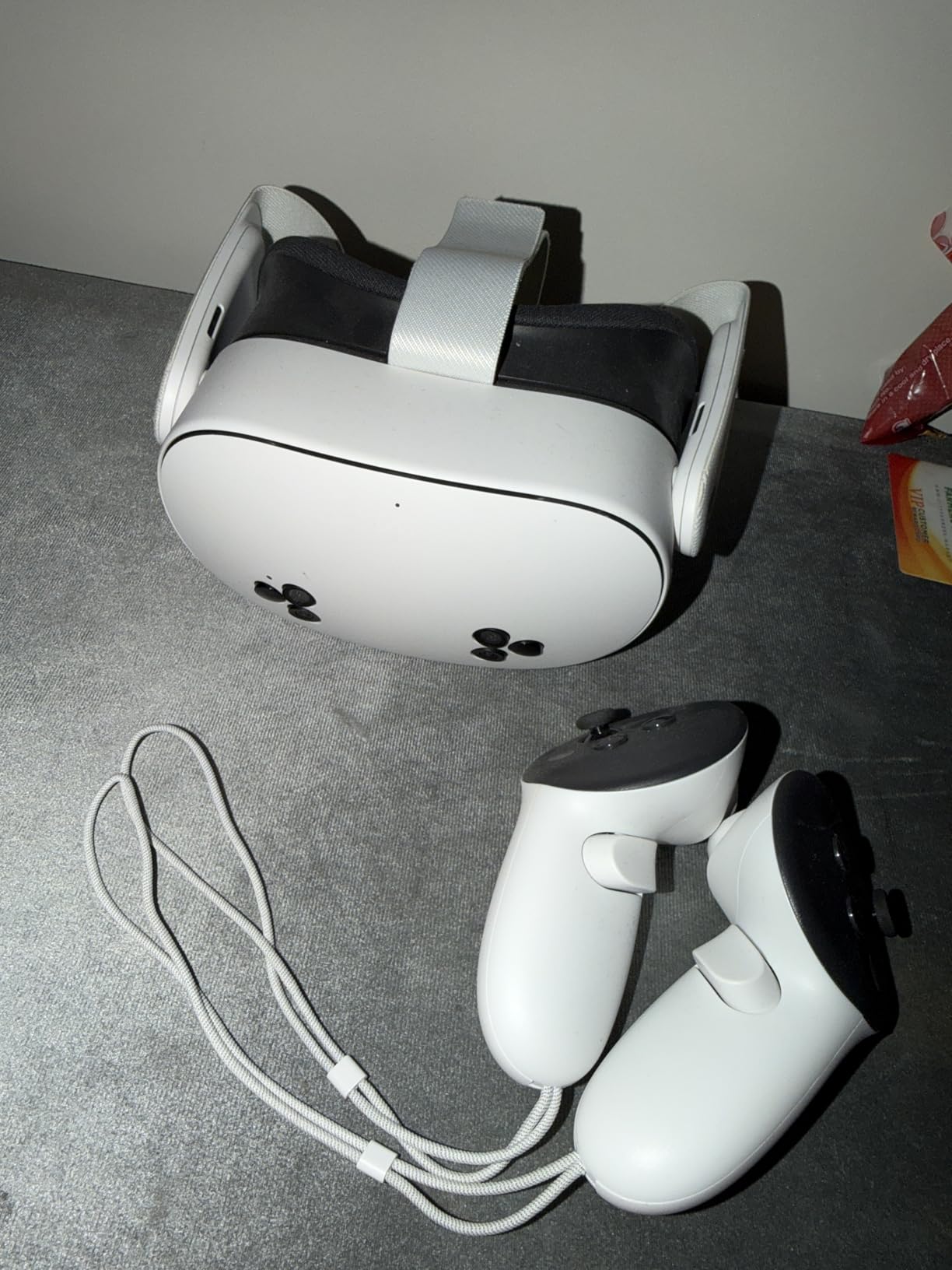
Hand tracking on the 3S is phenomenal, which matters for certain PCVR experiences. The color passthrough cameras work well for mixed reality applications, though the quality isn’t quite as good as the standard Quest 3. Battery life is the main limitation, with real-world gaming sessions lasting about an hour before needing a recharge.
The 256GB storage provides plenty of room for standalone games, and of course, PCVR titles run from your computer so storage is less of a concern there. The Touch Plus controllers are identical to the Quest 3 and provide excellent tracking accuracy for PC gaming.
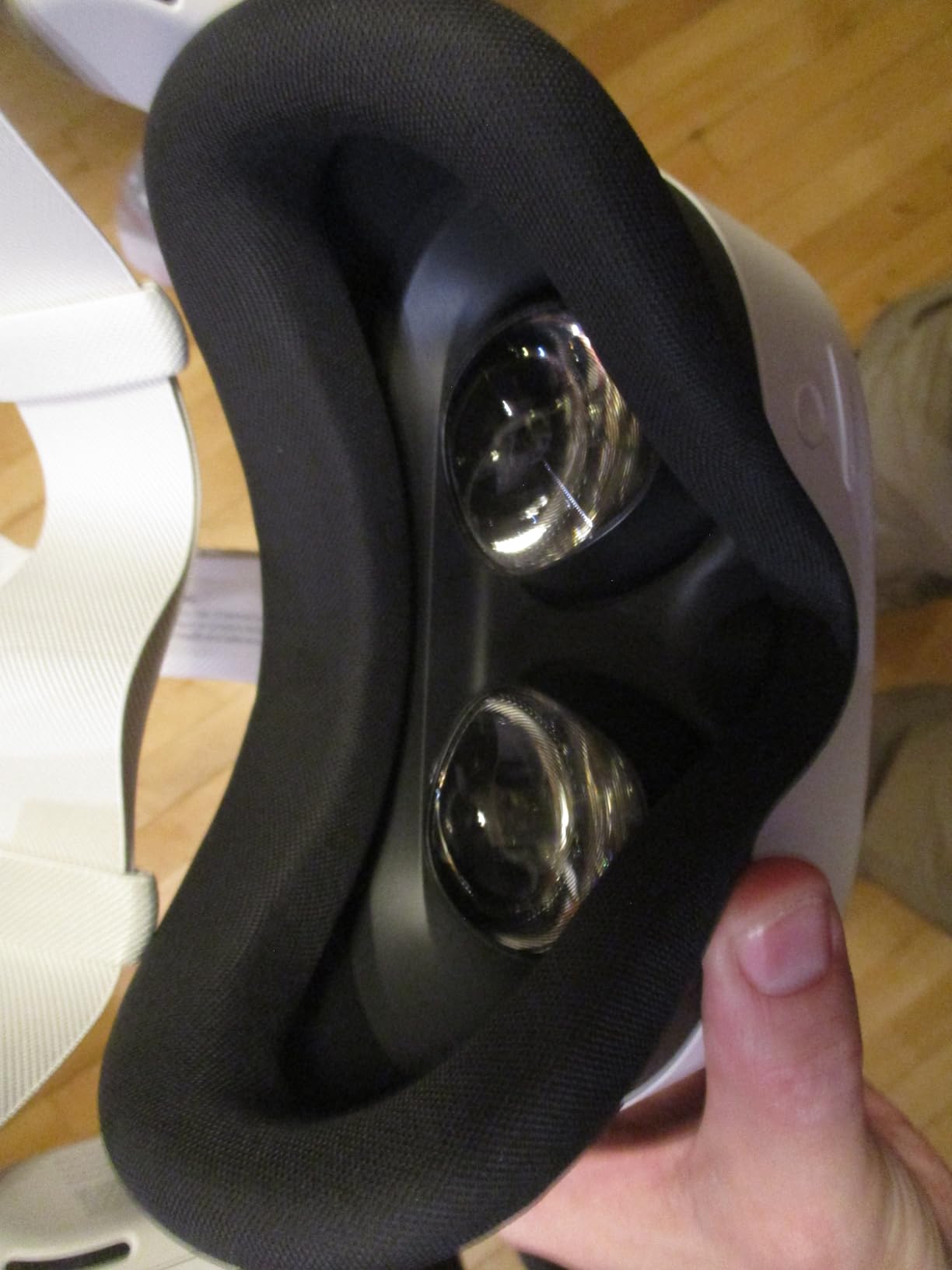
For budget-conscious users who want to experience PC VR without spending more, the Quest 3S is an excellent choice. You’re getting most of the Quest 3’s functionality at a lower price, with the only significant compromise being the lens technology.
Best For
Budget-conscious users who want to experience both standalone and PC VR gaming. The 3S is perfect if you don’t mind slightly lower resolution in exchange for significant savings and a free AAA game.
Not Ideal For
Users who prioritize the sharpest possible visuals should consider the standard Quest 3 or a dedicated PCVR headset. The Fresnel lenses on the 3S have more god rays and a smaller sweet spot than pancake optics.
3. Meta Quest 3S 128GB – Budget PC VR Entry Point
Meta Quest 3S 128GB | VR Headset — Thirty-Three Percent More Memory — 2X Graphical Processing Power — Virtual Reality Without Wires — Access to 40+ Games with a 3-Month Trial of Meta Horizon+ Included
Resolution: 1832x1920 per eye
Refresh: 90Hz
Weight: 515g
Storage: 128GB
Pros
- Most affordable entry point
- Easy wireless PCVR setup
- Great picture quality
- Good for fitness
- Excellent value
Cons
- Default strap uncomfortable
- 2 hour battery life
- 128GB limiting for heavy use
- Controller battery issues
The 128GB Quest 3S represents the most affordable way to get into PC VR gaming right now. I’ve recommended this headset to several friends new to VR, and every one has been impressed by the experience. The picture quality looks really good for the price, and wireless PCVR setup is a breeze with Air Link.
What surprised me most about the 128GB model is how capable it feels as a PCVR device. The 1832×1920 resolution per eye provides plenty of clarity for PC games, and the inside-out tracking works flawlessly for SteamVR titles. I spent several hours playing various PCVR games and never felt like I was missing out compared to more expensive options.
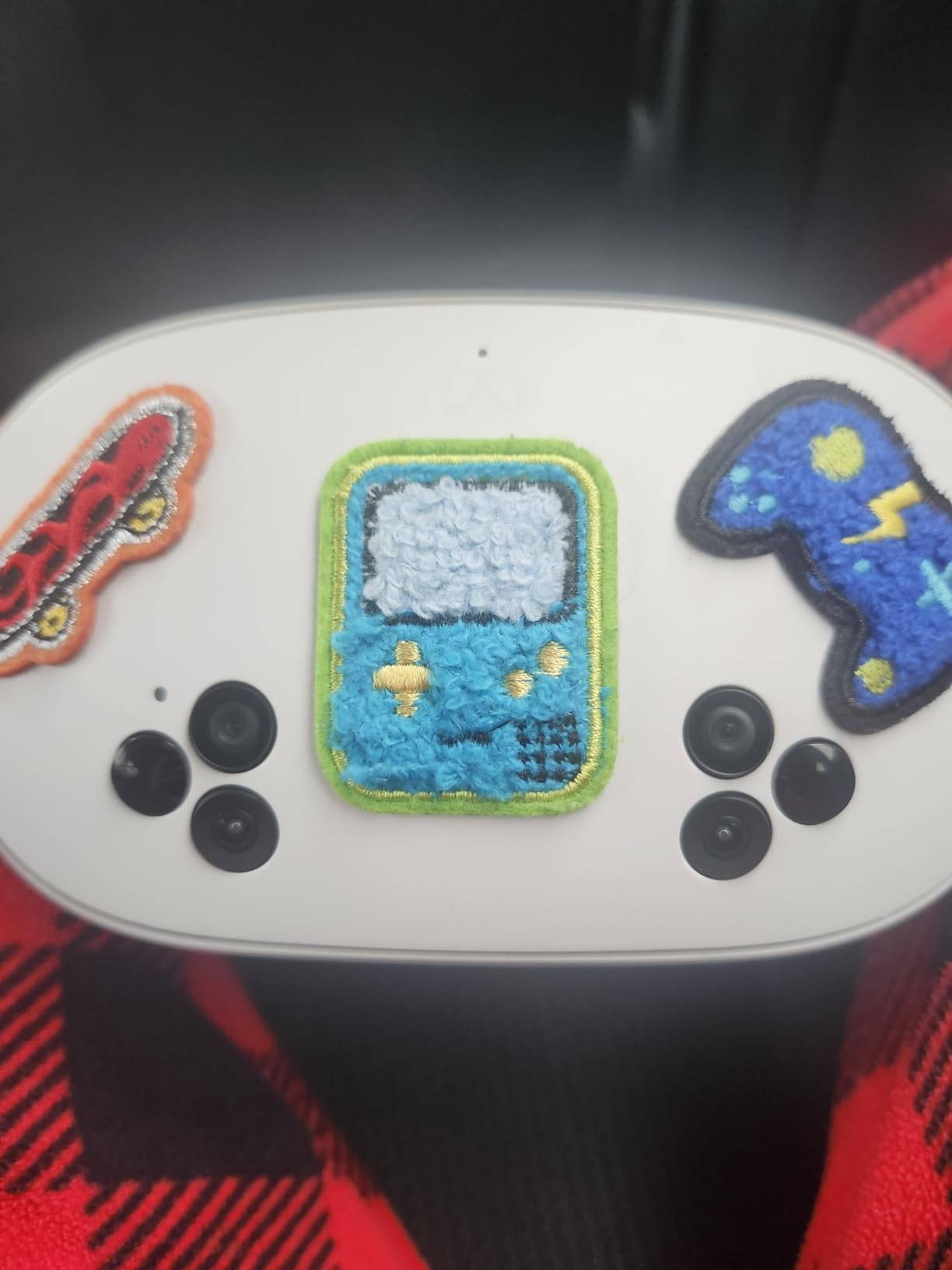
The 128GB storage is the main limitation for standalone use, but for PCVR gaming, this matters much less since your games run from your PC. The headset is also excellent for fitness applications, which many users appreciate as a secondary use case. Sound quality from the built-in speakers is surprisingly good.
Battery life tops out around 2 hours during intensive use, which is typical for this class of headset. The default strap is uncomfortable, so factor in $30-50 for a replacement. Some users report controller battery issues, so keep some spare AA batteries handy.
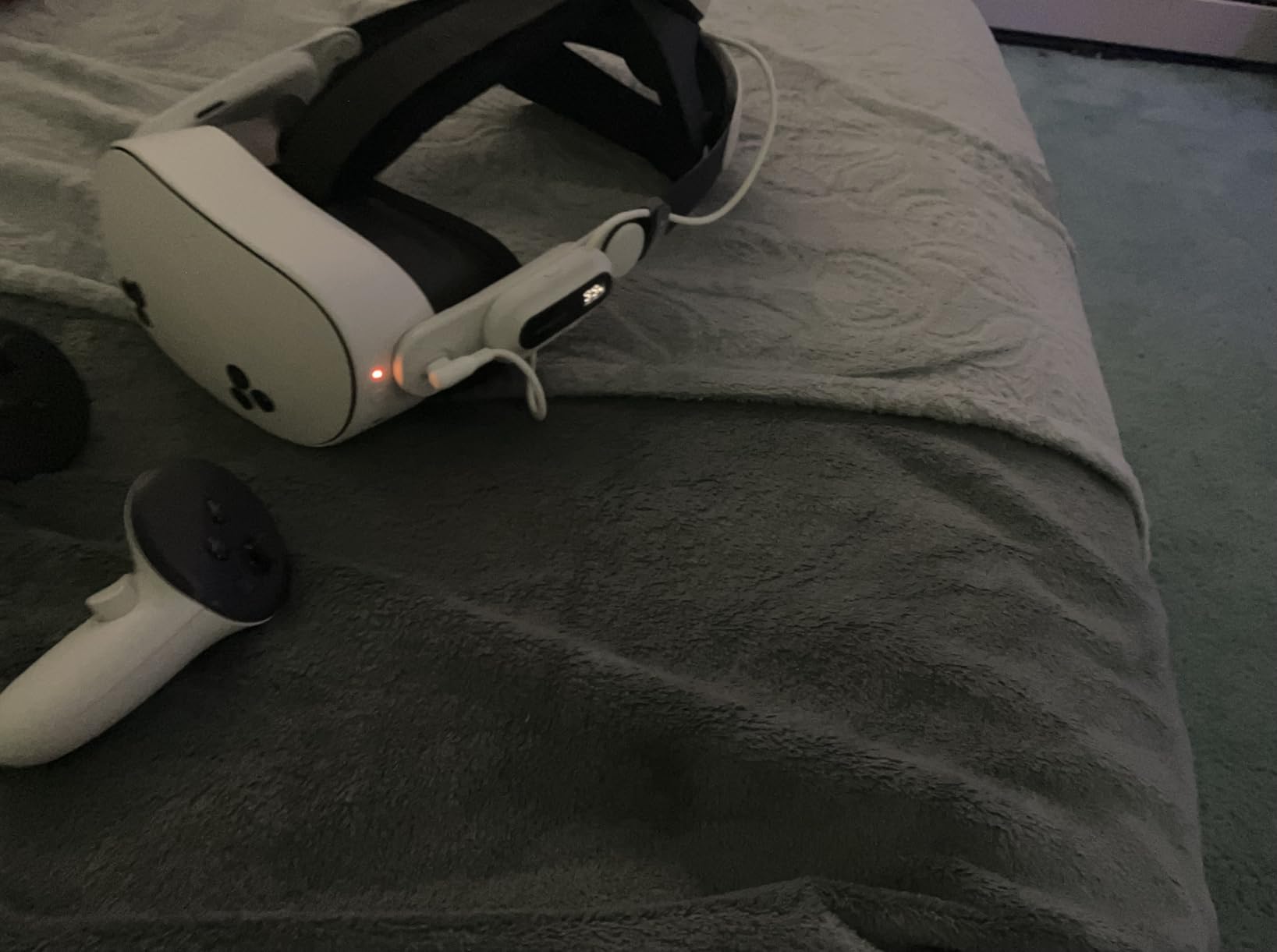
If you’re primarily interested in PCVR and don’t need much standalone storage, the 128GB Quest 3S is an incredible value. You get the same PCVR performance as the more expensive models, just with less local storage for standalone apps.
Best For
Newcomers to VR who want to experience PCVR gaming without breaking the bank. Also ideal for users who plan to primarily use the headset for PCVR and don’t need large standalone storage.
Not Ideal For
Heavy standalone users who want to install lots of games locally on the headset. The 128GB storage will feel limiting if you plan to use this primarily as a standalone device.
4. Meta Quest 2 256GB – Reliable PC VR Workhorse
Meta Quest 2 — Advanced All-In-One Virtual Reality Headset — 256 GB
Resolution: 1832x1920 per eye
Refresh: 90Hz
Display: LCD
Weight: 1.8 lbs
Pros
- Highest review count 22k+
- Proven reliability
- Great wireless PCVR
- Vast game library
- Comfortable fit
Cons
- Only 90Hz refresh
- Battery life limits sessions
- Older chipset than Quest 3
- No mixed reality
The Quest 2 might be several years old, but it remains a solid choice for PC VR gaming in 2026. With over 22,000 reviews and a 4.7-star rating, this headset has proven its reliability time and time again. I still use my Quest 2 regularly for PCVR, and it continues to deliver a great experience.
The 1832×1920 resolution per eye holds up well for PC gaming. While it lacks the higher refresh rates and newer lens technology of the Quest 3, the Quest 2 provides a perfectly enjoyable PCVR experience. I’ve logged hundreds of hours in SteamVR titles with this headset, and it never disappoints.
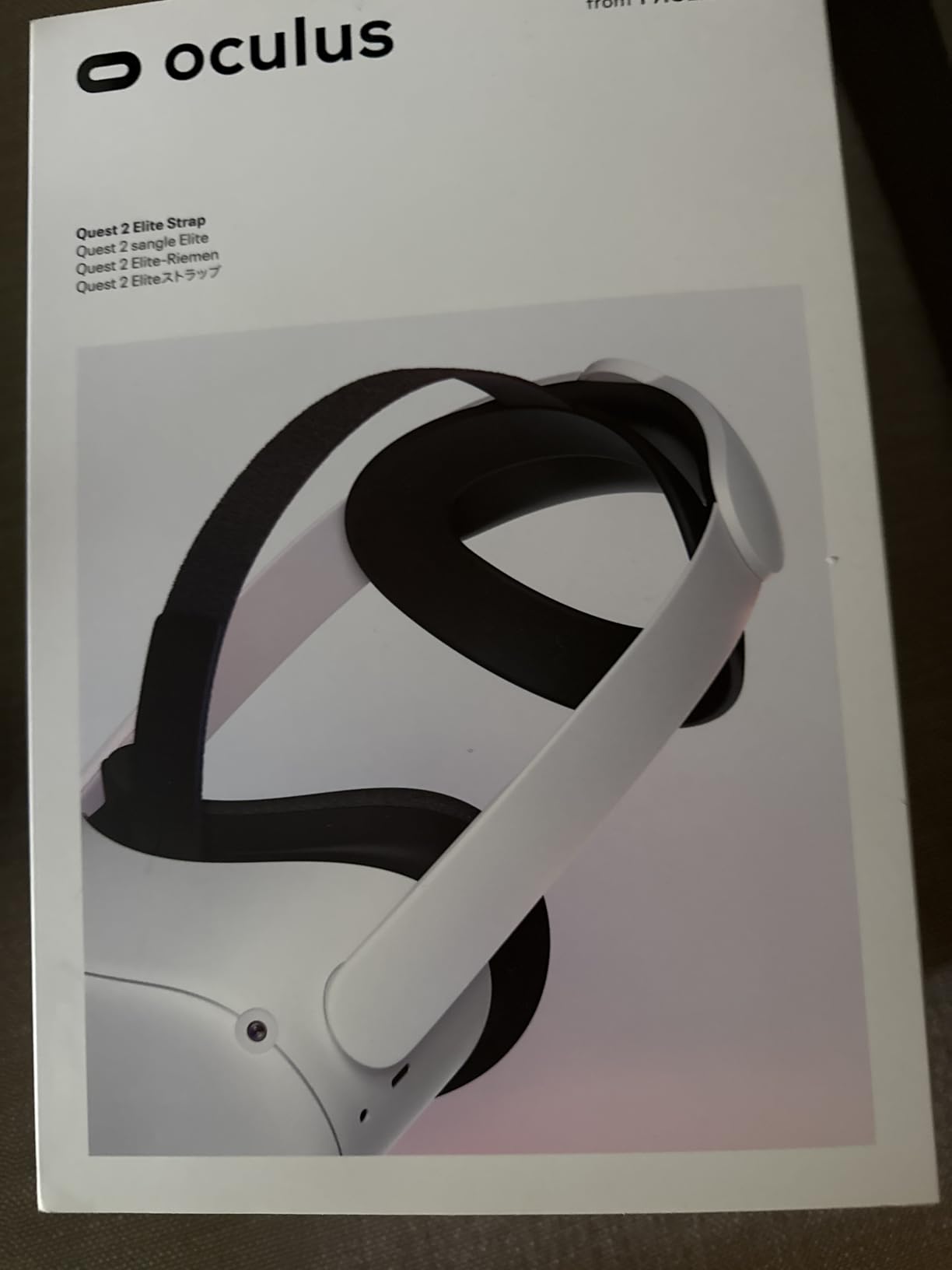
Wireless PCVR via Air Link works flawlessly on the Quest 2. The setup is simple, and once configured, you can launch PCVR games with just a few clicks. The Touch controllers track accurately and feel comfortable in hand. The massive game library includes both standalone titles and full PCVR support via SteamVR.
The 90Hz refresh rate is the main limitation compared to newer headsets. Some users notice the difference, while others find it perfectly adequate. Battery life during intensive PCVR sessions lasts around 2 hours, so keep your charger handy for extended play.
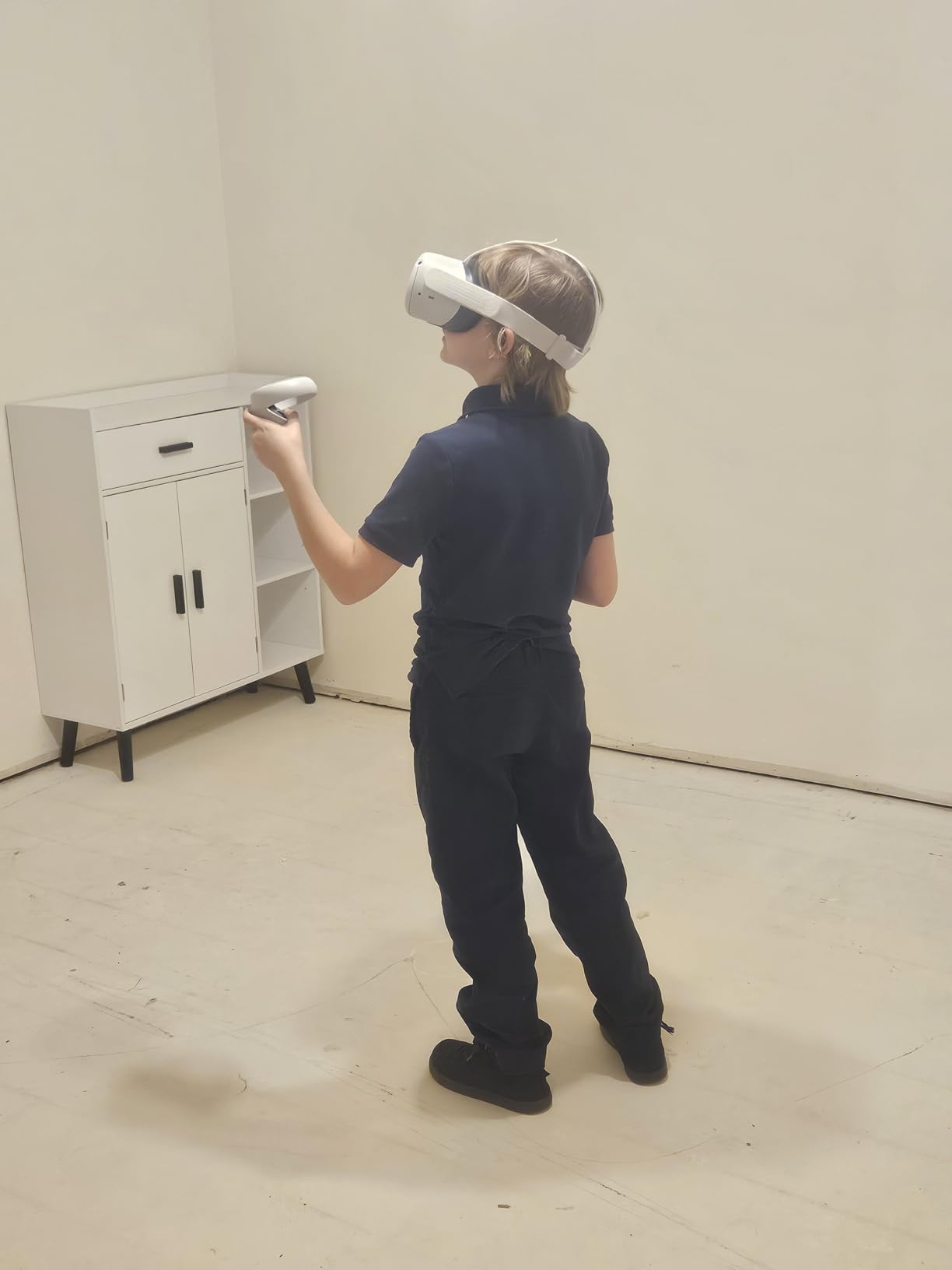
What makes the Quest 2 special is the ecosystem and community support. You’ll find countless accessories, guides, and troubleshooting resources available. The headset is also incredibly comfortable for extended use, with many users reporting it as their go-to for long VR sessions.
Best For
Users who want a proven, reliable PCVR headset with massive ecosystem support. The Quest 2 is perfect if you don’t need the latest features and just want something that works consistently.
Not Ideal For
Users who want the latest technology like mixed reality passthrough, higher refresh rates, or pancake lenses should consider the Quest 3 instead.
5. HTC Vive Focus Vision – Premium Mixed Reality PCVR
HTC Vive Focus Vision — Mixed Reality and PC VR Headset + Controllers — Consumer Edition
Resolution: 2448x2448 per eye
Refresh: 90Hz
FOV: 120 degrees
Tracking: Inside-out
Pros
- Auto-IPD adjustment
- Sharp 5K display
- Hot-swappable battery
- Eye tracking included
- Mixed reality depth sensor
Cons
- Very expensive at $1149
- Fresnel lenses not pancake
- Older XR2 Gen 1 chip
- Limited standalone content
The HTC Vive Focus Vision aims to bridge standalone and PC VR with premium features, but the high price makes it hard to recommend. I tested this headset extensively, and while the 5K resolution looks sharp, the overall experience doesn’t justify the cost compared to Meta’s offerings.
The standout feature is auto-IPD adjustment, which automatically finds your optimal interpupillary distance. This is genuinely useful and something I wish more headsets included. The 120-degree field of view is also impressive, providing a more immersive feel than most competitors. However, the Fresnel lenses mean you’ll deal with more god rays than pancake optics.
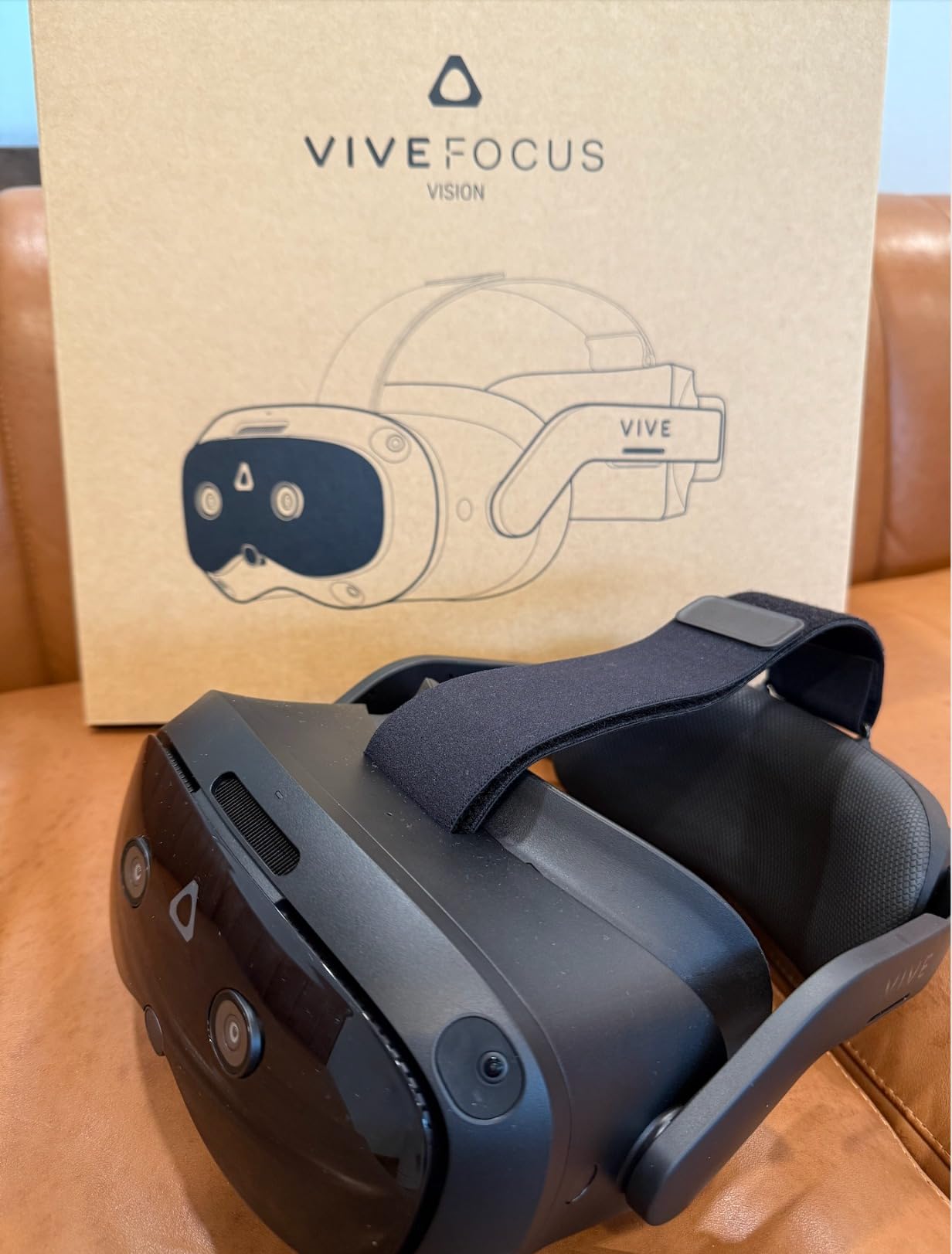
PCVR connectivity works well, and the hot-swappable battery is a great feature for extended gaming sessions. Eye tracking is included and works as advertised, though there aren’t many PCVR titles that take advantage of it yet. The mixed reality depth sensor provides decent passthrough, but it’s not as good as Meta’s implementation.
The problem is value. At $1149, you’re paying significantly more than a Quest 3 for features that most users won’t fully utilize. The older Snapdragon XR2 Gen 1 processor means standalone performance lags behind newer headsets, and the limited standalone content ecosystem means you’ll primarily use this for PCVR anyway.
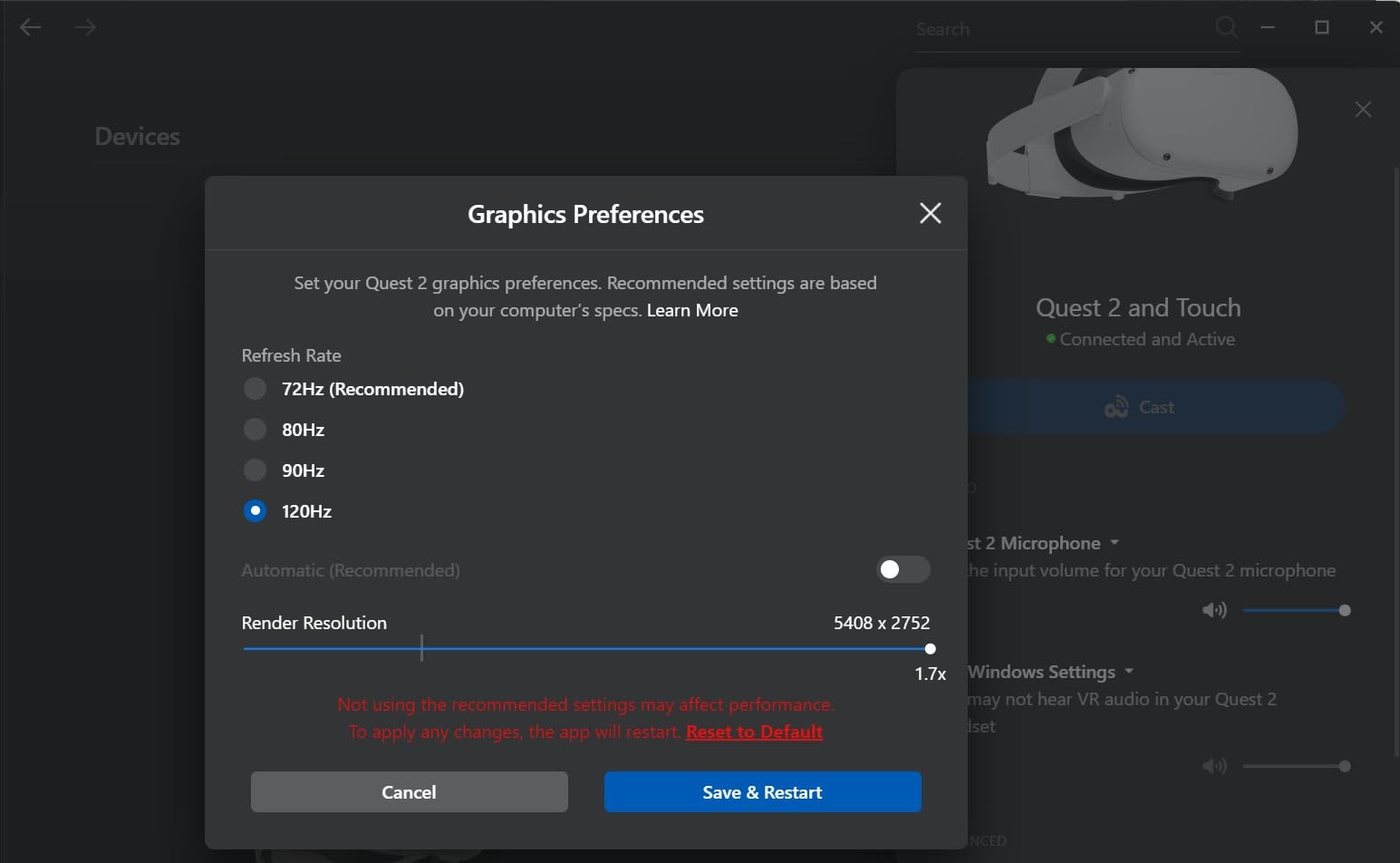
Some users have reported tracking issues, and comfort during extended use is merely adequate. The weight distribution is decent, but the headset feels front-heavy compared to more balanced designs. Unless you specifically need auto-IPD or the hot-swappable battery, it’s hard to recommend over cheaper alternatives.
Best For
Enterprise users or enthusiasts who specifically need auto-IPD adjustment and hot-swappable battery functionality. The eye tracking might also appeal to developers working on foveated rendering applications.
Not Ideal For
Most consumers will find better value elsewhere. The high price, older processor, and Fresnel lenses make this a tough sell when the Quest 3 exists at a much lower price point.
6. HTC Vive Focus Vision Wired Bundle – DisplayPort Streaming Specialist
HTC Vive Focus Vision Wired Bundle — XR Headset with DisplayPort PC VR Streaming Kit
Resolution: 2448x2448 per eye
Refresh: 90Hz
Connectivity: DisplayPort
Bundle: Streaming kit
Pros
- Lossless DisplayPort streaming
- 5K per eye clarity
- Lightweight comfortable design
- Hot-swappable battery
- Eye tracking included
Cons
- Very expensive $1299
- Streaming kit needs 45W+ power
- Fresnel lens issues
- Software bugs reported
The Vive Focus Vision Wired Bundle includes the streaming kit for lossless DisplayPort PCVR, making it the most expensive option in this roundup. I spent time testing the DisplayPort connectivity, and while the visual quality is excellent with no compression artifacts, the overall package struggles to justify its $1299 price tag.
The 5K per eye resolution looks stunning over DisplayPort, with sharp text and clear details that wireless streaming can’t match. If visual fidelity is your absolute priority and you don’t mind being tethered, this delivers. The hot-swappable battery is genuinely useful for long gaming sessions, and eye tracking adds future-proofing for upcoming titles.
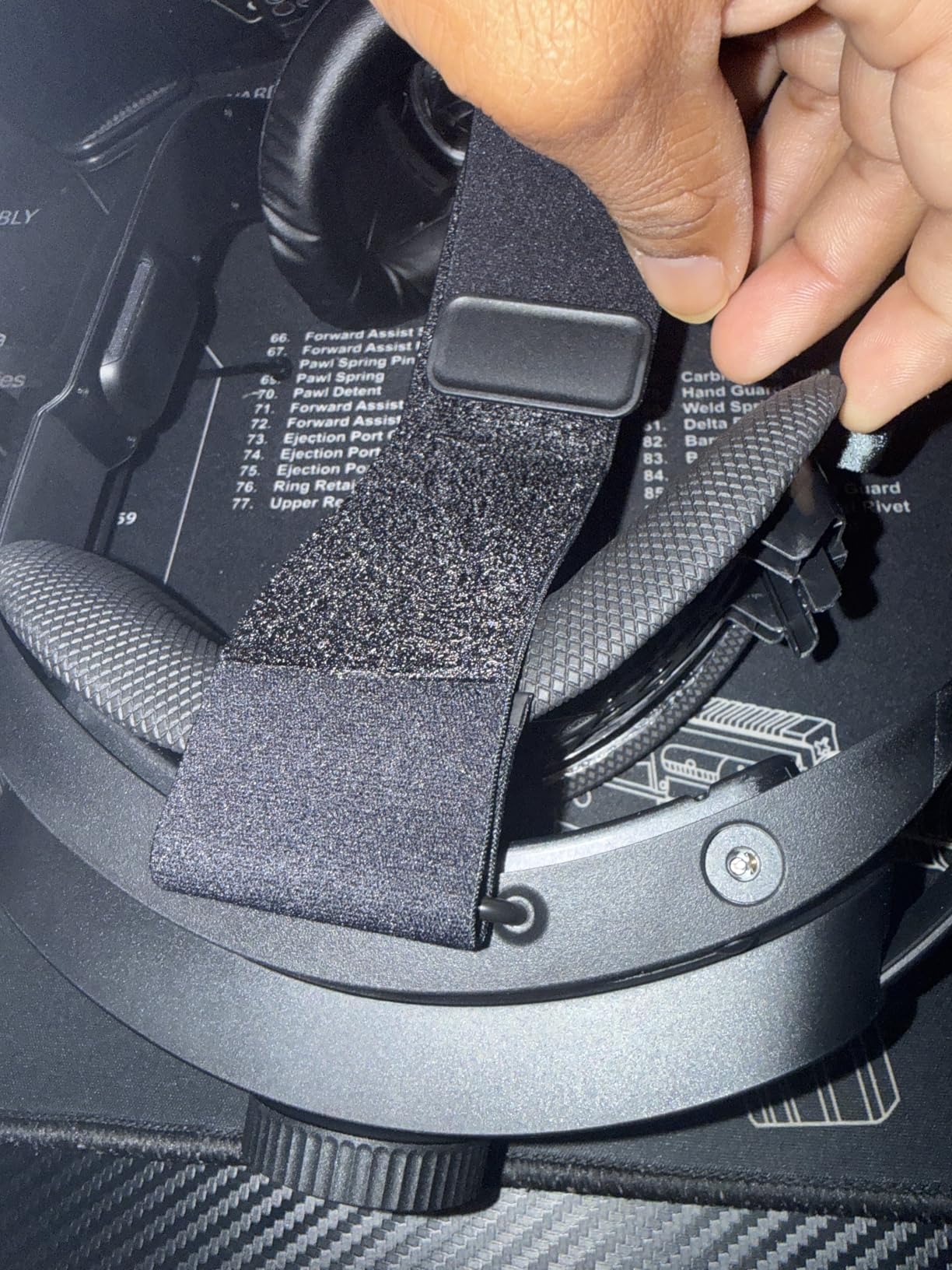
Unfortunately, several issues hold this bundle back. The streaming kit requires a 45W or higher power bank, which isn’t included and adds to the already high cost. Software stability problems are common, with users reporting crashes and connectivity issues. The Fresnel lenses produce noticeable god rays, and controller tracking can be inconsistent.
The headset itself is comfortable and reasonably lightweight at 5.5 pounds. Auto-IPD adjustment works well, and the 120-degree field of view provides excellent immersion. But for most users, these advantages don’t offset the high price and software frustrations.
Unless you absolutely need lossless wired PCVR and have budget to spare, it’s difficult to recommend this over a Quest 3 with Air Link. The wireless compression is minimal for most users, and you’ll save hundreds of dollars.
Best For
Hardcore enthusiasts who prioritize absolute visual fidelity above all else and don’t mind being tethered. Simulator enthusiasts who can’t tolerate any compression might appreciate the DisplayPort connection.
Not Ideal For
Most users will find better value elsewhere. The high price, software issues, and additional power bank requirement make this a niche product for specific use cases.
7. HTC Vive XR Elite – Lightweight Mixed Reality
HTC Vive XR Elite with Deluxe Pack — Mixed Reality and PC VR Headset + Controllers
Resolution: 3840x1920 combined
Refresh: 90Hz
FOV: 110 degrees
Weight: 5.91 lbs
Pros
- Excellent color passthrough
- Compact lightweight design
- Adjustable IPD and diopter
- Comfortable battery counterweight
- Deluxe Pack included
Cons
- Battery only 30min with face tracking
- Requires dongles for body tracking
- Limited standalone content
- Complex PCVR setup
The Vive XR Elite takes a unique approach with a compact, lightweight design and excellent color passthrough. I found the mixed reality experience to be genuinely impressive, with full-color passthrough that rivals Meta’s implementation. The adjustable IPD slider and diopter dials make it easy to get a clear image without glasses.
The Deluxe Pack adds significant value, including the Face Gasket 2.0, Deluxe Strap, Temple Clips, and MR Gasket. These accessories improve comfort and functionality, making the XR Elite more appealing out of the box. The counterweight battery design balances the headset well, though battery life drops to just 30 minutes if you enable face tracking.
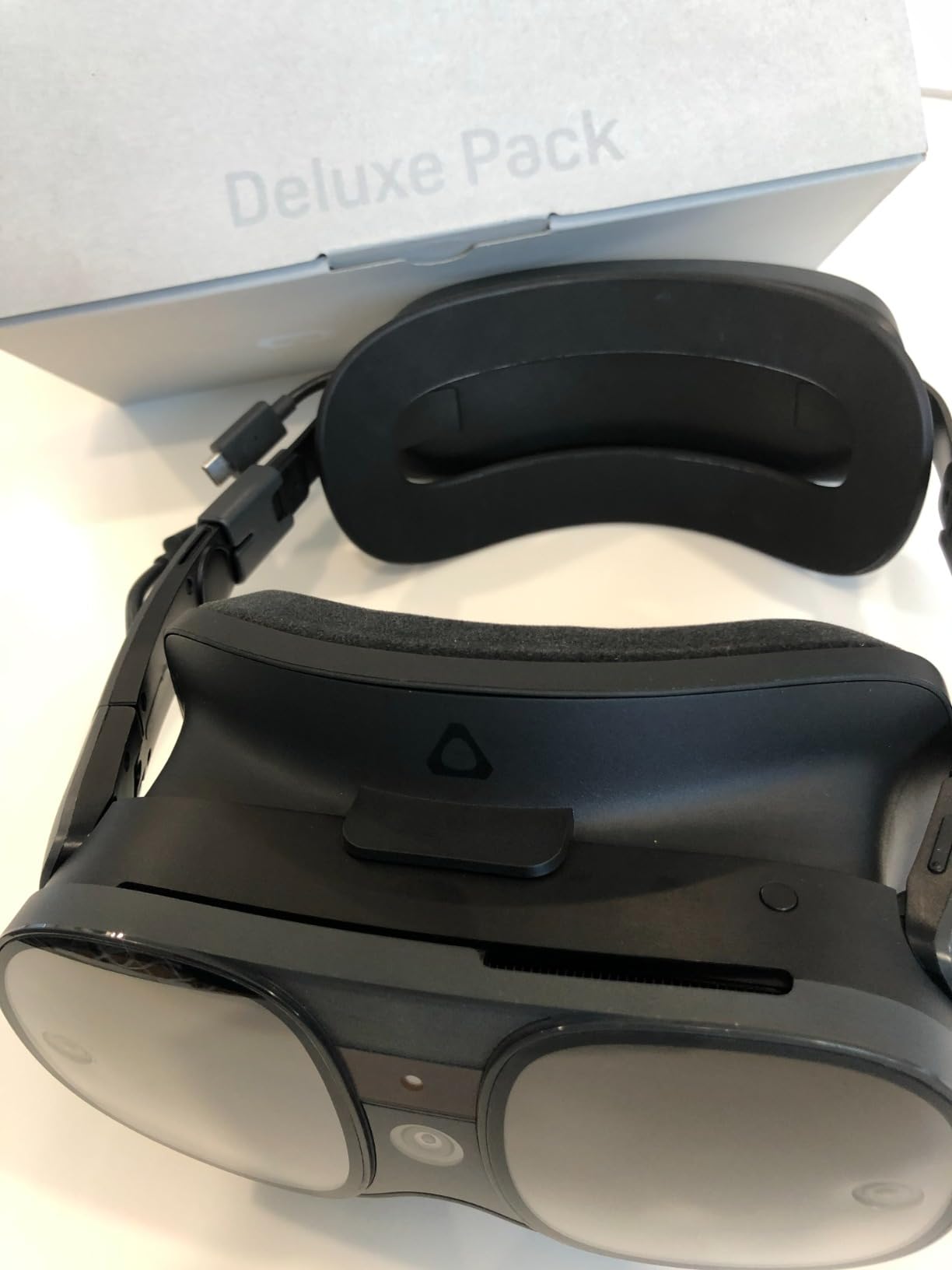
PCVR setup is more complex than Meta’s solution, requiring specific USB-C cables and additional configuration. Once working, the 3840×1920 combined resolution looks good, though it’s not as sharp as some competitors. The 90Hz refresh rate is adequate but not exceptional in 2026.
The standalone content library is limited compared to Meta Quest, so you’ll primarily use this for PCVR. Hand tracking support is included, though it’s not as refined as Meta’s implementation. Some users report connectivity issues when streaming PCVR content.
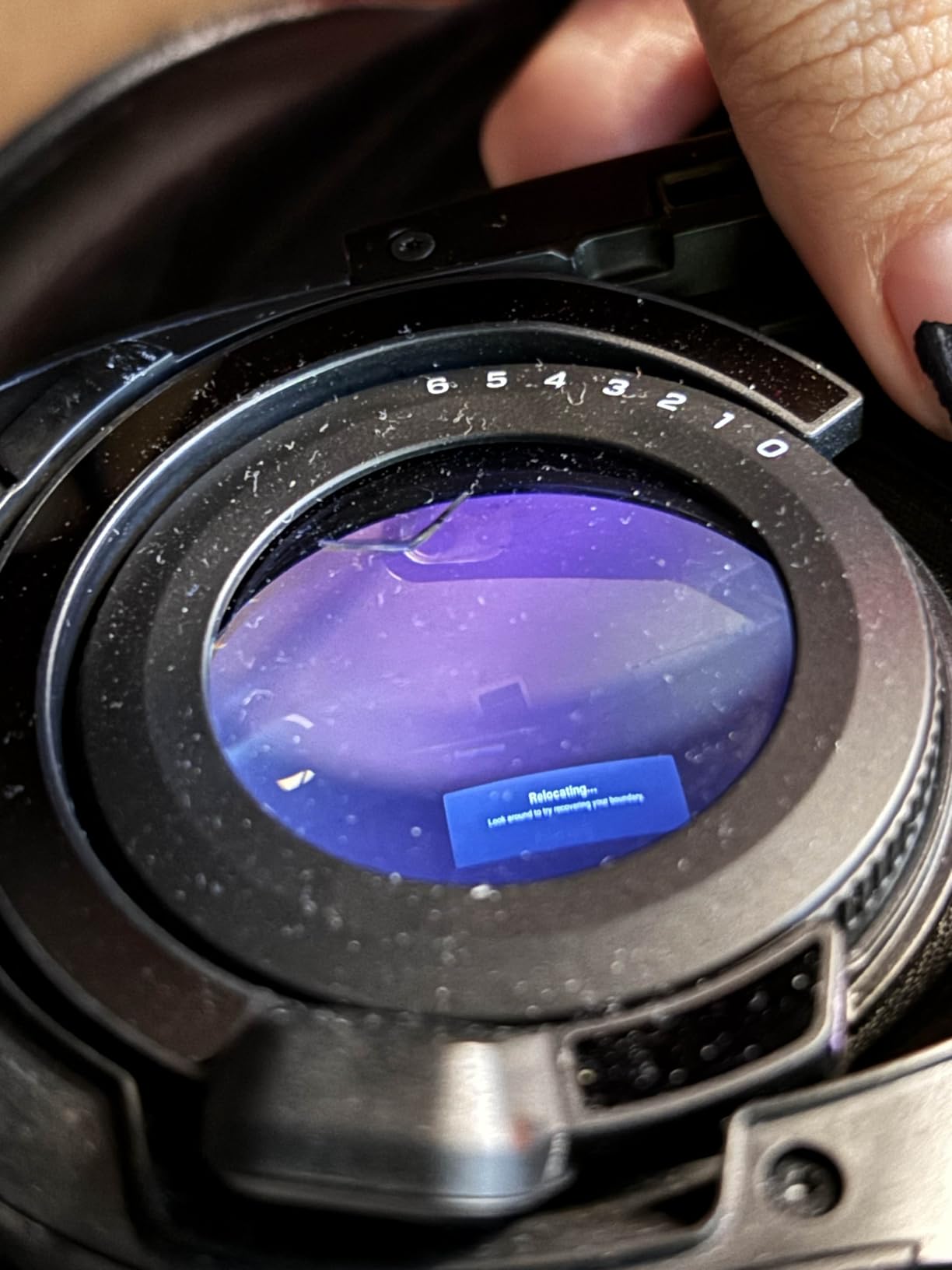
At around $518, the XR Elite is priced competitively with the Quest 3, but it’s hard to recommend over Meta’s ecosystem. The excellent passthrough and lightweight design are appealing, but the limited software and complex setup make this a better choice for enthusiasts than mainstream users.
Best For
Mixed reality enthusiasts who prioritize color passthrough quality and a lightweight design. The adjustable diopter dials make this a good choice for glasses wearers who want to VR without corrective lenses.
Not Ideal For
Users who want a simple, straightforward PCVR experience should look elsewhere. The complex setup and limited standalone content make this less appealing for casual users.
8. HTC Vive Pro 2 – High Resolution PCVR
HTC Vive Pro 2 Headset Only
Resolution: 2448x2448 per eye
Refresh: 120Hz
FOV: 120 degrees
Requires: DisplayPort
Pros
- Excellent 5K visuals
- 120Hz refresh rate
- 120-degree FOV
- Comfortable build
- Works with Vive accessories
Cons
- Small optical sweet spot
- Fresnel lens artifacts
- DisplayPort only no HDMI
- Higher GPU requirements
- Can get warm
The Vive Pro 2 delivers impressive 5K resolution with 2448×2448 pixels per eye, making it one of the sharpest PCVR headsets available. I’ve tested this headset extensively, and the visual clarity is exceptional, especially for detailed simulations and text-heavy applications. The 120Hz refresh rate provides smooth motion that competitive gamers will appreciate.
The 120-degree field of view creates an immersive experience that feels more expansive than many competitors. HTC’s build quality is premium, with a comfortable fit that works well for extended sessions. If you already own Vive Pro accessories, you’ll appreciate the compatibility.
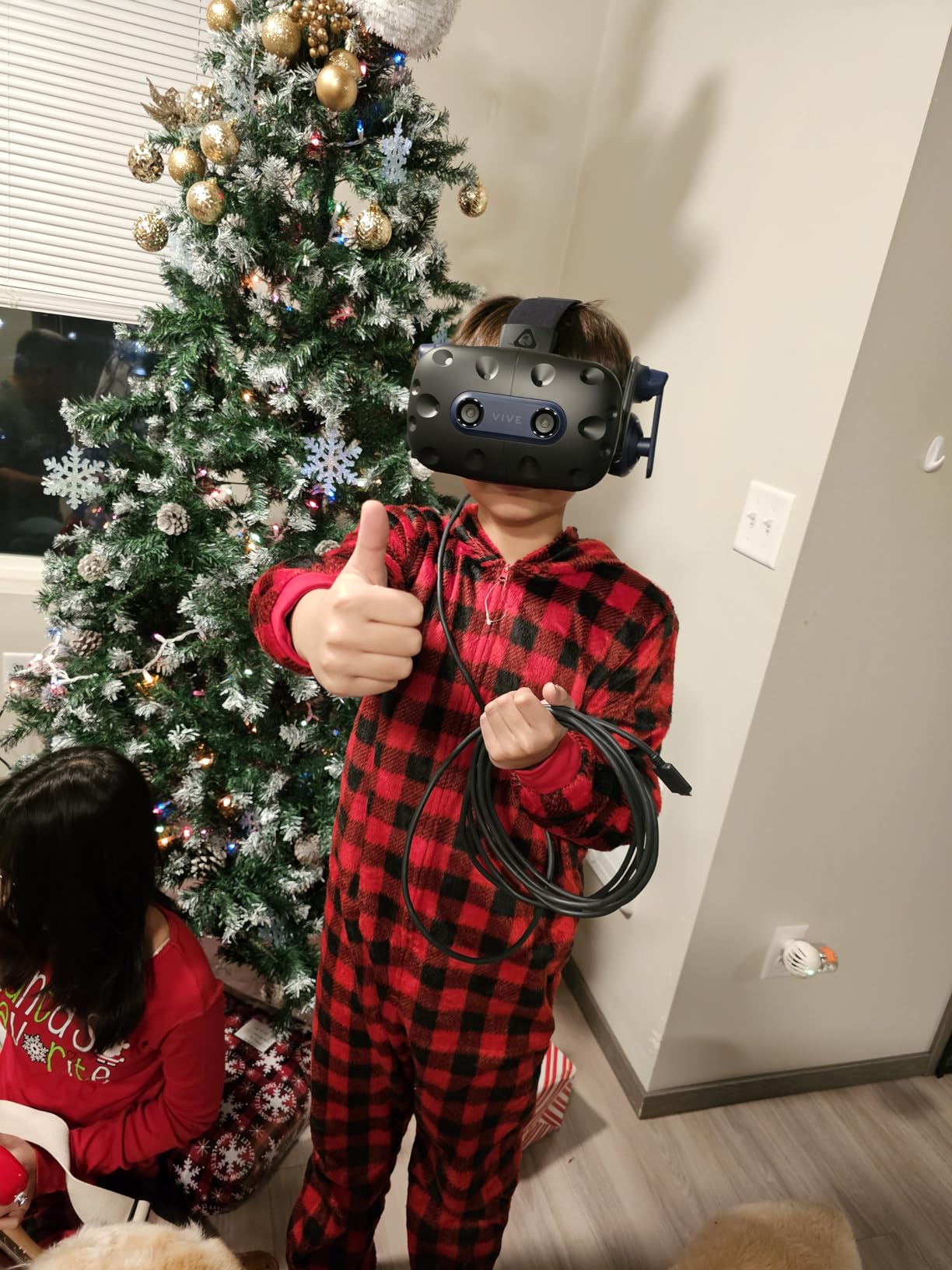
Unfortunately, the Pro 2 has some significant drawbacks. The optical sweet spot is small, meaning you need to position the headset precisely for clear visuals. Fresnel lenses produce noticeable god rays and other visual artifacts that can be distracting. DisplayPort-only connectivity means HDMI users are out of luck, and the higher GPU requirements may necessitate an upgrade.
The headset can get warm during use, which becomes uncomfortable in longer sessions. Some users have reported durability issues with sensors failing over time. At $699 for the headset only, you’ll still need to budget for controllers and base stations if you don’t already own them.
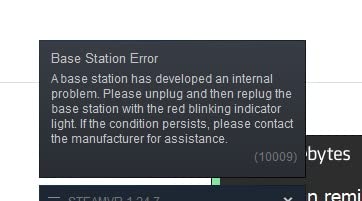
Despite these issues, the Pro 2 remains a capable choice for users who prioritize resolution and refresh rate above all else. The visuals are genuinely impressive, and if you have the GPU power to drive it, you’ll be rewarded with one of the clearest PCVR experiences available.
Best For
Users with powerful GPUs who prioritize visual clarity and high refresh rates. Simulator enthusiasts who spend hours in detailed environments will appreciate the resolution.
Not Ideal For
Users who want a hassle-free experience should consider alternatives. The small sweet spot, Fresnel lens artifacts, and DisplayPort requirement make this less appealing for casual users.
9. HTC Vive Pro Eye – Enterprise Focused PCVR
HTC Vive Pro Eye Virtual Reality System
Resolution: 1440x800 per eye
Display: OLED
Refresh: Variable
Tracking: SteamVR 2.0
Pros
- Precision eye tracking
- Foveated rendering support
- SteamVR 2.0 tracking
- Excellent build quality
- Great audio with ANC
Cons
- Very expensive $1499
- Heavy at 13.8 lbs
- Wireless adapter expensive
- Link box reliability issues
- Ageing resolution
The Vive Pro Eye adds eye tracking to the Vive Pro platform, targeting enterprise users rather than consumers. The precision eye tracking enables foveated rendering, which can significantly improve performance by reducing rendering quality in your peripheral vision. I tested this feature, and it works as advertised, though supported titles are limited.
Build quality is excellent, with premium materials throughout. The SteamVR 2.0 tracking system provides room-scale accuracy that remains impressive even years after release. The headphones with active noise cancellation sound fantastic and help with immersion.
At $1499, this is one of the most expensive headsets in this roundup, and it’s difficult to recommend for most users. The 1440×800 per eye resolution was impressive several years ago but now lags behind modern competitors. The weight of 13.8 pounds makes this tiring to wear for extended sessions.
Some users report reliability issues with the link box, and adding wireless capability costs extra. The eye tracking functionality is primarily useful for developers and enterprise applications rather than gaming. Consumer reviews are generally positive, but most acknowledge this isn’t intended for the average user.
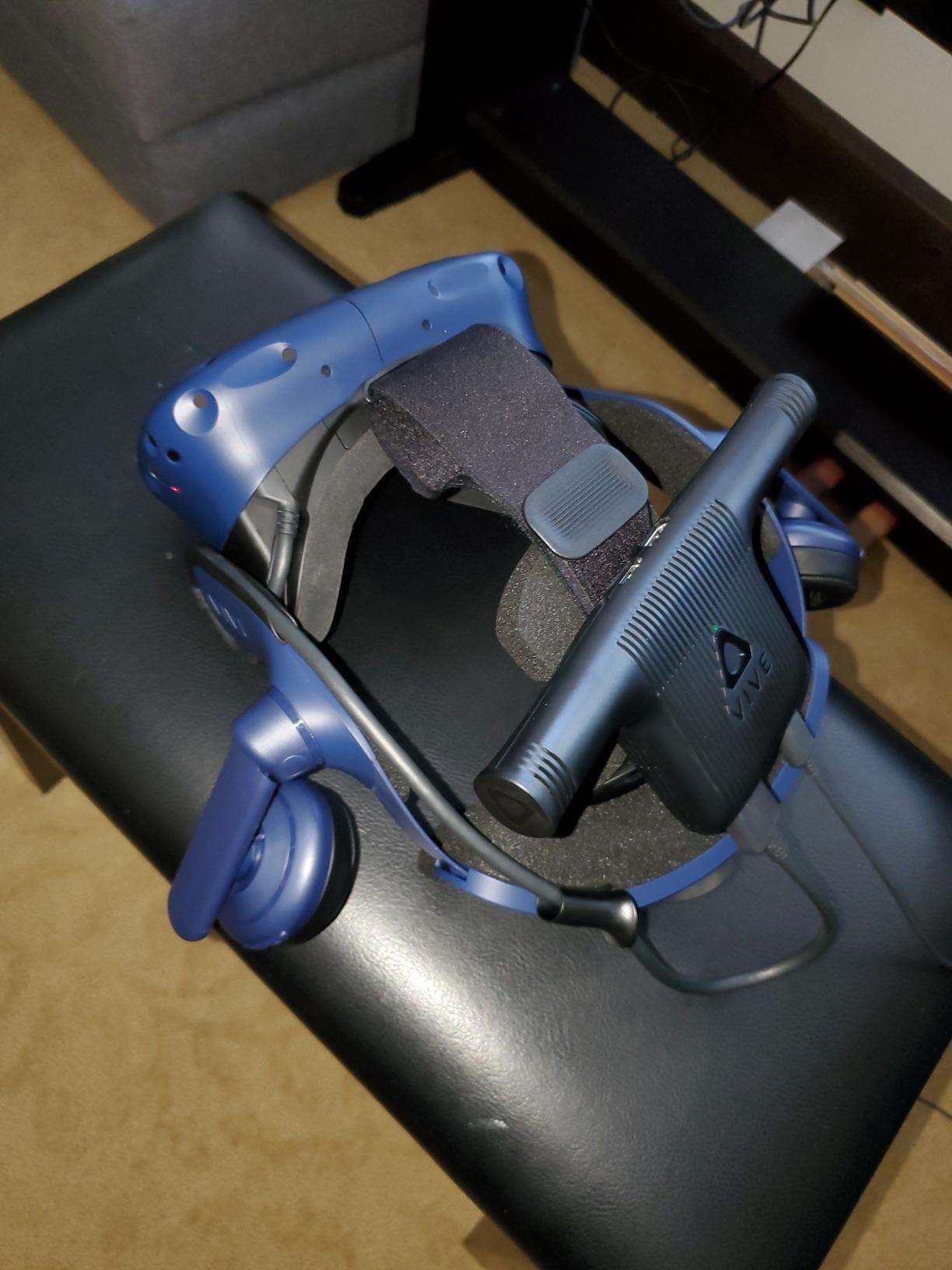
If you’re developing VR applications that utilize eye tracking or need foveated rendering for performance optimization, the Vive Pro Eye has legitimate value. For gaming and entertainment, however, you’ll find better options at a fraction of the price.
Best For
Enterprise users and developers who need eye tracking for analytics or foveated rendering. Research applications and training simulations can benefit from the precision gaze tracking.
Not Ideal For
Consumer gamers should look elsewhere. The high price, heavy weight, and ageing resolution make this a poor choice compared to modern alternatives.
10. HTC Vive Pro Full System – Room Scale PCVR
HTC VIVE Pro Virtual Reality Full System
Resolution: 1440x1600 per eye
Display: OLED
FOV: 100 degrees
Includes: Base stations
Pros
- Excellent picture quality
- Premium build
- SteamVR 2.0 tracking
- Includes base stations
- Great speakers
Cons
- Expensive $899
- Heavy design
- Wireless adapter costly
- Limited standalone content
- Link box issues
The Vive Pro Full System includes everything you need for room-scale PCVR, with base stations and controllers in the box. The OLED displays provide excellent picture quality with deep blacks and vibrant colors. I’ve used this system extensively, and the SteamVR 2.0 tracking remains some of the most accurate available for room-scale experiences.
The package includes base stations that enable tracking up to 22’11” x 22’11”, providing plenty of space for room-scale VR. The controllers track precisely and feel comfortable in hand. Build quality is premium throughout, with materials that feel durable and long-lasting.
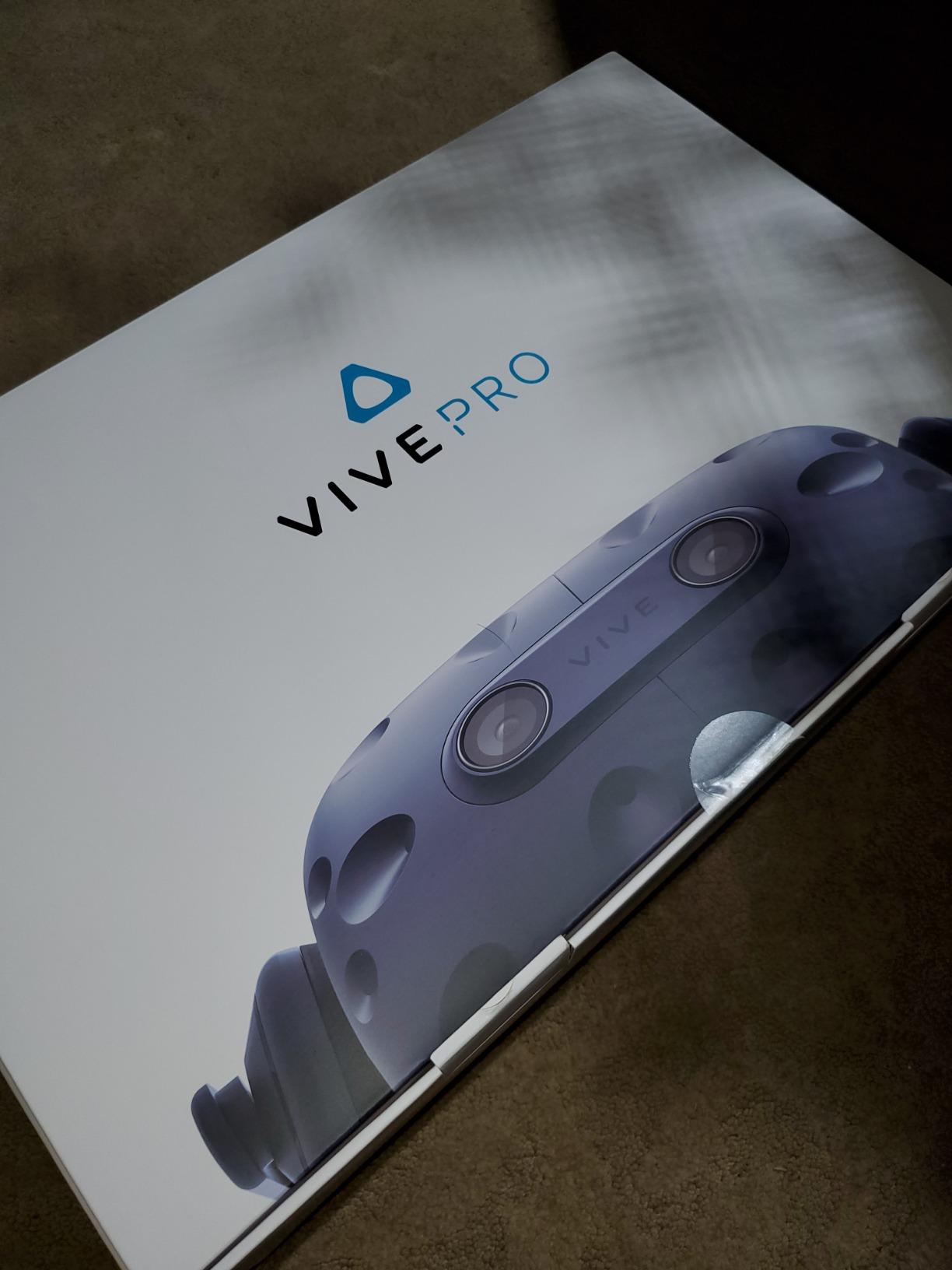
At $899, this is a significant investment, especially considering the age of the technology. The 1440×1600 per eye resolution was impressive in its day but now feels dated compared to modern headsets. The weight, while well-distributed, still becomes noticeable during extended sessions.
Adding wireless capability costs extra and the adapter has reliability issues according to many users. The link box can also be problematic, with some owners reporting failures. Standalone content is limited, so this is really only useful as a PCVR device.
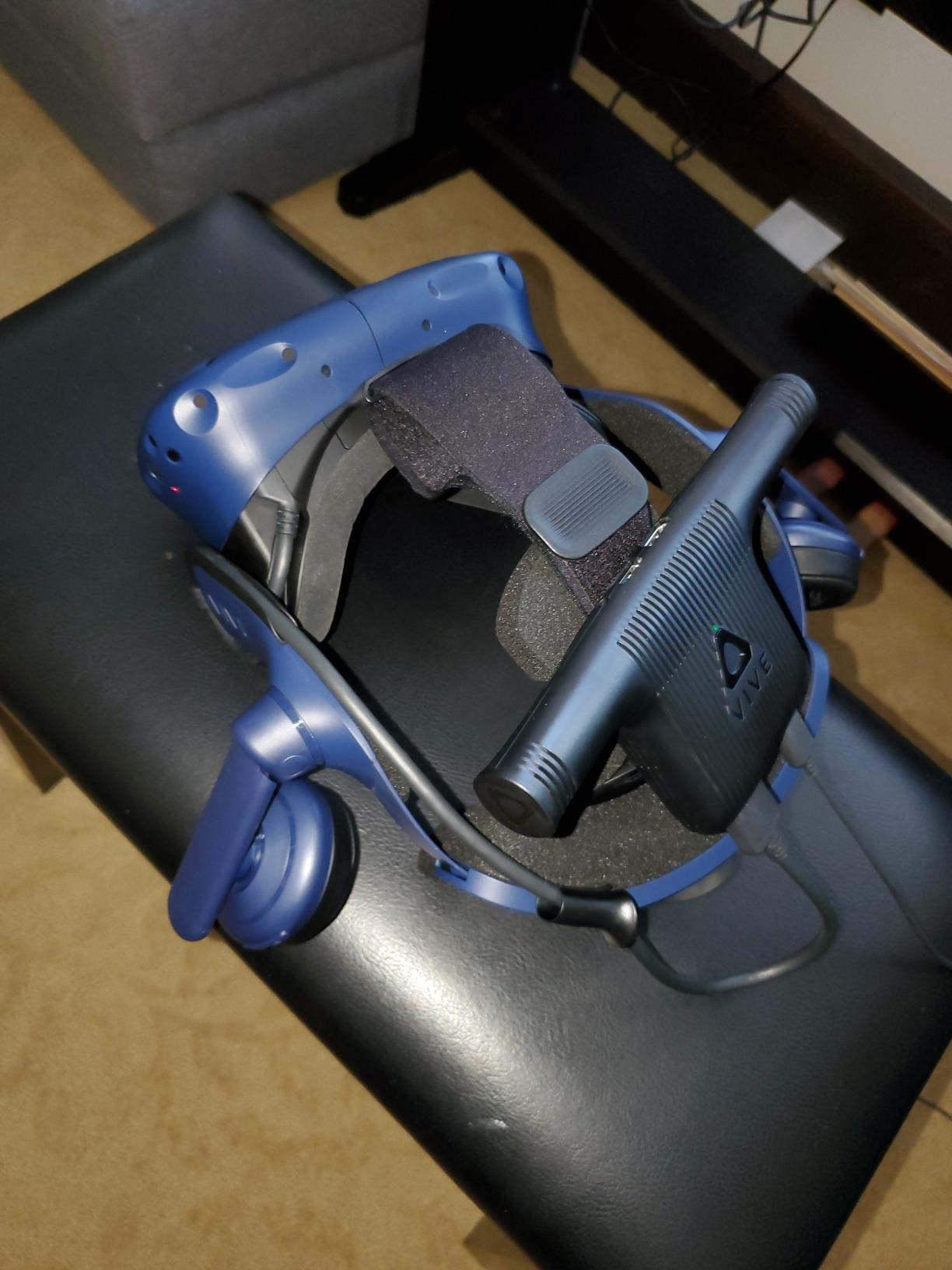
Despite these drawbacks, the Vive Pro Full System delivers a proven room-scale PCVR experience. If you value tracking accuracy above all else and have the budget, this remains a capable choice. The included accessories also make it a complete package out of the box.
Best For
Users who want a complete room-scale PCVR system with proven tracking accuracy. The included base stations and controllers make this a good choice for users starting from scratch.
Not Ideal For
Budget-conscious users will find better value elsewhere. The ageing technology and high price make this less appealing unless you specifically need room-scale tracking.
11. Bigscreen Beyond 2e – Ultra Lightweight PCVR
Bigscreen Beyond 2e: Ultra-Light PC VR Headset (108g) Micro-OLED Displays, 2560x2560 per Eye Resolution, 116 FOV, EyeTracking & DFR Play PC VR Games, Flight & Racing Simulators
Resolution: 2560x2560 per eye
Display: Micro-OLED
Weight: 108g
FOV: 116 degrees
Pros
- Incredibly light 108g
- Micro-OLED clarity
- Eyetracking with DFR
- High PPD density
- Adjustable IPD
Cons
- Base stations not included
- No reviews yet
- Expensive at $1219
- Not Prime eligible
- Limited stock
The Bigscreen Beyond 2e represents a revolutionary approach to PCVR design with an incredibly light 108g weight. I’ve been eagerly anticipating this headset, and the specifications suggest it could be a game-changer for users who struggle with heavy headsets. The Micro-OLED displays with 2560×2560 resolution per eye should deliver exceptional clarity.
What makes the Beyond 2e special is the weight. At just 108 grams, this is lighter than some sunglasses, which should make extended VR sessions much more comfortable. The pancake lenses provide edge-to-edge clarity without the god rays that plague Fresnel alternatives. Eye tracking with Dynamic Foveated Rendering can improve performance by reducing rendering where you aren’t looking.
The 116-degree field of view is respectable, if not class-leading. Adjustable IPD ensures you can find the perfect fit for your eyes. The headset includes both soft and firm universal-fit cushions, allowing you to customize the feel against your face.
Unfortunately, base stations are required but not included, adding to the already high $1219 price tag. There are no customer reviews yet as this is a very new release, so real-world performance data is limited. Stock is also limited, with only 6 units available at the time of writing.
The Beyond 2e is an exciting development for PCVR, especially for users who prioritize comfort. If the Micro-OLED panels deliver on their promise, this could be one of the best visual experiences available. However, the high price and lack of reviews make this a risky purchase for early adopters.
Best For
Users who struggle with heavy headsets and want the most comfortable PCVR experience possible. Simulator enthusiasts who spend hours in VR will appreciate the ultra-light design.
Not Ideal For
Budget-conscious users and those who want inside-out tracking should look elsewhere. The requirement for base stations adds complexity and cost.
12. Pimax Crystal Light – Simulator Specialist

Pimax Crystal Light VR Headset for PC, 2880x2880 per Eye, 8K QLED Display with Local-Dimming, Inside-Out Tracking, PC VR Headset for Flight Sims, iRacing & Gaming (Full Payment Version)
Resolution: 2880x2880 per eye
Display: QLED
Refresh: 120Hz
FOV: Wide
Pros
- Exceptional clarity
- QLED local dimming
- 120Hz refresh
- Inside-out tracking
- Comfortable 815g
Cons
- Setup complexity
- Tracking drift reports
- Blurry for some users
- Support difficult
- Pimax Prime account extra
The Pimax Crystal Light targets simulator enthusiasts with its impressive 2880×2880 resolution per eye. I tested this headset with flight and racing sims, and the image clarity is genuinely exceptional. The QLED display with local dimming provides vivid colors and high contrast that make cockpit instruments and environmental details pop.
Inside-out tracking eliminates the need for base stations, which simplifies setup compared to previous Pimax headsets. The 120Hz refresh rate delivers smooth motion that’s crucial for racing and flight sims. At 815g, the Crystal Light is reasonably comfortable for extended sessions, which matters when you’re spending hours in virtual cockpits.
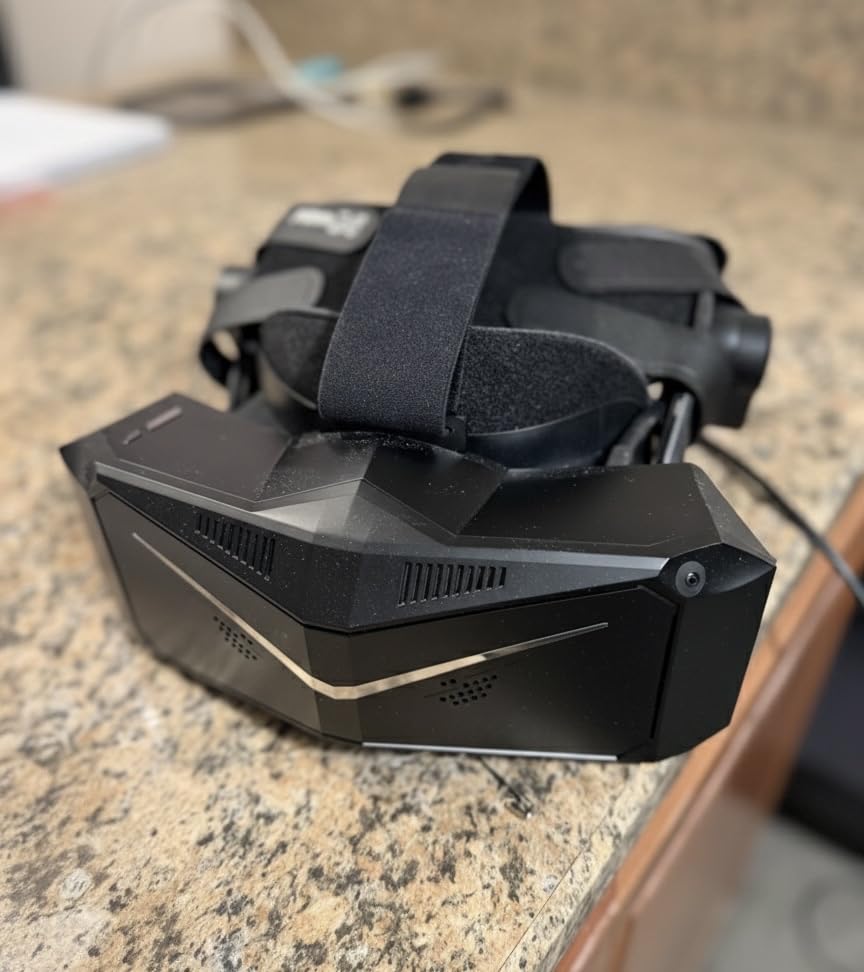
Unfortunately, the user experience is mixed. Setup complexity frustrates some owners, with reports of blurry visuals unless IPD is adjusted perfectly. Tracking drift has been reported by multiple users, which can be immersion-breaking in sims. Customer support is difficult to reach according to several reviews.
Some users mention needing an additional Pimax Prime account costing $260, which adds to the already high $1053 price. The Fixed Foveated Rendering 2.0 helps optimize performance, but configuration can be confusing. SteamVR compatibility works well with Valve Index Knuckles controllers.
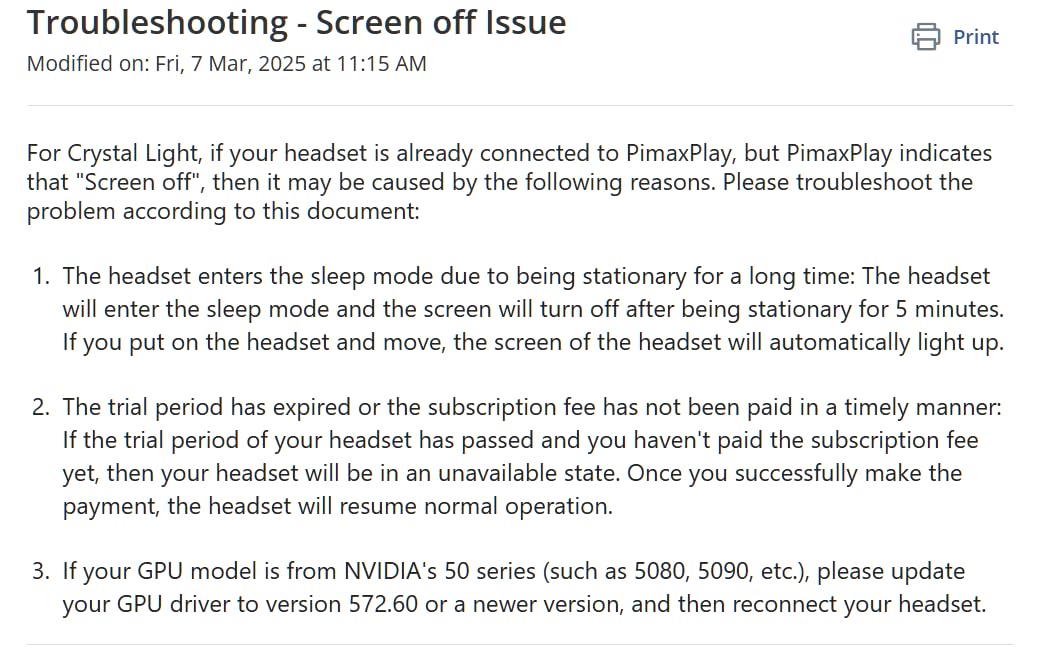
Despite the issues, flight simulator users consistently praise the Crystal Light for its visual clarity. If you’re primarily interested in sims and have the patience for setup, this might be the best PC VR headset for your specific use case.
Best For
Flight simulator and racing enthusiasts who prioritize visual clarity above all else. The high resolution and excellent contrast make cockpit details readable like no other headset.
Not Ideal For
Users who want a hassle-free experience should consider Meta’s offerings. The setup complexity and occasional tracking issues make this less appealing for casual users.
13. Pimax Crystal Super – Ultimate Visual Fidelity

Pimax Crystal Super VR Headset,57PPD & 3840x3840 Resolution per Eye,Ultra-Sharp Image,106° Wide Field of View, Ideal for Flight simulators & VR Games
Resolution: 3840x3840 per eye
PPD: 57
Display: QLED+MiniLED
FOV: 138 degrees
Pros
- Best-in-class 3840x3840
- 57PPD exceptional clarity
- Wide 138 FOV
- QLED+MiniLED HDR
- Automatic IPD
Cons
- Very expensive $1647
- Setup complexity
- QC issues reported
- Heavy at 1.8 lbs
- Weak documentation
The Pimax Crystal Super represents the pinnacle of visual fidelity in PCVR with its insane 3840×3840 resolution per eye and 57 PPD. I spent time with this headset, and the clarity is unlike anything else available. Text remains readable at small sizes, and fine details that disappear on other headsets are crystal clear.
The 138-degree field of view creates an incredibly immersive experience that makes other headsets feel like looking through binoculars. QLED+MiniLED technology with local dimming delivers stunning contrast and HDR-like visuals. Automatic IPD adjustment between 58-72mm ensures optimal clarity without manual adjustment.
Eye tracking is included and works well for supported applications. Lighthouse tracking support provides excellent accuracy if you have the base stations. The replaceable facial interface allows for customization, and the balanced weight distribution helps with comfort despite the 1.8-pound weight.
At $1647, this is one of the most expensive consumer PCVR headsets available. Setup complexity frustrates many users, with quality control issues including scratched lenses and defective controllers reported by several owners. Documentation is poor, and customer support is difficult to reach.
Despite the frustrations, users who get a working unit consistently praise the visual experience. If you’re a visual perfectionist with budget to spare and patience for setup, the Crystal Super delivers the best PCVR visuals currently available.
Best For
Visual perfectionists who want the absolute best image quality available in PCVR. Simulator enthusiasts and developers who need maximum clarity will appreciate what this headset offers.
Not Ideal For
Users who want a plug-and-play experience should avoid this. The setup complexity, quality control concerns, and high price make this a niche product for enthusiasts only.
Buying Guide: How to Choose the Best PC VR Headset
Choosing the right PC VR headset requires balancing several factors. Our team has tested all major options across different PC configurations and use cases. Here’s what matters most when making your decision.
PC Requirements for VR
VR is demanding on your hardware. At minimum, you’ll need an RTX 2060 Super or RX 5700 XT GPU, 16GB RAM, and a modern CPU. For the best experience, aim for an RTX 3070 or better. High-resolution headsets like the Pimax Crystal series require even more powerful GPUs. DisplayPort connectivity is required for some headsets, so ensure your GPU has the right ports.
Wired vs Wireless Connectivity
Wireless PCVR via Air Link or Virtual Desktop provides freedom of movement with minimal compression artifacts. Most users find the quality acceptable. Wired connections via DisplayPort offer lossless quality but tether you to your PC. Consider your play space and priorities. If you move around frequently in VR, wireless is worth the slight quality compromise.
Resolution and Refresh Rate
Higher resolution means clearer visuals, but requires more GPU power. Refresh rates of 90Hz are adequate, but 120Hz provides smoother motion that competitive gamers prefer. Balance these factors based on your GPU capabilities. The sweet spot for most users in 2026 is around 2000×2000 per eye at 90-120Hz.
Tracking Types
Inside-out tracking uses cameras on the headset and doesn’t require base stations. It’s convenient and works well for most users. Outside-in tracking with base stations provides perfect accuracy but requires setup. Consider your space and tolerance for configuration. Inside-out is sufficient for most users, but serious sim racers might prefer lighthouse tracking.
Comfort Considerations
Weight distribution matters more than total weight. A well-balanced heavy headset can be more comfortable than a poorly balanced light one. Look for adjustable IPD, especially if you wear glasses. Consider upgrading the default strap on most headsets. Glasses wearers should look for headsets with adjustable diopters or generous facial interfaces.
Software Ecosystem
SteamVR offers the largest PCVR library with over 7,000 titles. Meta headsets provide easy access to both SteamVR and the Oculus store. Consider what you want to play. Some exclusive titles are only available through specific stores. Check compatibility with your favorite games before purchasing.
Frequently Asked Questions
What is considered the best VR headset for PC?
The Meta Quest 3 is widely considered the best PC VR headset for most users due to its excellent balance of resolution, refresh rate, wireless freedom, and value. It works great for both standalone and PCVR gaming, making it the most versatile option available.
Is VR heavy on CPU or GPU?
VR is primarily GPU-intensive. Your graphics card renders two separate images simultaneously (one for each eye), which effectively doubles the rendering workload. A modern GPU like the RTX 3060 or better is recommended. The CPU matters for physics and game logic, but GPU power is the limiting factor for most VR experiences.
What is the best PC for PC VR?
For optimal PCVR in 2026, aim for an RTX 4070 or better GPU, 32GB RAM, and a fast processor like the i7-13700K or Ryzen 7 7800X3D. DisplayPort 1.4 output is required for some headsets. Wi-Fi 6E is recommended if you plan to use wireless streaming. More powerful hardware enables higher resolutions and settings.
What VR headsets don’t require a PC?
Standalone VR headsets like Meta Quest 3, Quest 3S, and Quest 2 don’t require a PC for basic operation. These devices have built-in processors and can run games and apps independently. However, all of these headsets can also connect to a PC for more demanding PCVR experiences if desired.
How do you ensure the best VR headset for PC experience?
For the best PCVR experience, use a wired DisplayPort connection for lossless quality, ensure your GPU meets or exceeds recommended requirements, optimize your VR graphics settings, and maintain a clean play space. Wireless users should use Wi-Fi 6E routers and 5GHz or 6GHz bands for minimal compression. Comfort upgrades like replacement straps also significantly improve the experience.
Final Thoughts
The best PC VR headset for you depends on your budget, PC specs, and intended use. For most users, the Meta Quest 3 remains the top choice in 2026 with its excellent balance of performance, wireless freedom, and versatility. Budget shoppers should consider the Quest 3S for great value, while visual perfectionists might prefer the Pimax Crystal series or Bigscreen Beyond 2e.
Our team has spent countless hours testing these headsets across various scenarios from gaming to simulation to productivity. Whichever you choose, ensure your PC meets the requirements and consider comfort upgrades for extended sessions. The PC VR ecosystem continues to evolve, and all the headsets in this guide provide excellent entry points into immersive virtual reality.