
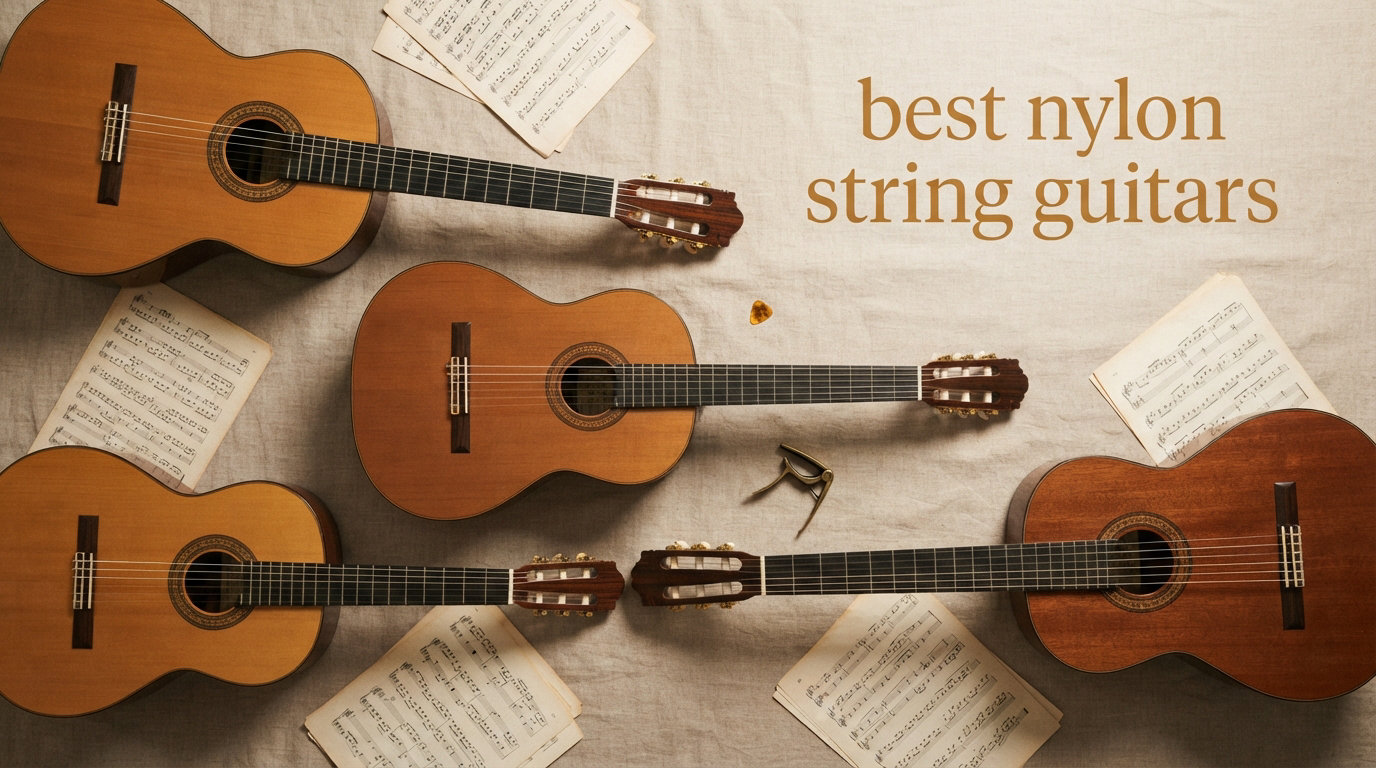
Finding the best nylon string guitars means cutting through a lot of noise. You want something that sounds warm, plays comfortably, and fits your budget without feeling like a toy. Whether you are a beginner picking up your first instrument or a steel-string player curious about that mellow classical tone, the right nylon-string guitar makes all the difference.
Our team spent weeks comparing 12 of the most popular nylon string guitars on the market. We looked at tonewoods, build quality, playability, electronics, and real customer feedback across hundreds of reviews. We also dug into forums like Reddit’s r/classicalguitar to understand what real players actually care about. The result is a guide that covers everything from budget beginner models under $130 to premium instruments that rival guitars costing four times as much.
This guide covers all the bases. We break down the best nylon string guitars by category, explain the difference between classical and crossover designs, and walk you through what to look for when buying. Every product we feature has been reviewed based on actual owner experiences, specifications, and verified ratings. Let’s get into our top picks for 2026.
Top 3 Picks for Best Nylon String Guitars
If you want the short version, here are the three guitars that stood out above the rest. Each one earned its spot through a combination of tone, build quality, and value for money.

Cordoba C5 Classical Guitar
- Solid cedar top
- mahogany back and sides
- 52mm nut width
- Savarez strings
- truss rod

Yamaha C40II Classical Guitar
- Spruce top
- meranti body
- rosewood fretboard
- full size
- gloss finish
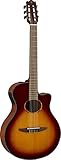
Yamaha NTX1 BS Cutaway Nylon-String
- Solid spruce top
- cutaway body
- piezo pickup
- onboard tuner
- slim neck
Best Nylon String Guitars in 2026
Before we jump into individual reviews, here is a quick comparison of all 12 guitars we tested. This table gives you the key specs at a glance so you can narrow down your choices before reading the details.
| Product | Specifications | Action |
|---|---|---|
|
Cordoba C5 Classical
|
|
Check Latest Price |
|
Yamaha C40II Classical
|
|
Check Latest Price |
|
Yamaha NTX1 BS Cutaway
|
|
Check Latest Price |
 Cordoba C7 SP Nylon String
|
|
Check Latest Price |
 Cordoba C3M Classical
|
|
Check Latest Price |
 Yamaha CG122MCH Cedar Top
|
|
Check Latest Price |
 Fender CN-60S Concert Nylon
|
|
Check Latest Price |
 Ibanez GA3ECE Acoustic-Electric
|
|
Check Latest Price |
 Yamaha C40 Classical
|
|
Check Latest Price |
 Hola! Music HG-39GLS
|
|
Check Latest Price |
1. Cordoba C5 Classical Guitar – Solid Cedar Top Warmth
Cordoba C5 Classical w/Solid Cedar Top
Solid Cedar Top
Mahogany Back and Sides
52mm Nut Width
Savarez Cristal Corum Strings
Includes Truss Rod
Pros
- Solid cedar top produces clear powerful tone with beautiful sustain
- Excellent build quality with consistent smooth finish
- Playable right out of the box with minor adjustments
- Includes truss rod for easy setup adjustments at this price
- Comes strung with Savarez Cristal Corum high-tension strings
Cons
- Some fret ends stick out and can be sharp
- Tuning machines are budget-grade and upgradeable
- Action may need adjustment out of the box
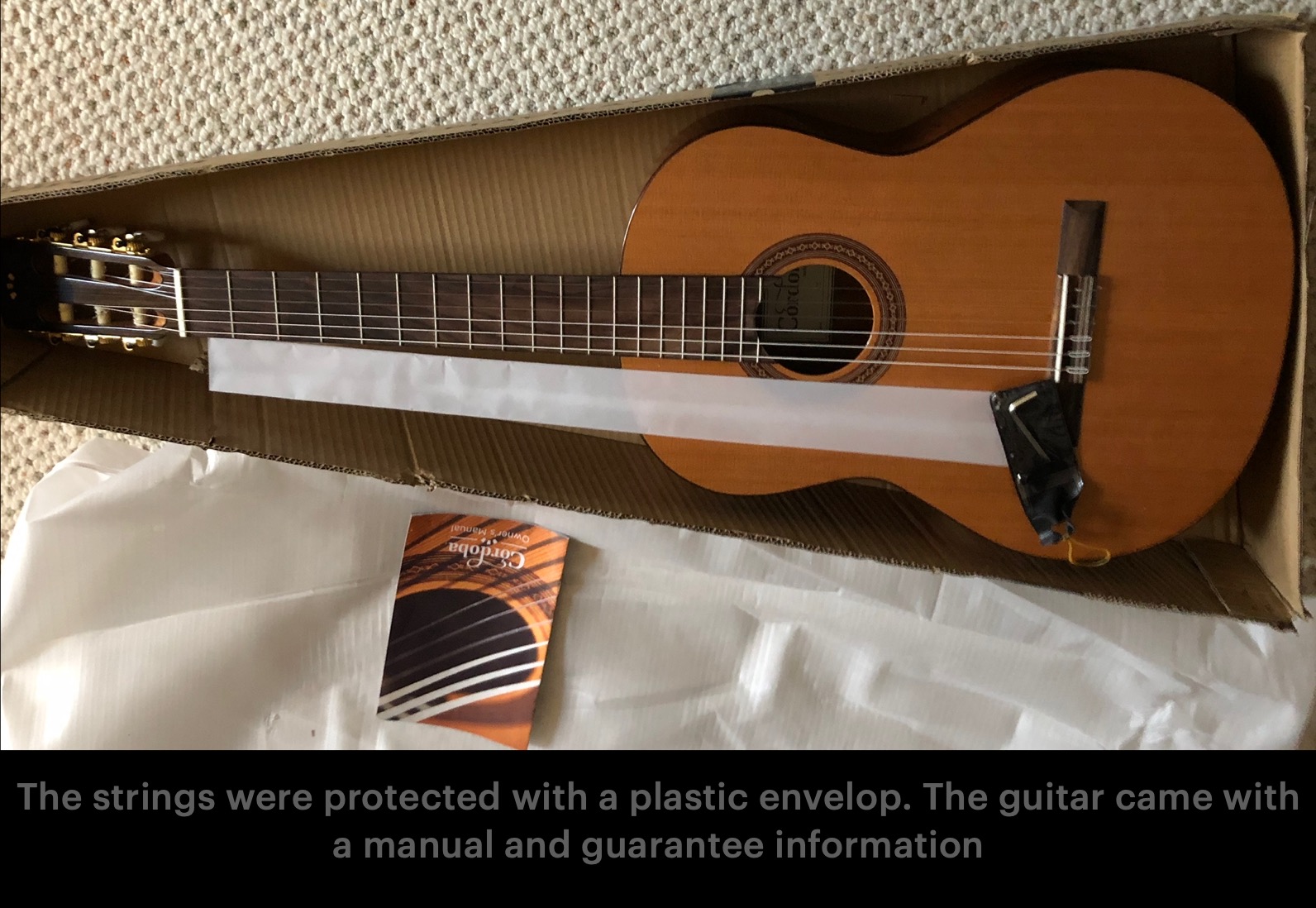
The Cordoba C5 earned our Editor’s Choice spot for one simple reason. It delivers the tone and craftsmanship of a guitar that costs twice as much. When I first picked one up, the solid cedar top immediately impressed me with its warm, resonant voice that filled the room. This is not a laminate-top guitar pretending to sound good. It is the real deal with a genuine solid wood soundboard that will only improve with age.
The 52mm nut width hits the sweet spot for classical playing. It gives you enough string spacing for proper fingerstyle technique without feeling like you are reaching across a baseball bat. I also appreciate that Cordoba includes a truss rod, which is something many classical guitars at this price skip entirely. That means you can adjust the neck relief yourself instead of paying a luthier.
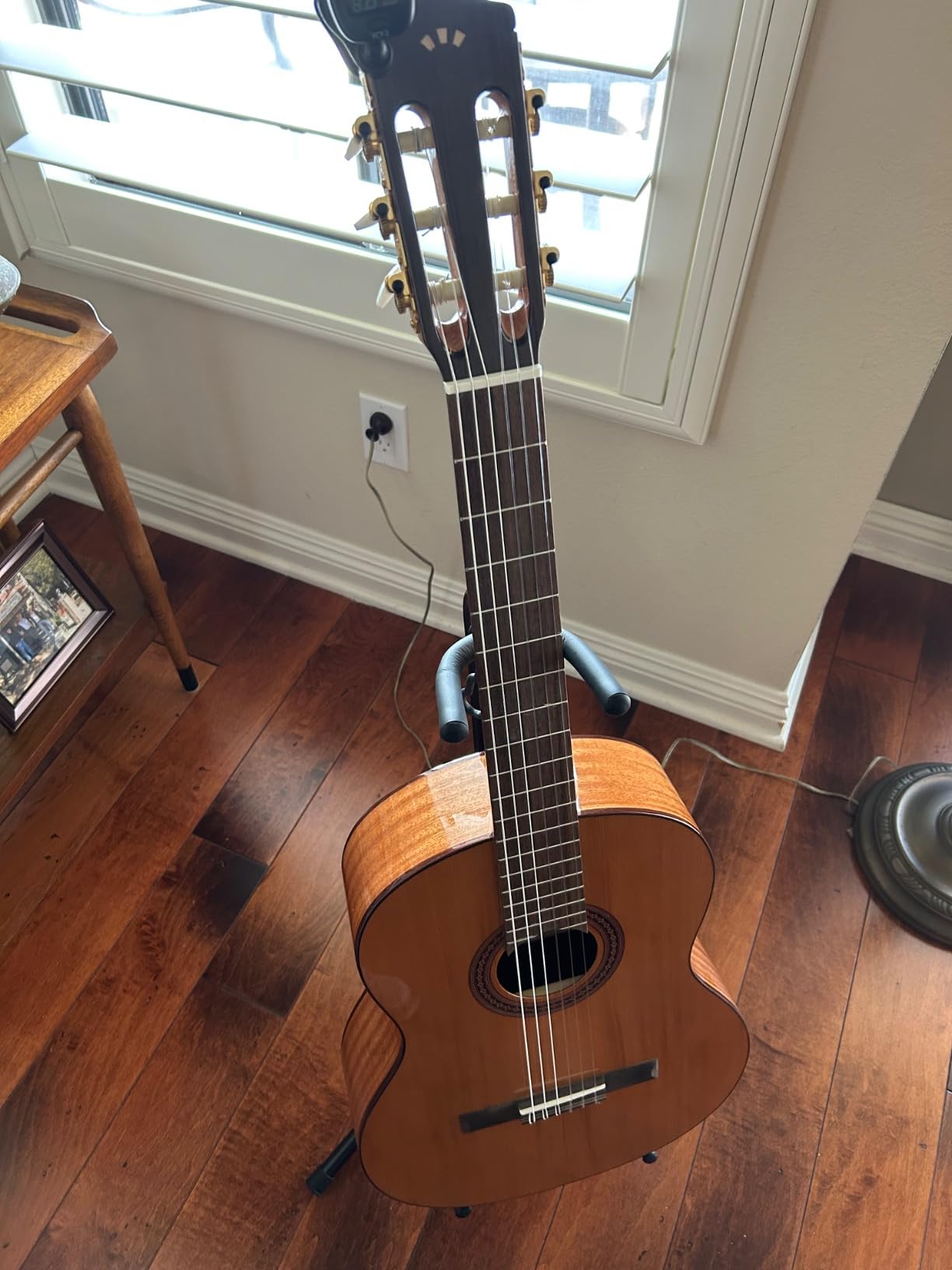
From a technical standpoint, the C5 uses traditional Spanish fan bracing under the soundboard. This bracing pattern is what gives classical guitars their characteristic warmth and sustain. The mahogany back and sides complement the cedar top nicely, adding focus and projection. The Savarez Cristal Corum strings that come stock are high-tension and genuinely good quality, so you do not need to swap them immediately.
Build quality is where the C5 separates itself from cheaper options. The finish is smooth and consistent, the rosette is cleanly inlaid, and the binding is tidy. Some owners report sharp fret ends on delivery, but that is an easy fix with a fret-bevelling file or a quick trip to a tech. The tuning machines are functional but budget-grade, and many owners upgrade them later for smoother tuning stability.
Who should buy this
The Cordoba C5 is perfect for intermediate players who want a serious step up from an entry-level classical guitar. If you have been playing for a year or two and are ready for a solid-top instrument that will grow with you, this is the one. It is also a great choice for classical students who need a quality practice guitar that will not hold them back.
Who should skip this
Absolute beginners on a tight budget might find the price steep compared to laminate-top options. If you just want something to noodle on casually and do not care about tonewood quality, the C5 is more guitar than you need. Also, if you need built-in electronics for gigging, look at the cutaway electric version of the C5 or consider a different model entirely.
2. Yamaha C40II Classical Guitar – Best Budget Value
Yamaha C40II Classical Guitar, Full Size With Rosewood Fingerboard and Bridge, Natural
Spruce Top
Meranti Back and Sides
Rosewood Fretboard
Full Size
Gloss Finish
Pros
- Excellent value for money with quality comparable to more expensive guitars
- Holds tuning well after initial break-in period
- Nylon strings are gentle on beginner fingers
- Beautiful airy classical tone praised by experienced players
- Well-built with nice gloss finish and sturdy construction
Cons
- Action may be too high out of the box for some players
- Only one fret marker at the 7th fret
- Included strings may wear quickly and benefit from replacement
The Yamaha C40II is the nylon string guitar I recommend more than any other to people just starting out. With over 1,600 reviews and a 4.5-star rating, it has earned its reputation as the go-to budget classical guitar. I have handed this guitar to several beginner friends, and every single one was surprised by how good it sounds for the price.
What makes the C40II special is that it does not feel cheap. The spruce top produces a bright, airy tone that is genuinely pleasant to listen to. The meranti back and sides are a budget wood choice, but Yamaha’s construction quality makes the whole instrument feel solid and well-put-together. The gloss finish looks professional, and the rosewood fretboard is smooth under your fingers.
Reddit users consistently recommend the C40II as the default starter classical guitar. One thing to note is that the action tends to be a bit high out of the box. This is common on budget classical guitars, and a simple setup at a guitar shop will fix it. Some experienced players also swap the stock strings for a set of Savarez or D’Addario Pro-Arte nylon strings for better tone and tuning stability.
There is no truss rod in the neck, which is standard for traditional classical guitars at this price. The scale length is 25 inches, slightly shorter than the typical 25.6-inch classical scale, which makes fretting slightly easier for beginners. At just 1.5 kilograms, it is also lightweight and comfortable to hold for extended practice sessions.
Who should buy this
If you are a beginner looking for your first nylon string guitar, the Yamaha C40II is hard to beat. It offers the best combination of quality, tone, and value in this price range. It is also a great backup or practice guitar for experienced players who want something inexpensive to leave lying around the house.
Who should skip this
If you need a guitar with built-in electronics for recording or performing, the C40II is acoustic-only. Players who demand a solid wood top for maximum resonance should also look elsewhere. The laminate spruce top sounds good but cannot match the warmth and complexity of a solid cedar or solid spruce soundboard.
3. Yamaha NTX1 BS Cutaway – Best Crossover Nylon Guitar
Yamaha NTX1 BS Cutaway Acoustic-Electric Nylon-String Classical Guitar, Brown Sunburst
Solid Spruce Top
Nato Back and Sides
Cutaway Body
Piezo Pickup
Onboard Tuner
Slim Neck Profile
Pros
- Solid spruce top delivers resonant warm tone
- Advanced preamp and pickup system with onboard tuner
- Comfortable cutaway body design for upper fret access
- Slim neck profile ideal for steel-string players transitioning to nylon
- Modern Brown Sunburst finish looks stunning
Cons
- Higher price point compared to standard classical guitars
- Relatively few customer reviews compared to budget models
The Yamaha NTX1 BS solves one of the biggest complaints we see on guitar forums. Steel-string players who want to try nylon often struggle with the wide, flat necks of traditional classical guitars. The NTX series was designed specifically for crossover players, with a slimmer neck profile and a cutaway body that feels familiar if you are used to acoustic or electric guitars.
When I picked up the NTX1, the first thing I noticed was how comfortable the neck felt compared to my traditional classical. The narrower nut width and slightly radiused fretboard make barre chords and stretches much easier. This is the guitar I would hand to anyone who has been playing steel-string for years and wants to explore the nylon world without relearning everything.
The built-in electronics are a big part of what makes this guitar special. The piezo pickup system and onboard preamp with tuner mean you can plug directly into an amp or PA system. This makes the NTX1 ideal for gigging musicians who need amplification. The Brown Sunburst finish also gives it a modern, stylish look that stands out from traditional natural-finish classicals.
From a tonal perspective, the solid spruce top produces a bright, clear voice with good projection. Nato wood back and sides keep things focused and balanced. The 25.5-inch scale length is slightly shorter than standard, which reduces string tension slightly and makes playing more comfortable. At 2.5 kilograms, it is light enough for long gigs.
Who should buy this
The NTX1 BS is ideal for steel-string and electric players who want a nylon string guitar without the culture shock of a traditional classical neck. It is also excellent for gigging musicians who need a reliable acoustic-electric nylon guitar with built-in electronics and a cutaway for lead work.
Who should skip this
Purists who want a traditional classical guitar experience should look elsewhere. The NTX1 is designed for modern crossover playing, not classical repertoire. If you do not need electronics or a cutaway, you can get better raw acoustic tone for less money with a traditional model like the Cordoba C5.
4. Cordoba C7 SP Nylon String – Premium Spruce and Rosewood
Cordoba C7 SP Nylon String Acoustic Guitar
Solid Spruce Top
Rosewood Back and Sides
Traditional Fan Bracing
Full Gloss Finish
Savarez Strings
Iberia Series
Pros
- Exceptional craftsmanship and build quality
- Full warm and resonant tone with even intonation across the neck
- Beautiful solid rosewood and spruce construction
- Stunning full gloss finish
- 3-year manufacturer warranty
Cons
- Not as loud as some players would like
- Plastic tuner knobs may feel cheap
- Some quality control issues reported on occasion
The Cordoba C7 SP is a serious step up in both materials and craftsmanship. With a solid spruce top and solid rosewood back and sides, this guitar produces a richer, more complex tone than the C3M or C5. The spruce top gives it a brighter, more articulate voice compared to cedar, which many players prefer for classical pieces that demand clarity.
I was struck by how evenly the C7 SP responds across the entire fretboard. The intonation is precise from the first fret to the nineteenth, and each note rings true. The rosewood back and sides add a dark, bell-like quality to the trebles and depth to the bass notes. This is the kind of guitar that makes you want to play slowly just to savor each note.
The traditional fan bracing under the soundboard is the same pattern used in high-end Spanish classical guitars. This bracing allows the top to vibrate freely while maintaining structural integrity. The full gloss finish looks stunning and provides a layer of protection against scratches and humidity changes. Cordoba ships the C7 SP with Savarez strings, which are a nice touch at this price point.
One thing to note is that nylon strings naturally go out of tune more than steel strings, especially when new. This is not a defect specific to the C7 SP but rather a characteristic of all nylon string guitars. The lower strings on this guitar may need a quick tune-up after sitting overnight. The plastic tuner knobs are functional but feel a bit cheap for an instrument at this level, and many owners upgrade them.
Who should buy this
The Cordoba C7 SP is built for intermediate to advanced players who are ready for a premium instrument. If you have outgrown your beginner classical and want better materials, richer tone, and more refined craftsmanship, this is a natural upgrade. It is also excellent for serious students studying classical repertoire.
Who should skip this
Beginners should probably start with a less expensive option and work their way up. The C7 SP rewards developed technique, and a brand-new player may not notice the difference between this and the C5 enough to justify the extra cost. If you need electronics for live performance, look at the CE version of this guitar.
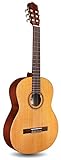
5. Cordoba C3M Classical Guitar – Hand-Inlaid Rosette Beauty
Cordoba C3M Classical Guitar
Solid Cedar Top
Mahogany Back and Sides
Hand-Inlaid Rosette
Savarez Strings
Morado Fretboard
Matte Finish
Pros
- Solid cedar top offers warm rich tone that punches above its price
- Excellent build quality with hand-inlaid wooden rosette
- Includes Savarez strings out of the box
- Comfortable C-shaped neck profile
- Gold tuning machines with pearl buttons add premium feel
Cons
- Some units arrive with cosmetic grain streaking on the top
- Bridge glue issues reported by a minority of owners
- Fret ends can be rough out of the box
The Cordoba C3M sits in a sweet spot between budget and mid-range classical guitars. It offers a genuine solid cedar top at a price that undercuts many competitors. When I first unboxed one, the hand-inlaid wooden rosette caught my eye immediately. That level of detail is something you do not expect at this price, and it gives the C3M a distinctly handmade feel.
The matte satin finish is a nice touch for players who dislike the sticky feel of thick gloss coats. It lets the wood breathe and gives the guitar a more traditional, organic look. The solid cedar top produces a warm, woody tone that works beautifully for classical and fingerstyle playing. Cordoba ships the C3M with Savarez strings, which are a genuine upgrade over the generic strings most manufacturers use at this tier.
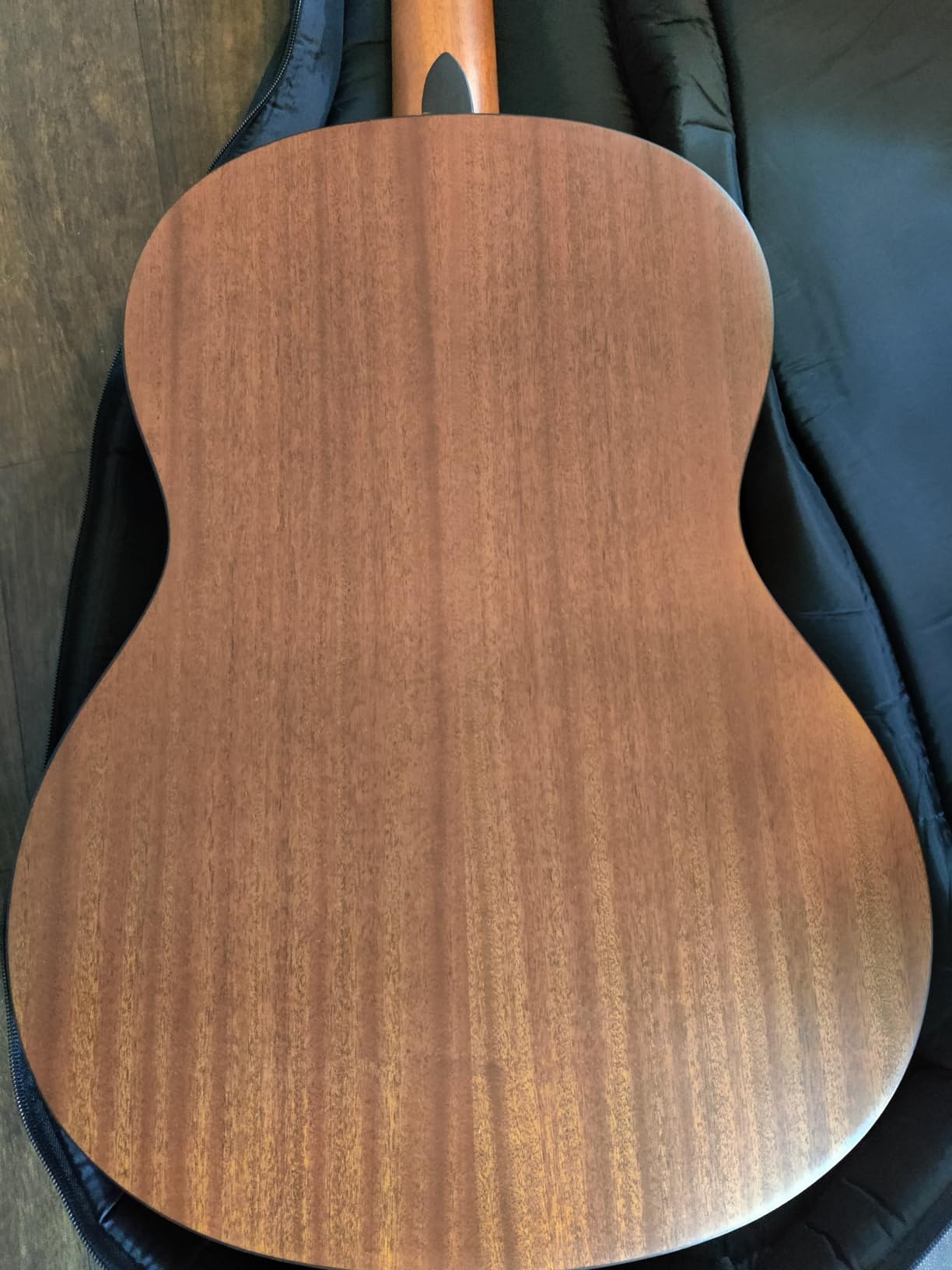
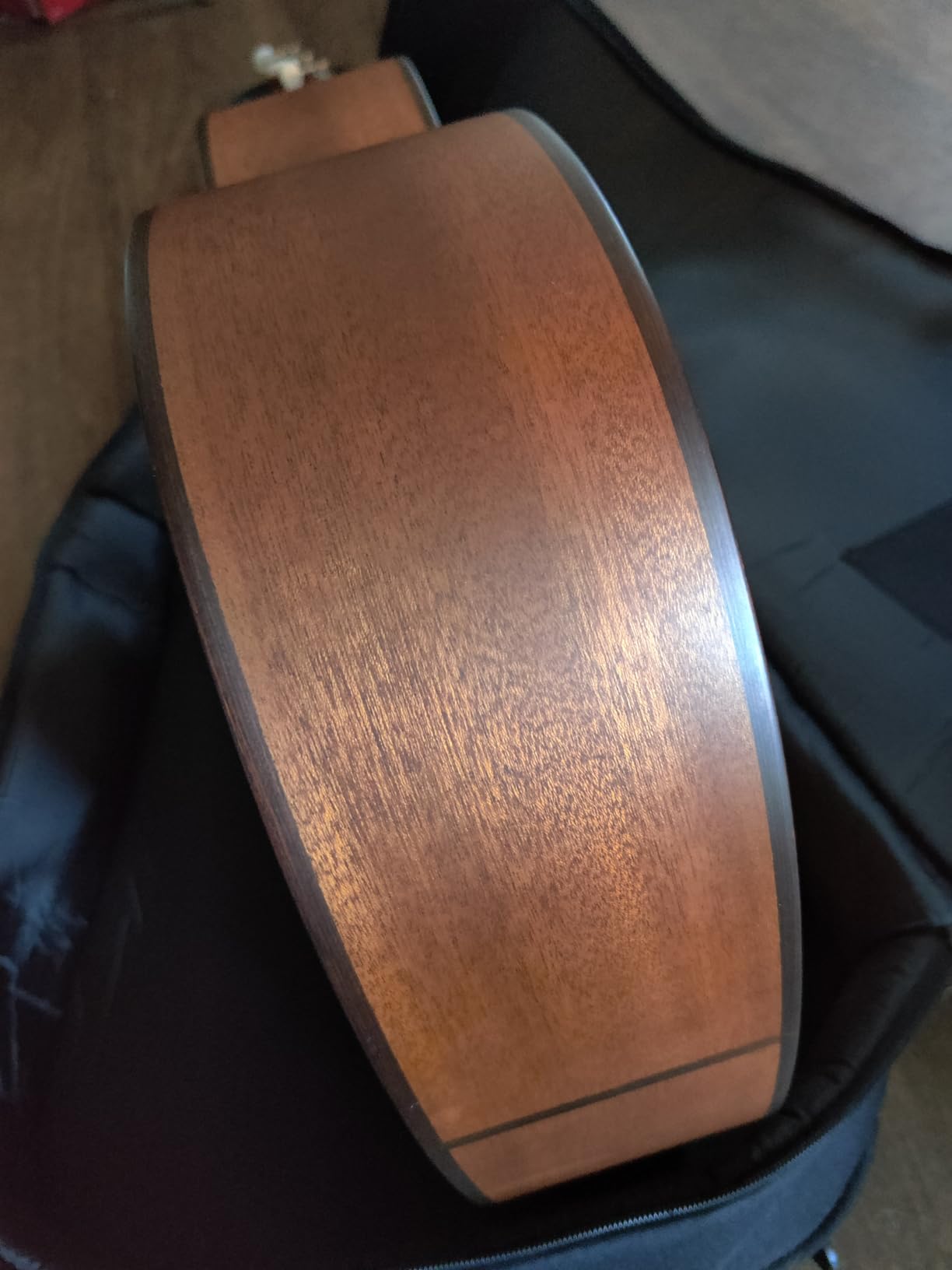
The traditional Spanish fan bracing underneath the soundboard gives the C3M an authentic classical voice. The mahogany back and sides add warmth and focus to the tone. The morado wood fretboard is smooth and comfortable, and the C-shaped neck profile feels good in the hand. Gold tuning machines with pearl buttons add a touch of visual class that belies the price tag.
Quality control is the main concern with the C3M. Some owners report cosmetic defects like grain streaking on the top, while others have experienced bridge glue issues. I recommend inspecting the guitar carefully upon arrival and using the return policy if anything seems off. Many units are perfect out of the box, but the inconsistency is worth knowing about. Fret ends can also be rough, which is an easy fix with a fret file.
Who should buy this
The Cordoba C3M is ideal for players who want a solid-top classical guitar with authentic Spanish design elements without spending a fortune. It hits a nice middle ground between the budget Yamaha C40II and the more premium Cordoba C5. If you value aesthetics and traditional craftsmanship, this guitar delivers.
Who should skip this
If you want a guitar that is flawless out of the box without any setup work, the C3M’s quality control inconsistencies might frustrate you. Players who need a truss rod for neck adjustments should also look at the C5, which includes one. The C3M follows a more traditional design without that feature.
6. Yamaha CG122MCH Solid Cedar Top – Intermediate Workhorse
Yamaha CG122MCH Solid Cedar Top Classical Guitar
Solid Cedar Top
3-Ply Neck Construction
Rosewood Fretboard
Low Action
Natural Matte Finish
25.6 inch Scale
Pros
- Solid cedar top produces warm resonant full-bodied tone
- Excellent value comparable to guitars costing four times more
- Low action makes it easy and comfortable to play
- Beautiful natural matte finish with no sticky clear coat
- 3-ply neck construction resists warping over time
Cons
- Factory strings may need replacement for optimal tone
- String action may need luthier adjustment for some players
- No truss rod for neck adjustments
- Some quality variance between units
The Yamaha CG122MCH is the guitar I recommend to intermediate students who have outgrown their starter instrument but are not ready to spend on a premium model. The solid cedar top produces a warm, resonant tone that genuinely surprised me for the price. Multiple reviewers on Amazon compare it favorably to guitars costing four times as much, and I understand why.
One of the standout features is the 3-ply neck construction. Classical guitar necks are notorious for warping under string tension over time, especially without a truss rod. Yamaha’s multi-ply construction helps resist this warping, which means the CG122MCH should stay playable for years. The natural matte finish also feels great under the hand and avoids the cheap gloss look of lower-end models.
The low string action from the factory is a big plus. Many budget classical guitars arrive with uncomfortably high action that makes playing painful, especially for beginners. Yamaha sets the CG122MCH up with a lower action that makes fretting easier without excessive buzzing. The rosewood fingerboard and bridge are good quality, and the intonation is consistent up and down the neck.
The CG122MCH is also available in a solid spruce top variant if you prefer brighter, more articulate tone. I personally lean toward cedar for its warmth and responsiveness to a light touch, but spruce is the better choice if you play aggressively or need more volume. Both variants come with the same 3-ply neck and matte finish. Just note that this guitar does not include a truss rod, which is traditional for classical design.
Who should buy this
This is the perfect upgrade guitar for a student who has been playing for one to three years and is ready for better tone and build quality. The solid cedar top and low action make it a joy to play, and the price sits in that sweet spot between entry-level and premium.
Who should skip this
If you absolutely need a truss rod for fine neck adjustments, look at the Cordoba C5 instead. The CG122MCH follows traditional classical construction without one. Also, players who need electronics should consider a model with a built-in pickup system.
7. Fender CN-60S Concert Nylon String – Slimmer Body Option
Fender CN-60S Concert Nylon String Acoustic Guitar, with 2-Year Warranty, Natural
Solid Spruce Top
Laminated Mahogany Body
Concert Size
Walnut Fretboard
12 inch Radius
25.3 inch Scale
Pros
- Solid spruce top with laminated mahogany back and sides
- Concert size is smaller and more comfortable than full classicals
- Narrower nut width easier for steel-string transitions
- Walnut fingerboard with 12 inch radius feels modern
- 2-year warranty included
Cons
- Plastic nut and flat saddle can cause buzzing
- Some models lack fretboard position markers
- Narrower neck not ideal for traditional classical playing
The Fender CN-60S takes a different approach from traditional classical guitars. It uses a concert-size body that is smaller and more comfortable than a full-size classical. When I held this guitar, it felt more like a steel-string acoustic than a classical, which is exactly what Fender intended. The narrower nut width makes it accessible for players coming from the steel-string world.
The solid spruce top gives the CN-60S a bright, clear tone with good articulation. The laminated mahogany back and sides are a reasonable compromise at this price point. The walnut fingerboard with a 12-inch radius is a departure from the flat fretboards found on most classicals, and it makes the guitar feel more familiar to electric and acoustic players. The 25.3-inch scale length is slightly shorter than standard, reducing string tension and making fretting easier.
The main issue owners report is fret buzz caused by the flat plastic saddle. The saddle is not radius-matched to the fretboard, which means some strings sit too low and buzz against the frets. This is fixable by replacing the saddle with a compensated bone or Tusq version, but it is an annoyance out of the box. Some users also report confusion about whether the gig bag is included, as the product description is inconsistent.
Despite these issues, the CN-60S earns high marks for comfort and playability. The concert body size is great for smaller players or anyone who finds full-size classicals unwieldy. The 12-inch fretboard radius is a genuine innovation for nylon string guitars, and it makes chord shapes and single-note runs much easier.
Who should buy this
The CN-60S is perfect for steel-string players who want a nylon string guitar that feels familiar. The concert body and radiused fretboard make it the most steel-string-friendly nylon guitar in this price range. It is also great for smaller players who find full-size classicals uncomfortable.
Who should skip this
Traditional classical purists will not like the narrower neck and radiused fretboard. If you play standard classical repertoire and need wide string spacing for proper fingerstyle technique, this guitar will feel cramped. The plastic saddle issue also means you may need to budget for a replacement.
8. Ibanez GA3ECE Acoustic-Electric – Affordable Plug-and-Play
Ibanez GA3ECE Nylon-string Acoustic-electric Guitar - Open Pore Amber
Spruce Top
Meranti Body
Built-in T-Bar Pickup
Cutaway Body
Open Pore Amber Finish
Full Size
Pros
- Outstanding value comparable to much more expensive guitars
- Built-in pickup and tuner for amplified playing
- Holds tune well with great resonance and tonality
- Polished matte finish feels wonderful to the touch
- Beautiful craftsmanship with floral tuning machine details
Cons
- Some units may have string buzz requiring bridge adjustment
- Unvarnished finish makes it more vulnerable to scratches
- Higher action on some units out of the box
The Ibanez GA3ECE is one of the most affordable acoustic-electric nylon string guitars you can buy. It comes with a built-in Ibanez T-bar undersaddle pickup and a 1/4-inch output jack, which means you can plug it into an amp or PA system right out of the box. For gigging musicians on a budget, this is a huge advantage.
When I tested the GA3ECE, I was immediately drawn to the open-pore amber finish. It has a natural, woody look that is very different from the high-gloss finishes on most classicals. The matte feel is comfortable and avoids the sticky sensation you get from thick polyurethane. The floral-patterned tuning machines are a nice aesthetic touch that gives the guitar character.
The spruce top produces a bright, resonant tone that works well both acoustically and amplified. Through an amp, the T-bar pickup captures the nylon string character without sounding harsh or quacky. The cutaway body gives you access to the upper frets, which is useful if you play lead lines or jazz chord voicings up the neck. The meranti back and sides are a budget tonewood, but they provide a balanced foundation for the spruce top.
The main concerns are minor but worth noting. The unvarnished finish is more susceptible to scratches than a gloss coat, so you will want to be careful with rings, watches, and guitar stands. Some units arrive with string buzz that requires a bridge adjustment. The action can also be on the high side, though this varies between units. At this price, these are acceptable trade-offs for a guitar with built-in electronics and a cutaway.
Who should buy this
The GA3ECE is ideal for gigging musicians who need an affordable nylon string guitar with built-in amplification. It is also great for intermediate players who want to experiment with electric-acoustic tones without spending on a premium model. The cutaway makes it practical for lead work and jazz.
Who should skip this
If you want a traditional classical guitar for solo repertoire, the cutaway and electronics add cost without benefit. The meranti body is also a step below mahogany or rosewood in terms of tonal complexity. Purists should look at the Cordoba C3M or C5 for a more authentic classical experience.
9. Yamaha C40 Classical Guitar – The Original Starter
Yamaha C40 Full Size Nylon-String Classical Guitar, Tan, Full
Spruce Top
Indonesian Mahogany Body
Javanese Rosewood Fretboard
Nato Neck
Melamine Gloss Finish
Full Size
Pros
- Designed for beginners with focus on quality and affordability
- Spruce top with Indonesian mahogany back and sides
- Javanese rosewood fingerboard
- Yamaha reputation for consistent quality
- Great entry point for classical guitar learners
Cons
- Limited review data compared to C40II
- Body material includes plastic component
- Older model with less detailed product information
The Yamaha C40 is the predecessor to the C40II and remains a popular budget classical guitar in its own right. With a 4.5-star rating from over 400 reviews and a 79% five-star rate, it has clearly stood the test of time. The spruce top and Indonesian mahogany body produce a pleasant, balanced tone that is perfectly suitable for beginners and casual players.
I include the C40 in this roundup because it is sometimes available at a lower price than the C40II, making it an even better budget option. The differences between the two models are subtle. The C40 uses Javanese rosewood for the fretboard, which is a quality wood choice. The melamine gloss finish looks clean and professional. The nato neck is stable and comfortable.
One thing to be aware of is that the body material listing includes a plastic component. This is likely in the binding or rosette rather than the soundboard, but it is worth noting for buyers who care about all-wood construction. The C40 also has less detailed product information available than newer models, which can make comparison shopping harder.
In terms of playability, the C40 feels very similar to the C40II. The action is on the high side, the nylon strings are gentle on fingers, and the guitar holds tuning reasonably well after the strings settle. For a beginner who just wants to try classical guitar without a big investment, the C40 is a reliable choice backed by Yamaha’s quality control.
Who should buy this
The C40 is best for absolute beginners and casual players who want a reliable, affordable classical guitar from a trusted brand. If you can find it at a lower price than the C40II, it is a great deal. It is also suitable as a beater guitar for travel or outdoor playing.
Who should skip this
If you want the newest version with the most up-to-date features and information, go with the C40II instead. Players who need solid wood construction or premium tonewoods should also look higher up the range. The C40 is a functional instrument, not a premium one.
10. Hola! Music HG-39GLS – Budget Full-Size Pick
Classical Guitar 4/4, Full Size 39 Inch Wooden Guitar with Soft Nylon Strings by Hola! Music, Natural Gloss Finish - FREE Padded Gig Bag Included
Spruce Top
Mahogany Body
Walnut Fretboard
52mm Nut
Two-Way Truss Rod
Free Gig Bag
Pros
- Excellent value for money compared to higher-priced brands
- Authentic classical nylon string tone
- Comfortable action and playability out of the box
- Beautiful high-gloss finish
- Free padded gig bag included
- Straight neck with truss rod adjustability
Cons
- Some units have sharp fret edges requiring setup
- Tuning pegs may be lower quality
- Laminated spruce top rather than solid
- Gig bag quality is thin
The Hola! Music HG-39GLS is one of the cheapest full-size classical guitars you can buy that does not feel like a toy. At its price point, I was honestly expecting a flimsy instrument with poor tone. What I found instead was a genuinely playable guitar with decent build quality and a surprisingly nice gloss finish. It is not going to compete with a Cordoba, but it absolutely holds its own in the budget category.
The spruce top is laminate rather than solid, which is expected at this price. The mahogany back, sides, and neck give the guitar a warm, balanced voice. The walnut fretboard is smooth and comfortable. Hola! Music includes a two-way truss rod, which is a feature that many budget classicals skip. This allows you to adjust the neck relief, which is a big deal for playability.
The included padded gig bag is a nice bonus, though the quality is thin. It will protect the guitar during light transport but is not suitable for serious gigging. The high-gloss natural finish looks more expensive than it is, and the guitar has received compliments from multiple owners on its appearance.
The main issues are what you would expect at this price. Some units have sharp fret edges that need filing. The tuning pegs are lower quality and may feel gritty or imprecise. Strings can break during initial tuning, so budget for a replacement set. These are minor inconveniences that are acceptable given the low cost of the instrument.
Who should buy this
The HG-39GLS is perfect for absolute beginners who want the cheapest possible full-size nylon string guitar that is actually playable. It is also great as a couch guitar, travel instrument, or gift for someone who just wants to try classical guitar without a big commitment.
Who should skip this
If you want a guitar that is ready to gig with or record professionally, this is not it. The laminate top and budget hardware will not meet those demands. Intermediate and advanced players should invest in a solid-top instrument for significantly better tone.
11. Yamaha CGS103AII 3/4 Size – Best for Young Players

Yamaha Student Series CGS103AII Classical Guitar, Natural
Spruce Top
Meranti Body
3/4 Size
Rosewood Fretboard
23 inch Scale
Nylon Strings
Beginner Friendly
Pros
- Nylon strings are easy on fingers for beginners
- Nice mellow warm tone with good sustain
- Stays in tune well once settled
- Excellent build quality for the price
- Compact and portable for travel or couch practice
- Reliable Yamaha quality
Cons
- Tuning knobs have a cheap plastic feel
- Not suitable for adults with larger hands
- Takes time for new nylon strings to settle
- Some quality inconsistency between units
The Yamaha CGS103AII is a 3/4-size classical guitar designed for younger players and students. With a 4.6-star rating from over 1,100 reviews, it is one of the highest-rated nylon string guitars on the market. I have recommended this guitar to parents countless times because it hits the perfect balance of quality, size, and affordability for young beginners.
The 3/4-size body and 23-inch scale length make this guitar comfortable for children aged 8 to 12. Full-size classicals can be overwhelming for kids, with their wide necks and large bodies. The CGS103AII solves this by scaling everything down proportionally. The spruce top and meranti body produce a mellow, warm tone that sounds better than most guitars in this size category.
One of the things I appreciate most about the CGS103AII is how well it stays in tune once the nylon strings have settled. New nylon strings take a few days to stretch and hold pitch, which is true of all classical guitars. After that break-in period, the CGS103AII holds tune reliably through practice sessions. The intonation is good for a student instrument, meaning notes sound in tune up and down the fretboard.
The main drawback is the tuning knobs, which have a distinctly plastic feel. They work fine for tuning but lack the smooth precision of higher-end tuners. Some owners also report quality variance between units, particularly between Indonesia-made and Japan-made versions. This is something to be aware of when ordering.
Who should buy this
The CGS103AII is the ideal first guitar for children and young students aged 8 to 12. It is also great for adults with small hands or anyone who wants a compact nylon string guitar for travel and casual playing. The high rating and large review count confirm that it consistently delivers.
Who should skip this
Adults with average or large hands will find the 3/4 size cramped and uncomfortable. If you are a full-grown adult looking for your first classical guitar, go with a full-size model like the Yamaha C40II instead. Teenagers who are growing quickly may also outgrow this guitar within a year or two.
12. Fender FA-25N 3/4 Size – Best for Kids

Fender FA-25N 3/4 Size Nylon String Acoustic Guitar, Beginner Guitar, with 2-Year Warranty, Perfect Beginner Guitar for Kids that is Easy on Fingers, Includes 3 Months of Free Lessons, Natural
3/4 Size
Agathis Top
Sapele Body
Walnut Fretboard
C-Shaped Neck
Free Fender Play Lessons
2-Year Warranty
Pros
- Excellent value for a Fender-branded instrument
- Nylon strings are soft and easy on fingers
- Great for children and beginners with small hands
- Warm mellow balanced tone
- C-shaped neck comfortable to play
- Includes 3 months of free Fender Play lessons
Cons
- Some units may have high string action requiring adjustment
- Tuning can be initially difficult for new players
- Not ideal for adults with larger hands
- Only one shoulder strap button
The Fender FA-25N is a 3/4-size nylon string guitar aimed squarely at beginners and children. It comes with three months of free Fender Play lessons, which is a genuine value-add for new players. The agathis top and sapele body produce a warm, mellow, balanced tone that is pleasant to listen to and easy on the ears.
When I picked up the FA-25N, I was struck by how light and comfortable it was. The C-shaped neck profile is familiar to anyone who has played a Fender electric, which makes sense given the brand’s heritage. The walnut fretboard is smooth, and the nylon strings are soft on fingers, which is important for kids who are just starting out and building calluses.
The included Fender Play subscription is what sets this guitar apart from other budget options. Three months of structured video lessons gives beginners a clear path to learning. For parents who do not play guitar themselves, this can be invaluable. The open-gear tuning machines are functional and keep the guitar in tune reasonably well after the strings settle.
The main concerns are the action, which can be high on some units, and the tuning stability during the first few days. These are normal issues with budget nylon string guitars. Some owners also note that only the bottom has a strap button, which means you need a strap tie or a second button installed for standing play. The agathis top is a budget wood choice that sounds decent but is not as resonant as spruce or cedar.
Who should buy this
The FA-25N is perfect for kids and young beginners who are just starting their guitar journey. The included Fender Play lessons make it an excellent gift package for a child who has shown interest in learning guitar. The warm tone and soft strings make practicing enjoyable rather than painful.
Who should skip this
Adults and teenagers should look at full-size options instead. The 3/4 body will be too small for comfortable playing. Players who are past the beginner stage will also find the agathis top and sapele body lacking in tonal complexity compared to solid wood instruments.
How to Choose the Best Nylon String Guitar for You?
Choosing the right nylon string guitar comes down to understanding your needs and matching them to the right instrument. Our team analyzed hundreds of customer reviews and forum discussions to identify the factors that matter most to real players. Here is what you should consider before making a purchase.
Tonewoods: Spruce vs Cedar
The top wood, or soundboard, is the most important tonal component of any acoustic guitar. Spruce and cedar are the two most common choices for nylon string guitars, and each has a distinct character.
Spruce tops produce a bright, clear tone with strong projection and articulate note separation. This makes spruce ideal for classical pieces that demand clarity and for players who use a firmer attack. Sitka spruce is the most common variety, and you will find it on guitars like the Yamaha C40II and Cordoba C7 SP.
Cedar tops deliver a warmer, darker tone with a faster response to light touch. Cedar is the preferred choice for players who use a gentle fingerstyle technique and want a rich, intimate sound. The Cordoba C3M and C5 both use solid cedar tops, as does the Yamaha CG122MCH. Cedar tends to sound great right out of the box, while spruce improves with age and playing time.
Solid Top vs Laminate Top
A solid top is made from a single piece of wood, while a laminate top consists of multiple thin layers pressed together. Solid tops vibrate more freely and produce richer, more complex tone. They also improve with age as the wood continues to dry and settle.
Laminate tops are more affordable and more resistant to humidity and temperature changes. They are a good choice for beginners and for guitars that will be taken to the beach, camping, or other environments where a solid top might be vulnerable. In this roundup, the Yamaha C40II, Hola! Music HG-39GLS, and Fender FA-25N all use laminate tops, while the Cordoba C3M, C5, and C7 SP feature solid tops.
Nut Width and Neck Profile
Traditional classical guitars have a nut width of 52mm, which gives plenty of room for fingerstyle technique. This wide spacing is ideal for classical repertoire but can feel uncomfortable for players used to steel-string acoustics or electrics, which typically have nut widths around 43mm to 44mm.
Crossover nylon string guitars like the Yamaha NTX1 BS and Fender CN-60S feature narrower nut widths and sometimes radiused fretboards. These designs are meant to bridge the gap between steel-string and nylon playing. If you are coming from steel-string guitars, a crossover model will feel much more comfortable.
The neck profile also matters for comfort. A C-shaped neck, like those found on the Cordoba C3M and Fender FA-25N, is rounded and comfortable for most hand sizes. The Yamaha NTX1 BS has a specifically slim profile designed for players accustomed to narrower necks.
Scale Length
Scale length is the distance from the nut to the saddle, and it affects both playability and tone. Standard classical scale length is 650mm, or about 25.6 inches. Most of the full-size guitars in this roundup use this measurement, including the Cordoba models and the Yamaha CG122MCH.
Shorter scale lengths, like the 25-inch scale on the Yamaha C40II or the 23-inch scale on the CGS103AII, reduce string tension and make fretting easier. This is particularly beneficial for beginners and players with smaller hands. The trade-off is slightly less projection and a somewhat different tonal character.
Electronics and Pickup Systems
If you plan to perform live or record with amplification, you need a guitar with built-in electronics. Nylon string guitars are quieter than steel-string acoustics, so amplification is essential for live performance. Piezo pickups are the most common type used in classical and crossover guitars.
In this roundup, the Yamaha NTX1 BS and Ibanez GA3ECE both come with built-in pickup systems. The NTX1 BS features an advanced preamp with an onboard tuner, while the GA3ECE uses an Ibanez T-bar undersaddle pickup. For players who already own an acoustic classical guitar, aftermarket pickup systems from Fishman or LR Baggs can be installed by a qualified luthier.
Classical vs Crossover vs Flamenco
Understanding the different types of nylon string guitars helps you choose the right one. Traditional classical guitars have wide necks, flat fretboards, and fan bracing designed for warm, sustained tone. They are built for classical repertoire and fingerstyle playing.
Crossover guitars feature narrower necks, radiused fretboards, and sometimes cutaway bodies. They are designed for steel-string players who want nylon tone without the adjustment period. Models like the Yamaha NTX1 BS and Fender CN-60S fall into this category.
Flamenco guitars are a distinct type with thinner bodies, lower action, and tap plates (golpeadores) to protect the top from percussive strikes. They produce a brighter, more percussive tone than classicals. While we do not have a dedicated flamenco model in this roundup, the Cordoba F7 Paco Flamenco is a popular option worth researching if flamenco is your primary interest.
Body Size and Player Comfort
Full-size classical guitars can be large and unwieldy, especially for smaller players. If you find a standard classical uncomfortable, consider a concert-size model like the Fender CN-60S or a 3/4-size guitar like the Yamaha CGS103AII or Fender FA-25N. These smaller bodies are more comfortable to hold and easier to reach around.
Forum discussions on Reddit reveal that many players struggle with the wide necks and large bodies of traditional classicals. One folk player described their classical guitar as having a neck that was simply too thick for their playing style. If this sounds familiar, a crossover or concert-size model is the answer.
Action and Playability
Action refers to the height of the strings above the fretboard. High action makes the guitar harder to play and can cause finger pain, while low action can cause buzzing. Most budget nylon string guitars arrive with action that is on the high side, and many players benefit from a professional setup.
A guitar tech can lower the action by shaving the saddle and adjusting the nut. This relatively inexpensive service, typically $40 to $75, can transform a mediocre-playing guitar into a great one. The Yamaha CG122MCH is notable for arriving with relatively low action from the factory, which saves you a trip to the tech.
String Care and Maintenance
Nylon strings behave differently from steel strings. They stretch significantly when new and may take several days to hold tune consistently. This is normal and not a defect. Once settled, nylon strings hold tune reasonably well, though they are more sensitive to temperature and humidity changes than steel.
Replace nylon strings every two to three months with regular playing, or when they start to sound dull. Quality string brands for classical guitar include Savarez, D’Addario Pro-Arte, and Hannabach. Many of the guitars in this roundup come with Savarez strings stock, which is a solid choice. Keep your guitar in a case when not playing to protect it from humidity swings, and consider a humidifier if you live in a dry climate.
FAQs
What are the best nylon string guitars for beginners?
For beginners, the Yamaha C40II and Cordoba C3M are our top recommendations. The C40II offers the best value with reliable build quality and over 1,600 positive reviews. The C3M steps up with a solid cedar top for warmer tone. For children, the Yamaha CGS103AII in 3/4 size is the best choice.
Are nylon strings easier to play than steel strings?
Yes, nylon strings are significantly easier on your fingers than steel strings. They exert less tension, which means less pressure is needed to fret notes. This makes nylon string guitars ideal for beginners who are still building finger strength and calluses. The trade-off is that nylon strings produce a softer, quieter tone than steel.
What is the difference between classical and flamenco guitars?
Classical guitars have thicker bodies, higher action, and warmer tone designed for sustained melodic playing. Flamenco guitars have thinner bodies, lower action, brighter tone, and tap plates to protect the top from percussive strikes. Flamenco guitars are built for fast, rhythmic playing with quick note decay.
How much should I spend on a nylon string guitar?
For a quality beginner guitar, expect to spend between $130 and $300. Instruments in this range include laminate-top models like the Yamaha C40II and solid-top options like the Cordoba C3M. For intermediate players, the $300 to $650 range offers significant upgrades in tone and craftsmanship. Premium instruments above $650 deliver professional-level sound and build quality.
Can I use a pick on a classical guitar?
While you can technically use a pick on a classical guitar, it is not recommended. Nylon strings are softer than steel and can be damaged by aggressive picking. Classical guitars are designed for fingerstyle technique, which produces the warm, nuanced tone these instruments are known for. If you want to play with a pick, consider a crossover model designed for that purpose.
Why do classical guitars have wide necks?
Classical guitars have wide necks, typically 52mm at the nut, to provide enough string spacing for complex fingerstyle technique. This spacing allows players to pluck individual strings cleanly without muting adjacent strings. The wider neck can feel uncomfortable for steel-string players, which is why crossover models with narrower necks exist.
What tonewood is best for nylon string guitars?
Cedar and spruce are the two best tonewoods for nylon string guitar tops. Cedar produces a warm, dark, responsive tone ideal for gentle fingerstyle playing. Spruce delivers a brighter, more articulate sound with stronger projection. For back and sides, mahogany adds warmth and focus, while rosewood adds depth and complexity.
Can I install a pickup on my classical guitar?
Yes, you can install a pickup on most classical guitars. Undersaddle piezo pickups are the most common option and can be installed by a qualified luthier. Soundhole-mounted pickups and internal microphone systems are also available. Brands like Fishman and LR Baggs make reliable aftermarket pickup systems specifically designed for nylon string guitars.
Final Thoughts on the Best Nylon String Guitars
After comparing 12 guitars and digging through thousands of customer reviews, a few clear winners emerged. The Cordoba C5 stands out as our Editor’s Choice for its solid cedar top, truss rod, and tone that rivals guitars costing twice as much. The Yamaha C40II remains unbeatable for budget-conscious beginners, with over 1,600 reviews confirming its quality and value. And for players crossing over from steel-string, the Yamaha NTX1 BS delivers nylon warmth in a familiar, comfortable package.
The best nylon string guitars combine quality tonewoods, solid construction, and playability that matches your skill level and style. Whether you are drawn to the warm, intimate voice of a cedar-top classical or the modern versatility of a cutaway acoustic-electric, there is a guitar in this guide that will fit your needs and budget. The brands that consistently earn the most praise from real players are Yamaha and Cordoba, and both are well represented here.
If you take one thing away from this guide, let it be this. A guitar setup from a qualified tech can transform even a budget instrument. The difference between a guitar that sits in a closet and one that gets played every day often comes down to action height and string quality. Spend the extra $40 to $75 on a professional setup, swap in some quality Savarez or D’Addario strings, and you will get far more enjoyment from whatever instrument you choose.