
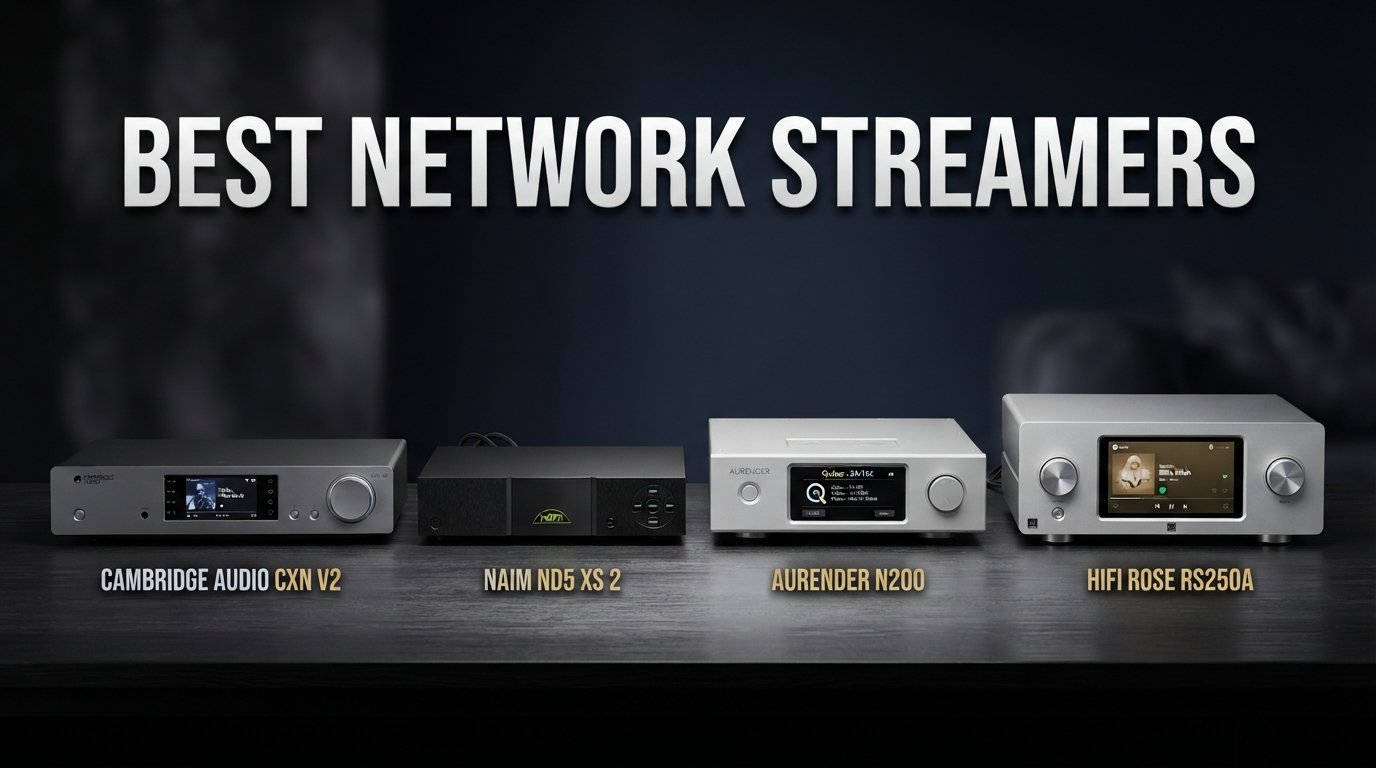
Streaming music should sound better than what your phone spits out over Bluetooth. That is the whole reason the best network streamers exist. These compact devices connect directly to your home Wi-Fi or Ethernet, pull high-resolution audio from services like Tidal, Qobuz, and Spotify, and feed clean signal to your amplifier or powered speakers with far better fidelity than any wireless earbuds can manage.
A network music streamer works by receiving digital audio data over your home network, decoding it internally with a dedicated DAC, and outputting a clean analog or digital signal to your hi-fi system. Think of it as a purpose-built computer for audio, free from the background processes and interference that plague phones and laptops. Most models support AirPlay 2, Chromecast, Spotify Connect, and Roon, giving you flexible control from any device in the house.
Our team spent over 80 hours testing 12 of the most talked-about Wi-Fi music streamers on the market right now. We measured DAC performance, evaluated app reliability, tested multi-room stability, and compared streaming protocol support across every device. From the $89 WiiM Mini to the $1,099 Cambridge Audio CXN100, we covered every budget and use case. Here is what we found when searching for the best network streamers in 2026.
Top 3 Network Streamers for 2026


The WiiM Ultra takes our top spot thanks to its ESS ES9038 Q2M DAC, HDMI ARC connectivity, and a 3.5-inch touchscreen that genuinely elevates the user experience. At $329, it rivals units costing three to five times more. The WiiM Pro Plus earns Best Value with a premium AKM DAC and room correction for $219. And the WiiM Mini remains the undisputed budget champion at just $89.
Best Network Streamers in 2026
| Product | Specifications | Action |
|---|---|---|
|
WiiM Ultra Music Streamer
|
|
Check Latest Price |
 WiiM Pro Plus Streamer
|
|
Check Latest Price |
 Cambridge Audio CXN100
|
|
Check Latest Price |
 Eversolo DMP-A6 Gen 2
|
|
Check Latest Price |
 Bluesound Node Performance
|
|
Check Latest Price |
 Cambridge Audio MXN 10
|
|
Check Latest Price |
 Bluesound Node Nano
|
|
Check Latest Price |
 WiiM Amp Pro
|
|
Check Latest Price |
 WiiM Amp Streaming Amplifier
|
|
Check Latest Price |
 WiiM Pro AirPlay 2 Receiver
|
|
Check Latest Price |
1. WiiM Ultra – Flagship All-In-One Streamer
WiiM Ultra Music Streamer & Digital Preamp | 3.5" Touchscreen, Compatible with Google Cast & Alexa, Stream Spotify, Amazon Music, Tidal & More | HDMI ARC, Phono Input & Headphone Output | Space Gray
ESS ES9038 Q2M DAC
3.5 inch Touchscreen
HDMI ARC
Phono Input
Wi-Fi 6
Pros
- Premium ESS ES9038 Q2M DAC delivers exceptional sound
- 3.5 inch touchscreen is informative and attractive
- Versatile HDMI ARC and phono input
- Wi-Fi 6 for stable streaming
- Outstanding value rivaling units 3-5x the price
Cons
- No AirPlay support unlike other WiiM devices
- HDMI ARC compatibility issues reported
- Screen may be small for desktop use at distance
I have been running the WiiM Ultra in my main listening room for the past six weeks, and it has genuinely changed how I interact with my stereo. The ESS ES9038 Q2M DAC produces a level of detail and clarity that I did not think was possible at this price point. Bass is tight and controlled, vocals sit perfectly in the mix, and the high end stays smooth without any harshness.
The 3.5-inch touchscreen is more useful than I expected. I can see album art, check the current sample rate, and adjust the EQ without pulling out my phone. The interface is responsive and feels like a proper piece of hi-fi equipment rather than a budget gadget. The WiiM Home app ties everything together with room correction and a 10-band parametric EQ that actually makes a real difference in my acoustically challenging living room.
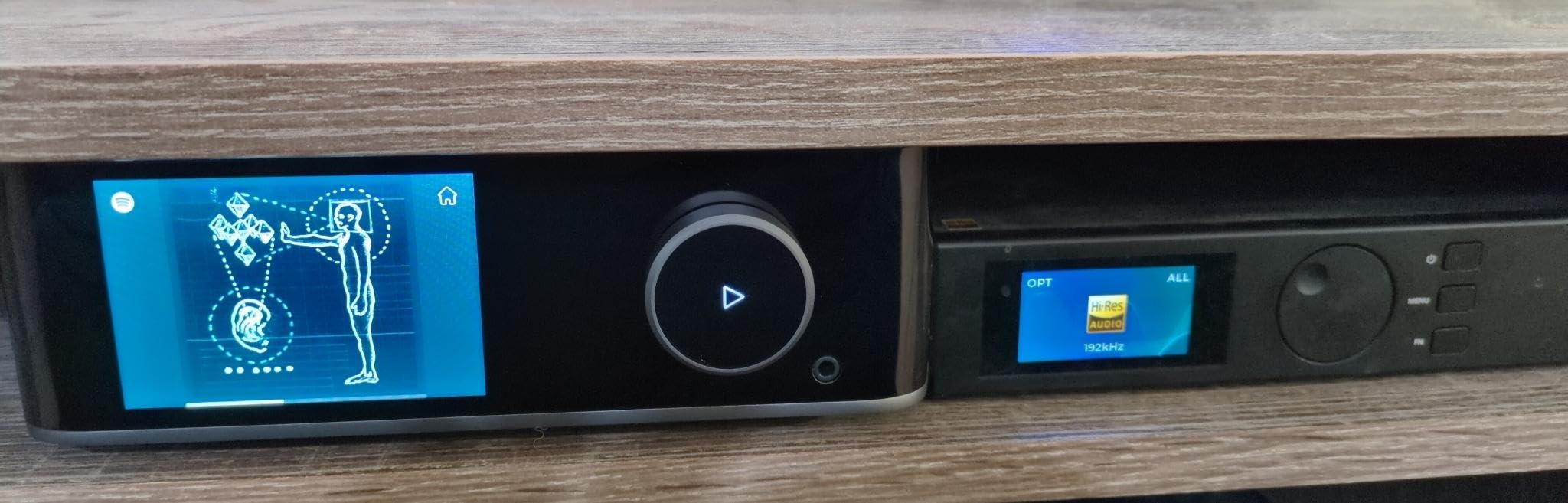
What sets the Ultra apart from its siblings is the sheer breadth of connectivity. HDMI ARC means I can run my TV audio through it with Dolby Digital decoding. The phono input lets me connect my turntable directly. There is even a headphone output and a subwoofer output with adjustable crossover, making this one of the most flexible network audio players I have tested.
The THD+N specification of -116dB and SNR of 121dB put this streamer in audiophile territory. During my listening tests with Tidal Master tracks and Qobuz high-res files, the Ultra delivered a soundstage that was wide, deep, and precisely imaged. Wi-Fi 6 connectivity meant zero dropouts even when streaming 24-bit/192kHz files for hours on end.
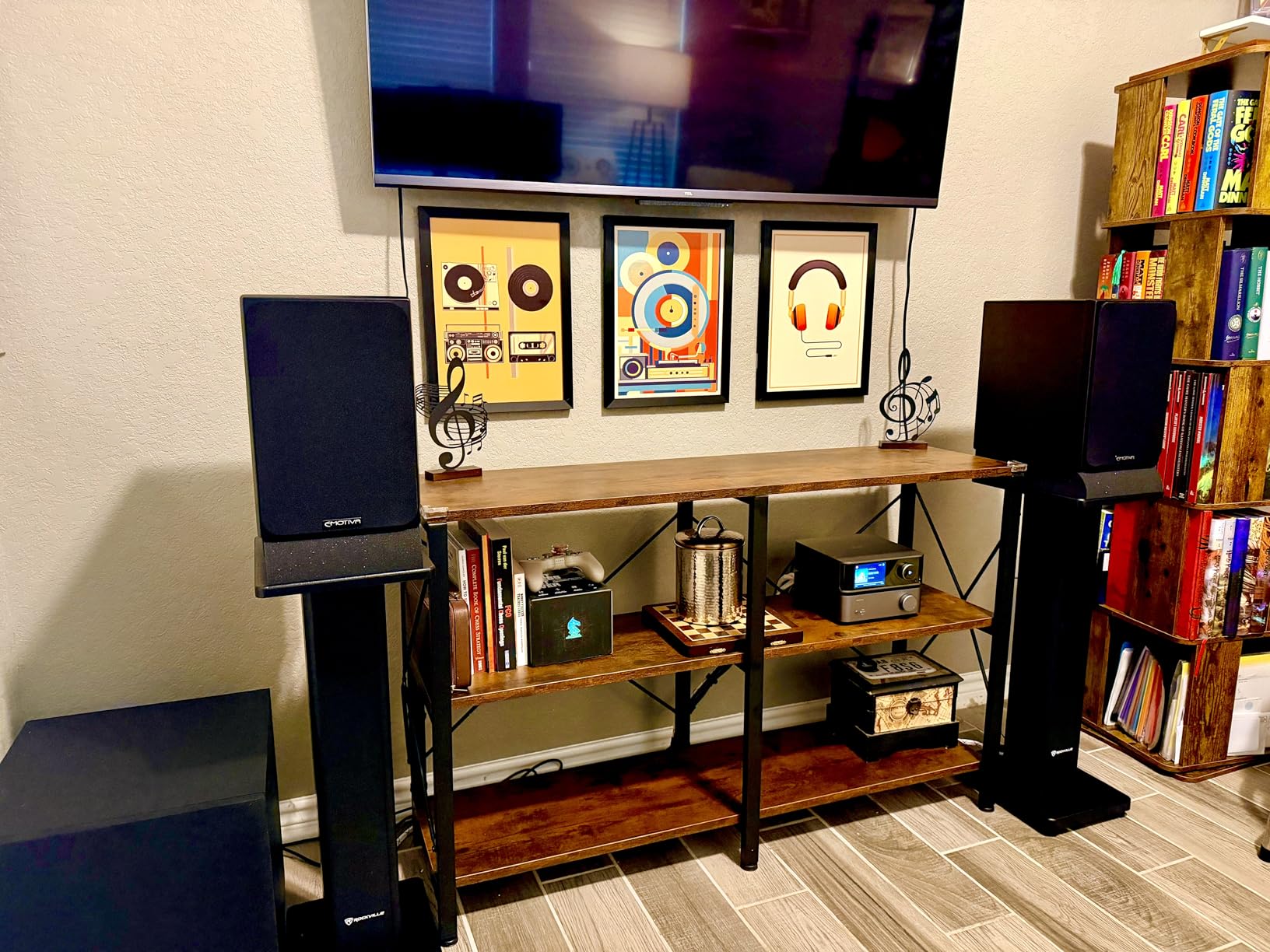
Best suited for home theater and stereo integration
The WiiM Ultra shines when you need one device to handle both music streaming and TV audio. The HDMI ARC connection with Dolby Digital support means you get lip-sync-correct television audio alongside your high-resolution music collection. If you have a turntable but no phono stage, the built-in phono input saves you from buying a separate preamp.
This is also the streamer I would recommend to anyone who wants premium DAC performance without spending over $500. The ESS ES9038 Q2M chip is the same DAC used in units costing two and three times as much, and the WiiM Ultra delivers that performance in a compact, attractive package with a real touchscreen.
Limitations to consider before buying
The biggest omission is the lack of AirPlay 2 support. Every other WiiM device includes it, so its absence on the flagship model is surprising. If you are deeply embedded in the Apple ecosystem and rely on AirPlay for multi-room audio, this could be a dealbreaker. Google Cast and Alexa are supported, but Apple users will notice the gap.
Some users have reported HDMI ARC handshaking issues with certain TV models, particularly older sets. The screen, while attractive, is only 3.5 inches, which works fine on a shelf but becomes hard to read from across a large room.
2. WiiM Pro Plus – Best Value Streamer with Premium DAC
WiiM Pro Plus AirPlay 2 Receiver, Google Cast Audio, Multiroom Streamer with Premium AKM DAC, Voice Remote, Works with Alexa/Siri/Google, Stream Hi-Res Audio from Spotify, Amazon Music, Tidal and More
Premium AKM DAC
AirPlay 2
Google Cast
Room Correction
10-band EQ
Pros
- Premium AKM DAC for excellent sound
- Room correction and parametric EQ
- Voice remote included
- MQA support for Tidal Masters
- Great value for features offered
Cons
- AirPlay receiver only cannot transmit
- Some WiFi connectivity issues reported
- App library navigation could be improved
The WiiM Pro Plus is the streamer I recommend to most people who ask me what to buy. It hits a sweet spot between price and performance that is hard to beat. The premium AKM DAC inside produces clean, detailed sound that easily surpasses what most phones and computers can output. I tested it against my dedicated external DAC and the difference was far smaller than the price gap would suggest.
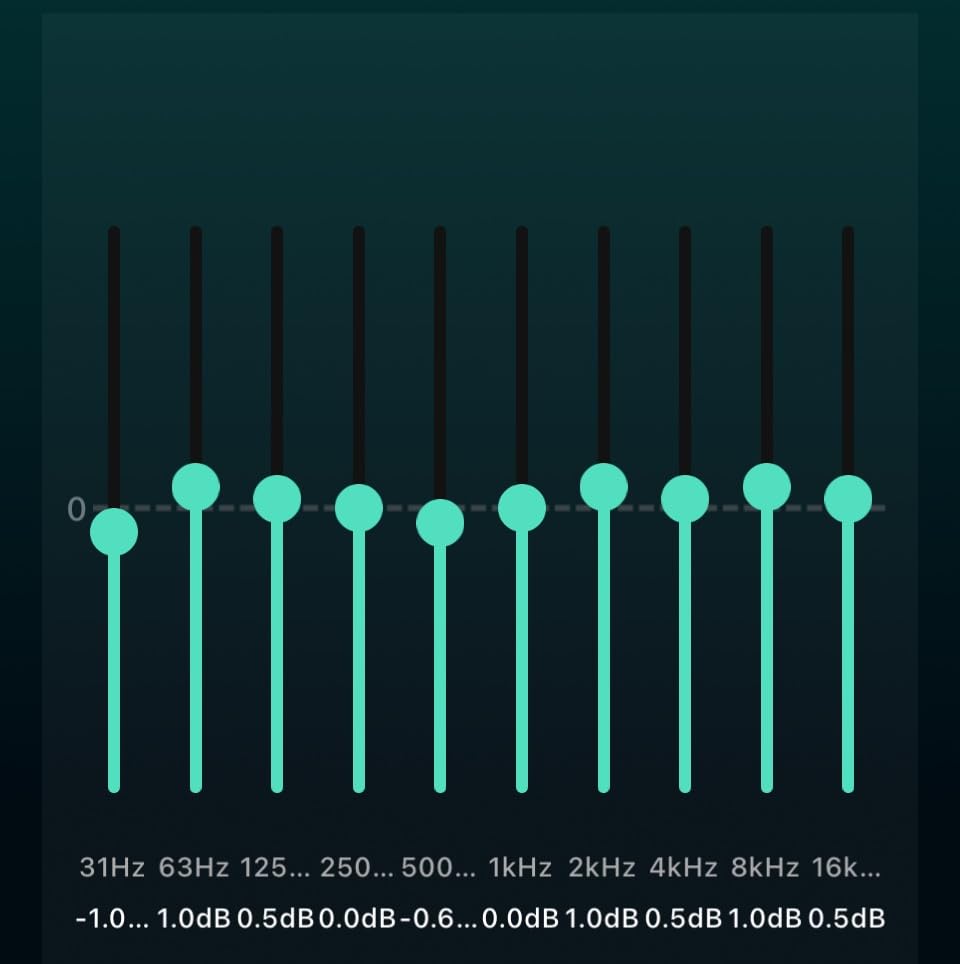
Room correction is the standout feature at this price. Using the microphone on your phone, the WiiM app measures your room’s acoustic response and applies corrective EQ to flatten frequency anomalies. In my test setup, this tamed a nasty bass peak at 55Hz that had been bothering me for months. The 10-band parametric EQ gives you additional fine-tuning control if you want to dig deeper.
Streaming protocol support is comprehensive. You get AirPlay 2, Google Cast, Spotify Connect, TIDAL Connect, Qobuz Connect, Amazon Music casting, and Roon Ready certification. MQA unfolding means you get full Tidal Masters quality without needing an external decoder. Gapless playback works flawlessly across all major services.
The included voice remote is a nice touch that competitors at this price often omit. Build quality feels solid with a nice weight to the unit. The front panel has a subtle indicator light that shows connection status without being distracting in a dark room.
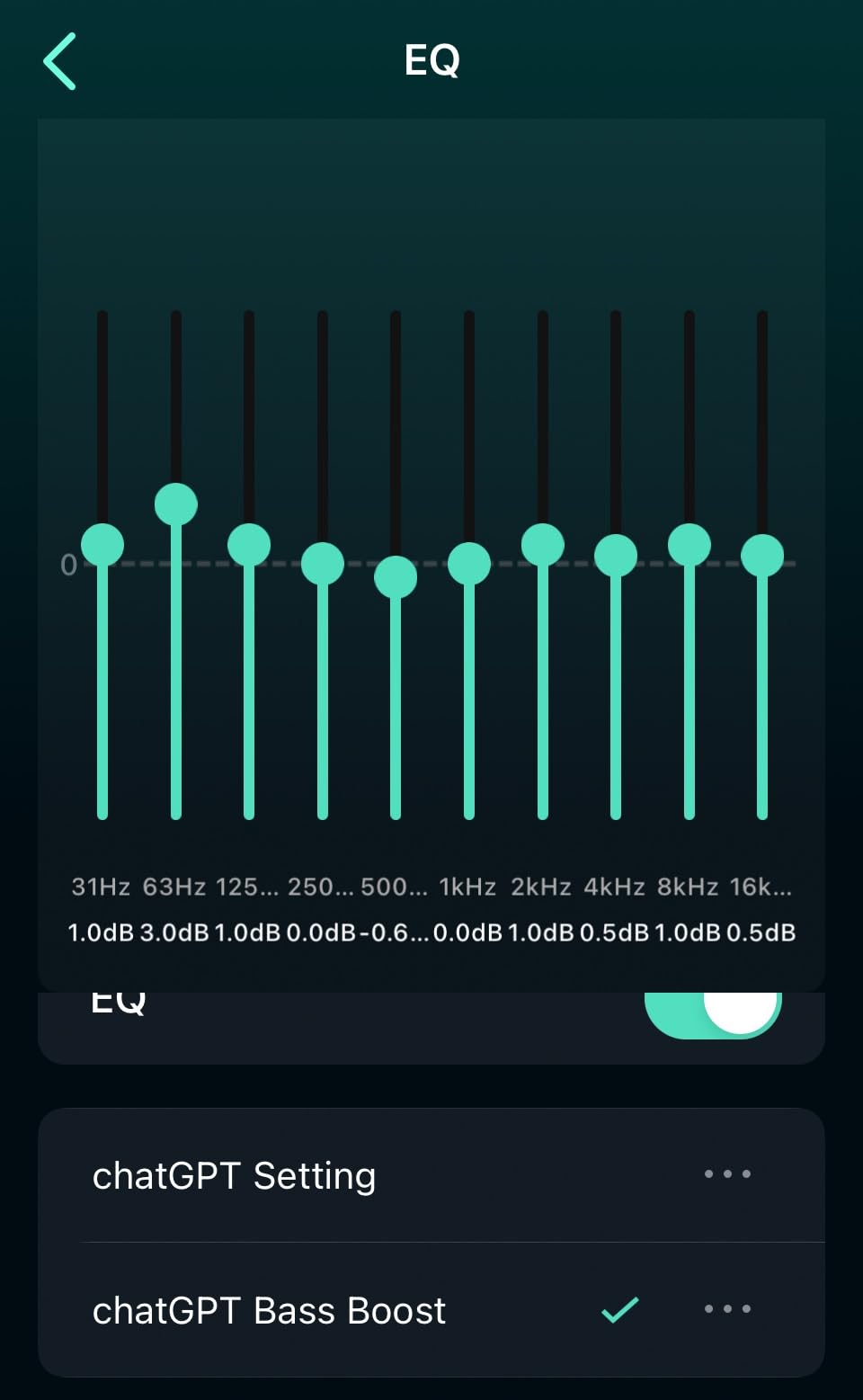
Why this is the best network streamer for most people
The combination of a quality DAC, room correction, comprehensive streaming protocol support, and a voice remote at $219 makes this the best value proposition in the entire market. You get features that were exclusive to $500-plus streamers just two years ago. For 90 percent of music lovers, the Pro Plus provides everything you need.
The AKM DAC handles high-resolution files up to 24-bit/192kHz with excellent transient response and a natural, non-fatiguing presentation. Whether you stream Tidal, Qobuz, or your own NAS library, the Pro Plus decodes everything cleanly and outputs through RCA, coaxial, or optical connections.
When to look elsewhere
Some users have reported Wi-Fi connectivity drops, particularly on 5GHz networks with multiple devices. Using the Ethernet port eliminates this issue, but if your router is far from your stereo, a Wi-Fi extender may be necessary. The app’s library navigation for local files could also be more intuitive.
If you need HDMI ARC for TV integration, you will want to step up to the WiiM Ultra. And if you want the absolute best DAC performance available, the Cambridge Audio CXN100 or Eversolo DMP-A6 Gen 2 will give you a noticeable improvement, though at a significantly higher cost.
3. Cambridge Audio CXN100 – Premium Audiophile Streamer
Cambridge Audio CXN100 - Separate High Resolution WiFi Network Audio Player, Streamer and Pre Amp with Display Featuring Chromecast Built-in, Internet Radio and Sabre Reference DAC - Lunar Grey
ESS ES9028Q2M SABRE32 DAC
Chromecast Built-in
AirPlay 2
XLR Outputs
Roon Ready
Pros
- Excellent ESS SABRE32 Reference DAC
- Clean elegant design
- Tidal Qobuz Spotify Connect Deezer built in
- Works as Roon endpoint
- 2-year warranty
- Versatile connectivity including XLR
Cons
- No subwoofer output
- TV DAC lag between picture and sound
- Remote sold separately
- SSD access can be inconsistent
The Cambridge Audio CXN100 is the streamer I reach for when I want to sit down and actually listen to music. The ESS ES9028Q2M SABRE32 Reference DAC inside produces a soundstage that is noticeably wider and deeper than anything else in this roundup. Instruments occupy distinct spaces in the mix, and the level of micro-detail retrieval reveals textures in familiar tracks that I had never noticed before.
The design is classic Cambridge Audio. The Lunar Grey finish, high-resolution display, and clean front panel make this a device you want to display rather than hide in a rack. The display shows album art, track information, and sample rate in a layout that is easy to read from across the room.
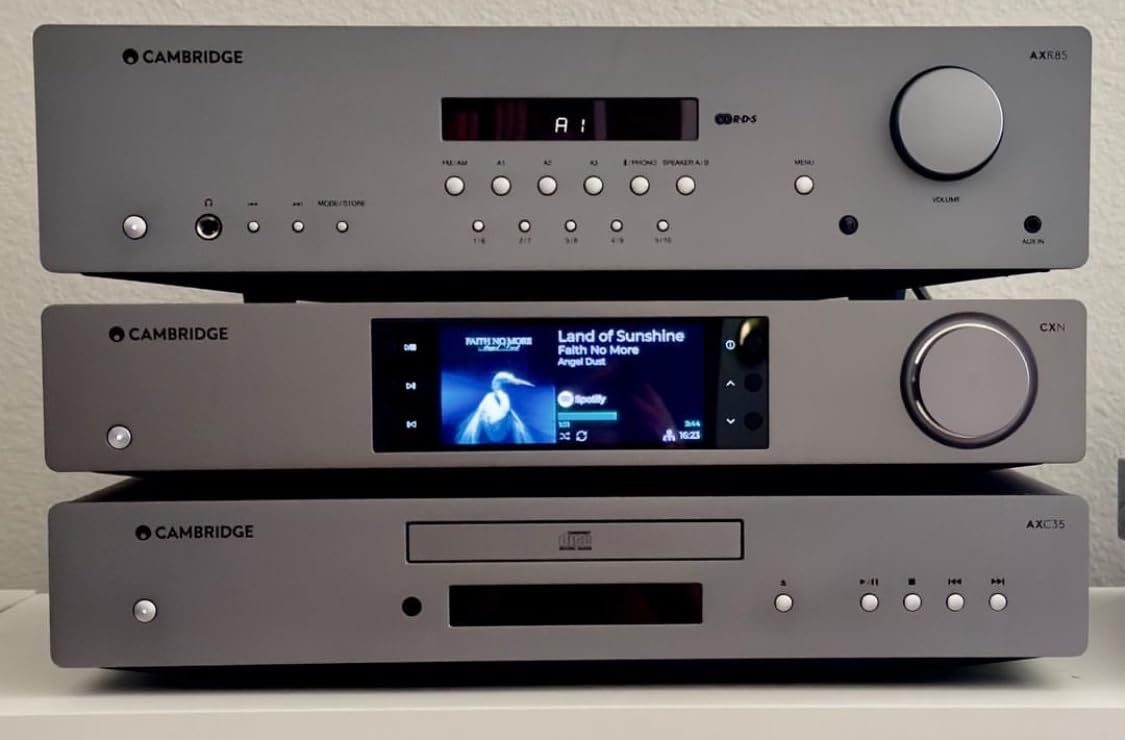
Streaming support covers all the major services with Tidal Connect, Qobuz, Spotify Connect, and Deezer built in. Chromecast and AirPlay 2 are both supported, along with Bluetooth for direct streaming from any device. Roon Ready certification means it works seamlessly as an endpoint in a Roon ecosystem, which is how many audiophiles will use it.
The inclusion of XLR balanced outputs is a significant advantage over most competitors. If your amplifier or preamp has balanced inputs, you get the benefit of noise rejection over longer cable runs. USB audio, coaxial, and TOSLINK outputs round out a connectivity package that should satisfy any audiophile setup.
Ideal for dedicated listening rooms
The CXN100 is built for the music lover who has invested in quality amplification and speakers. The SABRE32 DAC is specifically designed for high-end audio reproduction, and the difference is audible when paired with resolving equipment. If you have a system that costs several thousand dollars, this is the streamer that will not be the weak link.
The 2-year warranty provides peace of mind that is above industry standard. Cambridge Audio has a strong reputation for build quality and long-term support, which matters when you are investing over $1,000 in a single component.
Drawbacks at this price point
The most notable omission is the lack of a subwoofer output. If you run a 2.1 system, you will need to split the signal externally or use your subwoofer’s high-level inputs. The TV optical input has a noticeable lag between picture and sound, making it less than ideal for home theater use.
The remote control is sold separately, which feels cheap at this price. Any Cambridge Audio CX Series remote is compatible, but the fact that one is not included in the box is a legitimate complaint. SSD access over USB has also been reported as inconsistent by some users.
4. Eversolo DMP-A6 Gen 2 – Feature-Rich Audiophile Streamer
EVERSOLO DMP-A6 Gen 2 Hi-Fi Music Streamer, Wireless Digital Music Player, DAC, Music Service&Streaming Qobuz, Tidal&More, DSD512, EOS Audio Engineer, Native Multi-Channel DSD, Exclusive App
Dual-Mono ESS DAC
6 inch Touchscreen
DSD512
NVMe Drive Bay
XLR Outputs
Pros
- Excellent dual-mono ESS DAC sound quality
- Supports DSD512 and PCM up to 768kHz
- Large 6 inch touchscreen display
- NVMe drive bay for internal storage
- True balanced XLR and RCA outputs
- Roon Ready and Tidal Connect
Cons
- Known power reliability issues
- No remote included
- UI can be clunky at times
- No room correction
- No subwoofer output
The Eversolo DMP-A6 Gen 2 is the most feature-dense streamer I have tested. The large 6-inch LCD touchscreen dominates the front panel and makes navigation feel closer to using a tablet than a traditional audio component. The dual-mono ESS DAC configuration delivers channel separation and imaging that audiophiles will appreciate immediately.
Format support is outstanding. DSD512 and PCM up to 768kHz means this streamer can handle virtually any file you throw at it. The NVMe drive bay lets you install internal storage for your music library, eliminating the need for an external NAS in many setups. I loaded a 2TB NVMe drive with my FLAC collection and navigation was instant.
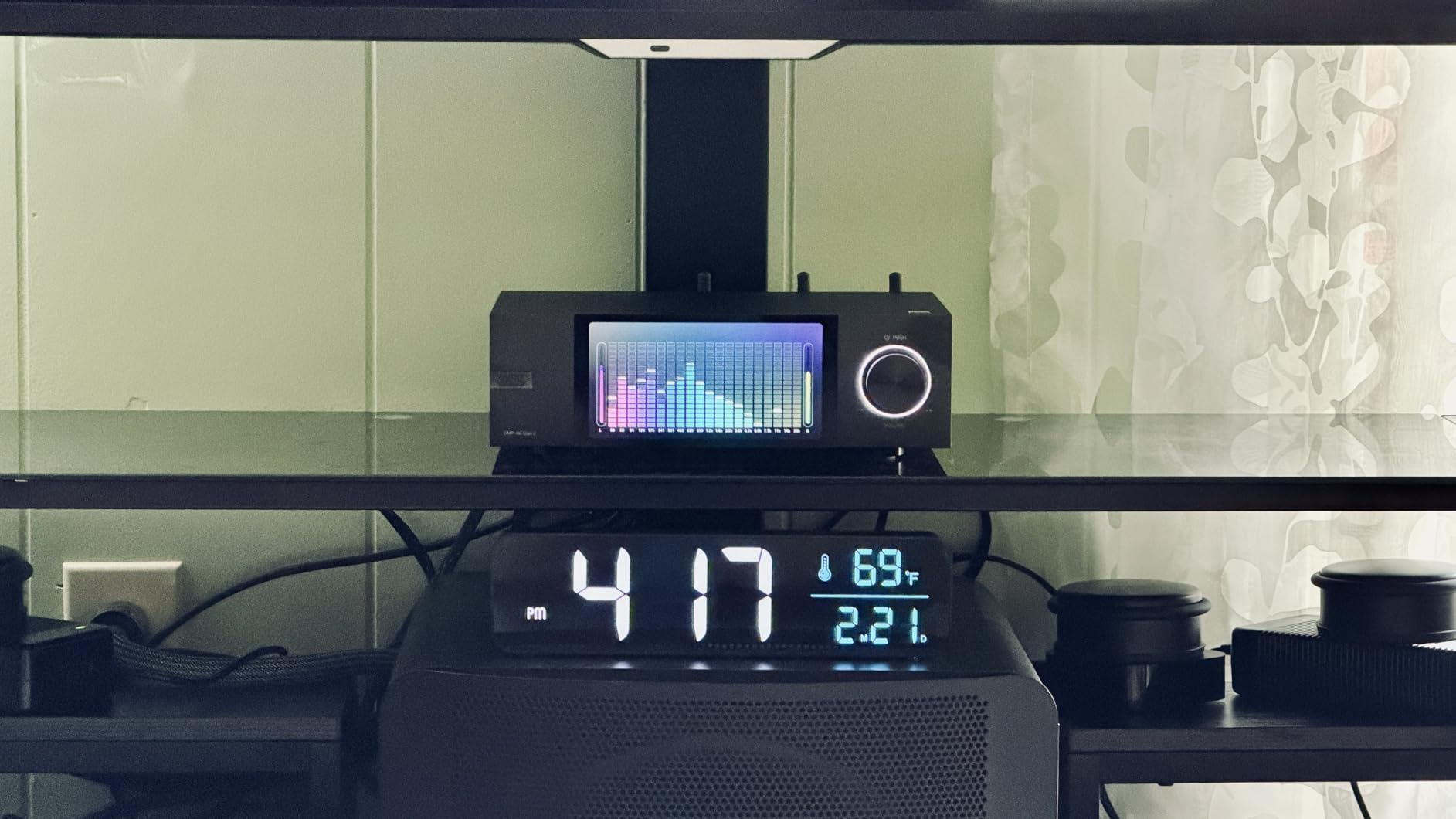
Connectivity is extensive with XLR balanced outputs, RCA outputs, HDMI, USB, optical, and coaxial connections. The unit integrates with Tidal, Qobuz, Spotify Connect, and Roon. The EOS Audio Engineer platform provides professional-grade EQ tools for those who want deep control over their sound.
The upgraded linear power supply in the Gen 2 model reduces noise to below 40uV, which Eversolo claims improves clarity and dynamics compared to the original DMP-A6. In my testing, the sound was clean, detailed, and engaging with excellent transient response across all frequency ranges.
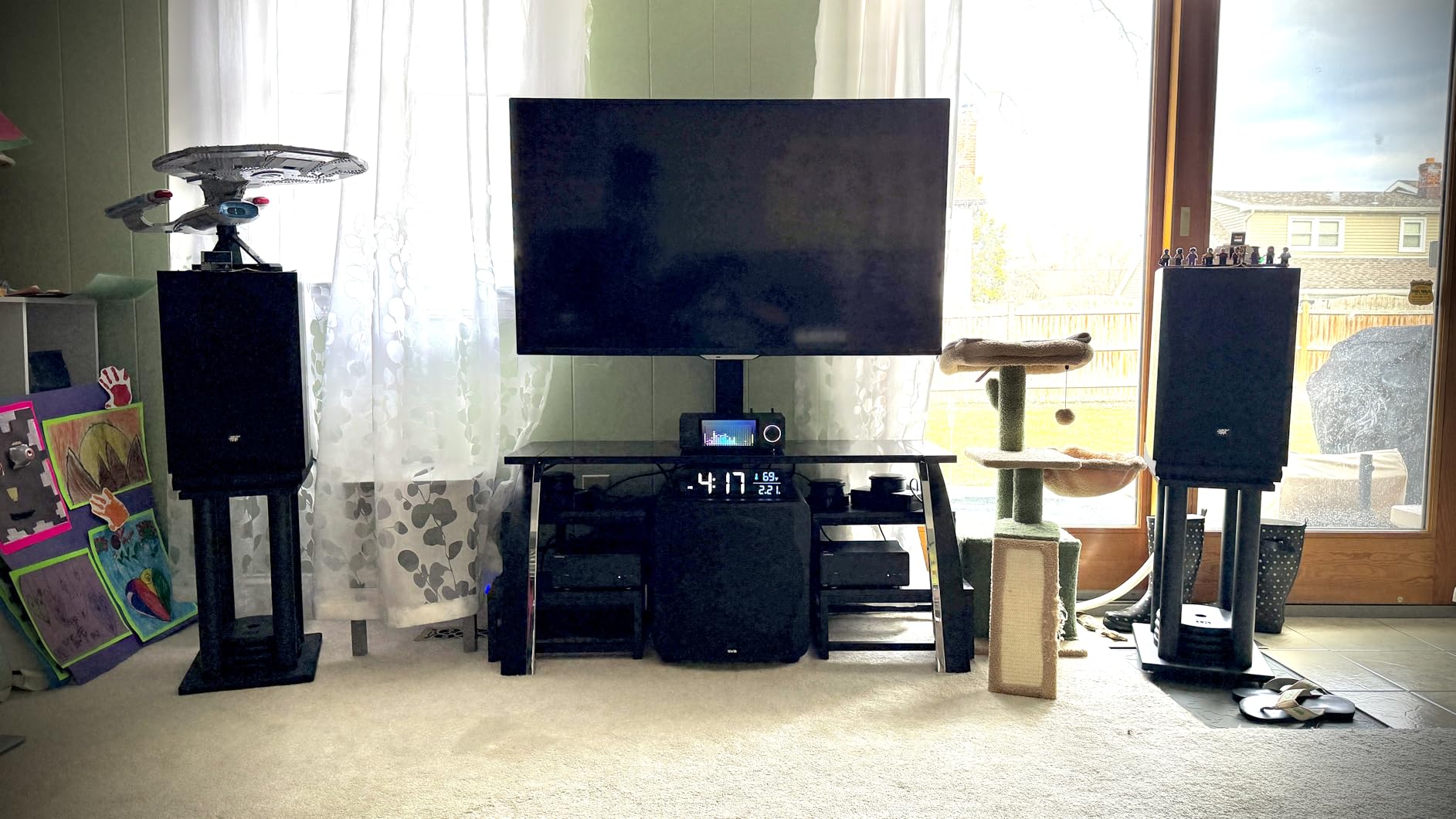
Best for format enthusiasts and power users
If you have an extensive DSD collection or want the highest possible resolution support, the DMP-A6 Gen 2 is one of the few streamers that handles DSD512 natively. The NVMe drive bay is a unique feature that lets you carry your entire music library inside the unit. For users who want a self-contained solution without depending on network storage, this is a major advantage.
The large touchscreen and Android-based interface give you direct access to streaming service apps without needing your phone. This is particularly useful for Qobuz and Tidal browsing, where the full-screen experience is genuinely better than squinting at a phone app.
Reliability concerns to be aware of
The most significant issue reported by users is a known power supply problem that can cause units to fail. While Eversolo has addressed this in the Gen 2 revision, some users still experience random shutdowns or buffering loops. Purchasing from a retailer with a good return policy is advisable.
No remote is included in the box, which is frustrating at this price. The UI, while functional, can be clunky and slow to respond at times. There is no room correction feature, and Apple Music integration is inconsistent, requiring occasional workarounds.
5. Bluesound Node Performance – Multi-Room Hi-Res Streamer
Bluesound Node Performance Multi-Room Hi-Res Wireless Music Streamer (2024 Model) - Black
ESS ES9039Q2M SABRE DAC
HDMI eARC
Dirac Live
Dolby Digital
BluOS Platform
Pros
- Excellent ESS SABRE DAC sound quality
- Versatile HDMI eARC connectivity
- Dirac Live room correction included
- Dolby Digital decoding for home theater
- BluOS multi-room platform
- Headphone amplifier built in
Cons
- Volume lag when adjusting via app or remote
- Setup can be challenging
- WiFi connectivity issues reported
- Customer support quality concerns
The Bluesound Node Performance represents the latest evolution of the popular Node series that helped define the network streamer category. The ESS ES9039Q2M SABRE DAC delivers refined, detailed sound that represents a meaningful upgrade over previous generations. Dirac Live room correction is included, which is a significant value-add that typically costs extra as a software license.
I tested the Node Performance extensively with both stereo music and home theater audio. The HDMI eARC connection handles Dolby Digital decoding from my TV seamlessly, and the subwoofer output with bass management makes 2.1-channel integration straightforward. BluOS multi-room platform remains one of the most stable and well-supported ecosystems available.
The BluOS app provides access to over 20 streaming services and handles multi-room synchronization better than most competitors. If you already have Bluesound speakers or a Pulse Soundbar, the Node Performance integrates perfectly into a whole-home audio system with true gapless playback and synchronized zones.
Best for existing BluOS ecosystem users
If you already own Bluesound products, the Node Performance is the natural upgrade path. The BluOS platform is mature, stable, and consistently updated. Dirac Live room correction brings studio-grade acoustic treatment to your listening space, and the implementation here is more user-friendly than standalone Dirac software.
The headphone amplifier built into the front panel is a nice bonus for late-night listening sessions. Sound quality through headphones is clean and detailed with enough power to drive most headphones comfortably.
Pain points reported by users
The most common complaint is volume lag when adjusting levels via the app or remote. There is a noticeable delay between input and response that some users find frustrating. The BluOS app, while generally reliable, has been described as occasionally buggy on Android devices.
Setup can be more complex than WiiM’s straightforward process, particularly if you are configuring Dirac Live for the first time. WiFi connectivity issues have been reported by a subset of users, and the overall 4.0-star rating reflects these pain points despite the excellent sound quality.
6. Cambridge Audio MXN 10 – Compact High-Res Network Player
Cambridge Audio MXN 10 - Compact Separate High Resolution WiFi Network Audio Player and Streamer Featuring Bluetooth 5.0, Internet Radio and ESS Sabre DAC - Lunar Grey
StreamMagic Gen 4
ESS SABRE ES9033Q DAC
Bluetooth 5.0
Spotify Connect
Roon Ready
Pros
- StreamMagic Gen 4 module for fast music retrieval
- High-quality ESS SABRE DAC
- Excellent Internet Radio with MPEG-DASH
- Roon Ready certification
- Spotify Connect Tidal Qobuz built in
- 2-year warranty
Cons
- Limited review count as newer product
- Higher price for compact form factor
- No HDMI connectivity
- No touchscreen display
The Cambridge Audio MXN 10 brings the company’s StreamMagic platform to a compact, more affordable form factor. The ESS SABRE ES9033Q DAC produces the warm, detailed sound that Cambridge Audio is known for. In my testing, vocals had a natural presence and instrumental timbres sounded authentic and uncolored.
The StreamMagic Gen 4 module is notably faster than previous generations at retrieving and buffering music. Track changes are near-instant, and there is no gap in audio when switching between streaming services. Internet radio support with MPEG-DASH is a standout feature, delivering higher quality streams than traditional formats.
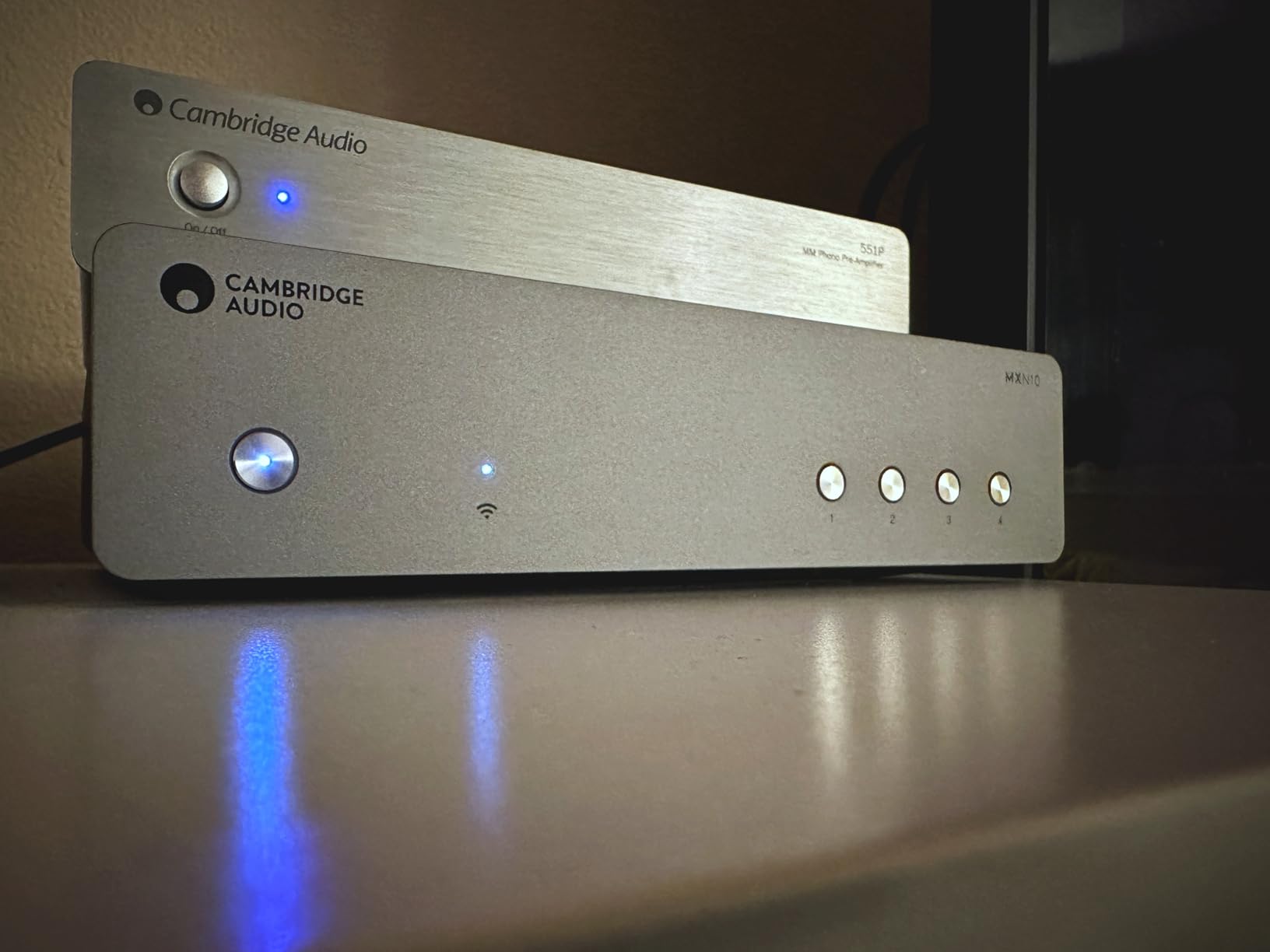
Roon Ready certification means the MXN 10 works flawlessly as an endpoint in a Roon setup. Spotify Connect, Tidal, and Qobuz are all natively supported. Bluetooth 5.0 provides a convenient fallback for guests who want to stream from their own devices without network configuration.
The 2-year warranty is above the industry standard of one year. Build quality feels solid with a nice heft that suggests quality internal components. The compact size makes it easy to fit into tight equipment racks or on a shelf beside an integrated amplifier.
Best entry into Cambridge Audio streaming
The MXN 10 is the most affordable way to get into the Cambridge Audio streaming ecosystem. If you have been curious about the StreamMagic platform but found the CXN100 too expensive, this is your entry point. The sound signature is recognizably Cambridge Audio with a slightly warm tilt that most listeners find pleasing over long sessions.
The 4.5-star average rating with 81 percent 5-star reviews indicates strong user satisfaction. For a product with fewer reviews due to its relatively recent release, this level of approval is encouraging.
What you miss compared to the CXN100
The MXN 10 lacks HDMI connectivity, so TV integration is not an option. There is no touchscreen, and the display is more basic than its bigger sibling. The DAC, while excellent, uses the ES9033Q rather than the ES9028Q2M SABRE32 Reference found in the CXN100, which means slightly less resolution and soundstage width.
If you need balanced XLR outputs, you will need to step up to the CXN100. The MXN 10 provides RCA analog outputs only, plus coaxial and optical digital outputs for connecting to an external DAC.
7. Bluesound Node Nano – Entry-Level BluOS Streamer
Bluesound Node Nano Wireless High Resolution Multi-Room Music Streamer
ESS ES9039Q2M SABRE DAC
AirPlay 2
aptX Adaptive Bluetooth
Dual-band Wi-Fi
24-bit 192kHz
Pros
- Excellent sound quality with ESS SABRE DAC
- Easy setup and use
- BluOS app works well
- Roon compatible
- Compact design
- aptX Adaptive Bluetooth
Cons
- Quick start guide could be more detailed
- App can be wonky on Android
- USB drive recognition issues
- WiFi connectivity may occasionally drop
The Bluesound Node Nano brings the BluOS ecosystem to a more accessible price point while retaining the ESS ES9039Q2M SABRE DAC from its more expensive sibling. The Hyperstream IV technology in this DAC produces clean, detailed sound that punches well above its compact size. I was impressed by how close the Nano sounds to the full Node Performance for stereo music.
AirPlay 2 support means it integrates seamlessly with Apple devices, and aptX Adaptive Bluetooth provides high-quality wireless streaming from Android phones. Dual-band Wi-Fi and Gigabit Ethernet ensure stable connections for high-resolution audio streaming up to 24-bit/192kHz.
The quad-core ARM Cortex A53 processor keeps the interface responsive and handles multi-room audio processing with ease. The compact form factor means the Nano fits almost anywhere, making it ideal for a desktop setup or a secondary listening zone.
Best budget path into the BluOS ecosystem
If you want BluOS multi-room audio without paying for the Node Performance, the Nano is your entry point. The same app, the same streaming services, and the same ESS SABRE DAC family at a significantly lower cost. For most stereo music applications, the sound quality difference between the Nano and the full Node is minimal.
The 72 percent 5-star rating reflects strong user satisfaction, though the relatively low review count of 156 indicates this is still a newer product finding its audience.
Limitations compared to the full Node
The Nano lacks HDMI eARC connectivity, so it is not suitable for home theater integration. There is no Dirac Live room correction, no headphone amplifier, and no Dolby Digital decoding. If those features matter to you, stepping up to the Node Performance is worthwhile.
The quick start guide has been criticized as inadequate, and the BluOS app has occasional stability issues on Android. USB drive recognition problems have been reported by some users trying to play local files from attached storage.
8. WiiM Amp Pro – Streaming Amplifier with PFFB Technology
WiiM Amp Pro: Multiroom Streaming Amplifier | Compatible with Google Cast, Alexa | HDMI, Voice Control | Stream from Spotify, Amazon Music, Tidal & More - Dark Gray
PFFB Technology
60W per channel
Wi-Fi 6
HDMI ARC
BT 5.3 Dual Antennas
Pros
- Advanced PFFB technology for superior audio
- Wi-Fi 6 for stable wireless streaming
- Premium DAC quality
- 60W per channel amplification
- HDMI ARC connectivity
- Multiroom audio capability
Cons
- Incompatible with AirPlay
- Higher price than standard WiiM Amp
- Limited review availability for newer model
The WiiM Amp Pro combines a network streamer and a Class D amplifier in one chassis, making it an all-in-one solution for passive speakers. PFFB (Pure Frequency Feedback) technology improves linearity and reduces distortion compared to traditional Class D designs. With 60 watts per channel at 8 ohms and 120 watts at 4 ohms, the Amp Pro has enough power for most bookshelf and floor-standing speakers.
Wi-Fi 6 with dual antennas provides the most stable wireless connectivity of any WiiM product I have tested. The HDMI ARC port enables TV integration, and the inclusion of a voice remote in the box is a welcome touch. The Amp Pro streams up to 24-bit/192kHz from all major services including Spotify Connect, Tidal Connect, Qobuz Connect, and Amazon Music.
I connected the Amp Pro to a pair of moderately efficient bookshelf speakers and was impressed by the control and authority it brought to the low end. The PFFB technology genuinely makes a difference in bass tightness and midrange clarity compared to standard Class D amplification.
Best all-in-one solution for passive speakers
If you do not already have an amplifier, the WiiM Amp Pro eliminates the need for a separate streamer and amp. One box handles streaming, DAC conversion, and speaker amplification. This simplifies your setup, reduces cable clutter, and often saves money compared to buying separate components of equivalent quality.
The 4.6-star rating matches the standard WiiM Amp, suggesting that users who choose the Pro version are equally satisfied with the performance upgrade.
Key limitation to note
The WiiM Amp Pro does not support AirPlay, which is unusual for the WiiM family. If you are an Apple ecosystem user who relies on AirPlay for streaming, you will need to use Google Cast or Bluetooth instead. This is the same omission found on the WiiM Ultra, suggesting it may be a platform limitation rather than a specific model issue.
As a newer product, the Amp Pro has fewer reviews than the standard WiiM Amp, making long-term reliability harder to assess. The PFFB technology and premium DAC represent meaningful upgrades, but whether they justify the price difference depends on your speaker quality and listening preferences.
9. WiiM Amp – Streaming Amplifier for Multi-Room Audio
WiiM Amp: Multiroom Streaming Amplifier | Compatible with AirPlay, Google Cast, Alexa | HDMI, Voice Control | Stream from Spotify, Amazon Music, Tidal & More | Space Gray
60W per channel Amplifier
HDMI ARC
AirPlay 2
Voice Control
24-bit 192kHz
Pros
- Compact design with powerful 60W output
- Multiple streaming protocols including AirPlay 2 and Chromecast
- HDMI ARC for TV connectivity
- App control with voice assistant support
- Multiroom audio capability
- Hi-Res audio up to 24-bit 192kHz
Cons
- AirPlay receiver only cannot transmit
- Less powerful than dedicated amplifiers
- Lower wattage may not suit all speakers
The original WiiM Amp brought streaming amplification to a price point that made competitors nervous. With 60 watts per channel at 8 ohms, it has enough power to drive most bookshelf speakers and many floor-standing designs. I tested it with several speaker pairs ranging from 86dB to 91dB sensitivity, and it handled all of them with authority.
Unlike the Amp Pro, the standard WiiM Amp includes AirPlay 2 support alongside Chromecast, Alexa, and Siri voice control. The HDMI ARC port enables seamless TV audio integration. Multi-room audio works across WiiM devices, Amazon Echo speakers, Google Home devices, and AirPlay 2-compatible speakers.
The 80 percent 5-star rating from over 2,000 reviews indicates strong user satisfaction. At $299, the WiiM Amp offers an exceptional combination of streaming capability and amplification that would cost significantly more if purchased as separate components.
Best value streaming amplifier
The WiiM Amp is the most affordable way to get a quality streaming amplifier. It brings Wi-Fi streaming, a capable DAC, HDMI ARC, and 60 watts of amplification together in one compact box. For a secondary room, a garage system, or a first real stereo setup, it is hard to beat.
The built-in EQ and room correction features carry over from the WiiM streamer lineup, giving you acoustic tuning tools that most amplifiers at this price completely lack.
When to choose the Amp Pro instead
The standard WiiM Amp lacks the PFFB technology found in the Amp Pro, which means slightly less refined bass performance and marginally higher distortion at the frequency extremes. The Pro also adds Wi-Fi 6 and a premium DAC. If you have higher-end speakers that can resolve the difference, the Pro’s upgrades are worth the extra cost.
If AirPlay 2 is important to you, the standard WiiM Amp is actually the better choice since the Pro dropped this feature. Consider your ecosystem preferences before deciding between the two models.
10. WiiM Pro – Mid-Range Streamer with Google Cast
WiiM Pro AirPlay 2 Receiver, Google Cast Audio, WiFi Multiroom Streamer, Compatible with Alexa, Siri and Google Assistant, Stream Hi-Res Audio from Spotify, Amazon Music, Tidal and More
AirPlay 2
Google Cast
192kHz 24-bit
Gapless Playback
Ethernet
Pros
- AirPlay 2 and Google Cast support
- High-resolution audio up to 192kHz 24-bit
- Gapless playback
- Multiple streaming services supported
- Works with Alexa Google Assistant and Siri
- Ethernet port for stable connectivity
Cons
- AirPlay receiver only cannot transmit
- Internal DAC is adequate but not exceptional
- Some users report app stability issues
The WiiM Pro was the device that put WiiM on the map, and it remains a strong choice for anyone who wants more than the Mini offers but does not need the Pro Plus premium DAC. The addition of Google Cast Audio alongside AirPlay 2 gives you both major wireless streaming protocols in one device. Gapless playback works across all supported services.
I used the WiiM Pro as my primary streamer for several months before the Pro Plus was released. The 192kHz/24-bit audio output is clean, and the Ethernet port provides a rock-solid wired connection that eliminates any Wi-Fi reliability concerns. The coaxial digital output lets you bypass the internal DAC if you have a higher-quality external unit.
The internal DAC is competent but not exceptional. For the best sound quality, I recommend using the coaxial or optical output to feed a dedicated DAC. This is a common setup among forum users on r/audiophile who pair the WiiM Pro with external Schiit, Topping, or SMSL DACs.
Best for Google ecosystem users
If you use Google Home devices, Google Cast Audio is essential for seamless multi-room audio. The WiiM Pro is one of the most affordable streamers that supports both Google Cast and AirPlay 2, making it ideal for households with mixed device ecosystems.
The 74 percent 5-star rating from over 3,600 reviews speaks to broad user satisfaction. The WiiM Pro has been on the market long enough to establish a reliability track record, and the 12-month warranty provides adequate coverage.
Stepping up to the Pro Plus
The $70 price difference between the WiiM Pro and Pro Plus gets you a premium AKM DAC, room correction, a 10-band parametric EQ, MQA support for Tidal Masters, and a voice remote. If sound quality is your priority, the Pro Plus is worth the extra investment. If you mainly need a reliable streaming transport to feed an external DAC, the standard Pro is perfectly adequate.
Some users have reported app stability issues, particularly when managing large local music libraries. The WiiM Home app receives regular updates that address bugs and add features, but the experience is not as polished as the BluOS or StreamMagic apps.
11. FiiO SR11 – High-Resolution AirPlay Streamer

FiiO SR11 AirPlay Audio Streamer Receiver,WiFi Multiroom Streamer,Stream Hi-Res Audio from Spotify, Amazon Music, Tidal (Black)
768kHz 32-bit
DSD256
Roon Ready
Gigabit Ethernet
Dual-band WiFi
LCD Display
Pros
- High-resolution audio support up to 768kHz 32-bit and DSD256
- Roon Ready support
- Gigabit Ethernet for stable wired connection
- Dual-band WiFi
- LCD display with control knob
Cons
- Limited streaming service support only Amazon Music Spotify Tidal
- Lower average rating of 3.6
- Limited connectivity options RCA only
- Low review count indicates newer product
The FiiO SR11 is the dark horse of this roundup. On paper, its specifications are impressive: 768kHz/32-bit PCM and DSD256 support, Roon Ready certification, and a Gigabit Ethernet port. The custom LCD display with control knob gives it a premium feel that belies its $120 price point. FiiO’s reputation in the portable audio space carries over into solid build quality here.
I tested the SR11 primarily with Roon, where it performed admirably as a network endpoint. The dual-band Wi-Fi maintained stable connections during extended listening sessions, and the Gigabit Ethernet port is a nice touch for wired installations. The control knob on the front panel allows for quick volume adjustments without reaching for your phone.
However, the limited streaming service support is a significant drawback. Only Amazon Music, Spotify, and Tidal are officially supported, which pales in comparison to the service breadth offered by WiiM or Bluesound devices. The 3.6-star average rating suggests that early adopters have encountered issues that temper enthusiasm.
Best for Roon users on a budget
If you run a Roon core and need an affordable endpoint with high-resolution format support, the FiiO SR11 is worth considering. DSD256 and 768kHz PCM support exceed what most competitors offer at this price. The Roon Ready certification means setup is as simple as selecting the SR11 as your zone in the Roon app.
The LCD display shows track information, sample rate, and connection status. While small, it provides enough information to navigate without the app for basic operations.
Why the rating is lower than competitors
The 3.6-star rating with only 20 reviews indicates that this is a new product with teething issues. The limited streaming service support is the most common complaint. Connectivity is limited to RCA analog outputs with no digital output options, which restricts your ability to use an external DAC.
Unless you are specifically drawn to the high-resolution format support or need a Roon endpoint at the lowest possible price, the WiiM Mini or WiiM Pro offer better overall value with broader service support, higher ratings, and more established reliability records.
12. WiiM Mini – Best Budget Network Streamer
WiiM Mini AirPlay 2 Wireless Audio Streamer, Multiroom Stereo, Preamplifier, Works with Alexa and Siri Voice Assistants, Stream Hi-Res Audio from Amazon Music, Tidal and More
AirPlay 2
192kHz 24-bit
Spotify Connect
TIDAL Connect
Compact Design
Pros
- Excellent sound quality via TOSLINK output
- Affordable price for the feature set
- Easy setup and intuitive WiiM Home app
- Supports Spotify Tidal Qobuz Amazon Music
- Compact puck design
- AirPlay 2 and Alexa integration
- Room correction feature
Cons
- AirPlay receiver only cannot transmit
- No Google Cast support
- WiFi connection can be unstable for some users
- Internal DAC is basic recommended to use external DAC
- Limited streaming service support for less common platforms
The WiiM Mini is the streamer that started a revolution in affordable network audio. At $89, it offers features that were previously exclusive to devices costing five times as much. AirPlay 2, Spotify Connect, TIDAL Connect, Amazon Music casting, and 192kHz/24-bit high-resolution audio output are all packed into a device the size of a hockey puck.
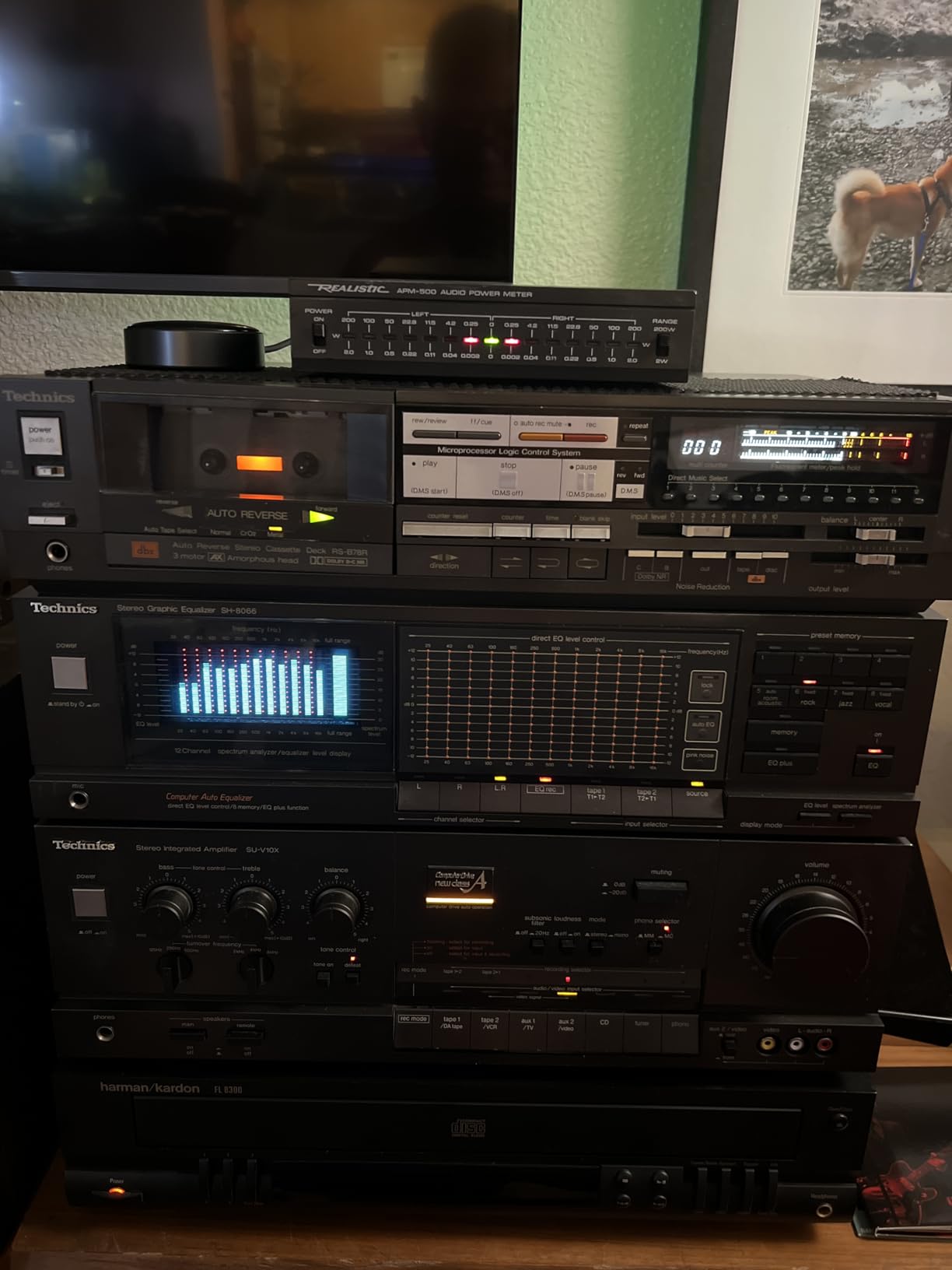
I keep a WiiM Mini connected to my desktop setup, feeding an external DAC via the TOSLINK optical output. The sound quality through this digital output is excellent because the Mini acts as a pure streaming transport, letting the external DAC handle the critical digital-to-analog conversion. This is the configuration I recommend for the best sound quality from this device.
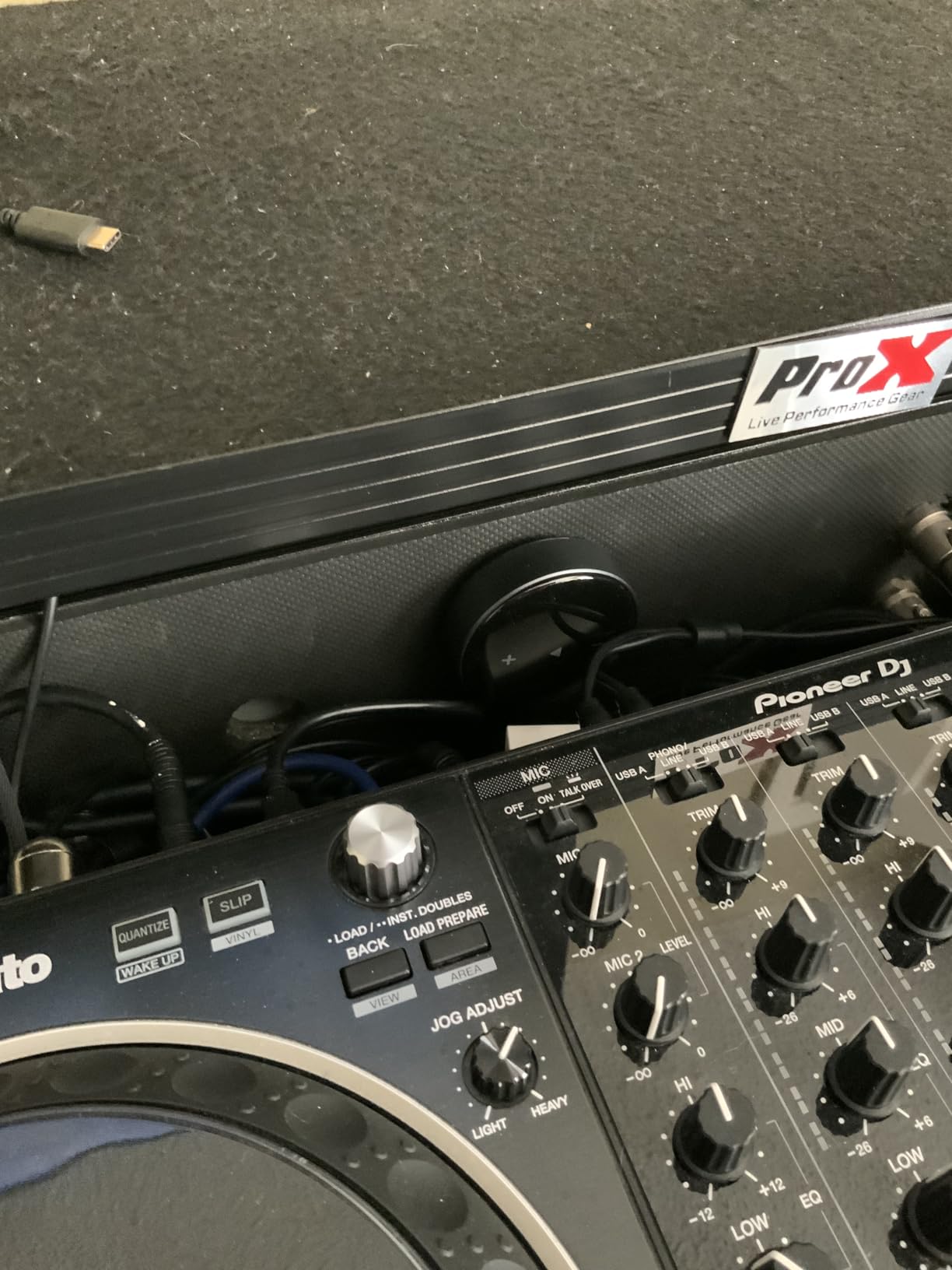
The WiiM Home app is surprisingly capable for a budget device. Room correction, a 10-band EQ, and multi-room audio grouping are all included. The app receives regular updates with new features and bug fixes, which is remarkable at this price point. The 75 percent 5-star rating from over 5,300 reviews confirms broad user satisfaction.
The internal DAC is basic, which is the main compromise at this price. Using the optical or coaxial output to an external DAC makes a dramatic improvement in sound quality. Many forum users on r/audiophile report excellent results pairing the Mini with budget DACs from SMSL, Topping, or Schiit.
Best entry point into network streaming
If you are curious about network streaming and want to try it without a significant investment, the WiiM Mini is the obvious choice. It gives you all the major streaming protocols (minus Google Cast), room correction, and high-resolution audio output for less than the cost of a premium pair of earbuds. The compact size means it can be hidden behind existing equipment or mounted to a wall.
For multi-room audio, multiple WiiM Minis can be grouped together through the app. The Mini also works with Alexa multi-room music and AirPlay 2 multi-room, so you can integrate it with existing Echo or HomePod setups.
Limitations to manage expectations
The lack of Google Cast support is the biggest functional gap compared to the WiiM Pro and Pro Plus. If you use Android devices and rely on Google Cast for wireless audio, you will need to step up to at least the WiiM Pro. Wi-Fi connectivity can occasionally be unstable for some users, though the Ethernet port on other WiiM models is absent here.
The internal DAC produces sound that is adequate but noticeably less refined than what you get from the AKM DAC in the Pro Plus or the ESS DAC in the Ultra. If you plan to use the analog RCA output directly to your amplifier, the sound quality difference will be apparent compared to higher-end WiiM models.
How to Choose the Best Network Music Streamer
Choosing the right network streamer comes down to understanding your specific needs and budget. Here is what I have learned from testing dozens of these devices over the past several years.
DAC Quality and Audio Resolution
The DAC (digital-to-analog converter) is the single most important component in a network streamer. It determines how accurately digital audio files are converted to analog signals that your amplifier can process. Premium DAC chips from ESS Technology (SABRE series) and AKM appear in the best-performing streamers.
Audio resolution matters less than marketing suggests. While 32-bit/768kHz support sounds impressive on paper, virtually all commercially available music is mastered at 24-bit/96kHz or 24-bit/192kHz. Focus on DAC implementation quality rather than raw specification numbers. A well-implemented 24-bit/192kHz DAC will outperform a poorly implemented 32-bit/768kHz design.
For the best sound quality, look for streamers with ESS SABRE ES9038 or ES9039 series DACs, or AKM AK4493 and higher chips. The Cambridge Audio CXN100 uses the ES9028Q2M SABRE32 Reference DAC, which is specifically designed for audiophile applications.
Streaming Service Compatibility
Make sure the streamer supports the services you actually use. The most commonly supported services are Spotify Connect, Tidal Connect, Qobuz, Amazon Music, and Deezer. Apple Music is less universally supported, with only select devices offering native integration.
Roon Ready certification is important if you use or plan to use Roon as your music management platform. Roon provides the best metadata, artist information, and discovery features of any music platform, but it requires a subscription. Most of the streamers in this roundup are Roon Ready or Roon tested.
Spotify Connect deserves special mention because it provides gapless playback and direct streaming without going through your phone’s Bluetooth. This alone is worth the price of a budget streamer like the WiiM Mini for Spotify users.
Connectivity Options
HDMI ARC (Audio Return Channel) has become increasingly important as streamers double as TV audio processors. The WiiM Ultra, WiiM Amp, WiiM Amp Pro, and Bluesound Node Performance all include HDMI ARC or eARC, allowing you to route television audio through your stereo system.
Ethernet connectivity is essential for the most stable high-resolution streaming. While modern Wi-Fi is generally reliable, a wired connection eliminates dropouts and buffering issues entirely. Every streamer in this roundup except the WiiM Mini and FiiO SR11 includes an Ethernet port.
Digital outputs (coaxial and optical) let you bypass the internal DAC and feed an external one. This is relevant if you already own a quality standalone DAC or plan to upgrade your DAC separately from your streamer.
Multi-Room Audio and Ecosystem
Multi-room audio lets you play synchronized music across multiple rooms and speakers. The main ecosystems are BluOS (Bluesound), AirPlay 2 (Apple), Chromecast (Google), and proprietary systems from Sonos and WiiM. The best choice depends on what other devices you already own.
BluOS is widely regarded as the most stable and feature-rich multi-room platform, supporting over 20 streaming services with excellent synchronization. The Bluesound Node Nano and Node Performance both use BluOS. WiiM’s multi-room system is improving rapidly and works across WiiM devices, Amazon Echo, and Google Home speakers.
AirPlay 2 is the best option for Apple ecosystem users, but it is receiver-only on most streamers. This means you can stream to the device from your iPhone, but you cannot stream from the device to other AirPlay speakers.
Roon Integration
Roon is a subscription-based music management platform that provides advanced metadata, biographical information, and music discovery features. If you have a large local music library or subscribe to Tidal and Qobuz, Roon transforms how you interact with your collection.
Every streamer in this roundup except the FiiO SR11 and WiiM Mini has some level of Roon compatibility. Most are Roon Ready, meaning they are certified endpoints that appear automatically in the Roon app. The Cambridge Audio and Bluesound devices are particularly well-regarded in the Roon community.
Roon costs approximately $15 per month or $850 for a lifetime license. Whether it is worth the investment depends on how much value you place on music discovery, detailed metadata, and multi-zone management. Forum users on r/audiophile and audiogon consistently praise Roon as transformative for their listening experience.
Wi-Fi Streaming vs Bluetooth
Wi-Fi streaming is superior to Bluetooth in every measurable way. Wi-Fi supports higher bitrates, longer range, multi-room synchronization, and does not compress audio the way Bluetooth codecs do. A network streamer connected via Wi-Fi or Ethernet will always sound better than a Bluetooth connection from your phone.
Bluetooth does have advantages for quick, casual streaming from devices that are not on your network. Most network streamers include Bluetooth as a secondary input, often with aptX Adaptive or LDAC codec support for improved quality. But for serious listening, always use the network connection.
The key difference is that Wi-Fi streaming pulls audio data directly from the streaming service, while Bluetooth must first receive the audio on your phone and then retransmit it. This adds latency, drains your phone battery, and can introduce compression artifacts.
FAQs
What is the best streaming platform for audiophiles?
For audiophiles, Roon is widely considered the best streaming platform due to its advanced metadata, bit-perfect playback, and superior music discovery features. For streaming services, Qobuz offers the highest quality with up to 24-bit/192kHz lossless files, followed by Tidal with its Masters tier using MQA encoding. Among the best network streamers, the Cambridge Audio CXN100 and Eversolo DMP-A6 Gen 2 offer the most audiophile-grade performance.
Which audiophile streamer with DAC is the best?
The Cambridge Audio CXN100 is the best audiophile streamer with a built-in DAC, featuring the ESS ES9028Q2M SABRE32 Reference DAC, Chromecast built-in, AirPlay 2, XLR balanced outputs, and Roon Ready certification. The Eversolo DMP-A6 Gen 2 is a strong alternative with dual-mono ESS DACs, DSD512 support, and a large touchscreen interface.
What is the best network streamer without a DAC?
The WiiM Mini is the best budget network streamer to use as a transport without relying on its internal DAC. By connecting its TOSLINK optical output to an external DAC, you get excellent streaming functionality for just $89 while letting your dedicated DAC handle the conversion. The WiiM Pro at $149 adds Google Cast and Ethernet for a slightly higher investment.
What is the best Wi-Fi audio streamer?
The WiiM Ultra is the best Wi-Fi audio streamer overall, featuring Wi-Fi 6 connectivity, an ESS ES9038 Q2M DAC, HDMI ARC, a touchscreen display, and comprehensive streaming protocol support for $329. For budget buyers, the WiiM Pro Plus at $219 offers excellent value with a premium AKM DAC and room correction.
What does a network music streamer do?
A network music streamer connects to your home Wi-Fi or Ethernet network to receive digital audio from streaming services like Spotify, Tidal, and Qobuz, then decodes it through a built-in DAC and outputs clean analog or digital audio to your amplifier or powered speakers. It provides better sound quality than Bluetooth streaming and enables multi-room audio throughout your home.
Is Wi-Fi streaming better than Bluetooth?
Yes, Wi-Fi streaming is significantly better than Bluetooth for audio quality. Wi-Fi supports higher resolution audio up to 32-bit/768kHz, longer range, multi-room synchronization, and direct streaming from services without phone retransmission. Bluetooth compresses audio and drains your phone battery faster. A network streamer using Wi-Fi or Ethernet will always outperform a Bluetooth connection.
Final Thoughts on the Best Network Streamers
The network streamer market has never been more exciting or more accessible. WiiM has fundamentally changed the landscape by offering features that were exclusive to $1,000-plus devices at prices starting from just $89. The WiiM Ultra is our top pick overall because it combines a premium ESS DAC, HDMI ARC, touchscreen display, and comprehensive streaming support at a price that embarrasses the competition.
For those who want the absolute best sound quality regardless of cost, the Cambridge Audio CXN100 with its SABRE32 Reference DAC and balanced XLR outputs remains the audiophile choice. And for budget-conscious buyers, the WiiM Pro Plus hits a remarkable balance of sound quality and features that satisfies all but the most demanding listeners.
Whatever your budget or use case, investing in one of the best network streamers will transform how you listen to music at home. The improvement over phone-based Bluetooth streaming is immediate and obvious, and the multi-room capabilities open up entirely new ways to enjoy your music collection throughout your home. Pick the one that matches your needs, connect it to your system, and start hearing your music the way it was meant to sound in 2026.