
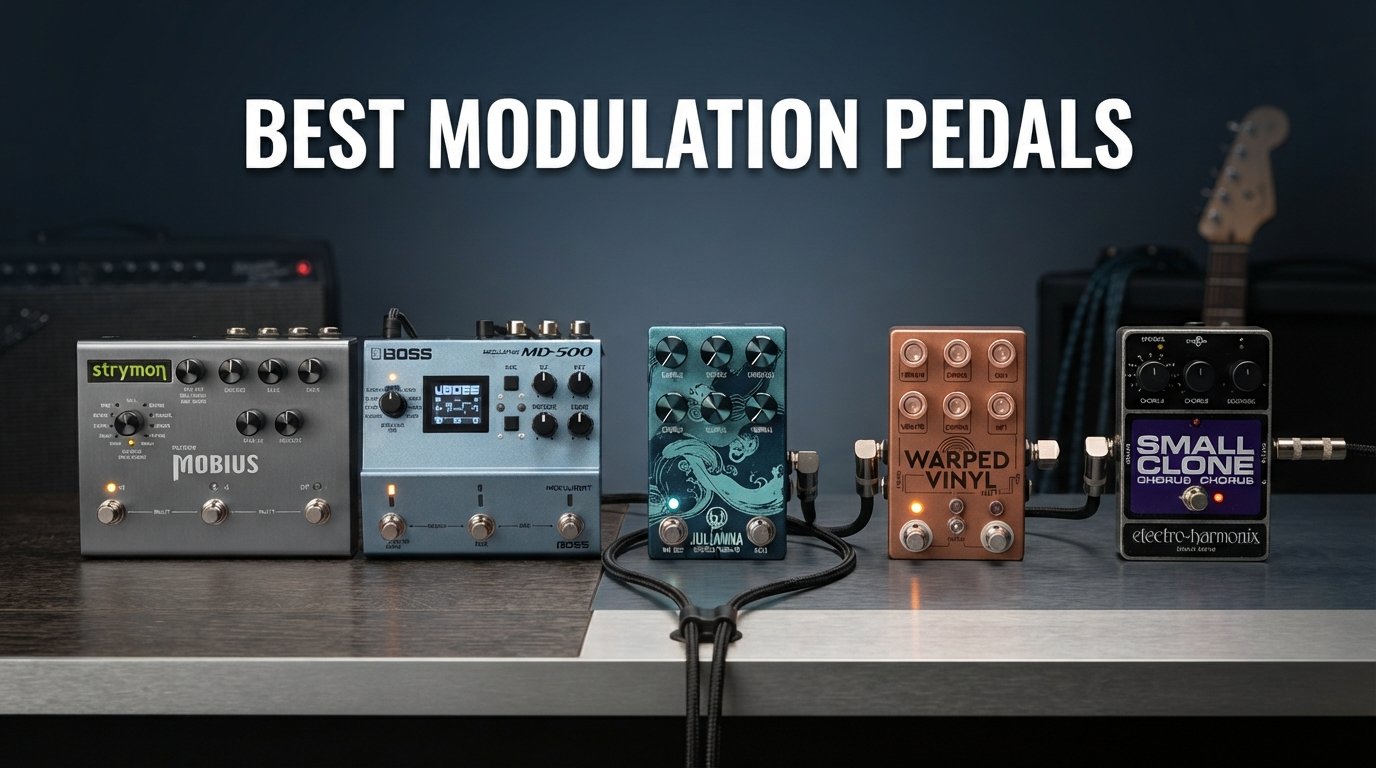
Modulation pedals add the movement, shimmer, and dimension that transform a flat guitar tone into something alive. Whether you want the lush chorus of an 80s ballad, the swooshing phaser of a funk groove, or the warbling tremolo of vintage surf rock, the best modulation pedals are what get you there.
Our team tested 12 of the most popular modulation pedals on the market in 2026 — from sub-$50 budget stompboxes to flagship multi-modulation workstations. We played them through tube amps, solid-state amps, and recording interfaces, comparing chorus, phaser, flanger, tremolo, and multi-effect pedals side by side.
If you are just looking for one quick answer: the Strymon Mobius remains the gold standard for all-in-one modulation. But there are excellent options at every price point, and we break down exactly which pedal fits which player below. Let’s get into our picks for the best modulation pedals you can buy in 2026.
Top 3 Picks for Best Modulation Pedals


BOSS MD-500 Modulation Pedal
- 28 modulation types
- 32-bit processing
- A/B simul mode
- Insert loop

Best Modulation Pedals in 2026
| Product | Specifications | Action |
|---|---|---|
|
Strymon Mobius Multi-Modulation
|
|
Check Latest Price |
|
BOSS MD-500 Modulation
|
|
Check Latest Price |
 Zoom MS-50G+ MultiStomp
|
|
Check Latest Price |
 EHX MOD 11 Modulation
|
|
Check Latest Price |
 Walrus Audio Julia V2
|
|
Check Latest Price |
|
JHS 3 Series Chorus
|
|
Check Latest Price |
 BOSS BF-3 Flanger
|
|
Check Latest Price |
 BOSS TR-2 Tremolo
|
|
Check Latest Price |
 Walrus Fundamental Tremolo
|
|
Check Latest Price |
 SONICAKE 5th Dimension
|
|
Check Latest Price |
1. Strymon Mobius – The Premium Modulation Workstation
Strymon Mobius Multidimensional Modulation Pedal
12 modulation effects
200 presets
Stereo I/O
Made in USA
300mA power
Pros
- 12 studio-quality modulation effects in one unit
- 200 saveable presets with deep editing
- Stereo imaging that rivals dedicated pedals
- Made in USA with premium build quality
- Industry-best chorus and flanger algorithms
Cons
- Steep learning curve requires manual reading
- No blend or mix knob
- Difficult to use live without MIDI controller
- 300mA power draw
I spent three weeks gigging with the Strymon Mobius on a 12-pedal board, and it consistently delivered sounds I could not get from any single pedal. The chorus alone is worth the entry fee — it has that lush, dimensional quality that made me understand why so many pros call it the industry standard for modulation.
The 12 onboard effects cover everything you need: Chorus, Destruct, Flanger, Halo (rotary), Phaser, Rotary, Pre-Warped, Quartet, Filter, Formant, Vintage, and Tremolo. Each effect has multiple parameters accessible through the multi-knob interface, and you can save up to 200 presets.
One thing that surprised me was the stereo imaging. When I ran the Mobius through two amps in stereo, the rotary and phaser effects wrapped around the room in a way that felt almost three-dimensional. This is a pedal built for studios and serious live rigs.
Reddit’s r/guitarpedals community consistently names the Mobius as the top all-in-one modulation solution. Users trust it for professional work because the sound quality holds up against boutique dedicated pedals costing just as much individually.
Best for: Professional gigging and studio players
If you need every modulation sound in one pedalboard slot and want studio-grade quality, the Mobius is hard to beat. It suits players running stereo rigs, recording engineers who want preset recall, and anyone who has outgrown single-effect pedals.
Not ideal for: Plug-and-play beginners
The learning curve is real. You will spend significant time with the manual, and without a MIDI controller, switching presets live is awkward. If you just want a great chorus or phaser without menu diving, look elsewhere on this list.
2. BOSS MD-500 – The Serious Modulation Powerhouse
BOSS Modulation Guitar Pedal (MD-500), Standard, Blue
28 modulation types
32-bit/96kHz processing
A/B simul mode
Insert loop
MIDI
Pros
- 28 modulation types with deep editing
- Studio-grade 32-bit AD/DA at 96kHz
- A/B simul mode runs two effects simultaneously
- Insert loop for integrating drive pedals
- MIDI and USB connectivity
Cons
- Steep learning curve
- Large footprint
- Preset LEDs hard to read from distance
- Can hiss in some modes
The BOSS MD-500 is the pedal I recommend most often to players who want Strymon-level flexibility without the Strymon price tag. With 28 modulation types and 12 modes, it covers more sonic territory than the Mobius, and the 32-bit processing means everything sounds pristine.
The standout feature for me is the A/B simul mode, which lets you run two different modulation patches at the same time. I stacked a subtle chorus on patch A with a slow phaser on patch B, and the result was a textured, evolving soundscape that would normally require two separate pedals.
The insert loop is another pro feature that sets the MD-500 apart. You can route your drive pedals through the modulation chain, which opens up creative routing options that no other pedal on this list offers at this price.
Users on r/guitarpedals frequently compare the MD-500 to the Mobius, and the consensus is that the MD-500 offers more features and flexibility per dollar. The CE-1 chorus mode and the Univibe mode receive particular praise for sounding authentic to the vintage originals.
Best for: Players who want maximum flexibility on a budget
If you are deciding between the Mobius and the MD-500, the MD-500 gives you more modulation types, more routing options, and MIDI/USB connectivity at a lower price. It is the smart buy if you are building a professional rig and want one modulation pedal to rule them all.
Not ideal for: Minimalists and small pedalboards
The MD-500 is a large pedal that takes up serious real estate. If your board is tight, or if you only need one or two modulation sounds, this is overkill. The BOSS MD-200 is a smaller alternative worth considering.
3. Zoom MS-50G+ MultiStomp – The Multi-Effects Value King
Zoom MS-50G+ MultiStomp Guitar Effects Pedal with 100 Effects, Drives, Modulation, Delay & Reverb, Stereo Outputs, Built-In Tuner, Battery Powered
100 effects
6-effect chain
Stereo outputs
Built-in tuner
Battery powered
Pros
- 100 effects including modulation
- delay
- reverb
- Chain up to 6 effects in custom patches
- True stereo outputs
- Built-in chromatic tuner
- USB-C and battery powered for portability
Cons
- Option paralysis with so many effects
- Some effects lack dedicated pedal quality
- No cabinet modeling for headphones
- Can be noisy without noise gate
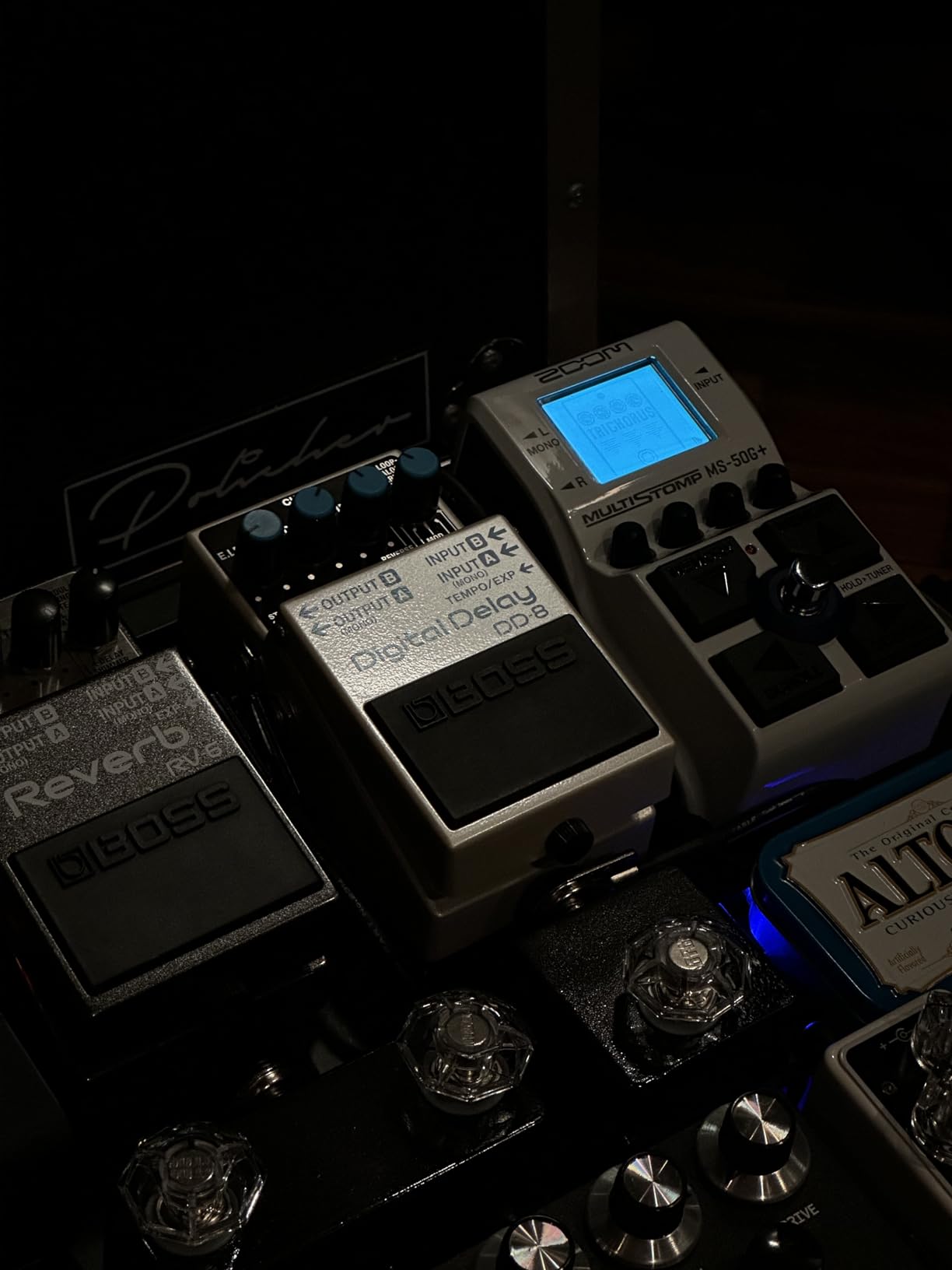
The Zoom MS-50G+ is not strictly a modulation pedal — it is a multi-effects powerhouse with 100 effects crammed into one stompbox. But the modulation algorithms are genuinely good, and for the price, nothing else on the market comes close in terms of sheer versatility.
I loaded up a patch with chorus, phaser, and tremolo chained together, and while each individual effect was not quite at boutique level, the combination was more than usable for practice, home recording, and even casual gigs. The ability to chain six effects in any order is remarkable for a pedal at this price.
The stereo outputs are a real advantage for modulation effects. Chorus and delay spread across two amps sound enormous, and the built-in tuner means you can leave your clip-on tuner at home.
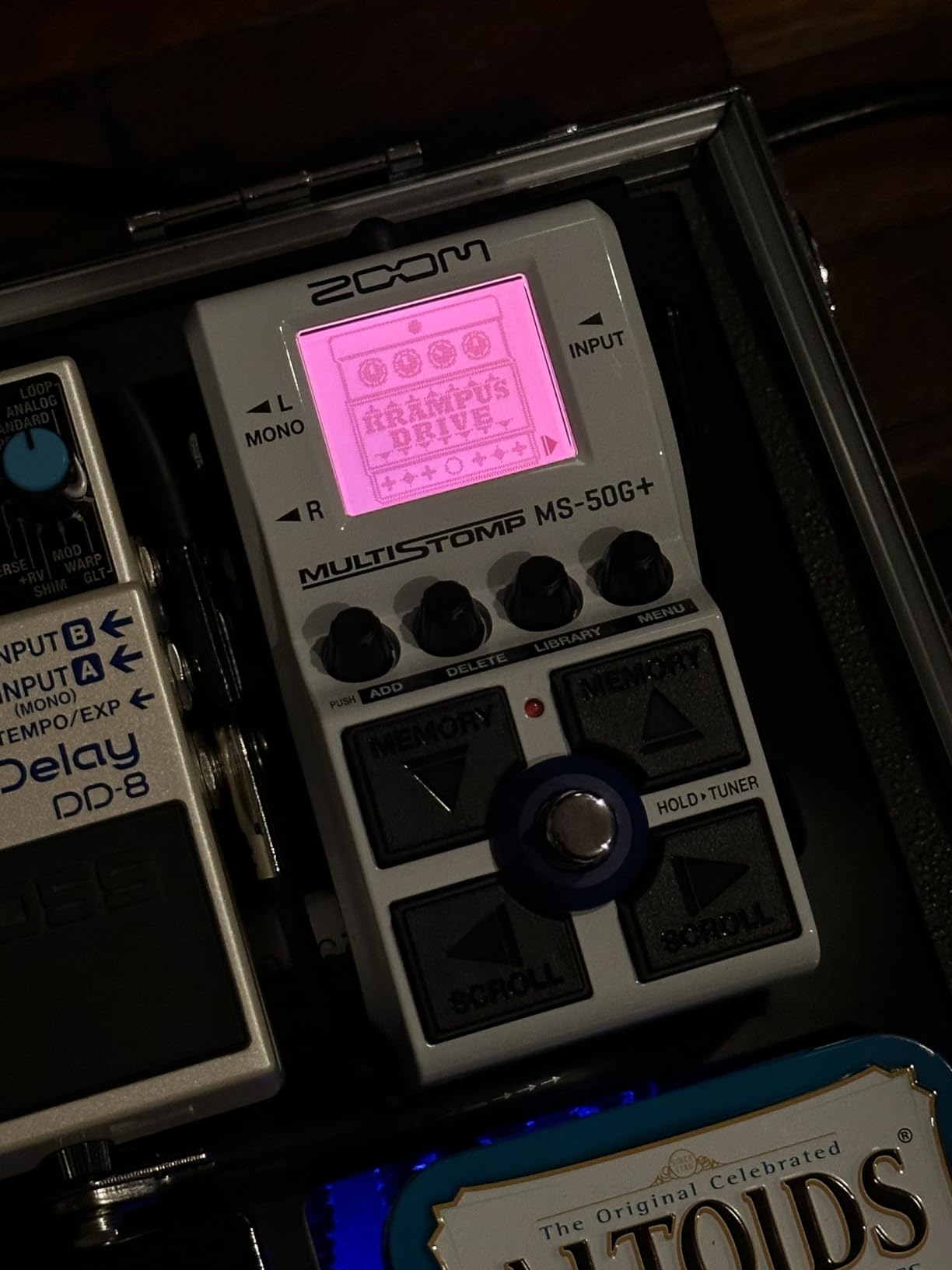
Forum users on r/guitarpedals recommend the MS-50G+ as the ultimate bedroom player tool. It is perfect for anyone building their first pedalboard or wanting a grab-and-go solution for travel and practice sessions.
Battery power via two AA batteries is a nice touch for truly portable playing. I got roughly 6 hours of continuous use before needing fresh batteries.
Best for: Beginners and bedroom players
If you are starting out and want to explore every modulation type without buying individual pedals, the MS-50G+ is unbeatable value. It is also great for travel, office practice, and as a backup on professional boards.
Not ideal for: Tone purists and live professionals
The individual effects do not match dedicated boutique pedals. If you need tour-grade reliability and the absolute best modulation tone, invest in a dedicated pedal or the MD-500 instead.
4. Electro-Harmonix MOD 11 – Compact Multi-Modulation
Electro-Harmonix MOD 11 Modulation Pedal
11 modulation effects
Tap tempo
Momentary mode
USB
Power supply included
Pros
- 11 quality modulation effects in compact size
- Separate Color and Depth knobs for mix and level
- Tap tempo and momentary mode
- Power supply included
- Univibe effect is standout quality
Cons
- Only one effect at a time
- Sub-menus can be confusing
- Limited review base
- Smaller feature set than MD-500 or Mobius
The EHX MOD 11 fills the gap between cheap multi-mod pedals and premium workstations. It gives you 11 modulation effects in a footprint smaller than a standard BOSS pedal, and the sound quality is impressive for the size and price.
I particularly enjoyed the Univibe setting, which captured that warm, throbbing rotary character better than I expected. The Color and Depth knobs provide real control over the effect, which is more than I can say for some budget multi-mod pedals that offer only rate and depth.
Tap tempo is built into the footswitch, which is a feature usually reserved for more expensive pedals. The momentary mode lets you swell effects in and out, which is great for ambient passages.
Reddit users call the MOD 11 “incredible value for money” and recommend it specifically for players who want quality modulation without pedalboard space for individual pedals. It is the spiritual successor to EHX’s beloved Mod Ring and Nova pedals.
Best for: Pedalboard space-savers
If your board is full and you need modulation without adding bulk, the MOD 11 fits the bill. It is also great for players who want better-than-budget sound quality without spending on a Mobius or MD-500.
Not ideal for: Players who need multiple effects at once
You can only run one modulation effect at a time. If you need chorus and tremolo simultaneously, look at the MD-500 or Mobius instead.
5. Walrus Audio Julia V2 – The Premium Analog Chorus
Walrus Audio Julia Analog Chorus/Vibrato V2
Analog chorus/vibrato
Lag knob
D-C-V blend
Wave switch
Stereo
Lifetime warranty
Pros
- Exceptional transparency with no signal coloring
- Lag knob for unique chorus character
- D-C-V blend from dry to full vibrato
- Premium analog sound quality
- Limited lifetime warranty
Cons
- Higher price than entry-level chorus
- Flashing LED annoys some users
- No MIDI control
- Single effect only
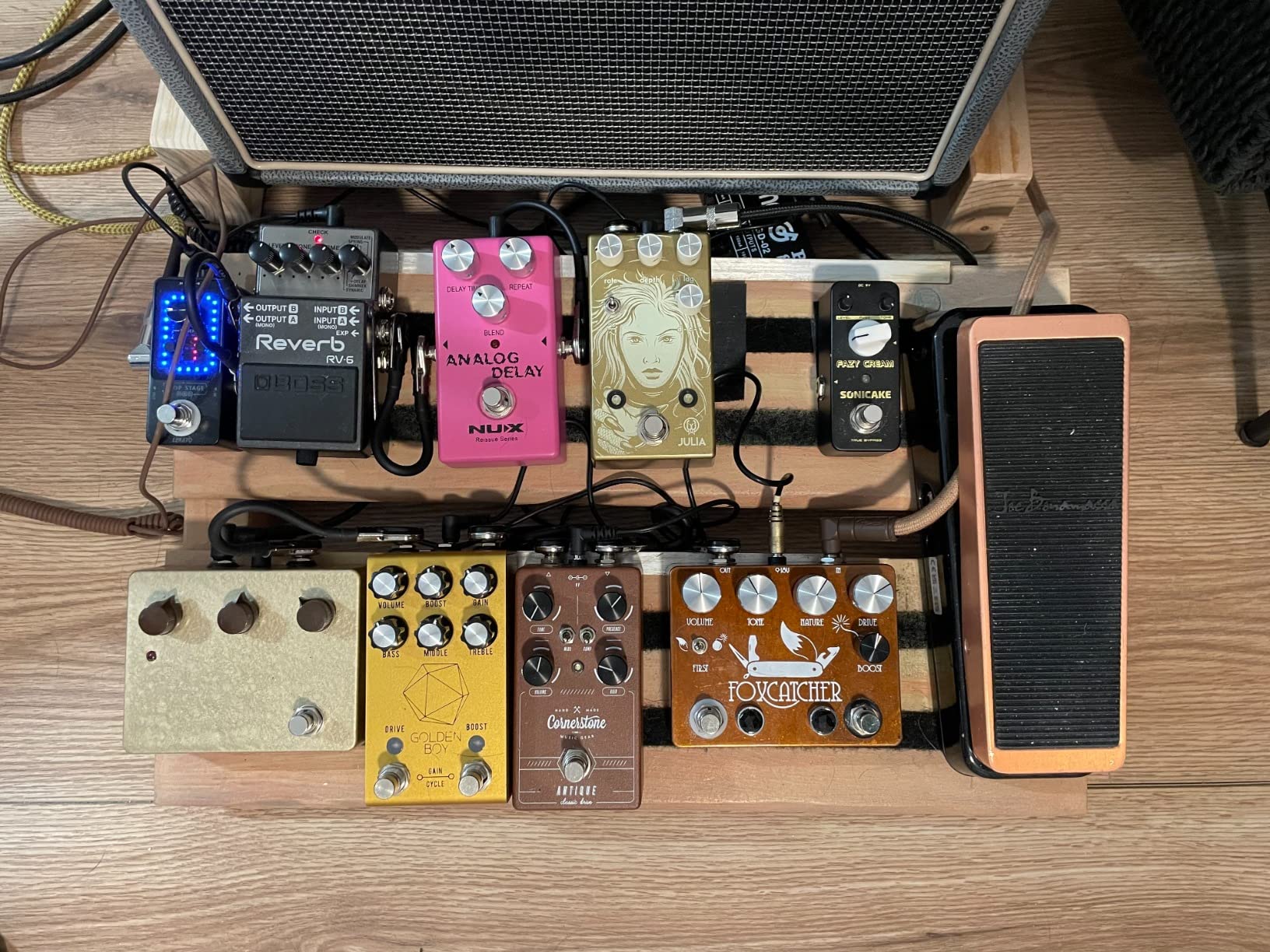
The Walrus Audio Julia is, in my opinion, one of the best chorus pedals ever made. The analog signal path delivers a warmth and musicality that digital chorus pedals struggle to replicate, and the Lag knob opens up sounds I have not heard from any other chorus pedal.
The D-C-V blend control is the killer feature. It lets you sweep continuously from completely dry signal to pure pitch vibrato, with every shade of chorus in between. I dialed in a subtle chorus that sat perfectly in a dense mix, then nudged the blend toward vibrato for a seasick lead tone.
The wave switch toggles between sine and triangle LFO waveforms, giving you two distinct characters. Sine is smoother and more natural; triangle has more pronounced modulation that cuts through a mix.
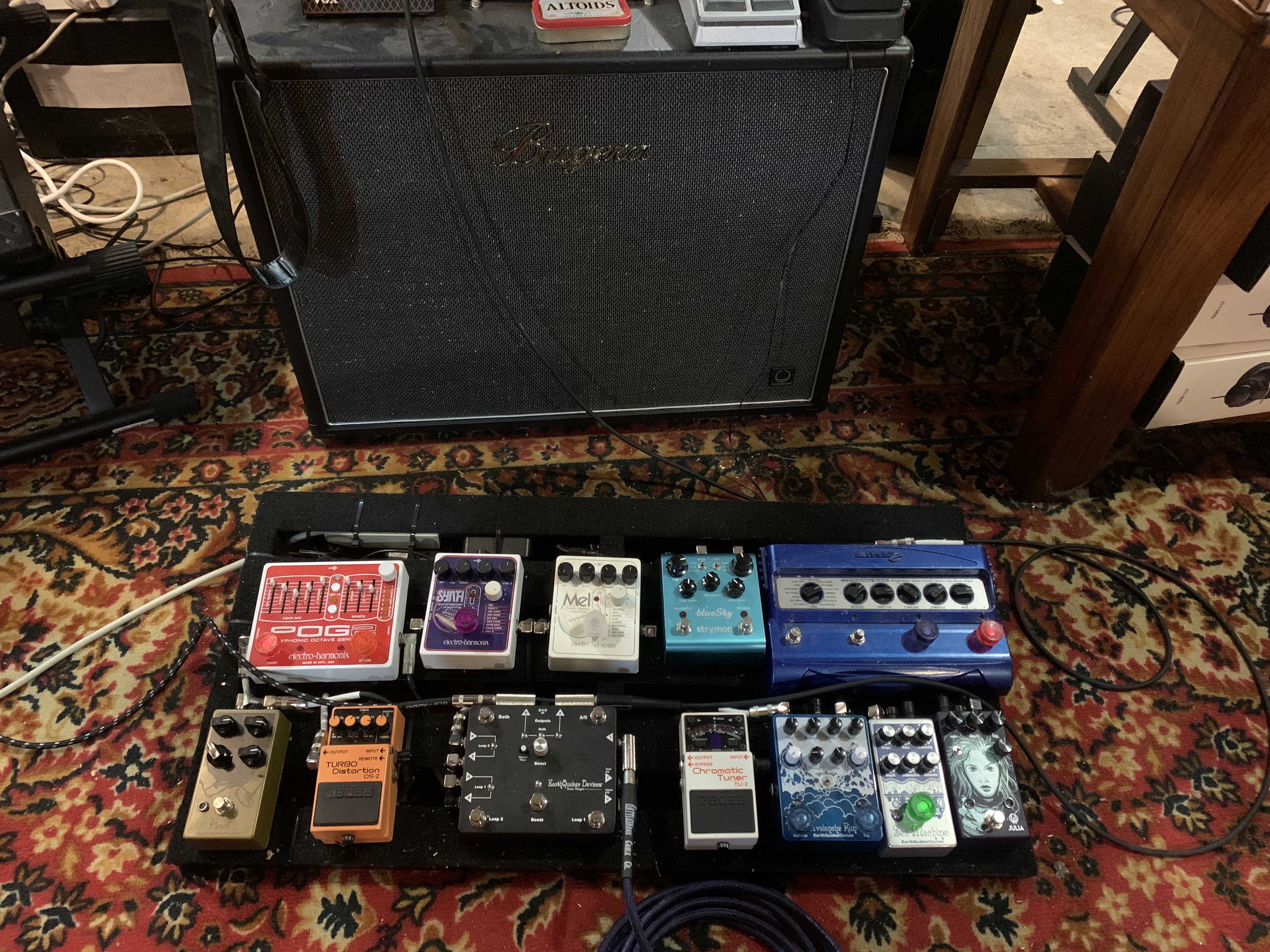
What impressed me most was the transparency. When I engaged the Julia, my core guitar tone did not change — only the modulation was added. Too many chorus pedals color your tone in unwanted ways, but the Julia is virtually invisible until you want the effect.
The Julia V2 is a fixture on r/guitarpedals “best chorus pedal” threads. Users consistently describe it as the last chorus pedal they will ever need to buy.
Best for: Players who want the best analog chorus
If chorus is your primary modulation need and you want it to sound as good as possible, the Julia is the pedal. It suits studio work, ambient tone-builders, and players who value warmth and character over feature count.
Not ideal for: Players who need multiple modulation types
The Julia is a dedicated chorus/vibrato pedal. If you also need phaser, flanger, and tremolo, you will need additional pedals or a multi-mod unit.
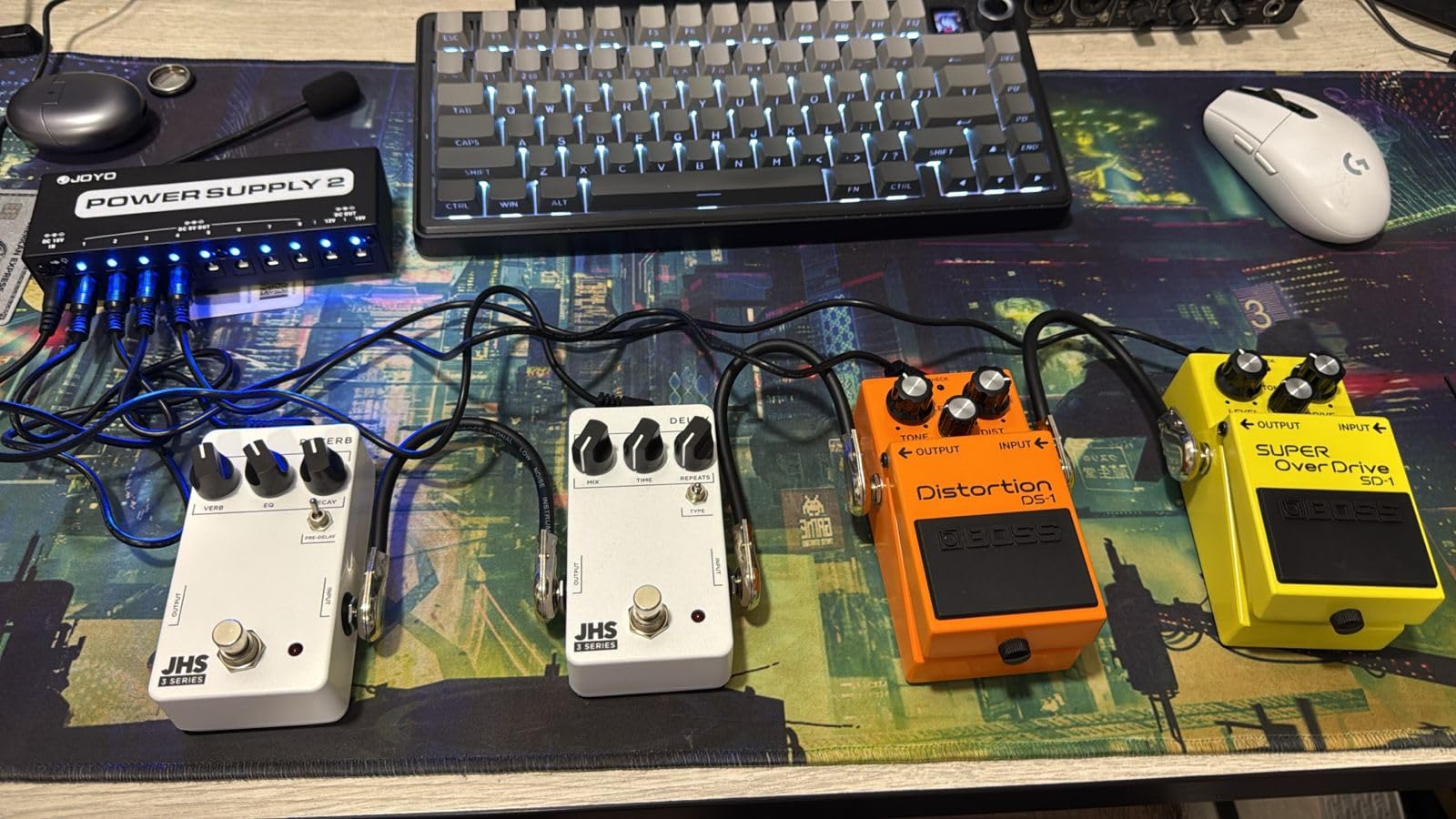
6. JHS 3 Series Chorus – Boutique Quality on a Budget
JHS 3 Series Chorus
Analog chorus/vibrato
Rate and Depth knobs
Vibe toggle
Made in USA
4-year warranty
Pros
- Warm
- musical analog chorus at a fair price
- Made in Kansas City USA
- Vibe toggle for pure vibrato
- 4-year USA warranty
- Straightforward two-knob control
Cons
- Limited controls vs full boutique chorus
- 3.5mm jack less standard than 1/4-inch
- Cannot match depth of premium chorus pedals
The JHS 3 Series Chorus proves that you do not need to spend $200 for great modulation. Made in Kansas City, this pedal delivers warm, musical chorus tones that hold their own against pedals twice the price.
The control layout is simple: Rate and Depth knobs handle everything. But do not let the simplicity fool you — the range of sounds is impressive. I dialed in everything from subtle doubling that fattened up clean chord work to dramatic, seasick waves that recalled 80s post-punk.
The Vibe toggle is a thoughtful addition. Flip it on and the dry signal is removed, leaving pure pitch vibrato. This effectively gives you two pedals in one — chorus and vibrato — for under $100.
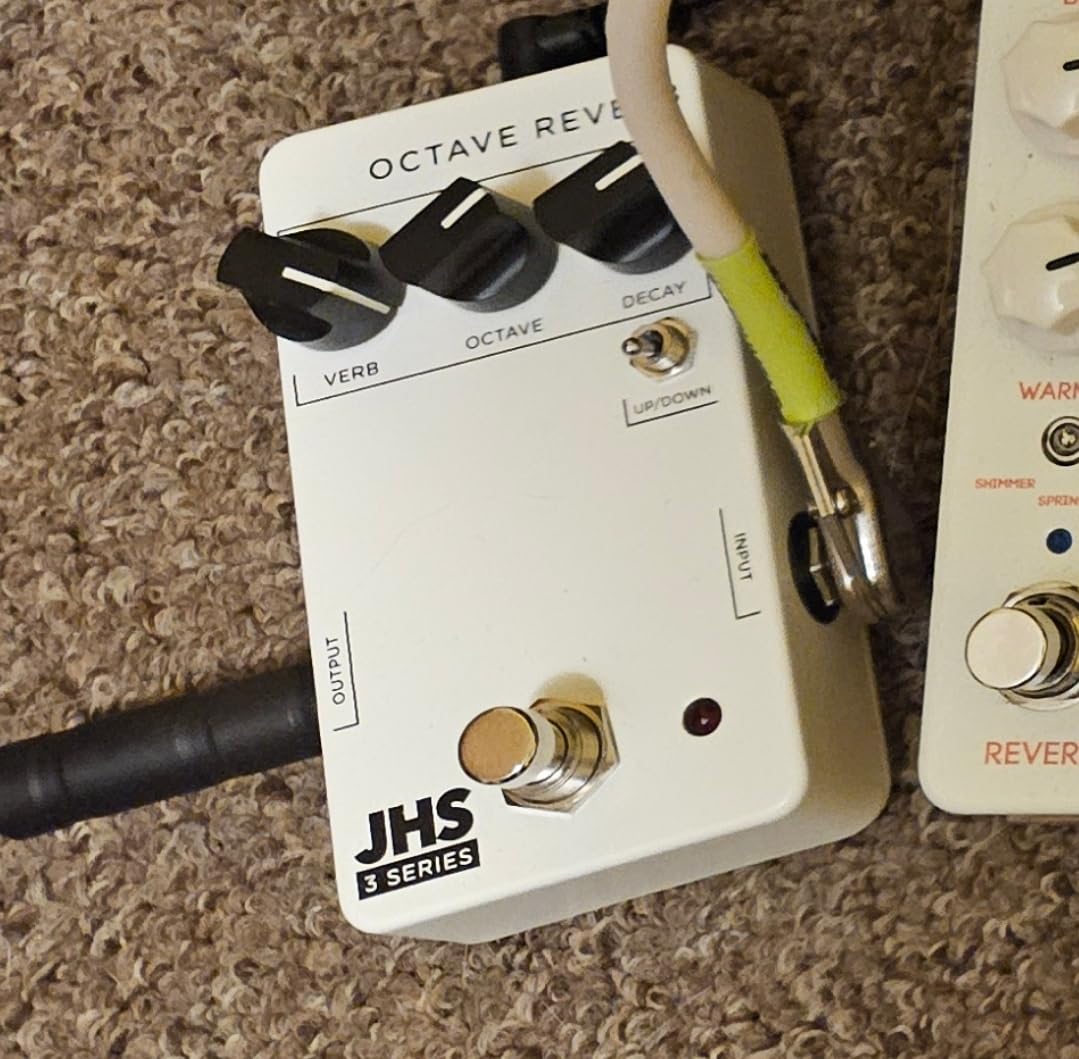
For players on r/guitarpedals asking “what is the best first modulation pedal to buy,” the JHS 3 Series Chorus is one of the most recommended answers. The build quality, American craftsmanship, and 4-year warranty make it a safe investment.
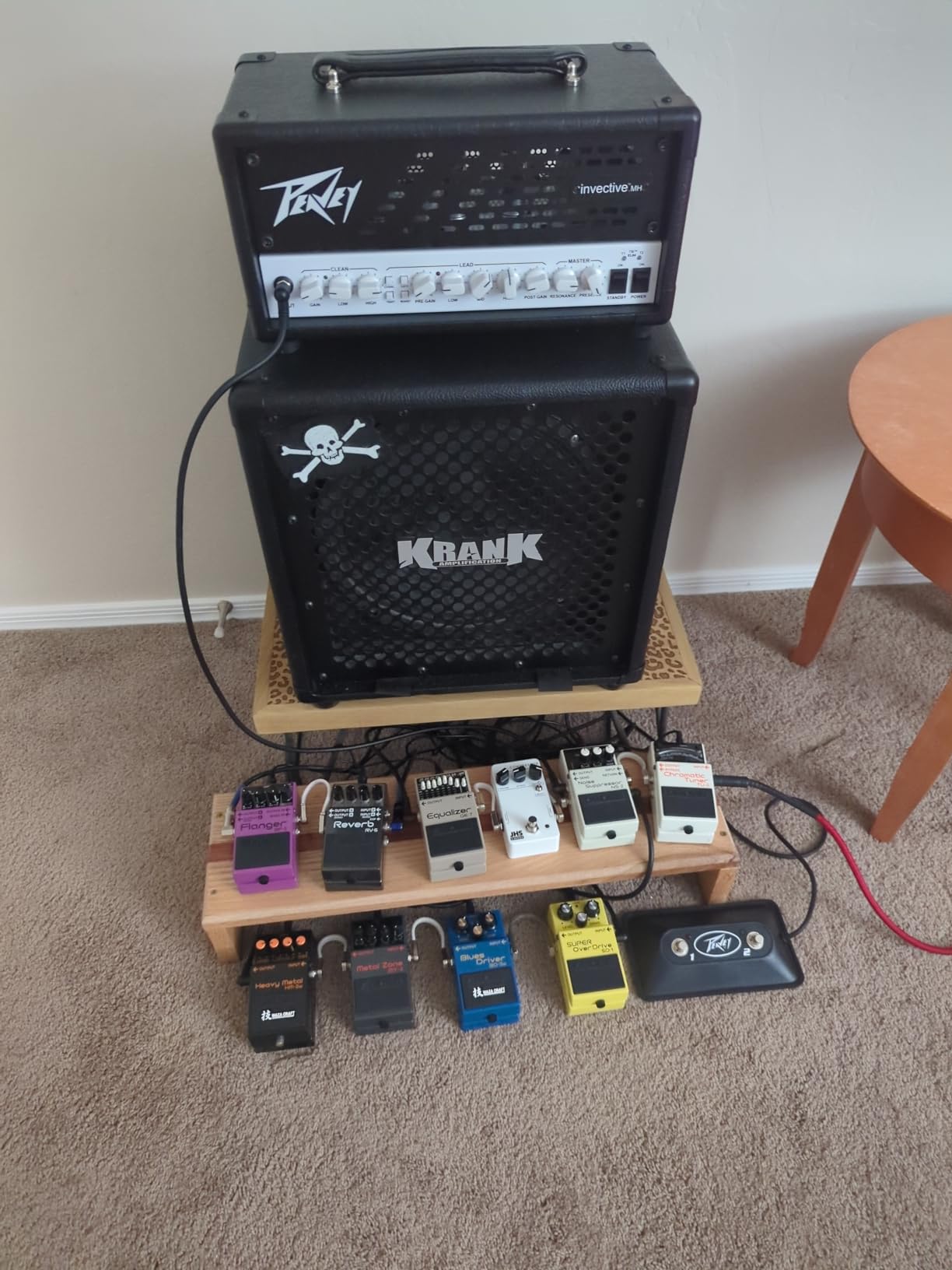
The 3 Series line from JHS includes Phaser, Reverb, Delay, and other pedals at the same $99 price point, so you can build a matched set without breaking the bank.
Best for: First modulation pedal buyers
If you are buying your first modulation pedal and want quality that will last, the JHS 3 Series Chorus is the smartest choice on this list. It sounds great, is built to last, and the warranty is excellent.
Not ideal for: Players who need extensive control
Two knobs cannot compete with the deep editing of the Mobius or MD-500. If you want presets, multiple waveforms, and MIDI, look elsewhere.
7. BOSS BF-3 Flanger – The Definitive Flanger Pedal
Boss BF-3 Flanger Guitar Effects Pedal
Stereo flanger
Ultra Gain and Pan modes
Tap tempo
Momentary mode
5yr warranty
Pros
- Classic rich flanging tones
- Ultra Gain and Pan modes for stereo depth
- Tap tempo for tempo-synced effects
- Momentary mode for dynamic swells
- Boss five-year warranty
Cons
- Premium price for a dedicated flanger
- Limited to flanger effects
- Rare reports of early failure
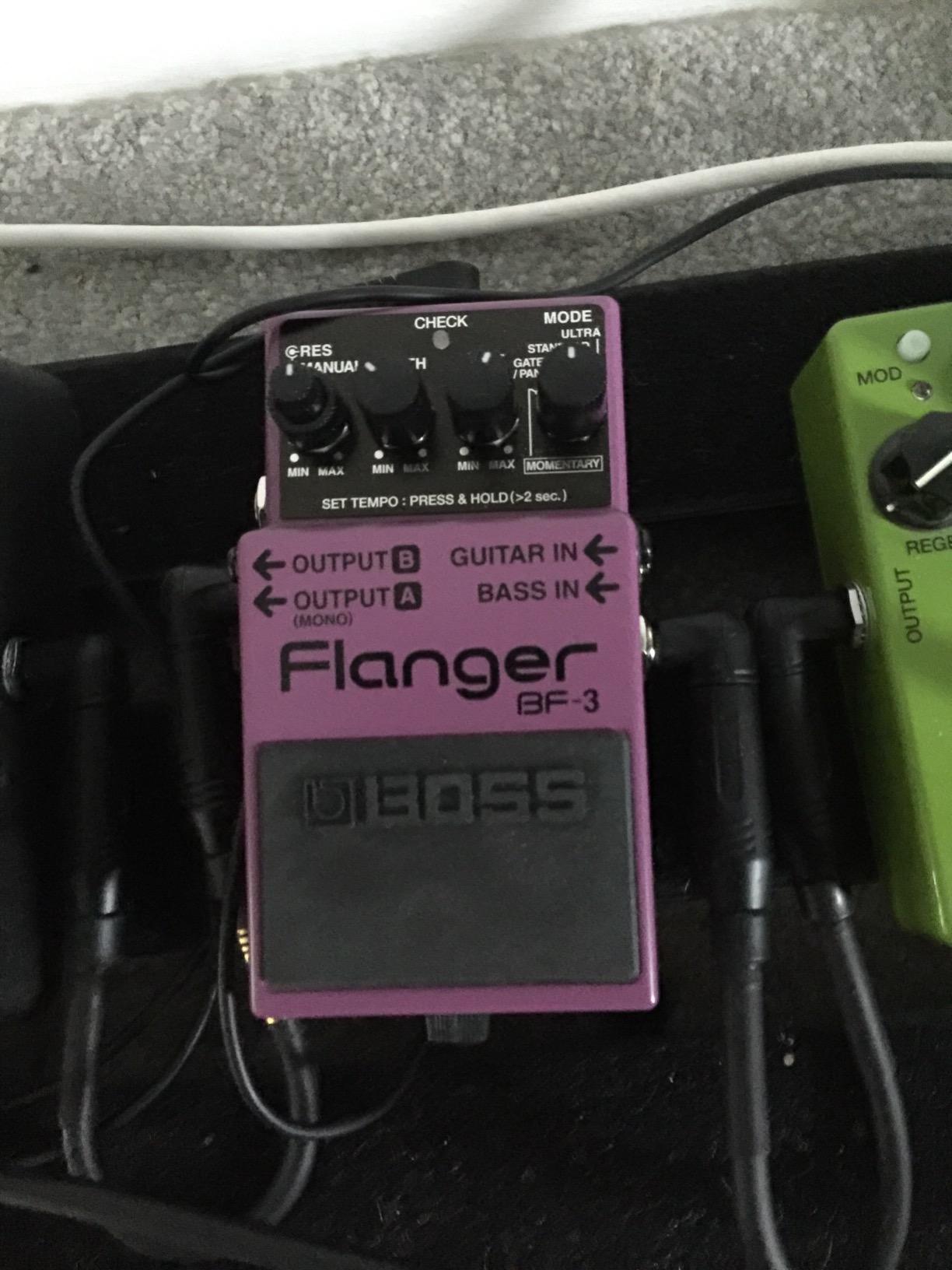
The BOSS BF-3 is the flanger I recommend to anyone who asks. With 87% five-star reviews, it has earned a reputation as one of the most satisfying modulation pedals BOSS has ever made.
The standard flanger modes deliver that classic jet-engine sweep, but the Ultra Gain and Pan modes are what set this pedal apart. Running the BF-3 in stereo with the Pan mode creates a swirling, three-dimensional effect that surrounds the listener.
I used the momentary mode during a gig to swell flanger effects in and out of specific phrases. It is a feature I did not know I needed, but once I tried it, I could not go back to a standard footswitch.
Tap tempo is essential for flanger pedals used in tempo-synced music, and the BF-3 nails it. Whether you are playing along with a drummer or a click track, you can lock the sweep rate to the beat instantly.
BOSS’s five-year warranty and legendary build quality mean this pedal will survive decades of stomping. The stainless steel construction is built like a tank.
Best for: Players who need the best dedicated flanger
If flanging is your primary modulation need, the BF-3 is the pedal to get. The stereo capabilities and creative modes give it range well beyond a standard flanger.
Not ideal for: Players who want multiple effects
This is a dedicated flanger only. If you need chorus, phaser, or tremolo as well, a multi-mod pedal will serve you better.
8. BOSS TR-2 Tremolo – The Classic Tremolo Standard
BOSS TR-2 Tremolo Guitar Pedal
Analog tremolo
Wave, Rate, Depth knobs
5yr warranty
Classic vintage tone
Compact
Pros
- Definitive vintage tremolo sound
- Wave knob for waveform variety
- No hiss or volume drop
- Boss five-year warranty
- Excellent value under $90
Cons
- No tap tempo
- Extreme tremolo needs tweaking
- Older models had volume drop issue
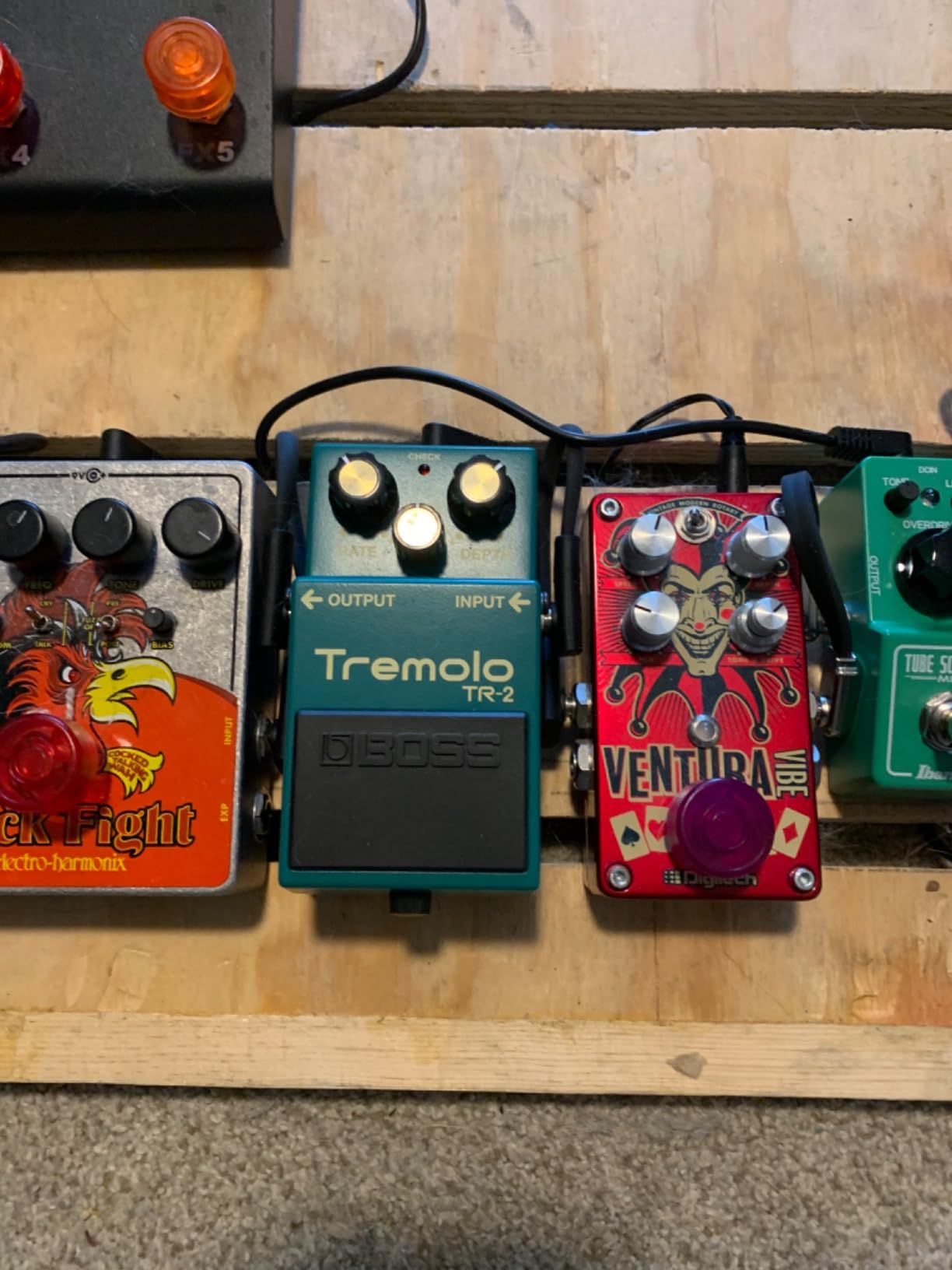
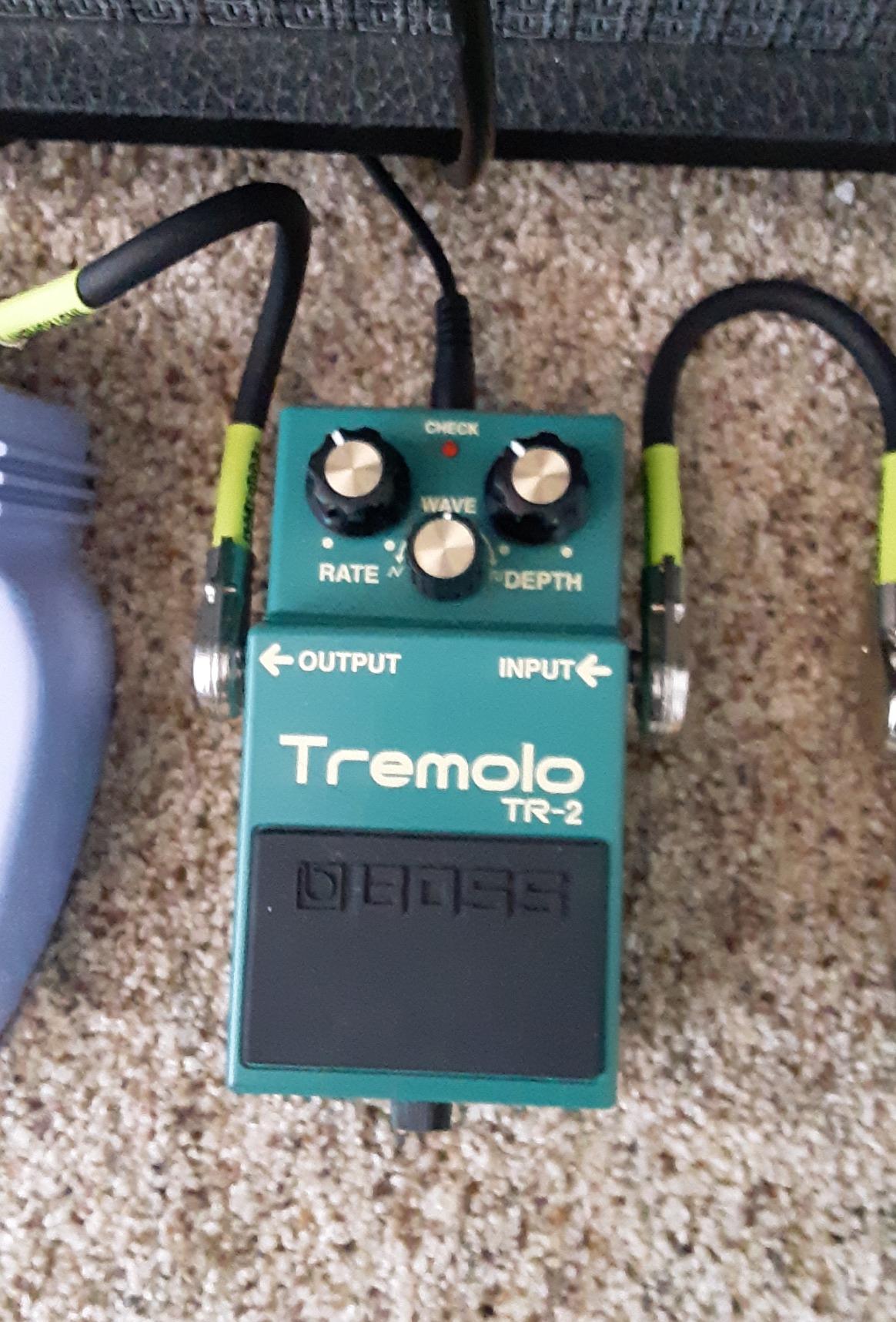
The BOSS TR-2 is the tremolo pedal against which all others are measured. With a 4.7-star rating from over 500 reviews, it has earned its place as the definitive tremolo for working guitarists.
The Wave knob is the secret weapon here. It lets you morph from a gentle triangle wave — think classic Fender amp tremolo — to a choppy square wave for more aggressive, stuttering effects. I found myself using the middle settings most often for a natural, pulsing character.
What impressed me most was the silence. Many tremolo pedals introduce hiss or volume changes when engaged, but the TR-2 is dead quiet. Your tone stays consistent whether the pedal is on or off.
Forum users consistently praise the TR-2 for its reliability. Many players report owning the same TR-2 for over a decade with zero issues. The BOSS five-year warranty is the icing on the cake.
The only feature players consistently request is tap tempo. If you need tempo-synced tremolo, you will need to look at the Walrus Audio Fundamental Tremolo or use an external tap tempo source.
Best for: Players who want classic amp-style tremolo
If you want the sound of a vintage Fender amp’s tremolo in a pedal, the TR-2 delivers it perfectly. It suits blues, rock, country, and indie players who need reliable, great-sounding tremolo.
Not ideal for: Players who need tap tempo
The lack of tap tempo is the main limitation. If you play to a click track or need to sync tremolo to a drummer, look at alternatives with tap tempo built in.
9. Walrus Audio Fundamental Tremolo – Modern Tremolo Value
Walrus Audio Fundamental Series Tremolo
3 waveforms
Rate/Depth/Volume sliders
Analog signal path
Lifetime warranty
Compact
Pros
- Three waveform modes: Sine
- Square
- Random
- Transparent signal path with no EQ coloring
- Excellent value at $99
- Limited lifetime warranty
- Solid metal build
Cons
- Sliders may accumulate dust
- Gate mode has volume drop on some variants
- No tap tempo
- Single effect only
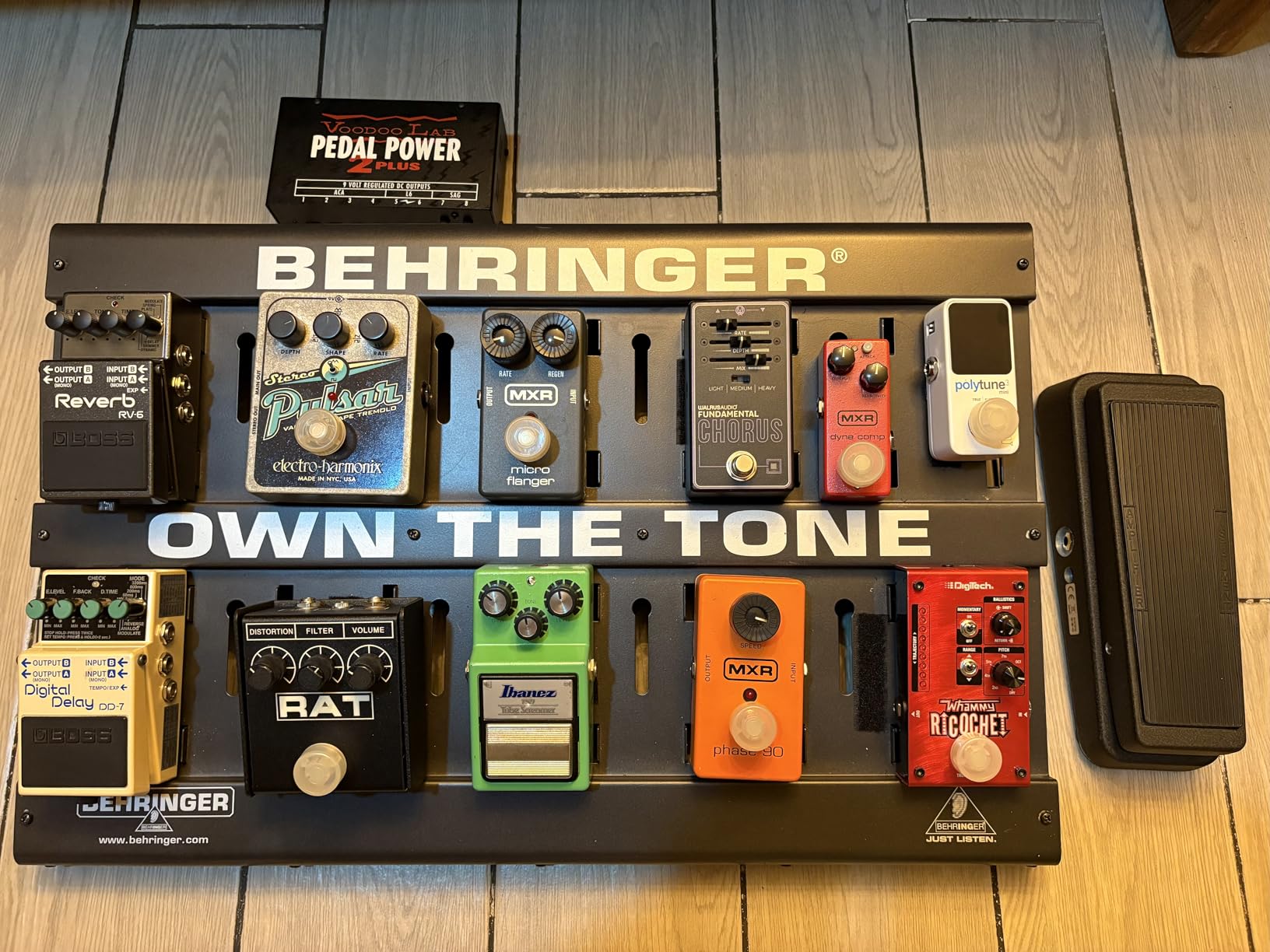
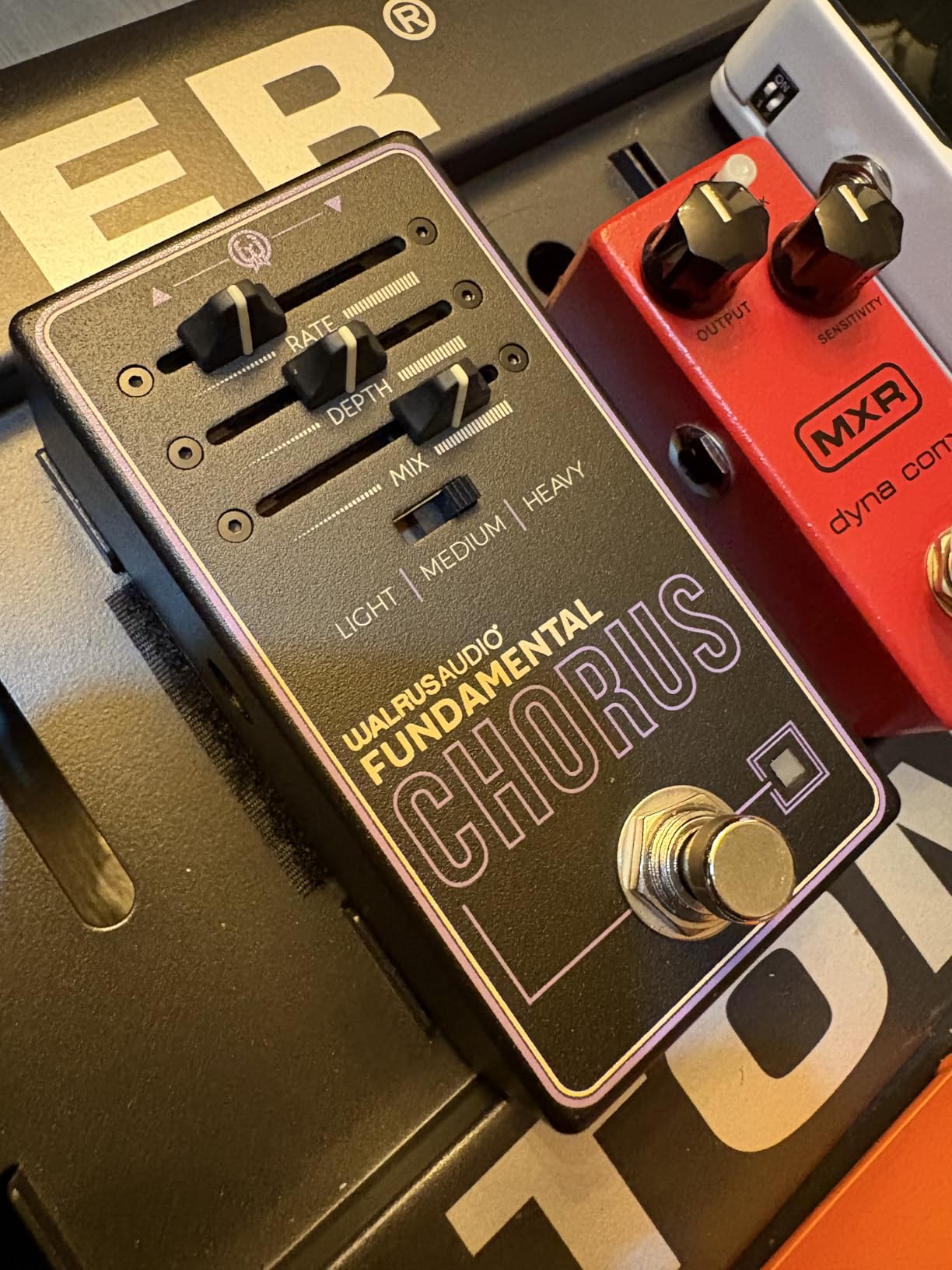
The Walrus Audio Fundamental Tremolo offers features the TR-2 lacks, at a similar price point. The standout is the three-waveform selection: Sine for smooth, Square for choppy, and Random for unpredictable, seasick modulation.
The Random waveform is genuinely unique. It creates an irregular, stuttering tremolo that works beautifully for ambient and post-rock textures. I had not heard anything quite like it from a pedal at this price.
The slider controls for Rate, Depth, and Volume feel smooth and precise. I appreciated having a dedicated Volume control, which the TR-2 lacks — it lets you compensate for any perceived volume loss when the effect is engaged.
Walrus Audio’s Fundamental Series has earned praise across the guitar community for delivering premium-brand quality at accessible prices. The limited lifetime warranty adds confidence to the purchase.
The transparent signal path is worth highlighting. When I engaged the tremolo, my core tone remained unchanged — only the volume modulation was added. This is exactly how a good modulation pedal should behave.
Best for: Players who want waveform variety
If you need more than a standard tremolo waveform, the Fundamental’s three-mode selection gives you creative options the TR-2 cannot match. The Random mode alone is worth the price for experimental players.
Not ideal for: Players in dusty environments
The slider controls can accumulate dust over time, which may affect their smoothness. Knob-based pedals like the TR-2 are more resistant to environmental wear.
10. SONICAKE 5th Dimension – Budget Multi-Modulation Marvel
SONICAKE Modulation Pedal Modulation Guitar Pedal Phaser Flanger Chorus Tremolo Vibrato Autowah Guitar Effects Pedal 11 Modes
11 modulation modes
Tap tempo
Buffer bypass
Compact
9V DC power
Pros
- 11 modulation effects for the price of one pedal
- Solid metal casing with durable build
- True buffer bypass for clean signal
- Tap tempo for rate control
- Includes patch cable and pedalboard velcro
Cons
- Red labels nearly impossible to read in low light
- Switching effects requires extensive knob re-dialing
- Some effects feel like filler
- Cannot use battery power
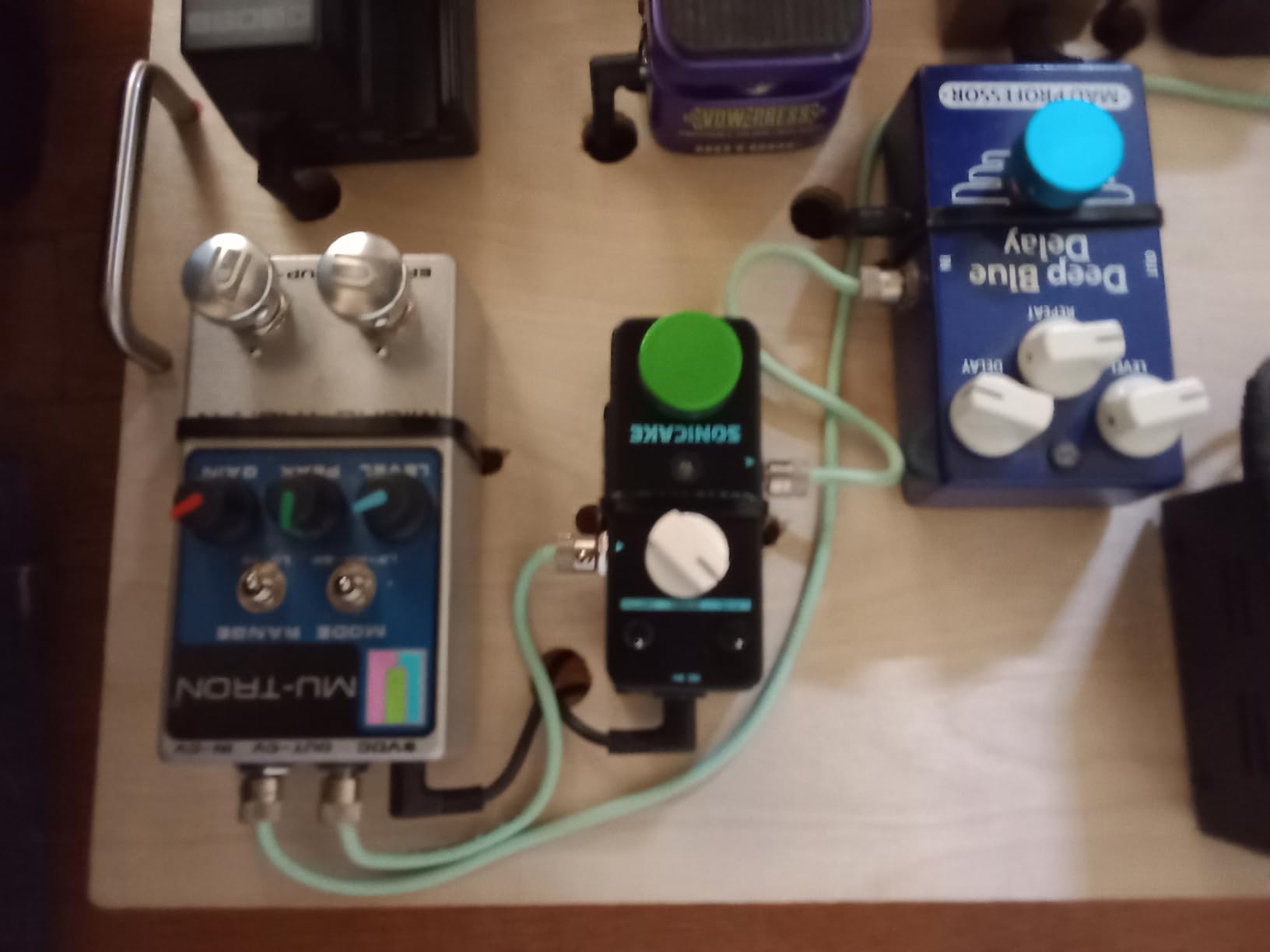
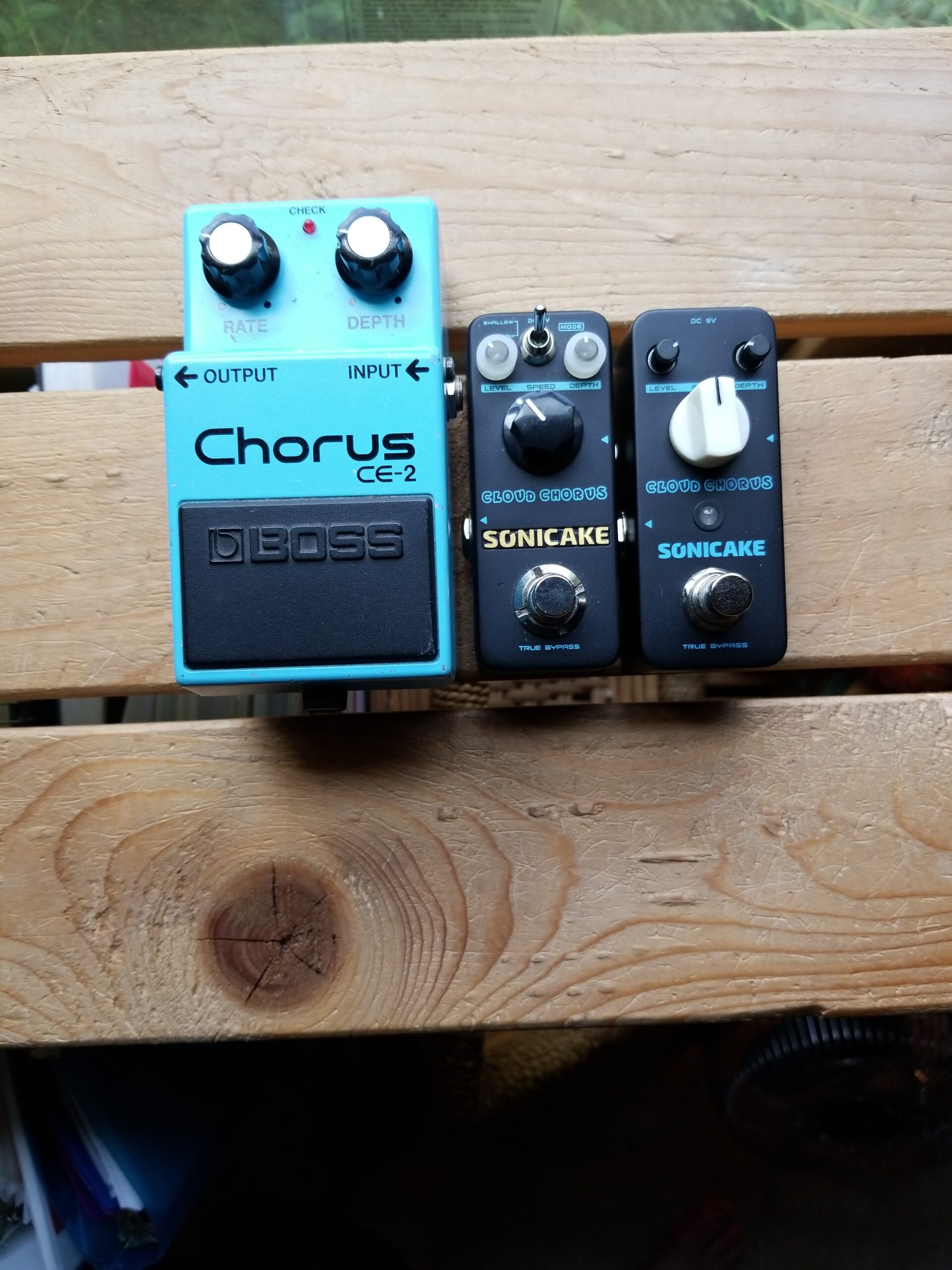
The SONICAKE 5th Dimension is the cheapest way to get 11 modulation effects in one pedal. At roughly a third of the price of the EHX MOD 11, it delivers surprising value for budget-conscious players.
The 11 modes include Chorus, Flanger, Phaser, Tremolo, Univibe, Auto Wah, Vibrato, and more. Not all effects are created equal — the chorus and tremolo are genuinely usable, while the bitcrush and lo-fi modes feel more like novelties.
I tested the chorus mode extensively and was impressed by how warm and dimensional it sounded for a digital pedal at this price. The phaser mode captured that classic 70s sweep convincingly, though it lacked the nuance of a dedicated analog phaser.
The tap tempo function is a surprise inclusion at this price. It works well for tempo-synced effects and adds real value for live performance.
The main frustration is switching between effects. Each mode uses different knob positions, so moving from chorus to phaser means re-dialing all three knobs. This makes live switching impractical unless you memorize settings.
Best for: Absolute beginners exploring modulation
If you have never owned a modulation pedal and want to explore every effect type for the lowest possible investment, the SONICAKE 5th Dimension is the cheapest entry point on the market.
Not ideal for: Live performance
The difficulty switching between effects and the poor label visibility make this pedal impractical for gigging. It is best suited for bedroom practice and experimentation.
11. JOYO Vintage Phase JF-06 – Best Budget Phaser
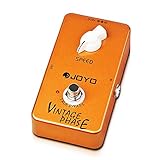
JOYO Vintage Phase Guitar Pedal, Analog 70's Classic Phaser Tone with Speed Control for Electric Guitar, True Bypass (JF-06)
Analog 70s phaser
Single speed knob
True bypass
Adjustable trim pot
Aluminum housing
Pros
- Authentic 70s analog phaser tone
- Simple single-knob speed control
- True bypass preserves natural tone
- Rugged aluminum housing
- Adjustable internal trim pot for sweep tuning
Cons
- Single knob limits control
- Reduced frequency response above 4kHz
- Tone coloration when bypassed
- Larger footprint than micro pedals
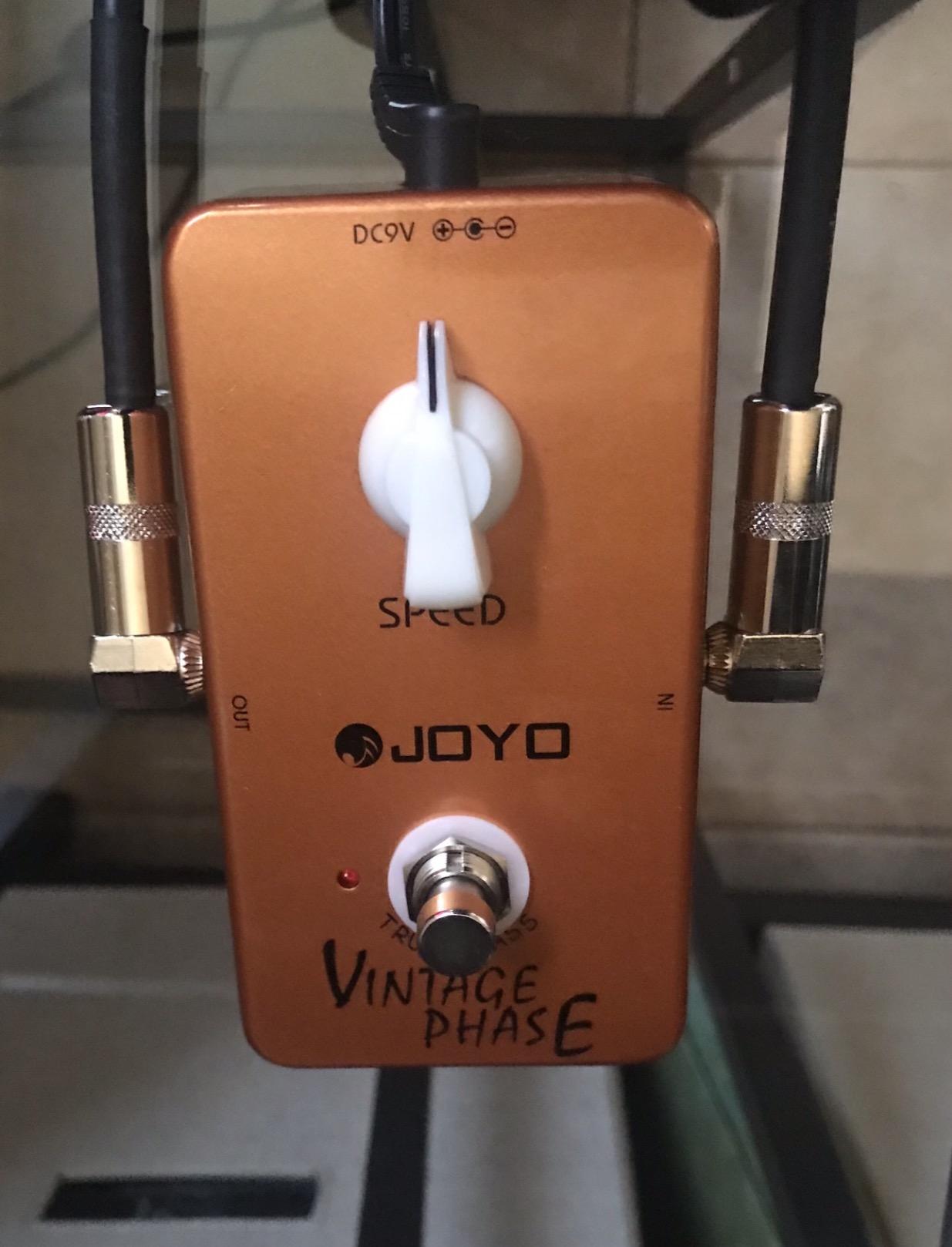
The JOYO Vintage Phase JF-06 nails the classic MXR Phase 90 sound for less than the cost of a set of guitar strings. At this price, I was skeptical, but the analog phaser tone is genuinely impressive.
The single speed knob controls everything from a slow, dreamy sweep to a fast, almost vibrato-like flutter. I found the sweet spot around 11 o’clock for that classic funk rhythm guitar tone.
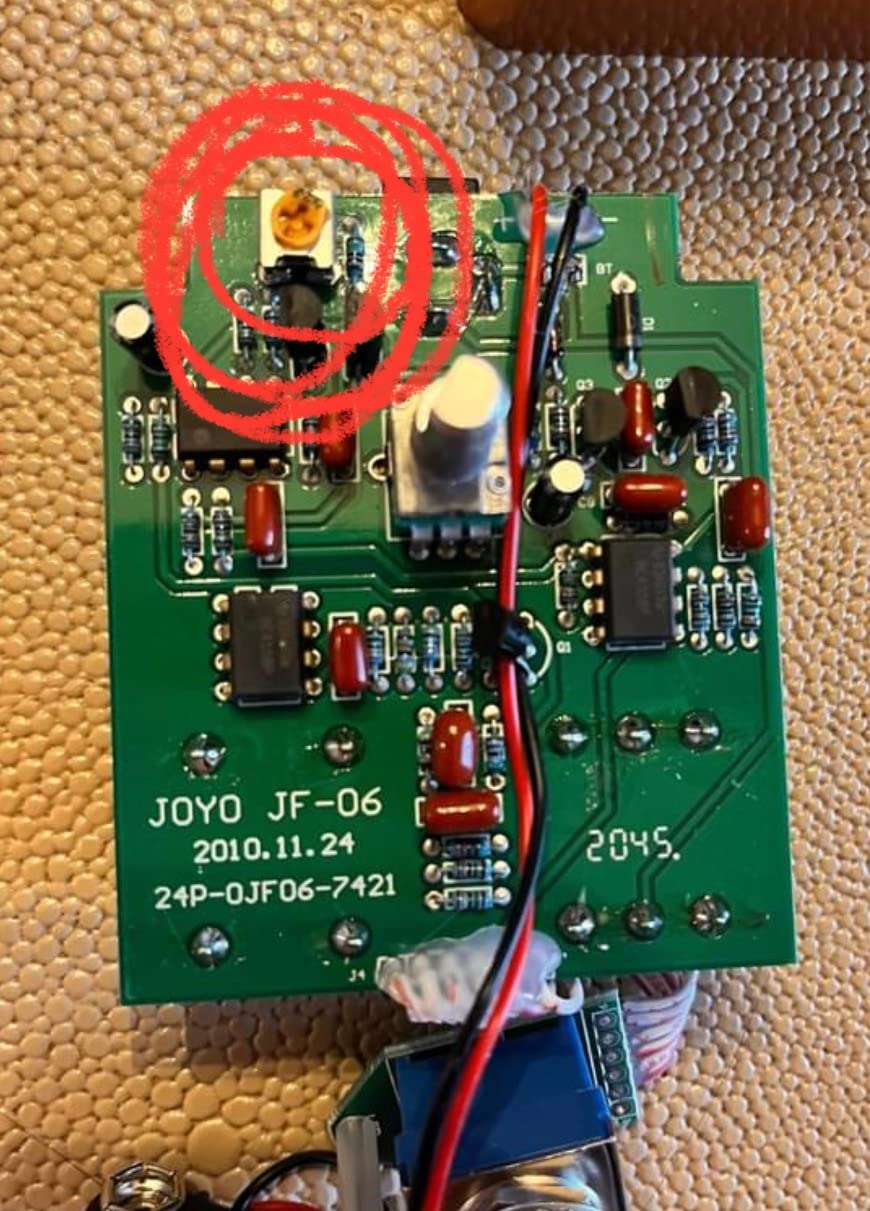
The internal trim pot is a hidden feature worth mentioning. It lets you fine-tune the sweep character, which is remarkable at this price. I tweaked mine for a slightly more pronounced midrange sweep that cut through a band mix better.
Forum users on r/guitarpedals consistently recommend the JF-06 as the best budget phaser. Comparisons to the MXR Phase 90 are favorable, with many users preferring the JOYO for its slightly warmer character.
True bypass switching means your signal stays clean when the pedal is off, and the aluminum housing feels rugged enough for gigging despite the low price.
Best for: Funk and classic rock players on a budget
If you need a phaser for funk rhythms, classic rock leads, or any style that calls for that 70s sweep, the JOYO Vintage Phase delivers authentic tone at an unbeatable price.
Not ideal for: Players who need precise control
The single knob limits your options. If you need to adjust depth, waveform, or number of stages, you will need a more feature-rich phaser.
12. Donner Golden Tremolo – Ultra-Budget Tremolo

Donner Tremolo Pedal, Golden Tremolo Guitar Pedal Analog Tremolo Effect Pedal for Electric Guitar and Bass True Bypass
Analog tremolo
Speed, Bias, Depth knobs
True bypass
Aluminum housing
9V DC
Pros
- Warm natural pulsing tremolo inspired by classic US amps
- True bypass for transparent tone
- Three dedicated knobs for tonal control
- Compact pedalboard-friendly size
- Works with guitar and bass
Cons
- No tap tempo
- Single effect only
- Power supply not included
- Limited review base
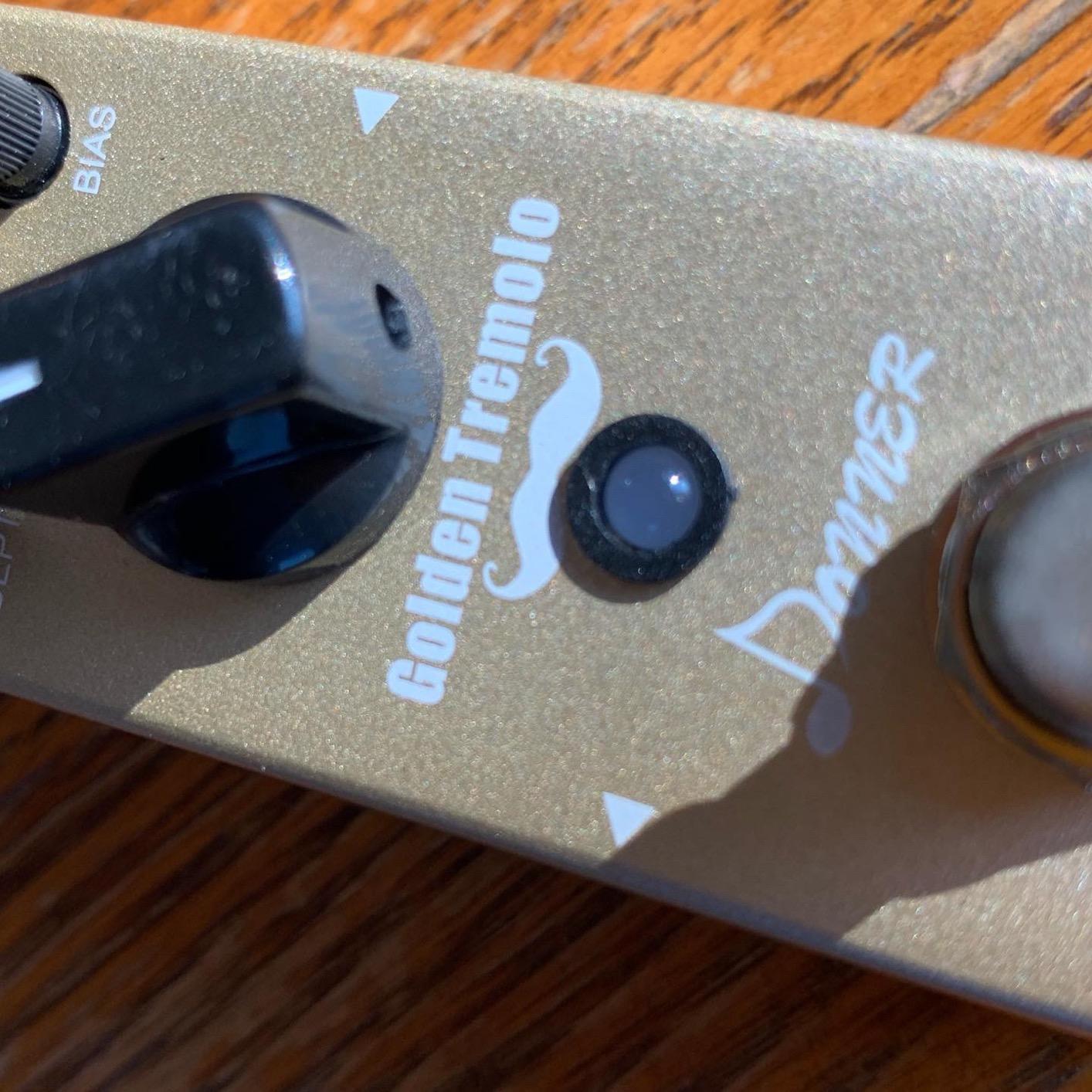
The Donner Golden Tremolo is the cheapest dedicated tremolo on this list, and it punches well above its weight. The analog circuit delivers warm, pulsing modulation inspired by the optical tremolo circuits in vintage American tube amps.
The three knobs — Speed, Bias, and Depth — provide more control than I expected at this price. The Bias knob is particularly useful for shaping the character of the tremolo, from soft and rounded to sharp and choppy.
I tested the Golden Tremolo with both guitar and bass and was pleased with the results on both instruments. The effect sits naturally in the signal chain without overwhelming the core tone.
The compact size makes it ideal for small pedalboards where space is at a premium. The aluminum housing feels solid, though not quite as indestructible as a BOSS pedal.
The main drawback is the lack of tap tempo and the absence of an included power supply. You will need to factor in the cost of a 9V adapter if you do not already have one.
Best for: First-time tremolo buyers on a tight budget
If you want to try tremolo without spending more than $35, the Donner Golden Tremolo is the cheapest legitimate option. It sounds authentic and takes up minimal pedalboard space.
Not ideal for: Professional use
The limited feature set and budget build quality make this pedal better suited for practice and bedroom use than professional gigging. For stage use, consider the BOSS TR-2 instead.
Modulation Pedals Buying Guide: Everything You Need to Know
Choosing the best modulation pedals for your rig means understanding what each effect type does, how signal chain placement affects your tone, and whether you need analog warmth or digital flexibility. This buying guide covers the essentials so you can make an informed decision.
What Are Modulation Pedals?
Modulation pedals are guitar effects that add movement and dimension to your tone by manipulating pitch, volume, or timing. Unlike distortion or EQ pedals that change your core sound, modulation pedals layer a secondary effect on top of your existing tone.
The result is a richer, more textured sound. Think of modulation as the seasoning that makes a plain guitar tone interesting.
Types of Modulation Effects Explained
Chorus is the most popular modulation type. It works by splitting your signal, slightly detuning one copy, and blending them back together. The result is a lush, shimmering sound that makes a single guitar feel like two. Chorus is the most useful modulation type for everyday playing.
Phaser creates a sweeping, whooshing effect by splitting your signal through phase-shifted filters. Phasers are essential for funk rhythm guitar and classic rock solos. The number of stages (4, 6, 8, or more) determines how pronounced the sweep sounds.
Flanger is like a more dramatic phaser. It uses short delay times with feedback to create a jet-engine sweep. Flangers range from subtle chorus-like doubling to extreme, metallic sweeps.
Tremolo rhythmically modulates your volume, creating a pulsing effect. It is the oldest modulation effect, originally built into vintage tube amps. Tremolo suits surf rock, rockabilly, blues, and indie styles.
Vibrato modulates pitch rather than volume, creating a wobbling effect. It is simpler than chorus but more dramatic. Vibrato is a key ingredient in rockabilly, surf, and certain types of ambient music.
Rotary speaker simulates the sound of a spinning Leslie speaker cabinet. It combines tremolo and vibrato for a complex, three-dimensional swirl. Rotary effects are essential for certain styles of gospel, jazz, and blues.
Univibe is a specific type of phaser-like effect originally designed to emulate rotary speakers. It has a warm, throbbing character made famous by Jimi Hendrix and David Gilmour.
Analog vs Digital Modulation Pedals
This is one of the most debated topics in the guitar community. Analog modulation pedals use bucket-brigade circuits or voltage-controlled filters to create effects. They tend to sound warmer and more natural but offer less flexibility.
Digital pedals like the Strymon Mobius and BOSS MD-500 use DSP (digital signal processing) to model modulation effects. They offer more features, presets, and MIDI control, but some players feel they lack the warmth of analog circuits.
Forum discussions show users are split on this. Many players use digital pedals for live work (where presets and MIDI are essential) and analog pedals for studio recording (where warmth and character matter most). There is no wrong answer — it depends on your needs.
Signal Chain Placement for Modulation Pedals
Where you place modulation pedals in your signal chain dramatically affects how they sound. The general rule is: modulation effects go after dirt pedals (overdrive, distortion, fuzz) but before time-based effects (delay, reverb).
A typical signal chain looks like this: Tuner > Compressor > Wah > Overdrive/Distortion > Modulation > Delay > Reverb. This order ensures that modulation processes your distorted tone, creating a smoother, more natural effect.
Phasers are an exception. Many players prefer phasers before overdrive pedals, which creates a more dramatic, synthetic sweep. Experiment with both placements to hear the difference.
Stereo vs Mono Modulation
If you play through two amps or use stereo reverb and delay, stereo modulation pedals are worth the investment. Chorus, phaser, and rotary effects sound dramatically wider and more immersive in stereo.
The Strymon Mobius, BOSS MD-500, and BOSS BF-3 all offer stereo outputs. If you only use one amp, mono pedals will serve you fine and save money.
True Bypass vs Buffered Bypass
True bypass means the pedal’s circuit is completely bypassed when off, preserving your tone. Buffered bypass keeps the pedal’s buffer active, which can help maintain signal strength over long cable runs.
The truth is both have their place. If you have a small board with short cables, true bypass pedals work great. If you have a large board with many pedals and long cables, a good buffer (like BOSS pedals have) can actually preserve your tone better than true bypass.
Genre-Specific Modulation Recommendations
Shoegaze and ambient: You need chorus, vibrato, and rotary effects with extensive controls. The Walrus Audio Julia, Strymon Mobius, and Chase Bliss-style pedals suit these genres. Stereo output is essential for the wall-of-sound aesthetic.
Funk: Phaser is non-negotiable. The JOYO Vintage Phase and BOSS PH-3 are great choices for funky rhythm work. Pair with an envelope filter for the complete funk toolkit.
Classic rock: Univibe and phaser define this genre. Look for pedals that capture vintage 60s and 70s tones. The EHX MOD 11’s Univibe mode is excellent for this style.
Jazz: Subtle chorus and tremolo are your friends. Avoid extreme settings. The JHS 3 Series Chorus at low depth settings adds warmth without overwhelming complex chord voicings.
Metal: Flanger and phaser can add character to high-gain tones. Look for pedals that handle distorted signals well without introducing noise. The BOSS BF-3 excels here.
Bass and Acoustic Guitar Considerations
Modulation pedals work with bass, but you need to be careful about low-end loss. Chorus and flanger pedals can muddy your low frequencies. Look for pedals with a blend control or use a parallel signal chain.
For acoustic guitar, subtle chorus and short-delay modulation can add dimension to a flat piezo tone. Keep the depth low and the rate moderate for a natural effect.
Power Requirements
Modulation pedals vary widely in power consumption. Budget analog pedals like the JOYO Vintage Phase draw only 13mA, while digital powerhouses like the Strymon Mobius require 300mA. Make sure your power supply can handle the current draw of your chosen pedal.
Digital pedals also tend to be more sensitive to power supply quality. A noisy or underpowered supply can introduce hum and hiss into digital modulation pedals. Invest in an isolated power supply for the best results.
FAQs
What are the different types of modulation pedals?
The main types of modulation pedals are chorus, phaser, flanger, tremolo, vibrato, rotary speaker, and Univibe. Chorus adds shimmer by detuning a split signal, phaser creates a sweeping whoosh, flanger produces a jet-engine effect, tremolo pulses volume, vibrato modulates pitch, and rotary simulates a spinning speaker cabinet.
What order should modulation pedals go in?
Modulation pedals typically go after overdrive and distortion but before delay and reverb in your signal chain. A common order is tuner, compressor, dirt pedals, modulation, then time-based effects. Phasers are sometimes placed before overdrive for a more dramatic sweep.
What pedals are considered modulation?
Modulation pedals include chorus, phaser, flanger, tremolo, vibrato, rotary speaker, Univibe, ring modulator, and harmonizer pedals. Any pedal that adds movement, depth, or pitch variation to your tone falls under the modulation category.
Which modulation pedal is best for beginners?
For beginners, the JHS 3 Series Chorus at $99 is the best first modulation pedal. It offers warm analog chorus and vibrato tones with simple controls, American build quality, and a 4-year warranty. Alternatively, the SONICAKE 5th Dimension provides 11 modulation effects for under $50 if you want to explore multiple types.
What is the best budget multi modulation pedal?
The EHX MOD 11 at around $176 is the best value multi-modulation pedal, offering 11 quality effects with tap tempo in a compact size. For an even lower budget, the SONICAKE 5th Dimension delivers 11 effects for under $50, though with lower sound quality and fewer features.
Can you use modulation pedals with bass guitar?
Yes, modulation pedals work with bass, but chorus and flanger can muddy low frequencies. Look for pedals with a blend control to maintain low-end clarity, or use a parallel signal chain. Tremolo and subtle phaser settings tend to work well with bass without compromising fundamental frequencies.
Final Thoughts on the Best Modulation Pedals
Finding the best modulation pedals comes down to matching the right effect to your playing style, budget, and pedalboard space. For players who want everything in one unit, the Strymon Mobius and BOSS MD-500 remain the top choices, with the MD-500 offering better value per dollar.
If you prefer the character of a dedicated effect, the Walrus Audio Julia is the finest chorus pedal we tested, the BOSS BF-3 is the definitive flanger, and the BOSS TR-2 is the tremolo standard. For budget-conscious players, the JHS 3 Series Chorus and JOYO Vintage Phase deliver remarkable quality for the money.
Whatever you choose, the best modulation pedal is the one that inspires you to play more. Every pedal on this list has earned its place through real-world testing and community validation. Pick the one that fits your rig and start exploring the wonderful world of modulation in 2026.