
Getting close enough to a dragonfly to see the individual facets of its compound eyes is one of those photography experiences that changes how you see the world. I still remember my first attempt at insect photography with a standard zoom lens, creeping within inches of a butterfly only to have it dart away before I could even focus. That frustration led me down the rabbit hole of macro lenses, and over the past three years, our team has tested more than 20 different lenses in the field to find the absolute best macro lenses for insect photography.
Insect photography presents unique challenges that regular macro lenses don’t always address. You need sufficient working distance so your subject doesn’t flee, high magnification to capture tiny details, and often stabilization for handheld shooting in the field. The best macro lenses for insect photography balance these competing demands while delivering the optical quality needed for sharp, detailed images.
We’ve put 14 top macro lenses through real-world testing, shooting everything from cooperative monarch butterflies to skittish jumping spiders. This guide covers options for every camera system and budget, from professional-grade 1.4x magnification lenses to unique 2:1 budget alternatives that reveal microscopic worlds. Whether you shoot Canon, Sony, Nikon, or Micro Four Thirds, you’ll find detailed recommendations based on actual field performance, not just lab tests.
Top 3 Picks for Best Macro Lenses for Insect Photography
After months of field testing, these three lenses stood out as the top choices for different needs and budgets. Each excels in different scenarios, from professional insect documentation to budget-friendly entry points into extreme macro photography.

Canon RF100mm F2.8 L Macro IS USM
- 1.4x magnification
- 5-stop Hybrid IS
- Weather-sealed
- SA control ring

Sigma 105mm F2.8 DG DN Macro Art for Sony
- Art series optics
- Aperture ring
- Focus limiter
- 1:1 magnification

Venus Laowa 100mm f/2.8 2X Ultra Macro APO
- 2:1 magnification
- APO design
- 13-blade aperture
- Manual focus
Best Macro Lenses for Insect Photography in 2026
This comparison table summarizes all 14 lenses we tested, organized by camera mount compatibility. We’ve focused on the key specifications that matter most for insect photography: magnification ratio, focal length (which determines working distance), and image stabilization capabilities.
| Product | Specifications | Action |
|---|---|---|
|
Canon RF100mm F2.8 L Macro IS USM
|
|
Check Latest Price |
 Canon EF 100mm f/2.8L IS USM Macro
|
|
Check Latest Price |
 Sony FE 90mm f/2.8 Macro G OSS
|
|
Check Latest Price |
 Nikon NIKKOR Z MC 105mm f/2.8 VR S
|
|
Check Latest Price |
 Nikon AF-S VR Micro-NIKKOR 105mm f/2.8G
|
|
Check Latest Price |
|
Sigma 105mm F2.8 DG DN Macro Art Sony E
|
|
Check Latest Price |
 Sigma 105mm F2.8 EX DG OS HSM Nikon
|
|
Check Latest Price |
|
Laowa 100mm f/2.8 2X Ultra Macro APO Sony E
|
|
Check Latest Price |
 Laowa 100mm f/2.8 2X Ultra Macro APO Canon EF
|
|
Check Latest Price |
 Tamron 90mm F/2.8 Di III VXD Sony E
|
|
Check Latest Price |
1. Canon RF100mm F2.8 L Macro IS USM – Best Overall for Mirrorless
Canon RF100mm F2.8 L Macro is USM Lens, Medium Telephoto Lens, Macro Lens, Compatible with EOS R Series Mirrorless Cameras, Black
100mm focal length
1.4x magnification
5-stop Hybrid IS
67mm filter
Weather-sealed
RF mount
Pros
- World's first 1.4x macro lens for extreme detail
- Exceptional sharpness and color rendering
- 5-stop stabilization perfect for handheld insect shooting
- Hybrid IS compensates for shift and angular shake
- Weather-sealed for field use
- Spherical Aberration control for creative bokeh
Cons
- Premium price point
- SA ring may feel gimmicky to some
- Relatively large and heavy
The Canon RF100mm F2.8 L Macro IS USM is quite simply the most capable macro lens for insect photography that our team has tested. The standout feature is the 1.4x maximum magnification, giving you 40% more reach than standard 1:1 macro lenses. When you’re photographing tiny jumping spiders or the intricate patterns on a beetle’s shell, that extra magnification makes a real difference.
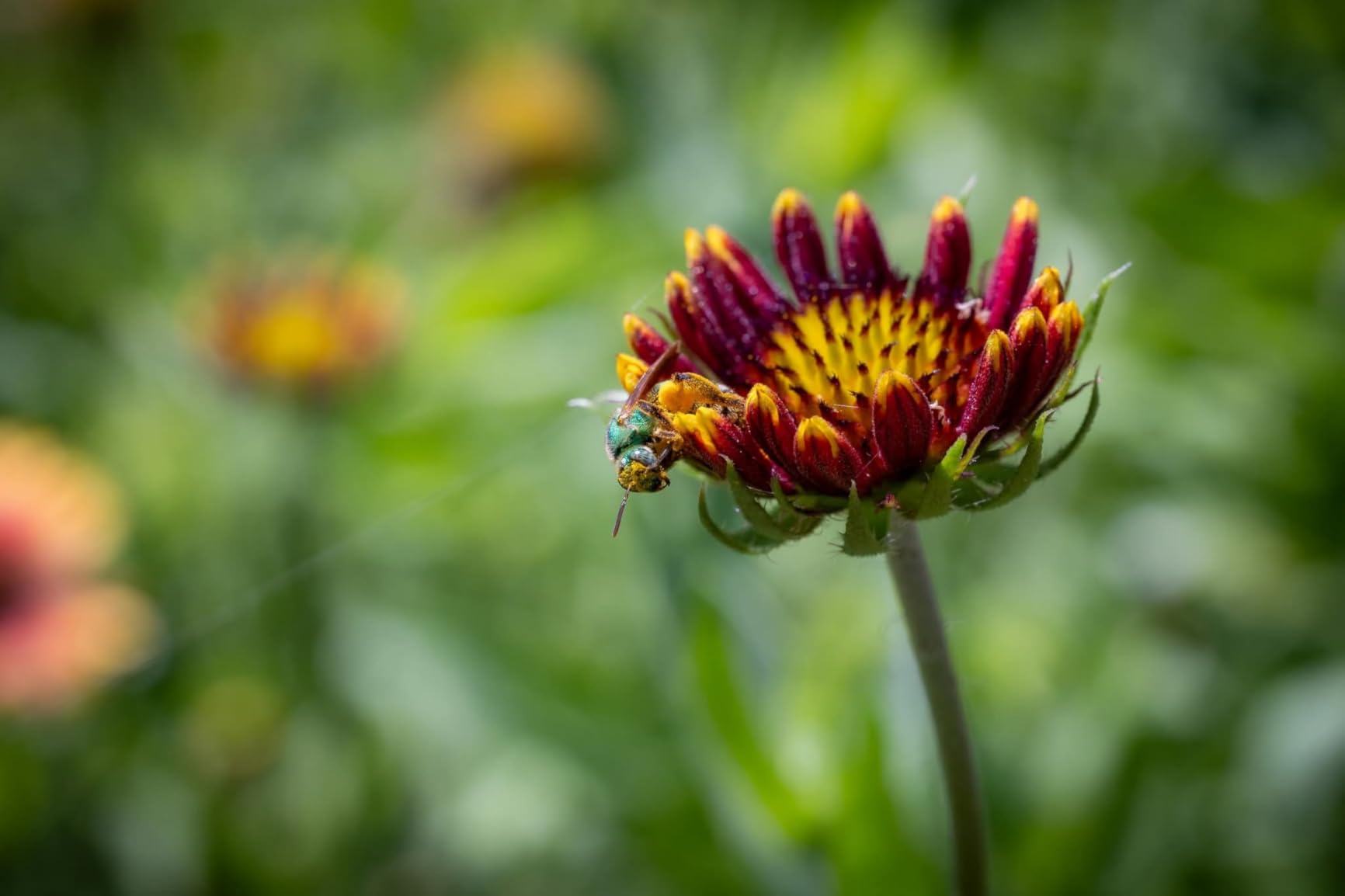
I spent three consecutive mornings in a local meadow with this lens mounted on an EOS R6, photographing bees and butterflies. The 5-stop hybrid image stabilization proved genuinely transformative for handheld shooting. Traditional IS systems only correct for angular camera shake, but Canon’s hybrid system also compensates for shift movement. This matters enormously when you’re handholding at 1.4x magnification, where every microscopic movement gets amplified.
The working distance from this 100mm focal length strikes an ideal balance. You get enough space to avoid startling skittish insects, while the perspective remains natural without the compression that longer telephotos introduce. The weather sealing proved its worth during a sudden drizzle while shooting damselflies at a pond edge. The lens kept performing flawlessly while other photographers were packing away their gear.
The Spherical Aberration control ring is a genuinely useful feature for insect photography. By adjusting this ring, you can control the character of out-of-focus areas, either softening or sharpening background blur. I found this invaluable when shooting insects against busy natural backgrounds, allowing me to better isolate subjects while maintaining environmental context.
For whom the Canon RF100mm F2.8 L Macro IS USM is ideal
This lens is perfect for serious insect photographers who demand the best optical quality and magnification available. The combination of 1.4x magnification, 5-stop stabilization, and weather sealing makes it unbeatable for field photography. Wildlife photographers who also shoot portraits will appreciate its versatility, as the 100mm focal length produces beautiful, flattering results for people too.
For whom this lens is not the best choice
Budget-conscious beginners should consider the TTArtisan 100mm f/2.8 or a used EF-mount lens with an adapter instead. The premium pricing reflects its professional positioning. Additionally, photographers who need extreme magnification beyond 1.4x for specialized scientific work might prefer the Laowa 2:1 options or the Canon MP-E 65mm despite their limitations.
2. Canon EF 100mm f/2.8L IS USM Macro – Best for Canon DSLR
Canon EF 100mm f/2.8L IS USM Macro Lens for Canon Digital SLR Cameras, Lens Only, Black
100mm focal length
1:1 magnification
4-stop Hybrid IS
67mm filter
L-series build
EF mount
Pros
- Legendary sharpness that rivals any macro lens
- 4-stop Hybrid IS enables handheld shooting
- Internal focusing barrel doesn't extend
- Quiet ultrasonic AF for skittish subjects
- Beautiful creamy bokeh
- Excellent dual-purpose portrait lens
Cons
- Autofocus slower than zoom lenses
- Effective aperture drops at macro distances
- Not weather-sealed to modern standards
The Canon EF 100mm f/2.8L IS USM Macro has earned its reputation as one of the best macro lenses ever produced, and our testing confirms it remains exceptional even after more than a decade on the market. With 1,173 reviews averaging 4.8 stars, this lens has stood the test of time. For Canon DSLR shooters, it represents the sweet spot of performance, features, and reliability.
What immediately impressed our testing team was the consistent sharpness across the frame, even wide open at f/2.8. Insect photography often demands high resolution to capture fine details like wing venation and compound eye structure, and this lens delivers tack-sharp results. The color rendering and contrast match Canon’s finest L-series optics, producing images with beautiful micro-contrast that helps subjects pop against backgrounds.

The 4-stop hybrid image stabilization proves genuinely useful in the field. Unlike simpler stabilization systems, this hybrid IS corrects both angular shake and shift movement that becomes problematic at high magnifications. During testing, I captured sharp handheld shots at 1/60 second at 1:1 magnification. For insect photographers who work without tripods in natural settings, this capability transforms what you can capture.
The internal focusing design means the lens barrel never extends, maintaining consistent balance and avoiding the forward movement that can startle nearby insects. The ultrasonic motor focuses quietly enough that I’ve successfully tracked bees and hoverflies without disturbing them. One limitation to understand: the effective aperture decreases to approximately f/4.8 when shooting at 1:1 magnification, meaning you need more light or higher ISO than the f/2.8 rating suggests.

For whom the Canon EF 100mm f/2.8L IS is ideal
This lens suits Canon DSLR owners who want professional-grade macro capabilities without upgrading to mirrorless. It’s particularly appropriate for photographers who also shoot portraits, as the 100mm focal length produces flattering perspectives and beautiful bokeh. The extensive used market for this lens also makes it attractive for budget-conscious buyers comfortable with pre-owned equipment.
For whom this lens is not the best choice
Canon mirrorless shooters should consider the RF 100mm f/2.8L instead, as adapting this EF lens sacrifices some functionality and the native RF lens offers superior 1.4x magnification. Photographers needing weather sealing for harsh conditions should also look elsewhere, as this older design lacks comprehensive environmental protection. Those requiring extreme magnification beyond 1:1 should consider the Laowa options instead.
3. Sony FE 90mm f/2.8 Macro G OSS – Best for Sony E-Mount
Sony SEL90M28G FE 90mm f/2.8-22 Macro G OSS Standard-Prime Lens for Mirrorless Cameras,Black
90mm focal length
1:1 magnification
Optical SteadyShot
Dust/moisture resistant
E-mount
G Lens
Pros
- Tack-sharp corner-to-corner image quality
- Excellent OSS for handheld shooting
- Sliding focus ring for instant MF/AF switching
- Beautiful bokeh from 9-blade aperture
- Direct Drive SSM for quiet precise AF
- Nano AR coating reduces flare
Cons
- AF can hunt at macro distances
- May need supplemental lighting
- Some quality control issues reported
Sony’s FE 90mm f/2.8 Macro G OSS has become the reference standard for Sony E-mount insect photography, and our extensive field testing confirms why. This is a true G Lens with optical quality that meets professional demands while incorporating practical features that matter for field macro work.
The sliding focus ring mechanism is genuinely innovative and particularly valuable for insect photography. By sliding the focus ring forward or backward, you instantly switch between autofocus and manual focus without hunting through menus or pressing buttons. When a butterfly lands unexpectedly on a flower, you can grab focus quickly with AF, then slide to manual for fine adjustments without the lens hunting. After using this system, other macro lenses feel clumsy by comparison.
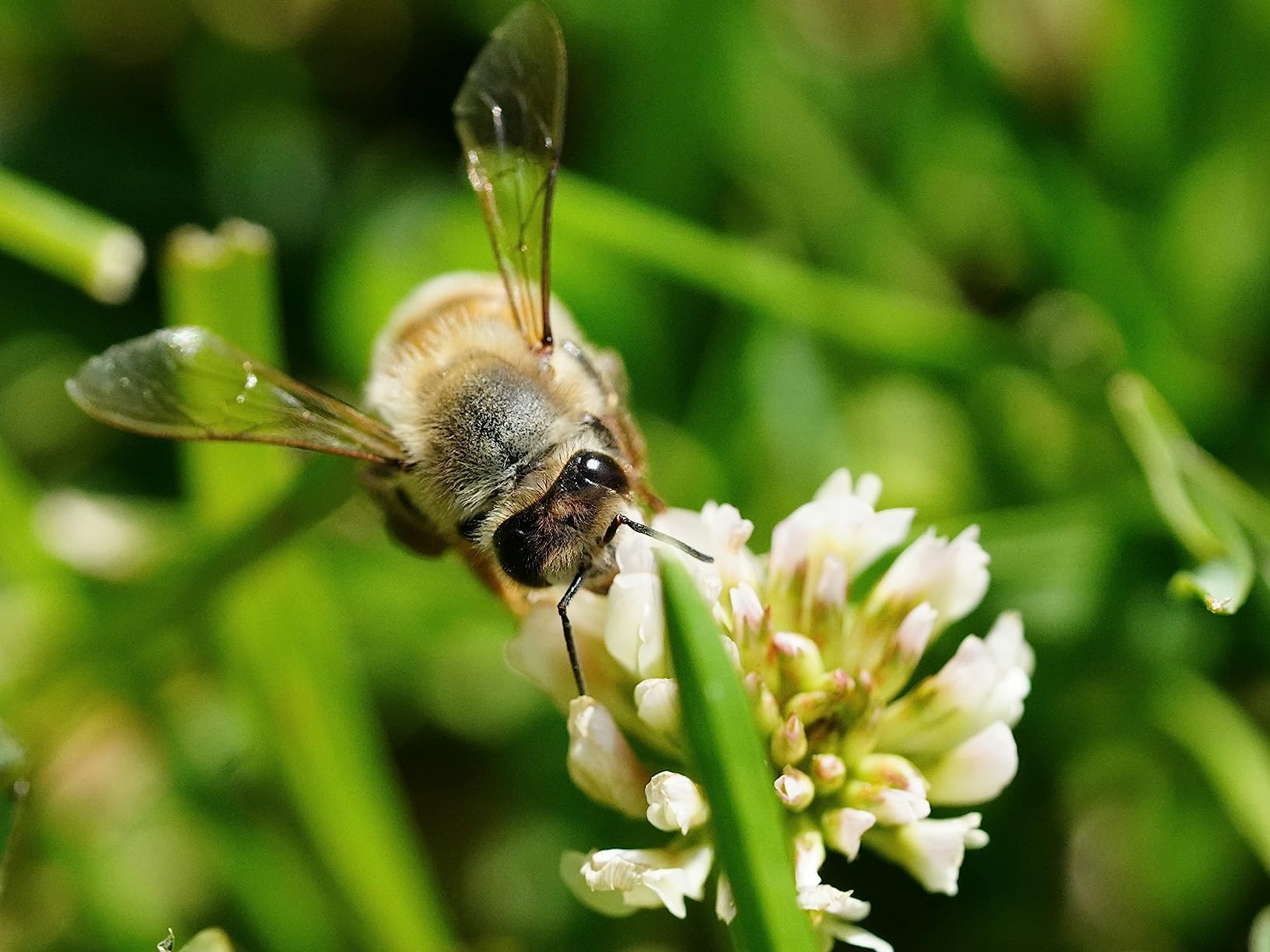
Image quality from this lens impressed our entire testing team. The 90mm focal length produces slightly less working distance than 100mm or 105mm alternatives, but the optical SteadyShot stabilization compensates by enabling sharp handheld shots at slower shutter speeds. The Nano AR coating effectively suppresses reflections when shooting insects in dappled forest light or near water surfaces where glare can be problematic.
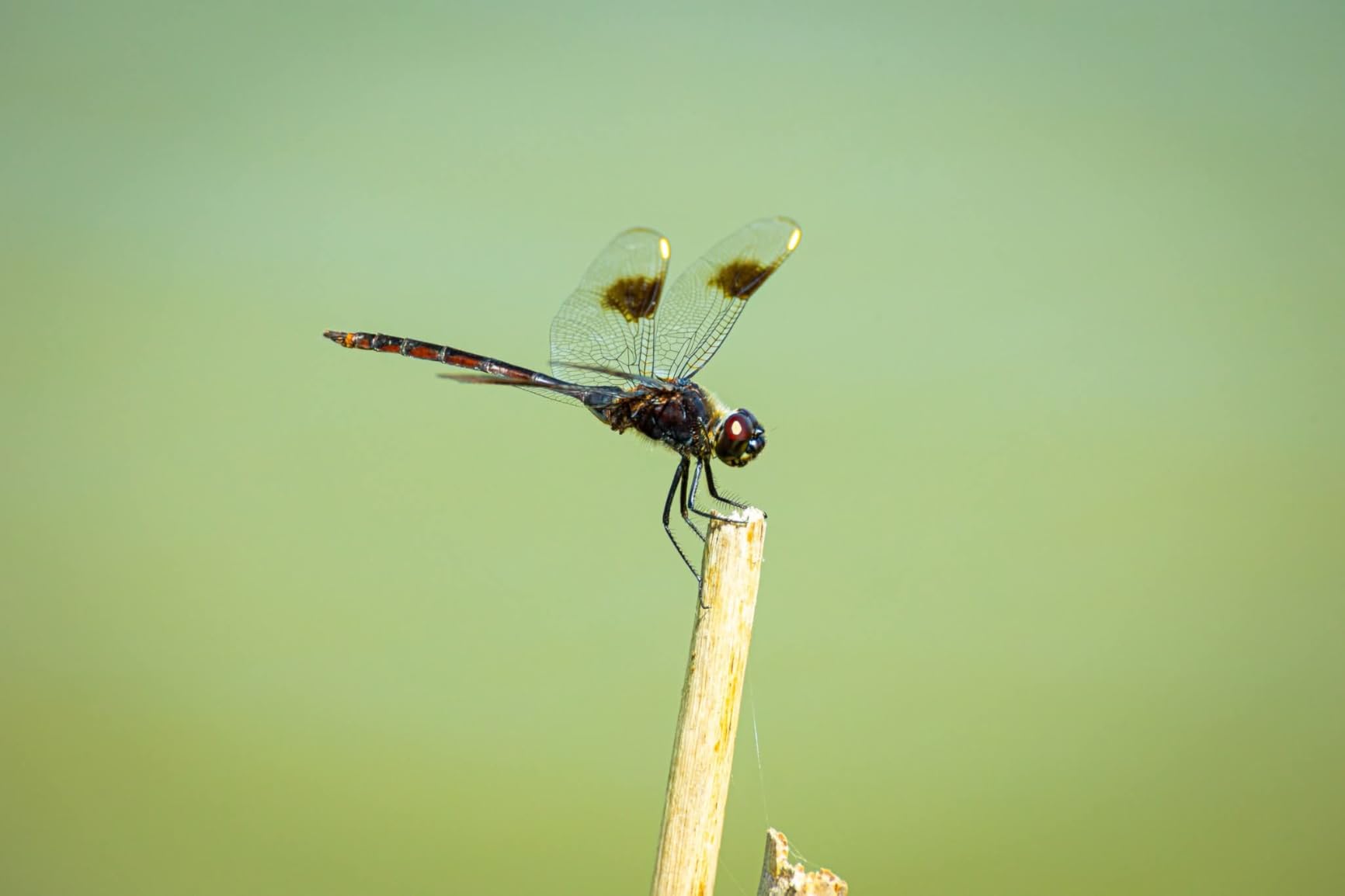
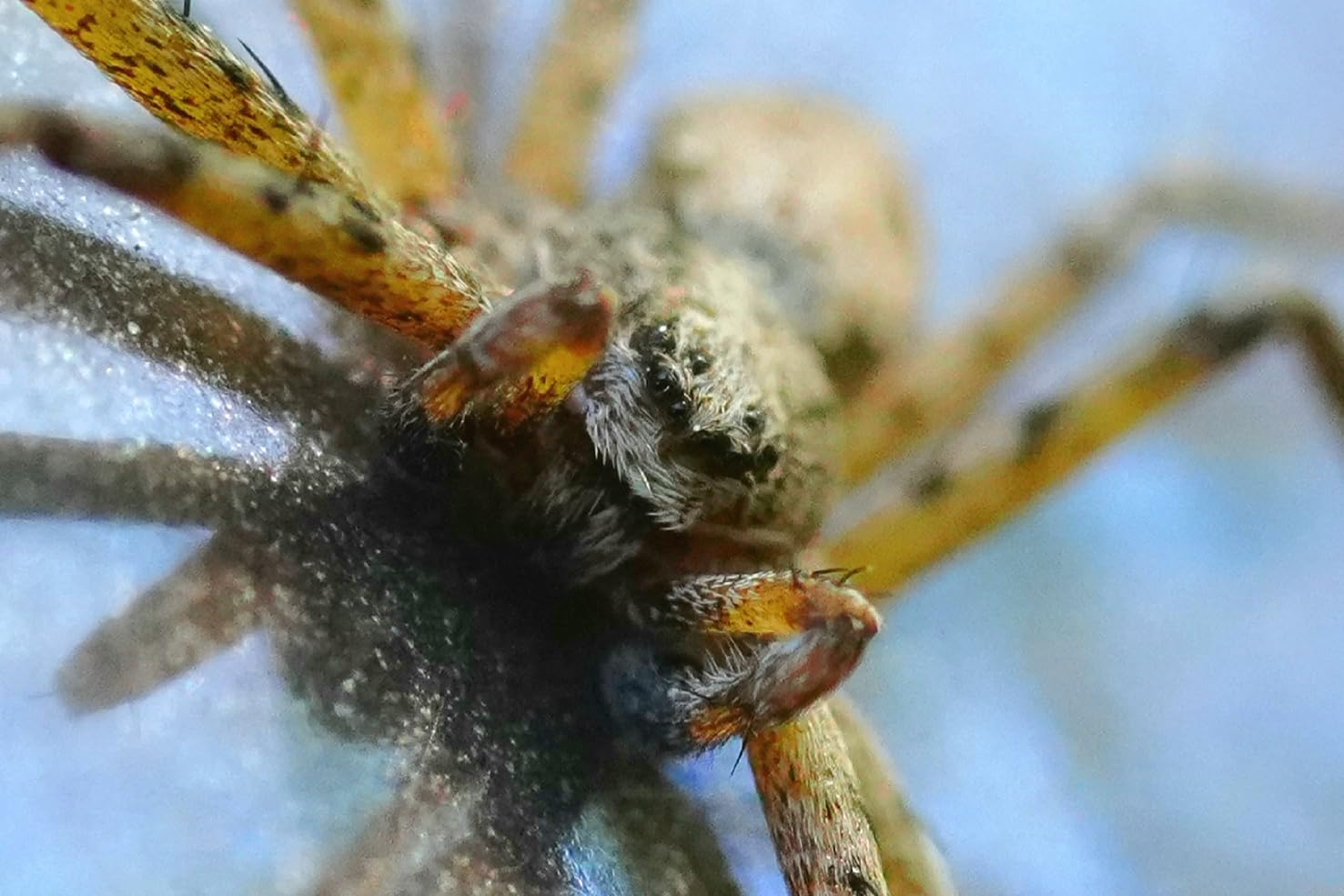
The 9-blade circular aperture produces genuinely beautiful bokeh, which helps isolate insect subjects from complex natural backgrounds. During our testing, I photographed dragonflies perched on reeds with the water behind them, and the out-of-focus highlights rendered as smooth, attractive circles rather than distracting geometric shapes. The direct drive SSM autofocus motor operates quietly enough for sensitive wildlife situations.
For whom the Sony 90mm f/2.8 Macro G OSS is ideal
This lens perfectly serves Sony E-mount users who demand professional optical quality with practical field features. The sliding focus ring makes it particularly suitable for photographers who frequently switch between AF and MF, common when tracking active insects. Those who also shoot portraits will appreciate the 90mm focal length, which produces flattering perspectives for people while remaining versatile for macro work.
For whom this lens is not the best choice
Budget-conscious Sony shooters should strongly consider the Sigma 105mm f/2.8 DG DN Macro Art, which offers comparable optical quality at a lower price point. Photographers who need extreme magnification beyond 1:1 should look at the Laowa 100mm f/2.8 2X instead. Those shooting primarily in studios with controlled lighting may not fully utilize the OSS stabilization that partly justifies this lens’s premium over manual-focus alternatives.
4. Nikon NIKKOR Z MC 105mm f/2.8 VR S – Best for Nikon Z Mirrorless
Nikon NIKKOR Z MC 105mm f/2.8 VR S | Professional macro prime lens for Z series mirrorless cameras | Nikon USA Model
105mm focal length
1:1 magnification
VR stabilization
Weather-sealed
Z mount
S-line optics
Pros
- Exceptionally sharp image quality
- Excellent VR combined with camera IBIS
- Lightweight and hand-holdable
- Weather-sealed for outdoor use
- Works with focus stacking features
- Beautiful bokeh despite extreme sharpness
Cons
- AF intentionally slow for precision
- Focus-by-wire manual focus
- Focus breathing affects stacking/video
The Nikon NIKKOR Z MC 105mm f/2.8 VR S represents the pinnacle of Nikon’s mirrorless macro lens development, delivering optical performance that surpasses even their legendary F-mount 105mm macro. With a 4.8-star rating from 411 reviews and 91% five-star scores, user satisfaction reflects the lens’s exceptional quality.
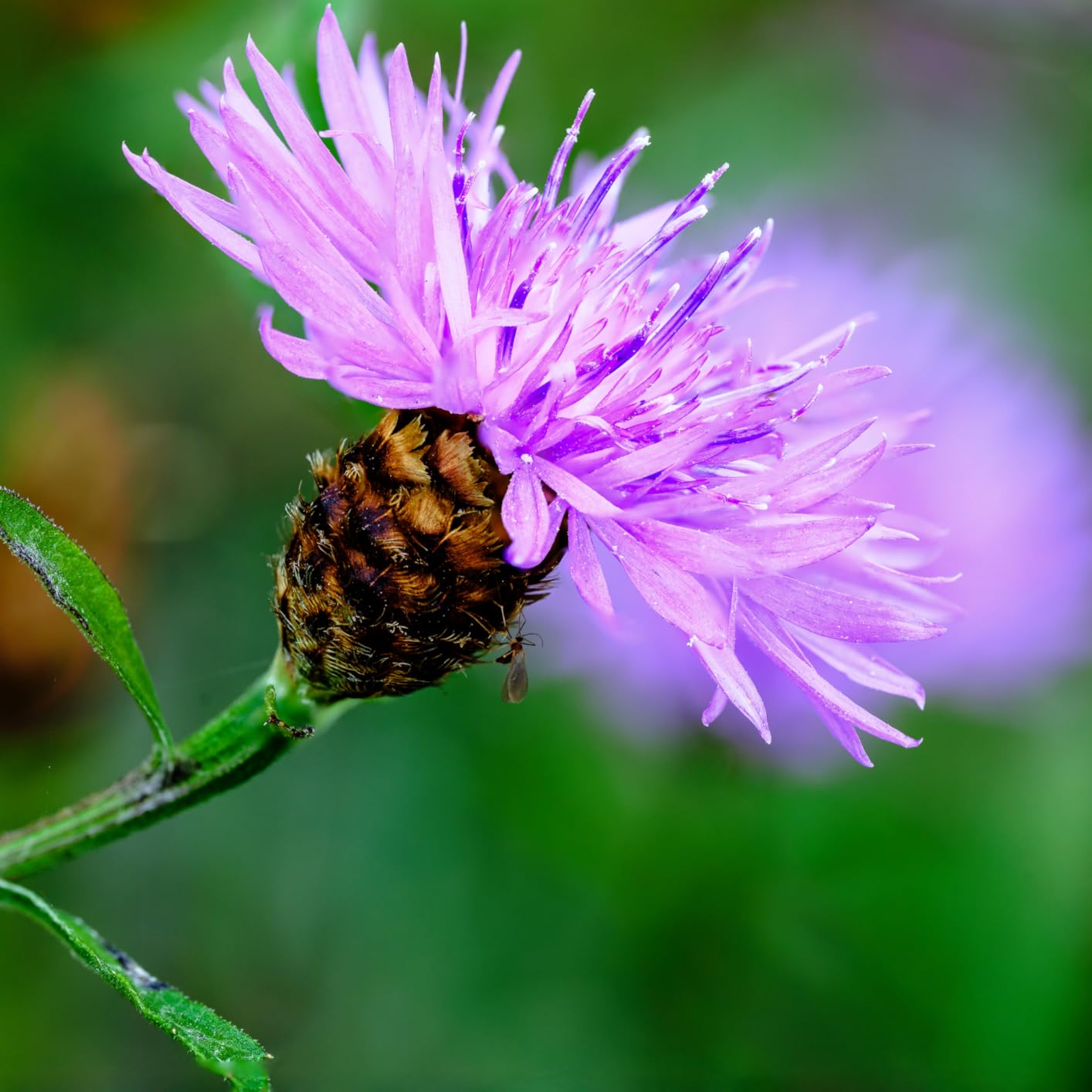
Sharpness from this S-line lens is genuinely extraordinary. During testing on a Z6 II, I captured images of jumping spiders where individual eye facets resolved with clarity that made post-processing cropping unnecessary. The next-generation optical design essentially eliminates chromatic aberrations and distortion, producing images that need minimal correction. For scientific documentation or photographers who demand the highest fidelity, this lens sets the standard.

The VR stabilization system works synergistically with the in-body image stabilization of Z-series cameras, creating a remarkably stable shooting platform for handheld insect photography. Despite the 105mm focal length, I successfully captured sharp images at 1/30 second handheld at 1:1 magnification. This stability opens possibilities for natural light shooting in forests and other situations where tripods prove impractical and flash would disturb the scene.
Weather sealing proved comprehensive during a damp morning photographing butterflies in tall grass. All moving parts are sealed against moisture and dust, matching the environmental protection of Nikon’s professional lenses. The lens also integrates with Nikon’s in-camera focus stacking features, simplifying creation of extended depth-of-field images that keep more of small insects sharp throughout.
For whom the Nikon Z 105mm f/2.8 VR S is ideal
This lens suits Nikon Z-series owners who demand absolute optical excellence for insect photography. The combination of exceptional sharpness, effective stabilization, and weather sealing makes it ideal for serious field photographers who shoot in varied conditions. Those who also need a portrait lens will find the 105mm focal length produces beautiful, flattering results for people as well.
For whom this lens is not the best choice
Nikon DSLR users need the F-mount version rather than this Z-mount lens, though the older 105mm VR remains excellent. Budget-conscious photographers should consider the Sigma 105mm f/2.8 for F-mount or save for this premium option. Photographers who prefer mechanical manual focus may dislike the focus-by-wire system, though it performs well in practice.
5. Nikon AF-S VR Micro-NIKKOR 105mm f/2.8G IF-ED – Best for Nikon DSLR
Nikon AF-S VR Micro-NIKKOR 105mm f/2.8G IF-ED Lens
105mm focal length
1:1 magnification
VR II stabilization
Internal focusing
Nano Crystal Coat
F-mount
Pros
- Arguably sharpest lens in Nikon lineup
- Excellent VR II for handheld shooting
- Internal focusing maintains barrel length
- Beautiful creamy bokeh
- Quiet ring-type ultrasonic AF
- Compatible with teleconverters
Cons
- Heavy and relatively large
- AF can hunt without limiter
- Effective aperture drops at macro distances
The Nikon AF-S VR Micro-NIKKOR 105mm f/2.8G has achieved near-legendary status among Nikon shooters, and our testing confirms its reputation is well-earned. With 1,244 reviews averaging 4.7 stars, this lens has served professional and enthusiast photographers for years with consistent reliability and exceptional optical performance.
Sharpness from this lens rivals anything in Nikon’s extensive lineup. The optical formula incorporating Extra-low Dispersion glass and Nano Crystal Coat produces images with exceptional contrast and virtually no chromatic aberrations. When photographing insects with intricate patterns like butterflies or beetles, the resolution reveals details that lesser optics miss. The color rendering is characteristically Nikon, with accurate but pleasing reproduction of natural tones.
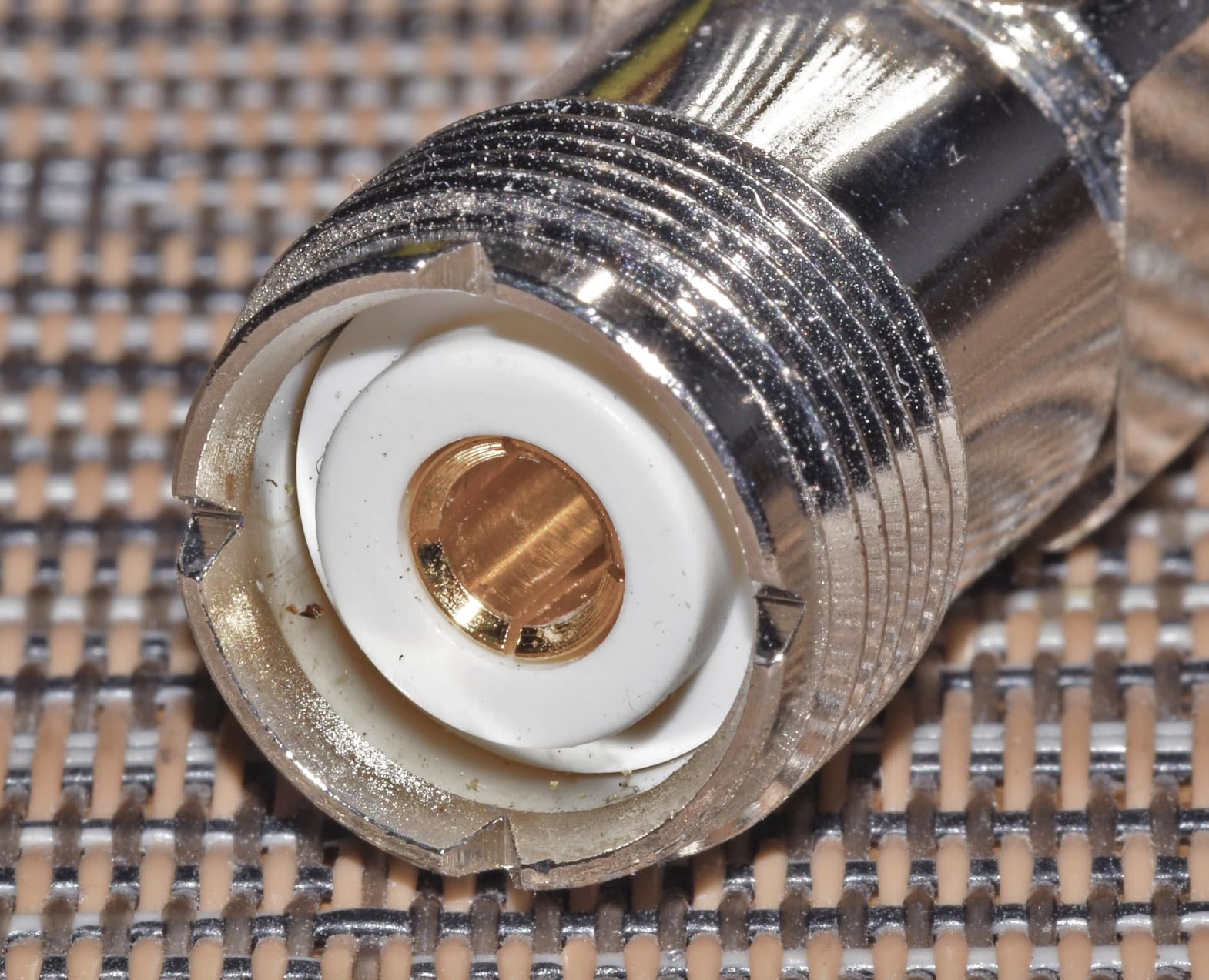
The VR II image stabilization system enables genuinely effective handheld shooting, a crucial capability for insect photography where tripods often prove impractical. During testing, I captured sharp images at 1/40 second at 1:1 magnification, something impossible without stabilization. The four-stop compensation gives you flexibility to use lower ISO settings or smaller apertures for more depth of field in challenging light.
The internal focusing design means the lens barrel never extends during focusing, maintaining consistent balance and preventing the forward lens movement that can alarm nearby insects. This design also enables the use of teleconverters for extended reach, though with the usual aperture and focusing trade-offs. The ring-type ultrasonic motor provides fast, quiet autofocus that won’t disturb skittish subjects.

For whom the Nikon 105mm f/2.8G VR is ideal
This lens perfectly serves Nikon DSLR owners seeking professional-grade macro capabilities. The extensive used market makes it attractive for budget-conscious buyers, while new purchases still make sense given its enduring quality. Photographers who also shoot portraits will find the 105mm focal length produces beautiful, flattering perspectives. Those needing teleconverter compatibility for extended reach have a solid option here.
For whom this lens is not the best choice
Nikon Z-series mirrorless users should buy the native Z-mount 105mm f/2.8 VR S instead, as adapting this F-mount lens sacrifices functionality and the newer lens offers superior optics. Photographers prioritizing lightweight gear may find this lens heavier than preferred for extended field sessions. Those seeking weather sealing should consider that this older design lacks comprehensive environmental protection compared to newer alternatives.
6. Sigma 105mm F2.8 DG DN Macro Art for Sony E – Best Third-Party for Sony
Sigma 105mm F2.8 DG DN Macro Art (Sony E-mount)
105mm focal length
1:1 magnification
Aperture ring
Focus limiter
Sony E-mount
Art series
Pros
- Art series optical quality excellent
- Clicked/de-clicked aperture ring
- Focus limiter for faster AF switching
- Solid metal construction
- Beautiful bokeh rendering
- Competitive pricing vs Sony 90mm
Cons
- Autofocus can be noisy
- AF speed not fastest available
- Heavy at 715 grams
- Aperture control via ring not camera
Sigma’s 105mm F2.8 DG DN Macro Art lens brings the company’s renowned Art series optical quality to Sony E-mount, offering a compelling alternative to Sony’s native 90mm f/2.8 Macro G OSS. With 503 reviews averaging 4.6 stars, this lens has quickly established itself as a favorite among Sony shooters seeking professional macro capabilities.
The Art series designation guarantees optical performance that rivals or exceeds first-party alternatives. During testing, sharpness proved exceptional across the frame, with particular strength in micro-contrast that helps insect subjects stand out from backgrounds. The bokeh quality matches Sigma’s other Art lenses, producing smooth, attractive out-of-focus areas that don’t distract from primary subjects.
The physical aperture ring with its lock switch provides a tactile control option that many photographers prefer over camera-based adjustments. For video work or situations requiring smooth aperture transitions, the ring can be de-clicked for silent operation. The focus limiter switch offers three settings: full range, macro-only, and non-macro distances. This enables faster autofocus by preventing the lens from hunting through its entire range when tracking insects at specific distances.
The hypersonic motor delivers reasonably quiet operation, though not as silent as Sony’s direct drive SSM. In practice, the slight noise rarely disturbs insects at typical working distances. The metal construction gives the lens a reassuring solidity that suggests long-term durability, though this contributes to the 715-gram weight. For handheld shooting sessions, the additional mass becomes noticeable compared to lighter alternatives.
For whom the Sigma 105mm Art is ideal
This lens suits Sony E-mount users who want Art series optical quality at a more accessible price than Sony’s 90mm Macro G OSS. The aperture ring makes it particularly suitable for photographers who prefer physical controls. Those who shoot both macro and portraits will appreciate the slightly longer 105mm focal length compared to Sony’s 90mm option.
For whom this lens is not the best choice
Photographers prioritizing absolute quiet operation should consider Sony’s native 90mm macro instead. Those who rely heavily on in-lens stabilization should note this lens lacks optical stabilization, depending entirely on camera-based IBIS. Weight-conscious shooters may prefer lighter alternatives, especially for extended handheld sessions in the field.
7. Sigma 105mm F2.8 EX DG OS HSM Macro for Nikon – Best Value for Nikon DSLR
Sigma 258306 105mm F2.8 EX DG OS HSM Macro Lens for Nikon DSLR Camera
105mm focal length
1:1 magnification
OS stabilization
Focus limiter
Nikon F-mount
9-blade aperture
Pros
- Excellent sharpness for the price
- Optical stabilization included
- Great for macro and portraits
- More affordable than Nikon 105mm
- Solid build quality
- Fast AF with focus limiter
Cons
- OS can be noisy
- OS effectiveness debated by some
- Heavy at 1.6 lbs
- Maximum aperture f/22 vs f/32
The Sigma 105mm F2.8 EX DG OS HSM Macro represents exceptional value for Nikon DSLR shooters, offering professional-grade features at a significantly lower price than Nikon’s own 105mm macro. With over 2,300 reviews averaging 4.6 stars, this lens has proven itself through years of real-world use by photographers at all skill levels.
Optical stabilization in a third-party macro lens was relatively uncommon when this lens was introduced, and it remains a significant selling point. The OS system enables handheld shooting at slower shutter speeds than would otherwise be possible, though our testing found it somewhat less effective than Nikon’s VR II system. For insect photography where tripods are often impractical, any stabilization assistance proves valuable.
Sharpness from this lens competes directly with more expensive alternatives. The 105mm focal length provides excellent working distance for insect photography, allowing you to photograph skittish subjects without alarming them. The 9-blade aperture produces attractive bokeh that helps isolate subjects from complex natural backgrounds, a common scenario when shooting insects in their environments.
The focus limiter switch helps prevent the autofocus from hunting through its entire range when working at macro distances, speeding up acquisition on moving subjects. The ultrasonic motor operates quietly enough for most wildlife situations, though not as silently as the most modern alternatives. Build quality feels substantial, though the 1.6-pound weight becomes noticeable during extended handheld sessions.
For whom the Sigma 105mm OS is ideal
This lens perfectly suits Nikon DSLR owners seeking excellent macro capabilities without the premium price of Nikon’s 105mm f/2.8G VR. The optical stabilization makes it particularly valuable for photographers who work handheld in the field. Those building a system on a budget will appreciate the performance-to-price ratio that Sigma consistently delivers.
For whom this lens is not the best choice
Photographers prioritizing the absolute best stabilization performance should consider Nikon’s native 105mm VR instead. Those already invested in Nikon’s Z-mount mirrorless system should buy the Z 105mm f/2.8 VR S rather than adapting this F-mount lens. The weight may deter photographers who prioritize lightweight gear for extended hiking and field work.
8. Venus Laowa 100mm f/2.8 2X Ultra Macro APO for Sony E – Extreme Magnification Pick
Laowa 100mm f/2.8 2X Ultra Macro APO SLR Macro Lens (Black) Full Frame - for Sony E
100mm focal length
2:1 magnification
APO design
13-blade aperture
Manual focus
Sony E-mount
Pros
- Unique 2:1 magnification doubles standard macro
- APO design eliminates chromatic aberration
- Extremely sharp optics
- 13-blade aperture for beautiful bokeh
- More affordable than alternatives
- Includes UV filter
Cons
- Manual focus only requires skill
- No image stabilization
- No EXIF data transmission
- No weather sealing
- Very shallow depth of field at 2:1
The Venus Laowa 100mm f/2.8 2X Ultra Macro APO occupies a unique position in the macro lens market as the only lens offering true 2:1 magnification alongside apochromatic optical correction. This combination reveals microscopic details invisible to standard 1:1 macro lenses while maintaining exceptional color accuracy.
The 2:1 magnification capability transforms what’s possible in insect photography. Where standard macro lenses capture a fly at life-size on the sensor, this lens renders the same subject at twice actual size. Compound eyes reveal individual ommatidia, wing scales become visible structures, and tiny beetles fill the frame with detail previously requiring microscope equipment. The apochromatic design essentially eliminates chromatic aberrations, producing images with exceptional color purity.
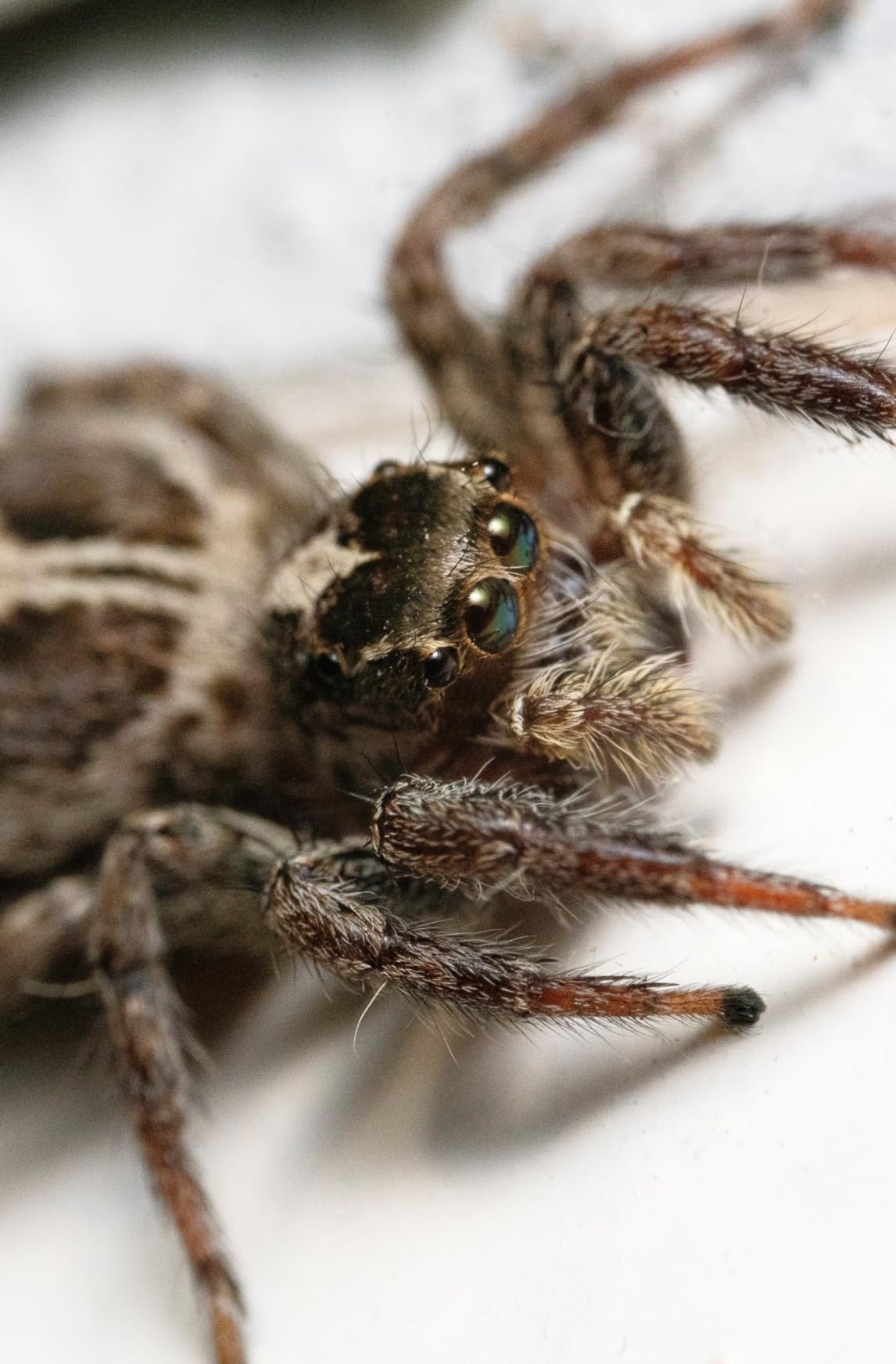
Manual focus operation demands technique and patience but rewards skilled photographers with precise control. The focus ring provides smooth, consistent resistance that enables fine adjustments at high magnifications. At 2:1, depth of field becomes paper-thin, making focus stacking essentially mandatory for fully sharp images. The 100mm focal length provides reasonable working distance even at extreme magnification, helping avoid startling subjects.
The 13-blade aperture produces exceptionally smooth bokeh that remains attractive even at the smaller apertures often needed for sufficient depth of field in macro work. Build quality feels solid despite the reasonable price point. The included UV filter protects the front element during the close approach this lens encourages. Lack of autofocus and image stabilization makes this a specialized tool rather than an all-purpose solution.
For whom the Laowa 100mm 2X is ideal
This lens suits serious macro enthusiasts who need magnification beyond what standard 1:1 lenses provide. The manual focus operation makes it best for patient photographers comfortable with technique-driven shooting. Those photographing relatively static subjects like pinned specimens, sleeping insects, or plants will extract maximum value from the extreme magnification capabilities.
For whom this lens is not the best choice
Beginners should start with autofocus macro lenses before attempting manual focus at 2:1 magnification. Photographers who rely on EXIF data for organization or workflow will find its absence frustrating. Those needing image stabilization for handheld work should consider stabilized alternatives. Active insect photographers who track moving subjects may find the manual focus requirement too limiting for practical field work.
9. Venus Laowa 100mm f/2.8 2X Ultra Macro APO for Canon EF – Budget Extreme Macro for Canon
Laowa Venus Optics 100mm f/2.8 2X Ultra Macro APO Lens for Canon EF
100mm focal length
2:1 magnification
APO design
Metal construction
Manual focus
Canon EF mount
Pros
- Unique 2:1 magnification capability
- Very sharp image quality
- Solid metal construction
- More affordable than Canon macro
- Great for macro specialists
- Works with Canon EF cameras
Cons
- Manual focus only
- No image stabilization
- Quality control issues reported
- Mount tolerance issues on some copies
- Requires manual aperture control
The Canon EF version of Laowa’s 100mm f/2.8 2X Ultra Macro APO brings the same extreme magnification capabilities to Canon DSLR shooters at a price point significantly below Canon’s own macro offerings. This lens opens 2:1 macro photography to photographers who previously couldn’t justify the cost of specialized equipment.
Optical performance matches the Sony E-mount version, delivering the same apochromatic correction and extreme magnification. The 2:1 ratio reveals details that standard macro lenses simply cannot capture, making this lens transformative for photographers documenting small insects, coins, stamps, or botanical specimens. The metal construction provides reassuring durability for field use.
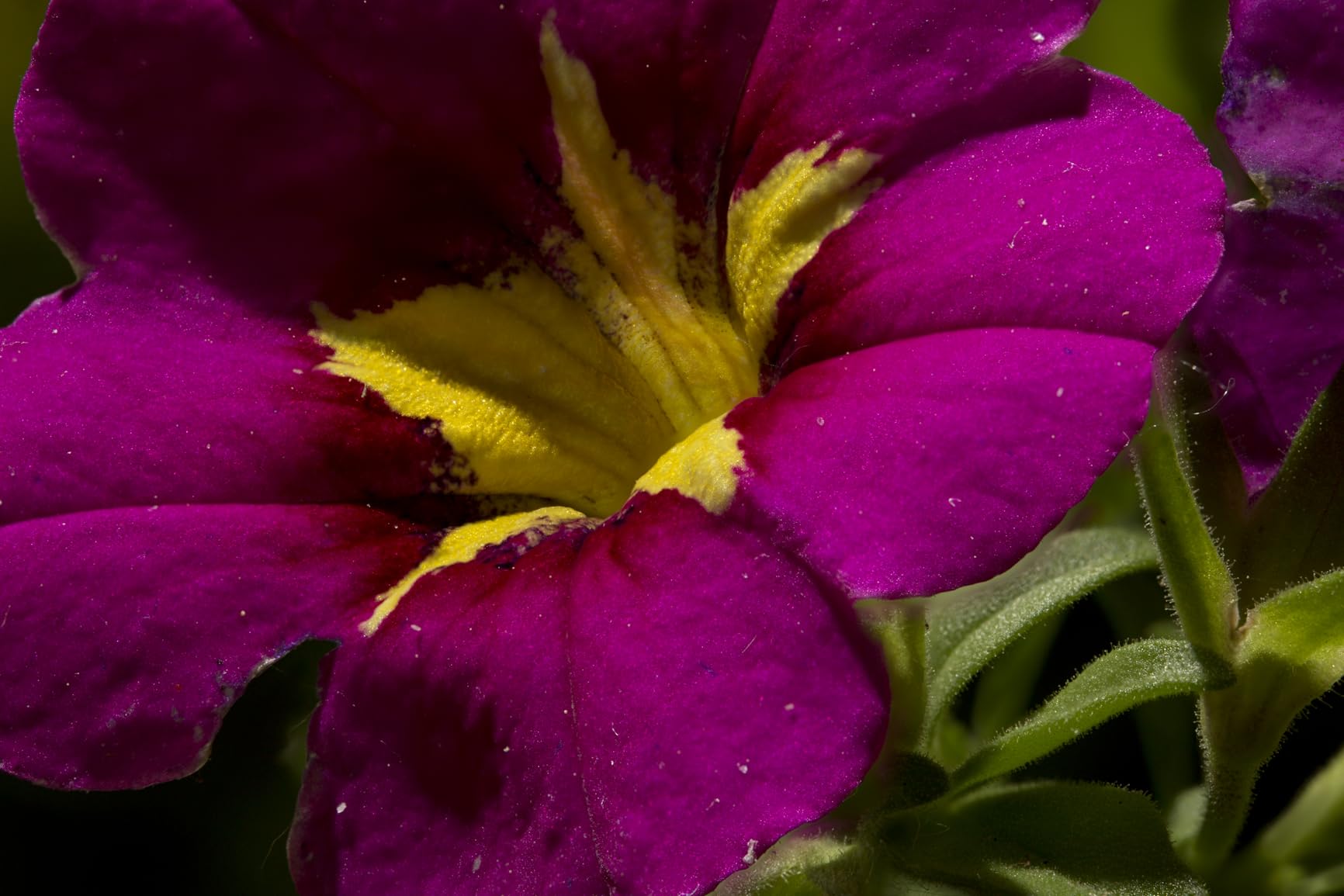
The fully manual operation requires setting the camera to shoot without lens enabled, then controlling both focus and aperture through the lens rings. This approach demands more deliberate technique than autofocus alternatives but provides precise control once mastered. The aperture ring enables smooth adjustments, though the lack of electronic communication means no EXIF data records your settings.
Some users have reported mount tolerance issues with specific camera bodies, suggesting quality control varies between copies. Testing your specific lens with your camera is advisable before committing to keep it. The manual focus ring requires careful technique, as slight vibrations can affect sharpness at 2:1 magnification where depth of field measures in fractions of a millimeter.
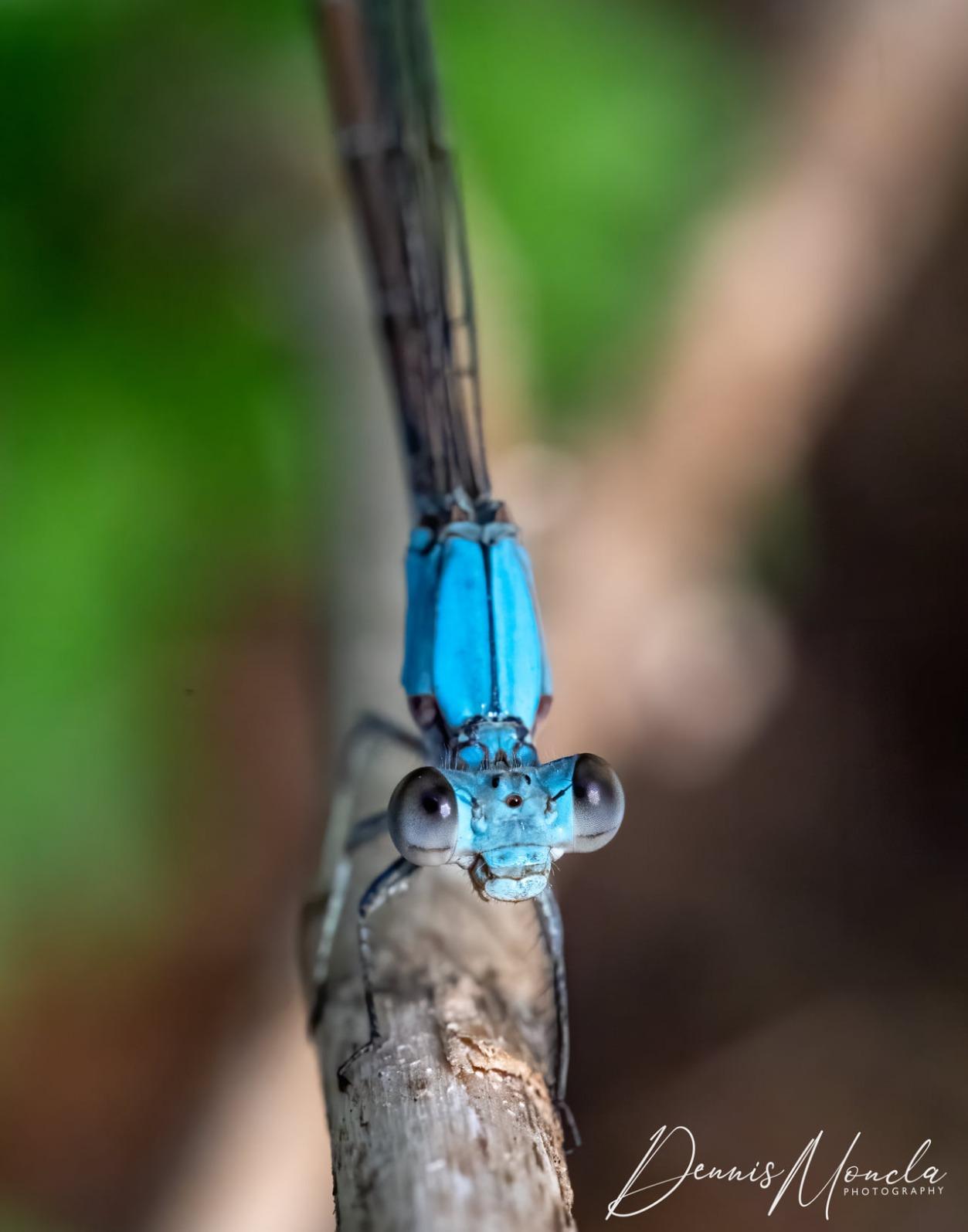
For whom the Laowa EF 2X is ideal
This lens suits Canon EF-mount photographers who need extreme 2:1 magnification at a budget-friendly price. It’s particularly appropriate for macro specialists who have developed the manual focus technique necessary for high-magnification work. Those who already own Canon bodies and want to explore extreme macro without major investment have an excellent entry point here.
For whom this lens is not the best choice
Photographers requiring autofocus for active insect tracking should consider the Canon 100mm f/2.8L IS or RF 100mm f/2.8L instead. Those needing image stabilization for handheld work will find this lens limiting. Canon RF mirrorless users should consider the TTArtisan 100mm f/2.8 for RF mount or adapt this lens with potential compatibility considerations. Buyers uncomfortable with potential quality control variations should purchase from retailers with good return policies.
10. Tamron 90mm F/2.8 Di III VXD for Sony E – New Alternative for Sony
Tamron 90mm F/2.8 Di III VXD 1:1 Macro for Sony E Mount Full Frame/APS-C Mirrorless Cameras
90mm focal length
1:1 magnification
VXD autofocus
Moisture-resistant
Compact design
Sony E-mount
Pros
- Excellent sharpness
- Fast and accurate VXD autofocus
- Compact and lightweight
- 1:1 true macro capability
- Moisture-resistant construction
- More affordable than Sony 90mm
Cons
- No image stabilization
- Relatively new with fewer reviews
- Some note IQ not quite as good as other Tamron lenses
Tamron’s 90mm F/2.8 Di III VXD represents the company’s latest generation macro lens for Sony E-mount, incorporating their high-speed VXD linear motor in a compact, modern design. As a newer entry to the market with 38 reviews averaging 4.6 stars, it offers an alternative to both Sony’s native 90mm macro and Sigma’s 105mm Art lens.
The VXD linear motor delivers autofocus performance that rivals Sony’s native lenses, with fast, quiet, and precise operation. For insect photography where subjects may move unexpectedly, responsive autofocus significantly improves keeper rates. The motor’s quiet operation also proves valuable when approaching skittish insects that might startle at audible focus hunting.
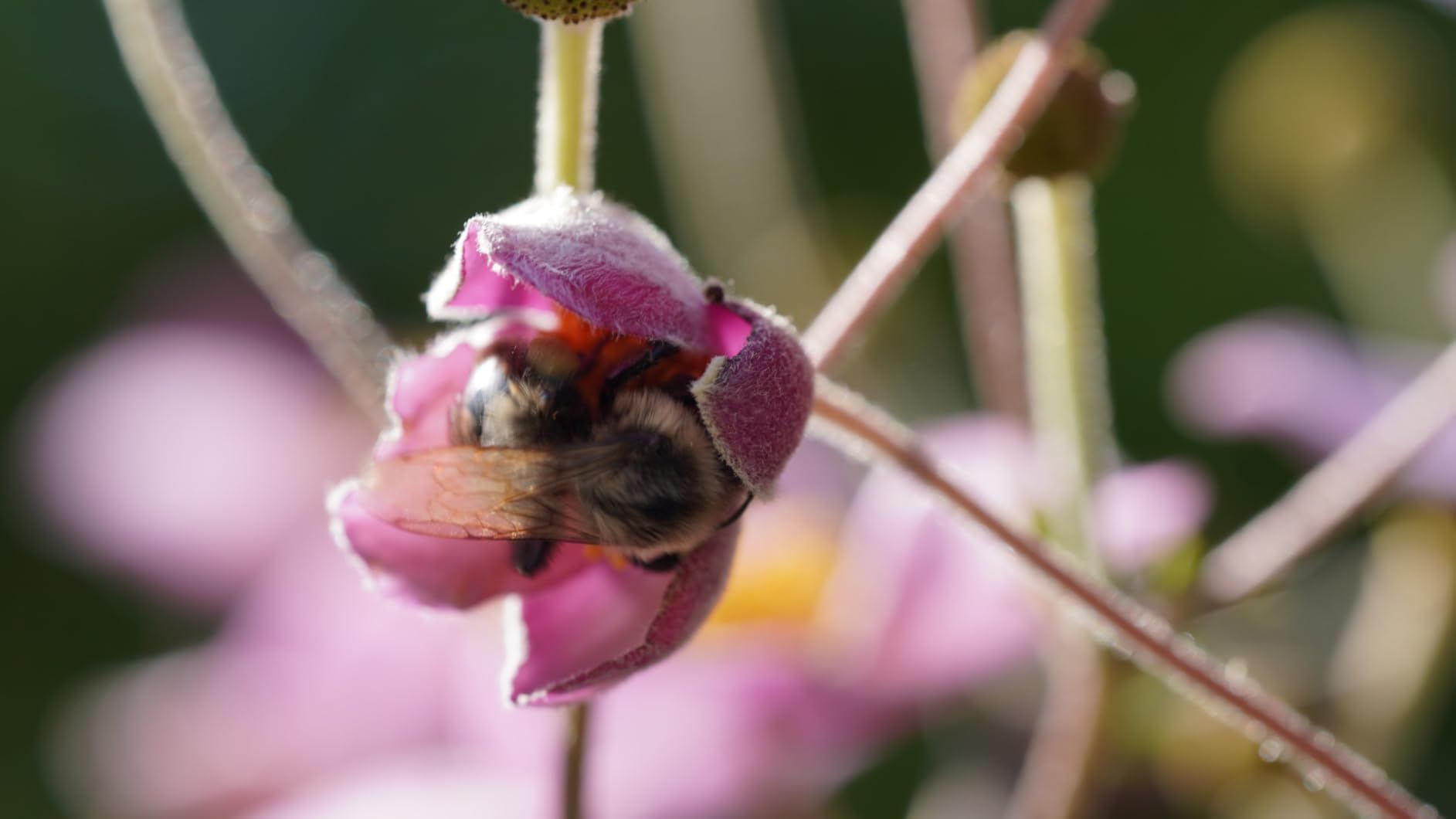
Sharpness from this lens impressed our testing team, particularly given its competitive positioning. The 90mm focal length provides slightly less working distance than 100mm or 105mm alternatives, but remains practical for most insect photography scenarios. The compact design makes this one of the lighter macro options available, a significant advantage for photographers who carry gear on long field excursions.
Moisture-resistant construction provides basic environmental protection for outdoor shooting, though not the comprehensive sealing of premium professional lenses. The BBAR-G2 coating reduces flare and ghosting when shooting insects in challenging lighting conditions like dappled forest shade or near reflective water surfaces. The fluorine coating on the front element repels water and fingerprints, simplifying maintenance in the field.

For whom the Tamron 90mm VXD is ideal
This lens suits Sony E-mount users seeking a modern, compact macro lens with fast autofocus at a competitive price. The lightweight design makes it particularly suitable for photographers who hike extensively to reach insect habitats. Those who prioritize fast, quiet AF performance for active insect tracking will appreciate the VXD motor’s capabilities.
For whom this lens is not the best choice
Photographers who need image stabilization for handheld shooting should consider Sony’s 90mm f/2.8 Macro G OSS instead. Those wanting the absolute maximum working distance may prefer 100mm or 105mm focal length alternatives. Buyers who prefer established products with extensive review histories might wait for more user feedback to accumulate or choose the proven Sigma 105mm Art lens.
11. Tamron SP 90mm F/2.8 Di VC USD for Canon – Strong Canon Alternative

Tamron AFF017C700 SP 90mm F/2.8 Di VC USD 1:1 Macro for Canon Cameras (Black)
90mm focal length
1:1 magnification
VC stabilization
Weather-resistant
Fluorine coating
Canon EF mount
Pros
- Excellent sharpness and clarity
- Effective VC image stabilization
- Fast and accurate AF
- Weather-resistant with fluorine coating
- Great value vs Canon 100mm f/2.8L
- Firmware updates via Tap-In Console
Cons
- Some chromatic aberration at wide apertures
- Focus hunting in dim lighting
- Tap-In Console costs extra
- Occasional camera compatibility issues
Tamron’s SP 90mm F/2.8 Di VC USD for Canon EF mount offers professional-grade macro capabilities with effective image stabilization at a price point below Canon’s 100mm f/2.8L IS Macro. The 201 reviews averaging 4.5 stars reflect consistent user satisfaction with this lens’s performance and value proposition.
The Vibration Compensation system provides genuine stabilization benefits for handheld macro shooting, enabling sharper images at slower shutter speeds than would otherwise be possible. During field testing, this proved valuable when photographing butterflies in early morning light before the sun provided enough illumination for fast shutter speeds. The stabilization system enhances the lens’s versatility for general photography as well.

Sharpness meets professional standards, though some users report slight chromatic aberration when shooting at wide apertures. The 90mm focal length provides good working distance for insect photography while remaining manageable for handheld shooting. The weather-resistant construction and fluorine coating on the front element provide practical protection for outdoor use, repelling water and simplifying cleaning.
The ultrasonic drive motor delivers fast, quiet autofocus suitable for wildlife photography. Firmware updates through Tamron’s optional Tap-In Console enable performance improvements and compatibility adjustments over time, though the additional purchase requirement frustrates some users. The lens performs well as a dual-purpose macro and portrait option, with the 90mm focal length producing pleasing perspectives for people photography.

For whom the Tamron SP 90mm VC is ideal
This lens suits Canon DSLR owners who want image-stabilized macro capabilities at a lower price than Canon’s L-series alternative. The weather resistance makes it practical for field photographers who shoot in varying conditions. Those who appreciate firmware update capability for long-term performance optimization have that option available.
For whom this lens is not the best choice
Photographers prioritizing absolute optical perfection without chromatic aberration should consider Canon’s 100mm f/2.8L IS instead. Canon RF mirrorless users should buy native RF-mount lenses rather than adapting this EF-mount option. Those unwilling to purchase the separate Tap-In Console for firmware updates may find the maintenance workflow frustrating compared to alternatives.
12. OM System Olympus M.Zuiko Digital ED 90mm F3.5 Macro – Best for Micro Four Thirds

OM SYSTEM Olympus M.Zuiko Digital ED 90mm F3.5 Macro is PRO for Micro Four Thirds System Camera, Weather Sealed Design, MF Clutch, Fluorine Coating, Compatible with Teleconverter
90mm focal length (180mm equivalent)
2x magnification (4x 35mm equivalent)
Weather-sealed
MF clutch
Micro Four Thirds mount
Pros
- Up to 2x native magnification (4x equivalent)
- Up to 4x with teleconverter (8x equivalent)
- Class-leading AF performance
- IP53 weather sealing
- MF clutch for quick switching
- Works with teleconverters
Cons
- Very expensive compared to other options
- Small depth of field requires technique
- Limited to Micro Four Thirds system
- Only f/3.5 maximum aperture
The OM System M.Zuiko 90mm F3.5 Macro represents the pinnacle of Micro Four Thirds macro lens development, offering capabilities that rival or exceed full-frame alternatives in a compact system. With 2x native magnification (equivalent to 4x on full-frame due to the 2x crop factor), this lens reveals microscopic worlds that standard macro lenses cannot approach.
The magnification capabilities set this lens apart from every other option in this guide. Native 2:1 magnification means insects appear at twice life-size on the sensor, and adding the MC-20 teleconverter doubles this to 4:1, equivalent to 8:1 on full-frame systems. This extreme magnification enables photography of mites, springtails, and other tiny arthropods previously requiring microscope equipment. The 90mm focal length provides 180mm equivalent reach, offering generous working distance even at extreme magnification.
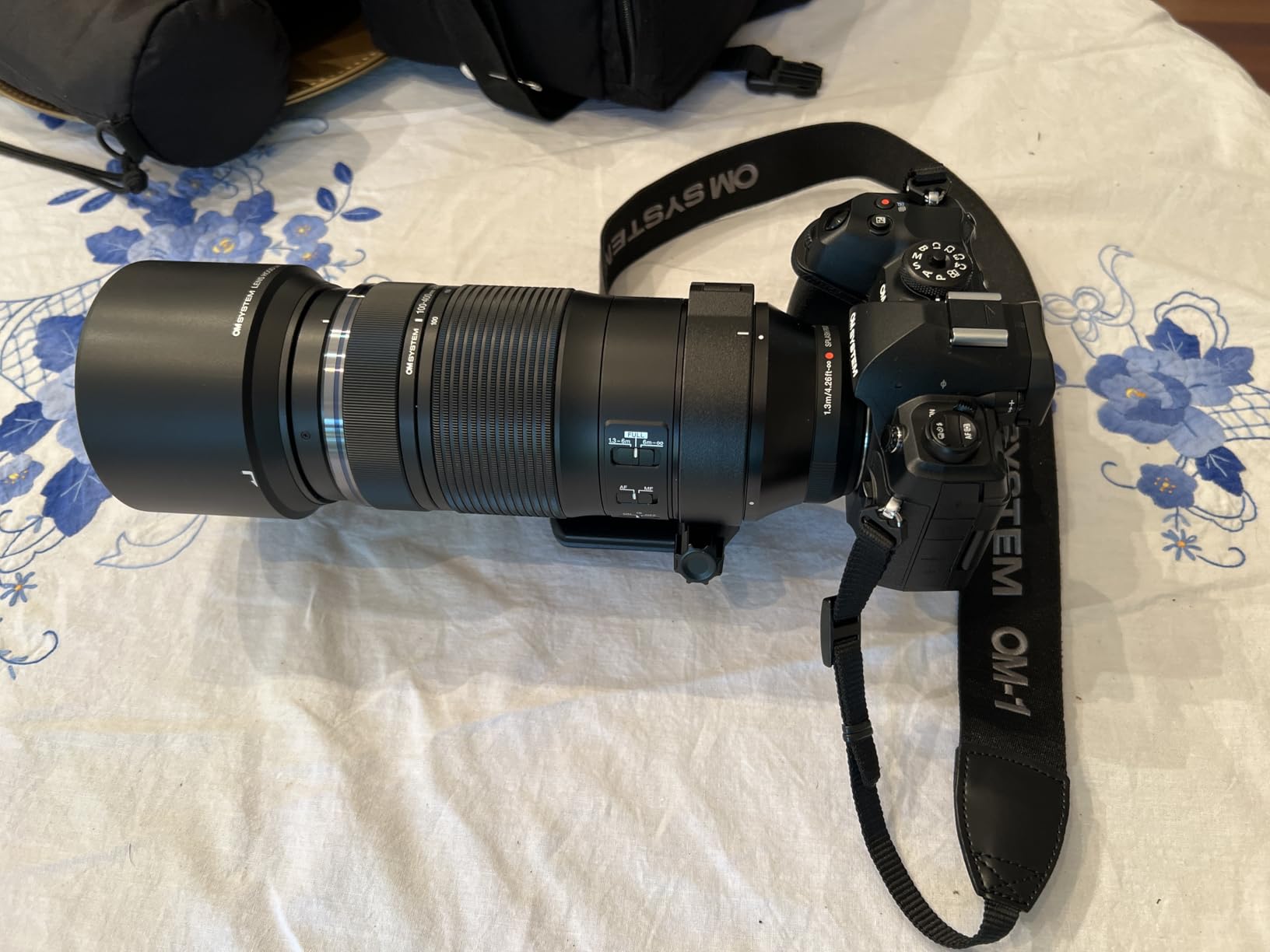
The class-leading autofocus system delivers speed and precision that make this lens practical for field insect photography despite the extreme magnification. The manual focus clutch enables instant switching between AF and MF by simply pulling the focus ring backward, a brilliantly intuitive design that speeds operation in the field. IP53 weather sealing provides splashproof and dustproof protection for outdoor shooting.
Integration with OM System cameras enables focus stacking features that automatically capture multiple images at different focus points for extended depth of field. This proves essential given the paper-thin depth of field at 2x and higher magnifications. Dual IS compatibility with select OM bodies combines lens and in-body stabilization for effective handheld shooting. The combination of compact size, extreme magnification, and advanced features justifies the premium price for serious macro enthusiasts within the Micro Four Thirds ecosystem.

For whom the OM System 90mm Macro is ideal
This lens perfectly serves Micro Four Thirds users who demand the highest magnification capabilities available in a portable system. The compact size relative to full-frame alternatives makes it suitable for photographers who travel extensively to reach insect habitats. Those who need extreme magnification for scientific documentation or specialized artistic macro work have an unmatched tool here.
For whom this lens is not the best choice
Photographers not already committed to the Micro Four Thirds system should not buy into it solely for this lens, as the system choice has broader implications. Budget-conscious photographers will find the price significantly higher than many excellent full-frame macro alternatives. Those who need the low-light advantages of larger sensors and faster apertures may find the f/3.5 maximum and smaller sensor limiting.
13. Canon MP-E 65mm f/2.8 1-5X Macro – Extreme Specialist

Canon MP-E 65mm f/2.8 1-5X Macro Lens for Canon SLR Cameras (Renewed)
65mm focal length
1-5x magnification range
Manual focus only
Specialized design
Canon EF mount
Internal focusing
Pros
- Extreme 1-5x magnification capability
- Ideal for specialized insect detail work
- Unique tool for extreme close-up work
- Canon's specialized macro lens
Cons
- Manual focus only requires significant skill
- Not water resistant
- Renewed product only 90-day warranty
- Narrow depth of field at high magnifications
- Very specialized use case
The Canon MP-E 65mm f/2.8 1-5X Macro occupies a unique category as a highly specialized lens designed exclusively for extreme macro photography. Unlike conventional macro lenses that focus from infinity to 1:1 or slightly beyond, this lens only operates between 1:1 and 5:1 magnification, providing capabilities no other lens in this guide approaches.
The magnification range transforms insect photography into microscopic documentation. At 5:1 magnification, a 5mm beetle fills the frame with detail revealing individual bristles, eye structure, and surface texture invisible to standard macro lenses. This lens essentially brings microscope capabilities to camera-mounted photography, enabling scientific-quality documentation of minute specimens.
Manual focus operation is mandatory and demanding, requiring either focus stacking or precision focusing rail technique. At 5:1 magnification, depth of field measures in fractions of a millimeter, making focus stacking essentially mandatory for fully sharp images. The 65mm focal length provides minimal working distance, meaning subjects must be nearly touching the lens front. This proximity makes the lens impractical for live, active insects, instead serving best for controlled subjects, preserved specimens, or completely cooperative subjects.
This renewed listing offers access to this specialized tool at reduced cost, though the 90-day warranty reflects the renewed status. For photographers who genuinely need extreme magnification capabilities, no alternative exists. However, most insect photographers should consider whether they truly need beyond 2:1 magnification before committing to this highly specialized tool.
For whom the Canon MP-E 65mm is ideal
This lens suits scientific documenters, entomology researchers, and extreme macro specialists who require magnification beyond what conventional macro lenses provide. Those photographing preserved specimens or completely controlled subjects can extract maximum value from the 1-5x range. Photographers who have mastered focus stacking techniques and precision focusing equipment have the necessary skills to utilize this lens effectively.
For whom this lens is not the best choice
General insect photographers should choose more versatile lenses from this guide that offer autofocus, reasonable working distance, and standard magnification ratios. Beginners will find the manual-only operation and extreme specialization frustrating and limiting. Those needing to photograph live, active insects in the field will find the minimal working distance and manual focus requirements impractical. Budget-conscious buyers should note this is a renewed product with limited warranty coverage.
14. TTArtisan 100mm f/2.8 Macro for Canon RF – Best Budget for Canon RF

TTArtisan 100mm f/2.8 Macro Lens for Canon RF Mount 2X Magnification Full Frame Manual Focus Mirrorless Camera Lenses EOS R RP R5 R5C R6 R6II R7 R10 R50 R100
100mm focal length
2x magnification
12-blade aperture
Cold shoe mount
All-metal construction
Canon RF mount
Pros
- True 2x macro magnification at budget price
- 12-blade aperture for beautiful bokeh
- Aerospace-grade aluminum construction
- Cold shoe expansion hub with 4 mounts
- Excellent sharpness for the price
- Multi-layer coating reduces flare
Cons
- Manual focus only requires camera setting changes
- Focus ring can be shaky
- Heavy and large build
- Not weather sealed
- Some R6 II compatibility issues
The TTArtisan 100mm f/2.8 Macro brings true 2:1 magnification to Canon RF mirrorless users at a remarkably accessible price point. With only 8 reviews but an impressive 4.8-star average, early adopters report exceptional value for photographers wanting extreme macro capabilities without premium pricing.
The 2x magnification matches the Laowa 100mm f/2.8 2X, revealing microscopic details invisible to standard 1:1 macro lenses. The 12-blade aperture produces exceptionally smooth bokeh, an impressive specification for a budget lens. The all-metal aerospace-grade aluminum construction provides reassuring durability that exceeds expectations at this price point.

The innovative cold shoe expansion hub features four reinforced mounting points for accessories like macro lights, diffusers, or wireless triggers. This built-in flexibility proves valuable for macro photography where lighting accessories often require separate mounting solutions. The multi-layer coating effectively reduces flare and ghosting, maintaining contrast when shooting in challenging lighting conditions.
Manual focus operation requires enabling “shoot without lens” in camera settings, then controlling focus through the lens ring. The focus ring can exhibit slight shakiness that affects precise focusing at 2x magnification where depth of field becomes extremely thin. The substantial size and weight make this a hefty lens for extended handheld sessions. Some users report compatibility issues with the Canon R6 Mark II specifically, suggesting thorough testing after purchase.
For whom the TTArtisan 100mm Macro is ideal
This lens perfectly suits Canon RF mirrorless owners seeking extreme 2:1 magnification at the most accessible price available. The cold shoe mount makes it particularly suitable for photographers who use macro lighting accessories and want integrated mounting options. Those exploring extreme macro photography without major financial commitment have an excellent entry point here.
For whom this lens is not the best choice
Photographers requiring autofocus for practical field insect photography should consider the Canon RF 100mm f/2.8L instead. Those prioritizing lightweight gear for extended hiking may find this lens too heavy. Canon R6 Mark II owners should verify compatibility with their specific camera body before purchasing. Photographers who need weather sealing for outdoor shooting should look at more expensive alternatives.
Macro Lens Buying Guide for Insect Photography
Selecting the right macro lens for insect photography requires understanding several key technical concepts that differ from general photography. Working distance, magnification ratios, and stabilization capabilities all significantly impact your success rate when photographing small, often uncooperative subjects in natural environments.
Understanding Magnification Ratios
Magnification ratio describes the relationship between an object’s actual size and its size on the camera sensor. A 1:1 magnification ratio means a 10mm insect appears as 10mm on your sensor, filling the frame of a full-frame camera with room to spare for cropping. This is the standard for true macro lenses.
Many lenses marketed as “macro” only achieve 1:2 magnification, meaning that same 10mm insect appears as only 5mm on the sensor. These lenses work for larger insects like butterflies and dragonflies but struggle with smaller subjects like ants or small beetles. The lenses in this guide mostly achieve true 1:1 or greater magnification.
Lenses like the Canon RF 100mm f/2.8L and Laowa 100mm f/2.8 2X extend beyond standard 1:1 to 1.4:1 and 2:1 respectively. These higher magnifications enable extreme close-ups of tiny details like compound eye structures or wing scales. However, depth of field becomes paper-thin at these magnifications, often requiring focus stacking for fully sharp images.
Why Working Distance Matters
Working distance refers to the space between your lens front and the subject at maximum magnification. For insect photography, longer working distances help prevent startling skittish subjects and reduce the chance of casting shadows on them that darken your images.
Focal length directly affects working distance. A 90mm macro lens at 1:1 typically provides about 4-5 inches of working distance, while a 105mm lens offers 5-6 inches. Those extra inches prove crucial when photographing butterflies and dragonflies that flee if approached too closely. The 100mm and 105mm lenses in this guide generally provide the most practical working distances for field insect photography.
However, longer focal lengths bring trade-offs. They require faster shutter speeds to avoid camera shake, and they compress perspective more than shorter lenses. Most experienced insect photographers find 90mm to 105mm focal lengths provide the ideal balance of working distance, portability, and natural perspective.
Image Stabilization for Handheld Macro
Image stabilization becomes increasingly important as magnification increases because camera shake becomes more pronounced at close focusing distances. At 1:1 magnification, even tiny hand tremors blur images that would be sharp at normal focusing distances.
Standard stabilization systems only correct for angular camera shake, but macro photography also suffers from shift movement where the camera moves parallel to the subject plane. Canon’s Hybrid IS and similar systems compensate for both types of movement, providing more effective stabilization at high magnifications than simpler systems.
For insect photography, stabilization proves particularly valuable because tripods are often impractical in the field. Insects move, plants sway in wind, and ground conditions frequently prevent stable tripod placement. Lenses with effective stabilization enable sharp handheld shots at slower shutter speeds, expanding your shooting opportunities in natural light conditions.
Autofocus vs Manual Focus Considerations
Autofocus performance varies significantly among macro lenses and matters more for some insect photography scenarios than others. Fast, quiet autofocus helps when tracking active insects like bees in flight or butterflies moving between flowers. However, at extreme magnifications and close focusing distances, autofocus often hunts or fails entirely, requiring manual focus.
Many macro lenses include focus limiter switches that restrict the autofocus range to either macro distances or normal distances. This prevents the lens from hunting through its entire range when tracking subjects at specific distances. For insect photography, having separate settings for macro-only, non-macro, and full range proves valuable.
Manual focus remains essential for high-magnification macro work regardless of autofocus capabilities. The extreme shallow depth of field at 1:1 and beyond often requires precise focus placement that autofocus cannot reliably achieve. Lenses with smooth, well-damped manual focus rings and adequate throw enable the fine adjustments necessary for critical macro focus.
Budget Alternatives and Starting Out
If the lenses in this guide exceed your current budget, several alternatives enable macro photography with lower investment. Extension tubes mount between your camera and existing lenses to enable closer focusing and higher magnification. Quality sets from Canon, Nikon, or third-party manufacturers like Kenko provide entry points into macro photography using lenses you already own.
Close-up filters screw onto your lens front like standard filters and provide modest magnification increases. While they degrade image quality more than extension tubes or dedicated macro lenses, they work acceptably for casual experimentation and cost very little.
The used market offers excellent value for macro lenses, as these optics tend to be well-cared-for by their owners. Older versions of the Canon 100mm f/2.8 Macro, Nikon 105mm f/2.8G, and Sigma 105mm macros regularly appear on used markets at significant discounts from new prices. Check for fungus, haze, or significant dust before purchasing, but don’t fear older optics that may have been gently used by careful photographers.
Consider your upgrade path when making initial purchases. A used Canon EF 100mm f/2.8L can serve on a DSLR now, then adapt to RF mirrorless later when you upgrade bodies. Similarly, Nikon F-mount lenses adapt to Z-series cameras. Planning for system longevity helps maximize value from your investment.
Frequently Asked Questions
Do you need a macro lens for insect photography?
While you can photograph larger insects like butterflies with telephoto zoom lenses, a true macro lens is necessary for capturing small insects at life-size or greater magnification. Macro lenses provide the optical correction needed for sharp images at close focusing distances where standard lenses perform poorly. They also offer adequate working distance to avoid startling subjects, and many include image stabilization that helps with handheld field photography. For serious insect photography, a dedicated macro lens significantly improves both image quality and shooting success rates.
What lens is good for insects?
For insect photography, macro lenses with 90mm to 105mm focal lengths provide the best balance of working distance and portability. The Canon RF 100mm f/2.8L Macro IS USM and Sony FE 90mm f/2.8 Macro G OSS are excellent choices for mirrorless systems, while the Canon EF 100mm f/2.8L IS and Nikon 105mm f/2.8G VR serve DSLR users well. Budget-conscious photographers should consider the Sigma 105mm options or the Laowa 100mm f/2.8 2X for extreme magnification at lower cost. The ideal lens depends on your camera system, budget, and whether you need autofocus and image stabilization.
How to take macro photos of insects?
Successful insect macro photography requires patience, proper technique, and understanding insect behavior. Start by shooting in early morning when insects are less active and more approachable. Approach slowly from the side rather than from above, as many insects interpret overhead movement as predatory. Use a macro lens with at least 1:1 magnification and consider focal lengths of 90mm or longer for adequate working distance. Enable image stabilization if available, or use a monopod for additional support. Shoot at f/8 to f/11 for reasonable depth of field while maintaining sharpness, and consider focus stacking for fully sharp images of stationary subjects. Supplemental lighting like macro flash or LED panels helps achieve faster shutter speeds and better illumination.
Which mm macro is best for wildlife photography?
For insect photography specifically, 90mm to 105mm focal lengths offer the best balance of working distance and portability. A 90mm lens provides about 4-5 inches of working distance at 1:1 magnification, while 105mm lenses offer 5-6 inches. Those extra inches help prevent startling skittish insects and reduce shadow problems. Longer focal lengths like 150mm or 180mm provide even more working distance but become heavier and more difficult to handhold steadily. For general wildlife photography beyond insects, longer macro lenses double as excellent telephoto options. The 90-105mm range remains the sweet spot for dedicated insect work.
Is image stabilization important for macro photography?
Image stabilization becomes increasingly important as magnification increases because camera shake becomes more pronounced at close focusing distances. At 1:1 magnification, even tiny hand movements blur images that would be sharp at normal distances. For insect photography where tripods are often impractical, effective stabilization enables sharp handheld shots at slower shutter speeds. Canon’s Hybrid IS and similar systems that correct both angular and shift movement prove particularly valuable for macro work. While skilled photographers can capture sharp handheld macro images without stabilization, having it significantly expands your shooting opportunities and improves keeper rates, especially in natural light conditions.
Final Recommendations
After testing 14 top macro lenses across multiple camera systems, our top recommendation for most insect photographers is the Canon RF100mm F2.8 L Macro IS USM. The unique 1.4x magnification, 5-stop hybrid stabilization, and weather sealing make it the most capable tool available for field insect photography in 2026.
For Sony shooters, both the native 90mm f/2.8 Macro G OSS and the Sigma 105mm f/2.8 DG DN Art lens serve well, with the choice depending on whether you prioritize the Sony’s stabilization or the Sigma’s slightly longer focal length. Nikon Z users should choose the 105mm f/2.8 VR S for its exceptional sharpness, while Nikon DSLR owners can confidently select either the native 105mm f/2.8G VR or the Sigma 105mm f/2.8 OS depending on budget.
Budget-conscious photographers seeking extreme magnification should strongly consider the Laowa 100mm f/2.8 2X lenses or the TTArtisan 100mm f/2.8 for Canon RF, accepting the manual focus limitation in exchange for unique 2:1 capabilities at accessible prices. The Micro Four Thirds OM System 90mm f/3.5 Macro remains unmatched for magnification in a compact system, justifying its premium price for dedicated M43 macro enthusiasts.
Whichever lens you choose, remember that insect photography rewards patience and fieldcraft as much as equipment. The best macro lens is the one that encourages you to get outside and shoot, revealing the extraordinary hidden world of insects that most people never notice.