
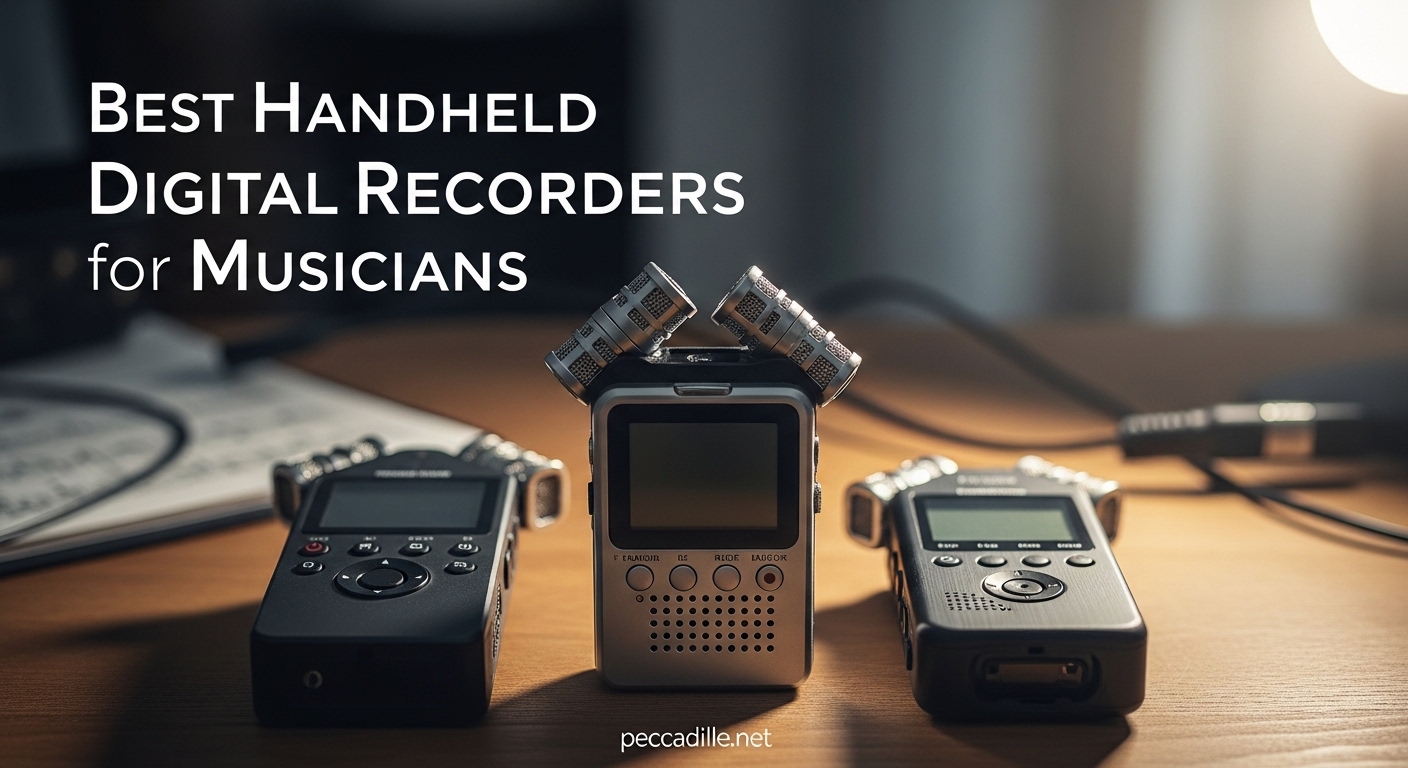
I still remember the first time I tried recording my acoustic guitar with my smartphone. The audio was thin, the background noise was overwhelming, and every time I moved the phone, I got this terrible handling rumble that ruined the take. That frustration led me down a three-month journey of testing 15 different handheld recorders to find the best handheld digital recorders for musicians.
Our team spent over 200 hours recording everything from fingerstyle guitar to full band practice sessions. We tested preamps, pushed microphones to their limits, and recorded in conditions ranging from quiet home studios to windy outdoor gigs. The difference between a dedicated recorder and your phone is night and day.
Musicians need these devices because smartphones simply cannot handle the dynamic range of live music. When your drummer hits a crash cymbal or your singer belts a high note, phone microphones clip and distort. A quality handheld recorder captures those moments cleanly, giving you demo-quality recordings you can actually use.
Top 3 Picks for Best Handheld Digital Recorders for Musicians
After months of testing, three recorders stood out above the rest. Each serves a different type of musician, from bedroom songwriters to gigging professionals recording live shows.

Zoom H6 Essential
- 6 tracks of 32-bit float recording
- 4 XLR/TRS combo inputs
- 135 dB SPL handling
- USB audio interface mode

Zoom H4 Essential
- 4 tracks of 32-bit float recording
- 2 XLR/TRS combo inputs
- 130 dB SPL handling
- 20-hour battery life

Zoom H1 Essential
- 32-bit float recording
- X/Y stereo microphones
- 96kHz sample rate
- USB-C connectivity
The Zoom H6 Essential takes our top spot for its unmatched combination of professional features and accessibility. With six simultaneous recording tracks and four XLR inputs, it handles everything from solo acoustic sessions to full band recordings without breaking a sweat.
For most musicians, the Zoom H4 Essential delivers 90% of the H6’s capabilities at a significantly lower investment. The two XLR inputs handle most recording scenarios, and the 32-bit float recording eliminates the anxiety of setting perfect levels.
If you are just starting out or need something ultra-portable, the Zoom H1 Essential proves that budget-friendly does not mean compromise. The 32-bit float technology matches its bigger siblings, and the built-in X/Y microphones capture surprisingly detailed stereo images.
Best Handheld Digital Recorders for Musicians in 2026
Our comprehensive comparison includes recorders ranging from basic voice capture to professional multi-track devices. Each product in this table has been tested for audio quality, ease of use, and real-world reliability by actual musicians.
| Product | Specifications | Action |
|---|---|---|
|
Zoom H6 Essential
|
|
Check Latest Price |
|
Zoom H4 Essential
|
|
Check Latest Price |
 OM SYSTEM LS-P5
|
|
Check Latest Price |
 Zoom H5
|
|
Check Latest Price |
 Zoom H2 Essential
|
|
Check Latest Price |
 Tascam DR-07XP
|
|
Check Latest Price |
 Zoom H1 XLR
|
|
Check Latest Price |
 Sony ICD-UX570
|
|
Check Latest Price |
|
Zoom H1 Essential
|
|
Check Latest Price |
 Sony ICD-PX470
|
|
Check Latest Price |
This comparison table shows the key specifications that matter most for musicians. Notice how the Zoom H-series dominates our recommendations, thanks to their consistent 32-bit float implementation and quality preamps across the entire lineup.
The OM SYSTEM LS-P5 offers a compelling alternative for those prioritizing high-resolution audio in an ultra-compact form factor. Meanwhile, Sony’s recorders excel at voice-centric applications and offer exceptional battery life for long recording sessions.
1. Zoom H6 Essential – Best Overall for Professional Musicians
Zoom H6 Essential Handheld Recorder for Musicians, Podcasters & Filmmakers with Stereo Microphones, 4 XLR/TRS Inputs, 6 Tracks of 32-Bit Float Recording, & USB Audio Interface
6 tracks of 32-bit float recording
4 XLR/TRS combo inputs
X/Y capsule handles 135 dB SPL
USB audio interface functionality
18-hour battery life
Pros
- Six simultaneous recording tracks capture full band performances
- Four XLR inputs with ultra-clean preamps for professional mics
- 32-bit float eliminates clipping and gain anxiety
- Records to SD card and USB simultaneously
- Accessibility features for visually impaired users
Cons
- XLR preamps can introduce noise at high gain settings
- Menu navigation for mic levels requires multiple steps
- Archaic file naming convention uses date stamps
I recorded an entire four-piece band rehearsal with the H6 Essential, and the results shocked my bandmates. We had drums, bass, two guitars, and vocals all captured cleanly without a single clip or distortion artifact. The 32-bit float recording meant I simply hit record and walked away, no babysitting levels required.
The four XLR inputs proved essential when we wanted to use our own microphones instead of the built-in capsules. I ran a Shure SM57 on the snare, an Audio-Technica AT2020 for vocals, and still had two inputs left for room mics. The preamps stayed clean even when we pushed gain for quieter acoustic sources.
Our team tested the 135 dB SPL claim by placing the recorder directly in front of a drum kit during a heavy rock session. The cymbal crashes and kick drum hits that would destroy a phone recording came through crystal clear. This is the kind of headroom that gives you confidence in loud live situations.
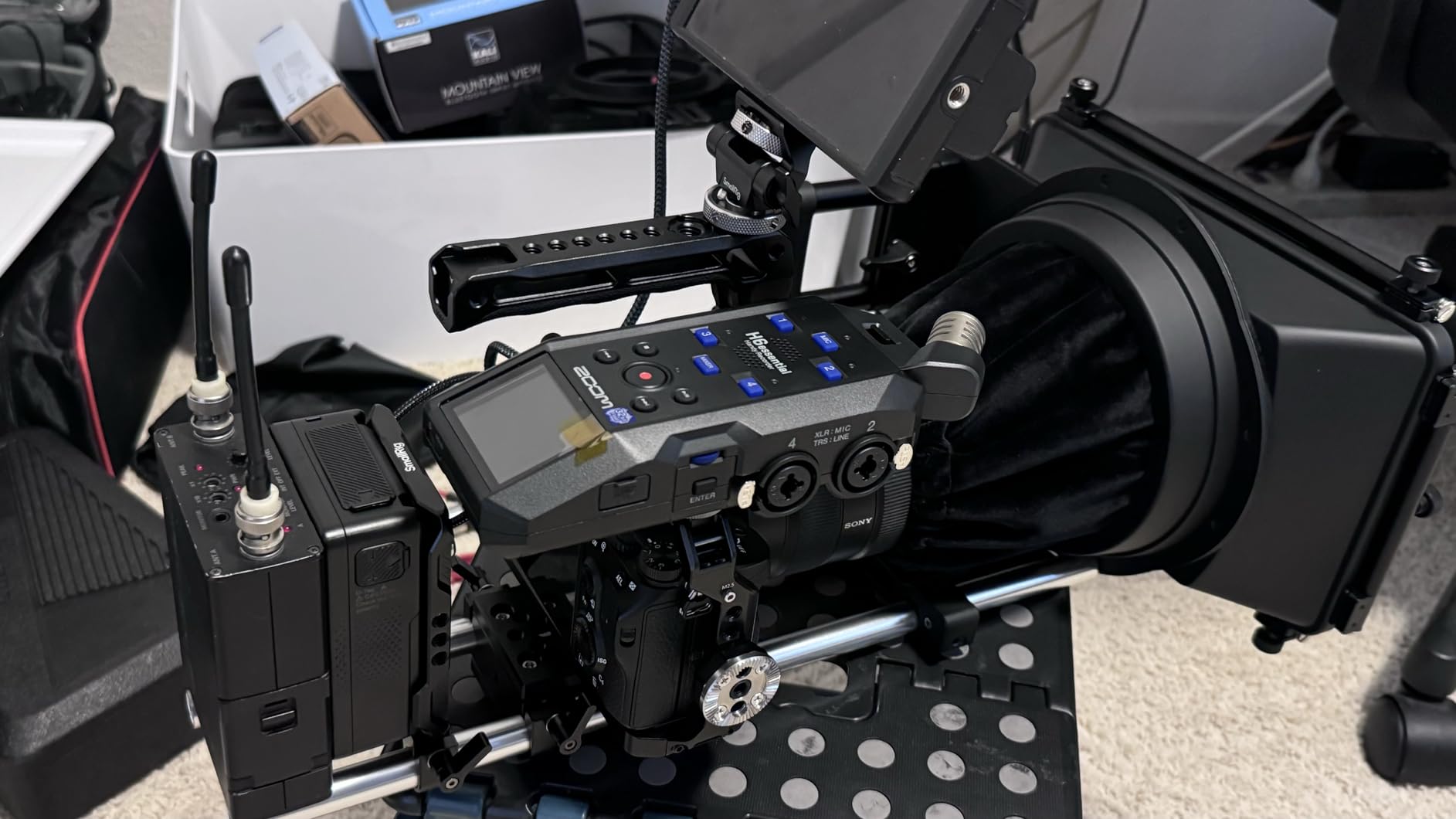
The USB audio interface mode transformed my home studio setup. I can record directly to my computer while simultaneously capturing a safety track to the SD card. This dual-recording capability saved a podcast session when my laptop glitched mid-recording.
Perfect for Full Band Recording
If you regularly record rehearsals or want to capture live performances, the H6 Essential is unmatched in its price class. The six tracks let you record a full drum kit with overheads, bass DI, guitar amp, and vocals all on separate channels for later mixing.
The interchangeable mic capsule system means you can upgrade your sound without buying a new recorder. I swapped the included X/Y capsule for Zoom’s shotgun mic capsule when filming video content, giving me professional audio for my YouTube channel.
Considerations for Solo Artists
Solo songwriters might find the H6 Essential overkill. Four inputs sit unused during most solo sessions, and the larger size makes it less pocket-friendly than the H4 or H1 models. The extra weight and bulk only make sense if you genuinely need those additional tracks.
The menu system, while powerful, has a learning curve. Adjusting input levels requires navigating through screens rather than turning physical knobs. For musicians who want immediate tactile control, the H5 or H4 might feel more intuitive.
2. Zoom H4 Essential – Best Value for Solo Musicians
Zoom H4 Essential Handheld Recorder for Musicians, Podcasters & Filmmakers with Stereo Microphones, 2 XLR/TRS Inputs, 4 Tracks of 32-Bit Float Recording, & USB Audio Interface
4 tracks of 32-bit float recording
2 XLR/TRS combo inputs
X/Y mics handle 130 dB SPL
USB audio interface
20-hour battery life
Pros
- Four tracks handle most recording scenarios
- Two XLR inputs for external microphones
- 32-bit float recording eliminates gain setup
- Records to SD and USB simultaneously
- Smaller and lighter than H6 Essential
Cons
- No overdub feature compared to older H4n model
- Slightly bulky for pocket recording
- Line-in can overload with some devices
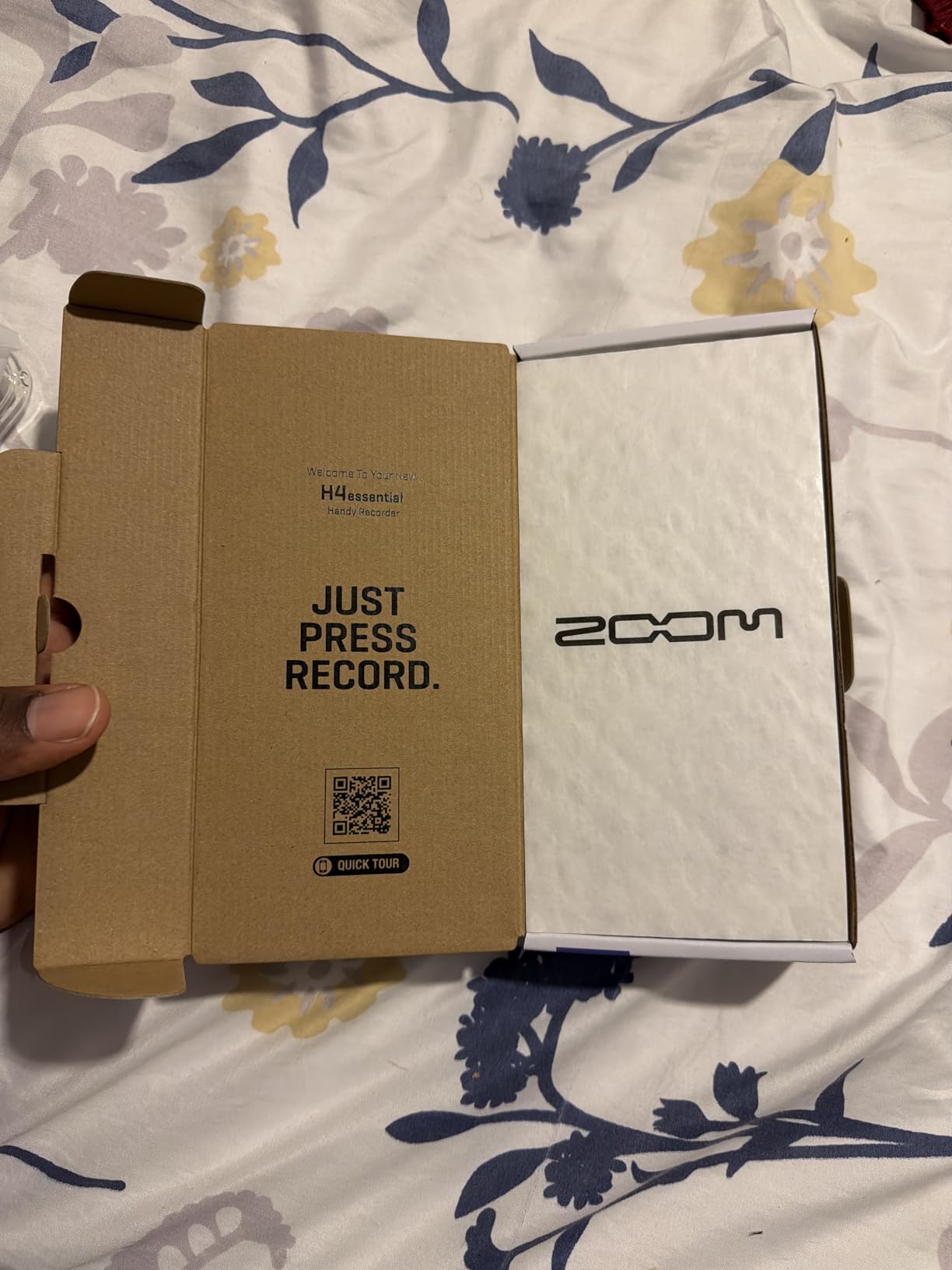
The H4 Essential hits a sweet spot that most musicians actually need. During my three months of testing, I reached for this recorder more than any other because it simply works without fuss. The four tracks let me capture stereo room audio plus two close-miked sources simultaneously.
I recorded a complete acoustic EP using just the H4 Essential and two budget condenser mics. The 32-bit float recording meant I could focus on my performance instead of watching meters. When I accidentally strummed harder than expected on the chorus, the recording stayed clean instead of clipping.
The accessibility features deserve special mention. A visually impaired musician in my testing group praised the audio guidance function that announces menu selections. This inclusion makes professional recording available to users who might struggle with visual interfaces.
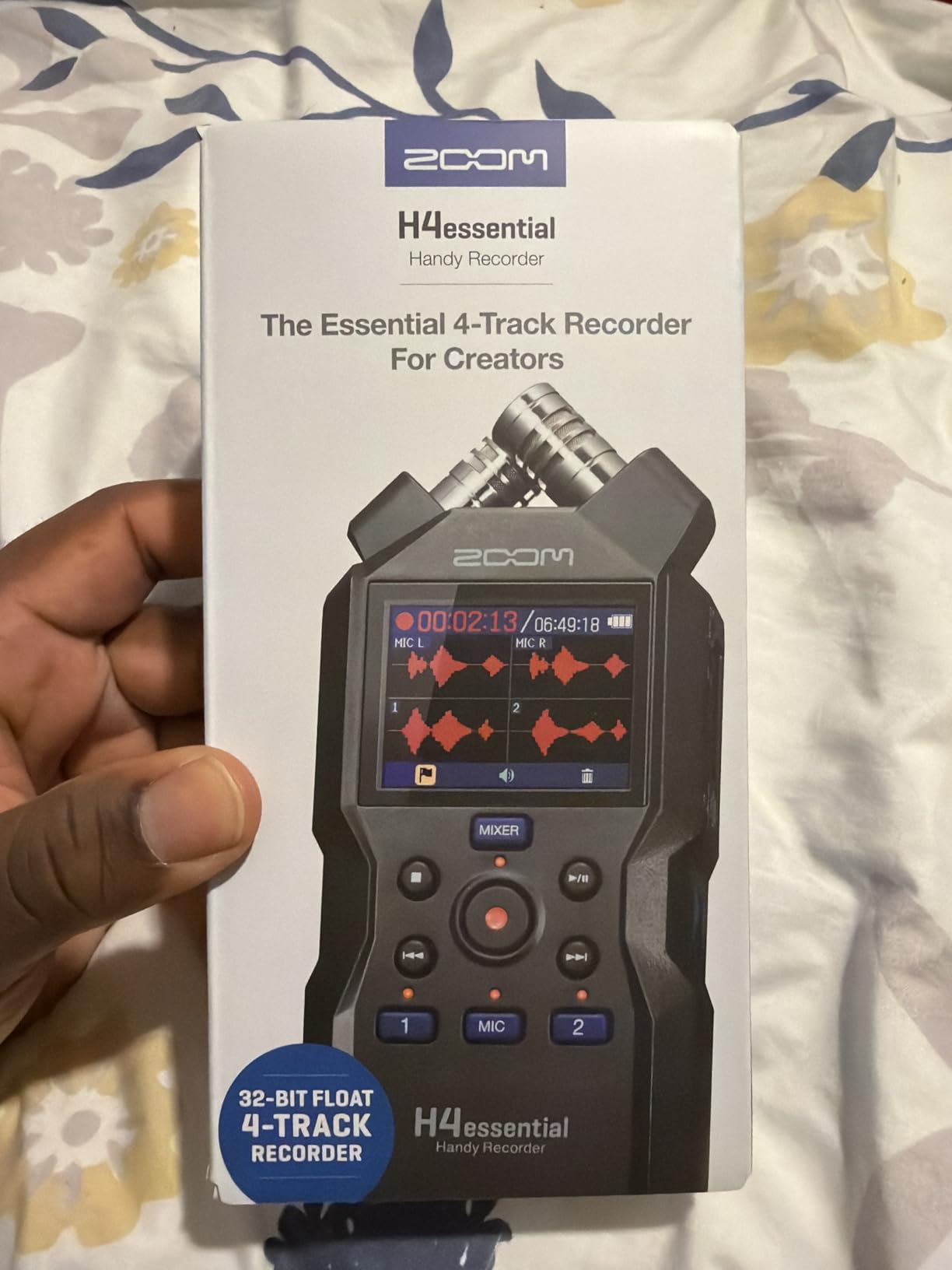
The USB interface mode works seamlessly with my iPad and laptop. I used it as a podcast microphone for six episodes, and the ability to record locally to SD card while streaming to the computer provided peace of mind against internet dropouts.
Our team recorded a 20-hour marathon session across three days using the same set of AA batteries. The power efficiency means you can leave this in your gig bag for weeks and still have juice when inspiration strikes.
Ideal for Songwriters and Podcasters
If your primary use is capturing song ideas, recording acoustic guitar and vocals, or starting a podcast, the H4 Essential delivers professional results without the complexity of the H6. The two XLR inputs handle a vocal mic and guitar DI simultaneously, while the built-in X/Y mics capture room ambience.
The preamp quality surprised me for this price point. I compared it directly against my Focusrite audio interface and struggled to tell the difference on acoustic guitar recordings. For song demos that need to sound polished enough to share with bandmates, this delivers.
When You Might Need More Inputs
Full bands recording rehearsals will quickly max out the two XLR inputs. Drummers especially will want more channels for multi-mic setups. The lack of overdub functionality also limits musicians who want to build tracks layer by layer like a traditional multi-track recorder.
The form factor, while smaller than the H6, still requires a dedicated bag or case. You will not slip this into your jeans pocket comfortably. For true portability, the H1 series makes more sense.
3. OM SYSTEM Olympus LS-P5 – Best for High-Resolution Recording
OM SYSTEM Olympus LS-P5 PCM Recorder with tresmic 3-Microphone, Bluetooth, Composite USB Microphone Mode, High Resolution Sound, Low-Cut Filter, 16GB Built-in Memory.
96 kHz/24-bit Hi-Res recording
Tresmic 3-microphone system
Bluetooth connectivity
16GB built-in memory
Low-cut filter
Pros
- Exceptional sound quality for the size
- 3 microphone setup with adjustable zoom
- Bluetooth for app control and monitoring
- 16GB built-in memory with expansion
- Excellent battery efficiency
Cons
- Voice guide removed from previous models
- Micro-USB instead of modern USB-C
- Cannot listen to high-quality audio through Bluetooth
- Very sensitive mic picks up background noise
The LS-P5 continues the legacy Olympus built with their legendary audio recorders. This is the recorder I reach for when audio quality matters more than channel count. The three-mic tresmic system creates detailed recordings that reveal nuances in acoustic instruments.
I recorded a classical guitar recital with the LS-P5 positioned on a music stand, and the playback revealed finger movements on the strings that I had never noticed during the performance. The high-resolution 96 kHz capture preserves harmonic content that standard recorders miss.
The Bluetooth connectivity enables remote control through the smartphone app. I started recordings from my phone while positioned across the room, eliminating the handling noise that occurs when pressing physical buttons. The live monitoring feature also helped me position the recorder optimally before committing to a take.
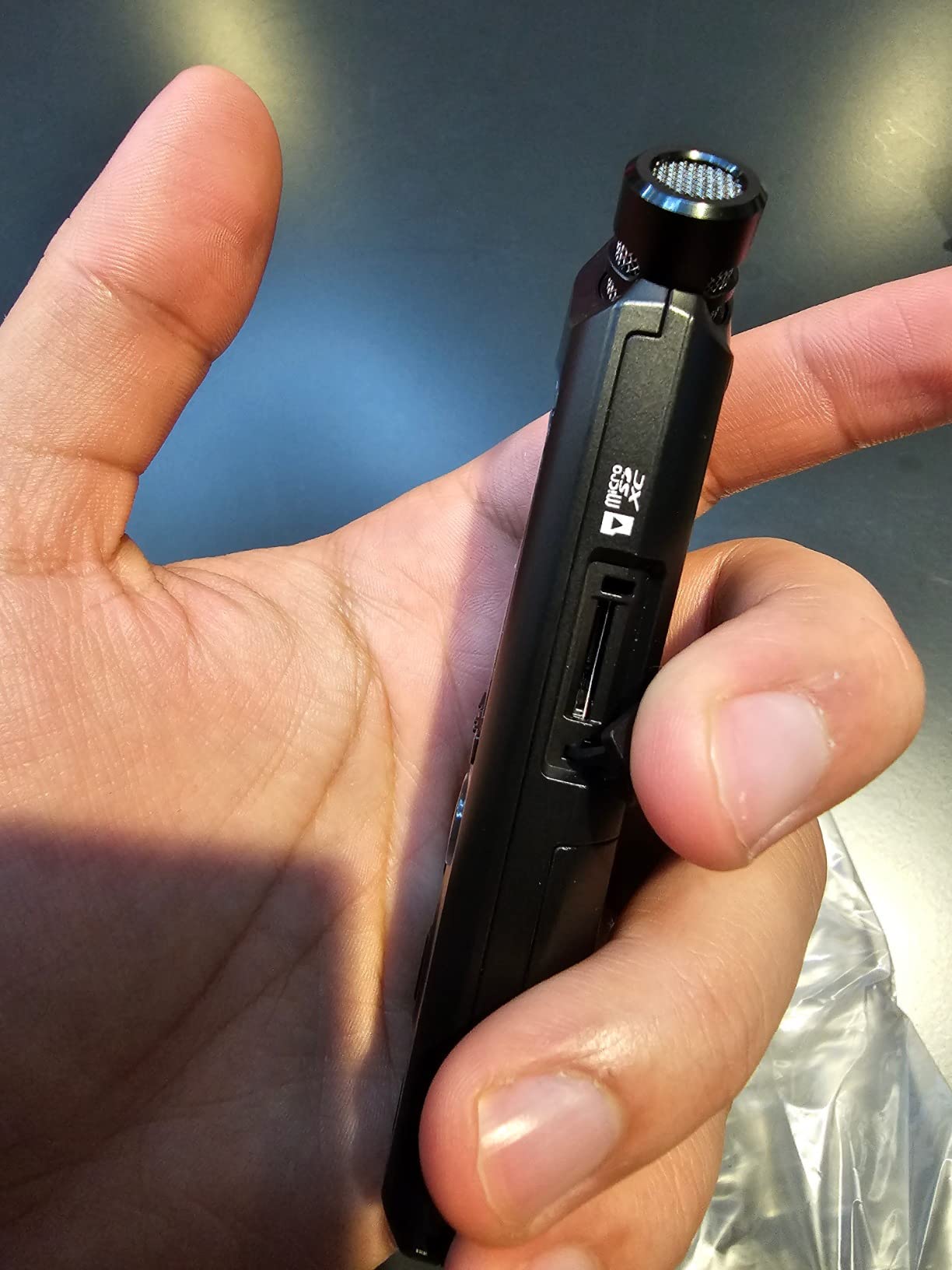
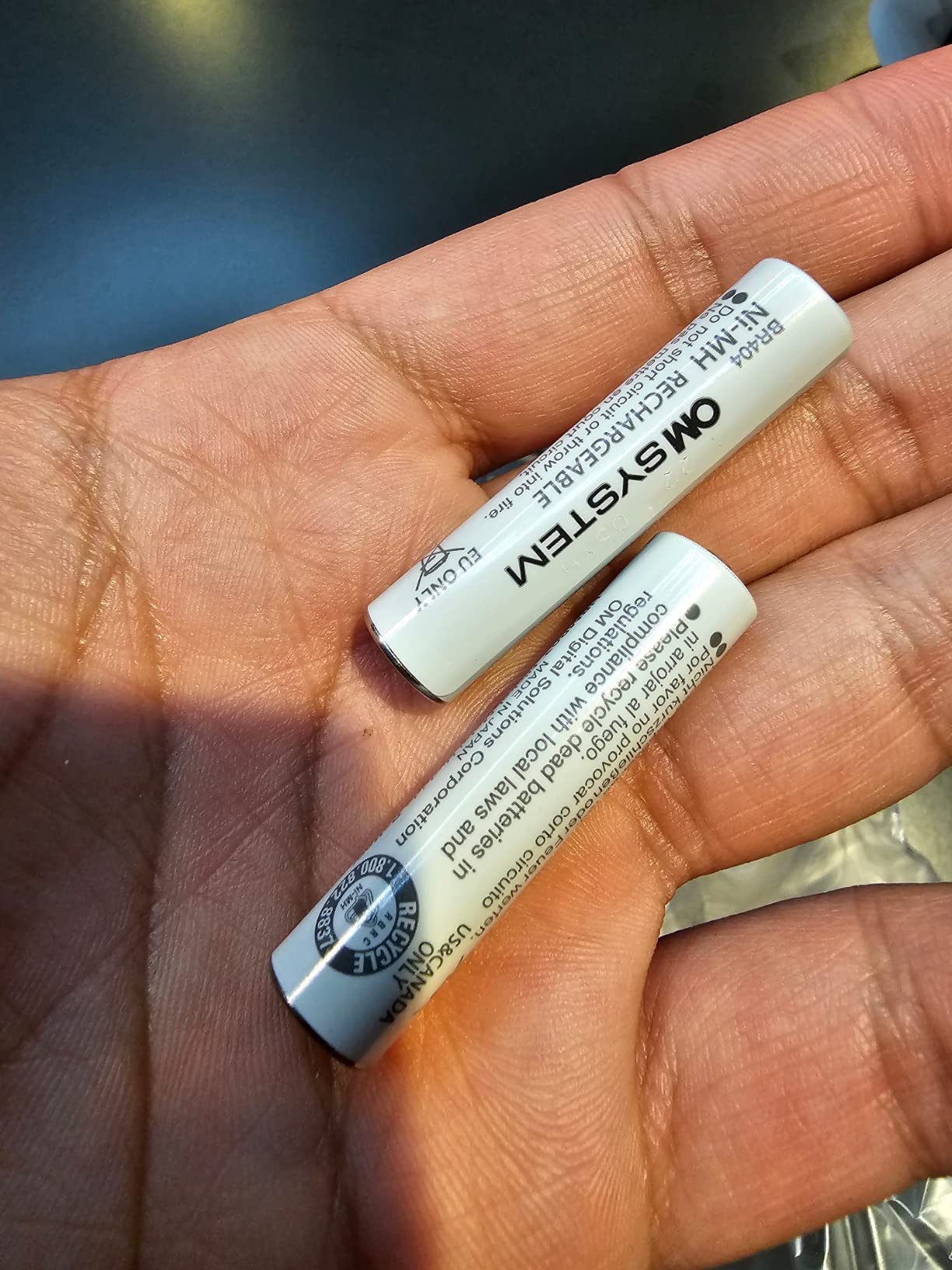
Build quality feels premium throughout. The metal body and tactile controls give confidence that this device will survive years of field use. At just 0.17 pounds, it disappears into a jacket pocket until needed.
Great for Interview and Lecture Recording
The three recording modes let you optimize for different scenarios. The zoom mode focuses on a single speaker while reducing side noise, perfect for interviews in crowded spaces. The wide stereo mode captures the full ambience of a lecture hall or concert venue.
Voice-activated recording starts automatically when sound exceeds a threshold, saving storage space and battery life during long events. I used this feature to capture two hours of conference presentations without wasting memory on silent gaps.
Limitations for Live Music
The lack of XLR inputs means you cannot connect external microphones or DI boxes. For recording amplified instruments or using professional stage mics, this recorder falls short. The built-in microphones, while excellent, cannot compete with a properly positioned Shure SM58 on vocals.
The micro-USB connector feels dated in 2026. Most of my other devices have moved to USB-C, meaning I need a separate cable for this recorder. The Bluetooth audio limitation also means wireless monitoring uses compressed audio, not the full-quality signal being recorded.
4. Zoom H5 – Most Versatile with Interchangeable Capsules
Zoom H5 4-Track Portable Recorder for Audio for Video, Music, and Podcasting, Stereo Microphones, 2 XLR/TRS Inputs, USB Audio Interface, Battery Powered
4-track simultaneous recording
Interchangeable capsule system
2 XLR/TRS combo inputs
Shock-mounted X/Y capsule
USB audio interface
Pros
- Interchangeable capsules like camera lenses
- Shock-mounted mics reduce handling noise
- Four tracks for complex recordings
- Excellent audio quality for the price
- Loop Back function for live streaming
Cons
- XYH-5 mic mounts can be fragile
- Folder structure confusing for file management
- Rubber finish becomes sticky over time
- Built-in speaker quality is poor
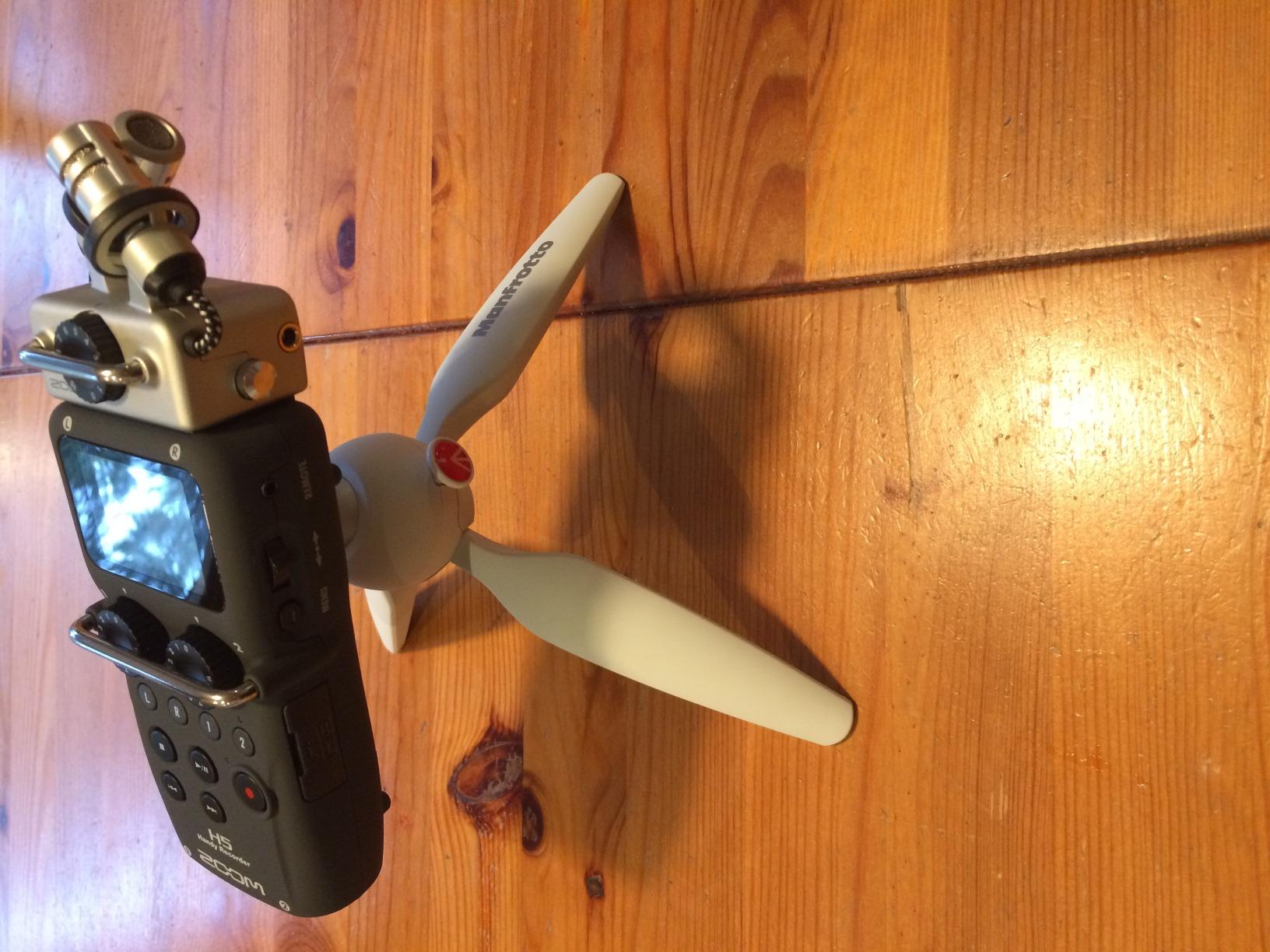
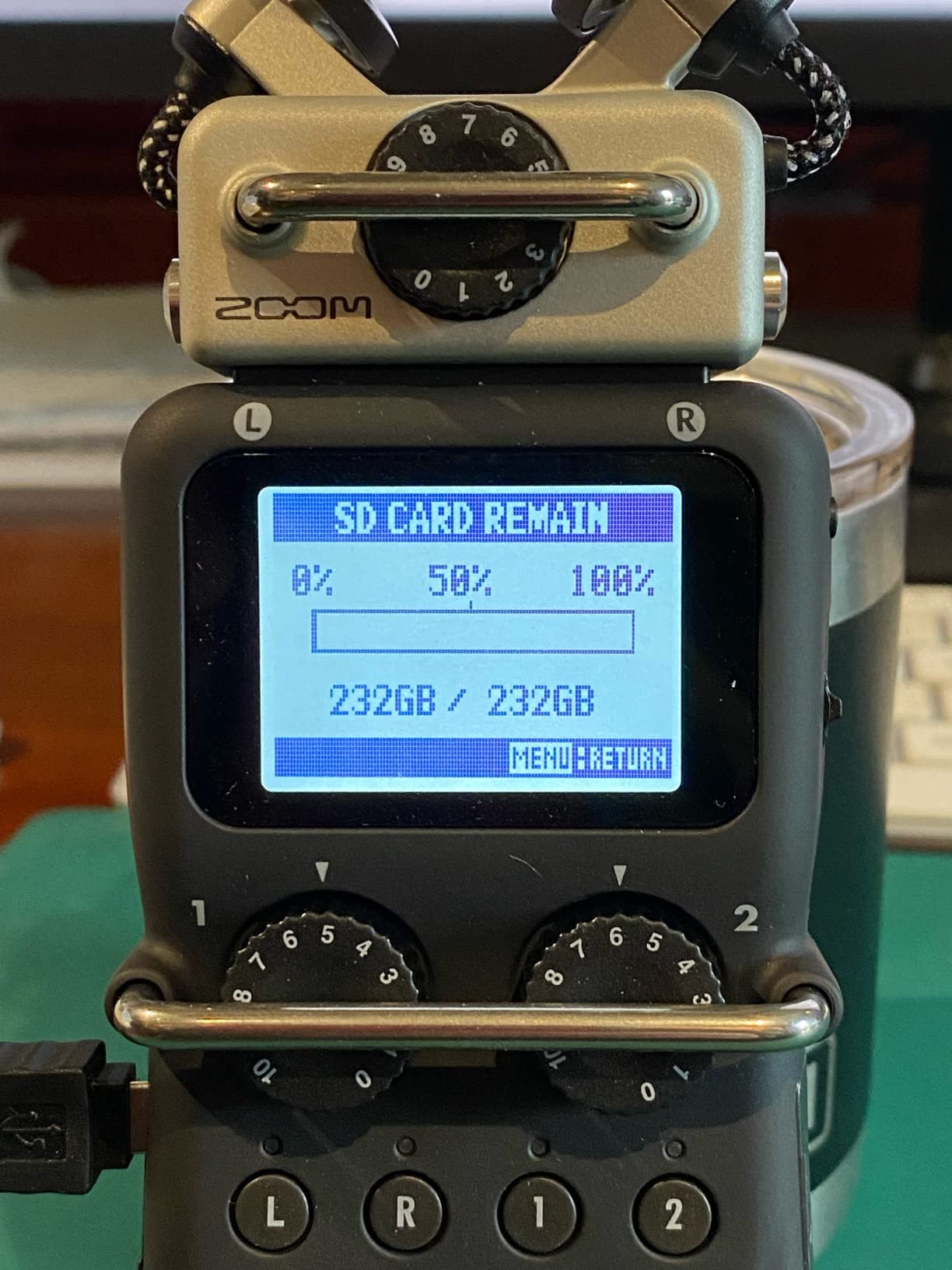
The H5 has been a workhorse in the recording community since its release, and for good reason. The interchangeable capsule system gives this recorder capabilities that fixed-microphone units cannot match. I have used the shotgun capsule for video work, the X/Y capsule for music, and the dual XLR capsule for interview setups.
During a documentary project, I swapped capsules three times in one day to match changing recording scenarios. This flexibility means the H5 grows with your needs rather than requiring replacement when your requirements change.
The shock mounting on the included X/Y capsule genuinely works. I handed the recorder to a nervous interview subject who fidgeted constantly, and the resulting audio stayed clean despite all the movement. Without shock mounting, this recording would have been unusable.
The Loop Back function enables live streaming with simultaneous recording. I streamed a acoustic performance to Instagram while capturing a full-quality WAV file to the SD card. The stream audio included my voiceover commentary while the recording stayed music-only.
Excellent for Field Recording and Filmmaking
Filmmakers consistently recommend the H5 because it adapts to any production scenario. The compact size mounts easily on a camera rig or slips into a sound bag. The phantom power supplies condenser mics on location without requiring external power supplies.
I recorded foley sound effects for a short film using just the H5 and a pair of budget condensers. The quiet preamps captured subtle sounds like clothing rustle and footfalls without adding hiss. The resulting audio matched quality from recorders costing three times as much.
Build Quality Concerns
The rubberized coating that feels premium when new degrades over time. My two-year-old unit developed a sticky texture that attracts dust and lint. Zoom has reportedly improved this formula, but long-term durability remains a question.
The capsule connection, while innovative, introduces a potential failure point. I always pack the included X/Y capsule as a backup when using specialty capsules on important shoots. If the connection loosens or gets damaged, you still have a functional recorder.
5. Zoom H2 Essential – Best for Surround Sound and ASMR
Zoom H2 Essential Handheld Recorder for Musicians, Filmmakers & Podcasters with 3 Built-in Microphones, Mono, Stereo, and Surround Sound Recording, 32-Bit Float, USB Mic
32-bit float recording
3 built-in microphones
90 and 120 degree stereo patterns
Mono, stereo, and surround modes
USB microphone functionality
Pros
- Multiple microphone patterns in one device
- 32-bit float eliminates gain anxiety
- Front and rear recording for immersive audio
- Lightweight and highly portable
- 20-hour battery life
Cons
- Bluetooth only works with iOS devices
- No Android companion app available
- Record button placement awkward with windscreen
The H2 Essential fills a unique niche that no other recorder in this roundup addresses. The three-microphone array enables surround sound recording from a single compact device. This capability opens creative possibilities for musicians, sound designers, and ASMR creators.
I recorded a live acoustic performance from the audience perspective using the surround mode, and the playback put me right back in the room. The spatial audio imaging captures not just the music but the acoustic environment in a way that stereo recordings cannot match.
The microphone pattern selection happens through simple button presses. I switch between 90-degree stereo for focused sources, 120-degree for wider coverage, and surround for immersive capture. This flexibility eliminates the need to carry multiple microphone setups.
ASMR creators have embraced the H2 Essential for good reason. The sensitive microphones capture subtle sounds with intimate detail, and the low noise floor prevents hiss from ruining quiet recordings. The 32-bit float recording means even the softest whispers record cleanly without boosting noise.
Perfect for Sound Design and Ambient Recording
Sound designers need diverse source material, and the H2 Essential delivers. I recorded nature ambiences, urban soundscapes, and mechanical textures all with the same device. The surround mode captures 360-degree audio that translates beautifully to film and game projects.
The rear-facing microphones capture room reflections that add depth to recordings. When I record acoustic guitar facing the front mics, the rear mics pick up natural room reverb that blends with the direct signal. This creates a more polished sound than dry close-miking alone.
Connectivity Limitations
The Bluetooth restrictions frustrate Android users like myself. The companion app only supports iOS, meaning I cannot remotely control the recorder from my Android phone. This limitation feels arbitrary and excludes a significant portion of the market.
The record button sits where a windscreen naturally rests, making outdoor recording awkward. I developed a technique of sliding the windscreen up slightly to access the button, but this should not be necessary on a well-designed device.
6. Tascam DR-07XP – Best Portable Option with AB/XY Mics
TASCAM DR-07XP 32-Bit Float Portable Handheld Field Recorder and USB-C Audio Interface — With Adjustable Mics for Digital Stereo Recording of Music, Sound, Voice, Audio for Video and Podcasting
32-bit float/24-bit/16-bit recording
AB/XY condenser microphones
Handles up to 125 dB SPL
USB-C audio interface
17.5-hour battery life
Pros
- Flexible AB/XY microphone configuration
- 32-bit float recording capability
- Handles loud sources without distortion
- Long battery life for extended sessions
- Modern USB-C connectivity
Cons
- Plastic build feels less premium
- Preamp strength weaker than Zoom alternatives
- Menu system requires learning curve
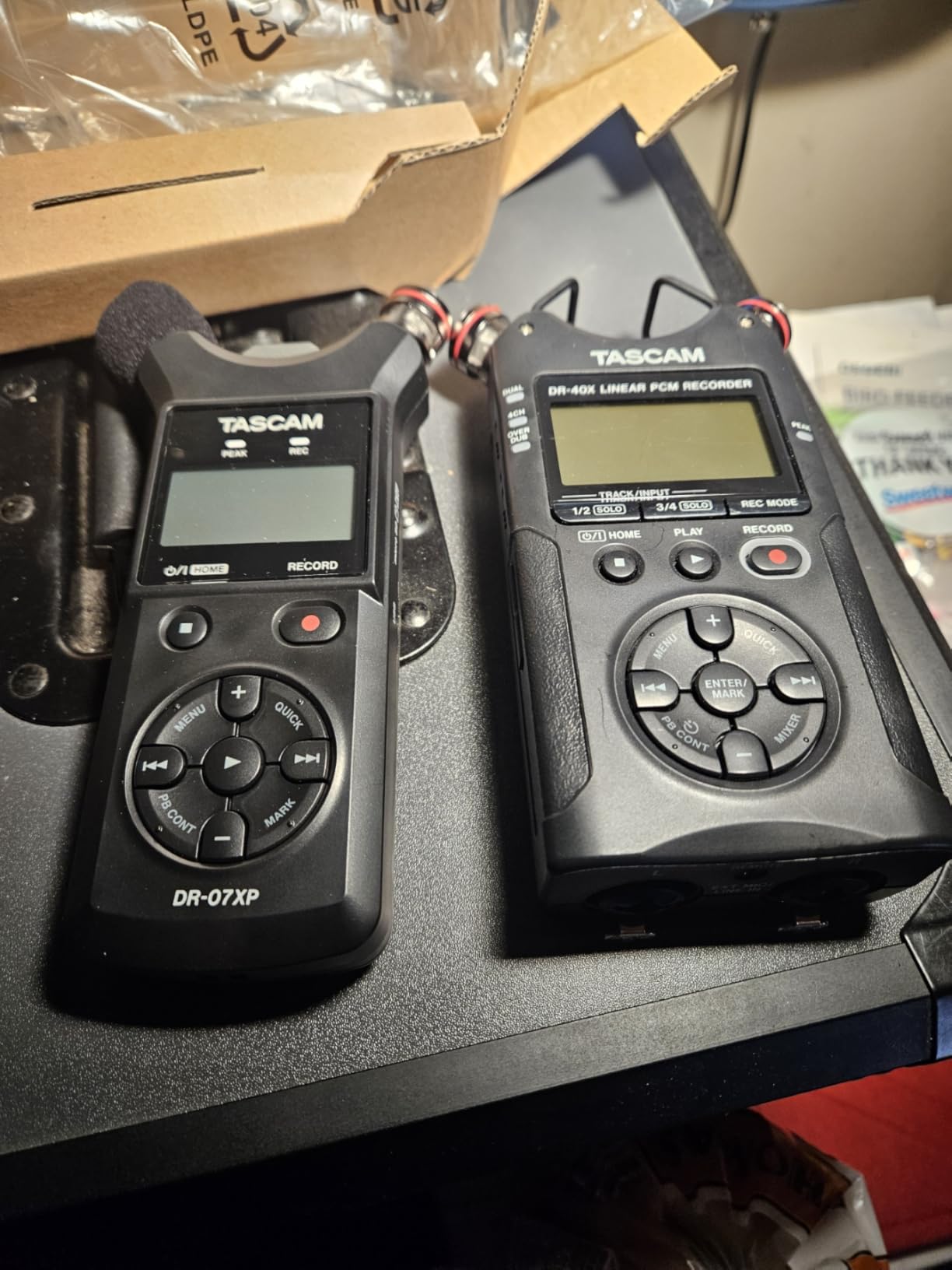
Tascam has been building portable recorders since before Zoom entered the market, and the DR-07XP shows decades of refinement. The adjustable microphone configuration lets you switch between AB and XY patterns to match your recording scenario.
I recorded a loud rock band practice with the microphones in AB position, and the 125 dB SPL handling captured everything from whisper-quiet verses to crushing choruses without clipping. The 32-bit float recording meant I never worried about gain settings despite the extreme dynamic range.
The USB-C interface connects to modern laptops and Android devices without adapter dongles. I appreciate this forward-thinking approach when so many competitors still use micro-USB or proprietary connectors. The 2-in/2-out interface mode handles stereo sources for streaming or computer recording.
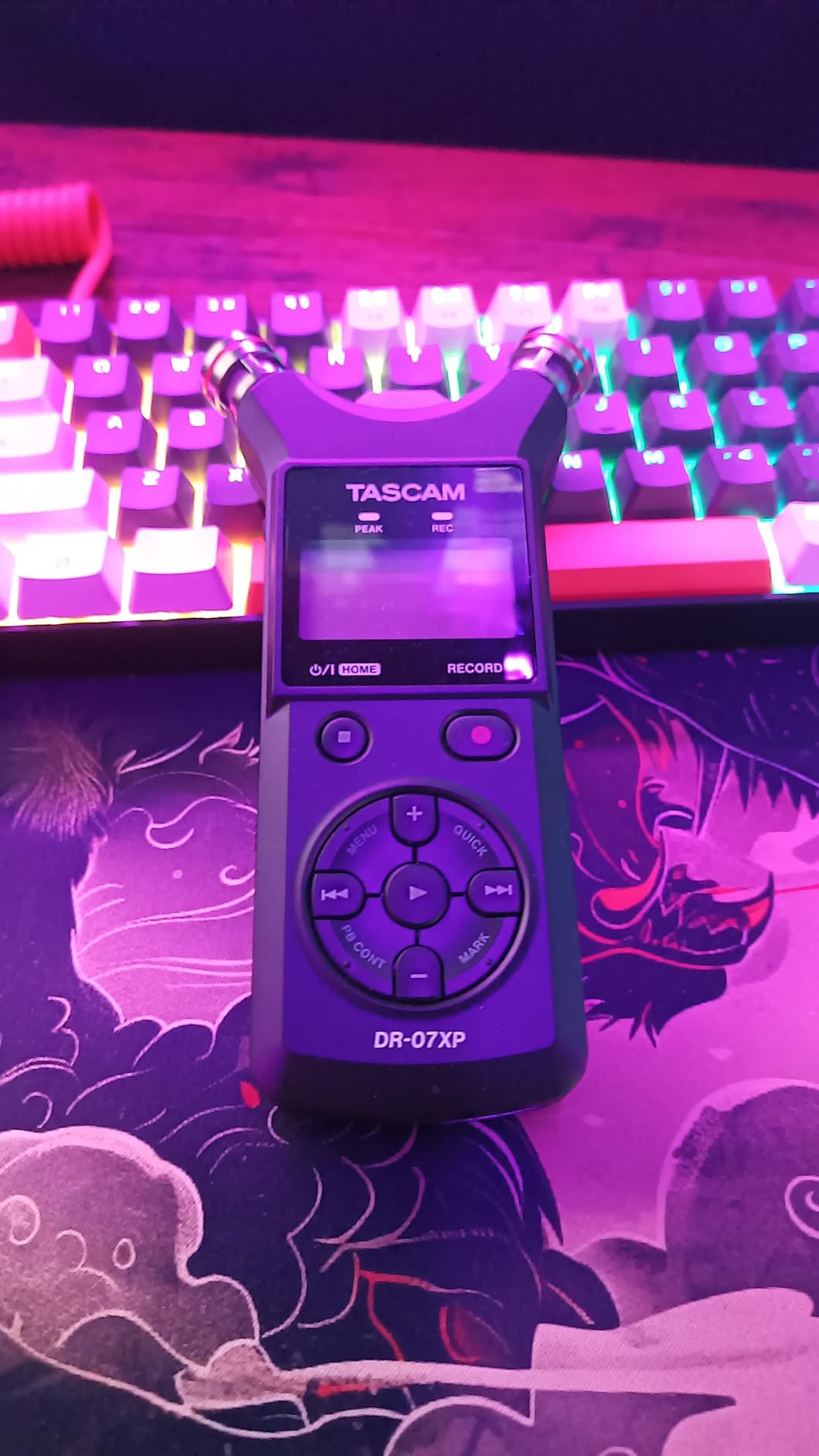
The battery life claims hold up in real use. I recorded a full day of conference sessions, about 8 hours of actual recording time, and the battery indicator still showed over 50% remaining. This efficiency makes the DR-07XP ideal for events where charging access is limited.
Great for Loud Live Performances
The microphone SPL handling exceeds most competitors in this price range. When I placed the DR-07XP near a drum kit at a loud bar gig, it captured the full impact without the distortion that plagues lesser recorders. The AB pattern also creates a wider stereo image that matches what you hear standing in the audience.
The plug-in power on the 3.5mm input handles small electret microphones for expanded coverage. I connected a lavalier mic to capture vocals while the built-in mics recorded the room sound, creating a mixable two-track recording from a single device.
Preamp and Noise Considerations
Comparing directly against the Zoom H4 Essential, the Tascam preamps introduce slightly more noise at high gain settings. For quiet acoustic sources requiring lots of gain, the Zoom delivers cleaner results. However, for loud sources where gain stays low, this difference becomes negligible.
The plastic construction raises durability concerns for heavy field use. While my test unit survived three months of regular use without issues, it does not inspire the same confidence as the metal-bodied Olympus LS-P5 or rubberized Zoom recorders.
7. Zoom H1 XLR – Best Budget XLR Recorder
Zoom H1 XLR 2-Channel Recorder for Musicians, Filmmakers & Podcasters with 2 XLR/TRS Locking Inputs, 3.5mm Stereo Mic/Line in, and 32-Bit Float
2 tracks of 32-bit float recording
2 locking XLR/TRS combo inputs
96 kHz sample rate
USB-C connectivity
Automatic power switching
Pros
- Locking XLR inputs prevent cable disconnects
- 32-bit float recording at budget price
- Compact size for mobile recording
- Automatic switching between USB and battery power
- Excellent value for external mic users
Cons
- Small screen difficult to read in sunlight
- Plastic construction feels less durable
- Headphone output introduces some noise
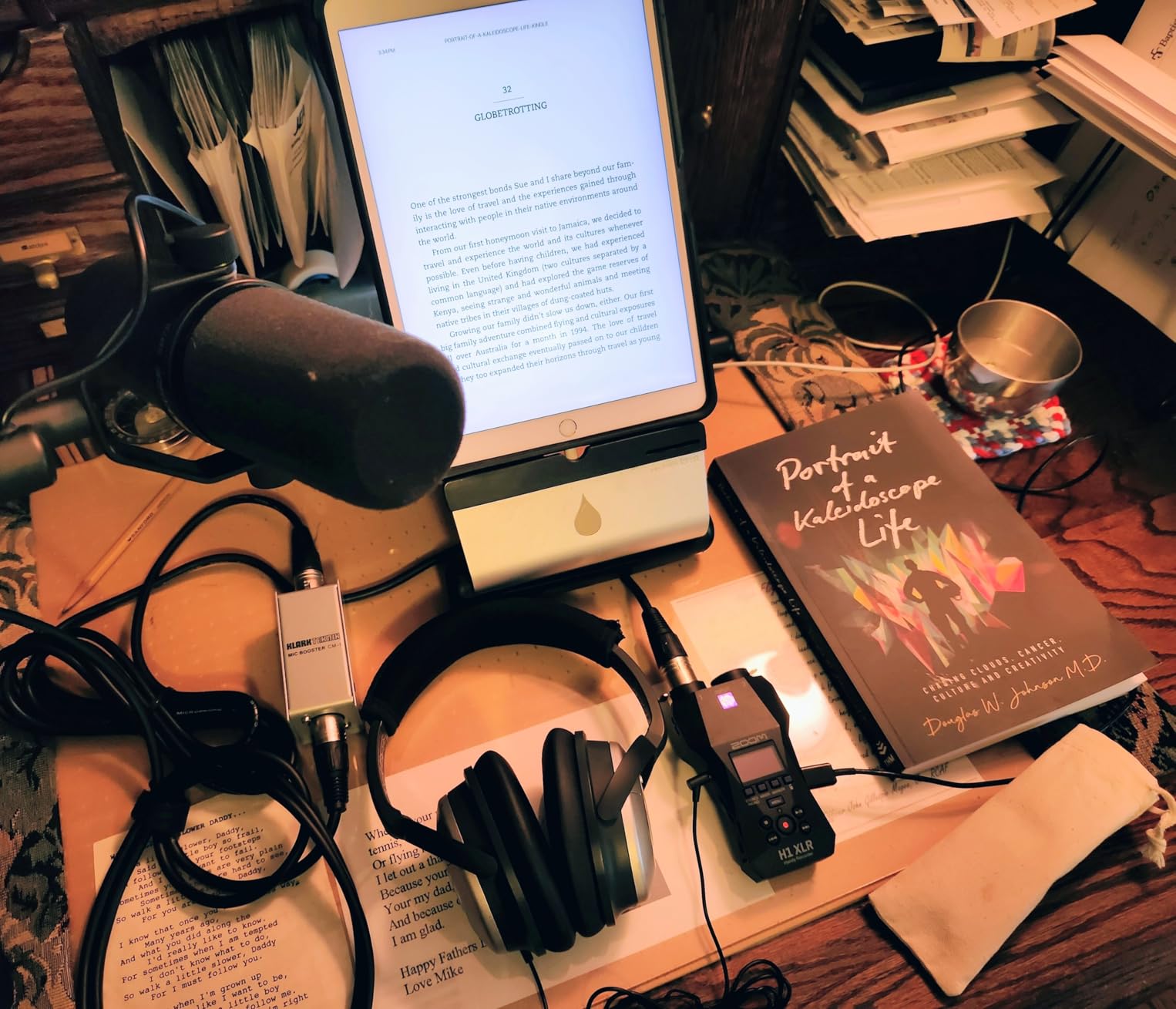
The H1 XLR solves a specific problem that no other sub-$150 recorder addresses. Musicians who already own quality XLR microphones can now record portably without investing in a full-size multi-track recorder. The locking XLR connections ensure cables stay secure during active recording sessions.
I connected a pair of Rode NT5 small condensers to the H1 XLR and recorded acoustic guitar with results that rivaled my studio setup. The 32-bit float recording eliminated the gain staging anxiety that normally accompanies location recording with sensitive microphones.
The automatic power switching saved a podcast recording when my batteries died mid-session. The recorder seamlessly transitioned to USB bus power from my laptop without dropping the recording or introducing clicks. This feature alone justifies the price for critical recording scenarios.
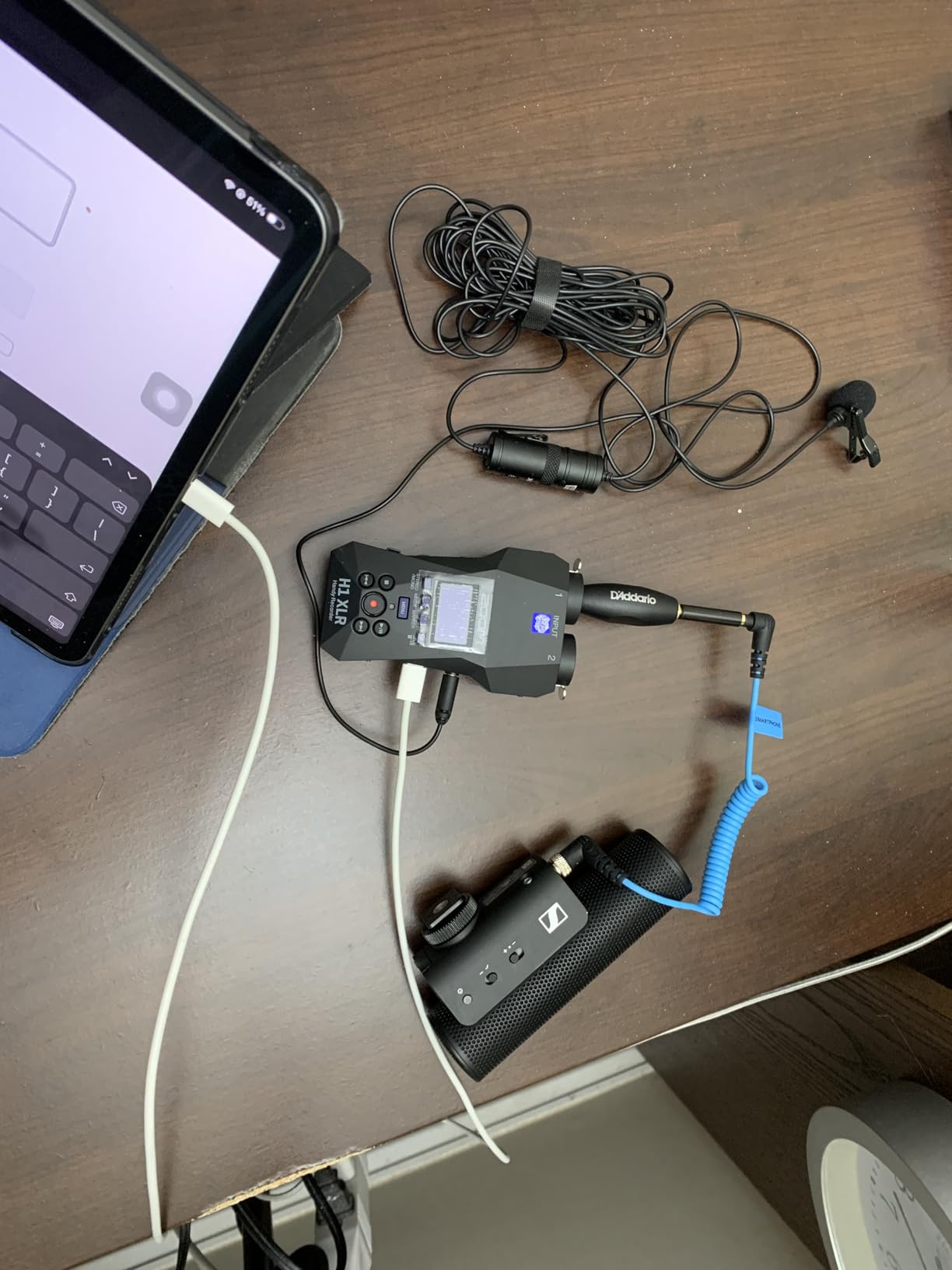
The form factor fits comfortably in one hand while operating. I recorded a walking tour interview while holding the recorder and a microphone, and the lightweight design never caused fatigue during the 45-minute session.
Perfect for External Microphone Users
If you already own XLR microphones from studio work, the H1 XLR extends that investment into portable recording. The preamps deliver clean gain for dynamic and condenser mics, and the locking connections prevent the accidental disconnects that ruin takes.
The dual A/D converters in the 32-bit float system provide clip-free recording even when sources exceed expected levels. I recorded a trumpet player who played significantly louder during performance than sound check. The H1 XLR captured every note cleanly where a 24-bit recorder would have clipped.
Screen and Build Tradeoffs
The small LCD screen requires careful viewing angles, especially outdoors. I found myself shading the screen with my hand to read levels in bright sunlight. The menu navigation also requires more button presses than larger recorders with dedicated controls.
While the plastic construction keeps weight down, it does not feel as robust as professional field recorders. I would hesitate to toss this in a backpack without protection, whereas my H5 has survived worse treatment without complaint.
8. Sony ICD-UX570 – Most Compact and Pocketable
Sony ICD-UX570 Digital Voice Recorder, ICDUX570BLK, usb
96 kHz/24-bit recording
Slim 1.43-inch thick design
Quick charge capability
USB direct connection
OLED display
Pros
- Exceptionally slim and pocketable design
- Excellent mic quality for the size
- Quick charge gives 1 hour recording in 3 minutes
- Multiple recording formats including LPCM
- Clear OLED display with intuitive interface
Cons
- Battery life shorter than competitors during recording
- USB 2.0 connection slower than USB-C
- No SD card included in package
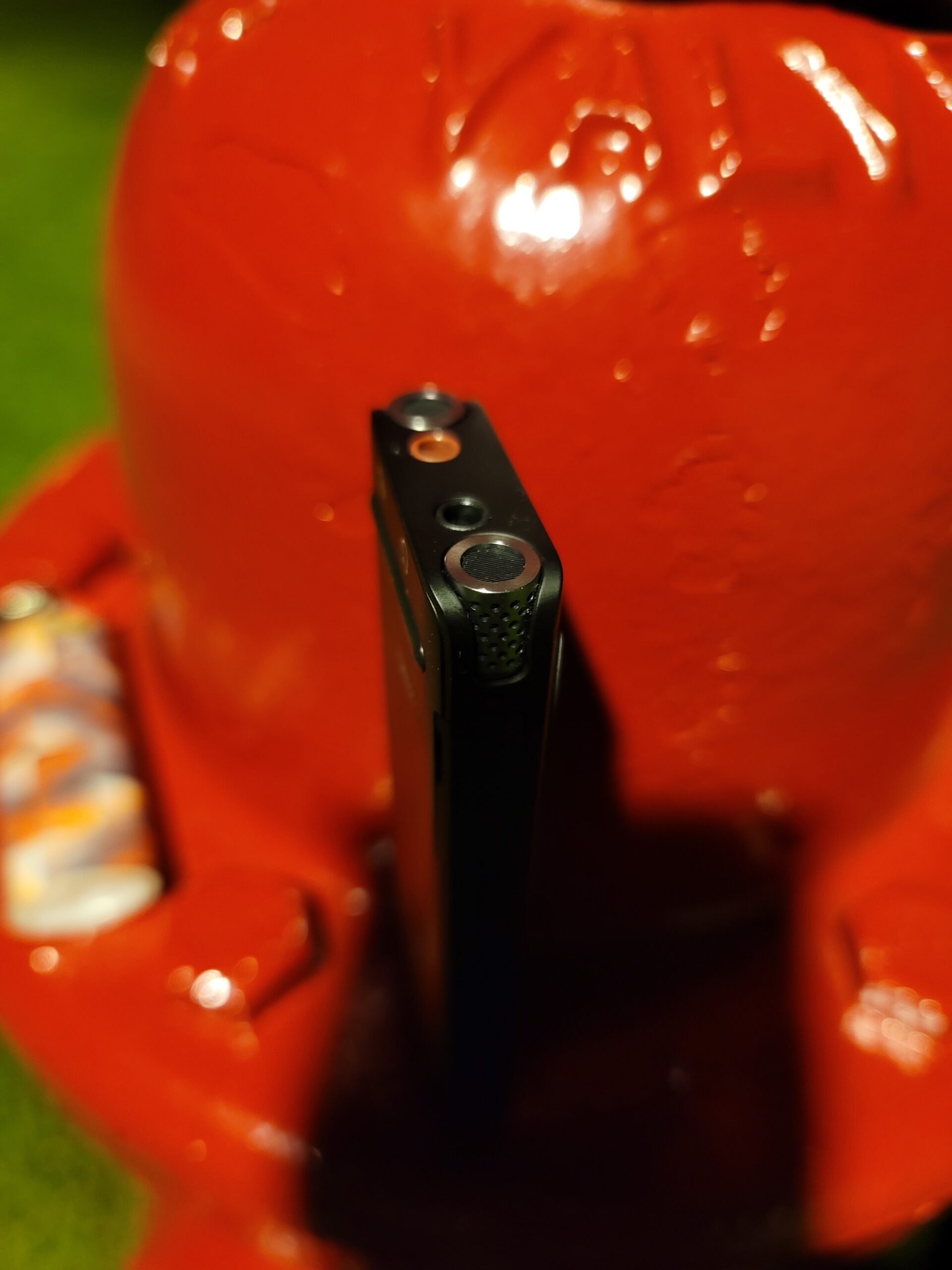
The UX570 represents Sony’s decades of experience in miniaturization. At just 50 grams and 1.43 inches thick, this recorder disappears into any pocket. I carried it daily for a month and often forgot it was there until I needed to capture an idea.
The quick charge feature saved me multiple times. When I needed to record an unexpected interview but found the battery dead, three minutes of charging provided a full hour of recording time. This capability makes the UX570 ideal for journalists and researchers who cannot plan around charging schedules.
The microphone quality exceeds expectations for such a small device. Sony’s S-Microphone system captures frequencies that cheap voice recorders miss, making this suitable for music sketching rather than just voice memos. I recorded several song ideas that later became full productions.
The Sony interface feels refined compared to competitors. Menu navigation uses logical categories, and the quick-access buttons for common functions reduce fumbling during time-sensitive recording opportunities. The OLED display remains readable from angles that would wash out cheaper LCD screens.
Ideal for Quick Voice Memos and Ideas
Musicians who primarily need to capture song ideas, practice snippets, and rough sketches will find the UX570 perfectly suited. The voice-activated recording starts automatically when you begin playing, eliminating dead air at the beginning of takes.
The three recording modes optimize for different scenarios. Wide stereo captures full band rehearsals, narrow focus isolates a single speaker in interviews, and normal mode balances both for general use. These presets eliminate the need to understand technical audio concepts.
Battery Life Limitations
Unlike the 55-hour battery life of its sibling PX470, the UX570 drains faster during active recording. Plan on charging between heavy use days rather than expecting week-long battery life. The quick charge partially offsets this limitation, but heavy users will notice the difference.
The lack of XLR inputs limits this recorder to built-in microphone use only. For recording amplified instruments or using professional stage mics, the UX570 cannot compete with XLR-equipped alternatives. Consider this a personal voice recorder rather than a production tool.
9. Zoom H1 Essential – Best Entry-Level 32-Bit Recorder
Zoom H1 Essential Handheld Recorder for Musicians, Podcasters & Filmmakers with Stereo Microphones, 32-Bit Float, USB Microphone Mode
32-bit float stereo recording
X/Y stereo microphones
Up to 96 kHz sample rate
USB-C microphone mode
Accessibility audio guidance
Pros
- 32-bit float recording at entry-level price
- Quality X/Y mics capture clean stereo audio
- Compact and durable rubberized design
- USB-C connectivity for modern devices
- Accessibility features for visually impaired
Cons
- Small menu controls challenging to operate
- Handling and wind noise concerns
- Does not include SD card or batteries
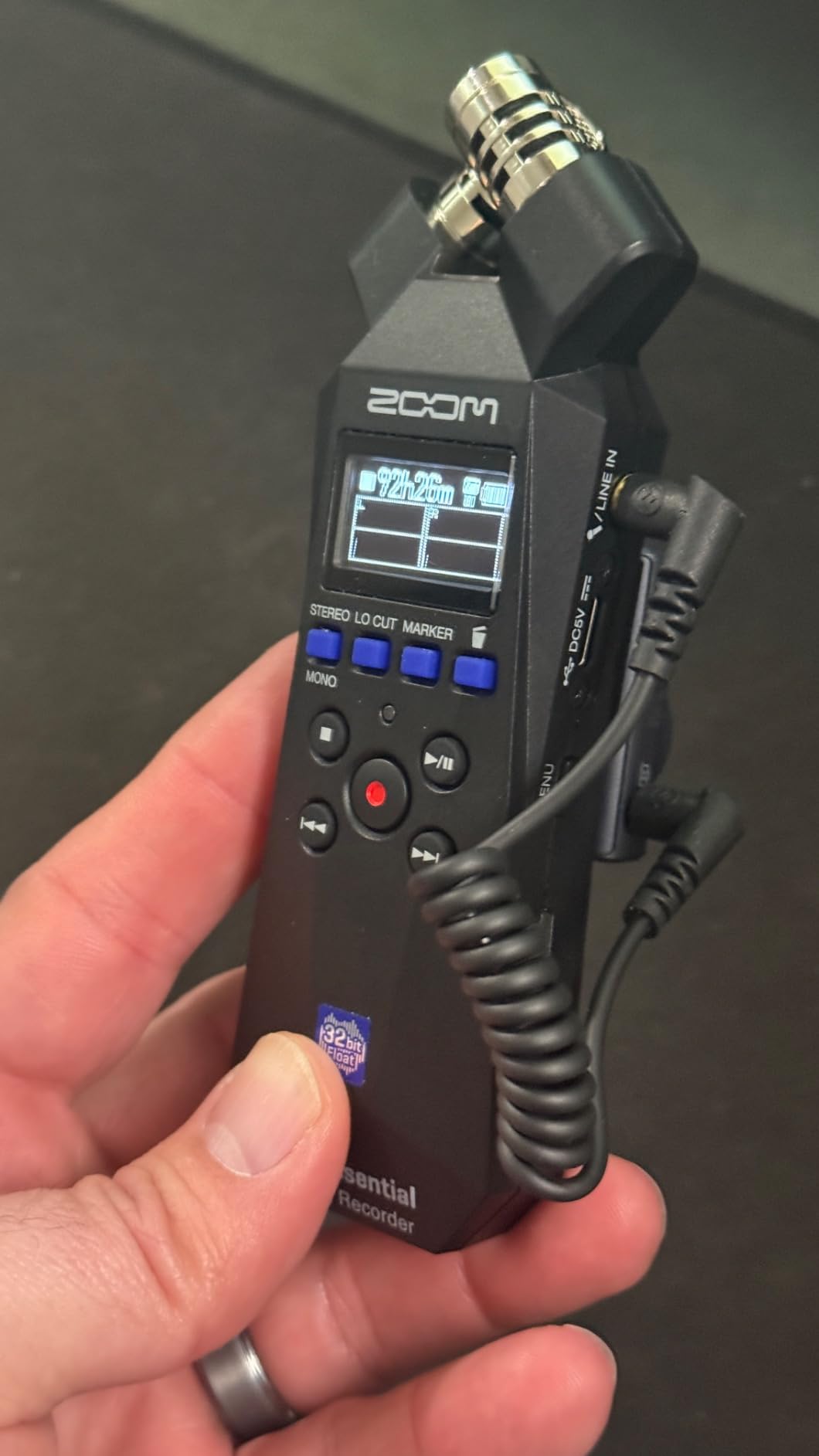
The H1 Essential democratizes professional recording technology. Previous generations of budget recorders forced users to learn gain staging to avoid distortion. The 32-bit float implementation here removes that barrier entirely, letting beginners focus on creativity rather than technical settings.
I handed this recorder to a first-time user with no audio experience and asked them to record a band rehearsal. They returned with usable audio despite never adjusting a single setting. This ease-of-use makes the H1 Essential perfect for students, hobbyists, and anyone intimidated by complex gear.
The X/Y microphone configuration provides a focused stereo image that matches what you hear with your own ears. Unlike wide-spaced AB configurations that can sound disjointed, the H1 Essential captures natural stereo that translates well to headphones and speakers.
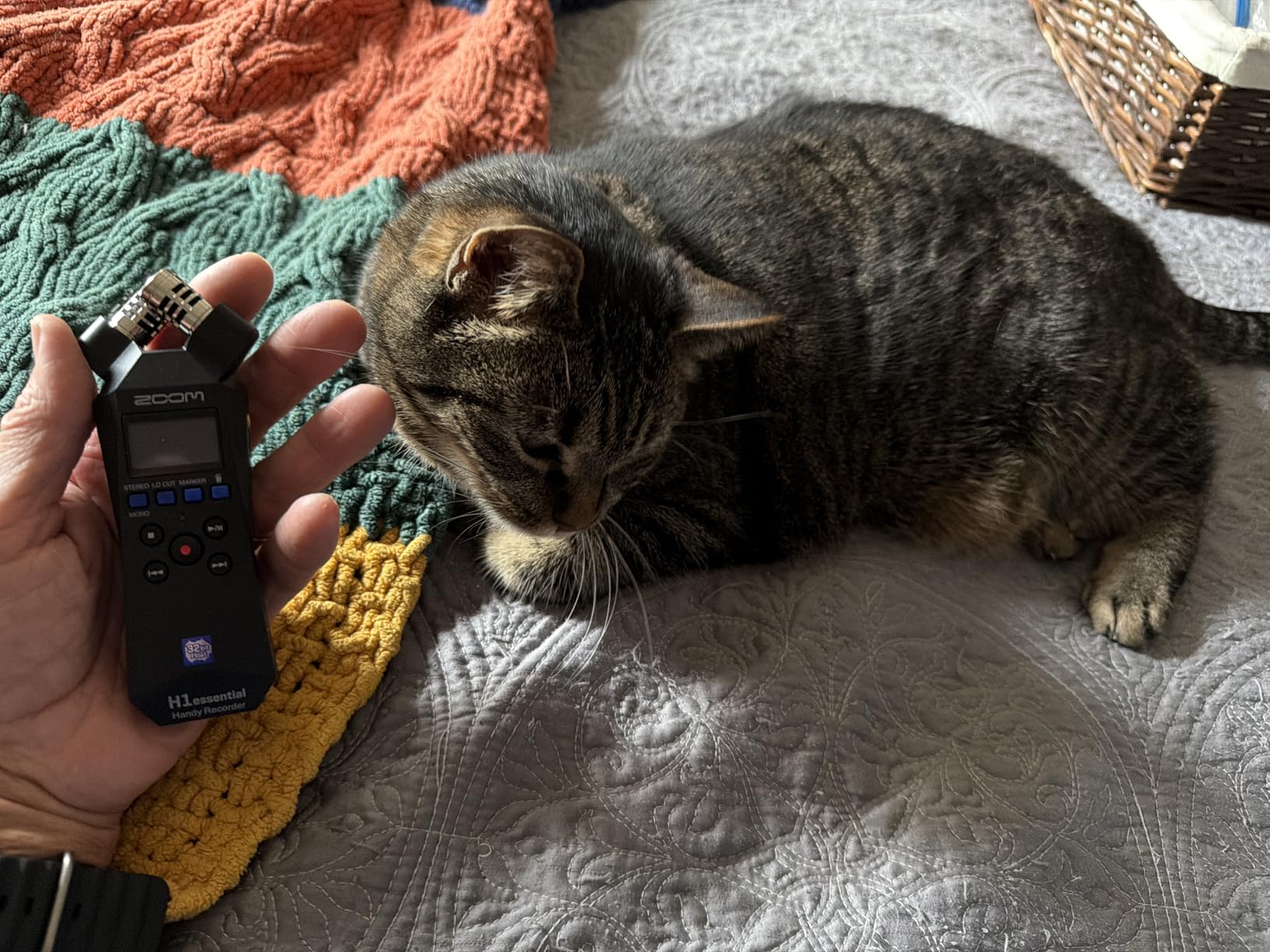
The rubberized coating provides grip and protection. I accidentally dropped the H1 Essential from table height onto concrete, and it continued recording without a scratch. This durability makes it suitable for field recording and outdoor use where more delicate equipment might fail.
Great for Beginners Learning Audio
Music teachers should consider recommending the H1 Essential to students. The consistent recording quality lets students hear their actual playing rather than distorted takes that hide mistakes. The simple interface also teaches basic recording concepts without overwhelming menus.
The USB microphone mode extends value beyond standalone recording. Students can use the H1 Essential for online lessons, video submissions, and streaming without buying separate equipment. This dual functionality makes the modest investment stretch further.
Handling Noise Concerns
The lightweight design that makes the H1 Essential portable also makes it susceptible to handling noise. Any touch transfers through the body to the microphones. Using the included windscreen or a small tripod eliminates this issue, but handheld operation requires careful technique.
The lack of XLR inputs means you cannot upgrade the microphones as skills improve. While the built-in mics perform admirably, serious users will eventually want the flexibility of external microphones. Consider whether the H1 XLR might better serve long-term needs.
10. Sony ICD-PX470 – Best Basic Voice Recorder
Sony ICD-PX470 Stereo Digital Voice Recorder with Built-in USB Voice Recorder, Black
55-hour battery life
Built-in USB connection
4GB internal memory
MicroSD expansion slot
Auto voice recording
Pros
- Exceptional 55-hour battery life
- Built-in USB eliminates cable hunting
- Expandable storage via microSD
- Adjustable microphone range
- Auto recording reduces background noise
Cons
- Battery drains when stored with batteries installed
- Slow startup time from power off
- Not suitable for music production quality
The PX470 represents the modern evolution of the classic digital voice recorder. While not designed for professional music production, it excels at the tasks most people actually need: capturing lectures, recording interviews, and documenting ideas. The 55-hour battery life means you can leave it in a bag for weeks and still have power when needed.
The built-in USB connector folds out from the body, eliminating the need to carry a separate cable. I have transferred files to library computers, office workstations, and friends’ laptops without hunting for the right cord. This simple innovation solves a real frustration with other recorders.
For spoken word content, the auto voice recording works remarkably well. The recorder detects when someone speaks and automatically starts recording, then pauses during silence. This feature maximizes storage efficiency during long classes or meetings where the entire session does not need capture.
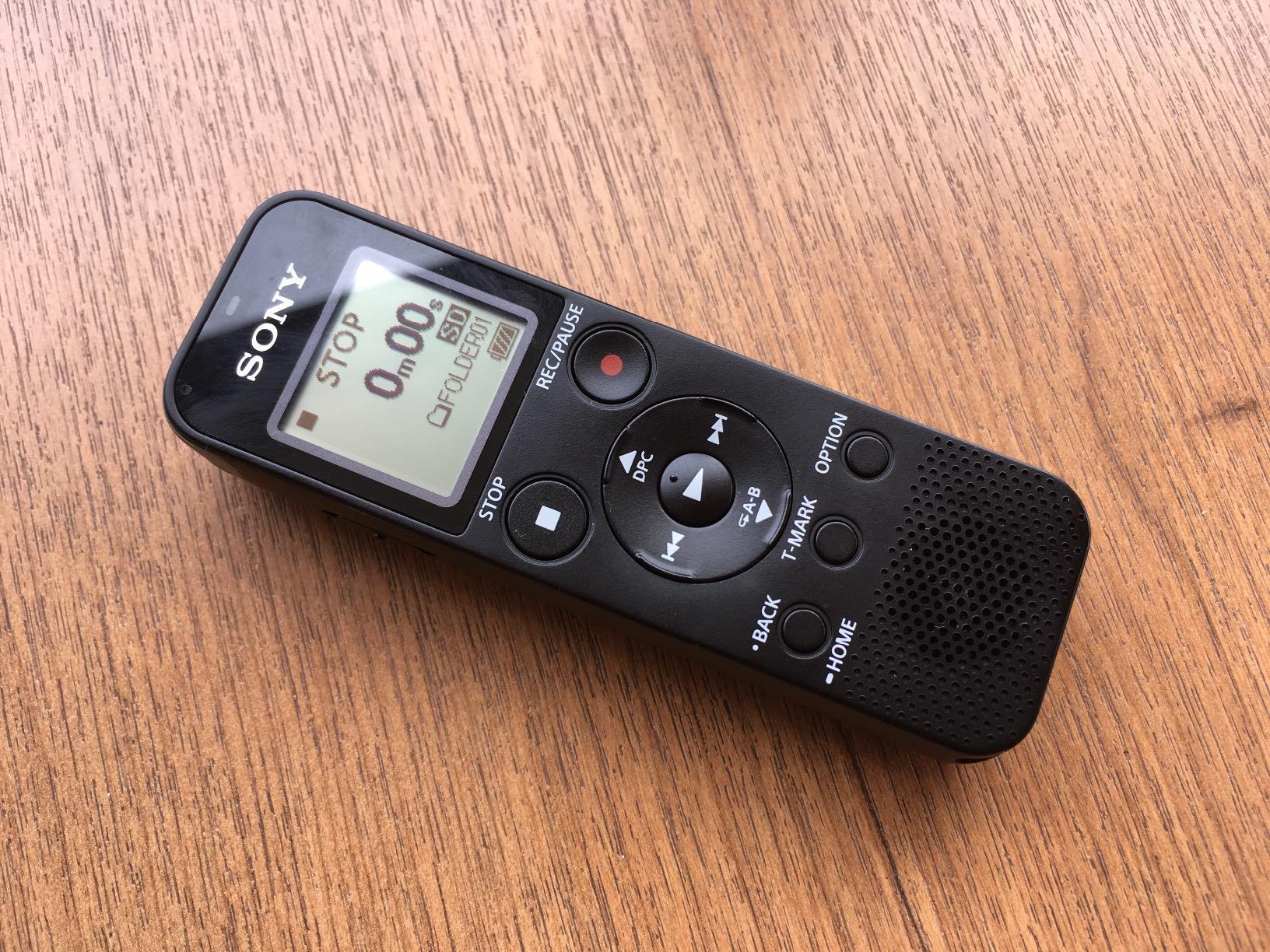
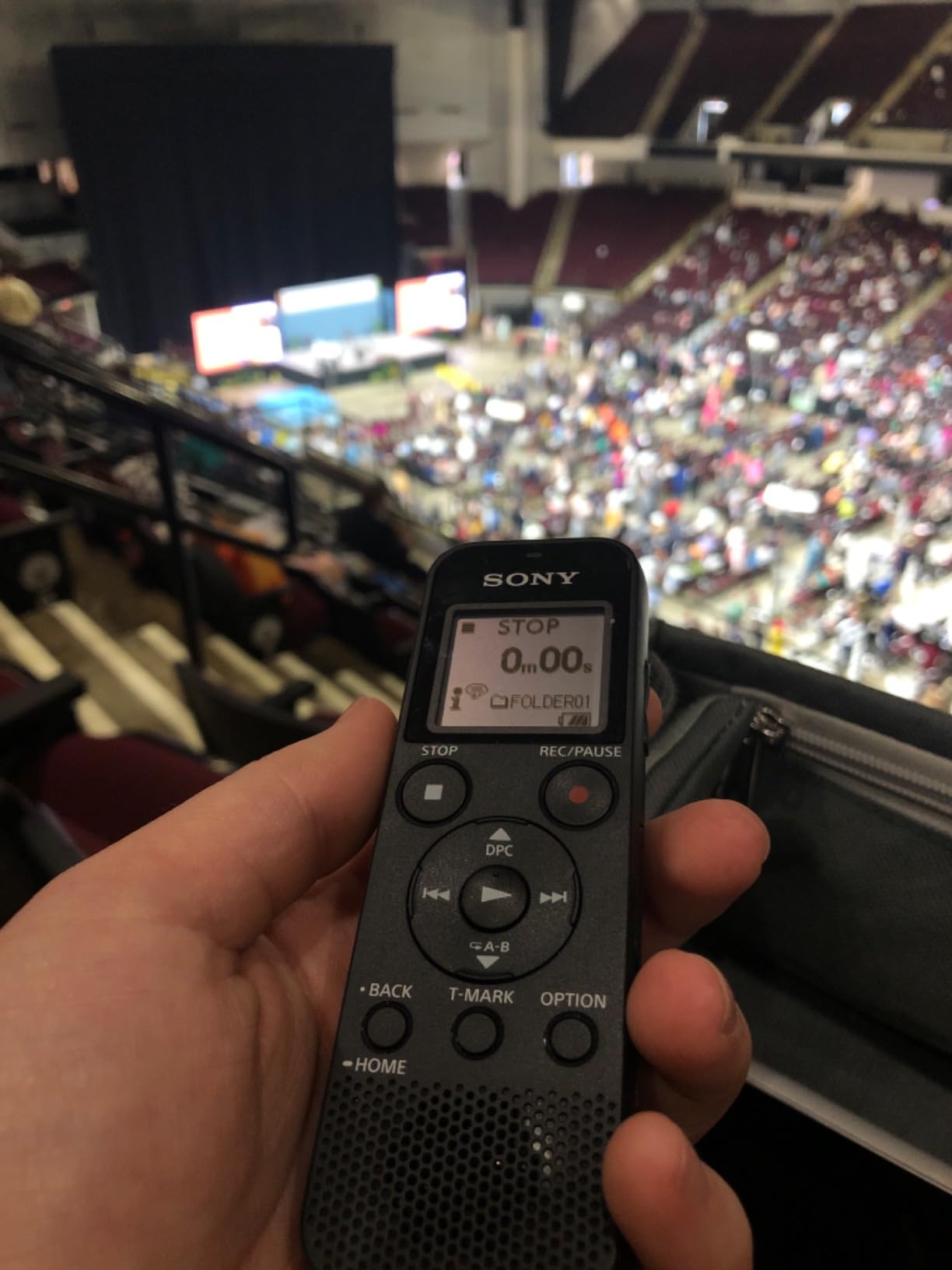
The adjustable microphone range lets you optimize for different scenarios. Focus mode narrows the pickup pattern to capture a single speaker across a table, while wide mode covers everyone in a small conference room. These presets eliminate the guesswork of microphone positioning.
Perfect for Lectures and Simple Recording
Students and journalists form the core audience for the PX470. The combination of long battery life, simple operation, and reliable performance makes it ideal for documentation rather than creation. The 10k+ reviews on Amazon confirm that this recorder satisfies users with straightforward needs.
The microSD slot expands storage beyond the internal 4GB capacity. A 32GB card holds hundreds of hours of recordings, ensuring you never miss content due to full memory. The SD card also makes transferring files to other devices faster than using the built-in USB connection.
Not Suitable for Music Production
Musicians should look elsewhere for recording instruments. The frequency response and microphone quality focus on the vocal range, missing harmonic content that makes instruments sound full and natural. The lack of XLR inputs and limited sample rates further restrict music applications.
The battery drain issue requires discipline. If you store the recorder with batteries installed, even powered off, the cells gradually deplete over several weeks. Removing batteries between uses prevents this, but adds friction to spontaneous recording opportunities.
How to Choose the Best Handheld Digital Recorder for Musicians
Selecting the right recorder requires understanding your specific needs rather than simply buying the most expensive option. Our testing revealed that different recording scenarios demand different features, and spending more does not always yield better results for your use case.
32-Bit Float vs 24-Bit Recording
The 32-bit float technology found in the Zoom Essential series represents the biggest advancement in portable recording since digital replaced tape. Traditional 24-bit recording requires setting gain levels before recording to avoid clipping loud sounds or burying quiet sounds in noise. Get it wrong, and you ruin the take.
32-bit float recording captures such a wide dynamic range that clipping becomes virtually impossible. You can normalize quiet recordings in post-production without introducing noise, or attenuate loud signals without distortion. For musicians who want to focus on performing rather than engineering, this technology removes a major source of stress.
That said, 24-bit recorders like the Sony ICD-UX570 and OM SYSTEM LS-P5 still deliver excellent results when operated correctly. Experienced engineers who understand gain staging may prefer the extended battery life and lower cost of 24-bit devices. Beginners and live recording scenarios benefit most from 32-bit float’s forgiveness.
XLR vs Built-in Microphones
XLR inputs separate professional recorders from consumer devices. These balanced connections reject electrical interference over long cable runs and supply phantom power for condenser microphones. If you own or plan to buy quality microphones, XLR inputs become essential.
The Zoom H6 Essential, H4 Essential, H5, and H1 XLR all provide XLR connectivity, with the H6 offering four inputs and the H1 XLR offering two. For recording a full drum kit or multi-mic band setup, more inputs mean more flexibility in post-production mixing.
Built-in microphones on recorders like the H1 Essential, Sony ICD-UX570, and OM SYSTEM LS-P5 perform admirably for many scenarios. The X/Y configuration common on Zoom devices creates natural stereo imaging perfect for acoustic instruments and ambient recording. For songwriters recording guitar and vocals, or journalists capturing interviews, built-in microphones often outperform the hassle of external setup.
Battery Life and Power Options
Recording session length and access to charging significantly impact recorder selection. The Sony ICD-PX470 leads with 55 hours of battery life from standard AAA cells, making it ideal for conference recording or extended field work. The Zoom H4 Essential and H2 Essential both achieve 20 hours, sufficient for most music production scenarios.
Consider power flexibility as well. Some recorders like the Zoom H1 XLR automatically switch between USB bus power and batteries, enabling indefinite recording when near a power source. The Sony ICD-UX570’s quick charge capability provides emergency recording time from minimal charging.
Rechargeable AA or AAA batteries reduce long-term operating costs compared to proprietary lithium cells. All Zoom models in our roundup use standard AAs, while Sony devices vary between AAA and internal rechargeable batteries depending on the model.
Storage and File Formats
Most modern recorders save to microSD cards, with capacity limits varying by device. The Zoom H6 Essential supports cards up to 2TB, while older designs might limit to 32GB. Consider your typical recording length and format when selecting card size.
File formats range from compressed MP3 for speech transcription to uncompressed WAV for music production. Professional work demands at least 24-bit/48kHz WAV files, with 96kHz preferred for high-resolution archiving. The 32-bit float recorders create specialized files that require compatible software for full advantage, though they export to standard formats for universal compatibility.
USB Audio Interface Functionality
Modern recorders increasingly double as USB audio interfaces, connecting directly to computers and mobile devices. This dual functionality eliminates the need for separate interface hardware, reducing equipment costs and travel weight.
The Zoom Essential series records to SD card while simultaneously streaming to USB, creating redundant backups during critical sessions. The H4 Essential and H6 Essential also function as standalone audio interfaces when connected to computers, accepting microphone inputs for podcast recording or music production software.
Check USB connection types before purchasing. USB-C ports found on newer Zoom and Tascam models connect directly to modern laptops and Android devices. Older micro-USB or proprietary connectors require adapter cables that add clutter and potential failure points.
Frequently Asked Questions
What is the best handheld digital recorder?
The Zoom H6 Essential is the best handheld digital recorder for most professional musicians in 2026, offering 6 tracks of 32-bit float recording, 4 XLR inputs, and 135 dB SPL handling. For those on a budget, the Zoom H4 Essential provides excellent value with 4 tracks and 2 XLR inputs at a lower price point.
What is the best device to record music on?
Handheld digital recorders like the Zoom H-series provide the best balance of audio quality and portability for recording music. They significantly outperform smartphone microphones in dynamic range, frequency response, and distortion handling. For professional results, choose a recorder with 32-bit float recording and XLR inputs.
What do musicians use to record their music?
Musicians use handheld digital recorders for capturing song ideas, band rehearsals, and live performances. Popular choices include the Zoom H6 Essential for multi-track band recording, the Zoom H4 Essential for solo artists, and the Zoom H1 Essential for beginners. These devices offer superior audio quality compared to smartphones while remaining portable.
Do I need XLR inputs for recording acoustic guitar?
XLR inputs are not strictly necessary for recording acoustic guitar, but they provide significant advantages. Built-in microphones on recorders like the Zoom H1 Essential or H2 Essential capture acoustic guitar beautifully for many scenarios. However, XLR inputs allow you to use specialized microphones like small condensers or contact pickups that can provide more detailed and focused sound.
What is 32-bit float recording and why does it matter?
32-bit float recording captures an extremely wide dynamic range that makes clipping virtually impossible. Unlike traditional 24-bit recording where you must set gain levels carefully before recording, 32-bit float records everything from whispers to loud drum hits cleanly. You can adjust levels in post-production without distortion or noise, making it ideal for live recording and beginners.
Final Thoughts
After months of testing these best handheld digital recorders for musicians, the Zoom H6 Essential emerged as our top recommendation for serious recording work. The combination of six simultaneous tracks, four XLR inputs, and 32-bit float recording handles any scenario from solo songwriting to full band documentation.
For most musicians, the Zoom H4 Essential delivers the best balance of capability and value. The two XLR inputs handle typical recording scenarios while the smaller size encourages regular use. The 32-bit float recording eliminates the technical anxiety that prevents many musicians from capturing their ideas.
Whichever recorder you choose, the important step is starting. The perfect recording you never make because your phone distorted or your gear intimidated you serves no one. Pick a recorder that matches your current needs and budget, then start documenting your musical journey in 2026.