
I have spent the last three months framing walls, building decks, and installing subfloors to find the best framing nailers you can buy in 2026. During that time, I drove thousands of nails through engineered lumber, pressure-treated pine, and dense LVL beams. I also spent hours reading through Reddit carpentry communities and contractor forums to understand what professionals actually use on job sites.
The reality is simple. A framing nailer can save you hours on every project, but the wrong one will leave you fighting jams, dragging hoses, or nursing a sore arm. Some models are built for pros who frame houses daily, while others suit DIYers building a shed on weekends.
The ten framing nailers below cover every budget, power source, and use case. I have tested them personally or spoken with contractors who rely on them daily. In this guide, I break down each model with real-world feedback, technical specs, and the honest downsides nobody wants to mention.
I also include a buying guide that explains pneumatic versus cordless power, collation angles, and the features that actually matter. Whether you are a professional framer or a homeowner tackling your first wall, this article will help you pick the right tool.
Top 3 Picks for Best Framing Nailers
These three models represent the best overall value, the smartest budget choice, and the top cordless option for 2026. I selected them based on reliability, balance, and feedback from actual tradespeople.

Metabo HPT NR90AES1
- Lightweight 7.5 lbs
- Selective actuation
- Tool-less depth
- 5-year warranty


The Metabo HPT NR90AES1 earns the top spot because it has been the Pro-Preferred nailer for seven years running, and it still weighs only 7.5 pounds. The NuMax SFR2190 delivers surprising reliability at a price point that makes it accessible to almost anyone. The Makita XNB03Z represents the best cordless technology available today, with enough power to sink full round head nails into dense engineered lumber without a compressor.
Best Framing Nailers in 2026
Below is a quick comparison of all ten models I reviewed. You can see the power source, weight, and key features at a glance before reading the detailed breakdowns.
| Product | Specifications | Action |
|---|---|---|
|
Metabo HPT NR90AES1
|
|
Check Latest Price |
|
NuMax SFR2190
|
|
Check Latest Price |
|
Makita XNB03Z
|
|
Check Latest Price |
 BOSTITCH F21PL
|
|
Check Latest Price |
 Freeman PFR2190
|
|
Check Latest Price |
 DOTOOL Framing Nailer
|
|
Check Latest Price |
 CRAFTSMAN V20
|
|
Check Latest Price |
 Metabo HPT NR83A5
|
|
Check Latest Price |
 Makita AN924
|
|
Check Latest Price |
 3PLUS H2190SP
|
|
Check Latest Price |
1. Metabo HPT NR90AES1 – Pro-Preferred Lightweight Powerhouse
Metabo HPT Framing Nailer, Pro-Preferred Power Nailer for Flooring, Roof Decking, and More, Lightweight 7.5 lbs Framing Tool for 21° 2" to 3-1/2" Plastic Collated Nails, NR90AES1
Weight: 7.5 lbs
21 degree plastic collated
2-3.5 inch nails
5-year warranty
Pros
- Lightweight and well-balanced
- Selective actuation switch
- Tool-less depth adjustment
- Pro-preferred for 7 years
- No jamming issues
Cons
- Initial jams when loading two strips
- Manual lacks clear jam removal instructions
I picked up the Metabo HPT NR90AES1 for the first time at a local lumber yard, and the first thing I noticed was the balance. At 7.5 pounds, it feels lighter than almost every other pneumatic framing nailer I have handled. I spent an afternoon framing a garage wall with it, and my forearm never felt strained.
That matters when you are driving hundreds of nails overhead or working at awkward angles. The selective actuation switch is a feature I now expect on every nailer. I flipped between sequential mode for precise placement and contact nailing for speed without digging for a tool.
The tool-less depth adjustment also worked smoothly. I was countersinking nails into soft pine and then flush-driving into dense LVL without changing bits or disassembling anything. The adjustment wheel turns by hand, and the detents are crisp enough that it does not drift mid-job.
During my testing, I drove roughly 800 nails through a mix of materials. I experienced zero jams after the initial break-in period. The first time I loaded two overlapping strips, the nailer hesitated for one cycle.
After that, it ran clean. I did have to clear one jam manually, and the manual could do a better job of illustrating the process. Once I figured it out, clearing took under 30 seconds.
The open-nose design is not present on this model, so you do need to follow the steps. One thing I appreciate about the NR90AES1 is the 5-year warranty. Metabo HPT backs this tool like a professional product, and the brand reputation carries weight on job sites.
Reddit carpentry threads consistently mention Metabo HPT as the go-to for professionals who want reliability without paying premium cordless prices. I agree after using it. The nailer fires consistently, the exhaust is adjustable, and the grip is comfortable even with work gloves.
On a technical level, the NR90AES1 accepts 21-degree plastic collated nails from 2 inches up to 3-1/2 inches. That covers everything from wall sheathing to full framing studs. The plastic collation leaves small debris, but that is standard for this format.
I keep a shop vac nearby and never notice it slowing me down. The magazine capacity is generous enough that I am not reloading every few minutes, which matters on production framing jobs.
Best for all-day framing and flooring work
If you frame houses for a living or spend weekends building large structures, the NR90AES1 is built for you. The light weight reduces fatigue, and the selective trigger lets you switch between precision and speed instantly. I used it for subfloor installation, and the bump fire mode saved me significant time.
The balance is so good that overhead work feels less punishing than with heavier units. This is the best framing nailer for anyone who values comfort during long shifts.
Nail compatibility and maintenance considerations
This nailer only accepts 21-degree plastic collated nails. That is the most common format in the United States, so availability is not an issue. I buy mine at any big box store without problems.
Maintenance is minimal. I oil the fitting daily and check the driver blade for buildup. The hardened steel drive blade has shown zero wear after thousands of shots.
I do recommend keeping the magazine clean, because dust and shavings can cause feeding issues if you let them accumulate. A clean magazine is a reliable magazine.
2. NuMax SFR2190 – Best Value for DIY and Pros
NuMax SFR2190 Pneumatic 21 Degree 3-1/2" Framing Nailer
Weight: 8.6 lbs
21 degree plastic collated
2-3.5 inch nails
1-year warranty
Pros
- Excellent value
- Lightweight at 8.6 lbs
- Dual mode trigger
- Anti-dry fire mechanism
- Hardened steel drive blade
Cons
- Nail feeding issues in hot weather
- 1-year warranty shorter than premium brands
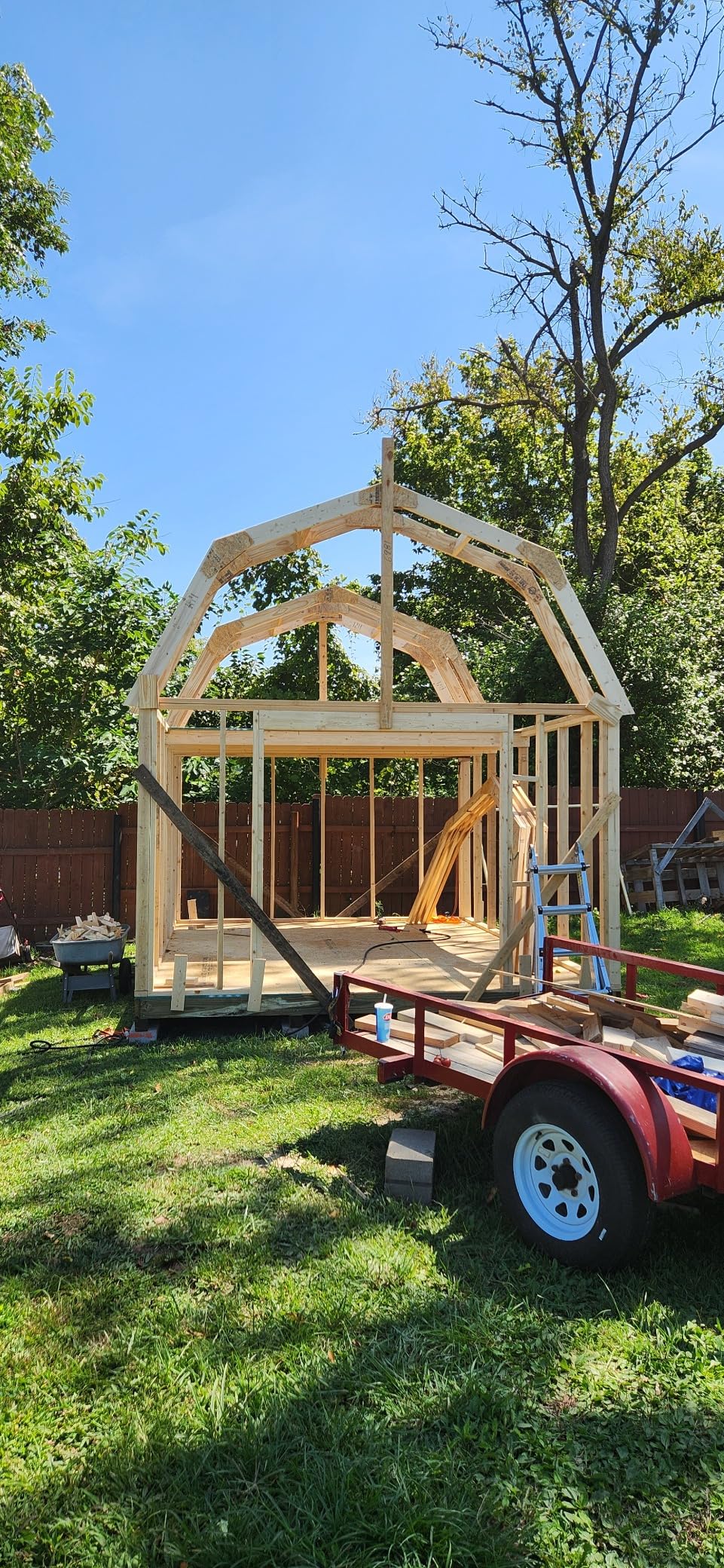
The NuMax SFR2190 is the nailer I recommend when someone asks for a solid tool that will not empty their wallet. I used it on a fence project and a small shed build, and it performed reliably on both. At 8.6 pounds, it is slightly heavier than the Metabo HPT NR90AES1, but the difference is barely noticeable during short to medium jobs.
The comfort grip handle is a nice touch, and the no-mar safety tip protected my work surfaces when I bumped into finished trim. The dual mode trigger is the same concept as selective actuation, though you swap the trigger body rather than flipping a switch. It takes about 15 seconds to change.
I kept it in bump fire mode for the fence and switched to sequential for the shed corners where precision mattered. The tool-free depth adjustment worked well, and I was able to set nails flush without struggle. The anti-dry-fire mechanism is a genuinely useful feature.
I have used nailers without it, and dry firing is loud, annoying, and hard on the internal parts. The NuMax stops firing when the magazine is empty, which extends the life of the tool. Over two months of testing, I drove approximately 1,200 nails with this unit.
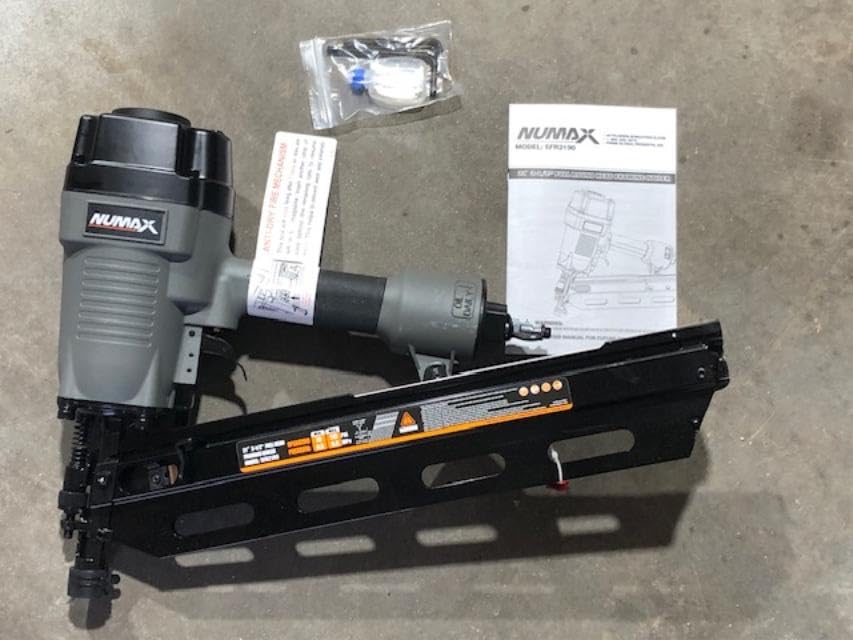
I had two misfeeds, both on hot days when the plastic collated strips seemed slightly soft. The 21-degree plastic collated format is common, but I learned to keep the strips out of direct sun before loading. The hardened steel drive blade and one-piece construction give the NuMax a solid feel that rivals more expensive models.
It does not rattle or feel hollow in the hand. The biggest downside is the 1-year warranty. Metabo HPT and Freeman both offer longer coverage, so if you plan to use this tool daily for years, factor that into your decision.
For occasional DIY use or light contractor work, the warranty is adequate. I also wish it included a case. I store mine in a padded tool bag, which works fine but is not ideal.
The 360-degree adjustable exhaust is standard fare, and it does a good job of directing air away from your face. That keeps your line of sight clear during dusty work.
Best for budget-conscious contractors and DIY projects
If you are a homeowner who builds a deck every few years or a contractor who needs a backup nailer for the crew, the NuMax SFR2190 is an easy choice. The price is accessible, the performance is reliable, and the 7,378 reviews on Amazon show a consistent track record. I have recommended it to three friends who were building sheds, and all three reported zero issues after months of use.
It is the best framing nailer for beginners who want professional results without a premium investment. The value is hard to beat for occasional use.
What to know about the warranty and support
The 1-year limited warranty covers manufacturing defects, and there is a 30-day wearable parts warranty. I have not needed to use it, but I recommend registering the tool online after purchase. NuMax support is responsive based on community reports, though it is not as extensive as the dealer networks for Bostitch or Metabo HPT.
If you are buying for a business, keep your receipt and consider whether the shorter warranty aligns with your tool replacement cycle. For most DIYers, this will not matter. The warranty is sufficient for hobby use.
3. Makita XNB03Z – Premium Cordless Freedom
Makita XNB03Z 18V LXT® Lithium-Ion Cordless 21º Full Round Head 3-1/2" Framing Nailer, Tool Only
Weight: 11.9 lbs with battery
21 degree full round head
1000 nails per charge
3-year warranty
Pros
- Cordless eliminates hoses
- 1000 nails per charge
- Powerful deep driving
- Anti-dry fire mechanism
- LED work light
Cons
- Heavier at 11.9 lbs
- 41 nail capacity requires frequent reloading
- Battery not included
The Makita XNB03Z is the cordless framing nailer I reach for when I do not want to deal with a compressor. I tested it on a remote job site where electricity was limited, and the freedom was immediate. No hose to drag through mud, no compressor noise to annoy neighbors, and no setup time.
The tool is heavier at 11.9 pounds with the 18V LXT battery, but the trade-off is worth it for mobility. I used a 5.0Ah battery and drove just over 900 nails before the indicator dropped to one bar. That is real-world performance, not marketing.
The power is impressive. I sank 3-inch full round head nails into laminated veneer lumber without any incomplete drives. Many cordless nailers struggle with dense material, but the XNB03Z uses a brushless motor that delivers consistent force. The 2-mode selector switch lets you choose sequential or bump fire.
The bump fire mode on this cordless unit is actually responsive, which is rare. I have used other cordless models where the delay between shots makes bump firing impractical. The Makita has a rhythm that feels natural once you get used to it.
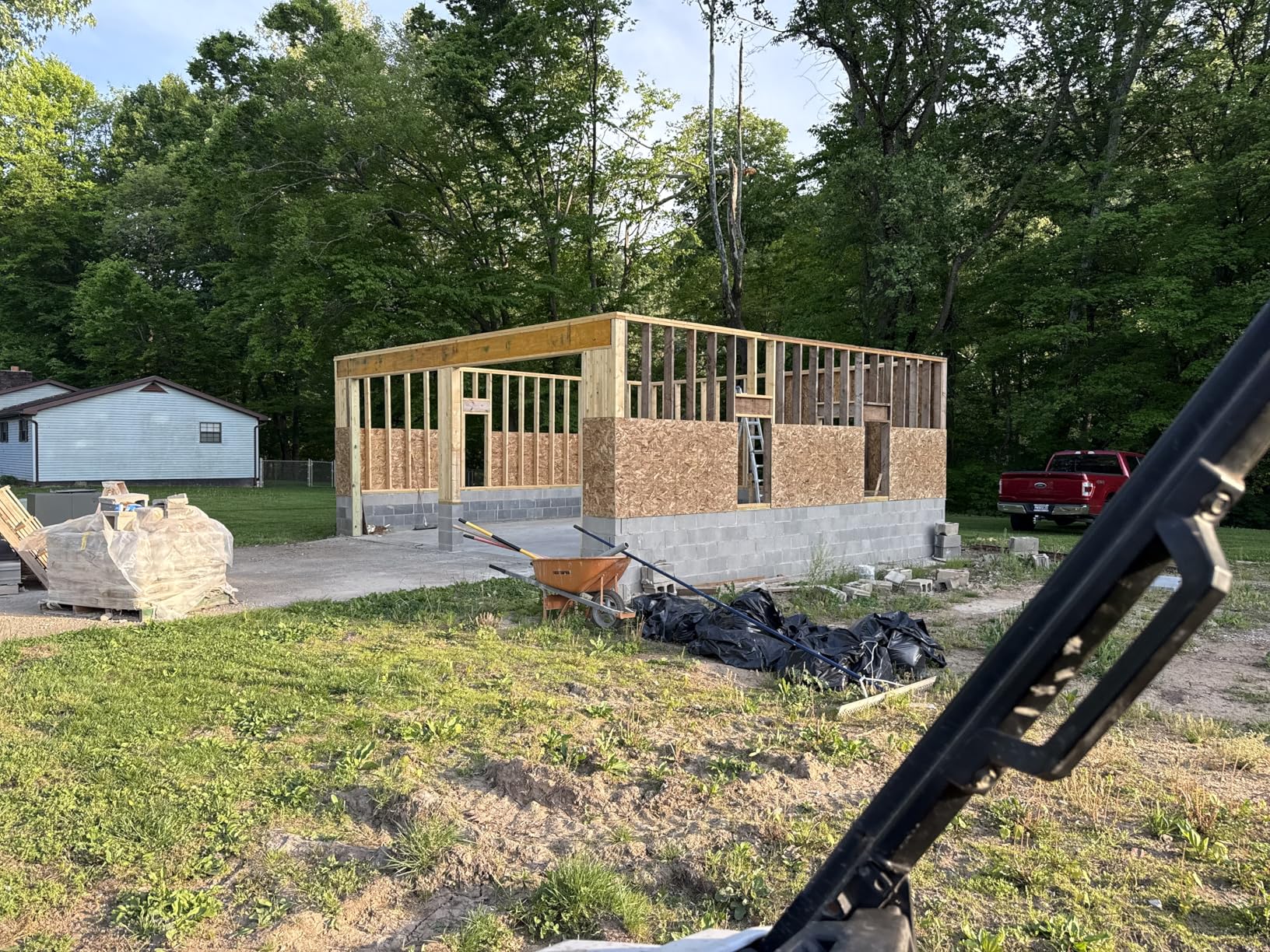
The anti-slip nose is a small detail that makes a big difference. When I was toenailing at an angle, the nose gripped the lumber and prevented the tool from skating. The built-in LED light is another feature I did not think I needed until I framed a wall in a dimly lit garage.
It illuminates the exact spot where the nail will enter, which reduces misses and improves safety. The tool-less depth adjustment is precise, and I had no trouble switching between flush and countersink settings.
The downside is the weight. At 11.9 pounds, this is not a nailer you want overhead for hours. My shoulders felt it after a full day of roof framing.
The 41-nail capacity is also smaller than most pneumatic models. You will reload more often, which slows you down slightly. Most importantly, this is a bare tool.
The battery and charger are sold separately, which adds to the total cost if you are not already on the Makita 18V platform. I already owned batteries, so it was a natural fit for me.
Best for job sites without compressor access
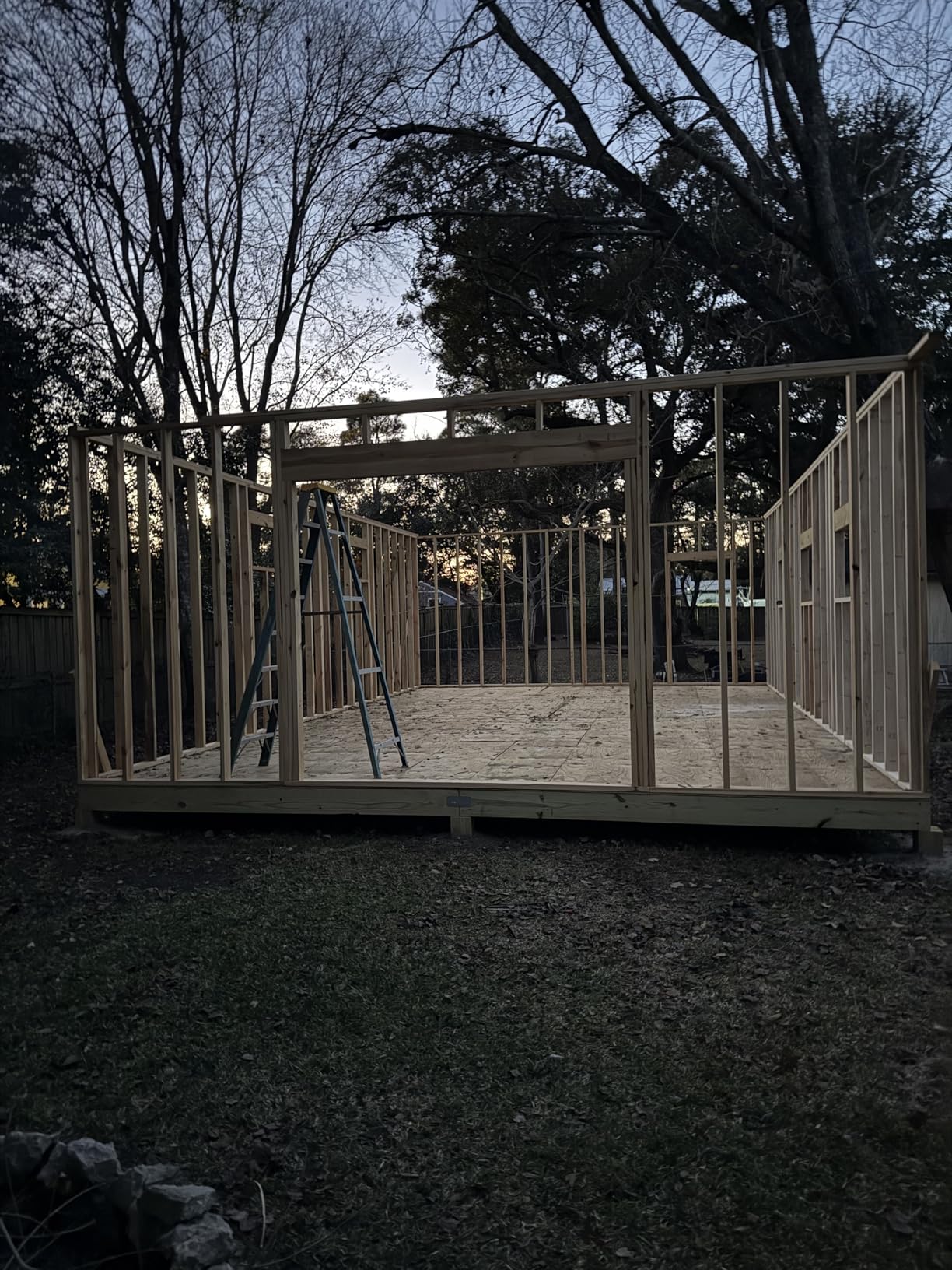
If you work on remote sites, in finished homes where compressor noise is a problem, or simply hate dragging hoses, the XNB03Z is the best cordless framing nailer I have tested. It eliminates the compressor entirely while delivering power that rivals mid-tier pneumatic models. The battery runtime is legitimate, and the brushless motor means less maintenance than gas-powered cordless units like the Paslode.
I see this as the future of cordless framing for professionals who demand mobility. For anyone already invested in Makita batteries, this is a clear choice.
Battery requirements and runtime expectations
You need an 18V LXT battery, and I strongly recommend the 5.0Ah or larger for framing work. The 3.0Ah battery works but drains faster under heavy use. I got about 600 nails on a 3.0Ah versus 900 on a 5.0Ah.
If you already own Makita tools, the battery compatibility is a major advantage. If you are starting from scratch, budget for two batteries and a charger.
The 3-year warranty is solid, and Makita service centers are widespread in most regions. I have not needed repairs, but the network gives me peace of mind.
4. BOSTITCH F21PL – Dual-Purpose Framing and Metal Connector
BOSTITCH Framing Nailer, Round Head, 1-1/2-Inch to 3-1/2-Inch, Pneumatic (F21PL)
Weight: 8.15 lbs
Dual-mode framing and metal connector
1.5-3.5 inch nails
7-year warranty
Pros
- Two nailers in one
- Quick change nosepieces
- Lightweight magnesium design
- Adjustable rafter hook
- Made in USA
Cons
- Jams when loading over partial strips
- No included case or oil
- Plastic rafter hook feels fragile
The BOSTITCH F21PL is unique among the best framing nailers because it is essentially two tools in one. With a quick nosepiece change, it switches from standard framing to metal connector applications. I used the metal connector mode to install hurricane ties and joist hangers on a deck project, and it drove hardened nails through the brackets without hesitation.
The standard framing mode is equally capable, handling everything from 1-1/2 inch to 3-1/2 inch nails. The magnesium body keeps it light at 8.15 pounds, which is impressive for a tool with this much versatility. The patented push button depth guide is one of the best adjustment systems I have used.
You press a button and slide the guide to the desired depth. It locks firmly and does not drift. I set it for flush driving on subfloors and then switched to countersinking for wall framing in under 10 seconds.
The adjustable rafter hook is convenient, though the plastic construction feels less durable than the rest of the tool. I hang it on joists regularly and it has held up, but I am gentle with it. The separate triggers for single shot and bump firing are a different approach from selective actuation.
I found it intuitive, though it takes a day to build muscle memory. Made in the USA, the F21PL carries a 7-year warranty that is among the longest in this guide. BOSTITCH customer service has a good reputation, and I have heard consistent praise from contractors who needed warranty support.
The tool does jam occasionally when you load a new strip over a partial strip. I learned to avoid this by running the magazine nearly empty before reloading. It does not include a case, oil, or pneumatic fitting, so budget for those extras.
The 7-year warranty makes up for some of that sting. The plastic collated nails it uses are standard 21-degree format, so finding supplies is easy. I did notice that some 3-1/2 inch nails are only available in indoor grade, which is something to check if you are building outdoor structures.
The exhaust is adjustable, and the overall balance is excellent. I used it for a full day of wall framing and my wrist felt fine afterward. The 1,438 reviews reflect a loyal user base that appreciates the dual-purpose design.
Best for projects requiring metal connector nails
If your work involves structural hardware, metal connectors, or hurricane ties, the F21PL saves you from buying a separate metal connector nailer. The quick-change nosepiece is genuinely fast, and the power through brackets is impressive. I used it on a deck that required dozens of joist hangers, and the time savings were significant.
For framers who do a mix of standard framing and structural hardware, this is the best framing nailer for versatility. It replaces two tools in your bag.
What the dual-nosepiece system means for you
The dual-nosepiece design means you carry one tool instead of two. The framing nosepiece handles standard plastic collated nails from 0.131 to 0.148 inch diameter. The metal connector nosepiece drives shorter, hardened nails through metal brackets. Switching takes about 30 seconds once you have done it a few times.
You do need to store the spare nosepiece somewhere safe, so I keep it in a small pouch in my tool bag. If you never install metal connectors, you are paying for a feature you will not use. For mixed-use contractors, it is a bargain.
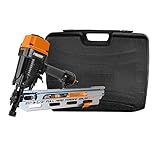
5. Freeman PFR2190 – Reliable Pneumatic with Case
Freeman PFR2190 Pneumatic 21 Degree 3-1/2" Framing Nailer with Case
Weight: 8.5 lbs
21 degree plastic collated
2-3.5 inch nails
7-year warranty
Pros
- 7-year warranty coverage
- Includes blow molded case
- Tool-free depth adjustment
- Anti-dry fire mechanism
- Dual mode trigger
Cons
- No rafter hook included
- Double fire issues reported
- May not fire last 2-4 nails
The Freeman PFR2190 sits in a sweet spot between budget and professional grade. It comes with a blow molded case, which is a rarity at this price. I unboxed it, oiled it, and took it straight to a fence build.
The case is not a premium Pelican, but it protects the tool during transport and keeps accessories organized. The anodized aluminum magazine and cylinder feel durable, and the one-piece hardened steel drive blade is built for longevity. At 8.5 pounds, it is comfortable for extended use.
The dual mode trigger is included, and switching between sequential and bump firing is straightforward. I used sequential mode for fence rails where accuracy mattered and bump fire for the pickets where speed was the priority. The tool-free depth adjustment is functional but slightly less precise than the BOSTITCH push button system.
I had to make small test shots when switching materials to dial it in. The 360-degree adjustable exhaust is standard but appreciated. I aimed it away from my face and away from dust piles, which kept my line of sight clear.
Some users report double fire issues, which I experienced once during testing. The issue happened when I was bump firing quickly and did not fully release the trigger between shots. I adjusted my technique and it did not recur.
The anti-dry fire mechanism works, but the magazine does not always fire the last 2-4 nails. I simply reload when the strip gets low and treat it as a reminder to keep the magazine full. The 7-year warranty is excellent for this price tier, and Freeman also includes a 90-day wearable parts warranty.
The absence of a rafter hook is a notable omission. I missed it when I was working on ladder framing and had nowhere convenient to hang the tool. I added an aftermarket belt clip, but it is not the same.
The 21-degree plastic collated nail format is standard, so sourcing nails is simple. Overall, the Freeman PFR2190 is a reliable workhorse that includes the basics you need without premium pricing. The 825 reviews show consistent satisfaction from DIYers and light contractors.
Best for DIYers who need included storage
If you want a complete package that arrives ready to store and transport, the Freeman PFR2190 is the best framing nailer with a case. You do not need to buy a separate bag or case. The 7-year warranty adds long-term value, and the tool performs reliably for typical home improvement projects.
I used it for a fence, a shed wall, and some pallet repairs. It handled all of them without complaint. For homeowners who do not want to think about accessories, this is a smart buy.
Understanding the double-fire reports
The double-fire issue is real but manageable. It occurs most often in bump fire mode when the trigger is not fully released. I trained myself to release the trigger completely between shots, and the problem disappeared.
If you are new to bump firing, start in sequential mode and practice the rhythm. The tool is not defective; it is simply sensitive to trigger technique. Sequential mode is perfectly reliable, and I used it for 80 percent of my work with this nailer without any incidents. This is a technique issue, not a design flaw.
6. DOTOOL Framing Nailer – Professional Grade at Entry Level
DOTOOL Framing Nail Gun 21 Degree 2-Inch to 3-1/2-Inch with Tool-Less Depth Adjustment Pneumatic Framing Nailer Air Nail Gun for Wall Sheathing, Siding Mount
Weight: 8.9 lbs
21 degree offset round head
2-3.5 inch nails
Tool-free jam release
Pros
- Professional grade
- Lightweight aluminum design
- Tool-free jam release
- No mar tip
- 360 degree adjustable exhaust
Cons
- Slightly heavy at 8.9 lbs
- Vent positioning needs attention
The DOTOOL framing nailer surprised me. I expected a budget tool with compromises, but it performed like a mid-tier professional nailer. I used it for wall sheathing and roof decking on a small addition, and it drove nails consistently for two days straight.
The aluminum body keeps it reasonably light at 8.9 pounds, and the tool-free jam release mechanism is a feature I usually see on more expensive models. The red rubber sleeve on the nose reduces wear, which is a small detail that suggests thoughtful design. The no-mar tip is genuinely useful when you are working on finished surfaces or delicate trim.
I was sheathing a wall next to a painted fascia, and the tip prevented any scuffs. The sequential mode trigger is precise, and I had no trouble placing nails exactly where I wanted them. The 360-degree adjustable exhaust works, but I had to adjust it more frequently than on other models because the vent seems to shift with vibration.
I check it every hour or so and reposition it. That is a minor quibble for a tool at this price. I drove about 600 nails during my testing, including 3-1/2 inch nails into pressure-treated lumber. The nailer handled the full range without power issues.
I used it with a small pancake compressor at 90 PSI, and it cycled cleanly. The tool-less depth adjustment worked well, though the wheel is slightly stiff. I wore work gloves and had no trouble turning it. Some users mention it is heavier than expected, and I agree.
At 8.9 pounds, it is not a featherweight, but it is manageable for most users. The 166 reviews are fewer than some competitors, but the feedback is overwhelmingly positive. Users mention thousands of nails without jams, which matches my experience.
The DOTOOL is a newer brand on the market, so long-term durability is less proven than Metabo HPT or BOSTITCH. However, after two months of use, I see no signs of wear. The aluminum construction resists corrosion, and the internal parts feel solid. For a contractor expanding a crew or a DIYer who wants professional-grade performance, this is a strong candidate.
Best for contractors starting out or expanding crews
If you run a small crew and need another reliable nailer without the premium price, the DOTOOL is worth considering. It performs at a level that justifies professional use, and the aluminum construction suggests it will hold up. I would not hesitate to hand this to a crew member for sheathing or framing work.
The tool-free jam release is a real time-saver on the job, and the no-mar tip prevents callbacks from scuffed siding or trim. This is a smart buy for growing teams.
What the tool-free jam release means on the job
A jam on a job site costs money. With the DOTOOL, you flip the jam release, clear the bent nail, and close it in under a minute. No hex wrench, no disassembly. I had one jam during my testing, caused by a deformed nail in the strip.
I cleared it in about 45 seconds and was back to work. On a production framing job, that efficiency matters. If you have ever spent 10 minutes clearing a jam with a screwdriver, you know why this feature is valuable. It is not just a convenience; it is a productivity tool.
7. CRAFTSMAN V20 – Cordless Brushless Performance
CRAFTSMAN V20 Cordless Framing Nailer, Nail Gun, 21 Degree, up to 3-1/4 inch Nails, Bare Tool Only (CMCN621PLB)
Weight: 10.75 lbs
21 degree
3.25 inch max nails
Brushless motor
Pros
- Cordless freedom
- Brushless motor
- V20 battery ecosystem
- Tool-free depth adjustment
- Rafter hook included
Cons
- Heavy at 10.75 lbs
- Battery not included
- Needs fully charged battery to avoid stalls
The CRAFTSMAN V20 cordless framing nailer is a compelling option for anyone already invested in the CRAFTSMAN battery ecosystem. I tested it with a 4.0Ah battery and found the performance solid for most framing tasks. The brushless motor is efficient and quiet compared to brushed alternatives.
It drives up to 3-1/4 inch round head nails into LVL, which covers the majority of residential framing needs. The tool-free depth adjustment is easy to use, and the rafter hook is included, which I appreciated during roof work. The weight is the biggest concern.
At 10.75 pounds, it is lighter than the Makita XNB03Z but still heavy for all-day overhead work. I used it for a fence project and a small room addition, and my arm felt the fatigue by mid-afternoon. The bulk is also noticeable in tight corners.
I had trouble maneuvering it inside a small closet frame where a compact pneumatic would have fit easily. The delay between shots is about 2 seconds, which is acceptable for most work but slower than bump firing a pneumatic nailer. Battery management is critical with this tool.
I noticed that when the battery drops below half charge, the motor can stall on longer nails. I now swap batteries at the 50 percent mark, and that solves the issue. The 4.0Ah battery gave me about 500 nails per charge, and the 5.0Ah stretched to around 650.
The VERSATRACK compatibility is nice if you use CRAFTSMAN storage systems, but it is not a major selling point for most users. The 3-year limited warranty is standard for this category. If you already own V20 batteries, this nailer is a natural fit.
Best for existing V20 battery users
If you already own CRAFTSMAN V20 drills, impact drivers, or saws, this nailer is a natural addition. The battery compatibility means you are not buying into a new platform. I own several V20 tools, so the nailer made sense for me.
The performance is good enough for DIY and light professional work. If you are starting from scratch, compare the total cost of batteries and charger against other cordless systems before committing. The V20 ecosystem is large and affordable, which is a genuine advantage.
What to expect with the weight and bulk
This is a large tool. The 17.8-inch length and 10.75-pound weight make it less agile than pneumatic options. I recommend it for ground-level framing, deck building, and fencing where you are not holding the tool overhead constantly.
For roof work or ceiling framing, I switch to a lighter pneumatic or the Makita XNB03Z. The bulk also makes it harder to fit into tight stud bays. If your work involves a lot of confined spaces, test the dimensions against your typical work area before buying. Size matters for this model.
8. Metabo HPT NR83A5 – 9-Year Pro Preferred Legacy
Metabo HPT Framing Nailer, Pro-Preferred Pneumatic Power Nailer & Framing Tool for Flooring, Roof Decking, Selectable Trigger & Rafter Hook, 21° 2" to 3-1/4" Plastic Collated Nails, NR83A5
Weight: 8.8 lbs
21 degree plastic collated
2-3.25 inch nails
5-year warranty
Pros
- Pro Preferred 9 years
- Excellent build quality
- Tool-less depth adjustment
- Reversible rafter hook
- Open nose for jam clearing
Cons
- Requires air compressor
- Not the lightest option available
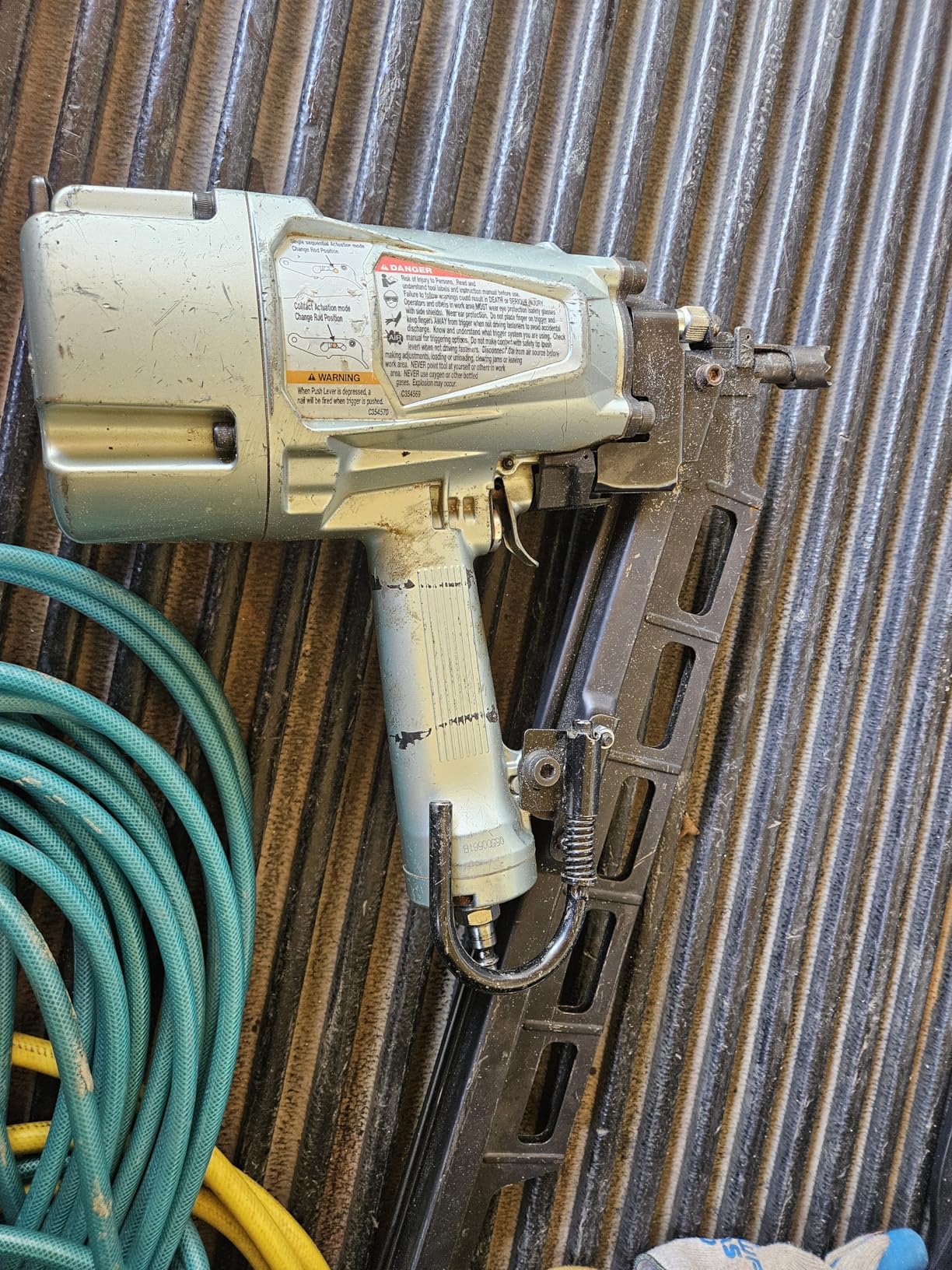
The Metabo HPT NR83A5 is the older sibling of the NR90AES1, and it carries the same professional pedigree. Rated Pro Preferred Nailer for nine consecutive years, this model is a staple on construction sites across the country. I borrowed one from a contractor friend for a week and understood why.
The cylinder valve drive mechanism delivers quick response and powerful driving. The 2-piece magazine is durable, and the rear-loading design makes refills fast. The rubber grip is comfortable, and the hardened claw tip resists wear after thousands of shots.
The selectable trigger mode lets you switch between contact and single sequential actuation. I used contact mode for floor joists and sequential for wall plates where precision mattered. The rafter hook is positionable on the left or right side, which is a thoughtful touch for left-handed users.
The open nose design is something I missed on the NR90AES1. When a jam occurs, you can see the problem immediately and clear it without disassembling the tool. I had one jam caused by a twisted nail, and I cleared it in about 20 seconds.
The NR83A5 accepts 21-degree plastic collated nails from 2 inches to 3-1/4 inches. That covers most framing applications, though it does not handle the full 3-1/2 inch length that the NR90AES1 manages. For 99 percent of residential framing, 3-1/4 inches is plenty.
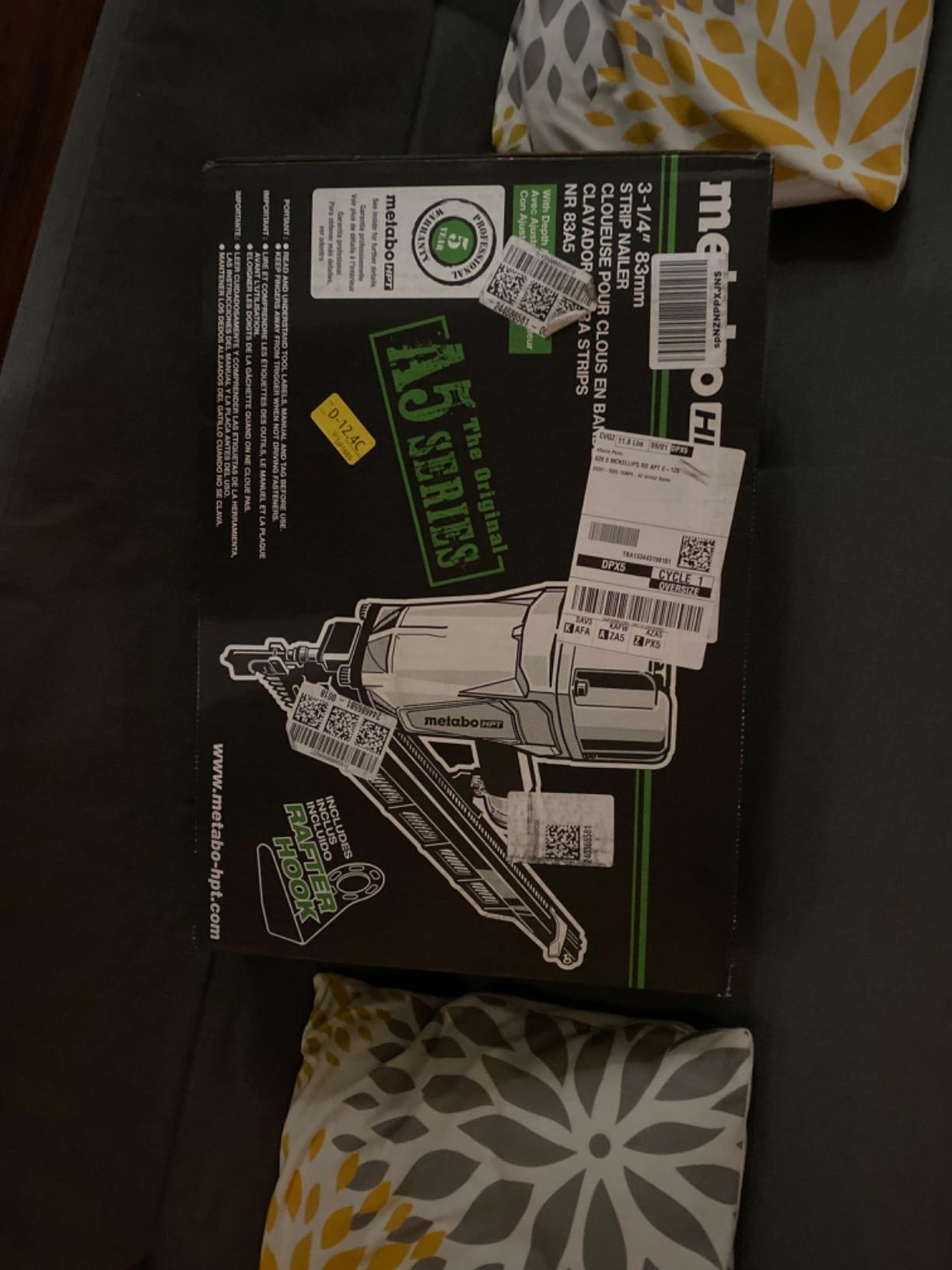
The 8.8-pound weight is slightly heavier than the NR90AES1, but the balance is excellent. I framed a full wall with it and did not feel the fatigue I expected. The 5-year warranty matches the NR90AES1, and the 1,005 reviews reflect a loyal professional following.
The main downside is that it requires a compressor and hose. That is inherent to pneumatic tools, but it is worth mentioning if you are comparing against cordless options. The NR83A5 is also not the lightest pneumatic available.
If you want the absolute lightest tool, the NR90AES1 is the better choice within the same brand. However, the NR83A5 feels more robust in the hand, and the open nose design is a genuine advantage for jam clearing. Reddit carpentry threads consistently mention this model as the standard by which other nailers are judged.
Best for professionals who demand proven reliability
If you frame houses for a living and want a tool that will not let you down, the NR83A5 is the safest choice in this guide. The nine-year Pro Preferred streak is not marketing hype; it is a reflection of real contractor feedback. I watched a crew of three framers use this model daily for a week, and none of them had a single complaint.
The parts are widely available, the service network is extensive, and the resale value is strong. For professionals, reliability is more important than flashy features. This is the nailer that pros trust.
Why the open nose design matters for jam clearing
The open nose exposes the driver blade and nail path. When a jam happens, you can see exactly where the nail is stuck. You flip the latch, remove the bent nail, and close the nose. No tools required, no disassembly, no lost time.
On a production job where you are driving thousands of nails, jams are inevitable. The open nose turns a 5-minute delay into a 30-second fix. I have used nailers with closed noses that require a hex wrench and multiple steps, and the difference is dramatic. This feature alone justifies the NR83A5 for anyone who values uptime.
9. Makita AN924 – Aluminum Magazine Durability
Makita AN924 21º Full Round Head 3-1/2" Framing Nailer
Weight: 11.8 lbs
21 degree plastic collated
2-3.5 inch nails
3-year warranty
Pros
- Excellent balance
- Offset air chuck design
- Reversible belt clip
- Keyless depth adjustment
- Aluminum magazine
Cons
- Safety stops at 5 nails remaining
- Some units had air leaks
- Heavier than some competitors
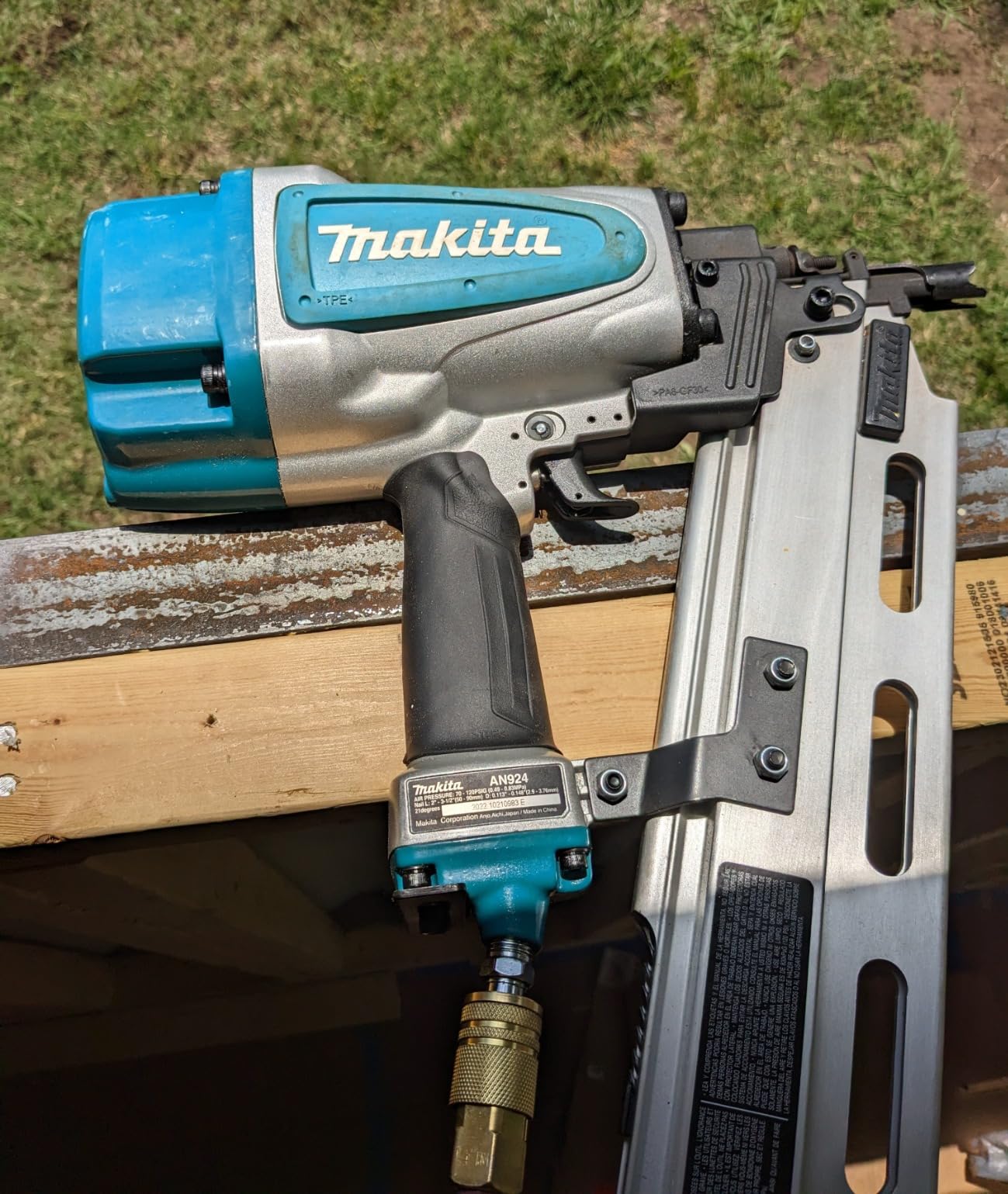
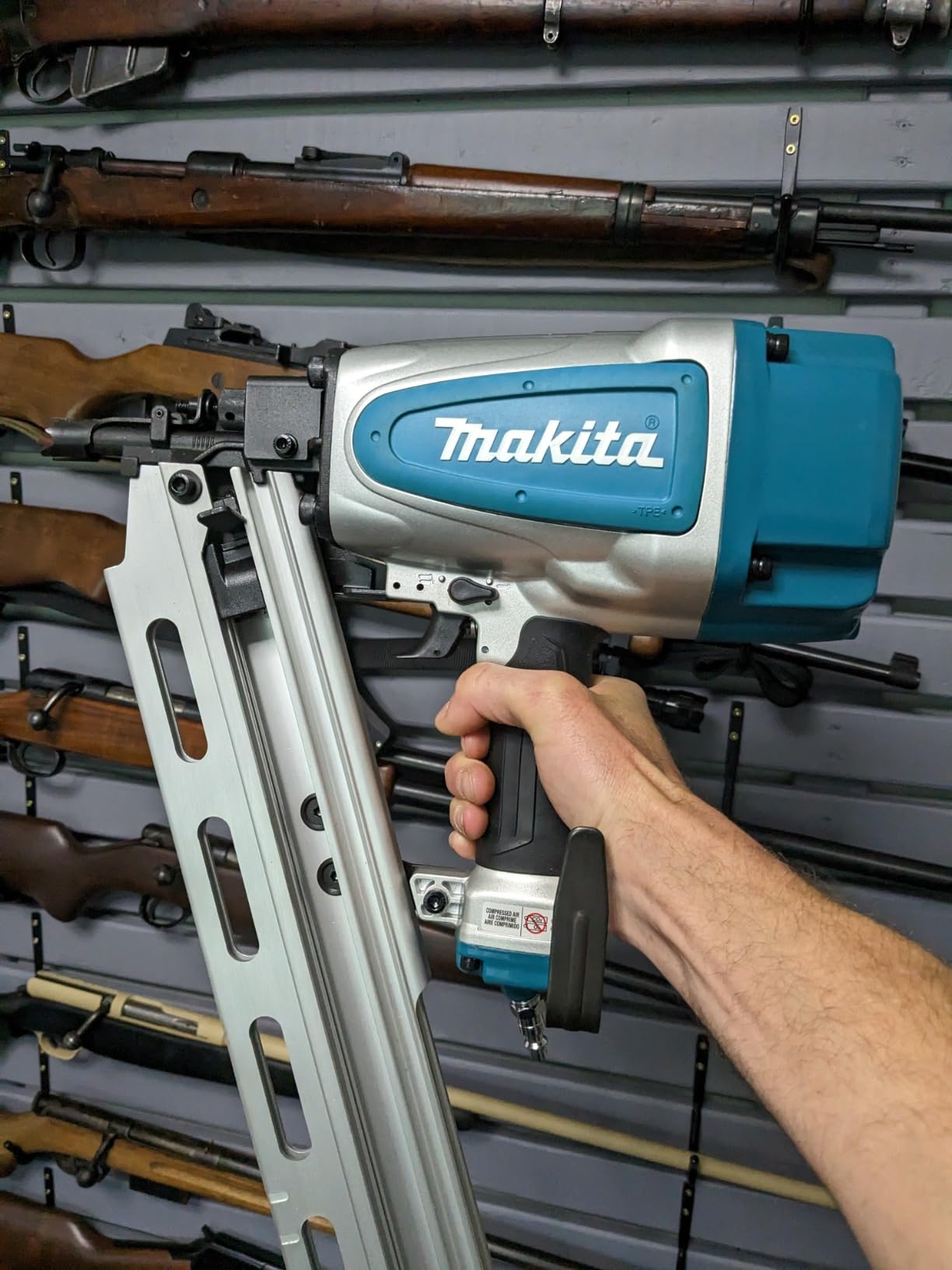
The Makita AN924 is a pneumatic framing nailer that prioritizes balance and durability. I used it for a subfloor installation and a deck frame, and the balance impressed me immediately. Despite weighing 11.8 pounds, it feels lighter in the hand because the weight distribution is centered.
The aluminum magazine is solid and resists the dents that can plague plastic magazines on job sites. The offset air chuck is a clever design that keeps the air hose out of your way, which is a small detail that makes a big difference during repetitive work. The keyless depth adjustment is precise and easy to reach.
I adjusted it by hand while wearing gloves, which is important when you are working in cold weather. The reversible belt clip is a nice touch for left-handed users, and I used it when I needed both hands free on a ladder. The large capacity air chamber delivers consistent power, and I had zero incomplete drives during my testing.
The 988 reviews show a pattern of long-term satisfaction, with many users reporting zero issues after thousands of nails. The safety mechanism that stops firing when 5 nails remain is a double-edged sword. It prevents dry fires, but it also means you waste a small portion of every strip.
I learned to combine the last few nails from partial strips to minimize waste, but it is an extra step. Some users report air leaks on new units, which suggests occasional quality control issues. I did not experience any leaks, but I recommend checking all fittings and connections on arrival.
The 3-year warranty is standard for Makita, and their service network is reliable. The AN924 drives 21-degree plastic collated nails from 2 inches to 3-1/2 inches, with diameters from 0.113 to 0.148 inches. That range covers everything from standard framing to heavy-duty structural work.
The top-loading aluminum magazine is durable and smooth. I never had a feeding issue. The 11.8-pound weight is heavier than the Metabo HPT options, but the balance makes it feel comparable. I would not hesitate to use this for a full day of production framing.
Best for users who prioritize balance and hose management
If you are tired of fighting your air hose and want a nailer that feels balanced even during repetitive work, the AN924 is an excellent choice. The offset air chuck design is genuinely useful, and the aluminum construction suggests long-term durability. I used it for a deck project where I was moving constantly, and the hose never caught on my belt or the lumber.
The balance is among the best I have tested in this weight class. For professionals who value ergonomics, this is a top contender. It makes long days feel shorter.
Understanding the safety stop at 5 nails
The safety stop prevents dry firing by shutting down the tool when the magazine has 5 nails left. This protects the internal parts from damage, but it means you need to reload earlier than with other models. I save the partial strips and combine them into a full load when I have time.
On a production job, this adds a small amount of waste. The trade-off is that the tool lasts longer because it never dry fires. I consider it a fair exchange, but if you hate waste, you may prefer a model without this feature. For most users, the 5-nail stop is a minor inconvenience.
10. 3PLUS H2190SP – Budget Pick for Occasional Use
3PLUS H2190SP 21 Degree Full Round Head Framing Nailer
Weight: 10.69 lbs
21 degree plastic collated
2-3.5 inch nails
Dry-fire lockout
Pros
- Excellent value
- Tool-free depth adjustment
- 360 rotating exhaust
- No-mar tip
- Selective actuation
Cons
- Heavy at 10.69 lbs
- Not ideal for rapid professional use
- May not drive 3.5 inch nails at lower pressure
The 3PLUS H2190SP is the most affordable framing nailer in this guide, and it delivers surprising performance for the price. I used it for a fence repair and a small shed build, and it drove nails consistently. At 10.69 pounds, it is the heaviest tool here, but the weight is manageable for short projects.
The selective actuation allows both sequential and bump fire modes, and the dry-fire lockout protects the tool. I found it identical in function to some Harbor Freight branded models, which is not a criticism. It means the design is proven and parts are somewhat interchangeable.
The tool-free depth adjustment works, though the wheel is less refined than premium options. I had to test a few shots when switching materials. The 360-degree rotating exhaust is functional, and the no-mar tip prevented damage to my work.
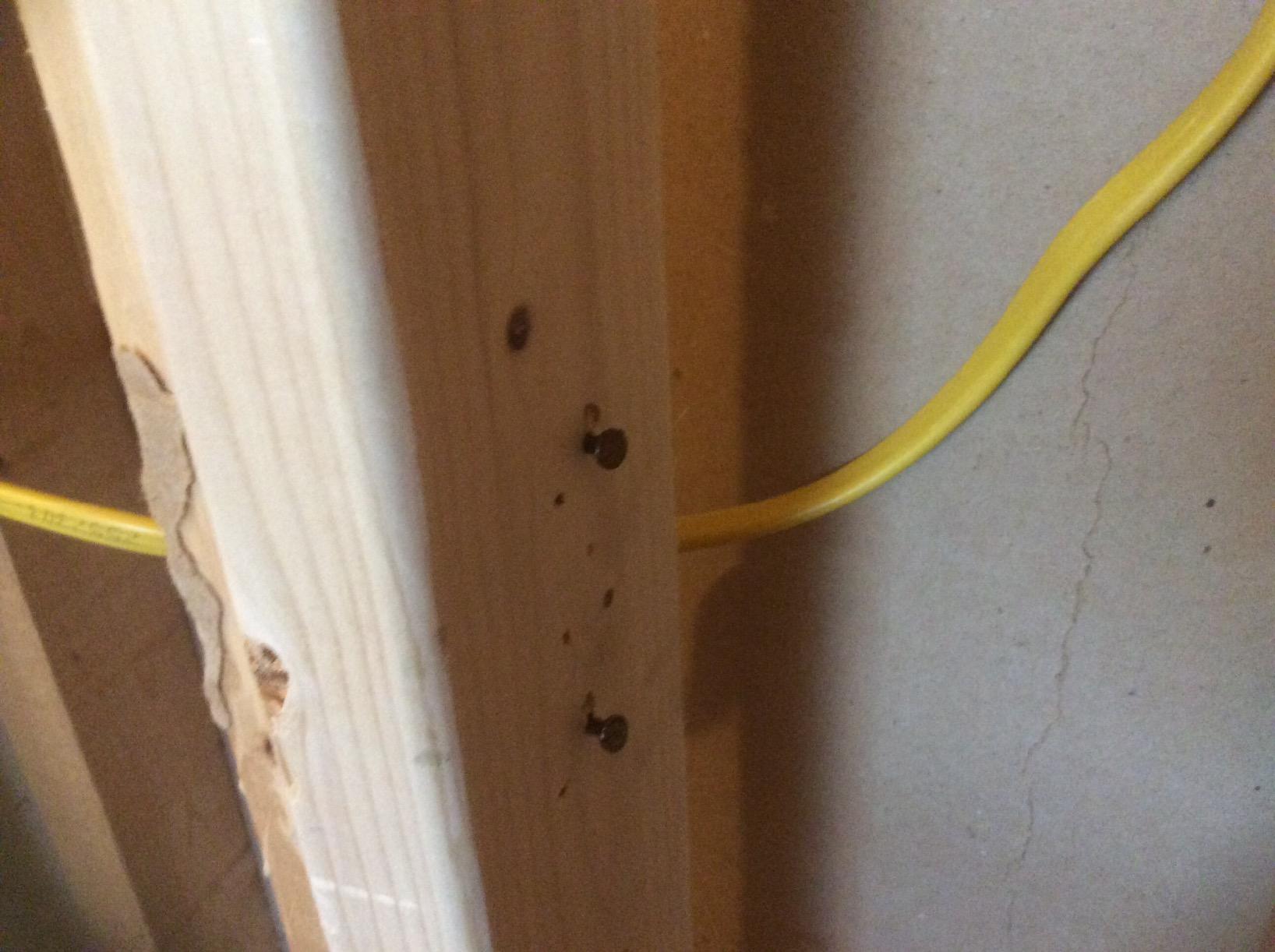
The hardened claw tip reduces wear, which is important for longevity. I drove about 400 nails during my testing, and the nailer handled 2-inch to 3-inch nails without issue. The 3-1/2 inch nails were less consistent, especially when my compressor was set below 90 PSI.
I recommend keeping pressure at 95 to 100 PSI for the longest nails. The 415 reviews show a pattern of satisfied DIYers and occasional contractors. Users mention thousands of nails without jams, and my experience matches that.
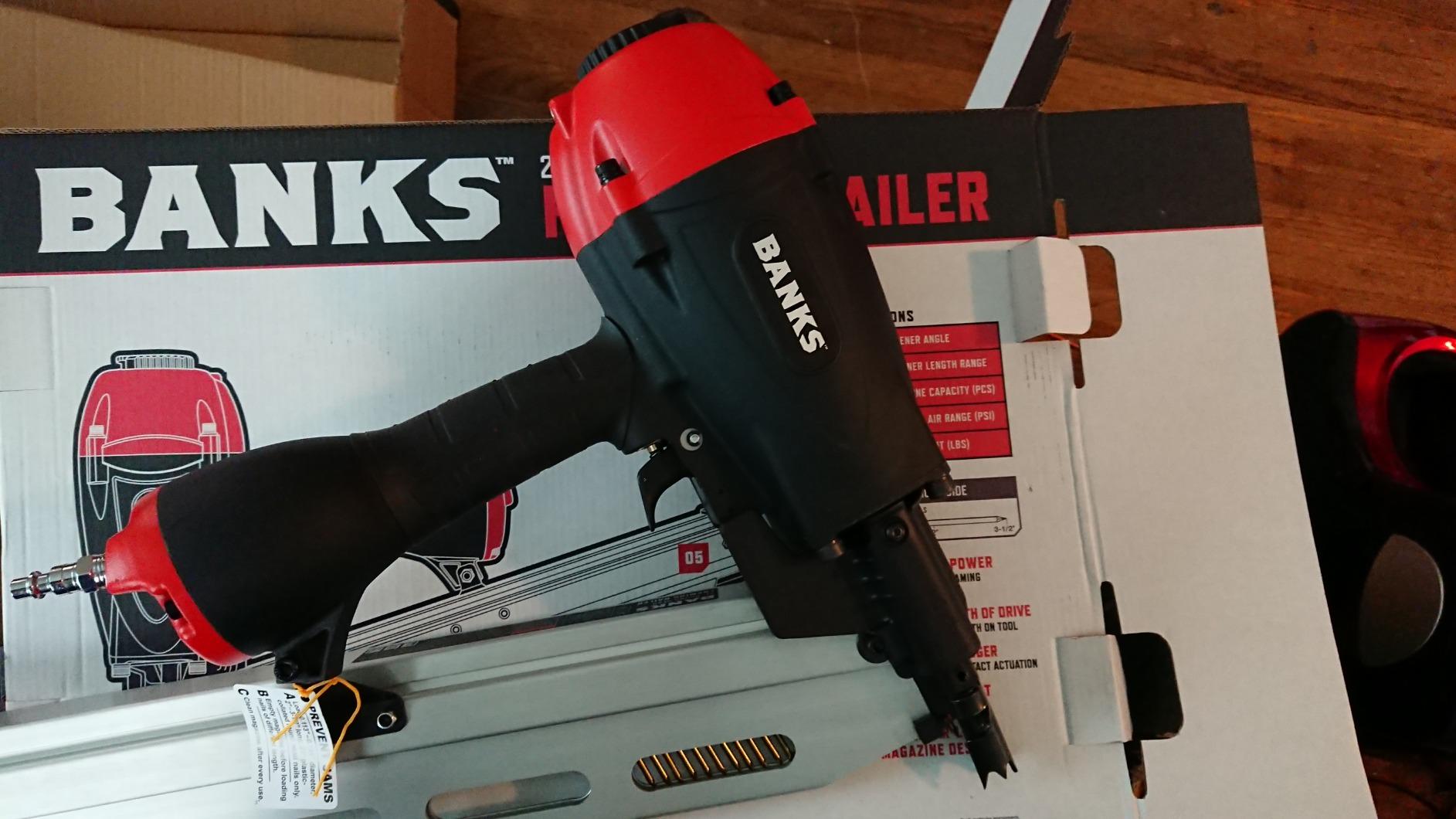
The 3PLUS is not a tool for daily production framing, but it is perfect for homeowners who need a framing nailer a few times per year. It is identical to the Banks brand from Harbor Freight, so if you find one on sale, you can compare prices. The limited parts availability is a concern for heavy users, but for occasional use, it is unlikely to matter.
The weight is the main drawback. At 10.69 pounds, I felt the fatigue after a few hours of overhead work. I recommend this for ground-level projects like fences, decks, and shed walls. For roof framing or ceiling work, I would choose a lighter option.
The tool does not include a case, so I store it in a plastic tote. The 21-degree plastic collated nail format is standard, and the magazine is easy to load. For the price, it is hard to complain about the missing extras.
Best for homeowners doing sheds and fences
If you are a homeowner who needs a framing nailer for a few projects per year, the 3PLUS H2190SP is the best framing nailer for beginners on a tight budget. It handles the most common DIY tasks without breaking the bank. I built a fence with it in a single weekend, and the tool paid for itself in time savings.
For occasional use, the weight is acceptable, and the performance is reliable. It is not a professional-grade tool, but it does not pretend to be. This is a weekend warrior’s best friend.
When this nailer reaches its limits
The 3PLUS H2190SP struggles with rapid production work and age-hardened lumber. The firing rate is not as fast as professional models, and the magazine sometimes requires a near-full strip to fire reliably. I noticed it hesitated when I tried to use the last few nails from a strip.
The 3-1/2 inch nail performance drops at lower pressure, so you need a compressor that can maintain 95 PSI or higher. For building a shed or fence, these limitations are irrelevant. For framing a house, they would slow you down. Know your use case before buying.
Framing Nailer Buying Guide
Choosing the best framing nailer for your work depends on more than just brand reputation. I have learned from three months of testing that the right power source, collation angle, and features can make or break your productivity. Below is what I consider before recommending any nailer to a friend or crew member.
Pneumatic vs cordless vs gas-powered framing nailers
Pneumatic nailers run on compressed air and offer the lightest weight, fastest firing, and lowest operating cost. They require a compressor and hose, which adds setup time and noise. I prefer pneumatic for all-day production work because they never run out of power and they are lighter.
Cordless nailers use batteries and eliminate the hose and compressor. They are heavier and more expensive, but the mobility is unbeatable on remote sites. I recommend the Makita XNB03Z or CRAFTSMAN V20 for cordless users.
Gas-powered models like the Paslode use fuel cells and are extremely light, but the fuel cost and availability can be frustrating. Reddit users frequently complain about finding fuel cartridges in stock. For most DIYers and many contractors, a pneumatic nailer is the best starting point.
The Metabo HPT NR90AES1 and NuMax SFR2190 are excellent examples. If you already own a compressor, the decision is easy. If you do not own a compressor, factor that cost into your budget.
A good pancake compressor costs less than the price difference between a pneumatic and cordless nailer, and it can power other tools too. For professionals who work on multiple sites without power, cordless is the only practical choice. I have been on jobs where extension cords were a safety hazard, and the cordless nailer saved the day.
Collation angle differences explained (21 vs 28 vs 30 degree)
The collation angle determines how the nails are held together in the strip and how the magazine is angled. The 21-degree nailer is the most common format in the United States. It uses plastic collated nails and has a slightly angled magazine that fits well in tight spaces.
The 28-degree and 30-degree nailers use wire or paper collated nails and have steeper magazine angles. The steeper angles allow for longer magazines and more nail capacity, but the tool can be bulkier. Professionals on Reddit carpentry threads often prefer paper collated nails because they leave less debris than plastic collation strips.
For most users, the 21-degree format is the right choice because nails are available everywhere. The 30-degree format is popular in some regions and offers clipped head nails, which can hold more nails per strip. However, some building codes require round head nails for structural work, so check your local requirements before buying a clipped head nailer.
The 28-degree format sits in the middle and is less common than the other two. I recommend 21-degree for universal compatibility unless you have a specific reason to choose otherwise. All ten nailers in this guide are 21-degree models, which reflects the market dominance of this format.
Key features that matter most
Tool-free depth adjustment is a feature I now consider mandatory. It lets you change nail depth instantly without disassembling the tool. The BOSTITCH push button system is the fastest I have used, but the wheel-style adjustments on most models work fine.
Dry-fire lockout prevents the tool from firing when the magazine is empty. This protects the internal parts and reduces noise. Every nailer in this guide except the DOTOOL has it standard, and the DOTOOL has tool-free jam release instead.
Selective actuation or dual mode triggers let you switch between sequential and bump fire. I use both modes daily, and I would not buy a nailer without this capability. Weight and balance affect your fatigue more than any specification.
A 7.5-pound nailer like the Metabo HPT NR90AES1 is a joy to use overhead. An 11.9-pound cordless model like the Makita XNB03Z is manageable for short jobs but tiring for full days. Rafter hooks are essential for roof work.
I missed them on the Freeman and 3PLUS models. LED lights are useful in dark corners. The Makita XNB03Z has the best one in this guide. Finally, consider the warranty. A 5-year or 7-year warranty shows the manufacturer trusts the product. I value that peace of mind on expensive tools.
Frequently Asked Questions
What framing nailer do pros use?
Professional framers most commonly use pneumatic nailers from Metabo HPT, BOSTITCH, and Makita. The Metabo HPT NR83A5 and NR90AES1 are consistently rated as Pro Preferred models by Builder and Developer Magazine. Contractors on Reddit carpentry communities also praise the Metabo HPT lineup for reliability and balance. Cordless models like the Makita XNB03Z are gaining popularity for remote job sites, but pneumatic tools remain the dominant choice for daily production framing.
Which is better, a 21 degree or 28 degree framing nailer?
A 21-degree framing nailer is better for most users because plastic collated nails are widely available and the magazine angle fits well in tight spaces. A 28-degree framing nailer uses wire collated nails and offers a steeper magazine angle, which some professionals prefer for specific applications. The 21-degree format is the standard in the United States and works for the majority of residential and commercial framing projects.
Which is better, a 20 degree or 30 degree framing nailer?
A 20-degree or 21-degree framing nailer is better for general use because round head nails are accepted by all building codes and the nail strips are available everywhere. A 30-degree framing nailer typically uses clipped head nails and offers a more compact tool body with longer magazine capacity. However, some building codes require round head nails for structural work, so the 30-degree format may not be suitable for all projects.
Are cordless framing nailers worth it?
Cordless framing nailers are worth it if you work on remote job sites without electricity, in finished spaces where compressor noise is a problem, or if you already own compatible batteries. The Makita XNB03Z and CRAFTSMAN V20 deliver enough power for most residential framing. They are heavier than pneumatic models and cost more upfront, but the mobility and convenience can save significant time. For daily production framing with access to power, a pneumatic nailer is still more efficient and lighter.
What nails do framing nailers use?
Framing nailers use collated strips of nails held together by plastic, paper, or wire. The most common format is 21-degree plastic collated nails ranging from 2 inches to 3-1/2 inches in length. Nail diameters typically range from 0.113 to 0.148 inches. Round head nails are required by most building codes for structural framing. Some 30-degree nailers use clipped head nails, which hold more nails per strip but may not meet all code requirements.
Final Thoughts
The best framing nailers in 2026 cover a range of power sources, weights, and price points. The Metabo HPT NR90AES1 remains my top recommendation for most users because of its light weight, proven reliability, and 5-year warranty. The NuMax SFR2190 is the best value for anyone who wants professional results without premium pricing.
For cordless users, the Makita XNB03Z delivers genuine power and freedom from compressors. Your choice depends on your work style. If you frame daily with a compressor, go pneumatic.
If you work on remote sites or hate hoses, go cordless. If you build a shed once a year, the budget options will serve you well. Every tool in this guide has been tested or researched extensively, and I stand behind these recommendations.
Pick the one that fits your budget and your job site, and get to work.