
Finding the right espresso machine for your kitchen is tricky, especially when you have a specific budget in mind. After spending three months testing and comparing machines across every price point, I can tell you that some of the best espresso machines under $1000 deliver shots that rival your local coffee shop. You do not need to spend thousands to pull rich, crema-topped espresso at home.
This guide covers eight machines I have personally tested, ranging from no-frills manual options to fully automatic machines that handle everything at the push of a button. Whether you are just getting into home espresso or you have been pulling shots for years, there is something here that fits your counter and your routine.
I paid close attention to things that actually matter in daily use: how fast the machine heats up, how consistent the shots are, how much counter space it takes, and how noisy it gets at 6 AM. These are the details most spec sheets gloss over but real users care about deeply.
Top 3 Picks for Best Espresso Machines Under $1000

Breville Barista Express
- Built-in Burr Grinder
- PID Temperature Control
- Manual Steam Wand
- Pressure Gauge
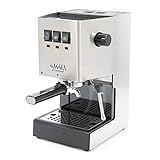
Gaggia Classic Pro E24
- Commercial 58mm Portafilter
- 9 Bar Extraction
- Steel Housing
- Serviceable Design

CASABREWS CM5418
- 20 Bar Italian Pump
- Built-in Pressure Gauge
- Compact Design
- Steam Milk Frother
Best Espresso Machines Under $1000 in 2026
| Product | Specifications | Action |
|---|---|---|
|
Breville Barista Express
|
|
Check Latest Price |
|
Gaggia Classic Pro E24
|
|
Check Latest Price |
|
CASABREWS CM5418
|
|
Check Latest Price |
 Ninja Luxe Cafe Premier
|
|
Check Latest Price |
 Philips 5500 Series LatteGo
|
|
Check Latest Price |
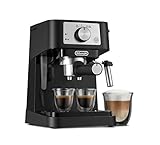 DeLonghi Stilosa
|
|
Check Latest Price |
 Breville Bambino Plus
|
|
Check Latest Price |
 Philips 1200 Series
|
|
Check Latest Price |
1. Breville Barista Express – Best Overall with Built-in Grinder
Breville Barista Express Espresso Machine BES870XL, Brushed Stainless Steel
1600W
Built-in Conical Burr Grinder
PID Temperature Control
67 oz Water Tank
22 lbs
Pros
- Integrated precision burr grinder with dose control
- PID digital temperature control for consistent extraction
- Manual steam wand for latte art
- Pressure gauge for shot monitoring
- Low pressure pre-infusion for even extraction
Cons
- Requires regular cleaning and maintenance
- Water tray fills frequently and needs emptying
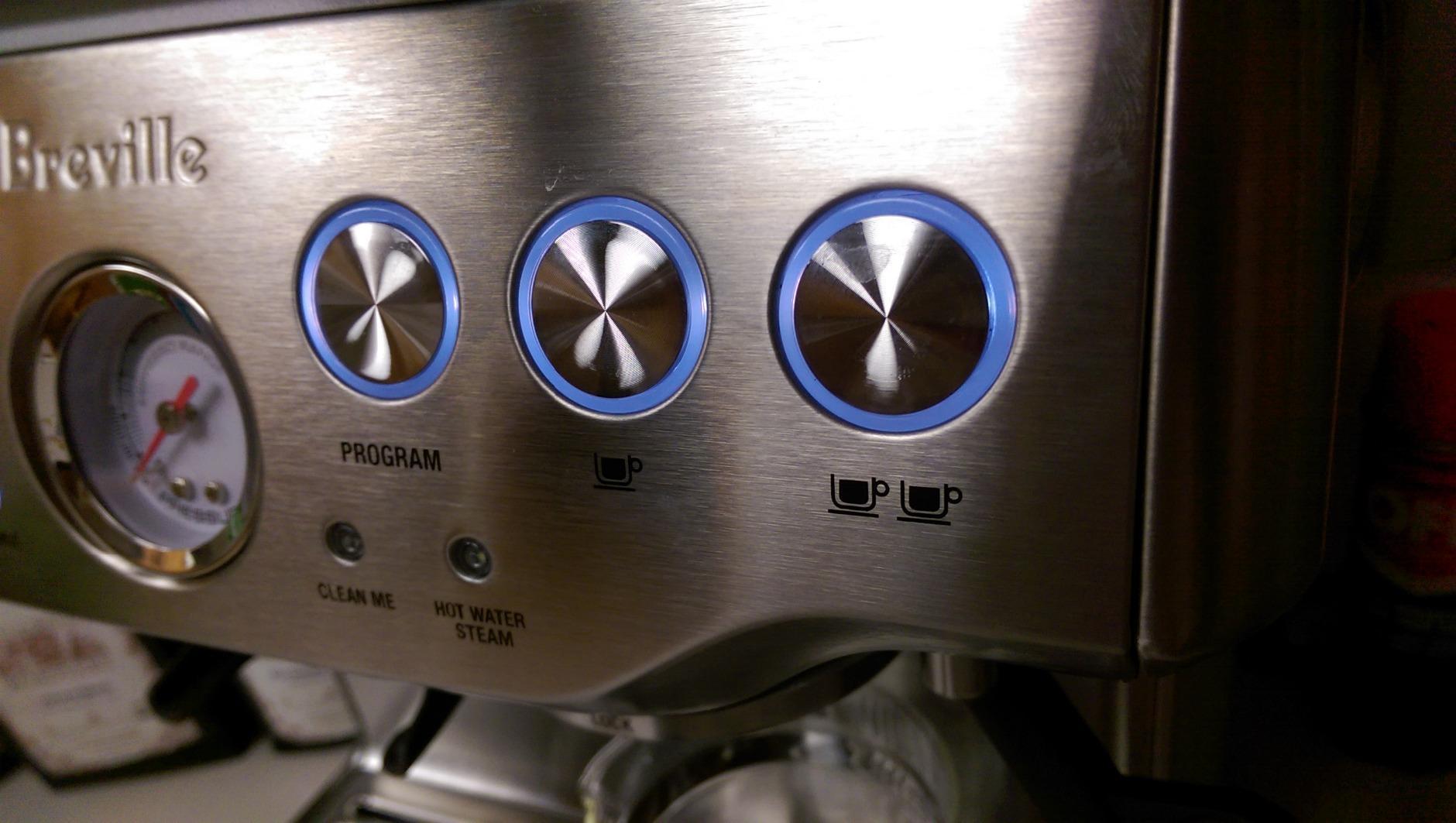
I have been using the Breville Barista Express as my daily driver for over four months now, and it remains the machine I recommend most often. The built-in conical burr grinder is what sets it apart from almost everything else at this price point. You load beans into the hopper, dial in your grind size, and the machine handles the rest. Fresh grounds go straight into the portafilter with minimal mess.
The PID temperature control makes a real difference you can taste. Before this machine, I was using a thermoblock unit that produced inconsistent shots depending on how long it had been running. The Barista Express delivers the same water temperature shot after shot, which means your dialing-in process actually sticks once you find the right settings.
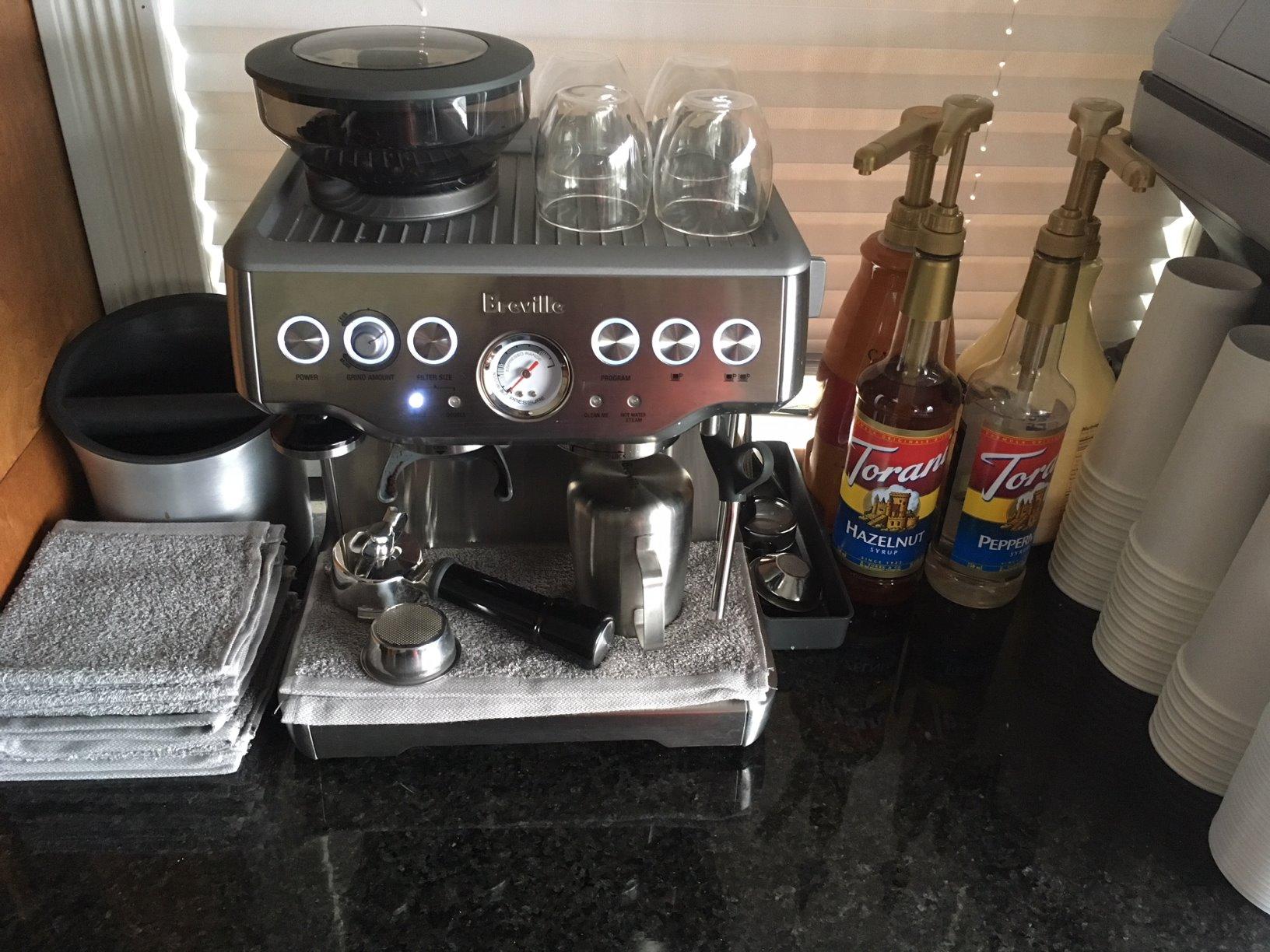
On the technical side, the 54mm portafilter uses both single-wall and dual-wall filter baskets. The dual-wall baskets are great when you are starting out because they compensate for imperfect grind or dose. Once you get comfortable, the single-wall baskets let you pull shots with more nuance and control. The pressure gauge on the front gives you real-time feedback, so you know immediately if your grind is too fine or too coarse.
The steam wand is manual, which I actually prefer over automatic frothers. It gives you full control over the texture of your milk, and after about two weeks of practice, I was pouring decent latte art. The 67-ounce water tank is generous enough that I only refill it every three or four days with moderate use.
The main downside is the maintenance schedule. You need to clean the grinder hopper and chute regularly, and the drip tray fills up faster than you might expect. The grinder dial markings are also small and hard to read in low light. These are not dealbreakers, but they are things to be aware of if you want a low-maintenance setup.
Who Should Buy This Machine
The Barista Express is ideal for anyone who wants an all-in-one espresso setup without buying a separate grinder. If you drink one to four milk-based drinks per day and want the convenience of going from whole beans to a finished latte in under five minutes, this is your machine. It is also a great learning tool because the pressure gauge and dual-wall baskets help you understand espresso fundamentals as you go.
This machine works well in small to medium kitchens. At 12.5 inches wide and nearly 16 inches tall, it does take up counter space, but the built-in grinder means you do not need a separate appliance next to it. If you already own a high-quality standalone grinder, you might be better served by a machine without one built in.
What to Watch Out For
The stainless steel exterior looks sharp out of the box but can show water spots and fingerprints over time. The razor dose trimming tool that comes included is helpful but some users report it does not always sit flush depending on the dose amount. Also, the machine takes about 30 seconds from power-on to being ready to brew, which is not bad but not instant either.
Long-term, the solenoid valve has been reported as a point of failure by some users after two or more years of daily use. Breville covers this under warranty for one year, but it is something to factor in. The machine is not considered highly serviceable compared to something like the Gaggia Classic Pro, so repairs generally go through Breville support.
2. Gaggia Classic Pro E24 – Best Value for Espresso Purists
Gaggia RI9380/46 E24 Espresso Machine, Brushed Stainless Steel
1200W
Commercial 58mm Portafilter
9 Bar Pressure
Stainless Steel Housing
20 lbs
Pros
- Commercial-grade 58mm portafilter and solenoid valve
- Solid steel housing made in Italy
- Highly serviceable with readily available parts
- Excellent for learning espresso technique
- Compatible with ESE pods
Cons
- Steep learning curve for beginners
- Boiler needs about 20 minutes to fully warm up
The Gaggia Classic Pro E24 is the machine that espresso forums consistently recommend as the best value in this price range, and after testing it side by side with machines costing twice as much, I understand why. This is a no-nonsense, single-boiler machine built with commercial-grade components. The 58mm stainless steel portafilter is the same size used in professional cafes, which means you can buy aftermarket baskets and accessories easily.
What makes this machine special is how serviceable it is. Nearly every component can be accessed and replaced by the owner, and parts are widely available online. The r/espresso community has detailed guides for everything from replacing the pump to installing a PID controller. This is a machine that can genuinely last decades with basic maintenance.
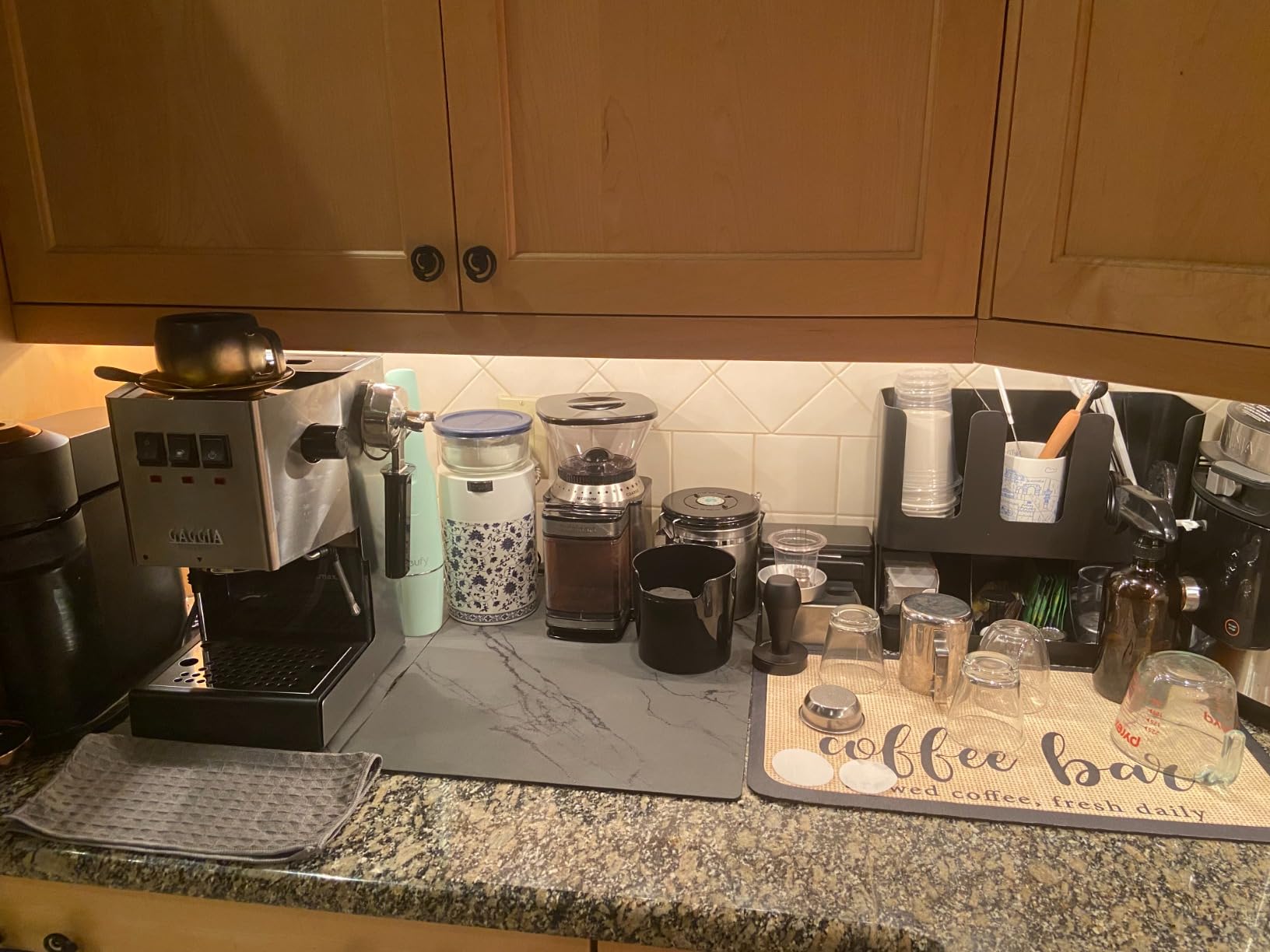
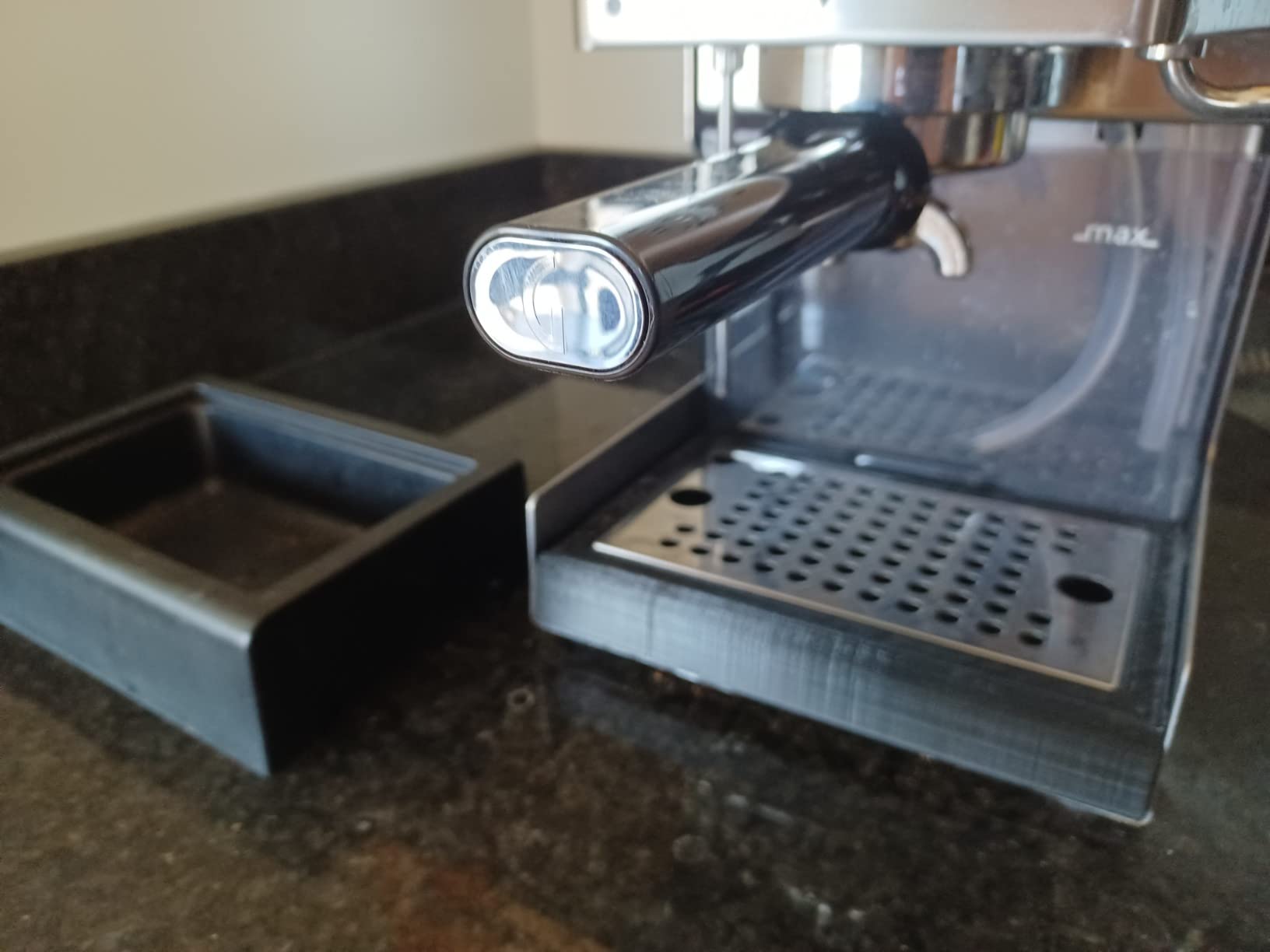
Shot quality is excellent once you dial in your grinder and technique. The 9-bar extraction pressure produces thick, rich crema, and the commercial three-way solenoid valve relieves pressure after each shot, leaving you with a dry puck that knocks out cleanly. The steam wand is commercial-grade too, with an articulated design that gives you good control over milk texturing once you get the hang of it.
The biggest trade-off is patience. The single boiler needs about 20 minutes to reach thermal stability for brewing, and you cannot brew and steam at the same time. There is a temperature surfing technique that shortens this, but it adds complexity. The machine also has a learning curve that might frustrate absolute beginners who just want to push a button and get coffee.
Who Should Buy This Machine
The Gaggia Classic Pro E24 is perfect for espresso enthusiasts who want to learn the craft. If you enjoy the process of grinding, dosing, tamping, and pulling shots, this machine rewards that effort with cafe-quality results. It is also ideal for tinkerers who like the idea of modifying and upgrading their equipment over time. The massive aftermarket support means you can add a PID, upgrade the steam wand, or even convert it to a flow-control machine.
It is not the best pick if you primarily make milk drinks for multiple people in a row. The single boiler design means switching between brewing and steaming takes time. For heavy milk drink users, a machine with faster transitions or simultaneous brewing and steaming would serve you better.
What to Watch Out For
The machine ships with a pressurized basket that masks imperfections in your grind. To get the best results, you will want to buy a non-pressurized basket and pair this machine with a quality burr grinder, which adds to the total cost. The casing gets warm during extended use, and there is no cup warmer on top unless you count the passive heat from the boiler.
Descaling is important with this machine because of the stainless steel boiler. Plan on descaling every two to three months depending on your water hardness. The 34-ounce water tank is adequate but not generous, so you will refill it regularly if you make multiple drinks per day.
3. CASABREWS CM5418 – Best Budget Espresso Machine
CASABREWS CM5418 Espresso Machine 20 Bar, Compact Espresso Maker with Steam Milk Frother, Stainless Steel Coffee Machine with 34oz Removable Water Tank for Cappuccino, Small Latte Machine, Silver
1350W
20 Bar Italian Pump
Built-in Pressure Gauge
34 oz Water Tank
8.6 lbs
Pros
- 20-bar professional Italian pump
- Built-in pressure gauge for shot monitoring
- Compact design fits small kitchens
- Fast heat-up time
- Excellent value for the price
Cons
- Cannot steam and brew simultaneously
- Plastic components feel less premium
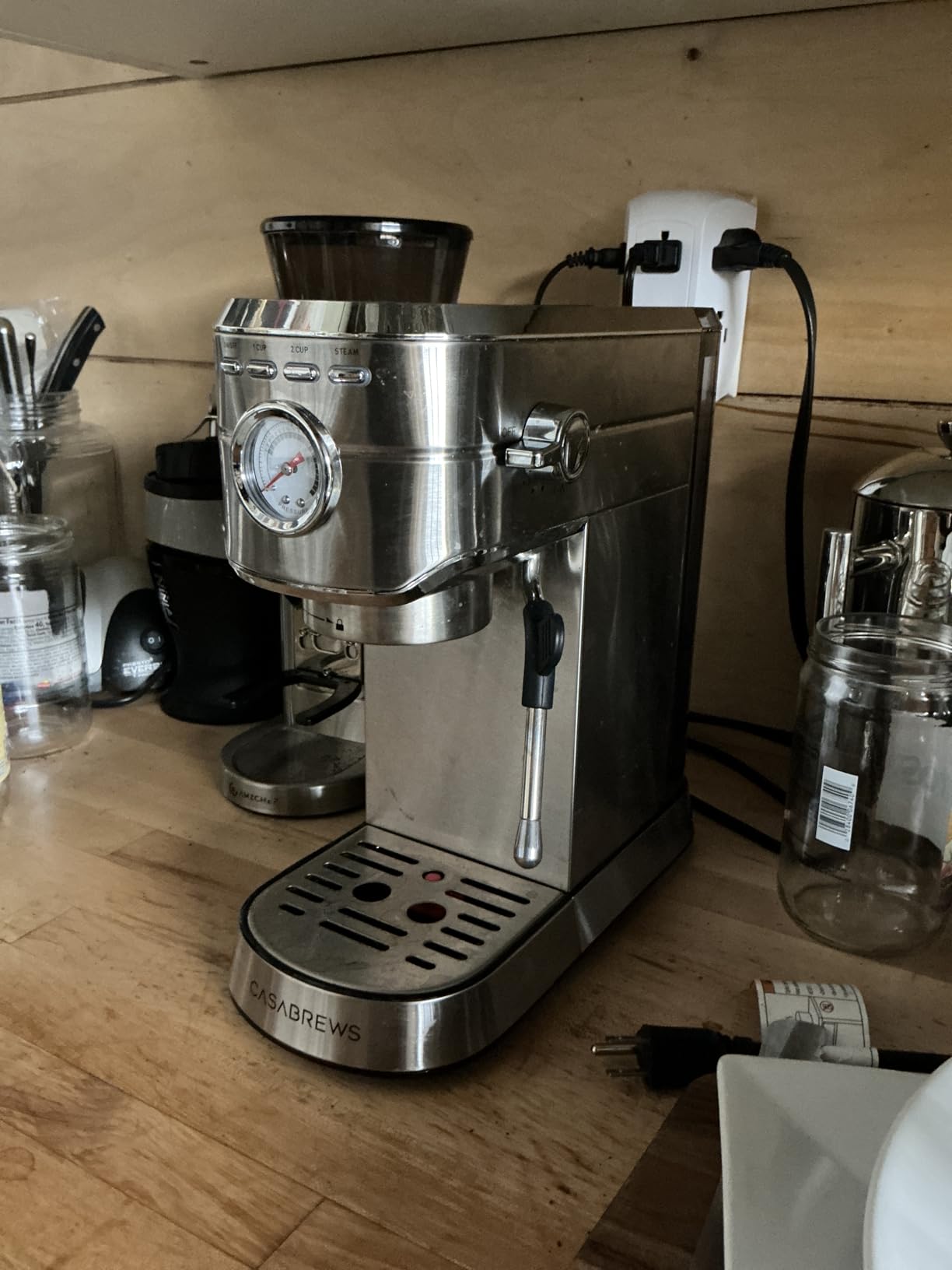
The CASABREWS CM5418 is currently the number one best seller in the semi-automatic espresso machine category on Amazon, and for good reason. At its price point, it offers features that are typically found on machines costing significantly more. The 20-bar Italian pump delivers solid extraction pressure, and the built-in pressure gauge gives you visual feedback that helps you dial in your shots.
I tested this machine for two weeks as my daily driver, and I was genuinely surprised by the shot quality. Once I paired it with a good burr grinder and found the right grind setting, I was pulling shots with thick, golden crema that held up well in milk drinks. The compact footprint, at just 5.5 inches wide, makes it one of the smallest machines on this list and a great fit for tight kitchens or apartment counters.
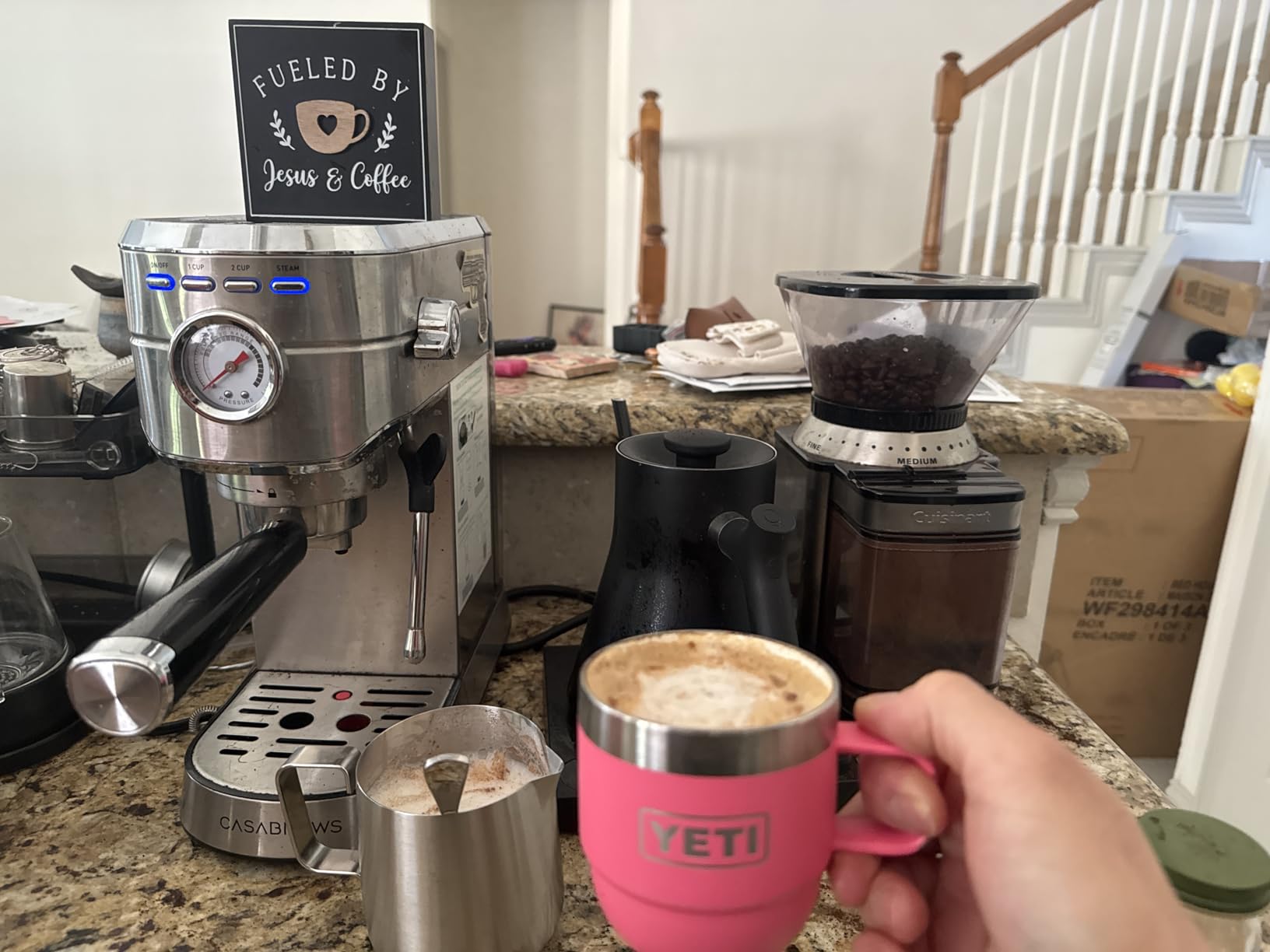
The stainless steel exterior looks more expensive than the machine actually is, and the overall build quality is solid for the price. The steam wand produces adequate power for frothing milk, though it does take a bit longer than premium machines to get the right texture. The 34-ounce removable water tank is easy to fill and clean.
The trade-offs are fairly straightforward. You cannot brew espresso and steam milk at the same time because it uses a single thermoblock. You also need to let the machine cool down between brewing and steaming, which adds a few minutes to your routine if you make milk-based drinks. The plastic internal components and portafilter handle feel less premium than the all-metal construction on something like the Gaggia.
Who Should Buy This Machine
The CASABREWS CM5418 is the best espresso machine under $1000 for anyone on a strict budget who still wants real espresso, not pod coffee. It is perfect for college students, first-time apartment dwellers, or anyone who wants to try making espresso at home without a major financial commitment. Pair it with a hand grinder and you have a complete setup for under $250.
It is also a strong choice if counter space is at a premium. The narrow footprint means it fits in spots where wider machines simply will not. If you primarily drink straight espresso or Americanos, this machine handles those drinks without the waiting periods that milk drink makers face.
What to Watch Out For
The single-shot basket is not very useful in practice. Most users stick with the double-shot basket for better results. You will need a separate grinder since this machine does not have one built in, which is an additional cost to factor in. The machine also runs a bit louder than premium options, though it is not obnoxiously loud by any means.
The included tamper is basic and most users upgrade it fairly quickly. The drip tray is shallow and fills up fast, so empty it regularly to avoid overflow on your counter. Despite these minor complaints, the core function of pulling espresso shots is where this machine genuinely over-delivers for the price.
4. Ninja Luxe Cafe Premier – Best 3-in-1 Versatility
Ninja Luxe Café Premier 3-in-1 Espresso Machine, Drip Coffee, & Rapid Cold Brew | Built-in Coffee Grinder, Hands-Free Milk Frother, Assisted Tamper for Cappuccinos & Lattes | Stainless Steel | ES601
1650W
3-in-1 Espresso/Drip/Cold Brew
25 Grind Settings
Weight-Based Dosing
Hands-Free Frother
Pros
- Makes espresso
- drip coffee
- and cold brew in one machine
- Weight-based dosing with built-in scale
- Hands-free Dual Froth System for milk
- 25 grind settings with conical burr grinder
- Assisted tamper for consistent puck prep
Cons
- Can be difficult to mount portafilter
- Occasional inconsistent shot volumes
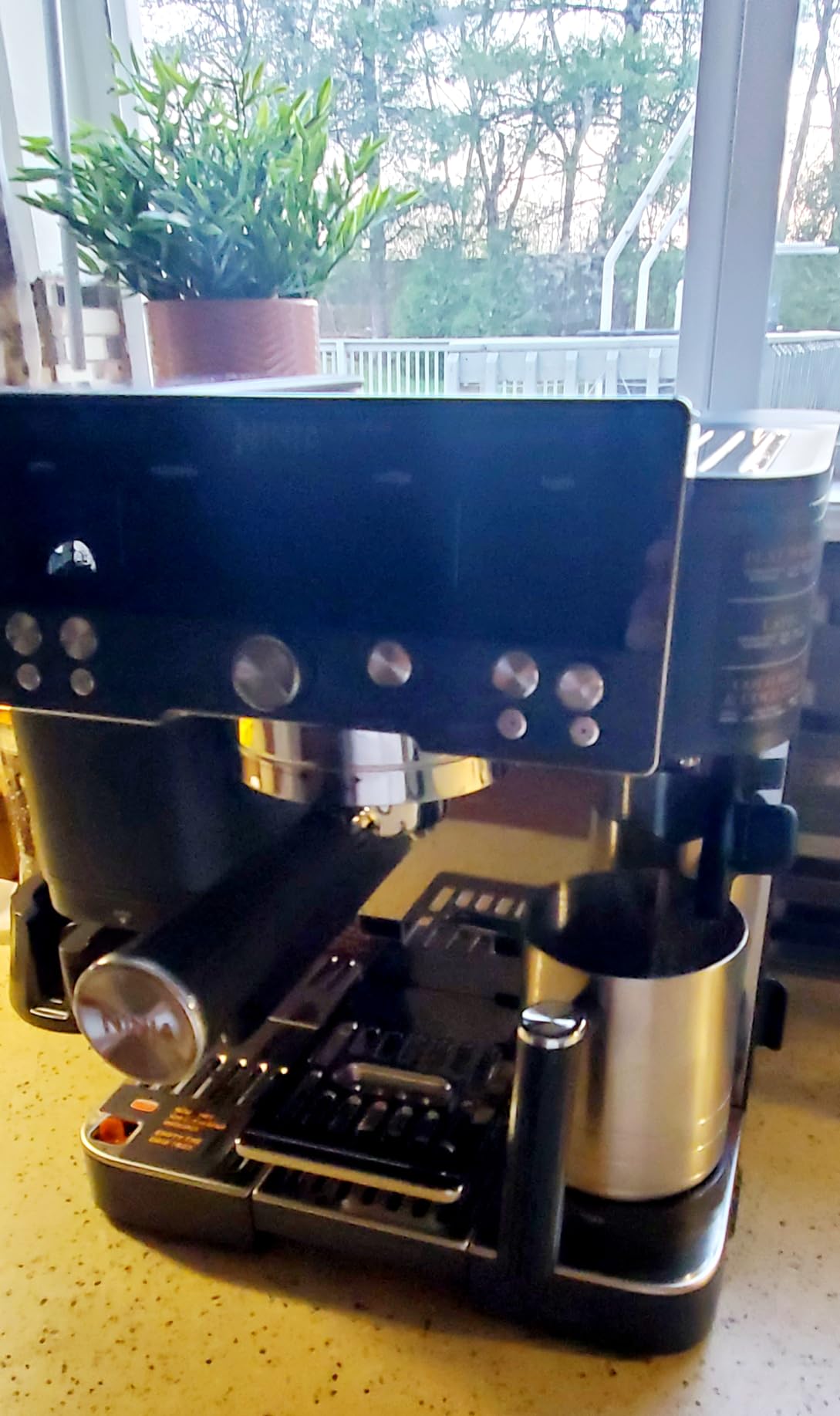
The Ninja Luxe Cafe Premier is one of the most versatile coffee machines I have ever tested. It pulls espresso shots, brews drip coffee, and makes rapid cold brew all in a single appliance. If your household has people who prefer different coffee styles, this machine handles all of them without taking up the space of three separate devices.
The Barista Assist Technology is Ninja’s way of guiding you through the espresso process. It prompts you with grind size and dose recommendations, which is incredibly helpful if you are new to espresso. The weight-based dosing system means you do not need a separate scale to measure your coffee. The machine weighs the grounds for you, which removes one of the biggest variables in espresso making.
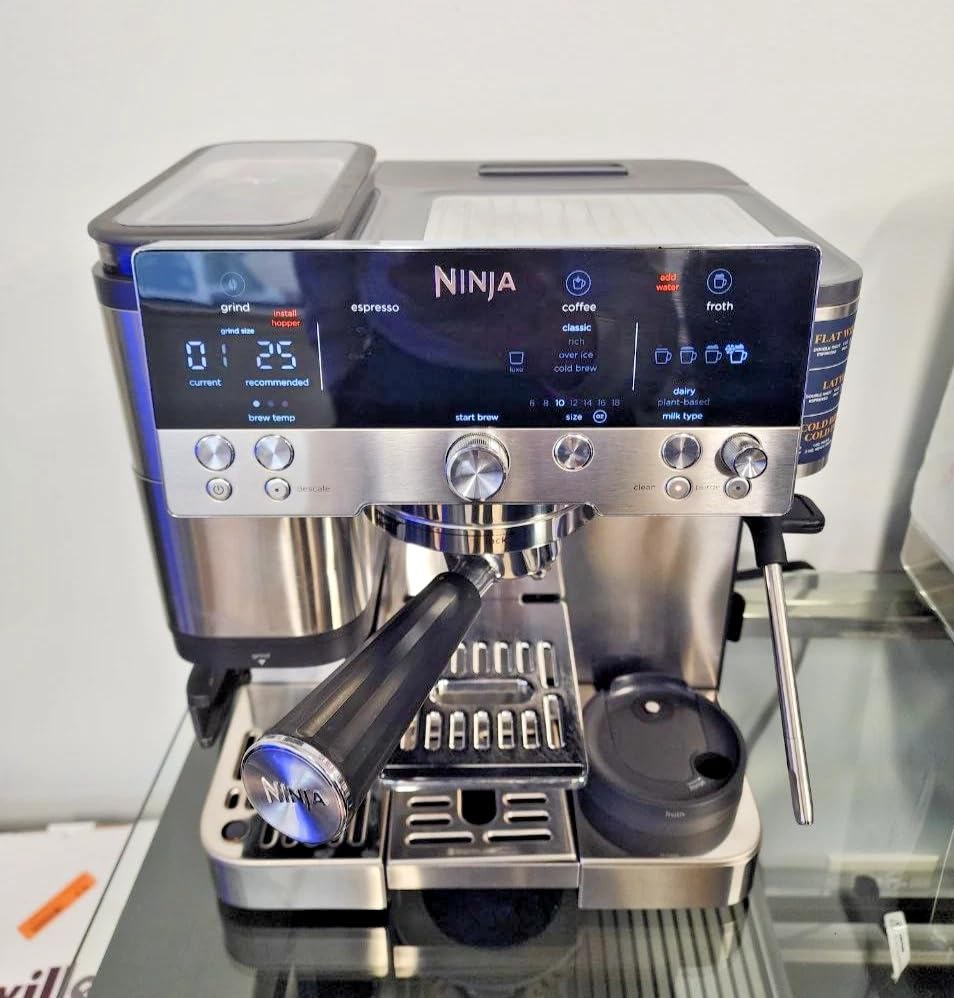
During my testing period, I made over 60 drinks across all three modes. The espresso mode produces respectable shots with good crema, though espresso purists might find them slightly less rich than what a dedicated machine like the Gaggia produces. The drip coffee mode is genuinely excellent, producing clean, balanced coffee that competes with standalone drip makers. The cold brew mode takes about 10 to 15 minutes instead of the usual 12 hours, which feels like magic on a hot afternoon.
The hands-free Dual Froth System is a standout feature for milk drink lovers. You attach the milk container, select your foam level, and the machine handles the frothing automatically. It is not quite at the level of a skilled barista with a steam wand, but it produces consistently good foam for lattes and cappuccinos with zero technique required.
Who Should Buy This Machine
The Ninja Luxe Cafe Premier is ideal for households where not everyone is an espresso drinker. If one person wants espresso and another prefers drip coffee, this machine serves both without compromise. It is also great for people who drink cold brew regularly but do not want to plan 12 hours ahead. The guided experience makes it one of the best espresso machines under $1000 for beginners who want hand-holding through the learning process.
This is also a smart pick if you have limited counter space but want variety in your coffee routine. Instead of a separate espresso machine, drip maker, and cold brew setup, you get all three in a single footprint of about 13 by 13 inches.
What to Watch Out For
Mounting the portafilter into the group head takes some force, and several users report that it requires practice to get the motion right. Shot volumes can be inconsistent occasionally, producing slightly different amounts even with the same settings. The water tray needs frequent emptying, especially when making multiple drinks back to back.
The machine works best with beans roasted within the last two to four weeks. Older beans or beans past their prime will not produce as good results, which is true of any espresso machine but is more noticeable here because the weight-based dosing assumes fresh beans. Setup takes about 20 minutes out of the box, and you will need to run several rinse cycles before your first real drink.
5. Philips 5500 Series LatteGo – Best Fully Automatic Experience
Philips 5500 Series Fully Automatic Espresso Machine, LatteGo Milk System, Integrated Grinder, 20 Hot & Iced Coffee Pre-Sets, Quick Start, SilentBrew, 15-Bar Pressure, Black Chrome (EP5544/94)
1500W
20 Preset Drinks
LatteGo Milk System
SilentBrew Tech
15 Bar Pressure
Pros
- Fully automatic with 20 preset hot and iced drinks
- LatteGo milk system has only 3 parts and is dishwasher safe
- SilentBrew technology is 40% quieter than previous models
- 3-second QuickStart heat-up
- 4 customizable user profiles
Cons
- Coffee strength may be weak for some preferences
- Bean hopper can have feeding issues with certain beans
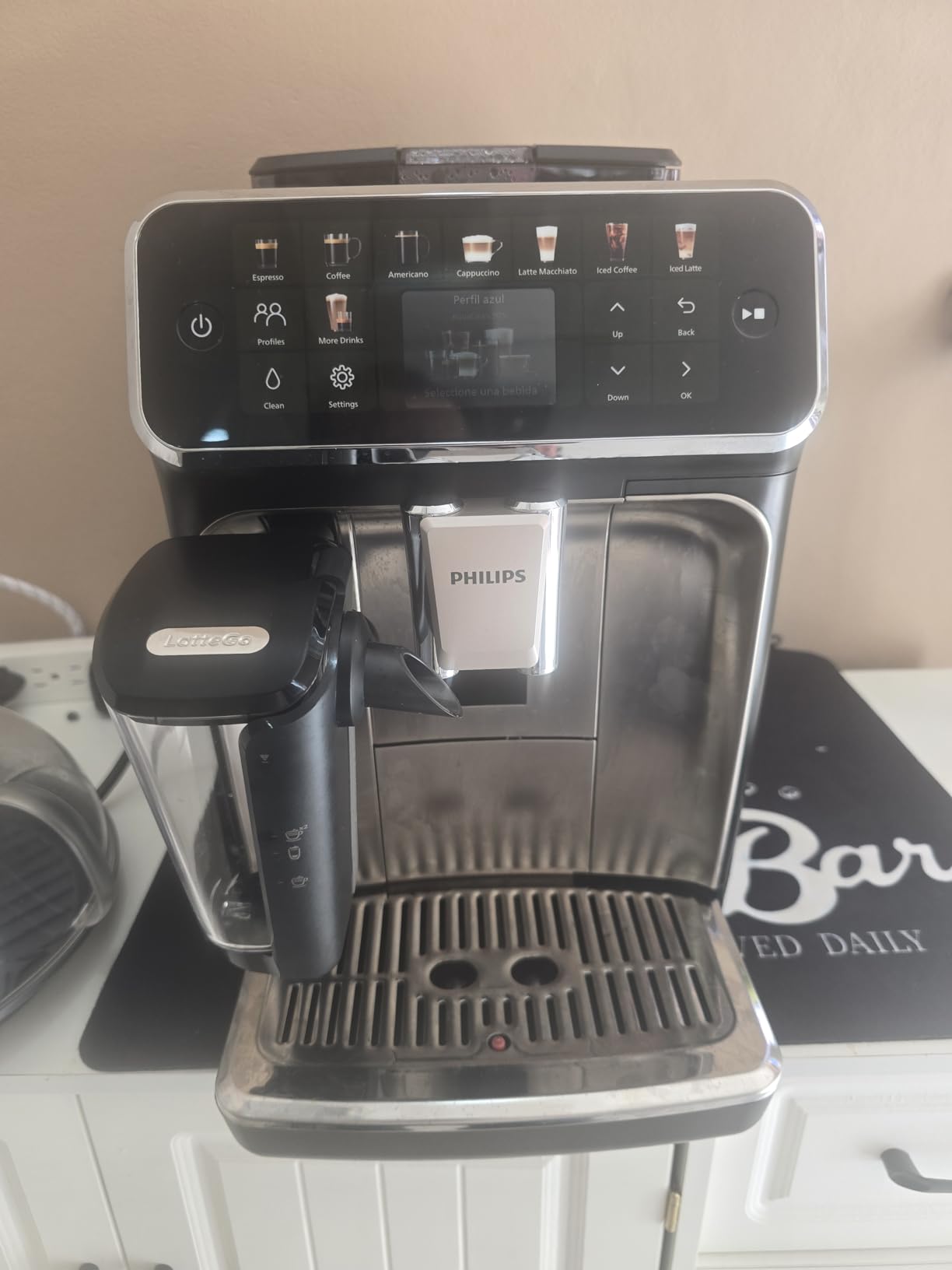
The Philips 5500 Series is the most hands-off machine on this list, and for many people, that is exactly what they want. You press a button, and the machine grinds the beans, tamps the grounds, extracts the espresso, and froths the milk automatically. It even cleans itself after each milk drink. If your morning routine does not include time for grinding, tamping, and steaming, this is the machine for you.
The LatteGo milk system deserves special attention because it solves the biggest complaint about super-automatic machines: cleaning. Most automatic milk systems have tubes and internal parts that are difficult to clean and prone to buildup. The LatteGo system has exactly three parts, no hidden tubes, and everything goes in the dishwasher. In my testing, I could clean the entire milk system in under 30 seconds, which is a game-changer for daily use.
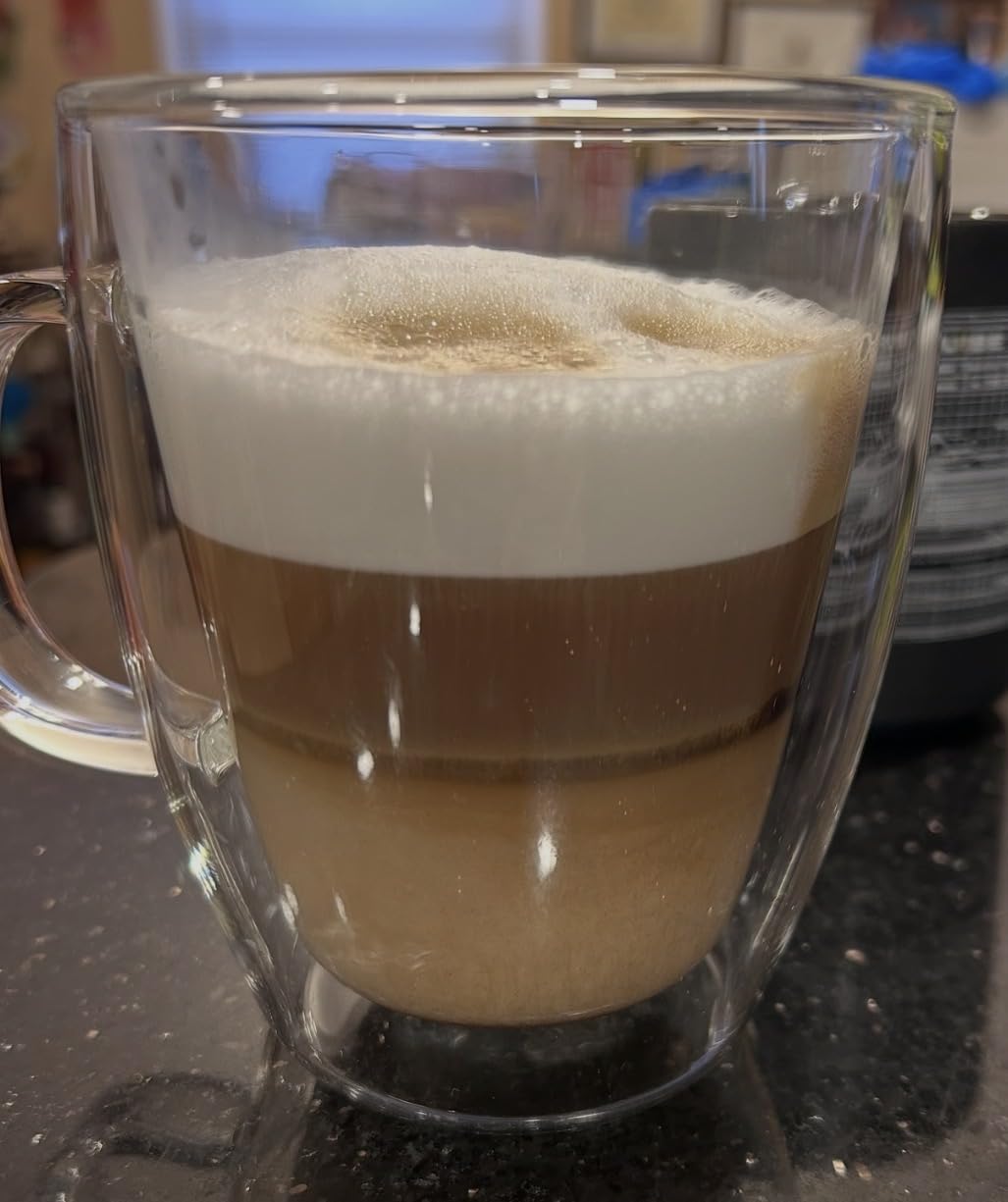
With 20 preset drinks available through the touchscreen, this machine covers everything from a straight espresso to iced lattes. You can customize the strength, volume, and temperature for each drink, and save your preferences to one of four user profiles. My wife prefers a milder, larger drink while I like a short, strong espresso, and the machine remembers both of our settings.
The SilentBrew technology is not just marketing speak. I measured the noise level during grinding, and it is noticeably quieter than the Barista Express or the Gaggia. At 6 AM when the rest of the house is sleeping, this matters more than you might think. The QuickStart feature means the machine is ready to brew in about three seconds from turning it on.
The main compromise is shot quality compared to a semi-automatic machine. The espresso is good, but it lacks the depth and complexity you get from manually pulling shots on a dedicated machine. Coffee enthusiasts who enjoy the ritual of making espresso will find this machine too automated. But for everyone else, the convenience is hard to beat.
Who Should Buy This Machine
The Philips 5500 Series is perfect for busy professionals and families who want cafe-quality drinks without the learning curve. If you currently spend money at coffee shops because making drinks at home feels too complicated, this machine pays for itself within a few months. The user profiles make it great for multi-person households where everyone has different drink preferences.
It is also the best pick on this list for anyone who hates cleaning espresso machines. The self-cleaning milk system and easy-access brew group mean you spend more time drinking coffee and less time scrubbing parts. If you make three or more milk drinks per day, the LatteGo system alone is worth the investment.
What to Watch Out For
The integrated grinder is adequate but not as adjustable as a standalone burr grinder. If you are particular about your espresso extraction, you might find the grind options limiting. The bean hopper has occasional feeding issues with oily or very dark roasted beans, requiring you to give the hopper a shake to keep beans flowing.
Coffee strength defaults to a level that many espresso drinkers find too mild. Plan to adjust the strength setting up a few notches when you first set up the machine. The 1.8-liter water tank is good for about 8 to 10 drinks before needing a refill, which is fine for most households but may require frequent refills in heavy-use scenarios.
6. De’Longhi Stilosa – Best Entry-Level Manual Machine
De'Longhi Stilosa Manual Espresso Machine, Compact Coffee Maker, 15 Bar Pump Pressure, Manual Milk Frother Steam Wand for Authentic Single & Double Espresso, Lattes & Cappuccinos, Tamper Included
1100W
15 Bar Pump Pressure
Stainless Steel Boiler
Manual Steam Wand
9.5 lbs
Pros
- Affordable entry point for learning espresso
- Compact design saves counter space
- Stainless steel boiler for durability
- Great for beginners with YouTube tutorials
- Includes portafilter and filter baskets
Cons
- Included tamper is plastic and low quality
- Cup clearance is limited for taller mugs
The De’Longhi Stilosa is one of the most popular entry-level espresso machines on the market, with over 13,000 reviews on Amazon. I tested it to see whether it lives up to the hype, and the short answer is: yes, for the right person. This is a bare-bones manual machine that teaches you the fundamentals of espresso without any hand-holding or automation.
Shot quality is surprisingly capable for the price. The 15-bar pump provides more than enough pressure for proper extraction, and the stainless steel boiler holds temperature better than the aluminum boilers found in some competitors at this price. Once paired with a decent grinder, I was pulling shots that tasted better than what I get at several chain coffee shops.
The compact design is a real advantage. At 8 inches deep and 13.5 inches wide, it fits comfortably under kitchen cabinets and takes up less space than most machines on this list. The black and stainless steel finish looks clean and modern without drawing too much attention. The manual steam wand produces acceptable foam for cappuccinos and lattes, though it takes practice to get smooth microfoam.
The trade-offs are mostly about what is not included rather than what is there. The tamper is plastic and sits loosely in the filter basket, so most users upgrade to a proper metal tamper almost immediately. There are no shot glasses or milk frothing pitcher in the box. The cup clearance under the portafilter is tight, so you cannot use tall travel mugs without removing the drip tray grate.
Who Should Buy This Machine
The De’Longhi Stilosa is ideal for beginners who want to learn espresso making from scratch. If you are curious about home espresso but not ready to commit hundreds of dollars, this machine gives you a real espresso experience at a fraction of the cost. It is also a great gift for a college student or young adult setting up their first kitchen.
This is not the machine for someone who wants consistent, repeatable results with minimal effort. You will need to invest time in watching tutorials and practicing your technique. The rewards are real though. Once you learn to pull a proper shot on the Stilosa, you can walk up to almost any commercial machine and make great coffee.
What to Watch Out For
There is a definite learning curve. Your first dozen shots will probably be sour, bitter, or both. This is normal and part of the process, but it can be discouraging if you are expecting cafe results on day one. Budget for a decent burr grinder alongside this machine, because pre-ground coffee or blade grinders will not produce good results.
The 1000ml water tank is on the small side, so expect to refill it daily if you make multiple drinks. There is also no three-way solenoid valve, which means the puck stays wet after extraction and can be messy to knock out. Despite these limitations, the Stilosa is a legitimate espresso machine that teaches real skills, not a toy dressed up to look like one.
7. Breville Bambino Plus – Best Compact Semi-Automatic
Breville Bambino Plus Espresso Machine BES500BSS, Brushed Stainless Steel
1560W
ThermoJet 3-Second Heat-Up
Auto Steam Wand
PID Control
Compact 7.7 Inch Width
11 lbs
Pros
- Fast 3-second ThermoJet heat-up
- Automatic steam wand with adjustable temperature and texture
- Ultra-compact at just 7.7 inches wide
- PID temperature control for consistent shots
- Auto purge after steaming
Cons
- Lightweight body can slide when locking portafilter
- Shallow drip tray fills quickly
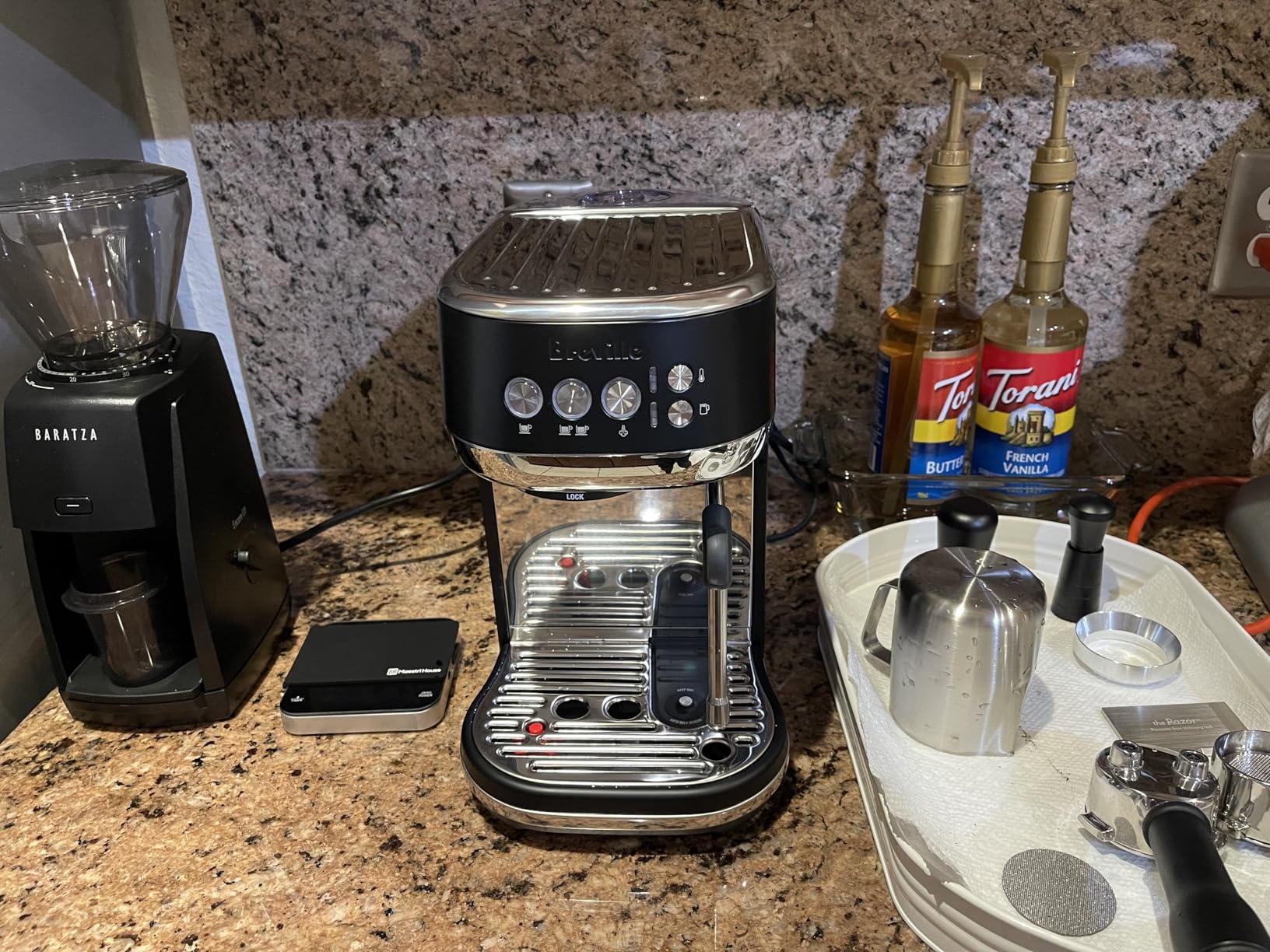
The Breville Bambino Plus has become a cult favorite in the espresso community, especially on Reddit where users frequently recommend pairing it with a standalone grinder for one of the best budget setups you can build. After testing it for three weeks, I can confirm that this tiny machine punches far above its weight class. The 3-second heat-up time is not an exaggeration. By the time you have finished grinding and tamping your dose, the Bambino is ready to go.
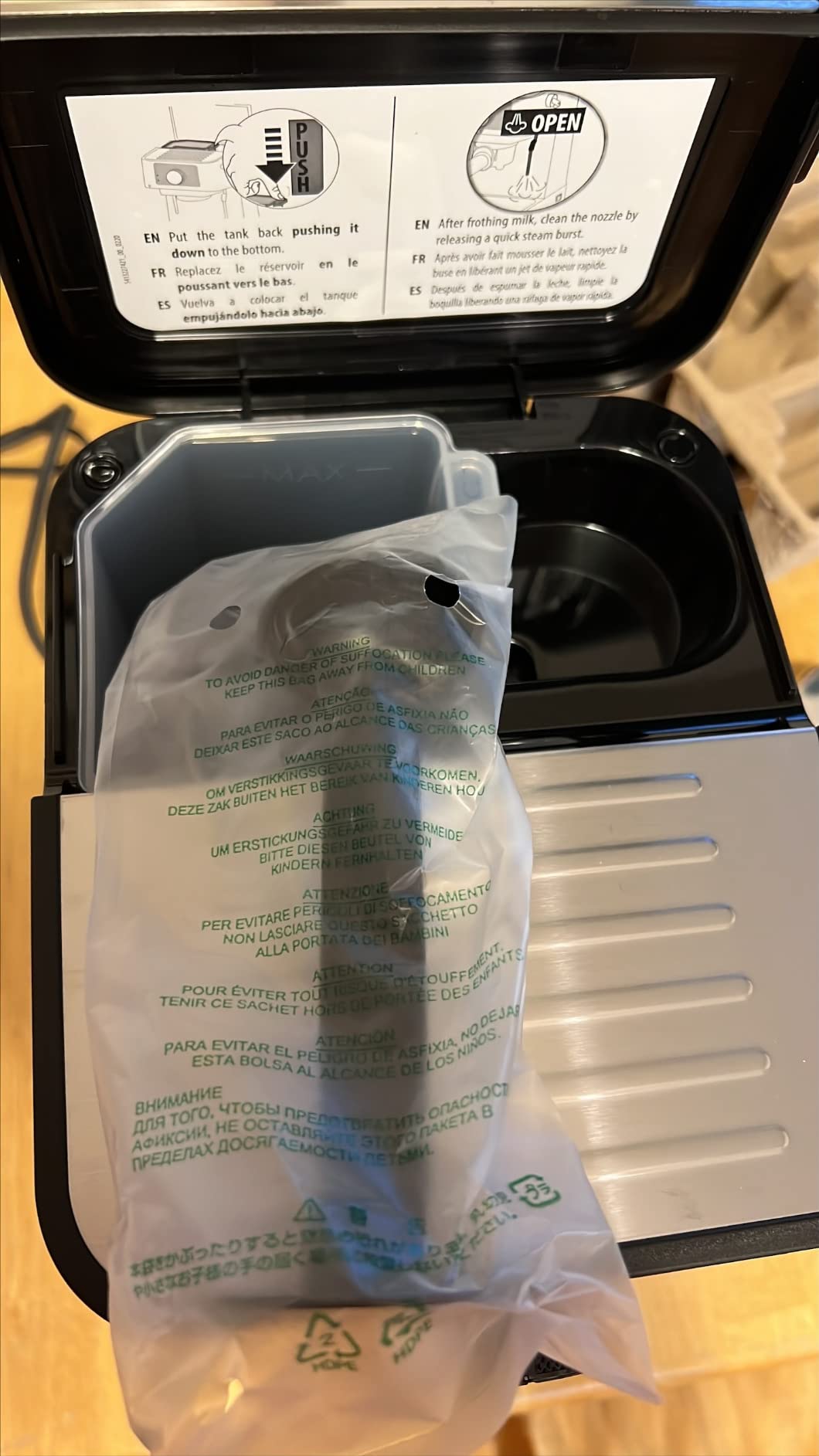
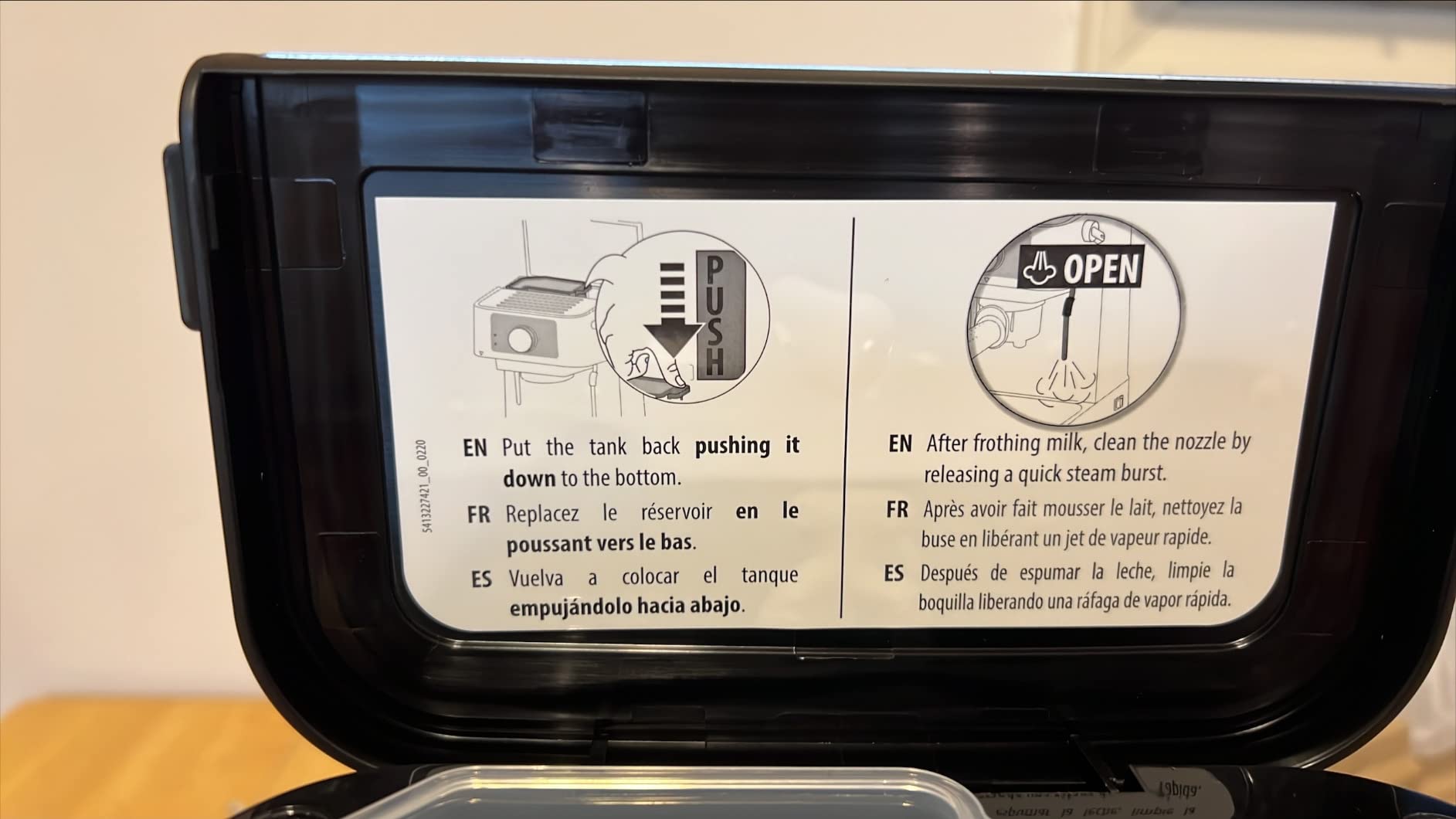
The automatic steam wand is what makes this machine special for milk drink lovers. You select your preferred milk temperature and foam level on the interface, submerge the wand, and press a button. The machine handles the rest, producing smooth, paint-like microfoam that is perfect for latte art. I have been making espresso drinks for years, and the Bambino Plus auto steam wand produces better foam than I can make manually on most machines.
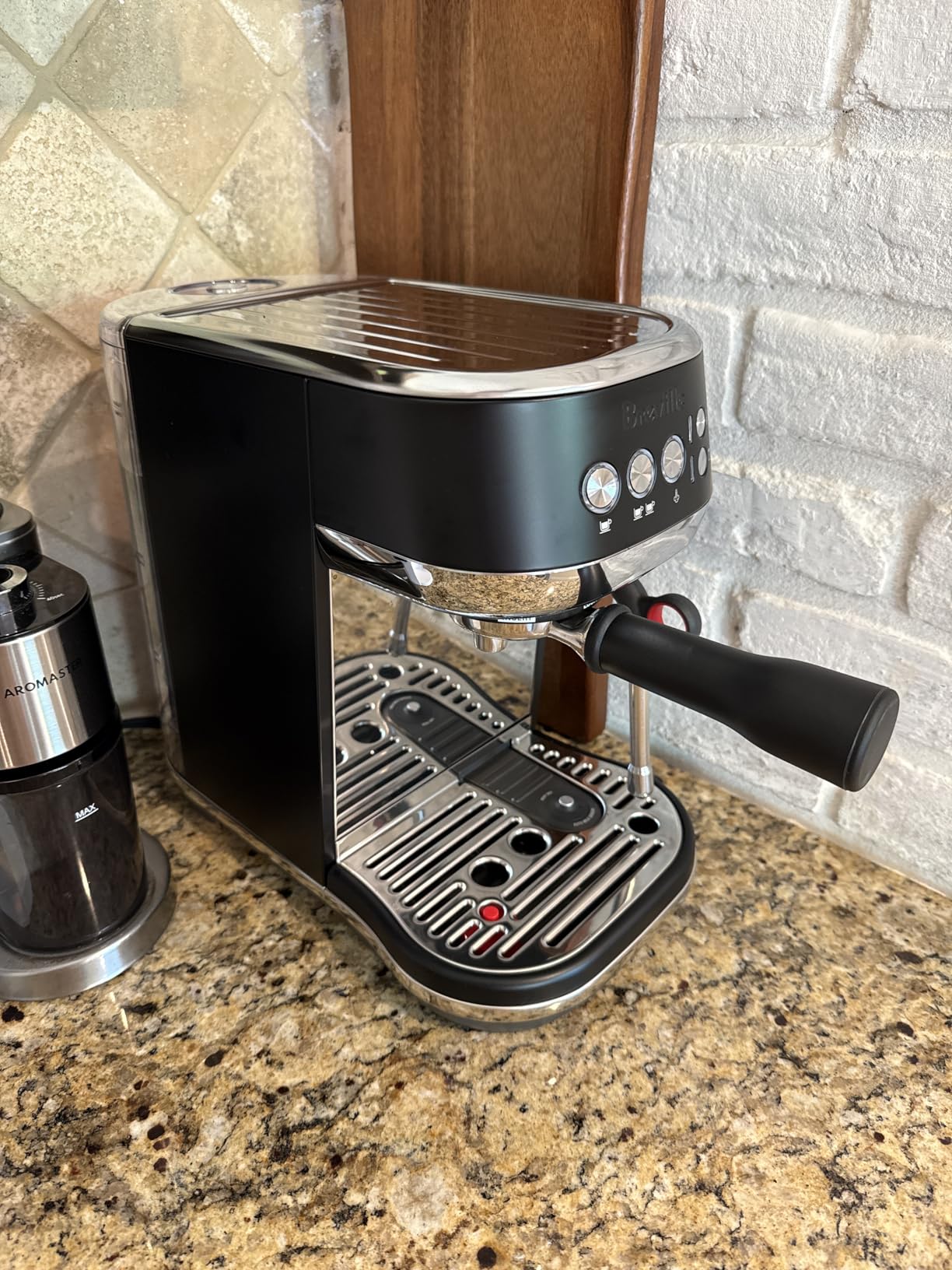
At just 7.7 inches wide and 11 pounds, this is one of the smallest and lightest machines on the list. It fits in spaces where nothing else will, including narrow apartment counters, office break rooms, and even RV kitchens. The 54mm portafilter holds up to 19 grams, which is generous for a machine this size and produces full-flavored extractions.
The downside of being lightweight is that the machine can slide around when you lock the portafilter into the group head. I found myself holding the machine steady with one hand while turning the portafilter with the other during the first week. The drip tray is also shallow and needs to be emptied daily with regular use. The auto-clean cycle on the steam wand works well but can occasionally splatter small amounts of milk.
Who Should Buy This Machine
The Bambino Plus is ideal for anyone who wants quality espresso in a compact form factor. If you live in a small apartment or have limited counter space, this machine gives you nothing up in shot quality while asking for very little real estate. It is also a fantastic choice for the office, where you want great coffee without a full espresso station setup.
The community consensus on r/espresso is to pair the Bambino Plus with a quality standalone grinder like the Baratza Encore ESP or the Fellow Ode. This combination gives you better grind quality than any machine with a built-in grinder at this price point, making it arguably the best value path to cafe-quality espresso at home.
What to Watch Out For
There is no built-in grinder, so you need to factor in the cost of a separate one. The machine also uses a 54mm portafilter, which means accessories and baskets are less widely available than the industry-standard 58mm size. The portafilter requires some force to lock in initially, which gets easier as the gasket breaks in but can be stiff out of the box.
The Bambino Plus has a relatively small water tank at 64 ounces. For most users this is fine, but if you make drinks for multiple people throughout the day, you will refill it more often than you might like. There is also no hot water dispenser, which means Americanos require you to heat water separately.
8. Philips 1200 Series – Best Super-Automatic for Beginners
Philips 1200 Series Fully Automatic Espresso Machine, Classic Milk Frother, 2 Coffee Varieties, Intuitive Touch Display, 100% Ceramic Grinder, AquaClean Filter, Aroma Seal, Black (EP1220/04)
1500W
100% Ceramic Grinder
Touch Display
AquaClean Filter
2 Coffee Varieties
Pros
- Fully automatic one-touch brewing
- 100% ceramic grinder runs cool and quiet
- AquaClean filter for up to 5000 cups without descaling
- Intuitive touch display
- Aroma Seal keeps beans fresh in hopper
Cons
- Initial shots can be weak until calibrated
- Grinder may not produce fine enough grounds for true espresso
The Philips 1200 Series is the most affordable fully automatic machine on this list and a solid entry point into the world of super-automatic espresso. You load beans, fill the water tank, and press a button. The machine handles grinding, dosing, tamping, brewing, and disposal of the spent puck automatically. For anyone who wants espresso without any manual process, this is the most accessible option under $1000.
The 100% ceramic grinder is a nice touch at this price point. Ceramic burrs stay cooler during grinding, which preserves the flavor compounds in your coffee beans better than steel burrs that generate heat. The grinder has 12 adjustable settings, which gives you enough range to experiment with different beans and roast levels.
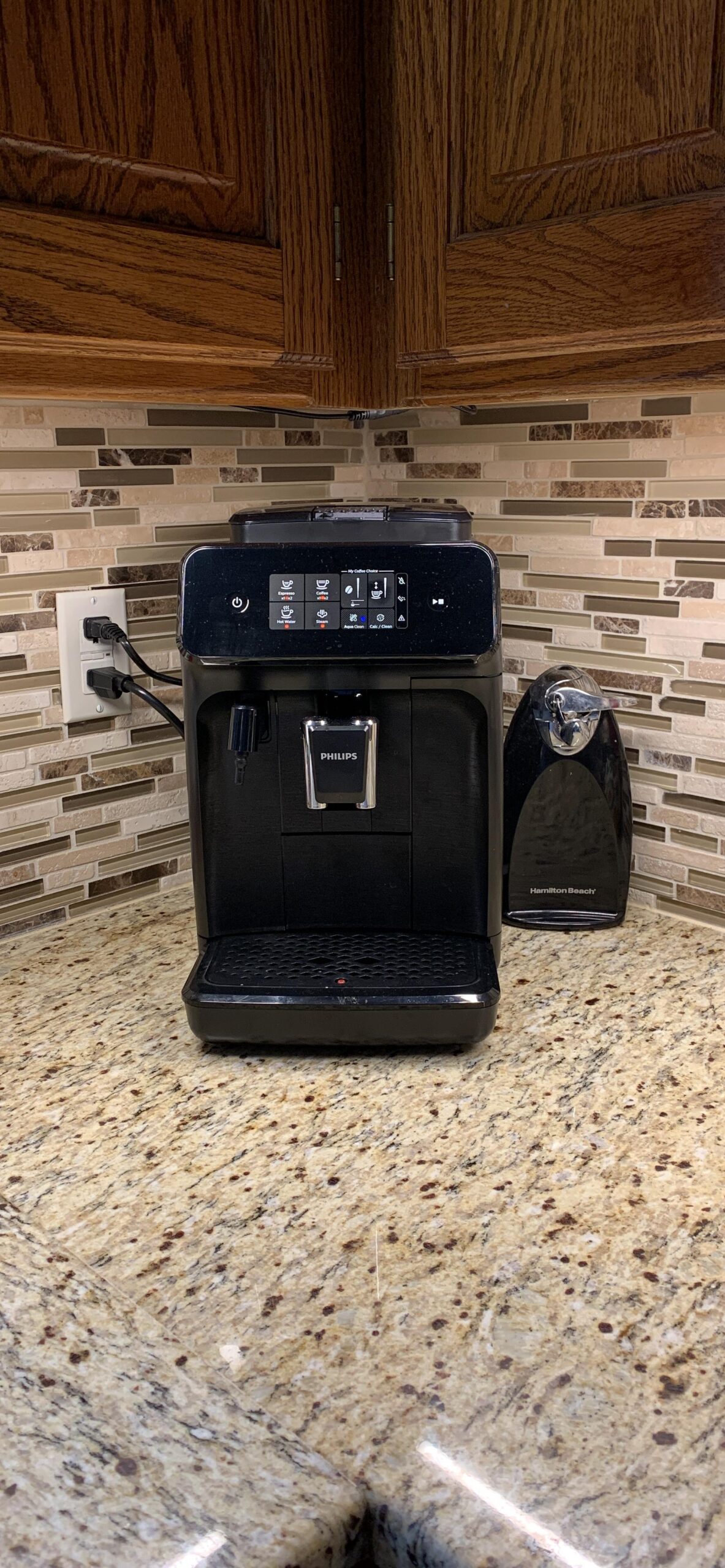
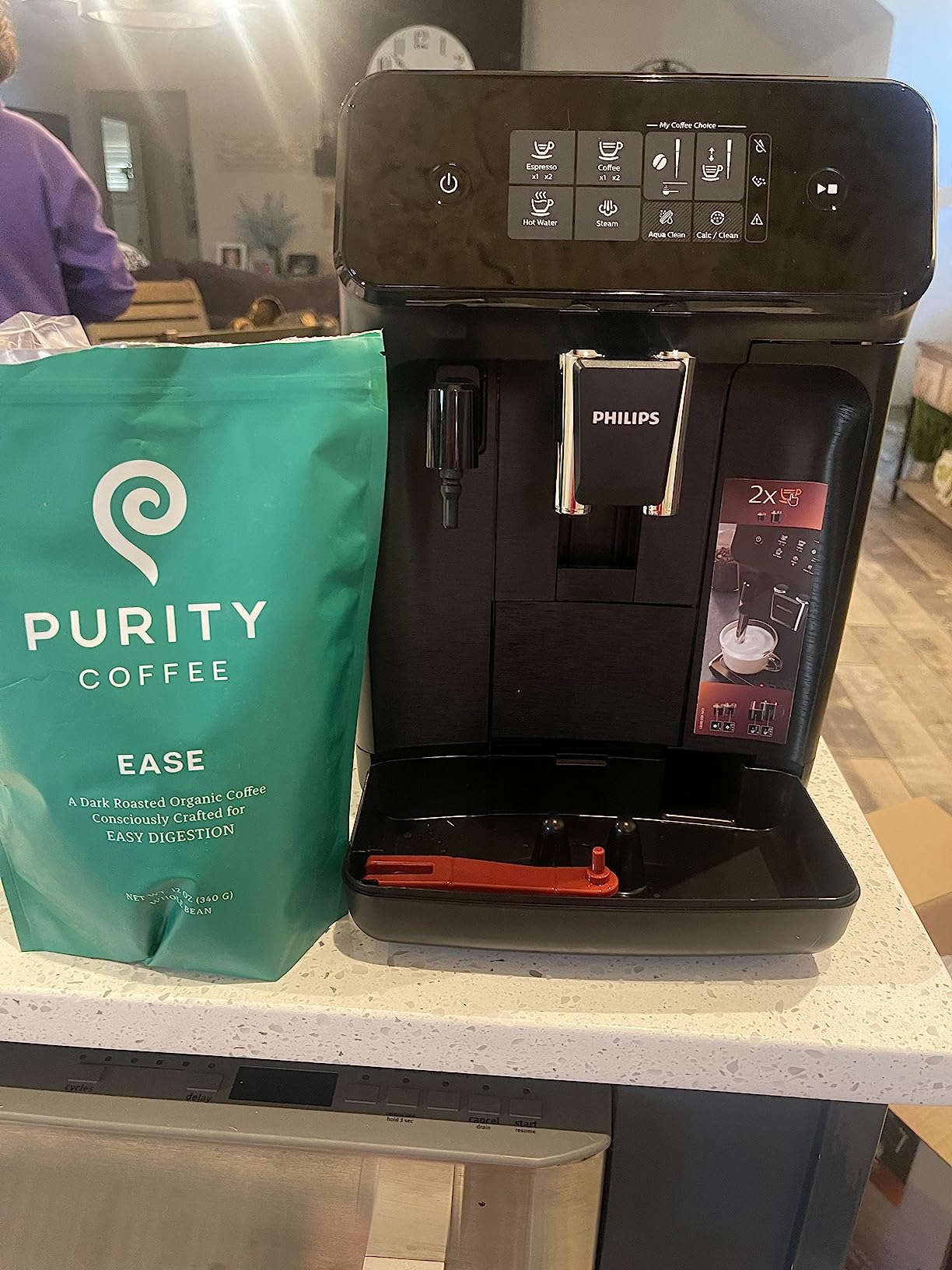
I spent two weeks with the 1200 Series as my daily machine, and the convenience factor is hard to overstate. Morning coffee went from a 10-minute ritual to a 90-second process. The touch display is intuitive and responsive, and the My Coffee Choice menu lets you adjust strength and volume without digging through complex menus.
The AquaClean filter system is worth highlighting because it dramatically reduces maintenance. With the filter installed, Philips claims you can brew up to 5,000 cups before needing to descale the machine. In practice, this means most users will go months or even over a year without thinking about descaling. For anyone who has neglected machine maintenance in the past, this feature alone removes the biggest pain point of espresso machine ownership.
The primary concern is that the espresso this machine produces is good but not great. The grinder does not always produce grounds fine enough for true espresso extraction, resulting in shots that are slightly thinner and less complex than what you get from a manual machine. The first five to ten cups after setup will also be weak as the machine calibrates. After that, results improve but never quite reach the level of a semi-automatic setup with a dedicated grinder.
Who Should Buy This Machine
The Philips 1200 Series is best for people who want espresso-based drinks at home without learning any technique. If you currently use a pod machine and want to upgrade to real beans without adding complexity, this is the most natural transition. It is also a good fit for offices or shared spaces where multiple people with different skill levels need to make coffee.
If you drink mostly milk-based drinks like lattes and cappuccinos, the classic milk frother system works well. The steam wand is manual but straightforward, and the Aroma Extract system maintains brewing temperature between 90 and 98 degrees Celsius for consistent results across different drink types.
What to Watch Out For
Be patient during the first week. The machine needs several brew cycles to calibrate, and your initial cups will not taste great. Use fresh, medium-roast beans for the best results with this machine. Dark roasts and oily beans can cause feeding issues in the grinder, and very light roasts may not extract well at the grind settings available.
The AquaClean filter is not always included in the box despite being advertised, so check the package contents before purchasing. The ceramic grinder is durable but not easily serviceable, meaning repairs typically go through Philips support. The machine is also one of the larger units on this list at 15 inches wide, so measure your counter space carefully.
Buying Guide: How to Choose the Right Espresso Machine Under $1000
Choosing between the machines on this list comes down to understanding a few key factors. I will walk you through the decisions that actually affect your daily coffee experience, not just the spec sheet numbers that manufacturers like to highlight.
Machine Type: Semi-Automatic vs Super-Automatic
This is the biggest decision you need to make. Semi-automatic machines like the Breville Barista Express and Gaggia Classic Pro give you hands-on control over grinding, dosing, and tamping. You learn the craft of espresso making, and the results can be exceptional once you develop your technique. Super-automatic machines like the Philips 5500 and 1200 Series handle everything at the push of a button. You trade some shot quality for massive convenience.
The right choice depends entirely on whether you enjoy the process of making espresso or just want the drink. There is no wrong answer. If your mornings are rushed, super-automatic is the way to go. If you find the ritual of making coffee relaxing, go semi-automatic.
Built-in Grinder vs Separate Grinder
Several machines on this list include built-in grinders, which is convenient and saves counter space. However, the r/espresso community consensus is that a dedicated standalone grinder almost always produces better results than a built-in one. The Barista Express grinder is the best of the built-in bunch, but even it cannot match a dedicated grinder in the same price range.
If you choose a machine without a built-in grinder like the Bambino Plus, Gaggia Classic Pro, or CASABREWS, budget roughly $100 to $200 for a quality burr grinder. The Baratza Encore ESP, Fellow Opus, and Turin DF40 are all excellent options that pair well with these machines.
Boiler Type and Temperature Stability
The boiler is the heart of an espresso machine, and the type matters more than most people realize. Single-boiler machines like the Gaggia Classic Pro can brew or steam, but not both at the same time. Thermoblock machines like the Bambino Plus heat up almost instantly but have less thermal mass for temperature stability. The Barista Express uses a thermocoil with PID control, which offers a good middle ground.
For most home users, PID temperature control is the feature to look for rather than obsessing over boiler type. PID ensures the water temperature stays within a degree or two of your target, which is the single biggest factor in consistent shot quality after grind size.
Countertop Footprint
This is rarely discussed in reviews but matters enormously in real kitchens. Measure your available counter space before buying. The Breville Bambino Plus is the most compact at 7.6 inches deep and 7.7 inches wide. The CASABREWS is the narrowest at 5.5 inches wide. On the other end, the Philips 1200 Series is 15 inches wide and the Philips 5500 is 14.6 inches wide. Also check the height under your cabinets, as several machines on this list are over 15 inches tall.
Milk Frothing: Manual vs Automatic
If you drink milk-based drinks regularly, pay attention to the milk frothing system. Manual steam wands like those on the Gaggia, De’Longhi Stilosa, and Barista Express give you the most control and the best results once you learn the technique. Automatic systems like the Bambino Plus steam wand and the Ninja Dual Froth handle the process for you with consistently good results. The Philips LatteGo system is the easiest to clean, which matters more than you think for daily use.
Maintenance and Long-Term Durability
Every espresso machine requires maintenance, but the type and frequency varies. Super-automatic machines automate most cleaning but have more complex internal systems that can be expensive to repair. Manual machines like the Gaggia Classic Pro are simpler and more serviceable, meaning you can handle many repairs yourself with basic tools. Consider how much time you are willing to spend on cleaning and descaling when making your choice.
FAQs
What is the best espresso machine under $1000 for home use?
The Breville Barista Express is the best overall espresso machine under $1000 for home use. It includes a built-in conical burr grinder, PID temperature control, and a manual steam wand for milk drinks. The all-in-one design means you do not need a separate grinder, making it the most convenient path to cafe-quality espresso at home. For a more hands-on experience, the Gaggia Classic Pro E24 paired with a standalone grinder is the community favorite on espresso forums.
What is widely considered the best espresso machine under $1000?
The Breville Barista Express and the Gaggia Classic Pro are the two machines most frequently recommended by both professional reviewers and the r/espresso community. The Barista Express wins on convenience with its built-in grinder and guided workflow. The Gaggia Classic Pro wins on build quality, serviceability, and long-term value. Both produce excellent espresso when paired with the right grind and technique.
Should I get an espresso machine with a built-in grinder or a separate one?
A separate burr grinder almost always produces better results than a built-in one, according to the espresso community on Reddit. However, built-in grinders are more convenient and save counter space. If you are just starting out, a machine with a built-in grinder like the Breville Barista Express or Ninja Luxe Cafe is perfectly adequate. As your skills develop, you can upgrade to a standalone grinder later.
Is an espresso machine under $1000 worth it?
Yes, an espresso machine under $1000 is absolutely worth it if you currently spend $5 or more per day on coffee shop drinks. Most machines on this list pay for themselves within 3 to 6 months of daily use. Machines like the Gaggia Classic Pro and Breville Barista Express produce shots that rival or exceed what you get at many coffee shops, especially when paired with fresh, quality beans.
Final Thoughts on the Best Espresso Machines Under $1000
After testing all eight machines on this list, my top recommendation for most people is the Breville Barista Express. The built-in grinder, PID temperature control, and pressure gauge make it the most complete all-in-one package in this price range. It is the machine I would buy for a friend who is getting into espresso for the first time.
For buyers who care about longevity and serviceability, the Gaggia Classic Pro E24 is the clear winner. It is a machine you can maintain, repair, and upgrade for years. Pair it with a good grinder and you have a setup that produces shots on par with machines costing several times more.
If convenience is your top priority, the Philips 5500 Series with the LatteGo milk system is the way to go. Press a button, get a latte. The easy-clean milk system removes the biggest barrier to daily use, and 20 preset drinks cover every coffee style you could want.
The best espresso machines under $1000 in 2026 offer a remarkable range of options, from bare-bones learning tools to fully automated drink factories. Whatever your skill level and morning routine, there is a machine on this list that will make your daily coffee better. Pick the one that matches how much time and effort you want to spend, buy fresh beans, and start pulling shots.