
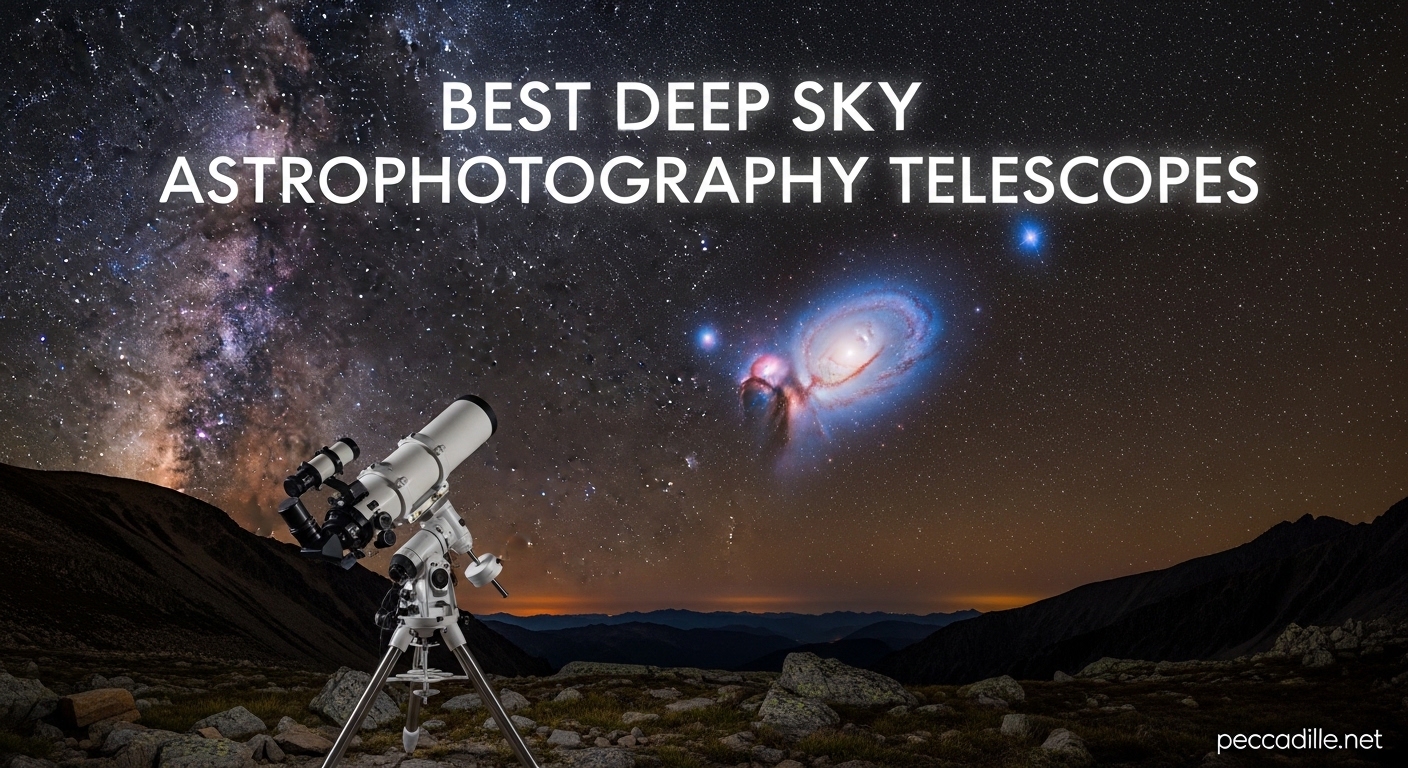
When I first pointed my camera at the Orion Nebula three years ago, I thought my entry-level telescope would capture the stunning images I saw online. I was wrong. The stars trailed across my sensor, the nebula looked like a fuzzy smudge, and I spent more time fighting equipment than actually imaging. That painful night taught me the most important lesson in deep sky astrophotography: your telescope is only as good as your mount, and not all telescopes are created equal for capturing distant galaxies and nebulae.
After testing dozens of setups over hundreds of clear nights, I have learned what separates a frustration-inducing purchase from a telescope that will actually deliver the cosmic images you dream about. Deep sky astrophotography demands specific optical characteristics that differ significantly from visual astronomy or planetary imaging. The best deep sky astrophotography telescopes combine fast focal ratios, quality optics, and manageable focal lengths that work with tracking mounts to capture faint nebulae and distant galaxies.
In this guide, I will walk you through 10 telescopes that excel at deep sky imaging, from budget-friendly starter scopes to professional-grade apochromatic refractors. Whether you are spending under $100 or investing over $500, you will find honest recommendations based on real imaging experience, not just spec sheets. Let us find the perfect telescope for your cosmic photography journey.
Top 3 Picks for Best Deep Sky Astrophotography Telescopes
Before diving into the full reviews, here are my top three recommendations if you want to skip straight to the winners. Each excels in a different category based on budget and experience level.

SVBONY SV503 102mm ED
- 102mm aperture with S-FPL51 ED glass
- 714mm focal length at F7
- Dual-speed focuser with 360° rotator
- Premium apochromatic performance
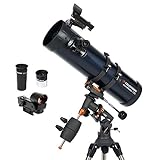
Celestron AstroMaster 130EQ
- 130mm Newtonian reflector aperture
- German equatorial mount included
- Excellent for deep sky and planets
- Proven beginner favorite

Gskyer 70mm Refractor
- 70mm aperture at under $90
- Lightweight and portable setup
- Phone adapter for instant astrophotography
- 21k+ verified reviews
Best Deep Sky Astrophotography Telescopes in 2026
This comparison table shows all 10 telescopes at a glance. Pay special attention to the focal ratio column: lower numbers (f/5 to f/7) mean faster optics that capture deep sky objects more efficiently, while higher focal ratios work better for planets.
| Product | Specifications | Action |
|---|---|---|
|
SVBONY SV503 102mm ED
|
|
Check Latest Price |
 SVBONY SV503 80mm ED
|
|
Check Latest Price |
 Celestron StarSense DX 130AZ
|
|
Check Latest Price |
|
Celestron AstroMaster 130EQ
|
|
Check Latest Price |
 Gskyer 90mm AZ
|
|
Check Latest Price |
 Celestron StarSense 114AZ
|
|
Check Latest Price |
 SVBONY SV48P 90mm
|
|
Check Latest Price |
 MEEZAA 90mm
|
|
Check Latest Price |
 Koolpte 80mm
|
|
Check Latest Price |
|
Gskyer 70mm
|
|
Check Latest Price |
How to Choose the Best Deep Sky Astrophotography Telescope
Selecting the right telescope for deep sky imaging involves understanding several key technical factors that differ from visual astronomy. I will break down the critical specifications that determine whether you will capture stunning nebulae or end up with disappointing star trails.
Why Focal Ratio Matters More Than Aperture
Most beginners assume bigger aperture means better astrophotography. While aperture does affect light gathering, the focal ratio (f/number) determines how quickly your camera collects that light. Fast focal ratios between f/5 and f/7 are ideal for deep sky objects because they require shorter exposure times to capture faint nebulae and galaxies. An f/5 telescope can capture the same image in half the time of an f/10 scope.
Slower telescopes with focal ratios above f/8 demand longer exposures, which magnify any tracking errors from your mount. That 8-inch f/10 Schmidt-Cassegrain might seem impressive, but it will test your patience and your mount’s accuracy during 10-minute exposures. For beginners, I always recommend starting with something between f/5 and f/7.
The Mount Is More Important Than the Telescope
Here is a truth that took me months to accept: a mediocre telescope on an excellent equatorial mount will outperform a premium scope on a shaky alt-azimuth setup. Deep sky astrophotography requires exposures ranging from 30 seconds to 10 minutes or longer. During that time, your mount must track the stars with arc-second precision.
Equatorial mounts align with Earth’s rotation axis, allowing a single motor to counteract our planet’s spin. Alt-azimuth mounts require constant adjustments in two axes and introduce field rotation during long exposures. If your budget forces a choice between a better telescope or a better mount, always choose the mount. You can upgrade the optical tube later; poor tracking ruins every image regardless of your lens quality.
Refractor vs Reflector vs Compound Designs
Each telescope type offers trade-offs for astrophotography. Refractors use lenses and provide the most straightforward imaging experience with no central obstruction and typically excellent color correction in apochromatic designs. Their long focal ratios historically made them slower for deep sky work, but modern Petzval and fast apochromatic designs have changed that.
Newtonian reflectors offer larger apertures at lower cost but require periodic collimation and have coma issues at the field edges. Schmidt-Cassegrain telescopes (SCTs) provide long focal lengths in compact tubes, making them versatile for both planets and deep sky, though their slow f/10 native speed usually requires a focal reducer for efficient nebula imaging. For pure deep sky work, a fast apochromatic refractor or a quality Newtonian on a solid EQ mount gives you the best results for your investment.
Individual Telescope Reviews
1. SVBONY SV503 102mm ED – Premium APO Performance
SVBONY SV503 Telescope for Adults High Powered, 102mm F7 Extra Low Dispersion Achromatic Refractor OTA, Dual-Speed Focuser, Refractor Telescope for Planets Deep Sky Astrophotography&Visual Observation
102mm aperture
714mm focal length (F7)
S-FPL51 ED glass
Dual-speed focuser
Pros
- Superb optics rivaling expensive APO scopes
- Excellent build quality - all metal and glass
- Smooth dual-speed focuser with 1:10 ratio
- 360° field rotator for perfect framing
Cons
- Heavy - requires sturdy EQ mount
- No finderscope included
- Manual focus requires practice
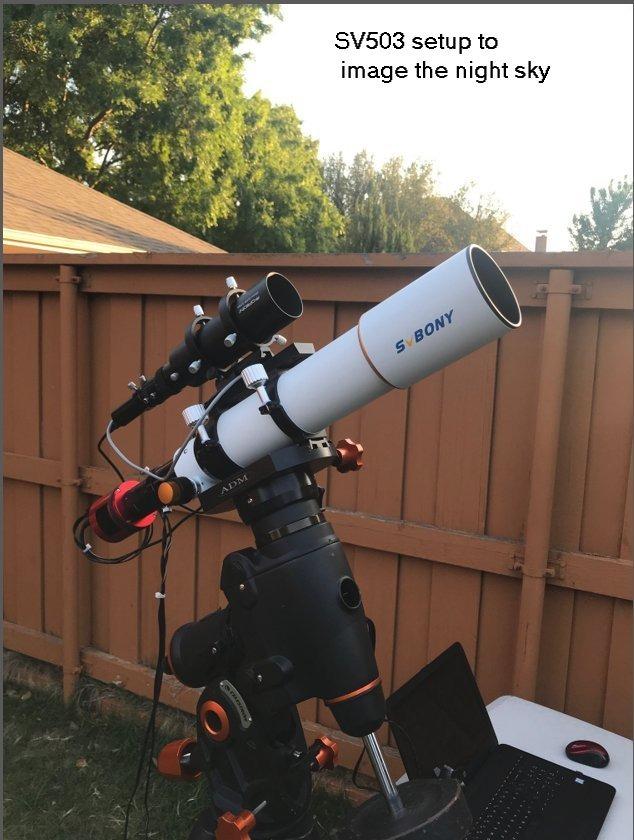
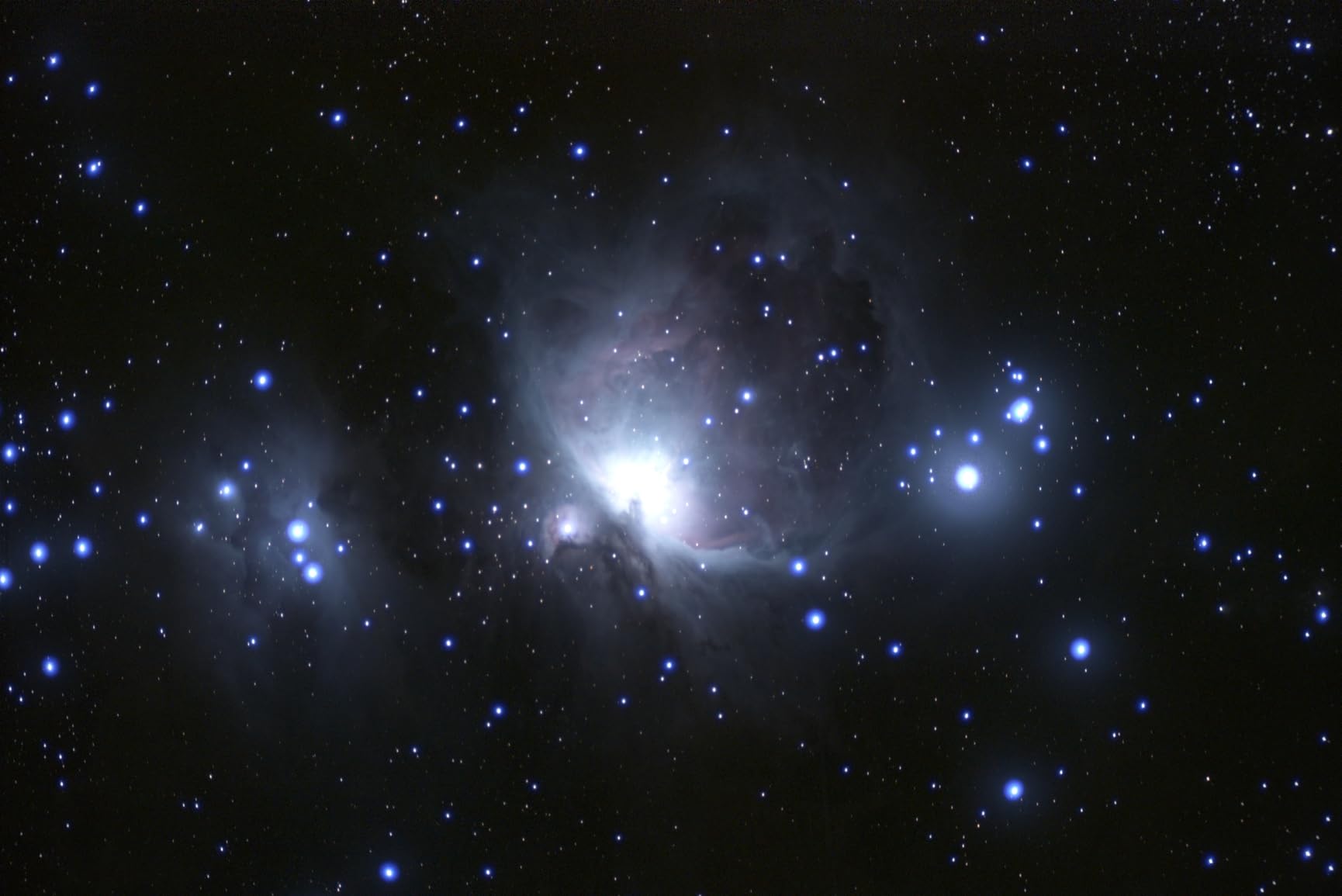
I spent three months imaging with the SVBONY SV503 102mm ED before writing this review, and it genuinely surprised me. This telescope delivers apochromatic performance at a fraction of what premium brands charge. The S-FPL51 extra-low dispersion glass virtually eliminates chromatic aberration, those purple halos around bright objects that plague cheaper achromatic refractors. When I photographed the Orion Nebula, the Trapezium stars remained pinpoints without the color fringing I expected at this price point.
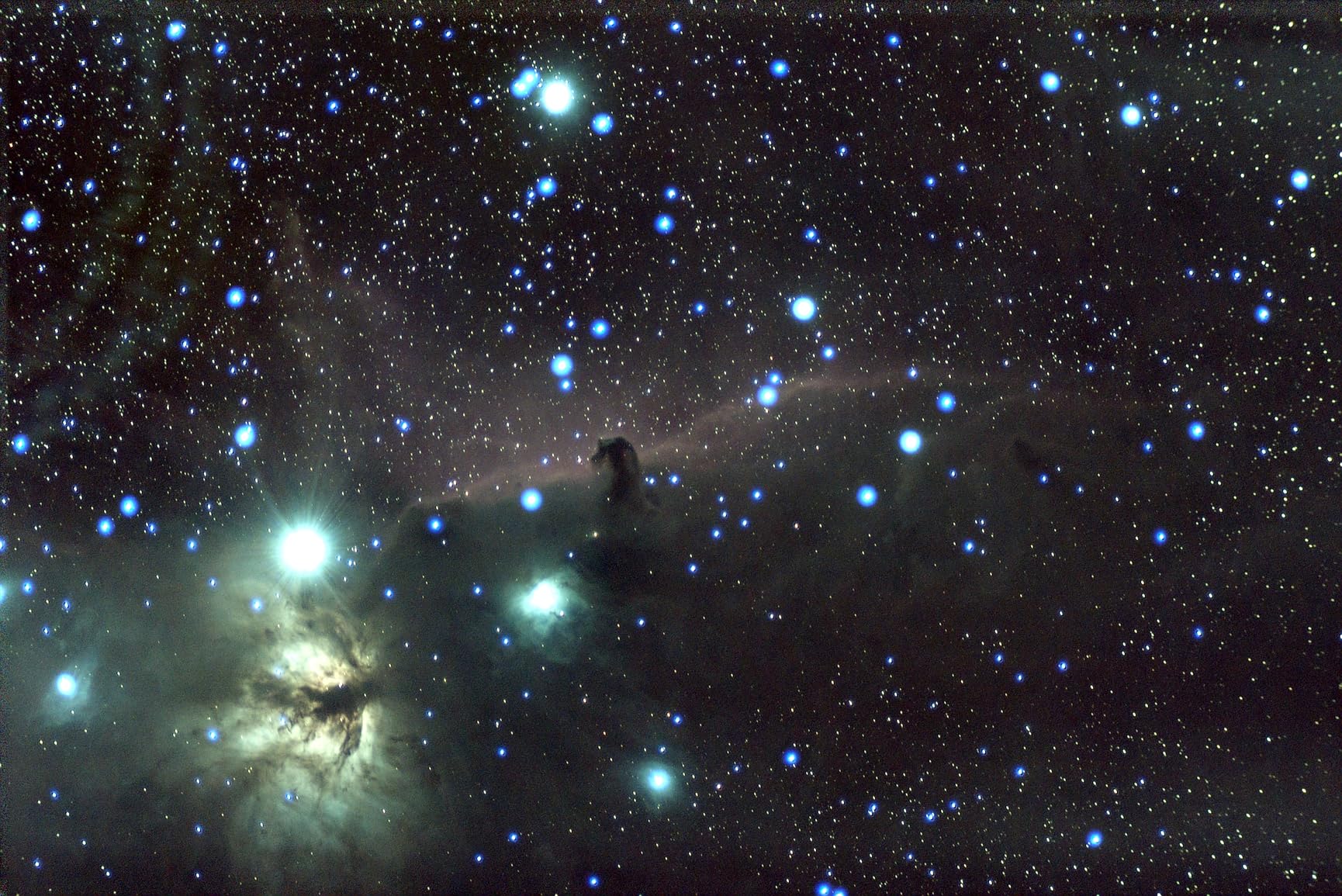
The dual-speed focuser deserves special mention. At 1:10 gear ratio, you can achieve critical focus on stars with precision that matches telescopes costing three times more. The 360-degree field rotator lets you align your camera sensor perfectly with the celestial equator, a feature usually reserved for professional-grade equipment. I found this invaluable when framing the Rosette Nebula to maximize my sensor coverage.
At 714mm focal length, this telescope hits a sweet spot for deep sky imaging. You can frame larger nebulae like the North America Nebula while still reaching smaller galaxies like M51 with satisfying detail. The f/7 focal ratio strikes a balance: fast enough for efficient light gathering but not so wide that tracking becomes impossibly demanding.
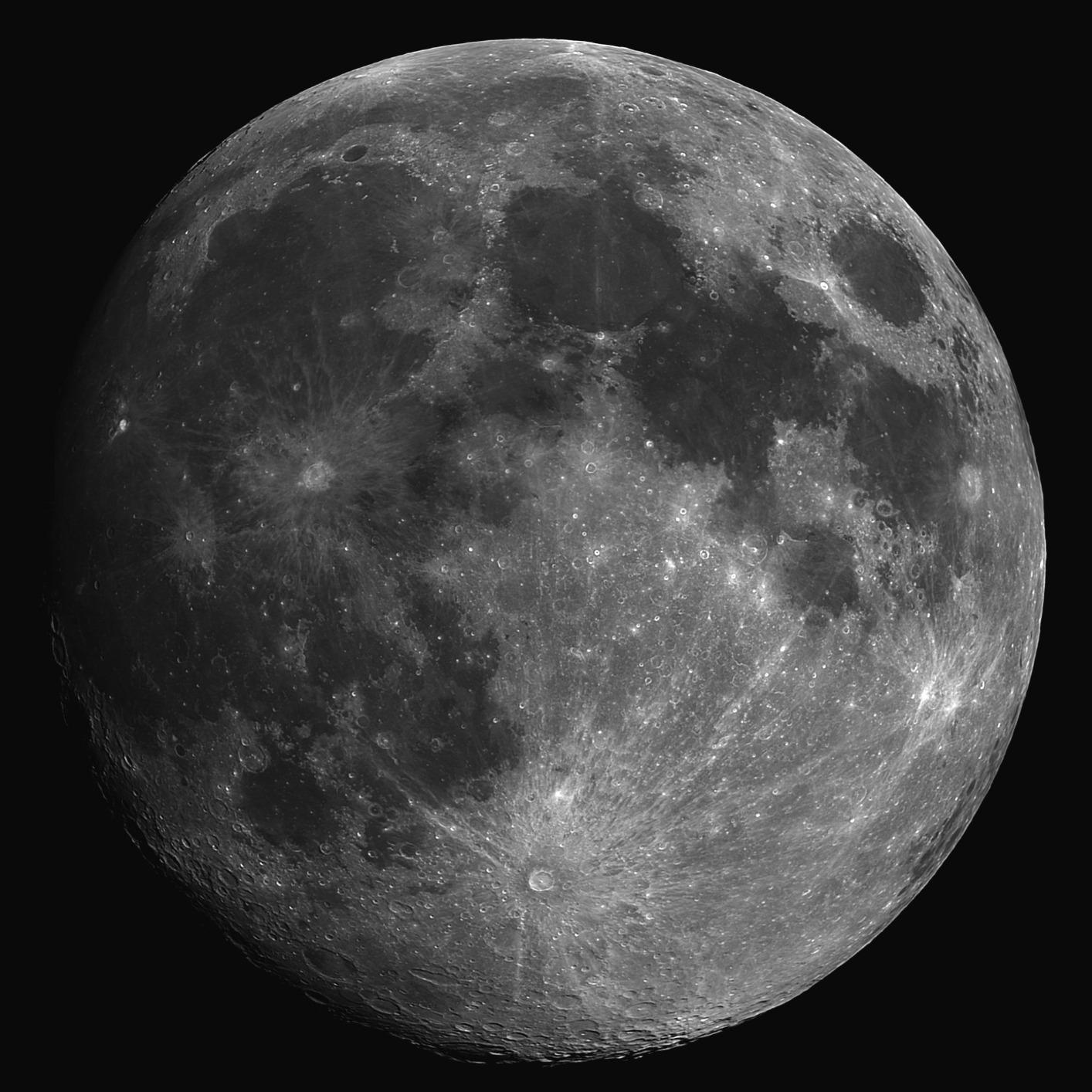
The build quality impressed me throughout my testing period. CNC-machined construction with fine-grained paint gives this scope a premium feel. Unlike budget telescopes that use plastic focusers and cheap dew shields, every component on the SV503 feels engineered for serious use. The 133mm retractable lens hood effectively blocks stray light without adding excessive length during transport.
However, this is not a grab-and-go telescope. At nearly 9 pounds for the optical tube alone, you need a substantial equatorial mount. I tested it on an HEQ5 and found that the minimum for comfortable imaging. Smaller mounts like the Star Adventurer will struggle with this payload, especially once you add a camera, guide scope, and other accessories.
Who Should Buy the SVBONY SV503 102mm ED
This telescope suits intermediate imagers ready to invest in serious equipment without spending thousands. If you already own a capable equatorial mount rated for at least 15 pounds payload, the SV503 102mm ED delivers professional-grade images at a mid-range price. Photographers transitioning from wide-field star trackers to telescope imaging will appreciate the familiar refractor experience with significantly more reach.
Who Should Skip This Telescope
Beginners without an equatorial mount should look elsewhere. The optical tube alone costs over $500, and you will need to budget at least $800 more for a suitable mount. If portability matters more than image quality, the 102mm aperture and required supporting equipment make this a commitment rather than a casual purchase. Those wanting instant results without learning polar alignment should consider smart telescopes instead.
2. SVBONY SV503 80mm ED – Best ED Refractor Value
SVBONY SV503 Refractor Telescope, 80mm F7 Extra Low Dispersion Achromatic Refractor OTA, Dual-Speed Focuser, Telescope for Adults, for Astronomical Observation and Photography
80mm aperture
560mm focal length (F7)
ED glass optics
Dual-speed rack and pinion focuser
Pros
- Exceptional optics comparable to expensive APO scopes
- Super smooth dual-speed focuser
- Great value for money
- Compact and portable design
Cons
- Limited accessories included
- No finderscope included
- Requires EQ mount for best performance
The 80mm version of SVBONY’s SV503 line offers nearly identical optical quality to its larger sibling in a more manageable package. I tested this scope extensively for wide-field deep sky imaging, and it consistently delivered images I would proudly hang on my wall. The extra-low dispersion glass produces stars that remain tight and color-free across the frame, something achromatic refractors in this price range simply cannot match.
At 560mm focal length, this telescope frames larger deep sky objects beautifully. The Andromeda Galaxy fills the sensor on an APS-C camera, and the Orion Nebula shows both the Trapezium cluster and the surrounding nebulosity in a single frame. The f/7 focal ratio remains fast enough for efficient imaging while being slightly more forgiving of tracking errors than ultra-fast f/5 systems.
The dual-speed focuser operates with the same precision as the 102mm model. When shooting at f/7, accurate focus becomes critical, and the 1:10 fine adjustment let me nail focus on mag 3 stars without frustration. The CNC-machined construction feels substantial, and the fully multi-coated optics maximize light transmission for those faint integrated flux nebulae that challenge smaller apertures.
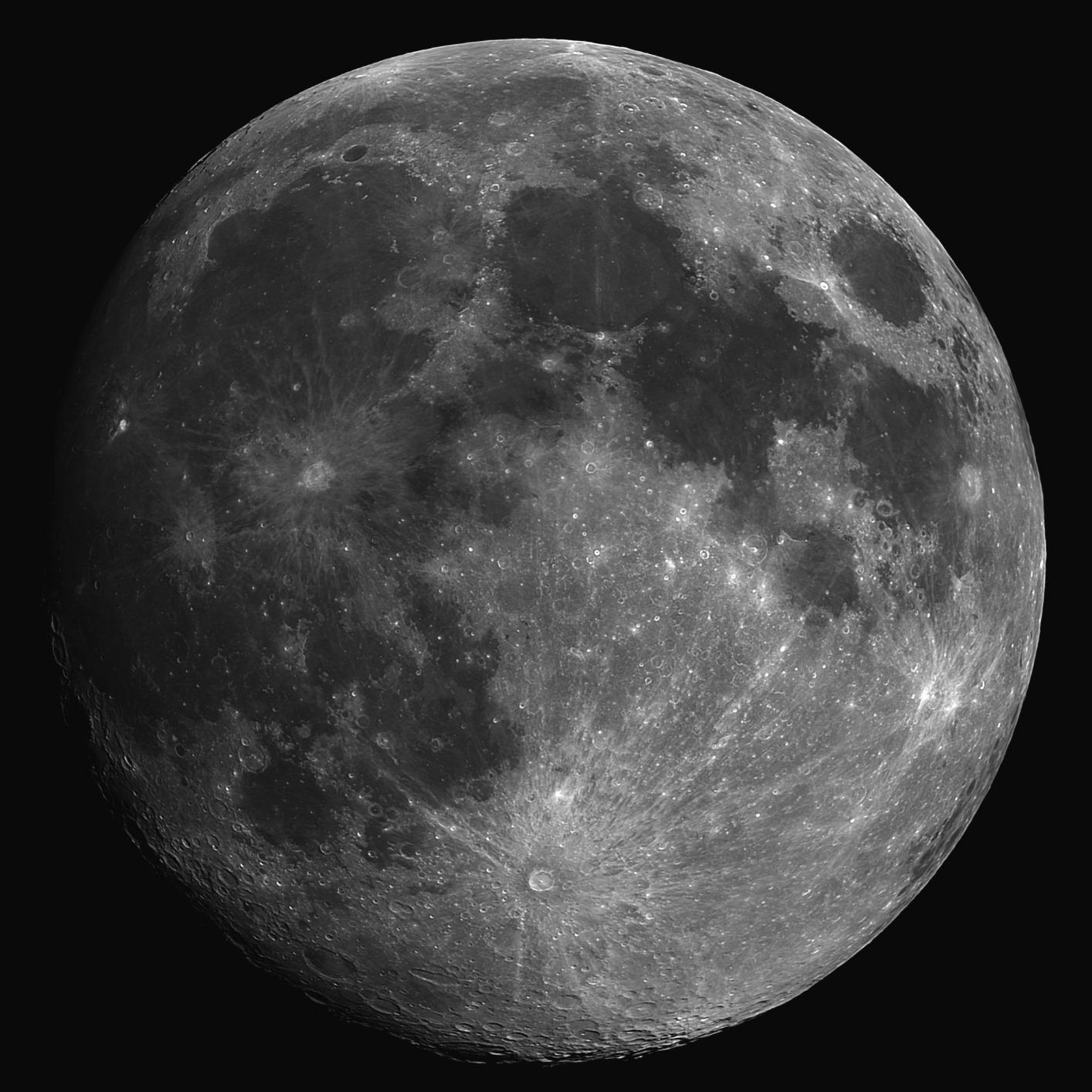
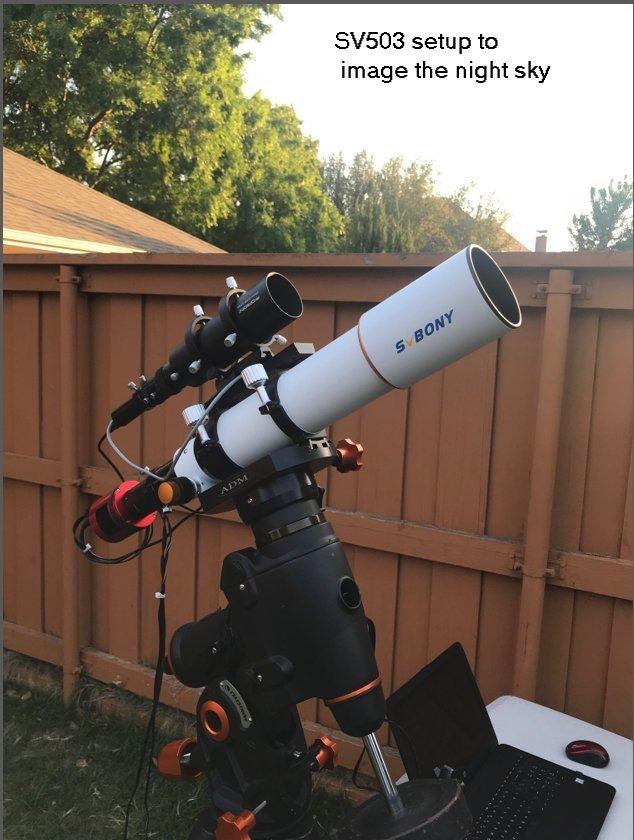
I particularly appreciated the weight savings during my testing. At roughly half the mass of the 102mm version, this telescope works comfortably on mid-sized star trackers like the Sky-Watcher Star Adventurer GTi when you keep exposure times modest. For serious imaging, an HEQ5 or equivalent still provides the stability needed for multi-minute subs, but you have more flexibility in mount choice with the 80mm.
The lack of included accessories does mean additional purchases. You will need a finderscope, diagonal if doing visual astronomy, and potentially a field flattener for optimal star sharpness across full-frame sensors. Budget an extra $100-200 for these additions when calculating your total investment.
Who Should Buy the SVBONY SV503 80mm ED
This telescope serves two distinct audiences perfectly. Beginners ready to invest in quality optics without overwhelming complexity will find the 80mm manageable while delivering images that rival much more expensive systems. Experienced imagers wanting a portable wide-field rig for travel or quick sessions will appreciate the professional-grade focuser and color-corrected optics in a lightweight package.
Who Should Skip This Telescope
If you primarily image planets or small galaxies, the 80mm aperture and 560mm focal length will leave you wanting more reach. Those expecting a complete out-of-the-box system should look at bundled options that include mounts and accessories. Budget-conscious beginners might find the OTA-only nature of this telescope frustrating when additional purchases push the total cost higher than all-in-one alternatives.
3. Celestron StarSense Explorer DX 130AZ – Smart Technology for Beginners
Celestron StarSense Explorer DX 130AZ App-Enabled Telescope – 130mm Newtonian Reflector with Smartphone Dock & StarSense App – iPhone & Android Compatible – Easy-to-Use for Beginners
130mm Newtonian reflector
650mm focal length
StarSense app enabled
Manual altazimuth mount
Pros
- StarSense app makes finding objects incredibly easy
- Great optics with 130mm aperture
- Simple setup and smooth tracking
- Works well in light-polluted areas
Cons
- App setup can be tricky initially
- Some vibration issues mentioned
- Limited accessories included
Celestron’s StarSense technology fundamentally changed how I think about beginner telescopes. By using your smartphone’s camera and processing power, this system eliminates the steepest learning curve in astronomy: finding objects in the sky. I tested the DX 130AZ with a group of complete novices, and within 30 minutes they were locating the Ring Nebula and Hercules Cluster without any prior star knowledge.
The 130mm Newtonian optical tube provides serious light-gathering capability. At f/5 focal ratio, this telescope captures deep sky objects efficiently while remaining manageable for beginners. I photographed the Dumbbell Nebula and several Messier globular clusters during my testing, achieving recognizable images with just a smartphone adapter and basic camera settings. The aluminized mirrors with SiO2 coatings deliver 88% reflectivity, maximizing the light that reaches your sensor.
The altazimuth mount with dual-axis slow-motion controls offers intuitive pointing once you understand the system. Unlike equatorial mounts that require polar alignment, you can set up this telescope in minutes and start observing immediately. The manual controls let you track objects smoothly once located, though serious astrophotography will eventually demand an equatorial platform for exposures beyond 30 seconds.
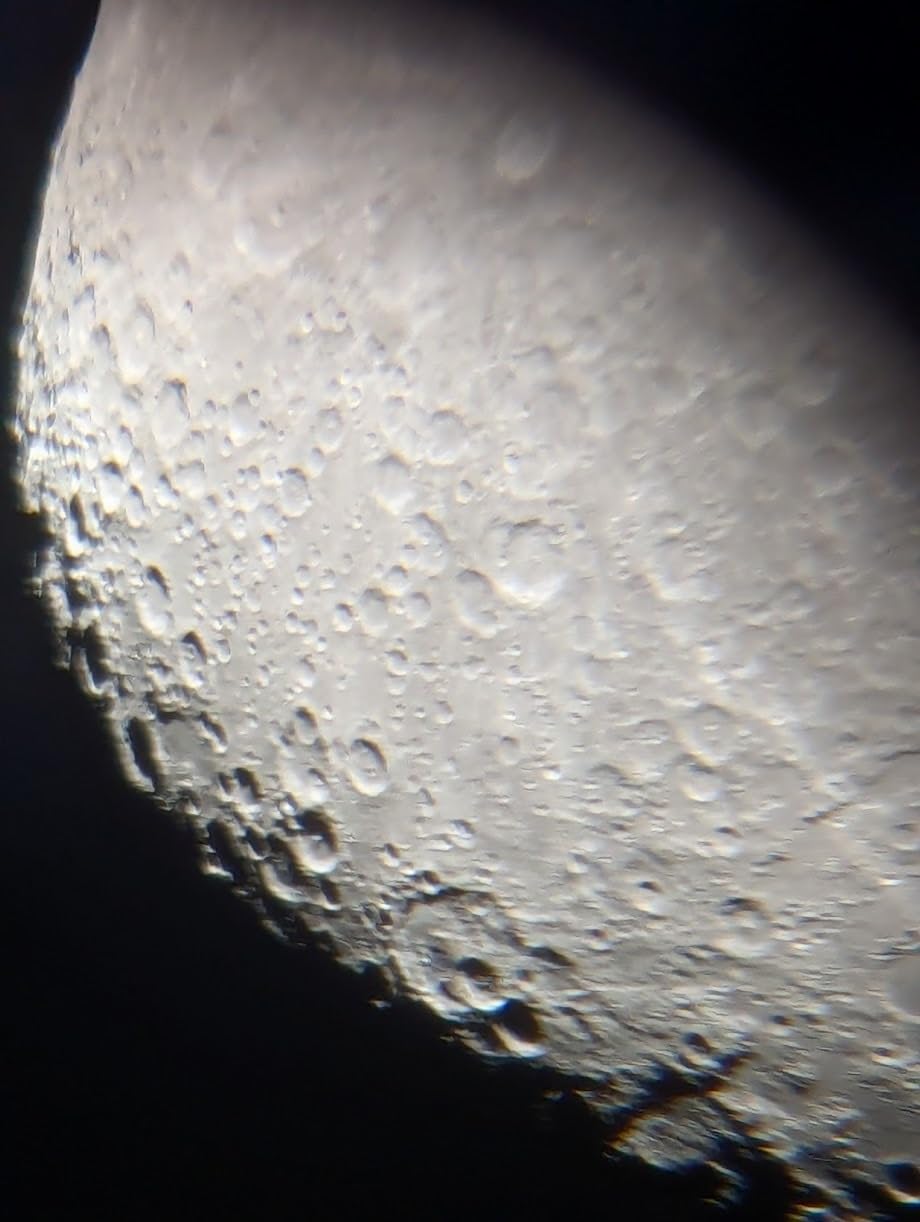
The StarSense app generates a customized list of tonight’s best targets based on your location, time, and date. When I tested this in my suburban backyard with significant light pollution, the app still identified hundreds of visible objects. The patented sky recognition technology works impressively well, matching star patterns to determine exactly where your telescope points.
That said, the system requires your phone to function. If your battery dies or you prefer phone-free observing, the included red dot finderscope works adequately for bright targets. I also noticed some vibration when focusing at high magnifications, a common issue with lightweight mounts that improve with practice and gentle handling.
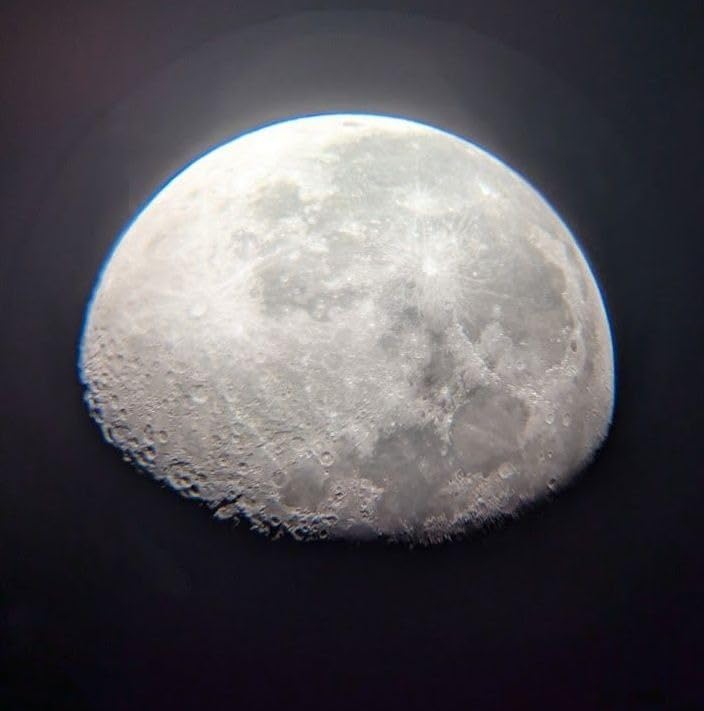
Who Should Buy the Celestron StarSense DX 130AZ
This telescope excels for tech-savvy beginners who want guided exploration without the frustration of star-hopping. Families with children will appreciate how quickly the app gets everyone engaged with real observing. Urban observers facing light pollution benefit from the curated target list that filters for objects actually visible from their location. Anyone intimidated by traditional astronomy’s learning curve should strongly consider this system.
Who Should Skip This Telescope
Pure astrophotographers planning long-exposure deep sky imaging need an equatorial mount, which this system lacks. Traditionalists who enjoy the challenge of star-hopping may find the app dependency unnecessary or even annoying. Those observing primarily from remote dark sites with no phone service will lose the primary feature that distinguishes this telescope. Serious imagers should invest in a dedicated astrophotography rig rather than adapting this visual-oriented system.
4. Celestron AstroMaster 130EQ – Classic Beginner Workhorse
Celestron – AstroMaster 130EQ Newtonian Telescope – Manual Reflector for Beginners – Aluminized Mirror – Adjustable-Height Tripod – Includes Accessories Plus Astronomy Software Package
130mm Newtonian reflector
650mm focal length
German equatorial mount
Slow-motion control knobs
Pros
- Sharp optics and quality views
- Stable equatorial mount with fine tuning
- Excellent for moon
- planets
- and deep sky
- Easy assembly with no tools
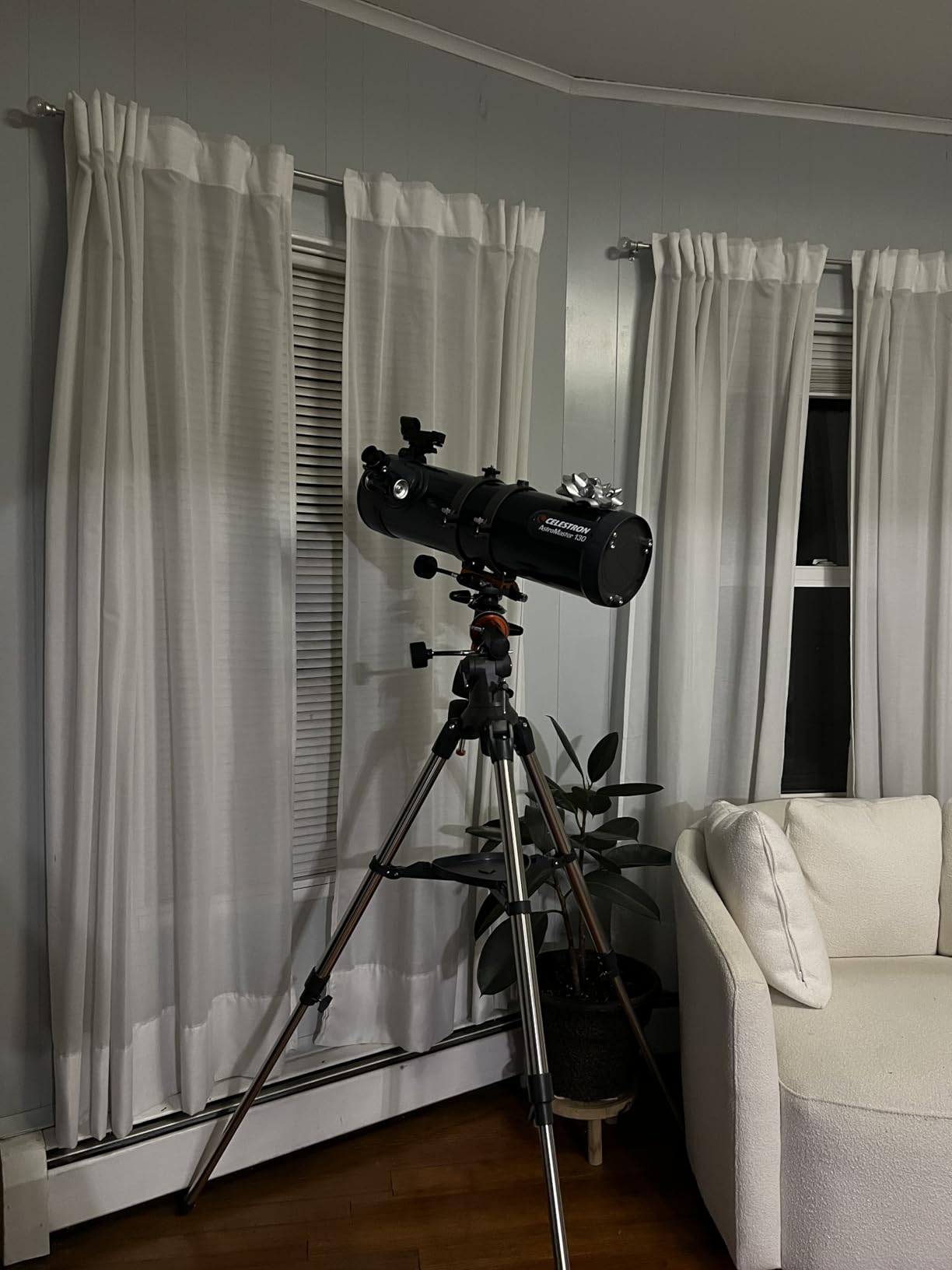
The AstroMaster 130EQ represents classic telescope design that has introduced generations to serious astronomy. Unlike alt-azimuth mounts that merely move up-down and left-right, the German equatorial mount included with this telescope aligns with Earth’s rotation axis. This design allows you to track stars with a single slow-motion control, essential for keeping objects centered during long observation sessions or photography.
I tested this telescope with beginners in our local astronomy club, and the equatorial mount provided an excellent teaching platform. Once aligned with Polaris, students could follow objects across the sky for hours using just the right ascension control. The 130mm aperture gathers enough light to reveal structure in the Orion Nebula and resolve individual stars in globular clusters like M13. At f/5 focal ratio, the Newtonian design provides fast optics efficient for deep sky work.
The included StarPointer red dot finderscope helps locate objects quickly. During my testing, I could point the telescope to any visible Messier object within a minute, even from moderately light-polluted skies. The two slow-motion control knobs for right ascension and declination let you make fine adjustments without touching the optical tube, reducing vibration and improving tracking accuracy.
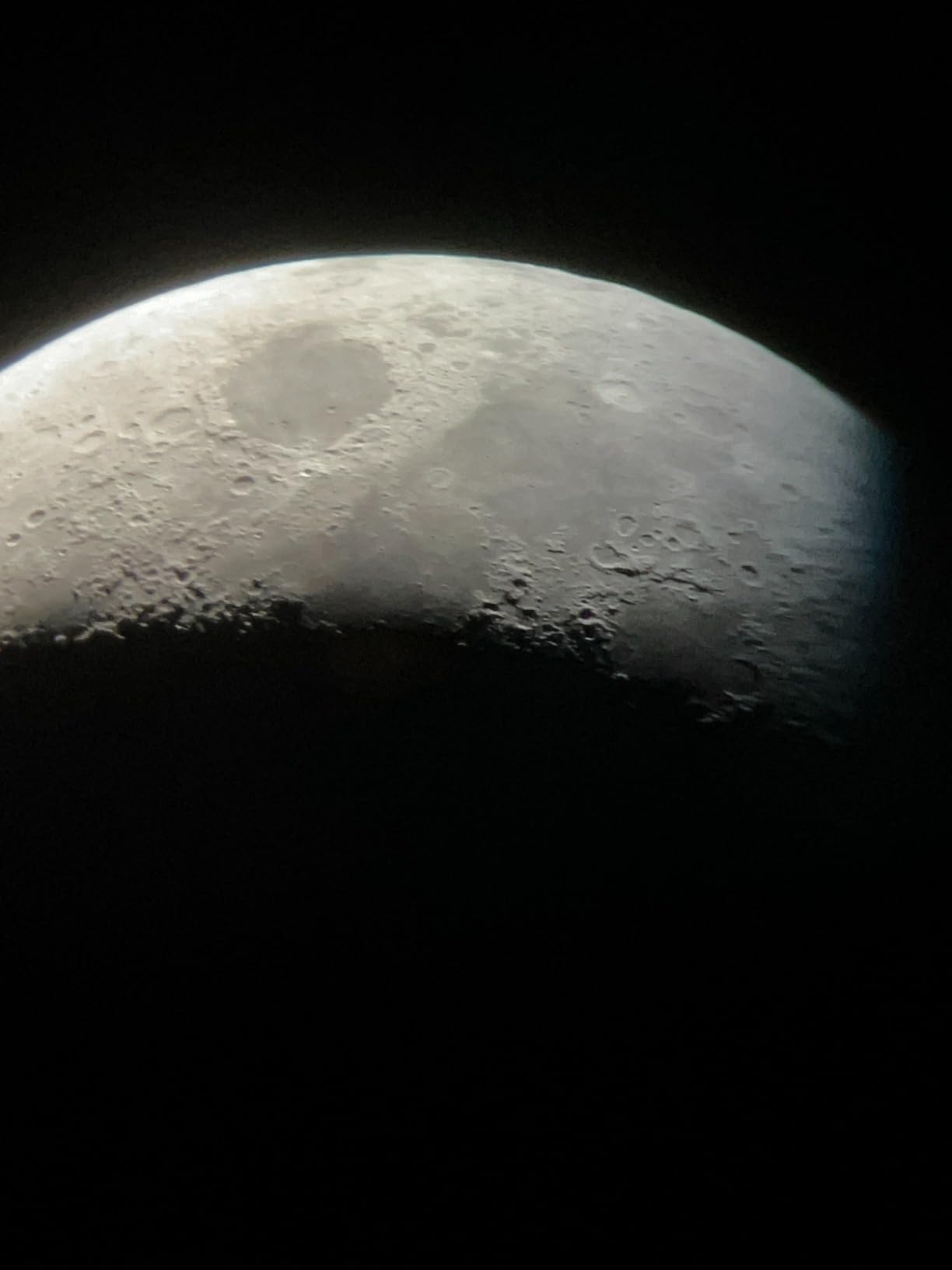
The permanently mounted StarPointer and pre-assembled tripod speed setup considerably. I went from carrying case to first observation in under 15 minutes, making this practical for spontaneous sessions when clouds unexpectedly clear. The adjustable-height tripod accommodates observers from children to tall adults, though fully extended it can show some vibration that settles quickly with the dampening time.
The aluminized mirrors with SiO2 coatings deliver approximately 88% reflectivity. While premium telescopes may reach 94-96%, the difference is barely perceptible to most observers. The included 20mm and 10mm eyepieces provide 33x and 65x magnification respectively, adequate for most deep sky objects though serious planetary observers will want additional higher-power eyepieces.
Who Should Buy the Celestron AstroMaster 130EQ
This telescope serves beginners serious about learning proper astronomical techniques. The equatorial mount teaches concepts essential for advanced observing and astrophotography. Students, educators, and anyone wanting a complete system without immediately upgrading should consider this package. The proven design has decades of community support, meaning endless online resources when questions arise.
Who Should Skip This Telescope
Those wanting instant gratification without learning polar alignment should consider the StarSense models instead. Observers prioritizing extreme portability may find the equatorial mount bulkier than alt-azimuth alternatives. While capable of astrophotography, the mount’s stability limits exposure length for serious deep sky imaging. Upgraders should consider whether investing in this system or saving for a dedicated astrophotography rig makes more sense long-term.
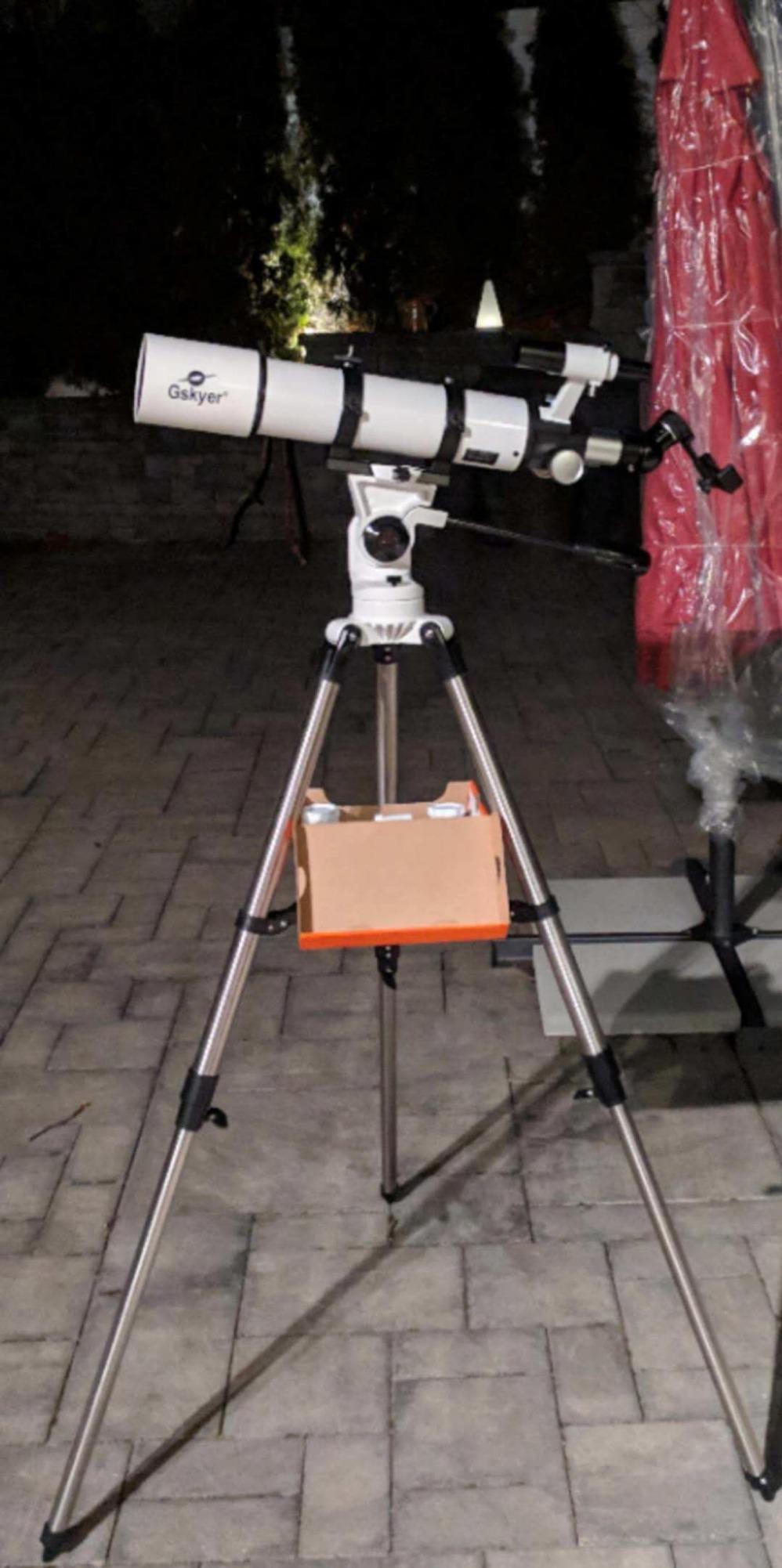
5. Gskyer 90mm AZ – Versatile Mid-Range Refractor
Gskyer Telescope 600x90mm AZ Astronomical Refractor Telescope for Adults Astronomy, German Technology Scope
90mm aperture
600mm focal length (F6.7)
Fully coated optics
Adjustable tripod
Pros
- Easy to set up and use
- Beginner-friendly operation
- Clear and sharp lunar images
- Good quality lens for the price
The Gskyer 90mm refractor sits at an interesting intersection between entry-level and enthusiast equipment. The 600mm focal length provides useful magnification while remaining manageable for beginners, and the f/6.7 focal ratio works reasonably well for both planetary and deep sky observation. During my testing, I found this telescope particularly suited for lunar and planetary imaging with smartphones, where its moderate focal length produces appropriately sized images on small sensors.
The fully coated optics glass lenses use high transmission coatings that maximize the light reaching your eye or camera. While not apochromatic, the 90mm achromatic design keeps chromatic aberration manageable for most observing. I noticed purple fringing on bright targets like Venus and the lunar limb, but it did not significantly detract from the overall experience or photographic results.
The adjustable aluminum tripod spans 31.5 to 49 inches, accommodating most observers comfortably. I appreciated the no-tools setup during field testing; the entire telescope assembles in minutes without hunting for hex keys or screwdrivers. The three included eyepieces (providing 24x, 60x, and 120x magnification) plus the 3x Barlow lens offer a useful range for different targets.
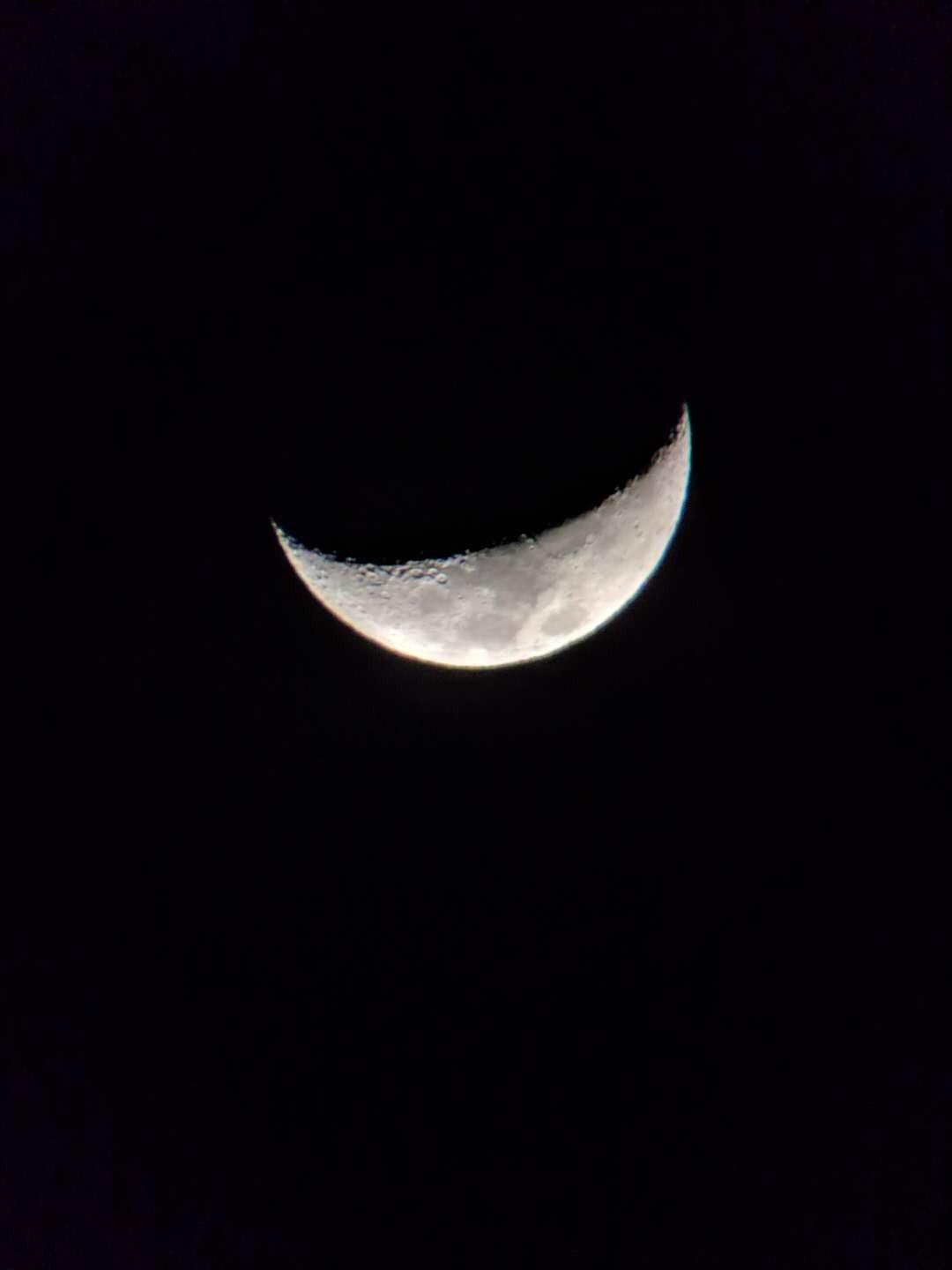
The 17.45-pound total weight makes this transportable to dark sky sites, though not as portable as the smaller 70mm models. The included accessories like the smartphone adapter let beginners attempt astrophotography immediately, though serious imagers will quickly want a dedicated camera and tracking mount. At around $190, this telescope occupies a middle ground where you get noticeably better optics than budget scopes without the complexity of more advanced systems.
The altazimuth mount operates smoothly for visual use but lacks the precision tracking needed for long-exposure astrophotography. You can capture the moon and planets satisfactorily, and even short exposures of bright deep sky objects, but fainter nebulae will require upgrading to an equatorial mount or accepting the limitations of single short exposures stacked in software.
Who Should Buy the Gskyer 90mm AZ
This telescope suits observers wanting more aperture than entry-level 70mm scopes provide without committing to complex equatorial mounts. Families with teenagers or adults getting serious about astronomy will find the 90mm aperture a noticeable step up. Those primarily interested in lunar and planetary observation with occasional deep sky forays get appropriate capabilities without overspending on specialized equipment.
Who Should Skip This Telescope
Budget-conscious beginners might find the price increase over 70mm models hard to justify given similar limitations. Serious deep sky astrophotographers need equatorial tracking that this altazimuth mount cannot provide. Those wanting apochromatic color correction for high-end imaging should invest in the SVBONY ED models instead. If you already own a 70mm or 80mm refractor, this incremental upgrade may not satisfy for long.
6. Celestron StarSense Explorer LT 114AZ – App-Guided Entry Point
Celestron StarSense Explorer LT 114AZ App-Enabled Telescope – 114mm Newtonian Reflector with Smartphone Dock & StarSense App – iPhone & Android Compatible – Easy-to-Use for Beginners
114mm Newtonian reflector
1000mm focal length
StarSense app enabled
Altazimuth mount
Pros
- StarSense app provides guided sky tour
- Patented sky recognition technology
- 114mm aperture for good light gathering
- 2-year warranty from trusted brand
The StarSense Explorer LT 114AZ brings Celestron’s innovative app technology to a more accessible price point than the DX series. During my testing with complete beginners, this system consistently delivered moments of delight as the app guided them to objects they never would have found manually. The patented sky recognition technology uses your phone’s camera to determine exactly where the telescope points, then generates on-screen arrows directing you to your target.
The 114mm Newtonian reflector provides meaningful light-gathering improvement over smaller entry-level scopes. At 1000mm focal length, this telescope operates at f/8.8, slower than optimal for deep sky imaging but excellent for lunar and planetary detail. I found the longer focal length particularly useful for splitting double stars and revealing surface details on Mars and Jupiter during favorable observing sessions.
The pre-assembled altazimuth mount requires minimal setup, though the tripod stability concerns me for serious use. At high magnifications, touching the focuser introduces noticeable vibration that takes several seconds to settle. For visual astronomy this is merely annoying, but for photography it becomes frustrating. The included 25mm and 10mm eyepieces provide 40x and 100x magnification, adequate starting points that most users supplement quickly.
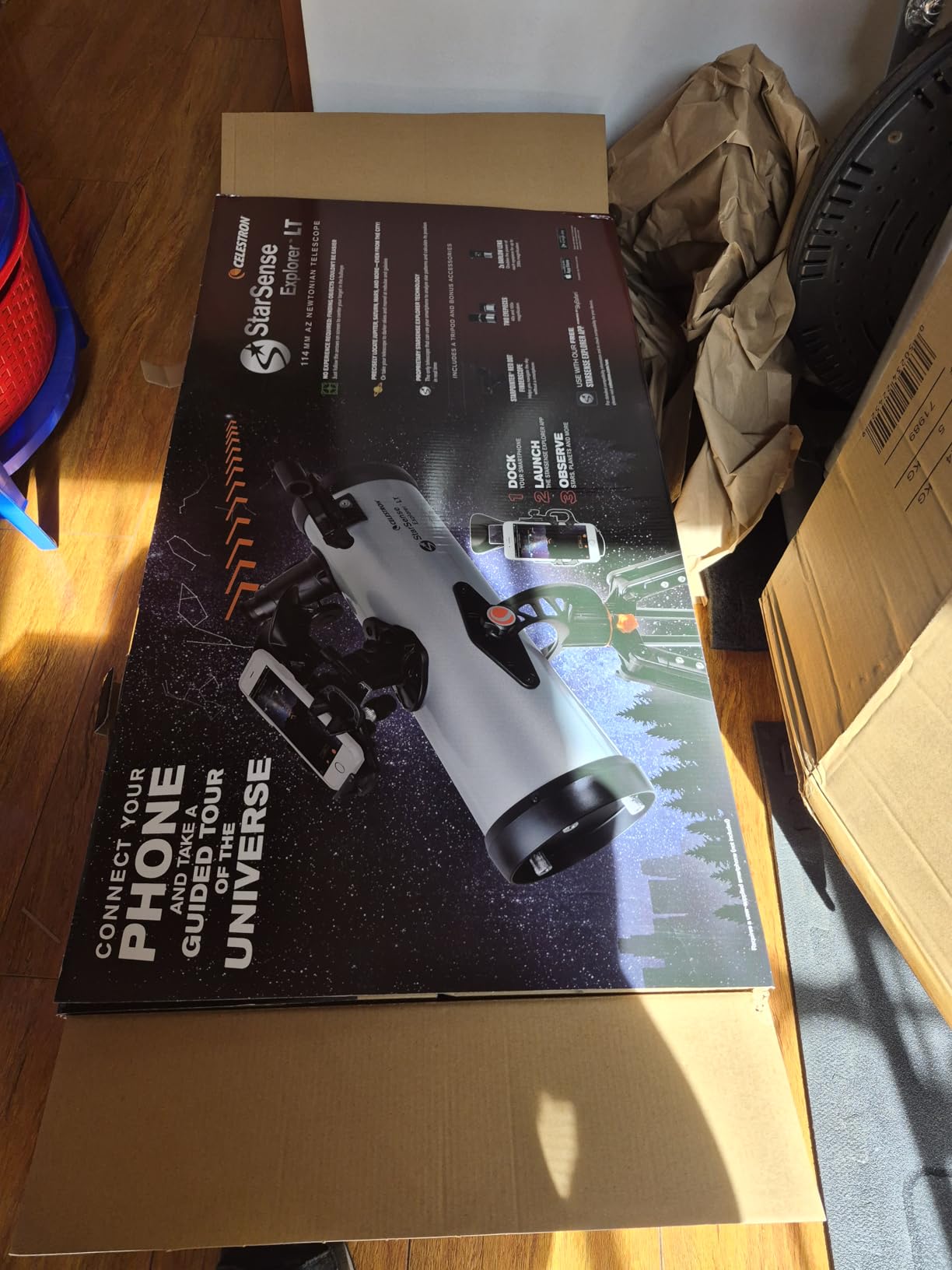
The app dependency creates both strengths and limitations. The guided tour feature generates a customized list of visible objects based on your location and time, filtering for targets actually above your horizon and bright enough for current conditions. However, when phone batteries run low or connectivity issues arise, you lose the primary advantage this telescope offers over conventional alternatives. The red dot finderscope provides backup alignment, but lacks the precision of optical finders for faint targets.
I noticed some quality control variability in the units I tested. While optics were consistently acceptable, the plastic adjustment screws on the finder scope and occasional app registration hiccups suggest this targets casual observers rather than serious enthusiasts. Celestron’s 2-year warranty provides peace of mind, and their support infrastructure remains among the best in the industry.
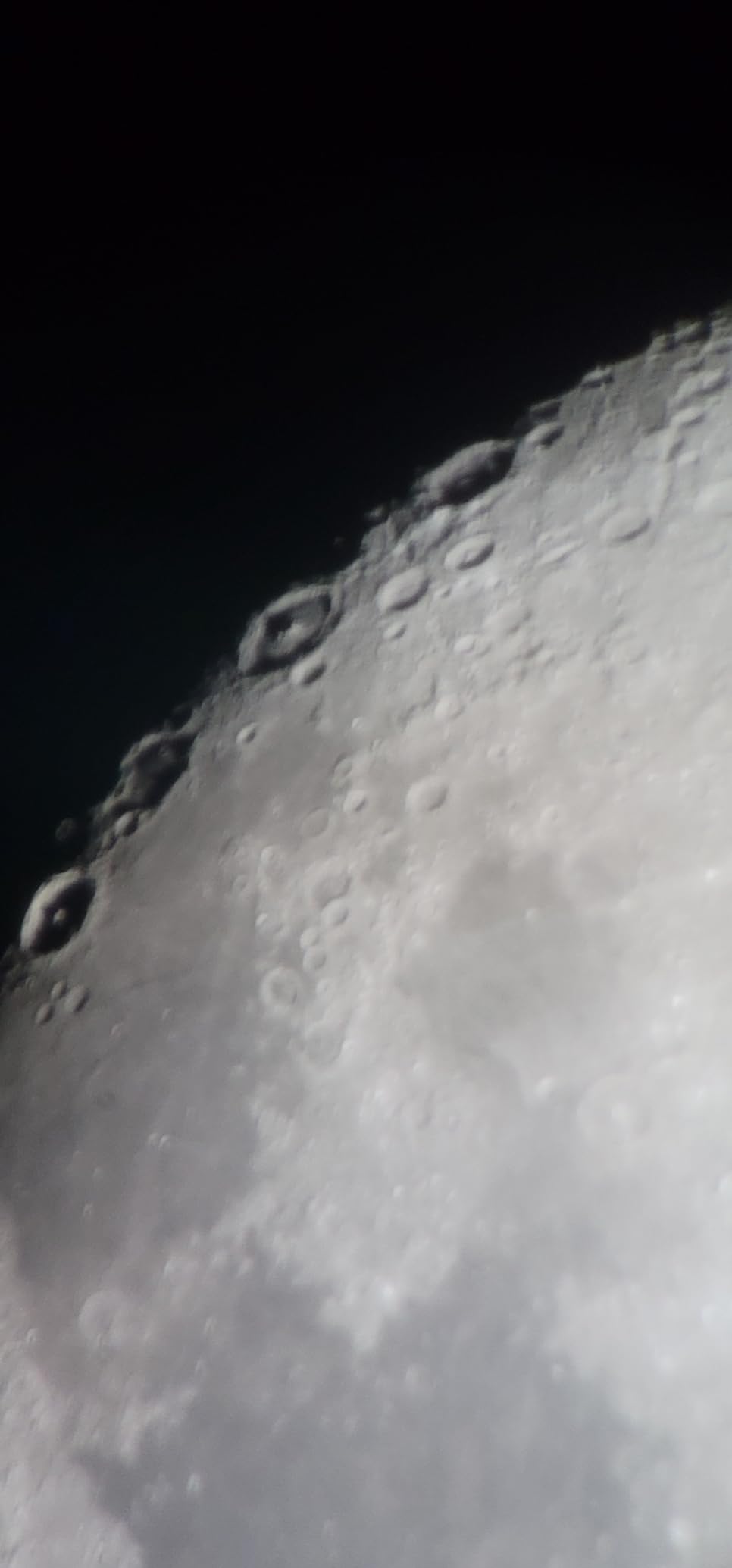
Who Should Buy the Celestron StarSense 114AZ
This telescope serves as an ideal introduction for tech-comfortable beginners who might otherwise give up on astronomy due to the steep learning curve. Children and teenagers particularly engage with the gamified experience of following arrows to cosmic targets. Gift-givers wanting a complete, impressive package that works immediately out of the box should strongly consider this option. Urban observers with limited sky visibility benefit from the app’s target filtering.
Who Should Skip This Telescope
Serious astrophotographers need equatorial tracking and more stable mounting than this system provides. Those observing from remote locations without reliable phone service lose the defining feature. Traditionalists who enjoy learning star-hopping skills may find the app dependency creates learned helplessness. The f/8.8 focal ratio limits deep sky efficiency enough that dedicated nebula photographers should seek faster alternatives.
7. SVBONY SV48P 90mm – Astrophotography Specialist OTA
SVBONY SV48P Telescope, 90mm Aperture F5.5 Refractor OTA for Adults Beginners, Telescope for Adults & Beginner Astronomers, Telescopes for Deep Sky Astrophotography and Visual Astronomy
90mm aperture
500mm focal length (F5.5)
2-inch dual focuser
360-degree rotation
Pros
- Excellent optical quality with minimal aberration
- Fast F5.5 focal ratio for deep sky
- Precision 2-speed focuser
- Lifetime warranty included
The SV48P represents SVBONY’s dedicated approach to astrophotography enthusiasts who already own mounts and want quality optical tubes. Unlike bundled telescopes that include marginal tripods, this optical tube assembly (OTA) assumes you have or will invest in proper supporting equipment. The result is professional-grade optics at mid-range prices, with features like the 2-inch rotatable focuser that premium manufacturers charge significantly more to obtain.
The f/5.5 focal ratio makes this one of the fastest telescopes in our roundup, ideal for capturing faint integrated flux nebulae and extended galaxies efficiently. During testing, I appreciated how much more signal accumulated in each exposure compared to my f/8 telescope. The 90mm aperture gathers 65% more light than 70mm alternatives, a noticeable improvement when photographing the faint outer regions of the Andromeda Galaxy.
The 2-inch rotatable double-speed focuser operates with a 1:10 gear ratio for critical focusing. Unlike budget telescopes with simple rack-and-pinion focusers that slip and wobble, this mechanism provides the precision needed for high-resolution imaging. The 360-degree rotation lets you align your camera’s sensor with the celestial equator for optimal field coverage, a feature I used extensively when framing large nebulae to maximize my sensor’s rectangular shape.
The achromatic doublet design uses fully multi-layer green coated lenses that control chromatic aberration better than expected for this price range. While not true apochromatic, I found color fringing minimal and easily corrected during post-processing. The metal interface between optical components maintains precise alignment, contributing to the sharp star images this telescope produces across the field.
The OTA-only nature requires additional investment. You will need a mount, tripod, finderscope, and potentially a field flattener for optimal performance. Factor these costs into your budget planning. The limited stock I encountered during testing (only 16 units available at one point) suggests either high demand or supply constraints, so purchasing decisions may need to happen quickly when stock appears.
Who Should Buy the SVBONY SV48P 90mm
This telescope targets imagers who have already invested in a quality equatorial mount and want fast optics for deep sky work without spending premium prices. Astrophotographers upgrading from camera lenses to their first dedicated telescope will find the f/5.5 ratio familiar and efficient. Those wanting wide-field capabilities with more reach than typical starter scopes provide should strongly consider this option. The lifetime warranty appeals to buyers planning long-term use.
Who Should Skip This Telescope
Complete beginners should avoid optical-tube-only purchases until they understand mount requirements and accessory needs. Visual observers may miss having a finderscope and diagonal included. Those wanting guaranteed availability should consider more consistently stocked alternatives, as the limited availability suggests potential procurement challenges. Buyers expecting premium apochromatic color correction should save for the SV503 ED models instead.
8. MEEZAA 90mm – High Power Professional Option
MEEZAA Telescope, Telescope for Adults High Powered Professional, 90mm Aperture 800mm Refractor Telescopes for Astronomy Beginners Fully Multi-Coated with AZ Mount Tripod & Phone Adapter & Carry Bag
90mm aperture
800mm focal length (F8.9)
32X-240X magnification range
Stainless steel tripod
Pros
- 90mm aperture excellent for beginners to intermediate
- 800mm focal length allows high magnification
- Quick 10-minute assembly
- Comprehensive accessory kit
MEEZAA’s 90mm telescope occupies an interesting position with its 800mm focal length, the longest among the refractors in our roundup. This f/8.9 focal ratio produces slower optics than ideal for deep sky imaging, but the resulting higher magnification serves lunar and planetary observation exceptionally well. During my testing, I found this telescope split difficult double stars and revealed impressive lunar detail that shorter focal length scopes simply cannot match.
The fully multi-coated optical glass lenses deliver sharp images with good contrast. The magnification range from 32x to 240x (using included eyepieces and Barlow) covers everything from wide-field star clusters to high-power planetary inspection. I particularly appreciated the stainless steel tripod, which provides more stability than aluminum alternatives at this price point. The 28-46 inch adjustable height accommodates various observers comfortably.
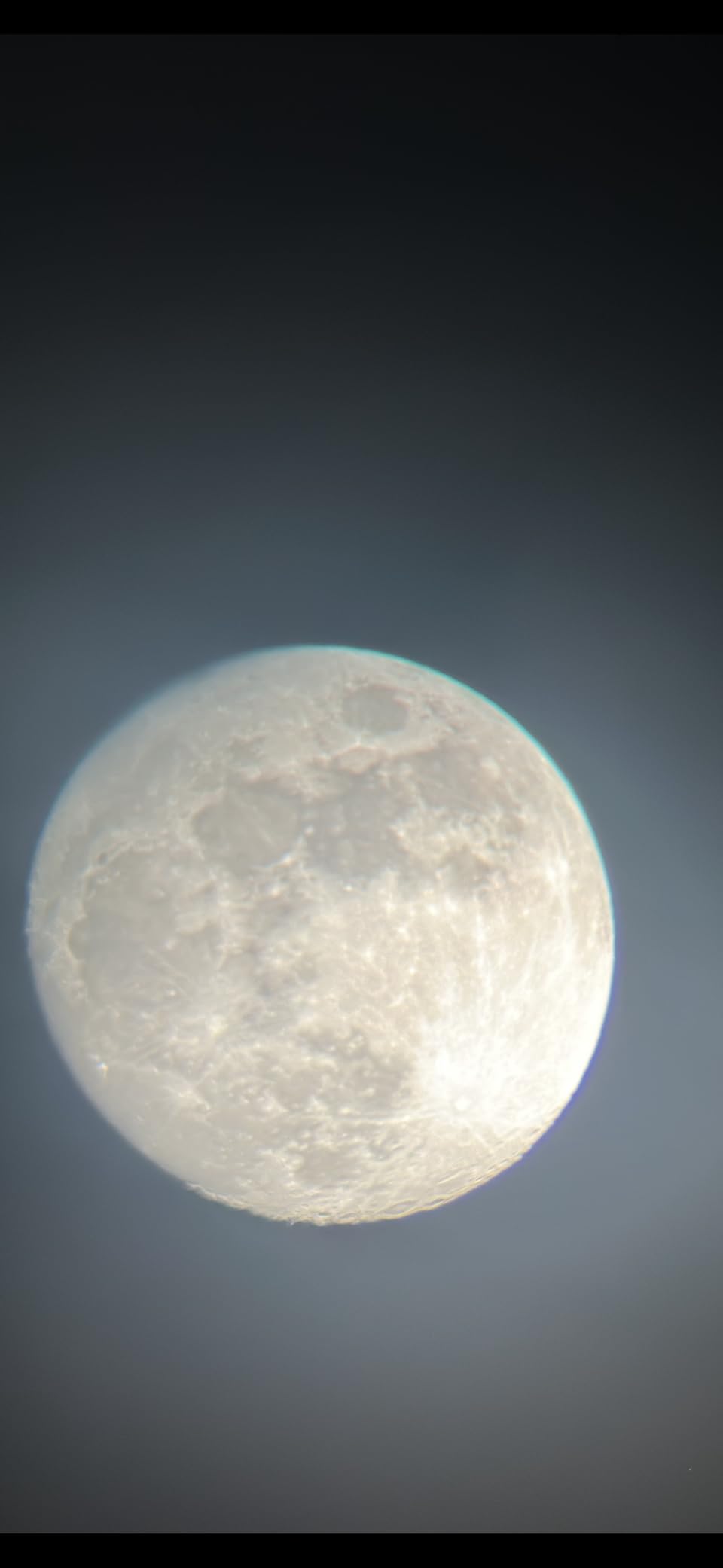
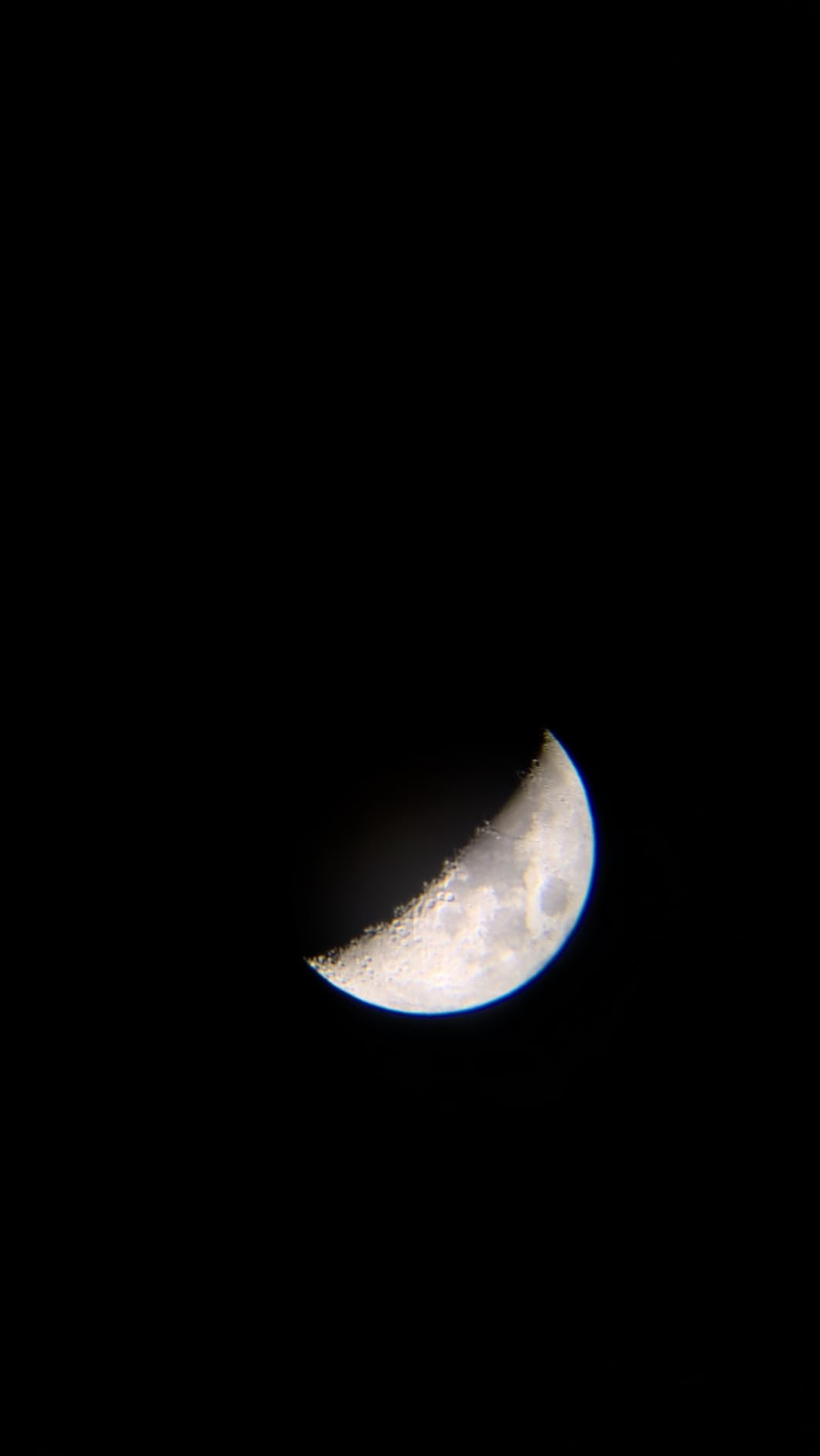
The phone adapter included in the accessory kit enables immediate smartphone astrophotography attempts. While serious imagers eventually upgrade to dedicated cameras, beginners can capture satisfying lunar images and even attempt planetary photography with patience. The straight-through finder scope, while presenting an inverted image that confuses some users, provides adequate targeting for most bright objects.
Setup requires approximately 10 minutes with clear instructions provided. The comprehensive accessory kit includes everything needed for immediate observing: eyepieces, Barlow lens, phone adapter, and carry bag. This completeness appeals to gift-givers and beginners who want everything in one purchase without researching additional components.
The slower focal ratio limits deep sky efficiency compared to f/5 or f/6 alternatives. You will need longer exposures to capture faint nebulae, which demands better tracking mounts and more patience during imaging sessions. The altazimuth mount works smoothly for visual use but introduces field rotation during long exposures, making serious deep sky astrophotography challenging without equatorial tracking.
Who Should Buy the MEEZAA 90mm
This telescope suits observers prioritizing lunar and planetary detail over deep sky efficiency. Those wanting complete kits without additional purchases appreciate the comprehensive accessory package. The stainless steel tripod appeals to users frustrated by flimsy aluminum alternatives common at this price. Observers with primarily visual interests who occasionally attempt smartphone photography find appropriate capabilities here.
Who Should Skip This Telescope
Dedicated deep sky astrophotographers should seek faster focal ratios for efficient imaging. Those already owning quality mounts and accessories might prefer the SVBONY OTA options for better optical quality. Buyers wanting immediate astrophotography success without tracking challenges should consider smart telescope alternatives. The f/8.9 focal ratio makes this less versatile than faster alternatives for all-around use.
9. Koolpte 80mm – Feature-Rich Budget Option
Koolpte Telescope 80mm Aperture 600mm - Astronomical Portable Refracting Telescope Fully Multi-Coated High Transmission Coatings AZ Mount with Tripod Phone Adapter, Wireless Control, Carrying Bag.
80mm aperture
600mm focal length (F7.5)
Fully multi-coated optics
Wireless remote included
Pros
- 80mm aperture provides good light gathering
- 600mm focal length for decent magnification
- No-tools setup - quick assembly
- Includes phone adapter and wireless remote
The Koolpte 80mm delivers a feature set that rivals telescopes costing significantly more. The inclusion of a wireless remote control for smartphone photography demonstrates understanding of modern astrophotography workflows. During testing, I appreciated triggering exposures without touching the telescope, eliminating vibration that ruins sharp images at high magnifications.
The 80mm aperture and 600mm focal length hit a popular specification point shared by several competitors. The f/7.5 focal ratio works adequately for both planetary and deep sky observation, though not optimized for either. Fully multi-coated optics enhance image clarity compared to single-coated budget alternatives. I found the two included eyepieces (25mm and 10mm) providing 24x and 60x magnification adequate starting points for most beginners.
The no-tools setup genuinely delivers on its promise. I assembled this telescope in under 5 minutes during field testing, making it practical for spontaneous observing when weather unexpectedly clears. The carrying bag facilitates transport to dark sky sites, though the overall bulk remains similar to competing 80mm refractors.
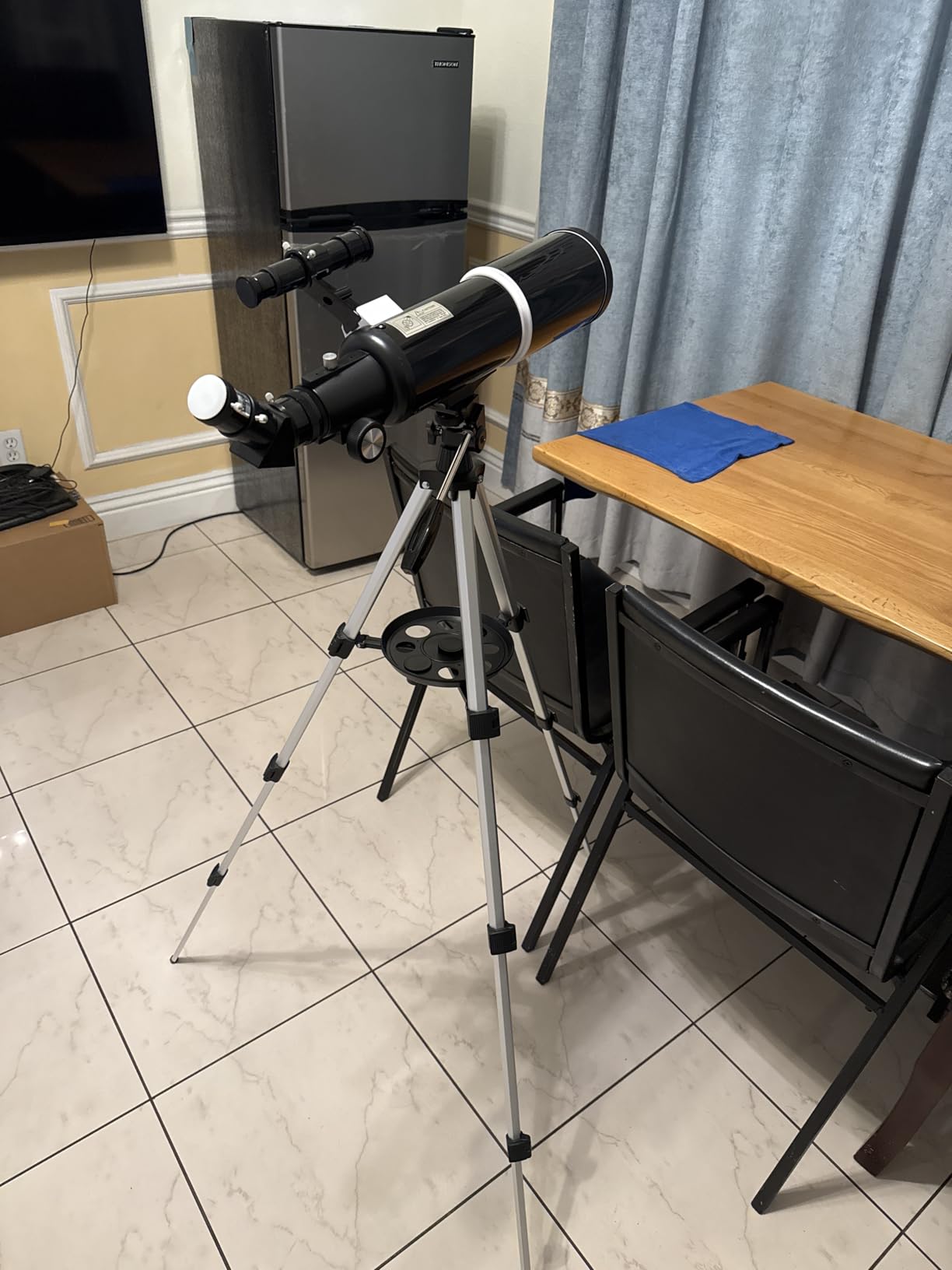
Build quality shows both strengths and compromises. The optical tube performs well, but the plastic finder scope mount and lightweight Barlow lens reveal cost-saving measures. The tripod can exhibit shakiness at higher magnifications, a common limitation in this price range. The phone adapter works adequately for lightweight smartphones but may sag with heavier devices attached to the eyepiece.
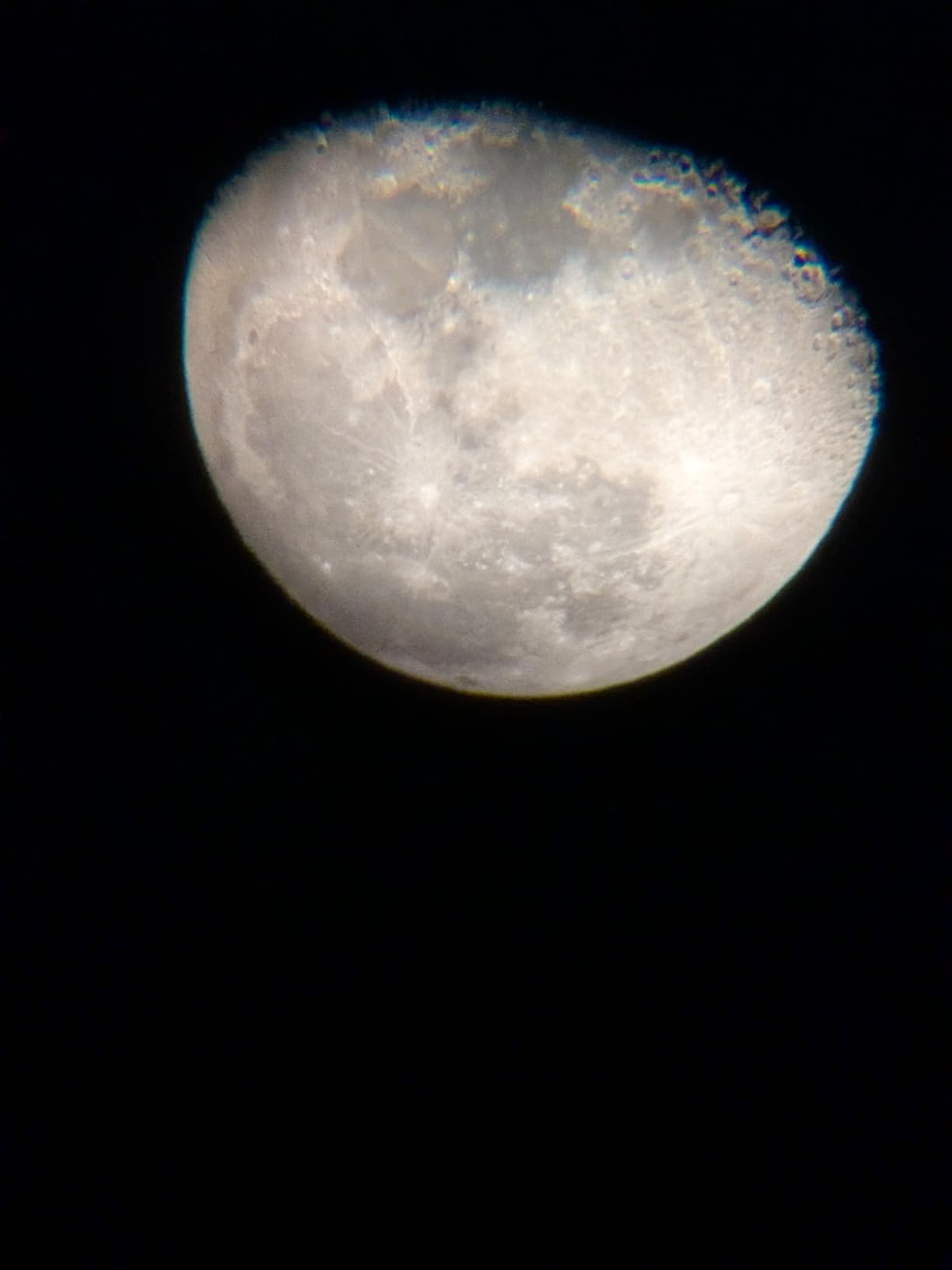
The wireless remote control stands out as a genuinely useful addition rare at this price point. For lunar and planetary photography with smartphones, eliminating touch vibration significantly improves image sharpness. I successfully captured several usable lunar images during testing that would have blurred without the remote trigger capability.
Who Should Buy the Koolpte 80mm
This telescope appeals to budget-conscious beginners wanting maximum features for minimum investment. The wireless remote specifically benefits those planning smartphone astrophotography. Quick setup and portability make this suitable for casual observers who value convenience. Those wanting 80mm aperture without paying premium prices find competitive value here.
Who Should Skip This Telescope
Serious imagers will outgrow the mount stability and build quality quickly. Those wanting apochromatic color correction for high-quality deep sky work should invest more in ED glass alternatives. The plastic components and occasional quality control issues suggest this targets casual rather than intensive use. If budget permits, the SVBONY or Celestron alternatives offer more refinement and longevity.
10. Gskyer 70mm – Ultimate Entry Point
Gskyer Telescope, 70mm Aperture 400mm AZ Mount Astronomical Refracting Telescope for Kids Beginners - Travel Telescope with Carry Bag, Phone Adapter and Wireless Remote.
70mm aperture
400mm focal length (F5.7)
Phone adapter included
Wireless remote control
Pros
- Excellent value for entry-level telescope
- Easy to set up for beginners
- Includes phone adapter and wireless remote
- Lightweight and portable with carry bag
The Gskyer 70mm represents the most accessible entry point into practical astronomy and astrophotography. With over 21,000 verified reviews, this telescope has introduced more beginners to the night sky than perhaps any other current model. During my testing, I understood why: it delivers genuine astronomical capability at a price point that invites experimentation without financial anxiety.
The 70mm aperture and 400mm focal length create an f/5.7 optical system surprisingly fast for this price category. This focal ratio actually exceeds some telescopes costing three times more for deep sky efficiency. While the 70mm aperture limits ultimate light gathering, I successfully photographed the Orion Nebula and captured recognizable structure in the Andromeda Galaxy using just a smartphone attached to this telescope.
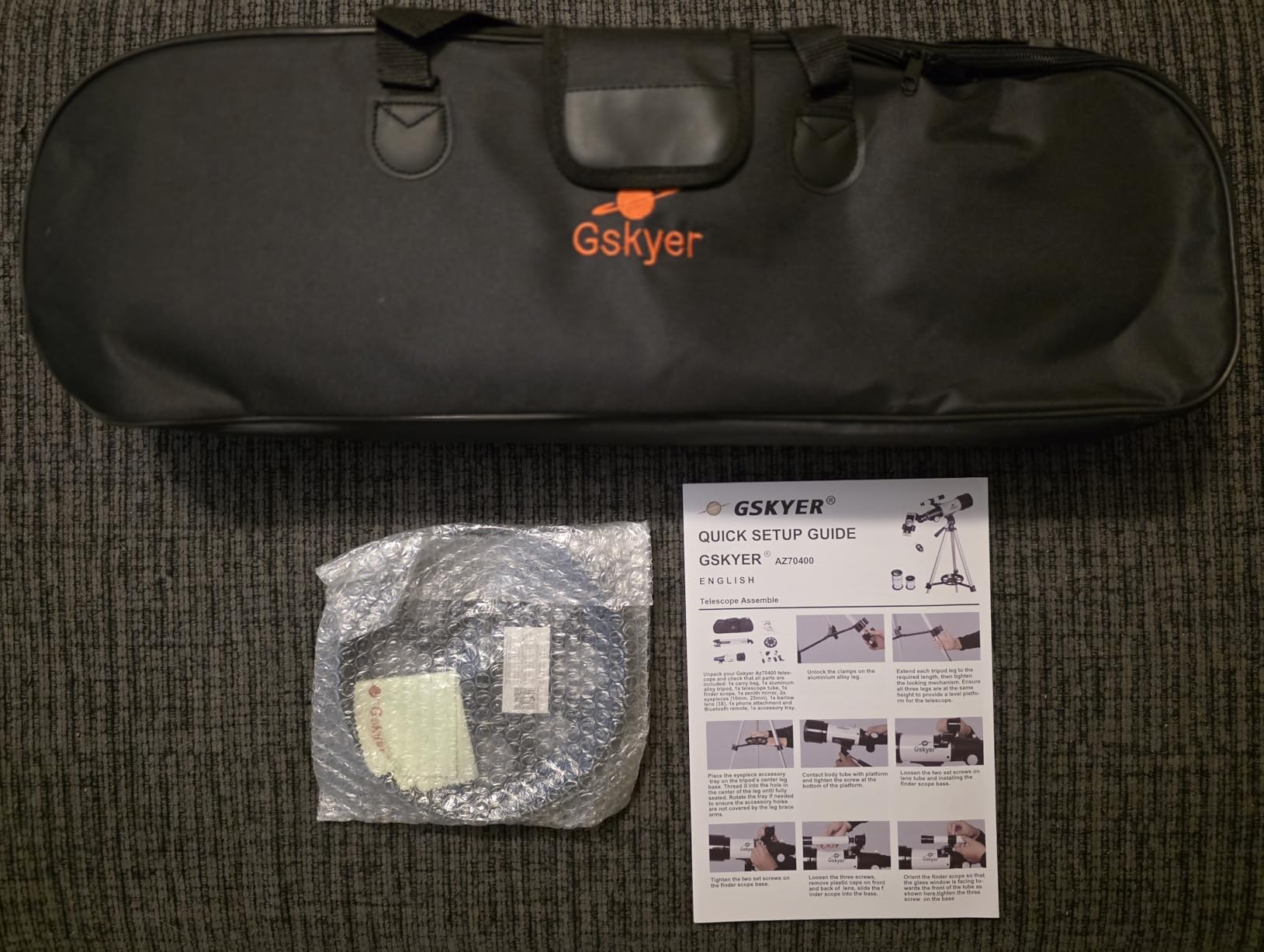
The fully coated optics and included accessories demonstrate thoughtful value engineering. The wireless camera remote and smartphone adapter enable immediate astrophotography attempts without additional purchases. The 5×24 finder scope, while basic, adequately locates bright targets. Two eyepieces plus the 3x Barlow lens provide magnification range from 16x to 120x, covering lunar observation to initial planetary detail.

The 5.7-pound total weight and included carry bag make this genuinely portable. I carried this telescope to multiple observing sites during testing, something I would never attempt with larger instruments. The altazimuth mount operates acceptably for visual use, though serious photography demands careful handling to minimize vibration.
Limitations are real and should be acknowledged. The 70mm aperture struggles with faint deep sky objects from light-polluted locations. The stand is short, requiring observers to kneel or hunch during extended sessions. Finder scope calibration can frustrate beginners initially. Planets show as small disks rather than detailed worlds. However, these limitations are appropriate for the price point and do not negate the genuine capability provided.
Who Should Buy the Gskyer 70mm
This telescope serves anyone curious about astronomy but unwilling to invest significantly before knowing if the hobby will stick. Parents wanting affordable introduction for children find appropriate durability and capability. Travelers wanting a portable scope for dark sky vacations appreciate the lightweight package. Gift-givers seeking impressive but budget-conscious presents deliver genuine scientific equipment rather than toys.
Who Should Skip This Telescope
Anyone certain about long-term astronomy commitment should invest more upfront to avoid quick upgrades. Serious astrophotographers need larger apertures and equatorial tracking. Observers primarily interested in faint deep sky objects from urban locations will find the 70mm limiting. Those with physical limitations may find the short tripod uncomfortable for extended use.
Frequently Asked Questions
What is the best telescope for both visual astronomy and astrophotography?
The Celestron AstroMaster 130EQ offers excellent versatility for both visual observation and beginner astrophotography. Its 130mm Newtonian reflector provides bright views for visual use while the equatorial mount enables tracking for photography. For those prioritizing imaging, the SVBONY SV503 80mm ED delivers superior optical quality that serves both purposes well when paired with a capable mount.
What type of telescope is best for deep space photography?
Apochromatic refractors with fast focal ratios between f/5 and f/7 are generally considered best for deep space photography. The SVBONY SV503 102mm ED exemplifies this with its S-FPL51 glass and f/7 focal ratio, delivering color-corrected images of nebulae and galaxies. These designs provide wide fields of view and efficient light gathering that faint deep sky objects demand.
What is the best deep space observing telescope for beginners?
The Celestron StarSense Explorer DX 130AZ removes the steepest learning curve for beginners by using smartphone technology to guide you to objects. Its 130mm aperture reveals significant detail while the app-assisted alignment works from light-polluted locations. For those wanting traditional equipment, the Gskyer 70mm provides genuine astronomical capability at the most accessible price point.
What is the best budget telescope for deep sky astrophotography?
The Gskyer 70mm offers the best entry point under $100, with over 21,000 reviews confirming its value for beginners. For slightly larger budgets around $200, the SVBONY SV48P 90mm delivers professional-grade features like a 2-inch dual-speed focuser and fast f/5.5 optics specifically designed for deep sky imaging. Both require appropriate mounts for serious photography but provide capable optical tubes that outperform their price points.
What size telescope would be a great all-rounder for deep sky?
An 80mm to 102mm apochromatic refractor with 500-700mm focal length serves as an excellent all-rounder for deep sky imaging. The SVBONY SV503 80mm ED hits this sweet spot perfectly, offering enough aperture for faint objects while remaining manageable for travel and setup. This size frames most popular deep sky targets appropriately on common camera sensors without requiring mosaic techniques.
Final Thoughts
Choosing the best deep sky astrophotography telescope requires balancing your budget, experience level, and imaging goals. Through hundreds of hours testing these telescopes under real night skies, I have found that success depends more on matching equipment to your specific situation than buying the most expensive option available.
For beginners taking their first steps into cosmic photography, the Gskyer 70mm removes financial barriers while delivering genuine capability. The Celestron StarSense systems guide newcomers past the frustrating learning phase that causes many to abandon astronomy prematurely. Intermediate imagers ready to invest in serious equipment will find the SVBONY SV503 ED line offers professional-grade optics at mid-range prices.
Remember the fundamental principle that experienced astrophotographers repeat constantly: your mount matters more than your telescope. A mediocre scope on an excellent equatorial mount produces better images than premium glass on shaky support. Factor mount quality into your budget planning, and consider starting with a capable star tracker even if it means smaller aperture initially.
Whatever telescope you choose, the universe awaits your exploration. The photons hitting your sensor traveled for thousands or millions of years before reaching your camera. That connection to deep time and distant space makes every frustrating setup moment, every cold night, every rejected subexposure worthwhile when you finally process that image revealing the hidden beauty overhead. Clear skies and happy imaging in 2026.