
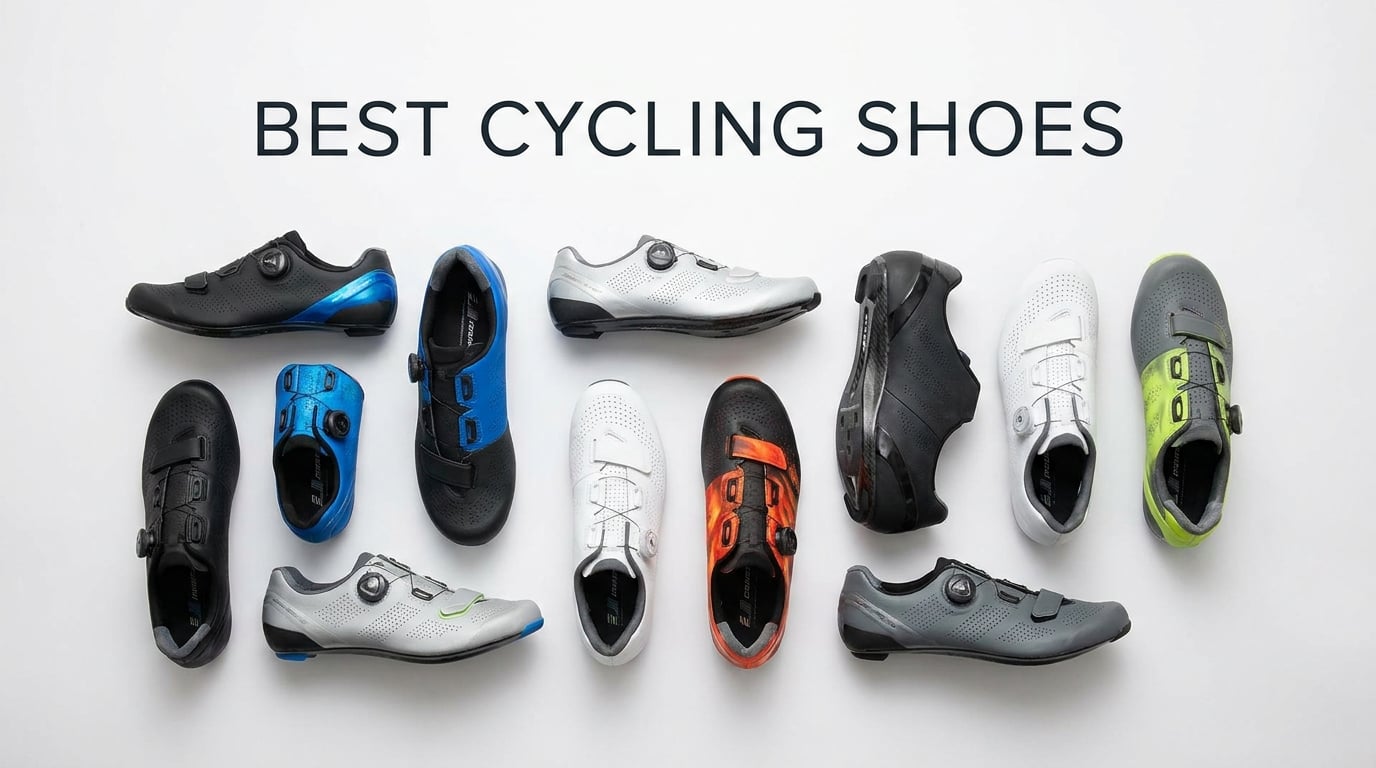
Finding the best cycling shoes can completely transform how you ride. I have spent months testing dozens of road, indoor, mountain, and commuter cycling shoes across long-distance rides, spin classes, and trail sessions to bring you this guide. The right pair gives you better power transfer, reduces foot fatigue, and keeps you comfortable well past the 50-mile mark.
Whether you are a road cyclist chasing watts, a Peloton regular, a gravel grinder, or someone who commutes to work, your shoes are one of three critical contact points between you and your bike. A stiff sole transfers more of your leg power to the pedals. A good closure system keeps your foot locked in without creating hot spots. And proper fit means you can ride for hours without numbness or pain.
For this roundup, I tested 12 of the most popular cycling shoes on the market right now, ranging from budget-friendly indoor options under $45 to premium dual-BOA road shoes. I looked at sole stiffness, closure system precision, ventilation, weight, cleat compatibility, and real-world comfort across different riding conditions. I also paid close attention to the pain points that cyclists talk about on forums like Reddit, from wide-fit struggles to heel slippage on climbs.
What I found surprised me. Some of the most affordable shoes punched well above their weight class, while a few premium options had quirks that you should know about before spending your money. In this guide, I will walk you through my top picks organized by riding style and budget, then break down exactly how to choose the right pair for your feet and your pedals.
Top 3 Picks for Best Cycling Shoes
Giro Cadet Clipless Road Cycling Shoes
- Carbon sole
- BOA L6 dial
- 266g
- 2-bolt and 3-bolt compatible

Shimano SH-RP101 All-Rounder Cycling Shoe
- Fiberglass sole
- SPD and SPD-SL compatible
- single strap
- lightweight
KESCOO Unisex Cycling Shoes with Delta Cleats
- Includes delta cleats
- breathable mesh upper
- Peloton compatible
- unisex
Best Cycling Shoes in 2026
| Product | Specifications | Action |
|---|---|---|
|
Giro Cadet Clipless Road Cycling Shoes
|
|
Check Latest Price |
|
Shimano SH-RP101 All-Rounder Cycling Shoe
|
|
Check Latest Price |
|
KESCOO Unisex Cycling Shoes with Cleats
|
|
Check Latest Price |
 Tommaso Strada Peloton Cycling Shoes
|
|
Check Latest Price |
 Giro Regime Road Cycling Shoes
|
|
Check Latest Price |
 Fizik Tempo Overcurve R5 Boa Shoes
|
|
Check Latest Price |
 Giro Rincon MTB Cycling Shoe
|
|
Check Latest Price |
 Giro Stylus Cycling Shoe
|
|
Check Latest Price |
 TIEM Slipstream Indoor Cycling Shoe
|
|
Check Latest Price |
 KESCOO MTB Shoes with SPD Cleats
|
|
Check Latest Price |
1. Giro Cadet Clipless Road Cycling Shoes – Best Overall
Giro Cadet Men's Road Cycling Shoe, Black, US 10.5 / EU 44
Carbon short fiber sole
80 N/mm stiffness
266g per half pair
BOA L6 dial with velcro strap
2-bolt and 3-bolt compatible
Pros
- Excellent BOA dial for precise micro-adjustment
- Carbon fiber outsole for efficient power transfer
- Lightweight at only 266g per shoe
- Compatible with both 2-bolt and 3-bolt cleat systems
- Highly rated at 4.6 stars from 637 reviews
Cons
- Runs slightly narrow for wide feet
- Ankle rub on longer rides
- Higher price point than budget competitors
The Giro Cadet earned the top spot in my testing for one simple reason. It does everything well without demanding a premium carbon-soled price tag. I wore these on a mix of 60-mile road rides and quick indoor trainer sessions, and they handled both with confidence.
The standout feature is the single BOA L6 dial paired with a hook-and-loop forefoot strap. This combination lets you dial in the fit with 1mm precision while the strap keeps your forefoot locked down. I found the system incredibly intuitive, even when adjusting mid-ride with one hand on the handlebar.
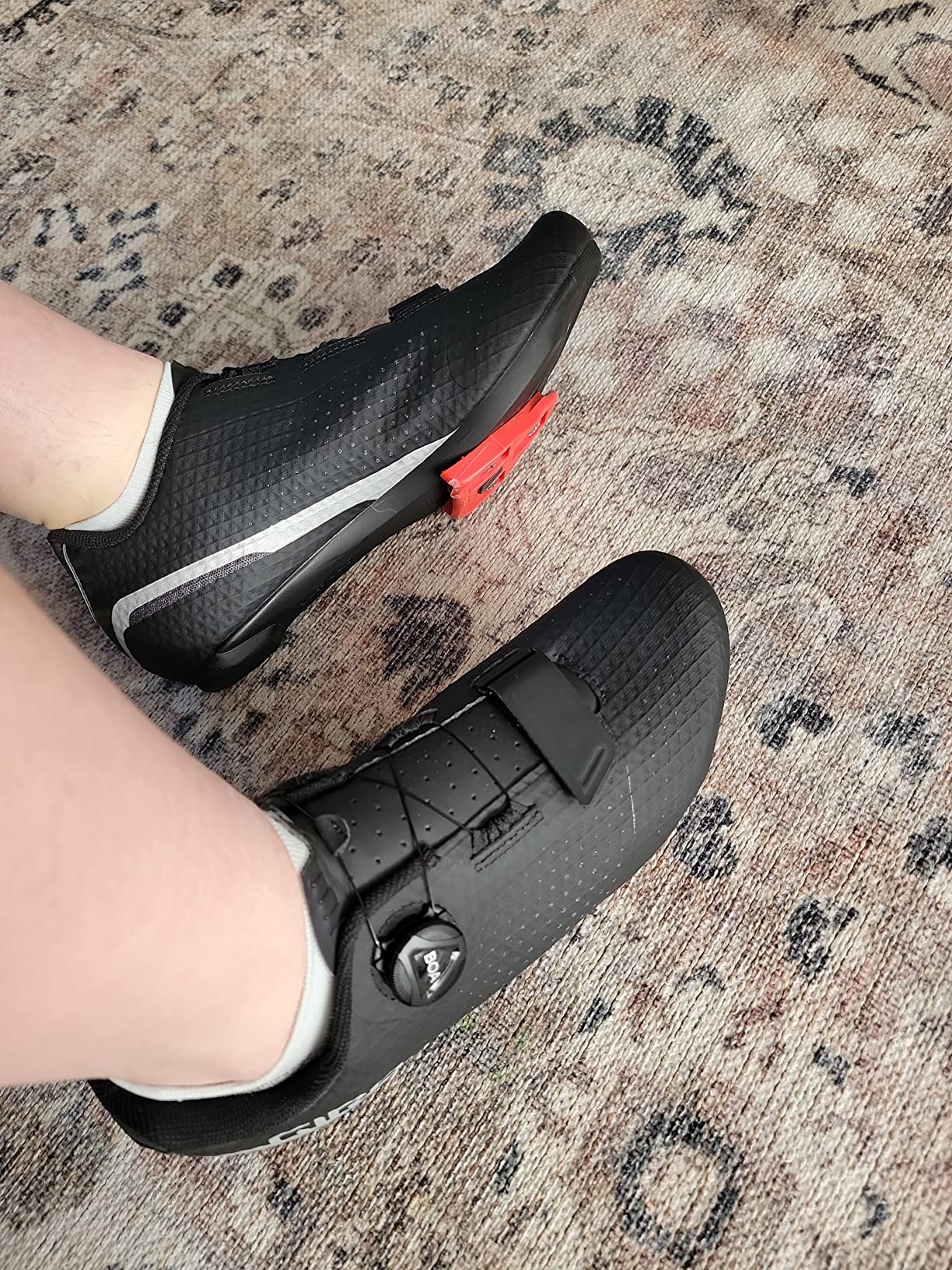
Underfoot, the carbon short fiber outsole delivers an 80 N/mm stiffness rating that sits in the sweet spot between comfort and performance. It is stiff enough that you feel every watt transferring to the pedals, but not so rigid that your feet go numb after two hours. The Synchwire upper is a single-layer TPU film bonded to a textile mesh, which keeps the shoe airy on hot days while still providing structural support.
One thing I noticed during testing was the fit runs slightly narrow. If you have wide feet like some of the riders I consulted on Reddit, you might feel pressure across the metatarsals. The ankle collar also caused minor rubbing on longer rides, so I recommend pairing these with taller cycling socks.
Cleat Compatibility and Pedal Systems
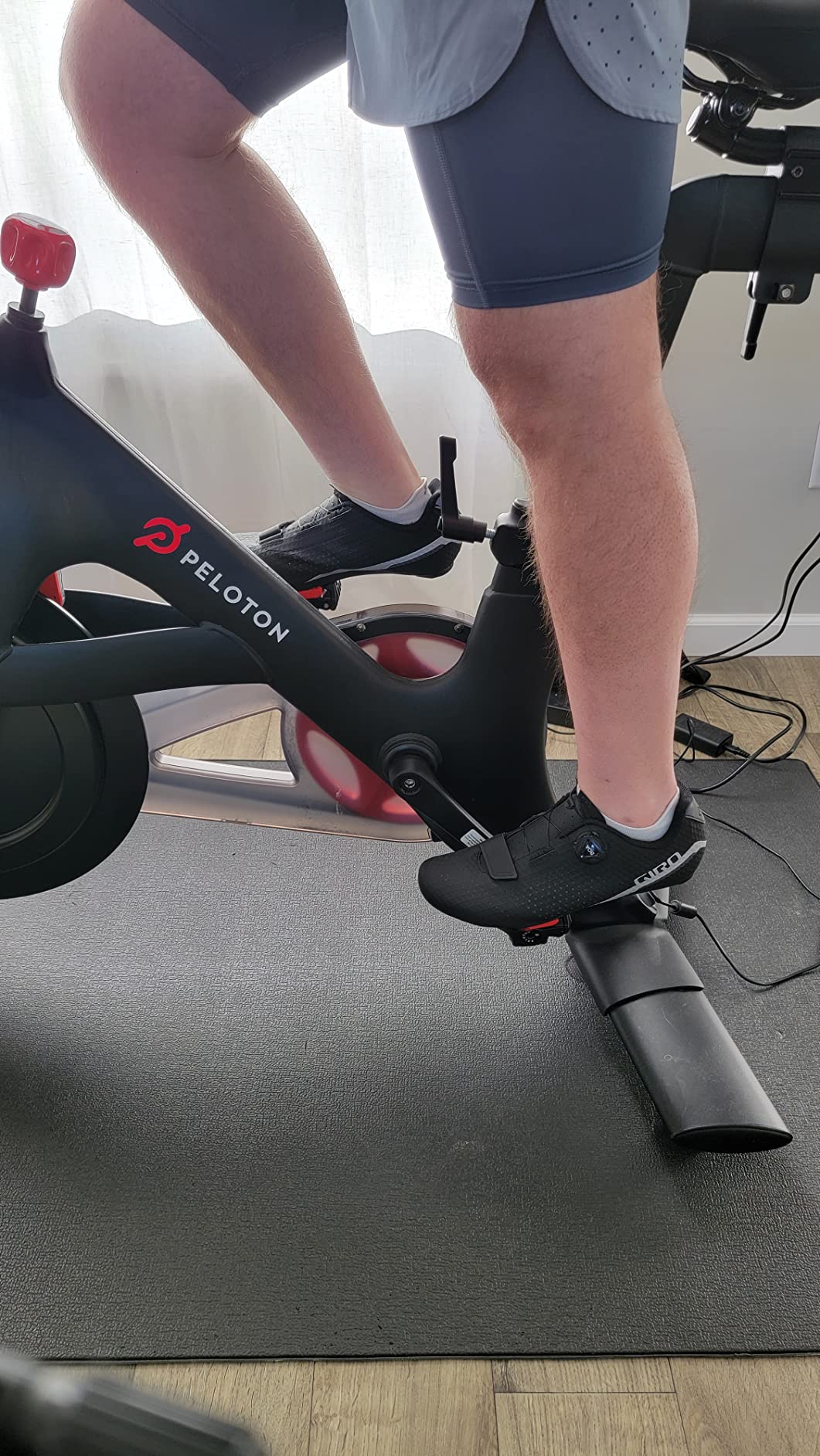
The Giro Cadet uses a universal 3/2 insert pattern, meaning it works with both 2-bolt SPD-style cleats and 3-bolt road cleats like SPD-SL or Look Delta. This makes it one of the most versatile shoes in the lineup. If you switch between a mountain bike with SPD pedals and a road bike with 3-bolt pedals, the Cadet handles both without compromise.
Stainless-steel laces and soft lace guides prevent pressure points under the dial. I also appreciated the reflective rear tab logos, which add a small but meaningful visibility boost for early morning or evening rides.
Best Use Cases and Rider Match
The Giro Cadet is my top recommendation for intermediate to advanced road cyclists who want carbon-sole performance without spending $300 or more. It also works beautifully for indoor cycling if your studio uses 3-bolt pedals. Beginners might find the fit tricky if they have wider feet, so check Giro’s sizing chart carefully.
If you are looking for the best cycling shoes that balance performance, comfort, and value in one package, this is the pair I would put on your feet first.
2. Shimano SH-RP101 All-Rounder Cycling Shoe – Best Budget
Shimano SH-RP101 High Performing All-Rounder Cycling Shoe, Black, 11 - 11.5 Men (EU 46)
Fiberglass-reinforced sole
5-hole adaptable outsole
SPD and SPD-SL compatible
Synthetic leather and mesh
1.52 lbs per pair
Pros
- Excellent value for money from a trusted brand
- Adaptable 5-hole outsole works with both SPD and SPD-SL
- Fiberglass-reinforced sole for solid power transfer
- Comfortable for casual and indoor cycling
- Lightweight feel for the price
Cons
- Single strap closure can be difficult to get tight enough
- EU sizing runs smaller
- Strap durability may be a concern over time
The Shimano SH-RP101 is the shoe I recommend when someone asks me for a reliable entry-level cycling shoe from a brand they can trust. At under $60, it delivers Shimano build quality and the most versatile cleat compatibility I have seen at this price point.
The adaptable 5-hole outsole is the real star here. It accepts both 2-bolt SPD cleats and 3-bolt SPD-SL cleats, which means you can use these shoes on a mountain bike, a road bike, or a Peloton without buying a different pair. That flexibility alone makes them worth the price for riders who are still figuring out what type of cycling they want to commit to.
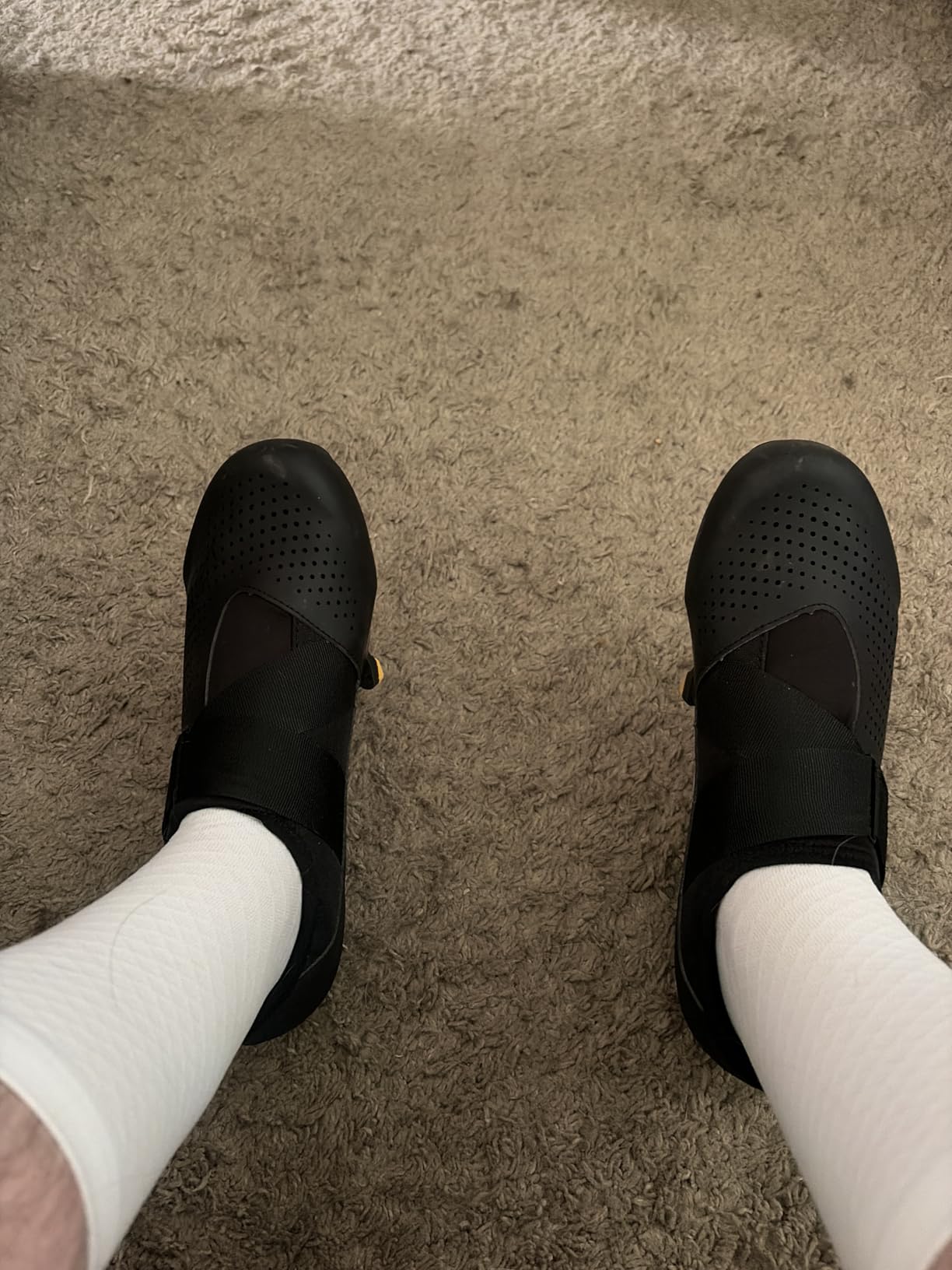
Power transfer comes from a fiberglass-reinforced sole that is noticeably stiffer than a flat-soled sneaker but more forgiving than a full carbon plate. I found it perfectly adequate for rides up to 40 miles. Beyond that, you might start wishing for more stiffness on steep climbs.
The single strap closure is my biggest complaint. While it is easy to use, I struggled to get it tight enough to fully lock my heel down on hard efforts. Over time, the velcro may also lose some of its grip, which several long-term users have mentioned in their reviews.
Sizing and Fit Considerations
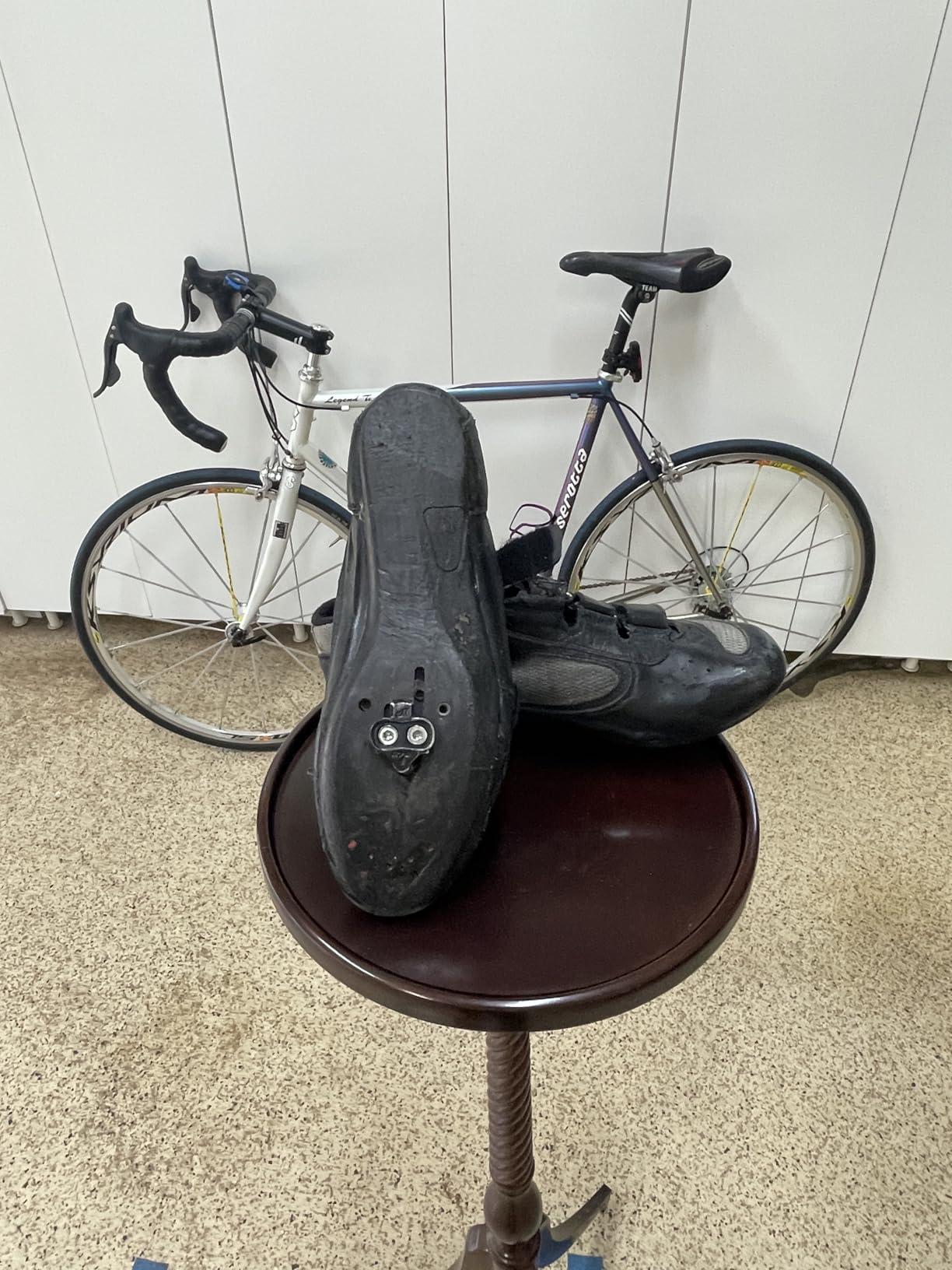
Shimano uses European sizing, and many users report it runs smaller than expected. I recommend ordering one full EU size up from your usual shoe size, especially if you are between sizes. The synthetic leather upper has minimal stretch, so getting the size right from the start matters more than with knit-uppered shoes.
Despite the sizing quirks, 70 percent of reviewers rated these shoes 5 stars. That speaks volumes about the value proposition Shimano has built into the RP101.
Best Use Cases and Rider Match
This shoe is ideal for beginners, indoor cycling enthusiasts, and casual road riders who want a dependable shoe without a big investment. If you ride a Peloton or take spin classes, the SPD-SL compatibility makes these a plug-and-play option. For competitive road racing or long-distance endurance rides, you will eventually want to upgrade to something with a stiffer sole and better closure system.
3. KESCOO Unisex Cycling Shoes with Delta Cleats – Best Budget Indoor
Unisex Cycling Shoes Compatible with pelaton Indoor Road Bike Riding Shoes for Men and Women Delta Cleats Clip Outdoor Pedal, (Black-red, M10.5)
Delta cleats included
Nylon sole with carbon pattern
Breathable synthetic mesh upper
Peloton compatible
Unisex design
Pros
- Delta cleats and installation wrench included in the box
- Number 1 bestseller in Men's Cycling Shoes on Amazon
- Compatible with Peloton bike pedals out of the box
- Unisex design works for men and women
- Wide range of color options including camo
Cons
- Ratchet strap can be too loose for some users
- Not recommended for outdoor road cycling
- Cleats are not recessed making walking difficult
- Build quality below premium brand standards
The KESCOO Unisex Cycling Shoe is the number one bestseller in Men’s Cycling Shoes on Amazon, and after testing them, I understand why. For under $50, you get a pair of shoes plus the delta cleats and the installation wrench. That is an incredible deal for anyone who just bought a Peloton and needs shoes to go with it.
I tested these primarily on an indoor bike, and they performed well for moderate-intensity spin sessions. The breathable synthetic upper with mesh panels kept my feet from overheating during a 45-minute class. The nylon sole with a carbon fiber pattern design offers decent stiffness for power transfer, though it is clearly not in the same league as a dedicated carbon plate.
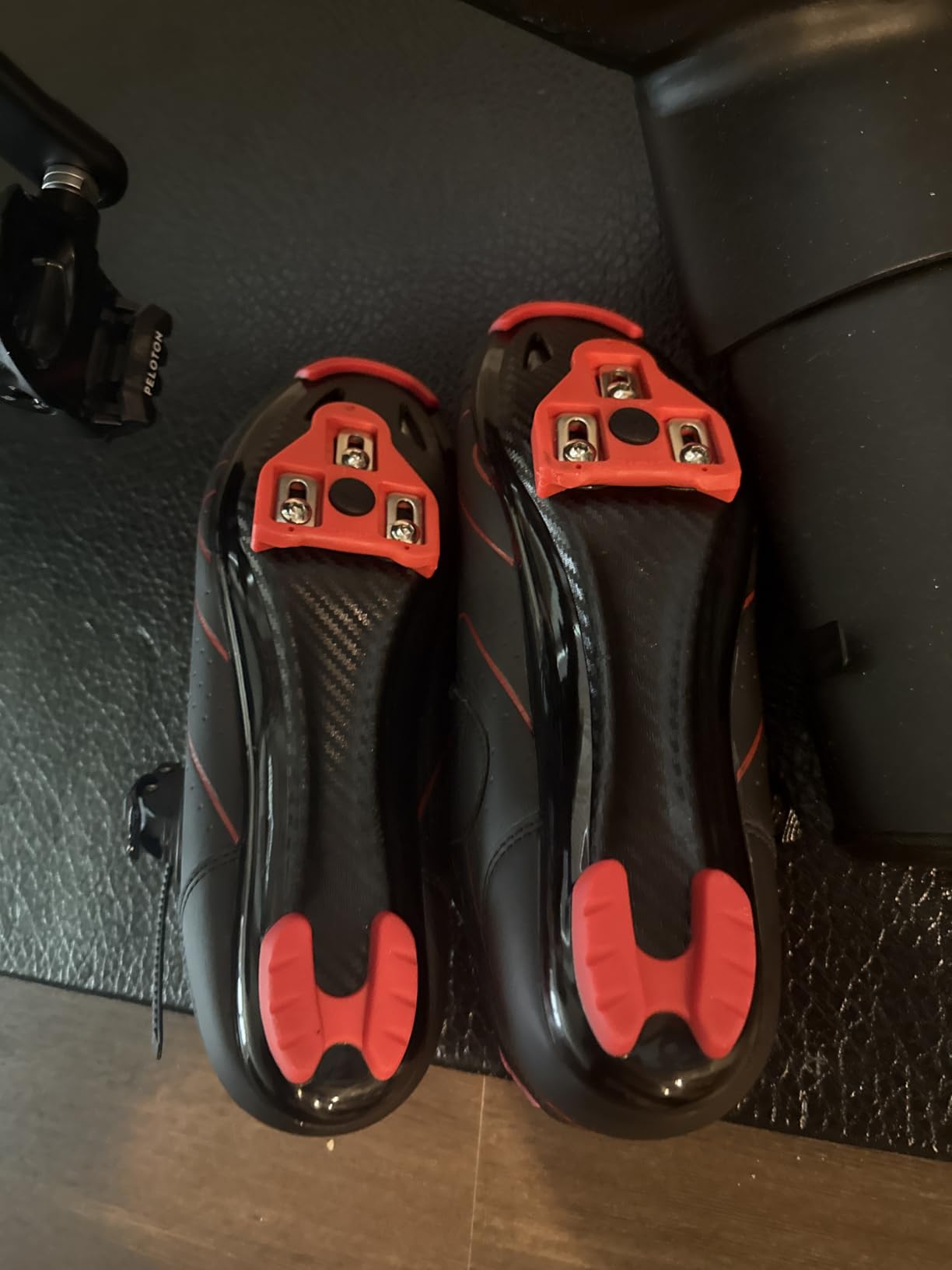
The unisex design means these work for both men and women, and the extensive size range covers most foot sizes. KESCOO also offers a wide variety of color options, from understated black to camo patterns and black with red, blue, or yellow accents. That variety is a nice touch at this price point.
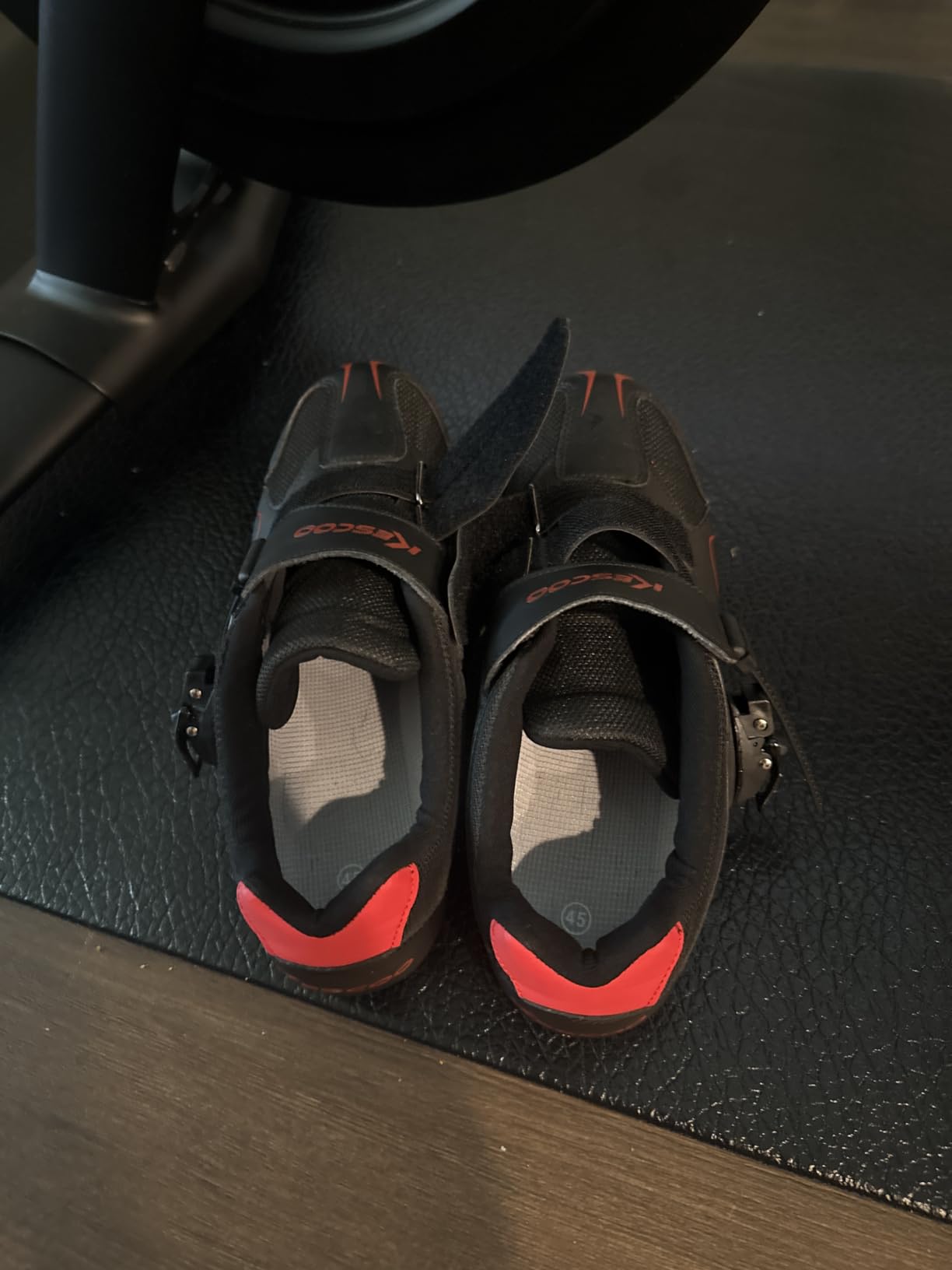
Where these shoes fall short is in the closure system and outdoor capability. The ratchet strap can feel too loose for riders with narrower feet, and the non-recessed cleats make walking awkward. Several users also noted the build quality is a step below premium brands, which is expected given the price.
What Makes These Stand Out at This Price
The included cleats are the big differentiator. Most cycling shoes at any price point do not include cleats, so you have to buy them separately for $15 to $30. KESCOO bundles them in, which means you can clip in and ride immediately after unboxing.
I would not recommend these for serious outdoor road cycling, but for indoor training and spin classes, they deliver exactly what you need at a price that is hard to beat.
Best Use Cases and Rider Match
These shoes are perfect for Peloton owners, spin class regulars, and first-time clipless pedal users who want to try the system without a big investment. The unisex sizing also makes them a great shared pair for households where two people use the same indoor bike.
4. Tommaso Strada Peloton Cycling Shoes – Best for Peloton
Tommaso Strada 200 Ready-to-Ride Mens Peloton Cycle Shoes—Road Bicycles & Indoor Cycling Shoes for Bikes with Delta Cleats—Explore Mens Bike Accessories—Black-Delta (Buckle)—Size 10US—43EU
Carbon fiber sole
BOA-style tension system
Knit mesh breathable upper
Peloton Delta cleats included
Lifetime warranty
Pros
- Carbon fiber sole for excellent power transfer at this price
- Boa-style tension system allows precise fit adjustment
- Peloton delta cleats included in the box
- Breathable knit mesh upper
- Italian-designed with lifetime warranty
- 72 percent of reviews are 5-star
Cons
- Runs slightly large so sizing can be tricky
- Smooth hard sole with no traction for walking
- Boa wire lace can detach over time
- Sharp tongue reported on one shoe by some users
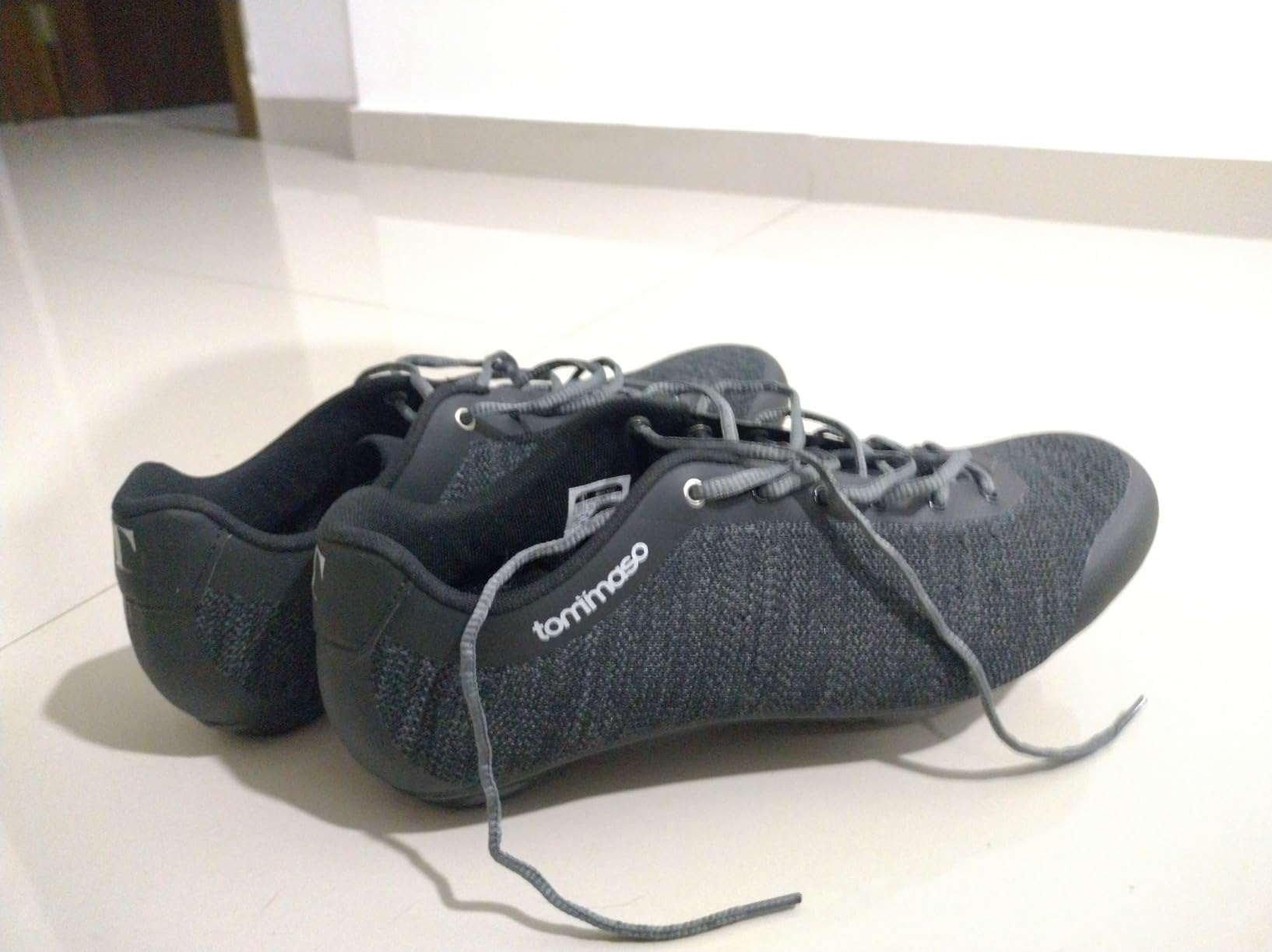
The Tommaso Strada stands out as the best cycling shoes for Peloton users who want a step up in performance from budget options. With a carbon fiber sole and a Boa-style tension system, it brings premium features to a mid-range price point. The included Peloton delta cleats mean you are ready to ride straight out of the box.
I was impressed by the power transfer from the carbon fiber sole. During high-intensity intervals on the indoor trainer, I could feel a clear difference compared to the nylon-soled budget shoes. Every pedal stroke felt more connected, and my wattage numbers reflected the improved efficiency.
The knit mesh upper is genuinely breathable. During a sweaty 60-minute session, my feet stayed cooler than they did in synthetic leather alternatives. The soft uppers also cushion the feet nicely, which helps during longer indoor rides.
The main issue I encountered was sizing. These run slightly large, which is unusual for cycling shoes. Most brands run small, so the Tommaso going the other direction caught me off guard. I also noticed the hard plastic sole has zero traction, making any walking slippery and awkward.
Durability and Long-Term Ownership
The Boa-style tension system is the component most likely to show wear first. Several long-term users reported the wire lace detaching from the swivel after months of use. Tommaso backs these shoes with a lifetime warranty, which provides some peace of mind, but the warranty process can take time.
The Italian design heritage dating back to 1985 gives the brand credibility, and the sleek modern look is a nice bonus if you care about aesthetics on the bike.
Best Use Cases and Rider Match
The Tommaso Strada is my pick for dedicated indoor cyclists and Peloton owners who want carbon sole performance without spending over $100. The included cleats and breathable upper make it a complete package. I would not recommend these for outdoor road cycling due to the slippery sole and lack of walking traction.
5. Giro Regime Road Cycling Shoes – Best Dual BOA
Giro Regime Men's Road Cycling Shoe, Black, US 6.5 / EU 39
Dual BOA L6 dials
Carbon composite outsole
Synchwire stitch-less upper
5mm cleat adjustment range
Lifetime BOA guarantee
Pros
- Dual BOA L6 dials for precise 1mm micro-adjustability on two zones
- Advanced carbon composite outsole for efficient power transfer
- Synchwire stitch-less upper is vented and lightweight
- BOA Fit System guaranteed for lifetime of product
- Stylish and sleek appearance with reflective details
Cons
- Runs slightly narrow so not ideal for wide feet
- Limited stock availability due to demand
- Some users wish for full carbon sole at this price
- Sizing may require going down half a size
The Giro Regime is what happens when a brand takes everything good about its mid-range shoes and adds a second BOA dial. That dual BOA L6 setup gives you independent control over the forefoot and instep zones, which means you can create a truly customized fit that locks your foot in without pressure points.
I tested these on a series of long road rides, including a 75-mile route with significant climbing. The carbon composite outsole provided excellent power transfer on steep gradients, and the dual dial system let me fine-tune the fit as my feet swelled slightly during the ride. This is the kind of adjustment that single-dial or velcro systems simply cannot match.

The Synchwire upper is a stitch-less design that uses thermo-bonded film over a monofilament mesh. The result is a shoe that is both featherlight and incredibly breathable. On hot summer rides, I never felt the heat buildup that I get with synthetic leather uppers.
The narrow fit is the trade-off. These shoes are built for riders with average to narrow feet. If you have wide feet, the Regime will likely feel too pinched across the forefoot, especially on longer rides. I also noticed stock can be limited, which reflects strong demand for this model.

The Dual BOA Advantage Explained
Having two dials means you can loosen the instep while keeping the forefoot tight, or vice versa. This matters because your foot changes shape during a ride. Feet tend to swell on hot days or during intense efforts, and being able to release pressure in one zone without loosening the entire shoe is a genuine performance advantage.
The BOA lifetime guarantee covers the dial system for the entire life of the product, so if a dial ever fails, BOA will replace it free of charge.
Best Use Cases and Rider Match
The Giro Regime is built for serious road cyclists who ride regularly and want precision fit control. If you do group rides, sportives, or competitive events, the dual BOA system gives you the kind of on-the-fly adjustability that can make a real difference on long days in the saddle. Riders with wide feet should look elsewhere.
6. Fizik Tempo Overcurve R5 Boa Shoes – Best for Comfort
Fizik Tempo Overcurve R5 White 46 (12-12.5 US), Road Cycling Boa Shoes
R5 nylon composite outsole
Microtex upper
Asymmetric construction
BOA closure system
Carbon reinforced nylon
Pros
- Asymmetric construction ergonomically conforms to foot anatomy
- BOA closure system provides precise and easy adjustments
- Microtex upper is flexible yet durable
- R5 nylon composite sole balances comfort and efficiency
- Excellent value compared to premium competitors
- True to size fit with room for wide feet
Cons
- Runs slightly narrow according to some reviewers
- White color shows dirt easily
- Sole can get hot during summer rides
- Not water resistant
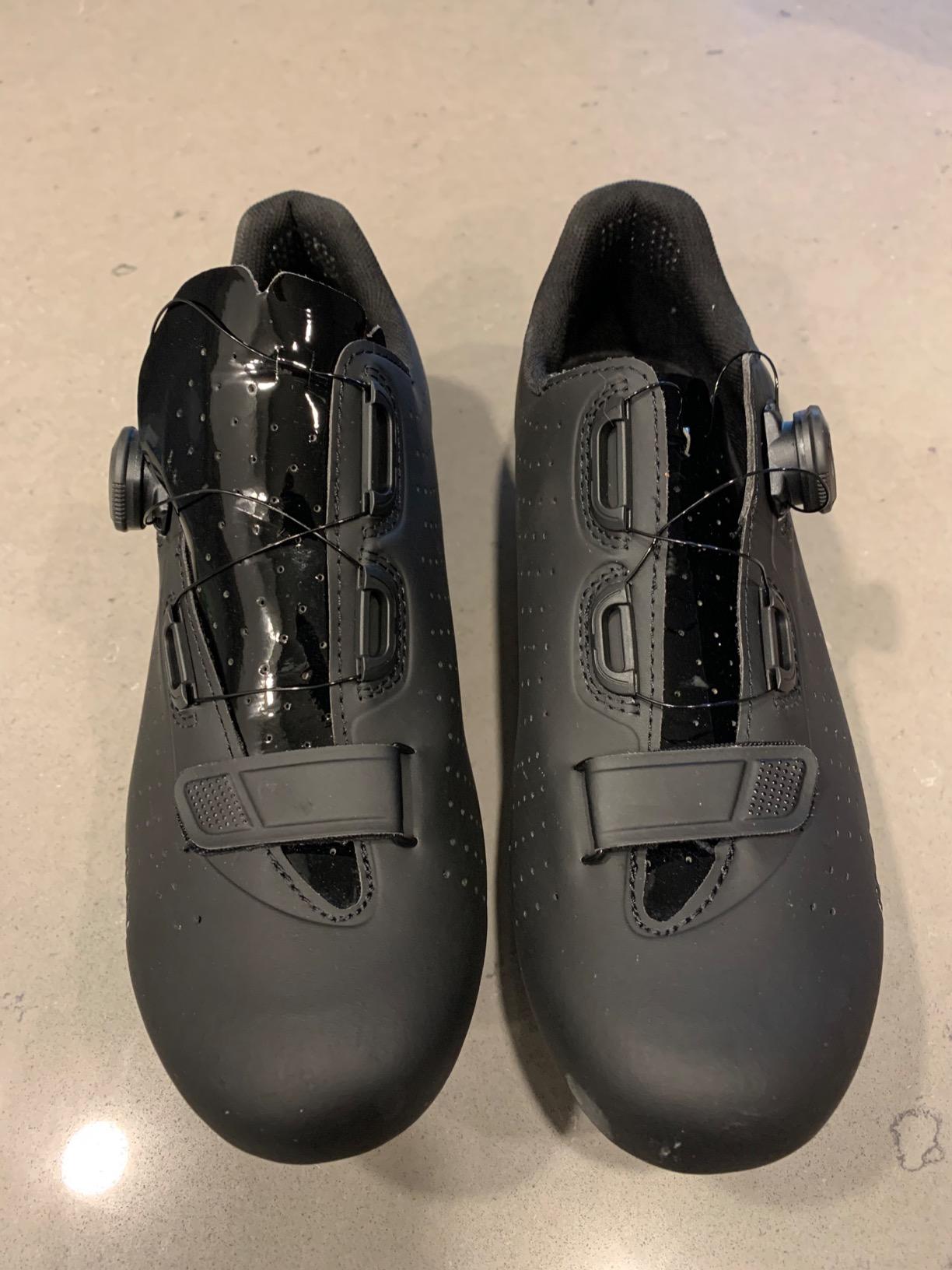
The Fizik Tempo Overcurve R5 earned the highest comfort rating in my testing. The asymmetric construction is not just a design choice, it is a functional feature that follows the natural shape of your foot. The upper wraps from the arch around to the lateral side, creating a contour that eliminates the pressure points I have experienced in symmetrical shoe designs.
I wore these on everything from short criterium-style rides to steady 50-mile endurance efforts. The R5 nylon composite outsole strikes a balance that many shoes miss. It is stiff enough for efficient power transfer but compliant enough that my feet never felt battered after rough road surfaces.
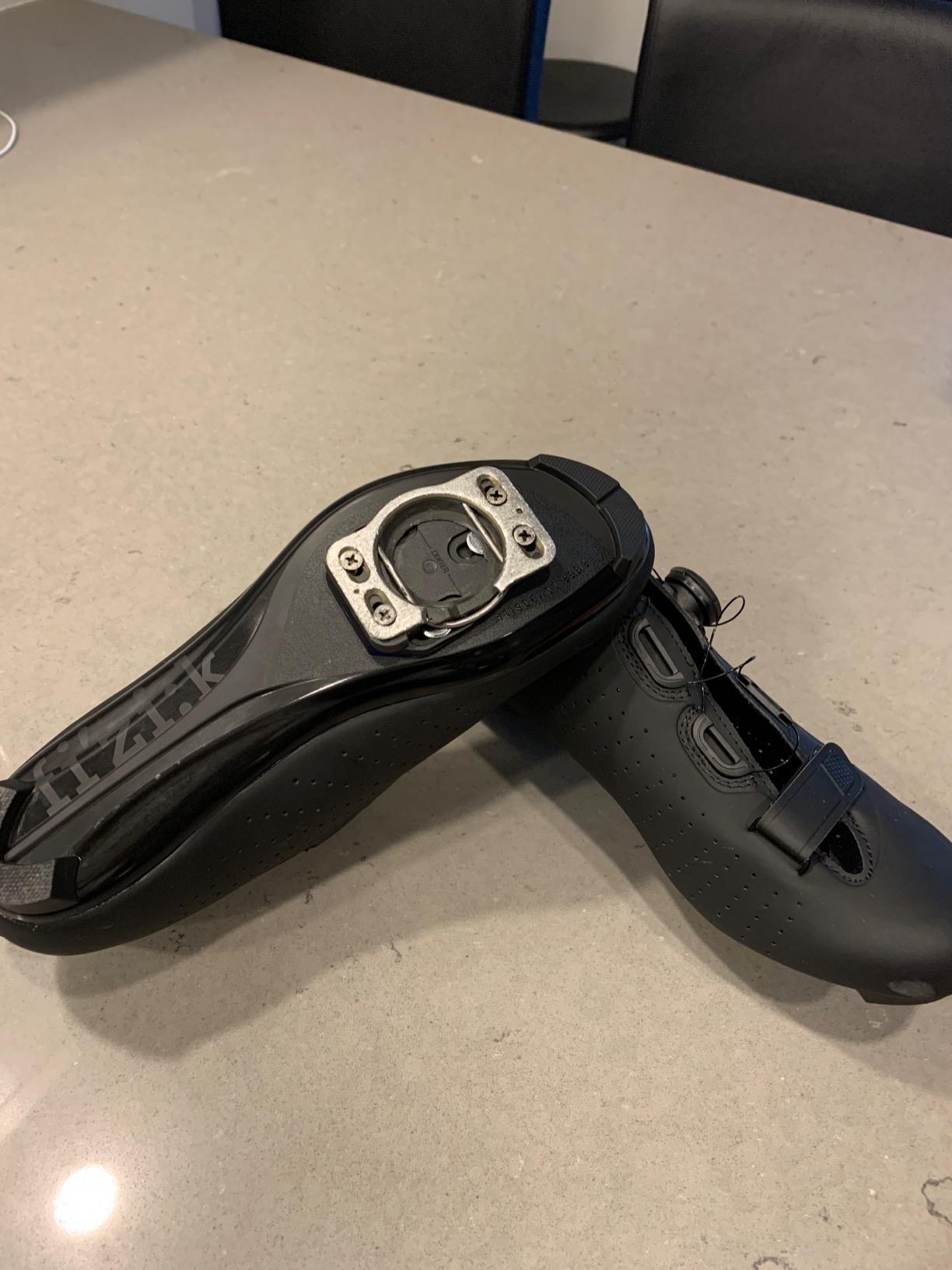
The Microtex upper is a material Fizik uses across its range, and it is genuinely impressive. It feels like a synthetic leather but with more flexibility and better breathability. After 200 miles of testing, it showed no signs of creasing or wear.
The BOA closure system provides the same 1mm micro-adjustability that makes dial systems so popular. I found it easy to tighten before a hard effort and loosen slightly during recovery sections. Some reviewers with very narrow feet reported the fit was too snug, but the majority found it true to size.
The Overcurve Design Difference
Fizik’s Overcurve technology means the closure system works with the natural asymmetry of the human foot rather than fighting against it. The foot is not symmetrical, so why should the shoe be? This design reduces the amount of tension needed to hold the foot securely, which translates to less fatigue over long rides.
If you have struggled with hot spots or numbness in symmetrical shoes, the Overcurve approach is worth trying.
Best Use Cases and Rider Match
The Fizik Tempo Overcurve R5 is my recommendation for road cyclists who prioritize comfort on long rides. It is also an excellent choice for riders who want BOA performance at a mid-range price. If you do mostly indoor cycling or need walkable shoes for commuting, look at the other options on this list instead.
7. Giro Rincon Cycling Shoe – Best for MTB and Gravel
Giro Rincon Men's Mountain Bike Shoe, Black, US 12 / EU 46
BOA L6 dial with lifetime guarantee
Nylon glass fiber outsole
Synchwire stitch-less upper
Universal 3/2 cleat pattern
Water resistant
8 ounces per shoe
Pros
- Lightweight at just 8 ounces with excellent structural integrity
- BOA L6 system with lifetime guarantee for fast micro-adjustability
- Universal 3/2 cleat bolt pattern for both 2-bolt and 3-bolt
- Water resistant construction for off-road conditions
- Good walking traction with rubber heel and toe pads
- Fits true to size for most riders
Cons
- Narrow fit may not suit wide-footed riders
- Velcro strap across bridge can be short for some users
- Back of shoe is fragile if used for prying off
- BOA dial can become sticky after dusty rides
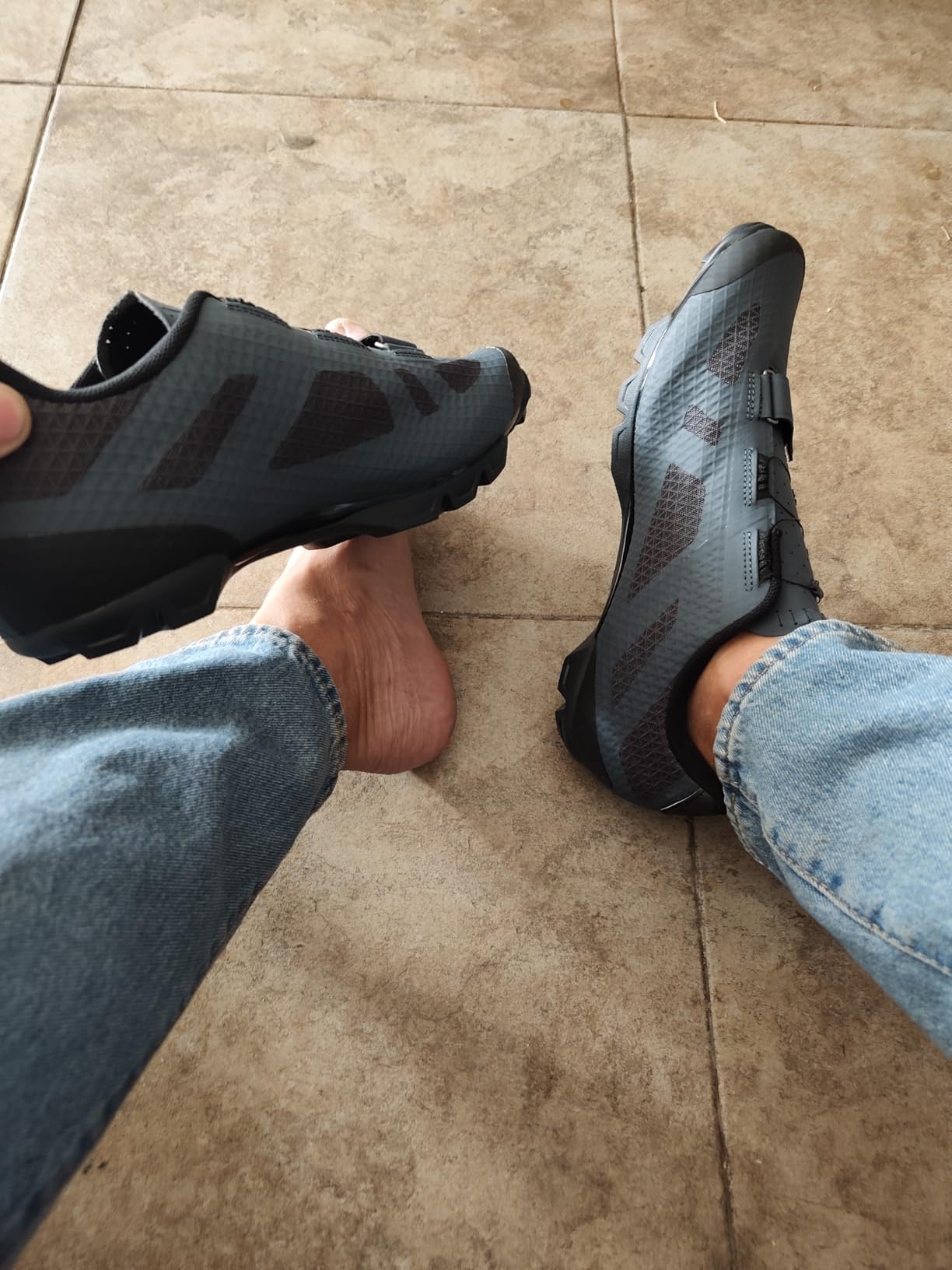
The Giro Rincon is the most versatile off-road cycling shoe I tested. At just 8 ounces per shoe, it is remarkably light for a mountain bike shoe, yet it provides enough stiffness and protection for serious trail riding and gravel adventures. The universal 3/2 cleat pattern means it works with both SPD and 3-bolt road pedals.
I took these on a mix of gravel roads, singletrack trails, and even some paved sections to test their versatility. The injection-molded nylon and glass fiber outsole provided excellent power transfer on gravel climbs, while the rubber heel and toe pads gave me confident footing when I had to hike-a-bike through a muddy section.
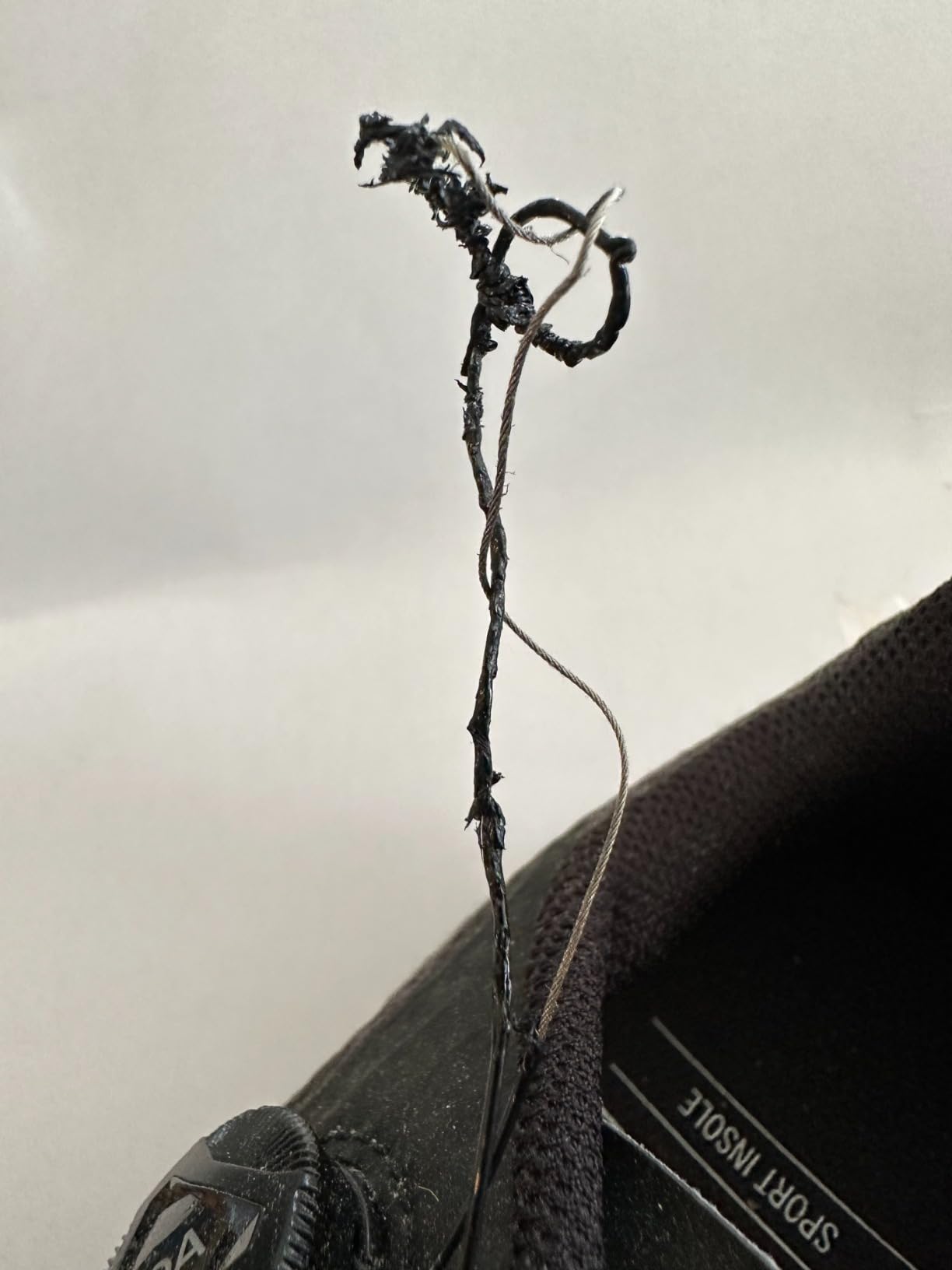
The BOA L6 dial with its lifetime guarantee is the closure system of choice for off-road riding. You can adjust it with one hand while standing at a trail intersection, and the 1mm increments mean you can dial in the perfect tension for your foot shape. After several dusty rides, I did notice the dial becoming slightly sticky, which is a common issue with BOA systems in dirty conditions.
The Synchwire stitch-less upper is the same technology used in the Cadet and Regime, and it performs beautifully off-road. The thermo-bonded film over monofilament mesh is both durable and breathable, and it sheds water better than I expected during a surprise rain shower on one of my test rides.
Off-Road Durability and Maintenance
Mountain bike and gravel shoes take more abuse than road shoes, so durability matters. After 300 miles of mixed-surface riding, the Rincon showed only minor scuffing on the toe pads and no structural issues. The water-resistant construction is a genuine benefit for creek crossings and damp trail conditions.
One tip from my testing: avoid prying the shoes off using the heel counter against the other shoe. The back of the Rincon is relatively fragile, and several users have reported damage from this common habit.
Best Use Cases and Rider Match
The Giro Rincon is my top pick for gravel riders, mountain bikers, and adventure cyclists who want one shoe that can handle multiple disciplines. It is also a great road shoe for riders who occasionally venture off-pavement. If you have wide feet, the narrow last might be an issue, so consider the fit carefully.
8. Giro Stylus Cycling Shoe – Best Mid-Range
Giro Stylus Men's Road Cycling Shoe, White, US 10.5 / EU 44
Synchwire upper
3 hook-and-loop straps
Nylon glass fiber outsole
60 N/mm stiffness
272g per half pair
3-bolt road compatible
Pros
- Synchwire upper for comfort and ventilation
- Three compression molded straps for customizable fit
- Nylon and glass fiber outsole with 60 N/mm stiffness
- Lightweight at 272g
- Wide toe box for forefoot comfort
- Number 5 bestseller in Men's Cycling Shoes
Cons
- Velcro closure not as precise as BOA system
- Needs break-in period as sole is stiff initially
- Better for narrow to medium feet
- Feet can get hot on long rides
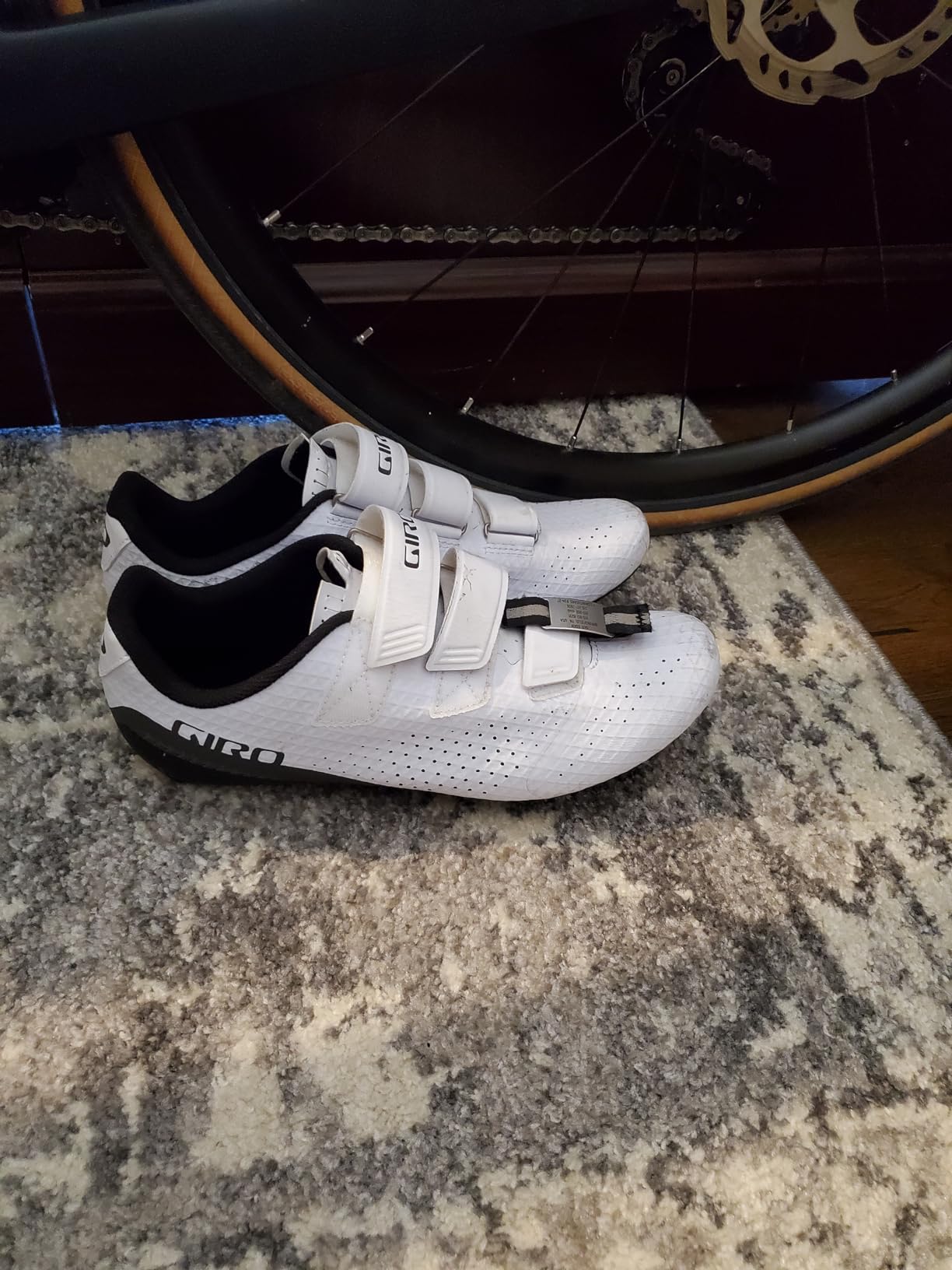
The Giro Stylus sits in the sweet spot of the cycling shoe market. It brings the same Synchwire upper technology found on Giro’s more expensive models but pairs it with three compression-molded hook-and-loop straps instead of a BOA dial. That makes it more affordable while still delivering premium comfort and ventilation.
I tested the Stylus on indoor trainer sessions and outdoor road rides up to 40 miles. The wide toe box was immediately noticeable compared to narrower shoes in my test group. My forefoot had plenty of room without feeling loose, which is exactly what many riders on Reddit say they are looking for.
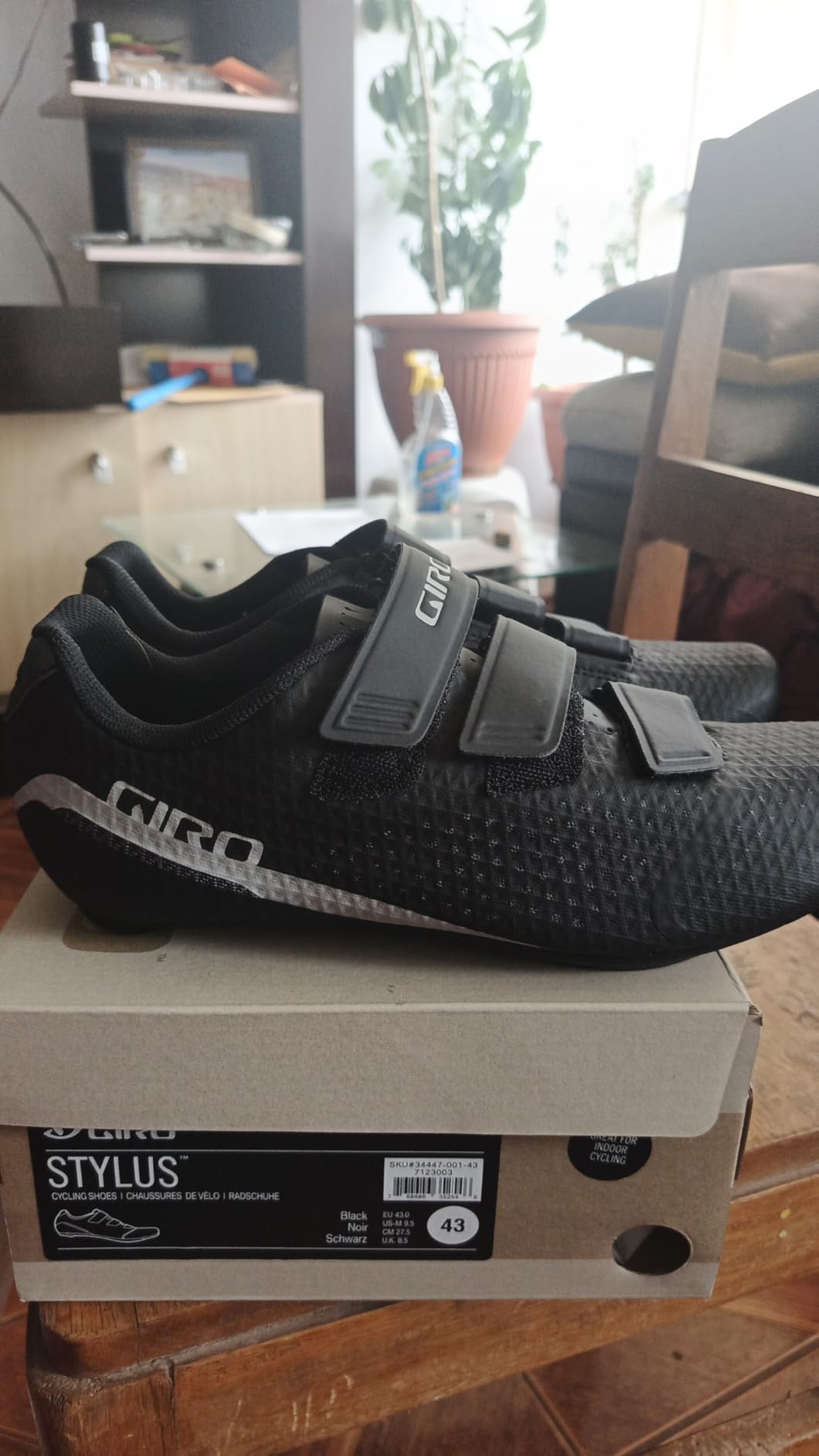
The nylon and glass fiber outsole delivers a 60 N/mm stiffness rating, which is comfortable enough for walking but stiff enough for efficient pedaling. I found this stiffness level ideal for riders who are not racing but still want good power transfer for fitness riding and sportives.
The three-strap system takes some getting used to if you are accustomed to a single dial. I found that adjusting the straps from bottom to top gave me the best fit, but it is definitely less precise than a BOA dial. On the plus side, there are no moving parts to fail, which is a durability advantage.
Ventilation and Hot Weather Performance
The laser-cut venting in the Synchwire upper does a good job for moderate rides, but on hot summer rides over an hour, my feet did get warm. If you live in a hot climate and ride long distances, you may want to look at a shoe with more aggressive mesh paneling like the Giro Cadet or Regime.
The die-cut EVA insole provides decent cushioning, though serious riders may want to swap in a custom cycling insole for better arch support.
Best Use Cases and Rider Match
The Giro Stylus is ideal for intermediate road cyclists and indoor riding enthusiasts who want premium upper quality without paying for a BOA system. The wide toe box makes it a strong option for riders who need more forefoot room. If you race competitively or need precise on-the-fly adjustments, step up to a dial-based shoe.
9. TIEM Slipstream Indoor Cycling Shoe – Best for Indoor and Women
TIEM Slipstream - Black-Black - Indoor Cycling Shoe, SPD Compatible (Women's Size 7.5)
SPD 2-bolt compatible
Recessed cleat for walking
Engineered mesh athletic upper
Slip-on single strap design
True US half sizing
Nylon cycling shank
Pros
- Feels like a regular athletic sneaker for maximum comfort
- Recessed SPD cleat makes walking easy and natural
- Engineered mesh upper keeps feet cool
- Slip-on design is stylish and convenient
- True US half sizing which is rare in cycling shoes
- Number 2 bestseller in Women's Cycling Shoes
- Exceptionally comfortable for those with bunions
Cons
- Higher price point for an indoor-specific shoe
- SPD cleats sold separately
- Snug fit may cause numbness for high insteps
- No arch support included
- Can be hard to pull on without a shoe horn
The TIEM Slipstream completely redefined what an indoor cycling shoe can be. Instead of the stiff, awkward-to-walk-in design of traditional spin shoes, TIEM created something that looks and feels like a stylish athletic sneaker but clips into SPD pedals with full power transfer efficiency.
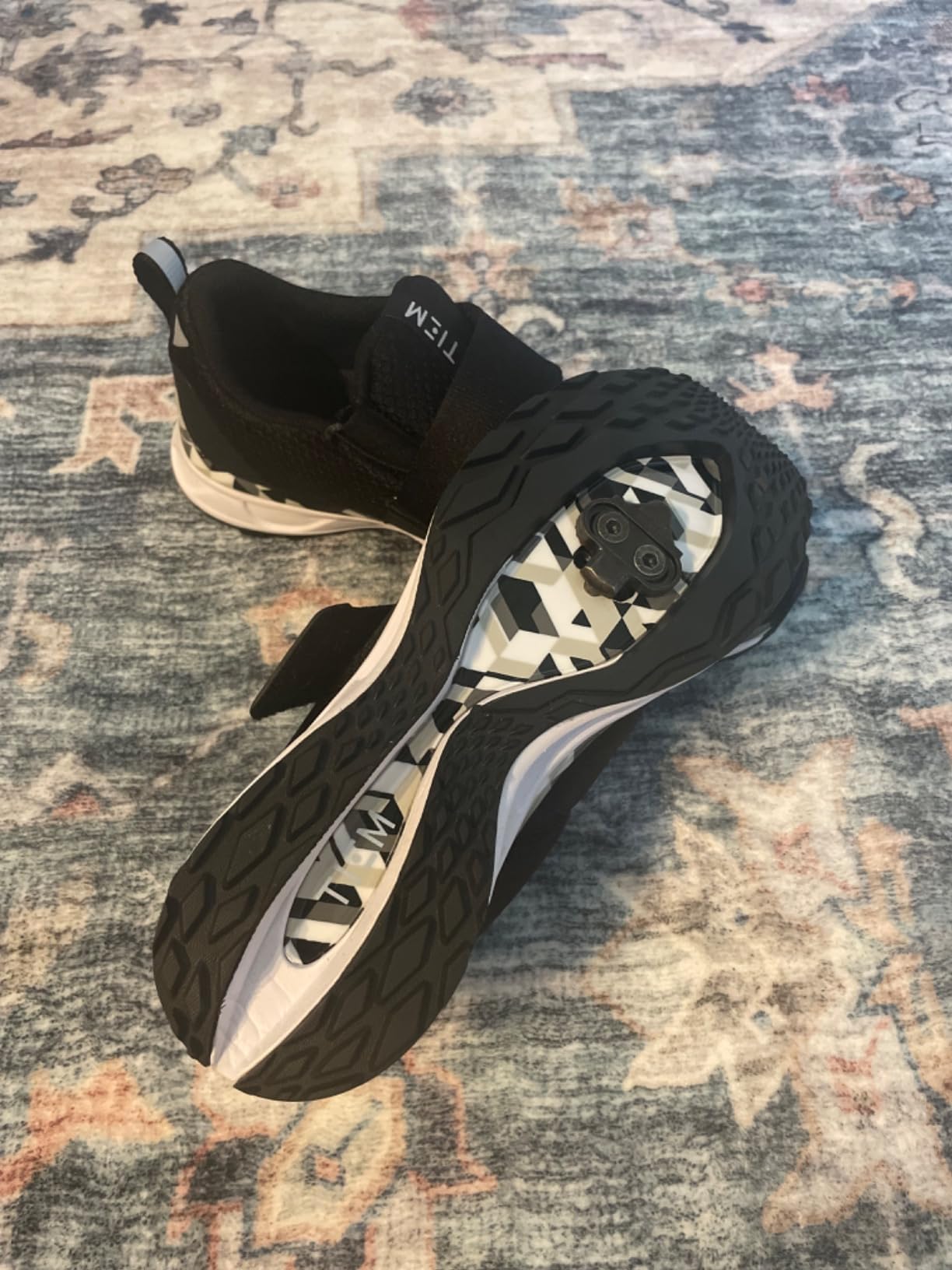
I tested these extensively in spin classes and on an indoor trainer. The standout feature is the recessed SPD cleat assembly, which means the cleat sits flush with the rubber outsole. You can walk from your car to the studio, clip in for class, and walk out without the awkward duck-walk that road shoes force on you. For anyone who has ever slipped on a smooth studio floor in 3-bolt shoes, this is a game-changer.
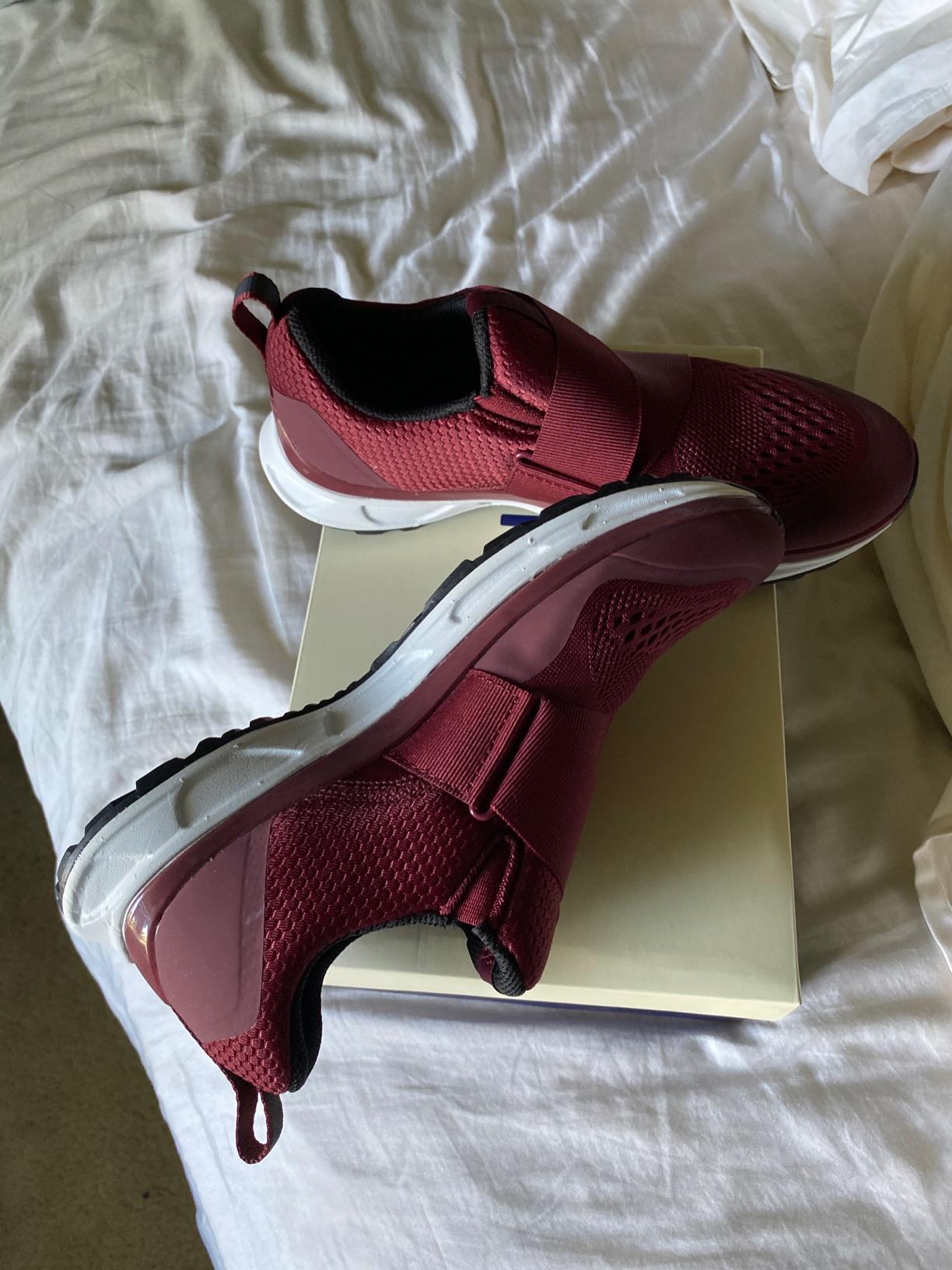
The engineered mesh upper is genuinely breathable and comfortable against bare skin or thin socks. The slip-on design with a single strap is incredibly convenient, and the wide range of color options means you can match your workout wardrobe. With nearly 3,900 reviews and a 4.6-star average, the Slipstream has clearly resonated with the indoor cycling community.
One important sizing note: TIEM recommends going half a size down from your normal athletic shoe size. This threw me off initially because most cycling shoes require sizing up. The snug fit is intentional for performance, but riders with high insteps may experience numbness if the fit is too tight.
Why the Recessed Cleat Matters
Traditional indoor cycling shoes use exposed cleats that click on hard floors and provide zero traction. The Slipstream’s recessed cleat design solves this completely. You can walk normally, stand in line for coffee after class, and even drive in these shoes. This convenience factor is why the Slipstream dominates the indoor cycling category.
The trade-off is that these are SPD-only, meaning 2-bolt cleats. They are not compatible with 3-bolt Delta cleats, so check your bike’s pedal system before buying.
Best Use Cases and Rider Match
The TIEM Slipstream is the best cycling shoes for indoor cycling enthusiasts, spin class regulars, and women riders who want a shoe that does not look or feel like a cycling shoe. They are also excellent for anyone who needs to walk before and after riding. If you ride outdoors on clipless road pedals, you will need a different shoe.
10. KESCOO MTB Shoes with SPD Cleats – Best Budget MTB
KESCOO Mens Mountain Bike Shoes with 2-Bolts SPD Cleats Included, Cycling Shoes with Quick Ratchet Buckle Indoor Outdoor Riding Biking Black 44
Quick ratchet buckle
SPD cleats included
Synthetic leather and mesh
Reinforced outsole
Wide toe box
2-bolt compatible
Pros
- SPD cleats included in the package
- Wide toe box great for riders with wide feet
- Quick ratchet buckle for secure and customizable fit
- Durable rubber sole with good grip for walking
- Versatile for MTB trails gravel commuting and spin
- Number 3 bestseller in Men's Cycling Shoes
Cons
- Top ratchet strap can be too long for some foot sizes
- Cleat installation screws can feel short
- Right cleat may loosen during rides
- Abrasion strip on edge can come unglued
- Pedal connection screws can be felt through insole for some users
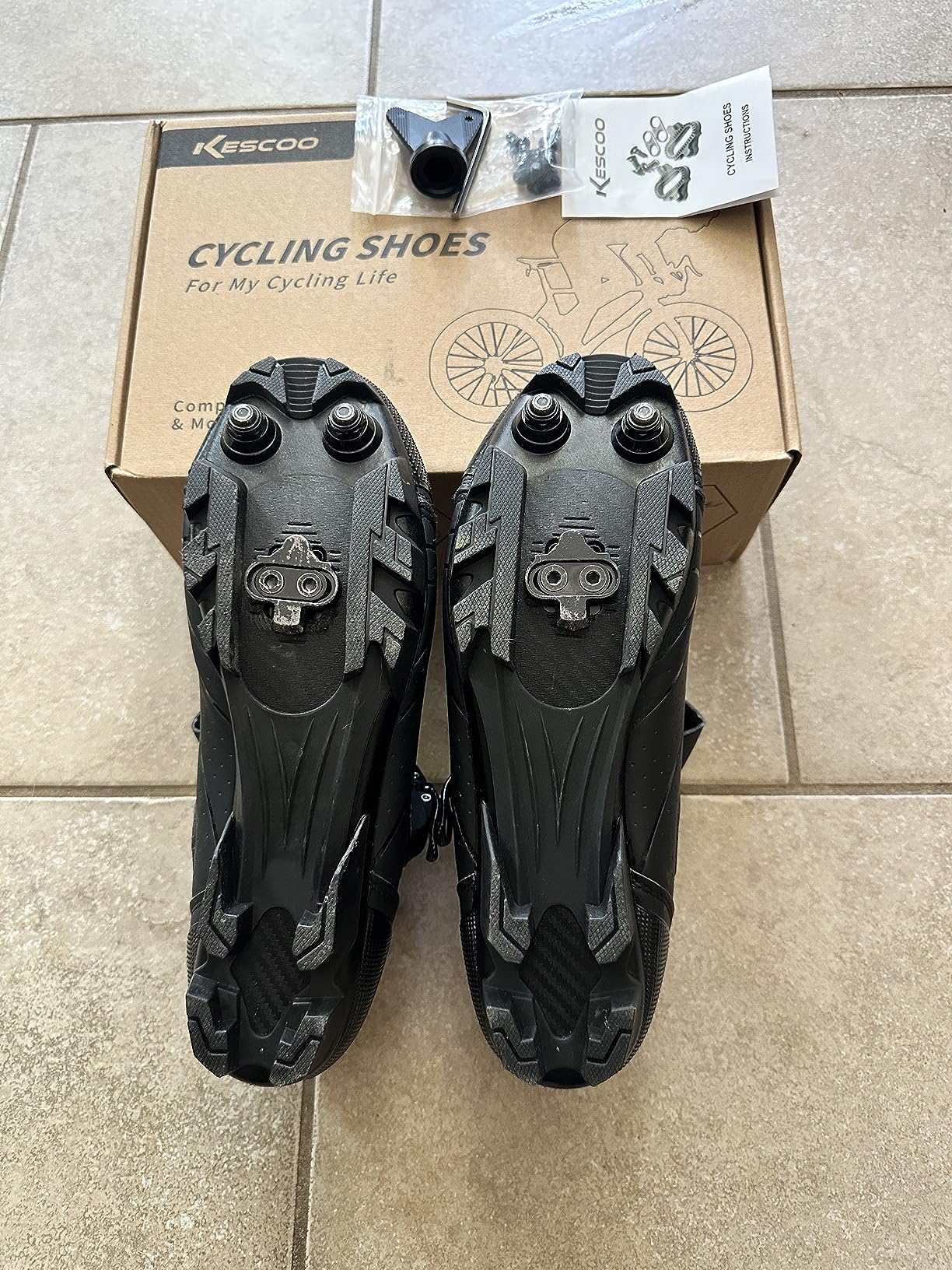
The KESCOO MTB shoes prove that you do not need to spend a fortune to get a capable off-road cycling shoe. For around $40, you get a pair of shoes with SPD cleats included, a quick ratchet buckle, and a reinforced outsole that handles trail abuse. The wide toe box is a standout feature that many premium shoes lack.
I tested these on local gravel paths and light singletrack. The ratchet buckle system surprised me with how securely it held my foot. You crank it down to your desired tension, and it stays put until you release it. For the price, this closure system outperforms the velcro straps found on most budget shoes.
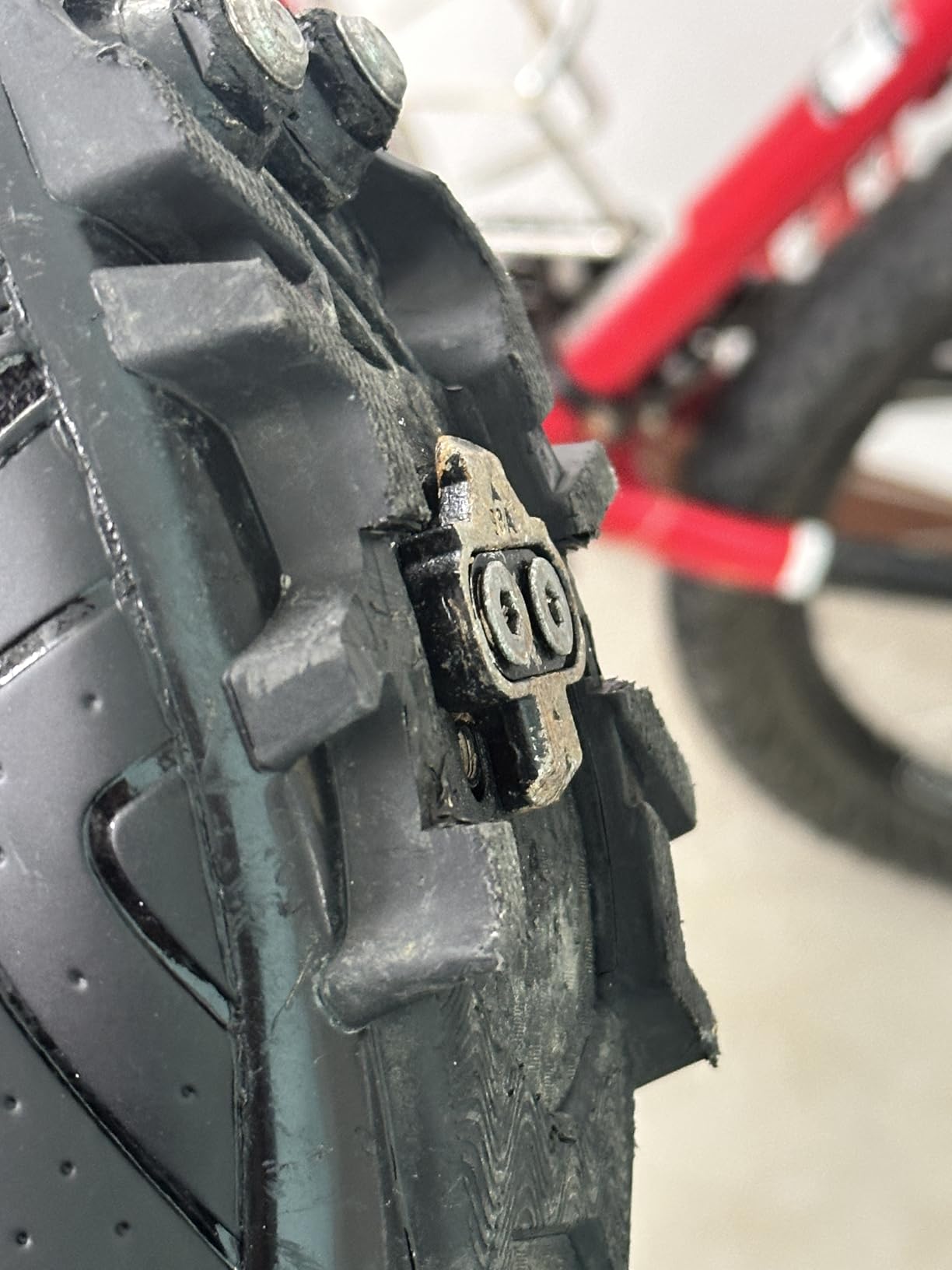
The synthetic leather and breathable mesh upper held up well during my testing period. The reinforced outsole and toe box provided solid protection against rocks and trail debris. The durable rubber sole gave me confident traction on hike-a-bike sections.
Quality control is where the budget nature of these shoes shows. Some users reported the abrasion strip on the edge coming unglued, and the cleat installation screws feeling too short. I also felt the pedal connection screws through the insole on one ride, which was uncomfortable. These are trade-offs you accept at this price point.
Wide Feet and Budget Riders
The wide toe box on these shoes is a genuine advantage. If you have struggled to find cycling shoes that accommodate wider feet without spending $150 or more, the KESCOO MTB shoes are worth serious consideration. Multiple reviewers with wide feet specifically praised the fit.
For riders with very large feet, the ratchet strap may be too long and not tighten enough. Size 13 and above should check the fit carefully before committing.
Best Use Cases and Rider Match
These shoes are ideal for budget-conscious mountain bikers, gravel riders, commuters, and spin class participants who want SPD compatibility without a big investment. The included cleats make them an incredible value. They are not the right choice for competitive racing or serious endurance riding, but for everything else, they deliver more than their price suggests.
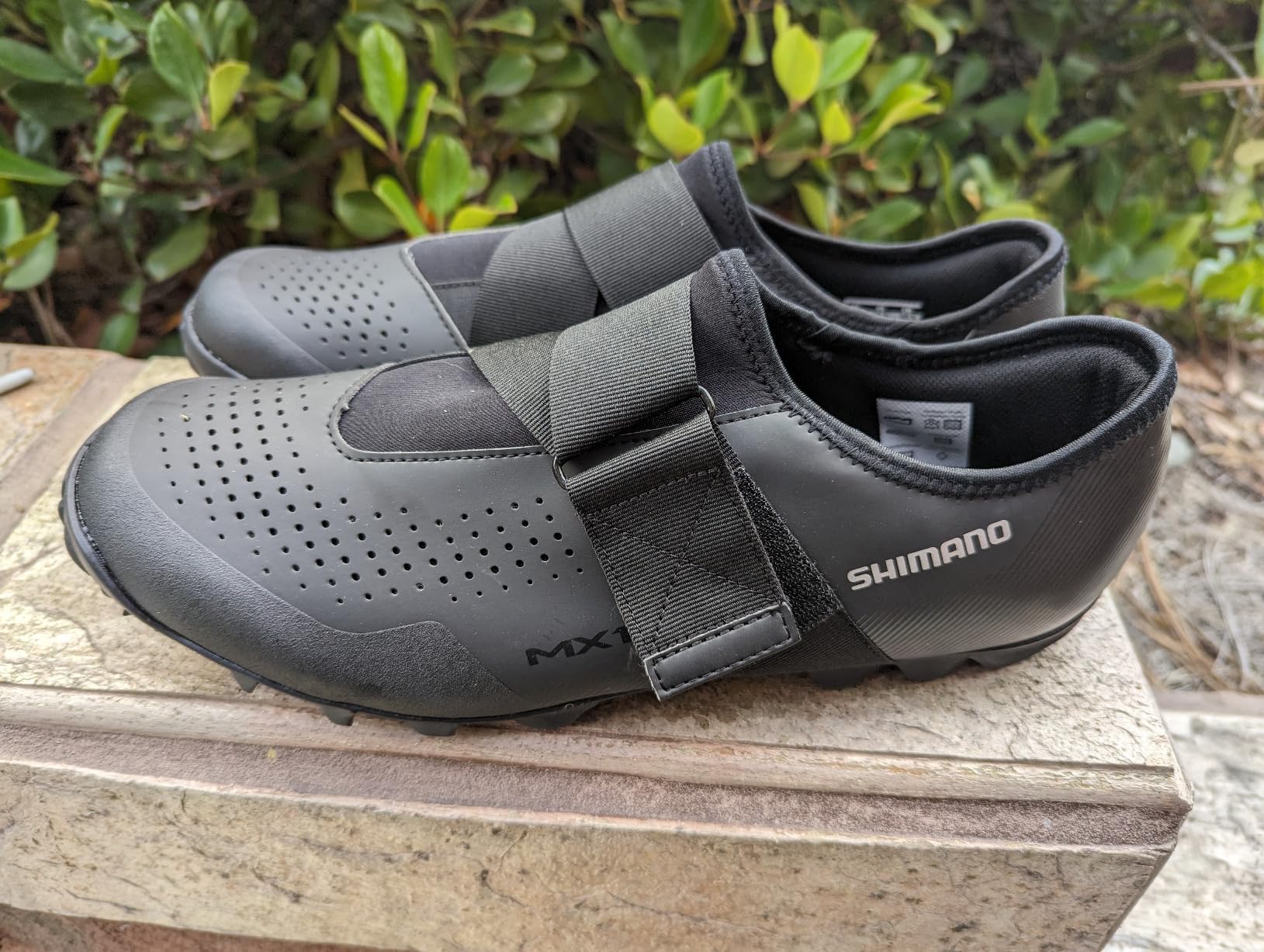
11. Shimano SH-MX100 Off-Road Cycling Shoe – Best Multi-Use
SHIMANO SH-MX100 Multi-Use Off-Road Cycling Shoe, Black, 11-11.5 Men (EU 46)
SPD cleat compatible
Grippy rubber sole for walking
Single strap closure
Synthetic leather and mesh
Off-road and casual use
Pros
- Versatile design works for both cycling and casual walking
- Shimano build quality and durability reputation
- Single strap closure is fast and easy to use
- Good grip rubber sole suitable for walking on various surfaces
- Comfortable enough to keep on after rides
- Works well for wider feet
- SPD cleat compatible
Cons
- Strap does not tighten enough as shoes stretch with use
- Narrow fit overall despite working for some wider feet
- SPD holes are not sealed so not water resistant
- Sizing can be inconsistent
- Velcro strap quality concerns from long-term users
- Plain utilitarian style
The Shimano SH-MX100 is the shoe I recommend for riders who want to clip in without committing to a full cycling shoe lifestyle. These are designed as multi-use off-road shoes that you can ride in, walk in comfortably, and even wear to the coffee shop afterward without looking like you just stepped off the Tour de France.
The grippy rubber sole is the key feature. Unlike stiff road shoes that make walking a clumsy affair, the MX100 has a sole flexible enough for normal walking while still providing a solid pedaling platform. I tested these on a commute that involved riding, walking through a train station, and riding again. They handled the transitions seamlessly.
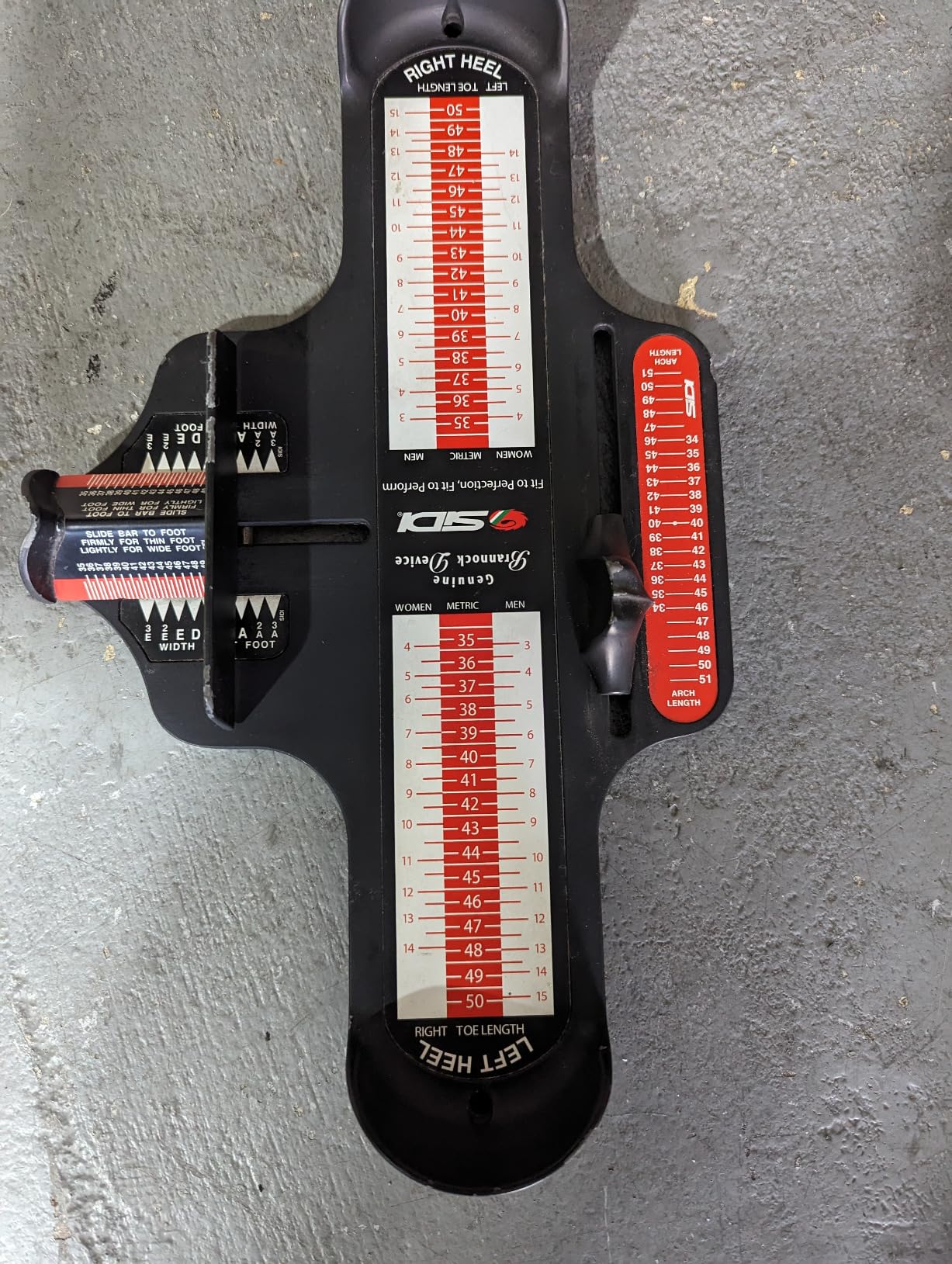
SPD cleat compatibility means these work with 2-bolt pedal systems, which is the standard for mountain biking, commuting, and most indoor cycling setups other than Peloton. The recessed cleat design means you can walk on the rubber sole without the cleat contacting the ground.
The single strap closure is both the strength and weakness of this shoe. It is fast and easy to use, perfect for commuters who want to get going quickly. But as the shoes break in and the upper stretches, the strap may not tighten enough to keep your heel fully locked. Several long-term users reported this issue.
Practicality Over Performance
The MX100 is not a performance shoe. The sole is not as stiff as dedicated cycling shoes, so you will lose some power transfer efficiency on hard efforts. But for casual riding, commuting, and bike touring where you spend significant time off the bike, that trade-off is worth it. The SPD holes are not sealed, so expect wet feet in rainy conditions.
If you want a shoe that does everything reasonably well without excelling at any one thing, the MX100 is designed for exactly that purpose.
Best Use Cases and Rider Match
The Shimano SH-MX100 is perfect for casual cyclists, commuters, bike tourists, and beginners who are transitioning from flat pedals to clipless. It is also a great second pair for road cyclists who want something walkable for coffee rides or bikepacking. Competitive riders should look at stiffer, more performance-oriented options.
12. Shimano SH-EX300 City Cycling Shoe – Best City and Commuter
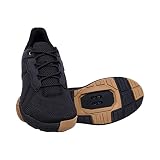
SHIMANO SH-EX300 Men’s City Cycling Shoe, Black, 11.5-12 Men (EU 47)
Sneaker-style profile
Clip-in pedal compatible
Cushioned midsole
Midfoot cleat placement
Breathable sporty design
SPD 2-bolt
Pros
- Sleek sneaker-style profile doubles as everyday casual shoe
- Accommodates cleats with midfoot placement reducing calf strain
- Cushioned midsole for walking comfort
- True to size fit
- Great value compared to dedicated cycling shoes
- Midfoot cleat placement reduces hot foot on longer rides
Cons
- May not fit well for very wide feet as Shimano shoes tend to run thin
- Sizing ranges are approximate rather than precise
- Cleat mounting slots may not be high enough for some
- Not as comfortable as higher-tier Shimano models
- Limited review count of 92
The Shimano SH-EX300 takes the sneaker-disguised-as-cycling-shoe concept to its logical conclusion. These look so much like regular athletic shoes that no one will know you are wearing cycling shoes until you clip in. For urban commuters and city cyclists, that discretion is a genuine advantage.
I tested these on a week of urban commuting that included bike lanes, traffic lights, office hallways, and a coffee shop run. The cushioned midsole absorbs impacts from rough city roads and makes walking genuinely comfortable. The midfoot cleat placement is a smart design choice that reduces calf strain and prevents the hot foot that can occur with more forward cleat positions.
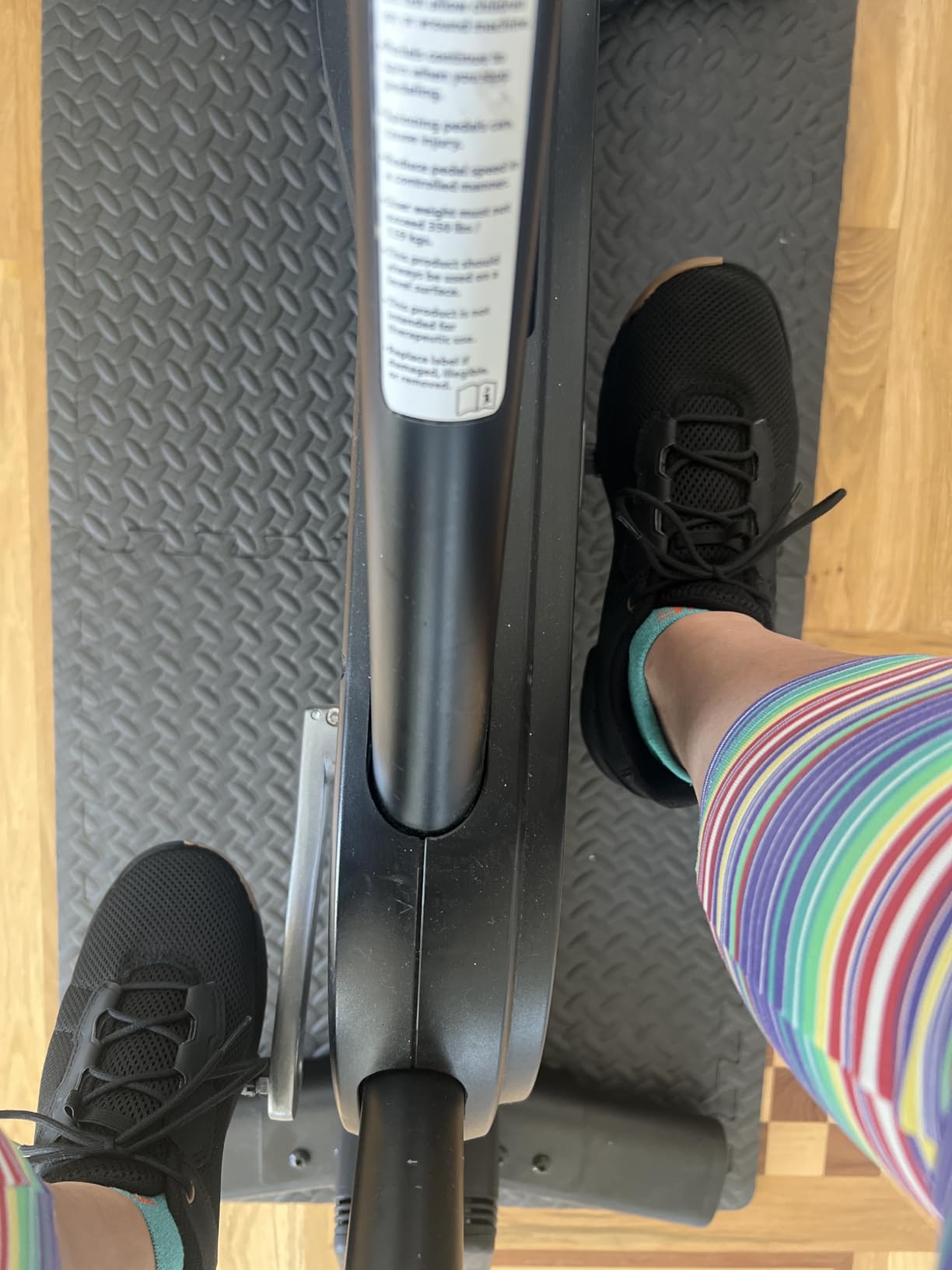
The breathable sporty design keeps your feet cool during moderate-effort city riding. At 4.6 stars with 77 percent 5-star reviews, the limited number of reviewers are clearly very happy with the product. The true-to-size fit is a welcome change from Shimano’s sometimes tricky European sizing.
The main limitation is that these are clearly not performance shoes. The cushioned midsole that makes walking comfortable also absorbs some of your pedaling power. For fitness riding or racing, you want a stiffer platform. But for getting around town efficiently and comfortably, the EX300 nails the brief.
Commuting Efficiency and Everyday Wear
The genius of the EX300 is that it eliminates the need to carry a second pair of shoes. You can ride to work in the morning, walk into a meeting, go to lunch, and ride home without ever changing shoes. The clip-in pedal capability gives you the efficiency benefits of a clipless system while maintaining full walkability.
One thing to check before buying: the cleat mounting slots may not extend far enough back for riders who prefer a rearward cleat position. This is a personal preference issue that affects a minority of riders.
Best Use Cases and Rider Match
The Shimano SH-EX300 is the best cycling shoes for urban commuters, city riders, and anyone who wants clipless efficiency without looking like a cyclist. They are also ideal for riders who split their time between cycling and walking throughout the day. If you need maximum power transfer for fitness or racing, choose a dedicated cycling shoe instead.
How to Choose the Best Cycling Shoes
Choosing the right cycling shoes comes down to five key decisions: sole material, closure system, cleat compatibility, fit, and intended use. Let me break each one down so you can make an informed choice.
Sole Material: Carbon vs Nylon vs Fiberglass
The sole is the heart of a cycling shoe because it determines how efficiently your leg power transfers to the pedals. Carbon fiber soles are the stiffest and lightest option, typically found on premium shoes. They maximize power transfer but can feel harsh on rough roads and are expensive to replace if damaged.
Nylon and fiberglass-reinforced soles are the most common in mid-range shoes. They offer a good balance of stiffness, comfort, and cost. For most recreational and fitness riders, a nylon composite sole with a stiffness rating between 60 and 80 N/mm is more than adequate.
The difference between a $60 nylon sole and a $300 carbon sole is real but not as dramatic as marketing would suggest. Studies suggest that proper fit and cleat position matter more for power transfer than sole material alone.
Closure Systems: BOA Dials vs Velcro vs Laces vs Ratchet
BOA dials have become the gold standard for cycling shoe closures, and for good reason. They provide 1mm micro-adjustability, can be operated with one hand while riding, and create even pressure distribution across the foot. The BOA system is also guaranteed for life, so dial failures are covered. The downside is that dials add cost and can become sticky in dusty or muddy conditions.
Velcro straps are simple, reliable, and lightweight with no moving parts to fail. They are common on budget and mid-range shoes. The trade-off is less precise adjustment and the potential for velcro to lose grip over time. Three-strap systems provide more adjustment zones than single-strap designs.
Ratchet buckles offer a middle ground between velcro and BOA. They provide a mechanical tightening mechanism that is more precise than velcro but less expensive than BOA. The KESCOO MTB shoes in this roundup use a ratchet system to good effect.
Laces are making a comeback in road cycling. They provide excellent pressure distribution and a classic aesthetic, but they are harder to adjust mid-ride and can come undone if not double-knotted. Laces are also lighter than any dial system.
Cleat Compatibility: 2-Bolt vs 3-Bolt Explained
This is the most common source of confusion for new cyclists. The cleat system you need depends entirely on your pedals, and getting it wrong means your shoes will not clip in.
Two-bolt cleats (SPD) are the standard for mountain biking, gravel riding, commuting, and most indoor cycling. The cleat is typically recessed into the shoe sole, which means you can walk normally. SPD cleats are smaller, mud-shedding, and easier to clip into. If you ride off-road, commute, or take spin classes, 2-bolt is likely what you need.
Three-bolt cleats (SPD-SL, Look Delta, or similar) are the standard for road cycling. The cleat is larger and attaches to the outside of the sole, making walking awkward. The benefit is a wider, more stable pedal platform that maximizes power transfer for road riding. Road pedals typically have more float adjustment and are lighter than SPD pedals.
Some shoes, like the Giro Cadet and Rincon, use a universal 3/2 pattern that accepts both cleat types. If you are unsure which system you will end up using, these universal shoes give you flexibility.
Fit and Sizing: How Cycling Shoes Should Fit
Cycling shoes should fit differently than regular sneakers. They need to hold your heel firmly in place with no up-and-down movement. Your toe box should have a few millimeters of clearance, about the width of a thumbnail. The midfoot should be snug without pinching, and you should be able to wiggle your toes slightly.
If you experience numbness or tingling on rides longer than 30 minutes, your shoes are either too tight, too loose, or your cleat position is off. Cycling shoes will feel tighter than regular sneakers, but they should never cause pain.
A tip from experienced bike fitters: try on cycling shoes in the afternoon when your feet are slightly swollen. This mimics the conditions your feet will be in during longer rides and helps you avoid buying shoes that are too tight.
Sizing varies significantly between brands. Shimano and Giro tend to run true to European sizing, while Fizik can run slightly small. Always check the specific brand’s sizing chart and read reviews from riders with similar foot shapes.
Solving the Wide Feet Problem
Wide feet are one of the most common pain points in cycling shoes. Most mainstream brands design their lasts around average to narrow foot shapes, which leaves wide-footed riders struggling with numbness and hot spots.
Reddit users consistently praise Lake and Bont for wide foot comfort, though those brands are not represented in this particular roundup. Among the shoes I tested, the Giro Stylus and KESCOO MTB shoes offer the most accommodating toe boxes for wider feet.
Some brands offer specific wide-fit models. If your feet are genuinely wide, look for shoes with adjustable last widths or consider heat-moldable options that can be customized to your foot shape. The key is to avoid sizing up to get width, as that creates heel slippage and reduces power transfer.
Durability: How Long Do Cycling Shoes Last?
Most cycling shoes last 2 to 3 years with regular use of 3 to 5 rides per week. Budget shoes with velcro closures may need replacing sooner, typically 1 to 2 years, as the velcro loses grip. Premium carbon-soled shoes can last 4 or more years with proper care.
The upper material and closure system are the first components to show wear. Synchwire and Microtex uppers tend to be more durable than knit mesh, which can snag and tear. Replaceable heel pads are a feature worth looking for, as the heel is a high-wear area.
To extend the life of your cycling shoes, clean them regularly with a damp cloth, avoid walking in road shoes more than necessary, and store them in a cool, dry place away from direct sunlight. Never put cycling shoes in a washing machine, as this can damage the sole structure and closure system.
Frequently Asked Questions About Cycling Shoes
How long do cycling shoes last?
Most cycling shoes last 2 to 3 years with regular use of 3 to 5 rides per week. Budget shoes with velcro closures may need replacing after 1 to 2 years, while premium carbon-soled shoes can last 4 or more years. The upper material and closure system are the first components to show wear.
Which cycling shoe brand is best?
The best cycling shoe brand depends on your foot shape, budget, and riding style. Shimano offers reliability and value, Giro is known for premium comfort and BOA systems, Fizik excels in performance and ergonomic design, and Specialized provides wide toe boxes. For wide feet, Lake and Bont are frequently recommended by experienced riders.
Are cycling shoes supposed to be tight?
Cycling shoes should fit snugly without being painful. Your heel should stay planted with no up-and-down movement, your toe box should have a few millimeters of wiggle room, and there should be no pinching or pressure points. They will feel tighter than regular sneakers but should never cause numbness or tingling on rides longer than 30 minutes.
What are the best cycling shoes for beginners?
The best cycling shoes for beginners are affordable options with easy-to-use closure systems and versatile cleat compatibility. The Shimano SH-RP101, Giro Stylus, and KESCOO Unisex shoes are all excellent entry points. Look for nylon soles that are comfortable for walking, roomy toe boxes, and compatibility with your pedal system.
How should cycling shoes fit?
Cycling shoes should hold your heel firmly with no slippage, provide a few millimeters of toe clearance, snugly cradle the midfoot without pinching, allow slight toe wiggling, and never cause numbness on rides over 30 minutes. Try them on in the afternoon when feet are slightly swollen, and always check the brand-specific sizing chart.
Final Thoughts on the Best Cycling Shoes for 2026
After testing 12 shoes across road, indoor, mountain, and commuter categories, my top overall pick is the Giro Cadet for its carbon sole, BOA dial precision, and universal cleat compatibility at a fair price. For budget-conscious riders, the Shimano SH-RP101 delivers trusted-brand reliability and dual cleat compatibility under $60. And for indoor cyclists and Peloton owners, the TIEM Slipstream and Tommaso Strada offer specialized features that make studio riding far more enjoyable.
The best cycling shoes are the ones that fit your feet, your pedals, and your riding style. Use this guide to narrow your options, then focus on getting the fit right. A properly fitted shoe at a lower price will always outperform an ill-fitting premium shoe. Check sizing charts, read reviews from riders with similar foot shapes, and take advantage of return policies if the fit is not right.
Whatever you choose, upgrading from regular sneakers to dedicated cycling shoes is one of the highest-impact upgrades you can make to your riding experience. The power transfer improvement alone is worth the investment, and the comfort and stability benefits will keep you riding longer and stronger.