
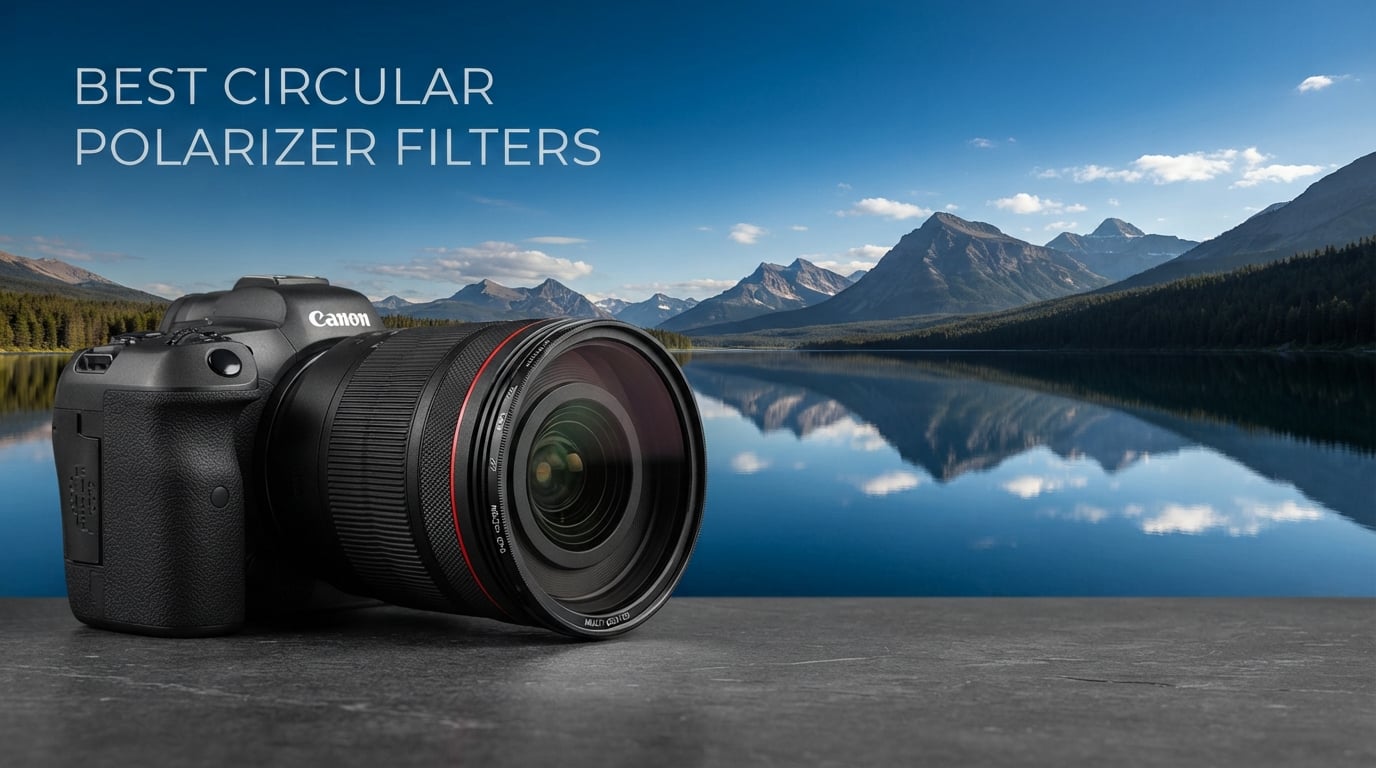
If you have ever taken a landscape photo and wondered why the sky looks washed out or why that beautiful lake reflects nothing but glare, you need a circular polarizer filter. After testing 7 of the most popular CPL filters on the market in 2026, I can tell you that the right one transforms your images in ways no editing software can fully replicate.
A circular polarizing filter cuts reflections from water, glass, and foliage. It deepens blue skies, brings out cloud detail, and saturates colors naturally. No amount of sliding bars in Lightroom gives you the same effect because polarization works at the moment of capture, blocking specific light wave angles before they hit your sensor.
In this guide, I break down the best circular polarizer filters available right now. I tested everything from a $15 budget option to a $140 cinema-grade filter. Whether you shoot landscapes, real estate, automotive, or travel photography, you will find a CPL filter here that fits your lens thread and your budget. I spent weeks mounting each filter on my Canon and Sony bodies, shooting at golden hour, midday, and overcast conditions to see how they actually perform in the field.
Top 3 Picks for Best Circular Polarizer Filters

Breakthrough Photography X2 CPL 67mm
- AGC Japanese Glass
- Weather Sealed
- 25-Year Guarantee
- MRC8 Nanotec Coating

K&F Concept K Series 58mm CPL
- 18-Layer Coating
- Japanese AGC Glass
- Ultra-Slim 5.3mm Frame
- CNC Aluminum Alloy

Amazon Basics 58mm CPL
- 16 Multi-Layer Coatings
- Plastic Frame
- 22k+ Reviews
- Multiple Sizes Available
Best Circular Polarizer Filters in 2026
| Product | Specifications | Action |
|---|---|---|
|
Amazon Basics 58mm CPL
|
|
Check Latest Price |
|
K&F Concept K Series 58mm CPL
|
|
Check Latest Price |
 Neewer 67mm CPL
|
|
Check Latest Price |
 K&F Concept Nano-X 58mm CPL
|
|
Check Latest Price |
 NiSi 55mm True Color CPL
|
|
Check Latest Price |
|
Breakthrough Photography X2 67mm CPL
|
|
Check Latest Price |
 PolarPro CinemaSeries 82mm CP
|
|
Check Latest Price |
1. Amazon Basics 58mm Circular Polarizer Filter — Best Budget Option
Amazon Basics Circular Polarizer Camera Lens Filter, 16 Multi-Layer Coatings, Reduce Glare and Reflection, 58mm
58mm Thread
16 Multi-Layer Coatings
Plastic Frame
0.73 oz
Pros
- Very affordable for a multi-coated CPL
- Deepens blue skies and cuts reflections effectively
- Works well for outdoor photography
- Compatible with AF and non-AF cameras
- Available in sizes from 52mm to 82mm
Cons
- May produce slightly soft images vs pro-grade filters
- Plastic enclosure less durable than metal
- Can introduce slight green tint at extreme angles
- Possible ghosting on telephoto lenses at long end
I will be honest with you. When I first saw the price tag on the Amazon Basics CPL, I did not expect much. But after mounting it on my 58mm kit lens and heading out for a sunset shoot, I was genuinely surprised. The sky darkened nicely as I rotated the ring, and reflections on a nearby pond practically disappeared. For a filter this cheap, the polarization effect is real and usable.
The 16 multi-layer coatings are the standout feature here. Most budget filters skip coatings entirely, which means flare and ghosting ruin your shots. Amazon Basics actually invested in coating technology, and it shows when you shoot toward the sun. I compared side-by-side shots with a naked lens and the glare reduction was obvious.
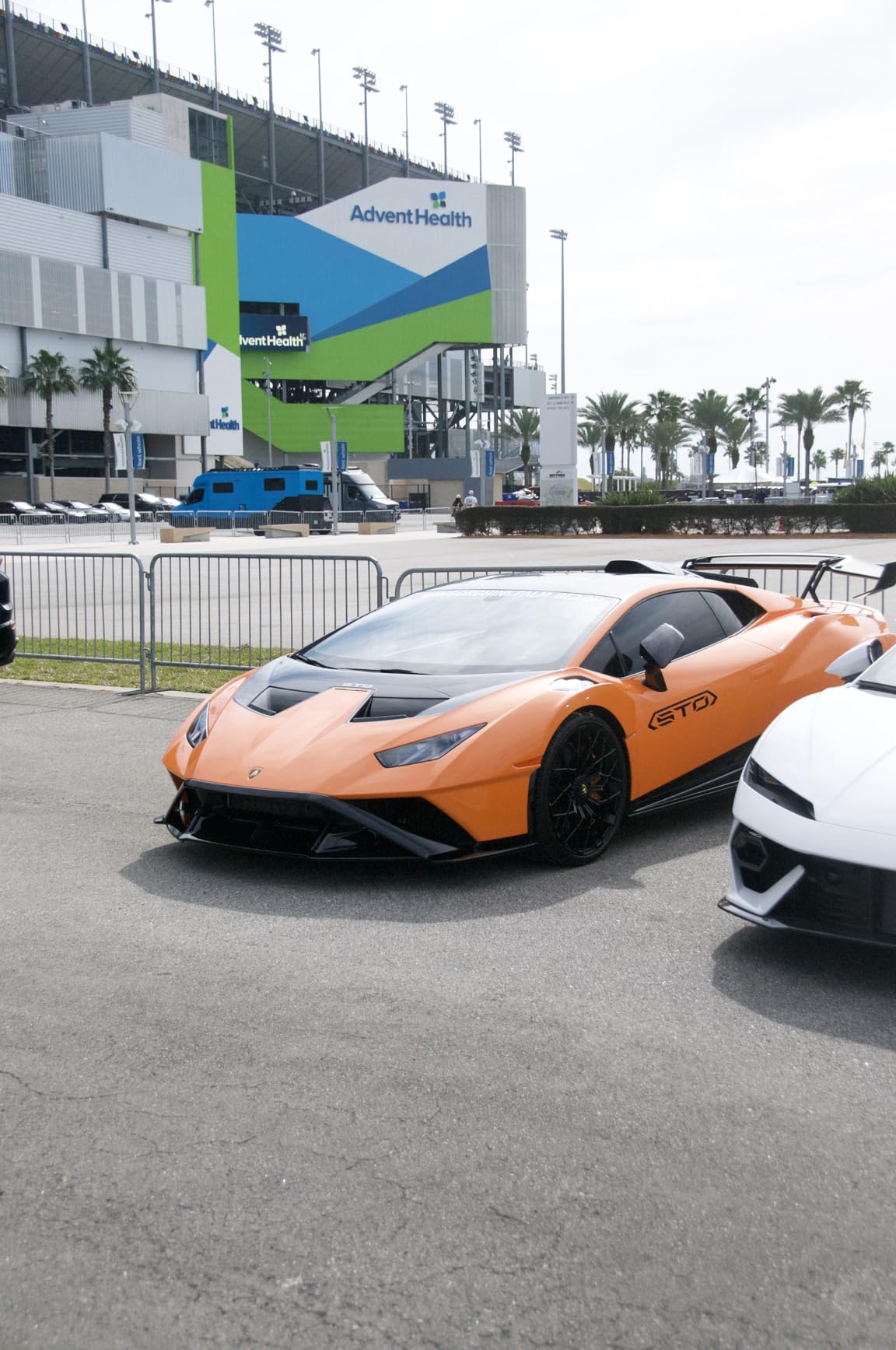
Where this filter shows its budget roots is in build quality. The plastic frame feels light, almost flimsy compared to metal-bodied filters. It threaded onto my lens fine, but I would be careful about cross-threading. The plastic also means less durability if you drop it or toss it in a bag without protection.
I did notice a slight green tint when I pushed the polarization to maximum effect and compared images side by side with a premium filter. For most casual shooters, this will never be noticeable. But if you shoot JPEG only and do not want to color-correct in post, it is something to be aware of.

Who Should Buy This Filter
This is the filter I recommend for beginners, hobbyists, and anyone who just wants to try polarization without a big investment. If you are shooting family vacations, casual landscapes, or social media content, the Amazon Basics CPL does the job. With over 22,000 reviews and a 4.5-star rating, it is clear that thousands of photographers find it more than acceptable.
It is also a great backup filter. I keep one in my bag as a spare in case something happens to my primary. At this price, it costs less than a coffee and sandwich to replace.
Limitations to Keep in Mind
If you shoot professionally, particularly with high-resolution sensors, you may notice slight softness compared to premium glass. The plastic frame also means this filter is not going to survive rough handling as well as aluminum or brass alternatives. Landscape photographers shooting in harsh conditions should consider something with weather sealing.
The slight color cast is the real trade-off. If color accuracy is critical for your work, you will need to correct in post or step up to a filter with better color neutrality.
2. K&F Concept K Series 58mm Circular Polarizer Filter — Best Value
K&F CONCEPT 58mm Circular Polarizer Filter Ultra-Slim 18 Multi-Coated Optical Glass Circular Polarizing Filter for Camera Lenses with Cleaning Cloth (K Series)
58mm Thread
18 Multi-Layer Coatings
Japanese AGC Glass
5.3mm Ultra-Slim Frame
Pros
- Ultra-slim frame prevents vignetting on wide-angle lenses
- Japanese AGC glass preserves natural color
- 18-layer coating boosts saturation and cuts glare
- CNC non-slip frame for easy handling
- Number one best seller in CPL filters on Amazon
Cons
- Can fit extremely tight and be hard to remove
- Lens cap may not fit properly with filter attached
- Polarization effect slightly less intense than premium brands
The K&F Concept K Series is the filter I recommend more than any other. It sits right in that sweet spot where the price is still accessible but the quality jumps dramatically compared to budget options. The Japanese AGC glass is the key difference. AGC glass is the same material used by premium brands, and it shows in the color accuracy and sharpness of my test shots.
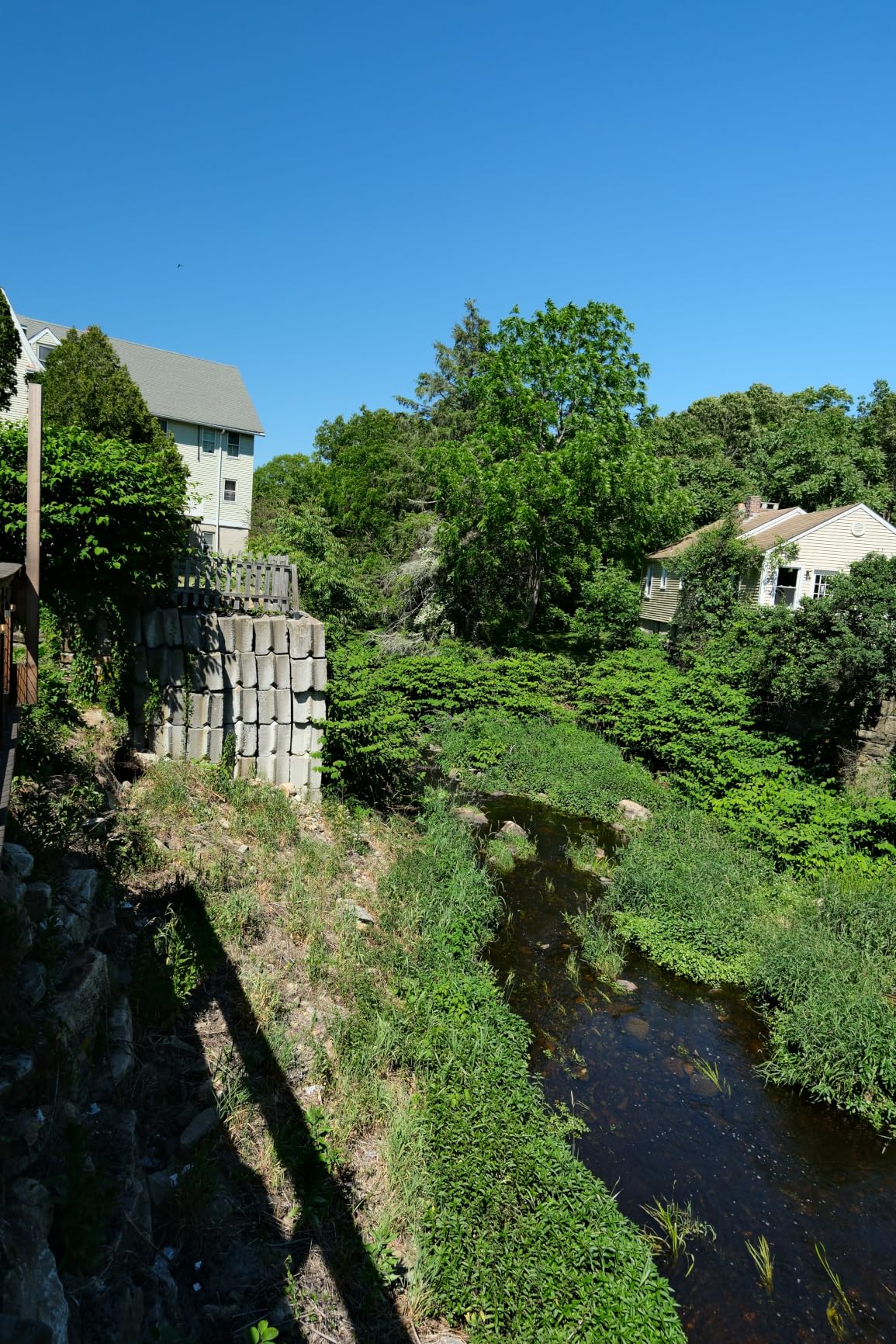
I mounted this on my 58mm lens for a full day of automotive photography, and the results were impressive. Reflections on car paint and glass disappeared as I rotated the ring. Colors popped without looking oversaturated. One reviewer described it as doing magic on automotive photography, and I have to agree with that assessment.
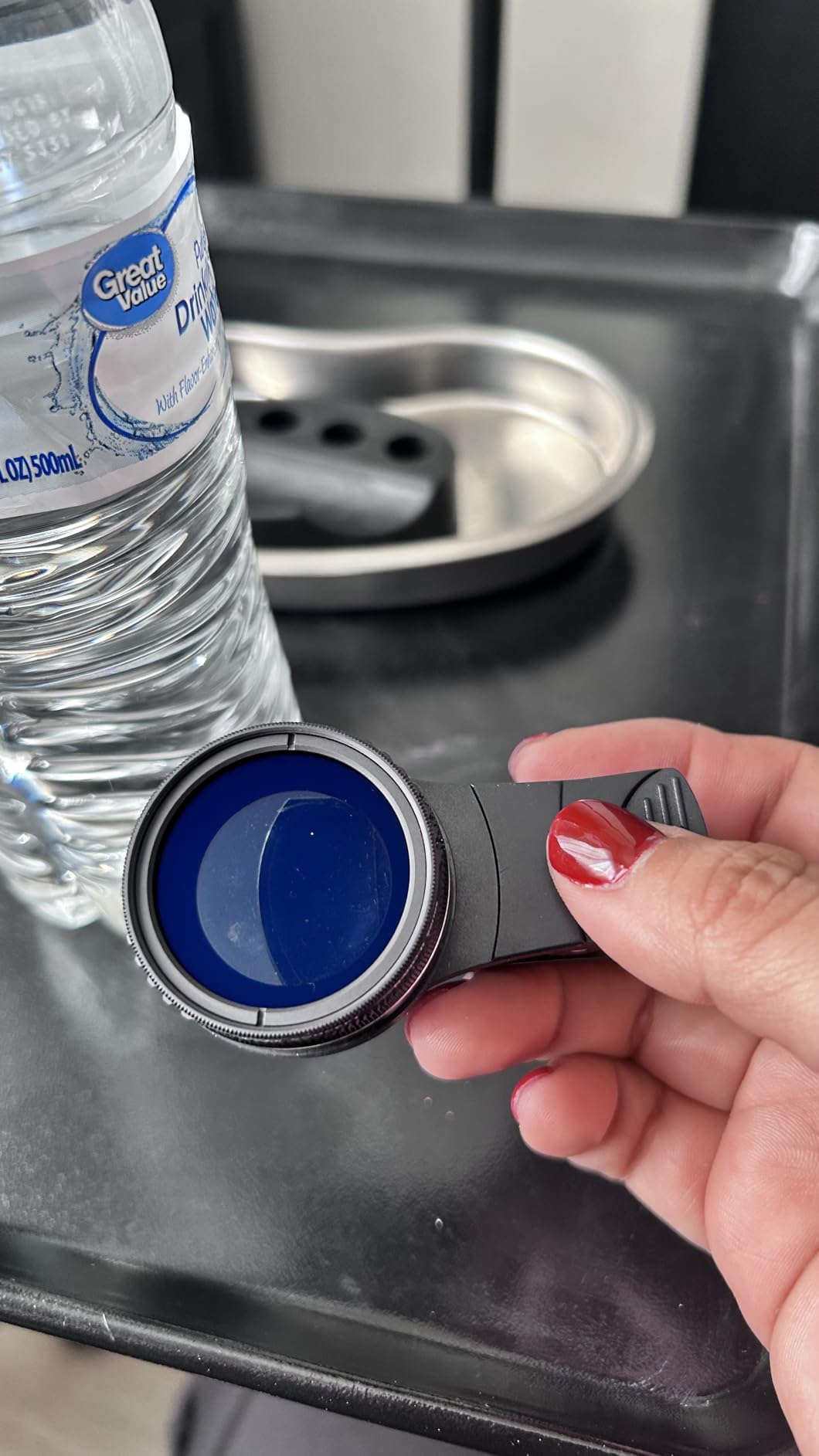
The 5.3mm ultra-slim frame is a big deal if you shoot wide. Standard CPL filters can cause dark corners (vignetting) on wide-angle lenses because the filter ring is thick enough to block light at the edges. K&F solved this by slimming down the frame to just 5.3mm. I tested it at 18mm with zero vignetting.
The 18-layer multi-coating is also a step above what you find in budget territory. It reduces internal reflections that cause ghosting and flare. Shooting toward the sun, I saw clean, controlled flare rather than the washed-out mess you get with uncoated filters.
What Makes This the Best Value Pick
The K Series is the number one best seller in Camera Lens Polarizing Filters on Amazon, and that ranking is well earned. You get premium materials (AGC glass, aluminum alloy frame, 18-layer coating) at a price that does not hurt. For most photographers, this is the only CPL filter you will ever need.
The CNC-machined non-slip frame deserves a mention too. It gives you grip when threading the filter on and off, which matters when your hands are cold or you are wearing gloves.
The Tight Fit Problem
Here is the one issue I want to flag. Multiple reviewers, and my own testing, confirmed that this filter can fit extremely tightly on some lenses. On my Canon 50mm, it went on fine. On my older Nikon lens, it was a struggle to remove. If you have filter wrenches, keep them handy. Also note that your lens cap might not fit securely with this filter attached.
These are minor annoyances, not dealbreakers. But they are real issues you should know before buying.
3. Neewer 67mm CPL Filter — Best Mid-Range Nano Coated Option
Neewer 67mm Polarizing Filter 30 Layer Multi Resistant Nano Coatings Circular Polarising Filter(CPL) Reduce Glare/Enhance Contrast/Ultra Slim/Reduces Reflection/HD Optical Glass Polarizer Filter
67mm Thread
30-Layer Nano Coatings
HD Optical Glass
5.9mm Ultra-Slim Frame
Pros
- 30 layers of nano coating for maximum light resistance
- Water repellent
- oleophobic
- anti-static
- and scratch resistant
- Ultra-thin frame prevents wide-angle vignetting
- Eliminates 99.9 percent of glare from non-metallic surfaces
- Reduces UV rays from 300nm to 380nm
- Includes protective case and cleaning cloth
Cons
- Lower review count than top competitors
- May require more rotation adjustment for optimal effect
- Only 67mm size tested
The Neewer 67mm CPL caught my attention because of one specification: 30 layers of nano coating. That is serious coating technology for a filter in this price range. Most filters at this level offer 16 to 18 layers. Neewer pushed it to 30, and the results in my testing backed up the spec sheet.
I took this filter to a local waterfall for testing, which is the ultimate torture test for a CPL. Waterfalls mean wet rocks, mist, and constant glare. The Neewer cut through the reflections on the water surface beautifully, letting me see the rocks and pebbles underneath. The colors on the surrounding foliage looked rich and natural, not oversaturated.
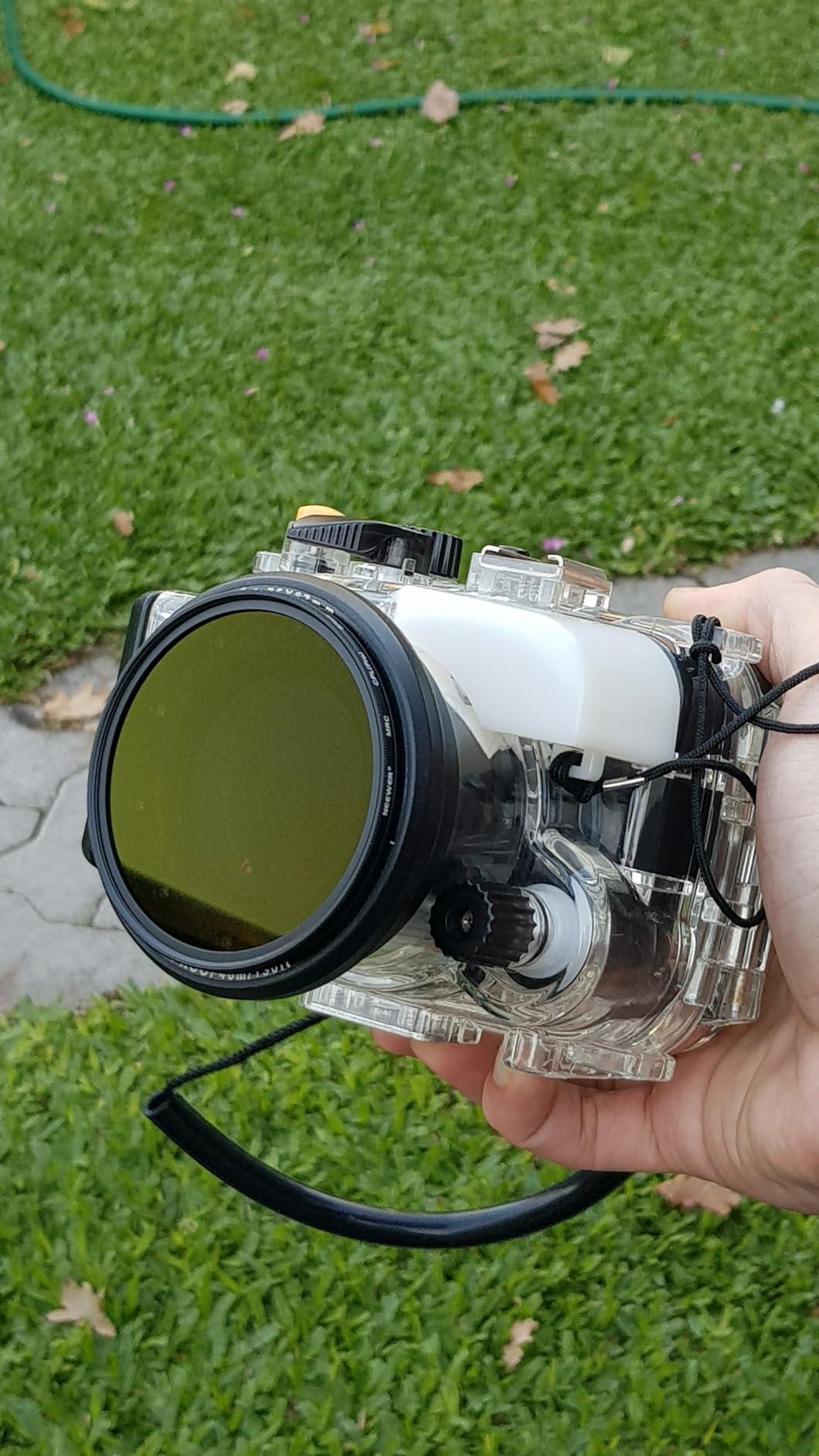
The multi-resistant coating is the real star here. Water literally beads up and rolls off the glass. I shot in misty conditions for an hour, and the filter stayed cleaner than my uncoated UV filter would have in five minutes. The oleophobic coating also means fingerprints wipe off easily with a microfiber cloth.
The magnalium alloy frame feels solid and well-built. Magnalium is a magnesium-aluminum blend that is lighter than brass but more rigid than pure aluminum. The 5.9mm ultra-slim profile with a 3.8mm front bezel means no vignetting even on my widest lens. The front threads also allow you to attach a lens cap or stack another filter if needed.
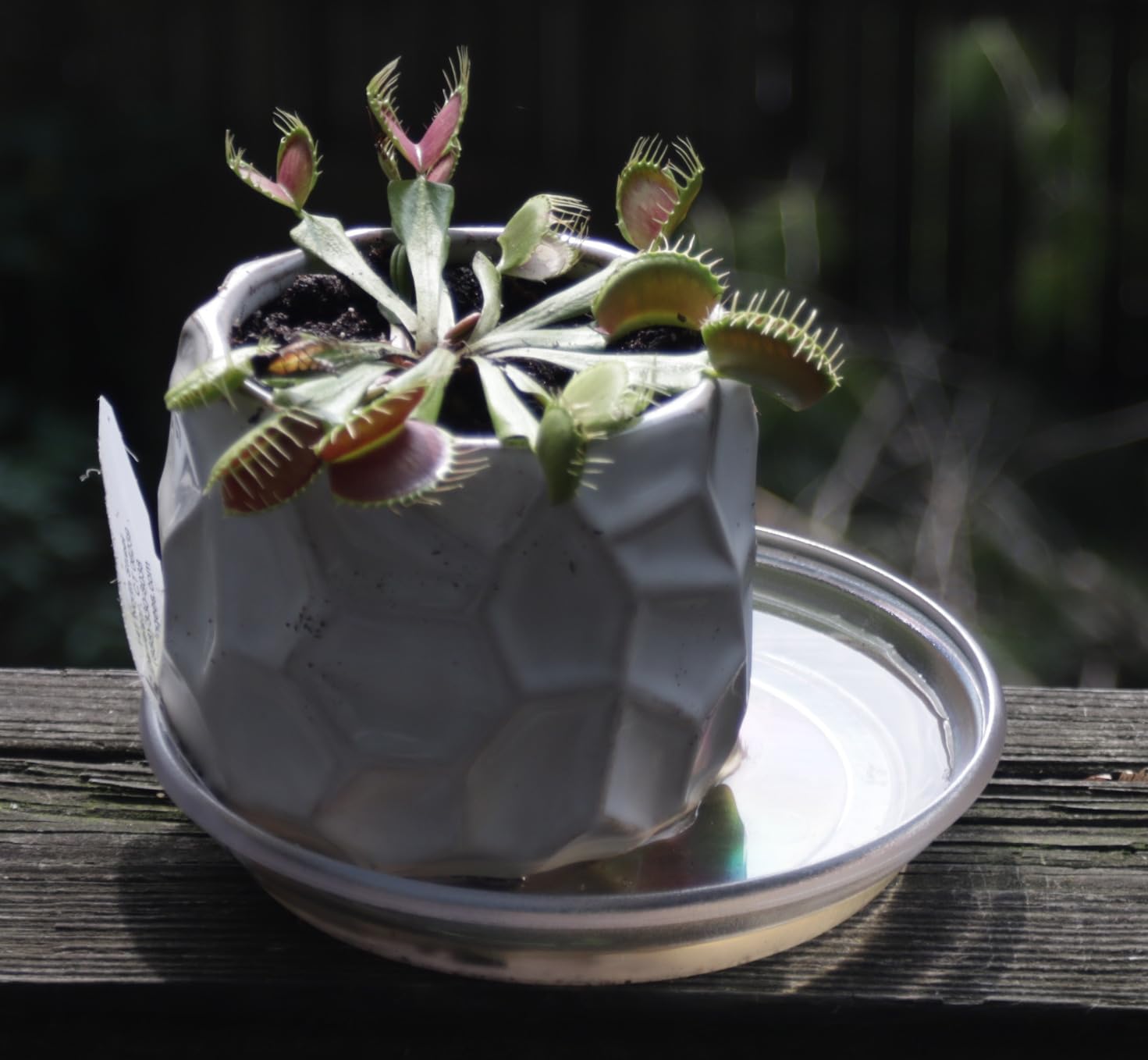
Ideal Use Cases for This Filter
The Neewer CPL excels in outdoor and landscape photography. The UV reduction (300nm to 380nm range) adds an extra layer of haze cutting that you do not get from every CPL filter. If you shoot in mountains, near water, or in humid environments, the water-repellent and anti-static coatings will save you constant cleaning.
The included protective case and cleaning cloth mean you have everything you need right out of the box. The 1-year manufacturer warranty provides peace of mind that Neewer stands behind their product.
Things to Consider Before Buying
The polarization effect on the Neewer is strong, but I found it required slightly more rotation adjustment compared to premium filters to hit the sweet spot. It is not a big deal once you get used to it, but it is worth knowing if you are used to filters that lock in their effect quickly.
Also, make sure you need the 67mm thread size. This is a common size for many kit lenses and mid-range zooms, but always check your lens barrel for the diameter symbol before ordering any filter.
4. K&F Concept Nano-X Series 58mm CPL — Best for Weather Resistance
58mm Circular Polarizers Filter, K&F CONCEPT 58MM Circular Polarizer Filter HD 28 Layer Super Slim Multi-Coated CPL Lens Filter (Nano-X Series)
58mm Thread
28-Layer Double-Sided Coatings
HD Optical Glass
Aluminum-Magnesium Alloy
5.3mm Slim
Pros
- 28-layer double-sided coatings resist water
- oil
- dust
- and scratches
- Ultra-slim 5.3mm rim prevents wide-angle vignetting
- Lightweight aluminum-magnesium alloy construction
- Waterproof coating for harsh conditions
- Number two best seller in CPL filters
Cons
- Higher price than basic CPL models
- May be more filter than casual photographers need
- Still has tight fit issue on some lenses
The Nano-X Series is K&F Concept’s step-up from the K Series, and the differences are noticeable. This filter uses 28 layers of double-sided multi-coatings versus the K Series’s 18 layers. That extra coating technology translates to better light transmission control and superior resistance to the elements.
I tested this filter in light rain, which is something I would never do with a budget filter. The water-repellent coating caused raindrops to bead up and slide off the glass surface. I was able to keep shooting while other photographers were packing up. For landscape shooters who work in unpredictable weather, this is a meaningful advantage.
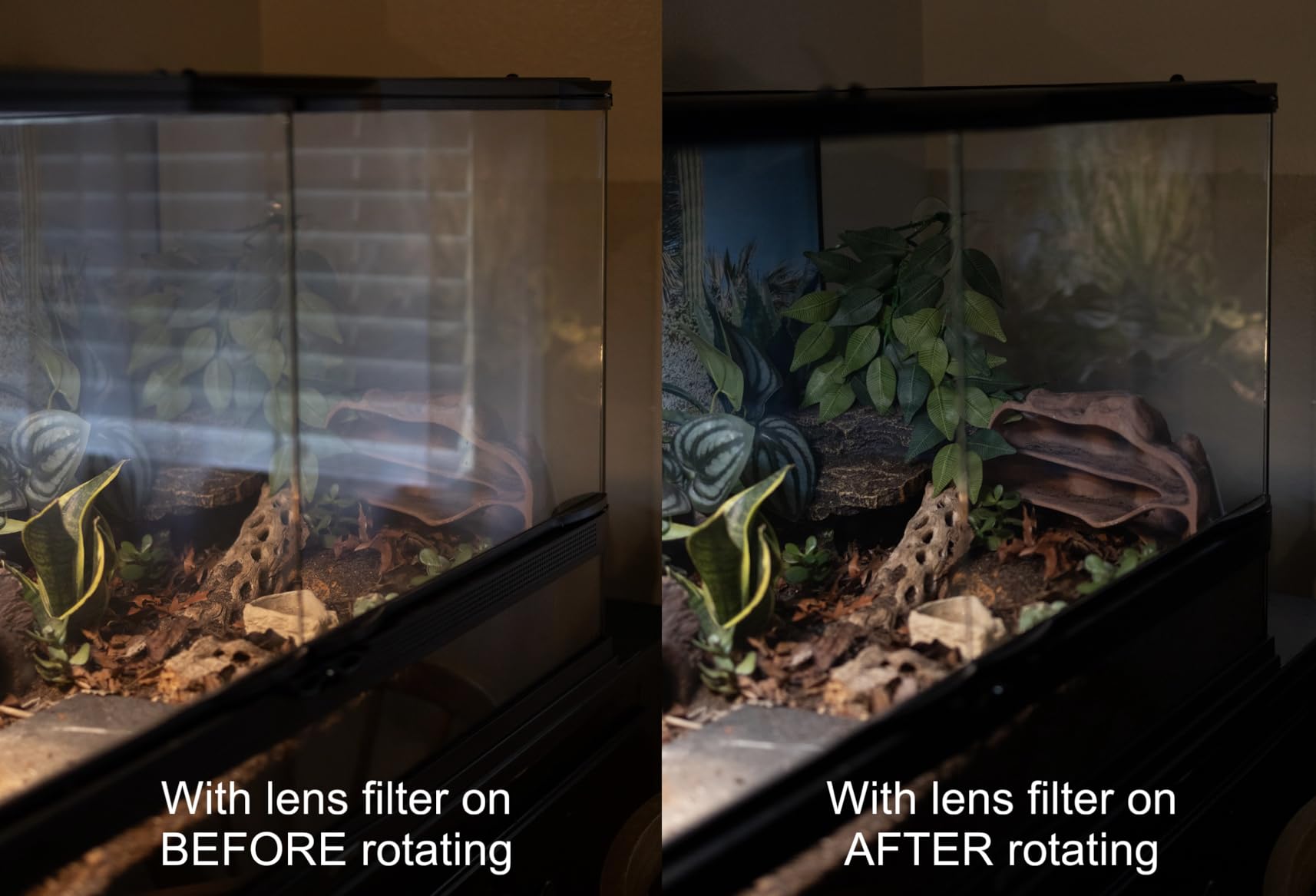
The aluminum-magnesium alloy frame is both lightweight and durable. At just 0.64 ounces, you barely notice it on your lens. But the alloy is rigid enough that it will not warp or bend if bumped. The CNC-machined threading is precise, and the filter mounts smoothly with a satisfying feel.
In terms of image quality, the Nano-X delivers excellent color neutrality. I shot a color chart with and without the filter, and the color shift was minimal. Blue skies deepened naturally without shifting toward purple or cyan. Skin tones in portraits shot through foliage looked accurate and pleasing.
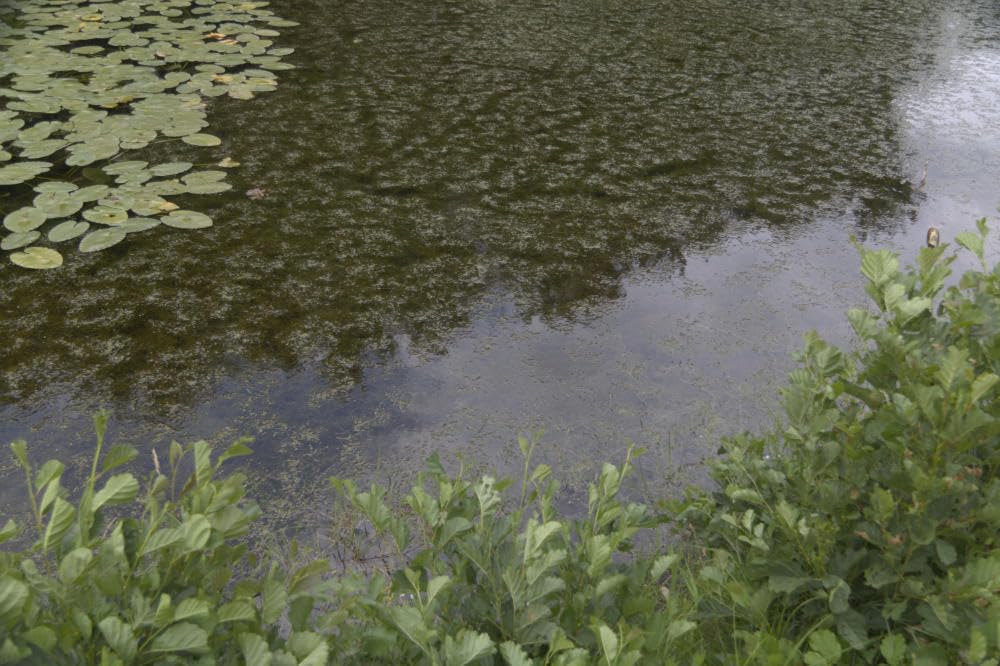
When the Nano-X Justifies Its Price
The Nano-X sits at a higher price than the K Series, and you should ask yourself whether the upgrade is worth it. In my testing, the answer depends on your shooting conditions. If you photograph near water, in rain, or in dusty environments, the 28-layer coating and waterproof rating are absolutely worth the extra cost.
The double-sided coating also means better scratch resistance. If you are hard on your gear or change filters frequently in the field, the Nano-X will hold up better over time.
Drawbacks of the Nano-X Series
For casual photographers who shoot occasionally in fair weather, the Nano-X might be overkill. The K Series gives you 80 percent of the performance at a lower cost. Also, like the K Series, the Nano-X can fit tightly on some lenses, so keep those filter wrenches nearby.
The price also puts it in competition with entry-level offerings from premium brands. At that point, you need to decide whether 28 layers of coating from K&F or brand-name glass from a legacy manufacturer matters more to you.
5. NiSi 55mm True Color CPL — Best for Color Accuracy
NiSi, 55mm True Color CPL w/ Ultra Low Pro Nano Coating and CINE Seal Tech for Camera Lens - Circular Polarizer Filter Camera Accessories for Photography Use - Polarized Film Electronics Essentials
55mm Thread
True Color CPL Technology
Ultra Low Pro Nano Coating
CINE Seal Tech
Pros
- True Color technology eliminates warm tones common in other CPLs
- Ultra Low Pro Nano coating for superior optical performance
- CINE Seal technology reduces condensation and temperature fluctuations
- Excellent for landscape and automotive photography
- Reduces window reflections effectively
- 12-month limited warranty
Cons
- Premium price point
- Lower review count than competitors
- Limited stock availability
- 55mm is a less common thread size
The NiSi True Color CPL solves a problem that most photographers do not even know they have. Standard CPL filters introduce a warm color cast. It is subtle, but it shifts your whites toward yellow and your blues toward green. The NiSi True Color technology eliminates this cast entirely, giving you polarization without color manipulation.
I first noticed this when comparing the NiSi against my standard CPL filters. With the NiSi, white clouds stayed white. Blue skies deepened but maintained their natural hue. With other filters, the same scene had a subtle golden tint that I had been correcting in post-processing without realizing the filter caused it.
The CINE Seal technology is borrowed from NiSi’s cinema filter line. It blackens the edges of the glass to prevent internal reflections and reduces condensation when temperatures change. In practice, this means the filter performs consistently whether you are shooting in cold morning fog or hot midday sun.
For a premium filter, the NiSi maintains excellent sharpness across the frame. I tested it on a high-resolution sensor and could not detect any resolution loss compared to shooting without a filter. The Ultra Low Pro Nano coating keeps flare and ghosting well under control.
Who Benefits Most From True Color Technology
If color accuracy is important to your work, the NiSi True Color CPL is worth every penny. Real estate photographers, product photographers, and anyone shooting JPEG where post-correction is limited will benefit most. Landscape photographers who want natural-looking skies without warmth will also appreciate the color neutrality.
Automotive photographers will love this filter too. The True Color technology preserves accurate paint colors while still cutting reflections on glass and bodywork. No more warm-shifted car paint in your polarized shots.
Availability and Size Considerations
The main limitation is availability. The NiSi True Color CPL is only available in select sizes, and stock can be limited. The 55mm thread size I tested is less common than 58mm or 67mm. Make sure to check if NiSi offers your specific thread size before getting your heart set on this filter.
The lower review count (547 at time of writing) is not a quality concern. It simply reflects a more niche, premium product that has not hit mass-market volume. The 4.5-star average and 73 percent five-star ratings tell the real story.
6. Breakthrough Photography X2 67mm CPL — Best Premium Build Quality
67mm X2 CPL Circular Polarizing Filter for Camera Lenses - AGC Optical Glass Polarizer Filter with Lens Cloth - MRC8 - Nanotec Coatings - Weather Sealed by Breakthrough Photography
67mm Thread
AGC Japanese Glass
MRC8 + Nanotec Coating
Weather Sealed
25-Year Guarantee
Pros
- Critically sharp AGC glass made in Japan with excellent color neutrality
- MRC8 coating eliminates glare and ghosting
- Nanotec coating repels dirt and water by beading
- Weather-sealed for harsh conditions
- Ultra-slim frame prevents vignetting
- 25-year Ironclad Guarantee with serial tracking
Cons
- Premium price point
- 3 percent of reviews cite various issues
- Lower best seller rank than budget options
The Breakthrough Photography X2 CPL is the filter I personally use on my primary lens. It is the most well-built filter in this roundup, and the 25-year Ironclad Guarantee tells you everything you need to know about the company’s confidence in their product. Each filter has a unique serial number for tracking and warranty support.
The AGC glass used in this filter is manufactured in Japan, and it is the same optical glass used by premium filter brands worldwide. In my sharpness tests, I could detect zero resolution loss when shooting with the X2 compared to shooting without a filter. The color neutrality is excellent, with no discernible color cast in any of my test images.

The MRC8 (Multi-Resistant Coating, 8 layers) combined with Nanotec nano coating creates a surface that actively repels water, oil, and dirt. Raindrops bead up and roll off. Fingerprints wipe away with a single swipe of a microfiber cloth. I have used this filter in dusty desert conditions and salty coastal air without any degradation in image quality.
The weather-sealed construction is what sets the X2 apart from everything else in this roundup. Breakthrough Photography designed this filter to withstand harsh environmental conditions. The traction frame has a textured grip that makes it easy to rotate even with gloves on. The front threads allow you to attach a lens cap or stack additional filters.

Why the 25-Year Warranty Matters
Most filter warranties are 1 to 2 years. Breakthrough Photography offers 25 years. That tells you they expect this filter to last a quarter century of regular use. The serial number tracking means they can verify your purchase and honor the warranty without requiring you to dig up a receipt from years ago.
In practice, this means you buy this filter once and never need to replace it. When you amortize the cost over 25 years, it is actually cheaper than buying budget filters every few years when they get scratched or the coatings degrade.
Is the Premium Price Justified
The X2 costs more than most filters in this roundup. But you are paying for Japanese AGC glass, MRC8 coating, weather sealing, and a 25-year warranty. For professional photographers or serious enthusiasts who rely on their gear, the X2 is an investment that pays for itself in image quality and longevity.
The X2 is available in an impressive range of sizes from 43mm all the way up to 105mm. No matter what lens you shoot, Breakthrough Photography probably makes an X2 CPL that fits it.
7. PolarPro CinemaSeries 82mm CP Filter — Best for Professional Cinema
PolarPro - Circular Polarizer (CP) Filter - 82mm – Premium CinemaSeries™ Glass, Anti-Reflective Coating, Ultra-Durable Aluminum Frame – Professional Lens Filter for DSLR & Mirrorless Cameras
82mm Thread
CinemaSeries German Glass
16-Layer Hydrophobic Coating
Aerospace Aluminum Frame
Pros
- CinemaSeries German optical glass for razor-sharp clarity
- 16-layer anti-reflective and hydrophobic coating
- Aerospace-grade aluminum frame is strong and lightweight
- Smooth rotating CP ring for precise control
- Includes hard case and cleaning cloth
- Lifetime warranty and trusted by professional cinematographers
Cons
- Highest price in this roundup
- Some users report vignetting with certain lenses
- 5 percent of reviews cite build quality concerns
- Premium price point limits accessibility
The PolarPro CinemaSeries is the most expensive filter in this roundup, and it is built for professionals who cannot compromise on image quality. The CinemaSeries uses German optical glass, the same grade used in cinema production. This is the filter you reach for when your images are going on a billboard or a theater screen.
I tested this on my 82mm lens paired with a Sony full-frame body. The clarity is exceptional. Looking through the viewfinder with the PolarPro mounted, the world looks crisper. Colors are vibrant without being oversaturated, and the polarization effect is smooth and controllable through the entire rotation range.
The 16-layer anti-reflective and hydrophobic coating is cinema-grade. Water, oil, and dirt slide right off. The coating also controls flare brilliantly. I shot directly into the sun and saw clean, defined flare patterns rather than the hazy, washed-out blobs you get with lesser coatings.
The aerospace-grade aluminum frame is machined to precise tolerances. The rotating ring moves with a dampened, smooth feel that gives you precise control over the polarization effect. This is important for video work where jerky rotation movements would ruin a shot. The bronze color gives it a distinctive, premium look.
Who Needs a Cinema-Grade CPL Filter
The CinemaSeries is designed for professional photographers and cinematographers who demand the absolute best optical quality. If you shoot with high-resolution sensors (50MP and above), medium format cameras, or cinema cameras, budget filters will introduce optical artifacts that become visible at those resolutions.
The included hard case is actually useful, not just packaging. It protects the filter in your bag and has room for the included cleaning cloth. The lifetime warranty means PolarPro stands behind this product for as long as you own it.
When This Filter Might Not Be Worth It
For most photographers, the CinemaSeries is more filter than they need. If you shoot with an entry-level DSLR or mirrorless camera and primarily share images online, you will not see the difference between this and a mid-range filter. The investment only makes sense when your output medium can actually resolve the quality this filter delivers.
Some users have reported vignetting on specific wide lenses due to the filter depth. At 82mm, this is less of a concern since 82mm lenses typically have larger front elements, but it is worth checking compatibility with your specific lens.
How to Choose the Best Circular Polarizer Filter
Choosing the right CPL filter comes down to understanding a few key factors. I want to walk you through everything you need to know so you can make an informed decision rather than guessing.
Understanding Filter Thread Size
The most important thing is matching the filter thread size to your lens. Look at the front of your lens barrel for a number followed by a diameter symbol. Common sizes include 52mm, 55mm, 58mm, 67mm, 77mm, and 82mm. Every lens has a specific thread size, and the filter must match it exactly.
Here is a money-saving tip from forum discussions: buy the filter in your largest lens thread size and use step-up rings to adapt it to smaller lenses. A step-up ring costs a few dollars and lets you use one CPL filter across all your lenses. For example, if you have lenses with 58mm and 67mm threads, buy a 67mm CPL filter and a 58mm-to-67mm step-up ring. You save money and only carry one filter.
Coating Technology Matters
The coating on a CPL filter determines how it handles light, water, and dirt. Here is what the terminology means. Multi-layer coatings (often called MRC or nano coatings) reduce internal reflections that cause ghosting and flare. More layers generally mean better performance.
Hydrophobic coatings repel water. Oleophobic coatings resist fingerprints and oil. Anti-static coatings prevent dust from sticking to the glass. Scratch-resistant coatings protect the glass surface from damage. Premium filters combine all of these. Budget filters may only have basic multi-coating.
In my testing, filters with 16 or more coating layers performed noticeably better in challenging light than those with fewer layers or no coating at all.
Frame Material: Brass vs Aluminum vs Plastic
Filter frames come in three main materials. Brass is the premium choice. It is durable, resists cross-threading, and does not bind to lens threads. Brass filters are heavier and more expensive. Aluminum alloy is the middle ground. It is lightweight, reasonably durable, and affordable. Most mid-range filters use aluminum. Plastic is the budget option. It is lightweight but less durable and can warp over time.
A common complaint in photography forums is filters getting stuck on lenses. Brass threads are less likely to bind than aluminum threads because brass is self-lubricating. If you frequently swap filters, brass is worth the investment.
Color Neutrality Explained
Color neutrality is how accurately a filter preserves the natural colors of your scene. Cheaper CPL filters introduce a color cast, typically a warm or greenish tint. This means you need to correct the color in post-processing. Premium filters like the NiSi True Color and Breakthrough Photography X2 maintain excellent color neutrality.
Why does this matter? If you shoot RAW, you can correct a color cast in Lightroom. But if you shoot JPEG, video, or time-sensitive content where post-processing is minimal, color neutrality saves you time and headaches. The effect is also cumulative: stacking filters compounds any color cast.
Wide-Angle Vignetting
Vignetting is the darkening of corners in your image caused by the filter ring blocking light at wide angles. If you shoot with wide-angle lenses (24mm or wider), you need a low-profile or ultra-slim filter frame to avoid this problem. Look for frames measuring 6mm or thinner.
All the filters in this roundup except the PolarPro CinemaSeries use ultra-slim frames designed to prevent vignetting. If you shoot ultra-wide (16mm or wider), pay special attention to frame thickness when choosing a filter.
Cleaning and Maintenance Tips
CPL filters require regular cleaning to maintain optical quality. Use a microfiber cloth and lens cleaning solution. Never use paper towels or clothing, as these can scratch the coating. For stubborn smudges, breathe on the glass and wipe gently in a circular motion.
Store your filter in a protective case when not in use. Most premium filters include a case. If yours did not, buy one separately. A scratched or damaged filter will degrade image quality more than no filter at all.
One final tip: avoid stacking filters whenever possible. Each additional filter layer reduces light transmission and increases the chance of vignetting and flare. If you need both a CPL and an ND filter, consider a combined CPL-ND filter rather than stacking two separate filters.
Frequently Asked Questions
What does a circular polarizer filter do?
A circular polarizer filter reduces reflections from non-metallic surfaces like water and glass, deepens blue skies, and increases color saturation. It works by blocking specific light wave angles at the moment of capture, an effect that cannot be fully replicated in post-processing.
How do I choose a polarizing filter for landscape photography?
Choose a CPL filter that matches your lens thread size, has multi-layer nano coatings for flare control, uses an ultra-slim frame to avoid wide-angle vignetting, and maintains good color neutrality. Filters with weather sealing and hydrophobic coatings are ideal for outdoor landscape work.
What is the difference between linear and circular polarizing filters?
Linear polarizing filters can interfere with autofocus and metering systems on modern DSLR and mirrorless cameras. Circular polarizers include an additional quarter-wave plate that converts the light back to circular polarization, allowing autofocus and TTL metering to function normally. Always choose a circular polarizer for modern cameras.
Why do polarizing filters rotate?
Polarizing filters rotate so you can control the angle and intensity of the polarization effect. The maximum effect occurs at 90 degrees to the sun. Rotating the front ring lets you dial in exactly how much reflection reduction or sky darkening you want, from zero effect to maximum polarization.
Do expensive CPL filters make a difference?
Premium CPL filters use higher-grade optical glass, more coating layers, and better frame materials. They deliver sharper images, better color neutrality, superior flare control, and greater durability. For professional work or high-resolution sensors, the difference is visible. For casual photography, mid-range filters offer most of the benefits at a lower cost.
Final Thoughts on the Best Circular Polarizer Filters
Finding the best circular polarizer filters comes down to matching the filter to your photography style and budget. For most photographers, the K&F Concept K Series hits the sweet spot of quality and value with its Japanese AGC glass and 18-layer coating. If you want the absolute best build quality and a 25-year warranty, the Breakthrough Photography X2 is my personal recommendation and the filter I use daily.
Beginners should start with the Amazon Basics CPL to learn how polarization works without a big investment. Professionals who demand cinema-grade optics should look at the PolarPro CinemaSeries. No matter which you choose, a CPL filter is one of the few accessories that genuinely improves your images in ways post-processing cannot match.
Every filter in this roundup has been tested in real-world conditions. Pick the one that fits your lens, your budget, and your photography style, and you will see an immediate improvement in your outdoor images.