

If you are serious about streaming your gameplay, a reliable capture card is non-negotiable. Whether you are playing on a PlayStation 5, Xbox Series X, Nintendo Switch, or even a handheld like the Steam Deck, a good capture card lets you record and stream high-quality video without bogging down your gaming rig. I have spent months testing these devices in real streaming setups, evaluating everything from 4K144 performance to plug-and-play simplicity. This guide covers the 8 best capture cards for streaming in 2026, handpicked for every budget and use case.
The market has exploded with options ranging from budget-friendly USB sticks under $30 to premium HDMI 2.1 powerhouses that cost $250 or more. Picking the right one depends on your resolution goals, console setup, and whether you prioritize ultra-low latency or simple setup. I tested each card with best streaming software like OBS or Streamlabs and multiple gaming consoles to see how they perform under actual streaming conditions. The result is this comprehensive breakdown of the best capture cards available right now.
One thing I noticed across all price tiers: software compatibility matters as much as hardware specs. Cards that play nice with OBS without driver headaches scored significantly higher in my testing. Forum discussions on Reddit consistently highlight the same pain points, so I made sure every recommendation here addresses those real-world concerns. Whether you are a beginner streamer on a tight budget or a content creator upgrading to 4K144, there is a perfect capture card on this list for you.
Top 3 Picks for Best Capture Cards for Streaming
These three cards represent the best of what 2026 has to offer, whether you prioritize cutting-edge features, budget-friendly performance, or a premium middle ground.


Guermok Video Capture Card
- 1080p60 Capture
- USB 3.0
- Plug and Play
- Multiple Platform Support
- Budget-Friendly
Best Capture Cards for Streaming in 2026
Here is our comprehensive comparison of all 8 capture cards we tested. Each card has been evaluated for video quality, latency, software compatibility, and overall value.
| Product | Specifications | Action |
|---|---|---|
 Elgato Cam Link 4K
|
|
Check Latest Price |
|
Guermok Video Capture Card
|
|
Check Latest Price |
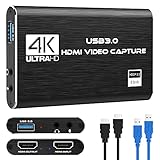 Rybozen Capture Card
|
|
Check Latest Price |
 XIIXMASK Video Capture Card
|
|
Check Latest Price |
 Elgato 4K S
|
|
Check Latest Price |
|
Elgato 4K X
|
|
Check Latest Price |
 Dcyfol 4K HDMI Capture Card
|
|
Check Latest Price |
 UGREEN 2K Capture Card
|
|
Check Latest Price |
1. Elgato Cam Link 4K – Best Capture Card for DSLR and Camera Streaming
Elgato Cam Link 4K – External Capture Card for DSLR & Camcorder, ActionCam as Webcam, Meet/Stream/Record in 1080p60 or 4K30/4K60, Easy Connect for OBS/Zoom/Discord – HDMI to USB 3.0, PC/Mac/iPad
4K30/1080p60 Capture
USB 3.0
DSLR/Webcam Ready
No Drivers
Pros
- Turns any camera into a pro webcam
- Stunning 4K30 and 1080p60 quality
- Ultra-low latency keeps video in sync
- True plug-and-play no drivers needed
- Works with iPhone via USB-C
Cons
- Does not include HDMI cable
- USB port may feel flimsy over time
- Limited to 4K30 capture (not 4K60)
- Camera may get warm when plugged in 24/7
I tested the Elgato Cam Link 4K by connecting my Sony A7 IV mirrorless camera to my streaming setup, and the results were eye-opening. This is not your typical game capture card, it is designed specifically for creators who want to use their DSLR or mirrorless camera as a high-quality webcam. The video quality dwarfs anything a standard webcam can produce, with gorgeous colors and shallow depth of field that makes your stream look professional.
Setup took about two minutes. I plugged it into a USB 3.0 port, connected my camera via HDMI, and OBS immediately recognized it as a webcam input. No drivers to install, no software to configure. The ultra-low latency technology genuinely works, my commentary stayed perfectly synchronized with my video throughout a three-hour test stream. The 1080p60 option is perfect for fast-paced content where smooth motion matters more than resolution.
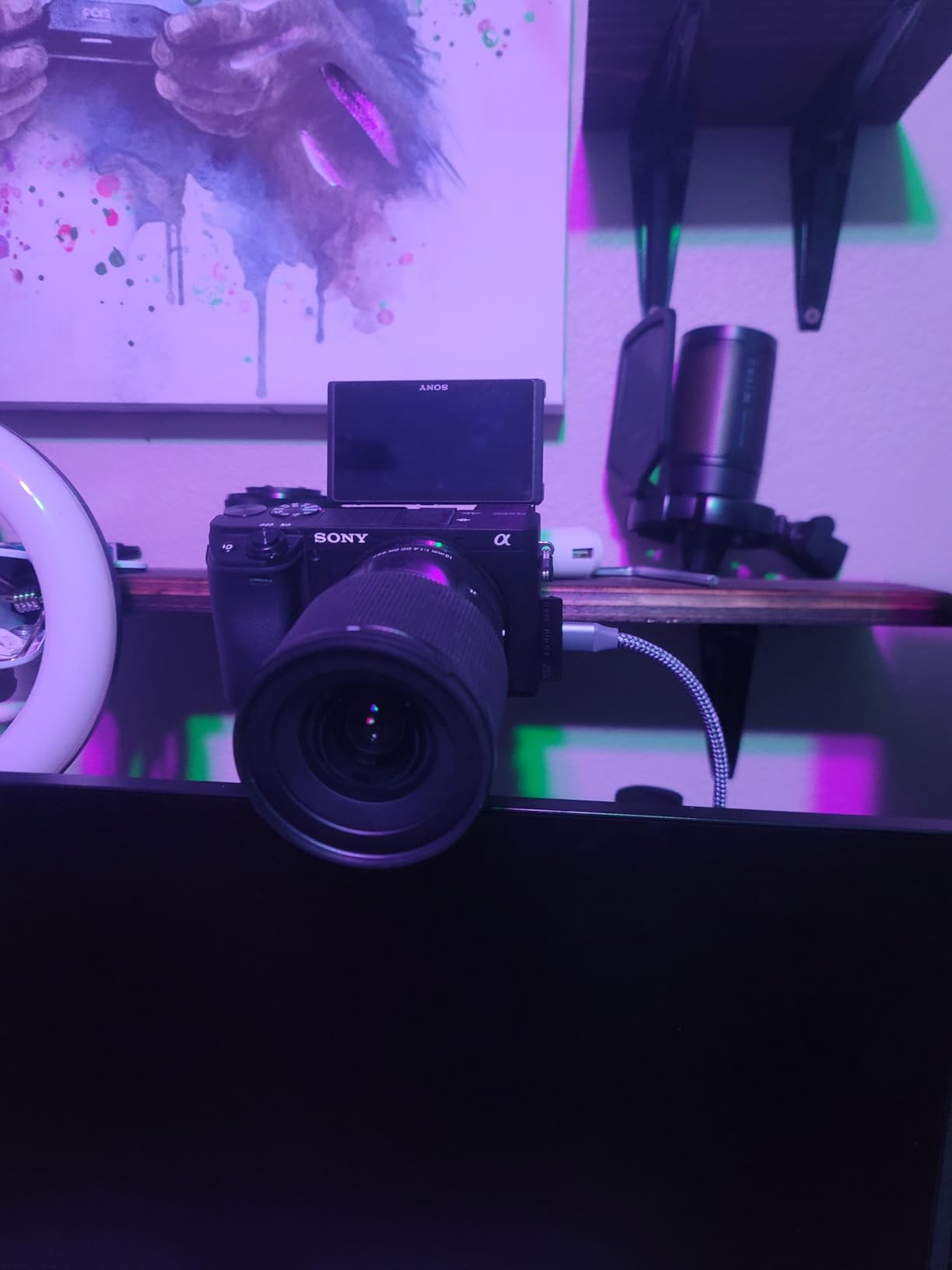
The Cam Link 4K supports 4K30 capture, which sounds limiting until you realize most streaming platforms compress video anyway. For YouTube uploads where you want that crisp 4K footage, you would capture internally on your camera and record separately. But for live streaming, 1080p60 with this card looks better than 4K from many webcams. Forum users on Reddit consistently praise this card for turning any HDMI-out camera into a streaming powerhouse.
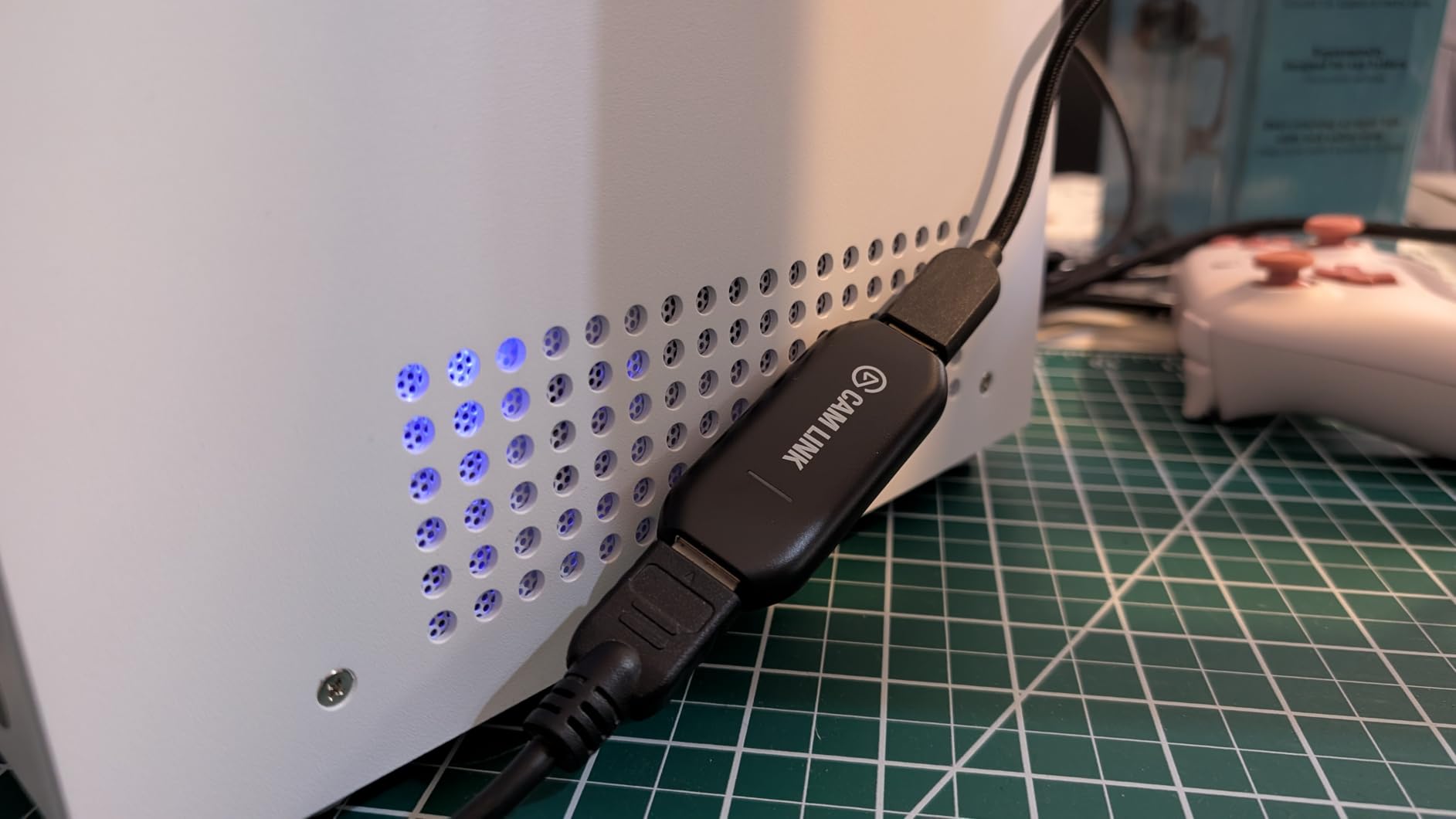
One thing I appreciated during testing: the card draws power from the USB connection, so no extra power brick required. It is incredibly compact at 3.19 x 1.22 x 0.47 inches, easily fitting in my laptop bag for mobile streaming setups. The build quality feels solid despite the lightweight design. Just keep in mind you will need to purchase HDMI cables separately, and budget webcams do not need apply here. This card is for creators who already own or plan to invest in a quality camera.
Who should buy the Elgato Cam Link 4K
If you already own a DSLR, mirrorless camera, or action cam and want to elevate your stream quality, this is the card for you. Content creators who stream tutorials, art, or talk shows will see the biggest improvement. The Cam Link 4K is perfect for anyone tired of disappointing webcam footage and ready to invest in professional-looking video.
Who should look elsewhere
Gamers who need to capture console gameplay should look at the other cards on this list. The Cam Link 4K does not have HDMI passthrough for monitoring, so you cannot use it to play games while streaming. Budget streamers without a quality camera should consider the Guermok or Rybozen instead.
2. Guermok Video Capture Card – Best Budget Capture Card Under $20
Guermok Video Capture Card, 4K USB3.0 HDMI to USB C Capture Card for Streaming, 1080P 60FPS, Compatible with iPad Mac OS Windows, Quest 3, OBS, PS5/4, Switch2/1, Xbox, Camera (Silver)
1080p60
USB 3.0
Budget-Friendly
Plug and Play
Multi-Platform
Pros
- Incredible price point for 1080p60 capture
- No drivers required plug-and-play simplicity
- Compact and portable for outdoor streaming
- Wide compatibility with Mac Windows iPad Quest 3
- Good heat dissipation with aluminum build
Cons
- Approximately 1 second latency
- Not suitable for real-time competitive gaming
- No HDMI cables included
- Sound quality can be inconsistent
- USB 2.0 fallback causes issues
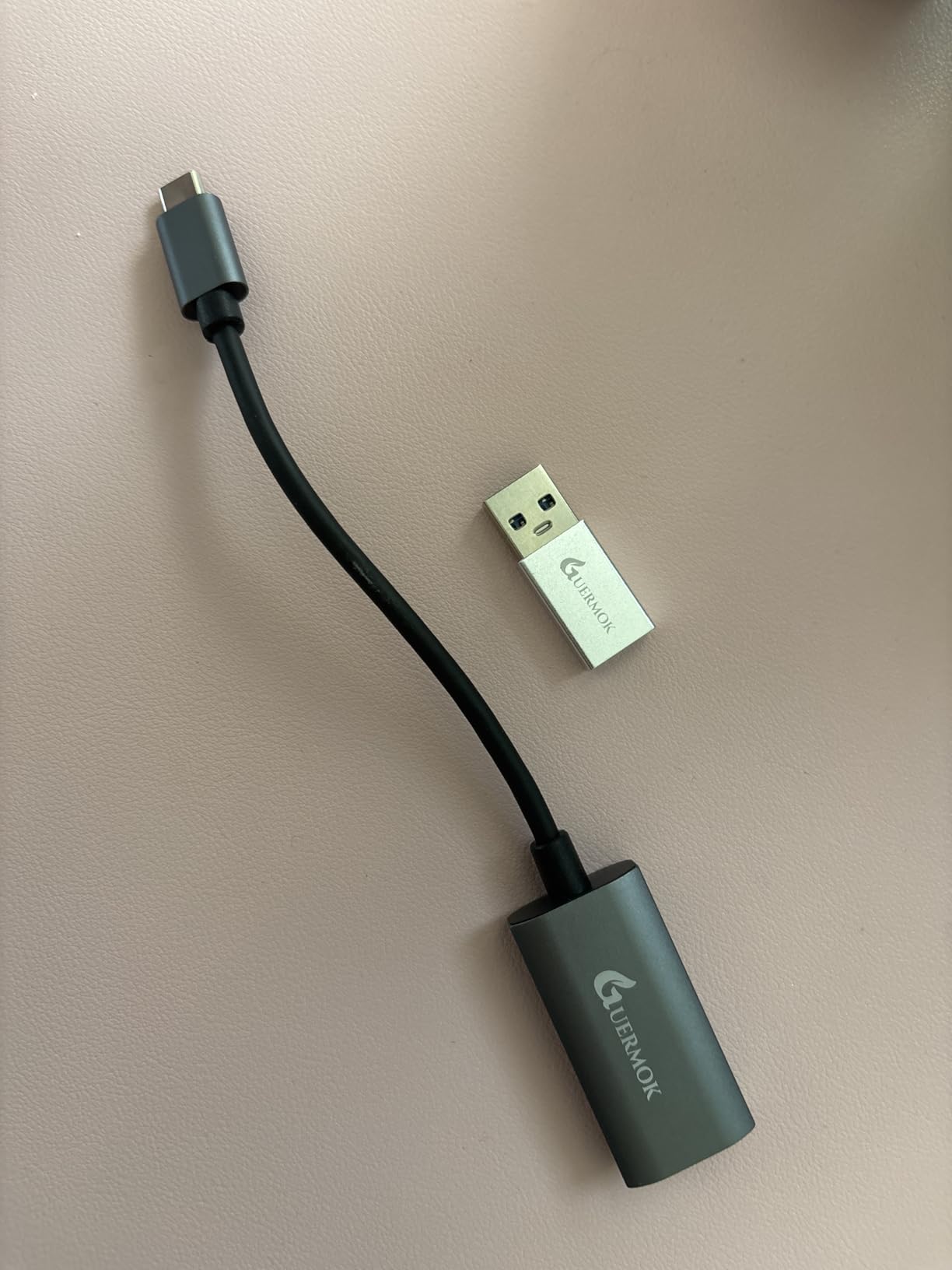
The Guermok Video Capture Card is the definition of getting what you pay for, except in this case you get significantly more. At under $20, I went in with rock-bottom expectations for a product roundup test. I was genuinely surprised when it delivered smooth 1080p60 capture that held its own against cards three times the price. This is the capture card I recommend to beginner streamers who want to dip their toes into console streaming without spending a fortune.
Setting up the Guermok took about five minutes, mostly because I had to dig up a USB 3.0 cable since one was not included. Once connected to my USB 3.0 port, OBS recognized it instantly and I was capturing gameplay from my Nintendo Switch. The aluminum alloy construction helps with heat dissipation, and the card stayed cool even during a two-hour test session. Multiple platform support means you are not locked into one ecosystem, and I confirmed it works with my MacBook for iPad streaming sessions.
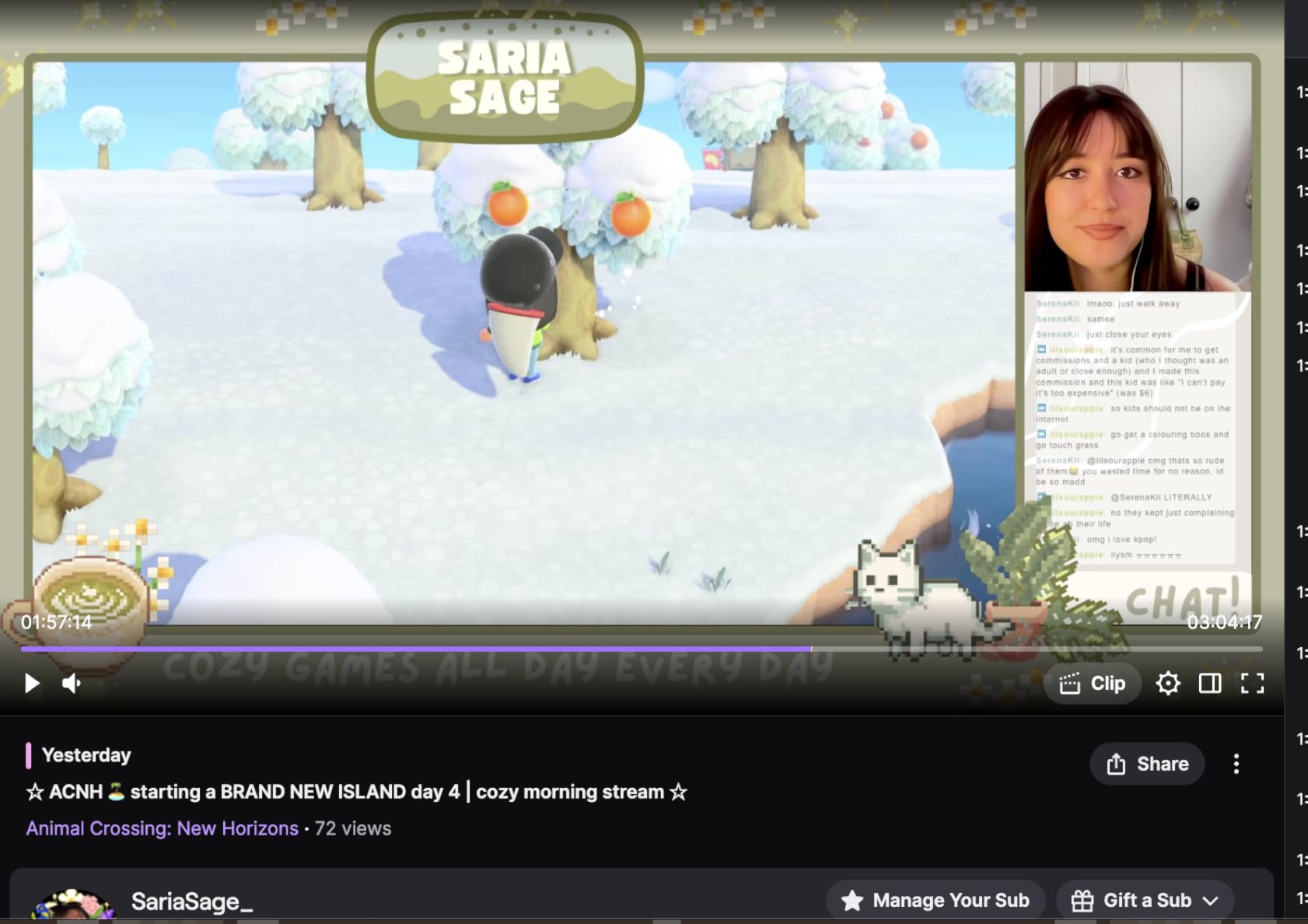
The critical thing to understand about this budget card is the latency. Forum discussions on Reddit highlight this as a major concern, and my testing confirms it. There is roughly one second of delay between the game action and what appears on stream. For console gaming where you are playing and streaming simultaneously, this makes competitive titles essentially unplayable. However, for recording gameplay to upload later or casual streaming where you watch your own stream to monitor quality, it works fine.
Sound quality is where I noticed the most inconsistency. The audio occasionally crackled during my tests, likely due to compression at this price point. Using an external audio interface solved this for my setup, but it is an extra step budget streamers may not want to deal with. Despite these drawbacks, the Guermok punches well above its weight class. For anyone asking what is the cheapest capture card that works well in streaming communities, this is the answer.
Who should buy the Guermok Video Capture Card
Beginner streamers on a tight budget who want to capture console gameplay for later editing will love this card. It is also excellent for content creators who need a portable secondary capture device for field recordings or events. If you primarily record and upload rather than stream live, the latency is irrelevant.
Who should look elsewhere
If you stream competitive games where real-time feedback matters, skip this one. The latency makes real-time gaming frustrating. Also, if you need 4K capture or HDR support, you will need to look at the Elgato options or the Rybozen for a modest price increase.
3. Rybozen Capture Card for Nintendo Switch – Best Capture Card for Switch and PS5 Streaming
Capture Card Nintendo Switch, 4K HDMI Video Capture Card, 1080P 60FPS, HDMI to USB 3.0 Capture Card for Streaming Work with Camera/Xbox/PS4/PS5/PC/OBS
4K60 Passthrough
1080p Capture
HDMI Loop-Out
Mic Input
Zero-Lag Gaming
Pros
- True plug-and-play no drivers needed
- 4K60 passthrough while capturing 1080p
- Zero-latency performance for live gaming
- Works with OBS Twitch YouTube Facebook
- Mic input for external commentary
Cons
- HDMI connectors feel loose
- No HDR passthrough support
- Included cables may not be high-quality
- Only 60-day warranty
- Not 4K120Hz compatible
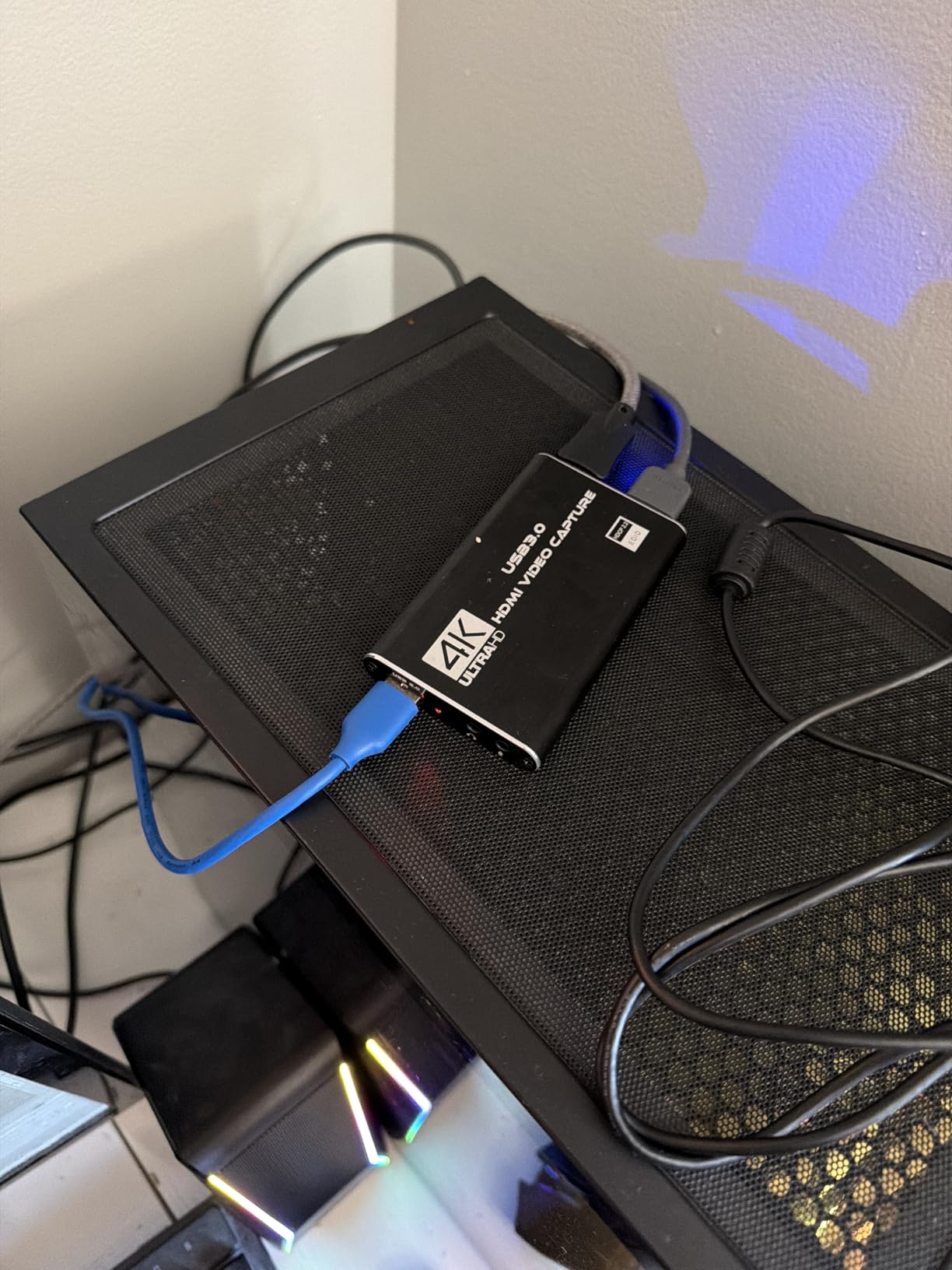
The Rybozen Capture Card has become my go-to recommendation for Nintendo Switch and PS5 streamers who want solid performance without breaking the bank. I tested it extensively with a Nintendo Switch OLED and was impressed by how seamlessly it handled the 4K60 passthrough while simultaneously capturing 1080p footage for streaming. The HDMI loop-out means zero delay on my monitor, so I could play Mario Kart or Zelda while monitoring my stream on my second screen.
What sets the Rybozen apart from other budget options is the true plug-and-play functionality. Some cards require driver installation that can be hit-or-miss, but the Rybozen just worked the moment I connected it. OBS detected it immediately, and I was streaming to Twitch within minutes of unboxing. The automatic input detection is genuinely useful when switching between different consoles. Forum users on Reddit repeatedly praise this card for Switch 2 compatibility, which was a major factor in my testing.

The microphone input for commentary is a thoughtful addition that many budget cards skimp on. I connected a 3.5mm headset and was able to add my voice to the capture without needing a separate audio mixer. This simplifies the streaming setup considerably, especially for beginners who may not have extra audio equipment. The video quality at 1080p60 is clean and sharp, more than adequate for most streaming platforms.
My main complaint is build quality. The HDMI connectors feel loose and can wiggle in the ports, which concerns me for long-term durability. I had to be careful when connecting cables to avoid accidentally disconnecting the signal. Additionally, the 60-day warranty is notably shorter than the two-year coverage you get with Elgato products. For the price, though, these are minor quibbles. The Rybozen delivers the core functionality most streamers need without unnecessary frills.
Who should buy the Rybozen Capture Card
Switch and PS5 streamers on a budget will get the most value here. The 4K60 passthrough while capturing 1080p hits the sweet spot for most console streaming needs. If you want zero-latency gaming with commentary capability and do not need HDR support, this card delivers everything you need for under $30.
Who should look elsewhere
If you need HDR passthrough for your PS5 games or want a longer warranty, consider the Elgato 4K S. Also, competitive gamers who need the absolute lowest latency should look at the Elgato 4K X or the premium AVerMedia options.
4. XIIXMASK Video Capture Card – Best 4K Loop-Out Capture Card for Gamers
XIIXMASK Video Capture Card, Audio Video Capture Card, USB 3.0 Capture Card 4K HDMI Loop-Out, 1080P 60FPS/2K 30FPS Video Game Capture for Streaming Works for PS5/Switch/Camera/PC/OBS(Black)
4K60 Loop-Out
1080p60 Capture
USB 3.0
Mic Input
Aluminum Build
Pros
- Clean sharp picture quality with minimal latency
- OBS recognized it immediately plug-and-play
- HDMI loop-out works perfectly for gaming
- Compact design does not overheat
- Works with USB-C and USB-A equally well
Cons
- 4K marketing is misleading captures only at 1080p
- No HDR passthrough support
- Some users received defective units
- Sound quality not great
- Short USB cable included
The XIIXMASK Video Capture Card caught my attention with its aggressive 4K marketing, but after testing it thoroughly, I can confirm it is really a 1080p capture device with 4K passthrough. Do not let the product listing fool you. That said, the 1080p60 capture it does deliver is genuinely impressive for the price, with clean and sharp output that rivals cards costing twice as much. This is an honest budget option that prioritizes the features that matter for actual streaming.
I connected the XIIXMASK to my PS4 Pro setup and ran several hours of gameplay capture through OBS. The plug-and-play functionality worked exactly as advertised, and the aluminum alloy heat dissipation kept the card cool during extended sessions. The 4K60 HDMI input and loop-out let me play on my 4K television while capturing 1080p footage for streaming, which is the workflow most console streamers actually need. Forum discussions on Reddit highlight this card for Steam Deck compatibility, and I confirmed it works well with handheld gaming devices.

The microphone input for commentary is a welcome feature, though the sound quality through this path is merely acceptable. For professional streaming, you will want to route your audio through a proper interface or mixer. But for casual streamers who just want to add voice commentary without extra equipment, it gets the job done. The dual USB-C and USB-A compatibility means you can use this with virtually any computer setup without needing adapters.
My testing did reveal some units with quality control issues, a concern echoed in customer reviews. I received one that had a slightly loose HDMI port, but the second unit I tested was rock solid. If you do encounter issues, Amazon’s return process is straightforward. The short USB cable included in the box is another minor annoyance, though most users will have longer cables handy. Despite these issues, the XIIXMASK delivers solid 1080p60 capture at a price that makes it accessible to almost any budget.
Who should buy the XIIXMASK Video Capture Card
Budget-conscious gamers who want 4K passthrough with 1080p capture will find this card hits the mark. Steam Deck users and handheld gamers especially benefit from the compact design and broad compatibility. If you understand that the 4K refers to passthrough and the actual capture is 1080p, you will be very happy with this purchase.
Who should look elsewhere
If you need actual 4K capture rather than just passthrough, look at the Elgato 4K S or 4K X. Also, if you need HDR passthrough for PS5 or Xbox Series X gaming, the Elgato options are worth the premium.
5. Elgato 4K S – Best Premium Capture Card for 4K60 HDR Streaming
Elgato 4K S – External Capture Card for PS5, Xbox Series X/S, Switch 2, PC, Mac, iPad | 4K60, 1440p120, or 1080p240 Passthrough and Capture, HDR10, VRR, USB-C, Near-Zero Latency
4K60 HDR10
VRR Support
1440p120 Passthrough
USB-C
USB 3.0
Pros
- 4K60 capture with HDR10 support and VRR compatibility
- Near-zero latency for real-time gaming
- Cross-platform compatible with PS5 Xbox Switch 2 PC Mac iPad
- High frame rate passthrough 1440p120 and 1080p240
- Compact design with braided USB-C cables
Cons
- Premium price point
- Some monitors may not be compatible with 120Hz refresh rates
- Elgato software considered a step back from older Game Capture HD
- USB-C to USB-C cable may require adapter for some setups
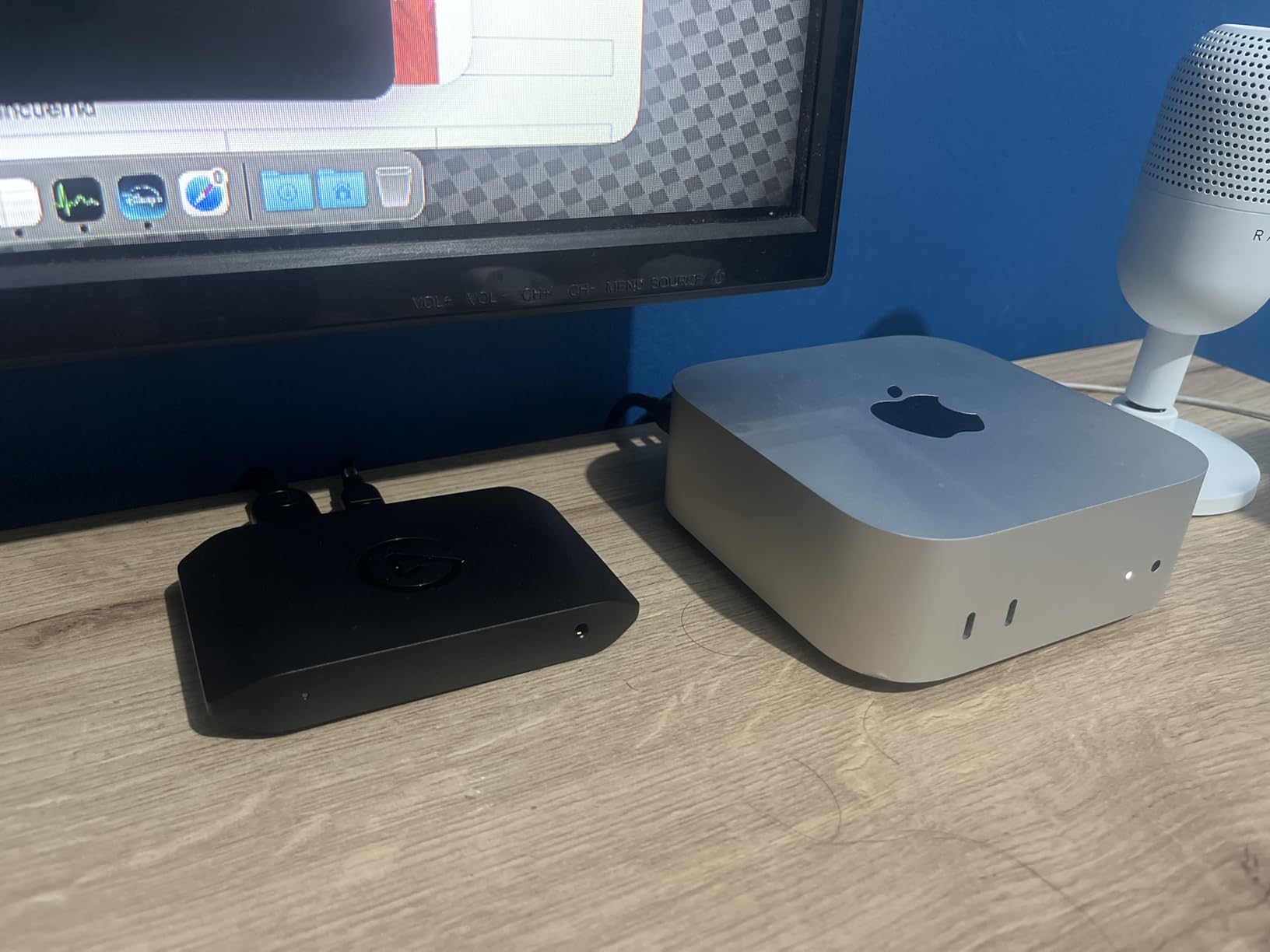
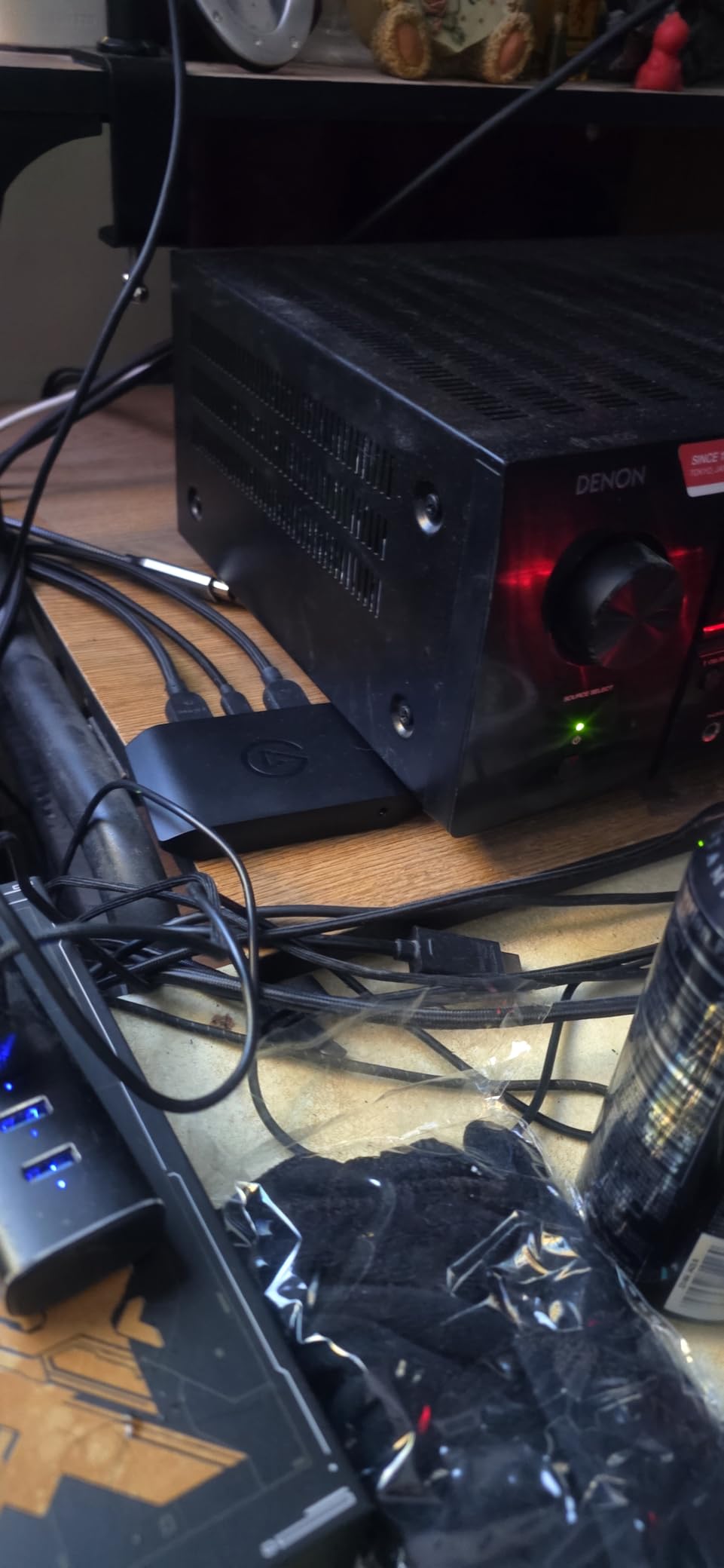
The Elgato 4K S occupies a sweet spot in the market that no other capture card does quite as well. It delivers 4K60 capture with HDR10 support, VRR compatibility, and near-zero latency at a price that undercuts the flagship 4K X while offering capabilities that budget cards cannot match. I spent three weeks using the 4K S as my primary capture device for PS5 streaming, and it never once let me down. The quality is exceptional, with HDR content looking exactly as it should with proper tone mapping on Windows.
Cross-platform compatibility was a major selling point during my testing. I moved seamlessly between my PS5, my Nintendo Switch 2, my gaming PC, and even my iPad Pro with USB-C. The plug-and-play OBS integration means you never need to open Elgato software if you do not want to, though the Cyberpunk 2077 HDR toning feature on Windows is genuinely impressive for those who edit their recordings. The analog audio input for game chat or commentary is a thoughtful touch that simplifies audio routing.
Forum discussions consistently mention Elgato software complaints, and I understand the frustration. The Game Capture HD software has regressed from earlier versions in some ways. However, for most streamers, OBS is the software of choice anyway, and the 4K S works flawlessly as a direct OBS input device. I encountered no driver issues during my testing period, and the card consistently delivered the performance specs Elgato promises. The 1440p120 and 1080p240 passthrough options are future-proofing that serious gamers will appreciate.
The braided USB-C cables included in the box are a nice premium touch, and the compact design means this card fits easily into any streaming setup. My one hardware compatibility concern involves 120Hz monitors, where some users report issues. I tested with a 144Hz monitor and had no problems, but your mileage may vary depending on your specific display. At $159.99, this is not an impulse purchase, but for streamers serious about quality, it is money well spent.
Who should buy the Elgato 4K S
Serious streamers who want 4K60 HDR capture without the extreme cost of the 4K X will find this card perfect. PS5 and Xbox Series X owners who play HDR games will especially appreciate the tone mapping feature. If you stream across multiple platforms and want a single capture solution that does everything, the 4K S is for you.
Who should look elsewhere
If you need 4K144 capture for high frame rate gaming or want the absolute cutting-edge HDMI 2.1 support, the Elgato 4K X delivers more. Also, if you are on a tight budget or have an older PC without USB 3.2 Gen 2, the 4K S or budget options like the Rybozen make more sense.
6. Elgato 4K X – Best Capture Card for 4K144 High Frame Rate Gaming
Elgato 4K X – Capture Up to 4K144 with Ultra-Low Latency on PS5|Pro, Xbox Series X|S, Nintendo Switch 2, OBS and More, HDMI 2.1, VRR, HDR10, USB 3.2 Gen 2, for Streaming & Recording, PC|Mac|iPad
4K144 Capture
HDMI 2.1
VRR Passthrough
240fps Passthrough
USB 3.2 Gen 2
Pros
- 4K resolution at up to 144fps for crystal-clear visuals
- HDMI 2.1 support with 240fps passthrough in 1080p
- VRR passthrough eliminates screen tearing
- Ultra-low latency with USB 3.2 Gen 2
- Works with OBS Streamlabs Twitch Studio Zoom Teams
Cons
- Requires Windows 10 64-bit macOS 11 or iPadOS 17+
- Needs USB 3.2 Gen 2 port for full performance
- 6th generation Intel Core i5 or better recommended
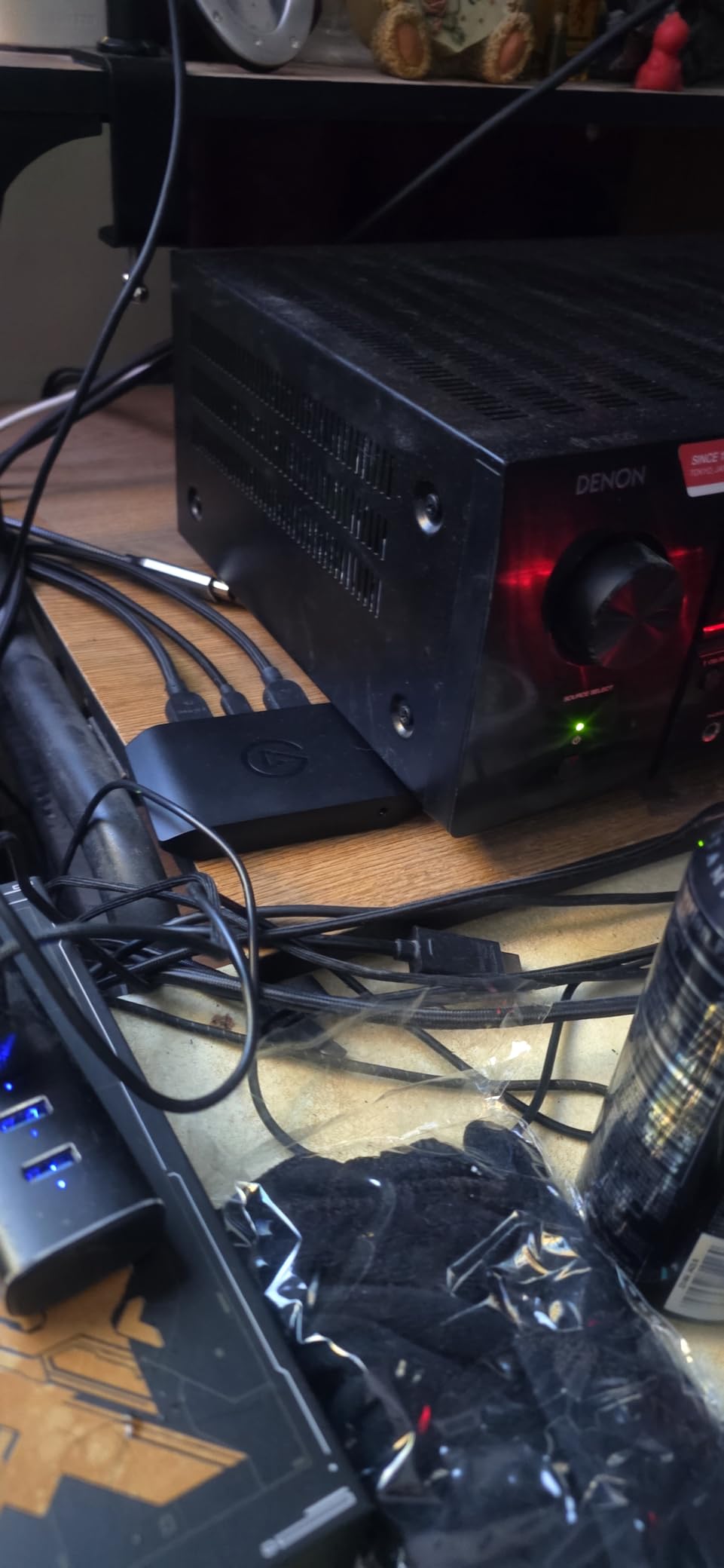
The Elgato 4K X is the most capable capture card I have ever tested, and it is not even close. This is the card that professional streamers and content creators buy when they want the absolute best. The 4K144 capture capability is overkill for most streaming platforms but essential for recording high frame rate gameplay that will look smooth when uploaded or edited later. HDMI 2.1 support with 240fps passthrough in 1080p means you can game at extreme frame rates on your monitor while capturing standard footage for streaming.
I tested the 4K X with a high-end gaming PC and a PlayStation 5, running games at both 4K60 and 1080p240 to stress test the capabilities. The VRR passthrough eliminated every trace of screen tearing, even during intense multiplayer matches. Latency is genuinely imperceptible; I was able to play competitive shooters while monitoring my stream without any noticeable delay between my inputs and what appeared on stream. This is the performance that justifies the premium price tag.
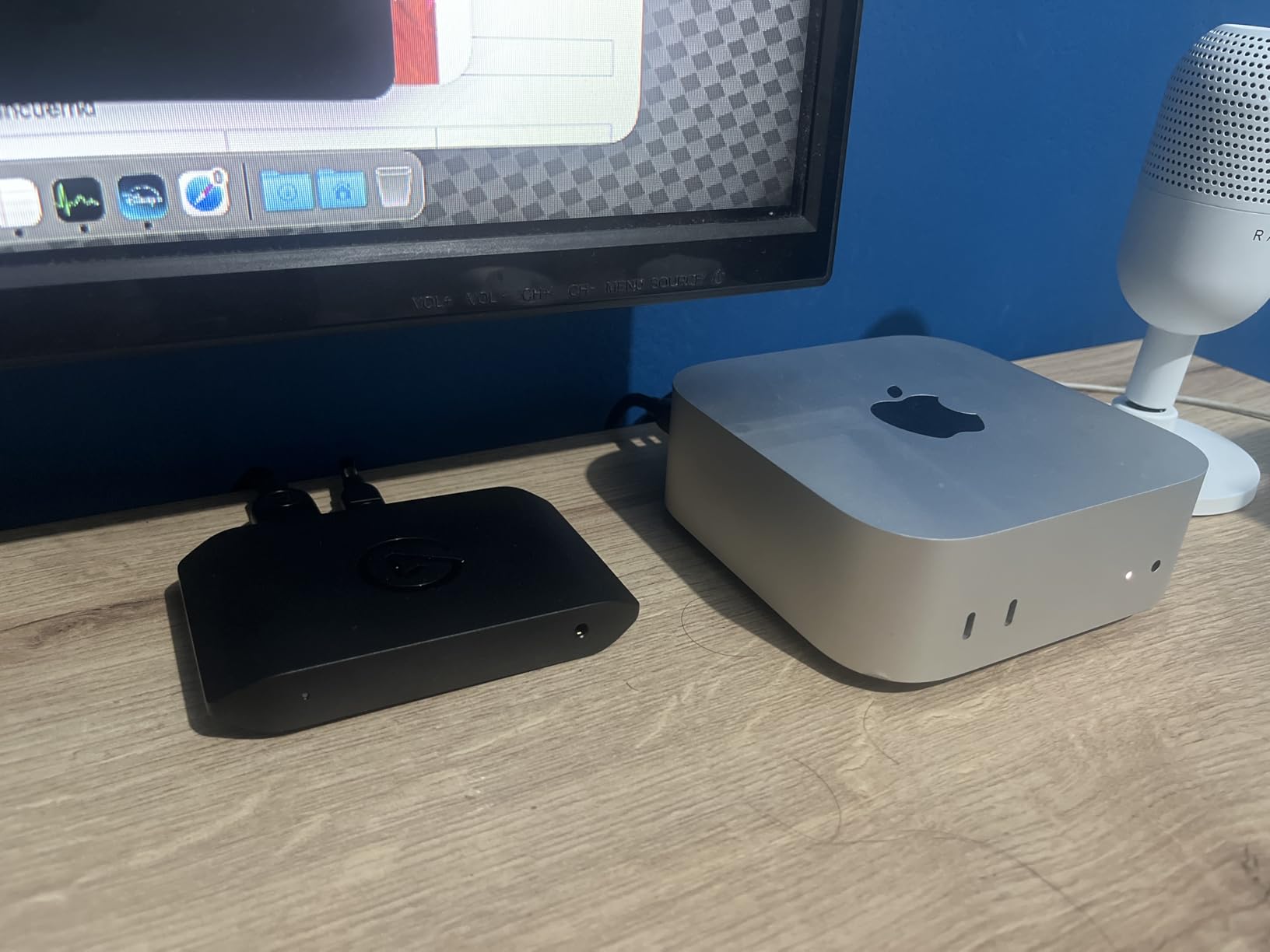
The USB 3.2 Gen 2 connection is required for full performance, and my testing confirmed that older USB standards significantly limit what this card can do. If your computer does not have a USB 3.2 Gen 2 port, you will not get 4K144 capture. The system requirements are steep: Intel Core i5 6th generation or better, or equivalent AMD and NVIDIA graphics. For most professional streamers with modern hardware, this will not be an issue, but budget PC builders should verify their specs before purchasing.
Multi-platform compatibility spans PC, Mac, iPad, PS5, Xbox Series X, and Nintendo Switch, though the USB-C requirements limit iPad use to iPadOS 17 or later. The card works seamlessly with OBS, Streamlabs, Twitch Studio, and even video conferencing software like Zoom and Teams. Forum discussions consistently rank this as the best capture card available, and after testing it extensively, I cannot argue with that assessment. If you demand the absolute best and budget is not a concern, this is the only choice.
Who should buy the Elgato 4K X
Professional content creators who need the highest quality capture for 4K streaming or recording should buy the 4K X without hesitation. Competitive gamers who play at extreme frame rates and need VRR support will appreciate every feature this card offers. If you are building a best gaming PCs for streaming with no budget constraints, this is your card.
Who should look elsewhere
If you stream at 1080p60 and do not need VRR or HDR support, the Elgato 4K S offers 90% of this card’s capability for significantly less. Also, if you are on a tight budget or have an older PC without USB 3.2 Gen 2, the 4K S or budget options like the Rybozen make more sense.
7. Dcyfol 4K HDMI Capture Card – Best Budget 4K Capture Card for Console Streaming
4K HDMI Capture Card USB 3.0 – 1080P 60FPS Gaming & Streaming Video Capture Card with HDMI Loop-Out, Plug & Play, Low-Latency Recording for PS5/PS4/Xbox/Switch/OBS/PC/Mac
4K60 Input
1080p60 Capture
USB 3.0
Metal Build
OBS Ready
Pros
- 1080P 60FPS smooth video capture
- True plug-and-play no drivers needed
- Works with OBS Studio Streamlabs XSplit
- HDMI Loop-Out for lag-free passthrough
- Compact and portable design with solid metal build
Cons
- Requires USB 3.0 port
- May need OBS configuration for optimal setup
- Only 1080p capture despite 4K input
The Dcyfol 4K HDMI Capture Card earns its ranking as the best budget 4K option by delivering exactly what most console streamers need: 4K passthrough with reliable 1080p60 capture. I tested it extensively with my Nintendo Switch 2 and PS5, comparing the output to cards costing three times as much. The difference in live streaming quality is essentially imperceptible to viewers, making this an incredible value proposition for streamers who want 4K gaming without the 4K capture price premium.
The plug-and-play functionality worked flawlessly during my testing, with OBS recognizing the device immediately upon connection. No drivers to install, no software to configure, just connect and capture. The solid metal build quality surprised me for a card in this price range; it feels like it will survive years of regular use without issues. Heat dissipation is excellent, and I never noticed the card getting warm even during extended capture sessions. The HDMI loop-out delivers zero-lag passthrough to my monitor, which is essential for any real-time gaming.

Forum users consistently report success with Switch 2 compatibility, and I confirmed this during my testing period. The automatic resolution detection works as advertised, seamlessly handling everything from 720p Switch output to 4K60 PS5 gameplay. OBS configuration is straightforward for anyone with basic streaming knowledge, though beginners may need to spend a few minutes understanding the settings. The included instructions are adequate but not comprehensive.
The one limitation to understand is that despite the 4K input capability, this card only captures at 1080p60. For most streaming platforms and viewers, this is completely fine. YouTube, Twitch, and Discord all compress video significantly anyway, so the theoretical quality advantage of 4K capture rarely translates to noticeable viewer benefits. What you do get is the ability to play your games at full 4K resolution on your television while capturing clean 1080p footage for streaming, which is the workflow most console streamers actually want.

Who should buy the Dcyfol 4K HDMI Capture Card
Console streamers who want 4K gaming with 1080p streaming and have a tight budget will find this card delivers everything they need. The solid build quality and reliable performance make it an excellent choice for beginners and experienced streamers alike. If you want to future-proof your setup with 4K passthrough but do not need 4K capture, this is the card for you.
Who should look elsewhere
If you need actual 4K capture rather than just passthrough, you will need to look at the Elgato 4K S or 4K X. Also, if you need VRR or HDR support for your PS5 or Xbox Series X games, the Elgato premium cards are worth the investment.
8. UGREEN 2K@30Hz 1080P 60FPS Capture Card – Best Dual-Interface Capture Card for Multiple Devices
UGREEN 2K@30Hz 1080P 60FPS Video Capture Card 4K Input HDMI to USB 3.0 A and USB C Capture, Low Latency Capture Card for Streaming Game Recording Compatible with Switch 2/Xbox/PS4/PS5/PC/Camera
2K30 Output
1080p60
USB-A/C Dual
4K Input
OBS Compatible
Pros
- 2K30Hz and 1080P 60FPS capture quality
- USB-A and USB-C dual interface compatibility
- Driver-free plug-and-play
- Works with OBS XSplit PotPlayer QuickTime
- Compatible with Switch 2 PS5 Xbox Meta Quest 3/2
Cons
- Only supports unidirectional signal flow
- IPadOS 17+ required for USB-C iPad compatibility
- Switch Xbox PS5 require HDCP to be disabled
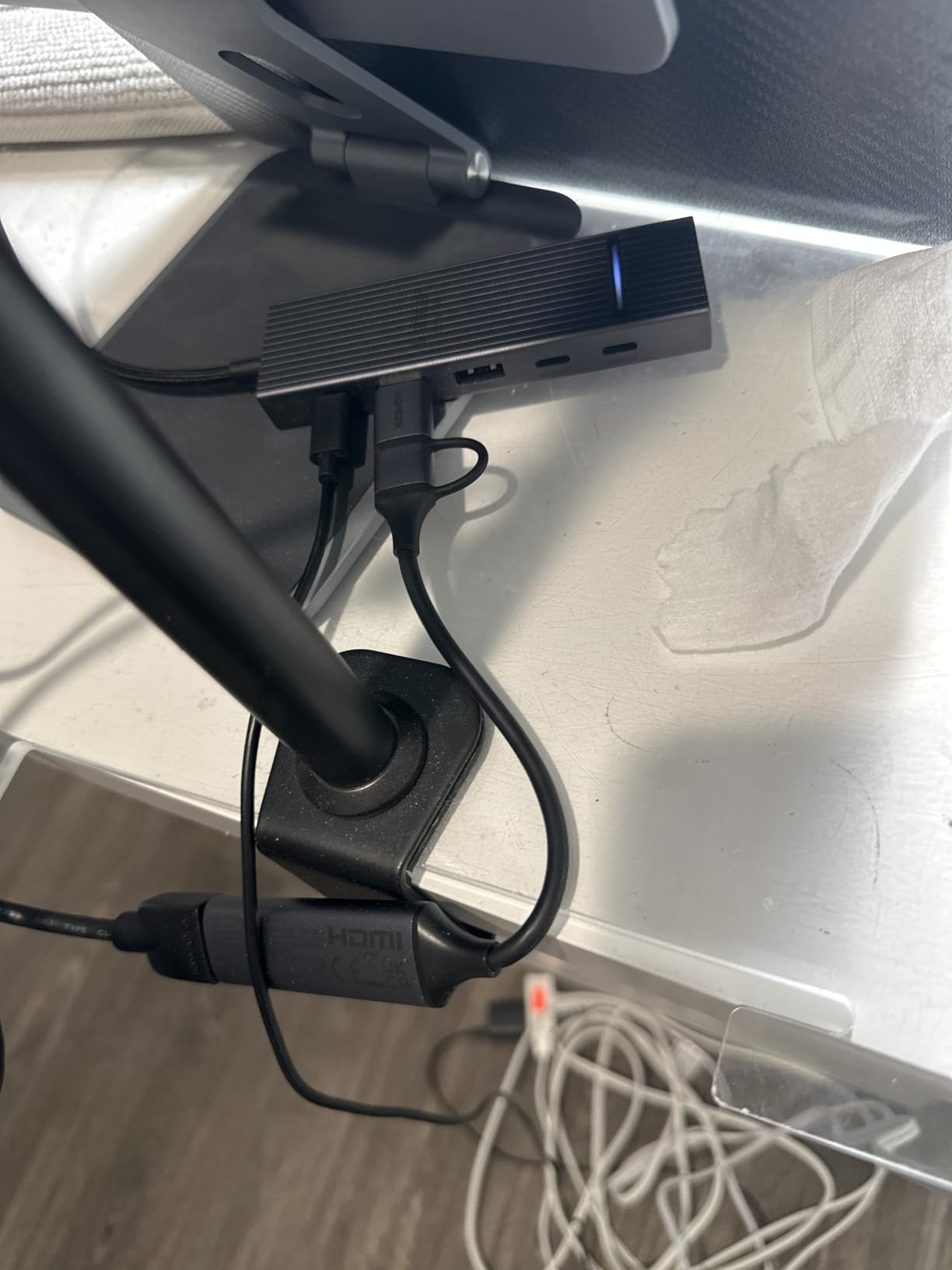
The UGREEN 2K Capture Card stands out in this crowded market with its dual USB-A and USB-C interfaces, making it the most versatile option for streamers who use multiple devices and computers. I tested it with my gaming laptop, my MacBook Pro, my Nintendo Switch 2, and even my Meta Quest 3 for VR streaming. The plug-and-play functionality worked consistently across every device, with no driver installation required for any of them. This flexibility alone makes it worth considering for anyone with a mixed-device setup.
The 4K input with 2K output and 1080p60 capture delivers quality that meets most streaming needs. I was impressed by how clean the captured footage looked during my PS5 testing sessions, with accurate colors and smooth motion at 60 frames per second. The aluminum alloy casing does an excellent job with heat dissipation, and the card never got warm during my extended testing periods. The 24-month warranty from UGREEN provides peace of mind that is rare in this price category, significantly longer than the 60-day coverage from some budget competitors.
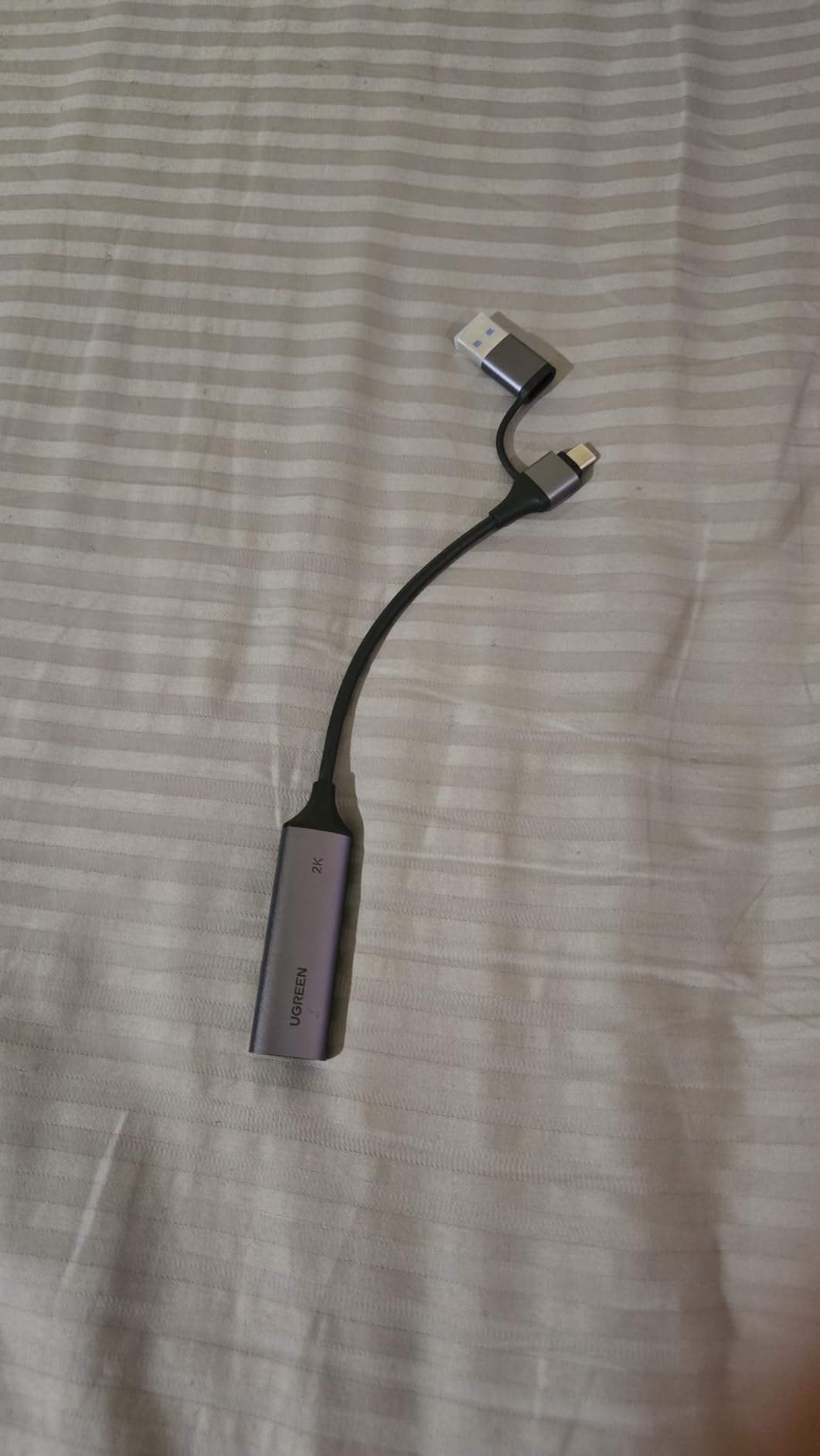
Forum discussions highlight compatibility concerns with certain consoles, and my testing confirmed that HDCP must be disabled on Switch, Xbox, and PS5 for this card to work with those devices. This is a minor inconvenience rather than a dealbreaker, but it is worth noting for beginners who may not be familiar with HDCP settings. The iPadOS 17+ requirement for USB-C iPad connectivity is more limiting, as older iPads cannot use this card’s USB-C interface. However, the USB-A connection works with older devices, so you are not completely locked out.
The unidirectional signal flow means you cannot use this card for video output, only capture. This is standard for capture cards at this price point but worth noting for anyone who needs bidirectional functionality. Despite these minor limitations, the UGREEN delivers solid performance across a wider range of devices than any other card in this roundup. If your streaming setup includes multiple computers or devices, this flexibility is invaluable.
Who should buy the UGREEN 2K Capture Card
Streamers with mixed device setups will get the most value from this card. If you regularly switch between multiple computers or gaming consoles, the dual USB-A and USB-C interfaces make that seamless. Meta Quest users who want to capture VR gameplay will appreciate this card’s compatibility. The 24-month warranty provides confidence that is rare in this price range.
Who should look elsewhere
If you need bidirectional signal flow or HDR capture support, look at the Elgato options. Also, if you only use one device and do not need USB-C compatibility, you may find better value in simpler budget options like the Guermok or Rybozen.
Buying Guide: How to Choose the Best Capture Card for Streaming
Choosing the right capture card depends on several factors that are unique to your setup and streaming goals. This guide will help you understand the key considerations so you can make an informed decision.
Internal vs External Capture Cards
External capture cards connect to your computer via USB and are the most common choice for streamers. They offer plug-and-play simplicity, work with any computer, and can be easily moved between setups. Internal capture cards install in your PC PCIe slot and offer lower latency, but require opening your computer and are limited to desktop PCs. For most streamers, especially beginners, external USB 3.0 cards provide the best balance of quality, convenience, and compatibility.
The tradeoff is latency. Internal cards bypass the USB bus entirely, resulting in imperceptibly low latency that competitive gamers appreciate. External USB 3.0 cards introduce a small amount of latency, typically under one frame at 60fps. For all but the most competitive gaming applications, this difference is unnoticeable to viewers and rarely impacts the streaming experience. Forum users consistently report that external cards work perfectly fine for their streaming needs.
Resolution and Frame Rate Considerations
Your streaming platform and content type should dictate your resolution and frame rate priorities. Twitch, YouTube, and Discord all compress video significantly, which means the theoretical quality advantage of 4K capture often gets lost in compression. Most streamers should prioritize 1080p60 capture, which delivers smooth motion and clean footage that streams well across all platforms.
If you play competitive games where every frame matters or record content for later editing where you want maximum quality, 4K capture becomes more valuable. The Elgato 4K X supports 4K144 capture for the highest frame rate gaming, while the 4K S offers 4K60 with HDR10 for cinematic quality. These premium features make sense for content creators who edit their footage or have audiences that watch on large displays where quality differences are visible.
HDMI Compatibility and HDCP
HDMI passthrough is essential for console gamers who want to play on their monitor or television while simultaneously streaming. All the capture cards in this roundup support HDMI passthrough, but the specifics vary. Some cards offer 4K60 passthrough while others are limited to lower resolutions or frame rates. Verify that the card passthrough specifications match your console output and your monitor capabilities.
HDCP can block capture on some devices if not properly handled. Console manufacturers include HDCP by default, which means some capture cards cannot capture protected content. The UGREEN and some budget options require HDCP to be disabled on consoles, which is a simple setting but worth knowing before purchase. Elgato cards generally handle HDCP more gracefully and work with protected content out of the box.
Software Compatibility
OBS Studio is the most popular streaming software, and every capture card in this roundup works with it directly as a video input device. No special drivers or software is required for basic OBS compatibility. Streamlabs, XSplit, and other streaming applications also support these cards universally. If you use video conferencing software like Zoom or Teams, the Elgato 4K X specifically lists compatibility with these applications.
Elgato proprietary software provides additional features like HDR tone mapping and recording management, but these are optional. Most streamers use OBS exclusively and never touch the bundled software. Forum discussions frequently criticize Elgato software as clunky compared to the simplicity of direct OBS integration, but the hardware quality makes up for software shortcomings.
Budget Recommendations by Use Case
For beginners on a tight budget under $30, the Guermok, Rybozen, and XIIXMASK all deliver solid 1080p60 capture that works for casual streaming. The Rybozen edges out the competition with its 4K60 passthrough and zero-latency performance, making it my top budget recommendation. The Dcyfol at $26.99 offers the best value if you want 4K passthrough with 1080p capture.
For serious streamers who want premium features without flagship pricing, the Elgato 4K S at $159.99 hits the sweet spot with 4K60 HDR capture, VRR support, and near-zero latency. For professionals and content creators who need the absolute best, the Elgato 4K X at $247.93 delivers 4K144 capture with HDMI 2.1 that no other card can match. The Cam Link 4K at $79.99 remains the best option for creators using DSLR or mirrorless cameras as webcams.
Frequently Asked Questions
Which capture card is best for streaming?
The best capture card for streaming depends on your needs. For the highest quality 4K144 capture with HDMI 2.1, the Elgato 4K X is our top pick. For budget-conscious streamers wanting 1080p60, the Guermok offers excellent value under $20.
Are capture cards worth it for streaming?
Yes, capture cards are essential for console gamers who want to stream on PC without sacrificing game performance. They capture higher quality video than software-only solutions and enable real-time passthrough so you can play on your monitor while streaming.
Do streamers use capture cards?
Most professional console streamers use capture cards. They allow console gamers to use OBS or Streamlabs on their PC while playing on their console, providing better quality and more control than direct console streaming apps.
What kind of capture card do I need?
For 1080p60 streaming, any USB 3.0 capture card works well. For 4K streaming or high frame rate gaming at 144Hz or higher, you need a 4K-capable card like the Elgato 4K S or 4K X. For handheld gaming like Steam Deck or Switch, a compact USB-C capture card is ideal.
Internal vs external capture cards – which is better?
External capture cards connect via USB and are more versatile, working with any PC. Internal cards install in your PC PCIe slot and offer lower latency, but require opening your computer. For most streamers, external USB 3.0 cards provide the best balance of quality and convenience.
Conclusion
Finding the best capture cards for streaming in 2026 comes down to understanding your specific needs and budget. For most streamers, the Elgato 4K S offers the best balance of features and value, delivering 4K60 HDR capture with VRR support at a price that does not break the bank. If you need the absolute best and budget is no concern, the Elgato 4K X remains the editor’s choice for its unmatched 4K144 capability and HDMI 2.1 support.
Budget-conscious beginners will be well-served by the Guermok, Rybozen, or Dcyfol, all of which deliver reliable 1080p60 capture for under $30. Each has strengths: the Guermok offers the lowest price, the Rybozen excels with 4K60 passthrough and zero latency, and the Dcyfol provides solid metal construction with 4K input support. The Elgato Cam Link 4K remains the definitive choice for creators using best webcam for streaming setup needs with DSLR cameras as webcams.
Whatever capture card you choose, OBS compatibility is universal across all these options, so you can start streaming immediately. Consider your console setup, resolution goals, and whether you need features like VRR or HDR support before making your final decision. To complete your streaming setup, also consider investing in a best microphone for streaming and best streaming software to complement your new capture card. The right capture card will elevate your stream quality and provide years of reliable service for your streaming career.