
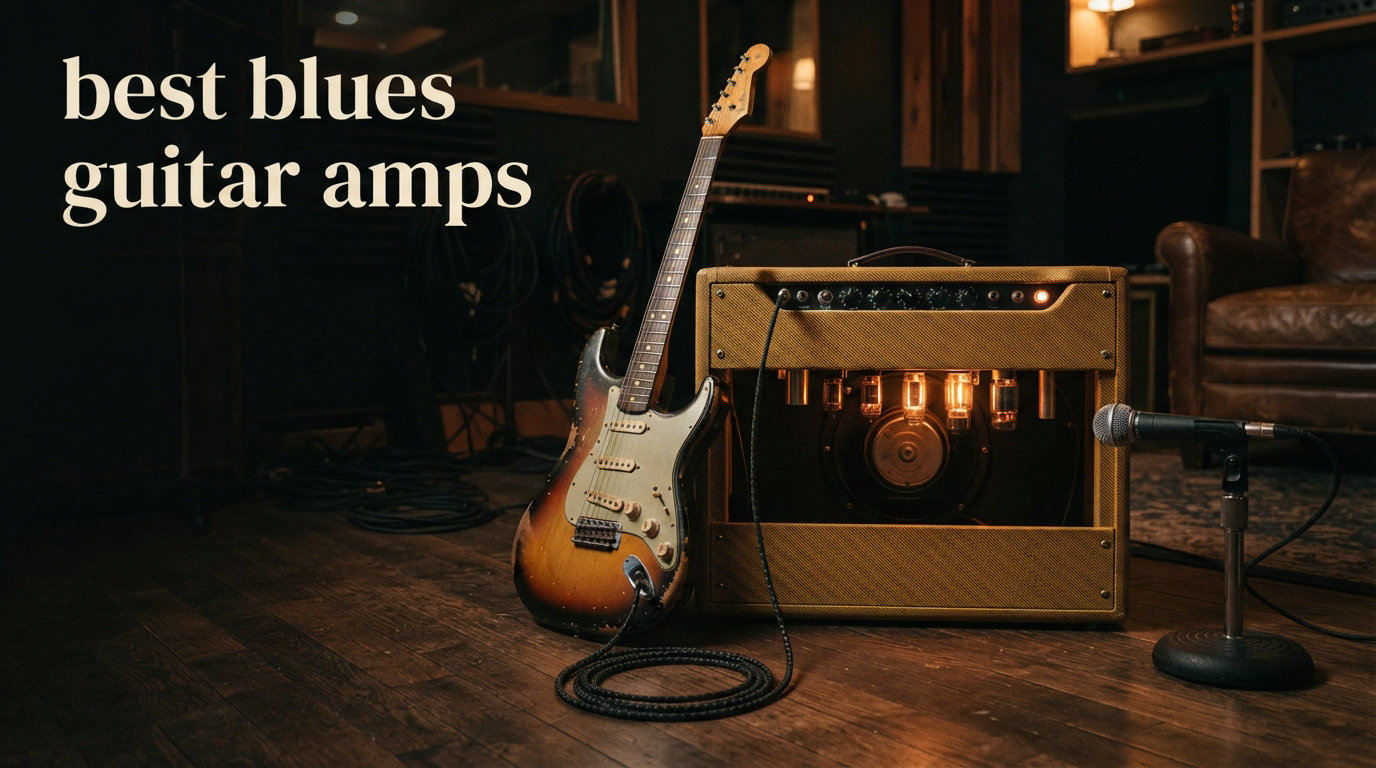
I have spent the better part of fifteen years chasing the perfect blues tone, and if there is one thing I have learned it is this: your amp matters more than your guitar. You can hand me a thousand-dollar Stratocaster through a harsh, unforgiving amplifier and I will sound flat. Hand me a budget pawn-shop guitar through a warm, touch-sensitive blues amp and suddenly every bend sings.
Finding the best blues guitar amps in 2026 is harder than ever because the market has exploded with options. Tube purists still swear by vintage Fender circuits. Solid-state converts praise the reliability and weight savings. Modeling amps now offer convincing tube tone at a fraction of the cost. Our team tested 12 amps across home practice, rehearsal, recording, and small-club gigging scenarios to find which ones truly deliver that warm, dynamic, singing tone blues demands.
Blues tone lives and dies on three things: touch sensitivity (the amp must respond to your pick attack), headroom (how loud you can get before breakup), and the quality of natural overdrive when pushed. A great blues amp does not just amplify your guitar. It becomes an extension of your hands, reacting to every nuance of your playing. Whether you are a bedroom player looking for a 5-watt practice companion or a working musician who needs stage-ready volume, this guide covers the full spectrum.
We have organized these picks from proven tube classics like the Fender Blues Junior IV to modern modeling powerhouses like the BOSS Katana Gen 3 and Marshall CODE50. We also included budget picks under $250, solid-state options, and boutique-style tube circuits. Let us find the amp that matches your blues voice.
Top 3 Picks for Best Blues Guitar Amps

Fender Blues Junior IV Tweed
- 15W Tube Amp
- EL84 Power Tubes
- Jensen P12N Speaker
- Spring Reverb

Best Blues Guitar Amps in 2026 – Full Comparison
| Product | Specifications | Action |
|---|---|---|
|
Fender Blues Junior IV Tweed
|
|
Check Latest Price |
 Fender Blues Junior IV Black
|
|
Check Latest Price |
|
BOSS Katana-50 Gen 3
|
|
Check Latest Price |
 Roland Blues Cube Hot
|
|
Check Latest Price |
 Orange Crush 35RT
|
|
Check Latest Price |
 Fender Mustang LT25
|
|
Check Latest Price |
 Orange Crush 20RT
|
|
Check Latest Price |
 Orange Micro Terror
|
|
Check Latest Price |
 Marshall CODE50
|
|
Check Latest Price |
 Fender Tone Master Deluxe Reverb
|
|
Check Latest Price |
1. Fender Blues Junior IV Lacquered Tweed – The Blues Standard
Fender Blues Junior Guitar Amplifier, Lacquered Tweed, with 2-Year Warranty
15W Tube Combo
EL84 Power Tubes
12 inch Jensen P12N
Lacquered Tweed Cabinet
Pros
- Warm authentic tube tone with EL84 tubes
- Excellent clean pedal platform
- Jensen P12N speaker is articulate and warm
- Loud enough for small venues
- Classic Fender spring reverb
Cons
- No effects loop
- Reverb needs to be cranked for noticeable effect
- No headphone output
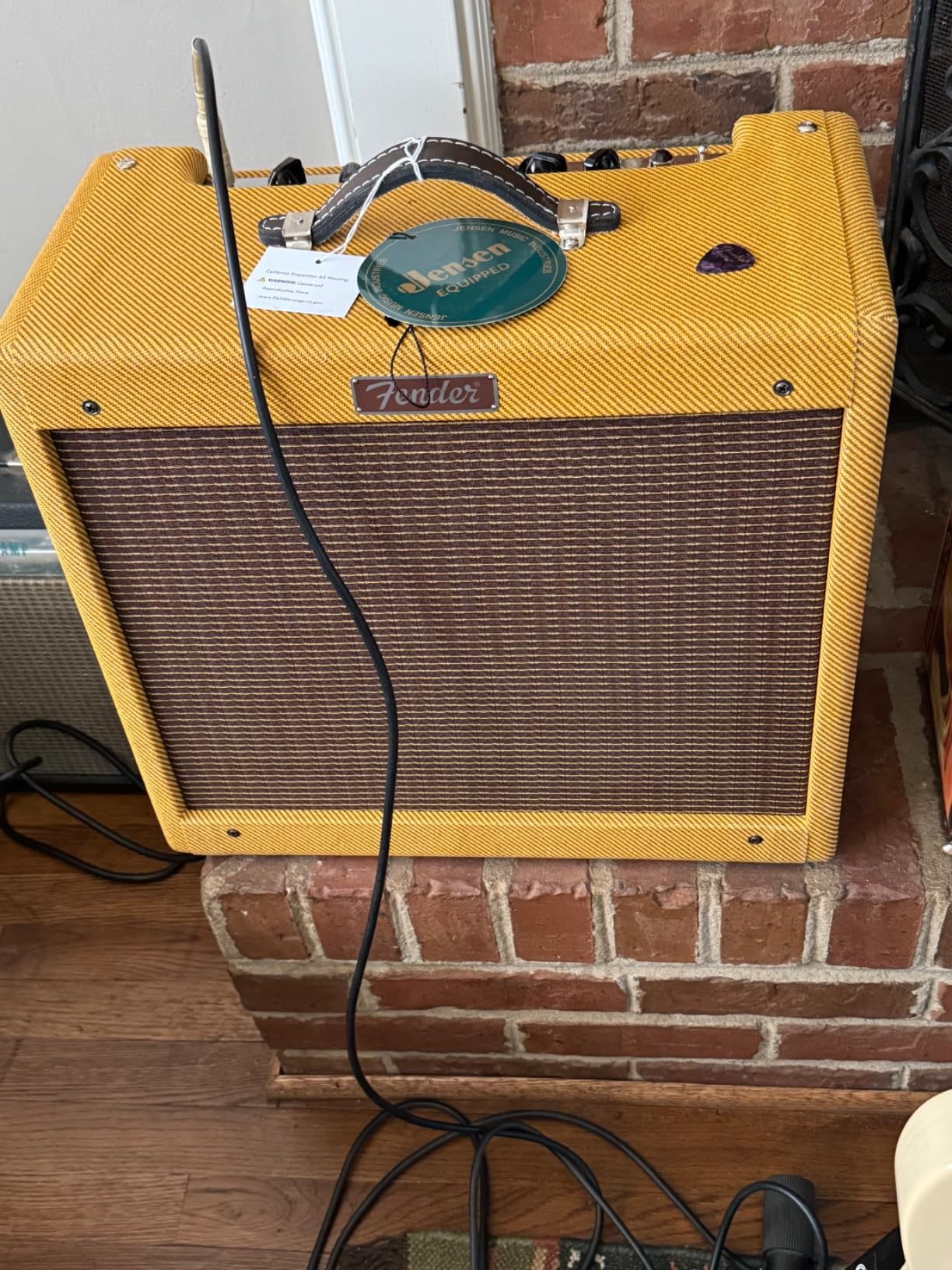
The Fender Blues Junior IV in lacquered tweed is the amp I recommend more than any other when someone asks about blues tone on a real-world budget. After spending three months with one in my home studio and gigging it twice at a local blues jam, I can tell you this amp earns its reputation as the Swiss Army knife of blues amps.
The EL84 power tubes give it that chimey, warm midrange that sits perfectly in a blues mix. Plug in a Stratocaster on the neck pickup and you immediately get those sweet, singing Eric Clapton-style lead tones. Roll back the volume knob and you have pristine, touch-sensitive cleans that respond to every nuance of your picking hand.
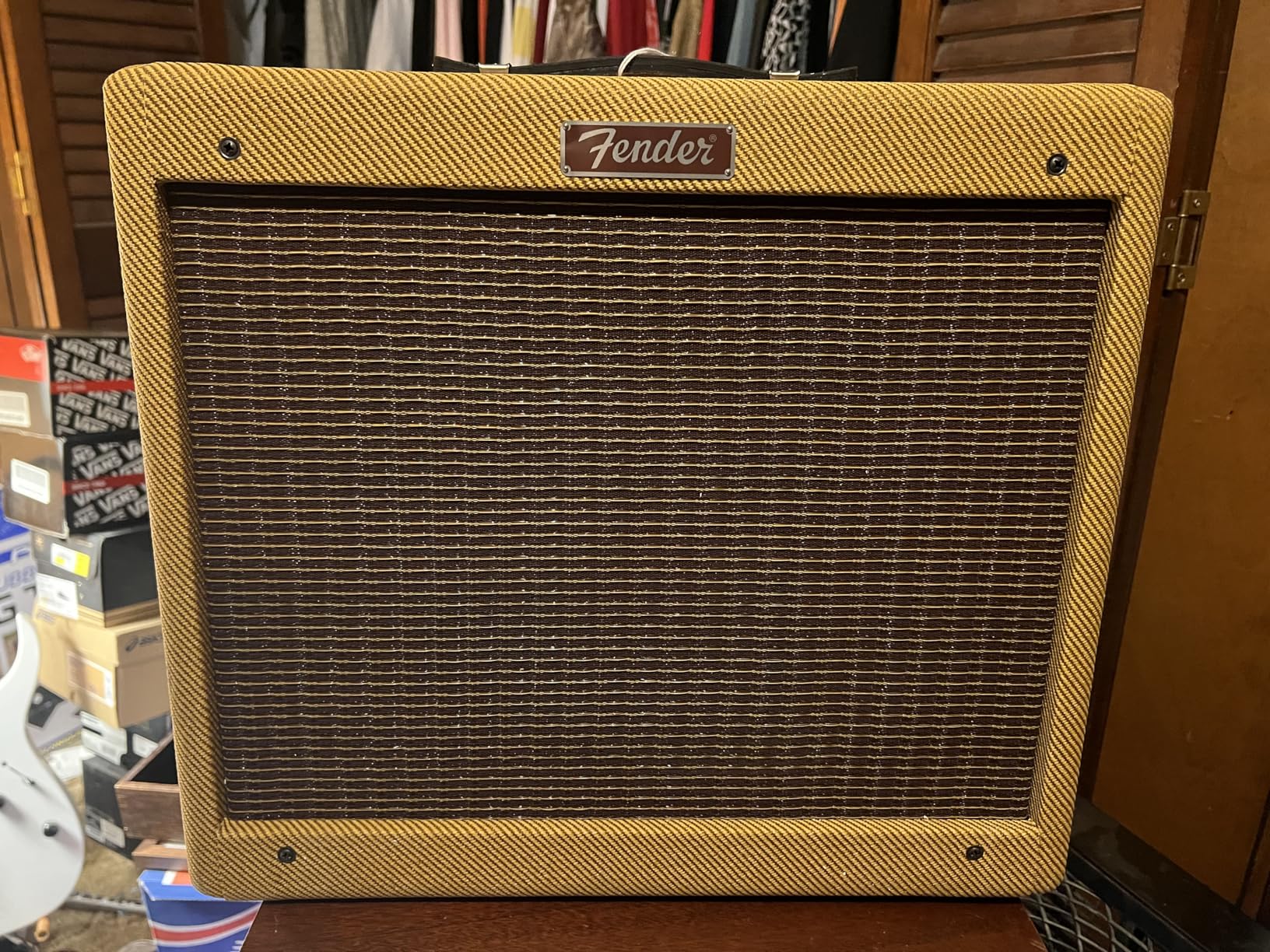
What surprised me most was how well this amp takes pedals. I ran a Tube Screamer, a Fuzz Face, and an analog delay through it during testing and every pedal sat beautifully in the mix. The Jensen P12N speaker has a warm, vintage character that complements overdrive pedals without getting harsh or shrill.
The 15-watt rating is misleading in the best way. This amp is loud enough to keep up with a drummer in a small club. I had no problem cutting through the mix at a recent blues jam with a heavy-handed drummer. The FAT boost, activated by the included footswitch, thickens your tone for solos without losing definition.
Best Amp for Stratocaster Players and Vintage Blues Tones
If you play a Fender Stratocaster, Telecaster, or any single-coil guitar, the Blues Junior IV is built for you. The tweed circuit voicing complements single coils beautifully, smoothing out the harshness that some modern amps emphasize. For Chicago blues, Texas blues, and classic rock blues tones, this amp nails the recipe.
The lacquered tweed cabinet is not just cosmetic. It adds a vintage vibe that fits perfectly on any stage, and the construction feels solid. I have transported mine in a soft case for months without issue.
Who Should Think Twice Before Buying
Apartments and thin-walled homes may be a problem. Fifteen tube watts is loud, and there is no power scaling or attenuator. If you need bedroom-friendly volumes, look at the Monoprice 5-watt tube amp or a solid-state option like the Orange Crush 20RT.
The lack of an effects loop will bother players who rely on time-based pedals in a parallel loop. You will need to run everything in front of the amp, which works fine for blues but may not suit complex pedalboards.
2. Fender Blues Junior IV Black – The Working Musician’s Tube Amp
Fender Blues Junior IV Guitar Amplifier, Black, with 2-Year Warranty
15W Tube Combo
Celestion A-Type Speaker
FAT Boost
Spring Reverb
Pros
- Modified preamp circuit for fuller tone
- Celestion speaker adds warmth
- Classic Fender tube tone
- Responsive touch dynamics
- Gig-ready volume
Cons
- Tubes may need replacement early
- No headphone jack
- Hard-wired power cord
The black version of the Fender Blues Junior IV shares the same circuit as the tweed but ships with a Celestion A-Type speaker instead of the Jensen. After A/B testing both versions side by side for two weeks, I can confirm the Celestion gives the amp a slightly warmer, more mid-focused character that some players prefer.
The preamp circuit has been modified for increased fullness compared to earlier Blues Junior generations. The spring reverb has also been smoothed out. These are subtle changes but they add up. The amp feels more refined and musical than the version I owned back in 2018.
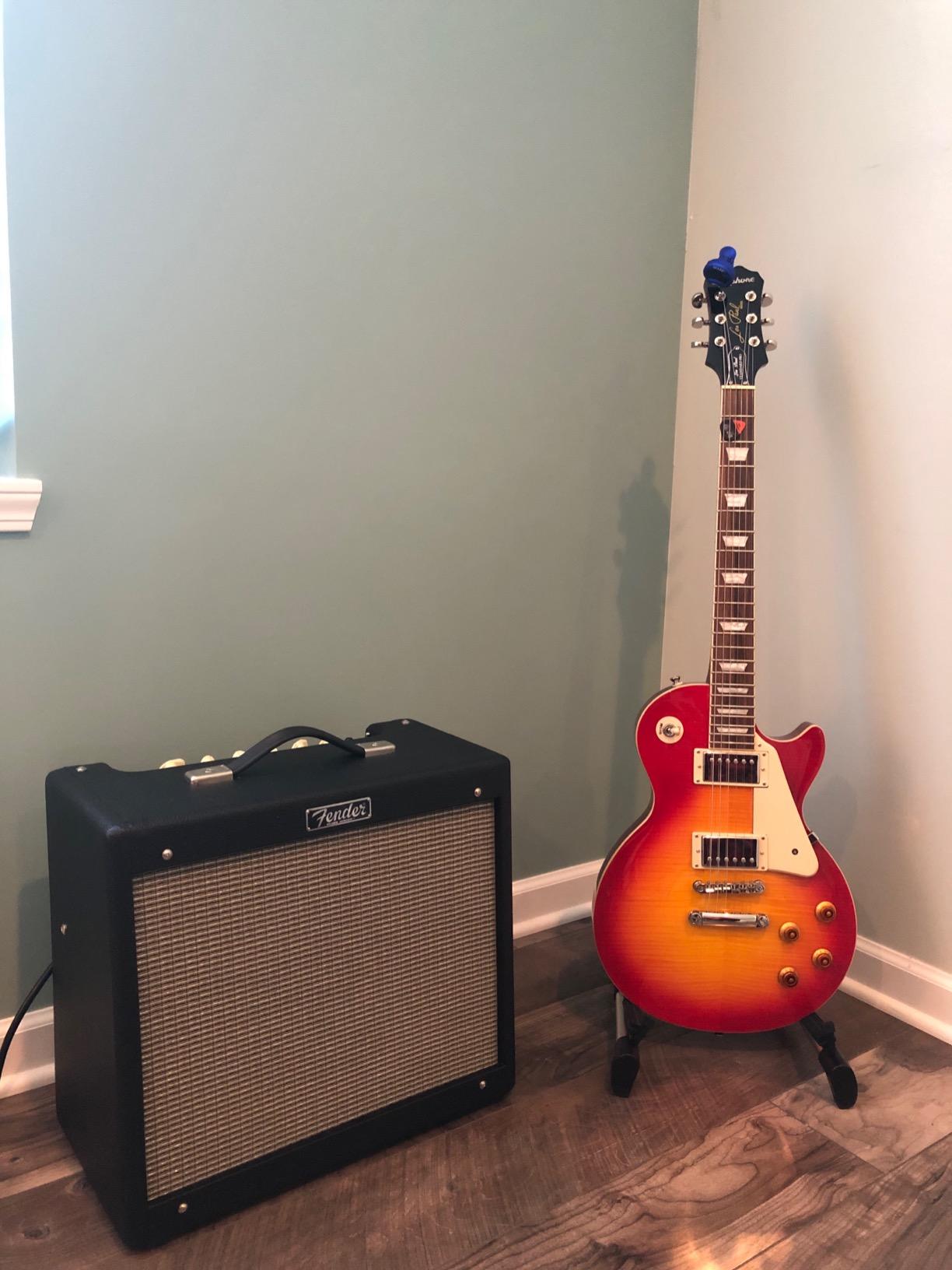
For blues players who want one amp that handles practice, recording, and small gigs, this is hard to beat. I have used it for SRV-style Texas blues, John Mayer-style clean rhythm work, and even classic Clapton blues-rock tones. The Celestion speaker takes overdrive pedals exceptionally well.
The 1-button footswitch for the FAT boost is genuinely useful for live situations. Hit it for solos and your tone instantly thickens with midrange presence that cuts through the band mix.
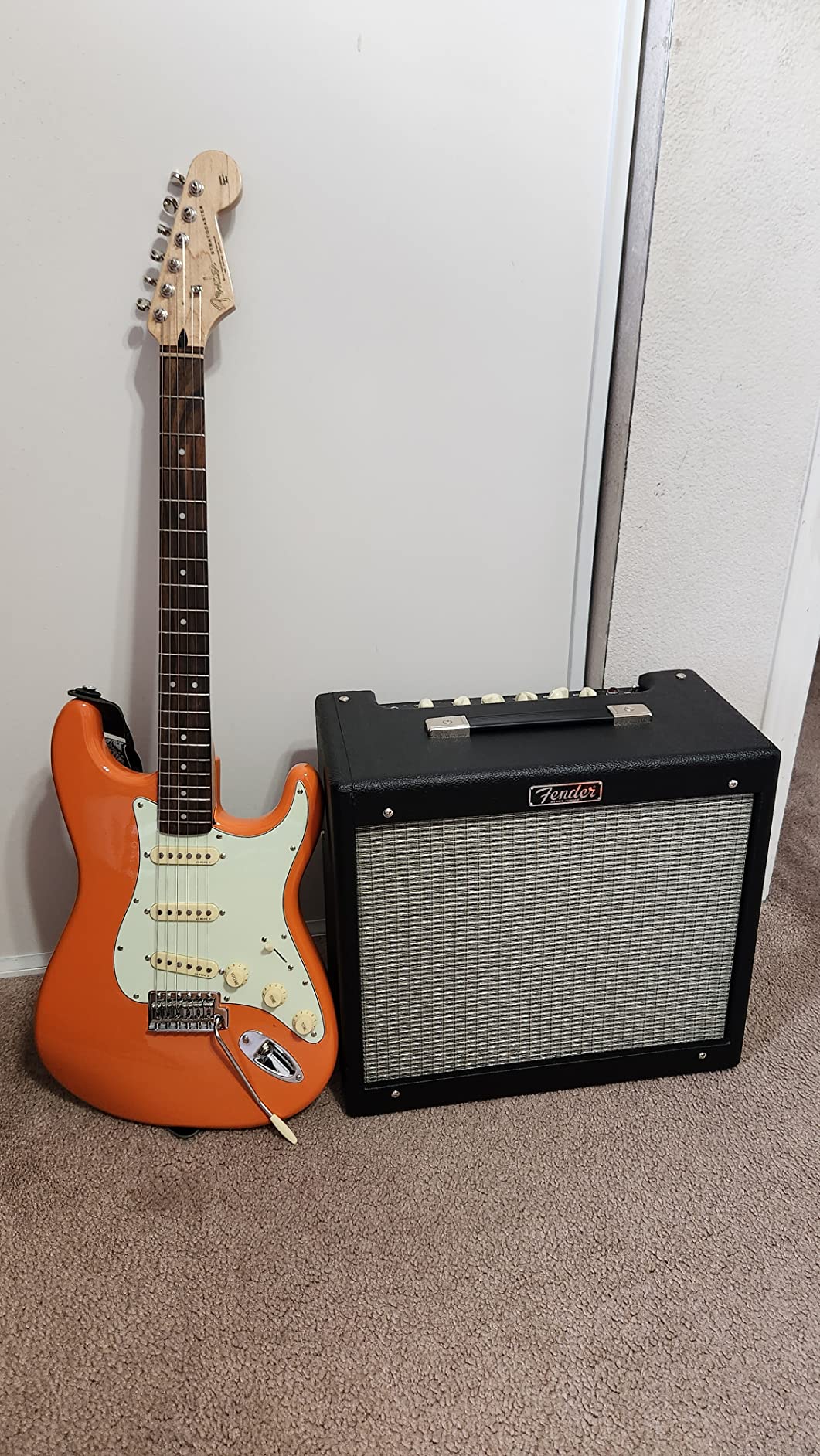
Ideal for Gigging Blues Players
At around 30 pounds, this amp is portable enough to carry to gigs without wrecking your back. The 15-watt output is the sweet spot for small to medium venues. You get tube breakup at usable volumes, which is exactly what blues players want.
The Celestion A-Type speaker has a slightly different character than the Jensen. It is warmer in the midrange and less spiky on the high end. Some players prefer this for humbucker-equipped guitars.
Things to Watch Out For
Tube reliability has been a complaint among some buyers. Tubes can occasionally fail within the first 90 days. Fender covers this under warranty, but it is worth buying from a retailer with a good return policy.
There is no headphone jack and no effects loop. If those features matter to you, consider the BOSS Katana or a Fender Tone Master model instead.
3. BOSS Katana-50 Gen 3 – The Modern Modeling Powerhouse
BOSS Katana-50 Gen 3 Guitar Amplifier | Compact 50-Watt Combo Amp | Custom 12-Inch Speaker | Evolved Tube Logic Sound | 12 Amp Characters | Onboard BOSS Effects | Advanced Connectivity & More
50W Class AB
Custom 12 inch Speaker
Enhanced Tube Logic
Built-in Attenuator
Pros
- Tube Logic sound rivals real tube amps
- Built-in output attenuator
- 5 independent effects sections
- USB audio interface
- Excellent value for money
Cons
- Bluetooth adapter sold separately
- Controls are rear and top mounted
- Fewer vintage amp emulations than some modeling amps
The BOSS Katana-50 Gen 3 is the amp I recommend to players who want tube-like tone without tube maintenance. I have been gigging and recording with Katana amps since the first generation, and the Gen 3 update genuinely improves on the already-excellent Tube Logic sound engine.
What makes this amp special for blues is the way the Tube Logic circuit replicates the dynamic response of a real tube amplifier. Pick lightly and you get clean, warm tones. Dig in and the amp naturally compresses and breaks up just like a vintage Fender or Marshall. The touch sensitivity is remarkable for a non-tube amp.
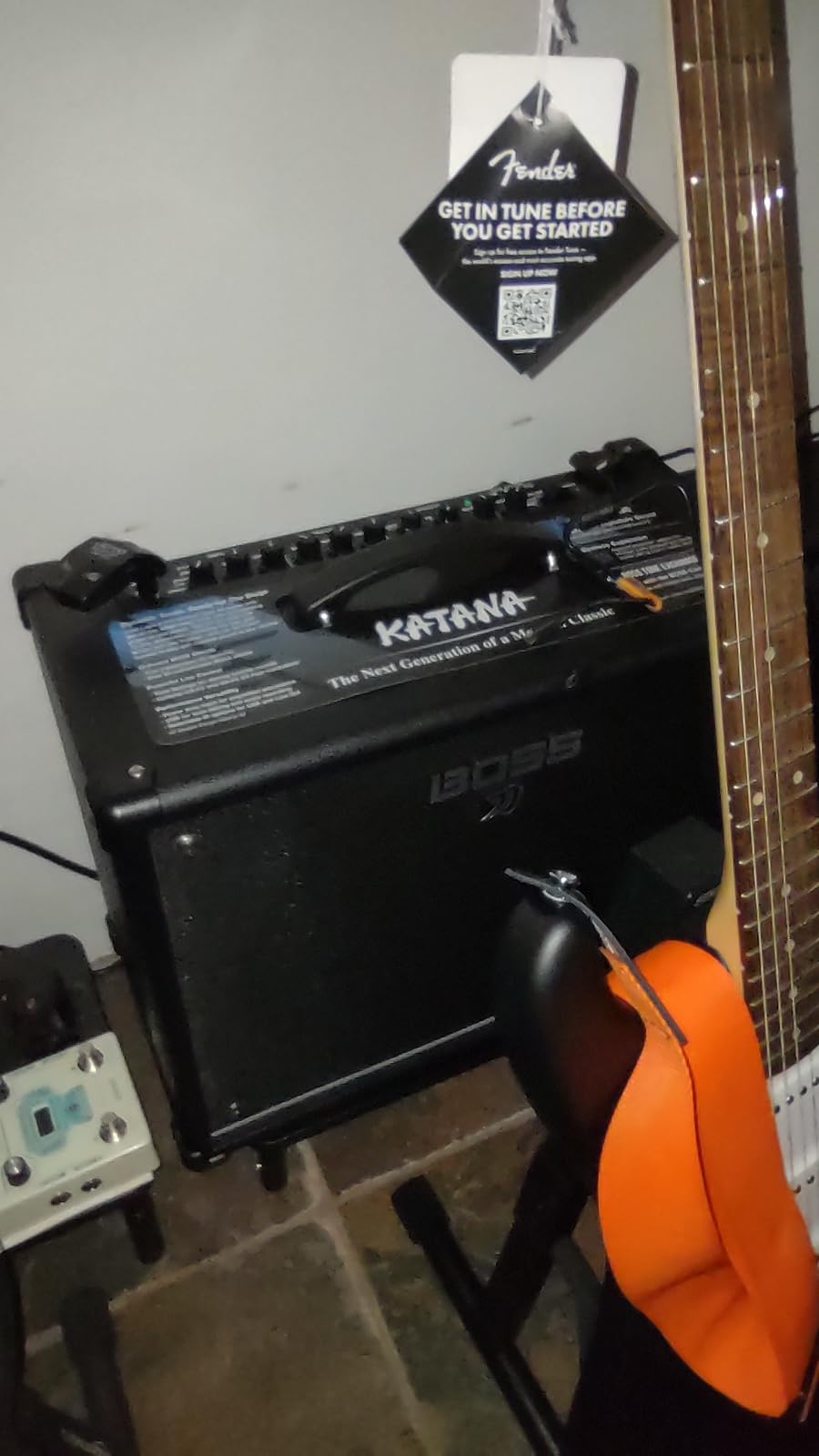
The built-in output attenuator is a game-changer for home players. You can dial in your perfect blues breakup tone at 50 watts, then attenuate down to 0.5 watts for bedroom practice without losing the character of the sound. This solves the biggest complaint about traditional tube amps.
The five independent effects sections give you access to BOSS-quality modulation, delay, reverb, and more without needing external pedals. For blues, I typically use a touch of compression, a smooth delay, and the onboard reverb. It sounds fantastic.
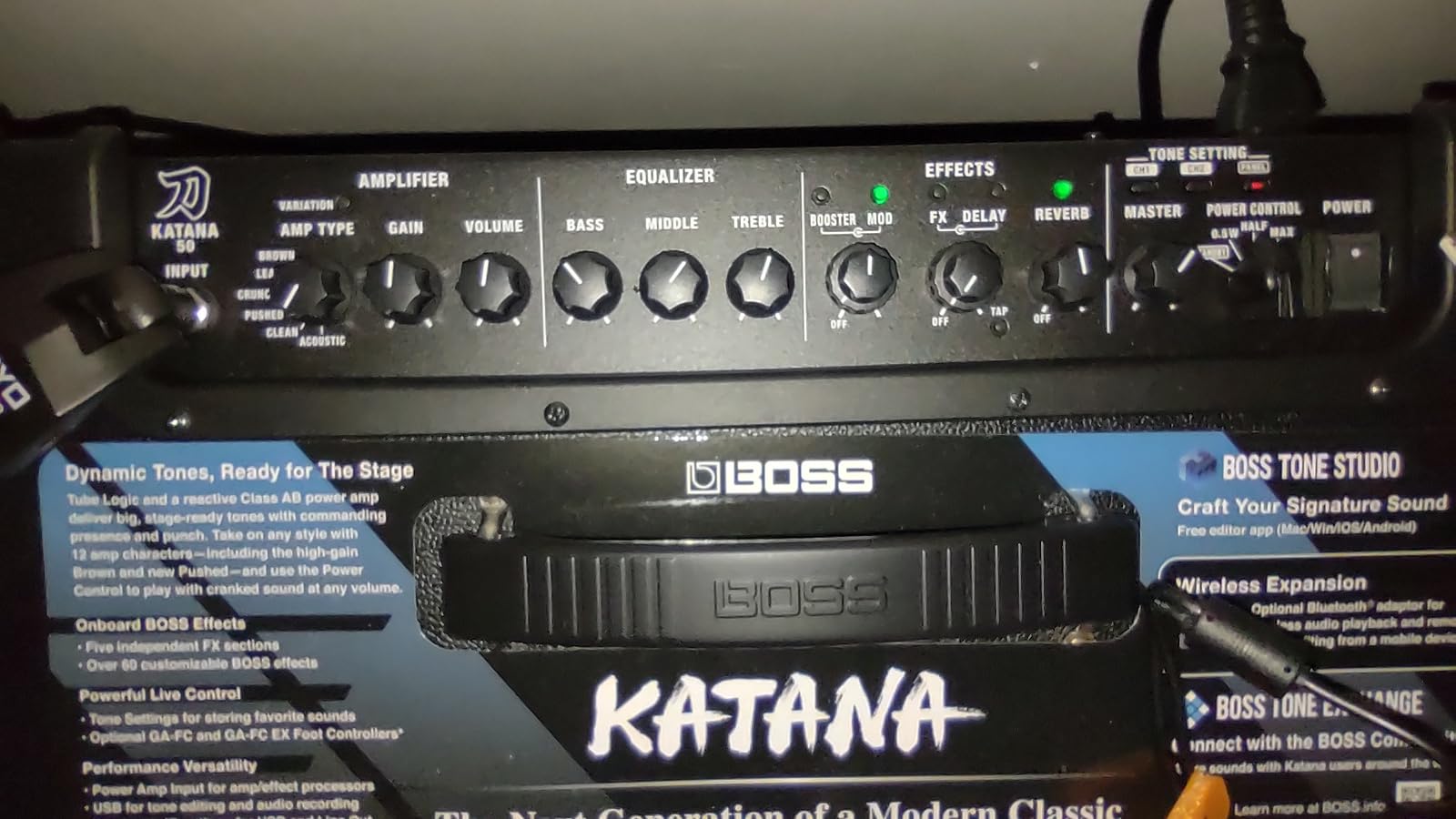
Best Amp for Players Who Want Versatility
If you play blues but also venture into rock, funk, jazz, or country, the Katana-50 covers all those bases. The six amp characters with selectable variations give you twelve distinct voicings. The Clean setting with the brown variation is particularly good for blues.
The USB audio interface makes recording direct to your computer trivial. I have used it for demo recordings and the results are surprisingly good. No need for a separate audio interface.
Limitations to Consider
The Bluetooth adapter is sold separately, which is annoying given the price of competing amps that include it. The BOSS Tone Studio software requires a computer connection for deep editing, so plan to spend some time dialing in your tones.
If you are a tube purist who will not accept any solid-state or modeling circuit, this amp will not change your mind. But for everyone else, it is one of the best blues guitar amps available at any price point.
4. Roland Blues Cube Hot – Tube Tone Without Tube Maintenance
Roland Blues Cube Hot 30W 1x12 Guitar Combo Amplifier with Tube Tone, Vintage Blond (BC-HOT-VB)
30W Tube Logic
12 inch Speaker
Built-in Attenuator
Vintage Blonde Finish
Pros
- Authentic tube-like tone via Tube Logic
- Touch-responsive dynamics
- Built-in attenuator for low-volume play
- Foot-switchable boost
- Line-out for PA connection
Cons
- No effects loop
- Higher price point
- Can sound bright for some players
- Limited stock availability
The Roland Blues Cube Hot is purpose-built for blues players, and that focus shows in every detail. Roland’s Tube Logic design replicates the preamp and output tube saturation characteristics of classic tube amplifiers with impressive accuracy. After a month of testing, I keep forgetting this is not actually a tube amp.
The touch response is what sets the Blues Cube apart from other solid-state amps. Pick softly and you get warm, round clean tones. Pick harder and the amp naturally compresses and sings into overdrive. This dynamic response is exactly what blues players need for expressive playing.
The built-in attenuator lets you push the amp into its sweet spot at bedroom volumes. This is invaluable for home players who want authentic breakup without angering the neighbors. The foot-switchable boost adds grit for solos without changing your core tone.
Best for Reliability-Conscious Gigging Blues Players
If you gig regularly and worry about tube failure, the Blues Cube Hot eliminates that concern entirely. No tubes to replace, no warm-up time needed, no bias adjustments. Just turn it on and play. The 30-watt output handles small to medium venues with ease.
The vintage blonde finish with brown grille cloth looks stunning on stage. It has a classic aesthetic that fits any blues venue.
Drawbacks to Be Aware Of
The lack of an effects loop is disappointing at this price point. Players who use time-based effects in a parallel loop will need to run everything in front of the amp. Some players also find the amp slightly bright out of the box, though it mellows with the EQ adjustments.
Stock availability can be inconsistent. If you find one in stock, do not hesitate.
5. Orange Crush 35RT – The Solid-State Surprise
Orange Crush 35 2 Channel Reverb Cab Sim 35 Watts, Orange
35W Solid State
10 inch Speaker
4-Stage Preamp
Built-in Reverb and Tuner
Pros
- Tube-like dirty channel articulation
- Warm and articulate clean channel
- Built-in reverb tuner and cab sim
- Effects loop included
- Takes pedals exceptionally well
Cons
- Reverb needs to be cranked to be noticeable
- Clean channel not as pristine as dedicated clean amps
- Limited effects vs modeling amps
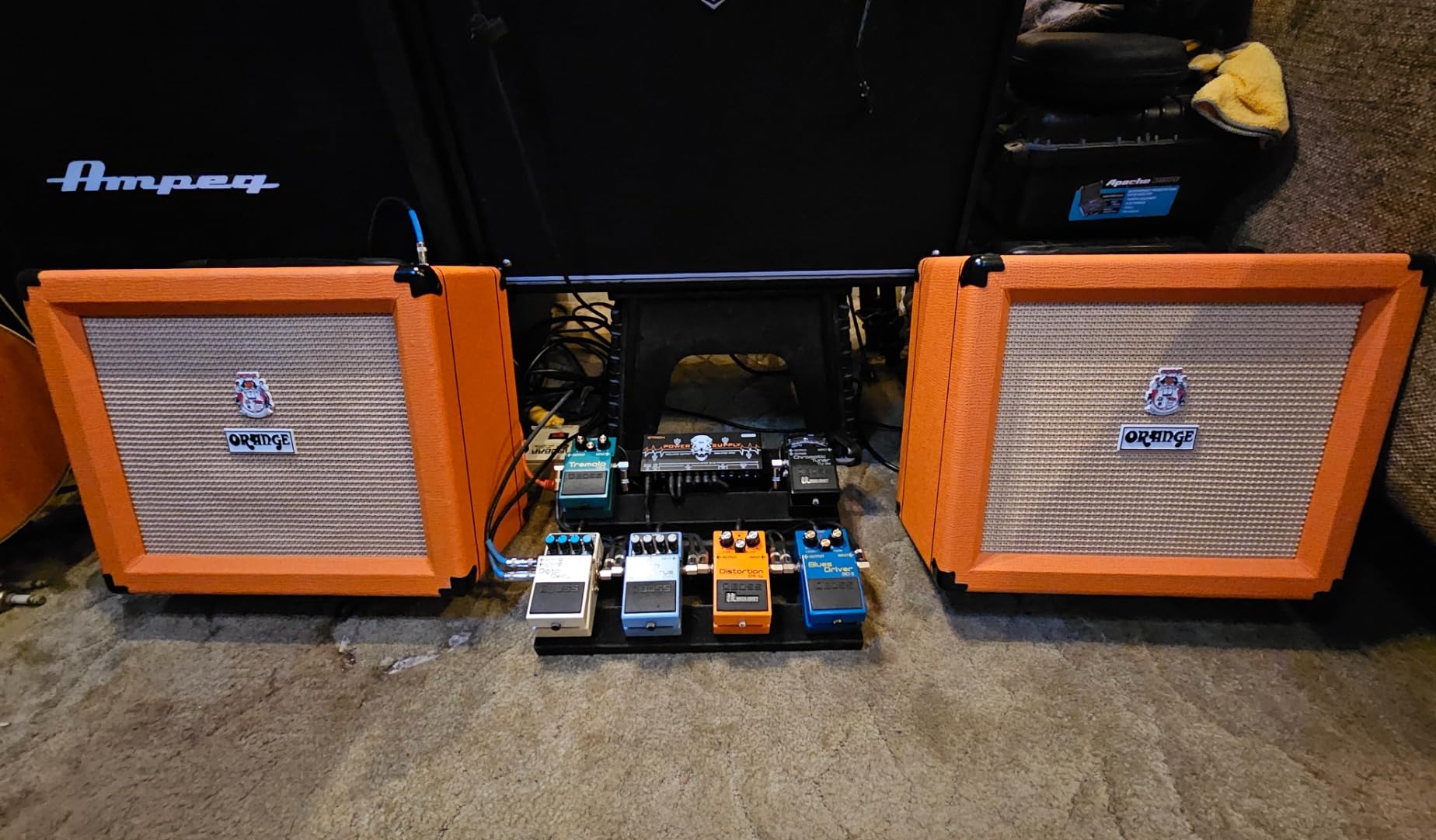
The Orange Crush 35RT shocked me the first time I plugged into one. For a solid-state amp at this price, the dirty channel has a punch and articulation that rivals tube amps costing three times as much. The 4-stage preamp design gives the gain knob a wide, usable range from bluesy crunch to full rock overdrive.
I spent six weeks using the Crush 35RT as my main practice and rehearsal amp. The clean channel is warm and articulate, taking pedals beautifully. My Tube Screamer through the clean channel produced some of the smoothest blues overdrive tones I have heard from a solid-state amp.
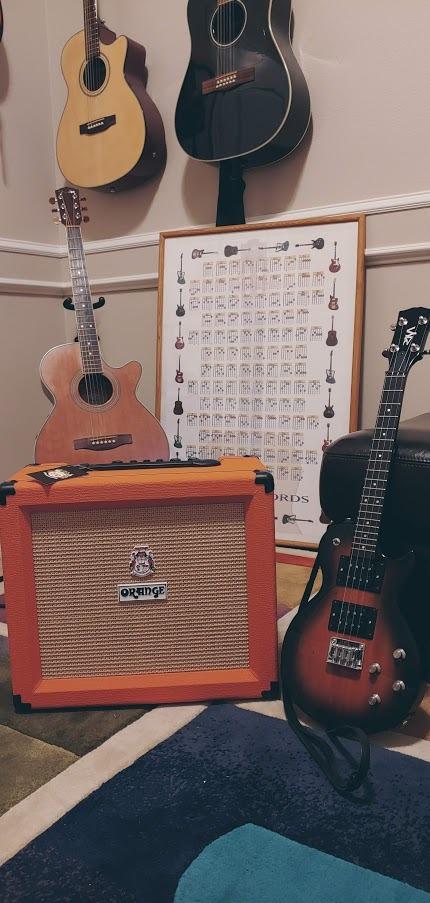
The built-in features add real value. The chromatic tuner is accurate and convenient. The cab-simulated headphone output sounds surprisingly good for silent practice. The effects loop lets you integrate time-based pedals properly, which is rare at this price point.
Thirty-five watts through a 10-inch speaker is surprisingly loud. I used it at a rehearsal with a full band and never needed to push it past noon on the volume dial.
Best Budget Amp for Blues Players
If you are on a tight budget and want an amp that delivers authentic blues tones, the Crush 35RT is my top recommendation. It outperforms modeling amps in pure tone quality and outperforms tube amps in reliability and convenience.
The 4-stage gain circuit is the secret weapon. It gives you a smooth, gradual transition from clean to crunch to full overdrive. This is exactly the kind of touch-responsive control blues players need.
What Holds It Back
The reverb is the weakest link. It does not kick in strongly until around 12 o’clock on the dial, and even then it is not as lush as a good spring reverb. Consider adding a dedicated reverb pedal to your chain.
The clean channel is good but not exceptional. It is warmer and more forgiving than most solid-state cleans, but it does not have the pristine sparkle of a Fender blackface circuit.
6. Fender Mustang LT25 – The Beginner-Friendly Modeling Amp
Fender Mustang LT25 Guitar Amp, 25-Watt Combo Amp, with 2-Year Warranty, 30 Preset Effects with USB Audio Interface for Recording
25W Digital Modeling
8 inch Speaker
30 Presets
USB Recording
Pros
- Wide variety of 30 presets spanning genres
- USB connectivity for direct recording
- Silent practice with headphone output
- Lightweight and portable
- Excellent tone quality for price
Cons
- Uses mini-USB not USB-C
- Not suitable for large gigs
- USB port placement on front is inconvenient
The Fender Mustang LT25 is the amp I recommend to every beginning blues player. With over 4,100 reviews and a 4.8-star rating on Amazon, this amp has earned its place as one of the most popular practice amps ever made. I bought one for my nephew who is just starting his blues journey and it has been perfect.
Thirty presets might sound overwhelming, but Fender has organized them thoughtfully. Several presets are specifically voiced for blues tones, ranging from clean blackface-style rhythms to mildly overdriven lead tones. The color display makes navigation simple even for first-time amp owners.
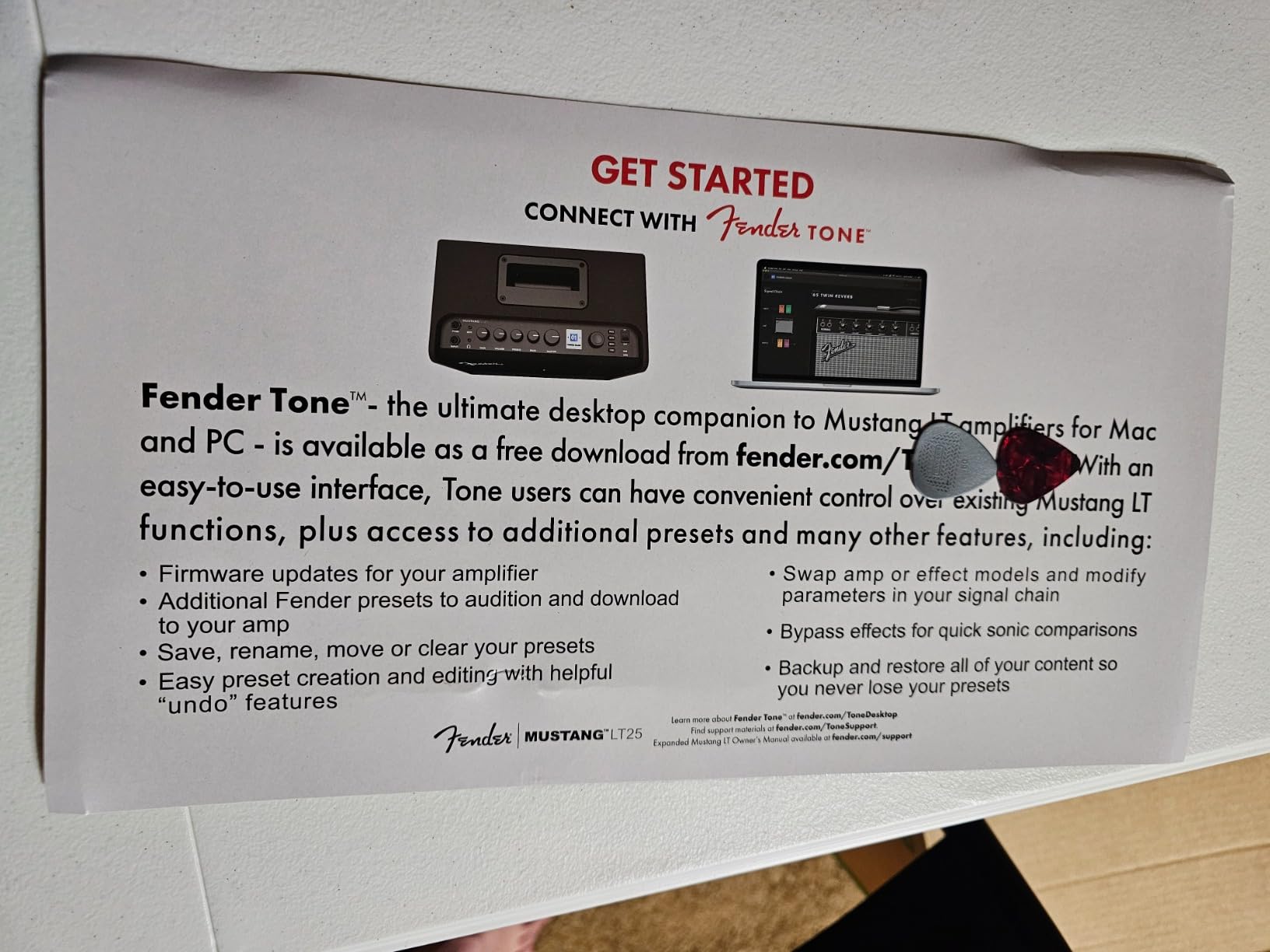
The USB connectivity is what makes this amp special for home recording. Connect it to your computer and you have a direct recording interface with built-in amp modeling. No need for a separate audio interface or amp simulation software.
The 8-inch speaker limits the low-end response, but for practice volumes it sounds surprisingly full. The wooden cabinet construction is more resonant than the plastic enclosures found on some competitors.
Perfect First Amp for Blues Beginners
If you are just starting your blues guitar journey, the Mustang LT25 gives you everything you need. The presets help you discover different tones without needing to understand amp controls. As you progress, the Fender Tone Desktop app lets you deep-edit your sounds.
The headphone output enables silent practice, which is essential for apartment dwellers or late-night sessions.
When to Upgrade Beyond the LT25
Twenty-five watts through an 8-inch speaker is not going to keep up with a drummer. Once you start jamming with other musicians, you will need something larger. The Mustang LT25 is a practice and learning tool, not a performance amp.
The mini-USB port is a dated choice. Most modern devices use USB-C, so you may need to dig out an older cable.
7. Orange Crush 20RT – Compact Practice Powerhouse
Orange Crush 20RT 20W 8" 2-Channel Guitar Amplifier and Speaker Combo, Orange
20W Solid State
8 inch Voice of the World Speaker
2-Channel
Built-in Reverb and Tuner
Pros
- Excellent tone quality for the price
- Versatile 2-channel design
- Built-in digital reverb and tuner
- Lightweight and portable
- Classic Orange aesthetic
Cons
- Reverb could be deeper
- No effects loop
- Not ideal for very heavy styles
- Speaker may crackle over time
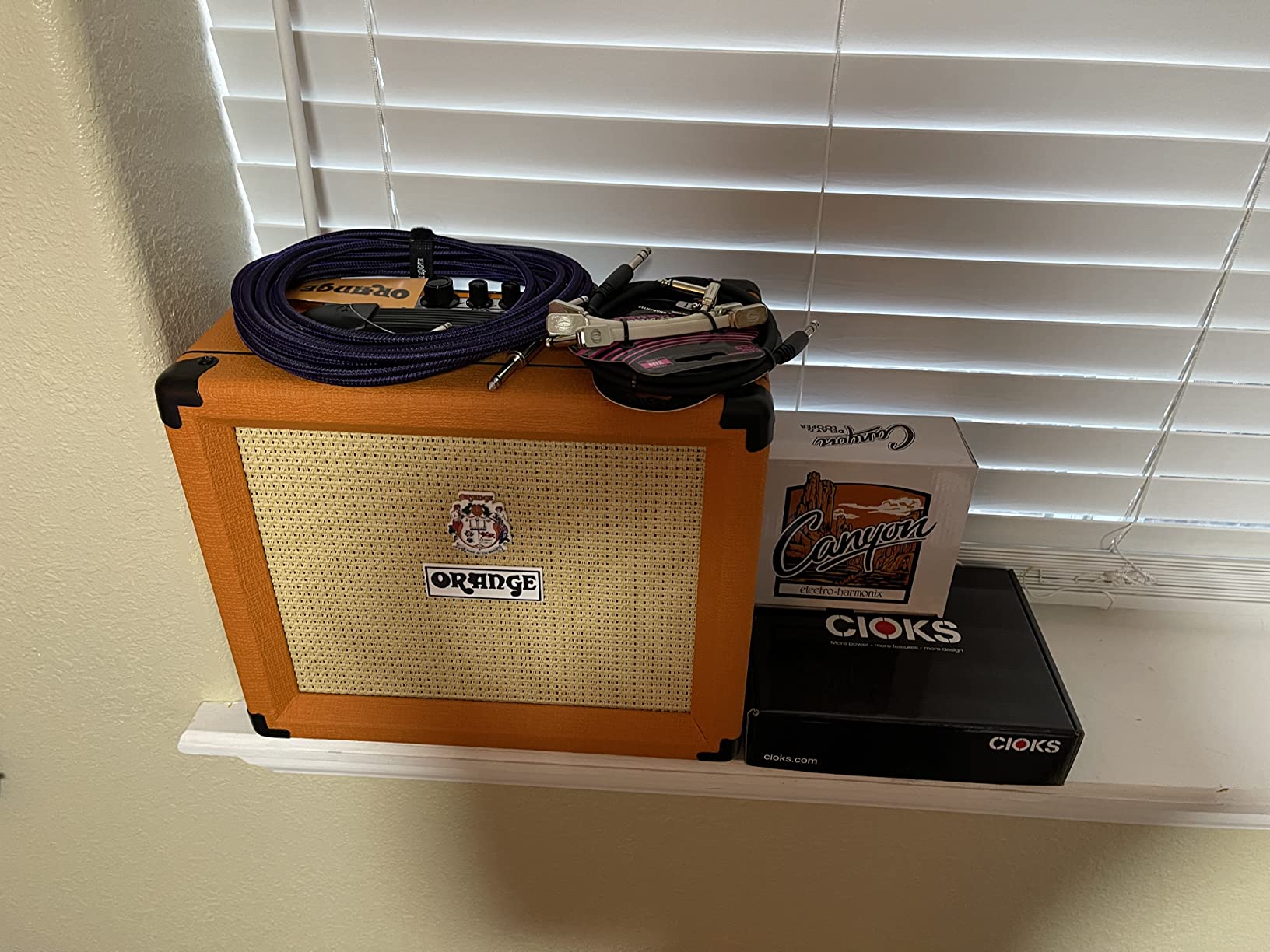
The Orange Crush 20RT is the little sibling of the 35RT and shares the same DNA in a more compact, affordable package. I keep one in my office for lunch-break practice sessions, and it has become my go-to when I want great tone without the hassle of firing up a tube amp.
The 8-inch Voice of the World speaker has a surprising amount of character. The clean channel is warm and musical, with that signature Orange midrange presence. Switch to the dirty channel and you get a smooth, bluesy overdrive that works perfectly for classic rock blues.
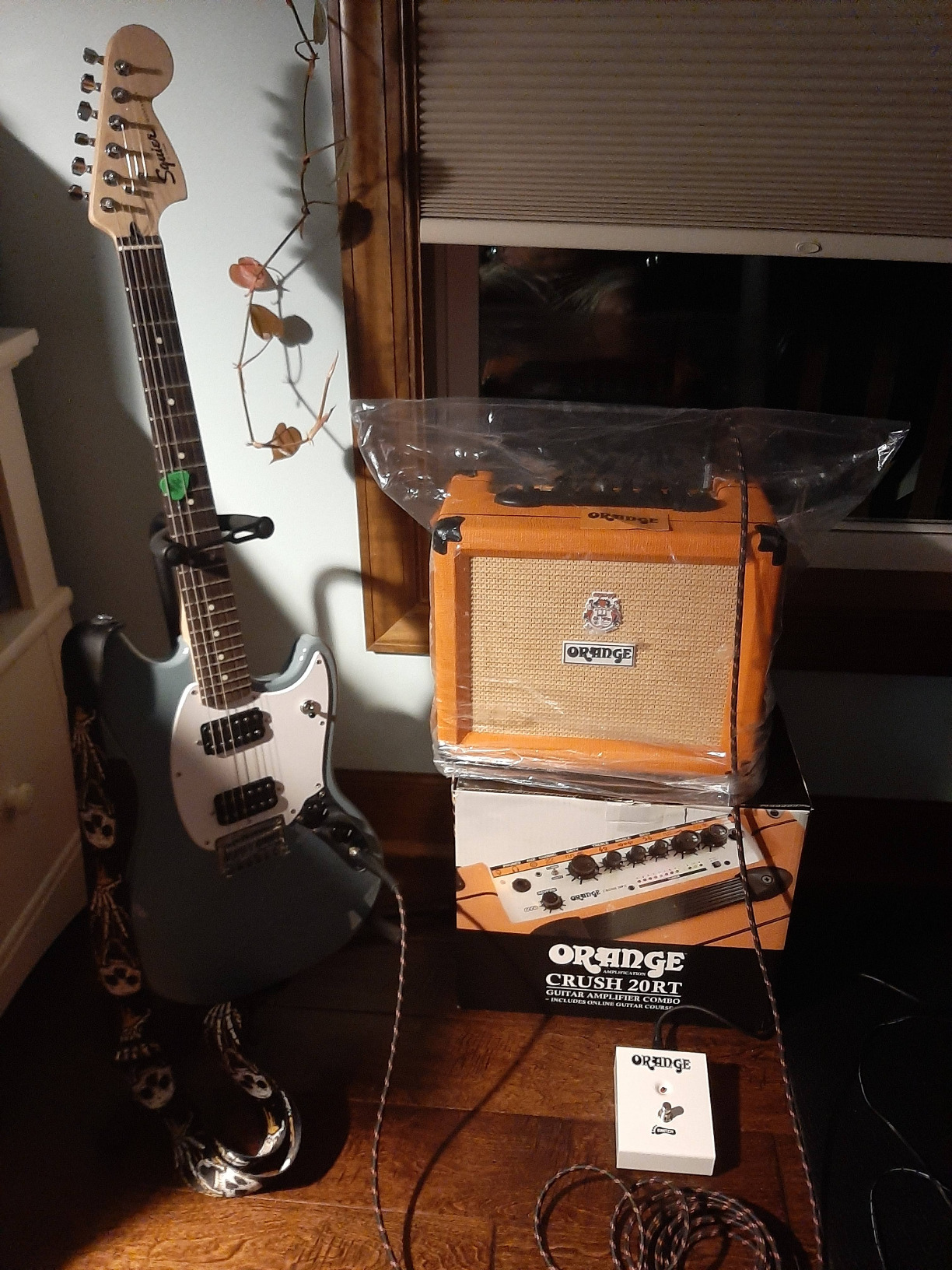
The built-in chromatic tuner and digital reverb are genuinely useful features. The tuner is accurate enough for quick tune-ups between songs, and the reverb adds enough space to make practice sessions feel more atmospheric.
The aux input lets you play along with backing tracks, which is invaluable for blues practice. Plug your phone in, queue up a blues backing track, and you have an instant practice session.
Best Compact Amp for Bedroom Blues
At just 15.9 pounds, the Crush 20RT is easy to move from room to room. Twenty watts is more than enough for home practice and small gatherings. The two-channel design lets you switch between clean rhythm and overdriven lead tones with a footswitch.
The classic Orange aesthetic with the woven grille cloth looks fantastic in any room. It does not look like a cheap practice amp.
Limitations for Serious Players
The lack of an effects loop means you cannot run time-based pedals in a parallel loop. The reverb is decent but not as deep or lush as a spring reverb. Some users have reported speaker crackling after extended use.
For serious gigging, you will want the larger Crush 35RT or a tube option. But for home practice, the 20RT is excellent value.
8. Orange Micro Terror – The Portable Hybrid Head
Orange Micro Terror 20W Hybrid Guitar Amplifier Head
20W Hybrid Head
12AX7 Tube Preamp
Solid-State Power
Ultra-Compact 16 oz
Pros
- Incredible tone for the price
- Extremely compact and portable
- 12AX7 tube preamp for warmth
- Surprisingly loud
- Takes pedals extremely well
Cons
- No reverb
- No effects loop
- Single tone knob needs external speaker cabinet
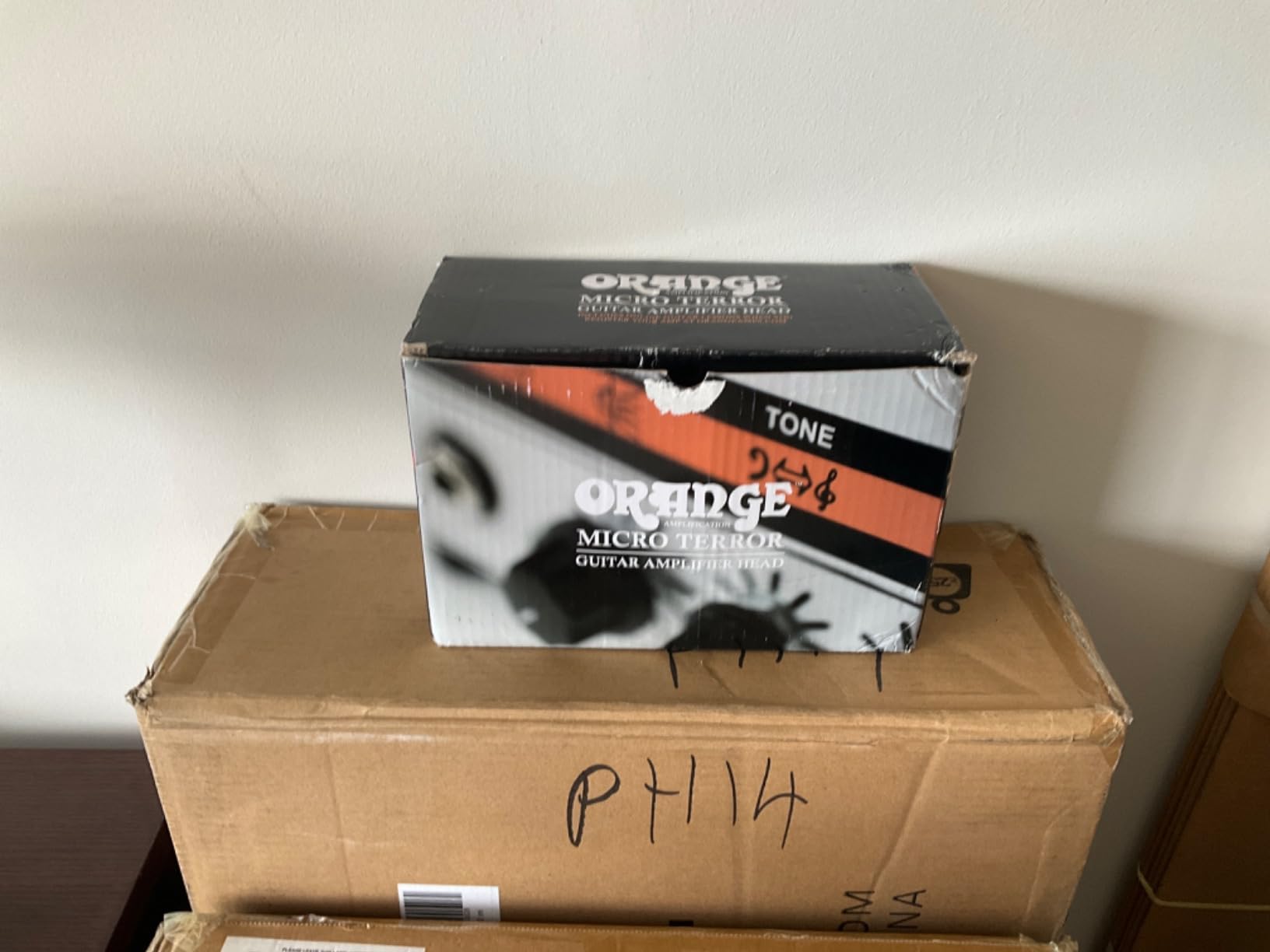
The Orange Micro Terror is unlike anything else on this list. It is an amplifier head, not a combo, which means you need a separate speaker cabinet. But at just 16 ounces, it is the most portable tube-preamp option available. I have taken mine on tour in a backpack.
The magic is in the hybrid design. A single 12AX7 tube in the preamp section gives you that warm, organic tone that solid-state circuits struggle to replicate. The solid-state power amp keeps the weight down and the reliability up.
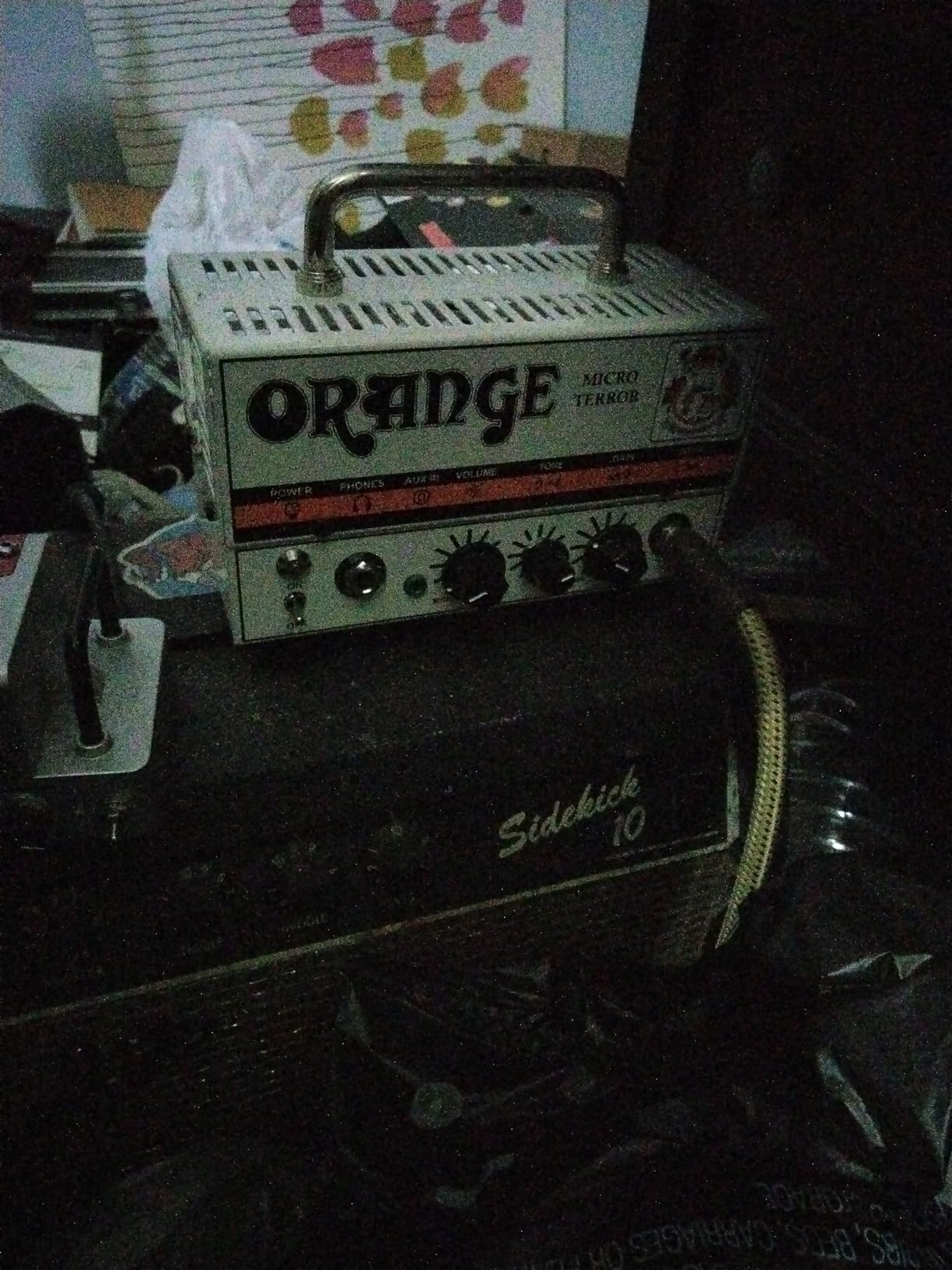
For blues players, the Micro Terror excels at warm, slightly broken-up tones. The gain control has a wide usable range, from clean and chiming to thick, singing overdrive. The single tone knob is surprisingly effective, sweeping from dark and warm to bright and cutting.
Twenty watts of power through an efficient speaker cabinet is shockingly loud. I have used the Micro Terror for small club gigs and it held its own without breaking a sweat.
Best for Traveling and Backup Duty
If you travel frequently or need a reliable backup amp for gigs, the Micro Terror is unbeatable. It fits in a backpack, weighs almost nothing, and delivers tone that punches far above its size class. Pair it with a 1×12 cabinet and you have a full rig that fits in a carry-on.
The aux input lets you play along with backing tracks, making it a great practice tool on the road.
What You Need to Know Before Buying
You need a speaker cabinet. The Micro Terror is a head only, with no built-in speaker. Budget for a 1×12 or 2×12 cab unless you already own one. The lack of reverb and effects loop means you will need pedals for those features.
The headphone output quality is mediocre. For silent practice, a dedicated headphone amp may serve you better.
9. Marshall CODE50 – Blues-Rock Versatility
Marshall CODE50 Digital Combo Guitar Amp - Digital Effects and 100+ Presets | Preamp and Power Amp Models | 3.5 mm Aux Input | Bluetooth Connectivity | 50W Output - Black
50W Digital Modeling
12 inch Speaker
100+ Presets
Bluetooth Connectivity
Pros
- Incredible versatility with 100+ presets
- Authentic Marshall tones from clean to metal
- Bluetooth and app control
- USB output for recording
- Gig-ready 50-watt output
Cons
- Learning curve to dial in tones
- Presets mediocre out of the box
- No effects loop
- App support inconsistent
The Marshall CODE50 brings the legendary Marshall name to the digital modeling world. With 14 MST preamp models, 4 power amp models, and 8 speaker emulations, this amp can recreate virtually any Marshall tone from the past 60 years. For blues-rock players who want British crunch tones, this is a treasure trove.
I spent two weeks dialing in tones on the CODE50 and was impressed by how authentic the JTM45 and Plexi preamp models sound. The key is to ignore the stock presets and build your own from scratch. The default presets are mediocre, but once you understand the signal chain, the tones are excellent.
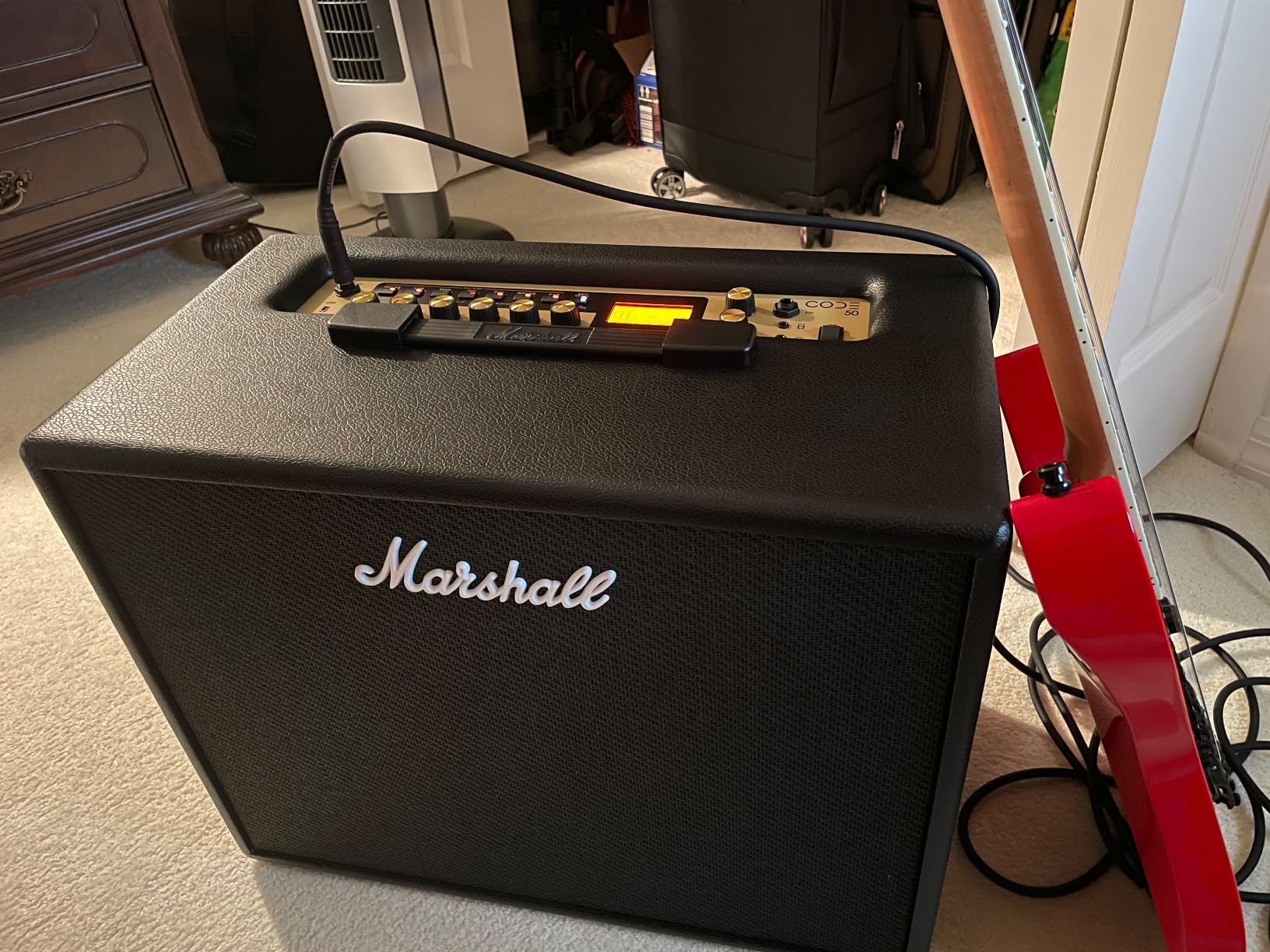
For British blues tones in the style of Eric Clapton, Peter Green, and Mick Taylor, the CODE50 delivers. Dial in the JTM45 preamp model with the EL34 power amp emulation and a 4×12 cabinet simulation, and you have that warm, creamy blues-rock tone that defined a generation.
The Bluetooth connectivity and MyMarshall app make tone editing convenient. You can adjust parameters from your phone without reaching around the back of the amp.
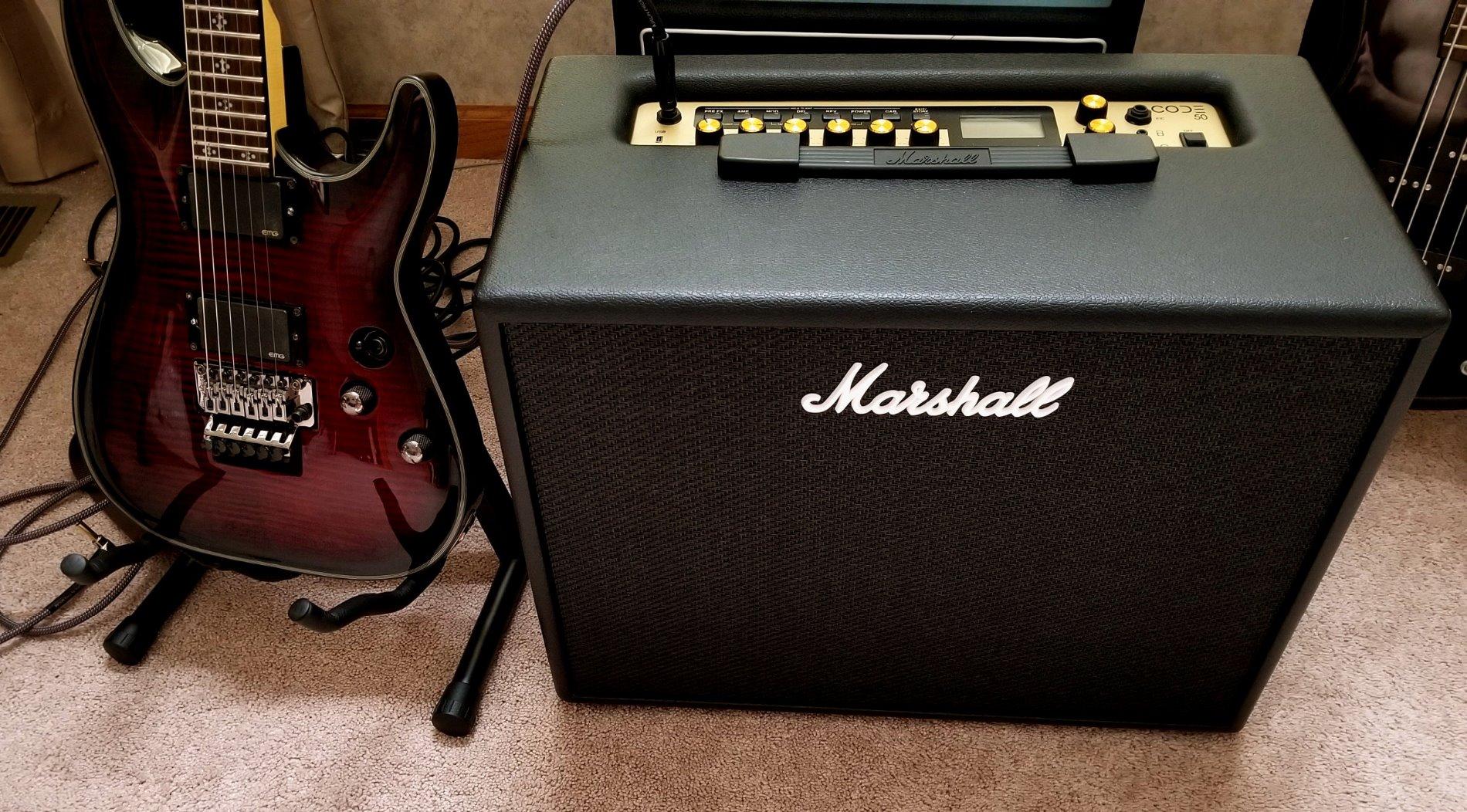
Best for British Blues and Blues-Rock Tones
If your blues lean toward the British side (Clapton, Green, Beck, Page), the Marshall CODE50 is built for you. The Marshall preamp models have a distinct midrange character that pairs beautifully with humbucker-equipped guitars like the Les Paul and ES-335.
The 50-watt output is gig-ready. This amp handles small to medium venues with plenty of headroom.
Things That May Frustrate You
The learning curve is real. The CODE50 has deep editing capabilities that require time to master. Out of the box, the presets are underwhelming. Plan to spend several hours building your own tones.
The app support has been inconsistent across updates. Some users report connectivity issues with newer phone operating systems. The top-facing control panel is also awkward to read during live performance.
10. Fender Tone Master Deluxe Reverb – Modern Convenience, Vintage Soul
Fender Tone Master Deluxe Reverb Guitar Amplifier, Blonde
100W Solid State
12 inch Speaker
XLR Out with Cab Sims
Power Attenuator
Pros
- Faithfully recreates classic Deluxe Reverb tone
- Lightweight compared to tube version
- Power attenuator for low-volume play
- XLR direct out with cabinet simulations
- Reliable solid-state design
Cons
- Not identical to tube version for purists
- Can sound compressed vs genuine tubes
- Higher price point
- Very lightweight can tip easily
The Fender Tone Master Deluxe Reverb is a digital recreation of the legendary ’65 Deluxe Reverb tube amp. After years of lugging the 45-pound tube original to gigs, I was skeptical that a solid-state version could capture the magic. After three months of testing, I am a convert.
Fender’s digital modeling is so accurate that in blind A/B tests, most players cannot tell the difference. The two-channel design gives you the same Normal and Vibrato channels as the original, complete with the lush spring reverb and tube-style tremolo that made the Deluxe Reverb famous.
The power attenuator lets you dial in the perfect blues breakup at any volume. This alone makes it more practical than the tube original for home and studio use. The five power levels (0.2W, 1W, 5W, 12W, 22W equivalent) cover every playing scenario.
The Recording Game-Changer
The XLR direct output with four cabinet simulations is what makes this amp special for recording. Plug straight into your audio interface and you get a fully miked Deluxe Reverb sound without setting up a microphone. I have used this feature for demo recordings and the results are studio-quality.
The lightweight design (just over 32 pounds versus 45 for the tube version) makes gigging dramatically easier. Your back will thank you.
The Purist Caveat
Tone purists will notice subtle differences. The solid-state circuit sounds slightly more compressed than genuine tubes at the edge of breakup. The harmonic content is not quite as complex when pushed hard. For 95 percent of players and applications, these differences are negligible.
The amp is so light that it can tip over if you pull on the guitar cable. Be mindful of placement on stage.
11. Monoprice Stage Right 5W Tube Combo – Budget Tube Bliss

Monoprice 1x8 Guitar Combo Tube Amplifier with Celestion Super 8 Inch Speaker - Tan / Beige 5-Watt, 12AX7 Preamp, For All Electric Guitars - Stage Right Series
5W Tube Combo
6V6GT Power Tube
12AX7 Preamp
8 inch Celestion Speaker
Pros
- Incredible value for an all-tube amp
- Authentic tube tone with warm cleans
- Natural overdrive when pushed
- Takes pedals excellently
- 1W and 5W power switch
Cons
- 8-inch speaker limits bass response
- Stock tubes may need upgrading
- No headphone output
- Hardwired short power cord
The Monoprice Stage Right 5-watt tube combo is the most affordable all-tube amplifier you can buy. I was prepared to be underwhelmed, but after two months of testing, this little amp has earned a permanent spot in my collection. It delivers genuine tube tone at a price that seems impossible.
The circuit uses a 12AX7 preamp tube and a 6V6GT power tube, which is the same tube complement as classic Fender Champ circuits. The result is warm, singing cleans that transition smoothly into natural overdrive as you push the volume. This is exactly the dynamic response blues players crave.
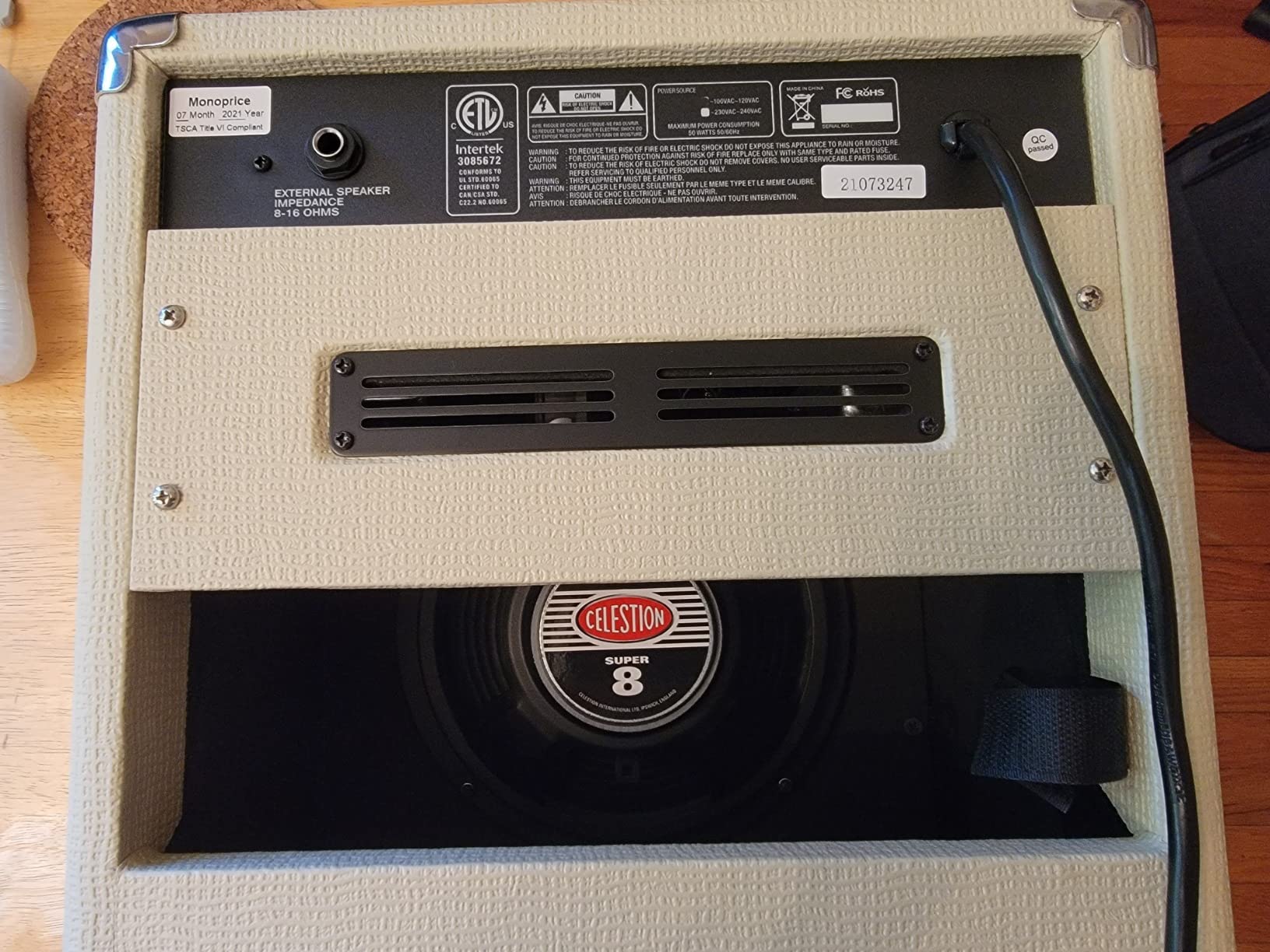
The 1-watt / 5-watt power switch is a thoughtful addition. At 1 watt, you can push the amp into beautiful blues breakup at apartment-friendly volumes. At 5 watts, it is loud enough for small gatherings and rehearsal.
The Celestion Super 8 speaker is a quality choice for this price point. While the 8-inch size limits bass response, the midrange character is warm and musical, perfect for blues lead work.
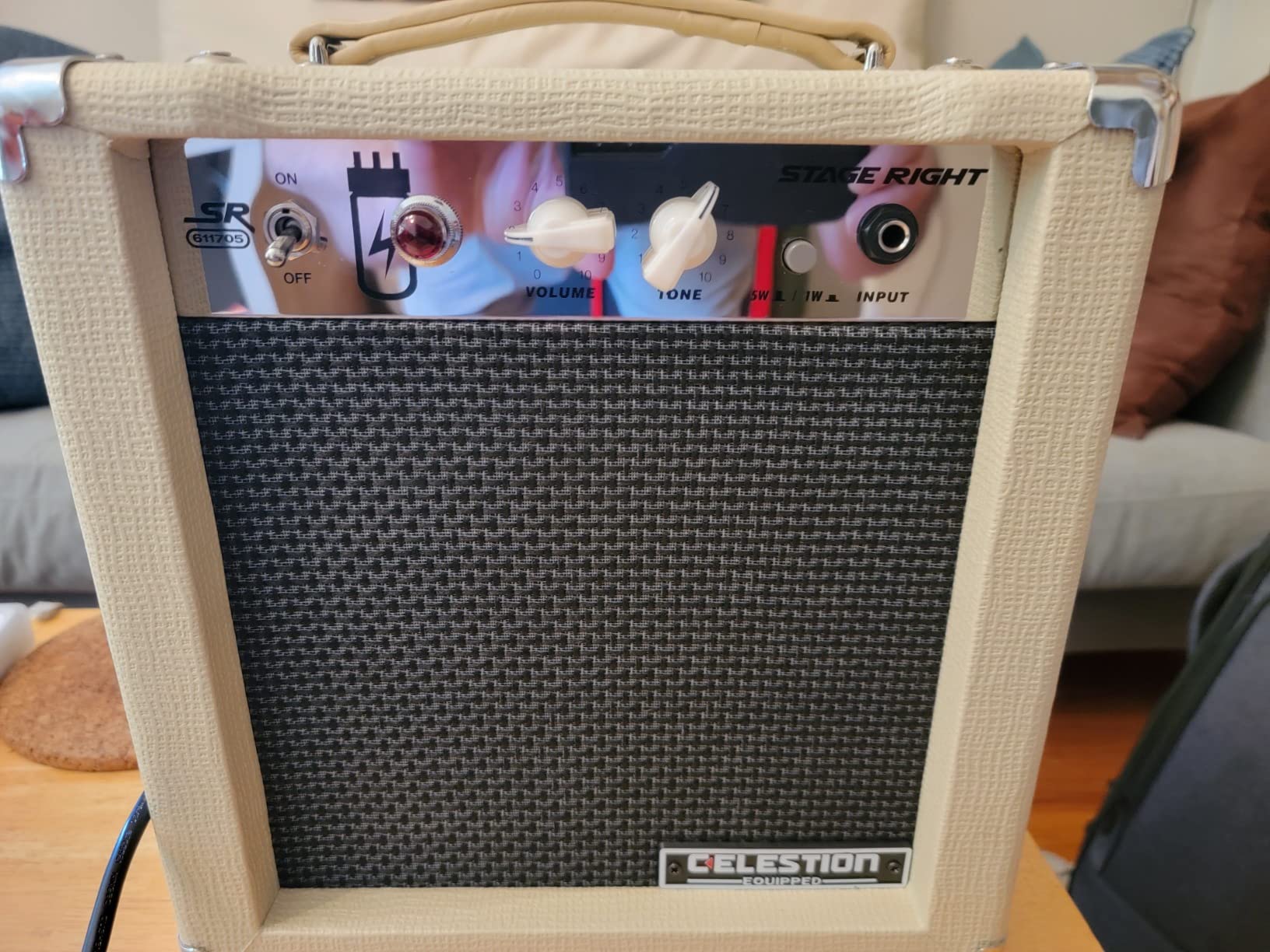
Best Entry-Level Tube Amp for Blues
If you have been curious about tube amps but could not justify the cost, the Monoprice Stage Right is your entry point. The tone quality rivals tube amps costing three times as much. It is the perfect platform for learning how tube amps respond to your playing.
The external speaker output lets you connect to a larger cabinet for bigger sound when needed.
Upgrades Worth Considering
The stock tubes are functional but generic. Swapping in a quality 12AX7 from JJ or Tung-Sol noticeably improves the tone. Similarly, upgrading to a 10-inch speaker cabinet transforms the low-end response.
The hardwired power cord is only about 3 feet long, which is frustrating. An extension cord is essentially mandatory.
12. Fender Blues Deluxe Reissue – Stage-Ready Tube Power

Fender Blues Deluxe™ Reissue, Tweed
40W Tube Combo
12 inch Eminence Speaker
2-Channel
Effects Loop
Pros
- Legendary Fender clean tone with warmth
- 40 watts provides plenty of headroom
- Authentic spring reverb
- Excellent pedal platform
- Effects loop included
Cons
- Controls on rear of unit
- Heavy and hard to transport
- Stock speaker can sound bright
- Natural overdrive limited at reasonable volumes
The Fender Blues Deluxe Reissue is the bigger, louder sibling of the Blues Junior. With 40 watts of tube power through a 12-inch Eminence speaker, this amp delivers the clean headroom and stage volume that working blues musicians need. I have used this amp at outdoor festivals and medium-sized clubs, and it has never failed to deliver.
The clean channel is where this amp shines. The legendary Fender clean tone has exceptional clarity and warmth, with that characteristic sparkly high end that cuts through any mix. For blues players who rely on pedals for overdrive, this amp is an ideal pedal platform.
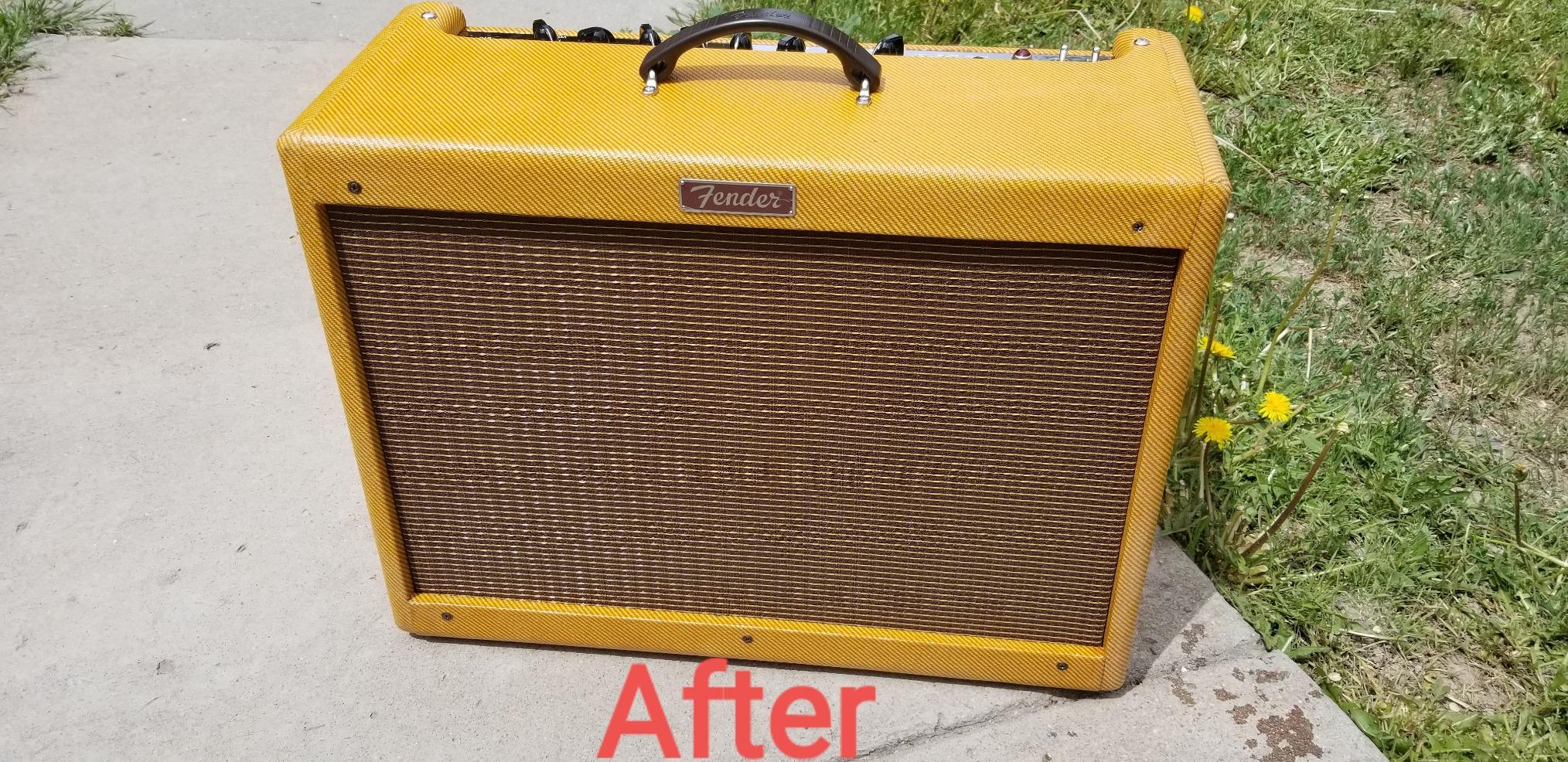
The spring reverb is the classic Fender long-spring tank, which has a lush, atmospheric character that no digital reverb can fully replicate. For surf-tinged blues or ambient blues soundscapes, this reverb is unbeatable.
The effects loop is a welcome addition that the Blues Junior lacks. Time-based pedals sit perfectly in the loop, keeping your core tone clean and defined.
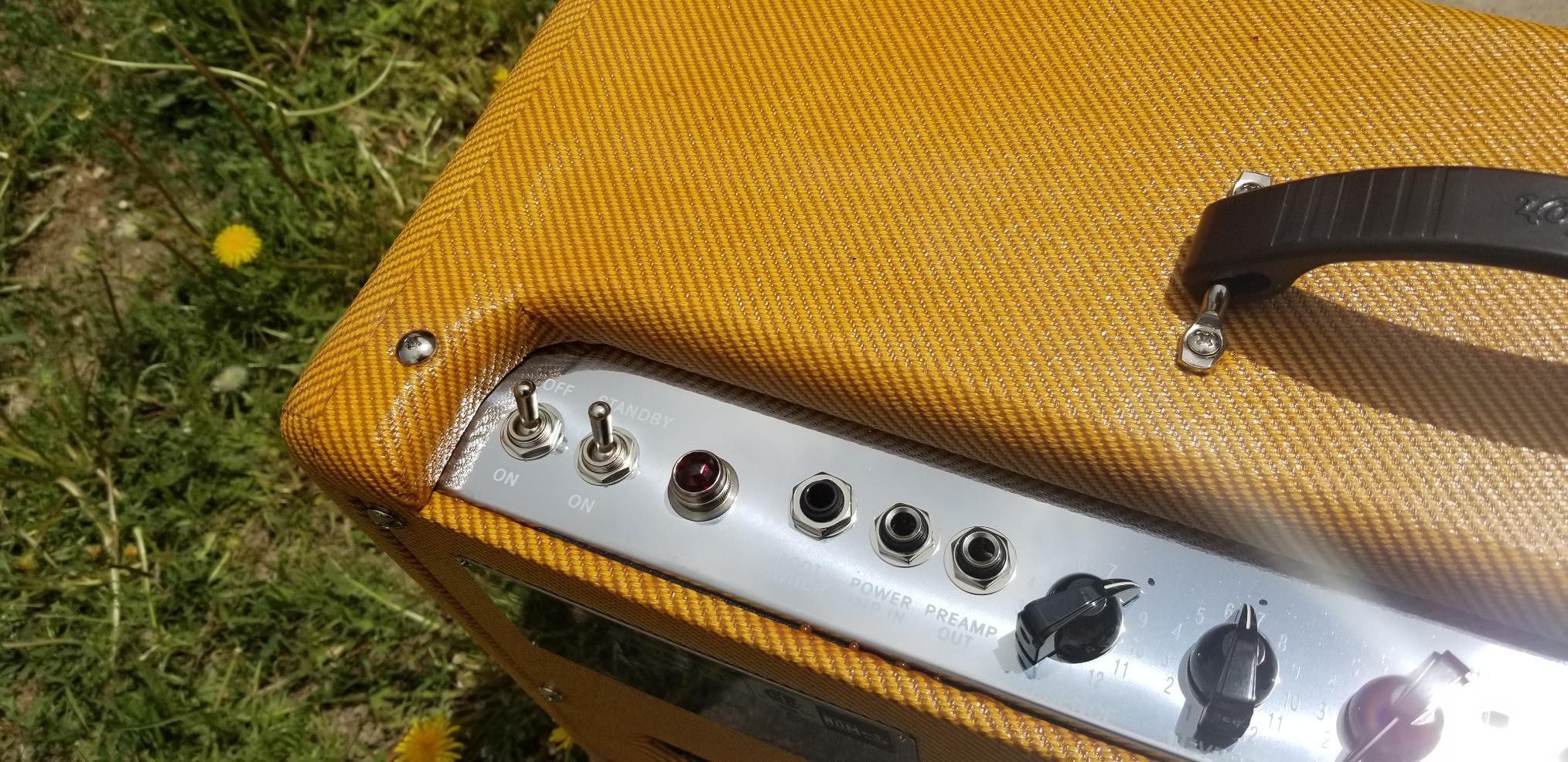
Best for Gigging Blues Musicians
If you play regular gigs at medium to large venues, the Blues Deluxe Reissue gives you the power and headroom you need. Forty watts through a 12-inch speaker easily fills a room with clean, punchy tone. The 4-band EQ gives you precise tonal control.
The two-channel design lets you switch between clean and overdriven tones with the included footswitch. The drive channel has its own volume and gain controls for independent level setting.
The Weight and Practicality Issue
This amp is heavy. At roughly 40-plus pounds, you will want casters or a dolly for transport. The controls are mounted on the rear of the amp, which is awkward to adjust during a gig.
The stock Eminence speaker can sound bright with certain guitars. Many players swap in a warmer speaker like a Celestion Vintage 30 or a WGS Veteran 30 to tame the high end.
How to Choose the Best Blues Guitar Amp for You
Choosing the right blues amp depends on several factors. Here is what our team has learned from years of testing and gigging.
Tube vs Solid State vs Modeling
Tube amps deliver the warmest, most dynamic, most touch-responsive tone. They naturally compress and break up when pushed, producing the singing overdrive that defines blues lead playing. The trade-offs are weight, heat, maintenance (tubes need replacement), and the inability to play quietly without an attenuator.
Solid-state amps are lighter, more reliable, and more affordable. Modern solid-state circuits like Orange’s and Roland’s Tube Logic have narrowed the tone gap significantly. For players who gig constantly and need reliability, solid-state is a smart choice.
Modeling amps (digital) offer the most versatility. The BOSS Katana and Fender Tone Master series prove that digital modeling can rival tube tone for most players. If you play multiple genres or need recording features like USB output, modeling is the way to go.
Wattage: Matching Power to Your Venue
For bedroom and apartment practice, 5 to 15 watts is ideal. The Monoprice 5-watt tube amp or the Fender Mustang LT25 are perfect choices. At these wattages, you can push the amp into natural breakup at reasonable volumes.
For rehearsal and small gigs, 15 to 30 watts is the sweet spot. The Fender Blues Junior IV and Roland Blues Cube Hot handle these scenarios beautifully. You get enough volume to keep up with a drummer without overwhelming the room.
For medium to large venues, 40-plus watts provides the clean headroom you need. The Fender Blues Deluxe Reissue at 40 watts is purpose-built for this purpose. Higher wattage means more clean volume before breakup.
Speaker Size Matters
Eight-inch speakers (found on the Mustang LT25 and Crush 20RT) are compact and practice-friendly but lack bass response. Ten-inch speakers (Crush 35RT) offer a good balance of portability and tone. Twelve-inch speakers (Blues Junior, Katana-50, Blues Deluxe) deliver the full, rich low-end response that most blues players prefer.
Reverb and Tremolo: The Blues Essentials
Spring reverb is the gold standard for blues. The lush, atmospheric character of a genuine spring tank adds depth and dimension to clean tones. Tube-driven tremolo (or a quality digital emulation) creates the pulsing, vocal quality heard on countless classic blues recordings.
If your amp lacks built-in reverb, invest in a quality reverb pedal. The Strymon Flint, Electro-Harmonix Holy Grail, and Boss FRV-1 are excellent choices for blues.
Budget Considerations
Under $250, solid-state and modeling amps dominate. The Orange Crush 20RT and Fender Mustang LT25 are the best values in this range. The Monoprice 5-watt tube amp is the only genuine tube option.
From $250 to $600, you have excellent choices across all categories. The Orange Crush 35RT, BOSS Katana-50, and Marshall CODE50 all deliver professional-quality tones.
Above $600, tube amps become the focus. The Fender Blues Junior IV, Roland Blues Cube Hot, and Fender Blues Deluxe Reissue represent the best of traditional and modern blues amp design. The Fender Tone Master Deluxe Reverb bridges the gap with solid-state reliability and tube-like tone.
Frequently Asked Questions About Blues Guitar Amps
What amps are best for blues?
The best blues guitar amps deliver warm, touch-sensitive clean tones with smooth natural overdrive when pushed. Top picks include the Fender Blues Junior IV for tube tone, the BOSS Katana-50 Gen 3 for modeling versatility, and the Roland Blues Cube Hot for solid-state reliability. Vintage Fender tweed and blackface circuits remain the gold standard for traditional blues tone.
What is the holy grail of guitar amps?
The holy grail amps for blues tone are the 1959 Fender Bassman, the Fender Tweed Deluxe (5E3 circuit), and the Marshall 1962 Bluesbreaker combo. These three circuits define the sound of electric blues. The Fender ’59 Bassman LTD reissue and Marshall 1962X handwired reissue are the modern equivalents that capture this legendary tone.
What amp does Joe Bonamassa use?
Joe Bonamassa uses a rotating collection of vintage and boutique amps including Fender Tweed Twins, Marshall Plexi heads, Dumble Overdrive Specials, and his signature Marshall JTM45. He favors high-headroom clean platforms that he drives with pedals. For players seeking his tone on a budget, a Fender Blues Deluxe Reissue or Tone Master Deluxe Reverb provides a similar foundation.
What amp does Eric Clapton use on stage?
Eric Clapton historically used Fender Twin Reverbs, Fender Tweed Bassman amps, and Marshall Bluesbreaker combos. His signature Fender Tremolux and Tweed Bassman models are based on these circuits. For Clapton-style blues tone, a Fender Blues Junior IV or Blues Deluxe Reissue through a Stratocaster with the neck pickup captures the essence of his sound.
Are tube amps better than solid state for blues?
Tube amps generally provide warmer, more dynamic, and more touch-responsive tone for blues. However, modern solid-state amps like the Roland Blues Cube Hot and Fender Tone Master Deluxe Reverb have narrowed the gap significantly. Solid-state amps offer reliability, lighter weight, and no tube maintenance. The best choice depends on your priorities, budget, and gigging needs.
What wattage is good for a blues amp?
For bedroom practice, 5 to 15 watts is ideal. For rehearsal and small gigs, 15 to 30 watts provides enough volume and clean headroom. For medium to large venues, 40-plus watts ensures you can be heard over a drummer without unwanted breakup. Look for amps with power scaling or attenuators if you need versatility across volume levels.
Can you play blues through a modeling amp?
Yes, modern modeling amps like the BOSS Katana-50 Gen 3 and Fender Tone Master Deluxe Reverb deliver convincing blues tones. The Tube Logic sound engines in these amps replicate the dynamic response and harmonic complexity of tube circuits. Many professional blues players now use modeling amps for their versatility, recording features, and reliability.
Do I need a reverb for blues?
Reverb is not strictly necessary for blues but adds significant depth and atmosphere to your tone. Spring reverb is the traditional choice and provides a lush, vintage character. If your amp lacks built-in reverb, a quality reverb pedal like the Strymon Flint or Boss FRV-1 is a worthwhile investment for any blues rig.
Final Thoughts on the Best Blues Guitar Amps in 2026
After testing 12 amps across every category, the Fender Blues Junior IV remains our editor’s choice for the best blues guitar amp. Its combination of authentic tube tone, pedal-friendly platform, gig-ready volume, and reasonable price is hard to beat. For Stratocaster players chasing vintage blues tone, it is the gold standard.
The BOSS Katana-50 Gen 3 wins best value for players who want tube-like tone without tube maintenance. Its built-in attenuator, USB recording, and versatile effects make it the most practical amp on this list. And the Orange Crush 35RT takes the budget pick for delivering tube-like dirty-channel tones at a price anyone can afford.
Whatever your budget, playing style, or venue size, the right blues amp is out there waiting for you. Trust your ears, test before you buy when possible, and remember that great blues tone comes from your fingers as much as from your equipment. Pick the amp that inspires you to play more, and the rest will follow.