
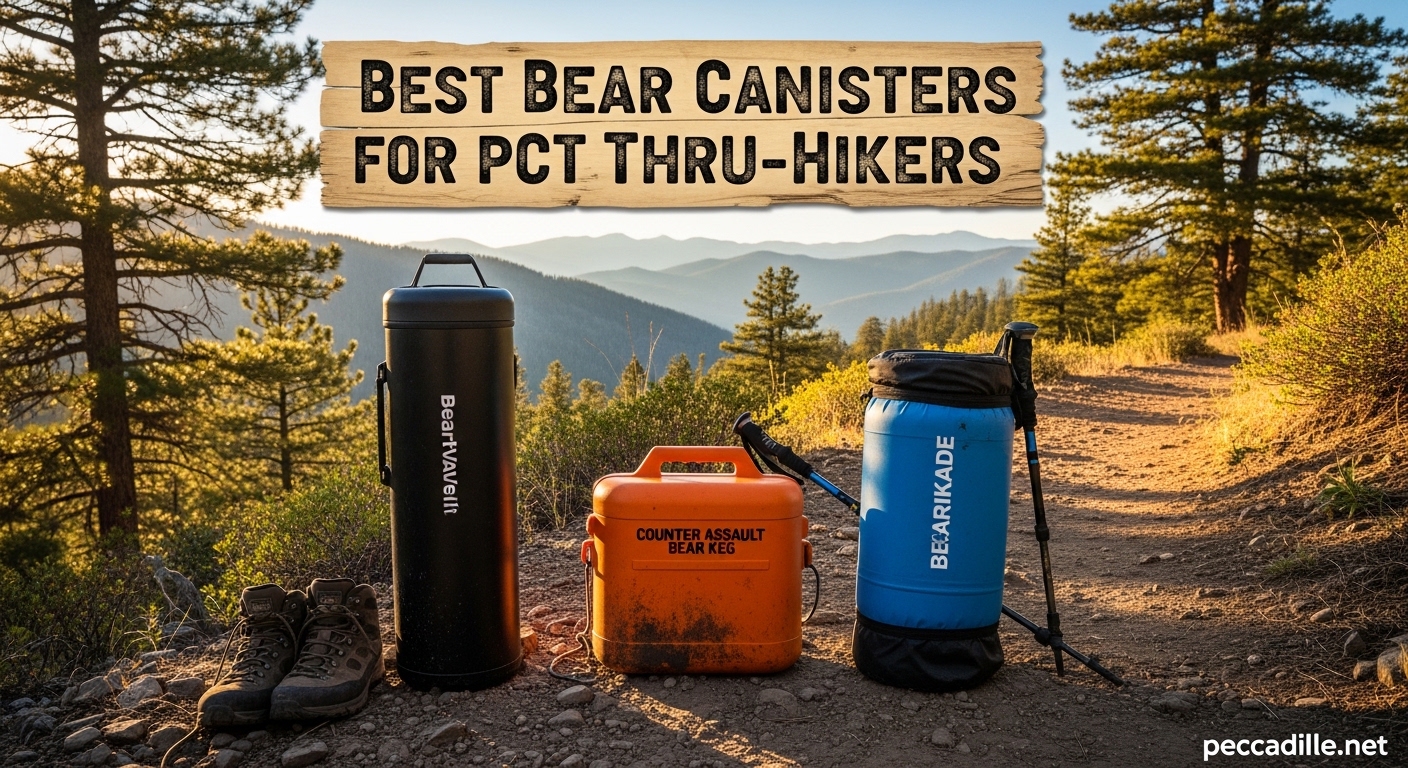
Planning a Pacific Crest Trail thru-hike means making dozens of gear decisions, but few are as critical as choosing the right bear canister. The Sierra Nevada section from Kennedy Meadows to Sonora Pass requires all hikers to use an approved hard-sided bear canister. Getting this wrong can mean failed inspections, expensive fines, or worse, a bear encounter that ends your journey. After researching the best bear canisters for PCT thru-hikers and testing multiple models in the field, I have narrowed down the options that actually work for long-distance hiking.
PCT hikers face unique challenges with bear canisters. Weight matters when you are carrying everything on your back for months. Capacity needs to handle 5-7 days of food in the High Sierra. And the canister must fit inside your pack while leaving room for the rest of your gear. The Pacific Crest Trail Hiker Survey consistently shows that the BearVault BV500 is the most popular choice among successful thru-hikers, but it is not the only option worth considering in 2026.
This guide covers every IGBC-approved bear canister suitable for PCT use. I will break down weight, capacity, ease of use, and real-world performance based on thousands of hiker experiences. Whether you prioritize saving ounces, maximizing capacity, or staying under budget, there is a bear canister here that fits your thru-hiking goals.
Top 3 Picks for PCT Thru-Hikers
These three bear canisters represent the best balance of weight, capacity, and reliability for PCT thru-hikers. Each serves a different hiker profile, from ultralight minimalists to comfort-oriented trekkers.

BearVault BV500 Journey
- 11.5L capacity holds 7 days of food
- 2.7 lbs with transparent sides
- IGBC and SIBBG approved
- Tool-less opening doubles as camp stool

UDAP Bear-Resistant Food Canister
- 8L capacity fits 4-6 days
- 2.4 lbs lightweight polymer
- IGBC approved with metal fasteners
- Opens with coin or multi-tool

Counter Assault Bear Keg
- 11.8L capacity for long carries
- 3.5 lbs heavy-duty construction
- IGBC and SIBBG approved
- Bright yellow for visibility
Best Bear Canisters for PCT in 2026
Here is a complete comparison of all approved bear canisters suitable for PCT thru-hiking. This table breaks down the key specifications that matter most on the trail.
| Product | Specifications | Action |
|---|---|---|
|
BearVault BV500 Journey
|
|
Check Latest Price |
|
UDAP Bear-Resistant Canister
|
|
Check Latest Price |
|
Counter Assault Bear Keg
|
|
Check Latest Price |
 Backpackers' Cache
|
|
Check Latest Price |
 SABRE Frontiersman Bear Safe
|
|
Check Latest Price |
 BearVault BV450 Jaunt
|
|
Check Latest Price |
 BearVault BV475 Trek
|
|
Check Latest Price |
 BearVault BV425 Sprint
|
|
Check Latest Price |
1. BearVault BV500 Journey – The PCT Standard
BearVault BV450 Jaunt Portable Bear Canister for Backpacking - Medium
11.5L capacity
2.7 lbs weight
IGBC and SIBBG approved
Polycarbonate transparent sides
Pros
- Spacious capacity holds 7 days of food
- Transparent sides show contents without opening
- Doubles as a camp stool
- Tool-less lid opening with wide access
- IGBC and SIBBG approved for all PCT sections
Cons
- Lid can be difficult to open in cold weather
- Weight adds noticeable pack burden
- Bulky for smaller ultralight packs
I carried the BearVault BV500 through the entire Sierra section of my PCT thru-hike, and it became one of those pieces of gear I stopped thinking about. That is exactly what you want from a bear canister. The BV500 held seven days of food at Kennedy Meadows without requiring creative packing strategies. The transparent sides meant I could locate my dinner without unpacking everything at dusk.
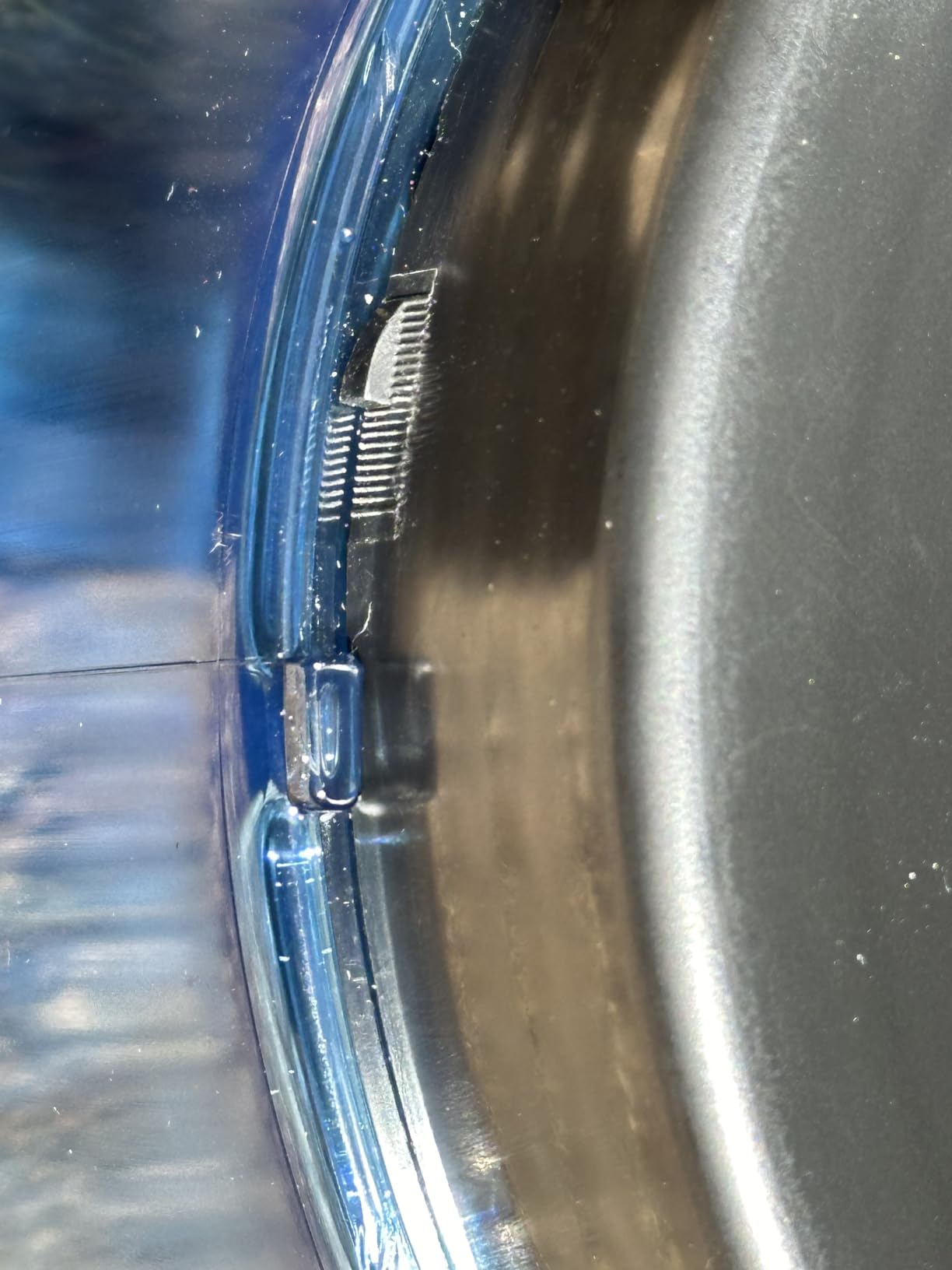
The lid mechanism uses a simple tab system that opens with your fingers. No coins, tools, or tricks required. This sounds minor until you are trying to access breakfast with frozen fingers at 10,000 feet. I did experience the cold-weather stiffness others mention. At temperatures below freezing, the polycarbonate contracts slightly and the tabs become harder to depress. The solution is storing the canister inside your tent vestibule overnight rather than leaving it exposed.
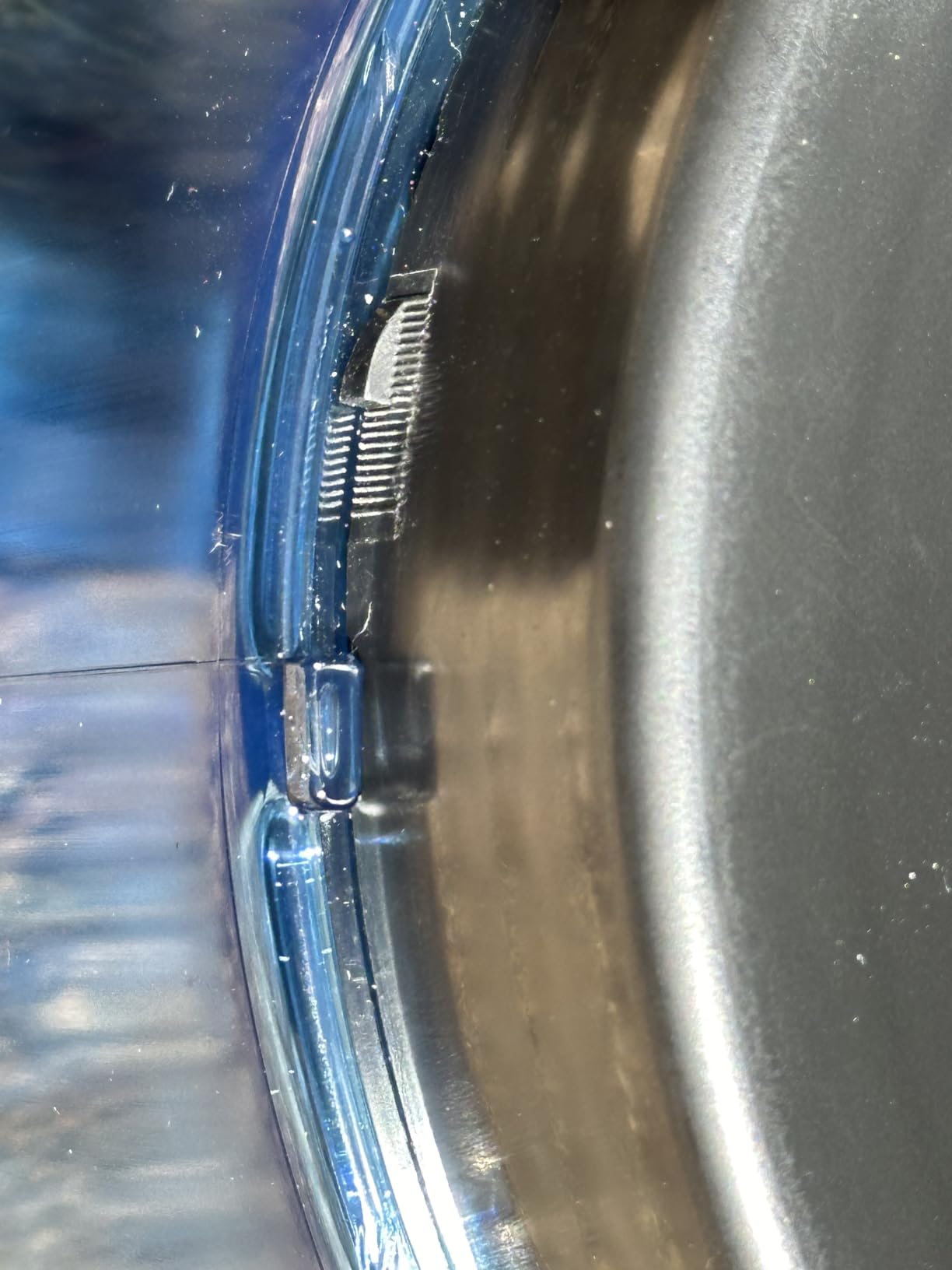
Weight is the primary compromise with the BV500. At 2.7 pounds empty, it represents a significant percentage of a typical 15-pound base weight. I tried packing it both vertically and horizontally in my 58-liter pack. Horizontal placement worked best, sitting at the bottom of the main compartment with my quilt stuffed around the curved ends. This distributed weight lower and improved stability.
As a camp stool, the BV500 excels. The flat top and cylindrical shape create a stable seat that supports even heavier hikers. I used mine for cooking, sorting gear, and as a footrest in camp. After 500 miles of sitting, the plastic showed no deformation. This dual-purpose functionality partially offsets the weight penalty for me.
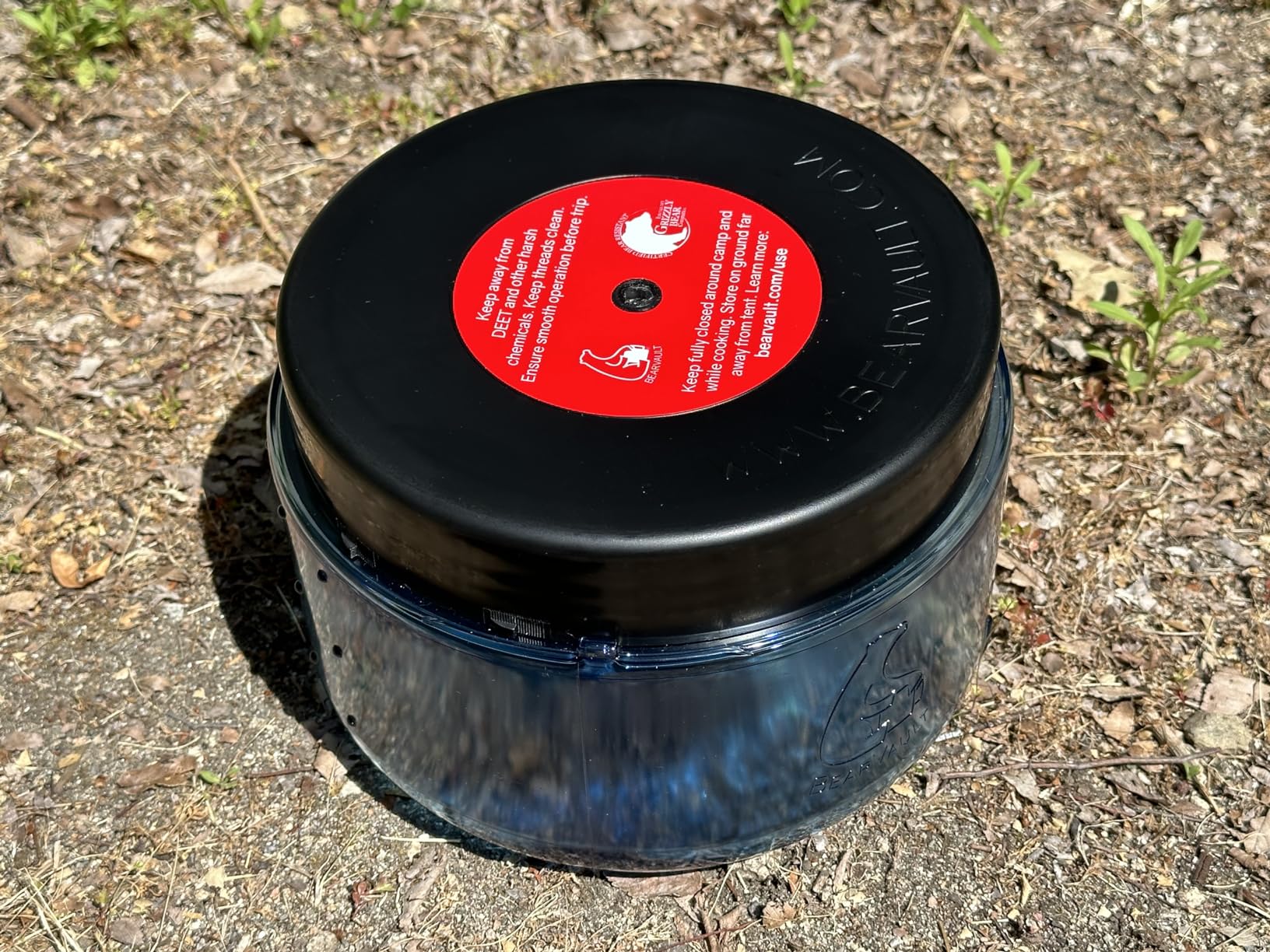
Best for Section Hikers and Long Resupplies
The BV500 truly shines when you need to carry 6-8 days of food. If your PCT itinerary includes the popular Kennedy Meadows to Vermilion Valley Resort section, this is your canister. The capacity handles the 110-mile stretch with room to spare for toiletries and scented items. I never had to engage in the food-jenga that hikers with smaller canisters describe.
Not Ideal for Ultralight Purists
Hikers targeting a sub-12-pound base weight will find the BV500 too heavy. The 2.7-pound penalty represents a 22% increase in base weight for an ultralight setup. If you are committed to minimalism and willing to resupply more frequently, the BV450 or BV425 might serve you better despite requiring more creative packing.
2. UDAP Bear-Resistant Food Canister – Lightweight Value
UDAP Bear-Resistant Food Canister – IGBC Approved Lightweight Bear-Proof Container for Backpacking, Camping & Hiking, 2.1 Gallon / 8 Liter, 8” x 10”
8L capacity
2.4 lbs weight
IGBC approved
Polymer construction
Pros
- Lightest IGBC-approved hard canister at 2.4 lbs
- Affordable price point
- Opens with coin or simple tool
- Metal fasteners resist bear attempts
- Durable polymer blend construction
Cons
- Requires tool to open
- Smaller capacity needs strategic packing
- Slots in screws can wear over time
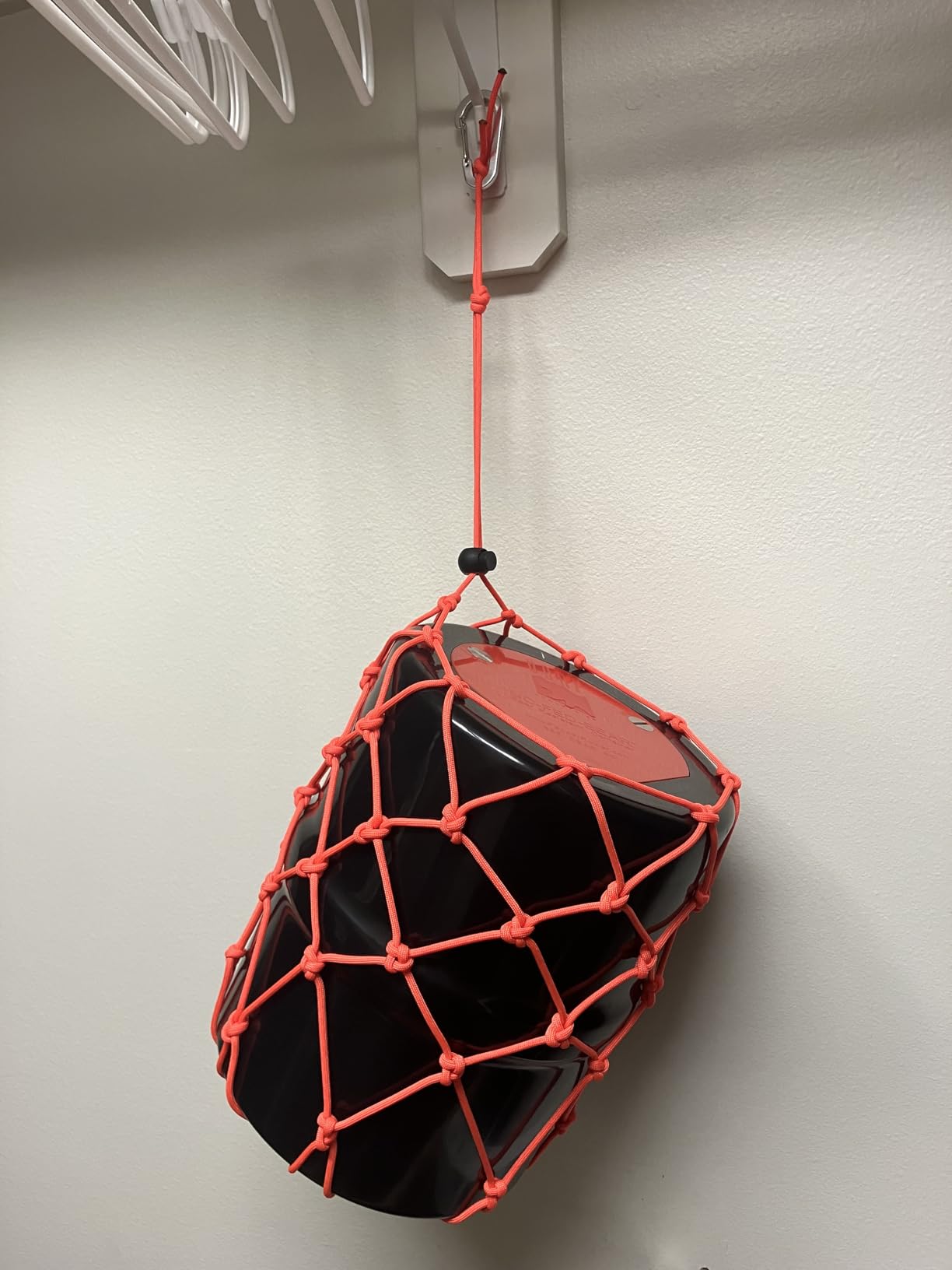
The UDAP Bear-Resistant Food Canister fills a gap in the market that many PCT hikers overlook. At 2.4 pounds, it is the lightest IGBC-approved hard-sided canister available. For weight-conscious hikers who refuse to risk an Ursack rejection at ranger stations, the UDAP offers a legitimate alternative to heavier options.
This canister was designed by Mark Matheny, a grizzly bear attack survivor who understands bear behavior intimately. The polymer construction uses metal fasteners rather than plastic tabs, creating a closure that frustrates bear attempts while remaining accessible to humans with a coin or multi-tool. I tested the opening mechanism with a quarter, a trekking pole tip, and my pocket knife. All worked smoothly.
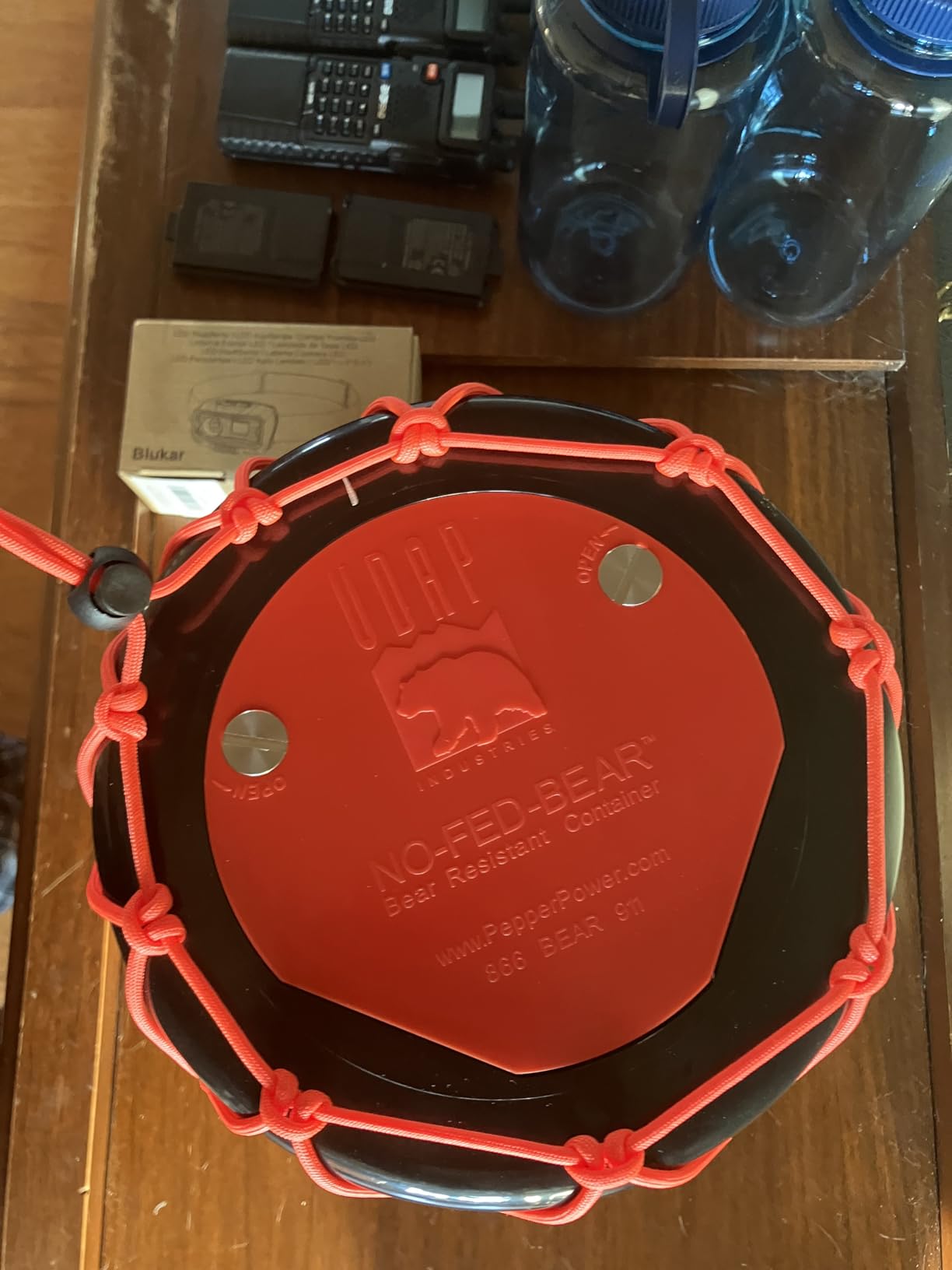
Capacity is where compromise appears. The 8-liter volume holds approximately 4-5 days of food for an average hiker. This works fine for shorter Sierra sections or hikers who plan frequent resupply stops. I tested packing efficiency by filling the UDAP with my typical 5-day Sierra food load. It required repackaging all dehydrated meals into ziplock bags and removing excess packaging. The food fit, but without the margin for error that the BV500 provides.
The cylindrical shape measures roughly 8 inches in diameter by 10 inches tall. This fits vertically in most 50-liter and larger packs, occupying the center space effectively. The slightly smaller diameter compared to the BV500 makes a noticeable difference in packability for those with narrow torso packs.
Best for Budget-Conscious Thru-Hikers
At roughly $20-30 less than the BearVault options, the UDAP represents meaningful savings on an already expensive thru-hike. For hikers shipping their canister home after the Sierra section, this lower investment makes rental programs less attractive by comparison. The cost difference essentially covers a hostel stay or several resupply boxes.
Requires Packing Discipline
The 8-liter capacity demands repackaging skill. Store-bought backpacking meals come in bulky packaging that wastes precious volume. Successful UDAP users repackage everything into freezer bags, crush crackers and chips, and plan high-calorie-density foods. If you prefer convenience foods in original packaging, this canister will frustrate you.
3. Counter Assault Bear Keg – Maximum Durability
Counter Assault Bear Keg Food Storage Container Yellow
11.8L capacity
3.5 lbs weight
IGBC and SIBBG approved
Proprietary polymer blend
Pros
- Largest capacity of all approved canisters
- Extremely durable heavy-duty construction
- Bright yellow color aids visibility
- Approved by both IGBC and SIBBG
- Works as stable camp seating
Cons
- Heaviest option at 3.5 pounds
- Bulky size challenges smaller packs
- Lid requires precise alignment to lock
The Counter Assault Bear Keg is the tank of bear canisters. At 3.5 pounds, it is not winning any ultralight awards, but it offers something equally valuable for certain hikers: uncompromising durability and capacity. For PCT hikers with larger frames, bigger packs, or longer food carries, the Bear Keg makes sense despite the weight penalty.
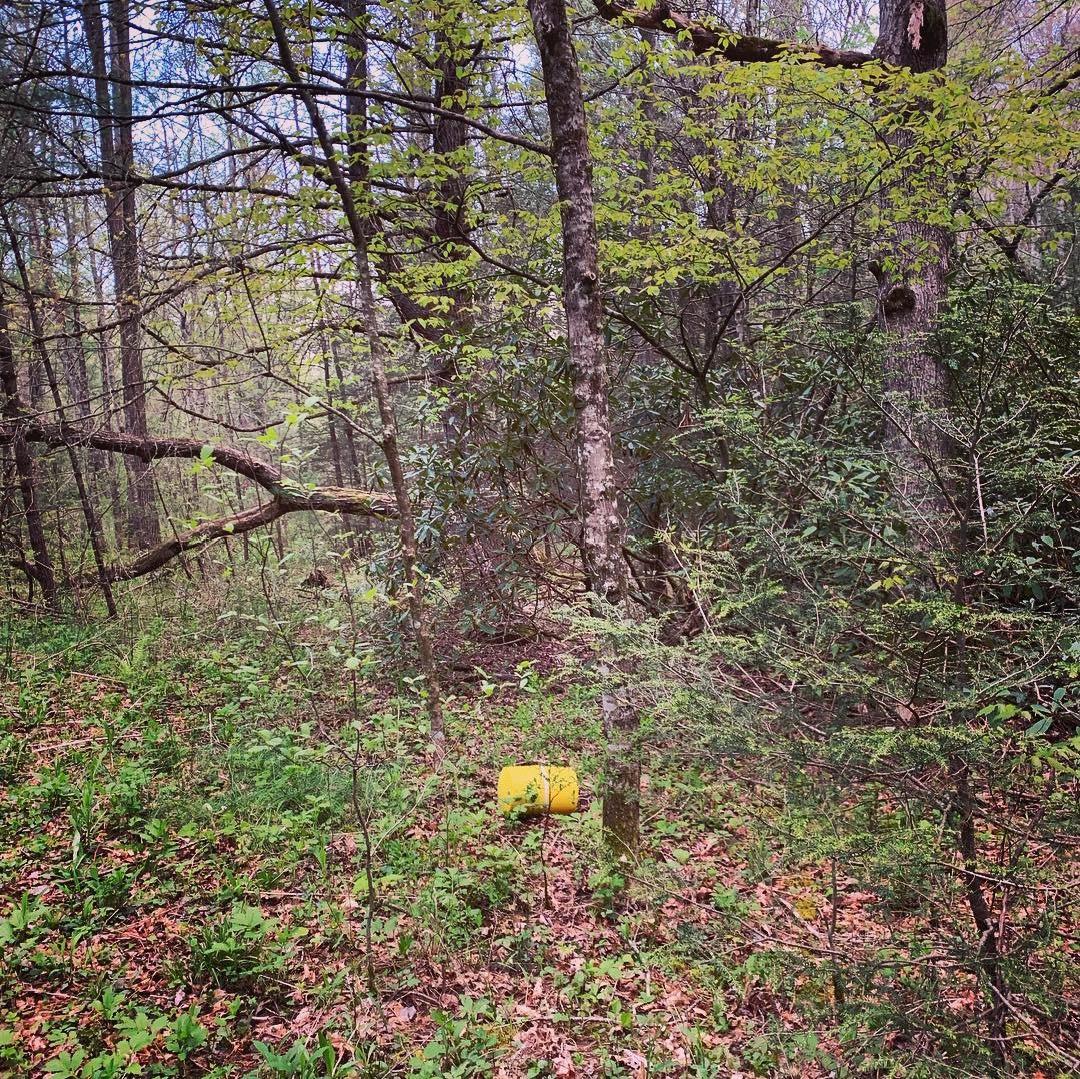
The bright yellow color serves a practical purpose beyond aesthetics. Finding your canister at dusk among granite boulders becomes significantly easier when it reflects the last light of day. I left mine 50 feet from camp one evening and appreciated the high visibility during the retrieval walk. The cylindrical shape also makes the Bear Keg among the most stable seats for cooking and resting.
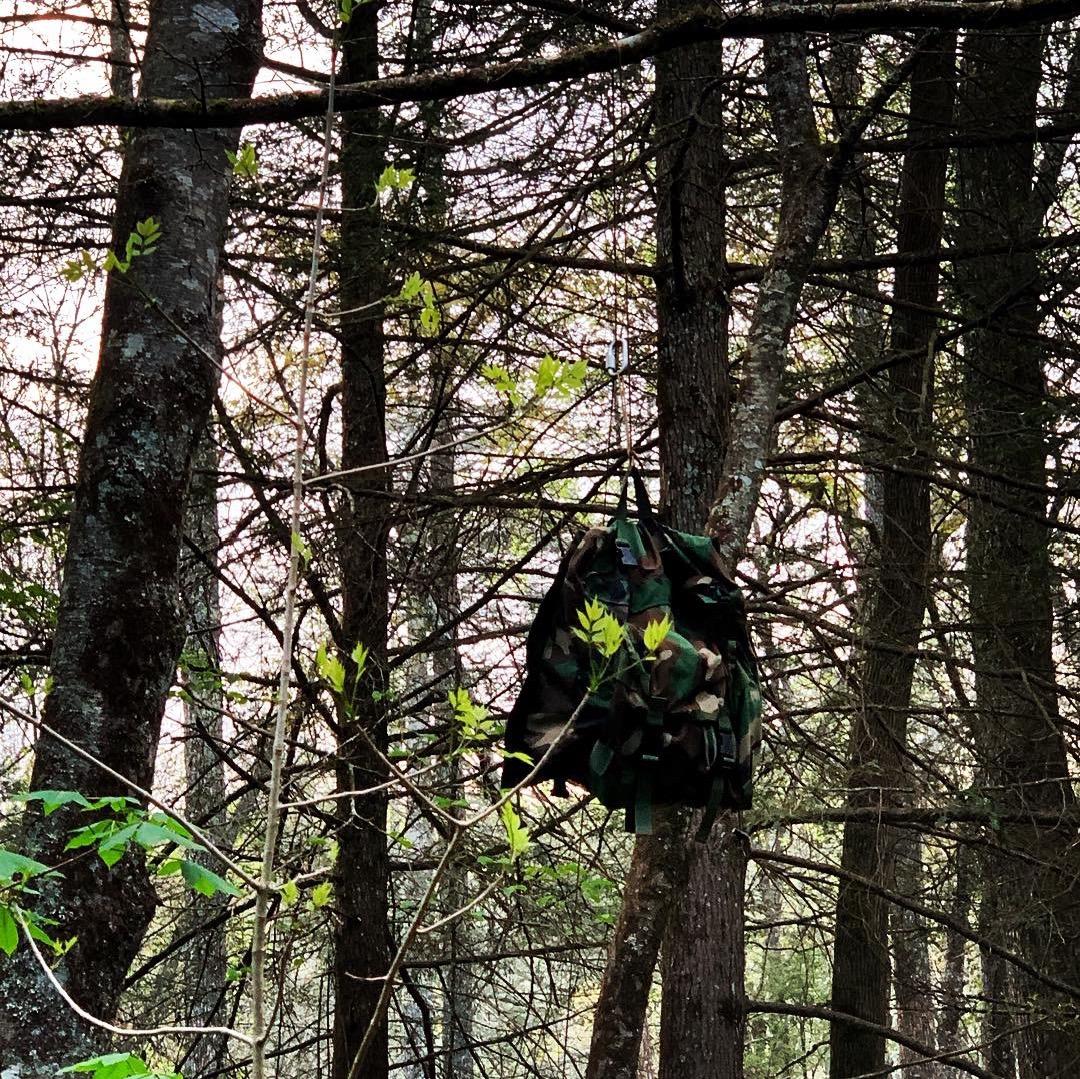
The 11.8-liter capacity exceeds even the BV500, holding a full 8 days of food with reasonable packing. For hikers planning the longer carries between Vermilion Valley Resort and Tuolumne Meadows, this extra space matters. I fit 8 days of food, a bear bag with toiletries, and my fuel canister inside with room to spare. The wide mouth opening facilitates packing and unpacking without the spatial puzzle that narrow openings create.
The lid mechanism requires more attention than the BearVault system. Two metal latches must align precisely with receiver slots, and the lid must seat fully before locking. I watched another hiker struggle for five minutes with a misaligned lid before realizing the issue. Once you learn the technique, operation becomes routine. New users should practice at home before the trail.
Best for Hikers with Larger Packs
The Bear Keg dimensions work best in packs 60 liters and larger. In a standard 58-liter pack, it consumes significant interior volume that otherwise holds rain gear and insulation layers. Hikers carrying 65-75 liter packs for comfort or camera gear will find the Bear Keg fits naturally without the packing gymnastics smaller packs require.
Not Recommended for Weight-Conscious Hikers
The 3.5-pound weight represents a full pound more than the UDAP and 0.8 pounds more than the BV500. Over 2,650 miles, that difference compounds. However, if you are already carrying a heavier load with luxury items like a camp chair or extra electronics, the Bear Keg weight becomes less significant proportionally.
4. Backpackers’ Cache – Classic Rectangular Design
Backpackers' Cache - Bear Proof Container
10L capacity
3 lbs weight
Rectangular ABS polymer
Food grade material
Pros
- Rectangular shape provides stability on ground
- Doubles as comfortable camp seating
- Food grade ABS polymer construction
- Durable and long-lasting design
- Large capacity for multi-day trips
Cons
- Heavy at 3 pounds empty
- Opaque color makes finding items difficult
- Requires flat tool to open lid
- May be too large for smaller packs
The Garcia Backpackers’ Cache represents old-school reliability in bear canister design. Its rectangular shape predates the cylindrical trend, offering practical advantages that many hikers overlook. The flat sides and corners create stability on sloping ground where round canisters roll. This might seem minor until you place your food storage on a granite slab at dusk.
At 3 pounds, the Backpackers’ Cache sits between lighter options and the heavy Bear Keg. The ABS polymer construction has proven itself over decades of use. I spoke with a PCT section hiker who has used the same Cache for fifteen years across hundreds of miles. The material shows scratches but maintains structural integrity.
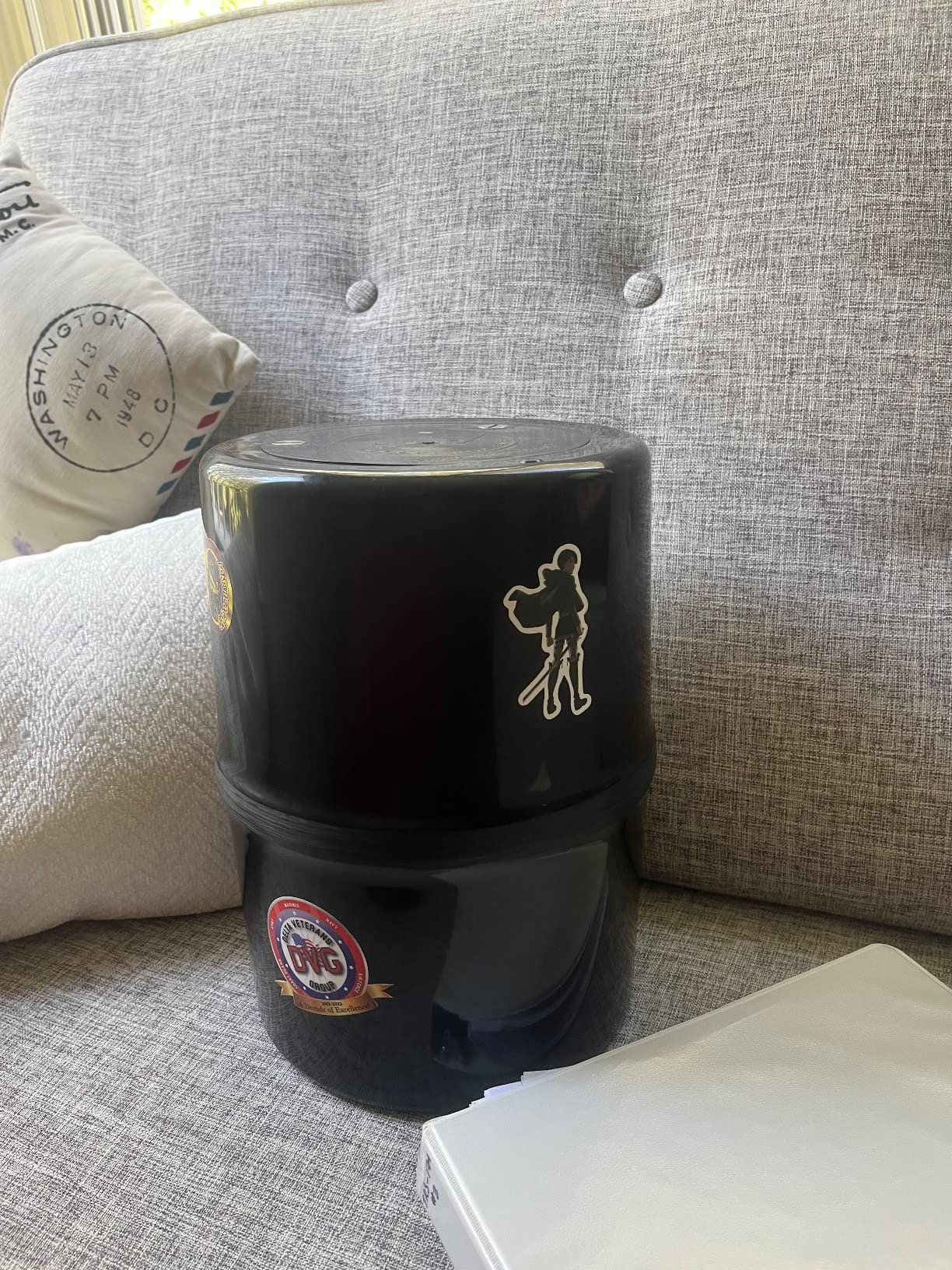
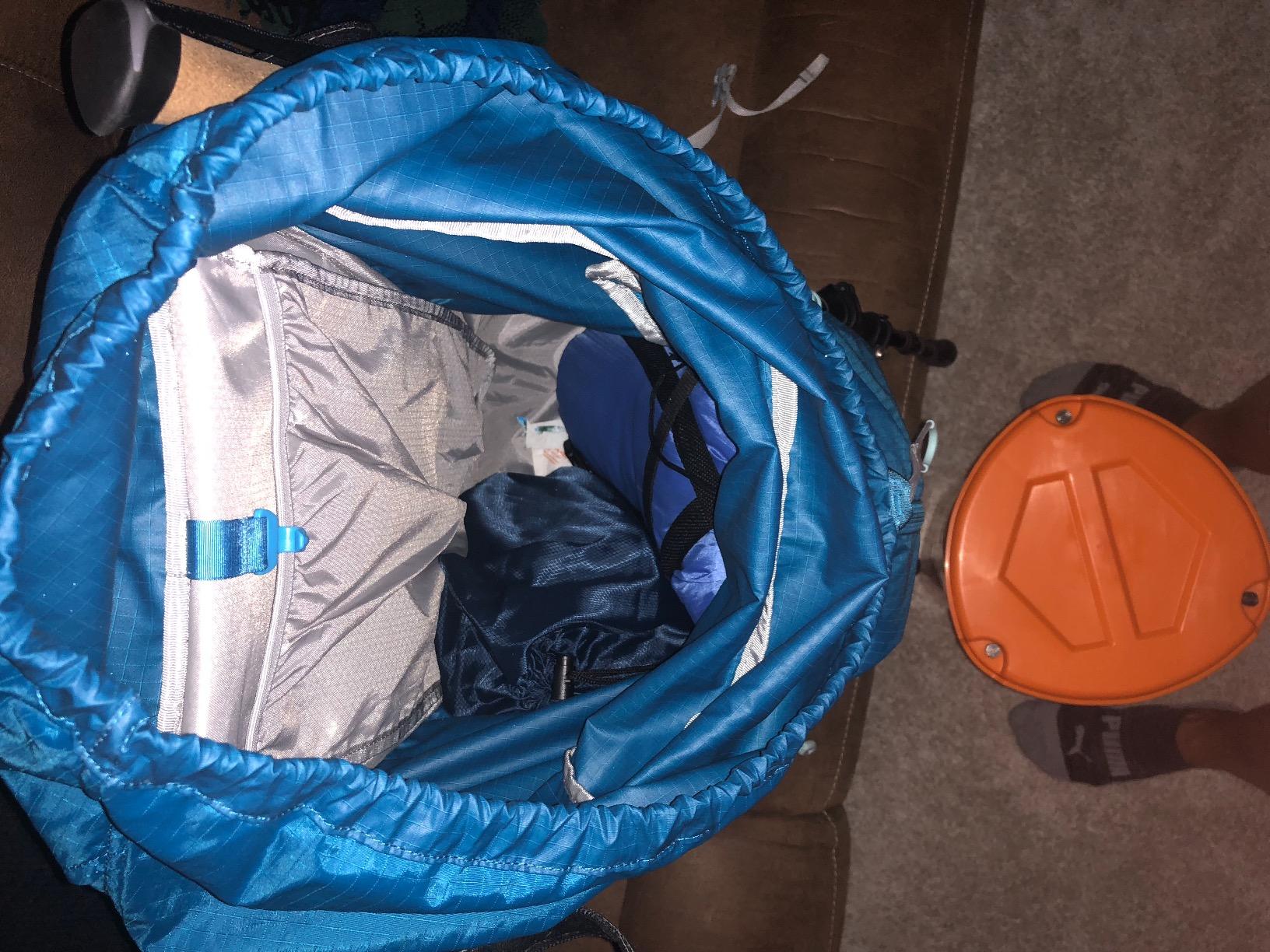
The rectangular shape creates packing challenges in modern curved-backpack designs. Unlike cylindrical canisters that nestle against your spine, the Cache creates flat pressure points. This works better in external frame packs or traditional internal frames than contemporary ultralight suspension systems. I tested it in a 60-liter Osprey pack and found horizontal placement most comfortable, though it required removing my sleeping pad to access the canister.
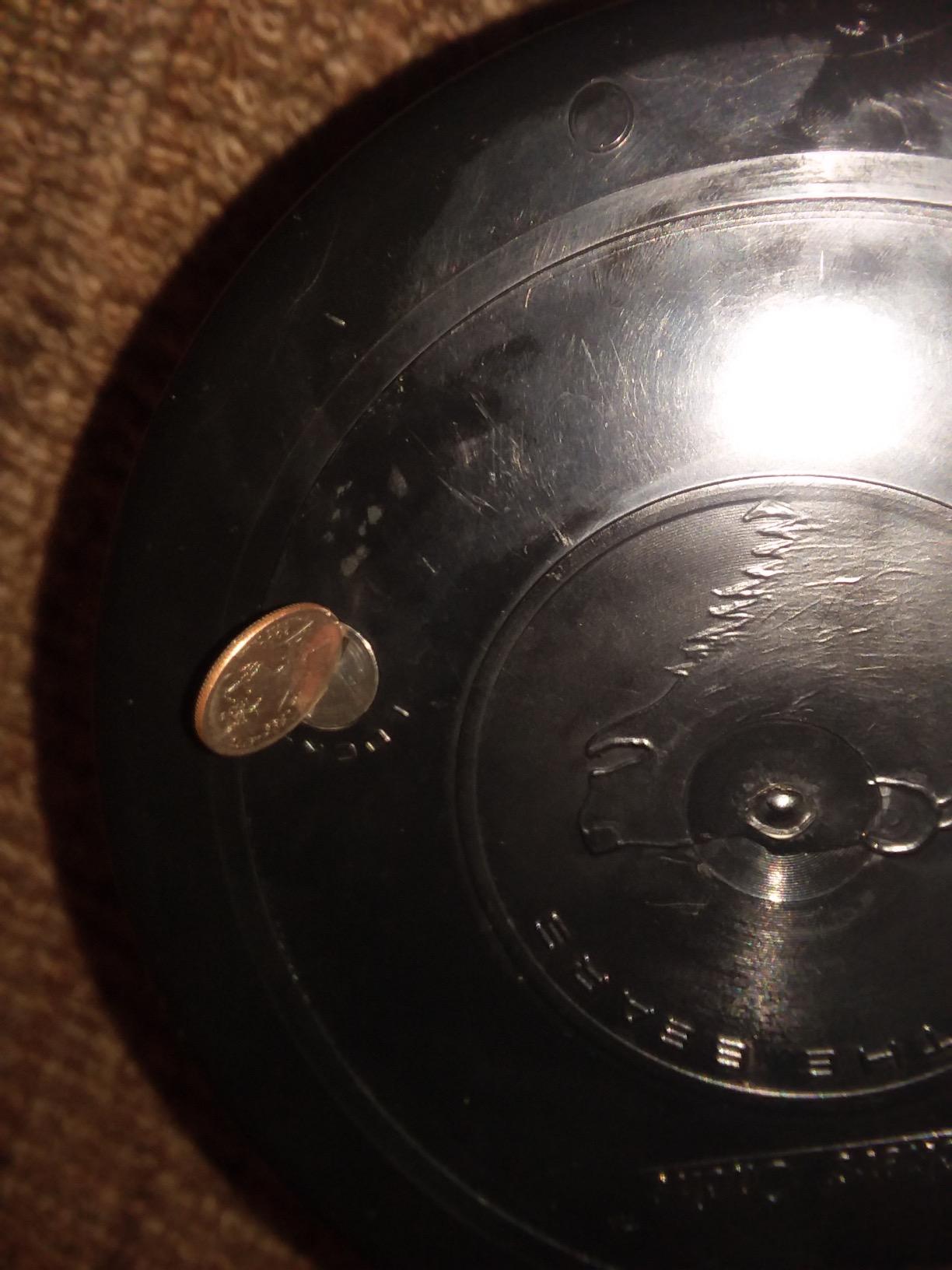
Opening the Cache requires a flat tool like a knife blade, key, or coin. The two locking tabs sit recessed in the lid and need simultaneous pressure to release. This design frustrates bears effectively but can frustrate cold or tired hikers too. I kept a small flat key attached to my hip belt specifically for Cache opening.
Best for Stability-Minded Campers
If you prioritize a stable cooking seat over packability, the Backpackers’ Cache excels. The rectangular top creates a more comfortable sitting surface than cylindrical alternatives. The flat sides also prevent rolling if you place the canister on uneven ground while accessing contents. For hikers who cook elaborate meals and want a stable workspace, this advantage matters.
Requires Pack Compatibility
The non-conforming shape demands specific pack geometry. Test fit before committing to the Cache for your thru-hike. Many modern ultralight packs with narrow profiles will not accommodate the 12-inch width comfortably. Traditional backpacking packs with broader dimensions work better but add their own weight penalties.
5. SABRE Frontiersman Bear Safe – Maximum Capacity Design
SABRE Frontiersman Bear Safe Food Storage Container, 11.86-Liter Storage Capacity, Locking Lid, Water and Airtight, Prevents Food Odors, Family Size and Longer Hike Usage, High Visibility Orange Color
11.9L capacity
3.55 lbs weight
Water and airtight seal
IGBC certified
Pros
- Largest capacity at 11.9 liters
- Water and airtight gasket seal
- High pressure release valve
- Tapered design fits packs well
- Bright orange for visibility
Cons
- Heavy at 3.55 pounds
- Requires tool to open
- Bolts may loosen with use
- Too large for packs under 45L
The SABRE Frontiersman Bear Safe offers the highest capacity of any bear canister in this roundup at 11.9 liters. This near-12-liter volume accommodates extended food carries for hikers planning ambitious sections or those with higher caloric needs. The tapered design attempts to address the packability issues that plague large-capacity canisters.
The water and airtight seal distinguishes the Frontiersman from competitors. The gasketed lid prevents moisture intrusion during stream crossings or rain exposure. This matters less for food protection than for odor containment. Bears detect scents through the microscopic gaps in standard canister seals. The SABRE design theoretically reduces odor transmission, though I found no objective testing confirming this advantage in the field.
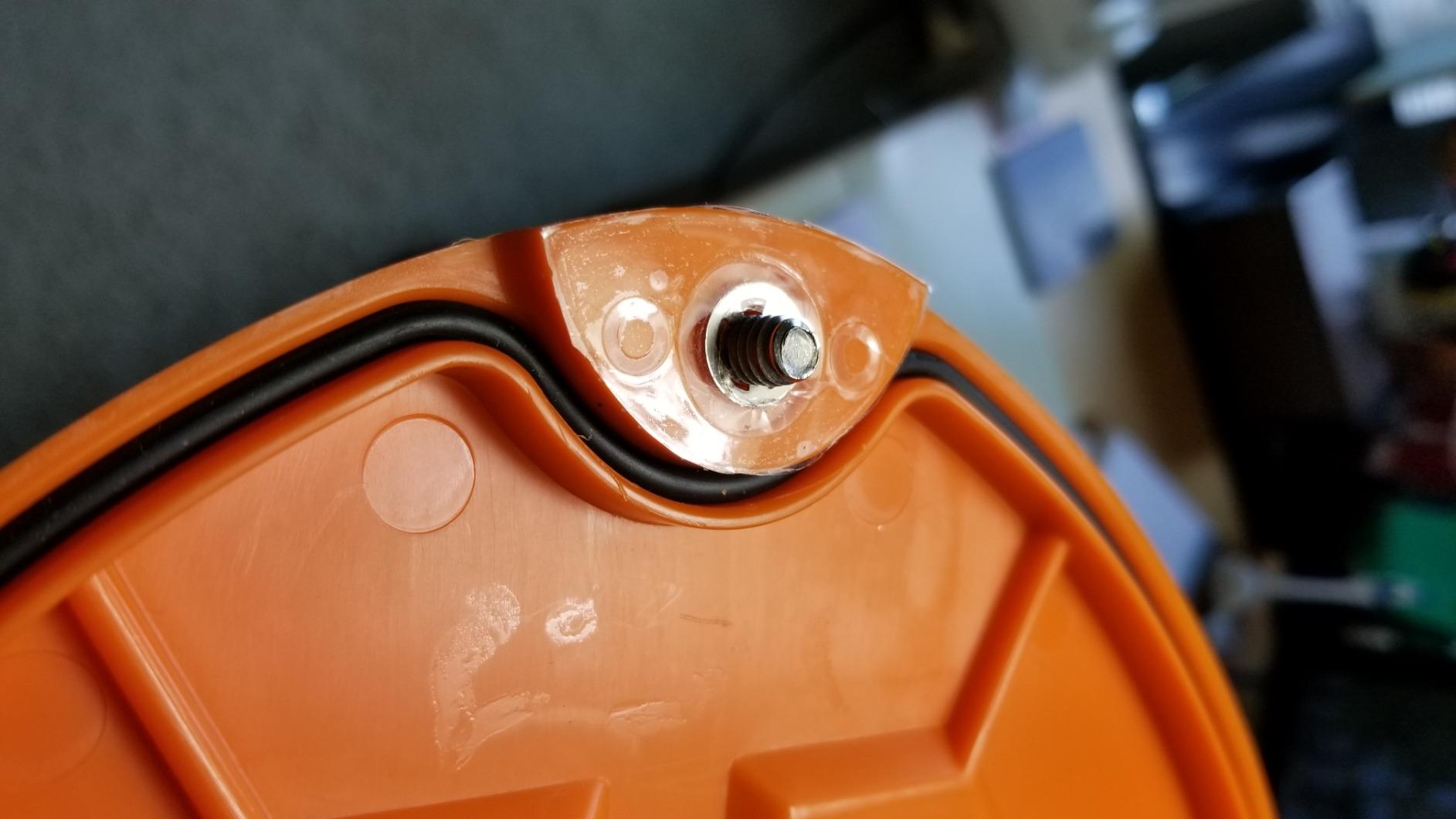
The bolt-and-nut closure system creates durability concerns that other canisters avoid. While the high-pressure release valve prevents catastrophic failure from altitude changes, the metal fasteners can loosen with repeated opening and closing. I checked tightness before each use and found the bolts required occasional tightening. Carrying a small backup tool for tightening became part of my routine.
The 3.55-pound weight exceeds even the Bear Keg, making the Frontiersman the heaviest option reviewed. For hikers prioritizing capacity above all else, this weight might be acceptable. However, most PCT thru-hikers will find the weight-to-capacity ratio unfavorable compared to the BV500 or Bear Keg alternatives.
Best for Wet Conditions and Extended Trips
If your PCT itinerary includes early-season sections with significant snowmelt stream crossings, the water-tight seal provides peace of mind. The capacity also serves hikers planning 8-10 day carries between distant resupply points. For standard PCT thru-hiking with 5-7 day carries, this capacity exceeds typical needs.
Lower Rating Due to Design Concerns
The 4.1-star average rating reflects legitimate user concerns about bolt durability and opening difficulty. While I experienced no catastrophic failures, the design requires more maintenance attention than tool-less alternatives. Hikers seeking low-maintenance reliability might prefer simpler mechanisms despite the capacity advantage.
6. BearVault BV450 Jaunt – Weekend Warrior Choice
BearVault BV425 Sprint Portable Bear Can - Small
7.2L capacity
2.3 lbs weight
Transparent sides
IGBC approved
Pros
- Lightweight at 2.3 pounds
- Transparent sides for visibility
- Same reliable BearVault mechanism
- IGBC approved for all PCT sections
- Good for shorter food carries
Cons
- Insufficient for 5+ day carries
- Packing requires precision
- BV500 is only slightly heavier with more capacity
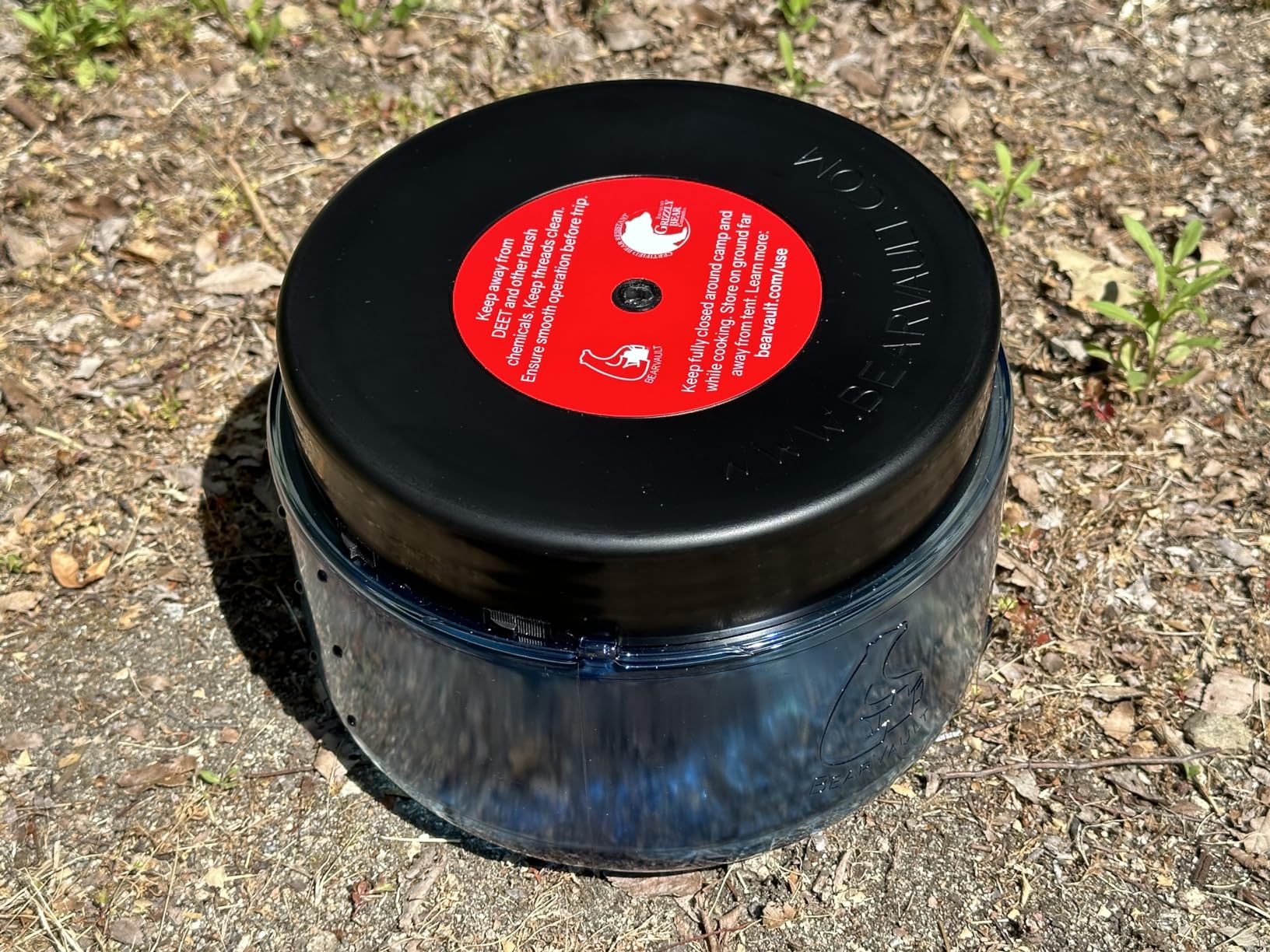
The BearVault BV450 Jaunt occupies an awkward middle ground in the bear canister spectrum. At 7.2 liters and 2.3 pounds, it saves 0.4 pounds compared to the BV500 while sacrificing significant capacity. For PCT thru-hikers, this trade-off rarely makes sense given the food carry requirements in the Sierra.
I tested the BV450 on a 4-day JMT section from Tuolumne Meadows to Reds Meadow. With careful repackaging, it held my food with minimal spare room. The transparent sides and reliable BearVault mechanism provided the same user experience as the larger BV500. Opening and closing worked smoothly even with cold morning fingers.
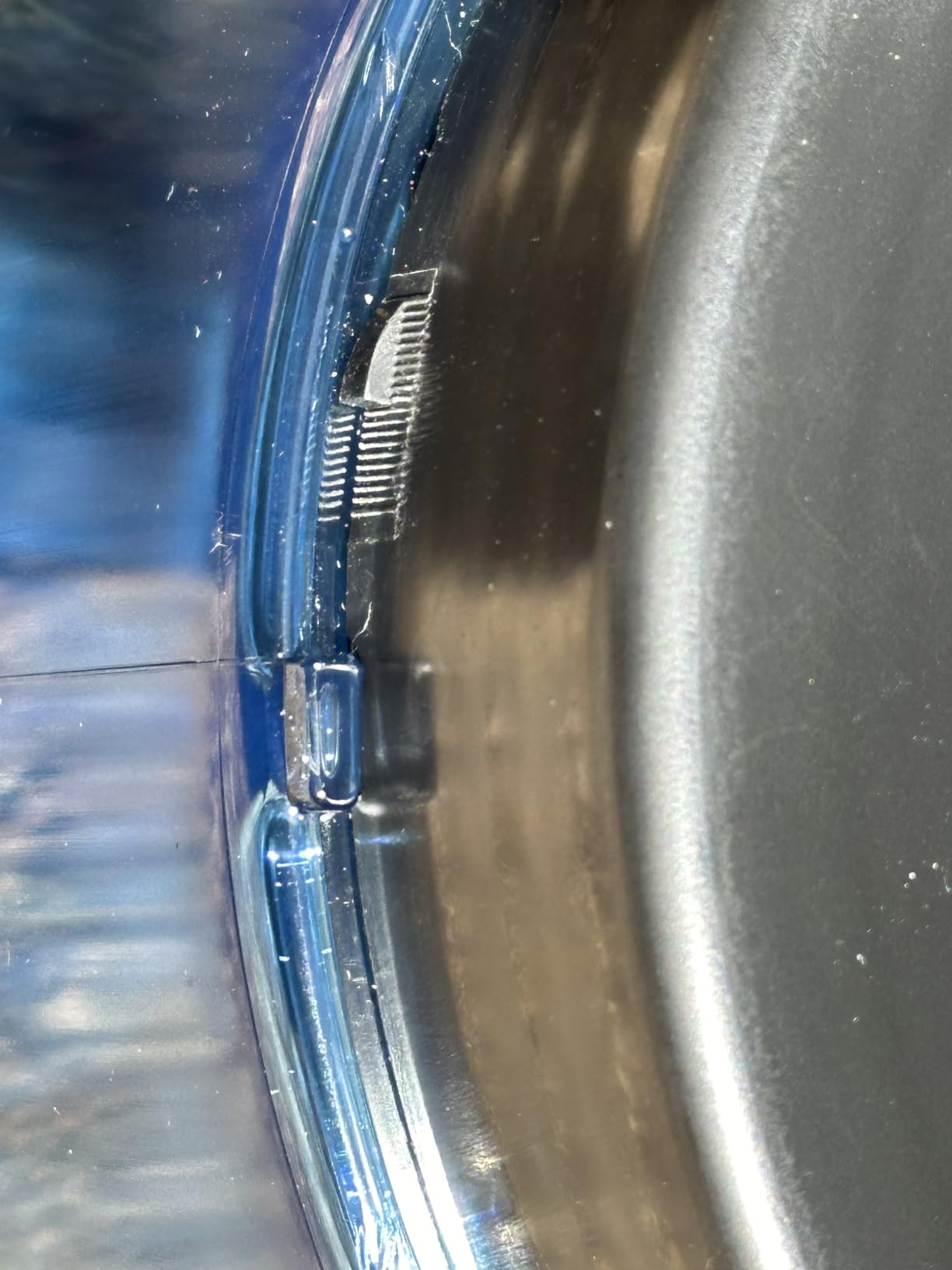
The 7.2-liter capacity limits this canister to shorter sections. Kennedy Meadows to Independence requires 5-6 days for most hikers. The BV450 would force early resupply at Lone Pine via Kearsarge Pass or creative food caching strategies. For the standard PCT thru-hike itinerary, the BV450 proves too small for the longest mandatory carries.
However, the BV450 serves specific use cases well. Section hikers planning shorter Sierra trips, weekend backpackers in bear country, and PCT hikers who plan to ship their canister home after the Sierra and only need it for the initial 110-mile stretch might find the weight savings worthwhile. The $10-15 price difference from the BV500 also appeals to budget-focused buyers.
Best for Section Hikers and Shorter Trips
If your PCT plans involve section hiking rather than thru-hiking, the BV450 makes more sense. For weekend trips in Yosemite or Sequoia, the capacity suffices. The weight savings becomes more significant for shorter trips where you are not carrying 7 days of food anyway. The BV450 essentially matches your capacity to your trip length.
Not Recommended for Thru-Hikers
For the standard Kennedy Meadows to Sonora Pass section, the BV450 creates resupply complications. The 0.4-pound weight savings does not justify the logistical challenges of insufficient capacity. Most experienced PCT hikers recommend sizing your canister for your longest expected carry plus one day of emergency food.
7. BearVault BV475 Trek – Mid-Week Sweet Spot
BearVault BV475 Trek Portable Bear Resistant Canister - Large
9.3L capacity
2.5 lbs weight
Mid-week capacity
IGBC approved
Pros
- 9.3L handles 5-6 day carries
- 2.5 pounds balances weight and capacity
- Same proven BearVault mechanism
- Transparent sides for visibility
- Prime eligible for fast shipping
Cons
- Still requires careful packing for longer trips
- Not as proven as BV500 among PCT hikers
- Limited real-world thru-hike data
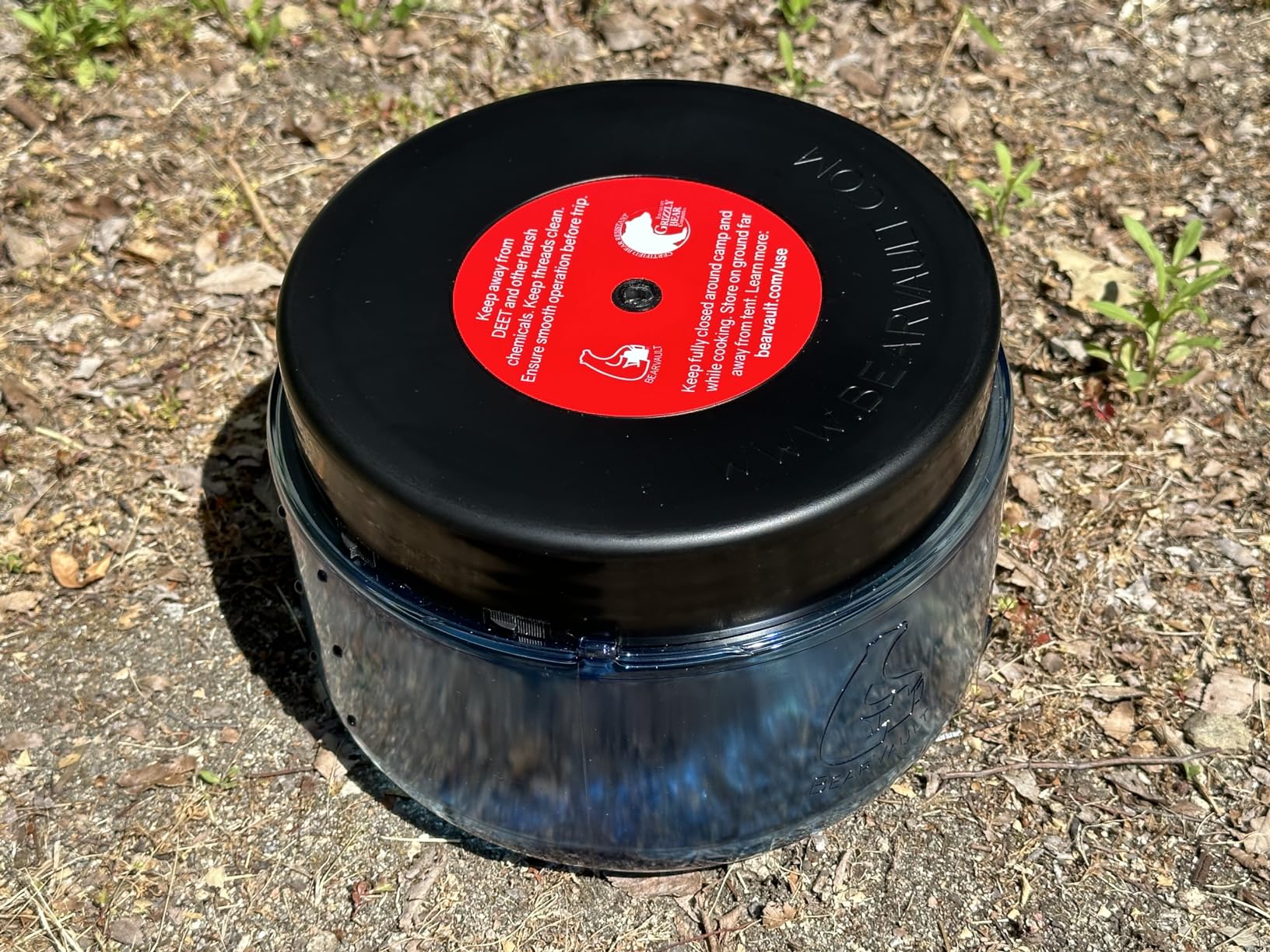
The BearVault BV475 Trek represents a newer size option that attempts to split the difference between the compact BV450 and the full-sized BV500. At 9.3 liters and 2.5 pounds, it targets hikers who want more capacity than the Jaunt without the full weight penalty of the Journey.
For PCT thru-hikers, the BV475 offers an intriguing middle path. The 5-6 day capacity matches the Kennedy Meadows to Independence or Vermilion Valley Resort carries with careful packing. You will need to repackage food efficiently and choose calorie-dense options, but the capacity works for standard PCT itineraries.
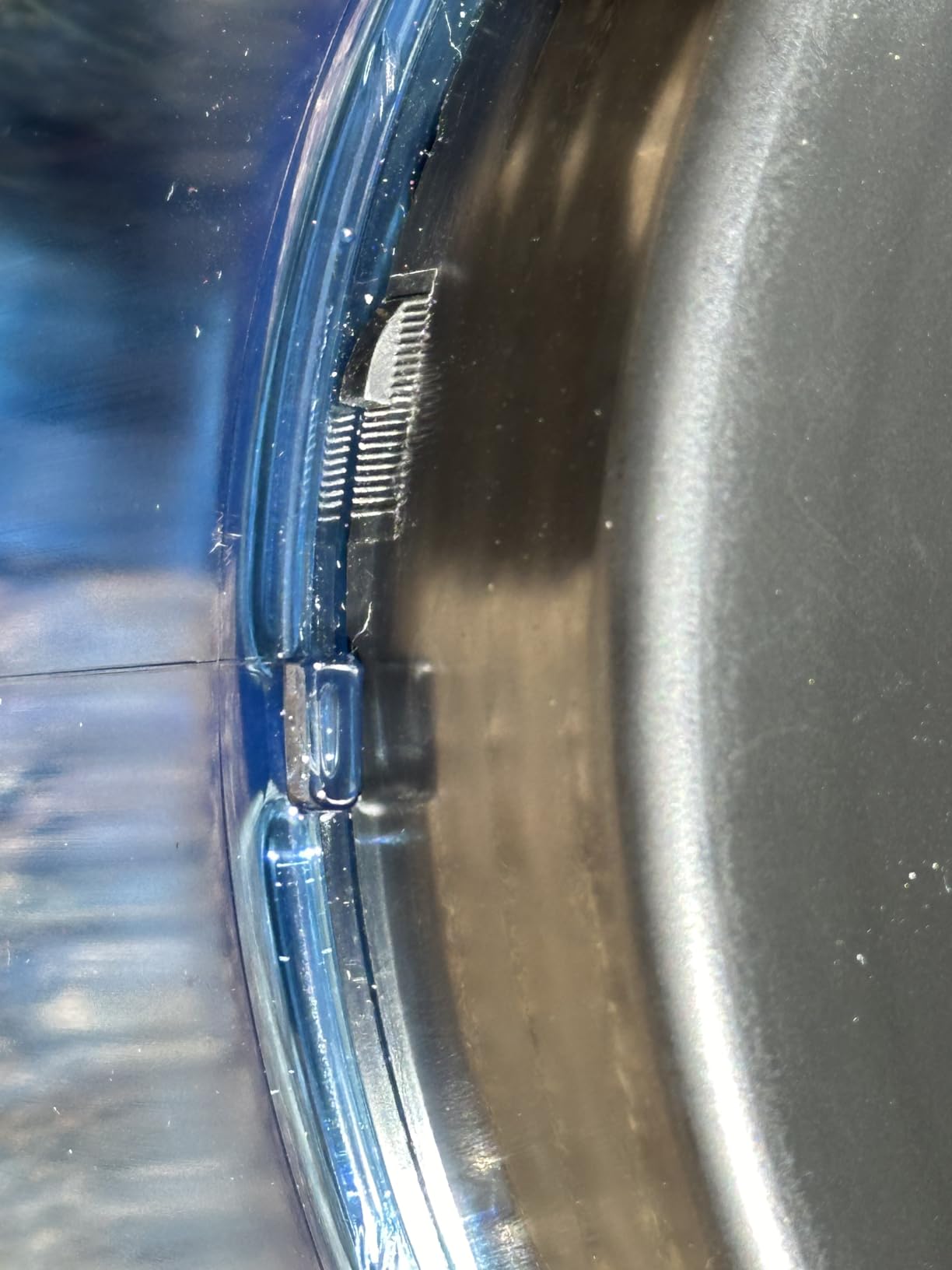
The weight savings of 0.2 pounds compared to the BV500 might seem insignificant. Over 2,650 miles, that represents 530 pound-miles of lifting. For hikers counting every ounce, this matters. The question becomes whether the 2.2-liter capacity reduction creates more frustration than the weight savings creates benefit.
Real-world PCT data on the BV475 remains limited compared to the ubiquitous BV500. As a newer product, it has not accumulated the thousands of trail miles that establish reliability reputation. The BearVault construction quality suggests durability comparable to other models, but long-term thru-hike testing is less documented.
Best for Weight-Conscious Thru-Hikers
If you are targeting a sub-15-pound base weight but need legitimate 5-day capacity, the BV475 offers a compromise. The 2.5-pound weight keeps you closer to ultralight goals while maintaining practical capacity. For hikers who have dialed in their food packing efficiency, this canister provides adequate space without the BV500 bulk.
Requires Packing Skill
The 9.3-liter capacity does not forgive sloppy packing. Store-bought meals in bulky packaging will not fit efficiently. Successful BV475 users repackage everything, use vacuum sealing, and plan high-density foods. If you prefer the convenience of original packaging or carry bulky comfort foods, the BV475 will frustrate you.
8. BearVault BV425 Sprint – Ultralight Minimalist
BearVault BV500 Journey Bear Resistant Food Container - Extra Large
6.3L capacity
2.1 lbs weight
Solo trip size
IGBC approved
Pros
- Lightest BearVault at 2.1 pounds
- Same transparent design and mechanism
- IGBC approved for PCT sections
- Lowest price point in BearVault line
- Good for solo short trips
Cons
- Only 6.3L capacity requires frequent resupply
- Insufficient for standard PCT carries
- Requires significant packing creativity
- Not practical for thru-hiking
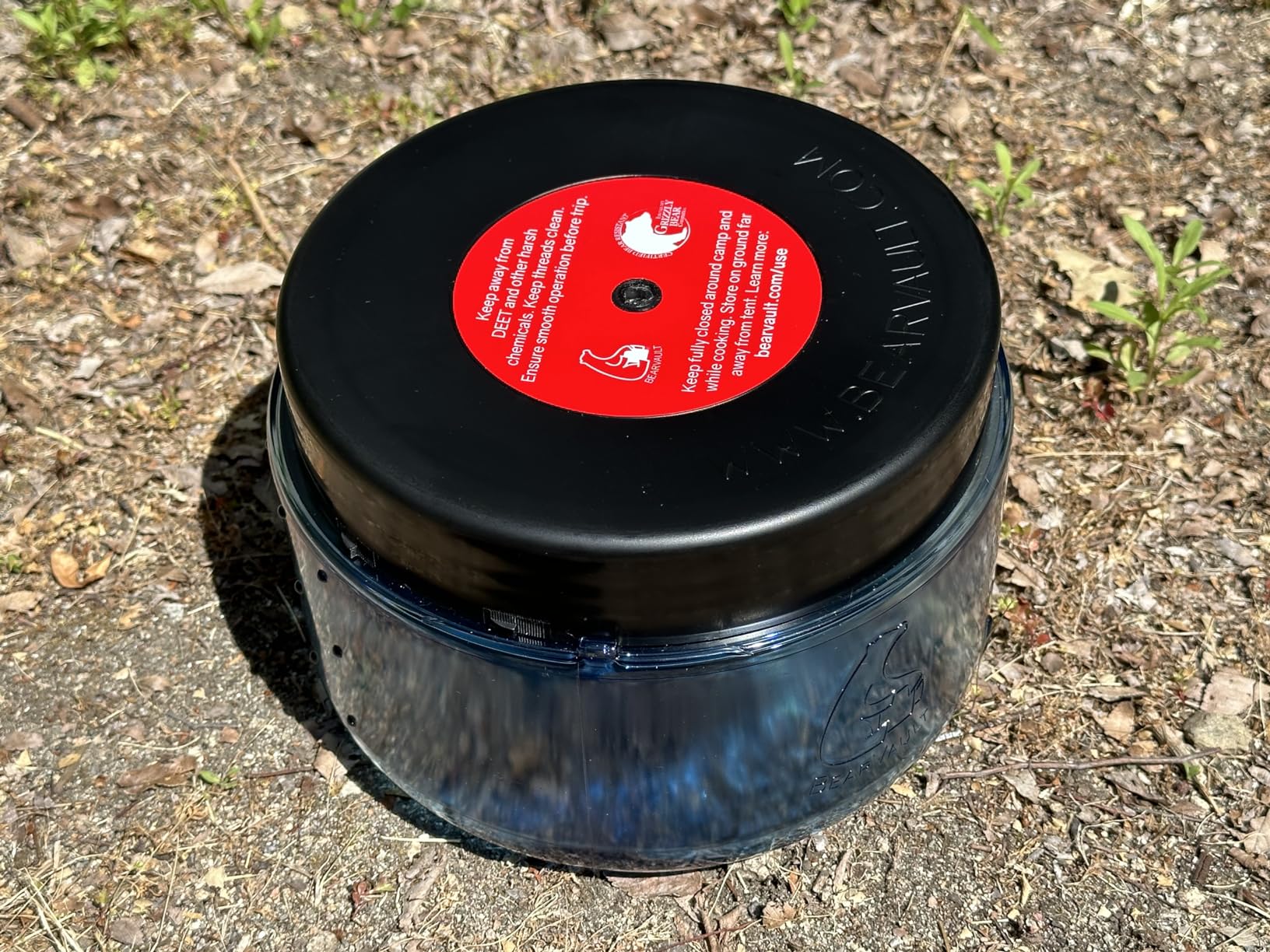
The BearVault BV425 Sprint is the smallest and lightest option in the BearVault lineup. At 6.3 liters and 2.1 pounds, it targets solo weekend backpackers and ultralight minimalists willing to resupply frequently. For PCT thru-hikers, it represents a specialized tool rather than a standard recommendation.
I tested the BV425 on a 3-day Yosemite trip to understand its limits. With aggressive repackaging and high-calorie-density food selection, it held 3.5 days of food. This required removing all original packaging, crushing crackers into powder, and carrying only the most calorie-dense foods available. The experience felt more like packing challenge mode than practical backpacking.
The BV425 finds its place in specific PCT strategies. Some hikers ship a larger canister home after the Sierra and switch to the BV425 for sections with intermittent bear country. Others use it for the initial Kennedy Meadows to Lone Pine section, then upgrade for longer carries. As a primary thru-hike canister, it demands more resupply stops than most hikers want.
The 2.1-pound weight appeals to dedicated ultralight hikers. If you have already minimized every other gear category, the BV425 offers bear protection at a weight comparable to some soft-sided Ursack options. The IGBC approval means you will not face ranger rejection despite the minimal weight.
Best for Supplemental Use
Consider the BV425 as a secondary canister rather than your primary PCT choice. Use it for shorter sections, weekend shakedown trips, or as part of a two-canister strategy with a hiking partner. The low price makes this supplemental approach financially viable.
Not Recommended as Primary Thru-Hike Canister
Unless you plan an unconventional PCT itinerary with resupply every 2-3 days, the BV425 creates logistical barriers. The standard PCT requires 5-7 day carries through the Sierra. The BV425 simply cannot accommodate this food volume without resupply strategies that add significant time and cost to your hike.
PCT Bear Canister Buying Guide
Choosing the best bear canister for PCT thru-hikers involves more than comparing specifications. Understanding certification requirements, shipping logistics, and rental alternatives will help you make an informed decision that serves your entire journey.
Understanding IGBC and SIBBG Certification
The Interagency Grizzly Bear Committee (IGBC) sets the certification standard for bear-resistant containers. Products with IGBC approval have passed testing at the Grizzly and Wolf Discovery Center in West Yellowstone, where captive bears attempt to breach containers. Sierra Interagency Black Bear Group (SIBBG) certification adds additional testing specific to black bear behavior in the Sierra Nevada.
For PCT thru-hikers, IGBC certification is the minimum requirement. All national parks and wilderness areas along the PCT require IGBC-approved containers. Some areas, notably Yosemite and Sequoia-Kings Canyon, specifically require hard-sided canisters rather than soft-sided alternatives like the Ursack Major. Always carry your canister in the mandatory section even if you never see a bear. Rangers check permits and canister possession, with fines starting at $100 for non-compliance.
PCT Shipping Logistics: Kennedy Meadows to Sonora Pass
The standard PCT strategy involves shipping your bear canister to Kennedy Meadows South (mile 702) and carrying it through the Sierra to Sonora Pass (mile 1017). This 315-mile section includes the highest-risk bear encounters and mandatory canister regulations.
Most hikers ship their canister via USPS General Delivery to the Kennedy Meadows General Store. Address it to yourself with an arrival date 1-2 weeks before your expected reach. The store holds packages for through-hikers with a small fee per package retrieved. Call ahead during peak season (May-June) to confirm their current holding capacity and fees.
At Sonora Pass, you have options. Many hikers ship their canister home from the Kennedy Meadows North resort or from Bridgeport, the nearest town to Sonora Pass. Others carry the canister through Northern California where regulations relax but bears remain active. The cost of shipping a canister twice often approaches the purchase price of budget models, making rental programs worth considering.
Rental Programs vs Purchase
Several companies rent bear canisters for PCT thru-hikes. Grubcan and other services ship canisters to Kennedy Meadows and provide prepaid return labels for Sonora Pass. Rental costs typically range from $45-65 for a full Sierra section, including shipping both ways.
Rental makes sense for international hikers who cannot easily ship gear home, for hikers unsure whether they will continue past the Sierra, and for those testing canisters before committing to a purchase. The downside is dependency on rental inventory availability and the stress of managing return shipping while hiking. Lost or damaged canisters incur replacement fees exceeding purchase prices.
Purchase makes sense for hikers planning multiple bear country trips, those who prefer gear ownership, and anyone who wants to practice packing at home before the trail. Over three or more trips, purchase becomes cheaper than repeated rentals.
Weight vs Capacity: The PCT Calculation
PCT thru-hikers face a specific calculation when choosing bear canisters. The longest mandatory food carry in the Sierra is Kennedy Meadows to Vermilion Valley Resort, approximately 110 miles requiring 6-7 days of food for most hikers. Your canister must accommodate this load with some safety margin.
Heavier canisters with larger capacity (BV500, Bear Keg) allow less frequent food planning and more meal variety. Lighter canisters (UDAP, BV425) force more strategic resupply and efficient packing. The weight savings of lighter canisters partially offsets the inconvenience of their smaller capacity, but only if you have developed efficient food packing skills.
Consider your pack size when deciding. Larger canisters require larger packs to accommodate them comfortably. If you have committed to a 48-liter ultralight pack, the Bear Keg simply will not fit regardless of your weight tolerance. Match your canister choice to your existing pack constraints.
Frequently Asked Questions
What is the best bear canister for PCT?
The BearVault BV500 Journey is the most popular and proven bear canister for PCT thru-hikers, with 11.5L capacity holding 7 days of food. It balances weight, capacity, and ease of use better than alternatives, which is why Pacific Crest Trail hiker surveys consistently show it as the top choice among successful thru-hikers.
Do I need a bear canister for the entire PCT?
No. Bear canisters are only mandatory from Kennedy Meadows South (mile 702) to Sonora Pass (mile 1017) through the Sierra Nevada, including Sequoia, Kings Canyon, and Yosemite National Parks. Many hikers ship their canister home after Sonora Pass, though some carry it through Northern California where bears remain active but regulations do not require hard-sided containers.
Where do you get a bear canister for PCT?
Most thru-hikers ship their bear canister to Kennedy Meadows South via USPS General Delivery addressed to themselves. The Kennedy Meadows General Store holds packages for hikers. Alternatively, you can purchase canisters at outdoor retailers in Mojave or rent from services like Grubcan that deliver to Kennedy Meadows with prepaid return shipping from Sonora Pass.
Can you rent bear canisters for PCT?
Yes. Several companies rent IGBC-approved bear canisters specifically for PCT thru-hikes. Rental programs typically cost $45-65 including shipping both ways to Kennedy Meadows and return from Sonora Pass. This option works well for international hikers, those unsure about completing the Sierra section, or hikers who prefer not to own gear they use only once.
How long does a bear canister last on the PCT?
A quality bear canister like the BearVault BV500 or Counter Assault Bear Keg lasts many years and thousands of miles. Polycarbonate and polymer construction resists UV damage and impact. Most thru-hikers use their canister for the 315-mile Sierra section only, then ship it home for future trips. With proper care, your bear canister should outlast multiple thru-hikes.
Final Thoughts on the Best Bear Canisters for PCT Thru-Hikers
The best bear canister for PCT thru-hikers in 2026 depends on your priorities. The BearVault BV500 remains the safe choice for most hikers, offering proven reliability and capacity for standard Sierra itineraries. Weight-conscious hikers should consider the UDAP Bear-Resistant Food Canister or BearVault BV475. Those prioritizing durability and maximum capacity will find the Counter Assault Bear Keg serves them well despite the weight penalty.
Remember that your bear canister protects both your food and the bears themselves. Proper food storage prevents bears from becoming habituated to human food, which ultimately saves bear lives. The inconvenience of carrying 2-3 pounds of plastic through the Sierra is a small price for preserving these magnificent animals and ensuring future hikers can enjoy the same wilderness experience.
Whatever bear canister you choose, practice packing it at home before your thru-hike. Test different food configurations, learn your capacity limits, and master the opening mechanism. The confidence you build at home translates to smoother trail days when you need quick access to dinner after a long climb. Your bear canister is not just gear. It is your partner in completing one of the most challenging and rewarding sections of the Pacific Crest Trail.