
I have been gigging, recording, and obsessing over bass tone for over 15 years, and if there is one piece of gear that has transformed my sound more than any other, it is a quality preamp pedal. Finding the best bass preamp pedals in 2026 matters because the right unit gives you consistent, professional tone whether you are plugging into a backline amp you have never touched, running direct to a PA system, or tracking in a home studio at 2 AM.
A bass preamp pedal is a compact effects unit that shapes your bass guitar signal before it hits your amplifier or mixing board. It provides EQ control for tone sculpting, gain staging for warmth or grit, and almost always includes a balanced XLR DI output for running straight into a PA or audio interface. Some models add cabinet simulation, built-in compression, overdrive circuits, and even headphone jacks for silent practice.
Our team compared 12 of the most popular bass preamp pedals on the market, testing everything from the $36 Behringer V-Tone BDI21 to the $399 Darkglass Alpha Omega and Ampeg SGT-DI. We played them through solid-state heads, tube amps, and ampless rigs. We ran them into PAs at rehearsal spaces and recorded direct into a DAW. We also dug through hundreds of forum posts on TalkBass and Reddit to see what real working bassists actually use night after night.
What surprised us most was how much the landscape has changed. The Tech 21 SansAmp Bass Driver DI V2 used to be the only name anyone mentioned for live bass preamps. Today, Darkglass dominates the modern metal and prog scenes, Ampeg has released feature-packed units with IR loading and USB connectivity, and budget options from SONICAKE and JOYO deliver shockingly usable tone for under $100. Whether you play 5-string bass in a worship band, funk in a club circuit, or record bass for film scores, there is a preamp pedal on this list built for your exact needs.
Top 3 Picks for Best Bass Preamp Pedals


The Darkglass Alpha Omega earns our Editor’s Choice for its dual distortion circuits, 6-band graphic EQ, and studio-grade connectivity that makes it the most versatile modern bass preamp available. The Tech 21 SansAmp Bass Driver DI V2 remains the gold standard for gigging reliability with 420 reviews and a 4.7-star rating. For bassists on a tight budget, the Behringer V-Tone BDI21 delivers an incredible SansAmp-inspired tone at a fraction of the cost.
Best Bass Preamp Pedals in 2026
| Product | Specifications | Action |
|---|---|---|
|
Darkglass Alpha Omega
|
|
Check Latest Price |
|
Tech 21 SansAmp Bass Driver DI V2
|
|
Check Latest Price |
 Aguilar Tone Hammer V2
|
|
Check Latest Price |
 MXR M81 Bass Preamp
|
|
Check Latest Price |
 Laney Digbeth DB-PRE
|
|
Check Latest Price |
 Darkglass Alpha Omicron
|
|
Check Latest Price |
 Ampeg SGT-DI
|
|
Check Latest Price |
 SONICAKE Bass Preamp
|
|
Check Latest Price |
 JOYO Tidal Wave R-30
|
|
Check Latest Price |
 EHX Battalion
|
|
Check Latest Price |
1. Darkglass Alpha Omega – Dual Distortion Bass Preamp
Darkglass Alpha Omega Dual Bass Preamp Pedal w/ 6-band EQ, XLR Output, Aux Input, and Headphone Output
Dual Distortion Circuits
6-Band Graphic EQ
XLR Headphone Aux Out
9V DC Powered
Pros
- Two distinct distortion circuits (Alpha and Omega)
- 6-band EQ for precise tone shaping
- Built-in headphone and aux for silent practice
- Premium Darkglass build quality
- Blend control mixes clean and dirty signals
Cons
- Premium price point
- Higher power draw at 30mA
The first time I plugged into the Darkglass Alpha Omega, I understood immediately why this pedal has become the go-to preamp for modern metal, prog, and djent bassists. The 4.9-star rating from 76 reviews tells you everything you need to know about build quality and sound, but the real magic happens when you start exploring the dual distortion circuits.
The Mod control lets you switch between or blend the Alpha and Omega distortion engines. Alpha delivers a punchy, tight, defined overdrive that cuts through dense mixes without losing low-end authority. Omega goes full brutal with raw, harmonic-rich saturation that works beautifully for heavy breakdowns and aggressive playing styles. Being able to blend between these two voices is what sets this pedal apart from every other bass preamp on this list.
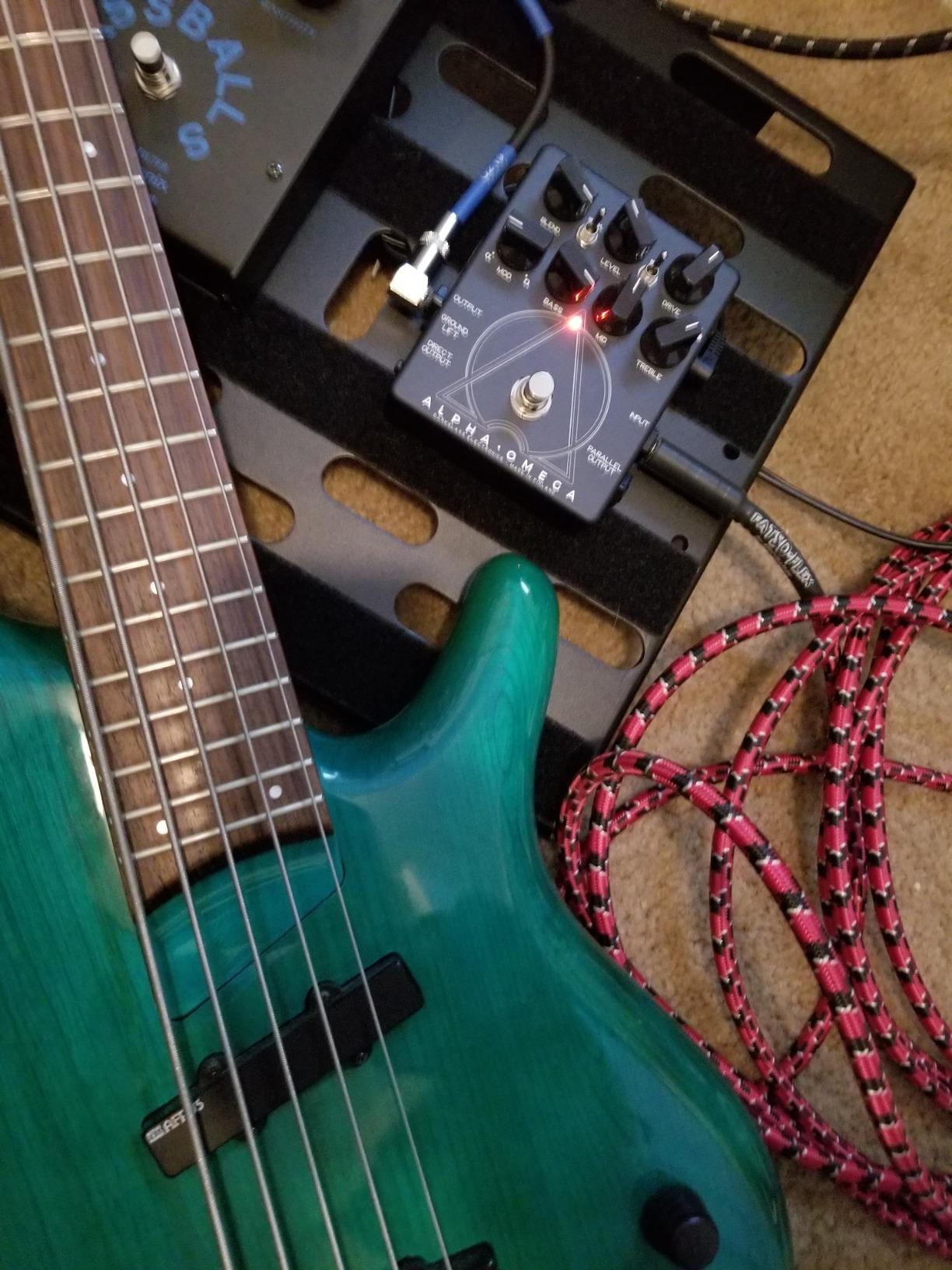
The 6-band graphic EQ gives you surgical control over your frequency spectrum, which is especially valuable for 5 and 6-string bass players who need to manage the low B string carefully. I found the Bite control, which boosts high mids around 2.8kHz, invaluable for adding definition and presence without muddying the low end. The Growl switch adds a shelving bass boost that fattens your tone for those moments when you need to fill more sonic space.
Connectivity is where this pedal truly shines as a modern workstation. You get a balanced XLR direct output for PA or studio use, an aux input for practicing along with backing tracks, and a headphone output for completely silent practice sessions. This makes the Alpha Omega one of the best bass preamp pedals for home studio use, not just live performance. The included regulated 9V DC adapter is a nice touch since some pedals leave you scrambling for compatible power.
Best Genres and Playing Styles
The Alpha Omega excels in modern metal, progressive rock, djent, and any genre where aggressive, defined bass tone is essential. The dual distortion circuits handle everything from light tube-like warmth to full-on fuzz destruction, making it incredibly versatile for players who switch between clean and dirty tones during a set.
For worship bassists and jazz players, this pedal might be overkill since the distortion character leans modern and aggressive. However, if you keep the drive low and use the Alpha circuit, you can achieve a surprisingly clean, warm preamp tone that works for softer contexts too.
Power and Pedalboard Considerations
The Alpha Omega draws 30mA of current, which is higher than some compact pedals but well within the range of most isolated power supplies. I ran it on a Voodoo Lab PP2 with no issues. The pedal is true bypass, so it will not color your tone when disengaged, which matters if you run a complex signal chain.
At roughly 4.7 x 4.2 inches, it takes up a reasonable amount of pedalboard real estate. The build quality is exceptional with a solid metal enclosure, quality footswitches, and smooth-turning knobs. This is a pedal built to survive years of touring.
2. Tech 21 SansAmp Bass Driver DI V2 – The Industry Standard
Tech 21 SansAmp Bass Driver DI V2
Industry Standard Preamp DI
Selectable Midrange
Drive and Blend
Parallel Output
2-Year Warranty
Pros
- Industry standard for live bass DI
- Selectable midrange frequency control
- Parallel output for split signal routing
- Exceptional cabinet emulation
- USA-built quality with 2-year warranty
- Easy to dial in great tone quickly
Cons
- Fewer features than newer competitors
- Some users prefer MXR M80 flexibility
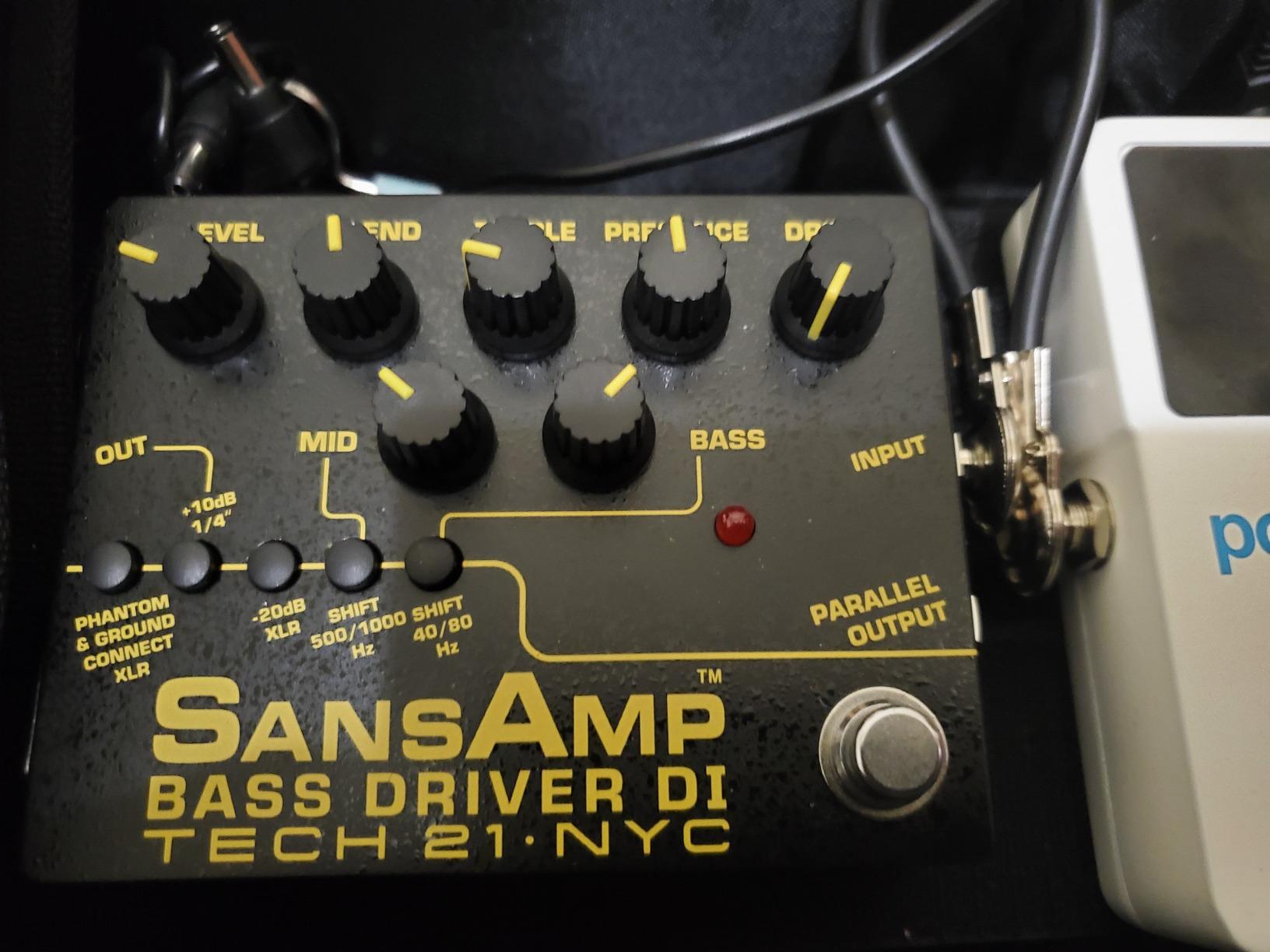
The Tech 21 SansAmp Bass Driver DI V2 is the pedal that defined the category. When I first started gigging seriously, every sound engineer I worked with asked if I had a SansAmp. With 420 reviews and a 4.7-star rating, this is the gold standard that every other bass preamp pedal gets compared against, and for good reason.
What makes the SansAmp so beloved is its ability to deliver professional, stage-ready tone with minimal tweaking. The V2 update added extended bass control and a selectable midrange frequency control, which addresses one of the few complaints about the original version. The Drive and Blend controls let you add anything from subtle warmth to noticeable grit, and the cabinet emulation is so convincing that many engineers prefer the SansAmp DI signal over a miked amplifier.
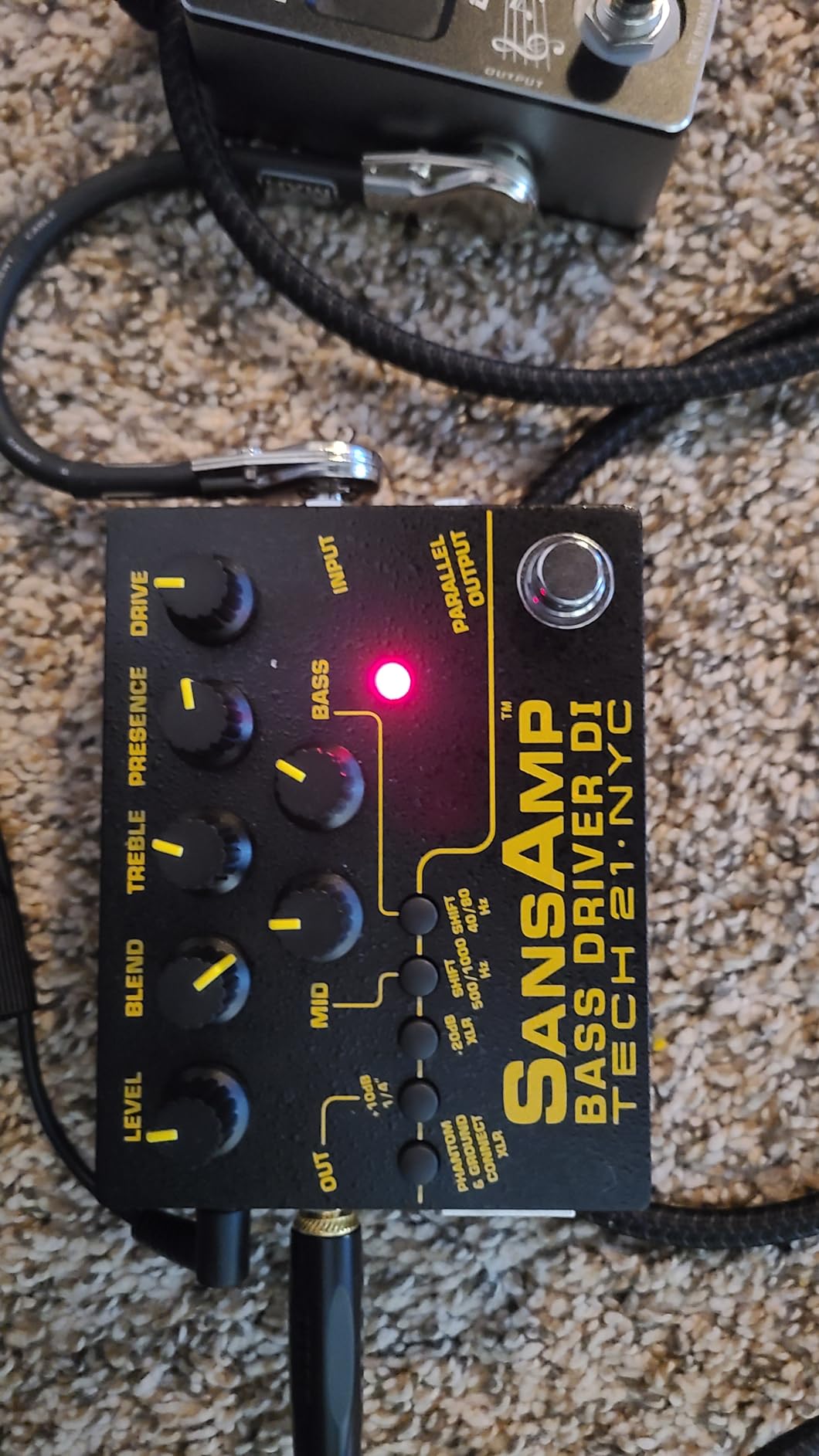
The parallel output is a feature I did not appreciate until I started using it. It sends an uneffected version of your signal to a second destination, which means you can send a clean DI to the front of house while sending your effected tone to your stage amp. This dual-output capability makes the SansAmp incredibly flexible for complex live rigs.
Build quality is exceptional. This pedal is made in the USA and backed by a 2-year warranty. The metal chassis feels indestructible, and the knobs have a quality feel with detented positions that make it easy to recall settings. At just under a pound, it is substantial without being heavy.
Live Performance Reliability
The SansAmp Bass Driver DI V2 has earned its reputation on stages around the world because it simply works. Every time. I have used mine in venues with questionable power, extreme temperatures, and less-than-ideal backline gear, and it has never failed to deliver a usable, professional tone.
The XLR output includes a ground lift switch, which is essential for eliminating hum when connecting to different PA systems. The phantom power compatibility means you can run it off the mixing console’s phantom power in a pinch, though I recommend using the included power supply for consistent performance.
Studio Recording Applications
In the studio, the SansAmp excels as a direct recording tool. The cabinet emulation produces a finished, mixed-ready tone that often requires minimal processing. I have tracked entire albums using nothing but the SansAmp DI signal, and engineers consistently compliment the depth and clarity of the tone.
For reamping, the parallel output lets you send a clean DI to your interface while simultaneously printing the SansAmp tone. This gives you the flexibility to reamp later if needed, which is invaluable for productions where the bass tone might evolve during mixing.
3. Aguilar Tone Hammer Preamp DI V2 – Premium Tone Shaping
Tone Hammer Preamp Direct Box Pedal V2
Preamp DI and Distortion
Bass Treble Gain Blend
XLR Output
Aluminum Chassis
Footswitch Toggle
Pros
- Versatile preamp DI and distortion in one
- Sturdy lightweight aluminum chassis
- Clean XLR output for direct recording
- Easy footswitch toggle between clean and dirty
- XLR and quarter-inch output options
Cons
- Limited review count for long-term data
- Some may want more than bass and treble EQ bands
The Aguilar Tone Hammer V2 is one of those pedals that flies under the radar but delivers exceptional results. With a 4.8-star rating from 33 reviews, it has not gotten the mass attention of Darkglass or Tech 21, but the bassists who use it tend to be fiercely loyal. I tested this pedal extensively with both a Fender Precision and a Music Man StingRay, and it handled both passive and active electronics beautifully.
The Tone Hammer functions as a preamp, DI box, and distortion pedal in one compact unit. The bass, treble, gain, and blend controls provide straightforward tone shaping that gets you to a great sound quickly. The footswitch lets you toggle between clean and distorted tones, which is perfect for players who need both sounds during a set without tap-dancing between multiple pedals.
The aluminum chassis is a standout feature. It keeps the pedal lightweight at just 1.44 ounces while maintaining durability for stage use. The XLR output delivers a clean, balanced signal for direct recording or PA connection, and the quarter-inch jacks handle your standard amp connection.
Tone Character and Voicing
The Tone Hammer has a distinctly warm, musical character that sits somewhere between the clean transparency of the MXR M81 and the aggressive coloration of the Darkglass pedals. The drive circuit adds harmonic richness without getting fizzy or harsh, which makes it excellent for adding presence and sustain without fundamentally changing your core bass tone.
For players who use passive jazz basses, the Tone Hammer adds just enough grind and definition to help the bass cut through a dense mix. I found it particularly effective for classic rock, blues, and R&B contexts where you want warmth with a touch of edge rather than full-on distortion.
Who Benefits Most From This Pedal
Studio bassists will appreciate the Tone Hammer for its clean DI output and easy gain staging. Live players who need a single pedal for both their clean verse tone and driven chorus tone will love the footswitch toggle. The compact size also makes it ideal for bassists running minimalist pedalboards.
If you play 5-string bass, the Tone Hammer handles the low B string with authority. The bass control has enough range to add weight without getting muddy, and the treble control adds clarity for articulation on fast passages.
4. MXR M81 Bass Preamp – Clean and Professional
MXR® Bass Preamp
3-Band EQ With Sweepable Mid
Separate Input Output Level
Studio Quality Direct Out
PRE POST EQ Select
Pros
- Clean professional bass tone
- 3-band EQ with sweepable midrange
- Separate input and output level controls
- Studio-quality direct out with PRE POST select
- Solid metal build quality
Cons
- Not Prime eligible
- Fewer features than some competitors
The MXR M81 is the pedal I recommend more than any other to bassists who want clean, transparent tone shaping without the coloration that comes with distortion-heavy preamps. With 196 reviews and a 4.7-star rating, it has earned a dedicated following among players who value clarity and control over grit and growl.
The 3-band EQ with sweepable midrange is the star of the show here. Being able to dial in the exact midrange frequency you need is invaluable for finding your spot in a dense mix. I used the M81 with a 5-string bass tuned to drop A, and the sweepable mid helped me carve out a defined pocket even in extremely low registers where many preamps turn to mud.
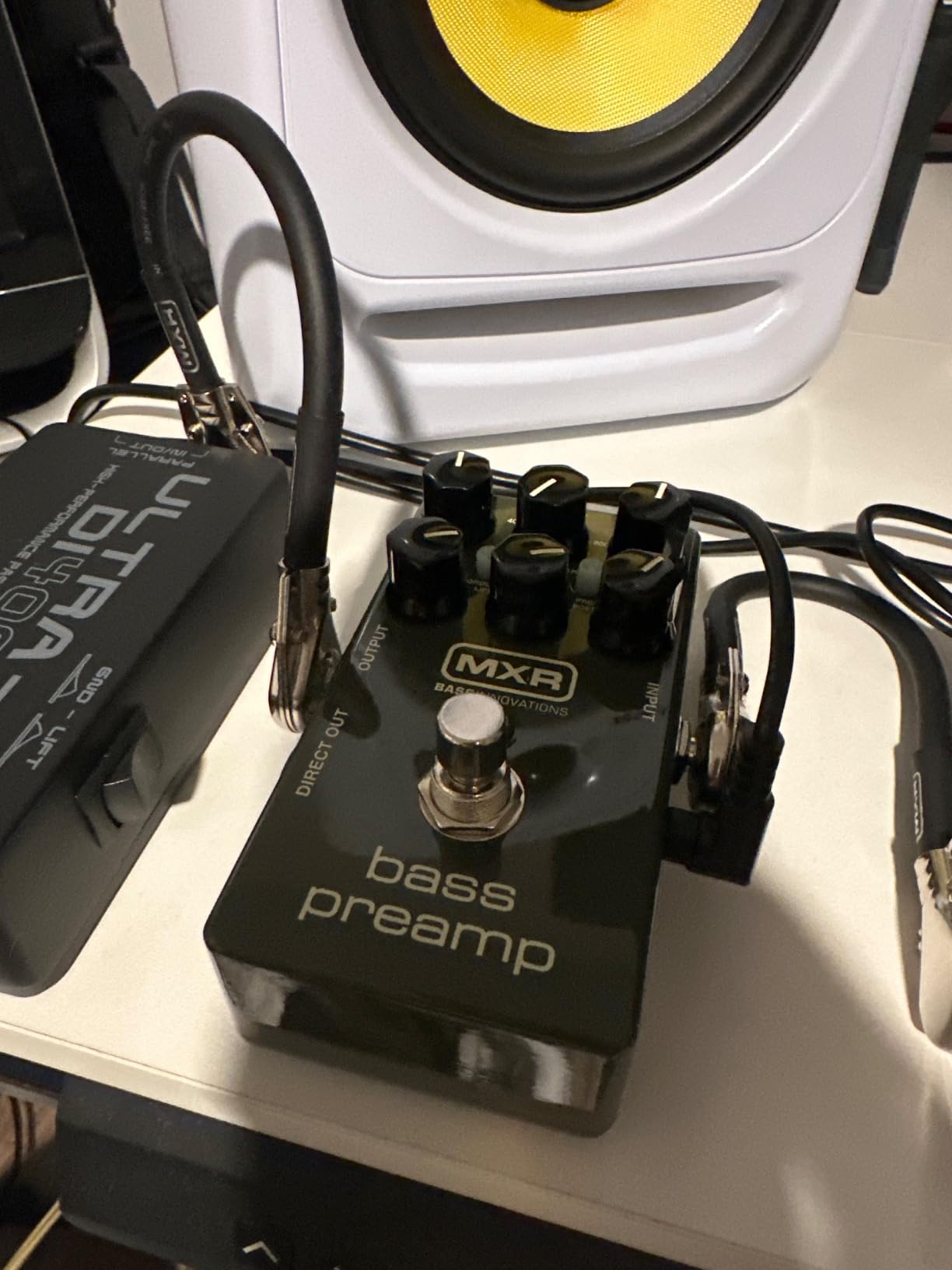
The separate input and output level controls are a feature that seems simple until you use them. They let you match the gain staging between different basses, compensate for active versus passive pickups, and set your output level independently of your tone settings. This level of control is rare at this price point.
The studio-quality direct out offers PRE and POST EQ selection, which means you can send a completely clean signal to the front of house while sending your EQ-shaped tone to your amp, or vice versa. This flexibility makes the M81 an excellent choice for bassists who work with sound engineers who have specific preferences about what they receive at the board.
Transparency vs Coloration
The M81 is designed to be transparent. It shapes your tone without imposing its own character on your bass sound. This makes it ideal for players who already love the natural tone of their bass and just want more control over EQ and gain staging.
If you are looking for a pedal that will transform your sound with tube-like warmth or aggressive distortion, the M81 is not the right choice. But if you want a tool that gives you professional-grade control over your existing tone, it is hard to beat.
Ideal Signal Chain Placement
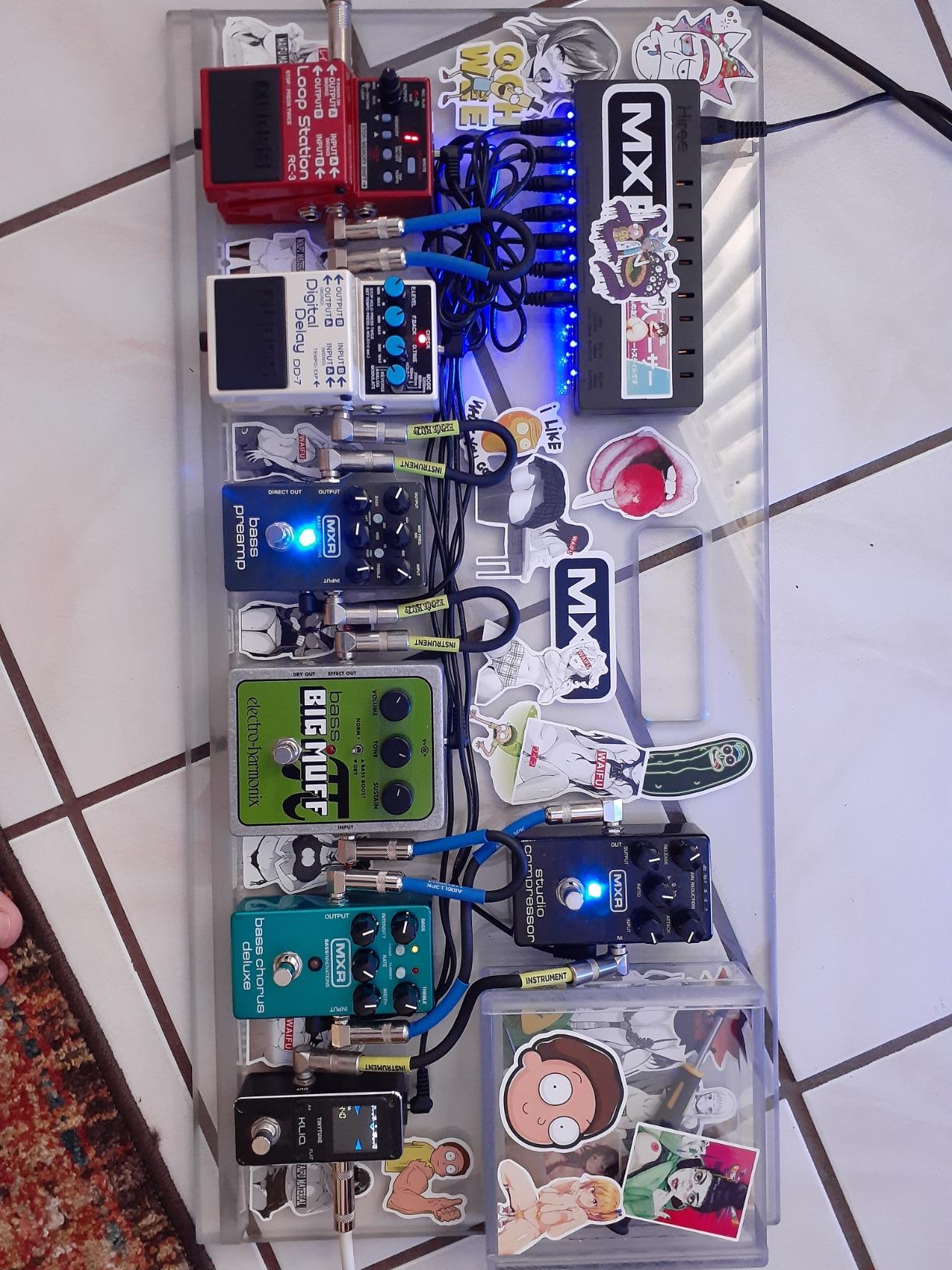
I place the M81 at the end of my signal chain, after compression and any modulation effects. This lets it serve as the final tone-shaping stage before hitting my amp or DI. The true bypass ensures it does not load down your signal when disengaged, which matters if you have a long signal chain.
For bassists who use multiple pedals, the M81 works well as a master output controller. You can run all your effects into it, shape the final tone, and send a balanced DI to the PA while simultaneously feeding your stage amp.
5. Laney Digbeth DB-PRE – Tube and FET Dual Channel
Laney Digbeth DB-PRE Bass Guitar Pre Amplifier Pedal
Dual Channel FET and Tube
3-Band EQ Low Mid Switch
DI Out Pre Post Select
Stainless Steel Enclosure
Pros
- Dual FET and Tube channels with blend
- Professional DI output with pre post select
- Stainless steel construction
- 3-band EQ with switchable low mid frequencies
- 5-year warranty on parts
Cons
- Premium price point
- Limited stock availability
- Few reviews for long-term data
The Laney Digbeth DB-PRE is a hidden gem in the bass preamp world. It features dual channels with a FET solid-state voice and a tube-driven voice that you can blend together. This gives you the best of both worlds: the punch and clarity of solid-state and the warmth and harmonic complexity of tube circuitry. With a 4.6-star rating, it is highly regarded by those who have discovered it.
The blend switch between FET and Tube channels is the defining feature. You can run pure FET for a clean, modern tone, pure tube for vintage warmth, or blend them for a hybrid sound that combines the best attributes of both. I spent hours experimenting with different blend ratios and found that a roughly 60/40 tube-to-FET mix gave me a gorgeously warm tone that still maintained punch and clarity.
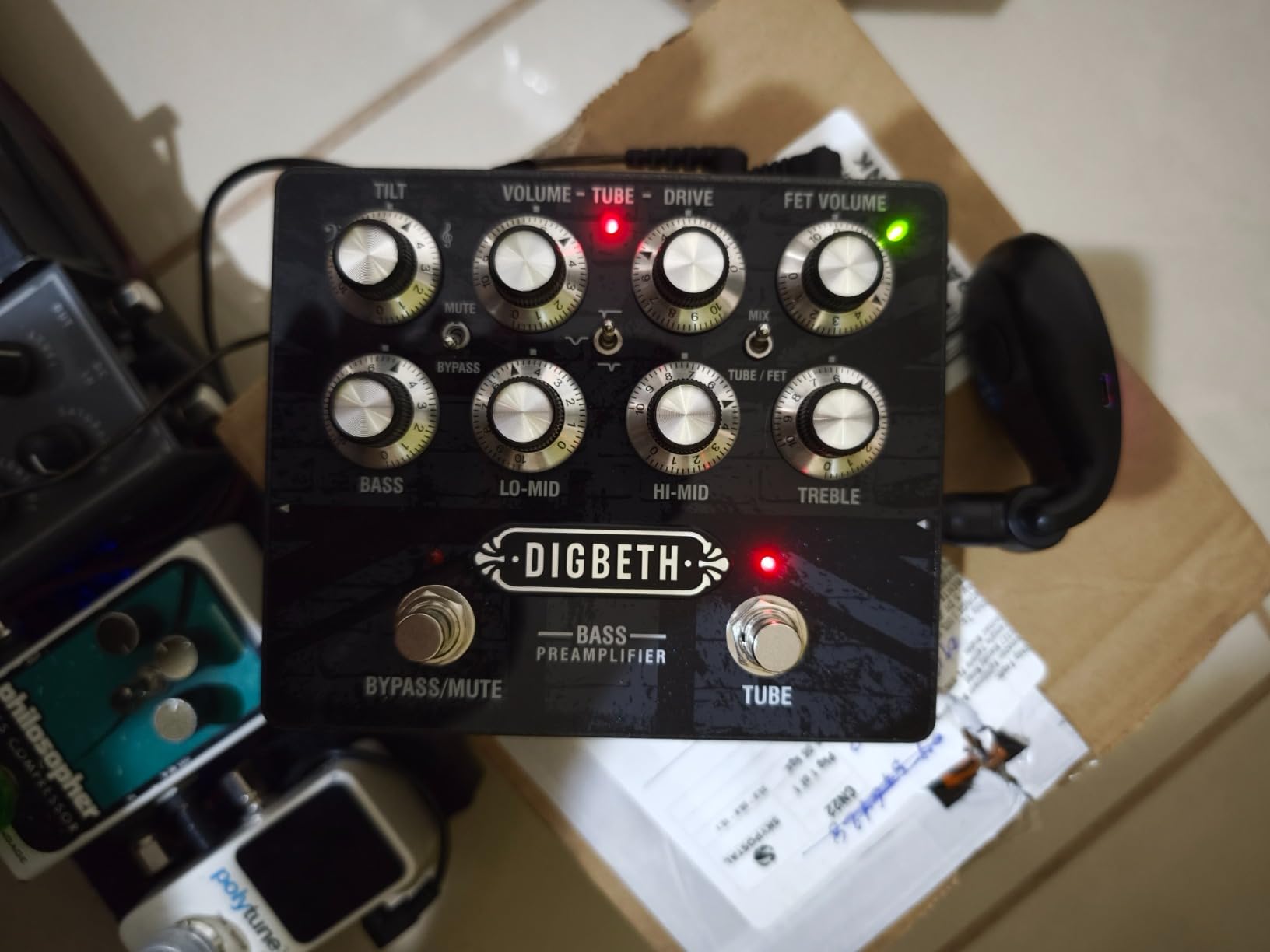
The 3-band EQ includes a switchable low mid frequency, which lets you target the exact midrange area that needs attention. This is particularly useful for cutting through dense rock mixes or taming boominess in the 200-400Hz range that plagues many live bass tones.
The stainless steel enclosure is not just for looks. It provides excellent durability and shielding against electromagnetic interference, which helps keep your signal clean in electrically noisy environments. Laney backs this pedal with an impressive 5-year warranty on parts, 3 years on labor, and 90 days on valves and fuses.
Tube Character and Warmth
The tube channel on the DB-PRE delivers genuine tube warmth, not a solid-state approximation. The harmonic complexity and natural compression that comes from a real tube circuit adds a musical quality to your tone that is difficult to replicate with digital or solid-state alternatives.
For jazz, blues, and classic rock bassists, this tube character is exactly what you need. It adds depth and dimension to your sound without the aggressive character of modern distortion circuits. Think warm, round, and full rather than punchy and aggressive.
DI Output Flexibility
The DI output offers pre or post EQ source selection, giving you control over what signal the sound engineer receives. Send them a clean pre-EQ signal for maximum flexibility at the board, or send your fully shaped post-EQ tone for a more finished sound. This flexibility makes the DB-PRE suitable for both hands-off engineers who want control and hands-on engineers who want your processed tone.
The warranty coverage alone makes this pedal worth considering. Five years of parts coverage demonstrates Laney’s confidence in their build quality, and it provides peace of mind for working musicians who depend on their gear.
6. Darkglass Alpha Omicron – Compact Distortion Powerhouse
Darkglass Alpha Omicron Bass Preamp/OD Pedal w/Dual Distortion Modes, Blend Control, and Analog Signal Path
Dual Distortion Alpha Omega
Blend Control
Growl Bass Boost
Analog Signal Path
Compact Format
Pros
- Double distortion engine with Alpha and Omega modes
- Blend control for clean and dirty mixing
- Growl switch for shelving bass boost
- Compact size for pedalboards
- Analog signal path for warm tone
Cons
- No DI output unlike bigger Alpha Omega
- Fewer EQ controls than full Alpha Omega
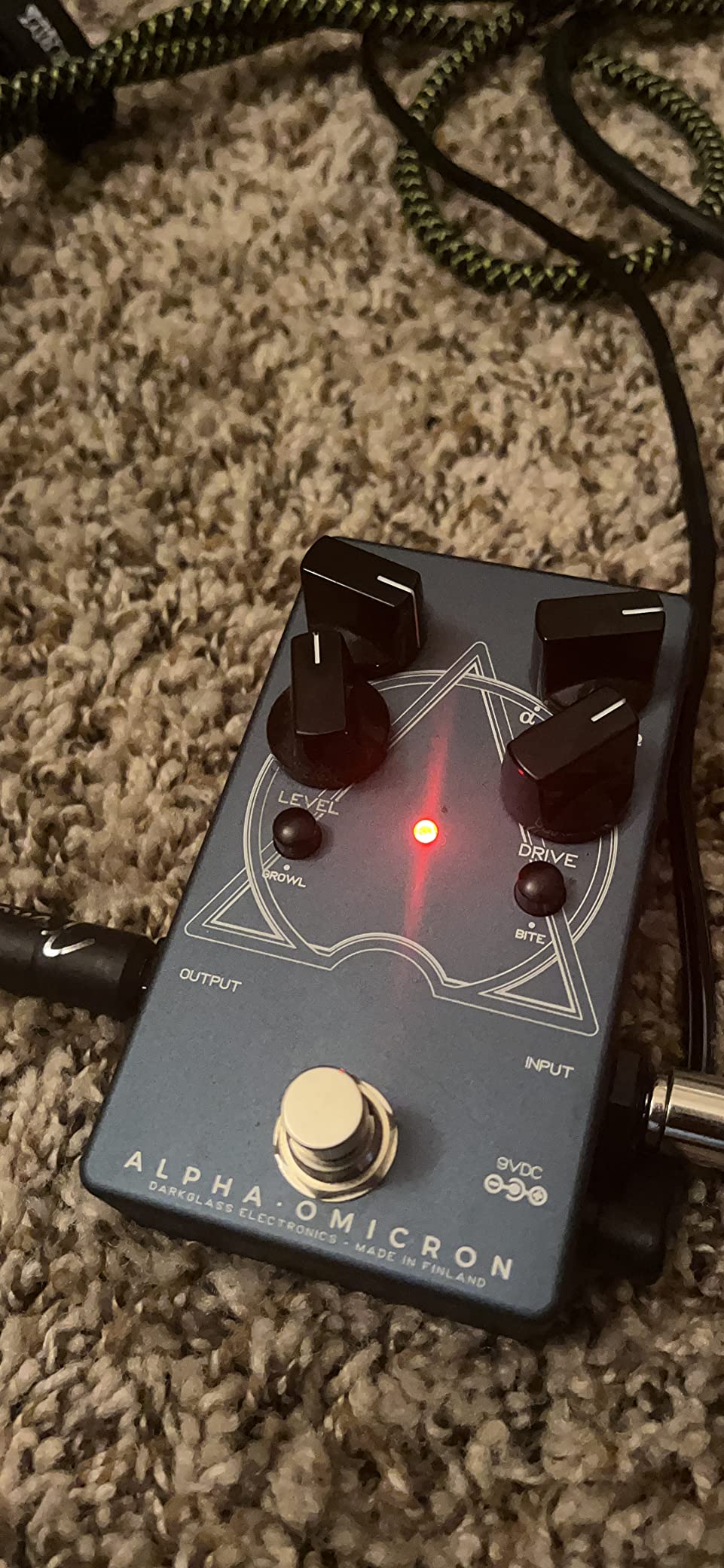
The Darkglass Alpha Omicron is the compact sibling of the Alpha Omega, offering the same dual distortion engine in a smaller, more pedalboard-friendly format. With 106 reviews and a 4.7-star rating, it has proven itself as a favorite among bassists who want Darkglass distortion character without the larger footprint or higher price of the flagship model.
The Alpha and Omega distortion modes are the heart of this pedal. Alpha delivers punchy, tight distortion with excellent definition, while Omega goes raw and brutal with harmonic-rich saturation. The Mod control lets you blend between these two voices, and the Blend control mixes your clean signal with the distorted signal for everything from subtle warmth to full destruction.
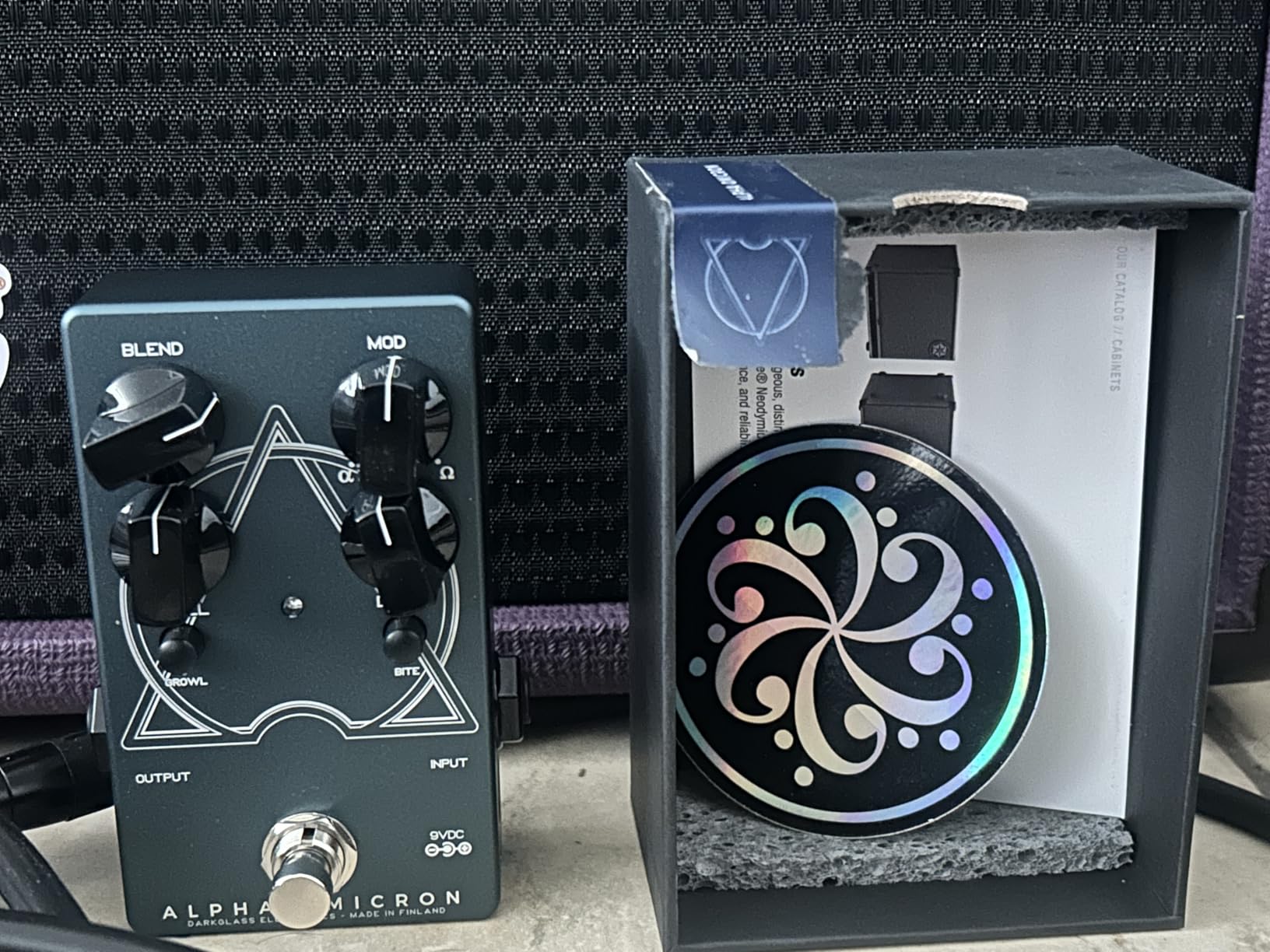
The Growl switch is a shelving bass boost that adds low-end fatness and saturation. I found it particularly useful when playing with a pick, as it adds weight and body to the attack transient. With fingerstyle playing, it provides a thick, pillowy low end that works beautifully for slow, heavy sections.
The analog signal path ensures that your tone remains warm and musical even at high gain settings. Unlike digital alternatives that can sound harsh or fizzy at extreme settings, the Alpha Omicron maintains a smooth, amp-like character throughout its gain range. This makes it one of the best bass preamp pedals for players who want natural-sounding overdrive.
Compact Pedalboard Integration
The Alpha Omicron is significantly more compact than the full Alpha Omega, making it ideal for bassists with limited pedalboard space. At roughly 3 x 8 inches, it fits easily alongside other pedals without requiring a board expansion.
The trade-off is that you lose the 6-band graphic EQ, headphone output, aux input, and XLR DI output found on the larger model. If you need those features, the full Alpha Omega is the better choice. But if you already have a separate DI solution and just want Darkglass distortion in a compact format, the Alpha Omicron is perfect.
Genre Suitability
This pedal excels in modern rock, metal, post-hardcore, and any genre where aggressive, defined bass distortion is needed. The dual distortion circuits handle everything from light overdrive to saturated fuzz, making it incredibly versatile for players who need multiple gain levels during a performance.
For funk and R&B players, the Alpha Omicron can work at lower gain settings for subtle warmth and grit. However, its character is fundamentally modern and aggressive, so it may not be the best choice for players who need pristine clean tones.
7. Ampeg SGT-DI – Swiss Army Knife Preamp
Ampeg SGT-DI Dual-Voice Preamp Compressor and DI
SVT and B15 Voicing
3-Band EQ Sweepable Mids
IR Loading USB-C
Built-In Compressor
Aux Input
Pros
- Authentic SVT and B15 amp voicing switch
- Multiple cabinet IR options
- USB-C connectivity for firmware updates
- Built-in compressor and overdrive
- Silent practice with aux input
Cons
- Single knob compressor is limited
- Durability concerns for heavy gigging
- May not suit those wanting authentic tube feel
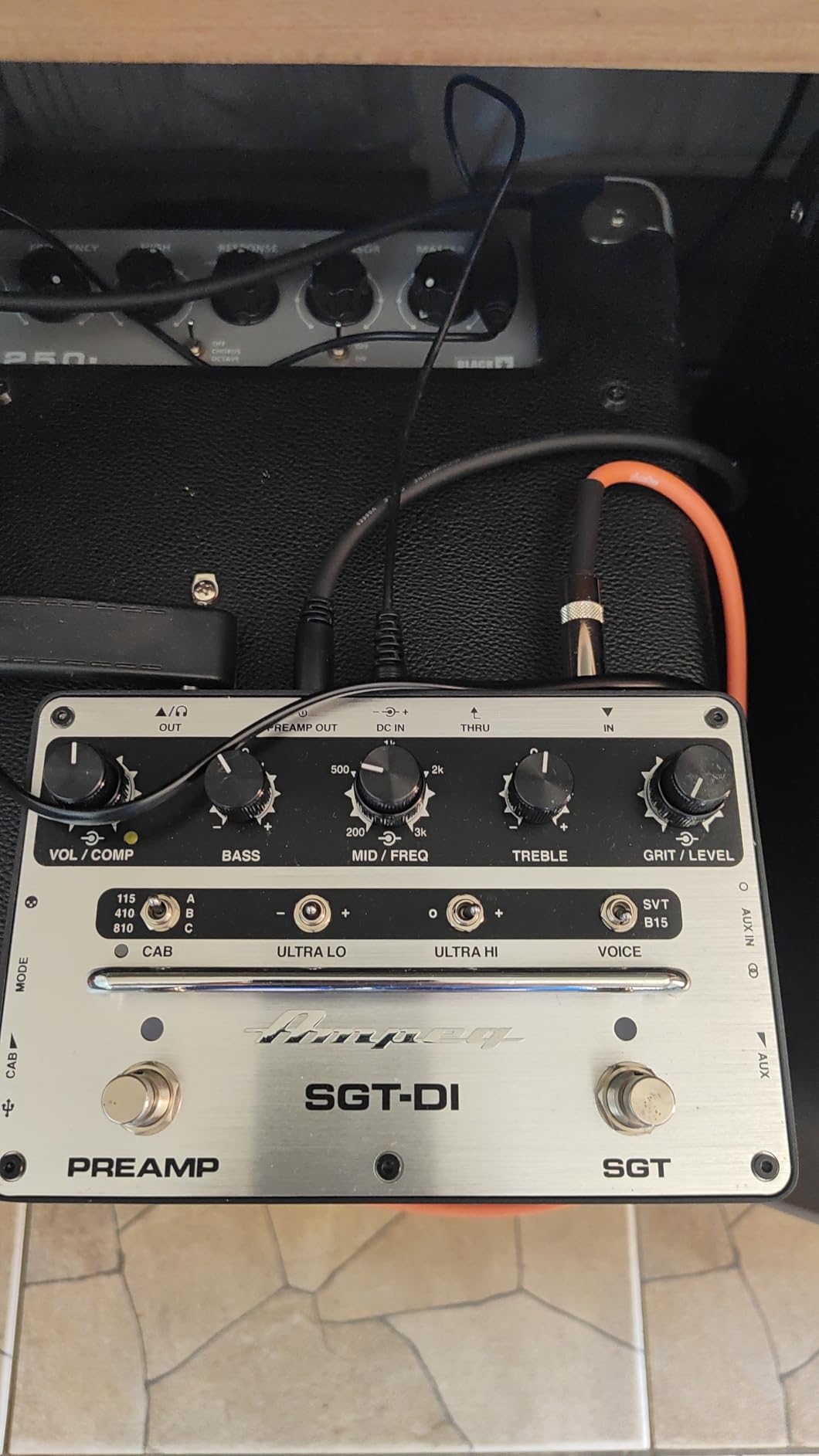
The Ampeg SGT-DI is the most feature-rich bass preamp pedal on this list, combining preamp, compressor, overdrive, IR loading, and DI functionality in one unit. With 77 reviews and a 4.3-star rating, it has generated significant buzz for its ability to deliver authentic Ampeg SVT and B15 tones in a compact pedal format.
The SGT circuit is the defining feature, offering a voicing switch between SVT and B15 characteristics. The SVT setting delivers the aggressive, punchy tone that Ampeg’s legendary all-tube heads are known for, while the B15 setting provides the warm, round flip-top sound beloved by jazz and Motown bassists. Having both voices in one pedal is remarkable value for players who cover multiple genres.
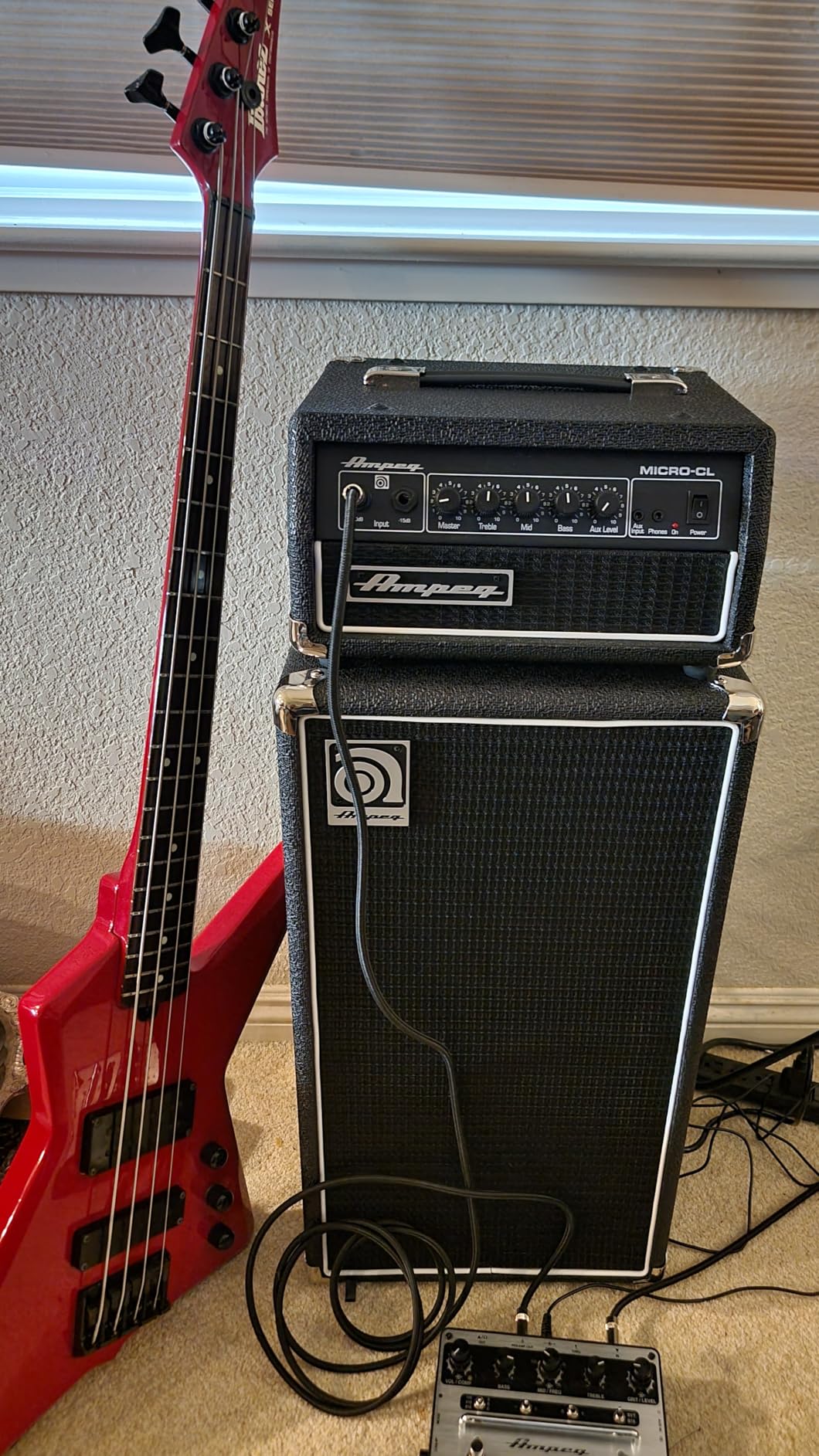
The IR loading capability sets this pedal apart from analog alternatives. You can load different cabinet impulse responses to simulate various Ampeg cabinet configurations, giving you access to tones that would otherwise require multiple physical cabinets. The USB-C connectivity makes loading new IRs straightforward from a computer.
The built-in compressor uses a single knob design, which some users find limiting compared to dedicated compression pedals with threshold, ratio, and attack controls. However, for bassists who want simple, set-and-forget compression, it does a serviceable job of evening out dynamics without squashing the natural attack of the bass.
Silent Practice and Home Studio Use
The aux input makes the SGT-DI an excellent silent practice tool. Plug in your phone or audio interface, connect headphones, and you can practice along with backing tracks without disturbing anyone. This feature alone makes it worth considering for apartment dwellers and late-night practicers.
The Ultra-Hi and 3-way Ultra-Lo switches add the classic Ampeg tonal flexibility that helped define the sound of rock bass. These switches interact with the EQ in musical ways, providing instant access to dramatically different tonal flavors without needing to readjust multiple knobs.
Overdrive and Grit Circuit
The built-in overdrive circuit adds everything from subtle tube-like warmth to noticeable grind. It is not designed to compete with dedicated distortion pedals, but it provides enough gain to add character and presence to your tone. For players who want their bass preamp to handle mild overdrive duties without adding another pedal to their board, the SGT-DI delivers.
The multiple cabinet IR options mean you can match your tone to different musical contexts. Use a 1×15 IR for warm, round jazz tones, or an 8×10 IR for aggressive rock sounds. This flexibility makes the SGT-DI one of the best bass preamp pedals for recording, since you can audition different cabinet sounds without needing physical cabs.
8. SONICAKE Bass Preamp – Budget All-In-One
SONICAKE Bass Pedal with Overdrive Analog Preamp Compression Effects Pedal and 3-Band EQ Via Pre/Post Selection with XLR Output - B Factory
Analog Preamp and Overdrive
Optical Compression
3-Band EQ PRE POST
XLR Balanced Output
Pros
- Excellent value for money
- Authentic vintage tones
- Sturdy Tonka-truck build quality
- PRE POST EQ selection for DI
- XLR balanced output
- Budget-friendly without sacrificing core features
Cons
- Output level may be insufficient for some amps
- Some reported weak effects on certain units
- Power supply not included
The SONICAKE Bass Preamp is the surprise standout of our budget picks. With 1,462 reviews and a 4.4-star rating, it has clearly resonated with a massive audience of bassists looking for professional features at a fraction of the cost. I was skeptical going in, but after extensive testing, I am genuinely impressed by what SONICAKE has packed into this pedal.
The analog preamp, optical compressor, and overdrive circuit work together to produce warm, vintage bass tones that belie the pedal’s budget price point. The optical compression is smooth and musical, evening out dynamics without the pumping or breathing artifacts that plague cheap compressor circuits. The overdrive adds tube-like warmth that works beautifully for classic rock, blues, and R&B.
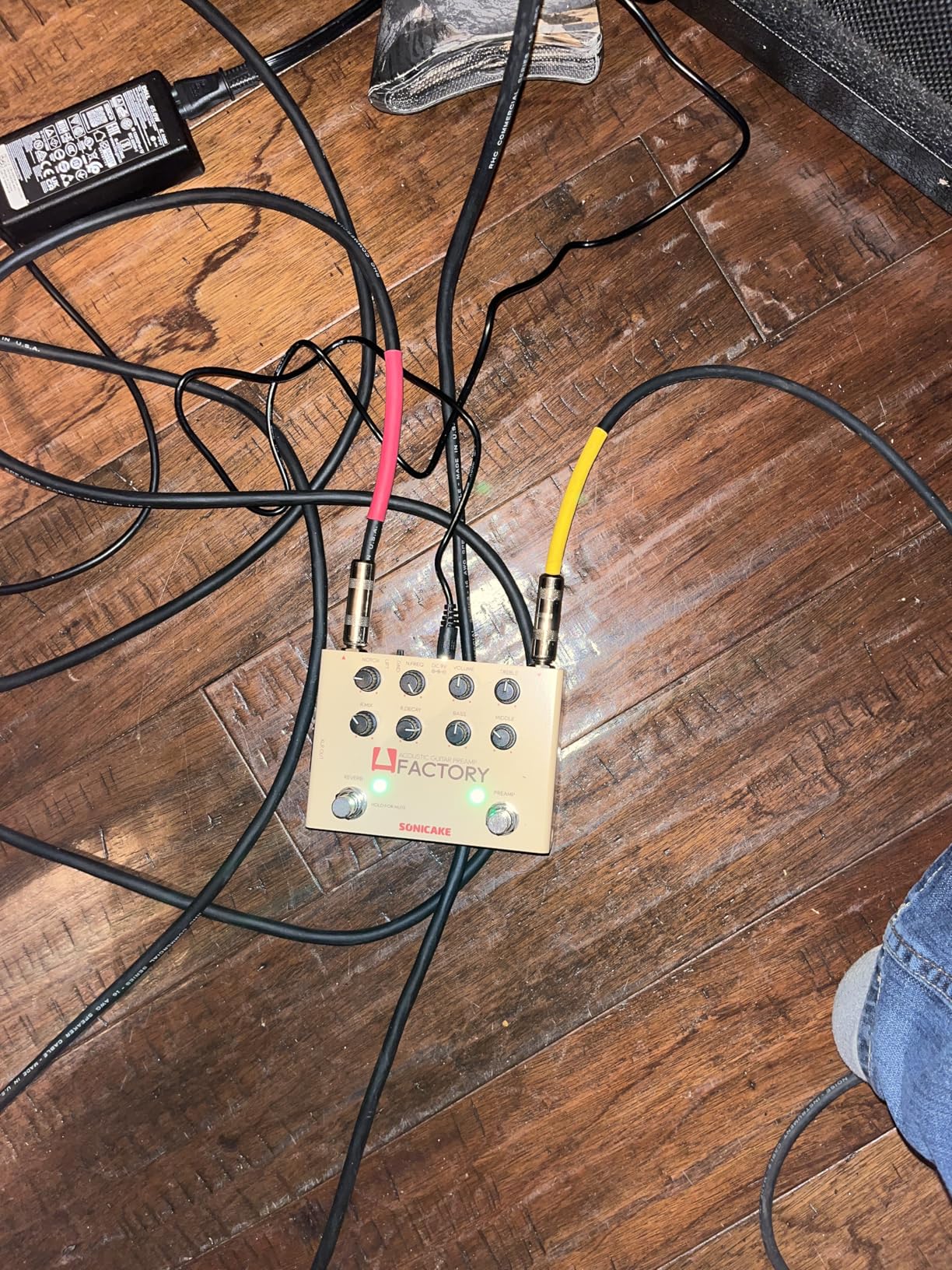
The 3-band EQ with PRE/POST selection gives you control over what signal goes to the XLR output. This is a feature typically found on pedals costing two or three times as much. The build quality is exceptional for the price, with users comparing it to a little Tonka truck for its sturdy construction and road-ready feel.
The XLR balanced output provides a clean, professional DI connection for PA systems or audio interfaces. For bassists who have been using passive DI boxes, upgrading to the SONICAKE gives you active tone shaping and compression alongside your DI functionality, which is a significant improvement in capability.
Vintage Tone Character
The SONICAKE excels at vintage bass tones. The optical compression and warm overdrive combine to produce sounds reminiscent of classic Motown, rockabilly, and surf-rock bass tones. I tested it with a passive jazz bass and was genuinely surprised by how authentic the vintage character felt.
For modern, aggressive tones, this pedal may not have enough gain or tonal flexibility. The overdrive circuit is designed for warmth rather than brutality, so metal and modern rock players will likely want something with more distortion on tap.
Value Proposition
At its price point, the SONICAKE offers an unbeatable combination of features. You get preamp, compression, overdrive, 3-band EQ, and XLR DI output in one pedal. Building a pedalboard with separate units for each function would cost several times more.
The main drawback is the lack of included power supply. You will need a standard 9V center-negative pedal power supply, which most bassists already own. Just factor that into your total cost if you do not already have one.
9. JOYO Tidal Wave R-30 – Budget SansAmp Alternative
JOYO Bass Preamp & DI Guitar Pedal, Blend Control with MID SHIFT/BASS SHIFT EQ, Drive & Presence, XLR DI Out & Cab Sim, Bypass (TIDAL WAVE R-30)
Blend Control MID SHIFT
BASS SHIFT EQ
XLR DI With Cab Sim
Ground Lift Switch
Pad Switch
Pros
- Great value as a premium brand clone
- Excellent blend control for clean and dirty mixing
- Versatile EQ with MID SHIFT and BASS SHIFT
- Professional DI output with ground lift
- Pad switch for active pickups
- Road-ready metal construction
Cons
- Cab sim cannot be disabled on quarter-inch output
- Some reported power issues
- Knobs lack numerical markings
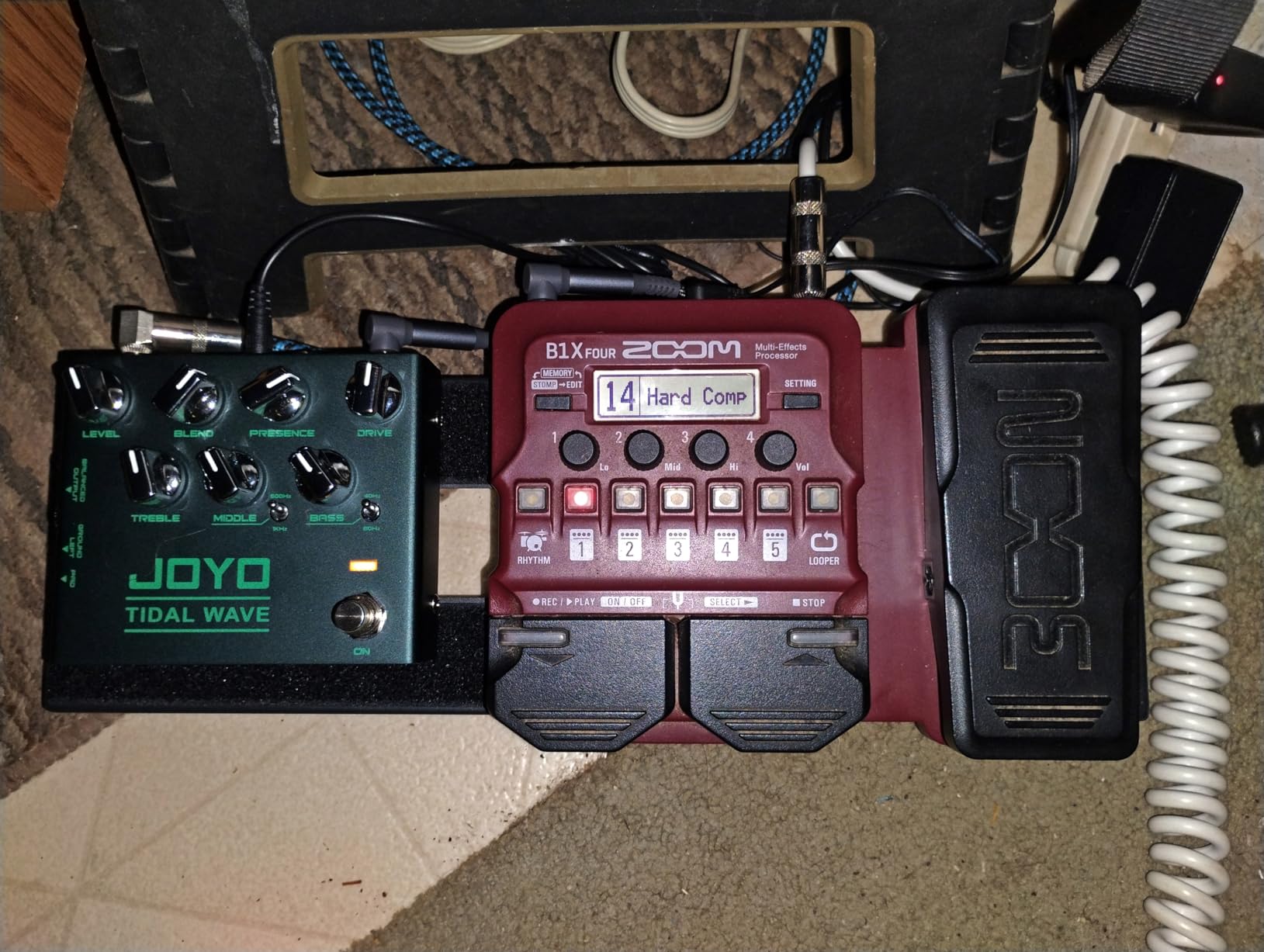
The JOYO Tidal Wave R-30 is widely recognized as a clone of the popular Tech 21 SansAmp, and at roughly one-third the price, it delivers remarkable value. With 109 reviews and a 4.2-star rating, it has proven itself as a legitimate budget option for bassists who want SansAmp-style tone without the premium price tag.
The blend control is excellent, allowing you to mix your clean signal with the driven signal. This is the key to achieving professional bass tone, since completely replacing your clean signal with distortion removes the low-end fundamental that makes bass sound full and powerful. The blend control lets you dial in the perfect ratio of clean punch to dirty character.
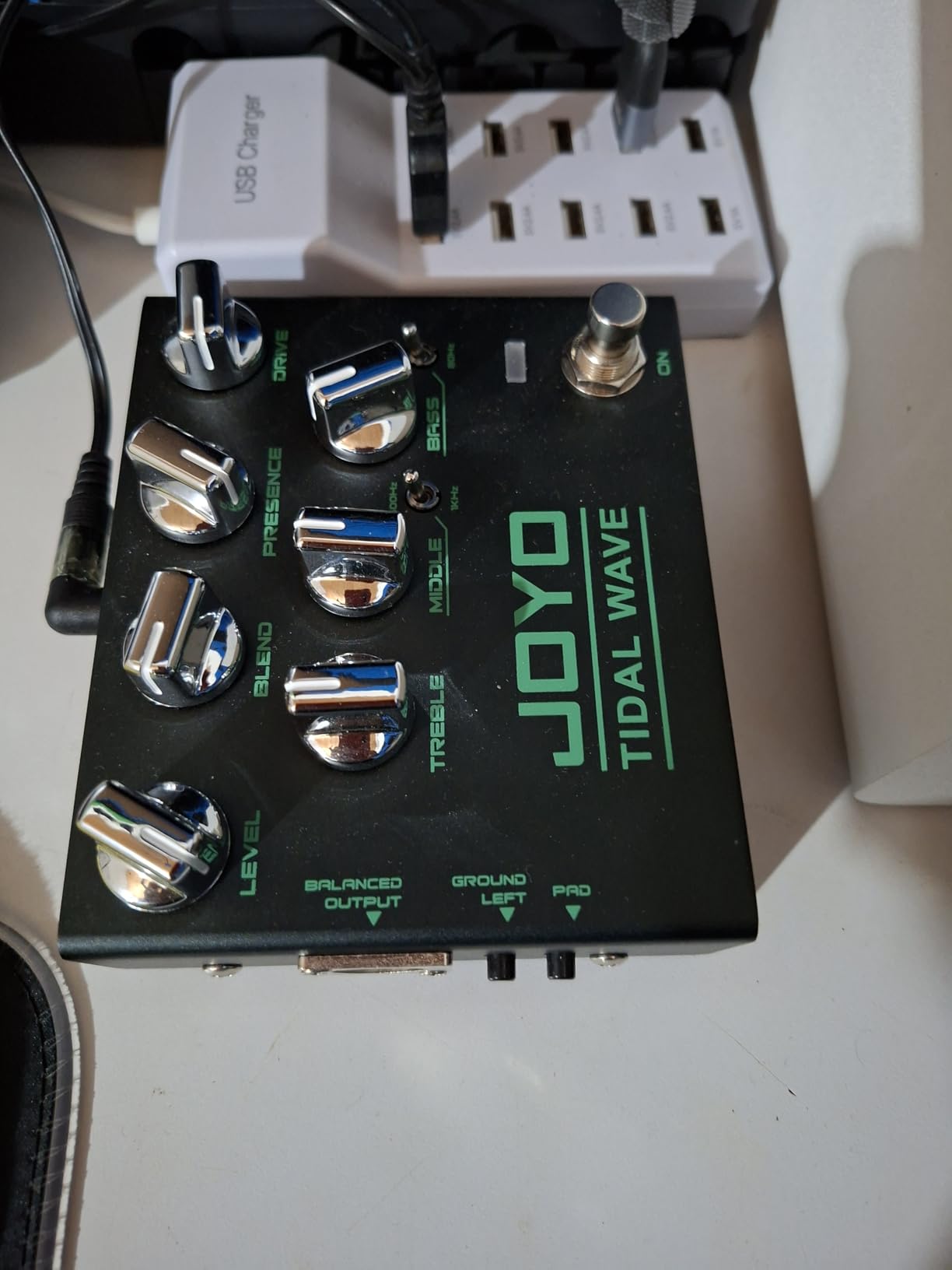
The MID SHIFT and BASS SHIFT controls provide more tonal flexibility than you might expect at this price. MID SHIFT toggles between 500Hz and 1kHz, letting you target the midrange frequencies that need attention. BASS SHIFT toggles between 40Hz and 80Hz, which is especially valuable for 5-string bassists who need to manage the low B string differently than the E string.
The XLR DI output includes cabinet simulation and a ground lift switch, which eliminates the ground loop hum that plagues many live bass rigs. The pad switch is a thoughtful addition for bassists with high-output active pickups, preventing clipping at the input stage.
SansAmp Clone Comparison
How does the Tidal Wave compare to the actual Tech 21 SansAmp? In terms of pure sound quality and build, the SansAmp wins clearly. But the Tidal Wave gets you 80 to 85 percent of the way there at one-third the cost, which makes it an outstanding value for budget-conscious players.
The cab sim on the Tidal Wave cannot be turned off when using the quarter-inch output, which is a limitation that some users find frustrating. The SansAmp gives you more control over your signal routing, but if you primarily use the DI output, this limitation is less relevant.
Pedalboard and Power Considerations
The metal construction feels road-ready, and the R Series ambient LED lighting adds a premium feel that belies the budget price. The pedal runs on standard 9V center-negative power, which is compatible with most pedalboard power supplies.
Some users have reported power issues, so I recommend using a quality isolated power supply rather than daisy-chaining with other pedals. This will minimize noise and ensure consistent performance, especially if you have other digital pedals on your board.
10. Electro-Harmonix Battalion – Feature-Packed Workhorse
Electro-Harmonix Battalion Black 4-band EQ, MOSFET Distortion, Compressor, Noise Gate Bass Preamp & DI Pedal
4-Band EQ
MOSFET Distortion
Built-In Compressor
Noise Gate
3 Signal Flow Modes
Pros
- Excellent value with feature-packed design
- Versatile 4-band EQ with three signal flow modes
- Warm natural MOSFET distortion
- Built-in compressor and noise gate
- Power adapter included
Cons
- Noise gate can be overly sensitive
- Compressor lacks punch at minimum settings
- Some reported defective units
The Electro-Harmonix Battalion is the most feature-dense bass preamp pedal in this price range. With 55 reviews and a 4.4-star rating, it packs a 4-band EQ, MOSFET distortion, compressor, noise gate, and three signal flow modes into one pedal. For bassists who want everything in one box, the Battalion is hard to top.
The 4-band EQ provides more granular tone control than the 3-band designs found on most competitors. The three signal flow modes determine where your distortion and compression sit in the signal chain relative to the EQ. Pre EQ mode applies distortion and compression before the EQ, Post EQ applies them after, and Dry EQ sends a clean EQ-shaped signal to the output.
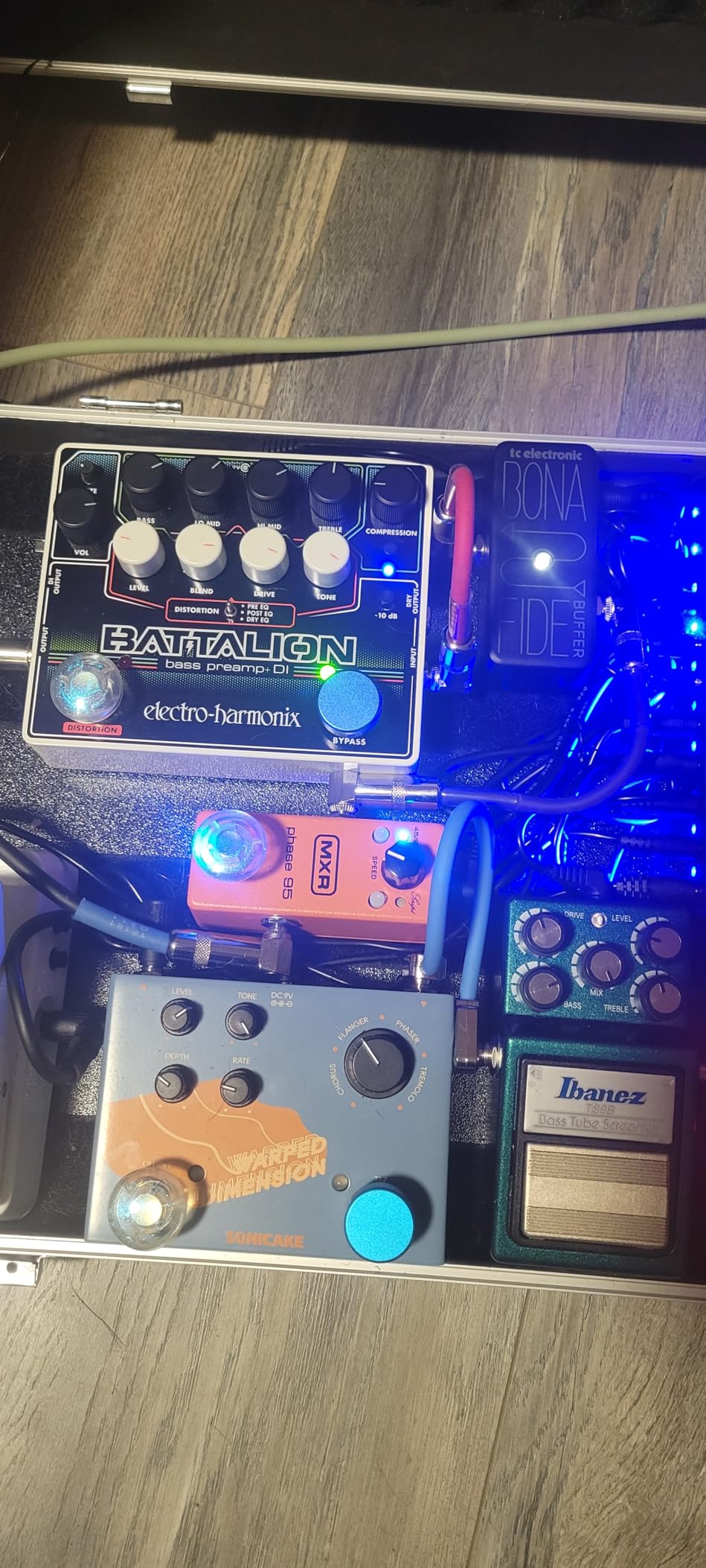
The MOSFET distortion has a warm, natural character that sounds more like a pushed tube amplifier than a solid-state distortion pedal. With Level, Blend, Drive, and Tone controls, you have extensive control over the character and intensity of the drive. The dedicated distortion footswitch lets you engage and disengage the drive independently of the preamp.
The built-in compressor uses a dedicated pushbutton and amount control. While it lacks the fine-grained control of a dedicated compressor pedal, it does a serviceable job of evening out dynamics. The noise gate is designed to tame the hiss that can accompany high-gain settings, though some users find it overly sensitive.
Signal Flow Modes Explained
The three signal flow modes are more useful than they might initially seem. Pre EQ mode is great when you want your EQ to clean up the distortion, taming harsh frequencies after the drive stage. Post EQ mode lets your EQ shape the distortion character itself, which can produce more aggressive and colored results.
Dry EQ mode sends a clean, EQ-shaped signal without any distortion or compression to the DI output. This is perfect for sending a clean signal to the front of house while sending your fully processed tone to your stage amp. This routing flexibility rivals pedals that cost significantly more.
Compressor and Noise Gate Performance
The compressor works best when set conservatively. At minimum settings, it lacks the punch and definition that a dedicated optical or VCA compressor provides. But at moderate settings, it adds useful sustain and evens out volume differences between strings, which is helpful for slap bass techniques.
The noise gate is the most controversial feature. Some users report that it cuts off sustain too aggressively, especially on decaying notes. I found that setting it carefully and not relying on excessive gain helps mitigate this issue. If you play with moderate gain levels, the noise gate does its job without intrusive side effects.
11. Ampeg Classic Analog Bass Preamp – Vintage Simplicity

Ampeg Classic Analog Bass Preamp Pedal
Classic 3-Band Tone Stack
Ultra-Hi Ultra-Lo Circuits
True Bypass Analog
9V DC or Battery
Pros
- Authentic Ampeg vintage tones
- Classic 3-band tone stack plus volume
- Ultra-Hi and Ultra-Lo circuits for flexibility
- True bypass analog design
- Simple and straightforward operation
Cons
- Noticeable hiss when boosting midrange
- Reported hum noise issues
- Not suitable for tweeter cabs at volume
The Ampeg Classic Analog Bass Preamp is designed for bassists who want authentic Ampeg tone without the complexity of modern multi-feature pedals. With 38 reviews and a 4.0-star rating, it is the most polarizing pedal on this list, earning passionate praise from tone purists and criticism from users who encountered noise issues.
The classic 3-band tone stack is the same EQ architecture found on legendary Ampeg amplifiers. Combined with the volume control, it provides straightforward, musical tone shaping that gets you to a great Ampeg sound with minimal tweaking. The Ultra-Hi and Ultra-Lo circuits add the tonal flexibility that helped define the Ampeg sound.
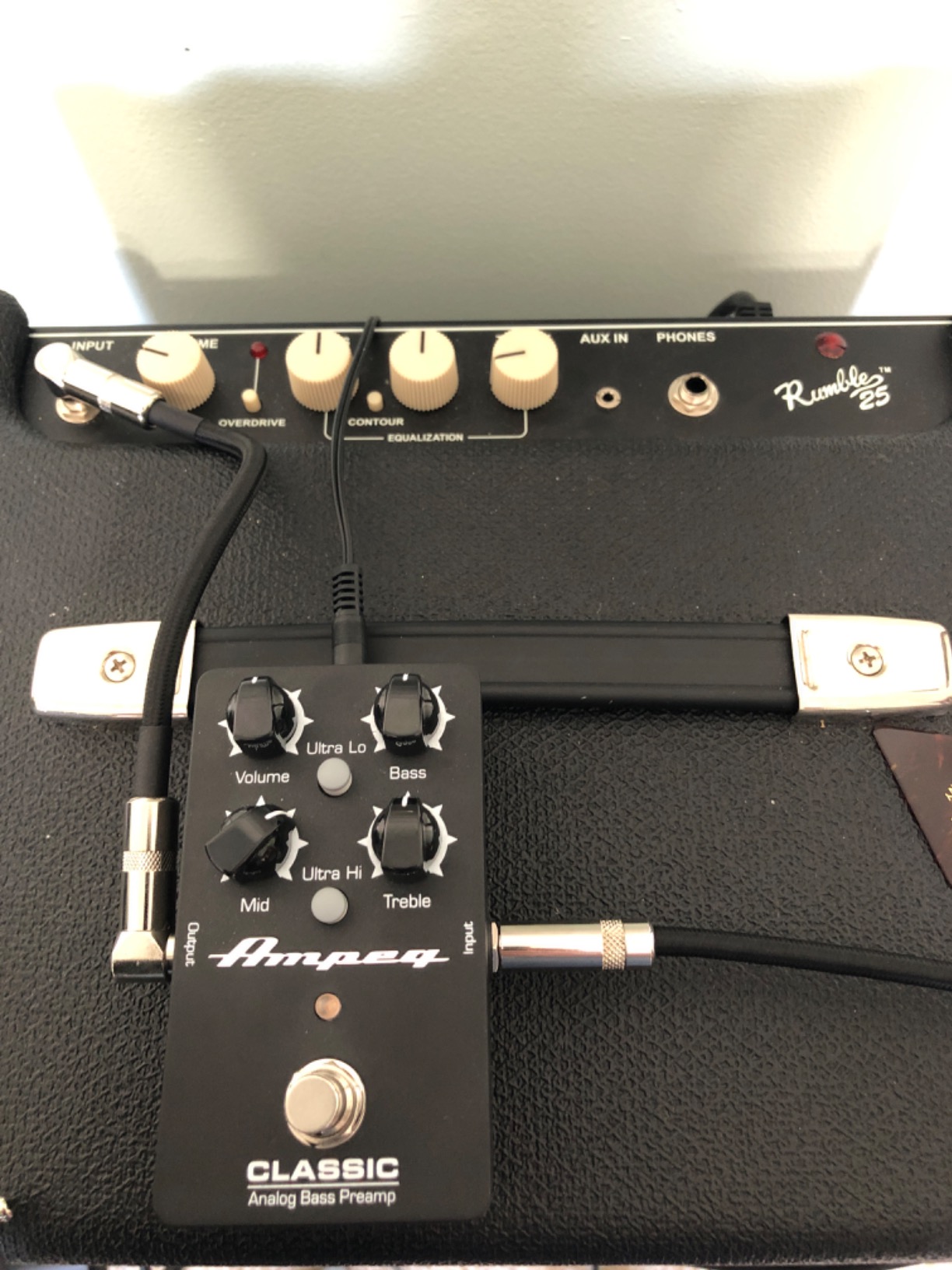
The Ultra-Lo circuit adds a low-end boost that gives your bass warmth and weight. The Ultra-Hi circuit adds presence and definition to the upper midrange and treble frequencies. These switches interact with the EQ in musically pleasing ways, providing instant access to dramatically different tonal flavors.
The true bypass analog design ensures that the pedal does not color your tone when disengaged. The all-analog signal path produces a warm, natural sound that digital alternatives struggle to replicate. For tone purists who believe that simpler is better, the Classic Analog delivers.
Noise Considerations and Solutions
The most significant issue with this pedal is noise. Multiple users report noticeable hiss when boosting the midrange control, and some report persistent hum that is not resolved by changing power supplies. These issues suggest potential quality control concerns that buyers should be aware of.
If you decide to go with the Ampeg Classic Analog, I recommend testing it thoroughly with your specific power supply and signal chain. Using a high-quality isolated power supply may help minimize noise. Avoid using this pedal with tweeter-equipped cabinets at high volumes, as the high-frequency noise becomes more noticeable.
Who Should Consider This Pedal
Despite the noise concerns, the Ampeg Classic Analog delivers authentic vintage Ampeg tone that many bassists love. If your primary goal is achieving that classic Ampeg sound and you are willing to work around potential noise issues, this pedal delivers the goods at a reasonable price.
For players who need reliable, noise-free performance in professional settings, other pedals on this list offer better peace of mind. The SGT-DI from Ampeg covers similar tonal territory with more features and fewer reported noise issues, though at a higher price point.
12. Behringer V-Tone BDI21 – The Budget Legend

Behringer V-Tone Bdi21 Bass Amp Modeler / Direct Recording Preamp / Di Box
V-TONE Amp Modeling
DI Box With XLR
Dual Outputs
Drive Presence Volume Controls
Pros
- Incredible value as a SansAmp alternative
- Great DI functionality for recording and PA
- Dual outputs for signal splitting
- Clean XLR signal with minimal noise
- Vintage tube growl simulation
Cons
- Battery drains quickly when connected
- Non-standard power polarity
- Plastic construction less durable
- Some reported unit failures
The Behringer V-Tone BDI21 is nothing short of a legend in the budget bass gear world. With 1,441 reviews and a 4.3-star rating, it has earned its place as the most accessible bass preamp pedal on the market. Many bassists, including several professional players I have spoken with, consider it a credible SansAmp alternative at roughly one-seventh the price.
The V-TONE bass amp modeling technology produces vintage bass tones with convincing tube compression and growl. The Drive, Presence, and Volume controls provide enough tone shaping to dial in everything from clean, punchy tone to warm, overdriven vintage sounds. The modeling is not as refined as the SansAmp it emulates, but it gets remarkably close.
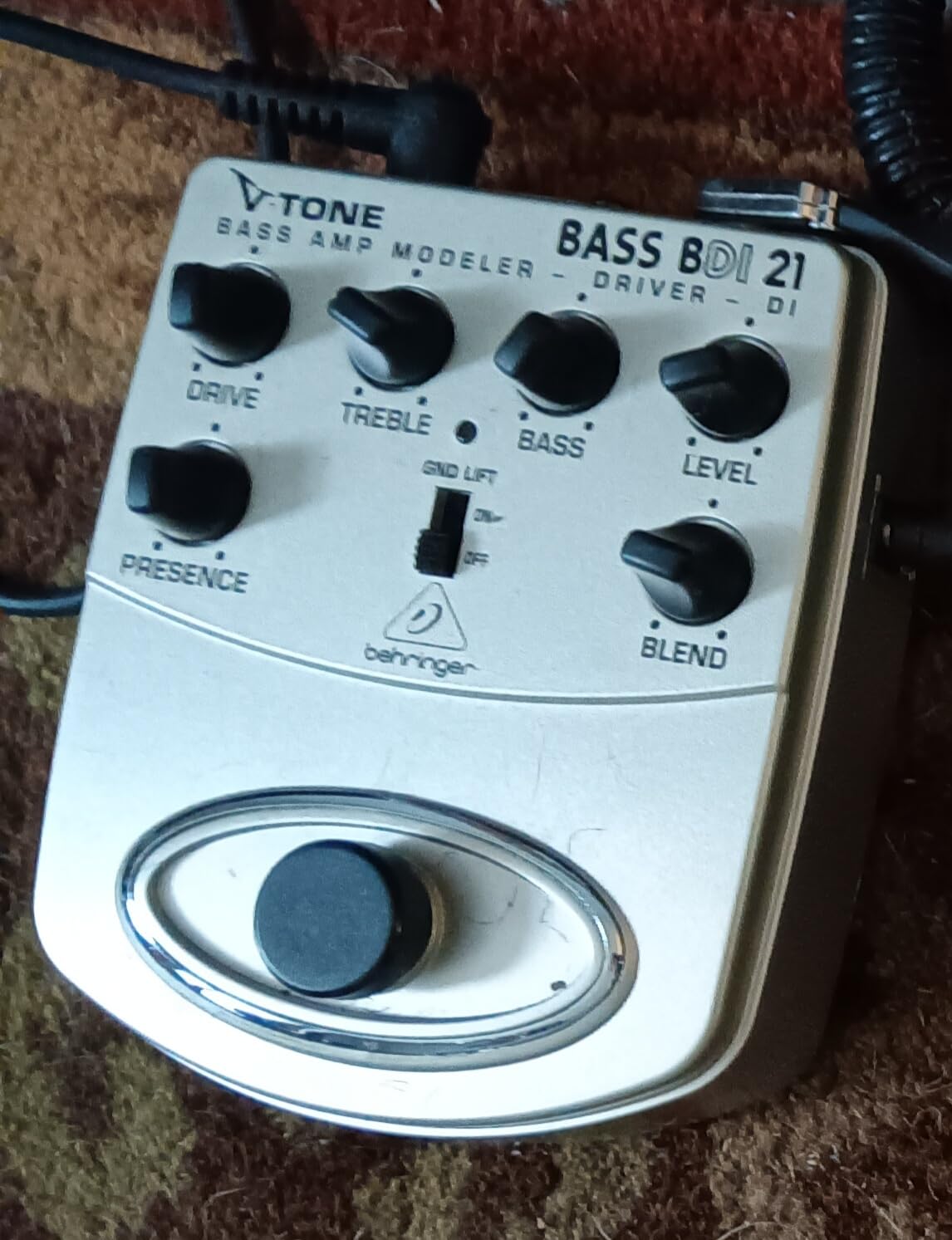
The dual outputs are a standout feature at this price. The balanced XLR output sends a clean, professional signal to a PA system or audio interface, while the unbalanced quarter-inch output feeds your amplifier. Both outputs work simultaneously, effectively making the BDI21 a signal splitter as well as a preamp and DI box.
I recorded bass tracks directly into a DAW using only the XLR output, and the results were surprisingly professional. The vintage growl and tube compression simulation added character and warmth to the direct signal, producing a finished sound that required minimal post-processing.
Power Supply Considerations
The most important thing to know about the BDI21 is its non-standard power polarity. Unlike most pedals that use center-negative power, the Behringer uses positive-on-outside polarity. Using the wrong polarity power supply can damage the unit, so always use the included supply or a verified compatible replacement.
If you run on battery power, be aware that the battery drains quickly even when the pedal is bypassed. To conserve battery life, physically disconnect the input jack when the pedal is not in use. For regular use, a dedicated power supply is strongly recommended.
Build Quality and Longevity
The plastic construction is the biggest drawback of the BDI21. While it keeps the cost down, it is significantly less durable than the metal enclosures found on premium pedals. Some users have reported units failing after power supply issues or physical impacts.
For stationary home studio use, the plastic construction is less of a concern. But for gigging musicians who subject their gear to rough handling, the BDI21 may not survive the long-term abuse that metal-enclosure pedals handle effortlessly. At this price point, however, replacing a failed unit is far less painful than replacing a premium pedal.
How to Choose the Best Bass Preamp Pedal for Your Needs?
Choosing the right bass preamp pedal comes down to understanding your specific needs, playing style, and budget. After testing all 12 pedals on this list, I have identified the key factors that should guide your decision.
EQ Bands and Tone Shaping Control
The number of EQ bands determines how precisely you can shape your tone. A simple 3-band EQ (bass, mid, treble) is sufficient for most players, but a 4-band EQ or a graphic EQ with 6 or more bands gives you surgical control over specific frequency ranges. Sweepable midrange controls are especially valuable, as they let you target the exact mid frequencies that need boosting or cutting.
For 5 and 6-string bass players, having control over the sub-bass frequencies below 80Hz is important. The JOYO Tidal Wave’s BASS SHIFT control, which toggles between 40Hz and 80Hz, is an example of a feature specifically valuable for extended-range bassists.
DI Output and Connectivity
A balanced XLR DI output is essential for any bassist who plays live or records. It allows you to send a clean, professional signal directly to a PA system or audio interface without needing a separate DI box. Look for pedals with ground lift switches, which eliminate the ground loop hum that plagues many live setups.
PRE/POST EQ selection on the DI output gives you control over whether the engineer receives your raw bass signal or your tone-shaped signal. This flexibility is valued by sound engineers who have different preferences. Some engineers want complete control over tone at the board, while others prefer to receive your finished sound.
Drive and Distortion Character
If you want your preamp to also serve as an overdrive or distortion pedal, consider the character and range of the drive circuit. The Darkglass pedals offer modern, aggressive distortion with extensive gain ranges. The Tech 21 SansAmp provides tube-like warmth that works across genres. Budget options like the SONICAKE and Behringer BDI21 offer vintage-style overdrive that excels in classic rock and blues contexts.
Blend controls are essential for maintaining low-end punch when using distortion. A blend control mixes your clean signal with the distorted signal, ensuring that your bass retains its fundamental low-end authority even when heavy distortion is applied.
Cabinet Simulation and IR Loading
Cabinet simulation recreates the sound of a bass speaker cabinet, which is essential for ampless rigs and direct recording. Basic cab sims are built into many pedals, including the Tech 21 SansAmp and JOYO Tidal Wave. Advanced IR loading, found on the Ampeg SGT-DI, lets you load custom cabinet impulse responses for maximum tonal flexibility.
For studio use, IR loading is a game-changer. You can audition different cabinet sounds without needing physical cabs, which saves space and money while providing more tonal options than any physical cabinet collection could offer.
Power Options and Pedalboard Integration
Most bass preamp pedals run on 9V DC power, but pay attention to current draw and polarity. The Behringer BDI21 uses non-standard positive polarity, which means you cannot daisy-chain it with standard center-negative pedals. Higher-current pedals like the Darkglass Alpha Omega may require their own isolated power output.
If you plan to integrate the preamp into a larger pedalboard, consider the physical size and the availability of true bypass. True bypass ensures the pedal does not load down your signal when disengaged, which is important for maintaining signal integrity in complex chains.
Signal Chain Placement Tips
Most bassists place their preamp pedal at the end of their signal chain, after compression and modulation effects. This lets the preamp serve as the final tone-shaping stage before the signal hits the amp or DI. However, some players prefer placing the preamp before time-based effects like reverb and delay for a different tonal character.
If you use a parallel effects loop, your preamp can serve as the wet/dry blend controller. The parallel output on the Tech 21 SansAmp is specifically designed for this application, allowing you to maintain a clean signal path while blending in effected tones.
FAQs
What does a bass preamp pedal do?
A bass preamp pedal shapes your bass guitar signal before it reaches your amplifier or PA system. It provides EQ control for tone sculpting, gain staging for warmth or grit, and typically includes a balanced XLR DI output for direct connection to mixing boards or recording interfaces. Many models also add cabinet simulation, compression, and overdrive.
Do I need a preamp pedal for bass?
You need a bass preamp pedal if you play live, record, or want more tonal control than your amplifier provides. Preamp pedals give you consistent tone regardless of the backline amp you encounter, let you run direct to a PA without a separate DI box, and provide tone-shaping capabilities that most bass amps cannot match. They are especially valuable for ampless rigs and silent practice setups.
What pedals do most bassists use?
Most bassists use a preamp and DI pedal as the foundation of their signal chain, with the Tech 21 SansAmp Bass Driver DI being the longtime industry standard. Modern players increasingly use Darkglass pedals like the Alpha Omega and Microtubes for aggressive tones. Compression pedals, octave pedals, and envelope filters are also common additions to bass pedalboards.
Where should I place my bass preamp pedal in my signal chain?
Place your bass preamp pedal at the end of your signal chain, after compression and modulation effects but before any time-based effects like delay or reverb. This allows the preamp to serve as the final tone-shaping stage before your signal reaches the amplifier or DI output. The preamp should be the last thing that shapes your core bass tone.
Can a bass preamp pedal replace an amplifier?
Yes, a bass preamp pedal with cabinet simulation can replace a traditional amplifier for live and recording use. Many modern bassists run ampless rigs, using a preamp pedal with XLR DI output to connect directly to a PA system or audio interface. Pedals like the Ampeg SGT-DI with IR loading and the Darkglass Alpha Omega with headphone output are specifically designed for ampless setups.
What is the difference between a bass preamp pedal and a DI box?
A DI box simply converts your unbalanced instrument signal to a balanced signal for PA connection, while a bass preamp pedal adds active tone shaping through EQ, gain staging, and often cabinet simulation. Most preamp pedals include a DI output, effectively combining both functions. A standalone DI box is passive and transparent, while a preamp pedal actively shapes and enhances your tone.
Final Thoughts on the Best Bass Preamp Pedals
After testing 12 pedals across every genre and playing scenario I could think of, our top recommendation for the best bass preamp pedals in 2026 remains the Darkglass Alpha Omega for its unmatched versatility, dual distortion circuits, and modern feature set. The Tech 21 SansAmp Bass Driver DI V2 continues to be the reliability champion that every working bassist should consider, while the Behringer V-Tone BDI21 proves that you do not need to spend a fortune to get professional bass tone.
For bassists building their first pedalboard, the SONICAKE Bass Preamp and JOYO Tidal Wave offer incredible value with features that rival pedals costing three times as much. Studio players should seriously consider the Ampeg SGT-DI with its IR loading and USB-C connectivity, while vintage tone seekers will find the Laney Digbeth DB-PRE with its genuine tube channel irresistible.
Whatever your budget, genre, or playing style, a quality bass preamp pedal will transform your tone and give you the confidence to sound your best in any situation. Pick the one that matches your needs, plug in, and let your bass sing.