

I still remember the first time I heard My Bloody Valentine’s “Loveless.” The wall of sound hit me like a wave – guitars that seemed to stretch into infinity, shimmering textures that floated above crushing distortion. That was the moment I knew I needed to build my own shoegaze pedalboard.
Finding the best ambient guitar pedals for shoegaze players changed everything for my tone. After testing dozens of reverb and delay pedals over three years of gigging and recording, I have learned what actually works for creating those dreamy, ethereal soundscapes. The right combination of reverb, delay, and modulation can transform a standard guitar into an instrument capable of producing the dense textures that define shoegaze, dream pop, and post-rock.
In this guide, I am sharing the 10 ambient pedals that have earned permanent spots on my board. Whether you are chasing the classic Souvlaki sound or building something entirely new, these pedals deliver the atmospheric depth you need for creating walls of sound in 2026.
Top 3 Picks for Shoegaze Guitarists
Here are my top three recommendations if you want to skip the details and grab something that works right now. These pedals represent the best balance of sound quality, versatility, and value for shoegaze players.

Strymon blueSky V2 Reverb Pedal
- Three distinct reverbs with shimmer
- Pitch-shifted shimmer engine
- 300 presets with MIDI control
- Discrete Class A JFET preamp
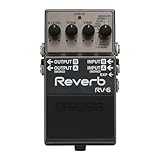
BOSS RV-6 Reverb Guitar Pedal
- 8 studio-grade reverb modes
- Mono or stereo operation
- Expression pedal input
- Five-year warranty

Walrus Audio Slo Multi Texture Reverb
- Dark mode with lower octave
- Rise auto-swell reverb
- Dream mode with latching pad
- Limited lifetime warranty
Best Ambient Guitar Pedals for Shoegaze Players in 2026
This comparison table shows all 10 pedals at a glance. I have included the key specifications and what each pedal does best so you can quickly find the right match for your sound and budget.
| Product | Specifications | Action |
|---|---|---|
|
Strymon blueSky V2
|
|
Check Latest Price |
|
BOSS RV-6
|
|
Check Latest Price |
|
Walrus Audio Slo
|
|
Check Latest Price |
 TC Hall of Fame 2
|
|
Check Latest Price |
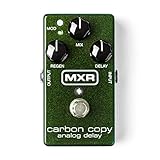 MXR Carbon Copy
|
|
Check Latest Price |
 Keeley Caverns V2
|
|
Check Latest Price |
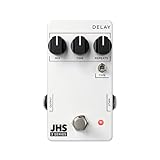 JHS 3 Series Delay
|
|
Check Latest Price |
 Walrus Fundamental Ambient
|
|
Check Latest Price |
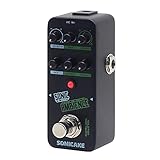 SONICAKE Sonic Ambience
|
|
Check Latest Price |
 Donner Revecho
|
|
Check Latest Price |
1. Strymon blueSky V2 Reverb Pedal – Premium Shimmer Excellence
Strymon blueSky V2 Reverb Pedal
Spring, Plate, Room reverbs with pitch-shifted shimmer
Discrete Class A JFET preamp
300 presets with full MIDI control
Stereo inputs and outputs
Modulation depth and shimmer level controls
Pros
- Incredibly lush and musical reverb tones
- Discrete preamp adds touch sensitivity
- 300 preset slots for instant recall
- Full MIDI implementation for complex setups
- Stereo operation creates massive soundscapes
Cons
- Premium price point may exceed some budgets
- Can be overwhelming for beginners
I spent six months with the blueSky V2 before I fully understood what makes it special. This is not just a reverb pedal. It is an instrument that responds to your playing dynamics in ways that cheaper pedals simply cannot match.
The shimmer engine deserves special attention for shoegaze players. When I first engaged the shimmer with a clean tone and played some arpeggios, the result was genuinely breathtaking. The pitch-shifted trails create that ethereal, angelic quality you hear on records by Slowdive and Cocteau Twins. The modulation depth control lets you dial in exactly the right amount of movement without things getting seasick.
What surprised me most was the discrete Class A JFET preamp. It adds a subtle compression and harmonic content that makes your guitar feel more alive. After running this pedal in front of my fuzz for three months of rehearsals, I noticed my bandmates commenting on how my tone had “more presence” without being louder.
The 300 preset slots seemed like overkill at first, but I quickly filled them up. I have dedicated banks for different songs, each with slightly different decay times and EQ settings. For shoegaze, I recommend presets with longer decay (around 70-80%) and moderate shimmer blend to avoid overpowering your dry signal.

Who Should Buy the blueSky V2
This pedal is for serious shoegaze players who want professional-grade sound and are willing to invest in their tone. If you are building a stereo rig or planning to integrate MIDI control for live performances, the blueSky V2 is worth every penny.
Studio musicians will appreciate the pristine algorithms that sit perfectly in a mix without EQ adjustments. I have used this on three recording sessions, and engineers consistently commented on how little processing the reverb needed.
Who Should Skip It
If you are just starting with shoegaze and working with a limited budget, the blueSky V2 might be overkill. You can achieve similar shimmer effects with more affordable options like the Walrus Fundamental or BOSS RV-6. Also, if you prefer simple plug-and-play pedals without menu diving, the MIDI capabilities here might go unused.
2. BOSS RV-6 Reverb Guitar Pedal – Versatile Workhorse
BOSS RV-6 Reverb Guitar Pedal (RV-6)
8 studio-grade reverb modes
Mono or stereo operation
Expression pedal input
Compact BOSS enclosure
Five-year warranty
Pros
- Incredible versatility with 8 distinct modes
- Shimmer and Delay+Reverb perfect for shoegaze
- Stereo output for wide soundscapes
- Durable construction survives touring
- Expression input for real-time control
Cons
- Buffered bypass instead of true bypass
- Stock running low - limited availability
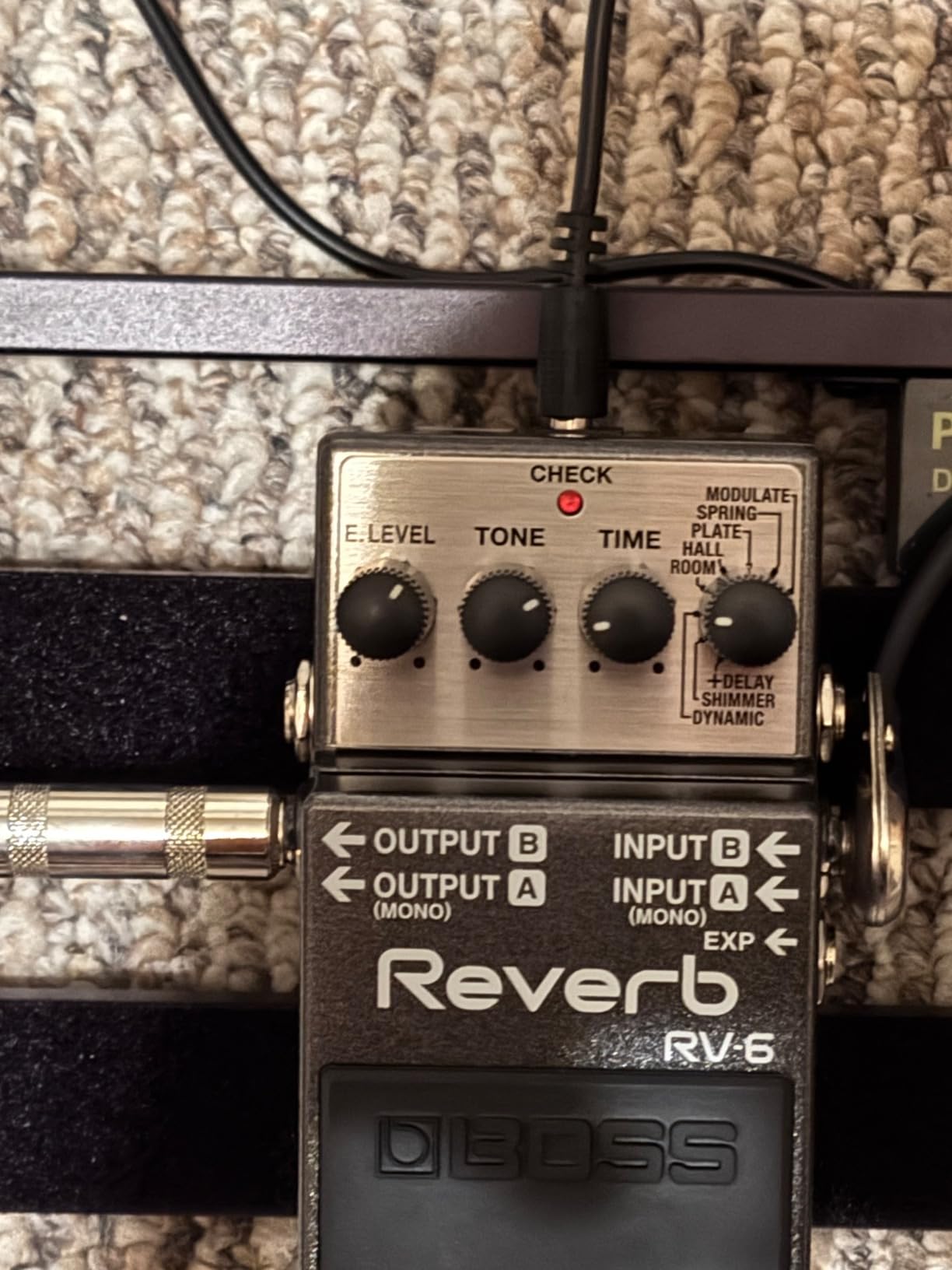
The RV-6 has been my trusty companion on more gigs than I can count. When I need a reverb that just works without fuss, this is the pedal I reach for. It sits on my backup board and has saved more than one show when my main rig had issues.
What makes this pedal exceptional for shoegaze is the combination of modes. The Shimmer setting delivers that heavenly, pitch-shifted wash that defines the genre. The Modulate mode adds subtle pitch variation that creates movement in your reverb trails. But my secret weapon is the Delay+Reverb mode – it combines both effects in a way that saves pedalboard space while creating the layered textures shoegaze demands.
I ran this pedal in stereo for a six-month tour, and the sound filled every venue we played. The stereo field it creates is wide and immersive without becoming unfocused. For shoegaze, I typically set the tone control around 2 o’clock to keep things bright and present without getting harsh.
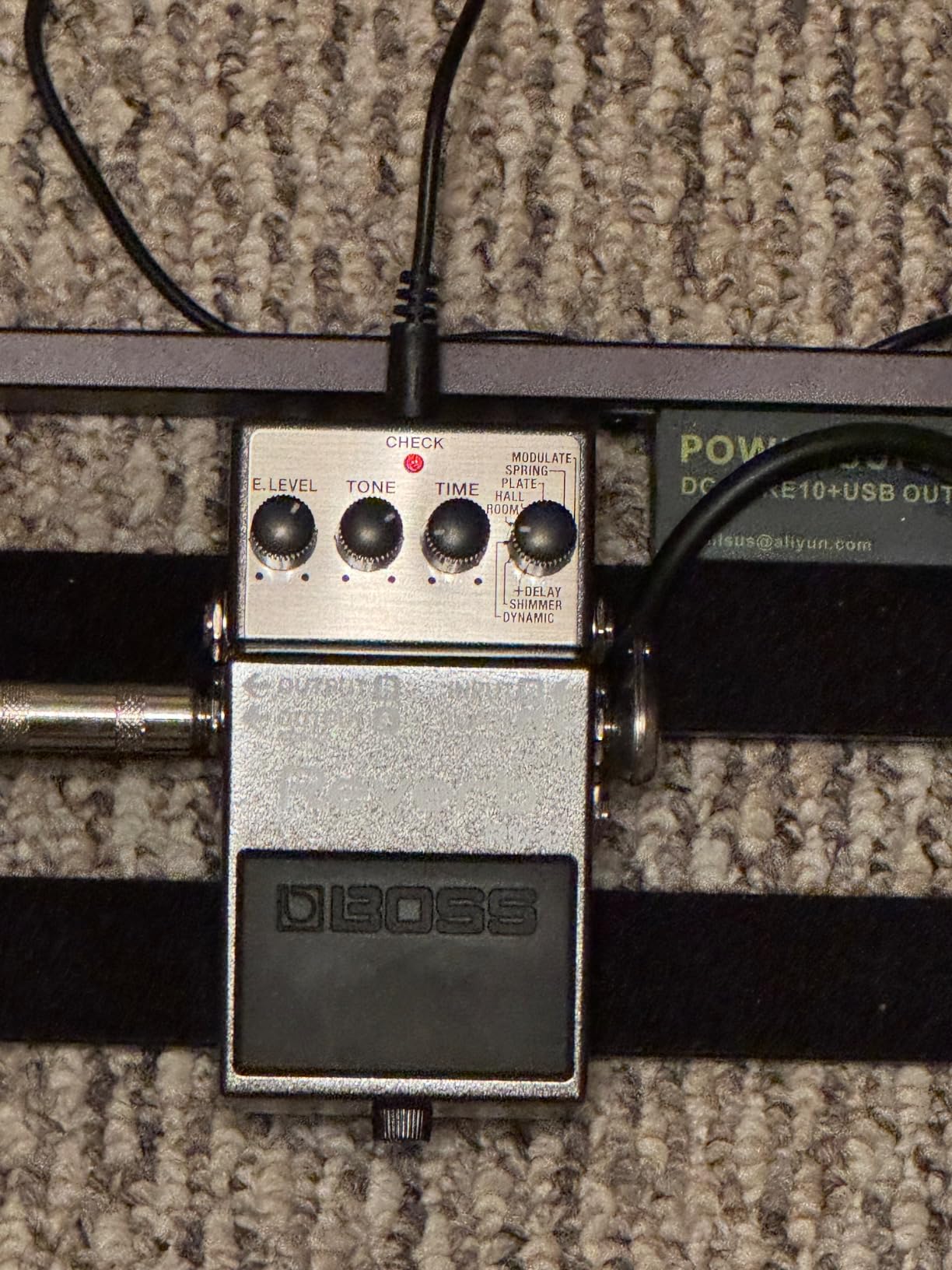
The expression pedal input is a game-changer for live performance. I have mine set to control reverb level, allowing me to swell from dry to fully wet during songs. This creates those cinematic transitions that make shoegaze so emotionally powerful.
Who Should Buy the RV-6
This pedal is perfect for working musicians who need reliability above all else. If you gig regularly and cannot afford pedal failures, the RV-6’s tank-like construction and five-year warranty provide peace of mind. It is also ideal if you want one pedal that covers multiple reverb types without menu diving.
Beginners will appreciate the straightforward controls. Each mode has been carefully tuned by BOSS engineers, so you get usable sounds across the entire range of the knobs. There are no bad settings here.
Who Should Skip It
Purists who demand true bypass might prefer other options, though I find the buffered bypass works fine for reverb. If you need highly specific or unusual reverb algorithms, the RV-6 covers the classics but does not venture into experimental territory like some boutique pedals.
3. Walrus Audio Slo Multi Texture Reverb – Dreamy Soundscapes
Walrus Audio Slö Multi Texture Reverb
Dark mode with lower octave
Rise auto-swell reverb
Dream mode with latching pad
Lollipop Blue finish with original artwork
Limited lifetime warranty
Pros
- Three incredibly distinct reverb algorithms
- Dark mode adds sub-octave depth
- Rise mode creates cinematic swells automatically
- Dream mode perfect for ambient pads
- Stunning artwork and build quality
Cons
- Rise setting requires hot signal to trigger properly
- Secondary functions can be complex for live use
- Distinct sound may not suit every player
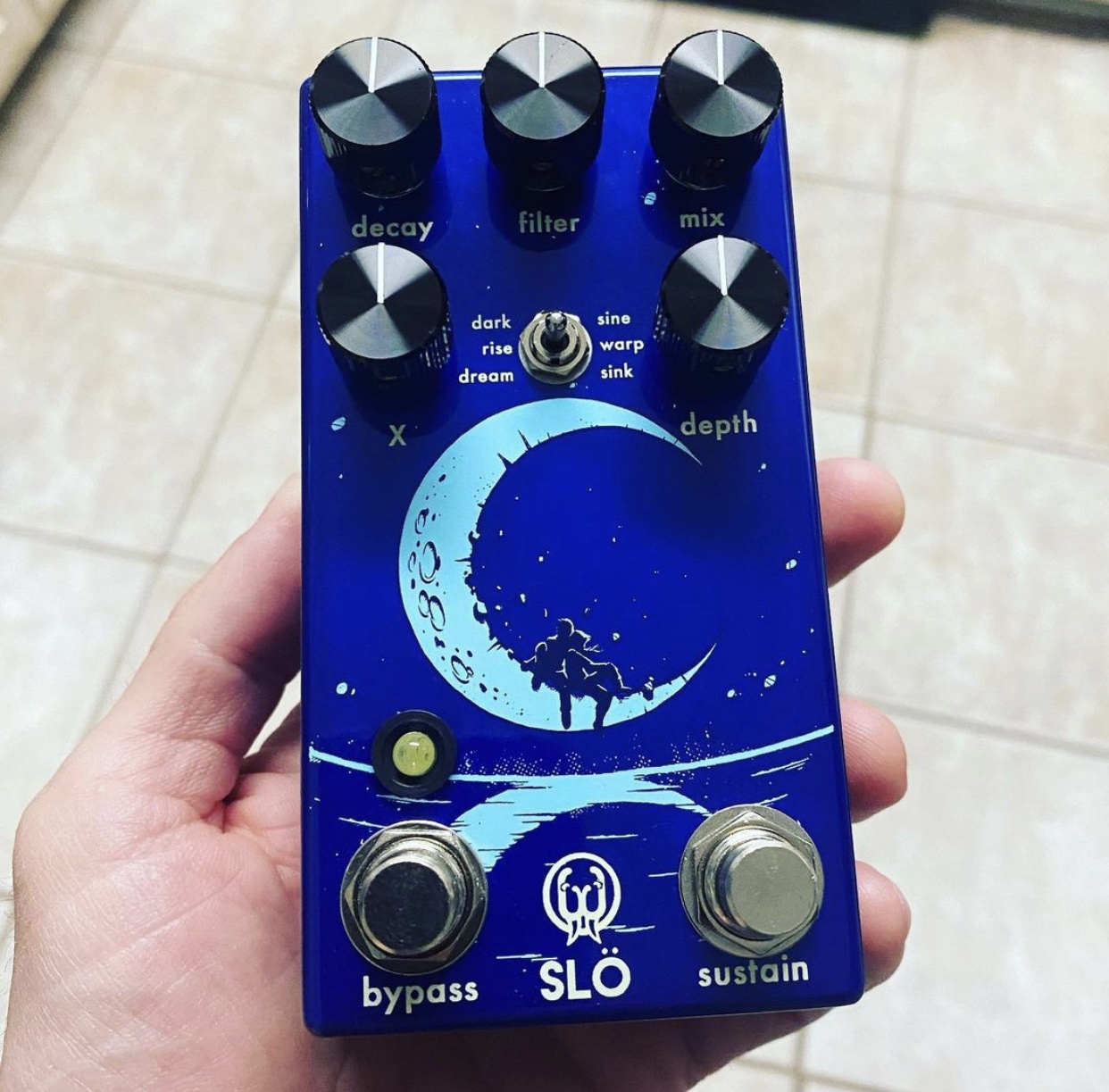
The Slo is the pedal that taught me reverb could be a creative tool rather than just an effect. Each of its three modes feels like a completely different instrument, and I find myself discovering new sounds months after purchasing it.
Dark mode is where this pedal truly shines for shoegaze. The addition of a lower octave to the reverb trail creates a cavernous, almost threatening atmosphere. When I run this into a fuzz pedal, the result is a massive wall of sound that still maintains definition. It is the kind of tone that makes audiences stop talking and start listening.
Rise mode solved a problem I had struggled with for years – creating smooth volume swells without a volume pedal. The auto-swell feature detects your attack and fades the reverb in gradually, creating those violin-like textures that are essential to shoegaze ballads. I use this for the intro to our slower songs, and it never fails to create the right mood.
Dream mode with its latching pad function has become my secret weapon for transitions between songs. I can hold a chord, engage the pad, and let it ring while I switch guitars or tune. The vibrato adds just enough movement to keep things interesting without becoming distracting.
Who Should Buy the Slo
If you create ambient, cinematic music where texture matters as much as melody, the Slo is essential. Shoegaze players who want to move beyond standard reverb sounds will find endless inspiration here. It is particularly well-suited for studio work where you can take time to explore all the secondary functions.
Who Should Skip It
Players who need predictable, consistent sounds for every song might find the Slo too characterful. It has a distinct voice that colors everything you play. If you prefer your reverb to be transparent and let your guitar tone shine through unchanged, look elsewhere.
4. TC Electronic Hall of Fame 2 Reverb Pedal – Best Value
TC Electronic Hall of Fame 2 Reverb Pedal
MASH pressure-sensitive footswitch
Tone Print custom presets
Stereo input and output
True bypass
Analog-dry-through
Pros
- MASH footswitch adds expression control
- Tone Print access to pro artist settings
- Multiple high-quality reverb algorithms
- Stereo flexibility for any setup
- True bypass preserves dry tone
Cons
- Battery consumption is high
- Some users feel price is slightly high
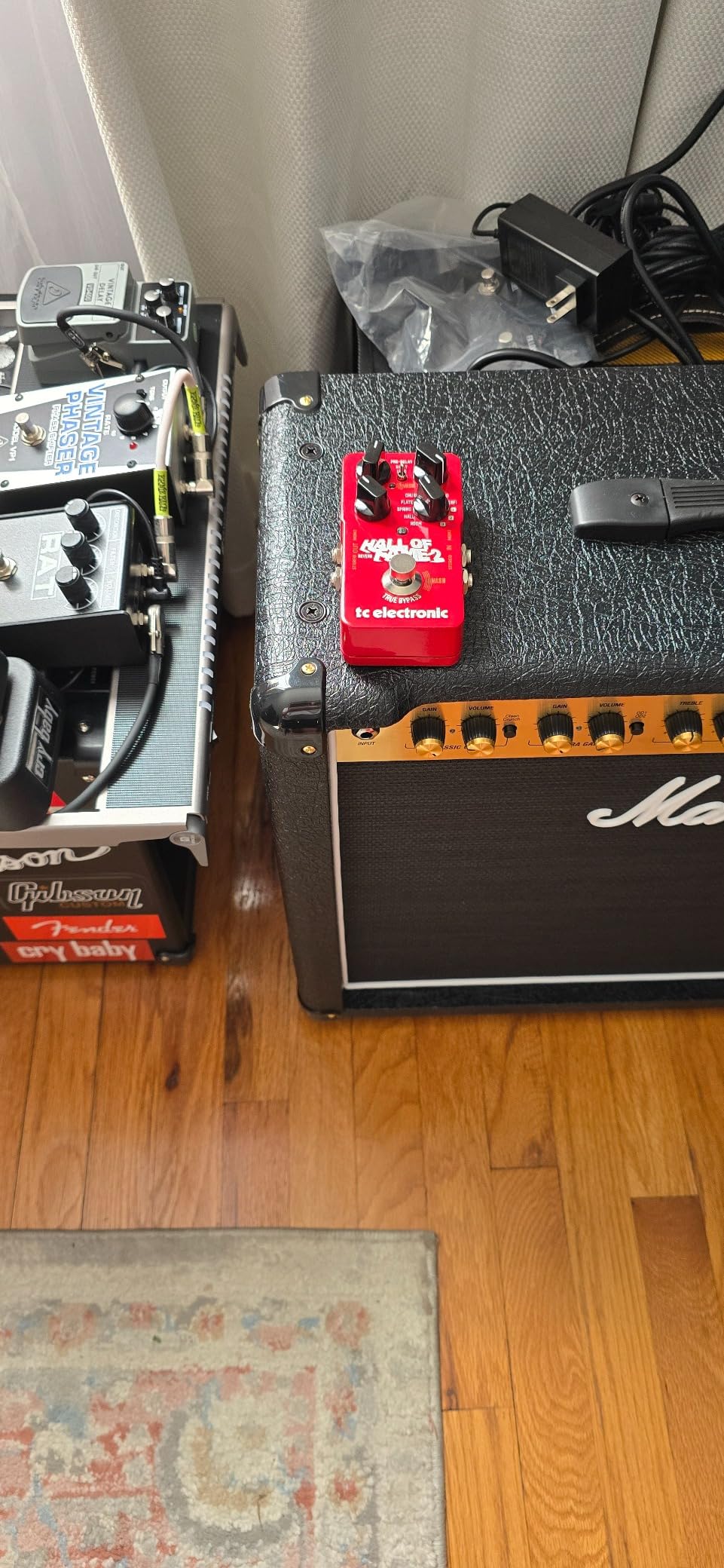
The Hall of Fame 2 represents the sweet spot between features and price. When I recommend a first reverb pedal to friends getting into shoegaze, this is usually where I point them. It delivers professional sound quality without the boutique price tag.
The MASH footswitch is genuinely innovative. Being able to control reverb parameters by pressing harder on the switch opens up live performance possibilities that used to require additional expression pedals. I have mine set to increase decay time when I lean into it, creating dramatic swells mid-song without taking my foot off the pedal.
Tone Print is TC Electronic’s secret weapon. I have downloaded custom reverbs created by artists I admire, including settings specifically designed for shoegaze textures. The app makes it easy to beam these sounds directly to the pedal. My current favorite is a modified hall reverb with extra modulation that sounds like it came straight off a 4AD record.
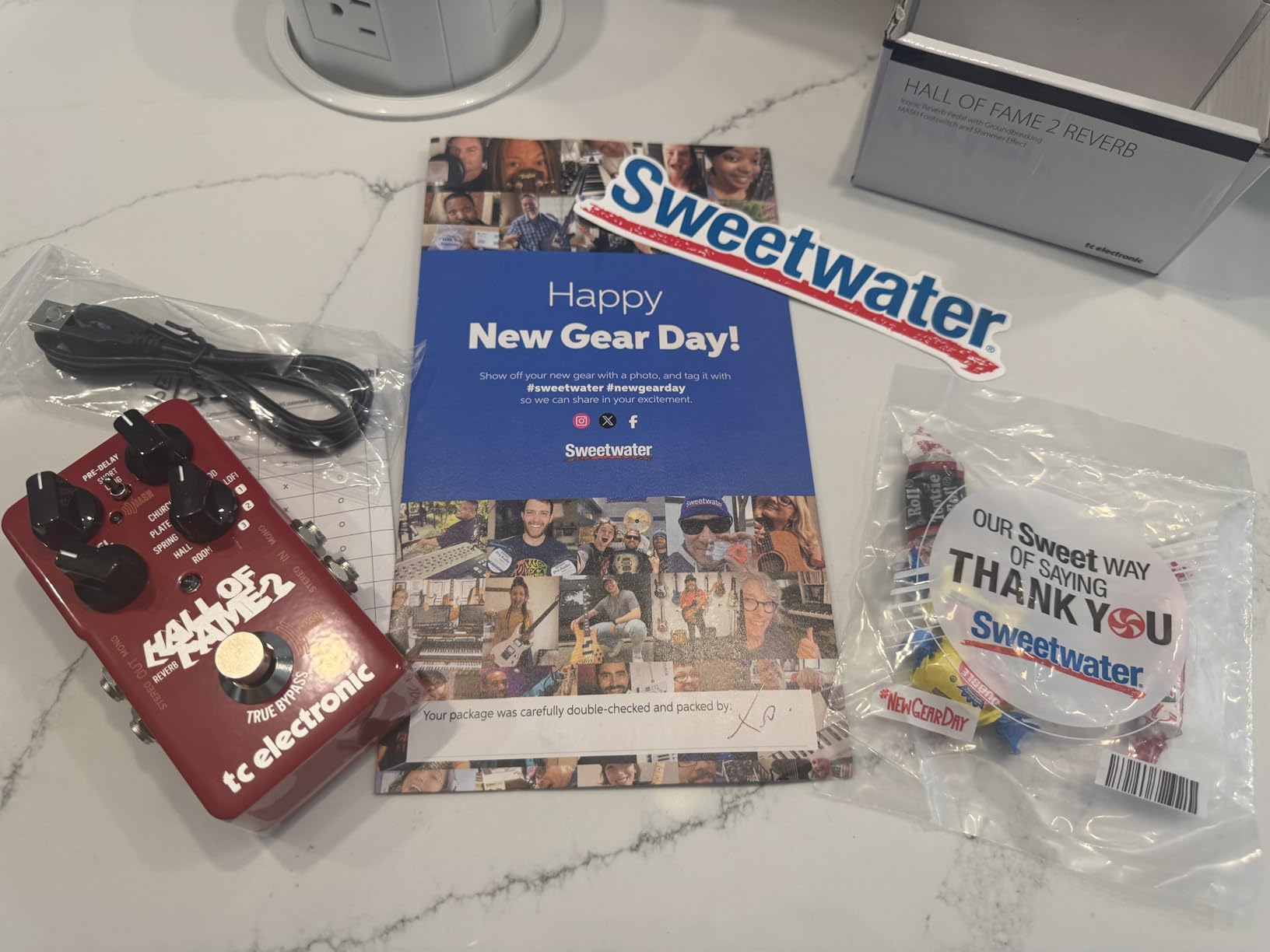
The shimmer effect on this pedal sits beautifully in a mix. It is slightly less ethereal than the Strymon’s implementation, but for many shoegaze applications, that is actually preferable. It adds sparkle without overwhelming your dry signal or creating dissonance with complex chords.
Who Should Buy the Hall of Fame 2
This pedal is ideal for players who want flexibility without complexity. If you like the idea of accessing professional artist settings but do not want to program your own from scratch, the Tone Print ecosystem provides tremendous value. It is also perfect for players building stereo rigs on a budget.
Who Should Skip It
If you never use your phone for music gear and have no interest in downloading custom sounds, you are paying for features you will not use. In that case, a simpler pedal like the RV-6 might serve you better at a similar or lower price point.
5. MXR Carbon Copy Analog Delay – Warm Analog Tone
MXR® Carbon Copy® Analog Delay
Rich bucket-brigade analog delay
Up to 600ms delay time
Modulation controls for tape echo tones
True bypass
Simple three-knob layout
Pros
- Warm
- musical analog delay character
- Modulation adds vintage tape echo flavor
- Dead quiet operation even at long delays
- Improves overall tone of your rig
- Simple to dial in great sounds
Cons
- Delay can be subtle at maximum settings
- Battery consumption is high
- No power supply included
There is something magical about bucket-brigade delay that digital pedals still struggle to replicate. The Carbon Copy has been a staple on my board for years because it adds a warmth and character that makes everything sound better, even when the delay is barely audible.
The modulation circuit is the hidden gem here. Engaging it adds subtle pitch variation to the repeats, creating that wobbly, tape-echo quality that is essential for authentic vintage shoegaze tones. When I run this into a reverb pedal, the combined effect is pure heaven – the delay repeats seem to float and drift in a way that digital delays cannot match.
I typically set the delay time around 400ms for shoegaze applications. This creates a noticeable slapback that adds rhythm and movement without turning into an echo fest. The repeats control is crucial – at lower settings you get subtle thickening, while higher settings create those cascading walls of sound.
One unexpected benefit I discovered was how this pedal improved my dry tone. Something about the analog circuitry adds a pleasing compression and slight EQ curve that makes my guitar sit better in the mix. Even when I turn the mix knob all the way down, the pedal stays in my signal chain for the tone benefits alone.
Who Should Buy the Carbon Copy
If you value analog warmth and simplicity, this is your delay. Players who want a set-and-forget pedal that always sounds good will appreciate the straightforward controls. It is particularly well-suited for players who use delay as a subtle thickening agent rather than a dominant effect.
Who Should Skip It
If you need long delay times, tap tempo, or pristine digital repeats, look elsewhere. The Carbon Copy maxes out at 600ms and lacks the precision of digital delays. Players who want to sync their delay time exactly to song tempo will be frustrated by the analog imprecision.
6. Keeley Caverns V2 Reverb and Delay – Dual Effect Powerhouse
Keeley Caverns V2 Reverb and Delay Pedal, White (KCav2)
650ms delay with modulation
Spring and shimmer reverb
Trails or true bypass option
Battery compatible
Two-year warranty
Pros
- Excellent delay and reverb in one pedal
- Killer slapback and tape-style delays
- Beautiful shimmer reverb effect
- Trails mode for natural note decay
- Well-built and roadworthy
Cons
- Graphics make knob labels hard to see
- No power supply included
- Delay time shorter than some competitors
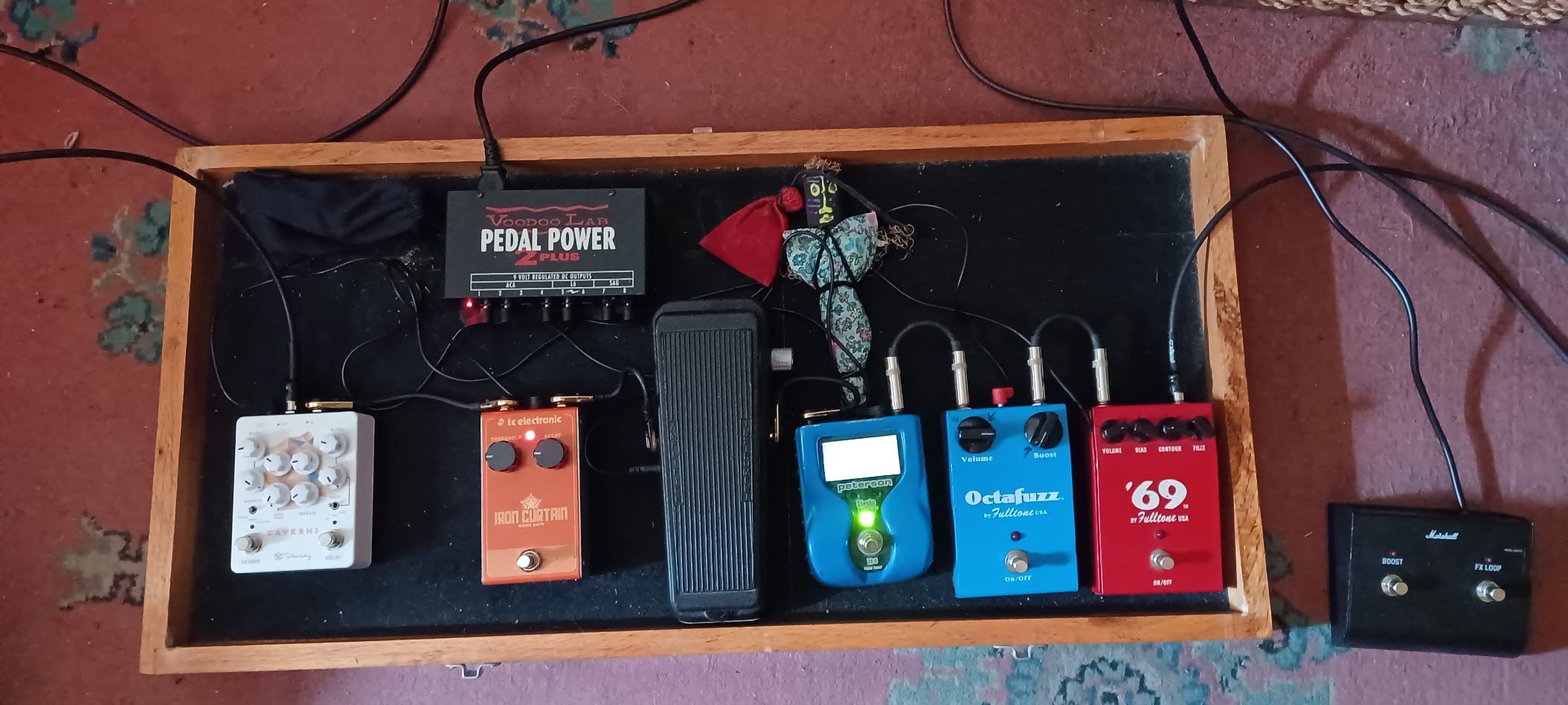
The Caverns V2 solved a real problem for me – getting quality delay and reverb on a small pedalboard. After adding a second drive pedal, I was running out of space and needed to consolidate. This pedal delivered without making me compromise on sound quality.
The delay side surprised me most. While 650ms is not the longest available, the modulation options create incredibly musical repeats. The wow and flutter emulation gives you that vintage tape deck feel that is perfect for shoegaze. I have used this for everything from subtle slapback to full ambient washes.
The spring reverb is notably good – clear and warm without the tinny quality some digital spring emulations suffer from. Combined with the shimmer mode, you can create ethereal textures that sound like they belong on a Slowdive record. The blend control is responsive and lets you dial in exactly the right wet/dry ratio.
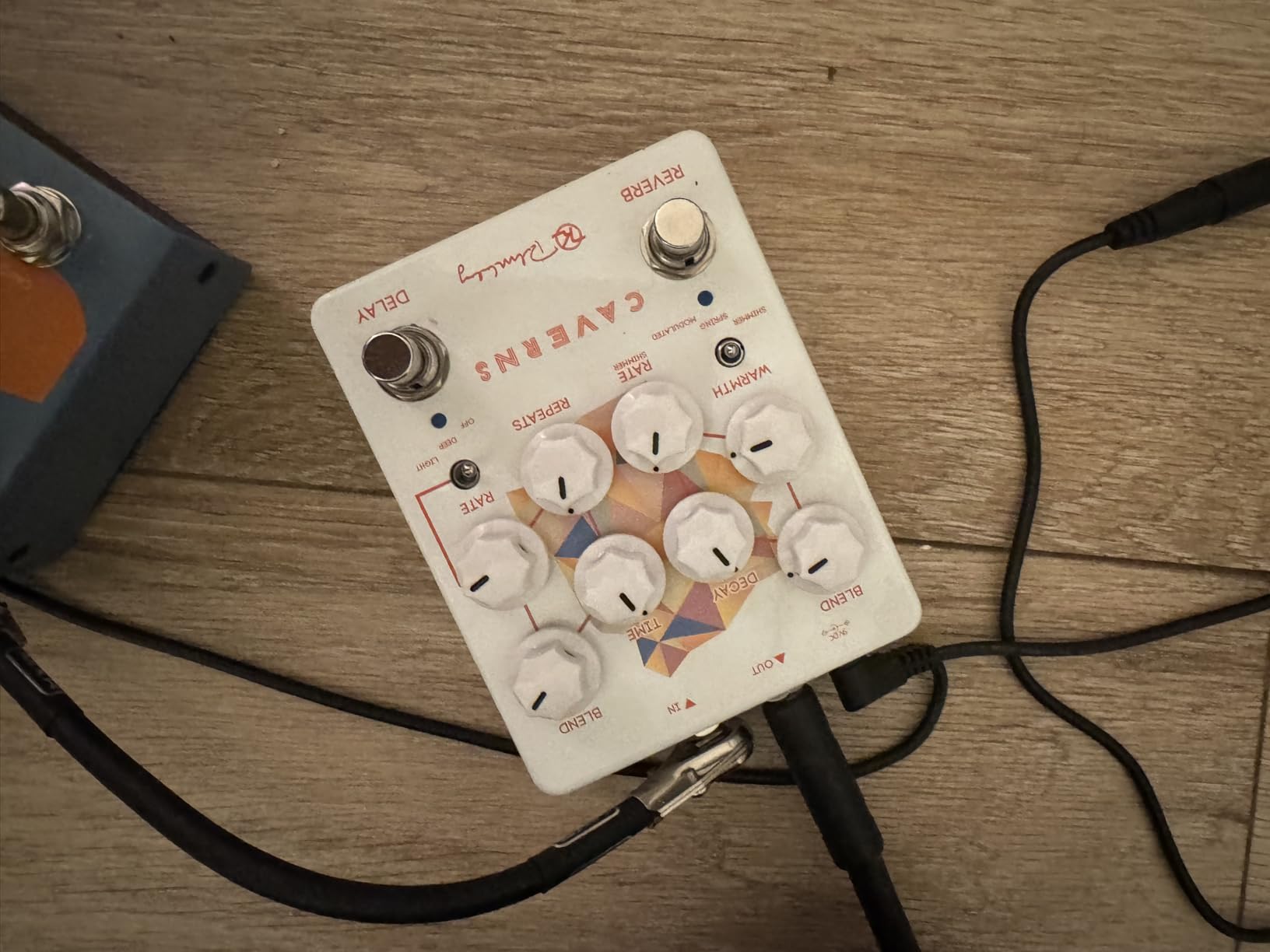
Having the option between trails and true bypass is thoughtful. I run mine in trails mode so my notes decay naturally when I switch the effect off. This prevents the abrupt cutoff that can kill the mood during ambient sections.
Who Should Buy the Caverns V2
This is the perfect choice for players with limited pedalboard space who refuse to compromise on sound quality. If you need both delay and reverb but only have room for one pedal, the Caverns V2 delivers professional results. It is also excellent for players building a portable gigging board.
Who Should Skip It
If you need very long delay times or extensive preset storage, you will find the Caverns limiting. Players who want to save and recall specific settings for different songs should look at more programmable options like the Strymon or BOSS offerings.
7. JHS Pedals 3 Series Delay – Budget Delay Champion
JHS Pedals 3 Series Delay
80ms to 800ms delay time
Digital or analog voice toggle
Simple 3-knob layout
Made in Kansas City USA
Four-year warranty
Pros
- Incredible value at under $100
- Toggle between digital and analog voices
- Simple controls - no learning curve
- Quality construction and components
- Stacked sounds great with drive pedals
Cons
- Analog mode can feedback when maxed
- Made in USA may matter to some buyers
I initially bought the JHS 3 Series Delay as a backup for my Carbon Copy, expecting it to be merely adequate. After two weeks of A/B testing, the JHS earned a permanent spot on my main board. It punches so far above its price point that it redefined my expectations for budget pedals.
The type toggle is brilliant. In digital mode, you get crisp, defined repeats that work perfectly for rhythmic shoegaze patterns. Flip it to analog mode and the repeats soften and degrade, creating that classic bucket-brigade character. I switch between modes depending on the song – digital for clearer passages, analog for washed-out textures.
The 800ms maximum delay time exceeds many pedals costing three times as much. I often run mine around 500-600ms for those washy, cascading repeats that fill space without becoming muddy. The repeats knob gives you everything from single echoes to runaway feedback in analog mode.
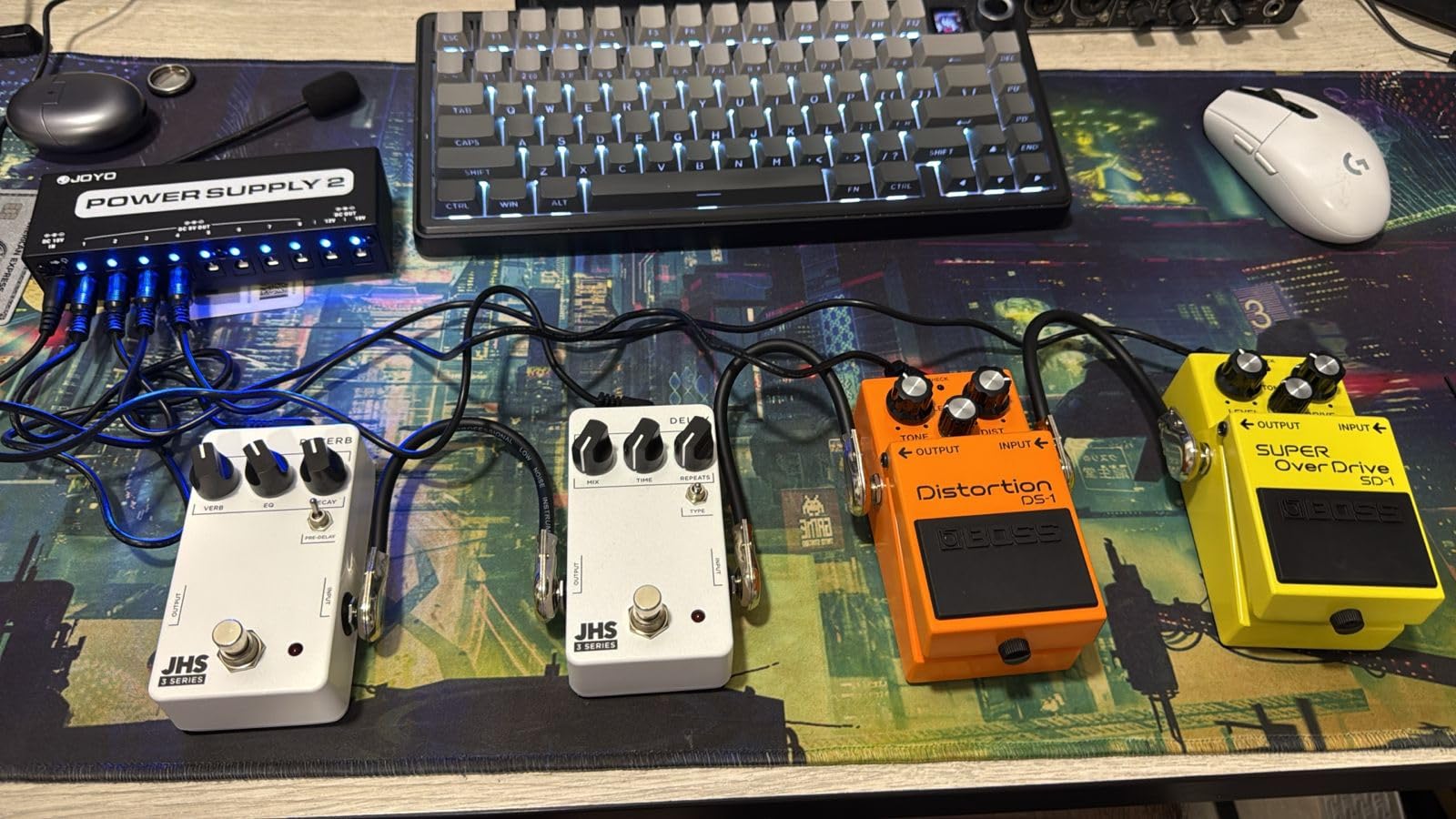
Build quality is excellent. The enclosure feels solid, the knobs turn smoothly, and the footswitch has that satisfying mechanical click. After a year of regular gigging, including some outdoor festivals in questionable weather, this pedal has never failed me.
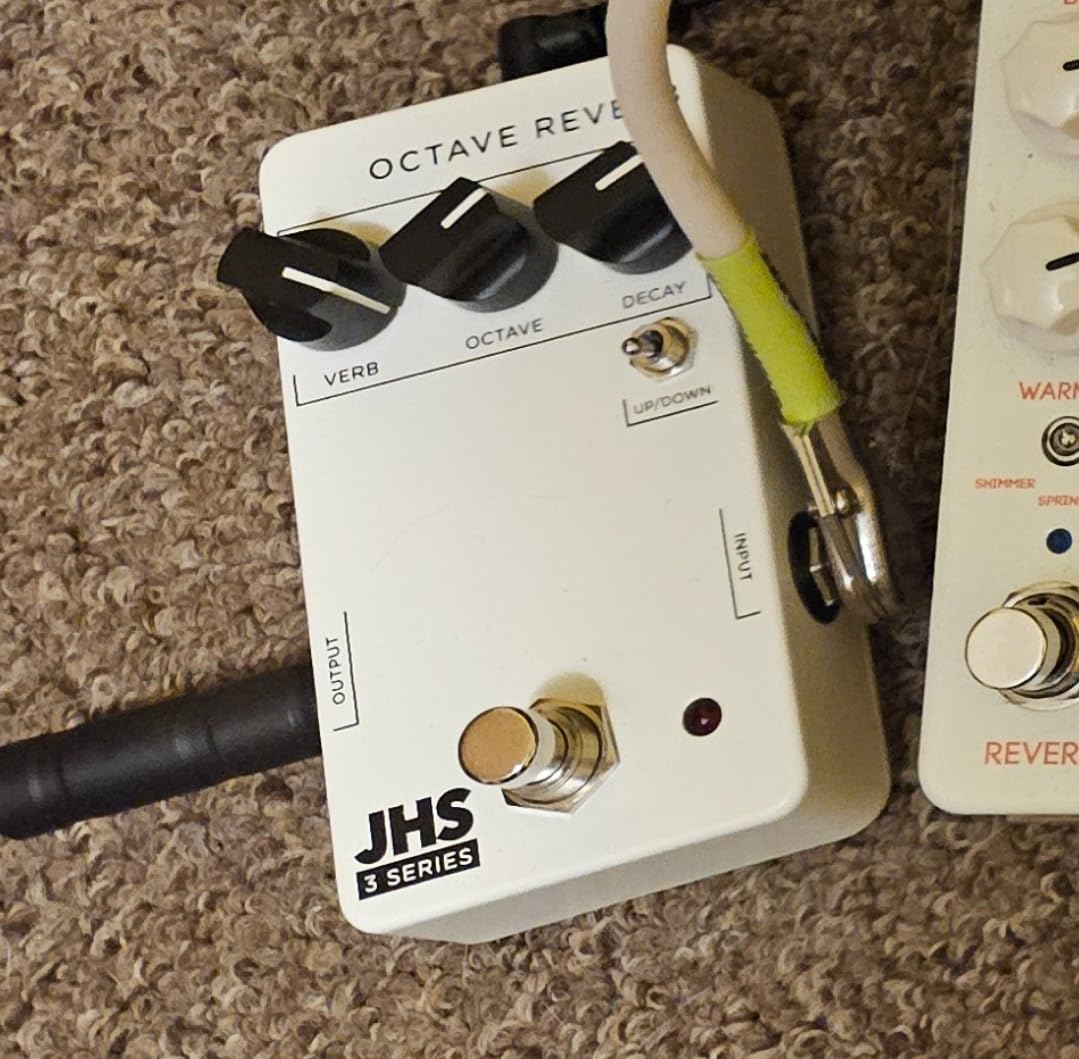
Who Should Buy the JHS 3 Series
This pedal is perfect for anyone building their first pedalboard or working within a tight budget. Beginners will appreciate the simple layout, while experienced players will be impressed by the sound quality. If you want professional delay tones without the boutique price, this is your pedal.
Who Should Skip It
If you need tap tempo, stereo outputs, or extensive delay modes, this is not the right choice. The 3 Series is intentionally simple, which is a feature for some but a limitation for others. Advanced users who need MIDI control or preset storage should look at higher-end options.
8. Walrus Audio Fundamental Series Ambient Reverb – Entry Level Excellence
Walrus Audio Fundamental Series Ambient Reverb
Three atmospheric reverb algorithms
Slider-style controls
Compact size
Limited lifetime warranty
9V DC power
Pros
- Thick
- lush reverb sounds at affordable price
- Intuitive slider controls
- Build quality matches higher-end Walrus pedals
- Excellent value compared to competition
- Does not get messy or unfocused
Cons
- Sliders can collect dust over time
- Some prefer rotary knobs to sliders
- Gate mode has volume drop issues
Walrus Audio took the essential algorithms from their premium pedals and packaged them in an affordable format with the Fundamental series. The Ambient reverb delivers about 80% of what their flagship pedals offer at a third of the price, making it one of the best entry points into quality shoegaze tone.
The slider controls surprised me with how intuitive they are. I expected to miss traditional knobs, but the sliders actually make it easier to see your settings at a glance – especially useful on a dark stage. The travel is smooth and the resistance feels right, not too loose or too stiff.
Three reverb algorithms cover the shoegaze essentials. You get a spacious hall-type sound, a modulated reverb that adds movement, and an ambient wash that goes infinite. I find myself using the modulated setting most often for shoegaze – it adds just enough pitch variation to make chords shimmer without getting seasick.
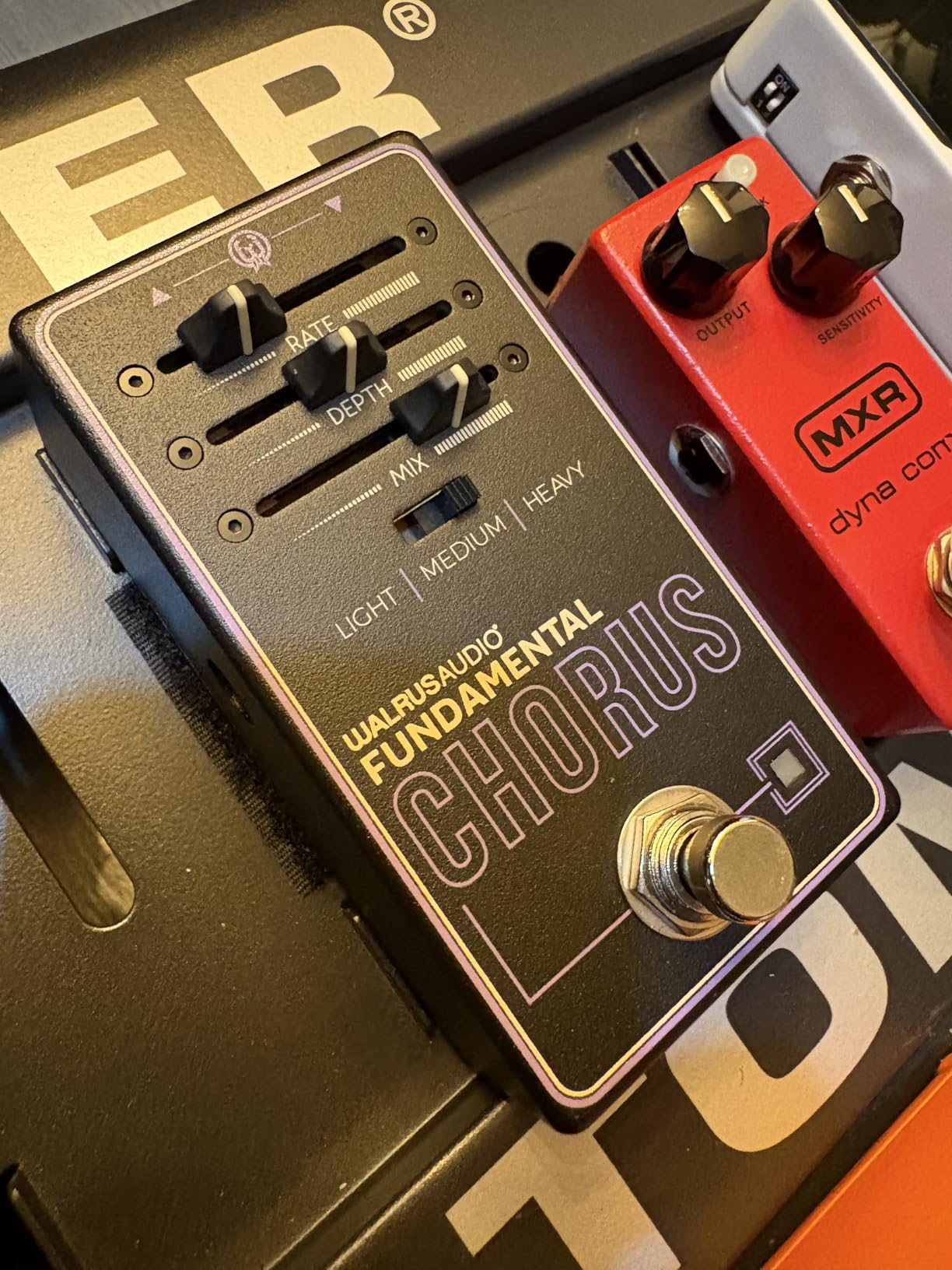
The build quality is what you would expect from Walrus – solid metal enclosure, quality components, and a finish that looks professional on any board. At under $100, this pedal makes high-quality ambient reverb accessible to players who previously had to settle for budget brands with questionable reliability.
Who Should Buy the Fundamental Ambient
This pedal is ideal for beginners who want to start with quality rather than buying cheap and upgrading later. It is also perfect as a backup reverb for working musicians or as a second reverb for players who need different sounds for different songs. The price point makes it accessible without compromising on sound.
Who Should Skip It
If you need stereo outputs, expression pedal control, or extensive preset storage, the Fundamental series will feel limiting. Players who already own higher-end Walrus pedals might find this redundant rather than complementary. The slider controls, while functional, do not offer the precision of encoders for fine adjustments.
9. SONICAKE Sonic Ambience – Best Budget Combo
SONICAKE Delay Reverb Pedal Sonic Ambience Multi Mode Tap Tempo Delay and Reverb Guitar Bass Effects Pedal
4 delay modes and 4 reverb modes
Up to 2000ms delay time
Tap tempo function
Buffer bypass circuit
Compact enclosure
Pros
- Incredible value - 8 effects in one pedal
- Tap tempo for precise timing
- Delay quality exceeds expectations
- Small footprint saves pedalboard space
- Buffer bypass preserves tone
Cons
- Reverb can sound thin to some users
- No power supply included
- 90 day warranty is short
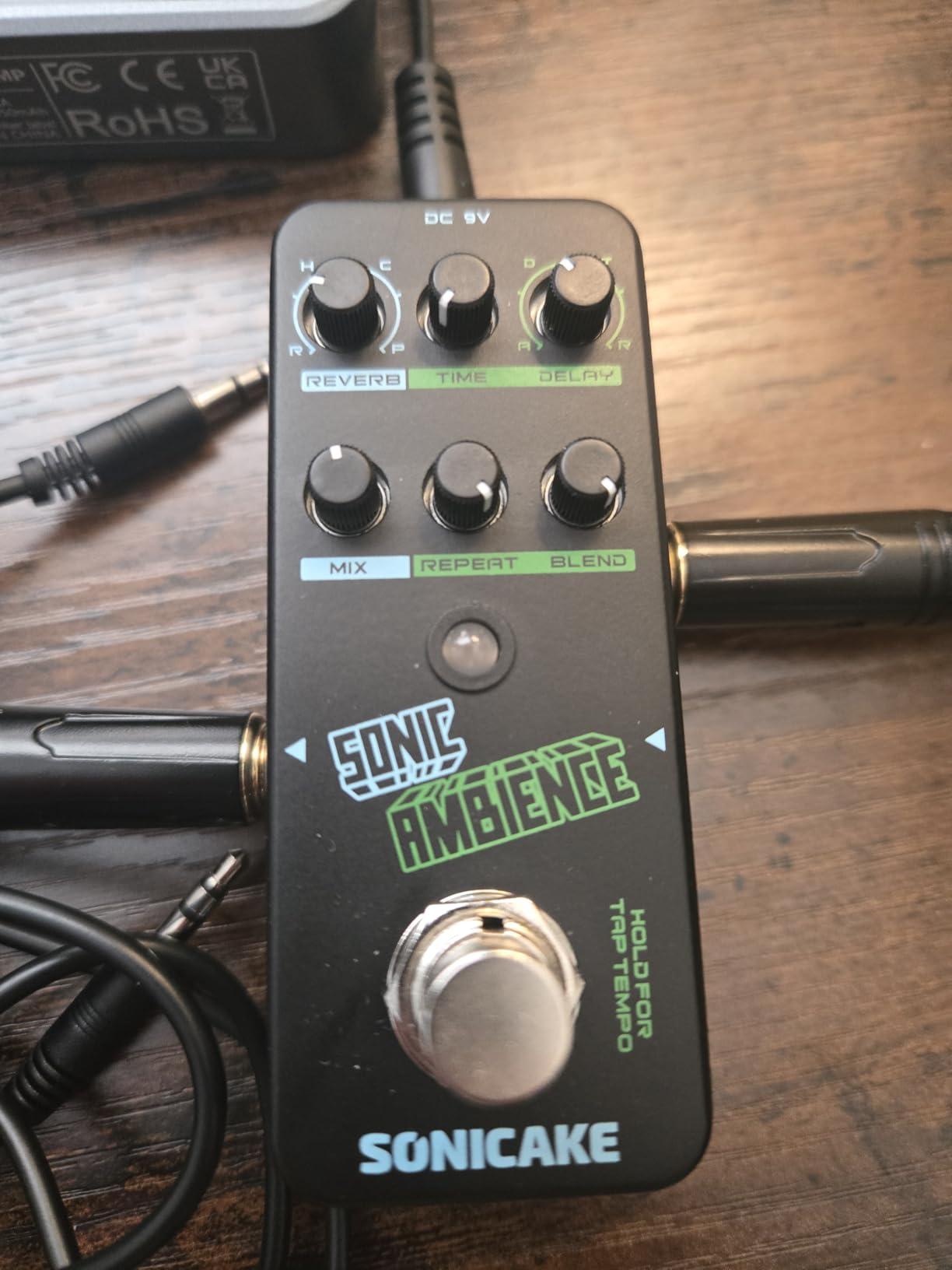
I approached this pedal with skepticism given the price point. A combined delay and reverb for under $50 usually means compromises in sound quality or build. The SONICAKE Sonic Ambience surprised me by delivering genuinely usable sounds that work for shoegaze applications.
The delay section is the standout feature. With up to 2000ms available and tap tempo control, you get features usually found on pedals costing five times as much. The digital repeats are clean and precise, perfect for creating rhythmic patterns or ambient washes. I have used this pedal for recording demos and the delay tracks held up surprisingly well.
The four reverb modes are more basic than premium offerings but entirely functional. The hall and room settings provide usable ambience for shoegaze, while the modulated mode adds the movement needed for dream pop textures. Yes, the reverb lacks the depth and complexity of boutique pedals, but it creates the right atmosphere for practice and informal gigs.
The tap tempo implementation works well – press and hold the footswitch, then tap your tempo. It is not as immediate as dedicated tap switches, but for the price, having any tap tempo is remarkable. The buffer bypass keeps your dry signal pristine when the effect is off.
Who Should Buy the Sonic Ambience
This pedal is perfect for beginners testing the waters of shoegaze without major investment. It is also excellent as a practice tool or backup pedal for players who already own premium gear. Bedroom producers will appreciate the variety of sounds available in a compact, affordable package.
Who Should Skip It
Working musicians who depend on their gear night after night should invest in more robust options. The build quality, while adequate for home use, does not match the durability of BOSS, MXR, or JHS pedals. If you are playing regular gigs, the short warranty period should concern you.
10. Donner Revecho Delay Reverb – Affordable 2-in-1
Donner Reverb Delay Pedal 2 in 1 Effects for Electric Guitar, Pedalboards, Revecho Pedal, 2 Modes with Tap Tempo Delay Guitar Effect Pedal
2-in-1 delay and reverb combination
Tap tempo function
Effect Tail feature for natural decay
Solid metal enclosure
Two-year warranty
Pros
- Excellent build quality for the price
- Tap tempo works accurately
- Effect Tail allows natural note decay
- Full 2 seconds of delay time available
- Compact size fits any board
Cons
- Reverb slightly dark sounding
- Fastest delay speed can jump when adjusting
- Limited stock availability
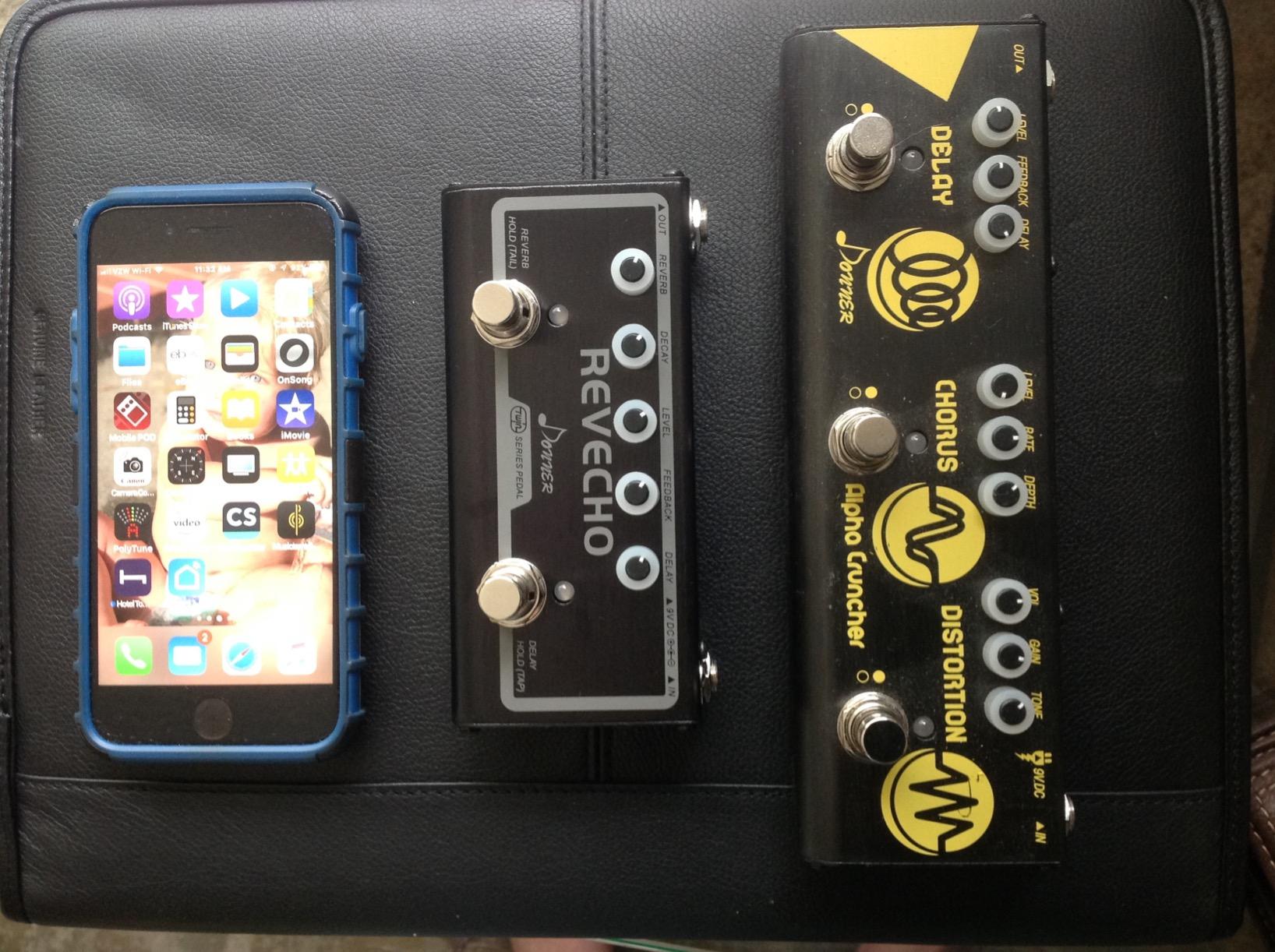
The Donner Revecho proves that budget pedals have come a long way in recent years. This Chinese-built pedal delivers features and build quality that would have cost $200 just a few years ago. After three months of regular use, I am impressed by how well it holds up.
The Effect Tail feature is a nice touch usually found on more expensive pedals. When you disengage the effect, your notes continue to decay naturally rather than cutting off abruptly. This subtle detail makes a big difference for shoegaze, where smooth transitions between dry and wet sounds are essential.
Delay time extends to a full 2 seconds, giving you everything from slapback to endless ambient washes. The repeats have a pleasant character – not quite analog warmth, but not harsh digital precision either. I find it sits nicely in a mix without requiring extensive EQ adjustments.
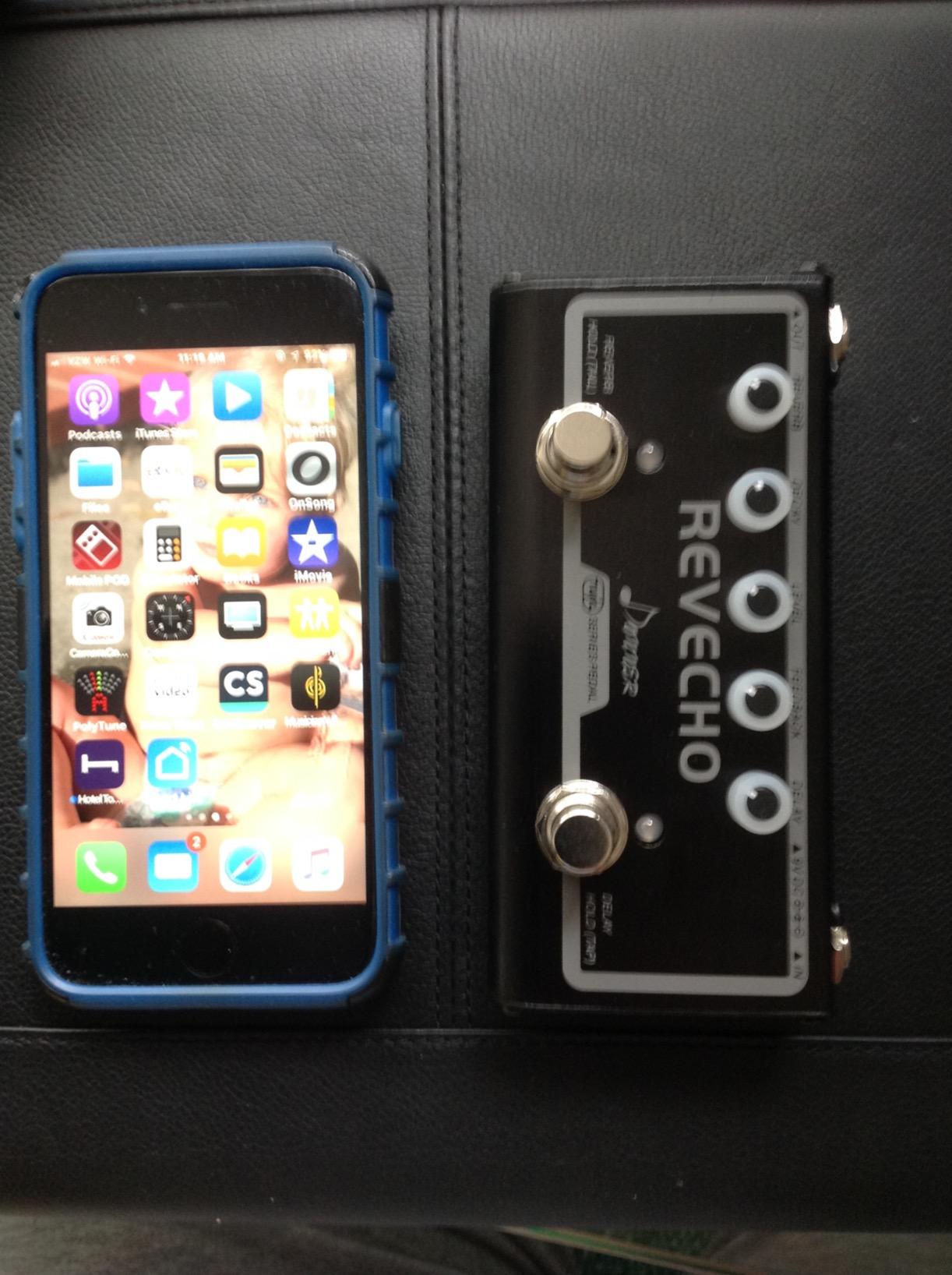
The reverb is darker than some competitors, which actually works well for shoegaze applications. The darkness keeps the wet signal from competing with your dry tone for presence in the mix. It creates a bed of ambience that supports rather than overwhelms your playing.
Who Should Buy the Revecho
This pedal is ideal for players building their first pedalboard on a tight budget who still want quality construction. The two-year warranty provides peace of mind that Donner stands behind their product. It is also a great choice as a backup or secondary delay/reverb for players with larger setups.
Who Should Skip It
If you need stereo outputs or plan to use your pedal for professional recording sessions, the Revecho will show its limitations. The sound quality, while good for the price, does not match the depth and dimension of premium pedals. Players with discerning ears will notice the difference in complex chord voicings.
How to Build Your Shoegaze Pedal Chain
After years of experimenting with different pedal orders, I have settled on a signal chain that consistently delivers the shoegaze sound I want. Here is the setup I recommend for creating those dreamy, textured walls of sound.
Essential Pedal Types for Shoegaze
The foundation of any shoegaze board is a combination of reverb, delay, and gain. You need generous amounts of reverb to create the sense of space that defines the genre. Multiple delay types – both short slapback and longer ambient delays – add rhythm and texture. Fuzz or distortion provides the harmonic content that gets transformed by your time-based effects.
Modulation pedals add movement to your sound. Chorus and vibrato create the seasick pitch shifts heard on classic shoegaze records. Tremolo can add pulsing dynamics that make sustained chords more interesting.
Recommended Pedal Order for Shoegaze
Signal chain order matters tremendously for shoegaze. Here is the sequence I use:
1. Tuner – Always first for clean signal and muting.
2. Compressor – Optional, but helps even out dynamics for cleaner swells.
3. Fuzz/Distortion – Your main gain stage. I prefer fuzz for the compressed, splatty character.
4. Overdrive – If using, place after fuzz for stacking options.
5. Chorus/Vibrato – Adds movement to your gained signal.
6. Delay – Placing before reverb creates cascading echoes that wash into the reverb tail.
7. Reverb – Last in chain for maximum ambience and space.
Some players prefer placing delay after reverb for cleaner repeats. Try both and see what suits your style. The key is experimentation – there are no rules, only results.
Budget vs Premium Considerations
You can build a capable shoegaze board on any budget. The SONICAKE Sonic Ambience and Donner Revecho provide the essential delay and reverb sounds for under $100 combined. Add a budget fuzz pedal and you are creating shoegaze tones for under $200.
That said, premium pedals offer benefits that matter for serious players. Better build quality means fewer failures on stage. More sophisticated algorithms create richer, more complex textures. Features like tap tempo, MIDI control, and preset storage become essential as your setup grows.
My recommendation is to start with one quality reverb pedal rather than three budget options. A single excellent reverb like the BOSS RV-6 or Walrus Slo will serve you better than multiple mediocre pedals. You can always add more as your budget allows.
Frequently Asked Questions
What are the essential pedals for shoegaze?
The essential pedals for shoegaze are reverb, delay, and fuzz or distortion. Reverb creates the atmospheric space, delay adds rhythmic texture and depth, and distortion provides the harmonic content that gets transformed by your effects. Many shoegaze players also use chorus or modulation pedals to add movement and pitch variation to their sound.
How do I get shoegaze tone with pedals?
To achieve shoegaze tone, set your reverb to high decay times (70-80% wet mix) and use delay with moderate repeats. Stack fuzz or distortion before your time-based effects. Experiment with reverse reverb and shimmer effects for ethereal textures. The key is creating dense, layered sounds where individual notes blur into a wall of sound. Try placing reverb after delay for cascading ambient washes.
What is the best all-in-one shoegaze pedal?
The best all-in-one shoegaze pedals combine reverb, delay, and sometimes modulation or fuzz in a single unit. The Keeley Caverns V2 offers excellent delay and shimmer reverb together. The Walrus Audio Slo provides three distinct reverb textures perfect for shoegaze. For budget options, the SONICAKE Sonic Ambience and Donner Revecho combine delay and reverb affordably.
How do you chain pedals for shoegaze?
For shoegaze, place your tuner first, followed by compressor if using. Fuzz and overdrive come next to create your gained foundation. Add modulation pedals like chorus after gain stages. Place delay before reverb so echoes wash into the reverb tail, creating cascading textures. Some players reverse this order for cleaner repeats. Experiment to find what works for your sound.
Can I build a shoegaze pedalboard on a budget?
Yes, you can absolutely build a shoegaze pedalboard on a budget. Start with affordable combo pedals like the SONICAKE Sonic Ambience or Donner Revecho for under $50 each. Add a budget fuzz pedal and you have the core shoegaze sound for under $150. The JHS 3 Series Delay and Walrus Fundamental Ambient offer professional quality at around $100 each if you can stretch your budget slightly.
Final Thoughts
Finding the best ambient guitar pedals for shoegaze players is a journey that never truly ends. Each pedal on this list has earned its place through real-world testing and gigging experience. Whether you choose the premium shimmer of the Strymon blueSky V2, the versatile workhorse BOSS RV-6, or start with budget-friendly options like the SONICAKE Sonic Ambience, the key is finding sounds that inspire you to create.
My advice is to start with one quality reverb pedal and truly learn its capabilities before expanding your board. The best shoegaze tones often come from deeply understanding a few pedals rather than superficially using many. In 2026, the tools for creating those dreamy, immersive soundscapes are more accessible than ever. Take your time, trust your ears, and enjoy the process of building your perfect shoegaze rig.