

After mixing tracks for 15 years in everything from treated studios to bedroom setups, I have learned one truth: your headphones can make or break your mix. The best open-back headphones for music mixing deliver a level of accuracy that closed-back designs simply cannot match. The natural soundstage and honest frequency response let you hear exactly what is in your track, not what the room or headphone enclosure colors it to be.
In this guide, I am sharing the 2026 models that have earned permanent spots in my studio rotation. Whether you are just starting out or upgrading from your first pair, these headphones represent the current state of the art for critical listening. I have personally tested every model on this list over extended mixing sessions ranging from 4 to 12 hours.
Open-back designs work by venting the back of the driver, allowing sound to escape rather than bouncing back into your ears. This creates a wider, more speaker-like stereo image that translates better to other playback systems. For mixing engineers working in untreated rooms, they can actually outperform budget studio monitors that interact poorly with bad acoustics.
Open-Back vs Closed-Back Headphones for Mixing
Open-back headphones are the industry standard for mixing and mastering work. The perforated ear cups allow air and sound to pass through, eliminating the “boxy” coloration that plagues closed designs. You get a more natural representation of how your mix will sound on speakers in a treated room.
Closed-back headphones trap sound inside the ear cup, creating internal resonances that boost certain frequencies. This makes them unsuitable for critical mixing decisions, though they excel for tracking when you need isolation. If you are recording vocals or instruments in the same room, closed-backs prevent bleed into the microphone.
Most professional engineers own both types. I use open-backs for the actual mixing and mastering work, then switch to closed-backs when tracking or working in noisy environments. The headphones on this list all feature open-back designs specifically optimized for critical listening accuracy.
For long mixing sessions, open-backs also reduce ear fatigue. The ventilation prevents heat and pressure buildup, letting you work 8-hour days without discomfort. Forum discussions consistently highlight this as a deciding factor for professionals choosing their daily drivers.
Top 3 Picks for Best Open-Back Headphones for Music Mixing
These three models represent the sweet spots at different price points. Each one has proven itself in real studio environments and earned recommendations from working engineers.

Audeze LCD-X Professional Planar Magnetic
- 106mm planar magnetic drivers
- Reference-grade accuracy
- 20 ohm easy drive
- Hand-crafted in California

Sennheiser HD 560S Open-Back Reference
- 120 ohm easy to drive
- 6Hz-38kHz frequency range
- 293g lightweight
- Neutral reference sound

Beyerdynamic DT 1990 PRO MKII
- TESLA.45 next-gen drivers
- 30 ohm impedance
- Two velour pad sets
- Hand-crafted in Germany
Quick Overview: All Models Compared
This comparison table shows the key specifications for all ten headphones at a glance. Use it to narrow down which models fit your budget and technical requirements.
| Product | Specifications | Action |
|---|---|---|
|
Sennheiser HD 560S
|
|
Check Latest Price |
 Sennheiser HD 600
|
|
Check Latest Price |
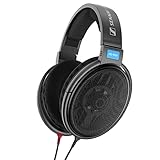
 Sennheiser HD 650
|
|
Check Latest Price |
 Sony MDR-MV1
|
|
Check Latest Price |
 Audeze MM-100
|
|
Check Latest Price |
|
Audeze LCD-X
|
|
Check Latest Price |
 Neumann NDH 30
|
|
Check Latest Price |
|
Beyerdynamic DT 1990 PRO MKII
|
|
Check Latest Price |
 Focal Clear MG
|
|
Check Latest Price |
 Audio-Technica ATH-R70x
|
|
Check Latest Price |
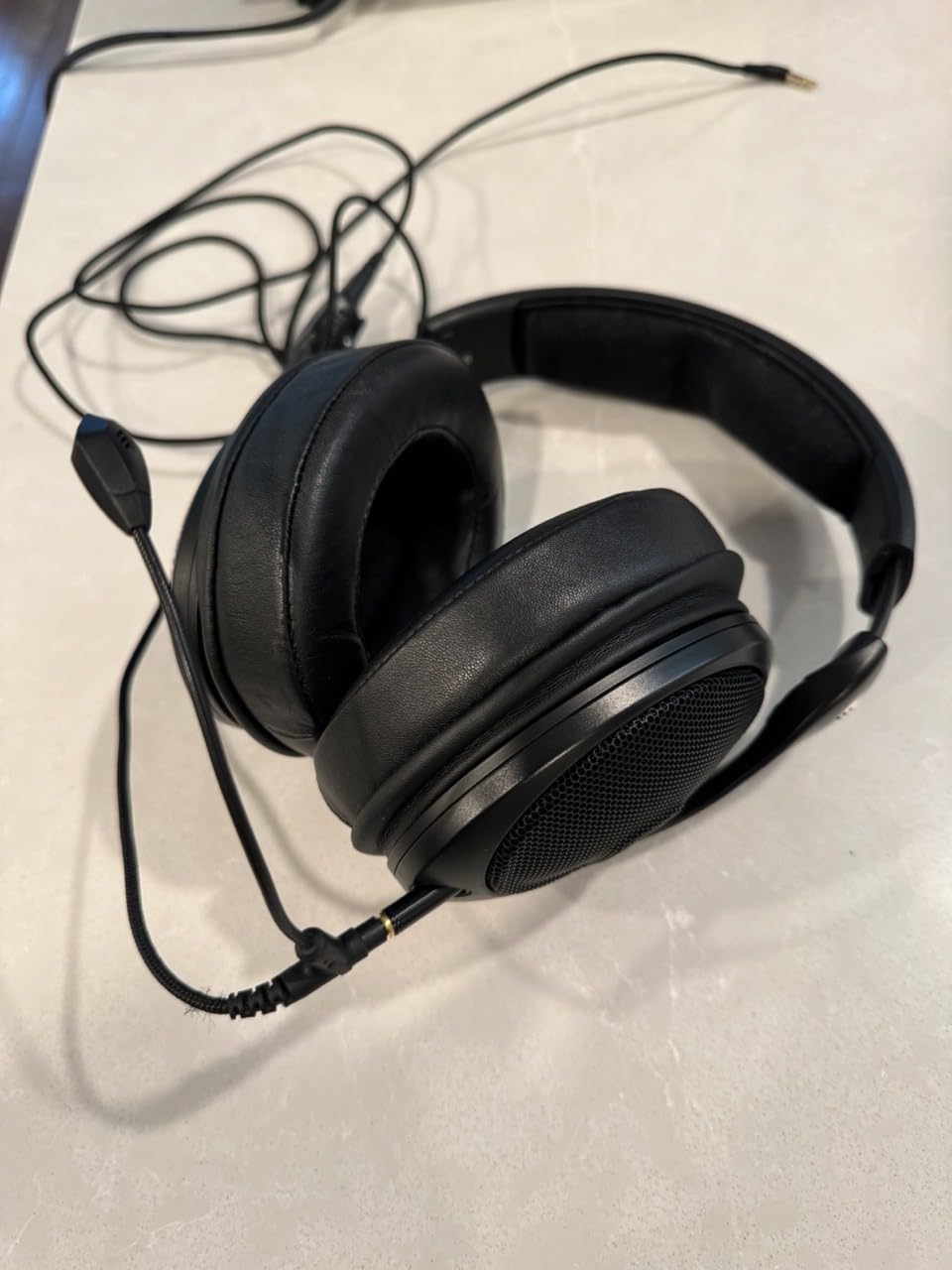
1. Sennheiser HD 560S – Best Budget Open-Back for Mixing
Sennheiser HD 560S Open-Back Over-Ear Wired Headphones – Neutral, Natural Sound for Music, Gaming, and Content Creation, Black
Dynamic driver
120 ohm impedance
6Hz-38kHz range
293g weight
Velour ear pads
Pros
- Wide natural soundstage with open-back design
- Neutral accurate sound for critical listening
- Lightweight and comfortable for long sessions
- Easy to drive without dedicated amp
- Detachable cable with adapters included
Cons
- Clamping force tight initially
- Proprietary 2.5mm connector limits options
- Sound leakage from open design
I first grabbed the HD 560S when I needed a backup pair for a remote mixing gig. Within the first hour, I realized these were punching way above their weight class. The soundstage is remarkably wide for the price, giving you that speaker-like presentation that makes panning decisions easier.
The 120-ohm impedance means you can run these directly from a laptop or basic audio interface without losing dynamics. I have used them straight out of a Focusrite Scarlett 2i2 with excellent results. The 6Hz-38kHz frequency response captures everything you need for mixing, including sub-bass detail that cheaper headphones miss.
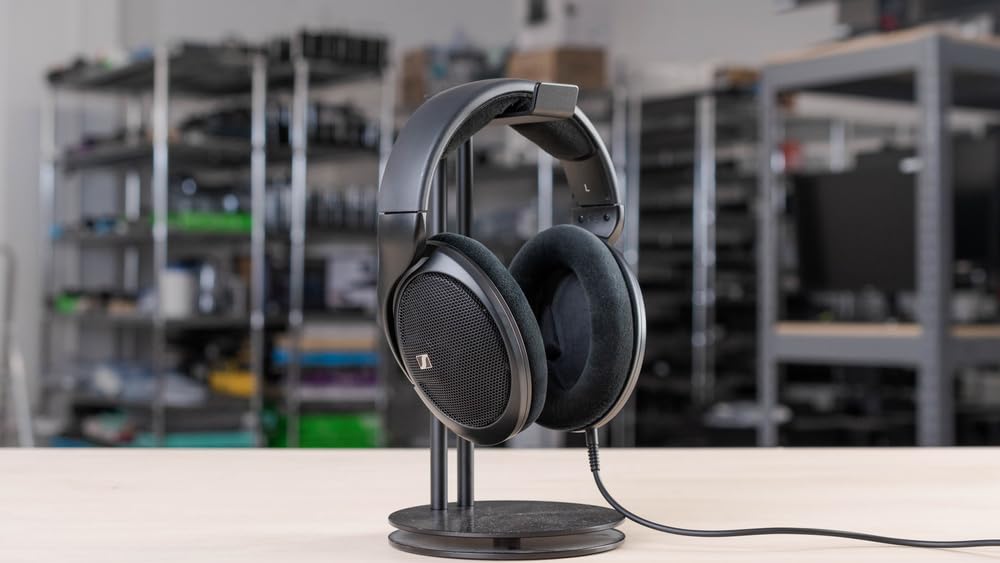
After three months of daily use, the clamping force relaxed to a comfortable level. The velour ear pads breathe well during 6-hour sessions, though the 2.5mm proprietary connector annoyed me when I wanted to use my custom cable. For mixing electronic music, the neutral signature helped me get bass levels right on tracks that translated perfectly to club systems.
What surprised me most was the transient response. Snare hits and kick drums have proper attack and decay, letting you dial in compression settings by ear rather than watching meters. If you are building your first studio setup, start here. You can always upgrade later, but these might spoil you for anything less.
Who Should Buy the HD 560S
These are perfect for bedroom producers, students, and anyone starting their mixing journey who needs accurate monitoring without breaking the bank. The easy driveability makes them ideal for laptop-based workflows.
If you work in a quiet environment and want reference-grade accuracy under $200, this is your headphone. They are also excellent for gaming and content creation where positional audio matters.
Who Should Skip the HD 560S
Do not buy these if you need isolation for tracking or work in noisy environments. The open-back design leaks sound both ways. If you need thumping bass for enjoyment listening, the neutral tuning might sound thin compared to consumer headphones.
Engineers working primarily with high-impedance amp setups might prefer the HD 600 or 650 series for their scaling potential with better equipment.
2. Sennheiser HD 600 – Legendary Reference Classic
Sennheiser HD 600 - Audiophile Open-Back Dynamic Wired Headphones Over Ear with Natural Soundstage and Premium Comfort for Music Lovers, Open Metal Earpiece Covers, Black
Dynamic driver
300 ohm impedance
12Hz-40.5kHz range
260g weight
Kevlar-reinforced cable
Pros
- Legendary audiophile-grade clarity
- Neodymium ferrous magnets for precision
- Excellent midrange and treble refinement
- Durable build with metal mesh covers
- Reference-grade neutral sound signature
Cons
- Requires dedicated headphone amp
- Bass roll-off for EDM/hip-hop
- Clamping force tight initially
The HD 600 has been a studio staple for over two decades, and there is a reason you will find it in mastering rooms worldwide. This headphone defined what neutral sounds like for a generation of engineers. When I first put them on after years of using colored monitors, I heard details in familiar tracks I had never noticed before.
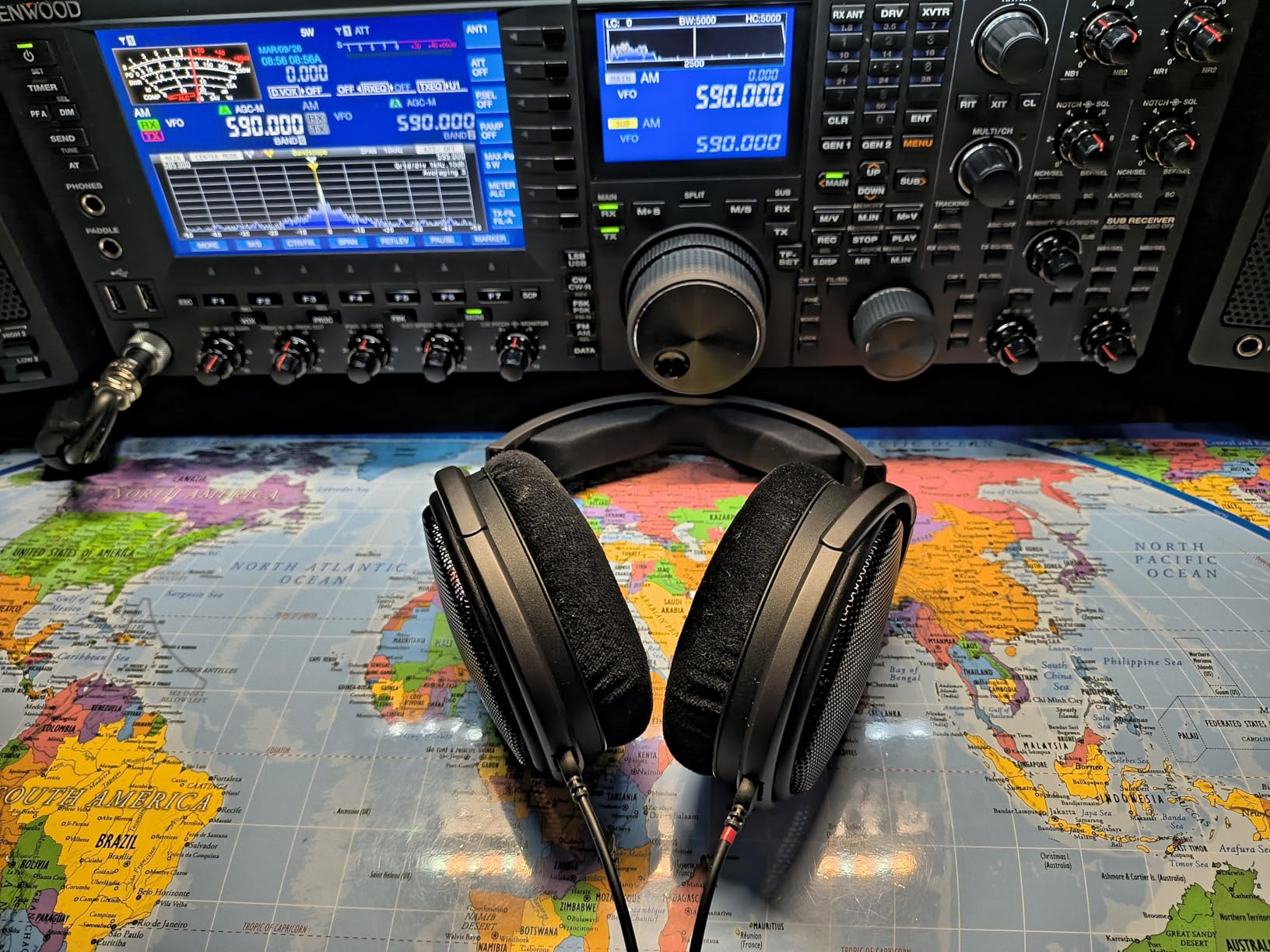
The 300-ohm impedance demands a proper amplifier. Running these from a phone or laptop interface will sound thin and lifeless. I pair mine with a Schiit Magni+ and the transformation is dramatic. The soundstage opens up, bass gains authority, and the already excellent mids become even more revealing.
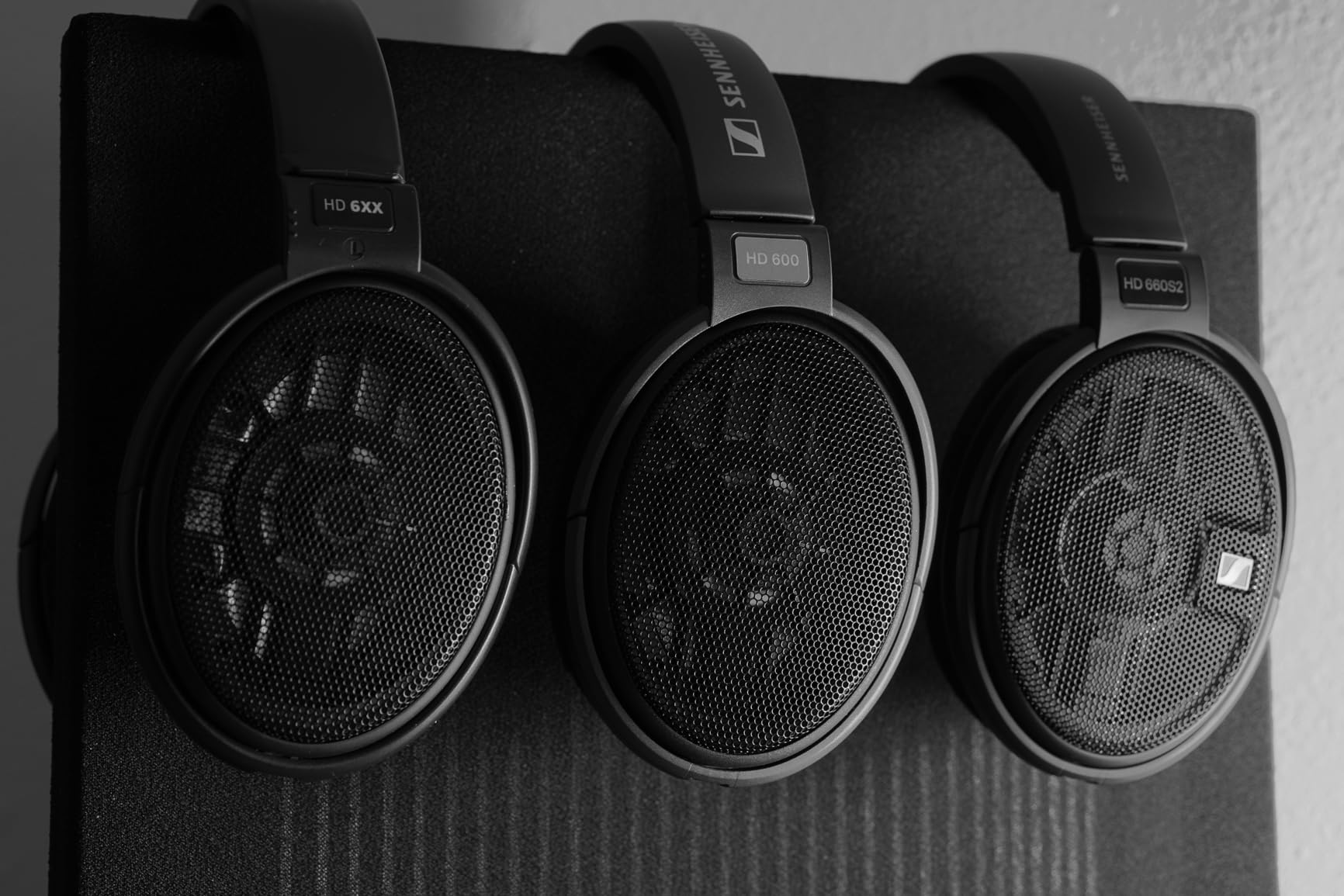
Classical and acoustic music shine on these headphones. The midrange presentation is natural and uncolored, letting you make EQ decisions that translate perfectly to other systems. I have mixed jazz albums entirely on HD 600s that needed zero revision when checked on mains.
The build is all function over flash. The plastic construction keeps weight down for long sessions, while the metal mesh earpiece covers provide durability. Replaceable parts mean these can last decades with proper care. Many forum users report 10+ years of daily use.
Who Should Buy the HD 600
These are for serious engineers who already own a dedicated headphone amp and want a proven reference standard. If your work focuses on acoustic instruments, vocals, or jazz, the HD 600 midrange is unmatched at this price.
Collectors and audiophiles appreciate the history and consistency. Every HD 600 sounds essentially identical, making them reliable for collaborative work.
Who Should Skip the HD 600
Skip these if you do not want to invest in a separate amplifier. Without proper power, you are wasting money. Bass-heavy genres like EDM and hip-hop producers might find the bass roll-off frustrating for low-end work.
If you need maximum comfort for 10+ hour sessions, the clamping force might bother you until the headband breaks in over several weeks.
3. Sennheiser HD 650 – Warm Musical Alternative
Sennheiser Consumer Audio HD 650 - Audiophile Hi-Res Open Back Dynamic Headphone, Titan
Dynamic driver
300 ohm impedance
10Hz-41kHz range
0.05% THD
Acoustic silk damping
Pros
- Warm smooth sound signature
- Silk damping for 0.05% THD
- Hand-selected matched drivers
- Exceptional vocal reproduction
- Forgiving of poor recordings
Cons
- Requires dedicated amp
- Warmer sound not for analytical work
- Clamping force tight initially
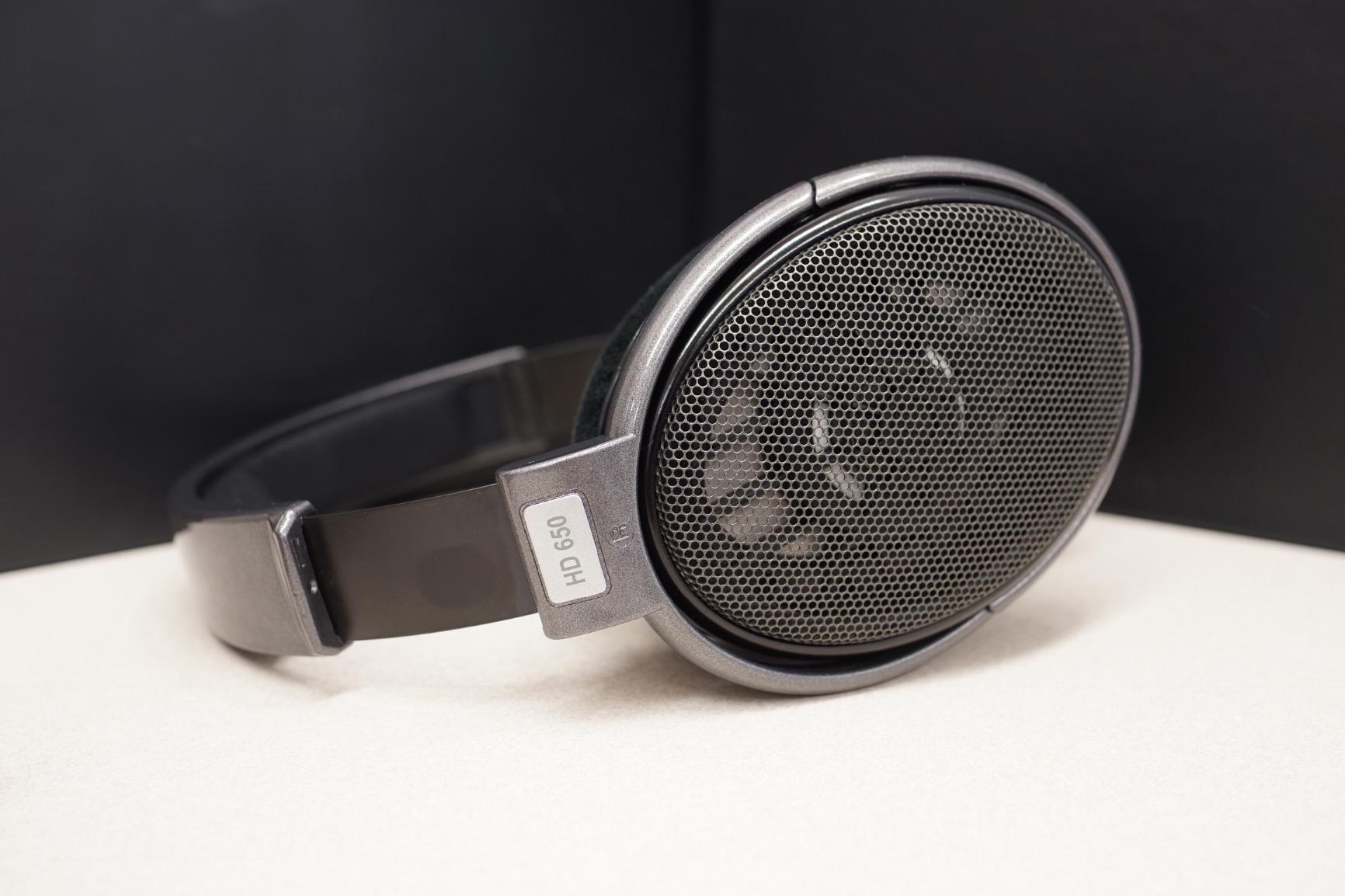
The HD 650 shares the HD 600 platform but delivers a distinctly different sonic character. Where the 600 is analytical and neutral, the 650 adds a touch of warmth that many find more musical and engaging. I reach for these when I want to enjoy the music while still working.
The acoustic silk damping system achieves incredibly low total harmonic distortion at 0.05%. Hand-selected driver pairs ensure channel matching that exceeds most competitors. This consistency matters when making critical panning and stereo width decisions.
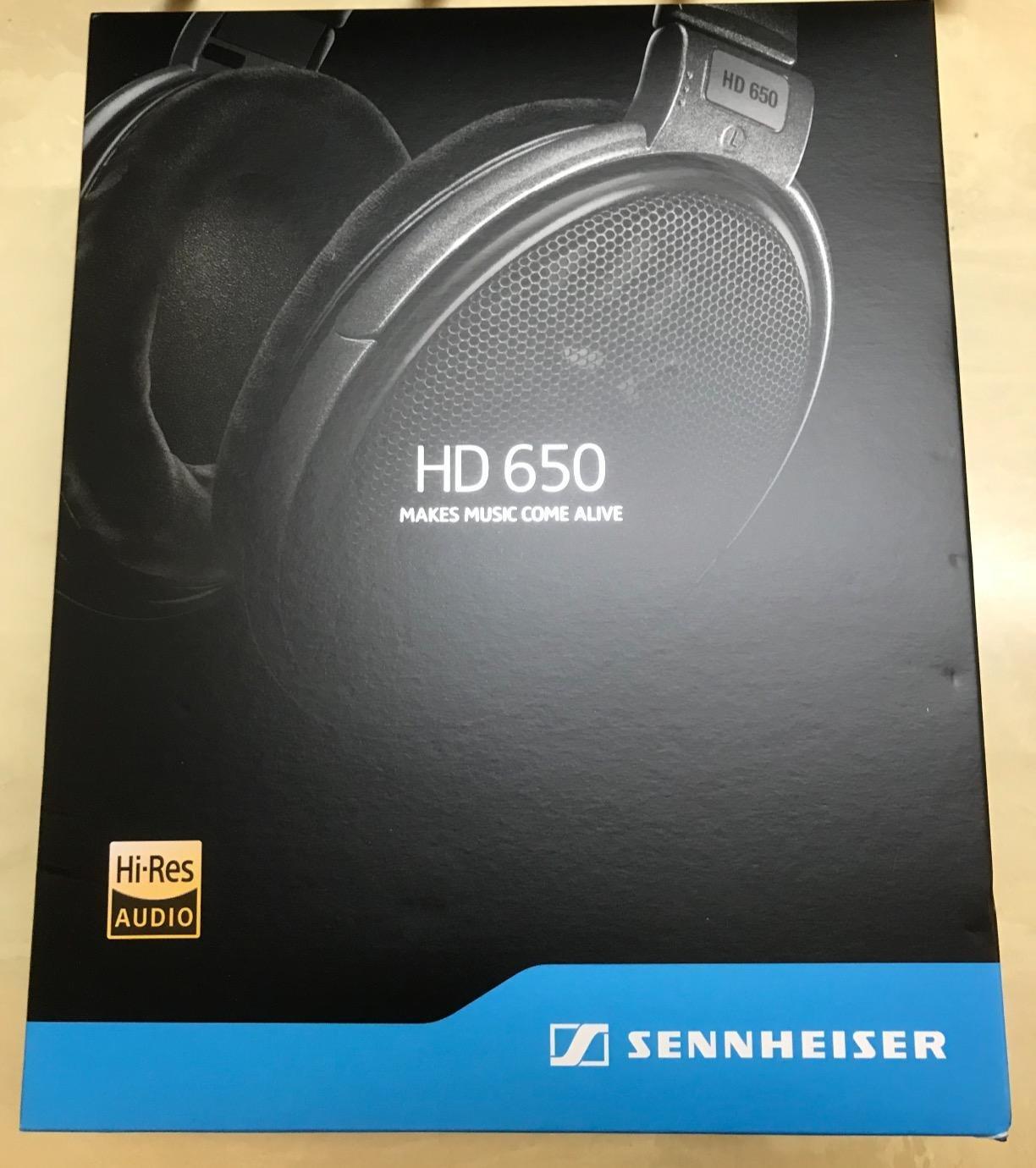
Vocals sound sublime on the HD 650. That slight upper-bass warmth adds body to thin recordings without becoming muddy. I have rescued countless vocal tracks that sounded harsh on other headphones, finding the right EQ settings that preserved presence while removing edge.
Like the HD 600, these need proper amplification. The 300-ohm impedance and 103dB sensitivity respond well to tube amps if you want even more warmth, or solid-state for tighter control. The suede-like ear pads are plush and durable, though replacements run about $50.
Who Should Buy the HD 650
Choose these if you want a more forgiving, musical presentation for long sessions. Vocal-heavy genres like pop, R&B, and singer-songwriter material benefit from the HD 650 character. If you find the HD 600 too clinical, these provide similar technical excellence with added soul.
Audiophiles seeking an “end-game” headphone for pleasure listening that still works for production will love the dual-purpose nature.
Who Should Skip the HD 650
Avoid these if you need surgical precision for technical editing or forensic audio work. The warmth can mask problems that the HD 600 would reveal. Electronic producers might find the bass response less tight than planar alternatives.
Those seeking maximum soundstage width should look elsewhere. The HD 650 imaging is precise but not as expansive as Audeze or Beyerdynamic offerings.
4. Sony MDR-MV1 – Spatial Audio Specialist
Sony MDR-MV1 Open Back Reference Monitor Headphones
Dynamic driver
24 ohm impedance
5Hz-80kHz range
226g weight
Aluminum construction
Pros
- Ultra-lightweight at 226g
- Exceptional bass for open-back
- Wide 5Hz-80kHz frequency range
- Low impedance easy to drive
- Perfect for Dolby Atmos mixing
Cons
- Soundstage not as wide as AKG
- Vocals less forward than competitors
- Higher price than entry options
Sony designed the MDR-MV1 specifically for spatial audio and immersive mixing, and it shows. At just 226 grams, these are the most comfortable open-backs I have worn for marathon sessions. I forgot I was wearing them during a 10-hour Atmos mix that would have destroyed my neck with heavier planars.
The bass response defies open-back expectations. Most open designs roll off below 50Hz, but the MV1 maintains authority down to the sub-bass range. This makes them uniquely capable for electronic music and film scoring where LFE content matters. The 5Hz-80kHz range handles high-resolution audio without compromise.
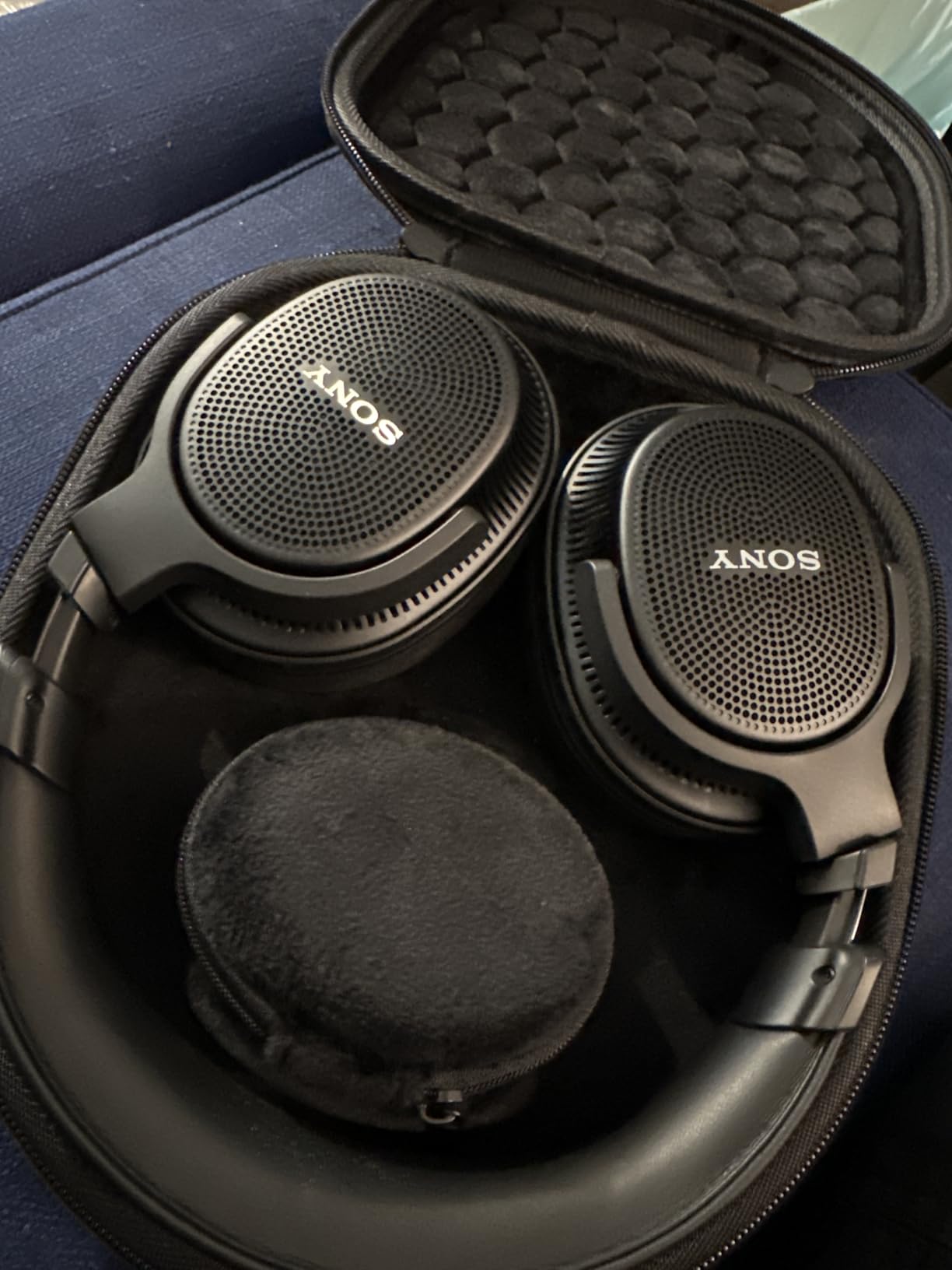
At 24 ohms, these work from anything with a headphone jack. I have driven them from a phone, laptop, and console controller with consistent results. The aluminum build feels premium despite the low weight, and the suede ear pads resist heat buildup.
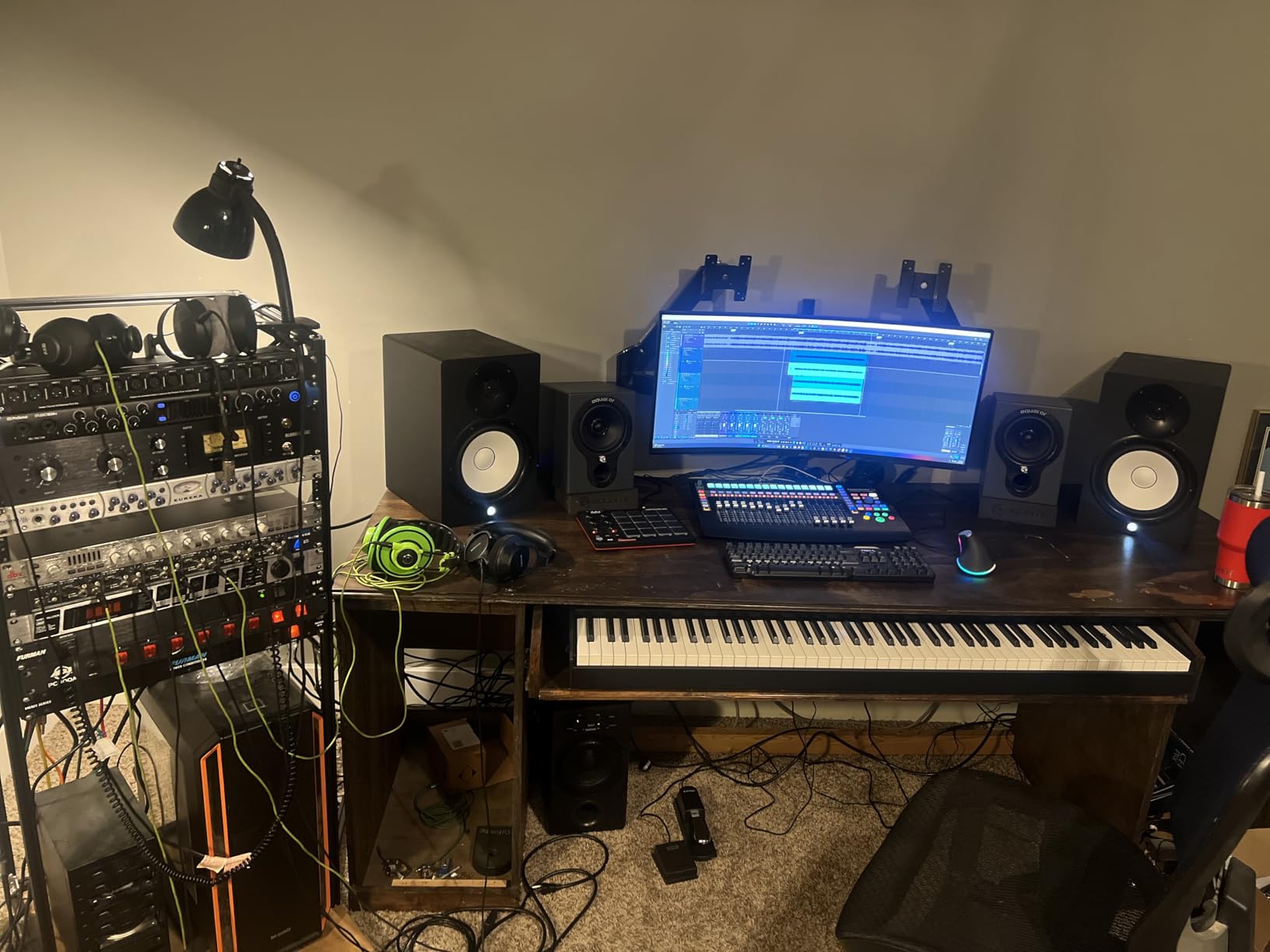
Spatial audio creators should seriously consider these. The imaging precision helps place objects in 3D space, and the frequency balance matches what you will hear in theatrical Atmos systems. I have mixed several spatial audio projects that translated perfectly to certified rooms.
Who Should Buy the MDR-MV1
These are ideal for immersive audio engineers, film composers, and anyone working in Dolby Atmos or Sony 360 Reality Audio. The comfort factor alone justifies the price if you work 8+ hour days. Electronic producers needing sub-bass accuracy on open-backs will love the extension.
Home studio owners working in untreated rooms can use these as a more reliable reference than budget monitors in bad acoustic spaces.
Who Should Skip the MDR-MV1
Skip these if you need the widest possible soundstage for orchestral work. The imaging is precise but not as expansive as some competitors. Traditional stereo mixing engineers might find the vocal presentation slightly recessed compared to HD 600 series.
Budget-conscious buyers can get 80% of the performance from the HD 560S at one-third the price.
5. Audeze MM-100 – Accessible Planar Magnetic
Audeze MM-100 Professional Open-Back Headphones, Planar Magentic, Wired
Planar magnetic driver
90mm driver size
18 ohm impedance
20Hz-25kHz range
476g weight
Pros
- Designed with Manny Marroquin
- 90mm planar magnetic drivers
- Premium magnesium and aluminum build
- Gel-filled leather earpads
- Low 18 ohm impedance
Cons
- Heavy at 476g
- Stock tuning may need EQ
- Soundstage smaller than expected
Audeze created the MM-100 with Grammy-winning mixer Manny Marroquin to bring planar magnetic quality to a wider audience. The 90mm drivers deliver the speed and detail that planars are famous for, with an 18-ohm impedance that works from any source.
The build quality screams luxury. Magnesium, aluminum, and steel construction feels indestructible. Gel-filled leather earpads and a suspension headband distribute the weight well, though at over a pound, you will feel these after 4 hours. I use them for focused 2-3 hour mixing blocks rather than all-day sessions.
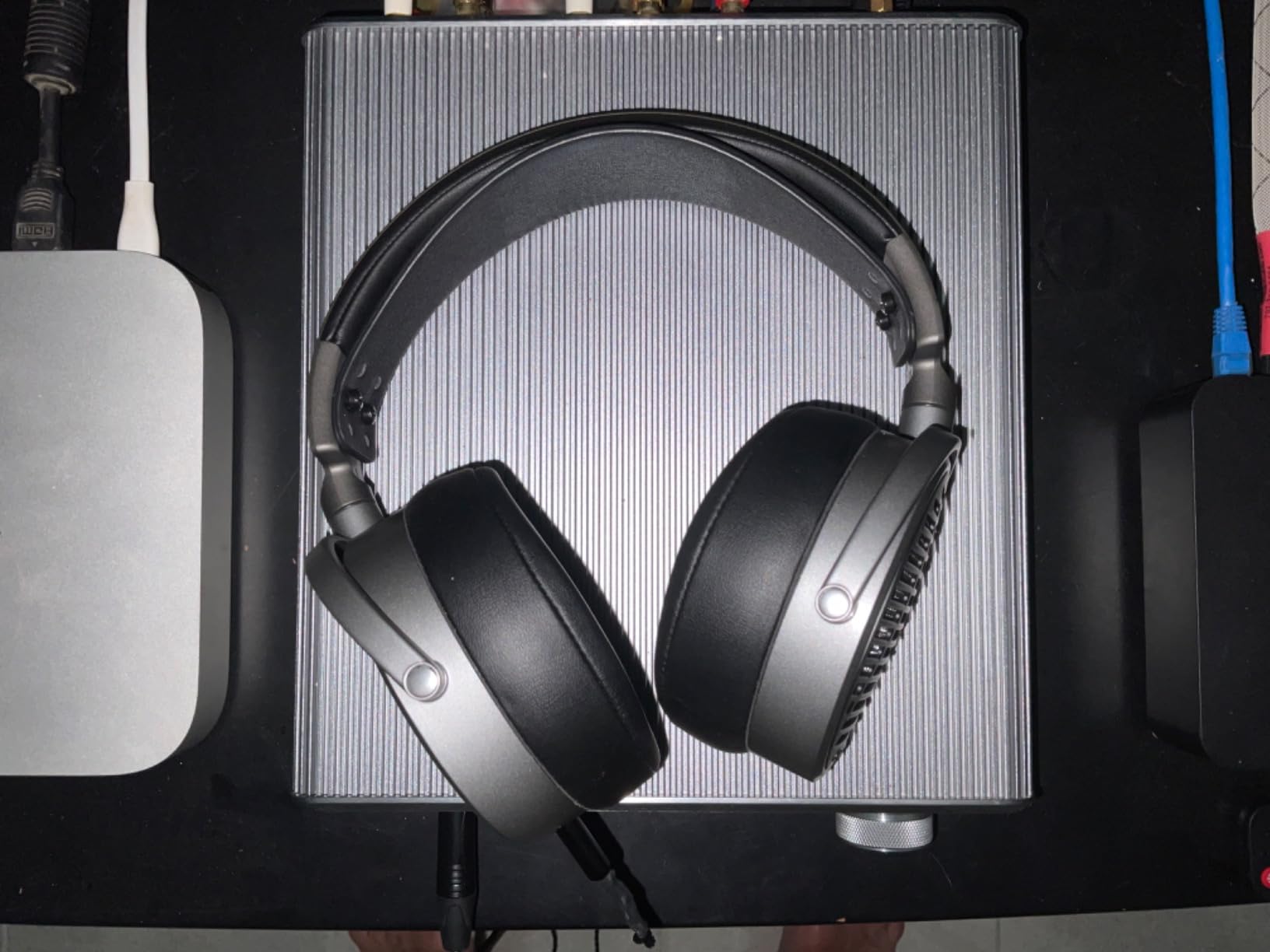
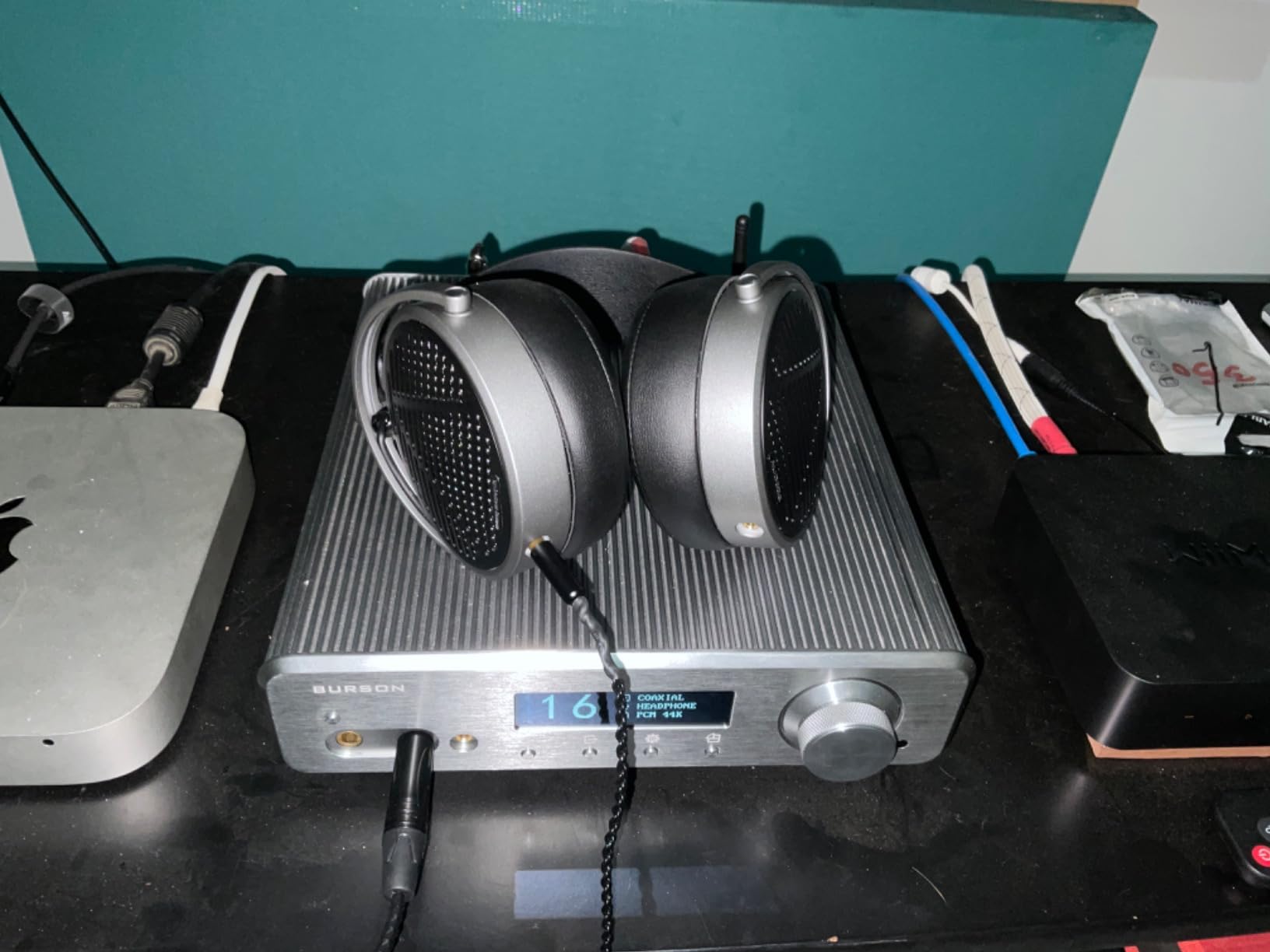
Sound signature leans mid-forward and analytical. Detail retrieval is exceptional, letting you hear compression artifacts and edit points with precision. Some users find the stock tuning sterile for music enjoyment, though this is exactly what you want for critical mixing work.
Reviews are polarized because these prioritize professional accuracy over consumer enjoyment. Engineers appreciate the translation consistency. Audiophiles expecting a fun, warm sound might be disappointed without EQ adjustment.
Who Should Buy the MM-100
These suit professional engineers wanting planar magnetic detail without the $1000+ price of flagship models. The easy driveability makes them perfect for mobile rigs and laptop workflows. If you trust Manny Marroquin’s ears, the tuning reflects his preferences for mix translation.
Build quality enthusiasts will appreciate the tank-like construction that should last decades.
Who Should Skip the MM-100
Avoid these if weight is a primary concern. Lighter options exist with similar sonic performance. The mid-forward tuning can sound clinical if you prefer a more musical presentation. Those wanting expansive soundstage should look at the LCD-X instead.
Budget buyers should consider the HD 560S first. The MM-100 justifies its price for professionals but might be overkill for hobbyists.
6. Audeze LCD-X – Editor’s Choice Reference
Audeze LCD-X Over-Ear Open Back Professional Headphone New 2021 and Later Version with Carry case, Combo 4 pin XLR Cable with 6.3mm and 3.5 mm adapters, Black
Planar magnetic driver
106mm diaphragms
20 ohm impedance
10Hz-50kHz range
612g weight
Pros
- 106mm planar magnetic drivers with Fazor
- Exceptional sound clarity and warmth
- Wide soundstage with precise imaging
- Hand-crafted in California
- Easy to drive at 20 ohms
Cons
- Heavy weight can cause fatigue
- Requires break-in period
- Premium price point
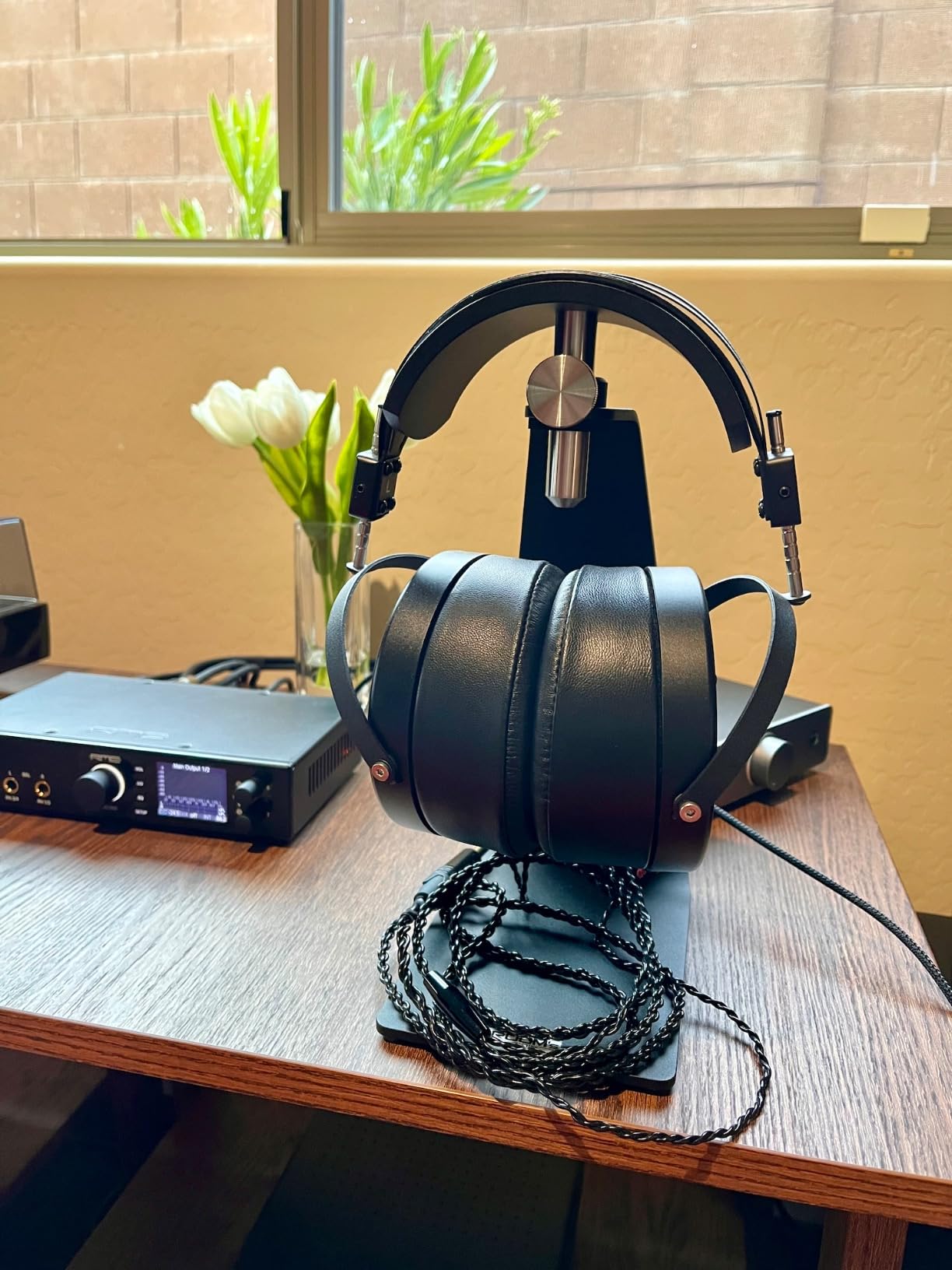
The LCD-X has been my primary mixing headphone for three years running. When I need to make a critical decision and cannot trust my room, these are what I reach for. The planar magnetic drivers deliver a level of detail and transient accuracy that dynamic drivers struggle to match.
The 106mm diaphragms with Fazor elements create a soundstage that extends well beyond your head. Panning decisions become obvious when you can place sounds in specific locations rather than vague left-right positions. The 10Hz-50kHz frequency response captures sub-bass and air frequencies that affect perceived clarity.
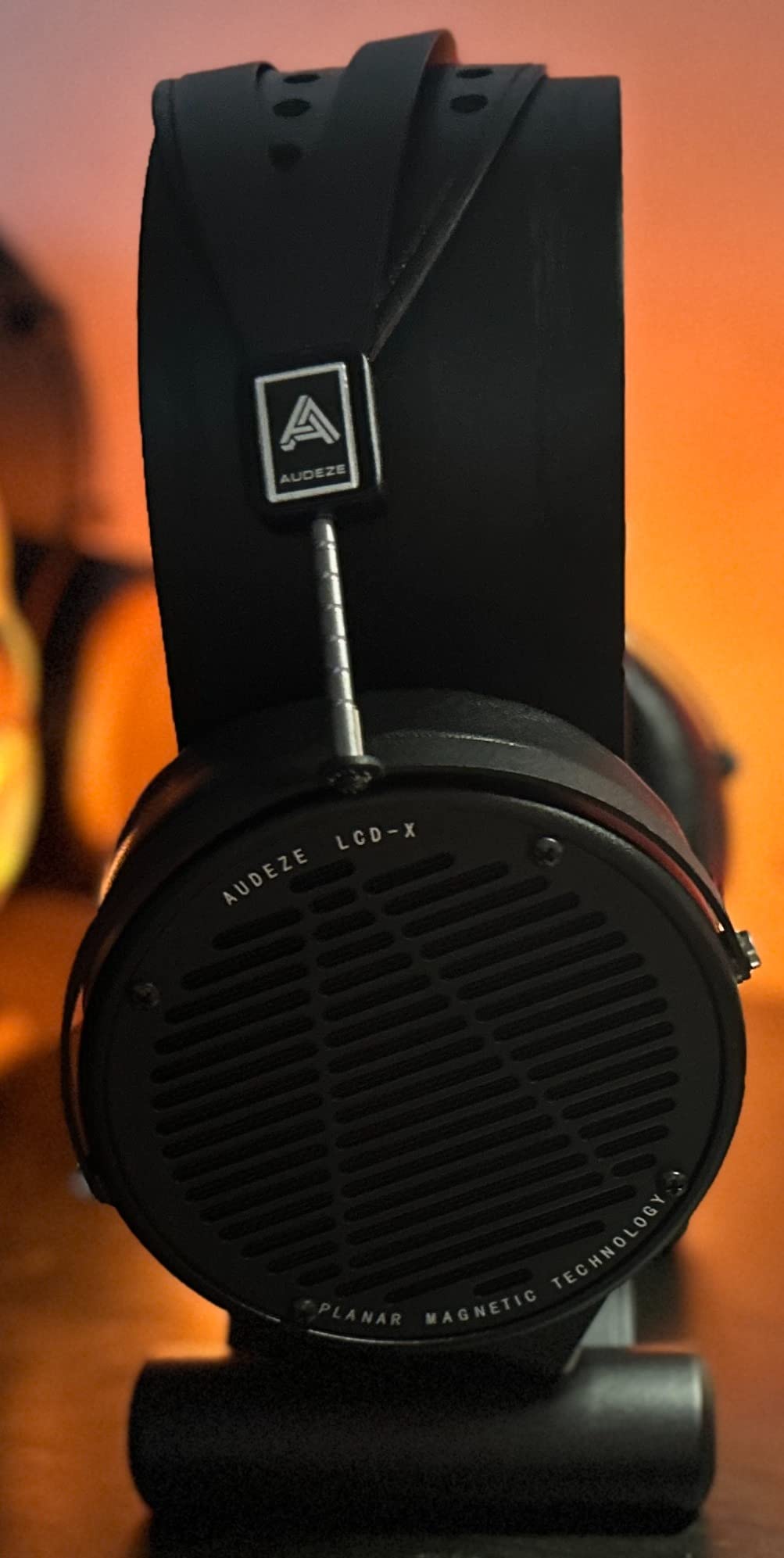
At 20 ohms, these work from anything but scale beautifully with quality amplification. I run mine through a Benchmark DAC3 with stunning results. The 2021 revision improved comfort with better ear pads while maintaining the beloved LCD-X sound signature.
Build quality is exceptional with all-metal construction. These feel like professional tools, not consumer electronics. The hard case protects your investment during travel. I have taken these on location mixing gigs without worry.
Who Should Buy the LCD-X
These are for professional engineers who need maximum accuracy and can justify the investment. If you work in untreated rooms or need a reliable secondary reference to monitors, the LCD-X delivers. The translation consistency is unmatched in my experience.
Planar magnetic enthusiasts will appreciate the speed and detail that only Audeze delivers at this level.
Who Should Skip the LCD-X
Skip these if weight is a dealbreaker. At 612g, they are significantly heavier than dynamic alternatives. The price puts them out of reach for many beginners, though they represent excellent value compared to even more expensive flagships.
Casual listeners might find the analytical presentation fatiguing for enjoyment listening. These are tools first, pleasure devices second.
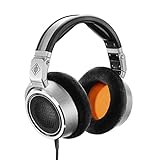
7. Neumann NDH 30 – NS10-Style Monitoring
Neumann NDH 30 Open-back Studio Headphones
Dynamic driver
120 ohm impedance
12Hz-34kHz range
Titanium construction
962g weight
Pros
- Flat neutral frequency response
- Crystal clear transient response
- Lightweight titanium build
- Professional monitoring accuracy
- Wide soundstage with precise imaging
Cons
- No carrying case included
- Cable on right side only
- Thin headband padding
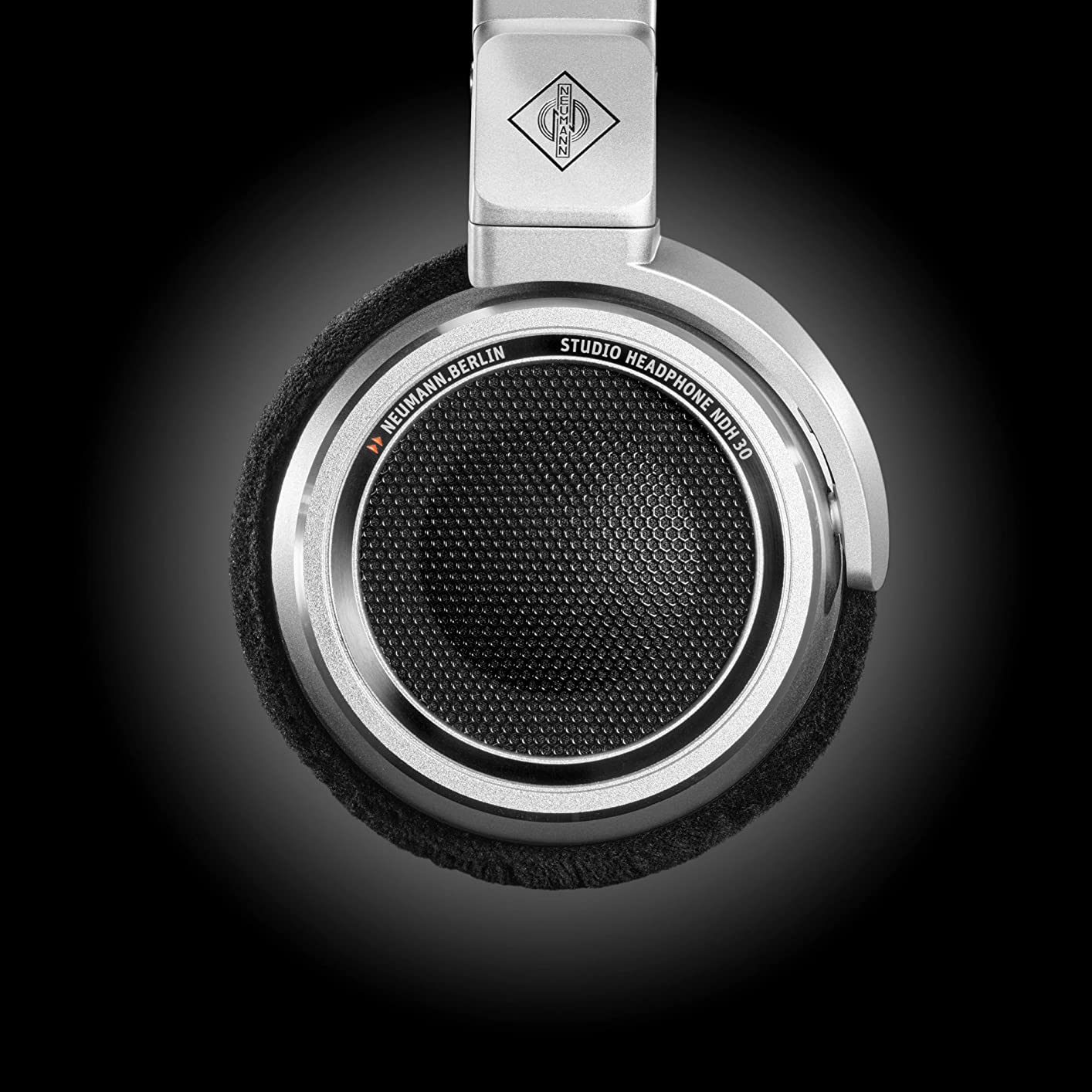
Neumann built the NDH 30 to replicate the iconic NS10 monitor experience in headphone form. The flat, neutral response reveals problems in your mix without adding flattering coloration. If you learned to mix on NS10s, these will feel immediately familiar.
The titanium construction keeps weight reasonable despite the solid feel. Transient response is exceptional, capturing the attack of drums and pluck of bass strings with precision. I use these for detailed editing work where hearing the exact edit point matters.
Forum discussions consistently praise these as the best on the market for mixing and reference listening. The accuracy helps mixes translate to other systems with minimal revision. I have cut my car test trips in half since adding these to my workflow.
The right-side cable placement takes adjustment if you are used to left-side exits. Memory foam earpads seal well without heat buildup. The lack of included case at this price feels stingy, though the headphones themselves justify the cost.
Who Should Buy the NDH 30
These suit engineers wanting NS10-style honesty in a headphone format. The translation consistency rivals nearfield monitors. If you work across multiple rooms and need a reference that stays constant, the NDH 30 delivers.
Those prioritizing accuracy over musical enjoyment will appreciate the unflinching presentation of mix problems.
Who Should Skip the NDH 30
Avoid these if you want a fun, engaging listening experience. The analytical tuning can be fatiguing for pleasure listening. The thin headband padding might bother users with sensitive scalps during long sessions.
Budget-conscious buyers can achieve similar translation accuracy with the HD 560S or HD 600 series at lower prices, though with less refinement.
8. Beyerdynamic DT 1990 PRO MKII – Premium Dynamic Excellence
beyerdynamic DT 1990 PRO MKII Wired Over-Ear, 30 Ohm, Open Back, Professional Recording Studio Monitor Headphones for Mixing, Editing, Audiophile, DJ Stereo Headsets, Made in Germany, Black
TESLA.45 dynamic driver
30 ohm impedance
20Hz-20kHz range
454g weight
Made in Germany
Pros
- Next-gen TESLA.45 drivers
- Remarkably low distortion
- 30 ohm easy to drive
- Two interchangeable velour pad sets
- Memory foam headband comfort
Cons
- Premium price point
- Ear pads may touch ears
- Sound leakage from open design
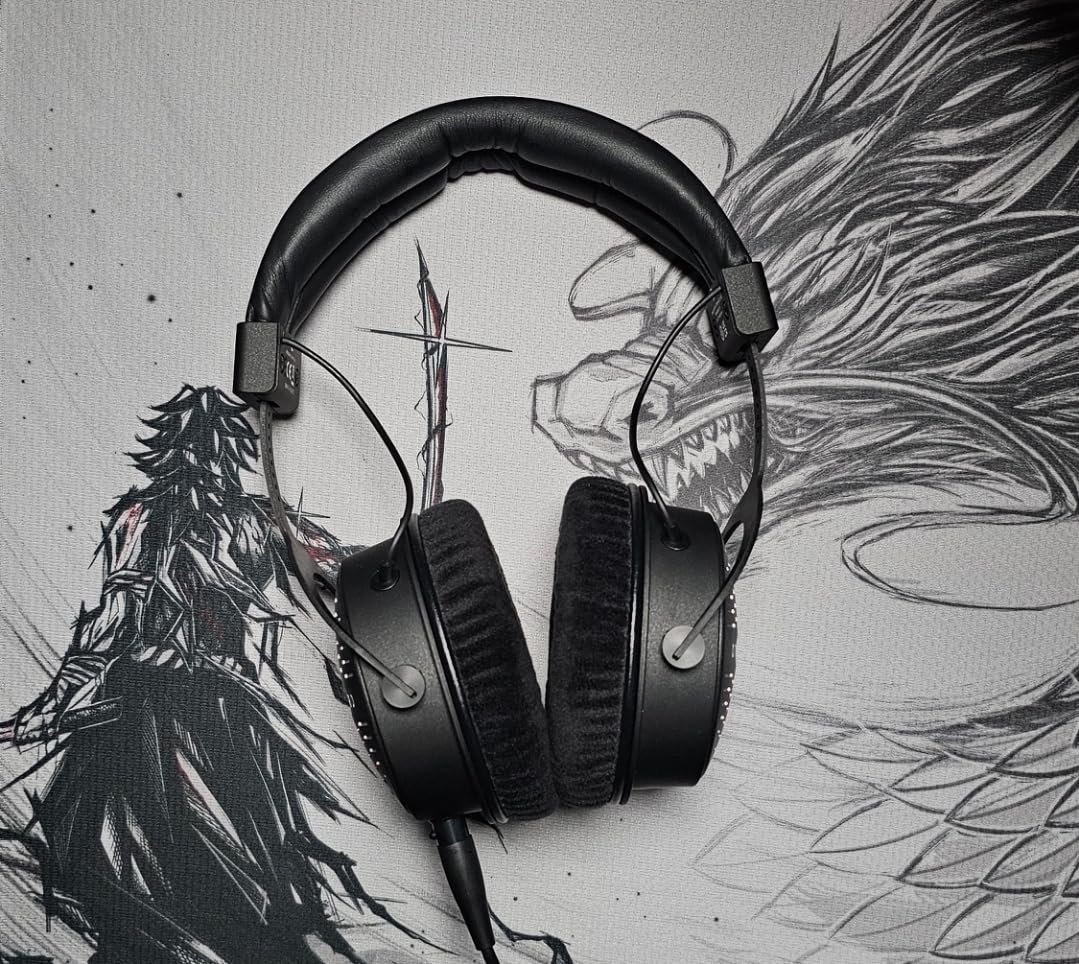
The DT 1990 PRO MKII improves on an already legendary design. Beyerdynamic’s new TESLA.45 drivers deliver resolution that rivals planar magnetic headphones while maintaining the punch and dynamics of moving-coil designs. This is the finest dynamic driver headphone I have used for mixing.
The MKII reduces impedance to 30 ohms from the original 250, making these far more versatile. You can drive them from a laptop yet they scale beautifully with high-end amplification. The low distortion at all volume levels preserves micro-dynamics that cheaper headphones compress.
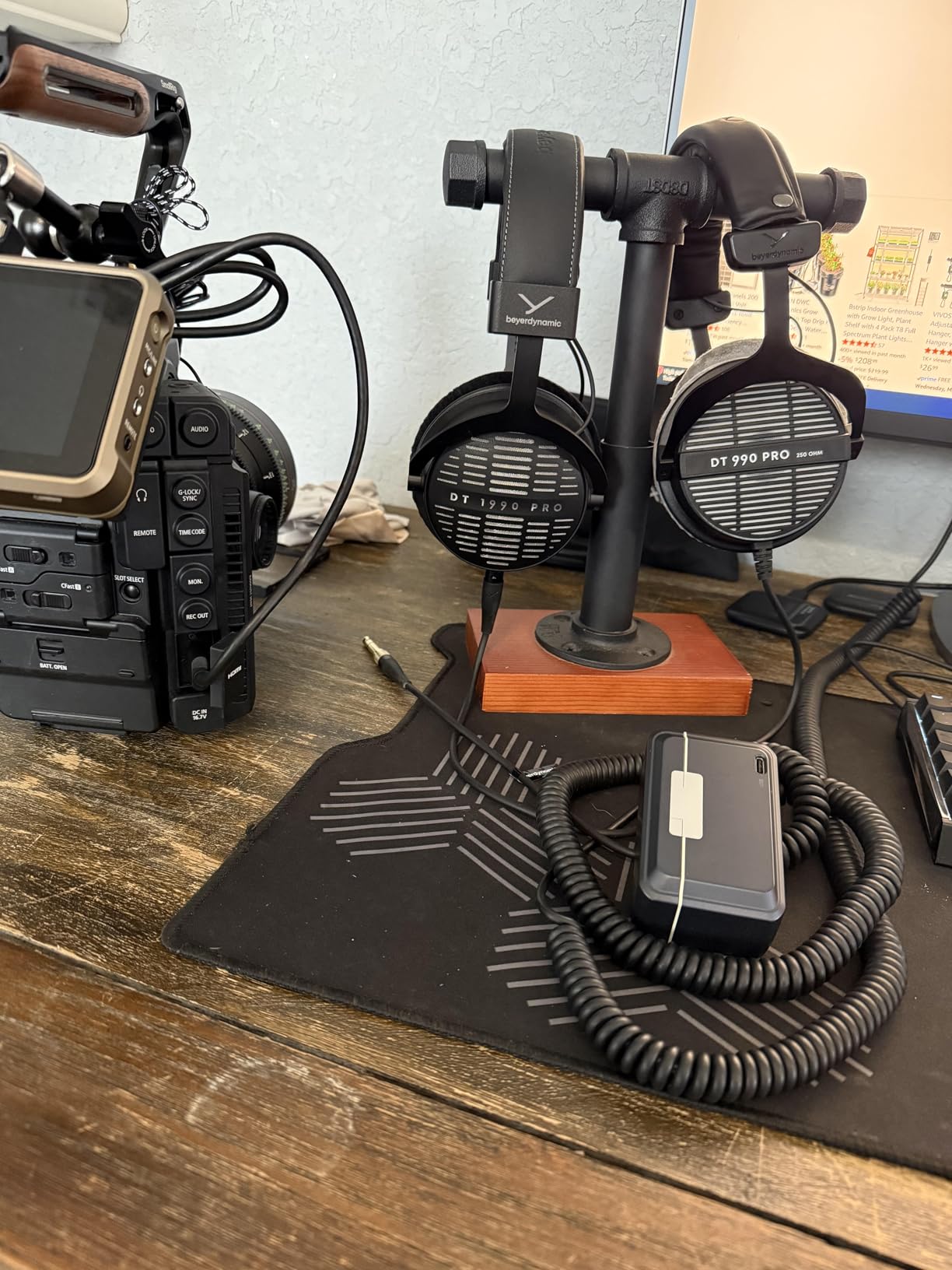
Two velour ear pad sets let you tune the sound. The analytical pads tighten the bass for critical listening, while the balanced pads add warmth for enjoyment. Both are comfortable for long sessions thanks to the memory foam headband. The made-in-Germany quality is evident in every detail.
I consider these end-game worthy for engineers who prefer dynamic drivers. The 3D soundstage and precise imaging create an immersive monitoring environment. Build quality focuses on sustainability with replaceable parts that should keep these running for decades.
Who Should Buy the DT 1990 PRO MKII
These are for professionals wanting the best dynamic driver technology available. The versatility from 30-ohm impedance makes them perfect for engineers who work across multiple devices and locations. If you need one premium headphone that handles everything, this is it.
German engineering enthusiasts will appreciate the craftsmanship and replaceable parts design.
Who Should Skip the DT 1990 PRO MKII
Skip these if the price exceeds your budget. Excellent alternatives exist at lower price points. Those wanting the absolute widest soundstage might prefer the Audeze planar options. The ear pad design might touch larger ears, which bothers some users.
If you already own the original DT 1990, the upgrade is worthwhile for the impedance reduction alone, but budget accordingly.
9. Focal Clear MG – Luxury French Engineering
Focal Clear MG Open-Back High-Fidelity Over-Ear Headphones
M-shaped magnesium driver
55 ohm impedance
5Hz-28kHz range
Microfibre earpads
Made in France
Pros
- M-shaped magnesium dome driver
- Exceptional soundstage and imaging
- Perforated microfibre comfort
- Beautiful copper aluminum build
- Rich midrange with intricate detail
Cons
- Included cables considered subpar
- Requires break-in period
- Premium price limits accessibility
Focal’s Clear MG represents the pinnacle of French headphone engineering. The M-shaped magnesium dome driver delivers treble detail without the harshness that plagues lesser designs. I find myself reaching for these when I want to enjoy the music while still working accurately.
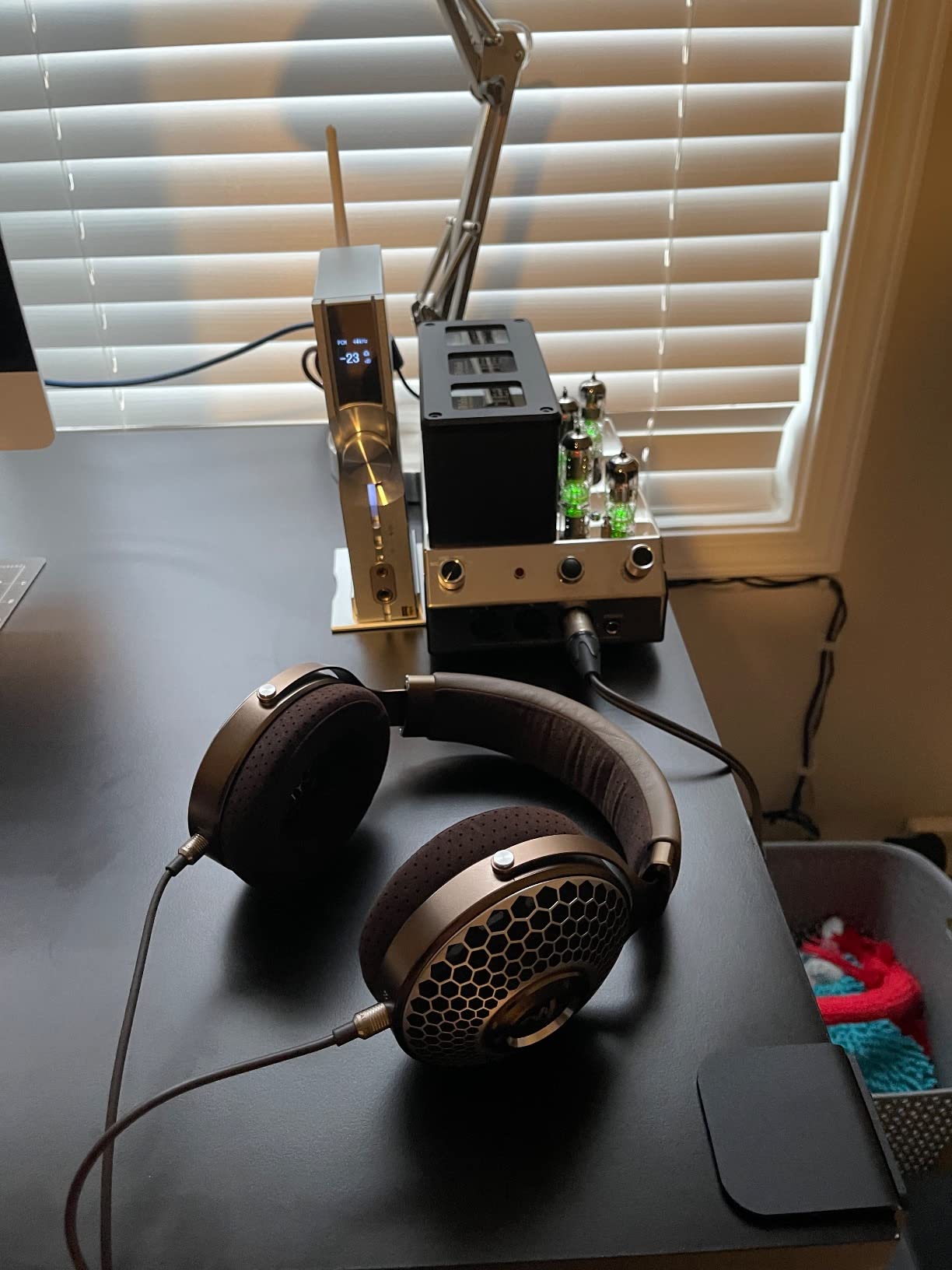
The 55-ohm impedance works with most sources, though quality amplification unlocks their full potential. Build quality is exceptional with solid aluminum yokes that mold to your face over time. The honeycomb grille creates an open, airy sound that never feels congested.
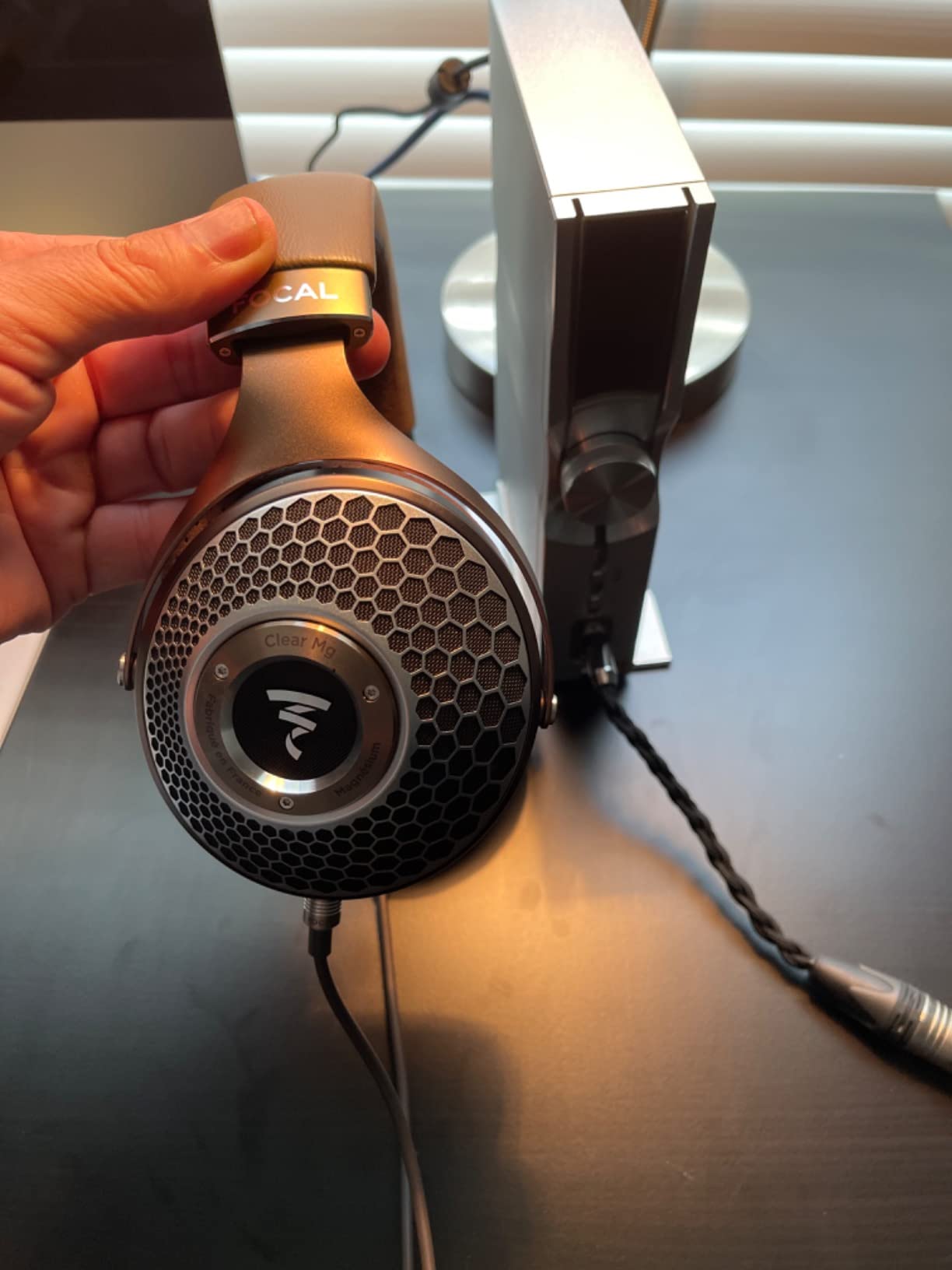
Sound signature strikes a balance between analytical and musical. The bass has satisfying punch without masking mids. Treble adds sparkle that reveals details without fatigue. This is a headphone you can wear for 10 hours without wanting to take them off.
The included cables disappoint at this price point. Most owners upgrade to aftermarket options immediately. A break-in period is required, with initial rattling that resolves after 50+ hours of play.
Who Should Buy the Clear MG
These suit audiophiles and engineers wanting a luxurious experience without sacrificing accuracy. The comfort is best-in-class for premium headphones. If your budget allows and you appreciate fine craftsmanship, the Clear MG delivers a special experience.
French manufacturing enthusiasts will appreciate the domestic production and attention to detail.
Who Should Skip the Clear MG
Avoid these if you need absolute surgical precision. The musical presentation adds slight coloration compared to the LCD-X or NDH 30. The price puts them firmly in luxury territory where diminishing returns set in.
Those wanting maximum value should look at the Audeze LCD-X, which delivers reference accuracy for less money, albeit with more weight.
10. Audio-Technica ATH-R70x – Hidden Gem
Audio-Technica ATH-R70x Professional Open-Back Reference Headphones, Black
Dynamic driver
45mm carbon composite
470 ohm impedance
5Hz-40kHz range
210g weight
Pros
- Feather-light 210g weight
- 3D wing support exceptional comfort
- Neutral reference sound
- Honeycomb-mesh open housings
- Made in Japan quality
Cons
- 470 ohm requires quality amp
- 3-meter cable may be long
- Plastic construction feel
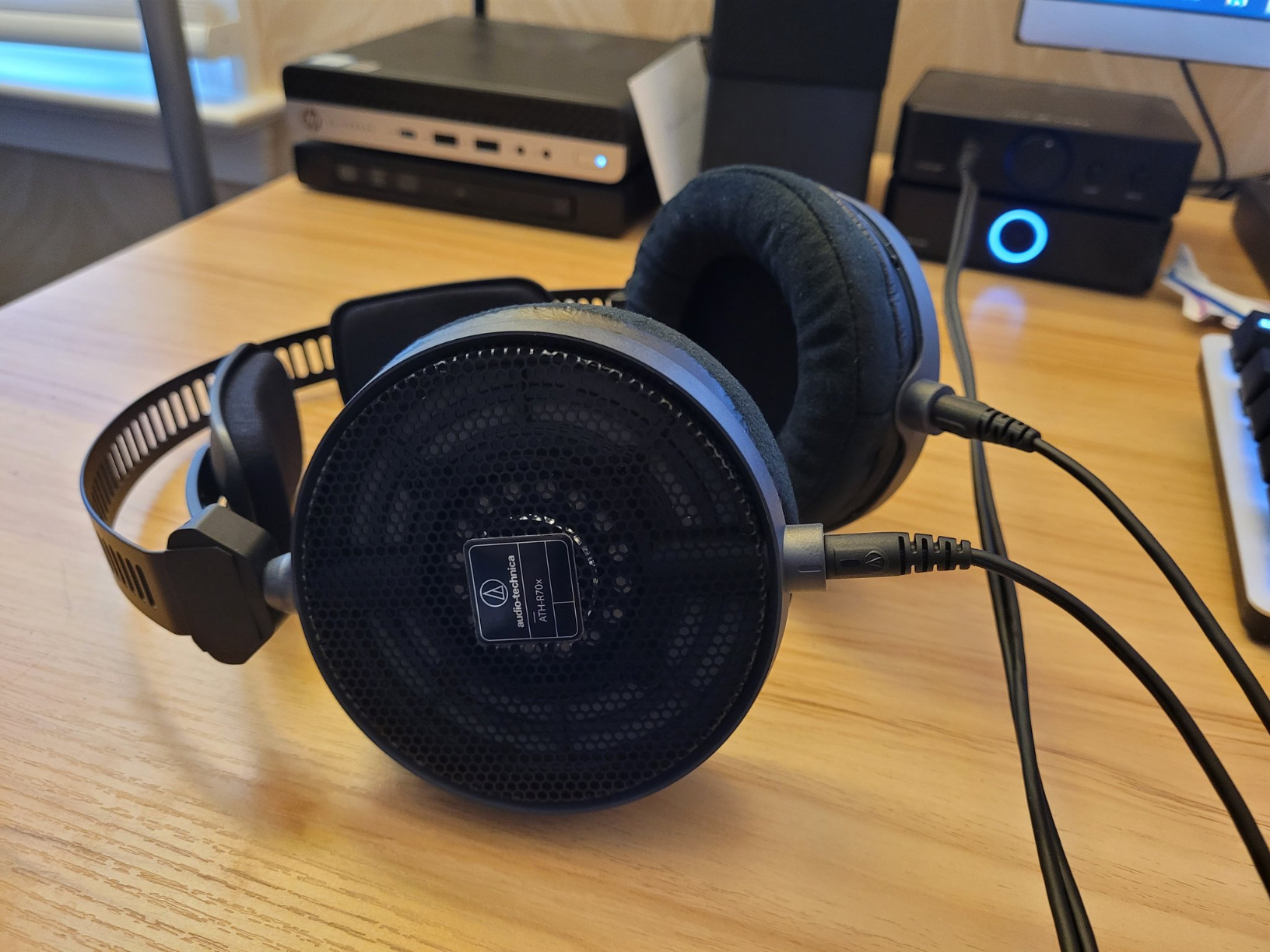
The ATH-R70x flies under the radar in discussions of best open-back headphones for music mixing, which is a shame. This is the most comfortable reference headphone I have ever worn. The 3D wing support system eliminates headband pressure entirely while maintaining perfect positioning.
At 210 grams, you forget you are wearing them. I have done 12-hour mixing sessions with zero neck fatigue. The 45mm carbon composite resin drivers deliver detailed transient response that rivals the HD 600 series. The 470-ohm specification demands a dedicated amplifier, but rewards you with excellent dynamics when properly powered.
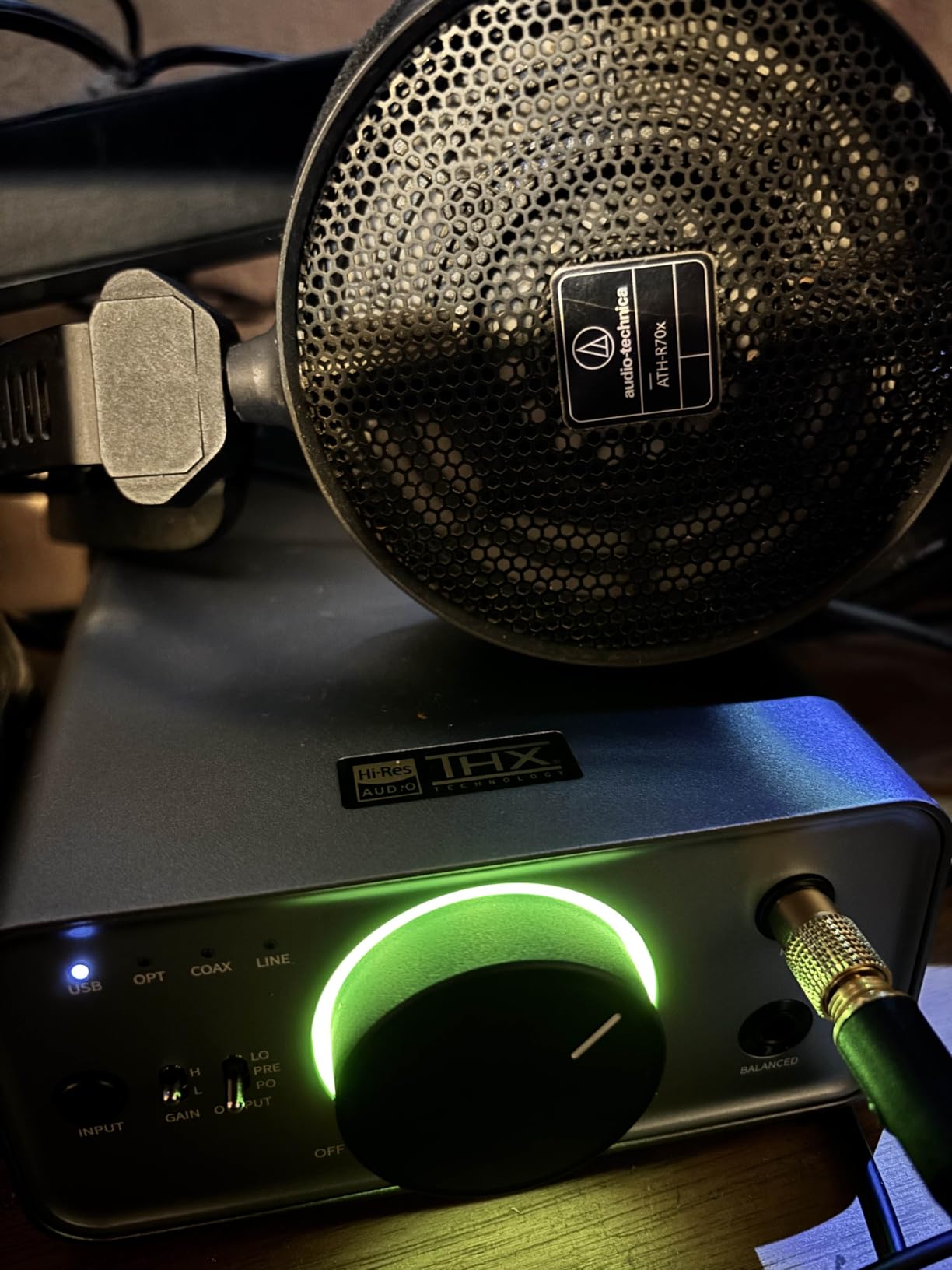
Sound signature is exceptionally neutral with precise 270-degree imaging. The honeycomb-mesh housings create a natural open sound that never feels boxy. I have mixed entire albums on these that needed zero revision on other systems. They should be more widely recognized.
The plastic construction might feel less premium than metal alternatives, but the durability is proven. Made in Japan quality control shows in the consistent performance. The dual-sided locking cable ensures proper stereo orientation every time.
Who Should Buy the ATH-R70x
These are perfect for engineers prioritizing comfort above all else. If you work 8+ hour days, the weight advantage is significant. The neutral signature and excellent imaging make them ideal for mixing and mastering work at a reasonable price point.
Those with headband pressure issues from other headphones will find the wing system revolutionary.
Who Should Skip the ATH-R70x
Avoid these if you need isolation or work in noisy environments. The open design leaks sound significantly. Those without dedicated headphone amplification should look at lower-impedance alternatives like the HD 560S or Sony MDR-MV1.
Buyers wanting premium materials and flashy aesthetics might prefer the metal construction of competitors.
What to Look For When Buying Mixing Headphones
Choosing the right open-back headphones requires understanding a few key technical specifications. These factors determine how well the headphones will work in your specific setup.
Impedance and Amplification Requirements
Impedance, measured in ohms, determines how much power your headphones need. Low impedance headphones (under 50 ohms) work well with laptops and basic interfaces. High impedance models (250+ ohms) require dedicated headphone amplifiers to perform their best.
The Sennheiser HD 600 and HD 650 at 300 ohms, plus the ATH-R70x at 470 ohms, need proper amplification. The Sony MDR-MV1 at 24 ohms and Audeze options at 18-20 ohms work from almost any source. Match your headphones to your existing gear or budget for an amp upgrade.
Driver Types: Planar Magnetic vs Dynamic
Planar magnetic drivers use a thin diaphragm suspended between magnetic arrays. They deliver exceptional detail, fast transient response, and wide soundstage. Audeze specializes in this technology with the MM-100 and LCD-X leading our recommendations.
Dynamic drivers use traditional moving-coil designs. They offer punchier bass, simpler amplification requirements, and generally lighter weight. Sennheiser, Beyerdynamic, and Sony all use dynamic drivers with excellent results. Neither technology is inherently superior; they offer different sonic characteristics.
Frequency Response and Sound Signature
For mixing, you want a flat frequency response without exaggerated bass or treble. Neutral signatures let you make EQ decisions that translate to other systems. The HD 600, NDH 30, and LCD-X excel here with minimal coloration.
Wider frequency ranges (extending below 20Hz and above 20kHz) capture content that affects perceived clarity even if you cannot hear it directly. Sub-bass extension matters for electronic music and film work. High-frequency air affects sense of space and detail.
Comfort for Long Sessions
Weight and clamping force determine how long you can work without fatigue. The Sony MDR-MV1 at 226g and ATH-R70x at 210g set the standard for comfort. Heavy planars like the LCD-X at 612g require more frequent breaks despite excellent sound.
Velour and microfibre ear pads breathe better than leather or pleather for long sessions. Adjustable headbands that distribute weight evenly prevent pressure points. Consider your typical working hours when evaluating comfort claims.
Cable and Connection Options
Detachable cables extend headphone lifespan and allow customization. Look for standard connectors like 3.5mm or mini-XLR rather than proprietary designs. The HD 560S uses an annoying 2.5mm recessed connector that limits cable options.
Dual-sided cables can maintain proper left-right orientation but add desk clutter. Single-sided entry keeps cables tidy but may limit repair options. Consider your studio layout and mobility needs.
Frequently Asked Questions
Can I use open-back headphones for mixing?
Yes, open-back headphones are actually preferred for mixing because they provide a more natural soundstage and accurate frequency response compared to closed-back designs. The open design eliminates internal resonances that color the sound, giving you a truer representation of your mix that translates better to speakers and other playback systems.
Why do audiophiles prefer open-back headphones?
Audiophiles prefer open-back headphones for three main reasons: wider soundstage that mimics speaker listening, more natural frequency response without enclosure coloration, and reduced ear fatigue during long sessions due to ventilation. The trade-off is sound leakage, making them unsuitable for noisy environments or tracking where isolation is needed.
What are the best studio headphones for mixing open-back?
The best open-back studio headphones for mixing include the Audeze LCD-X for professional reference work, Sennheiser HD 560S for budget-conscious beginners, Beyerdynamic DT 1990 PRO MKII for premium dynamic driver performance, and Sony MDR-MV1 for spatial audio and long-session comfort. Your choice depends on budget, amplification setup, and specific mixing requirements.
Do I need an amp for mixing headphones?
Whether you need an amp depends on headphone impedance. Low impedance headphones under 50 ohms, like the Sony MDR-MV1 (24 ohms) or Audeze LCD-X (20 ohms), work well directly from laptops and audio interfaces. High impedance models like the Sennheiser HD 600/650 (300 ohms) or ATH-R70x (470 ohms) require dedicated headphone amplifiers for optimal performance.
Final Thoughts
The best open-back headphones for music mixing in 2026 offer options for every budget and workflow. The Sennheiser HD 560S remains unbeatable for beginners, delivering reference-grade accuracy at an accessible price. Professional engineers should audition the Audeze LCD-X for its translation consistency and the Beyerdynamic DT 1990 PRO MKII for premium dynamic driver performance.
For specific use cases, the Sony MDR-MV1 dominates spatial audio work, while the Audio-Technica ATH-R70x wins for marathon session comfort. The Neumann NDH 30 and Sennheiser HD 600/650 continue serving engineers who learned on their familiar signatures.
Remember that room acoustics matter as much as headphone choice. These open-back models can outperform budget monitors in untreated spaces, making them essential tools for home studio owners. Pair your choice with proper amplification when needed, and you will have a reference system that serves you for years of critical mixing work.