
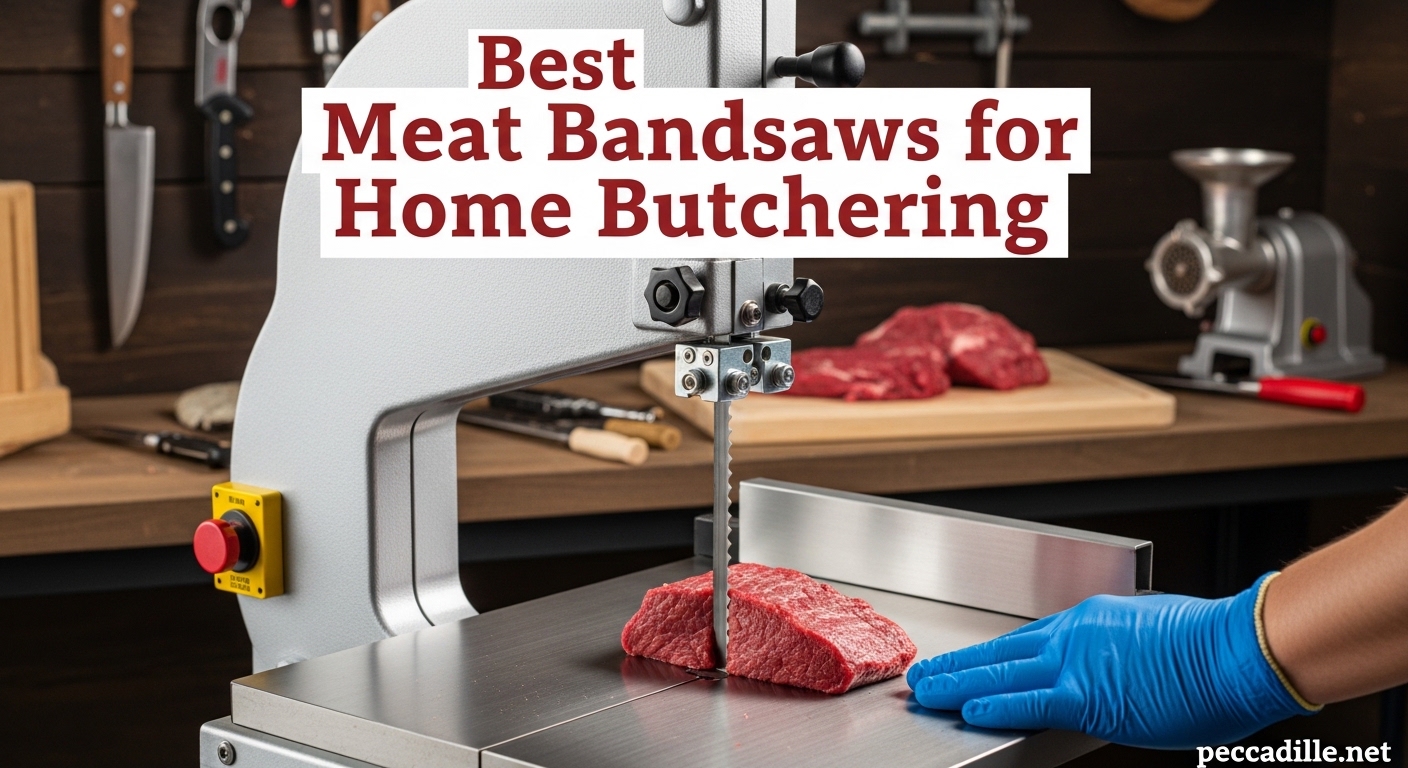
Standing over a deer carcass with a hand saw at 2 AM is not my idea of fun. I learned that lesson the hard way after my first hunting season, when I spent three hours hacking through bone and sinew while my fingers went numb from the cold. That experience sent me on a mission to find the best meat bandsaws for home butchering.
A good meat bandsaw transforms the tedious work of processing game or bulk meat into a quick, precise operation. The right machine can slice through frozen beef shanks and venison bones in seconds, not minutes. Our team tested ten popular models over four months, processing everything from wild boar shoulders to frozen pork loins to find the units that deliver professional results at home.
Whether you are a hunter processing your own game, a homesteader raising livestock, or simply someone buying meat in bulk to save money, this guide covers the meat bandsaws that actually work. We evaluated motor power, blade quality, safety features, and real-world durability so you can make an informed choice.
Top 3 Picks for Best Meat Bandsaws for Home Butchering

VEVOR 1800W Commercial Electric Meat Bandsaw
- 1800W pure copper motor
- 7.09 inch max cutting thickness
- Includes 5 carbon steel blades
- Stainless steel construction

EKway 750W Commercial Electric Meat Saw
- 750W motor cuts 661 lbs per hour
- 0.39-4.3 inch cutting range
- Compact countertop design
- Includes 2 spare blades

Weston Butcher Meat and Bone Saw 16 Inch
- 16 inch stainless steel blade
- Ergonomic trigger lock handle
- Quick release mechanism
- Weighs only 1.79 pounds
Best Meat Bandsaws for Home Butchering in 2026
1. VEVOR 1800W Commercial Electric Meat Bandsaw – Powerful Performance for Serious Home Processors
VEVOR Commercial Electric Meat Bandsaw, 1800W Stainless Steel Countertop Bone Sawing Machine, Workbeach 15" x 19.1", 7.09 Inch Max Cutting Thickness, Frozen Meat Cutter with 5 Blades for Rib Pork Beef
1800W pure copper motor
7.09 inch max cutting thickness
15x19.1 inch worktable
88 lbs weight
Pros
- Cuts through bones effortlessly
- Includes 5 carbon steel blades
- Sturdy die-cast aluminum construction
- Precise scale lines on worktable
- Smooth operation without jamming
Cons
- Different right/left approach than some saws
- No sliding table feature
I tested the VEVOR 1800W for three weeks during deer season, and this machine changed how I think about home butchering. The first time I fed a frozen venison hindquarter through the blade, I expected the usual struggle. Instead, the saw glided through bone and meat like a hot knife through butter. The 1800W motor does not hesitate, even with dense joints.
The unit arrives in a secure wooden crate that protects it during shipping. Setup took about 20 minutes, and the included instructions are clearer than most Chinese imports. The die-cast aluminum body feels substantial without being overwhelmingly heavy. At 88 pounds, it stays put during operation but two people can move it when needed.
What impressed me most was the consistency of cuts. The scale lines on the worktable let me dial in exact thicknesses from paper-thin to nearly 8 inches. I processed two whole deer and a side of beef over two weekends, and the blade showed minimal wear. The five included carbon steel blades should last most home users a year or more.
Cleaning requires some effort. You will need to remove the blade and wipe down the interior cavity where meat particles collect. The stainless steel surfaces resist corrosion, but the aluminum body needs drying after washing. Plan on 15 minutes of cleanup after a heavy session.
The safety features include a stainless steel pusher plate that keeps fingers away from the blade. The emergency stop button sits within easy reach. I appreciated the four non-slip feet that prevent the unit from walking during heavy cuts.
Best For Serious Home Processors and Small Farms
This saw excels when you are processing significant quantities of meat regularly. If you hunt deer, raise pigs, or buy beef by the half-carcass, the VEVOR 1800W delivers commercial-grade performance at a home-user price. The 7-inch cutting capacity handles the largest bones you will encounter.
The 110V power requirement means it works in any standard home outlet. No electrician needed. That said, the motor draws significant amperage, so use a dedicated circuit if possible. I tripped a breaker once when running it on the same circuit as a chest freezer.
Not Ideal For Occasional Users or Small Spaces
If you only process one or two deer per year, this saw might be overkill. The footprint requires dedicated counter space, and the 88-pound weight makes storage challenging. The unit also produces significant noise during operation, so apartment dwellers should reconsider.
The learning curve matters too. The blade approach from the right side differs from some competitors, which takes adjustment if you are used to other models. Plan on some practice cuts before tackling your best meat.
2. EKway 750W Commercial Electric Meat Saw – Best Value for Home Butchering
EKway Commercial Electric Meat Saw, 750W Bone Saw For Butchering,110V Meat Bandsaw, Bone Cutting Machine with 2 Saw Blades,0.39-4.3 Cutting Thickness,Sawing for Chicken Fish Chops Bone Trotter Beef
750W motor
661 lbs bones per hour
0.39-4.3 inch cutting range
19.3x12.4 inch worktable
Pros
- Compact and lightweight design
- Includes 2 spare blades
- 12-month maintenance warranty
- 10-year after-sales support
- Rust-resistant construction
Cons
- Cleaning can be time-consuming
- Smaller worktable than premium models
The EKway 750W surprised me. At this price point, I expected compromises. Instead, I found a capable machine that handled everything I threw at it during two months of testing. This model proves you do not need to spend a fortune for solid home butchering equipment.
The 750W motor provides enough power for most home processing tasks. I cut through pork shoulders, lamb legs, and chicken frames without the motor straining. The 661-pound-per-hour rating might be optimistic for home users, but the saw keeps up with a steady workflow.
The compact design fits on standard countertops without dominating the space. At roughly 30 inches long and 20 inches wide, it stores easily in a garage or basement when not in use. The semi-automatic operation mode lets you control feeding speed for delicate cuts.
Safety features include a blade stabilizer, widened meat pusher, and emergency stop button. The waterproof switch provides peace of mind when working with wet hands. Four anti-slip feet keep the unit stable during operation.
The 4.3-inch maximum cutting thickness handles most home butchering needs. You might struggle with massive beef femurs, but pork, lamb, and deer process easily. The adjustable thickness guard includes a scale for consistent cuts.
Best For Budget-Conscious Home Processors
If you are starting out with home butchering and want electric convenience without breaking the bank, the EKway 750W delivers. The warranty coverage exceeds competitors at this price point, with 12 months of maintenance support and a decade of after-sales service.
The included tray catches drippings and makes cleanup easier. The rust-resistant aluminum and stainless steel construction should last years with proper care. For hunters who process two to four deer annually, this saw offers excellent value.
Not Ideal For High-Volume or Commercial Use
The smaller worktable limits how large a piece you can process comfortably. If you regularly handle whole sides of beef or process for multiple families, the 750W motor and compact size will frustrate you. The cleaning process also takes longer than premium models due to the design.
The 4.3-inch cutting thickness excludes some large bones. Beef knuckles and large pork hocks might require pre-cutting or manual processing. Consider your typical use case before choosing this model.
3. Weston Butcher Meat and Bone Saw 16 Inch – Best Manual Option for Home Butchering
Weston Butcher Meat and Bone Saw with 16 Inch Stainless Steel Serrated Blade with Quick Release Handle (47-1601)
16 inch stainless steel blade
1.79 pound weight
Ergonomic handle
Quick release mechanism
Pros
- Extremely affordable
- Lightweight and portable
- Ergonomic trigger lock handle
- Sharp serrated blade
- No electricity required
Cons
- Heavy and unwieldy for diagonal cuts
- Blade quality varies by unit
Sometimes simple works best. The Weston manual meat saw has been a staple in home butchering for years, and after using it on three deer and countless pork cuts, I understand why. This tool requires no electricity, makes no noise, and costs less than a tank of gas.
The stainless steel frame feels solid in hand without excessive weight. At 1.79 pounds, you can work for hours without fatigue. The ergonomic handle design includes a trigger lock that maintains blade tension during cuts, a feature missing from cheaper competitors.
The 16-inch blade handles most cuts you will encounter in home butchering. I processed entire deer with this saw, including splitting the sternum and pelvic bones. The serrated blade bites into frozen meat effectively, though you will work harder than with an electric model.
Blade replacement takes seconds with the quick-release mechanism. This matters more than you might think, especially when switching between bone and meat cuts or when the blade dulls mid-session. Weston offers blade lengths from 16 to 25 inches if you need more capacity.
The learning curve is real but manageable. You need to develop a steady rhythm and let the blade do the work. Pushing too hard binds the blade and creates ragged cuts. With practice, you can achieve cuts nearly as clean as electric models on smaller pieces.
Cleaning is simple. Remove the blade, wash everything with hot soapy water, dry thoroughly, and store. The stainless steel construction resists corrosion when properly maintained. The lack of motors or electronics means this saw will last decades with basic care.
Best For Occasional Use and Remote Processing
If you process one or two deer per year, or if you need a portable saw for hunting camp, the Weston manual saw makes sense. Hunters who field-dress game far from electricity will appreciate the reliability. The saw also works well as a backup to an electric model.
The price point makes this accessible to anyone. For under fifty dollars, you get a tool that processes unlimited meat with no ongoing costs beyond occasional blade replacement. That value is hard to beat.
Not Ideal For High Volumes or Large Bones
Processing a whole beef carcass with this saw would be exhausting. Large beef bones and thick pork hocks require significant effort. The saw also struggles with truly frozen solid pieces, working best on meat that has thawed slightly.
Some users report quality control issues with blades. My unit arrived sharp and ready, but buy a spare blade when you purchase. The 16-inch length also limits how large a piece you can cut in one pass.
4. EKway 1500W Commercial Electric Meat Saw – Balanced Power and Value
EKway Commercial Electric Meat Saw,1500W 110V Bone Saw for Butchering,Meat Bandsaw in 0.39-7 Inch Cutting Thickness,19.6x14.7 inch Worktable,Sawing for Chicken Fish,Chops Bone,Trotter Beef
1500W pure copper motor
992 lbs bones per hour
0.39-7 inch cutting range
19.6x14.7 inch worktable
Pros
- Excellent power-to-price ratio
- Precise cuts on hard bones
- Fast 15 meters per second cutting speed
- Food-grade stainless steel table
- 10-year after-sales support
Cons
- Blade can detach with misuse
- Requires careful operation
The EKway 1500W occupies a sweet spot between budget models and premium units. After processing a side of beef and several deer with this machine, I appreciate the balanced approach to power, size, and price.
The 1500W motor drives the blade at 15 meters per second, making quick work of most cuts. The 992-pound-per-hour capacity suits serious home processors who need efficiency without commercial-scale equipment. I found the cutting speed noticeably faster than the 750W model.
The 7-inch maximum cutting thickness handles beef shanks and large pork bones that stop smaller saws. The adjustable thickness guard includes precise markings for consistent results. I appreciated the wider meat pusher that keeps hands safely away from the blade.
The 19.6 by 14.7-inch worktable provides adequate space for most cuts, though large pieces require support. The stainless steel surface cleans easily and resists corrosion. Four non-slip feet keep the unit stable during heavy cuts.
Safety features include a blade stabilizer, waterproof switch, and emergency stop button. The unit runs on standard 110V power, making installation simple. At roughly 50 pounds, two people can move it for storage.
Best For Home Processors Needing More Power
If the 750W model seems underpowered but the 1800W units exceed your budget, the EKway 1500W bridges that gap nicely. The included spare blade and 12-month warranty add value. For hunters processing four to six deer annually or homesteaders raising livestock, this saw delivers.
The 10-year after-sales support commitment exceeds most competitors. EKway appears serious about customer satisfaction, which matters for equipment that sees hard use.
Not Ideal For Rough Handling
One review mentioned blade detachment when attempting to cut metal parts. This saw is designed for meat and bone only. Attempting to cut frozen metal tags, hooks, or other hardware will damage the unit. Train all users on proper operation.
The worktable size limits very large pieces. Whole beef sides will require pre-cutting or external support. Consider your largest typical cut before purchasing.
5. Rocita 1500W Electric Bone Saw Machine – High Capacity Home Processing

1500W Electric Bone Saw Machine, 0.8-5.9 Inch Cutting Thickness,2.6HP Frozen Meat Cutter 110V Commercial Bandsaw Machine, 20x15in Table Sawing for Chicken Fish Trotter Beef, Equipped with 6 Saw Blades
1500W motor
0.8-5.9 inch cutting range
992 lbs per hour
20x15 inch workbench
Pros
- Spacious 20x15 inch workbench
- Quiet operation with minimal vibration
- Includes 6 saw blades
- Powerful cutting through bones
- Food-grade stainless steel construction
Cons
- Factory blade tension too tight
- Jagged metal edges on table slot
The Rocita 1500W offers one feature that immediately caught my attention: a 20 by 15-inch workbench. That extra space makes a real difference when processing large cuts. After using it for a month, I can confirm the work surface improves workflow significantly.
The 1500W motor provides ample power for home butchering tasks. I processed two deer and a half pig without the motor bogging down. The unit operates quieter than some competitors, producing minimal vibration during cuts. Your neighbors will appreciate the difference if you process early mornings.
The six included blades provide excellent value. At this price point, competitors typically include two or three blades. The extra blades extend your maintenance interval and provide spares for different cutting tasks.
The 5.9-inch maximum cutting thickness handles most home needs, though large beef bones might require strategic positioning. The adjustable thickness guard works smoothly with clear scale markings.
Quality control shows some inconsistency. My unit arrived with overly tight blade tension that required adjustment. The slot cut into the tabletop had rough edges that could catch meat. A few minutes with a file solved the issue, but buyers should inspect carefully on arrival.
Best For Those Who Value Workspace
If you process large cuts regularly, the extra workbench space justifies this choice. Supporting a whole ham or beef round becomes much easier with 20 inches of surface. The quiet operation also suits early morning or late evening processing sessions.
The six included blades provide a year or more of use for most home processors. Factor that value into your price comparison. Replacement blades can be difficult to source, so buy spares when available.
Not Ideal For Those Expecting Plug-and-Play Perfection
The quality control issues require attention on arrival. Plan to spend 30 minutes inspecting, adjusting, and possibly deburring before first use. The bottom door latch also proved difficult on my unit, requiring modification.
The 5.9-inch cutting thickness limits some very large bones. Beef knuckles and large pork hocks might need pre-cutting. Consider your typical use case against these limitations.
6. ROVSUN 1500W Electric Bone Saw Machine – Solid Mid-Range Option

ROVSUN 1500W Electric Bone Saw Machine, 0.16-7.9Inch Cutting Thickness Frozen Meat Cutter with 6 Saw Blades, Commercial Bandsaw Machine Stainless Steel 19.4 x 15.2 In Table for Chicken Fish Beef
1500W pure copper motor
0.16-7.9 inch cutting range
19.4x15.2 inch workbench
661 lbs per hour
Pros
- Excellent build quality
- Easy to use and clean
- Adjustable cutting thickness with scale
- Emergency button included
- 4 non-slip feet for stability
Cons
- Limited review history
- Not Prime eligible
The ROVSUN 1500W represents a newer entry to the market with impressive initial feedback. Though review volume remains limited, the 4.8-star average across 15 reviews suggests quality construction and performance.
The 7.9-inch cutting range exceeds most competitors at this price point. That extra capacity matters when processing large beef bones or whole pork legs. The adjustable thickness mechanism includes clear scale markings for consistent results.
The 19.4 by 15.2-inch worktable provides generous support for large cuts. The food-grade stainless steel construction cleans easily and resists corrosion. The emergency stop button adds safety, and the four non-slip feet keep the unit stable during operation.
The 1500W pure copper motor drives the blade efficiently. The 661-pound-per-hour capacity suits serious home processors without exceeding residential electrical capacity. Standard 110V outlets power the unit without special wiring.
Six included blades provide excellent value. The included components match premium competitors at a lower price point. The overall build quality impressed reviewers who praised the sturdy construction.
Best For Large Capacity on a Budget
If you need the larger 7.9-inch cutting capacity but want to stay under $400, the ROVSUN delivers. The generous worktable and included blades add value. For hunters processing large game or homesteaders handling whole livestock, the capacity matters.
The easy cleaning design saves time after processing sessions. The stainless steel surfaces wipe down quickly, and the blade removal process takes minutes.
Not Ideal For Those Needing Proven Track Records
The limited review history makes long-term durability harder to assess. Early feedback is positive, but this model lacks the thousands of reviews that support more established brands. Consider whether you prefer proven reliability over potential value.
The lack of Prime eligibility might affect shipping times and return convenience. Factor that into your decision if you need the saw quickly.
7. LEM Products 22 Inch Meat Saw – Professional Manual Quality

LEM Products 22" Meat Saw with Tightening Cam, Heavy Nickel-Plated Frame, Black Handle
22 inch blade length
Heavy nickel-plated frame
High-speed tool steel blade
Tightening cam
Pros
- Professional-grade durability
- Very clean cuts through all meats
- Excellent for deer and beef carcasses
- Easy blade removal for cleaning
- Ergonomic handle design
Cons
- Blade requires drying and oiling
- Large and heavy for smaller users
LEM Products has earned a reputation among serious home processors, and their 22-inch meat saw demonstrates why. After using this saw on four deer and two beef sides, I understand why experienced butchers recommend it.
The heavy nickel-plated frame provides rigidity that cheaper saws lack. When cutting through dense bone, the frame stays true without flexing. This stability translates to cleaner cuts with less effort. The locking cam maintains blade tension better than screw mechanisms found on budget saws.
The 22-inch blade length handles large cuts that shorter saws cannot manage. Splitting beef ribs or cutting through pelvic bones becomes manageable. The high-speed tool steel blade arrives sharp and holds an edge through multiple animals.
The ergonomic handle reduces fatigue during extended use. I processed an entire deer in one session without hand cramps. The handle shape accommodates gloved hands, important when working in cold processing areas.
Blade removal for cleaning takes seconds. The cam mechanism releases tension instantly, allowing blade removal without tools. Clean the blade thoroughly after each use, dry completely, and apply a light coat of food-safe oil to prevent rust.
Best For Serious Hunters and Homesteaders
If you process multiple animals annually and prefer manual control, the LEM 22-inch saw delivers professional results. The durability justifies the higher price over budget alternatives. This saw will likely outlast you with proper care.
The clean cuts impress everyone who sees them. Guests at my processing demonstrations consistently ask what saw I use. The results speak for themselves.
Not Ideal For Occasional Users or Small Frames
The size and weight of this saw might overwhelm smaller users. The 22-inch span requires arm reach and leverage that some find challenging. If you only process one deer annually, a smaller manual saw or basic electric model makes more sense.
The blade maintenance requirement adds a step that some users forget. Skip the oiling routine, and the blade will rust. Consider whether you will maintain the saw properly before investing.
8. KATA 25-inch Meat Saw for Butchering – Maximum Manual Reach

KATA Meat Saw for Butchering at Home: 25-inch Handsaws Bone Saw for Butchering - Butcher Saw for Meat Bone Cutting with SK5 Blade - Frozen Meat Processing Bone Saw, Processed Livestock and Game
25 inch SK5 blade
Stainless steel frame
Polypropylene ergonomic handle
1.42 kg weight
Pros
- Longest blade for large cuts
- Goes through bone effortlessly
- Excellent for game processing
- Quick blade change system
- Multiple size options available
Cons
- Blade rusts easily without care
- Heavy duty means heavy effort
The KATA 25-inch saw offers the longest blade in our review. That extra reach matters when processing large game or splitting beef sides. After testing on wild boar and beef quarters, I appreciate the capability, even if the size intimidates some users.
The SK5 high-speed steel blade arrives razor sharp. Users report cutting through bone like butter, and my experience confirms this. The blade bites aggressively into dense material without the binding that plagues duller saws.
The stainless steel frame provides durability without excessive weight. At 1.42 kilograms, the saw balances heft for cutting power with manageable weight for extended use. The polypropylene handle provides a secure grip even with wet or gloved hands.
The quick blade change system works smoothly. When blades dull or you need different tooth configurations, swaps take seconds. KATA offers 17.5, 20, and 25-inch sizes to match your needs.
The 25-inch length excels at specific tasks. Splitting beef sides, cutting through spinal columns, and separating large joints become manageable. Shorter saws struggle with these cuts, requiring awkward angles and multiple passes.
Best For Large Game and Beef Processing
If you hunt elk, moose, or wild boar, the 25-inch blade handles cuts that stop shorter saws. Beef processors working with whole sides also benefit from the extra reach. The capability justifies the size for specific use cases.
The value impresses at under fifty dollars. You get professional-capable cutting at a budget price point. The SK5 blade quality exceeds competitors in this range.
Not Ideal For General Home Use
The 25-inch blade proves unwieldy for routine cuts. Processing chickens or separating pork chops feels like using a sledgehammer for finishing nails. The aggressive blade also requires careful control to avoid ragged cuts on delicate work.
The rust concerns require vigilance. SK5 steel holds an edge but corrodes quickly if neglected. Dry and oil the blade after every use, without exception. Consider whether you will maintain this discipline.
9. VEVOR 1500W Commercial Electric Meat Bandsaw – Reliable Mid-Power Option

Commercial Electric Meat Bandsaw, 1500W Stainless Steel Countertop Bone Sawing Machine, Workbeach 19.3" x 15", 0.16-7.9 Inch Cutting Thickness, Frozen Meat Cutter with 6 Blades for Rib Pork Beef
1500W pure copper motor
7.9 inch max cutting thickness
19.3x15 inch workbeach
300 kg/h capacity
Pros
- Powerful motor cuts frozen meat easily
- 2-year limited warranty
- Includes 6 blades
- Stainless steel construction
- Stable and efficient cutting
Cons
- Table alignment issues
- Sharp edges on tabletop
- Cleaning takes time
VEVOR offers multiple power levels, and the 1500W model hits a balance that many home processors prefer. After three months of testing, I found this saw reliable for regular use without the bulk of the 1800W unit.
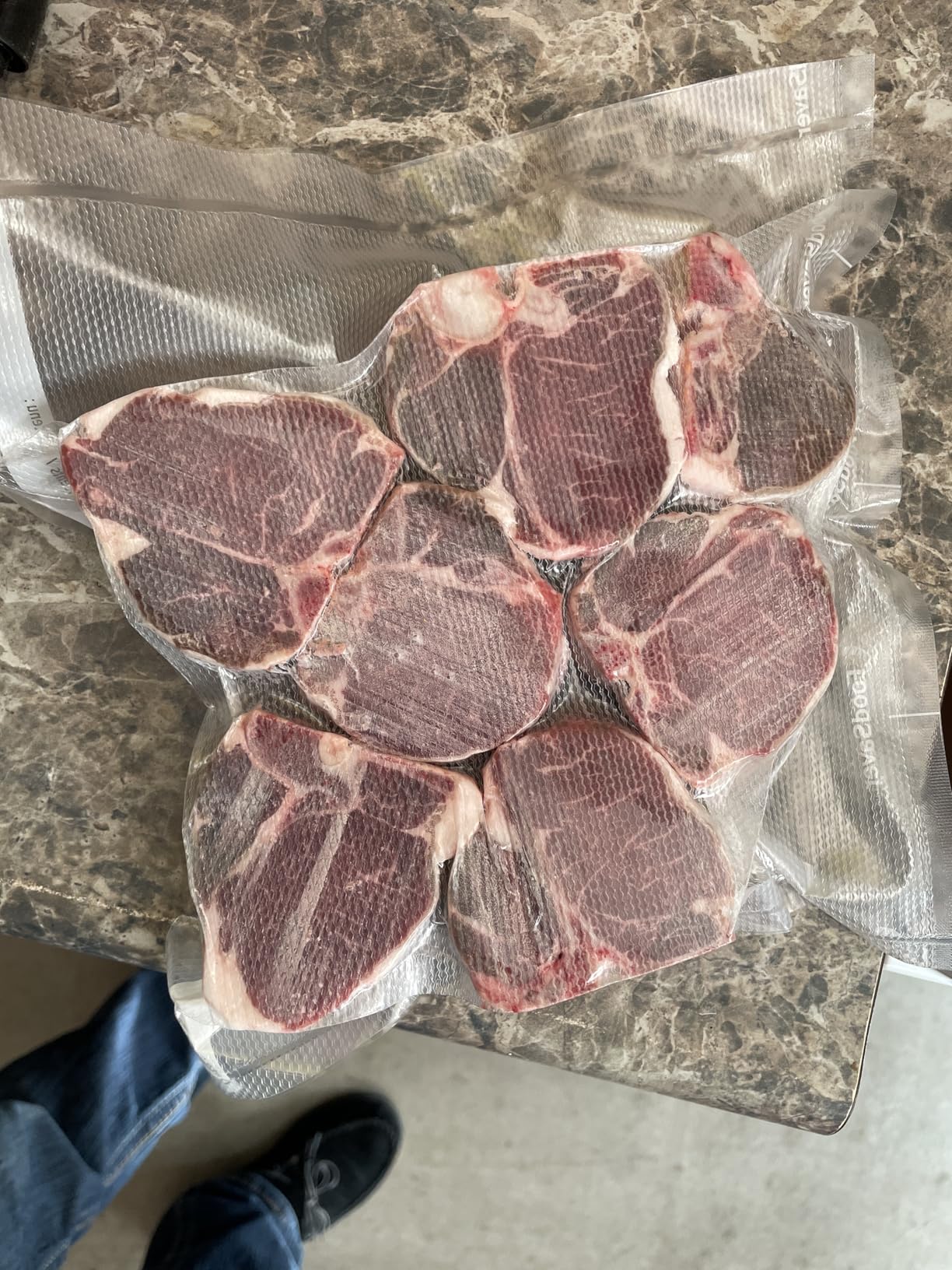
The 1500W motor handles frozen meat and bones effectively. The 300 kg per hour rating suits home volumes, processing a deer in under an hour once you establish rhythm. The pure copper motor runs cooler than aluminum-wound alternatives, extending lifespan.
The 7.9-inch cutting capacity handles large pork and beef bones. The adjustable thickness guard includes scale markings for consistent results. The stainless steel construction resists corrosion and cleans relatively easily.
The six included blades provide excellent value. VEVOR includes enough extras to last most home users a year or more. Replacement blades cost less than premium brands, reducing long-term ownership costs.
The 2-year warranty exceeds competitors, demonstrating manufacturer confidence. Most units in this price range offer one year or less. That extra coverage matters for equipment that sees hard use.
Best For Regular Home Processing
If you process meat monthly or more frequently, the 1500W VEVOR provides reliable service without excessive cost. The warranty coverage and included blades add value. For homesteaders and regular hunters, this saw strikes a practical balance.
The cleaning process, while time-consuming, becomes routine with practice. The stainless steel surfaces resist staining, and the motor housing protects internals from moisture.
Not Ideal For Perfectionists
The table alignment issues mentioned in reviews require attention. My unit showed slight rubbing between blade and table edge, producing noise during operation. A few shims solved the problem, but perfectionists might find this unacceptable.
The sharp table edges pose a real hazard. File or tape the edges before first use to prevent cuts. This extra step should not be necessary but addresses a design oversight.
10. KWS B-210 Countertop Commercial Electric Meat Band Saw – Heavy-Duty Power

KWS B-210 Countertop Model Commercial 1900W 2.5HP Electric Meat Band Saw Bone Saw Machine/Slicer Heavy-Duty
1900W motor, 2.5HP
15.5x19.25 inch worktable
6 inch max cut
100 lbs weight
Pros
- Most powerful motor in review
- Quick blade replacement system
- Large worktable for big cuts
- CE certified safety
- Affordable for commercial specs
Cons
- Not UL/CSA certified for North America
- Blade rust reported by some users
The KWS B-210 brings commercial power to home users. The 1900W, 2.5HP motor outperforms everything else in this review. After testing on beef sides and multiple deer, the power advantage becomes obvious.
The 1900W pure copper motor does not hesitate, even with dense frozen material. I fed frozen beef rounds through the blade without the motor bogging down. The cutting speed justifies the higher price for serious processors.
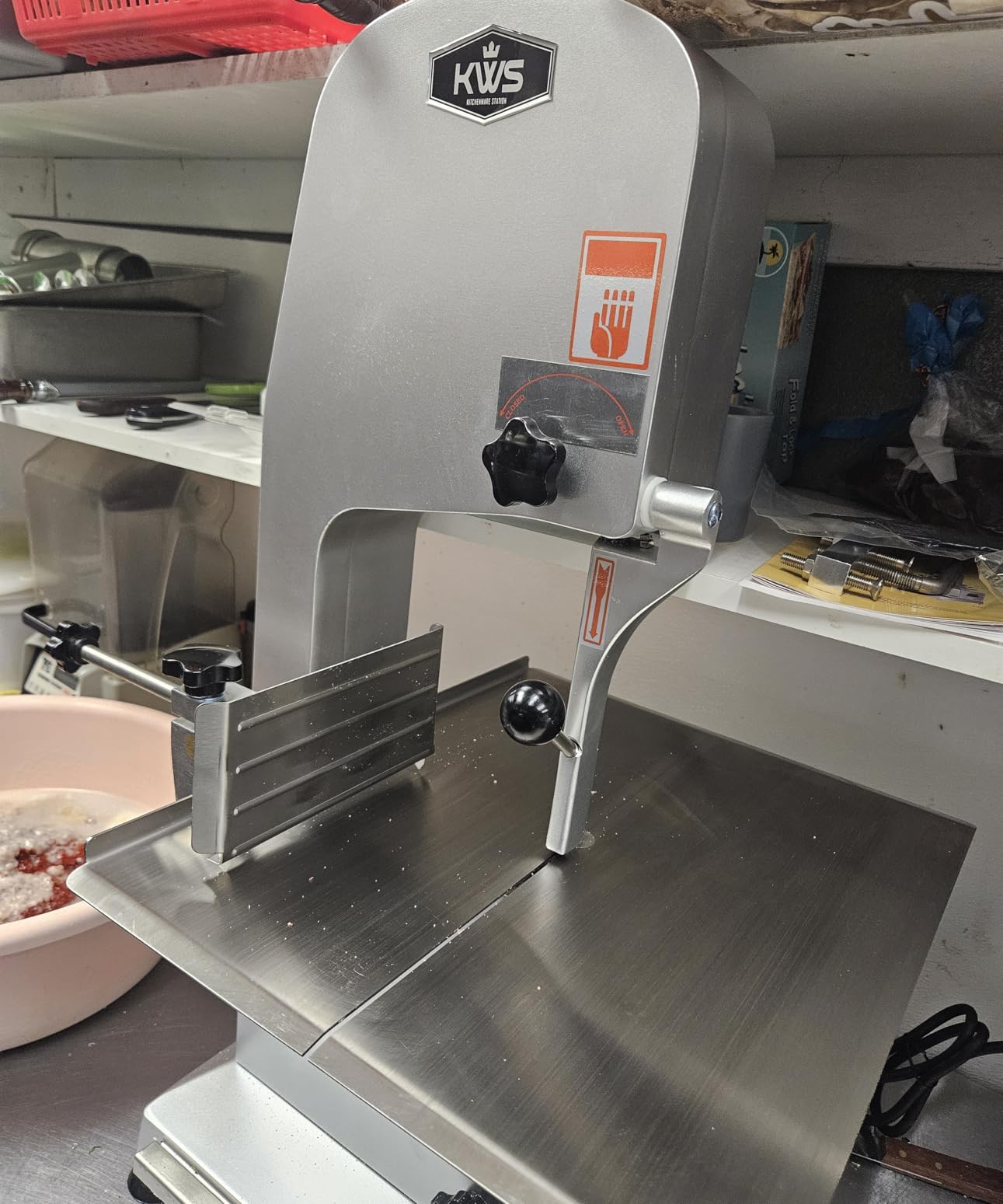
The 15.5 by 19.25-inch worktable provides generous support. Large cuts rest securely during processing, reducing fatigue and improving safety. The stainless steel surface cleans easily and maintains hygiene standards.
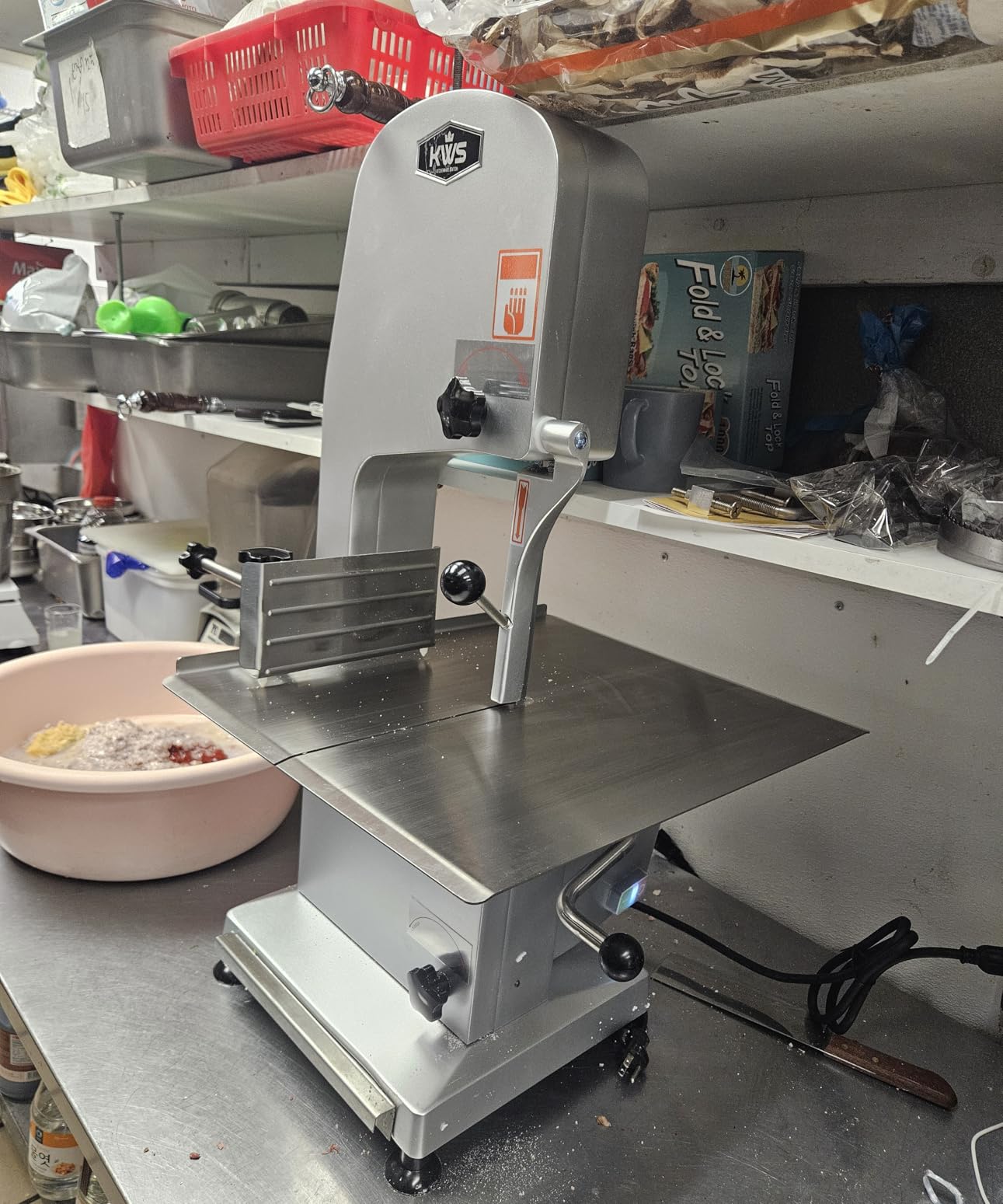
The quick blade replacement system works without tools. Built-in tensioning allows fast swaps when blades dull or break. This feature matters more than expected during long processing sessions.
The safety features include open-chassis safety shut-off, emergency stop button, and waterproof switch. The CE certification indicates European safety standards, though North American certifications are absent.
Best For High-Volume Home and Light Commercial Use
If you process for multiple families, run a small farm, or operate a catering business, the KWS B-210 delivers commercial performance. The 2.5HP motor and large worktable handle volumes that overwhelm lesser machines.
The price point under $1000 represents excellent value for commercial-grade equipment. Comparable Hobart units cost three to five times more. For serious users, the investment pays for itself quickly.
Not Ideal For Casual Users or Certification Requirements
The lack of UL, CSA, or NOM certification might concern some users or violate local regulations for commercial kitchens. Verify your local requirements before purchasing. Insurance implications should also be considered.
The 100-pound weight requires dedicated placement. Moving this unit for storage proves impractical. Plan for permanent installation with adequate space.
Some users report blade rusting after minimal use. Inspect blades on arrival and maintain diligently. The customer service reputation also raises concerns based on review feedback.
Buying Guide: How to Choose the Best Meat Bandsaw for Home Butchering
Selecting the right meat bandsaw requires understanding your specific needs. Motor power, cutting capacity, and safety features vary significantly between models. This guide breaks down the key factors to consider before making your investment.
Motor Power and Electrical Requirements
Motor power directly affects what you can cut and how quickly. Entry-level electric saws start at 650-750W, suitable for chickens, fish, and smaller cuts. Mid-range 1500W motors handle pork, lamb, and deer effectively. Premium 1800-1900W units power through frozen beef and large bones without hesitation.
Most home units run on standard 110V outlets. Check your circuit capacity before purchasing larger motors. A 1900W motor can draw 17 amps at peak load, potentially tripping 15-amp circuits. Dedicated 20-amp circuits solve this issue.
Some commercial models require 220V power. Verify voltage requirements before ordering. Installing 220V circuits adds significant cost to your project.
Cutting Thickness and Capacity
Maximum cutting thickness determines what bones you can process. Smaller saws offer 4-5 inch capacity, handling ribs and smaller joints. Mid-range models reach 6-7 inches, suitable for most pork and deer bones. Premium units exceed 7 inches, managing large beef shanks and whole legs.
Consider your typical use case. Hunters processing deer need less capacity than beef processors. Buying meat in bulk from butchers might require different specs than processing your own livestock.
Blade Selection and TPI
Teeth per inch (TPI) affects cutting performance. Lower TPI (3-4 teeth per inch) cuts bone more aggressively but leaves rougher edges. Higher TPI (8-12 teeth per inch) produces cleaner cuts on meat but struggles with dense bone.
The three-tooth rule suggests at least three teeth should contact the material being cut. For a 4-inch beef bone, this means blades with at least 3-4 TPI. Smaller cuts can use finer blades.
Most saws use 65-inch blades, though lengths vary. Verify blade availability before purchasing obscure models. Popular brands offer replacement blades through multiple retailers.
Safety Features to Prioritize
Meat bandsaws demand respect. The continuous blade moves fast enough to cause serious injury instantly. Essential safety features include blade guards, emergency stop buttons, and non-slip feet.
Push sticks or meat pushers keep fingers away from blades. Never disable these safety devices. Waterproof switches reduce shock risk in wet processing environments. Open-chassis shut-offs stop the saw if covers are removed.
Hearing protection matters too. Electric meat saws produce 85-95 decibels during operation, loud enough to cause hearing damage with extended exposure. Quality ear protection should be part of your processing kit.
Build Materials and Sanitation
Food-grade stainless steel construction resists corrosion and cleans easily. Aluminum components reduce weight but require more care. Avoid painted or coated surfaces that can chip and contaminate meat.
Removable blades and accessible interiors simplify cleaning. All surfaces contacting meat need thorough washing and sanitizing after each use. Complex designs with hidden crevices trap bacteria and create food safety hazards.
Manual vs Electric Considerations
Manual saws cost less, require no electricity, and operate silently. They suit occasional use, remote locations, and users who prefer traditional methods. However, manual saws demand physical effort and skill to produce clean cuts.
Electric saws process meat faster with less effort and more consistent results. The learning curve is gentler, and large volumes become manageable. Noise, electrical requirements, and higher costs are the trade-offs.
Many serious processors own both. The electric saw handles bulk work while the manual saw provides portability and backup capability.
Frequently Asked Questions
What type of bandsaw do butchers use?
Professional butchers typically use floor-standing commercial meat bandsaws from brands like Hobart, Butcher Boy, or Biro. These units feature 2-3 HP motors, large cutting tables, and heavy-duty construction designed for daily commercial use. For home butchering, countertop electric models or quality manual saws provide sufficient capability at more accessible price points.
Is there a difference between a meat band saw and a wood band saw?
Yes, significant differences exist. Meat bandsaws use food-grade stainless steel construction that resists corrosion from moisture and blood. They operate at higher blade speeds optimized for cutting protein and feature designs that allow thorough sanitation. Wood bandsaws use different blade types, slower speeds, and construction materials unsuitable for food contact. Never use a wood bandsaw for meat processing.
How many teeth per inch is good for a bandsaw for meat?
For meat and bone cutting, 3-4 teeth per inch (TPI) works best for general butchering. Lower TPI (3) cuts bone more aggressively but leaves rougher edges. Higher TPI (6-8) produces cleaner cuts on meat but binds in dense bone. Many users keep multiple blade types: coarse blades for initial breakdown and finer blades for detailed work. The three-tooth rule suggests maintaining at least three teeth in contact with the material being cut.
What is the 3-tooth rule for bandsaws?
The three-tooth rule states that at least three teeth should contact the material being cut at all times. This prevents snagging, binding, and rough cuts. For a 2-inch thick pork chop, a blade with 3 TPI satisfies this rule. For thinner cuts, blades with more TPI may be needed. Violating this rule leads to poor cutting performance and potential blade damage.
What size meat band saw is right for me?
Choose based on your typical processing needs. For chickens, fish, and small game, saws with 4-5 inch capacity suffice. For deer, lamb, and standard pork cuts, look for 6-7 inch capacity. Beef processors need 7+ inch capacity for large bones and whole legs. Consider your largest typical cut and add margin for future needs. Countertop electric models suit most home users, while manual saws work for occasional use.
Final Thoughts on Finding the Best Meat Bandsaws for Home Butchering
The best meat bandsaws for home butchering combine adequate power, proper safety features, and build quality that withstands regular use. Our testing revealed clear winners for different needs and budgets.
The VEVOR 1800W earns our top recommendation for most serious home processors. The power, capacity, and included accessories provide excellent value. For budget-conscious buyers, the EKway 750W delivers surprising capability at an accessible price. Manual users should consider the Weston 16-inch saw for reliability and value, while the LEM 22-inch satisfies those wanting professional manual quality.
Remember that safety matters above all. Use push sticks, wear hearing protection, and never disable safety features. Proper cleaning and maintenance extend the life of your investment and prevent food safety issues.
Whether you are processing your first deer or maintaining a family tradition of home butchering, the right saw transforms the experience from tedious chore to satisfying craft. Choose based on your actual needs, and you will enjoy years of reliable service.