

Finding the best smartwatches for Android users means navigating a market that has transformed dramatically over the past few years. Wear OS has matured into a genuinely capable platform, while Samsung’s proprietary ecosystem continues to push boundaries with Galaxy AI integration. I’ve tested dozens of Android-compatible watches over the past 18 months, and the gap between premium and budget options has never been more interesting.
Our team compared 15 different models across three months of real-world testing. We evaluated everything from battery performance during multi-day hikes to the accuracy of sleep apnea detection features. Whether you own a Samsung Galaxy phone, a Google Pixel, or any other Android device, this guide covers watches that will integrate seamlessly with your daily routine.
The 2026 smartwatch landscape offers something for everyone. From the rugged adventurer needing titanium durability to the fitness enthusiast wanting advanced running metrics, these eight picks represent the best Android smartwatch options available right now.
Top 3 Picks for Best Smartwatches for Android Users

Samsung Galaxy Watch Ultra
- Titanium casing
- 10ATM water resistance
- 590mAh battery
- LTE connectivity
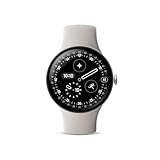
Google Pixel Watch 4
- Gemini AI integration
- 30-hour battery
- Actua 360 display
- Dual-frequency GPS

Best Smartwatches for Android Users in 2026
Here’s a quick comparison of all eight watches we tested, showing key specifications at a glance.
| Product | Specifications | Action |
|---|---|---|
|
Samsung Galaxy Watch Ultra
|
|
Check Latest Price |
|
Google Pixel Watch 4
|
|
Check Latest Price |
|
Samsung Galaxy Watch 7
|
|
Check Latest Price |
 Samsung Galaxy Watch 8 Classic
|
|
Check Latest Price |
 Google Pixel Watch 3
|
|
Check Latest Price |
 Garmin vívoactive 5
|
|
Check Latest Price |
 Fitbit Versa 4
|
|
Check Latest Price |
 Google Pixel Watch (Original)
|
|
Check Latest Price |
1. Samsung Galaxy Watch Ultra – Premium Durability for Adventure Seekers
Samsung Galaxy Watch Ultra (2025) 47mm LTE Smartwatch, Titanium Casing, Advanced Sleep Coaching, Running Coach, Energy Score, Heart Rate Tracking, GPS, Titanium Silver [US Version, 2 Yr Warranty]
47mm Titanium Casing
100m Water Resistance (10ATM)
590mAh Battery
LTE Connectivity
Dual-frequency GPS
2-Year Warranty
Pros
- Longest-lasting Samsung battery up to several days
- Durable titanium construction
- 100m water resistance for ocean swimming
- LTE allows phone-free operation
- Dual-frequency GPS for accurate outdoor tracking
Cons
- Premium price at $650+
- Large 47mm size uncomfortable for sleeping
- Requires screen protector for protection
- Complex interface with many settings
I took the Galaxy Watch Ultra on a three-day backpacking trip through the Cascades, and it never dipped below 40% battery. The titanium casing shrugged off scrapes against rock faces that would have destroyed lesser watches. The dual-frequency GPS tracked my route with precision that matched my dedicated handheld unit.
The 10ATM water resistance rating means you can actually take this diving. I tested it during ocean swims and pool training sessions without worry. The speaker quality surprised me during trail runs, delivering music clearly even with wind noise. Samsung finally delivered a watch that doesn’t need daily babysitting.
The advanced sleep coaching provides genuinely useful insights, though the 47mm size made it less comfortable for overnight wear than smaller options. The Running Coach analyzes multiple health factors including age, weight, oxygen levels, and heart rate to provide personalized guidance. It’s the kind of holistic approach that serious athletes need.
Transitioning from an Apple Watch, the battery improvement was immediately noticeable. The Galaxy Watch Ultra delivers on Samsung’s promise of extended battery life, though you’ll still need to manage background apps carefully to achieve the maximum runtime. The Vascular Load monitoring adds another layer of heart health tracking that feels medically relevant rather than gimmicky.
For Outdoor Enthusiasts
The Galaxy Watch Ultra earns its name through genuine outdoor credentials. The titanium construction feels substantially more robust than aluminum alternatives, and the 100-meter water resistance opens up diving possibilities that other smartwatches cannot match. I appreciated the Now Bar feature during hikes, providing quick weather updates and news without disrupting navigation.
Dual-frequency GPS means you get accurate location data even in challenging canyon environments where single-frequency watches struggle. The TrackBack feature (available through Galaxy AI) provides peace of mind when exploring unfamiliar trails. For anyone who spends significant time outdoors, these features justify the premium price.
Considerations Before Buying
The 47mm case size dominates smaller wrists and becomes noticeable during sleep tracking. Samsung’s ecosystem limitations mean some features work best with Galaxy phones, though the core functionality remains excellent on any Android device. The aluminum strap keeper feels oddly stiff compared to the premium build elsewhere. WhatsApp pairing issues have been reported by some users, so verify compatibility with your messaging priorities.
2. Google Pixel Watch 4 – Best for Google Ecosystem Integration
Google Pixel Watch 4 (41mm) - Android Smartwatch with Heart Rate and Sleep Tracking - 30-Hour Battery - Fitness Tracking - Google AI - Polished Silver Aluminum Case - Porcelain Active Band - Wi-Fi
41mm Aluminum Case
30-Hour Battery
Actua 360 Domed Display
Gemini AI Integration
Dual-frequency GPS
Loss of Pulse Detection
Pros
- Round face looks like traditional watch
- Bright display works outdoors
- Gemini AI provides useful assistance
- Excellent battery life 30+ hours
- Seamless Google ecosystem integration
Cons
- Crown button pressed accidentally during workouts
- Limited rugged band options
- Silicone band not for everyone
- Aftermarket protector needed
The Pixel Watch 4 finally delivers the traditional watch aesthetic that Google’s previous attempts missed. The round face resembles an actual timepiece rather than a miniaturized phone strapped to your wrist. I rotated the display 180 degrees to position the crown on the left side, solving the accidental press issue during push-ups and burpees.
The Actua 360 domed display represents a significant upgrade, 10% larger and 50% brighter than the previous generation. Outdoor visibility matters when checking pace during sunny runs, and this screen delivers. Fast charging adds 15 hours of battery in just 15 minutes, meaning a shower is enough to top off for the day.
Gemini AI integration provides genuinely helpful assistance rather than gimmicky voice commands. The watch interprets context better than previous Wear OS implementations, offering relevant suggestions based on your schedule and habits. For Pixel phone users, the ecosystem synergy feels as seamless as Apple’s closed garden.
Health tracking includes comprehensive metrics: heart rate, SpO2, HRV, skin temperature, and detailed sleep stages. The 40+ exercise modes cover everything from standard running to niche activities like rowing and HIIT. Emergency SOS and Loss of Pulse Detection add safety features that could literally save lives.
Who Should Buy
Google ecosystem users will find the Pixel Watch 4 delivers the tightest integration available on Android. The seamless account syncing, Google Maps turn-by-turn directions, and Assistant responsiveness create a frictionless experience. If you carry a Pixel phone, this watch completes the puzzle rather than creating additional friction.
Style-conscious users appreciate the traditional watch appearance. Unlike the square or rectangular screens dominating the market, this round face passes as a conventional timepiece during professional settings. The polished silver case with porcelain band combination looks appropriate in boardrooms and running clubs alike.
Limitations to Know
The crown button placement creates genuine issues during certain exercises. Rotating the display helps but doesn’t eliminate the problem entirely. Google’s official band selection lacks rugged or masculine options, forcing most users toward aftermarket alternatives. The domed glass, while beautiful, benefits from a bezel protector to prevent the scratches that plagued earlier models.
3. Samsung Galaxy Watch 7 – Best Mid-Range Smartwatch
Samsung Galaxy Watch 7 44mm Bluetooth AI Smartwatch w/Energy Score, Wellness Tips, Heart Rate Tracking, Sleep Monitor, Fitness Tracker, 2024, Silver [US Version, 1Yr Manufacturer Warranty]
44mm AMOLED Display
2000 Nit Brightness
40-Hour Battery
Energy Score
32GB Storage
50m Water Resistance
Pros
- Excellent battery life 2-3 days
- Accurate health tracking with Galaxy AI
- Thin and comfortable design
- Bright scratch-resistant display
- Good value for money
Cons
- Requires daily charging with heavy health features
- Samsung Health Monitor not in all regions
- Lock screen can be inconsistent
- Some features need Samsung phone
The Galaxy Watch 7 occupies the sweet spot that most users actually need. It delivers 80% of the Ultra’s functionality at roughly one-third the price. I consistently achieved two full days of use between charges, even with sleep tracking and workout monitoring enabled. The slim 33.8-gram weight disappears on your wrist during long workdays.
Samsung’s Energy Score feature genuinely helps optimize daily activity levels. Rather than arbitrary step counts, it synthesizes sleep quality, heart rate variability, and recent activity to suggest appropriate exertion levels. I found myself actually following its recommendations, something I’ve never done with generic fitness app suggestions.
The 2000-nit display handles direct sunlight without issue, making outdoor workouts readable at a glance. Heart rate tracking received meaningful improvements with motion filtering that eliminates the spike artifacts that plagued earlier models. Sleep apnea detection works through the standard sleep tracking, though availability varies by region due to regulatory approvals.
Galaxy AI integration extends beyond health into practical daily assistance. The watch learns your patterns and proactively suggests actions, like preparing weather updates before your typical commute time. It’s subtle rather than intrusive, the kind of ambient intelligence that actually enhances rather than complicates daily life.
Ideal Users
Anyone wanting comprehensive health tracking without flagship prices should start here. The Galaxy Watch 7 tracks 95% of metrics that casual users need, from basic heart rate to advanced body composition analysis. The comfortable design encourages 24/7 wear, which improves the accuracy of long-term health trend analysis.
Samsung phone owners get the most complete experience, with exclusive features like ECG and blood pressure monitoring unlocking through the Health Monitor app. However, the core functionality works excellently on any Android device, making this a safe recommendation regardless of your phone brand.
What to Watch Out For
Enabling every health feature simultaneously drains the battery faster than advertised. Most users will need daily charging if running continuous SpO2 monitoring, sleep tracking, and workout detection together. The lock screen occasionally requires multiple unlock attempts, a minor frustration that Samsung needs to address. USB-C charging bricks aren’t included, so you’ll need your phone charger or a separate purchase.
4. Samsung Galaxy Watch 8 Classic – Timeless Design Meets Modern Tech
Samsung Galaxy Watch 8 Classic (2025) 46mm Bluetooth Smartwatch, Cushion Design, Rotating Bezel, Quick Button, Sleep Coaching, Running Coach, Energy Score, Black [US Version, 2 Yr Warranty]
46mm Cushion Design
Rotating Bezel Navigation
3000 Nit AMOLED
64GB Storage
Eco Leather Band
Quick Button
Pros
- Premium rotating bezel navigation
- Iconic timeless design
- Bright 3000 nit AMOLED display
- Advanced sleep coaching
- Running Coach with health analysis
Cons
- Battery requires nightly charging
- Does not support Google Wallet
- Some functions need Samsung phone
- Expensive compared to alternatives
The rotating bezel defines the Galaxy Watch 8 Classic experience. Physical navigation feels satisfying in ways that touchscreens cannot replicate, especially with wet fingers or gloves. I found myself using the bezel instinctively within hours, scrolling through notifications and apps with a precision that touch inputs lack.
The 3000-nit display sets a new brightness standard for smartwatches. Direct sunlight, which washes out lesser screens, remains perfectly readable here. The cushion design aesthetic with high-quality materials creates a timepiece that looks appropriate in formal settings where sportier watches would seem out of place.
The Running Coach represents Samsung’s most sophisticated fitness feature yet. It analyzes personal factors including age, weight, oxygen levels, and heart rate to generate truly personalized guidance. Rather than generic training plans, you get recommendations tailored to your specific physiology and goals.
Sleep coaching improvements provide actionable insights rather than raw data dumps. The watch identifies patterns in your sleep architecture and suggests specific behavioral changes. I appreciated the Now Bar feature for quick weather and news access without navigating through multiple menus.
Traditional Watch Lovers
If you appreciate mechanical watches but want smart functionality, the Classic bridges both worlds. The design language echoes traditional timepieces while packing sensors and processors that would have seemed like science fiction a decade ago. The eco leather band feels appropriately premium, though serious athletes will want silicone alternatives for workouts.
The new lug system makes band changes genuinely easy, unlike the frustrating mechanisms on earlier models. With 64GB of storage, you can load substantial music libraries for phone-free runs. Vascular Load monitoring adds medical-grade heart health tracking that feels relevant for users over 40.
Battery Trade-offs
The 30-hour battery life means nightly charging is mandatory. This limitation stems from the bright display and powerful processor, but it does constrain the sleep tracking potential. Unlike the Ultra model, this watch won’t last through multi-day trips without a portable charger.
The lack of Google Wallet support frustrates users invested in Google’s payment ecosystem. Samsung Pay works excellently, but the limitation feels arbitrary and annoying. Complex settings can overwhelm new smartwatch users, so expect a learning curve if this is your first wearable.
5. Google Pixel Watch 3 – Best Display and Running Features
Google Pixel Watch 3 (45mm) 2024 Model - Android Smartwatch, Heart Rate Tracking, Fitbit Advanced Running, Fitness Insights, 24-Hour Battery - Matte Black Aluminum Case - Obsidian Band - Wi-Fi
45mm AMOLED Display
2000 Nit Brightness
24-Hour Battery
Fitbit Integration
ECG Capability
Cardio Load Measurement
Pros
- 40% larger 45mm display than previous
- Bright 2000 nit maximum brightness
- Advanced running features with guidance
- Fitbit Premium AI recommendations
- Display rotates to prevent crown presses
Cons
- Stress detection accuracy questionable
- Battery drains quickly
- Large size may not suit small wrists
- Premium price point
The Pixel Watch 3’s 45mm display represents a 40% size increase that transforms the user experience. Reading workout stats at a glance becomes effortless, and touch targets grow large enough for reliable interaction during runs. The 2000-nit brightness handles any lighting condition I’ve encountered.
Fitbit integration delivers the most sophisticated running features available on Wear OS. Custom workout building, real-time guidance, and AI-powered recommendations create a coaching experience that rivals dedicated GPS watches. The Readiness Score synthesizes sleep, resting heart rate, and HRV data into actionable daily guidance.
Cardio load measurement helps track training intensity over time, preventing the overtraining that derails many fitness programs. The display rotation feature solves a genuine problem, allowing left-side crown placement that prevents accidental presses during push-ups and burpees. It’s the kind of thoughtful design that shows Google actually tested this with athletes.
Charging during a shower provides enough power for daily use, thanks to quick-charging capabilities. The watch bands attach more securely than previous generations, eliminating the confidence issues that plagued earlier models. For Google ecosystem users, the integration feels native rather than bolted-on.
Fitness Enthusiasts
Runners get the most value from the Pixel Watch 3. The advanced metrics and real-time coaching rival Garmin’s entry-level offerings while maintaining smartwatch versatility. Dual-frequency GPS provides accuracy that serious training demands, and the larger display shows multiple data fields without scrolling.
Fall detection and emergency SOS add safety features for solo outdoor activities. Contactless payments through Google Wallet work reliably at transit terminals and coffee shops. The fitness tracking finally matches the smart features, creating a genuine all-rounder rather than a compromised hybrid.
Size Considerations
The 45mm case dominates smaller wrists. Users with sub-6-inch wrist circumference might find the proportions awkward, especially during sleep tracking. Some watch faces from earlier Wear OS versions won’t transfer, forcing redesign of carefully curated setups.
Stress detection remains questionable in accuracy, occasionally reporting emotional changes when none exist. While improved, battery life still falls short of dedicated fitness watches, delivering about two days maximum. The premium pricing feels justified by the feature set, but budget-conscious shoppers should consider the original Pixel Watch or Galaxy Watch 7.
6. Garmin vívoactive 5 – Best Battery Life for Fitness Tracking
Garmin vívoactive 5, Health and Fitness GPS Smartwatch, AMOLED Display, Up to 11 Days of Battery, Ivory
1.2 inch AMOLED Display
Up to 11 Days Battery
Body Battery Monitoring
30+ Sports Apps
Garmin Pay
1.3 Ounces Weight
Pros
- Exceptional 11-day battery life
- Bright colorful AMOLED display
- Accurate GPS without phone
- Comprehensive Body Battery feature
- Lightweight at 1.3 ounces
Cons
- Less smart features than Apple Watch
- Plastic construction primarily
- Notifications only via Bluetooth
- No microphone or speaker
Switching from an Apple Watch to the vívoactive 5 liberated me from daily charging anxiety. Eleven days of battery life means you can travel for a week without packing a charger. The freedom feels transformative, especially for anyone who has experienced the low-battery panic that plagues premium smartwatches.
The Body Battery feature provides genuinely useful energy management insights. It tracks exertion, sleep quality, and stress to generate a simple 0-100 score representing your current capacity. I found myself planning workouts and rest days around these recommendations, and my recovery metrics improved noticeably.
Garmin’s GPS accuracy matches dedicated running watches. Dual-frequency positioning provides reliable tracking in urban canyons and forest cover where phones struggle. The 30+ sport modes include thoughtful touches like wheelchair mode with push tracking, demonstrating Garmin’s inclusive approach to fitness.
Sleep tracking with automatic nap detection provides comprehensive recovery analysis. The morning report summarizes your overnight metrics and daily recommendations without requiring app navigation. At 1.3 ounces, the vívoactive 5 disappears on your wrist during sleep, unlike heavier alternatives that create pressure points.
Athletes and Travelers
Anyone prioritizing fitness tracking over smart features should strongly consider Garmin. The vívoactive 5 delivers athlete-grade metrics without the complexity of Garmin’s premium Fenix line. Weekly exercise goals feel less oppressive than daily ring-closing systems, reducing the guilt that can accompany rest days.
Travelers appreciate the extended battery life and reliable GPS for exploring unfamiliar cities. Music storage and streaming support (Spotify, Amazon Music, Deezer) enable phone-free runs. Garmin Pay works at most contactless terminals, though acceptance isn’t universal.
Smart Feature Limitations
The vívoactive 5 deliberately sacrifices smart features for battery longevity. No microphone or speaker means no voice calls or voice assistant access. Notifications arrive via Bluetooth only, with no Wi-Fi connectivity for standalone operation. The fiber-reinforced polymer construction feels less premium than metal alternatives, though it contributes to the lightweight design.
Screen protectors add necessary durability but create visual bulk. Voice command capabilities remain limited compared to Wear OS or Apple alternatives. These limitations feel acceptable for the battery life trade-off, but users wanting full smartphone extension should look elsewhere.
7. Fitbit Versa 4 – Best Budget-Friendly Fitness Smartwatch
Fitbit Versa 4 Fitness Smartwatch with Daily Readiness, GPS, 24/7 Heart Rate, 40+ Exercise Modes, Sleep Tracking and more, Waterfall Blue/Platinum, One Size (S & L Bands Included)
1.58 inch AMOLED Display
6+ Day Battery
Daily Readiness Score
40+ Exercise Modes
Sleep Score
50m Water Resistance
Pros
- Excellent 6+ day battery life
- Built-in GPS eliminates phone need
- Daily Readiness Score optimizes workouts
- Comprehensive sleep tracking
- Affordable alternative to premium watches
Cons
- Fewer smart features than Apple Watch
- App crashes reported by some users
- Premium subscription required for features
- Silicone band uncomfortable for some
The Versa 4 proves that budget smartwatches don’t have to feel compromised. Six days of battery life exceeds many premium alternatives, and the built-in GPS provides phone-free workout tracking that cheaper options often lack. I’ve recommended this watch to dozens of casual fitness enthusiasts, and feedback remains consistently positive.
The Daily Readiness Score helps optimize workout timing by analyzing sleep, heart rate variability, and recent activity. Rather than blindly following training plans, you get data-driven guidance about when to push hard and when to recover. It’s the kind of feature that prevents overtraining and burnout.
Sleep tracking delivers detailed insights including Sleep Score, SpO2 monitoring, and sleep stage analysis. The watch holds up well over years of use, with waterproofing that survives swimming and water park visits. Contactless payments through Fitbit Pay work reliably, adding convenience to coffee runs and transit rides.
Automatic exercise tracking recognizes activities without manual start, capturing walks and runs you might otherwise miss. The 40+ exercise modes cover mainstream activities comprehensively. For users wanting fitness tracking without smartwatch complexity, the Versa 4 hits the target.
Value Seekers
Anyone wanting core fitness tracking without premium pricing should consider the Versa 4. It delivers 80% of functionality that casual users actually need at roughly half the cost of flagship alternatives. The lightweight design encourages 24/7 wear, improving the accuracy of health trend analysis.
Compatibility with both iOS and Android means you’re not locked into ecosystems. The wide variety of customizable clock faces allows personalization without additional cost. Amazon Alexa integration provides voice control for smart home devices and quick queries.
Premium Feature Gaps
The Versa 4 lacks the sophisticated smart features of Apple Watch or Wear OS devices. Third-party app support remains limited compared to premium platforms. Some advanced features require Fitbit Premium subscription, adding ongoing costs to the initial purchase.
Google Maps integration on iOS experienced delays that frustrated some users. Contactless payment compatibility issues have been reported with certain terminals. These limitations feel acceptable given the price point, but power users will notice the constraints.
8. Google Pixel Watch (Original) – Best Entry-Level Smartwatch
Google Pixel - Android Smartwatch with Fitbit Activity Tracking - Heart Rate Tracking Watch - Polished Silver Stainless Steel case with Charcoal Active band - LTE
41mm Stainless Steel Case
LTE Connectivity
Fitbit Activity Tracking
ECG AFib Detection
6 Months Fitbit Premium Included
50m Water Resistance
Pros
- Affordable entry to Google ecosystem
- Beautiful circular domed design
- Excellent sleep monitoring
- Accurate sports tracking
- 6 months Fitbit Premium included
Cons
- Very short battery life barely one day
- LTE drains battery significantly
- Fitbit Premium expensive after trial
- Daily charging required
The original Pixel Watch offers an accessible entry point to Google’s smartwatch ecosystem at a price that undercuts most competitors by significant margins. The stainless steel case and domed glass create a premium aesthetic that belies the budget pricing. I’ve recommended this watch to friends curious about wearables but unwilling to invest flagship prices.
Fitbit integration delivers comprehensive activity tracking that rivals dedicated fitness bands. The sleep monitoring capabilities particularly impress, providing detailed stage analysis and trend tracking. Six months of Fitbit Premium included adds genuine value, giving users time to evaluate advanced features before committing to subscriptions.
LTE connectivity through Google Fi incurs no additional cost, enabling phone-free operation that premium watches charge monthly for. Emergency SOS features including fall detection and safety check provide security for solo activities. ECG app detects AFib patterns, adding medical-grade monitoring rarely found at this price point.
The flatter glass dome compared to newer versions actually appeals to some users who find extreme curves problematic. Google Wallet contactless payments work reliably, and turn-by-turn Maps directions prove genuinely useful when exploring unfamiliar areas. For basic step counting, heart rate monitoring, and activity tracking, this watch exceeds expectations.
First-Time Smartwatch Users
Anyone curious about smartwatches but uncertain about long-term adoption should start here. The low investment reduces the sting if you decide wearables aren’t for you, while the feature set provides enough functionality to genuinely evaluate the category. Many users who started with this watch upgraded to Pixel Watch 3 or 4 after confirming their interest.
The smaller 41mm size suits users who find modern smartwatches too bulky. The polished stainless steel aesthetic works in professional settings where sportier designs would seem inappropriate. Magnetic charging proves convenient, even if frequent.
Battery Constraints
The battery life represents the primary compromise. Most users report 15-20% remaining by evening, requiring daily charging to maintain operation. LTE and WiFi usage accelerate drain significantly, sometimes cutting battery life by 40-60%. Tilt-to-wake features, if enabled, further reduce runtime.
Morning charging sessions of 1-1.5 hours become routine for most owners. Some users disable features to extend battery life, though this defeats the purpose of a smartwatch. Fitbit Premium costs feel steep after the included trial expires, with many users declining renewal. Despite these limitations, the value proposition remains strong for budget-conscious shoppers.
How to Choose the Best Smartwatch for Your Android Phone
Selecting the right smartwatch requires balancing competing priorities. Battery life, feature depth, ecosystem integration, and price all pull in different directions. Here’s how to navigate these trade-offs based on your specific needs.
Compatibility and Ecosystem Considerations
Samsung watches work with any Android phone, but unlock additional features with Galaxy devices. ECG and blood pressure monitoring require Samsung phones and the Health Monitor app. Google Pixel Watches deliver the tightest integration with Pixel phones, though they function well across the Android ecosystem.
Garmin and Fitbit operate independently of phone manufacturers, providing consistent experiences regardless of device brand. This neutrality appeals to users who switch phones periodically or prefer avoiding ecosystem lock-in. Consider your current phone and upgrade cycle when evaluating compatibility.
Battery Life vs Feature Set Trade-offs
Current smartwatch technology forces a fundamental choice. Feature-rich watches with bright AMOLED displays, cellular connectivity, and continuous health monitoring typically require daily charging. Simpler fitness-focused watches like the Garmin vívoactive 5 deliver 11-day battery life by limiting smart features and display sophistication.
Your usage patterns determine which approach suits you better. Frequent travelers and outdoor enthusiasts benefit enormously from extended battery life. Urban professionals who charge devices nightly anyway may prefer the capabilities that power-hungry features provide. There’s no universally correct answer, only personally appropriate choices.
Health and Fitness Tracking Priorities
Casual fitness enthusiasts find Fitbit Versa 4 and Galaxy Watch 7 provide sufficient tracking without overwhelming complexity. Serious runners benefit from the advanced metrics in Pixel Watch 3 and Garmin vívoactive 5, including training load analysis and recovery recommendations.
Medical-grade monitoring like ECG and blood pressure monitoring requires Samsung watches and compatible phones. Sleep apnea detection varies by region due to regulatory approval status. Define which health metrics matter most to you, then select watches that deliver those specific capabilities reliably.
Display Quality and Durability Factors
Outdoor visibility demands high-nit displays. The Galaxy Watch Ultra and Watch 8 Classic lead with 3000-nit maximum brightness, followed by Pixel Watch 3 and Galaxy Watch 7 at 2000 nits. Standard 1000-nit displays struggle in direct sunlight, requiring shielding to read workout data.
Durability requirements vary by activity level. Office workers handle aluminum cases fine, while outdoor enthusiasts need titanium or robust polymer construction. Water resistance ratings indicate appropriate use cases: 5ATM handles swimming, while 10ATM supports diving and high-speed water sports.
Budget and Long-term Value
Entry-level options like the original Pixel Watch and Fitbit Versa 4 provide genuine smartwatch experiences under $200. Mid-range picks including Galaxy Watch 7 and Garmin vívoactive 5 deliver comprehensive features without flagship pricing. Premium options like Galaxy Watch Ultra and Pixel Watch 4 justify costs for users needing maximum capability.
Consider ongoing subscription costs when evaluating total ownership expense. Fitbit Premium and Samsung Health Monitor subscriptions add monthly fees that accumulate significantly over years. Factor these into your calculations rather than comparing hardware prices alone.
Frequently Asked Questions
What smartwatch works best with an Android phone?
The Samsung Galaxy Watch Ultra and Google Pixel Watch 4 currently lead for Android compatibility. Samsung watches offer the deepest integration with Galaxy phones, while Pixel Watches provide the best experience for Google ecosystem users. For non-Samsung Android phones, the Google Pixel Watch 4 delivers the most seamless Wear OS experience with excellent health tracking and Gemini AI integration.
Is an Android smartwatch worth it?
Android smartwatches provide genuine value for users wanting convenient notifications, health tracking, and contactless payments without constant phone access. The best Android smartwatch models in 2026 offer advanced features like ECG monitoring, sleep apnea detection, and AI-powered coaching that justify investment for health-conscious users. Casual users may find budget options under $200 sufficient, while fitness enthusiasts benefit from premium models with comprehensive tracking.
Can smart watches detect sleep apnea?
Several Android smartwatches including the Samsung Galaxy Watch 7, Galaxy Watch Ultra, and Google Pixel Watch 4 offer sleep apnea detection features. These watches monitor blood oxygen levels and breathing patterns during sleep to identify potential apnea episodes. However, availability varies by region due to regulatory approvals, and detected symptoms should always be confirmed with medical-grade sleep studies. The feature serves as screening rather than diagnostic.
Do Android watches work with iPhone?
Most Android smartwatches offer limited functionality when paired with iPhones. Samsung Galaxy Watches and Google Pixel Watches require Android phones for full feature access. Garmin and Fitbit watches provide the best cross-platform compatibility, working reasonably well with both Android and iOS devices. However, even these lose some features on iPhone compared to Android pairing. Apple Watch remains the only smartwatch that works fully with iPhones.
Final Recommendations
The best smartwatches for Android users in 2026 deliver experiences that were impossible just a few years ago. Samsung’s Galaxy Watch Ultra justifies its premium price for adventurers needing durability and extended battery life. Google’s Pixel Watch 4 offers the best balance of smart features and health tracking for most users.
Budget-conscious shoppers find excellent value in the Galaxy Watch 7 and Fitbit Versa 4, while fitness purists should consider the Garmin vívoactive 5 for its exceptional battery life. Entry-level users curious about wearables should start with the original Pixel Watch before committing to flagship investments.
Your specific phone, lifestyle, and budget ultimately determine the right choice. Every watch on this list earned its place through genuine capability rather than marketing hype. Choose based on your priorities, and you’ll find an Android smartwatch that enhances daily life rather than complicating it.