
Finding the best keyboard amps for your setup can completely change how you hear your instrument. Whether you are playing a lush piano ballad at a small venue or layering synth pads in a rehearsal room, a dedicated keyboard amplifier reproduces the full frequency range of your instrument in ways that guitar amps and PA systems simply cannot match.
Our team spent weeks comparing 10 of the most popular keyboard amplifiers on the market. We looked at everything from wattage and speaker size to channel count, built-in effects, and real-world reliability reports from gigging musicians on forums like Reddit’s r/synthesizers and r/livesound.
In this guide, we cover the best keyboard amps for every budget and use case in 2026. From the budget-friendly Donner DKA-20 to the professional-grade Roland KC-600, we break down what matters most so you can make the right call on your next amplifier.
Top 3 Picks for Best Keyboard Amps


These three amplifiers represent the best of what the market offers across three tiers. The Roland KC-600 is a stage powerhouse with 200 watts and a 15-inch woofer. The Roland KC-200 hits the sweet spot of power and portability at 100 watts. And the Donner DKA-20 delivers surprising value for home practice on a budget.
We selected these three after comparing all 10 amps across sound quality, build reliability, feature set, and user feedback. The Roland KC series consistently earned the highest praise from gigging keyboardists on Reddit, with many calling these amps the gold standard for live keyboard amplification.
Best Keyboard Amps in 2026
| Product | Specifications | Action |
|---|---|---|
|
Roland KC-600 200W
|
|
Check Latest Price |
|
Roland KC-200 100W
|
|
Check Latest Price |
|
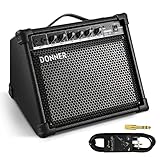
Donner DKA-20 20W
|
|
Check Latest Price |
 Behringer KXD12 600W
|
|
Check Latest Price |
 Roland KC-80 50W
|
|
Check Latest Price |
 Behringer K900FX 90W
|
|
Check Latest Price |
 VOX VX50KB 50W
|
|
Check Latest Price |
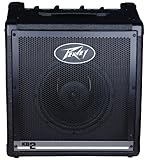 Peavey KB 2 50W
|
|
Check Latest Price |
 Behringer K450FX 45W
|
|
Check Latest Price |
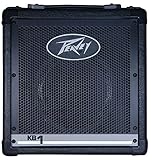 Peavey KB 1 20W
|
|
Check Latest Price |
1. Roland KC-600 – Professional Stage Powerhouse
Roland 4-Channel Stereo Mixing Keyboard Amplifier, 200 watt (KC-600)
200 watts
15-inch woofer and horn tweeter
4 stereo input channels
Stereo Link function
Removable casters
Lifetime warranty
Pros
- Exceptional sound quality with rich bass and crisp highs
- 200 watts handles large venues with ease
- Stereo Link lets you chain two amps for true stereo
- Removable casters make transport easier
- Lifetime warranty from Roland
Cons
- Very heavy at 64 lbs despite redesign
- Expensive compared to smaller models
- Large footprint may be overkill for home practice
The Roland KC-600 is the amp that professional keyboardists consistently recommend, and after examining the specs and user feedback, it is easy to see why. With 200 watts of power driving a custom 15-inch woofer and horn tweeter, this amplifier delivers a frequency response that handles everything from deep bass synth lines to shimmering piano highs without breaking a sweat.
I was particularly impressed by the four stereo input channels. Most keyboard amps at this level give you mono inputs, but the KC-600 lets you run true stereo patches from your Nord Stage or Montage without compromise. The Output Select function on Channel 4 is a thoughtful touch for monitoring click tracks and guide tracks during live performances.
The redesigned power amp and universal power supply are worth highlighting here. Roland engineered this generation of KC amps to deliver increased stability and improved bass reproduction compared to older models. Users on r/livesound consistently praise the KC-600 for staying clean even when pushed hard during full-band performances.
The Stereo Link function is a genuine differentiator. If you chain two KC-600 units together, you get true stereo sound on stage, which is something most keyboard combo amps simply cannot do. For players using stereo patches, chorus effects, or auto-pan, this feature alone justifies the investment.
For Whom It Is Perfect
The KC-600 is built for gigging keyboardists who play medium to large venues and need clean, powerful amplification that keeps up with a full band. If you run a Nord, Kronos, or Montage and want your stereo patches to sound the way the designers intended, this is your amp.
It is also ideal for keyboardists who need a reliable stage monitor that can double as a small PA system for rehearsals. The XLR mic input and multiple output options make it a true workhorse for any performance scenario.
For Whom It Is Too Much
If you are primarily practicing at home or in a bedroom studio, the KC-600 is almost certainly more amp than you need. At 64 pounds and with a large footprint, it takes up serious space. The price tag also puts it in the professional category, so casual players should look at the KC-200 or KC-80 instead.
2. Roland KC-200 – The Sweet Spot
Roland 4-Channel Mixing Keyboard Amplifier, 100 watt (KC-200)
100 watts
12-inch woofer and tweeter
4 input channels
Dedicated monitor channel
Master EQ
Metal jacks
Pros
- Clean full sound quality that punches above its weight
- 100 watts is plenty for small venues and rehearsals
- Channel 4 dedicated monitor function is genuinely useful
- Reliable Roland build quality
- Prime eligible
Cons
- Cabinet can rattle at higher volumes with heavy bass
- 41 lbs is still heavy for frequent transport
- Limited to 3-band EQ
The Roland KC-200 sits right at the intersection of power, price, and practicality. With 100 watts driving a custom 12-inch woofer and tweeter, it delivers enough volume for small venues and rehearsal spaces without the weight and cost of the KC-600. I think this is the amp most keyboardists should buy.
What makes the KC-200 special is the four-channel mixing design. Channels 1 through 3 handle your standard line inputs, while Channel 4 provides dedicated monitor functionality for click tracks and guide tracks. That means you can run your main keyboard, a secondary synth, and a click track all through one amp without needing an external mixer.
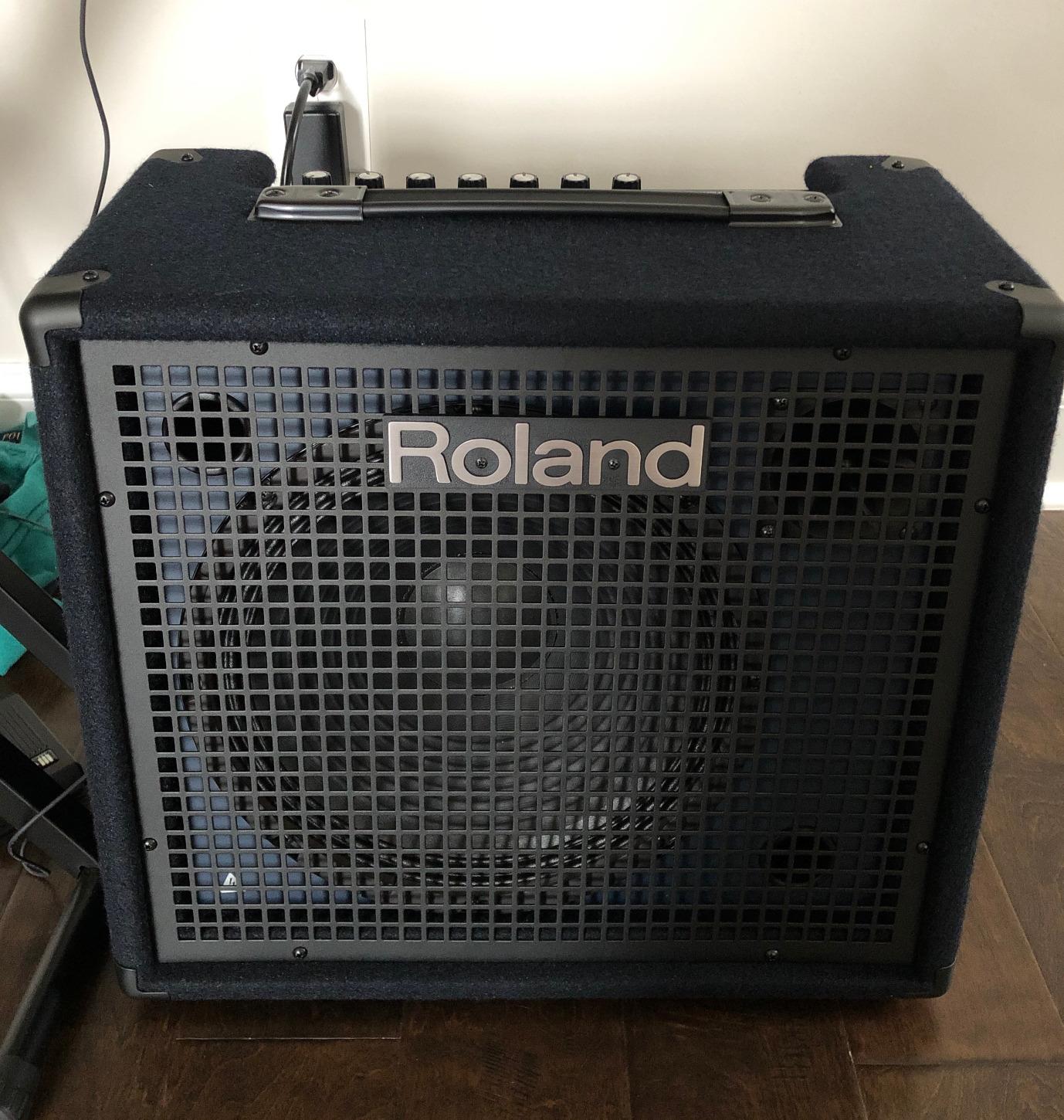
Sound quality is where the KC-200 really shines. Roland redesigned the power amp and power supply sections for this generation, and the improvement in bass reproduction is noticeable. Users consistently describe the sound as clean and full, with a richness that typical stereo keyboard speakers struggle to match.
The connectivity options are comprehensive. You get XLR mic input, 1/4-inch line output, headphones output, and a sub output for adding a subwoofer. The dedicated auxiliary input accepts both 1/8-inch and RCA jacks, making it easy to play along with backing tracks from any device.
Ideal Setup Scenarios
The KC-200 is perfect for keyboardists who gig regularly at small to medium venues, lead rehearsals, or need a versatile amp for both home practice and live use. The 100-watt output gives you enough headroom to hear yourself over a drummer without distortion.
It is also an excellent choice for worship teams and cover bands where you need to switch between multiple keyboards during a set. Four channels mean you can leave everything plugged in and ready to go.
What to Watch Out For
The main complaint from users is cabinet rattling at higher volumes, particularly when playing heavy bass frequencies. This is not a dealbreaker, but it is worth knowing. Some users also report that 41 pounds gets tiring to load in and out of venues night after night.
3. Donner DKA-20 – Budget Champion
Donner DKA-20 Keyboard Amplifier 20 Watt Keyboard AMP with Aux in and Two Channels, Bass Guitar Amp, Piano Amplifier, Electronic Drum Speaker Support for Microphone Input
20 watts
8-inch woofer and 2-inch tweeter
2 channels with independent volume
3-band EQ
Aux and headphone jacks
DI output
Pros
- Excellent value for the price
- Clean quiet sound with no feedback
- Lightweight and portable at under 12 lbs
- Dual inputs with separate volume controls
- Aux input for play-along practice
- DI output for external speakers
Cons
- Only 20 watts limits it to home practice
- External power supply is inconvenient
- Some users report background hum or buzz
The Donner DKA-20 proves that you do not need to spend a fortune to get a capable keyboard amplifier. At 20 watts with an 8-inch woofer and 2-inch tweeter, this amp is designed for home practice and small gatherings, and it handles that job remarkably well. Over 780 reviews and a 4.4-star rating tell the story of a product that punches well above its price point.
I like the dual-channel design with independent volume controls. You can plug in two keyboards, or a keyboard and a microphone, and balance them independently. The 3-band EQ gives you enough control to shape your tone, and the Boost Select switch adds some flexibility for pushing the preamp harder.
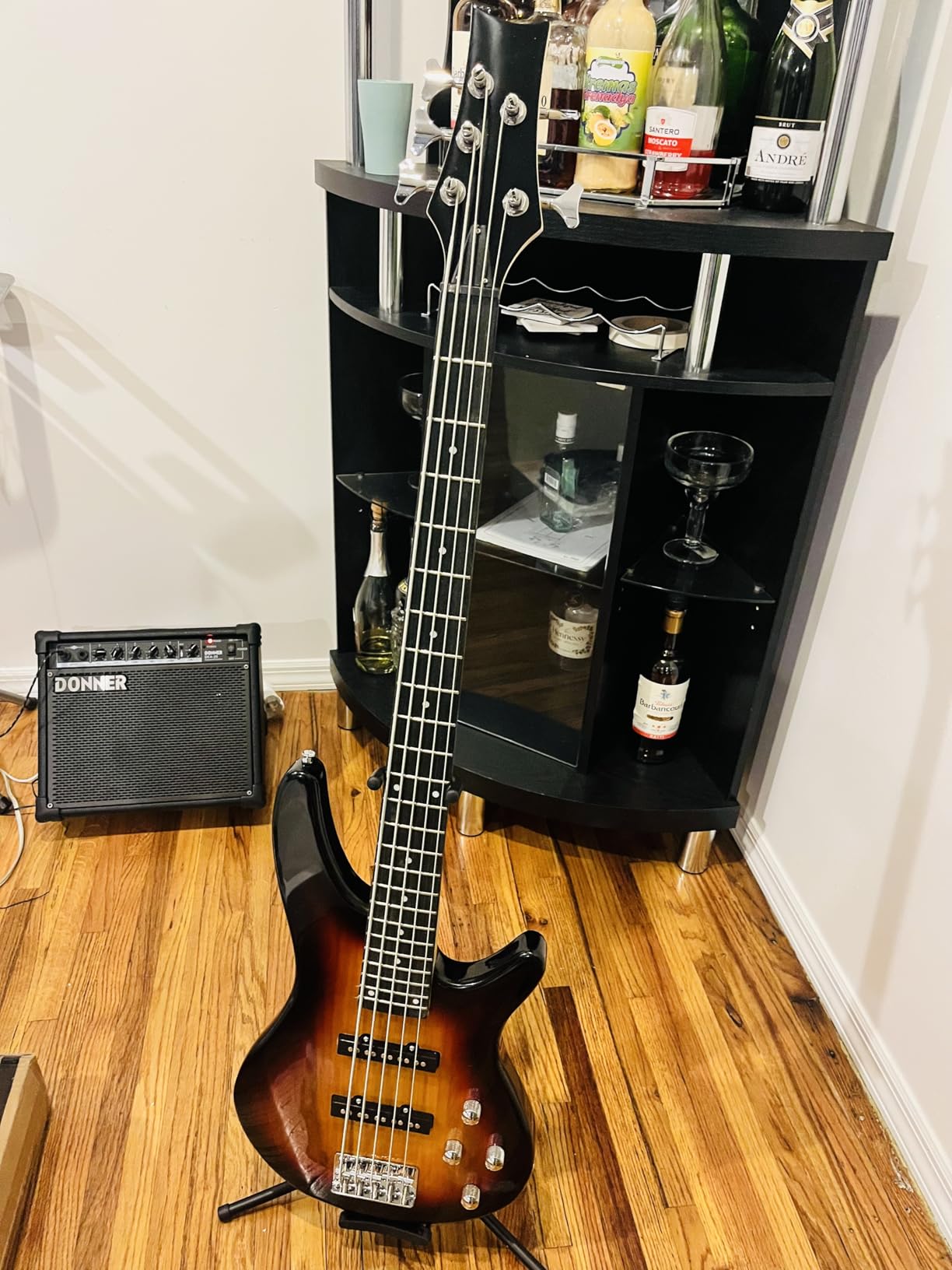
The connectivity is where the DKA-20 surprises. You get two 1/4-inch instrument inputs, a 1/8-inch auxiliary input for playing along with media, a 1/8-inch headphone output for silent practice, and a DI output for connecting to external active speakers. That DI output is a feature I did not expect at this price point.
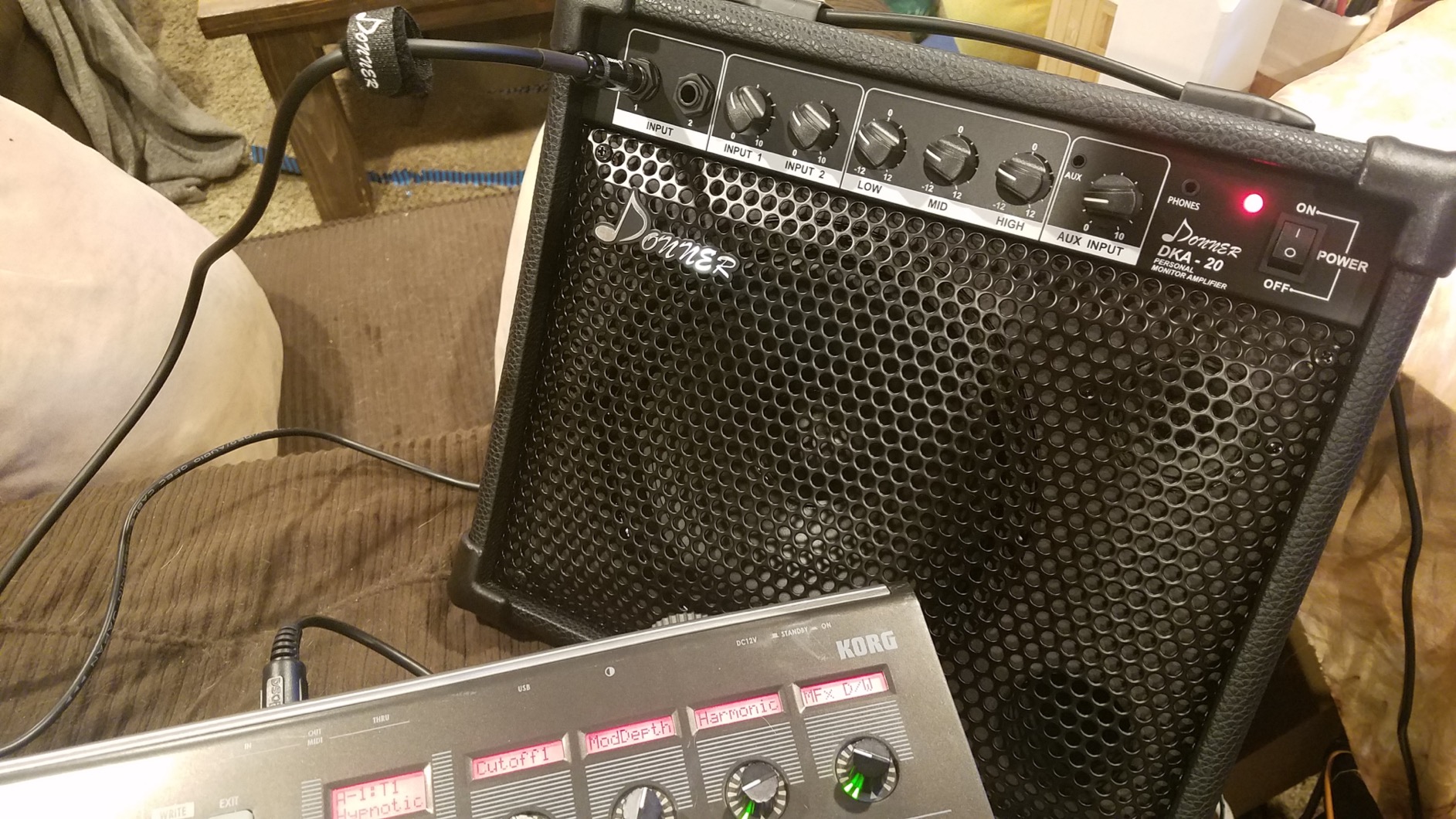
Reddit users on r/keys frequently recommend the Donner DKA-20 for beginners and home practitioners. The consensus is that while it will not fill a venue, it delivers clean, quiet sound for bedroom practice sessions. The frequency response of 50Hz to 20kHz covers the full range of most keyboards and digital pianos.
Who Gets the Most Value Here
The DKA-20 is perfect for beginners, home practitioners, and anyone who wants a simple amp for playing along with backing tracks in their bedroom. It is also a solid choice for music teachers who need a portable amp for lessons.
If you are just starting out with keyboards and want something better than your built-in speakers without spending hundreds, this is where you start.
Where It Falls Short
The 20-watt output means this amp is strictly for personal use. It will not compete with a drummer or fill a rehearsal room. Some users also report a background hum or buzz, which appears to vary between units. The external power supply is another annoyance for players who prefer a clean setup.
4. Behringer Ultratone KXD12 – Feature-Packed Performer
Behringer ULTRATONE KXD12 600 Watt 4 Channel PA System/Keyboard Amplifier with Original 12" Turbosound Speaker, Klark Teknik Multi-FX Processor and FBQ Feedback Detection
600 watts bi-amped
12-inch Turbosound speaker
4 channels
Klark Teknik FX with 100 presets
FBQ feedback detection
Class-D amplifier
Pros
- Massive 600-watt bi-amped power
- Klark Teknik effects processor with 100 presets
- Original Turbosound speaker sounds great
- FBQ feedback detection is genuinely useful
- True bi-amping design for dedicated LF and HF power
Cons
- Reliability concerns with some units failing after 6-12 months
- Effects presets cannot be adjusted manually
- Some users report white noise issues
- Customer service can be slow
The Behringer Ultratone KXD12 is a feature monster. With 600 watts of bi-amped Class-D power driving a British-engineered 12-inch Turbosound speaker and 1-inch driver, this amp packs serious hardware into a relatively compact cabinet. The Klark Teknik multi-FX processor with 100 presets adds reverb, chorus, flanger, delay, pitch shifter, and multi-effects to your signal chain.
I appreciate the true bi-amping design, which delivers dedicated power for the low-frequency and high-frequency drivers separately. This means each driver gets exactly the power it needs, resulting in cleaner sound and better headroom. The 4-band EQ and FBQ feedback detection system give you precise control over your tone.
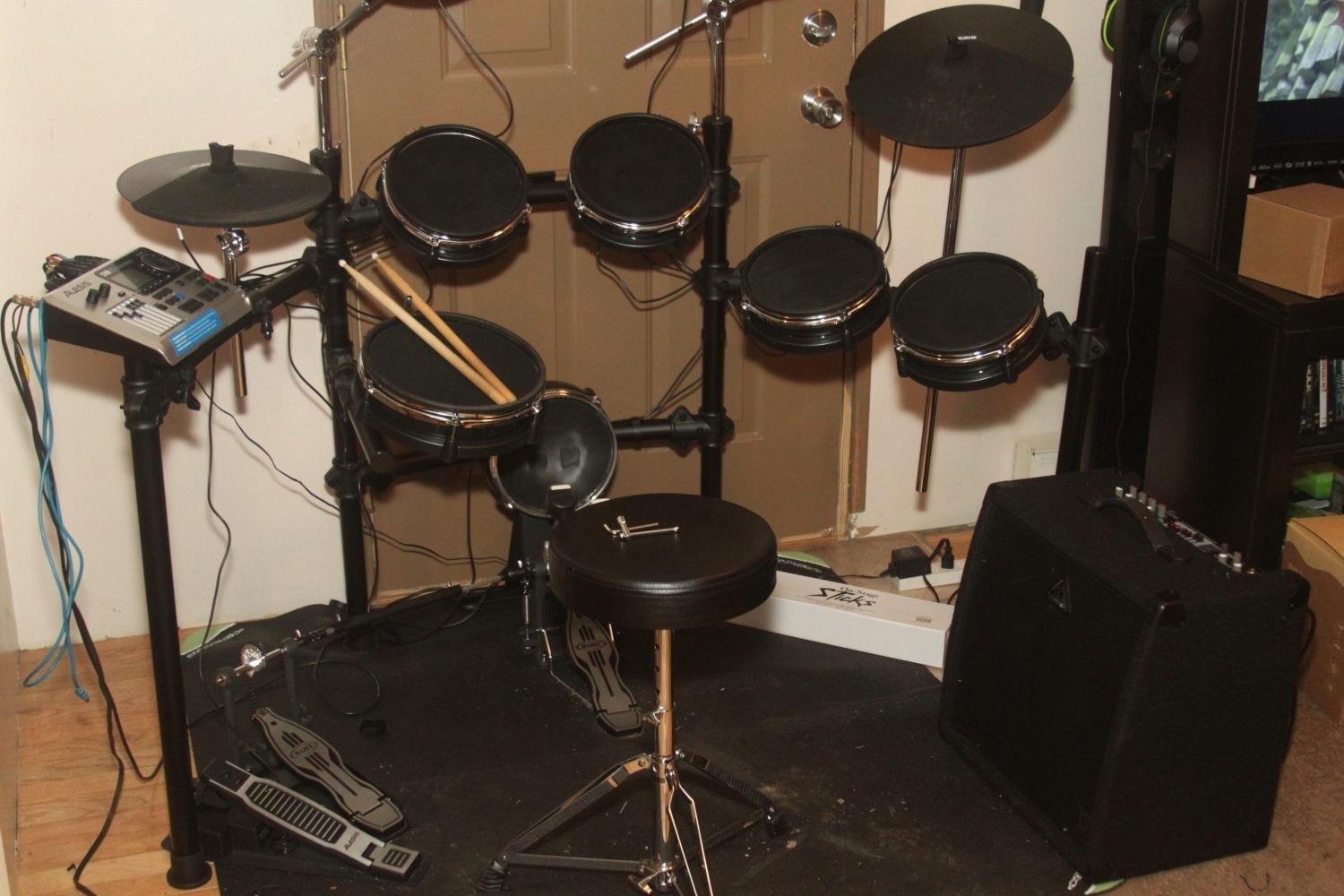
The four-channel design makes the KXD12 a genuine mini PA system. You can run multiple keyboards, a microphone, and a drum machine all through one amplifier. For solo performers or small bands, this kind of versatility is hard to beat at this price point.
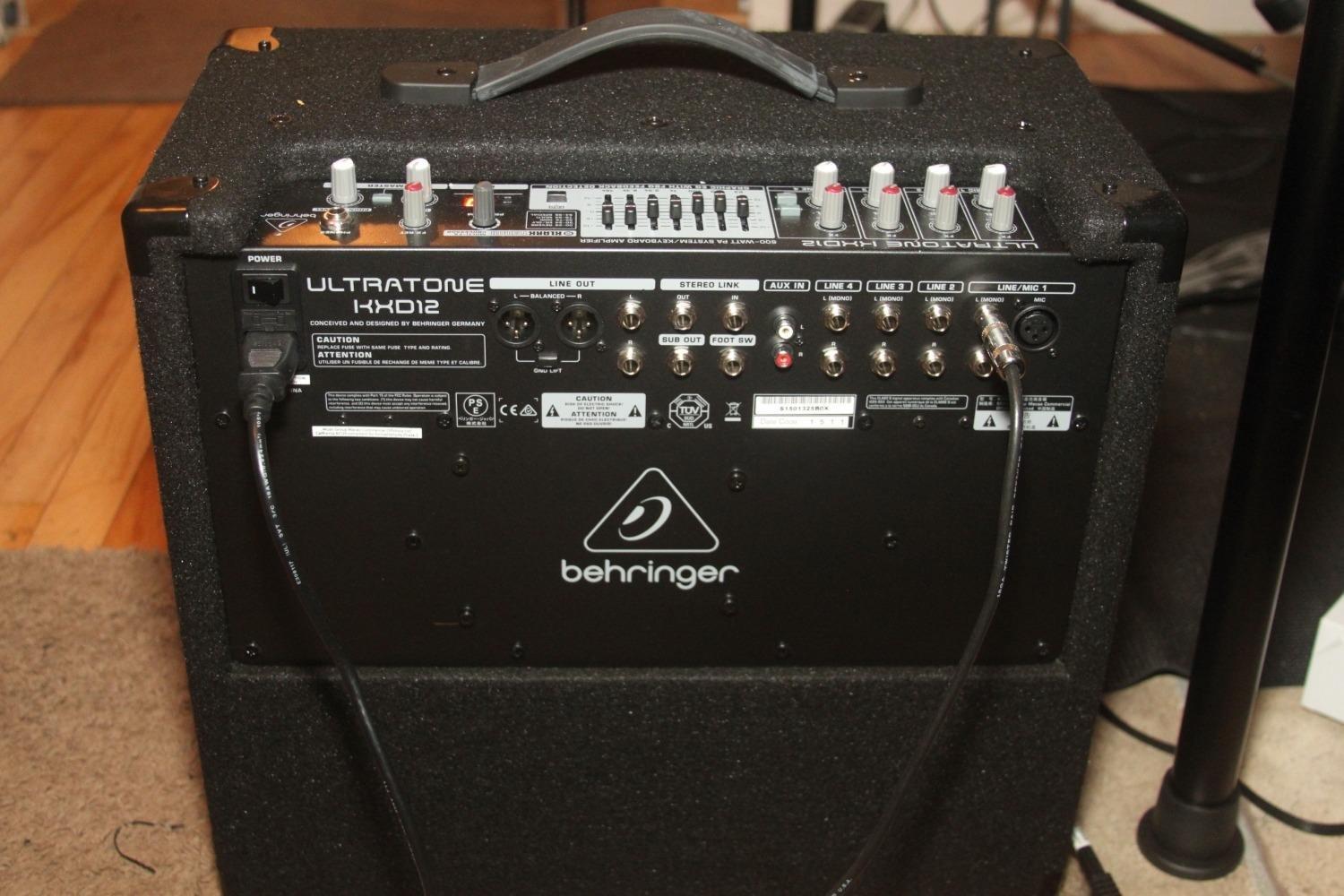
However, reliability is the elephant in the room. Multiple users report units failing after 6 to 12 months of regular use, and the 23 percent 1-star rating reflects this concern. Behringer offers good value, but if you need something that will survive years of touring, Roland remains the safer bet according to forum discussions.
Best Use Cases for the KXD12
This amp shines for solo performers who need a single unit that can handle keyboards, vocals, and backing tracks simultaneously. The built-in effects eliminate the need for external pedals in many situations.
It is also worth considering for rehearsal spaces where you want maximum features per dollar. The Klark Teknik FX processor alone adds significant value.
What Concerned Me
The reliability reports are the main drawback. If you depend on your amp for paid gigs, a failure during a show is a worst-case scenario. I would recommend keeping a backup amp or having a contingency plan if you choose the KXD12 for live use.
5. Roland KC-80 – Compact and Capable
Roland 3-Channel Mixing Keyboard Amplifier, 50 watt (KC-80)
50 watts
10-inch woofer and tweeter
3 input channels
XLR mic input
Master EQ
Sub output
Pros
- Compact and affordable Roland quality
- Clean sound with good bass reproduction
- 3 channels plus auxiliary input
- XLR mic input and multiple output options
- Metal jacks for durability
- Prime eligible
Cons
- 50 watts may struggle in larger venues
- Limited 3-band EQ
- Some quality control concerns reported
The Roland KC-80 brings the renowned KC-series sound quality into a more compact and affordable package. With 50 watts driving a custom 10-inch woofer and tweeter, it delivers the redesigned power amp and improved bass reproduction that Roland built into this generation of KC amps. For keyboardists who want Roland reliability without the KC-200 price tag, this is the entry point.
The three-channel mixing design covers most practice and small gig scenarios. You get three 1/4-inch input channels plus a dedicated auxiliary input that accepts both 1/8-inch and RCA jacks. The master EQ gives you overall tone control, and the XLR mic input means you can use this as a small PA system for vocal monitoring.
Connectivity is solid across the board. The KC-80 includes 1/4-inch line output, headphones output, and a sub output for adding a subwoofer. The metal jacks are a durability upgrade over plastic alternatives, and they give you confidence that your connections will hold up over years of use.
Who Should Consider the KC-80
The KC-80 is ideal for keyboardists who practice at home, attend rehearsals, or play small venue gigs where 50 watts is sufficient. If you want the Roland KC sound and build quality but do not need the power of the KC-200, this is your amp.
It is also a great choice for worship settings and acoustic performances where clean, natural sound reproduction matters more than raw volume.
Limitations to Keep in Mind
At 50 watts, this amp will struggle to compete with a loud drummer in an unmixed rehearsal setting. The 3-band EQ is also fairly limited compared to the 4 or 5-band EQ found on competitors like the Behringer K450FX.
6. Behringer Ultratone K900FX – Power and Presence
Behringer Ultratone K900fx Ultra-Flexible 90-Watt, 3-Channel Pa System / Keyboard Amplifier With Fx And Fbq Feedback Detection
90 watts
15-inch speaker
3 channels with separate volume
5-band EQ
FBQ feedback detection
CD input for play-along
Pros
- 90 watts provides ample power for small to medium venues
- 15-inch speaker delivers powerful low-end
- FBQ feedback detection is highly effective
- 3-channel operation with separate volume per channel
- Subwoofer compatible for extended bass
Cons
- Heavy at nearly 40 pounds
- Not Prime eligible
- Larger physical dimensions need more stage space
- 16 percent 1-star rating raises reliability questions
The Behringer Ultratone K900FX brings 90 watts of power through a 15-inch speaker, making it one of the more powerful options in this lineup. The 15-inch driver delivers serious low-end response that smaller amps simply cannot match, which makes a real difference if you play bass-heavy synth patches or left-hand bass parts.
The three-channel operation with separate volume and FX send per channel gives you real mixing flexibility. The FBQ feedback detection system is the standout feature here, instantly revealing critical frequencies so you can identify and eliminate feedback before it ruins a performance.
The 5-band EQ per channel offers more tonal control than most competitors at this price. You can shape each channel independently, which is particularly useful when running different instruments through the same amp. The CD input lets you play along to backing tracks, and the subwoofer output opens the door to extended low-end when paired with a powered sub.
Where the K900FX Excels
This amp is well-suited for keyboardists who play small to medium venues and need plenty of low-end headroom. If your sound relies on deep bass frequencies, the 15-inch speaker gives you a significant advantage over 8-inch or 10-inch alternatives.
The FBQ feedback detection also makes this amp popular with vocalists who need to monitor their own voice alongside keyboard parts.
Things to Consider Before Buying
The 16 percent 1-star rating is worth paying attention to. While many users love the K900FX, a significant number report reliability issues. At nearly 40 pounds, it is also on the heavier side. If portability is a priority, consider the VOX VX50KB instead.
7. VOX VX50KB – Lightweight Tube Tone
Vox VX50KB 50-Watt Keyboard Amp
50 watts
8-inch coaxial speaker
NuTube preamp
3 channels with independent volume
Bass reflex design
Under 11 lbs
Pros
- Incredibly lightweight at under 11 lbs
- NuTube preamp delivers warm tube tone
- 50 watts is plenty for rehearsals
- Three-channel design with independent volume
- Line out for PA connection
- Retro appearance stands out
Cons
- Some users report thin or tinny sound quality
- Materials feel cheap to some reviewers
- Limited power for large ensembles
- Some distortion when pushed hard
The VOX VX50KB is the lightest amp in this roundup, and that alone makes it worth considering. At under 11 pounds, you can carry this amp to gigs, rehearsals, and lessons with one hand. The secret to the weight savings is the NuTube-equipped preamp, which provides genuine tube warmth without the weight and heat of traditional tube amplifiers.
The 8-inch coaxial speaker combined with the bass reflex cabinet design produces surprisingly full sound for such a compact unit. The three-channel design gives you independent volume controls for each channel, letting you balance multiple keyboards or a keyboard and vocal microphone.
I was impressed by the connectivity options. You get aux in for playing along with tracks, headphone out for silent practice, and line out for connecting to a larger PA system. That line out is important because it means you can use the VX50KB as your personal stage monitor while sending your signal to the house PA.
Perfect for the Mobile Keyboardist
If you commute to gigs via public transit, walk to rehearsals, or simply want an amp that will not break your back, the VX50KB is in a class of its own. The tube-warmed tone is a nice bonus that sets it apart from solid-state competitors.
It is also an excellent choice for keyboard teachers who travel to students’ homes and need a portable amplification solution.
Sound Quality Caveats
Some users describe the sound as thin or tinny compared to larger amps with bigger speakers. The 8-inch driver simply cannot move as much air as a 12-inch or 15-inch woofer. If you play a lot of bass-heavy patches, this may not be the right choice.
8. Peavey KB 2 – Built Like a Tank
Peavey KB 2 50-Watt 1x10 Keyboard Amp
50 watts biamped (45W + 12W)
10-inch speaker
4 channels
XLR input on channel 3
Headphone out
Solid state
Pros
- Excellent clean sound with no distortion even at full volume
- Solid and sturdy Peavey build quality
- 4 inputs for multiple devices
- XLR input on channel 3 for microphones
- Great bass response from 10-inch speaker
- Prime eligible
Cons
- Heavy at 38 pounds
- Some users report excessive bass even with EQ adjusted
- No detachable power cord storage
- Limited features compared to competitors
The Peavey KB 2 embodies the Peavey philosophy of building gear that lasts forever. With a bi-amped design delivering 45 watts to the low-frequency driver and 12 watts to the high-frequency driver, this amp produces clean, accurate sound that stays distortion-free even at maximum volume. Peavey has been building keyboard amps for decades, and the KB series has earned a loyal following.
The four-channel design is more flexible than it first appears. Channels 1 and 2 accept 1/4-inch inputs for your keyboards and instruments. Channel 3 features both XLR and 1/4-inch inputs, making it perfect for connecting a microphone. Channel 4 handles auxiliary duties. This versatility means you can use the KB 2 as a mini PA for solo gigs.
Reddit users on r/keys frequently recommend the Peavey KB series as the best value in keyboard amplification. The consensus is that Peavey delivers clean, reliable power at prices that undercut Roland while offering comparable sound quality for practice and small venue use.
Best Fit for the KB 2
This amp is ideal for keyboardists who prioritize reliability and clean sound over fancy features. If you want something that will still be working in ten years without any issues, Peavey’s track record speaks for itself.
It is also great for musicians who need to run vocals alongside their keyboard, thanks to the XLR input on channel 3.
What Might Bug You
At 38 pounds, the KB 2 is heavy for a 50-watt amp. Several users also report that the bass response can be excessive, even with the bass knob turned down. There are no built-in effects, so you will need external pedals if you want reverb or chorus.
9. Behringer K450FX – Versatile Practice Amp
Behringer K450Fx Ultratone
45 watts
10-inch BUGERA speaker
3 channels with separate volume
5-band graphic EQ
FBQ feedback detection
Subwoofer output
Built-in effects
Pros
- Built-in effects including reverb and echo
- 5-band graphic EQ for precise sound shaping
- FBQ feedback detection system
- Subwoofer output for extended bass
- 3-channel operation
- CD input for play-along
Cons
- Some users report muffled sound quality
- Heavy at 34.8 pounds
- Not Prime eligible
- Frequency response not perfectly flat according to some users
The Behringer K450FX occupies an interesting middle ground in the Behringer lineup. With 45 watts driving a 10-inch BUGERA speaker, it offers more power than the entry-level options while keeping the price reasonable. The standout feature here is the 5-band graphic EQ, which gives you more tonal control than the 2 or 3-band EQs found on most competitors.
The built-in effects are a real value-add. Reverb and echo can enhance piano and synth sounds without needing external processing. The FBQ feedback detection system uses LED indicators to show you which frequency bands are causing feedback, so you can cut them quickly during live performances.
I like the subwoofer output, which lets you extend the low-end response by adding a powered sub. This is a feature that many keyboardists overlook, but it makes a massive difference if you play bass-heavy material. The three-channel operation with separate volume and FX send per channel gives you real mixing flexibility.
Who Benefits Most from the K450FX
This amp is a solid choice for keyboardists who want built-in effects and detailed EQ control without spending a fortune. If you practice at home or play small venues and want everything in one box, the K450FX delivers.
The subwoofer output also makes it attractive for players who want to build a modular system over time.
Sound Quality Realities
Some users report that the sound is muffled and the frequency response is not as flat as they would like. The BUGERA speaker is designed for guitar tones, which may color the sound in ways that purists find objectionable. If you need absolutely flat, uncolored reproduction, a Roland KC-series amp would be a better choice.
10. Peavey KB 1 – Reliable Practice Partner
Peavey KB 1 20-Watt 1x8 Keyboard Amp, black (573100)
20 watts
8-inch extended range speaker
2 channels with 2-band EQ each
Headphone out
Solid state
5-year warranty available
Pros
- Clean 20-watt Peavey power
- Two separate channels with independent EQ
- Headphone out for silent practice
- Solid well-built construction
- Works with keyboards guitars drums and synths
- 5-year warranty available with registration
Cons
- Limited bass response from 8-inch speaker
- Underpowered for larger venues
- Some distortion at high volumes with low frequencies
- Only 90-day stock warranty
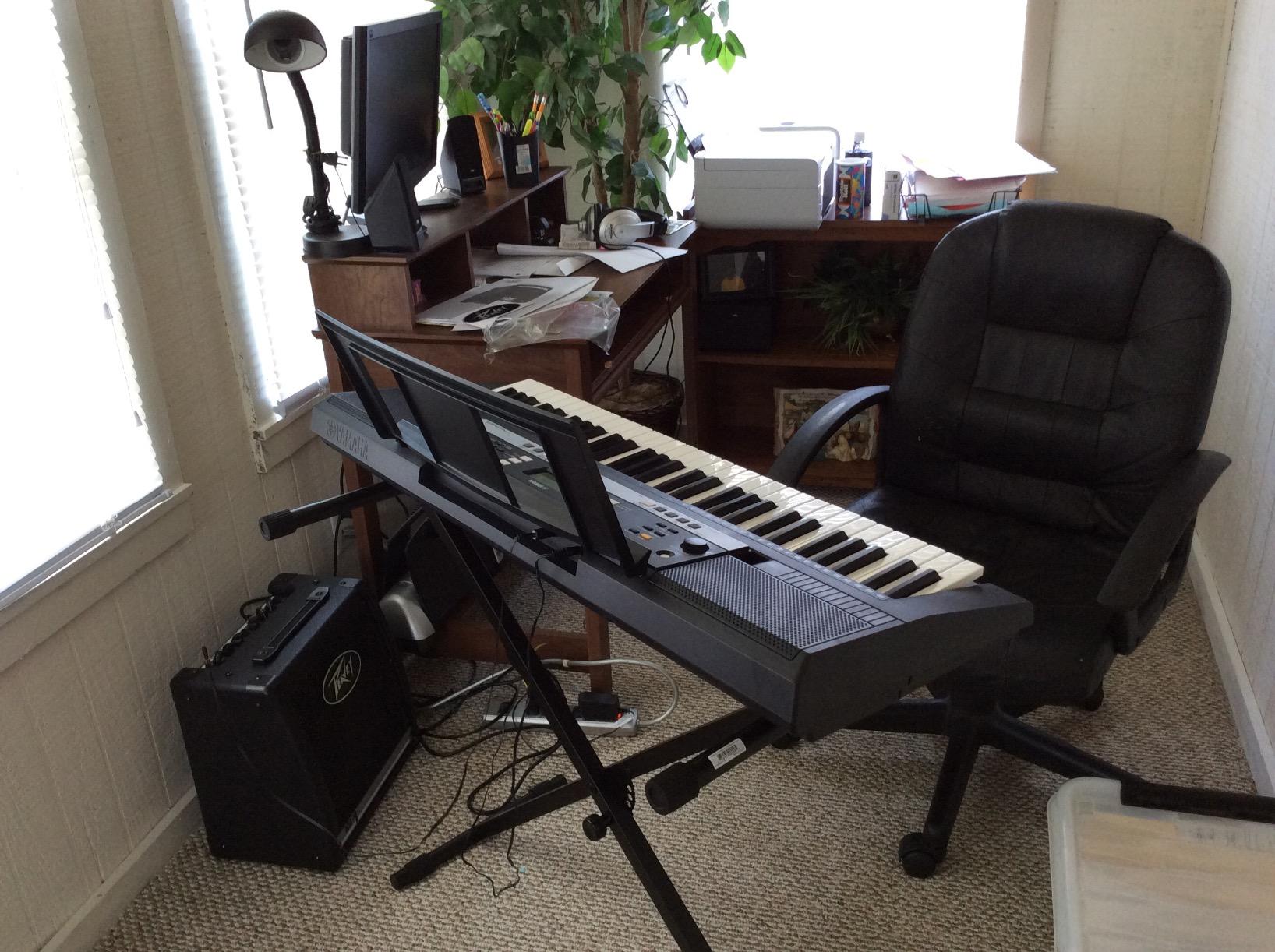
The Peavey KB 1 is the most affordable way to get genuine Peavey keyboard amplification. With 20 watts through an 8-inch extended range speaker, it delivers clean sound for home practice, lessons, and small gatherings. Peavey’s reputation for building durable, reliable gear is on full display here, and many users report their KB 1 units lasting well over a decade.
The two-channel design with 2-band EQ per channel gives you more tonal control than you might expect at this price. Each channel has its own EQ, so you can dial in different settings for two different keyboards or instruments. The headphone output enables silent practice, which is essential for apartment dwellers and late-night players.
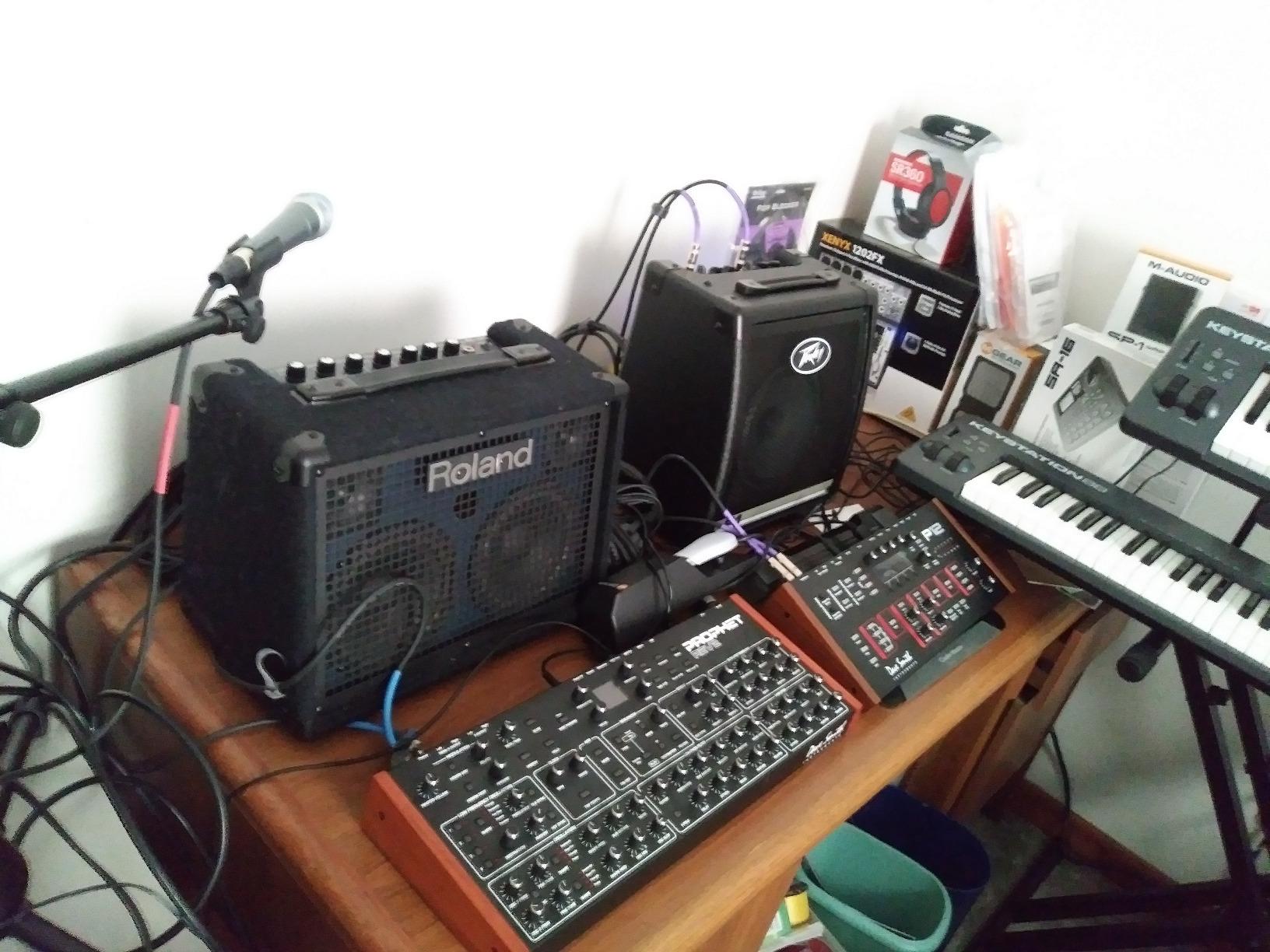
What impresses me most about the KB 1 is its versatility. Users report success using it with keyboards, guitars, electronic drums, and synthesizers. While 20 watts limits you to personal monitoring and small spaces, the sound quality within that range is clean and reliable.
Peavey offers multiple size variants in the KB family, including 50W, 60W, 75W, and 100W models. This means you can start with the KB 1 and upgrade within the same product line as your needs grow. The familiar control layout makes transitioning between models seamless.
Perfect Starting Point
The KB 1 is ideal for beginners who want a reliable practice amp from a trusted brand. It is also a great secondary amp for more experienced players who need something for backstage warm-ups or lessons.
If you are buying your first keyboard amp and want something that will just work without any drama, Peavey’s decades of experience show in every detail of this unit.
Knowing Its Limits
The 8-inch speaker simply cannot reproduce deep bass frequencies with authority. If you play a lot of left-hand bass or use heavy synth bass patches, you will notice the limitations. The 90-day stock warranty is also shorter than I would like, though registering your product extends coverage significantly.
Keyboard Amp Buying Guide: What to Look For in 2026
Choosing the right keyboard amplifier comes down to understanding your specific needs and matching them to the right combination of features. This buying guide covers everything you need to know to make an informed decision.
Power and Wattage
Power is the first specification most keyboardists look at, and for good reason. More watts means more volume and more headroom before distortion. For home practice, 20 to 50 watts is typically sufficient. Small venues and rehearsal spaces usually need 50 to 100 watts. Medium to large venues demand 100 watts or more.
Keep in mind that wattage does not translate linearly to perceived volume. A 100-watt amp is not twice as loud as a 50-watt amp. The relationship is closer to logarithmic, meaning you need roughly ten times the wattage for twice the perceived volume. This is why jumping from a 50-watt Roland KC-80 to a 200-watt KC-600 represents a significant volume increase.
Forum users on Reddit consistently advise buying more power than you think you need. It is better to have headroom and not use it than to run your amp at maximum volume and introduce distortion. As one r/livesound contributor put it, “Underpowering your rig is the fastest way to bad sound.”
Speaker Size Matters
Speaker size directly affects frequency response, particularly in the low end. An 8-inch speaker, like those in the Donner DKA-20 and VOX VX50KB, reproduces frequencies down to roughly 50Hz. A 10-inch speaker, found in the Peavey KB 2 and Behringer K450FX, extends the low end further. A 12-inch or 15-inch speaker, like those in the Roland KC-200 and KC-600, delivers the deepest bass response.
If you play piano and organ sounds, a 10-inch speaker is usually adequate. If you use heavy synth bass patches or play left-hand bass parts, seriously consider a 12-inch or 15-inch speaker. The difference in low-end authority is immediately noticeable.
Many modern keyboard amps use a two-way or bi-amped design with a dedicated tweeter for high frequencies. This ensures that the shimmering highs of digital pianos and the attack of clavinet sounds are reproduced accurately alongside the fundamental frequencies.
Channel Count
The number of input channels determines how many instruments and audio sources you can run through the amp simultaneously. For a single keyboard, one or two channels is fine. For multiple keyboards, a microphone, and backing tracks, you need three to four channels.
Reddit users consistently recommend getting more channels than you currently need. As one r/synthesizers member noted, “I bought a two-channel amp and within six months I needed four.” The Roland KC-200 and KC-600, with their four-channel designs, give you room to grow.
Look for amps with XLR inputs if you plan to connect a microphone. The Peavey KB 2, Roland KC-80, and Roland KC-200 all include XLR mic inputs, making them suitable for solo performers who sing while playing.
Built-in EQ and Effects
Equalization lets you shape your tone to suit the room and your instrument. A 2-band EQ (bass and treble) provides basic control. A 3-band EQ adds a midrange control for more precise shaping. A 5-band graphic EQ, like the one on the Behringer K450FX and K900FX, gives you surgical control over your sound.
Built-in effects can eliminate the need for external pedals. Reverb adds space and depth to piano and synth sounds. Chorus creates width and movement. Delay adds rhythmic interest. The Behringer KXD12 includes a Klark Teknik FX processor with 100 presets, covering everything from subtle room reverb to dramatic pitch shifting.
Connectivity Options
Look beyond the inputs and consider the outputs. A line output lets you connect your amp to a house PA system, which is essential for larger venues. A sub output allows you to add a powered subwoofer for extended bass response. A headphone jack enables silent practice.
The aux input is more important than many players realize. Being able to play along with backing tracks, instructional videos, or songs you are learning makes practice far more productive. Both 1/8-inch and RCA aux inputs give you flexibility with different audio sources.
Keyboard Amp vs Guitar Amp
This is one of the most common questions on keyboard forums, and the answer is straightforward. Guitar amps are designed to color the sound of a guitar, emphasizing midrange frequencies and adding character through tube distortion and speaker breakup. Keyboard amps are designed to reproduce sound accurately across the full frequency spectrum.
Running a keyboard through a guitar amp produces a thin, nasal sound that loses both the deep bass and sparkling highs that make keyboard instruments sound good. Guitar amp speakers are typically voiced for the limited frequency range of an electric guitar, not the full-range output of a keyboard or synthesizer. If you care about hearing your keyboard the way it was designed to sound, use a keyboard amp or a full-range PA speaker.
Portability and Weight
If you gig regularly, weight becomes a major factor. The VOX VX50KB at under 11 pounds is the clear winner for portability. The Donner DKA-20 at roughly 12 pounds is also easy to transport. At the other end of the spectrum, the Roland KC-600 weighs 64 pounds and the Peavey KB 2 comes in at 38 pounds.
Consider how you will transport your amp. If you drive to gigs and have help loading in, weight is less critical. If you take public transit or carry your gear yourself, every pound matters. The Roland KC-600 includes removable casters, which help with rolling it across flat surfaces.
Battery-Powered Options
For street performers and buskers, battery-powered keyboard amplifiers open up performance possibilities that AC-only amps cannot match. While none of the amps in this roundup are battery-powered, Roland makes the battery-powered KC-220 and Mobile Cube specifically for outdoor performance scenarios. If busking is your primary use case, those models deserve consideration alongside the amps listed here.
FAQs
What is the best amp for keyboards?
The Roland KC-600 is the best keyboard amp overall, offering 200 watts of power, a 15-inch woofer, four stereo channels, and a Stereo Link function for true stereo sound. For budget-conscious players, the Donner DKA-20 delivers excellent value at 20 watts for home practice.
How many watts do I need for a keyboard amp?
For home practice, 20 to 50 watts is sufficient. For small venues and rehearsals, look for 50 to 100 watts. For medium to large venues with a full band, 100 watts or more is recommended. Always buy slightly more power than you think you need to avoid distortion at higher volumes.
Can I use a guitar amp for a keyboard?
No, guitar amps are not suitable for keyboards. Guitar amps color the sound with midrange emphasis and are designed for the narrow frequency range of electric guitar. Keyboards produce frequencies both higher and lower than guitar ranges, so you need a keyboard amp or full-range PA speaker to reproduce the sound accurately.
What amps do people gig keyboards with?
Most gigging keyboardists use Roland KC-series amplifiers, particularly the KC-200 and KC-600, according to forum discussions on Reddit and keyboard communities. The Behringer Ultratone series is also popular for its features and value, though some users prefer Roland for long-term reliability.
Do keyboard amps work with digital pianos?
Yes, keyboard amps work perfectly with digital pianos. In fact, a good keyboard amp with a full-range speaker system is one of the best ways to amplify a digital piano for live performance. Look for an amp with a 10-inch or larger speaker for the best piano sound reproduction.
Conclusion
The best keyboard amps combine clean power, accurate frequency reproduction, and the connectivity options that modern keyboardists need. After comparing all 10 amplifiers in this guide, the Roland KC-600 stands out as the top choice for serious performers, while the Roland KC-200 offers the best balance of power and value for most players.
For beginners and home practitioners, the Donner DKA-20 and Peavey KB 1 deliver reliable performance without breaking the bank. Whatever your budget and use case, investing in a dedicated keyboard amplifier will transform how you hear and perform your instrument in 2026.