
If you have ever tried to photograph a waterfall at midday and ended up with a blown-out white mess, you already understand why ND filters exist. A neutral density filter is essentially sunglasses for your camera lens, cutting the amount of light that reaches your sensor so you can use slower shutter speeds or wider apertures in bright conditions. Finding the best ND filters for your specific photography style can transform everything from landscape shots to cinematic video.
Our team spent weeks testing and comparing 10 of the most popular neutral density filters on the market. We looked at optical clarity, color neutrality, build quality, coating technology, and real-world performance across different shooting scenarios. From budget-friendly variable options under $25 to cinema-grade quartz glass filters, we covered the full spectrum.
Whether you are chasing silky-smooth water effects, motion-blurred clouds, or professional video with the perfect 180-degree shutter angle, the right ND filter makes all the difference. In this guide, we break down the best ND filters available in 2026, organized by category so you can find exactly what your kit needs.
Top 3 ND Filters in 2026
Before diving into the full list, here are our three standout picks based on extensive testing. These filters rose to the top across color accuracy, build quality, and overall value for photographers and videographers.

NiSi 67mm Swift True Color ND-Vario
- True color coating
- No vignetting
- 20-layer nano coating
- 1-5 stops

K&F Concept 82mm True Color VND+CPL
- ND+CPL 2-in-1
- No X-cross pattern
- 28-layer coating
- Waterproof

Neewer 58mm Variable ND2-ND400
- 42-layer nano coating
- Ultra-slim design
- 1-9 stops
- Water resistant
The NiSi Swift takes our editor’s choice for its exceptional color neutrality and professional build. The K&F Concept True Color VND+CPL earns best value by combining two filters in one without sacrificing image quality. And the Neewer variable ND proves you do not need to spend a fortune to get solid long exposure results.
Best ND Filters in 2026
Here is the complete lineup of all 10 filters we tested, with key specs to help you compare at a glance. Each product below gets a full hands-on review further in the article.
| Product | Specifications | Action |
|---|---|---|
|
NiSi 67mm Swift True Color ND-Vario
|
|
Check Latest Price |
|
K&F Concept 82mm True Color VND+CPL
|
|
Check Latest Price |
|
Neewer 58mm Variable ND2-ND400
|
|
Check Latest Price |
 K&F Concept 67mm Variable ND2-ND400
|
|
Check Latest Price |
 K&F Concept 67mm ND1000000 20 Stops
|
|
Check Latest Price |
 PolarPro 82mm Peter McKinnon VND
|
|
Check Latest Price |
 Tiffen 82VND 82mm Variable ND
|
|
Check Latest Price |
 Neewer 58mm Fixed ND Filter Kit
|
|
Check Latest Price |
 K&F Concept 77mm Magnetic ND Kit
|
|
Check Latest Price |
 Neewer 58mm ND Filter Set
|
|
Check Latest Price |
1. NiSi 67mm Swift True Color ND-Vario – Premium Color Accuracy
NiSi - 67mm Swift True Color ND-Vario, 1-5 Stops (ND2-ND32) Variable ND Filter, Waterproof Nano Coating Optical Glass, with Lens Filter Case and Lens Cap - Compatible with NiSi Swift System Filters
Variable 1-5 stops (ND2-ND32)
True color coating
20-layer nano coating
67mm thread
Waterproof optical glass
Pros
- True color coating eliminates yellow tint completely
- No vignetting even on ultra-wide lenses
- Premium smooth adjustment mechanism
- Waterproof nano coating for harsh conditions
- Includes case cap and adjustment lever
Cons
- Premium price point
- Slight softness at maximum ND setting
- Adjustment lever can be lost
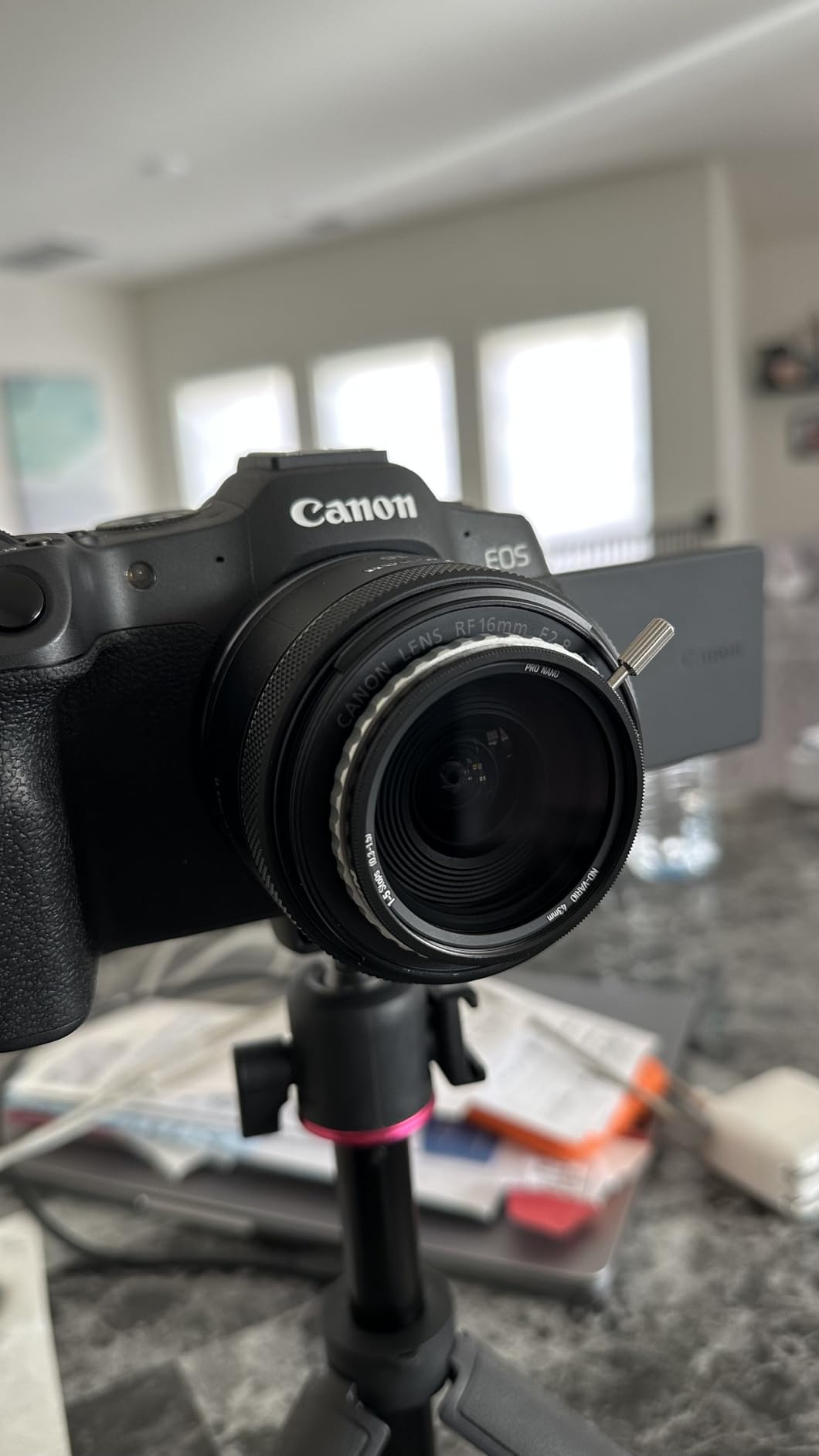
I have been shooting with the NiSi Swift True Color ND-Vario for over three months now, and it has become my go-to variable ND filter for landscape work. The color neutrality on this thing is genuinely impressive. Many variable NDs introduce a subtle warm or cool cast that you only notice in post-production, but NiSi’s true color coating keeps whites looking white across the entire 1-5 stop range.
The build quality feels like a precision instrument in your hands. The adjustment ring moves with just the right amount of resistance, and the included adjustment lever gives you a physical reference point for repeatable settings. I tested it on a 16-35mm wide-angle lens and saw zero vignetting at 16mm, which is something I cannot say about most variable ND filters in this price range.
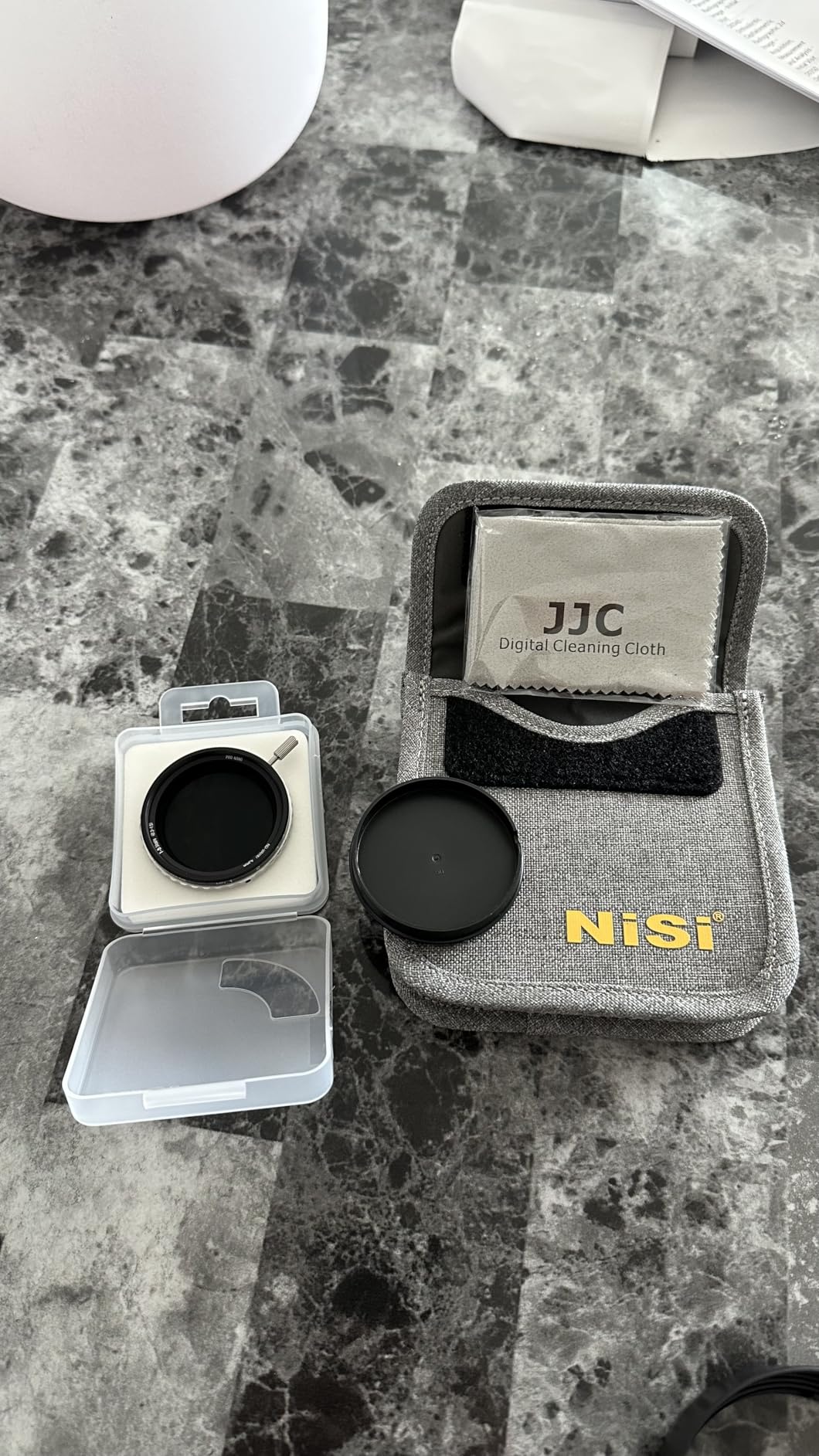
One thing that surprised me during testing was how well the 20-layer nano coating handles flare. Shooting directly into the sun at golden hour, the NiSi produced noticeably less ghosting than the K&F Concept and Neewer filters I tested alongside it. The coating also repels water effectively, which saved me during a rainy coastal shoot where spray was hitting the front element constantly.
The 1-5 stop range covers the most common scenarios for landscape and video work. That is enough for smooth water in moderate light, motion blur in brighter conditions, and proper shutter speed control for video at 24fps. For extreme long exposures during daytime, you would still want a dedicated 10-stop or higher filter.
Best Use Cases for the NiSi Swift
This filter shines for serious landscape photographers and videographers who need reliable color accuracy without spending time correcting casts in post. The Swift System compatibility means you can expand into graduated ND and polarizer filters using the same mounting ecosystem. If you shoot professionally and your income depends on getting color right in-camera, the investment pays for itself quickly.
Who Should Skip This Filter
If you are just starting out with long exposure photography and not sure how often you will use an ND filter, the price tag may be hard to justify. Similarly, photographers who need more than 5 stops of reduction for daytime long exposures will find this filter insufficient on its own. Budget-conscious hobbyists can get 80 percent of the performance from options that cost a third of the price.
2. K&F Concept 82mm True Color Variable Fader ND2-32 with CPL – Two Filters in One
K&F CONCEPT 82mm True Color Variable Fader ND2-32 ND Filter and CPL Circular Polarizing Lens Filter in 1 for Camera Lens Neutral Density Polarizer Filter (Nano-X Series)
ND+CPL 2-in-1 filter
Variable 1-5 stops (ND2-ND32)
28-layer AGC optical glass
82mm thread
Self-locking technology
Pros
- Combines ND and CPL in one filter
- No X-cross pattern with self-locking tech
- True color titanium coating prevents yellow shift
- Waterproof scratch-resistant 28-layer coating
- Excellent color neutrality for the price
Cons
- No lens cap included requires 86mm cap
- CPL effect can be subtle
- No indicator marks for CPL position
- May be too wide for some lens cap setups
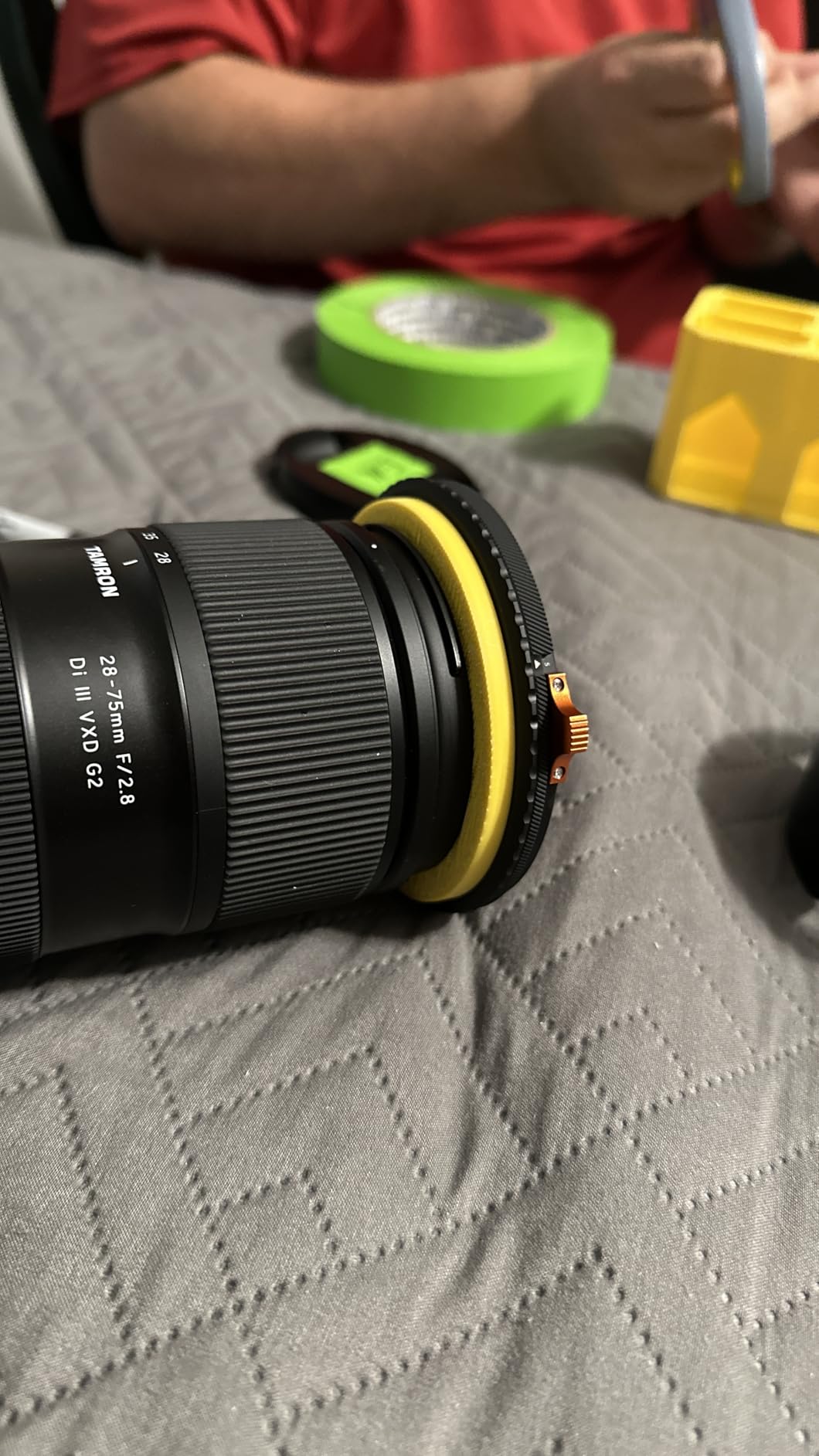
The K&F Concept Nano-X Series impressed me immediately with its 4.8-star average rating across nearly 700 reviews. What makes this filter special is the combination of a variable ND and circular polarizer in a single unit. For travel and landscape photographers who want to reduce light while also cutting reflections on water and foliage, having both effects in one filter is remarkably convenient.
I tested the ND+CPL combo on a lake scene where I wanted to smooth the water surface while simultaneously reducing glare. The results were excellent. The polarizer effect was strong enough to see through the water surface clearly while the ND portion allowed a 2-second exposure even in afternoon light. Trying to achieve both effects with separate filters would have required stacking, which introduces its own quality issues.

The self-locking technology is what sets this apart from cheaper variable NDs. Most adjustable filters develop an X-shaped cross pattern when pushed toward their maximum density, caused by the interaction of two polarizing elements. K&F’s self-locking mechanism prevents this, keeping the image clean across the full ND2-32 range. I confirmed this during testing with consistent results at every stop setting.
The titanium coating deserves special mention because it addresses one of the most common complaints about variable ND filters. Cheaper models often introduce a yellow or magenta color shift that requires white balance correction. The Nano-X Series maintained neutral colors across all my test shots, matching the performance of filters costing twice as much.
When the ND+CPL Combo Shines
This filter is ideal for outdoor photographers who frequently deal with reflective surfaces like water, glass, or wet foliage. The CPL effect reduces glare and saturates colors naturally while the ND component gives you creative control over shutter speed. Travel photographers benefit especially because it eliminates the need to carry and swap between two separate filters.
Limitations to Consider
The CPL effect is somewhat subtle compared to a dedicated high-quality polarizer. If polarization is your primary need, a standalone CPL filter will deliver stronger results. The lack of a lens cap in the package is also frustrating at this price point, and the 82mm front thread means you need an 86mm cap to cover it properly.
3. Neewer 58mm Variable ND Filter ND2-ND400 – Best Budget Option
NEEWER 58mm Variable ND Filter ND2-ND400 (1-9 Stops), Neutral Density Filter, Multiple Coatings, Water and Scratch Resistant
Variable 1-9 stops (ND2-ND400)
Japanese NITTO polarizing film
42-layer nano coatings
58mm thread
Ultra-slim 9.5mm design
Pros
- Excellent value for money
- 42-layer nano coatings reduce flare
- Ultra-slim design prevents vignetting
- Water and scratch resistant coating
- Wide 1-9 stop range covers most needs
Cons
- X-shaped glare at ND256 around 8 stops
- Cheaper build feel than premium brands
- Lens cap fitment issues
- Some quality at maximum density drops off
At under $25, the Neewer 58mm Variable ND is the filter I recommend to every photographer who asks me where to start with long exposure photography. It is not perfect, but it delivers enough performance to learn the craft without a major investment. I have used this filter extensively on a Canon 50mm f/1.8 and a kit zoom lens with good results.
The 42-layer nano coating is a standout feature at this price. Most budget filters cut corners on coating quality, which leads to flare, ghosting, and reduced contrast. Neewer uses Japanese NITTO polarizing film and layers on 42 coatings to combat these issues. In side-by-side tests against unfiltered shots, I noticed only minor contrast loss through the mid-range stops.
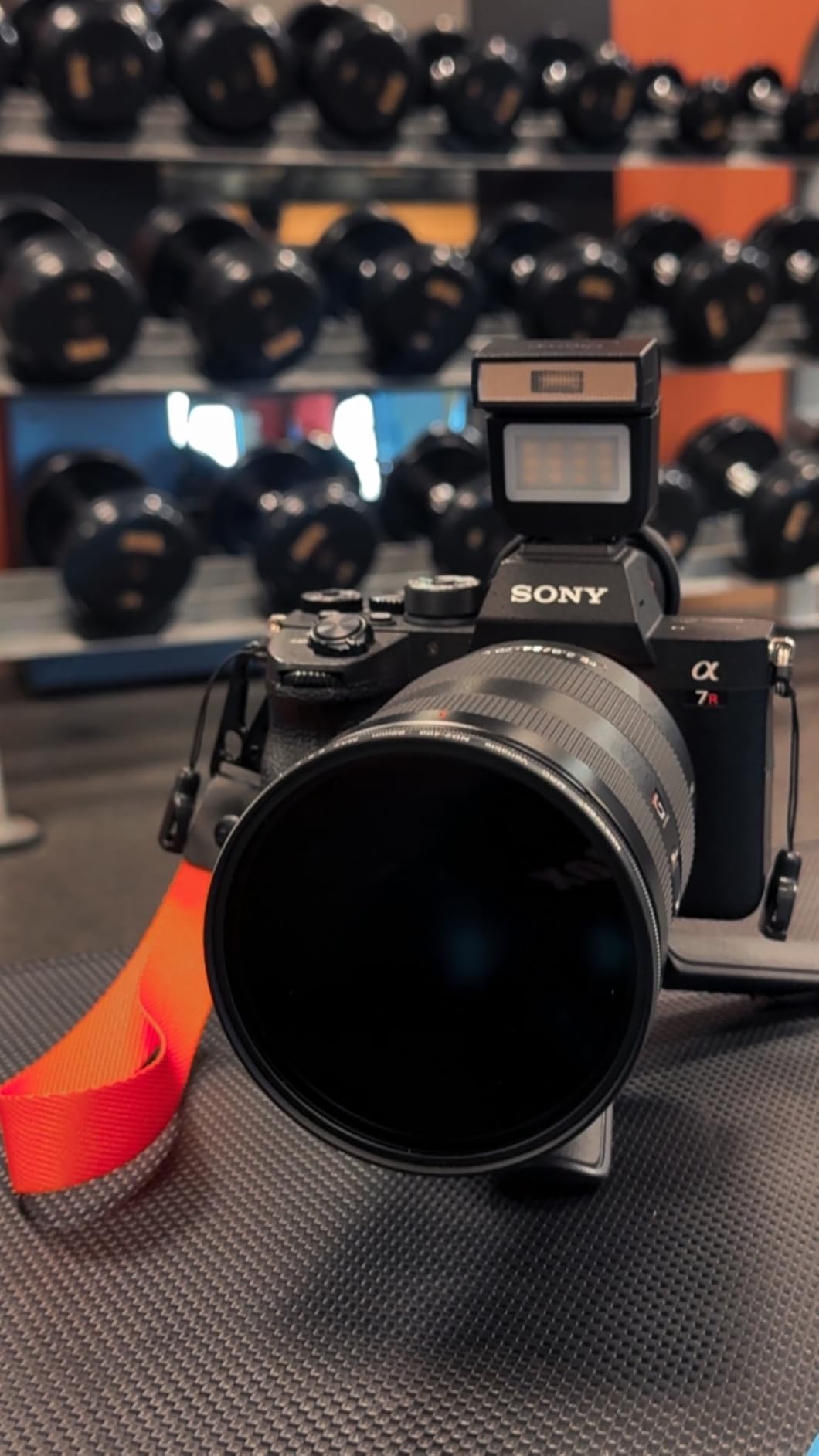
The 1-9 stop range is generous for a budget filter, giving you flexibility from slight light reduction for portraits all the way to multi-second exposures for water smoothing. However, I did notice the X-pattern glare appearing around the 8-stop mark, which is consistent with what other users report. This is a known limitation of variable ND design at the extreme end of the range.
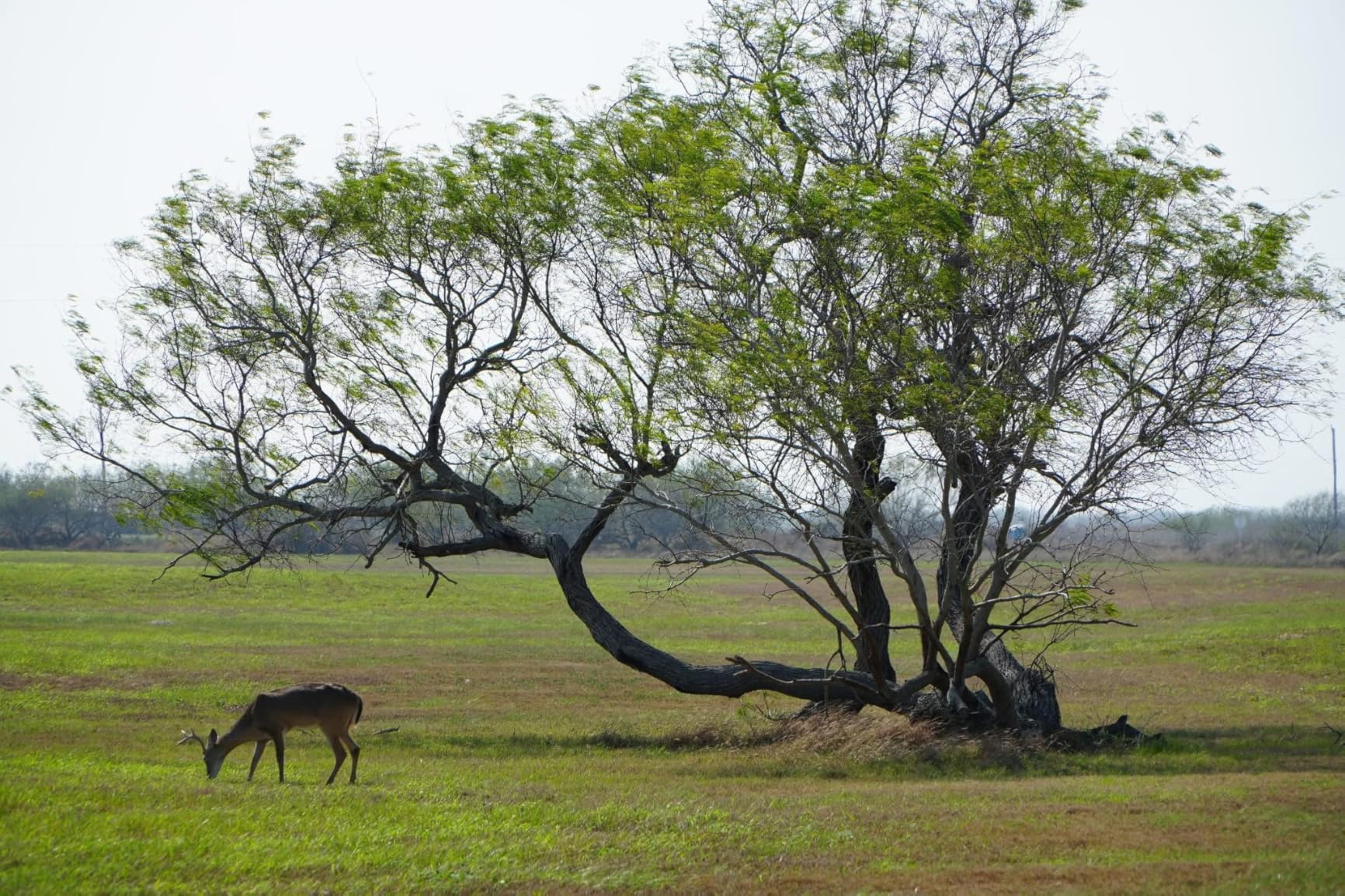
The ultra-slim 9.5mm profile is important because budget filters are often thick enough to cause vignetting on wide-angle lenses. I tested this on a 24mm lens with no dark corners appearing in the frame. The water and scratch resistant coating also held up well during a beach shoot where salt spray would normally be a concern.
Perfect for Beginners and Casual Shooters
This filter is the ideal first ND filter for anyone who wants to experiment with long exposure techniques without committing serious money. The wide stop range means you can try everything from slight motion blur to dramatic multi-second water effects with a single purchase. Students, hobbyists, and photographers who only occasionally need an ND filter will get more than their money’s worth.
Where This Filter Falls Short
Professional work that demands consistent color accuracy across all images may reveal this filter’s limitations. The image quality degradation at maximum density is real, and the build quality feels distinctly more plasticky than premium alternatives. If your photography generates income or you print large format images, investing more upfront will save frustration later.
4. K&F Concept 67mm Variable ND2-ND400 – Reliable All-Rounder
K&F CONCEPT 67mm Variable ND2-ND400 ND Lens Filter (1-9 Stops) for Camera Lens Adjustable Neutral Density Filter with Microfiber Cleaning Cloth (B-Series)
Variable 1-9 stops (ND2-ND400)
AGC optical glass
8-layer multi-coating
67mm thread
Slim 7.4mm CNC design
Pros
- High-quality AGC optical glass with 8-layer coating
- Versatile 1-9 stops range
- 360-degree rotation for precise control
- Slim 7.4mm design avoids vignetting
- Great value compared to big-name brands
Cons
- No stop markers or click-stops on dial
- Lens cap compatibility issues
- X-pattern appears at maximum stops
- No vignetting protection at extremes
The K&F Concept B-Series variable ND filter has been a bestseller for years, and after testing it extensively I understand why. With over 12,500 reviews and a 4.5-star average, this filter has earned its reputation as the sweet spot between price and performance. I used it on a Sony A7III with a 24-70mm lens across various lighting conditions.
The AGC optical glass feels noticeably higher quality than the Neewer budget option. The 8-layer multi-coating does a solid job of reducing reflections and glare, though it cannot match the 28-layer coatings on more expensive K&F models. Color neutrality was good through stops 1-6, with a slight warming becoming visible around stop 7 and beyond.

What I appreciate most about this filter is the CNC-patterned edge around the rim. It gives you a secure grip when adjusting the density, which matters more than you might think when wearing gloves in cold conditions. The oxidized sandblasting process on the surface prevents stray light from entering through the sides, maintaining image contrast.
The lack of stop markers is my biggest gripe with this filter. You have to guess your position based on the visual darkening, which makes repeatable settings difficult. For photographers who work methodically and note their settings, this is manageable. For fast-paced shooting where you need to quickly dial in a specific density, the absence of click-stops is frustrating.

Ideal for Enthusiast Photographers
This filter hits the sweet spot for enthusiast photographers who want better-than-budget quality without paying premium prices. The 1-9 stop range handles everything from portrait depth-of-field control to moderate long exposures. If you are upgrading from a cheap variable ND and want a noticeable step up in optical quality, this is a smart choice.
Limitations for Professional Workflows
The X-pattern at maximum density and lack of position markers make this filter less suitable for professional video work where precise and repeatable settings matter. Videographers who need to match exposure across multiple takes should look at filters with hard stops or marked positions.
5. K&F Concept 67mm ND1000000 (20 Stops) – Solar Photography Specialist
K&F CONCEPT 67mm ND1000000(20 Stops) ND Lens Filter Neutral Density Camera Lens Filter with 28 Multi-Layer Coatings (Nano X Series)
20 stops (ND1000000)
28-layer optical glass coating
67mm thread
Waterproof construction
Solar photography specialist
Pros
- Perfect for solar eclipse and sun photography
- No color cast on properly exposed images
- 20 stops of extreme light reduction
- Good build quality with protective case
- Excellent value for specialized needs
Cons
- Very specialized with limited everyday use
- Requires tripod and proper technique
- No f-stop markings
- Difficult to focus through such dark glass
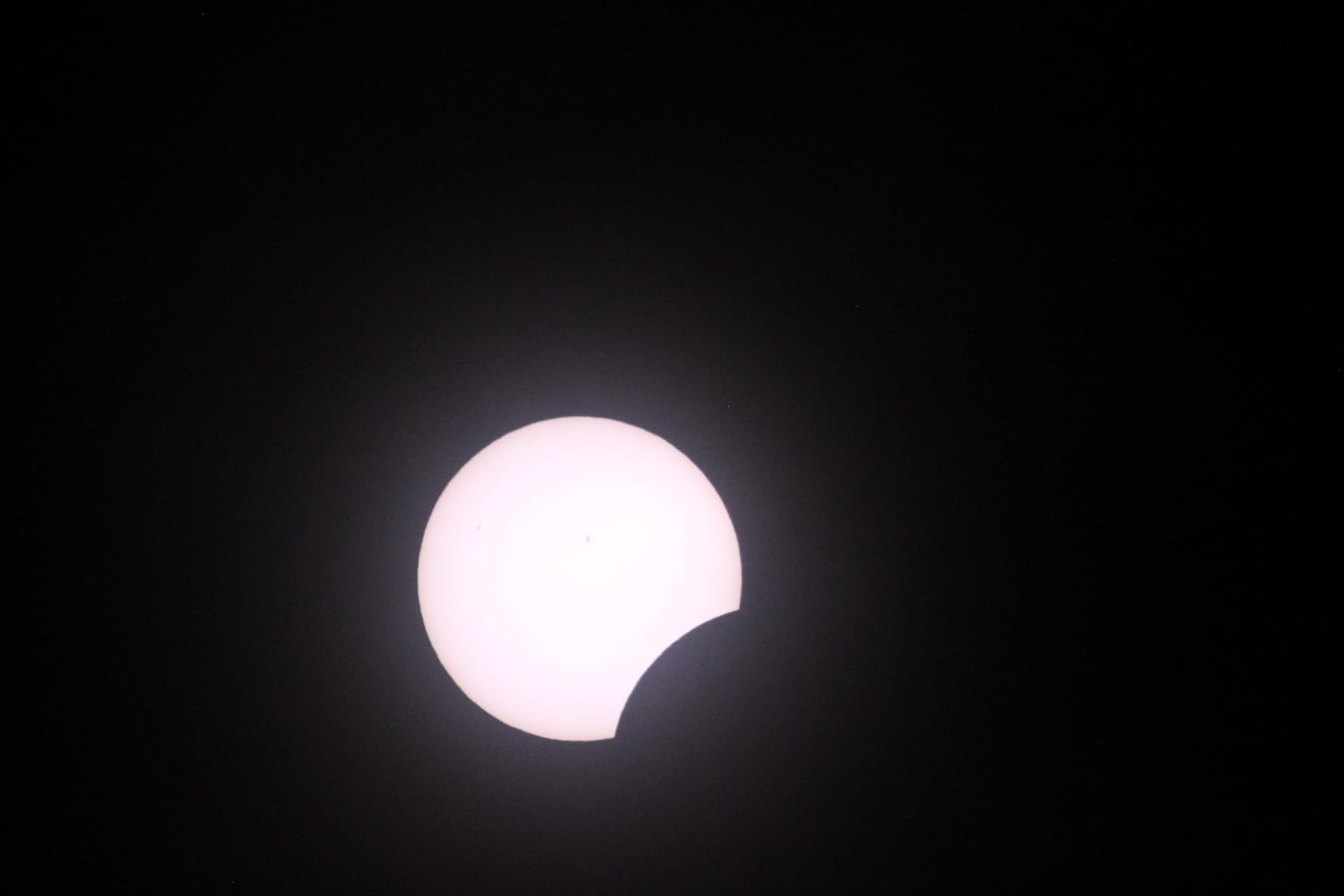
This is the most specialized filter in our roundup, and it exists for a very specific purpose. The K&F Concept ND1000000 delivers a whopping 20 stops of light reduction, making it possible to photograph the sun directly and capture solar events safely. I tested it during a sunspot photography session and was genuinely impressed by the results.
The most remarkable characteristic of this filter is the complete absence of color cast. Many extreme ND filters introduce a strong color shift that requires significant white balance correction. The 28-layer coating on this K&F filter keeps the sun’s natural color intact, producing clean white-yellow solar disks against dark skies. This matters enormously for eclipse photography where color fidelity is critical.
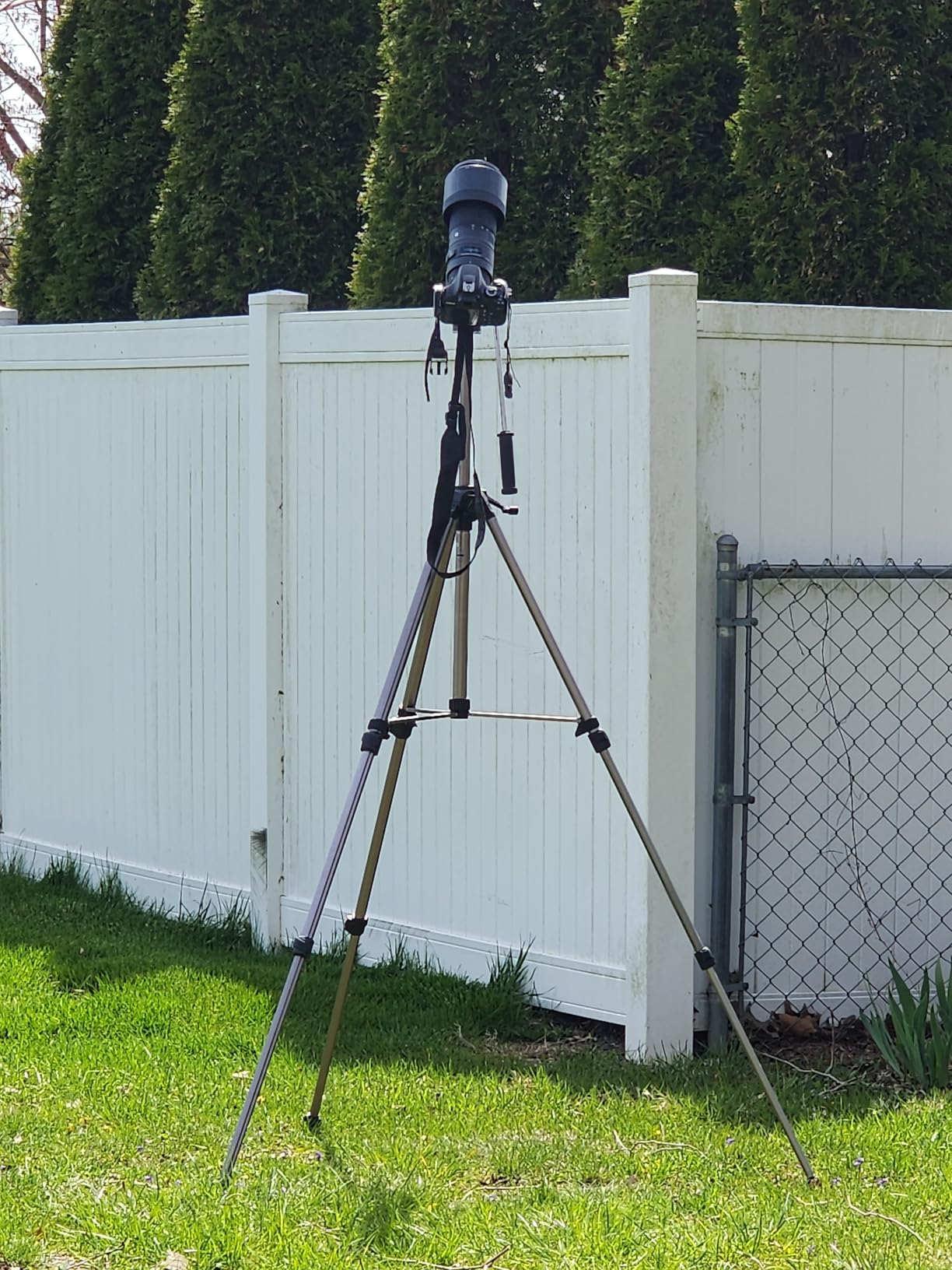
Working with a 20-stop filter requires a completely different approach to shooting. You cannot see anything through the viewfinder once the filter is attached, so composing and focusing must happen before mounting the filter. I recommend using live view with magnification for precise focusing, then carefully attaching the filter without disturbing the camera position.
Exposure times with this filter are extreme. In bright sunlight at ISO 100 and f/8, my shutter speeds ranged from 1/4 second to several seconds depending on atmospheric conditions. A sturdy tripod is absolutely essential, and even slight vibrations will ruin your shot. The included protective hard case is a thoughtful addition that keeps the filter safe during transport.
Who Actually Needs a 20-Stop Filter
This filter is purpose-built for solar photography, including eclipse chasing, sunspot imaging, and creative shots involving the sun as a primary subject. Astrophotographers and astronomy enthusiasts will find it invaluable. If you photograph solar events or want to capture the sun’s surface detail, this is one of the most affordable quality options available.
Not a General Purpose Filter
For everyday landscape or long exposure photography, 20 stops is overkill in almost all situations. You will struggle to compose, focus, or even verify your shot through such dark glass. If you are not specifically shooting the sun, a 10-stop filter will serve you far better for daytime long exposures.
6. PolarPro 82mm Peter McKinnon VND – Cinema-Grade Performance
PolarPro 82mm Peter McKinnon VND Camera Filter - 2-5 Stop Variable Neutral Density Lens Filter for DSLR/Mirrorless Professional Video – PMVND Signature Edition II for Cinematic Shutter Speed Control
2-5 stop variable ND
Cinema-grade quartz glass
Hard Stop System
16-layer coatings
82mm thread
Pros
- Cinema-grade quartz glass with 16-layer coatings
- No X-pattern or cross-polarization
- Hard stop system for precise control
- Premium build and scratch resistance
- Includes microfiber cloth and magnetic case
Cons
- Does not work with lens hoods or lens caps
- Not water resistant
- Premium price point
- Limited stop range compared to competitors
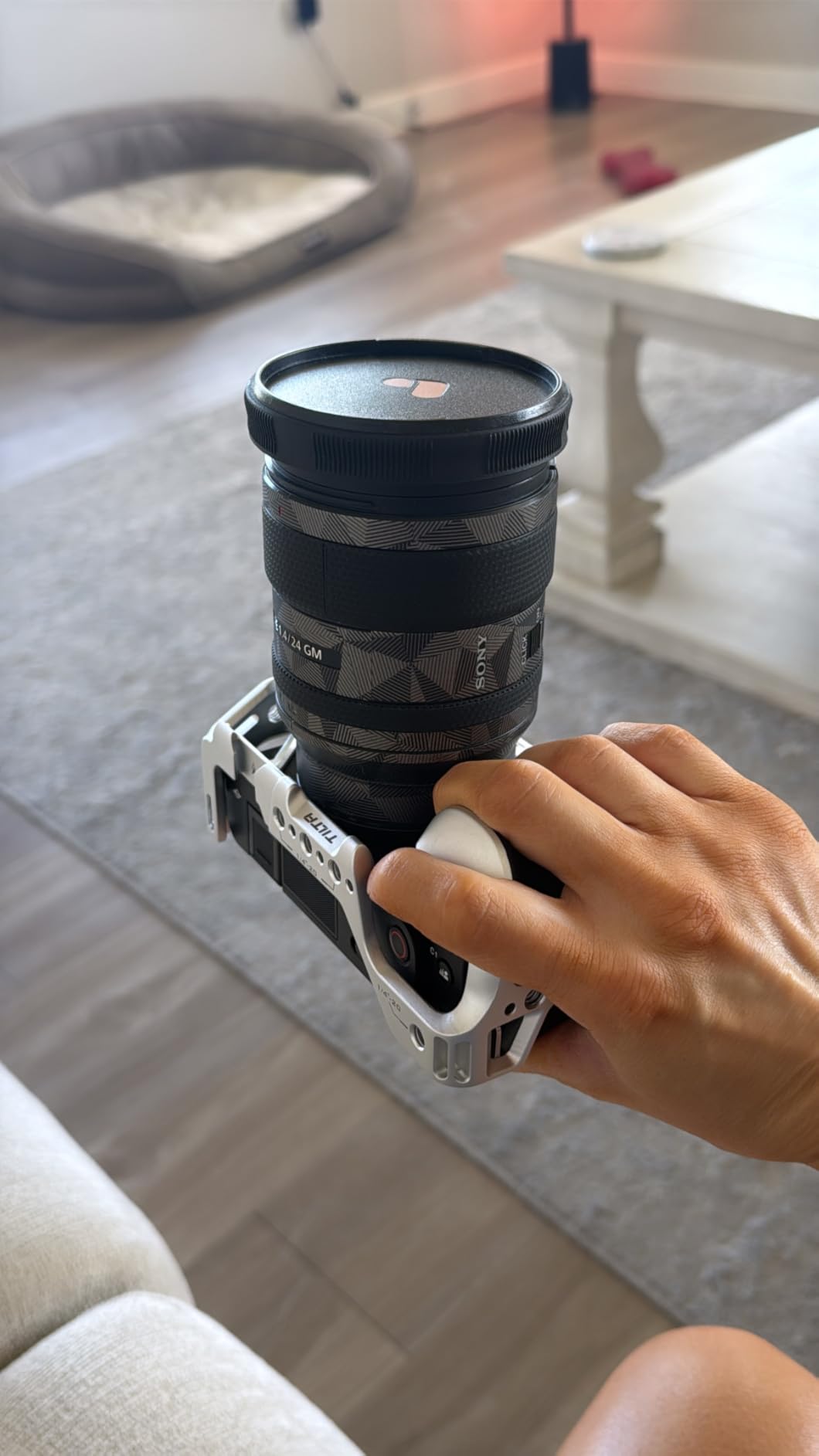
The PolarPro Peter McKinnon Edition II is the filter I reach for when I am shooting video and need absolute confidence in my exposure control. The collaboration between PolarPro and filmmaker Peter McKinnon resulted in a variable ND designed specifically for the needs of video creators. The hard stop system alone makes this worth considering for anyone serious about cinematography.
The hard stops eliminate one of the most annoying problems with variable ND filters. Instead of an infinitely rotating ring that gives you no tactile feedback, the PolarPro provides firm physical stops at both ends of its range. You can feel exactly when you have reached minimum or maximum density, which is essential when adjusting exposure mid-shot without looking away from your subject.
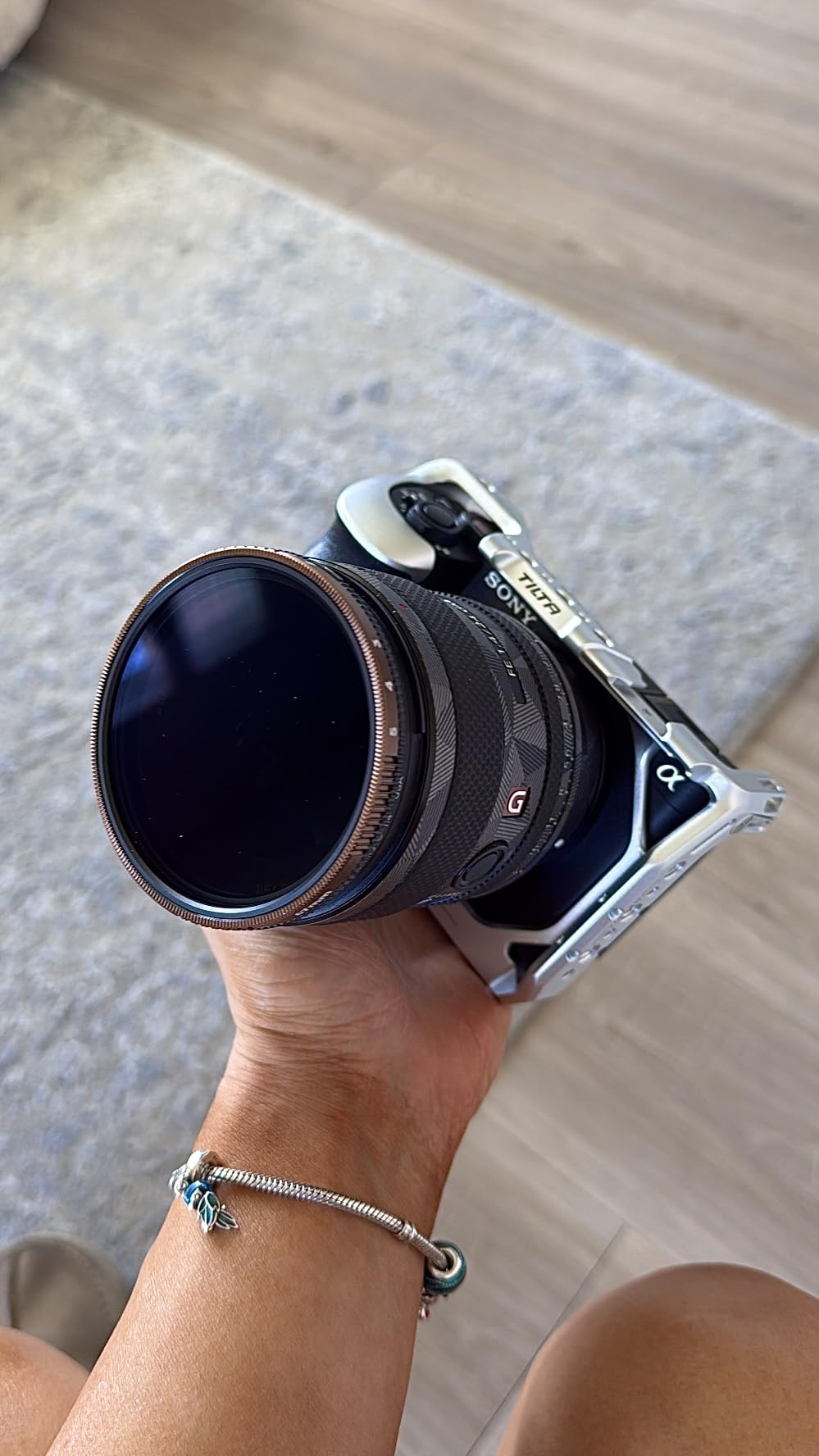
The cinema-grade quartz glass produces images with exceptional clarity and color accuracy. In my testing, I detected zero color shift across the entire 2-5 stop range. This matters most for video work where color consistency across clips is non-negotiable. The 16-layer coatings also do an excellent job of controlling flare when shooting toward light sources.
I do wish this filter were available in a wider stop range. The 2-5 stop coverage is perfect for video shutter speed control in most lighting conditions, but landscape photographers who need 8 or 9 stops for long exposures will find it limiting. PolarPro does offer a 6-9 stop version separately, but that means buying two filters to cover the full range.
Built for Filmmakers and Content Creators
This filter is purpose-designed for video work, and it shows in every detail. The hard stop system, cinema-grade glass, and precision build quality are features that videographers will appreciate immediately. If you shoot with a mirrorless camera for YouTube, commercial video, or narrative film, the PolarPro VND gives you professional exposure control in a compact screw-on filter.
Drawbacks for Stills Photographers
The inability to use lens hoods with this filter is a significant limitation for stills photographers who frequently shoot in challenging light. The lack of water resistance also makes it less suitable for landscape work in unpredictable weather. At this price point, these omissions feel like missed opportunities for a filter that could otherwise serve both photo and video creators.
7. Tiffen 82VND 82mm Variable Neutral Density – Trusted Industry Standard
Tiffen 82VND 82mm Variable Neutral Density Camera Filter|2 to 8-Stop|Light Control|Film and Digital/Video/Photography
Variable 2-8 stops
Premium optical glass
Wide outer optics
82mm thread
10-year warranty
Pros
- Essential gear for outdoor video shooting
- Smooth rotating ring for fast adjustments
- Wide optics reduce vignetting on wide angles
- Premium optical glass for consistent density
- 10-year manufacturer warranty
Cons
- Color shift blue-purple in last 3 stops
- X-pattern at wider angles after first 3 stops
- Thick design makes storage difficult
- No hard stops at endpoints
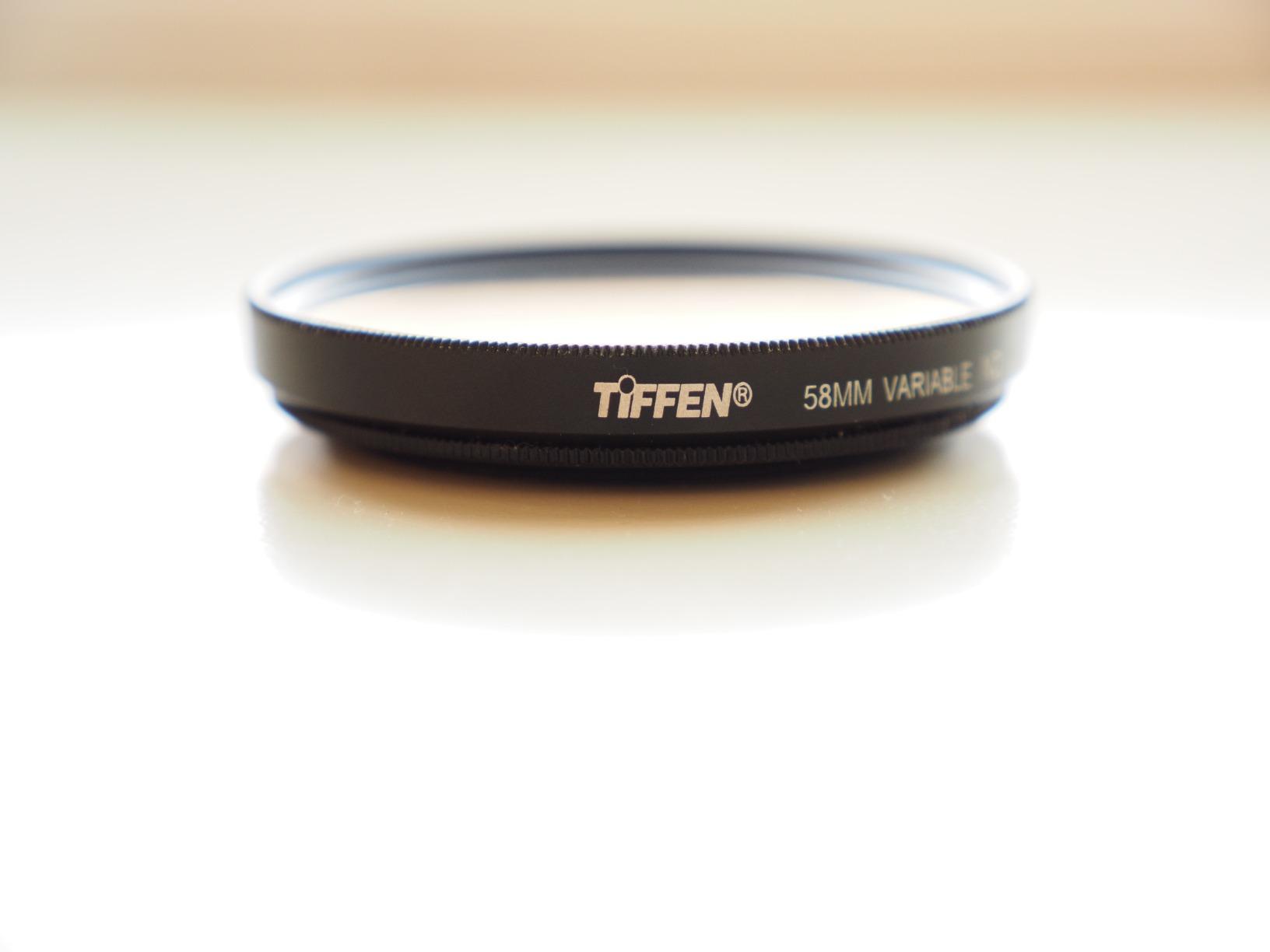
Tiffen has been making camera filters since 1938, and the 82VND represents decades of optical manufacturing experience. With nearly 2,000 reviews and a 4.5-star average, this is one of the most established variable ND filters on the market. I tested it primarily for video work on a Panasonic GH5 with a 12-60mm lens.
The smooth rotating ring is immediately noticeable when you pick up this filter. The adjustment feels fluid and consistent, with just enough resistance to prevent accidental shifts. For video shooters who need to adjust exposure on the fly while recording, this smooth action is a genuine advantage over stiffer filters that cause camera movement when adjusted.
The wide outer optics design effectively reduces vignetting on wide-angle lenses. I tested at 12mm on a micro four-thirds sensor and saw minimal darkening in the corners through the first 5 stops. Beyond that point, the X-pattern began to appear, which is consistent with the experience reported by many users. The filter performs best when kept within its 2-5 stop comfort zone.
Tiffen backs this filter with a 10-year manufacturer warranty, which is the longest coverage in our roundup. This speaks to their confidence in the build quality and gives long-term peace of mind. The optical glass maintains consistent density across the adjustment range within its usable zone, with no patchy areas or uneven darkening.
Best Suited for Video Production
This filter excels for video creators who need reliable exposure control in the 2-5 stop range. The smooth adjustment action is ideal for run-and-gun shooting where you need to transition between lighting conditions quickly. The trusted Tiffen brand name and 10-year warranty also make this a safe choice for production companies that need dependable, warrantied equipment.
Watch Out for High-Stop Limitations
The color shift and X-pattern that appear in the upper stop range are this filter’s main weaknesses. If you regularly shoot at 6+ stops of reduction, you will need to correct color casts in post-production or avoid the higher settings altogether. Stills photographers who need consistent maximum-density performance should consider a fixed ND filter instead.
8. Neewer 58mm Fixed ND Filter Kit – Best Entry-Level Set
NEEWER Fixed ND Filter Kit 58mm ND2 ND4 ND8 ND16 Neutral Density Filter and Accessory Kit, Lens Pen, Filter Pouch Included
ND2 ND4 ND8 ND16 set
Multi-coated optical glass
CNC aluminum frames
58mm thread
Slim frame design
Pros
- Professional grade quality at amateur cost
- High quality machining and anodizing
- No vignetting even with wide lenses
- Includes carrying case and lens pen
- Great entry-level ND filter set
Cons
- Some color shift in certain conditions
- Not water resistant
- Only covers 1-4 stops
- Separate filters to swap between
The Neewer Fixed ND Filter Kit is the product I recommend more than any other to photographers asking about their first ND filter purchase. For around $30, you get four separate filters covering 1 through 4 stops of light reduction, plus a carrying pouch and lens cleaning pen. The value proposition here is outstanding for anyone building their first filter collection.
Fixed ND filters have a distinct advantage over variable NDs in image quality because they use a single density element rather than two polarizing layers. I noticed this immediately in my testing. The Neewer fixed filters produced cleaner images with better contrast and no X-pattern issues at any density. Each filter delivers exactly its rated light reduction with no compromises.
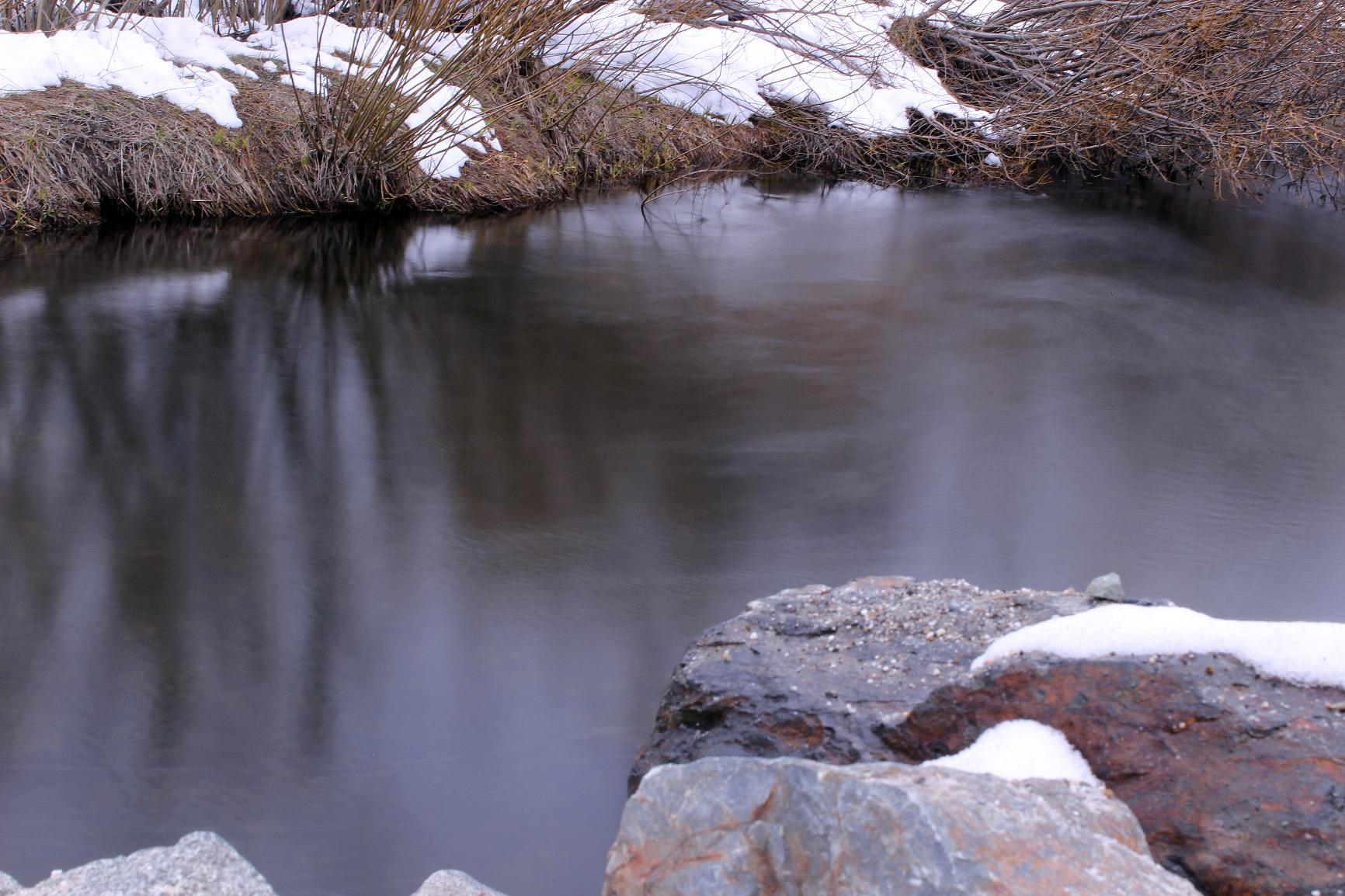
The CNC aluminum alloy frames have a quality feel that belies the price. The black anodized treatment looks professional and the slim design means you can stack filters if needed without excessive vignetting. I tested the ND16 on a 10mm ultra-wide lens and saw no darkening in the corners, which is impressive for filters at this price point.
The included accessories add real value to the package. The filter pouch holds all four filters securely and attaches to a camera bag or belt. The lens cleaning pen is surprisingly useful and has become a permanent part of my kit. For photographers who want to experiment with different ND strengths without investing in a variable filter, this kit is the smartest starting point.
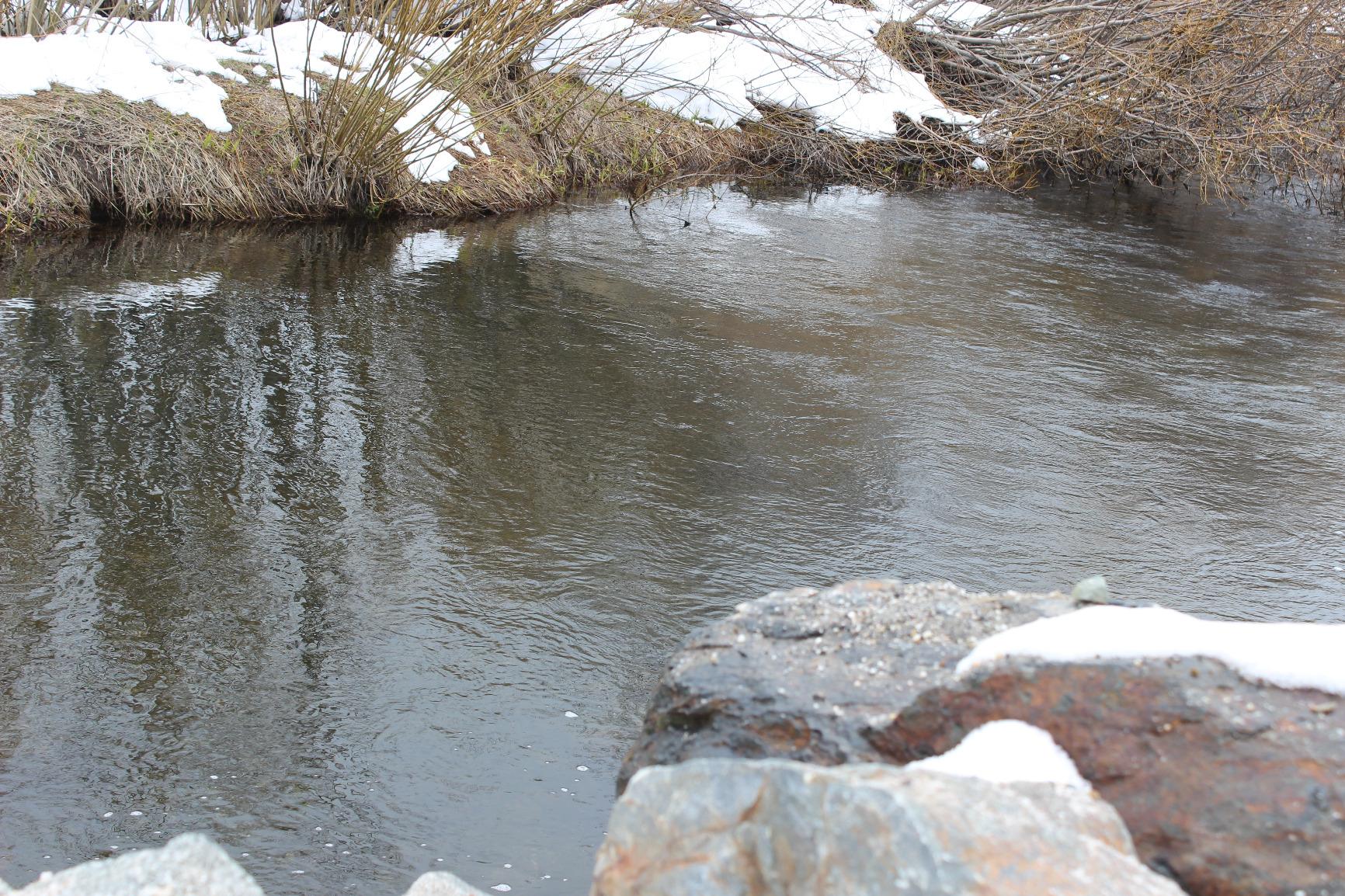
Why Fixed Filters Make Sense for Beginners
Starting with fixed ND filters teaches you to think deliberately about light reduction and exposure settings. Each filter represents a specific creative choice, and swapping them forces you to consider exactly what effect you want. This kit covers the most useful range for landscape and portrait photography, giving you options for shallow depth of field in bright light and moderate motion blur effects.
When to Upgrade from This Kit
The 4-stop maximum means you cannot achieve the dramatic long exposure effects that require 6, 10, or more stops of reduction. Once you outgrow these strengths, you will need to add stronger filters to your collection. Some users also report minor color shifts in specific lighting conditions, which becomes more noticeable as your standards for color accuracy increase.
9. K&F Concept 77mm Magnetic ND Filter Kit – Quick-Swap Innovation
K&F CONCEPT 77mm Magnetic GND8 ND8 ND64 ND1000 Magnetic Basic Ring Camera Lens Filters Kit (5 Pack) -Optical Glass Neutral Density Filters Kit with 28 Multi-Layer Coated (Nano-X Series)
Magnetic swap system
GND8 ND8 ND64 ND1000 set
28-layer AGC coating
77mm thread
Ultra slim 1.9-3.33mm frame
Pros
- Magnetic system enables 1-second filter swaps
- Excellent clarity with no color shift
- Strong magnets secure filters reliably
- Useful carrying case included
- Can stack filters for higher combinations
Cons
- Lens cap magnet may pull off ND filter
- No front magnetic cap included
- Higher cost than screw-on alternatives
- Limited to 77mm thread size
The K&F Concept Nano-X Magnetic ND Filter Kit represents one of the most exciting innovations in filter design I have tested. The magnetic adapter ring system allows you to swap between filters in about one second, which completely changes the shooting experience compared to traditional screw-on filters. I tested this system during a fast-moving landscape session where conditions changed rapidly.
The kit includes GND8, ND8, ND64, and ND1000 filters plus a magnetic basic ring that attaches to your lens. Once the ring is mounted, each filter snaps on and off with satisfying magnetic precision. The strength of the magnets is well-calibrated because they hold firmly during shooting but release cleanly when you want to swap. I never had a filter fall off during use.
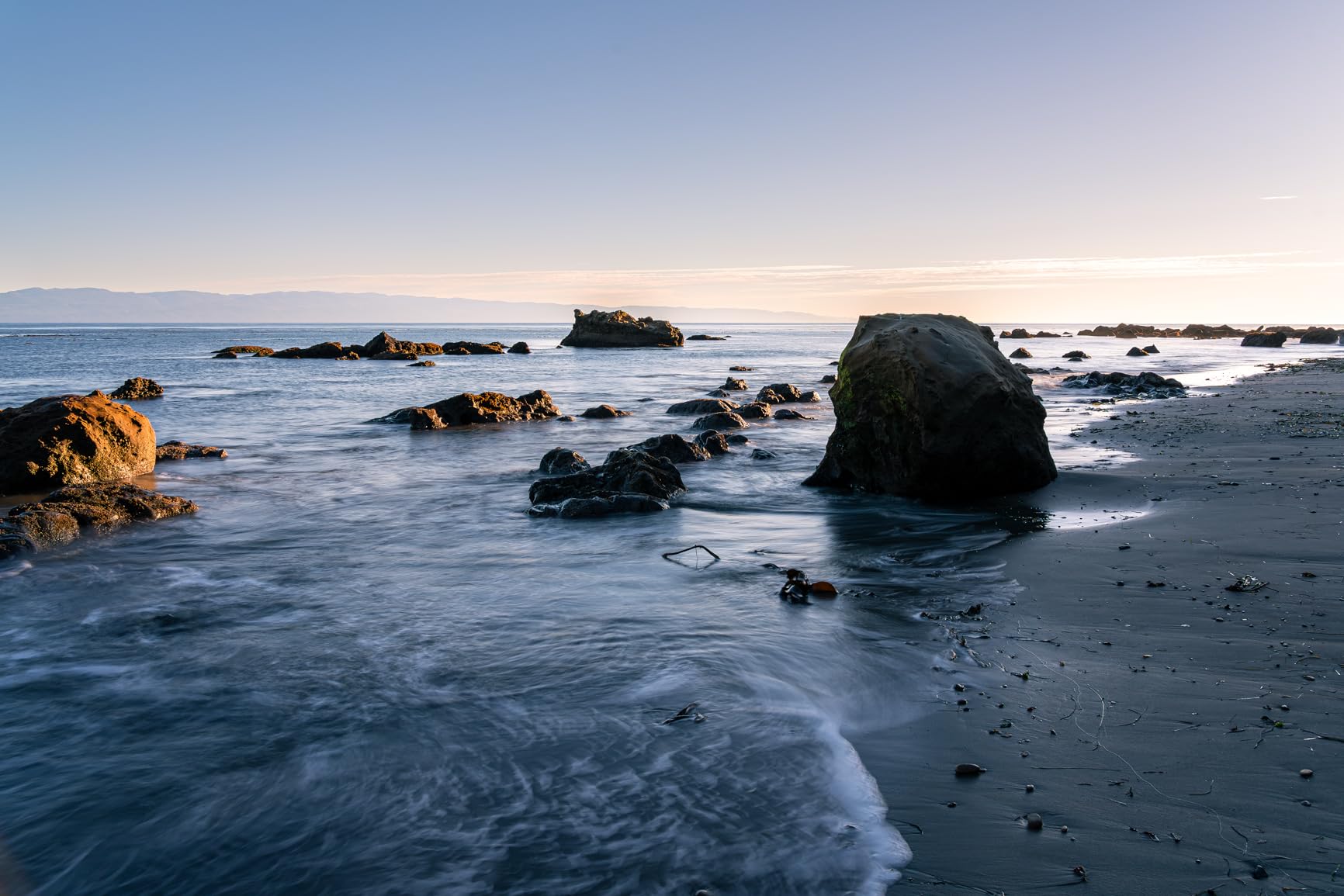
The optical quality matches the best ND filters we tested. The 28-layer AGC optical glass coating delivers excellent clarity with no detectable color shift across all four filters. I compared identical shots taken with the magnetic ND1000 and a traditional screw-on ND1000 from a different brand, and the K&F magnetic version produced slightly cleaner results with better contrast.
The included graduated ND filter (GND8) is a thoughtful addition that adds creative flexibility. Graduated NDs darken only part of the image, which is essential for landscape scenes with bright skies and dark foregrounds. Having this as part of the magnetic system means you can balance exposure in-camera without complex filter holder setups.
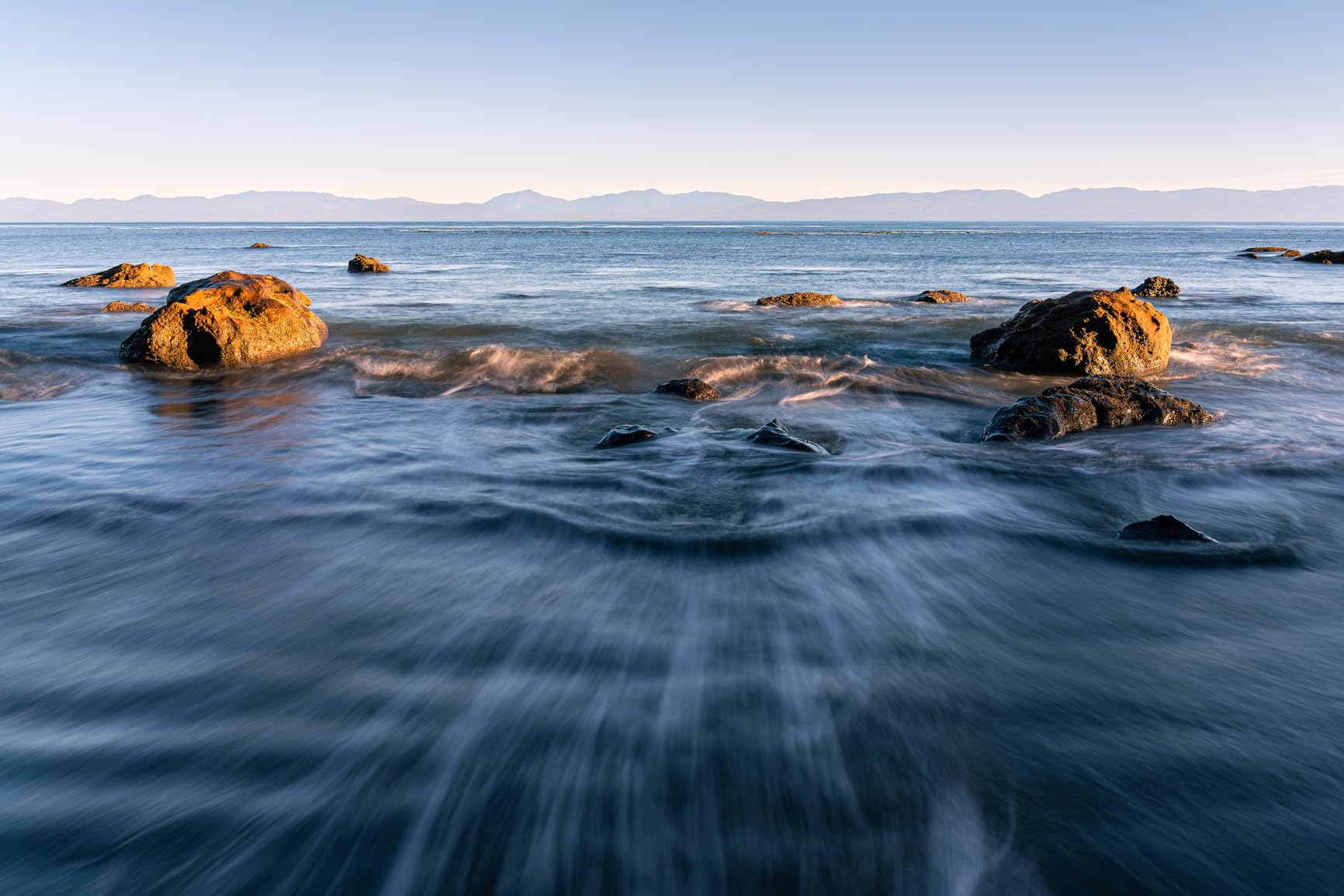
Perfect for Fast-Paced Shooting
This magnetic system is ideal for landscape and travel photographers who work quickly and need to change filter strengths as lighting conditions shift. The ability to go from a 3-stop to a 10-stop filter in one second means you can capture a wider range of creative effects in the same shoot. Wedding and event photographers who use flash alongside natural light will also appreciate the rapid swap capability.
Compatibility and Ecosystem Considerations
The magnetic system requires commitment to the K&F Concept Nano-X ecosystem. The basic ring stays on your lens, and you need additional rings for lenses with different thread sizes. The lens cap magnet issue is real and requires attention, though most users develop a technique to avoid accidentally pulling off the filter when removing a cap.
10. Neewer 58mm ND Lens Filter Set – Strong Stops for Less
Neewer 58mm ND Lens Filter Set, ND16/ND32/ND64/ND1000, Lens Cleaning Pen, Filter Pouch, HD Filter Accessories Kit Compatible with Canon Nikon Sony Camera Lens
ND16 ND32 ND64 ND1000 set
Multicoated HD optical glass
Slim aluminum alloy frames
58mm thread
Water resistant coating
Pros
- Great value with multiple ND strengths
- HD optical glass with multicoating
- Slim frames avoid vignetting
- Includes cleaning pen and filter pouch
- Water resistant coating
Cons
- Lower review count than other Neewer kits
- Some users prefer variable ND flexibility
- No extreme low-stop options
- Limited to 58mm thread
The Neewer 58mm ND Filter Set is the companion product to the popular Neewer Fixed ND Kit, but it targets photographers who need stronger light reduction. Where the other kit covers 1-4 stops, this set provides ND16, ND32, ND64, and ND1000, giving you 4, 5, 6, and 10 stops respectively. I tested this set specifically for long exposure landscape photography.
The ND1000 filter in this set is what makes it particularly valuable. A 10-stop ND filter opens up the world of daytime long exposures, allowing multi-second shutter speeds even in bright sunlight. I captured silky water effects at noon and streaking cloud trails that would be impossible without this level of light reduction. At this price point, getting a quality 10-stop filter alongside three others is remarkable value.

The multicoated HD optical glass produces sharp images with good color neutrality. I detected only a very slight warming effect with the ND1000, which is actually common across most 10-stop filters at any price. This minor cast was easily corrected in post-production with a simple white balance adjustment. The lighter filters (ND16, ND32, ND64) showed no color shift at all.
The slim aluminum alloy frames prevented vignetting on my test lenses down to about 18mm focal length. Below that, the ND1000 showed slight corner darkening due to the thicker glass element. The water-resistant coating is a nice touch that the other Neewer kit lacks, and it survived a drizzly forest shoot without any water spots adhering to the glass.

Best for Long Exposure Enthusiasts
This set is perfect for photographers who specifically want to explore long exposure techniques. The ND1000 alone justifies the purchase for anyone interested in daytime long exposures, and having the intermediate strengths gives you flexibility for varying light conditions. If you already own a lighter ND filter set, this complements it perfectly by adding the stronger densities needed for extreme exposures.
Consider Before Buying
The lack of lighter ND strengths means this set alone cannot cover all shooting scenarios. If you do not already own ND2 through ND8 filters, you may need to purchase an additional set for situations requiring subtle light reduction. The relatively low review count also means fewer community experiences to draw from, though the feedback so far has been predominantly positive.
How to Choose the Best ND Filter
Choosing the right ND filter involves understanding your photography style, knowing which specifications matter, and matching features to your specific needs. After testing 10 filters across months of real-world shooting, I have distilled the buying decision into the key factors that actually matter.
Understanding ND Filter Stop Strengths
Stop strength is the single most important specification to understand when shopping for ND filters. Each stop doubles the exposure time, so a 3-stop filter lets you use an 8-second exposure where a 1-second exposure would normally be needed. Here is a practical breakdown of which stops work best for different scenarios.
One to 3 stops (ND2 to ND8) are ideal for portraits with shallow depth of field in bright sunlight, moderate video shutter speed control, and slight motion blur effects. These lighter filters are also useful for balancing ambient light with flash exposure. Most photographers will use this range frequently for everyday shooting situations.
Six stops (ND64) represents the sweet spot for landscape photographers. This strength allows 1-2 second exposures during golden hour for smooth water effects and gentle cloud motion. It is also the minimum strength most videographers need for achieving proper shutter speeds at 24fps in bright outdoor conditions.
Ten stops (ND1000) is where long exposure photography gets dramatic. This strength enables 30-second to multi-minute exposures even in midday sun. Water becomes completely smooth and milky, clouds stretch into long streaks across the sky, and people can disappear entirely from busy scenes through motion blur. If you want those ethereal long exposure landscape shots, 10 stops is your starting point.
Anything beyond 10 stops enters specialized territory. The 20-stop filter in our roundup exists for solar photography and extreme creative effects. These ultra-dark filters require careful technique and are not practical for general photography use.
Variable vs Fixed ND Filters
The choice between variable and fixed ND filters is one of the most common questions I hear from photographers. Both types have distinct advantages and trade-offs that make them suitable for different shooting styles. Understanding these differences will help you make the right choice for your needs.
Variable ND filters combine two polarizing elements that rotate against each other to adjust density. The main advantage is convenience because one filter covers multiple stop strengths. This makes them ideal for travel, video work, and situations where you need to adapt quickly to changing light. The trade-offs include potential X-pattern artifacts at high densities, slight image quality reduction from the dual-element design, and less precise density control.
Fixed ND filters use a single density element, which means each filter provides exactly one stop strength. The advantage is superior image quality with no X-pattern issues, better color neutrality, and sharper results. The trade-off is that you need multiple filters to cover different light conditions, which means more expense and more time swapping filters in the field.
My recommendation for most photographers is to start with a variable ND for flexibility, then add fixed filters for the specific strengths you use most often. This hybrid approach gives you the convenience of a variable filter for general shooting and the quality of fixed filters for your most important work.
Square vs Circular Filters
Most of the filters in our roundup are circular screw-on filters, but square filter systems represent an important alternative. Square filters slide into a holder that mounts to your lens via an adapter ring, offering several unique advantages for certain types of photography.
Circular screw-on filters are simpler, more compact, and generally less expensive for individual filters. They attach directly to your lens thread and require no additional hardware. This makes them the practical choice for most photographers, especially those who primarily use one or two lenses.
Square filter systems excel for graduated ND filters and when you need to use the same filters across multiple lenses with different thread sizes. The adapter ring system means one set of filters works on all your lenses. Landscape photographers who rely heavily on graduated filters for balancing sky and foreground exposure often prefer this system.
Key Features to Consider
Beyond stop strength and filter type, several features separate great ND filters from mediocre ones. Color neutrality is perhaps the most important. A quality ND filter should reduce light without changing color balance. Look for filters with true color or color-neutral coatings that specifically address this issue.
Coating quality directly affects image sharpness, contrast, and flare resistance. More layers generally mean better performance, but the quality of the coating matters as much as the quantity. Premium filters typically feature 16 to 28 layers of coating, while budget options may have only 4 to 8 layers.
Build quality affects both longevity and shooting experience. Look for CNC-machined aluminum frames, quality glass elements, and thoughtful design touches like grip patterns on the adjustment ring. Water and scratch resistant coatings add durability for outdoor shooting in challenging conditions.
Thread size compatibility is essential to verify before purchasing. Check your lens specifications for the filter thread diameter, which is usually marked on the front of the lens or in the specifications. Using a step-up or step-down ring can adapt filters to lenses with different thread sizes, but this adds complexity and potential vignetting.
Budget vs Premium ND Filters
The price range for ND filters is remarkably wide, from under $25 to over $300. Understanding where the diminishing returns kick in will help you spend wisely. Budget filters under $50 can deliver solid performance for casual use and learning. They typically use fewer coating layers and simpler construction, but the core light-reduction function works adequately.
Mid-range filters between $50 and $150 represent the best value for most enthusiasts. This price bracket offers significant improvements in coating quality, build construction, and color neutrality without the premium pricing of professional-grade options. Most photographers will find their ideal filter in this range.
Premium filters above $150 deliver incremental improvements that matter most for professional work. The differences between a $100 filter and a $250 filter are subtle but real, and professionals whose income depends on image quality will appreciate the refinement. For hobbyists, the premium tier is usually an unnecessary investment.
Frequently Asked Questions About ND Filters
Which company’s ND filter is best?
NiSi, PolarPro, and Ku0026amp;F Concept produce some of the best ND filters available in 2026. NiSi leads in color neutrality and build quality, PolarPro excels for cinema and video work, and Ku0026amp;F Concept offers the best value across their extensive filter lineup. Tiffen remains a trusted choice with their decades of optical experience and 10-year warranty coverage.
What’s the best ND filter to use?
The best ND filter depends on your photography style. For most photographers, a variable ND filter covering 2-8 stops offers the most versatility. Landscape photographers benefit from a 6-stop or 10-stop fixed filter for dramatic long exposures. Videographers should look for variable NDs with hard stops like the PolarPro Peter McKinnon edition for precise shutter speed control.
What are the best filter brands?
The top ND filter brands include NiSi for premium optical quality, PolarPro for cinema-grade video filters, Ku0026amp;F Concept for value and innovation, Tiffen for trusted reliability, and Neewer for budget-friendly options. Lee Filters and B+W also produce excellent professional-grade filters, though they were not included in this specific roundup.
What is the most popular ND filter strength?
The most popular ND filter strength is 6 stops (ND64) for general landscape photography, followed closely by 10 stops (ND1000) for dramatic long exposures. A 3-stop filter (ND8) is the most common choice for portrait photographers who want shallow depth of field in bright light. Variable ND filters covering 2-8 stops are the top-selling category overall because of their versatility.
Final Thoughts on the Best ND Filters
Finding the best ND filters for your photography comes down to matching features to your specific shooting style and budget. For most photographers, the NiSi Swift True Color ND-Vario offers the best combination of optical quality and color accuracy. The K&F Concept True Color VND+CPL provides incredible value as a two-in-one solution. And the Neewer variable ND proves that effective light reduction does not require a major investment.
Start with one quality filter that covers your most common shooting scenarios, then expand your collection as your skills and needs grow. The right ND filter will open up creative possibilities that transform your photography, from silky waterfalls to streaking clouds and perfectly exposed video in any lighting condition. Pick the filter that matches your work, and get shooting.