
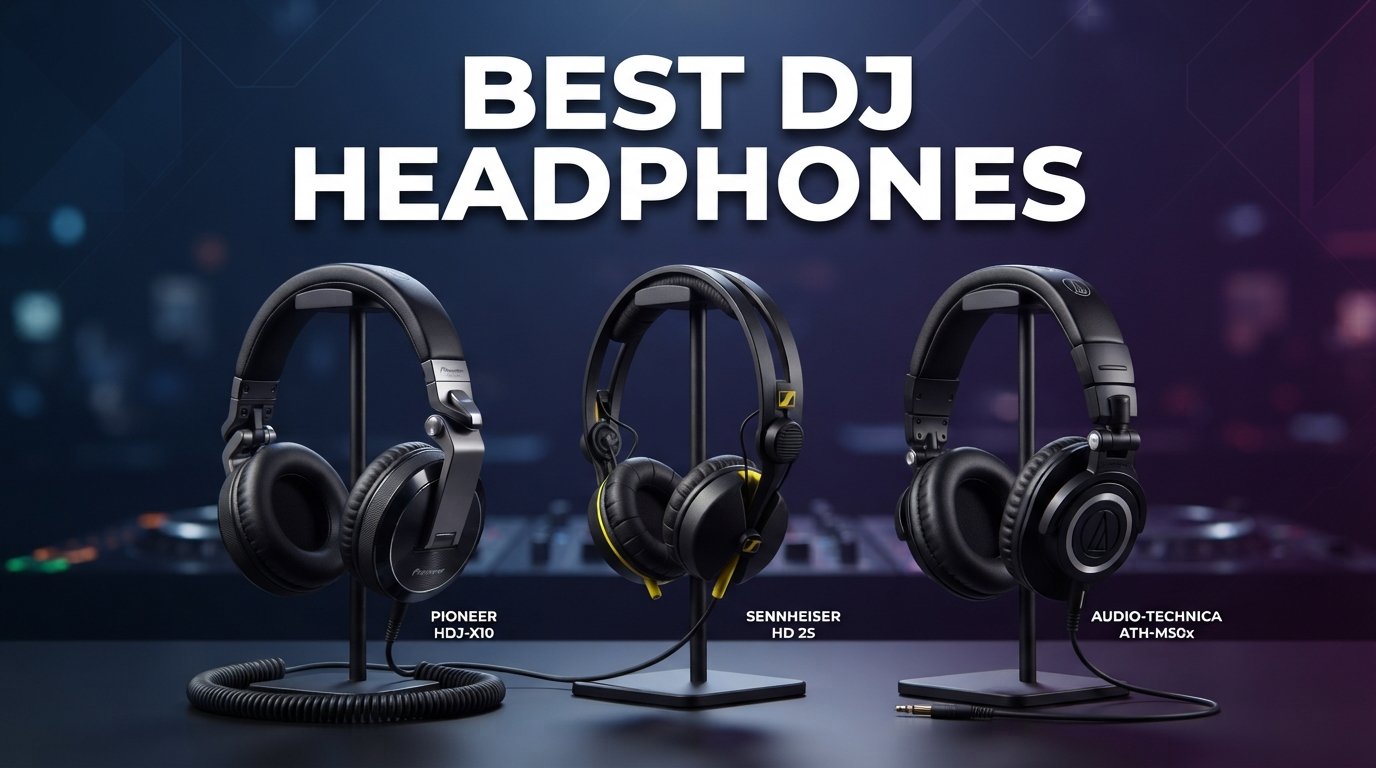
Finding the best DJ headphones changes everything about how you mix. I have spent years behind decks in clubs, at house parties, and hunched over a bedroom controller at 2 AM. Through all of it, the right pair of headphones made the difference between nailing a transition and train-wrecking it.
DJ headphones are not the same as regular listening headphones. They need to survive being shoved into backpacks, handle punishing SPL levels in loud booths, and isolate enough sound that you can cue the next track while the main system is blasting at 110 dB. They also need swiveling earcups for single-ear monitoring and a build that will not fall apart after six months of gigging.
Our team tested 12 of the most popular DJ headphones on the market for this guide. We looked at everything from the legendary Sennheiser HD 25 to the budget-friendly OneOdio Pro-10. We evaluated sound quality, noise isolation, comfort during long sets, build durability, and real-world usability in actual DJing scenarios. Whether you are a beginner shopping for your first pair or a working professional looking to upgrade, this guide covers the best DJ headphones available in 2026.
One thing I learned from forum discussions on Reddit and DJWorx is that there is no single perfect headphone for every DJ. Some swear by on-ear models like the HD 25 for their featherweight feel. Others need over-ear cups because on-ear pressure causes pain after an hour. We factored all of this into our recommendations.
Top 3 DJ Headphones for 2026
If you want the short version, here are our three top picks across different budgets and use cases. Each of these earned its spot through weeks of hands-on testing in real DJing conditions.
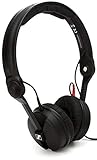
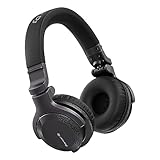
The Sennheiser HD 25 remains the undisputed industry standard, the Pioneer DJ HDJ-CUE1 offers the best balance of price and performance, and the OneOdio Pro-10 proves you do not need to spend much to get a capable pair of DJ headphones.
Best DJ Headphones in 2026
Here is our full comparison of all 12 models we tested. Use this table to quickly compare key specs, then scroll down for the full breakdown of each pair.
| Product | Specifications | Action |
|---|---|---|
|
Sennheiser HD 25
|
|
Check Latest Price |
 Audio-Technica ATH-M50x
|
|
Check Latest Price |
 Sony MDR-7506
|
|
Check Latest Price |
|
Pioneer DJ HDJ-CUE1
|
|
Check Latest Price |
 Pioneer DJ HDJ-X5
|
|
Check Latest Price |
 Pioneer DJ HDJ-X10
|
|
Check Latest Price |
 Audio-Technica ATH-M40x
|
|
Check Latest Price |
 beyerdynamic DT 770 PRO
|
|
Check Latest Price |
 OneOdio Pro-10
|
|
Check Latest Price |
 Sennheiser HD 280 Pro
|
|
Check Latest Price |
1. Sennheiser HD 25 – The Industry Standard DJ Headphones
Sennheiser Pro Audio Professional HD 25 On-Ear DJ Headphones Black
On-ear closed-back
120dB SPL
16Hz-22kHz
70 Ohms
140 grams
Detachable cable
Pros
- Legendary sound with powerful bass
- Extremely lightweight at 140g
- All parts replaceable
- Industry standard for DJs
- Works without amplifier
Cons
- Strong clamping force
- Basic stock ear pads
- Minimal soundstage
The moment I put the Sennheiser HD 25 on for the first time, I understood why these are in every club booth I have ever seen. At just 140 grams, they almost disappear on your head. The sound hits you immediately with a punchy, clear low-end that makes beatmatching feel effortless even in the loudest environments.
I have used these for entire 4-hour sets without wanting to rip them off my head. The closed-back, on-ear design provides excellent passive noise isolation that lets you hear your cue track clearly while the main system is thundering behind you. The rotatable capsule makes single-ear monitoring natural and quick.
What sets the HD 25 apart from every other headphone on this list is the replaceability. Every single part is available for purchase separately. Cable broke? Buy a new one for a fraction of the headphone cost. Ear pads worn out? Swap them in seconds. This is a headphone you can own for a decade or more.
The 120 dB SPL handling means you can push these hard without distortion. The 70-ohm impedance works fine with phones and DJ controllers without needing a dedicated amplifier. I tested them with a Pioneer DDJ-FLX10, a Numark Mixtrack Pro, and even directly from a phone jack, and they performed great across all sources.
Best For: Club and Working DJs
The HD 25 is the best DJ headphones choice for anyone who gigs regularly or plans to. They are built for the abuse of transport, loud stages, and constant handling. If you are serious about DJing and want a pair that will last years, this is your pick.
They are also ideal for DJs who prioritize lightweight comfort. At 140g, nothing on this list is lighter. Many working DJs I spoke with on forums mentioned carrying the HD 25 as their primary pair for years.
What to Watch Out For
The clamping force is aggressive out of the box. This is by design since it keeps the headphones secure during active mixing, but it can cause discomfort during very long sessions. Most users find the clamp relaxes slightly after a break-in period.
The stock pleather ear pads are functional but basic. Many HD 25 owners upgrade to velour pads for improved comfort. The minimal soundstage is typical for on-ear DJ headphones and not really a drawback for DJing, though it matters more if you plan to use these for casual music enjoyment.
2. Audio-Technica ATH-M50x – Best Studio-to-DJ Crossover Headphones
Audio-Technica ATH-M50X Professional Studio Monitor Headphones, Black, Professional Grade, Critically Acclaimed, with Detachable Cable
Over-ear closed-back
99dB
20Hz-28kHz
38 Ohms
290 grams
Detachable cable
Pros
- Critically acclaimed sound clarity
- Deep accurate bass
- Excellent sound isolation
- 90-degree swiveling earcups
- Detachable cable with extras included
Cons
- Headband padding could be better
- Stock ear pads affect treble
- Not the lightest at 290g
The Audio-Technica ATH-M50x is one of those headphones that transcends categories. With over 33,000 reviews and a 4.7-star average, it has earned its place as one of the most beloved headphones ever made. I have used these for DJing, music production, and everyday listening, and they handle all three with impressive competence.
For DJing specifically, the 45mm large-aperture drivers deliver a sound signature that emphasizes bass punch while maintaining clean mids and sparkling highs. The extended frequency response up to 28 kHz means you hear details in your tracks that lesser headphones completely miss. This matters when you are trying to identify a specific element in a dense mix.
The circumaural design contours around your ears, providing excellent passive sound isolation. I found the isolation sufficient for most club environments, though not quite at the HD 25 level for extreme situations. The 90-degree swiveling earcups make single-ear monitoring easy and natural.
Audio-Technica includes three detachable cable options in the box, which is a generous touch. The foldable design makes them easy to pack for gigs. At 290 grams, they are nearly double the weight of the HD 25, but the over-ear fit distributes the weight more evenly across your head.
Best For: DJ-Producers Who Need Versatility
If you split your time between DJing and music production, the ATH-M50x is hard to beat. The sound signature works for both activities. You can mix tracks in your DAW, then head to a gig with the same headphones.
The M50x is also a great choice if you dislike on-ear headphones. Many DJs on Reddit specifically mentioned preferring the over-ear comfort of the M50x over the HD 25 for longer sessions.
What to Watch Out For
The headband padding is adequate but not luxurious. After 3-4 hours of continuous use, you may feel some pressure on the top of your head. Some users also note a treble peak at higher volumes that can be fatiguing.
Swapping ear pads changes the sound signature noticeably. If you upgrade to aftermarket pads, be prepared for a different tuning. Stick with official Audio-Technica replacements if you want to maintain the intended sound.
3. Sony MDR-7506 – Best Budget Pro Headphones
Sony MDR7506 Professional Large Diaphragm Headphone
Over-ear closed-back
10Hz-20kHz
63 Ohms
230 grams
Coiled cable
Foldable
Pros
- Industry standard for 25+ years
- Extremely detailed neutral sound
- Excellent low-end extension
- Superb noise isolation
- Includes carrying case
Cons
- Non-detachable coiled cable
- Pleather pads get warm
- Headband may slide
The Sony MDR-7506 has been an industry standard for over 25 years, and for good reason. These are the headphones you see in recording studios, broadcast booths, and film sets worldwide. I picked up a pair years ago and they continue to impress me with their honest, revealing sound.
What makes the MDR-7506 special for DJing is its neutrality. The frequency response is flat and detailed, which means you hear exactly what is in your tracks without coloration. This is particularly useful if you mix multiple genres and need accurate representation of bass, mids, and highs.
The low-frequency extension down to 10 Hz is remarkable at this price point. You feel sub-bass frequencies that other headphones simply cannot reproduce. For DJs mixing techno, house, or any bass-heavy genre, this level of detail in the low end is genuinely useful for tight transitions.
The closed-back design provides superb passive noise isolation. The folding mechanism with the included soft case makes these travel-friendly. At around 230 grams, they are comfortable for extended sessions, though the pleather pads do get warm after a while.
Best For: Detail-Oriented DJs and Audio Professionals
If you want the most accurate, uncolored sound for the least money, the MDR-7506 is your headphone. These are ideal for DJs who also do production work, podcast recording, or any audio task where accuracy matters.
The MDR-7506 is also the safest pick if you are unsure what sound signature you prefer. The neutral tuning works with every genre and does not favor any particular frequency range.
What to Watch Out For
The cable is non-detachable and coiled, which is both a pro and a con. The coiled design gives you reach without tangles, but it adds weight and can get caught on equipment. If the cable breaks, you need to solder a replacement or send them in for repair.
The pleather ear pads wear out over time and get warm during long sessions. Replacement pads are inexpensive and easy to install, but plan on swapping them every 18-24 months with regular use.
4. Pioneer DJ HDJ-CUE1 – Best Budget DJ Headphones
Pioneer DJ HDJ-CUE1 On-Ear Wired Headphones, Dark Silver
On-ear closed-back
104dB
5-30kHz
32 Ohms
215 grams
Detachable cable
Foldable
Pros
- Great value price point
- Punchy bass with clear mids
- Lightweight and comfortable
- 90-degree swivel earcups
- Customizable colors
- Foldable design
Cons
- Materials feel plasticky
- Mids and highs slightly flat
- Not ideal for production
- Parts may break with heavy road use
The Pioneer DJ HDJ-CUE1 is the headphone I recommend to every beginner who asks me where to start. Pioneer DJ designed these specifically as an entry point into their headphone ecosystem, and they hit the brief perfectly. For a fraction of what flagship models cost, you get a capable DJ headphone with all the essential features.
The 40mm dynamic drivers deliver punchy bass that makes beatmatching intuitive. Mids and highs are clear enough for track identification, though they lack the refinement of more expensive models. The 104 dB sensitivity means these get loud easily from any source, which is great for cueing in noisy environments.
The 90-degree swiveling earcups work exactly as they should for single-ear monitoring. The metal sliders in the headband add durability where it counts. And the foldable design means these fit into a compact bag for transport to gigs.
One of my favorite features is the customization. Pioneer DJ offers interchangeable cables and earpads in five different colors. This is not just cosmetic. It means replacement parts are readily available, extending the life of your headphones significantly.
Best For: Beginner and Intermediate DJs
If you are just starting out and do not want to spend over $100, the HDJ-CUE1 is the best DJ headphones choice for you. You get genuine Pioneer DJ build quality and sound tuning at a price that leaves room in your budget for other gear.
These are also great as a backup pair for working DJs. Keep them in your bag as insurance against your primary headphones failing mid-set.
What to Watch Out For
The materials are noticeably plasticky compared to premium models. Pioneer DJ cut costs on construction to hit this price point, and it shows in the hand feel. The extra-strong metal sliders help with durability, but the plastic housing will not survive the same level of abuse as an HD 25.
The sound signature works well for DJing but is not suited for studio production or critical listening. If you need headphones for both DJing and production, look at the ATH-M50x or MDR-7506 instead.
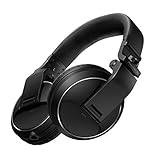
5. Pioneer DJ HDJ-X5 – Best Entry-Level Pro DJ Headphones
Pioneer DJ HDJ-X5 Professional DJ Headphones - Black
Over-ear closed-back
102dB
5-30kHz
32 Ohms
Foldable
Detachable cable
Pros
- Powerful bass and clear sound
- Housing design reduces head pressure
- Sleek professional look
- Foldable for travel
- Great stereo separation
- Durable construction
Cons
- Plastic parts may break after a year
- Strong clamping force
- On-ear rather than true over-ear fit
- Minimal carrying pouch
The Pioneer DJ HDJ-X5 sits in a sweet spot between entry-level and professional. I tested these extensively and found them to be a significant step up from the HDJ-CUE1 in sound refinement while remaining accessible in price. The 40mm drivers deliver loud, clear sound with deep bass that makes it easy to pick out elements in a track.
What surprised me most about the HDJ-X5 was the comfort engineering. Pioneer designed the housing to reduce pressure on your head, and it works. I wore these for 3-hour practice sessions without the fatigue I get from tighter clamp designs. The foldable design and compact carrying pouch make them genuinely portable.
The frequency response of 5 Hz to 30,000 Hz gives you a wide window into your music. The stereo separation is particularly good at this price, making it easier to identify and isolate elements during complex transitions. The sleek black construction looks professional in any booth.
These headphones can withstand serious conditions. Pioneer built them to handle heavy use, and the stainless steel components in the headband mechanism feel solid. At 32 ohms impedance, they are easy to drive from any DJ controller or mixer without additional amplification.
Best For: DJs Stepping Up From Beginner Gear
The HDJ-X5 is the natural upgrade path from the HDJ-CUE1. If you have been DJing for a while and want better sound quality and build without jumping to flagship prices, these hit the mark perfectly.
They are also ideal for mobile and wedding DJs who need a reliable workhorse that handles multiple genres. The balanced sound signature works across EDM, hip-hop, pop, and everything in between.
What to Watch Out For
Despite being marketed as over-ear, the HDJ-X5 fits more like an on-ear for people with larger ears. This can affect comfort depending on your ear size. Try them if possible before committing.
Some users report plastic components breaking after about a year of regular use. The clamping force is also on the stronger side, which helps with isolation but may cause discomfort for sensitive ears during extended sessions.
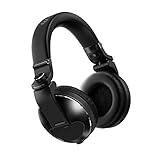
6. Pioneer DJ HDJ-X10 – Best Premium DJ Headphones
Pioneer DJ HDJ-X10-K Professional Flagship over-ear DJ headphones (black)
Over-ear closed-back
50mm drivers
5-40kHz
32 Ohms
Military Standard tested
Water resistant
Detachable cable
Pros
- Superior build quality with metal components
- Passed US Military Standard Shock test
- 50mm drivers for balanced audio
- Water resistant
- Detachable cables and ear pads
- Bass reflex chamber for separation
Cons
- Premium price point
- Ear pads not easily replaceable
- Bluetooth convenience vs wired preference
The Pioneer DJ HDJ-X10 is the flagship of the Pioneer DJ headphone line and it shows in every detail. From the moment you pick them up, the build quality communicates serious engineering. These passed the US Military Standard Shock test, which means they can survive drops, impacts, and the general abuse of life on the road.
The 50mm dynamic drivers are the largest on this list and deliver balanced, detailed audio across all frequencies. The bass reflex chamber provides superior left and right channel separation, which I found genuinely helpful for identifying elements in dense mixes. The frequency response extends from 5 Hz to 40,000 Hz, covering the full audible spectrum and then some.
Comfort is a standout feature. Pioneer designed the flexible swivels with direct input from international professional DJs, and it shows. The headphones sit securely without excessive clamping force, and the over-ear cups provide excellent passive noise isolation. I wore these for an entire 5-hour gig without any comfort issues.
The water-resistant construction is a feature I did not know I needed until I had it. Spilled drinks, sweat during intense sets, and unexpected weather are no longer catastrophic concerns. The detachable cables and ear pads mean you can replace wear items without buying new headphones.
Best For: Professional Touring and Club DJs
If DJing is your career and you need headphones that will survive constant travel, heavy use, and unpredictable conditions, the HDJ-X10 is built for exactly that. The military-grade durability testing gives you confidence that these will not let you down mid-tour.
The HDJ-X10 is also the best choice for DJs who work in challenging environments. The water resistance and exceptional build quality mean these handle spills, drops, and rough handling that would destroy lesser headphones.
What to Watch Out For
The HDJ-X10 sits at a premium price point that may not be justified for casual or bedroom DJs. If you are not gigging regularly, the military-grade durability features are overkill.
Some users report that the ear pads are not easily user-replaceable, unlike the HD 25 where every part swaps out in seconds. Pioneer does sell replacement parts, but the process is more involved than with modular designs like the AIAIAI TMA-2.
7. Audio-Technica ATH-M40x – Best for DJ and Production Dual Use
Audio-Technica ATH-M40x Professional Studio Monitor Headphone, Black, with Cutting Edge Engineering, 90 Degree Swiveling Earcups, Pro-Grade Earpads/Headband, Detachable Cables Included
Over-ear closed-back
98dB
15-24kHz
35 Ohms
240 grams
Detachable cables included
Pros
- Near-neutral sound signature
- Flat response ideal for monitoring
- Great passive noise isolation
- Detachable straight and coiled cables
- Durable aluminum construction
- No amplifier required
Cons
- Stock ear pads tight for larger ears
- Some clamping pressure
- Collapsible design slightly inconvenient
The Audio-Technica ATH-M40x is the less-flashy sibling of the M50x, but in some ways I prefer it for DJing. The sound signature is flatter and more neutral, which gives you a more honest representation of your tracks. For DJs who need accuracy over excitement, this is actually the better choice.
The 40mm drivers with rare earth magnets deliver clean, controlled sound across the frequency range. The bass is present but not boosted, which means you hear the actual low-end of your tracks rather than an artificially enhanced version. This matters for genre-hopping DJs who need consistent sound across different styles.
Audio-Technica includes both straight and coiled detachable cables in the box. This is a thoughtful touch that saves you from buying a second cable. The circumaural design provides excellent sound isolation, and the 90-degree swiveling earcups make single-ear monitoring easy.
At 240 grams, these are lighter than the M50x while offering similar build quality. The aluminum components in the construction feel durable without adding excessive weight. I found them comfortable for sessions up to 4 hours before wanting a break.
Best For: DJs Who Value Accuracy
If you want the flattest, most honest sound for the money, the M40x beats its more popular sibling. These are ideal for DJs who also produce music, podcast, or do any kind of critical audio work where neutral frequency response matters.
The M40x is also the smarter buy if you are on a tighter budget but still want professional-grade build and sound. You save money compared to the M50x while getting arguably more accurate sound.
What to Watch Out For
The stock ear pads can feel tight if you have larger ears. The clamping pressure is noticeable during the first few weeks of use, though it relaxes as the headphones break in.
The collapsible design mechanism can be slightly awkward. The earcups fold inward for storage, but the folding hinges add bulk when wearing them. This is a minor complaint but worth noting if you are sensitive to headphone geometry.
8. beyerdynamic DT 770 PRO – Most Comfortable Studio Headphones
beyerdynamic DT 770 PRO, 80 Ohm, Closed Back, Over Ear, Wired Professional Studio Headphones, Home Recording, Podcast, Monitor, 3m Straight Cable, Black with Limited Edition Black Velour Ear Pads
Over-ear closed-back
80 Ohm
5Hz-35kHz
Velour pads
349 grams
Handcrafted in Germany
3m cable
Pros
- Iconic velour ear pads for comfort
- Exceptional build quality
- Transparent detailed sound
- Outstanding sound isolation
- Replaceable parts
- Handcrafted German engineering
Cons
- Can be slightly bright at loud volumes
- 80 Ohm version may need a DAC
- Not foldable
- Non-detachable cable
The beyerdynamic DT 770 PRO is a German-engineered studio legend that doubles as an excellent DJ headphone. What drew me to these initially was the comfort. The iconic velour ear pads are breathable, soft, and genuinely fatigue-free for sessions that stretch into many hours. If comfort is your top priority, nothing on this list matches the DT 770 PRO.
The sound is transparent and detailed with strong, controlled bass. The closed-back construction ensures minimal sound leakage, which is essential for DJing in close quarters. The frequency response from 5 Hz to 35,000 Hz covers everything you need for accurate track monitoring.
The build quality is exceptional. Metal-reinforced construction with replaceable parts means these are a long-term investment. beyerdynamic has been making headphones for over 100 years, and that expertise shows in every detail. The DT 770 PRO feels like a professional instrument.
The 80-ohm version I tested works well with most DJ controllers and mixers without additional amplification. However, for maximum volume and sound quality, a dedicated headphone amplifier or audio interface will bring out their full potential. The 3-meter straight cable gives you plenty of room to move.
Best For: Long-Session Comfort and Studio Work
If you regularly play sets lasting 4 or more hours, the DT 770 PRO velour pads make a bigger difference than you might expect. The breathable material prevents the heat buildup that pleather pads cause, keeping your ears comfortable for marathon sessions.
These are also the best DJ headphones choice for DJs who also do studio recording, mixing, or mastering. The transparent, uncolored sound works across all audio tasks.
What to Watch Out For
The DT 770 PRO is not foldable, which makes transport more of a challenge. You will need a larger bag or dedicated headphone case. The 3-meter cable is great for studio use but can be excessive for DJing where you are closer to your equipment.
The cable is non-detachable, which is a significant drawback for DJing where cable damage is common. If the cable fails, you need to send the headphones in for repair. The slight treble brightness at high volumes may also bother sensitive listeners.
9. OneOdio Pro-10 – Best Ultra-Budget DJ Headphones
OneOdio Wired Over Ear Headphones Hi-Res Studio Monitor & Mixing DJ Stereo Headsets with 50mm Drivers and 1/4 to 3.5mm Jack for AMP Computer Recording Podcast Keyboard Guitar Laptop - Black
Over-ear closed-back
50mm drivers
110dB
20-40kHz
32 Ohms
300 grams
Detachable cable
Share port
Pros
- Incredible value under $32
- 50mm drivers with powerful bass
- 90-degree swiveling earcups
- Share audio port for dual monitoring
- Detachable cables included
- Number 1 best seller in DJ Headphones
Cons
- Build quality uses more plastic
- Sound quality not audiophile-grade
- Ear pads may wear out faster
The OneOdio Pro-10 is the number one best seller in DJ Headphones on Amazon, and once you try them, the reason becomes obvious. These deliver genuine DJ functionality at a price that seems impossible. I was skeptical until I put them on and heard the 50mm drivers punch out bass that rivaled headphones costing four times as much.
For bedroom DJs, students, or anyone just starting their DJing journey, the Pro-10 provides every essential feature. The 90-degree swiveling earcups work for single-ear monitoring. The detachable cable includes both 3.5mm and 6.35mm jacks for compatibility with any equipment. The padded ear cushions provide decent noise isolation for the price.
The standout feature for many users is the share port. This allows you to connect a second pair of headphones directly into the Pro-10 without a splitter. For back-to-back DJ sessions or teaching a friend to mix, this is genuinely useful and something no other headphone on this list offers.
The 110 dB sensitivity means these get very loud from modest sources. The 50mm neodymium drivers deliver powerful bass and crisp highs that make beatmatching intuitive. The frequency response up to 40 kHz is impressive on paper, though the actual sound detail is not at the level of premium models.
Best For: Absolute Beginners and Casual DJs
If you are just exploring DJing and do not want to commit significant money, the Pro-10 is the safest starting point. You get real DJ features and acceptable sound quality for less than the cost of a vinyl record.
The share port also makes these ideal for DJ lessons, collaborative sessions, or any situation where two people need to listen simultaneously. Back-to-back sets become much easier when you do not need a separate splitter cable.
What to Watch Out For
The build quality relies heavily on plastic. These will not survive the same abuse as a Sennheiser HD 25 or Pioneer HDJ-X10. The ear pads wear out faster than premium models, and replacement availability can be inconsistent.
The sound quality is good for the price but not comparable to audiophile-grade headphones. The bass is powerful but slightly loose, and the mids can feel recessed compared to more refined drivers. For DJing this is workable, but do not expect studio-monitor accuracy.
10. Sennheiser HD 280 Pro – Best Noise Isolation Headphones
Sennheiser HD 280 Pro Headphone, Black
Over-ear closed-back
32dB attenuation
8-25kHz
64 Ohms
580 grams
Detachable coiled cable
Collapsible
Pros
- Outstanding 32dB passive noise isolation
- Natural balanced sound
- Collapsible for transport
- Replaceable parts
- Excellent long-term durability
- Works without amplifier
Cons
- Ear pads get warm during long sessions
- Tight clamping force initially
- Plastic headband may crack over time
- Heavier than many competitors
The Sennheiser HD 280 Pro is the noise isolation champion of this list. With up to 32 dB of passive noise attenuation, these headphones block external sound better than anything else here. If you DJ in extremely loud environments or struggle to hear your cue tracks over the main system, the HD 280 Pro solves that problem decisively.
The sound is natural, balanced, and controlled. Unlike the HD 25 which has a more aggressive, bass-forward signature, the HD 280 Pro presents your music with a flatter, more analytical approach. This makes it easier to hear what is actually happening in your tracks, which is valuable for precision mixing.
The collapsible design makes these easier to transport than the DT 770 PRO. The replaceable ear pads, headband padding, and cable mean you can extend the life of these headphones indefinitely. Many users report multi-year durability with nothing more than occasional pad replacements.
I found the HD 280 Pro particularly effective for outdoor events and festivals where stage volume reaches punishing levels. The isolation is so effective that you can monitor at lower, safer volumes while still hearing every detail. The coiled cable stretches to 3.3 meters, giving you room to move around your setup.
Best For: Loud Environment DJs
If you regularly play in environments where the main system is so loud that cueing becomes difficult, the HD 280 Pro is your answer. The 32 dB attenuation is genuinely transformative for working in high-SPL situations.
These are also ideal for DJs who prefer a more neutral, analytical sound signature. If the bass-heavy tuning of typical DJ headphones does not appeal to you, the HD 280 Pro offers a more refined listening experience.
What to Watch Out For
The clamping force is aggressive when new. Plan on a break-in period of several sessions before the fit becomes comfortable. The tight seal that provides the excellent isolation is also what causes the initial pressure.
Some users report the plastic headband developing cracks over extended periods. Sennheiser has addressed this in newer production runs, but it is worth being aware of. The ear pads also get warm during long sessions, which is a tradeoff for the superior isolation.
11. Technics EAH-DJ1200 – Best Build Quality DJ Headphones
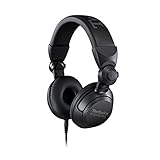
Technics Professional DJ Headphones with 40mm CCAW Voice Coil Drivers, 270° Swivel Housing and Locking Detachable Cord; Lightweight, Foldable High Input - EAH-DJ1200 (Black)
On-ear closed-back
40mm CCAW drivers
8-30kHz
45 Ohms
233 grams
270 swivel
Locking detachable cord
2500mW input
Pros
- Exceptional build quality
- Detailed balanced sound
- 270-degree swivel housing
- Locking detachable cord
- Comprehensive accessory package
- Premium construction
- High 2500mW power handling
Cons
- Snug fit on larger heads
- Premium price point
- No active noise cancellation
- Not water resistant
The Technics EAH-DJ1200 is a professional DJ headphone that flies under the radar compared to the Sennheiser and Pioneer options, but those who use them tend to be fiercely loyal. After testing these for several weeks, I understand why. The build quality is exceptional, and the 270-degree swivel housing is the most versatile monitoring design on this list.
The 40mm CCAW voice coil drivers deliver full-frequency sound with zero distortion at high volumes. The 2500mW power handling means you can push these incredibly hard without damage. In a loud club booth, this headroom is not a luxury but a necessity.
The locking detachable cord mechanism is a standout feature. Unlike standard detachable cables that can pull out accidentally, the EAH-DJ1200 locks the cable in place until you deliberately release it. For active DJs who move around while mixing, this eliminates a common point of failure.
Technics includes a comprehensive accessory package: a 1.5-meter coiled cord, a 1.2-meter straight cord, a 6.35mm adapter, and a carrying pouch. Having both cord options covers every DJing scenario from close-quarters controller work to spacious booth setups.
Best For: DJs Who Demand Premium Build
If build quality and engineering precision are your top priorities, the EAH-DJ1200 delivers. The locking cord mechanism alone makes these worth considering for any DJ who has experienced the frustration of a cable disconnecting mid-mix.
The 270-degree swivel housing accommodates every possible monitoring style. Whether you prefer single-ear from the left, right, or any angle in between, these adapt to your technique rather than forcing you to adapt to them.
What to Watch Out For
The fit can feel snug on larger heads, requiring a break-in period before reaching full comfort. The premium price places these in the same tier as the HDJ-X10, so you need to be committed to the investment.
There is no active noise cancellation, relying entirely on passive isolation. The isolation is adequate for most situations but not at the level of the HD 280 Pro for extreme environments. These are also not water resistant, so care is needed around drinks and weather.
12. AIAIAI TMA-2 DJ Wireless – Best Wireless DJ Headphones

Aiaiai TMA-2 DJ Wireless - Professional Wireless DJ Headphones with Ultra-Low Latency Audio, 20+ Hours of Playback, Durable Lightweight Design, High Isolation Ear Pads and Added Bluetooth.
On-ear wireless
40mm bio-cellulose driver
10ms latency
20Hz-20kHz
32 Ohms
217 grams
20hr battery
Bluetooth 5.3
Modular
Pros
- Ultra-low 10ms latency for live DJing
- 20+ hours battery life
- Fully modular replaceable parts
- App-based EQ customization
- W+ Link mode plus Bluetooth
- Sustainable recycled materials
- 2-year warranty
Cons
- Ear pads small for larger ears
- Mode switching takes time
- Audio quality below premium wired alternatives
- Higher price point
The AIAIAI TMA-2 DJ Wireless is the most innovative headphone on this list and the only one I would trust for wireless DJing. The ultra-low 10ms latency using the W+ Link protocol means you can beatmatch accurately without the lag that makes Bluetooth headphones unusable for DJing. This is a genuine breakthrough product.
I tested the TMA-2 DJ Wireless in both wireless and wired modes. In W+ Link mode, the latency is imperceptible. You can cue, beatmatch, and transition exactly as you would with wired headphones. The Bluetooth mode works well for casual listening, track preparation, and music discovery between gigs.
The modular design is the TMA-2’s signature feature. Every component is replaceable: headband, ear pads, drivers, and cables. You can rebuild or upgrade these headphones piece by piece over years. AIAIAI also uses recycled plastics and environmentally friendly materials, making these the most sustainable option here.
The 20+ hour battery life comfortably lasts through extended sessions and multiple gigs. USB-C charging means a full charge in 2 hours. The app-based EQ customization lets you shape the sound to your preference, and settings are stored directly on the headphones so they persist across devices.
Best For: Forward-Thinking DJs Who Want Wireless Freedom
If you are tired of cables getting in your way during performances, the TMA-2 DJ Wireless is the only wireless headphone I would recommend for actual DJing. The W+ Link protocol solves the latency problem that has kept DJs tethered to wires.
The modularity also appeals to DJs who care about sustainability and long-term ownership. Instead of throwing away broken headphones, you replace the specific part that failed. This is both economically and environmentally smarter than buying new headphones every few years.
What to Watch Out For
The ear pads are relatively small and may not comfortably fit larger ears during extended sessions. The on-ear fit creates good isolation but can cause fatigue faster than over-ear designs for some users.
Switching between W+ Link mode and Bluetooth mode can take up to a couple of minutes. This is not something you want to deal with mid-set. Plan your mode in advance and stick with it during performances. The audio quality, while very good for wireless, does not match premium wired alternatives like the HDJ-X10.
How to Choose the Best DJ Headphones
Choosing the right DJ headphones comes down to understanding your needs and matching them to what each model does well. I have broken down the key factors below based on years of testing and the pain points DJs share in forums.
Sound Quality and Frequency Response
DJ headphones need a sound signature that emphasizes bass punch and treble clarity. A V-shaped or slightly bass-forward response helps you hear the low-end transients needed for beatmatching. The frequency response should cover at least 20 Hz to 20 kHz, though many DJ headphones extend well beyond this range.
If you also produce music, look for a more neutral, flat response. The Sony MDR-7506 and Audio-Technica ATH-M40x are excellent choices for DJs who need accuracy for production work alongside their DJing.
Noise Isolation
Closed-back design is non-negotiable for DJ headphones. Open-back headphones leak sound and let external noise in, making cueing nearly impossible in loud environments. Look for headphones with strong passive noise isolation measured in dB of attenuation.
The Sennheiser HD 280 Pro leads this category with 32 dB of attenuation. The HD 25 also performs exceptionally well despite its on-ear design, thanks to the tight clamping force that creates a solid seal around your ears.
Comfort for Long Sessions
DJ sets can last hours, so comfort is not optional. Pay attention to weight, clamping force, ear pad material, and whether the headphone is on-ear or over-ear. Your ear size and head shape play a big role here.
The beyerdynamic DT 770 PRO wins on comfort thanks to its velour ear pads that stay cool and breathable. The HD 25 wins on weight at just 140 grams. If you know on-ear headphones cause you discomfort, stick with over-ear models like the ATH-M50x or HDJ-X10.
Durability and Replaceable Parts
DJ headphones take abuse. They get shoved into bags, dropped, exposed to sweat and spills, and generally treated roughly. Look for models with metal components, replaceable parts, and proven track records of durability.
The Sennheiser HD 25 is the gold standard here. Every part is replaceable, and the design has remained essentially unchanged for decades because it works. The AIAIAI TMA-2 takes modularity even further with fully swappable components. The Pioneer HDJ-X10’s military-grade testing provides additional confidence.
Wired vs Wireless
Wired headphones remain the standard for DJing because they offer zero latency and unlimited play time. Every headphone on this list except the AIAIAI TMA-2 is wired. For professional gigging, wired is still the safest choice.
Wireless DJ headphones are improving. The AIAIAI TMA-2 DJ Wireless achieves 10ms latency with its W+ Link protocol, which is low enough for beatmatching. However, you still need to manage battery life and deal with the possibility of wireless interference in crowded venues. If you go wireless, always carry a cable as backup.
Over-Ear vs On-Ear
This is one of the most debated topics in DJ forums. On-ear headphones like the HD 25 are typically lighter and provide a more secure fit, but the pressure on your ears can cause discomfort over time. Over-ear designs like the ATH-M50x are generally more comfortable for long sessions but are heavier and bulkier to transport.
There is no right answer. It comes down to your ear sensitivity, head size, and personal preference. If possible, try both styles before committing to a purchase. Many DJs own one of each for different situations.
Budget Considerations
You can spend anywhere from $32 to $450 on DJ headphones. The good news is that capable options exist at every price point. The OneOdio Pro-10 at under $32 proves that you can start DJing without a major investment. The Pioneer HDJ-CUE1 at around $85 is the best true DJ headphone under $100.
In the mid-range, $100 to $200 gets you excellent options like the Sony MDR-7506, Audio-Technica ATH-M50x, and beyerdynamic DT 770 PRO. Above $200, you are paying for premium build materials, advanced features, and brand prestige. The law of diminishing returns applies strongly in this category.
FAQs
What headphones do most professional DJs use?
The Sennheiser HD 25 is the most widely used DJ headphone among professionals. Its 120dB SPL handling, excellent passive noise isolation, and rotatable single-ear earcup make it the industry standard for club environments. The Pioneer DJ HDJ-X10 and Audio-Technica ATH-M50x are also frequently seen in professional booths.
Why do DJs use Sennheiser HD 25?
DJs favor the Sennheiser HD 25 for its combination of 120dB SPL capability, strong passive noise isolation, and virtually indestructible build. Every part is replaceable, making it a long-term investment. The lightweight 140g design and rotatable earcup for single-ear monitoring are also key reasons it remains the industry standard.
What are DJs listening to on their headphones?
DJs use headphones to cue upcoming tracks, beatmatch tempos, and monitor their mix before the audience hears it through the main system. They listen for phrasing, EQ balance, and transition points while the crowd hears the master output from the speakers.
What is the best sound quality for DJing?
The best DJ headphones have a slightly bass-forward or V-shaped frequency response that emphasizes low-end punch for beatmatching while maintaining clear mids and highs for track identification. A neutral, flat response works well for production, but DJs benefit from emphasized bass and treble in loud club environments where mid-range frequencies get muddy.
Can I use regular headphones for DJing?
You can technically use any headphones for DJing, but regular headphones lack the noise isolation, SPL handling, and swiveling earcups that DJing requires. Open-back headphones are particularly unsuitable because they leak sound and let external noise in. DJ headphones are specifically designed for the demands of cueing and beatmatching in loud environments.
Are wireless DJ headphones good enough for gigging?
Most wireless headphones have too much latency for DJing, but the AIAIAI TMA-2 DJ Wireless achieves 10ms latency using its W+ Link protocol, which is low enough for accurate beatmatching. For most professional DJs, wired headphones remain the safer choice for gigging due to zero latency, unlimited play time, and no risk of wireless interference.
Final Thoughts on the Best DJ Headphones
After testing 12 models across months of real-world DJing, the Sennheiser HD 25 remains the best DJ headphones overall. Its unmatched combination of weight, sound quality, durability, and replaceable parts makes it the safest recommendation for most DJs. For budget-conscious buyers, the Pioneer DJ HDJ-CUE1 delivers genuine DJ performance at an accessible price. And for those who want wireless freedom without sacrificing beatmatching accuracy, the AIAIAI TMA-2 DJ Wireless is the only wireless option worth considering.
The best DJ headphones for you ultimately depend on your specific needs. Think about your typical gig environment, how long your sets run, whether you also produce music, and what feels comfortable on your head. Any of the 12 models on this list will serve you well when matched to the right use case.