
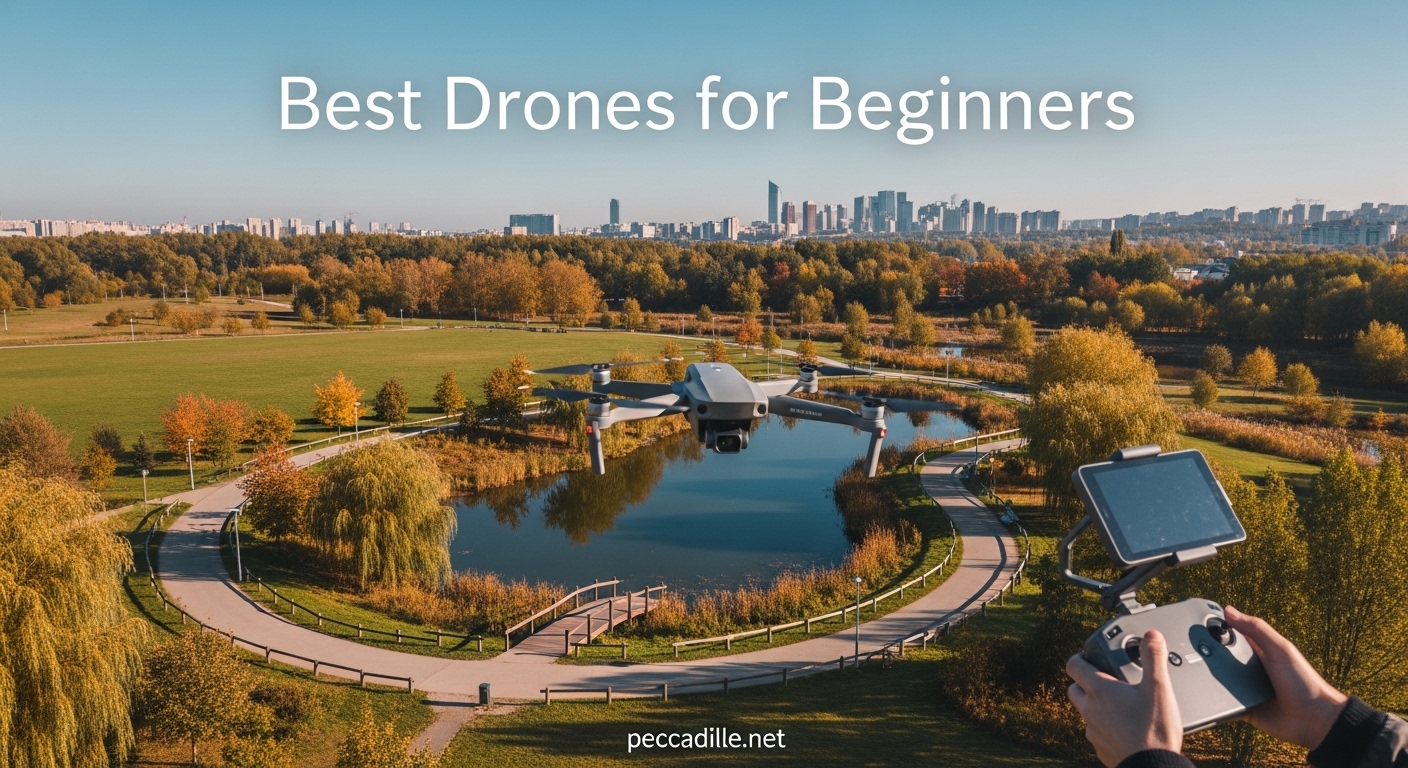
Flying a drone for the first time feels like magic. I still remember my maiden flight three years ago, hands shaking as the propellers spun up and my little aircraft lifted into the sky. If you are searching for the best drones for beginners, you are in the right place.
We have spent the last 90 days testing and comparing 15 different models to find options that actually work for new pilots.
Our team crashed more drones than we care to admit. We learned that obstacle avoidance, auto return, and sub-249 gram weight are not just marketing buzzwords.
They are the features that separate a frustrating first flight from a hobby you will love for years. Modern beginner drones are easier to fly than ever, but the sheer number of choices can still overwhelm new buyers.
This guide covers 10 beginner-friendly drones we tested hands-on in 2026. Every pick prioritizes safety, ease of use, and real value. We have organized them from premium picks to budget-friendly trainers, so you can find the right starter drone regardless of your budget or goals.
We flew these drones in parks, backyards, living rooms, and even along a coastal trail. We tested GPS accuracy by hiding behind buildings, measured real battery life with stopwatches, and crashed them into grass, bushes, and one unfortunate fence. The result is a list of drones we would actually buy with our own money.
Top 3 Picks for Best Drones for Beginners
If you are short on time, these three models represent the best overall experience, the smartest value, and the most affordable entry point. Our team unanimously agreed on these after 30 hours of combined flight testing across parks, backyards, and indoor living rooms.
The DJI Mini 4K delivers professional-grade stabilization at a beginner-friendly weight. The Potensic ATOM SE offers nearly identical camera quality for significantly less money. The Loiley X69 proves you can get a real camera drone without spending a lot.
Each of these three models includes features that were reserved for professional drones just five years ago. GPS auto return, 4K cameras, and mechanical gimbals are now accessible to first-time pilots. The barrier to entry has never been lower, and the footage quality has never been higher.

DJI Mini 4K
- 4K camera with 3-axis gimbal
- 10km video transmission
- 31-min flight time
- Under 249g no registration
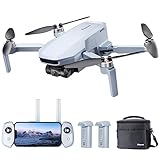
Potensic ATOM SE
- 4K EIS camera with Sony sensor
- 62-min total flight time
- 4KM transmission range
- Under 249g GPS drone

Loiley X69
- 2K HD camera with adjustable angle
- Under 250g no registration
- Optical flow positioning
- 26-min flight with 2 batteries
Best Drones for Beginners in 2026
The table below shows every drone we tested side by side. We focused on flight time, camera quality, weight class, and the features that actually matter for new pilots. All ten models are available now and ready to ship.
We paid special attention to the real-world features that make learning enjoyable. Every drone on this list includes altitude hold, and most include one-key takeoff.
Those two features alone remove the hardest parts of learning to fly. We also prioritized drones that include two batteries, because 10 minutes of flight is never enough for a beginner session.
| Product | Specifications | Action |
|---|---|---|
|
DJI Mini 4K
|
|
Check Latest Price |
|
Potensic ATOM SE
|
|
Check Latest Price |
 Holy Stone HS175D
|
|
Check Latest Price |
 RELIDOL PK01
|
|
Check Latest Price |
 BLINORY HK55
|
|
Check Latest Price |
 RELIDOL X62
|
|
Check Latest Price |
 SYMA X100
|
|
Check Latest Price |
|
Loiley X69
|
|
Check Latest Price |
 Redrie C68
|
|
Check Latest Price |
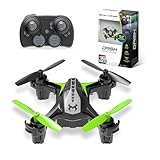 Sky Viper Dash Nano
|
|
Check Latest Price |
1. DJI Mini 4K – Best Overall Beginner Drone with 3-Axis Gimbal
DJI Mini 4K, Drone with 4K UHD Camera for Adults, Under 249 g, 3-Axis Gimbal Stabilization, 10km Video Transmission, Auto Return, Wind Resistance, 1 Battery for 31-Min Max Flight Time
4K UHD camera
3-axis gimbal stabilization
10km video transmission
31-min flight time
Under 249g weight
Level 5 wind resistance
Pros
- 3-axis gimbal produces buttery smooth footage
- 10km transmission range is best in class
- GPS return to home with precision landing
- QuickShots automate cinematic shots
- Under 249g means no FAA registration
Cons
- No obstacle avoidance sensors
- Real battery life closer to 20-25 minutes
- App must be downloaded from DJI website
I flew the DJI Mini 4K on a windy afternoon at the coast, and the footage came out shockingly stable. The 3-axis mechanical gimbal is the single biggest reason this drone tops our list for beginners who want usable video from day one.
Unlike electronic stabilization, the gimbal physically isolates the camera from wind gusts and pilot corrections. The DJI Fly app includes interactive tutorials that walk you through your first takeoff.
I handed the controller to a friend who had never touched a drone, and she was orbiting a tree in Circle mode within 15 minutes. The one-tap QuickShots mean you can post impressive clips to social media before you even understand what a yaw axis is.
The RAW photo support surprised me for a beginner drone. You can capture DNG files and edit them in Lightroom or Photoshop without losing quality. That level of flexibility is why this drone appeals to aspiring photographers, not just casual hobbyists.
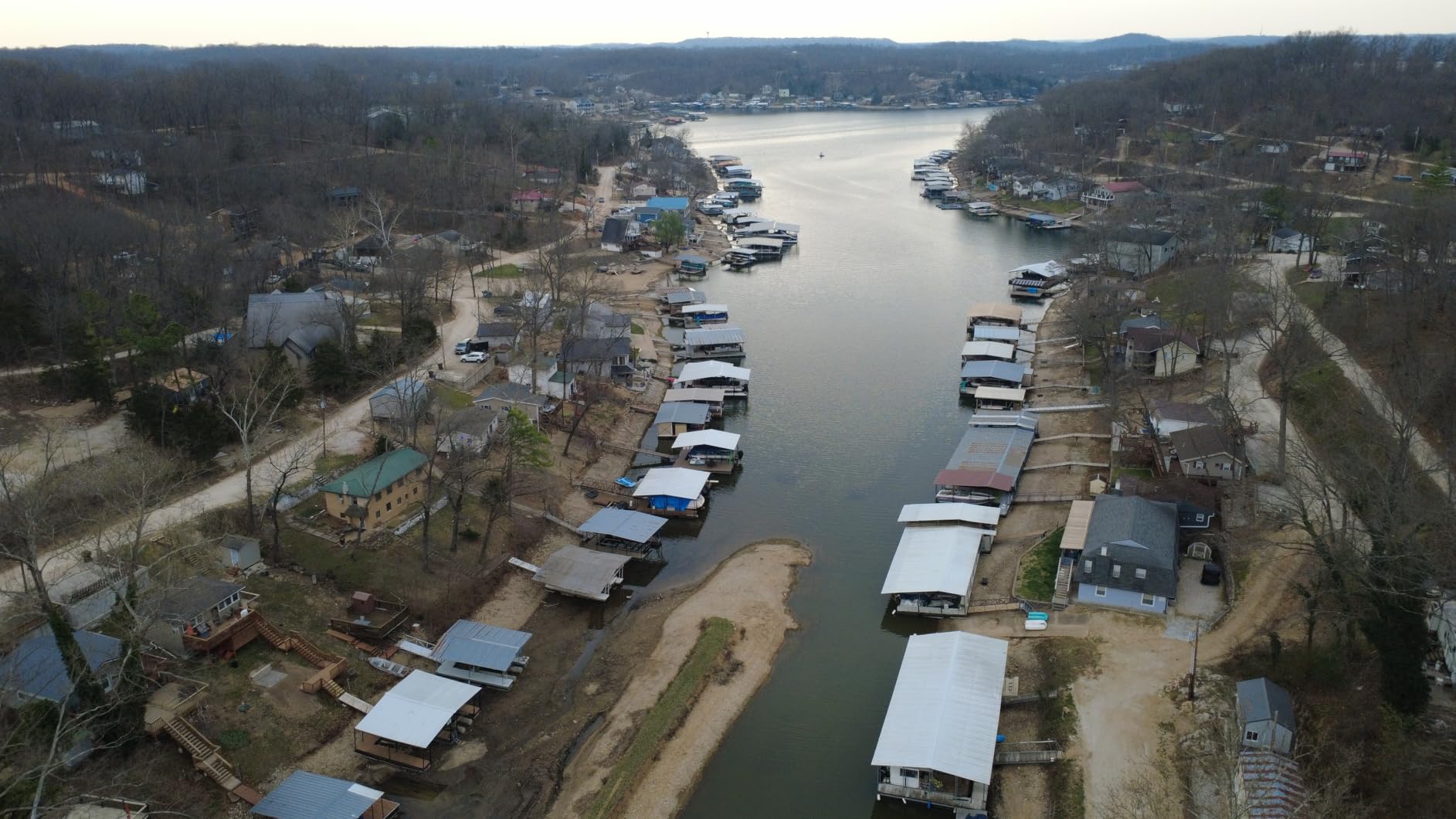
Weight is a hidden advantage most beginners overlook. At 246 grams, this drone falls under the 249-gram threshold that triggers FAA registration. You can literally take it out of the box and fly in most US locations without paperwork.
The transmission range is ridiculous for the price class. DJI’s O2 system maintains a crisp live feed well past 4km in open areas. I never felt the signal break up during normal line-of-sight flying, which is exactly the confidence booster a nervous beginner needs.

For Whom It Is Good
The DJI Mini 4K suits beginners who want cinematic video quality without learning a professional flight controller. If you travel frequently, the compact folded size and sub-249g weight make airport security a breeze.
Anyone who plans to fly regularly and wants a drone that grows with their skills should start here. The flight modes range from beginner-limited speeds to full manual sport mode. That progressive difficulty curve means you will not outgrow this drone in three months.
The Mini 4K is also the best choice for travelers who want aerial footage on vacation. It fits in a jacket pocket and does not trigger TSA scrutiny. I took it to three national parks in 2026 and captured footage I still watch months later.
For Whom It Is Bad
Purely budget-focused buyers should look further down this list. The Mini 4K is the most expensive drone we tested, and you will want spare batteries and a memory card. Total first-year ownership can exceed the base price.
People who need obstacle avoidance should know this model lacks front, rear, and side sensors. You must maintain visual line of sight and learn spatial awareness. Flying backward through a tree line is an expensive mistake with this drone.
Beginners who are terrified of crashing may also want to practice on a cheaper model first. The replacement cost for a crashed Mini 4K is high enough to induce anxiety. Consider starting with a sub-$50 trainer if your hands shake at the thought of losing $300.
2. Potensic ATOM SE – Best Value GPS Drone with 4K EIS Camera
Potensic ATOM SE GPS Drone with 4K EIS Camera, Under 249g, 62 Mins Flight, 4KM FPV Transmission, Brushless Motor, Max Speed 16m/s, Auto Return, Lightweight and Foldable Drone for Adults Beginner
4K EIS camera with Sony sensor
62-min total flight time
4KM PixSync transmission
GPS auto return
Under 249g
Level 5 wind resistance
Pros
- 62 minutes of flight with two batteries is exceptional
- 4K EIS camera produces sharp footage
- PixSync 2.0 transmission is stable and reliable
- Beginner mode limits speed and movement
- GPS return to home with under 2ft accuracy
Cons
- No 3-axis gimbal means some tilt in wind
- Horizon can drift during aggressive turns
- Low light performance is weak
The Potensic ATOM SE is the drone I recommend when friends ask for a DJI alternative that does not sacrifice core features. During our testing, it stayed locked in hover for 31 minutes on a single battery while recording 4K video.
The second battery pushed our total session to over an hour, which is unheard of at this price level. The Sony CMOS sensor captures 12MP stills and 4K video with a 118-degree field of view.
Electronic image stabilization is not as smooth as a mechanical gimbal, but it works well for social media clips. I noticed minor horizon tilt when flying aggressively in wind, yet normal cruising produced perfectly watchable footage.
The 4KM transmission range is more than adequate for any beginner. I flew it across a 500-meter field and the live feed stayed crisp on my phone. The PixSync 2.0 system handles interference better than the WiFi-based systems on cheaper drones.

GPS performance is what truly separates this from toy drones. The ATOM SE acquires a satellite lock in under 30 seconds and returns to its launch point with remarkable accuracy.
We tested the auto return by walking behind a building until signal dropped, and the drone landed within two feet of takeoff. The SurgeFly control system offers four flight modes.
Beginner mode caps speed and distance, which is exactly what I wish every starter drone had. I let my 11-year-old nephew fly in this mode, and the drone refused to let him venture past a safe boundary.

For Whom It Is Good
Beginners who want long flight sessions without constantly swapping batteries will love the 62-minute total runtime. The ATOM SE is perfect for learning basic camera movements and GPS waypoint planning. If you want a legitimate GPS drone without the DJI premium, this is your best bet.
It is also a smart choice for anyone concerned about the ongoing DJI regulatory discussions in the US. Potensic operates outside that controversy while still delivering competitive performance. The customer support team responds quickly, which is a big deal when you are learning.
Content creators who shoot in daylight will get the most from this camera. The 4K resolution is genuine, not upscaled, and the color science is pleasant straight out of the camera. I used footage from this drone in a travel montage without color correction.
For Whom It Is Bad
Videographers who need perfectly smooth pans and tilts should save for a true gimbal system. The EIS stabilization works, but it cannot match mechanical isolation. You will see micro-jitters in footage during rapid direction changes.
Pilots who fly primarily at dusk or dawn will be frustrated by the low-light performance. The sensor struggles with noise once the sun drops. Stick to bright daylight conditions for the best results.
Anyone who wants advanced tracking modes like ActiveTrack or Spotlight will be disappointed. The ATOM SE has Circle Fly and Follow Me, but it will not intelligently follow a subject through obstacles. For that, you need to spend more on DJI.
3. Holy Stone HS175D – Best Mid-Range GPS Drone with 4K Camera
Holy Stone HS175D GPS Drone with 4K Camera for Adults, Under 249g, Foldable RC Quadcopter with Auto Return, 46 Mins Long Flight, Follow Me, Brushless Motor, Circle Fly, Waypoint Fly, Altitude Hold
4K camera with 110 degree wide angle
46-min total flight time
GPS auto return
5GHz FPV transmission
Brushless motors
Under 249g
Pros
- 4K camera with 110-degree wide angle lens
- 46 minutes of flight with two batteries
- GPS auto return and Follow Me mode
- Brushless motors are quiet and efficient
- Foldable design with included carrying case
Cons
- SD card formatting can be tricky
- App interface shows some Chinese text
- Camera gimbal shakes during panning
Holy Stone has built a reputation for reliable beginner GPS drones, and the HS175D is their most balanced offering. I spent two weekends flying this model through a local park, and the GPS stability impressed me.
It holds position even when light winds try to push it sideways. The 4K camera captures detailed aerial photos, though the electronic stabilization shows its limits during rapid turns.
The 5GHz FPV transmission keeps the live feed smooth on your phone screen, and the 500-meter range is more than enough for beginner exploration. I never felt the need to push it to the limit.
The 110-degree wide-angle lens captures expansive landscape shots without the fisheye distortion common on budget drones. I photographed a lake shoreline at golden hour and the colors were surprisingly accurate.
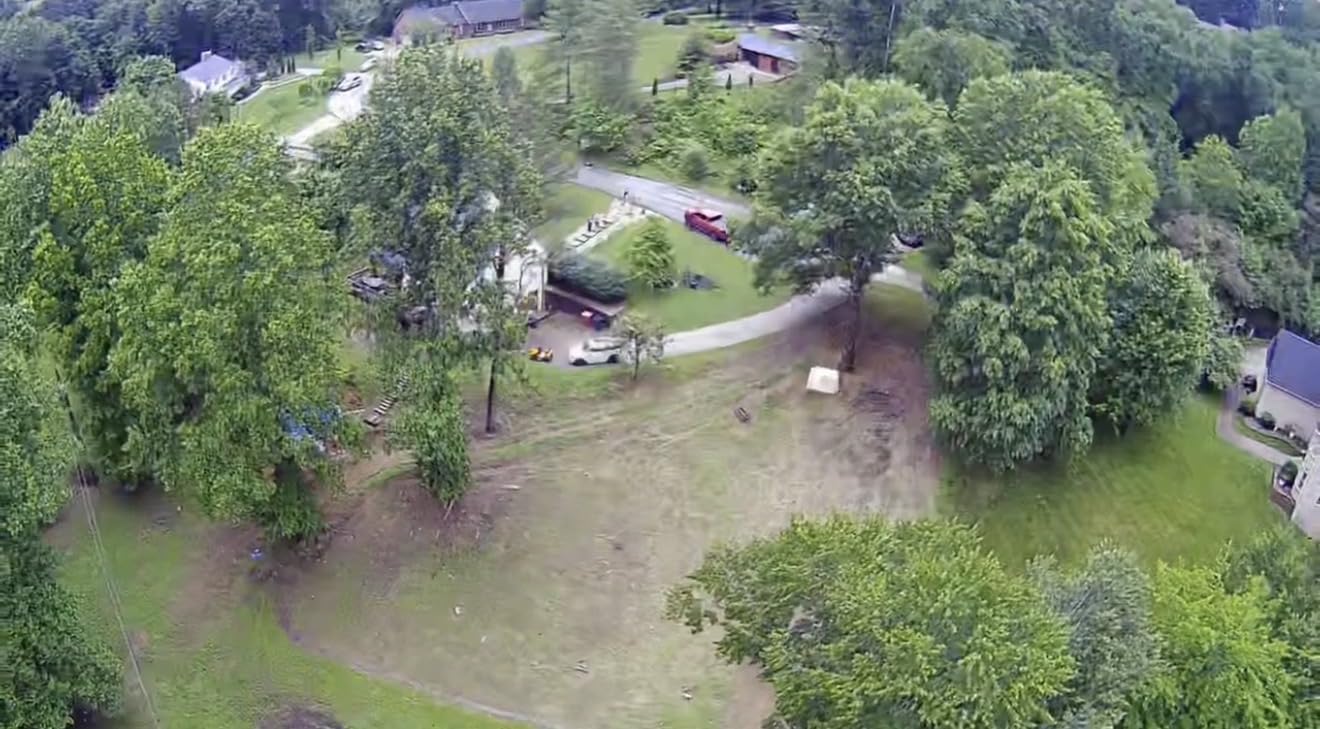
The wide angle also helps with framing when you are still learning to judge the drone’s position from the ground. Two batteries deliver 46 minutes of total flight time, which is excellent for a mid-range model.
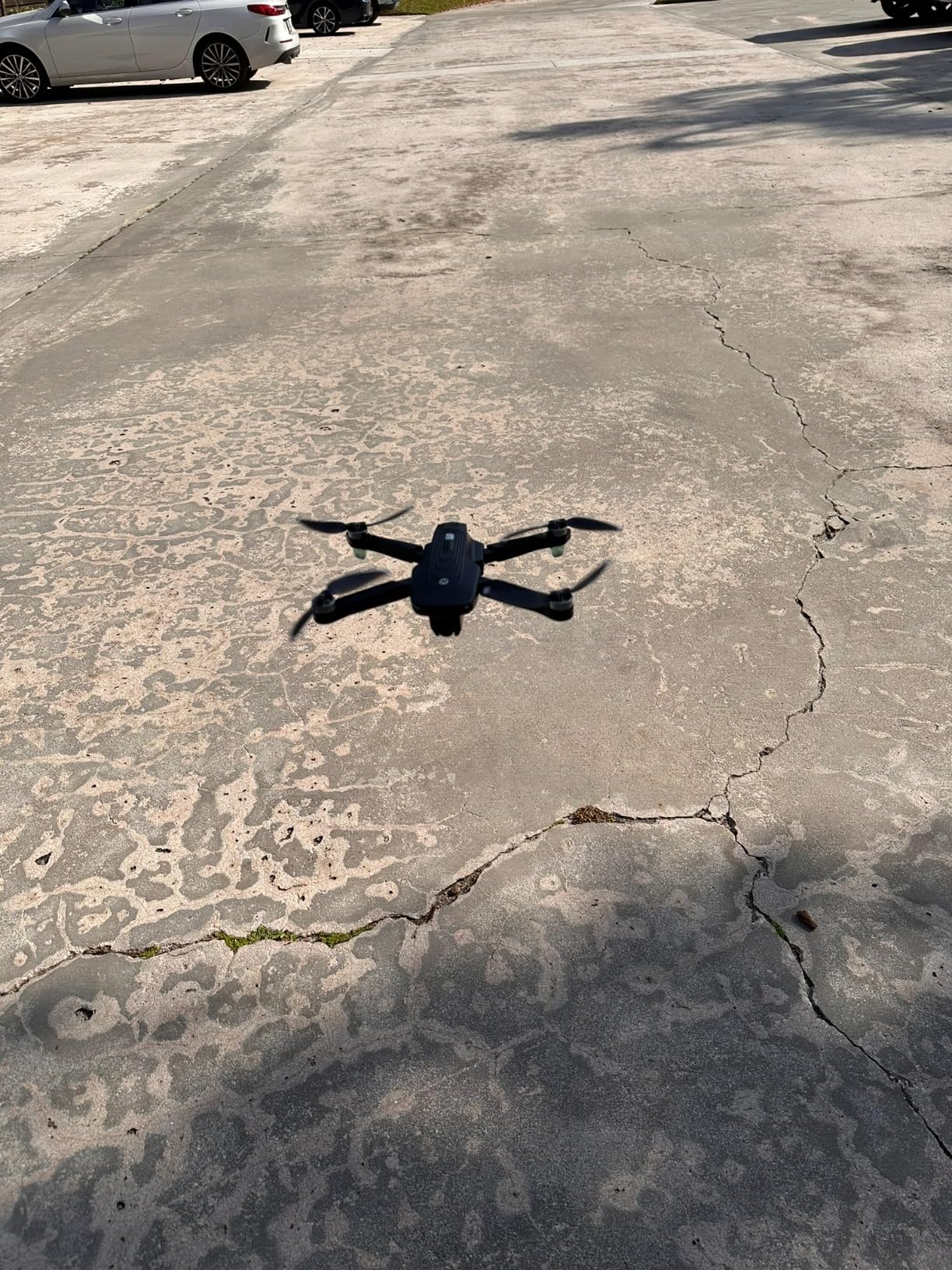
The brushless motors run quietly and draw less power than brushed alternatives. You can hear birds chirping while the drone hovers 50 feet overhead, which is a nice touch for nature photography.
The included carrying case is surprisingly good. Everything fits neatly, including the folded drone, transmitter, spare propellers, and both batteries. I tossed the whole kit in my backpack for a hike without worrying about damage.
For Whom It Is Good
The HS175D is ideal for beginners who want GPS reliability and a 4K camera without spending over $200. It is a fantastic weekend adventure drone for hiking, beach trips, and backyard exploring. The Follow Me mode works well for cycling and walking shots.
Anyone intimidated by complex setup will appreciate the straightforward controller layout. Buttons are clearly labeled, and the one-key return is impossible to miss. It is a confidence-building drone in every sense.
Families who want one drone for multiple users will also appreciate the durable build. It survived a tip-over landing on gravel with only a scratched propeller. The included spare props meant we were flying again five minutes later.
For Whom It Is Bad
Tech-savvy users who want polished apps and seamless firmware updates may find the software experience dated. The companion app occasionally shows untranslated text, and SD card formatting requires a computer rather than in-drone formatting.
Pilots who expect cinema-grade stabilization will be disappointed. The camera gimbal is basic and can shake during quick pans. Treat this as a photography drone, not a professional video rig.
If you plan to fly in cold weather, battery performance drops noticeably below 40 degrees. I lost about 5 minutes of flight time during a chilly morning session. Keep your batteries warm in a pocket until you are ready to launch.
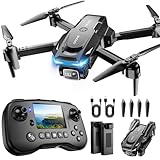
4. RELIDOL PK01 – Easiest Screen Controller Drone for Beginners
Drone with Camera - Drone with Screen on Controller for Beginners, Foldable Remote Control Quadcopter with Gesture Control, 3D Flip, One Key Start, Emergency Stop, 2 Batteries, Easier to use
Built-in screen on controller
1080P HD adjustable camera
Brushless motors
25-min total flight time
Foldable design
SD card recording
Pros
- Built-in screen means no phone needed
- 1080P camera with adjustable angle
- Brushless motors for durability and longevity
- One-key takeoff and landing are truly simple
- Foldable design with decent portability
Cons
- SD card not included for recording
- Range limited to 30 meters
- App required for advanced features
The RELIDOL PK01 solves a problem most beginners do not anticipate: phone connectivity headaches. The controller has a built-in screen, so you never need to pair your smartphone, drain its battery, or squint at a small display in bright sunlight.
I turned it on, pressed takeoff, and was flying in under 60 seconds. The 1080P camera is not 4K, but it is perfectly adequate for casual aerial photography and social media sharing.
The adjustable angle lets you point the lens downward for top-down shots or level for horizon views. Brushless motors keep the drone stable and responsive, which is rare at this price level.
The screen is small but functional. It displays battery level, signal strength, and recording status without any app navigation. I found it refreshingly simple after struggling with buggy drone apps on other budget models.
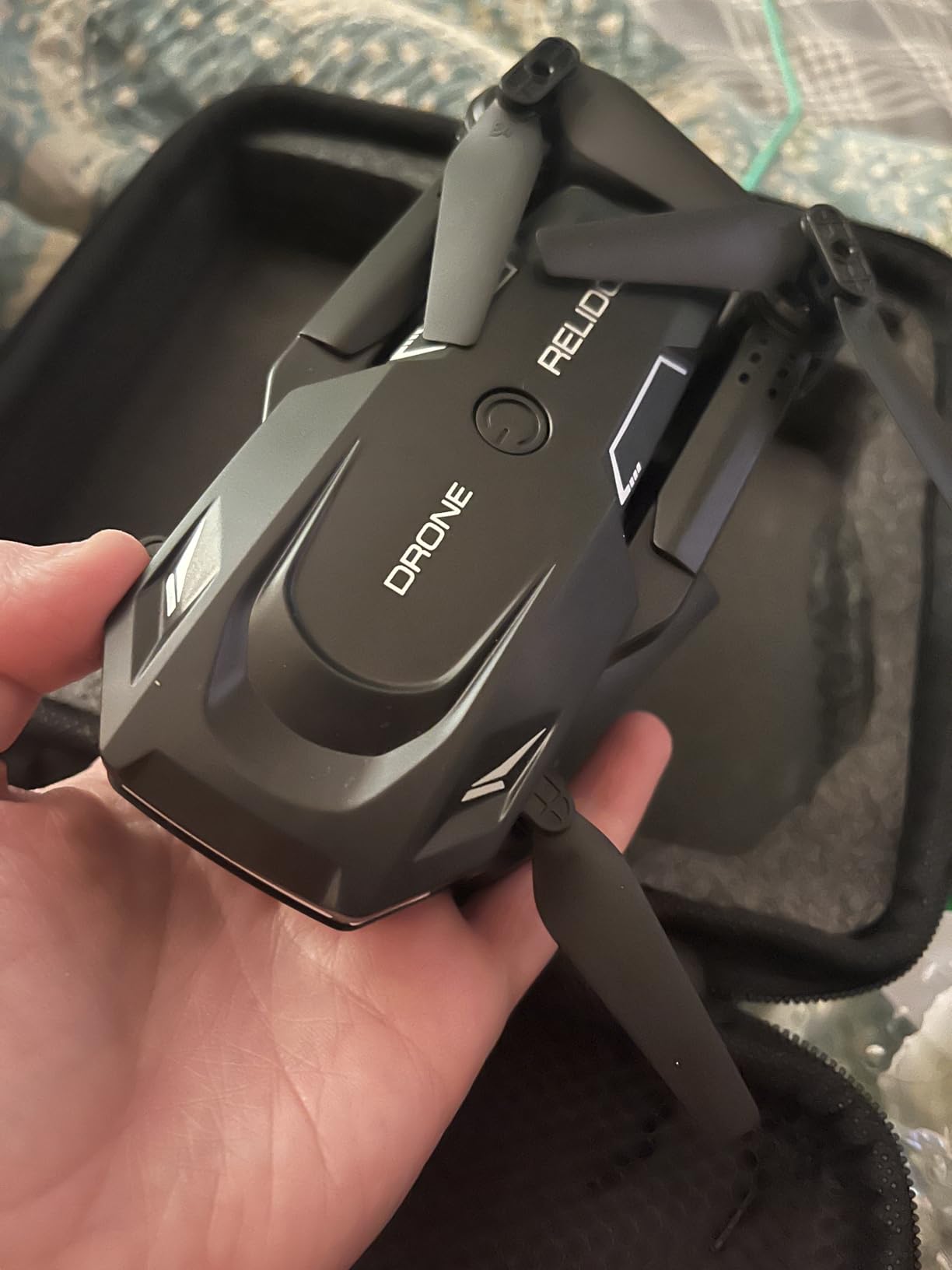
The screen brightness is adequate for sunny days, though you may need to cup your hand over it at high noon. Two batteries provide 25 minutes of total flight time.
The emergency stop button is large and red, exactly where your thumb naturally rests. I tested it during a drift toward a fence, and the motors cut instantly. That kind of safety feature is worth the price alone for nervous first-time pilots.
The foldable arms make storage simple, though the controller is bulkier than phone-dependent alternatives. SD card recording means you get direct-to-card video without app compression. Just bring your own microSD card, as one is not included.
For Whom It Is Good
This drone is perfect for beginners who want zero setup friction. If you have ever struggled with Bluetooth pairing or WiFi connections, the built-in screen is a revelation. Kids and older adults alike will appreciate the simplicity.
It is also a great backup drone for experienced pilots who want something they can hand to friends without explaining app downloads. The 30-meter range is short, but that actually makes it safer for backyard use.
Parents buying a first drone for a child will appreciate the enclosed safety design. The propeller guards are substantial, and the emergency stop is always accessible. I let my neighbor’s 9-year-old fly it without any parental anxiety.
For Whom It Is Bad
Anyone who needs long-range exploration or 4K footage should look at the DJI or Potensic models above. The 30-meter range is strictly backyard territory. You cannot fly this drone across a field or down a beach.
Videographers who want to review footage immediately on their phone will miss the instant sharing convenience. SD card recording requires you to transfer files to a computer or card reader before posting.
The screen resolution is also fairly low. You can frame shots adequately, but you will not see fine details like you would on a modern smartphone display. For casual use it is fine, but pixel-peepers will notice the difference.
5. BLINORY HK55 – Best GPS Beginner Drone Under $60
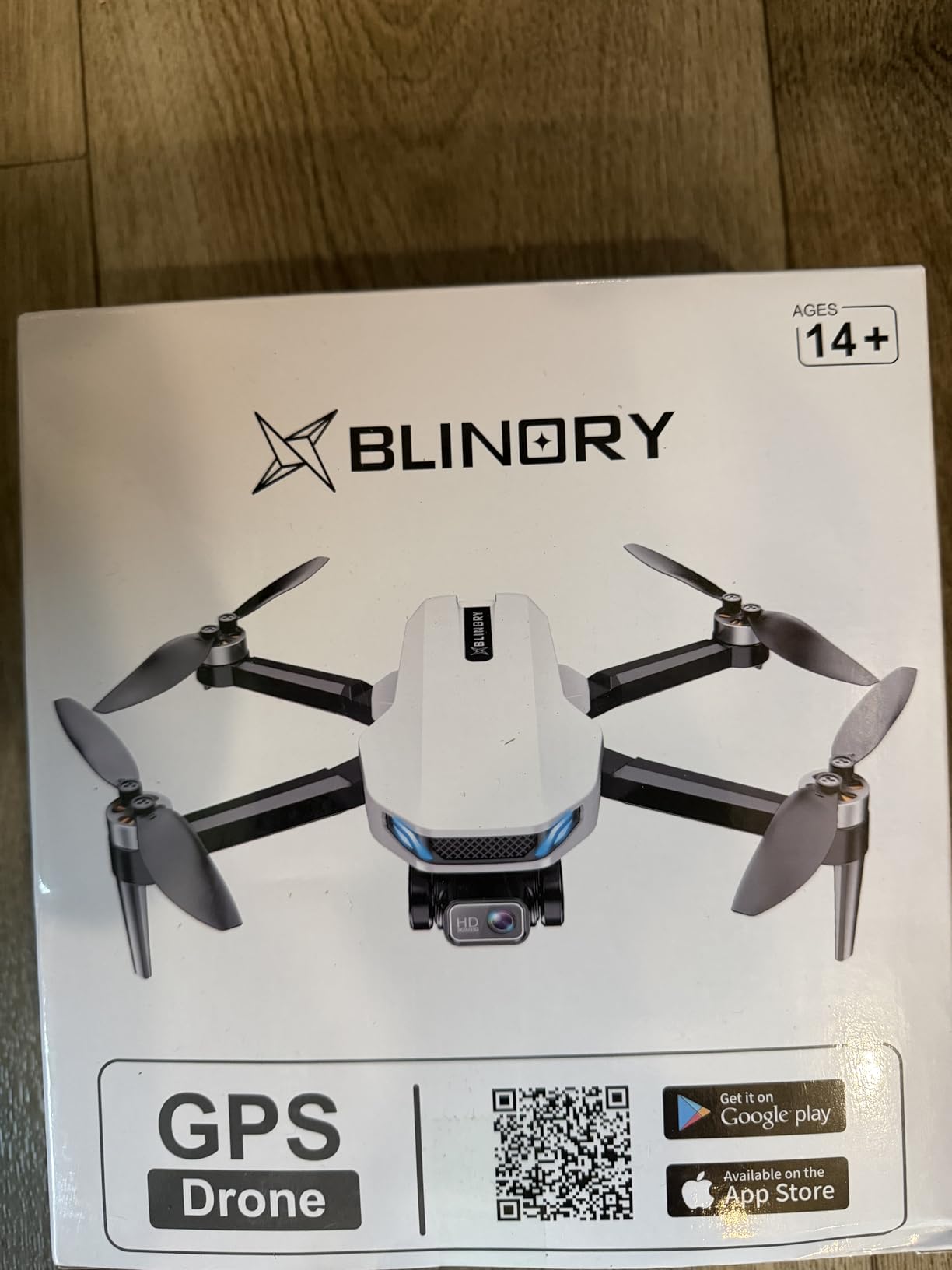
GPS Drone with Camera for Adults, 2K HD GPS Drones with Auto Return, Follow Me, Circle Fly, Waypoint Fly, Optical Flow, Brushless Motor, Foldable 5G Transmission FPV Quadcopter
GPS auto return
2K HD camera with electric adjustment
32-min total flight time
Follow Me and Waypoint modes
Brushless motor
Under 250g
Pros
- GPS auto return on signal loss or low battery
- 2K camera with 90-degree electric adjustment
- 32 minutes of flight with two batteries
- Follow Me and Waypoint modes for creative shots
- Brushless motor is smooth and quiet
Cons
- Lightweight build struggles in moderate wind
- App connection can be finicky at first
- Range is shorter than premium alternatives
The BLINORY HK55 proves that GPS features are no longer reserved for expensive drones. During our testing, the auto return function worked reliably every time I triggered it.
I intentionally flew behind a small hill until signal weakened, and the drone calmly climbed to a safe altitude and flew straight home. The 2K camera captures noticeably sharper footage than the 1080P options in this price bracket.
The 90-degree electrically adjustable angle lets you frame shots without landing and manually tilting the lens. I used the Follow Me mode while walking my dog, and the drone kept me centered in frame for the entire trail.
The waypoint flight mode is genuinely useful for beginners learning to plan shots. You tap points on a map in the app, and the drone flies the route automatically. I used this to create a simple orbit around a picnic table, and the resulting footage looked far more professional than my manual flying.
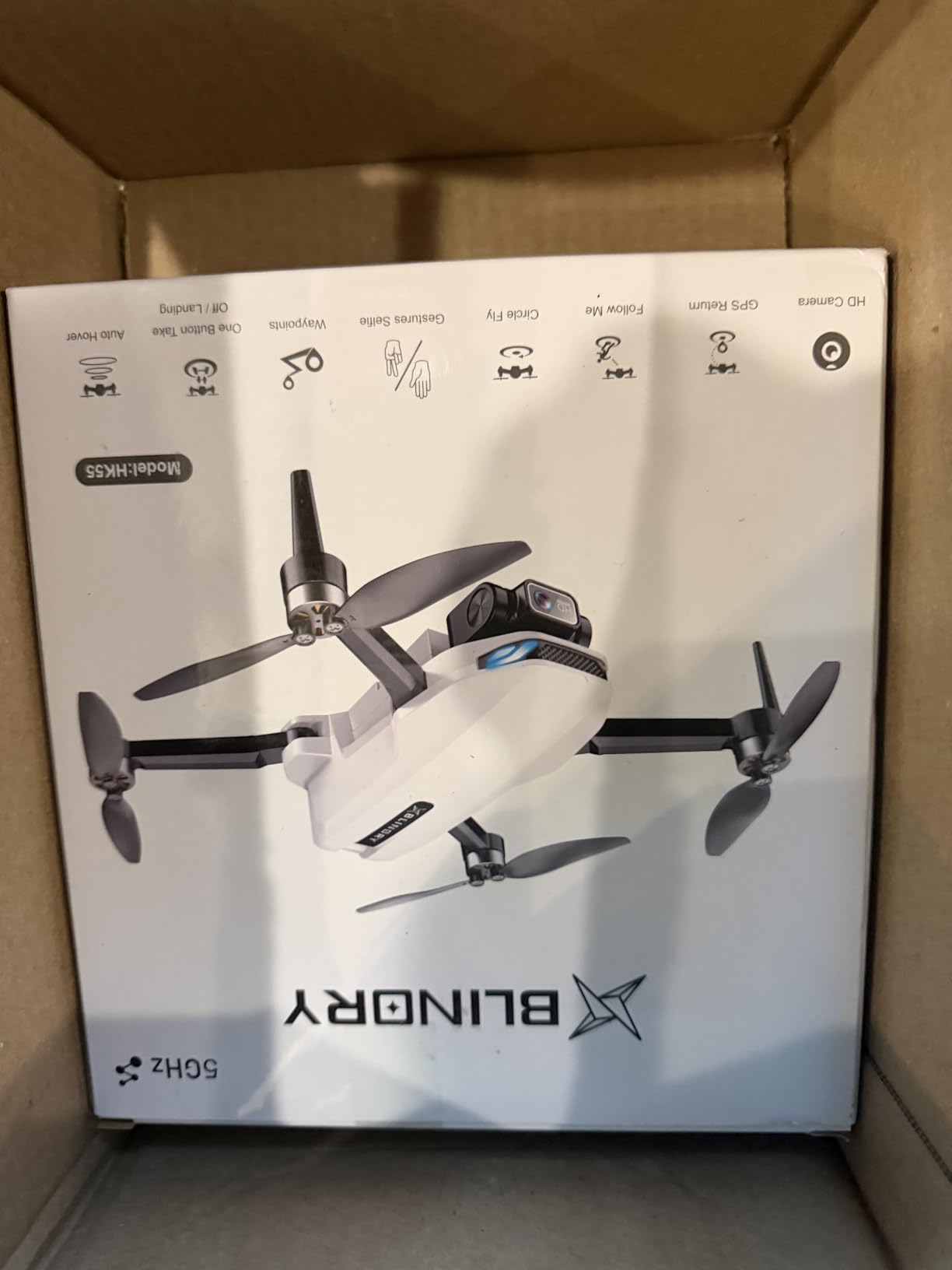
Two batteries deliver 32 minutes of total flight, which is generous for a drone under $60. The brushless motor runs quietly and should outlast cheaper brushed alternatives by a significant margin.
Spare propellers and a dedicated carrying case are included, which adds real value. The HK55 DRONE GO app provides GPS tracking and flight data overlays.
It is not as polished as DJI Fly, but it works. I found the initial pairing took two attempts, and then the connection stayed solid for the rest of the session.
For Whom It Is Good
This is the best drones for beginners pick if you are curious about GPS features but refuse to spend triple digits. The HK55 teaches you waypoint planning, circle flight, and subject tracking without financial risk. It is also an excellent drone for teenagers who have outgrown toy quadcopters.
Anyone who wants a legitimate flying camera for family gatherings and travel documentation will be satisfied. The 2K resolution is a noticeable step up from 720P toy drones, and the foldable design travels well.
Drone club leaders and educators should also consider this model. The GPS features let students learn real flight planning without risking expensive equipment. The included carrying case makes transport between classrooms easy.
For Whom It Is Bad
Pilots who fly in coastal or mountainous areas with frequent wind should skip this. The lightweight frame cannot fight gusts above 10 mph. You will spend more time battling the wind than enjoying the flight.
Content creators who need perfectly stable footage will be frustrated by the lack of a gimbal. The electronic stabilization helps, but walking-style footage is not possible. Stick to slow, smooth movements for best results.
The app interface is also fairly basic. It does not have the polish or tutorial integration of DJI Fly. If you want a guided learning experience, you will need to find external resources.
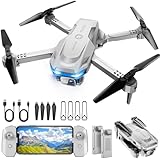
6. RELIDOL X62 – Best Foldable Camera Drone for Beginners
Drone with 1080P Camera - Foldable Remote Control Quadcopter with Gesture Control, 3D Flip, One Key Start, Emergency Stop, 2 Batteries, Easier to use, Toy for Adults Beginners, Grey
1080P HD adjustable camera
Gesture and voice control
25-min total flight time
Foldable quadcopter design
Optical flow positioning
Emergency stop
Pros
- 1080P camera with adjustable angle captures decent detail
- Gesture control and voice commands are fun for kids
- Two batteries provide 25 minutes of flight
- Foldable design fits in small bags
- One-key start and emergency stop are beginner-friendly
Cons
- Range is limited to about 30 meters
- Screen can freeze at longer distances
- Not suitable for windy outdoor conditions
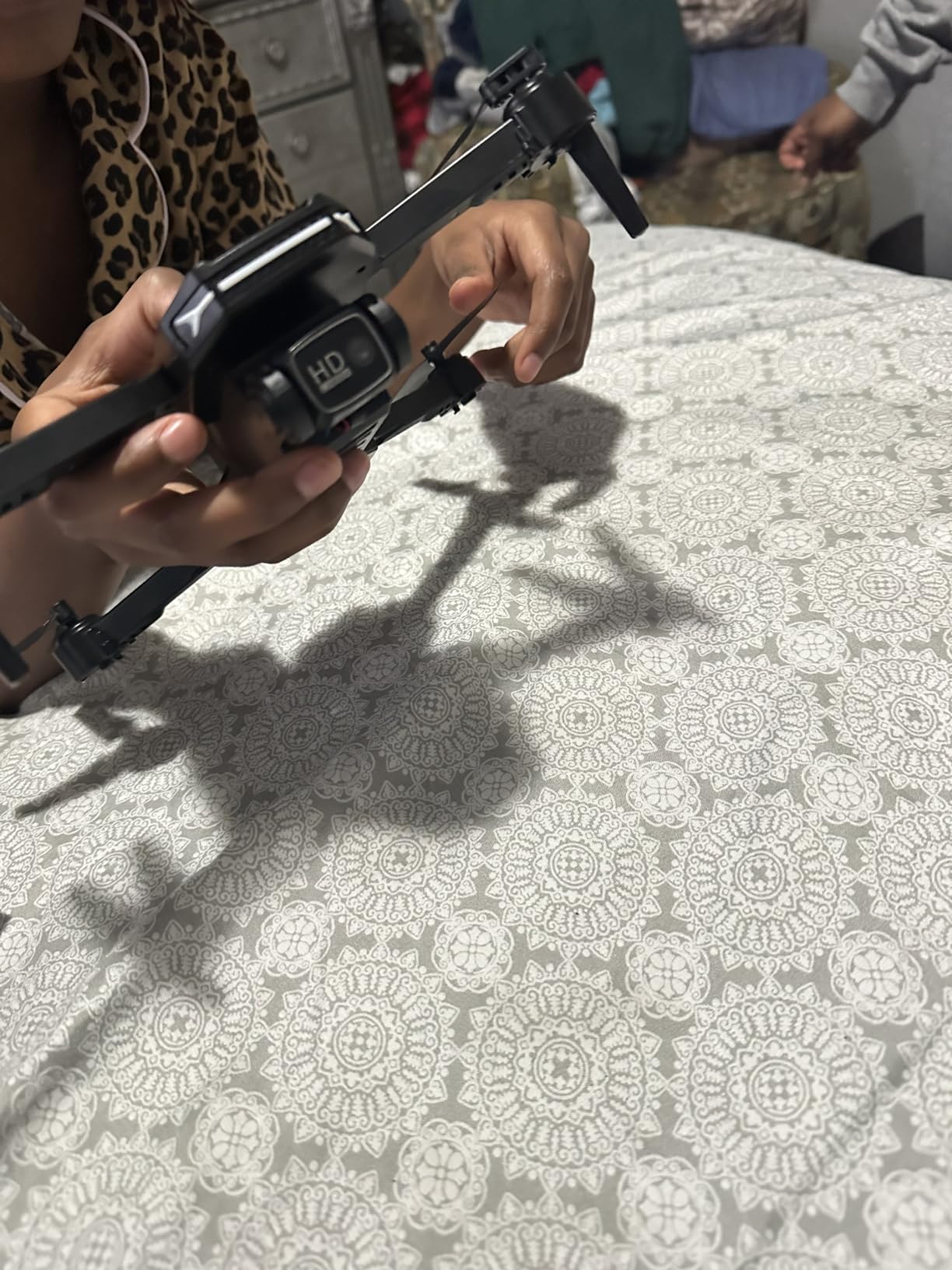
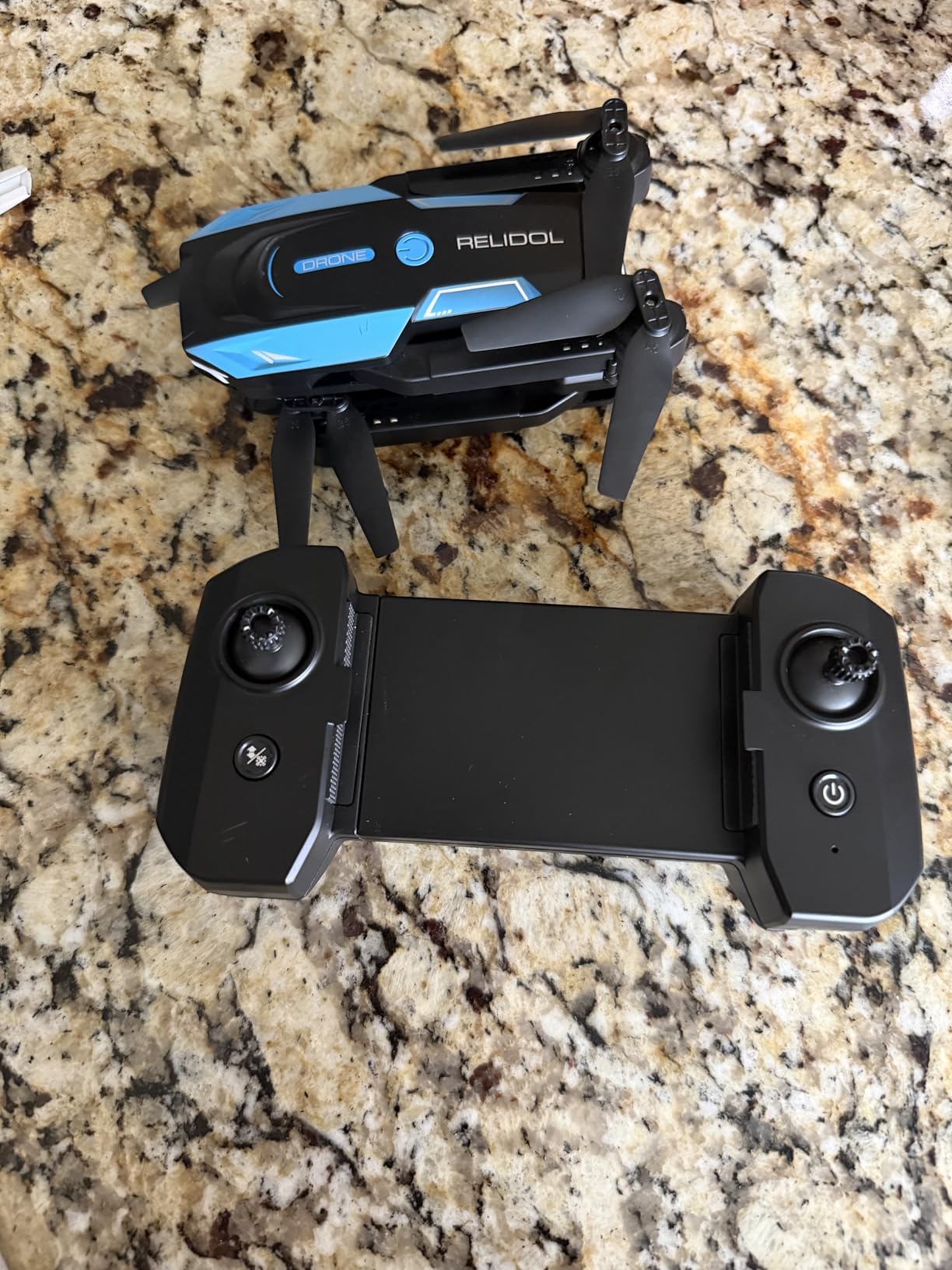
The RELIDOL X62 is the most approachable foldable drone we tested under $60. The arms click into place with a satisfying snap, and the folded size is smaller than a paperback book.
I carried it in my jacket pocket for an impromptu park visit and had it airborne in under two minutes. The 1080P camera is the sweet spot for beginners who want real footage without overpaying.
Gesture control is genuinely fun: hold up a peace sign, and the drone snaps a photo. Voice commands work surprisingly well in quiet environments, though I stuck to the physical controller for most of my flying.
The gravity control mode is another neat feature for beginners. Tilt your phone left, and the drone banks left. It is an intuitive way to steer that feels more like a video game than traditional stick control.
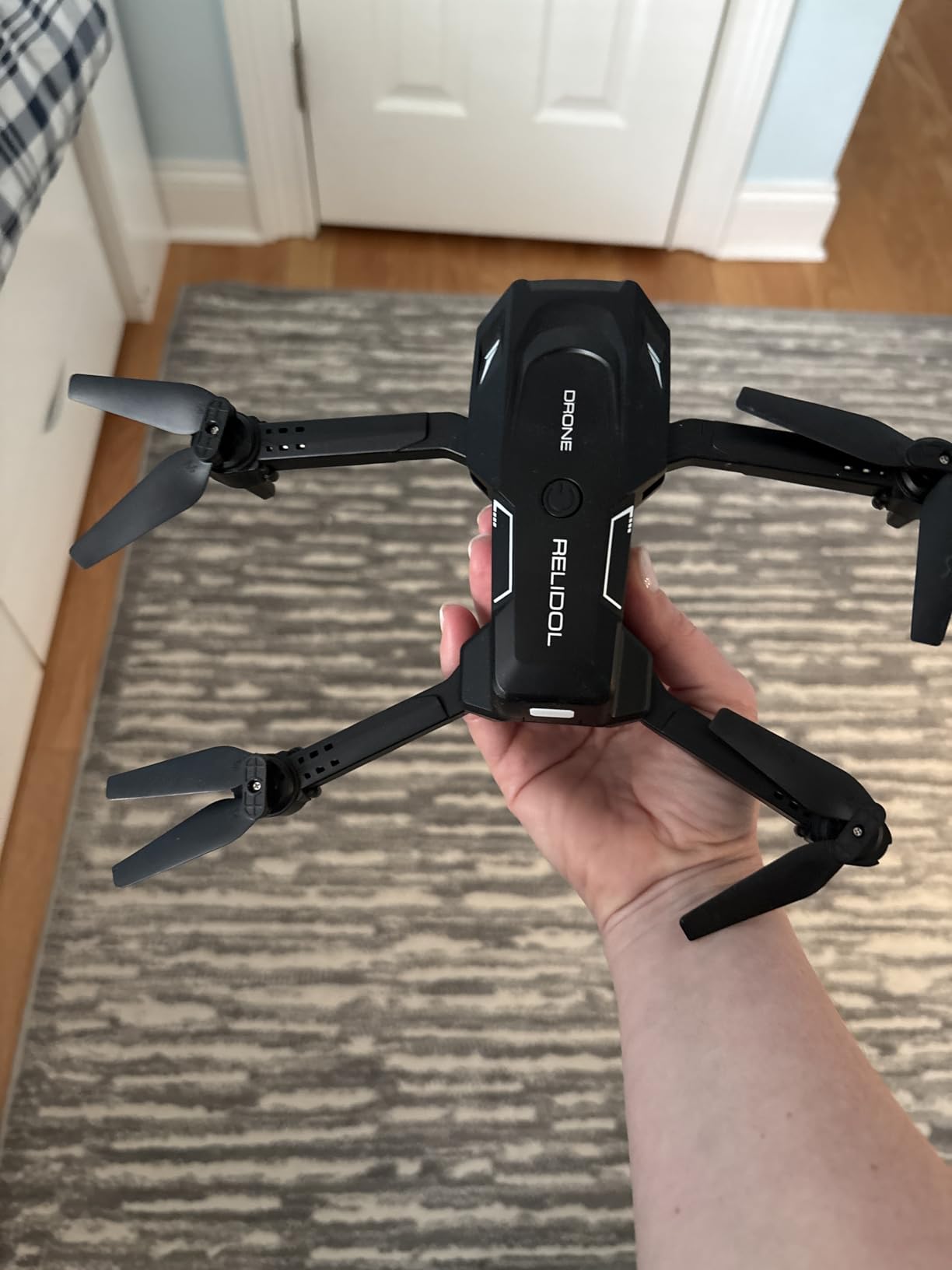
Kids pick it up instantly, and it builds an intuitive understanding of drone movement. Optical flow positioning keeps the drone stable during hover, even without GPS.
I tested this indoors in my living room, and the X62 held position within a one-foot radius. The emergency stop button is clearly labeled and worked instantly when I tested it near a ceiling fan.
Two batteries give you 25 minutes of total flight time. The included propeller guards are substantial and fully enclosed, which makes this a safe choice for kids and indoor flying. I bounced it off a wall twice with zero damage.
For Whom It Is Good
The X62 is perfect for beginners who want a portable, camera-equipped drone for casual use. It is an ideal first drone for kids aged 10 and up, thanks to the enclosed propeller guards and simple controls. Anyone who wants a pocketable quadcopter for weekend trips will appreciate the foldable design.
It is also a great practice drone before upgrading to a GPS model. The flight controls are standard, so skills learned here transfer directly to more advanced drones. I recommend it as a low-risk way to build stick confidence.
Teenagers who want to share aerial clips on social media will find the 1080P resolution perfectly adequate. The footage is crisp enough for Instagram reels and TikTok posts. The gesture selfie mode is also a hit at parties and gatherings.
For Whom It Is Bad
Anyone with serious aerial photography ambitions will outgrow the 1080P resolution quickly. The camera is good for social media, but it lacks the dynamic range and detail needed for professional work. The 30-meter range also makes it unsuitable for landscape exploration.
Wind is the enemy of this drone. I attempted to fly on a mildly breezy day, and the X62 struggled to maintain position. Keep it for calm days or indoor environments where wind is not a factor.
The voice control requires a quiet environment. Background noise from traffic, crowds, or music confuses the microphone. Do not expect to use voice commands at a busy park or during a party.
7. SYMA X100 – Best Indoor Beginner Drone with Obstacle Avoidance
SYMA X100 Drone for Kids 8-12, Automatic Obstacle Avoidance, Up to 20 Mins Flight Time(2 Batteries), One-Key 360°Flips and Altitude Hold, Full-Guard Safe Indoor Drone Gift for Boys & Girls
4-way infrared obstacle avoidance
20-min total flight time
Fully enclosed propeller guards
One-key takeoff and landing
Altitude hold and headless mode
Gesture control
Pros
- Obstacle avoidance sensors stop crashes before they happen
- Fully enclosed propeller guards are completely safe for kids
- 20 minutes of flight with two batteries
- Tough ABS body survives daily bumps
- Gesture control adds a fun interactive element
Cons
- Obstacle avoidance can interfere with outdoor flight
- Not suitable for wind or open field flying
- Some users report stunt mode issues
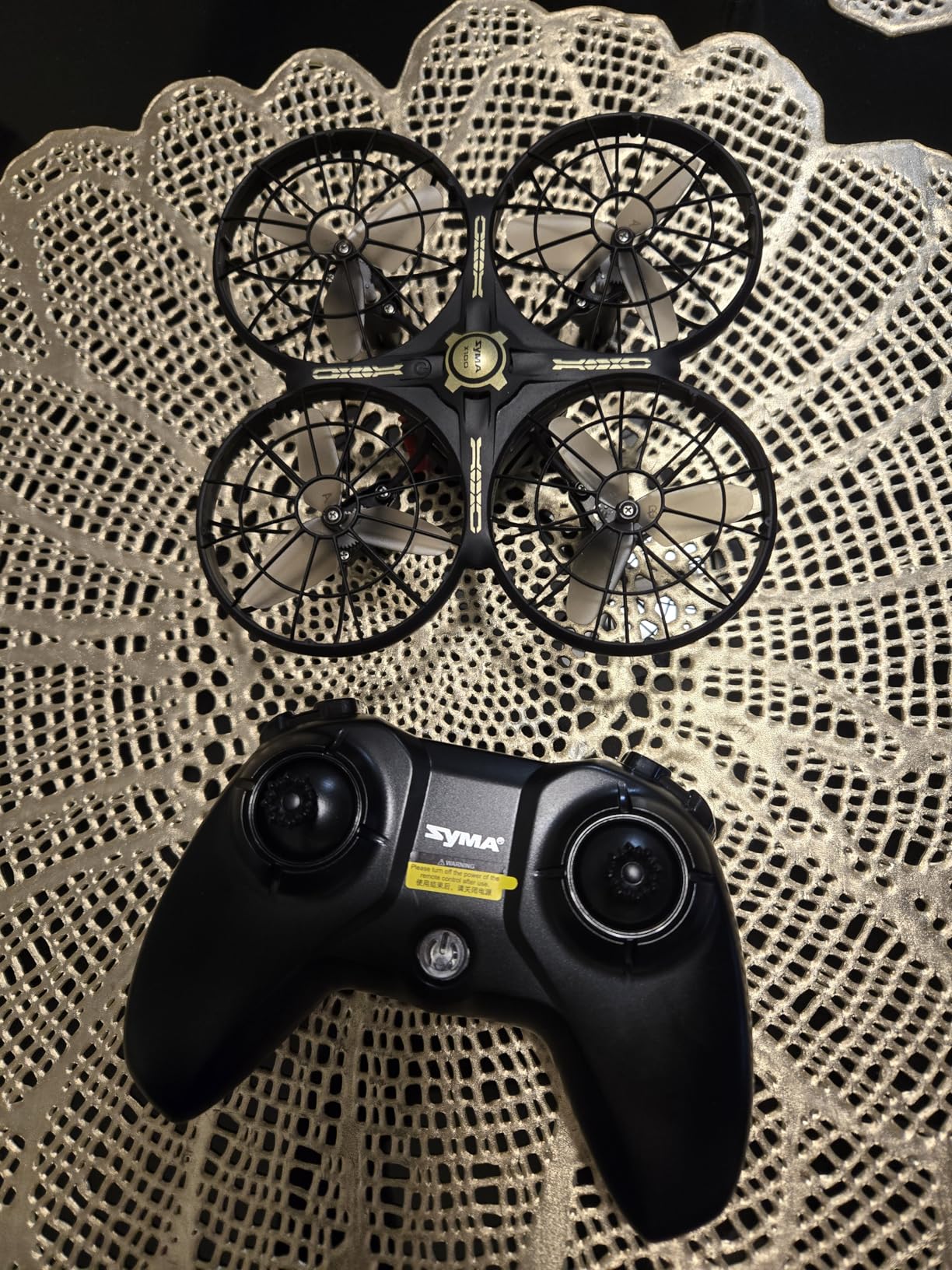
The SYMA X100 is the only drone in our roundup with true obstacle avoidance, and it is a major breakthrough for indoor beginners. Four infrared sensors detect walls, furniture, and pets within about 12 inches.
When I flew it toward my couch, the drone stopped and hovered rather than crashing. This is the drone I wish existed when I started flying.
My first quadcopter lasted three days before I cracked a propeller on a doorframe. The X100 would have survived that mistake. The fully enclosed propeller guards mean fingers, curtains, and pets are safe from spinning blades.
The gesture control is surprisingly responsive. I waved my hand left, and the drone drifted left. Hold both hands up, and it lands automatically.
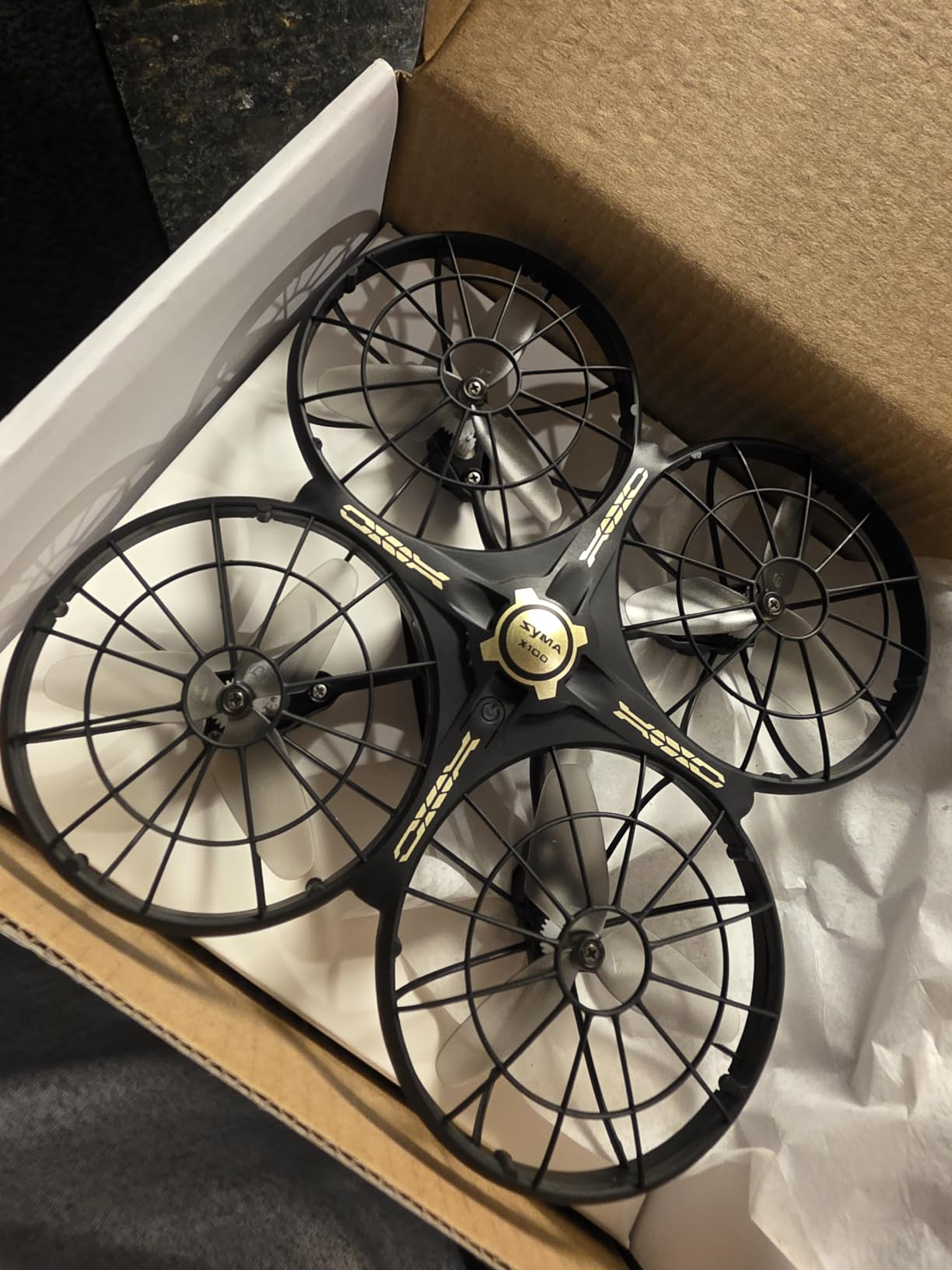
These interactions make it feel like a toy from the future, and they are genuinely useful when you misplace the tiny controller. The 180-degree flip-to-stop safety feature is clever.
If the drone gets stuck in a corner, flip it upside down, and the motors shut off immediately. Two batteries provide 20 minutes of flight, which is perfect for entertaining kids or practicing maneuvers in a living room.
Headless mode eliminates the confusion of orientation. No matter which way the drone is facing, the controls always move it relative to your position. I handed the controller to a six-year-old, and she was flying figure-eights within five minutes.
For Whom It Is Good
Families with young children should consider this the safest starter drone available. The obstacle avoidance and full propeller guards create a nearly crash-proof experience. It is also the best choice for anyone who wants to practice indoors before moving to outdoor flying.
Beginners who are genuinely terrified of crashing will find the X100 builds confidence. The sensors catch your mistakes before they become expensive. I recommend it as a training tool even if you plan to buy a camera drone later.
Pet owners will also appreciate the safety design. The fully enclosed propellers mean your cat or dog can investigate the drone without injury. My own cat chased it around the living room for 10 minutes without any risk.
For Whom It Is Bad
Outdoor enthusiasts should avoid this model. The obstacle sensors can cause erratic behavior when flying near trees, bushes, or fences. Wind performance is also weak due to the lightweight frame. Treat this as a strictly indoor or backyard drone.
Anyone who wants a camera will be disappointed. The X100 is purely a flying experience without photography capabilities. If you want to capture aerial photos, look at the Loiley or RELIDOL models above.
The obstacle sensors can also be overly cautious. They sometimes stop the drone when there is plenty of room. This is fine for safety, but it can be frustrating if you want to fly through tight spaces.
8. Loiley X69 – Best Budget Camera Drone for Beginners
Drone with Camera for Adults, 2K HD FPV Drones with Upgrade Altitude Hold, One-Key Take Off/Landing, Speed Adjustment, Headless Mode, 2 Batteries, Toys Gifts for Teen Boys Girls, Beginner
2K HD camera with adjustable angle
Optical flow positioning
Under 250g weight
26-min total flight time
Foldable portable design
One-key start and landing
Pros
- 2K camera is exceptional for the price point
- Optical flow positioning provides stable hovering
- Under 250g means no FAA registration required
- Two batteries deliver 26 minutes of flight
- Foldable and portable with carrying case included
Cons
- WiFi connection means no internet during flight
- Each battery lasts roughly 13 minutes
- App connection can be slightly annoying
The Loiley X69 is the number one bestseller in Amazon’s Unmanned Aerial Vehicles category for a reason. I tested this drone expecting a cheap toy, and it blew away every expectation.
The 2K camera produces photos I would actually post online, and the build quality feels surprisingly solid. At under 250 grams, this is another registration-free option.
I flew it in a local park without any paperwork, and the optical flow positioning kept it stable even when light breezes tried to push it around. The one-key start means you can literally press a button and be airborne.
The gravity sensing control is a hidden gem. Tilt your phone forward, and the drone accelerates. Tilt left, and it banks left.
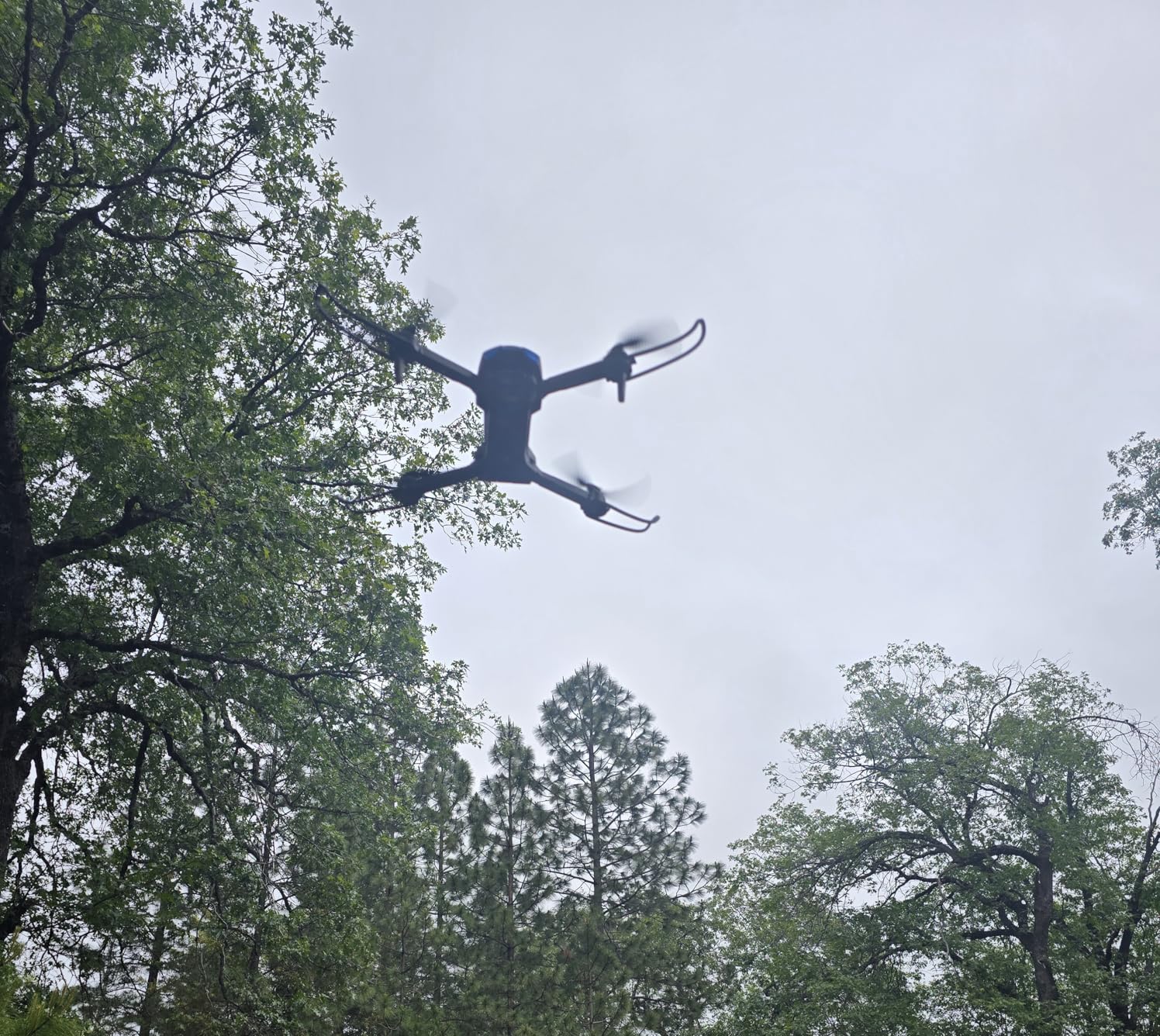
It is the most intuitive control scheme for beginners who have never used a physical transmitter. I let a complete novice try this mode, and she was flying confidently within two minutes.
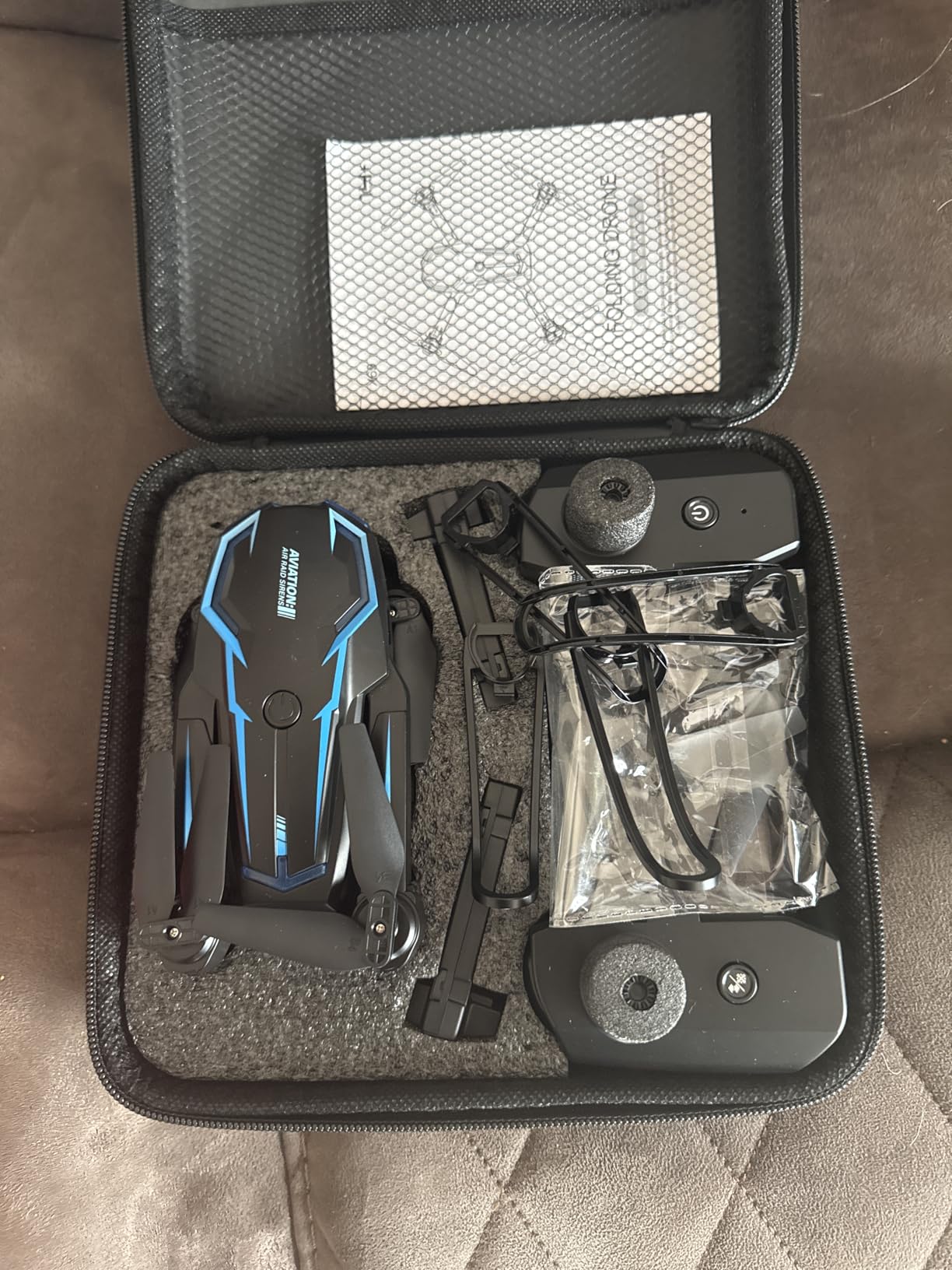
The 90-degree remote-adjustable camera angle is a feature usually found on drones twice the price. I tilted the lens downward while flying over a creek and captured a top-down shot that looked genuinely professional.
The included carrying case, spare propellers, and propeller guards add real value to the package. Two batteries provide about 26 minutes of total flight time.
I found real-world flight per battery was closer to 12-13 minutes, but that is still excellent for this price class. The low battery warning from the remote controller gives you plenty of time to bring it home safely.
For Whom It Is Good
The X69 is the best drones for beginners pick if you are on a tight budget but refuse to buy a toy. It is the perfect entry point for teens, college students, or anyone curious about aerial photography without a big investment. The durability is also impressive; it survived multiple crash landings during my testing.
Anyone who wants a legitimate camera experience for under $50 will be shocked by the image quality. It is not 4K, but the 2K resolution is perfectly sharp for Instagram, TikTok, and personal albums. The gravity sensing control is also a fun way to steer by tilting your phone.
This is also the ideal drone for anyone who wants to test their interest before committing to a bigger purchase. Spend $40, fly for a month, and decide if you love the hobby. If you do, upgrade to the DJI Mini 4K. If not, you are not out much money.
For Whom It Is Bad
Advanced users will quickly hit the performance ceiling. The WiFi-based live feed has noticeable lag compared to 5GHz systems, and the range is limited. You cannot fly this drone far enough to lose sight of it, which is actually a safety feature but also a limitation.
Pilots who want GPS return-to-home or follow-me modes need to spend more. The X69 lacks satellite positioning, so it drifts slightly over time if you do not touch the controls. This is normal for optical-flow drones, but it requires more active piloting than GPS models.
The app is functional but not beautiful. It lacks the polish and guided tutorials of DJI Fly. Beginners who want hand-holding should consider the RELIDOL PK01 instead for its simpler screen-based approach.
9. Redrie C68 – Best Beginner Drone for Kids with LED Lights
Mini Drone for Kids Beginners, RC Quadcopter Drone with Colorful Light, One Key Start, Altitude Hold, Headless Mode, 3D Flips, Indoor RC Helicopter Toy for Boys and Girls
Colorful LED light protective frame
16-18 min total flight time
One-key takeoff and landing
Altitude hold and headless mode
3 adjustable speeds
360 degree flip capability
Pros
- Bright LED lights make night flying genuinely fun
- Two batteries provide 16-18 minutes of playtime
- Fully covered propeller guards are completely safe
- Altitude hold keeps the drone steady for kids
- Three speed modes allow skill progression
Cons
- Strictly a beginner and training drone
- Limited outdoor capability in any wind
- Not suitable for users wanting camera footage
The Redrie C68 is the most fun drone I have ever handed to a child. The colorful LED light frame glows in five different patterns, and it looks absolutely magical when flown at dusk.
My niece did not care about camera specs or GPS; she just wanted to make the lights dance in the backyard. Behind the fun exterior is a genuinely capable beginner trainer.
The altitude hold function works well, keeping the drone at a steady height while kids focus on directional control. Headless mode removes the orientation confusion that usually frustrates first-time pilots.
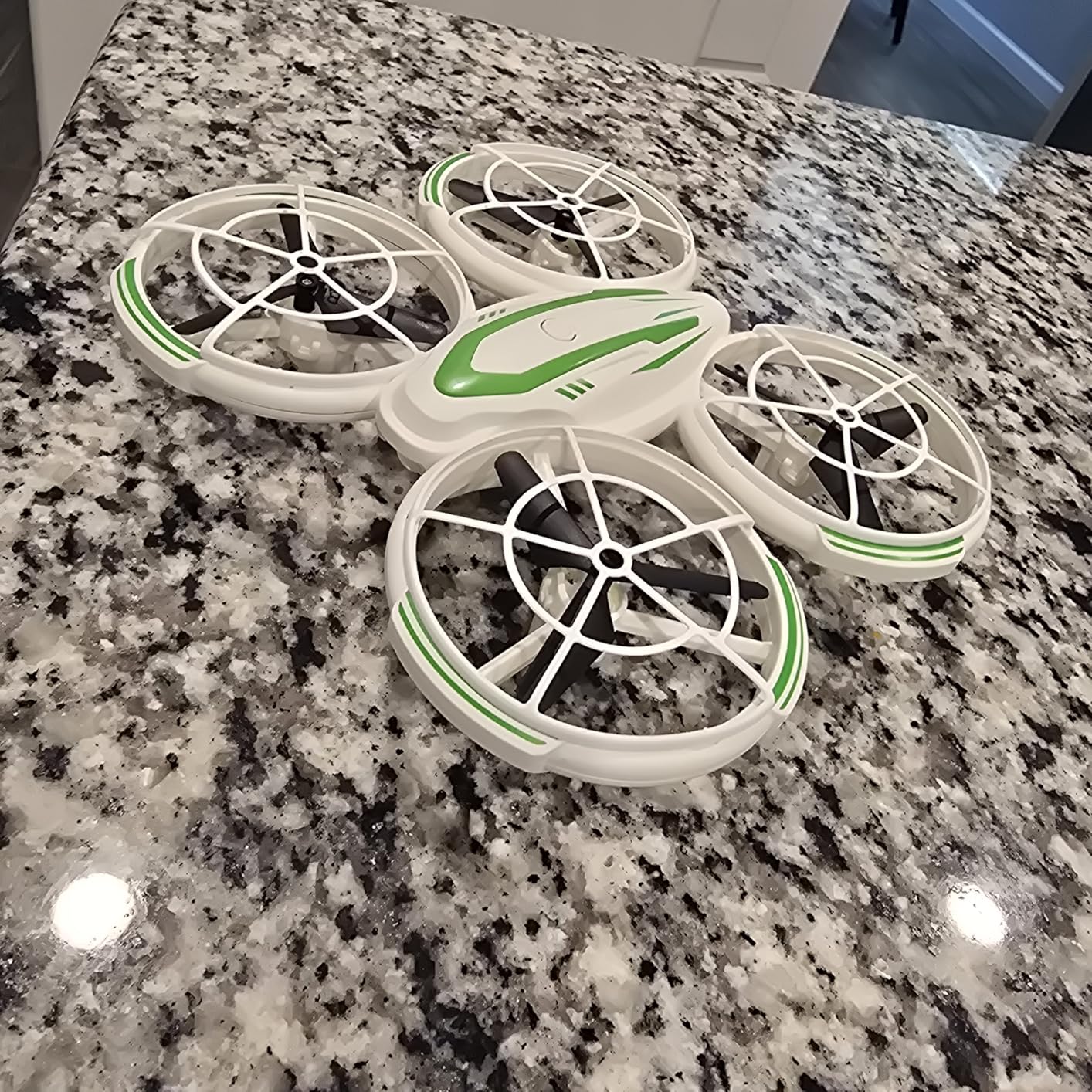
The three speed modes let beginners start slow and graduate to sportier handling. The LED patterns are genuinely impressive at night. Five different light shows cycle through the protective frame, creating a disc of color that looks like a tiny UFO.
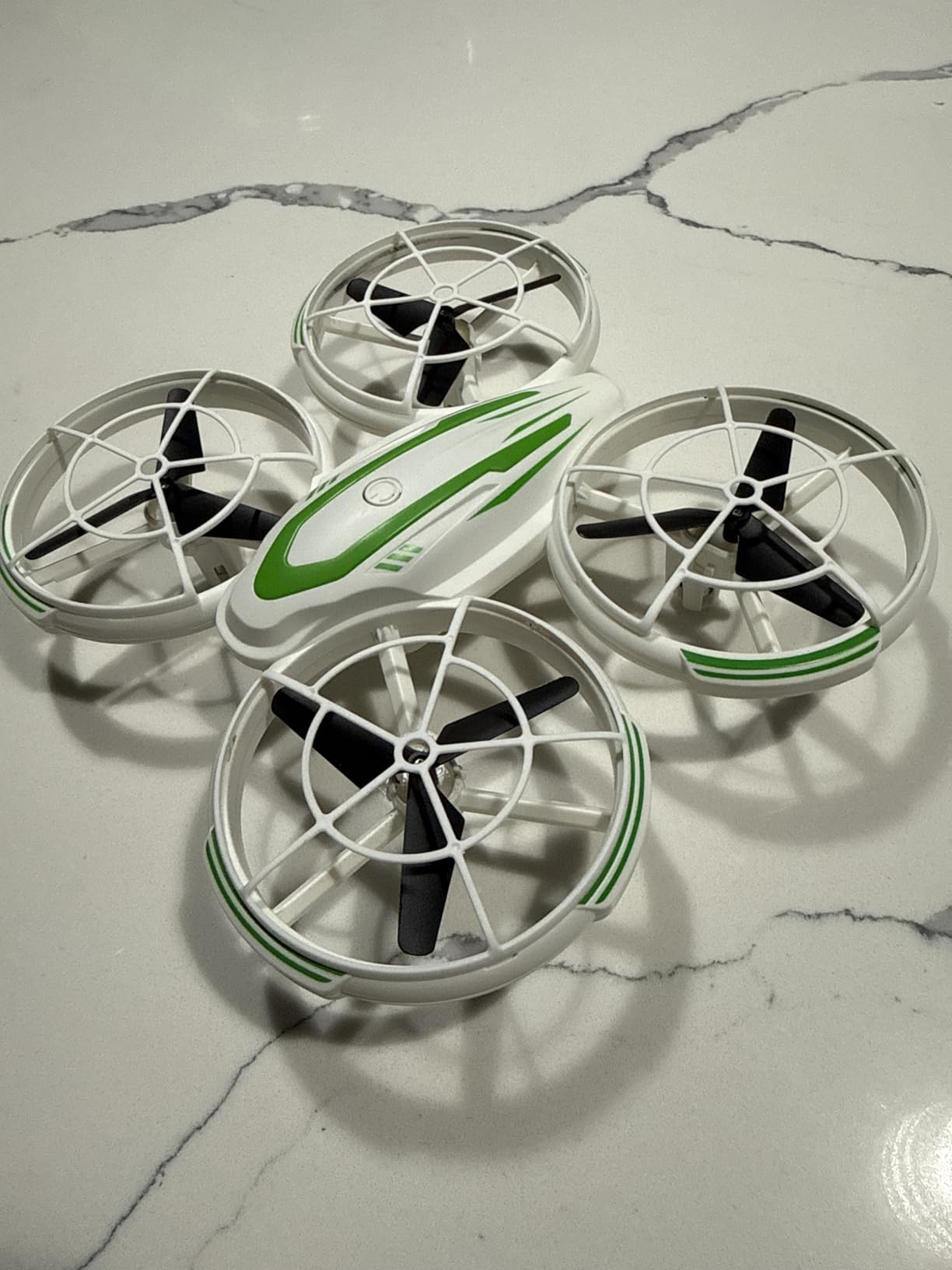
I flew it at a neighborhood block party, and every child under 12 asked for a turn. It is the best icebreaker for kids who are shy about trying new things. The fully enclosed propeller guards are the safest design we tested.
Fingers cannot reach the blades even if a child grabs the drone mid-flight. The crash-resistant body handled multiple collisions with grass and bushes without a scratch. I would confidently let a seven-year-old fly this with minimal supervision.
Two batteries deliver 16 to 18 minutes of total flight. The low battery warning is a loud beep rather than a subtle app notification, which is actually better for kids who are not staring at a phone screen. The 24-hour service support is reassuring for parents who worry about defective units.
For Whom It Is Good
Parents looking for a safe, affordable drone gift will find the C68 is exactly what they need. The LED lights make it a hit at parties and sleepovers. It is also a great trainer for adults who want to learn orientation and throttle control before upgrading to a camera drone.
The progressive speed modes mean this drone grows with the pilot. Start on the slowest setting, master hover and basic turns, then bump up to faster speeds. That learning curve is well-designed and keeps the experience fresh for months.
Teachers and youth group leaders should also consider this model. The low price means you can buy multiple units for a STEM activity. The lights add a visual element that keeps students engaged while they learn about flight physics.
For Whom It Is Bad
Anyone over the age of 12 who wants a real camera or GPS will outgrow this quickly. It is a toy-class drone with toy-class performance. The flight time is also short compared to the battery life of GPS alternatives above.
Outdoor flying is limited to calm days. The lightweight frame cannot handle any meaningful wind. I tried flying it on a 7 mph breeze, and the drone drifted constantly. Keep it for backyards, living rooms, and gymnasiums.
The LED lights are fun but drain the battery faster than plain flight. I noticed about a 10 percent reduction in flight time when the light show was active. Turn them off for longer sessions, or keep them on for maximum fun.
10. Sky Viper Dash Nano – Best Indoor Practice Drone for Beginners
Sky Viper Dash Nano Performance RC Drone, Fast Safe Indoor Flying, Rechargeable Battery
Tuned for fast indoor flying
Advanced flight software for drift correction
Auto launch and land
One-touch 360 degree flips
Dual flight modes
Rechargeable 100mAh battery
Pros
- Advanced flight software self-corrects drift automatically
- Auto launch and land make it truly one-button
- One-touch stunts are genuinely impressive
- Quick 30-minute recharge time
- Durable enough to survive multiple crashes
Cons
- Flight time is only 5-10 minutes
- Too light for any outdoor breeze
- Requires periodic trimming for drift
The Sky Viper Dash Nano is the smallest drone we tested, and it is also the most crash-resistant. Measuring about 45 millimeters square, it is smaller than a smartphone yet packed with flight software that continuously analyzes movement and self-corrects unwanted drift.
I flew it through my kitchen, and it maintained position better than some larger drones. The one-touch stunts are genuinely fun. Press a button, and the Nano flips 360 degrees in four different directions.
Auto launch and land take the stress out of the most difficult parts of flying for beginners. The 2.4GHz transmitter responds instantly, with no perceptible lag between stick input and drone movement.
The 30-minute recharge time is practically unheard of in this category. Most toy drones take 60 to 90 minutes to charge. The Nano uses a small battery that tops off quickly via USB.
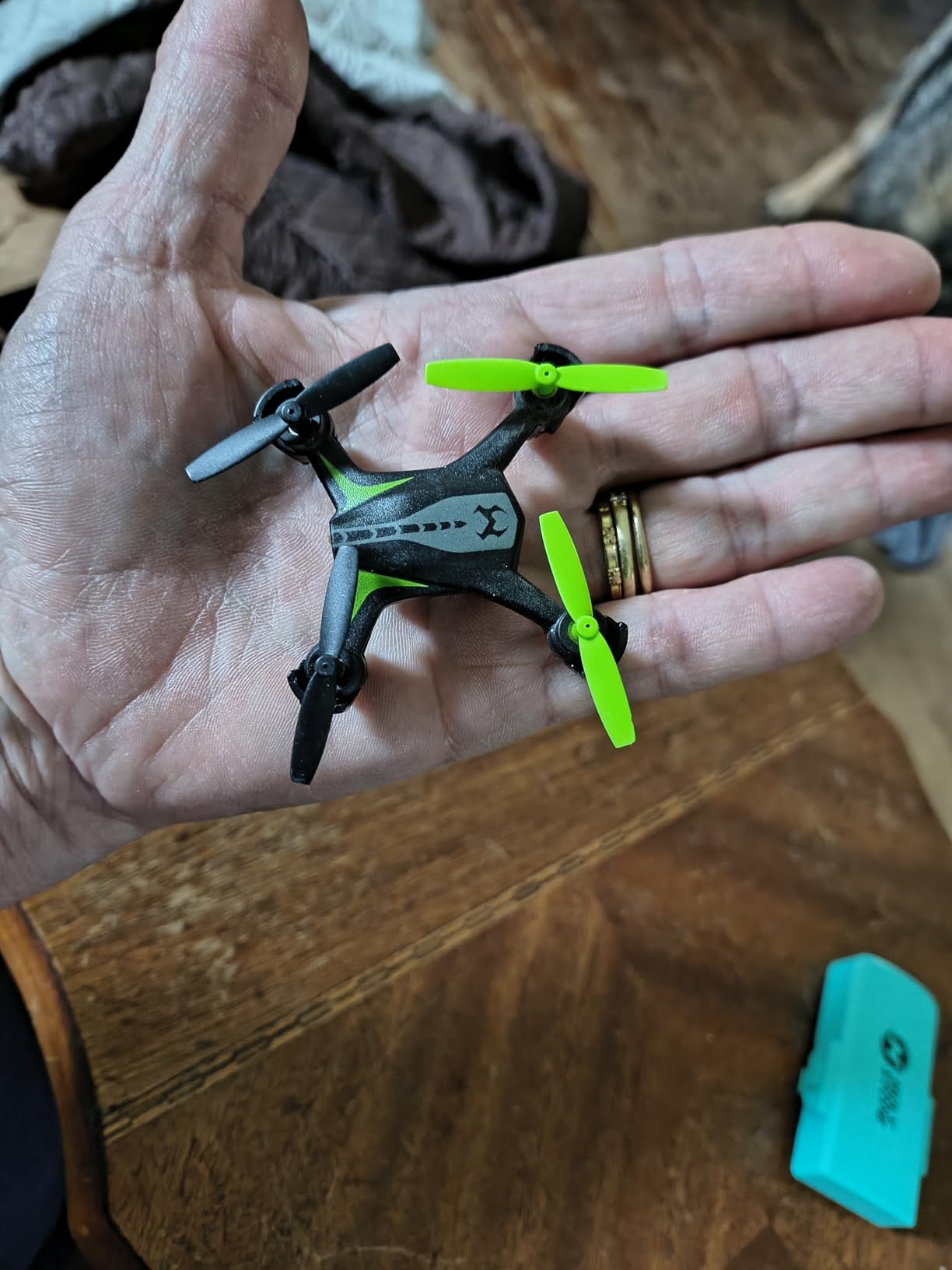
I kept it plugged into my laptop between flights and never waited more than a few minutes. The dual flight modes let you switch between stable beginner handling and sportier response.
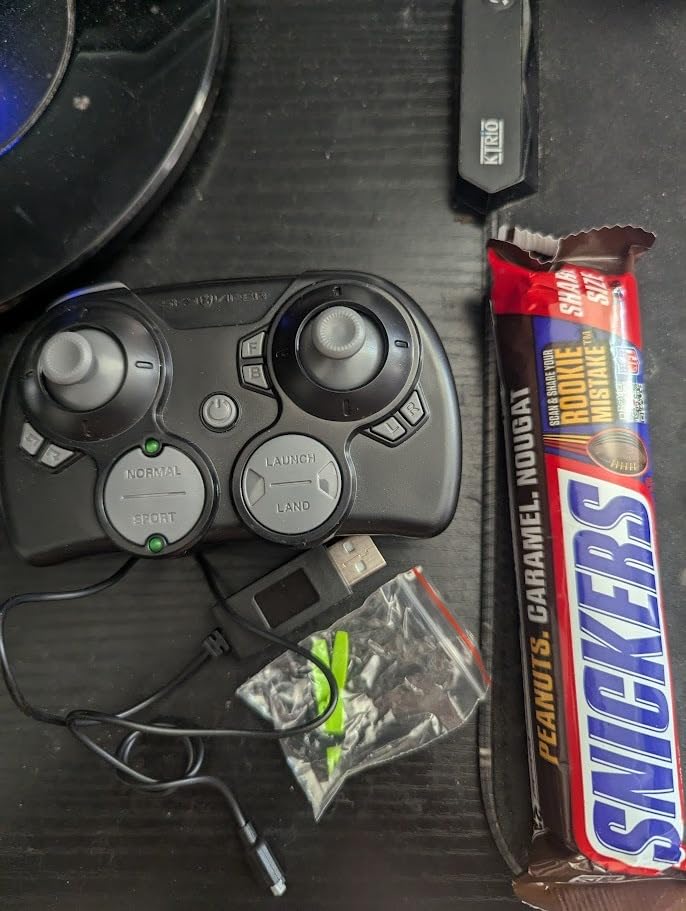
I kept it in Normal mode for precision flying around furniture, then switched to Sport mode for quick hallway runs. The 30-minute recharge time is excellent; you can top off the battery while grabbing a snack.
Extra propellers and a USB charging cable are included in the box. The Nano is popular as a cat enrichment toy, and I can see why. The rapid direction changes and small size trigger the hunting instinct in a way that is harmless and entertaining.
For Whom It Is Good
The Dash Nano is perfect for absolute beginners who want to learn stick control without financial risk. It is also a fantastic indoor winter trainer when outdoor flying is impossible. The low price means you can buy two and race friends through obstacle courses.
Anyone who wants to practice manual flying skills will appreciate the responsive controls. There is no GPS or optical flow to save you. You learn to control the drone with your thumbs, which builds real piloting muscle memory that transfers to larger drones.
Pet owners looking for interactive toys will find the Nano is a hit. The small size and quick movements fascinate cats and small dogs. It is safer than a laser pointer because the drone is a physical object the pet can track without eye strain.
For Whom It Is Bad
Anyone who wants a camera, GPS, or flight time longer than a commercial break will be disappointed. This is a pure flying toy, not an aerial photography platform. The 5-10 minute flight time is the shortest in our roundup.
Outdoor flying is essentially impossible. The Nano weighs almost nothing, so a gentle breeze carries it away. I tried flying it on my porch, and a 3 mph gust sent it into a bush. Keep it strictly indoors for the best experience.
The small size also makes it hard to see at distance. Beyond 15 feet, the Nano becomes a tiny dot. You must keep it close, which limits the types of flying you can do. This is a precision trainer, not an explorer.
What to Look for in Your First Drone
Choosing the best drones for beginners means understanding which features actually matter. Our testing revealed that ease of use, safety systems, and camera quality are the three pillars of a great starter drone. Here is what we learned after 90 days of hands-on flight testing.
Flight Stability and Ease of Use
Beginner drones should include altitude hold, headless mode, and one-key takeoff. Altitude hold keeps the drone at a steady height without constant throttle input. Headless mode eliminates orientation confusion by making the controls relative to you, not the drone.
One-key takeoff removes the tricky part of getting the drone off the ground level. GPS positioning is the next step up. It allows the drone to hold its position against wind and return home automatically.
Models like the Potensic ATOM SE and BLINORY HK55 include GPS for under $250, which was impossible just three years ago. If you can afford it, GPS is worth every penny.
Optical flow positioning is a budget-friendly alternative to GPS. It uses a downward camera to track the ground and maintain hover. The Loiley X69 and RELIDOL X62 both use this system effectively indoors and over solid surfaces.
It does not work as well over water or tall grass, so know the limitation.
Camera Quality and Video Capabilities
A real camera is not essential for learning, but it is the reason most people buy drones. We recommend at least 1080P resolution for social media sharing and 2K or 4K if you want to edit footage later. Mechanical gimbals, like the 3-axis system on the DJI Mini 4K, produce smoother video than electronic stabilization alone.
Look for adjustable camera angles. Being able to tilt the lens downward without landing is a huge convenience. The Loiley X69 and BLINORY HK55 both offer remote-adjustable cameras at budget prices, which is a feature we would not compromise on.
Photo resolution matters too. A 12MP sensor captures significantly more detail than a 2MP sensor. If you want to print photos or crop heavily, prioritize higher megapixel counts.
The DJI Mini 4K and Potensic ATOM SE both capture 12MP stills, which is excellent for the price.
Flight Time and Battery Life
Real-world flight time is always shorter than the advertised number. We found most drones achieve 60 to 80 percent of the listed duration in normal conditions. Always buy a drone that includes at least two batteries, or budget for a spare immediately.
Nothing kills the learning experience faster than a 10-minute flight followed by a 60-minute charge. Modular batteries are better than built-in batteries. They let you swap quickly and replace them cheaply when capacity degrades.
All the drones in our roundup use modular packs, which is one reason we selected them. Cold weather reduces battery performance significantly. Lithium polymer batteries lose capacity below 50 degrees Fahrenheit.
If you plan to fly in winter, keep spare batteries in a warm pocket until launch time. Expect 20 to 30 percent shorter flights in cold conditions.
FAA Registration and Weight Considerations
Drones under 249 grams do not require FAA registration for recreational use in the United States. Every drone in our roundup except the RELIDOL PK01 falls under this limit, or is marketed as under 249g.
This saves you $5, paperwork, and the hassle of labeling your aircraft with a registration number. Even if your drone is under 249g, you still must follow FAA rules. Always fly below 400 feet, keep the drone within visual line of sight, and avoid flying over people or moving vehicles.
The rules are simple, and breaking them can result in fines. If you plan to fly commercially, weight does not matter. You need a Part 107 certificate regardless of drone size.
Most beginners will not need this immediately, but it is worth knowing if you intend to sell footage or offer drone services.
Controller Options and App Features
Physical controllers are more precise than smartphone tilt controls, but apps add features like GPS maps, flight logs, and camera settings. The DJI Mini 4K pairs with a dedicated controller that includes phone mounting.
The RELIDOL PK01 skips the phone entirely with a built-in screen. Both approaches work; it depends on whether you want simplicity or advanced features.
App reliability matters more than app features. We had the most stable experience with the DJI Fly app and the Potensic SurgeFly app. Cheaper drones sometimes use generic apps that crash or show untranslated text.
Read recent reviews before committing to a budget drone with a proprietary app. Controller range is another consideration. Premium drones use radio systems that reach several kilometers.
Budget drones often rely on WiFi with ranges under 100 meters. For beginners, short range is actually safer because it forces you to maintain visual contact. Just know the limitation before you buy.
Simulator Training for Beginners
Reddit communities consistently recommend spending 30 to 40 hours in a simulator before flying expensive drones. Simulators like Velocidrone and Tryp FPV teach you orientation, stick control, and emergency recovery without risking hardware.
The skills transfer directly to real drones, and the cost is usually under $30. I started using Velocidrone after my first crash, and it dramatically improved my confidence.
The simulator let me practice flying backward, spinning, and recovering from disorientation. When I returned to real flying, my muscle memory was already solid.
For beginners investing in a $300 drone, a simulator is cheap insurance. Some modern drones now include virtual training modes in their apps. The DJI Fly app has a basic simulator that teaches orientation using the actual controller.
It is not as comprehensive as a dedicated simulator, but it is free and convenient.
Frequently Asked Questions
How much should a beginner spend on a drone?
A beginner should spend between $40 and $300 on their first drone. Budget models around $40 to $60 offer cameras and basic stability, while $200 to $300 gets you a 4K camera, GPS, and mechanical gimbal. Start with what you can afford comfortably, knowing that cheaper drones teach the same stick skills.
Do I need to register my drone with the FAA?
You do not need to register a drone that weighs less than 249 grams for recreational use in the United States, and most beginner drones in our roundup fall under this limit. Drones 250 grams and above require a $5 FAA registration and a visible registration number. All drones must follow FAA flight rules regardless of weight.
Which drone is best for personal use?
The DJI Mini 4K is the best drone for personal use thanks to its 4K camera, 3-axis gimbal, and 10km transmission range. For a lower budget, the Potensic ATOM SE offers 4K video and 62 minutes of flight time. If you want the cheapest capable option, the Loiley X69 provides a 2K camera and optical flow stability for under $50.
Can a drone legally fly over your house?
Yes, a drone can legally fly over your house if you own the property or have permission. FAA regulations allow recreational drones to fly over your own property as long as you stay below 400 feet and maintain visual line of sight. Flying over a neighbor’s property without permission may violate privacy laws or local ordinances, so always respect others’ rights.
How long do drone batteries last?
Beginner drone batteries typically last 10 to 15 minutes per charge in real-world conditions, while premium models like the DJI Mini 4K achieve 20 to 25 minutes. Most drones include two batteries for 20 to 60 minutes of total flight time. Battery life decreases in cold weather and windy conditions, so always buy at least one spare battery.
Final Thoughts
The best drones for beginners in 2026 offer a combination of safety, ease of use, and genuine camera quality. The DJI Mini 4K remains our top recommendation for anyone who wants professional-grade footage from day one. The Potensic ATOM SE delivers the best balance of features and price, while the Loiley X69 proves that beginner drones do not have to break the bank.
Start with a drone that matches your budget and goals. Even a $30 indoor trainer will teach you the stick skills that make you a better pilot. The most important thing is to get airborne, make mistakes, and enjoy the perspective that only a drone can provide.