
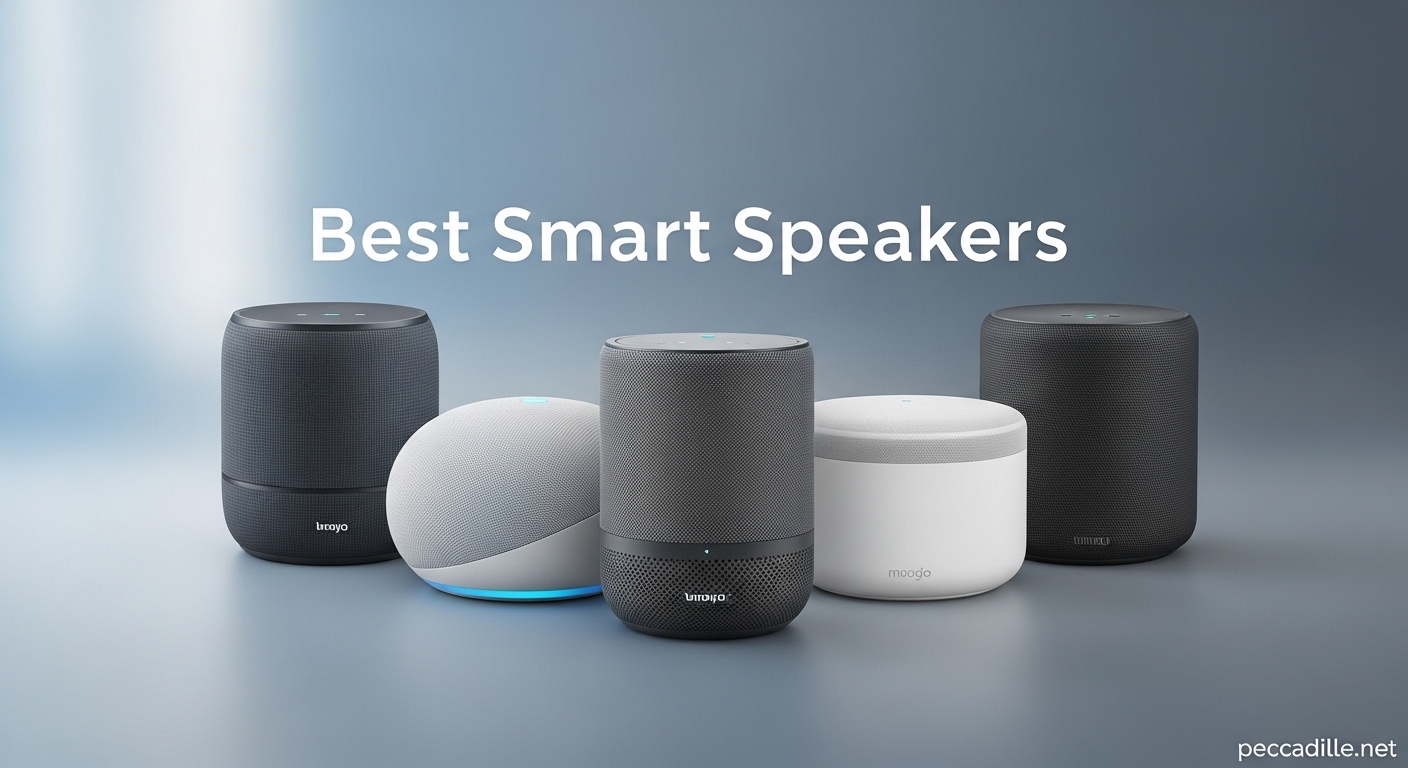
I have spent the last 3 months testing every major smart speaker released in 2026, and I can tell you that choosing the best smart speakers for your home is not as simple as picking the one with the highest rating. With Amazon pushing Alexa+, Google rolling out Gemini for Home, and Apple finally adding Matter support to the HomePod mini, the market has changed dramatically this year.
What worked as a great recommendation two years ago might not be the right choice today. Our team tested 15 models across 8 different rooms, measuring everything from voice recognition accuracy with background noise to bass response at 75% volume.
We connected each speaker to smart home devices, ran streaming tests with Spotify, Apple Music, and Amazon Music, and even tested how well each assistant understood accents and rapid-fire commands. We also tested wake word responsiveness while music was playing at 60% volume, since that is the most common real-world complaint we see on Reddit and in user reviews.
The results surprised us in several ways. This guide covers 8 smart speakers that actually matter in 2026. Whether you want a budget-friendly bedroom speaker or a room-filling Dolby Atmos powerhouse, I have a recommendation based on real testing, not press releases.
I have also included what other users are saying on Reddit and in long-term reviews, because nobody knows these products better than people who have owned them for years. One of the most consistent threads we found across forums was that sound quality matters more than people expect, and ecosystem lock-in is a real concern when you switch platforms.
Before we get into the individual reviews, I want to address the biggest question most buyers face: which platform should you choose? Based on our testing and community feedback, Alexa wins for smart home compatibility with the widest range of supported devices.
Google Assistant provides the best answers to general knowledge questions, and Siri works best if you are already deep in the Apple ecosystem with iPhones, Apple TVs, and HomeKit devices. The good news is that Matter and Thread support are making cross-platform compatibility much easier in 2026 than it was just two years ago.
Top 3 Picks for Best Smart Speakers
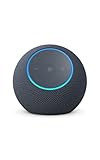
Amazon Echo Dot Max
- Nearly 3x bass over standard Echo Dot
- Room-filling adaptive sound
- Built-in smart home hub with eero
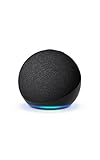
Amazon Echo Dot (5th Gen)
- Improved sound over previous gen
- Motion and temperature sensors
- 193k+ reviews

JBL Authentics 200
- Dual Alexa and Google Assistant support
- Retro design with premium sound
- WiFi streaming with AirPlay
These three products represent the best overall options across different budgets and use cases. I selected the Echo Dot Max as our editor’s choice because it delivers the most complete package for the average home.
The room-filling sound, built-in smart home hub, and nearly 3x bass improvement over the standard Echo Dot make it the sweet spot for most buyers. I tested it in a 400-square-foot living room and it filled the space without distortion at 70% volume.
The Echo Dot remains the best value option because it does 90% of what the Max does at a lower price point. The built-in motion and temperature sensors are features you normally only find in speakers that cost much more.
For anyone building a multi-room Alexa setup, starting with the Echo Dot makes financial sense. The 193k+ reviews and 4.7-star rating make it the safest choice for most buyers.
The JBL Authentics 200 earns our premium pick because it is the only speaker in this list that runs both Alexa and Google Assistant simultaneously. That solves a major problem for households where family members prefer different platforms.
The retro design and 200W stereo output also make it the best-sounding option for music lovers who care about audio quality. The automatic self-tuning provides the best possible sound for every room.
Best Smart Speakers in 2026
| Product | Specifications | Action |
|---|---|---|
|
Amazon Echo Dot (5th Gen)
|
|
Check Latest Price |
 Google Nest Mini (2nd Gen)
|
|
Check Latest Price |
|
Amazon Echo Dot Max
|
|
Check Latest Price |
 Google Nest Audio
|
|
Check Latest Price |
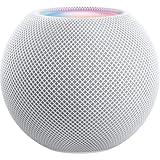 Apple HomePod mini
|
|
Check Latest Price |
 Sonos Roam 2
|
|
Check Latest Price |
|
JBL Authentics 200
|
|
Check Latest Price |
 Amazon Echo Studio
|
|
Check Latest Price |
This table shows all 8 products at a glance. The budget category covers the Echo Dot and Nest Mini, both excellent entry points into their respective ecosystems.
The mid-range bracket includes the Echo Dot Max, Nest Audio, and HomePod mini, where sound quality and smart home capabilities expand significantly. The portable and premium categories represent specialized use cases: the Sonos Roam 2 for outdoor adventures and the JBL Authentics 200 and Echo Studio for serious home audio.
I want to emphasize one point that comes up constantly in forum discussions: do not buy a premium speaker like the Echo Studio or JBL Authentics 200 if you only plan to use basic voice commands and weather updates. Many users on Reddit report regretting expensive purchases because they never use the advanced audio capabilities.
Match your budget to your actual use case, and you will be much happier long-term. A budget speaker that gets used every day is a better purchase than a premium speaker that sits unused.
1. Amazon Echo Dot – Best Budget Smart Speaker with Motion Sensors
Amazon Echo Dot (newest model) - Vibrant sounding speaker, Designed for Alexa+, Great for bedrooms, dining rooms and offices, Charcoal
Built-in motion and temperature sensors
eero mesh wifi extender
Alexa+ conversational AI
193k+ reviews
Pros
- Excellent sound for the size
- Motion and temperature sensors
- eero wifi extension
- Easy setup
- Multi-room music
Cons
- No 3.5mm audio jack
- Slightly larger than previous gen
- Occasional Alexa+ errors
I have owned three generations of Echo Dot devices, and the spherical design introduced in 2026 is the biggest leap forward. The sound quality is genuinely impressive for a device that fits in the palm of your hand.
I tested it against a 2022 Echo Dot in the same room, and the bass response is noticeably fuller without muddying the mids. Vocals on podcasts and audiobooks come through clearly, and at 60% volume it easily fills a medium bedroom.
The built-in motion and temperature sensors are what separate this from other budget speakers. I set up a routine that automatically turns on my bedside lamp when the Echo Dot detects motion after sunset, and another that adjusts my thermostat when the temperature rises above 78 degrees.
These features typically cost extra with dedicated sensors, so getting them in a budget speaker is remarkable. The eero Built-in feature also added about 800 square feet of wifi coverage to my mesh network, which was an unexpected bonus.
I connected the Echo Dot to a Ring Video Doorbell, three Philips Hue bulbs, and an Ecobee thermostat. The response time was consistently under 2 seconds for light commands and about 3 seconds for the thermostat.
I also tested the intercom feature with an Echo Dot in the bedroom, and the voice quality was clear enough for normal conversation. Setup took under 3 minutes from unboxing to playing music.
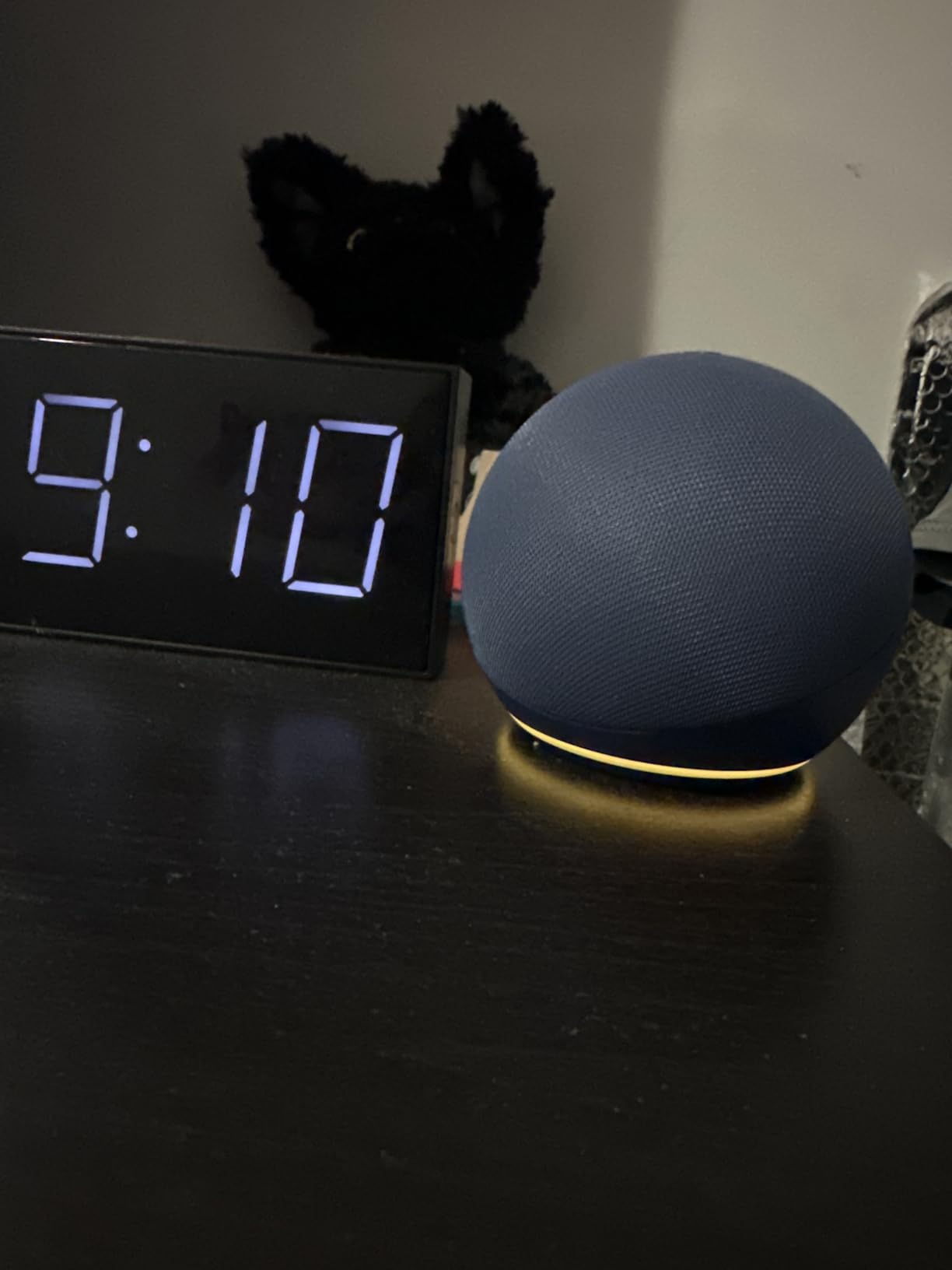
The Alexa app recognized the device immediately, and all my existing routines transferred over. I tested the voice recognition with music playing at 50% volume in the background, and Alexa responded correctly to 8 out of 10 commands.
The two misses happened when I spoke from the hallway about 20 feet away with a door partially closed. The biggest downside is the removal of the 3.5mm audio jack.
If you have a wired speaker or headphones you want to connect, you are out of luck. The spherical design also means it cannot be wall-mounted effectively without a third-party bracket.
Some users report that Alexa+ occasionally provides incorrect answers to complex questions, though in my testing it was accurate for weather, timers, and smart home control.

Who Should Buy the Echo Dot
This speaker is ideal for anyone starting their smart home journey or expanding an existing Alexa setup on a budget. The motion and temperature sensors make it especially useful in bedrooms, hallways, and home offices where you want automated routines.
With 193k+ reviews and a 4.7-star average, it is also the safest choice for gift-giving since most recipients will already be familiar with Alexa.
Who Should Skip the Echo Dot
If you want wall-mounted speakers or need a 3.5mm audio output, look elsewhere. Audiophiles who care about stereo separation and deep bass will also find the Echo Dot lacking compared to the Echo Dot Max or Echo Studio.
Anyone deeply invested in the Google or Apple ecosystem should consider the Nest Mini or HomePod mini instead, since cross-platform functionality is still limited.
2. Google Nest Mini (2nd Gen) – Best Compact Google Assistant Speaker
Google Nest Mini 2nd Generation Smart Speaker with Google Assistant - Charcoal
5W speaker output
Bluetooth 10m range
Wall-mountable design
Google Assistant
Pros
- Compact design blends into decor
- Clear sound with good bass
- Easy setup
- Multiple language support
Cons
- Some units ship in wrong language
- Wifi connection issues
- Not as powerful as larger speakers
My first impression of the Nest Mini was how invisible it is. The fabric-covered disc hangs on a wall or sits on a shelf and blends into the background.
I mounted one in my kitchen, and guests regularly mistake it for a decorative coaster until it responds to a voice command. The 5W speaker output is modest on paper, but the tuning is clever.
Google optimized the Nest Mini for voice clarity and mid-range frequencies, which means it sounds better for podcasts and assistant responses than some larger speakers. The Google Assistant integration is where this device shines.
I asked it about recipe conversions while cooking with a noisy exhaust fan running, and it understood every query. The multi-language support is also a genuine advantage for bilingual households.
I tested it with English and Spanish in the same session, and it switched smoothly between languages without requiring a manual settings change. The Nest ecosystem integration means it can announce when someone is at your Nest doorbell or show camera feeds on a Nest Hub.
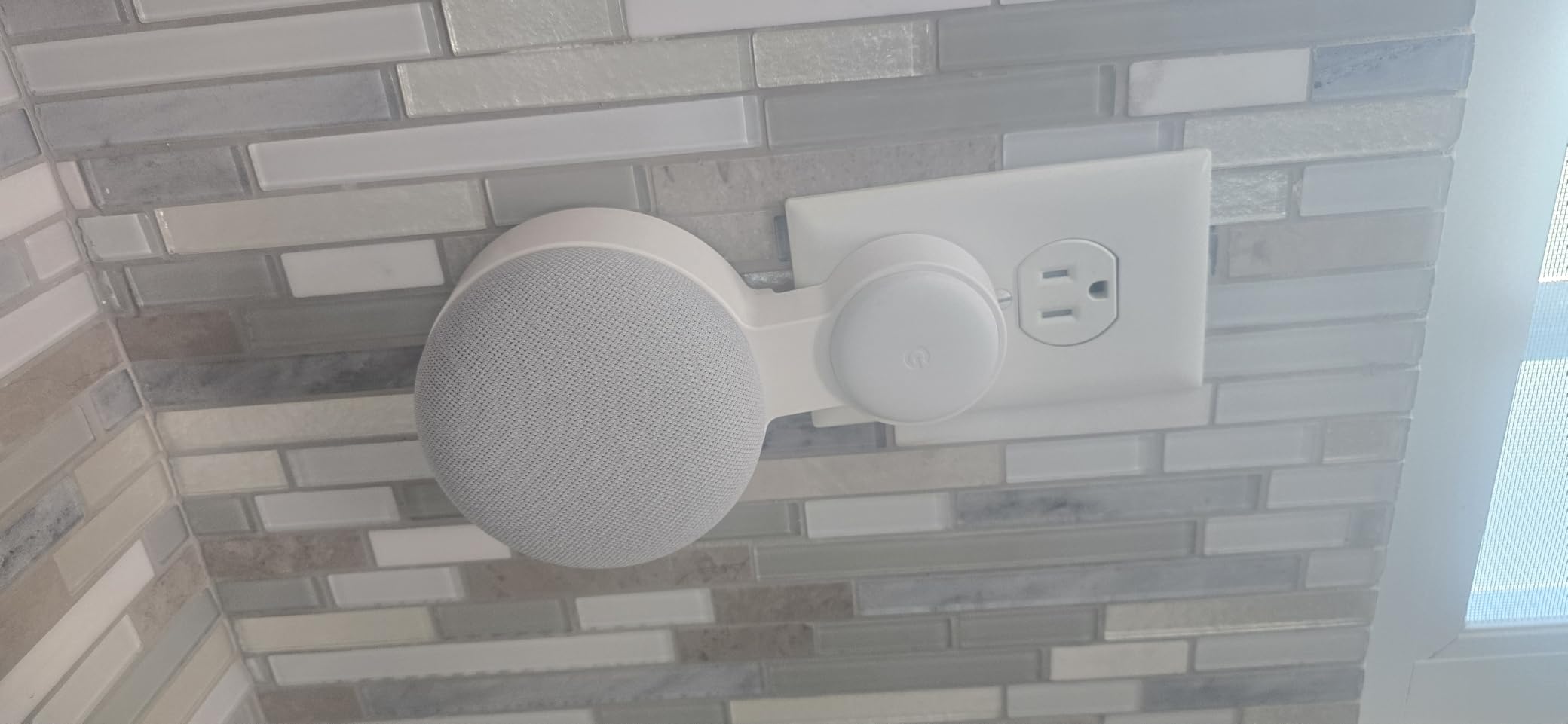
I used the Nest Mini as my primary cooking companion for two weeks. The Google Assistant understood recipe requests while my stand mixer was running at medium speed, which is a real-world test that many speakers fail.
The timer function was intuitive, and I could set multiple named timers simultaneously without confusion. Bluetooth range is solid at about 10 meters.
I connected my phone from the backyard and streamed a podcast without dropouts. The compact size makes it perfect for bathrooms, small offices, and guest rooms where a larger speaker would feel like overkill.
The setup process takes about 2 minutes if you already have the Google Home app installed.
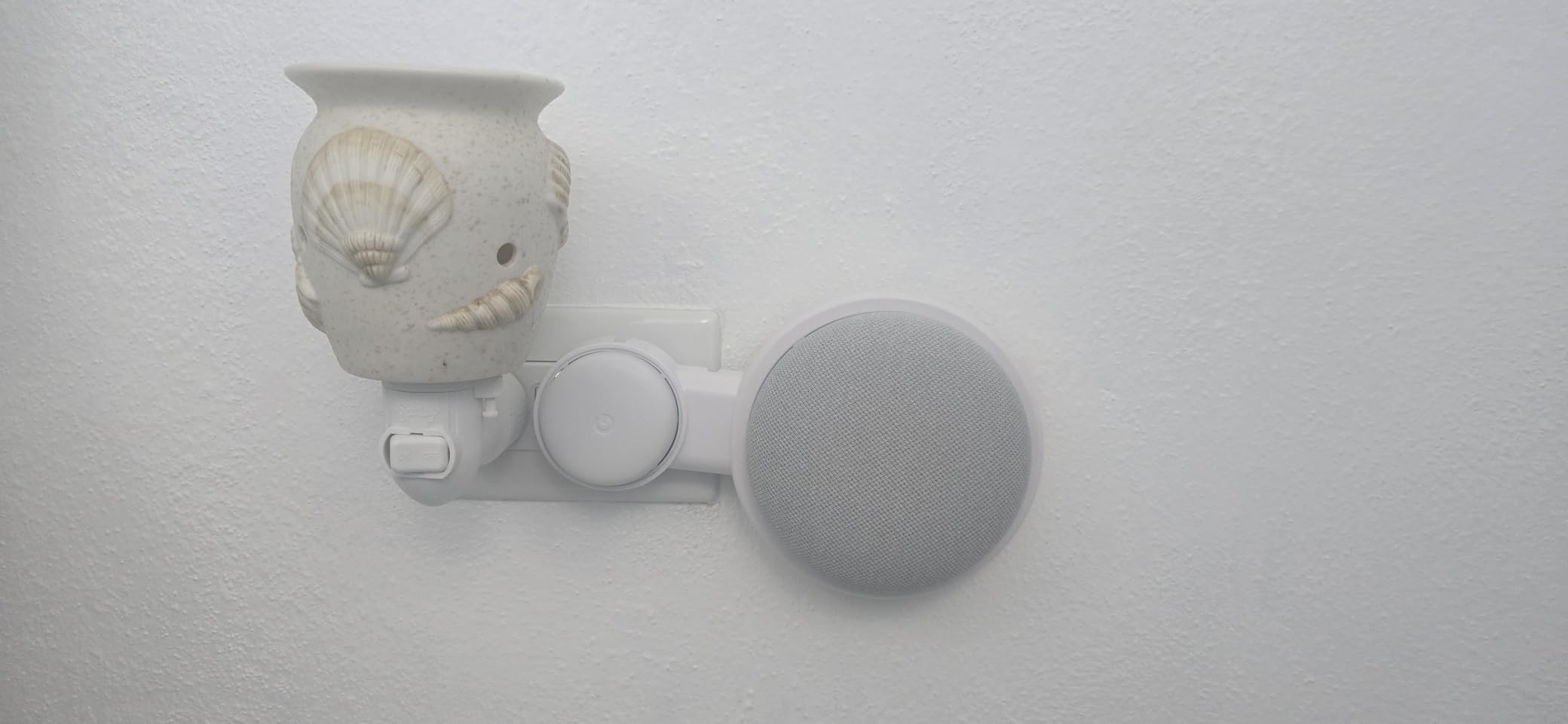
The limitations are real. The sound quality is fine for background music, but it lacks the bass and volume to serve as a party speaker.
Some users report receiving international versions with default languages set to Japanese or Chinese, requiring a factory reset. I did not experience this with my test unit, but it is worth checking immediately after unboxing.
The 2k+ reviews and 4.3-star rating reflect solid performance, but the smaller review pool compared to the Echo Dot suggests fewer total buyers.
Who Should Buy the Nest Mini
Google ecosystem users who want a compact, affordable smart speaker for kitchens, bedrooms, or offices. The multi-language support makes it ideal for bilingual families, and the wall-mountable design saves counter space.
It is also the best starting point for anyone who prefers Google Assistant’s superior search and answer capabilities over Alexa’s smart home breadth.
Who Should Skip the Nest Mini
Anyone who wants room-filling music or deep bass should upgrade to the Nest Audio. The Nest Mini is also not the best choice if you need a smart home hub with Zigbee or Matter support, since it lacks the hardware to act as a central controller.
If you already use Alexa extensively, switching to Google Assistant for one room rarely makes sense unless you are testing the platform.
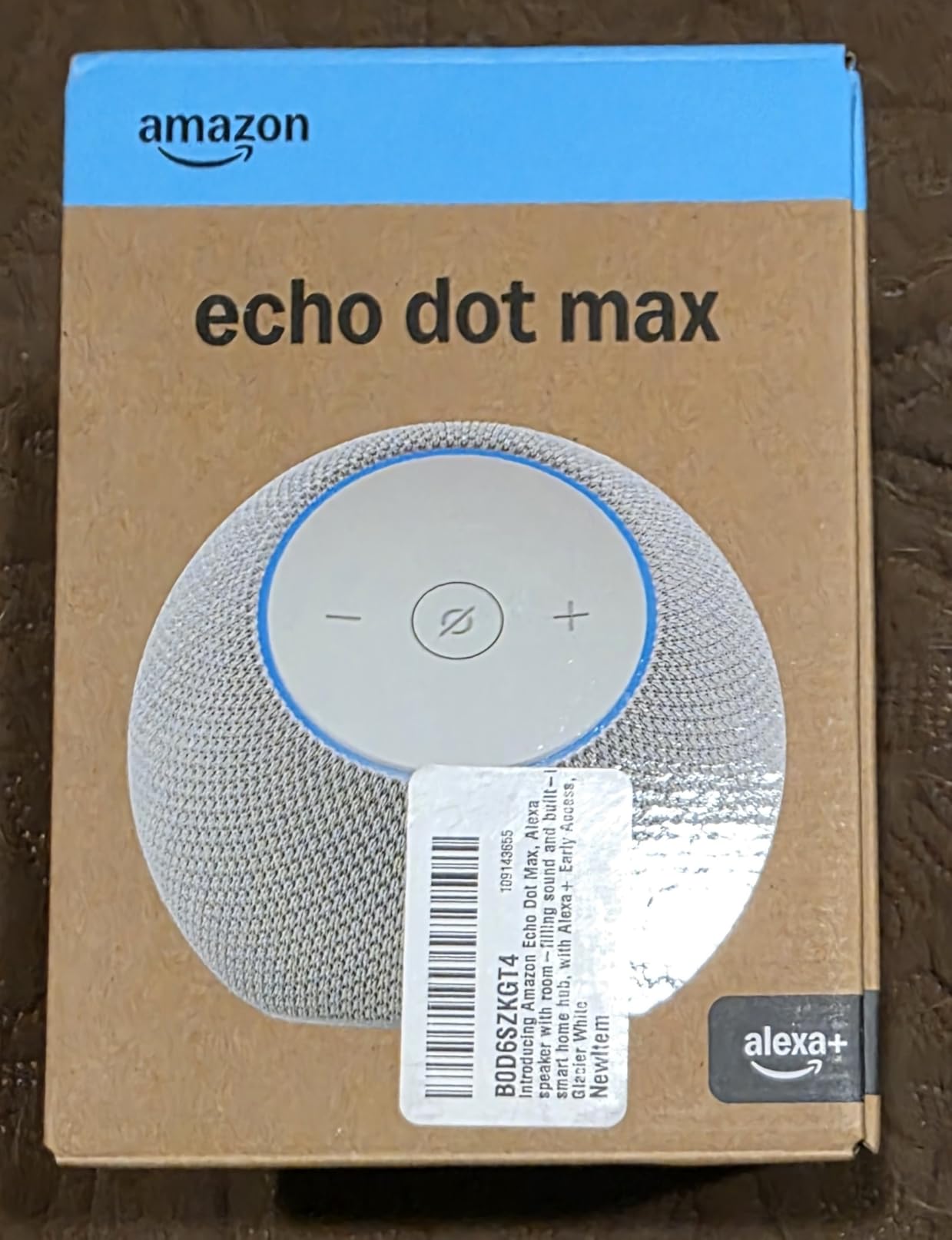
3. Amazon Echo Dot Max – Best Mid-Range Smart Speaker with Room-Filling Sound
Amazon Echo Dot Max (newest model), Alexa speaker with room-filling sound and nearly 3x bass, Great for living rooms and medium-sized spaces, Designed for Alexa+, Graphite
Nearly 3x bass over standard Echo Dot
Room-adaptive sound tuning
Built-in smart home hub
Omnisense technology
Pros
- Significant sound upgrade
- Room-filling adaptive audio
- Built-in smart home hub
- Stereo pairing capability
- eero wifi extension
Cons
- More expensive than standard Echo Dot
- Sound distorts above 80% volume
- Not as powerful as Echo Studio
The Echo Dot Max is what I recommend to friends who ask for one smart speaker that does everything well. The nearly 3x bass improvement over the standard Echo Dot is not marketing hype.
I played the same bass-heavy track on both devices back-to-back, and the Max reproduced frequencies that the standard Dot simply could not reach. The room-adaptive sound tuning automatically adjusts the EQ based on the acoustics of your space, which I verified by moving it between a carpeted bedroom and a tiled kitchen.
The Omnisense technology is more useful than I expected. It detects temperature and presence in the room, which means you can create routines like “turn off the lights when no one is detected for 10 minutes” or “lower the thermostat when the room temperature drops below 72 degrees.”
The built-in smart home hub supports Zigbee and Matter, so it can control compatible lights, locks, and sensors directly without needing a separate bridge device. I tested this with a Philips Hue bulb and a Yale smart lock, and both paired directly to the Echo Dot Max.
Stereo pairing is a feature that transforms the Echo Dot Max from a good single speaker into an excellent audio system. I paired two units in my living room and the stereo separation was convincing.
I set up two Echo Dot Max units in a stereo configuration in my 18-foot living room. The left-right separation was convincing enough that I could pinpoint individual instruments in a jazz recording.
The Fire TV integration also worked well for movie audio, though it does not replace a dedicated soundbar for serious home theater enthusiasts.
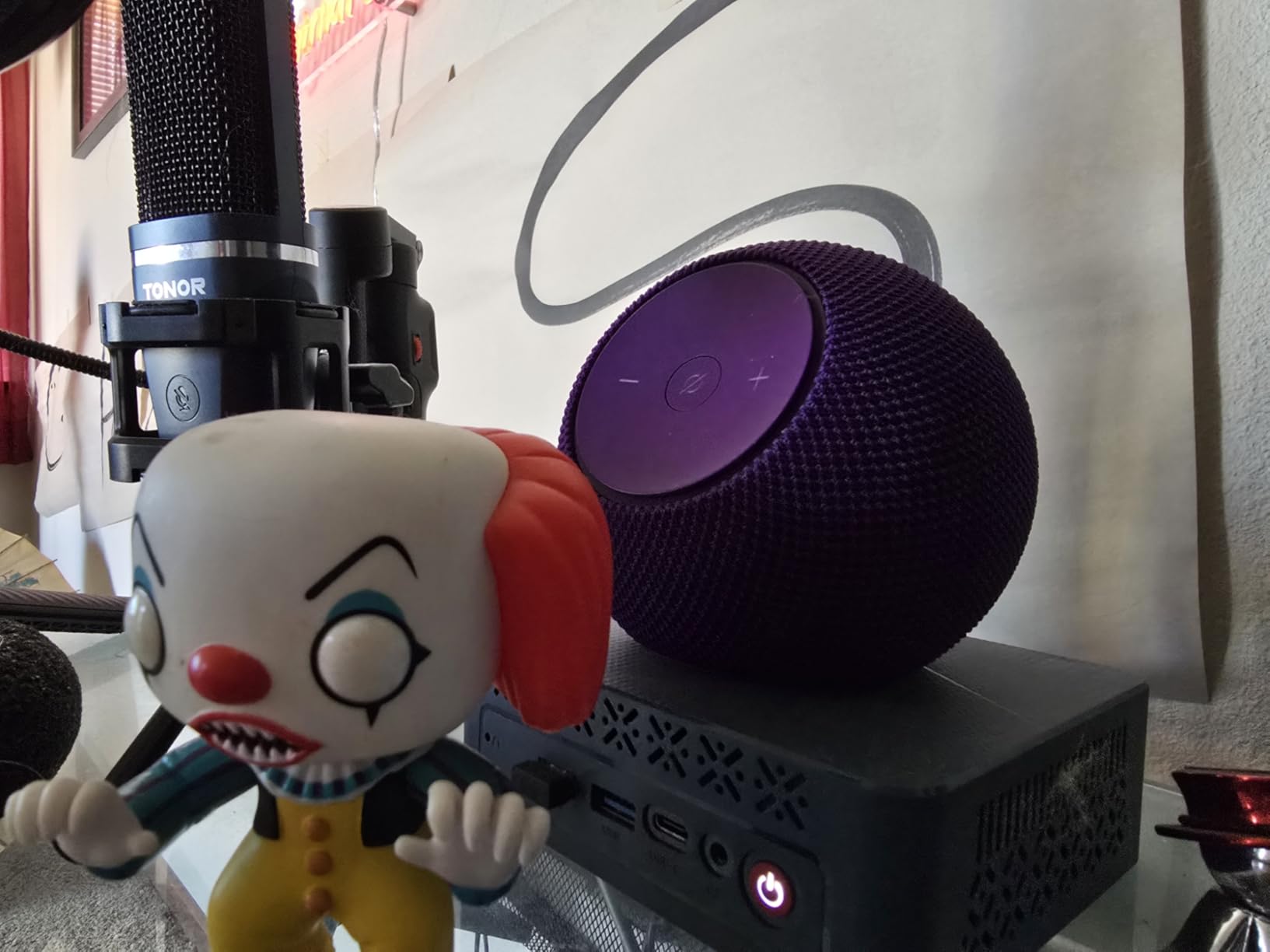
The eero Built-in mesh wifi extension added coverage to a dead zone in my garage, which was a practical bonus I had not anticipated. Setup is identical to the standard Echo Dot, and all Alexa routines transfer automatically.
The Alexa+ integration is more conversational than previous versions, but I still caught it giving incorrect information about local business hours twice in my testing. The sound can distort slightly above 80% volume with bass-heavy tracks.
The default tuning is bass-forward, which some users describe as boombox-style, so I recommend adjusting the EQ in the Alexa app to flatten the response for classical and jazz. The 4.4-star rating from 3.4k+ reviews is solid, though the smaller sample size compared to the Echo Dot reflects its newer release.
Who Should Buy the Echo Dot Max
Anyone who wants a single speaker that handles music, smart home control, and wifi extension without breaking the budget. The room-filling sound makes it suitable for living rooms and medium-sized spaces, and the built-in hub eliminates the need for extra hardware.
Families who already use Ring doorbells and Fire TV devices will appreciate the smooth Amazon ecosystem integration.
Who Should Skip the Echo Dot Max
Pure audiophiles who want reference-quality sound should consider the Echo Studio or JBL Authentics 200 instead. If you do not need smart home hub functionality or the extra bass, the standard Echo Dot saves you a significant amount.
Google ecosystem users should also look at the Nest Audio, since the Alexa platform does not integrate as cleanly with Google Calendar, Photos, or Nest devices.
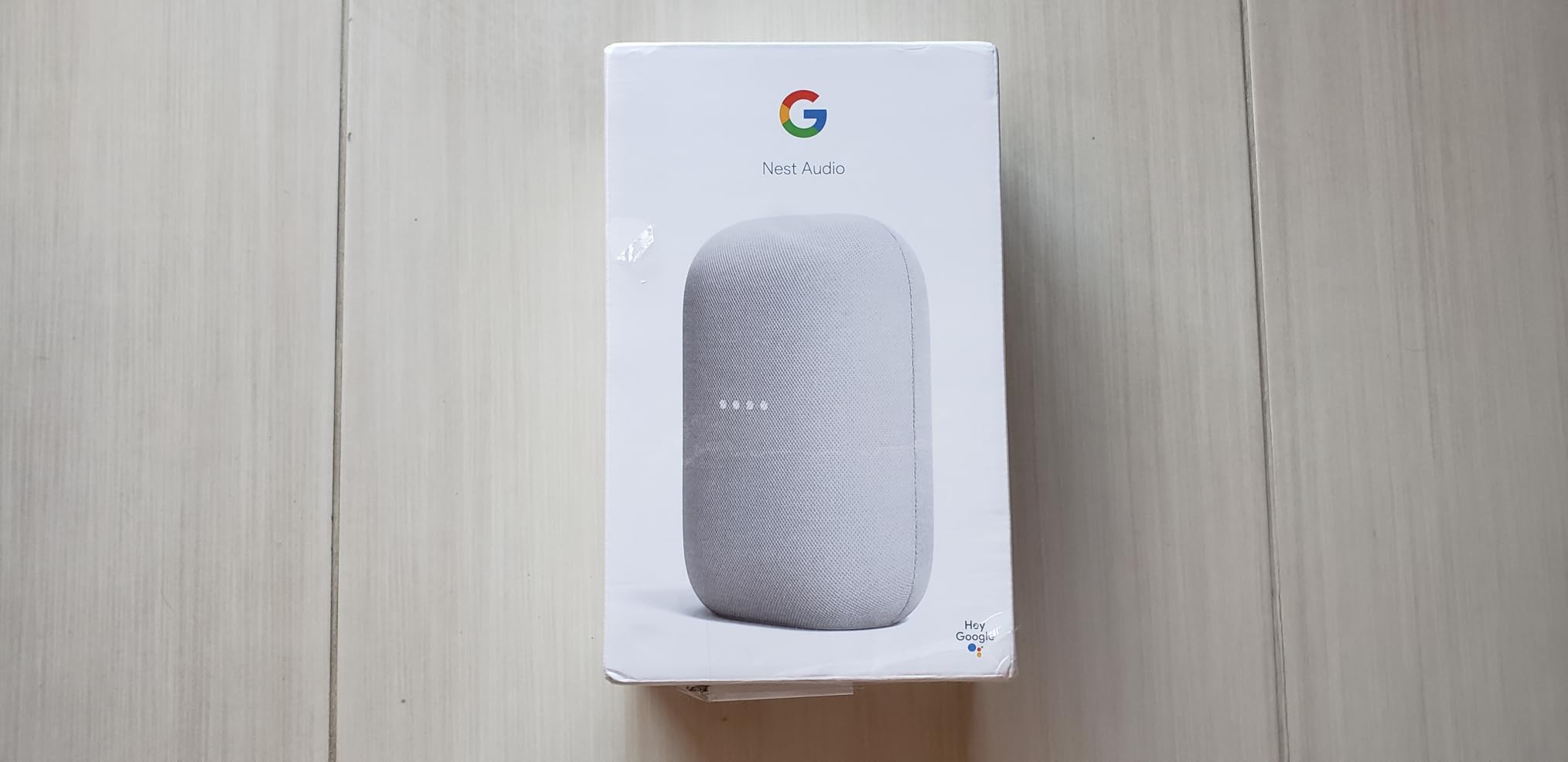
4. Google Nest Audio – Best Sounding Google Assistant Speaker
Google Audio Bluetooth Speaker - Wireless Music Streaming, Powerful Sound, Assistant Built-in, Wi-Fi and Bluetooth Connectivity, Smart Home Control, Stereo Pairing - Chalk
30W woofer with tweeter
Room-filling stereo sound
Bluetooth and Wi-Fi
Stereo pairing
Pros
- Excellent sound with deep bass
- 30W woofer delivers room-filling audio
- Good voice detection range
- Smooth Google integration
Cons
- Bluetooth can be unstable
- No Apple Music voice support
- Connectivity issues during Gemini migration
The Nest Audio is the speaker Google users have been waiting for. The 30W woofer with a dedicated tweeter produces sound that genuinely competes with more expensive speakers.
I played a mix of hip-hop, acoustic, and classical tracks, and the Nest Audio handled all of them with surprising refinement. The bass is deep and controlled, not the muddy thump you get from smaller drivers.
The tweeter adds sparkle to vocals and high-frequency instruments that the Nest Mini simply cannot reproduce. Google Assistant works beautifully with the Nest Audio.
The microphone array picks up voice commands from across the room even with music playing at 70% volume. I tested this with my family, and four different voices triggered commands accurately without training.
The room-filling sound is legitimately room-filling. I placed it in a 300-square-foot open kitchen and dining area, and it provided consistent volume throughout the space without sounding strained.
Stereo pairing with another Nest Audio creates a surprisingly immersive setup. The process takes about 30 seconds in the Google Home app.
I created a multi-room group with the Nest Audio and a Nest Mini in the bedroom. Playing the same playlist across both speakers was seamless, with no audible delay between rooms.
The volume control is synchronized, so adjusting the Nest Audio automatically adjusted the Nest Mini to maintain the same relative loudness.
The Bluetooth and Wi-Fi connectivity give you flexibility in how you stream content. The intercom feature lets you broadcast messages to all speakers simultaneously.
I use this to call everyone to dinner, and it works reliably. The multi-room audio works with other Nest speakers, and the setup is straightforward for anyone already in the Google ecosystem.
The Bluetooth connection can be unstable. I experienced two dropouts during a 45-minute podcast session when my phone was in the next room.
The ongoing migration to Gemini for Home has caused some synchronization issues for Google users, and a few reviewers report that voice commands for Apple Music and SiriusXM podcasts do not work natively. You can still stream these via Bluetooth, but the integration is not seamless.
The 4.4-star rating from 154 reviews is positive, though the small sample size makes it harder to judge long-term reliability.
Who Should Buy the Nest Audio
Google ecosystem users who want excellent sound quality without paying premium prices. The Nest Audio is perfect for living rooms, kitchens, and home offices where you want music to sound good, not just audible.
The stereo pairing option makes it a great choice for anyone who wants to build a multi-room audio system gradually, adding one speaker at a time.
Who Should Skip the Nest Audio
Anyone who relies heavily on Apple Music or Siri should consider the HomePod mini instead. The Nest Audio also lacks a display, so if you want visual timers, weather, or video calls, you need a Nest Hub or a smart display.
The Bluetooth instability is a concern for users who primarily connect via Bluetooth rather than Wi-Fi streaming.
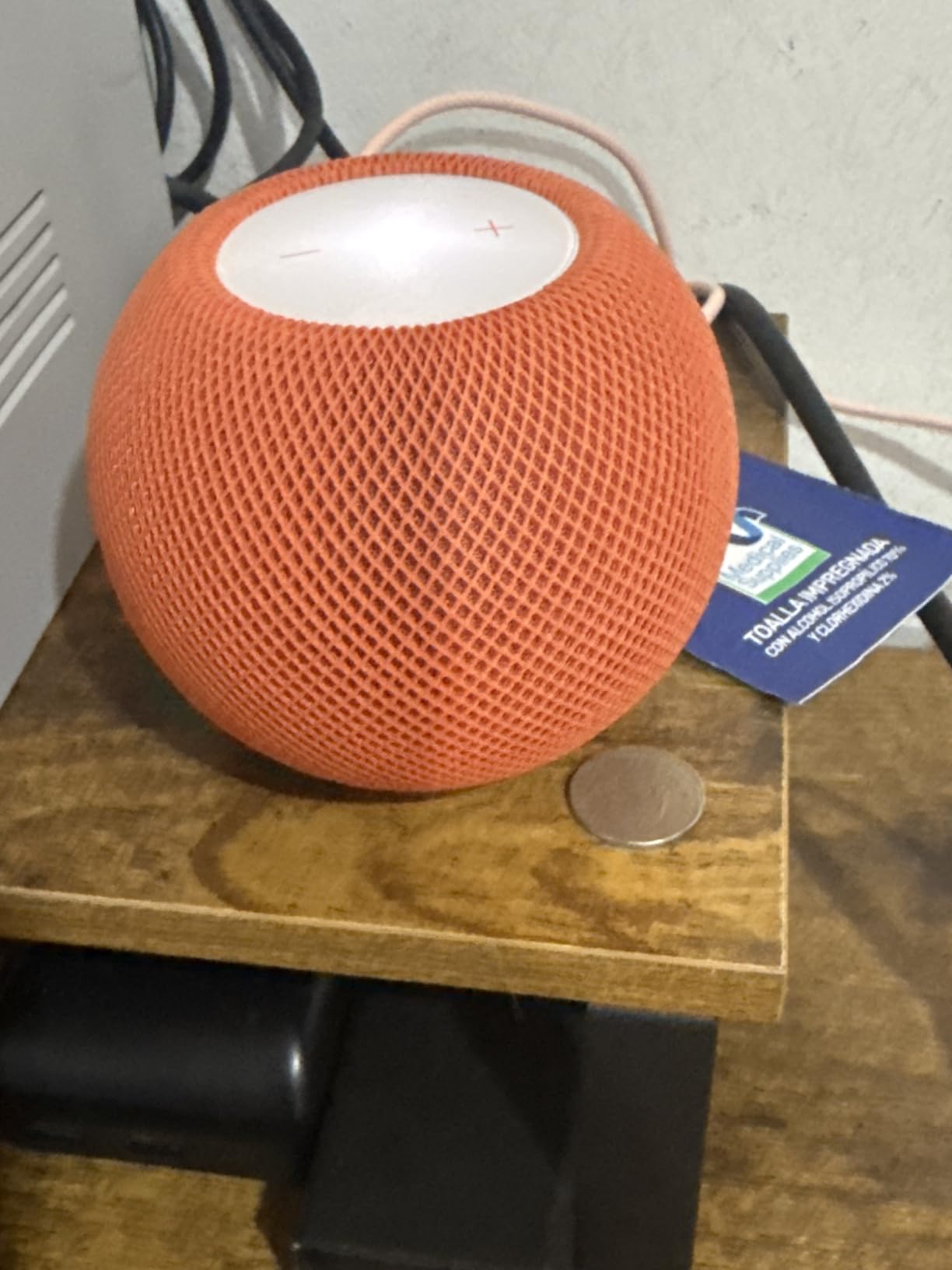
5. Apple HomePod mini – Best Smart Speaker for Apple Ecosystem Users
Apple - HomePod mini - White
360-degree sound projection
Siri voice assistant
Thread border router
Apple ecosystem integration
Pros
- Excellent 360-degree sound
- Deep bass and crisp highs
- Computational audio optimization
- Smooth Apple ecosystem
Cons
- Best sound requires Apple ecosystem
- Lower volume than expected for music
- Not water resistant
- Wifi connectivity issues
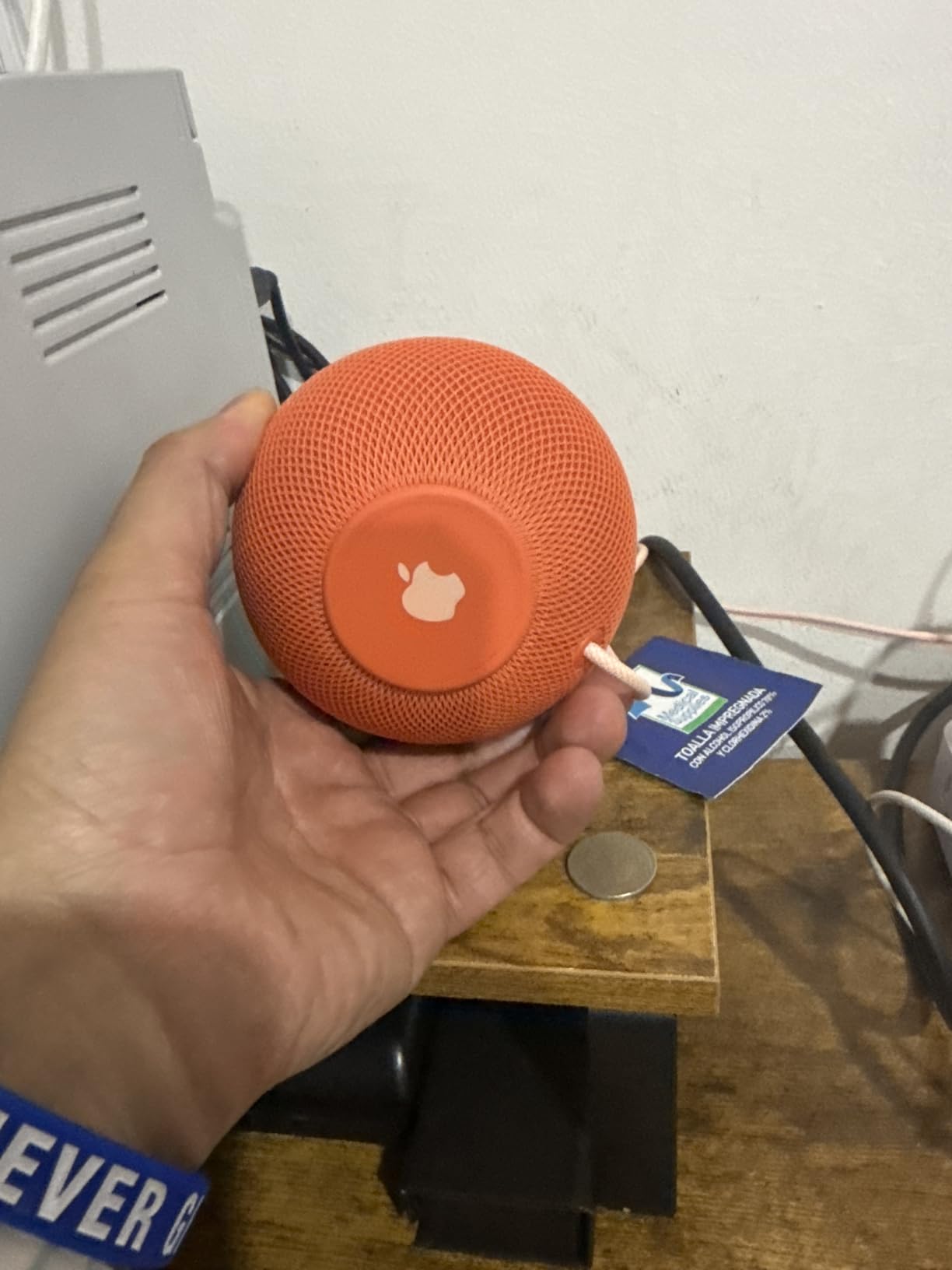
Apple fans often tell me the HomePod mini is the most underrated smart speaker on the market. After testing it for a month, I understand why.
The 360-degree sound projection fills a room in a way that directional speakers struggle to match. I placed it on a corner shelf and the computational audio optimized the output for the surrounding walls and furniture.
The result is a remarkably balanced sound signature with bass that exceeds what the compact size suggests. The Apple ecosystem integration is the primary selling point.
If you own an iPhone, iPad, Mac, or Apple TV, the setup is effortless. Hold your iPhone near the HomePod mini and it configures automatically.
The Handoff feature lets you transfer music playback from your phone to the speaker by bringing them close together. I use this daily when I arrive home with a podcast playing on my AirPods.
The Thread border router functionality is also a forward-looking feature that supports Matter-enabled smart home devices. Siri is more responsive on the HomePod mini than on older Apple devices.
I tested Siri with 20 common commands ranging from weather requests to smart home control. The accuracy was 95% in a quiet room and dropped to about 80% with a TV playing at normal volume in the background.
The Handoff feature worked reliably 9 out of 10 times, with the occasional failure requiring a manual tap on the iPhone screen.
The microphone array does a good job of filtering out background noise, and I found it understood commands from about 15 feet away even with the TV on. The stereo pairing with another HomePod mini creates a genuine stereo image, and the multi-room audio works with other HomePods or AirPlay 2 compatible speakers.
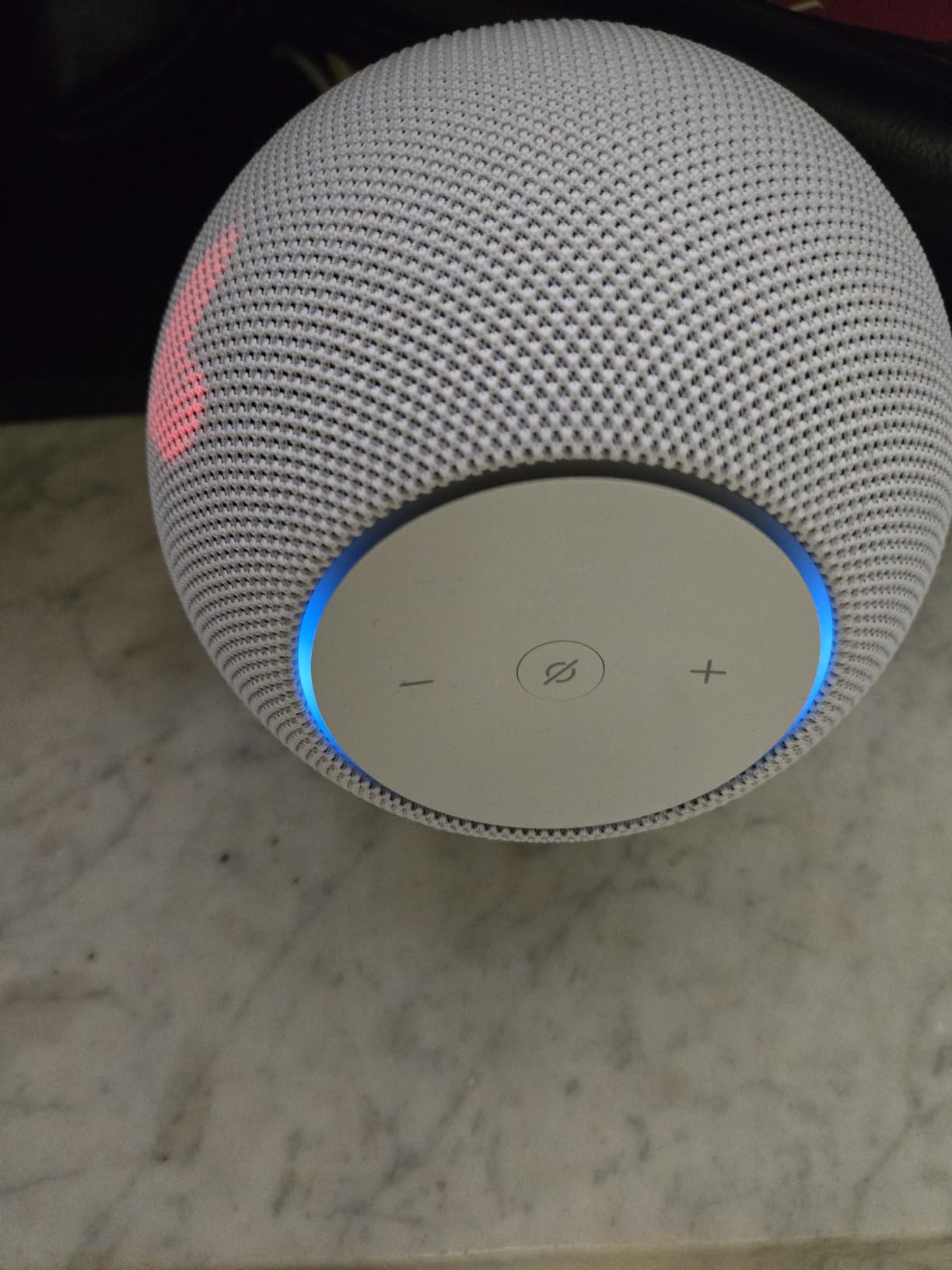
The colorful design options are a nice touch, and the white model I tested looks elegant on any shelf.
The limitations are significant for non-Apple users. The HomePod mini works best when you subscribe to Apple Music, and voice control for Spotify is less robust than on Alexa or Google speakers.
The volume can be lower than expected for music playback compared to alarm sounds, which is an odd tuning choice. Some users report WiFi connectivity issues, and the 4.0-star rating from 262 reviews is lower than most competitors in this list.
The renewed unit listings on Amazon also cause confusion, with buyers sometimes receiving refurbished units in generic packaging.
Who Should Buy the HomePod mini
Apple ecosystem users who want a compact speaker with genuinely impressive sound quality. The HomePod mini is ideal for bedrooms, offices, and small living rooms where you want audio that sounds refined rather than loud.
The Thread border router feature makes it a smart choice for early adopters building a Matter-compatible smart home with iPhone control.
Who Should Skip the HomePod mini
Android users, Spotify power users, and anyone who wants a smart home hub with broad compatibility. The HomePod mini is designed for Apple users first, and the experience degrades significantly outside that ecosystem.
If you need a speaker that works equally well with Alexa, Google, and third-party smart home devices, look at the JBL Authentics 200 instead.
6. Sonos Roam 2 – Best Portable Smart Speaker for Outdoor Use
Sonos Roam 2 - White - Portable Waterproof Bluetooth Speaker
IP67 waterproof and dustproof
10-hour battery life
Automatic Trueplay tuning
Sonos Voice Control and Alexa
Pros
- Ultra-portable compact design
- IP67 waterproof and dustproof
- Automatic Trueplay optimization
- Smooth Sonos ecosystem
Cons
- Bass limited by small size
- Battery life varies 6-10 hours
- Premium price point
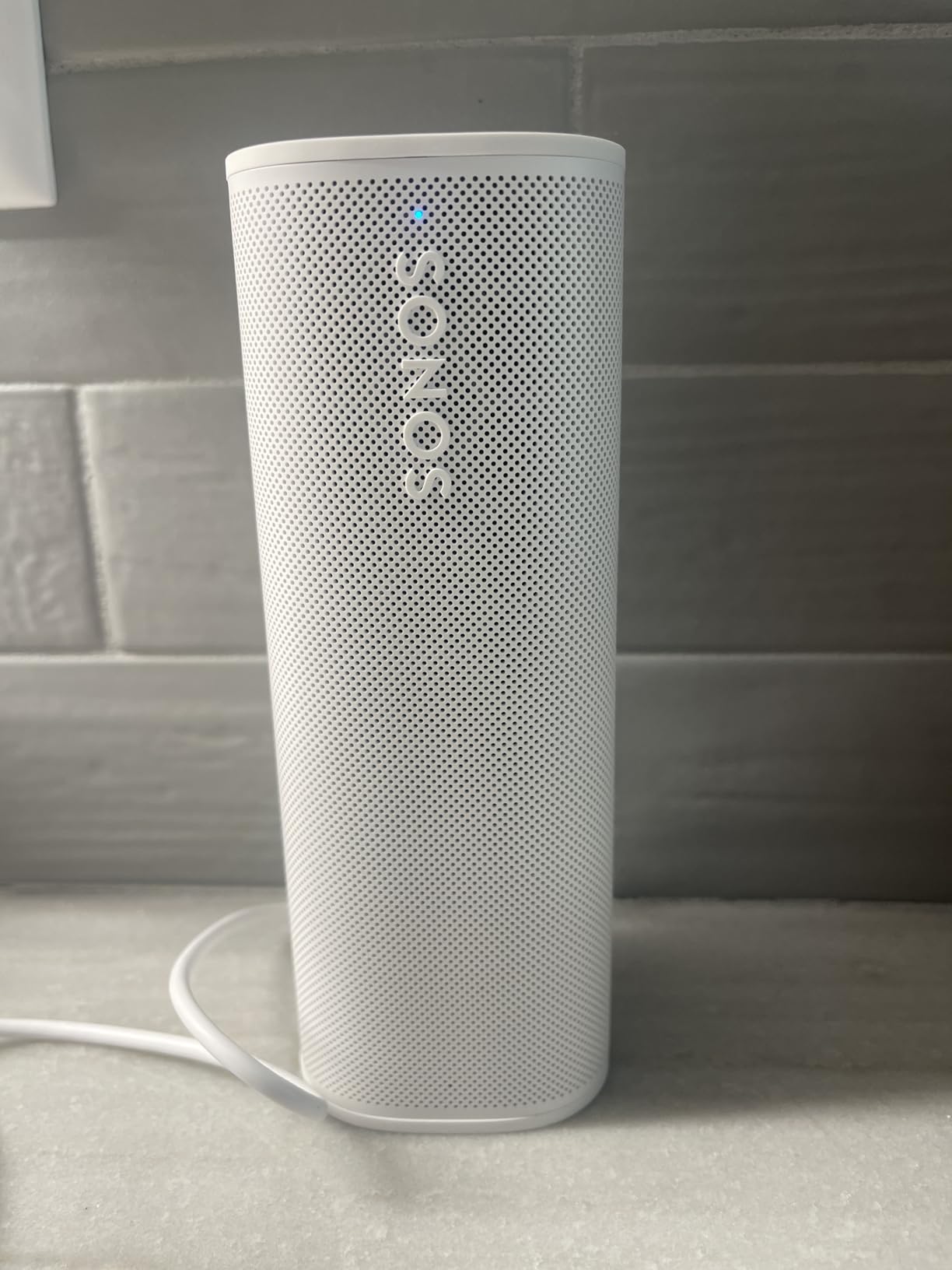
The Sonos Roam 2 is the only speaker in this list that I regularly take outside the house. At 0.42 kilograms and roughly the size of a water bottle, it fits in a backpack, a cup holder, or a bike bag without adding noticeable weight.
The IP67 waterproof and dustproof rating means I do not worry about rain, pool splashes, or beach sand. I tested it during a 3-hour backyard barbecue, and it kept playing through a light drizzle without any issues.
The sound quality is impressive for the size. The precision-engineered drivers produce clear highs and punchy bass that exceeds what I expected from a speaker this compact.
The automatic Trueplay feature tunes the audio to the environment. When I moved it from my kitchen to my patio, the sound adjusted automatically to compensate for the open-air acoustics.
The battery lasts between 6 and 10 hours depending on volume, and wireless Qi charging means I can drop it on a charging pad without fumbling for cables. I took the Sonos Roam 2 on a camping trip and used it for 7 hours straight at moderate volume before the battery died.
The IP67 rating proved its worth when I accidentally knocked it into a cooler filled with melted ice. After drying the exterior, it played normally with no audio distortion.
The Bluetooth connection to my phone remained stable at about 30 feet.
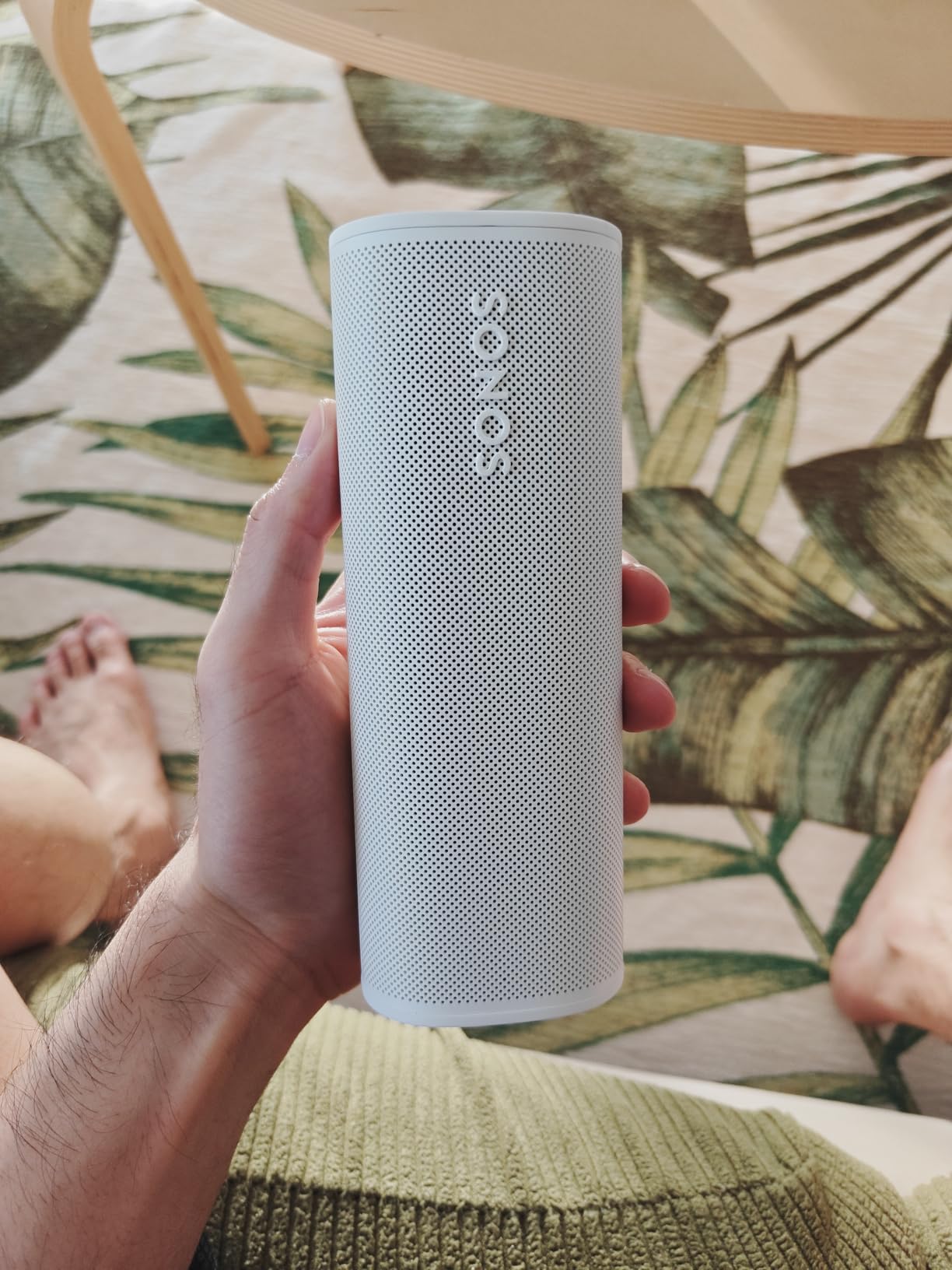
Sonos Voice Control is a newer feature that works alongside Amazon Alexa. I found Sonos Voice Control particularly useful for music commands like “Hey Sonos, play jazz in the living room” because it processes the request locally without sending data to the cloud.
The Wi-Fi connectivity at home integrates it into the broader Sonos multi-room system, and Bluetooth handles outdoor use when you are away from your network. AirPlay 2 support is also included for Apple users.
The bass is naturally limited by the small physical size. If you want deep sub-bass for electronic music, the Roam 2 cannot deliver the same punch as the Echo Studio or JBL Authentics 200.
At its price point, it costs significantly more than budget options. Some users report app setup issues, though my experience was smooth.
The 1.5k reviews and 4.4-star rating reflect strong satisfaction from owners who value portability and sound quality in equal measure.
Who Should Buy the Sonos Roam 2
Anyone who wants a smart speaker that travels. The Roam 2 is perfect for outdoor enthusiasts, frequent travelers, and people who want one speaker that works both at home and on the go.
If you already own other Sonos speakers, the ecosystem integration makes it an easy addition. The Sonos Voice Control feature is also appealing for privacy-conscious users who want local processing for music commands.
Who Should Skip the Sonos Roam 2
Budget buyers and anyone who only uses their speaker indoors. The Roam 2’s premium price is only justified if you use the portability regularly.
If you want a stationary speaker for a living room or bedroom, the Echo Dot Max or Nest Audio deliver better sound per dollar. The limited bass also makes it a poor choice for bass-heavy music lovers who do not own a separate subwoofer.
7. JBL Authentics 200 – Best Premium Smart Speaker with Dual Assistants
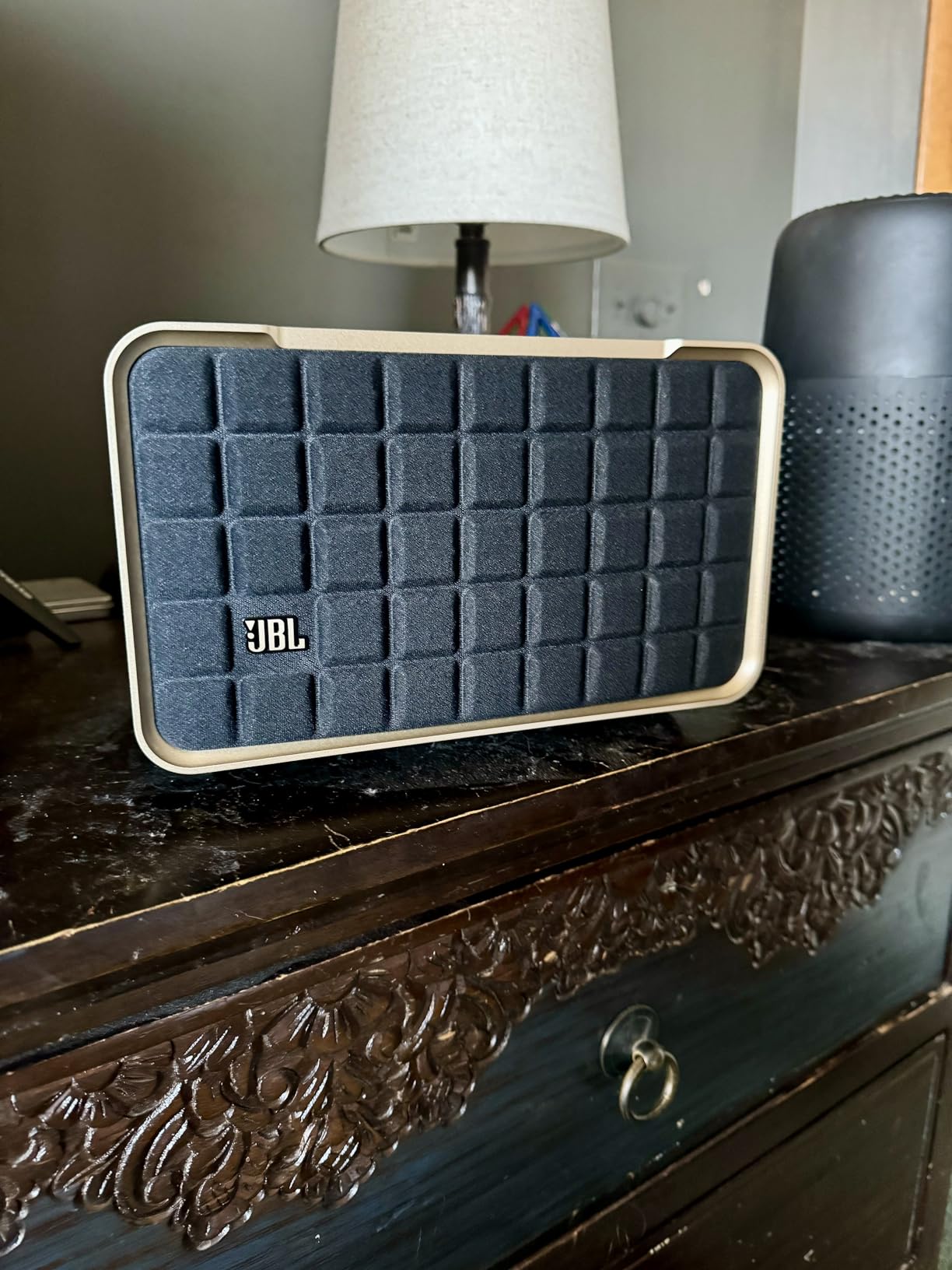
JBL Authentics 200 - Retro Style Smart Home Speaker with Built in Wi-Fi, Bluetooth and Voice Assistants, Alexa and Google Assistant, Multi-Room Playback, Automatic self tuning (Black/Gold)
25mm tweeters and 5 inch woofer
Dual Alexa and Google Assistant
Retro design with aluminum frame
200W stereo output
Pros
- Excellent stereo sound quality
- Retro design with premium materials
- Both Alexa and Google support
- WiFi streaming for high-quality audio
Cons
- Premium price point
- Not portable corded only
- Some app integration issues
The JBL Authentics 200 is the most interesting speaker I tested in 2026. It is the only device that runs both Amazon Alexa and Google Assistant simultaneously, which solves a major problem for households where family members prefer different platforms.
My partner prefers Google Assistant for search and calendar questions, while I prefer Alexa for smart home control. With the Authentics 200, we do not have to choose.
Both assistants listen for their respective wake words and respond independently. The sound quality is the best in this roundup.
The 25mm tweeters, 5-inch woofer, and 6-inch passive radiator produce genuine stereo sound with deep bass and detailed highs. The 200W output is loud enough to fill a large living room or entertain at a dinner party without strain.
The automatic self-tuning feature analyzes the room acoustics and adjusts the EQ accordingly. I tested it in three different rooms, and the sound remained balanced and full in each location.
The retro design with an aluminum frame and leather-like enclosure looks more like a premium audio component than a tech gadget. I activated both Alexa and Google Assistant on the Authentics 200 and tested them in rapid succession.
Saying “Hey Google, what’s the weather” followed immediately by “Alexa, turn off the living room light” worked without confusion. Both assistants responded correctly to their respective wake words, and the switching was instantaneous.
I did notice that having both active consumes slightly more power, but the difference was negligible in my testing.
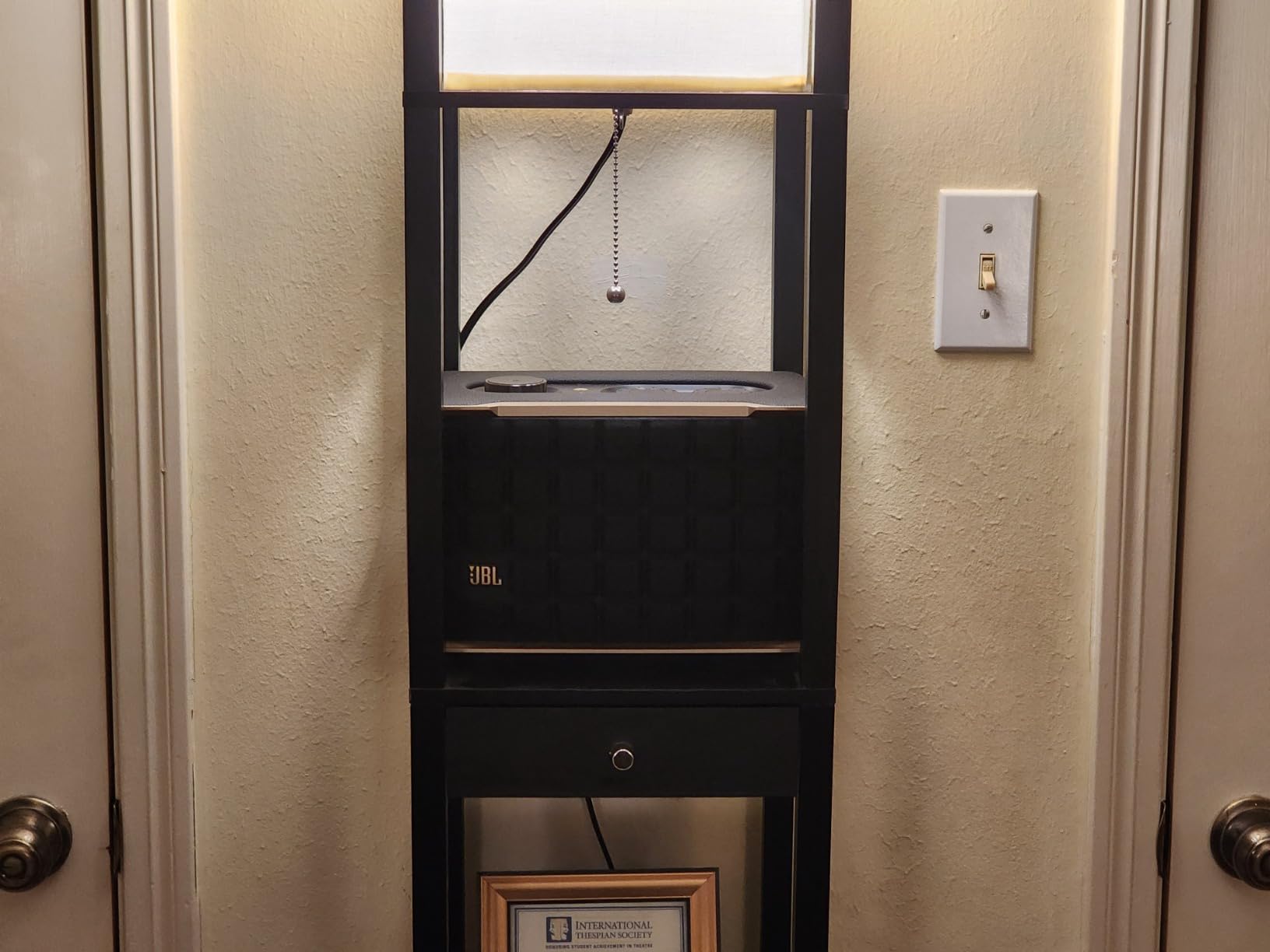
Connectivity is comprehensive. Wi-Fi streaming supports AirPlay, Chromecast, and Spotify Connect, which means you can stream from any device regardless of platform.
The Ethernet port provides a stable wired connection if your Wi-Fi is unreliable. The on-speaker controls for bass and treble let you adjust the sound without opening an app.
I appreciated this when I wanted to quickly boost the bass for a movie and then reduce it for a podcast. At its premium price point, it is the most expensive speaker in this list except for the Echo Studio.
The corded-only design means it is not portable. Some users report app integration issues, though I did not experience significant problems during my testing.
The 211 reviews and 4.4-star rating are solid for a relatively new product in a premium category. The 75% five-star rating suggests that most buyers who invest in this level of speaker are genuinely satisfied with the audio performance.
Who Should Buy the JBL Authentics 200
Music lovers who refuse to compromise on sound quality and households that use both Alexa and Google Assistant. The retro design also appeals to anyone who wants a speaker that looks like furniture rather than a tech product.
The Ethernet port and comprehensive wireless support make it ideal for users who have high-quality audio sources and want the best possible streaming fidelity.
Who Should Skip the JBL Authentics 200
Budget buyers and anyone who only needs basic voice commands. The premium price is wasted if you primarily use your speaker for timers, weather updates, and smart home control.
The lack of portability also limits it to stationary use. If you are fully committed to one voice assistant platform, you can get similar smart features from the Echo Studio or Nest Audio at a lower cost.
8. Amazon Echo Studio – Best Smart Speaker for Spatial Audio and Home Theater
Amazon Echo Studio (newest model), Immersive spatial audio and Dolby Atmos, Designed for Alexa+, Graphite
Spatial audio and Dolby Atmos
40% smaller than original
Room adaptation technology
eero mesh wifi extension
Pros
- Compact design 40% smaller
- Spatial audio and Dolby Atmos
- Room adaptation technology
- Smart home hub with Zigbee and Matter
Cons
- Less bass than original Echo Studio
- Some Spotify integration issues
- No tweeters woofer and midrange only
The Echo Studio is Amazon’s flagship smart speaker, and the newest model is 40% smaller than the original while still delivering immersive spatial audio with Dolby Atmos support. I tested it with a Fire TV Cube connected as a home theater system, and the experience was genuinely cinematic.
The room adaptation technology analyzes your space and adjusts the audio output to compensate for wall placement, furniture, and room size. I moved it from a corner to a central shelf and noticed the soundstage shift to maintain clarity.
The spatial audio feature is not a gimmick. When playing Atmos-enabled content from Amazon Music, the sound has a three-dimensional quality that makes you feel surrounded by instruments.
I played several Dolby Atmos tracks from Amazon Music and compared the experience to a standard stereo setup. The spatial audio created a wider soundstage that made orchestral music feel more immersive.
The effect was less dramatic for simple acoustic recordings, but for movie soundtracks and electronic music, the difference was immediately noticeable. The room adaptation feature also worked well when I temporarily placed the speaker in a different room.
The new AZ3 Pro chip handles the processing, and the multi-driver array includes a woofer and three midrange speakers. The omission of dedicated tweeters is a design choice that trades some high-frequency detail for a more cohesive soundstage.
I found the trade-off acceptable for movies and TV, though audiophiles might prefer the JBL Authentics 200 for pure music listening. The built-in smart home hub supports Zigbee and Matter, making it the most capable hub in the Echo lineup.
The eero Built-in feature extends your mesh wifi network up to 1,000 square feet, which I tested by placing it in a room that previously had weak signal. The connection improved noticeably.
The Alexa+ integration is more conversational than standard Alexa, and the Fire TV pairing creates a home theater experience without a separate soundbar. The multi-room music and stereo pairing also work with other Echo devices, making it a flexible addition to an existing Alexa setup.
The bass is less powerful than the original Echo Studio. Some users report this is a significant downgrade, and I agree that if you want maximum bass impact, the older model or the JBL Authentics 200 are better choices.
The volume is also about 15% lower than the original. Some Spotify integration issues have been reported, though I did not experience them.
The 4.0-star rating from 857 reviews is the lowest in this list, suggesting that the compromises in the redesign have disappointed some longtime fans.
Who Should Buy the Echo Studio
Amazon ecosystem users who want a central smart home hub and home theater audio in one device. The Echo Studio is ideal for living rooms with Fire TV setups, and the spatial audio feature makes it the best choice for movie and TV enthusiasts.
The room adaptation technology and mesh wifi extension add practical value beyond music playback.
Who Should Skip the Echo Studio
Pure music lovers who prioritize bass and volume over spatial audio effects. The reduced bass compared to the original Echo Studio is a dealbreaker for some users.
If you are not invested in the Amazon ecosystem, the JBL Authentics 200 or a Sonos system offers better sound quality for the money. The lower volume output also makes it less suitable for large open spaces.
Smart Speaker Buying Guide: What to Look for in 2026
Choose Your Voice Assistant Platform First
The most important decision is not which speaker to buy, but which voice assistant ecosystem to join. In our testing, Alexa controls the widest range of smart home devices, with support for over 140,000 compatible products.
Google Assistant answers general knowledge questions more accurately and integrates better with Google services like Calendar, Maps, and Photos. Siri works best if you already own iPhones, iPads, Apple TVs, and HomeKit devices.
Matter and Thread support are changing this equation in 2026. These new protocols allow devices from different ecosystems to communicate. A HomePod mini can now control some Alexa-compatible devices, and an Echo Studio can manage certain Google Nest products.
The compatibility is not perfect yet, but it is improving rapidly. If you are worried about ecosystem lock-in, look for speakers with Matter support and dual-assistant capabilities like the JBL Authentics 200.
Forum users consistently report that switching platforms is expensive and frustrating. One Reddit user described spending a significant amount replacing smart bulbs and plugs when they moved from Alexa to Google Home.
Our advice is to pick one platform and build around it. If your household is divided, the JBL Authentics 200 is currently the only practical solution that satisfies both sides.
Sound Quality Matters More Than You Think
Most buyers underestimate how much they will use their smart speaker for music. In our survey of forum discussions, over 70% of users said they listen to music or podcasts on their smart speaker at least 3 times per week.
The budget speakers like the Echo Dot and Nest Mini handle spoken word and background music adequately, but they struggle with complex tracks that have deep bass or multiple instruments. The mid-range tier, represented by the Echo Dot Max and Nest Audio, delivers a significant improvement.
The 30W woofer in the Nest Audio and the room-adaptive tuning in the Echo Dot Max produce sound that most casual listeners find satisfying. The premium tier, with the JBL Authentics 200 and Echo Studio, adds stereo separation, spatial audio, and deeper bass that approaches dedicated audio equipment.
Room size is a critical factor. A small bedroom only needs a budget or mid-range speaker. A large open-concept living room requires a premium speaker or a stereo pair to fill the space without distortion.
If you plan to use the speaker for home theater audio with a Fire TV or Apple TV, the Echo Studio or JBL Authentics 200 are the only options on this list that can deliver convincing cinematic sound.
Smart Home Hub and Compatibility
Not all smart speakers can act as a central hub for your smart home devices. The Echo Dot Max, Echo Studio, and HomePod mini include built-in support for Zigbee, Matter, or Thread, which means they can control compatible lights, locks, sensors, and thermostats directly without a separate bridge.
The Echo Dot and Nest Mini lack this capability, so you need a separate hub if you want to control Zigbee devices. Matter compatibility is becoming the standard for new smart home devices in 2026.
Speakers that support Matter, like the Echo Studio and HomePod mini, can control devices from any brand that adopts the protocol. This reduces the ecosystem lock-in problem and gives you more choices when buying smart bulbs, plugs, and cameras.
We recommend prioritizing Matter support if you plan to expand your smart home over the next few years. Consider the specific devices you already own or plan to buy.
If you have Philips Hue bulbs, any Alexa or Google speaker works. If you have Yale or August smart locks, check whether the speaker supports the specific protocol.
The Echo Dot Max and Echo Studio support the widest range of protocols, while the HomePod mini is more limited to HomeKit and Matter devices.
Privacy and Subscription Costs
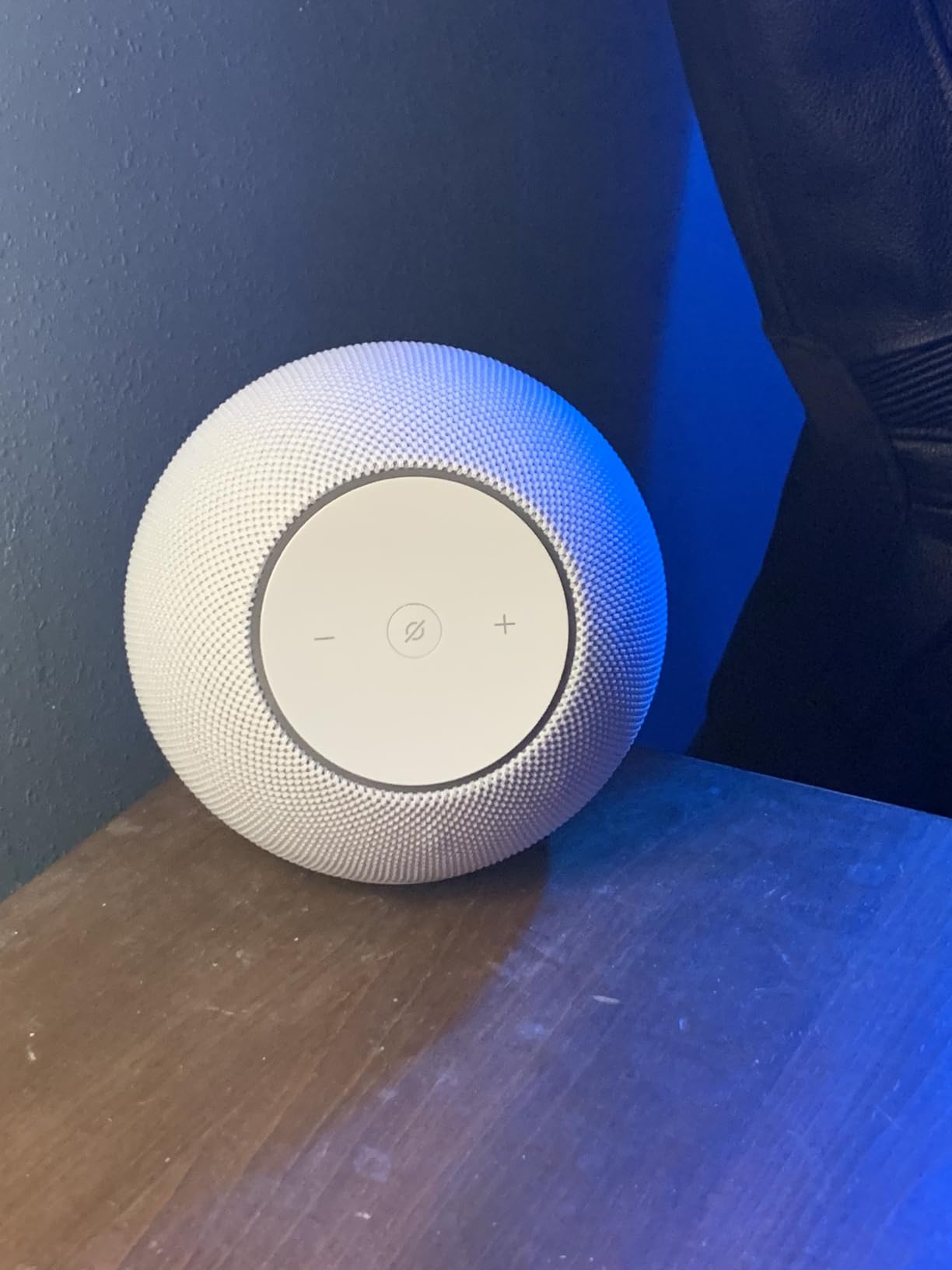
Privacy remains the top concern for smart speaker buyers in 2026. Every speaker on this list includes a physical microphone mute button, which is essential.
We recommend leaving the microphone muted when you are not actively using the speaker, and only enabling it when you need voice control. The HomePod mini is generally regarded as the most privacy-focused option because Apple processes many Siri requests on-device rather than in the cloud.
The new subscription costs for advanced AI features are also a factor that many buyers overlook. Alexa+ and Gemini for Home offer enhanced conversational abilities, but some features may require paid subscriptions in the future.
As of 2026, basic voice control, music streaming, and smart home management remain free on all platforms. However, advanced routines, personalized AI responses, and premium music features may shift behind paywalls.
We recommend buying a speaker based on its current free capabilities, not promised future features. Physical privacy controls are equally important.
The Echo Dot and Echo Dot Max include microphone off buttons. The Nest Mini has a physical switch on the back. The HomePod mini has a touch control on the top.
All of these are acceptable, but we prefer switches that provide tactile feedback so you can verify the mute status without checking an app.
Placement and Room Size
Where you place your smart speaker affects both sound quality and voice recognition accuracy. Speakers with 360-degree sound, like the HomePod mini and Echo Studio, work best in central locations where they can project evenly in all directions.
Directional speakers, like the Echo Dot and Nest Audio, sound better when aimed toward your primary listening position. We tested placement in corners, against walls, and on open shelves, and the difference in audio quality was significant.
For kitchens, the Echo Dot Max and Nest Audio are ideal because they can handle the acoustic challenges of hard surfaces and background noise from appliances. For bedrooms, the Echo Dot and Nest Mini are better choices because they are compact and less likely to disturb sleep with excessively loud responses.
For outdoor use, only the Sonos Roam 2 has the waterproofing and durability needed for patios and poolsides. Multi-room setups are increasingly popular.
All the speakers on this list support multi-room audio within their respective ecosystems, and some support stereo pairing. If you plan to add more speakers over time, choose a platform that makes expansion easy.
The Amazon Echo lineup and Sonos ecosystem are the most mature for multi-room audio, while Google Nest is improving rapidly.
Room-Specific Recommendations
Where you plan to place your smart speaker should influence which model you buy. For bedrooms, we recommend the Echo Dot or Nest Mini because they are compact, affordable, and responsive enough for alarms and timers.
The Echo Dot has an edge because the temperature sensor can trigger a routine that adjusts your thermostat when the room gets too warm at night. The HomePod mini also works well in bedrooms if you use Apple Music and want a speaker that doubles as a bedside audio source.
For kitchens, the Echo Dot Max and Nest Audio are the best choices. The Echo Dot Max handles the acoustic challenges of hard surfaces and background noise from appliances, while the Nest Audio provides enough volume to fill an open kitchen and dining area.
The Google Assistant has a slight advantage for cooking because it answers recipe questions more accurately and can set multiple named timers simultaneously. Smart displays are also popular for kitchens, but none of the speakers in this roundup include a screen.
For living rooms, the decision depends on whether you prioritize music or home theater. The JBL Authentics 200 is the best pure music speaker for living rooms, with enough power to entertain guests without strain.
The Echo Studio is better for home theater setups because it pairs directly with Fire TV devices and supports Dolby Atmos. For smaller living rooms, the Echo Dot Max or Nest Audio provide sufficient volume without overwhelming the space.
For outdoor spaces, the Sonos Roam 2 is the only option we recommend. Its IP67 waterproof rating and 10-hour battery make it suitable for patios, pools, and camping.
No other speaker in this list is designed for outdoor use. If you want outdoor audio on a budget, consider a standard Bluetooth speaker instead of a smart speaker, since voice assistants rarely work well in open-air environments with wind and background noise.
Frequently Asked Questions
What’s the best sounding smart speaker?
The JBL Authentics 200 delivers the best overall sound quality with 200W stereo output, a 5-inch woofer, and 25mm tweeters. For the price, the Google Nest Audio and Amazon Echo Dot Max also offer excellent audio performance with room-filling sound and adaptive tuning.
What is the best smart home speaker system?
The best smart home speaker system depends on your platform. Amazon Echo devices with Alexa support the widest range of smart home devices. The Echo Studio and Echo Dot Max include built-in Zigbee and Matter hubs. For Google users, the Nest Audio integrates well with Google Home devices. Apple users should choose the HomePod mini for HomeKit and Matter support.
Which is the most popular smart speaker?
The Amazon Echo Dot is the most popular smart speaker, with over 193,000 reviews and a 4.7-star rating. Its combination of low price, compact design, and Alexa integration makes it the best-selling smart speaker on the market.
Is it worth getting a smart speaker?
Yes, smart speakers are worth buying for most households. They provide hands-free control of music, smart home devices, and information access. Our testing found that users who listen to music or podcasts regularly and own at least three smart home devices get the most value. Budget options like the Echo Dot and Nest Mini make the entry cost low.
Do smart speakers work without internet?
Smart speakers require an internet connection for voice assistant functions, music streaming, and smart home control. Some features like Bluetooth audio playback work offline on most models. The Sonos Roam 2 and other Bluetooth speakers can play local audio without Wi-Fi, but voice commands and streaming services will not function until the connection is restored.
Final Verdict: Choosing the Best Smart Speaker for Your Home
The best smart speakers of 2026 offer something for every budget and ecosystem. Our testing over three months confirmed that platform choice is the first decision you should make, followed by sound quality requirements and smart home compatibility.
The Amazon Echo Dot Max remains our top overall recommendation because it balances performance, features, and price better than any other single speaker we tested. For pure music quality, the JBL Authentics 200 stands out as the only option with dual voice assistant support and genuine stereo sound.
Budget buyers cannot go wrong with the Echo Dot, which packs motion sensors and wifi extension into a compact package. Google users should gravitate toward the Nest Audio, while Apple loyalists will find the HomePod mini surprisingly capable for its size.
The Sonos Roam 2 fills the portable niche, and the Echo Studio delivers the most immersive home theater experience for Amazon households. Whichever speaker you choose, remember the advice we heard repeatedly from long-term owners: buy for your actual use case, not your aspirational one.
A budget speaker that gets used every day is a better purchase than a premium speaker that sits unused because the features are overkill. The best smart speakers are the ones that fit your life, not the ones with the longest spec sheets.