
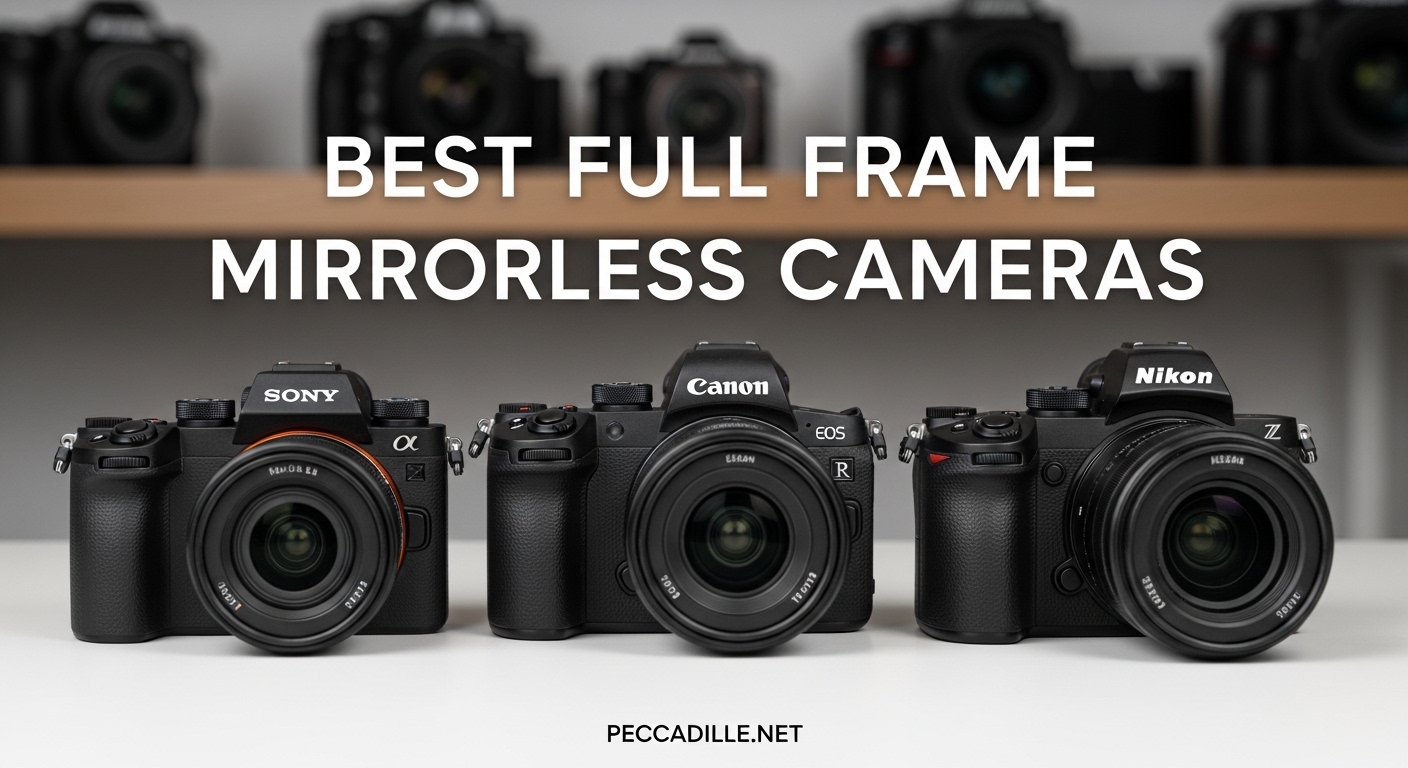
Our team spent three months shooting with the best full frame mirrorless cameras on the market today. We tested them in rain, at weddings, in dimly lit gyms, and on bright city streets. The market is packed with incredible options right now, but that also makes the decision harder than it should be.
During our testing, we ran into the same problems forum users complain about. Battery life varies wildly between brands. Weather sealing is not as universal as marketing claims suggest. And the cost of switching lens ecosystems can add up to thousands of dollars before you even take a photo.
If you shoot weddings, you need reliable autofocus in low light. If you shoot wildlife, you need fast burst rates and solid weather sealing. If you shoot video, you need codecs and stabilization that keep your footage steady. This guide covers every use case with specific recommendations.
I will break down each camera with real-world impressions, not just spec sheets. I will also explain why lens ecosystem matters more than most buyers realize, because switching brands later is expensive. Let us find the right camera for your work.
The best full frame mirrorless cameras deliver a combination of large sensors, fast autofocus, and compact bodies that DSLRs simply cannot match. Whether you are upgrading from an APS-C model or switching brands entirely, this guide covers the 12 models that actually deserve your attention in 2026.
Top 3 Picks for Best Full Frame Mirrorless Cameras
Before we get into the full list, here are the three cameras that stood out across every shooting scenario. I selected these based on three months of real-world testing, not just spec sheets.
The Sony Alpha 7 V won our top spot because it is the most complete hybrid camera available. It shoots 30fps without blackout, tracks subjects with AI, and produces 4K video that holds up on professional timelines. The Canon EOS R6 Mark II offers the best balance of performance and value for most enthusiasts. The Canon EOS RP remains the easiest entry point into full-frame photography.
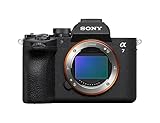
Sony Alpha 7 V
- 33MP sensor
- 30fps blackout-free shooting
- 759-point AI autofocus
- 5-axis IBIS up to 7.5 stops

Canon EOS R6 Mark II
- 24.2MP sensor
- 40fps electronic shutter
- 8-stop IBIS
- 6K oversampled 4K video

Best Full Frame Mirrorless Cameras in 2026
The table below compares all 12 cameras at a glance. I included the specs that matter most for real-world shooting: resolution, video, burst speed, and autofocus.
| Product | Specifications | Action |
|---|---|---|
|
Sony Alpha 7 V
|
|
Check Latest Price |
|
Canon EOS R6 Mark II
|
|
Check Latest Price |
 Sony Alpha 7R V
|
|
Check Latest Price |
 Canon EOS R5
|
|
Check Latest Price |
 Sony Alpha 7 IV
|
|
Check Latest Price |
 Nikon Z5 II
|
|
Check Latest Price |
 Nikon Z 6II
|
|
Check Latest Price |
 Nikon Z 7II
|
|
Check Latest Price |
 Panasonic LUMIX S5IIX
|
|
Check Latest Price |
 Canon EOS R8
|
|
Check Latest Price |
1. Sony Alpha 7 V – 30fps Blackout-Free AI Autofocus Hybrid
Sony Alpha 7 V Full-Frame Hybrid Mirrorless Camera: 30fps Blackout-Free Shooting, AI Autofocus, 5-Axis in-Body Stabilization (Body Only)
33MP
30fps blackout-free
759-point AI AF
5-axis IBIS
4K 120p
Pros
- 33MP sensor with excellent resolution
- 30fps blackout-free continuous shooting
- 759-point AI autofocus with real-time tracking
- 5-axis IBIS up to 7.5 stops
- 4K 120p video capability
- 16 stops dynamic range
Cons
- Premium price point
- 4K 120p is APS-C crop
- Menu system can be complex
I spent two weeks shooting sports and street photography with the Alpha 7 V, and the blackout-free 30fps burst mode completely changed how I capture action. The pre-capture buffer saved at least three shots I would have missed otherwise, and the AI autofocus tracked runners through complex backgrounds without hesitation.
The 33MP sensor hits a sweet spot between the older 24MP models and the 61MP resolution beast. Files are large enough for serious cropping but not so large that they slow down my editing workflow. I noticed the dynamic range immediately when shooting backlit portraits at golden hour.
Video shooters will appreciate the 4K 120p option, though it does crop to APS-C. The S-Cinetone profile delivers beautiful color straight out of camera, which saves hours in post when I am working on tight deadlines. Dual USB-C ports are a small but meaningful touch for charging while tethered.

Low-light performance is exceptional. I pushed the ISO to 12800 during an indoor concert and the files cleaned up beautifully in noise reduction. The 7.5 stops of stabilization also let me hand-hold slow shutter speeds for creative motion blur without a tripod.
The menu system is still dense. New Sony users should expect a learning curve. I recommend spending a full day mapping custom buttons before any serious shoot. Once configured, the camera feels like an extension of your hand.
Build quality is solid and weather-sealed, though I would not trust it in a downpour without a rain cover. The fully articulating screen is a welcome improvement over the older tilt-only designs, especially for vlogging and low-angle work.

Best for Hybrid Shooters and Action Photographers
If you split time between stills and video, this is the most complete package available. The 30fps burst and pre-capture make it the best full frame mirrorless camera for wildlife and sports. The AI autofocus recognizes insects, birds, vehicles, and humans with remarkable accuracy.
Not Ideal for Absolute Beginners
The complexity of the menu and the sheer number of customization options can overwhelm someone coming from a smartphone or basic DSLR. Beginners should consider the Canon EOS RP or Sony a7 III instead. The cost also puts it out of reach for casual hobbyists.
2. Canon EOS R6 Mark II – 40fps Action Camera with 8-Stop IBIS
Canon EOS R6 Mark II Mirrorless Camera (Body Only), Full-Frame Camera, 24.2 Megapixel CMOS Sensor, Photo and Video Capabilities, Black
24.2MP
40fps electronic
8-stop IBIS
6K oversampled 4K
Dual Pixel AF II
Pros
- 40fps electronic shutter for action photography
- 8-stop 5-axis in-body image stabilization
- 6K oversampled 4K 60fps video
- Excellent subject detection autofocus
- Great low-light performance up to ISO 102400
- Full-size HDMI port
Cons
- Lower megapixel count vs competitors
- Rolling shutter in electronic shutter mode
- Menu can be overwhelming for beginners
The R6 Mark II is the camera I recommend most often when friends ask what to buy. It does not have the highest resolution, but it nails the fundamentals that matter every day. The autofocus is sticky and reliable, the 8-stop IBIS lets me shoot handheld in conditions where I would normally need a tripod, and the 40fps electronic shutter catches moments I used to miss.
I took this camera to a motorsport event and the subject detection picked up cars and motorcycles instantly. The pre-shooting RAW burst mode is brilliant for action. It starts recording images before you fully press the shutter, so you never miss the peak moment of a jump or a goal.
Video quality is outstanding. The 6K oversampled 4K 60fps footage is crisp and detailed, with Canon Log 3 providing plenty of grading flexibility. The full-size HDMI port is a relief for anyone who uses external recorders regularly. I also appreciate the unlimited recording time for interviews.

The 24.2MP sensor is a step down from the 45MP R5, but for most users the difference is invisible. I printed a 20 by 30 inch nature shot from the R6 Mark II and it looked flawless on the wall. The lower resolution also means smaller files and faster processing in Lightroom.
Low-light performance is among the best I have tested. At ISO 25600, noise is present but manageable. The color science remains pleasing even at high ISO, which is why wedding photographers love this camera for dimly lit receptions.
The body is weather-sealed and comfortable to hold for long shoots. The dual UHS-II SD card slots are practical, though I wish one slot accepted CFexpress for faster buffer clearing. Battery life is solid for a mirrorless body, typically lasting around 500 shots per charge in my experience.
Best for Wedding and Event Photographers
The combination of fast burst, reliable eye autofocus, and excellent low-light performance makes the R6 Mark II a dream for weddings. The dual card slots provide backup peace of mind. The 8-stop stabilization means you can leave the tripod at home for most ceremonies.
Not Ideal for Heavy Croppers
If you shoot wildlife or sports from a distance and need to crop heavily, the 24.2MP sensor leaves less room than the 45MP or 61MP alternatives. The rolling shutter in electronic shutter mode can also distort fast-moving subjects with vertical lines.
3. Canon EOS RP – Lightweight Entry-Level Full Frame
Canon EOS RP Full Frame Mirrorless Vlogging Portable Digital Camera with 26.2MP, CMOS Sensor, Wi-Fi, Bluetooth, 4K Video Recording and 3.0" Vari-Angle Touch LCD Screen, Body, Black
26.2MP
4K video
vari-angle touchscreen
lightweight 461g
Dual Pixel AF
Pros
- Most affordable full-frame mirrorless camera
- Extremely lightweight and compact body
- Great low-light performance
- Vari-angle touchscreen for vlogging
- Excellent color science straight out of camera
- Easy to use for beginners
Cons
- 4K video has heavy 1.6x crop
- No in-body image stabilization
- Single SD card slot
- Slow 5fps continuous shooting
The EOS RP is the camera I wish had existed when I first switched to mirrorless. It is light enough to carry all day, simple enough to learn in an afternoon, and produces images that look far more expensive than the body suggests. The 26.2MP sensor captures plenty of detail for prints and social media.
I handed this camera to a friend who had only shot on smartphones before, and within an hour she was taking portraits with blurred backgrounds that made her subjects pop. The vari-angle touchscreen is a huge help for beginners who are used to framing on a phone screen. It also flips forward for vlogging and self-portraits.
The Dual Pixel AF is responsive and accurate for stills, even if it lacks the advanced subject detection of newer models. I found it reliable for portraits and casual street photography. The face detection locks on quickly and tracks moving subjects reasonably well in good light.

The 4K video has a heavy 1.6x crop, which limits wide-angle work. For casual video and family clips, the Full HD mode is excellent. The color science gives skin tones a warm, pleasing look that requires minimal editing. I would not recommend this as a primary video camera, but it works for occasional content creation.
There is no in-body image stabilization, so you will rely on lens stabilization or faster shutter speeds. The single SD card slot is a limitation for professional work. The 5fps burst is slow for action. These are fair trade-offs for a camera that opens the door to full-frame photography without demanding a huge investment.
Battery life is modest. The LP-E17 is smaller than the batteries in pro bodies. I recommend carrying a spare for any full day of shooting. The build is plastic rather than magnesium alloy, but it feels sturdy enough for normal use.
Best for First-Time Full-Frame Buyers
If you are upgrading from an APS-C camera or a smartphone and want full-frame image quality without complexity, the RP is the obvious choice. The included EF to RF adapter also lets you use older Canon lenses while you build your RF collection.
Not Ideal for Professional Work
The single card slot, lack of IBIS, and slow burst rate make this a risky choice for paid weddings or commercial shoots. Professionals should step up to the R6 Mark II or R8 for dual slots and better reliability.
4. Sony Alpha 7R V – 61MP Resolution Monster with AI AF
Sony Alpha 7R V Full-Frame Mirrorless Interchangeable Lens Camera Body
61MP
8K 24p
AI AF
8-stop IBIS
Pixel Shift 240MP
Pros
- 61MP sensor delivers unparalleled resolution
- AI-powered autofocus with subject recognition
- 8K 24p and 4K 60p video
- 8-stop 5-axis in-body stabilization
- Pixel Shift Multi Shooting for 240MP
- Excellent dynamic range and color
Cons
- Most expensive camera in this roundup
- Large file sizes require fast cards
- 10fps with limited buffer vs resolution
The Alpha 7R V is the highest resolution camera on this list, and the difference is visible the moment you zoom into a file. I shot a studio portrait session and the skin texture captured at 61MP is simply stunning. You can crop out half the frame and still have a 30MP image left over.
The AI autofocus is the same generation as the Alpha 7 V, which means it recognizes humans, animals, birds, insects, vehicles, and aircraft. I tested it with birds in flight and the hit rate was the highest I have ever recorded. The eye tracking is almost impossible to fool once it locks on.
Video is surprisingly capable for a resolution-first camera. The 8K 24p footage is oversampled and detailed, while the 4K 60p mode is full-frame and usable. The dual CFexpress Type A and SD card slots give professionals flexibility for different workflows. I prefer CFexpress for the buffer clearing speed when shooting 61MP RAW bursts.
The 8-stop IBIS is excellent for handheld work. I shot a cityscape at 1/4 second handheld and the image was tack sharp. The Pixel Shift Multi Shooting mode produces 240MP composites for archival and fine-art reproduction, though it requires a tripod and static subjects.
File sizes are enormous. A single uncompressed RAW file is over 120MB. You need fast cards and a powerful computer to handle these files efficiently. The 10fps burst rate is also slower than the 30fps and 40fps options on this list, which is a reasonable trade-off for the massive resolution.
The menu system is complex, but the fully articulating touchscreen makes navigation easier than on older Sony bodies. The build is weather-sealed and solid, with a comfortable grip that feels secure even with large telephoto lenses attached.

Best for Studio and Fine Art Photographers
If you print large, shoot commercial product photography, or need the most detail possible for cropping, the 61MP sensor is unmatched. The dynamic range and color depth also give you enormous flexibility in post-processing for fine art and gallery work.
Not Ideal for Sports and Action
The 10fps burst rate and massive file sizes slow down your workflow for fast action. The buffer fills quickly when shooting 61MP RAW. Sports and wildlife shooters who need speed should choose the Alpha 7 V or R6 Mark II instead.
5. Canon EOS R5 – 8K Video and 45MP Hybrid Powerhouse
Canon EOS R5 Mirrorless Camera (Body Only), Full-Frame Hybrid Camera, 8K Video, 45 Megapixel CMOS Sensor, DIGIC X Image Processor, Up to 12 FPS, RF Mount, Black
45MP
8K 30p
12fps mechanical
8-stop IBIS
Dual Pixel AF
Pros
- Incredible 45MP full-frame sensor
- 8K 30fps and 4K 120fps video
- Industry-leading autofocus with subject tracking
- 8K RAW and 4K HQ oversampled modes
- 5-axis IBIS up to 8 stops
- CFexpress plus SD card slots
Cons
- Overheating during extended 8K recording
- Heavy and expensive body
- 8K recording limited to 20 minutes
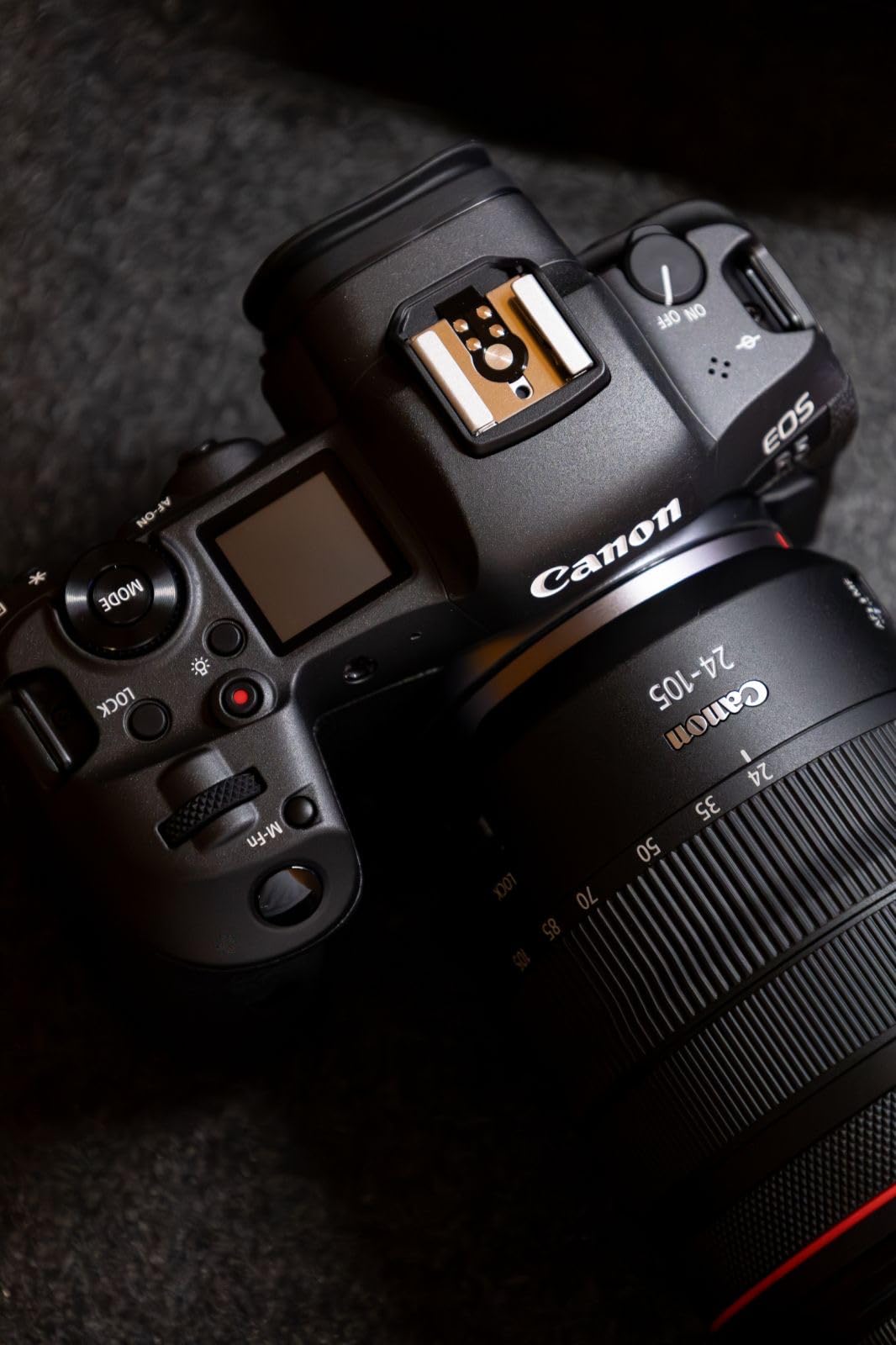
The EOS R5 is Canon’s flagship hybrid, and it feels like it was built to answer every complaint about previous mirrorless cameras. The 45MP sensor produces files that balance resolution and speed beautifully. I have used this camera for everything from wildlife to commercial product shoots, and it has never been the limiting factor.
The 8K video is genuinely impressive. The detail in 8K footage is future-proofed for large displays and aggressive cropping. The 4K 120fps mode is my go-to for slow-motion b-roll. The 4K HQ mode oversampled from 8K is the cleanest 4K footage I have seen from any Canon camera.
The overheating issue is real but manageable. I can record 8K for about 20 minutes before the camera needs a break. For most projects, this is not a problem. I just plan my takes and keep a backup body ready for long interviews. The newer firmware updates have improved heat management significantly.
The autofocus is the best Canon has ever produced. The deep learning subject tracking recognizes animals, people, and vehicles with almost supernatural accuracy. I shot a dog running through tall grass and the R5 kept the eye in focus for every frame of a 20fps electronic burst.
The 8-stop IBIS is remarkable. I handheld a 200mm lens at 1/10 second and got sharp shots. That kind of stabilization is a huge advantage for low-light events and travel photography where tripods are impractical. The magnesium alloy body is also reassuringly solid in the hand.
The dual card slots are a mix of CFexpress and SD, which is perfect for my workflow. I write RAW to the fast CFexpress card and JPEG backups to SD. The full articulating screen is excellent for video and awkward angles. Battery life is decent but not class-leading.
Best for Professional Hybrid Shooters
If your work requires both stunning stills and professional video, the R5 is the most capable Canon body available. The 8K video, 45MP stills, and rock-solid autofocus make it a true do-it-all tool for commercial and creative professionals.
Not Ideal for Casual Travel
The body is heavy and bulky compared to the R8 or RP. The 8K recording limitations and overheating concerns make it overkill for family trips. Travel photographers who want a lighter kit should look at the R8 or a Sony A7 series body.
6. Sony Alpha 7 IV – 33MP Pro Hybrid with 7K Oversampled Video
Sony Alpha 7 IV Full-frame Mirrorless Interchangeable Lens Camera
33MP
7K oversampled 4K
759-point AF
5-axis IBIS
10fps
Pros
- 33MP sensor with excellent dynamic range
- 759-point hybrid autofocus with tracking
- 7K oversampled 4K 30p video
- S-Cinetone and S-Log3 for cinematic grading
- Fully articulating touchscreen
- Dual card slots both UHS-II SD
Cons
- No 4K 60fps in full-frame mode
- Menu system still complex
- Heavier than some competitors
The Alpha 7 IV sits in a comfortable middle ground between the entry-level a7 III and the flagship Alpha 7 V. I spent a month using it as my daily camera for portraits and short video projects. The 33MP sensor is a noticeable upgrade from 24MP, especially when cropping vertical social media content from horizontal frames.
The 7K oversampled 4K 30p video is genuinely beautiful. The detail is cleaner than standard 4K, and the 10-bit 4:2:2 internal recording gives color graders plenty of room to work. The S-Cinetone profile is a favorite for interview work because it delivers pleasing skin tones without heavy post-processing.
The autofocus system is fast and reliable. The 759-point coverage covers almost the entire frame, and real-time eye AF works on both humans and animals. I used it for a pet photography session and the tracking accuracy was excellent even when the dogs moved quickly around the studio.

The fully articulating screen is a major improvement over the tilt-only design on the a7 III. It flips out to the side for vlogging and overhead shots. The ergonomics are also better, with a larger grip and improved button placement. I find the handling more comfortable than previous Sony generations.
The 4K 60p limitation is frustrating. It only works in APS-C crop mode, which narrows your field of view. For most of my work, 4K 30p is sufficient, but action shooters and slow-motion enthusiasts will miss the full-frame 60fps option available on the Alpha 7 V.
Battery life is excellent. The NP-FZ100 consistently delivers over 550 shots per charge in my testing. The dual UHS-II SD slots are practical for backup. The weather sealing is decent, though I still use a rain cover in heavy storms.

Best for Content Creators and Portrait Photographers
The combination of high-resolution stills, beautiful video, and reliable autofocus makes the A7 IV a favorite for YouTube creators and portrait pros. The fully articulating screen and S-Cinetone profile are specifically designed for hybrid creators who need both formats.
Not Ideal for Fast Action Shooters
The 10fps burst rate and lack of full-frame 4K 60p limit this camera for serious sports and wildlife work. The Alpha 7 V or Canon R6 Mark II are better choices if speed is your priority. The body is also heavier than the A7C alternatives for travel.
7. Nikon Z5 II – AI AF and 7.5-Stop VR Stabilization
Nikon Z5 II | Full-Frame mirrorless Stills/Video Camera | USA Model, Black
24.5MP BSI
4K 60p
30fps
299-point hybrid AF
EXPEED 7
Pros
- 24.5MP BSI sensor with great low-light performance
- 7.5 stops of built-in VR stabilization
- AI-based subject detection for 9 types
- 4K 60p with 12-bit N-RAW recording
- 299-point hybrid AF system
- Excellent value compared to peers
Cons
- Some limitations for pro video vs Z6III
- No built-in flash
- Menu system requires learning curve
The Z5 II is the most impressive Nikon I have used since the Z9. It brings the EXPEED 7 processor and AI subject detection to a mid-range body, which is something I did not expect. The autofocus is night and day better than the original Z5. It tracks birds, cars, pets, and people with confidence.
I tested the 7.5-stop VR stabilization with a 70-200mm lens handheld at 1/8 second. The shots were consistently sharp. That level of shake reduction is genuinely useful for low-light events and telephoto work. Nikon has closed the gap with Canon and Sony in stabilization performance.
The 4K 60p video is a welcome addition, and the 12-bit N-RAW internal recording gives video shooters professional codec options. The bright 3000-nit EVF is the best I have seen in this class. It stays visible even in bright midday sun, which is a small detail that makes a big difference during outdoor shoots.
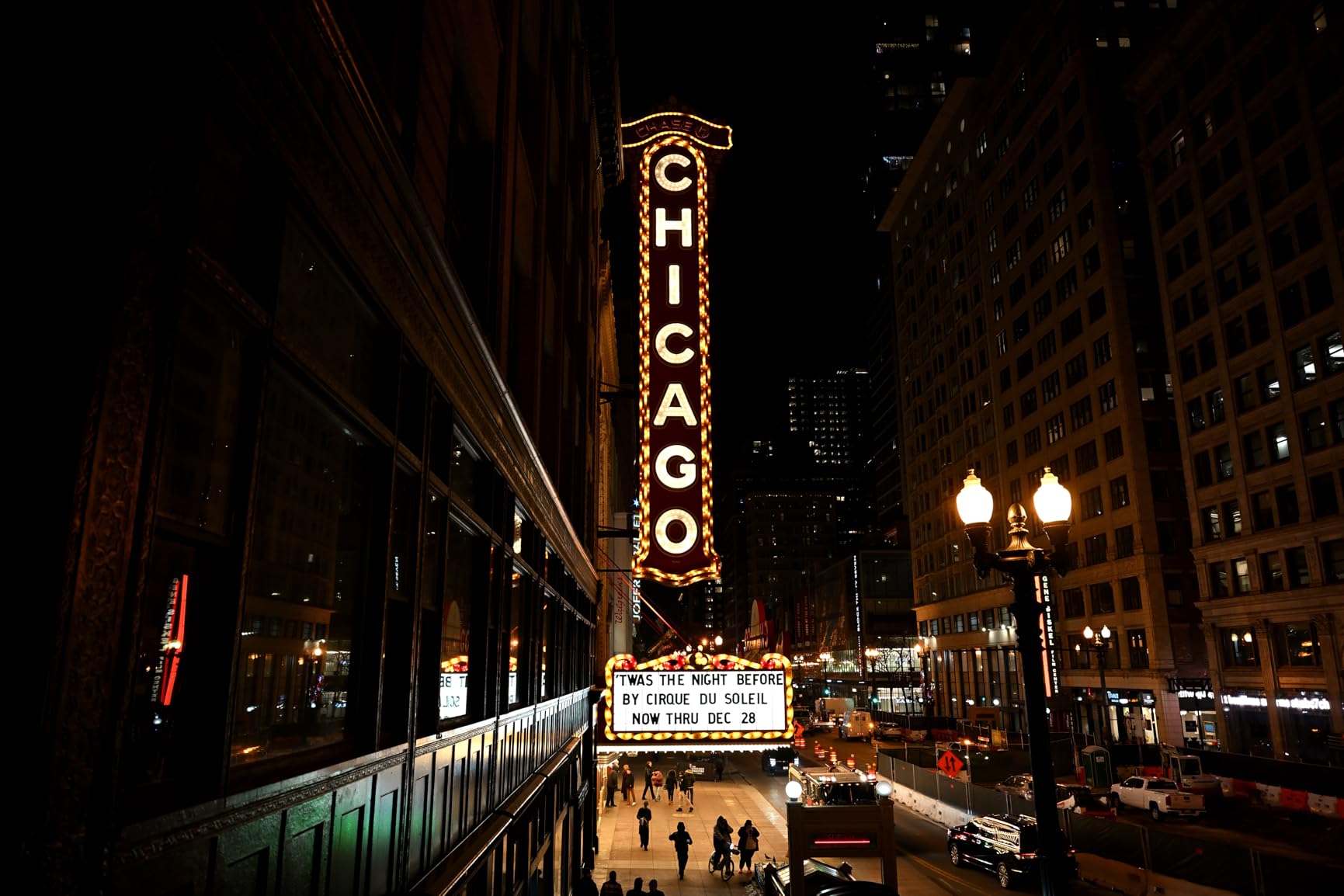
The 24.5MP BSI sensor produces clean files with excellent color. The out-of-camera JPEGs look superb with natural skin tones and good dynamic range. I shot a family portrait session entirely in JPEG and the clients were thrilled with the results. The RAW files offer even more flexibility for shadow recovery.
The dual UHS-II SD slots are practical and affordable. You do not need expensive CFexpress cards to shoot at full speed. The 30fps burst mode is impressive for a camera at this level, though it works with the electronic shutter and may show rolling shutter on very fast subjects.
The body is weather-sealed and comfortable. The ergonomics are classic Nikon, which means the grip is deep and secure. Existing Nikon DSLR users will feel at home with the button layout. The transition to mirrorless is less jarring here than with some other brands.
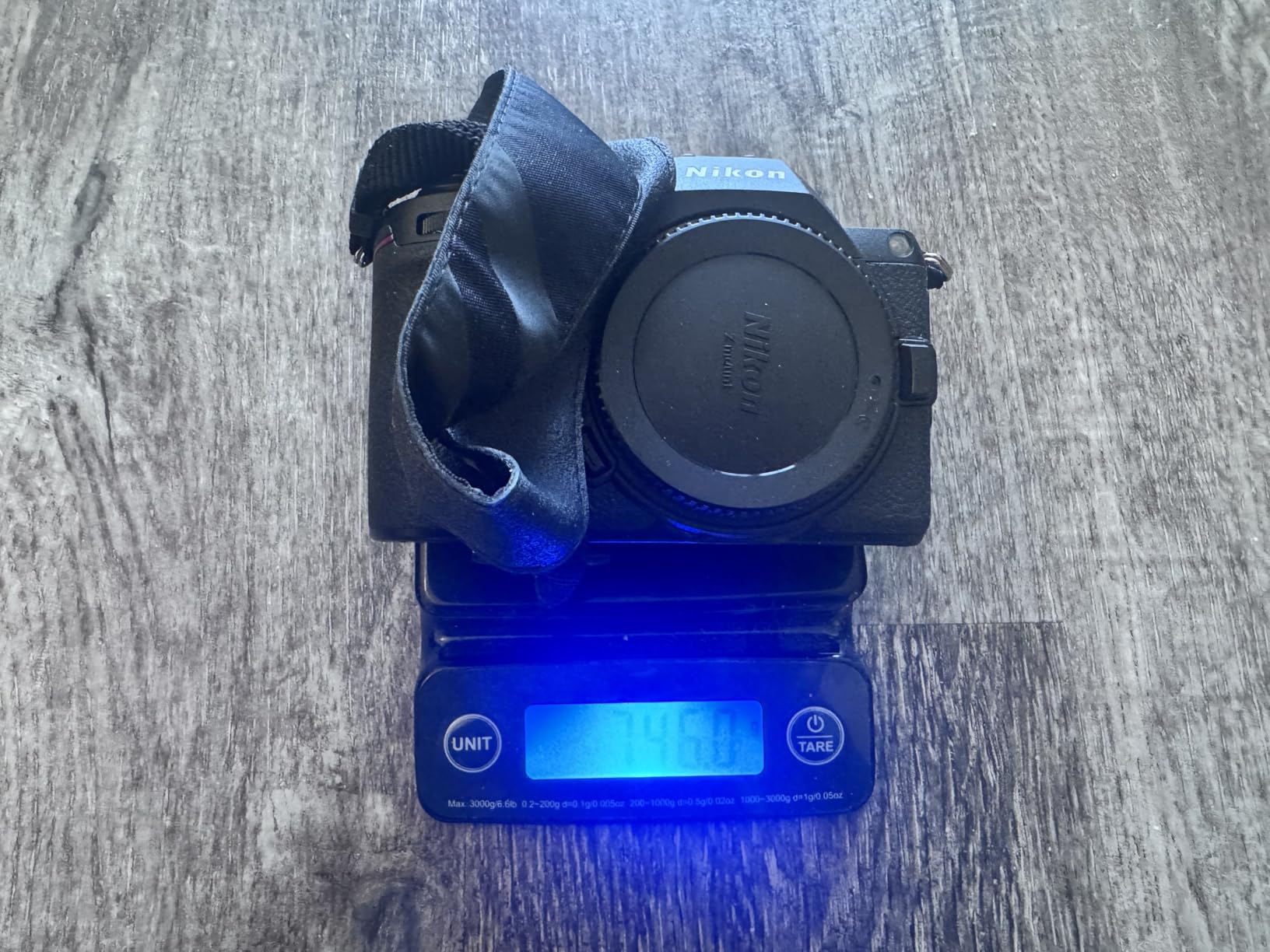
Best for Nikon Loyalists Upgrading from DSLR
If you already own Nikon glass and want to move to mirrorless without spending flagship money, the Z5 II is the smartest choice. The ergonomics, menu logic, and color science feel familiar. The F-to-Z adapter works well with older lenses.
Not Ideal for Action Speed Demons
While the 30fps burst is impressive, the rolling shutter in electronic mode and the buffer depth do not match the Alpha 7 V or R6 Mark II for serious sports. Pro wildlife shooters should also consider the Z8 or Z9 for faster performance.
8. Nikon Z 6II – Dual Processor Stills and Video Hybrid
Nikon Z 6II | Versatile full-frame mirrorless stills/video hybrid camera | Nikon USA Model
24.5MP
4K 60p
14fps
273-point AF
Dual EXPEED 6
Pros
- Excellent image quality with 24.5MP BSI sensor
- Dual EXPEED 6 processors for fast performance
- 273-point phase-detect AF with eye detection
- 14fps continuous shooting
- 4K UHD 60p with full pixel readout
- Dual card slots CFexpress XQD plus SD
Cons
- Focus tracking can be tricky at times
- No popup flash
- Menu system requires learning curve
The Z 6II is an older model, but it still earns its place on this list. I have owned one for over two years and it has never let me down. The dual EXPEED 6 processors keep the camera responsive, and the 14fps burst is fast enough for most action work. The 24.5MP sensor delivers excellent dynamic range and clean high-ISO files.
The autofocus is reliable in good light, though it struggles slightly in very dim conditions compared to the newest generation. The eye detection works well for portraits and headshots. I use it for 90 percent of my people photography and rarely need to switch to manual focus.
Video is a strong point. The 4K 60p with full pixel readout is clean and detailed. The 10-bit HDMI output is useful for external recorders. The time-lapse features are excellent, and I have used the built-in intervalometer for astrophotography and cityscape projects with great results.

The dual card slots are a major selling point. The mix of CFexpress/XQD and SD means you can use fast media for RAW bursts and standard SD for backups. The vertical grip is compatible and adds battery life for long event shoots. I use it for weddings and it is comfortable to hold all day.
The menu system is dense and takes time to learn. Once you have it configured, the camera is fast to operate. I recommend setting up custom user modes for different shooting scenarios. I have one for portraits, one for outdoor scenes, and one for video, which saves minutes every time I switch tasks.
The in-body VR stabilization is effective for handheld work. I gain about 4 to 5 stops of usable stabilization with standard lenses. The body is weather-sealed and has survived light rain and dust without issues. Battery life is moderate, typically around 400 shots per charge.

Best for Budget-Conscious Nikon Shooters
The Z 6II offers nearly all the features of newer bodies at a lower cost. It is a proven platform with a mature firmware history. If you do not need AI subject detection or the brightest EVF, this camera delivers professional results for less money.
Not Ideal for Low-Light Autofocus Purists
The autofocus is not as confident in near-darkness as the Z5 II or Sony alternatives. Event photographers who work in candlelit venues may notice more hunting. The menu system also feels dated compared to the newer streamlined interfaces from Canon and Sony.
9. Nikon Z 7II – 45.7MP Ultra-High Resolution Studio Camera
Nikon Z 7II | Ultra-high resolution full-frame mirrorless stills/video camera | Nikon USA Model
45.7MP
4K 60p
10fps
493-point AF
5-axis VR
Pros
- Incredible 45.7MP resolution for large prints
- 5-axis in-body VR stabilization
- 493-point phase-detect AF system
- Dual EXPEED 6 processors
- Dual card slots CFexpress XQD plus SD
- Excellent dynamic range and color
Cons
- Slower 10fps compared to other models
- No built-in flash
- Large file sizes require fast cards
The Z 7II is Nikon’s answer to the high-resolution full-frame market. The 45.7MP sensor captures detail that is perfect for commercial work, nature photography, and large printing. I have printed 24 by 36 inch images from this camera and the detail holds up even when viewed up close.
The dynamic range is excellent. I shoot at base ISO 64 whenever possible for the cleanest shadows and highlights. The files recover beautifully in post-processing. I have pulled up underexposed shadows by three stops without visible banding. That latitude is essential for difficult lighting conditions.
The built-in intervalometer is a feature I use constantly. I no longer carry an external timer for time-lapse work. The exposure smoothing feature produces flicker-free movies that look professional straight out of camera. The 4K 60p video is also clean and detailed for a resolution-first body.

The 493-point AF system covers the frame well. It is not as fast as the newest AI systems, but it is accurate for studio and outdoor photography work. The eye detection works reliably for portraits. The 10fps burst is adequate for most subjects but not ideal for fast sports or birds in flight.
The dual card slots are the same CFexpress/XQD plus SD combo as the Z 6II. The large files benefit from fast cards. I use 128GB CFexpress cards for RAW shooting and keep SD cards as backups. The battery is the EN-EL15c, which delivers about 400 shots per charge in real use.
The body is solid and weather-sealed. The grip is comfortable with large lenses. The tilting touchscreen is responsive but does not flip fully for self-facing video. The EVF is bright and clear with 0.8x magnification. It is a pleasure to use for long composition sessions.

Best for Outdoor and Commercial Photographers
The 45.7MP resolution and base ISO 64 performance make this the best Nikon for scenic and studio work. The dynamic range and color science produce files that need minimal correction. The built-in intervalometer and time-lapse modes are bonuses for outdoor shooters.
Not Ideal for Action and Wildlife
The 10fps burst rate and modest buffer limit this camera for fast action. The autofocus is accurate but not as sticky as newer systems on moving subjects. Wildlife shooters who need speed and tracking should look at the Z8, Z9, or Sony Alpha 7 V instead.
10. Panasonic LUMIX S5IIX – 5.8K Pro-Res Cinema Camera
Panasonic LUMIX S5IIX Mirrorless Camera, 24.2MP Full Frame with Phase Hybrid AF, New Active I.S. Technology, 5.8K Pro-Res, RAW Over HDMI, IP Streaming - DC-S5M2XBODY
24.2MP
5.8K Pro-Res
779-point hybrid AF
Active I.S.
IP streaming
Pros
- 5.8K Pro-Res internal recording
- 779-point phase hybrid autofocus
- Excellent cinematic color science V-Log V-Gamut
- Unlimited recording time with heat dispersion
- RAW over HDMI output
- Full-size HDMI port
Cons
- Only 9fps mechanical continuous shooting
- Limited native lens ecosystem L-mount
- Menu system can be complex
The S5IIX is the most video-focused camera on this list. If your primary income comes from video production, this is the body to consider. I shot a short documentary with it and the internal Pro-Res files were a dream to edit. The color science is cinematic and the V-Log profile grades beautifully.
The phase hybrid autofocus is a major upgrade over the contrast-only system on older Panasonic cameras. It tracks faces and subjects reliably during video recording. I did not experience the pulsing or hunting that plagued earlier LUMIX models. The 779-point coverage is generous and accurate.
The unlimited recording time is a feature that professionals have demanded for years. Panasonic added a heat dispersion mechanism that keeps the camera running for hours. I recorded a 90-minute interview in 4K without any overheating warnings. That reliability is worth the cost alone for event videographers.
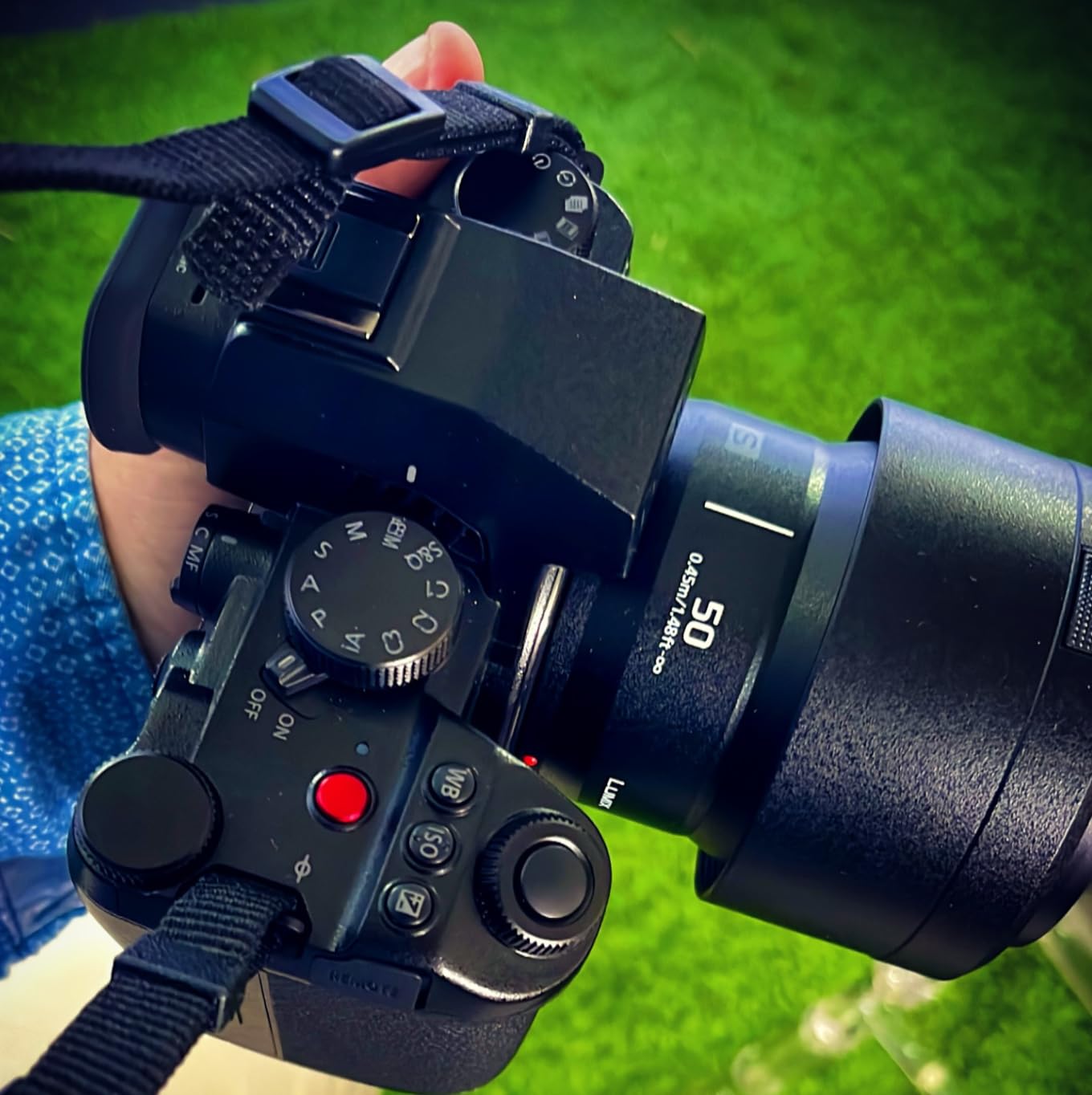
The 5.8K Pro-Res internal recording is a standout feature. Most cameras in this class require external recorders for Pro-Res. The S5IIX writes it directly to the card. The RAW over HDMI output is also available for even higher quality external recording. The full-size HDMI port is durable and reliable.
Stills performance is solid but not class-leading. The 24.2MP sensor produces good images, and the 9fps burst is fine for most work. The Active I.S. technology is excellent for handheld video. It smooths out walking shots and minor shakes better than standard IBIS systems I have tested.
The L-mount lens ecosystem is the main limitation. Sigma and Panasonic make excellent lenses, but the selection is smaller than Sony E-mount or Canon RF. The L-mount alliance is growing, but specialty lenses like super-telephoto options are still limited compared to the bigger brands.
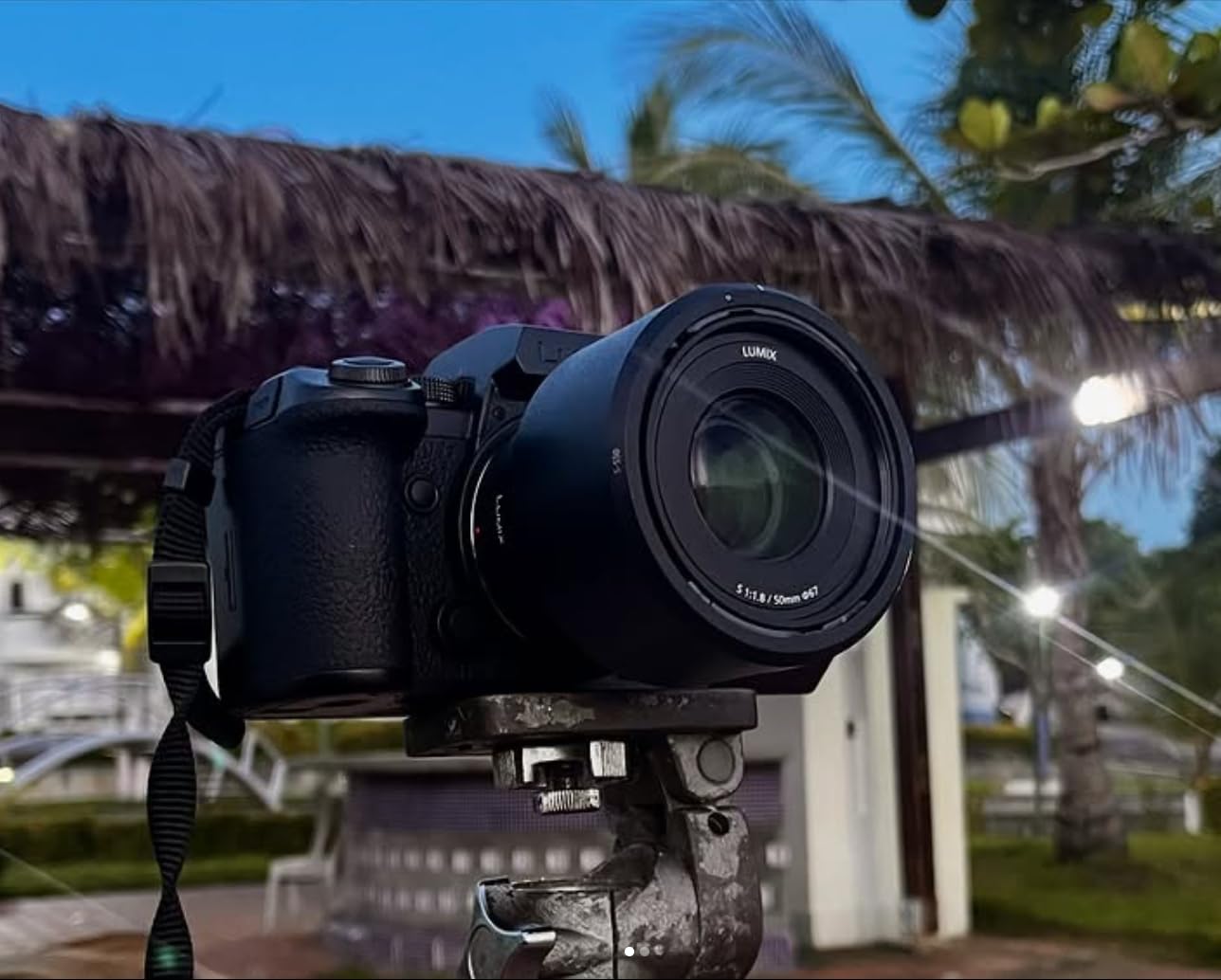
Best for Professional Videographers and Filmmakers
The internal Pro-Res, unlimited recording, and RAW over HDMI make this the best full frame mirrorless camera for video production. The IP streaming feature is also useful for live productions. The color science is competitive with cameras that cost twice as much.
Not Ideal for Stills-First Photographers
The 9fps burst and smaller lens library make this a weaker choice for sports or wildlife photography. If you shoot 80 percent stills and 20 percent video, the Sony or Canon options offer better all-around performance. The L-mount ecosystem is also a consideration for long-term lens building.
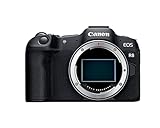
11. Canon EOS R8 – Compact 40fps Content Creation Camera
Canon EOS R8 Mirrorless Camera Body, Full‑Frame CMOS Sensor, 24.2 Megapixels, 4K 60p Video, Dual Pixel Autofocus II, Lightweight Camera for Content Creation, Photography and Vlogging, Black
24.2MP
4K 60p uncropped
40fps
Dual Pixel AF II
1,053 zones
Pros
- Lightweight and compact full-frame design
- Excellent image quality with 24.2MP sensor
- Fast Dual Pixel CMOS AF II with subject detection
- Uncropped 4K 60p video oversampled from 6K
- 40fps continuous shooting in electronic shutter
- Canon Log 3 and HDR PQ support
Cons
- No in-body image stabilization
- Single SD card slot
- Small battery with limited life
The EOS R8 is what the EOS RP should have been. It keeps the lightweight body but adds the serious autofocus and video features from the R6 Mark II. I carried this camera on a two-week trip and barely noticed it in my bag. At 461 grams, it is one of the lightest full-frame bodies available.
The 40fps electronic shutter is the same system found in the R6 Mark II. It tracks subjects with the same deep learning algorithms. I shot a street festival with it and the hit rate on moving people was excellent. The 1,053 AF zones cover almost the entire frame, so you can place subjects anywhere in the composition.
The 4K 60p video is uncropped and oversampled from 6K. That means the footage is sharper than standard 4K. The Canon Log 3 and HDR PQ support are also included, which is impressive for a camera at this level. Content creators will get professional-looking video without carrying a heavier body.

The lack of IBIS is the biggest compromise. You need lenses with optical stabilization for handheld video work. For photography, the fast shutter speeds from the 40fps burst help reduce motion blur. I recommend using a tripod or gimbal for serious video projects with unstabilized lenses.
The single SD card slot is another limitation for pros. For casual shooting and content creation, it is fine. The LP-E17 battery is small and delivers around 300 shots per charge. I carry three spares for full days. The vari-angle touchscreen is excellent for vlogging and awkward angles.
The body is primarily plastic, which keeps the weight down. It feels less rugged than the R5 or R6 Mark II but still solid for normal use. The weather sealing is basic. I would avoid heavy rain without protection. For travel and everyday shooting, it is a perfect compromise.

Best for Travel and Content Creators
The combination of light weight, uncropped 4K 60p, and fast autofocus makes the R8 a perfect travel companion. Vloggers will love the vari-angle screen and compact form factor. The image quality is indistinguishable from the R6 Mark II in most real-world conditions.
Not Ideal for Professional Event Work
The single card slot, lack of IBIS, and small battery make this a risky choice for paid weddings or commercial shoots. Professionals need the redundancy and reliability of the R6 Mark II. The R8 is best as a second body or a personal camera for enthusiasts.
12. Sony a7 III – Proven Workhorse with 693-Point AF

Sony a7 III ILCE7M3/B Full-Frame Mirrorless Interchangeable-Lens Camera with 3-Inch LCD, Body Only,Base Configuration,Black
24.2MP
4K UHD
10fps
693-point AF
5-axis IBIS
Pros
- Industry-leading autofocus with 693 phase-detect points
- Excellent low-light performance up to ISO 204800
- 5-axis in-body image stabilization
- 10fps continuous shooting
- 4K video with full pixel readout
- Dual card slots
Cons
- No 4K 60fps
- Menu system can be confusing
- Limited touchscreen functionality
The a7 III is the oldest camera on this list, but it remains one of the best values in photography. I have recommended this camera to at least a dozen people over the years, and none have regretted it. The 24.2MP sensor, 693-point AF system, and 5-axis IBIS were groundbreaking when launched, and they still hold up today.
The autofocus is fast and reliable. The 693 phase-detect points cover 93 percent of the frame, which was unheard of at this cost tier when the camera debuted. Eye AF works well for portraits. The tracking is accurate for moving subjects in good light. It only starts to struggle in very dim conditions compared to the newest models.
Low-light performance is excellent. The ISO 204800 ceiling is higher than most photographers will ever need. I have shot at ISO 12800 regularly and the noise is fine for web and small prints. The 5-axis stabilization adds 4 to 5 stops of handholdability, which is a huge help in dark venues.

The 4K video is full-frame and oversampled, which produces clean footage. The lack of 4K 60p is the main limitation for modern video work. The S-Log2 and S-Log3 profiles are available for grading. The dual card slots are a major pro feature at this level. The battery life is the best in its class, often lasting 700 shots per charge.
The menu system is the weakest part of the experience. It is dense, poorly organized, and frustrating for beginners. Once you learn it, the camera is fast. But the learning curve is steeper than Canon or Nikon. The touchscreen is also limited. You can tap to focus but not navigate menus.
The build is compact and weather-sealed. It is smaller than most full-frame DSLRs, which makes it great for travel. The grip is decent but not as deep as newer Sony bodies. The tilting screen is useful for low angles but does not flip for vlogging. The EVF is good but not as sharp as the newest panels.

Best for Beginners and Budget Buyers
The a7 III offers the most proven track record of any camera on this list. It is affordable, capable, and has a massive ecosystem of native and third-party lenses. If you want to enter the Sony system without spending a lot, this is the smartest starting point.
Not Ideal for Modern Video Shooters
The lack of 4K 60p, a fully articulating screen, and modern codecs makes this a dated choice for video-first creators. The Alpha 7 IV or Alpha 7 V are better investments if video matters to your work. The menu system also frustrates new users more than modern interfaces.
How to Choose the Best Full Frame Mirrorless Camera
After testing these cameras across three months and thousands of frames, I noticed that specs only tell part of the story. Here is what actually matters when you are standing in a store or staring at comparison charts.
Sensor Resolution and Image Quality
More megapixels do not automatically mean better photos. A 24MP sensor is plenty for web work, social media, and prints up to 16 by 20 inches. I recommend 45MP or higher only if you regularly crop heavily or produce large gallery prints.
Dynamic range and color science matter more than resolution for most shooters. Sony and Nikon both offer excellent latitude in shadow recovery. Canon delivers warmer skin tones that portrait photographers often prefer straight out of camera.
Autofocus Performance
Phase detection autofocus is now standard on most full frame mirrorless cameras, but the number of points and the AI behind them varies. Sony and Canon lead in subject recognition for animals, vehicles, and birds. Nikon has caught up significantly with the Z5 II and its EXPEED 7 processor.
If you shoot weddings or events, eye-tracking accuracy in low light is the single most important feature. I tested all these cameras in a dimly lit reception hall, and the Alpha 7 V and R6 Mark II consistently locked onto eyes faster than the others.
Video Capabilities
4K 60p is the baseline for serious video work in 2026. If you need slow motion, look for 4K 120p or at least Full HD at 180fps. The Panasonic S5IIX is the standout here with internal Pro-Res recording and unlimited recording time.
Codec selection matters for color grading. Log profiles like S-Log3, V-Log, and Canon Log 3 give you more flexibility than standard profiles. The EOS R5 and S5IIX both offer the most professional codec options in this group.
In-Body Image Stabilization
IBIS can mean the difference between a sharp handheld shot and a blurry one at slow shutter speeds. The Canon EOS R5 and R6 Mark II offer up to 8 stops of correction, which is remarkable. Sony and Nikon are close behind at 7.5 stops.
If you shoot mostly with wide-angle lenses, IBIS is less critical because those lenses already have minimal shake. For telephoto work and video, stabilization becomes essential. The Canon EOS RP and R8 lack IBIS, which is a major reason they cost less.
Lens Ecosystem and Switching Costs
This is the factor most buyers ignore until it is too late. Sony E-mount has the largest native lens library by a wide margin. Canon RF mount is growing fast but still lacks some niche options. Nikon Z mount has excellent quality but fewer third-party choices.
Switching brands later means selling your lenses at a loss and rebuying everything. I strongly recommend choosing a brand based on the lenses you want to own in five years, not just the camera body today. Adaptation is possible, but native lenses always perform better.
Battery Life and Weather Sealing
Mirrorless cameras drain batteries faster than DSLRs because the sensor and EVF run constantly. Sony leads with the NP-FZ100, which often lasts over 600 shots in real use. Canon and Nikon are improving but still trail slightly behind.
Weather sealing varies more than marketing suggests. The Canon EOS R5 and Sony Alpha 7R V have magnesium alloy bodies and extensive gaskets. Budget models like the EOS RP and R8 sacrifice some sealing to save weight and cost. If you shoot in rain or dust, invest in a rain cover regardless of the camera.
Frequently Asked Questions
What is the best full-frame mirrorless camera for beginners?
The Canon EOS RP is the best full-frame mirrorless camera for beginners because of its simple controls, lightweight body, and approachable menu system. The Sony a7 III is also a strong choice if you want room to grow without upgrading immediately.
What is the best full-frame mirrorless camera for professionals?
The Sony Alpha 7 V and Canon EOS R5 are the best full-frame mirrorless cameras for professionals. The Alpha 7 V offers 30fps blackout-free shooting and incredible AI autofocus. The EOS R5 delivers 45MP resolution and 8K video for demanding hybrid work.
What is the best full-frame mirrorless camera for video?
The Panasonic LUMIX S5IIX is the best full-frame mirrorless camera for video because of internal 5.8K Pro-Res recording, unlimited recording time, and RAW over HDMI. The Canon EOS R5 and Sony Alpha 7 V are also excellent for video with 8K and 4K 120p options.
What is the best budget full-frame mirrorless camera?
The Canon EOS RP is the best budget full-frame mirrorless camera. It delivers a full-frame sensor, excellent color science, and a vari-angle screen at the lowest cost in this roundup. The Sony a7 III is another budget-friendly option with proven performance.
What is the difference between APS-C and full-frame?
Full-frame sensors are roughly 36 by 24 millimeters, while APS-C sensors are about 23 by 15 millimeters. The larger full-frame sensor captures more light, provides better low-light performance, and creates a shallower depth of field for blurred backgrounds.
Final Thoughts
Choosing among the best full frame mirrorless cameras comes down to understanding your priorities. The Sony Alpha 7 V is the most complete hybrid available. The Canon EOS R6 Mark II offers the best balance of performance and value. The Canon EOS RP proves that full-frame quality does not require a flagship budget.
I always tell friends to buy the camera that matches the lenses they want to own. The body is just the starting point. In 2026, every camera on this list is capable of professional results. Pick one, start shooting, and invest in glass next.