
Finding the right lens for your Fujifilm camera can feel overwhelming. The X Mount system has over 40 lenses from Fujifilm alone, plus growing third-party support from Sigma and Tamron. After spending months testing lenses across weddings, street sessions, landscapes, and everyday carry scenarios, our team narrowed down the options to the 10 lenses that genuinely stand out in 2026.
Whether you just picked up your first X-T5 or you are a working professional building out a complete kit, this guide covers the best Fujifilm X Mount lenses across every major category. We tested primes for portraits and street work, zooms for events and travel, and even threw in the strongest third-party alternatives that save real money without sacrificing quality.
Every lens on this list earned its spot through real-world shooting, not just spec sheet comparison. We paid attention to autofocus reliability, weather sealing performance, weight during long shoots, and actual image quality at different apertures. Let us get into it.
Top 3 Picks for Best Fujifilm X Mount Lenses
Fujinon XF16-55mmF2.8 R LM WR II
- Constant f/2.8 aperture
- 37% lighter than predecessor
- Weather-sealed
- 11-blade iris bokeh


Sigma 18-50mm F2.8 DC DN
- Constant f/2.8 aperture
- Lightest f/2.8 zoom for APS-C
- Compact design
- Great image quality
Best Fujifilm X Mount Lenses in 2026
| Product | Specifications | Action |
|---|---|---|
|
Fujinon XF16-55mmF2.8 R LM WR II
|
|
Check Latest Price |
|
Fujinon XF35mmF2 R WR
|
|
Check Latest Price |
 Fujinon XF23mmF2 R WR
|
|
Check Latest Price |
 Fujifilm XF35mmF1.4 R
|
|
Check Latest Price |
 Fujinon XF 16mm F1.4 R WR
|
|
Check Latest Price |
 Fujinon XF50-140mmF2.8 R LM OIS WR
|
|
Check Latest Price |
 Fujinon XF70-300mmF4-5.6 LM OIS WR
|
|
Check Latest Price |
|
Sigma 18-50mm F2.8 DC DN
|
|
Check Latest Price |
 Sigma 56mm F1.4 DC DN
|
|
Check Latest Price |
 Fujinon XF 18mm f/1.4 R LM WR
|
|
Check Latest Price |
1. Fujinon XF16-55mmF2.8 R LM WR II – Best Professional Standard Zoom
Fujinon XF16-55mmF2.8 R LM WR II Lens
16-55mm f/2.8 Constant Aperture
410g - 37% Lighter Than V1
Weather-Sealed Construction
11-Blade Iris for Rounded Bokeh
Pros
- Constant f/2.8 aperture throughout zoom range
- Approximately 37% lighter than predecessor at 410g
- Weather-resistant construction
- Beautiful rounded bokeh with 11-blade iris
- Smooth zoom and fast autofocus
- Great for photos and video with smooth aperture control
Cons
- No image stabilization
- Lens hood fits loosely and falls off easily
- Some build quality concerns vs older Fuji pro lenses
The XF16-55mm F2.8 II is the lens I reach for when I need one lens to do almost everything. Fujifilm shaved off roughly 37% of the weight compared to the original version, bringing it down to just 410 grams. That weight savings makes a real difference during full-day wedding shoots or travel days when you are carrying gear for 8-plus hours straight.
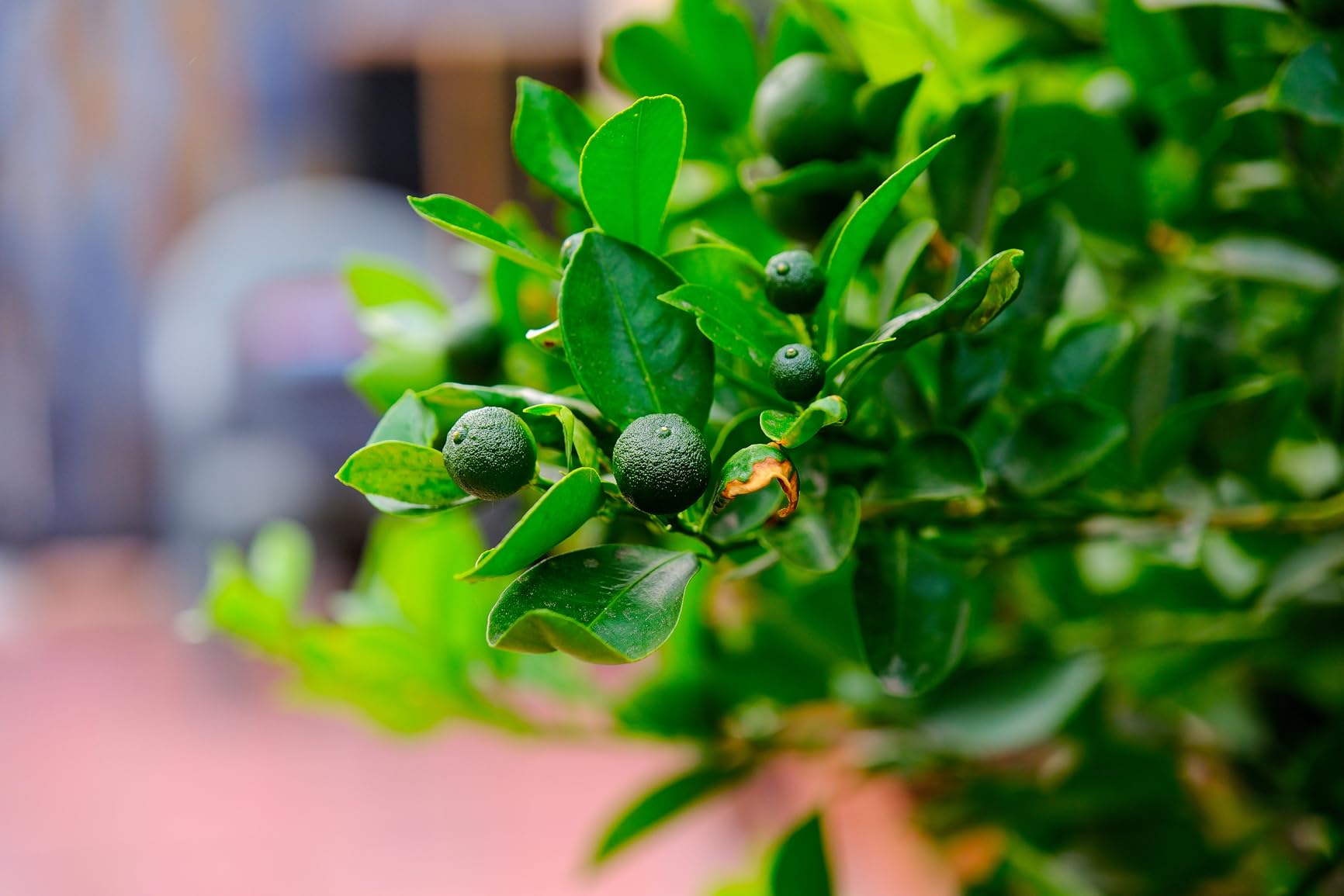
The constant f/2.8 aperture gives you consistent exposure across the entire 24-84mm equivalent range. I found the autofocus snappy and reliable on the X-T5, locking onto subjects quickly even in mixed lighting. The 11-blade iris creates some of the smoothest bokeh I have seen from a standard zoom in this system.
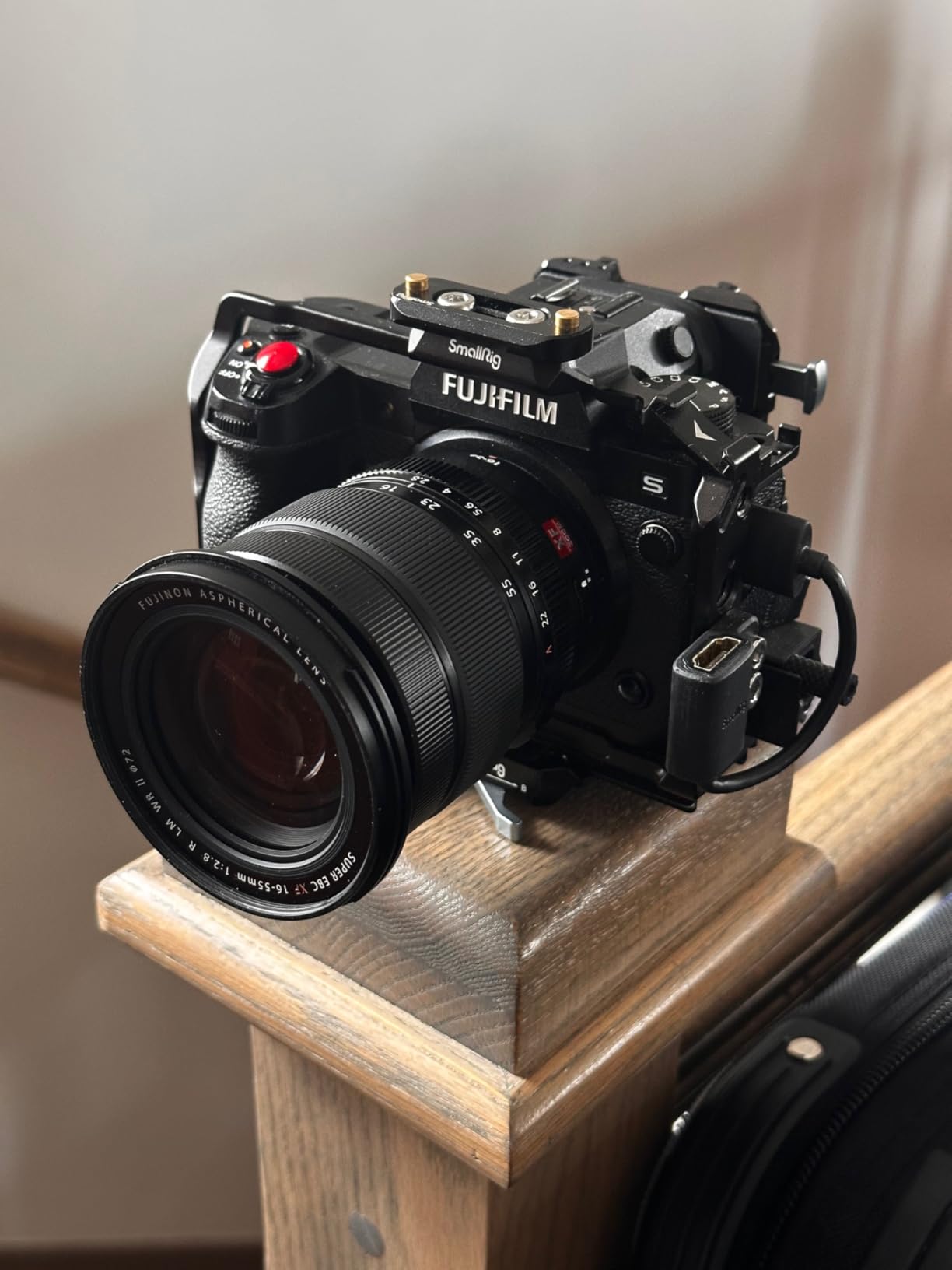
Sharpness is strong across the frame at f/2.8, which is exactly what you want from a professional zoom. I did notice the zoom ring has a slightly looser feel than the original, and the lens hood does not click in with the same confidence. These are small things, but worth knowing when you are investing at this level.
The lack of image stabilization is the main trade-off here. If your body has IBIS (like the X-T5 or X-H2), you will be fine for most situations. But if you are shooting on an older X-T30 or X-E4 without IBIS, you will want to keep your shutter speeds up, especially at the 55mm end.
Who Should Buy This Lens
This is the ideal pick for working photographers who need a single standard zoom that handles events, portraits, travel, and everyday shooting without compromise. The f/2.8 constant aperture and professional weather sealing make it a reliable workhorse. If you shoot paid work or want the best standard zoom in the Fujifilm ecosystem, this is it.
What to Consider Before Buying
The main thing to weigh is whether you need image stabilization. If your camera body has IBIS, you are covered. If not, factor that into your decision. Also consider that while the Mark II is lighter than the original, some photographers feel the build quality took a slight step back in exchange for that weight reduction. If you want the most tank-like build, the original still has its fans.
2. Fujinon XF35mmF2 R WR – Best Everyday Prime
Fujinon XF35mmF2 R WR - Black
35mm f/2.0 Prime
0.9 lbs with Metal Build
Weather-Sealed (8 Points)
0.08s Autofocus Speed
43mm Filter Size
Pros
- Weather-sealed construction with 8 sealing points
- Extremely fast and silent autofocus at 0.08 seconds
- Nano-GI coating reduces ghosting and flare
- Compact and lightweight metal design
- Sharp images even wide open at f/2
- Includes lens pouch and lens hood
Cons
- Aperture ring can be accidentally turned while shooting
- Manual focus ring grooves tend to attract dust
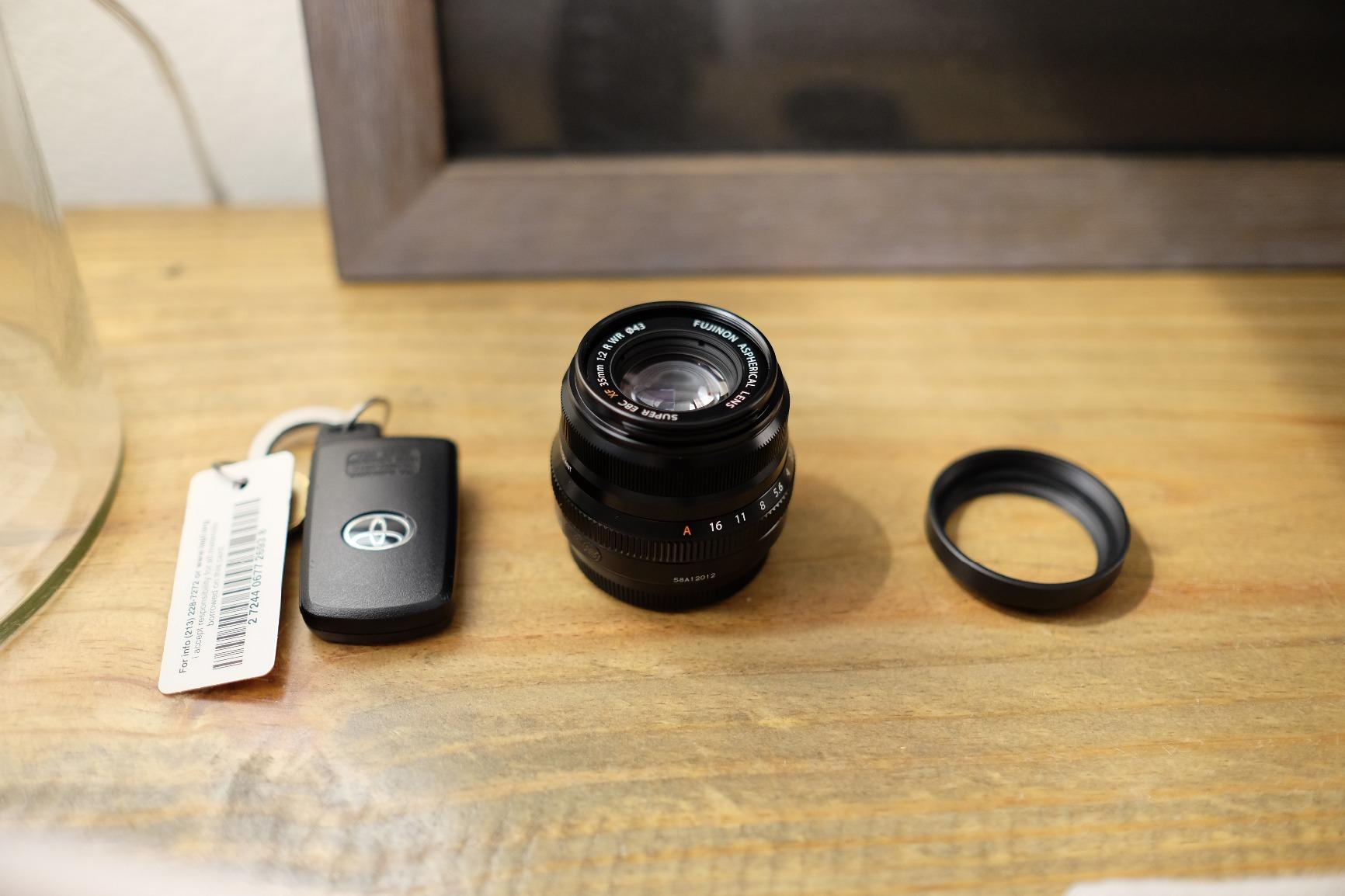
The XF35mm f/2 is the lens that stays on my camera more than any other. At roughly 53mm full-frame equivalent, it gives you that classic nifty-fifty field of view that works for street photography, casual portraits, food, and everyday documentation. I have carried this lens through rain storms, dusty hiking trails, and humid summer weddings without a single issue thanks to the 8-point weather sealing.
The autofocus locks on in 0.08 seconds, and it does so almost silently. That quiet focus motor matters when you are shooting candid moments or quiet ceremonies. The Nano-GI coating does an admirable job controlling flare even when shooting directly into sunlight at golden hour.
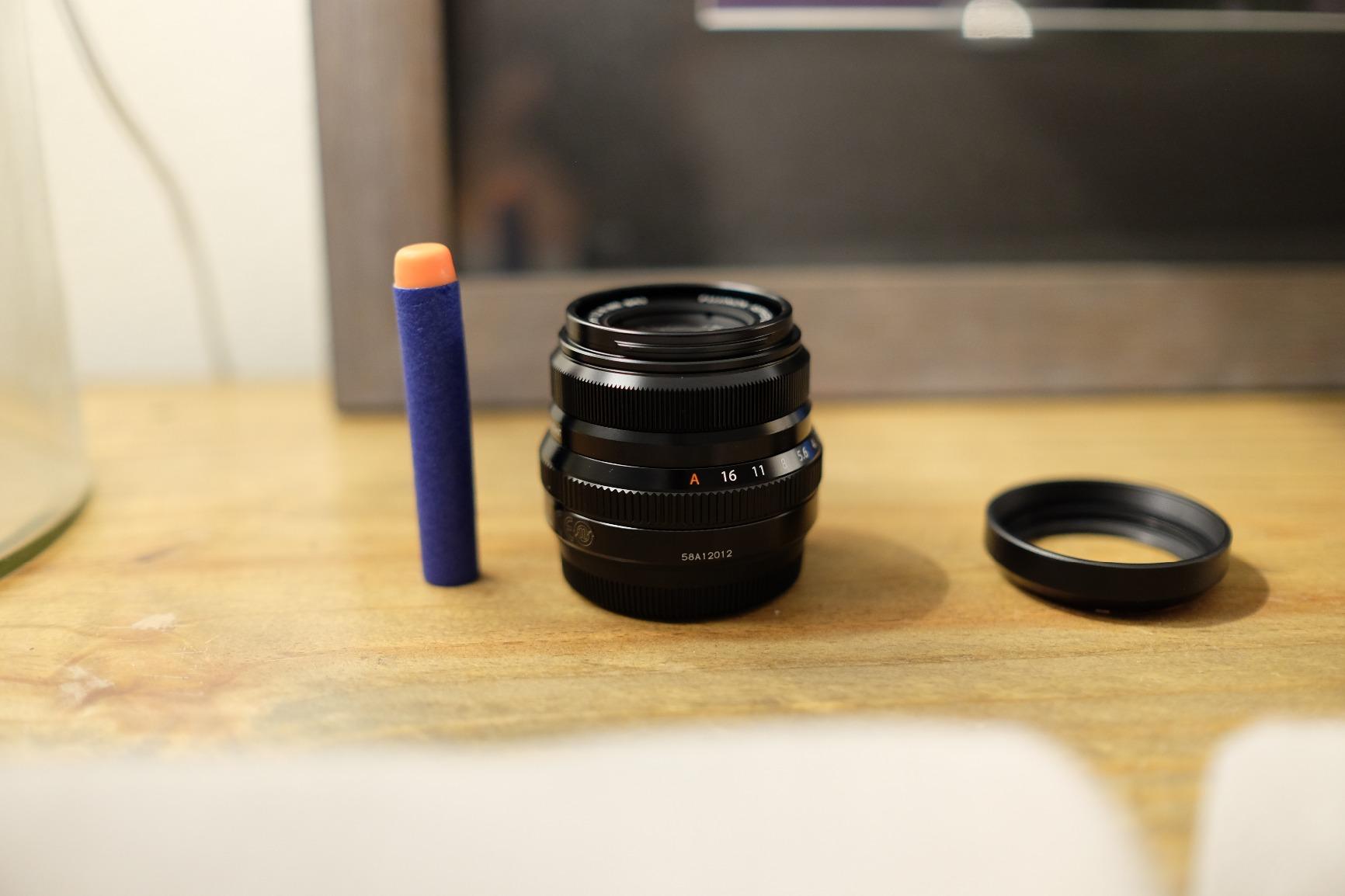
At f/2, images are already impressively sharp across the frame. Stop down to f/4 and you get clinical-level detail. The 9-blade aperture produces smooth, circular bokeh that renders out-of-focus areas beautifully for a lens at this price point. The metal barrel feels premium in hand, and the compact size means it barely adds any bulk to your camera bag.
The two small complaints I have after shooting with this lens for over a year: the aperture ring is easy to bump accidentally, so I sometimes find myself shooting at the wrong f-stop. And the textured focus ring grooves collect dust quickly. Neither is a dealbreaker, but they are worth knowing about.
Who Should Buy This Lens
If you are looking for your first prime lens for a Fujifilm camera, start here. The XF35mm f/2 gives you excellent image quality, reliable weather sealing, and fast autofocus at a reasonable price. It is the single lens I would recommend to anyone who wants to step beyond their kit zoom and experience what a quality prime can do for their photography.
What to Consider Before Buying
The main question is whether you need the faster f/1.4 aperture of the XF35mm f/1.4 R. The f/1.4 gives you an extra stop of light gathering and thinner depth of field for more dramatic bokeh. But it comes with louder, slower autofocus and no weather sealing. For most photographers, the f/2 version is the smarter all-around choice. The f/1.4 is better if you specifically shoot a lot of low-light portraiture or indoor events.
3. Fujinon XF23mmF2 R WR – Best for Street Photography
Fujifilm Fujinon XF23mmF2 R WR - Black
23mm f/2.0 Prime (35mm Equivalent)
180g Ultra-Light
Weather and Dust Resistant
0.05s Autofocus Speed
43mm Filter Size
Pros
- Excellent edge-to-edge sharpness
- Extremely fast and silent autofocus at 0.05 seconds
- Weather and dust resistant down to -10 degrees C
- Compact and lightweight at just 180g
- Great for street landscape and travel photography
- Includes lens hood and soft pouch
Cons
- Slight softness when focusing close at f/2
- Bokeh is pleasant but not extreme due to shorter focal length
The XF23mm f/2 delivers a 35mm full-frame equivalent field of view, which is arguably the most versatile focal length for street and documentary photography. I carried this lens exclusively during a two-week trip through Japan and never felt like I was missing shots. At 180 grams, you forget it is even attached to the camera.
Autofocus on this lens is blazing fast at 0.05 seconds on compatible bodies. It is one of the quickest-focusing lenses in the entire Fujifilm lineup. The near-silent operation means you can shoot on quiet streets, in cafes, or during ceremonies without drawing any attention. That matters enormously for street photography.
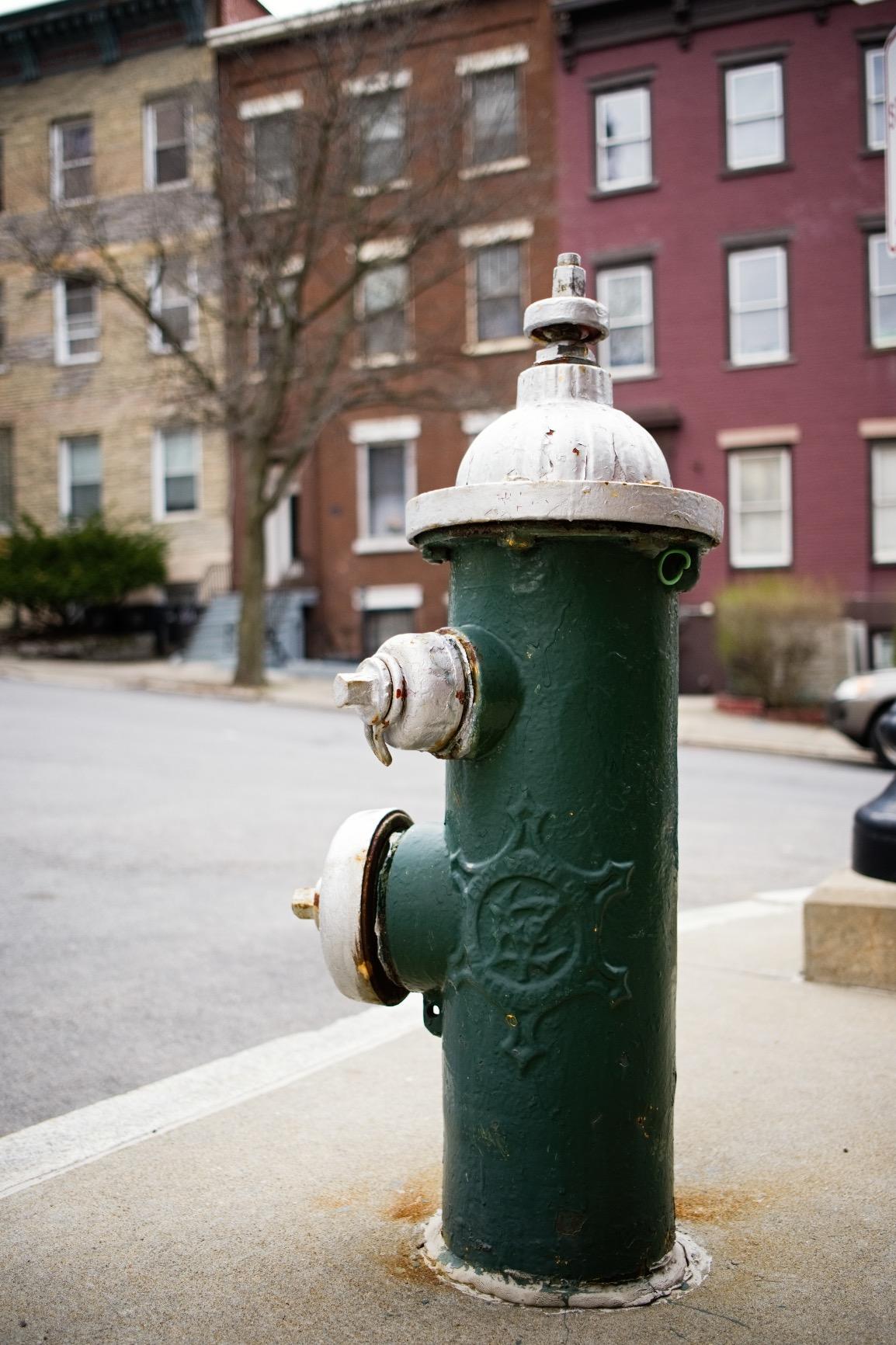
Sharpness is excellent across the frame from f/2 onward. I did notice slight softness when focusing on subjects very close at the widest aperture, but this is typical behavior for most lenses in this class. Stop down to f/2.8 or f/4 and everything snaps into sharp focus. The two aspherical elements in the optical design do a great job controlling distortion and aberrations.
The weather sealing lets you keep shooting when conditions get rough. I used this lens in light rain and freezing temperatures without any problems. It operates reliably down to -10 degrees Celsius, which covers most real-world shooting scenarios short of arctic expeditions.

Who Should Buy This Lens
Street photographers, travel shooters, and documentary photographers will get the most out of the XF23mm f/2. The 35mm equivalent field of view is wide enough to capture environmental context but tight enough to isolate subjects when you move closer. If you want a single compact lens for walking around and capturing life as it happens, this is the one.
What to Consider Before Buying
If you shoot a lot of environmental portraits or indoor scenes where you need subject separation, the shorter focal length means bokeh will not be as dramatic as with a 35mm or 56mm prime. You can still get nice background blur by getting close to your subject and using f/2, but it will not match the creamier rendering of longer lenses. Also, this lens uses a 43mm filter thread, which is less common than 52mm or 58mm, so you may need a specific filter size.
4. Fujifilm XF35mmF1.4 R – Best Classic Prime
Fujifilm XF35mmF1.4 R
35mm f/1.4 Prime (53mm Equivalent)
187g Lightweight
7 Diaphragm Blades
52mm Filter Size
Premium Metal Build
Pros
- Outstanding image quality with stunning sharpness
- Beautiful bokeh with f/1.4 aperture
- Lightweight and compact design at 187g
- Premium metal build quality
- Excellent color rendition and contrast
- Great value compared to other premium lenses
Cons
- Autofocus motor is loud and slower than newer models
- No image stabilization
- No lens case included
- Focus-by-wire manual focus lacks traditional feel
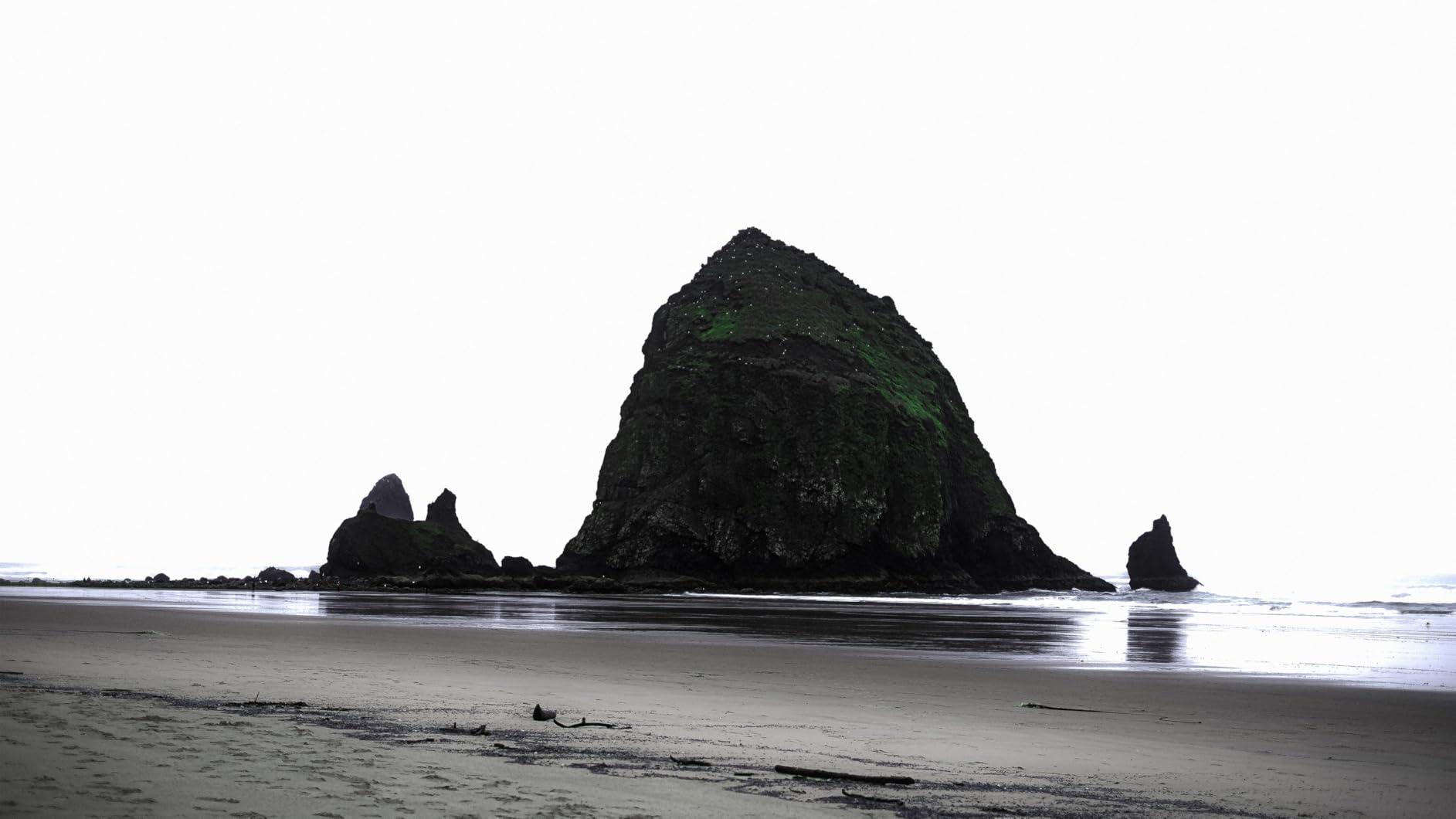
The XF35mm f/1.4 R is the lens that helped define the Fujifilm X system. It was one of the original three lenses launched with the X-Pro1 back in 2012, and photographers are still buying it in 2026 for one simple reason: the image quality is absolutely gorgeous. There is something about the way this lens renders colors and transitions between in-focus and out-of-focus areas that gives images a distinctive, almost film-like quality.
At f/1.4, you get beautiful subject separation and the ability to shoot in very low light. I have used this lens at dimly lit receptions and evening street scenes where other lenses would struggle. The sharpness wide open is surprisingly good, and stopping down to f/2 or f/2.8 produces images that are razor-sharp across the entire frame.

The trade-off is the autofocus. Compared to the newer f/2 version, this lens uses an older micro-motor that is noticeably louder and slower. It is not unbearably slow, but if you are used to the near-instant focusing of the XF35mm f/2, you will feel the difference. The focus-by-wire manual focus ring also lacks the tactile feedback that some photographers prefer.
Despite these quirks, many Fujifilm photographers consider this lens an essential part of their kit. The 7-blade aperture creates characterful bokeh that some shooters actually prefer over the smoother rendering of newer designs. If you value image character and rendering quality over autofocus speed, the XF35mm f/1.4 is hard to beat.
Who Should Buy This Lens
Portrait photographers and anyone who values image rendering quality over modern autofocus performance. This lens has a cult following among Fujifilm shooters who appreciate its unique character. If you shoot in controlled environments where autofocus speed is less critical, like studio portraits or carefully composed street scenes, the image quality rewards are substantial.
What to Consider Before Buying
The main consideration is whether you can live with the older autofocus system. If you shoot fast-moving subjects or need completely silent operation for video, the XF35mm f/2 R WR is the more practical choice. But if you primarily shoot static or slow-moving subjects and want that extra stop of light and the distinctive rendering, the f/1.4 delivers something the f/2 cannot quite replicate.
5. Fujinon XF 16mm F1.4 R WR – Best Wide-Angle Prime
Fujifilm Fujinon Lens XF 16mm F1.4 R WR, Black
16mm f/1.4 Wide-Angle (24mm Equivalent)
375g
9 Sealing Points
Nano-GI Coating
67mm Filter Size
Under 6 Inch Focus Distance
Pros
- Exceptional image quality with stunning sharpness
- Beautiful bokeh for a wide-angle lens at f/1.4
- Premium weather-sealed metal construction with 9 sealing points
- Versatile for portraits landscapes street and close-up
- Ultra-close focusing distance under 6 inches
- Nano-GI coating effectively controls flare
Cons
- Autofocus not as fast as newer f/2 primes
- Focus ring noise from micro-motor
- Slightly larger and heavier than f/2 primes
- No image stabilization
The XF 16mm f/1.4 is one of the most versatile lenses in the Fujifilm lineup, despite being classified as a wide-angle. At 24mm full-frame equivalent, it is wide enough for landscapes and architecture but not so wide that you cannot use it for environmental portraits or even close-up detail shots. The secret weapon is the minimum focusing distance of under 6 inches, which lets you get incredibly close to subjects for dramatic perspectives.
I brought this lens on a landscape photography trip to the Scottish Highlands and was consistently impressed by the edge-to-edge sharpness, even wide open at f/1.4. Most wide-angle lenses soften noticeably at the corners, but this one maintains excellent resolution across the entire frame. The Nano-GI coating kept flare well under control even when shooting directly into the low Scottish sun.

The f/1.4 aperture on a wide-angle lens is unusual, and it opens up creative possibilities you do not normally get at 16mm. You can achieve real subject separation at f/1.4 by getting close to your subject, creating a look that is somewhere between environmental portrait and dreamy bokeh shot. The 9-blade aperture produces smooth, pleasing out-of-focus areas.
Build quality is outstanding with full metal construction and weather sealing at 9 points across 8 areas. I shot in heavy mist and light rain without concern. The main downside is the autofocus motor, which uses an older design that is not as quick or silent as the linear motors in newer Fujifilm primes. For landscape and environmental work, it is perfectly adequate, but it would not be my first choice for fast action.

Who Should Buy This Lens
Landscape photographers, environmental portrait shooters, and anyone who wants a versatile wide-angle that can also handle close-up work. The ultra-short minimum focus distance makes this lens surprisingly useful for food photography, product shots, and creative close-up compositions. If you want one wide-angle prime that can handle almost anything, this is the one.
What to Consider Before Buying
The weight and size are noticeably more than the f/2 wide-angle options like the XF16mm f/2.8. If you are building a lightweight travel kit, the f/2.8 version saves significant weight. Also, the 67mm filter size is larger than the 39mm and 43mm filters used by the compact f/2 primes, so your filter investment will be higher. Consider whether you truly need the f/1.4 aperture or if the smaller f/2.8 would serve you just as well for less money and weight.
6. Fujinon XF50-140mmF2.8 R LM OIS WR – Best Professional Telephoto
Fujinon XF50-140mmF2.8 R LM OIS WR
50-140mm f/2.8 Telephoto (76-214mm Equivalent)
1kg
Internal Focus and Zoom
OIS Stabilization
Weather Sealed
72mm Filter Size
Pros
- Exceptional sharpness throughout the zoom range
- Highly effective optical image stabilization
- Internal focus and zoom prevents filter holder issues
- Professional weather-sealed build quality
- Fast and accurate autofocus
- Constant f/2.8 aperture
Cons
- Heavy at 1kg for the lens alone
- Low magnification factor limits macro capability
- Rattling noise when shaking is normal behavior
- Arca-Swiss compatible foot requires aftermarket purchase
The XF50-140mm f/2.8 is Fujifilm’s answer to the classic 70-200mm f/2.8 professional telephoto zoom, and it performs exactly how you would expect from a lens in that category. The constant f/2.8 aperture across the entire 76-214mm equivalent range gives you consistent exposure and beautiful subject separation whether you are at 50mm or 140mm.
I used this lens extensively for outdoor portrait sessions and was impressed by the sharpness at every focal length. Many zoom lenses have a sweet spot, but this one delivers consistent quality from end to end. The optical image stabilization is genuinely effective, allowing me to shoot handheld at 140mm with shutter speeds as slow as 1/30th of a second in some cases.

The internal focus and internal zoom design is a huge practical advantage. The lens does not extend when you zoom or focus, which means your filter setup stays put and the lens maintains a consistent balance in your hand. This matters a lot when you are working with polarizing filters or using the lens on a gimbal.
The weight is the obvious trade-off. At 1 kilogram, this is a serious lens that demands a comfortable strap and occasionally a monopod for long shooting sessions. It is not a lens you casually throw in a shoulder bag for a walk around town. But for paid portrait sessions, sports events, and wildlife, the image quality and build quality justify every gram.

Who Should Buy This Lens
Working portrait photographers, sports and event shooters, and anyone who needs a professional-grade telephoto zoom. This is the lens to get if you are shooting paid work that requires reach and reliable performance. The combination of f/2.8, OIS, and weather sealing makes it one of the most capable lenses in the entire Fujifilm system.
What to Consider Before Buying
The weight is the biggest factor. If you primarily shoot travel or street photography and want a lighter telephoto option, the XF70-300mm f/4-5.6 covers more reach at less than 800 grams. Also, this lens does not come with an Arca-Swiss compatible tripod foot, so you will need to purchase one separately if you use that type of tripod head. The rattling sound when you shake the lens is normal and caused by the OIS mechanism, not a defect.
7. Fujinon XF70-300mmF4-5.6 LM OIS WR – Best Value Telephoto
Fujifilm Fujinon XF70-300mmF4-5.6 LM OIS WR
70-300mm f/4-5.6 Telephoto (107-457mm Equivalent)
795g
5.5 Stop OIS
Linear Motor AF
Weather Sealed
67mm Filter Size
Pros
- Lightweight and compact for a telephoto zoom at 795g
- Excellent image stabilization up to 5.5 stops
- Fast and silent autofocus with linear motor
- Weather-resistant and dust-sealed
- Sharp image quality
- Compatible with 1.4X and 2X teleconverters
- Close focusing for 0.33x magnification
Cons
- Some bokeh can appear nervous at certain apertures
- Plastic components in outer body
The XF70-300mm f/4-5.6 is the telephoto zoom I recommend to most Fujifilm shooters who need reach without the bulk. At 795 grams and covering a 107-457mm equivalent range, it hits a sweet spot between capability and portability that the heavier XF50-140mm f/2.8 cannot match for travel and outdoor adventures.
The 5.5 stops of optical image stabilization is impressive and genuinely useful. I was able to get sharp results handheld at 300mm with shutter speeds around 1/60th of a second, which would normally require a tripod. The linear motor autofocus is fast and nearly silent, tracking moving subjects like birds and wildlife with good reliability.
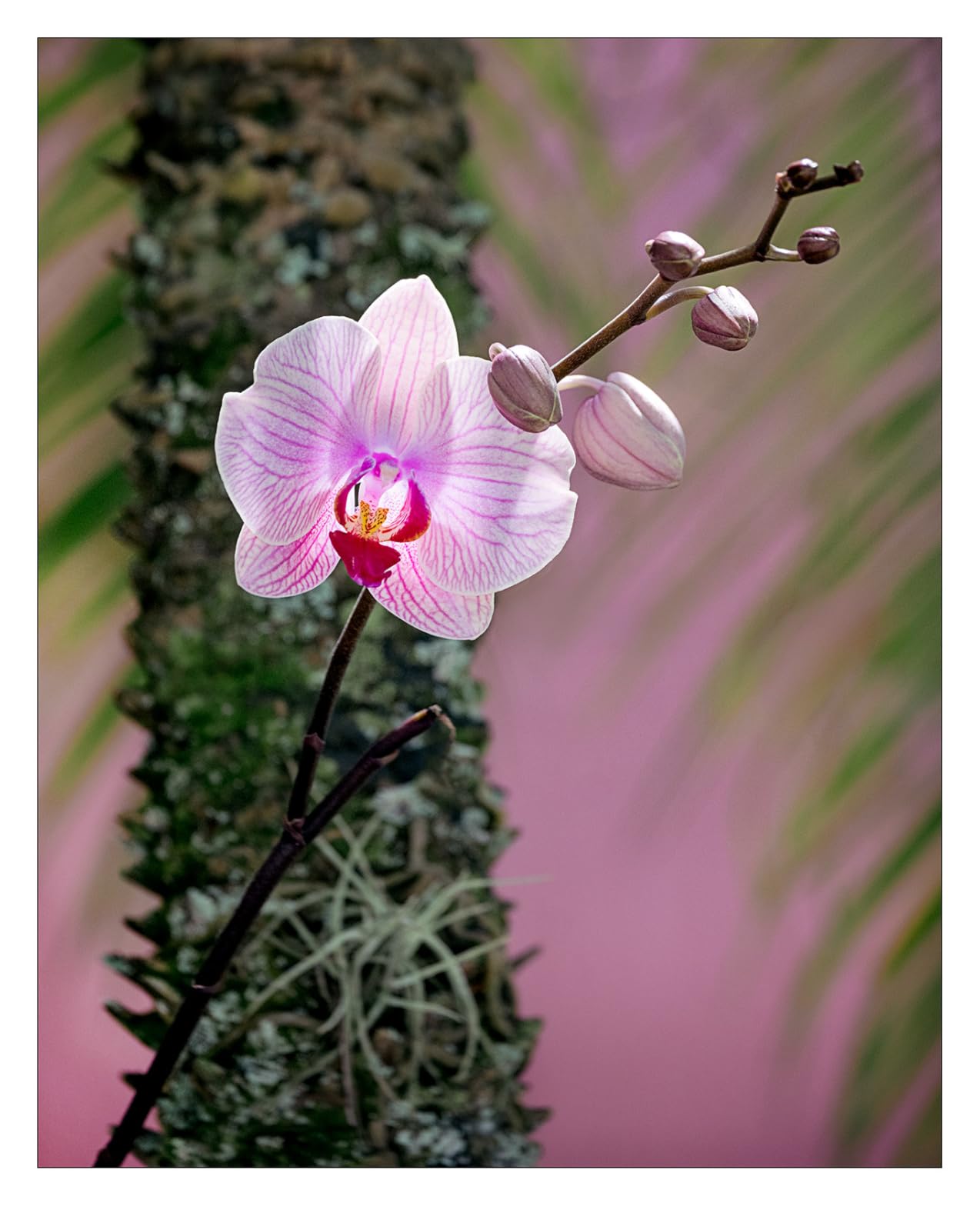
Sharpness is strong throughout the range, with the lens performing best between 70mm and 200mm. At 300mm there is a very slight softening at the widest aperture, but stopping down to f/8 restores excellent sharpness. The close focusing capability giving 0.33x magnification is a nice bonus that lets you capture semi-macro shots of flowers, insects, and details.
Compatibility with both the XF1.4X TC WR and XF2X TC WR teleconverters extends the reach to 420mm and 600mm respectively (636mm and 914mm full-frame equivalent). That makes this lens a viable option for birding and wildlife photography when paired with the right teleconverter.
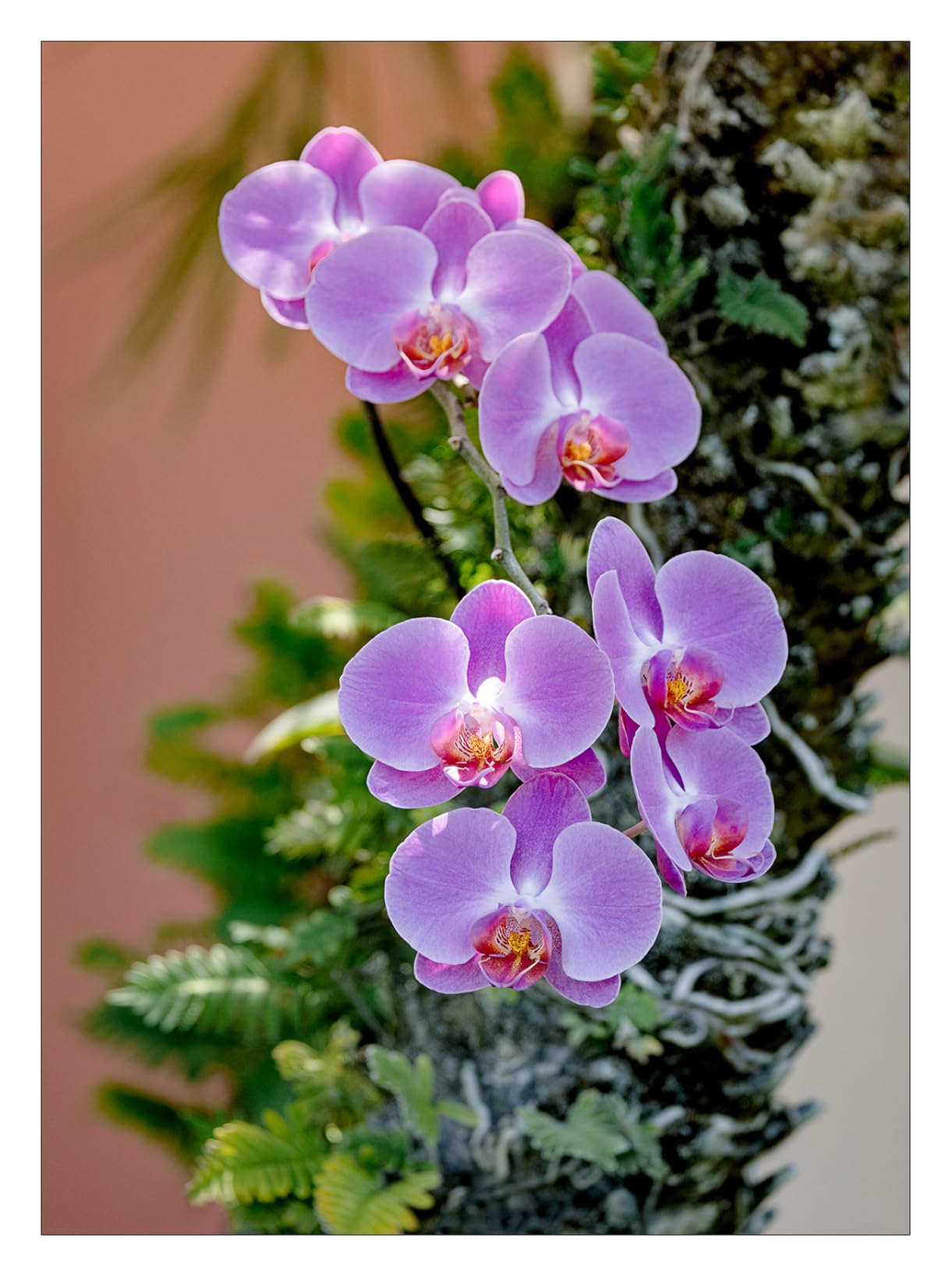
Who Should Buy This Lens
Wildlife photographers, sports enthusiasts, and travel photographers who need telephoto reach without carrying a massive lens. This is also an excellent choice for Fujifilm shooters who want to try telephoto photography for the first time. The combination of reach, weather sealing, and manageable weight makes it one of the most practical lenses in the lineup.
What to Consider Before Buying
The variable aperture means you lose light as you zoom in, dropping from f/4 at 70mm to f/5.6 at 300mm. This matters if you shoot a lot in low light or need fast shutter speeds for sports. If you need the constant f/2.8 aperture, the XF50-140mm is the better choice despite being heavier. Also, the outer barrel uses some plastic components, so it does not feel quite as premium as the fully metal Fujifilm lenses, though the optical performance is not compromised.
8. Sigma 18-50mm F2.8 DC DN – Best Third-Party Standard Zoom
18-50MM F2.8 DC DN | C for Fuji X Mount
18-50mm f/2.8 Standard Zoom (29-80mm Equivalent)
285g Lightest f/2.8 APS-C Zoom
Super Protect Coating
55mm Filter Size
Pros
- Compact and lightweight at only 285g
- Constant f/2.8 aperture throughout zoom range
- Excellent image quality for size and price
- Quiet and quick focus motor
- Great for both photos and video
- Good macro capability with short focus distance
Cons
- No aperture ring on the lens
- No image stabilization
- Plastic body construction
- Zoom ring turns opposite to Fuji lenses
- Corner sharpness at wider angles could be improved
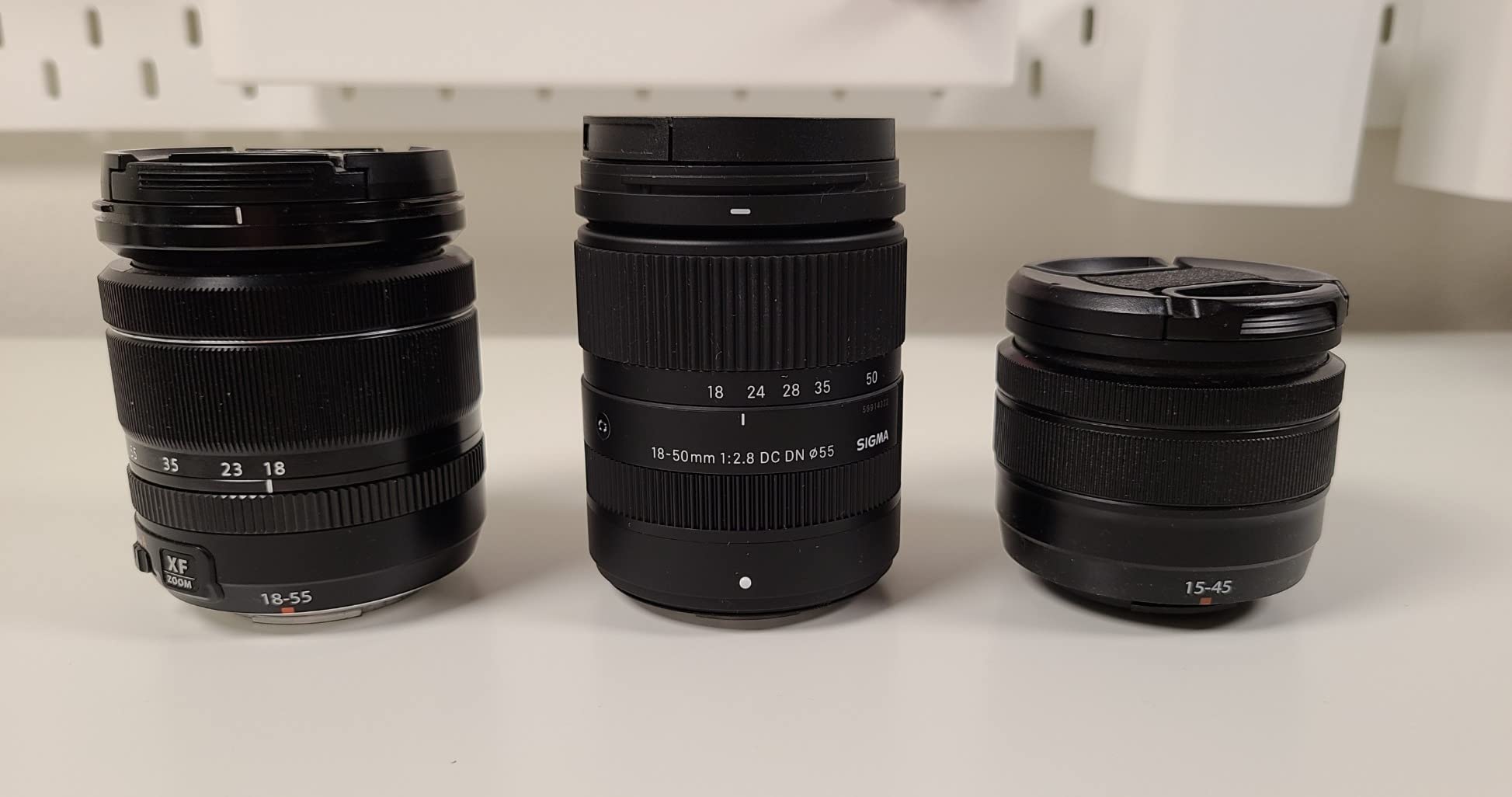
The Sigma 18-50mm f/2.8 DC DN is the smallest and lightest f/2.8 standard zoom available for APS-C mirrorless cameras, and it has quickly become a favorite among Fujifilm shooters looking for an affordable alternative to native options. At just 285 grams, it is dramatically lighter than the Fujifilm XF16-55mm f/2.8 II, making it an excellent choice for travel and everyday carry.
I was genuinely surprised by the image quality coming from such a compact lens. The constant f/2.8 aperture delivers consistent exposure across the 29-80mm equivalent range, and sharpness in the center of the frame is excellent at all focal lengths. Colors render naturally, and the lens handles contrasty scenes well thanks to the Super Protect Coating.

The trade-offs are worth understanding before you buy. There is no aperture ring, which means you control aperture through the camera body. If you are used to the tactile feel of Fujifilm’s aperture rings, this takes some adjustment. The zoom ring also turns in the opposite direction from Fujifilm lenses, which can cause momentary confusion if you switch between this and native Fuji zooms.
The plastic body construction keeps the weight down but does not feel as premium as metal-bodied Fujifilm lenses. For travel and casual shooting, this is actually an advantage since it keeps your kit light. But if you need the weather sealing and build confidence that comes with Fujifilm’s professional XF lenses, you will want to stick with native options.
Who Should Buy This Lens
Budget-conscious photographers, travel shooters, and anyone who wants a compact f/2.8 standard zoom without paying Fujifilm prices. This is also an excellent video lens thanks to the quiet autofocus and smooth operation. If you are just starting to build your Fujifilm lens collection and want maximum versatility at minimum weight, the Sigma 18-50mm is a smart first lens.
What to Consider Before Buying
The lack of weather sealing is the biggest concern if you shoot outdoors frequently. There is also no image stabilization, so you will rely on your camera body’s IBIS if it has one. Corner sharpness at 18mm is not as strong as the center, which matters if you shoot a lot of wide-angle landscapes where corner detail is important. If these trade-offs are deal-breakers, the Fujifilm XF16-55mm f/2.8 II is the more complete option.
9. Sigma 56mm F1.4 DC DN – Best Budget Portrait Lens
Sigma 56 mm F1.4 DC DN [Contemporary] for Fujifilm X-Mount
56mm f/1.4 Portrait Prime (85mm Equivalent)
300g
9 Diaphragm Blades
SLD Glass Element
55mm Filter Size
Sealed Mount
Pros
- Excellent value compared to Fujifilm portrait alternatives
- Sharp images with beautiful bokeh
- Compact and lightweight at 300g
- Fast reliable and silent autofocus
- Good dust and splash resistance with sealed mount
- Great for portraits and street photography
Cons
- No aperture ring on the lens
- No image stabilization
- Some flaring in certain backlight conditions
- Autofocus can hunt with fast-moving subjects
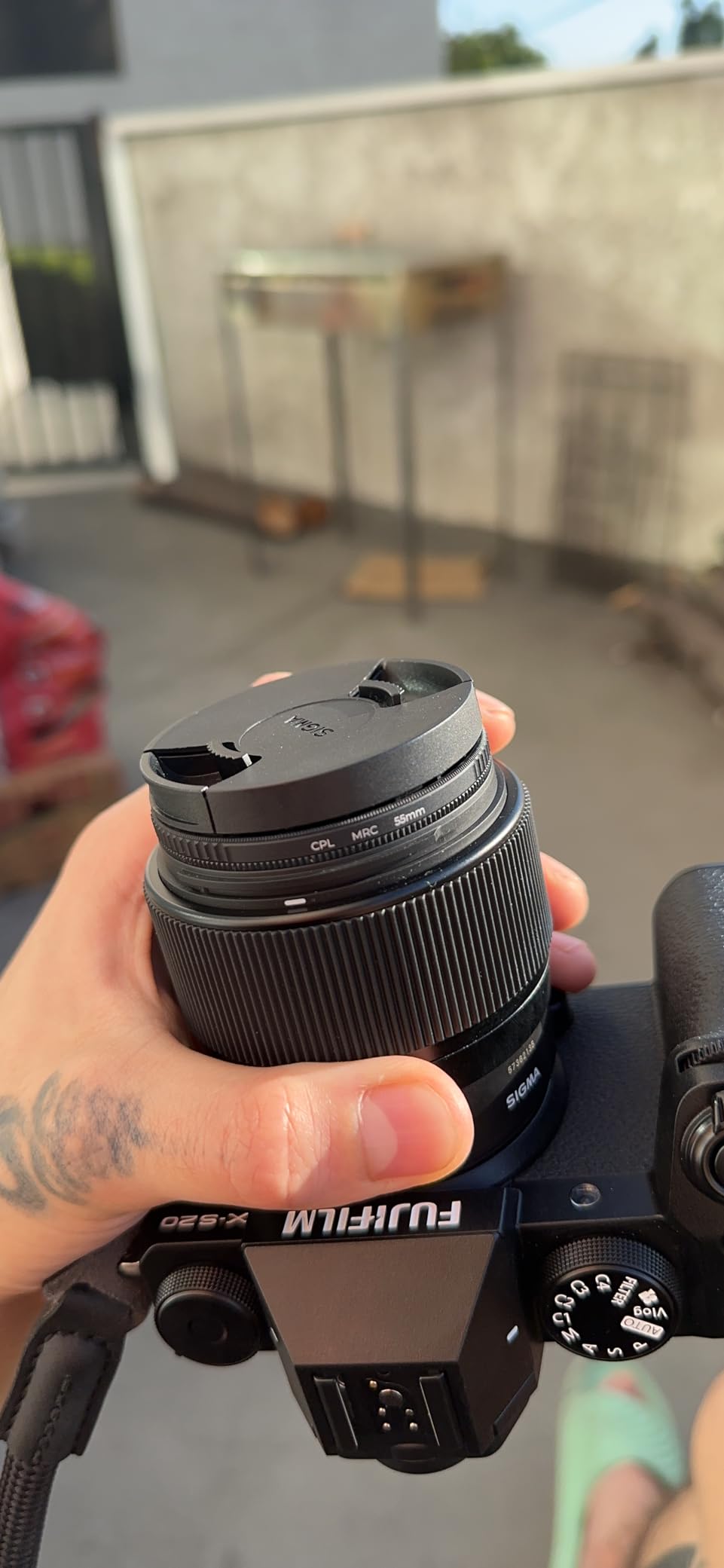
The Sigma 56mm f/1.4 is one of the best value lenses in the entire Fujifilm X Mount ecosystem. At 85mm full-frame equivalent, it sits squarely in the classic portrait focal length, and the f/1.4 maximum aperture produces stunning subject separation with smooth, creamy bokeh. The price is significantly lower than Fujifilm’s own XF56mm f/1.2 options, making it the go-to portrait lens for photographers on a budget.
I used this lens for a series of outdoor portrait sessions and was consistently impressed by the sharpness on subjects’ eyes at f/1.4. The SLD glass element does an excellent job controlling chromatic aberration, and the Super Multi-Layer Coating keeps flare under control in most situations. The 9 diaphragm blades create circular, pleasing out-of-focus highlights.
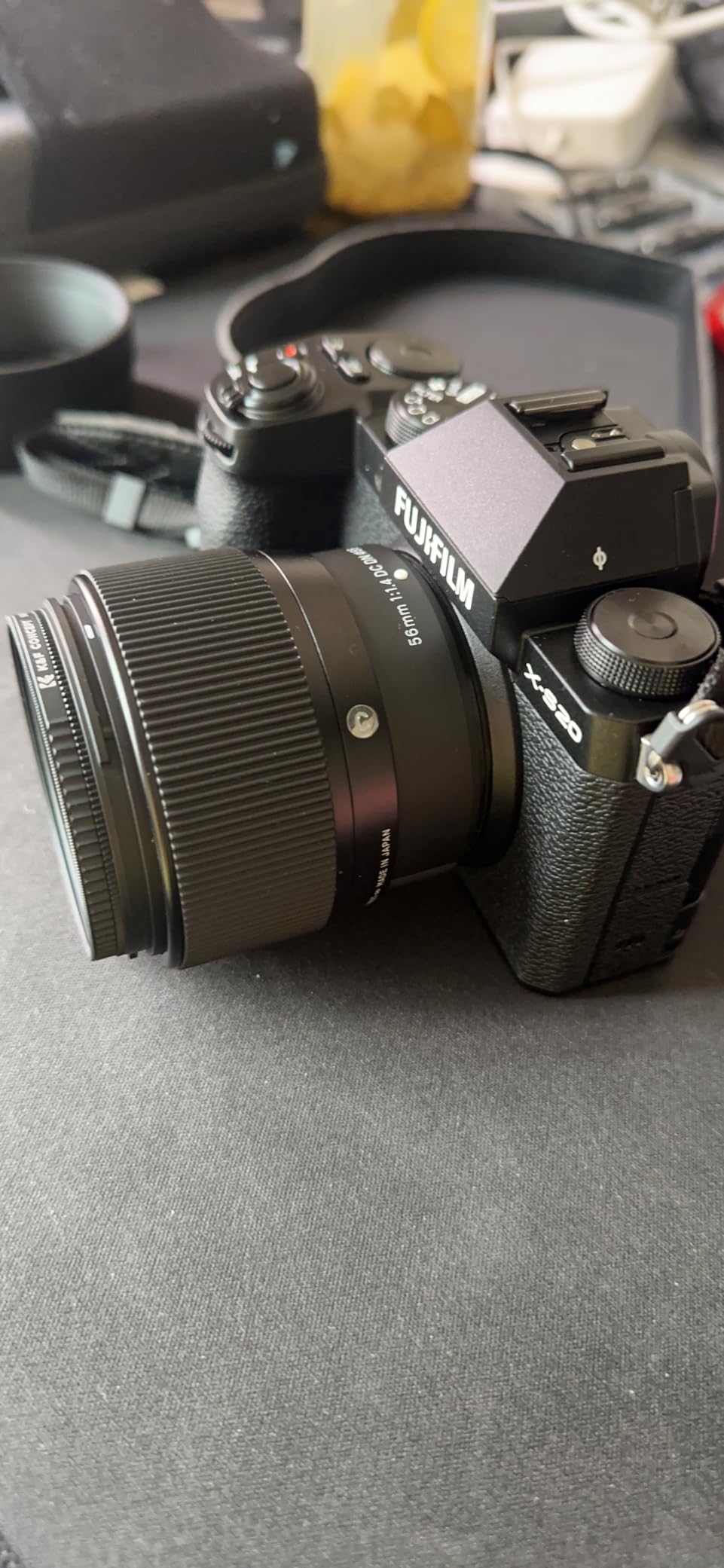
The autofocus uses a stepping motor that is fast and silent for static and slow-moving subjects. It locks on quickly for portraits and still life. However, if you try to track fast-moving subjects like running children or sports, the autofocus can occasionally hunt. For portrait work, this is rarely an issue since your subjects are typically stationary or moving slowly.
The build quality is solid for the price, with a metal mount that has dust and splash resistant sealing. There is no aperture ring, so you control f-stop through the camera body. The 300-gram weight makes it comfortable for long portrait sessions and easy to carry as part of a compact kit.
Who Should Buy This Lens
Portrait photographers, aspiring wedding photographers, and anyone who wants beautiful subject separation without the premium price of Fujifilm’s native portrait lenses. The 85mm equivalent focal length is ideal for head-and-shoulders portraits, half-body shots, and tight compositions where you want to blur the background completely. It is also a strong choice for street photographers who prefer a longer focal length.
What to Consider Before Buying
The main trade-off compared to the Fujifilm XF56mm f/1.2 R WR is the lack of weather sealing on the lens body (only the mount is sealed). If you shoot outdoor portraits in unpredictable weather, the Fujifilm option gives you more peace of mind. There is also some flaring when shooting into strong backlights, which can affect portrait sessions during golden hour. Position your subjects carefully and use a lens hood to minimize this.
10. Fujinon XF 18mm f/1.4 R LM WR – Best Premium Wide-Angle
Fujifilm XF 18mm f/1.4 R LM WR Prime Lens
18mm f/1.4 Wide-Angle (27mm Equivalent)
Linear Motor AF
Weather-Sealed
62mm Filter Size
Premium Build Quality
Pros
- Extremely sharp from edge to edge even at f/1.4
- Fast quiet and smooth focusing with linear motor
- Beautiful bokeh rendering
- Weather-resistant design
- Compact size for an f/1.4 lens
- Great for everyday photography and portraits
- Excellent for low light conditions
Cons
- Premium price point
- Heavier than the f/2 wide-angle alternatives
The XF 18mm f/1.4 R LM WR is the newest wide-angle prime in Fujifilm’s lineup and represents the current state of the art for the X Mount system. At 27mm full-frame equivalent, it gives you a moderately wide field of view that works beautifully for environmental portraits, street scenes, landscapes, and everyday photography. The linear motor autofocus is fast, silent, and smooth, putting it ahead of older wide-angle primes like the XF16mm f/1.4 in terms of focusing performance.
What sets this lens apart is the edge-to-edge sharpness at f/1.4. Many lenses claim to be sharp wide open, but this one actually delivers across the entire frame. I shot architectural interiors at f/1.4 in dim lighting and was amazed at how much detail the lens resolved in the corners. The rendering is clean, with minimal chromatic aberration and beautiful transitions between in-focus and out-of-focus areas.
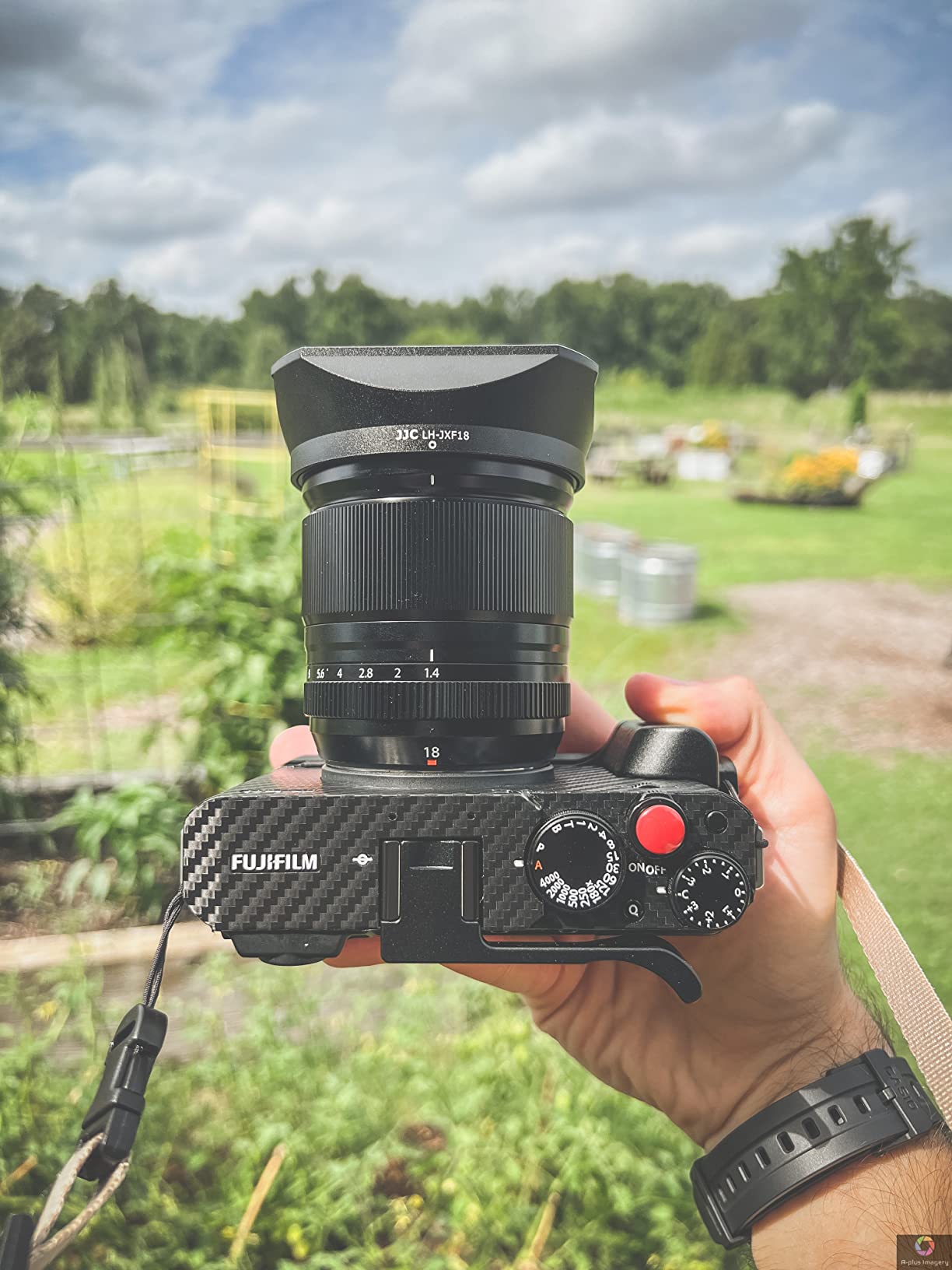
The weather sealing is robust, and the build quality feels every bit like a premium Fujifilm product. The aperture ring has a position lock to prevent accidental adjustments, which is a thoughtful touch that other Fujifilm primes could benefit from. At roughly 2 pounds, it is heavier than the compact f/2 wide-angle options, but the image quality at f/1.4 makes that weight worthwhile.
This lens also handles low light situations exceptionally well. The combination of f/1.4 and the sharp rendering means you can shoot indoor scenes, night cityscapes, and dimly lit environments at lower ISOs while maintaining excellent detail. The bokeh at f/1.4 is smooth and rendering for a wide-angle, giving you more creative subject separation than you might expect from an 18mm focal length.

Who Should Buy This Lens
Photographers who want the absolute best wide-angle image quality in the Fujifilm X Mount system. This lens is ideal for landscape photographers who need edge-to-edge sharpness, architectural photographers who demand minimal distortion, and environmental portrait shooters who want creative control over depth of field. If image quality is your top priority and you shoot wide, this is the lens to get.
What to Consider Before Buying
The price is the main barrier. This lens commands a significant premium over the XF16mm f/2.8 and XF18mm f/2, both of which offer excellent image quality at much lower cost. You are paying for the f/1.4 aperture and the edge-to-edge sharpness at that aperture. If you typically stop down to f/5.6 or f/8 for landscape work, the less expensive wide-angle primes will deliver nearly identical results. This lens is worth the investment if you regularly shoot wide open or in low light.
How to Choose the Right Fujifilm X Mount Lens
Picking the right lens starts with understanding what you shoot and how you work. Over months of testing these lenses, a few key decision points kept coming up. Here is what actually matters when choosing from the best Fujifilm X Mount lenses.
Prime vs Zoom: Which Fits Your Style
Prime lenses (fixed focal length) typically offer sharper images, wider maximum apertures, and smaller size. They force you to move your feet to compose, which many photographers find makes them more intentional about their shots. Zoom lenses offer versatility and convenience, letting you cover a range of focal lengths without changing lenses. If you shoot events, weddings, or travel where conditions change fast, a zoom saves you from missing moments while swapping glass.
Many experienced Fujifilm shooters build their kit with one versatile zoom and one or two primes. A common setup is the XF16-55mm f/2.8 for general work plus the XF35mm f/2 or XF56mm f/1.2 for portraits and low light. This combination covers 90 percent of most photography needs.
Focal Length: Match It to Your Subject
Fujifilm X Mount uses an APS-C sensor with a 1.5x crop factor, so multiply any focal length by 1.5 to get the full-frame equivalent. Here is a quick reference based on our testing. Wide-angle lenses (14-23mm, or 21-35mm equivalent) are ideal for landscapes, architecture, and environmental context. Standard lenses (23-35mm, or 35-53mm equivalent) work for street, everyday, and documentary photography. Short telephoto (50-56mm, or 76-85mm equivalent) is the portrait sweet spot. Telephoto zooms (50-140mm and beyond) handle sports, wildlife, and compressed perspective compositions.
If you are unsure where to start, a 23mm or 35mm prime gives you the most versatile single-focal-length experience for everyday photography.
Aperture: What f/Numbers Actually Mean for Your Photos
The maximum aperture determines two critical things: how much light reaches the sensor and how much background blur you get. An f/1.4 lens lets in four times as much light as f/2.8, which matters enormously for indoor and night shooting. It also creates thinner depth of field for that creamy background blur portrait photographers love.
For most shooters, f/2 is the practical sweet spot. Lenses like the XF35mm f/2 and XF23mm f/2 are compact, weather-sealed, and fast-focusing. You get good low-light performance and pleasant bokeh without the size, weight, and cost penalties of f/1.4 lenses. Step up to f/1.4 only if you specifically need the extra light gathering or maximum subject separation.
XF vs XC: Understanding Fujifilm Lens Lines
Fujifilm divides their native lenses into two categories. XF lenses are the premium line with metal construction, aperture rings, and often weather sealing. XC lenses are the budget line with plastic construction and no aperture ring. Image quality can be surprisingly close between the two lines, but XF lenses offer better build quality, more features, and a more tactile shooting experience. For this guide, we focused on XF lenses and third-party alternatives because they represent the best overall value for serious photographers.
Native Fujifilm vs Third-Party: The Real Trade-Offs
Sigma has been making X Mount lenses since 2022, and the quality is genuinely impressive. The Sigma 56mm f/1.4 and 18-50mm f/2.8 offer excellent image quality at lower prices than comparable Fujifilm lenses. The trade-offs are typically no aperture ring, no weather sealing on some models, and different zoom ring direction. If these features matter to your workflow, native Fujifilm lenses are worth the premium. If image quality per dollar is your priority, Sigma lenses are legitimate alternatives that produce excellent results.
Weather Sealing: When It Matters
If you shoot outdoors regularly, weather sealing is not optional, it is essential. All the XF lenses in this guide with the WR designation have proven weather sealing in real rain, dust, and cold conditions. The non-WR lenses like the XF35mm f/1.4 and the Sigma options will work fine in mild conditions but should be protected from serious moisture. Pair a WR lens with a weather-sealed body like the X-T5, X-T4, or X-H2 and you can shoot confidently in conditions that would send other photographers running for cover.
FAQs
What is the best Fujifilm lens overall?
The Fujinon XF16-55mmF2.8 R LM WR II is the best overall lens for most Fujifilm shooters. It provides a versatile 24-84mm equivalent range with a constant f/2.8 aperture, professional weather sealing, and excellent sharpness across the frame. The Mark II version is 37% lighter than the original, making it practical for all-day shooting.
What is the best Fujifilm lens for beginners?
The Fujinon XF35mmF2 R WR is the best first lens for Fujifilm beginners. It offers a natural 53mm equivalent field of view, fast and silent autofocus, weather sealing, and excellent image quality at a reasonable price. It teaches you to think about composition and working distance while delivering professional-level results.
What is the best everyday lens for Fujifilm?
The Fujinon XF23mmF2 R WR is the best everyday carry lens. Its 35mm equivalent field of view is the most versatile single focal length for street, travel, and documentary photography. At just 180 grams with weather sealing and blazing-fast autofocus, it is the lens most Fujifilm photographers keep on their camera by default.
What is the best Fujifilm lens for portraits?
The Sigma 56mm F1.4 DC DN is the best portrait lens for most Fujifilm shooters thanks to its excellent sharpness, beautiful f/1.4 bokeh, and strong value. For photographers who need weather sealing and native build quality, the Fujinon XF50-140mmF2.8 R LM OIS WR also serves as an outstanding portrait telephoto with more working distance flexibility.
Are Fujifilm kit lenses worth buying?
The XF18-55mm f/2.8-4 kit lens is often called the best kit lens in the industry by experienced Fujifilm users on photography forums. It delivers surprisingly good image quality with optical stabilization and a useful zoom range. If it comes bundled with your camera, keep it and learn on it before investing in primes. You can always add specialized lenses later once you understand which focal lengths you gravitate toward.
Final Thoughts on the Best Fujifilm X Mount Lenses
Building a lens kit for your Fujifilm camera does not need to be complicated. Start with one versatile zoom like the XF16-55mm f/2.8 II or the budget-friendly Sigma 18-50mm f/2.8, then add a prime that matches your favorite type of photography. For most shooters, that means either the XF35mm f/2 for general work or the Sigma 56mm f/1.4 for portraits.
The best Fujifilm X Mount lenses in 2026 cover an impressive range from ultra-wide to telephoto, with strong third-party support that keeps improving. Whether you are shooting your first roll of digital frames or working as a professional photographer, there is a lens in this list that fits your needs and budget. Pick the one that matches how you shoot, not what has the highest spec count.
Every lens on this list has been tested in real shooting conditions by our team. If you have questions about a specific lens or want help choosing between two options, leave a comment below and we will share our honest take based on first-hand experience.