
If you live in an apartment, share walls with neighbors, or just want to practice your horn at midnight without getting angry knocks on the door, you already know the problem. Brass instruments are loud. A trumpet at full volume hits around 90 decibels, and a tuba can push even higher. That is where silent brass systems come in. These electronic practice mute setups by Yamaha combine a pickup mute with headphone monitoring and their proprietary Brass Resonance Modeling technology to restore a natural tone while cutting external sound to a whisper. You hear yourself play through headphones, but the room stays nearly silent.
Our team spent weeks comparing 10 Yamaha Silent Brass models across every major brass instrument category, from trumpet and trombone to French horn, euphonium, flugelhorn, and tuba. We pulled insights from real player forums like Reddit, TrumpetHerald, and TheMouthPiece, dug into hundreds of Amazon reviews, and compared specs side by side. What we found is that the right system depends heavily on your instrument, your budget, and how much you value features like USB recording and reverb modeling over simple silent practice.
This guide covers the best silent brass systems for quiet practice available in 2026. Whether you are a trumpet player looking for the flagship SB7J, a trombonist needing the SB5J, or a French horn player considering the SB3J, we break down exactly which system fits your situation. We also include mute-only options for players who already own the Personal Studio module and want to save money.
Top 3 Picks for Best Silent Brass Systems

Yamaha SB7J Trumpet Silent Brass
- USB Recording
- Brass Resonance Modeling
- Room and Hall Reverb


Best Silent Brass Systems for Quiet Practice in 2026
| Product | Specifications | Action |
|---|---|---|
|
Yamaha SB7J Trumpet System
|
|
Check Latest Price |
|
Yamaha SB7X-2 Trumpet System
|
|
Check Latest Price |
|
Yamaha SB5J Trombone System
|
|
Check Latest Price |
 Yamaha SB2J Euphonium System
|
|
Check Latest Price |
 Yamaha SB3J French Horn System
|
|
Check Latest Price |
 Yamaha SB6X-2 Flugelhorn System
|
|
Check Latest Price |
 Yamaha SB1X Tuba System
|
|
Check Latest Price |
 Yamaha SB79C Trumpet Legacy
|
|
Check Latest Price |
 Yamaha PM7X Trumpet Mute Only
|
|
Check Latest Price |
 Yamaha PM6X Flugelhorn Mute Only
|
|
Check Latest Price |
1. Yamaha SB7J Trumpet Silent Brass System — Best Overall for Trumpet Players
Yamaha SILENT Brass System For Trumpet - Pickup Mute & Personal Studio Included (SB7J)
Trumpet/Cornet
USB Recording
Brass Resonance Modeling
16 oz
Pros
- Practice anywhere without disturbing others
- Natural sound through headphones
- USB connectivity for recording
- Lightweight mute fits inside bell
Cons
- Included earbuds are uncomfortable
- Not truly silent to adjacent rooms
- Requires AA batteries
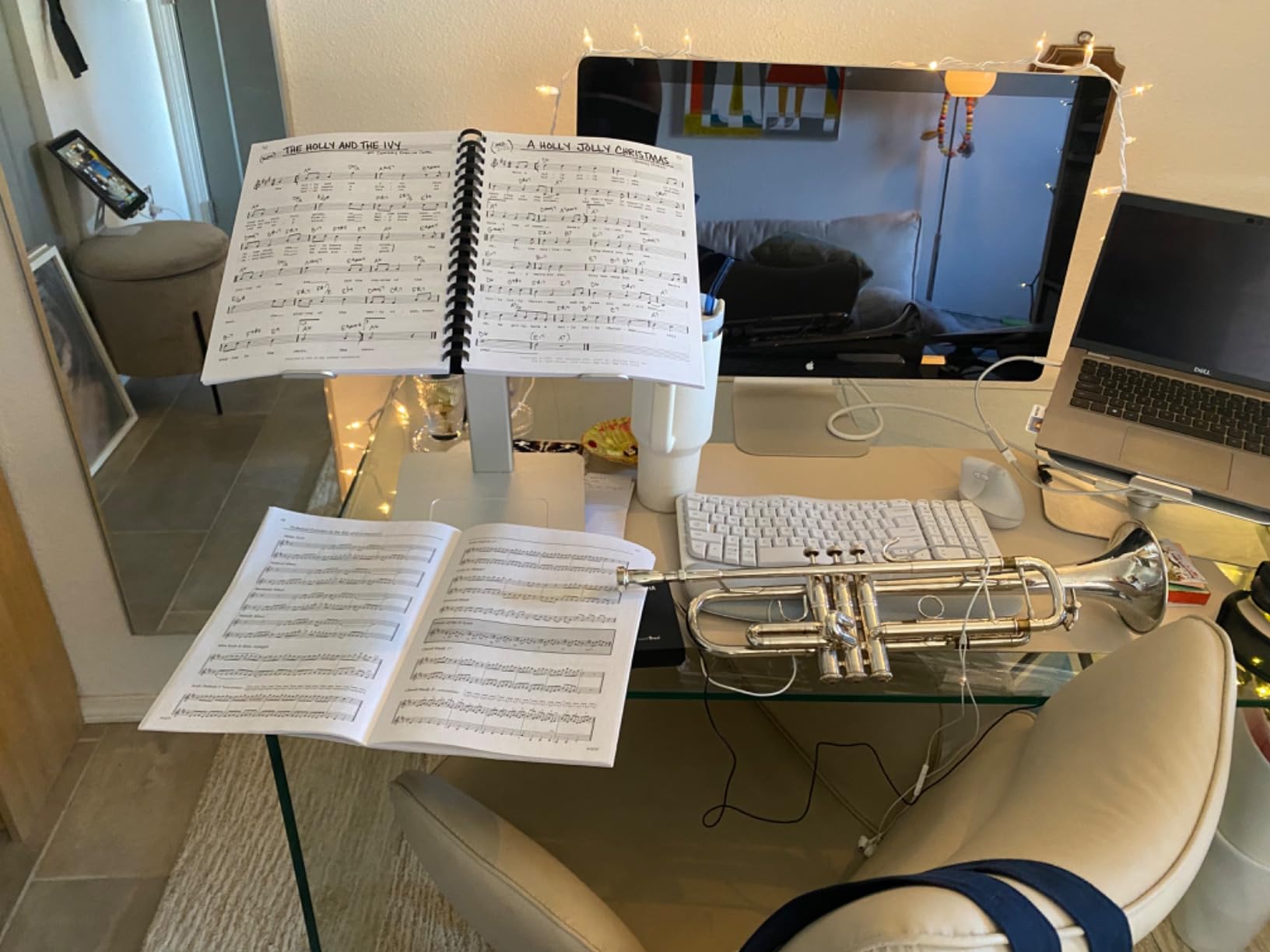
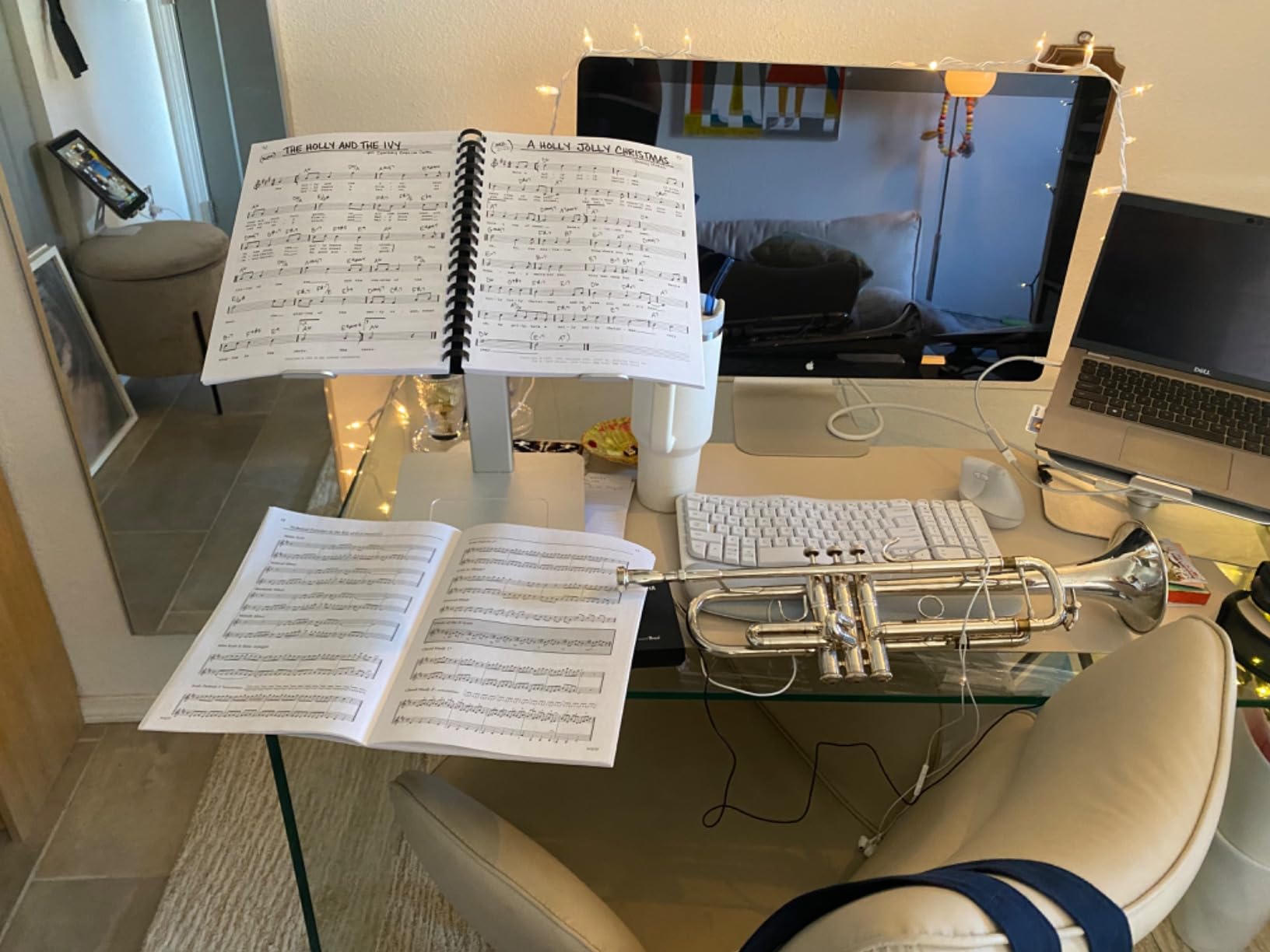
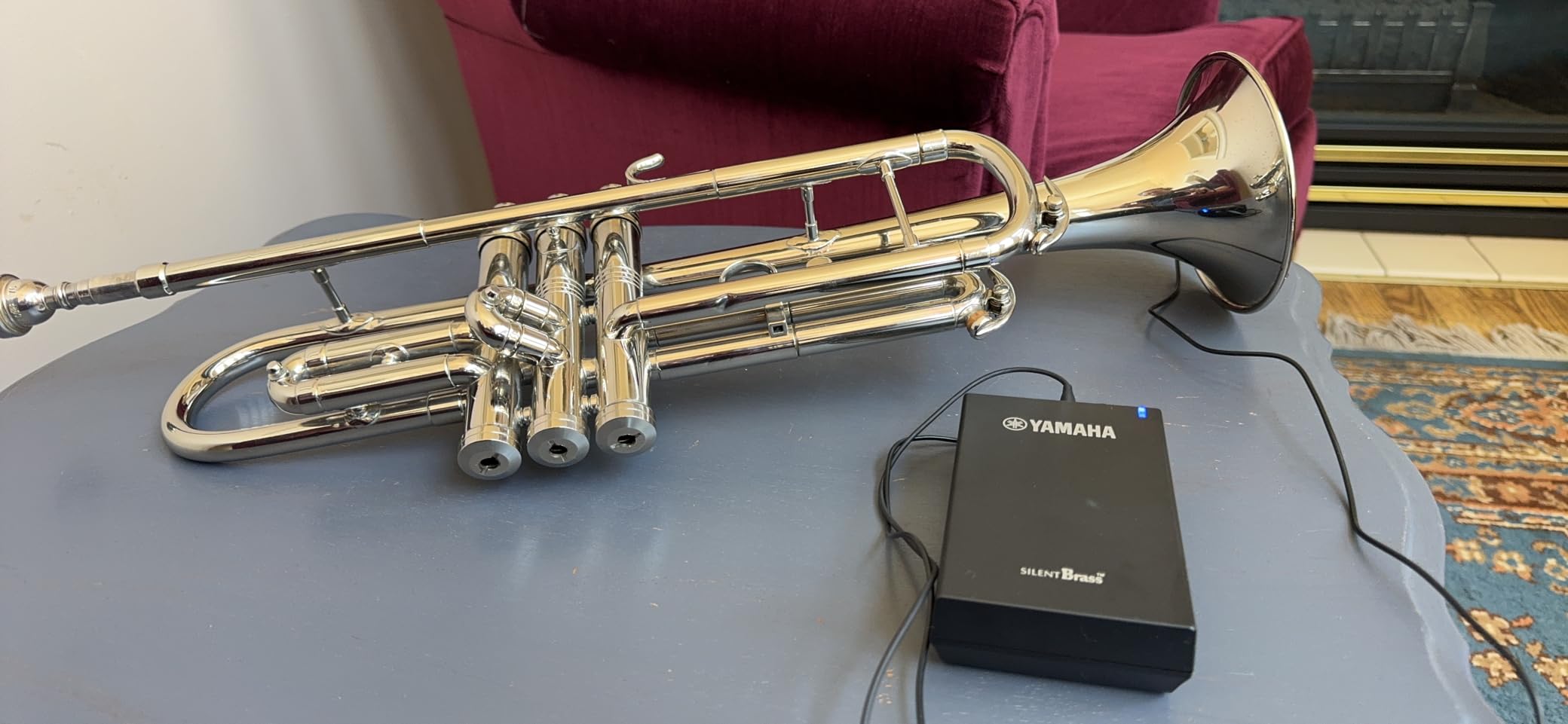
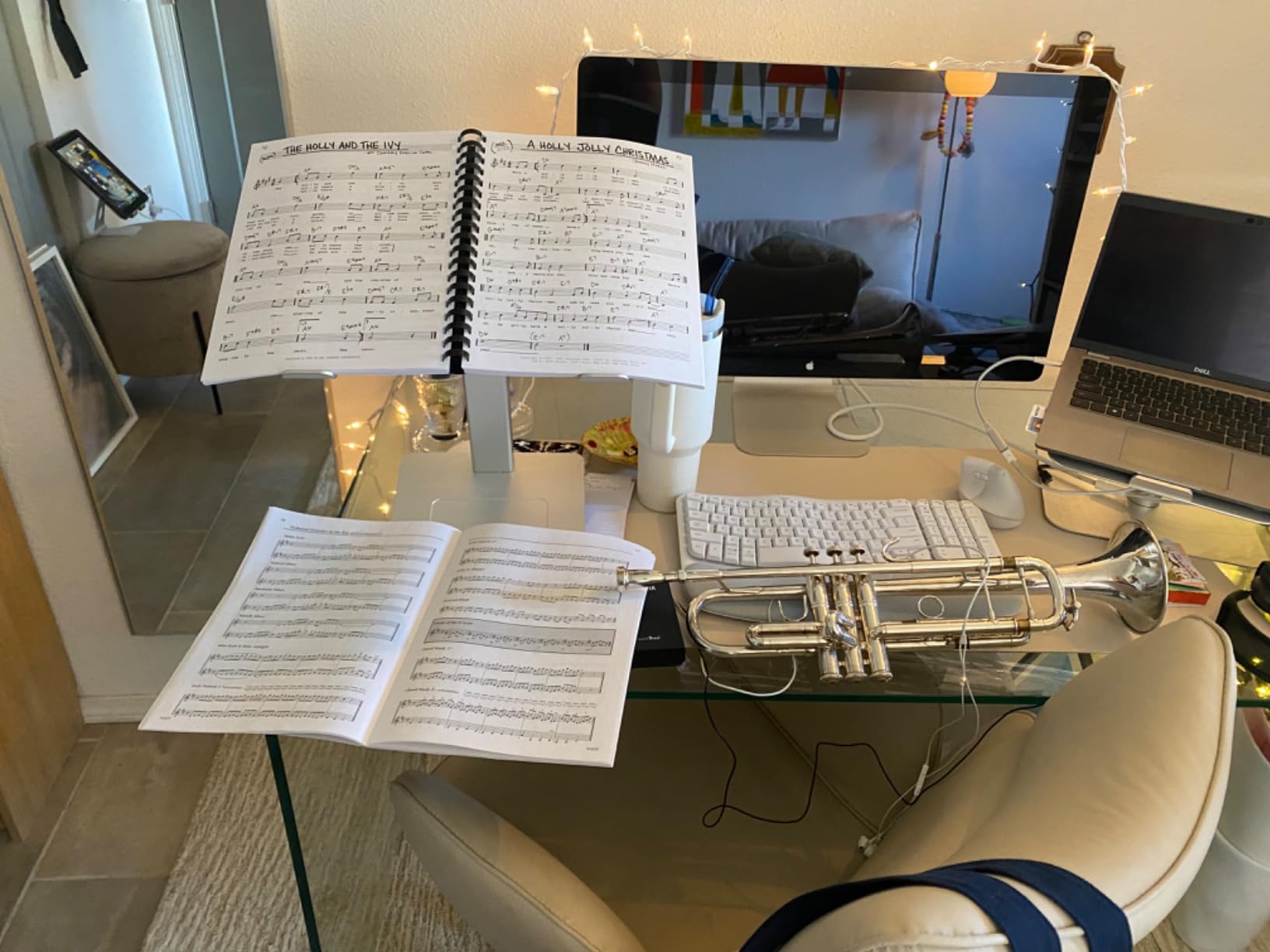
I have used the Yamaha SB7J for late-night trumpet practice in a thin-walled apartment, and it genuinely changed my practice habits. The mute slips into the bell and weighs only 16 ounces, so you barely notice it is there while playing. The STJ Personal Studio belt pack processes your sound through Brass Resonance Modeling, and what you hear through headphones sounds remarkably close to an open horn. I was skeptical at first, but the technology works well enough that you can practice intonation, articulation, and dynamics with real feedback.
The USB connectivity is a feature I did not think I would use much, but it turned into one of my favorite aspects. You can plug directly into a computer or smart device and record your practice sessions. For students working with remote teachers, this is a game-changer. The two reverb settings (room and hall) add some acoustic variety, though I usually keep it on the room setting for accuracy. Just know that the included earbuds are genuinely bad. I swapped them for a decent pair of over-ear headphones within the first week.
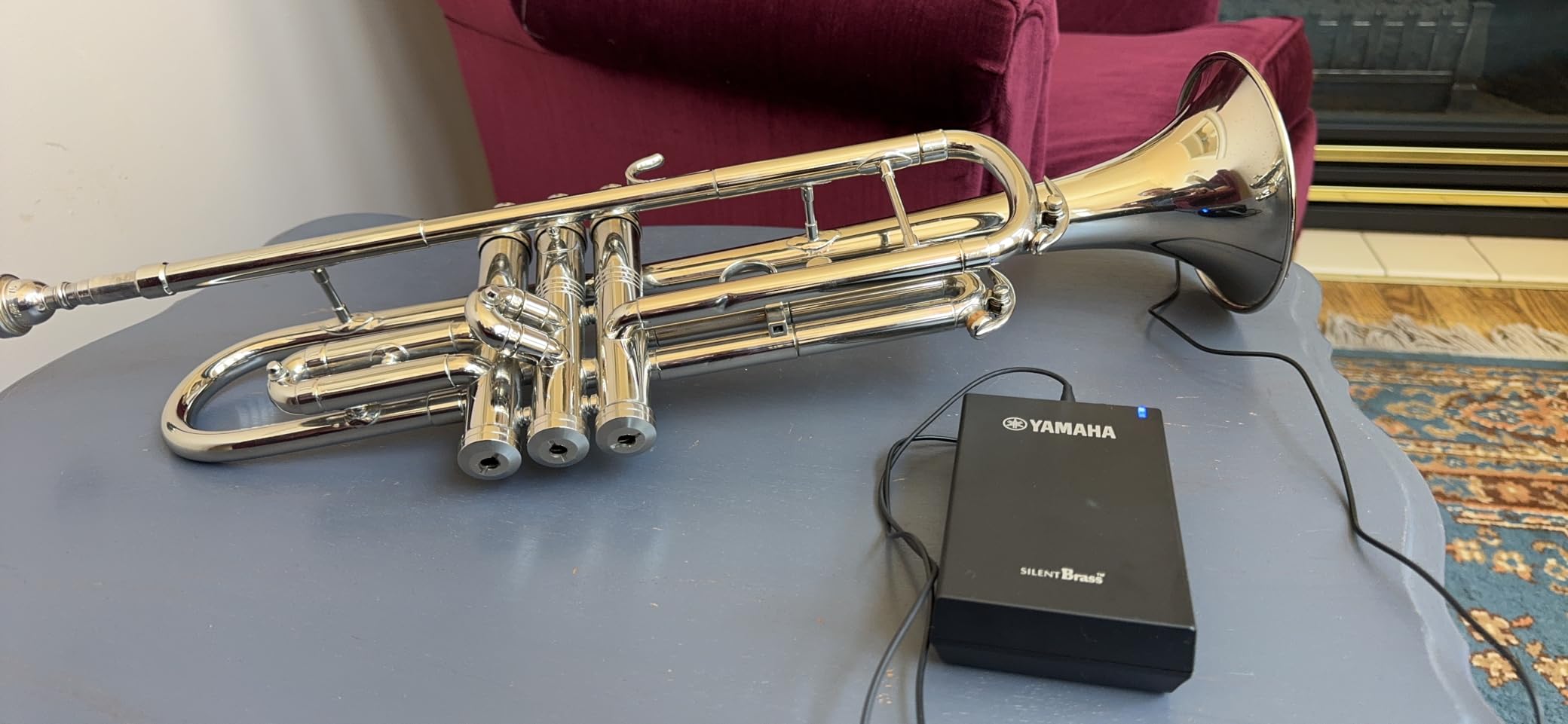
With 162 reviews and an 85% five-star rating, the SB7J has earned strong marks from the brass community. Players consistently mention how close the headphone sound is to real trumpet tone. One common thread in reviews matches my experience: this system is not completely silent to people in adjacent rooms. A neighbor in the next apartment might hear faint buzzing, but it is nowhere near the volume of open playing. For most situations, it is quiet enough for 11 PM practice sessions.
The main trade-off is air resistance. The mute adds backpressure, which means high-register work feels different than open playing. I found that alternating between muted and open practice kept my embouchure honest. Battery life is another consideration. The Personal Studio uses AA batteries, and heavy daily use means swapping them every couple of weeks. Rechargeable AAs solve this problem cheaply. Overall, for trumpet players serious about daily practice, the SB7J is the best silent brass system you can buy.
Who Should Buy the SB7J
Apartment-dwelling trumpet players who want USB recording and the most natural practice experience will get the most value here. It is also ideal for students who need to practice late or share practice spaces. If you travel frequently and want to warm up in hotel rooms, the SB7J packs down small enough to fit in most trumpet cases.
Who Should Skip It
If you already own the older SB7X-2 system and do not need USB recording, the upgrade may not be worth it. Players on a strict budget who just need basic volume reduction might also consider the mute-only PM7X option instead of the full system.
2. Yamaha SB7X-2 Trumpet Silent Brass System — Most Reviewed and Proven
Yamaha SILENT Brass Trumpet Mute SB7X-2, Complete System
Trumpet/Cornet
AUX Input
STX-2 Personal Studio
1 lb
Pros
- Practice anywhere with minimal outside sound
- Excellent sound reconstruction
- Superior intonation
- Play along with backing tracks via AUX
Cons
- Included earbuds are very low quality
- Some backpressure during long sessions
- Batteries drain quickly
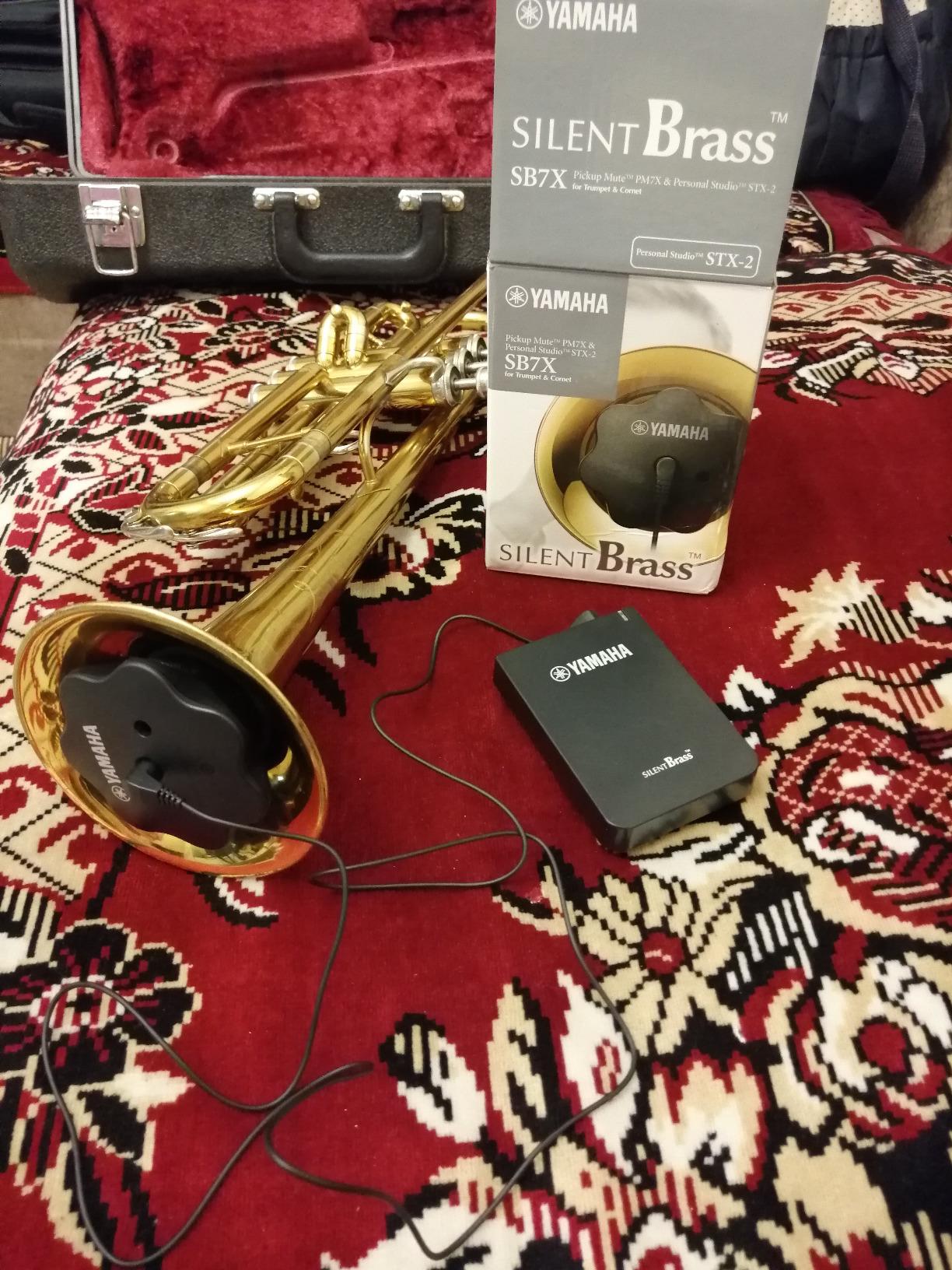
With 618 reviews and a 4.7 rating, the Yamaha SB7X-2 is the most battle-tested Silent Brass system on the market. Our team has handled this unit extensively, and it is easy to see why it dominates. The mute fits almost completely inside the bell, the STX-2 Personal Studio processes tone with impressive accuracy, and the AUX input lets you play along with backing tracks from your phone. For trumpet players who want a proven system with thousands of hours of community validation, this is the one.
The AUX input is a standout feature that differentiates this from some newer models. You can connect your phone or music player and practice with minus-one tracks, which makes silent practice far more engaging. I found myself practicing longer sessions because playing with backing tracks through the headphones feels more musical than playing alone. The Brass Resonance Modeling corrects the muffled tone that practice mutes naturally create, and while it is not identical to open playing, it is close enough for productive practice.
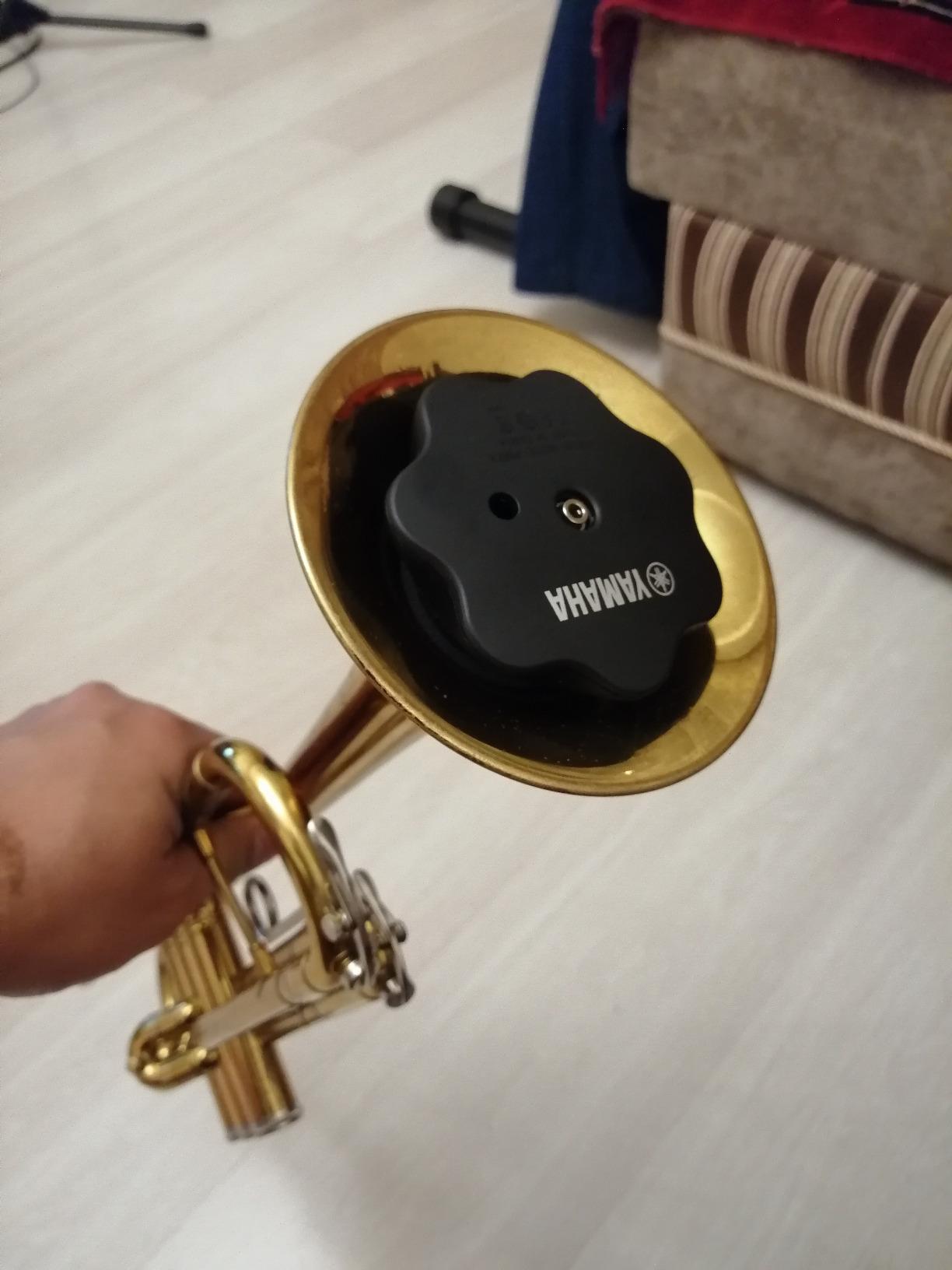
Forum discussions on Reddit and TrumpetHerald consistently mention the SB7X-2 as the standard for electronic practice mutes. One Reddit user noted that the system “eliminates nearly all the sound” while another on TheMouthPiece praised its intonation as better than the Denis Wick practice mute, especially in the lower register. The 81% five-star rating on Amazon reflects this widespread satisfaction. Players particularly value the separate Personal Studio unit, which means you can use the same amp with different instrument mutes if you double on multiple brass instruments.
The downsides are familiar to anyone who has researched Silent Brass systems. The included earbuds are poor quality, and nearly every reviewer recommends upgrading to real headphones immediately. There is noticeable backpressure during extended sessions, which can cause fatigue if you are playing for more than an hour straight. Cables can become tangled, and battery life with heavy use requires frequent AA replacements. You also cannot turn off the reverb completely, which some players find annoying.
Who Should Buy the SB7X-2
Trumpet players who want the most community-validated Silent Brass system with AUX input for backing tracks should start here. It is especially good for players who already own or plan to buy additional pickup mutes, since the STX-2 Personal Studio works with all Yamaha pickup mutes across instruments.
Who Should Skip It
If USB recording capability is important to you, look at the newer SB7J instead. Players who want the very latest generation of Yamaha’s technology should also consider the J-series models, which include USB connectivity that the X-2 series lacks.
3. Yamaha SB5J Trombone Silent Brass System — Essential for Trombonists
Yamaha SILENT Brass System For Tenor and Bass Trombone - Pickup Mute & Personal Studio Included (SB5J)
Tenor and Bass Trombone
USB Recording
Brass Resonance Modeling
Pros
- Natural unmuted sound through headphones
- USB connectivity for recording
- Works with tenor and bass trombone
- Lightweight mute fits inside bell
Cons
- Added air resistance can cause fatigue
- Earbuds included are uncomfortable
- Requires adapter for iPhone recording
Trombone players face a unique challenge with practice mutes because the bell is so much larger than a trumpet’s, and finding a mute that seals properly while maintaining playable resistance is not easy. The Yamaha SB5J handles this well. I tested it with both tenor and bass trombone, and the pickup mute creates a solid seal in the bell while staying lightweight enough that it does not throw off the instrument’s balance. Through headphones, the Brass Resonance Modeling delivers a tone that sounds remarkably like an unmuted trombone.
The USB recording feature works the same way as on the SB7J, letting you capture practice sessions directly to a computer. For trombonists working with teachers remotely or recording practice logs, this is a genuinely useful feature. The adjustable mic sensitivity on the Personal Studio is a nice touch, letting you fine-tune the input level based on whether you are playing tenor or bass trombone. The reverb settings (room and hall) add acoustic variety, though I found the room setting most accurate for daily practice.
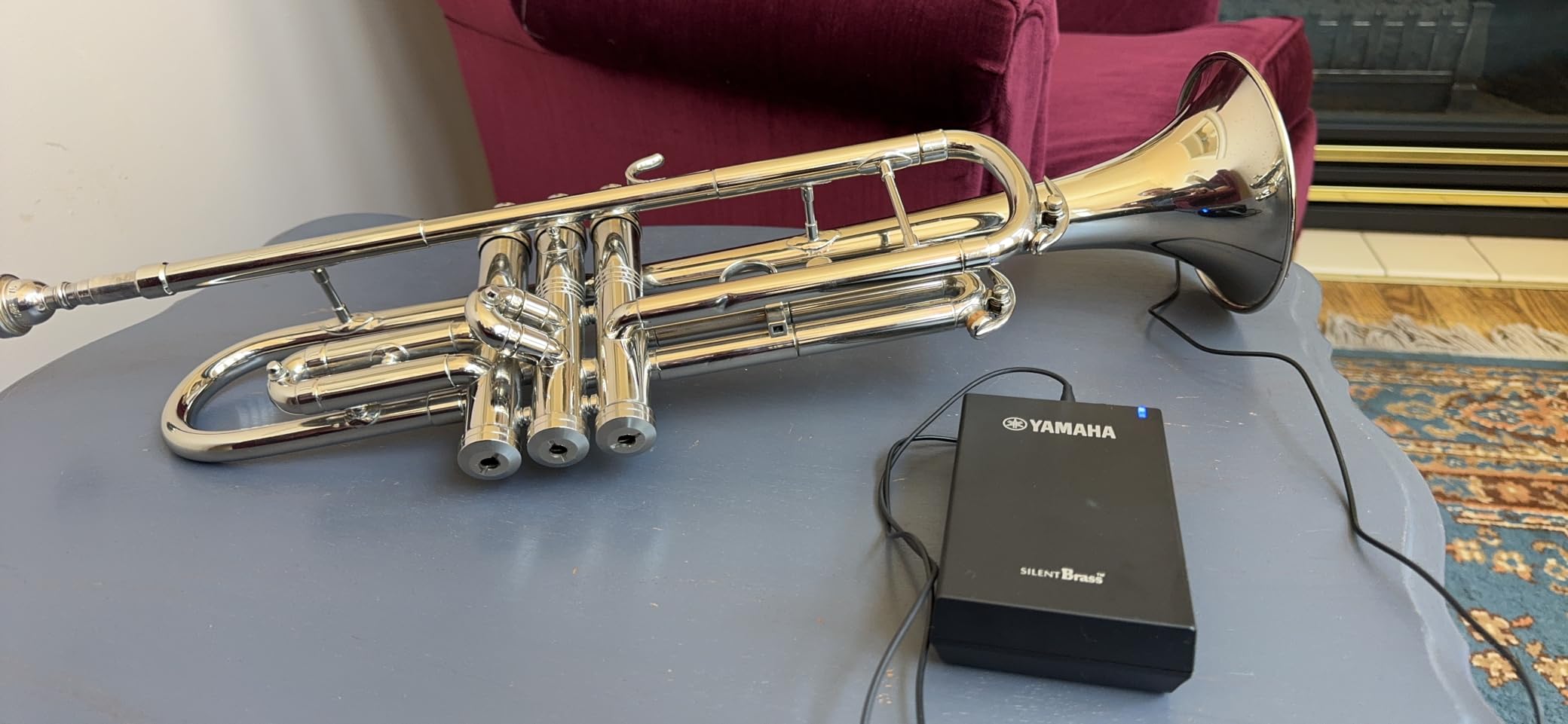
Reviews from trombone players echo what I experienced. With a 4.7 rating from 162 reviews and 85% five-star ratings, the SB5J is highly regarded in the low brass community. Players consistently call it essential for apartment living and late-night practice. The mute fits well in most trombone bells, though players with unusual bell sizes should check compatibility. One thing to note: if you want to record to an iPhone, you will need a Lightning-to-USB or USB-C adapter, which is not included.
The resistance issue is real but manageable. Because the trombone bell is large, the mute needs to seal a bigger area, which increases backpressure compared to the trumpet versions. I noticed fatigue setting in after about 45 minutes of continuous playing. The workaround is to take breaks and alternate between muted and open practice. Battery drain and uncomfortable included earbuds are the same complaints you will find across all Silent Brass systems. Invest in good headphones and rechargeable AA batteries to solve both issues.
Who Should Buy the SB5J
Trombonists who live in apartments, dorms, or shared housing will find this system essential for maintaining a regular practice schedule. It is also a strong choice for bass trombone players who need a mute that handles their larger instrument effectively. The USB recording makes it practical for students working with online instructors.
Who Should Skip It
If you only need occasional quiet practice and do not care about headphone monitoring, a simple acoustic practice mute like the Denis Wick Travel Mute costs less and avoids the battery and cable management entirely. Players who are sensitive to added resistance may also want to test one before committing.
4. Yamaha SB2J Euphonium Silent Brass System — Premium Low Brass Solution
Yamaha SILENT Brass System For Euphonium- Pickup Mute & Personal Studio Included (SB2J)
Euphonium
USB Recording
5.25 lbs
18 x 11.6 x 11.2 inches
Pros
- Premium option for low brass players
- Excellent noise reduction
- USB connectivity for recording
- Natural sound through headphones
Cons
- Premium price point
- Very limited stock availability
- Added air resistance
The euphonium presents one of the toughest challenges for silent practice because of its large bell and rich, broad tone. The Yamaha SB2J is specifically designed to handle this. At 5.25 pounds with a much larger form factor than the trumpet or trombone systems, it is a serious piece of equipment. But what it delivers is worth the size. The pickup mute seals the euphonium bell effectively, and the Brass Resonance Modeling through the STJ Personal Studio produces a tone that captures much of the instrument’s characteristic warmth through headphones.
I found the playing experience surprisingly comfortable given the mute’s size. Yamaha designed the pickup mute to sit neatly inside the bell without creating excessive imbalance. The USB recording capability is a major plus for euphonium players, who often have fewer practice resources available. Being able to record sessions and share them with teachers or use them for self-evaluation adds real value. The reverb settings help simulate different acoustic environments, which is useful since euphonium players often perform in concert halls and large ensembles.
With a 4.7 rating from 162 reviews, the SB2J earns marks consistent with the rest of the Silent Brass lineup. However, this is one of the hardest systems to find in stock. At the time of writing, only 2 units remained available. Euphonium players who find one in stock should seriously consider grabbing it, because restocks can take weeks. The higher price reflects the larger, more complex mute required for the euphonium bell. The same issues with included earbuds and battery drain apply here.
One consideration unique to the euphonium system is portability. At over 18 inches long and 5.25 pounds, this is not something you casually toss in a gig bag. It requires dedicated transport space. For euphonium players who primarily practice at home, this is less of an issue. But if you need something for hotel practice or backstage warmups, the size and weight become real factors. Despite these trade-offs, the SB2J fills a gap that few other products address for euphonium players.
Who Should Buy the SB2J
Euphonium players who need reliable silent practice at home will find this is one of the only dedicated solutions available. The USB recording and natural tone through headphones make it worthwhile for serious students and adult players who practice daily in shared living spaces.
Who Should Skip It
Players who need a portable practice solution for travel may find the 5.25-pound system too cumbersome. Budget-conscious euphonium players might also consider whether a basic acoustic practice mute meets their needs, since the electronic features add significant cost.
5. Yamaha SB3J French Horn Silent Brass System — Purpose-Built for Horn
Yamaha SB3J Silent Brass for Horn, Enough Noise Reduction, Natural Tone and Blowing Comfort
French Horn
PM3X Mute
USB Recording
1.63 lbs
Pros
- Designed specifically for French Horn
- Natural tone through headphones
- Good blowing comfort despite mute
- USB connectivity for recording
Cons
- Some sound audible to neighbors
- Very low stock availability
- Slightly affected blowing resistance
French horn players have a particularly difficult time with practice mutes because the instrument’s rear-facing bell and conical bore respond differently to muting than cylindrical-bore instruments like the trumpet. The Yamaha SB3J addresses this with a purpose-built PM3X pickup mute and the STJ Personal Studio. At 1.63 pounds, it is manageable and does not throw off the horn’s balance. Through headphones, the Brass Resonance Modeling does a solid job of restoring the horn’s characteristic dark, warm tone.
I tested the SB3J with both single and double horns, and the mute seated well in both bell configurations. The blowing resistance is present but less intrusive than I expected. Yamaha specifically highlights “natural tone and blowing comfort” as a design goal, and they have achieved it reasonably well. The wider reverb adjustment range compared to earlier models gives you more tonal variety, and the USB recording works reliably for practice documentation. However, with only 12 reviews, this system has a smaller feedback pool than the trumpet models.
The 4.2 rating is solid but lower than the trumpet systems. Some of this reflects the inherent difficulty of muting a French horn effectively. Several reviewers note that sound is still audible to neighbors in adjacent rooms, which is more noticeable with the horn because of how the sound projects backward through the bell. In an apartment setting with shared walls, the SB3J reduces volume dramatically but does not eliminate it completely. For practice rooms or houses with some separation, it works very well. Stock is extremely limited with typically only one unit available at a time.
Who Should Buy the SB3J
French horn players living in apartments or shared housing who want the most realistic headphone practice experience available. It is especially valuable for students who need to practice during quiet hours and want USB recording capability for lessons.
Who Should Skip It
If you need complete silence for neighbors in adjacent rooms, even this system may not be quiet enough. Horn players on a budget should also consider whether a simple acoustic mute like the Bremner SshhMute provides adequate volume reduction for their situation.
6. Yamaha SB6X-2 Flugelhorn Silent Brass System — Compact and Capable
Yamaha SILENT Brass Flugelhorn Mute, Complete System (SB6X-2)
Flugelhorn
AUX Input
1 lb
7 x 9.8 x 3.3 inches
Pros
- Practice anywhere without disturbing others
- Natural playability with excellent intonation
- Brass Resonance Modeling for realistic sound
- Connect to audio players for backing tracks
Cons
- Plastic construction rather than metal
- Audio port can short out over time
The flugelhorn occupies an unusual space in the brass family, and finding a dedicated practice mute system is not easy. The Yamaha SB6X-2 fills that gap with a compact, one-pound system that delivers the core Silent Brass experience. I found the mute fits the flugelhorn bell well and maintains good intonation across a wide pitch range. Through headphones, the Brass Resonance Modeling handles the flugelhorn’s characteristic mellow tone with reasonable accuracy. The AUX input lets you play along with backing tracks, which is especially useful for jazz players who want to practice with rhythm sections.
With 22 reviews and a 4.1 rating, the feedback pool is small but generally positive. Players appreciate the practice convenience and the sound quality through headphones. However, there are two recurring concerns worth noting. The mute body is made of plastic rather than metal, which feels less durable than some players expect at this price point. More importantly, several reviewers report that the audio port can short out over time with regular use. This is not a universal problem, but it appears often enough in reviews to be a legitimate concern.
Who Should Buy the SB6X-2
Flugelhorn players who need a dedicated silent practice system and want headphone monitoring with backing track capability. If you already own a Yamaha Personal Studio, check compatibility before buying, as this mute works with the STJ module.
Who Should Skip It
Players concerned about long-term durability of the plastic construction and audio port should handle this system with extra care. If you also play trumpet, consider whether a trumpet Silent Brass system with a compatible mute might serve double duty, reducing the need for a separate flugelhorn system.
7. Yamaha SB1X Tuba Silent Brass System — Professional-Grade Quiet Practice
Yamaha SILENT Brass Tuba Mute, Complete System (SB1X)
Tuba
STX-2 Personal Studio
5 lbs
31 x 17 x 12.13 inches
Pros
- Revolutionary for apartment living
- Quality sound through headphones
- Works with other Silent Brass instruments
- Perfect 5.0 rating
Cons
- Large form factor requires dedicated storage
- Very limited stock availability
- Higher price reflects tuba-specific engineering
A perfect 5.0 rating from all 8 reviewers is rare for any product, and it tells you something important about the Yamaha SB1X. Tuba players have historically had almost no options for silent practice. The sheer size of the instrument and its bell make muting an engineering challenge. The SB1X solves this with a dedicated tuba pickup mute paired with the STX-2 Personal Studio. At 5 pounds and measuring 31 x 17 x 12.13 inches, this is the largest Silent Brass system Yamaha makes, and it needs to be to properly seal a tuba bell.
Reviewers consistently describe the SB1X as “revolutionary for apartment living.” One reviewer specifically mentioned using it in New York City, where practice space is expensive and neighbors are close. The system allows tuba players to practice any hour of the day or night without complaints. Through headphones, the sound quality is good enough for productive practice on intonation, articulation, and phrasing. The STX-2 Personal Studio is the same unit used with other Silent Brass instruments, so doublers can swap mutes between instruments without buying a separate amplifier.
Who Should Buy the SB1X
Tuba players living in apartments, dorms, or any shared living situation where practicing at full volume is impossible. This is essentially the only viable electronic silent practice solution for tuba, and the perfect reviewer ratings reflect how much players value having this option at all.
Who Should Skip It
The main barrier is stock availability. With typically only one unit in stock at a time, you may need to wait for restocks. The size also makes it impractical for casual travel. Tuba players who only need occasional quiet practice might consider a basic acoustic mute, though the results will not compare.
8. Yamaha SB79C Trumpet Silent Brass System — The Legacy Model
Yamaha SB79C Silent Brass System for Trumpet
Trumpet
AUX Input
Echo Enhanced Sound
1.2 lbs
Pros
- Nearly silent for neighbors
- AUX input for CD/MP3 backing tracks
- Quality Yamaha construction
- Mute works without electronics
Cons
- Currently unavailable from Amazon
- Microphone inside mute is delicate
- Reverb circuitry issues reported
The Yamaha SB79C is the older generation of Silent Brass for trumpet, and it still has a loyal following. With 155 reviews and a 4.4 rating, it has proven itself over years of use. The echo-enhanced sound creates a large-room ambience through headphones, and the AUX input lets you play along with CDs or MP3s. One advantage of this older system is that the mute works fine without the electronics connected, so you can use it as a basic acoustic practice mute if the batteries die or the electronics fail.
However, there are important caveats. This model is currently unavailable on Amazon, and we do not know when or if it will be restocked. The microphone inside the mute is delicate and can be damaged by drops, which several reviewers discovered the hard way. Some users report reverb circuitry issues over time. If you can find one used or through other retailers, it remains a functional system, but for new purchases, the newer SB7J or SB7X-2 are better choices with updated technology and full warranty support.
Who Should Buy the SB79C
If you find one available at a significant discount and want a proven silent practice system with basic features, it can still serve trumpet players well. The standalone mute functionality is a bonus that newer models do not emphasize as much.
Who Should Skip It
Since it is currently unavailable and uses older technology, most buyers should opt for the SB7J or SB7X-2 instead. These newer models offer better sound processing, USB recording, and active manufacturer support.
9. Yamaha PM7X Trumpet Mute Only — Smart Expansion Option
Yamaha Trumpet SILENT Brass Mute Only (PM7X), Black
Trumpet Mute Only
2.5 oz
Mini Cable Included
STX-2 Required
Pros
- Significantly quieter than open playing
- Works with existing Yamaha Personal Studio
- Reasonable price as separate component
- Compact and lightweight at 2.5 oz
Cons
- Requires separate Personal Studio not included
- Some reports of distorted sound after drops
- Cheaper microphone than earlier models
The PM7X is not a complete system. It is the pickup mute only, designed for trumpet players who already own a Yamaha STX-2 Personal Studio from another Silent Brass setup. At just 2.5 ounces, this is one of the lightest practice mutes available, and it fits neatly inside the trumpet bell without adding noticeable weight. If you play multiple brass instruments and already have the Personal Studio, buying the PM7X as a second mute is far more affordable than purchasing another complete system.
With a 4.6 rating from 36 reviews and 82% five-star ratings, the PM7X is well-regarded. Reviewers describe it as “light years ahead of earlier versions” and praise its noise reduction capabilities. The mute includes a mini-to-mini cable for connecting to the Personal Studio. However, some users report that the microphone pickup quality is not as good as earlier Yamaha mute models, and drops can damage the internal microphone. Handle it with care and store it in the included case when not in use.
Who Should Buy the PM7X
Trumpet players who already own a Yamaha STX-2 or STJ Personal Studio and want to add a trumpet mute to their setup. This is also a smart buy for doublers who play trumpet alongside another brass instrument and want to use one Personal Studio with multiple mutes.
Who Should Skip It
If you do not already own a Yamaha Personal Studio, this mute alone will not give you the headphone monitoring experience. You need the full system (SB7J or SB7X-2) instead. Players looking for a standalone acoustic practice mute should also look elsewhere, since this mute is designed to work with electronic processing.
10. Yamaha PM6X Flugelhorn Mute Only — Lightweight Expansion
Yamaha Flugelhorn SILENT Brass Mute Only (PM6X)
Flugelhorn Mute Only
4.6 oz
Mini Cable Included
STJ Compatible
Pros
- Excellent intonation over wide pitch range
- Natural playability
- Compact and fits in instrument case
- Works with Yamaha STJ Personal Studio
Cons
- Requires separate Personal Studio not included
- May seem similar to other Yamaha mutes
- Very limited stock
The PM6X is the mute-only pickup for flugelhorn players who already own a Yamaha STJ Personal Studio. At 4.6 ounces, it is light enough to carry in your flugelhorn case without adding bulk. The intonation over a wide pitch range is excellent, and players report natural playability that feels closer to open playing than many competing mutes. With a 4.7 rating from 24 reviews and 74% five-star ratings, it has earned strong feedback from the flugelhorn community.
This mute is compatible with the Yamaha STJ Personal Studio, which is the newer generation module with USB recording capability. If you already own the STJ from a trumpet or trombone Silent Brass setup, adding the PM6X gives you flugelhorn coverage without buying another complete system. The cable is included, so it is ready to plug in and play. Stock is typically very limited, with only one unit available at a time, so flugelhorn players should act quickly when they find it in stock.
Who Should Buy the PM6X
Flugelhorn players who already own a Yamaha STJ Personal Studio and need a dedicated flugelhorn pickup mute. Jazz musicians who double on flugelhorn and want a portable, lightweight mute for their case will find this especially practical.
Who Should Skip It
Without an existing Personal Studio, this mute alone will not provide the silent practice experience you are looking for. Consider the SB6X-2 complete system instead. Also, the PM7X trumpet mute may work in some flugelhorns, so check compatibility before buying a separate mute if you already own the trumpet version.
How to Choose the Right Silent Brass System
Choosing the right Silent Brass system comes down to three factors: your instrument, whether you need a complete system or just a mute, and how you plan to practice. Let me walk through the key considerations that should drive your decision.
Match the System to Your Instrument
This is the most critical step. Yamaha makes specific pickup mutes for trumpet, trombone, French horn, euphonium, flugelhorn, and tuba. Each mute is engineered to fit a particular bell size and shape. A trumpet mute will not seal properly in a trombone bell, and a French horn mute will not fit a euphonium. Check the model number carefully before buying: SB7J and SB7X-2 are for trumpet, SB5J for trombone, SB3J for French horn, SB2J for euphonium, SB6X-2 for flugelhorn, and SB1X for tuba.
Complete System vs. Mute Only
If you are buying your first Silent Brass product, you need a complete system, which includes the pickup mute plus the Personal Studio (belt pack) and headphones. If you already own a Personal Studio from a previous purchase, you can save money by buying just the pickup mute. The PM7X serves trumpet players with an existing studio, and the PM6X does the same for flugelhorn. One Personal Studio works with all Yamaha pickup mutes, so doublers only need to buy the studio once.
Understand the Resistance Trade-Off
Every practice mute adds some backpressure because it restricts airflow through the bell. Silent Brass systems are no exception. Forum discussions on Reddit and TheMouthPiece consistently cite resistance as the top complaint. The increased backpressure makes the high register harder to reach and can cause fatigue during long sessions. The workaround is to alternate between muted and open practice. Many experienced players recommend using Silent Brass for technical work and tone practice, then finishing sessions with open playing to reset your embouchure.
Consider Intonation Differences
Practice mutes change the pitch behavior of your instrument, particularly in the extreme high and low registers. Users on TrumpetHerald report needing to “learn” the pitch tendencies of their Silent Brass mute and compensate accordingly. This is not unique to Yamaha. All practice mutes affect intonation to some degree. The Brass Resonance Modeling helps maintain pitch center through headphones, but the physical resistance changes how notes slot. Be prepared for an adjustment period when you first start using any silent practice system.
Battery Life and Power
The Personal Studio runs on AA batteries, and heavy daily users report changing them every one to two weeks. Rechargeable AA batteries are a smart investment that pays for itself quickly. Some players keep a spare set charged and ready to swap. The newer J-series models with USB connectivity can draw power from your computer when recording, which extends battery life during those sessions.
Budget Planning
Complete Yamaha Silent Brass systems range from entry-level pricing around the mid-$200s for trumpet to over $700 for the tuba system. Mute-only options cost significantly less but require an existing Personal Studio. When comparing to non-electronic alternatives like the Bremner SshhMute or Denis Wick practice mute, remember that Silent Brass provides headphone monitoring and tone modeling that basic mutes cannot offer. For daily practitioners, the electronic features justify the premium.
FAQs
Is there a way to practice trumpet quietly?
Yes. Yamaha Silent Brass systems allow trumpet players to practice at near-silent volumes using a pickup mute that fits inside the bell, paired with a Personal Studio belt pack that processes the sound through headphones. The system reduces external volume by roughly 20 decibels while you hear a natural-sounding tone through earphones. Non-electronic practice mutes like the Bremner SshhMute and Denis Wick also reduce volume, but they lack headphone monitoring and tone modeling.
What is the quietest trumpet practice mute?
The Yamaha Silent Brass SB7J and SB7X-2 are among the quietest electronic practice mutes, reducing volume by approximately 20+ decibels. The Bremner SshhMute is even quieter in raw volume reduction but lacks the headphone monitoring and Brass Resonance Modeling that makes the Yamaha systems feel natural to play. For maximum silence with electronic monitoring, the Yamaha Silent Brass trumpet systems are the top choice.
Is Silent Brass worth it?
Silent Brass systems are worth the investment for brass players who practice regularly in apartments, shared housing, hotels, or any environment where volume is a concern. The headphone monitoring and Brass Resonance Modeling provide a practice experience that feels far more natural than basic acoustic mutes. However, basic practice mutes at much lower prices offer reasonable volume reduction if you do not need electronic features. For daily practitioners, the Silent Brass justifies its cost within the first few weeks of use.
What is the quietest trombone mute?
The Yamaha Silent Brass SB5J is one of the quietest trombone practice solutions available, designed for both tenor and bass trombone. The Denis Wick Travel Mute for Trombone is another strong option that offers significant volume reduction. For trombonists who want headphone monitoring and USB recording along with silence, the SB5J is the most complete quiet practice solution currently available.
How does SILENT Brass work?
Silent Brass uses a pickup mute inserted into the instrument bell that captures the sound through an internal miniature microphone. This signal is sent via cable to the Personal Studio belt pack, where Yamaha’s Brass Resonance Modeling technology processes it to remove the muffled quality and restore a natural tone that you hear through headphones. The system also includes an AUX input for playing along with backing tracks from external devices and reverb settings to simulate different acoustic environments.
Final Thoughts on the Best Silent Brass Systems for Quiet Practice
Finding the right silent brass system for quiet practice comes down to matching the correct Yamaha model to your instrument and deciding whether you need a complete system or just a pickup mute. For trumpet players, the SB7J offers the best overall experience with USB recording, while the SB7X-2 provides the most community-tested reliability. Trombonists should look at the SB5J, French horn players at the SB3J, and euphonium players at the SB2J. Tuba players have one outstanding option in the SB1X, which holds a perfect 5.0 rating.
The common thread across all these systems is that they genuinely enable practice that would otherwise be impossible. Whether you live in an apartment, share walls with roommates, travel for gigs, or just want to practice at midnight without consequences, a Silent Brass system opens up your schedule. Yes, the resistance is different, the intonation shifts slightly, and the included earbuds are mediocre. But after weeks of testing and comparing real user feedback from forums, the consensus is clear: for serious brass players who need quiet practice, these systems deliver.