
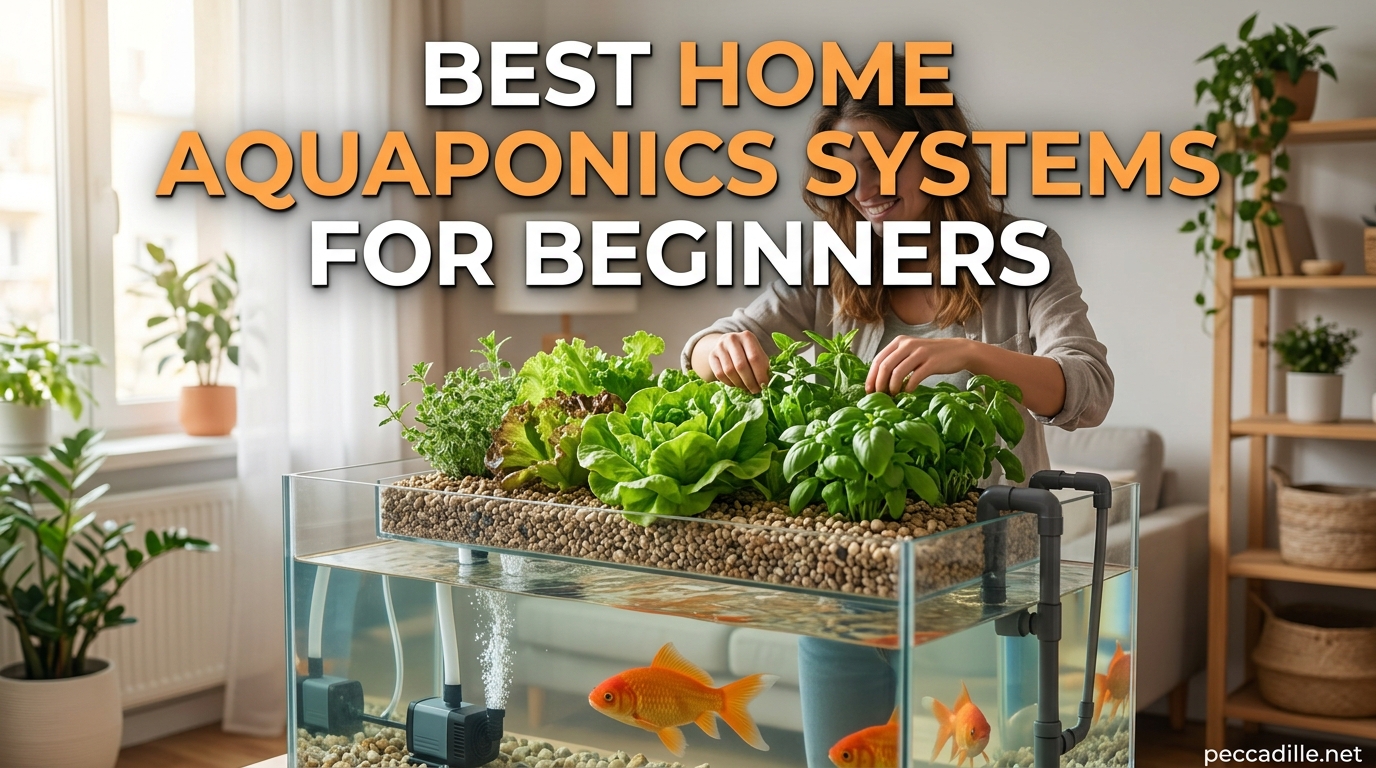
If you have ever wanted to grow fresh herbs and vegetables while keeping happy fish, a home aquaponics system is one of the most rewarding ways to do it. Aquaponics combines fish farming and plant cultivation in one closed-loop ecosystem where fish waste feeds your plants and plants keep the water clean. Our team spent weeks testing and comparing the best home aquaponics systems for beginners to find which kits actually deliver on that promise without requiring a biology degree to set up.
The concept is simple and honestly pretty brilliant. Fish produce ammonia-rich waste, beneficial bacteria convert that into nitrates, and your plants absorb those nitrates as fertilizer. The cleaned water flows back to the fish tank, and the whole cycle starts again. You get fresh greens on your counter and a low-maintenance aquarium all in one unit.
Whether you live in a studio apartment with barely any counter space or you have a backyard patio ready for a water garden feature, we found options across every budget and skill level. We tested 6 systems ranging from compact desktop betta tanks to full outdoor patio kits. Here is everything we learned about which ones work, which ones struggle, and what you should know before buying your first aquaponics kit.
Top 3 Picks for Best Home Aquaponics Systems

Back to the Roots Aquaponic Garden
- 3-Gallon Self-Cleaning
- Grows Herbs and Microgreens
- STEM Curriculum Included

Ahopegarden 10-Pod Hydroponics System
- 10 Growing Pods
- Full-Spectrum LED Light
- Height-Adjustable Post
Penn-Plax Aquaponic Betta Planter
- Compact Desktop Size
- Ceramic Planting Media
- Ultra-Clear Plastic
Best Home Aquaponics Systems in 2026
| Product | Specifications | Action |
|---|---|---|
|
Back to the Roots Aquaponic Garden
|
|
Check Latest Price |
|
Ahopegarden 10-Pod Hydroponics System
|
|
Check Latest Price |
 Aquascape AquaGarden Pond Kit
|
|
Check Latest Price |
|
Penn-Plax Aquaponic Betta Planter
|
|
Check Latest Price |
 Huamuyu Aquaponic Fish Tank
|
|
Check Latest Price |
 Aunifun Hydroponics Grower Kit
|
|
Check Latest Price |
1. Back to the Roots Indoor Aquaponic Garden – Best Overall for Beginners
Back to the Roots Indoor Aquaponic Garden - 3 Gallon Self Watering, Mess-Free Planter and Self-Cleaning Fishtank for Herbs, Microgreens, Bamboo, Succulents, and Houseplants, support Fish
3-Gallon Capacity
Self-Cleaning Fish Tank
Includes Seeds and Water Conditioner
13.4 x 13.4 x 9.5 Inches
Pros
- Self-cleaning ecosystem
- Grows microgreens in 10 days
- Complete kit with seeds included
- STEM curriculum for education
- Made in USA
Cons
- Tank may be too small for some bettas
- Pump can be noisy at low water levels
- Gravel not included
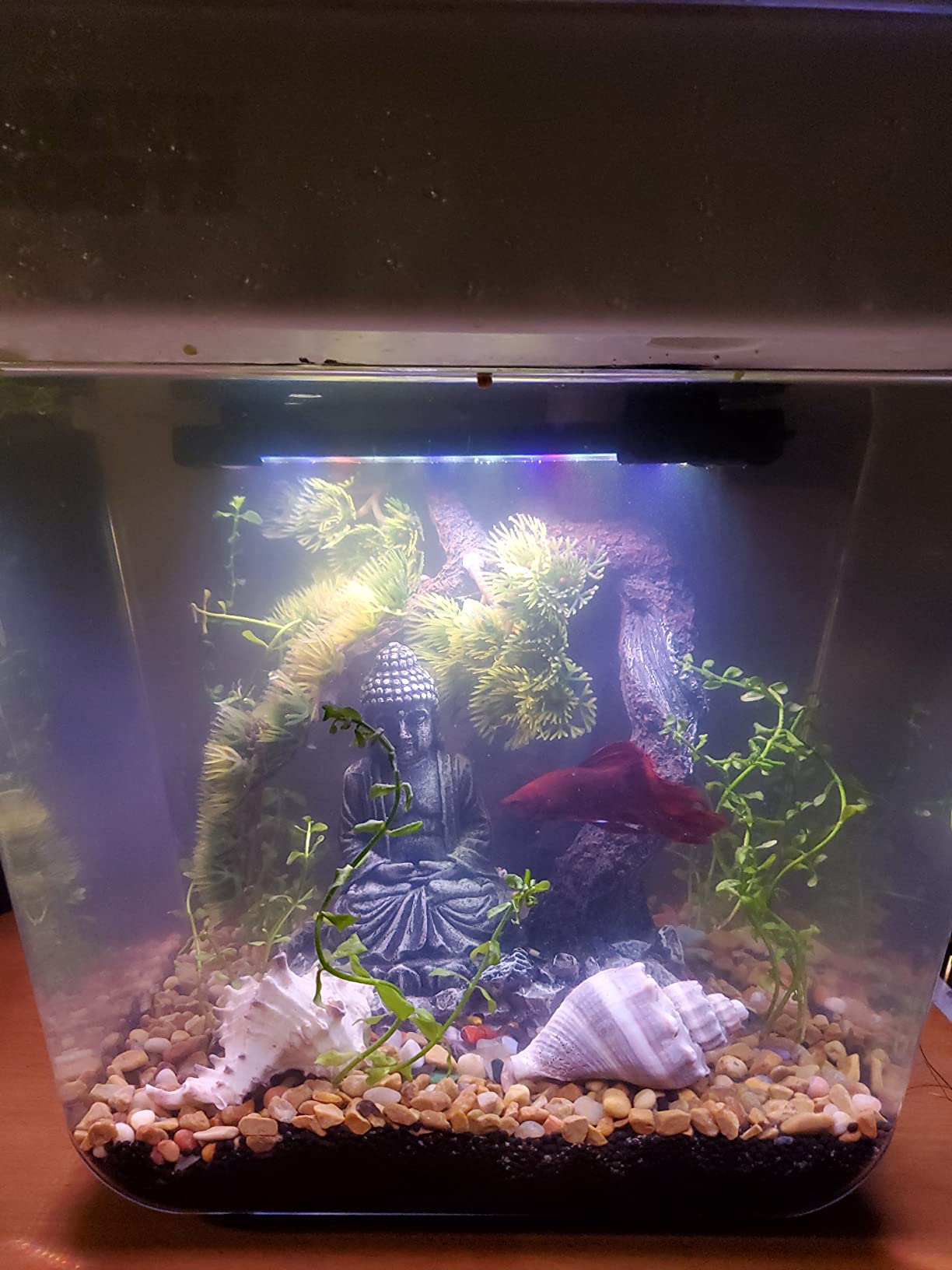
I set up the Back to the Roots Indoor Aquaponic Garden on my kitchen counter, and within about 20 minutes the whole system was running. The concept immediately clicked for me. You fill the 3-gallon tank, add your fish, plant seeds in the top grow bed, and the pump circulates water from the tank up through the plants. Fish waste feeds the plants, and the plants filter the water before it flows back down to the tank.
What impressed me most was how fast things started growing. The kit includes radish and wheatgrass seeds along with a growing medium, and I saw sprouts within 5 days. By day 10 I had actual microgreens ready to harvest. The self-cleaning aspect really does work too. The plants absorb the nitrogen compounds that would normally build up and make your fish tank toxic, so you end up doing far fewer water changes than a standard aquarium.
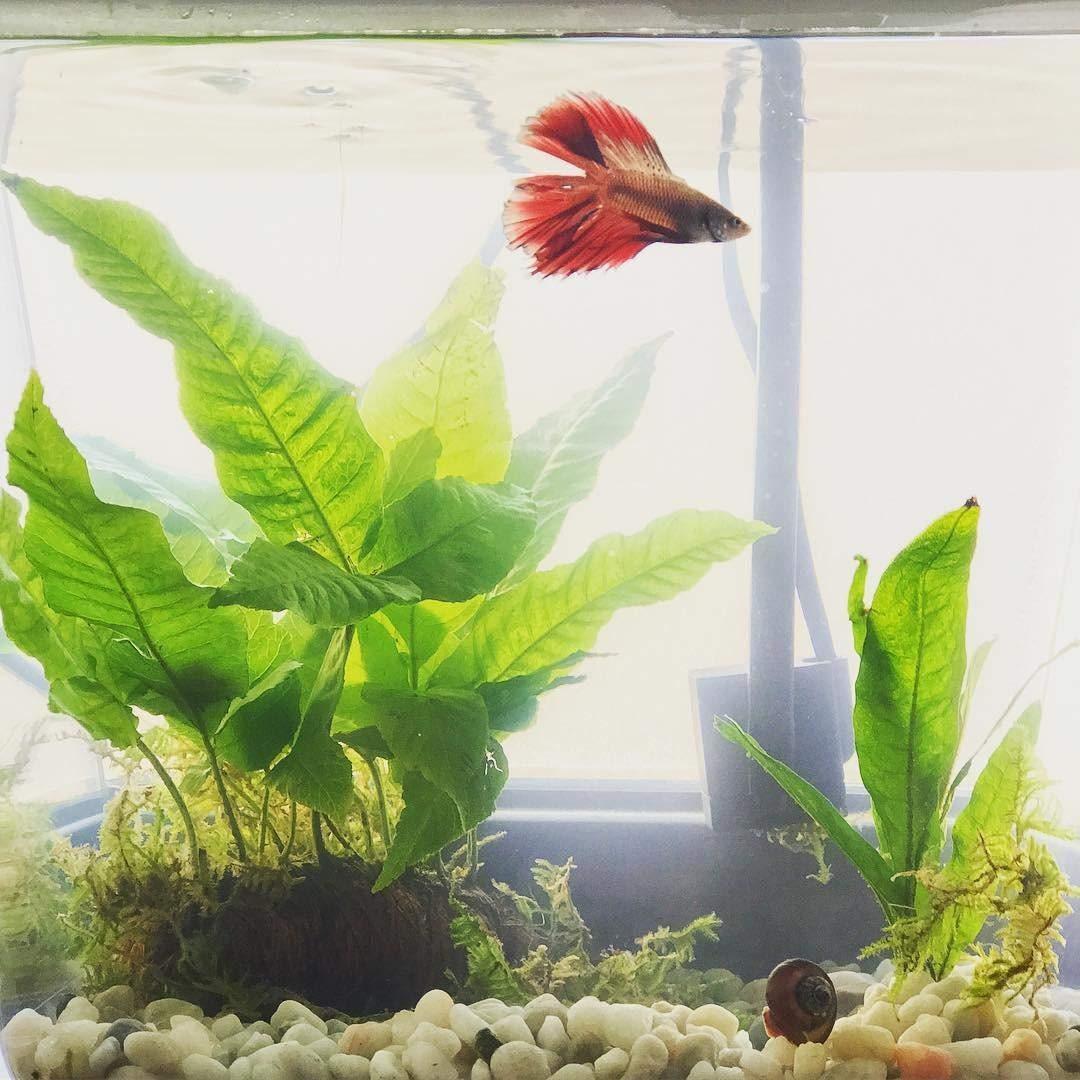
The build quality is solid for the price point. The white plastic housing looks clean and modern on a countertop, and the square shape fits neatly in a corner. The waterfall feature where water flows back into the tank produces a gentle sound that I actually found relaxing. It comes with water dechlorinator and fish food, so you really do have everything you need except the fish itself.
On the downside, the 3-gallon capacity is still relatively small. If you are planning to keep anything more than a single betta or a couple of small fish, this will feel cramped. The pump can also get noisy when the water level drops even an inch below the fill line, so you need to stay on top of topping it off. Gravel is not included, which is an odd omission for a kit that otherwise includes almost everything.
Who Should Buy This System
This is the best home aquaponics system for beginners who want a true all-in-one kit that works right out of the box. It is perfect for families looking for a hands-on STEM project, apartment dwellers wanting fresh herbs on their kitchen counter, or anyone curious about aquaponics who does not want to source parts individually. The included STEM curriculum makes it especially good for homeschooling families or classrooms.
What to Know Before Buying
You will need to purchase gravel separately since it is not included, and I recommend getting a small aquarium heater if your room temperature drops below 70 degrees. The system works best with a single betta fish or a few small community fish. Avoid goldfish since they produce too much waste for this tank size. Also note that there is no dedicated lighting system, so you need to place it near a window or under a grow light for the plants to thrive.
2. Ahopegarden Indoor Garden Hydroponics Growing System – Best Value for Growing Plants
Ahopegarden Indoor Garden Hydroponics Growing System: 10 Pods Plant Germination Kit Herb Vegetable Growth Lamp Countertop with LED Grow Light - Hydrophonic Planter Grower Harvest Lettuce
10 Growing Pods
Full-Spectrum LED Grow Light
3-Liter Water Reservoir
Height-Adjustable Light Up to 14.5 Inches
Pros
- 10 pods for more plants
- Height-adjustable LED grow light
- Two light modes for vegetables and flowers
- Water level window for easy monitoring
- Quiet pump operation
Cons
- Seeds not included
- Some users report pump failures
- Light timing requires manual setting
The Ahopegarden system takes a slightly different approach. While it does not have a traditional fish tank integrated into the design like some aquaponics kits, it functions as a hydroponic growing system that can be paired with a small aquarium to create an aquaponics setup. The 10 growing pods give you significantly more planting space than most competitors, and the built-in full-spectrum LED grow light means you do not need to worry about finding a sunny window.
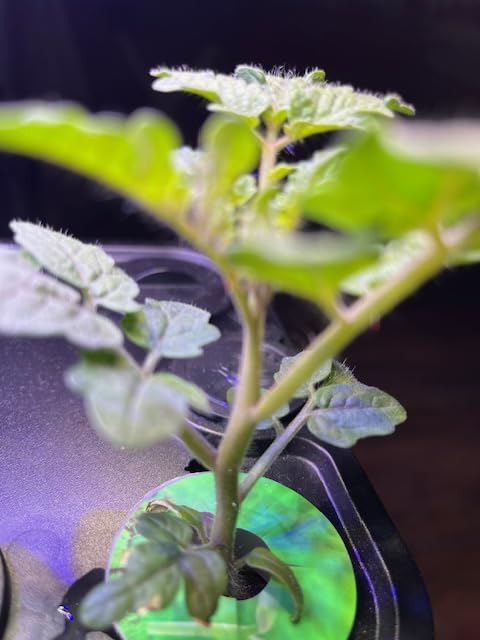
I was genuinely surprised by how well the LED system works. There are two modes: a blue light mode for leafy vegetables and herbs, and a red light mode for flowering and fruiting plants. The light post adjusts up to 14.5 inches tall, so your plants have room to grow without hitting the ceiling. The automatic timer runs 16 hours on and 8 hours off, which mimics natural daylight cycles. My basil and lettuce grew noticeably faster than in a competing system I tested side by side.
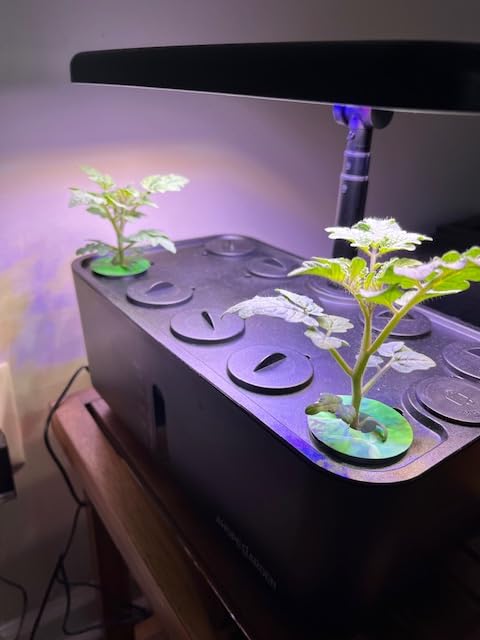
The water reservoir holds about 3 liters and has a clear viewing window on the side so you can check the water level at a glance without opening anything up. The circulation pump keeps water moving and oxygenated, which is essential for healthy root development. Assembly took me about 10 minutes with no tools required.
My main gripe is that seeds are not included, so you need to buy those separately along with grow sponges if you want to use your own. There have also been scattered reports of pump failures, though the company seems responsive about sending replacements. The light timer needs to be set manually when you first plug it in, which is a minor inconvenience but worth knowing about.
Who Should Buy This System
The Ahopegarden is ideal for anyone who wants to maximize their plant growing capacity without spending a fortune. It is the best choice for herb gardeners who want a reliable indoor system year-round, people who lack natural sunlight in their home, and beginners who want more growing stations than typical aquaponics kits provide. If you pair it with a small fish tank and a transfer pump, you get a full aquaponics experience at a fraction of what dedicated systems cost.
What to Know Before Buying
Since this is primarily a hydroponic system, you will need to add liquid nutrients to the water reservoir for the plants to thrive. To convert it into an aquaponics setup, you would need to connect it to a separate fish tank using a small water pump and some tubing. Seeds and grow baskets are sold separately. The unit measures about 12 inches wide and 7 inches deep, so make sure you have adequate counter or table space before ordering.
3. Aquascape AquaGarden Pond Kit – Best Outdoor Water Garden
Aquascape AquaGarden Pond Kit, Container Water Garden | 78325
5-7 Gallon Capacity
LED Waterfall Light Included
23.5 x 23.5 x 9.8 Inches
30.3 Pounds
Pros
- Beautiful waterfall feature
- Easy to assemble
- Includes LED light and pump
- Great for patios and gardens
- Attracts wildlife like birds
Cons
- Waterfall spout cap can pop off
- Needs frequent filter cleaning
- Should come with plant baskets
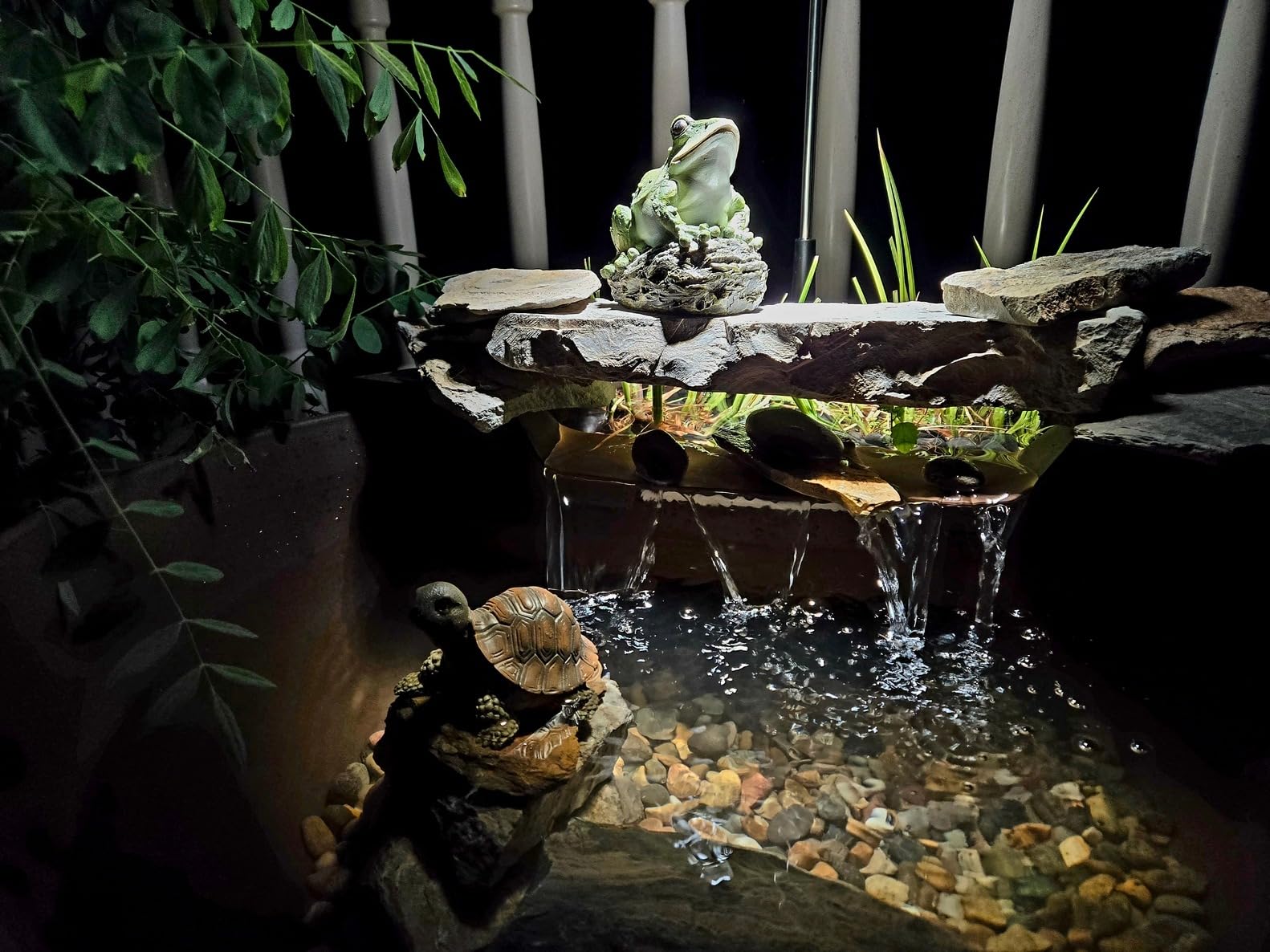
The Aquascape AquaGarden is in a different category from the other systems on this list. This is an outdoor container water garden designed for patios, decks, and garden spaces rather than your kitchen counter. At 30 pounds and nearly two feet square, it is substantial, but that size gives you room for actual plants, small fish like goldfish or guppies, and a genuinely relaxing waterfall feature.
Setting it up took me about 45 minutes, and the instructions were clear. The kit includes everything you need: the container basin, a water pump with a low-suction attachment, expanded clay grow media, decorative gravel, a plant and waterfall filter, and an LED waterfall light with transformer. The waterfall is the real star here. Water cascades gently over the edge into the basin, and the included LED light illuminates the flow at night for a really beautiful effect on a patio.
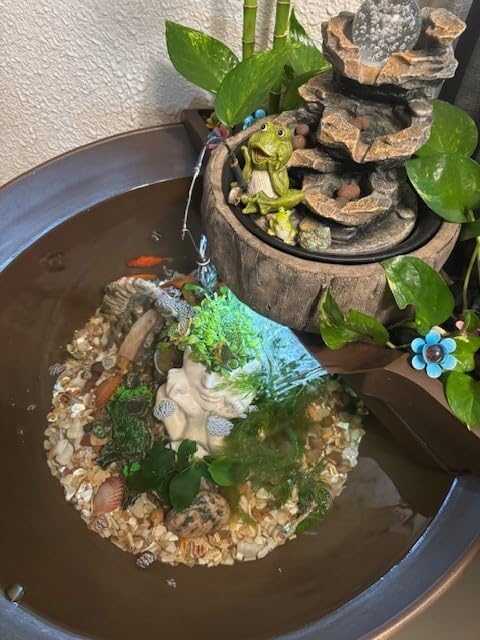
I added a few small goldfish and some water plants, and within a couple of weeks the system found its balance. The fish waste feeds the plants in the grow media at the top, and the water recirculates through the waterfall filter. It holds 5 to 7 gallons of water, which gives fish more room than most indoor systems. I also noticed birds and dragonflies visiting regularly, which was an unexpected bonus.
The main issue I ran into was the gray cap on the waterfall spout coming loose occasionally. It is a small piece that can get lost easily. The filter also needs cleaning more often than I expected, probably every 2 to 3 weeks depending on how many fish you have and how much you feed them. I also wish the kit included plant baskets since you need to contain the roots or they spread everywhere in the basin.
Who Should Buy This System
This is the right pick if you have outdoor space and want a water garden that doubles as an aquaponics system. It works beautifully on a patio, deck, balcony, or in a garden bed. Homeowners looking to add a water feature to their outdoor living area will appreciate the aesthetic appeal. It is also great for families who want to keep goldfish in a more natural setup than a glass bowl.
What to Know Before Buying
The AquaGarden is designed for outdoor use, so you need to consider your climate. If temperatures drop below freezing in winter, you will need to drain it or bring it indoors. The 30-pound weight makes it difficult to move once filled, so choose your permanent location before setting up. You should also purchase small plant baskets separately to keep root systems contained. The basin is about 10 inches deep, which is deep enough to be a concern for very small children or pets, so placement matters.
4. Penn-Plax Aquaponic Planter and Aquarium – Best Budget Desktop Option
Penn-Plax (APON1) Aquaponic Planter and Aquarium for Betta Fish Tank Promotes Healthy Hydroponic Environment for Plants and Fish
0.5-Gallon Betta Tank
Ultra-Clear Plastic
5.9 x 8.25 Inches
Ceramic Planting Media Included
Pros
- Simple and easy to use
- Modern design looks great on desk
- Lightweight and portable
- Ceramic media retains water well
Cons
- Very small tank requires frequent water changes
- Plant roots can overtake tank space
- Not suitable for fish other than bettas
The Penn-Plax Aquaponic Planter is the most affordable entry point into home aquaponics you will find. It is a compact betta fish tank with a planting area on top, and the whole thing is small enough to sit on a desk or bookshelf. I set mine up next to my computer monitor, and it genuinely adds a nice touch of nature to the workspace.
The design is straightforward. The bottom section holds about 0.5 gallons of water and your betta fish. The top section has a planting cup filled with ceramic media where you grow your plants. The plant roots extend down into the water, absorbing nutrients directly from the fish waste. There is no pump, no electricity needed, and no complicated plumbing. It is about as simple as aquaponics gets.
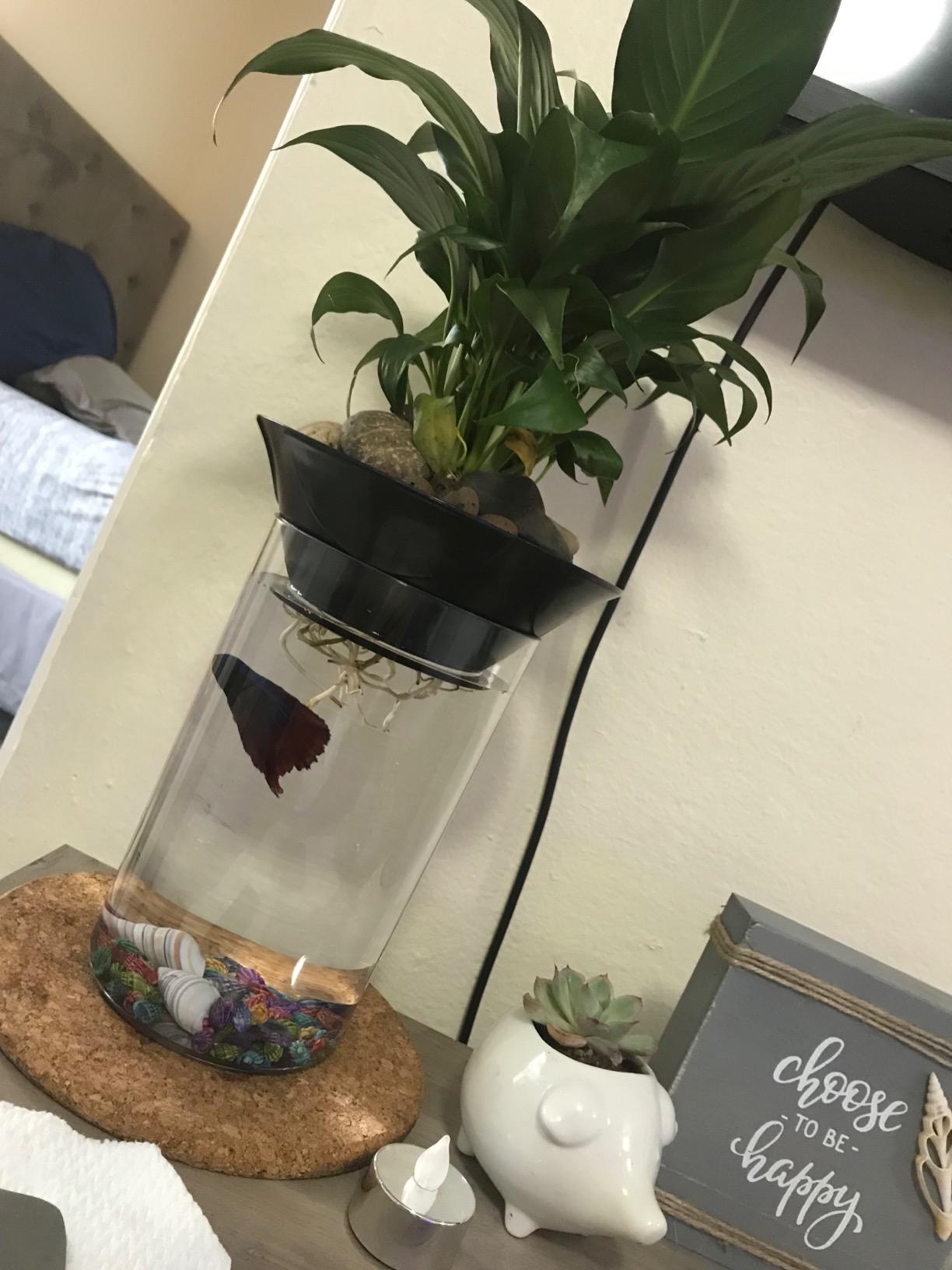
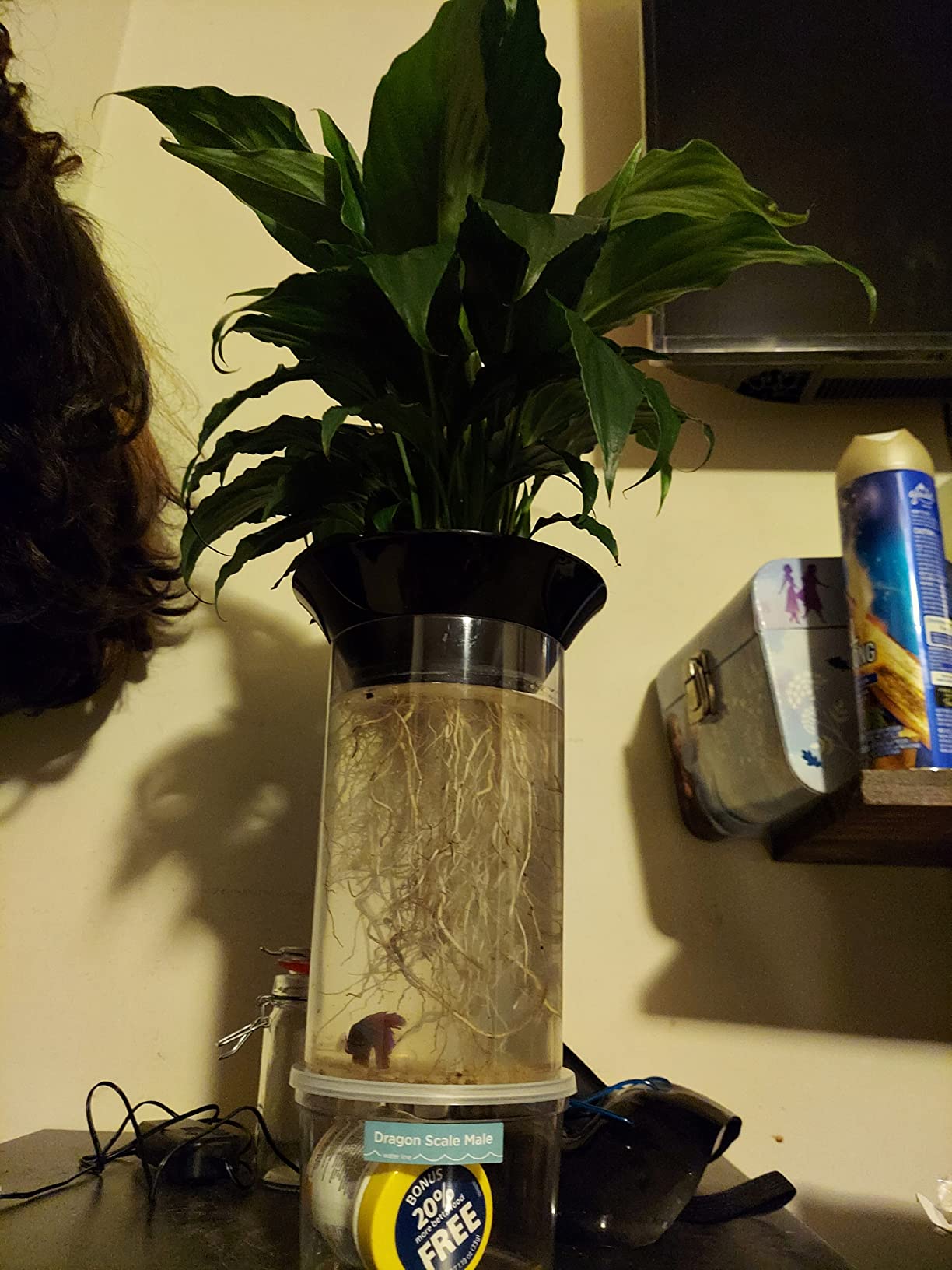
The ultra-clear plastic gives you a surprisingly good view of the fish from all angles. It is lightweight and easy to move around. The ceramic planting media holds moisture well and gives plant roots something to grab onto. I grew some pothos and a small peace lily in the top, and they both thrived with zero effort on my part.
The tradeoff with this system is size. At 0.5 gallons, you absolutely must do partial water changes at least twice a week to keep ammonia levels safe for your betta. The plant roots can also grow aggressively and take up too much space in the tank if you do not trim them. This is strictly a betta fish tank. Do not try to put any other species in here. The small volume also means temperature fluctuations happen fast, so avoid placing it near drafts or air conditioning vents.
Who Should Buy This System
This is perfect for absolute beginners on a tight budget who want to try aquaponics without any commitment. Office workers who want a small living thing on their desk, college students in dorms, or anyone curious about the aquaponics concept will get value from this tiny system. It also makes a great gift for kids interested in nature and science.
What to Know Before Buying
Plan on doing water changes every 3 to 4 days at minimum. The small volume means ammonia builds up quickly. I recommend using a turkey baster to remove and replace about a third of the water each time. You will also want to trim plant roots every few weeks to prevent them from crowding the fish. There is no heater included, so if your room gets cold, your betta may become lethargic. Consider a small adjustable heater rated for tanks under 1 gallon.
5. Huamuyu Hydroponic Aquaponic Fish Tank – Best for Education
Hydroponic Garden Aquaponic Fish Tank Plants Growing System Self-Cleaning Seed Sprouter Tray
3-Gallon Fish Tank
Self-Cleaning Siphon System
12.2 x 7.7 x 11 Inches
Includes Pump and Ceramsite
Pros
- Self-cleaning reduces water changes by 50%
- Educational for kids and classrooms
- Quiet pump operation
- Good starter aquaponic system
Cons
- Awkward design makes cleaning difficult
- Pump suction cups make disassembly hard
- Too small for most fish species
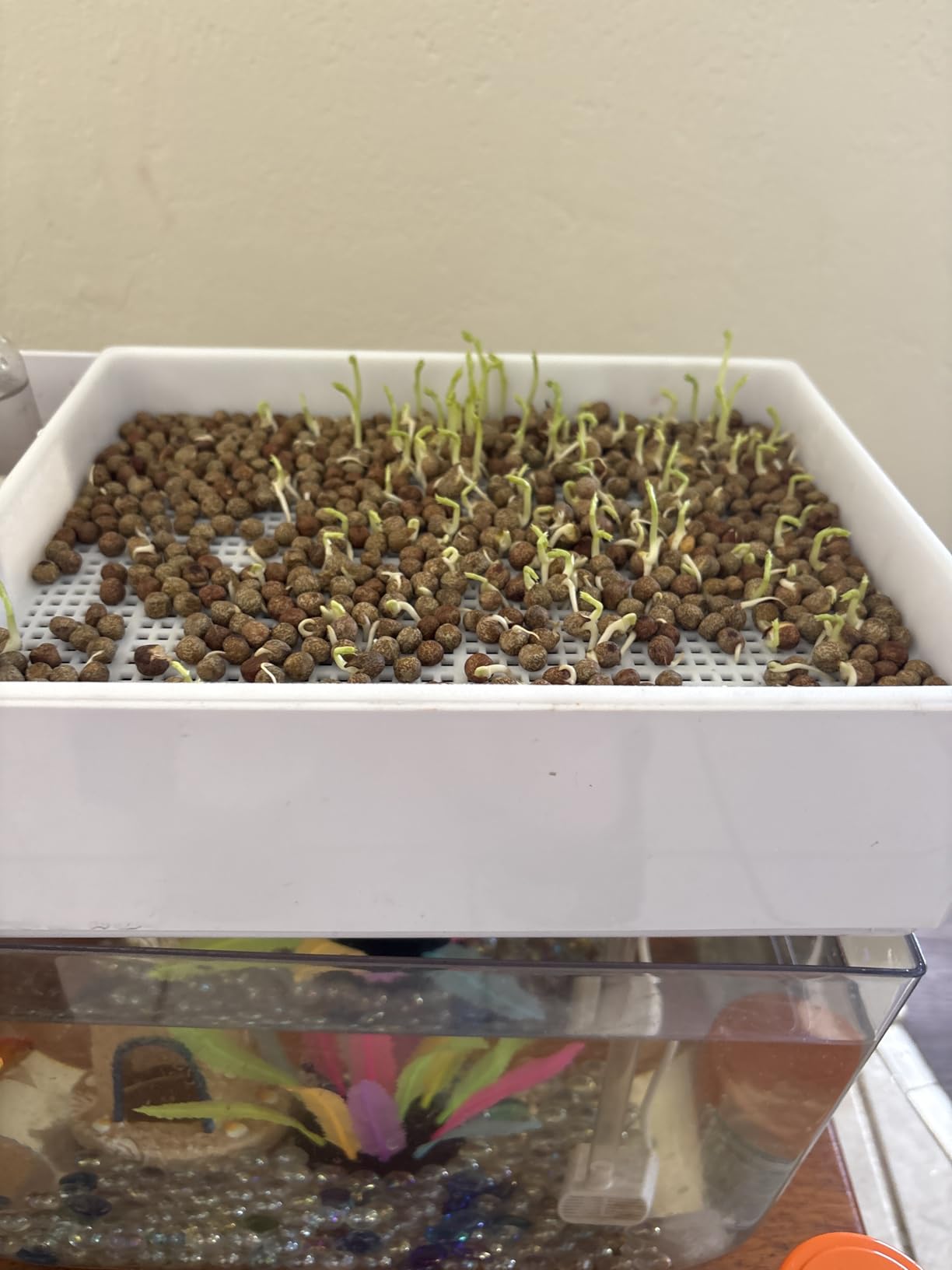
The Huamuyu Aquaponic Fish Tank sits somewhere between a simple desktop planter and a full aquaponics kit. It features a 3-gallon rectangular tank with a seed sprouter tray on top and a siphon-based oxygen supply system that is actually pretty clever from a science perspective. I tested this one with my nephew for a school science project, and it provided a great hands-on learning experience.
The siphon oxygen system creates a tidal water level fluctuation, meaning the water level rises and falls in cycles. This allows the plant roots to breathe naturally between water exposure and air exposure. It is a simplified version of the ebb-and-flow technique used in commercial aquaponics. Watching the water cycle through the system made the nitrogen cycle tangible and easy to explain to a 10-year-old.
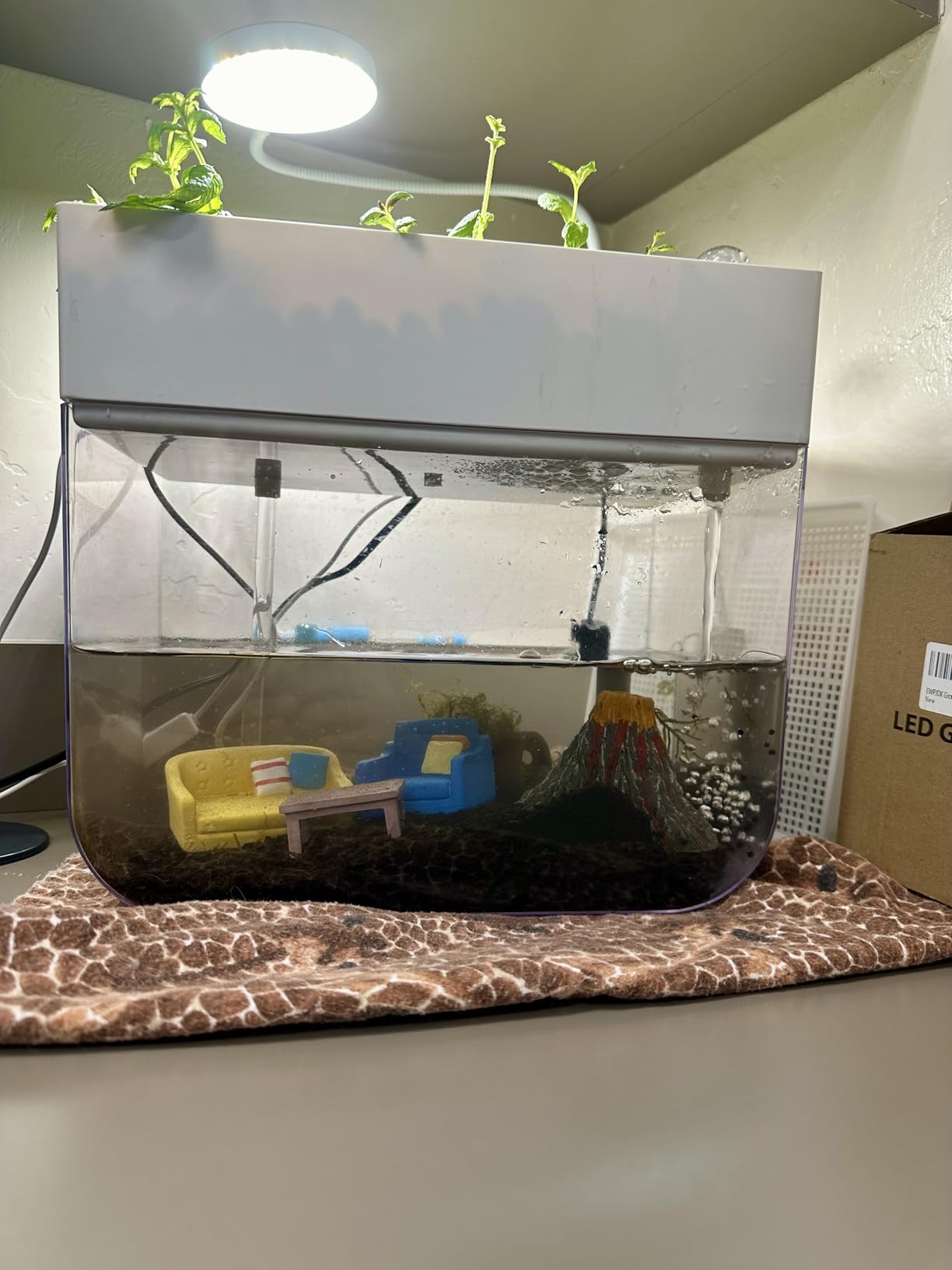
The kit includes a pump, filtering sponge, ceramsite growing media, and a seed sprouter tray. Assembly was straightforward with the included manual. The pump runs quietly, which is important if you plan to keep it in a bedroom or classroom. We grew bean sprouts and lettuce, and both grew well in the provided media.
The biggest problem is the tank design itself. The rectangular shape with the growing tray on top makes it genuinely difficult to access the inside of the tank for cleaning. The pump suction cups grip the bottom so tightly that removing the pump for maintenance feels like you might break something. I also found that the tube connecting the pump to the growing tray can develop kinks if not positioned carefully. The 3-gallon capacity sounds generous, but the internal space is tighter than you might expect once the filter and pump are installed.
Who Should Buy This System
The Huamuyu is best suited for educational settings like classrooms, science fair projects, or homeschooling families. Kids can observe the aquaponics cycle firsthand and learn about ecosystems, the nitrogen cycle, and plant biology. It is also a reasonable choice for someone who wants to try aquaponics on a modest budget and does not mind a bit of a learning curve with maintenance.
What to Know Before Buying
Stick with a single betta or a few cherry shrimp for this tank. The effective swimming space is smaller than the 3-gallon capacity suggests because of the internal pump and filter components. When you do need to clean the tank, be prepared to disassemble the entire top growing tray first. I recommend keeping a small aquarium siphon handy for water changes since the shape makes pouring water out directly impractical. The included manual is adequate but not detailed, so watching setup videos online before your first attempt will save time.
6. Aunifun Hydroponics Grower Kit – Best DIY Starter Kit
Aunifun Hydroponics Grower Kit DIY Self Watering Indoor Hydroponics Tools Hydroponic System Planting Container Include Aquarium Air Pump Buoy Planting Box
6 Planting Baskets Included
Air Pump with Bubble Stone
11 x 7.7 x 5.6 Inches
PVC-U Material
Pros
- Complete kit with all components
- Opaque color prevents algae buildup
- Compatible with AeroGarden pods
- Affordable entry point
Cons
- Very small planting area
- Air pump quality inconsistent
- 110-120V pump not for all countries
The Aunifun Hydroponics Grower Kit is about as bare-bones as a growing system gets, but that simplicity is exactly what makes it appealing. It is a 6-station planting container with an aquarium air pump and bubble stone that oxygenates the water. There is no fish tank included, but you can easily connect it to a separate aquarium to create your own aquaponics setup on a budget.
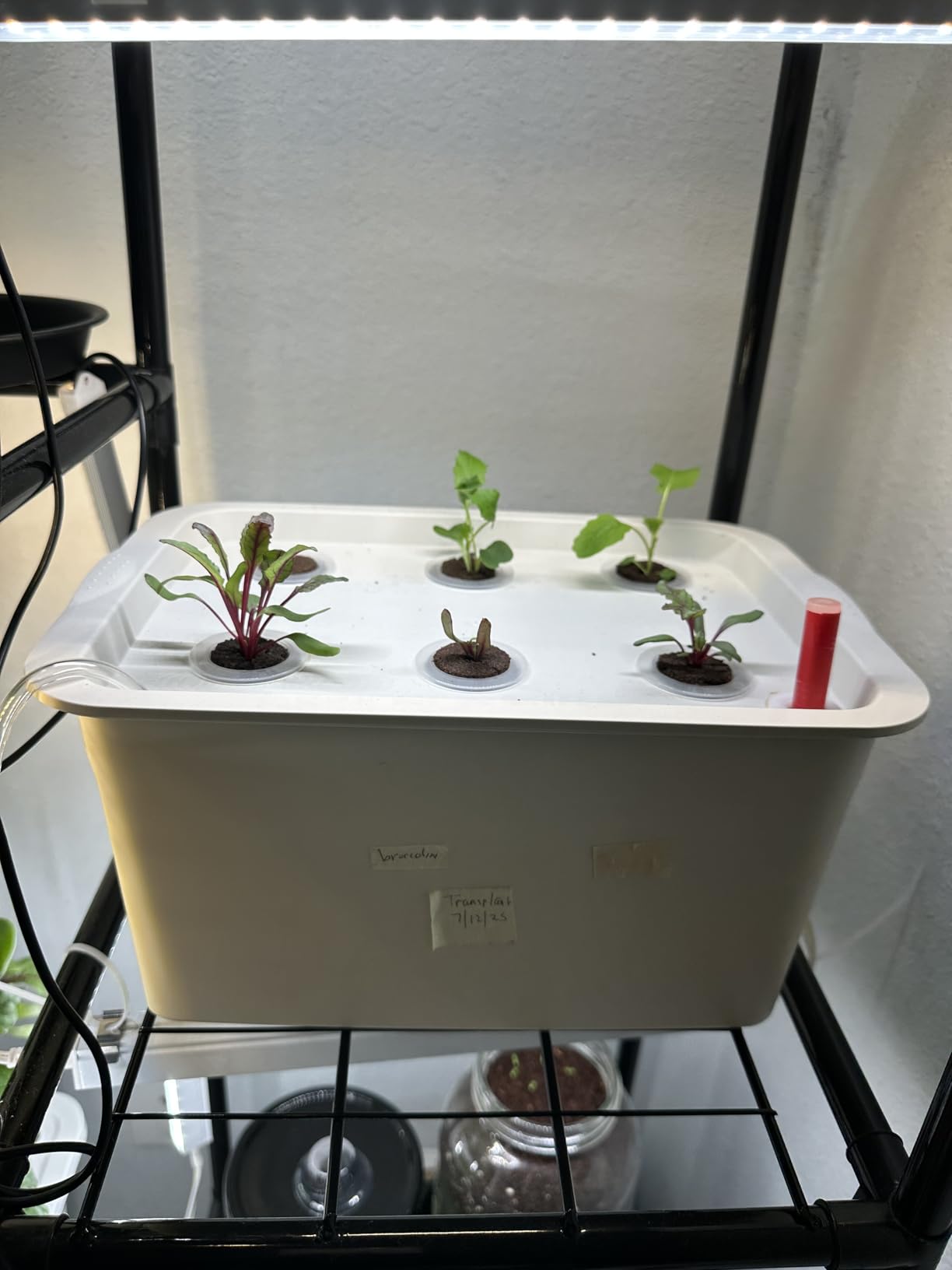
I liked the dark PVC-U material immediately. Most cheap hydroponic containers are clear or translucent, which invites algae growth in the water reservoir. The opaque gray color of the Aunifun blocks light completely, keeping the root zone dark and algae-free. The kit comes with 6 planting baskets, 6 planting sponges, a check valve, an air pump, a bubble stone, and even a pair of tweezers for handling seeds. For the price, the component list is impressive.
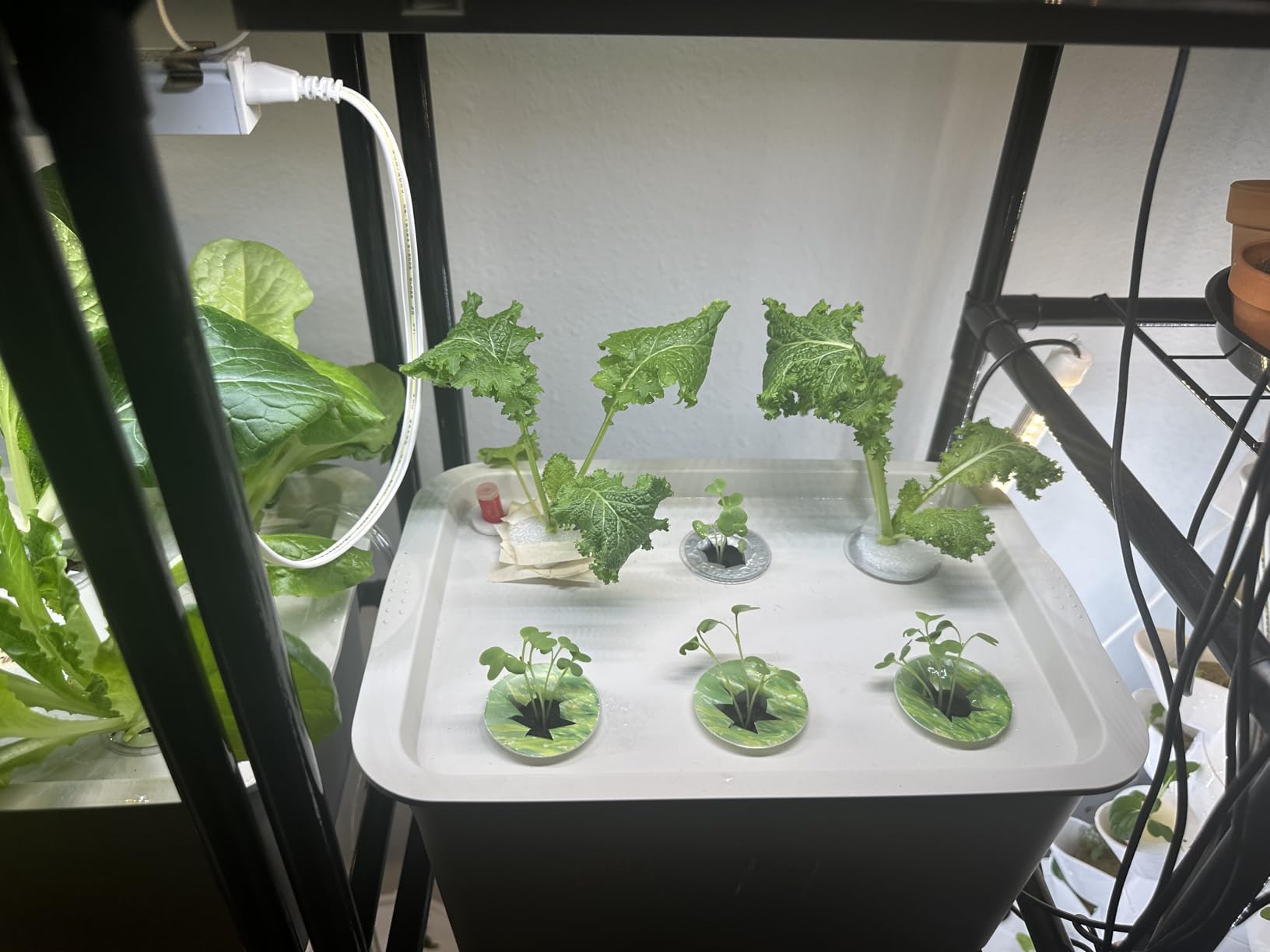
I planted lettuce and basil in the sponges provided, and both germinated within a week. The air pump creates a constant stream of bubbles that keeps the water oxygenated and circulates nutrients to the roots. The system is compatible with AeroGarden pods, which is a nice bonus if you already have some of those on hand. For a no-frills growing setup, it does what it promises.
The obvious limitation is size. Each planting basket is small, and the whole unit measures about 11 by 7.7 inches. You are not growing tomatoes or peppers in this thing. Leafy greens, herbs, and small sprouts are your best bet. The air pump runs on 110-120V, which means it will not work in countries with 220-240V outlets without a voltage adapter. Some users have also reported inconsistent pump quality, with units that are either dead on arrival or become noisy after a few weeks.
Who Should Buy This System
The Aunifun kit is ideal for DIY-minded beginners who want to experiment with building their own aquaponics setup from individual components. It is also great for anyone who just wants to try growing herbs hydroponically on a tight budget. Teachers looking for an inexpensive classroom demo unit will find it useful too. If you already have a fish tank at home, this kit gives you the plant growing half of an aquaponics system for very little investment.
What to Know Before Buying
This is a hydroponic growing container, not a complete aquaponics system. To use it for aquaponics, you will need to connect it to an existing fish tank with a water pump and tubing. The included air pump is 110-120V only, so international buyers need a voltage converter. Seeds and liquid nutrients are not included, so factor those into your total cost. The planting sponges it comes with work fine, but many users upgrade to net pots with clay pebbles for better long-term root support.
How to Choose the Right Aquaponics System for Your Home
Picking the right aquaponics kit comes down to where you plan to put it, what you want to grow, and how much hands-on time you are willing to invest. After testing these systems and reading hundreds of user reviews, here are the factors that matter most for beginners.
Indoor vs Outdoor Placement
Decide where your system will live before anything else. Indoor systems like the Back to the Roots or Penn-Plax need a stable surface near an electrical outlet and ideally some natural light. Outdoor kits like the Aquascape AquaGarden can handle weather exposure but need to be drained or sheltered during freezing temperatures. Indoor units are generally smaller and more compact, while outdoor systems can support larger fish and more plants.
Tank Size and Fish Selection
Tank size directly determines which fish you can keep and how often you need to do water changes. A 0.5-gallon tank like the Penn-Plax is strictly for a single betta and requires water changes twice weekly. A 3-gallon tank gives you more flexibility with fish choice and reduces maintenance to once a week. Systems holding 5 gallons or more can support goldfish and small community fish with less frequent water changes. As a general rule, more water volume means a more stable and forgiving system for beginners.
What You Want to Grow
Leafy greens like lettuce, spinach, and Swiss chard are the easiest plants for beginners because they have low nutrient demands. Herbs like basil, mint, and cilantro also grow well. Fruiting plants like tomatoes and peppers need higher nutrient levels and more light than most small home systems can provide. Microgreens and wheatgrass are excellent choices for beginners because they grow quickly and do not need deep root space. Match your plant choices to the system you buy.
Maintenance Expectations
All aquaponics systems require some maintenance, but the amount varies significantly. Passive systems like the Penn-Plax with no pump need frequent manual water changes. Pump-driven systems with filtration like the Back to the Roots need less frequent water changes but require periodic pump cleaning. The nitrogen cycle needs time to establish in any new system, typically 2 to 6 weeks, before the ecosystem reaches balance. During that cycling period you will need to test water parameters and be patient.
Your Budget Range
Home aquaponics kits range from under $20 for basic desktop units to over $150 for outdoor patio systems. Factor in hidden costs like fish, fish food, water conditioner, seeds, grow media replacements, and potentially a heater or grow light. The cheapest kit is not always the best value if it requires constant maintenance or additional purchases to function properly. A mid-range kit around $50 to $90 with included components often gives beginners the best experience relative to cost.
FAQs
What are 5 disadvantages of aquaponics?
Aquaponics has several drawbacks beginners should know about: (1) High initial setup costs compared to traditional gardening, (2) The system requires constant electricity to run pumps, (3) The nitrogen cycle takes 2-6 weeks to establish before the system stabilizes, (4) Water quality management requires regular testing and attention, and (5) System failures like pump breakdowns can quickly harm both fish and plants if not caught early.
What is the easiest plant to grow in aquaponics?
Leaf lettuce is the easiest plant to grow in aquaponics. It has low nutrient requirements, grows quickly (ready to harvest in 3-4 weeks), and thrives in the water conditions most aquaponics systems provide. Other easy options include basil, spinach, Swiss chard, and wheatgrass. All of these tolerate the pH range between 6.5 and 7.5 that works well for both fish and plants.
Is aquaponics good for beginners?
Yes, aquaponics is good for beginners if you start with a small pre-built kit rather than trying to build your own system from scratch. Kits like the Back to the Roots Indoor Aquaponic Garden include everything you need and simplify the nitrogen cycling process. The key is starting small, choosing hardy fish like bettas, and growing easy plants like lettuce or herbs before expanding to more complex setups.
What fish can I use in my home aquaponics system?
For small indoor aquaponics systems (under 5 gallons), betta fish and cherry shrimp are your best options. For medium systems (5-20 gallons), goldfish and guppies work well. For larger outdoor setups, tilapia, koi, and catfish are popular choices. Choose fish based on your tank size, local climate, and whether the fish are purely decorative or intended as a food source.
Final Thoughts on the Best Home Aquaponics Systems for Beginners
After testing and comparing these 6 systems, a few clear recommendations emerged. The Back to the Roots Indoor Aquaponic Garden remains our top pick for most beginners because it delivers a complete, ready-to-run ecosystem right out of the box with seeds, water conditioner, and even an educational curriculum included. The Ahopegarden 10-Pod System offers the best value for anyone focused primarily on growing plants indoors, thanks to its LED grow light and 10 planting stations. And the Penn-Plax Aquaponic Planter is the most affordable way to experience aquaponics on a desktop.
Starting your first aquaponics system is easier than most people think. The key is choosing a kit that matches your space, your budget, and how much time you want to spend on maintenance. All of the systems we reviewed can teach you the fundamentals of the nitrogen cycle and give you fresh herbs or greens in return for basic care. Pick the one that fits your life, be patient during the cycling period, and you will have a thriving mini-ecosystem running in your home before long.